

Acer_X
152 貼文

Acer_X
舉報
封鎖用戶
BP-0F9C58DD3173
483 關注
269 粉絲
120 點讚數
貼文
全部
引用
·
--
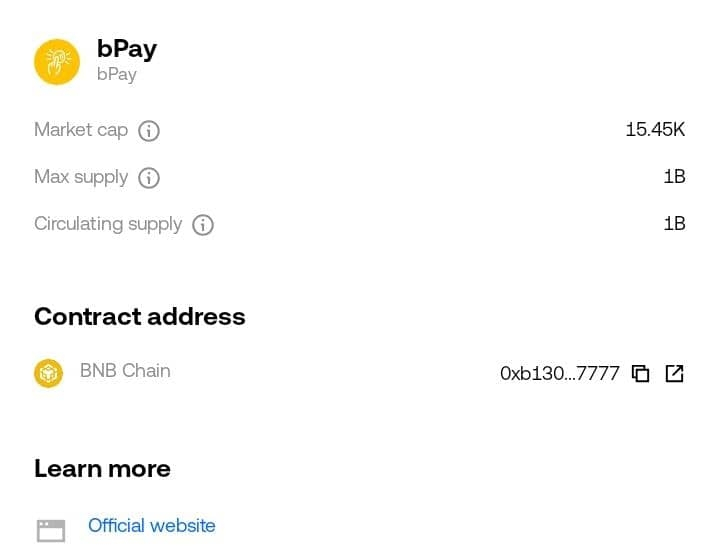
深入瞭解 bPay ($bPay)
去中心化金融與現實世界支付的交匯領域不斷髮展,而 bPay 正在努力彌合兩者之間的鴻溝。
bPay 旨在簡化數字交易,並讓加密貨幣在日常支付中發揮實用價值,絕對是一個值得持續關注的項目。通過追蹤新興生態系統並直接在鏈上覈實項目官方合約,始終保持領先。
bPay 官方合約地址 (CA):
0xb13003bf44de426dd2a3aae3df9c3400de0a7777
驗證碼:
BP-0F9C58DD3173
在 Web3 領域,一如既往,請做好自己的研究!
#Bpay #web3
深入瞭解 bPay ($bPay)
去中心化金融與現實世界支付的交匯領域不斷髮展,而 bPay 正在努力彌合兩者之間的鴻溝。
bPay 旨在簡化數字交易,並讓加密貨幣在日常支付中發揮實用價值,絕對是一個值得持續關注的項目。通過追蹤新興生態系統並直接在鏈上覈實項目官方合約,始終保持領先。
bPay 官方合約地址 (CA):
0xb13003bf44de426dd2a3aae3df9c3400de0a7777
驗證碼:
BP-0F9C58DD3173
在 Web3 領域,一如既往,請做好自己的研究!
#Bpay #web3
去中心化金融與現實世界支付的交匯領域不斷髮展,而 bPay 正在努力彌合兩者之間的鴻溝。
bPay 旨在簡化數字交易,並讓加密貨幣在日常支付中發揮實用價值,絕對是一個值得持續關注的項目。通過追蹤新興生態系統並直接在鏈上覈實項目官方合約,始終保持領先。
bPay 官方合約地址 (CA):
0xb13003bf44de426dd2a3aae3df9c3400de0a7777
驗證碼:
BP-0F9C58DD3173
在 Web3 領域,一如既往,請做好自己的研究!
#Bpay #web3
2
1
2
66
·
--
查看翻譯
it is a wonderful day.
I believe in $BTC to reach 63,500 before midnight 🤗
it is a wonderful day.
I believe in $BTC to reach 63,500 before midnight 🤗
I believe in $BTC to reach 63,500 before midnight 🤗
13
·
--
查看翻譯
Pavel has contributed much to social media and crypto.
Pavel has contributed much to social media and crypto.


TopCryptoNews
·
--
🔴 俄羅斯聯邦安全局(FSB)對帕維爾·杜羅夫發出國際逮捕令
據媒體報道,Telegram 創始人帕維爾·杜羅夫因涉嫌協助恐怖主義已被髮出國際逮捕令,消息來源爲俄羅斯聯邦安全局(FSB)。
據 FSB 稱,烏克蘭特種服務據稱使用 Telegram 聊天機器人招募俄羅斯公民。該機構表示,在該服務被加入被禁資源名錄之後,Telegram 管理方並未將其移除,而這成爲指控的依據。
截至發稿時,尚未收到帕維爾·杜羅夫的官方迴應。
#PavelDurov | #TON | $TON
據媒體報道,Telegram 創始人帕維爾·杜羅夫因涉嫌協助恐怖主義已被髮出國際逮捕令,消息來源爲俄羅斯聯邦安全局(FSB)。
據 FSB 稱,烏克蘭特種服務據稱使用 Telegram 聊天機器人招募俄羅斯公民。該機構表示,在該服務被加入被禁資源名錄之後,Telegram 管理方並未將其移除,而這成爲指控的依據。
截至發稿時,尚未收到帕維爾·杜羅夫的官方迴應。
#PavelDurov | #TON | $TON

64
·
--
Mira作爲核心驅動因素在一個注意力迅速轉移的市場中,真正的價值來自於那些安靜而持續地建設的項目。Mira網絡專注於創建一個支持可擴展去中心化創新的基礎,而不是追逐短期的炒作。任何生態系統的力量在於其代幣與實際網絡活動的整合程度,而#Mira 似乎旨在協調參與、治理和長期可持續性。
使$MIRA 有趣的是它在更廣泛的基礎設施敘事中的定位。它不僅僅是另一個資產,而是作爲生態系統參與的核心驅動因素。隨着區塊鏈的普及,那些優先考慮可用性、效率和社區激勵的網絡可能會脫穎而出。
Mira作爲核心驅動因素
在一個注意力迅速轉移的市場中,真正的價值來自於那些安靜而持續地建設的項目。Mira網絡專注於創建一個支持可擴展去中心化創新的基礎,而不是追逐短期的炒作。任何生態系統的力量在於其代幣與實際網絡活動的整合程度,而#Mira 似乎旨在協調參與、治理和長期可持續性。
使$MIRA 有趣的是它在更廣泛的基礎設施敘事中的定位。它不僅僅是另一個資產,而是作爲生態系統參與的核心驅動因素。隨着區塊鏈的普及,那些優先考慮可用性、效率和社區激勵的網絡可能會脫穎而出。
使$MIRA 有趣的是它在更廣泛的基礎設施敘事中的定位。它不僅僅是另一個資產,而是作爲生態系統參與的核心驅動因素。隨着區塊鏈的普及,那些優先考慮可用性、效率和社區激勵的網絡可能會脫穎而出。
1
4
·
--
強大的生態系統建立在實用性上,而不是噪音。@mira_network 正在開發旨在可持續參與的基礎設施,$MIRA 位於這一對齊的中心。隨着Web3的成熟,具有真實生態系統整合的代幣將比炒作更重要。關注增長軌跡。#Mira
強大的生態系統建立在實用性上,而不是噪音。@Mira - Trust Layer of AI 正在開發旨在可持續參與的基礎設施,$MIRA 位於這一對齊的中心。隨着Web3的成熟,具有真實生態系統整合的代幣將比炒作更重要。關注增長軌跡。#Mira
1
2
5
·
--
自動化 + 區塊鏈是一個強大的組合,@FabricFND 正在積極構建這一橋樑。$ROBO 在推動參與、治理和生態系統激勵方面發揮着關鍵作用。如果去中心化智能成爲主流,#ROBO 可能處於這一基礎設施敘事的核心。密切關注。
自動化 + 區塊鏈是一個強大的組合,@Fabric Foundation 正在積極構建這一橋樑。$ROBO 在推動參與、治理和生態系統激勵方面發揮着關鍵作用。如果去中心化智能成爲主流,#ROBO 可能處於這一基礎設施敘事的核心。密切關注。
1
32
·
--
查看翻譯
Robo the new GemAs Web3 evolves, the focus is shifting from speculation to real infrastructure. FabricFoundation is building an ecosystem where automation, AI logic, and blockchain coordination can work together seamlessly. That’s where $ROBO becomes more than just a token — it becomes a utility layer inside a programmable environment.
The strength of #ROBO lies in its integration within the Fabric ecosystem. It supports governance mechanisms, aligns incentives for contributors, and encourages sustainable network participation. Instead of short-term hype cycles, the project appears to be structured around long-term scalability and modular infrastructure growth.
What stands out about @FabricFND is its direction toward decentralized automation. In a future where smart systems execute tasks across chains, reliability and security will be essential. Projects that focus on infrastructure today may define tomorrow’s standards.
If adoption increases and ecosystem expansion continues, $ROBO could benefit from real demand tied to usage rather than speculation alone. That’s why I’m tracking development updates and community growth around Robo.
Robo the new Gem
As Web3 evolves, the focus is shifting from speculation to real infrastructure. FabricFoundation is building an ecosystem where automation, AI logic, and blockchain coordination can work together seamlessly. That’s where $ROBO becomes more than just a token — it becomes a utility layer inside a programmable environment.
The strength of #ROBO lies in its integration within the Fabric ecosystem. It supports governance mechanisms, aligns incentives for contributors, and encourages sustainable network participation. Instead of short-term hype cycles, the project appears to be structured around long-term scalability and modular infrastructure growth.
What stands out about @Fabric Foundation is its direction toward decentralized automation. In a future where smart systems execute tasks across chains, reliability and security will be essential. Projects that focus on infrastructure today may define tomorrow’s standards.
If adoption increases and ecosystem expansion continues, $ROBO could benefit from real demand tied to usage rather than speculation alone. That’s why I’m tracking development updates and community growth around Robo.
The strength of #ROBO lies in its integration within the Fabric ecosystem. It supports governance mechanisms, aligns incentives for contributors, and encourages sustainable network participation. Instead of short-term hype cycles, the project appears to be structured around long-term scalability and modular infrastructure growth.
What stands out about @Fabric Foundation is its direction toward decentralized automation. In a future where smart systems execute tasks across chains, reliability and security will be essential. Projects that focus on infrastructure today may define tomorrow’s standards.
If adoption increases and ecosystem expansion continues, $ROBO could benefit from real demand tied to usage rather than speculation alone. That’s why I’m tracking development updates and community growth around Robo.
·
--
機器人去中心化智能正在成爲Web3中最強大的敘述之一,而@FabricFND 正在將自己定位於這一轉變的中心。與其僅關注代幣投機,不如說$ROBO 周圍的生態系統旨在支持真實的自動化、鏈上協調和可編程基礎設施。
$ROBO 在Fabric生態系統中的角色使其變得有趣。它不僅僅是一個交易資產;它支持治理、激勵和網絡參與。隨着去中心化系統的發展,自動化和AI原生協議將需要安全、可擴展的框架——而這正是Fabric Foundation的獨特之處。
機器人
去中心化智能正在成爲Web3中最強大的敘述之一,而@Fabric Foundation 正在將自己定位於這一轉變的中心。與其僅關注代幣投機,不如說$ROBO 周圍的生態系統旨在支持真實的自動化、鏈上協調和可編程基礎設施。
$ROBO 在Fabric生態系統中的角色使其變得有趣。它不僅僅是一個交易資產;它支持治理、激勵和網絡參與。隨着去中心化系統的發展,自動化和AI原生協議將需要安全、可擴展的框架——而這正是Fabric Foundation的獨特之處。
$ROBO 在Fabric生態系統中的角色使其變得有趣。它不僅僅是一個交易資產;它支持治理、激勵和網絡參與。隨着去中心化系統的發展,自動化和AI原生協議將需要安全、可擴展的框架——而這正是Fabric Foundation的獨特之處。
18
·
--
去中心化自動化的未來已經到來。@FabricFND 正在構建智能基礎設施,將 AI 與區塊鏈效率連接起來。$ROBO 爲治理、公用事業和生態系統增長提供動力,使網絡變得更智能和可擴展。我在關注 #ROBO 如何超越炒作,整合實際效用。
去中心化自動化的未來已經到來。@Fabric Foundation 正在構建智能基礎設施,將 AI 與區塊鏈效率連接起來。$ROBO 爲治理、公用事業和生態系統增長提供動力,使網絡變得更智能和可擴展。我在關注 #ROBO 如何超越炒作,整合實際效用。
·
--
Mira的未來去中心化基礎設施的未來正由專注於可擴展性、真實效用和強大社區對齊的項目所塑造。@mira_network正將自己定位為這個領域的關鍵創新者,建立一個旨在可持續增長和真實鏈上採用的生態系統。$MIRA 最突出的地方在於技術和代幣效用之間的戰略平衡——這不僅僅是關於炒作,而是關於長期價值創造。
隨著區塊鏈產業的成熟,我們看到從投機敘事轉向基於基礎設施的生態系統的轉變。 $MIRA 在這裡扮演著重要角色,支持一個鼓勵參與、安全和透明度的框架。代幣經濟模型似乎結構化以獎勵貢獻者,同時維護生態系統的健康。
Mira的未來
去中心化基礎設施的未來正由專注於可擴展性、真實效用和強大社區對齊的項目所塑造。@mira_network正將自己定位為這個領域的關鍵創新者,建立一個旨在可持續增長和真實鏈上採用的生態系統。$MIRA 最突出的地方在於技術和代幣效用之間的戰略平衡——這不僅僅是關於炒作,而是關於長期價值創造。
隨著區塊鏈產業的成熟,我們看到從投機敘事轉向基於基礎設施的生態系統的轉變。 $MIRA 在這裡扮演著重要角色,支持一個鼓勵參與、安全和透明度的框架。代幣經濟模型似乎結構化以獎勵貢獻者,同時維護生態系統的健康。
隨著區塊鏈產業的成熟,我們看到從投機敘事轉向基於基礎設施的生態系統的轉變。 $MIRA 在這裡扮演著重要角色,支持一個鼓勵參與、安全和透明度的框架。代幣經濟模型似乎結構化以獎勵貢獻者,同時維護生態系統的健康。
1
1
·
--
查看翻譯
Adoption in Web3 depends on strong infrastructure and sustainable token utility. @mira_network is building with long-term scalability in mind, and $MIRA plays a central role in aligning incentives within the ecosystem. As narratives shift toward real utility, projects like this deserve attention. Keep watching the development closely. #Mira
Adoption in Web3 depends on strong infrastructure and sustainable token utility. @Mira - Trust Layer of AI is building with long-term scalability in mind, and $MIRA plays a central role in aligning incentives within the ecosystem. As narratives shift toward real utility, projects like this deserve attention. Keep watching the development closely. #Mira
·
--
查看翻譯
what's your time zone
what's your time zone

Hclycg
·
--
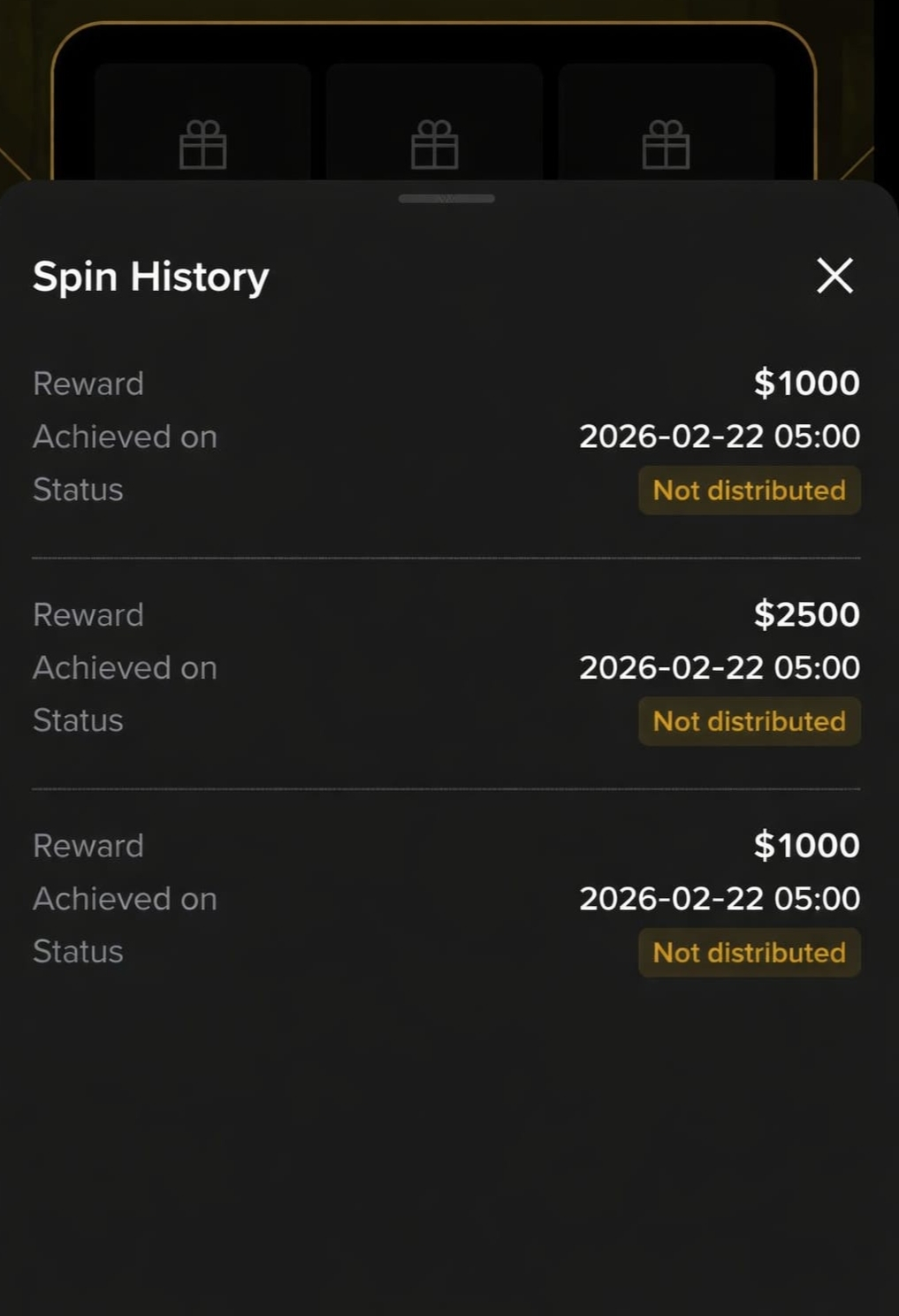
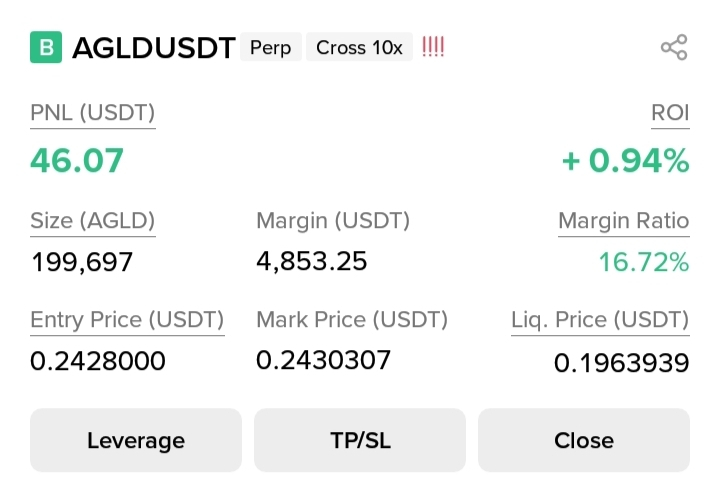
剛剛收到了這個來自齋月活動的獎勵。
這是免費的,所以我把所有這些都投資在$AGLD 上,並增加我的倉位大小。
$POWER $PLAY !
這是免費的,所以我把所有這些都投資在$AGLD 上,並增加我的倉位大小。
$POWER $PLAY !
·
--
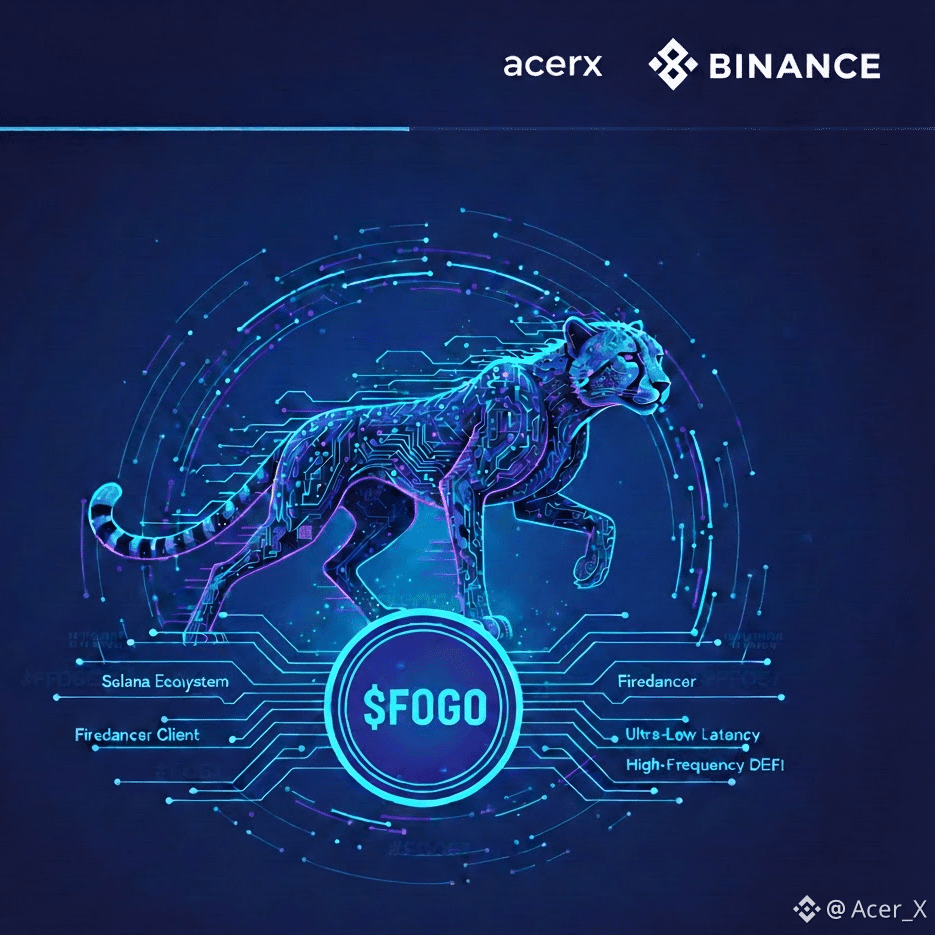
Solana生態系統正在發展,@fogo 處於這一轉變的最前沿。通過集成Firedancer客戶端,網絡能夠以極低的延遲處理大量交易。這使得該平臺成爲去中心化金融的強大動力。對於那些要求精準和速度的交易者,$FOGO 提供了在市場最高層次競爭所需的基礎設施。#fogo
{spot}(FOGOUSDT)
Solana生態系統正在發展,@Fogo Official 處於這一轉變的最前沿。通過集成Firedancer客戶端,網絡能夠以極低的延遲處理大量交易。這使得該平臺成爲去中心化金融的強大動力。對於那些要求精準和速度的交易者,$FOGO 提供了在市場最高層次競爭所需的基礎設施。#fogo
1
3
59
·
--
查看翻譯
Fogo is setting a new standard for on-chain trading by bridging the gap between DEX flexibility and CEX performance. By utilizing the Solana Virtual Machine (SVM) and the ultra-fast Firedancer client, @fogo achieves sub-40ms block times. This infrastructure is a game-changer for high-frequency DeFi and real-time liquidations. $FOGO isn't just a token; it's the engine for institutional-grade speed. #fogo #fogo $FOGO
Fogo is setting a new standard for on-chain trading by bridging the gap between DEX flexibility and CEX performance. By utilizing the Solana Virtual Machine (SVM) and the ultra-fast Firedancer client, @fogo achieves sub-40ms block times. This infrastructure is a game-changer for high-frequency DeFi and real-time liquidations. $FOGO isn't just a token; it's the engine for institutional-grade speed. #fogo #fogo $FOGO
4

·
--
看漲
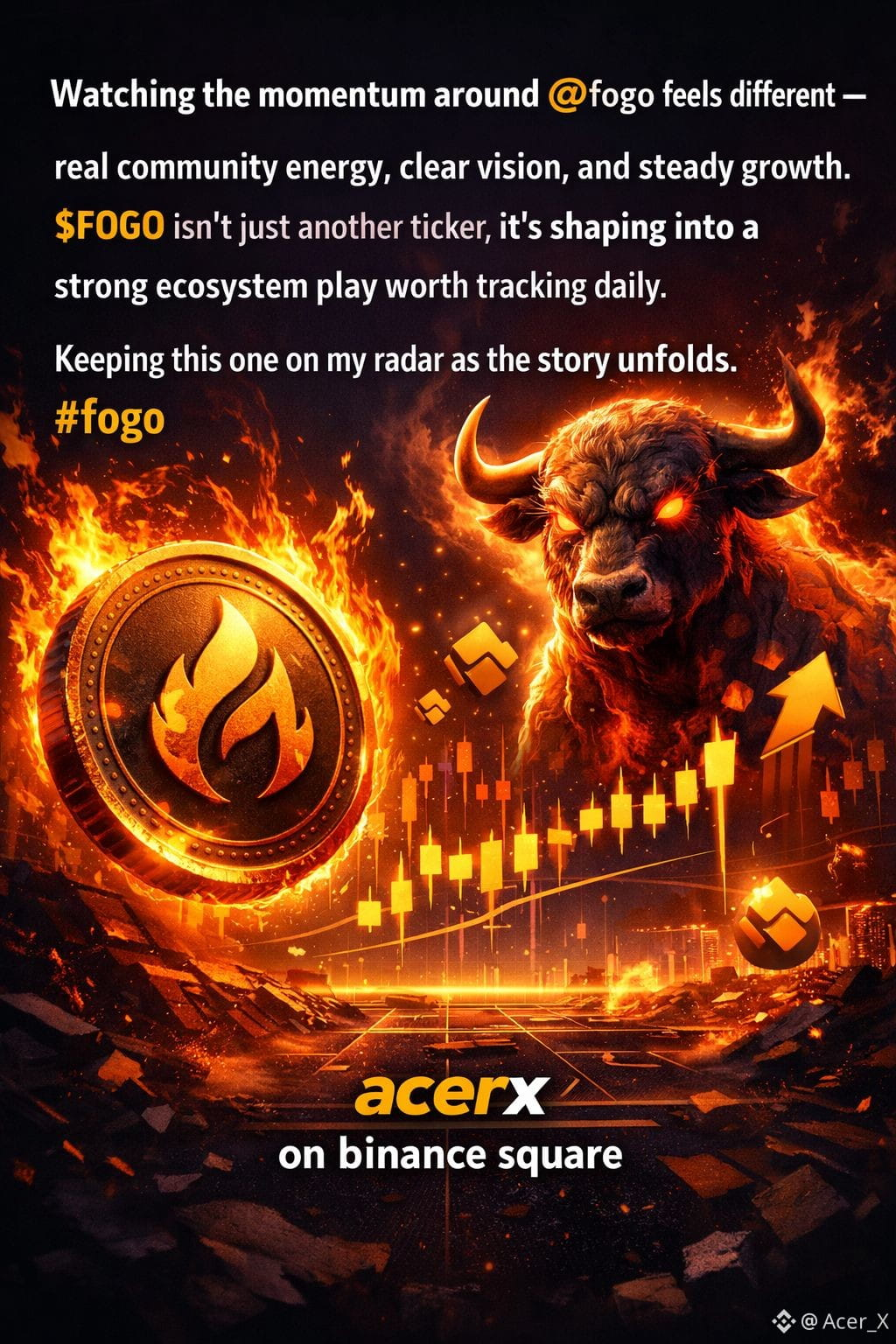
觀察圍繞@fogo 的勢頭感覺不同,真正的社區能量,清晰的願景和穩定的增長。$FOGO 不僅僅是另一個股票代碼,它正在形成一個值得每天跟蹤的強大生態系統。保持關注這個,並在故事展開時保持樂觀。#FOGOUSDT #FogoChain #fogo
觀察圍繞@Fogo Official 的勢頭感覺不同,真正的社區能量,清晰的願景和穩定的增長。$FOGO 不僅僅是另一個股票代碼,它正在形成一個值得每天跟蹤的強大生態系統。保持關注這個,並在故事展開時保持樂觀。#FOGOUSDT #FogoChain #fogo
8
登入以探索更多內容
加入幣安廣場中的全球加密貨幣用戶
⚡️ 獲取加密貨幣的最新和實用資訊。
💬 受到全球最大加密貨幣交易所的信任。
👍 發掘來自經過驗證創作者的真實見解。
電子郵件 / 電話號碼