

AshCrypto 1
121 貼文

AshCrypto 1
舉報
封鎖用戶
Cryptocurrency expert | KOL | Simplifying #DeFi | Join the crypto revolution | NFT | #Binance #BNB ⭐
0 關注
6 粉絲
8 點讚數
貼文
·
--
查看翻譯
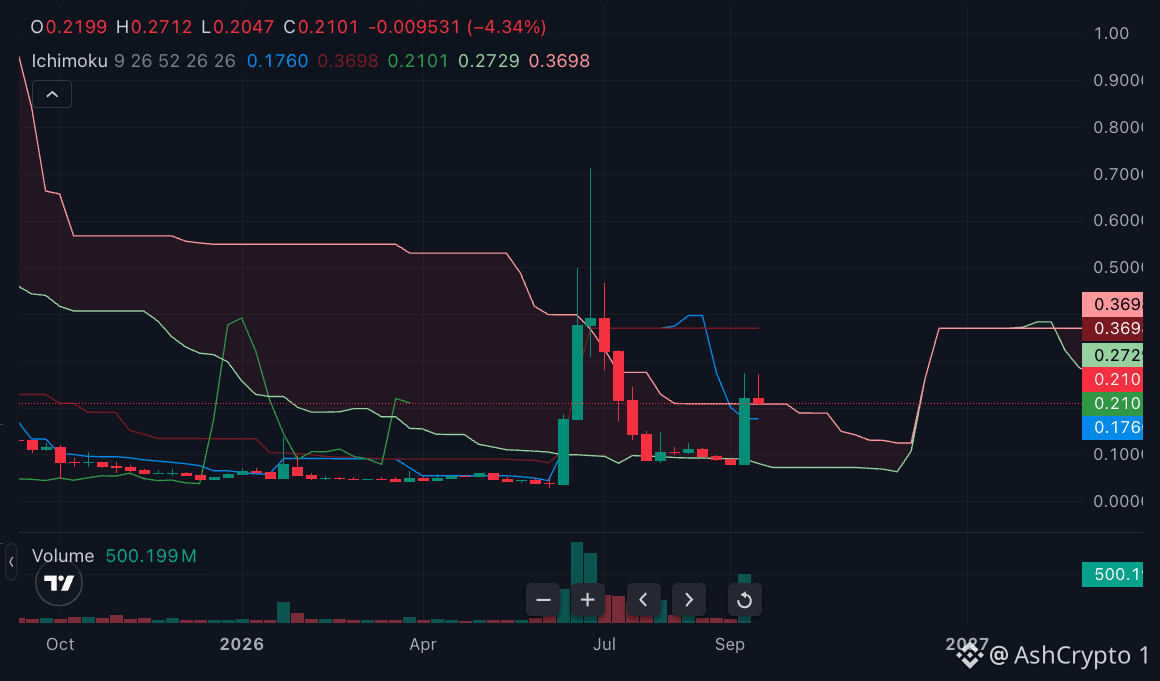
$SYN weekly, and there's something in the forward cloud most won't check.
Senkou B plots 26 weeks ahead so the cloud sitting in front of the price is already calculated. It can’t change.
That means the ceiling falls from $0.37 toward the $0.10 area through October and November.
SYN just needs to hold $0.21 and let the cloud come down to it.
Price is already trading above the conversion line at $0.176. Lagging span sits in open air above a $0.06 market.
September's green weekly carried the heaviest volume since July. The structure built in June is still intact.
This week tagged $0.2712 and turned at the cloud base at $0.2729. That's the level doing exactly what it should, and it tells you where the next fight happens.
Then January, the ceiling steps back up to $0.3698. So there's a runway. Roughly six weeks from mid-November with nothing overhead.
Clock’s already running.
#Altcoin Season#
$SYN weekly, and there's something in the forward cloud most won't check.
Senkou B plots 26 weeks ahead so the cloud sitting in front of the price is already calculated. It can’t change.
That means the ceiling falls from $0.37 toward the $0.10 area through October and November.
SYN just needs to hold $0.21 and let the cloud come down to it.
Price is already trading above the conversion line at $0.176. Lagging span sits in open air above a $0.06 market.
September's green weekly carried the heaviest volume since July. The structure built in June is still intact.
This week tagged $0.2712 and turned at the cloud base at $0.2729. That's the level doing exactly what it should, and it tells you where the next fight happens.
Then January, the ceiling steps back up to $0.3698. So there's a runway. Roughly six weeks from mid-November with nothing overhead.
Clock’s already running.
#Altcoin Season#
Senkou B plots 26 weeks ahead so the cloud sitting in front of the price is already calculated. It can’t change.
That means the ceiling falls from $0.37 toward the $0.10 area through October and November.
SYN just needs to hold $0.21 and let the cloud come down to it.
Price is already trading above the conversion line at $0.176. Lagging span sits in open air above a $0.06 market.
September's green weekly carried the heaviest volume since July. The structure built in June is still intact.
This week tagged $0.2712 and turned at the cloud base at $0.2729. That's the level doing exactly what it should, and it tells you where the next fight happens.
Then January, the ceiling steps back up to $0.3698. So there's a runway. Roughly six weeks from mid-November with nothing overhead.
Clock’s already running.
#Altcoin Season#
51
·
--
你的錢包在沒有網路時就會停止運作 📡
「自我託管」原本應該意味著,沒有人能阻止你移動自己的資金,而且這句話在網路還在的時候完全成立。
去年有 52 個國家發生了 313 次網路中斷,次數比前年更多。由該聯盟統計的報告指出,2025 年的每一天都沒有一天是完全沒有在某處發生網路中斷的。
$HNT 是針對這個落差的答案之一:擁有超過 113,000 個社群熱點,且 Helium Mobile 在 $SOL 上的註冊人數已超過 500,000——而當地的覆蓋是由人們建置,而不是由電信業者提供,這也正是 DePIN 原本應該做到的。
另一個答案是 Mesh:手機把訊息在裝置間一站一站地傳遞,直到抵達某個已連上網路的節點;而且它根本不需要任何基礎設施。
但問題在於,每一次跳接都屬於某個陌生人,因此任何被轉送的內容都可能被轉送者讀到。這對群組聊天來說還算可接受,但對於付款就不行。
Anonmesh 是 Arcium 生態系頁面上的其中一個團隊,正在為 Solana 交易與訊息打造離線藍牙 Mesh。
它所建置的層會把運算切分成多個片段,分散到一組節點叢集上;任何單一節點都不會持有可讀取的輸入副本,而正確的結果依然會被回傳。
最終真正抵達網路的內容會以一般的公共交易形式落在 Solana 上,因此鏈上只會記錄一筆正常的轉帳,卻不會記錄它到底穿越了多少台手機。
Arcium 的運算層自 2 月 2 日起已在 Mainnet Alpha 上線,截至目前已完成超過 250 萬次運算。
只在網路運作時才有效的金錢,主權性遠不如聽起來那麼高;值得追蹤的專案,是那些在網路中斷的日子裡仍然能運作的。
#DePIN #Solana
你的錢包在沒有網路時就會停止運作 📡
「自我託管」原本應該意味著,沒有人能阻止你移動自己的資金,而且這句話在網路還在的時候完全成立。
去年有 52 個國家發生了 313 次網路中斷,次數比前年更多。由該聯盟統計的報告指出,2025 年的每一天都沒有一天是完全沒有在某處發生網路中斷的。
$HNT 是針對這個落差的答案之一:擁有超過 113,000 個社群熱點,且 Helium Mobile 在 $SOL 上的註冊人數已超過 500,000——而當地的覆蓋是由人們建置,而不是由電信業者提供,這也正是 DePIN 原本應該做到的。
另一個答案是 Mesh:手機把訊息在裝置間一站一站地傳遞,直到抵達某個已連上網路的節點;而且它根本不需要任何基礎設施。
但問題在於,每一次跳接都屬於某個陌生人,因此任何被轉送的內容都可能被轉送者讀到。這對群組聊天來說還算可接受,但對於付款就不行。
Anonmesh 是 Arcium 生態系頁面上的其中一個團隊,正在為 Solana 交易與訊息打造離線藍牙 Mesh。
它所建置的層會把運算切分成多個片段,分散到一組節點叢集上;任何單一節點都不會持有可讀取的輸入副本,而正確的結果依然會被回傳。
最終真正抵達網路的內容會以一般的公共交易形式落在 Solana 上,因此鏈上只會記錄一筆正常的轉帳,卻不會記錄它到底穿越了多少台手機。
Arcium 的運算層自 2 月 2 日起已在 Mainnet Alpha 上線,截至目前已完成超過 250 萬次運算。
只在網路運作時才有效的金錢,主權性遠不如聽起來那麼高;值得追蹤的專案,是那些在網路中斷的日子裡仍然能運作的。
#DePIN #Solana
「自我託管」原本應該意味著,沒有人能阻止你移動自己的資金,而且這句話在網路還在的時候完全成立。
去年有 52 個國家發生了 313 次網路中斷,次數比前年更多。由該聯盟統計的報告指出,2025 年的每一天都沒有一天是完全沒有在某處發生網路中斷的。
$HNT 是針對這個落差的答案之一:擁有超過 113,000 個社群熱點,且 Helium Mobile 在 $SOL 上的註冊人數已超過 500,000——而當地的覆蓋是由人們建置,而不是由電信業者提供,這也正是 DePIN 原本應該做到的。
另一個答案是 Mesh:手機把訊息在裝置間一站一站地傳遞,直到抵達某個已連上網路的節點;而且它根本不需要任何基礎設施。
但問題在於,每一次跳接都屬於某個陌生人,因此任何被轉送的內容都可能被轉送者讀到。這對群組聊天來說還算可接受,但對於付款就不行。
Anonmesh 是 Arcium 生態系頁面上的其中一個團隊,正在為 Solana 交易與訊息打造離線藍牙 Mesh。
它所建置的層會把運算切分成多個片段,分散到一組節點叢集上;任何單一節點都不會持有可讀取的輸入副本,而正確的結果依然會被回傳。
最終真正抵達網路的內容會以一般的公共交易形式落在 Solana 上,因此鏈上只會記錄一筆正常的轉帳,卻不會記錄它到底穿越了多少台手機。
Arcium 的運算層自 2 月 2 日起已在 Mainnet Alpha 上線,截至目前已完成超過 250 萬次運算。
只在網路運作時才有效的金錢,主權性遠不如聽起來那麼高;值得追蹤的專案,是那些在網路中斷的日子裡仍然能運作的。
#DePIN #Solana
66
·
--
有些東西不必被渲染,仍然是真實的。
$RENDER 持有者正在推動下一代圖形、AI 和虛擬世界背後的 GPU 經濟。為所有即將到來的視覺內容提供基礎設施。
從40年前起,DeLorean 就已經是那個視覺世界的一部分。
每一幀電影、每一張海報、每一次跨越遊戲與媒體的再現。$DMC 將所有其背後的真實 IP 進行代幣化;資產渲染農場在幾十年裡早已默默地重現一切,卻一直沒有人真正擁有其中的一份。
如今他們可以了。⚡
#Altcoin Season#
有些東西不必被渲染,仍然是真實的。
$RENDER 持有者正在推動下一代圖形、AI 和虛擬世界背後的 GPU 經濟。為所有即將到來的視覺內容提供基礎設施。
從40年前起,DeLorean 就已經是那個視覺世界的一部分。
每一幀電影、每一張海報、每一次跨越遊戲與媒體的再現。$DMC 將所有其背後的真實 IP 進行代幣化;資產渲染農場在幾十年裡早已默默地重現一切,卻一直沒有人真正擁有其中的一份。
如今他們可以了。⚡
#Altcoin Season#
$RENDER 持有者正在推動下一代圖形、AI 和虛擬世界背後的 GPU 經濟。為所有即將到來的視覺內容提供基礎設施。
從40年前起,DeLorean 就已經是那個視覺世界的一部分。
每一幀電影、每一張海報、每一次跨越遊戲與媒體的再現。$DMC 將所有其背後的真實 IP 進行代幣化;資產渲染農場在幾十年裡早已默默地重現一切,卻一直沒有人真正擁有其中的一份。
如今他們可以了。⚡
#Altcoin Season#
73
·
--
這是認知落差。
$PEPE 和 $PUMP 之所以能移動,是因為注意力會在 CMC、meme 圖表與社群資訊流上快速旋轉。Pyth 是另一種機會,因為注意力可能仍落後於實際產品曲線。
多數人仍把 Pyth 當成另一個預言機專案。
接著你會看到堆疊。
從 Nasdaq Basic 到 Pyth Data Marketplace。
8 月 RWA 永續合約成交量達 $723.77B,且由 Pyth 定價。
96.27% 的追蹤 RWA 永續合約定價份額。
ARR 達 $10.4M。
8 月新增總 ARR 為 $2.9M。
3,500+ 個市場資訊源。
138+ 位第一方發佈者。
這看起來不再是個小型加密基礎設施故事。
Nasdaq Basic 讓已獲核准的客戶在與 Nasdaq 直接授權後,透過 Pyth 的市場通路取得即時的美股市場數據。
這是市場數據分發的語言,不只是 DeFi 資訊源的語言。
我的判讀很簡單:產品推進得比市場的心智模型更快。
如果人們仍只把 Pyth 當成僅有代幣價格的預言機,那他們就錯過了它試圖佔領的賽道。
Nasdaq 讓這點更難被忽視。
#Altcoin Season# #PEPE
這是認知落差。
$PEPE 和 $PUMP 之所以能移動,是因為注意力會在 CMC、meme 圖表與社群資訊流上快速旋轉。Pyth 是另一種機會,因為注意力可能仍落後於實際產品曲線。
多數人仍把 Pyth 當成另一個預言機專案。
接著你會看到堆疊。
從 Nasdaq Basic 到 Pyth Data Marketplace。
8 月 RWA 永續合約成交量達 $723.77B,且由 Pyth 定價。
96.27% 的追蹤 RWA 永續合約定價份額。
ARR 達 $10.4M。
8 月新增總 ARR 為 $2.9M。
3,500+ 個市場資訊源。
138+ 位第一方發佈者。
這看起來不再是個小型加密基礎設施故事。
Nasdaq Basic 讓已獲核准的客戶在與 Nasdaq 直接授權後,透過 Pyth 的市場通路取得即時的美股市場數據。
這是市場數據分發的語言,不只是 DeFi 資訊源的語言。
我的判讀很簡單:產品推進得比市場的心智模型更快。
如果人們仍只把 Pyth 當成僅有代幣價格的預言機,那他們就錯過了它試圖佔領的賽道。
Nasdaq 讓這點更難被忽視。
#Altcoin Season# #PEPE
$PEPE 和 $PUMP 之所以能移動,是因為注意力會在 CMC、meme 圖表與社群資訊流上快速旋轉。Pyth 是另一種機會,因為注意力可能仍落後於實際產品曲線。
多數人仍把 Pyth 當成另一個預言機專案。
接著你會看到堆疊。
從 Nasdaq Basic 到 Pyth Data Marketplace。
8 月 RWA 永續合約成交量達 $723.77B,且由 Pyth 定價。
96.27% 的追蹤 RWA 永續合約定價份額。
ARR 達 $10.4M。
8 月新增總 ARR 為 $2.9M。
3,500+ 個市場資訊源。
138+ 位第一方發佈者。
這看起來不再是個小型加密基礎設施故事。
Nasdaq Basic 讓已獲核准的客戶在與 Nasdaq 直接授權後,透過 Pyth 的市場通路取得即時的美股市場數據。
這是市場數據分發的語言,不只是 DeFi 資訊源的語言。
我的判讀很簡單:產品推進得比市場的心智模型更快。
如果人們仍只把 Pyth 當成僅有代幣價格的預言機,那他們就錯過了它試圖佔領的賽道。
Nasdaq 讓這點更難被忽視。
#Altcoin Season# #PEPE
38
·
--
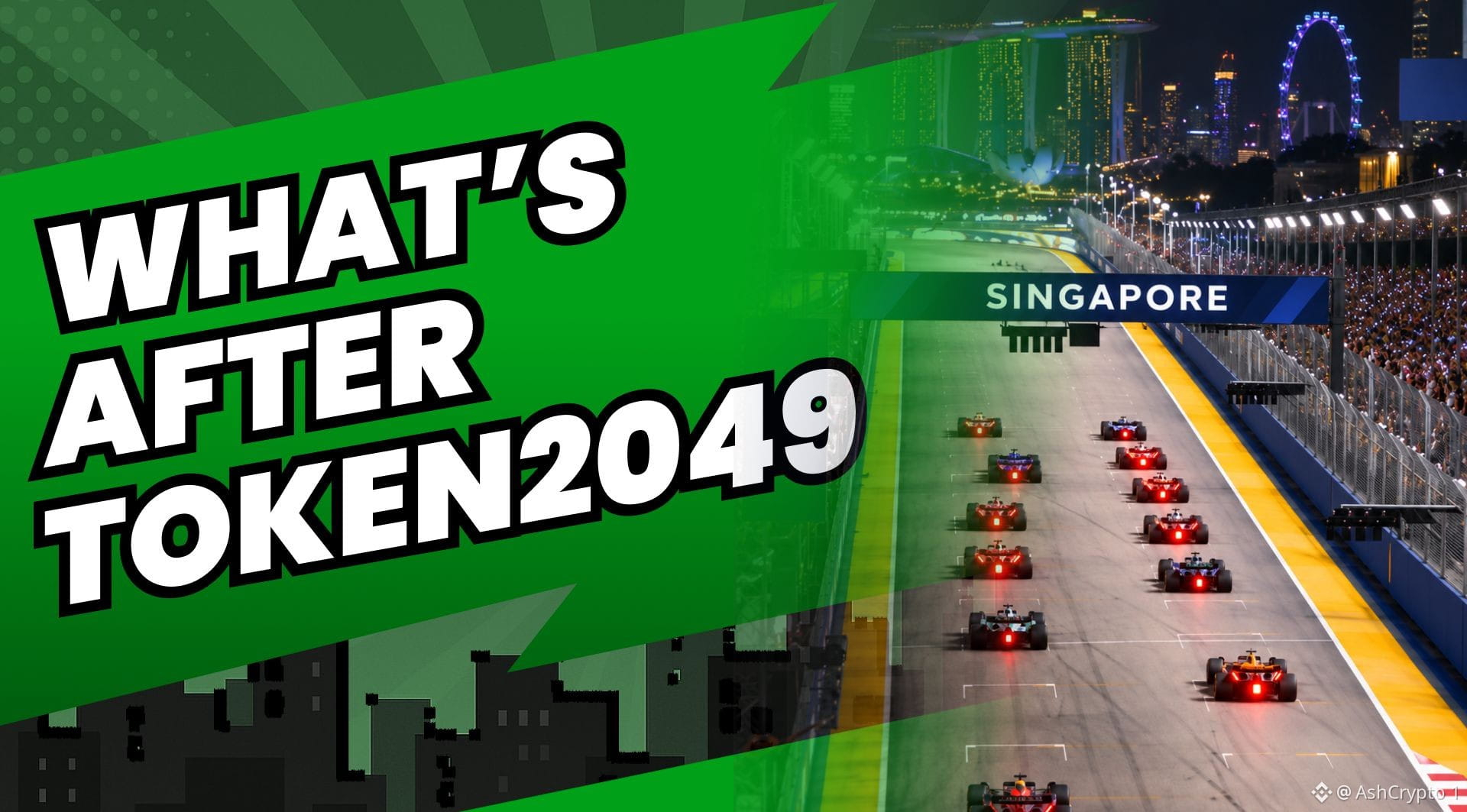
TOKEN2049 並不是我今年正在看的那些 👀
以太坊($ETH)與 $GRAM 周邊的社群都很清楚:大型加密貨幣會議被設計用來做什麼——它們會把成千上萬的人帶進同一座城市,並在某種私人空間無法複製的規模下促成發現。
TOKEN2049 今年十月預計新加坡將有超過 25,000 名參與者,而隨著場地與人潮規模擴大,每一次互動都會與周遭持續的移動與噪音競爭。
因此,我正在關注的數字是 23。
TOKEN2049 結束後,將在新加坡舉辦為期三天的 $Trump Coin Club 體驗,名額提供給 23 位符合資格的參與者。
這種差異揭示了兩個完全不同的目標。25,000 人的規模用來最大化發現,而只有 23 人的團體,會把體驗收斂到一場真正溫暖的聚會 💫
#Altcoin Season#
TOKEN2049 並不是我今年正在看的那些 👀
以太坊($ETH)與 $GRAM 周邊的社群都很清楚:大型加密貨幣會議被設計用來做什麼——它們會把成千上萬的人帶進同一座城市,並在某種私人空間無法複製的規模下促成發現。
TOKEN2049 今年十月預計新加坡將有超過 25,000 名參與者,而隨著場地與人潮規模擴大,每一次互動都會與周遭持續的移動與噪音競爭。
因此,我正在關注的數字是 23。
TOKEN2049 結束後,將在新加坡舉辦為期三天的 $Trump Coin Club 體驗,名額提供給 23 位符合資格的參與者。
這種差異揭示了兩個完全不同的目標。25,000 人的規模用來最大化發現,而只有 23 人的團體,會把體驗收斂到一場真正溫暖的聚會 💫
#Altcoin Season#
以太坊($ETH)與 $GRAM 周邊的社群都很清楚:大型加密貨幣會議被設計用來做什麼——它們會把成千上萬的人帶進同一座城市,並在某種私人空間無法複製的規模下促成發現。
TOKEN2049 今年十月預計新加坡將有超過 25,000 名參與者,而隨著場地與人潮規模擴大,每一次互動都會與周遭持續的移動與噪音競爭。
因此,我正在關注的數字是 23。
TOKEN2049 結束後,將在新加坡舉辦為期三天的 $Trump Coin Club 體驗,名額提供給 23 位符合資格的參與者。
這種差異揭示了兩個完全不同的目標。25,000 人的規模用來最大化發現,而只有 23 人的團體,會把體驗收斂到一場真正溫暖的聚會 💫
#Altcoin Season#
58
·
--
同一筆交易也能做出更多 👀
在這一輪山寨幣季中,$HYPE 和 $ZEC 都為交易者提供了值得採取行動的交易架構;一旦看清方向,多數人就會把焦點放在方向、進場與風險,然後在資金已經所在的位置執行。
我認為,交易場域值得更進一步思考。
如果我本來就得不斷帶來交易量,那我寧願把交易放在能讓這些活動在「本身持倉」之外,創造額外價值的地方。
Aevo 會在本週符合資格的 Perp Majors 與其選擇權市場中做到這一點,當成交量累積接近預計的 808,800 USDC 年底分配所需的 10m 門檻時。
年底的資格還需要擁有主動的 COMMANDER 或 LEGEND 持倉。
這也意味著,場域選擇本身就是交易的一部分。
架構維持不變,但活動可以持續累積,直到 12 月。
對我來說,這讓每一筆原本就計畫中的交易,都多了一個理由可以透過 Aevo 推進 🔥
#Altcoin Season#
同一筆交易也能做出更多 👀
在這一輪山寨幣季中,$HYPE 和 $ZEC 都為交易者提供了值得採取行動的交易架構;一旦看清方向,多數人就會把焦點放在方向、進場與風險,然後在資金已經所在的位置執行。
我認為,交易場域值得更進一步思考。
如果我本來就得不斷帶來交易量,那我寧願把交易放在能讓這些活動在「本身持倉」之外,創造額外價值的地方。
Aevo 會在本週符合資格的 Perp Majors 與其選擇權市場中做到這一點,當成交量累積接近預計的 808,800 USDC 年底分配所需的 10m 門檻時。
年底的資格還需要擁有主動的 COMMANDER 或 LEGEND 持倉。
這也意味著,場域選擇本身就是交易的一部分。
架構維持不變,但活動可以持續累積,直到 12 月。
對我來說,這讓每一筆原本就計畫中的交易,都多了一個理由可以透過 Aevo 推進 🔥
#Altcoin Season#
在這一輪山寨幣季中,$HYPE 和 $ZEC 都為交易者提供了值得採取行動的交易架構;一旦看清方向,多數人就會把焦點放在方向、進場與風險,然後在資金已經所在的位置執行。
我認為,交易場域值得更進一步思考。
如果我本來就得不斷帶來交易量,那我寧願把交易放在能讓這些活動在「本身持倉」之外,創造額外價值的地方。
Aevo 會在本週符合資格的 Perp Majors 與其選擇權市場中做到這一點,當成交量累積接近預計的 808,800 USDC 年底分配所需的 10m 門檻時。
年底的資格還需要擁有主動的 COMMANDER 或 LEGEND 持倉。
這也意味著,場域選擇本身就是交易的一部分。
架構維持不變,但活動可以持續累積,直到 12 月。
對我來說,這讓每一筆原本就計畫中的交易,都多了一個理由可以透過 Aevo 推進 🔥
#Altcoin Season#
57
·
--
沉睡的巨人終究又開始出貨了 😤
我得坦白說。一段時間以來,Zora 看起來安靜得太不尋常。
現在 $BNB 正加入這組合,同時圍繞 $ZORA 建立的跨鏈版圖也正在擴展。
拉遠視角,這個模式就很難再被忽視。
這個夏天已經帶來一場認真的重建:
- Multichain 擴展至 Robinhood Chain 與 Solana
- 自訂配對(Custom Pairs)為股票、迷因(memes)與主流標的開拓了新市場
- 創建了超過 4,000 個配對
- BNB 支援如今再次延伸至配對與跨鏈交易
這是一個帶著意圖從冬眠中甦醒的平台。
新的領導層似乎願意快速行動、溝通更多,並把分發(distribution)重新列入議程。
Zora 仍需要把這種出貨節奏轉化為持續的使用者與交易量。
但產品已經再次開始推進。
每新增一條鏈,都會擴大可以配對的範圍、能在哪裡交易,以及誰能參與。
如果這個節奏持續,Zora 的沉寂期可能最後會看起來像是為更大回報所做的準備。
#Altcoin Season#
沉睡的巨人終究又開始出貨了 😤
我得坦白說。一段時間以來,Zora 看起來安靜得太不尋常。
現在 $BNB 正加入這組合,同時圍繞 $ZORA 建立的跨鏈版圖也正在擴展。
拉遠視角,這個模式就很難再被忽視。
這個夏天已經帶來一場認真的重建:
- Multichain 擴展至 Robinhood Chain 與 Solana
- 自訂配對(Custom Pairs)為股票、迷因(memes)與主流標的開拓了新市場
- 創建了超過 4,000 個配對
- BNB 支援如今再次延伸至配對與跨鏈交易
這是一個帶著意圖從冬眠中甦醒的平台。
新的領導層似乎願意快速行動、溝通更多,並把分發(distribution)重新列入議程。
Zora 仍需要把這種出貨節奏轉化為持續的使用者與交易量。
但產品已經再次開始推進。
每新增一條鏈,都會擴大可以配對的範圍、能在哪裡交易,以及誰能參與。
如果這個節奏持續,Zora 的沉寂期可能最後會看起來像是為更大回報所做的準備。
#Altcoin Season#
我得坦白說。一段時間以來,Zora 看起來安靜得太不尋常。
現在 $BNB 正加入這組合,同時圍繞 $ZORA 建立的跨鏈版圖也正在擴展。
拉遠視角,這個模式就很難再被忽視。
這個夏天已經帶來一場認真的重建:
- Multichain 擴展至 Robinhood Chain 與 Solana
- 自訂配對(Custom Pairs)為股票、迷因(memes)與主流標的開拓了新市場
- 創建了超過 4,000 個配對
- BNB 支援如今再次延伸至配對與跨鏈交易
這是一個帶著意圖從冬眠中甦醒的平台。
新的領導層似乎願意快速行動、溝通更多,並把分發(distribution)重新列入議程。
Zora 仍需要把這種出貨節奏轉化為持續的使用者與交易量。
但產品已經再次開始推進。
每新增一條鏈,都會擴大可以配對的範圍、能在哪裡交易,以及誰能參與。
如果這個節奏持續,Zora 的沉寂期可能最後會看起來像是為更大回報所做的準備。
#Altcoin Season#
51
·
--
再保險上鏈了,承保卻沒有 🛡️
保險的資金端正悄悄往上鏈移動,而真正決定誰會被承保的那一端則完全沒有動。
今年 6 月,SurancePlus 開始在 $SOL 上發行代幣化再保險證券,總計 $12M 的計畫,對應一份 2026 到 2027 的超額損失(excess-of-loss)合約,每張保單大約 $5,000 的票面價——這也是今年在 Solana 上較有意思的 RWA 發射案之一。
$LINK 則是從另一端把相同的機構級基礎設施接上來,使用 Swift、Euroclear、UBS,並由摩根大通(JP Morgan)的 Kinexys 建置其運行環境。
於是資本與交割都得以解決。
但承保這一塊留在鏈下,因為要給風險定價,就得閱讀申請人的理賠歷史、財務狀況與他們從不會公開的紀錄;而每一次報價,都等於把這份檔案交給另一家公司,讓對方也能保存一份副本。
這也是為什麼到目前為止,上鏈保險大多只涵蓋智慧合約失敗——因為這是唯一一種風險,光靠公開資料就能進行定價。
Arcium 改變了承保方必須接收的內容:把申請人的檔案切成片段,分散到一組節點叢集之中,確保沒有任何單一節點持有可讀的副本;同時模型仍能回傳正確的價格。
保單與保費會在 Solana 上以一般公開交易方式進行結算,因此稽核員或監管機構即使看不到每次報價背後檔案的內容(檔案仍然被封存),也仍能查驗帳本。
這一層運算機制自 2 月 2 日起就在 Mainnet Alpha 上線,截至目前已執行超過 250 萬次計算。
再保險資本上鏈了,但承保沒有;而我的判斷是,能補上這個落差的那個人,將打開一個價值超過 $780B 的市場——這個市場從來沒有理由去看加密貨幣。
#RWA #Solana
再保險上鏈了,承保卻沒有 🛡️
保險的資金端正悄悄往上鏈移動,而真正決定誰會被承保的那一端則完全沒有動。
今年 6 月,SurancePlus 開始在 $SOL 上發行代幣化再保險證券,總計 $12M 的計畫,對應一份 2026 到 2027 的超額損失(excess-of-loss)合約,每張保單大約 $5,000 的票面價——這也是今年在 Solana 上較有意思的 RWA 發射案之一。
$LINK 則是從另一端把相同的機構級基礎設施接上來,使用 Swift、Euroclear、UBS,並由摩根大通(JP Morgan)的 Kinexys 建置其運行環境。
於是資本與交割都得以解決。
但承保這一塊留在鏈下,因為要給風險定價,就得閱讀申請人的理賠歷史、財務狀況與他們從不會公開的紀錄;而每一次報價,都等於把這份檔案交給另一家公司,讓對方也能保存一份副本。
這也是為什麼到目前為止,上鏈保險大多只涵蓋智慧合約失敗——因為這是唯一一種風險,光靠公開資料就能進行定價。
Arcium 改變了承保方必須接收的內容:把申請人的檔案切成片段,分散到一組節點叢集之中,確保沒有任何單一節點持有可讀的副本;同時模型仍能回傳正確的價格。
保單與保費會在 Solana 上以一般公開交易方式進行結算,因此稽核員或監管機構即使看不到每次報價背後檔案的內容(檔案仍然被封存),也仍能查驗帳本。
這一層運算機制自 2 月 2 日起就在 Mainnet Alpha 上線,截至目前已執行超過 250 萬次計算。
再保險資本上鏈了,但承保沒有;而我的判斷是,能補上這個落差的那個人,將打開一個價值超過 $780B 的市場——這個市場從來沒有理由去看加密貨幣。
#RWA #Solana
保險的資金端正悄悄往上鏈移動,而真正決定誰會被承保的那一端則完全沒有動。
今年 6 月,SurancePlus 開始在 $SOL 上發行代幣化再保險證券,總計 $12M 的計畫,對應一份 2026 到 2027 的超額損失(excess-of-loss)合約,每張保單大約 $5,000 的票面價——這也是今年在 Solana 上較有意思的 RWA 發射案之一。
$LINK 則是從另一端把相同的機構級基礎設施接上來,使用 Swift、Euroclear、UBS,並由摩根大通(JP Morgan)的 Kinexys 建置其運行環境。
於是資本與交割都得以解決。
但承保這一塊留在鏈下,因為要給風險定價,就得閱讀申請人的理賠歷史、財務狀況與他們從不會公開的紀錄;而每一次報價,都等於把這份檔案交給另一家公司,讓對方也能保存一份副本。
這也是為什麼到目前為止,上鏈保險大多只涵蓋智慧合約失敗——因為這是唯一一種風險,光靠公開資料就能進行定價。
Arcium 改變了承保方必須接收的內容:把申請人的檔案切成片段,分散到一組節點叢集之中,確保沒有任何單一節點持有可讀的副本;同時模型仍能回傳正確的價格。
保單與保費會在 Solana 上以一般公開交易方式進行結算,因此稽核員或監管機構即使看不到每次報價背後檔案的內容(檔案仍然被封存),也仍能查驗帳本。
這一層運算機制自 2 月 2 日起就在 Mainnet Alpha 上線,截至目前已執行超過 250 萬次計算。
再保險資本上鏈了,但承保沒有;而我的判斷是,能補上這個落差的那個人,將打開一個價值超過 $780B 的市場——這個市場從來沒有理由去看加密貨幣。
#RWA #Solana
64
·
--
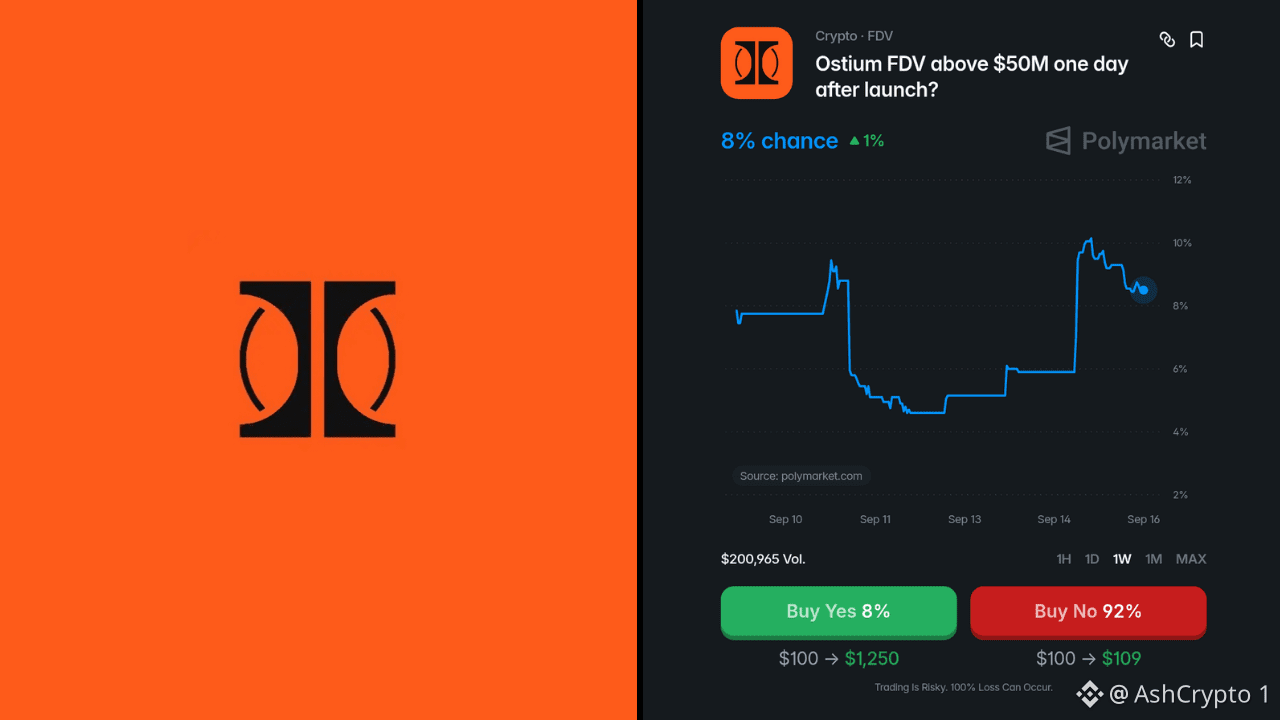
Ostium 的進出機率似乎太低了 👀
對「是」的 8%,而且已經有將近 $201K 的成交量。
這正是那種 Polymarket 的市場,會讓我忍不住停下來一直看。
問題在於:Ostium 能否在上市後一天內,衝到超過 $50M 的 FDV?市場幾乎一面倒地說不,但我仍然選「是」。
對加密貨幣來說,$50M 並不是什麼誇張的上市估值,尤其是因為要求只需要在定義的上市後快照中達到這個水位。
它不需要證明未來六個月的估值。
而這 8% 的價格,才讓事情變得有趣。
我買入時的機率越低,如果群眾判斷錯誤,潛在報酬就越大。
粗略來說,在 8% 附近買進一筆約 $10 的「是」部位,如果「是」勝出,結算時大約可代表 $125,扣除手續費與執行差異之前。
這種非對稱性,就是我想要的。
我寧願把我 $BNB 曝險中的一小部分轉成這種「特定預測」,而不是在某個代幣已經噴完之後,再去追另一個代幣。
我也不需要 Ostium 真的要把「是」給結算出來,我就能從這個部位賺錢。
如果上市帶來的熱度讓機率從 8% 拉到 15% 或 20%,Polymarket 也會讓我能在結算前賣出。
機率低。明確的觸發因子。巨大的重新定價潛力。
我選「是」。
#Altcoin Season#
Ostium 的進出機率似乎太低了 👀
對「是」的 8%,而且已經有將近 $201K 的成交量。
這正是那種 Polymarket 的市場,會讓我忍不住停下來一直看。
問題在於:Ostium 能否在上市後一天內,衝到超過 $50M 的 FDV?市場幾乎一面倒地說不,但我仍然選「是」。
對加密貨幣來說,$50M 並不是什麼誇張的上市估值,尤其是因為要求只需要在定義的上市後快照中達到這個水位。
它不需要證明未來六個月的估值。
而這 8% 的價格,才讓事情變得有趣。
我買入時的機率越低,如果群眾判斷錯誤,潛在報酬就越大。
粗略來說,在 8% 附近買進一筆約 $10 的「是」部位,如果「是」勝出,結算時大約可代表 $125,扣除手續費與執行差異之前。
這種非對稱性,就是我想要的。
我寧願把我 $BNB 曝險中的一小部分轉成這種「特定預測」,而不是在某個代幣已經噴完之後,再去追另一個代幣。
我也不需要 Ostium 真的要把「是」給結算出來,我就能從這個部位賺錢。
如果上市帶來的熱度讓機率從 8% 拉到 15% 或 20%,Polymarket 也會讓我能在結算前賣出。
機率低。明確的觸發因子。巨大的重新定價潛力。
我選「是」。
#Altcoin Season#
對「是」的 8%,而且已經有將近 $201K 的成交量。
這正是那種 Polymarket 的市場,會讓我忍不住停下來一直看。
問題在於:Ostium 能否在上市後一天內,衝到超過 $50M 的 FDV?市場幾乎一面倒地說不,但我仍然選「是」。
對加密貨幣來說,$50M 並不是什麼誇張的上市估值,尤其是因為要求只需要在定義的上市後快照中達到這個水位。
它不需要證明未來六個月的估值。
而這 8% 的價格,才讓事情變得有趣。
我買入時的機率越低,如果群眾判斷錯誤,潛在報酬就越大。
粗略來說,在 8% 附近買進一筆約 $10 的「是」部位,如果「是」勝出,結算時大約可代表 $125,扣除手續費與執行差異之前。
這種非對稱性,就是我想要的。
我寧願把我 $BNB 曝險中的一小部分轉成這種「特定預測」,而不是在某個代幣已經噴完之後,再去追另一個代幣。
我也不需要 Ostium 真的要把「是」給結算出來,我就能從這個部位賺錢。
如果上市帶來的熱度讓機率從 8% 拉到 15% 或 20%,Polymarket 也會讓我能在結算前賣出。
機率低。明確的觸發因子。巨大的重新定價潛力。
我選「是」。
#Altcoin Season#
81
·
--
當質押連結到真實活動 📈
$MET 提供了一個有趣的例子,說明質押如何能與由運作中的協議所產生的活動相連。
Meteora 的推薦質押計畫(Referral Staking Program)讓參與者能從其所推薦的流動性提供者所產生的協議費用中,獲得一部分分潤。獎勵取決於實際使用情況與計畫條件,因此回報並非保證固定的 36% 年化收益率(APY)。
這個差異很重要。永續的獎勵應該來自可衡量的活動,而不是僅為吸引存款而設計的排放量數字。
我看到一個與 $KAITO 相關的機會正在形成。
Kaito 的價值主張建立在使用者能夠實際使用的產品之上:AI 驅動的市場洞察、心智份額分析(mindshare analytics)、創作者活動(creator campaigns)、透過 Pulse 提供的已驗證注意力,以及社交交易(social-trading)情境。
這些產品越強大,就會越有理由讓使用者、創作者、專案與品牌參與更廣泛的 Kaito 生態系。
質押可以讓持有者與這種成長保持一致,並提供額外的參與機會,即使顯示的基礎 APR 會變動。
Meteora 將質押連結到流動性與協議費用。
Kaito 則可以把質押連結到注意力、資料與生態系參與。
這正是能讓長期持有代幣更具意義的那種效用。
當質押連結到真實活動 📈
$MET 提供了一個有趣的例子,說明質押如何能與由運作中的協議所產生的活動相連。
Meteora 的推薦質押計畫(Referral Staking Program)讓參與者能從其所推薦的流動性提供者所產生的協議費用中,獲得一部分分潤。獎勵取決於實際使用情況與計畫條件,因此回報並非保證固定的 36% 年化收益率(APY)。
這個差異很重要。永續的獎勵應該來自可衡量的活動,而不是僅為吸引存款而設計的排放量數字。
我看到一個與 $KAITO 相關的機會正在形成。
Kaito 的價值主張建立在使用者能夠實際使用的產品之上:AI 驅動的市場洞察、心智份額分析(mindshare analytics)、創作者活動(creator campaigns)、透過 Pulse 提供的已驗證注意力,以及社交交易(social-trading)情境。
這些產品越強大,就會越有理由讓使用者、創作者、專案與品牌參與更廣泛的 Kaito 生態系。
質押可以讓持有者與這種成長保持一致,並提供額外的參與機會,即使顯示的基礎 APR 會變動。
Meteora 將質押連結到流動性與協議費用。
Kaito 則可以把質押連結到注意力、資料與生態系參與。
這正是能讓長期持有代幣更具意義的那種效用。
$MET 提供了一個有趣的例子,說明質押如何能與由運作中的協議所產生的活動相連。
Meteora 的推薦質押計畫(Referral Staking Program)讓參與者能從其所推薦的流動性提供者所產生的協議費用中,獲得一部分分潤。獎勵取決於實際使用情況與計畫條件,因此回報並非保證固定的 36% 年化收益率(APY)。
這個差異很重要。永續的獎勵應該來自可衡量的活動,而不是僅為吸引存款而設計的排放量數字。
我看到一個與 $KAITO 相關的機會正在形成。
Kaito 的價值主張建立在使用者能夠實際使用的產品之上:AI 驅動的市場洞察、心智份額分析(mindshare analytics)、創作者活動(creator campaigns)、透過 Pulse 提供的已驗證注意力,以及社交交易(social-trading)情境。
這些產品越強大,就會越有理由讓使用者、創作者、專案與品牌參與更廣泛的 Kaito 生態系。
質押可以讓持有者與這種成長保持一致,並提供額外的參與機會,即使顯示的基礎 APR 會變動。
Meteora 將質押連結到流動性與協議費用。
Kaito 則可以把質押連結到注意力、資料與生態系參與。
這正是能讓長期持有代幣更具意義的那種效用。
65
·
--
合規走向可編程 ⚖️
我認爲 Space 和 Time 對加密監管的發展方向有正確的理解。
CLARITY 的討論不只是爲項目再提供一份法律檢查清單。
它的關鍵在於:區分真正具備去中心化且運行透明的基礎設施,以及那些仍高度依賴隱藏控制的系統。
Space 和 Time 從一開始就圍繞可驗證性進行構建。
這是一項重要的優勢。
Proof of SQL 並不要求應用程序盲目信任任何產出數據庫結果的人。
它讓該結果能夠被密碼學方式進行覈驗。
當我看到像 $XMR 這樣的注重隱私的網絡時,我會想到加密系統始終在披露與用戶主權之間進行權衡。
合規不一定意味着要暴露一切。
更強的方案是在不必然、不加不必要暴露的前提下,證明真正重要的內容。
Space 和 Time 已經在朝着這種理念非常接近的方向構建。
#Altcoin Season#
合規走向可編程 ⚖️
我認爲 Space 和 Time 對加密監管的發展方向有正確的理解。
CLARITY 的討論不只是爲項目再提供一份法律檢查清單。
它的關鍵在於:區分真正具備去中心化且運行透明的基礎設施,以及那些仍高度依賴隱藏控制的系統。
Space 和 Time 從一開始就圍繞可驗證性進行構建。
這是一項重要的優勢。
Proof of SQL 並不要求應用程序盲目信任任何產出數據庫結果的人。
它讓該結果能夠被密碼學方式進行覈驗。
當我看到像 $XMR 這樣的注重隱私的網絡時,我會想到加密系統始終在披露與用戶主權之間進行權衡。
合規不一定意味着要暴露一切。
更強的方案是在不必然、不加不必要暴露的前提下,證明真正重要的內容。
Space 和 Time 已經在朝着這種理念非常接近的方向構建。
#Altcoin Season#
我認爲 Space 和 Time 對加密監管的發展方向有正確的理解。
CLARITY 的討論不只是爲項目再提供一份法律檢查清單。
它的關鍵在於:區分真正具備去中心化且運行透明的基礎設施,以及那些仍高度依賴隱藏控制的系統。
Space 和 Time 從一開始就圍繞可驗證性進行構建。
這是一項重要的優勢。
Proof of SQL 並不要求應用程序盲目信任任何產出數據庫結果的人。
它讓該結果能夠被密碼學方式進行覈驗。
當我看到像 $XMR 這樣的注重隱私的網絡時,我會想到加密系統始終在披露與用戶主權之間進行權衡。
合規不一定意味着要暴露一切。
更強的方案是在不必然、不加不必要暴露的前提下,證明真正重要的內容。
Space 和 Time 已經在朝着這種理念非常接近的方向構建。
#Altcoin Season#
82
·
--
回購可以改變整個對話 🔄
代幣持有人之間的一致性,已成爲市場最難的考題之一。
任何關注圍繞 $AAVE 的討論的人都知道,用戶越來越關心協議的成功如何迴流到代幣層面。
當持有人看不到自己在這門生意中的位置時,注意力最終會消失。
信任也是同樣的邏輯。
一旦信任變弱,另一份路線圖往往很難靠自身把它修復回來。
清晰的溝通以及可見的行動,比什麼都更重要。
Zora($ZORA)即將上任的CEO,正在公開地將回購和獎勵放在議程的最前面。
該計劃還包括重啓社區激勵、改進溝通,並使用移動應用來吸引新參與者入場。
我喜歡這些優先事項能夠直接處理公司、產品與代幣持有人之間的關係。
但執行仍然決定一切。
回購需要可持續的結構,激勵需要明確的目標,而重建信任需要時間。
不過,這看起來比起無視Zora內部的緊張局面,要更像是一個更健康的起點。
如今換來新領導層的機會,可以把產品的增長與那些仍然把資金投入到它未來的人對齊。
這或許能給整個Zora的故事一個亟需的重置。
#Altcoin Season#
回購可以改變整個對話 🔄
代幣持有人之間的一致性,已成爲市場最難的考題之一。
任何關注圍繞 $AAVE 的討論的人都知道,用戶越來越關心協議的成功如何迴流到代幣層面。
當持有人看不到自己在這門生意中的位置時,注意力最終會消失。
信任也是同樣的邏輯。
一旦信任變弱,另一份路線圖往往很難靠自身把它修復回來。
清晰的溝通以及可見的行動,比什麼都更重要。
Zora($ZORA)即將上任的CEO,正在公開地將回購和獎勵放在議程的最前面。
該計劃還包括重啓社區激勵、改進溝通,並使用移動應用來吸引新參與者入場。
我喜歡這些優先事項能夠直接處理公司、產品與代幣持有人之間的關係。
但執行仍然決定一切。
回購需要可持續的結構,激勵需要明確的目標,而重建信任需要時間。
不過,這看起來比起無視Zora內部的緊張局面,要更像是一個更健康的起點。
如今換來新領導層的機會,可以把產品的增長與那些仍然把資金投入到它未來的人對齊。
這或許能給整個Zora的故事一個亟需的重置。
#Altcoin Season#
代幣持有人之間的一致性,已成爲市場最難的考題之一。
任何關注圍繞 $AAVE 的討論的人都知道,用戶越來越關心協議的成功如何迴流到代幣層面。
當持有人看不到自己在這門生意中的位置時,注意力最終會消失。
信任也是同樣的邏輯。
一旦信任變弱,另一份路線圖往往很難靠自身把它修復回來。
清晰的溝通以及可見的行動,比什麼都更重要。
Zora($ZORA)即將上任的CEO,正在公開地將回購和獎勵放在議程的最前面。
該計劃還包括重啓社區激勵、改進溝通,並使用移動應用來吸引新參與者入場。
我喜歡這些優先事項能夠直接處理公司、產品與代幣持有人之間的關係。
但執行仍然決定一切。
回購需要可持續的結構,激勵需要明確的目標,而重建信任需要時間。
不過,這看起來比起無視Zora內部的緊張局面,要更像是一個更健康的起點。
如今換來新領導層的機會,可以把產品的增長與那些仍然把資金投入到它未來的人對齊。
這或許能給整個Zora的故事一個亟需的重置。
#Altcoin Season#
57
·
--
最重要的基礎設施通常是看不見的 🧱
$LINK 通過將外部數據轉化爲合約可使用的內容,成爲核心基礎設施。
ZK 證明也有類似的“隱形”依賴。
一個證明可以在不暴露其背後私有數據的情況下,證明某次計算遵循了規則。
把它想象成一個封存的證書:只包含結果,而不包含機密文件。
創建這份證書並不能算完成任務。
仍然需要有人去驗證它的確是真的。
我認爲,市場對證明生成層面的關注遠遠超過這層校驗。
zkVerify 把驗證變成專門的基礎設施。
它的職責很清晰:
• 從多個系統中檢查證明
• 讓經過驗證的結果可被應用或鏈複用
• 要求 $VFY 作爲每次驗證請求的支付
在當前模式下,每筆付費中的 70% 會被銷燬。
看漲情景取決於持續發生的證明活動,這可以通過驗證量和費用來追蹤。
#Infrastructure #Altcoin Season#
最重要的基礎設施通常是看不見的 🧱
$LINK 通過將外部數據轉化爲合約可使用的內容,成爲核心基礎設施。
ZK 證明也有類似的“隱形”依賴。
一個證明可以在不暴露其背後私有數據的情況下,證明某次計算遵循了規則。
把它想象成一個封存的證書:只包含結果,而不包含機密文件。
創建這份證書並不能算完成任務。
仍然需要有人去驗證它的確是真的。
我認爲,市場對證明生成層面的關注遠遠超過這層校驗。
zkVerify 把驗證變成專門的基礎設施。
它的職責很清晰:
• 從多個系統中檢查證明
• 讓經過驗證的結果可被應用或鏈複用
• 要求 $VFY 作爲每次驗證請求的支付
在當前模式下,每筆付費中的 70% 會被銷燬。
看漲情景取決於持續發生的證明活動,這可以通過驗證量和費用來追蹤。
#Infrastructure #Altcoin Season#
$LINK 通過將外部數據轉化爲合約可使用的內容,成爲核心基礎設施。
ZK 證明也有類似的“隱形”依賴。
一個證明可以在不暴露其背後私有數據的情況下,證明某次計算遵循了規則。
把它想象成一個封存的證書:只包含結果,而不包含機密文件。
創建這份證書並不能算完成任務。
仍然需要有人去驗證它的確是真的。
我認爲,市場對證明生成層面的關注遠遠超過這層校驗。
zkVerify 把驗證變成專門的基礎設施。
它的職責很清晰:
• 從多個系統中檢查證明
• 讓經過驗證的結果可被應用或鏈複用
• 要求 $VFY 作爲每次驗證請求的支付
在當前模式下,每筆付費中的 70% 會被銷燬。
看漲情景取決於持續發生的證明活動,這可以通過驗證量和費用來追蹤。
#Infrastructure #Altcoin Season#
69
·
--
$SOL 要突破 $150?📉
Polymarket 給它 22%。
我會做反向操作。
看看這個市場裡,交易者如何對待每一次反彈。
這個概率大約觸及 30%,接著跌到約 23%,又回升一次,然後直接滑回 22%。
這就是一再被打回票。
而 $150 也不是從這裡出發就那麼小的目標。
若要讓「Yes」贏,Solana 需要在 12 月 31 日之前出現足夠明顯的動能改變。
可能嗎?當然。
但我今天會用每 1 美元 22 美分的價格去買嗎?
不會。
我寧願押注 78% 那一邊,逼市場來證明我錯了。
當我透過 Polymarket 交易實際的 SOL 目的地時,$HYPE 又給了我另一個流動性很高的加密角度。
這就是這些市場有趣的地方。
我不需要把每一根K線都猜準。
我只需要猜中結果。
#Altcoin Season#
$SOL 要突破 $150?📉
Polymarket 給它 22%。
我會做反向操作。
看看這個市場裡,交易者如何對待每一次反彈。
這個概率大約觸及 30%,接著跌到約 23%,又回升一次,然後直接滑回 22%。
這就是一再被打回票。
而 $150 也不是從這裡出發就那麼小的目標。
若要讓「Yes」贏,Solana 需要在 12 月 31 日之前出現足夠明顯的動能改變。
可能嗎?當然。
但我今天會用每 1 美元 22 美分的價格去買嗎?
不會。
我寧願押注 78% 那一邊,逼市場來證明我錯了。
當我透過 Polymarket 交易實際的 SOL 目的地時,$HYPE 又給了我另一個流動性很高的加密角度。
這就是這些市場有趣的地方。
我不需要把每一根K線都猜準。
我只需要猜中結果。
#Altcoin Season#
Polymarket 給它 22%。
我會做反向操作。
看看這個市場裡,交易者如何對待每一次反彈。
這個概率大約觸及 30%,接著跌到約 23%,又回升一次,然後直接滑回 22%。
這就是一再被打回票。
而 $150 也不是從這裡出發就那麼小的目標。
若要讓「Yes」贏,Solana 需要在 12 月 31 日之前出現足夠明顯的動能改變。
可能嗎?當然。
但我今天會用每 1 美元 22 美分的價格去買嗎?
不會。
我寧願押注 78% 那一邊,逼市場來證明我錯了。
當我透過 Polymarket 交易實際的 SOL 目的地時,$HYPE 又給了我另一個流動性很高的加密角度。
這就是這些市場有趣的地方。
我不需要把每一根K線都猜準。
我只需要猜中結果。
#Altcoin Season#

61
·
--
市場飆升,算力也必須跟上 ⚡
Theoriq 的研究需求天生就很「突發」;這並不是巧合,因為市場本身幾乎也以同樣的節奏運作。
平靜的區間會在需求突然湧現時被打破——而且就在訓練運行或完整評估掃描最需要算力的那一刻。
為什麼這件事特別重要,對內容策展平台而言尤其如此?
因為 DeFi 在一切之下也同樣遵循這種節奏。平穩時期。然後突然出現清算連鎖與波動尖峰,沒有任何人事先排程過。
能夠在從不真正承受壓力的前提下,應對這種不可預測、突發性的需求,對像 $SOL 這樣的測試網路來說,早在自身也經歷過重大波動尖峰時就已經被迫面對。
Targon 也為 Theoriq 的研究流程提供同樣的彈性:短時間內就能調度大型 GPU 算力,而不是大部分時間閒置、乾等。
把基礎設施的彈性對齊市場的彈性,聽起來明明就很直觀——只要你把它真的說出口。
但幾乎沒有人會提前為此做好建置。
大多數團隊只是等尖峰已經打到他們身上後才開始反應。
#Altcoin Season# #DeFi
市場飆升,算力也必須跟上 ⚡
Theoriq 的研究需求天生就很「突發」;這並不是巧合,因為市場本身幾乎也以同樣的節奏運作。
平靜的區間會在需求突然湧現時被打破——而且就在訓練運行或完整評估掃描最需要算力的那一刻。
為什麼這件事特別重要,對內容策展平台而言尤其如此?
因為 DeFi 在一切之下也同樣遵循這種節奏。平穩時期。然後突然出現清算連鎖與波動尖峰,沒有任何人事先排程過。
能夠在從不真正承受壓力的前提下,應對這種不可預測、突發性的需求,對像 $SOL 這樣的測試網路來說,早在自身也經歷過重大波動尖峰時就已經被迫面對。
Targon 也為 Theoriq 的研究流程提供同樣的彈性:短時間內就能調度大型 GPU 算力,而不是大部分時間閒置、乾等。
把基礎設施的彈性對齊市場的彈性,聽起來明明就很直觀——只要你把它真的說出口。
但幾乎沒有人會提前為此做好建置。
大多數團隊只是等尖峰已經打到他們身上後才開始反應。
#Altcoin Season# #DeFi
Theoriq 的研究需求天生就很「突發」;這並不是巧合,因為市場本身幾乎也以同樣的節奏運作。
平靜的區間會在需求突然湧現時被打破——而且就在訓練運行或完整評估掃描最需要算力的那一刻。
為什麼這件事特別重要,對內容策展平台而言尤其如此?
因為 DeFi 在一切之下也同樣遵循這種節奏。平穩時期。然後突然出現清算連鎖與波動尖峰,沒有任何人事先排程過。
能夠在從不真正承受壓力的前提下,應對這種不可預測、突發性的需求,對像 $SOL 這樣的測試網路來說,早在自身也經歷過重大波動尖峰時就已經被迫面對。
Targon 也為 Theoriq 的研究流程提供同樣的彈性:短時間內就能調度大型 GPU 算力,而不是大部分時間閒置、乾等。
把基礎設施的彈性對齊市場的彈性,聽起來明明就很直觀——只要你把它真的說出口。
但幾乎沒有人會提前為此做好建置。
大多數團隊只是等尖峰已經打到他們身上後才開始反應。
#Altcoin Season# #DeFi
62
·
--
Space and Time 是這裡的市場領先者。🌐
在加密貨幣領域,有一個類別幾乎還沒有被命名:用於鏈上金融的已驗證資料層(verified data layer)。
Space and Time 擁有它。
不是一種主張,而是一套已經上線、並正在為機構客戶服務的產品套件。
用於機構信用驗證的虛擬金庫(Virtual Vaults)。
CLARITY 合規框架,用於生成監管所需的證據。
Dreamspace:在已驗證資料上進行無程式碼 AI 應用部署。
與 Microsoft Fabric 的整合,將經由 ZK 證明的區塊鏈資料帶入企業分析。
$TAO 正在競逐 AI 基礎設施敘事,而 $RENDER 則在主導分散式運算的故事。
兩者都很正當。
但沒有任何一個像 Space and Time 一樣,真正站在「已驗證資料、機構金融、以及監管合規」的交會點上。
代理經濟(agent economy)、RWA 的浪潮,以及監管清晰度的關鍵時刻,正好都在同一時間到來。
我找到的唯一一個基礎設施專案,是 Space and Time——它是為了同時滿足這三件事而特別打造的。
這不是在做定位。
這是產品。
#Altcoin Season# #AI
Space and Time 是這裡的市場領先者。🌐
在加密貨幣領域,有一個類別幾乎還沒有被命名:用於鏈上金融的已驗證資料層(verified data layer)。
Space and Time 擁有它。
不是一種主張,而是一套已經上線、並正在為機構客戶服務的產品套件。
用於機構信用驗證的虛擬金庫(Virtual Vaults)。
CLARITY 合規框架,用於生成監管所需的證據。
Dreamspace:在已驗證資料上進行無程式碼 AI 應用部署。
與 Microsoft Fabric 的整合,將經由 ZK 證明的區塊鏈資料帶入企業分析。
$TAO 正在競逐 AI 基礎設施敘事,而 $RENDER 則在主導分散式運算的故事。
兩者都很正當。
但沒有任何一個像 Space and Time 一樣,真正站在「已驗證資料、機構金融、以及監管合規」的交會點上。
代理經濟(agent economy)、RWA 的浪潮,以及監管清晰度的關鍵時刻,正好都在同一時間到來。
我找到的唯一一個基礎設施專案,是 Space and Time——它是為了同時滿足這三件事而特別打造的。
這不是在做定位。
這是產品。
#Altcoin Season# #AI
在加密貨幣領域,有一個類別幾乎還沒有被命名:用於鏈上金融的已驗證資料層(verified data layer)。
Space and Time 擁有它。
不是一種主張,而是一套已經上線、並正在為機構客戶服務的產品套件。
用於機構信用驗證的虛擬金庫(Virtual Vaults)。
CLARITY 合規框架,用於生成監管所需的證據。
Dreamspace:在已驗證資料上進行無程式碼 AI 應用部署。
與 Microsoft Fabric 的整合,將經由 ZK 證明的區塊鏈資料帶入企業分析。
$TAO 正在競逐 AI 基礎設施敘事,而 $RENDER 則在主導分散式運算的故事。
兩者都很正當。
但沒有任何一個像 Space and Time 一樣,真正站在「已驗證資料、機構金融、以及監管合規」的交會點上。
代理經濟(agent economy)、RWA 的浪潮,以及監管清晰度的關鍵時刻,正好都在同一時間到來。
我找到的唯一一個基礎設施專案,是 Space and Time——它是為了同時滿足這三件事而特別打造的。
這不是在做定位。
這是產品。
#Altcoin Season# #AI
60
·
--
市場正在忽視這個平台 👇
我認為加密貨幣花了太多時間追逐已經完成的敘事。
市場卻給了無止盡的注意力,關注圍繞 $BONK 的文化,以及圍繞 $AERO 的流動性基礎設施。
但代幣通常只是結果。$aero
更有意思的問題是:下一波市場究竟會在哪裡被創造出來。
很少有平台能把這個過程做得真正公開。
Zora 已經建立了超過 4,000 個交易對。
創作者可以圍繞迷因、創作者幣、代幣化資產以及其他支援的代幣,打造自訂市場。
Solana 的交易對可以免費啟動,第一筆交易將會啟用該幣。
其中很多實驗最終都會消失。
但能夠造出成千上萬個交易對的平台,只需要少數幾個就能在文化層面變得舉足輕重。
這讓我覺得 Zora 被嚴重低估、沒被好好關注。
它正在打造一個交會點:當 DeFi 基礎設施、網路文化與無許可創作開始重疊。
我覺得它應該比現在得到的關注多得多。
如果市場的注意力終有一天能追上產品,Zora 可能會變得非常難忽視。
#DeFi #Altcoin Season#
市場正在忽視這個平台 👇
我認為加密貨幣花了太多時間追逐已經完成的敘事。
市場卻給了無止盡的注意力,關注圍繞 $BONK 的文化,以及圍繞 $AERO 的流動性基礎設施。
但代幣通常只是結果。$aero
更有意思的問題是:下一波市場究竟會在哪裡被創造出來。
很少有平台能把這個過程做得真正公開。
Zora 已經建立了超過 4,000 個交易對。
創作者可以圍繞迷因、創作者幣、代幣化資產以及其他支援的代幣,打造自訂市場。
Solana 的交易對可以免費啟動,第一筆交易將會啟用該幣。
其中很多實驗最終都會消失。
但能夠造出成千上萬個交易對的平台,只需要少數幾個就能在文化層面變得舉足輕重。
這讓我覺得 Zora 被嚴重低估、沒被好好關注。
它正在打造一個交會點:當 DeFi 基礎設施、網路文化與無許可創作開始重疊。
我覺得它應該比現在得到的關注多得多。
如果市場的注意力終有一天能追上產品,Zora 可能會變得非常難忽視。
#DeFi #Altcoin Season#
我認為加密貨幣花了太多時間追逐已經完成的敘事。
市場卻給了無止盡的注意力,關注圍繞 $BONK 的文化,以及圍繞 $AERO 的流動性基礎設施。
但代幣通常只是結果。$aero
更有意思的問題是:下一波市場究竟會在哪裡被創造出來。
很少有平台能把這個過程做得真正公開。
Zora 已經建立了超過 4,000 個交易對。
創作者可以圍繞迷因、創作者幣、代幣化資產以及其他支援的代幣,打造自訂市場。
Solana 的交易對可以免費啟動,第一筆交易將會啟用該幣。
其中很多實驗最終都會消失。
但能夠造出成千上萬個交易對的平台,只需要少數幾個就能在文化層面變得舉足輕重。
這讓我覺得 Zora 被嚴重低估、沒被好好關注。
它正在打造一個交會點:當 DeFi 基礎設施、網路文化與無許可創作開始重疊。
我覺得它應該比現在得到的關注多得多。
如果市場的注意力終有一天能追上產品,Zora 可能會變得非常難忽視。
#DeFi #Altcoin Season#
53
·
--
🚨 LI FI 的代幣發行正在甦醒嗎?
這裡有個反轉。這張圖表中最新一個動作的一部分,已經透過 $HYPE 進行資金投入——這比只是把幣拿著不動、然後期待上漲要更精準。
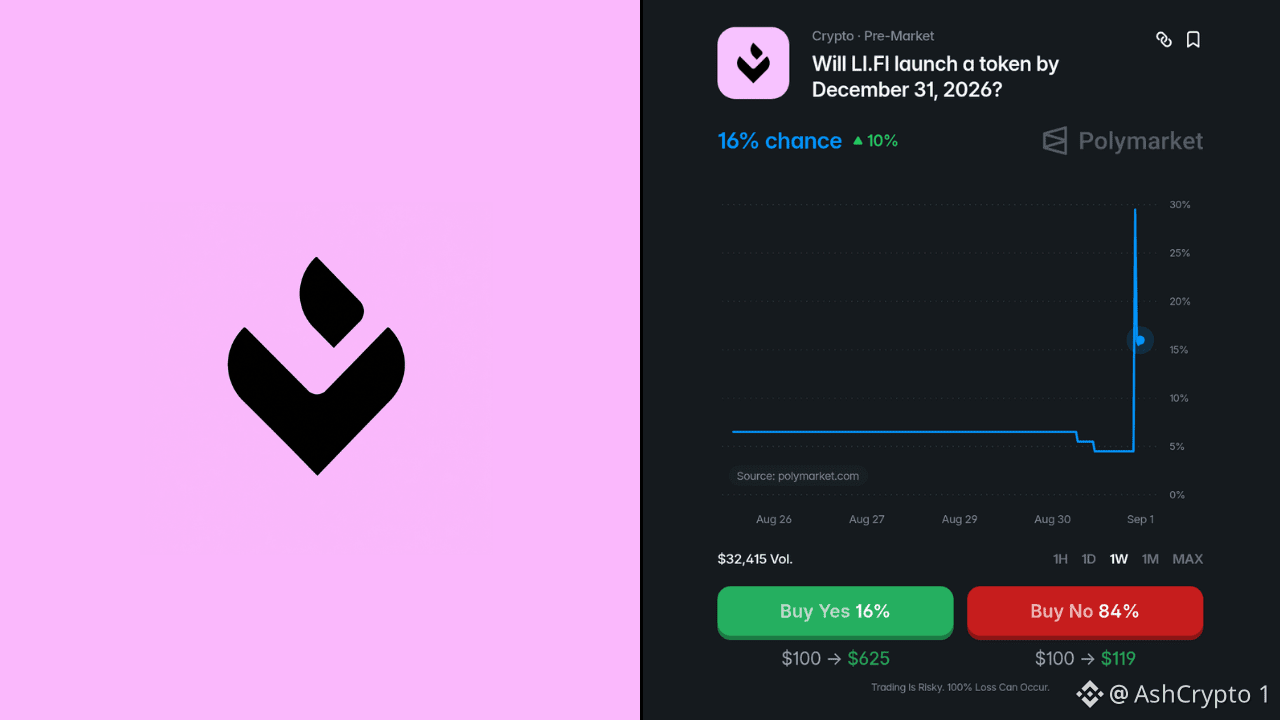
這東西整段期間都幾乎待在底部,然後在最後一刻突然就從哪裡冒出來、直接衝上去。
目前 16% 的機率,上漲了 10%,仍然是明顯的落後方,但那個急衝是整張圖上最新鮮的東西。
$32,415 的成交量表示,人們已經開始注意到了。
我選擇「是」,就算它是落後方也一樣。這麼突然的走勢,在那麼多安靜之後,通常代表某些事情剛剛改變。
讀到的內容一變你就隨時離開,沒有義務把整個時間線看完。
Polymarket 仍然是針對這種新鮮解讀進行變現的最乾淨方式,而 $ARB 往往也會在這種市場甦醒的同時出現。
#Altcoin Season#
🚨 LI FI 的代幣發行正在甦醒嗎?
這裡有個反轉。這張圖表中最新一個動作的一部分,已經透過 $HYPE 進行資金投入——這比只是把幣拿著不動、然後期待上漲要更精準。
這東西整段期間都幾乎待在底部,然後在最後一刻突然就從哪裡冒出來、直接衝上去。
目前 16% 的機率,上漲了 10%,仍然是明顯的落後方,但那個急衝是整張圖上最新鮮的東西。
$32,415 的成交量表示,人們已經開始注意到了。
我選擇「是」,就算它是落後方也一樣。這麼突然的走勢,在那麼多安靜之後,通常代表某些事情剛剛改變。
讀到的內容一變你就隨時離開,沒有義務把整個時間線看完。
Polymarket 仍然是針對這種新鮮解讀進行變現的最乾淨方式,而 $ARB 往往也會在這種市場甦醒的同時出現。
#Altcoin Season#
這裡有個反轉。這張圖表中最新一個動作的一部分,已經透過 $HYPE 進行資金投入——這比只是把幣拿著不動、然後期待上漲要更精準。
這東西整段期間都幾乎待在底部,然後在最後一刻突然就從哪裡冒出來、直接衝上去。
目前 16% 的機率,上漲了 10%,仍然是明顯的落後方,但那個急衝是整張圖上最新鮮的東西。
$32,415 的成交量表示,人們已經開始注意到了。
我選擇「是」,就算它是落後方也一樣。這麼突然的走勢,在那麼多安靜之後,通常代表某些事情剛剛改變。
讀到的內容一變你就隨時離開,沒有義務把整個時間線看完。
Polymarket 仍然是針對這種新鮮解讀進行變現的最乾淨方式,而 $ARB 往往也會在這種市場甦醒的同時出現。
#Altcoin Season#
58
·
--
你的提示在運行時可讀 🔐
你使用的每個模型,在它能回答之前,都必須以清晰可讀的形式接收到你的提示。
能阻止別人在那個時間點讀取的,只有一項政策;而政策是一種承諾,而不是一種機制。
整個產業都建立在「人們對此感到不安」的基礎上;而 $VVV 現在進行推論時不會在檔案中保留任何內容,針對約 350 萬名使用者,每天大約 200 萬次呼叫。
$TAO 則更往下層,協調數千名彼此獨立的營運者來執行模型;而這些營運者中的每一位,都能看到自己正在處理的任務。
所以,真正的暴露其實並不在應用程式層面。
Venice 能在不留紀錄的前提下達到這種規模,足以說明需求是真實存在的。
也顯示了天花板在哪裡,因為「不存提示」和「不讀提示」是兩種不同的承諾。
工作結束後檔案會被刪除,而且在作業進行中它仍然是可讀的。
當代理(agents)開始處理那些人自己絕不會手動輸入到聊天視窗中的事情後,這個差異將會變得重要得多。
Arcium 把這項保證從政策中移到運算的本身。
一個計算會分散到一組彼此獨立的節點上;每個節點只保存輸入的一個片段,而且沒有任何一個節點能夠重建所送出的內容。
因此答案能正確返回,而且鏈上的任何一台機器都從未持有可讀的問題副本。
這套系統自 2 月 2 日起已在 Mainnet Alpha 上線,擁有超過 4,000 個節點,並且在其上運行超過 30 個應用程式。
但 Blackthorn 是建立在其上方的 AI 通訊協定,至今尚未推出,因此我在觀望而不是把它算進去。
「不去查看」的承諾本身就有價值;而一個無法查看的系統,價值更高許多——也因此,受監管的 DeFi 與 AI 工作負載,將落在加密技術之上,而不是寄望於服務條款。
#AI #DeFi
你的提示在運行時可讀 🔐
你使用的每個模型,在它能回答之前,都必須以清晰可讀的形式接收到你的提示。
能阻止別人在那個時間點讀取的,只有一項政策;而政策是一種承諾,而不是一種機制。
整個產業都建立在「人們對此感到不安」的基礎上;而 $VVV 現在進行推論時不會在檔案中保留任何內容,針對約 350 萬名使用者,每天大約 200 萬次呼叫。
$TAO 則更往下層,協調數千名彼此獨立的營運者來執行模型;而這些營運者中的每一位,都能看到自己正在處理的任務。
所以,真正的暴露其實並不在應用程式層面。
Venice 能在不留紀錄的前提下達到這種規模,足以說明需求是真實存在的。
也顯示了天花板在哪裡,因為「不存提示」和「不讀提示」是兩種不同的承諾。
工作結束後檔案會被刪除,而且在作業進行中它仍然是可讀的。
當代理(agents)開始處理那些人自己絕不會手動輸入到聊天視窗中的事情後,這個差異將會變得重要得多。
Arcium 把這項保證從政策中移到運算的本身。
一個計算會分散到一組彼此獨立的節點上;每個節點只保存輸入的一個片段,而且沒有任何一個節點能夠重建所送出的內容。
因此答案能正確返回,而且鏈上的任何一台機器都從未持有可讀的問題副本。
這套系統自 2 月 2 日起已在 Mainnet Alpha 上線,擁有超過 4,000 個節點,並且在其上運行超過 30 個應用程式。
但 Blackthorn 是建立在其上方的 AI 通訊協定,至今尚未推出,因此我在觀望而不是把它算進去。
「不去查看」的承諾本身就有價值;而一個無法查看的系統,價值更高許多——也因此,受監管的 DeFi 與 AI 工作負載,將落在加密技術之上,而不是寄望於服務條款。
#AI #DeFi
你使用的每個模型,在它能回答之前,都必須以清晰可讀的形式接收到你的提示。
能阻止別人在那個時間點讀取的,只有一項政策;而政策是一種承諾,而不是一種機制。
整個產業都建立在「人們對此感到不安」的基礎上;而 $VVV 現在進行推論時不會在檔案中保留任何內容,針對約 350 萬名使用者,每天大約 200 萬次呼叫。
$TAO 則更往下層,協調數千名彼此獨立的營運者來執行模型;而這些營運者中的每一位,都能看到自己正在處理的任務。
所以,真正的暴露其實並不在應用程式層面。
Venice 能在不留紀錄的前提下達到這種規模,足以說明需求是真實存在的。
也顯示了天花板在哪裡,因為「不存提示」和「不讀提示」是兩種不同的承諾。
工作結束後檔案會被刪除,而且在作業進行中它仍然是可讀的。
當代理(agents)開始處理那些人自己絕不會手動輸入到聊天視窗中的事情後,這個差異將會變得重要得多。
Arcium 把這項保證從政策中移到運算的本身。
一個計算會分散到一組彼此獨立的節點上;每個節點只保存輸入的一個片段,而且沒有任何一個節點能夠重建所送出的內容。
因此答案能正確返回,而且鏈上的任何一台機器都從未持有可讀的問題副本。
這套系統自 2 月 2 日起已在 Mainnet Alpha 上線,擁有超過 4,000 個節點,並且在其上運行超過 30 個應用程式。
但 Blackthorn 是建立在其上方的 AI 通訊協定,至今尚未推出,因此我在觀望而不是把它算進去。
「不去查看」的承諾本身就有價值;而一個無法查看的系統,價值更高許多——也因此,受監管的 DeFi 與 AI 工作負載,將落在加密技術之上,而不是寄望於服務條款。
#AI #DeFi
69
·
--
Will Linera launch its token in time? 🚨
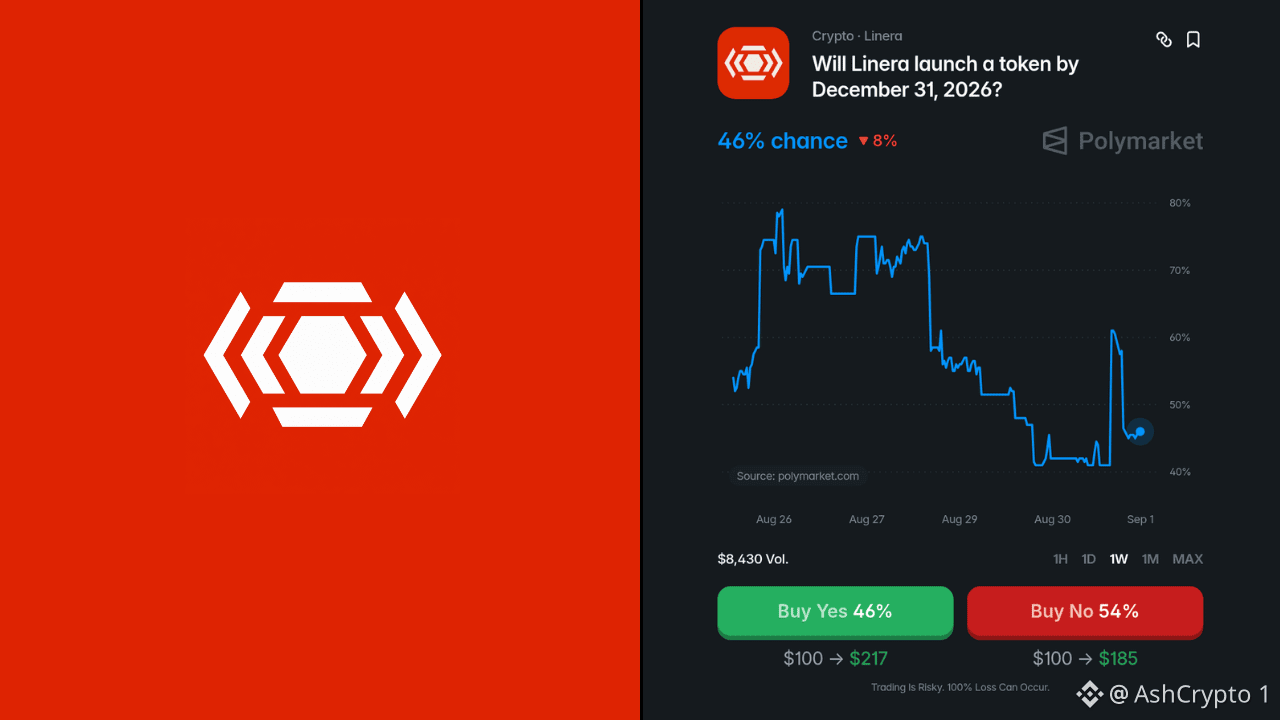
這一檔曾出現真正的高點,一路衝到接近 78%,之後就持續下滑。
目前有 46% 的機率,較之前下降了 8%。而且現在也還算冷清,成交量約 8,430 美元,這代表在更多人注意到之前,這個數字仍有空間繼續移動。
我認為,要把這種從高峰一路滑落的走勢扭轉,通常需要的不只是一次小反彈,而是不只一兩次。
$SOL 為這段回落注入了一部分資金,這比只是看著圖表什麼都不做要更精準、更有作用。
$POL 也常常會和它一起出現;在這個平台上的存在感也同樣持續攀升。
你想什麼時候退出就什麼時候退出,直到實際日期之前你都不算被鎖定。
Polymarket 仍然是像這種解讀中賺取利潤時,相對更可靠的方式之一。
#Altcoin Season#
Will Linera launch its token in time? 🚨
這一檔曾出現真正的高點,一路衝到接近 78%,之後就持續下滑。
目前有 46% 的機率,較之前下降了 8%。而且現在也還算冷清,成交量約 8,430 美元,這代表在更多人注意到之前,這個數字仍有空間繼續移動。
我認為,要把這種從高峰一路滑落的走勢扭轉,通常需要的不只是一次小反彈,而是不只一兩次。
$SOL 為這段回落注入了一部分資金,這比只是看著圖表什麼都不做要更精準、更有作用。
$POL 也常常會和它一起出現;在這個平台上的存在感也同樣持續攀升。
你想什麼時候退出就什麼時候退出,直到實際日期之前你都不算被鎖定。
Polymarket 仍然是像這種解讀中賺取利潤時,相對更可靠的方式之一。
#Altcoin Season#
這一檔曾出現真正的高點,一路衝到接近 78%,之後就持續下滑。
目前有 46% 的機率,較之前下降了 8%。而且現在也還算冷清,成交量約 8,430 美元,這代表在更多人注意到之前,這個數字仍有空間繼續移動。
我認為,要把這種從高峰一路滑落的走勢扭轉,通常需要的不只是一次小反彈,而是不只一兩次。
$SOL 為這段回落注入了一部分資金,這比只是看著圖表什麼都不做要更精準、更有作用。
$POL 也常常會和它一起出現;在這個平台上的存在感也同樣持續攀升。
你想什麼時候退出就什麼時候退出,直到實際日期之前你都不算被鎖定。
Polymarket 仍然是像這種解讀中賺取利潤時,相對更可靠的方式之一。
#Altcoin Season#
66
登入以探索更多內容
加入幣安廣場中的全球加密貨幣用戶
⚡️ 獲取加密貨幣的最新和實用資訊。
💬 受到全球最大加密貨幣交易所的信任。
👍 發掘來自經過驗證創作者的真實見解。
電子郵件 / 電話號碼