

Alex1i9
148 貼文

Alex1i9
舉報
封鎖用戶
Bull bear whatever - I am Here | #Binance KOL |
0 關注
11 粉絲
16 點讚數
貼文
·
--
查看翻譯
Compute tokens were only phase one ⚡
$TAO and $RENDER helped define the first version of crypto’s AI infrastructure trade.
TAO built markets where subnets compete to produce useful digital commodities like inference, compute and prediction.
Render built a marketplace where GPU owners can monetize idle hardware across rendering and AI workloads.
Both revolve around one increasingly valuable resource:
Compute.
But the next phase does not have to stop at accessing or supplying GPUs.
It can be about owning them.
That is the direction $B3 is taking with B3IQ.
Buyers can own dedicated NVIDIA systems while B3 handles the build, hosting, routing, billing and commercial demand.
The machine can stay private or work under B3IQ’s offtake contracts, with the owner keeping 85% of realized revenue.
Select systems can also start with 30% down, letting income from the hardware help retire the financed balance.
Render made idle GPUs productive.
If AI keeps scaling, the next compute trade may be less about renting access to machines and more about owning the machines everyone needs.
#AI #DePIN
Compute tokens were only phase one ⚡
$TAO and $RENDER helped define the first version of crypto’s AI infrastructure trade.
TAO built markets where subnets compete to produce useful digital commodities like inference, compute and prediction.
Render built a marketplace where GPU owners can monetize idle hardware across rendering and AI workloads.
Both revolve around one increasingly valuable resource:
Compute.
But the next phase does not have to stop at accessing or supplying GPUs.
It can be about owning them.
That is the direction $B3 is taking with B3IQ.
Buyers can own dedicated NVIDIA systems while B3 handles the build, hosting, routing, billing and commercial demand.
The machine can stay private or work under B3IQ’s offtake contracts, with the owner keeping 85% of realized revenue.
Select systems can also start with 30% down, letting income from the hardware help retire the financed balance.
Render made idle GPUs productive.
If AI keeps scaling, the next compute trade may be less about renting access to machines and more about owning the machines everyone needs.
#AI #DePIN
$TAO and $RENDER helped define the first version of crypto’s AI infrastructure trade.
TAO built markets where subnets compete to produce useful digital commodities like inference, compute and prediction.
Render built a marketplace where GPU owners can monetize idle hardware across rendering and AI workloads.
Both revolve around one increasingly valuable resource:
Compute.
But the next phase does not have to stop at accessing or supplying GPUs.
It can be about owning them.
That is the direction $B3 is taking with B3IQ.
Buyers can own dedicated NVIDIA systems while B3 handles the build, hosting, routing, billing and commercial demand.
The machine can stay private or work under B3IQ’s offtake contracts, with the owner keeping 85% of realized revenue.
Select systems can also start with 30% down, letting income from the hardware help retire the financed balance.
Render made idle GPUs productive.
If AI keeps scaling, the next compute trade may be less about renting access to machines and more about owning the machines everyone needs.
#AI #DePIN
70
·
--
查看翻譯
Your Leveraged Stock Position Is Now A Transferable Object 📈
$PENDLE and $BLUR both proved that a position becomes more useful the moment it is a transferable object. Margin Call is applying that to leverage.
It placed second in the Uniswap track at Bankr's Runtime Agent Week, turning leveraged stock positions into transferable NFTs, with a mainnet deployment the judges verified rather than took on trust.
The primitive underneath is worth separating from the demo.
A leveraged position is normally an account state. It lives inside a venue, it belongs to whoever opened it, and exiting means closing it. Making it a token changes the exit. You can sell the position itself to someone who wants it, at whatever price they will pay, without unwinding anything.
That matters most in exactly the case where unwinding is expensive. A thin book on a real-world asset, wide spreads, and a position you want out of at the moment when selling into the market is the worst available option.
The risk is the one every tokenized position carries. A transferable claim on a leveraged position is only as sound as the liquidation logic behind it, and the buyer inherits the margin call along with the upside.
Verified on mainnet is a meaningful phrase here though. Most hackathon entries in DeFi are a video and a promise.
#DeFi #RWA
Your Leveraged Stock Position Is Now A Transferable Object 📈
$PENDLE and $BLUR both proved that a position becomes more useful the moment it is a transferable object. Margin Call is applying that to leverage.
It placed second in the Uniswap track at Bankr's Runtime Agent Week, turning leveraged stock positions into transferable NFTs, with a mainnet deployment the judges verified rather than took on trust.
The primitive underneath is worth separating from the demo.
A leveraged position is normally an account state. It lives inside a venue, it belongs to whoever opened it, and exiting means closing it. Making it a token changes the exit. You can sell the position itself to someone who wants it, at whatever price they will pay, without unwinding anything.
That matters most in exactly the case where unwinding is expensive. A thin book on a real-world asset, wide spreads, and a position you want out of at the moment when selling into the market is the worst available option.
The risk is the one every tokenized position carries. A transferable claim on a leveraged position is only as sound as the liquidation logic behind it, and the buyer inherits the margin call along with the upside.
Verified on mainnet is a meaningful phrase here though. Most hackathon entries in DeFi are a video and a promise.
#DeFi #RWA
$PENDLE and $BLUR both proved that a position becomes more useful the moment it is a transferable object. Margin Call is applying that to leverage.
It placed second in the Uniswap track at Bankr's Runtime Agent Week, turning leveraged stock positions into transferable NFTs, with a mainnet deployment the judges verified rather than took on trust.
The primitive underneath is worth separating from the demo.
A leveraged position is normally an account state. It lives inside a venue, it belongs to whoever opened it, and exiting means closing it. Making it a token changes the exit. You can sell the position itself to someone who wants it, at whatever price they will pay, without unwinding anything.
That matters most in exactly the case where unwinding is expensive. A thin book on a real-world asset, wide spreads, and a position you want out of at the moment when selling into the market is the worst available option.
The risk is the one every tokenized position carries. A transferable claim on a leveraged position is only as sound as the liquidation logic behind it, and the buyer inherits the margin call along with the upside.
Verified on mainnet is a meaningful phrase here though. Most hackathon entries in DeFi are a video and a promise.
#DeFi #RWA
56
·
--
查看翻譯
WallStreetBets Is Watching the SYN Story 👀
$UNI helped take onchain trading from a crypto niche into a much broader market conversation.
$SYN may now be attracting attention from the retail trading audience.
WallStreetBets responded “huge 👀” to Duncan’s update covering SonicStrategy’s SYN purchase, Hypercall’s record options volume and its contribution to Hyperliquid hedging activity.
One reply does not validate the investment thesis.
What it shows is that the story can travel beyond existing SYN holders.
An audience already familiar with options, 0DTE trading and leveraged exposure can immediately understand what Hypercall is building.
#Options #Altcoin Season#
WallStreetBets Is Watching the SYN Story 👀
$UNI helped take onchain trading from a crypto niche into a much broader market conversation.
$SYN may now be attracting attention from the retail trading audience.
WallStreetBets responded “huge 👀” to Duncan’s update covering SonicStrategy’s SYN purchase, Hypercall’s record options volume and its contribution to Hyperliquid hedging activity.
One reply does not validate the investment thesis.
What it shows is that the story can travel beyond existing SYN holders.
An audience already familiar with options, 0DTE trading and leveraged exposure can immediately understand what Hypercall is building.
#Options #Altcoin Season#
$UNI helped take onchain trading from a crypto niche into a much broader market conversation.
$SYN may now be attracting attention from the retail trading audience.
WallStreetBets responded “huge 👀” to Duncan’s update covering SonicStrategy’s SYN purchase, Hypercall’s record options volume and its contribution to Hyperliquid hedging activity.
One reply does not validate the investment thesis.
What it shows is that the story can travel beyond existing SYN holders.
An audience already familiar with options, 0DTE trading and leveraged exposure can immediately understand what Hypercall is building.
#Options #Altcoin Season#
65
·
--
查看翻譯
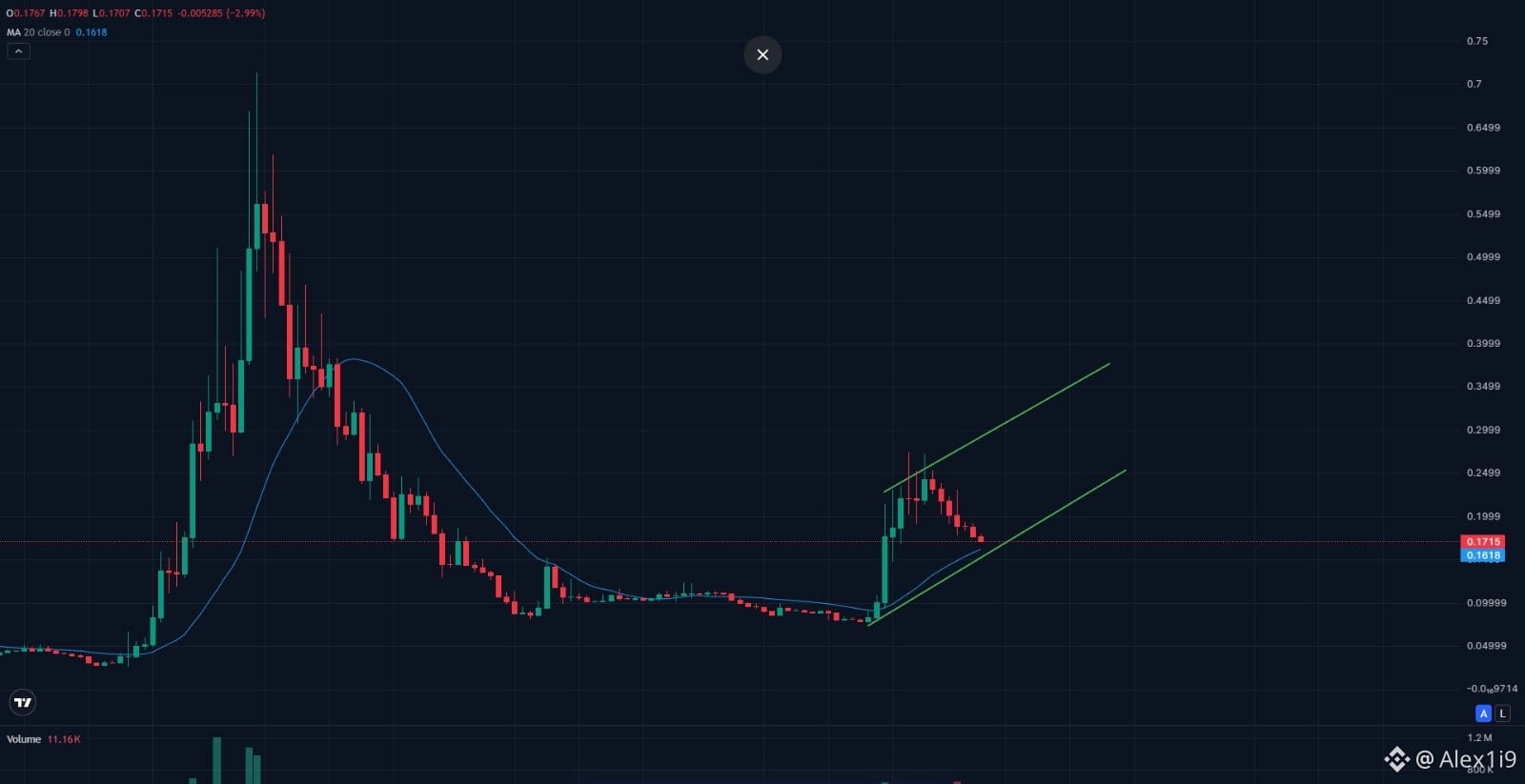
**$SYN Is Testing A Major Fibonacci Support Zone 🎯**
While $ONDO has strengthened the onchain capital-markets narrative, $SYN adds an options-focused angle through Hypercall.
The SYN chart is now testing an important retracement zone after running from approximately $0.078 to $0.273.
The 50% Fibonacci retracement sits around $0.176, while the 61.8% level is near $0.153.
With SYN trading around $0.172, price has entered the zone between those levels where buyers could establish a higher low.
A recovery above $0.176 would provide the first bullish confirmation and place the following levels back into focus:
🎯 $0.190
🎯 $0.208
🎯 $0.220
The broader breakout structure remains intact above the deeper Fibonacci support near $0.153. Reclaiming $0.176 would strengthen the case that the current pullback is turning into accumulation.
#TechnicalAnalysis #Altcoin Season#
**$SYN Is Testing A Major Fibonacci Support Zone 🎯**
While $ONDO has strengthened the onchain capital-markets narrative, $SYN adds an options-focused angle through Hypercall.
The SYN chart is now testing an important retracement zone after running from approximately $0.078 to $0.273.
The 50% Fibonacci retracement sits around $0.176, while the 61.8% level is near $0.153.
With SYN trading around $0.172, price has entered the zone between those levels where buyers could establish a higher low.
A recovery above $0.176 would provide the first bullish confirmation and place the following levels back into focus:
🎯 $0.190
🎯 $0.208
🎯 $0.220
The broader breakout structure remains intact above the deeper Fibonacci support near $0.153. Reclaiming $0.176 would strengthen the case that the current pullback is turning into accumulation.
#TechnicalAnalysis #Altcoin Season#
While $ONDO has strengthened the onchain capital-markets narrative, $SYN adds an options-focused angle through Hypercall.
The SYN chart is now testing an important retracement zone after running from approximately $0.078 to $0.273.
The 50% Fibonacci retracement sits around $0.176, while the 61.8% level is near $0.153.
With SYN trading around $0.172, price has entered the zone between those levels where buyers could establish a higher low.
A recovery above $0.176 would provide the first bullish confirmation and place the following levels back into focus:
🎯 $0.190
🎯 $0.208
🎯 $0.220
The broader breakout structure remains intact above the deeper Fibonacci support near $0.153. Reclaiming $0.176 would strengthen the case that the current pullback is turning into accumulation.
#TechnicalAnalysis #Altcoin Season#
57
·
--
你不需要綠色圖表也能獲利 📉
配對交易最有用的地方在於:你的交易雙邊都可能是紅的,但你的論點仍然能夠實現。
在先前幾週中,$ZEC 強勢大幅領先 $XMR 之後,大型加密貨幣駭客事件與漏洞被發現的情況日益增多,並且伴隨著更多交易量湧入 Monero,讓人開始質疑這種關係是否可能反過來發生變化。
這個交易想法很簡單:做多 XMR。做空 ZEC。而週末發生的事正是如此。
兩種資產都下跌了,但 Monero 相較於 Zcash 展現了相對強勢。因此,這個機會並不依賴 XMR 被拉升。它只需要 XMR 的表現優於 ZEC。
Pear Protocol 讓交易者只需一鍵,就能把這第二種觀點用多/空配對的方式表達;如果你不認同,也可以反向對沖這個論點。
有時候,對「關係」的判斷比對「市場」的判斷更重要。
在 app.pear.garden 進行配對交易
#Altcoin Season#
你不需要綠色圖表也能獲利 📉
配對交易最有用的地方在於:你的交易雙邊都可能是紅的,但你的論點仍然能夠實現。
在先前幾週中,$ZEC 強勢大幅領先 $XMR 之後,大型加密貨幣駭客事件與漏洞被發現的情況日益增多,並且伴隨著更多交易量湧入 Monero,讓人開始質疑這種關係是否可能反過來發生變化。
這個交易想法很簡單:做多 XMR。做空 ZEC。而週末發生的事正是如此。
兩種資產都下跌了,但 Monero 相較於 Zcash 展現了相對強勢。因此,這個機會並不依賴 XMR 被拉升。它只需要 XMR 的表現優於 ZEC。
Pear Protocol 讓交易者只需一鍵,就能把這第二種觀點用多/空配對的方式表達;如果你不認同,也可以反向對沖這個論點。
有時候,對「關係」的判斷比對「市場」的判斷更重要。
在 app.pear.garden 進行配對交易
#Altcoin Season#
配對交易最有用的地方在於:你的交易雙邊都可能是紅的,但你的論點仍然能夠實現。
在先前幾週中,$ZEC 強勢大幅領先 $XMR 之後,大型加密貨幣駭客事件與漏洞被發現的情況日益增多,並且伴隨著更多交易量湧入 Monero,讓人開始質疑這種關係是否可能反過來發生變化。
這個交易想法很簡單:做多 XMR。做空 ZEC。而週末發生的事正是如此。
兩種資產都下跌了,但 Monero 相較於 Zcash 展現了相對強勢。因此,這個機會並不依賴 XMR 被拉升。它只需要 XMR 的表現優於 ZEC。
Pear Protocol 讓交易者只需一鍵,就能把這第二種觀點用多/空配對的方式表達;如果你不認同,也可以反向對沖這個論點。
有時候,對「關係」的判斷比對「市場」的判斷更重要。
在 app.pear.garden 進行配對交易
#Altcoin Season#
49
·
--
查看翻譯
Fresh Problems Took AI Scores To 7.5% 🧪
When I look at fundamentals I want numbers that cannot be gamed, and AI has spent two years reporting numbers that can be.
On one widely used coding benchmark frontier models scored in the 70s and 80s, and when the K Prize tested models only on problems filed after its deadline, the winning score was 7.5%.
Every AI project that leans on a leaderboard inherits that gap, including the AI tokens trading on $SOL where a score is the easiest fundamental to quote and the hardest to check.
OpenAI stopped reporting that benchmark in February, citing contamination, which is the polite word for the test ending up in the training data.
It happens because a benchmark has to be published to be used, so the answers get crawled along with everything else, and a model that has already seen the test is grading its memory.
Arcium takes the answer key out of circulation, splitting the reference answers into fragments across a cluster of nodes where no single node holds a readable copy, while the grading still returns the correct score.
That score settles on Solana as an ordinary public transaction, so every result is timestamped and checkable even though the key behind it was never published.
The grading side can run today on Mainnet Alpha, live since February 2 with more than 2.5 million computations, while keeping the questions sealed from the model being tested is Blackthorn's job, and Blackthorn has not shipped yet.
A benchmark that leaks stops measuring anything the moment it gets popular, and my read is that sealed evaluation ends up being one of the more valuable things confidential compute does for AI.
#AI #Solana
Fresh Problems Took AI Scores To 7.5% 🧪
When I look at fundamentals I want numbers that cannot be gamed, and AI has spent two years reporting numbers that can be.
On one widely used coding benchmark frontier models scored in the 70s and 80s, and when the K Prize tested models only on problems filed after its deadline, the winning score was 7.5%.
Every AI project that leans on a leaderboard inherits that gap, including the AI tokens trading on $SOL where a score is the easiest fundamental to quote and the hardest to check.
OpenAI stopped reporting that benchmark in February, citing contamination, which is the polite word for the test ending up in the training data.
It happens because a benchmark has to be published to be used, so the answers get crawled along with everything else, and a model that has already seen the test is grading its memory.
Arcium takes the answer key out of circulation, splitting the reference answers into fragments across a cluster of nodes where no single node holds a readable copy, while the grading still returns the correct score.
That score settles on Solana as an ordinary public transaction, so every result is timestamped and checkable even though the key behind it was never published.
The grading side can run today on Mainnet Alpha, live since February 2 with more than 2.5 million computations, while keeping the questions sealed from the model being tested is Blackthorn's job, and Blackthorn has not shipped yet.
A benchmark that leaks stops measuring anything the moment it gets popular, and my read is that sealed evaluation ends up being one of the more valuable things confidential compute does for AI.
#AI #Solana
When I look at fundamentals I want numbers that cannot be gamed, and AI has spent two years reporting numbers that can be.
On one widely used coding benchmark frontier models scored in the 70s and 80s, and when the K Prize tested models only on problems filed after its deadline, the winning score was 7.5%.
Every AI project that leans on a leaderboard inherits that gap, including the AI tokens trading on $SOL where a score is the easiest fundamental to quote and the hardest to check.
OpenAI stopped reporting that benchmark in February, citing contamination, which is the polite word for the test ending up in the training data.
It happens because a benchmark has to be published to be used, so the answers get crawled along with everything else, and a model that has already seen the test is grading its memory.
Arcium takes the answer key out of circulation, splitting the reference answers into fragments across a cluster of nodes where no single node holds a readable copy, while the grading still returns the correct score.
That score settles on Solana as an ordinary public transaction, so every result is timestamped and checkable even though the key behind it was never published.
The grading side can run today on Mainnet Alpha, live since February 2 with more than 2.5 million computations, while keeping the questions sealed from the model being tested is Blackthorn's job, and Blackthorn has not shipped yet.
A benchmark that leaks stops measuring anything the moment it gets popular, and my read is that sealed evaluation ends up being one of the more valuable things confidential compute does for AI.
#AI #Solana
49
·
--
查看翻譯
Onchain Data Isn't Enough 🌐
And neither is offchain data by itself.
That's becoming obvious with RWAs.
A token might tell me exactly how much supply exists onchain.
Cool.
But the asset backing it, its valuation, custody records or other relevant information may live somewhere completely different.
Space and Time can combine onchain and offchain datasets in the same query and produce a proof over the result. Its own RWA example is basically this: compare token supply with offchain asset information and make that relationship verifiable.
That's the bridge I find interesting.
$ONDO represents the asset side of the tokenization wave.
The next infrastructure problem is making sure applications can safely understand what's happening underneath those assets.
Putting TradFi onchain doesn't magically make all TradFi data onchain too.
Someone still has to connect the two worlds.
#Altcoin Season#
Onchain Data Isn't Enough 🌐
And neither is offchain data by itself.
That's becoming obvious with RWAs.
A token might tell me exactly how much supply exists onchain.
Cool.
But the asset backing it, its valuation, custody records or other relevant information may live somewhere completely different.
Space and Time can combine onchain and offchain datasets in the same query and produce a proof over the result. Its own RWA example is basically this: compare token supply with offchain asset information and make that relationship verifiable.
That's the bridge I find interesting.
$ONDO represents the asset side of the tokenization wave.
The next infrastructure problem is making sure applications can safely understand what's happening underneath those assets.
Putting TradFi onchain doesn't magically make all TradFi data onchain too.
Someone still has to connect the two worlds.
#Altcoin Season#
And neither is offchain data by itself.
That's becoming obvious with RWAs.
A token might tell me exactly how much supply exists onchain.
Cool.
But the asset backing it, its valuation, custody records or other relevant information may live somewhere completely different.
Space and Time can combine onchain and offchain datasets in the same query and produce a proof over the result. Its own RWA example is basically this: compare token supply with offchain asset information and make that relationship verifiable.
That's the bridge I find interesting.
$ONDO represents the asset side of the tokenization wave.
The next infrastructure problem is making sure applications can safely understand what's happening underneath those assets.
Putting TradFi onchain doesn't magically make all TradFi data onchain too.
Someone still has to connect the two worlds.
#Altcoin Season#

66
·
--
隱私幣只是一階段 🔒
多年來,$XMR 和 $ZEC 透過保密轉帳定義了隱私的討論。我認為它們持續的相關性證明了:金融隱私從來就不是一段暫時的加密叙事。
但下一個隱私週期不應只是超越在錢包之間移轉資金;因為隨著更複雜的金融產品走上鏈上,默認公開的基礎設施可能會暴露具有商業敏感性的活動。
這讓隱私問題影響的範圍,遠比點對點轉帳更廣。
對我而言,下一階段就是讓隱私成為支撐完整金融市場的基礎設施,而 Injective 也已透過 CypherOS 為這個方向命名。
它將展示:隱私如何能與 Injective 上已在運作的市場與代幣化資產並存。
如果它能做到,我認為 Injective 就有機會把敘事從「私密金錢」擴展到「私密鏈上金融」。
對我來說,這就是下一個值得關注的隱私市場轉變 👀
#Altcoin Season#
隱私幣只是一階段 🔒
多年來,$XMR 和 $ZEC 透過保密轉帳定義了隱私的討論。我認為它們持續的相關性證明了:金融隱私從來就不是一段暫時的加密叙事。
但下一個隱私週期不應只是超越在錢包之間移轉資金;因為隨著更複雜的金融產品走上鏈上,默認公開的基礎設施可能會暴露具有商業敏感性的活動。
這讓隱私問題影響的範圍,遠比點對點轉帳更廣。
對我而言,下一階段就是讓隱私成為支撐完整金融市場的基礎設施,而 Injective 也已透過 CypherOS 為這個方向命名。
它將展示:隱私如何能與 Injective 上已在運作的市場與代幣化資產並存。
如果它能做到,我認為 Injective 就有機會把敘事從「私密金錢」擴展到「私密鏈上金融」。
對我來說,這就是下一個值得關注的隱私市場轉變 👀
#Altcoin Season#
多年來,$XMR 和 $ZEC 透過保密轉帳定義了隱私的討論。我認為它們持續的相關性證明了:金融隱私從來就不是一段暫時的加密叙事。
但下一個隱私週期不應只是超越在錢包之間移轉資金;因為隨著更複雜的金融產品走上鏈上,默認公開的基礎設施可能會暴露具有商業敏感性的活動。
這讓隱私問題影響的範圍,遠比點對點轉帳更廣。
對我而言,下一階段就是讓隱私成為支撐完整金融市場的基礎設施,而 Injective 也已透過 CypherOS 為這個方向命名。
它將展示:隱私如何能與 Injective 上已在運作的市場與代幣化資產並存。
如果它能做到,我認為 Injective 就有機會把敘事從「私密金錢」擴展到「私密鏈上金融」。
對我來說,這就是下一個值得關注的隱私市場轉變 👀
#Altcoin Season#

75
·
--
一家上市公司剛剛買入了 SYN 👀
$LINK 已成為鏈上經濟的被認可基礎設施資產。如今 $SYN 已進入 SonicStrategy 的上市公司資產負債表,作為押注鏈上衍生品的一筆投資。
該公司在公開市場以接近 0.23 美元的平均價格購入了 500,000 枚 SYN,投資約 115,000 美元。
它將此次購買描述為其針對鏈上衍生品的首次資產負債表投資。
時機很關鍵。更早一天,SonicStrategy 提議透過私募最高籌集 4.5M 美元,其中最多一半可用數位資產支付。
目前的配置規模仍然不大。若後續融資之後又出現更多 SYN 的購買,這個訊號會變得強得多。
我的設定是:目前先獲得初始的機構背書,至於最終確認則取決於資產負債表端對需求能否持續。
在山寨幣季,單筆購買會引起關注;持續累積會形成敘事。
#Altcoin Season#
一家上市公司剛剛買入了 SYN 👀
$LINK 已成為鏈上經濟的被認可基礎設施資產。如今 $SYN 已進入 SonicStrategy 的上市公司資產負債表,作為押注鏈上衍生品的一筆投資。
該公司在公開市場以接近 0.23 美元的平均價格購入了 500,000 枚 SYN,投資約 115,000 美元。
它將此次購買描述為其針對鏈上衍生品的首次資產負債表投資。
時機很關鍵。更早一天,SonicStrategy 提議透過私募最高籌集 4.5M 美元,其中最多一半可用數位資產支付。
目前的配置規模仍然不大。若後續融資之後又出現更多 SYN 的購買,這個訊號會變得強得多。
我的設定是:目前先獲得初始的機構背書,至於最終確認則取決於資產負債表端對需求能否持續。
在山寨幣季,單筆購買會引起關注;持續累積會形成敘事。
#Altcoin Season#
$LINK 已成為鏈上經濟的被認可基礎設施資產。如今 $SYN 已進入 SonicStrategy 的上市公司資產負債表,作為押注鏈上衍生品的一筆投資。
該公司在公開市場以接近 0.23 美元的平均價格購入了 500,000 枚 SYN,投資約 115,000 美元。
它將此次購買描述為其針對鏈上衍生品的首次資產負債表投資。
時機很關鍵。更早一天,SonicStrategy 提議透過私募最高籌集 4.5M 美元,其中最多一半可用數位資產支付。
目前的配置規模仍然不大。若後續融資之後又出現更多 SYN 的購買,這個訊號會變得強得多。
我的設定是:目前先獲得初始的機構背書,至於最終確認則取決於資產負債表端對需求能否持續。
在山寨幣季,單筆購買會引起關注;持續累積會形成敘事。
#Altcoin Season#
62
·
--
有些真相不需要預言家。
$PYTH 的持有者相信,市場應該獲得來自源頭的價格數據——快速、可驗證、沒有中間人扭曲「真實」。
德羅寧(DeLorean)的價值同樣也從未被中間人扭曲過。
40 年的票房數據、授權收入與全球品牌研究,全部都公開可查、全部都能在不依賴資料源供應的情況下驗證。$DMC 將 IP 進行代幣化,而其價值從來不是建立在信任之上;它早就已經被記錄在案。
Pyth 驗證價格。歷史已經驗證了這一點。⚡
#Altcoin Season#
有些真相不需要預言家。
$PYTH 的持有者相信,市場應該獲得來自源頭的價格數據——快速、可驗證、沒有中間人扭曲「真實」。
德羅寧(DeLorean)的價值同樣也從未被中間人扭曲過。
40 年的票房數據、授權收入與全球品牌研究,全部都公開可查、全部都能在不依賴資料源供應的情況下驗證。$DMC 將 IP 進行代幣化,而其價值從來不是建立在信任之上;它早就已經被記錄在案。
Pyth 驗證價格。歷史已經驗證了這一點。⚡
#Altcoin Season#
$PYTH 的持有者相信,市場應該獲得來自源頭的價格數據——快速、可驗證、沒有中間人扭曲「真實」。
德羅寧(DeLorean)的價值同樣也從未被中間人扭曲過。
40 年的票房數據、授權收入與全球品牌研究,全部都公開可查、全部都能在不依賴資料源供應的情況下驗證。$DMC 將 IP 進行代幣化,而其價值從來不是建立在信任之上;它早就已經被記錄在案。
Pyth 驗證價格。歷史已經驗證了這一點。⚡
#Altcoin Season#

70
·
--
把 SYN 的圖表放到產品旁邊 📊
$UNI 讓一個有用的 DeFi 研究習慣變得清晰。對於 $SYN 我也採用相同的方法:同時閱讀代幣圖表與底層協議的活動。
這兩者衡量的是不同的事。
代幣交易量顯示的是資產的活躍度。協議量顯示的是產品的使用情況。兩者之間的一個變化並不會自動證明另一個也跟著變化。
Hypercall 讓 SYN 擁有一個可以追蹤的產品故事:建立在 Hyperliquid 上的選項市場,以及延伸到股票等工具的安排。
我的基準由三部分組成。
• 在一致期間內的 SYN 價格與現貨量
• Hypercall 的選項成交量與未平倉量(若有提供)
• 帶日期的產品里程碑以及市場可用性的變更
有趣的問題是:產品使用是否會隨著市場關注而同步發展。
我想用這種方式來評估 Hypercall 的論點如何逐步展開。
每一次新的觀察都應該為這個案例新增一些具體內容。
#DeFi
把 SYN 的圖表放到產品旁邊 📊
$UNI 讓一個有用的 DeFi 研究習慣變得清晰。對於 $SYN 我也採用相同的方法:同時閱讀代幣圖表與底層協議的活動。
這兩者衡量的是不同的事。
代幣交易量顯示的是資產的活躍度。協議量顯示的是產品的使用情況。兩者之間的一個變化並不會自動證明另一個也跟著變化。
Hypercall 讓 SYN 擁有一個可以追蹤的產品故事:建立在 Hyperliquid 上的選項市場,以及延伸到股票等工具的安排。
我的基準由三部分組成。
• 在一致期間內的 SYN 價格與現貨量
• Hypercall 的選項成交量與未平倉量(若有提供)
• 帶日期的產品里程碑以及市場可用性的變更
有趣的問題是:產品使用是否會隨著市場關注而同步發展。
我想用這種方式來評估 Hypercall 的論點如何逐步展開。
每一次新的觀察都應該為這個案例新增一些具體內容。
#DeFi
$UNI 讓一個有用的 DeFi 研究習慣變得清晰。對於 $SYN 我也採用相同的方法:同時閱讀代幣圖表與底層協議的活動。
這兩者衡量的是不同的事。
代幣交易量顯示的是資產的活躍度。協議量顯示的是產品的使用情況。兩者之間的一個變化並不會自動證明另一個也跟著變化。
Hypercall 讓 SYN 擁有一個可以追蹤的產品故事:建立在 Hyperliquid 上的選項市場,以及延伸到股票等工具的安排。
我的基準由三部分組成。
• 在一致期間內的 SYN 價格與現貨量
• Hypercall 的選項成交量與未平倉量(若有提供)
• 帶日期的產品里程碑以及市場可用性的變更
有趣的問題是:產品使用是否會隨著市場關注而同步發展。
我想用這種方式來評估 Hypercall 的論點如何逐步展開。
每一次新的觀察都應該為這個案例新增一些具體內容。
#DeFi
33
·
--
為什麼這個加密應用可能會爆發 👇
$HYPE 的崛起揭露了加密產品的一個殘酷真相。
用戶會獎勵那些把活動集中在同一個平台上的產品,而不是讓他們分散在五個不同介面之間。
然而,行動版加密仍然感覺像是把桌面版 DeFi 擠到更小的螢幕上。
錢包、橋接與交易場域之間每多一次交接,就會消耗注意力並降低轉換率。
下一個主導的消費級產品,會讓鏈看起來像是隱形的後端基礎設施。它將把使用者從一個想法帶到一個可交易的市場,且不會打斷他們的流程。
我認為,下一個突破性應用就會在這裡被打造出來。
Zora 最新的行動版更新,正是在把握這個契機。
使用者現在可以:
• 用迷因、主流幣與代幣化股票建立自訂交易組合
• 在 Solana、BNB Chain、Robinhood Chain 與 Base 之間進行跨鏈交易
• 直接用手機啟動,無需回到桌面流程
這會改變整個產品的形狀。
Zora 正開始類似一個面向消費者的鏈上市場作業系統。社交發現可以在同一個介面中無縫流轉到創建與交易。當更多使用者、資產與鏈進入 App,這個飛輪就會變得更
強大。
我認為,市場仍在看著舊版本的 Zora,而團隊卻在積極推出一個更具野心的版本。
如果行動端成為加密的主要戰場,那麼 Zora сейчас 就有一個可信的機會,拿下其中一大塊。
#Altcoin Season# #Stonk
為什麼這個加密應用可能會爆發 👇
$HYPE 的崛起揭露了加密產品的一個殘酷真相。
用戶會獎勵那些把活動集中在同一個平台上的產品,而不是讓他們分散在五個不同介面之間。
然而,行動版加密仍然感覺像是把桌面版 DeFi 擠到更小的螢幕上。
錢包、橋接與交易場域之間每多一次交接,就會消耗注意力並降低轉換率。
下一個主導的消費級產品,會讓鏈看起來像是隱形的後端基礎設施。它將把使用者從一個想法帶到一個可交易的市場,且不會打斷他們的流程。
我認為,下一個突破性應用就會在這裡被打造出來。
Zora 最新的行動版更新,正是在把握這個契機。
使用者現在可以:
• 用迷因、主流幣與代幣化股票建立自訂交易組合
• 在 Solana、BNB Chain、Robinhood Chain 與 Base 之間進行跨鏈交易
• 直接用手機啟動,無需回到桌面流程
這會改變整個產品的形狀。
Zora 正開始類似一個面向消費者的鏈上市場作業系統。社交發現可以在同一個介面中無縫流轉到創建與交易。當更多使用者、資產與鏈進入 App,這個飛輪就會變得更
強大。
我認為,市場仍在看著舊版本的 Zora,而團隊卻在積極推出一個更具野心的版本。
如果行動端成為加密的主要戰場,那麼 Zora сейчас 就有一個可信的機會,拿下其中一大塊。
#Altcoin Season# #Stonk
$HYPE 的崛起揭露了加密產品的一個殘酷真相。
用戶會獎勵那些把活動集中在同一個平台上的產品,而不是讓他們分散在五個不同介面之間。
然而,行動版加密仍然感覺像是把桌面版 DeFi 擠到更小的螢幕上。
錢包、橋接與交易場域之間每多一次交接,就會消耗注意力並降低轉換率。
下一個主導的消費級產品,會讓鏈看起來像是隱形的後端基礎設施。它將把使用者從一個想法帶到一個可交易的市場,且不會打斷他們的流程。
我認為,下一個突破性應用就會在這裡被打造出來。
Zora 最新的行動版更新,正是在把握這個契機。
使用者現在可以:
• 用迷因、主流幣與代幣化股票建立自訂交易組合
• 在 Solana、BNB Chain、Robinhood Chain 與 Base 之間進行跨鏈交易
• 直接用手機啟動,無需回到桌面流程
這會改變整個產品的形狀。
Zora 正開始類似一個面向消費者的鏈上市場作業系統。社交發現可以在同一個介面中無縫流轉到創建與交易。當更多使用者、資產與鏈進入 App,這個飛輪就會變得更
強大。
我認為,市場仍在看著舊版本的 Zora,而團隊卻在積極推出一個更具野心的版本。
如果行動端成為加密的主要戰場,那麼 Zora сейчас 就有一個可信的機會,拿下其中一大塊。
#Altcoin Season# #Stonk
61
·
--
我最喜歡的隱私玩法:不只是示範環境 🤖
當有人精心準備好一筆交易,並讓一切都在那筆交易中完成時,要把零知識技術做得看起來很厲害其實並不難。
真正困難的是:當軟體開始持續地生成交易時,會發生什麼事。
這在自主活動隨著像 $FET 這樣的網路擴張時尤其重要。那裡的代理被設計用來彼此尋找並進行交易,而不必等待人類逐一批准每個互動。這也不止於此;像 $TAO 這樣的其他鏈也正在為代理式環境打造基礎設施。
午夜(Midnight)已經為此準備了一個有趣的測試環境。
Midnight City 擁有會在網路上生成真實交易與真實零知識證明的自主代理。接著,同一套活動可以依照各方被允許看見的內容,為公眾、審計者與監管者產生不同的視角。
這比起隱藏單次轉帳,測試的是更有趣、可程式化的隱私能力。
應用必須在代理持續行動的同時,一直不斷地產生證明。
加密產業已花了多年時間對每秒交易數進行基準測試。
我想我們得為這個新的「超越式」概念再建立一個基準:一旦機器開始替我們進行交易,應用實際上能支撐多少私密運算?
#AI #Infrastructure
我最喜歡的隱私玩法:不只是示範環境 🤖
當有人精心準備好一筆交易,並讓一切都在那筆交易中完成時,要把零知識技術做得看起來很厲害其實並不難。
真正困難的是:當軟體開始持續地生成交易時,會發生什麼事。
這在自主活動隨著像 $FET 這樣的網路擴張時尤其重要。那裡的代理被設計用來彼此尋找並進行交易,而不必等待人類逐一批准每個互動。這也不止於此;像 $TAO 這樣的其他鏈也正在為代理式環境打造基礎設施。
午夜(Midnight)已經為此準備了一個有趣的測試環境。
Midnight City 擁有會在網路上生成真實交易與真實零知識證明的自主代理。接著,同一套活動可以依照各方被允許看見的內容,為公眾、審計者與監管者產生不同的視角。
這比起隱藏單次轉帳,測試的是更有趣、可程式化的隱私能力。
應用必須在代理持續行動的同時,一直不斷地產生證明。
加密產業已花了多年時間對每秒交易數進行基準測試。
我想我們得為這個新的「超越式」概念再建立一個基準:一旦機器開始替我們進行交易,應用實際上能支撐多少私密運算?
#AI #Infrastructure
當有人精心準備好一筆交易,並讓一切都在那筆交易中完成時,要把零知識技術做得看起來很厲害其實並不難。
真正困難的是:當軟體開始持續地生成交易時,會發生什麼事。
這在自主活動隨著像 $FET 這樣的網路擴張時尤其重要。那裡的代理被設計用來彼此尋找並進行交易,而不必等待人類逐一批准每個互動。這也不止於此;像 $TAO 這樣的其他鏈也正在為代理式環境打造基礎設施。
午夜(Midnight)已經為此準備了一個有趣的測試環境。
Midnight City 擁有會在網路上生成真實交易與真實零知識證明的自主代理。接著,同一套活動可以依照各方被允許看見的內容,為公眾、審計者與監管者產生不同的視角。
這比起隱藏單次轉帳,測試的是更有趣、可程式化的隱私能力。
應用必須在代理持續行動的同時,一直不斷地產生證明。
加密產業已花了多年時間對每秒交易數進行基準測試。
我想我們得為這個新的「超越式」概念再建立一個基準:一旦機器開始替我們進行交易,應用實際上能支撐多少私密運算?
#AI #Infrastructure
62
·
--
PYTH 仍有空間可重新評級 ⚡
$SUI 擁有快速應用、流動性與消費者體驗這一派的眾多擁護者。$HBAR 則在敘事中內建了企業級信任、真實世界的基礎設施與機構採用。Pyth 夾在市場底層,兩類受眾最終都需要它:將真正的金融數據導入軟體。
透過 Nasdaq Basic 搭配 Pyth Data Marketplace,天花板看起來就不一樣了。
這是涵蓋報價、成交、最佳買盤與賣盤、數量、最後成交,以及官方開盤與收盤參考價格的即時美股市場數據。
對已核准的客戶而言,Pyth 會在你直接與 Nasdaq 授權後,成為接收該數據的管道。
現在把它拿來對比 PYTH 的交易位置。
排名 #87。
約 $0.065。
市值約 $516M。
FDV 約 $656M。
這並不算小,但如果 Pyth 持續切入機構級數據分發、RWA 定價、指數、預測市場與交易基礎設施,它追逐的機會規模仍然遠遠超過現有體量。
Pyth 已在 8 月的 RWA 永續合約成交量中定價達 $723.77B。
目前已有 138+ 家第一方內容發布方。
它在 8 月跨過 $10.4M ARR。
這個代幣仍被像在用加密「預言機」那樣在評估。
產品則正以金融市場數據層的方式在建設。
這種落差才是看多的部分 💎
#Altcoin Season# #RWA
PYTH 仍有空間可重新評級 ⚡
$SUI 擁有快速應用、流動性與消費者體驗這一派的眾多擁護者。$HBAR 則在敘事中內建了企業級信任、真實世界的基礎設施與機構採用。Pyth 夾在市場底層,兩類受眾最終都需要它:將真正的金融數據導入軟體。
透過 Nasdaq Basic 搭配 Pyth Data Marketplace,天花板看起來就不一樣了。
這是涵蓋報價、成交、最佳買盤與賣盤、數量、最後成交,以及官方開盤與收盤參考價格的即時美股市場數據。
對已核准的客戶而言,Pyth 會在你直接與 Nasdaq 授權後,成為接收該數據的管道。
現在把它拿來對比 PYTH 的交易位置。
排名 #87。
約 $0.065。
市值約 $516M。
FDV 約 $656M。
這並不算小,但如果 Pyth 持續切入機構級數據分發、RWA 定價、指數、預測市場與交易基礎設施,它追逐的機會規模仍然遠遠超過現有體量。
Pyth 已在 8 月的 RWA 永續合約成交量中定價達 $723.77B。
目前已有 138+ 家第一方內容發布方。
它在 8 月跨過 $10.4M ARR。
這個代幣仍被像在用加密「預言機」那樣在評估。
產品則正以金融市場數據層的方式在建設。
這種落差才是看多的部分 💎
#Altcoin Season# #RWA
$SUI 擁有快速應用、流動性與消費者體驗這一派的眾多擁護者。$HBAR 則在敘事中內建了企業級信任、真實世界的基礎設施與機構採用。Pyth 夾在市場底層,兩類受眾最終都需要它:將真正的金融數據導入軟體。
透過 Nasdaq Basic 搭配 Pyth Data Marketplace,天花板看起來就不一樣了。
這是涵蓋報價、成交、最佳買盤與賣盤、數量、最後成交,以及官方開盤與收盤參考價格的即時美股市場數據。
對已核准的客戶而言,Pyth 會在你直接與 Nasdaq 授權後,成為接收該數據的管道。
現在把它拿來對比 PYTH 的交易位置。
排名 #87。
約 $0.065。
市值約 $516M。
FDV 約 $656M。
這並不算小,但如果 Pyth 持續切入機構級數據分發、RWA 定價、指數、預測市場與交易基礎設施,它追逐的機會規模仍然遠遠超過現有體量。
Pyth 已在 8 月的 RWA 永續合約成交量中定價達 $723.77B。
目前已有 138+ 家第一方內容發布方。
它在 8 月跨過 $10.4M ARR。
這個代幣仍被像在用加密「預言機」那樣在評估。
產品則正以金融市場數據層的方式在建設。
這種落差才是看多的部分 💎
#Altcoin Season# #RWA
36
·
--
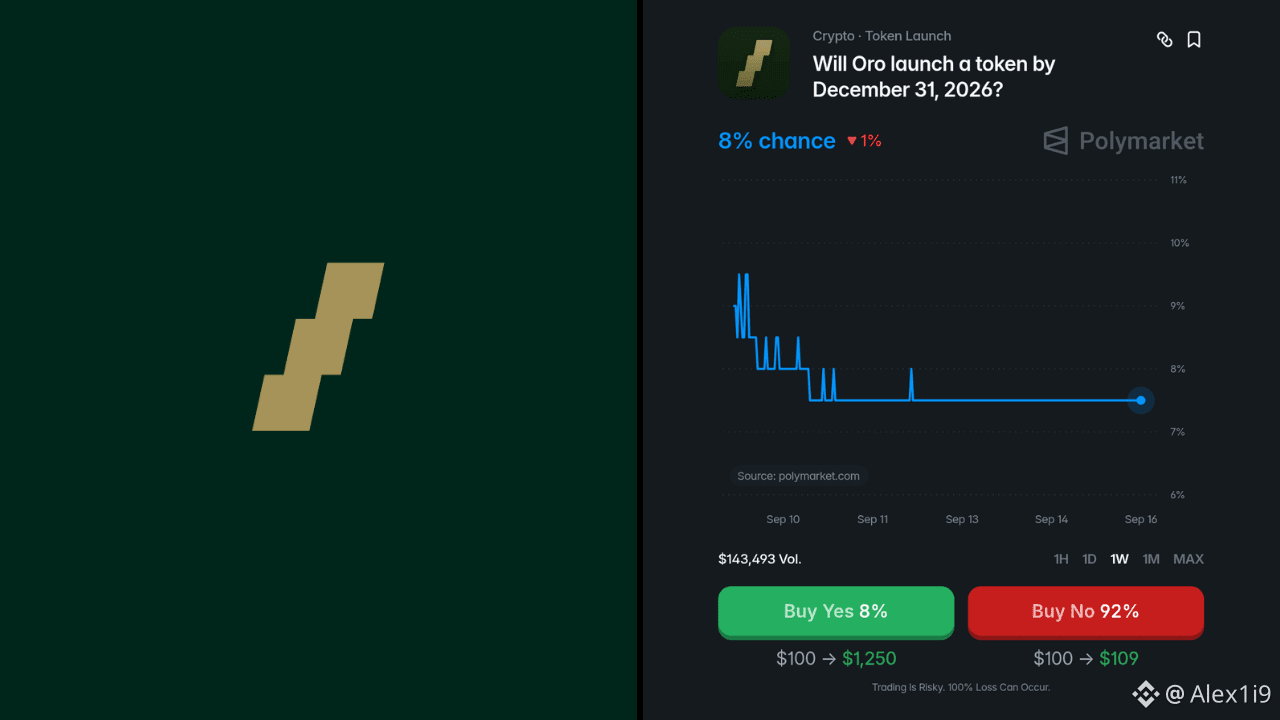
Oro 看起來還太早了 🧊
有 8% 選擇是,約有 143K 美元的交易量。
我會繼續選擇不。
這不是什麼小到只有幾個錢包就能把機率壓下去的市場。已經有相當數量的資金被交易,且市場仍只給在 12 月 31 日之前推出代幣的機率極低。
我尊重這點。
之後仍可能有意外,但就目前而言,時間表很重要。
每過一週、在沒有明確推出路徑的情況下,剩下的窗口就會變得更小。
所以我不打算再強行做另一筆方向性的 $SUI 交易;我更想直接押注在事件本身。
不,就是我的選擇。
我喜歡 Polymarket 的地方在於:即使是高信心的「不」,也不必變成為期三個月的死扛。
如果 Oro 突然以可信的推出資訊改變局勢,我可以在結算前先賣出。
這很重要。
預測市場會獎勵堅定的判斷,但不需要固執。
當我認為機率是錯的,我可以進場;當事實改變,我可以離場,並立刻轉進另一個市場。
永遠都有新的預測正在出現。
#Altcoin Season#
Oro 看起來還太早了 🧊
有 8% 選擇是,約有 143K 美元的交易量。
我會繼續選擇不。
這不是什麼小到只有幾個錢包就能把機率壓下去的市場。已經有相當數量的資金被交易,且市場仍只給在 12 月 31 日之前推出代幣的機率極低。
我尊重這點。
之後仍可能有意外,但就目前而言,時間表很重要。
每過一週、在沒有明確推出路徑的情況下,剩下的窗口就會變得更小。
所以我不打算再強行做另一筆方向性的 $SUI 交易;我更想直接押注在事件本身。
不,就是我的選擇。
我喜歡 Polymarket 的地方在於:即使是高信心的「不」,也不必變成為期三個月的死扛。
如果 Oro 突然以可信的推出資訊改變局勢,我可以在結算前先賣出。
這很重要。
預測市場會獎勵堅定的判斷,但不需要固執。
當我認為機率是錯的,我可以進場;當事實改變,我可以離場,並立刻轉進另一個市場。
永遠都有新的預測正在出現。
#Altcoin Season#
有 8% 選擇是,約有 143K 美元的交易量。
我會繼續選擇不。
這不是什麼小到只有幾個錢包就能把機率壓下去的市場。已經有相當數量的資金被交易,且市場仍只給在 12 月 31 日之前推出代幣的機率極低。
我尊重這點。
之後仍可能有意外,但就目前而言,時間表很重要。
每過一週、在沒有明確推出路徑的情況下,剩下的窗口就會變得更小。
所以我不打算再強行做另一筆方向性的 $SUI 交易;我更想直接押注在事件本身。
不,就是我的選擇。
我喜歡 Polymarket 的地方在於:即使是高信心的「不」,也不必變成為期三個月的死扛。
如果 Oro 突然以可信的推出資訊改變局勢,我可以在結算前先賣出。
這很重要。
預測市場會獎勵堅定的判斷,但不需要固執。
當我認為機率是錯的,我可以進場;當事實改變,我可以離場,並立刻轉進另一個市場。
永遠都有新的預測正在出現。
#Altcoin Season#
78
·
--
$39M 證明這個社群確實投入了 🔥
在 DeFi 領域,圍繞 $HYPE 和 $SUI 的社群,都持續將代幣經濟學放在「長期參與」的核心衡量指標上。
我認為,最強的社群模型是那些讓參與行為能產生鏈上結果、而且任何人都能追蹤的模式。
Injective 的社群回購正是透過每月定期輪次來做到這一點。
鷹眼(Ninjas)將 INJ 承諾以取得所收集之生態系收入的按比例份額;並且每一筆被承諾的 INJ 在該輪次結束時都會被永久銷毀。
這些輪次迄今累積的回購價值已超過 $39M。
對我而言,這個數字比任何追隨者人數都更能說明 Injective 的社群實力 🥷
#Altcoin Season#
$39M 證明這個社群確實投入了 🔥
在 DeFi 領域,圍繞 $HYPE 和 $SUI 的社群,都持續將代幣經濟學放在「長期參與」的核心衡量指標上。
我認為,最強的社群模型是那些讓參與行為能產生鏈上結果、而且任何人都能追蹤的模式。
Injective 的社群回購正是透過每月定期輪次來做到這一點。
鷹眼(Ninjas)將 INJ 承諾以取得所收集之生態系收入的按比例份額;並且每一筆被承諾的 INJ 在該輪次結束時都會被永久銷毀。
這些輪次迄今累積的回購價值已超過 $39M。
對我而言,這個數字比任何追隨者人數都更能說明 Injective 的社群實力 🥷
#Altcoin Season#
在 DeFi 領域,圍繞 $HYPE 和 $SUI 的社群,都持續將代幣經濟學放在「長期參與」的核心衡量指標上。
我認為,最強的社群模型是那些讓參與行為能產生鏈上結果、而且任何人都能追蹤的模式。
Injective 的社群回購正是透過每月定期輪次來做到這一點。
鷹眼(Ninjas)將 INJ 承諾以取得所收集之生態系收入的按比例份額;並且每一筆被承諾的 INJ 在該輪次結束時都會被永久銷毀。
這些輪次迄今累積的回購價值已超過 $39M。
對我而言,這個數字比任何追隨者人數都更能說明 Injective 的社群實力 🥷
#Altcoin Season#

67
·
--
打造一個真正的加密貨幣俱樂部很難 👀
$APE 和 $PENGU 都幫助普及了「加密社群能成為一種被廣泛認可的社交身分」這個想法,但以我看來,真正讓社群成員能夠持續、反覆地因為某些原因而聚在同一個實體空間的人,少得多。
成員標籤與私人聊天或許能提供接觸管道,但並不會自動建立關係。
一個真正的俱樂部也需要擁有線下的生活。
Trump Coin Club 正在用盡可能好的方式,建立它身份的那一面。
從紐約的 Mar-a-Lago,接著到首爾與新加坡;每一個目的地都為社群提供了另一個場域,讓真實的關係得以發展。
這些 IRL 活動正在成為俱樂部試圖打造的最清晰的表現 ⚡️
#Macro Insights#
打造一個真正的加密貨幣俱樂部很難 👀
$APE 和 $PENGU 都幫助普及了「加密社群能成為一種被廣泛認可的社交身分」這個想法,但以我看來,真正讓社群成員能夠持續、反覆地因為某些原因而聚在同一個實體空間的人,少得多。
成員標籤與私人聊天或許能提供接觸管道,但並不會自動建立關係。
一個真正的俱樂部也需要擁有線下的生活。
Trump Coin Club 正在用盡可能好的方式,建立它身份的那一面。
從紐約的 Mar-a-Lago,接著到首爾與新加坡;每一個目的地都為社群提供了另一個場域,讓真實的關係得以發展。
這些 IRL 活動正在成為俱樂部試圖打造的最清晰的表現 ⚡️
#Macro Insights#
$APE 和 $PENGU 都幫助普及了「加密社群能成為一種被廣泛認可的社交身分」這個想法,但以我看來,真正讓社群成員能夠持續、反覆地因為某些原因而聚在同一個實體空間的人,少得多。
成員標籤與私人聊天或許能提供接觸管道,但並不會自動建立關係。
一個真正的俱樂部也需要擁有線下的生活。
Trump Coin Club 正在用盡可能好的方式,建立它身份的那一面。
從紐約的 Mar-a-Lago,接著到首爾與新加坡;每一個目的地都為社群提供了另一個場域,讓真實的關係得以發展。
這些 IRL 活動正在成為俱樂部試圖打造的最清晰的表現 ⚡️
#Macro Insights#
75
·
--
$SUI Bulls 剛剛重新奪回關鍵水位 🔥
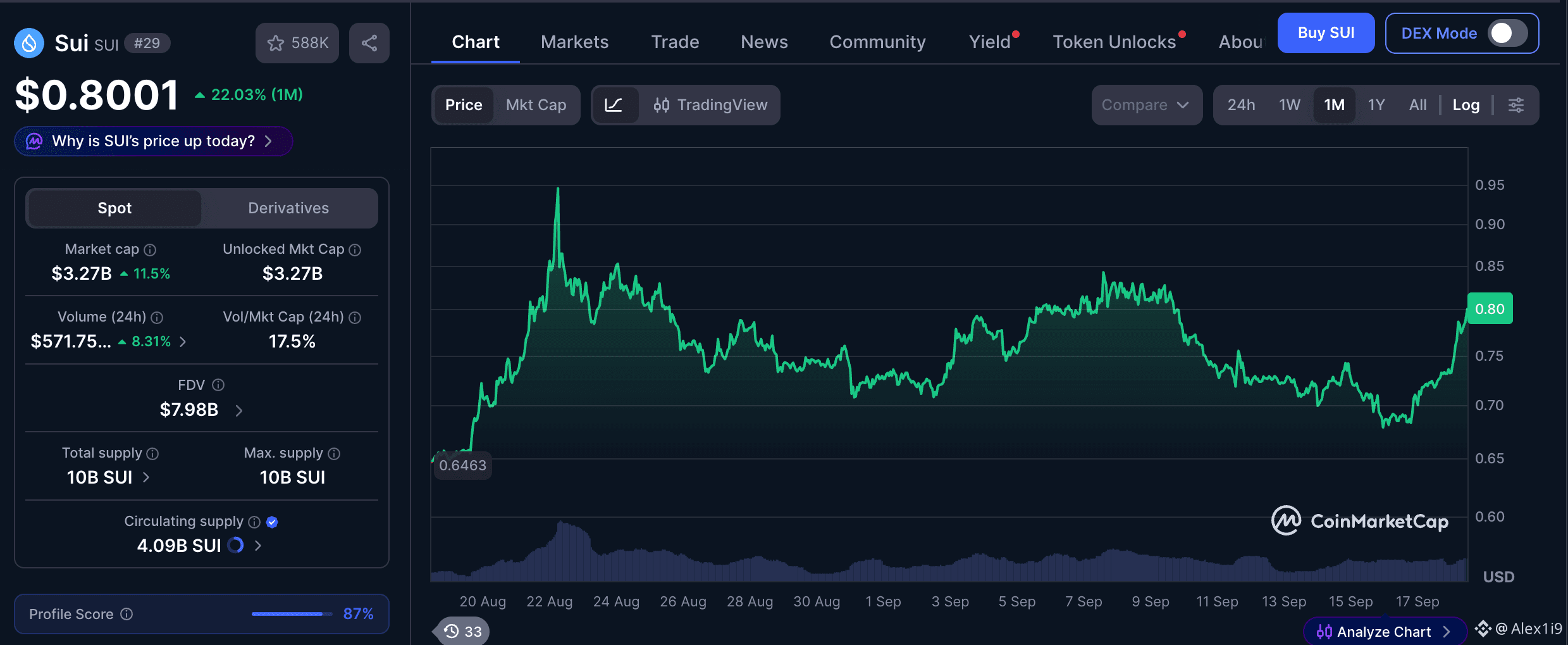
SUI 上漲約 8.6% 至約 $0.78,憑藉此次上漲的日成交量 4.89 億美元表現優於整體市場。
目前的重要水位在 $0.764。
只要守在其上,就將確認買方已重新奪回近期的斐波那契支撐,並願意捍衛反彈。
第一個阻力在 $0.80。
若能在該區間上方出現明確的日線收盤,$0.85 將重新回到視野,此時 200 日移動平均線將成為真正的趨勢確認。
突破 $0.85 後,走勢將打開通往 $0.95 的空間,接著是更大的心理目標約 $1.04。
在那之前,我預期會有一些震盪。
短線動能已經偏擠,時段 RSI 近日已上到 75 以上,因此回測支撐會是健康的。
只要 $0.764 維持不破,偏多結構就仍然存在。
若該水位失守,接下來的防守將是 $0.73,然後才會到更強的 $0.677 至 $0.65 需求區。
我仍保持偏多觀點,因為價格伴隨量能反彈,而市場也給了我們一個乾淨的失效點。
守住 $0.764,突破 $0.80 並重新站回 $0.85。
這就是我正在追蹤、朝向重返 $1 的路徑。
#Sui #Altcoin Season#
$SUI Bulls 剛剛重新奪回關鍵水位 🔥
SUI 上漲約 8.6% 至約 $0.78,憑藉此次上漲的日成交量 4.89 億美元表現優於整體市場。
目前的重要水位在 $0.764。
只要守在其上,就將確認買方已重新奪回近期的斐波那契支撐,並願意捍衛反彈。
第一個阻力在 $0.80。
若能在該區間上方出現明確的日線收盤,$0.85 將重新回到視野,此時 200 日移動平均線將成為真正的趨勢確認。
突破 $0.85 後,走勢將打開通往 $0.95 的空間,接著是更大的心理目標約 $1.04。
在那之前,我預期會有一些震盪。
短線動能已經偏擠,時段 RSI 近日已上到 75 以上,因此回測支撐會是健康的。
只要 $0.764 維持不破,偏多結構就仍然存在。
若該水位失守,接下來的防守將是 $0.73,然後才會到更強的 $0.677 至 $0.65 需求區。
我仍保持偏多觀點,因為價格伴隨量能反彈,而市場也給了我們一個乾淨的失效點。
守住 $0.764,突破 $0.80 並重新站回 $0.85。
這就是我正在追蹤、朝向重返 $1 的路徑。
#Sui #Altcoin Season#
SUI 上漲約 8.6% 至約 $0.78,憑藉此次上漲的日成交量 4.89 億美元表現優於整體市場。
目前的重要水位在 $0.764。
只要守在其上,就將確認買方已重新奪回近期的斐波那契支撐,並願意捍衛反彈。
第一個阻力在 $0.80。
若能在該區間上方出現明確的日線收盤,$0.85 將重新回到視野,此時 200 日移動平均線將成為真正的趨勢確認。
突破 $0.85 後,走勢將打開通往 $0.95 的空間,接著是更大的心理目標約 $1.04。
在那之前,我預期會有一些震盪。
短線動能已經偏擠,時段 RSI 近日已上到 75 以上,因此回測支撐會是健康的。
只要 $0.764 維持不破,偏多結構就仍然存在。
若該水位失守,接下來的防守將是 $0.73,然後才會到更強的 $0.677 至 $0.65 需求區。
我仍保持偏多觀點,因為價格伴隨量能反彈,而市場也給了我們一個乾淨的失效點。
守住 $0.764,突破 $0.80 並重新站回 $0.85。
這就是我正在追蹤、朝向重返 $1 的路徑。
#Sui #Altcoin Season#
79
·
--
50/50 就是機會 ⚔️
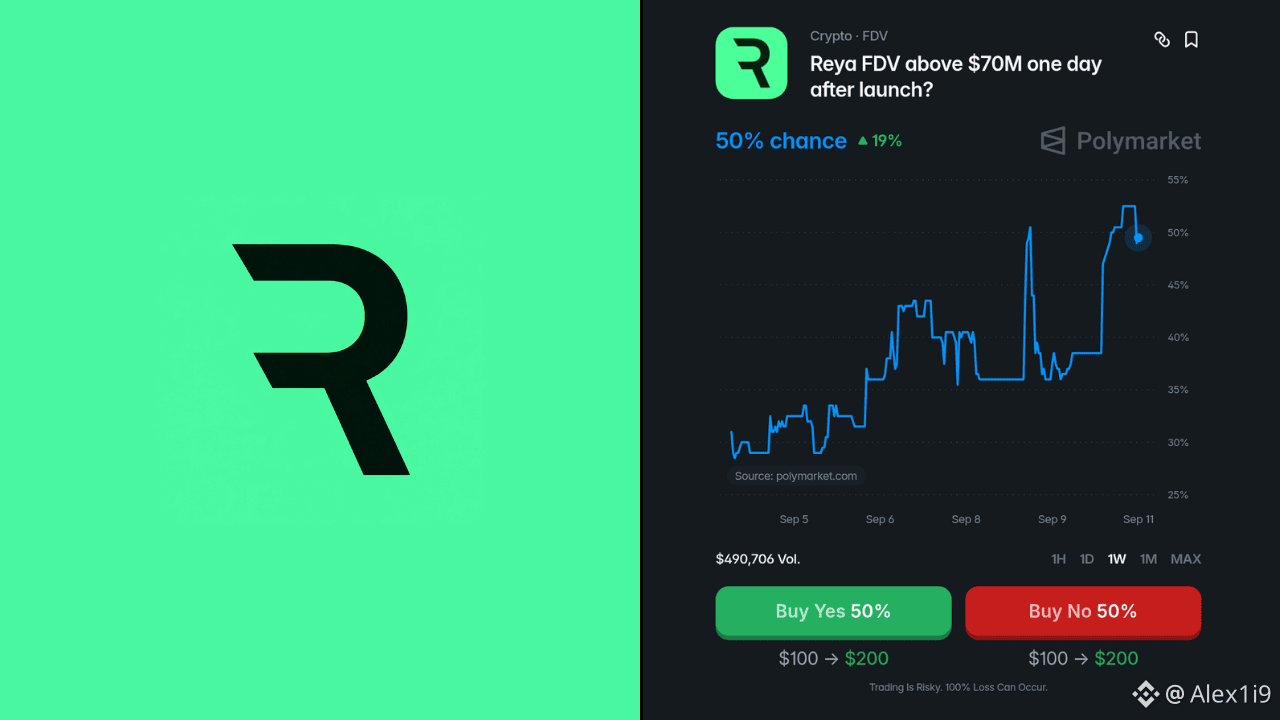
Polymarket 的 Reya 被完美地拆成兩半。
50% 是。50% 否。
我知道我想站哪一邊。
是。
圖表就是原因。
這個市場一開始低於 30%。
然後交易者持續把它推過 35%、40%,最後到 50%。
途中也有回撤。
每一次重大回撤都找到了買方。
這就和那種隨機的一天暴衝完全不同。
這是一週內信心逐步提升。
而且從截圖看,已經有將近 50 萬美元的交易量。
所以這不是那種假裝有訊號的「只有 5,000 美元規模」的市場。
$ARB 符合這份論點在鏈上基礎設施層面的部分。
$HYPE 代表的是:一旦採用開始顯現,交易者可以多積極地給加密原生交易平台估值。
在上市/上線前,Polymarket 讓我能在論戰尘埃落定之前,先交易這個估值問題。
這就是機會。
每個人都拿到同樣的 50/50 價格。
只有一邊會拿到付款。
我選擇是。
#Altcoin Season#
50/50 就是機會 ⚔️
Polymarket 的 Reya 被完美地拆成兩半。
50% 是。50% 否。
我知道我想站哪一邊。
是。
圖表就是原因。
這個市場一開始低於 30%。
然後交易者持續把它推過 35%、40%,最後到 50%。
途中也有回撤。
每一次重大回撤都找到了買方。
這就和那種隨機的一天暴衝完全不同。
這是一週內信心逐步提升。
而且從截圖看,已經有將近 50 萬美元的交易量。
所以這不是那種假裝有訊號的「只有 5,000 美元規模」的市場。
$ARB 符合這份論點在鏈上基礎設施層面的部分。
$HYPE 代表的是:一旦採用開始顯現,交易者可以多積極地給加密原生交易平台估值。
在上市/上線前,Polymarket 讓我能在論戰尘埃落定之前,先交易這個估值問題。
這就是機會。
每個人都拿到同樣的 50/50 價格。
只有一邊會拿到付款。
我選擇是。
#Altcoin Season#
Polymarket 的 Reya 被完美地拆成兩半。
50% 是。50% 否。
我知道我想站哪一邊。
是。
圖表就是原因。
這個市場一開始低於 30%。
然後交易者持續把它推過 35%、40%,最後到 50%。
途中也有回撤。
每一次重大回撤都找到了買方。
這就和那種隨機的一天暴衝完全不同。
這是一週內信心逐步提升。
而且從截圖看,已經有將近 50 萬美元的交易量。
所以這不是那種假裝有訊號的「只有 5,000 美元規模」的市場。
$ARB 符合這份論點在鏈上基礎設施層面的部分。
$HYPE 代表的是:一旦採用開始顯現,交易者可以多積極地給加密原生交易平台估值。
在上市/上線前,Polymarket 讓我能在論戰尘埃落定之前,先交易這個估值問題。
這就是機會。
每個人都拿到同樣的 50/50 價格。
只有一邊會拿到付款。
我選擇是。
#Altcoin Season#
84
·
--
我 檢查 出口 🛡️
當有人向我展示一套 DeFi 策略時,我通常會從最後一步開始看。
我該怎麼退出?
這比只盯着宣傳的 APY 更能說明問題。
我想知道當流動性消失、抵押品變弱或槓桿突然讓人感到不適時,會發生什麼。
這也是我對 Theoriq 風險模型感興趣的原因之一。
倉位並不只是因爲潛在收益而被選擇。
在資金真正投入之前,該框架會綜合考慮抵押品質量、流動性、集中度以及結構性風險。
部署之後還會持續監測,而不是把上線當作終點。
隨着鏈上市場日益相互聯通,這種思維方式也變得愈發重要。
$AAVE 可以提供深度的借貸基礎設施,而 $PENDLE 則可能帶來完全不同的期限型收益機會。
兩者都能發揮作用,但不必承擔相同的風險。
這正是關鍵所在。
一個組合並不會因爲包含更多倉位就更安全。
當有人清楚每個倉位爲何會出現在那裏,以及是什麼會讓這些倉位離場時,它纔會更安全。
#Altcoin Season#
我 檢查 出口 🛡️
當有人向我展示一套 DeFi 策略時,我通常會從最後一步開始看。
我該怎麼退出?
這比只盯着宣傳的 APY 更能說明問題。
我想知道當流動性消失、抵押品變弱或槓桿突然讓人感到不適時,會發生什麼。
這也是我對 Theoriq 風險模型感興趣的原因之一。
倉位並不只是因爲潛在收益而被選擇。
在資金真正投入之前,該框架會綜合考慮抵押品質量、流動性、集中度以及結構性風險。
部署之後還會持續監測,而不是把上線當作終點。
隨着鏈上市場日益相互聯通,這種思維方式也變得愈發重要。
$AAVE 可以提供深度的借貸基礎設施,而 $PENDLE 則可能帶來完全不同的期限型收益機會。
兩者都能發揮作用,但不必承擔相同的風險。
這正是關鍵所在。
一個組合並不會因爲包含更多倉位就更安全。
當有人清楚每個倉位爲何會出現在那裏,以及是什麼會讓這些倉位離場時,它纔會更安全。
#Altcoin Season#
當有人向我展示一套 DeFi 策略時,我通常會從最後一步開始看。
我該怎麼退出?
這比只盯着宣傳的 APY 更能說明問題。
我想知道當流動性消失、抵押品變弱或槓桿突然讓人感到不適時,會發生什麼。
這也是我對 Theoriq 風險模型感興趣的原因之一。
倉位並不只是因爲潛在收益而被選擇。
在資金真正投入之前,該框架會綜合考慮抵押品質量、流動性、集中度以及結構性風險。
部署之後還會持續監測,而不是把上線當作終點。
隨着鏈上市場日益相互聯通,這種思維方式也變得愈發重要。
$AAVE 可以提供深度的借貸基礎設施,而 $PENDLE 則可能帶來完全不同的期限型收益機會。
兩者都能發揮作用,但不必承擔相同的風險。
這正是關鍵所在。
一個組合並不會因爲包含更多倉位就更安全。
當有人清楚每個倉位爲何會出現在那裏,以及是什麼會讓這些倉位離場時,它纔會更安全。
#Altcoin Season#
69
登入以探索更多內容
加入幣安廣場中的全球加密貨幣用戶
⚡️ 獲取加密貨幣的最新和實用資訊。
💬 受到全球最大加密貨幣交易所的信任。
👍 發掘來自經過驗證創作者的真實見解。
電子郵件 / 電話號碼
熱門話題
韩国拟将股票债券纳入代币化证券
14,956 次瀏覽
73 討論中
$SAMSUNG 韓國擬將股票債券納入代幣化證券🔥
════════════════════
🔴 $SAMSUNG 韓國擬將股票債券納入代幣化證券 短期偏多
⚠️技術面:SAMSUNG報199.59,日線在177.88支撐與211.24壓力間震盪,1h均線剛形成多頭排列發散向上,短線偏強;但4h成交量比僅0.35,金叉後放量不明顯,若能放量突破211.24壓力則打開上行空間,否則回踩177.88支撐概率大,KDJ若K上穿D且未進入超買區則動能可延續。
📢市場動態:韓國擬將股票債券納入代幣化證券,傳統資產上鍊預期升溫,三星作爲韓國核心藍籌直接受益於代幣化證券概念;另平臺發佈SAMSUNGUSDT永續合約分紅調整公告,合約交易活躍度有望提升。
════════════════════
🔔 關注獲取第一手行情異動 🔔
#技术分析 #韩国拟将股票债券纳入代币化证券 #SAMSUNG
📌 交易時注意k線形態是否符合
Crypo量化
·0 人按讚
·349 次瀏覽
MetaMask安全事件后撤出Lido验证节点
49,536 次瀏覽
143 討論中
美光业绩超预期并上调指引
41,876 次瀏覽
105 討論中