
A few days ago, I was helping Ahmed fix his point-of-sale system. The system was wheezing through every old transaction like it was nearly five years old.
I asked, “Why don’t you switch? It’s five minutes to download a new payment app.”
“It's not that simple,” he said, still typing without looking. “I have three years worth of supplier settlement templates. I have thousands of loyalty members. I have audit trails to 2023. Sure, the app install will take 5 minutes, but changing the entire structure of my business is two weeks of downtime I can’t afford.”
That's when It clicked.
In business, the ultimate moat is not the shiniest new product. It’s the ugly, painful, and sticky webs of habit that are hard to change.
That’s exactly the perspective I’ve used to understand @Plasma
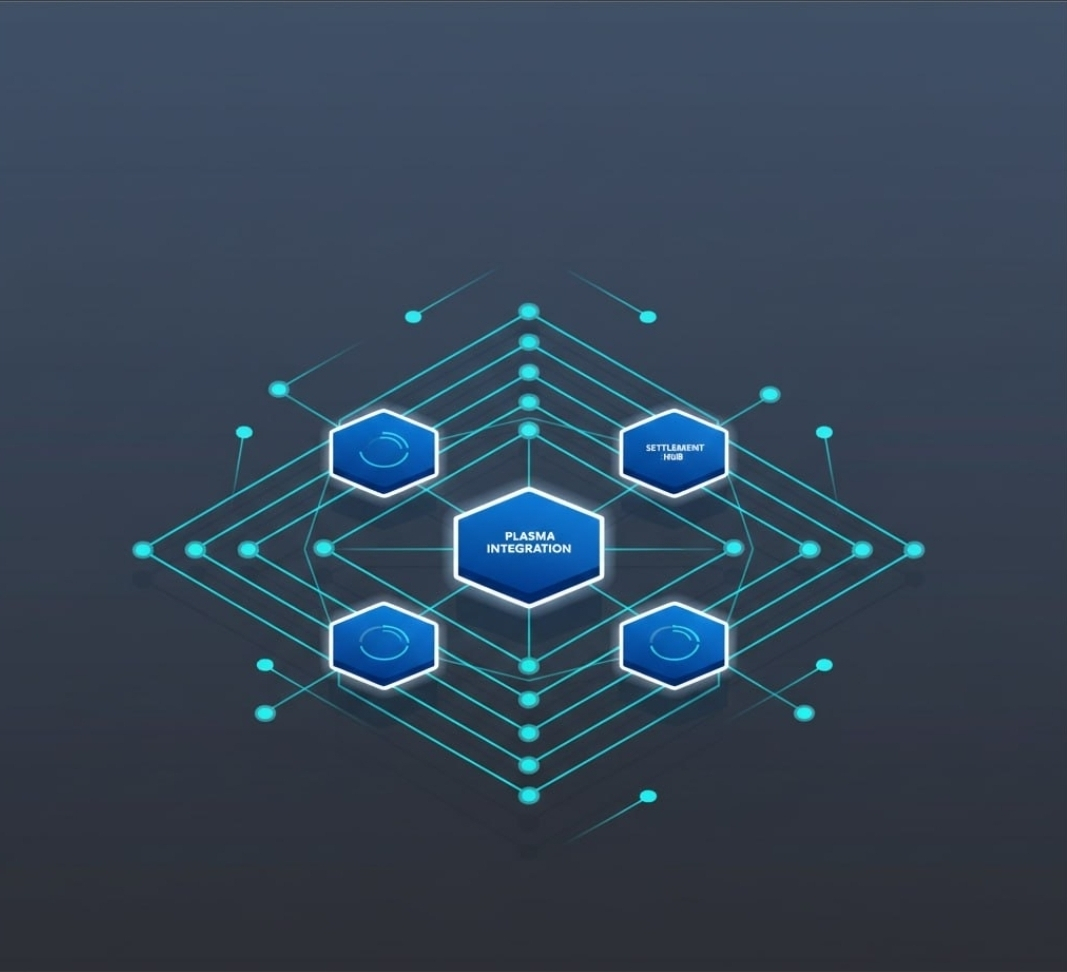
Plasma has been pretty quiet for a while.
If there silence for 72 hours on the main account for a project, obituaries get drafted. If there is no update week after week on any type of incentives, the K-line bleeds 10 points. People fight against human memory by spamming messages, and the K-line just bleeds.
In the meantime, the quietest projects are the ones that are doing the most. From the outside, it is basically a developed state of rigor mortis. I see it as some sort of solidification. This is because 2 variables are silently curing below the surface.
The first is YuzuMoney. In 4 months it has locked 70 million USD in Southeast Asia’s most cash-hardened territories. These are not yield-chasing hot money. This is working capital from real SMEs that are finally pulling their ledgers into the digital century.
The second is Mass Pay, a payment orchestrator that is set to grow by 286% in 2025 across 230 jurisdictions. It is now integrating Plasma as its default USD settlement rail.
Let that settle.
Plasma is not focused on winning the mobile home screen placement. It is focused on winning from the default dropdown.
And default choices reserved are never unfixed. Much like Ahmed's wheezy POS terminal, when an enterprise integrates MassPay into their treasury thinking, the cost of exiting is no longer a question of dollars and cents. The cost becomes an operational risk.
That kind of ToB stickiness creates a loyalty that no airdrop farm can hope to replicate.
Currently, $XPL is sitting around $0.09. The market seems to be pricing its silence as a vacancy.
Everyone is looking for a steep adoption curve, but no one wants to sit through the gross linear phase that comes first. The market seems to be penalizing Plasma for a narrative that prioritizes short, frequent updates over real development.
The belief is centered around late 2026.
When the cash economy's digitization becomes a regulatory requirement rather than an experiment, the infrastructure will be chosen. However, it will be chosen by default. By that time, Plasma will be a part of what is already established.
My own position is straightforward.
I don't follow the loudest voices, I follow the certainty that, once a road is established, there will be no alternative routes.
If you try to determine a better path for 'what is', you will struggle with a slow and ugly process with the necessity for maddening patience.
But the fact is - when you reach a threshold with certain merchant accounts, it is impossible for you to return to the previous state again.
After this point, the other end of the market will be bound to change from a state of active disregard to a state of active engagement.
In this case, it doesn’t make sense to worry about where the microphone is.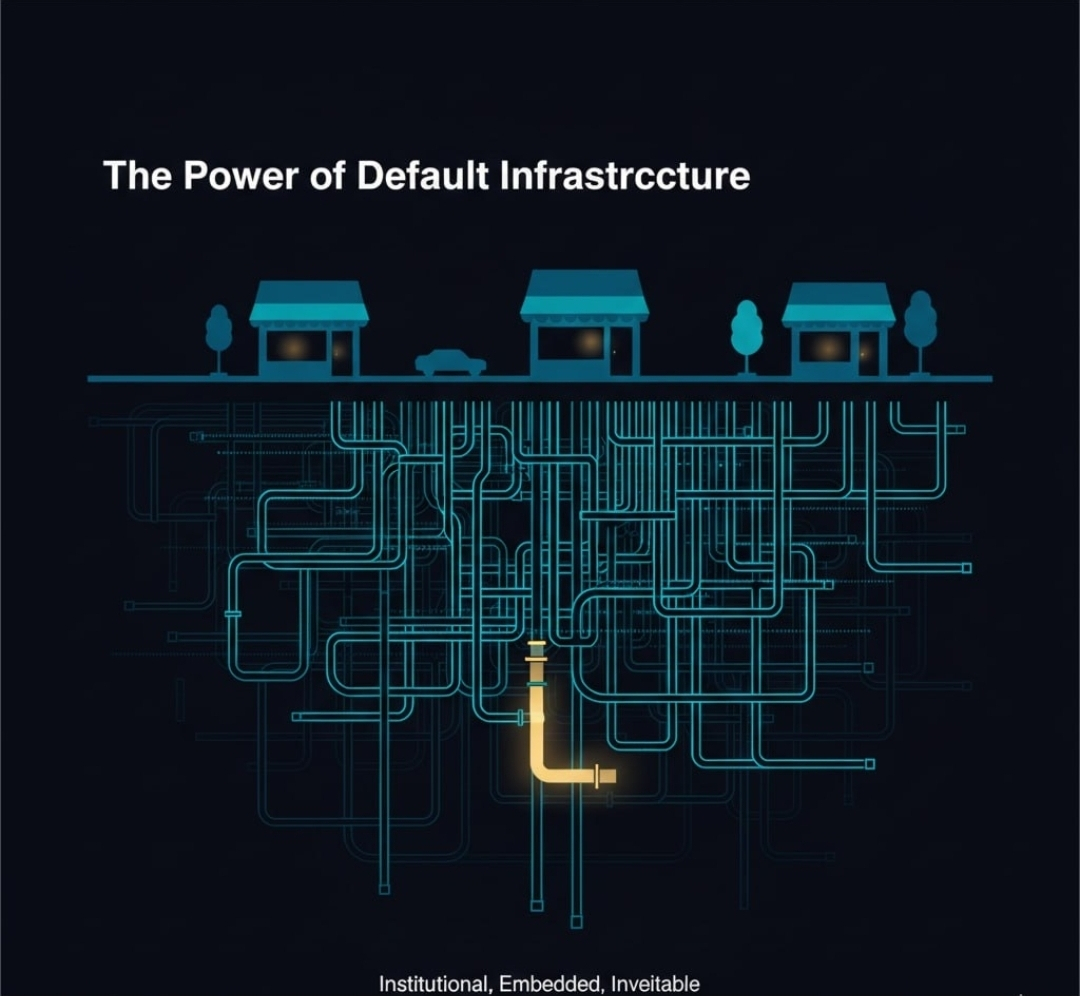
In this business, the most valuable partner is often the one who is, so to speak, the most invisible. While everyone else is securing the job of their dreams, this partner is unwinding the retrofitted global plumbing and setting the road for the rest to simply be there.

