

Moses254
156 个内容

Moses254
举报
屏蔽用户
cryptocurrency trader, entrepreneurial
529 关注
113 粉丝
329 点赞
帖子
全部
引用
置顶
·
--
看涨
每日加密货币市场3分钟简报
📰 今日新闻#IMFWarnsTokenizationShiftsRiskToCode $NVDAB #AptosFoundation $BTC
🔥 IMF警告:代币化将把金融权力从银行转移到代码
国际货币基金组织(IMF)表示,资产代币化可能会将金融风险从传统银行转移到智能合约中,这些合约在直接监管控制之外运行,并可能在市场压力期间放大冲击。这种变化可能会使风险在代码层面集中,而非集中在银行体系之内,从而对金融稳定带来新的挑战。
⚡ 南非发布加密税务指南草案,并将公开征询截至2026年8月31日
南非税务局(SARS)于2026年7月1日发布了《加密资产税务指南》草案,概述了针对该国约580万至600万加密用户的合规规则。针对这一重要监管进展的公众意见征集期将持续至2026年8月31日。
📉 伦理黑客用一台价值3,000美元的服务器,发现Aptos缺陷:或致700亿美元加密资产受风险
安全公司Hexens使用一台3,000美元的服务器,发现并协助修补了Aptos区块链的Move虚拟机中的关键漏洞。该缺陷可能会以近90%的成功率,破坏Move语言核心的安全保障,从而使大约700亿美元的加密资产面临风险。
每日加密货币市场3分钟简报
📰 今日新闻#IMFWarnsTokenizationShiftsRiskToCode $NVDAB #AptosFoundation $BTC
🔥 IMF警告:代币化将把金融权力从银行转移到代码
国际货币基金组织(IMF)表示,资产代币化可能会将金融风险从传统银行转移到智能合约中,这些合约在直接监管控制之外运行,并可能在市场压力期间放大冲击。这种变化可能会使风险在代码层面集中,而非集中在银行体系之内,从而对金融稳定带来新的挑战。
⚡ 南非发布加密税务指南草案,并将公开征询截至2026年8月31日
南非税务局(SARS)于2026年7月1日发布了《加密资产税务指南》草案,概述了针对该国约580万至600万加密用户的合规规则。针对这一重要监管进展的公众意见征集期将持续至2026年8月31日。
📉 伦理黑客用一台价值3,000美元的服务器,发现Aptos缺陷:或致700亿美元加密资产受风险
安全公司Hexens使用一台3,000美元的服务器,发现并协助修补了Aptos区块链的Move虚拟机中的关键漏洞。该缺陷可能会以近90%的成功率,破坏Move语言核心的安全保障,从而使大约700亿美元的加密资产面临风险。
📰 今日新闻#IMFWarnsTokenizationShiftsRiskToCode $NVDAB #AptosFoundation $BTC
🔥 IMF警告:代币化将把金融权力从银行转移到代码
国际货币基金组织(IMF)表示,资产代币化可能会将金融风险从传统银行转移到智能合约中,这些合约在直接监管控制之外运行,并可能在市场压力期间放大冲击。这种变化可能会使风险在代码层面集中,而非集中在银行体系之内,从而对金融稳定带来新的挑战。
⚡ 南非发布加密税务指南草案,并将公开征询截至2026年8月31日
南非税务局(SARS)于2026年7月1日发布了《加密资产税务指南》草案,概述了针对该国约580万至600万加密用户的合规规则。针对这一重要监管进展的公众意见征集期将持续至2026年8月31日。
📉 伦理黑客用一台价值3,000美元的服务器,发现Aptos缺陷:或致700亿美元加密资产受风险
安全公司Hexens使用一台3,000美元的服务器,发现并协助修补了Aptos区块链的Move虚拟机中的关键漏洞。该缺陷可能会以近90%的成功率,破坏Move语言核心的安全保障,从而使大约700亿美元的加密资产面临风险。
3
93
·
--
$ZEC
{spot}(ZECUSDT)
关键结构:支撑位在 $1050 和 $1020;阻力位在 $1120 和 $1150。价格在流动性较低的区域内盘整。
交易重点:价格企稳时在 $1050 附近加仓;若在 $1120 附近遇阻,则减仓。若突破 $1120,看跌布局失效。
聪明资金:巨鲸大量做空,平均入场价为 $1202。多空比为 0.21,显示上方抛压强劲。
市场结构与关键价位
价格在 $1087 附近盘整,1 小时级别高点逐步走低,但仍守住 $1050 支撑位;4 小时趋势在主要 EMA 下方,仍然看跌。
买入策略关注 $1050 附近企稳,或 $1020 附近出现超卖背离;若在 $1120 附近遇阻或触及 $1150 阻力位,则触发卖出信号。
动量指标(MACD/RSI)确认日线抛压为负(-5.14%);要扭转看跌结构,价格需果断收于 $1120 上方。
聪明资金流向
06:00 UTC 之后,巨鲸转为大量做空,多空比骤降至 0.21,空头头寸激增至 164K。
巨鲸空头中有 87% 处于盈利状态,平均入场价接近 $1202,构成强劲的上方阻力,限制价格立即反弹。
顶级交易者间歇性发出买入信号,但巨鲸占据主导,除非突破 $1202,否则下行压力可能持续。
新闻与市场情绪
ZEC 随大盘下跌 5.2%,不过在跌势中表现优于部分隐私币同类资产。
尽管近期有交易者遭到清算,但中性情绪和持平的资金费率表明波动可能维持区间震荡,而非出现投降式抛售。🔗
活动洞察
现货交易锦标赛第 4 季正在进行,设有 ZEC 交易对,参与者可瓜分 400 BNB 奖励,活动持续至 2026 年 10 月 16 日。
该比赛有望提升活跃交易者的交易量参与度,并在当前盘整阶段为市场流动性提供支持。🔗
$ZEC
关键结构:支撑位在 $1050 和 $1020;阻力位在 $1120 和 $1150。价格在流动性较低的区域内盘整。
交易重点:价格企稳时在 $1050 附近加仓;若在 $1120 附近遇阻,则减仓。若突破 $1120,看跌布局失效。
聪明资金:巨鲸大量做空,平均入场价为 $1202。多空比为 0.21,显示上方抛压强劲。
市场结构与关键价位
价格在 $1087 附近盘整,1 小时级别高点逐步走低,但仍守住 $1050 支撑位;4 小时趋势在主要 EMA 下方,仍然看跌。
买入策略关注 $1050 附近企稳,或 $1020 附近出现超卖背离;若在 $1120 附近遇阻或触及 $1150 阻力位,则触发卖出信号。
动量指标(MACD/RSI)确认日线抛压为负(-5.14%);要扭转看跌结构,价格需果断收于 $1120 上方。
聪明资金流向
06:00 UTC 之后,巨鲸转为大量做空,多空比骤降至 0.21,空头头寸激增至 164K。
巨鲸空头中有 87% 处于盈利状态,平均入场价接近 $1202,构成强劲的上方阻力,限制价格立即反弹。
顶级交易者间歇性发出买入信号,但巨鲸占据主导,除非突破 $1202,否则下行压力可能持续。
新闻与市场情绪
ZEC 随大盘下跌 5.2%,不过在跌势中表现优于部分隐私币同类资产。
尽管近期有交易者遭到清算,但中性情绪和持平的资金费率表明波动可能维持区间震荡,而非出现投降式抛售。🔗
活动洞察
现货交易锦标赛第 4 季正在进行,设有 ZEC 交易对,参与者可瓜分 400 BNB 奖励,活动持续至 2026 年 10 月 16 日。
该比赛有望提升活跃交易者的交易量参与度,并在当前盘整阶段为市场流动性提供支持。🔗
关键结构:支撑位在 $1050 和 $1020;阻力位在 $1120 和 $1150。价格在流动性较低的区域内盘整。
交易重点:价格企稳时在 $1050 附近加仓;若在 $1120 附近遇阻,则减仓。若突破 $1120,看跌布局失效。
聪明资金:巨鲸大量做空,平均入场价为 $1202。多空比为 0.21,显示上方抛压强劲。
市场结构与关键价位
价格在 $1087 附近盘整,1 小时级别高点逐步走低,但仍守住 $1050 支撑位;4 小时趋势在主要 EMA 下方,仍然看跌。
买入策略关注 $1050 附近企稳,或 $1020 附近出现超卖背离;若在 $1120 附近遇阻或触及 $1150 阻力位,则触发卖出信号。
动量指标(MACD/RSI)确认日线抛压为负(-5.14%);要扭转看跌结构,价格需果断收于 $1120 上方。
聪明资金流向
06:00 UTC 之后,巨鲸转为大量做空,多空比骤降至 0.21,空头头寸激增至 164K。
巨鲸空头中有 87% 处于盈利状态,平均入场价接近 $1202,构成强劲的上方阻力,限制价格立即反弹。
顶级交易者间歇性发出买入信号,但巨鲸占据主导,除非突破 $1202,否则下行压力可能持续。
新闻与市场情绪
ZEC 随大盘下跌 5.2%,不过在跌势中表现优于部分隐私币同类资产。
尽管近期有交易者遭到清算,但中性情绪和持平的资金费率表明波动可能维持区间震荡,而非出现投降式抛售。🔗
活动洞察
现货交易锦标赛第 4 季正在进行,设有 ZEC 交易对,参与者可瓜分 400 BNB 奖励,活动持续至 2026 年 10 月 16 日。
该比赛有望提升活跃交易者的交易量参与度,并在当前盘整阶段为市场流动性提供支持。🔗
1
431
·
--
https://www.binance.com/referral/earn-together/refer2earn-usdc/claim?hl=en-AF&ref=GRO_28502_IMTSV&utm_source=referral_entrance
https://www.binance.com/referral/earn-together/refer2earn-usdc/claim?hl=en-AF&ref=GRO_28502_IMTSV&utm_source=referral_entrance
3
11
·
--
看涨
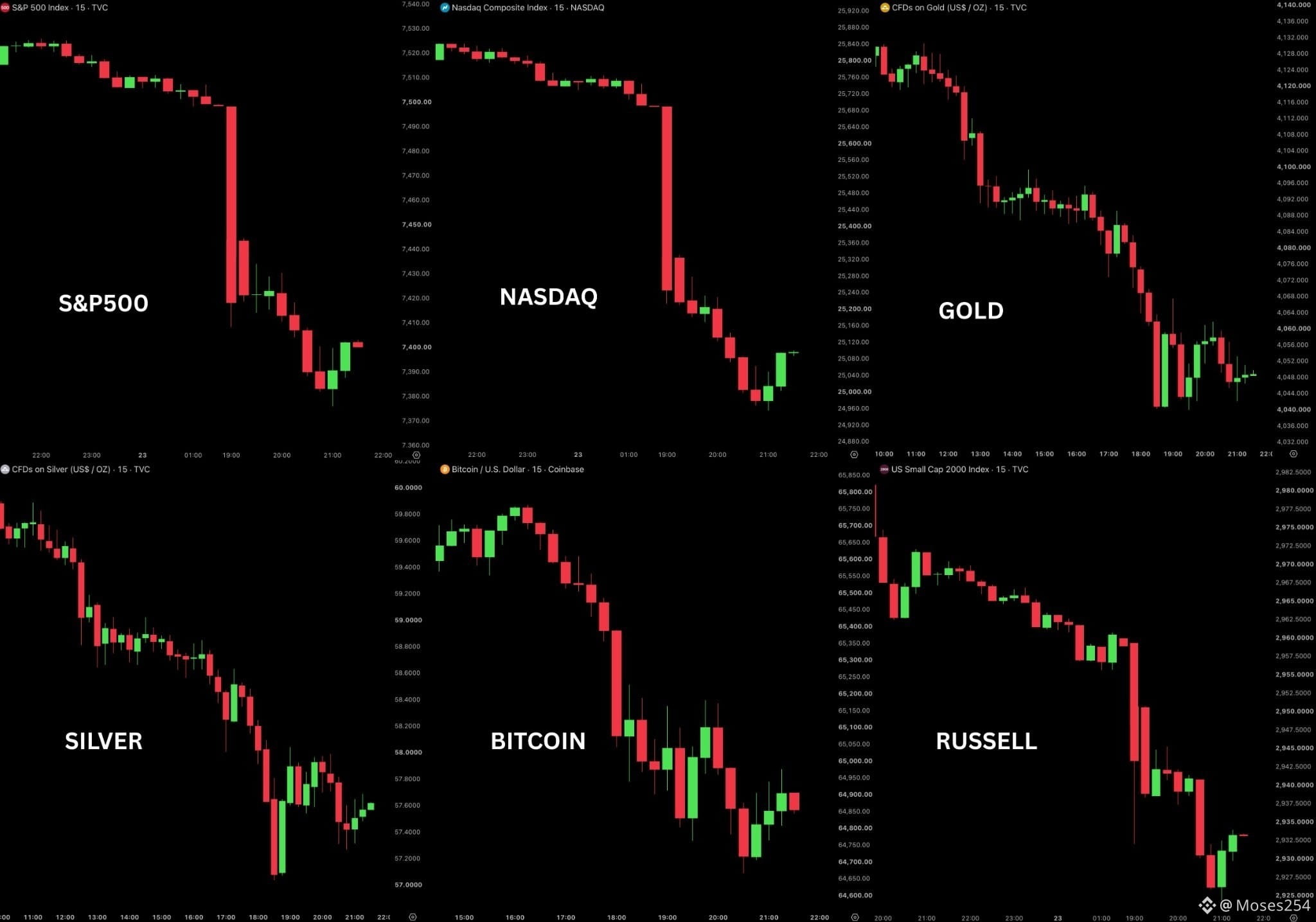
#TeslaFallsNearly20%ThisWeek $GOOGL.US $GOOG.US $2.8万亿在过去24小时内已从股票、黄金、白银和加密货币中被抹去。
原因如下:
1. Alphabet昨晚的财报让投资者失望。
它将2026年的AI支出计划上调至1950亿-2050亿美元,而科技股因担心AI支出增长速度快于利润而出现下跌。
2. 由于胡塞叛军袭击了红海中的沙特油轮,油价今天跳涨至42天高位。
3. 今日10年期美国国债收益率升至4.714%,为2025年1月以来的最高水平。
4. 美联储在9月加息的概率跃升至82%,较两周前的仅20%大幅上升。
5. 特朗普对Axios表示,他正接近下令对伊朗发动一场“重大战攻”,规模比上一轮更大。
所有因素都在推动同一种恐惧,而正是这种恐惧导致每个市场都在崩溃。
#TeslaFallsNearly20%ThisWeek $GOOGL.US $GOOG.US $2.8万亿在过去24小时内已从股票、黄金、白银和加密货币中被抹去。
原因如下:
1. Alphabet昨晚的财报让投资者失望。
它将2026年的AI支出计划上调至1950亿-2050亿美元,而科技股因担心AI支出增长速度快于利润而出现下跌。
2. 由于胡塞叛军袭击了红海中的沙特油轮,油价今天跳涨至42天高位。
3. 今日10年期美国国债收益率升至4.714%,为2025年1月以来的最高水平。
4. 美联储在9月加息的概率跃升至82%,较两周前的仅20%大幅上升。
5. 特朗普对Axios表示,他正接近下令对伊朗发动一场“重大战攻”,规模比上一轮更大。
所有因素都在推动同一种恐惧,而正是这种恐惧导致每个市场都在崩溃。
原因如下:
1. Alphabet昨晚的财报让投资者失望。
它将2026年的AI支出计划上调至1950亿-2050亿美元,而科技股因担心AI支出增长速度快于利润而出现下跌。
2. 由于胡塞叛军袭击了红海中的沙特油轮,油价今天跳涨至42天高位。
3. 今日10年期美国国债收益率升至4.714%,为2025年1月以来的最高水平。
4. 美联储在9月加息的概率跃升至82%,较两周前的仅20%大幅上升。
5. 特朗普对Axios表示,他正接近下令对伊朗发动一场“重大战攻”,规模比上一轮更大。
所有因素都在推动同一种恐惧,而正是这种恐惧导致每个市场都在崩溃。

3
100
·
--
看涨
#BTCMiningRevenue
$BTC
{spot}(BTCUSDT)
根据目前比特币价格,1 美元大约等于 **1,572 sats**(satoshis,聪)。
由于加密货币市场不断变动,这个精确数字会上下波动,但你总是可以用一个快速的数学捷径自己算出来。
每一枚比特币都由**正好 100,000,000(1 亿)sats**组成——就像 1 美元有 100 美分一样。要算出现在 1 美元有多少 sats,你只要把 1 亿除以当前比特币价格即可:
例如,当比特币交易价格约为 63,600 美元时:
如果比特币价格上涨,你的美元能买到的 sats 会变少;如果比特币价格下跌,你的美元能买到的 sats 会变多!
#BTCMiningRevenue
$BTC
根据目前比特币价格,1 美元大约等于 **1,572 sats**(satoshis,聪)。
由于加密货币市场不断变动,这个精确数字会上下波动,但你总是可以用一个快速的数学捷径自己算出来。
每一枚比特币都由**正好 100,000,000(1 亿)sats**组成——就像 1 美元有 100 美分一样。要算出现在 1 美元有多少 sats,你只要把 1 亿除以当前比特币价格即可:
例如,当比特币交易价格约为 63,600 美元时:
如果比特币价格上涨,你的美元能买到的 sats 会变少;如果比特币价格下跌,你的美元能买到的 sats 会变多!
$BTC
根据目前比特币价格,1 美元大约等于 **1,572 sats**(satoshis,聪)。
由于加密货币市场不断变动,这个精确数字会上下波动,但你总是可以用一个快速的数学捷径自己算出来。
每一枚比特币都由**正好 100,000,000(1 亿)sats**组成——就像 1 美元有 100 美分一样。要算出现在 1 美元有多少 sats,你只要把 1 亿除以当前比特币价格即可:
例如,当比特币交易价格约为 63,600 美元时:
如果比特币价格上涨,你的美元能买到的 sats 会变少;如果比特币价格下跌,你的美元能买到的 sats 会变多!

1
1
277
·
--
看涨
BTC洞察 $BTC #BTC
1. 尽管仍存在机构持续抛售压力,BTC仍在63,268美元附近交易,受宏观面变化和监管利好预期支撑。
关键驱动因素
1. - **宏观变化(高)**:非农就业数据显著不及预期,提高了市场对美联储降息的预期,从而提振风险偏好。
- **监管明朗(高)**:美国国会对《CLARITY法案》最终文本的预期,正在增强长期机构信心。
- **机构累积(中)**:尽管短期ETF出现资金流出,但ETF持有的BTC总量仍在增长,表明大型参与者在进行战略性累积。
- **长期看涨情绪(中)**:Michael Saylor等关键人物预计未来十年将保持稳定,并带来资金流入。
风险评估
1. - **机构抛售(高)**:Coinbase溢价指数已连续48天为负,表明美国机构正在持续净卖出。
- **流动性分流(中)**:M2货币供应扩张资金流向货币市场基金和AI板块,而非直接进入比特币。
- **宏观/法币担忧(中)**:政府债务上升及法币体系可能不稳定带来结构性风险;部分人士认为极端价格目标是危机迹象,而非成功信号。
- **超买技术面(低)**:RSI接近80,显示短期可能过度延伸,增加回调可能性。
BTC洞察 $BTC #BTC
1. 尽管仍存在机构持续抛售压力,BTC仍在63,268美元附近交易,受宏观面变化和监管利好预期支撑。
关键驱动因素
1. - **宏观变化(高)**:非农就业数据显著不及预期,提高了市场对美联储降息的预期,从而提振风险偏好。
- **监管明朗(高)**:美国国会对《CLARITY法案》最终文本的预期,正在增强长期机构信心。
- **机构累积(中)**:尽管短期ETF出现资金流出,但ETF持有的BTC总量仍在增长,表明大型参与者在进行战略性累积。
- **长期看涨情绪(中)**:Michael Saylor等关键人物预计未来十年将保持稳定,并带来资金流入。
风险评估
1. - **机构抛售(高)**:Coinbase溢价指数已连续48天为负,表明美国机构正在持续净卖出。
- **流动性分流(中)**:M2货币供应扩张资金流向货币市场基金和AI板块,而非直接进入比特币。
- **宏观/法币担忧(中)**:政府债务上升及法币体系可能不稳定带来结构性风险;部分人士认为极端价格目标是危机迹象,而非成功信号。
- **超买技术面(低)**:RSI接近80,显示短期可能过度延伸,增加回调可能性。
1. 尽管仍存在机构持续抛售压力,BTC仍在63,268美元附近交易,受宏观面变化和监管利好预期支撑。
关键驱动因素
1. - **宏观变化(高)**:非农就业数据显著不及预期,提高了市场对美联储降息的预期,从而提振风险偏好。
- **监管明朗(高)**:美国国会对《CLARITY法案》最终文本的预期,正在增强长期机构信心。
- **机构累积(中)**:尽管短期ETF出现资金流出,但ETF持有的BTC总量仍在增长,表明大型参与者在进行战略性累积。
- **长期看涨情绪(中)**:Michael Saylor等关键人物预计未来十年将保持稳定,并带来资金流入。
风险评估
1. - **机构抛售(高)**:Coinbase溢价指数已连续48天为负,表明美国机构正在持续净卖出。
- **流动性分流(中)**:M2货币供应扩张资金流向货币市场基金和AI板块,而非直接进入比特币。
- **宏观/法币担忧(中)**:政府债务上升及法币体系可能不稳定带来结构性风险;部分人士认为极端价格目标是危机迹象,而非成功信号。
- **超买技术面(低)**:RSI接近80,显示短期可能过度延伸,增加回调可能性。

1
49
·
--

文章
LadyChainROBO$ROBO 代币支持在整个网络中参与和活动。通过将去中心化基础设施与智能自动化相结合,更广泛的目标是使系统在保持可问责的同时,能够受益于 AI 技术的灵活性。
通过像这样的举措,Fabric 为不断演进的讨论做出了贡献:即 Web3 基础设施如何能够支持由智能系统驱动的下一代去中心化应用。随着这些技术不断成熟,AI 与区块链的融合可能会成为未来数字生态系统的决定性特征。ROBO$ROBO #ROBO
LadyChain
ROBO$ROBO 代币支持在整个网络中参与和活动。通过将去中心化基础设施与智能自动化相结合,更广泛的目标是使系统在保持可问责的同时,能够受益于 AI 技术的灵活性。
通过像这样的举措,Fabric 为不断演进的讨论做出了贡献:即 Web3 基础设施如何能够支持由智能系统驱动的下一代去中心化应用。随着这些技术不断成熟,AI 与区块链的融合可能会成为未来数字生态系统的决定性特征。ROBO$ROBO #ROBO
通过像这样的举措,Fabric 为不断演进的讨论做出了贡献:即 Web3 基础设施如何能够支持由智能系统驱动的下一代去中心化应用。随着这些技术不断成熟,AI 与区块链的融合可能会成为未来数字生态系统的决定性特征。ROBO$ROBO #ROBO
1
17
·
--
建设者强调,增长将取决于提升基础设施和面向用户的产品。去中心化交易所聚合器 Jupiter 的负责人、总裁 Xiao Xiao Zhu 表示,价值正越来越多地累积到应用层。
“用户绝不关心某个应用是基于 Solana 还是 Ethereum 构建的。关键在于用户体验,”他说。
即将到来的旨在降低延迟并提升确认时间的升级,有望强化 Solana 作为高性能、通用型执行层的竞争力。但小组成员提醒不要自满。
“在区块链里,你能感受到的最糟糕的事情就是‘舒服’,”Federa 说。“如果你觉得自己有护城河,那就意味着有人马上要从背后捅你一刀,把你的午餐也拿走。”
#Solana $SOL
{spot}(SOLUSDT)
建设者强调,增长将取决于提升基础设施和面向用户的产品。去中心化交易所聚合器 Jupiter 的负责人、总裁 Xiao Xiao Zhu 表示,价值正越来越多地累积到应用层。
“用户绝不关心某个应用是基于 Solana 还是 Ethereum 构建的。关键在于用户体验,”他说。
即将到来的旨在降低延迟并提升确认时间的升级,有望强化 Solana 作为高性能、通用型执行层的竞争力。但小组成员提醒不要自满。
“在区块链里,你能感受到的最糟糕的事情就是‘舒服’,”Federa 说。“如果你觉得自己有护城河,那就意味着有人马上要从背后捅你一刀,把你的午餐也拿走。”
#Solana $SOL
“用户绝不关心某个应用是基于 Solana 还是 Ethereum 构建的。关键在于用户体验,”他说。
即将到来的旨在降低延迟并提升确认时间的升级,有望强化 Solana 作为高性能、通用型执行层的竞争力。但小组成员提醒不要自满。
“在区块链里,你能感受到的最糟糕的事情就是‘舒服’,”Federa 说。“如果你觉得自己有护城河,那就意味着有人马上要从背后捅你一刀,把你的午餐也拿走。”
#Solana $SOL
1
82
·
--
看涨
K线与形态 $SPCXB
{spot}(SPCXBUSDT)
#SpaceXToJoinNasdaq100OnJuly7
K线的颜色取决于开盘价与收盘价之间的相对位置。
“锤头”形态是一种看涨反转形态,其特征是K线实体较小,位于K线底部附近,并且具有较长的下影线。
十字星K线表示市场的不确定性。它们的解读高度依赖具体语境,但十字星也可能提示潜在的趋势反转。
K线与形态 $SPCXB
#SpaceXToJoinNasdaq100OnJuly7
K线的颜色取决于开盘价与收盘价之间的相对位置。
“锤头”形态是一种看涨反转形态,其特征是K线实体较小,位于K线底部附近,并且具有较长的下影线。
十字星K线表示市场的不确定性。它们的解读高度依赖具体语境,但十字星也可能提示潜在的趋势反转。
#SpaceXToJoinNasdaq100OnJuly7
K线的颜色取决于开盘价与收盘价之间的相对位置。
“锤头”形态是一种看涨反转形态,其特征是K线实体较小,位于K线底部附近,并且具有较长的下影线。
十字星K线表示市场的不确定性。它们的解读高度依赖具体语境,但十字星也可能提示潜在的趋势反转。

1
131
·
--
看涨
$BTC
#BitcoinFallsOver50%FromOctoberHigh
图表形态
BTCUSD – 看涨突破 & 上行延续设置
📊 BTCUSD – 看涨突破 & 上行延续设置 🔍 市场概览 比特币在突破了先前数个交易时段限制价格的下降趋势线后,显示出重新获得的看涨动能。此次突破已将市场情绪转向对买方更有利,而云层也开始支撑正在形成的上升趋势。当前价格正在守住此前趋势线的阻力之上,表明只要该突破位得到尊重,买方仍掌控局势。 📈 市场结构洞察 * 市场偏向:看涨 * 动能:增强 * 当前阶段:突破 & 延续 只要价格保持在突破区域之上,并且附近支撑稳固,上行方向就是阻力最小的路径。 🚀 交易情景 ✅ 看涨情景(主要偏向) 条件:* 价格守在已跌破的下降趋势线之上 * 买方防守突破区域 * 更高的高点和更高的低点持续形成 交易计划:在回调至突破区域附近寻找买入机会,或等待出现站上支撑的看涨确认K线后再考虑入场。 🎯 目标1:66,000 🎯 目标2:69,600 ❌ 看跌失效情景 条件:* 价格回落至突破趋势线之下 * 跌破关键支撑区域 * 卖方重新掌控局势,并形成更低的低点 交易计划:若确认价格再次跌回支撑下方,将使看涨观点失效,并提高出现更深度回调的概率。 🎯 关键支撑区:57,200 – 58,830 📍 需要重点关注的关键位 🟢 直接阻力:66,000 🟢 主要阻力:69,600 🔴 支撑区:57,200 – 58,830 ⚠️ 交易观点 当前技术结构在趋势线突破后,更偏向看涨延续。只要守住突破位,看涨论点就依然有效;同时持续的买盘压力可能会推动价格向下一阶段的阻力目标前进。
$BTC
#BitcoinFallsOver50%FromOctoberHigh
图表形态
BTCUSD – 看涨突破 & 上行延续设置
📊 BTCUSD – 看涨突破 & 上行延续设置 🔍 市场概览 比特币在突破了先前数个交易时段限制价格的下降趋势线后,显示出重新获得的看涨动能。此次突破已将市场情绪转向对买方更有利,而云层也开始支撑正在形成的上升趋势。当前价格正在守住此前趋势线的阻力之上,表明只要该突破位得到尊重,买方仍掌控局势。 📈 市场结构洞察 * 市场偏向:看涨 * 动能:增强 * 当前阶段:突破 & 延续 只要价格保持在突破区域之上,并且附近支撑稳固,上行方向就是阻力最小的路径。 🚀 交易情景 ✅ 看涨情景(主要偏向) 条件:* 价格守在已跌破的下降趋势线之上 * 买方防守突破区域 * 更高的高点和更高的低点持续形成 交易计划:在回调至突破区域附近寻找买入机会,或等待出现站上支撑的看涨确认K线后再考虑入场。 🎯 目标1:66,000 🎯 目标2:69,600 ❌ 看跌失效情景 条件:* 价格回落至突破趋势线之下 * 跌破关键支撑区域 * 卖方重新掌控局势,并形成更低的低点 交易计划:若确认价格再次跌回支撑下方,将使看涨观点失效,并提高出现更深度回调的概率。 🎯 关键支撑区:57,200 – 58,830 📍 需要重点关注的关键位 🟢 直接阻力:66,000 🟢 主要阻力:69,600 🔴 支撑区:57,200 – 58,830 ⚠️ 交易观点 当前技术结构在趋势线突破后,更偏向看涨延续。只要守住突破位,看涨论点就依然有效;同时持续的买盘压力可能会推动价格向下一阶段的阻力目标前进。
#BitcoinFallsOver50%FromOctoberHigh
图表形态
BTCUSD – 看涨突破 & 上行延续设置
📊 BTCUSD – 看涨突破 & 上行延续设置 🔍 市场概览 比特币在突破了先前数个交易时段限制价格的下降趋势线后,显示出重新获得的看涨动能。此次突破已将市场情绪转向对买方更有利,而云层也开始支撑正在形成的上升趋势。当前价格正在守住此前趋势线的阻力之上,表明只要该突破位得到尊重,买方仍掌控局势。 📈 市场结构洞察 * 市场偏向:看涨 * 动能:增强 * 当前阶段:突破 & 延续 只要价格保持在突破区域之上,并且附近支撑稳固,上行方向就是阻力最小的路径。 🚀 交易情景 ✅ 看涨情景(主要偏向) 条件:* 价格守在已跌破的下降趋势线之上 * 买方防守突破区域 * 更高的高点和更高的低点持续形成 交易计划:在回调至突破区域附近寻找买入机会,或等待出现站上支撑的看涨确认K线后再考虑入场。 🎯 目标1:66,000 🎯 目标2:69,600 ❌ 看跌失效情景 条件:* 价格回落至突破趋势线之下 * 跌破关键支撑区域 * 卖方重新掌控局势,并形成更低的低点 交易计划:若确认价格再次跌回支撑下方,将使看涨观点失效,并提高出现更深度回调的概率。 🎯 关键支撑区:57,200 – 58,830 📍 需要重点关注的关键位 🟢 直接阻力:66,000 🟢 主要阻力:69,600 🔴 支撑区:57,200 – 58,830 ⚠️ 交易观点 当前技术结构在趋势线突破后,更偏向看涨延续。只要守住突破位,看涨论点就依然有效;同时持续的买盘压力可能会推动价格向下一阶段的阻力目标前进。
1
97
·
--
看涨
#BitcoinAhr999EntersBuyZone
$BTC
{spot}(BTCUSDT)
每天出现真的很难。
在这个糟糕的市场中找到动力真的很难。
看到我们的币不断下跌真的很难。
看到比特币崩盘而股票创下历史新高真的很难。
看到每个人都离开加密市场真的很难。
但我在2018年和2022年也见过这样的情况。
在变好之前总是会更糟,只有那些能够在这场风暴中生存下来的人,最终才能致富。
从错误中学习。永不放弃。
跟我一起说:"我们不会他妈的离开。"
#BitcoinAhr999EntersBuyZone
$BTC
每天出现真的很难。
在这个糟糕的市场中找到动力真的很难。
看到我们的币不断下跌真的很难。
看到比特币崩盘而股票创下历史新高真的很难。
看到每个人都离开加密市场真的很难。
但我在2018年和2022年也见过这样的情况。
在变好之前总是会更糟,只有那些能够在这场风暴中生存下来的人,最终才能致富。
从错误中学习。永不放弃。
跟我一起说:"我们不会他妈的离开。"
$BTC
每天出现真的很难。
在这个糟糕的市场中找到动力真的很难。
看到我们的币不断下跌真的很难。
看到比特币崩盘而股票创下历史新高真的很难。
看到每个人都离开加密市场真的很难。
但我在2018年和2022年也见过这样的情况。
在变好之前总是会更糟,只有那些能够在这场风暴中生存下来的人,最终才能致富。
从错误中学习。永不放弃。
跟我一起说:"我们不会他妈的离开。"

1
104
·
--
#Binance 三月超级空投:$50,000 USDT 配额,完成任务 & 农场积分 https://www.binance.com/activity/trading-competition/march-super-airdrop-V1?ref=487764299
#Binance 三月超级空投:$50,000 USDT 配额,完成任务 & 农场积分 https://www.binance.com/activity/trading-competition/march-super-airdrop-V1?ref=487764299
1
27
·
--
#Robo和人工智能为Web3的下一个阶段构建智能基础设施
Web3的发展引入了协调数字系统的新方式,而无需集中中介。区块链技术通过智能合约实现透明交易、去中心化治理和可编程自动化。随着这些系统的发展,人工智能的整合正成为一个越来越重要的探索领域。
人工智能技术带来了分析数据、自动决策和适应动态环境的能力。当与区块链基础设施结合时,这些能力可以在透明和可验证的框架内运行。这种组合为更先进的去中心化应用程序创造了机会,超越了静态智能合约逻辑。
#Robo和人工智能
为Web3的下一个阶段构建智能基础设施
Web3的发展引入了协调数字系统的新方式,而无需集中中介。区块链技术通过智能合约实现透明交易、去中心化治理和可编程自动化。随着这些系统的发展,人工智能的整合正成为一个越来越重要的探索领域。
人工智能技术带来了分析数据、自动决策和适应动态环境的能力。当与区块链基础设施结合时,这些能力可以在透明和可验证的框架内运行。这种组合为更先进的去中心化应用程序创造了机会,超越了静态智能合约逻辑。
Web3的发展引入了协调数字系统的新方式,而无需集中中介。区块链技术通过智能合约实现透明交易、去中心化治理和可编程自动化。随着这些系统的发展,人工智能的整合正成为一个越来越重要的探索领域。
人工智能技术带来了分析数据、自动决策和适应动态环境的能力。当与区块链基础设施结合时,这些能力可以在透明和可验证的框架内运行。这种组合为更先进的去中心化应用程序创造了机会,超越了静态智能合约逻辑。
1
17
·
--

文章
roboROBO$ROBO代币支持网络中的参与和活动。通过将去中心化基础设施与智能自动化对齐,整体目标是实现能够保持问责制的系统,同时受益于人工智能技术的灵活性。
通过这样的倡议,Fabric为围绕Web3基础设施如何支持下一代由智能系统驱动的去中心化应用程序的不断讨论做出了贡献。随着这些技术的不断成熟,人工智能和区块链的整合可能成为未来数字生态系统的一个定义特征。ROBO$ROBO #ROBO
robo
ROBO$ROBO代币支持网络中的参与和活动。通过将去中心化基础设施与智能自动化对齐,整体目标是实现能够保持问责制的系统,同时受益于人工智能技术的灵活性。
通过这样的倡议,Fabric为围绕Web3基础设施如何支持下一代由智能系统驱动的去中心化应用程序的不断讨论做出了贡献。随着这些技术的不断成熟,人工智能和区块链的整合可能成为未来数字生态系统的一个定义特征。ROBO$ROBO #ROBO
通过这样的倡议,Fabric为围绕Web3基础设施如何支持下一代由智能系统驱动的去中心化应用程序的不断讨论做出了贡献。随着这些技术的不断成熟,人工智能和区块链的整合可能成为未来数字生态系统的一个定义特征。ROBO$ROBO #ROBO
1
25
·
--
看涨
分享你的想法 🤔
分享你的想法 🤔
Moses254
·
--
看涨#fogo $FOGO
$FOGO #TradeCryptosOnX 与Fogo互动时,用户面临的好处以微妙的方式显现出来。不是口号,而是减少了通常出错的摩擦时刻。
1. 与意图相匹配的响应能力
交易往往关乎时机,而非耐心。
交易确认的速度足够快,让你保持在流畅状态中。
你不再怀疑订单是否已成功下达或停滞。
实际的转变是心理上的:你根据决策采取行动,而不是等待基础设施。
2. 在规模下保持的定价
分散的流动性悄然对用户施加压力,特别是在大额交易中。
一个统一的订单簿集中深度。
滑点变得更可预测,而不是事后才发现的。
这提出了一个实际问题:多少“DeFi损失”实际上只是结构性低效?
3. 在实际负荷下的稳定性
高速链通常感觉不错,直到它们不再如此。
Jump Crypto的Firedancer客户端旨在优先考虑可靠性,而不仅仅是峰值指标。
网络暂停变得不再是背景风险。
对用户而言,这比原始吞吐量更重要,因为信任是在压力下建立的,而不是在平静中。
4. 不会对你产生规模效应的成本
费用在活动激增时容易被忽视。
即使在繁忙期间,低交易成本也能保持。
策略无需重新制定以保持经济效益。
$FOGO #TradeCryptosOnX 与Fogo互动时,用户面临的好处以微妙的方式显现出来。不是口号,而是减少了通常出错的摩擦时刻。
1. 与意图相匹配的响应能力
交易往往关乎时机,而非耐心。
交易确认的速度足够快,让你保持在流畅状态中。
你不再怀疑订单是否已成功下达或停滞。
实际的转变是心理上的:你根据决策采取行动,而不是等待基础设施。
2. 在规模下保持的定价
分散的流动性悄然对用户施加压力,特别是在大额交易中。
一个统一的订单簿集中深度。
滑点变得更可预测,而不是事后才发现的。
这提出了一个实际问题:多少“DeFi损失”实际上只是结构性低效?
3. 在实际负荷下的稳定性
高速链通常感觉不错,直到它们不再如此。
Jump Crypto的Firedancer客户端旨在优先考虑可靠性,而不仅仅是峰值指标。
网络暂停变得不再是背景风险。
对用户而言,这比原始吞吐量更重要,因为信任是在压力下建立的,而不是在平静中。
4. 不会对你产生规模效应的成本
费用在活动激增时容易被忽视。
即使在繁忙期间,低交易成本也能保持。
策略无需重新制定以保持经济效益。

1
38
·
--
vanarchainVanar区块链的出现
Web 3对主流来说一直是一个雷区。我们与品牌合作,看到他们在劣质产品、消失的平台或被迫进行不适合他们的激活方面苦苦挣扎。
我们组建了世界级的团队,拥有多年的品牌和企业合作经验,创建了一个区块链,以将Web3推向主流。
Vanar以其创新的方法解决快速增长的市场,包括人工智能、游戏、现实世界资产、元宇宙、金融等。
vanarchain
Vanar区块链的出现
Web 3对主流来说一直是一个雷区。我们与品牌合作,看到他们在劣质产品、消失的平台或被迫进行不适合他们的激活方面苦苦挣扎。
我们组建了世界级的团队,拥有多年的品牌和企业合作经验,创建了一个区块链,以将Web3推向主流。
Vanar以其创新的方法解决快速增长的市场,包括人工智能、游戏、现实世界资产、元宇宙、金融等。
Web 3对主流来说一直是一个雷区。我们与品牌合作,看到他们在劣质产品、消失的平台或被迫进行不适合他们的激活方面苦苦挣扎。
我们组建了世界级的团队,拥有多年的品牌和企业合作经验,创建了一个区块链,以将Web3推向主流。
Vanar以其创新的方法解决快速增长的市场,包括人工智能、游戏、现实世界资产、元宇宙、金融等。
1
25
·
--
看涨
#vanar $VANRY
{future}(VANRYUSDT)
$VANRY 万纳区块链的出现
Web 3对于主流来说一直是一个雷区。我们与品牌合作,看到他们在劣质产品、消失的平台中挣扎,或者被迫进行不适合他们的激活。
我们汇聚了世界一流的团队,拥有多年的与品牌和企业合作的经验,创建了一个将Web3引入主流的区块链。
万纳通过其创新的方法,解决了快速增长的市场,包括人工智能、游戏、现实世界资产、元宇宙、金融等。
主要挑战:
高交易成本:这是一个主要障碍,尤其是对于微交易。
缓慢的交易速度:妨碍了游戏和其他动态领域的实时应用。
复杂的用户引导:引入新用户到区块链生态系统的复杂性。
介绍万纳
万纳是一个世界级的区块链,支撑着一系列产品和解决方案,针对十亿美元市场。
万纳在其设计DNA中有五个关键支柱,专注于大型品牌所需的速度和规模,由我们的代币$VANRY提供动力。
超快交易:实现显著增强的交易速度。
惊人的低成本:将交易费用减少到仅仅$0.0005。
应用生态系统:一系列应用程序,为主流品牌创建一站式商店。
可扩展性:允许交易规模满足主流所需的更大客户基础。
环保:一个完全绿色的区块链
#vanar $VANRY
$VANRY 万纳区块链的出现
Web 3对于主流来说一直是一个雷区。我们与品牌合作,看到他们在劣质产品、消失的平台中挣扎,或者被迫进行不适合他们的激活。
我们汇聚了世界一流的团队,拥有多年的与品牌和企业合作的经验,创建了一个将Web3引入主流的区块链。
万纳通过其创新的方法,解决了快速增长的市场,包括人工智能、游戏、现实世界资产、元宇宙、金融等。
主要挑战:
高交易成本:这是一个主要障碍,尤其是对于微交易。
缓慢的交易速度:妨碍了游戏和其他动态领域的实时应用。
复杂的用户引导:引入新用户到区块链生态系统的复杂性。
介绍万纳
万纳是一个世界级的区块链,支撑着一系列产品和解决方案,针对十亿美元市场。
万纳在其设计DNA中有五个关键支柱,专注于大型品牌所需的速度和规模,由我们的代币$VANRY提供动力。
超快交易:实现显著增强的交易速度。
惊人的低成本:将交易费用减少到仅仅$0.0005。
应用生态系统:一系列应用程序,为主流品牌创建一站式商店。
可扩展性:允许交易规模满足主流所需的更大客户基础。
环保:一个完全绿色的区块链
$VANRY 万纳区块链的出现
Web 3对于主流来说一直是一个雷区。我们与品牌合作,看到他们在劣质产品、消失的平台中挣扎,或者被迫进行不适合他们的激活。
我们汇聚了世界一流的团队,拥有多年的与品牌和企业合作的经验,创建了一个将Web3引入主流的区块链。
万纳通过其创新的方法,解决了快速增长的市场,包括人工智能、游戏、现实世界资产、元宇宙、金融等。
主要挑战:
高交易成本:这是一个主要障碍,尤其是对于微交易。
缓慢的交易速度:妨碍了游戏和其他动态领域的实时应用。
复杂的用户引导:引入新用户到区块链生态系统的复杂性。
介绍万纳
万纳是一个世界级的区块链,支撑着一系列产品和解决方案,针对十亿美元市场。
万纳在其设计DNA中有五个关键支柱,专注于大型品牌所需的速度和规模,由我们的代币$VANRY提供动力。
超快交易:实现显著增强的交易速度。
惊人的低成本:将交易费用减少到仅仅$0.0005。
应用生态系统:一系列应用程序,为主流品牌创建一站式商店。
可扩展性:允许交易规模满足主流所需的更大客户基础。
环保:一个完全绿色的区块链
1
23
·
--

文章
fogo 在压力下看跌技术指标:MACD 负值,价格低于 EMA,布林带狭窄范围信号即将出现下行突破
聪明资金抛售:短期鲸鱼激增 22.4% 至 213,长期鲸鱼处于 -25% 损失区间,机构看跌信念增强
机构分配:净流出 $353K,大卖家主导买家,资本流动显示聪明资金退出
极端情绪分歧:市场恐惧指数为 13(极度恐惧)对比 40 倍更多的看涨社交帖子,暗示潜在的投降
价格行为分析
价格行为:FOGO 交易在 $0.0231,介于 $0.02283(支撑)和 $0.02347(阻力)之间,未能重新夺回 EMA-7 在 $0.02311
fogo 在压力下
看跌技术指标:MACD 负值,价格低于 EMA,布林带狭窄范围信号即将出现下行突破
聪明资金抛售:短期鲸鱼激增 22.4% 至 213,长期鲸鱼处于 -25% 损失区间,机构看跌信念增强
机构分配:净流出 $353K,大卖家主导买家,资本流动显示聪明资金退出
极端情绪分歧:市场恐惧指数为 13(极度恐惧)对比 40 倍更多的看涨社交帖子,暗示潜在的投降
价格行为分析
价格行为:FOGO 交易在 $0.0231,介于 $0.02283(支撑)和 $0.02347(阻力)之间,未能重新夺回 EMA-7 在 $0.02311
聪明资金抛售:短期鲸鱼激增 22.4% 至 213,长期鲸鱼处于 -25% 损失区间,机构看跌信念增强
机构分配:净流出 $353K,大卖家主导买家,资本流动显示聪明资金退出
极端情绪分歧:市场恐惧指数为 13(极度恐惧)对比 40 倍更多的看涨社交帖子,暗示潜在的投降
价格行为分析
价格行为:FOGO 交易在 $0.0231,介于 $0.02283(支撑)和 $0.02347(阻力)之间,未能重新夺回 EMA-7 在 $0.02311
2
135
·
--
文章
fogo与Fogo互动,用户面临的好处以微妙的方式显现出来。不是口号,而是减少了通常出错的摩擦时刻。
1. 响应性与意图相匹配
交易往往关乎时机,而不是耐心。
交易确认速度足够快,让你保持在流程中。
你不会再怀疑订单是否成功或停滞。
真正的转变是心理上的:你在决策时采取行动,而不是等待基础设施。
2. 能够承受大额交易的定价
分散的流动性悄然增加用户的负担,尤其是在较大的交易中。
fogo
与Fogo互动,用户面临的好处以微妙的方式显现出来。不是口号,而是减少了通常出错的摩擦时刻。
1. 响应性与意图相匹配
交易往往关乎时机,而不是耐心。
交易确认速度足够快,让你保持在流程中。
你不会再怀疑订单是否成功或停滞。
真正的转变是心理上的:你在决策时采取行动,而不是等待基础设施。
2. 能够承受大额交易的定价
分散的流动性悄然增加用户的负担,尤其是在较大的交易中。
1. 响应性与意图相匹配
交易往往关乎时机,而不是耐心。
交易确认速度足够快,让你保持在流程中。
你不会再怀疑订单是否成功或停滞。
真正的转变是心理上的:你在决策时采取行动,而不是等待基础设施。
2. 能够承受大额交易的定价
分散的流动性悄然增加用户的负担,尤其是在较大的交易中。
1
21
登录解锁更多内容
加入币安广场,与全球加密货币用户互动
⚡️ 获取关于加密货币的最新实用信息。
💬 受到全球最大加密货币交易平台的信赖。
👍 发现来自认证创作者的真知灼见。
邮箱/手机号码
热门话题
比特币再度跌破8万美元
0 次浏览
41 人讨论中
$BTC 这是个好事啊:三大主流加密货币日线都收了一根“十字星”K线。
众所周知,连续下跌之后收十字星往往是变盘上涨的信号之一!
以史为鉴,美联储议息会议大跌之前往往会先爆一波空头。
今天就是周二了,今明后三天大概率会反弹一波爆空头,周四深夜再猛砸一波爆多头完成最后一跌,随后猛烈上涨!涨破9万!
比特币极限下跌到7.5万,防止踏空,比特币8万以下无脑买入做多,11月绝对能看到9字开头的比特币!
加密牛市已来,做多性价比远高于做空!!
币圈情报局局长
·5次点赞
·5k 次浏览
Strategy未购比特币斥资2.05亿美元回购STRC
117,237 次浏览
502 人讨论中
BitMine增持10452枚ETH
142,234 次浏览
729 人讨论中