
Decentralised News
508 个内容

Decentralised News
举报
屏蔽用户
X: @decentraliseda
Coinmarketcap @decentralisednews
0 关注
889 粉丝
1.6K+ 点赞
帖子
加密货币VIP等级值得吗?Binance vs Bybit vs OKX vs Kraken vs Deribit
最低的加密交易手续费不一定代表最划算的交易。
当交易所开始引导用户升级到VIP等级时,这一点就变得尤为重要。
我们构建了DN VIP盈亏平衡模型,用来回答一个更有用的问题:
什么时候追求某个加密VIP等级才真正值得?
该模型不只看宣传的手续费,还会综合考虑:
• 自然的月度成交量
• 做市(maker)与吃单(taker)的比例
• 为了达标而额外交易的部分
• 点差与滑点带来的惩罚
• 资产持仓要求
• 交易所代币要求
• 资本的机会成本
• 路由集中度
在现货成交额达到100万美元、且maker-taker比例为50/50的情况下,模型在首个主要VIP等级可带来的预估总手续费减免大约为:
[Binance](https://www.binance.com/en/activity/referral-entry/CPA?fromActivityPage=true&ref=CPA_00SXKU7IO9): $50/月
OKX: $162.50/月
Bybit: $262.50/月
但仅凭这些数字可能会造成误导。
如果要达标就必须进行不必要的换手量、更差的执行,或额外占用闲置资金,那么所谓的“折扣”可能就会消失。
我们还引入两个DN概念:
等级追逐比率
VIP带来的收益 ÷ 仅为达标而交易所产生的成本。
VIP路由锁定效应
由于维持VIP门槛在经济上变得重要,订单会被倾向性地路由到更不理想的交易场所。
核心结论:
不要只追求最低交易手续费。要优化的是执行的总成本最低。
本研究包含一款交互式的DN VIP盈亏平衡计算器。
在Decentralised.News阅读完整分析
#Crypto #CryptoTrading #QuantTrading #InstitutionalTrading #HFT #MarketStructure #Exchanges #FinTech
加密货币VIP等级值得吗?Binance vs Bybit vs OKX vs Kraken vs Deribit
最低的加密交易手续费不一定代表最划算的交易。
当交易所开始引导用户升级到VIP等级时,这一点就变得尤为重要。
我们构建了DN VIP盈亏平衡模型,用来回答一个更有用的问题:
什么时候追求某个加密VIP等级才真正值得?
该模型不只看宣传的手续费,还会综合考虑:
• 自然的月度成交量
• 做市(maker)与吃单(taker)的比例
• 为了达标而额外交易的部分
• 点差与滑点带来的惩罚
• 资产持仓要求
• 交易所代币要求
• 资本的机会成本
• 路由集中度
在现货成交额达到100万美元、且maker-taker比例为50/50的情况下,模型在首个主要VIP等级可带来的预估总手续费减免大约为:
Binance: $50/月
OKX: $162.50/月
Bybit: $262.50/月
但仅凭这些数字可能会造成误导。
如果要达标就必须进行不必要的换手量、更差的执行,或额外占用闲置资金,那么所谓的“折扣”可能就会消失。
我们还引入两个DN概念:
等级追逐比率
VIP带来的收益 ÷ 仅为达标而交易所产生的成本。
VIP路由锁定效应
由于维持VIP门槛在经济上变得重要,订单会被倾向性地路由到更不理想的交易场所。
核心结论:
不要只追求最低交易手续费。要优化的是执行的总成本最低。
本研究包含一款交互式的DN VIP盈亏平衡计算器。
在Decentralised.News阅读完整分析
#Crypto #CryptoTrading #QuantTrading #InstitutionalTrading #HFT #MarketStructure #Exchanges #FinTech
最低的加密交易手续费不一定代表最划算的交易。
当交易所开始引导用户升级到VIP等级时,这一点就变得尤为重要。
我们构建了DN VIP盈亏平衡模型,用来回答一个更有用的问题:
什么时候追求某个加密VIP等级才真正值得?
该模型不只看宣传的手续费,还会综合考虑:
• 自然的月度成交量
• 做市(maker)与吃单(taker)的比例
• 为了达标而额外交易的部分
• 点差与滑点带来的惩罚
• 资产持仓要求
• 交易所代币要求
• 资本的机会成本
• 路由集中度
在现货成交额达到100万美元、且maker-taker比例为50/50的情况下,模型在首个主要VIP等级可带来的预估总手续费减免大约为:
Binance: $50/月
OKX: $162.50/月
Bybit: $262.50/月
但仅凭这些数字可能会造成误导。
如果要达标就必须进行不必要的换手量、更差的执行,或额外占用闲置资金,那么所谓的“折扣”可能就会消失。
我们还引入两个DN概念:
等级追逐比率
VIP带来的收益 ÷ 仅为达标而交易所产生的成本。
VIP路由锁定效应
由于维持VIP门槛在经济上变得重要,订单会被倾向性地路由到更不理想的交易场所。
核心结论:
不要只追求最低交易手续费。要优化的是执行的总成本最低。
本研究包含一款交互式的DN VIP盈亏平衡计算器。
在Decentralised.News阅读完整分析
#Crypto #CryptoTrading #QuantTrading #InstitutionalTrading #HFT #MarketStructure #Exchanges #FinTech

54
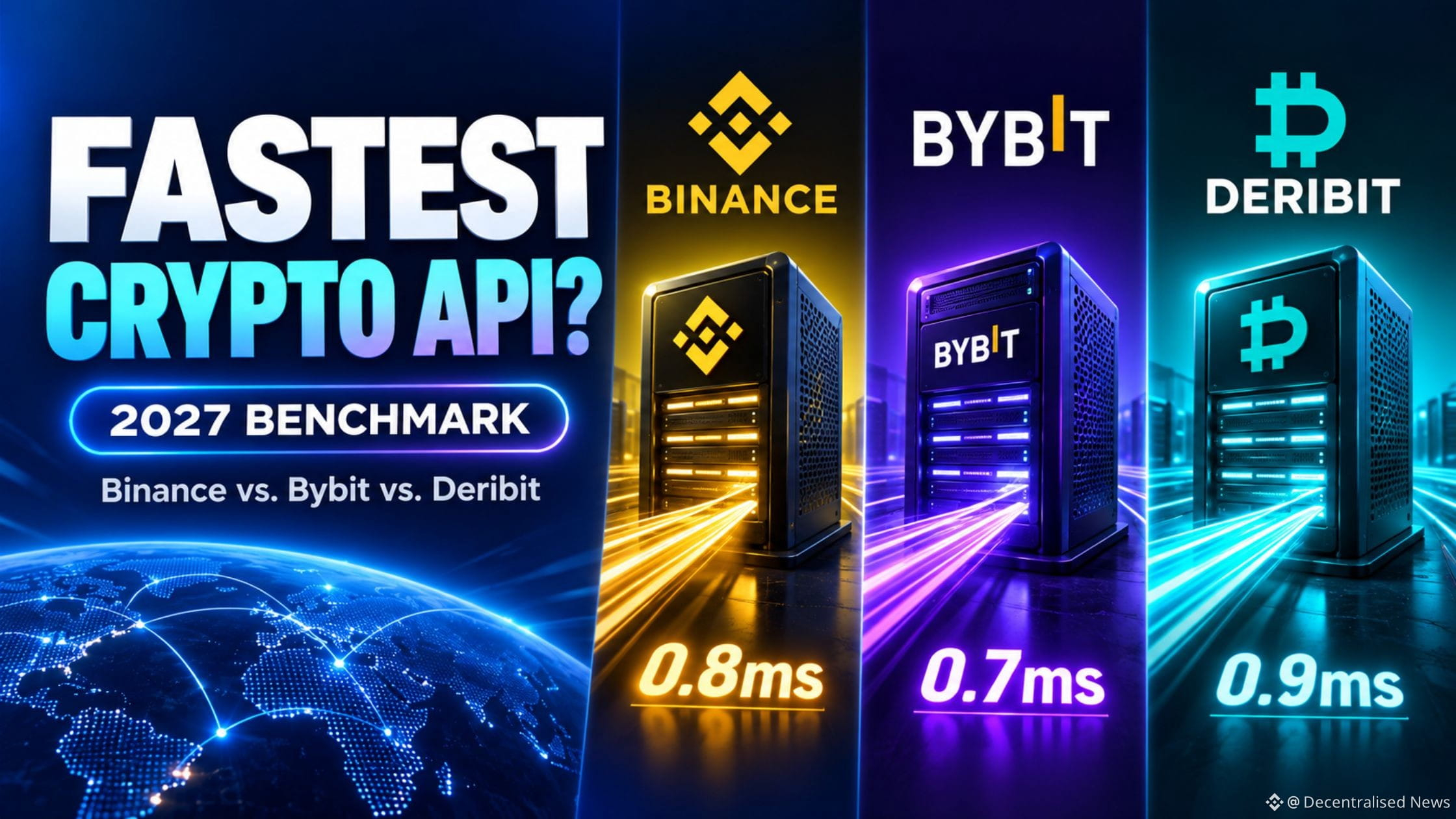
2027 年最适合机器人、量化交易者和 HFT 的加密交易所 API
“最快的加密交易所 API”并不一定是延迟(ping)最低的那一个。
对于机器人、量化交易者和做市商而言,真正的执行循环是:
策略 → 序列化 → 网络 → 网关 → 撮合引擎 → ACK → 市场数据
这意味着,原始 RTT 只是延迟拼图中的一部分。
我们构建了《DN API Latency Benchmark 2027》(DN API 延迟基准),用于对比主要加密交易所背后的基础设施,包括:
• WebSocket 与 REST 架构
• 支持 FIX 与 SBE
• 下单吞吐能力
• 订单确认(ack)遥测
• 市场数据交付
• 限流(Rate limits)
• 故障切换与韧性(resilience)
• 机构级连接
• P95/P99 延迟稳定性
一个最重要的发现是:
延迟的波动(variance)可能比中位数延迟更关键。
某个场所若其中位响应为 15 ms,但却频繁出现 200–500 ms 的尖峰,可能会比拥有稳定 25–30 ms 通路的场所更难以进行系统化交易。
因此我们引入了《DN 延迟稳定性比率》(DN Latency Stability Ratio):
P95 订单 ACK 延迟 ÷ 中位订单 ACK 延迟
比率越低,执行路径就越可预测。
我们还打造了一个交互式的《DN API Latency Lab》(DN API 延迟实验室),让交易者输入自己的 RTT、确认时间(acknowledgement times)、行情延迟(feed delay)和断连数据,以计算实时延迟评分。
在 Decentralised.News 上阅读完整基准报告
#Crypto #QuantTrading #AlgorithmicTrading #HFT #TradingBots #MarketMaking #WebSocket #FIX #CryptoTrading #APIs #FinTech
2027 年最适合机器人、量化交易者和 HFT 的加密交易所 API
“最快的加密交易所 API”并不一定是延迟(ping)最低的那一个。
对于机器人、量化交易者和做市商而言,真正的执行循环是:
策略 → 序列化 → 网络 → 网关 → 撮合引擎 → ACK → 市场数据
这意味着,原始 RTT 只是延迟拼图中的一部分。
我们构建了《DN API Latency Benchmark 2027》(DN API 延迟基准),用于对比主要加密交易所背后的基础设施,包括:
• WebSocket 与 REST 架构
• 支持 FIX 与 SBE
• 下单吞吐能力
• 订单确认(ack)遥测
• 市场数据交付
• 限流(Rate limits)
• 故障切换与韧性(resilience)
• 机构级连接
• P95/P99 延迟稳定性
一个最重要的发现是:
延迟的波动(variance)可能比中位数延迟更关键。
某个场所若其中位响应为 15 ms,但却频繁出现 200–500 ms 的尖峰,可能会比拥有稳定 25–30 ms 通路的场所更难以进行系统化交易。
因此我们引入了《DN 延迟稳定性比率》(DN Latency Stability Ratio):
P95 订单 ACK 延迟 ÷ 中位订单 ACK 延迟
比率越低,执行路径就越可预测。
我们还打造了一个交互式的《DN API Latency Lab》(DN API 延迟实验室),让交易者输入自己的 RTT、确认时间(acknowledgement times)、行情延迟(feed delay)和断连数据,以计算实时延迟评分。
在 Decentralised.News 上阅读完整基准报告
#Crypto #QuantTrading #AlgorithmicTrading #HFT #TradingBots #MarketMaking #WebSocket #FIX #CryptoTrading #APIs #FinTech
“最快的加密交易所 API”并不一定是延迟(ping)最低的那一个。
对于机器人、量化交易者和做市商而言,真正的执行循环是:
策略 → 序列化 → 网络 → 网关 → 撮合引擎 → ACK → 市场数据
这意味着,原始 RTT 只是延迟拼图中的一部分。
我们构建了《DN API Latency Benchmark 2027》(DN API 延迟基准),用于对比主要加密交易所背后的基础设施,包括:
• WebSocket 与 REST 架构
• 支持 FIX 与 SBE
• 下单吞吐能力
• 订单确认(ack)遥测
• 市场数据交付
• 限流(Rate limits)
• 故障切换与韧性(resilience)
• 机构级连接
• P95/P99 延迟稳定性
一个最重要的发现是:
延迟的波动(variance)可能比中位数延迟更关键。
某个场所若其中位响应为 15 ms,但却频繁出现 200–500 ms 的尖峰,可能会比拥有稳定 25–30 ms 通路的场所更难以进行系统化交易。
因此我们引入了《DN 延迟稳定性比率》(DN Latency Stability Ratio):
P95 订单 ACK 延迟 ÷ 中位订单 ACK 延迟
比率越低,执行路径就越可预测。
我们还打造了一个交互式的《DN API Latency Lab》(DN API 延迟实验室),让交易者输入自己的 RTT、确认时间(acknowledgement times)、行情延迟(feed delay)和断连数据,以计算实时延迟评分。
在 Decentralised.News 上阅读完整基准报告
#Crypto #QuantTrading #AlgorithmicTrading #HFT #TradingBots #MarketMaking #WebSocket #FIX #CryptoTrading #APIs #FinTech
77
如何在 Binance 上使用 3Commas 设置加密货币交易机器人
算法交易不再只是对冲基金的专属。
像 3Commas 这样的平台正在为散户交易者普及自动化……可直接连接到 [Binance](https://www.binance.com/en/activity/referral-entry/CPA?fromActivityPage=true&ref=CPA_00SXKU7IO9),全球最大的交易所。
我写了一份完整指南,涵盖:
• 安全地设置 API 密钥
• 配置 DCA 机器人
• 回测策略
• 为自动化进行风险管理
如果你在手动交易加密货币,你是在与机器竞争。
在 Decentralised.News 查看完整指南
#Crypto #Trading #Automation #Binance #3Commas #fintech
如何在 Binance 上使用 3Commas 设置加密货币交易机器人
算法交易不再只是对冲基金的专属。
像 3Commas 这样的平台正在为散户交易者普及自动化……可直接连接到 Binance,全球最大的交易所。
我写了一份完整指南,涵盖:
• 安全地设置 API 密钥
• 配置 DCA 机器人
• 回测策略
• 为自动化进行风险管理
如果你在手动交易加密货币,你是在与机器竞争。
在 Decentralised.News 查看完整指南
#Crypto #Trading #Automation #Binance #3Commas #fintech
算法交易不再只是对冲基金的专属。
像 3Commas 这样的平台正在为散户交易者普及自动化……可直接连接到 Binance,全球最大的交易所。
我写了一份完整指南,涵盖:
• 安全地设置 API 密钥
• 配置 DCA 机器人
• 回测策略
• 为自动化进行风险管理
如果你在手动交易加密货币,你是在与机器竞争。
在 Decentralised.News 查看完整指南
#Crypto #Trading #Automation #Binance #3Commas #fintech
51
如何在你不会编程的情况下自动化加密货币交易(2026 指南)
算法交易已不再只是对冲基金的专属。
像 CoinRule 这样的平台正在普及自动化——无需代码。
我写了一份完整指南,教你如何:
• 构建“如果这样,那么那样(If This, Then That)”交易规则
• 使用历史数据回测策略
• 连接 20+ 个交易所,包括 [Binance](https://www.binance.com/en/activity/referral-entry/CPA?fromActivityPage=true&ref=CPA_00SXKU7IO9)
• 先使用纸面交易(paper trading)进行部署
如果你在加密领域却没有实现自动化,你正和机器做手工对抗。
在 Decentralised.News 上查看完整指南
免责声明:这不是财务建议。自动化交易具有重大风险,包括可能损失你全部投资。交易策略的过往表现并不保证未来结果。请务必自行研究,并且永远不要投入你无法承受损失的资金。
#Crypto #Trading #Automation #FinTech #CoinRule
如何在你不会编程的情况下自动化加密货币交易(2026 指南)
算法交易已不再只是对冲基金的专属。
像 CoinRule 这样的平台正在普及自动化——无需代码。
我写了一份完整指南,教你如何:
• 构建“如果这样,那么那样(If This, Then That)”交易规则
• 使用历史数据回测策略
• 连接 20+ 个交易所,包括 Binance
• 先使用纸面交易(paper trading)进行部署
如果你在加密领域却没有实现自动化,你正和机器做手工对抗。
在 Decentralised.News 上查看完整指南
免责声明:这不是财务建议。自动化交易具有重大风险,包括可能损失你全部投资。交易策略的过往表现并不保证未来结果。请务必自行研究,并且永远不要投入你无法承受损失的资金。
#Crypto #Trading #Automation #FinTech #CoinRule
算法交易已不再只是对冲基金的专属。
像 CoinRule 这样的平台正在普及自动化——无需代码。
我写了一份完整指南,教你如何:
• 构建“如果这样,那么那样(If This, Then That)”交易规则
• 使用历史数据回测策略
• 连接 20+ 个交易所,包括 Binance
• 先使用纸面交易(paper trading)进行部署
如果你在加密领域却没有实现自动化,你正和机器做手工对抗。
在 Decentralised.News 上查看完整指南
免责声明:这不是财务建议。自动化交易具有重大风险,包括可能损失你全部投资。交易策略的过往表现并不保证未来结果。请务必自行研究,并且永远不要投入你无法承受损失的资金。
#Crypto #Trading #Automation #FinTech #CoinRule

71
哪个 Perp DEX 的止损执行最可靠?
在极端波动期间,你能信任永续 DEX 的止损吗?
设置止损价格并不保证你的仓位会在该价格被平仓。订单仍必须检测到正确的触发条件、到达执行系统、找到足够的流动性、保持在其滑点限制范围内,并在清算前完成。
新的去中心化新闻 Perp DEX 止损可靠性测试会考察完整的执行路径,而不是把“订单已接受”当作受到保护的证明。
研究引入了一套专有评分系统,覆盖触发完整性、完成率、执行延迟、不利滑点、压力抗性以及故障恢复。
它还包含一个交互式计算器,用于在不同交易条件下估算可靠性以及潜在的止损泄漏损失。
在提高杠杆之前,请先测试退出,而不是只关注进入。
在 Decentralised.News 阅读研究
#Crypto #DeFi #PerpDEX #CryptoTrading #RiskManagement #PerpetualFutures
哪个 Perp DEX 的止损执行最可靠?
在极端波动期间,你能信任永续 DEX 的止损吗?
设置止损价格并不保证你的仓位会在该价格被平仓。订单仍必须检测到正确的触发条件、到达执行系统、找到足够的流动性、保持在其滑点限制范围内,并在清算前完成。
新的去中心化新闻 Perp DEX 止损可靠性测试会考察完整的执行路径,而不是把“订单已接受”当作受到保护的证明。
研究引入了一套专有评分系统,覆盖触发完整性、完成率、执行延迟、不利滑点、压力抗性以及故障恢复。
它还包含一个交互式计算器,用于在不同交易条件下估算可靠性以及潜在的止损泄漏损失。
在提高杠杆之前,请先测试退出,而不是只关注进入。
在 Decentralised.News 阅读研究
#Crypto #DeFi #PerpDEX #CryptoTrading #RiskManagement #PerpetualFutures
在极端波动期间,你能信任永续 DEX 的止损吗?
设置止损价格并不保证你的仓位会在该价格被平仓。订单仍必须检测到正确的触发条件、到达执行系统、找到足够的流动性、保持在其滑点限制范围内,并在清算前完成。
新的去中心化新闻 Perp DEX 止损可靠性测试会考察完整的执行路径,而不是把“订单已接受”当作受到保护的证明。
研究引入了一套专有评分系统,覆盖触发完整性、完成率、执行延迟、不利滑点、压力抗性以及故障恢复。
它还包含一个交互式计算器,用于在不同交易条件下估算可靠性以及潜在的止损泄漏损失。
在提高杠杆之前,请先测试退出,而不是只关注进入。
在 Decentralised.News 阅读研究
#Crypto #DeFi #PerpDEX #CryptoTrading #RiskManagement #PerpetualFutures
68
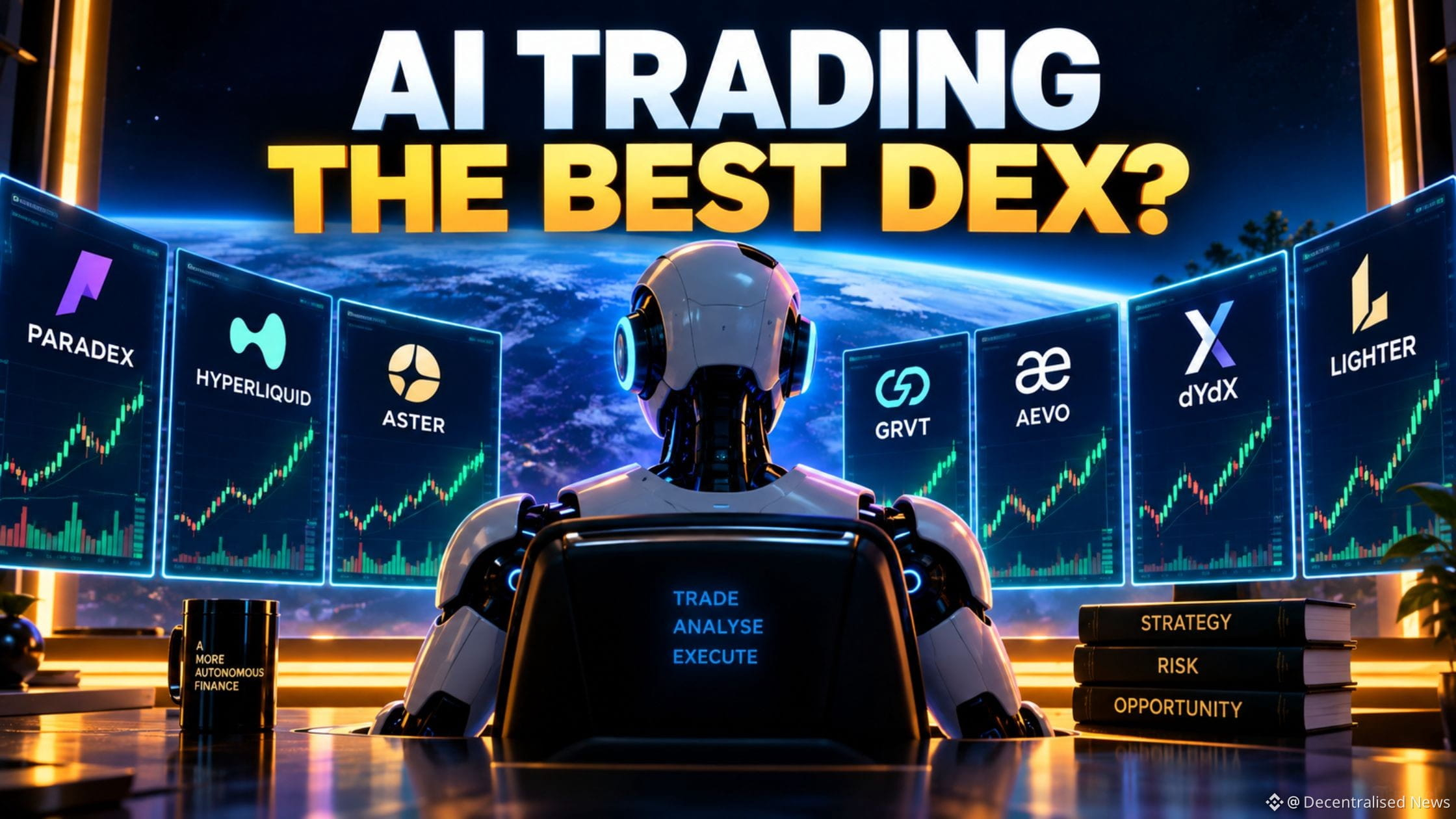
你会信任哪家永续合约 DEX 让 AI 代理去交易?
对人类交易者来说最强的交易所,可能并不是对 AI 交易代理来说最强的交易所。
这种差异正变得越来越重要。
大多数交易所对比仍主要关注:
手续费
流动性
杠杆
市场
用户界面(UI)
但自主金融系统带来了一套全然不同的需求。
AI 交易者必须能够判断:
订单是否已被接收?
订单是否被拒绝?
是否只成交了一部分?
WebSocket 断连是否掩盖了某次更新?
超时是一次失败的交易,还是仅仅返回了失败的响应?
凭证能否提取资金?
流程能否在彼此独立的情况下被撤销?
如果代理崩溃了,挂单是否会自动消失?
因此我们称之为:
代理执行确定性(Agent Execution Certainty)
一个自主交易系统在发出下一条具有财务影响的指令之前,能够以多大程度的信心建立其“规范”的经济状态。
我们最新的去中心化新闻(Decentralised News)研究,将七个永续合约交易场所与这一新兴标准进行基准评估:
Aster
Paradex
Hyperliquid
GRVT
Aevo
dYdX
Lighter
该研究评估了有文档记录的基础设施,包括:
• 委托交易凭证
• 提现隔离
• 凭证到期
• 子账户(subaccounts)
• 客户端订单 ID(client order IDs)
• 私有订单与成交流
• 序列完整性
• 仅减仓(reduce-only)执行
• 紧急取消
• 对账(reconciliation)
• 代理原生接口
出现了一个尤其重要的原则:
ACK 并不等于执行。
超时并不能证明被拒绝。
成功的 API 响应并不必然证明发生了成交。
而且 AI 系统绝不应仅因为它“打算交易”就去更新其投资组合。
这一状态需要权威证据。
我们还引入了几个额外概念:
持仓状态滞后(Position State Lag)
订单身份完整性(Order Identity Integrity)
自主永续安全包络(Autonomous Perp Safety Envelope)
阅读完整研究,并在 Decentralised.News 上使用 DN Autonomous Perp Agent Readiness Calculator(自主永续代理就绪度计算器)。
#AgenticFinance #AITrading
你会信任哪家永续合约 DEX 让 AI 代理去交易?
对人类交易者来说最强的交易所,可能并不是对 AI 交易代理来说最强的交易所。
这种差异正变得越来越重要。
大多数交易所对比仍主要关注:
手续费
流动性
杠杆
市场
用户界面(UI)
但自主金融系统带来了一套全然不同的需求。
AI 交易者必须能够判断:
订单是否已被接收?
订单是否被拒绝?
是否只成交了一部分?
WebSocket 断连是否掩盖了某次更新?
超时是一次失败的交易,还是仅仅返回了失败的响应?
凭证能否提取资金?
流程能否在彼此独立的情况下被撤销?
如果代理崩溃了,挂单是否会自动消失?
因此我们称之为:
代理执行确定性(Agent Execution Certainty)
一个自主交易系统在发出下一条具有财务影响的指令之前,能够以多大程度的信心建立其“规范”的经济状态。
我们最新的去中心化新闻(Decentralised News)研究,将七个永续合约交易场所与这一新兴标准进行基准评估:
Aster
Paradex
Hyperliquid
GRVT
Aevo
dYdX
Lighter
该研究评估了有文档记录的基础设施,包括:
• 委托交易凭证
• 提现隔离
• 凭证到期
• 子账户(subaccounts)
• 客户端订单 ID(client order IDs)
• 私有订单与成交流
• 序列完整性
• 仅减仓(reduce-only)执行
• 紧急取消
• 对账(reconciliation)
• 代理原生接口
出现了一个尤其重要的原则:
ACK 并不等于执行。
超时并不能证明被拒绝。
成功的 API 响应并不必然证明发生了成交。
而且 AI 系统绝不应仅因为它“打算交易”就去更新其投资组合。
这一状态需要权威证据。
我们还引入了几个额外概念:
持仓状态滞后(Position State Lag)
订单身份完整性(Order Identity Integrity)
自主永续安全包络(Autonomous Perp Safety Envelope)
阅读完整研究,并在 Decentralised.News 上使用 DN Autonomous Perp Agent Readiness Calculator(自主永续代理就绪度计算器)。
#AgenticFinance #AITrading
对人类交易者来说最强的交易所,可能并不是对 AI 交易代理来说最强的交易所。
这种差异正变得越来越重要。
大多数交易所对比仍主要关注:
手续费
流动性
杠杆
市场
用户界面(UI)
但自主金融系统带来了一套全然不同的需求。
AI 交易者必须能够判断:
订单是否已被接收?
订单是否被拒绝?
是否只成交了一部分?
WebSocket 断连是否掩盖了某次更新?
超时是一次失败的交易,还是仅仅返回了失败的响应?
凭证能否提取资金?
流程能否在彼此独立的情况下被撤销?
如果代理崩溃了,挂单是否会自动消失?
因此我们称之为:
代理执行确定性(Agent Execution Certainty)
一个自主交易系统在发出下一条具有财务影响的指令之前,能够以多大程度的信心建立其“规范”的经济状态。
我们最新的去中心化新闻(Decentralised News)研究,将七个永续合约交易场所与这一新兴标准进行基准评估:
Aster
Paradex
Hyperliquid
GRVT
Aevo
dYdX
Lighter
该研究评估了有文档记录的基础设施,包括:
• 委托交易凭证
• 提现隔离
• 凭证到期
• 子账户(subaccounts)
• 客户端订单 ID(client order IDs)
• 私有订单与成交流
• 序列完整性
• 仅减仓(reduce-only)执行
• 紧急取消
• 对账(reconciliation)
• 代理原生接口
出现了一个尤其重要的原则:
ACK 并不等于执行。
超时并不能证明被拒绝。
成功的 API 响应并不必然证明发生了成交。
而且 AI 系统绝不应仅因为它“打算交易”就去更新其投资组合。
这一状态需要权威证据。
我们还引入了几个额外概念:
持仓状态滞后(Position State Lag)
订单身份完整性(Order Identity Integrity)
自主永续安全包络(Autonomous Perp Safety Envelope)
阅读完整研究,并在 Decentralised.News 上使用 DN Autonomous Perp Agent Readiness Calculator(自主永续代理就绪度计算器)。
#AgenticFinance #AITrading
1
1
1.2k
下一个十亿加密用户可能永远不会意识到自己在使用加密货币
加密货币的下一阶段普及,可能来自那些从不认为自己是加密用户的人。
听起来很反直觉。
但这正是许多关键技术通常走向成熟的方式。
大多数人并没有在使用互联网之前学习TCP/IP。
他们也从未在下载应用之前专门研究过移动操作系统。
当基础设施被隐藏在有用的界面之后,它就会变得具有变革性。
我们认为,crypto 现在可能正接近这种转变。
+ World Money 正在把稳定币、支付、投资、收益、身份与迷你应用(Mini Apps)整合进同一个金融应用。
+ Robinhood 正在结合券商业务、加密货币、代币化股票、DeFi、自我托管、永续合约以及代理化交易,同时构建自己的区块链基础设施。
+ 在机构层面,BlackRock 正在扩展数字资产投资产品,而 J.P. Morgan 则在运行基于区块链的清算与存取款基础设施。
这些发展看似各不相同。
但它们或许是同一次转变的不同组成部分。
金融应用层
我们将其定义为把:
区块链基础设施
转化为:
熟悉的金融操作
也就是说用户体验将从:
钱包 → 桥 → 链 → DEX → gas
变为:
支付 → 投资 → 储蓄 → 借贷 → 交易
这种转变,可能比另一轮提升区块链吞吐量更能推动大众采用。
数据也凸显了一个重要缺口。
全球预计拥有加密货币的人数有数亿,但经常活跃的用户估计数却要低得多得多。
这就导致我们所说的:
“所有权到活跃度”的转化鸿沟
因此,下一次增长机会未必是找到“完全新的十亿人”。
可能是激活那些已经接触数字资产、但很少使用底层金融基础设施的数亿人。
阅读完整分析,并在 Decentralised.News 上查看 DN 十亿用户金融化引擎(DN Billion-User Financialization Engine)
#DigitalAssets #Crypto #Tokenization #Stablecoins #FinTech
下一个十亿加密用户可能永远不会意识到自己在使用加密货币
加密货币的下一阶段普及,可能来自那些从不认为自己是加密用户的人。
听起来很反直觉。
但这正是许多关键技术通常走向成熟的方式。
大多数人并没有在使用互联网之前学习TCP/IP。
他们也从未在下载应用之前专门研究过移动操作系统。
当基础设施被隐藏在有用的界面之后,它就会变得具有变革性。
我们认为,crypto 现在可能正接近这种转变。
+ World Money 正在把稳定币、支付、投资、收益、身份与迷你应用(Mini Apps)整合进同一个金融应用。
+ Robinhood 正在结合券商业务、加密货币、代币化股票、DeFi、自我托管、永续合约以及代理化交易,同时构建自己的区块链基础设施。
+ 在机构层面,BlackRock 正在扩展数字资产投资产品,而 J.P. Morgan 则在运行基于区块链的清算与存取款基础设施。
这些发展看似各不相同。
但它们或许是同一次转变的不同组成部分。
金融应用层
我们将其定义为把:
区块链基础设施
转化为:
熟悉的金融操作
也就是说用户体验将从:
钱包 → 桥 → 链 → DEX → gas
变为:
支付 → 投资 → 储蓄 → 借贷 → 交易
这种转变,可能比另一轮提升区块链吞吐量更能推动大众采用。
数据也凸显了一个重要缺口。
全球预计拥有加密货币的人数有数亿,但经常活跃的用户估计数却要低得多得多。
这就导致我们所说的:
“所有权到活跃度”的转化鸿沟
因此,下一次增长机会未必是找到“完全新的十亿人”。
可能是激活那些已经接触数字资产、但很少使用底层金融基础设施的数亿人。
阅读完整分析,并在 Decentralised.News 上查看 DN 十亿用户金融化引擎(DN Billion-User Financialization Engine)
#DigitalAssets #Crypto #Tokenization #Stablecoins #FinTech
加密货币的下一阶段普及,可能来自那些从不认为自己是加密用户的人。
听起来很反直觉。
但这正是许多关键技术通常走向成熟的方式。
大多数人并没有在使用互联网之前学习TCP/IP。
他们也从未在下载应用之前专门研究过移动操作系统。
当基础设施被隐藏在有用的界面之后,它就会变得具有变革性。
我们认为,crypto 现在可能正接近这种转变。
+ World Money 正在把稳定币、支付、投资、收益、身份与迷你应用(Mini Apps)整合进同一个金融应用。
+ Robinhood 正在结合券商业务、加密货币、代币化股票、DeFi、自我托管、永续合约以及代理化交易,同时构建自己的区块链基础设施。
+ 在机构层面,BlackRock 正在扩展数字资产投资产品,而 J.P. Morgan 则在运行基于区块链的清算与存取款基础设施。
这些发展看似各不相同。
但它们或许是同一次转变的不同组成部分。
金融应用层
我们将其定义为把:
区块链基础设施
转化为:
熟悉的金融操作
也就是说用户体验将从:
钱包 → 桥 → 链 → DEX → gas
变为:
支付 → 投资 → 储蓄 → 借贷 → 交易
这种转变,可能比另一轮提升区块链吞吐量更能推动大众采用。
数据也凸显了一个重要缺口。
全球预计拥有加密货币的人数有数亿,但经常活跃的用户估计数却要低得多得多。
这就导致我们所说的:
“所有权到活跃度”的转化鸿沟
因此,下一次增长机会未必是找到“完全新的十亿人”。
可能是激活那些已经接触数字资产、但很少使用底层金融基础设施的数亿人。
阅读完整分析,并在 Decentralised.News 上查看 DN 十亿用户金融化引擎(DN Billion-User Financialization Engine)
#DigitalAssets #Crypto #Tokenization #Stablecoins #FinTech

142
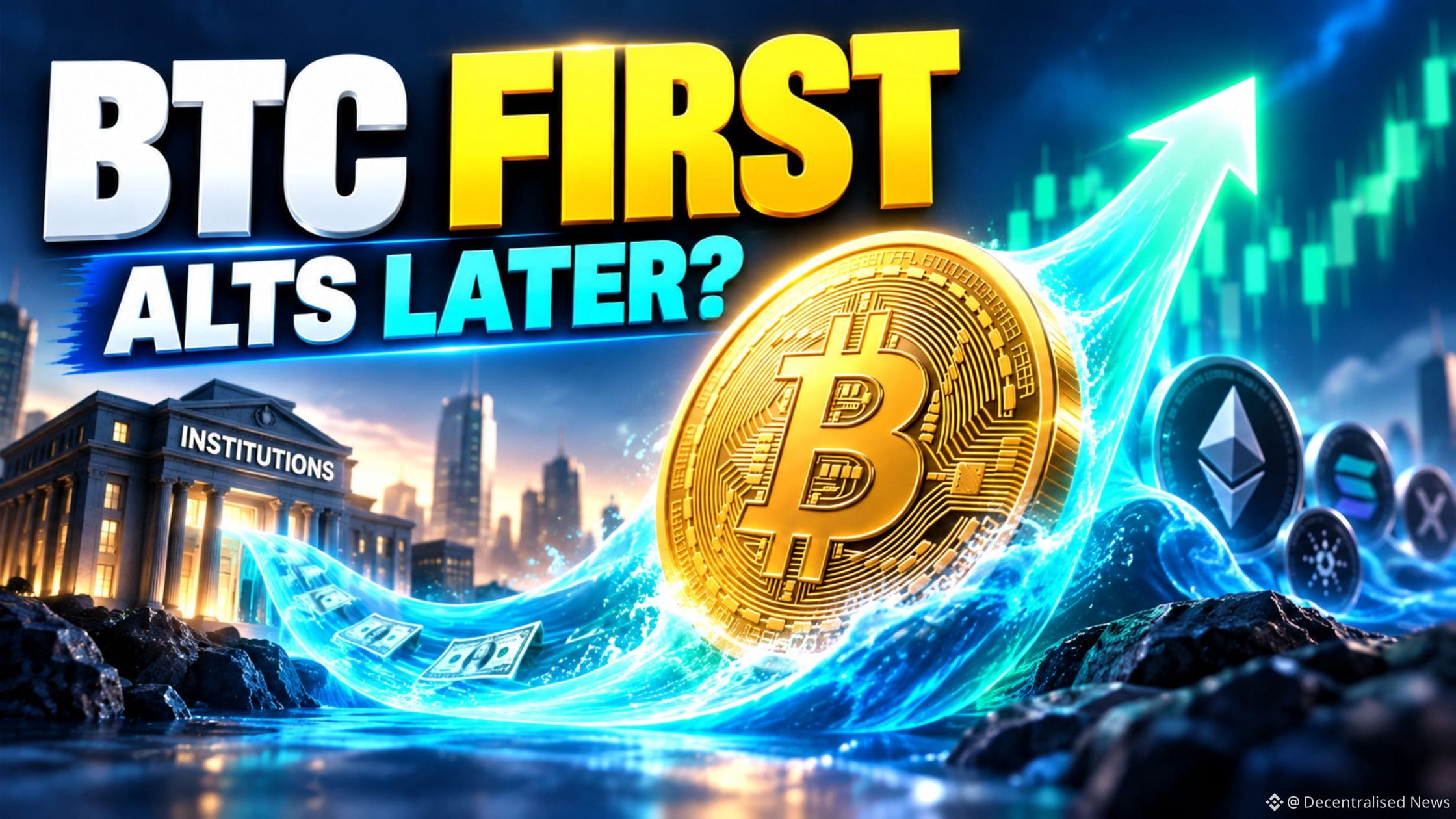
流动性凸性阶梯:资本究竟如何流入加密
如今加密领域最大的错误,或许是把BTC和“加密”当作同一笔流动性交易来对待。
但它们正在越来越不同。
现在BTC具备:
ETF
机构投资者
企业资金库
深度衍生品
宏观配置者
这意味着BTC可能会更早进行重新定价。
但山寨币仍需要:
稳定币增长
ETH走强
DeFi杠杆
散户风险偏好
BTC主导地位下行
因此新的周期可能更像:
流动性 → BTC → ETH → DeFi → 山寨 → 模因
而不是:
美联储转向宽松 → 一切都上涨。
我们的最新DN研究将其称为“流动性到广度的滞后(Liquidity-to-Breadth Lag)”。
而现在呢?
BTC看起来在传导链条上比加密的其他部分更靠前。
这就是为什么比特币的上涨仍然不等同于山寨季(Altseason)。
阅读完整研究,并在Decentralised.News上使用免费的Crypto Liquidity Regime Engine。
#Bitcoin #Crypto #Altcoins #DeFi #Liquidity
流动性凸性阶梯:资本究竟如何流入加密
如今加密领域最大的错误,或许是把BTC和“加密”当作同一笔流动性交易来对待。
但它们正在越来越不同。
现在BTC具备:
ETF
机构投资者
企业资金库
深度衍生品
宏观配置者
这意味着BTC可能会更早进行重新定价。
但山寨币仍需要:
稳定币增长
ETH走强
DeFi杠杆
散户风险偏好
BTC主导地位下行
因此新的周期可能更像:
流动性 → BTC → ETH → DeFi → 山寨 → 模因
而不是:
美联储转向宽松 → 一切都上涨。
我们的最新DN研究将其称为“流动性到广度的滞后(Liquidity-to-Breadth Lag)”。
而现在呢?
BTC看起来在传导链条上比加密的其他部分更靠前。
这就是为什么比特币的上涨仍然不等同于山寨季(Altseason)。
阅读完整研究,并在Decentralised.News上使用免费的Crypto Liquidity Regime Engine。
#Bitcoin #Crypto #Altcoins #DeFi #Liquidity
如今加密领域最大的错误,或许是把BTC和“加密”当作同一笔流动性交易来对待。
但它们正在越来越不同。
现在BTC具备:
ETF
机构投资者
企业资金库
深度衍生品
宏观配置者
这意味着BTC可能会更早进行重新定价。
但山寨币仍需要:
稳定币增长
ETH走强
DeFi杠杆
散户风险偏好
BTC主导地位下行
因此新的周期可能更像:
流动性 → BTC → ETH → DeFi → 山寨 → 模因
而不是:
美联储转向宽松 → 一切都上涨。
我们的最新DN研究将其称为“流动性到广度的滞后(Liquidity-to-Breadth Lag)”。
而现在呢?
BTC看起来在传导链条上比加密的其他部分更靠前。
这就是为什么比特币的上涨仍然不等同于山寨季(Altseason)。
阅读完整研究,并在Decentralised.News上使用免费的Crypto Liquidity Regime Engine。
#Bitcoin #Crypto #Altcoins #DeFi #Liquidity
76
人工智能资本吸收测试:当算力繁荣必须自证价值
人工智能可能是现代历史中最重要的技术之一。
这并不意味着,用于构建它的每一美元支出都能获得可接受的回报。
如今,大型科技公司正将每年约7000亿美元以上的资金投入亚马逊、微软、Alphabet和Meta的基础设施建设。
然而,运营层面的证据仍然显得相当强劲:
微软商用RPO:6780亿美元
Google Cloud增长:+82%
AWS增长:+37%
英伟达数据中心:+117%
AMD数据中心:+107%
博通AI半导体收入:+221%
那么,人工智能是否已经过度建设了?
我们的结论是:
可能还没有。
更大的风险似乎会在后面出现。
规模巨大的2025–2027年基础设施建设浪潮仍需投入运营。
接下来才是真正的考验:
在硬件在经济层面“老化”之前,人工智能能否创造足够的毛利?
我们的全新《去中心化新闻》研究提出:
“人工智能资本吸收测试2027–2028”
我们将分析:
• 超级规模企业的CapEx
• 云端积压订单
• GPU需求
• 数据中心利用率
• 推理价格的通胀/下降(价格下行)
• 折旧
• 自由现金流
• 电力约束
• 利率
• 代理式AI工作负载增长
最重要的假设是:
2026年看起来仍主要是“稀缺与部署”。
而2027–2028年可能才是真正的资本吸收窗口。
也正是在那时,今天的基础设施必须开始证明其经济性。
而代理式AI或许会决定最终结果。
在Decentralised.News阅读完整洞察,并使用免费的“AI资本吸收压力引擎”
#人工智能 #AI #AIBubble #数据中心
人工智能资本吸收测试:当算力繁荣必须自证价值
人工智能可能是现代历史中最重要的技术之一。
这并不意味着,用于构建它的每一美元支出都能获得可接受的回报。
如今,大型科技公司正将每年约7000亿美元以上的资金投入亚马逊、微软、Alphabet和Meta的基础设施建设。
然而,运营层面的证据仍然显得相当强劲:
微软商用RPO:6780亿美元
Google Cloud增长:+82%
AWS增长:+37%
英伟达数据中心:+117%
AMD数据中心:+107%
博通AI半导体收入:+221%
那么,人工智能是否已经过度建设了?
我们的结论是:
可能还没有。
更大的风险似乎会在后面出现。
规模巨大的2025–2027年基础设施建设浪潮仍需投入运营。
接下来才是真正的考验:
在硬件在经济层面“老化”之前,人工智能能否创造足够的毛利?
我们的全新《去中心化新闻》研究提出:
“人工智能资本吸收测试2027–2028”
我们将分析:
• 超级规模企业的CapEx
• 云端积压订单
• GPU需求
• 数据中心利用率
• 推理价格的通胀/下降(价格下行)
• 折旧
• 自由现金流
• 电力约束
• 利率
• 代理式AI工作负载增长
最重要的假设是:
2026年看起来仍主要是“稀缺与部署”。
而2027–2028年可能才是真正的资本吸收窗口。
也正是在那时,今天的基础设施必须开始证明其经济性。
而代理式AI或许会决定最终结果。
在Decentralised.News阅读完整洞察,并使用免费的“AI资本吸收压力引擎”
#人工智能 #AI #AIBubble #数据中心
人工智能可能是现代历史中最重要的技术之一。
这并不意味着,用于构建它的每一美元支出都能获得可接受的回报。
如今,大型科技公司正将每年约7000亿美元以上的资金投入亚马逊、微软、Alphabet和Meta的基础设施建设。
然而,运营层面的证据仍然显得相当强劲:
微软商用RPO:6780亿美元
Google Cloud增长:+82%
AWS增长:+37%
英伟达数据中心:+117%
AMD数据中心:+107%
博通AI半导体收入:+221%
那么,人工智能是否已经过度建设了?
我们的结论是:
可能还没有。
更大的风险似乎会在后面出现。
规模巨大的2025–2027年基础设施建设浪潮仍需投入运营。
接下来才是真正的考验:
在硬件在经济层面“老化”之前,人工智能能否创造足够的毛利?
我们的全新《去中心化新闻》研究提出:
“人工智能资本吸收测试2027–2028”
我们将分析:
• 超级规模企业的CapEx
• 云端积压订单
• GPU需求
• 数据中心利用率
• 推理价格的通胀/下降(价格下行)
• 折旧
• 自由现金流
• 电力约束
• 利率
• 代理式AI工作负载增长
最重要的假设是:
2026年看起来仍主要是“稀缺与部署”。
而2027–2028年可能才是真正的资本吸收窗口。
也正是在那时,今天的基础设施必须开始证明其经济性。
而代理式AI或许会决定最终结果。
在Decentralised.News阅读完整洞察,并使用免费的“AI资本吸收压力引擎”
#人工智能 #AI #AIBubble #数据中心

69
2027 年适用于 AI 代理的最佳加密平台 | 代理型金融排行榜
新一代加密平台的竞争对象,或许不再是人类点击,而是自主代理。
这会几乎改变金融平台应如何被评估。
强大的移动应用对人类很重要。
而 AI 代理在意的则是其他东西:
结构化 API、机器可读的文档、MCP 访问、权限范围控制、凭据安全、确定性执行、钱包、支付通道、可审计性,以及在出现问题时能够恢复。
因此,我们推出了最新的《去中心化新闻》研究内容:
《2027 年适用于 AI 代理的最佳加密平台》
我们从六个维度评估了 [Binance](https://www.binance.com/en/activity/referral-entry/CPA?fromActivityPage=true&ref=CPA_00SXKU7IO9)、Gate、Bitget、Coinbase、Bybit、Gemini 和 Kraken 的代理就绪程度。几项要点格外突出。Binance 仍然是流动性领域的领先者。Gate 正在构建一种异常广泛的全栈代理层,覆盖中心化交易、Web3、钱包和数据。
Bitget 的专用代理账号架构尤其值得关注,因为它解决了代理型金融中最主要的问题之一:限制一个自主系统最多能接触到多少资本。
Coinbase 则通过代理、钱包以及 x402,战略性地围绕更广泛的机器经济布局。其他平台则采取了更强的本地控制思路:通过 MCP、CLI、Skills、只读操作以及本地密钥管理。
而更大的结论比任何单一排名都更重要:
金融分发未来可能越来越多地从“搜索 → 网站 → 人类决策”,转向“意图 → 代理比较 → 机器选择 → 执行”。
如果真是如此,交易所就不仅要优化给人类使用,还要优化给那些在决定资本应流向哪里时工作的机器。
我们还自研了一套 DN AI Agent Crypto Platform Matcher,让读者能够按使用场景对平台进行对比,而不是依赖通用的排名。
《去中心化新闻》完整指南
#AgenticFinance #AIAgents
2027 年适用于 AI 代理的最佳加密平台 | 代理型金融排行榜
新一代加密平台的竞争对象,或许不再是人类点击,而是自主代理。
这会几乎改变金融平台应如何被评估。
强大的移动应用对人类很重要。
而 AI 代理在意的则是其他东西:
结构化 API、机器可读的文档、MCP 访问、权限范围控制、凭据安全、确定性执行、钱包、支付通道、可审计性,以及在出现问题时能够恢复。
因此,我们推出了最新的《去中心化新闻》研究内容:
《2027 年适用于 AI 代理的最佳加密平台》
我们从六个维度评估了 Binance、Gate、Bitget、Coinbase、Bybit、Gemini 和 Kraken 的代理就绪程度。几项要点格外突出。Binance 仍然是流动性领域的领先者。Gate 正在构建一种异常广泛的全栈代理层,覆盖中心化交易、Web3、钱包和数据。
Bitget 的专用代理账号架构尤其值得关注,因为它解决了代理型金融中最主要的问题之一:限制一个自主系统最多能接触到多少资本。
Coinbase 则通过代理、钱包以及 x402,战略性地围绕更广泛的机器经济布局。其他平台则采取了更强的本地控制思路:通过 MCP、CLI、Skills、只读操作以及本地密钥管理。
而更大的结论比任何单一排名都更重要:
金融分发未来可能越来越多地从“搜索 → 网站 → 人类决策”,转向“意图 → 代理比较 → 机器选择 → 执行”。
如果真是如此,交易所就不仅要优化给人类使用,还要优化给那些在决定资本应流向哪里时工作的机器。
我们还自研了一套 DN AI Agent Crypto Platform Matcher,让读者能够按使用场景对平台进行对比,而不是依赖通用的排名。
《去中心化新闻》完整指南
#AgenticFinance #AIAgents
新一代加密平台的竞争对象,或许不再是人类点击,而是自主代理。
这会几乎改变金融平台应如何被评估。
强大的移动应用对人类很重要。
而 AI 代理在意的则是其他东西:
结构化 API、机器可读的文档、MCP 访问、权限范围控制、凭据安全、确定性执行、钱包、支付通道、可审计性,以及在出现问题时能够恢复。
因此,我们推出了最新的《去中心化新闻》研究内容:
《2027 年适用于 AI 代理的最佳加密平台》
我们从六个维度评估了 Binance、Gate、Bitget、Coinbase、Bybit、Gemini 和 Kraken 的代理就绪程度。几项要点格外突出。Binance 仍然是流动性领域的领先者。Gate 正在构建一种异常广泛的全栈代理层,覆盖中心化交易、Web3、钱包和数据。
Bitget 的专用代理账号架构尤其值得关注,因为它解决了代理型金融中最主要的问题之一:限制一个自主系统最多能接触到多少资本。
Coinbase 则通过代理、钱包以及 x402,战略性地围绕更广泛的机器经济布局。其他平台则采取了更强的本地控制思路:通过 MCP、CLI、Skills、只读操作以及本地密钥管理。
而更大的结论比任何单一排名都更重要:
金融分发未来可能越来越多地从“搜索 → 网站 → 人类决策”,转向“意图 → 代理比较 → 机器选择 → 执行”。
如果真是如此,交易所就不仅要优化给人类使用,还要优化给那些在决定资本应流向哪里时工作的机器。
我们还自研了一套 DN AI Agent Crypto Platform Matcher,让读者能够按使用场景对平台进行对比,而不是依赖通用的排名。
《去中心化新闻》完整指南
#AgenticFinance #AIAgents

5
面向代理就绪的加密交易所指数 2027 | 最适合 AI 代理的交易所
下一场加密交易所之战,或许并不是为了人类用户而打。它可能是为了自治代理而打。
随着 AI 系统从回答问题发展到执行金融操作,交易所的基础设施需求也在改变。
仅有一款优秀的移动应用是不够的。
如今,代理需要结构化的市场数据、确定性的执行、机器可读的文档、权限范围控制、持续的流式连接、可审计的操作以及可靠的 API。
因此,我们创建了《去中心化新闻:面向代理就绪的加密交易所指数 2027》。
1.0 版将六个维度下的主要场所进行评估:
• 原生代理基础设施
• 执行 API 覆盖广度
• 连接性
• 权限与控制
• 开发者易用性
• 运营透明度
[Binance,](https://www.binance.com/en/activity/referral-entry/CPA?fromActivityPage=true&ref=CPA_00SXKU7IO9) Coinbase 和 Bitget 目前在我们所发布的“代理就绪”排名中处于领先位置,而 Kraken 和 Bybit 依然是特别强的 API 原生场所。
我们还构建了专有的 DN 代理就绪交易所选择器,读者可以为自身用例最重视的特征进行加权。
我们的更宏观观点很简单:
随着金融活动日益呈现代理化(agentic),交易所可能会从人类会去到的“目的地”,演变为软件调用所具备的金融能力。
这将在加密市场中带来全新的竞争层级。
在《去中心化新闻》阅读完整基准报告
#AgenticFinance #ArtificialIntelligence #AIAgents #Crypto #FinTech #TradingTechnology #MCP #DigitalAssets
面向代理就绪的加密交易所指数 2027 | 最适合 AI 代理的交易所
下一场加密交易所之战,或许并不是为了人类用户而打。它可能是为了自治代理而打。
随着 AI 系统从回答问题发展到执行金融操作,交易所的基础设施需求也在改变。
仅有一款优秀的移动应用是不够的。
如今,代理需要结构化的市场数据、确定性的执行、机器可读的文档、权限范围控制、持续的流式连接、可审计的操作以及可靠的 API。
因此,我们创建了《去中心化新闻:面向代理就绪的加密交易所指数 2027》。
1.0 版将六个维度下的主要场所进行评估:
• 原生代理基础设施
• 执行 API 覆盖广度
• 连接性
• 权限与控制
• 开发者易用性
• 运营透明度
Binance, Coinbase 和 Bitget 目前在我们所发布的“代理就绪”排名中处于领先位置,而 Kraken 和 Bybit 依然是特别强的 API 原生场所。
我们还构建了专有的 DN 代理就绪交易所选择器,读者可以为自身用例最重视的特征进行加权。
我们的更宏观观点很简单:
随着金融活动日益呈现代理化(agentic),交易所可能会从人类会去到的“目的地”,演变为软件调用所具备的金融能力。
这将在加密市场中带来全新的竞争层级。
在《去中心化新闻》阅读完整基准报告
#AgenticFinance #ArtificialIntelligence #AIAgents #Crypto #FinTech #TradingTechnology #MCP #DigitalAssets
下一场加密交易所之战,或许并不是为了人类用户而打。它可能是为了自治代理而打。
随着 AI 系统从回答问题发展到执行金融操作,交易所的基础设施需求也在改变。
仅有一款优秀的移动应用是不够的。
如今,代理需要结构化的市场数据、确定性的执行、机器可读的文档、权限范围控制、持续的流式连接、可审计的操作以及可靠的 API。
因此,我们创建了《去中心化新闻:面向代理就绪的加密交易所指数 2027》。
1.0 版将六个维度下的主要场所进行评估:
• 原生代理基础设施
• 执行 API 覆盖广度
• 连接性
• 权限与控制
• 开发者易用性
• 运营透明度
Binance, Coinbase 和 Bitget 目前在我们所发布的“代理就绪”排名中处于领先位置,而 Kraken 和 Bybit 依然是特别强的 API 原生场所。
我们还构建了专有的 DN 代理就绪交易所选择器,读者可以为自身用例最重视的特征进行加权。
我们的更宏观观点很简单:
随着金融活动日益呈现代理化(agentic),交易所可能会从人类会去到的“目的地”,演变为软件调用所具备的金融能力。
这将在加密市场中带来全新的竞争层级。
在《去中心化新闻》阅读完整基准报告
#AgenticFinance #ArtificialIntelligence #AIAgents #Crypto #FinTech #TradingTechnology #MCP #DigitalAssets

48
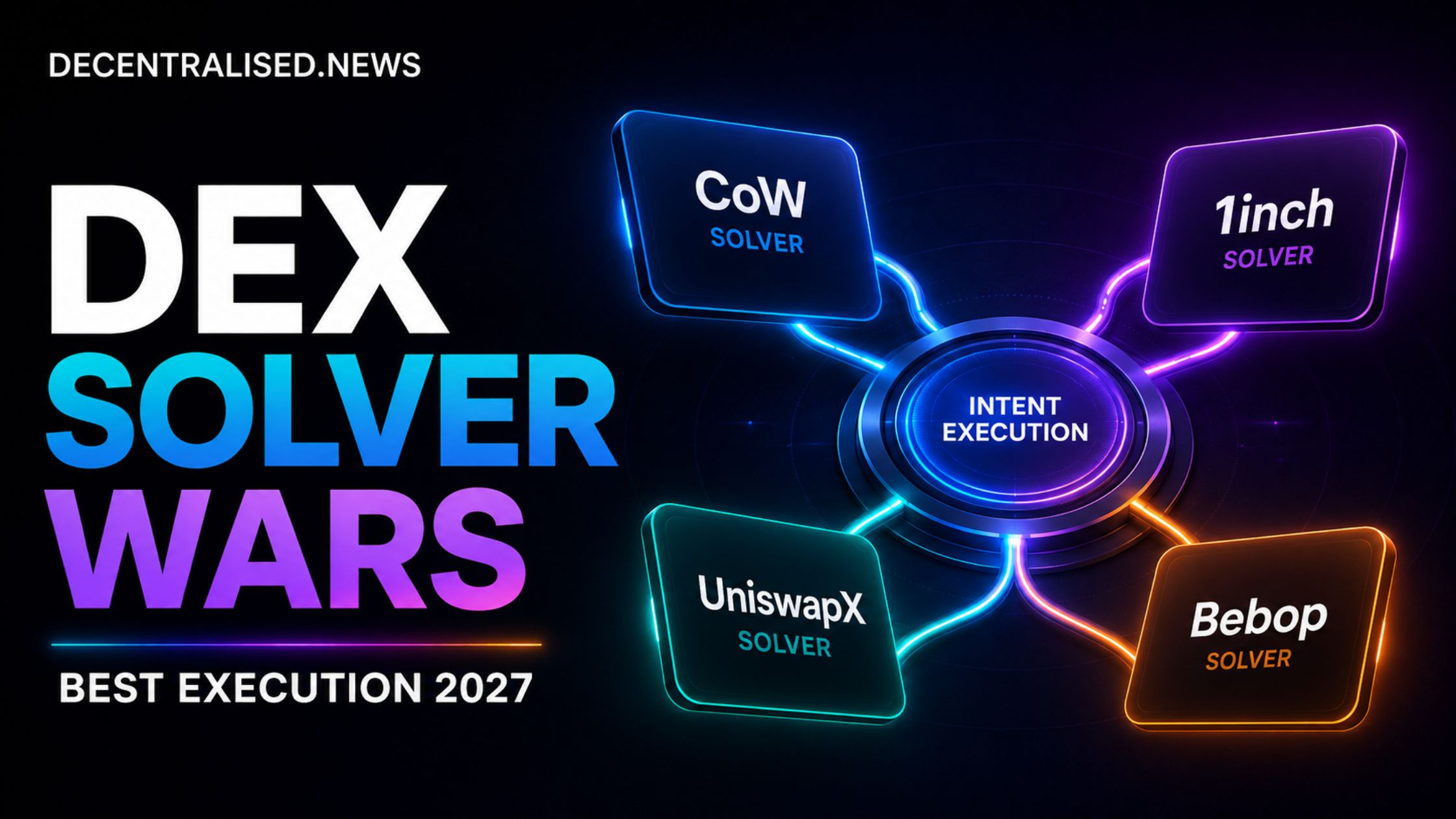
2026-2027 年最佳意图型 DEX:哪些求解器真的能提升你的交易?
下一阶段的 DEX 竞争,不再只是看谁的流动性更深,或谁展示了最好的报价。
越来越多取决于:谁能更好地执行你的交易意图。
我们最新的去中心化新闻(Decentralised News)研究推出了 DN 意图求解器质量基准 2027,考察 CoW Protocol、1inch Fusion、UniswapX 和 Bebop 背后的执行模型。
该框架不再是比较“头条式”的报价,而是提出一个更难的问题:
求解器是否真的比一条可对比的直连路径,产出了更可用的价值?
我们引入以下指标:
• 求解器净改进
• 计入燃气费后的执行优势
• 成交可靠性
• 成交所需时间
• 报价到成交的一致性
• 不利执行尾部表现
• 执行一致性
• 有效的求解器竞争
并且由于 +5 个基点的改进,在 1,000 美元的换汇与 100 万美元的交易中意味着完全不同的结果,框架会在多种交易规模下评估执行表现。
文章内还包含一个专有的 DN 求解器结果模拟器。
目标是超越诸如“无燃气费”“受 MEV 保护”或“最佳价格”等说法,开始衡量交易者最终真正获得了什么。
在 Decentralised.News 上阅读完整研究
#DeFi #DEX #CryptoTrading #MarketStructure #Web3 #Ethereum #CoWSwap #UniswapX #1inch #DigitalAssets
2026-2027 年最佳意图型 DEX:哪些求解器真的能提升你的交易?
下一阶段的 DEX 竞争,不再只是看谁的流动性更深,或谁展示了最好的报价。
越来越多取决于:谁能更好地执行你的交易意图。
我们最新的去中心化新闻(Decentralised News)研究推出了 DN 意图求解器质量基准 2027,考察 CoW Protocol、1inch Fusion、UniswapX 和 Bebop 背后的执行模型。
该框架不再是比较“头条式”的报价,而是提出一个更难的问题:
求解器是否真的比一条可对比的直连路径,产出了更可用的价值?
我们引入以下指标:
• 求解器净改进
• 计入燃气费后的执行优势
• 成交可靠性
• 成交所需时间
• 报价到成交的一致性
• 不利执行尾部表现
• 执行一致性
• 有效的求解器竞争
并且由于 +5 个基点的改进,在 1,000 美元的换汇与 100 万美元的交易中意味着完全不同的结果,框架会在多种交易规模下评估执行表现。
文章内还包含一个专有的 DN 求解器结果模拟器。
目标是超越诸如“无燃气费”“受 MEV 保护”或“最佳价格”等说法,开始衡量交易者最终真正获得了什么。
在 Decentralised.News 上阅读完整研究
#DeFi #DEX #CryptoTrading #MarketStructure #Web3 #Ethereum #CoWSwap #UniswapX #1inch #DigitalAssets
下一阶段的 DEX 竞争,不再只是看谁的流动性更深,或谁展示了最好的报价。
越来越多取决于:谁能更好地执行你的交易意图。
我们最新的去中心化新闻(Decentralised News)研究推出了 DN 意图求解器质量基准 2027,考察 CoW Protocol、1inch Fusion、UniswapX 和 Bebop 背后的执行模型。
该框架不再是比较“头条式”的报价,而是提出一个更难的问题:
求解器是否真的比一条可对比的直连路径,产出了更可用的价值?
我们引入以下指标:
• 求解器净改进
• 计入燃气费后的执行优势
• 成交可靠性
• 成交所需时间
• 报价到成交的一致性
• 不利执行尾部表现
• 执行一致性
• 有效的求解器竞争
并且由于 +5 个基点的改进,在 1,000 美元的换汇与 100 万美元的交易中意味着完全不同的结果,框架会在多种交易规模下评估执行表现。
文章内还包含一个专有的 DN 求解器结果模拟器。
目标是超越诸如“无燃气费”“受 MEV 保护”或“最佳价格”等说法,开始衡量交易者最终真正获得了什么。
在 Decentralised.News 上阅读完整研究
#DeFi #DEX #CryptoTrading #MarketStructure #Web3 #Ethereum #CoWSwap #UniswapX #1inch #DigitalAssets
378
部分真实
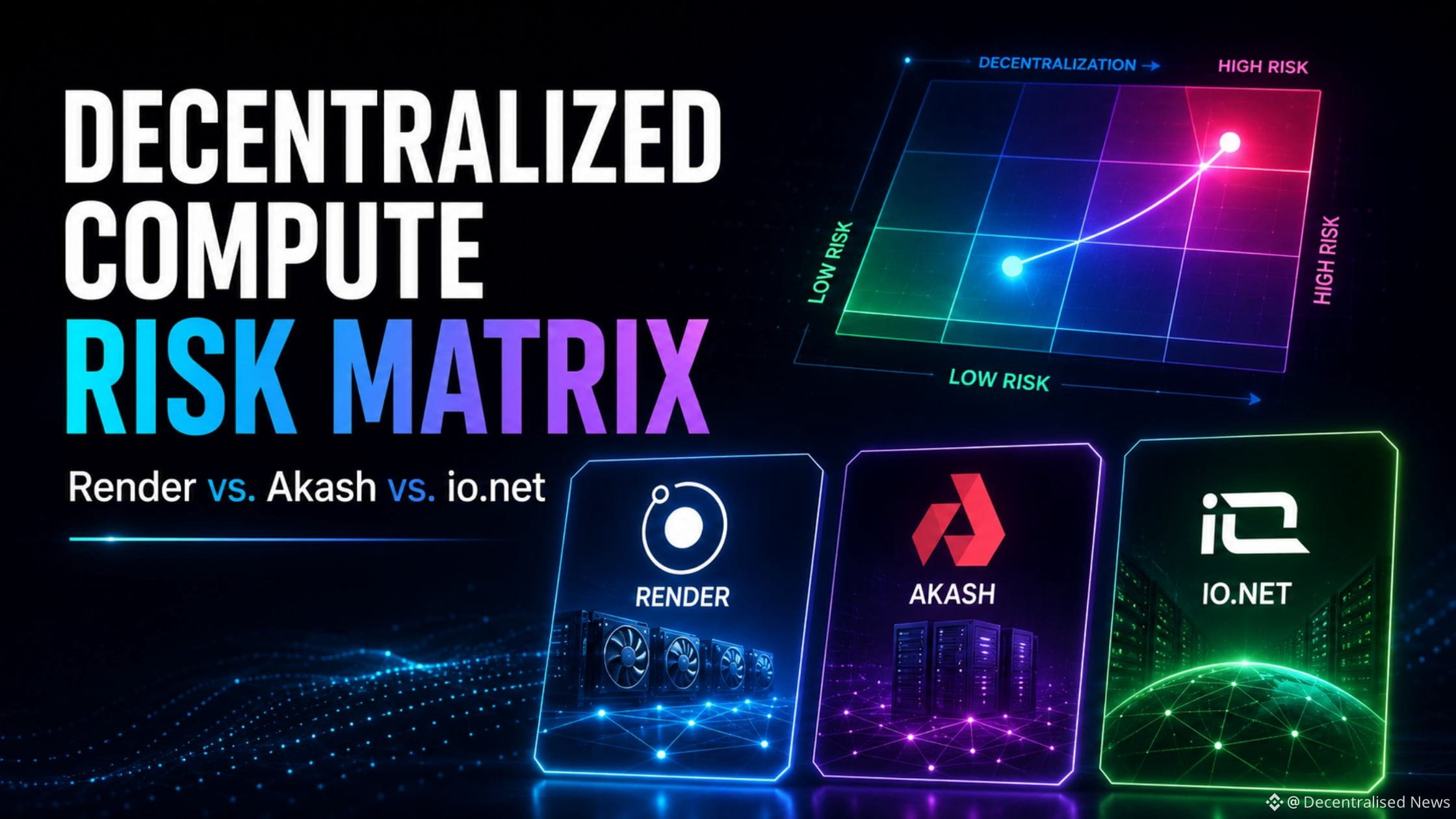
去中心化计算风险矩阵:Render vs. Akash vs. io.net(成本基准:AWS vs. 去中心化GPU云——将AI训练成本降低70%)
随着企业对高性能GPU计算的需求飞速增长,去中心化物理基础设施网络(DePIN)为AWS、GCP和Azure等集中式云垄断提供了一种替代方案。
然而,去中心化计算伴随运营上的权衡:节点延迟波动、集群互联瓶颈以及主机退出(dropout)风险。
Decentralised News 已发布《去中心化计算风险矩阵2026》,对 Render Network、Akash Network 和 io.net 进行评估。
关键发现:
- 成本降低:相较于传统超大规模云服务商,DePIN 提供商可实现 60-80% 的节省。
- 硬件验证:用于防止恶意节点的“计算证明”机制差异显著。
- 可用性SLA:集群稳定性仍然是影响LLM预训练的最大区分因素。
阅读完整的实证基准,并使用我们的专有工具测试你的工作负载可节省多少成本:👉 Decentralised.News 全文
#DePIN #AICompute #AkashNetwork #RenderNetwork #ionet #CloudComputing #Web3 #DecentralisedNews
去中心化计算风险矩阵:Render vs. Akash vs. io.net(成本基准:AWS vs. 去中心化GPU云——将AI训练成本降低70%)
随着企业对高性能GPU计算的需求飞速增长,去中心化物理基础设施网络(DePIN)为AWS、GCP和Azure等集中式云垄断提供了一种替代方案。
然而,去中心化计算伴随运营上的权衡:节点延迟波动、集群互联瓶颈以及主机退出(dropout)风险。
Decentralised News 已发布《去中心化计算风险矩阵2026》,对 Render Network、Akash Network 和 io.net 进行评估。
关键发现:
- 成本降低:相较于传统超大规模云服务商,DePIN 提供商可实现 60-80% 的节省。
- 硬件验证:用于防止恶意节点的“计算证明”机制差异显著。
- 可用性SLA:集群稳定性仍然是影响LLM预训练的最大区分因素。
阅读完整的实证基准,并使用我们的专有工具测试你的工作负载可节省多少成本:👉 Decentralised.News 全文
#DePIN #AICompute #AkashNetwork #RenderNetwork #ionet #CloudComputing #Web3 #DecentralisedNews
随着企业对高性能GPU计算的需求飞速增长,去中心化物理基础设施网络(DePIN)为AWS、GCP和Azure等集中式云垄断提供了一种替代方案。
然而,去中心化计算伴随运营上的权衡:节点延迟波动、集群互联瓶颈以及主机退出(dropout)风险。
Decentralised News 已发布《去中心化计算风险矩阵2026》,对 Render Network、Akash Network 和 io.net 进行评估。
关键发现:
- 成本降低:相较于传统超大规模云服务商,DePIN 提供商可实现 60-80% 的节省。
- 硬件验证:用于防止恶意节点的“计算证明”机制差异显著。
- 可用性SLA:集群稳定性仍然是影响LLM预训练的最大区分因素。
阅读完整的实证基准,并使用我们的专有工具测试你的工作负载可节省多少成本:👉 Decentralised.News 全文
#DePIN #AICompute #AkashNetwork #RenderNetwork #ionet #CloudComputing #Web3 #DecentralisedNews
1
263
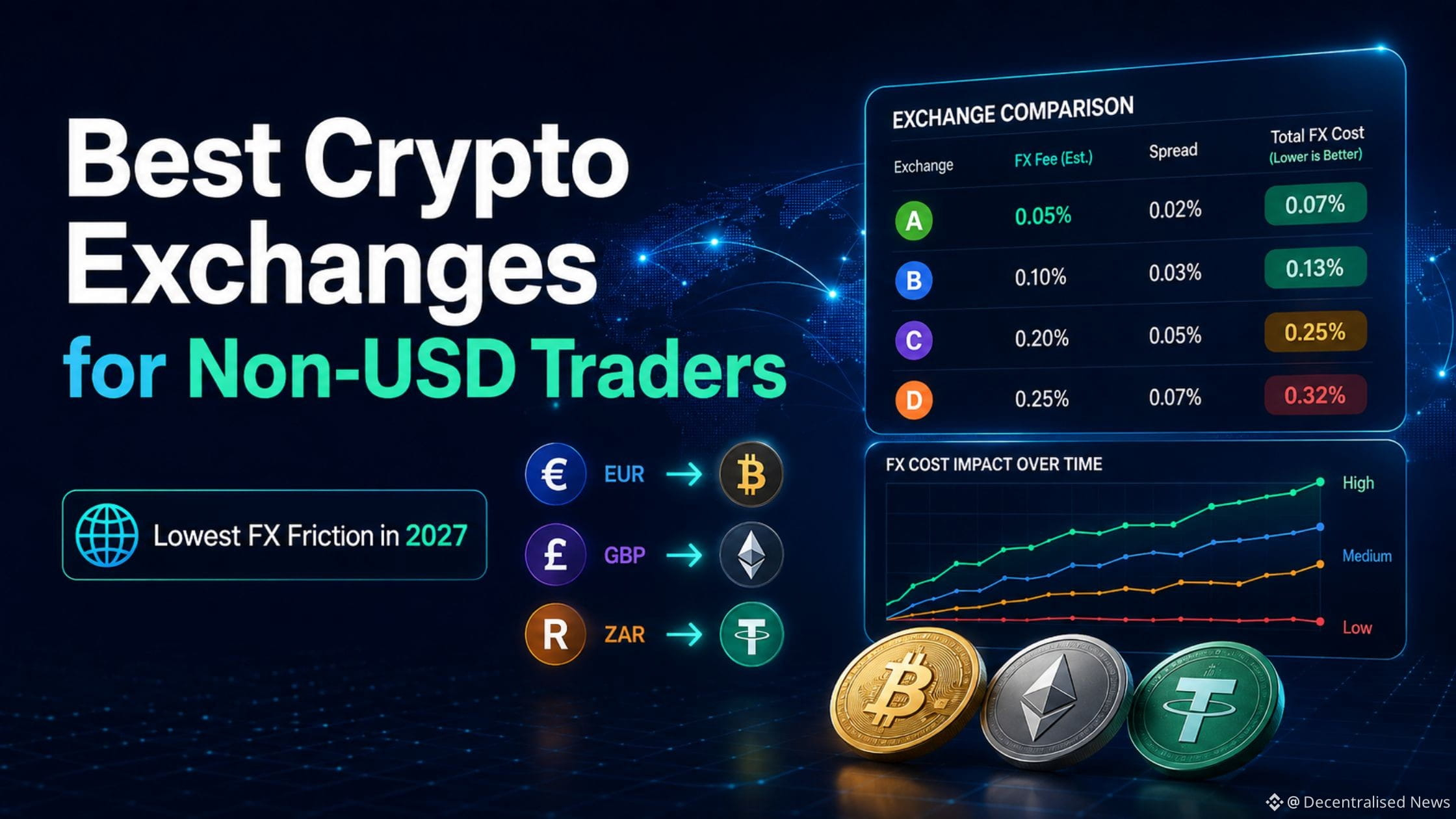
非以美元交易者的最佳加密货币交易所:针对 EUR、GBP、ZAR 等的最低外汇摩擦!
大多数加密货币交易所的费用比较都有一个隐藏前提:
你的资金是以美元结算。
但如果你的财务实际上在:
• EUR
• GBP
• ZAR
• AUD
• CAD
• CHF
• BRL
那么交易费可能只是你支付成本中最小的一项。
使用者可能会看到:
0.10% 交易费
但却不自觉地遵循:
本币 → USD → USDT → 加密货币
然后在出金时再反向操作。
这可能带来:
• 银行外汇加价
• 稳定币兑换成本
• 卡片外汇手续费
• 点对点(P2P)溢价
• 更宽的价差
• 额外的提款费用
因此我们建立了 DN 隐藏外汇成本指数。
我们将 Binance、Kraken、Bybit、Bitget、VALR、CEX 和 Luno 针对以下项目进行比较:
• 原生法币支援
• 当地银行入金
• 当地银行出金
• 直接法币交易对
• 稳定币兑换
• 外汇加价
• 卡片成本
• P2P 定价
• 当地支付通路
• 限额与透明度
我们目前的发现:
[Binance](https://www.binance.com/en/activity/referral-entry/CPA?fromActivityPage=true&ref=CPA_00SXKU7IO9) 在 P2P 是主要本币桥梁时仍然非常重要。
对非美元交易者而言,Kraken 综合排名领先,原因在于其强大的 EUR、GBP、AUD、CAD 和 CHF 基础设施。
Bybit 和 Bitget 持续快速扩展区域性的法币银行通路。
对南非人来说,全球排名完全改变:
VALR 目前是最强的 ZAR 原生路径,而 Luno 仍是强力的在地替代方案。
关键教训:
如果你的币别路径成本又多了 1.5%,那么 0.1% 的交易费几乎可以忽略。
正确的比较方式是:
本币 → 加密货币 → 本币
而不只是:
maker 手续费 vs taker 手续费。
阅读完整 2027 年基准测试,并在 Decentralised News 上使用 DN 隐藏外汇成本计算器
#Crypto #Bitcoin #Forex #FX #CryptoExchange #Kraken #OKX #Bybit #Bitget #VALR #Luno #EUR #GBP #ZAR #DigitalAssets
非以美元交易者的最佳加密货币交易所:针对 EUR、GBP、ZAR 等的最低外汇摩擦!
大多数加密货币交易所的费用比较都有一个隐藏前提:
你的资金是以美元结算。
但如果你的财务实际上在:
• EUR
• GBP
• ZAR
• AUD
• CAD
• CHF
• BRL
那么交易费可能只是你支付成本中最小的一项。
使用者可能会看到:
0.10% 交易费
但却不自觉地遵循:
本币 → USD → USDT → 加密货币
然后在出金时再反向操作。
这可能带来:
• 银行外汇加价
• 稳定币兑换成本
• 卡片外汇手续费
• 点对点(P2P)溢价
• 更宽的价差
• 额外的提款费用
因此我们建立了 DN 隐藏外汇成本指数。
我们将 Binance、Kraken、Bybit、Bitget、VALR、CEX 和 Luno 针对以下项目进行比较:
• 原生法币支援
• 当地银行入金
• 当地银行出金
• 直接法币交易对
• 稳定币兑换
• 外汇加价
• 卡片成本
• P2P 定价
• 当地支付通路
• 限额与透明度
我们目前的发现:
Binance 在 P2P 是主要本币桥梁时仍然非常重要。
对非美元交易者而言,Kraken 综合排名领先,原因在于其强大的 EUR、GBP、AUD、CAD 和 CHF 基础设施。
Bybit 和 Bitget 持续快速扩展区域性的法币银行通路。
对南非人来说,全球排名完全改变:
VALR 目前是最强的 ZAR 原生路径,而 Luno 仍是强力的在地替代方案。
关键教训:
如果你的币别路径成本又多了 1.5%,那么 0.1% 的交易费几乎可以忽略。
正确的比较方式是:
本币 → 加密货币 → 本币
而不只是:
maker 手续费 vs taker 手续费。
阅读完整 2027 年基准测试,并在 Decentralised News 上使用 DN 隐藏外汇成本计算器
#Crypto #Bitcoin #Forex #FX #CryptoExchange #Kraken #OKX #Bybit #Bitget #VALR #Luno #EUR #GBP #ZAR #DigitalAssets
大多数加密货币交易所的费用比较都有一个隐藏前提:
你的资金是以美元结算。
但如果你的财务实际上在:
• EUR
• GBP
• ZAR
• AUD
• CAD
• CHF
• BRL
那么交易费可能只是你支付成本中最小的一项。
使用者可能会看到:
0.10% 交易费
但却不自觉地遵循:
本币 → USD → USDT → 加密货币
然后在出金时再反向操作。
这可能带来:
• 银行外汇加价
• 稳定币兑换成本
• 卡片外汇手续费
• 点对点(P2P)溢价
• 更宽的价差
• 额外的提款费用
因此我们建立了 DN 隐藏外汇成本指数。
我们将 Binance、Kraken、Bybit、Bitget、VALR、CEX 和 Luno 针对以下项目进行比较:
• 原生法币支援
• 当地银行入金
• 当地银行出金
• 直接法币交易对
• 稳定币兑换
• 外汇加价
• 卡片成本
• P2P 定价
• 当地支付通路
• 限额与透明度
我们目前的发现:
Binance 在 P2P 是主要本币桥梁时仍然非常重要。
对非美元交易者而言,Kraken 综合排名领先,原因在于其强大的 EUR、GBP、AUD、CAD 和 CHF 基础设施。
Bybit 和 Bitget 持续快速扩展区域性的法币银行通路。
对南非人来说,全球排名完全改变:
VALR 目前是最强的 ZAR 原生路径,而 Luno 仍是强力的在地替代方案。
关键教训:
如果你的币别路径成本又多了 1.5%,那么 0.1% 的交易费几乎可以忽略。
正确的比较方式是:
本币 → 加密货币 → 本币
而不只是:
maker 手续费 vs taker 手续费。
阅读完整 2027 年基准测试,并在 Decentralised News 上使用 DN 隐藏外汇成本计算器
#Crypto #Bitcoin #Forex #FX #CryptoExchange #Kraken #OKX #Bybit #Bitget #VALR #Luno #EUR #GBP #ZAR #DigitalAssets
13
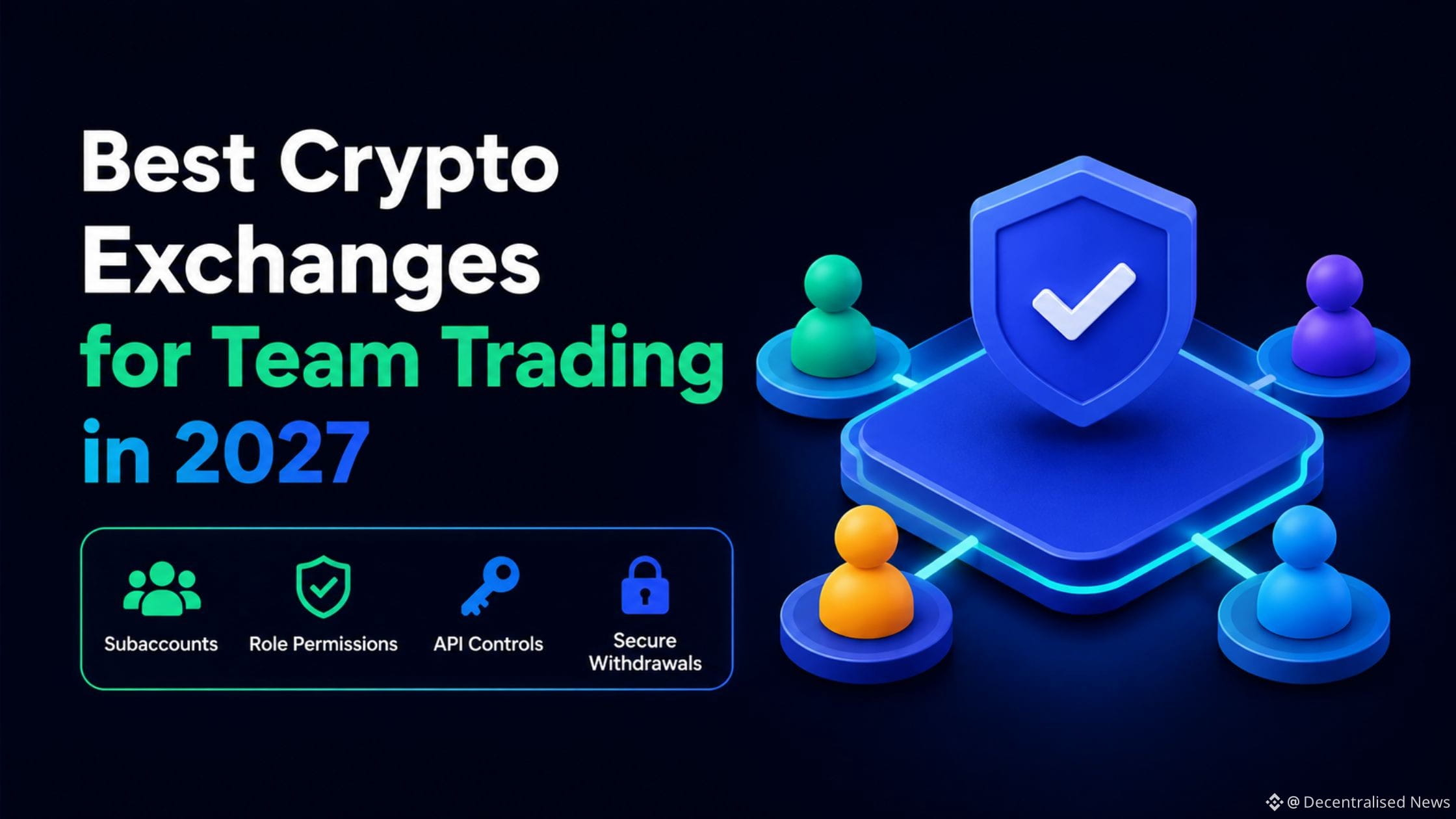
2027年团队交易最佳加密交易所:子账户、权限、API和提现控制排名
最专业的加密交易团队不应当使用同一个共享交易所登录账号来开展业务。
一家交易机构可能包括:
• 研究人员
• 人类交易员
• 量化开发人员
• 交易机器人
• 运营人员
• 资金(托管/财务)经理
• 提现审批人员
他们不应该拥有相同的权限。
因此我们构建了 DN Trading 团队控制矩阵,用于根据交易所对“组织如何分离”提供支持的程度来进行对比:
交易权限与资金权限的分离。
我们针对以下交易所——Binance、Kraken Organizations、Coinbase Prime、Deribit、OKX、Bybit 和 Bitget——从这些维度进行了评估:
• 子账户
• 基于角色的权限
• 只读访问
• 仅交易用户
• 提现权限
• 多方审批
• API 密钥权限范围(scopes)
• IP 限制
• 账户隔离
• 组合保证金(Portfolio margin)
• 审计日志
• 主账户控制
当前我们的发现:
+ [Binance](https://www.binance.com/en/activity/referral-entry/CPA?fromActivityPage=true&ref=CPA_00SXKU7IO9) 依然在面向大型、由 API 驱动且多策略的交易运营方面保持高度竞争力。
+ Kraken Organizations 在“隔离账户 + 细粒度角色 + 审批工作流”这一组合能力上总体领先。
+ Coinbase Prime 在机构共识与资金治理方面表现尤为突出。
+ Deribit 对需要独立抵押品与保证金池的期权与衍生品团队尤其强势。
+ Bybit 与 Bitget 提供了较为直观的子账户结构,特别适合小型或快速扩张的交易台。
关键区别:
子账户并不等同于权限。
一个平台即便能让你创建 20 个子账户,也可能仍然对“谁可以”提供很弱的控制,例如:
• 交易
• 转移资金
• 创建 API
• 更改权限
• 提现资产
最强的架构遵循一条简单规则:
交易员应当能够完成交易,而无需自动拥有调动资金(treasury)的权限。
阅读全文并在 Decentralised.News 使用 DN Trading 团队控制矩阵
2027年团队交易最佳加密交易所:子账户、权限、API和提现控制排名
最专业的加密交易团队不应当使用同一个共享交易所登录账号来开展业务。
一家交易机构可能包括:
• 研究人员
• 人类交易员
• 量化开发人员
• 交易机器人
• 运营人员
• 资金(托管/财务)经理
• 提现审批人员
他们不应该拥有相同的权限。
因此我们构建了 DN Trading 团队控制矩阵,用于根据交易所对“组织如何分离”提供支持的程度来进行对比:
交易权限与资金权限的分离。
我们针对以下交易所——Binance、Kraken Organizations、Coinbase Prime、Deribit、OKX、Bybit 和 Bitget——从这些维度进行了评估:
• 子账户
• 基于角色的权限
• 只读访问
• 仅交易用户
• 提现权限
• 多方审批
• API 密钥权限范围(scopes)
• IP 限制
• 账户隔离
• 组合保证金(Portfolio margin)
• 审计日志
• 主账户控制
当前我们的发现:
+ Binance 依然在面向大型、由 API 驱动且多策略的交易运营方面保持高度竞争力。
+ Kraken Organizations 在“隔离账户 + 细粒度角色 + 审批工作流”这一组合能力上总体领先。
+ Coinbase Prime 在机构共识与资金治理方面表现尤为突出。
+ Deribit 对需要独立抵押品与保证金池的期权与衍生品团队尤其强势。
+ Bybit 与 Bitget 提供了较为直观的子账户结构,特别适合小型或快速扩张的交易台。
关键区别:
子账户并不等同于权限。
一个平台即便能让你创建 20 个子账户,也可能仍然对“谁可以”提供很弱的控制,例如:
• 交易
• 转移资金
• 创建 API
• 更改权限
• 提现资产
最强的架构遵循一条简单规则:
交易员应当能够完成交易,而无需自动拥有调动资金(treasury)的权限。
阅读全文并在 Decentralised.News 使用 DN Trading 团队控制矩阵
最专业的加密交易团队不应当使用同一个共享交易所登录账号来开展业务。
一家交易机构可能包括:
• 研究人员
• 人类交易员
• 量化开发人员
• 交易机器人
• 运营人员
• 资金(托管/财务)经理
• 提现审批人员
他们不应该拥有相同的权限。
因此我们构建了 DN Trading 团队控制矩阵,用于根据交易所对“组织如何分离”提供支持的程度来进行对比:
交易权限与资金权限的分离。
我们针对以下交易所——Binance、Kraken Organizations、Coinbase Prime、Deribit、OKX、Bybit 和 Bitget——从这些维度进行了评估:
• 子账户
• 基于角色的权限
• 只读访问
• 仅交易用户
• 提现权限
• 多方审批
• API 密钥权限范围(scopes)
• IP 限制
• 账户隔离
• 组合保证金(Portfolio margin)
• 审计日志
• 主账户控制
当前我们的发现:
+ Binance 依然在面向大型、由 API 驱动且多策略的交易运营方面保持高度竞争力。
+ Kraken Organizations 在“隔离账户 + 细粒度角色 + 审批工作流”这一组合能力上总体领先。
+ Coinbase Prime 在机构共识与资金治理方面表现尤为突出。
+ Deribit 对需要独立抵押品与保证金池的期权与衍生品团队尤其强势。
+ Bybit 与 Bitget 提供了较为直观的子账户结构,特别适合小型或快速扩张的交易台。
关键区别:
子账户并不等同于权限。
一个平台即便能让你创建 20 个子账户,也可能仍然对“谁可以”提供很弱的控制,例如:
• 交易
• 转移资金
• 创建 API
• 更改权限
• 提现资产
最强的架构遵循一条简单规则:
交易员应当能够完成交易,而无需自动拥有调动资金(treasury)的权限。
阅读全文并在 Decentralised.News 使用 DN Trading 团队控制矩阵
73
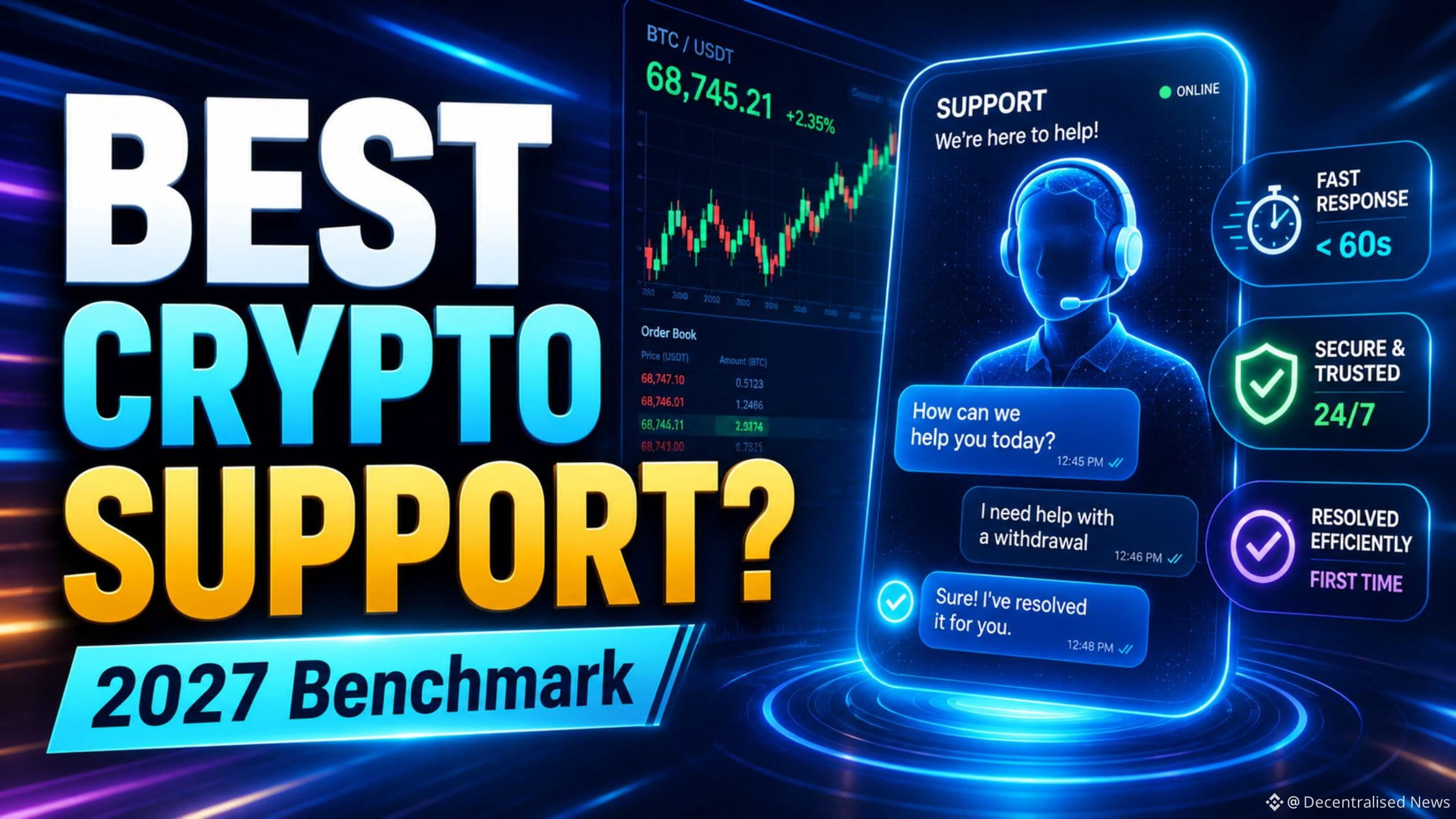
哪家加密货币交易所的客户支持最好?回应时间基准测试 2026
大多数加密货币交易所的评论都花篇幅比较费用、流动性与交易工具。
但当你的提款卡住、帐户被锁定或 KYC 验证失败时,其他都不再那么重要——最关键只有一个问题:
客服支援真的能解决问题吗?
我们建立了 DN 支援解决指标(DN Support Resolution Index),用来衡量加密货币交易所的支援能力,超越业界常见的「号称 24/7 直播聊天」行销说法。
本基准测试著重于:
• 首次有意义的回复
• 接通到具备能力的人员所需时间
• 回复的有用性
• 完整解决所需时间
• 工单追踪
• 帐户锁定流程
• 提款升级(提款上申)
• 上诉与申诉管道
• 语言可用性
我们审查了 Binance、Coinbase、Kraken、OKX、Bybit、VALR、Bitget、CEX 与 Luno 的支援基础设施。
一些初步差异已经很明显。
[Binance](https://www.binance.com/en/activity/referral-entry/CPA?fromActivityPage=true&ref=CPA_00SXKU7IO9) 适用于大规模的 24/7 支援
Coinbase 拥有最广泛的多渠道零售客户支援配置之一。
Kraken 在有文件可查的安全性与提款升级方面特别突出。
Bybit 建立了其中一套较强的工单追踪环境。
VALR 对南非使用者而言,拥有异常强硬且正式的申诉架构。
但更重要的是下一个阶段。
DN 的基准测试旨在执行标准化、附时间戳的支援测试,让我们能够量化:
快速机器人回复与真正由真人完成的解决之间的差距。
如果没有人真正修好问题,那所谓的「24/7 支援」就意义不大。
在 Decentralised.News 阅读完整基准报告
#Crypto #Bitcoin #CryptoExchange #CustomerSupport #Fintech #DigitalAssets #CryptoTrading
哪家加密货币交易所的客户支持最好?回应时间基准测试 2026
大多数加密货币交易所的评论都花篇幅比较费用、流动性与交易工具。
但当你的提款卡住、帐户被锁定或 KYC 验证失败时,其他都不再那么重要——最关键只有一个问题:
客服支援真的能解决问题吗?
我们建立了 DN 支援解决指标(DN Support Resolution Index),用来衡量加密货币交易所的支援能力,超越业界常见的「号称 24/7 直播聊天」行销说法。
本基准测试著重于:
• 首次有意义的回复
• 接通到具备能力的人员所需时间
• 回复的有用性
• 完整解决所需时间
• 工单追踪
• 帐户锁定流程
• 提款升级(提款上申)
• 上诉与申诉管道
• 语言可用性
我们审查了 Binance、Coinbase、Kraken、OKX、Bybit、VALR、Bitget、CEX 与 Luno 的支援基础设施。
一些初步差异已经很明显。
Binance 适用于大规模的 24/7 支援
Coinbase 拥有最广泛的多渠道零售客户支援配置之一。
Kraken 在有文件可查的安全性与提款升级方面特别突出。
Bybit 建立了其中一套较强的工单追踪环境。
VALR 对南非使用者而言,拥有异常强硬且正式的申诉架构。
但更重要的是下一个阶段。
DN 的基准测试旨在执行标准化、附时间戳的支援测试,让我们能够量化:
快速机器人回复与真正由真人完成的解决之间的差距。
如果没有人真正修好问题,那所谓的「24/7 支援」就意义不大。
在 Decentralised.News 阅读完整基准报告
#Crypto #Bitcoin #CryptoExchange #CustomerSupport #Fintech #DigitalAssets #CryptoTrading
大多数加密货币交易所的评论都花篇幅比较费用、流动性与交易工具。
但当你的提款卡住、帐户被锁定或 KYC 验证失败时,其他都不再那么重要——最关键只有一个问题:
客服支援真的能解决问题吗?
我们建立了 DN 支援解决指标(DN Support Resolution Index),用来衡量加密货币交易所的支援能力,超越业界常见的「号称 24/7 直播聊天」行销说法。
本基准测试著重于:
• 首次有意义的回复
• 接通到具备能力的人员所需时间
• 回复的有用性
• 完整解决所需时间
• 工单追踪
• 帐户锁定流程
• 提款升级(提款上申)
• 上诉与申诉管道
• 语言可用性
我们审查了 Binance、Coinbase、Kraken、OKX、Bybit、VALR、Bitget、CEX 与 Luno 的支援基础设施。
一些初步差异已经很明显。
Binance 适用于大规模的 24/7 支援
Coinbase 拥有最广泛的多渠道零售客户支援配置之一。
Kraken 在有文件可查的安全性与提款升级方面特别突出。
Bybit 建立了其中一套较强的工单追踪环境。
VALR 对南非使用者而言,拥有异常强硬且正式的申诉架构。
但更重要的是下一个阶段。
DN 的基准测试旨在执行标准化、附时间戳的支援测试,让我们能够量化:
快速机器人回复与真正由真人完成的解决之间的差距。
如果没有人真正修好问题,那所谓的「24/7 支援」就意义不大。
在 Decentralised.News 阅读完整基准报告
#Crypto #Bitcoin #CryptoExchange #CustomerSupport #Fintech #DigitalAssets #CryptoTrading
74
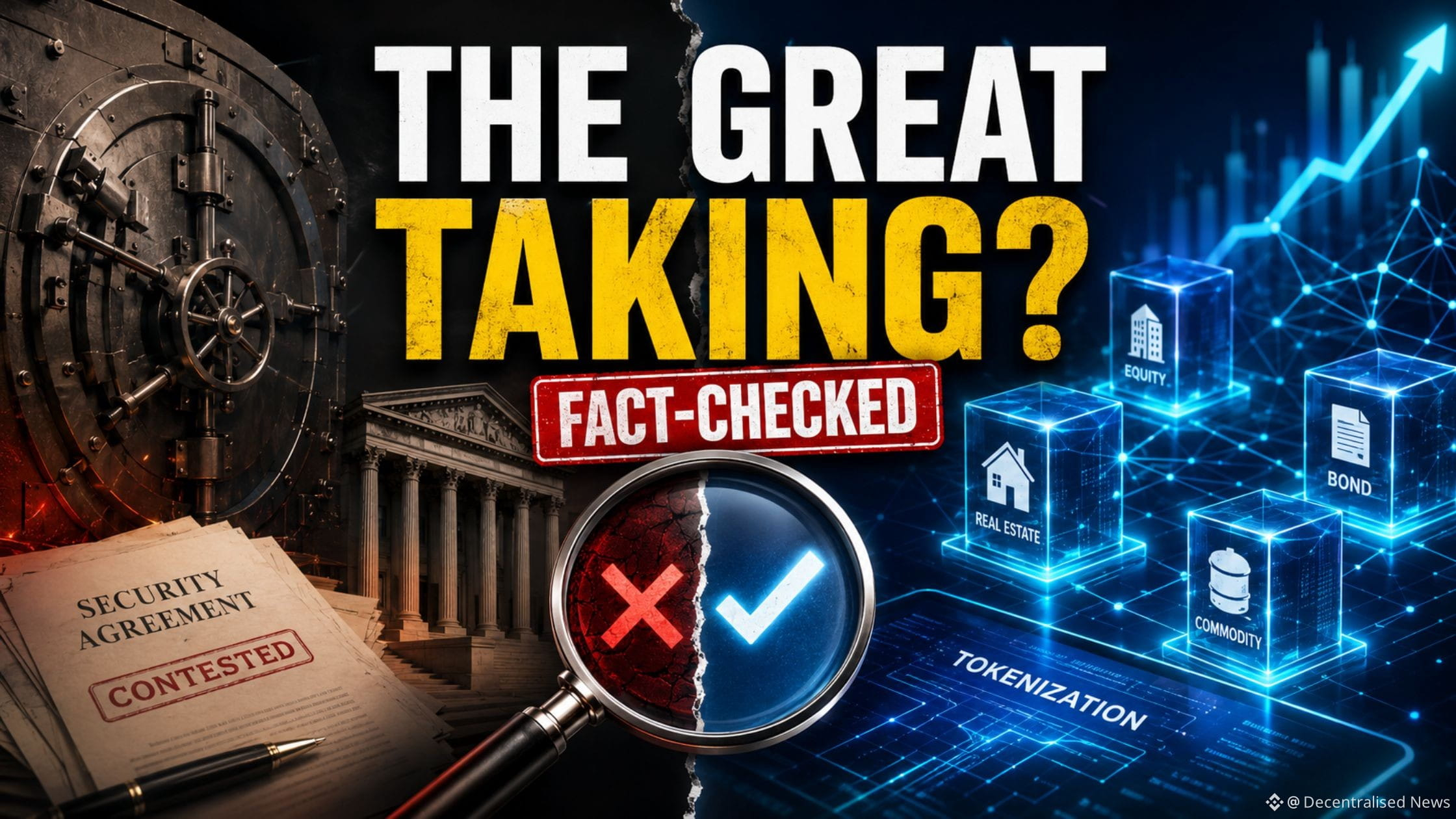
伟大的“接管”,已核实:哪些属实、哪些存争议,以及为何代币化让问题再次变得重要
目前没有任何既有工具能始终如一地将韦布(Webb)的四步框架同时应用于传统资产与数字资产,以精确衡量在持有人与其所认为拥有的权益之间,究竟存在多少条法律层级的“链路”。DN Custody Chain Depth Scanner(DN 托管链深度扫描器)做到了这一点。它会回答:某项持仓是如何登记的;它是位于资金池账户还是隔离账户;对质押或借出是否已获得同意;它是否落入破产安全港(bankruptcy safe harbor)的类别;并且对数字资产而言,实际上由谁控制私钥。随后,该工具会生成透明的托管深度评分以及通俗易懂的分层说明——从“持有人层级的直接持有”到“完全资金池化、可质押、且属于安全港覆盖范围”的敞口——从而让韦布要求读者进行的那种辨别,能够逐项资产真正落地,而不是仅停留在抽象的担忧之中。
阅读完整指南,并在 Decentralised.News 网站上使用 DN 托管链深度扫描器。
#macro #assetcustody #crypto #bitcoin #economics #tradefi #defi #decentralisednews
伟大的“接管”,已核实:哪些属实、哪些存争议,以及为何代币化让问题再次变得重要
目前没有任何既有工具能始终如一地将韦布(Webb)的四步框架同时应用于传统资产与数字资产,以精确衡量在持有人与其所认为拥有的权益之间,究竟存在多少条法律层级的“链路”。DN Custody Chain Depth Scanner(DN 托管链深度扫描器)做到了这一点。它会回答:某项持仓是如何登记的;它是位于资金池账户还是隔离账户;对质押或借出是否已获得同意;它是否落入破产安全港(bankruptcy safe harbor)的类别;并且对数字资产而言,实际上由谁控制私钥。随后,该工具会生成透明的托管深度评分以及通俗易懂的分层说明——从“持有人层级的直接持有”到“完全资金池化、可质押、且属于安全港覆盖范围”的敞口——从而让韦布要求读者进行的那种辨别,能够逐项资产真正落地,而不是仅停留在抽象的担忧之中。
阅读完整指南,并在 Decentralised.News 网站上使用 DN 托管链深度扫描器。
#macro #assetcustody #crypto #bitcoin #economics #tradefi #defi #decentralisednews
目前没有任何既有工具能始终如一地将韦布(Webb)的四步框架同时应用于传统资产与数字资产,以精确衡量在持有人与其所认为拥有的权益之间,究竟存在多少条法律层级的“链路”。DN Custody Chain Depth Scanner(DN 托管链深度扫描器)做到了这一点。它会回答:某项持仓是如何登记的;它是位于资金池账户还是隔离账户;对质押或借出是否已获得同意;它是否落入破产安全港(bankruptcy safe harbor)的类别;并且对数字资产而言,实际上由谁控制私钥。随后,该工具会生成透明的托管深度评分以及通俗易懂的分层说明——从“持有人层级的直接持有”到“完全资金池化、可质押、且属于安全港覆盖范围”的敞口——从而让韦布要求读者进行的那种辨别,能够逐项资产真正落地,而不是仅停留在抽象的担忧之中。
阅读完整指南,并在 Decentralised.News 网站上使用 DN 托管链深度扫描器。
#macro #assetcustody #crypto #bitcoin #economics #tradefi #defi #decentralisednews
93
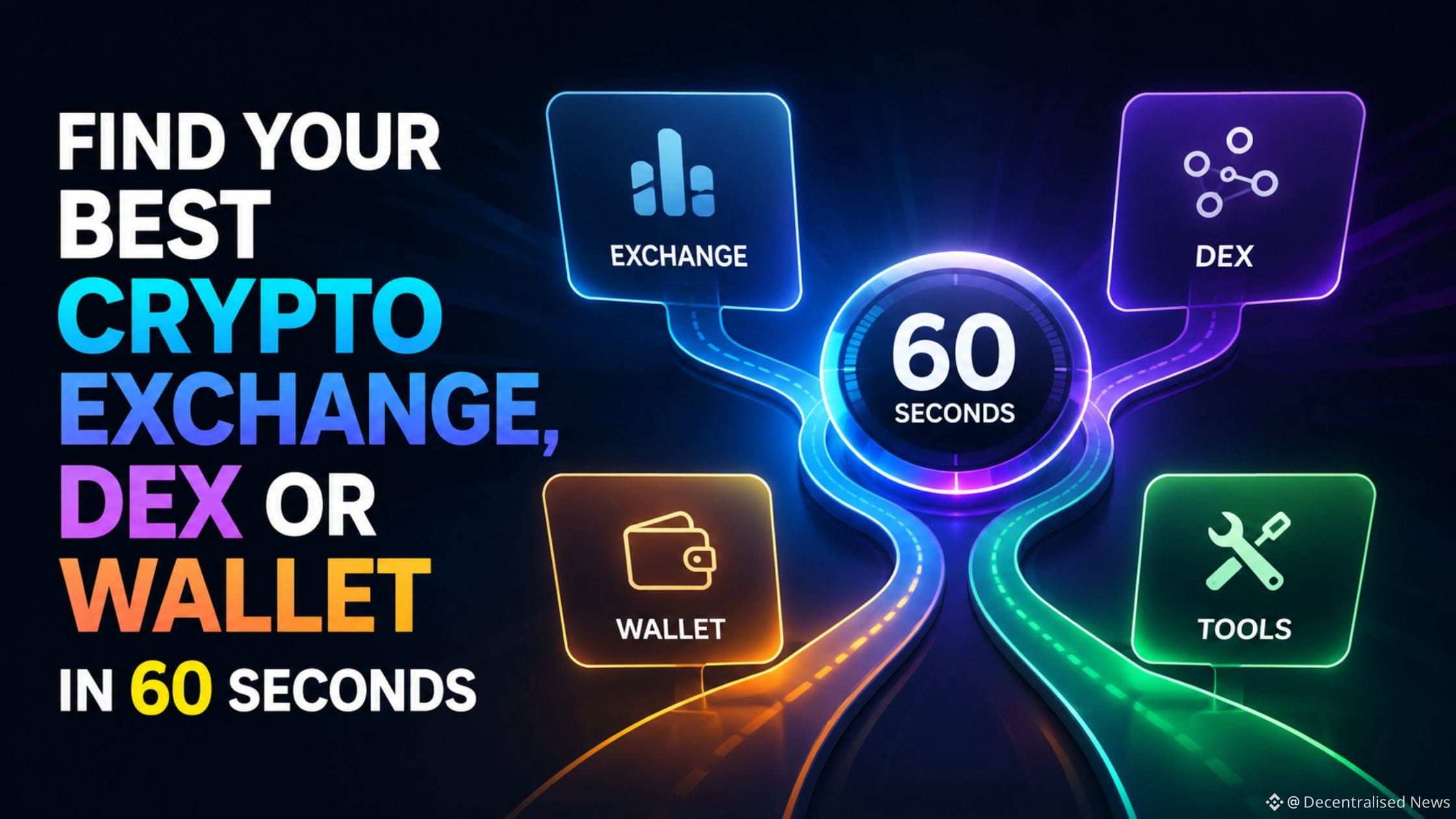
加密平台选择器:根据你的需求找到最合适的交易所、DEX、钱包或工具
大多数“最佳加密交易所”排行榜一开始问了错误的问题。
他们会问:
哪个平台排名第一?
更好的问题是:
哪个平台最适合这个人——在这个国家、用这笔资金、为这个特定任务?
用兰特(rand)在南非购买比特币的人,不需要和以下人群相同的平台:
• 每月 1 亿美元级别的期货交易者
• 期权专家
• 自托管永续合约(perp)交易者
• 长期比特币持有者
• memecoin(梗币)交易者
• API 量化交易员
• 借助 AI 的研究人员
• 加密税务申报人
所以我们做了不一样的东西。
去中心化新闻加密平台选择器 2027
它不再强迫所有人挤进同一套“前十名”排名,而是根据以下维度为平台打分:
✓ 国家
✓ 支付方式
✓ 经验
✓ 资金
✓ 交易频率
✓ 资产侧重
✓ 托管偏好
✓ 杠杆
✓ 自动化
✓ 风险承受度
✓ 流动性优先级
✓ 手续费敏感度
✓ 税务要求
最终输出的是一份带有 DN 平台适配度评分的排序短名单。
但更重要的洞察是:最好的答案往往并不是单一平台。
而是一套“组合”。
我们将加密工作流分为五个层级:
1. 接入
法币如何进入加密。
2. 执行
你真正进行交易的地方。
3. 托管
长期资产与密钥存放之处。
4. 智能与自动化
研究、信号、API 和机器人运行之处。
5. 账务
所有内容如何为税务与报表进行对账。
这意味着“最佳加密平台”可能实际上是这样的组合:
[Binance](https://www.binance.com/en/activity/referral-entry/CPA?fromActivityPage=true&ref=CPA_00SXKU7IO9),用于执行:Bybit、Lighter 或 GRVT
+
用于法币接入:VALR 或 Kraken
+
用于托管:Ledger 或 OneKey
+
用于智能与自动化:TradingView、ASCN 或 Coinrule
+
用于税务:Koinly 或 CoinLedger
不同用户,不同组合。
阅读完整指南,并在 Decentralised.News 上使用平台选择器工具
#Crypto #CryptoExchange #CryptoTrading #PerpDEX #DeFi #Bitcoin #CryptoWallet #SelfCustody #TradingBots #Binance
加密平台选择器:根据你的需求找到最合适的交易所、DEX、钱包或工具
大多数“最佳加密交易所”排行榜一开始问了错误的问题。
他们会问:
哪个平台排名第一?
更好的问题是:
哪个平台最适合这个人——在这个国家、用这笔资金、为这个特定任务?
用兰特(rand)在南非购买比特币的人,不需要和以下人群相同的平台:
• 每月 1 亿美元级别的期货交易者
• 期权专家
• 自托管永续合约(perp)交易者
• 长期比特币持有者
• memecoin(梗币)交易者
• API 量化交易员
• 借助 AI 的研究人员
• 加密税务申报人
所以我们做了不一样的东西。
去中心化新闻加密平台选择器 2027
它不再强迫所有人挤进同一套“前十名”排名,而是根据以下维度为平台打分:
✓ 国家
✓ 支付方式
✓ 经验
✓ 资金
✓ 交易频率
✓ 资产侧重
✓ 托管偏好
✓ 杠杆
✓ 自动化
✓ 风险承受度
✓ 流动性优先级
✓ 手续费敏感度
✓ 税务要求
最终输出的是一份带有 DN 平台适配度评分的排序短名单。
但更重要的洞察是:最好的答案往往并不是单一平台。
而是一套“组合”。
我们将加密工作流分为五个层级:
1. 接入
法币如何进入加密。
2. 执行
你真正进行交易的地方。
3. 托管
长期资产与密钥存放之处。
4. 智能与自动化
研究、信号、API 和机器人运行之处。
5. 账务
所有内容如何为税务与报表进行对账。
这意味着“最佳加密平台”可能实际上是这样的组合:
Binance,用于执行:Bybit、Lighter 或 GRVT
+
用于法币接入:VALR 或 Kraken
+
用于托管:Ledger 或 OneKey
+
用于智能与自动化:TradingView、ASCN 或 Coinrule
+
用于税务:Koinly 或 CoinLedger
不同用户,不同组合。
阅读完整指南,并在 Decentralised.News 上使用平台选择器工具
#Crypto #CryptoExchange #CryptoTrading #PerpDEX #DeFi #Bitcoin #CryptoWallet #SelfCustody #TradingBots #Binance
大多数“最佳加密交易所”排行榜一开始问了错误的问题。
他们会问:
哪个平台排名第一?
更好的问题是:
哪个平台最适合这个人——在这个国家、用这笔资金、为这个特定任务?
用兰特(rand)在南非购买比特币的人,不需要和以下人群相同的平台:
• 每月 1 亿美元级别的期货交易者
• 期权专家
• 自托管永续合约(perp)交易者
• 长期比特币持有者
• memecoin(梗币)交易者
• API 量化交易员
• 借助 AI 的研究人员
• 加密税务申报人
所以我们做了不一样的东西。
去中心化新闻加密平台选择器 2027
它不再强迫所有人挤进同一套“前十名”排名,而是根据以下维度为平台打分:
✓ 国家
✓ 支付方式
✓ 经验
✓ 资金
✓ 交易频率
✓ 资产侧重
✓ 托管偏好
✓ 杠杆
✓ 自动化
✓ 风险承受度
✓ 流动性优先级
✓ 手续费敏感度
✓ 税务要求
最终输出的是一份带有 DN 平台适配度评分的排序短名单。
但更重要的洞察是:最好的答案往往并不是单一平台。
而是一套“组合”。
我们将加密工作流分为五个层级:
1. 接入
法币如何进入加密。
2. 执行
你真正进行交易的地方。
3. 托管
长期资产与密钥存放之处。
4. 智能与自动化
研究、信号、API 和机器人运行之处。
5. 账务
所有内容如何为税务与报表进行对账。
这意味着“最佳加密平台”可能实际上是这样的组合:
Binance,用于执行:Bybit、Lighter 或 GRVT
+
用于法币接入:VALR 或 Kraken
+
用于托管:Ledger 或 OneKey
+
用于智能与自动化:TradingView、ASCN 或 Coinrule
+
用于税务:Koinly 或 CoinLedger
不同用户,不同组合。
阅读完整指南,并在 Decentralised.News 上使用平台选择器工具
#Crypto #CryptoExchange #CryptoTrading #PerpDEX #DeFi #Bitcoin #CryptoWallet #SelfCustody #TradingBots #Binance
79
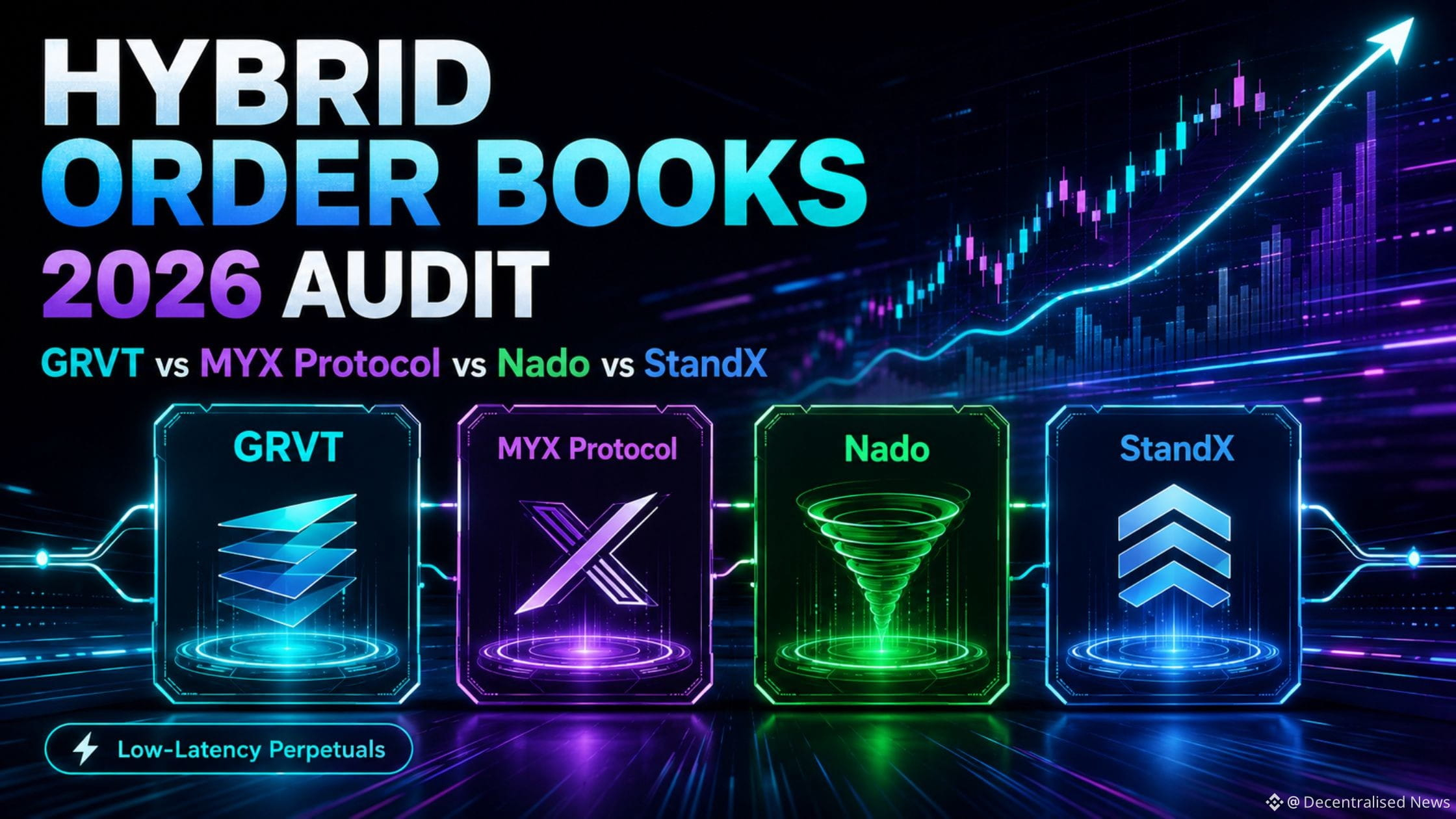
混合订单簿审计 2026:GRVT vs. MYX 协议 vs. Nado vs. StandX
中心化交易所的执行速度,满足 Web3 自托管的安全性。
通过将链下订单撮合与链上 ZK 证明结算分离,混合型永续 DEX 能在订单编辑时实现亚 20ms 的成交速度,并且对订单编辑收取零 Gas 费用。我们在 2026 年审计了领先的混合型衍生品平台:
🔹 GRVT:ZKsync Hyperchain L2/L3,具备机构级 ZK 隐私
🔹 MYX Protocol:匹配池引擎(MPM),实现零执行滑点
🔹 Nado:为高频活跃做市/抄单交易者打造的高吞吐 L2 订单簿引擎
🔹 StandX:零 Gas 限制的编辑功能,且提供低的做市/吃单费率分档
在 Decentralised.News 阅读完整的混合型衍生品审计报告
#defi #perpdexes #decentralisednews #cryptotrading
混合订单簿审计 2026:GRVT vs. MYX 协议 vs. Nado vs. StandX
中心化交易所的执行速度,满足 Web3 自托管的安全性。
通过将链下订单撮合与链上 ZK 证明结算分离,混合型永续 DEX 能在订单编辑时实现亚 20ms 的成交速度,并且对订单编辑收取零 Gas 费用。我们在 2026 年审计了领先的混合型衍生品平台:
🔹 GRVT:ZKsync Hyperchain L2/L3,具备机构级 ZK 隐私
🔹 MYX Protocol:匹配池引擎(MPM),实现零执行滑点
🔹 Nado:为高频活跃做市/抄单交易者打造的高吞吐 L2 订单簿引擎
🔹 StandX:零 Gas 限制的编辑功能,且提供低的做市/吃单费率分档
在 Decentralised.News 阅读完整的混合型衍生品审计报告
#defi #perpdexes #decentralisednews #cryptotrading
中心化交易所的执行速度,满足 Web3 自托管的安全性。
通过将链下订单撮合与链上 ZK 证明结算分离,混合型永续 DEX 能在订单编辑时实现亚 20ms 的成交速度,并且对订单编辑收取零 Gas 费用。我们在 2026 年审计了领先的混合型衍生品平台:
🔹 GRVT:ZKsync Hyperchain L2/L3,具备机构级 ZK 隐私
🔹 MYX Protocol:匹配池引擎(MPM),实现零执行滑点
🔹 Nado:为高频活跃做市/抄单交易者打造的高吞吐 L2 订单簿引擎
🔹 StandX:零 Gas 限制的编辑功能,且提供低的做市/吃单费率分档
在 Decentralised.News 阅读完整的混合型衍生品审计报告
#defi #perpdexes #decentralisednews #cryptotrading
1
477
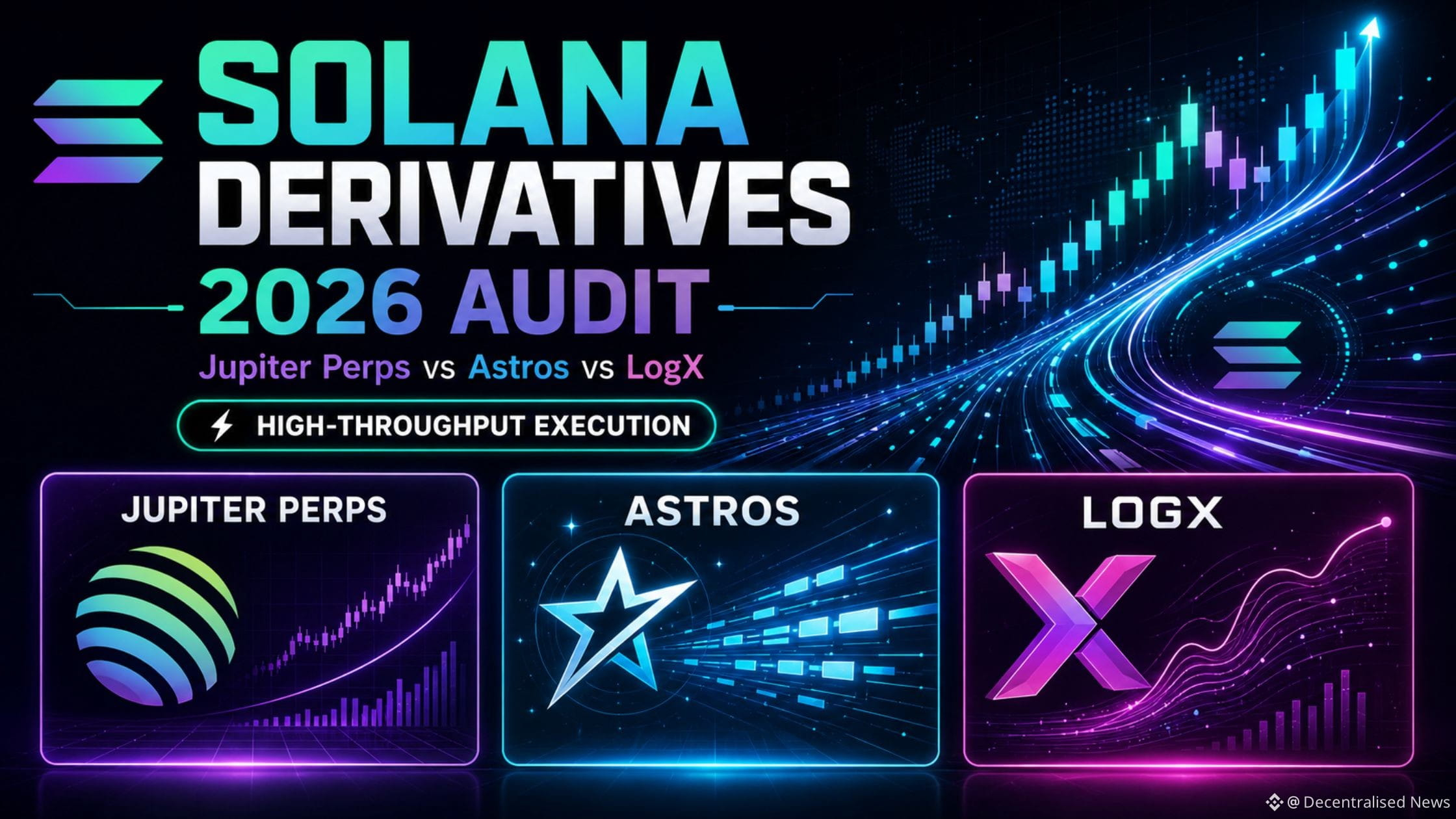
索拉纳交易者指南:零滑点池与全链路路由
借助在 Solana 虚拟机(SVM)上并行化执行线程,Solana 衍生品平台可实现低于 400ms 的交易终局时间,并以每秒数千笔的订单请求处理能力,配合低于一分钱的网络燃气费。
Jupiter Perps 在 Solana 上的基于池的合成执行中占据主导地位。其依托多资产 JLP Vault,为数十万美金级别的市价订单提供零价格冲击的成交。
Astros 支持高吞吐的永续执行,目标是实现低延迟的订单撮合,并为高贝塔的山寨币与 meme 永续合约提供快速开仓的能力。
LogX Router 作为 Solana 交易者不可或缺的全链路聚合层,能够对订单载荷进行智能路由,将其分发到不同的执行场所,以尽量降低价格冲击,并集中化跨链流动性。
在 Decentralised.News 阅读完整指南
#solana #jupiter #astros #logx #defi #decentralisednews
索拉纳交易者指南:零滑点池与全链路路由
借助在 Solana 虚拟机(SVM)上并行化执行线程,Solana 衍生品平台可实现低于 400ms 的交易终局时间,并以每秒数千笔的订单请求处理能力,配合低于一分钱的网络燃气费。
Jupiter Perps 在 Solana 上的基于池的合成执行中占据主导地位。其依托多资产 JLP Vault,为数十万美金级别的市价订单提供零价格冲击的成交。
Astros 支持高吞吐的永续执行,目标是实现低延迟的订单撮合,并为高贝塔的山寨币与 meme 永续合约提供快速开仓的能力。
LogX Router 作为 Solana 交易者不可或缺的全链路聚合层,能够对订单载荷进行智能路由,将其分发到不同的执行场所,以尽量降低价格冲击,并集中化跨链流动性。
在 Decentralised.News 阅读完整指南
#solana #jupiter #astros #logx #defi #decentralisednews
借助在 Solana 虚拟机(SVM)上并行化执行线程,Solana 衍生品平台可实现低于 400ms 的交易终局时间,并以每秒数千笔的订单请求处理能力,配合低于一分钱的网络燃气费。
Jupiter Perps 在 Solana 上的基于池的合成执行中占据主导地位。其依托多资产 JLP Vault,为数十万美金级别的市价订单提供零价格冲击的成交。
Astros 支持高吞吐的永续执行,目标是实现低延迟的订单撮合,并为高贝塔的山寨币与 meme 永续合约提供快速开仓的能力。
LogX Router 作为 Solana 交易者不可或缺的全链路聚合层,能够对订单载荷进行智能路由,将其分发到不同的执行场所,以尽量降低价格冲击,并集中化跨链流动性。
在 Decentralised.News 阅读完整指南
#solana #jupiter #astros #logx #defi #decentralisednews
129
登录解锁更多内容
加入币安广场,与全球加密货币用户互动
⚡️ 获取关于加密货币的最新实用信息。
💬 受到全球最大加密货币交易平台的信赖。
👍 发现来自认证创作者的真知灼见。
邮箱/手机号码
热门话题
AI股持续上涨还有哪些投资机会
526,636 次浏览
2,014 人讨论中
快问快答!参与发布热门话题赢流量
✨本期话题: AI股持续上涨还有哪些投资机会?
👉参与方式:
发布短文或是长文并带主话题 #AI股持续上涨还有哪些投资机会
分享您是看涨还是看跌,或是晒出您的持仓
内容正文建议,如:
- 英伟达称明年芯片销量或将翻倍,头部AI公司营收预测屡创新高,背后算力投入同样惊人。你认为AI需求真的起飞了吗?这种需求能持续多久?近日AI股上涨,你觉得这波AI股票行情是强势反攻,还是短期反弹?
- Anthropic、OpenAI 等行业大佬呼吁放缓AI发展速度,特朗普却计划组建AI军队,称AI未来或占美国GDP的25%。你更认同哪一方?政府下场会成为AI股的长期利好吗?
- 你会布局AI股吗?请使用晒单卡片晒出你的AI股票相关标的交易/持仓。
⏰本期开放投稿时间:
- 2026年9月22日 15:00 - 2026年9月24日12:00 (东八区时间)
🎁活动奖励:
- 流量扶持:符合活动要求且被评选上的优质内容,随机获得500 - 3000流量扶持激励(最少发布100字,按以上方向发布的帖文被选上的机会更大哦, 获得流量激励的帖文作者将收到小秘书通知)
- 官方曝光:评选上的优质内容将有机会被官方账号推荐
获取内容发布灵感,请参考话题页#AI股持续上涨还有哪些投资机会 或广场内容流量诊断清单
币安广场
·612次点赞
·641.5k 次浏览
21Shares推出欧洲首只Zcash实物ETP
11,744 次浏览
162 人讨论中
Cardano接入x402支付标准
22,414 次浏览
119 人讨论中