

CryptoForge
97 个内容

CryptoForge
举报
屏蔽用户
Crypto analyst| passionate Blockchain technology
中频交易者
5 年
415 关注
219 粉丝
170 点赞
帖子
全部
引用
·
--
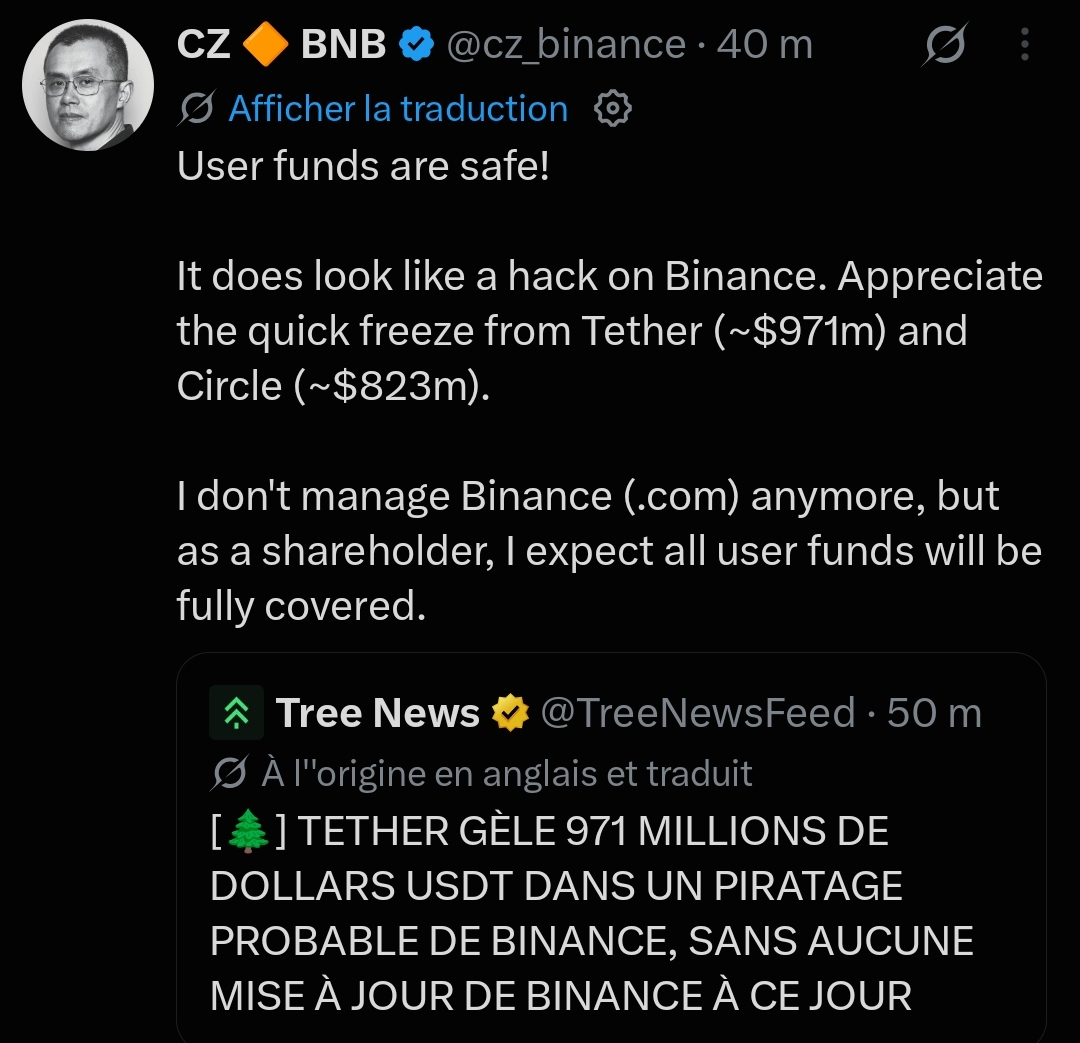
币安遭黑客攻击,56亿美元不翼而飞。
这是本世纪最大的加密货币劫案。损失金额惊人:
• 14.5亿美元的 BTC
• 8.75亿美元的 ETH
• 15.7亿美元的 USDT
• 8.23亿美元的 USDC
• 还有数亿美元的 TRX、XAUT、WBETH……
但最疯狂的是?Tether 和 Circle 在资金转移途中成功冻结了近18亿美元。CZ 确认遭到黑客攻击,并保证用户资金将得到保障。
市场陷入恐慌。BTC 跌破79,000美元。
这正式成为加密货币史上最大规模的黑客攻击。此前的纪录(Bybit,15亿美元)已被远远打破。
#Binance #cryptouniverseofficial #Hack #bitcoin #Urgent
138
·
--
查看翻译
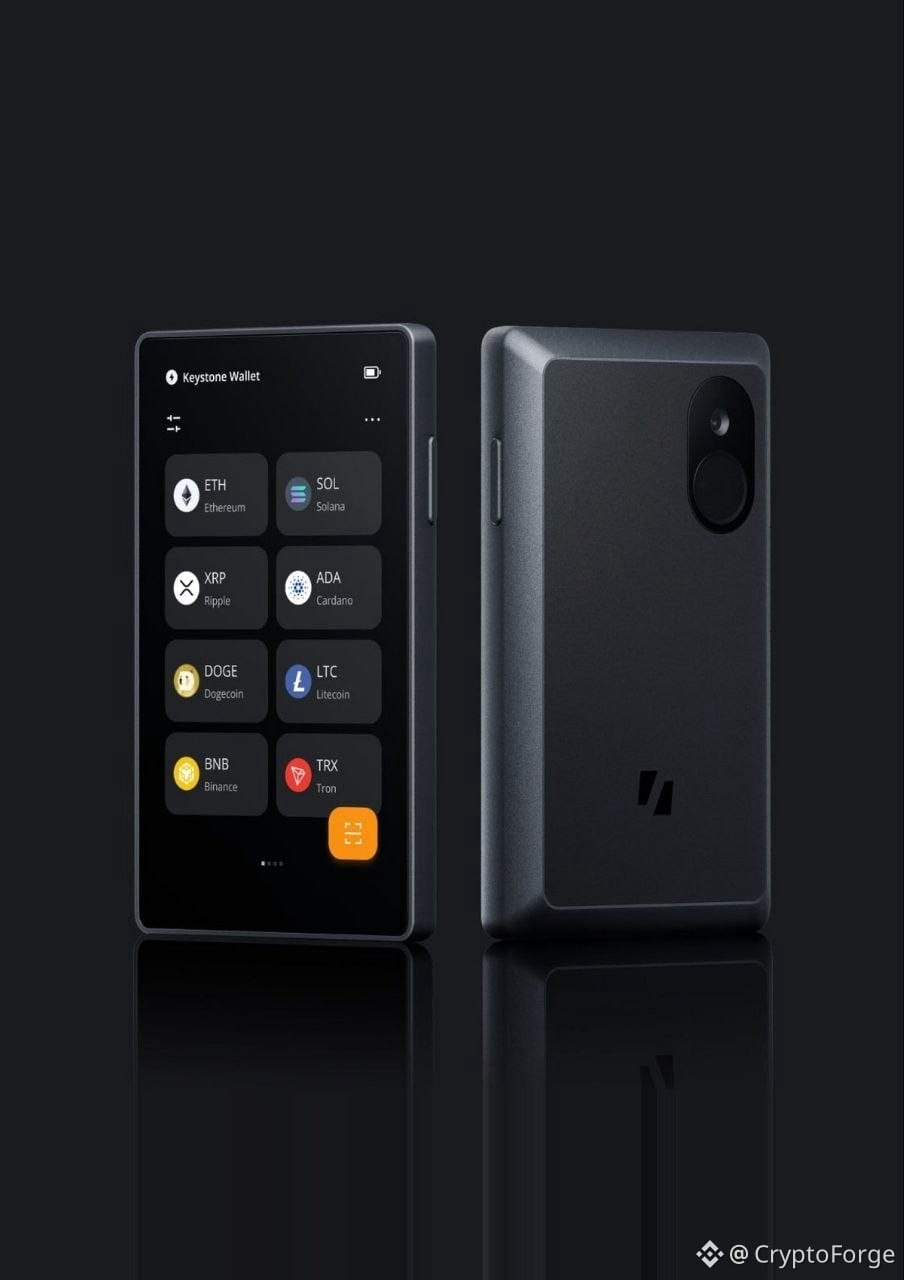
Keystone is destroying 18,835 crypto wallets. A hacker stole the key that certifies they're authentic. As a result, fake wallets could pass official verification and steal your funds.
On top of that, 25,964 customer records exposed… even though the company had long promised to delete them. The deletion tool was broken.
Your seed phrases? Not affected, according to Keystone. But if you received a wallet after October 20: verify it before using it.
On top of that, 25,964 customer records exposed… even though the company had long promised to delete them. The deletion tool was broken.
Your seed phrases? Not affected, according to Keystone. But if you received a wallet after October 20: verify it before using it.
123
·
--
查看翻译
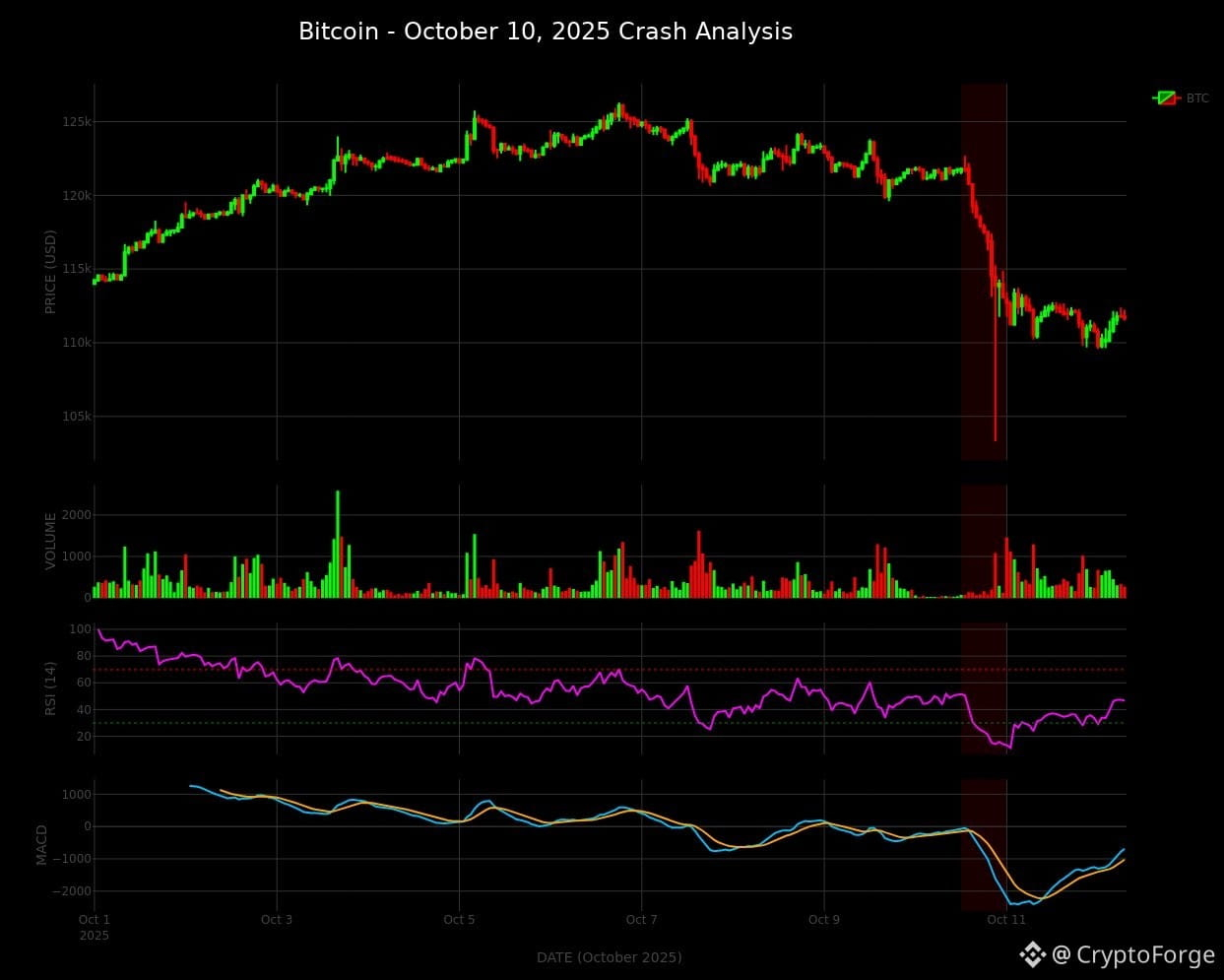
🚨 10/10/2025
One year ago today, crypto experienced the biggest wave of liquidations in its history.
$19 billion wiped out. 1.6 million traders wiped out.
🚨 10/10/2025
One year ago today, crypto experienced the biggest wave of liquidations in its history.
$19 billion wiped out. 1.6 million traders wiped out.
One year ago today, crypto experienced the biggest wave of liquidations in its history.
$19 billion wiped out. 1.6 million traders wiped out.
113
·
--
查看翻译
4.3 Possible Chain Reactions
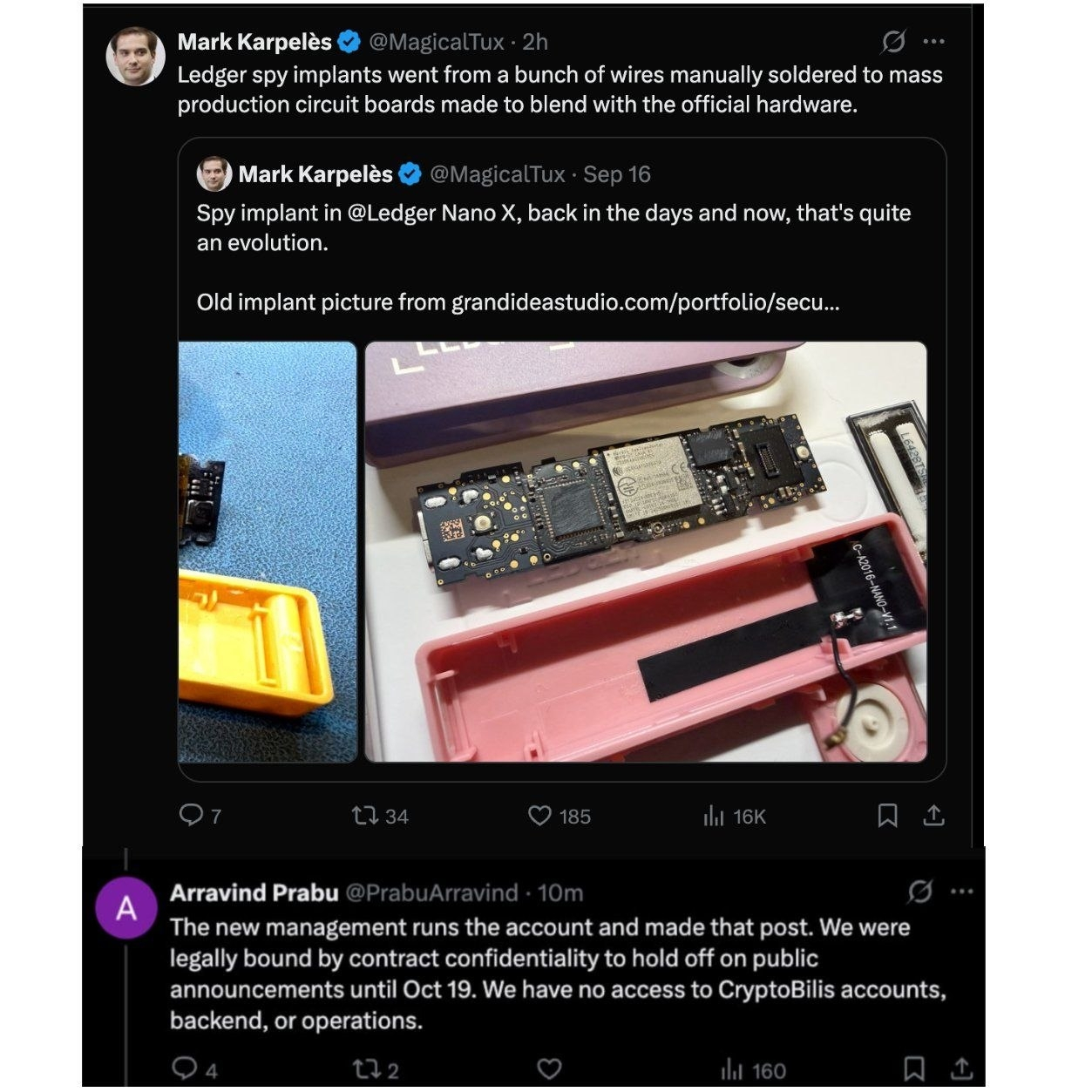
Some speculate that Karpelès's public warning (approximately 90,000 views) may have alerted the attacker, prompting them to accelerate the transfer of funds from multiple wallets. However, this link has not been confirmed.
5. Recommendations for Users
For users who purchased a device from CryptoBilis within the last 90 days:
1. Not yet configured: do not proceed with initialization
2. Already configured: consider transferring assets to a new device, using an entirely new recovery phrase
3. Suspected tampering: avoid entering an existing recovery phrase into any unverified software or website
General advice: purchase hardware wallets through authorized official channels, and verify the authenticity of the device according to official procedures upon receipt.
6. Scope of the Incident
If the $86 million estimate is confirmed, this would be one of the most serious incidents ever linked to a hardware wallet's distribution chain. The essential difference, however, lies in the fact that this is an attack at the reseller level, and not a flaw affecting Ledger's entire systems or product line.
Ledger states that the investigation is ongoing and that it will publish updates as it progresses.
CryptoForge
·
--
Binance founder CZ commented that the evidence points toward a localized supply chain attack targeting a single vendor, rather than a flaw affecting Ledger's entire product line.
3. Unusual Changes at CryptoBilis
3.1 Change of Ownership
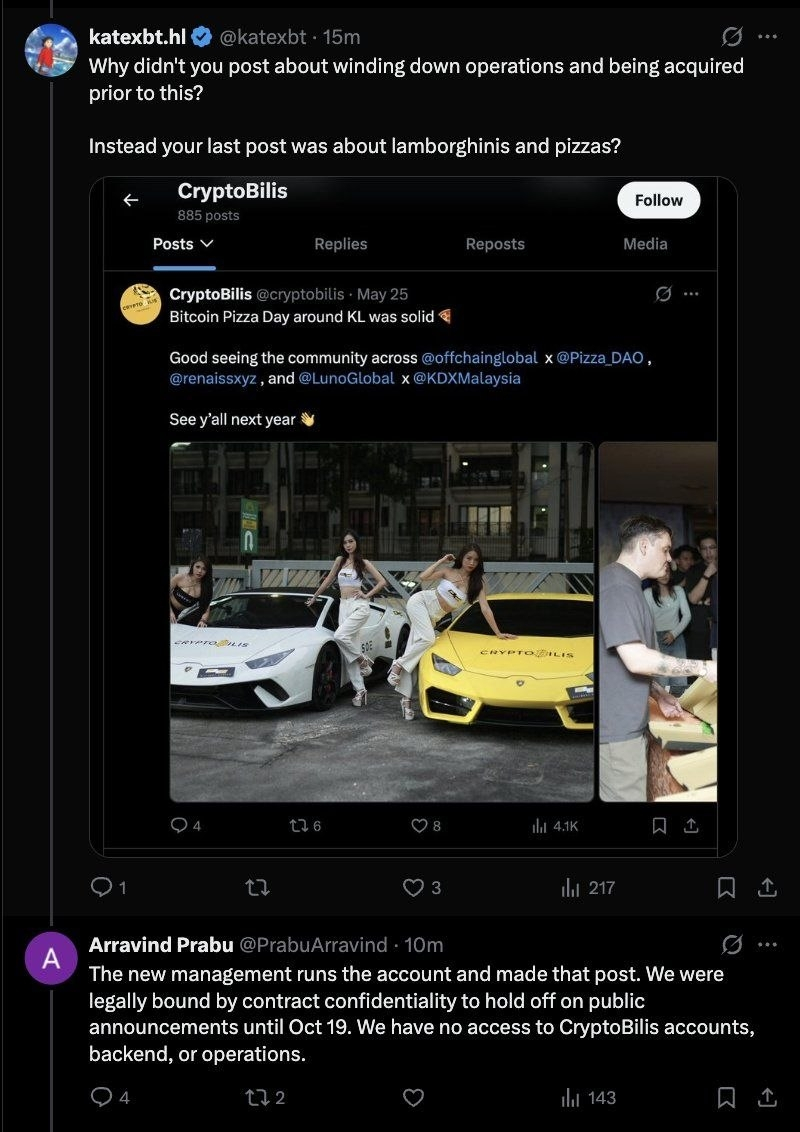
Company records indicate that as of August 3, an individual named Jiaming, whose registered address is in Heilongjiang Province, China, held 100% of CryptoBilis's shares.
The former co-founder confirmed that the acquisition was finalized in March, and that the former owner had withdrawn from all operational, managerial, and administrative roles. This founder, who no longer has access to operations since the sale, stated, "we are no longer part of the company," and called on the current management to be transparent.
3.2 Link to the Attack Not Established
At this stage, no conclusive evidence establishes a direct link between the change of ownership at CryptoBilis and the wallet intrusions.
4. Mark Karpelès's Discovery of an Implanted Module
Former Mt. Gox CEO Mark Karpelès revealed that a Ledger device originating from Malaysia that he examined contained a suspected spy module.
4.1 Technical Details
The module was concealed in the location of the screen's original padding, and included the following components:
· An LTE communication component
· An antenna
· An eSIM
· A microcontroller, connected to the Ledger's SPI bus
4.2 Attack Principle
According to Karpelès, the implanted module analyzes the content displayed on the screen, records the recovery phrase at the moment it is presented to the user, and then transmits it to a third party via the LTE network. The attacker can then monitor the victim's wallet addresses and choose the opportune moment to transfer the assets.
Major issue: since the original secure element remains intact, Ledger's official authenticity verification may fail to detect this type of physical modification.
34
·
--
查看翻译
Binance founder CZ commented that the evidence points toward a localized supply chain attack targeting a single vendor, rather than a flaw affecting Ledger's entire product line.
3. Unusual Changes at CryptoBilis
3.1 Change of Ownership
Company records indicate that as of August 3, an individual named Jiaming, whose registered address is in Heilongjiang Province, China, held 100% of CryptoBilis's shares.
The former co-founder confirmed that the acquisition was finalized in March, and that the former owner had withdrawn from all operational, managerial, and administrative roles. This founder, who no longer has access to operations since the sale, stated, "we are no longer part of the company," and called on the current management to be transparent.
3.2 Link to the Attack Not Established
At this stage, no conclusive evidence establishes a direct link between the change of ownership at CryptoBilis and the wallet intrusions.
4. Mark Karpelès's Discovery of an Implanted Module
Former Mt. Gox CEO Mark Karpelès revealed that a Ledger device originating from Malaysia that he examined contained a suspected spy module.
4.1 Technical Details
The module was concealed in the location of the screen's original padding, and included the following components:
· An LTE communication component
· An antenna
· An eSIM
· A microcontroller, connected to the Ledger's SPI bus
4.2 Attack Principle
According to Karpelès, the implanted module analyzes the content displayed on the screen, records the recovery phrase at the moment it is presented to the user, and then transmits it to a third party via the LTE network. The attacker can then monitor the victim's wallet addresses and choose the opportune moment to transfer the assets.
Major issue: since the original secure element remains intact, Ledger's official authenticity verification may fail to detect this type of physical modification.
CryptoForge
·
--
Ledger 事件:超过 8,600 万美元遭窃,转售商 CryptoBilis 疑为供应链攻击核心
重点:Ledger 正在调查一起可能涉及东南亚转售商 CryptoBilis 的供应链攻击。链上调查员估计,损失超过 8,600 万美元。据报,该转售商于 3 月易主,买家是一名中国籍人士;Mt. Gox 前执行长则声称,他发现一台遭窜改的装置,内含 LTE 间谍模组。截至目前,Ledger 尚未确认事件原因或确切损失金额。
1. 事件背景
10 月 9 日,Ledger 发表声明表示,正在调查东南亚使用者资金遭窃的通报;这些使用者购买装置的管道皆为转售商 CryptoBilis。
Ledger 采取的官方措施:
· 要求 CryptoBilis 立即暂停所有销售与出货
· 建议过去 90 天内购买装置、但尚未进行设定的使用者不要设定装置
· 建议已启用装置的使用者考虑将资产转移至新钱包,并使用全新的复原词组
Ledger 强调,根据目前可取得的资讯,事件仅限于这家特定转售商及这个特定市场。尚未发现任何与直接向 Ledger 购买的产品有关的通报,Ledger 自身的基础设施、系统和服务也未遭入侵。
2. 链上损失估算
链上调查员 Specter 在 X 上表示,他们追踪了遭窃资金在比特币、以太坊和波场上的流向,总额超过 8,600 万美元,资金来自数百个受害者钱包。
另一名调查员 tanuki42 估计损失超过 7,200 万美元。根据 KuCoin 公布的详细数据,损失约包括 4,200 万美元的 ETH、1,760 万美元的 BTC,以及 1,650 万美元的 USDT。
Ledger 尚未确认这些数字,目前也不清楚两名调查员的估算是否涵盖相同的一组交易。
1
45
·
--
Ledger 事件:超过 8,600 万美元遭窃,转售商 CryptoBilis 疑为供应链攻击核心
重点:Ledger 正在调查一起可能涉及东南亚转售商 CryptoBilis 的供应链攻击。链上调查员估计,损失超过 8,600 万美元。据报,该转售商于 3 月易主,买家是一名中国籍人士;Mt. Gox 前执行长则声称,他发现一台遭窜改的装置,内含 LTE 间谍模组。截至目前,Ledger 尚未确认事件原因或确切损失金额。
1. 事件背景
10 月 9 日,Ledger 发表声明表示,正在调查东南亚使用者资金遭窃的通报;这些使用者购买装置的管道皆为转售商 CryptoBilis。
Ledger 采取的官方措施:
· 要求 CryptoBilis 立即暂停所有销售与出货
· 建议过去 90 天内购买装置、但尚未进行设定的使用者不要设定装置
· 建议已启用装置的使用者考虑将资产转移至新钱包,并使用全新的复原词组
Ledger 强调,根据目前可取得的资讯,事件仅限于这家特定转售商及这个特定市场。尚未发现任何与直接向 Ledger 购买的产品有关的通报,Ledger 自身的基础设施、系统和服务也未遭入侵。
2. 链上损失估算
链上调查员 Specter 在 X 上表示,他们追踪了遭窃资金在比特币、以太坊和波场上的流向,总额超过 8,600 万美元,资金来自数百个受害者钱包。
另一名调查员 tanuki42 估计损失超过 7,200 万美元。根据 KuCoin 公布的详细数据,损失约包括 4,200 万美元的 ETH、1,760 万美元的 BTC,以及 1,650 万美元的 USDT。
Ledger 尚未确认这些数字,目前也不清楚两名调查员的估算是否涵盖相同的一组交易。
1
108
·
--
Bitget 黑客事件:黑客发生后数小时,我们究竟知道了什么
🔹 ≈3.516 亿美元:在 9 月 24 日 18:31 UTC 首次发现未经授权的转账后,约有 3.516 亿美元从 Bitget 的热钱包中被转出。冷钱包未受影响。
🔹 惊人之处:并未窃取私钥。据首席执行官 Gracy Chen 说,攻击者入侵了后端系统,并伪造了交易数据,因此由 Bitget 自身的基础设施完成了出金审核并放行。
🔹 主要损失:
· XRP:1.029 亿 XRP(≈1.575 亿美元)** — 单笔最大损失
· ETH:3.1890 万 ETH(≈8,580 万美元)
· 稳定币:≈7,550 万美元
· 大部分 EVM 资金已被换成 **67,982 ETH(≈1.83 亿美元)
🔹 归因:Chen 指出,攻击者相关的 IP 地址与 DPRK 组织使用的 VPN 有关。链上调查者将 XRP 的流向与 7 月 AFX 黑客事件联系起来,该事件归因于 TraderTraitor(与 Lazarus 相关)。目前尚未发布任何技术层面的证据。
🔹 报道进展:5,500 BTC(≈4.64 亿美元)的用户保护基金将吸收损失,并预计稍后会补足。存款与交易仍保持开放,余额完整,Mandiant 和 SlowMist 正在调查。
🔹 出金被冻结,未公布重新开放日期。2025 年 2 月,当 Bybit 损失 15 亿美元时,它从未暂停出金——部分原因是 Bitget 曾向 Bybit 借出 40,000 ETH。而这一次,角色反转。
🔹 背景:9 月已是 2026 年黑客事件最严重的月份,累计损失已超过 7 亿美元**,其中包括 Liquid 在 9 月 7 日遭受的 **3.20 亿美元**。
关键要点
这并不意味着冷存储失败。说明弱点已经从“冷存储”转移到了决定热钱包“被允许发送什么”的中心化系统。
接下来要关注什么
要评估真实影响范围:
· ⏳ 出金何时恢复、恢复速度多快
· 📄 事故报告是否确实解释清楚后端被入侵的经过

153
·
--
查看翻译
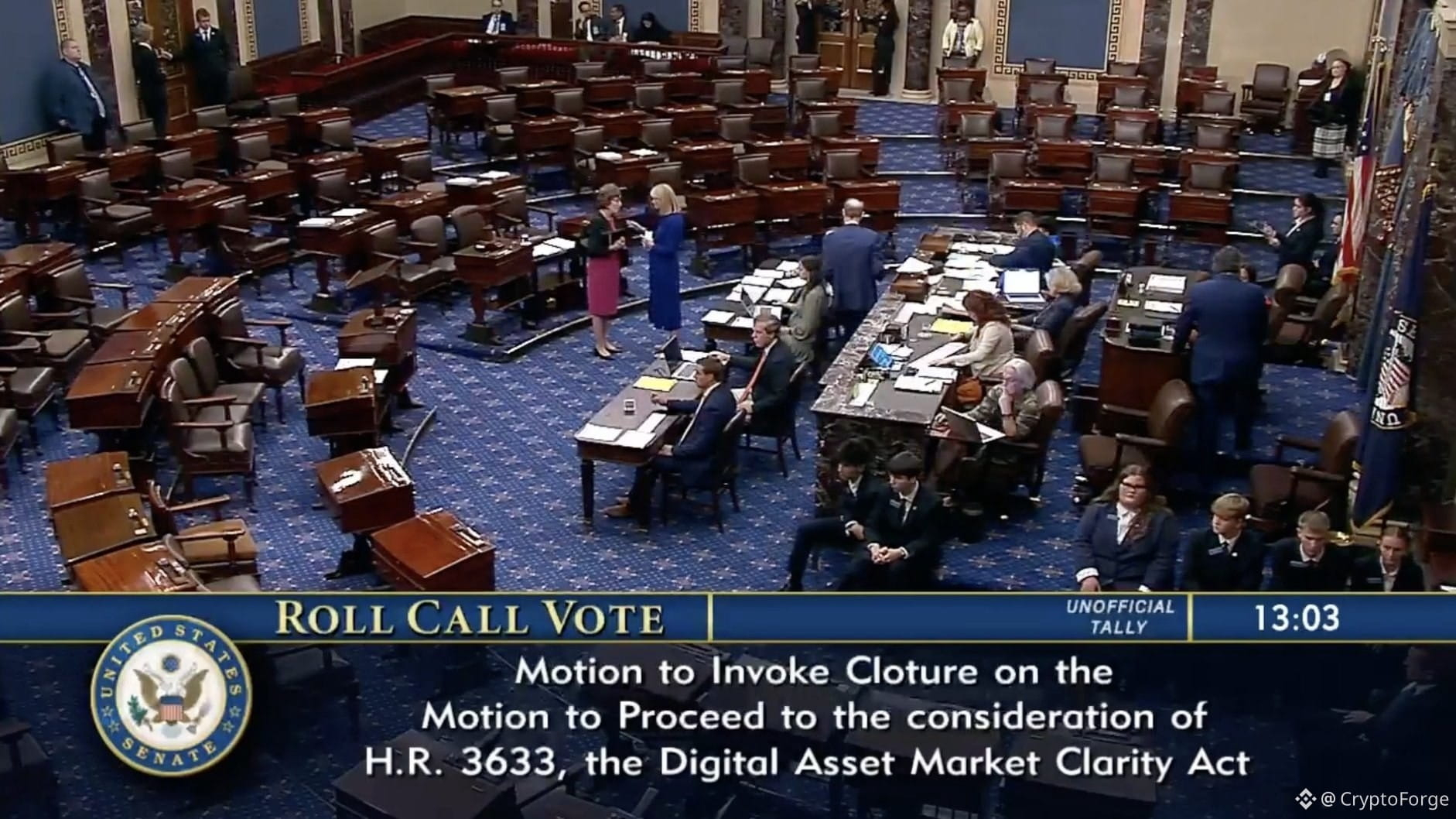
🇺🇸❌ Le Sénat américain rejette le CLARITY Act.
Le projet de loi sur la structure du marché crypto le plus attendu n'a pas obtenu les 60 voix nécessaires pour franchir la motion de clôture. Le vote s'est soldé par un échec à 50 contre 49, repoussant probablement le processus législatif à 2027.
🗣️ La bataille de Warren.
Elizabeth Warren a qualifié les dispositions éthiques du texte de « feuille de vigne dérisoire ». Selon elle, la version actuelle affaiblit les protections financières et pourrait préparer les conditions d'une nouvelle crise à la 2008. Son cheval de bataille principal : les conflits d'intérêts liés aux activités crypto de Trump, estimés à plus d'un milliard de dollars pour le président et sa famille l'an dernier.
🔄 Ce que ça signifie vraiment.
Ce n'est pas un vote « pour ou contre la crypto ». C'est un désaccord sur qui fixe les règles, et dans l'intérêt de qui. Les défenseurs du texte estiment qu'un cadre fédéral clair réduirait justement les risques. Mais pour l'instant, la SEC et la CFTC continueront d'avancer via leurs propres pouvoirs — des règles réversibles à chaque changement d'administration.
Le combat pour un cadre durable n'est pas terminé. Il est juste reporté.
70
·
--
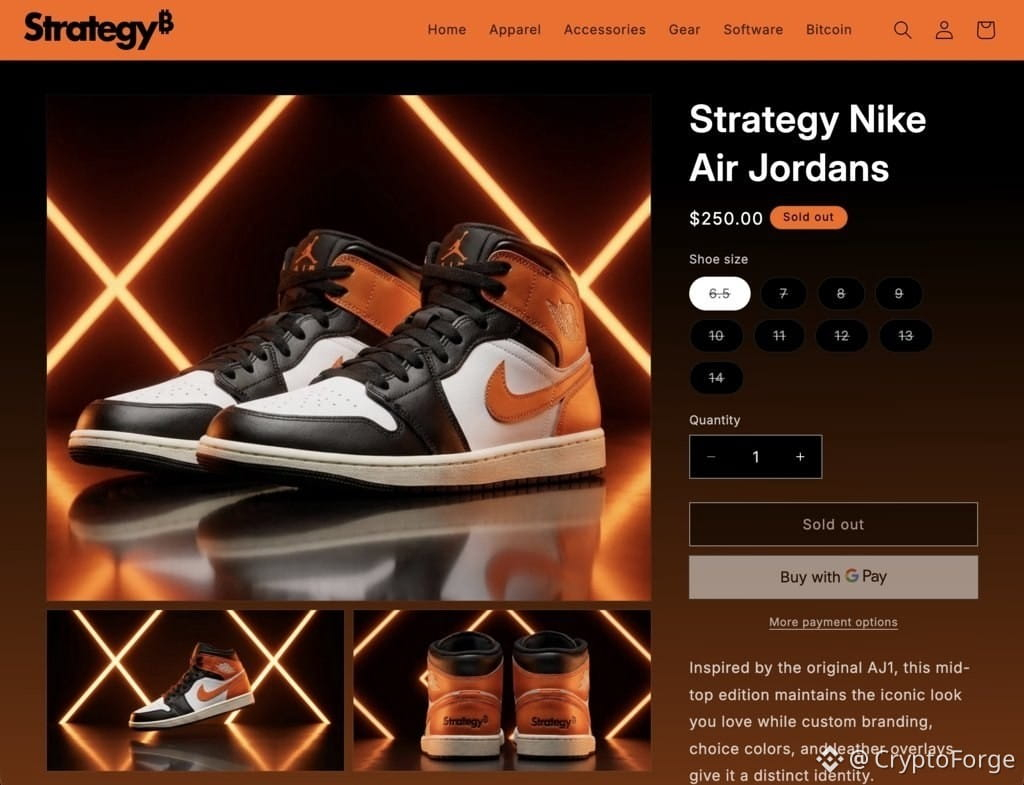
策略是用比特币配色(黑色/橙色)出售 Air Jordan 球鞋,售价 250 美元,但却无法用 BTC 支付:只接受信用卡或 Google Pay。对于一家持有数十万枚 BTC、并以比特币为其整个身份的公司来说,这简直讽刺至极。该模式已经被用尽,尽管支付方式荒诞离谱,它依然证明了营销取得了成功。
策略是用比特币配色(黑色/橙色)出售 Air Jordan 球鞋,售价 250 美元,但却无法用 BTC 支付:只接受信用卡或 Google Pay。对于一家持有数十万枚 BTC、并以比特币为其整个身份的公司来说,这简直讽刺至极。该模式已经被用尽,尽管支付方式荒诞离谱,它依然证明了营销取得了成功。
125
·
--
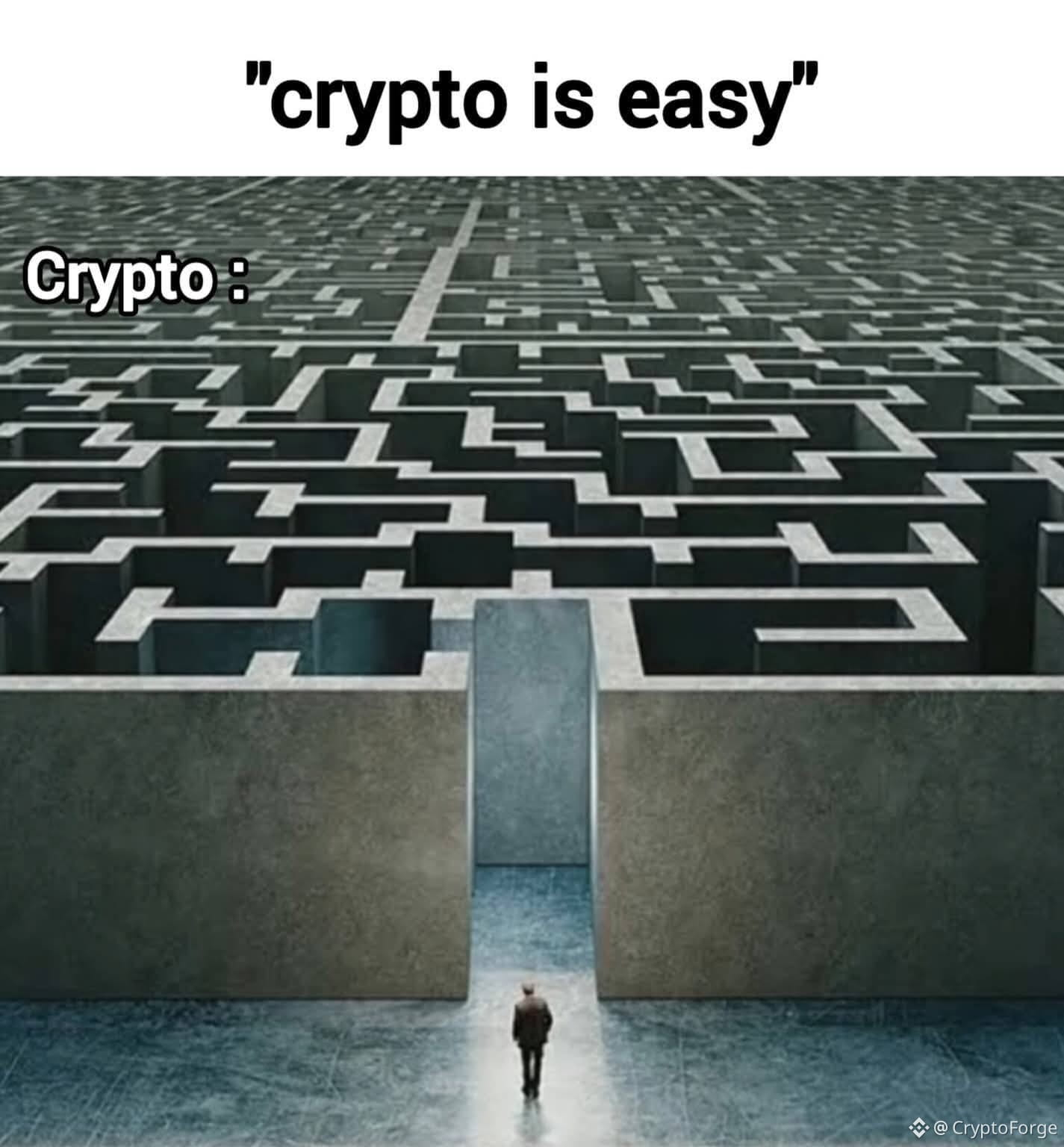
没有谁比那个从2021年就投入加密货币、但到现在仍然不算有钱的男人更有压力。
他经历了一连串的打击。
他看著自己的帐户被清空。
他听过所有人告诉他「结束了」。
而如今,他看著新手一批批进来,纳闷为什么在这么多年后,他依然什么都没有。
最难的不是输掉。
而是撑下去这么多年……
并意识到,幸运奖到现在仍然没出现。
没有谁比那个从2021年就投入加密货币、但到现在仍然不算有钱的男人更有压力。
他经历了一连串的打击。
他看著自己的帐户被清空。
他听过所有人告诉他「结束了」。
而如今,他看著新手一批批进来,纳闷为什么在这么多年后,他依然什么都没有。
最难的不是输掉。
而是撑下去这么多年……
并意识到,幸运奖到现在仍然没出现。
他经历了一连串的打击。
他看著自己的帐户被清空。
他听过所有人告诉他「结束了」。
而如今,他看著新手一批批进来,纳闷为什么在这么多年后,他依然什么都没有。
最难的不是输掉。
而是撑下去这么多年……
并意识到,幸运奖到现在仍然没出现。
124
·
--
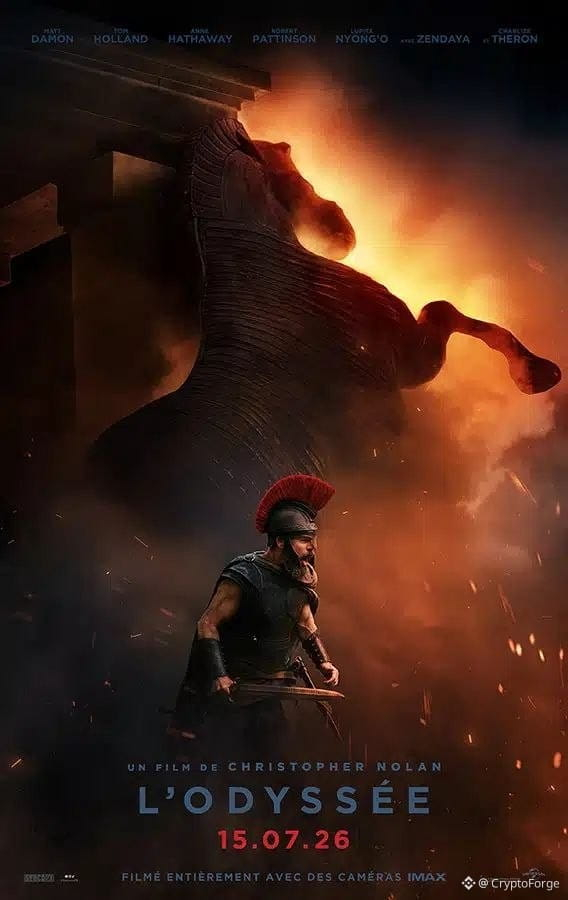
⚠️ 真正的特洛伊木马(TROJAN HORSE)可能正藏在你非法下载的电影「The Odyssey」拷贝中……
根据 Bitdefender 的说法,这部电影的假拷贝正在以 HD/WebRip/Blu-ray 等版本名义流通。不过,取代电影内容的是一些 .exe 档案,它们会安装专门进行资料窃取的恶意程式 Lumma Stealer。
一旦启动,它就能存取你的加密货币钱包、密码、已储存的资料以及工作阶段 Cookie,进而可能让帐户被接管——即使这些帐户已启用双重验证(two-factor authentication)。它有时会伪装成类似 VLC 的图示。
⚠️ 真正的特洛伊木马(TROJAN HORSE)可能正藏在你非法下载的电影「The Odyssey」拷贝中……
根据 Bitdefender 的说法,这部电影的假拷贝正在以 HD/WebRip/Blu-ray 等版本名义流通。不过,取代电影内容的是一些 .exe 档案,它们会安装专门进行资料窃取的恶意程式 Lumma Stealer。
一旦启动,它就能存取你的加密货币钱包、密码、已储存的资料以及工作阶段 Cookie,进而可能让帐户被接管——即使这些帐户已启用双重验证(two-factor authentication)。它有时会伪装成类似 VLC 的图示。
根据 Bitdefender 的说法,这部电影的假拷贝正在以 HD/WebRip/Blu-ray 等版本名义流通。不过,取代电影内容的是一些 .exe 档案,它们会安装专门进行资料窃取的恶意程式 Lumma Stealer。
一旦启动,它就能存取你的加密货币钱包、密码、已储存的资料以及工作阶段 Cookie,进而可能让帐户被接管——即使这些帐户已启用双重验证(two-factor authentication)。它有时会伪装成类似 VLC 的图示。
56
·
--
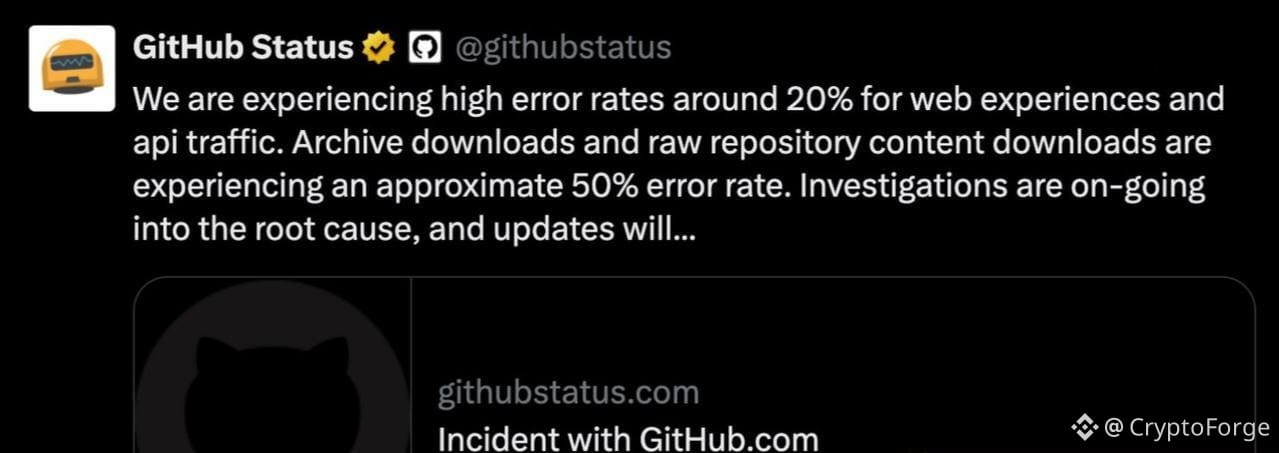
🚨 GitHub 在全球范围内宕机。
GitHub 和 Copilot 正遇到问题:网站与 API 错误约占 20%,以及封存与原始内容错误约占 50%。这些问题影响 API、Actions(工作流程)、问题(issues)、合并请求(merge requests)以及 Webhooks。团队正在调查中;目前尚不确定修复所需时间。
🚨 GitHub 在全球范围内宕机。
GitHub 和 Copilot 正遇到问题:网站与 API 错误约占 20%,以及封存与原始内容错误约占 50%。这些问题影响 API、Actions(工作流程)、问题(issues)、合并请求(merge requests)以及 Webhooks。团队正在调查中;目前尚不确定修复所需时间。
GitHub 和 Copilot 正遇到问题:网站与 API 错误约占 20%,以及封存与原始内容错误约占 50%。这些问题影响 API、Actions(工作流程)、问题(issues)、合并请求(merge requests)以及 Webhooks。团队正在调查中;目前尚不确定修复所需时间。
86
·
--
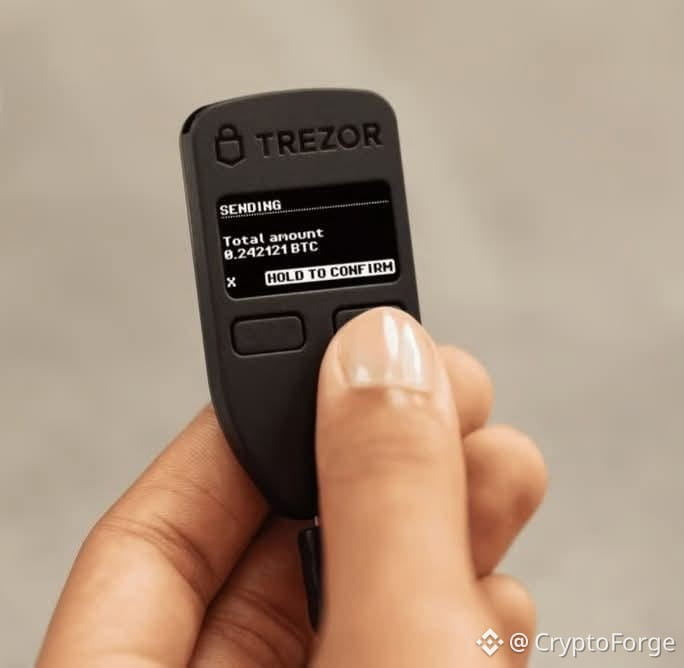
⚠️🔐 近 14,000 名 @Trezor 客户在运送供应商遭骇后,其个人资料遭到外泄。
总计有 11,742 名客户受到完整资料外泄影响,内容包括他们的姓名、电子邮件地址、电话号码,最重要的是其寄送地址;另有 1,947 名客户则有部分资讯外泄。
此次事件影响的是在 2026 年 8 月 8 日之前 90 天内于美国、英国、瑞典、哥伦比亚、巴西、义大利与葡萄牙收到订单的新客户。
Trezor 澄清表示,其系统与硬体钱包并未遭到入侵。
⚠️🔐 近 14,000 名 @Trezor 客户在运送供应商遭骇后,其个人资料遭到外泄。
总计有 11,742 名客户受到完整资料外泄影响,内容包括他们的姓名、电子邮件地址、电话号码,最重要的是其寄送地址;另有 1,947 名客户则有部分资讯外泄。
此次事件影响的是在 2026 年 8 月 8 日之前 90 天内于美国、英国、瑞典、哥伦比亚、巴西、义大利与葡萄牙收到订单的新客户。
Trezor 澄清表示,其系统与硬体钱包并未遭到入侵。
总计有 11,742 名客户受到完整资料外泄影响,内容包括他们的姓名、电子邮件地址、电话号码,最重要的是其寄送地址;另有 1,947 名客户则有部分资讯外泄。
此次事件影响的是在 2026 年 8 月 8 日之前 90 天内于美国、英国、瑞典、哥伦比亚、巴西、义大利与葡萄牙收到订单的新客户。
Trezor 澄清表示,其系统与硬体钱包并未遭到入侵。
2
·
--
真实
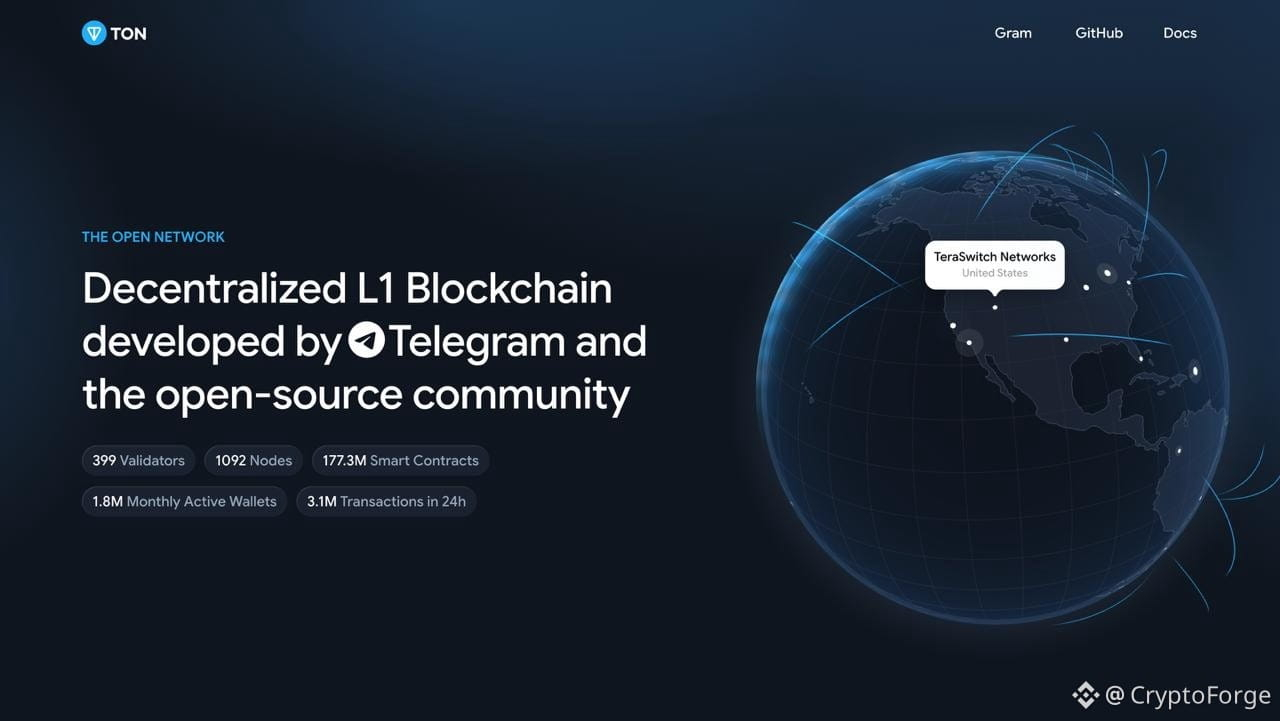
🧵 Telegram $GRAM - 完整论文
亿万用户的赌局 🌍
⚠️ 首先,必须避免的陷阱
$GRAM 不是一枚新代币。它是此前的 $TON (Toncoin),在 2026 年 6 月 15 日经社区投票(81.22% 支持)更名。它从 2018 年《Telegram 白皮书》的原始名称回归。
1:1 等值转换,无需迁移,余额不变 👉 任何要求你去“领取 GRAM”或“迁移”你的 TON 的网站,都是骗局。不存在合法的迁移。
该链保留其原名:The Open Network(TON)。
Gram = 代币。TON = 区块链。
🧵 Telegram $GRAM - 完整论文
亿万用户的赌局 🌍
⚠️ 首先,必须避免的陷阱
$GRAM 不是一枚新代币。它是此前的 $TON (Toncoin),在 2026 年 6 月 15 日经社区投票(81.22% 支持)更名。它从 2018 年《Telegram 白皮书》的原始名称回归。
1:1 等值转换,无需迁移,余额不变 👉 任何要求你去“领取 GRAM”或“迁移”你的 TON 的网站,都是骗局。不存在合法的迁移。
该链保留其原名:The Open Network(TON)。
Gram = 代币。TON = 区块链。
亿万用户的赌局 🌍
⚠️ 首先,必须避免的陷阱
$GRAM 不是一枚新代币。它是此前的 $TON (Toncoin),在 2026 年 6 月 15 日经社区投票(81.22% 支持)更名。它从 2018 年《Telegram 白皮书》的原始名称回归。
1:1 等值转换,无需迁移,余额不变 👉 任何要求你去“领取 GRAM”或“迁移”你的 TON 的网站,都是骗局。不存在合法的迁移。
该链保留其原名:The Open Network(TON)。
Gram = 代币。TON = 区块链。
3
250
·
--
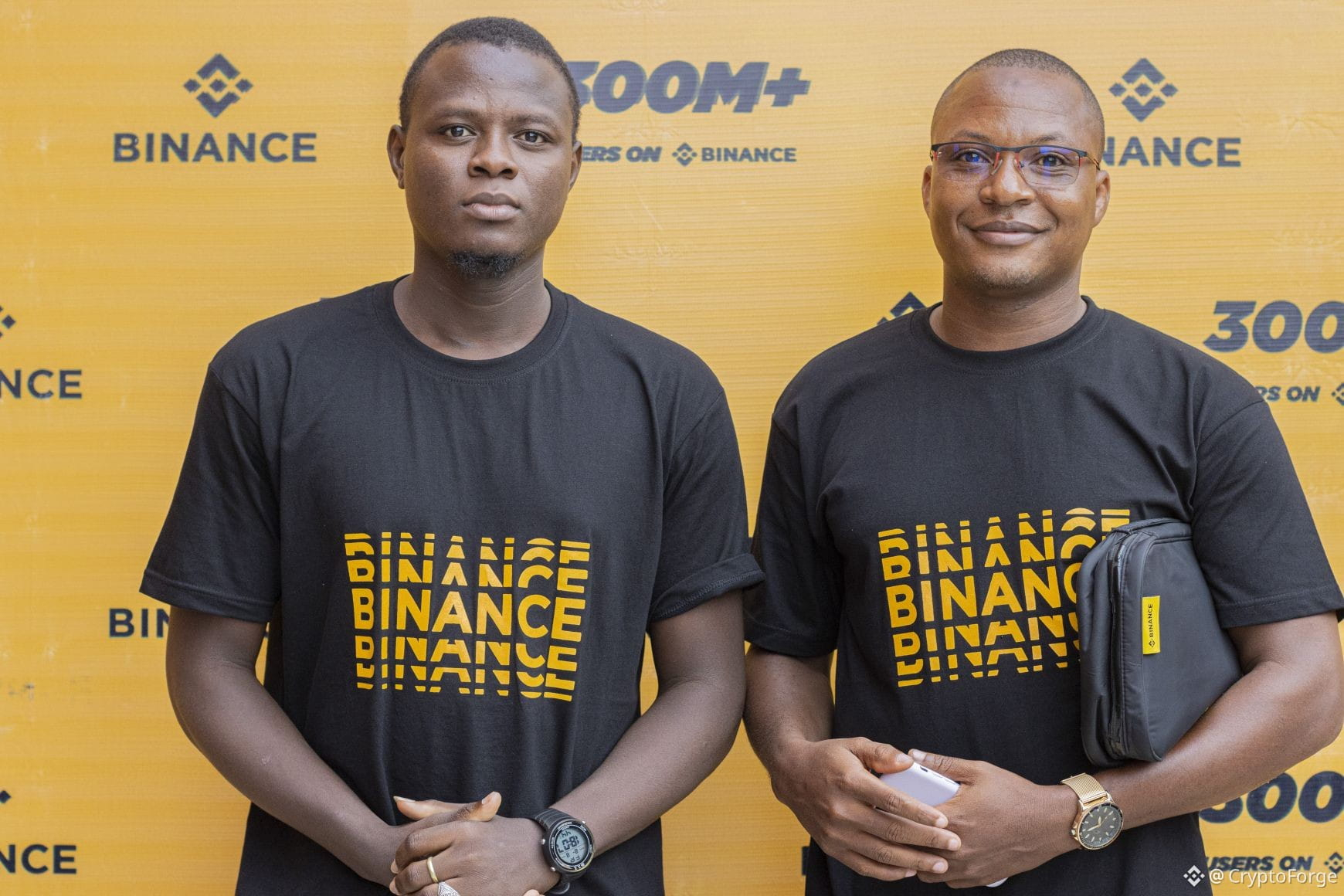
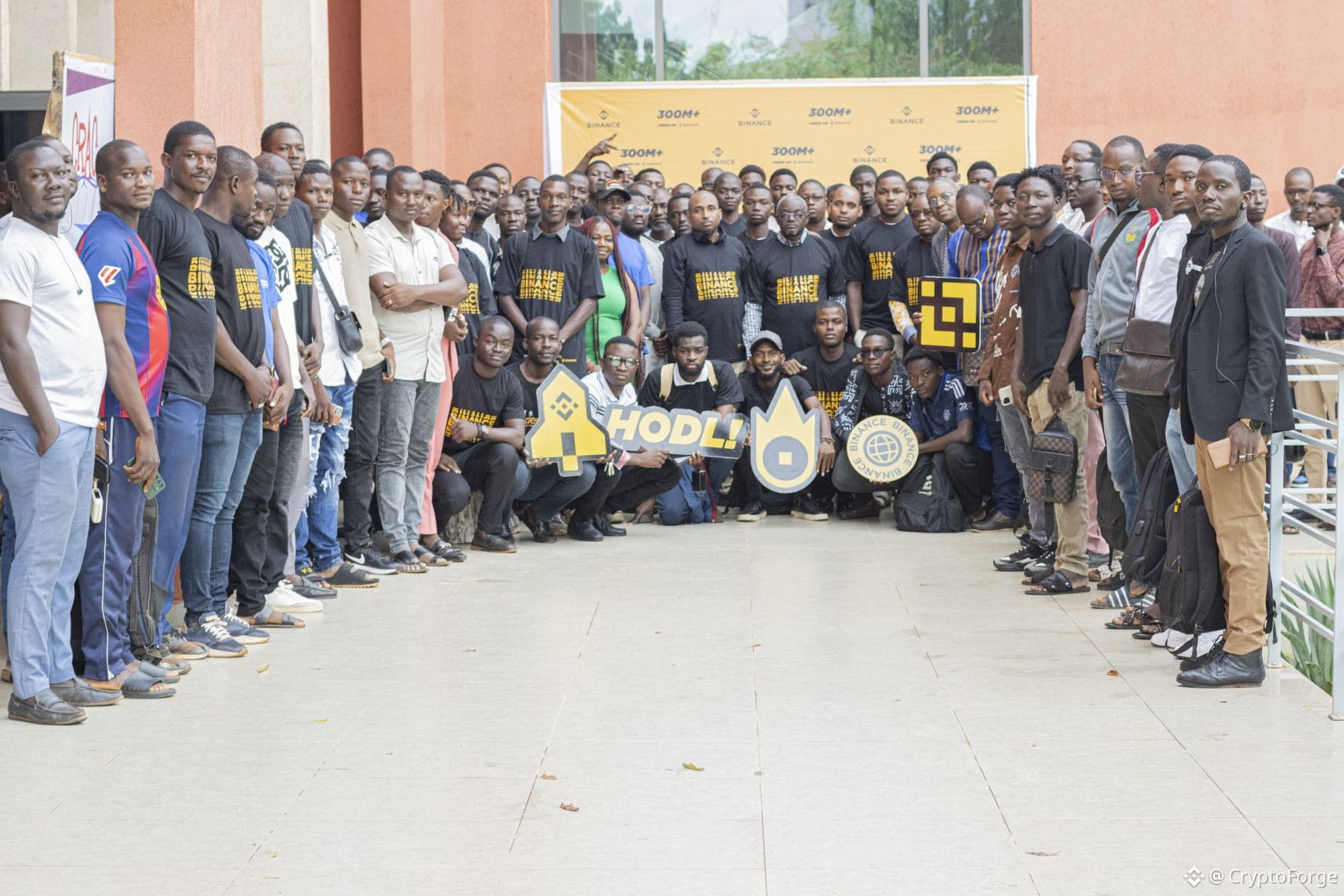
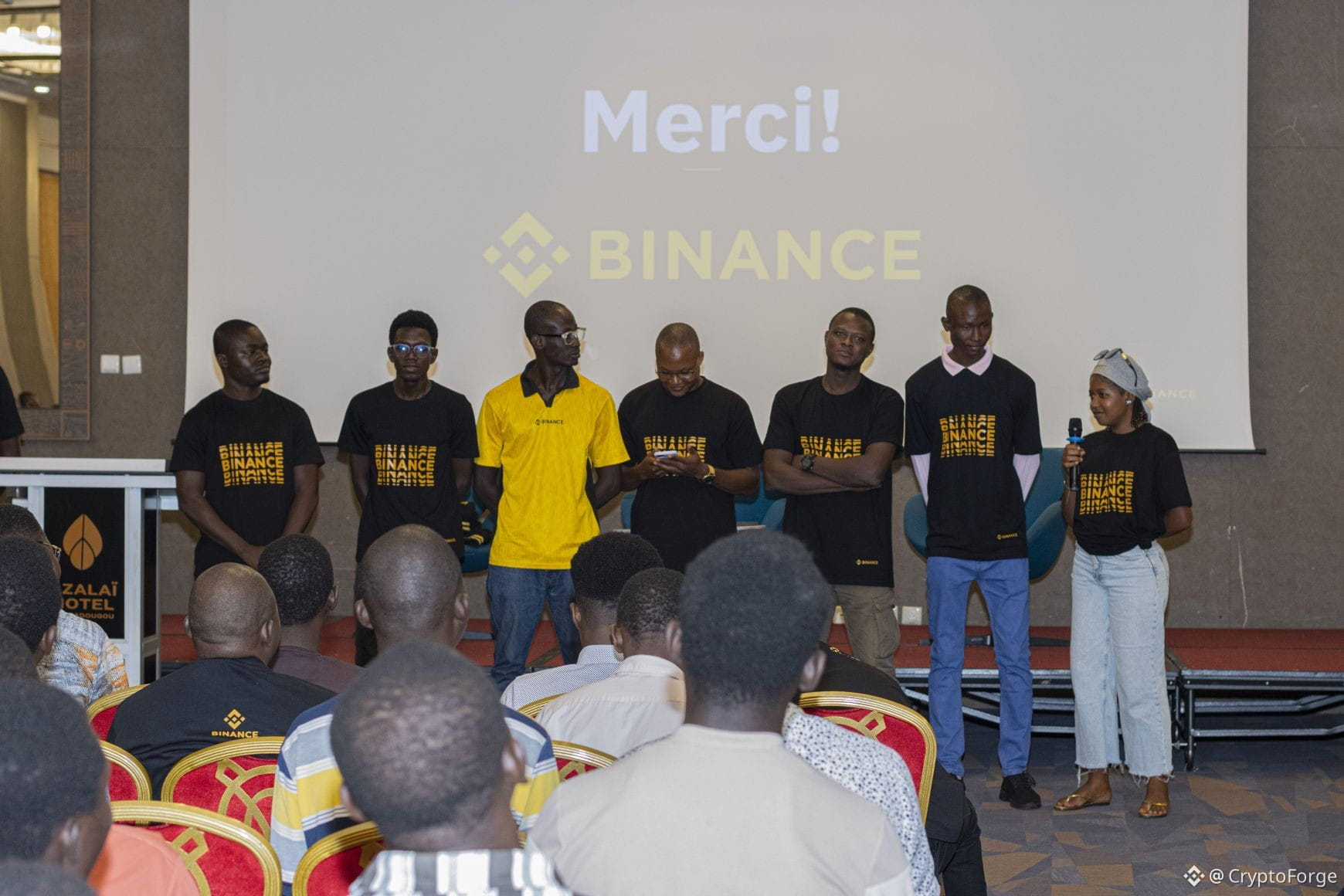
超过300人齐聚在布吉纳法索🇧🇫的Web3周边!
周六,我有幸成为由@BinanceAfrique que透过Binance Angels主办的Binance Meetup组织团队的一员,就在布吉纳法索本地。
活动聚集了超过300位参与者,大家都被同样的好奇心与信念驱动:Web3能在我们的地区发挥真正的作用。
对我而言,这类聚会远不止是一场Meetup而已。它是一个真正促进交流、相互学习的空间,更重要的是,能具体向人们展示:在这个领域确实存在真实的职涯机会。
我们的目标很明确:协助参与者理解,如何在这个以惊人速度演进的生态系中找到立足之地。
讨论热烈、问题精准,现场的能量也非常有互动感。
非常感谢@Binance打造这些连结与知识分享的空间——这对于在非洲培养Web3的动能至关重要。
非洲的Web3仍在建设中。而接下来要塑造的未来,正是需要我们一起,从地面现场开始。
超过300人齐聚在布吉纳法索🇧🇫的Web3周边!
周六,我有幸成为由@Binance Afrique que透过Binance Angels主办的Binance Meetup组织团队的一员,就在布吉纳法索本地。
活动聚集了超过300位参与者,大家都被同样的好奇心与信念驱动:Web3能在我们的地区发挥真正的作用。
对我而言,这类聚会远不止是一场Meetup而已。它是一个真正促进交流、相互学习的空间,更重要的是,能具体向人们展示:在这个领域确实存在真实的职涯机会。
我们的目标很明确:协助参与者理解,如何在这个以惊人速度演进的生态系中找到立足之地。
讨论热烈、问题精准,现场的能量也非常有互动感。
非常感谢@Binance打造这些连结与知识分享的空间——这对于在非洲培养Web3的动能至关重要。
非洲的Web3仍在建设中。而接下来要塑造的未来,正是需要我们一起,从地面现场开始。
67
·
--
熊市是一个令人难以置信的机会!不,这对 99% 的投资者来说完全是错误的。❌
那些自 2021 年以来一直在这里并从过去中吸取教训的人知道,这对 99% 的持有者来说并不是真正的机会。
如果我们确实处于熊市,我向您保证,到 2027 年,您目前积累的 95% 的替代币将会过时,无法实现巨额收益。
我深信不疑。
在 2023 年初,曾经主导市场的几种加密货币被取代了,要么被新的加密货币,要么被创新的旧加密货币取代。一些趋势已经消逝,让位于其他趋势。
SAND、MANA、GALA、AXS、MATIC、FANTOM、BAKE、HARMONY ONE、ROSE、ENJ、QNT、ADA、BABYDOGE、CAKE、SUSHI……名单很长。
短期交易者当然可以利用熊市。但长期的替代币投资者则不行。
如果您在熊市中管理不善,复苏时将一无所有。
比特币在熊市期间是最好的。
我知道您喜欢赞美,即使这样您也会赔钱。

80
·
--
L’indice de l’altseason est souvent mal compris. Beaucoup pensent qu’il indique automatiquement une saison haussière des altcoins, alors que son mode de calcul est bien plus nuancé.
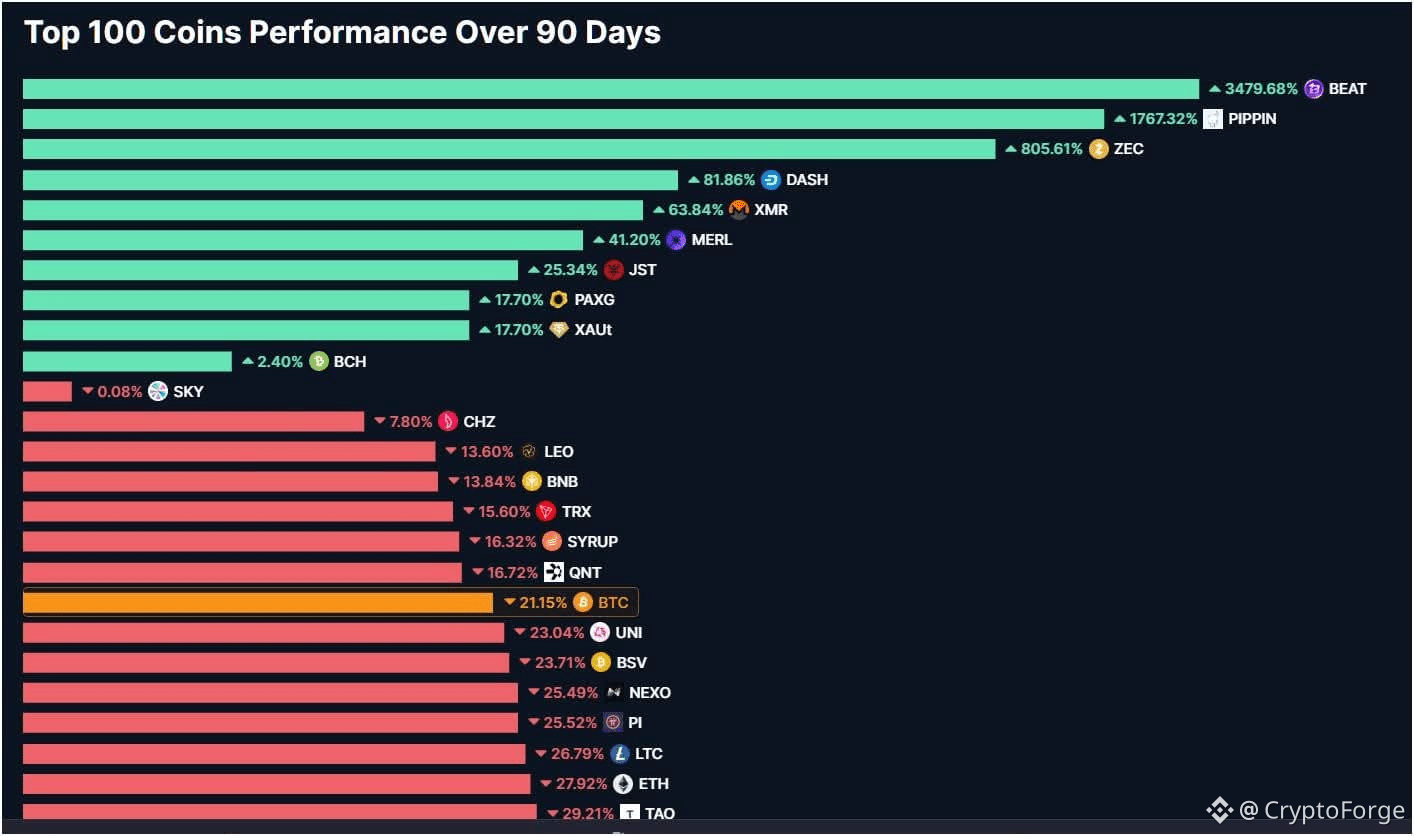
Concrètement, cet indice mesure la performance des 100 principales altcoins sur une période de 90 jours, en les comparant à la performance du Bitcoin sur la même période.
Lorsque l’indice affiche 17, cela signifie que 17 altcoins du top 100 ont surperformé le Bitcoin sur les 90 derniers jours.
À l’inverse, un indice élevé (par exemple 92) signifie que 92 altcoins ont fait mieux que le Bitcoin, mais cela ne veut pas forcément dire que le marché est haussier.
Point fondamental à comprendre :
👉 Surperformer le Bitcoin ne signifie pas être en hausse.
Si le Bitcoin chute fortement et que certaines altcoins chutent moins que lui, elles sont considérées comme « plus performantes » dans le calcul de l’indice.
Ainsi :
Vous pouvez être globalement en perte,
Tout en voyant l’indice d’altseason monter fortement.
Dans certains cas extrêmes, l’indice peut même approcher 90 ou plus, simplement parce que le Bitcoin corrige plus violemment que le reste du marché — sans qu’il n’y ait de véritable altseason.
L’indice d’altseason est un indicateur statistique, pas un signal de marché suffisant à lui seul.
Il peut aider à lire une tendance relative, mais il ne doit jamais servir de base unique pour prendre une décision d’investissement ou de trading.
3
730
·
--
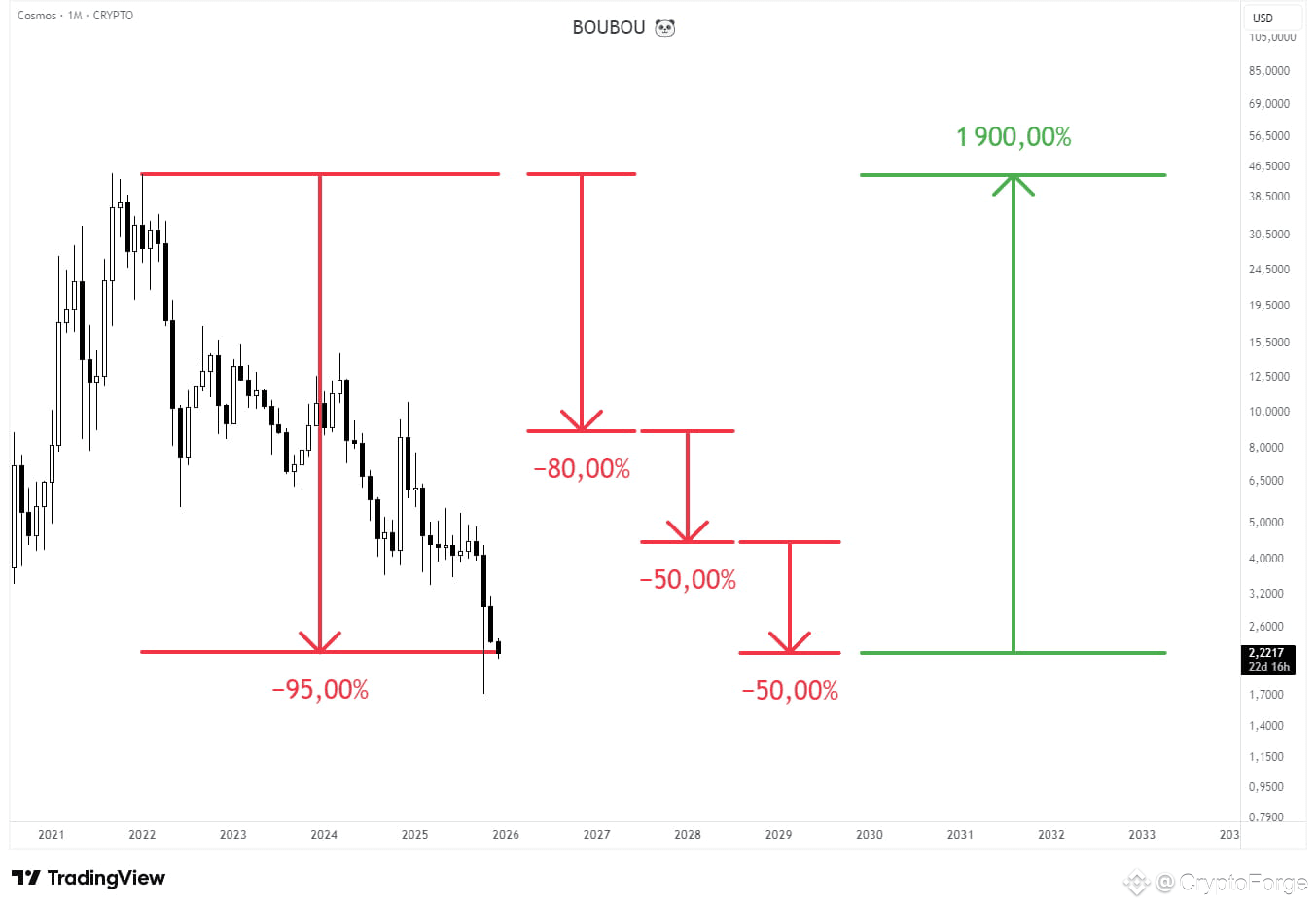
一种加密货币如果跌了90%,首先是下降了80%,然后再下降50%,再下降50%。
为了简单地回到其初始价格,它随后需要上涨1,900%。这一点是影响者从未提到的。
一种加密货币如果跌了90%,首先是下降了80%,然后再下降50%,再下降50%。
为了简单地回到其初始价格,它随后需要上涨1,900%。这一点是影响者从未提到的。
为了简单地回到其初始价格,它随后需要上涨1,900%。这一点是影响者从未提到的。
8
3
18
20.6k
·
--
重要提示:
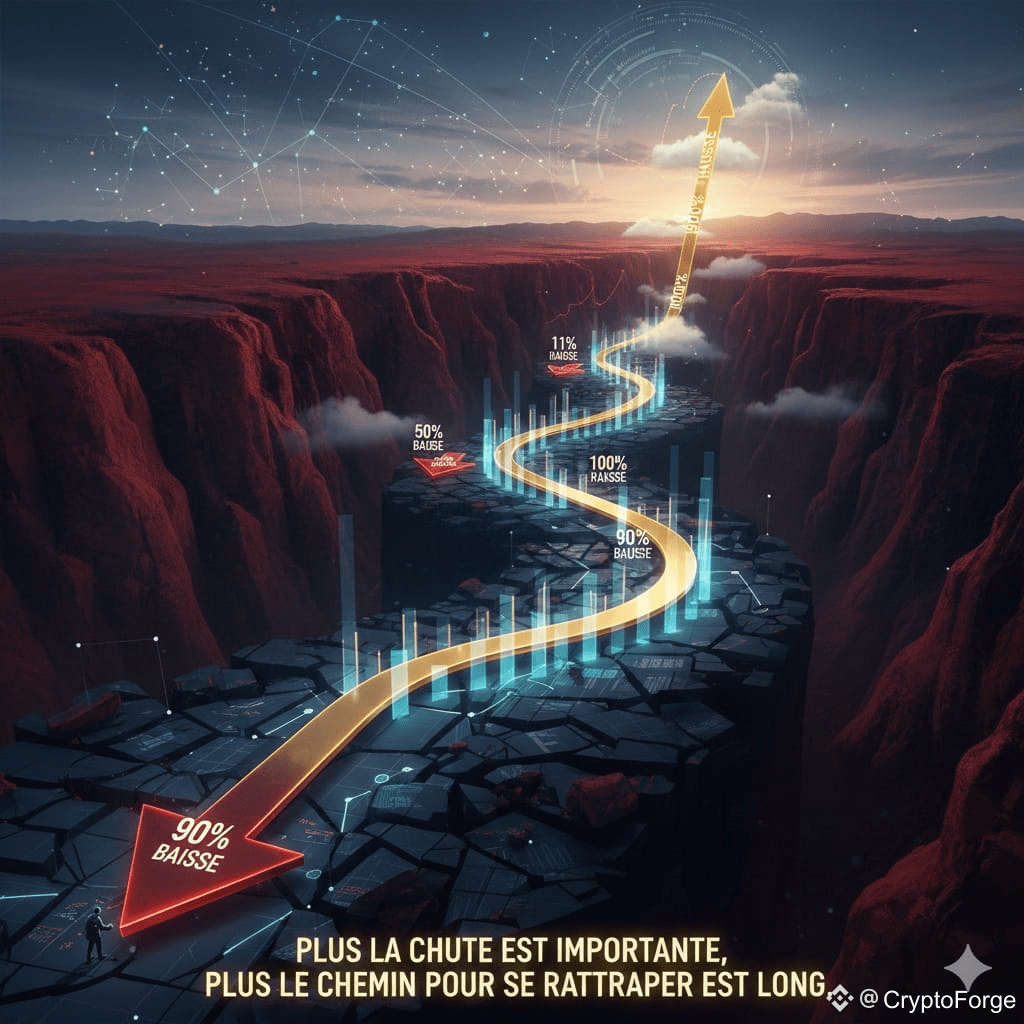
要在下降后恢复到初始价格,资产必须达到比下降更高的百分比涨幅。
以下是一些说明这一原则的例子:
· ➡️ 在下降10%后,需要上涨11%才能回到盈亏平衡点。
· ➡️ 在下降30%后,需要上涨43%。
· ➡️ 在下降50%后,需要上涨100%(即翻倍)。
· ➡️ 在下降70%后,需要上涨233%。
· ➡️ 在下降90%后,需要上涨900%。
总之,跌幅越大,恢复的难度就越大。失去一个百分比总是比重新获得它更容易。
重要提示:
要在下降后恢复到初始价格,资产必须达到比下降更高的百分比涨幅。
以下是一些说明这一原则的例子:
· ➡️ 在下降10%后,需要上涨11%才能回到盈亏平衡点。
· ➡️ 在下降30%后,需要上涨43%。
· ➡️ 在下降50%后,需要上涨100%(即翻倍)。
· ➡️ 在下降70%后,需要上涨233%。
· ➡️ 在下降90%后,需要上涨900%。
总之,跌幅越大,恢复的难度就越大。失去一个百分比总是比重新获得它更容易。
要在下降后恢复到初始价格,资产必须达到比下降更高的百分比涨幅。
以下是一些说明这一原则的例子:
· ➡️ 在下降10%后,需要上涨11%才能回到盈亏平衡点。
· ➡️ 在下降30%后,需要上涨43%。
· ➡️ 在下降50%后,需要上涨100%(即翻倍)。
· ➡️ 在下降70%后,需要上涨233%。
· ➡️ 在下降90%后,需要上涨900%。
总之,跌幅越大,恢复的难度就越大。失去一个百分比总是比重新获得它更容易。
1
5
2k
登录解锁更多内容
加入币安广场,与全球加密货币用户互动
⚡️ 获取关于加密货币的最新实用信息。
💬 受到全球最大加密货币交易平台的信赖。
👍 发现来自认证创作者的真知灼见。
邮箱/手机号码
热门话题
FOMC会议
1.1M 次浏览
3,191 人讨论中
完犊子了!家人们,大利空!
昨天凌晨利率公布,维持利率不变,但内部分歧明显!直接就是给出来压力了,这次保持不变,12月必须得加息的压迫感!直接带动了市场短期的极速下跌!
而且主要是从明年秋季开始,美联储的会议议程要改了,大白话就是说——唉呀,每次会议都公布加还是不加还是保持不变,太紧凑了,而且一年要有8次这样的会议公布,不行,调整到一年就2次真正公布决策,其它6次就用于讨论政策决定就行了!🤣
每年还是8次,就2次拿来公布利率情况,6次用来讨论。大概大白话就是这个意思。
有种,后面就憋个大的,大的波动就那几个时间,不会隔一段时间市场又要投票了。
所以,这到底是好事还是坏事?
但这走势和预期,刚好就是我们提前两天反复个给大家预判的走势,别人可能还沉迷在说什么周期回涨,利率公布后会大拉。
我缺反复强调了,保持不变是投票结果了,但是搞不好还施压让短期回踩一下!
这就是人性,总要为自己做的事情找到理由缓冲一下的!
别问我可不可以抄底,毕500已经提前了很久给了区间了,辛苦自己回去翻看记录✍️!
我们8.7w减出的仓,70%的比例空仓等很久了!#FOMC会议
毕500系统架构师
·2次点赞
·8.3k 次浏览
美国中期选举倒计时,美股博弈窗口已开启?
133,485 次浏览
511 人讨论中
Strategy旗下STRC165天来首次升至99.95美元
0 次浏览
30 人讨论中