

Caesar jn
75 个内容

Caesar jn
举报
屏蔽用户
Crypto educator and investor, influencer and KOL manager. DM for collaboration
47 关注
9 粉丝
11 点赞
帖子
全部
直播
·
--
薯条至上。
这就是 GM SUN 在 10 月 26 日发的全部内容:一盘薯条拼出 S-U-N,周围散落着戴墨镜的小太阳脸,盘子上还写着“用爱制作”。同意还是不同意?
我同意,而且不只是说吃的。
每个人都有自己的“薯条优先”。就是在正事开始前,先拿下一个小而简单的胜利。在 DeFi 里,这通常就是第一次兑换。如果第一次兑换让人觉得繁琐、缓慢或令人困惑,大多数人根本不会留下来享用主菜。
这就是为什么我一直关注像 SUN 这样的品牌如何呈现自己。一条俏皮的 GM 配上一盘零食,并没有宣布什么新功能,却告诉了你他们在为谁打造:那些希望一切简单轻松、还带点乐趣的普通人。
先展现友好的一面。让第一步一目了然。然后让人们按照自己的节奏,逐步发现更深入的工具。
在加密货币时间线上看到“用爱制作”这句话,感觉有点奇怪,而这恰恰是它奏效的原因。用心,就藏在细节里。
所以没错,薯条至上。然后我们再聊收益。 @SunPump_meme
#TRONEcoStar
薯条至上。
这就是 GM SUN 在 10 月 26 日发的全部内容:一盘薯条拼出 S-U-N,周围散落着戴墨镜的小太阳脸,盘子上还写着“用爱制作”。同意还是不同意?
我同意,而且不只是说吃的。
每个人都有自己的“薯条优先”。就是在正事开始前,先拿下一个小而简单的胜利。在 DeFi 里,这通常就是第一次兑换。如果第一次兑换让人觉得繁琐、缓慢或令人困惑,大多数人根本不会留下来享用主菜。
这就是为什么我一直关注像 SUN 这样的品牌如何呈现自己。一条俏皮的 GM 配上一盘零食,并没有宣布什么新功能,却告诉了你他们在为谁打造:那些希望一切简单轻松、还带点乐趣的普通人。
先展现友好的一面。让第一步一目了然。然后让人们按照自己的节奏,逐步发现更深入的工具。
在加密货币时间线上看到“用爱制作”这句话,感觉有点奇怪,而这恰恰是它奏效的原因。用心,就藏在细节里。
所以没错,薯条至上。然后我们再聊收益。 @OfficialSUNio
#TRONEcoStar

26
·
--
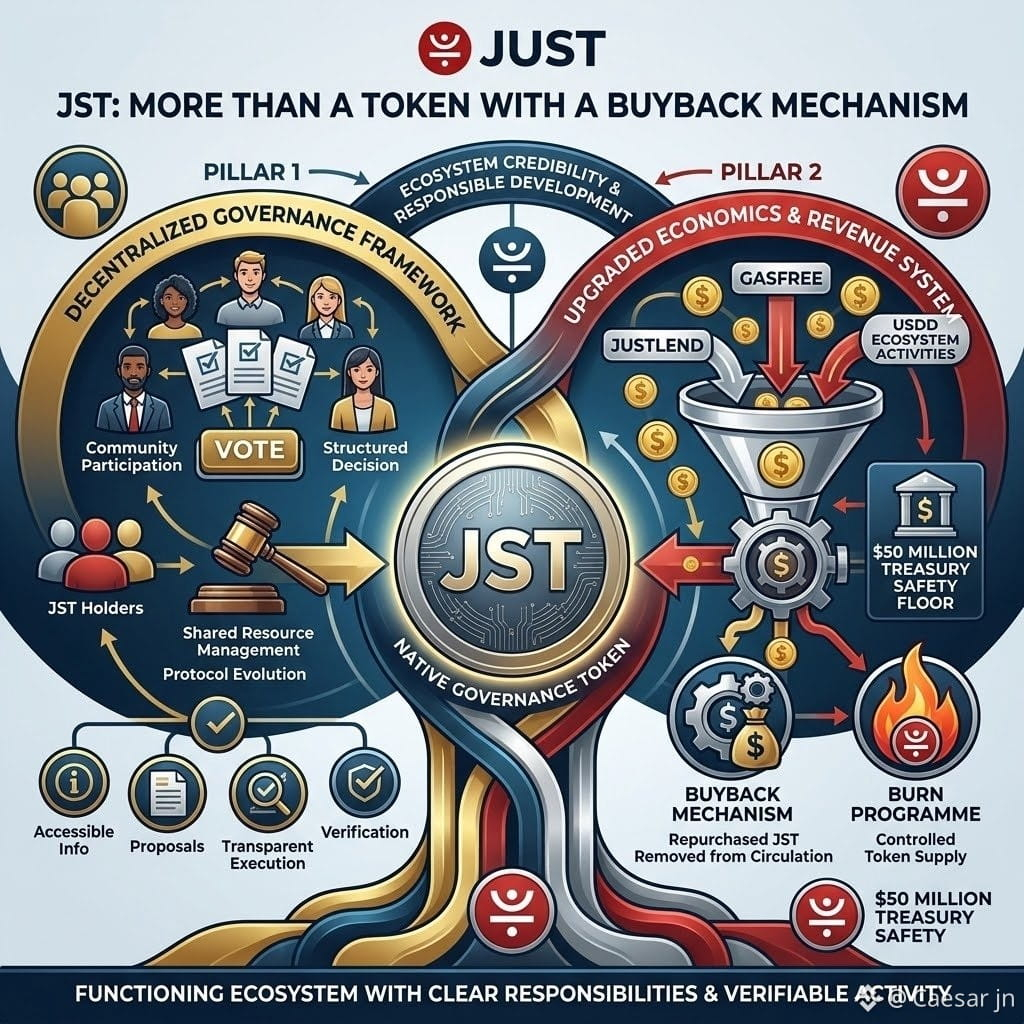
JST:不仅仅是带有回购机制的代币
谈及 JST 时,人们往往关注市场动态、代币供应量,以及生态系统的回购与销毁计划。
尽管这些方面都很重要,但它们仅体现了该代币在 JUST 中作用的一部分。
JST 是 JUST 生态系统的原生治理代币,为社区参与协议决策提供了框架。
治理是去中心化金融的基本组成部分,因为协议需要相应机制来讨论并决定系统应如何发展。
随着生态系统不断扩展,决策可能涉及市场参数、金融政策、产品开发以及共享资源的管理。
治理代币可以为符合资格的持有者参与这些流程提供一种结构化方式。
在 JUST 生态系统中,这使 JST 的意义不止于其市场表现。
该代币与生态系统更广泛的治理框架相关联,而升级后的回购机制则进一步体现了协议运营与代币经济之间的联系。
根据升级后的模式,来自 JustLend、GasFree 以及符合条件的 USDD 生态活动的收入,将用于回购 JST。
回购的代币随后会通过定期销毁退出流通。
这些机制各有不同的作用。
治理支持社区参与生态系统决策,而回购与销毁则针对代币的流通供应量。
切勿混淆这两种功能,也不要认为销毁会自动带来额外的治理权利。
要保持生态系统的可信度,治理必须以信息易于获取、提案易于理解、执行过程透明以及有效参与为基础。
代币持有者应能够审视影响协议的决策,并了解已获批准的安排如何落实。
更广泛的目标,是使社区利益与生态系统的负责任发展保持一致。
@JustinSun @DeFi_JUST #TRONEcoStar
JST:不仅仅是带有回购机制的代币
谈及 JST 时,人们往往关注市场动态、代币供应量,以及生态系统的回购与销毁计划。
尽管这些方面都很重要,但它们仅体现了该代币在 JUST 中作用的一部分。
JST 是 JUST 生态系统的原生治理代币,为社区参与协议决策提供了框架。
治理是去中心化金融的基本组成部分,因为协议需要相应机制来讨论并决定系统应如何发展。
随着生态系统不断扩展,决策可能涉及市场参数、金融政策、产品开发以及共享资源的管理。
治理代币可以为符合资格的持有者参与这些流程提供一种结构化方式。
在 JUST 生态系统中,这使 JST 的意义不止于其市场表现。
该代币与生态系统更广泛的治理框架相关联,而升级后的回购机制则进一步体现了协议运营与代币经济之间的联系。
根据升级后的模式,来自 JustLend、GasFree 以及符合条件的 USDD 生态活动的收入,将用于回购 JST。
回购的代币随后会通过定期销毁退出流通。
这些机制各有不同的作用。
治理支持社区参与生态系统决策,而回购与销毁则针对代币的流通供应量。
切勿混淆这两种功能,也不要认为销毁会自动带来额外的治理权利。
要保持生态系统的可信度,治理必须以信息易于获取、提案易于理解、执行过程透明以及有效参与为基础。
代币持有者应能够审视影响协议的决策,并了解已获批准的安排如何落实。
更广泛的目标,是使社区利益与生态系统的负责任发展保持一致。
@Justin Sun孙宇晨 @JUST DAO #TRONEcoStar
2
76
·
--
市场利用率:DeFi 借贷中的重要指标
评估去中心化借贷市场时,已供应的流动性规模只是其中一个方面。
另一个重要因素是利用率。
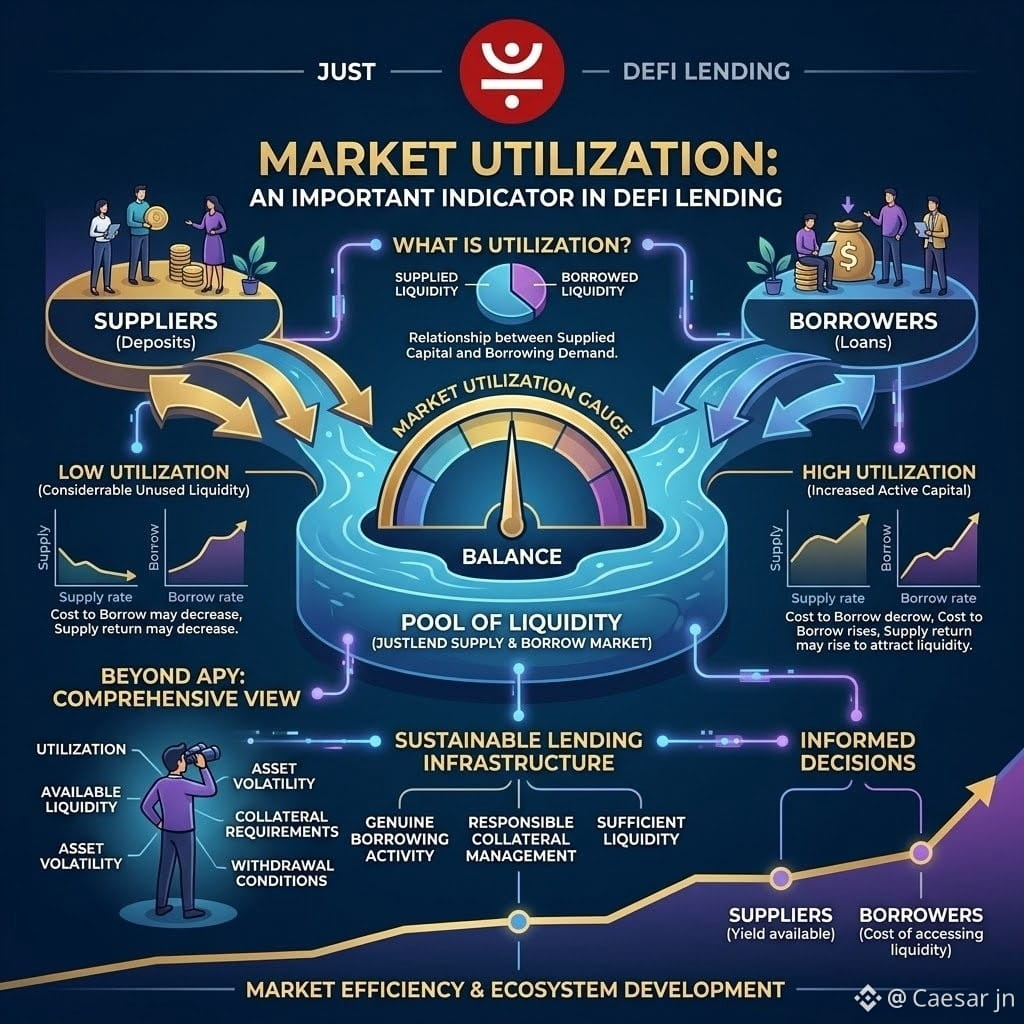
利用率描述了当前被借出的已供应流动性占可用流动性的比例。它有助于说明供应方提供的资金与借款方需求之间的关系。
这与 JustLend 的供应与借款市场尤为相关。
假设某个借贷市场中有大量资产已被供应。如果只有一小部分资产被借出,那么市场中就有大量闲置流动性。
然而,当借款需求增加时,更多供应资金会投入使用。
这会改变市场的利用率,并可能影响利率。
在许多借贷协议中,借款利率会根据预设的利率模型随利用率变化。随着利用率上升,借款成本可能随之提高,以平衡需求并鼓励更多资金供应。供应方的收益也会受到借出资金规模及其产生利息的影响。
这种关系十分重要,因为供应方和借款方依赖同一流动性池。
对供应方而言,利用率会影响其存款可获得的收益率。对借款方而言,利用率会影响获取流动性的成本。
了解这一机制有助于用户做出更明智的决策,而不是仅凭 APY 数据来评估市场。
较高的供应 APY 可能会引人关注,但用户还应考察利用率、可用流动性、资产波动性、抵押要求以及提现条件。
同样,借款方也应考虑借款成本是否适合其计划开展的金融活动。
因此,市场利用率并非只是一个技术指标,它能反映借贷市场的实际使用情况。
对于 JustLend,保持供应与借款需求之间的平衡关系是一项重要的
@DeFi_JUST @JustinSun #TRONEcoStar
市场利用率:DeFi 借贷中的重要指标
评估去中心化借贷市场时,已供应的流动性规模只是其中一个方面。
另一个重要因素是利用率。
利用率描述了当前被借出的已供应流动性占可用流动性的比例。它有助于说明供应方提供的资金与借款方需求之间的关系。
这与 JustLend 的供应与借款市场尤为相关。
假设某个借贷市场中有大量资产已被供应。如果只有一小部分资产被借出,那么市场中就有大量闲置流动性。
然而,当借款需求增加时,更多供应资金会投入使用。
这会改变市场的利用率,并可能影响利率。
在许多借贷协议中,借款利率会根据预设的利率模型随利用率变化。随着利用率上升,借款成本可能随之提高,以平衡需求并鼓励更多资金供应。供应方的收益也会受到借出资金规模及其产生利息的影响。
这种关系十分重要,因为供应方和借款方依赖同一流动性池。
对供应方而言,利用率会影响其存款可获得的收益率。对借款方而言,利用率会影响获取流动性的成本。
了解这一机制有助于用户做出更明智的决策,而不是仅凭 APY 数据来评估市场。
较高的供应 APY 可能会引人关注,但用户还应考察利用率、可用流动性、资产波动性、抵押要求以及提现条件。
同样,借款方也应考虑借款成本是否适合其计划开展的金融活动。
因此,市场利用率并非只是一个技术指标,它能反映借贷市场的实际使用情况。
对于 JustLend,保持供应与借款需求之间的平衡关系是一项重要的
@JUST DAO @Justin Sun孙宇晨 #TRONEcoStar
1
18
·
--
数百万日活跃用户告诉我们的关于 BitTorrent 的信息
一款产品的受欢迎程度很有意思。
但人们多频繁地回来使用它,或许能揭示更有价值的信息。
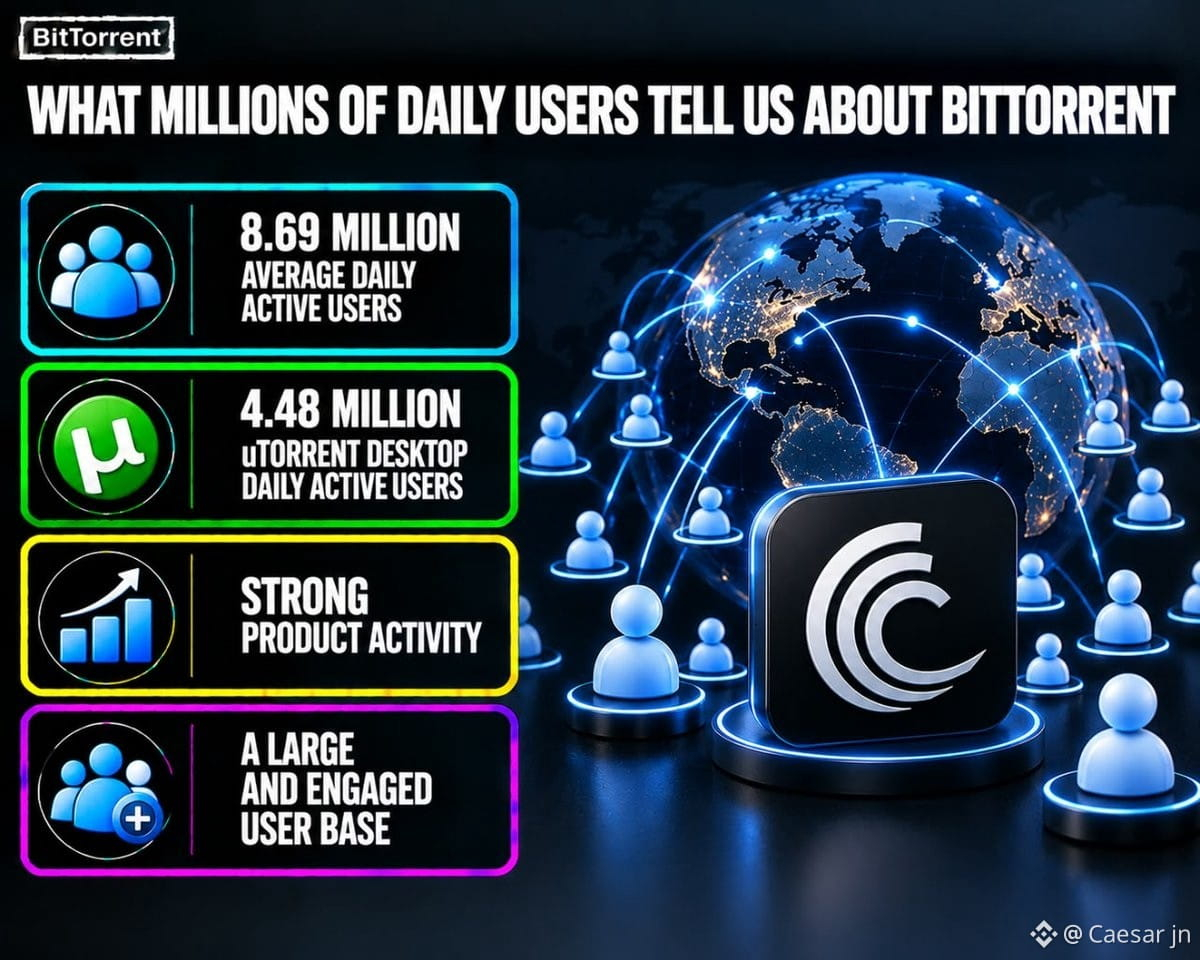
BitTorrent 公布的 10 月客户端数据矩阵显示,其列出的产品日均活跃用户达 869 万。
其中,uTorrent Desktop 的日活跃用户为 448 万。
这些数据让我们得以了解 BitTorrent 品牌背后成熟软件的活跃情况。
它们也凸显了关注产品层面指标的重要性。
庞大的用户群体固然宝贵,但产品能否长期保持相关性,不仅取决于最初的用户采纳。
用户需要持续回来的理由。
这意味着产品需要性能可靠、功能实用、界面易用,并能持续满足日常需求。
对于正在探索去中心化计算等新领域的生态系统而言,现有的软件布局仍是整体格局中重要的一环。
真正的机遇在于,让产品的实用价值持续转化为用户参与度。
了解 BitTorrent:bittorrent.com
@BitTorrent_Official @JustinSun #TRONEcoStar
数百万日活跃用户告诉我们的关于 BitTorrent 的信息
一款产品的受欢迎程度很有意思。
但人们多频繁地回来使用它,或许能揭示更有价值的信息。
BitTorrent 公布的 10 月客户端数据矩阵显示,其列出的产品日均活跃用户达 869 万。
其中,uTorrent Desktop 的日活跃用户为 448 万。
这些数据让我们得以了解 BitTorrent 品牌背后成熟软件的活跃情况。
它们也凸显了关注产品层面指标的重要性。
庞大的用户群体固然宝贵,但产品能否长期保持相关性,不仅取决于最初的用户采纳。
用户需要持续回来的理由。
这意味着产品需要性能可靠、功能实用、界面易用,并能持续满足日常需求。
对于正在探索去中心化计算等新领域的生态系统而言,现有的软件布局仍是整体格局中重要的一环。
真正的机遇在于,让产品的实用价值持续转化为用户参与度。
了解 BitTorrent:bittorrent.com
@BitTorrent_Official @Justin Sun孙宇晨 #TRONEcoStar
2
·
--
轻盈而智能的 BitTorrent 体验
更多功能并不一定能让应用变得更好。
有时,最好的软件就是能为用户提供所需,同时避免让使用体验变得不必要地复杂。
这正是 BitTorrent Neo 理念中的重要一环。
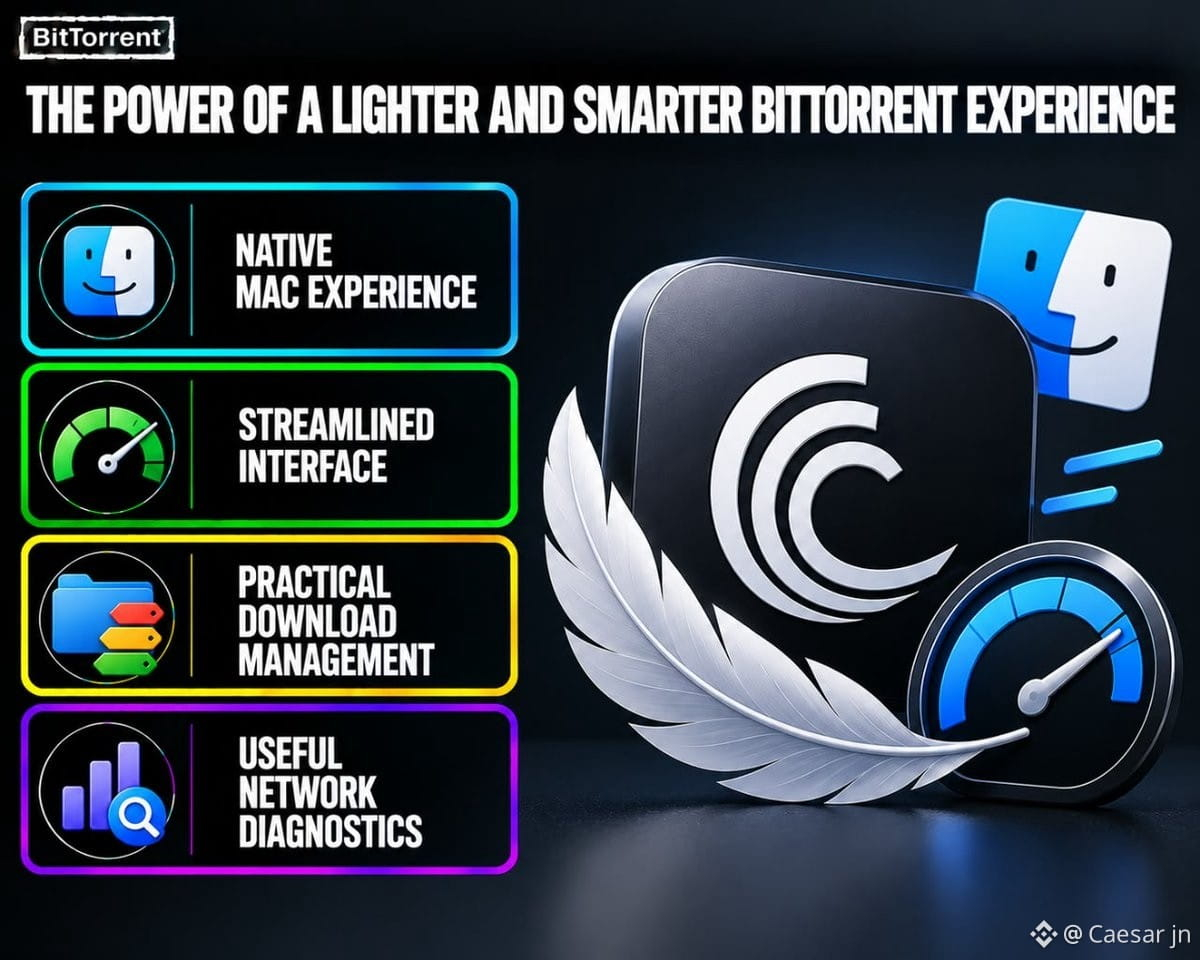
Neo 专为 macOS 原生打造,专注于简洁流畅的界面,以及围绕 Mac 环境设计的使用体验。
这很重要,因为桌面应用运行于更广泛的系统环境中,包括正在运行的进程、可用内存、存储空间和用户工作流程。
精心设计的客户端应当与这一环境相得益彰。
原生设计、实用的下载管理和便捷的网络诊断相结合,让 Neo 在 BitTorrent 的产品阵容中独具特色。
这一理念也适用于种子软件以外的领域。
随着应用功能越来越强大,效率与简洁也应继续成为设计讨论的一部分。
探索 BitTorrent Neo:bittorrent.com/products/mac/
@BitTorrent_Official @JustinSun
#TRONEcoStar
轻盈而智能的 BitTorrent 体验
更多功能并不一定能让应用变得更好。
有时,最好的软件就是能为用户提供所需,同时避免让使用体验变得不必要地复杂。
这正是 BitTorrent Neo 理念中的重要一环。
Neo 专为 macOS 原生打造,专注于简洁流畅的界面,以及围绕 Mac 环境设计的使用体验。
这很重要,因为桌面应用运行于更广泛的系统环境中,包括正在运行的进程、可用内存、存储空间和用户工作流程。
精心设计的客户端应当与这一环境相得益彰。
原生设计、实用的下载管理和便捷的网络诊断相结合,让 Neo 在 BitTorrent 的产品阵容中独具特色。
这一理念也适用于种子软件以外的领域。
随着应用功能越来越强大,效率与简洁也应继续成为设计讨论的一部分。
探索 BitTorrent Neo:bittorrent.com/products/mac/
@BitTorrent_Official @Justin Sun孙宇晨
#TRONEcoStar
6
·
--
10月,TRON 仍是 USDT 最活跃的公链!
基于各大主流公链的公开数据 📊
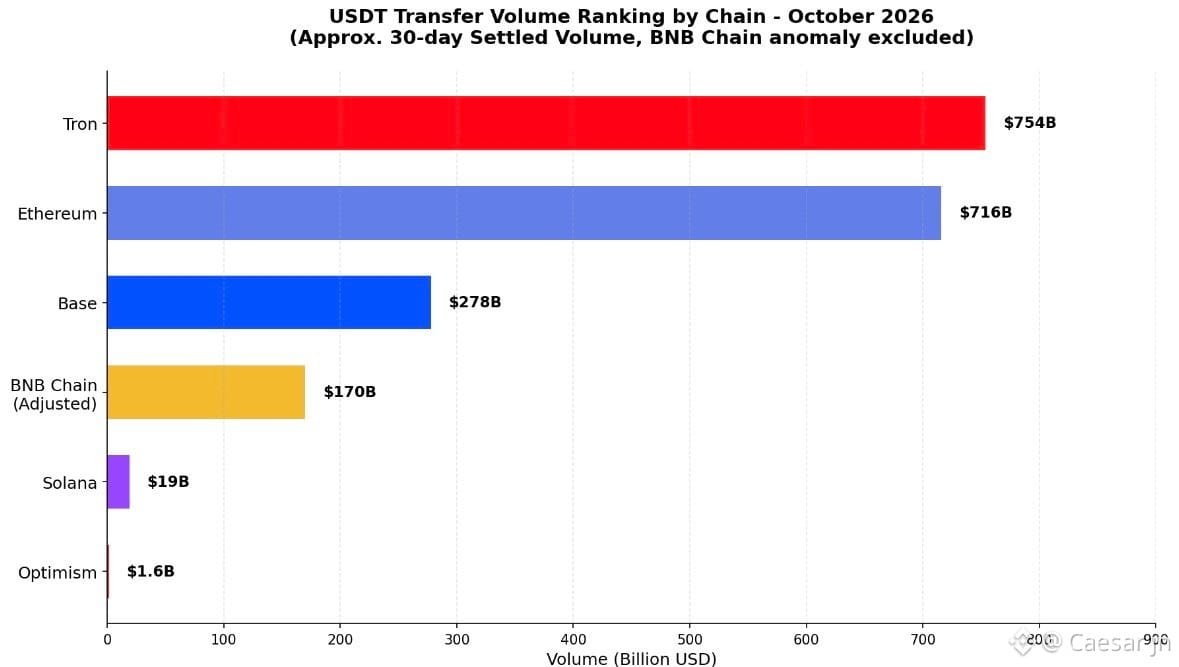
过去 30 天,TRON 链处理了 754B 美元的转账交易量,占全网公链 USDT 转账总量的 42%!
TRON 的 USDT 转账量已超过各大主流公链,成为当之无愧的 USDT 转账主战场!
@TRONDAO @JustinSun #TRONEcostar
10月,TRON 仍是 USDT 最活跃的公链!
基于各大主流公链的公开数据 📊
过去 30 天,TRON 链处理了 754B 美元的转账交易量,占全网公链 USDT 转账总量的 42%!
TRON 的 USDT 转账量已超过各大主流公链,成为当之无愧的 USDT 转账主战场!
@TRON DAO @Justin Sun孙宇晨 #TRONEcostar
基于各大主流公链的公开数据 📊
过去 30 天,TRON 链处理了 754B 美元的转账交易量,占全网公链 USDT 转账总量的 42%!
TRON 的 USDT 转账量已超过各大主流公链,成为当之无愧的 USDT 转账主战场!
@TRON DAO @Justin Sun孙宇晨 #TRONEcostar
39
·
--
TRON 10 月链上数据显示强劲增长!活跃地址数激增近 22%!
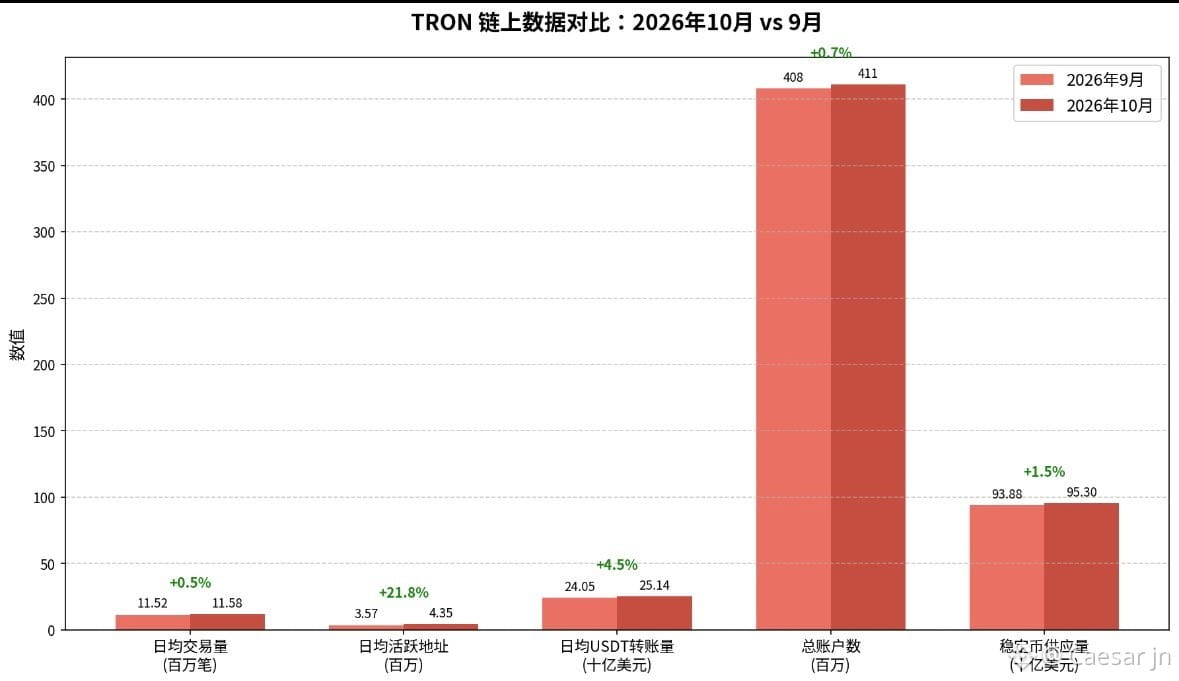
刚刚完成 TRON 10 月与 9 月链上数据的整理,核心结论一目了然:
• 日活跃地址数:357 万 → 435 万(+21.8%)
• USDT 日转账量:2400 亿美元 → 2510 亿美元(+4.5%)
• 日交易笔数:稳定在 1150 万笔,高位运行
• 账户总数:已突破 4.11 亿
• 累计交易笔数:正式突破 160 亿
TRON 继续稳居全球最大稳定币结算网络之位,凭借低手续费和高吞吐量的优势,持续吸引真实用户与资金流入。活跃度明显回升,表明生态使用正在加速!
数据来源:Nansen / TRONSCAN / DefiLlama
@JustinSun @TRONDAO #TRONEcoStar
TRON 10 月链上数据显示强劲增长!活跃地址数激增近 22%!
刚刚完成 TRON 10 月与 9 月链上数据的整理,核心结论一目了然:
• 日活跃地址数:357 万 → 435 万(+21.8%)
• USDT 日转账量:2400 亿美元 → 2510 亿美元(+4.5%)
• 日交易笔数:稳定在 1150 万笔,高位运行
• 账户总数:已突破 4.11 亿
• 累计交易笔数:正式突破 160 亿
TRON 继续稳居全球最大稳定币结算网络之位,凭借低手续费和高吞吐量的优势,持续吸引真实用户与资金流入。活跃度明显回升,表明生态使用正在加速!
数据来源:Nansen / TRONSCAN / DefiLlama
@Justin Sun孙宇晨 @TRON DAO #TRONEcoStar
12
·
--
𝗝𝗦𝗧:读懂 𝗧𝗥𝗢𝗡 上的活动信号
价格会波动,成交量则能告诉你谁参与了交易。
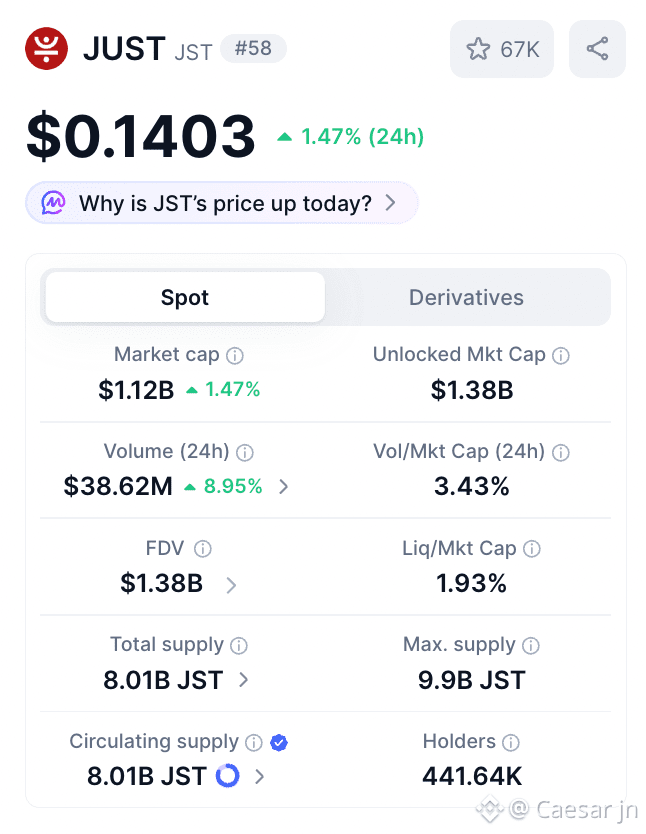
@CoinMarketCap_official 分享的最新快照显示,$JST 周围的市场活动正在增多。$JST 是 @DeFi_JUST 的核心代币。
𝗠𝗮𝗿𝗸𝗲𝘁 快照
→ 市值:$943.04M
→ 24 小时成交量:$49.71M(+8.16%)
→ 24 小时价格变化:+1.68%
成交量增长快于价格,说明有更多参与者在交易,而不只是价格悄然波动。
𝗪𝗵𝘆 成交量值得关注
交易量反映了资产换手的活跃程度。
它让单一的价格数字变成一个关于市场参与度的故事。
𝗥𝗲𝗮𝗱𝗶𝗻𝗴 结合背景看 𝗝𝗦𝗧
要获得更清晰的全貌,可以关注:
→ 交易量
→ 市值
→ 价格走势
→ 更广泛的 JUST 生态系统中的活动
𝗦𝘁𝗮𝘆 及时了解最新动态
这些数字变化很快。
始终值得直接查看数据来源,了解最新数据。
𝗧𝗵𝗲 更宏观的图景
价格显示方向。
成交量显示参与度。
市值显示规模。
结合起来看,能更全面地了解 JST 在 TRON 上的 JUST 生态系统中所处的位置。
查看数据。
结合背景解读。
@JustinSun @DeFi_JUST #TRONEcoStar
𝗝𝗦𝗧:读懂 𝗧𝗥𝗢𝗡 上的活动信号
价格会波动,成交量则能告诉你谁参与了交易。
@CoinMarketCap 分享的最新快照显示,$JST 周围的市场活动正在增多。$JST 是 @JUST DAO 的核心代币。
𝗠𝗮𝗿𝗸𝗲𝘁 快照
→ 市值:$943.04M
→ 24 小时成交量:$49.71M(+8.16%)
→ 24 小时价格变化:+1.68%
成交量增长快于价格,说明有更多参与者在交易,而不只是价格悄然波动。
𝗪𝗵𝘆 成交量值得关注
交易量反映了资产换手的活跃程度。
它让单一的价格数字变成一个关于市场参与度的故事。
𝗥𝗲𝗮𝗱𝗶𝗻𝗴 结合背景看 𝗝𝗦𝗧
要获得更清晰的全貌,可以关注:
→ 交易量
→ 市值
→ 价格走势
→ 更广泛的 JUST 生态系统中的活动
𝗦𝘁𝗮𝘆 及时了解最新动态
这些数字变化很快。
始终值得直接查看数据来源,了解最新数据。
𝗧𝗵𝗲 更宏观的图景
价格显示方向。
成交量显示参与度。
市值显示规模。
结合起来看,能更全面地了解 JST 在 TRON 上的 JUST 生态系统中所处的位置。
查看数据。
结合背景解读。
@Justin Sun孙宇晨 @JUST DAO #TRONEcoStar
40
·
--
当社区能够审视回购计划的运作方式、资金来源以及每次执行后的情况时,回购计划才更有意义。
这就是透明度对 WINkLink 的 $WIN 回购计划如此重要的原因。
以下是值得关注的关键要素:
→ 收入来源:WINkLink 预言机服务产生的收入。
→ 执行时间表:按照计划公布的机制,使用生态系统收入按季度进行回购。
→ 链上可验证性:公开的交易和销毁记录有助于社区追踪计划活动,并核实已报告的操作。
这些信息为社区提供了更清晰的框架,以评估该计划是否按所述方式执行。
重要的区别在于,公开承诺与可验证的结果并不相同。实际回购交易、支出金额以及代币销毁情况,应根据可查阅的记录和官方更新进行评估。
透明度无法保证代币价格上涨,但它让审查流程更加容易,从而有助于建立问责机制。
对于一个着眼长远的生态系统而言,机制清晰、执行可验证至关重要。
流程清晰。记录可查。持续问责。
随着 $WIN 回购计划不断推进,这正是值得关注的标准。
@WINkLink_Official @JustinSun #TRONEcoStar
当社区能够审视回购计划的运作方式、资金来源以及每次执行后的情况时,回购计划才更有意义。
这就是透明度对 WINkLink 的 $WIN 回购计划如此重要的原因。
以下是值得关注的关键要素:
→ 收入来源:WINkLink 预言机服务产生的收入。
→ 执行时间表:按照计划公布的机制,使用生态系统收入按季度进行回购。
→ 链上可验证性:公开的交易和销毁记录有助于社区追踪计划活动,并核实已报告的操作。
这些信息为社区提供了更清晰的框架,以评估该计划是否按所述方式执行。
重要的区别在于,公开承诺与可验证的结果并不相同。实际回购交易、支出金额以及代币销毁情况,应根据可查阅的记录和官方更新进行评估。
透明度无法保证代币价格上涨,但它让审查流程更加容易,从而有助于建立问责机制。
对于一个着眼长远的生态系统而言,机制清晰、执行可验证至关重要。
流程清晰。记录可查。持续问责。
随着 $WIN 回购计划不断推进,这正是值得关注的标准。
@WINkLink_Official @Justin Sun孙宇晨 #TRONEcoStar

148
·
--
𝗪𝗲𝗯𝟯 𝗖𝗮𝗻𝗻𝗼𝘁 𝗥𝗲𝗮𝗰𝗵 𝗜𝘁𝘀 𝗙𝘂𝗹𝗹 𝗣𝗼𝘁𝗲𝗻𝘁𝗶𝗮𝗹 𝗪𝗵𝗶𝗹𝗲 𝗕𝗹𝗼𝗰𝗸𝗰𝗵𝗮𝗶𝗻𝘀 𝗥𝗲𝗺𝗮𝗶𝗻 𝗜𝘀𝗼𝗹𝗮𝘁𝗲𝗱.
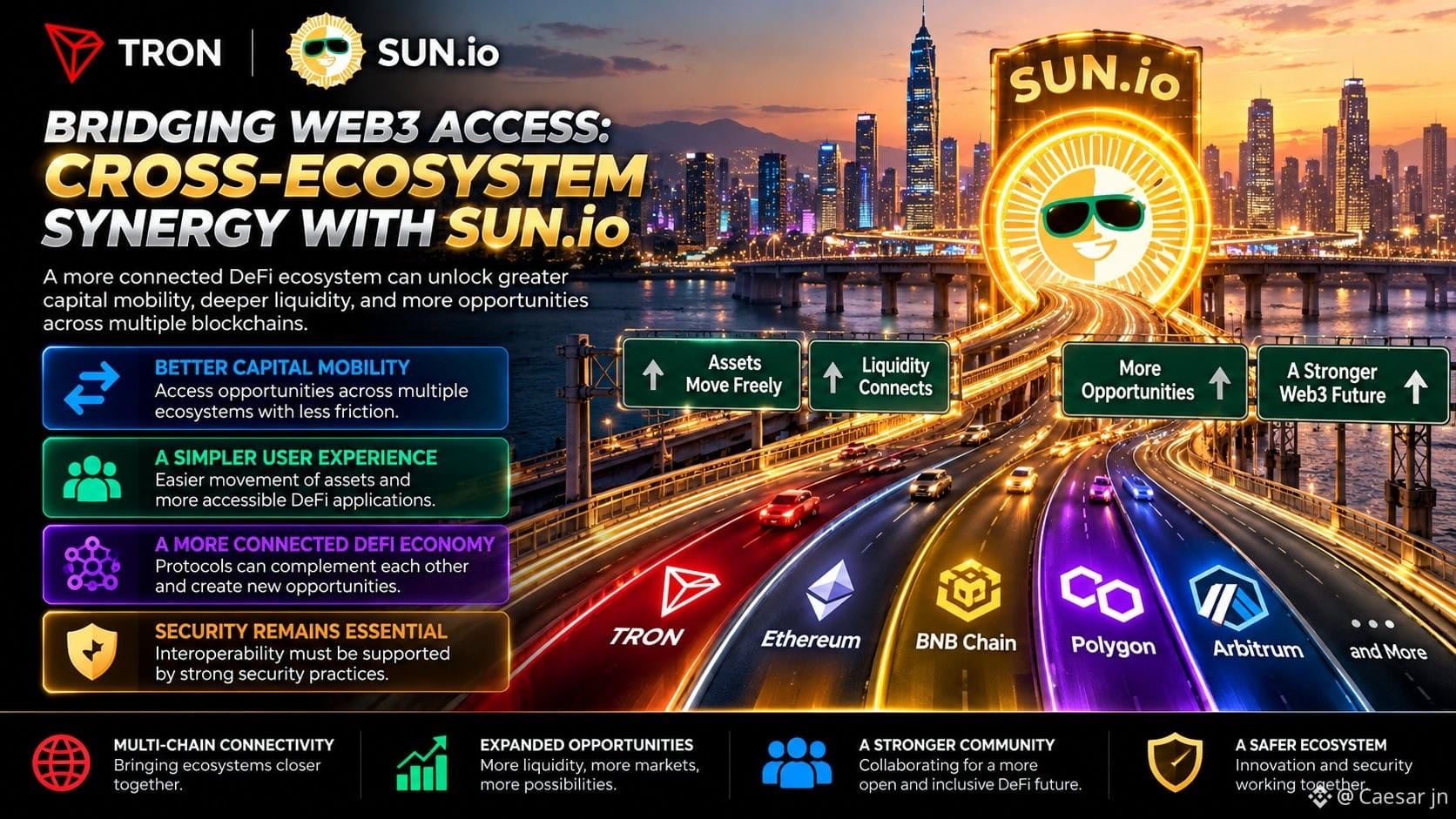
去中心化金融面临的最大挑战之一并非缺乏创新,而是碎片化。
如今,不同的区块链生态系统承载着有价值的资产、流动性池、借贷市场、去中心化交易所和金融应用。然而,在这些环境之间转移仍可能带来不必要的复杂性。
资金可能分布在多个网络中,但如何高效地获取机会则是另一项挑战。
因此,跨生态系统的互联互通变得愈发重要。
为什么互操作性如此重要?
以下三个方面尤为重要:
1. 更灵活的资金流动
当用户能够在不同的区块链环境中获取机会时,流动性就能发挥更大作用。
提升互操作性可以减少阻碍,并帮助资金流向能够得到更有效利用的应用。
2. 更好的用户体验
用户不应该每次与另一个生态系统交互时,都需要了解复杂的基础设施。
更简单的资产转移、更清晰的界面以及更易使用的 DeFi 应用,可以让 Web3 的使用变得轻松许多。
3. 联系更紧密的 DeFi 经济
互操作性让各个协议有机会相互补充,而不是各自在孤立的环境中运行。
这有助于促进合作、拓展市场准入,并为开发者和用户创造更多可能性。
SUN.io 在其中发挥什么作用?
在 TRON 生态系统中,SUN.io 为去中心化交易和流动性基础设施提供支持。
从提升用户获取去中心化金融服务能力这一更广泛的目标来看,它的作用尤其值得关注。
不过,互联互通必须以稳健的安全实践为保障。跨链桥的漏洞,
@SunPump_meme @JustinSun
#TRONEcoStar
𝗪𝗲𝗯𝟯 𝗖𝗮𝗻𝗻𝗼𝘁 𝗥𝗲𝗮𝗰𝗵 𝗜𝘁𝘀 𝗙𝘂𝗹𝗹 𝗣𝗼𝘁𝗲𝗻𝘁𝗶𝗮𝗹 𝗪𝗵𝗶𝗹𝗲 𝗕𝗹𝗼𝗰𝗸𝗰𝗵𝗮𝗶𝗻𝘀 𝗥𝗲𝗺𝗮𝗶𝗻 𝗜𝘀𝗼𝗹𝗮𝘁𝗲𝗱.
去中心化金融面临的最大挑战之一并非缺乏创新,而是碎片化。
如今,不同的区块链生态系统承载着有价值的资产、流动性池、借贷市场、去中心化交易所和金融应用。然而,在这些环境之间转移仍可能带来不必要的复杂性。
资金可能分布在多个网络中,但如何高效地获取机会则是另一项挑战。
因此,跨生态系统的互联互通变得愈发重要。
为什么互操作性如此重要?
以下三个方面尤为重要:
1. 更灵活的资金流动
当用户能够在不同的区块链环境中获取机会时,流动性就能发挥更大作用。
提升互操作性可以减少阻碍,并帮助资金流向能够得到更有效利用的应用。
2. 更好的用户体验
用户不应该每次与另一个生态系统交互时,都需要了解复杂的基础设施。
更简单的资产转移、更清晰的界面以及更易使用的 DeFi 应用,可以让 Web3 的使用变得轻松许多。
3. 联系更紧密的 DeFi 经济
互操作性让各个协议有机会相互补充,而不是各自在孤立的环境中运行。
这有助于促进合作、拓展市场准入,并为开发者和用户创造更多可能性。
SUN.io 在其中发挥什么作用?
在 TRON 生态系统中,SUN.io 为去中心化交易和流动性基础设施提供支持。
从提升用户获取去中心化金融服务能力这一更广泛的目标来看,它的作用尤其值得关注。
不过,互联互通必须以稳健的安全实践为保障。跨链桥的漏洞,
@OfficialSUNio @Justin Sun孙宇晨
#TRONEcoStar
29
·
--
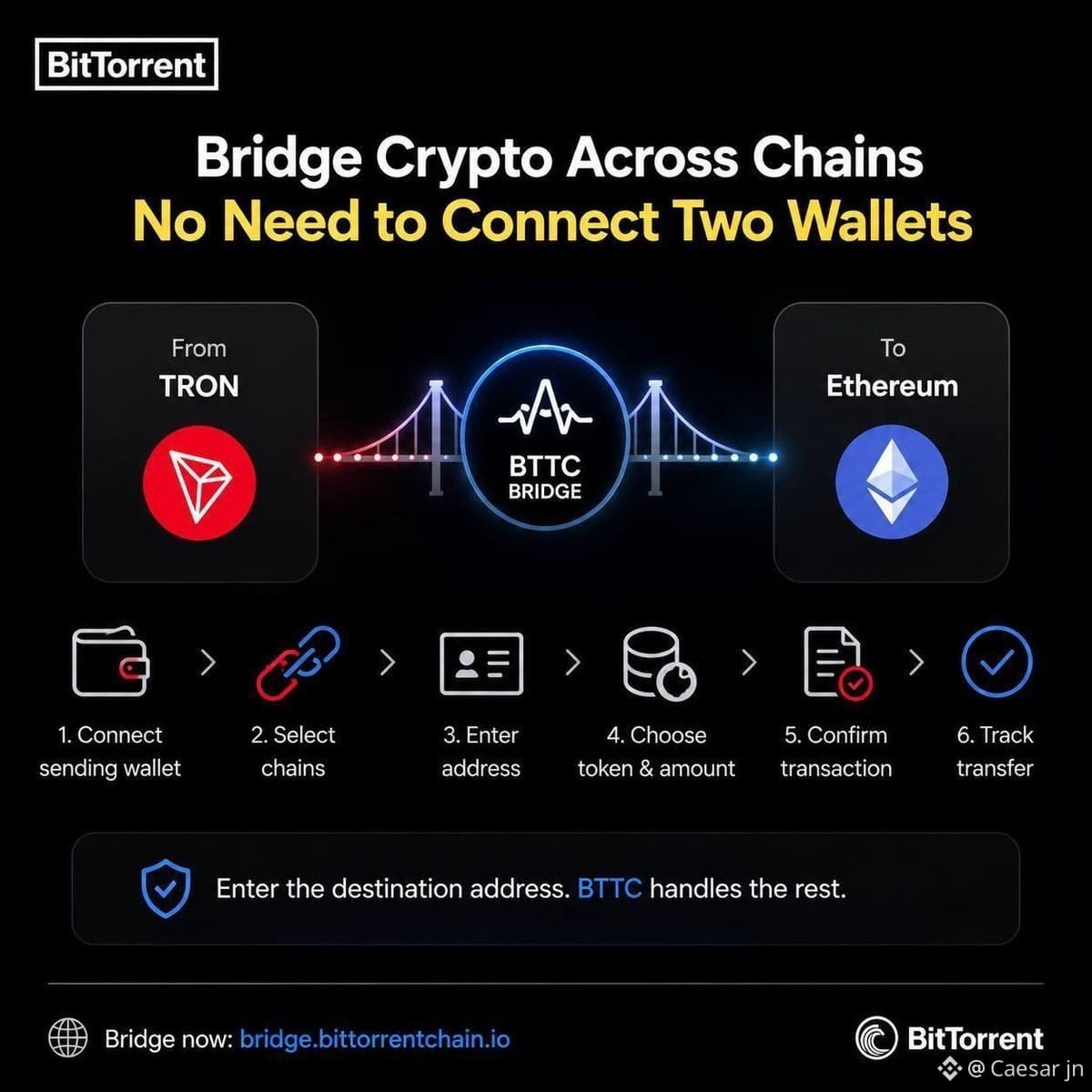
𝐁𝐓𝐓𝐂 让跨链转账更加灵活
在不同区块链之间转移资产,不一定总要连接所有相关钱包。通过支持的 BTTC Bridge 转账,用户可以直接指定目标钱包地址,从而更轻松地跨网络发送资产,或将资产转入他人的钱包。
𝐏𝐫𝐨𝐜𝐞𝐬𝐬 𝐎𝐯𝐞𝐫𝐯𝐢𝐞𝐰
➞ 𝐂𝐨𝐧𝐧𝐞𝐜𝐭 𝐘𝐨𝐮𝐫 𝐒𝐞𝐧𝐝𝐢𝐧𝐠 𝐖𝐚𝐥𝐥𝐞𝐭:打开官方 BTTC Bridge,并连接持有资产的钱包。
➞ 𝐒𝐞𝐥𝐞𝐜𝐭 𝐘𝐨𝐮𝐫 𝐍𝐞𝐭𝐰𝐨𝐫𝐤𝐬:选择受支持的源区块链和目标区块链。
➞ 𝐄𝐧𝐭𝐞𝐫 𝐓𝐡𝐞 𝐑𝐞𝐜𝐞𝐢𝐯𝐢𝐧𝐠 𝐀𝐝𝐝𝐫𝐞𝐬𝐬:输入目标地址,无需一定连接该钱包。
➞ 𝐂𝐡𝐨𝐨𝐬𝐞 𝐀𝐧𝐝 𝐂𝐨𝐧𝐟𝐢𝐫𝐦:选择受支持的资产,输入金额,检查费用和详情,然后授权交易。
➞ 𝐓𝐫𝐚𝐜𝐤 𝐓𝐡𝐞 𝐓𝐫𝐚𝐧𝐬𝐟𝐞𝐫:跟踪转账进度,直到桥接服务确认完成。
𝐖𝐡𝐲 𝐓𝐡𝐢𝐬 𝐌𝐚𝐭𝐭𝐞𝐫𝐬
这种方式带来了实用的灵活性。你可以将资产发送到另一台设备上的钱包,在自己的不同地址之间转移资金,或将受支持的代币转给其他收款人,而无需对方将钱包连接到你的会话。
减少连接步骤可以让操作更加简单,但用户仍需了解跨链转账的运作方式。
𝐁𝐫𝐢𝐝𝐠𝐞 𝐁𝐞𝐟𝐨𝐫𝐞 𝐘𝐨𝐮 𝐓𝐫𝐚𝐧𝐬𝐟𝐞𝐫
务必检查目标网络、钱包地址、受支持的代币、费用和交易详情。地址错误或目标网络不兼容,可能导致资金永久损失。
@BitTorrent_Official @JustinSun #TRONEcoStar
𝐁𝐓𝐓𝐂 让跨链转账更加灵活
在不同区块链之间转移资产,不一定总要连接所有相关钱包。通过支持的 BTTC Bridge 转账,用户可以直接指定目标钱包地址,从而更轻松地跨网络发送资产,或将资产转入他人的钱包。
𝐏𝐫𝐨𝐜𝐞𝐬𝐬 𝐎𝐯𝐞𝐫𝐯𝐢𝐞𝐰
➞ 𝐂𝐨𝐧𝐧𝐞𝐜𝐭 𝐘𝐨𝐮𝐫 𝐒𝐞𝐧𝐝𝐢𝐧𝐠 𝐖𝐚𝐥𝐥𝐞𝐭:打开官方 BTTC Bridge,并连接持有资产的钱包。
➞ 𝐒𝐞𝐥𝐞𝐜𝐭 𝐘𝐨𝐮𝐫 𝐍𝐞𝐭𝐰𝐨𝐫𝐤𝐬:选择受支持的源区块链和目标区块链。
➞ 𝐄𝐧𝐭𝐞𝐫 𝐓𝐡𝐞 𝐑𝐞𝐜𝐞𝐢𝐯𝐢𝐧𝐠 𝐀𝐝𝐝𝐫𝐞𝐬𝐬:输入目标地址,无需一定连接该钱包。
➞ 𝐂𝐡𝐨𝐨𝐬𝐞 𝐀𝐧𝐝 𝐂𝐨𝐧𝐟𝐢𝐫𝐦:选择受支持的资产,输入金额,检查费用和详情,然后授权交易。
➞ 𝐓𝐫𝐚𝐜𝐤 𝐓𝐡𝐞 𝐓𝐫𝐚𝐧𝐬𝐟𝐞𝐫:跟踪转账进度,直到桥接服务确认完成。
𝐖𝐡𝐲 𝐓𝐡𝐢𝐬 𝐌𝐚𝐭𝐭𝐞𝐫𝐬
这种方式带来了实用的灵活性。你可以将资产发送到另一台设备上的钱包,在自己的不同地址之间转移资金,或将受支持的代币转给其他收款人,而无需对方将钱包连接到你的会话。
减少连接步骤可以让操作更加简单,但用户仍需了解跨链转账的运作方式。
𝐁𝐫𝐢𝐝𝐠𝐞 𝐁𝐞𝐟𝐨𝐫𝐞 𝐘𝐨𝐮 𝐓𝐫𝐚𝐧𝐬𝐟𝐞𝐫
务必检查目标网络、钱包地址、受支持的代币、费用和交易详情。地址错误或目标网络不兼容,可能导致资金永久损失。
@BitTorrent_Official @Justin Sun孙宇晨 #TRONEcoStar
2
250
·
--
𝐉𝐮𝐬𝐭𝐋𝐞𝐧𝐝 𝐃𝐀𝐎 如何让 𝐔𝐒𝐃𝐃 在 𝐓𝐑𝐎𝐍 上发挥流动性作用
稳定币的用途不止于保值或转账。通过 DeFi 借贷,稳定币还可以为链上流动性做出贡献:提供资金,供借款人使用。
对于符合条件的 TRON 上的 USDD 持有者,JustLend DAO 让这一切成为可能。
𝐖𝐨𝐫𝐥𝐞𝐭 到借贷池
➞ 访问 justlend.org 并连接支持的钱包,例如 TronLink 或其他目前与该平台兼容的钱包。
➞ 找到 USDD 市场,选择供应选项,并输入要存入的金额。确认前请查看显示的条款。
𝐒𝐮𝐩𝐩𝐥𝐲 之后会发生什么?
您的 USDD 将加入借贷池,符合条件的借款人可以使用其中可用的流动性。供应者可能会根据借款需求和协议当前的利率模型获得利息。
需要注意的是,收益是浮动的。供应资产并不保证固定 APY,智能合约、流动性和稳定币风险依然存在。
𝐂𝐨𝐥𝐥𝐚𝐭𝐞𝐫𝐚𝐥 带来另一种选择
如果市场和协议设置允许,供应的资产可以启用为借款抵押品。这提供了额外的灵活性,但借款也会带来还款义务;如果抵押品状况恶化,还存在清算风险。
𝐖𝐡𝐲 𝐈𝐭 𝐌𝐚𝐭𝐭𝐞𝐫𝐬
更深层的意义在于提高资金效率。供应者可以提供流动性,借款人可以获得资金,而借贷活动则有助于推动更广泛的 DeFi 生态系统。
简单的用户操作流程,也能为规模大得多的金融体系提供支持。
前往 justlend.org 了解更多。
@WINkLink_Official @JustinSun #TRONEcoStar
𝐉𝐮𝐬𝐭𝐋𝐞𝐧𝐝 𝐃𝐀𝐎 如何让 𝐔𝐒𝐃𝐃 在 𝐓𝐑𝐎𝐍 上发挥流动性作用
稳定币的用途不止于保值或转账。通过 DeFi 借贷,稳定币还可以为链上流动性做出贡献:提供资金,供借款人使用。
对于符合条件的 TRON 上的 USDD 持有者,JustLend DAO 让这一切成为可能。
𝐖𝐨𝐫𝐥𝐞𝐭 到借贷池
➞ 访问 justlend.org 并连接支持的钱包,例如 TronLink 或其他目前与该平台兼容的钱包。
➞ 找到 USDD 市场,选择供应选项,并输入要存入的金额。确认前请查看显示的条款。
𝐒𝐮𝐩𝐩𝐥𝐲 之后会发生什么?
您的 USDD 将加入借贷池,符合条件的借款人可以使用其中可用的流动性。供应者可能会根据借款需求和协议当前的利率模型获得利息。
需要注意的是,收益是浮动的。供应资产并不保证固定 APY,智能合约、流动性和稳定币风险依然存在。
𝐂𝐨𝐥𝐥𝐚𝐭𝐞𝐫𝐚𝐥 带来另一种选择
如果市场和协议设置允许,供应的资产可以启用为借款抵押品。这提供了额外的灵活性,但借款也会带来还款义务;如果抵押品状况恶化,还存在清算风险。
𝐖𝐡𝐲 𝐈𝐭 𝐌𝐚𝐭𝐭𝐞𝐫𝐬
更深层的意义在于提高资金效率。供应者可以提供流动性,借款人可以获得资金,而借贷活动则有助于推动更广泛的 DeFi 生态系统。
简单的用户操作流程,也能为规模大得多的金融体系提供支持。
前往 justlend.org 了解更多。
@WINkLink_Official @Justin Sun孙宇晨 #TRONEcoStar

11
·
--
一笔区块链交易可能只需片刻即可执行,但其背后的决策可能取决于链外很远的信息。
DeFi 协议可能需要最新的资产价格。区块链游戏可能需要可验证的随机数。另一个应用可能需要从外部 API 获取信息,之后其智能合约才能执行预先定义的操作。
挑战在于,区块链无法原生访问大多数链下信息。
𝗢𝗿𝗮𝗰𝗹𝗲 𝗜𝗻𝗳𝗿𝗮𝘀𝘁𝗿𝘂𝗰𝘁𝘂𝗿𝗲 正是在此发挥作用。
预言机网络有助于连接外部信息与链上执行,让智能合约能够访问其自身无法获取的数据。
WINkLink 通过价格数据馈送、可验证随机数、外部 API 连接和智能合约自动化等服务,在 TRON 生态系统中提供这类基础设施。
由此,开发者在构建需要与区块链之外不断变化的条件交互的去中心化应用时,便拥有了更多可能性。
当然,最终结果的质量仍取决于可靠的数据来源、恰当的配置以及稳健的合约逻辑。
区块链负责执行。预言机帮助提供信息。应用则将这些部分结合起来,实现预期功能。
这是基础设施中一个重要的组成部分,用户往往不会注意到它,却正是它让功能更强大的 Web3 应用成为可能。
𝗪𝗲𝗯𝟯 不只是关于链上发生了什么,也关乎为智能合约提供其采取行动所需的信息。
@WINkLink_Official @JustinSun
#TRON #TRONEcoStar
一笔区块链交易可能只需片刻即可执行,但其背后的决策可能取决于链外很远的信息。
DeFi 协议可能需要最新的资产价格。区块链游戏可能需要可验证的随机数。另一个应用可能需要从外部 API 获取信息,之后其智能合约才能执行预先定义的操作。
挑战在于,区块链无法原生访问大多数链下信息。
𝗢𝗿𝗮𝗰𝗹𝗲 𝗜𝗻𝗳𝗿𝗮𝘀𝘁𝗿𝘂𝗰𝘁𝘂𝗿𝗲 正是在此发挥作用。
预言机网络有助于连接外部信息与链上执行,让智能合约能够访问其自身无法获取的数据。
WINkLink 通过价格数据馈送、可验证随机数、外部 API 连接和智能合约自动化等服务,在 TRON 生态系统中提供这类基础设施。
由此,开发者在构建需要与区块链之外不断变化的条件交互的去中心化应用时,便拥有了更多可能性。
当然,最终结果的质量仍取决于可靠的数据来源、恰当的配置以及稳健的合约逻辑。
区块链负责执行。预言机帮助提供信息。应用则将这些部分结合起来,实现预期功能。
这是基础设施中一个重要的组成部分,用户往往不会注意到它,却正是它让功能更强大的 Web3 应用成为可能。
𝗪𝗲𝗯𝟯 不只是关于链上发生了什么,也关乎为智能合约提供其采取行动所需的信息。
@WINkLink_Official @Justin Sun孙宇晨
#TRON #TRONEcoStar

49
·
--
AI 能在几秒内给出令人信服的答案、分析复杂问题并提出建议。但对答案充满信心,并不能证明其背后的信息是正确的。
过时的价格、不完整的记录和不可靠的外部来源,都可能使 AI 系统得出错误的结论。
因此,数据质量是构建实用 AI 的关键环节。
这正是预言机基础设施发挥作用的地方。
WINkLink 帮助外部数据与区块链应用建立连接,为 AI 驱动的系统和智能合约利用区块链之外的信息创造机会。
但将 AI 连接到外部数据只是解决方案的一部分。数据来源必须恰当,信息必须及时,系统还需要能够在依据结果采取行动前评估其可靠性。
AI 可以解读信息并生成洞见。预言机基础设施可以帮助获取和传递外部数据。智能合约则可以根据收到的信息执行预先设定的操作。
每一层都有不同的作用,而其中任何一层的弱点都可能影响整个流程。
我们的目标并非只是让 AI 获取更多数据,而是确保输入智能系统的信息适合支持它们所需作出的决策。
因为更智能的 AI 不仅需要更智能的模型,也需要可靠的输入。
@WINkLink_Official @JustinSun
#WINkLink #TRON #TRONEcoStar
AI 能在几秒内给出令人信服的答案、分析复杂问题并提出建议。但对答案充满信心,并不能证明其背后的信息是正确的。
过时的价格、不完整的记录和不可靠的外部来源,都可能使 AI 系统得出错误的结论。
因此,数据质量是构建实用 AI 的关键环节。
这正是预言机基础设施发挥作用的地方。
WINkLink 帮助外部数据与区块链应用建立连接,为 AI 驱动的系统和智能合约利用区块链之外的信息创造机会。
但将 AI 连接到外部数据只是解决方案的一部分。数据来源必须恰当,信息必须及时,系统还需要能够在依据结果采取行动前评估其可靠性。
AI 可以解读信息并生成洞见。预言机基础设施可以帮助获取和传递外部数据。智能合约则可以根据收到的信息执行预先设定的操作。
每一层都有不同的作用,而其中任何一层的弱点都可能影响整个流程。
我们的目标并非只是让 AI 获取更多数据,而是确保输入智能系统的信息适合支持它们所需作出的决策。
因为更智能的 AI 不仅需要更智能的模型,也需要可靠的输入。
@WINkLink_Official @Justin Sun孙宇晨
#WINkLink #TRON #TRONEcoStar

30
·
--
查看翻译
𝗦𝗨𝗡.𝗶𝗼: 𝗧𝗵𝗲 𝗗𝗲𝗙𝗶 𝗜𝗻𝗳𝗿𝗮𝘀𝘁𝗿𝘂𝗰𝘁𝘂𝗿𝗲 𝗖𝗼𝗻𝗻𝗲𝗰𝘁𝗶𝗻𝗴 𝗧𝗥𝗢𝗡’𝘀 𝗧𝗿𝗮𝗱𝗶𝗻𝗴 𝗘𝗰𝗼𝘀𝘆𝘀𝘁𝗲𝗺
A blockchain becomes more useful when its users have meaningful ways to exchange assets, provide liquidity, and participate in decentralized markets.
That is where @SunPump_meme fits into the broader TRON ecosystem.
SUN.io brings together multiple DeFi functions designed to support different forms of on-chain activity. Rather than serving a single purpose, its ecosystem provides several entry points for users who want to explore decentralized finance on TRON.
Here is how its components contribute to that infrastructure:
🔹 SunSwap — Decentralized Trading
SunSwap enables users to exchange supported tokens through decentralized liquidity mechanisms. It provides an alternative to relying exclusively on centralized trading platforms.
🔹 SunCurve — Stablecoin Swaps
Stablecoin-focused swapping helps facilitate exchanges between supported assets designed to maintain relatively stable values. Actual prices and execution depend on liquidity and market conditions.
🔹 Liquidity Pools — Supporting Markets
Liquidity providers contribute assets to eligible pools, helping facilitate decentralized swaps. In return, they may receive a share of trading fees under the applicable pool rules, while remaining exposed to risks such as impermanent loss.
🔹 Farming Opportunities — Incentivizing Participation
Eligible farming programs can provide additional incentives for supplying liquidity or participating in supported protocols. However, rewards can change, and incentives should never be confused with guaranteed returns.
🔹 SunPump — Meme-Token Launches
SunPump offers infrastructure for launching meme tokens on TRON, expanding the range of community-driven token projects entering the ecosystem. Token launches also carry substantial risks, including volatility, liquidity
@JustinSun @SunPump_meme
#TRONEcoStar
𝗦𝗨𝗡.𝗶𝗼: 𝗧𝗵𝗲 𝗗𝗲𝗙𝗶 𝗜𝗻𝗳𝗿𝗮𝘀𝘁𝗿𝘂𝗰𝘁𝘂𝗿𝗲 𝗖𝗼𝗻𝗻𝗲𝗰𝘁𝗶𝗻𝗴 𝗧𝗥𝗢𝗡’𝘀 𝗧𝗿𝗮𝗱𝗶𝗻𝗴 𝗘𝗰𝗼𝘀𝘆𝘀𝘁𝗲𝗺
A blockchain becomes more useful when its users have meaningful ways to exchange assets, provide liquidity, and participate in decentralized markets.
That is where @OfficialSUNio fits into the broader TRON ecosystem.
SUN.io brings together multiple DeFi functions designed to support different forms of on-chain activity. Rather than serving a single purpose, its ecosystem provides several entry points for users who want to explore decentralized finance on TRON.
Here is how its components contribute to that infrastructure:
🔹 SunSwap — Decentralized Trading
SunSwap enables users to exchange supported tokens through decentralized liquidity mechanisms. It provides an alternative to relying exclusively on centralized trading platforms.
🔹 SunCurve — Stablecoin Swaps
Stablecoin-focused swapping helps facilitate exchanges between supported assets designed to maintain relatively stable values. Actual prices and execution depend on liquidity and market conditions.
🔹 Liquidity Pools — Supporting Markets
Liquidity providers contribute assets to eligible pools, helping facilitate decentralized swaps. In return, they may receive a share of trading fees under the applicable pool rules, while remaining exposed to risks such as impermanent loss.
🔹 Farming Opportunities — Incentivizing Participation
Eligible farming programs can provide additional incentives for supplying liquidity or participating in supported protocols. However, rewards can change, and incentives should never be confused with guaranteed returns.
🔹 SunPump — Meme-Token Launches
SunPump offers infrastructure for launching meme tokens on TRON, expanding the range of community-driven token projects entering the ecosystem. Token launches also carry substantial risks, including volatility, liquidity
@Justin Sun孙宇晨 @OfficialSUNio
#TRONEcoStar
·
--
查看翻译
𝗪𝗛𝗘𝗡 𝗧𝗥𝗨𝗦𝗧 𝗜𝗡 𝗖𝗘𝗡𝗧𝗥𝗔𝗟𝗜𝗭𝗘𝗗 𝗦𝗬𝗦𝗧𝗘𝗠𝗦 𝗙𝗔𝗗𝗘𝗦, 𝗗𝗘𝗖𝗘𝗡𝗧𝗥𝗔𝗟𝗜𝗭𝗔𝗧𝗜𝗢𝗡 𝗕𝗘𝗖𝗢𝗠𝗘𝗦 𝗠𝗢𝗥𝗘 𝗧𝗛𝗔𝗡 𝗔 𝗡𝗔𝗥𝗥𝗔𝗧𝗜𝗩𝗘
For years, the digital world has operated around centralized platforms.
A few organizations control infrastructure, manage access, coordinate resources and determine how information moves.
This model has delivered convenience and scale, but it also creates structural dependencies.
What happens when access is restricted?
What happens when a central service experiences disruption?
What happens when users have little control over the systems they depend on?
These questions are becoming increasingly important as the internet evolves.
DECENTRALIZATION IS A DIFFERENT WAY OF BUILDING THE INTERNET.
Rather than concentrating control in a single authority, decentralized infrastructure distributes participation, resources and responsibilities across networks of independent contributors.
This shift introduces several important advantages.
1. DISTRIBUTED PARTICIPATION
A decentralized network can allow multiple participants to contribute resources instead of depending entirely on one central provider.
This creates a more collaborative infrastructure model.
2. REDUCED SINGLE-POINT DEPENDENCY
Centralized systems can create vulnerabilities when too much activity depends on one organization or infrastructure provider.
Distributed architectures can reduce certain single-point dependencies, although they still require effective coordination and security.
3. GREATER USER PARTICIPATION
Decentralization creates opportunities for individuals to become contributors rather than remaining passive consumers.
This changes the relationship between users and the infrastructure they rely on.
4. RESILIENCE THROUGH DISTRIBUTION
A well-designed distributed network can continue operating even when individual participants become
@BitTorrent_Official @JustinSun #TRONEcoStar
𝗪𝗛𝗘𝗡 𝗧𝗥𝗨𝗦𝗧 𝗜𝗡 𝗖𝗘𝗡𝗧𝗥𝗔𝗟𝗜𝗭𝗘𝗗 𝗦𝗬𝗦𝗧𝗘𝗠𝗦 𝗙𝗔𝗗𝗘𝗦, 𝗗𝗘𝗖𝗘𝗡𝗧𝗥𝗔𝗟𝗜𝗭𝗔𝗧𝗜𝗢𝗡 𝗕𝗘𝗖𝗢𝗠𝗘𝗦 𝗠𝗢𝗥𝗘 𝗧𝗛𝗔𝗡 𝗔 𝗡𝗔𝗥𝗥𝗔𝗧𝗜𝗩𝗘
For years, the digital world has operated around centralized platforms.
A few organizations control infrastructure, manage access, coordinate resources and determine how information moves.
This model has delivered convenience and scale, but it also creates structural dependencies.
What happens when access is restricted?
What happens when a central service experiences disruption?
What happens when users have little control over the systems they depend on?
These questions are becoming increasingly important as the internet evolves.
DECENTRALIZATION IS A DIFFERENT WAY OF BUILDING THE INTERNET.
Rather than concentrating control in a single authority, decentralized infrastructure distributes participation, resources and responsibilities across networks of independent contributors.
This shift introduces several important advantages.
1. DISTRIBUTED PARTICIPATION
A decentralized network can allow multiple participants to contribute resources instead of depending entirely on one central provider.
This creates a more collaborative infrastructure model.
2. REDUCED SINGLE-POINT DEPENDENCY
Centralized systems can create vulnerabilities when too much activity depends on one organization or infrastructure provider.
Distributed architectures can reduce certain single-point dependencies, although they still require effective coordination and security.
3. GREATER USER PARTICIPATION
Decentralization creates opportunities for individuals to become contributors rather than remaining passive consumers.
This changes the relationship between users and the infrastructure they rely on.
4. RESILIENCE THROUGH DISTRIBUTION
A well-designed distributed network can continue operating even when individual participants become
@BitTorrent_Official @Justin Sun孙宇晨 #TRONEcoStar
·
--
透明度改变了我们评估代币经济的方式。🔍🔥
在加密领域,发布公告很容易。
但真正值得关注的是可验证的行动。
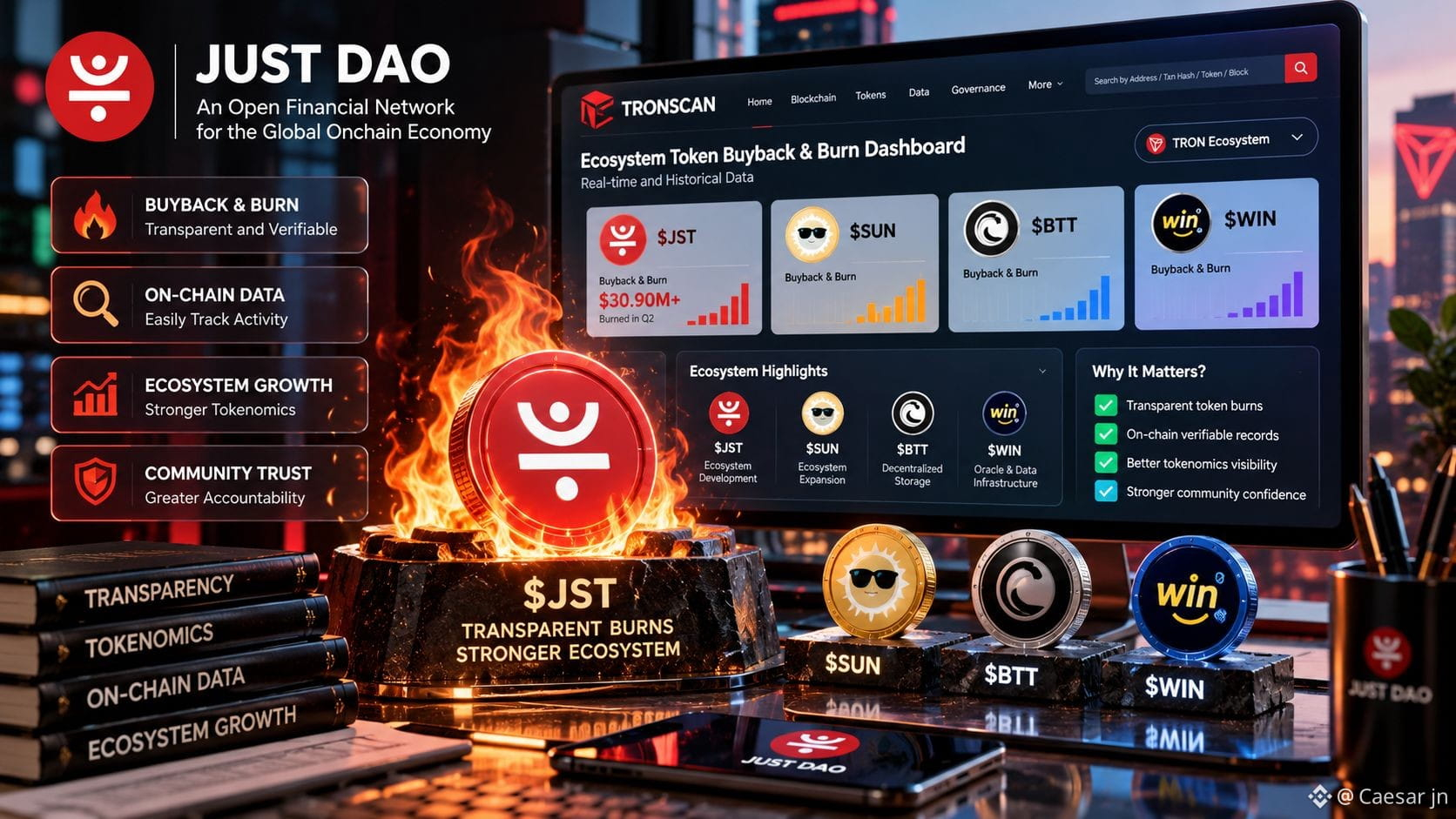
TRON 生态系统的一项重要进展,是将 $JST 纳入 TRONSCAN 的生态代币回购与销毁仪表板。
这为什么重要?
因为透明度让社区能够更好地审视项目代币经济背后正在发生的事情。
去中心化金融领域经常讨论代币回购与销毁,但它们的真正意义远不止于发布公告本身。
能够独立追踪相关活动同样重要。
以下是这件事重要的三个原因。
1. 问责变得更加容易
当人们可以通过链上浏览器查看回购与销毁信息时,社区成员就能更清楚地了解如何审视历史活动,而不是完全依赖宣传性声明。
2. 代币经济学变得更容易理解
要了解代币供应情况,光看市场价格还不够。供应变动、流通代币、销毁情况和历史记录都有助于呈现更完整的图景。
3. 可验证性有助于增强社区信心
透明度并不能自动保证代币价值或未来表现。不过,让相关信息更容易查阅,能为知情参与奠定更坚实的基础。
此外,还有更宏观的生态系统视角值得考虑。
JUST DAO 更广泛的回购与销毁生态凸显了追踪各项目代币相关活动的重要性,其中包括 $JST、$SUN、$BTT 和 $WIN。
有意思的地方不只是这些活动确实存在。
更重要的是,用户能够更方便地获取信息,并亲自审视背后的实际活动。
这一区别至关重要。
我认为,区块链应用的下一阶段需要
@DeFi_JUST @JustinSun #TRONEcoStar
透明度改变了我们评估代币经济的方式。🔍🔥
在加密领域,发布公告很容易。
但真正值得关注的是可验证的行动。
TRON 生态系统的一项重要进展,是将 $JST 纳入 TRONSCAN 的生态代币回购与销毁仪表板。
这为什么重要?
因为透明度让社区能够更好地审视项目代币经济背后正在发生的事情。
去中心化金融领域经常讨论代币回购与销毁,但它们的真正意义远不止于发布公告本身。
能够独立追踪相关活动同样重要。
以下是这件事重要的三个原因。
1. 问责变得更加容易
当人们可以通过链上浏览器查看回购与销毁信息时,社区成员就能更清楚地了解如何审视历史活动,而不是完全依赖宣传性声明。
2. 代币经济学变得更容易理解
要了解代币供应情况,光看市场价格还不够。供应变动、流通代币、销毁情况和历史记录都有助于呈现更完整的图景。
3. 可验证性有助于增强社区信心
透明度并不能自动保证代币价值或未来表现。不过,让相关信息更容易查阅,能为知情参与奠定更坚实的基础。
此外,还有更宏观的生态系统视角值得考虑。
JUST DAO 更广泛的回购与销毁生态凸显了追踪各项目代币相关活动的重要性,其中包括 $JST、$SUN、$BTT 和 $WIN。
有意思的地方不只是这些活动确实存在。
更重要的是,用户能够更方便地获取信息,并亲自审视背后的实际活动。
这一区别至关重要。
我认为,区块链应用的下一阶段需要
@JUST DAO @Justin Sun孙宇晨 #TRONEcoStar
96
·
--
查看翻译
𝗜𝗡 𝗗𝗘𝗖𝗘𝗡𝗧𝗥𝗔𝗟𝗜𝗭𝗘𝗗 𝗦𝗧𝗢𝗥𝗔𝗚𝗘, 𝗧𝗥𝗨𝗦𝗧 𝗦𝗛𝗢𝗨𝗟𝗗 𝗕𝗘 𝗦𝗨𝗣𝗣𝗢𝗥𝗧𝗘𝗗 𝗕𝗬 𝗩𝗘𝗥𝗜𝗙𝗜𝗔𝗕𝗟𝗘 𝗗𝗔𝗧𝗔.
Uploading a file is only the beginning of a storage service.
The more important question is what happens afterward. Can the network establish that participating nodes are online? Can relevant storage information be checked? Can users and developers gain confidence in the system beyond simply trusting a service provider's promise?
These questions are central to the development of decentralized storage.
BTFS documentation describes an Online Proof Contract that stores the Merkle root of daily online-proof data for network nodes and provides an interface through which proof information can be verified.
It also describes smart-contract-based file metadata management, giving relevant records a more transparent and auditable foundation.
Why does this matter?
Because decentralized infrastructure depends on accountability. A network may have many participating nodes, but the number of nodes alone does not establish the quality or reliability of the service.
Verification mechanisms help create a framework for checking information and evaluating participation. They can also make it easier to identify performance issues and improve the way infrastructure is managed.
This does not mean every storage risk disappears. Online proofs and metadata records are components of a broader reliability system, not a universal guarantee that every file will always be available.
Still, building verification into infrastructure is a meaningful step.
BTFS is working toward a storage environment where trust is supported by transparent mechanisms rather than assumptions alone.
@BitTorrent_Official @JustinSun
#TRONEcoStar
𝗜𝗡 𝗗𝗘𝗖𝗘𝗡𝗧𝗥𝗔𝗟𝗜𝗭𝗘𝗗 𝗦𝗧𝗢𝗥𝗔𝗚𝗘, 𝗧𝗥𝗨𝗦𝗧 𝗦𝗛𝗢𝗨𝗟𝗗 𝗕𝗘 𝗦𝗨𝗣𝗣𝗢𝗥𝗧𝗘𝗗 𝗕𝗬 𝗩𝗘𝗥𝗜𝗙𝗜𝗔𝗕𝗟𝗘 𝗗𝗔𝗧𝗔.
Uploading a file is only the beginning of a storage service.
The more important question is what happens afterward. Can the network establish that participating nodes are online? Can relevant storage information be checked? Can users and developers gain confidence in the system beyond simply trusting a service provider's promise?
These questions are central to the development of decentralized storage.
BTFS documentation describes an Online Proof Contract that stores the Merkle root of daily online-proof data for network nodes and provides an interface through which proof information can be verified.
It also describes smart-contract-based file metadata management, giving relevant records a more transparent and auditable foundation.
Why does this matter?
Because decentralized infrastructure depends on accountability. A network may have many participating nodes, but the number of nodes alone does not establish the quality or reliability of the service.
Verification mechanisms help create a framework for checking information and evaluating participation. They can also make it easier to identify performance issues and improve the way infrastructure is managed.
This does not mean every storage risk disappears. Online proofs and metadata records are components of a broader reliability system, not a universal guarantee that every file will always be available.
Still, building verification into infrastructure is a meaningful step.
BTFS is working toward a storage environment where trust is supported by transparent mechanisms rather than assumptions alone.
@BitTorrent_Official @Justin Sun孙宇晨
#TRONEcoStar
8
·
--
查看翻译
𝗗𝗘𝗖𝗘𝗡𝗧𝗥𝗔𝗟𝗜𝗭𝗘𝗗 𝗦𝗧𝗢𝗥𝗔𝗚𝗘 𝗡𝗘𝗘𝗗𝗦 𝗠𝗢𝗥𝗘 𝗧𝗛𝗔𝗡 𝗦𝗢𝗙𝗧𝗪𝗔𝗥𝗘. 𝗜𝗧 𝗡𝗘𝗘𝗗𝗦 𝗥𝗘𝗟𝗜𝗔𝗕𝗟𝗘 𝗣𝗔𝗥𝗧𝗜𝗖𝗜𝗣𝗔𝗡𝗧𝗦.
One of the most important parts of a decentralized infrastructure network is the people and resources that keep it operating.
In the BTFS ecosystem, storage providers play a central role. They contribute storage capacity and help make decentralized file storage possible. Rather than treating storage as a service delivered by one central operator, BTFS builds around a network of participating providers.
The BTFS 4.0 architecture introduced a more defined operational model through dedicated Storage Providers. The upgrade also included smart-contract-based file metadata management and mechanisms intended to improve transparency and auditability.
This is an important infrastructure decision.
A decentralized storage network needs more than available disk space. It needs a way to identify service providers, manage storage arrangements, track relevant information, and create accountability around the services being delivered.
BTFS uses blockchain-connected mechanisms to support parts of this process. Its documentation describes smart contracts for metadata management, storage payments, and online-proof verification.
For storage providers, this creates a more structured environment for contributing resources. For developers and users, it provides a clearer framework for understanding how storage services are coordinated.
The long-term opportunity is to build a network where infrastructure participation is measurable, services are easier to verify, and storage resources can be coordinated across a wider ecosystem.
That is the kind of foundation decentralized applications need as their data requirements grow.
@BitTorrent_Official @JustinSun
#TRONEcoStar
𝗗𝗘𝗖𝗘𝗡𝗧𝗥𝗔𝗟𝗜𝗭𝗘𝗗 𝗦𝗧𝗢𝗥𝗔𝗚𝗘 𝗡𝗘𝗘𝗗𝗦 𝗠𝗢𝗥𝗘 𝗧𝗛𝗔𝗡 𝗦𝗢𝗙𝗧𝗪𝗔𝗥𝗘. 𝗜𝗧 𝗡𝗘𝗘𝗗𝗦 𝗥𝗘𝗟𝗜𝗔𝗕𝗟𝗘 𝗣𝗔𝗥𝗧𝗜𝗖𝗜𝗣𝗔𝗡𝗧𝗦.
One of the most important parts of a decentralized infrastructure network is the people and resources that keep it operating.
In the BTFS ecosystem, storage providers play a central role. They contribute storage capacity and help make decentralized file storage possible. Rather than treating storage as a service delivered by one central operator, BTFS builds around a network of participating providers.
The BTFS 4.0 architecture introduced a more defined operational model through dedicated Storage Providers. The upgrade also included smart-contract-based file metadata management and mechanisms intended to improve transparency and auditability.
This is an important infrastructure decision.
A decentralized storage network needs more than available disk space. It needs a way to identify service providers, manage storage arrangements, track relevant information, and create accountability around the services being delivered.
BTFS uses blockchain-connected mechanisms to support parts of this process. Its documentation describes smart contracts for metadata management, storage payments, and online-proof verification.
For storage providers, this creates a more structured environment for contributing resources. For developers and users, it provides a clearer framework for understanding how storage services are coordinated.
The long-term opportunity is to build a network where infrastructure participation is measurable, services are easier to verify, and storage resources can be coordinated across a wider ecosystem.
That is the kind of foundation decentralized applications need as their data requirements grow.
@BitTorrent_Official @Justin Sun孙宇晨
#TRONEcoStar

4
·
--
查看翻译
𝗗𝗜𝗚𝗜𝗧𝗔𝗟 𝗦𝗧𝗢𝗥𝗔𝗚𝗘 𝗦𝗛𝗢𝗨𝗟𝗗 𝗡𝗢𝗧 𝗗𝗘𝗣𝗘𝗡𝗗 𝗢𝗡 𝗔 𝗦𝗜𝗡𝗚𝗟𝗘 𝗣𝗢𝗜𝗡𝗧 𝗢𝗙 𝗙𝗔𝗜𝗟𝗨𝗥𝗘.
As more applications move toward Web3, the way digital information is stored becomes just as important as the technology used to process it.
Traditional cloud storage has made accessing and managing files convenient, but it also introduces dependencies on centralized providers. Service interruptions, restricted access, vendor lock-in, and single points of failure can create challenges for applications that need dependable data availability.
This is where the BitTorrent File System (BTFS) offers an alternative approach.
BTFS is designed around decentralized storage, connecting storage providers across a distributed network instead of depending entirely on one central server. Its architecture allows participants to contribute storage resources while applications and users access the network's storage capabilities.
The significance goes beyond simply finding another place to upload files.
A distributed storage model can support greater infrastructure diversity, improve redundancy, and give developers another option when designing applications that require persistent digital content.
BTFS also connects with the broader BitTorrent ecosystem, creating opportunities for storage, file sharing, and blockchain-based services to work together.
Of course, decentralization does not automatically eliminate every storage risk. Provider reliability, redundancy, data protection, and network performance remain important considerations.
But the direction is meaningful: digital infrastructure should be built with resilience and broader participation in mind.
BitTorrent's experience in peer-to-peer technology gives this development an important foundation as decentralized storage continues to evolve.
@BitTorrent_Official @JustinSun
#TRONEcoStar
𝗗𝗜𝗚𝗜𝗧𝗔𝗟 𝗦𝗧𝗢𝗥𝗔𝗚𝗘 𝗦𝗛𝗢𝗨𝗟𝗗 𝗡𝗢𝗧 𝗗𝗘𝗣𝗘𝗡𝗗 𝗢𝗡 𝗔 𝗦𝗜𝗡𝗚𝗟𝗘 𝗣𝗢𝗜𝗡𝗧 𝗢𝗙 𝗙𝗔𝗜𝗟𝗨𝗥𝗘.
As more applications move toward Web3, the way digital information is stored becomes just as important as the technology used to process it.
Traditional cloud storage has made accessing and managing files convenient, but it also introduces dependencies on centralized providers. Service interruptions, restricted access, vendor lock-in, and single points of failure can create challenges for applications that need dependable data availability.
This is where the BitTorrent File System (BTFS) offers an alternative approach.
BTFS is designed around decentralized storage, connecting storage providers across a distributed network instead of depending entirely on one central server. Its architecture allows participants to contribute storage resources while applications and users access the network's storage capabilities.
The significance goes beyond simply finding another place to upload files.
A distributed storage model can support greater infrastructure diversity, improve redundancy, and give developers another option when designing applications that require persistent digital content.
BTFS also connects with the broader BitTorrent ecosystem, creating opportunities for storage, file sharing, and blockchain-based services to work together.
Of course, decentralization does not automatically eliminate every storage risk. Provider reliability, redundancy, data protection, and network performance remain important considerations.
But the direction is meaningful: digital infrastructure should be built with resilience and broader participation in mind.
BitTorrent's experience in peer-to-peer technology gives this development an important foundation as decentralized storage continues to evolve.
@BitTorrent_Official @Justin Sun孙宇晨
#TRONEcoStar

6
登录解锁更多内容
加入币安广场,与全球加密货币用户互动
⚡️ 获取关于加密货币的最新实用信息。
💬 受到全球最大加密货币交易平台的信赖。
👍 发现来自认证创作者的真知灼见。
邮箱/手机号码