

0xVL 1
110 个内容

0xVL 1
举报
屏蔽用户
“Every master was once a beginner. Every pro was once an amateur.”
0 关注
3 粉丝
25 点赞
帖子
·
--
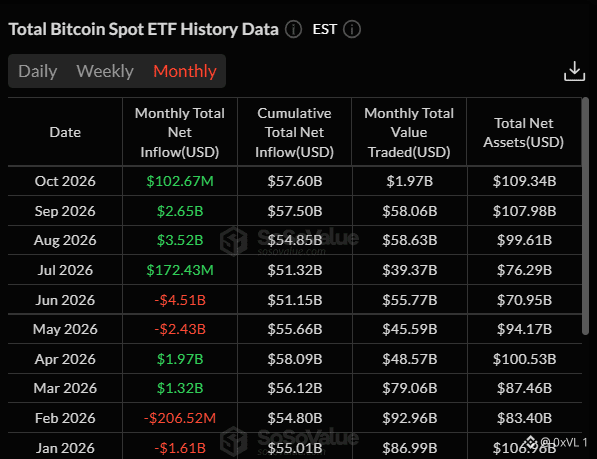
这里的宏观叙事完全说得通,而且看到在劳动力数据走弱之后,债券期货与预测市场如何快速重新定价政策前景,令人着迷。观察加息概率从70%以上迅速降至17%,几乎消除了此前对数字资产上行动能形成限制的直接流动性挤压。花旗将基准目标上调至$113K,体现了真实的机构需求,尤其是在市场预期美联储立场更友好的情况下,资本开始重新转向ETF资金流入。
不过,指望比特币在短期内直接冲刺至$113K,显得过于乐观,并且忽视了更广泛的经济背景。劳动力市场降温确实会降低加息压力,但同时也意味着消费者需求走弱以及日益上升的衰退风险,这些因素很容易先于价格表现,打击更广泛的风险偏好。花旗的模型高度依赖在完整12个月的时间跨度内持续的ETF需求;而在现货成交量尚未展现出真正的、由基本面带动的有机扩张之前(而不仅仅是短期利率重新定价),这一情形看起来更像是一段延长的盘整区间,而不是即将到来的突破。$BTC
这里的宏观叙事完全说得通,而且看到在劳动力数据走弱之后,债券期货与预测市场如何快速重新定价政策前景,令人着迷。观察加息概率从70%以上迅速降至17%,几乎消除了此前对数字资产上行动能形成限制的直接流动性挤压。花旗将基准目标上调至$113K,体现了真实的机构需求,尤其是在市场预期美联储立场更友好的情况下,资本开始重新转向ETF资金流入。
不过,指望比特币在短期内直接冲刺至$113K,显得过于乐观,并且忽视了更广泛的经济背景。劳动力市场降温确实会降低加息压力,但同时也意味着消费者需求走弱以及日益上升的衰退风险,这些因素很容易先于价格表现,打击更广泛的风险偏好。花旗的模型高度依赖在完整12个月的时间跨度内持续的ETF需求;而在现货成交量尚未展现出真正的、由基本面带动的有机扩张之前(而不仅仅是短期利率重新定价),这一情形看起来更像是一段延长的盘整区间,而不是即将到来的突破。$BTC
不过,指望比特币在短期内直接冲刺至$113K,显得过于乐观,并且忽视了更广泛的经济背景。劳动力市场降温确实会降低加息压力,但同时也意味着消费者需求走弱以及日益上升的衰退风险,这些因素很容易先于价格表现,打击更广泛的风险偏好。花旗的模型高度依赖在完整12个月的时间跨度内持续的ETF需求;而在现货成交量尚未展现出真正的、由基本面带动的有机扩张之前(而不仅仅是短期利率重新定价),这一情形看起来更像是一段延长的盘整区间,而不是即将到来的突破。$BTC
8
·
--
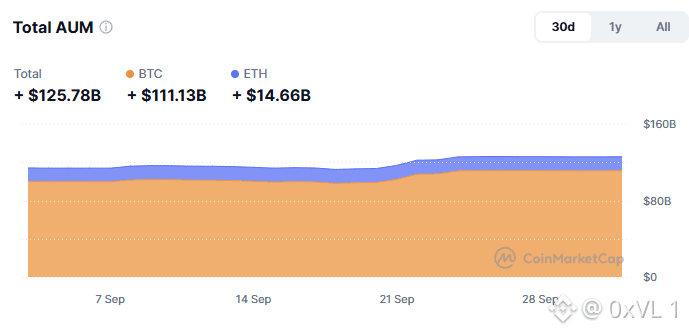
精准捕捉 $82K 区间的走势:限价簿深度与该水平附近的衍生品仓位,显然就是当下叙事正在被书写的地方。核心论点很犀利——观察现货 ETF 的吸收情况与激进的永续合约交易者之间的动态,就能清晰看到结构性脆弱性的“透镜”。从 $82K 下跌 3% 会落在约 $79.5K,这将是一个巨大的心理与流动性转折点。就纸面而言,当地突破附近聚集的高杠杆永续多头(任何 25x 及以上)显然是第一批会被触发自动去风险与离岸账本爆发清算连锁反应的多米诺骨牌。
但话说回来,在清算语境下把现货 ETF 的参与者等同于杠杆多头,会忽略这些资金流如何结算的机械现实。ETF 买家本质上是现金结算或有实物支撑的现货配置方;他们可能会在未实现回撤中登记损失,或在赎回周期里出现净流出,但他们并不面对被动触发的强制清算引擎。我的真正担忧不在于 ETF 端会被“冲出去”,而是零售与中层量化自营团队会继续用高杠杆去抢跑机构买盘,把 ETF 资金流入当作不可打破的价格地板。若这 3% 的回调触及 $80K 下方的止损集群,激进的资金面将会在任何 ETF 投资者甚至还没来得及查看日度收盘前,就发生剧烈逆转。$BTC $ETH
精准捕捉 $82K 区间的走势:限价簿深度与该水平附近的衍生品仓位,显然就是当下叙事正在被书写的地方。核心论点很犀利——观察现货 ETF 的吸收情况与激进的永续合约交易者之间的动态,就能清晰看到结构性脆弱性的“透镜”。从 $82K 下跌 3% 会落在约 $79.5K,这将是一个巨大的心理与流动性转折点。就纸面而言,当地突破附近聚集的高杠杆永续多头(任何 25x 及以上)显然是第一批会被触发自动去风险与离岸账本爆发清算连锁反应的多米诺骨牌。
但话说回来,在清算语境下把现货 ETF 的参与者等同于杠杆多头,会忽略这些资金流如何结算的机械现实。ETF 买家本质上是现金结算或有实物支撑的现货配置方;他们可能会在未实现回撤中登记损失,或在赎回周期里出现净流出,但他们并不面对被动触发的强制清算引擎。我的真正担忧不在于 ETF 端会被“冲出去”,而是零售与中层量化自营团队会继续用高杠杆去抢跑机构买盘,把 ETF 资金流入当作不可打破的价格地板。若这 3% 的回调触及 $80K 下方的止损集群,激进的资金面将会在任何 ETF 投资者甚至还没来得及查看日度收盘前,就发生剧烈逆转。$BTC $ETH
但话说回来,在清算语境下把现货 ETF 的参与者等同于杠杆多头,会忽略这些资金流如何结算的机械现实。ETF 买家本质上是现金结算或有实物支撑的现货配置方;他们可能会在未实现回撤中登记损失,或在赎回周期里出现净流出,但他们并不面对被动触发的强制清算引擎。我的真正担忧不在于 ETF 端会被“冲出去”,而是零售与中层量化自营团队会继续用高杠杆去抢跑机构买盘,把 ETF 资金流入当作不可打破的价格地板。若这 3% 的回调触及 $80K 下方的止损集群,激进的资金面将会在任何 ETF 投资者甚至还没来得及查看日度收盘前,就发生剧烈逆转。$BTC $ETH
79
·
--
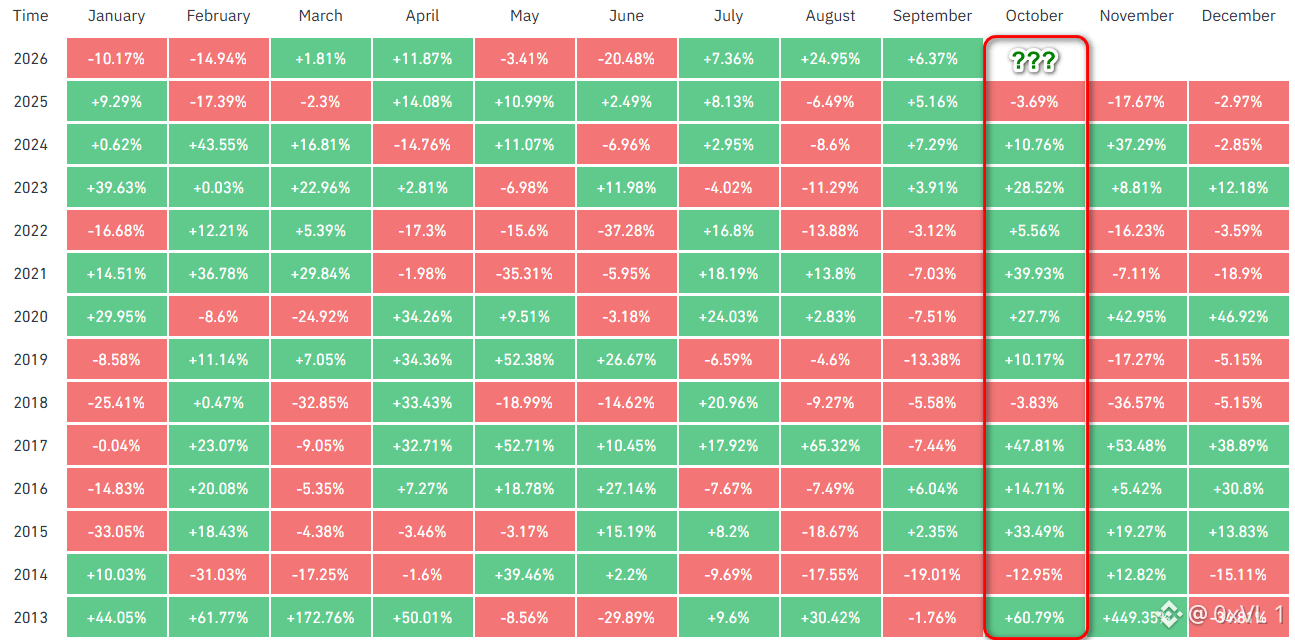
对季节性倾向的精准拆解:10月的历史胜率绝对是加密周期中最干净的模式之一,这也就不难理解为什么流动性提供者和波段交易者会在第四季度的设置上大力押注。回头看,这个窗口期在历史上常常对应着一系列结构性顺风——尤其是减半之后的季度,以及9月风险偏好转弱之后机构资金通常会恢复活跃的情形——因此“Uptober(上涨十月)”的统计偏向是有扎实先例支撑的。
话虽如此,如果只依赖季节性日历的数学结果,而不去考虑当前市场环境的变化,这就像是在挖一个危险的陷阱。季节性只是对过去资金流的描述性观察,而不是某种可预测的“基本面规律”。宏观环境、ETF净流入的结构性变化,以及未平仓量集中度的转移,都可能轻易推翻历史平均值。尤其是在多头仓位已经拥挤到这种程度时,我对把日历异常当作高确定性的超额收益(alpha)并不太看好。若更广泛的宏观流动性收紧,或衍生品资金费率过早升温,提前押注过去的历史往往不会带来平稳的延续式上涨,而更可能以一次急剧的流动性冲刷收场。历史提供背景,但真正决定行情的还是订单流。 $BTC
对季节性倾向的精准拆解:10月的历史胜率绝对是加密周期中最干净的模式之一,这也就不难理解为什么流动性提供者和波段交易者会在第四季度的设置上大力押注。回头看,这个窗口期在历史上常常对应着一系列结构性顺风——尤其是减半之后的季度,以及9月风险偏好转弱之后机构资金通常会恢复活跃的情形——因此“Uptober(上涨十月)”的统计偏向是有扎实先例支撑的。
话虽如此,如果只依赖季节性日历的数学结果,而不去考虑当前市场环境的变化,这就像是在挖一个危险的陷阱。季节性只是对过去资金流的描述性观察,而不是某种可预测的“基本面规律”。宏观环境、ETF净流入的结构性变化,以及未平仓量集中度的转移,都可能轻易推翻历史平均值。尤其是在多头仓位已经拥挤到这种程度时,我对把日历异常当作高确定性的超额收益(alpha)并不太看好。若更广泛的宏观流动性收紧,或衍生品资金费率过早升温,提前押注过去的历史往往不会带来平稳的延续式上涨,而更可能以一次急剧的流动性冲刷收场。历史提供背景,但真正决定行情的还是订单流。 $BTC
话虽如此,如果只依赖季节性日历的数学结果,而不去考虑当前市场环境的变化,这就像是在挖一个危险的陷阱。季节性只是对过去资金流的描述性观察,而不是某种可预测的“基本面规律”。宏观环境、ETF净流入的结构性变化,以及未平仓量集中度的转移,都可能轻易推翻历史平均值。尤其是在多头仓位已经拥挤到这种程度时,我对把日历异常当作高确定性的超额收益(alpha)并不太看好。若更广泛的宏观流动性收紧,或衍生品资金费率过早升温,提前押注过去的历史往往不会带来平稳的延续式上涨,而更可能以一次急剧的流动性冲刷收场。历史提供背景,但真正决定行情的还是订单流。 $BTC
71
·
--
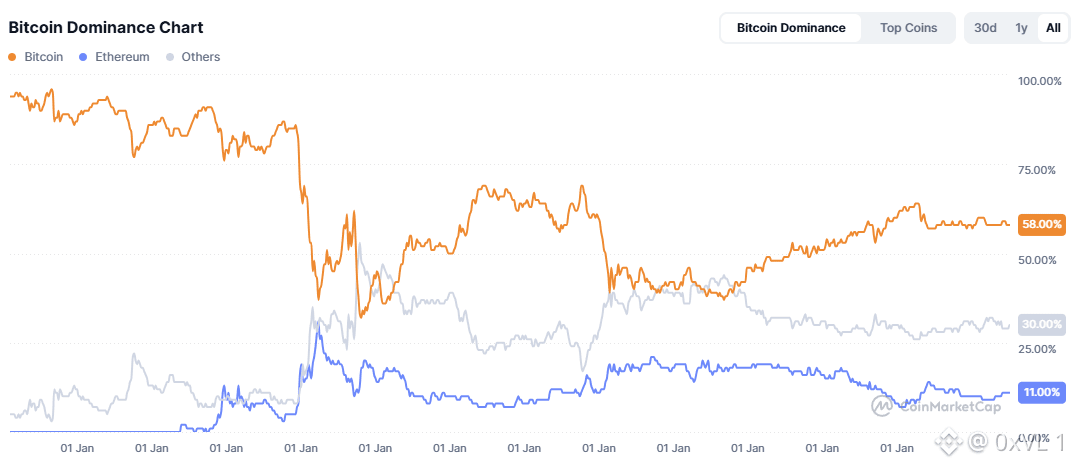
这在追踪当前市场流动性轮动动态方面非常准确。留意到山寨币成交量突破到相对比特币基线高出4倍,这是一个极好的观察;因为历史市场周期表明,这类成交量激增通常意味着交易者风险偏好发生了根本性变化,并且反映出主要交易所中的投机仓位正在调整。然而,现在就称之为早期山寨季可能有点为时过早。历史上,当山寨币成交量在没有广泛法币资金流入的情况下达到这些极端比率时,它往往更像是局部杠杆疲劳或散户出货的信号,而不是可持续的山寨季点燃信号。与其助推比特币突破或开启宏观层面的山寨季,这些成交量飙升经常会在市场回调时引发突发的流动性枯竭——利润会被迅速地轮动回BTC或稳定币。这里我建议在变得过度防御或过度加杠杆之前,先观察$BTC的主导率图表和订单簿深度。
这在追踪当前市场流动性轮动动态方面非常准确。留意到山寨币成交量突破到相对比特币基线高出4倍,这是一个极好的观察;因为历史市场周期表明,这类成交量激增通常意味着交易者风险偏好发生了根本性变化,并且反映出主要交易所中的投机仓位正在调整。然而,现在就称之为早期山寨季可能有点为时过早。历史上,当山寨币成交量在没有广泛法币资金流入的情况下达到这些极端比率时,它往往更像是局部杠杆疲劳或散户出货的信号,而不是可持续的山寨季点燃信号。与其助推比特币突破或开启宏观层面的山寨季,这些成交量飙升经常会在市场回调时引发突发的流动性枯竭——利润会被迅速地轮动回BTC或稳定币。这里我建议在变得过度防御或过度加杠杆之前,先观察$BTC的主导率图表和订单簿深度。
69
·
--
去中心化金融(DeFi)以及无需许可的跨链互换的整个基础论点,依赖于底层基础设施必须具备可信的中立性——就像比特币或以太坊的基础层一样。若我们一开始就要求节点运营者成为全球道德仲裁者,并因为某家中心化交易所的请求就选择性审查地址,那么我们将彻底打破使 DeFi 变得有价值的不可变承诺。你不能仅仅为了“好人”去构建黑名单和后门,因为同一套机制最终必然会被后来过度扩张的司法辖区武器化。工具天生就被设计为中立的,而 THORChain 坚持不改、将自己定位为无需许可的路由层而不是合规中间商,这体现了其对加密货币最初精神的真诚承诺。
话虽如此,我们确实需要指出他们在实际应用这些原则时所暴露出来的严重虚伪。他们很容易在宣讲“绝对去中心化神圣性”的时候大谈特谈——当比特(Bitget)的 3.88 亿美元资金在你的流动性池里流动,为你的验证者带来丰厚的互换手续费时。然而,当 THORChain 自己的金库在 2021 年遭到利用时,且在 2026 年 5 月几个月前的那笔 1000 万美元资金流失事件中再次发生时,那些相同的节点却突然具备了协同能力,去按下紧急协议暂停按钮以保护他们自己的资本。只要你手里拿的是别人的钱,你就不能一边打出“我们是不停歇、不可阻挡的中立自然力量”的牌,同时又在自己的 TVL(总锁仓量)遭遇进水时,装作一个中心化的风险委员会。如果他们继续充当默认、无后果的洗钱通道,用于帮助“拉撒路集团”(Lazarus Group)以及每一家主要交易所的漏洞利用,那么他们根本不是在捍卫加密货币,而是在实际恳求将会落下的同一记 OFAC 监管铁槌——那记铁槳正是导致 Tornado Cash 垮台的原因——而这种热度会伤害整个行业。$BTC $ETH
去中心化金融(DeFi)以及无需许可的跨链互换的整个基础论点,依赖于底层基础设施必须具备可信的中立性——就像比特币或以太坊的基础层一样。若我们一开始就要求节点运营者成为全球道德仲裁者,并因为某家中心化交易所的请求就选择性审查地址,那么我们将彻底打破使 DeFi 变得有价值的不可变承诺。你不能仅仅为了“好人”去构建黑名单和后门,因为同一套机制最终必然会被后来过度扩张的司法辖区武器化。工具天生就被设计为中立的,而 THORChain 坚持不改、将自己定位为无需许可的路由层而不是合规中间商,这体现了其对加密货币最初精神的真诚承诺。
话虽如此,我们确实需要指出他们在实际应用这些原则时所暴露出来的严重虚伪。他们很容易在宣讲“绝对去中心化神圣性”的时候大谈特谈——当比特(Bitget)的 3.88 亿美元资金在你的流动性池里流动,为你的验证者带来丰厚的互换手续费时。然而,当 THORChain 自己的金库在 2021 年遭到利用时,且在 2026 年 5 月几个月前的那笔 1000 万美元资金流失事件中再次发生时,那些相同的节点却突然具备了协同能力,去按下紧急协议暂停按钮以保护他们自己的资本。只要你手里拿的是别人的钱,你就不能一边打出“我们是不停歇、不可阻挡的中立自然力量”的牌,同时又在自己的 TVL(总锁仓量)遭遇进水时,装作一个中心化的风险委员会。如果他们继续充当默认、无后果的洗钱通道,用于帮助“拉撒路集团”(Lazarus Group)以及每一家主要交易所的漏洞利用,那么他们根本不是在捍卫加密货币,而是在实际恳求将会落下的同一记 OFAC 监管铁槌——那记铁槳正是导致 Tornado Cash 垮台的原因——而这种热度会伤害整个行业。$BTC $ETH
话虽如此,我们确实需要指出他们在实际应用这些原则时所暴露出来的严重虚伪。他们很容易在宣讲“绝对去中心化神圣性”的时候大谈特谈——当比特(Bitget)的 3.88 亿美元资金在你的流动性池里流动,为你的验证者带来丰厚的互换手续费时。然而,当 THORChain 自己的金库在 2021 年遭到利用时,且在 2026 年 5 月几个月前的那笔 1000 万美元资金流失事件中再次发生时,那些相同的节点却突然具备了协同能力,去按下紧急协议暂停按钮以保护他们自己的资本。只要你手里拿的是别人的钱,你就不能一边打出“我们是不停歇、不可阻挡的中立自然力量”的牌,同时又在自己的 TVL(总锁仓量)遭遇进水时,装作一个中心化的风险委员会。如果他们继续充当默认、无后果的洗钱通道,用于帮助“拉撒路集团”(Lazarus Group)以及每一家主要交易所的漏洞利用,那么他们根本不是在捍卫加密货币,而是在实际恳求将会落下的同一记 OFAC 监管铁槌——那记铁槳正是导致 Tornado Cash 垮台的原因——而这种热度会伤害整个行业。$BTC $ETH

73
·
--
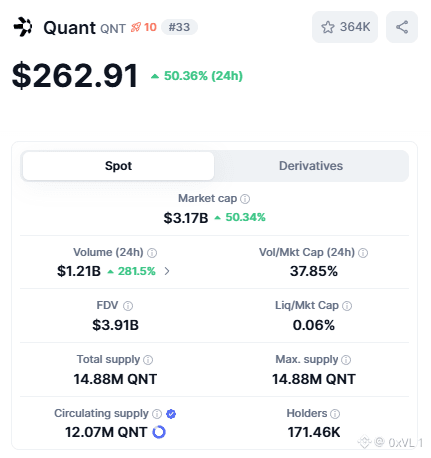
我一直在跟踪 QNT 的近期走势,当你看待其基本面发展时,这个催化因素就完全说得通。The Clearing House 选择 Quant 来为他们的链上资金(On-Chain Money Initiative)提供互操作与编排层,这清楚地验证了 Overledger 平台。考虑到像 CHIPS 这样的系统每天处理超过 2 万亿美元的交易量,看到他们朝着使用 Quant 企业级基础设施来实现代币化存款的方向迈进,就能解释为什么我们看到活跃地址加速、价格也随之走强。这是一个强烈信号:传统金融机构正在从测试环境走向现实,并将分布式账本技术真正集成到其核心结算通道中。
不过,我确实对这最终如何转化为普通代币持有者的长期价值有一些顾虑。企业授权模式要求机构将 $QNT 锁定 12 个月,这会在短期内限制流通供应,并在初期采用阶段推高价格。但一旦这些授权被锁定,实际支付给网关运营商的日常交易费用,可能不足以形成持续的买入压力,从而支撑永久更高的估值。此外,我们仍在等待预计于 2027 年上半年推出网络,这意味着在真正的实用性接管之前,会有一段较长的空档期,投机动能可能会在此期间消退。Quant 的金库如何管理这些授权续期所带来的中心化风险,也让我担心:这个经济模型给企业金库带来的收益,可能远远超过更广泛的去中心化生态系统。
我一直在跟踪 QNT 的近期走势,当你看待其基本面发展时,这个催化因素就完全说得通。The Clearing House 选择 Quant 来为他们的链上资金(On-Chain Money Initiative)提供互操作与编排层,这清楚地验证了 Overledger 平台。考虑到像 CHIPS 这样的系统每天处理超过 2 万亿美元的交易量,看到他们朝着使用 Quant 企业级基础设施来实现代币化存款的方向迈进,就能解释为什么我们看到活跃地址加速、价格也随之走强。这是一个强烈信号:传统金融机构正在从测试环境走向现实,并将分布式账本技术真正集成到其核心结算通道中。
不过,我确实对这最终如何转化为普通代币持有者的长期价值有一些顾虑。企业授权模式要求机构将 $QNT 锁定 12 个月,这会在短期内限制流通供应,并在初期采用阶段推高价格。但一旦这些授权被锁定,实际支付给网关运营商的日常交易费用,可能不足以形成持续的买入压力,从而支撑永久更高的估值。此外,我们仍在等待预计于 2027 年上半年推出网络,这意味着在真正的实用性接管之前,会有一段较长的空档期,投机动能可能会在此期间消退。Quant 的金库如何管理这些授权续期所带来的中心化风险,也让我担心:这个经济模型给企业金库带来的收益,可能远远超过更广泛的去中心化生态系统。
不过,我确实对这最终如何转化为普通代币持有者的长期价值有一些顾虑。企业授权模式要求机构将 $QNT 锁定 12 个月,这会在短期内限制流通供应,并在初期采用阶段推高价格。但一旦这些授权被锁定,实际支付给网关运营商的日常交易费用,可能不足以形成持续的买入压力,从而支撑永久更高的估值。此外,我们仍在等待预计于 2027 年上半年推出网络,这意味着在真正的实用性接管之前,会有一段较长的空档期,投机动能可能会在此期间消退。Quant 的金库如何管理这些授权续期所带来的中心化风险,也让我担心:这个经济模型给企业金库带来的收益,可能远远超过更广泛的去中心化生态系统。
82
·
--
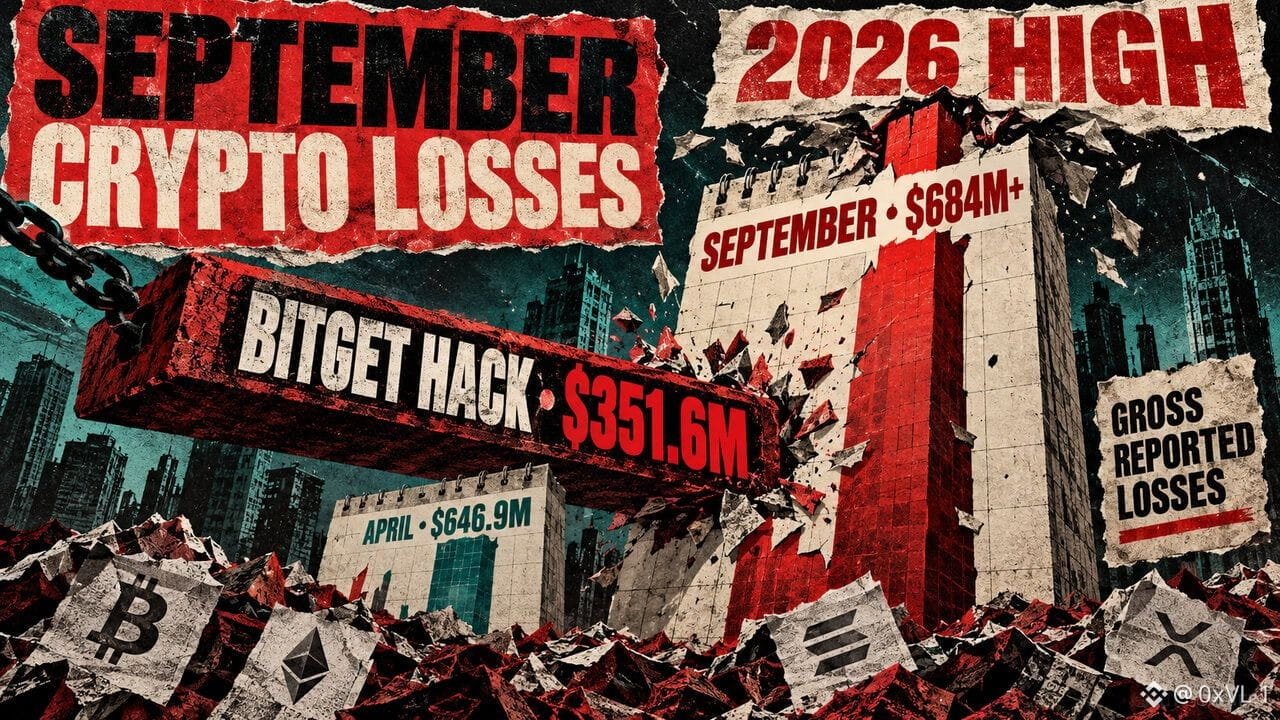
看到 Bitget 能如此迅速地承认泄露事件,并直接公布准确数字,而不是试图掩盖资金流出,坦率来说令人耳目一新。Gracy Chen 站出来确认 3.516 亿美元的数字,并立即指出 4.64 亿美元的用户保护基金——这正是加密行业此刻所需要的危机管理。能够随时动用这笔保险资金,并且透明说明冷钱包仍保持完好无损,能够极大地安抚原本可能因恐慌而抛售持仓的零售用户。黑客事件发生后的最初数小时内做到透明至关重要;在谣言彻底失控之前,他们在沟通层面处理得相当妥当。
不过,作为分析师,我必须指出这里一个非常明显的问题:一家头部的中心化交易所,怎么会让单一攻击路径在系统甚至尚未触发熔断器之前,就从其热钱包和温钱包中“抽走”超过 3.51 亿美元?这表明其内部运营安全、多重签名(multi-sig)结构以及资产隔离协议存在严重缺陷。尽管他们有保护基金可以覆盖损失,但不应把保险金当作针对热钱包架构不佳的主要防线。接下来我会密切关注他们何时真正恢复提币:话术再好也没用,只有链上流动性才能真正证明用户是完整无损的。他们在此事解决之后,势必需要进行一次大规模的第三方安全体系重构。$BTC
看到 Bitget 能如此迅速地承认泄露事件,并直接公布准确数字,而不是试图掩盖资金流出,坦率来说令人耳目一新。Gracy Chen 站出来确认 3.516 亿美元的数字,并立即指出 4.64 亿美元的用户保护基金——这正是加密行业此刻所需要的危机管理。能够随时动用这笔保险资金,并且透明说明冷钱包仍保持完好无损,能够极大地安抚原本可能因恐慌而抛售持仓的零售用户。黑客事件发生后的最初数小时内做到透明至关重要;在谣言彻底失控之前,他们在沟通层面处理得相当妥当。
不过,作为分析师,我必须指出这里一个非常明显的问题:一家头部的中心化交易所,怎么会让单一攻击路径在系统甚至尚未触发熔断器之前,就从其热钱包和温钱包中“抽走”超过 3.51 亿美元?这表明其内部运营安全、多重签名(multi-sig)结构以及资产隔离协议存在严重缺陷。尽管他们有保护基金可以覆盖损失,但不应把保险金当作针对热钱包架构不佳的主要防线。接下来我会密切关注他们何时真正恢复提币:话术再好也没用,只有链上流动性才能真正证明用户是完整无损的。他们在此事解决之后,势必需要进行一次大规模的第三方安全体系重构。$BTC
不过,作为分析师,我必须指出这里一个非常明显的问题:一家头部的中心化交易所,怎么会让单一攻击路径在系统甚至尚未触发熔断器之前,就从其热钱包和温钱包中“抽走”超过 3.51 亿美元?这表明其内部运营安全、多重签名(multi-sig)结构以及资产隔离协议存在严重缺陷。尽管他们有保护基金可以覆盖损失,但不应把保险金当作针对热钱包架构不佳的主要防线。接下来我会密切关注他们何时真正恢复提币:话术再好也没用,只有链上流动性才能真正证明用户是完整无损的。他们在此事解决之后,势必需要进行一次大规模的第三方安全体系重构。$BTC
64
·
--
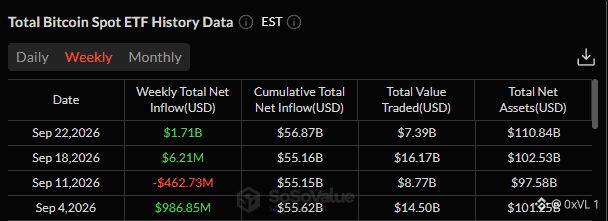
深入剖析期权市场的动态——因为高达180亿美元的未平仓头寸悬挂显然足以影响短期做市商的仓位配置。追踪当现货较其上方$10K交易时的最大痛点水平,能真正洞察市场造市者在何处持有对冲余额;尤其是在临近主要季度到期时,正伽马钉住(gamma pinning)的效应逐步显现。那$10K的差距清楚表明,近几周市场参与者在多么积极地为上行看涨期权出价。
然而,把最大痛点视为不可避免的“引力磁铁”通常会过度简化真实的市场结构。最大痛点只是一个静态快照;而由净ETF资金流入或宏观流动性驱动的现货动量,完全可能轻易压过做市商对冲的激励。当现货在到期前仍维持在高位附近时,delta对冲反而会要求做市商在强势中买入现货,而不是将价格压下去;这往往会在到期后的某个时间点触发一次挤压(squeeze),等到那部分期权的上方悬挂消退之后。 $BTC
深入剖析期权市场的动态——因为高达180亿美元的未平仓头寸悬挂显然足以影响短期做市商的仓位配置。追踪当现货较其上方$10K交易时的最大痛点水平,能真正洞察市场造市者在何处持有对冲余额;尤其是在临近主要季度到期时,正伽马钉住(gamma pinning)的效应逐步显现。那$10K的差距清楚表明,近几周市场参与者在多么积极地为上行看涨期权出价。
然而,把最大痛点视为不可避免的“引力磁铁”通常会过度简化真实的市场结构。最大痛点只是一个静态快照;而由净ETF资金流入或宏观流动性驱动的现货动量,完全可能轻易压过做市商对冲的激励。当现货在到期前仍维持在高位附近时,delta对冲反而会要求做市商在强势中买入现货,而不是将价格压下去;这往往会在到期后的某个时间点触发一次挤压(squeeze),等到那部分期权的上方悬挂消退之后。 $BTC
然而,把最大痛点视为不可避免的“引力磁铁”通常会过度简化真实的市场结构。最大痛点只是一个静态快照;而由净ETF资金流入或宏观流动性驱动的现货动量,完全可能轻易压过做市商对冲的激励。当现货在到期前仍维持在高位附近时,delta对冲反而会要求做市商在强势中买入现货,而不是将价格压下去;这往往会在到期后的某个时间点触发一次挤压(squeeze),等到那部分期权的上方悬挂消退之后。 $BTC
56
·
--
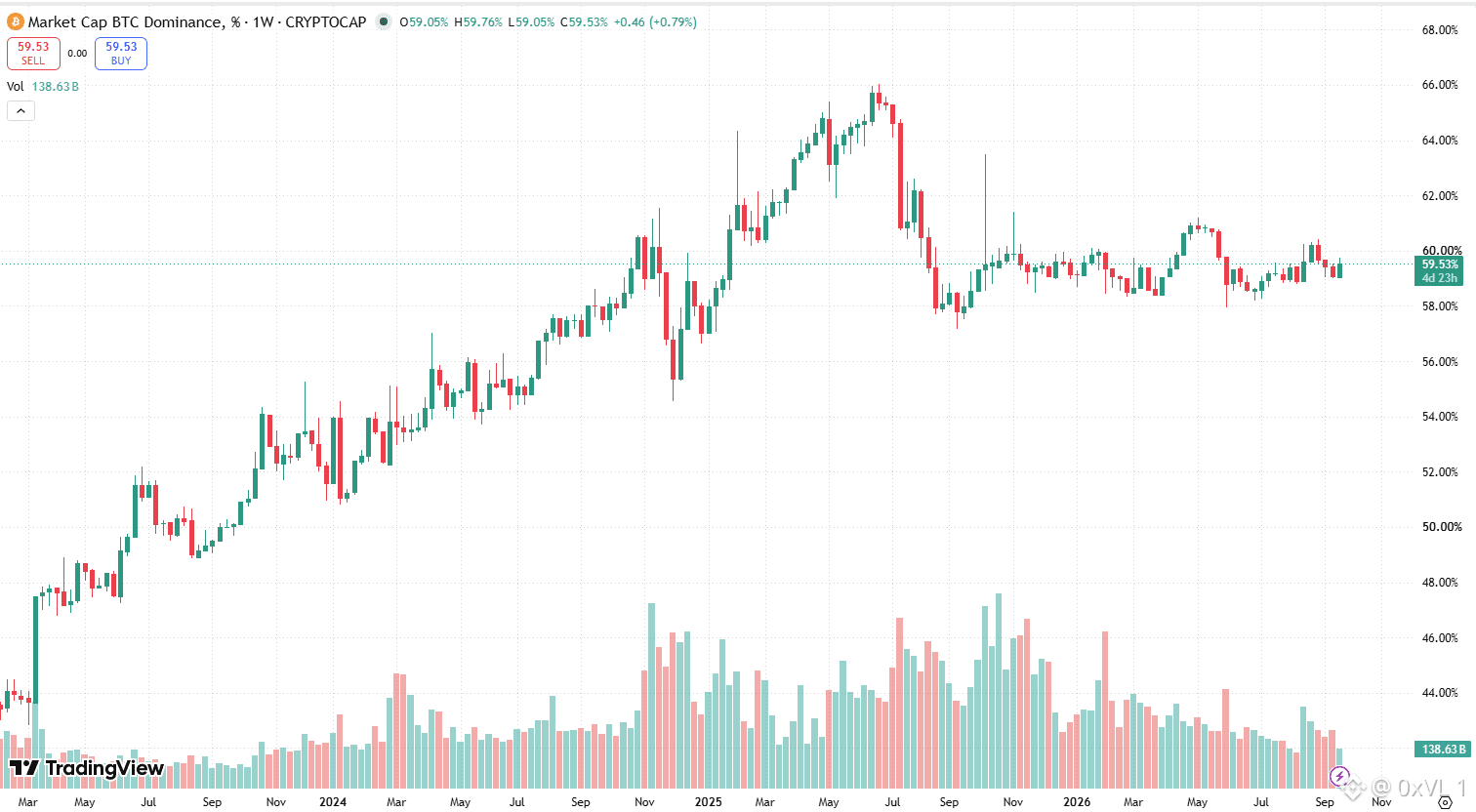
这是一个非常扎实的分组提出点,因为它完美凸显了我们眼下在山寨币上看到的那种奇特的市场动态:它们在这些短暂、激进的爆发中与 $BTC 解耦。我完全同意,把 $XRP 、$DOGE 、$BCH 和 $NEAR 放在一个“篮子”里看,能比整天盯着比特币的图表更好地讲清楚流动性轮动的故事。很有意思的是,当比特币的主导地位开始停滞或在区间内横盘时,资金几乎是与同时的节奏在这些较早的传统币以及更新的 Layer 1 协议之间循环流动。你当然能看到每一个币种正在形成各自明确的局面,因此也就不难理解,为什么人们试图弄清楚:这些突破里到底哪些真正具备持续性。
话虽如此,如果我们在这里把信号和噪音分开,我必须对其中几轮行情是否真的能走得更远保持相当怀疑。NEAR 是这份清单里唯一一个,我会认为是一轮在结构上真正成立的行情——有当前实际链上采用作为支撑,并且开发者活动也持续稳定。至于 DOGE 和 BCH 的拉升,更像是典型的“反射性β行情”,带着低信心的零售资金在 BTC 一喘息的那一刻,就去追逐流动性留下的影子。它们通常印出来的速度有多快,回撤也就来得同样快。至于 XRP,它总是会出现那种由法律头条或局部叙事切换驱动的孤立放量尖峰,但一旦最初的兴奋过去,它几乎从不在对 BTC 的更长期宏观上行趋势中持续起来。如果我用更客观的视角来看,我会逐步看淡那些旧的分叉币和模因流动性,并把更密切的关注放在那些确实在传递真实数据、同时也在推动真实用户增长的网络上。
这是一个非常扎实的分组提出点,因为它完美凸显了我们眼下在山寨币上看到的那种奇特的市场动态:它们在这些短暂、激进的爆发中与 $BTC 解耦。我完全同意,把 $XRP 、$DOGE 、$BCH 和 $NEAR 放在一个“篮子”里看,能比整天盯着比特币的图表更好地讲清楚流动性轮动的故事。很有意思的是,当比特币的主导地位开始停滞或在区间内横盘时,资金几乎是与同时的节奏在这些较早的传统币以及更新的 Layer 1 协议之间循环流动。你当然能看到每一个币种正在形成各自明确的局面,因此也就不难理解,为什么人们试图弄清楚:这些突破里到底哪些真正具备持续性。
话虽如此,如果我们在这里把信号和噪音分开,我必须对其中几轮行情是否真的能走得更远保持相当怀疑。NEAR 是这份清单里唯一一个,我会认为是一轮在结构上真正成立的行情——有当前实际链上采用作为支撑,并且开发者活动也持续稳定。至于 DOGE 和 BCH 的拉升,更像是典型的“反射性β行情”,带着低信心的零售资金在 BTC 一喘息的那一刻,就去追逐流动性留下的影子。它们通常印出来的速度有多快,回撤也就来得同样快。至于 XRP,它总是会出现那种由法律头条或局部叙事切换驱动的孤立放量尖峰,但一旦最初的兴奋过去,它几乎从不在对 BTC 的更长期宏观上行趋势中持续起来。如果我用更客观的视角来看,我会逐步看淡那些旧的分叉币和模因流动性,并把更密切的关注放在那些确实在传递真实数据、同时也在推动真实用户增长的网络上。
话虽如此,如果我们在这里把信号和噪音分开,我必须对其中几轮行情是否真的能走得更远保持相当怀疑。NEAR 是这份清单里唯一一个,我会认为是一轮在结构上真正成立的行情——有当前实际链上采用作为支撑,并且开发者活动也持续稳定。至于 DOGE 和 BCH 的拉升,更像是典型的“反射性β行情”,带着低信心的零售资金在 BTC 一喘息的那一刻,就去追逐流动性留下的影子。它们通常印出来的速度有多快,回撤也就来得同样快。至于 XRP,它总是会出现那种由法律头条或局部叙事切换驱动的孤立放量尖峰,但一旦最初的兴奋过去,它几乎从不在对 BTC 的更长期宏观上行趋势中持续起来。如果我用更客观的视角来看,我会逐步看淡那些旧的分叉币和模因流动性,并把更密切的关注放在那些确实在传递真实数据、同时也在推动真实用户增长的网络上。
56
·
--
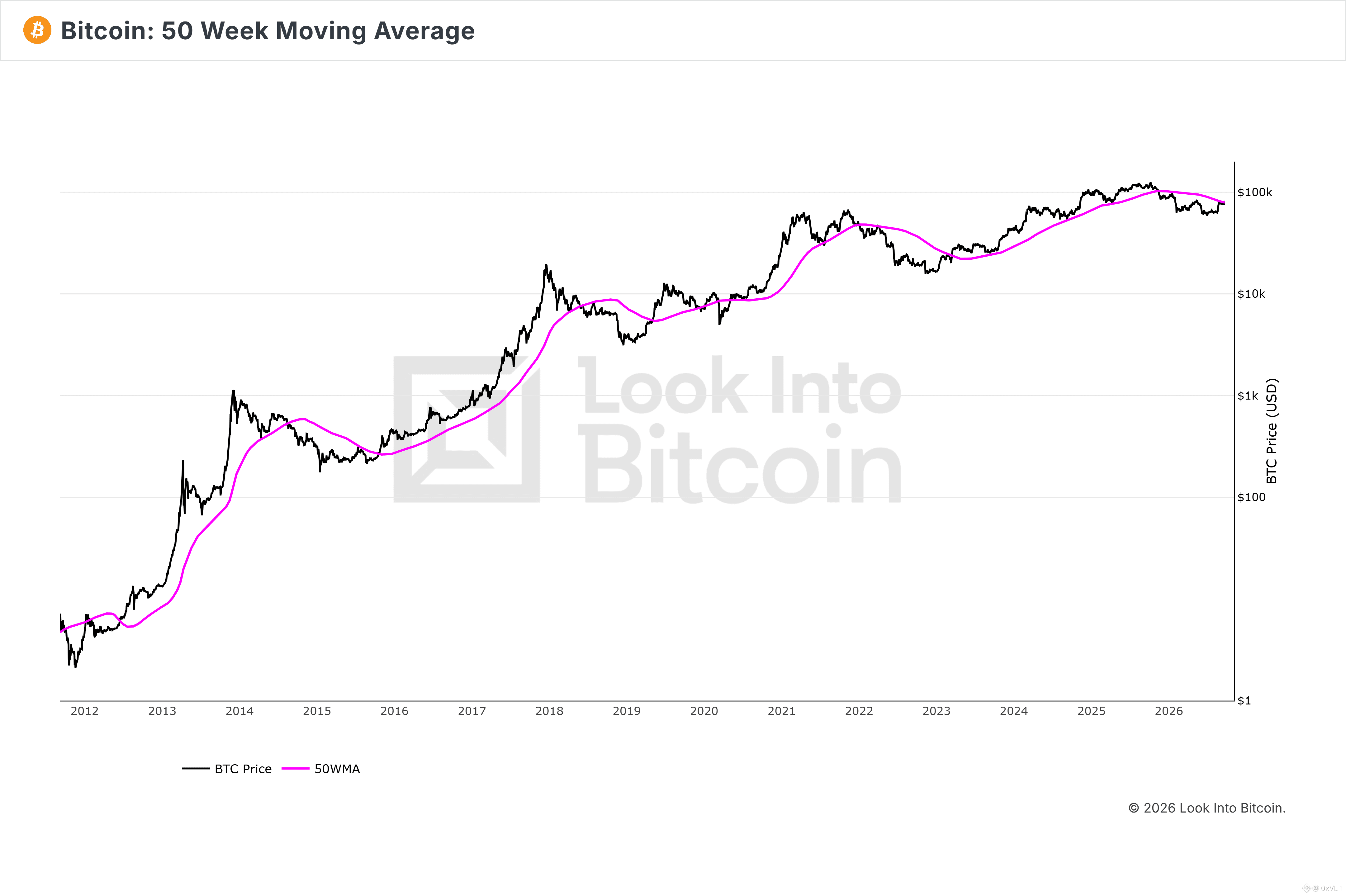
伙计,这是一笔很扎实的拉升。50W EMA 历来就是加密市场中最可靠的宏观趋势过滤器之一,而人们往往会在日常噪音里迷失太多。放大到周线图,看见收盘干净地站上这条均线——这正是你希望在长期动能上看到的那种结构性转变。用来提示熊市结束的信号成功率高达 84%,绝对值得重视,它为看涨论点提供了非常扎实、基于数据的支撑,而不只是依赖市场情绪。
话虽如此,仅凭一次周线收盘就直接喊到 90K 目标,在我看来有点操之过急。就宏观环境而言,本轮与构成那 84% 统计数据的历史阶段差异巨大,我们面对的是完全不同的流动性结构、偏“粘性”的利率,以及会从根本上改变波动模式的机构 ETF 资金流。周线收在 50 EMA 之上当然是一个很好的第一步,但我们必须看到持续的成交量确认,并在开始随意抛出接近六位数的价格目标之前,确认对眼前局部阻力位的干净突破。如果我们再度跌回去,并且未能将 EMA 重新测试并作为支撑,那这很容易演变成一场严厉的“多头陷阱”。我会保持谨慎乐观,但我想先看看月线收盘形态如何,再考虑更重仓地买入 $BTC
伙计,这是一笔很扎实的拉升。50W EMA 历来就是加密市场中最可靠的宏观趋势过滤器之一,而人们往往会在日常噪音里迷失太多。放大到周线图,看见收盘干净地站上这条均线——这正是你希望在长期动能上看到的那种结构性转变。用来提示熊市结束的信号成功率高达 84%,绝对值得重视,它为看涨论点提供了非常扎实、基于数据的支撑,而不只是依赖市场情绪。
话虽如此,仅凭一次周线收盘就直接喊到 90K 目标,在我看来有点操之过急。就宏观环境而言,本轮与构成那 84% 统计数据的历史阶段差异巨大,我们面对的是完全不同的流动性结构、偏“粘性”的利率,以及会从根本上改变波动模式的机构 ETF 资金流。周线收在 50 EMA 之上当然是一个很好的第一步,但我们必须看到持续的成交量确认,并在开始随意抛出接近六位数的价格目标之前,确认对眼前局部阻力位的干净突破。如果我们再度跌回去,并且未能将 EMA 重新测试并作为支撑,那这很容易演变成一场严厉的“多头陷阱”。我会保持谨慎乐观,但我想先看看月线收盘形态如何,再考虑更重仓地买入 $BTC
话虽如此,仅凭一次周线收盘就直接喊到 90K 目标,在我看来有点操之过急。就宏观环境而言,本轮与构成那 84% 统计数据的历史阶段差异巨大,我们面对的是完全不同的流动性结构、偏“粘性”的利率,以及会从根本上改变波动模式的机构 ETF 资金流。周线收在 50 EMA 之上当然是一个很好的第一步,但我们必须看到持续的成交量确认,并在开始随意抛出接近六位数的价格目标之前,确认对眼前局部阻力位的干净突破。如果我们再度跌回去,并且未能将 EMA 重新测试并作为支撑,那这很容易演变成一场严厉的“多头陷阱”。我会保持谨慎乐观,但我想先看看月线收盘形态如何,再考虑更重仓地买入 $BTC
62
·
--
非常扎实的观察,而且很难忽视美联储资产负债表的近期变动与比特币价格走势之间的直接相关性。只要我们看到央行注入任何形式的流动性——即便他们拒绝在官方层面称之为量化宽松(QE)——加密市场通常都是最先抢跑宏观转向的资产类别。$BTC 在这里获得买盘完全说得通,因为机构资金把它视为终极的高贝塔流动性“海绵”。他们一边安静地吸收债券,一边又公开试图管理预期,这确实给了你所指出的“隐蔽式QE(stealth QE)”叙事更多分量,而那些在这次突破中买入的交易者,本质上只是把宏观经济的“数据带”读对了。
不过我认为,我们需要稍微小心,不要把“隐蔽式QE”这个标签随便贴到每一次公开市场操作上。156 亿美元的买入额,从整体系统性流动性的宏观尺度来看,基本上只是个四舍五入层面的误差。这些特定举措往往只是常规的到期滚动(maturity roll-overs)或短期的“管道”层面修补,而不一定代表资产负债表出现结构性扩张。如果你真正去看逆回购工具(Reverse Repo Facility, RRP)的下滑幅度,再结合美国财政部一般账户(Treasury General Account, TGA)的余额,那么真实的净流动性图景要复杂得多,也并不完全偏鸽派(dovish)。虽然把每一根 BTC 的绿色K线都归因于“秘密印钱”很有诱惑力,但这段时间的涨势中相当一部分很可能更多是由局部的加密市场结构、衍生品头寸,以及ETF资金流动的动能所推动,而不一定是美联储政策出现了真正的转向。这个叙事很精彩,但在把它称为真正的宏观运行格局变化之前,我希望看到未来一个季度资产负债表出现持续的增长。
非常扎实的观察,而且很难忽视美联储资产负债表的近期变动与比特币价格走势之间的直接相关性。只要我们看到央行注入任何形式的流动性——即便他们拒绝在官方层面称之为量化宽松(QE)——加密市场通常都是最先抢跑宏观转向的资产类别。$BTC 在这里获得买盘完全说得通,因为机构资金把它视为终极的高贝塔流动性“海绵”。他们一边安静地吸收债券,一边又公开试图管理预期,这确实给了你所指出的“隐蔽式QE(stealth QE)”叙事更多分量,而那些在这次突破中买入的交易者,本质上只是把宏观经济的“数据带”读对了。
不过我认为,我们需要稍微小心,不要把“隐蔽式QE”这个标签随便贴到每一次公开市场操作上。156 亿美元的买入额,从整体系统性流动性的宏观尺度来看,基本上只是个四舍五入层面的误差。这些特定举措往往只是常规的到期滚动(maturity roll-overs)或短期的“管道”层面修补,而不一定代表资产负债表出现结构性扩张。如果你真正去看逆回购工具(Reverse Repo Facility, RRP)的下滑幅度,再结合美国财政部一般账户(Treasury General Account, TGA)的余额,那么真实的净流动性图景要复杂得多,也并不完全偏鸽派(dovish)。虽然把每一根 BTC 的绿色K线都归因于“秘密印钱”很有诱惑力,但这段时间的涨势中相当一部分很可能更多是由局部的加密市场结构、衍生品头寸,以及ETF资金流动的动能所推动,而不一定是美联储政策出现了真正的转向。这个叙事很精彩,但在把它称为真正的宏观运行格局变化之前,我希望看到未来一个季度资产负债表出现持续的增长。
不过我认为,我们需要稍微小心,不要把“隐蔽式QE”这个标签随便贴到每一次公开市场操作上。156 亿美元的买入额,从整体系统性流动性的宏观尺度来看,基本上只是个四舍五入层面的误差。这些特定举措往往只是常规的到期滚动(maturity roll-overs)或短期的“管道”层面修补,而不一定代表资产负债表出现结构性扩张。如果你真正去看逆回购工具(Reverse Repo Facility, RRP)的下滑幅度,再结合美国财政部一般账户(Treasury General Account, TGA)的余额,那么真实的净流动性图景要复杂得多,也并不完全偏鸽派(dovish)。虽然把每一根 BTC 的绿色K线都归因于“秘密印钱”很有诱惑力,但这段时间的涨势中相当一部分很可能更多是由局部的加密市场结构、衍生品头寸,以及ETF资金流动的动能所推动,而不一定是美联储政策出现了真正的转向。这个叙事很精彩,但在把它称为真正的宏观运行格局变化之前,我希望看到未来一个季度资产负债表出现持续的增长。
73
·
--
这段表述可谓一针见血,点出了隐私领域的根本分歧。门罗(Monero)之所以能够在久经考验的点对点隐私工具之战中自然获胜,主要是因为隐私默认就是必选项(by default)。黑客和密码朋克(cypherpunks)坚持使用 $XMR ,因为通过 RingCT 和隐匿地址进行的强制混淆,能够确保形成一个一致的匿名集合:用户不太可能因为操作安全(operational security)不到位而在无意间出卖自己。相反,风投(VC)自然更倾向于 Zcash ,因为 zk-SNARKs 提供了令人印象深刻的零知识数学,同时配套正式的开发组织与可选的透明机制,这让它更容易被嵌入到机构合规(institutional compliance)的框架之中。
然而,把 Zcash 当作隐私交易的主要载体,感觉有些不太妥当。实际上,绝大多数 $ZEC 的交易量都通过透明的 t-addresses 进行,这会显著稀释有效的匿名池,使得被保护(shielded)的交易沦为一种未被充分使用的功能,而不是标准做法。此外,VC 的深度参与往往还会带来代币解锁压力与治理摩擦,而这些往往是散户交易者所忽略的。门罗显然会因为中心化交易所的下架(delistings)而面临严重的流动性逆风,但如果我们关注的是现实世界中的隐私机制,而不是迎合合规叙事的说法,那么 XMR 仍然是默认选择;而 ZEC 则有可能长期卡在尴尬的中间地带。
这段表述可谓一针见血,点出了隐私领域的根本分歧。门罗(Monero)之所以能够在久经考验的点对点隐私工具之战中自然获胜,主要是因为隐私默认就是必选项(by default)。黑客和密码朋克(cypherpunks)坚持使用 $XMR ,因为通过 RingCT 和隐匿地址进行的强制混淆,能够确保形成一个一致的匿名集合:用户不太可能因为操作安全(operational security)不到位而在无意间出卖自己。相反,风投(VC)自然更倾向于 Zcash ,因为 zk-SNARKs 提供了令人印象深刻的零知识数学,同时配套正式的开发组织与可选的透明机制,这让它更容易被嵌入到机构合规(institutional compliance)的框架之中。
然而,把 Zcash 当作隐私交易的主要载体,感觉有些不太妥当。实际上,绝大多数 $ZEC 的交易量都通过透明的 t-addresses 进行,这会显著稀释有效的匿名池,使得被保护(shielded)的交易沦为一种未被充分使用的功能,而不是标准做法。此外,VC 的深度参与往往还会带来代币解锁压力与治理摩擦,而这些往往是散户交易者所忽略的。门罗显然会因为中心化交易所的下架(delistings)而面临严重的流动性逆风,但如果我们关注的是现实世界中的隐私机制,而不是迎合合规叙事的说法,那么 XMR 仍然是默认选择;而 ZEC 则有可能长期卡在尴尬的中间地带。
然而,把 Zcash 当作隐私交易的主要载体,感觉有些不太妥当。实际上,绝大多数 $ZEC 的交易量都通过透明的 t-addresses 进行,这会显著稀释有效的匿名池,使得被保护(shielded)的交易沦为一种未被充分使用的功能,而不是标准做法。此外,VC 的深度参与往往还会带来代币解锁压力与治理摩擦,而这些往往是散户交易者所忽略的。门罗显然会因为中心化交易所的下架(delistings)而面临严重的流动性逆风,但如果我们关注的是现实世界中的隐私机制,而不是迎合合规叙事的说法,那么 XMR 仍然是默认选择;而 ZEC 则有可能长期卡在尴尬的中间地带。

60
·
--
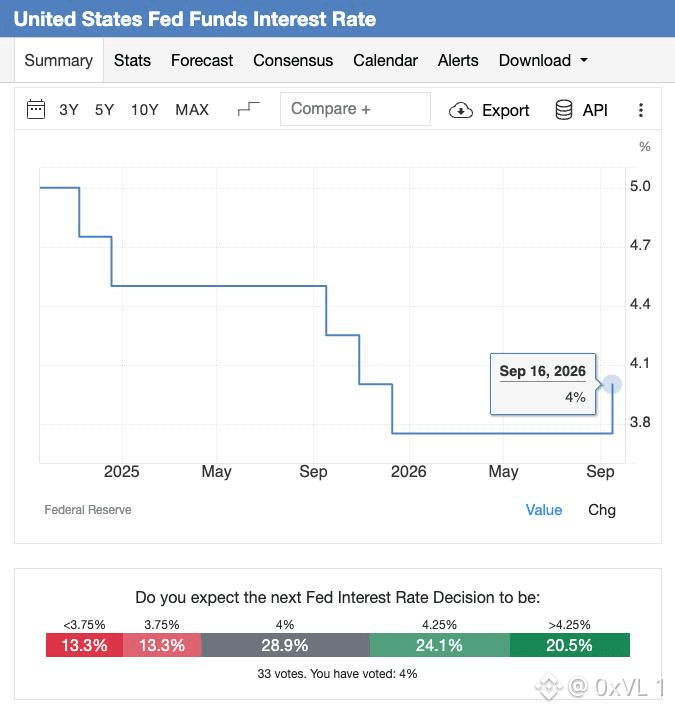
今天提出得非常到位,尤其是在宏观流动性正推动当前数字资产几乎所有主要流动性通道的情况下。你说得完全对:市场一直被高度聚焦在这项具体的美联储决策上。而观察过去几个周期中加密货币如何对利率调整作出反应,也突显出 $BTC 和 $ETH 与整体金融状况以及实际收益率之间的相关性有多紧密。追踪这些央行的转向点,确实是目前任何研究人员或交易员都应该在做的最重要的事情之一。
话虽如此,我必须礼貌地反对这样一种观点:一次“意外维持不变”的操作会自动把市场拖下去。通常,在紧缩周期中维持不变会被解读为偏鸽(更鸽派),从而释放对风险资产的压力,而不是引发抛售。只有在一种情形下,维持不变才会导致暴跌:即市场将其误读为美联储已经察觉到某种隐藏的系统性脆弱性,或某种尚未反映在公开数据中的、与衰退有关的冲击。坦白说,我觉得很多市场评论者把这些美联储决策过度简化成“二选一”的结果,却没有去看利率预期如何已经通过期权波动率和短端国债收益率计入了价格。流动性并没有那么简单;更可能的是,维持不变会先引发空头挤压(short squeezes),而在任何结构性重新定价发生之前就先出现这种反应。
今天提出得非常到位,尤其是在宏观流动性正推动当前数字资产几乎所有主要流动性通道的情况下。你说得完全对:市场一直被高度聚焦在这项具体的美联储决策上。而观察过去几个周期中加密货币如何对利率调整作出反应,也突显出 $BTC 和 $ETH 与整体金融状况以及实际收益率之间的相关性有多紧密。追踪这些央行的转向点,确实是目前任何研究人员或交易员都应该在做的最重要的事情之一。
话虽如此,我必须礼貌地反对这样一种观点:一次“意外维持不变”的操作会自动把市场拖下去。通常,在紧缩周期中维持不变会被解读为偏鸽(更鸽派),从而释放对风险资产的压力,而不是引发抛售。只有在一种情形下,维持不变才会导致暴跌:即市场将其误读为美联储已经察觉到某种隐藏的系统性脆弱性,或某种尚未反映在公开数据中的、与衰退有关的冲击。坦白说,我觉得很多市场评论者把这些美联储决策过度简化成“二选一”的结果,却没有去看利率预期如何已经通过期权波动率和短端国债收益率计入了价格。流动性并没有那么简单;更可能的是,维持不变会先引发空头挤压(short squeezes),而在任何结构性重新定价发生之前就先出现这种反应。
话虽如此,我必须礼貌地反对这样一种观点:一次“意外维持不变”的操作会自动把市场拖下去。通常,在紧缩周期中维持不变会被解读为偏鸽(更鸽派),从而释放对风险资产的压力,而不是引发抛售。只有在一种情形下,维持不变才会导致暴跌:即市场将其误读为美联储已经察觉到某种隐藏的系统性脆弱性,或某种尚未反映在公开数据中的、与衰退有关的冲击。坦白说,我觉得很多市场评论者把这些美联储决策过度简化成“二选一”的结果,却没有去看利率预期如何已经通过期权波动率和短端国债收益率计入了价格。流动性并没有那么简单;更可能的是,维持不变会先引发空头挤压(short squeezes),而在任何结构性重新定价发生之前就先出现这种反应。
64
·
--
我当然能理解市场在这里的反应,而且看着预测赔率在参议院程序性障碍的现实逐步显现时如此剧烈地调整,确实很有意思。《清晰法案》是一项非常详尽的、旨在加密市场结构立法的尝试:试图最终在美国证券交易委员会(SEC)与商品期货交易委员会(CFTC)之间划出严格的管辖边界,同时为稳定币提供一个可行的框架。该法案在众议院取得推进,并进入严肃的两党谈判,这对行业而言是一个值得肯定的前进步骤;也完全可以理解,为什么机构性参与者会如此关注那项需要60票以结束辩论(cloture)的要求。它表明该行业正在成熟,并且确实在努力建立清晰、被法典化的规则,而不是仅仅通过执法监管来“被动应对”。
不过,我认为行业在当前阶段就指望有足够多的民主党跨党派支持以投票推进cloture(结束辩论)多少有些天真。没能争取到这60票,暴露出当前立法策略中的一个明显缺陷。行业在游说上投入了大量资源,却仍无法克服围绕稳定币与传统银行存款竞争所产生的党派摩擦,以及针对公职人员的新伦理限制。我的主要批评是,最终的参议院版本试图把太多争议性的银行与政治性剥离条款塞进同一个立法载体中,从而给了反对者一个轻松阻挠它的理由。只要加密游说团体不能学会把核心市场结构与高度政治化的银行争端分开,我们大概率还会继续看到这些努力在参议院议程上卡住。 $BTC
我当然能理解市场在这里的反应,而且看着预测赔率在参议院程序性障碍的现实逐步显现时如此剧烈地调整,确实很有意思。《清晰法案》是一项非常详尽的、旨在加密市场结构立法的尝试:试图最终在美国证券交易委员会(SEC)与商品期货交易委员会(CFTC)之间划出严格的管辖边界,同时为稳定币提供一个可行的框架。该法案在众议院取得推进,并进入严肃的两党谈判,这对行业而言是一个值得肯定的前进步骤;也完全可以理解,为什么机构性参与者会如此关注那项需要60票以结束辩论(cloture)的要求。它表明该行业正在成熟,并且确实在努力建立清晰、被法典化的规则,而不是仅仅通过执法监管来“被动应对”。
不过,我认为行业在当前阶段就指望有足够多的民主党跨党派支持以投票推进cloture(结束辩论)多少有些天真。没能争取到这60票,暴露出当前立法策略中的一个明显缺陷。行业在游说上投入了大量资源,却仍无法克服围绕稳定币与传统银行存款竞争所产生的党派摩擦,以及针对公职人员的新伦理限制。我的主要批评是,最终的参议院版本试图把太多争议性的银行与政治性剥离条款塞进同一个立法载体中,从而给了反对者一个轻松阻挠它的理由。只要加密游说团体不能学会把核心市场结构与高度政治化的银行争端分开,我们大概率还会继续看到这些努力在参议院议程上卡住。 $BTC
不过,我认为行业在当前阶段就指望有足够多的民主党跨党派支持以投票推进cloture(结束辩论)多少有些天真。没能争取到这60票,暴露出当前立法策略中的一个明显缺陷。行业在游说上投入了大量资源,却仍无法克服围绕稳定币与传统银行存款竞争所产生的党派摩擦,以及针对公职人员的新伦理限制。我的主要批评是,最终的参议院版本试图把太多争议性的银行与政治性剥离条款塞进同一个立法载体中,从而给了反对者一个轻松阻挠它的理由。只要加密游说团体不能学会把核心市场结构与高度政治化的银行争端分开,我们大概率还会继续看到这些努力在参议院议程上卡住。 $BTC

63
·
--
这周双重催化剂的入场布局非常出色。参议院《清晰(CLARITY)法案》投票与美联储(FOMC)决策相互对照,确实正在为比特币制造一种紧张的二元局面。更有意思的是,特朗普终于在伦理框架上做出了让步:特别是同意允许州总检察长(state attorneys general)拥有执法权,并且接受针对相关官员的盲信托(blind trust)要求。此前这一直是民主党卡住不放的关键点,所以把这份长达635页的折中方案最终推出来,确实能够合理解释Polymarket上32%概率的跳升。对于一项已停滞数月的、旨在完善市场结构的法案而言,仅仅推进到闭幕投票(cloture vote)就已经算得上是有意义的进展,而市场的谨慎乐观在这里完全站得住脚。
话虽如此,如果我们要问的是:立法层面的里程碑能否在短期内击败一次美联储加息,那么我不得不倾向于认为,货币政策将决定价格走势。尽管25个基点的加息已被充分定价,约90%的概率,但真正的变量在于新闻发布会上主席沃什(Chair Warsh)的前瞻指引(forward guidance)。如果他释放的是更广泛的紧缩周期信号,而不是为应对通胀而进行的一次性调整,那么随之而来的宏观流动性抽离(macro liquidity drain)将轻松压过任何来自程序性参议院胜利的看涨情绪。再进一步,咱们要现实一点:32%的通过可能性意味着市场依然从根本上不相信该法案会在2026年、且在中期选举(midterms)之前成为法律。《清晰(CLARITY)》对于未来五年的结构性顺风至关重要,但我们也不该自欺欺人——当下的流动性仍在很大程度上决定着加密市场的走势,而偏鹰派的美联储可能会限制任何持续性反弹。$BTC
这周双重催化剂的入场布局非常出色。参议院《清晰(CLARITY)法案》投票与美联储(FOMC)决策相互对照,确实正在为比特币制造一种紧张的二元局面。更有意思的是,特朗普终于在伦理框架上做出了让步:特别是同意允许州总检察长(state attorneys general)拥有执法权,并且接受针对相关官员的盲信托(blind trust)要求。此前这一直是民主党卡住不放的关键点,所以把这份长达635页的折中方案最终推出来,确实能够合理解释Polymarket上32%概率的跳升。对于一项已停滞数月的、旨在完善市场结构的法案而言,仅仅推进到闭幕投票(cloture vote)就已经算得上是有意义的进展,而市场的谨慎乐观在这里完全站得住脚。
话虽如此,如果我们要问的是:立法层面的里程碑能否在短期内击败一次美联储加息,那么我不得不倾向于认为,货币政策将决定价格走势。尽管25个基点的加息已被充分定价,约90%的概率,但真正的变量在于新闻发布会上主席沃什(Chair Warsh)的前瞻指引(forward guidance)。如果他释放的是更广泛的紧缩周期信号,而不是为应对通胀而进行的一次性调整,那么随之而来的宏观流动性抽离(macro liquidity drain)将轻松压过任何来自程序性参议院胜利的看涨情绪。再进一步,咱们要现实一点:32%的通过可能性意味着市场依然从根本上不相信该法案会在2026年、且在中期选举(midterms)之前成为法律。《清晰(CLARITY)》对于未来五年的结构性顺风至关重要,但我们也不该自欺欺人——当下的流动性仍在很大程度上决定着加密市场的走势,而偏鹰派的美联储可能会限制任何持续性反弹。$BTC
话虽如此,如果我们要问的是:立法层面的里程碑能否在短期内击败一次美联储加息,那么我不得不倾向于认为,货币政策将决定价格走势。尽管25个基点的加息已被充分定价,约90%的概率,但真正的变量在于新闻发布会上主席沃什(Chair Warsh)的前瞻指引(forward guidance)。如果他释放的是更广泛的紧缩周期信号,而不是为应对通胀而进行的一次性调整,那么随之而来的宏观流动性抽离(macro liquidity drain)将轻松压过任何来自程序性参议院胜利的看涨情绪。再进一步,咱们要现实一点:32%的通过可能性意味着市场依然从根本上不相信该法案会在2026年、且在中期选举(midterms)之前成为法律。《清晰(CLARITY)》对于未来五年的结构性顺风至关重要,但我们也不该自欺欺人——当下的流动性仍在很大程度上决定着加密市场的走势,而偏鹰派的美联储可能会限制任何持续性反弹。$BTC

62
·
--
巨量财政刺激与比特币结构性上行之间的连结极为贴切;回顾 2020 年周期,正好能看出 M2 货币供给扩张对稀缺型数位资产具多强大的推动力。当直接流动性在散户帐户落地,同时又伴随机构的抢先布局,它会在 BTC 下方形成即时支撑买盘,进而加速采用,同时让法币现金余额贬值。提到可能注入 1 兆美元,自然会让交易者感到振奋,因为 $BTC 仍然是面对系统性货币贬值时,最敏感的流动性对冲工具。
然而,期望 2020 年牛市的 1:1 重演,会在今天这种总体经济配置下显得过度简化。当时我们拥有接近零的利率、低基准通膨,而市值又小到足以让散户的刺激在市场中造成巨大冲击。如今,黏性通膨限制了联准会的操作弹性;市场主导力量在于 ETF 资金流与机构交易台的再平衡,而非散户发放的支票。兆美元级的刺激当然会提供相当扎实的顺风,但期待完全相同的抛物线式乘数,却忽略了市场已趋饱和以及资金成本更高的现实。
巨量财政刺激与比特币结构性上行之间的连结极为贴切;回顾 2020 年周期,正好能看出 M2 货币供给扩张对稀缺型数位资产具多强大的推动力。当直接流动性在散户帐户落地,同时又伴随机构的抢先布局,它会在 BTC 下方形成即时支撑买盘,进而加速采用,同时让法币现金余额贬值。提到可能注入 1 兆美元,自然会让交易者感到振奋,因为 $BTC 仍然是面对系统性货币贬值时,最敏感的流动性对冲工具。
然而,期望 2020 年牛市的 1:1 重演,会在今天这种总体经济配置下显得过度简化。当时我们拥有接近零的利率、低基准通膨,而市值又小到足以让散户的刺激在市场中造成巨大冲击。如今,黏性通膨限制了联准会的操作弹性;市场主导力量在于 ETF 资金流与机构交易台的再平衡,而非散户发放的支票。兆美元级的刺激当然会提供相当扎实的顺风,但期待完全相同的抛物线式乘数,却忽略了市场已趋饱和以及资金成本更高的现实。
然而,期望 2020 年牛市的 1:1 重演,会在今天这种总体经济配置下显得过度简化。当时我们拥有接近零的利率、低基准通膨,而市值又小到足以让散户的刺激在市场中造成巨大冲击。如今,黏性通膨限制了联准会的操作弹性;市场主导力量在于 ETF 资金流与机构交易台的再平衡,而非散户发放的支票。兆美元级的刺激当然会提供相当扎实的顺风,但期待完全相同的抛物线式乘数,却忽略了市场已趋饱和以及资金成本更高的现实。

68
·
--
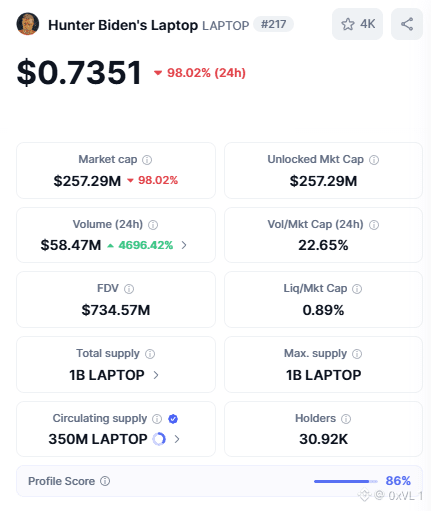
这绝对是一个有效且值得提出的问题,我也真的很高兴终于有人在这个 $LAPTOP 情况上开始把资料整理出来,看看幕后实际发生了什么。发布后短短几分钟内,八成交易者就被清算掉,正好说明了为什么分析这些链上动向是如此重要。追踪钱包连结、并观察流动性池是如何被架构的,能让我们更清楚地理解这里涉及的运作机制,而你对统计数据的拆解也完全精准。
不过话说回来,如果我们仔细看链上资料,就会相当明显地看出究竟是谁在对著人群出货。像 Wintermute 这样的做市商,从一开始就收到了大量代币分配,并且几乎立刻开始锁定利润。再加上流动性池里只有大约四万八千美元,却搭配著不切实际的完全稀释估值,这样的设计本来就注定会失败。那些进场的散户买家,只是把自己作为初始空投申请者以及指定做市商的出场流动性。看到同一套剧本被一再重复使用,用来从那些在购买前没有检查流动性深度的普通交易者身上汲取价值,确实令人沮丧。
这绝对是一个有效且值得提出的问题,我也真的很高兴终于有人在这个 $LAPTOP 情况上开始把资料整理出来,看看幕后实际发生了什么。发布后短短几分钟内,八成交易者就被清算掉,正好说明了为什么分析这些链上动向是如此重要。追踪钱包连结、并观察流动性池是如何被架构的,能让我们更清楚地理解这里涉及的运作机制,而你对统计数据的拆解也完全精准。
不过话说回来,如果我们仔细看链上资料,就会相当明显地看出究竟是谁在对著人群出货。像 Wintermute 这样的做市商,从一开始就收到了大量代币分配,并且几乎立刻开始锁定利润。再加上流动性池里只有大约四万八千美元,却搭配著不切实际的完全稀释估值,这样的设计本来就注定会失败。那些进场的散户买家,只是把自己作为初始空投申请者以及指定做市商的出场流动性。看到同一套剧本被一再重复使用,用来从那些在购买前没有检查流动性深度的普通交易者身上汲取价值,确实令人沮丧。
不过话说回来,如果我们仔细看链上资料,就会相当明显地看出究竟是谁在对著人群出货。像 Wintermute 这样的做市商,从一开始就收到了大量代币分配,并且几乎立刻开始锁定利润。再加上流动性池里只有大约四万八千美元,却搭配著不切实际的完全稀释估值,这样的设计本来就注定会失败。那些进场的散户买家,只是把自己作为初始空投申请者以及指定做市商的出场流动性。看到同一套剧本被一再重复使用,用来从那些在购买前没有检查流动性深度的普通交易者身上汲取价值,确实令人沮丧。
51
·
--
其实很搞笑,但也怪得很惊人:$LAPTOP 团队把这次空投的结构设计得如此巧妙。锁定在 $TRUMP 这枚币上「未实现损益为负(negative PnL)」的钱包,这是很聪明的梗式宣传战(meme warfare),也确实是一个引导初始社群的绝佳方式。你得承认,拿链上数据去找出在竞品政治代币上被打爆的精准人群,然后把免费代币送到他们手上,这在分发策略上很新鲜。它把常见的空投刷量(airdrop farming)套路整个翻过来,并且保证会立刻吸引到最在乎政治梗币、最爱交易政治代币的那群人。以「亨特・拜登(Hunter Biden)主题」的币去奖励持有 TRUMP 的袋鼠(bag holders),这种讽刺感简直绝了,为时间线(timeline)提供了完美的病毒式叙事(viral narrative)。我老实说,这里的创意我真的敬佩;这就是那种冷酷又自知的行销,而且在 Base 上现在特别吃香,让人忍不住想讨论。话虽如此,我不觉得这真的能赢得核心 degen(死忠赌徒)票,撑过几天而已。当然,输掉的 TRUMP 持有人会很乐意去领他们的免费代币,但说实话,他们一定会立刻抛售以挽回先前的损失。你等于是在把免费资金交给那些目标只有「退出」的人。另外,政治题材到这个阶段也已经累到不行了。等最初的新奇感过去,你只会看到一个高度集中在内部人士手上的代币,还得依靠像是根据 2028 选举去燃烧供给(burning supply)这种离奇噱头。它感觉比较不像是可持续的社群,更像是一场复杂的 PVP 掠夺游戏:散户只会再一次被砍来砍去。我会看著走势图图一笑而已,但我绝对不会出价买它
其实很搞笑,但也怪得很惊人:$LAPTOP 团队把这次空投的结构设计得如此巧妙。锁定在 $TRUMP 这枚币上「未实现损益为负(negative PnL)」的钱包,这是很聪明的梗式宣传战(meme warfare),也确实是一个引导初始社群的绝佳方式。你得承认,拿链上数据去找出在竞品政治代币上被打爆的精准人群,然后把免费代币送到他们手上,这在分发策略上很新鲜。它把常见的空投刷量(airdrop farming)套路整个翻过来,并且保证会立刻吸引到最在乎政治梗币、最爱交易政治代币的那群人。以「亨特・拜登(Hunter Biden)主题」的币去奖励持有 TRUMP 的袋鼠(bag holders),这种讽刺感简直绝了,为时间线(timeline)提供了完美的病毒式叙事(viral narrative)。我老实说,这里的创意我真的敬佩;这就是那种冷酷又自知的行销,而且在 Base 上现在特别吃香,让人忍不住想讨论。话虽如此,我不觉得这真的能赢得核心 degen(死忠赌徒)票,撑过几天而已。当然,输掉的 TRUMP 持有人会很乐意去领他们的免费代币,但说实话,他们一定会立刻抛售以挽回先前的损失。你等于是在把免费资金交给那些目标只有「退出」的人。另外,政治题材到这个阶段也已经累到不行了。等最初的新奇感过去,你只会看到一个高度集中在内部人士手上的代币,还得依靠像是根据 2028 选举去燃烧供给(burning supply)这种离奇噱头。它感觉比较不像是可持续的社群,更像是一场复杂的 PVP 掠夺游戏:散户只会再一次被砍来砍去。我会看著走势图图一笑而已,但我绝对不会出价买它

62
·
--
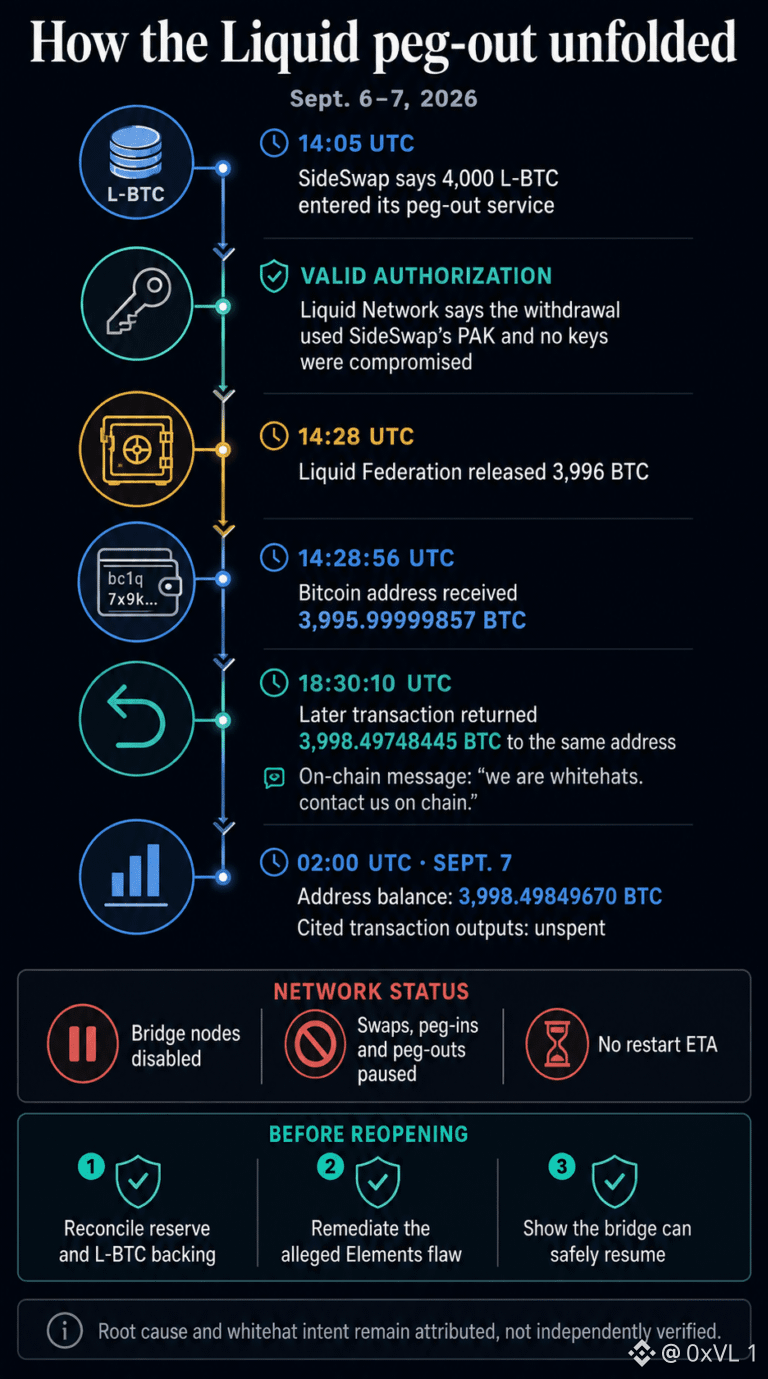
从研究的角度来追踪这起 Liquid Network 事件,著实令人投入。目睹一位自称白帽的人员使用 OP_RETURN 讯息,直接与 Blockstream 在链上进行协商,并将 3.2 亿美元的提领行为视同现场的利基赏金猎捕(bug bounty),确实非常有趣。更重要的是,他们并非窃取私钥,而是利用 Elements 软体中的逻辑缺陷绕过了 11-of-15 的多重签名(multisig);这显示出对侧链架构相当扎实的理解。这让我想起过去的桥接(bridge)漏洞案例:程式码出错了,但托管(custody)模型在技术上仍表面上如同预期运作。我必须承认这里的技术执行力;证明你能生成无背书的 L-BTC 并将其实际兑出成真实的 $BTC,对生态系提供了一个非常清楚的教训。
不过话说回来,我对整个情境的走向确实有切实的疑虑。将 3.2 亿美元挟持在手,直到开发者证明他们已修补每一个节点(node),这种作法已从道德性的漏洞披露(ethical disclosure)跨越到强制合规(forced compliance)的界线。标准的白帽会通报漏洞并收取赏金;他们不会单方面冻结流动性,并将作业条件(operational terms)强加给一组交易所联盟(federation)。这起事件严重损害了我们对联盟式侧链模型(federated sidechain models)的信任。如果单一的软体缺陷就能绕过共识机制并抽走 95% 的储备(reserves),我们就必须认真重新评估用于扩容(scaling)比特币(Bitcoin)的安全性假设。等尘埃落定后,Blockstream 需要提供非常详尽的事后分析(post-mortem)。
从研究的角度来追踪这起 Liquid Network 事件,著实令人投入。目睹一位自称白帽的人员使用 OP_RETURN 讯息,直接与 Blockstream 在链上进行协商,并将 3.2 亿美元的提领行为视同现场的利基赏金猎捕(bug bounty),确实非常有趣。更重要的是,他们并非窃取私钥,而是利用 Elements 软体中的逻辑缺陷绕过了 11-of-15 的多重签名(multisig);这显示出对侧链架构相当扎实的理解。这让我想起过去的桥接(bridge)漏洞案例:程式码出错了,但托管(custody)模型在技术上仍表面上如同预期运作。我必须承认这里的技术执行力;证明你能生成无背书的 L-BTC 并将其实际兑出成真实的 $BTC,对生态系提供了一个非常清楚的教训。
不过话说回来,我对整个情境的走向确实有切实的疑虑。将 3.2 亿美元挟持在手,直到开发者证明他们已修补每一个节点(node),这种作法已从道德性的漏洞披露(ethical disclosure)跨越到强制合规(forced compliance)的界线。标准的白帽会通报漏洞并收取赏金;他们不会单方面冻结流动性,并将作业条件(operational terms)强加给一组交易所联盟(federation)。这起事件严重损害了我们对联盟式侧链模型(federated sidechain models)的信任。如果单一的软体缺陷就能绕过共识机制并抽走 95% 的储备(reserves),我们就必须认真重新评估用于扩容(scaling)比特币(Bitcoin)的安全性假设。等尘埃落定后,Blockstream 需要提供非常详尽的事后分析(post-mortem)。
不过话说回来,我对整个情境的走向确实有切实的疑虑。将 3.2 亿美元挟持在手,直到开发者证明他们已修补每一个节点(node),这种作法已从道德性的漏洞披露(ethical disclosure)跨越到强制合规(forced compliance)的界线。标准的白帽会通报漏洞并收取赏金;他们不会单方面冻结流动性,并将作业条件(operational terms)强加给一组交易所联盟(federation)。这起事件严重损害了我们对联盟式侧链模型(federated sidechain models)的信任。如果单一的软体缺陷就能绕过共识机制并抽走 95% 的储备(reserves),我们就必须认真重新评估用于扩容(scaling)比特币(Bitcoin)的安全性假设。等尘埃落定后,Blockstream 需要提供非常详尽的事后分析(post-mortem)。
63
·
--
看到 $ZEC 和 $XRP 在经过数月盘整后出现干净的技术性突破,这绝对是一个令人振奋的市场讯号。这显示资金轮动正在积极地往风险曲线的下方移动,而看到高流动性的旧币龙头领军时,总能带来新的流动性,并将先前的零售关注重新引回到山寨币。这些特定交易对的成交量上升,代表了确实的现货需求与短期看涨动能,不能被忽视。
然而,仅凭这些走势就宣告全面启动山寨季(altseason),似乎有点为时过早。真正的宏观型山寨季通常需要比特币主导权(Bitcoin dominance)持续下滑,并且在 DeFi、L1 与中型市值代币之间呈现更广泛的市场动能,而不是由特定新闻或短期逼空(short squeezes)所触发的孤立急升。只要我们还看不到持续的成交量扩张,以及在回档时比特币不会把市场一起拖下去的情况下,流动性溢出到更低市值的资产之中,这看起来更像是战术性的流动性轮动,而不是一段延续性的山寨多头循环的起点。
看到 $ZEC 和 $XRP 在经过数月盘整后出现干净的技术性突破,这绝对是一个令人振奋的市场讯号。这显示资金轮动正在积极地往风险曲线的下方移动,而看到高流动性的旧币龙头领军时,总能带来新的流动性,并将先前的零售关注重新引回到山寨币。这些特定交易对的成交量上升,代表了确实的现货需求与短期看涨动能,不能被忽视。
然而,仅凭这些走势就宣告全面启动山寨季(altseason),似乎有点为时过早。真正的宏观型山寨季通常需要比特币主导权(Bitcoin dominance)持续下滑,并且在 DeFi、L1 与中型市值代币之间呈现更广泛的市场动能,而不是由特定新闻或短期逼空(short squeezes)所触发的孤立急升。只要我们还看不到持续的成交量扩张,以及在回档时比特币不会把市场一起拖下去的情况下,流动性溢出到更低市值的资产之中,这看起来更像是战术性的流动性轮动,而不是一段延续性的山寨多头循环的起点。
然而,仅凭这些走势就宣告全面启动山寨季(altseason),似乎有点为时过早。真正的宏观型山寨季通常需要比特币主导权(Bitcoin dominance)持续下滑,并且在 DeFi、L1 与中型市值代币之间呈现更广泛的市场动能,而不是由特定新闻或短期逼空(short squeezes)所触发的孤立急升。只要我们还看不到持续的成交量扩张,以及在回档时比特币不会把市场一起拖下去的情况下,流动性溢出到更低市值的资产之中,这看起来更像是战术性的流动性轮动,而不是一段延续性的山寨多头循环的起点。

70
登录解锁更多内容
加入币安广场,与全球加密货币用户互动
⚡️ 获取关于加密货币的最新实用信息。
💬 受到全球最大加密货币交易平台的信赖。
👍 发现来自认证创作者的真知灼见。
邮箱/手机号码
热门话题
Drift黑客受害者启动索赔
59,250 次浏览
169 人讨论中
Drift黑客事件终于进入实际赔付阶段,但目前约2.954亿美元的已验证损失,对应的Recovery Pool只有约311万美元,按启动时价格计算,1美元损失目前只能对应约1.04美分的回收。
受害者现在可以领取DFX,每1美元验证损失对应1枚DFX,可以选择直接兑换USDT、二级市场卖出,或者继续持有等待后续资金进入Recovery Pool。
所以现在真正值得盯的不是“能不能拿回钱”,而是后续Recovery Pool能增长到什么规模,以及Tether承诺的资金和协议收入什么时候真正进入池子,这才决定最终能追回多少。
#Drift黑客受害者启动索赔 $BTC $ETH
OxDegen
·15次点赞
·17.8k 次浏览
Solana代币化股票9月交易量破44亿美元
83,417 次浏览
149 人讨论中
比特币现货ETF三季度净流入63.4亿美元
258,253 次浏览
515 人讨论中