
Kaan Kaya 1
370 个内容

Kaan Kaya 1
举报
屏蔽用户
Web3 strategist | On-chain analyst Building new projects, sharing smart money insights 📊 Open to collaborations with teams creating real value.
0 关注
1 粉丝
17 点赞
帖子
·
--
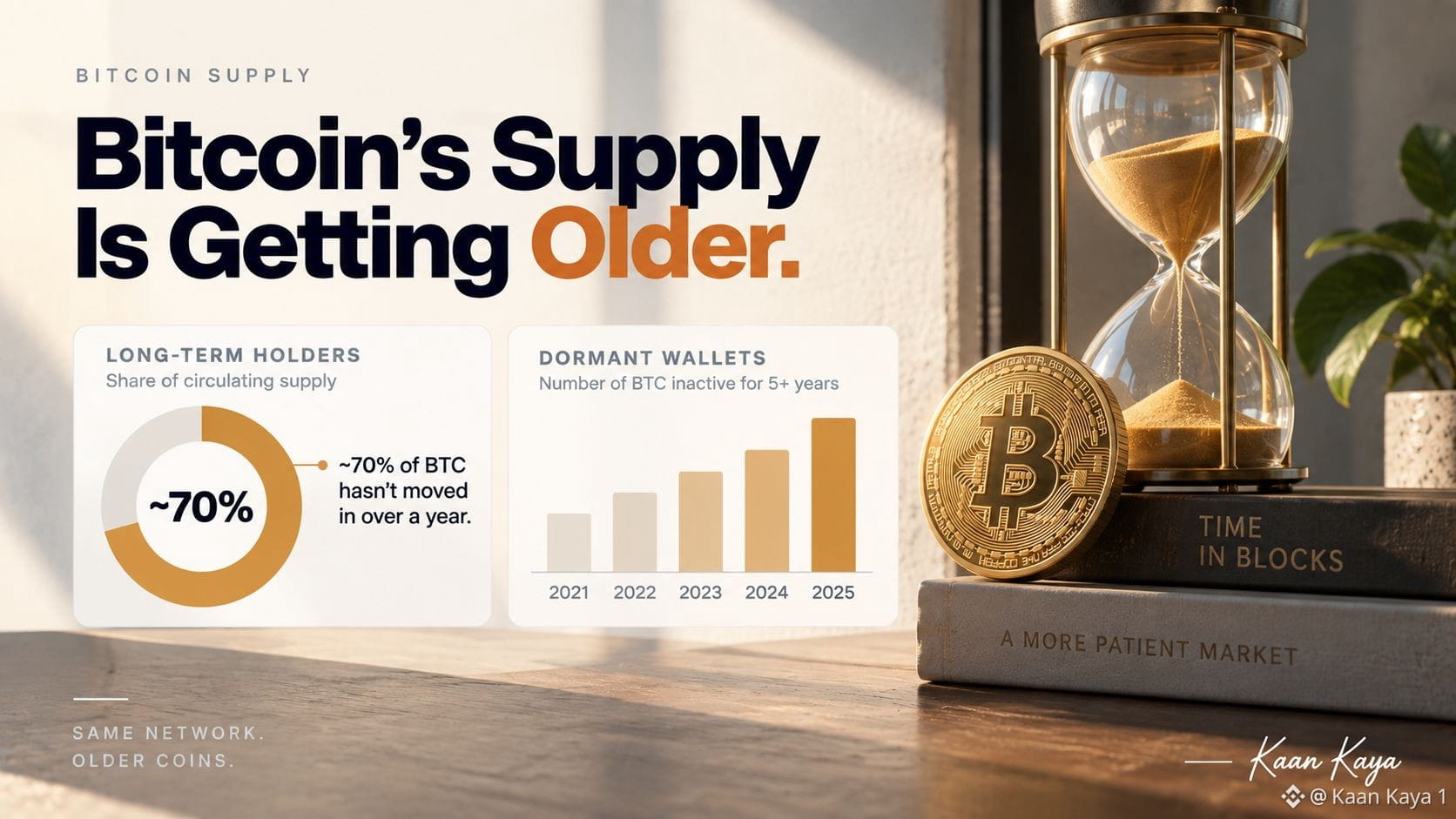
比特币的供应正在变“更老” $BTC 的一大部分在多年间都没有移动。近期的链上数据表明,即使市场经历了主要的价格大幅波动,长期持有者仍在持续控制比特币流通供给中的很大一部分。 这很重要,因为比特币的“名义供应”和“可交易供应”是两回事。长期钱包里未被动用的币不一定会在有新买家进入市场时立刻变得可用。 但我不会仅凭“旧币还没动”就自动把它称为看涨信号。闲置的币可能会苏醒,而当价格上涨到足够吸引人的水平时,长期持有者往往会成为一个重要的抛售来源。 所以,我更愿意关注当“旧比特币”再次开始流动时会发生什么,而不是仅仅庆祝它目前还没有动。 #BTC价格分析# #比特币价格预测:比特币的下一步会是什么?#
比特币的供应正在变“更老” $BTC 的一大部分在多年间都没有移动。近期的链上数据表明,即使市场经历了主要的价格大幅波动,长期持有者仍在持续控制比特币流通供给中的很大一部分。 这很重要,因为比特币的“名义供应”和“可交易供应”是两回事。长期钱包里未被动用的币不一定会在有新买家进入市场时立刻变得可用。 但我不会仅凭“旧币还没动”就自动把它称为看涨信号。闲置的币可能会苏醒,而当价格上涨到足够吸引人的水平时,长期持有者往往会成为一个重要的抛售来源。 所以,我更愿意关注当“旧比特币”再次开始流动时会发生什么,而不是仅仅庆祝它目前还没有动。 #BTC价格分析# #比特币价格预测:比特币的下一步会是什么?#
49
·
--
她一直在把“错误的数字”压低:做了个生意分析师的朋友的故事 我认识一位业务分析师,她每个季度都会在交易台的P&L上,近距离盯着同一条指标:做市(流动性提供)量,也就是市场做市的成交量,其中大部分是$BTC成对交易的做市量,被归到“费用”项名下。多年来,这个数字一直以某种方式变化——把它当作一项需要最小化的成本。 逻辑很简单:交易台通过挂单(posting quotes)产生的每一单位成交量都会产生手续费,所以这项活动就像管理费用一样被评估——能削就削,不能削就要说明理由。 正在改变行业看法的是:当订单“提供流动性”而不是“吃掉流动性”时,所带来的返佣收入(rebate)。费用旁边出现返佣一行,意味着做市行为看起来不再是纯成本,而是部分自我融资。 她可能会权衡的一个选择是 WhiteBIT 的“做市计划”(Market Making Program):列出的挂单返佣最高可达 -0.012%。🧮 真正更关键的不是费率,而是分层(tier)体系:要在做市(MM)网格里维持资格,运行依赖的是成交量的百分比,而不是固定目标。因此即使某个月成交更慢,也不会让交易台为“已经赚到的返佣”付出代价。 另外,这套方案还配套了一个灵活的API。https://institutional.whitebit.com/market-making-program?utm_source=coinmarketcap&utm_medium=mmpkkaan&utm_campaign=post 另一个选择可能是 Kraken 面向做市商与高频交易(HFT)的方案:在符合条件的现货交易对上宣传挂单手续费低至 -0.02%——而且,执行速度低于毫秒;是的,这个数字确实很难忽视。https://www.kraken.com/ca/institutions/market-makers?utm_source=coinmarketcap&utm_medium=mmpkkaan&utm_campaign=post 无论如何,返佣都来自于做市商持仓(carrying inventory)并承担反向选择(adverse selection)。同样的风险,但董事会盯着的是哪一条“线”,会改变他们认为值得做的事情。⚖️ 免责声明:这不是金融或投资建议。在做出任何决定之前,请自行研究。风险自担。 #BTC价格分析# #比特币价格预测:比特币接下来会怎么走?#
她一直在把“错误的数字”压低:做了个生意分析师的朋友的故事 我认识一位业务分析师,她每个季度都会在交易台的P&L上,近距离盯着同一条指标:做市(流动性提供)量,也就是市场做市的成交量,其中大部分是$BTC成对交易的做市量,被归到“费用”项名下。多年来,这个数字一直以某种方式变化——把它当作一项需要最小化的成本。 逻辑很简单:交易台通过挂单(posting quotes)产生的每一单位成交量都会产生手续费,所以这项活动就像管理费用一样被评估——能削就削,不能削就要说明理由。 正在改变行业看法的是:当订单“提供流动性”而不是“吃掉流动性”时,所带来的返佣收入(rebate)。费用旁边出现返佣一行,意味着做市行为看起来不再是纯成本,而是部分自我融资。 她可能会权衡的一个选择是 WhiteBIT 的“做市计划”(Market Making Program):列出的挂单返佣最高可达 -0.012%。🧮 真正更关键的不是费率,而是分层(tier)体系:要在做市(MM)网格里维持资格,运行依赖的是成交量的百分比,而不是固定目标。因此即使某个月成交更慢,也不会让交易台为“已经赚到的返佣”付出代价。 另外,这套方案还配套了一个灵活的API。https://institutional.whitebit.com/market-making-program?utm_source=coinmarketcap&utm_medium=mmpkkaan&utm_campaign=post 另一个选择可能是 Kraken 面向做市商与高频交易(HFT)的方案:在符合条件的现货交易对上宣传挂单手续费低至 -0.02%——而且,执行速度低于毫秒;是的,这个数字确实很难忽视。https://www.kraken.com/ca/institutions/market-makers?utm_source=coinmarketcap&utm_medium=mmpkkaan&utm_campaign=post 无论如何,返佣都来自于做市商持仓(carrying inventory)并承担反向选择(adverse selection)。同样的风险,但董事会盯着的是哪一条“线”,会改变他们认为值得做的事情。⚖️ 免责声明:这不是金融或投资建议。在做出任何决定之前,请自行研究。风险自担。 #BTC价格分析# #比特币价格预测:比特币接下来会怎么走?#

·
--
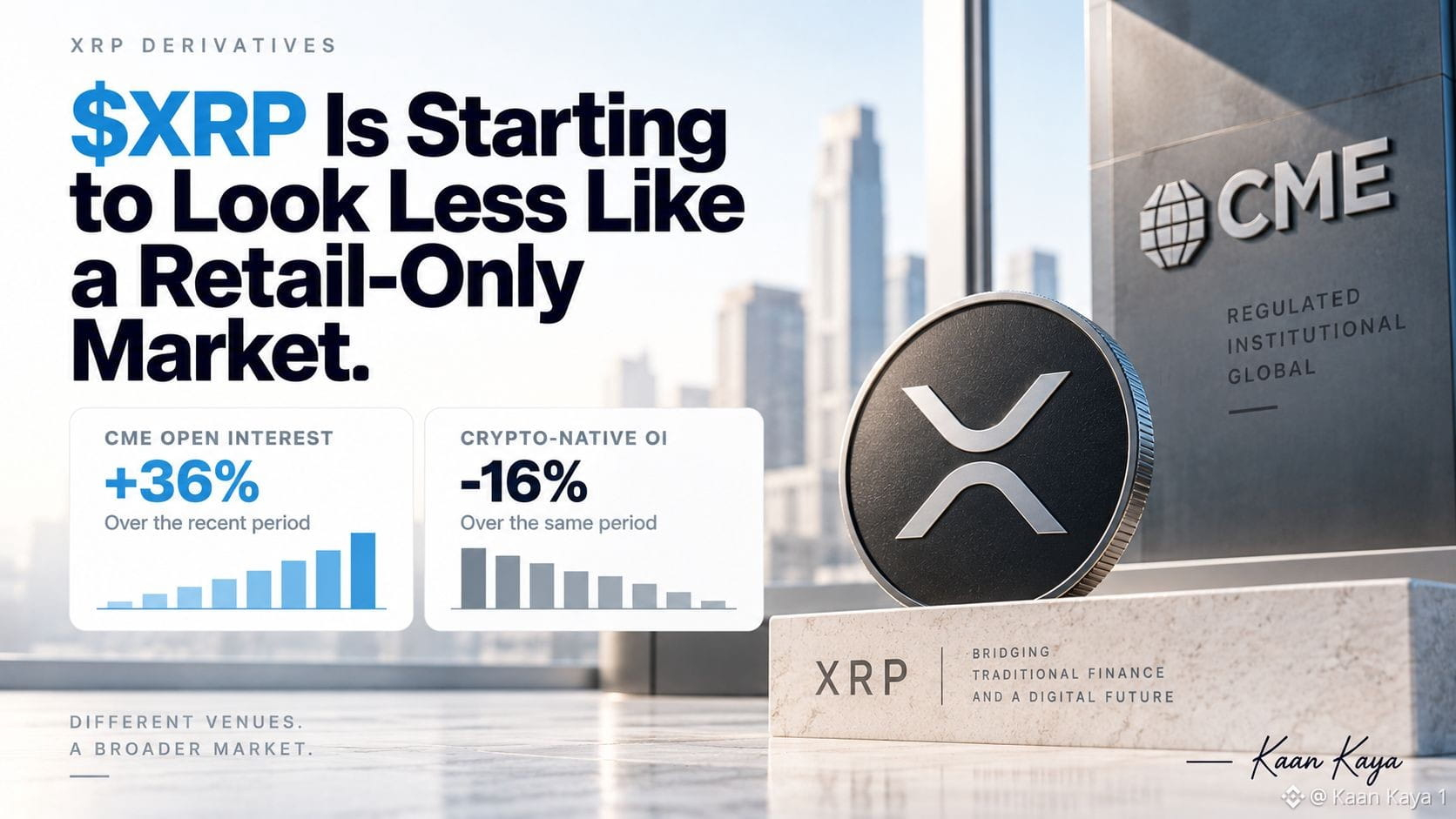
$XRP 看起来越来越不像只属于散户的市场了 🤔 最近有一个数字吸引了我的注意:CME 的未平仓合约量在增长,而加密原生衍生品交易场所的活跃度则有所降温。 这很关键,因为 CME 吸引的用户群体截然不同。资金和专业交易桌往往更偏好受监管的期货,用于对冲并获得敞口,因此更多的 XRP 衍生品头寸转向 CME,即便代币本身没有变化,也会改变市场结构。 我不会把它直译成“机构看多”。 期货同样可以用来做空、对冲或执行基差交易,和押注价格上涨一样容易。 但也正因如此,这种转变才值得关注。 机构参与并不总是体现在“有人只是买入 $XRP 并持有”。有时它最先体现在:风险在哪里被交易、以及如何被交易。 #Macro Insights# #Altcoin Season#
$XRP 看起来越来越不像只属于散户的市场了 🤔 最近有一个数字吸引了我的注意:CME 的未平仓合约量在增长,而加密原生衍生品交易场所的活跃度则有所降温。 这很关键,因为 CME 吸引的用户群体截然不同。资金和专业交易桌往往更偏好受监管的期货,用于对冲并获得敞口,因此更多的 XRP 衍生品头寸转向 CME,即便代币本身没有变化,也会改变市场结构。 我不会把它直译成“机构看多”。 期货同样可以用来做空、对冲或执行基差交易,和押注价格上涨一样容易。 但也正因如此,这种转变才值得关注。 机构参与并不总是体现在“有人只是买入 $XRP 并持有”。有时它最先体现在:风险在哪里被交易、以及如何被交易。 #Macro Insights# #Altcoin Season#
60
·
--
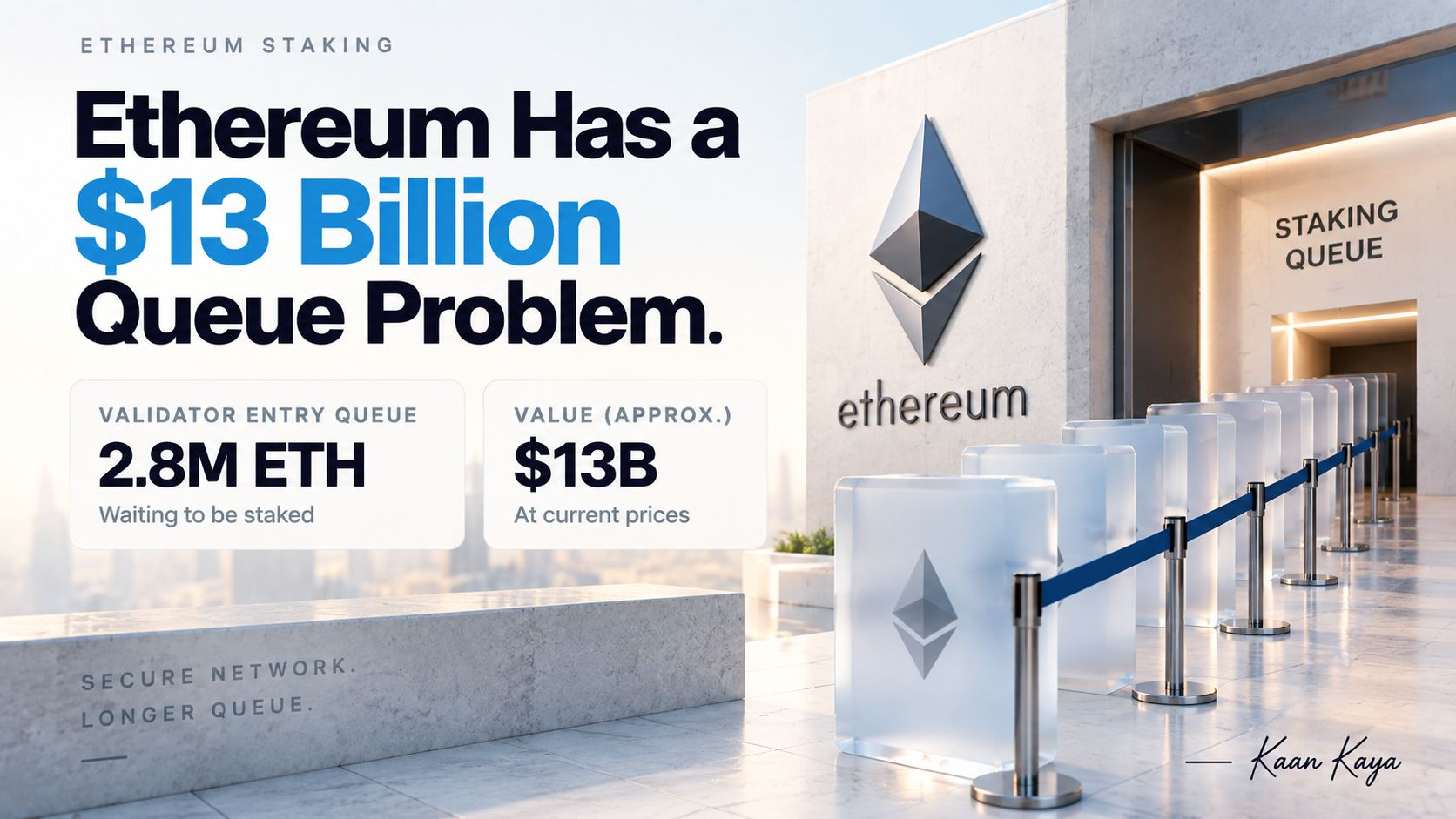
以太坊存在一项130亿美元的队列问题 围绕<ETH>质押正在形成一个有趣的瓶颈。验证者入队队列已攀升至280万枚ETH以上,价值约130亿美元,这意味着新的验证者在其ETH真正开始质押之前需要面临显著的等待时间。 该队列在两个方向上都在发挥作用。以太坊会刻意限制验证者进入或退出的速度,因此即使出现突然的质押需求浪潮,也无法立刻改变网络的验证者集。 这使得该队列成为一个超越“统计已质押了多少ETH”的有用信号。加入队列的人实际上是在为未来的质押参与而接受延迟流动性。 长队列并不必然意味着<ETH>看涨。但当人们愿意等待数周,仅仅为了将资金锁定进网络时,我认为需求本身值得关注。 #ETHBlockchain #ETHFoundation
以太坊存在一项130亿美元的队列问题 围绕<ETH>质押正在形成一个有趣的瓶颈。验证者入队队列已攀升至280万枚ETH以上,价值约130亿美元,这意味着新的验证者在其ETH真正开始质押之前需要面临显著的等待时间。 该队列在两个方向上都在发挥作用。以太坊会刻意限制验证者进入或退出的速度,因此即使出现突然的质押需求浪潮,也无法立刻改变网络的验证者集。 这使得该队列成为一个超越“统计已质押了多少ETH”的有用信号。加入队列的人实际上是在为未来的质押参与而接受延迟流动性。 长队列并不必然意味着<ETH>看涨。但当人们愿意等待数周,仅仅为了将资金锁定进网络时,我认为需求本身值得关注。 #ETHBlockchain #ETHFoundation
56
·
--
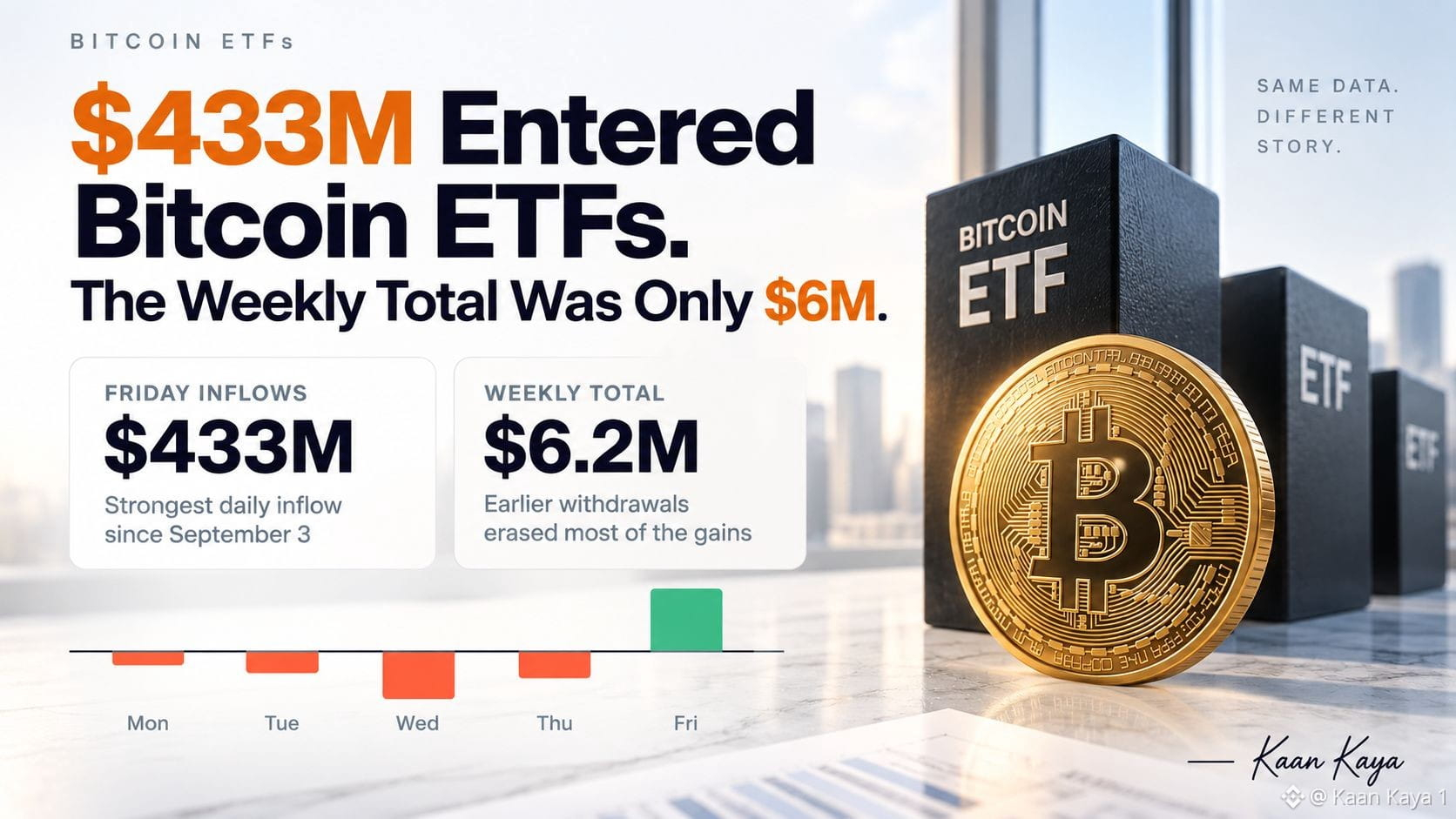
$4.33亿进入比特币ETF。本周总计仅$600万👀 周五对$BTC ETF看起来非常亮眼:投资者向美国现货比特币基金注入约4.33亿美元,这是自9月3日以来最强的单日净流入。其中,Fidelity 的 FBTC 单独就贡献了约3.11亿美元。但把镜头拉远一层,故事就完全变了。本周最终仅录得约620万美元的净流入,因为本周早些时候的赎回几乎抵消了周五流入的全部资金。与此同时,以太坊ETF结束了连续四周的正流入,产品端约有1.4亿美元资金流出。我认为这是一个很有用的提醒:当出现“大额ETF资金流”这样的标题时,别只看单日。4亿美元的一天听起来像是机构突然变得极度看多,但日度资金流可能很嘈杂。看周线或月线的图景,才能判断资金究竟是在真正积累,还是只是进出在发生。数据相同,但从图表的起点不同,故事就会完全不同。📊 #BTC Price Analysis# #Bitcoin Price Prediction: What is Bitcoins next move?#
$4.33亿进入比特币ETF。本周总计仅$600万👀 周五对$BTC ETF看起来非常亮眼:投资者向美国现货比特币基金注入约4.33亿美元,这是自9月3日以来最强的单日净流入。其中,Fidelity 的 FBTC 单独就贡献了约3.11亿美元。但把镜头拉远一层,故事就完全变了。本周最终仅录得约620万美元的净流入,因为本周早些时候的赎回几乎抵消了周五流入的全部资金。与此同时,以太坊ETF结束了连续四周的正流入,产品端约有1.4亿美元资金流出。我认为这是一个很有用的提醒:当出现“大额ETF资金流”这样的标题时,别只看单日。4亿美元的一天听起来像是机构突然变得极度看多,但日度资金流可能很嘈杂。看周线或月线的图景,才能判断资金究竟是在真正积累,还是只是进出在发生。数据相同,但从图表的起点不同,故事就会完全不同。📊 #BTC Price Analysis# #Bitcoin Price Prediction: What is Bitcoins next move?#
61
·
--
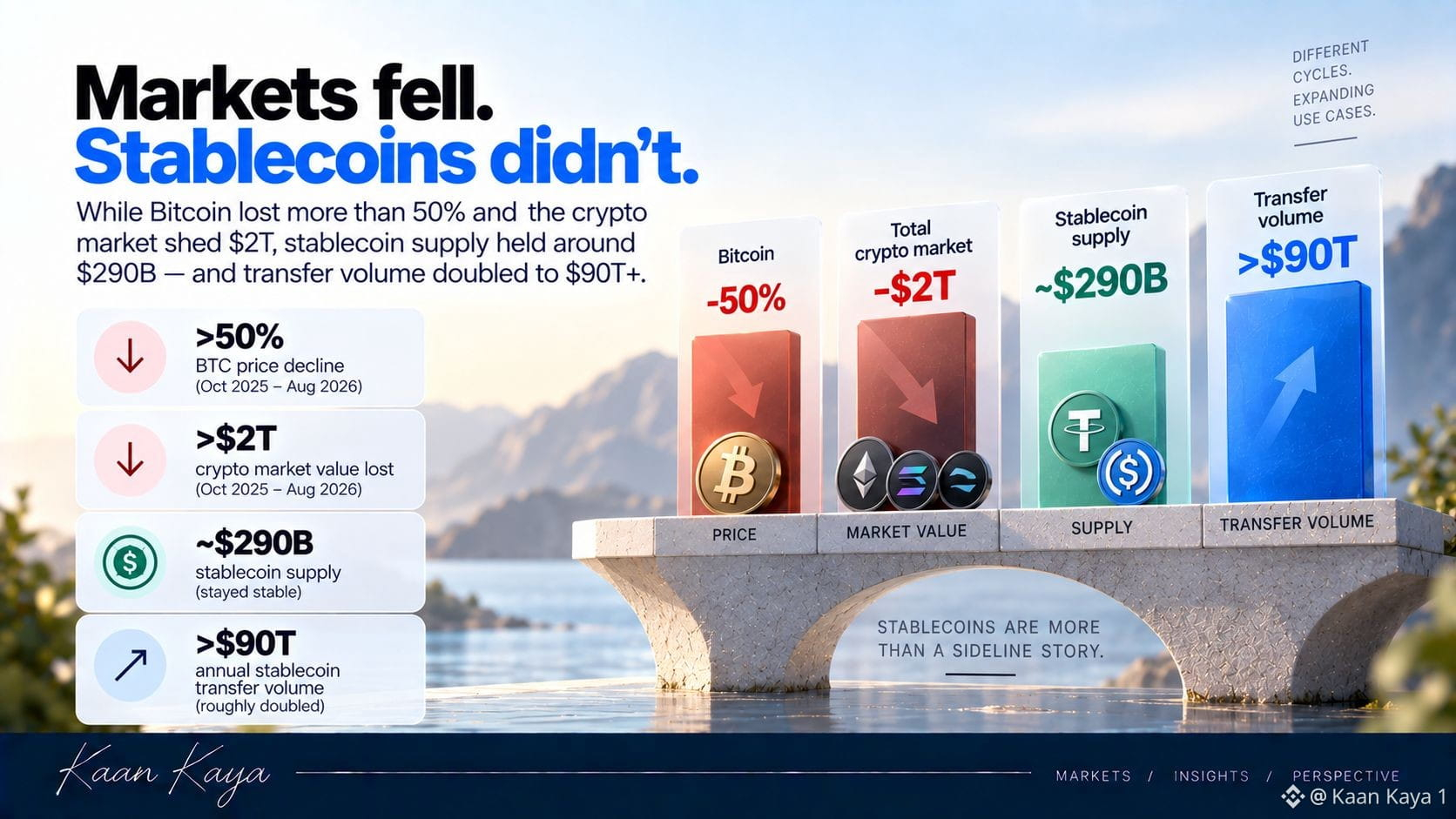
稳定币在一次惊人的 50% 比特币大跌中竟然活了下来 💵 2025 年 10 月到 2026 年 8 月期间,$BTC 跌幅超过 50%,更广泛的加密市场总市值蒸发超过 2 万亿美元。稳定币供应量?基本维持在约 2900 亿美元左右。更有意思的是,年度转账量大致翻了一番,超过 90 万亿美元。这说明稳定币市场正在发生某种变化。在较早的加密周期里,稳定币更多被讨论为“场外资金”,等待在边线伺机买入加密资产。如今,$USDT、USDC 以及类似资产的支付、结算和储值等用途越来越多,不再要求比特币必须持续上涨。也许稳定币的采用正变得不像我们想象的那样依赖加密牛市。 #Macro Insights# #Altcoin Season# #BTC Price Analysis# #Bitcoin Price Prediction: What is Bitcoins next move?#
稳定币在一次惊人的 50% 比特币大跌中竟然活了下来 💵 2025 年 10 月到 2026 年 8 月期间,$BTC 跌幅超过 50%,更广泛的加密市场总市值蒸发超过 2 万亿美元。稳定币供应量?基本维持在约 2900 亿美元左右。更有意思的是,年度转账量大致翻了一番,超过 90 万亿美元。这说明稳定币市场正在发生某种变化。在较早的加密周期里,稳定币更多被讨论为“场外资金”,等待在边线伺机买入加密资产。如今,$USDT、USDC 以及类似资产的支付、结算和储值等用途越来越多,不再要求比特币必须持续上涨。也许稳定币的采用正变得不像我们想象的那样依赖加密牛市。 #Macro Insights# #Altcoin Season# #BTC Price Analysis# #Bitcoin Price Prediction: What is Bitcoins next move?#
42
·
--
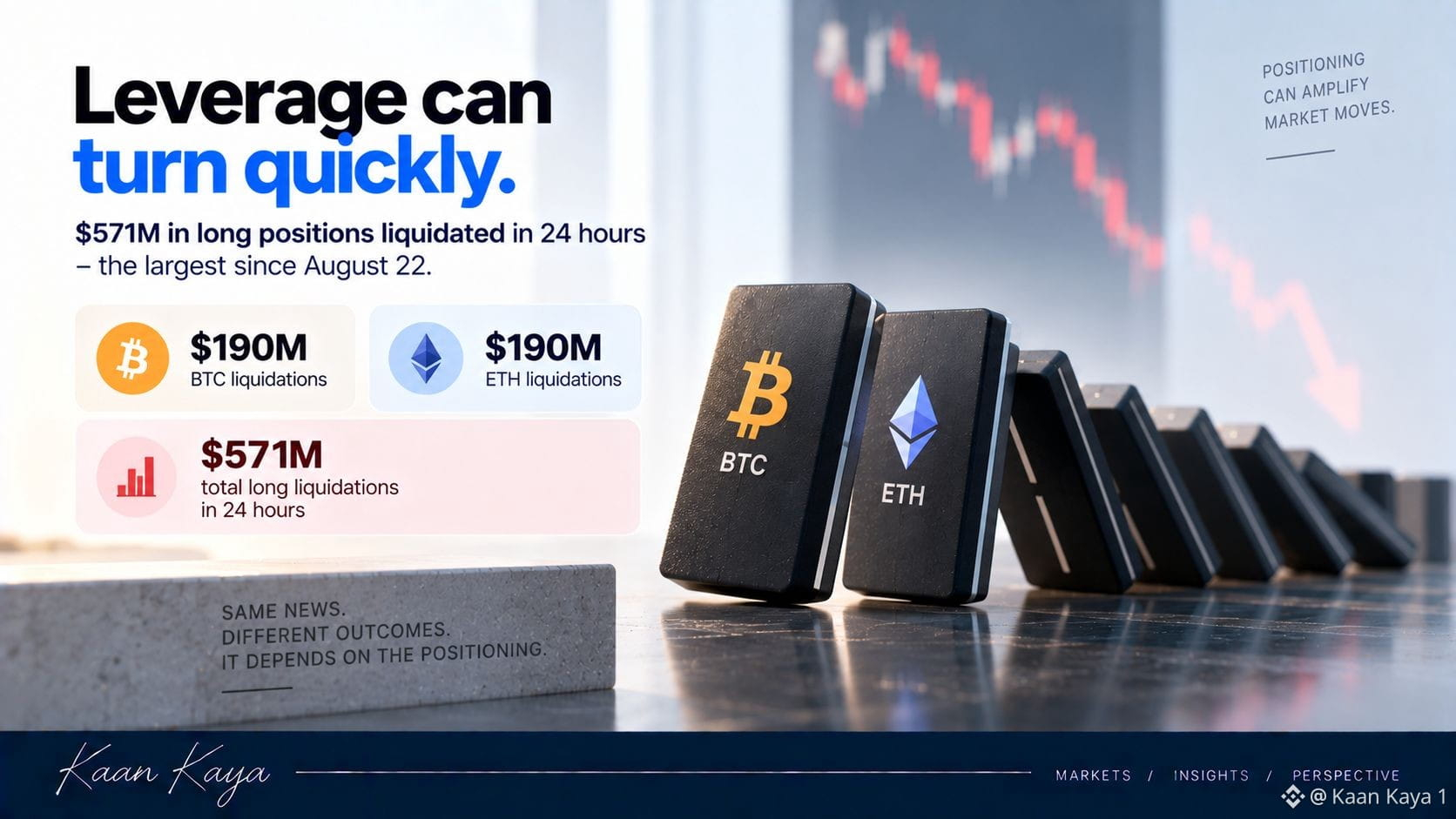
$5.70亿刚刚从加密多头中“消失”了 😬 在24小时内,约5.71亿美元的看涨加密期货持仓被清算,这是自8月22日以来规模最大的做多清仓事件。$BTC 和 $ETH 的交易者遭受的打击最大,各约1.90亿美元。 有趣的是:事先发生了什么——交易者越来越倾向于押注价格上涨。市场却朝相反方向移动时,杠杆把原本的正常回落变成了被迫抛售。有时候,最大的行情并不是由新闻本身引起的。是由所有人如何为这条新闻作出了仓位安排所导致的。 #BTC价格分析# #比特币价格预测:比特币接下来会怎么走?#
$5.70亿刚刚从加密多头中“消失”了 😬 在24小时内,约5.71亿美元的看涨加密期货持仓被清算,这是自8月22日以来规模最大的做多清仓事件。$BTC 和 $ETH 的交易者遭受的打击最大,各约1.90亿美元。 有趣的是:事先发生了什么——交易者越来越倾向于押注价格上涨。市场却朝相反方向移动时,杠杆把原本的正常回落变成了被迫抛售。有时候,最大的行情并不是由新闻本身引起的。是由所有人如何为这条新闻作出了仓位安排所导致的。 #BTC价格分析# #比特币价格预测:比特币接下来会怎么走?#
36
·
--
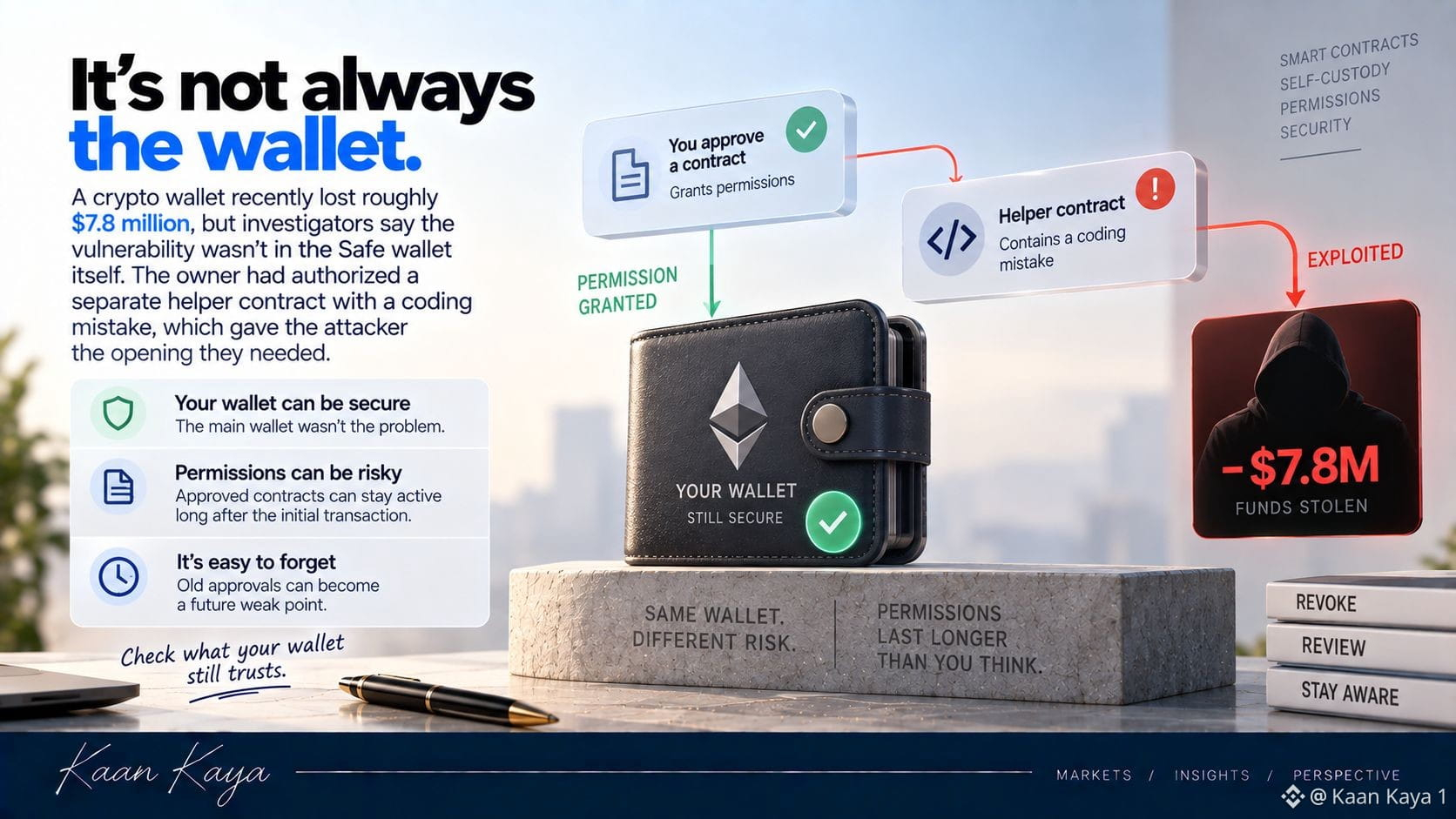
一起价值 780 万美元的加密入侵源于一行糟糕的代码 😬 一名加密钱包最近损失了约 780 万美元,但调查人员表示,这个漏洞并不在 Safe 钱包本身。 钱包所有者曾授权了一个独立的辅助合约,其中包含一个编码错误,从而给了攻击者所需的切入口。 这也提醒大家要重视智能合约安全。 你的主钱包可以完全安全,但你之前已经授予过权限的某个东西,仍可能成为薄弱环节。 在 $ETH 上,批准合约并不只是对单笔交易点一下“是”——它可能会产生在很久之后仍然有效的授权权限。 自我托管最令人害怕的并不总是丢失助记词。有时是忘了你的钱包已经被允许信任些什么。 #ETHBlockchain #ETHFoundation
一起价值 780 万美元的加密入侵源于一行糟糕的代码 😬 一名加密钱包最近损失了约 780 万美元,但调查人员表示,这个漏洞并不在 Safe 钱包本身。 钱包所有者曾授权了一个独立的辅助合约,其中包含一个编码错误,从而给了攻击者所需的切入口。 这也提醒大家要重视智能合约安全。 你的主钱包可以完全安全,但你之前已经授予过权限的某个东西,仍可能成为薄弱环节。 在 $ETH 上,批准合约并不只是对单笔交易点一下“是”——它可能会产生在很久之后仍然有效的授权权限。 自我托管最令人害怕的并不总是丢失助记词。有时是忘了你的钱包已经被允许信任些什么。 #ETHBlockchain #ETHFoundation
71
·
--
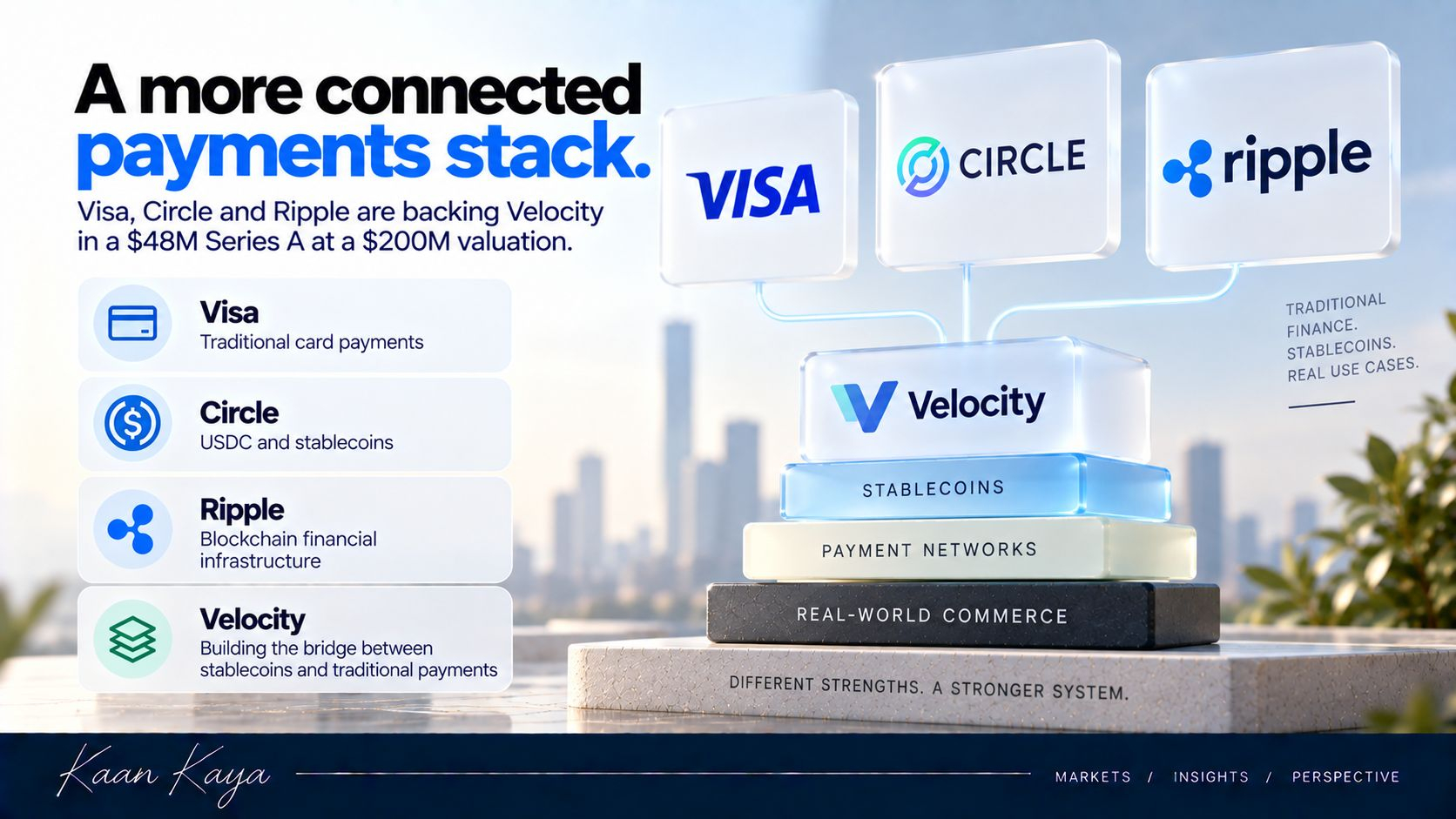
加密支付正在成为一项基础设施业务 Visa、Circle 和 Ripple 正在支持支付基础设施公司 Velocity。该公司在一轮融资中将其A轮融资金额带到4800万美元,估值为2亿美元。本公司正在打造基础设施,旨在将稳定币与现有支付网络连接起来。我觉得参与其中的公司比融资数字更有意思。Visa 代表传统的刷卡支付。Circle 代表 USDC 以及稳定币。Ripple 多年来一直致力于基于区块链的金融基础设施。几年前,这些常常被当作相互竞争的模式来呈现:卡支付 vs 加密、银行 vs 区块链、传统支付网络 vs 稳定币。如今,它们越来越像是同一系统的不同层。商家大概率不会在意客户最终是用银行存款、USDC 还是其他方式完成的付款。他们关心的是收到的金额正确、速度快、成本低,而且不承担不必要的风险。消费者同样如此。大多数人并不会因为某家咖啡店的结算基础设施使用了区块链就选择它。也因此,我认为最大的稳定币支付公司未必是那些能说服所有人“用加密货币付款”的公司。它们更可能是让加密部分几乎难以察觉的那类公司。#宏观洞察# #山寨币季#
加密支付正在成为一项基础设施业务 Visa、Circle 和 Ripple 正在支持支付基础设施公司 Velocity。该公司在一轮融资中将其A轮融资金额带到4800万美元,估值为2亿美元。本公司正在打造基础设施,旨在将稳定币与现有支付网络连接起来。我觉得参与其中的公司比融资数字更有意思。Visa 代表传统的刷卡支付。Circle 代表 USDC 以及稳定币。Ripple 多年来一直致力于基于区块链的金融基础设施。几年前,这些常常被当作相互竞争的模式来呈现:卡支付 vs 加密、银行 vs 区块链、传统支付网络 vs 稳定币。如今,它们越来越像是同一系统的不同层。商家大概率不会在意客户最终是用银行存款、USDC 还是其他方式完成的付款。他们关心的是收到的金额正确、速度快、成本低,而且不承担不必要的风险。消费者同样如此。大多数人并不会因为某家咖啡店的结算基础设施使用了区块链就选择它。也因此,我认为最大的稳定币支付公司未必是那些能说服所有人“用加密货币付款”的公司。它们更可能是让加密部分几乎难以察觉的那类公司。#宏观洞察# #山寨币季#
74
·
--
这是产品决策,还是资产负债表层面的决策?一家金融科技公司决定让客户买入和卖出 $BTC 。产品团队将其界定为一项功能:添加一个“购买”按钮、接入价格行情源、就完成了。财务部门却从另一个角度看:必须有人为真正促成这些交易的“账本(book)”提供资金,而一旦交易量增长,这就不是一笔小费用。提供加密货币的买卖需要来自某处的流动性,而自我配置流动性意味着要把营运资本用于交易账本,而不是将这笔资本投放到核心业务中。 从外部获取流动性可以释放这部分资本,让它回流到核心产品,但代价也需要直说:对他人点差与可用性的依赖,尤其是在波动剧烈的情况下——当对金融科技公司而言最重要的是价格控制(而这类公司通常习惯掌握自家账本并制定自己的条款)时更是如此。 值得作为资本决策来权衡的一个方案,而不只是功能层面的选择:WhiteBIT 的 Crypto-as-a-Service(加密即服务)可提供覆盖 900+ 个交易对的交易所流动性,让金融科技公司在无需预先为自家账本出资的情况下就能添加加密货币买卖功能——通过 API 在数周内完成集成,并由 WhiteBIT 的 VASP 授权来覆盖合规侧工作。 https://institutional.whitebit.com/crypto-as-a-service?utm_source=coinmarketcap&utm_medium=caaskaaan&utm_campaign=post 无论哪种方式,交易都是真实发生的:依赖提供方的深度与点差,而不是由金融科技公司完全掌控的账本。在规划下一个加密功能之前,值得先问一句:这是产品层面的决策,还是资产负债表层面的决策? 免责声明:这不构成任何金融或投资建议。做出任何决定前请自行尽职调查(DYOR)。一切风险自担。 #BTC Price Analysis# #Bitcoin Price Prediction: What is Bitcoins next move?#
这是产品决策,还是资产负债表层面的决策?一家金融科技公司决定让客户买入和卖出 $BTC 。产品团队将其界定为一项功能:添加一个“购买”按钮、接入价格行情源、就完成了。财务部门却从另一个角度看:必须有人为真正促成这些交易的“账本(book)”提供资金,而一旦交易量增长,这就不是一笔小费用。提供加密货币的买卖需要来自某处的流动性,而自我配置流动性意味着要把营运资本用于交易账本,而不是将这笔资本投放到核心业务中。 从外部获取流动性可以释放这部分资本,让它回流到核心产品,但代价也需要直说:对他人点差与可用性的依赖,尤其是在波动剧烈的情况下——当对金融科技公司而言最重要的是价格控制(而这类公司通常习惯掌握自家账本并制定自己的条款)时更是如此。 值得作为资本决策来权衡的一个方案,而不只是功能层面的选择:WhiteBIT 的 Crypto-as-a-Service(加密即服务)可提供覆盖 900+ 个交易对的交易所流动性,让金融科技公司在无需预先为自家账本出资的情况下就能添加加密货币买卖功能——通过 API 在数周内完成集成,并由 WhiteBIT 的 VASP 授权来覆盖合规侧工作。 https://institutional.whitebit.com/crypto-as-a-service?utm_source=coinmarketcap&utm_medium=caaskaaan&utm_campaign=post 无论哪种方式,交易都是真实发生的:依赖提供方的深度与点差,而不是由金融科技公司完全掌控的账本。在规划下一个加密功能之前,值得先问一句:这是产品层面的决策,还是资产负债表层面的决策? 免责声明:这不构成任何金融或投资建议。做出任何决定前请自行尽职调查(DYOR)。一切风险自担。 #BTC Price Analysis# #Bitcoin Price Prediction: What is Bitcoins next move?#

·
--
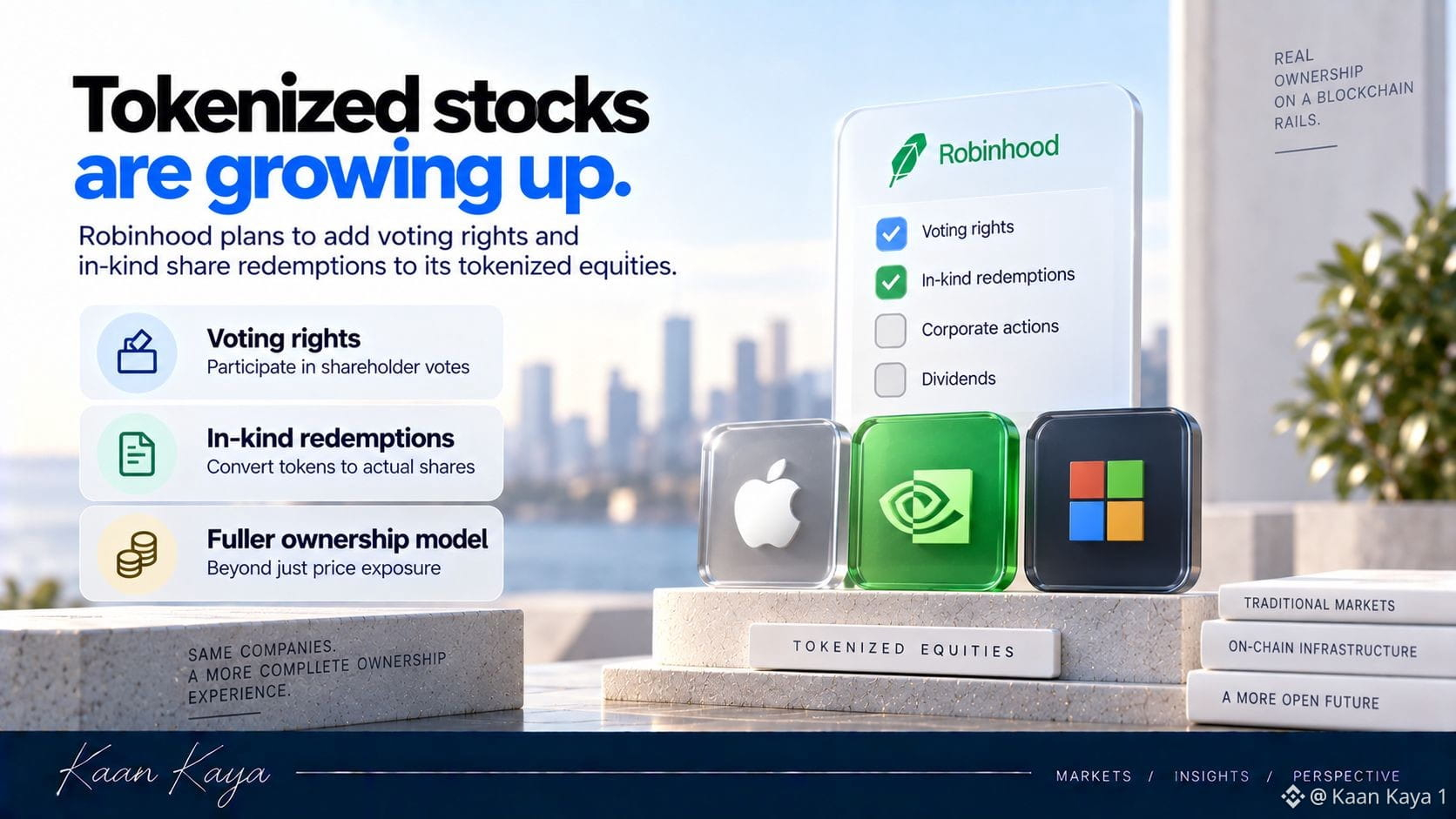
代币化股票正在开始更像……股票 Robinhood 计划为其代币化股票推出投票权以及实物份额赎回(in-kind share redemptions)。此前围绕一个问题——当投资者购买股票代币时,他们究竟拥有的是什么——产生了疑问。 我确实认为这是代币化的重要阶段:第一代代币化股票大多聚焦于价格敞口——“这是一个跟随苹果、英伟达或其他上市公司的区块链代币”。 但拥有一只股票,并不只是拥有其价格敞口。 股东可以拥有投票权。还会有公司行为、股息以及法律层面的所有权主张。 最终,代币化权益需要在这些方面尽可能重现更多特征,只有这样它们才有望与真实资产竞争。 这正是 $ETH 以及其他代币化基础设施面临更严峻考验的地方。把一只股票的价格放到链上相对比较简单,但要把股东的所有权放到链上则要复杂得多。 #ETHBlockchain #ETHFoundation
代币化股票正在开始更像……股票 Robinhood 计划为其代币化股票推出投票权以及实物份额赎回(in-kind share redemptions)。此前围绕一个问题——当投资者购买股票代币时,他们究竟拥有的是什么——产生了疑问。 我确实认为这是代币化的重要阶段:第一代代币化股票大多聚焦于价格敞口——“这是一个跟随苹果、英伟达或其他上市公司的区块链代币”。 但拥有一只股票,并不只是拥有其价格敞口。 股东可以拥有投票权。还会有公司行为、股息以及法律层面的所有权主张。 最终,代币化权益需要在这些方面尽可能重现更多特征,只有这样它们才有望与真实资产竞争。 这正是 $ETH 以及其他代币化基础设施面临更严峻考验的地方。把一只股票的价格放到链上相对比较简单,但要把股东的所有权放到链上则要复杂得多。 #ETHBlockchain #ETHFoundation
·
--
我们不断在讨论下一个商业问题之前,先回答工程问题 我已经在这场完全相同的会议里不止一次了。创始人的应用需要用户购买加密货币,而有人已经在起草规范——选哪些通道、哪个 KYC 供应商、要多少个迭代冲刺(sprints)。但他们还没问更下面那一层的关键问题。 你所说的“法币入金”是用户在通往你真正价值的路上必经的一道流程,还是它本身就是你的价值?如果你把它弄错了,就要么把功能做过度(过度建设),要么护城河做得不够(建设不足)。 在我新的 Medium 文章中,我会梳理真正决定“自建 vs 购买”的三个问题,以及为什么合规职能——而不是 API 工作——才是团队总会低估的部分。我也会讲清楚根据你到底想外包什么,Stripe、WhiteBIT 和 Kraken 各自应该如何匹配。 👉 阅读完整文章:https://medium.com/@kkayaann456/the-question-every-founder-skips-before-adding-a-crypto-buy-button-7007588cc406?postPublishedType=initial #BTC Price Analysis# #Bitcoin Price Prediction: What is Bitcoins next move?# $BTC
我们不断在讨论下一个商业问题之前,先回答工程问题 我已经在这场完全相同的会议里不止一次了。创始人的应用需要用户购买加密货币,而有人已经在起草规范——选哪些通道、哪个 KYC 供应商、要多少个迭代冲刺(sprints)。但他们还没问更下面那一层的关键问题。 你所说的“法币入金”是用户在通往你真正价值的路上必经的一道流程,还是它本身就是你的价值?如果你把它弄错了,就要么把功能做过度(过度建设),要么护城河做得不够(建设不足)。 在我新的 Medium 文章中,我会梳理真正决定“自建 vs 购买”的三个问题,以及为什么合规职能——而不是 API 工作——才是团队总会低估的部分。我也会讲清楚根据你到底想外包什么,Stripe、WhiteBIT 和 Kraken 各自应该如何匹配。 👉 阅读完整文章:https://medium.com/@kkayaann456/the-question-every-founder-skips-before-adding-a-crypto-buy-button-7007588cc406?postPublishedType=initial #BTC Price Analysis# #Bitcoin Price Prediction: What is Bitcoins next move?# $BTC

76
·
--
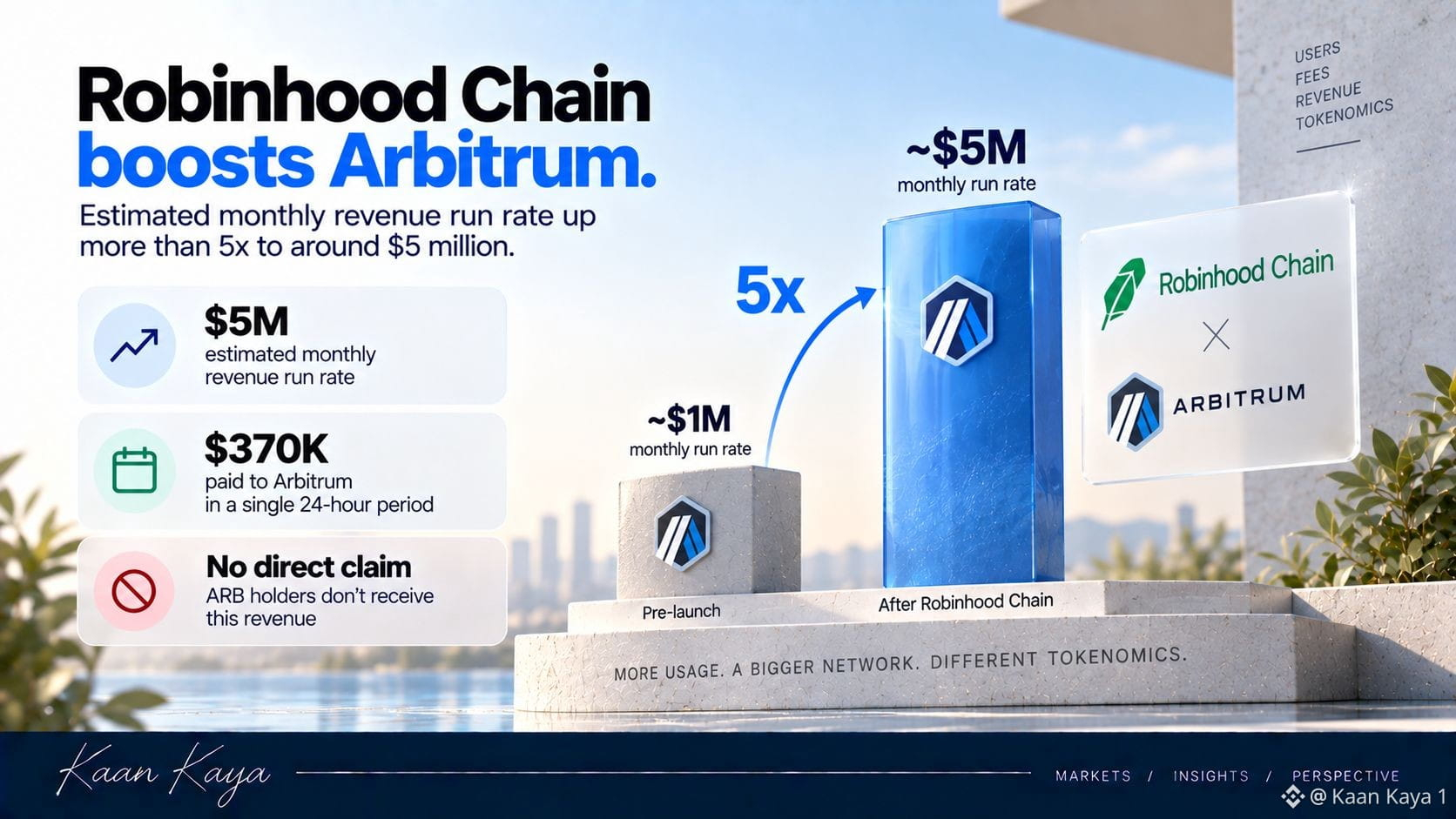
$ARB 有收入,但代币没有。 Robinhood Chain 已将 Arbitrum 的预计月度收入运行率推高至约 500 万美元,超过其上线前水平的五倍以上。本月早些时候,Robinhood Chain 还在短短 24 小时内向 Arbitrum 支付了大约 37 万美元。为 $ARB 听起来相当不错,对吧?但有个尴尬的细节:ARB 持有者目前并没有对这部分收入的直接索取权。我觉得这种区别在加密领域里经常被混淆。一个协议可能拥有不断增长的用户、费用和收入,但其代币对这种经济活动的收益可能几乎没有被动地捕获。公司可能表现不错,网络可能表现不错,但代币并不必然要和它们一起表现。 #宏观洞察# #山寨季#
$ARB 有收入,但代币没有。 Robinhood Chain 已将 Arbitrum 的预计月度收入运行率推高至约 500 万美元,超过其上线前水平的五倍以上。本月早些时候,Robinhood Chain 还在短短 24 小时内向 Arbitrum 支付了大约 37 万美元。为 $ARB 听起来相当不错,对吧?但有个尴尬的细节:ARB 持有者目前并没有对这部分收入的直接索取权。我觉得这种区别在加密领域里经常被混淆。一个协议可能拥有不断增长的用户、费用和收入,但其代币对这种经济活动的收益可能几乎没有被动地捕获。公司可能表现不错,网络可能表现不错,但代币并不必然要和它们一起表现。 #宏观洞察# #山寨季#
62
·
--
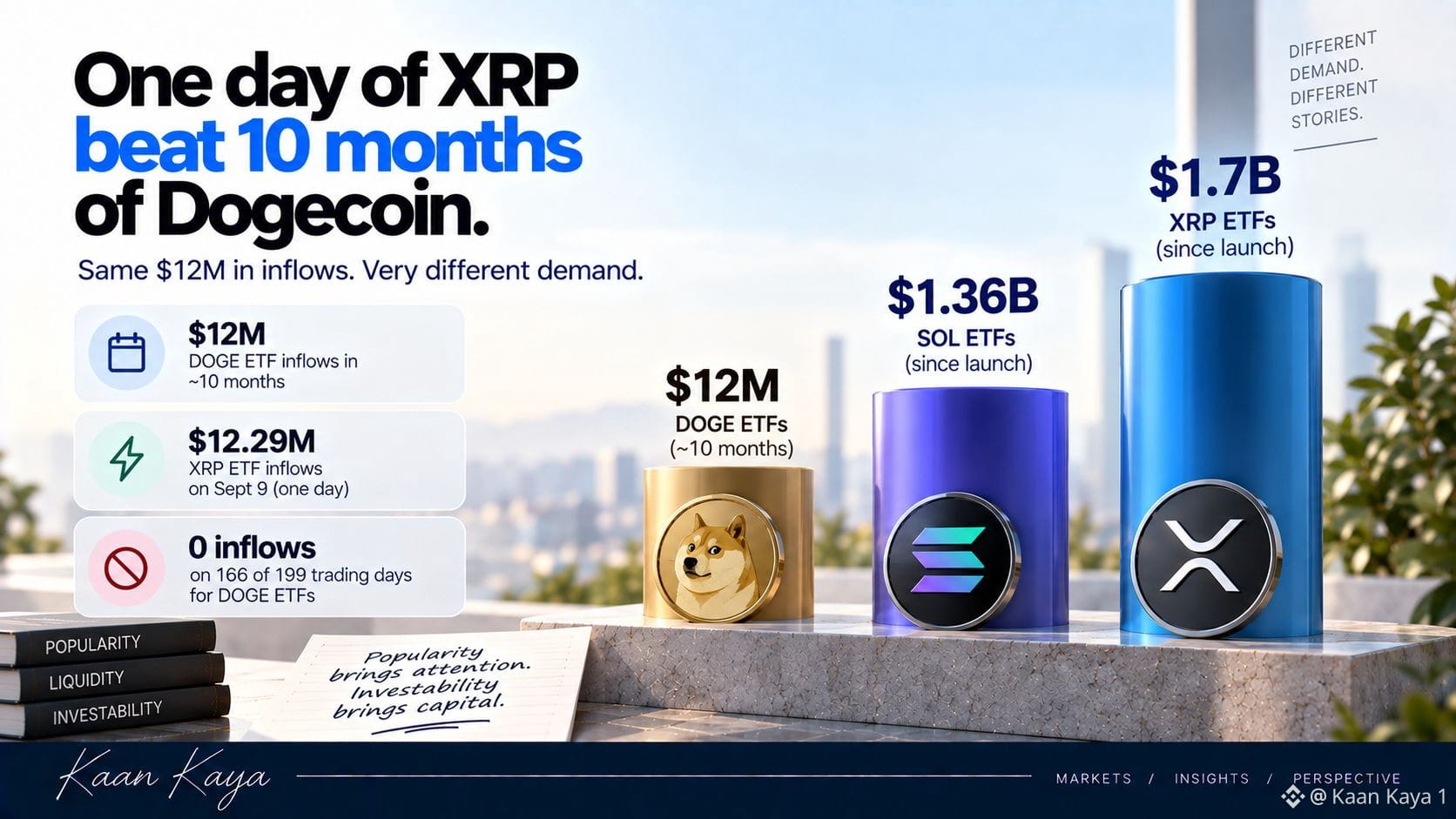
一天内 $XRP ETF 需求超预期 10 个月的狗狗币 😅 追踪的 3 档美国 $DOGE ETF 在近 10 个月内吸引了刚超过 1,200 万美元的净流入。仅在 9 月 9 日,XRP 基金就流入了 1,229 万美元。与此同时,自推出以来,XRP 产品已累积约 17 亿美元,而 Solana 产品约为 13.6 亿美元。 更有意思的是:狗狗币基金在 199 个交易日中有 166 天录得零净流入。这就是一个好例子:为什么受欢迎程度和可投资性未必是同一回事。 DOGE 拥有巨大的品牌知名度、深厚的交易所流动性以及数以百万计的持有者。但这些优势可能反而会降低 ETF 本应解决的问题。想要取得 $DOGE 的人已经有许多容易的方式可以买到。ETF 并不会制造一个新的投资论点,它只是把既有的投资论点换上一层不同的包装。 #Macro Insights# #Altcoin Season#
一天内 $XRP ETF 需求超预期 10 个月的狗狗币 😅 追踪的 3 档美国 $DOGE ETF 在近 10 个月内吸引了刚超过 1,200 万美元的净流入。仅在 9 月 9 日,XRP 基金就流入了 1,229 万美元。与此同时,自推出以来,XRP 产品已累积约 17 亿美元,而 Solana 产品约为 13.6 亿美元。 更有意思的是:狗狗币基金在 199 个交易日中有 166 天录得零净流入。这就是一个好例子:为什么受欢迎程度和可投资性未必是同一回事。 DOGE 拥有巨大的品牌知名度、深厚的交易所流动性以及数以百万计的持有者。但这些优势可能反而会降低 ETF 本应解决的问题。想要取得 $DOGE 的人已经有许多容易的方式可以买到。ETF 并不会制造一个新的投资论点,它只是把既有的投资论点换上一层不同的包装。 #Macro Insights# #Altcoin Season#
39
·
--
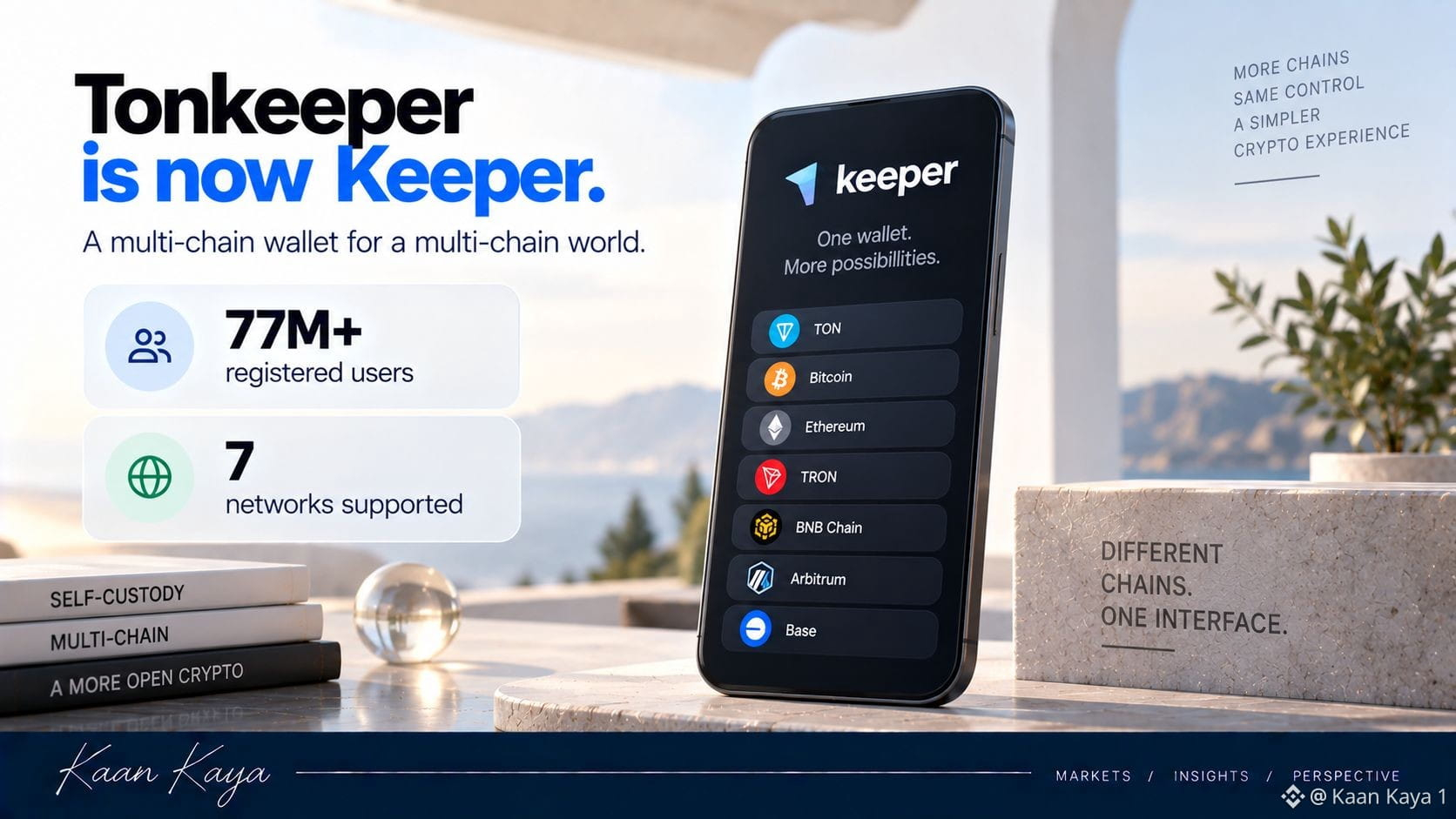
拥有 7700 万用户的 TON 钱包刚刚决定:TON 还不够。Tonkeeper 已更名为 Keeper,并从以 TON 为核心的钱包扩展到七个网络:TON、比特币、以太坊、TRON、BNB Chain、Arbitrum 和 Base。该钱包表示其注册用户已超过 7700 万。 我认为这对 $TON 以及更广泛的钱包市场来说,是一个很有意思的信号。加密行业花了多年时间,围绕各自的生态系统打造钱包。但用户的行为正在变化:他们越来越多地在某一条链上持有稳定币、在另一条链上交易、把 BTC 存在别处,并与多个 L2 交互。某个时刻,让人们同时维护五个不同的钱包,就不再是对区块链忠诚度的体现,而变成了一个“用户体验”问题。底层链条可以继续保持碎片化,但界面大概率不能。#Macro Insights# #Altcoin Season#
拥有 7700 万用户的 TON 钱包刚刚决定:TON 还不够。Tonkeeper 已更名为 Keeper,并从以 TON 为核心的钱包扩展到七个网络:TON、比特币、以太坊、TRON、BNB Chain、Arbitrum 和 Base。该钱包表示其注册用户已超过 7700 万。 我认为这对 $TON 以及更广泛的钱包市场来说,是一个很有意思的信号。加密行业花了多年时间,围绕各自的生态系统打造钱包。但用户的行为正在变化:他们越来越多地在某一条链上持有稳定币、在另一条链上交易、把 BTC 存在别处,并与多个 L2 交互。某个时刻,让人们同时维护五个不同的钱包,就不再是对区块链忠诚度的体现,而变成了一个“用户体验”问题。底层链条可以继续保持碎片化,但界面大概率不能。#Macro Insights# #Altcoin Season#
48
·
--
重新思考谁才算有价值的账户持有人 我的一位同事以跟踪交易所忠诚度计划为职业,她提到了一点我之前没考虑过:大多数 VIP 系统只擅长衡量一件事——交易频率,而不是衡量某人实际愿意持有多少。坐拥大额 $BTC 头寸但很少动用的人,会被视作和全新的账户同等对待;而持有规模较小、却不断高频周转的资金,则更快爬升到更高等级。她指出 WhiteBIT 当前的 VIP 等级 2 活动是一个打破这一常规的案例。升级并不与交易量挂钩,而是与一个固定的加密借贷计划相关:等值 10,000 USDT 或以上的计划,每周在周五进行审核并授予。于是,符合条件的信号不再是活动频率,而变成了资金承诺的规模。📊 https://bit.ly/4zHJoSN 一旦解锁,该等级可将现货与合约(Futures)的费用最高降低 60%,并配备专属 VIP 经理,直接替代常规的支持排队服务。过去这些福利往往需要持续的高频交易才能获得。我的理解是,这类结构在悄然间假设了“有价值的账户持有人”的另一种定义。它押注的是耐心而非周转,这也是与本行业多数 VIP 计划的构建方式截然不同的一种转变。 免责声明:投资加密资产涉及重大风险。您可能损失全部投资金额。请理性、负责任地投资。 #BTC Price Analysis# #Bitcoin Price Prediction: What is Bitcoins next move?#
重新思考谁才算有价值的账户持有人 我的一位同事以跟踪交易所忠诚度计划为职业,她提到了一点我之前没考虑过:大多数 VIP 系统只擅长衡量一件事——交易频率,而不是衡量某人实际愿意持有多少。坐拥大额 $BTC 头寸但很少动用的人,会被视作和全新的账户同等对待;而持有规模较小、却不断高频周转的资金,则更快爬升到更高等级。她指出 WhiteBIT 当前的 VIP 等级 2 活动是一个打破这一常规的案例。升级并不与交易量挂钩,而是与一个固定的加密借贷计划相关:等值 10,000 USDT 或以上的计划,每周在周五进行审核并授予。于是,符合条件的信号不再是活动频率,而变成了资金承诺的规模。📊 https://bit.ly/4zHJoSN 一旦解锁,该等级可将现货与合约(Futures)的费用最高降低 60%,并配备专属 VIP 经理,直接替代常规的支持排队服务。过去这些福利往往需要持续的高频交易才能获得。我的理解是,这类结构在悄然间假设了“有价值的账户持有人”的另一种定义。它押注的是耐心而非周转,这也是与本行业多数 VIP 计划的构建方式截然不同的一种转变。 免责声明:投资加密资产涉及重大风险。您可能损失全部投资金额。请理性、负责任地投资。 #BTC Price Analysis# #Bitcoin Price Prediction: What is Bitcoins next move?#

·
--
WBT 创下新 ATH,但这还不是最有趣的部分 WBT 在 9 月 9 日创下新 ATH,$82.52,之后仍大约在 $80-81 附近。说实话,吸引我注意的并不是 ATH 本身,而是它背后的东西。大多数人对 $WBT 的理解基本都停留在:通过 WhiteBIT 获得手续费折扣、推荐奖励、Launchpad 等,感觉都与单一交易所绑定。但这种情况正在改变:Whitechain 正从独立的 L1 迁移到 OP Stack 上的以太坊 L2,Sepolia 已经上线。WBT 在这里也不是“找新工作”——它本来就在当前 L1 上充当 gas,只是把这个角色延续到一个由以太坊安全保障的环境中,同时还会承载 dApps、DeFi 基础设施,以及面向机构与 RWA 的计划。 而且,是的,我一直回到的就是这一点:需求会从“在 WhiteBIT 上有多少人交易”转向“Whitechain 本身究竟能产生多少真实活动”。仅靠 L2 的迁移本身不会重新定价 WBT;会让它发生变化的是在主网上线之后,到场的开发者和用户。 CoinDesk 报道称,WBT 接近 $80.6,市值约 $23.7B,按市值排名第 10。年末基准情景:若主网按计划交付,$95-105(约 $28-31B);牛市情景:在真实活动加持、且市场环境友好的情况下,$110-120(约 $32-35B)。 我可以说,$100 在 $82+ 之后似乎也没那么远,但要走得更远,需要的是真正的使用,而不是又一个新闻标题。 我正在观察 Whitechain 是否能给 WBT 讲出它自己的链上需求故事——因为这对 2027 年比 L2 新闻本身更关键。 #Macro Insights# #Altcoin Season#
WBT 创下新 ATH,但这还不是最有趣的部分 WBT 在 9 月 9 日创下新 ATH,$82.52,之后仍大约在 $80-81 附近。说实话,吸引我注意的并不是 ATH 本身,而是它背后的东西。大多数人对 $WBT 的理解基本都停留在:通过 WhiteBIT 获得手续费折扣、推荐奖励、Launchpad 等,感觉都与单一交易所绑定。但这种情况正在改变:Whitechain 正从独立的 L1 迁移到 OP Stack 上的以太坊 L2,Sepolia 已经上线。WBT 在这里也不是“找新工作”——它本来就在当前 L1 上充当 gas,只是把这个角色延续到一个由以太坊安全保障的环境中,同时还会承载 dApps、DeFi 基础设施,以及面向机构与 RWA 的计划。 而且,是的,我一直回到的就是这一点:需求会从“在 WhiteBIT 上有多少人交易”转向“Whitechain 本身究竟能产生多少真实活动”。仅靠 L2 的迁移本身不会重新定价 WBT;会让它发生变化的是在主网上线之后,到场的开发者和用户。 CoinDesk 报道称,WBT 接近 $80.6,市值约 $23.7B,按市值排名第 10。年末基准情景:若主网按计划交付,$95-105(约 $28-31B);牛市情景:在真实活动加持、且市场环境友好的情况下,$110-120(约 $32-35B)。 我可以说,$100 在 $82+ 之后似乎也没那么远,但要走得更远,需要的是真正的使用,而不是又一个新闻标题。 我正在观察 Whitechain 是否能给 WBT 讲出它自己的链上需求故事——因为这对 2027 年比 L2 新闻本身更关键。 #Macro Insights# #Altcoin Season#

·
--
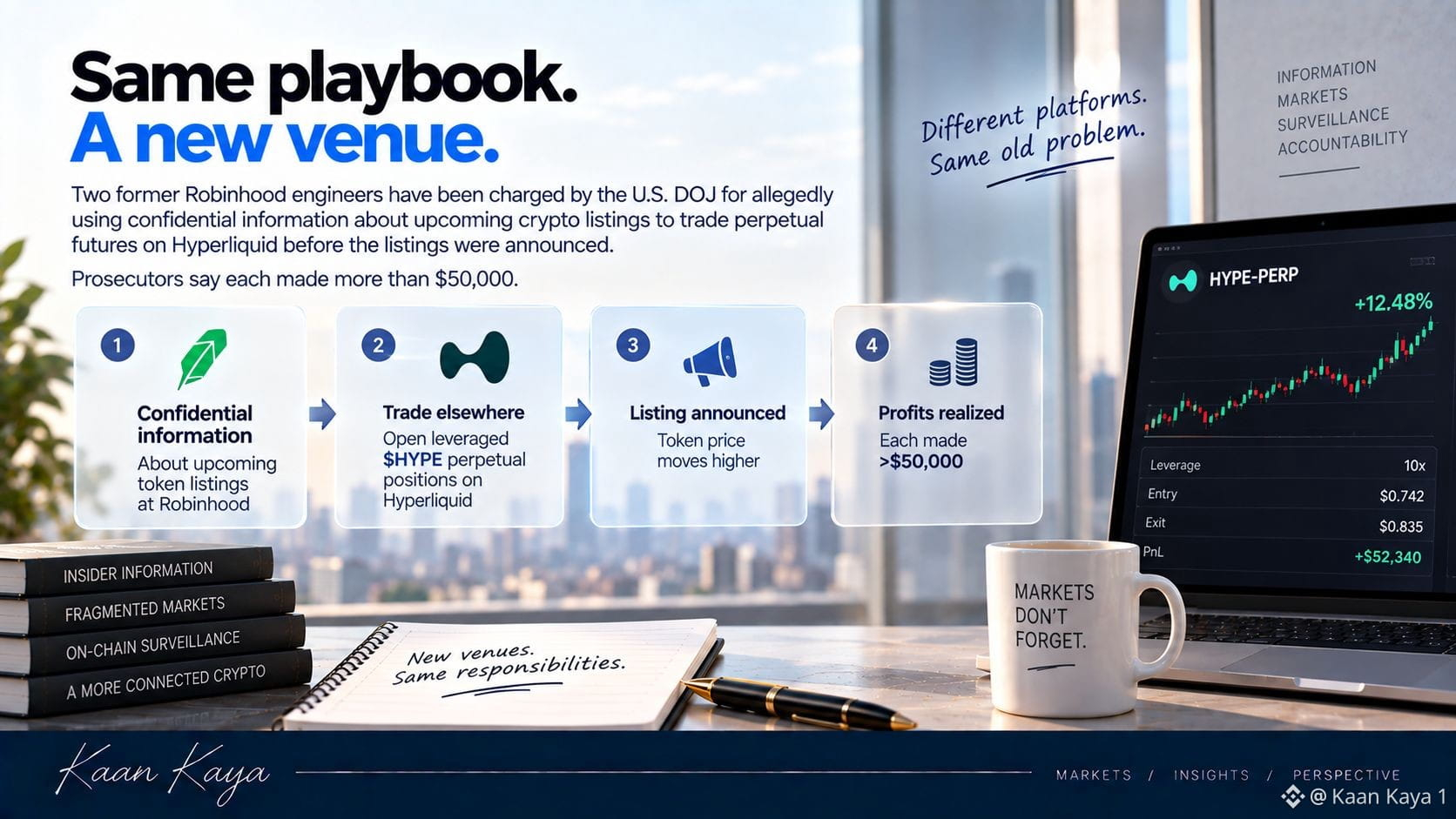
有人在这种消息成为“新闻”之前,就靠加密交易赚了5万美元 👀 据美国司法部(DOJ)称,两名前 Robinhood 工程师已被指控。指控称,他们利用有关即将上线 Robinhood 加密货币交易的机密信息,在该消息公布之前,于 Hyperliquid 上用永续合约进行交易。检方表示,两人每人赚取的金额都超过了5万美元。 这本质上是加密版的老市场问题,只不过出现在一个非常新的交易场地。 如果你知道某家交易所即将上线某个代币,你不一定非要再去买那个代币。你可以开一个基于 $HYPE 的杠杆永续仓位,等到公告推动市场波动后再在几分钟后平仓。 更有意思的是:信息与交易场地已经变得多么碎片化。机密信息可能来自某一家公司,交易却可能发生在完全不同的地方,而基础代币则可能同时在数十个市场上交易。加密市场的监管监测必须把这些线索全部串起来。 #宏观洞察# #山寨币季#
有人在这种消息成为“新闻”之前,就靠加密交易赚了5万美元 👀 据美国司法部(DOJ)称,两名前 Robinhood 工程师已被指控。指控称,他们利用有关即将上线 Robinhood 加密货币交易的机密信息,在该消息公布之前,于 Hyperliquid 上用永续合约进行交易。检方表示,两人每人赚取的金额都超过了5万美元。 这本质上是加密版的老市场问题,只不过出现在一个非常新的交易场地。 如果你知道某家交易所即将上线某个代币,你不一定非要再去买那个代币。你可以开一个基于 $HYPE 的杠杆永续仓位,等到公告推动市场波动后再在几分钟后平仓。 更有意思的是:信息与交易场地已经变得多么碎片化。机密信息可能来自某一家公司,交易却可能发生在完全不同的地方,而基础代币则可能同时在数十个市场上交易。加密市场的监管监测必须把这些线索全部串起来。 #宏观洞察# #山寨币季#
61
·
--
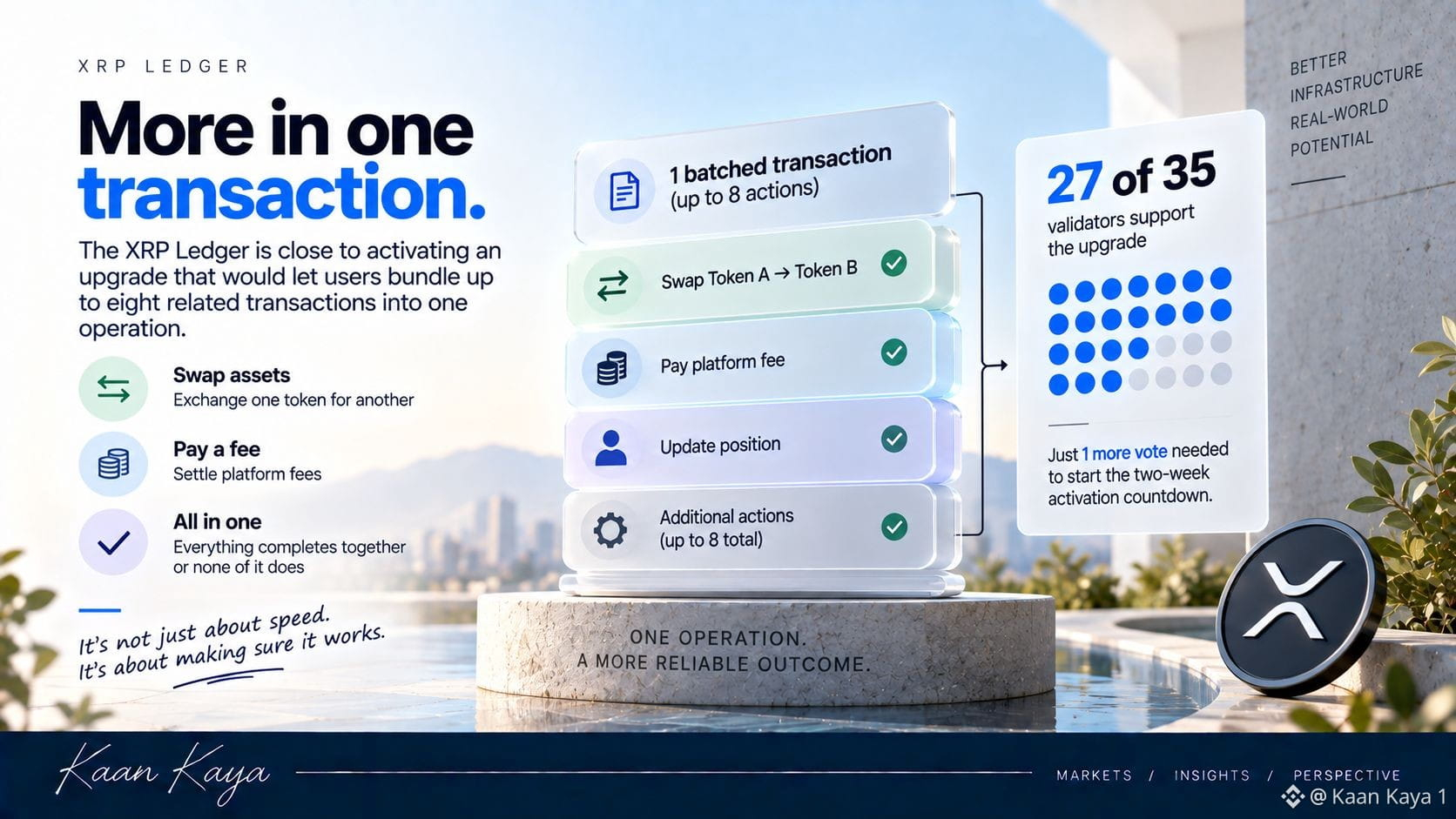
$XRP 距离让支付变成“全有或全无”只差一票 XRP 账本即将激活一次升级,它将允许用户把最多八笔相关交易打包为一次操作。目前,它已获得 35 位受信任验证者中的 27 位支持,也就是说还差一票,未达到启动为期两周的激活倒计时所需的门槛。 这为什么重要?想象一下:你在交换两种资产的同时还要支付平台费用。如今,多步骤交易可能会带来尴尬局面:其中一部分成功了,而另一部分却失败了。有了打包(batching),就可以把所有内容设计为一起完成,或者全部都不发生。 对我来说,针对 $XRP 而言,这比“每秒支付次数”的另一个数字更有意思。支付基础设施不仅仅是要快。它同样在于确保那些本应一起发生的事情确实会一起发生。 #Macro Insights# #Altcoin Season#
$XRP 距离让支付变成“全有或全无”只差一票 XRP 账本即将激活一次升级,它将允许用户把最多八笔相关交易打包为一次操作。目前,它已获得 35 位受信任验证者中的 27 位支持,也就是说还差一票,未达到启动为期两周的激活倒计时所需的门槛。 这为什么重要?想象一下:你在交换两种资产的同时还要支付平台费用。如今,多步骤交易可能会带来尴尬局面:其中一部分成功了,而另一部分却失败了。有了打包(batching),就可以把所有内容设计为一起完成,或者全部都不发生。 对我来说,针对 $XRP 而言,这比“每秒支付次数”的另一个数字更有意思。支付基础设施不仅仅是要快。它同样在于确保那些本应一起发生的事情确实会一起发生。 #Macro Insights# #Altcoin Season#
26
·
--
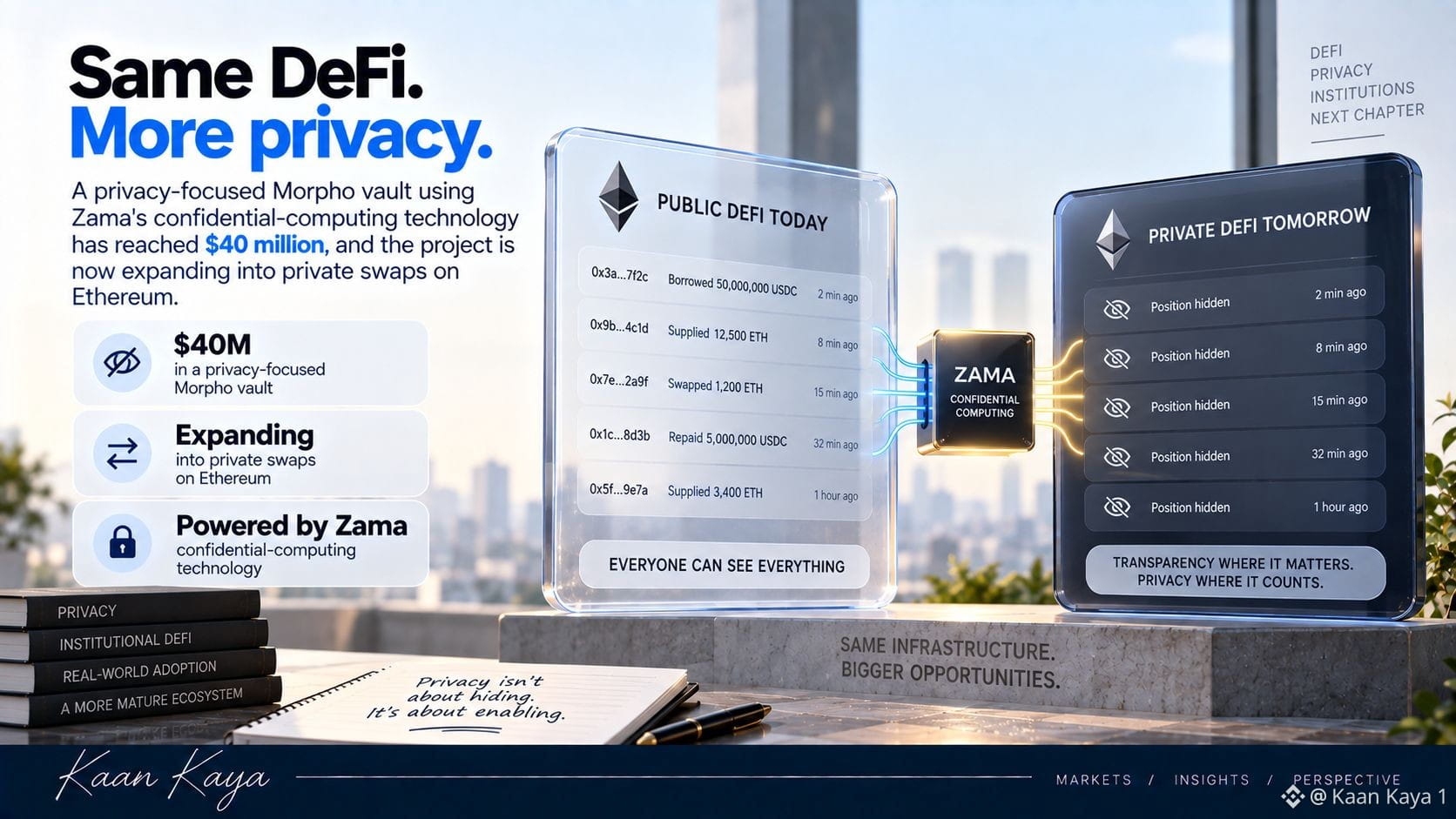
私密 DeFi 刚通过了一项有趣的测试 采用扎马(Zama)机密计算技术的、注重隐私的 Morpho 资金池已达到 4000 万美元,项目现正扩展到以太坊($ETH)的私密互换。 这是我正在更密切关注的 DeFi 趋势之一。 传统金融通常不会公开每个人的持仓、余额和交易,让全世界都能检查。 DeFi 基本上正是从这种模式开始的,因为透明性使区块链验证成为可能。 但想象一下,一家机构在链上借入 5000 万美元。 它真的希望每一位竞争对手都能实时盯着这个仓位吗? 因此,隐私可能就不再只是为了隐藏可疑活动,而是让基于 $ETH 的金融市场对那些只是不想公开其全部策略的参与者变得可用。 困难之处在于:在不暴露其内部发生的一切的前提下,仍要保留足够的透明度以验证系统。 这比“公共 vs. 私有区块链”要更有意思得多的隐私问题。 #ETHBlockchain #ETHFoundation
私密 DeFi 刚通过了一项有趣的测试 采用扎马(Zama)机密计算技术的、注重隐私的 Morpho 资金池已达到 4000 万美元,项目现正扩展到以太坊($ETH)的私密互换。 这是我正在更密切关注的 DeFi 趋势之一。 传统金融通常不会公开每个人的持仓、余额和交易,让全世界都能检查。 DeFi 基本上正是从这种模式开始的,因为透明性使区块链验证成为可能。 但想象一下,一家机构在链上借入 5000 万美元。 它真的希望每一位竞争对手都能实时盯着这个仓位吗? 因此,隐私可能就不再只是为了隐藏可疑活动,而是让基于 $ETH 的金融市场对那些只是不想公开其全部策略的参与者变得可用。 困难之处在于:在不暴露其内部发生的一切的前提下,仍要保留足够的透明度以验证系统。 这比“公共 vs. 私有区块链”要更有意思得多的隐私问题。 #ETHBlockchain #ETHFoundation
40
登录解锁更多内容
加入币安广场,与全球加密货币用户互动
⚡️ 获取关于加密货币的最新实用信息。
💬 受到全球最大加密货币交易平台的信赖。
👍 发现来自认证创作者的真知灼见。
邮箱/手机号码
热门话题
XRP上涨8%
5,356 次浏览
88 人讨论中
XRP涨了8.9%,到$1.53。
然后我看到Peter Brandt发了一张图,说目标价$5.40。
Peter Brandt是谁?42年交易经验,技术分析界的老前辈,不是随便说话的人。
但顺着这条线我去看了XRP这次涨的原因——$3亿XRP空头在BTC突破$84,000的那一个小时里被强制平仓。XRP的空头仓位从9月11日起持续是负资金费率,说明空头挤压不是意外,是积累了两周的空头集中被一次清洗。
这是问题所在:强制平仓产生的买盘是机械性的,不是认可XRP价值的新资金进场。
两件事同时是真的:Brandt的图型是真实的技术分析,$5.40的目标有图表依据;XRP这次涨的驱动力也是真实的——空头挤压,不是新买盘。
$1.50是今天的关键守位线。守住才有讨论$1.70的资格,守不住,说明空头挤压的燃料已经烧完了。
Brandt的图型你信吗?
$XRP #xrp
#xrp上涨8%
大嗯BNB
·2次点赞
·3.3k 次浏览
苹果谷歌招募稳定币与代币化存款人才
4,769 次浏览
66 人讨论中
英伟达IPO前再购15亿美元SBEnergy股份
3,062 次浏览
45 人讨论中