

硅谷居士搬运号
974 个内容

硅谷居士搬运号
举报
屏蔽用户
清华本科,美国计算机博士,硅谷软件工程师兼经理。兴趣包括开发软件、投资理财、健身和写作。
订阅会员可以给我发私信交流投资理财问题。
小红书号、脸书号、文学城号:硅谷居士。
X平台上唯一的“硅谷居士”号。谨防骗子账户!
我没有Telegram、WhatsApp 账号。不要进骗子拉的群。
0 关注
1.3K+ 粉丝
857 点赞
帖子
·
--
关于近期涉及CLEC James老师投资组合相关评论的详细说明
近期,由于我发布的一段评论引起了一些误会,目前我已经将该帖子撤下。如果此前的言论让CLEC James老师或是关注他的朋友们感到不快,我在此致以诚挚的歉意,这确实完全偏离了我的本意。
事实上,我个人对CLEC James老师一直抱有极高的敬意,也曾频繁在微信群里向大伙儿推荐他的频道和理财逻辑。当时,我转发了另一位博主分析QLD的文章,并在按语中提到James老师的资产配置方案里囊括了30%的QLD。我特意指出这个与众不同的思路,主要是希望给有兴趣的朋友提供一个全新的观察视角,供大家去参考和学习。
至于我个人对QLD的态度,完全是出于我一贯以来的投资准则,绝对不是针对James老师本人。从接触投资的第一天起,我就非常排斥杠杆ETF。我是理财大师巴菲特以及博格尔等前辈理念的忠实追随者,因此我给自己定下的规矩就是绝不涉足任何杠杆ETF产品,这其中自然也包含TQQQ和QLD。
最后还有一件必须指出的事情。我发现有一些小红书博主在没有得到我许可的前提下,私自保存了我原帖的截图,并故意使用博人眼球的夸张标题来挑起对立情绪。这种做法是极其不恰当的,我对此类行为予以最强烈的谴责。期待各位朋友能够明辨是非,共同维护良好的交流氛围。
关于近期涉及CLEC James老师投资组合相关评论的详细说明
近期,由于我发布的一段评论引起了一些误会,目前我已经将该帖子撤下。如果此前的言论让CLEC James老师或是关注他的朋友们感到不快,我在此致以诚挚的歉意,这确实完全偏离了我的本意。
事实上,我个人对CLEC James老师一直抱有极高的敬意,也曾频繁在微信群里向大伙儿推荐他的频道和理财逻辑。当时,我转发了另一位博主分析QLD的文章,并在按语中提到James老师的资产配置方案里囊括了30%的QLD。我特意指出这个与众不同的思路,主要是希望给有兴趣的朋友提供一个全新的观察视角,供大家去参考和学习。
至于我个人对QLD的态度,完全是出于我一贯以来的投资准则,绝对不是针对James老师本人。从接触投资的第一天起,我就非常排斥杠杆ETF。我是理财大师巴菲特以及博格尔等前辈理念的忠实追随者,因此我给自己定下的规矩就是绝不涉足任何杠杆ETF产品,这其中自然也包含TQQQ和QLD。
最后还有一件必须指出的事情。我发现有一些小红书博主在没有得到我许可的前提下,私自保存了我原帖的截图,并故意使用博人眼球的夸张标题来挑起对立情绪。这种做法是极其不恰当的,我对此类行为予以最强烈的谴责。期待各位朋友能够明辨是非,共同维护良好的交流氛围。
近期,由于我发布的一段评论引起了一些误会,目前我已经将该帖子撤下。如果此前的言论让CLEC James老师或是关注他的朋友们感到不快,我在此致以诚挚的歉意,这确实完全偏离了我的本意。
事实上,我个人对CLEC James老师一直抱有极高的敬意,也曾频繁在微信群里向大伙儿推荐他的频道和理财逻辑。当时,我转发了另一位博主分析QLD的文章,并在按语中提到James老师的资产配置方案里囊括了30%的QLD。我特意指出这个与众不同的思路,主要是希望给有兴趣的朋友提供一个全新的观察视角,供大家去参考和学习。
至于我个人对QLD的态度,完全是出于我一贯以来的投资准则,绝对不是针对James老师本人。从接触投资的第一天起,我就非常排斥杠杆ETF。我是理财大师巴菲特以及博格尔等前辈理念的忠实追随者,因此我给自己定下的规矩就是绝不涉足任何杠杆ETF产品,这其中自然也包含TQQQ和QLD。
最后还有一件必须指出的事情。我发现有一些小红书博主在没有得到我许可的前提下,私自保存了我原帖的截图,并故意使用博人眼球的夸张标题来挑起对立情绪。这种做法是极其不恰当的,我对此类行为予以最强烈的谴责。期待各位朋友能够明辨是非,共同维护良好的交流氛围。
QLDETF+0.90%
TQQQB-0.57%
16
·
--
关于先前针对CLEC James老师投资组合的评论,我想在此做个详尽的说明与澄清。
倘若我之前的言论让James老师以及关注他的朋友们感到不快,我在此表达最诚挚的歉意,并说明这绝非我的初衷。为了避免进一步的误解,我已经将那条动态删除了。
回顾事情的起因,当时我正在分享另一位创作者探讨QLD的文章,并附带提到了James老师的资产配置建议中包含了30%的QLD。我那时的真实想法是,由于这种投资策略与市场上的常见做法有所不同,希望能借此为感兴趣的投资者提供一个全新的参考视角。
事实上,我个人一直以来都对James老师抱有极大的敬意,也经常在微信群中向大家分享并推荐他的频道与投资哲学。我对QLD持有保留意见,完全是出于我个人的投资原则,与James老师本人毫无关联。自投资初期起,我就严格遵循巴菲特和博格尔等理财前辈的教诲,坚决不参与任何杠杆ETF的交易,这其中自然也涵盖了TQQQ和QLD等产品。因此,我对于这类杠杆基金的反对态度是一以贯之的。
此外我也留意到,部分小红书上的博主在未获得我授权的情况下,私自截取了我的发言,并配以极具煽动性的标题来蓄意挑起争端。对于这种极不妥当的做法,我在此表示强烈的谴责。
关于先前针对CLEC James老师投资组合的评论,我想在此做个详尽的说明与澄清。
倘若我之前的言论让James老师以及关注他的朋友们感到不快,我在此表达最诚挚的歉意,并说明这绝非我的初衷。为了避免进一步的误解,我已经将那条动态删除了。
回顾事情的起因,当时我正在分享另一位创作者探讨QLD的文章,并附带提到了James老师的资产配置建议中包含了30%的QLD。我那时的真实想法是,由于这种投资策略与市场上的常见做法有所不同,希望能借此为感兴趣的投资者提供一个全新的参考视角。
事实上,我个人一直以来都对James老师抱有极大的敬意,也经常在微信群中向大家分享并推荐他的频道与投资哲学。我对QLD持有保留意见,完全是出于我个人的投资原则,与James老师本人毫无关联。自投资初期起,我就严格遵循巴菲特和博格尔等理财前辈的教诲,坚决不参与任何杠杆ETF的交易,这其中自然也涵盖了TQQQ和QLD等产品。因此,我对于这类杠杆基金的反对态度是一以贯之的。
此外我也留意到,部分小红书上的博主在未获得我授权的情况下,私自截取了我的发言,并配以极具煽动性的标题来蓄意挑起争端。对于这种极不妥当的做法,我在此表示强烈的谴责。
倘若我之前的言论让James老师以及关注他的朋友们感到不快,我在此表达最诚挚的歉意,并说明这绝非我的初衷。为了避免进一步的误解,我已经将那条动态删除了。
回顾事情的起因,当时我正在分享另一位创作者探讨QLD的文章,并附带提到了James老师的资产配置建议中包含了30%的QLD。我那时的真实想法是,由于这种投资策略与市场上的常见做法有所不同,希望能借此为感兴趣的投资者提供一个全新的参考视角。
事实上,我个人一直以来都对James老师抱有极大的敬意,也经常在微信群中向大家分享并推荐他的频道与投资哲学。我对QLD持有保留意见,完全是出于我个人的投资原则,与James老师本人毫无关联。自投资初期起,我就严格遵循巴菲特和博格尔等理财前辈的教诲,坚决不参与任何杠杆ETF的交易,这其中自然也涵盖了TQQQ和QLD等产品。因此,我对于这类杠杆基金的反对态度是一以贯之的。
此外我也留意到,部分小红书上的博主在未获得我授权的情况下,私自截取了我的发言,并配以极具煽动性的标题来蓄意挑起争端。对于这种极不妥当的做法,我在此表示强烈的谴责。
21
·
--
关于近期针对CLEC James老师投资组合相关言论的专项说明
借此机会,我想向大家详细梳理一下情况。我个人一直对CLEC James老师抱有极大的敬意,并且经常在微信群中向朋友们分享他的频道与投资理念。
针对杠杆型ETF产品,我的反对态度其实由来已久。基于巴菲特与博格尔等理财大师的谆谆教导,我个人坚决不参与任何杠杆ETF交易,这其中自然涵盖了TQQQ以及QLD等标的。因此,我不赞同持有QLD完全是出于我个人的投资原则,绝无任何针对CLEC James老师的意思。
我之前发表相关评论的主要目的,是想客观地指出CLEC James老师在其资产配置方案中加入了30%的QLD,这种独特的投资视角与大众的常规做法有所区别。我非常鼓励对此有兴趣的投资者去研究并参考他的策略,从而为自己的理财规划拓宽思路。
倘若我之前的言辞让CLEC James老师及其支持者感到不悦,我在此致以最诚挚的歉意。这确实背离了我的交流初衷,并且目前我也已经将相关的原帖彻底删除。
此外,部分小红书平台的用户在未获得我本人授权的情况下,私自截取了我的发言,并配以极具煽动性的标题来蓄意挑起争端。这种做法极不妥当,我对此类恶劣行为表示强烈的谴责。
关于近期针对CLEC James老师投资组合相关言论的专项说明
借此机会,我想向大家详细梳理一下情况。我个人一直对CLEC James老师抱有极大的敬意,并且经常在微信群中向朋友们分享他的频道与投资理念。
针对杠杆型ETF产品,我的反对态度其实由来已久。基于巴菲特与博格尔等理财大师的谆谆教导,我个人坚决不参与任何杠杆ETF交易,这其中自然涵盖了TQQQ以及QLD等标的。因此,我不赞同持有QLD完全是出于我个人的投资原则,绝无任何针对CLEC James老师的意思。
我之前发表相关评论的主要目的,是想客观地指出CLEC James老师在其资产配置方案中加入了30%的QLD,这种独特的投资视角与大众的常规做法有所区别。我非常鼓励对此有兴趣的投资者去研究并参考他的策略,从而为自己的理财规划拓宽思路。
倘若我之前的言辞让CLEC James老师及其支持者感到不悦,我在此致以最诚挚的歉意。这确实背离了我的交流初衷,并且目前我也已经将相关的原帖彻底删除。
此外,部分小红书平台的用户在未获得我本人授权的情况下,私自截取了我的发言,并配以极具煽动性的标题来蓄意挑起争端。这种做法极不妥当,我对此类恶劣行为表示强烈的谴责。
借此机会,我想向大家详细梳理一下情况。我个人一直对CLEC James老师抱有极大的敬意,并且经常在微信群中向朋友们分享他的频道与投资理念。
针对杠杆型ETF产品,我的反对态度其实由来已久。基于巴菲特与博格尔等理财大师的谆谆教导,我个人坚决不参与任何杠杆ETF交易,这其中自然涵盖了TQQQ以及QLD等标的。因此,我不赞同持有QLD完全是出于我个人的投资原则,绝无任何针对CLEC James老师的意思。
我之前发表相关评论的主要目的,是想客观地指出CLEC James老师在其资产配置方案中加入了30%的QLD,这种独特的投资视角与大众的常规做法有所区别。我非常鼓励对此有兴趣的投资者去研究并参考他的策略,从而为自己的理财规划拓宽思路。
倘若我之前的言辞让CLEC James老师及其支持者感到不悦,我在此致以最诚挚的歉意。这确实背离了我的交流初衷,并且目前我也已经将相关的原帖彻底删除。
此外,部分小红书平台的用户在未获得我本人授权的情况下,私自截取了我的发言,并配以极具煽动性的标题来蓄意挑起争端。这种做法极不妥当,我对此类恶劣行为表示强烈的谴责。
QLDETF+0.90%
TQQQB-0.57%
16
·
--
关于近期对 CLEC James 老师持仓评论的说明与澄清
我想就此前针对 CLEC James 老师投资组合的发言做进一步的解释。在个人立场上,我一直非常钦佩 James 老师,并经常在微信群向大家推荐他的频道与投资理念。
我之前的评论主要是想指出,在他建议的资产配置中包含了 30% 的 QLD,这为大家提供了一个与众不同的投资视角。我提出这一点的初衷,是希望有兴趣的朋友去参考他的策略,从而获得新的启发。
需要强调的是,我反对 QLD 完全是基于个人的投资原则,绝非针对 James 老师本人。从接触投资的第一天起,我就一直秉持理财大师巴菲特与博格尔的教诲,坚决不参与任何杠杆ETF的交易,这其中自然也涵盖了 TQQQ 以及 QLD。
如果我此前的言论让 James 老师或其粉丝感到被冒犯,我在此表达诚挚的歉意,因为制造不快完全背离了我的本意。目前,我已经主动删除了那条帖子。
最后,有部分小红书博主在未经我授权的情况下,私自截图了我的发言,并配以极具煽动性的标题来蓄意挑起争端。我认为这种做法极其不妥,并对此类行为表示强烈的谴责。
关于近期对 CLEC James 老师持仓评论的说明与澄清
我想就此前针对 CLEC James 老师投资组合的发言做进一步的解释。在个人立场上,我一直非常钦佩 James 老师,并经常在微信群向大家推荐他的频道与投资理念。
我之前的评论主要是想指出,在他建议的资产配置中包含了 30% 的 QLD,这为大家提供了一个与众不同的投资视角。我提出这一点的初衷,是希望有兴趣的朋友去参考他的策略,从而获得新的启发。
需要强调的是,我反对 QLD 完全是基于个人的投资原则,绝非针对 James 老师本人。从接触投资的第一天起,我就一直秉持理财大师巴菲特与博格尔的教诲,坚决不参与任何杠杆ETF的交易,这其中自然也涵盖了 TQQQ 以及 QLD。
如果我此前的言论让 James 老师或其粉丝感到被冒犯,我在此表达诚挚的歉意,因为制造不快完全背离了我的本意。目前,我已经主动删除了那条帖子。
最后,有部分小红书博主在未经我授权的情况下,私自截图了我的发言,并配以极具煽动性的标题来蓄意挑起争端。我认为这种做法极其不妥,并对此类行为表示强烈的谴责。
我想就此前针对 CLEC James 老师投资组合的发言做进一步的解释。在个人立场上,我一直非常钦佩 James 老师,并经常在微信群向大家推荐他的频道与投资理念。
我之前的评论主要是想指出,在他建议的资产配置中包含了 30% 的 QLD,这为大家提供了一个与众不同的投资视角。我提出这一点的初衷,是希望有兴趣的朋友去参考他的策略,从而获得新的启发。
需要强调的是,我反对 QLD 完全是基于个人的投资原则,绝非针对 James 老师本人。从接触投资的第一天起,我就一直秉持理财大师巴菲特与博格尔的教诲,坚决不参与任何杠杆ETF的交易,这其中自然也涵盖了 TQQQ 以及 QLD。
如果我此前的言论让 James 老师或其粉丝感到被冒犯,我在此表达诚挚的歉意,因为制造不快完全背离了我的本意。目前,我已经主动删除了那条帖子。
最后,有部分小红书博主在未经我授权的情况下,私自截图了我的发言,并配以极具煽动性的标题来蓄意挑起争端。我认为这种做法极其不妥,并对此类行为表示强烈的谴责。
8
·
--
关于此前探讨CLEC机构James老师投资组合发文的几点说明
近日,我曾发布过一篇关于探讨CLEC机构James老师投资持仓的文章。为了避免产生不必要的误解,我想在此做个统一的回应与澄清。我一直对James老师抱有极大的敬意,并且经常在各个微信群中向大家积极分享和推荐他的投资理念与视频频道。如果我之前的言论让James老师本人或一直支持他的朋友们感到不快,我在此表达最诚挚的歉意,因为这完全背离了我的初衷。目前,为了平息误会,我已经将该讨论文章删除。
提到那次讨论的核心,其实是想向大家介绍James老师在资产配置中加入了30%的QLD这一独特视角。他的这一策略与大家常见的思路有着显著差异,我原本的出发点是希望给对投资感兴趣的朋友们提供一个全新的参考维度。至于我个人对QLD的看法,仅仅源于我从最开始就对杠杆类ETF保持的谨慎态度。我个人一直绝不涉足包括TQQQ以及QLD在内的任何杠杆ETF产品。这是因为我始终深信并遵循巴菲特与博格尔等理财大师给予投资者的忠告。因此,我对这类产品的反对立场仅仅是基于个人投资理念的差异,绝对不是针对James老师。
最后,我还想借此机会说明一件事。近期有一些小红书平台的博主,在没有征得我同意的情况下,私自截取了我那篇帖子的内容。他们甚至使用了十分耸动的夸张标题来刻意制造矛盾与对立情绪,这种做法是非常不妥当的。对于这种不负责任的行为,我在此予以最强烈的谴责。
关于此前探讨CLEC机构James老师投资组合发文的几点说明
近日,我曾发布过一篇关于探讨CLEC机构James老师投资持仓的文章。为了避免产生不必要的误解,我想在此做个统一的回应与澄清。我一直对James老师抱有极大的敬意,并且经常在各个微信群中向大家积极分享和推荐他的投资理念与视频频道。如果我之前的言论让James老师本人或一直支持他的朋友们感到不快,我在此表达最诚挚的歉意,因为这完全背离了我的初衷。目前,为了平息误会,我已经将该讨论文章删除。
提到那次讨论的核心,其实是想向大家介绍James老师在资产配置中加入了30%的QLD这一独特视角。他的这一策略与大家常见的思路有着显著差异,我原本的出发点是希望给对投资感兴趣的朋友们提供一个全新的参考维度。至于我个人对QLD的看法,仅仅源于我从最开始就对杠杆类ETF保持的谨慎态度。我个人一直绝不涉足包括TQQQ以及QLD在内的任何杠杆ETF产品。这是因为我始终深信并遵循巴菲特与博格尔等理财大师给予投资者的忠告。因此,我对这类产品的反对立场仅仅是基于个人投资理念的差异,绝对不是针对James老师。
最后,我还想借此机会说明一件事。近期有一些小红书平台的博主,在没有征得我同意的情况下,私自截取了我那篇帖子的内容。他们甚至使用了十分耸动的夸张标题来刻意制造矛盾与对立情绪,这种做法是非常不妥当的。对于这种不负责任的行为,我在此予以最强烈的谴责。
近日,我曾发布过一篇关于探讨CLEC机构James老师投资持仓的文章。为了避免产生不必要的误解,我想在此做个统一的回应与澄清。我一直对James老师抱有极大的敬意,并且经常在各个微信群中向大家积极分享和推荐他的投资理念与视频频道。如果我之前的言论让James老师本人或一直支持他的朋友们感到不快,我在此表达最诚挚的歉意,因为这完全背离了我的初衷。目前,为了平息误会,我已经将该讨论文章删除。
提到那次讨论的核心,其实是想向大家介绍James老师在资产配置中加入了30%的QLD这一独特视角。他的这一策略与大家常见的思路有着显著差异,我原本的出发点是希望给对投资感兴趣的朋友们提供一个全新的参考维度。至于我个人对QLD的看法,仅仅源于我从最开始就对杠杆类ETF保持的谨慎态度。我个人一直绝不涉足包括TQQQ以及QLD在内的任何杠杆ETF产品。这是因为我始终深信并遵循巴菲特与博格尔等理财大师给予投资者的忠告。因此,我对这类产品的反对立场仅仅是基于个人投资理念的差异,绝对不是针对James老师。
最后,我还想借此机会说明一件事。近期有一些小红书平台的博主,在没有征得我同意的情况下,私自截取了我那篇帖子的内容。他们甚至使用了十分耸动的夸张标题来刻意制造矛盾与对立情绪,这种做法是非常不妥当的。对于这种不负责任的行为,我在此予以最强烈的谴责。
QLDETF+0.90%
TQQQB-0.57%
55
·
--
今年开年至今,各类基金的市场表现究竟如何呢?我们不妨一起来盘点一下。
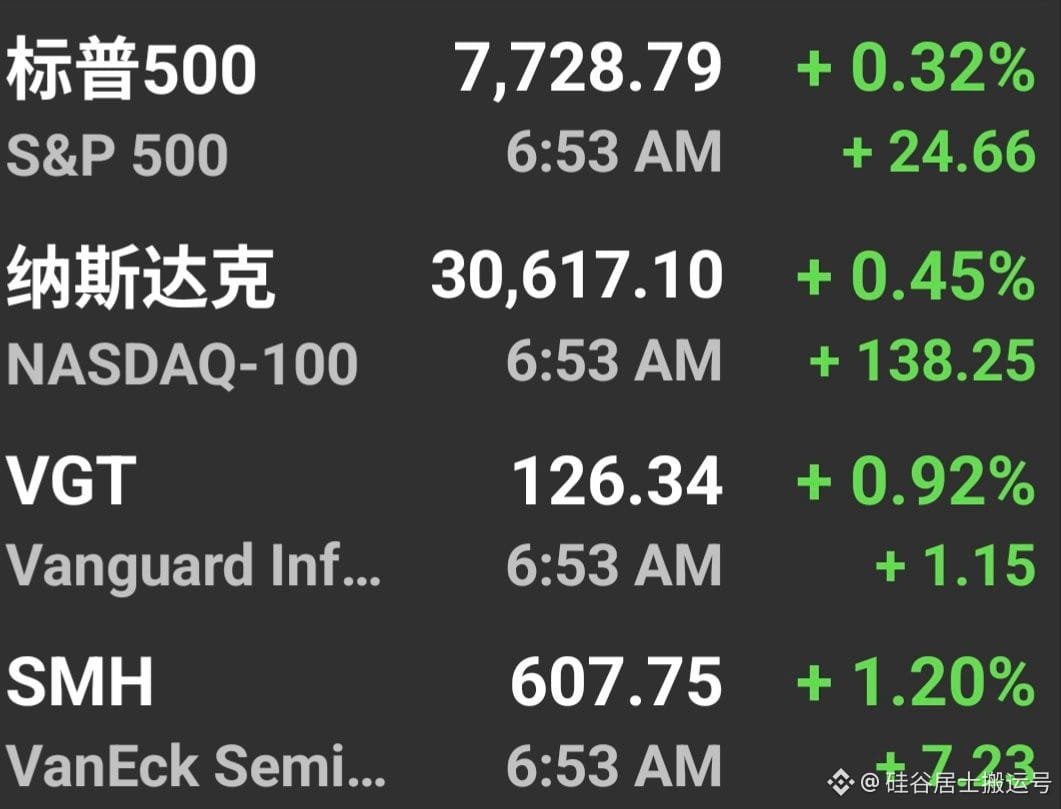
根据截至2026年9月25日的数据,在股票资产类别中,半导体和科技板块的表现可谓一骑绝尘。具体来看,半导体SMH的收益率高达68.4%,稳居榜首;信息技术VGT以34.4%的回报率紧随其后。表现同样亮眼的还有纳斯达克100,斩获了21.7%的收益。
除此之外,国际股市VXUS实现了15.3%的增长,而全市场VTI与标普500则双双交出了14.0%的成绩单。相比之下,以美元计价的ETF ASHR作为计算标准的沪深300指数表现相对平淡,收益率仅为1.4%,在上述股票类别中敬陪末座。
当我们把目光转向其他几类备受瞩目的热门ETF时,会发现它们同期的收益率均为负值:比特币IBIT的收益率为-4.2%,黄金GLD为-0.7%,而白银SLV则为-9.8%。
回顾这些客观数据,大家不妨在心里做个简单的复盘:在今年的投资操作中,您个人的整体收益成功超越了榜单中的哪几个指数?又在与哪些指数的较量中落了下风?
我经常和周围的朋友分享一个很务实的观点:如果在日常的投资理财中,您发现自己的业绩连大盘指数都跑不过,那么与其耗费精力去瞎折腾,倒不如放平心态,老老实实地去买指数基金。
#财务自由 #财富自由 #投资理财 #美股 #美国 #股票 #基金 #投资 #ai #纳斯达克
今年开年至今,各类基金的市场表现究竟如何呢?我们不妨一起来盘点一下。
根据截至2026年9月25日的数据,在股票资产类别中,半导体和科技板块的表现可谓一骑绝尘。具体来看,半导体SMH的收益率高达68.4%,稳居榜首;信息技术VGT以34.4%的回报率紧随其后。表现同样亮眼的还有纳斯达克100,斩获了21.7%的收益。
除此之外,国际股市VXUS实现了15.3%的增长,而全市场VTI与标普500则双双交出了14.0%的成绩单。相比之下,以美元计价的ETF ASHR作为计算标准的沪深300指数表现相对平淡,收益率仅为1.4%,在上述股票类别中敬陪末座。
当我们把目光转向其他几类备受瞩目的热门ETF时,会发现它们同期的收益率均为负值:比特币IBIT的收益率为-4.2%,黄金GLD为-0.7%,而白银SLV则为-9.8%。
回顾这些客观数据,大家不妨在心里做个简单的复盘:在今年的投资操作中,您个人的整体收益成功超越了榜单中的哪几个指数?又在与哪些指数的较量中落了下风?
我经常和周围的朋友分享一个很务实的观点:如果在日常的投资理财中,您发现自己的业绩连大盘指数都跑不过,那么与其耗费精力去瞎折腾,倒不如放平心态,老老实实地去买指数基金。
#财务自由 #财富自由 #投资理财 #美股 #美国 #股票 #基金 #投资 #ai #纳斯达克
根据截至2026年9月25日的数据,在股票资产类别中,半导体和科技板块的表现可谓一骑绝尘。具体来看,半导体SMH的收益率高达68.4%,稳居榜首;信息技术VGT以34.4%的回报率紧随其后。表现同样亮眼的还有纳斯达克100,斩获了21.7%的收益。
除此之外,国际股市VXUS实现了15.3%的增长,而全市场VTI与标普500则双双交出了14.0%的成绩单。相比之下,以美元计价的ETF ASHR作为计算标准的沪深300指数表现相对平淡,收益率仅为1.4%,在上述股票类别中敬陪末座。
当我们把目光转向其他几类备受瞩目的热门ETF时,会发现它们同期的收益率均为负值:比特币IBIT的收益率为-4.2%,黄金GLD为-0.7%,而白银SLV则为-9.8%。
回顾这些客观数据,大家不妨在心里做个简单的复盘:在今年的投资操作中,您个人的整体收益成功超越了榜单中的哪几个指数?又在与哪些指数的较量中落了下风?
我经常和周围的朋友分享一个很务实的观点:如果在日常的投资理财中,您发现自己的业绩连大盘指数都跑不过,那么与其耗费精力去瞎折腾,倒不如放平心态,老老实实地去买指数基金。
#财务自由 #财富自由 #投资理财 #美股 #美国 #股票 #基金 #投资 #ai #纳斯达克
34
·
--
盘点今年以来的基金业绩表现
时间来到2026年9月25日,我们不妨一起回顾并盘点一下各大主流指数基金与热门ETF在今年的收益情况。
在股票类指数基金方面,半导体板块的SMH取得了高达68.4%的惊人回报率,可以说是稳居榜首。紧随其后的是信息技术类别的VGT,其收益率达到了34.4%。纳斯达克100同样表现亮眼,录得21.7%的增长。此外,国际股市VXUS的收益率为15.3%,而代表全市场的VTI与标普500则双双交出了14.0%的答卷。相比之下,沪深300指数的涨幅较为微弱,仅为1.4%。
我们再将目光转向其他几款备受瞩目的ETF产品,它们的业绩则出现了不同程度的回撤。具体来看,比特币IBIT下跌了4.2%,黄金GLD出现了0.7%的微跌,而白银SLV的跌幅则达到了9.8%。
通过上述数据对比可以清晰地发现,在股票资产中,SMH与VGT的表现一骑绝尘,纳斯达克指数基金也保持着强劲的跟随态势,而沪深300指数则处于相对垫底的位置。
面对这份成绩单,大家不妨静下心来回顾一下自己的账户。在今年的投资操作中,你的实际回报率成功超越了上述的哪几个指数?又在哪些指数面前稍逊一筹呢?
我经常向身边亲友分享一个非常务实的建议,那就是如果你辛辛苦苦的主动操作连市场大盘指数都无法战胜,那么真的无需再过度消耗精力去盲目折腾了,老老实实地买入并持有指数基金反而是一个更为明智且轻松的选择。
#财务自由 #财富自由 #投资理财 #美股 #美国 #股票 #基金 #投资 #ai #纳斯达克
盘点今年以来的基金业绩表现
时间来到2026年9月25日,我们不妨一起回顾并盘点一下各大主流指数基金与热门ETF在今年的收益情况。
在股票类指数基金方面,半导体板块的SMH取得了高达68.4%的惊人回报率,可以说是稳居榜首。紧随其后的是信息技术类别的VGT,其收益率达到了34.4%。纳斯达克100同样表现亮眼,录得21.7%的增长。此外,国际股市VXUS的收益率为15.3%,而代表全市场的VTI与标普500则双双交出了14.0%的答卷。相比之下,沪深300指数的涨幅较为微弱,仅为1.4%。
我们再将目光转向其他几款备受瞩目的ETF产品,它们的业绩则出现了不同程度的回撤。具体来看,比特币IBIT下跌了4.2%,黄金GLD出现了0.7%的微跌,而白银SLV的跌幅则达到了9.8%。
通过上述数据对比可以清晰地发现,在股票资产中,SMH与VGT的表现一骑绝尘,纳斯达克指数基金也保持着强劲的跟随态势,而沪深300指数则处于相对垫底的位置。
面对这份成绩单,大家不妨静下心来回顾一下自己的账户。在今年的投资操作中,你的实际回报率成功超越了上述的哪几个指数?又在哪些指数面前稍逊一筹呢?
我经常向身边亲友分享一个非常务实的建议,那就是如果你辛辛苦苦的主动操作连市场大盘指数都无法战胜,那么真的无需再过度消耗精力去盲目折腾了,老老实实地买入并持有指数基金反而是一个更为明智且轻松的选择。
#财务自由 #财富自由 #投资理财 #美股 #美国 #股票 #基金 #投资 #ai #纳斯达克
时间来到2026年9月25日,我们不妨一起回顾并盘点一下各大主流指数基金与热门ETF在今年的收益情况。
在股票类指数基金方面,半导体板块的SMH取得了高达68.4%的惊人回报率,可以说是稳居榜首。紧随其后的是信息技术类别的VGT,其收益率达到了34.4%。纳斯达克100同样表现亮眼,录得21.7%的增长。此外,国际股市VXUS的收益率为15.3%,而代表全市场的VTI与标普500则双双交出了14.0%的答卷。相比之下,沪深300指数的涨幅较为微弱,仅为1.4%。
我们再将目光转向其他几款备受瞩目的ETF产品,它们的业绩则出现了不同程度的回撤。具体来看,比特币IBIT下跌了4.2%,黄金GLD出现了0.7%的微跌,而白银SLV的跌幅则达到了9.8%。
通过上述数据对比可以清晰地发现,在股票资产中,SMH与VGT的表现一骑绝尘,纳斯达克指数基金也保持着强劲的跟随态势,而沪深300指数则处于相对垫底的位置。
面对这份成绩单,大家不妨静下心来回顾一下自己的账户。在今年的投资操作中,你的实际回报率成功超越了上述的哪几个指数?又在哪些指数面前稍逊一筹呢?
我经常向身边亲友分享一个非常务实的建议,那就是如果你辛辛苦苦的主动操作连市场大盘指数都无法战胜,那么真的无需再过度消耗精力去盲目折腾了,老老实实地买入并持有指数基金反而是一个更为明智且轻松的选择。
#财务自由 #财富自由 #投资理财 #美股 #美国 #股票 #基金 #投资 #ai #纳斯达克
55
·
--
杰出的音乐家刘欢先生已经离开了我们。回首过往,我在读初一的时候头一回接触到他的歌声,当时聆听的那首曲目正是《少年壮志不言愁》。在后来的岁月里,我又陆续迷上了他演唱的《好汉歌》、《弯弯的月亮》以及《过把瘾》。不知大家是否也对他的音乐作品情有独钟呢?期待各位畅所欲言,分享彼此的听歌回忆与感悟。
杰出的音乐家刘欢先生已经离开了我们。回首过往,我在读初一的时候头一回接触到他的歌声,当时聆听的那首曲目正是《少年壮志不言愁》。在后来的岁月里,我又陆续迷上了他演唱的《好汉歌》、《弯弯的月亮》以及《过把瘾》。不知大家是否也对他的音乐作品情有独钟呢?期待各位畅所欲言,分享彼此的听歌回忆与感悟。
59
·
--
在过去二十多年的理财历程中,我不仅亲自下场实践,还广泛涉猎了几十本专业书籍与无数的网络探讨。如今回顾这段岁月,我十分感慨,正是那些优秀的作者指引我走上了定期投资并长期持有指数基金的光明大道。与此同时,我个人实打实的收益成绩也反复印证了这一策略的可靠性,使我更加坚定地推崇指数基金。
在平时的阅读中,我一直保持着做笔记的习惯,特别爱摘录那些一语中的的名家箴言。今天,我想把几位顶尖投资大师力挺指数基金的经典语录整理出来分享给大家,希望能借此为大家的投资之路注入更多底气。
股神沃伦·巴菲特曾明确指出,无论是普通散户还是专业机构,绝大多数人最终都会意识到,持有股票最理想的途径就是买入费率低廉的指数基金。只要坚定拥抱这一路线,投资者必定能够战胜绝大多数的专业人士。
查理·芒格则强调了复利的首要法则,那就是除非遇到迫不得已的情况,否则绝对不要中断这个累积的过程。
作为指数基金之父,约翰·博格尔给出了非常形象的建议,与其在干草堆里苦苦寻找一根针,不如直接把整堆干草买下来。他还指出,坚持长期持仓在股市中是一场赢家游戏,而妄想战胜市场注定只能是一场输家游戏。
肯·费舍尔同样认为,投资者在市场中停留的时间长短,远远比苦寻入场时机更为关键。
诺贝尔经济学奖得主威廉·夏普量化了一个成功投资者的决定因素,其中85%要归功于正确的资产配置,挑选投资目标的功力只占10%,而剩下的5%则完全需要依靠上帝的保佑。
另一位诺贝尔经济学奖得主詹姆斯·托宾的那句名言更是家喻户晓,即千万不要把所有的鸡蛋都放进同一个篮子里。
投资大师威廉·伯恩斯坦反问大家,买指数基金就注定会让你平庸吗?答案绝非如此。事实上,它几乎是你获得优异投资成绩的有力保障。
《华尔街日报》资深专栏作家乔纳森·克莱门茨坦言自己是指数基金的铁杆粉丝。他将这类基金比作投资者最亲密的朋友,同时也是华尔街最不愿面对的噩梦。
诺贝尔经济学奖获得主保罗·萨缪尔森表示,想要最有效地分散股票组合风险,收费低廉的指数基金就是最佳选择。从统计学角度来看,宽基指数基金势必将击败绝大多数的主动型股票基金组合。
著名财经作家贾森·茨威格指出,只要你买入大盘指数基金并坚持长期持有,从数学逻辑上讲,你最终必然会在长线维度上击败绝大部分的投资者。
《新闻周刊》财经专栏作家简·奎因则做出了一个精辟的总结,她认为指数基金就是专门留给成功者的投资工具。
为了能够持续创作出更好的内容,我非常期待大家能订阅我的会员服务予以支持。在会员专区,我会经常发布专属文章,大家如果在投资理财方面有任何疑惑,也都可以作为会员直接给我发私信咨询。相关的订阅链接是:https://x.com/SVScholar/creator-subscriptions/subscribe
倘若你对我的投资理念和实战经验有进一步探索的兴趣,欢迎前往亚马逊网站或 Google Play Books 平台,直接搜索我的中文版理财专著《财富捷径》,亦或是英文版《The Shortcut to Wealth: Your Simple Roadmap to Financial Independence》。大家也可以在我个人主页的置顶帖子中找到相应的购书链接。
#财务自由 #财富自由 #金融理财 #投资理财 #美股 #美国 #股票 #基金 #投资 #纳斯达克 #VGT #AI #SMH
在过去二十多年的理财历程中,我不仅亲自下场实践,还广泛涉猎了几十本专业书籍与无数的网络探讨。如今回顾这段岁月,我十分感慨,正是那些优秀的作者指引我走上了定期投资并长期持有指数基金的光明大道。与此同时,我个人实打实的收益成绩也反复印证了这一策略的可靠性,使我更加坚定地推崇指数基金。
在平时的阅读中,我一直保持着做笔记的习惯,特别爱摘录那些一语中的的名家箴言。今天,我想把几位顶尖投资大师力挺指数基金的经典语录整理出来分享给大家,希望能借此为大家的投资之路注入更多底气。
股神沃伦·巴菲特曾明确指出,无论是普通散户还是专业机构,绝大多数人最终都会意识到,持有股票最理想的途径就是买入费率低廉的指数基金。只要坚定拥抱这一路线,投资者必定能够战胜绝大多数的专业人士。
查理·芒格则强调了复利的首要法则,那就是除非遇到迫不得已的情况,否则绝对不要中断这个累积的过程。
作为指数基金之父,约翰·博格尔给出了非常形象的建议,与其在干草堆里苦苦寻找一根针,不如直接把整堆干草买下来。他还指出,坚持长期持仓在股市中是一场赢家游戏,而妄想战胜市场注定只能是一场输家游戏。
肯·费舍尔同样认为,投资者在市场中停留的时间长短,远远比苦寻入场时机更为关键。
诺贝尔经济学奖得主威廉·夏普量化了一个成功投资者的决定因素,其中85%要归功于正确的资产配置,挑选投资目标的功力只占10%,而剩下的5%则完全需要依靠上帝的保佑。
另一位诺贝尔经济学奖得主詹姆斯·托宾的那句名言更是家喻户晓,即千万不要把所有的鸡蛋都放进同一个篮子里。
投资大师威廉·伯恩斯坦反问大家,买指数基金就注定会让你平庸吗?答案绝非如此。事实上,它几乎是你获得优异投资成绩的有力保障。
《华尔街日报》资深专栏作家乔纳森·克莱门茨坦言自己是指数基金的铁杆粉丝。他将这类基金比作投资者最亲密的朋友,同时也是华尔街最不愿面对的噩梦。
诺贝尔经济学奖获得主保罗·萨缪尔森表示,想要最有效地分散股票组合风险,收费低廉的指数基金就是最佳选择。从统计学角度来看,宽基指数基金势必将击败绝大多数的主动型股票基金组合。
著名财经作家贾森·茨威格指出,只要你买入大盘指数基金并坚持长期持有,从数学逻辑上讲,你最终必然会在长线维度上击败绝大部分的投资者。
《新闻周刊》财经专栏作家简·奎因则做出了一个精辟的总结,她认为指数基金就是专门留给成功者的投资工具。
为了能够持续创作出更好的内容,我非常期待大家能订阅我的会员服务予以支持。在会员专区,我会经常发布专属文章,大家如果在投资理财方面有任何疑惑,也都可以作为会员直接给我发私信咨询。相关的订阅链接是:https://x.com/SVScholar/creator-subscriptions/subscribe
倘若你对我的投资理念和实战经验有进一步探索的兴趣,欢迎前往亚马逊网站或 Google Play Books 平台,直接搜索我的中文版理财专著《财富捷径》,亦或是英文版《The Shortcut to Wealth: Your Simple Roadmap to Financial Independence》。大家也可以在我个人主页的置顶帖子中找到相应的购书链接。
#财务自由 #财富自由 #金融理财 #投资理财 #美股 #美国 #股票 #基金 #投资 #纳斯达克 #VGT #AI #SMH
在平时的阅读中,我一直保持着做笔记的习惯,特别爱摘录那些一语中的的名家箴言。今天,我想把几位顶尖投资大师力挺指数基金的经典语录整理出来分享给大家,希望能借此为大家的投资之路注入更多底气。
股神沃伦·巴菲特曾明确指出,无论是普通散户还是专业机构,绝大多数人最终都会意识到,持有股票最理想的途径就是买入费率低廉的指数基金。只要坚定拥抱这一路线,投资者必定能够战胜绝大多数的专业人士。
查理·芒格则强调了复利的首要法则,那就是除非遇到迫不得已的情况,否则绝对不要中断这个累积的过程。
作为指数基金之父,约翰·博格尔给出了非常形象的建议,与其在干草堆里苦苦寻找一根针,不如直接把整堆干草买下来。他还指出,坚持长期持仓在股市中是一场赢家游戏,而妄想战胜市场注定只能是一场输家游戏。
肯·费舍尔同样认为,投资者在市场中停留的时间长短,远远比苦寻入场时机更为关键。
诺贝尔经济学奖得主威廉·夏普量化了一个成功投资者的决定因素,其中85%要归功于正确的资产配置,挑选投资目标的功力只占10%,而剩下的5%则完全需要依靠上帝的保佑。
另一位诺贝尔经济学奖得主詹姆斯·托宾的那句名言更是家喻户晓,即千万不要把所有的鸡蛋都放进同一个篮子里。
投资大师威廉·伯恩斯坦反问大家,买指数基金就注定会让你平庸吗?答案绝非如此。事实上,它几乎是你获得优异投资成绩的有力保障。
《华尔街日报》资深专栏作家乔纳森·克莱门茨坦言自己是指数基金的铁杆粉丝。他将这类基金比作投资者最亲密的朋友,同时也是华尔街最不愿面对的噩梦。
诺贝尔经济学奖获得主保罗·萨缪尔森表示,想要最有效地分散股票组合风险,收费低廉的指数基金就是最佳选择。从统计学角度来看,宽基指数基金势必将击败绝大多数的主动型股票基金组合。
著名财经作家贾森·茨威格指出,只要你买入大盘指数基金并坚持长期持有,从数学逻辑上讲,你最终必然会在长线维度上击败绝大部分的投资者。
《新闻周刊》财经专栏作家简·奎因则做出了一个精辟的总结,她认为指数基金就是专门留给成功者的投资工具。
为了能够持续创作出更好的内容,我非常期待大家能订阅我的会员服务予以支持。在会员专区,我会经常发布专属文章,大家如果在投资理财方面有任何疑惑,也都可以作为会员直接给我发私信咨询。相关的订阅链接是:https://x.com/SVScholar/creator-subscriptions/subscribe
倘若你对我的投资理念和实战经验有进一步探索的兴趣,欢迎前往亚马逊网站或 Google Play Books 平台,直接搜索我的中文版理财专著《财富捷径》,亦或是英文版《The Shortcut to Wealth: Your Simple Roadmap to Financial Independence》。大家也可以在我个人主页的置顶帖子中找到相应的购书链接。
#财务自由 #财富自由 #金融理财 #投资理财 #美股 #美国 #股票 #基金 #投资 #纳斯达克 #VGT #AI #SMH
144
·
--
最近似乎有不少关于 X 平台账户被盗和无故封禁的讨论,情况确实让人有些担忧。
就在今天,我的一位同事准备登陆 X 平台并订阅我的会员服务,结果意外发现自己的账号处于封禁状态。由于她已经很长一段时间没有登陆过该平台,因此她强烈怀疑是有人先盗取了她的账号,进而导致了违规和封号的结果。
无独有偶,我还有一位粉丝,三个月前刚从国内的网络平台转战到 X。平时她非常低调,基本上不怎么发布新内容,仅仅是偶尔留下几条评论。然而就在前天,她的账号也毫无预兆地遭遇了封禁处理。针对这个情况,我已经建议她尝试向官方提交申诉,看看是否还有挽回的余地。
这一连串的事件不禁让人感到疑惑,X 平台的日常管理和系统体验真的出现了这么大的问题吗?不知道大家近期是否也遭遇过类似的经历。
最近似乎有不少关于 X 平台账户被盗和无故封禁的讨论,情况确实让人有些担忧。
就在今天,我的一位同事准备登陆 X 平台并订阅我的会员服务,结果意外发现自己的账号处于封禁状态。由于她已经很长一段时间没有登陆过该平台,因此她强烈怀疑是有人先盗取了她的账号,进而导致了违规和封号的结果。
无独有偶,我还有一位粉丝,三个月前刚从国内的网络平台转战到 X。平时她非常低调,基本上不怎么发布新内容,仅仅是偶尔留下几条评论。然而就在前天,她的账号也毫无预兆地遭遇了封禁处理。针对这个情况,我已经建议她尝试向官方提交申诉,看看是否还有挽回的余地。
这一连串的事件不禁让人感到疑惑,X 平台的日常管理和系统体验真的出现了这么大的问题吗?不知道大家近期是否也遭遇过类似的经历。
就在今天,我的一位同事准备登陆 X 平台并订阅我的会员服务,结果意外发现自己的账号处于封禁状态。由于她已经很长一段时间没有登陆过该平台,因此她强烈怀疑是有人先盗取了她的账号,进而导致了违规和封号的结果。
无独有偶,我还有一位粉丝,三个月前刚从国内的网络平台转战到 X。平时她非常低调,基本上不怎么发布新内容,仅仅是偶尔留下几条评论。然而就在前天,她的账号也毫无预兆地遭遇了封禁处理。针对这个情况,我已经建议她尝试向官方提交申诉,看看是否还有挽回的余地。
这一连串的事件不禁让人感到疑惑,X 平台的日常管理和系统体验真的出现了这么大的问题吗?不知道大家近期是否也遭遇过类似的经历。
193
·
--
中国元首为期三天的访美之旅现已正式画上句号。
情况完全印证了我此前向大家做出的预测,中美双方在此次行程中并没有取得任何具有实质意义的成果。
回顾整体的行程安排,活动重心更多地放在了宴饮、游览以及各种轻松的休闲体验上。双方在交流时仅仅闲叙风土人情,并未涉及严肃的国家大事。从某种程度上来说,这种互动模式其实与咱们普通老百姓日常串门走亲戚、探访朋友十分相似。
中国元首为期三天的访美之旅现已正式画上句号。
情况完全印证了我此前向大家做出的预测,中美双方在此次行程中并没有取得任何具有实质意义的成果。
回顾整体的行程安排,活动重心更多地放在了宴饮、游览以及各种轻松的休闲体验上。双方在交流时仅仅闲叙风土人情,并未涉及严肃的国家大事。从某种程度上来说,这种互动模式其实与咱们普通老百姓日常串门走亲戚、探访朋友十分相似。
情况完全印证了我此前向大家做出的预测,中美双方在此次行程中并没有取得任何具有实质意义的成果。
回顾整体的行程安排,活动重心更多地放在了宴饮、游览以及各种轻松的休闲体验上。双方在交流时仅仅闲叙风土人情,并未涉及严肃的国家大事。从某种程度上来说,这种互动模式其实与咱们普通老百姓日常串门走亲戚、探访朋友十分相似。
94
·
--
大家可能会对平台给予原创内容的实际收益感到好奇。经过一番简单的换算便能发现,每积攒一万个蓝V流量,创作者大约只能进账12美元。值得注意的是,想要开启这项奖励权限还需要满足一项硬性条件,即在三个月的时间里累计积累高达50万的蓝V流量。按照这个准入标准来推算,对于那些刚刚获得收益资格的博主而言,他们每个月的最低保底收入大概就是200美元,平摊到每天也就只有区区7美元。面对如此低廉的时间回报率,我们或许真的应该思考一下,把这份精力投入到其他事情上是不是会更好一些。
大家可能会对平台给予原创内容的实际收益感到好奇。经过一番简单的换算便能发现,每积攒一万个蓝V流量,创作者大约只能进账12美元。值得注意的是,想要开启这项奖励权限还需要满足一项硬性条件,即在三个月的时间里累计积累高达50万的蓝V流量。按照这个准入标准来推算,对于那些刚刚获得收益资格的博主而言,他们每个月的最低保底收入大概就是200美元,平摊到每天也就只有区区7美元。面对如此低廉的时间回报率,我们或许真的应该思考一下,把这份精力投入到其他事情上是不是会更好一些。
73
·
--
对于很多创作者来说,平台给予原创内容的收益回报着实让人感到有些意外。想要激活这项收益,博主首先需要满足一项基础条件,即在三个月的时间里累计获得50万的蓝V流量。经过一番简单的换算,每产生10万个蓝V浏览量,实际拿到手的补贴大约只有12美元。按照这个标准推算,刚好达标的合格创作者每月最低进账为20美元,折算下来每天的收益仅仅是70美分。看着这样微乎其微的入账,相信不少人都会觉得,把时间花在做些其他事情上或许会更加划算。
对于很多创作者来说,平台给予原创内容的收益回报着实让人感到有些意外。想要激活这项收益,博主首先需要满足一项基础条件,即在三个月的时间里累计获得50万的蓝V流量。经过一番简单的换算,每产生10万个蓝V浏览量,实际拿到手的补贴大约只有12美元。按照这个标准推算,刚好达标的合格创作者每月最低进账为20美元,折算下来每天的收益仅仅是70美分。看着这样微乎其微的入账,相信不少人都会觉得,把时间花在做些其他事情上或许会更加划算。
60
·
--
就在今天,我领取了属于自己的第一笔原创内容奖励收入,但实际的金额却让我感到非常失望。
仔细核对数据后我发现,在刚刚过去的两个星期里,我的总流量相较于之前的两周实现了将近70%的增长。然而,与流量大幅攀升形成鲜明对比的是,收入的涨幅竟然仅仅只有大约20%。
综合这些情况来看,X平台最新应用的算法似乎正在大幅度压缩内容创作者的收益。
不知各位同行朋友们,大家最近是否也遭遇了相似的对待呢?
就在今天,我领取了属于自己的第一笔原创内容奖励收入,但实际的金额却让我感到非常失望。
仔细核对数据后我发现,在刚刚过去的两个星期里,我的总流量相较于之前的两周实现了将近70%的增长。然而,与流量大幅攀升形成鲜明对比的是,收入的涨幅竟然仅仅只有大约20%。
综合这些情况来看,X平台最新应用的算法似乎正在大幅度压缩内容创作者的收益。
不知各位同行朋友们,大家最近是否也遭遇了相似的对待呢?
仔细核对数据后我发现,在刚刚过去的两个星期里,我的总流量相较于之前的两周实现了将近70%的增长。然而,与流量大幅攀升形成鲜明对比的是,收入的涨幅竟然仅仅只有大约20%。
综合这些情况来看,X平台最新应用的算法似乎正在大幅度压缩内容创作者的收益。
不知各位同行朋友们,大家最近是否也遭遇了相似的对待呢?
39
·
--
今天刚刚收到了第一笔原创内容奖励的款项,但老实说,最终的数额确实让我感到有些气馁。
仔细核对近期的数据后,我发现在刚刚过去的两个星期内,账号的整体流量相较于更早的两个星期足足攀升了将近70%。然而令人费解的是,相对应的收入增幅竟然只有大约20%。
从这个数据反差中不难推断,X平台近期采用的新算法似乎正在大幅度压缩创作者们的实际收益空间。想在这里和大家探讨一下,各位朋友最近是否也遇到了这种付出与回报不成比例的状况呢?
今天刚刚收到了第一笔原创内容奖励的款项,但老实说,最终的数额确实让我感到有些气馁。
仔细核对近期的数据后,我发现在刚刚过去的两个星期内,账号的整体流量相较于更早的两个星期足足攀升了将近70%。然而令人费解的是,相对应的收入增幅竟然只有大约20%。
从这个数据反差中不难推断,X平台近期采用的新算法似乎正在大幅度压缩创作者们的实际收益空间。想在这里和大家探讨一下,各位朋友最近是否也遇到了这种付出与回报不成比例的状况呢?
仔细核对近期的数据后,我发现在刚刚过去的两个星期内,账号的整体流量相较于更早的两个星期足足攀升了将近70%。然而令人费解的是,相对应的收入增幅竟然只有大约20%。
从这个数据反差中不难推断,X平台近期采用的新算法似乎正在大幅度压缩创作者们的实际收益空间。想在这里和大家探讨一下,各位朋友最近是否也遇到了这种付出与回报不成比例的状况呢?
32
·
--
终于拿到了属于自己的首笔原创内容收益。不过在复盘数据时我发现,与再之前的两个星期相比,我过去这两周的整体流量虽然实现了接近70%的显著增长,但实际到手的收入却仅仅微涨了大约20%。从这种流量与回报不成正比的现象来看,X平台所推行的新算法似乎正在大幅度压缩内容创作者的盈利空间。不知道屏幕前的各位创作者朋友们,近期是否也经历了相似的状况呢?
终于拿到了属于自己的首笔原创内容收益。不过在复盘数据时我发现,与再之前的两个星期相比,我过去这两周的整体流量虽然实现了接近70%的显著增长,但实际到手的收入却仅仅微涨了大约20%。从这种流量与回报不成正比的现象来看,X平台所推行的新算法似乎正在大幅度压缩内容创作者的盈利空间。不知道屏幕前的各位创作者朋友们,近期是否也经历了相似的状况呢?
16
·
--
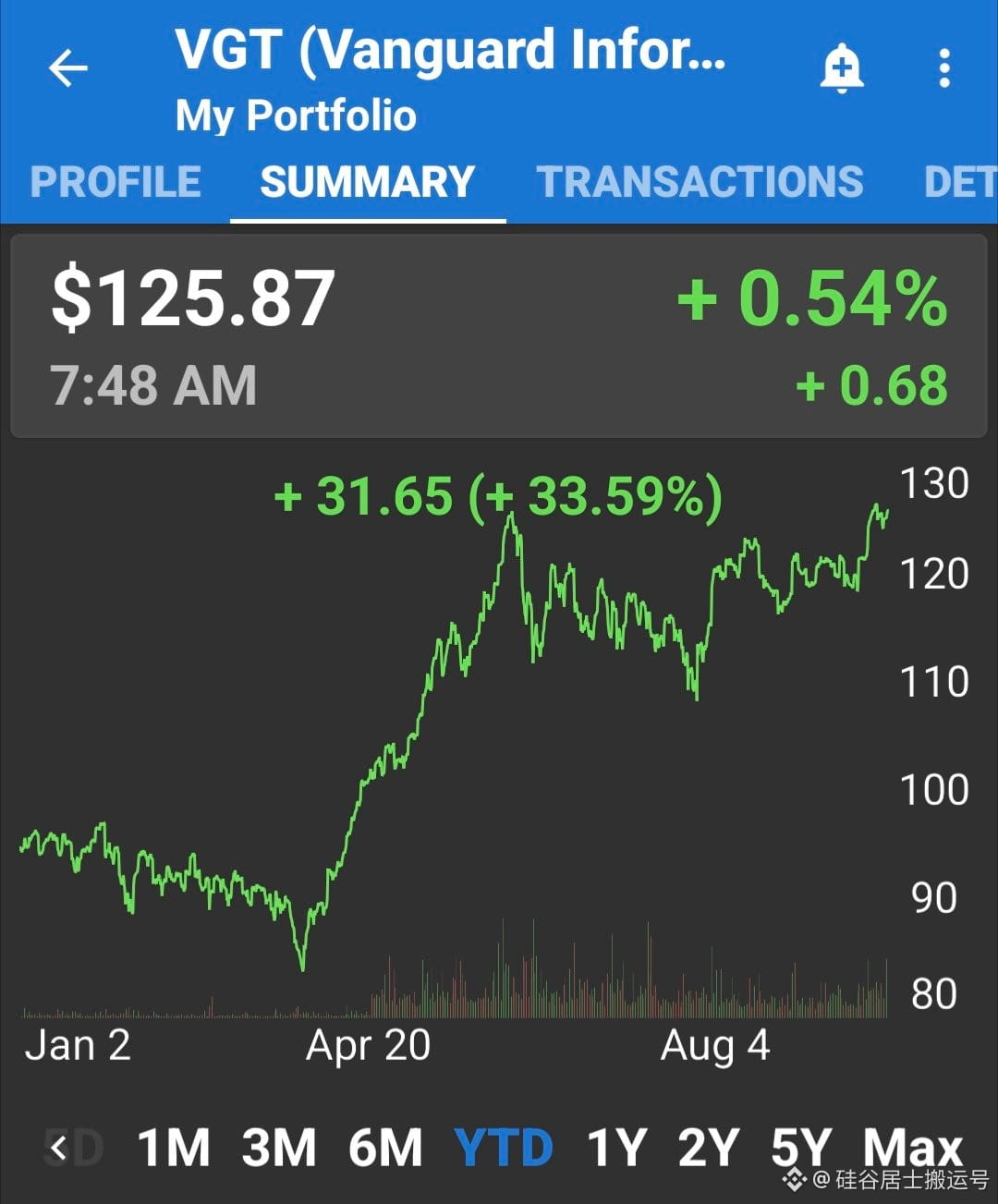
各位朋友,今天正是VGT派发红利的时刻。当大家顺利收到这笔股息之后,请千万记得保持步调,继续您的投资之旅。
各位朋友,今天正是VGT派发红利的时刻。当大家顺利收到这笔股息之后,请千万记得保持步调,继续您的投资之旅。
VGTETF+0.89%
37
·
--
60
·
--
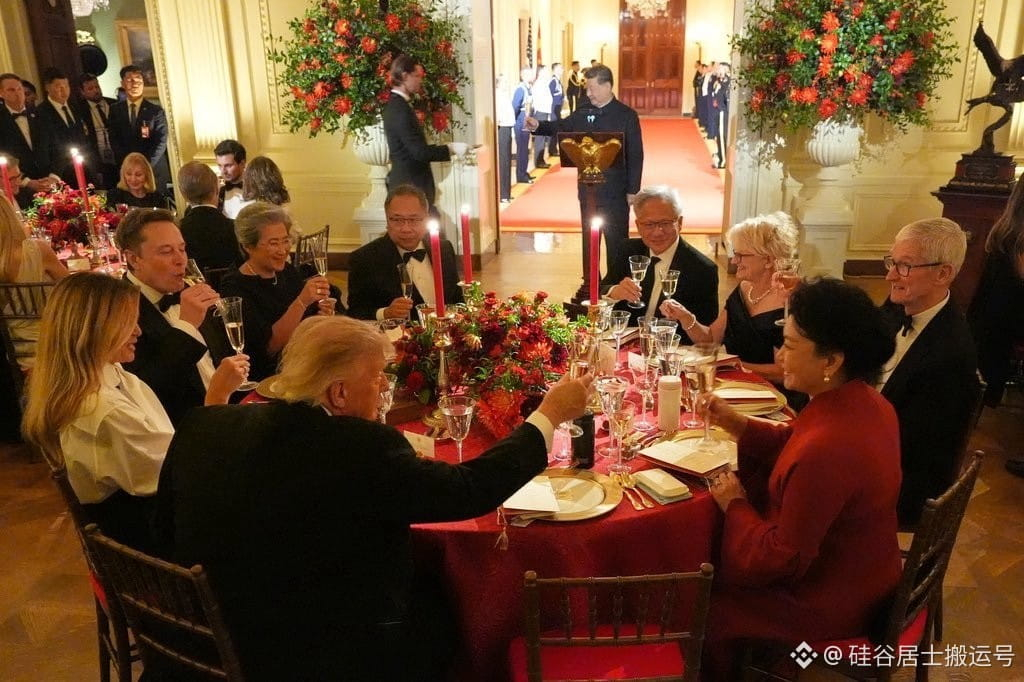
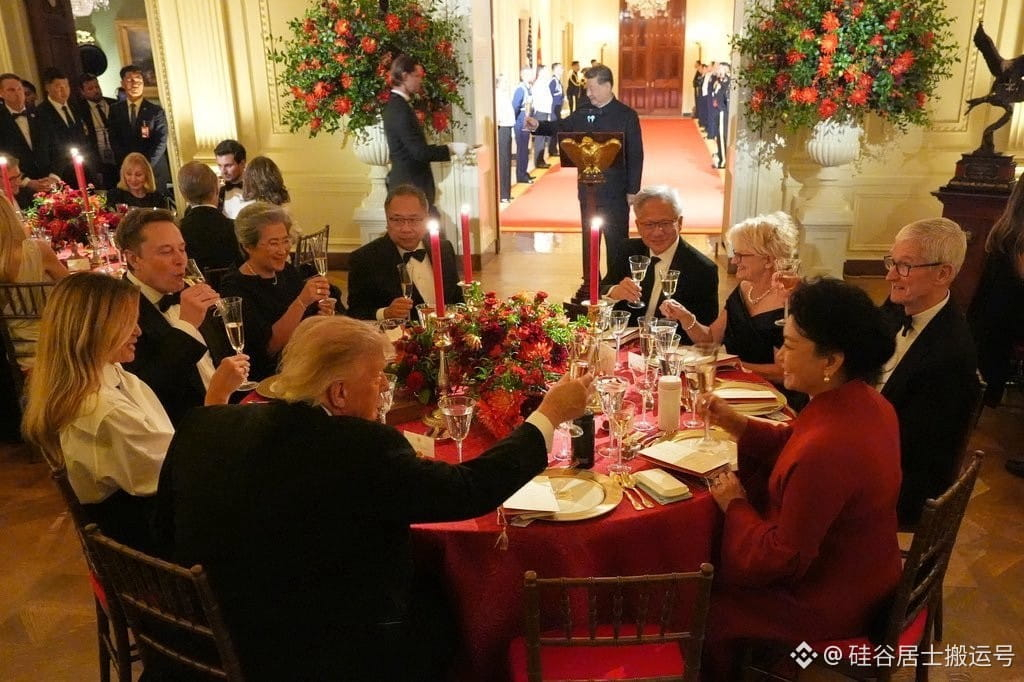
在这场备受瞩目的国宴上,政界领袖与企业巨头们共同出席了活动。值得注意的是,与会嘉宾中商业精英的数量实际上多于政界人士。可以说,这场晚宴的整体氛围与安排,真切地彰显了独有的美国风情。
在这场备受瞩目的国宴上,政界领袖与企业巨头们共同出席了活动。值得注意的是,与会嘉宾中商业精英的数量实际上多于政界人士。可以说,这场晚宴的整体氛围与安排,真切地彰显了独有的美国风情。
59
登录解锁更多内容
加入币安广场,与全球加密货币用户互动
⚡️ 获取关于加密货币的最新实用信息。
💬 受到全球最大加密货币交易平台的信赖。
👍 发现来自认证创作者的真知灼见。
邮箱/手机号码
热门话题
Circle在Solana增发5亿枚USDC
78,469 次浏览
404 人讨论中
$SOL
卧槽
链上大额动作
Circle 在 Solana 分两批铸造 5 亿枚 USDC
兄弟们
Circle这个链上印钞机又TM开了
最新的数据显示
Circle在骚娜娜上增发了约5亿美元USDC
现在SOL上的稳定币总供应量
也冲到了大约173亿美元的的历史新高
USD是Circle发行的美元稳定币
1枚对标1美元
所以每铸造一枚
Circle就要存入对应的美元储备
为啥铸这么多稳定币?
其实本质上还是SOL生态里的机构、DeFi、交易所
对USDC的需求越来越高了
所以提前铸币是为了提供流动性
现在SOL的公链
是USDC增长最快的网络
HYPE还有各种代币化资产都是在大量用SOL的USDC
但是大家月底给你要明白
铸币不等于资金马上进场买币
后续这笔钱要去哪里
还要看机构、大户怎么用
资金持续的向SOL迁移
是最近的大趋势
现在铸币只是供给扩容
如果这笔稳定币只是存着
还没有流入现货市场
行情还不一定要马上大涨
要持续观察后续的资金去向
#circle在solana增发5亿枚usdc
孔大锤
·2次点赞
·8.9k 次浏览
Polymarket银行倒闭押注引FDIC关注
51,961 次浏览
267 人讨论中
贝莱德为Ondo开发代币化组合策略
28,569 次浏览
189 人讨论中