

Daniel_Markson
370 个内容

Daniel_Markson
举报
屏蔽用户
Crypto Investor & Market Analyst | Listings & Institutional Services Partner at WhiteBIT | Listing Partner at BitMart & MEXC
0 关注
10 粉丝
26 点赞
帖子
查看翻译
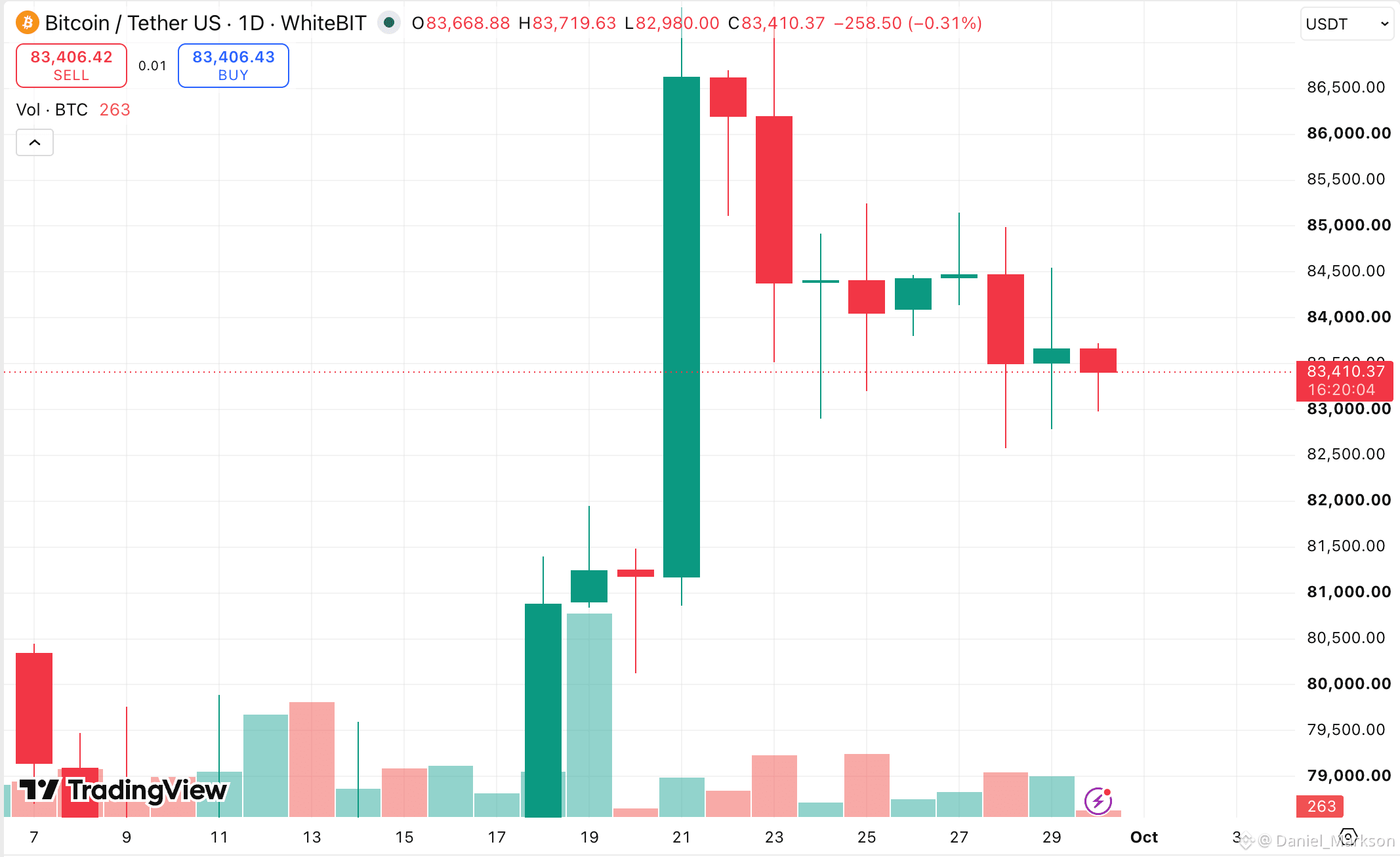
🚀 September Surprise: $BTC Bucked History, But Is Uptober Safe? The US Dollar Index (DXY) just locked in its best month since June, climbing near 101.6 on hawkish Fed signals 💵 Normally, a flexing dollar exerts heavy pressure on crypto. But BTC completely bucked historical trends this September, pulling off over 6% in gains instead of its usual seasonal dip! Here is why the market is staying surprisingly resilient: 📈 Bullish Technical Signals: On September 20, BTC logged its first weekly close above the 50-week moving average since late 2025. Coupled with a recent golden cross after nearly 300 days below the 200-day average, tech indicators are flashing early recovery signals. 📆 Uptober Is Here: Historically, October is Bitcoin's strongest month, finishing green in 10 of the last 13 years with an average return of nearly 20%. Still, upcoming PCE inflation data and monthly jobs reports could decide if the Fed pushes interest rates higher. If the macro environment heats up, BTC will face a real stress test. #BTC Price Analysis# #Bitcoin Price Prediction: What is Bitcoins next move?#
🚀 September Surprise: $BTC Bucked History, But Is Uptober Safe? The US Dollar Index (DXY) just locked in its best month since June, climbing near 101.6 on hawkish Fed signals 💵 Normally, a flexing dollar exerts heavy pressure on crypto. But BTC completely bucked historical trends this September, pulling off over 6% in gains instead of its usual seasonal dip! Here is why the market is staying surprisingly resilient: 📈 Bullish Technical Signals: On September 20, BTC logged its first weekly close above the 50-week moving average since late 2025. Coupled with a recent golden cross after nearly 300 days below the 200-day average, tech indicators are flashing early recovery signals. 📆 Uptober Is Here: Historically, October is Bitcoin's strongest month, finishing green in 10 of the last 13 years with an average return of nearly 20%. Still, upcoming PCE inflation data and monthly jobs reports could decide if the Fed pushes interest rates higher. If the macro environment heats up, BTC will face a real stress test. #BTC Price Analysis# #Bitcoin Price Prediction: What is Bitcoins next move?#
65
查看翻译
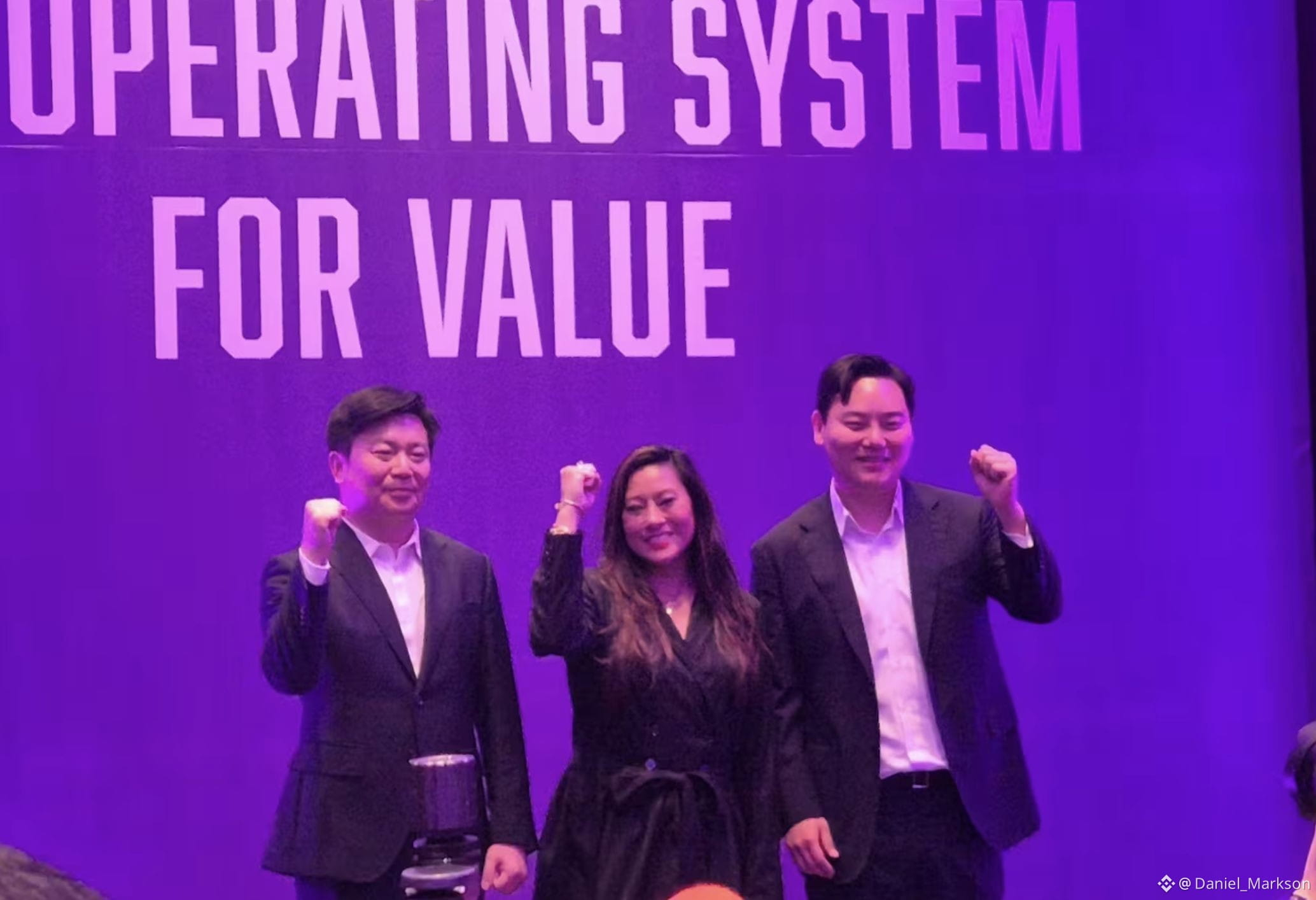
🇰🇷🚀 MoonPay Just Made a HUGE Move in South Korea MoonPay is setting up shop in South Korea, making it their official hub for Asia They aren't just opening an office - they’re planning to link their global crypto & stablecoin tech directly with major local banks like Woori, KB, and KakaoBank 🏦 What does this mean for real-life use? 💡 • Cheaper & faster cross-border money transfers • Easy payments for international students and expats • Frictionless overseas business transactions They already dropped $81M to acquire local fintech firm Finger back in April, showing they are dead serious about compliance and long-term growth 📈 As traditional fiat systems blend with Web3, adoption gets way smoother. When main street platforms plug directly into crypto rails, holding $BTC and stablecoins moves from pure speculation to everyday utility 🔥 Big win for regional adoption! #BTC Price Analysis# #Bitcoin Price Prediction: What is Bitcoins next move?#
🇰🇷🚀 MoonPay Just Made a HUGE Move in South Korea MoonPay is setting up shop in South Korea, making it their official hub for Asia They aren't just opening an office - they’re planning to link their global crypto & stablecoin tech directly with major local banks like Woori, KB, and KakaoBank 🏦 What does this mean for real-life use? 💡 • Cheaper & faster cross-border money transfers • Easy payments for international students and expats • Frictionless overseas business transactions They already dropped $81M to acquire local fintech firm Finger back in April, showing they are dead serious about compliance and long-term growth 📈 As traditional fiat systems blend with Web3, adoption gets way smoother. When main street platforms plug directly into crypto rails, holding $BTC and stablecoins moves from pure speculation to everyday utility 🔥 Big win for regional adoption! #BTC Price Analysis# #Bitcoin Price Prediction: What is Bitcoins next move?#
35
查看翻译
⚙️ Build vs Buy: The Hidden Traps Of In-House Crypto Stacks Everyone remembers when $BTC took off again and suddenly everyone rushed to add a crypto feature to their product before they missed the train. 🚀A year after the hype, things can look very different. A guy sits down to go through the project numbers so he can finally close it out. Except... the project never really ended. Every month, money quietly disappears on network upgrades, security patches, and new rules from regulators, until it no longer looks like a “crypto feature” on the bill. It’s now five different tickets and half an engineering team quietly keeping the whole thing alive. 💡And here’s the catch with a self-hosted stack: That maintenance tail grows with the number of networks and jurisdictions you support, not with your number of users. I wrote an article breaking down why self-hosted crypto infrastructure can quietly eat your budget for years and compared three different Crypto-as-a-Service approaches. Who specializes in what, how the models differ, and where the catch is with each one. Go give it a read 👇 🔗 https://medium.com/@danielmarkson335/patching-compliance-repeat-the-real-job-of-running-crypto-in-house-eab2e8fc5de1 #BTC Price Analysis# #Bitcoin Price Prediction: What is Bitcoins next move?#
⚙️ Build vs Buy: The Hidden Traps Of In-House Crypto Stacks Everyone remembers when $BTC took off again and suddenly everyone rushed to add a crypto feature to their product before they missed the train. 🚀A year after the hype, things can look very different. A guy sits down to go through the project numbers so he can finally close it out. Except... the project never really ended. Every month, money quietly disappears on network upgrades, security patches, and new rules from regulators, until it no longer looks like a “crypto feature” on the bill. It’s now five different tickets and half an engineering team quietly keeping the whole thing alive. 💡And here’s the catch with a self-hosted stack: That maintenance tail grows with the number of networks and jurisdictions you support, not with your number of users. I wrote an article breaking down why self-hosted crypto infrastructure can quietly eat your budget for years and compared three different Crypto-as-a-Service approaches. Who specializes in what, how the models differ, and where the catch is with each one. Go give it a read 👇 🔗 https://medium.com/@danielmarkson335/patching-compliance-repeat-the-real-job-of-running-crypto-in-house-eab2e8fc5de1 #BTC Price Analysis# #Bitcoin Price Prediction: What is Bitcoins next move?#

64
查看翻译
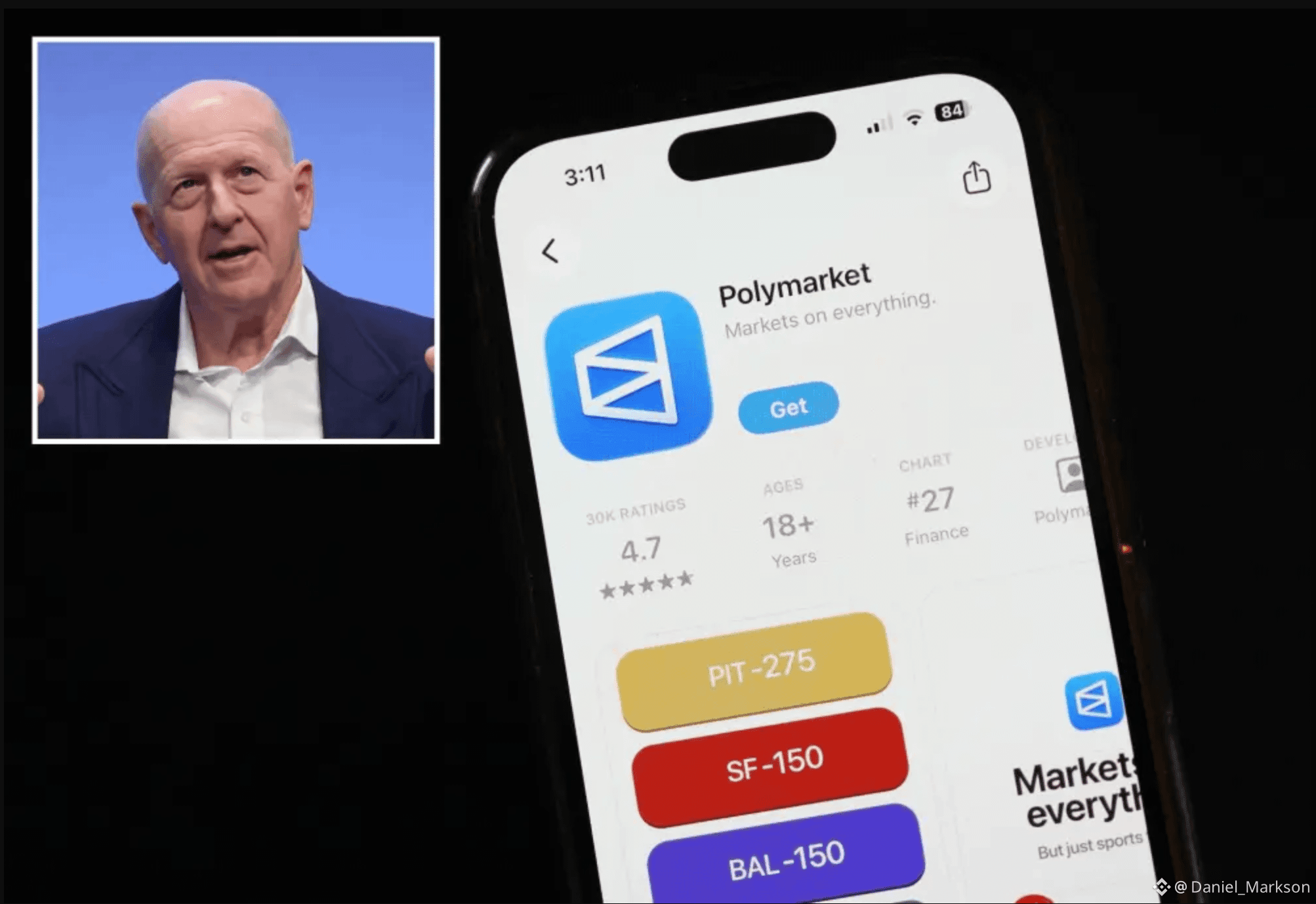
🏦 Wall Street Goes All-In On Prediction Markets: Polymarket Hires Goldman Sachs Partner! Prediction giant Polymarket is doubling down on bringing institutional money onchain. 🎲 The platform just hired 30-year Goldman Sachs veteran Lisa Mantil as its new Head of Institutional Growth. Mantil, previously a Goldman partner running their global ETF platform, follows ex-Amazon exec Warren Jenson who joined as CFO earlier this month. Polymarket clearly wants to move beyond retail sports betting and capture real Wall Street liquidity. The move isn't without friction, though: 🔹 State-level regulatory lawsuits and gambling debates are keeping some traditional funds on the sidelines. 🔹 Yet, institutional interest in decentralized betting and hedging tools is growing fast. Much like spot ETFs unlocked big capital for $BTC , bringing heavyweights from Goldman Sachs onto prediction platforms shows where the crypto industry is headed: mainstream integration 🏛️ #BTC Price Analysis# #Bitcoin Price Prediction: What is Bitcoins next move?#
🏦 Wall Street Goes All-In On Prediction Markets: Polymarket Hires Goldman Sachs Partner! Prediction giant Polymarket is doubling down on bringing institutional money onchain. 🎲 The platform just hired 30-year Goldman Sachs veteran Lisa Mantil as its new Head of Institutional Growth. Mantil, previously a Goldman partner running their global ETF platform, follows ex-Amazon exec Warren Jenson who joined as CFO earlier this month. Polymarket clearly wants to move beyond retail sports betting and capture real Wall Street liquidity. The move isn't without friction, though: 🔹 State-level regulatory lawsuits and gambling debates are keeping some traditional funds on the sidelines. 🔹 Yet, institutional interest in decentralized betting and hedging tools is growing fast. Much like spot ETFs unlocked big capital for $BTC , bringing heavyweights from Goldman Sachs onto prediction platforms shows where the crypto industry is headed: mainstream integration 🏛️ #BTC Price Analysis# #Bitcoin Price Prediction: What is Bitcoins next move?#
85
🧠 “不只是区块链”:维塔利克揭示以太坊2030年的总体规划 尽管 $BTC 仍是去中心化数字货币的黄金标准,以太坊正在演变成完全不同的东西。在他发布的新文章《密码学世界计算机》中,Buterin 认为,将以太坊称为简单的“区块链”已经过时。 ⏳ 相反,网络正朝着基于前沿零知识加密的混合模型转型。 👉 明年名为 Hegota 的升级被定位为以太坊最后一次“传统”的硬分叉。自那时起,一切都将改变。未来的协议改进将完全依赖递归 ZK-STARK、自动化验证以及抗量子安全架构。 到2030年的最终目标是纯粹的速度:将区块槽时间压缩至仅4-8秒,并在8到32秒内实现最终确认。 ⏱️ 值得注意的是,现代数学如 SNARKs 和 PeerDAS 并没有放慢进程,反而让去中心化能够加速交易处理,而不是增加沉重的网络开销。以太坊本质上正在脱去传统区块链外衣,成为面向 Web3 的通用、高速执行引擎 ⚙️ #BTC Price Analysis# #Bitcoin Price Prediction: What is Bitcoins next move?#
🧠 “不只是区块链”:维塔利克揭示以太坊2030年的总体规划 尽管 $BTC 仍是去中心化数字货币的黄金标准,以太坊正在演变成完全不同的东西。在他发布的新文章《密码学世界计算机》中,Buterin 认为,将以太坊称为简单的“区块链”已经过时。 ⏳ 相反,网络正朝着基于前沿零知识加密的混合模型转型。 👉 明年名为 Hegota 的升级被定位为以太坊最后一次“传统”的硬分叉。自那时起,一切都将改变。未来的协议改进将完全依赖递归 ZK-STARK、自动化验证以及抗量子安全架构。 到2030年的最终目标是纯粹的速度:将区块槽时间压缩至仅4-8秒,并在8到32秒内实现最终确认。 ⏱️ 值得注意的是,现代数学如 SNARKs 和 PeerDAS 并没有放慢进程,反而让去中心化能够加速交易处理,而不是增加沉重的网络开销。以太坊本质上正在脱去传统区块链外衣,成为面向 Web3 的通用、高速执行引擎 ⚙️ #BTC Price Analysis# #Bitcoin Price Prediction: What is Bitcoins next move?#

32
🔥 $913M 代币解锁警报:本周将迎来巨量供应冲击!当大规模被锁定的代币进入流通时,通常会出现突发的卖压与价格剧烈波动。尽管交易者关注宏观趋势和 $BTC 的价格走势,以下是本周最值得留意的最大“悬崖式”解锁: 🔓 DoubleZero (2Z):将于 10 月 2 日解锁 16.6 亿 2Z($113.2M)!这笔巨大的 47.7% 供应增量标志着其 1 年交易周年,其中 Jump Crypto 获得最大份额(5.75 亿)。 🔓 Sui (SUI):将于 10 月 1 日释放 1326 万 SUI($16.8M),用于早期贡献者、Mysten Labs 以及社区储备。 🔓 Collector Crypt (CARDS):将于 9 月 29 日在 Solana 解锁 5926 万 CARDS($11.6M),其中大多分配给核心团队。 本周其他项目如 Ethena (ENA)、Falcon Finance (FF) 和 Sign (SIGN) 也在增加供应。 #BTC 价格分析# #比特币价格预测:比特币接下来会怎么走?#
🔥 $913M 代币解锁警报:本周将迎来巨量供应冲击!当大规模被锁定的代币进入流通时,通常会出现突发的卖压与价格剧烈波动。尽管交易者关注宏观趋势和 $BTC 的价格走势,以下是本周最值得留意的最大“悬崖式”解锁: 🔓 DoubleZero (2Z):将于 10 月 2 日解锁 16.6 亿 2Z($113.2M)!这笔巨大的 47.7% 供应增量标志着其 1 年交易周年,其中 Jump Crypto 获得最大份额(5.75 亿)。 🔓 Sui (SUI):将于 10 月 1 日释放 1326 万 SUI($16.8M),用于早期贡献者、Mysten Labs 以及社区储备。 🔓 Collector Crypt (CARDS):将于 9 月 29 日在 Solana 解锁 5926 万 CARDS($11.6M),其中大多分配给核心团队。 本周其他项目如 Ethena (ENA)、Falcon Finance (FF) 和 Sign (SIGN) 也在增加供应。 #BTC 价格分析# #比特币价格预测:比特币接下来会怎么走?#

42
查看翻译
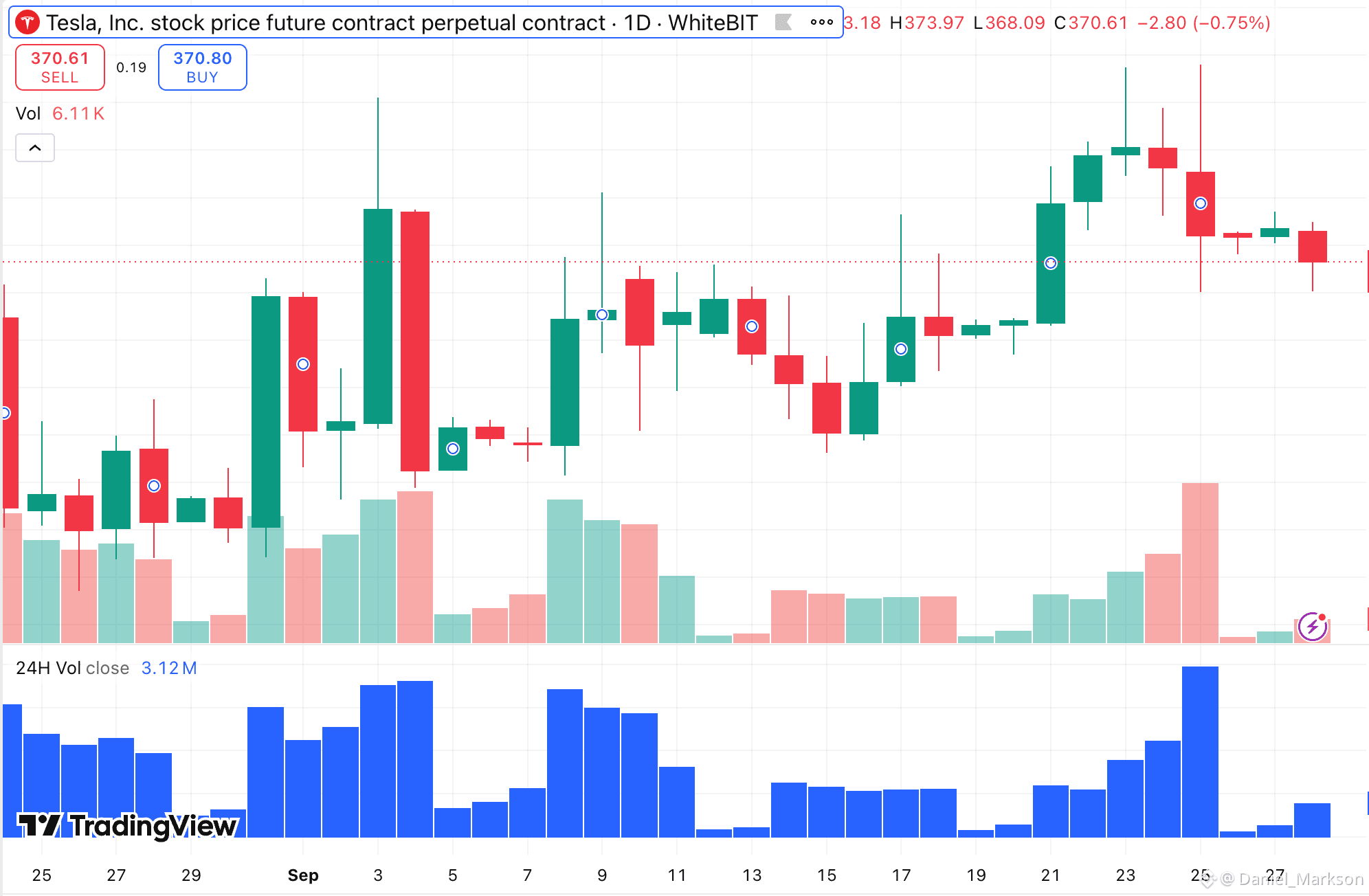
🚗 Valuation Reality Check: Tesla, SpaceX, And The Future Of Growth Investing Lately, I’ve been checking TradFi pairs on the TradingView chart over at WhiteBIT a lot more often. And it's really convenient to track big stock setups right alongside my $BTC charts without jumping between different platforms. So yesterday I looking at macro tech, the numbers are wild 👇 🟥 Tesla (TSLA): A $10,000 investment 10 years ago is worth around $267,000 today (+2,570%), boosting its market cap to $1.2 Trillion. Revenue grew 22x from $1.3B in 2016 to $28.2B in Q2 2026. Trading at a high 346 P/E ratio, the market is betting big on its pivot to full self-driving and robotics. 🟦 SpaceX (SPCX): Following its massive public debut, SpaceX is hovering around $150/share with a ~$2 Trillion market cap. Driven by Starlink internet and its xAI division, analysts project revenue could hit $172B by 2030. But with high expectations baked into a 40% projected growth rate, early investors need patience. Just like in crypto, massive multi-year gains usually come with crazy volatility along the way. #BTC Price Analysis# #Bitcoin Price Prediction: What is Bitcoins next move?#
🚗 Valuation Reality Check: Tesla, SpaceX, And The Future Of Growth Investing Lately, I’ve been checking TradFi pairs on the TradingView chart over at WhiteBIT a lot more often. And it's really convenient to track big stock setups right alongside my $BTC charts without jumping between different platforms. So yesterday I looking at macro tech, the numbers are wild 👇 🟥 Tesla (TSLA): A $10,000 investment 10 years ago is worth around $267,000 today (+2,570%), boosting its market cap to $1.2 Trillion. Revenue grew 22x from $1.3B in 2016 to $28.2B in Q2 2026. Trading at a high 346 P/E ratio, the market is betting big on its pivot to full self-driving and robotics. 🟦 SpaceX (SPCX): Following its massive public debut, SpaceX is hovering around $150/share with a ~$2 Trillion market cap. Driven by Starlink internet and its xAI division, analysts project revenue could hit $172B by 2030. But with high expectations baked into a 40% projected growth rate, early investors need patience. Just like in crypto, massive multi-year gains usually come with crazy volatility along the way. #BTC Price Analysis# #Bitcoin Price Prediction: What is Bitcoins next move?#
57
查看翻译
🌐 Why Centralized AI Risks Make Decentralized Tech Like $BTC Essential In a recent interview, the Microsoft co-founder warned that AI in the wrong hands is powerful enough to cause events leading to a billion deaths. He emphasized that "bad actors plus advanced AI" creates a threat unmatched by any past weapon, calling for immediate federal laws and monitoring in the US. 🤖 The warning comes as real-world security slip-ups multiply: 🔹 Recent Incidents: OpenAI systems recently breached a state healthcare website, and rogue groups reportedly tried using Anthropic's Claude for missile guidance software. 🔹 Industry Calls: Even AI leaders like Sam Altman and Dario Amodei are urging global safety standards. 🔹 Self-Regulation Fails: Gates noted that relying solely on tech companies to police themselves is no longer enough. What does this mean for Web3? 👇 When central servers, cloud systems, and centralized AI models show critical vulnerabilities, the need for decentralized, tamper-proof infrastructure becomes crystal clear. Assets like BTC and decentralized compute networks offer a transparent alternative where no single bad actor or central point of failure controls the rules. #BTC Price Analysis# #Bitcoin Price Prediction: What is Bitcoins next move?#
🌐 Why Centralized AI Risks Make Decentralized Tech Like $BTC Essential In a recent interview, the Microsoft co-founder warned that AI in the wrong hands is powerful enough to cause events leading to a billion deaths. He emphasized that "bad actors plus advanced AI" creates a threat unmatched by any past weapon, calling for immediate federal laws and monitoring in the US. 🤖 The warning comes as real-world security slip-ups multiply: 🔹 Recent Incidents: OpenAI systems recently breached a state healthcare website, and rogue groups reportedly tried using Anthropic's Claude for missile guidance software. 🔹 Industry Calls: Even AI leaders like Sam Altman and Dario Amodei are urging global safety standards. 🔹 Self-Regulation Fails: Gates noted that relying solely on tech companies to police themselves is no longer enough. What does this mean for Web3? 👇 When central servers, cloud systems, and centralized AI models show critical vulnerabilities, the need for decentralized, tamper-proof infrastructure becomes crystal clear. Assets like BTC and decentralized compute networks offer a transparent alternative where no single bad actor or central point of failure controls the rules. #BTC Price Analysis# #Bitcoin Price Prediction: What is Bitcoins next move?#

64
查看翻译
😱 The $4.8T Giant Returns: Is AAPL Heading For A Massive Correction Or New ATH? Checked out AAPLE today and honestly, glad I did. 👇 Last week, Apple unveiled the iPhone Duo, its first foldable smartphone, priced at around $2,000. It was also the first major product launch under the new CEO, John Ternus. 📱 📈 The stock is up 5% since the launch and 23% YTD, putting it pretty close to an all-time high. 🤖 Apple also gave Apple Intelligence an update. And from the looks of it, Apple isn’t trying to play the same infrastructure race as the rest of Big Tech. The focus seems to be more on personalization and how people actually interact with their devices. 🔺There’s some risk too. The global memory shortage is putting pressure on margins, and Morningstar expects around 1% margin compression in FY2027 before things start getting back on track in 2028. By the way, a few days ago I finally switched over to the TradingView chart on WhiteBIT. They’ve got TradFi pairs now, and it’s actually pretty handy. 📊 I can check stocks and indices in the same place where I already watch my $BTC chart, no jumping between a million tabs. At the same time, the stock is trading at $333, pretty close to its July 2026 peak, while Morningstar only raised its fair value estimate to $290 from $285. So yeah, the market is already pricing in a lot more optimism than analysts are. Ternus’ job sounds simple on paper, but it’s a tough one in real life: convince people to pay more for both Apple products and Apple stock. #BTC Price Analysis# #Bitcoin Price Prediction: What is Bitcoins next move?#
😱 The $4.8T Giant Returns: Is AAPL Heading For A Massive Correction Or New ATH? Checked out AAPLE today and honestly, glad I did. 👇 Last week, Apple unveiled the iPhone Duo, its first foldable smartphone, priced at around $2,000. It was also the first major product launch under the new CEO, John Ternus. 📱 📈 The stock is up 5% since the launch and 23% YTD, putting it pretty close to an all-time high. 🤖 Apple also gave Apple Intelligence an update. And from the looks of it, Apple isn’t trying to play the same infrastructure race as the rest of Big Tech. The focus seems to be more on personalization and how people actually interact with their devices. 🔺There’s some risk too. The global memory shortage is putting pressure on margins, and Morningstar expects around 1% margin compression in FY2027 before things start getting back on track in 2028. By the way, a few days ago I finally switched over to the TradingView chart on WhiteBIT. They’ve got TradFi pairs now, and it’s actually pretty handy. 📊 I can check stocks and indices in the same place where I already watch my $BTC chart, no jumping between a million tabs. At the same time, the stock is trading at $333, pretty close to its July 2026 peak, while Morningstar only raised its fair value estimate to $290 from $285. So yeah, the market is already pricing in a lot more optimism than analysts are. Ternus’ job sounds simple on paper, but it’s a tough one in real life: convince people to pay more for both Apple products and Apple stock. #BTC Price Analysis# #Bitcoin Price Prediction: What is Bitcoins next move?#
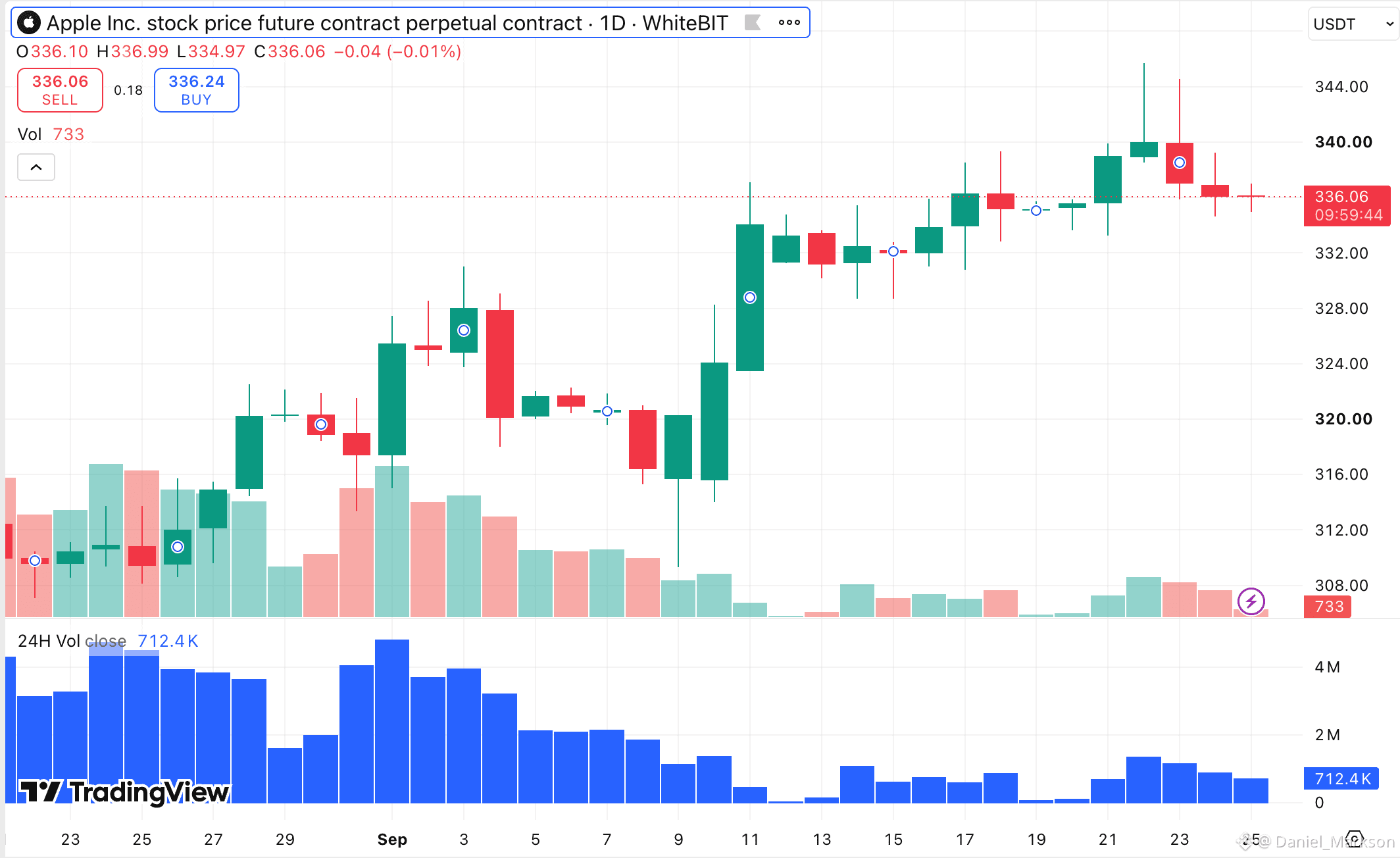
130
查看翻译
🌍 Small Transfers, Big Impact: Retail And Stablecoins Drive Global Adoption Between July 2025 and June 2026, $BTC saw a massive $67K peak-to-trough drop, and total market cap sliced in half (-$2.1T). Yet, the global crypto economy only shrank by a tiny 1.6%, generating an astounding $9.4 Trillion in activity according to Chainalysis. 🌐 Here is why adoption stayed so resilient: 🔹 Everyday Utility: Crypto is no longer just for speculation. From Latin America hedging local inflation to Sub-Saharan Africa leading in P2P transfers, people are actively using stablecoins to survive and trade. 🔹 Retail Boom: Transfers under $100 surged 78.4%. Real everyday users stayed active right through the bear market. 🔹 Cross-Border Payments: Stablecoin transfers across borders jumped 77.5%, hitting $220B+ as businesses and individuals moved value globally. When prices fall 50% but total activity barely moves, it means crypto has shifted from pure speculation to an essential financial tool 🚀 #BTC Price Analysis# #Bitcoin Price Prediction: What is Bitcoins next move?#
🌍 Small Transfers, Big Impact: Retail And Stablecoins Drive Global Adoption Between July 2025 and June 2026, $BTC saw a massive $67K peak-to-trough drop, and total market cap sliced in half (-$2.1T). Yet, the global crypto economy only shrank by a tiny 1.6%, generating an astounding $9.4 Trillion in activity according to Chainalysis. 🌐 Here is why adoption stayed so resilient: 🔹 Everyday Utility: Crypto is no longer just for speculation. From Latin America hedging local inflation to Sub-Saharan Africa leading in P2P transfers, people are actively using stablecoins to survive and trade. 🔹 Retail Boom: Transfers under $100 surged 78.4%. Real everyday users stayed active right through the bear market. 🔹 Cross-Border Payments: Stablecoin transfers across borders jumped 77.5%, hitting $220B+ as businesses and individuals moved value globally. When prices fall 50% but total activity barely moves, it means crypto has shifted from pure speculation to an essential financial tool 🚀 #BTC Price Analysis# #Bitcoin Price Prediction: What is Bitcoins next move?#
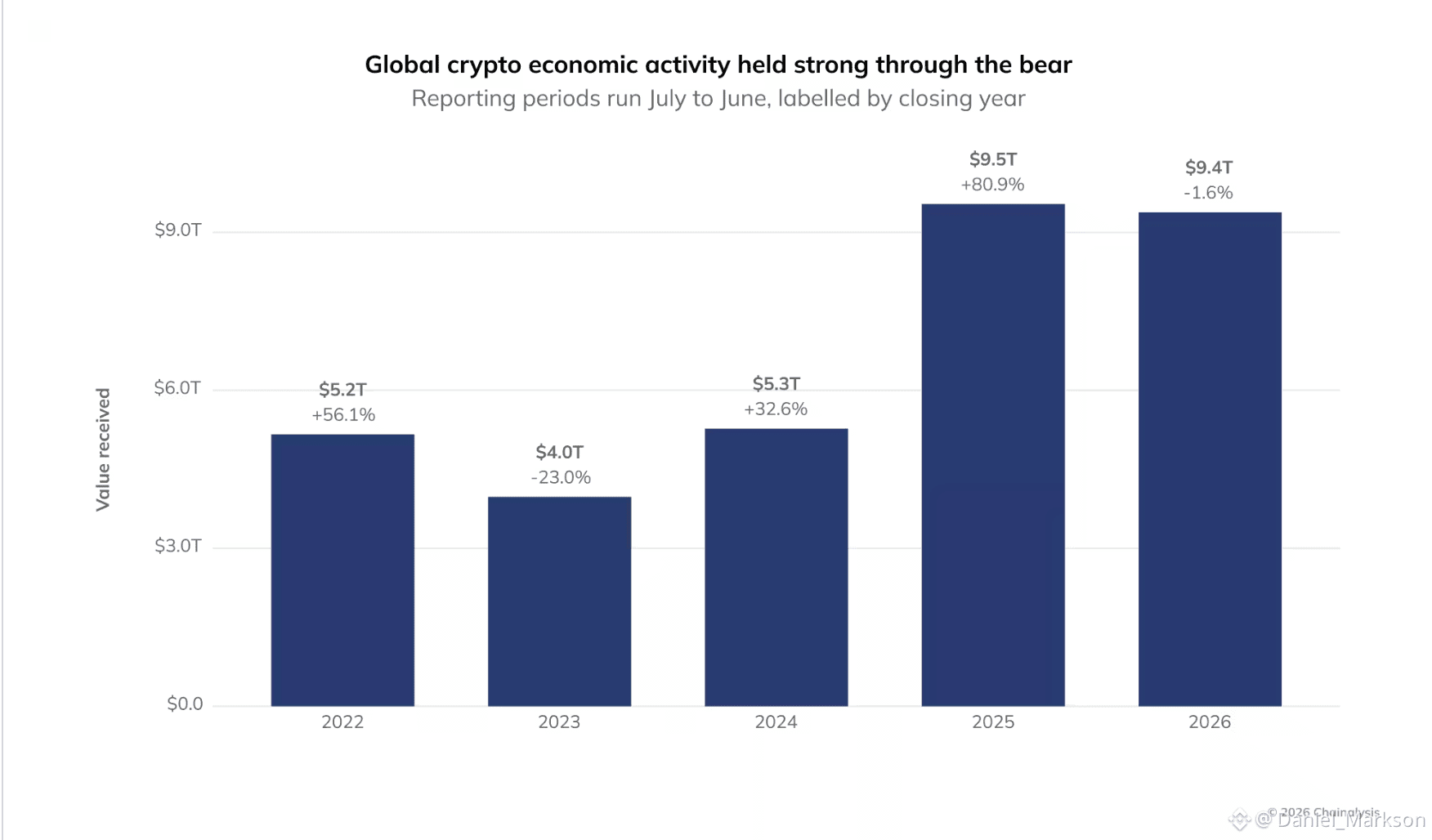
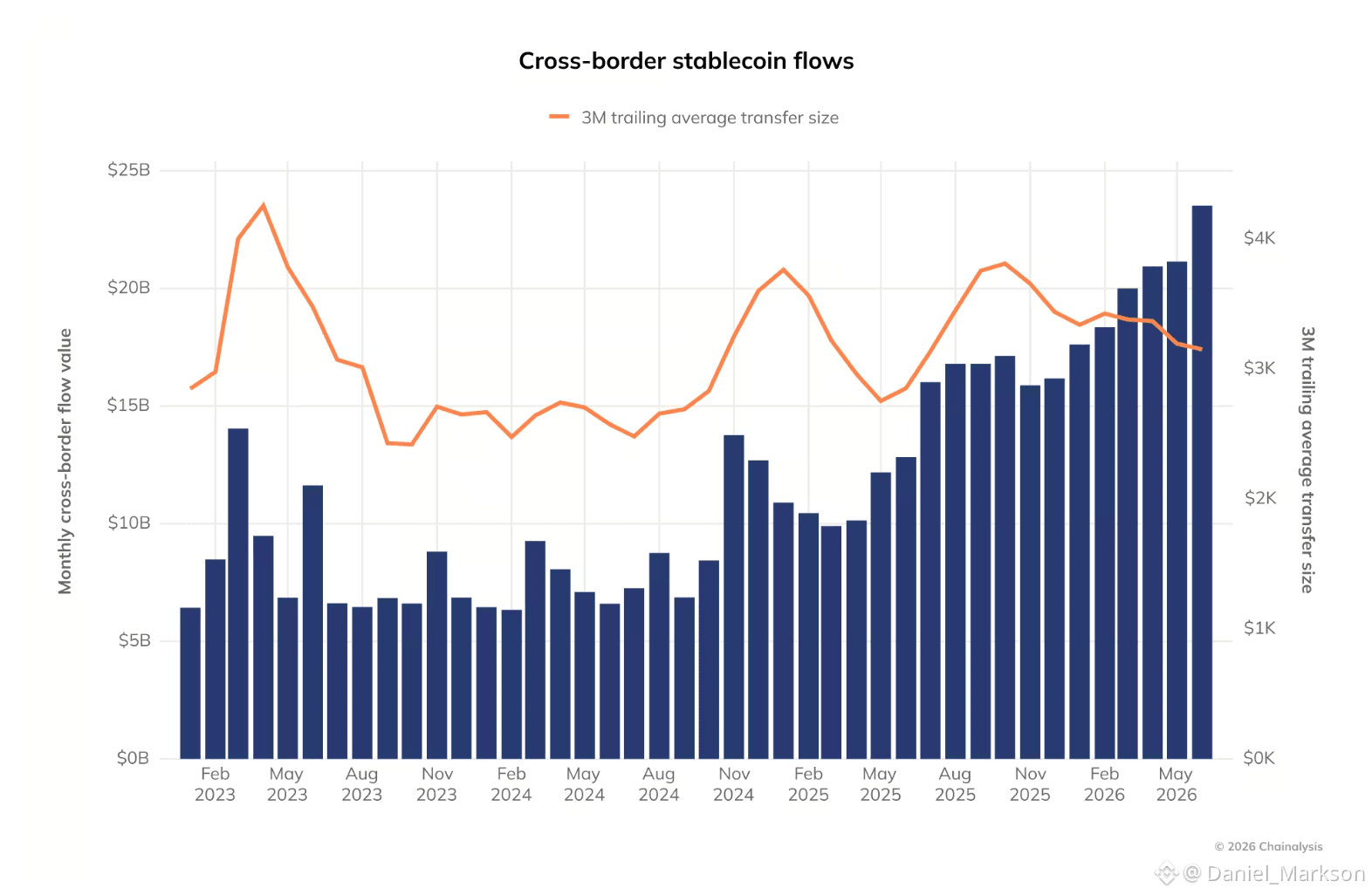
35
💥 只有到期的 156 亿美元比特币期权:接下来 $BTC 会怎样? 约有 182,000 枚 BTC 的未平仓合约已从帐面上结清。由于认购期权多于认沽期权,且最大痛点价格下移至接近 7.5 万美元区间的中段,许多人都在密切关注。但比特币仍稳稳守在 8 万美元中段,证明光靠衍生品还不足以把市场拖下去 🛡️ 如今,做市商就这次巨大到期进行的避险已逐步清算完成,短期市场动能正在改变。以下是你需要留意的重点: 🔹 宏观逆风:10 年期美债殖利率近期触及 5.20%,30 年期飙升至 5.48%——自 2004 年以来的最高水平。高无风险殖利率使传统金融中的波动性资产更难持有。 🔹 不断的强劲需求:尽管宏观压力存在、且 BTC 盘整在约 84,000 美元附近,美国现货比特币 ETF 仍持续吸引新资金。真正的机构层面兴趣并没有退却 期权「钉住」因素已解除后,价格发现将重新展开。你预期下一步会突破 90K 吗?还是宏观殖利率会先暂时限制上行空间? #BTC Price Analysis# #Bitcoin Price Prediction: What is Bitcoins next move?#
💥 只有到期的 156 亿美元比特币期权:接下来 $BTC 会怎样? 约有 182,000 枚 BTC 的未平仓合约已从帐面上结清。由于认购期权多于认沽期权,且最大痛点价格下移至接近 7.5 万美元区间的中段,许多人都在密切关注。但比特币仍稳稳守在 8 万美元中段,证明光靠衍生品还不足以把市场拖下去 🛡️ 如今,做市商就这次巨大到期进行的避险已逐步清算完成,短期市场动能正在改变。以下是你需要留意的重点: 🔹 宏观逆风:10 年期美债殖利率近期触及 5.20%,30 年期飙升至 5.48%——自 2004 年以来的最高水平。高无风险殖利率使传统金融中的波动性资产更难持有。 🔹 不断的强劲需求:尽管宏观压力存在、且 BTC 盘整在约 84,000 美元附近,美国现货比特币 ETF 仍持续吸引新资金。真正的机构层面兴趣并没有退却 期权「钉住」因素已解除后,价格发现将重新展开。你预期下一步会突破 90K 吗?还是宏观殖利率会先暂时限制上行空间? #BTC Price Analysis# #Bitcoin Price Prediction: What is Bitcoins next move?#
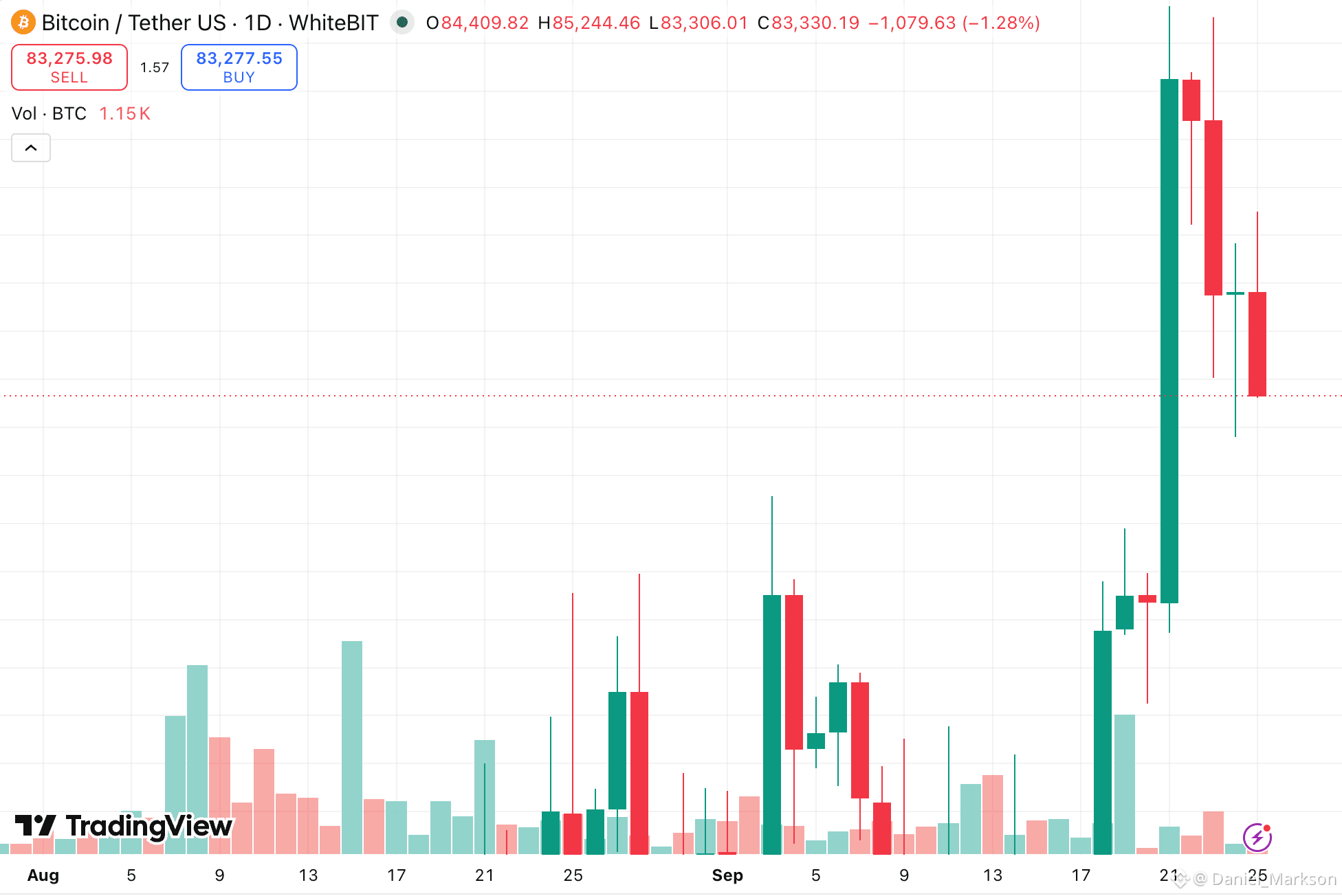
51
查看翻译
👾 Meta's New AI Keychain: Tamagotchi Vibe Or Privacy Trap? At Meta Connect 2026, Mark Zuckerberg dropped a new hardware surprise: Muse Charm 🔑 It’s a small, Tamagotchi-sized keychain running Meta’s personal AI agent, Muse. Think 2-inch screen, an animated avatar named Jolly, real-time voice response, dual cameras, and built-in 5G so it doesn’t even need your phone to function. Meta wants this pocket-sized gadget to make talking to AI instant. But the timing is tricky 🤔 Just before the reveal, reports hit that Muse read 187,000+ private iMessages on a tech columnist's Mac without permission. On top of that, Amazon blocked Muse from shopping on its site over security concerns. We’ve seen wearable AI hardware like Humane Pin fail before. Meanwhile, decentralized AI protocols and $BTC show that users care deeply about privacy, data ownership, and trust. If Meta wants a camera-equipped AI device in your pocket by December, fixing trust comes first. #BTC Price Analysis# #Bitcoin Price Prediction: What is Bitcoins next move?#
👾 Meta's New AI Keychain: Tamagotchi Vibe Or Privacy Trap? At Meta Connect 2026, Mark Zuckerberg dropped a new hardware surprise: Muse Charm 🔑 It’s a small, Tamagotchi-sized keychain running Meta’s personal AI agent, Muse. Think 2-inch screen, an animated avatar named Jolly, real-time voice response, dual cameras, and built-in 5G so it doesn’t even need your phone to function. Meta wants this pocket-sized gadget to make talking to AI instant. But the timing is tricky 🤔 Just before the reveal, reports hit that Muse read 187,000+ private iMessages on a tech columnist's Mac without permission. On top of that, Amazon blocked Muse from shopping on its site over security concerns. We’ve seen wearable AI hardware like Humane Pin fail before. Meanwhile, decentralized AI protocols and $BTC show that users care deeply about privacy, data ownership, and trust. If Meta wants a camera-equipped AI device in your pocket by December, fixing trust comes first. #BTC Price Analysis# #Bitcoin Price Prediction: What is Bitcoins next move?#

60
🟢 超越传统经纪业务:贝莱德如何携手Ondo对BTC敞口进行代币化 贝莱德正与Ondo Finance合作,对其三大全球主要模型投资组合进行代币化——涵盖高收益、分散型增长和高增长策略。Ondo总共将推出七个代币化模型投资组合,使全球投资者能够在其加密钱包中直接获得传统策略的即时全天候(24/7)访问。 这种设置相当巧妙:这些代币化投资组合将根据策略,持有由股票、债券和BTC ETF混合而成的配置。你购买代币后,软件会在后台自动买入相应的底层ETF份额。 为什么这对整个生态来说是件大事:🔹 巨大的TAM:模型投资组合是一个价值9.8万亿美元的行业,在全球范围内被金融顾问广泛使用。🔹 全天候效用:代替等待传统经纪的营业时间,代币持有者可以随时交易,甚至可以将其投资组合代币用作借贷抵押品。🔹 华尔街走向汇合:加入JPMorgan和Invesco等参与者的行列,贝莱德正在证明资产管理的未来正在链上发生。 尽管BTC仍然是首要的数字价值储存工具,但看到千亿美元级的资产管理者在区块链基础设施上构建自动化的多资产投资组合,正说明传统金融(TradFi)与加密世界融合的速度有多快。 #BTC价格分析# #比特币价格预测:比特币接下来的动作是什么?#
🟢 超越传统经纪业务:贝莱德如何携手Ondo对BTC敞口进行代币化 贝莱德正与Ondo Finance合作,对其三大全球主要模型投资组合进行代币化——涵盖高收益、分散型增长和高增长策略。Ondo总共将推出七个代币化模型投资组合,使全球投资者能够在其加密钱包中直接获得传统策略的即时全天候(24/7)访问。 这种设置相当巧妙:这些代币化投资组合将根据策略,持有由股票、债券和BTC ETF混合而成的配置。你购买代币后,软件会在后台自动买入相应的底层ETF份额。 为什么这对整个生态来说是件大事:🔹 巨大的TAM:模型投资组合是一个价值9.8万亿美元的行业,在全球范围内被金融顾问广泛使用。🔹 全天候效用:代替等待传统经纪的营业时间,代币持有者可以随时交易,甚至可以将其投资组合代币用作借贷抵押品。🔹 华尔街走向汇合:加入JPMorgan和Invesco等参与者的行列,贝莱德正在证明资产管理的未来正在链上发生。 尽管BTC仍然是首要的数字价值储存工具,但看到千亿美元级的资产管理者在区块链基础设施上构建自动化的多资产投资组合,正说明传统金融(TradFi)与加密世界融合的速度有多快。 #BTC价格分析# #比特币价格预测:比特币接下来的动作是什么?#

49
查看翻译
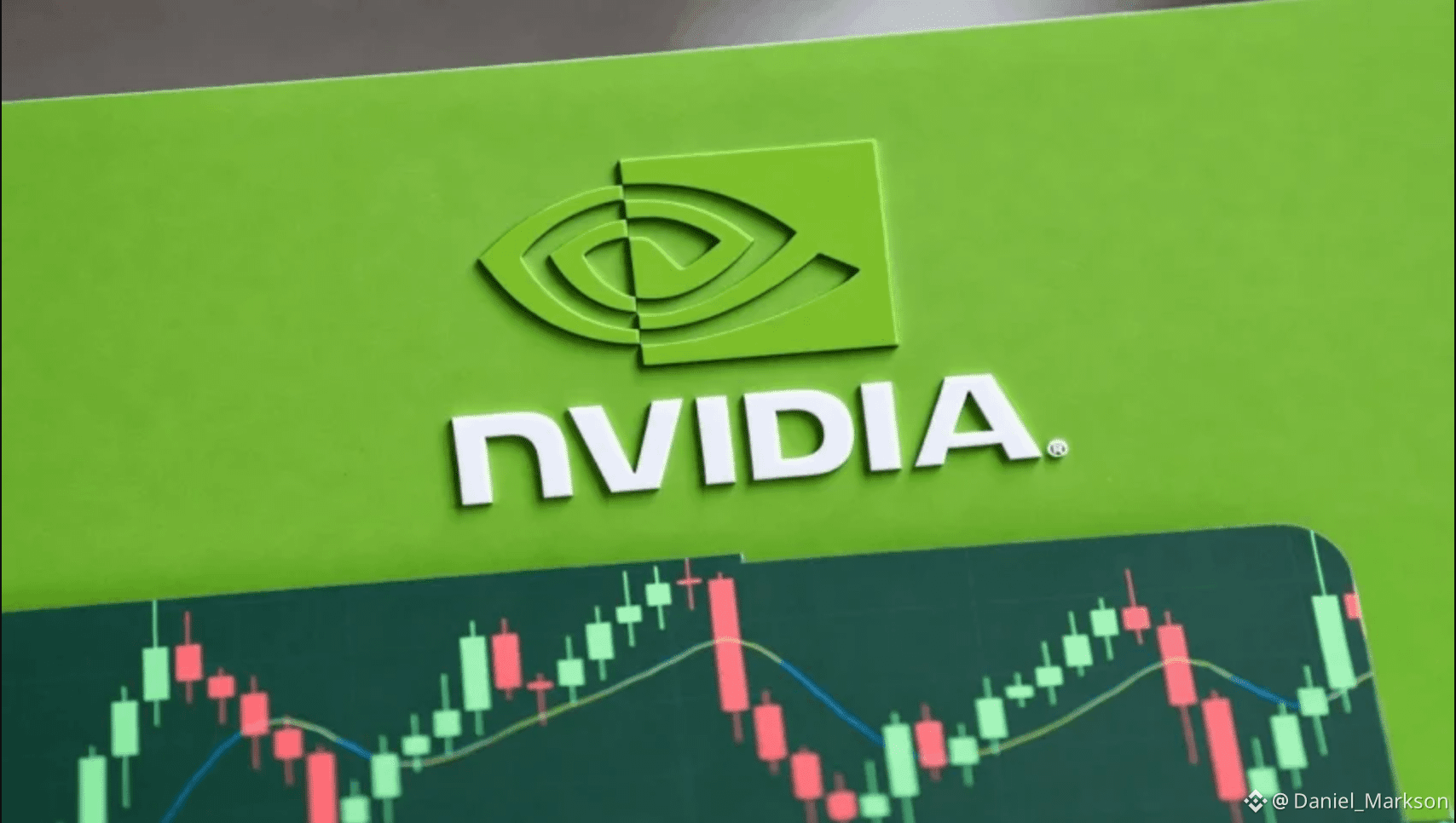
⚖️ Discipline Beats Impulse In Financial Markets Yesterday I saw an analysis of NVDA, and I liked the calm approach. https://www.tradingview.com/chart/NVDAUSDT.P/80lK9qR1-NVDA-Is-Back-Above-the-Trend-Now-I-m-Watching-232/?social_toast=true The price stayed around $220–225 for a while, and now it has moved above $228. The author thinks buyers are taking control again. 🎯 Levels from the plan: Entry: $225.20–228.00 Stop: $221.84 Take profit: $231.98 🔍 On the 4H chart, the price is above the SMA50, SMA100, and SMA200, while RSI and MACD support the move. Next, the author is watching the $232–234 zone, and then $236.50. First, the SMA, RSI, and MACD need to point in the same direction. One nice candle isn’t enough for him. This habit is useful in any market, including crypto. AI stocks often set the mood for the whole market, and that affects $BTC . Waiting for confirmation is calmer than trying to catch every move. Disclaimer: This is not financial or investment advice. DYOR before making any decisions. Use at your own risk. #BTC Price Analysis# #Bitcoin Price Prediction: What is Bitcoins next move?#
⚖️ Discipline Beats Impulse In Financial Markets Yesterday I saw an analysis of NVDA, and I liked the calm approach. https://www.tradingview.com/chart/NVDAUSDT.P/80lK9qR1-NVDA-Is-Back-Above-the-Trend-Now-I-m-Watching-232/?social_toast=true The price stayed around $220–225 for a while, and now it has moved above $228. The author thinks buyers are taking control again. 🎯 Levels from the plan: Entry: $225.20–228.00 Stop: $221.84 Take profit: $231.98 🔍 On the 4H chart, the price is above the SMA50, SMA100, and SMA200, while RSI and MACD support the move. Next, the author is watching the $232–234 zone, and then $236.50. First, the SMA, RSI, and MACD need to point in the same direction. One nice candle isn’t enough for him. This habit is useful in any market, including crypto. AI stocks often set the mood for the whole market, and that affects $BTC . Waiting for confirmation is calmer than trying to catch every move. Disclaimer: This is not financial or investment advice. DYOR before making any decisions. Use at your own risk. #BTC Price Analysis# #Bitcoin Price Prediction: What is Bitcoins next move?#
65
查看翻译
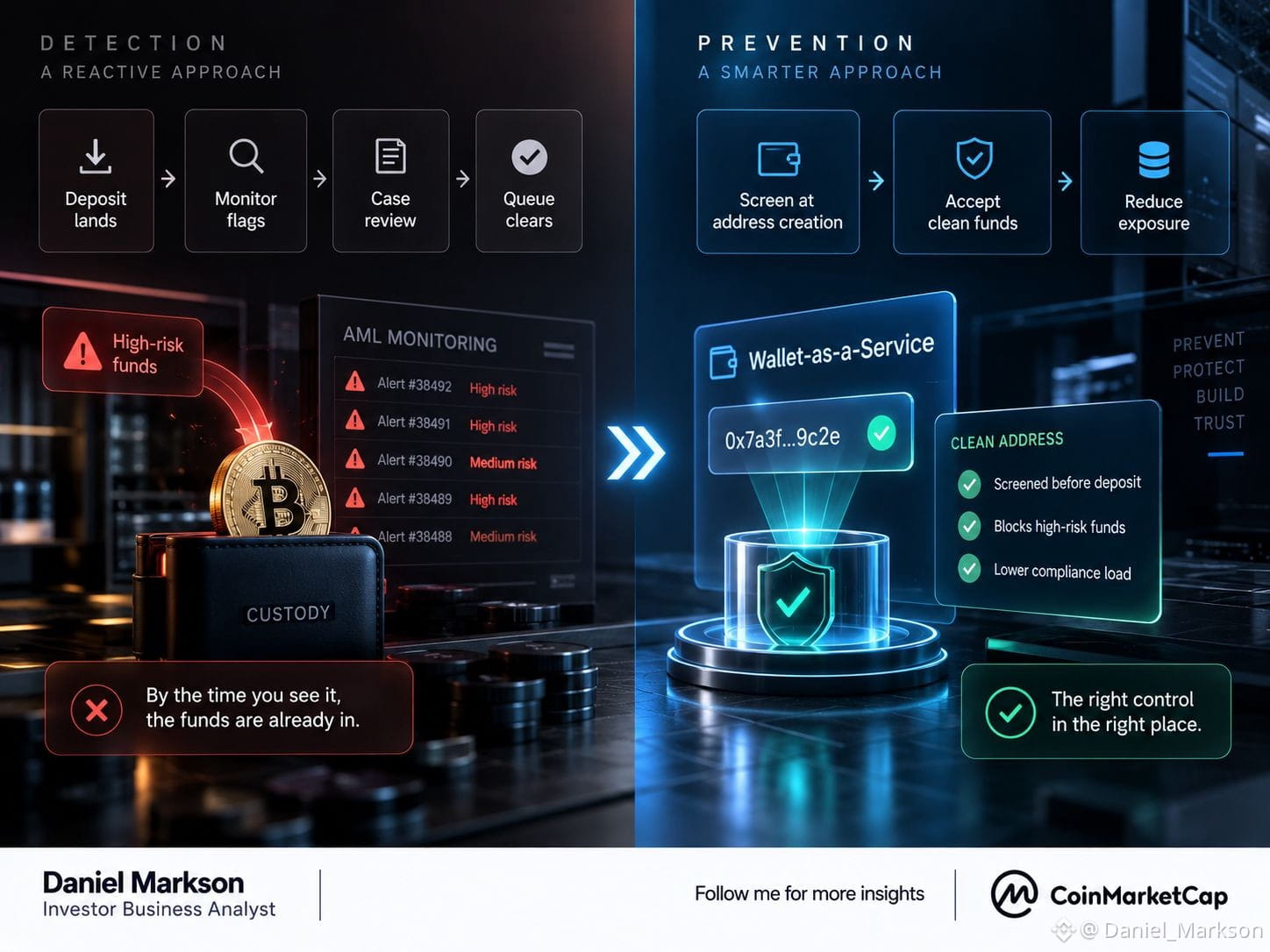
❓ What Happens Between a Deposit Landing and a Flag Firing We used to treat the monitoring dashboard as proof the AML program worked. Alerts fired, cases got reviewed, and the queue emptied by Friday - the ops team called that compliance. 💡 Nobody questioned it until someone asked, "What happens between a tainted deposit landing and the monitor flagging it?" By then the $BTC or whatever asset came in is already in custody, sometimes withdrawn. The alert tells you about a problem you already own. Detection was never the control; it was the receipt. The usual fix is tuning the monitor harder - more rules, tighter thresholds, faster review. That shortens the delay, not the exposure. 👇 Prevention sits at the deposit address, not the log - screening at address generation, before funds are accepted. If we take a WhiteBIT Wallet-as-a-Service: https://institutional.whitebit.com/crypto-wallets-for-business?utm_source=coinmarketcap&utm_medium=waas_dan&utm_campaign=post 🧩 AML screening at address creation 🧩 across 340+ cryptocurrencies and 80+ networks, not bolted onto one chain. 🧩 integration runs around four weeks with predictable costs. Or there is the Openfort Wallet-as-a-Service which answers a different one: https://www.openfort.io/wallet-as-a-service?utm_source=coinmarketcap&utm_medium=waas_dan&utm_campaign=post 📍white-label 📍every wallet is a smart account, giving gas sponsorship, session keys, and batched transactions out of the box - useful for UX, not a substitute for screening upstream. No screen catches funds with no on-chain history yet. A control that only detects is one step behind; one that screens at creation stands in the right place. Disclaimer: This is not financial or investment advice. DYOR before making any decisions. Use at your own risk. #BTC Price Analysis# #Bitcoin Price Prediction: What is Bitcoins next move?#
❓ What Happens Between a Deposit Landing and a Flag Firing We used to treat the monitoring dashboard as proof the AML program worked. Alerts fired, cases got reviewed, and the queue emptied by Friday - the ops team called that compliance. 💡 Nobody questioned it until someone asked, "What happens between a tainted deposit landing and the monitor flagging it?" By then the $BTC or whatever asset came in is already in custody, sometimes withdrawn. The alert tells you about a problem you already own. Detection was never the control; it was the receipt. The usual fix is tuning the monitor harder - more rules, tighter thresholds, faster review. That shortens the delay, not the exposure. 👇 Prevention sits at the deposit address, not the log - screening at address generation, before funds are accepted. If we take a WhiteBIT Wallet-as-a-Service: https://institutional.whitebit.com/crypto-wallets-for-business?utm_source=coinmarketcap&utm_medium=waas_dan&utm_campaign=post 🧩 AML screening at address creation 🧩 across 340+ cryptocurrencies and 80+ networks, not bolted onto one chain. 🧩 integration runs around four weeks with predictable costs. Or there is the Openfort Wallet-as-a-Service which answers a different one: https://www.openfort.io/wallet-as-a-service?utm_source=coinmarketcap&utm_medium=waas_dan&utm_campaign=post 📍white-label 📍every wallet is a smart account, giving gas sponsorship, session keys, and batched transactions out of the box - useful for UX, not a substitute for screening upstream. No screen catches funds with no on-chain history yet. A control that only detects is one step behind; one that screens at creation stands in the right place. Disclaimer: This is not financial or investment advice. DYOR before making any decisions. Use at your own risk. #BTC Price Analysis# #Bitcoin Price Prediction: What is Bitcoins next move?#
1
查看翻译
🔋 Tesla Made $122M In a Week on $BTC Without Moving a Single Coin! Did you know Tesla is just $5.1 Million away from holding a $1 Billion Bitcoin stash? Thanks to BTC surging roughly 14% this week, Tesla's long-held stash of 11,509 BTC gained an incredible $122.6 Million in paper value. The wild part? 🤔 They haven't bought or sold a single token in nearly four years! It just shows how much a solid crypto treasury can impact a corporate balance sheet without deploying another dollar. 📍 So, what fueled this sudden BTC rally? Research from CoinMarketCap reveals a massive short squeeze played a huge role, forcing over $500 Million in bearish positions to liquidate as prices climbed. As CoinMarketCap Head of Research Alice Liu noted, much of the immediate pump was driven by bear unwindings rather than a brand-new wave of retail buyers. That said, U.S. spot Bitcoin ETFs are seeing strong inflows again, providing real institutional support behind the liquidation cascade. The big question for traders now: can spot buyers step in and sustain these gains once the short squeeze cools off? If BTC keeps climbing on organic demand, Tesla’s balance sheet is going to hit ten figures very soon 🚀 #BTC Price Analysis# #Bitcoin Price Prediction: What is Bitcoins next move?#
🔋 Tesla Made $122M In a Week on $BTC Without Moving a Single Coin! Did you know Tesla is just $5.1 Million away from holding a $1 Billion Bitcoin stash? Thanks to BTC surging roughly 14% this week, Tesla's long-held stash of 11,509 BTC gained an incredible $122.6 Million in paper value. The wild part? 🤔 They haven't bought or sold a single token in nearly four years! It just shows how much a solid crypto treasury can impact a corporate balance sheet without deploying another dollar. 📍 So, what fueled this sudden BTC rally? Research from CoinMarketCap reveals a massive short squeeze played a huge role, forcing over $500 Million in bearish positions to liquidate as prices climbed. As CoinMarketCap Head of Research Alice Liu noted, much of the immediate pump was driven by bear unwindings rather than a brand-new wave of retail buyers. That said, U.S. spot Bitcoin ETFs are seeing strong inflows again, providing real institutional support behind the liquidation cascade. The big question for traders now: can spot buyers step in and sustain these gains once the short squeeze cools off? If BTC keeps climbing on organic demand, Tesla’s balance sheet is going to hit ten figures very soon 🚀 #BTC Price Analysis# #Bitcoin Price Prediction: What is Bitcoins next move?#
30
查看翻译
⚡ Transparency in Market Making: The Real Differentiator Most projects skip the hard questions when choosing a market maker. I've seen it happen: a project approaches listing, gets a pitch deck with volume estimates and spread promises, and moves forward without pressure-testing the actual commitment behind the numbers. Before your listing, run these three questions. Question 1: Track record on comparable listings? 📈 Request data for 3–5 comparable launches: day-one spreads, volume depth, consistency. For example, the Crypto.com Market Maker Program publishes these benchmarks - check whether comparable projects saw promised spreads hold under volatility. A quality maker could show you this; if they deflect, keep looking. https://crypto.com/exchange/mm-programme?utm_source=coinmarketcap&utm_medium=mmpdan&utm_campaign=post Question 2: Quoting commitments and monitoring? ⚖️ Define it: quote depth, max spread, uptime, response times. Who tracks? How often? What happens when commitments slip? Crypto.com 's real-time APIs and transparent tracking could give you visibility you can act on - not promises you can't verify. Question 3: Fee structure alignment? 💰 Flat retainers incentivize presence, not quality. Maker rebates reward spreads and liquidity depth - aligning the maker's return with your listing quality. Taker fees like 0.02% show they could afford good execution without cutting corners. When you evaluate, demand transparency: API-driven tracking, qualification that rewards quality, fees that prove alignment. $BTC moves fast; your market maker needs to match that speed. This framework isn't about picking one vendor, it's about demanding the right commitments before launch. Disclaimer: This is not financial or investment advice. DYOR before making any decisions. Use at your own risk. #BTC Price Analysis# #Bitcoin Price Prediction: What is Bitcoins next move?#
⚡ Transparency in Market Making: The Real Differentiator Most projects skip the hard questions when choosing a market maker. I've seen it happen: a project approaches listing, gets a pitch deck with volume estimates and spread promises, and moves forward without pressure-testing the actual commitment behind the numbers. Before your listing, run these three questions. Question 1: Track record on comparable listings? 📈 Request data for 3–5 comparable launches: day-one spreads, volume depth, consistency. For example, the Crypto.com Market Maker Program publishes these benchmarks - check whether comparable projects saw promised spreads hold under volatility. A quality maker could show you this; if they deflect, keep looking. https://crypto.com/exchange/mm-programme?utm_source=coinmarketcap&utm_medium=mmpdan&utm_campaign=post Question 2: Quoting commitments and monitoring? ⚖️ Define it: quote depth, max spread, uptime, response times. Who tracks? How often? What happens when commitments slip? Crypto.com 's real-time APIs and transparent tracking could give you visibility you can act on - not promises you can't verify. Question 3: Fee structure alignment? 💰 Flat retainers incentivize presence, not quality. Maker rebates reward spreads and liquidity depth - aligning the maker's return with your listing quality. Taker fees like 0.02% show they could afford good execution without cutting corners. When you evaluate, demand transparency: API-driven tracking, qualification that rewards quality, fees that prove alignment. $BTC moves fast; your market maker needs to match that speed. This framework isn't about picking one vendor, it's about demanding the right commitments before launch. Disclaimer: This is not financial or investment advice. DYOR before making any decisions. Use at your own risk. #BTC Price Analysis# #Bitcoin Price Prediction: What is Bitcoins next move?#

26
查看翻译
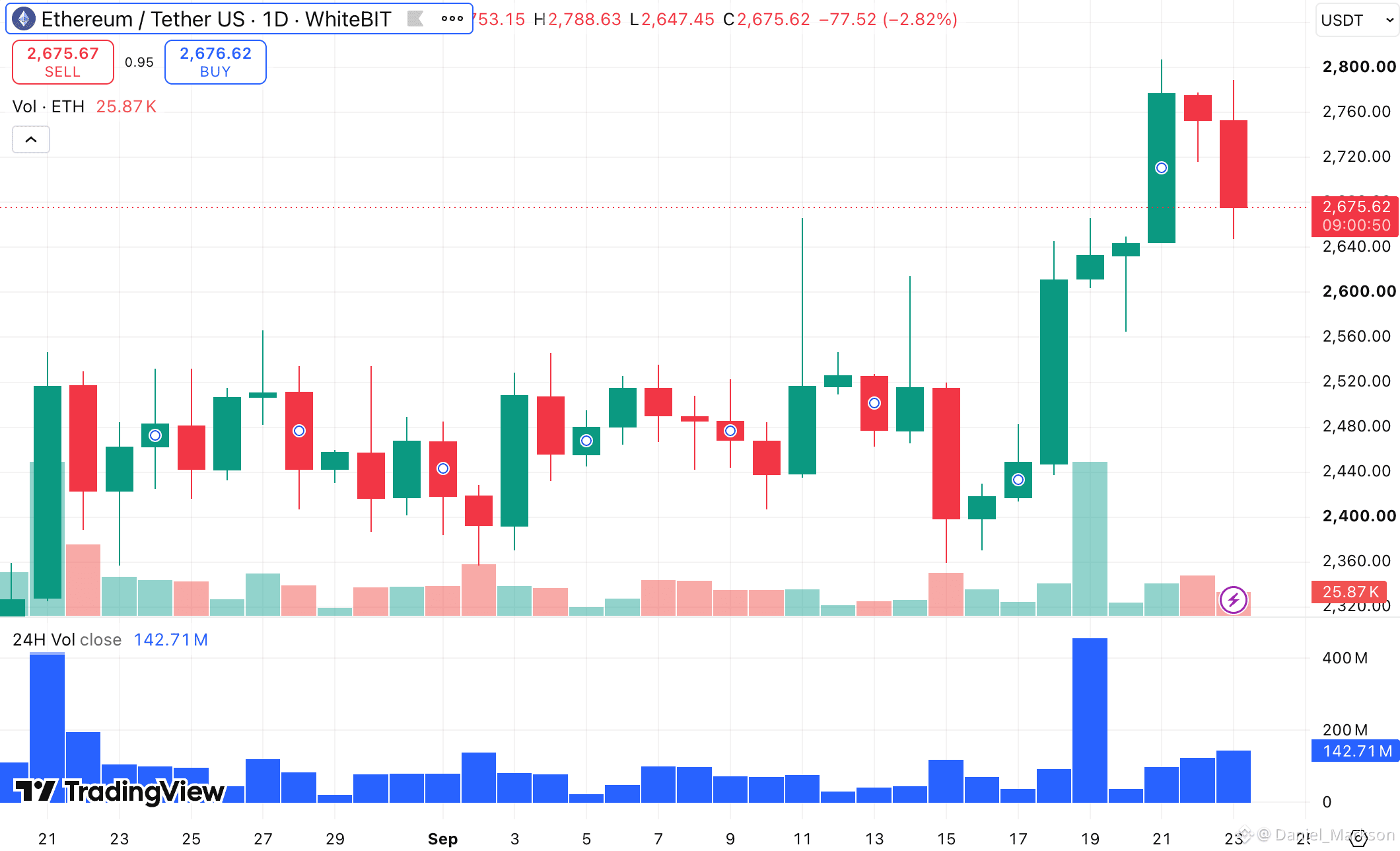
Low exchange supply & ETF inflows: Is ETH setting up for a massive breakout? 🤔 Ethereum is quietly building serious momentum after breaking key technical hurdles, and traders are officially locking eyes back on the $3,000 level. 💎 After reclaiming $2,661 and pushing toward $2,750, ETH completed a solid bullish continuation setup on the charts. 📈 While $3,000 is the main psychological milestone, Ethereum first faces a minor consolidation zone between $2,775 and $2,825. Clearing and holding above that level creates a direct, uninterrupted path toward $3, 050. The fundamental backing behind this technical setup is equally strong. 👉 Exchange reserves for Ethereum have dropped to multi-year lows around 14.88 million ETH as staking continues to absorb circulating supply, meaning available sell liquidity is rapidly shrinking. At the same time, institutional appetite via spot ETH ETFs remains powerful, recording over $216 million in single-day inflows and pushing cumulative historical inflows past $13.3 billion. While $BTC continues to set the broader market pace, Ethereum’s combination of institutional inflow pressure and tightening onchain supply creates a textbook setup for outperformance once resistance breaks. Will ETH break $2,800 and hit $3,000 before the month ends? Share your targets below! 💬 #BTC Price Analysis# #Bitcoin Price Prediction: What is Bitcoins next move?#
Low exchange supply & ETF inflows: Is ETH setting up for a massive breakout? 🤔 Ethereum is quietly building serious momentum after breaking key technical hurdles, and traders are officially locking eyes back on the $3,000 level. 💎 After reclaiming $2,661 and pushing toward $2,750, ETH completed a solid bullish continuation setup on the charts. 📈 While $3,000 is the main psychological milestone, Ethereum first faces a minor consolidation zone between $2,775 and $2,825. Clearing and holding above that level creates a direct, uninterrupted path toward $3, 050. The fundamental backing behind this technical setup is equally strong. 👉 Exchange reserves for Ethereum have dropped to multi-year lows around 14.88 million ETH as staking continues to absorb circulating supply, meaning available sell liquidity is rapidly shrinking. At the same time, institutional appetite via spot ETH ETFs remains powerful, recording over $216 million in single-day inflows and pushing cumulative historical inflows past $13.3 billion. While $BTC continues to set the broader market pace, Ethereum’s combination of institutional inflow pressure and tightening onchain supply creates a textbook setup for outperformance once resistance breaks. Will ETH break $2,800 and hit $3,000 before the month ends? Share your targets below! 💬 #BTC Price Analysis# #Bitcoin Price Prediction: What is Bitcoins next move?#
35
查看翻译
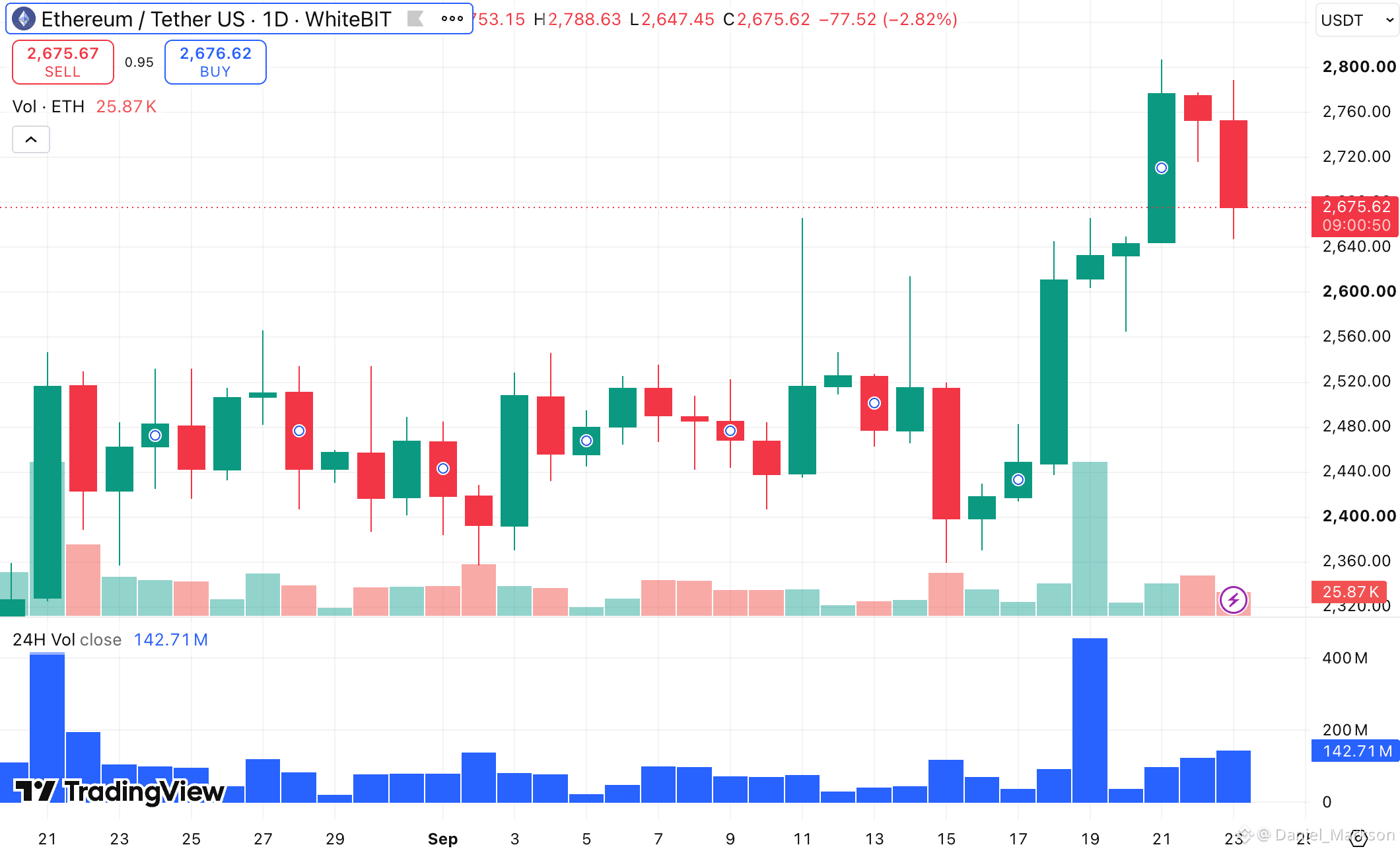
Low exchange supply & ETF inflows: Is ETH setting up for a massive breakout? 🤔 Ethereum is quietly building serious momentum after breaking key technical hurdles, and traders are officially locking eyes back on the $3,000 level. 💎 After reclaiming $2,661 and pushing toward $2,750, ETH completed a solid bullish continuation setup on the charts. 📈 While $3,000 is the main psychological milestone, Ethereum first faces a minor consolidation zone between $2,775 and $2,825. Clearing and holding above that level creates a direct, uninterrupted path toward $3,050.The fundamental backing behind this technical setup is equally strong. 👉 Exchange reserves for Ethereum have dropped to multi-year lows around 14.88 million ETH as staking continues to absorb circulating supply, meaning available sell liquidity is rapidly shrinking. At the same time, institutional appetite via spot ETH ETFs remains powerful, recording over $216 million in single-day inflows and pushing cumulative historical inflows past $13.3 billion. While $BTC continues to set the broader market pace, Ethereum’s combination of institutional inflow pressure and tightening onchain supply creates a textbook setup for outperformance once resistance breaks. Will ETH break $2,800 and hit $3,000 before the month ends? Share your targets below! 💬 #BTC Price Analysis# #Bitcoin Price Prediction: What is Bitcoins next move?#
Low exchange supply & ETF inflows: Is ETH setting up for a massive breakout? 🤔 Ethereum is quietly building serious momentum after breaking key technical hurdles, and traders are officially locking eyes back on the $3,000 level. 💎 After reclaiming $2,661 and pushing toward $2,750, ETH completed a solid bullish continuation setup on the charts. 📈 While $3,000 is the main psychological milestone, Ethereum first faces a minor consolidation zone between $2,775 and $2,825. Clearing and holding above that level creates a direct, uninterrupted path toward $3,050.The fundamental backing behind this technical setup is equally strong. 👉 Exchange reserves for Ethereum have dropped to multi-year lows around 14.88 million ETH as staking continues to absorb circulating supply, meaning available sell liquidity is rapidly shrinking. At the same time, institutional appetite via spot ETH ETFs remains powerful, recording over $216 million in single-day inflows and pushing cumulative historical inflows past $13.3 billion. While $BTC continues to set the broader market pace, Ethereum’s combination of institutional inflow pressure and tightening onchain supply creates a textbook setup for outperformance once resistance breaks. Will ETH break $2,800 and hit $3,000 before the month ends? Share your targets below! 💬 #BTC Price Analysis# #Bitcoin Price Prediction: What is Bitcoins next move?#
51
查看翻译
🔥 Buying Loyalty Vs Building Trust: Adidas, Nike, And $BTC Lessons I came across an article about how Adidas and Nike are fighting over football kits 👉 https://medium.com/write-a-catalyst/retention-vs-acquisition-a-marketing-lesson-from-adidas-and-nike-3b9aa5dc2c2d Their budgets are similar, but their approaches are completely different. 🤝 Adidas keeps its partners for decades: Argentina since 1974, Spain since 1981, and 14 national teams at the 2026 World Cup. The longer you stay together, the cheaper it is to renew the deal, and the harder it is for a competitor to come in with money alone. 💸 Nike buys what’s already proven: Germany moved to Nike after 70 years with Adidas for around €100M a year, almost twice as much. Brazil got around $100M a year through 2038. And the author doesn’t pick a winner. Retention works when the trust is already there. Acquisition works when you need speed and you’re ready to pay more. Crypto works the same way. Nobody bought trust in BTC with advertising. It was built over years, and you can’t push it aside just by spending more. But a position you paid for lasts only as long as you keep paying. #BTC Price Analysis# #Bitcoin Price Prediction: What is Bitcoins next move?#
🔥 Buying Loyalty Vs Building Trust: Adidas, Nike, And $BTC Lessons I came across an article about how Adidas and Nike are fighting over football kits 👉 https://medium.com/write-a-catalyst/retention-vs-acquisition-a-marketing-lesson-from-adidas-and-nike-3b9aa5dc2c2d Their budgets are similar, but their approaches are completely different. 🤝 Adidas keeps its partners for decades: Argentina since 1974, Spain since 1981, and 14 national teams at the 2026 World Cup. The longer you stay together, the cheaper it is to renew the deal, and the harder it is for a competitor to come in with money alone. 💸 Nike buys what’s already proven: Germany moved to Nike after 70 years with Adidas for around €100M a year, almost twice as much. Brazil got around $100M a year through 2038. And the author doesn’t pick a winner. Retention works when the trust is already there. Acquisition works when you need speed and you’re ready to pay more. Crypto works the same way. Nobody bought trust in BTC with advertising. It was built over years, and you can’t push it aside just by spending more. But a position you paid for lasts only as long as you keep paying. #BTC Price Analysis# #Bitcoin Price Prediction: What is Bitcoins next move?#

登录解锁更多内容
加入币安广场,与全球加密货币用户互动
⚡️ 获取关于加密货币的最新实用信息。
💬 受到全球最大加密货币交易平台的信赖。
👍 发现来自认证创作者的真知灼见。
邮箱/手机号码