

Z Y R A
9.3k Bài đăng
Z Y R A
 Đã xác minh nâng cao trên Square
Báo cáo
Chặn người dùng
I need more Green 🚀
Giao dịch mở

Người nắm giữ ASTER
Trader thường xuyên
{thời gian} năm
1.1K+ Đang theo dõi
31.5K+ Người theo dõi
24.0K+ Đã thích
Bài đăng
Danh mục đầu tư
Tất cả
Trích dẫn
Video
Live
PINNED
·
--
Giảm giá
Đã xác minh
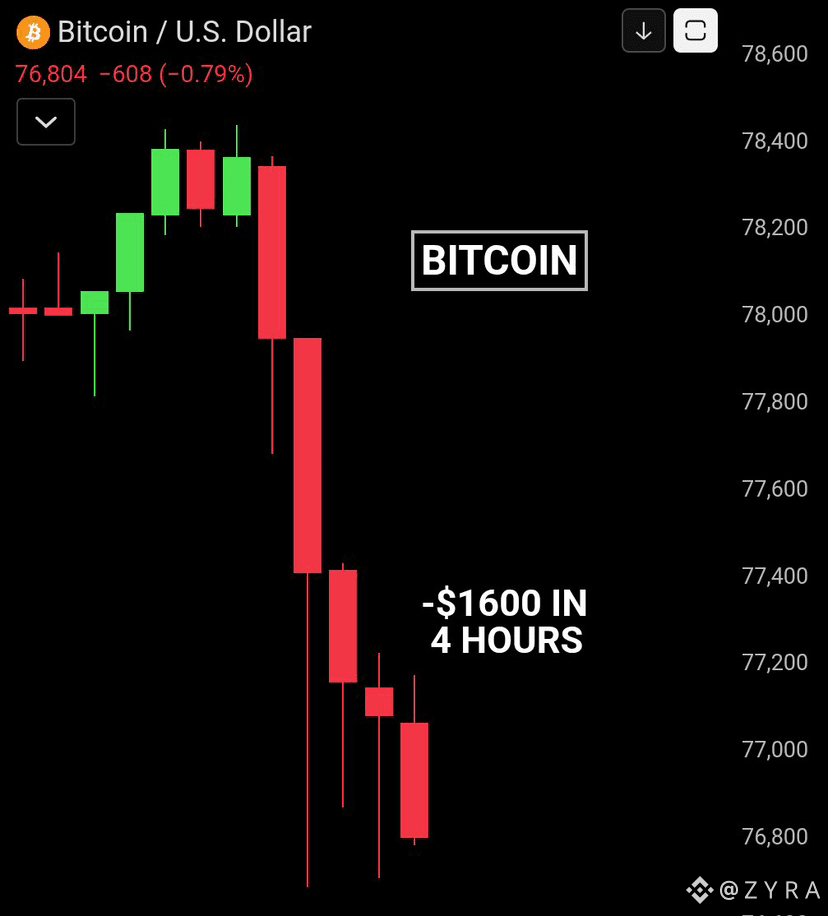
Sự giảm xuống dưới 77K USD này cảm giác như không phải là bán tháo hoảng loạn mà giống như thị trường cuối cùng đã buộc phải loại bỏ đòn bẩy ra khỏi hệ thống.
Hơn nửa tỷ USD trong việc thanh lý long chỉ trong vài giờ cho bạn biết chính xác điều gì đã xảy ra:
Quá nhiều trader đã cảm thấy thoải mái nghĩ rằng BTC đã chạm đáy.
Và thực sự, đó thường là lúc thị trường trở nên nguy hiểm.
Điều nổi bật với tôi là việc bán spot vẫn không trông mạnh mẽ như sự xóa sổ từ phái sinh. Động thái này được khuếch đại bởi đòn bẩy chồng lên đòn bẩy.
Sự khác biệt đó rất quan trọng.
Bởi vì có sự khác biệt giữa:
• nhà đầu tư thoát khỏi vị thế
và
• trader quá đòn bẩy bị thanh lý cưỡng bức
Hiện tại, điều này vẫn trông gần giống như cái thứ hai.
Khu vực 77K USD đã quan trọng về mặt tâm lý vì nó trở nên đông đúc với các lệnh long phá vỡ muộn sau khi có sự lạc quan về ETF, các tiêu đề CLARITY, và các câu chuyện về “thị trường bò mới” lại tăng tốc.
Khi mức đó bị vỡ, các động cơ thanh lý đã chiếm ưu thế.
Nhưng đây là phần mà hầu hết mọi người bỏ lỡ:
Những cú xả lớn như thế này thường tạo ra điều kiện cho những cú đảo chiều mạnh mẽ hơn sau này nếu nhu cầu spot vẫn hoạt động bên dưới.
Điều tôi đang theo dõi bây giờ không phải là nến.
Mà là liệu cá voi và người mua ETF có quay trở lại trong khi nỗi sợ hãi gia tăng hay không.
Bởi vì mỗi chu kỳ đều có những khoảnh khắc mà đòn bẩy bị trừng phạt trước khi xu hướng lớn hơn tiếp tục.
Và nếu người mua không thể bảo vệ khu vực này?
Thì thị trường có thể chưa hoàn toàn kết thúc việc định giá lại rủi ro.
$BTC
#bitcoin
#NCUAProposesStablecoinIssuerRule
#VerusBridgeHack11.58M #IranHormuzSafeCryptoInsurance
{future}(BTCUSDT)
Sự giảm xuống dưới 77K USD này cảm giác như không phải là bán tháo hoảng loạn mà giống như thị trường cuối cùng đã buộc phải loại bỏ đòn bẩy ra khỏi hệ thống.
Hơn nửa tỷ USD trong việc thanh lý long chỉ trong vài giờ cho bạn biết chính xác điều gì đã xảy ra:
Quá nhiều trader đã cảm thấy thoải mái nghĩ rằng BTC đã chạm đáy.
Và thực sự, đó thường là lúc thị trường trở nên nguy hiểm.
Điều nổi bật với tôi là việc bán spot vẫn không trông mạnh mẽ như sự xóa sổ từ phái sinh. Động thái này được khuếch đại bởi đòn bẩy chồng lên đòn bẩy.
Sự khác biệt đó rất quan trọng.
Bởi vì có sự khác biệt giữa:
• nhà đầu tư thoát khỏi vị thế
và
• trader quá đòn bẩy bị thanh lý cưỡng bức
Hiện tại, điều này vẫn trông gần giống như cái thứ hai.
Khu vực 77K USD đã quan trọng về mặt tâm lý vì nó trở nên đông đúc với các lệnh long phá vỡ muộn sau khi có sự lạc quan về ETF, các tiêu đề CLARITY, và các câu chuyện về “thị trường bò mới” lại tăng tốc.
Khi mức đó bị vỡ, các động cơ thanh lý đã chiếm ưu thế.
Nhưng đây là phần mà hầu hết mọi người bỏ lỡ:
Những cú xả lớn như thế này thường tạo ra điều kiện cho những cú đảo chiều mạnh mẽ hơn sau này nếu nhu cầu spot vẫn hoạt động bên dưới.
Điều tôi đang theo dõi bây giờ không phải là nến.
Mà là liệu cá voi và người mua ETF có quay trở lại trong khi nỗi sợ hãi gia tăng hay không.
Bởi vì mỗi chu kỳ đều có những khoảnh khắc mà đòn bẩy bị trừng phạt trước khi xu hướng lớn hơn tiếp tục.
Và nếu người mua không thể bảo vệ khu vực này?
Thì thị trường có thể chưa hoàn toàn kết thúc việc định giá lại rủi ro.
$BTC
#bitcoin
#NCUAProposesStablecoinIssuerRule
#VerusBridgeHack11.58M #IranHormuzSafeCryptoInsurance
Hơn nửa tỷ USD trong việc thanh lý long chỉ trong vài giờ cho bạn biết chính xác điều gì đã xảy ra:
Quá nhiều trader đã cảm thấy thoải mái nghĩ rằng BTC đã chạm đáy.
Và thực sự, đó thường là lúc thị trường trở nên nguy hiểm.
Điều nổi bật với tôi là việc bán spot vẫn không trông mạnh mẽ như sự xóa sổ từ phái sinh. Động thái này được khuếch đại bởi đòn bẩy chồng lên đòn bẩy.
Sự khác biệt đó rất quan trọng.
Bởi vì có sự khác biệt giữa:
• nhà đầu tư thoát khỏi vị thế
và
• trader quá đòn bẩy bị thanh lý cưỡng bức
Hiện tại, điều này vẫn trông gần giống như cái thứ hai.
Khu vực 77K USD đã quan trọng về mặt tâm lý vì nó trở nên đông đúc với các lệnh long phá vỡ muộn sau khi có sự lạc quan về ETF, các tiêu đề CLARITY, và các câu chuyện về “thị trường bò mới” lại tăng tốc.
Khi mức đó bị vỡ, các động cơ thanh lý đã chiếm ưu thế.
Nhưng đây là phần mà hầu hết mọi người bỏ lỡ:
Những cú xả lớn như thế này thường tạo ra điều kiện cho những cú đảo chiều mạnh mẽ hơn sau này nếu nhu cầu spot vẫn hoạt động bên dưới.
Điều tôi đang theo dõi bây giờ không phải là nến.
Mà là liệu cá voi và người mua ETF có quay trở lại trong khi nỗi sợ hãi gia tăng hay không.
Bởi vì mỗi chu kỳ đều có những khoảnh khắc mà đòn bẩy bị trừng phạt trước khi xu hướng lớn hơn tiếp tục.
Và nếu người mua không thể bảo vệ khu vực này?
Thì thị trường có thể chưa hoàn toàn kết thúc việc định giá lại rủi ro.
$BTC
#bitcoin
#NCUAProposesStablecoinIssuerRule
#VerusBridgeHack11.58M #IranHormuzSafeCryptoInsurance
134
20
224
231.6k
PINNED
·
--
Giảm giá
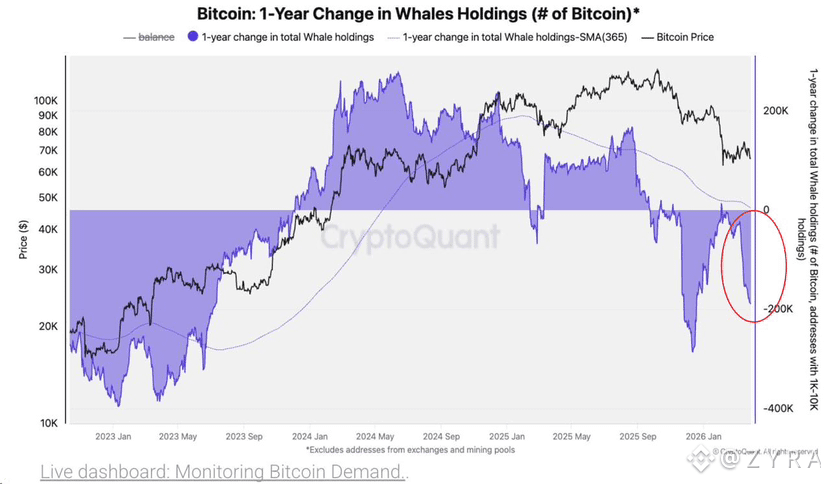
Điều này không giống như việc bán hoảng loạn.
Nó giống như cá voi đang sử dụng khoảng giá để thoát ra một cách yên tĩnh.
Giá không giảm mạnh, điều này có nghĩa là ai đó vẫn đang mua. Nhưng cùng lúc đó, các ví BTC từ 1K–10K đang xả hàng. Điều đó cho bạn biết thị trường đang làm điều gì đó bên dưới mà biểu đồ chưa chỉ ra.
Quyền sở hữu đang thay đổi.
Đó thường là giai đoạn mà mọi thứ cảm thấy ổn định, nhưng thực ra chúng không thực sự ổn định, chúng đang được phân phối lại.
Điều quan trọng ở đây không phải là cá voi đã trở nên bi quan.
Mà là họ thoải mái bán mà không cần giá thấp hơn.
Điều đó thay đổi hành vi của thị trường.
Khi những người nắm giữ lớn ngừng phòng thủ các mức và bắt đầu bán vào sức mạnh, mọi cú bật đều trở thành thanh khoản để thoát ra. Bạn vẫn sẽ thấy các đợt tăng giá, nhưng chúng sẽ không mang lại cùng một niềm tin. Chúng sẽ phai nhạt nhanh hơn.
Đây là cách mà động lực âm thầm chết dần.
Không phải bằng một cú sụp đổ, mà bằng những nỗ lực lặp đi lặp lại không theo kịp.
Vì vậy, tín hiệu ở đây không phải là “đổ hàng sắp tới.”
Nó tệ hơn theo một cách nào đó.
Điều đó có nghĩa là thị trường có thể vẫn bị kẹt trong khi nguồn cung vẫn tiếp tục được phát hành, và đến khi giá thực sự phản ứng, hầu hết việc phân phối đã hoàn tất.
#bitcoin
#DriftProtocolExploited
#GoogleStudyOnCryptoSecurityChallenges
#BTCETFFeeRace
#BitcoinPrices
$BTC
{spot}(BTCUSDT)
Điều này không giống như việc bán hoảng loạn.
Nó giống như cá voi đang sử dụng khoảng giá để thoát ra một cách yên tĩnh.
Giá không giảm mạnh, điều này có nghĩa là ai đó vẫn đang mua. Nhưng cùng lúc đó, các ví BTC từ 1K–10K đang xả hàng. Điều đó cho bạn biết thị trường đang làm điều gì đó bên dưới mà biểu đồ chưa chỉ ra.
Quyền sở hữu đang thay đổi.
Đó thường là giai đoạn mà mọi thứ cảm thấy ổn định, nhưng thực ra chúng không thực sự ổn định, chúng đang được phân phối lại.
Điều quan trọng ở đây không phải là cá voi đã trở nên bi quan.
Mà là họ thoải mái bán mà không cần giá thấp hơn.
Điều đó thay đổi hành vi của thị trường.
Khi những người nắm giữ lớn ngừng phòng thủ các mức và bắt đầu bán vào sức mạnh, mọi cú bật đều trở thành thanh khoản để thoát ra. Bạn vẫn sẽ thấy các đợt tăng giá, nhưng chúng sẽ không mang lại cùng một niềm tin. Chúng sẽ phai nhạt nhanh hơn.
Đây là cách mà động lực âm thầm chết dần.
Không phải bằng một cú sụp đổ, mà bằng những nỗ lực lặp đi lặp lại không theo kịp.
Vì vậy, tín hiệu ở đây không phải là “đổ hàng sắp tới.”
Nó tệ hơn theo một cách nào đó.
Điều đó có nghĩa là thị trường có thể vẫn bị kẹt trong khi nguồn cung vẫn tiếp tục được phát hành, và đến khi giá thực sự phản ứng, hầu hết việc phân phối đã hoàn tất.
#bitcoin
#DriftProtocolExploited
#GoogleStudyOnCryptoSecurityChallenges
#BTCETFFeeRace
#BitcoinPrices
$BTC
Nó giống như cá voi đang sử dụng khoảng giá để thoát ra một cách yên tĩnh.
Giá không giảm mạnh, điều này có nghĩa là ai đó vẫn đang mua. Nhưng cùng lúc đó, các ví BTC từ 1K–10K đang xả hàng. Điều đó cho bạn biết thị trường đang làm điều gì đó bên dưới mà biểu đồ chưa chỉ ra.
Quyền sở hữu đang thay đổi.
Đó thường là giai đoạn mà mọi thứ cảm thấy ổn định, nhưng thực ra chúng không thực sự ổn định, chúng đang được phân phối lại.
Điều quan trọng ở đây không phải là cá voi đã trở nên bi quan.
Mà là họ thoải mái bán mà không cần giá thấp hơn.
Điều đó thay đổi hành vi của thị trường.
Khi những người nắm giữ lớn ngừng phòng thủ các mức và bắt đầu bán vào sức mạnh, mọi cú bật đều trở thành thanh khoản để thoát ra. Bạn vẫn sẽ thấy các đợt tăng giá, nhưng chúng sẽ không mang lại cùng một niềm tin. Chúng sẽ phai nhạt nhanh hơn.
Đây là cách mà động lực âm thầm chết dần.
Không phải bằng một cú sụp đổ, mà bằng những nỗ lực lặp đi lặp lại không theo kịp.
Vì vậy, tín hiệu ở đây không phải là “đổ hàng sắp tới.”
Nó tệ hơn theo một cách nào đó.
Điều đó có nghĩa là thị trường có thể vẫn bị kẹt trong khi nguồn cung vẫn tiếp tục được phát hành, và đến khi giá thực sự phản ứng, hầu hết việc phân phối đã hoàn tất.
#bitcoin
#DriftProtocolExploited
#GoogleStudyOnCryptoSecurityChallenges
#BTCETFFeeRace
#BitcoinPrices
$BTC
51
7
290
390.2k
·
--
Tăng giá
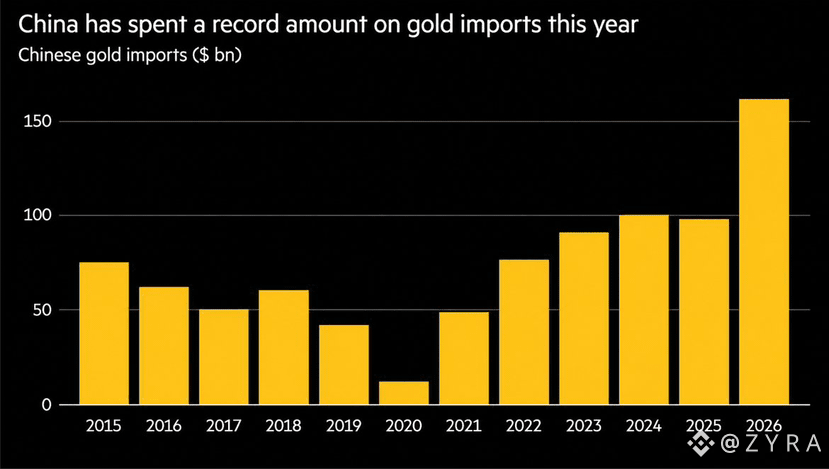
Việc Trung Quốc mua vàng đang bắt đầu trông ít giống một bản cập nhật dự trữ và nhiều hơn như một sự chuyển dịch trong bảng cân đối.
Chỉ trong 8 tháng, theo báo cáo, Trung Quốc đã chi 158,8B USD để nhập khẩu hơn 1.000 tấn vàng—mức đã cao hơn rất nhiều so với 96,5B USD được chi trong toàn bộ năm 2025.
Tín hiệu lớn hơn không chỉ nằm ở vàng.
Đồng thời, lượng trái phiếu Kho bạc Mỹ (US Treasury) mà Trung Quốc nắm giữ đã giảm xuống khoảng 618B USD—mức thấp nhất kể từ năm 2008.
Vì vậy, cách thị trường diễn giải là đơn giản:
Trung Quốc đang giảm mức độ phơi nhiễm với nợ bằng đồng USD trong khi tăng mức độ tiếp xúc với các tài sản “cứng”.
Điều này không có nghĩa là vàng sẽ đi lên theo đường thẳng, nhưng nó cho thấy vì sao nhu cầu từ các ngân hàng trung ương đã trở thành một trong những trụ đỡ vĩ mô mạnh nhất đối với vàng.
Khi các chính phủ bắt đầu coi vàng như một biện pháp bảo vệ chiến lược, các nhà giao dịch không nên bỏ qua điều đó.
Vàng ở đây không còn chỉ là một công cụ phòng hộ lạm phát.
Nó đang dần trở thành một phần của quá trình “đặt lại” dự trữ toàn cầu.
$XAUT $BTC $HYPE
#USWeighsPromotingDollarStablecoinsAbroad #US10YTreasuryYieldHits19YearHigh #SpotBitcoinETFsInflow$2.31BInFourDays #BitcoinRejectedAt$87,300Twice #BCHJumps28%OnCMEFuturesListing
{future}(HYPEUSDT)
{future}(BTCUSDT)
{future}(XAUTUSDT)
Việc Trung Quốc mua vàng đang bắt đầu trông ít giống một bản cập nhật dự trữ và nhiều hơn như một sự chuyển dịch trong bảng cân đối.
Chỉ trong 8 tháng, theo báo cáo, Trung Quốc đã chi 158,8B USD để nhập khẩu hơn 1.000 tấn vàng—mức đã cao hơn rất nhiều so với 96,5B USD được chi trong toàn bộ năm 2025.
Tín hiệu lớn hơn không chỉ nằm ở vàng.
Đồng thời, lượng trái phiếu Kho bạc Mỹ (US Treasury) mà Trung Quốc nắm giữ đã giảm xuống khoảng 618B USD—mức thấp nhất kể từ năm 2008.
Vì vậy, cách thị trường diễn giải là đơn giản:
Trung Quốc đang giảm mức độ phơi nhiễm với nợ bằng đồng USD trong khi tăng mức độ tiếp xúc với các tài sản “cứng”.
Điều này không có nghĩa là vàng sẽ đi lên theo đường thẳng, nhưng nó cho thấy vì sao nhu cầu từ các ngân hàng trung ương đã trở thành một trong những trụ đỡ vĩ mô mạnh nhất đối với vàng.
Khi các chính phủ bắt đầu coi vàng như một biện pháp bảo vệ chiến lược, các nhà giao dịch không nên bỏ qua điều đó.
Vàng ở đây không còn chỉ là một công cụ phòng hộ lạm phát.
Nó đang dần trở thành một phần của quá trình “đặt lại” dự trữ toàn cầu.
$XAUT $BTC $HYPE
#USWeighsPromotingDollarStablecoinsAbroad #US10YTreasuryYieldHits19YearHigh #SpotBitcoinETFsInflow$2.31BInFourDays #BitcoinRejectedAt$87,300Twice #BCHJumps28%OnCMEFuturesListing
Chỉ trong 8 tháng, theo báo cáo, Trung Quốc đã chi 158,8B USD để nhập khẩu hơn 1.000 tấn vàng—mức đã cao hơn rất nhiều so với 96,5B USD được chi trong toàn bộ năm 2025.
Tín hiệu lớn hơn không chỉ nằm ở vàng.
Đồng thời, lượng trái phiếu Kho bạc Mỹ (US Treasury) mà Trung Quốc nắm giữ đã giảm xuống khoảng 618B USD—mức thấp nhất kể từ năm 2008.
Vì vậy, cách thị trường diễn giải là đơn giản:
Trung Quốc đang giảm mức độ phơi nhiễm với nợ bằng đồng USD trong khi tăng mức độ tiếp xúc với các tài sản “cứng”.
Điều này không có nghĩa là vàng sẽ đi lên theo đường thẳng, nhưng nó cho thấy vì sao nhu cầu từ các ngân hàng trung ương đã trở thành một trong những trụ đỡ vĩ mô mạnh nhất đối với vàng.
Khi các chính phủ bắt đầu coi vàng như một biện pháp bảo vệ chiến lược, các nhà giao dịch không nên bỏ qua điều đó.
Vàng ở đây không còn chỉ là một công cụ phòng hộ lạm phát.
Nó đang dần trở thành một phần của quá trình “đặt lại” dự trữ toàn cầu.
$XAUT $BTC $HYPE
#USWeighsPromotingDollarStablecoinsAbroad #US10YTreasuryYieldHits19YearHigh #SpotBitcoinETFsInflow$2.31BInFourDays #BitcoinRejectedAt$87,300Twice #BCHJumps28%OnCMEFuturesListing
1
217
·
--
Tăng giá
ZAMA, AR và ONE không di chuyển như những lệnh chào mua yên ắng; có vẻ đây là sự xoay vòng vào các tên kho hạ tầng cũ sau một giai đoạn nén dài.
$ONE là cái quyết liệt nhất: +87% kèm theo sự mở rộng khối lượng, nhưng RSI đã quá nóng rồi, nên việc đu đỉnh là rủi ro.
$AR cấu trúc sạch hơn, đi lên đều đặn với ít nến hoảng loạn hơn.
$ZAMA vẫn biến động gần vùng kháng cự, giống biểu đồ kiểm tra phá vỡ hơn.
biểu đồ nào có đà tiếp diễn (follow-through) sạch nhất?
#Zama #ar #one #BOJRaisesRatesTo31YearHigh #BuffettStepsDownAsBerkshireChairman
{future}(ZAMAUSDT)
{future}(ARUSDT)
{future}(ONEUSDT)
ZAMA, AR và ONE không di chuyển như những lệnh chào mua yên ắng; có vẻ đây là sự xoay vòng vào các tên kho hạ tầng cũ sau một giai đoạn nén dài.
$ONE là cái quyết liệt nhất: +87% kèm theo sự mở rộng khối lượng, nhưng RSI đã quá nóng rồi, nên việc đu đỉnh là rủi ro.
$AR cấu trúc sạch hơn, đi lên đều đặn với ít nến hoảng loạn hơn.
$ZAMA vẫn biến động gần vùng kháng cự, giống biểu đồ kiểm tra phá vỡ hơn.
biểu đồ nào có đà tiếp diễn (follow-through) sạch nhất?
#Zama #ar #one #BOJRaisesRatesTo31YearHigh #BuffettStepsDownAsBerkshireChairman
$ONE là cái quyết liệt nhất: +87% kèm theo sự mở rộng khối lượng, nhưng RSI đã quá nóng rồi, nên việc đu đỉnh là rủi ro.
$AR cấu trúc sạch hơn, đi lên đều đặn với ít nến hoảng loạn hơn.
$ZAMA vẫn biến động gần vùng kháng cự, giống biểu đồ kiểm tra phá vỡ hơn.
biểu đồ nào có đà tiếp diễn (follow-through) sạch nhất?
#Zama #ar #one #BOJRaisesRatesTo31YearHigh #BuffettStepsDownAsBerkshireChairman
ONE momentum
56%
AR structure
19%
ZAMA breakout
6%
Wait for pullback
19%
16 phiếu bầu • Cuộc bỏ phiếu đã kết thúc
3
1.8k
·
--
Giảm giá
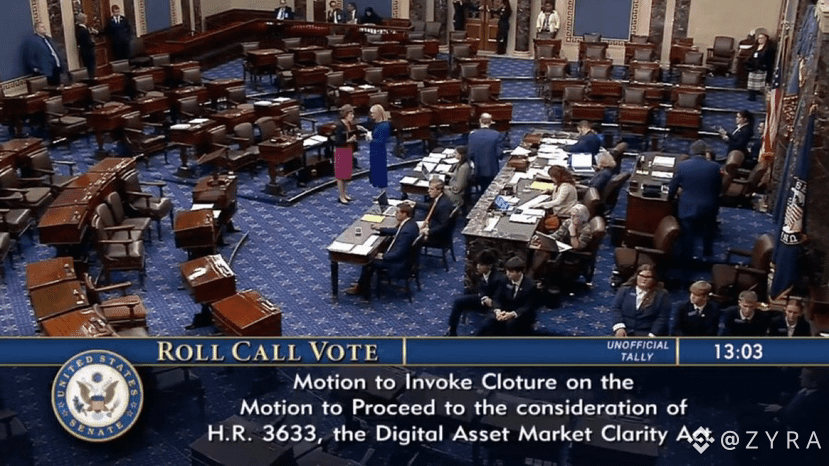
Đạo luật CLARITY thất bại trong bài kiểm tra 60 phiếu không chỉ là một sự chậm trễ mang tính chính trị đối với crypto.
Nó nói với tôi rằng thị trường vẫn phải giao dịch trong trạng thái bất định.
Đó mới là tác hại thực sự.
Người xây dựng không nhận được các quy tắc “sạch sẽ”. Các sàn giao dịch không có được một làn đường rõ ràng. Các tổ chức không có được sự yên tâm cần thiết để mở rộng quy mô một cách quyết liệt. Và các nhà giao dịch buộc phải định giá theo các tiêu đề thay vì theo cấu trúc.
Với tôi, phản ứng quan trọng hơn chính bản thân lá phiếu.
Nếu BTC giữ được biên độ sau lần này, thị trường đang nói: “chậm trễ khó chịu, nhưng không phải thảm họa”.
Nếu BTC mất hỗ trợ kèm theo khối lượng, thì việc bỏ phiếu thất bại sẽ trở thành cái cớ cho một đợt giảm rủi ro lớn hơn.
Hôm nay crypto đã không mất toàn bộ câu chuyện về quy định.
Nó mất thời gian.
Và khi thanh khoản vốn đã mỏng, thời gian trở nên đắt đỏ.
#ClarityActOddsHalveOnPolymarket #bitcoin #FedRateWatch #BitcoinSlidesTo$76000 #StrategyMarketCapPassesFord
$BTC
{future}(BTCUSDT)
$SAGA
{future}(SAGAUSDT)
$ASTR
{future}(ASTRUSDT)
Đạo luật CLARITY thất bại trong bài kiểm tra 60 phiếu không chỉ là một sự chậm trễ mang tính chính trị đối với crypto.
Nó nói với tôi rằng thị trường vẫn phải giao dịch trong trạng thái bất định.
Đó mới là tác hại thực sự.
Người xây dựng không nhận được các quy tắc “sạch sẽ”. Các sàn giao dịch không có được một làn đường rõ ràng. Các tổ chức không có được sự yên tâm cần thiết để mở rộng quy mô một cách quyết liệt. Và các nhà giao dịch buộc phải định giá theo các tiêu đề thay vì theo cấu trúc.
Với tôi, phản ứng quan trọng hơn chính bản thân lá phiếu.
Nếu BTC giữ được biên độ sau lần này, thị trường đang nói: “chậm trễ khó chịu, nhưng không phải thảm họa”.
Nếu BTC mất hỗ trợ kèm theo khối lượng, thì việc bỏ phiếu thất bại sẽ trở thành cái cớ cho một đợt giảm rủi ro lớn hơn.
Hôm nay crypto đã không mất toàn bộ câu chuyện về quy định.
Nó mất thời gian.
Và khi thanh khoản vốn đã mỏng, thời gian trở nên đắt đỏ.
#ClarityActOddsHalveOnPolymarket #bitcoin #FedRateWatch #BitcoinSlidesTo$76000 #StrategyMarketCapPassesFord
$BTC
$SAGA
$ASTR
Nó nói với tôi rằng thị trường vẫn phải giao dịch trong trạng thái bất định.
Đó mới là tác hại thực sự.
Người xây dựng không nhận được các quy tắc “sạch sẽ”. Các sàn giao dịch không có được một làn đường rõ ràng. Các tổ chức không có được sự yên tâm cần thiết để mở rộng quy mô một cách quyết liệt. Và các nhà giao dịch buộc phải định giá theo các tiêu đề thay vì theo cấu trúc.
Với tôi, phản ứng quan trọng hơn chính bản thân lá phiếu.
Nếu BTC giữ được biên độ sau lần này, thị trường đang nói: “chậm trễ khó chịu, nhưng không phải thảm họa”.
Nếu BTC mất hỗ trợ kèm theo khối lượng, thì việc bỏ phiếu thất bại sẽ trở thành cái cớ cho một đợt giảm rủi ro lớn hơn.
Hôm nay crypto đã không mất toàn bộ câu chuyện về quy định.
Nó mất thời gian.
Và khi thanh khoản vốn đã mỏng, thời gian trở nên đắt đỏ.
#ClarityActOddsHalveOnPolymarket #bitcoin #FedRateWatch #BitcoinSlidesTo$76000 #StrategyMarketCapPassesFord
$BTC
$SAGA
$ASTR
1
3
2.1k
·
--
Tăng giá
Chỉ số CPI đã được công bố và tôi nghĩ hiện Fed có một trường hợp khó khăn hơn để chỉ đơn giản là giữ nguyên lãi suất.
CPI tháng 8 đạt +0,4% theo tháng và 3,4% theo năm. CPI lõi ở mức +0,3% theo tháng và 2,4% theo năm.
Đồng thời, thị trường lao động vẫn chưa thực sự sụp đổ. Bảng lương phi nông nghiệp tăng thêm 162 nghìn việc làm trong khi tỷ lệ thất nghiệp giữ ở mức 4,1%.
Với tôi, phần quan trọng nằm ở sự kết hợp.
Lạm phát vẫn cao hơn mục tiêu 2% của Fed, năng lượng vẫn là một rủi ro, và nền kinh tế cho thấy đủ khả năng phục hồi để Fed có dư địa duy trì chính sách thắt chặt.
Vì vậy, kịch bản cơ sở của tôi hiện là tăng 25 điểm cơ bản, thay vì thêm một lần giữ nguyên dễ dàng.
Nhưng tôi không xem đây là sự khởi đầu của một chu kỳ tăng lãi suất tự động.
Nếu Fed tăng, tín hiệu thực sự của thị trường sẽ nằm ở phần tiếp theo: liệu họ có định khung động thái này như một phản ứng đơn lẻ trước lạm phát dai dẳng hay như sự khởi đầu của việc thắt chặt chính sách trở lại.
Sự khác biệt đó có thể quan trọng hơn đối với cổ phiếu, vàng và crypto so với bản thân mức tăng 25 điểm cơ bản.
#CPIWatch
{future}(BTCUSDT)
Chỉ số CPI đã được công bố và tôi nghĩ hiện Fed có một trường hợp khó khăn hơn để chỉ đơn giản là giữ nguyên lãi suất.
CPI tháng 8 đạt +0,4% theo tháng và 3,4% theo năm. CPI lõi ở mức +0,3% theo tháng và 2,4% theo năm.
Đồng thời, thị trường lao động vẫn chưa thực sự sụp đổ. Bảng lương phi nông nghiệp tăng thêm 162 nghìn việc làm trong khi tỷ lệ thất nghiệp giữ ở mức 4,1%.
Với tôi, phần quan trọng nằm ở sự kết hợp.
Lạm phát vẫn cao hơn mục tiêu 2% của Fed, năng lượng vẫn là một rủi ro, và nền kinh tế cho thấy đủ khả năng phục hồi để Fed có dư địa duy trì chính sách thắt chặt.
Vì vậy, kịch bản cơ sở của tôi hiện là tăng 25 điểm cơ bản, thay vì thêm một lần giữ nguyên dễ dàng.
Nhưng tôi không xem đây là sự khởi đầu của một chu kỳ tăng lãi suất tự động.
Nếu Fed tăng, tín hiệu thực sự của thị trường sẽ nằm ở phần tiếp theo: liệu họ có định khung động thái này như một phản ứng đơn lẻ trước lạm phát dai dẳng hay như sự khởi đầu của việc thắt chặt chính sách trở lại.
Sự khác biệt đó có thể quan trọng hơn đối với cổ phiếu, vàng và crypto so với bản thân mức tăng 25 điểm cơ bản.
#CPIWatch
CPI tháng 8 đạt +0,4% theo tháng và 3,4% theo năm. CPI lõi ở mức +0,3% theo tháng và 2,4% theo năm.
Đồng thời, thị trường lao động vẫn chưa thực sự sụp đổ. Bảng lương phi nông nghiệp tăng thêm 162 nghìn việc làm trong khi tỷ lệ thất nghiệp giữ ở mức 4,1%.
Với tôi, phần quan trọng nằm ở sự kết hợp.
Lạm phát vẫn cao hơn mục tiêu 2% của Fed, năng lượng vẫn là một rủi ro, và nền kinh tế cho thấy đủ khả năng phục hồi để Fed có dư địa duy trì chính sách thắt chặt.
Vì vậy, kịch bản cơ sở của tôi hiện là tăng 25 điểm cơ bản, thay vì thêm một lần giữ nguyên dễ dàng.
Nhưng tôi không xem đây là sự khởi đầu của một chu kỳ tăng lãi suất tự động.
Nếu Fed tăng, tín hiệu thực sự của thị trường sẽ nằm ở phần tiếp theo: liệu họ có định khung động thái này như một phản ứng đơn lẻ trước lạm phát dai dẳng hay như sự khởi đầu của việc thắt chặt chính sách trở lại.
Sự khác biệt đó có thể quan trọng hơn đối với cổ phiếu, vàng và crypto so với bản thân mức tăng 25 điểm cơ bản.
#CPIWatch
2
671
·
--
Tăng giá
Ba mã tăng, nhưng không phải cùng chất lượng.
$ARB đang dẫn đầu về đà tăng thuần túy, nhưng sau một đợt tăng gần như dựng đứng, nó đã tăng quá xa.
$RAY trông sạch hơn về mặt cấu trúc, với một cú breakout vẫn còn dư địa nếu bên mua bảo vệ được nhịp pullback.
$IOST phản ứng khá tốt, nhưng vẫn có cảm giác giống một cú bứt phá mang tính đầu cơ hơn là sự dẫn dắt mạnh mẽ.
Mã nào có khả năng tiếp diễn tốt nhất từ đây?
{future}(IOSTUSDT)
{spot}(RAYUSDT)
{future}(ARBUSDT)
#ARB #Ray #IOST #BTCReaches$80000 #ZECHitsANewAllTimeHigh
Ba mã tăng, nhưng không phải cùng chất lượng.
$ARB đang dẫn đầu về đà tăng thuần túy, nhưng sau một đợt tăng gần như dựng đứng, nó đã tăng quá xa.
$RAY trông sạch hơn về mặt cấu trúc, với một cú breakout vẫn còn dư địa nếu bên mua bảo vệ được nhịp pullback.
$IOST phản ứng khá tốt, nhưng vẫn có cảm giác giống một cú bứt phá mang tính đầu cơ hơn là sự dẫn dắt mạnh mẽ.
Mã nào có khả năng tiếp diễn tốt nhất từ đây?
#ARB #Ray #IOST #BTCReaches$80000 #ZECHitsANewAllTimeHigh
$ARB đang dẫn đầu về đà tăng thuần túy, nhưng sau một đợt tăng gần như dựng đứng, nó đã tăng quá xa.
$RAY trông sạch hơn về mặt cấu trúc, với một cú breakout vẫn còn dư địa nếu bên mua bảo vệ được nhịp pullback.
$IOST phản ứng khá tốt, nhưng vẫn có cảm giác giống một cú bứt phá mang tính đầu cơ hơn là sự dẫn dắt mạnh mẽ.
Mã nào có khả năng tiếp diễn tốt nhất từ đây?
#ARB #Ray #IOST #BTCReaches$80000 #ZECHitsANewAllTimeHigh
ARB
58%
RAY
23%
IOST
11%
None, wait for reset
8%
935 phiếu bầu • Cuộc bỏ phiếu đã kết thúc
5
68
110.1k
·
--
Tăng giá
Sự kiện halving của Bitcoin làm thay đổi việc phát hành. Nó không tạo ra nhu cầu.
Sự khác biệt đó có ý nghĩa lớn gần các ngưỡng tâm lý quan trọng.
Phần thưởng khối hiện là 3.125 BTC, nên nguồn cung mới xuất hiện chậm hơn. Nhưng việc lượng phát hành giảm này có thực sự ảnh hưởng đến giá hay không còn phụ thuộc vào bên nào đang hấp thụ lượng BTC sẵn có.
Dòng tiền vào ETF, nhu cầu từ các tổ chức, thanh khoản vĩ mô và hoạt động bán ra của những người nắm giữ hiện hữu đều đang cạnh tranh ở phía bên kia của phương trình đó.
Đó là lý do tôi không xem sức mạnh của BTC chỉ đơn giản là một “giao dịch halving”.
Cấu trúc thú vị hơn là:
nguồn cung mới có thể dự đoán + nhu cầu không thể dự đoán + thanh khoản thay đổi.
Nếu nhu cầu liên tục hấp thụ cả lượng phát hành mới lẫn lượng bán ra trên thị trường thứ cấp, sự khan hiếm sẽ trở nên có ý nghĩa.
Nếu nhu cầu suy yếu, chỉ riêng sự khan hiếm cũng không thể đẩy giá lên cao.
Nguồn cung của Bitcoin đã được lập trình sẵn. Quá trình khám phá giá thì không.
Đó là phần của BTC gần các mức quan trọng mà tôi đang theo dõi.
$BTC
#BTCReaches$80000 #bitcoin #BitcoinETFsBiggestDailyInflowSinceJanuary
{future}(BTCUSDT)
Sự kiện halving của Bitcoin làm thay đổi việc phát hành. Nó không tạo ra nhu cầu.
Sự khác biệt đó có ý nghĩa lớn gần các ngưỡng tâm lý quan trọng.
Phần thưởng khối hiện là 3.125 BTC, nên nguồn cung mới xuất hiện chậm hơn. Nhưng việc lượng phát hành giảm này có thực sự ảnh hưởng đến giá hay không còn phụ thuộc vào bên nào đang hấp thụ lượng BTC sẵn có.
Dòng tiền vào ETF, nhu cầu từ các tổ chức, thanh khoản vĩ mô và hoạt động bán ra của những người nắm giữ hiện hữu đều đang cạnh tranh ở phía bên kia của phương trình đó.
Đó là lý do tôi không xem sức mạnh của BTC chỉ đơn giản là một “giao dịch halving”.
Cấu trúc thú vị hơn là:
nguồn cung mới có thể dự đoán + nhu cầu không thể dự đoán + thanh khoản thay đổi.
Nếu nhu cầu liên tục hấp thụ cả lượng phát hành mới lẫn lượng bán ra trên thị trường thứ cấp, sự khan hiếm sẽ trở nên có ý nghĩa.
Nếu nhu cầu suy yếu, chỉ riêng sự khan hiếm cũng không thể đẩy giá lên cao.
Nguồn cung của Bitcoin đã được lập trình sẵn. Quá trình khám phá giá thì không.
Đó là phần của BTC gần các mức quan trọng mà tôi đang theo dõi.
$BTC
#BTCReaches$80000 #bitcoin #BitcoinETFsBiggestDailyInflowSinceJanuary
Sự khác biệt đó có ý nghĩa lớn gần các ngưỡng tâm lý quan trọng.
Phần thưởng khối hiện là 3.125 BTC, nên nguồn cung mới xuất hiện chậm hơn. Nhưng việc lượng phát hành giảm này có thực sự ảnh hưởng đến giá hay không còn phụ thuộc vào bên nào đang hấp thụ lượng BTC sẵn có.
Dòng tiền vào ETF, nhu cầu từ các tổ chức, thanh khoản vĩ mô và hoạt động bán ra của những người nắm giữ hiện hữu đều đang cạnh tranh ở phía bên kia của phương trình đó.
Đó là lý do tôi không xem sức mạnh của BTC chỉ đơn giản là một “giao dịch halving”.
Cấu trúc thú vị hơn là:
nguồn cung mới có thể dự đoán + nhu cầu không thể dự đoán + thanh khoản thay đổi.
Nếu nhu cầu liên tục hấp thụ cả lượng phát hành mới lẫn lượng bán ra trên thị trường thứ cấp, sự khan hiếm sẽ trở nên có ý nghĩa.
Nếu nhu cầu suy yếu, chỉ riêng sự khan hiếm cũng không thể đẩy giá lên cao.
Nguồn cung của Bitcoin đã được lập trình sẵn. Quá trình khám phá giá thì không.
Đó là phần của BTC gần các mức quan trọng mà tôi đang theo dõi.
$BTC
#BTCReaches$80000 #bitcoin #BitcoinETFsBiggestDailyInflowSinceJanuary
1
1.2k
·
--
Tăng giá
$ARB , $SC và $ONG không phải là cùng một bơm.
ARB trông giống như sự quay lại từ một vùng đã chết từ rất lâu.
SC trông giống như một cú bóp chặt do lưu trữ bị trì hoãn với RSI đông đúc.
ONG giống hơn với một đợt bật lại sau biến động cũ, chưa phải là sự dẫn dắt rõ ràng.
Người thắng thực sự không phải là cây nến lớn nhất của hôm nay.
Mà là cây nến giữ được nền breakout khi những người bán đầu tiên xuất hiện.
giữ vững tốt nhất?
{future}(ONGUSDT)
{spot}(SCUSDT)
{future}(ARBUSDT)
#ong #ARB #ARBRises30%OnRobinhoodChainRevenue #StrategySpends$635MOnSTRCPreferredBuybacks
$ARB , $SC và $ONG không phải là cùng một bơm.
ARB trông giống như sự quay lại từ một vùng đã chết từ rất lâu.
SC trông giống như một cú bóp chặt do lưu trữ bị trì hoãn với RSI đông đúc.
ONG giống hơn với một đợt bật lại sau biến động cũ, chưa phải là sự dẫn dắt rõ ràng.
Người thắng thực sự không phải là cây nến lớn nhất của hôm nay.
Mà là cây nến giữ được nền breakout khi những người bán đầu tiên xuất hiện.
giữ vững tốt nhất?
#ong #ARB #ARBRises30%OnRobinhoodChainRevenue #StrategySpends$635MOnSTRCPreferredBuybacks
ARB trông giống như sự quay lại từ một vùng đã chết từ rất lâu.
SC trông giống như một cú bóp chặt do lưu trữ bị trì hoãn với RSI đông đúc.
ONG giống hơn với một đợt bật lại sau biến động cũ, chưa phải là sự dẫn dắt rõ ràng.
Người thắng thực sự không phải là cây nến lớn nhất của hôm nay.
Mà là cây nến giữ được nền breakout khi những người bán đầu tiên xuất hiện.
giữ vững tốt nhất?
#ong #ARB #ARBRises30%OnRobinhoodChainRevenue #StrategySpends$635MOnSTRCPreferredBuybacks
ARB
49%
SC
16%
ONG
30%
Wait
5%
185 phiếu bầu • Cuộc bỏ phiếu đã kết thúc
5
23
27.7k
·
--
Giảm giá
#dusk $DUSK @Dusk_Foundation Tôi đã ngừng xem cuộc bỏ phiếu OpenDusk như một bản cập nhật quản trị đơn thuần khi tôi đối chiếu thời điểm của nó với DuskEVM.
Chỉ riêng testnet của DuskEVM mới chính thức đi vào hoạt động trong tháng này. Bộ công cụ dành cho nhà phát triển đã sẵn có, nhưng hệ sinh thái ứng dụng lớn hơn vẫn cần được xây dựng.
Giờ đây, cộng đồng đang được hỏi liệu phần thưởng khối bị đốt (burned block rewards) có nên bắt đầu chảy vào một kho bạc (treasury) của OpenDusk hay không.
Khoảnh khắc này có vẻ rất chủ ý.
Dusk hiện cần nhiều hơn các bản nâng cấp giao thức. Nó cần ví, công cụ dành cho nhà phát triển, các đợt kiểm toán (audit), ứng dụng và các đội ngũ sẵn sàng tiếp tục xây dựng cho tới khi những sản phẩm đó đến được với người dùng thực sự. Một kho bạc định kỳ có thể tài trợ cho lớp đó mà không khiến mọi dự án phải phụ thuộc trực tiếp vào Foundation.
Nhưng điều đó cũng tạo ra một vấn đề.
Kho bạc có thể bắt đầu nhận DUSK trước khi hệ sinh thái có một cách đo lường đã được chứng minh để xác định các quyết định tài trợ nào tạo ra nhu cầu bền vững.
Một dự án có thể hoàn thành các mốc tài trợ của mình nhưng vẫn không thu hút được người dùng.
Một chương trình thanh khoản có thể làm tăng TVL cho đến khi các ưu đãi dừng lại.
Một dApp mới có thể ra mắt mà không tạo ra các giao dịch hay phí có ý nghĩa.
Cả ba điều đó có thể trông giống như tiến triển trong báo cáo của kho bạc.
Vì vậy, tôi sẽ không đánh giá OpenDusk dựa trên tỷ lệ cử tri đi bỏ phiếu hay số lượng đề xuất mà nó thông qua.
Tôi sẽ theo dõi: bao nhiêu dự án nhận được tài trợ có đi vào mainnet; lượng mức sử dụng còn lại sau khi các ưu đãi kết thúc; và liệu các ứng dụng đó có tạo ra các giao dịch sử dụng DUSK hay không.
Nếu không, phần thưởng bị đốt sẽ không được chuyển hóa thành giá trị cho hệ sinh thái. Chúng chỉ quay trở lại lưu thông theo một con đường phức tạp hơn.
Cuộc bỏ phiếu đầu tiên quyết định liệu cỗ máy tài trợ có nên tồn tại hay không.
Cuộc bỏ phiếu quan trọng hơn sẽ diễn ra âm thầm sau mỗi đợt tài trợ: người dùng có tiếp tục sử dụng những gì mà kho bạc đã chi để xây dựng hay không?
$DUSK
{future}(DUSKUSDT)
#dusk $DUSK @Dusk Tôi đã ngừng xem cuộc bỏ phiếu OpenDusk như một bản cập nhật quản trị đơn thuần khi tôi đối chiếu thời điểm của nó với DuskEVM.
Chỉ riêng testnet của DuskEVM mới chính thức đi vào hoạt động trong tháng này. Bộ công cụ dành cho nhà phát triển đã sẵn có, nhưng hệ sinh thái ứng dụng lớn hơn vẫn cần được xây dựng.
Giờ đây, cộng đồng đang được hỏi liệu phần thưởng khối bị đốt (burned block rewards) có nên bắt đầu chảy vào một kho bạc (treasury) của OpenDusk hay không.
Khoảnh khắc này có vẻ rất chủ ý.
Dusk hiện cần nhiều hơn các bản nâng cấp giao thức. Nó cần ví, công cụ dành cho nhà phát triển, các đợt kiểm toán (audit), ứng dụng và các đội ngũ sẵn sàng tiếp tục xây dựng cho tới khi những sản phẩm đó đến được với người dùng thực sự. Một kho bạc định kỳ có thể tài trợ cho lớp đó mà không khiến mọi dự án phải phụ thuộc trực tiếp vào Foundation.
Nhưng điều đó cũng tạo ra một vấn đề.
Kho bạc có thể bắt đầu nhận DUSK trước khi hệ sinh thái có một cách đo lường đã được chứng minh để xác định các quyết định tài trợ nào tạo ra nhu cầu bền vững.
Một dự án có thể hoàn thành các mốc tài trợ của mình nhưng vẫn không thu hút được người dùng.
Một chương trình thanh khoản có thể làm tăng TVL cho đến khi các ưu đãi dừng lại.
Một dApp mới có thể ra mắt mà không tạo ra các giao dịch hay phí có ý nghĩa.
Cả ba điều đó có thể trông giống như tiến triển trong báo cáo của kho bạc.
Vì vậy, tôi sẽ không đánh giá OpenDusk dựa trên tỷ lệ cử tri đi bỏ phiếu hay số lượng đề xuất mà nó thông qua.
Tôi sẽ theo dõi: bao nhiêu dự án nhận được tài trợ có đi vào mainnet; lượng mức sử dụng còn lại sau khi các ưu đãi kết thúc; và liệu các ứng dụng đó có tạo ra các giao dịch sử dụng DUSK hay không.
Nếu không, phần thưởng bị đốt sẽ không được chuyển hóa thành giá trị cho hệ sinh thái. Chúng chỉ quay trở lại lưu thông theo một con đường phức tạp hơn.
Cuộc bỏ phiếu đầu tiên quyết định liệu cỗ máy tài trợ có nên tồn tại hay không.
Cuộc bỏ phiếu quan trọng hơn sẽ diễn ra âm thầm sau mỗi đợt tài trợ: người dùng có tiếp tục sử dụng những gì mà kho bạc đã chi để xây dựng hay không?
$DUSK
Chỉ riêng testnet của DuskEVM mới chính thức đi vào hoạt động trong tháng này. Bộ công cụ dành cho nhà phát triển đã sẵn có, nhưng hệ sinh thái ứng dụng lớn hơn vẫn cần được xây dựng.
Giờ đây, cộng đồng đang được hỏi liệu phần thưởng khối bị đốt (burned block rewards) có nên bắt đầu chảy vào một kho bạc (treasury) của OpenDusk hay không.
Khoảnh khắc này có vẻ rất chủ ý.
Dusk hiện cần nhiều hơn các bản nâng cấp giao thức. Nó cần ví, công cụ dành cho nhà phát triển, các đợt kiểm toán (audit), ứng dụng và các đội ngũ sẵn sàng tiếp tục xây dựng cho tới khi những sản phẩm đó đến được với người dùng thực sự. Một kho bạc định kỳ có thể tài trợ cho lớp đó mà không khiến mọi dự án phải phụ thuộc trực tiếp vào Foundation.
Nhưng điều đó cũng tạo ra một vấn đề.
Kho bạc có thể bắt đầu nhận DUSK trước khi hệ sinh thái có một cách đo lường đã được chứng minh để xác định các quyết định tài trợ nào tạo ra nhu cầu bền vững.
Một dự án có thể hoàn thành các mốc tài trợ của mình nhưng vẫn không thu hút được người dùng.
Một chương trình thanh khoản có thể làm tăng TVL cho đến khi các ưu đãi dừng lại.
Một dApp mới có thể ra mắt mà không tạo ra các giao dịch hay phí có ý nghĩa.
Cả ba điều đó có thể trông giống như tiến triển trong báo cáo của kho bạc.
Vì vậy, tôi sẽ không đánh giá OpenDusk dựa trên tỷ lệ cử tri đi bỏ phiếu hay số lượng đề xuất mà nó thông qua.
Tôi sẽ theo dõi: bao nhiêu dự án nhận được tài trợ có đi vào mainnet; lượng mức sử dụng còn lại sau khi các ưu đãi kết thúc; và liệu các ứng dụng đó có tạo ra các giao dịch sử dụng DUSK hay không.
Nếu không, phần thưởng bị đốt sẽ không được chuyển hóa thành giá trị cho hệ sinh thái. Chúng chỉ quay trở lại lưu thông theo một con đường phức tạp hơn.
Cuộc bỏ phiếu đầu tiên quyết định liệu cỗ máy tài trợ có nên tồn tại hay không.
Cuộc bỏ phiếu quan trọng hơn sẽ diễn ra âm thầm sau mỗi đợt tài trợ: người dùng có tiếp tục sử dụng những gì mà kho bạc đã chi để xây dựng hay không?
$DUSK
3
1
8
577
·
--
Giảm giá
Đã xác minh
#dusk $DUSK @Dusk_Foundation Thông báo SURGECAST đã đặt ra một câu hỏi hay: điều gì sẽ xảy ra nếu mọi giao dịch đều được công khai ngay khi bạn thực hiện, kèm theo tên của bạn?
Điều đó đã thu hút tôi, nhưng tôi nghĩ vấn đề khó hơn bắt đầu sau đó.
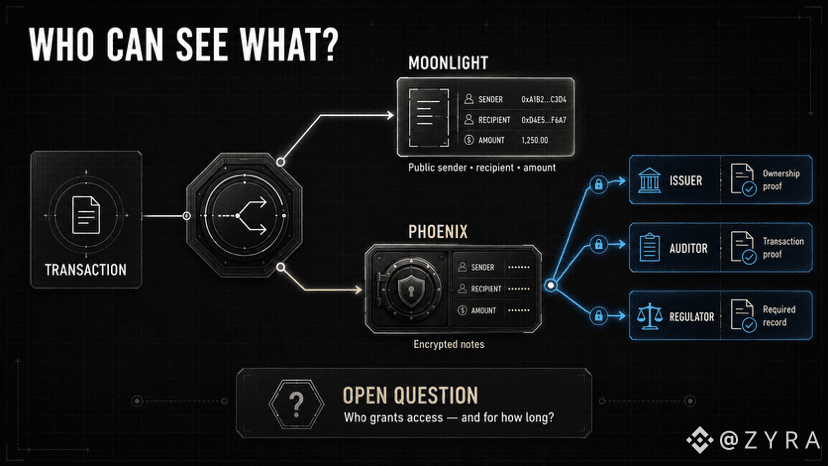
Tôi quay lại xem các mô hình giao dịch của Dusk. Moonlight hoạt động như một tài khoản công khai: số dư và chi tiết chuyển khoản có thể nhìn thấy. Phoenix lưu trữ giá trị dưới dạng các ghi chú được mã hóa và chứng minh rằng một giao dịch là hợp lệ mà không tiết lộ số tiền hay các bên tham gia cho tất cả mọi người.
Vì vậy, @Dusk_Foundation không hề cố ép toàn bộ hệ thống tài chính vào một thiết lập quyền riêng tư duy nhất.
Một khoản thanh toán cho quỹ có thể cần một bản ghi công khai.
Một vị thế quỹ có thể cần tính bảo mật.
Một bên phát hành có thể cần bằng chứng về quyền sở hữu.
Một cơ quan quản lý có thể cần truy cập vào một giao dịch cụ thể.
Đó là bốn yêu cầu về mức độ hiển thị khác nhau trong cùng một thị trường.
Phần khiến tôi dừng lại là khóa xem (viewing key).
Phoenix cho phép tiết lộ thông tin giao dịch cho một bên được ủy quyền khi cần. Về mặt kỹ thuật, điều đó giải quyết được vấn đề “riêng tư nhưng vẫn có thể kiểm toán”. Về mặt vận hành, nó lại đặt ra một câu hỏi khác: ai sẽ nhận được quyền nhìn thấy đó, mức độ hẹp của quyền được cấp ra sao, và điều gì xảy ra khi nhiều tổ chức cần những phần khác nhau của cùng một bản ghi?
Cảm giác như đó mới là bài kiểm tra thực sự về mặt thể chế đối với Dusk.
Các bằng chứng không kiến thức có thể chứng minh rằng một giao dịch chuyển nhượng bí mật đã tuân theo đúng quy tắc. Nhưng tài chính được quản lý cũng cần một chính sách công bố rõ ràng xoay quanh bằng chứng đó: bên nào có thể xem được gì, nhằm mục đích gì, và trong thời gian bao lâu.
Quyền riêng tư là lớp mã hóa.
Quyền kiểm soát việc công bố là lớp hạ tầng-thị trường.
Tôi quan tâm đến điều Hein Dauven nói về sự phân biệt đó, vì việc “che giấu một giao dịch” chỉ là một nửa công việc. Nửa còn lại là đảm bảo bằng chứng đúng được chuyển đến đúng tổ chức mà không âm thầm xây dựng lại những cơ sở dữ liệu đóng kín tương tự mà Dusk được cho là sẽ thay thế.
{future}(DUSKUSDT)
#dusk $DUSK @Dusk Thông báo SURGECAST đã đặt ra một câu hỏi hay: điều gì sẽ xảy ra nếu mọi giao dịch đều được công khai ngay khi bạn thực hiện, kèm theo tên của bạn?
Điều đó đã thu hút tôi, nhưng tôi nghĩ vấn đề khó hơn bắt đầu sau đó.
Tôi quay lại xem các mô hình giao dịch của Dusk. Moonlight hoạt động như một tài khoản công khai: số dư và chi tiết chuyển khoản có thể nhìn thấy. Phoenix lưu trữ giá trị dưới dạng các ghi chú được mã hóa và chứng minh rằng một giao dịch là hợp lệ mà không tiết lộ số tiền hay các bên tham gia cho tất cả mọi người.
Vì vậy, @Dusk không hề cố ép toàn bộ hệ thống tài chính vào một thiết lập quyền riêng tư duy nhất.
Một khoản thanh toán cho quỹ có thể cần một bản ghi công khai.
Một vị thế quỹ có thể cần tính bảo mật.
Một bên phát hành có thể cần bằng chứng về quyền sở hữu.
Một cơ quan quản lý có thể cần truy cập vào một giao dịch cụ thể.
Đó là bốn yêu cầu về mức độ hiển thị khác nhau trong cùng một thị trường.
Phần khiến tôi dừng lại là khóa xem (viewing key).
Phoenix cho phép tiết lộ thông tin giao dịch cho một bên được ủy quyền khi cần. Về mặt kỹ thuật, điều đó giải quyết được vấn đề “riêng tư nhưng vẫn có thể kiểm toán”. Về mặt vận hành, nó lại đặt ra một câu hỏi khác: ai sẽ nhận được quyền nhìn thấy đó, mức độ hẹp của quyền được cấp ra sao, và điều gì xảy ra khi nhiều tổ chức cần những phần khác nhau của cùng một bản ghi?
Cảm giác như đó mới là bài kiểm tra thực sự về mặt thể chế đối với Dusk.
Các bằng chứng không kiến thức có thể chứng minh rằng một giao dịch chuyển nhượng bí mật đã tuân theo đúng quy tắc. Nhưng tài chính được quản lý cũng cần một chính sách công bố rõ ràng xoay quanh bằng chứng đó: bên nào có thể xem được gì, nhằm mục đích gì, và trong thời gian bao lâu.
Quyền riêng tư là lớp mã hóa.
Quyền kiểm soát việc công bố là lớp hạ tầng-thị trường.
Tôi quan tâm đến điều Hein Dauven nói về sự phân biệt đó, vì việc “che giấu một giao dịch” chỉ là một nửa công việc. Nửa còn lại là đảm bảo bằng chứng đúng được chuyển đến đúng tổ chức mà không âm thầm xây dựng lại những cơ sở dữ liệu đóng kín tương tự mà Dusk được cho là sẽ thay thế.
Điều đó đã thu hút tôi, nhưng tôi nghĩ vấn đề khó hơn bắt đầu sau đó.
Tôi quay lại xem các mô hình giao dịch của Dusk. Moonlight hoạt động như một tài khoản công khai: số dư và chi tiết chuyển khoản có thể nhìn thấy. Phoenix lưu trữ giá trị dưới dạng các ghi chú được mã hóa và chứng minh rằng một giao dịch là hợp lệ mà không tiết lộ số tiền hay các bên tham gia cho tất cả mọi người.
Vì vậy, @Dusk không hề cố ép toàn bộ hệ thống tài chính vào một thiết lập quyền riêng tư duy nhất.
Một khoản thanh toán cho quỹ có thể cần một bản ghi công khai.
Một vị thế quỹ có thể cần tính bảo mật.
Một bên phát hành có thể cần bằng chứng về quyền sở hữu.
Một cơ quan quản lý có thể cần truy cập vào một giao dịch cụ thể.
Đó là bốn yêu cầu về mức độ hiển thị khác nhau trong cùng một thị trường.
Phần khiến tôi dừng lại là khóa xem (viewing key).
Phoenix cho phép tiết lộ thông tin giao dịch cho một bên được ủy quyền khi cần. Về mặt kỹ thuật, điều đó giải quyết được vấn đề “riêng tư nhưng vẫn có thể kiểm toán”. Về mặt vận hành, nó lại đặt ra một câu hỏi khác: ai sẽ nhận được quyền nhìn thấy đó, mức độ hẹp của quyền được cấp ra sao, và điều gì xảy ra khi nhiều tổ chức cần những phần khác nhau của cùng một bản ghi?
Cảm giác như đó mới là bài kiểm tra thực sự về mặt thể chế đối với Dusk.
Các bằng chứng không kiến thức có thể chứng minh rằng một giao dịch chuyển nhượng bí mật đã tuân theo đúng quy tắc. Nhưng tài chính được quản lý cũng cần một chính sách công bố rõ ràng xoay quanh bằng chứng đó: bên nào có thể xem được gì, nhằm mục đích gì, và trong thời gian bao lâu.
Quyền riêng tư là lớp mã hóa.
Quyền kiểm soát việc công bố là lớp hạ tầng-thị trường.
Tôi quan tâm đến điều Hein Dauven nói về sự phân biệt đó, vì việc “che giấu một giao dịch” chỉ là một nửa công việc. Nửa còn lại là đảm bảo bằng chứng đúng được chuyển đến đúng tổ chức mà không âm thầm xây dựng lại những cơ sở dữ liệu đóng kín tương tự mà Dusk được cho là sẽ thay thế.
2
8
728
·
--
Giảm giá
#dusk $DUSK @Dusk_Foundation
Trước đây tôi từng nghĩ rằng quyền riêng tư trên blockchain chủ yếu là để che giấu số dư và số tiền chuyển khoản.
Sau đó tôi bắt đầu tìm hiểu điều gì xảy ra sau khi một tài sản tài chính được phát hành.
Một trái phiếu được token hóa không chỉ đơn giản là chuyển từ ví này sang ví khác. Nhà đầu tư đăng ký, quyền sở hữu thay đổi, lãi suất được thanh toán, các hạn chế được kiểm tra và hồ sơ có thể cần được bên giám sát (custodian), nền tảng giao dịch (venue) hoặc cơ quan quản lý (regulator) xem xét.
Nếu mọi bước đều công khai, đối thủ có thể nghiên cứu các vị thế và luồng giao dịch.
Nếu mọi bước đều được ẩn hoàn toàn, các bên chịu trách nhiệm tuân thủ sẽ không thể xác minh điều gì đã xảy ra.
Đó chính là vấn đề mà Dusk thực sự đang cố gắng giải quyết.
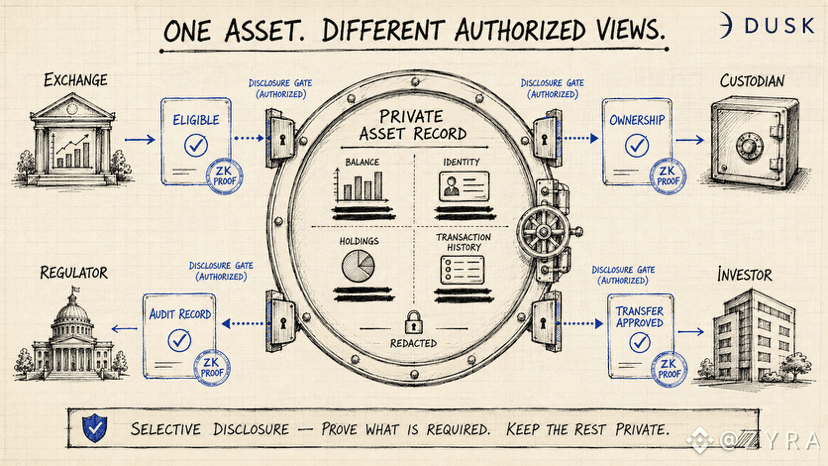
Mô hình quyền riêng tư của Dusk không phải là một công tắc duy nhất cho toàn mạng. Hoạt động công khai có thể vẫn công khai, trong khi các khoản nắm giữ và chuyển khoản nhạy cảm có thể sử dụng các luồng bảo mật (confidential flows). Khi cần thực hiện một kiểm tra, tính “công bố có chọn lọc” nhằm tiết lộ bằng chứng cần thiết mà không mở toàn bộ lịch sử tài chính của khách hàng.
DuskEVM khiến điều này trở nên hấp dẫn hơn vì các nhà phát triển có thể xây dựng bằng các công cụ Solidity quen thuộc. Hedger sau đó mang các giá trị được mã hóa và các bằng chứng zero-knowledge vào môi trường EVM đó, để một ứng dụng có thể kiểm tra liệu một giao dịch có tuân theo quy tắc của nó hay không mà không cần phơi bày mọi con số ẩn bên trong.
Nhưng vẫn có một vấn đề nổi bật đối với tôi.
Mật mã có thể giới hạn những gì được tiết lộ, nhưng vẫn phải có ai đó quyết định ai được ủy quyền để xem cái gì.
Ai phê duyệt một yêu cầu công bố?
Quyền truy cập đó có thể hết hạn không?
Điều gì xảy ra khi một tổ chức thay đổi bên giám sát (custodian) hoặc khi cần thực thi lệnh của tòa án?
Đó không phải là những chi tiết vận hành nhỏ. Chúng sẽ quyết định liệu công bố có chọn lọc có được cảm nhận như một “quyền riêng tư được kiểm soát” hay chỉ là một hệ thống cấp phép khác được che giấu đằng sau ngôn ngữ ZK.
Dusk có câu trả lời kỹ thuật mạnh mẽ cho bài toán tài chính “mặc định công khai”.
Giờ tôi muốn xem quyền hạn công bố được quản trị rõ ràng đến mức nào khi các tổ chức thực sự, nhà đầu tư và tài sản bắt đầu sử dụng nó.
{future}(DUSKUSDT)
#dusk $DUSK @Dusk
Trước đây tôi từng nghĩ rằng quyền riêng tư trên blockchain chủ yếu là để che giấu số dư và số tiền chuyển khoản.
Sau đó tôi bắt đầu tìm hiểu điều gì xảy ra sau khi một tài sản tài chính được phát hành.
Một trái phiếu được token hóa không chỉ đơn giản là chuyển từ ví này sang ví khác. Nhà đầu tư đăng ký, quyền sở hữu thay đổi, lãi suất được thanh toán, các hạn chế được kiểm tra và hồ sơ có thể cần được bên giám sát (custodian), nền tảng giao dịch (venue) hoặc cơ quan quản lý (regulator) xem xét.
Nếu mọi bước đều công khai, đối thủ có thể nghiên cứu các vị thế và luồng giao dịch.
Nếu mọi bước đều được ẩn hoàn toàn, các bên chịu trách nhiệm tuân thủ sẽ không thể xác minh điều gì đã xảy ra.
Đó chính là vấn đề mà Dusk thực sự đang cố gắng giải quyết.
Mô hình quyền riêng tư của Dusk không phải là một công tắc duy nhất cho toàn mạng. Hoạt động công khai có thể vẫn công khai, trong khi các khoản nắm giữ và chuyển khoản nhạy cảm có thể sử dụng các luồng bảo mật (confidential flows). Khi cần thực hiện một kiểm tra, tính “công bố có chọn lọc” nhằm tiết lộ bằng chứng cần thiết mà không mở toàn bộ lịch sử tài chính của khách hàng.
DuskEVM khiến điều này trở nên hấp dẫn hơn vì các nhà phát triển có thể xây dựng bằng các công cụ Solidity quen thuộc. Hedger sau đó mang các giá trị được mã hóa và các bằng chứng zero-knowledge vào môi trường EVM đó, để một ứng dụng có thể kiểm tra liệu một giao dịch có tuân theo quy tắc của nó hay không mà không cần phơi bày mọi con số ẩn bên trong.
Nhưng vẫn có một vấn đề nổi bật đối với tôi.
Mật mã có thể giới hạn những gì được tiết lộ, nhưng vẫn phải có ai đó quyết định ai được ủy quyền để xem cái gì.
Ai phê duyệt một yêu cầu công bố?
Quyền truy cập đó có thể hết hạn không?
Điều gì xảy ra khi một tổ chức thay đổi bên giám sát (custodian) hoặc khi cần thực thi lệnh của tòa án?
Đó không phải là những chi tiết vận hành nhỏ. Chúng sẽ quyết định liệu công bố có chọn lọc có được cảm nhận như một “quyền riêng tư được kiểm soát” hay chỉ là một hệ thống cấp phép khác được che giấu đằng sau ngôn ngữ ZK.
Dusk có câu trả lời kỹ thuật mạnh mẽ cho bài toán tài chính “mặc định công khai”.
Giờ tôi muốn xem quyền hạn công bố được quản trị rõ ràng đến mức nào khi các tổ chức thực sự, nhà đầu tư và tài sản bắt đầu sử dụng nó.
Trước đây tôi từng nghĩ rằng quyền riêng tư trên blockchain chủ yếu là để che giấu số dư và số tiền chuyển khoản.
Sau đó tôi bắt đầu tìm hiểu điều gì xảy ra sau khi một tài sản tài chính được phát hành.
Một trái phiếu được token hóa không chỉ đơn giản là chuyển từ ví này sang ví khác. Nhà đầu tư đăng ký, quyền sở hữu thay đổi, lãi suất được thanh toán, các hạn chế được kiểm tra và hồ sơ có thể cần được bên giám sát (custodian), nền tảng giao dịch (venue) hoặc cơ quan quản lý (regulator) xem xét.
Nếu mọi bước đều công khai, đối thủ có thể nghiên cứu các vị thế và luồng giao dịch.
Nếu mọi bước đều được ẩn hoàn toàn, các bên chịu trách nhiệm tuân thủ sẽ không thể xác minh điều gì đã xảy ra.
Đó chính là vấn đề mà Dusk thực sự đang cố gắng giải quyết.
Mô hình quyền riêng tư của Dusk không phải là một công tắc duy nhất cho toàn mạng. Hoạt động công khai có thể vẫn công khai, trong khi các khoản nắm giữ và chuyển khoản nhạy cảm có thể sử dụng các luồng bảo mật (confidential flows). Khi cần thực hiện một kiểm tra, tính “công bố có chọn lọc” nhằm tiết lộ bằng chứng cần thiết mà không mở toàn bộ lịch sử tài chính của khách hàng.
DuskEVM khiến điều này trở nên hấp dẫn hơn vì các nhà phát triển có thể xây dựng bằng các công cụ Solidity quen thuộc. Hedger sau đó mang các giá trị được mã hóa và các bằng chứng zero-knowledge vào môi trường EVM đó, để một ứng dụng có thể kiểm tra liệu một giao dịch có tuân theo quy tắc của nó hay không mà không cần phơi bày mọi con số ẩn bên trong.
Nhưng vẫn có một vấn đề nổi bật đối với tôi.
Mật mã có thể giới hạn những gì được tiết lộ, nhưng vẫn phải có ai đó quyết định ai được ủy quyền để xem cái gì.
Ai phê duyệt một yêu cầu công bố?
Quyền truy cập đó có thể hết hạn không?
Điều gì xảy ra khi một tổ chức thay đổi bên giám sát (custodian) hoặc khi cần thực thi lệnh của tòa án?
Đó không phải là những chi tiết vận hành nhỏ. Chúng sẽ quyết định liệu công bố có chọn lọc có được cảm nhận như một “quyền riêng tư được kiểm soát” hay chỉ là một hệ thống cấp phép khác được che giấu đằng sau ngôn ngữ ZK.
Dusk có câu trả lời kỹ thuật mạnh mẽ cho bài toán tài chính “mặc định công khai”.
Giờ tôi muốn xem quyền hạn công bố được quản trị rõ ràng đến mức nào khi các tổ chức thực sự, nhà đầu tư và tài sản bắt đầu sử dụng nó.
6
8
625
·
--
Tăng giá
#dusk $DUSK @Dusk_Foundation Tôi quay lại và xem xét khẳng định của Dusk rằng DuskEVM có thể biến sự tăng trưởng của hệ sinh thái thành nhiều giá trị tiện ích hơn cho $DUSK.
Lập luận có vẻ đơn giản.
Các nhà phát triển Ethereum có thể xây dựng bằng những công cụ mà họ đã quen thuộc. Nhiều ứng dụng hơn sẽ xuất hiện. Những ứng dụng đó tạo ra các giao dịch, và mỗi giao dịch DuskEVM đều dùng $DUSK cho phí gas.
Nhưng tôi đã dừng lại ở khoảng không gian giữa việc một ứng dụng được triển khai và việc nó thực sự được sử dụng.
Một DEX vẫn có thể tồn tại với rất ít giao dịch. Một thị trường cho vay có thể giữ thanh khoản trong khi việc vay vẫn diễn ra thưa thớt. Thậm chí một trái phiếu được token hóa có thể bổ sung một lượng giá trị lớn cho mạng lưới, rồi tạo ra rất ít giao dịch nếu nhà đầu tư chỉ cần nắm giữ đến khi đáo hạn.
Vì vậy, nhiều hợp đồng hơn và TVL cao hơn không tự động đồng nghĩa với nhu cầu gas lớn hơn nhiều.
Điều quan trọng là điều gì xảy ra sau khi tài sản và ứng dụng đã đến.
Người ta có giao dịch thường xuyên không?
Các khoản vay có được mở và hoàn trả không?
Các tài sản được token hóa có trả lãi, thay đổi quyền sở hữu hoặc được thanh toán/chuộc lại onchain không?
Đây là nơi Dusk Trade có thể trở nên quan trọng. Nó không chỉ là một dApp khác. Nó có thể đưa các sản phẩm tài chính và nhà đầu tư vào cùng một hệ sinh thái nơi những tài sản đó được phát hành, được thanh toán và được phục vụ.
Nếu hoạt động đó vẫn diễn ra onchain, thì một tài sản có thể được DUSK sử dụng nhiều lần trong suốt vòng đời của nó thay vì chỉ một lần khi nó được tạo ra.
Đó là phần tôi sẽ theo dõi ngay bây giờ.
Không phải có bao nhiêu ứng dụng ra mắt, mà là có bao nhiêu người quay lại để sử dụng chúng. Không chỉ là lượng TVL đi vào, mà là tần suất dòng vốn đó thực sự di chuyển.
DuskEVM giúp việc xây dựng trở nên dễ dàng hơn.
Phần chưa được trả lời là liệu Dusk Trade và các ứng dụng xung quanh nó có thể tạo ra đủ hoạt động lặp lại để biến việc tiếp cận dễ dàng hơn đó thành nhu cầu bền vững đối với Dusk hay không.
$DUSK
{future}(DUSKUSDT)
#dusk $DUSK @Dusk Tôi quay lại và xem xét khẳng định của Dusk rằng DuskEVM có thể biến sự tăng trưởng của hệ sinh thái thành nhiều giá trị tiện ích hơn cho $DUSK .
Lập luận có vẻ đơn giản.
Các nhà phát triển Ethereum có thể xây dựng bằng những công cụ mà họ đã quen thuộc. Nhiều ứng dụng hơn sẽ xuất hiện. Những ứng dụng đó tạo ra các giao dịch, và mỗi giao dịch DuskEVM đều dùng $DUSK cho phí gas.
Nhưng tôi đã dừng lại ở khoảng không gian giữa việc một ứng dụng được triển khai và việc nó thực sự được sử dụng.
Một DEX vẫn có thể tồn tại với rất ít giao dịch. Một thị trường cho vay có thể giữ thanh khoản trong khi việc vay vẫn diễn ra thưa thớt. Thậm chí một trái phiếu được token hóa có thể bổ sung một lượng giá trị lớn cho mạng lưới, rồi tạo ra rất ít giao dịch nếu nhà đầu tư chỉ cần nắm giữ đến khi đáo hạn.
Vì vậy, nhiều hợp đồng hơn và TVL cao hơn không tự động đồng nghĩa với nhu cầu gas lớn hơn nhiều.
Điều quan trọng là điều gì xảy ra sau khi tài sản và ứng dụng đã đến.
Người ta có giao dịch thường xuyên không?
Các khoản vay có được mở và hoàn trả không?
Các tài sản được token hóa có trả lãi, thay đổi quyền sở hữu hoặc được thanh toán/chuộc lại onchain không?
Đây là nơi Dusk Trade có thể trở nên quan trọng. Nó không chỉ là một dApp khác. Nó có thể đưa các sản phẩm tài chính và nhà đầu tư vào cùng một hệ sinh thái nơi những tài sản đó được phát hành, được thanh toán và được phục vụ.
Nếu hoạt động đó vẫn diễn ra onchain, thì một tài sản có thể được DUSK sử dụng nhiều lần trong suốt vòng đời của nó thay vì chỉ một lần khi nó được tạo ra.
Đó là phần tôi sẽ theo dõi ngay bây giờ.
Không phải có bao nhiêu ứng dụng ra mắt, mà là có bao nhiêu người quay lại để sử dụng chúng. Không chỉ là lượng TVL đi vào, mà là tần suất dòng vốn đó thực sự di chuyển.
DuskEVM giúp việc xây dựng trở nên dễ dàng hơn.
Phần chưa được trả lời là liệu Dusk Trade và các ứng dụng xung quanh nó có thể tạo ra đủ hoạt động lặp lại để biến việc tiếp cận dễ dàng hơn đó thành nhu cầu bền vững đối với Dusk hay không.
$DUSK
Lập luận có vẻ đơn giản.
Các nhà phát triển Ethereum có thể xây dựng bằng những công cụ mà họ đã quen thuộc. Nhiều ứng dụng hơn sẽ xuất hiện. Những ứng dụng đó tạo ra các giao dịch, và mỗi giao dịch DuskEVM đều dùng $DUSK cho phí gas.
Nhưng tôi đã dừng lại ở khoảng không gian giữa việc một ứng dụng được triển khai và việc nó thực sự được sử dụng.
Một DEX vẫn có thể tồn tại với rất ít giao dịch. Một thị trường cho vay có thể giữ thanh khoản trong khi việc vay vẫn diễn ra thưa thớt. Thậm chí một trái phiếu được token hóa có thể bổ sung một lượng giá trị lớn cho mạng lưới, rồi tạo ra rất ít giao dịch nếu nhà đầu tư chỉ cần nắm giữ đến khi đáo hạn.
Vì vậy, nhiều hợp đồng hơn và TVL cao hơn không tự động đồng nghĩa với nhu cầu gas lớn hơn nhiều.
Điều quan trọng là điều gì xảy ra sau khi tài sản và ứng dụng đã đến.
Người ta có giao dịch thường xuyên không?
Các khoản vay có được mở và hoàn trả không?
Các tài sản được token hóa có trả lãi, thay đổi quyền sở hữu hoặc được thanh toán/chuộc lại onchain không?
Đây là nơi Dusk Trade có thể trở nên quan trọng. Nó không chỉ là một dApp khác. Nó có thể đưa các sản phẩm tài chính và nhà đầu tư vào cùng một hệ sinh thái nơi những tài sản đó được phát hành, được thanh toán và được phục vụ.
Nếu hoạt động đó vẫn diễn ra onchain, thì một tài sản có thể được DUSK sử dụng nhiều lần trong suốt vòng đời của nó thay vì chỉ một lần khi nó được tạo ra.
Đó là phần tôi sẽ theo dõi ngay bây giờ.
Không phải có bao nhiêu ứng dụng ra mắt, mà là có bao nhiêu người quay lại để sử dụng chúng. Không chỉ là lượng TVL đi vào, mà là tần suất dòng vốn đó thực sự di chuyển.
DuskEVM giúp việc xây dựng trở nên dễ dàng hơn.
Phần chưa được trả lời là liệu Dusk Trade và các ứng dụng xung quanh nó có thể tạo ra đủ hoạt động lặp lại để biến việc tiếp cận dễ dàng hơn đó thành nhu cầu bền vững đối với Dusk hay không.
$DUSK
4
7
587
·
--
Tăng giá
Đã xác minh
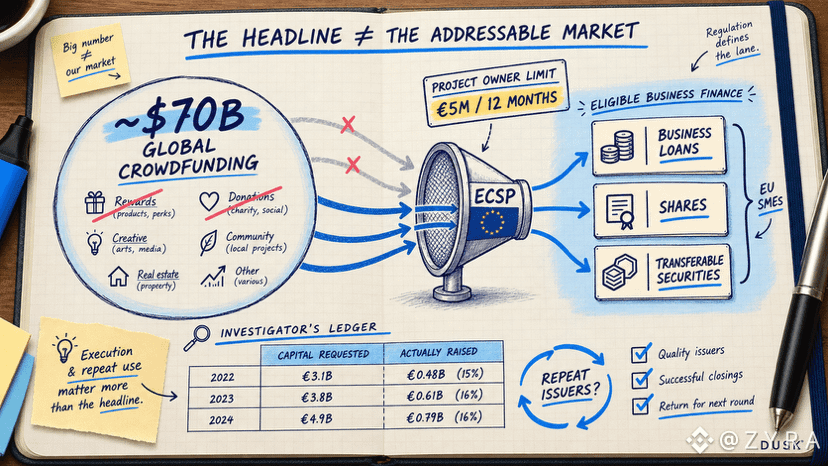
#dusk $DUSK @Dusk_Foundation hoàn thiện một con số gây quỹ gần 70 tỷ USD vào bản cập nhật ECSP của mình.
Con số lớn. Nhìn rất ổn.
Rồi tôi kiểm tra xem khung ECSP của châu Âu thực sự bao gồm những gì.
Nó không phải là toàn bộ thị trường gây quỹ cộng đồng.
Chiến dịch quyên góp và hình thức gây quỹ dựa trên phần thưởng nằm ngoài phạm vi đó. ECSP chủ yếu bao phủ hoạt động cho vay doanh nghiệp và các gói/đề xuất dựa trên đầu tư, với ngưỡng của EU là 5 triệu EUR được huy động bởi một chủ sở hữu dự án trong vòng 12 tháng.
Vậy nên Dusk không phải đang xin quyền tiếp cận một “hồ” khổng lồ 70 tỷ USD.
Họ đang nhắm tới một thị trường hẹp hơn, nơi các SME châu Âu có thể huy động số tiền nhỏ hơn thông qua các khoản vay, cổ phần hoặc các công cụ đủ điều kiện khác.
Thành thật mà nói, điều đó khiến kế hoạch trở nên đáng tin hơn với tôi, chứ không phải kém đi.
Châu Âu có khoảng 34 triệu SME. Dusk sẽ không cần những đợt phát hành lên tới hàng tỷ euro để bắt đầu tạo ra hoạt động. Một dòng đều đặn các đợt chào bán từ 1 triệu đến 5 triệu EUR đã có thể đưa doanh nghiệp, nhà đầu tư và tài sản tài chính vào Dusk Trade.
Nhưng vẫn có một khoảng cách giữa việc được phép niêm yết một đợt chào bán và việc thực sự huy động được vốn.
Giấy phép không thể tự tạo ra một công ty tốt, điều khoản hợp lý hay nhu cầu từ nhà đầu tư.
Vì vậy, “số lượng các đợt chào bán” có thể trở thành một chỉ số yếu khác nếu phần lớn trong số đó vẫn mở nhưng không được tài trợ đầy đủ.
Điều tôi muốn thấy sau khi được chấp thuận sẽ đơn giản hơn nhiều:
Đã yêu cầu bao nhiêu vốn?
Thực tế đã huy động được bao nhiêu?
Và có bao nhiêu doanh nghiệp quay lại để thực hiện một đợt chào bán thứ hai?
Điều đó sẽ cho tôi biết nhiều hơn so với tiêu đề gây quỹ cộng đồng trên toàn cầu.
{future}(DUSKUSDT)
#dusk $DUSK @Dusk hoàn thiện một con số gây quỹ gần 70 tỷ USD vào bản cập nhật ECSP của mình.
Con số lớn. Nhìn rất ổn.
Rồi tôi kiểm tra xem khung ECSP của châu Âu thực sự bao gồm những gì.
Nó không phải là toàn bộ thị trường gây quỹ cộng đồng.
Chiến dịch quyên góp và hình thức gây quỹ dựa trên phần thưởng nằm ngoài phạm vi đó. ECSP chủ yếu bao phủ hoạt động cho vay doanh nghiệp và các gói/đề xuất dựa trên đầu tư, với ngưỡng của EU là 5 triệu EUR được huy động bởi một chủ sở hữu dự án trong vòng 12 tháng.
Vậy nên Dusk không phải đang xin quyền tiếp cận một “hồ” khổng lồ 70 tỷ USD.
Họ đang nhắm tới một thị trường hẹp hơn, nơi các SME châu Âu có thể huy động số tiền nhỏ hơn thông qua các khoản vay, cổ phần hoặc các công cụ đủ điều kiện khác.
Thành thật mà nói, điều đó khiến kế hoạch trở nên đáng tin hơn với tôi, chứ không phải kém đi.
Châu Âu có khoảng 34 triệu SME. Dusk sẽ không cần những đợt phát hành lên tới hàng tỷ euro để bắt đầu tạo ra hoạt động. Một dòng đều đặn các đợt chào bán từ 1 triệu đến 5 triệu EUR đã có thể đưa doanh nghiệp, nhà đầu tư và tài sản tài chính vào Dusk Trade.
Nhưng vẫn có một khoảng cách giữa việc được phép niêm yết một đợt chào bán và việc thực sự huy động được vốn.
Giấy phép không thể tự tạo ra một công ty tốt, điều khoản hợp lý hay nhu cầu từ nhà đầu tư.
Vì vậy, “số lượng các đợt chào bán” có thể trở thành một chỉ số yếu khác nếu phần lớn trong số đó vẫn mở nhưng không được tài trợ đầy đủ.
Điều tôi muốn thấy sau khi được chấp thuận sẽ đơn giản hơn nhiều:
Đã yêu cầu bao nhiêu vốn?
Thực tế đã huy động được bao nhiêu?
Và có bao nhiêu doanh nghiệp quay lại để thực hiện một đợt chào bán thứ hai?
Điều đó sẽ cho tôi biết nhiều hơn so với tiêu đề gây quỹ cộng đồng trên toàn cầu.
Con số lớn. Nhìn rất ổn.
Rồi tôi kiểm tra xem khung ECSP của châu Âu thực sự bao gồm những gì.
Nó không phải là toàn bộ thị trường gây quỹ cộng đồng.
Chiến dịch quyên góp và hình thức gây quỹ dựa trên phần thưởng nằm ngoài phạm vi đó. ECSP chủ yếu bao phủ hoạt động cho vay doanh nghiệp và các gói/đề xuất dựa trên đầu tư, với ngưỡng của EU là 5 triệu EUR được huy động bởi một chủ sở hữu dự án trong vòng 12 tháng.
Vậy nên Dusk không phải đang xin quyền tiếp cận một “hồ” khổng lồ 70 tỷ USD.
Họ đang nhắm tới một thị trường hẹp hơn, nơi các SME châu Âu có thể huy động số tiền nhỏ hơn thông qua các khoản vay, cổ phần hoặc các công cụ đủ điều kiện khác.
Thành thật mà nói, điều đó khiến kế hoạch trở nên đáng tin hơn với tôi, chứ không phải kém đi.
Châu Âu có khoảng 34 triệu SME. Dusk sẽ không cần những đợt phát hành lên tới hàng tỷ euro để bắt đầu tạo ra hoạt động. Một dòng đều đặn các đợt chào bán từ 1 triệu đến 5 triệu EUR đã có thể đưa doanh nghiệp, nhà đầu tư và tài sản tài chính vào Dusk Trade.
Nhưng vẫn có một khoảng cách giữa việc được phép niêm yết một đợt chào bán và việc thực sự huy động được vốn.
Giấy phép không thể tự tạo ra một công ty tốt, điều khoản hợp lý hay nhu cầu từ nhà đầu tư.
Vì vậy, “số lượng các đợt chào bán” có thể trở thành một chỉ số yếu khác nếu phần lớn trong số đó vẫn mở nhưng không được tài trợ đầy đủ.
Điều tôi muốn thấy sau khi được chấp thuận sẽ đơn giản hơn nhiều:
Đã yêu cầu bao nhiêu vốn?
Thực tế đã huy động được bao nhiêu?
Và có bao nhiêu doanh nghiệp quay lại để thực hiện một đợt chào bán thứ hai?
Điều đó sẽ cho tôi biết nhiều hơn so với tiêu đề gây quỹ cộng đồng trên toàn cầu.
12
12
902
·
--
Tăng giá
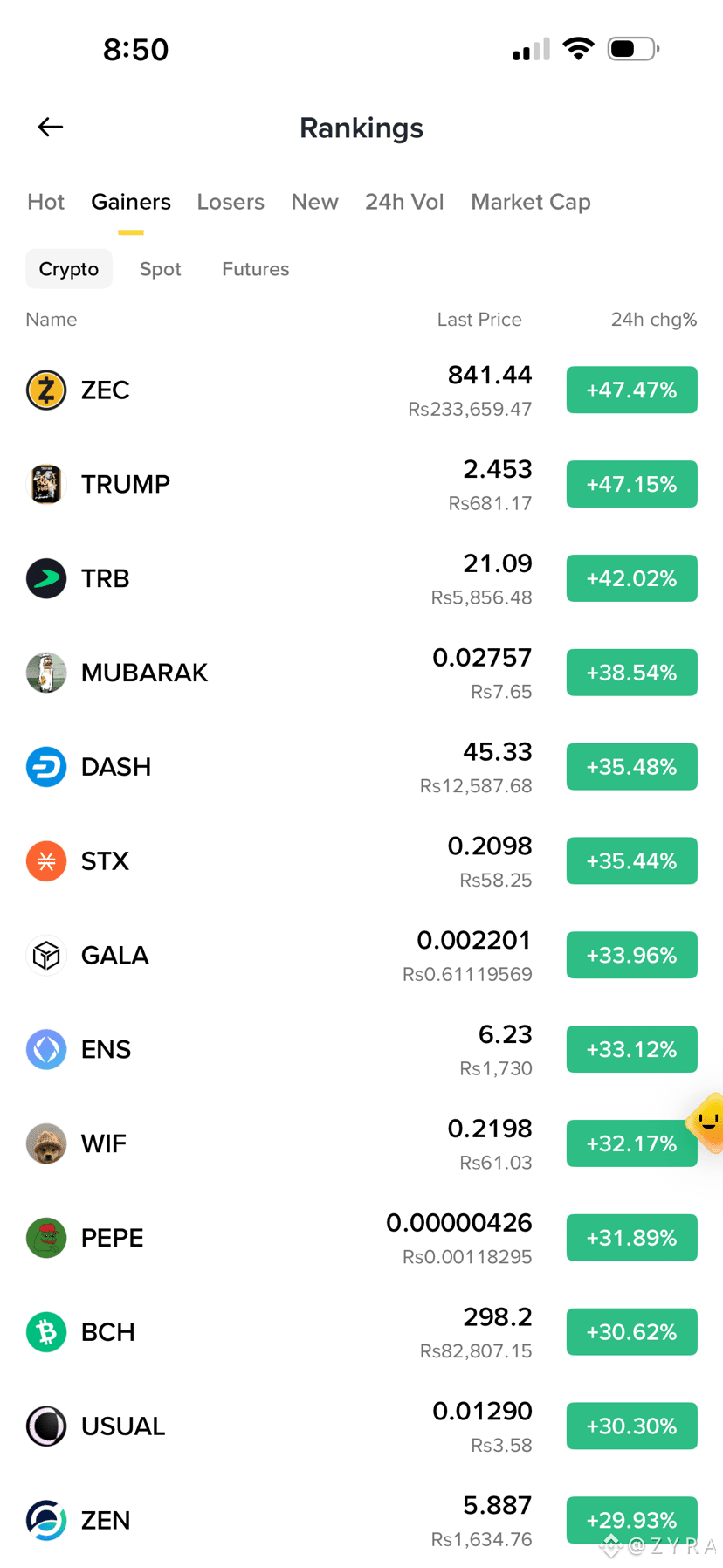
Bảng tăng hôm nay không phải là ngẫu nhiên.
Thị trường đang xoay sang hai kiểu rủi ro rất khác nhau cùng một lúc: niềm tin cũ và sự chú ý nhanh.
$ZEC , $DASH and $ZEN leading cho tôi biết quyền riêng tư và các coin chu kỳ cũ đang đột ngột được định giá lại. Thường điều này xảy ra khi các trader bắt đầu tìm kiếm những câu chuyện (narrative) đã bị bỏ qua quá lâu—không chỉ là hype mới.
Nhưng bên cạnh đó, $TRUMP, $WIF $PEPE và $MUBARAK cho thấy thanh khoản meme cũng đang tỉnh giấc. Điều này nguy hiểm hơn vì các cú bơm meme có thể diễn ra rất nhanh, nhưng lệnh mua (bid) có thể biến mất còn nhanh hơn khi dòng chú ý xoay đi.
Tín hiệu quan trọng với tôi là ZEC ở vị trí đầu bảng. Nếu các coin quyền riêng tư tiếp tục giữ được mức tăng trong khi meme hạ nhiệt, thì đợt rally này có nền tảng câu chuyện mạnh hơn. Còn nếu mọi thứ cùng đổ sau một ngày xanh, thì đó chỉ là thanh khoản ngắn hạn đang đuổi theo bảng xếp hạng.
Bảng xanh nhìn thì rất hứng khởi, nhưng bài test thực sự thì đơn giản:
Những coin nào vẫn giữ được giá sau khi đám đông ngừng đuổi theo?
{future}(ZENUSDT)
{future}(DASHUSDT)
{future}(ZECUSDT)
#zen #DASH #zec #USDollarFallsToThreeMonthLow #USThreeMajorIndexesPostWeeklyLosses
Bảng tăng hôm nay không phải là ngẫu nhiên.
Thị trường đang xoay sang hai kiểu rủi ro rất khác nhau cùng một lúc: niềm tin cũ và sự chú ý nhanh.
$ZEC , $DASH and $ZEN leading cho tôi biết quyền riêng tư và các coin chu kỳ cũ đang đột ngột được định giá lại. Thường điều này xảy ra khi các trader bắt đầu tìm kiếm những câu chuyện (narrative) đã bị bỏ qua quá lâu—không chỉ là hype mới.
Nhưng bên cạnh đó, $TRUMP, $WIF $PEPE và $MUBARAK cho thấy thanh khoản meme cũng đang tỉnh giấc. Điều này nguy hiểm hơn vì các cú bơm meme có thể diễn ra rất nhanh, nhưng lệnh mua (bid) có thể biến mất còn nhanh hơn khi dòng chú ý xoay đi.
Tín hiệu quan trọng với tôi là ZEC ở vị trí đầu bảng. Nếu các coin quyền riêng tư tiếp tục giữ được mức tăng trong khi meme hạ nhiệt, thì đợt rally này có nền tảng câu chuyện mạnh hơn. Còn nếu mọi thứ cùng đổ sau một ngày xanh, thì đó chỉ là thanh khoản ngắn hạn đang đuổi theo bảng xếp hạng.
Bảng xanh nhìn thì rất hứng khởi, nhưng bài test thực sự thì đơn giản:
Những coin nào vẫn giữ được giá sau khi đám đông ngừng đuổi theo?
#zen #DASH #zec #USDollarFallsToThreeMonthLow #USThreeMajorIndexesPostWeeklyLosses
Thị trường đang xoay sang hai kiểu rủi ro rất khác nhau cùng một lúc: niềm tin cũ và sự chú ý nhanh.
$ZEC , $DASH and $ZEN leading cho tôi biết quyền riêng tư và các coin chu kỳ cũ đang đột ngột được định giá lại. Thường điều này xảy ra khi các trader bắt đầu tìm kiếm những câu chuyện (narrative) đã bị bỏ qua quá lâu—không chỉ là hype mới.
Nhưng bên cạnh đó, $TRUMP, $WIF $PEPE và $MUBARAK cho thấy thanh khoản meme cũng đang tỉnh giấc. Điều này nguy hiểm hơn vì các cú bơm meme có thể diễn ra rất nhanh, nhưng lệnh mua (bid) có thể biến mất còn nhanh hơn khi dòng chú ý xoay đi.
Tín hiệu quan trọng với tôi là ZEC ở vị trí đầu bảng. Nếu các coin quyền riêng tư tiếp tục giữ được mức tăng trong khi meme hạ nhiệt, thì đợt rally này có nền tảng câu chuyện mạnh hơn. Còn nếu mọi thứ cùng đổ sau một ngày xanh, thì đó chỉ là thanh khoản ngắn hạn đang đuổi theo bảng xếp hạng.
Bảng xanh nhìn thì rất hứng khởi, nhưng bài test thực sự thì đơn giản:
Những coin nào vẫn giữ được giá sau khi đám đông ngừng đuổi theo?
#zen #DASH #zec #USDollarFallsToThreeMonthLow #USThreeMajorIndexesPostWeeklyLosses
2
7
7k
·
--
Tăng giá
Động thái này không phải là chuyện “đồng nào bơm mạnh hơn”.
ZEC, TRB và TRUMP đang thể hiện ba kiểu “cơn đói” trên thị trường khác nhau.
$ZEC là một câu chuyện đang được định giá lại. Quyền riêng tư đã bị xem nhẹ trong một thời gian dài, rồi một cây nến mạnh buộc thị trường phải nhìn lại. Nhưng khi RSI gần như đạt đỉnh, câu hỏi không còn là “câu chuyện có mạnh không?” mà là “còn ai để mua sau cây nến này?”
$TRB trông giống một đợt siết thanh khoản hơn. Ban đầu đà tăng được kiểm soát, rồi bước đi cuối cùng mở rộng rất nhanh. Điều đó thường có nghĩa là nguồn cung đã mỏng và những người mua đến muộn buộc phải đuổi theo.
$TRUMP khác. Đó là thanh khoản đến từ sự chú ý thuần túy. Khi dòng meme xuất hiện, nó có thể bỏ qua các chỉ báo kỹ thuật một lúc, nhưng chính dòng tiền đó cũng có thể biến mất nhanh nếu đám đông quay đầu.
Với tôi, người chiến thắng thực sự không phải là cây nến xanh cao nhất.
Mà là biểu đồ giữ vững “nền phá vỡ” sau lần điều chỉnh/pullback đầu tiên.
#zec #TRB #TRUMP #USDollarFallsToThreeMonthLow #USThreeMajorIndexesPostWeeklyLosses
{future}(TRUMPUSDT)
{future}(ZECUSDT)
{future}(TRBUSDT)
Cái nào giữ vững nhất?
Động thái này không phải là chuyện “đồng nào bơm mạnh hơn”.
ZEC, TRB và TRUMP đang thể hiện ba kiểu “cơn đói” trên thị trường khác nhau.
$ZEC là một câu chuyện đang được định giá lại. Quyền riêng tư đã bị xem nhẹ trong một thời gian dài, rồi một cây nến mạnh buộc thị trường phải nhìn lại. Nhưng khi RSI gần như đạt đỉnh, câu hỏi không còn là “câu chuyện có mạnh không?” mà là “còn ai để mua sau cây nến này?”
$TRB trông giống một đợt siết thanh khoản hơn. Ban đầu đà tăng được kiểm soát, rồi bước đi cuối cùng mở rộng rất nhanh. Điều đó thường có nghĩa là nguồn cung đã mỏng và những người mua đến muộn buộc phải đuổi theo.
$TRUMP khác. Đó là thanh khoản đến từ sự chú ý thuần túy. Khi dòng meme xuất hiện, nó có thể bỏ qua các chỉ báo kỹ thuật một lúc, nhưng chính dòng tiền đó cũng có thể biến mất nhanh nếu đám đông quay đầu.
Với tôi, người chiến thắng thực sự không phải là cây nến xanh cao nhất.
Mà là biểu đồ giữ vững “nền phá vỡ” sau lần điều chỉnh/pullback đầu tiên.
#zec #TRB #TRUMP #USDollarFallsToThreeMonthLow #USThreeMajorIndexesPostWeeklyLosses
Cái nào giữ vững nhất?
ZEC, TRB và TRUMP đang thể hiện ba kiểu “cơn đói” trên thị trường khác nhau.
$ZEC là một câu chuyện đang được định giá lại. Quyền riêng tư đã bị xem nhẹ trong một thời gian dài, rồi một cây nến mạnh buộc thị trường phải nhìn lại. Nhưng khi RSI gần như đạt đỉnh, câu hỏi không còn là “câu chuyện có mạnh không?” mà là “còn ai để mua sau cây nến này?”
$TRB trông giống một đợt siết thanh khoản hơn. Ban đầu đà tăng được kiểm soát, rồi bước đi cuối cùng mở rộng rất nhanh. Điều đó thường có nghĩa là nguồn cung đã mỏng và những người mua đến muộn buộc phải đuổi theo.
$TRUMP khác. Đó là thanh khoản đến từ sự chú ý thuần túy. Khi dòng meme xuất hiện, nó có thể bỏ qua các chỉ báo kỹ thuật một lúc, nhưng chính dòng tiền đó cũng có thể biến mất nhanh nếu đám đông quay đầu.
Với tôi, người chiến thắng thực sự không phải là cây nến xanh cao nhất.
Mà là biểu đồ giữ vững “nền phá vỡ” sau lần điều chỉnh/pullback đầu tiên.
#zec #TRB #TRUMP #USDollarFallsToThreeMonthLow #USThreeMajorIndexesPostWeeklyLosses
Cái nào giữ vững nhất?
ZEC
42%
TRB
21%
TRUMP
27%
Wait
10%
967 phiếu bầu • Cuộc bỏ phiếu đã kết thúc
27
59
77.9k
·
--
Tăng giá
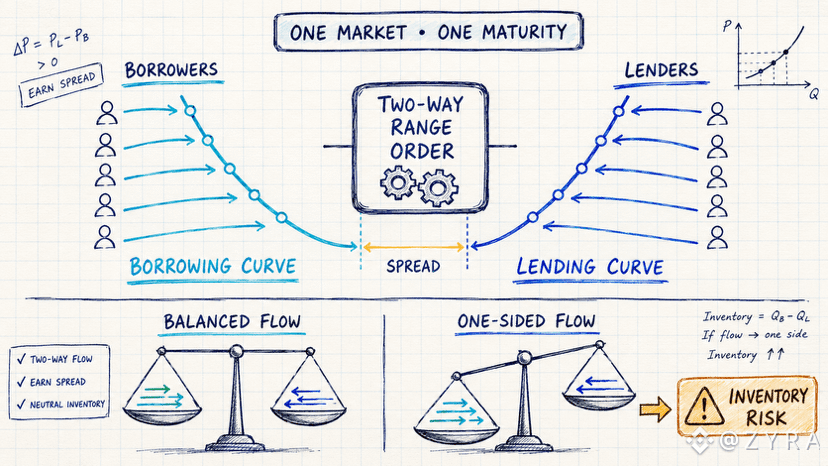
#termmax @termmax Ban đầu tôi đọc các vai trò người dùng của TermMax như một mô hình đơn giản kiểu người đi vay so với người cho vay.
Sau đó tôi tìm đến Bộ Thiết Đặt Lệnh Phạm Vi Hai Chiều.
Một lệnh có thể báo giá cả hai phía của cùng một thị trường lãi suất cố định thông qua các đường cong vay và cho vay riêng biệt. Trong các hợp đồng V2, bên tạo lệnh có thể cấu hình các đường cong và mức giá đó thay vì chấp nhận mức lãi suất do giao thức lựa chọn.
Điều đó làm thay đổi cách tôi nhìn @termmax .
Lãi suất cố định không phải là một con số phổ quát duy nhất được hiển thị bởi một pool cho vay. Nó được hình thành từ thanh khoản được cung cấp theo từng kỳ hạn với các mức lãi suất và kích thước giao dịch khác nhau.
Một nhà tạo lệnh hai chiều về tiềm năng có thể nắm bắt chênh lệch giữa hai đường cong. Nhưng chênh lệch đó không phải là lợi suất miễn phí.
Nếu nhu cầu vay lấn át, lệnh có thể ngày càng bị phơi bày nghiêng về một phía. Nếu nhu cầu cho vay lấn át, hàng tồn kho của nó sẽ dịch chuyển theo hướng ngược lại. Vì vậy lợi nhuận phụ thuộc vào việc các đường cong được đặt ở đâu, dòng chảy đến như thế nào và liệu nhà tạo lệnh có thể định giá lại trước khi thị trường biến động hay không.
MLTV bảo vệ khoản vay bằng tài sản thế chấp. Nó không bảo vệ một đường cong được định vị kém khỏi dòng lệnh lệch bất đối xứng.
Vì thế, con số mà tôi sẽ theo dõi không chỉ là APY được báo giá.
Tôi sẽ theo dõi lượng độ sâu khả dụng tồn tại ở cả hai phía của từng kỳ hạn và mức độ nhanh mà các nhà tạo lệnh điều chỉnh khi sự cân bằng đó thay đổi.
TermMax ở đây trông ít giống một pool cho vay lãi suất cố định và giống hơn như một thị trường lãi suất onchain. $TMX
#termmax @TermMax Ban đầu tôi đọc các vai trò người dùng của TermMax như một mô hình đơn giản kiểu người đi vay so với người cho vay.
Sau đó tôi tìm đến Bộ Thiết Đặt Lệnh Phạm Vi Hai Chiều.
Một lệnh có thể báo giá cả hai phía của cùng một thị trường lãi suất cố định thông qua các đường cong vay và cho vay riêng biệt. Trong các hợp đồng V2, bên tạo lệnh có thể cấu hình các đường cong và mức giá đó thay vì chấp nhận mức lãi suất do giao thức lựa chọn.
Điều đó làm thay đổi cách tôi nhìn @TermMax .
Lãi suất cố định không phải là một con số phổ quát duy nhất được hiển thị bởi một pool cho vay. Nó được hình thành từ thanh khoản được cung cấp theo từng kỳ hạn với các mức lãi suất và kích thước giao dịch khác nhau.
Một nhà tạo lệnh hai chiều về tiềm năng có thể nắm bắt chênh lệch giữa hai đường cong. Nhưng chênh lệch đó không phải là lợi suất miễn phí.
Nếu nhu cầu vay lấn át, lệnh có thể ngày càng bị phơi bày nghiêng về một phía. Nếu nhu cầu cho vay lấn át, hàng tồn kho của nó sẽ dịch chuyển theo hướng ngược lại. Vì vậy lợi nhuận phụ thuộc vào việc các đường cong được đặt ở đâu, dòng chảy đến như thế nào và liệu nhà tạo lệnh có thể định giá lại trước khi thị trường biến động hay không.
MLTV bảo vệ khoản vay bằng tài sản thế chấp. Nó không bảo vệ một đường cong được định vị kém khỏi dòng lệnh lệch bất đối xứng.
Vì thế, con số mà tôi sẽ theo dõi không chỉ là APY được báo giá.
Tôi sẽ theo dõi lượng độ sâu khả dụng tồn tại ở cả hai phía của từng kỳ hạn và mức độ nhanh mà các nhà tạo lệnh điều chỉnh khi sự cân bằng đó thay đổi.
TermMax ở đây trông ít giống một pool cho vay lãi suất cố định và giống hơn như một thị trường lãi suất onchain. $TMX
Sau đó tôi tìm đến Bộ Thiết Đặt Lệnh Phạm Vi Hai Chiều.
Một lệnh có thể báo giá cả hai phía của cùng một thị trường lãi suất cố định thông qua các đường cong vay và cho vay riêng biệt. Trong các hợp đồng V2, bên tạo lệnh có thể cấu hình các đường cong và mức giá đó thay vì chấp nhận mức lãi suất do giao thức lựa chọn.
Điều đó làm thay đổi cách tôi nhìn @TermMax .
Lãi suất cố định không phải là một con số phổ quát duy nhất được hiển thị bởi một pool cho vay. Nó được hình thành từ thanh khoản được cung cấp theo từng kỳ hạn với các mức lãi suất và kích thước giao dịch khác nhau.
Một nhà tạo lệnh hai chiều về tiềm năng có thể nắm bắt chênh lệch giữa hai đường cong. Nhưng chênh lệch đó không phải là lợi suất miễn phí.
Nếu nhu cầu vay lấn át, lệnh có thể ngày càng bị phơi bày nghiêng về một phía. Nếu nhu cầu cho vay lấn át, hàng tồn kho của nó sẽ dịch chuyển theo hướng ngược lại. Vì vậy lợi nhuận phụ thuộc vào việc các đường cong được đặt ở đâu, dòng chảy đến như thế nào và liệu nhà tạo lệnh có thể định giá lại trước khi thị trường biến động hay không.
MLTV bảo vệ khoản vay bằng tài sản thế chấp. Nó không bảo vệ một đường cong được định vị kém khỏi dòng lệnh lệch bất đối xứng.
Vì thế, con số mà tôi sẽ theo dõi không chỉ là APY được báo giá.
Tôi sẽ theo dõi lượng độ sâu khả dụng tồn tại ở cả hai phía của từng kỳ hạn và mức độ nhanh mà các nhà tạo lệnh điều chỉnh khi sự cân bằng đó thay đổi.
TermMax ở đây trông ít giống một pool cho vay lãi suất cố định và giống hơn như một thị trường lãi suất onchain. $TMX
4
794
·
--
Tăng giá
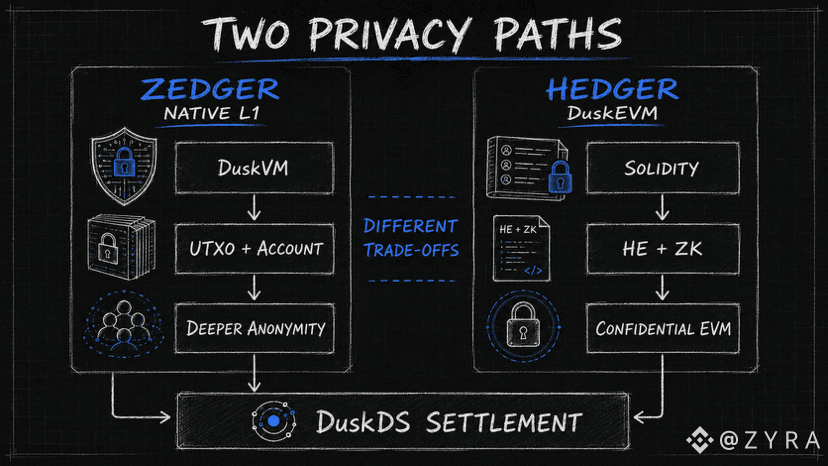
#dusk $DUSK @Dusk_Foundation Tôi đã mở trang “Dusk’s Core Components”, mong đợi Zedger và Hedger là các phiên bản cũ hơn và mới hơn của cùng một hệ thống quyền riêng tư.
Chúng không phải vậy.
Trang này đặt Zedger trực tiếp trên L1 gốc của Dusk thông qua các hợp đồng DuskVM. Thiết kế lai giữa UTXO và tài khoản được xây dựng cho các tài sản được quản lý, cần quyền sở hữu riêng tư, chuyển giao tuân thủ, bỏ phiếu, cổ tức và giới hạn quyền sở hữu.
Hedger đi theo một hướng khác.
Nó hoạt động trên DuskEVM và kết hợp mã hóa đồng hình với các bằng chứng không kiến thức. Giá trị có thể vẫn được mã hóa trong khi các hợp đồng chứng minh rằng một giao dịch là hợp lệ, mà không cần từ bỏ Solidity hay các công cụ chuẩn của hệ sinh thái Ethereum.
Rồi tôi phát hiện ra “thỏa hiệp” mà Dusk công khai: mô hình tài khoản của EVM khiến Hedger không thể cung cấp mức ẩn danh đầy đủ như Zedger.
Điều đó thay đổi cách tôi đọc kiến trúc.
Hedger không chỉ đơn giản là Zedger tốt hơn. Nó đánh đổi một phần ẩn danh ở lớp native để tài chính bảo mật có thể trở nên khả dụng trong môi trường EVM.
Với một nền tảng trái phiếu được token hóa đã được xây dựng dựa trên Solidity, khả năng tương thích đó có thể giảm công việc tích hợp. Đối với một ứng dụng cần quyền riêng tư sâu hơn và truy cập trực tiếp vào mô hình giao dịch native của Dusk, Zedger vẫn là một con đường khác.
Hedger vẫn đang ở testnet, nên tốc độ chứng minh theo trình duyệt và các luồng công việc mã hóa mà nó tuyên bố vẫn cần được chứng minh trong hoạt động thị trường thực tế.
Dusk chưa chọn một mô hình quyền riêng tư cho mọi thứ.
Họ đang giữ quyền riêng tư native-L1 và quyền riêng tư EVM tách biệt vì sự quen thuộc của nhà phát triển và mức ẩn danh tối đa không khớp gọn trong cùng một kiến trúc.
{future}(DUSKUSDT)
#dusk $DUSK @Dusk Tôi đã mở trang “Dusk’s Core Components”, mong đợi Zedger và Hedger là các phiên bản cũ hơn và mới hơn của cùng một hệ thống quyền riêng tư.
Chúng không phải vậy.
Trang này đặt Zedger trực tiếp trên L1 gốc của Dusk thông qua các hợp đồng DuskVM. Thiết kế lai giữa UTXO và tài khoản được xây dựng cho các tài sản được quản lý, cần quyền sở hữu riêng tư, chuyển giao tuân thủ, bỏ phiếu, cổ tức và giới hạn quyền sở hữu.
Hedger đi theo một hướng khác.
Nó hoạt động trên DuskEVM và kết hợp mã hóa đồng hình với các bằng chứng không kiến thức. Giá trị có thể vẫn được mã hóa trong khi các hợp đồng chứng minh rằng một giao dịch là hợp lệ, mà không cần từ bỏ Solidity hay các công cụ chuẩn của hệ sinh thái Ethereum.
Rồi tôi phát hiện ra “thỏa hiệp” mà Dusk công khai: mô hình tài khoản của EVM khiến Hedger không thể cung cấp mức ẩn danh đầy đủ như Zedger.
Điều đó thay đổi cách tôi đọc kiến trúc.
Hedger không chỉ đơn giản là Zedger tốt hơn. Nó đánh đổi một phần ẩn danh ở lớp native để tài chính bảo mật có thể trở nên khả dụng trong môi trường EVM.
Với một nền tảng trái phiếu được token hóa đã được xây dựng dựa trên Solidity, khả năng tương thích đó có thể giảm công việc tích hợp. Đối với một ứng dụng cần quyền riêng tư sâu hơn và truy cập trực tiếp vào mô hình giao dịch native của Dusk, Zedger vẫn là một con đường khác.
Hedger vẫn đang ở testnet, nên tốc độ chứng minh theo trình duyệt và các luồng công việc mã hóa mà nó tuyên bố vẫn cần được chứng minh trong hoạt động thị trường thực tế.
Dusk chưa chọn một mô hình quyền riêng tư cho mọi thứ.
Họ đang giữ quyền riêng tư native-L1 và quyền riêng tư EVM tách biệt vì sự quen thuộc của nhà phát triển và mức ẩn danh tối đa không khớp gọn trong cùng một kiến trúc.
Chúng không phải vậy.
Trang này đặt Zedger trực tiếp trên L1 gốc của Dusk thông qua các hợp đồng DuskVM. Thiết kế lai giữa UTXO và tài khoản được xây dựng cho các tài sản được quản lý, cần quyền sở hữu riêng tư, chuyển giao tuân thủ, bỏ phiếu, cổ tức và giới hạn quyền sở hữu.
Hedger đi theo một hướng khác.
Nó hoạt động trên DuskEVM và kết hợp mã hóa đồng hình với các bằng chứng không kiến thức. Giá trị có thể vẫn được mã hóa trong khi các hợp đồng chứng minh rằng một giao dịch là hợp lệ, mà không cần từ bỏ Solidity hay các công cụ chuẩn của hệ sinh thái Ethereum.
Rồi tôi phát hiện ra “thỏa hiệp” mà Dusk công khai: mô hình tài khoản của EVM khiến Hedger không thể cung cấp mức ẩn danh đầy đủ như Zedger.
Điều đó thay đổi cách tôi đọc kiến trúc.
Hedger không chỉ đơn giản là Zedger tốt hơn. Nó đánh đổi một phần ẩn danh ở lớp native để tài chính bảo mật có thể trở nên khả dụng trong môi trường EVM.
Với một nền tảng trái phiếu được token hóa đã được xây dựng dựa trên Solidity, khả năng tương thích đó có thể giảm công việc tích hợp. Đối với một ứng dụng cần quyền riêng tư sâu hơn và truy cập trực tiếp vào mô hình giao dịch native của Dusk, Zedger vẫn là một con đường khác.
Hedger vẫn đang ở testnet, nên tốc độ chứng minh theo trình duyệt và các luồng công việc mã hóa mà nó tuyên bố vẫn cần được chứng minh trong hoạt động thị trường thực tế.
Dusk chưa chọn một mô hình quyền riêng tư cho mọi thứ.
Họ đang giữ quyền riêng tư native-L1 và quyền riêng tư EVM tách biệt vì sự quen thuộc của nhà phát triển và mức ẩn danh tối đa không khớp gọn trong cùng một kiến trúc.
4
9
575
·
--
Tăng giá
Giao dịch 30D $DUSK 197.5 USDT
#dusk $DUSK @Dusk_Foundation Các ngân hàng, sàn giao dịch và tổ chức lưu ký có thể kiểm tra cùng một giao dịch, nhưng họ không cần phải thấy cùng một dữ liệu.
Chính sự khác biệt đó khiến mô hình tiết lộ chọn lọc của Dusk trở nên hấp dẫn đối với tôi.
Một sàn giao dịch có thể cần bằng chứng rằng một nhà giao dịch đủ điều kiện.
Một tổ chức lưu ký có thể cần xác nhận quyền sở hữu.
Một cơ quan quản lý có thể yêu cầu truy cập vào các hồ sơ giao dịch cụ thể.
Không có một trong các bước kiểm tra đó tự động cho phép việc công khai toàn bộ số dư, danh tính hoặc lịch sử giao dịch của khách hàng cho tất cả những người khác.
Dusk coi việc tiết lộ là quyền truy cập theo sự cho phép đối với các bằng chứng cần thiết, chứ không phải là sự lựa chọn giữa che giấu hoàn toàn và minh bạch hoàn toàn.
Điều này giống hơn rất nhiều với cách tài chính được quản lý thực sự xử lý thông tin.
#dusk $DUSK @Dusk Các ngân hàng, sàn giao dịch và tổ chức lưu ký có thể kiểm tra cùng một giao dịch, nhưng họ không cần phải thấy cùng một dữ liệu.
Chính sự khác biệt đó khiến mô hình tiết lộ chọn lọc của Dusk trở nên hấp dẫn đối với tôi.
Một sàn giao dịch có thể cần bằng chứng rằng một nhà giao dịch đủ điều kiện.
Một tổ chức lưu ký có thể cần xác nhận quyền sở hữu.
Một cơ quan quản lý có thể yêu cầu truy cập vào các hồ sơ giao dịch cụ thể.
Không có một trong các bước kiểm tra đó tự động cho phép việc công khai toàn bộ số dư, danh tính hoặc lịch sử giao dịch của khách hàng cho tất cả những người khác.
Dusk coi việc tiết lộ là quyền truy cập theo sự cho phép đối với các bằng chứng cần thiết, chứ không phải là sự lựa chọn giữa che giấu hoàn toàn và minh bạch hoàn toàn.
Điều này giống hơn rất nhiều với cách tài chính được quản lý thực sự xử lý thông tin.
Chính sự khác biệt đó khiến mô hình tiết lộ chọn lọc của Dusk trở nên hấp dẫn đối với tôi.
Một sàn giao dịch có thể cần bằng chứng rằng một nhà giao dịch đủ điều kiện.
Một tổ chức lưu ký có thể cần xác nhận quyền sở hữu.
Một cơ quan quản lý có thể yêu cầu truy cập vào các hồ sơ giao dịch cụ thể.
Không có một trong các bước kiểm tra đó tự động cho phép việc công khai toàn bộ số dư, danh tính hoặc lịch sử giao dịch của khách hàng cho tất cả những người khác.
Dusk coi việc tiết lộ là quyền truy cập theo sự cho phép đối với các bằng chứng cần thiết, chứ không phải là sự lựa chọn giữa che giấu hoàn toàn và minh bạch hoàn toàn.
Điều này giống hơn rất nhiều với cách tài chính được quản lý thực sự xử lý thông tin.
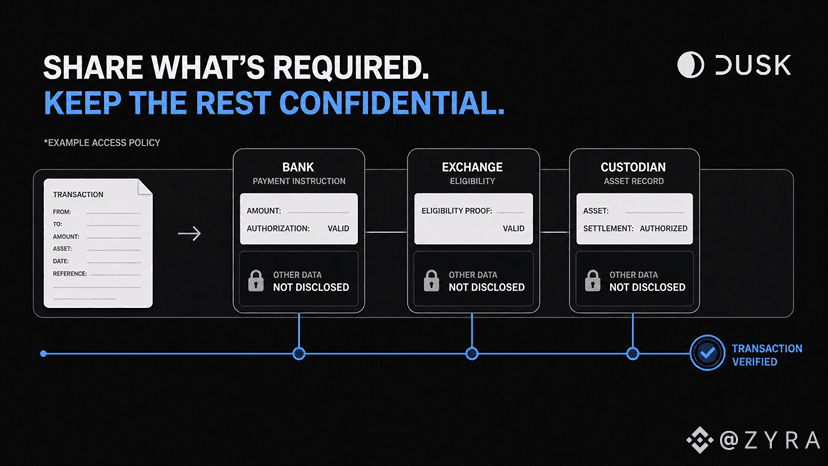
3
7
225
·
--
Tăng giá
#termmax @termmax Tôi đã mở các hợp đồng V2 của TermMax với kỳ vọng Gearing Token sẽ hoạt động giống như một loại token nợ có thể thay thế (fungible).
Nhưng nó không như vậy.
GT là một vị thế ERC-721. Hợp đồng cung cấp các hàm loanInfo, addCollateral, removeCollaterl, augmentDebt, repay và liquidate.
Điều đó giải thích vì sao TermMax sử dụng NFT ở đây.
FT có thể là fungible vì mỗi FT từ cùng một thị trường đại diện cho cùng một quyền yêu cầu khi đáo hạn. Một GT lại nắm giữ một thứ cụ thể hơn: tài sản thế chấp, khoản nợ và trạng thái vị thế của một người đi vay.
Hai GT từ cùng một thị trường có thể không mang cùng mức rủi ro. Một GT có thể có “bộ đệm” thế chấp khá an toàn, trong khi GT khác lại đang ở rất gần ngưỡng thanh lý.
Hợp đồng cũng bao gồm các chức năng sở hữu và chuyển nhượng. Điều đó có nghĩa là việc chuyển một GT không thể so sánh với việc gửi một token thông thường. Quyền sở hữu của một vị thế vay đang hoạt động sẽ chuyển theo.
Hợp đồng hỗ trợ hành động đó, nhưng việc định giá một vị thế như vậy lại là chuyện khác.
Trước khi nhận một GT, tôi cần kiểm tra tài sản thế chấp của nó, khoản nợ còn lại, thời điểm đáo hạn và khoảng cách tới mức bị thanh lý. Nhãn NFT đơn thuần không nói lên liệu vị thế đó có đang “khỏe” hay không.
Giờ đây, tôi nhìn GT ít như một token và nhiều hơn như một tài khoản vay trên chuỗi (onchain).
Nó không phải là thứ “trang trí” quanh quy trình vay.
Nó chính là bản thân vị thế.
Điều quan trọng nhất khi xem xét một GT là gì?
#termmax @TermMax Tôi đã mở các hợp đồng V2 của TermMax với kỳ vọng Gearing Token sẽ hoạt động giống như một loại token nợ có thể thay thế (fungible).
Nhưng nó không như vậy.
GT là một vị thế ERC-721. Hợp đồng cung cấp các hàm loanInfo, addCollateral, removeCollaterl, augmentDebt, repay và liquidate.
Điều đó giải thích vì sao TermMax sử dụng NFT ở đây.
FT có thể là fungible vì mỗi FT từ cùng một thị trường đại diện cho cùng một quyền yêu cầu khi đáo hạn. Một GT lại nắm giữ một thứ cụ thể hơn: tài sản thế chấp, khoản nợ và trạng thái vị thế của một người đi vay.
Hai GT từ cùng một thị trường có thể không mang cùng mức rủi ro. Một GT có thể có “bộ đệm” thế chấp khá an toàn, trong khi GT khác lại đang ở rất gần ngưỡng thanh lý.
Hợp đồng cũng bao gồm các chức năng sở hữu và chuyển nhượng. Điều đó có nghĩa là việc chuyển một GT không thể so sánh với việc gửi một token thông thường. Quyền sở hữu của một vị thế vay đang hoạt động sẽ chuyển theo.
Hợp đồng hỗ trợ hành động đó, nhưng việc định giá một vị thế như vậy lại là chuyện khác.
Trước khi nhận một GT, tôi cần kiểm tra tài sản thế chấp của nó, khoản nợ còn lại, thời điểm đáo hạn và khoảng cách tới mức bị thanh lý. Nhãn NFT đơn thuần không nói lên liệu vị thế đó có đang “khỏe” hay không.
Giờ đây, tôi nhìn GT ít như một token và nhiều hơn như một tài khoản vay trên chuỗi (onchain).
Nó không phải là thứ “trang trí” quanh quy trình vay.
Nó chính là bản thân vị thế.
Điều quan trọng nhất khi xem xét một GT là gì?
Nhưng nó không như vậy.
GT là một vị thế ERC-721. Hợp đồng cung cấp các hàm loanInfo, addCollateral, removeCollaterl, augmentDebt, repay và liquidate.
Điều đó giải thích vì sao TermMax sử dụng NFT ở đây.
FT có thể là fungible vì mỗi FT từ cùng một thị trường đại diện cho cùng một quyền yêu cầu khi đáo hạn. Một GT lại nắm giữ một thứ cụ thể hơn: tài sản thế chấp, khoản nợ và trạng thái vị thế của một người đi vay.
Hai GT từ cùng một thị trường có thể không mang cùng mức rủi ro. Một GT có thể có “bộ đệm” thế chấp khá an toàn, trong khi GT khác lại đang ở rất gần ngưỡng thanh lý.
Hợp đồng cũng bao gồm các chức năng sở hữu và chuyển nhượng. Điều đó có nghĩa là việc chuyển một GT không thể so sánh với việc gửi một token thông thường. Quyền sở hữu của một vị thế vay đang hoạt động sẽ chuyển theo.
Hợp đồng hỗ trợ hành động đó, nhưng việc định giá một vị thế như vậy lại là chuyện khác.
Trước khi nhận một GT, tôi cần kiểm tra tài sản thế chấp của nó, khoản nợ còn lại, thời điểm đáo hạn và khoảng cách tới mức bị thanh lý. Nhãn NFT đơn thuần không nói lên liệu vị thế đó có đang “khỏe” hay không.
Giờ đây, tôi nhìn GT ít như một token và nhiều hơn như một tài khoản vay trên chuỗi (onchain).
Nó không phải là thứ “trang trí” quanh quy trình vay.
Nó chính là bản thân vị thế.
Điều quan trọng nhất khi xem xét một GT là gì?
Collateral
67%
Debt size
33%
MLTV buffer
0%
Maturity
0%
6 phiếu bầu • Cuộc bỏ phiếu đã kết thúc
1
4
448
Đăng nhập để khám phá thêm nội dung
Tham gia cùng người dùng tiền mã hóa toàn cầu trên Binance Square
⚡️ Nhận thông tin mới nhất và hữu ích về tiền mã hóa.
💬 Được tin cậy bởi sàn giao dịch tiền mã hóa lớn nhất thế giới.
👍 Khám phá những thông tin chuyên sâu thực tế từ những nhà sáng tạo đã xác minh.
Email / Số điện thoại
Chủ đề thịnh hành
TheoDõiFOMC
114,991 lượt xem
661 đang thảo luận
#TheoDõiFOMC
🔥 FOMC lại bắt đầu trở thành tâm điểm của crypto
Bitcoin vừa bước vào tháng 10, nhưng câu chuyện lớn phía sau thị trường lúc này không chỉ là giá.
Các trader đang bắt đầu hướng sự chú ý về cuộc họp FOMC ngày 27–28/10. Sau một loạt phát biểu mới từ quan chức Fed, kỳ vọng về việc tăng lãi suất ngay trong tháng 10 đã giảm đáng kể.
Điều thú vị là trước đó thị trường từng đặt cược khá cao vào một đợt tăng tiếp theo.
Giờ thì mọi thứ lại quay sang chờ dữ liệu kinh tế và những phát biểu tiếp theo của Fed.
Với crypto, chỉ cần kỳ vọng lãi suất thay đổi mạnh là $BTC có thể lập tức biến động, rồi kéo theo cả thị trường altcoin.
Tháng 10 mới bắt đầu mà macro đã có chuyện để hóng rồi 👀
#Bitcoin #Crypto #Macro #Fed #BinanceSquare
X LEI
·0 lượt thích
·154 lượt xem
TinFed
98,980 lượt xem
463 đang thảo luận
BitcoinParesGainsAfterRallyTo$86.5K
25,550 lượt xem
96 đang thảo luận