

ZhenyaMan
548 Bài đăng

ZhenyaMan
Báo cáo
Chặn người dùng
Trader
Trader tần suất cao
{thời gian} năm
3.3K+ Đang theo dõi
9.7K+ Người theo dõi
7.4K+ Đã thích
Bài đăng
Tất cả
Trích dẫn
Live
PINNED
·
--
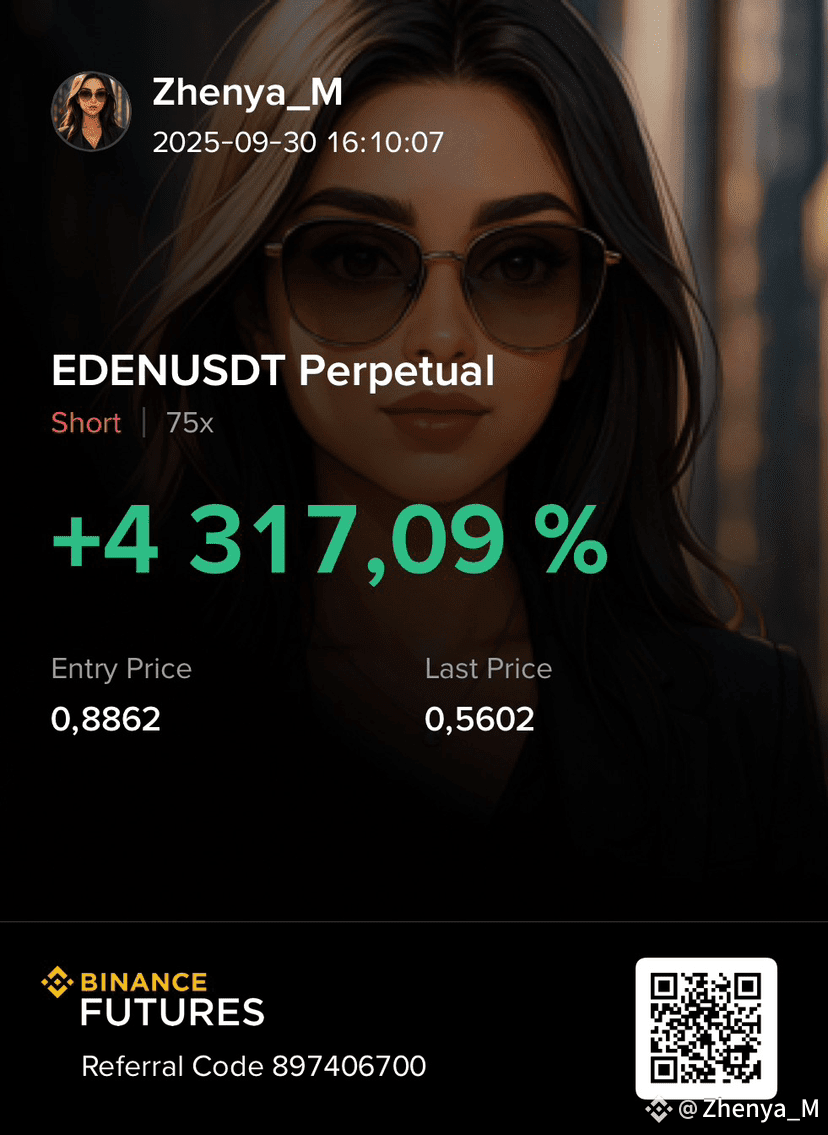
Đã đóng vị thế bán ngắn của tôi trên $EDENUSDT ✅
Niêm yết mới hôm nay và nó đã hoạt động hoàn hảo — +4,317% 🚀📉
Hy vọng bạn cũng đã nắm bắt được động thái này! 🔥
$BTC $BNB $EDEN
#FutureTarding #cryptotrading #BinanceArmenia #altcoins #TradingCommunity
{future}(EDENUSDT)
Đã đóng vị thế bán ngắn của tôi trên $EDENUSDT ✅
Niêm yết mới hôm nay và nó đã hoạt động hoàn hảo — +4,317% 🚀📉
Hy vọng bạn cũng đã nắm bắt được động thái này! 🔥
$BTC $BNB $EDEN
#FutureTarding #cryptotrading #BinanceArmenia #altcoins #TradingCommunity
Niêm yết mới hôm nay và nó đã hoạt động hoàn hảo — +4,317% 🚀📉
Hy vọng bạn cũng đã nắm bắt được động thái này! 🔥
$BTC $BNB $EDEN
#FutureTarding #cryptotrading #BinanceArmenia #altcoins #TradingCommunity
8
6
21
1.8k
·
--
MAGICUSDT LONG — VẪN ĐANG MỞ!
🟢 Cặp giao dịch: MAGICUSDT hợp đồng vĩnh cửu
📈 Hướng: LONG
⚡ Đòn bẩy: 50x
🎯 Giá vào lệnh: 0.083668
💹 Giá đánh dấu hiện tại: 0.08483
💰 Lãi/lỗ chưa thực hiện: +68.67%
Vị thế VẪN ĐANG MỞ! Giao dịch này vẫn đang diễn ra. 👀📈
$BTC $ETH $MAGIC
#BinanceFutures #cryptotrading #TradingSignals #cryptosignals #FuturesTrading
{future}(MAGICUSDT)
MAGICUSDT LONG — VẪN ĐANG MỞ!
🟢 Cặp giao dịch: MAGICUSDT hợp đồng vĩnh cửu
📈 Hướng: LONG
⚡ Đòn bẩy: 50x
🎯 Giá vào lệnh: 0.083668
💹 Giá đánh dấu hiện tại: 0.08483
💰 Lãi/lỗ chưa thực hiện: +68.67%
Vị thế VẪN ĐANG MỞ! Giao dịch này vẫn đang diễn ra. 👀📈
$BTC $ETH $MAGIC
#BinanceFutures #cryptotrading #TradingSignals #cryptosignals #FuturesTrading
🟢 Cặp giao dịch: MAGICUSDT hợp đồng vĩnh cửu
📈 Hướng: LONG
⚡ Đòn bẩy: 50x
🎯 Giá vào lệnh: 0.083668
💹 Giá đánh dấu hiện tại: 0.08483
💰 Lãi/lỗ chưa thực hiện: +68.67%
Vị thế VẪN ĐANG MỞ! Giao dịch này vẫn đang diễn ra. 👀📈
$BTC $ETH $MAGIC
#BinanceFutures #cryptotrading #TradingSignals #cryptosignals #FuturesTrading
297
·
--
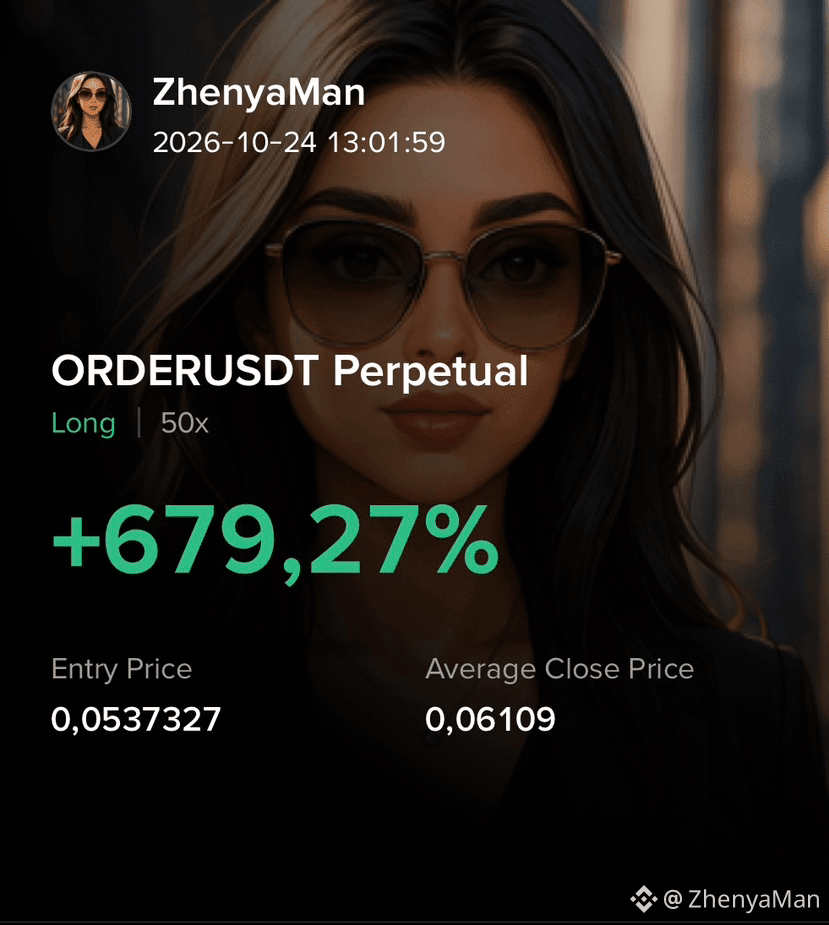
ORDERUSDT LONG — LỢI NHUẬN +679.27%!
📈 Binance Futures | Đòn bẩy 50x
🟢 Mở vị thế: 12:54
🔴 Đóng vị thế: 13:01
⏱️ Thời lượng giao dịch: 7 phút
Giá vào lệnh: 0.0537327
Giá đóng lệnh trung bình: 0.06109
ROI: +679.27%
7 phút. Một giao dịch.
$ORDER $BTC $ETH
#BinanceFutures #TradingCommunity #cryptotrading #FuturesTrading #altcoins
{future}(ORDERUSDT)
ORDERUSDT LONG — LỢI NHUẬN +679.27%!
📈 Binance Futures | Đòn bẩy 50x
🟢 Mở vị thế: 12:54
🔴 Đóng vị thế: 13:01
⏱️ Thời lượng giao dịch: 7 phút
Giá vào lệnh: 0.0537327
Giá đóng lệnh trung bình: 0.06109
ROI: +679.27%
7 phút. Một giao dịch.
$ORDER $BTC $ETH
#BinanceFutures #TradingCommunity #cryptotrading #FuturesTrading #altcoins
📈 Binance Futures | Đòn bẩy 50x
🟢 Mở vị thế: 12:54
🔴 Đóng vị thế: 13:01
⏱️ Thời lượng giao dịch: 7 phút
Giá vào lệnh: 0.0537327
Giá đóng lệnh trung bình: 0.06109
ROI: +679.27%
7 phút. Một giao dịch.
$ORDER $BTC $ETH
#BinanceFutures #TradingCommunity #cryptotrading #FuturesTrading #altcoins

Best Wishes!
Từ ZhenyaMan
3
2
207
·
--
Giá trị thực sự của @nillionnetwork không chỉ nằm ở quyền riêng tư. Đó là việc chuyển đổi cách các ứng dụng có thể sử dụng dữ liệu nhạy cảm trong khi vẫn bảo vệ thông tin mật. 🔐
Covenant giới thiệu một khái niệm quan trọng cho Web3: các điều kiện có thể lập trình, cho phép tính toán riêng tư, có thể xác minh và tương tác kỹ thuật số an toàn hơn. Điều này có thể mở ra những khả năng mới cho các chiến lược DeFi bảo mật, đấu giá kín, chia sẻ dữ liệu được bảo vệ và các thỏa thuận tự động, trong đó thông tin nhạy cảm hoặc logic thực thi không nên bị tiết lộ quá sớm.
Với DUSK, lần phát hành đầu tiên trên mạng chính Ethereum, Nillion đã thực hiện một bước tiến quan trọng nhằm đưa các chức năng chú trọng quyền riêng tư vào một hệ sinh thái blockchain đã phát triển ổn định. Nhìn xa hơn, lộ trình bảy kỷ nguyên vạch ra tầm nhìn đầy tham vọng về việc mở rộng khả năng, tăng cường bảo mật và hỗ trợ các nhà phát triển xây dựng những ứng dụng bảo vệ quyền riêng tư tinh vi hơn.
Cơ hội dài hạn là rất đáng kể. Blockchain công khai mang lại tính minh bạch và khả năng xác minh, nhưng không phải dữ liệu nào cũng nên được công khai. Các công nghệ giúp cân bằng những nhu cầu này có thể khiến ứng dụng phi tập trung trở nên thiết thực hơn đối với doanh nghiệp, tổ chức và người dùng thường ngày.
Tiến bộ thực sự sẽ phụ thuộc vào mức độ ứng dụng của nhà phát triển, khả năng thực thi đáng tin cậy, bảo mật, tính phi tập trung và tính bền vững về kinh tế của mạng lưới. Nếu những nền tảng này phát triển thành công, Nillion có thể góp phần tạo nên một tương lai nơi quyền riêng tư trở thành phần thiết yếu của cơ sở hạ tầng Web3, thay vì chỉ là điều được nghĩ đến sau cùng.
#nil $NIL @Nillion
Giá trị thực sự của @Nillion không chỉ nằm ở quyền riêng tư. Đó là việc chuyển đổi cách các ứng dụng có thể sử dụng dữ liệu nhạy cảm trong khi vẫn bảo vệ thông tin mật. 🔐
Covenant giới thiệu một khái niệm quan trọng cho Web3: các điều kiện có thể lập trình, cho phép tính toán riêng tư, có thể xác minh và tương tác kỹ thuật số an toàn hơn. Điều này có thể mở ra những khả năng mới cho các chiến lược DeFi bảo mật, đấu giá kín, chia sẻ dữ liệu được bảo vệ và các thỏa thuận tự động, trong đó thông tin nhạy cảm hoặc logic thực thi không nên bị tiết lộ quá sớm.
Với DUSK, lần phát hành đầu tiên trên mạng chính Ethereum, Nillion đã thực hiện một bước tiến quan trọng nhằm đưa các chức năng chú trọng quyền riêng tư vào một hệ sinh thái blockchain đã phát triển ổn định. Nhìn xa hơn, lộ trình bảy kỷ nguyên vạch ra tầm nhìn đầy tham vọng về việc mở rộng khả năng, tăng cường bảo mật và hỗ trợ các nhà phát triển xây dựng những ứng dụng bảo vệ quyền riêng tư tinh vi hơn.
Cơ hội dài hạn là rất đáng kể. Blockchain công khai mang lại tính minh bạch và khả năng xác minh, nhưng không phải dữ liệu nào cũng nên được công khai. Các công nghệ giúp cân bằng những nhu cầu này có thể khiến ứng dụng phi tập trung trở nên thiết thực hơn đối với doanh nghiệp, tổ chức và người dùng thường ngày.
Tiến bộ thực sự sẽ phụ thuộc vào mức độ ứng dụng của nhà phát triển, khả năng thực thi đáng tin cậy, bảo mật, tính phi tập trung và tính bền vững về kinh tế của mạng lưới. Nếu những nền tảng này phát triển thành công, Nillion có thể góp phần tạo nên một tương lai nơi quyền riêng tư trở thành phần thiết yếu của cơ sở hạ tầng Web3, thay vì chỉ là điều được nghĩ đến sau cùng.
#nil $NIL @Nillion
Covenant giới thiệu một khái niệm quan trọng cho Web3: các điều kiện có thể lập trình, cho phép tính toán riêng tư, có thể xác minh và tương tác kỹ thuật số an toàn hơn. Điều này có thể mở ra những khả năng mới cho các chiến lược DeFi bảo mật, đấu giá kín, chia sẻ dữ liệu được bảo vệ và các thỏa thuận tự động, trong đó thông tin nhạy cảm hoặc logic thực thi không nên bị tiết lộ quá sớm.
Với DUSK, lần phát hành đầu tiên trên mạng chính Ethereum, Nillion đã thực hiện một bước tiến quan trọng nhằm đưa các chức năng chú trọng quyền riêng tư vào một hệ sinh thái blockchain đã phát triển ổn định. Nhìn xa hơn, lộ trình bảy kỷ nguyên vạch ra tầm nhìn đầy tham vọng về việc mở rộng khả năng, tăng cường bảo mật và hỗ trợ các nhà phát triển xây dựng những ứng dụng bảo vệ quyền riêng tư tinh vi hơn.
Cơ hội dài hạn là rất đáng kể. Blockchain công khai mang lại tính minh bạch và khả năng xác minh, nhưng không phải dữ liệu nào cũng nên được công khai. Các công nghệ giúp cân bằng những nhu cầu này có thể khiến ứng dụng phi tập trung trở nên thiết thực hơn đối với doanh nghiệp, tổ chức và người dùng thường ngày.
Tiến bộ thực sự sẽ phụ thuộc vào mức độ ứng dụng của nhà phát triển, khả năng thực thi đáng tin cậy, bảo mật, tính phi tập trung và tính bền vững về kinh tế của mạng lưới. Nếu những nền tảng này phát triển thành công, Nillion có thể góp phần tạo nên một tương lai nơi quyền riêng tư trở thành phần thiết yếu của cơ sở hạ tầng Web3, thay vì chỉ là điều được nghĩ đến sau cùng.
#nil $NIL @Nillion
1
2
255
·
--
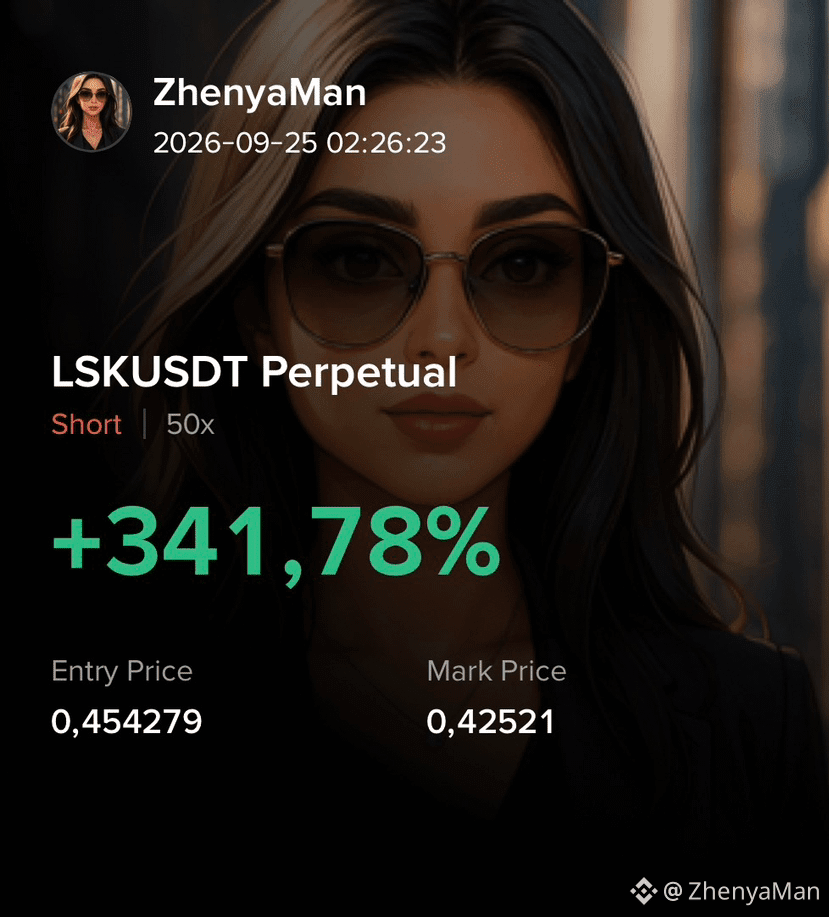
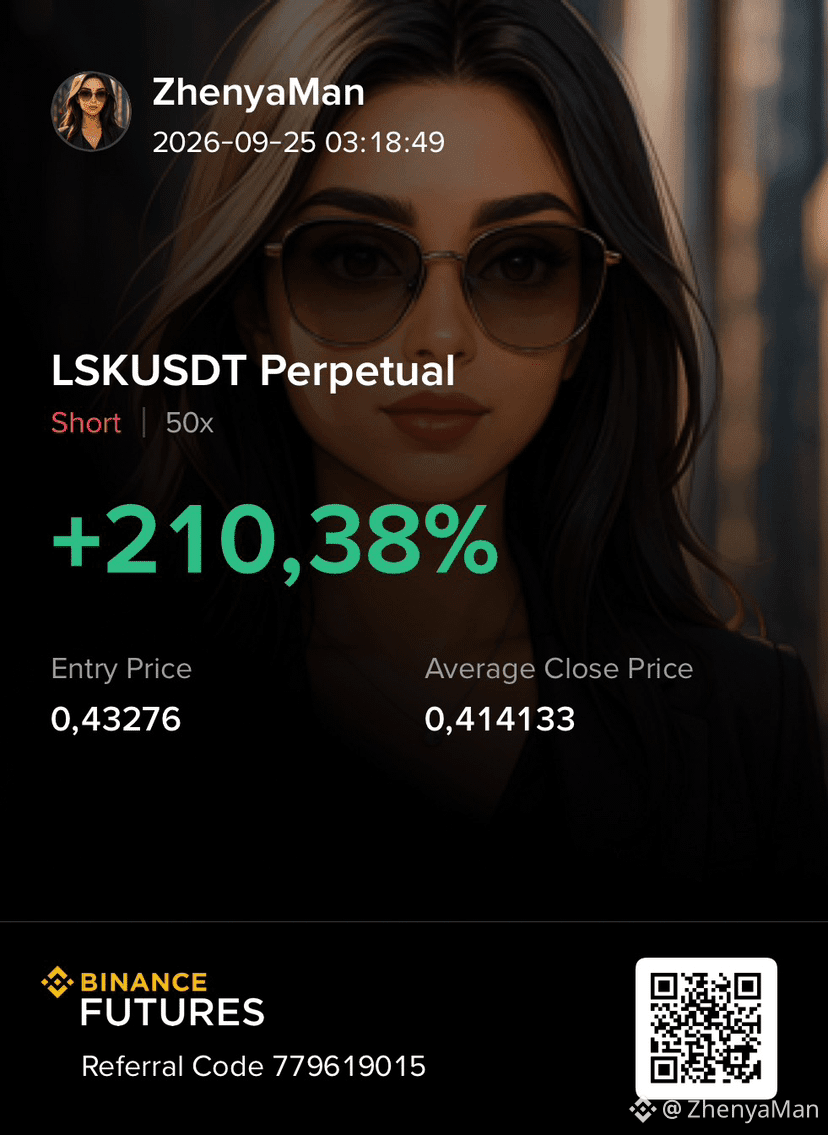
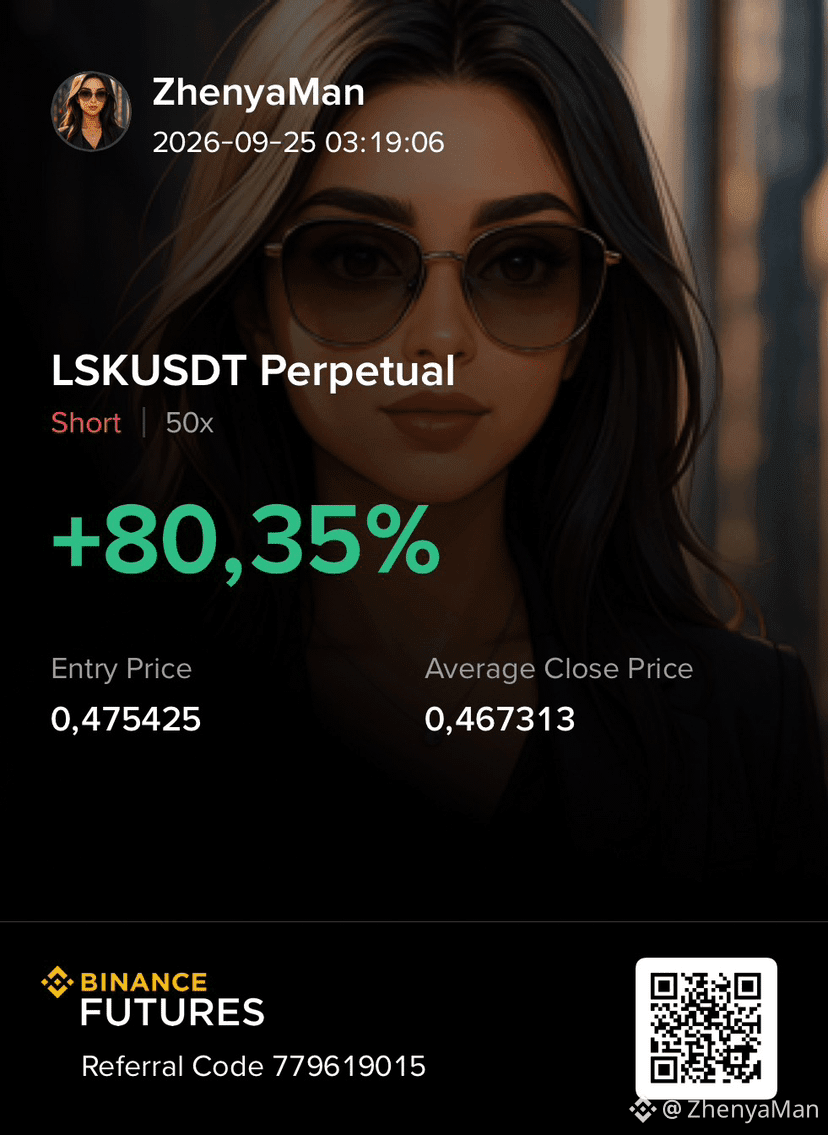
LSKUSDT Short 📉
0.454279 ➔ 0.42521 | +341.78%
0.43276 ➔ 0.414133 | +210.38%
0.475425 ➔ 0.467313 | +80.35%
Đòn bẩy cao đòi hỏi quản lý rủi ro nghiêm ngặt và xác định rõ mục tiêu thoát lệnh. Đừng giữ mù quáng—hãy chốt lợi nhuận khi thị trường mang lại.
$LSK $BTC $BNB
#TradingSignals #TradingCommunity #FutureTarding #altcoins #RiskManagement
{future}(LSKUSDT)
LSKUSDT Short 📉
0.454279 ➔ 0.42521 | +341.78%
0.43276 ➔ 0.414133 | +210.38%
0.475425 ➔ 0.467313 | +80.35%
Đòn bẩy cao đòi hỏi quản lý rủi ro nghiêm ngặt và xác định rõ mục tiêu thoát lệnh. Đừng giữ mù quáng—hãy chốt lợi nhuận khi thị trường mang lại.
$LSK $BTC $BNB
#TradingSignals #TradingCommunity #FutureTarding #altcoins #RiskManagement
0.454279 ➔ 0.42521 | +341.78%
0.43276 ➔ 0.414133 | +210.38%
0.475425 ➔ 0.467313 | +80.35%
Đòn bẩy cao đòi hỏi quản lý rủi ro nghiêm ngặt và xác định rõ mục tiêu thoát lệnh. Đừng giữ mù quáng—hãy chốt lợi nhuận khi thị trường mang lại.
$LSK $BTC $BNB
#TradingSignals #TradingCommunity #FutureTarding #altcoins #RiskManagement
357
1
28
357
·
--
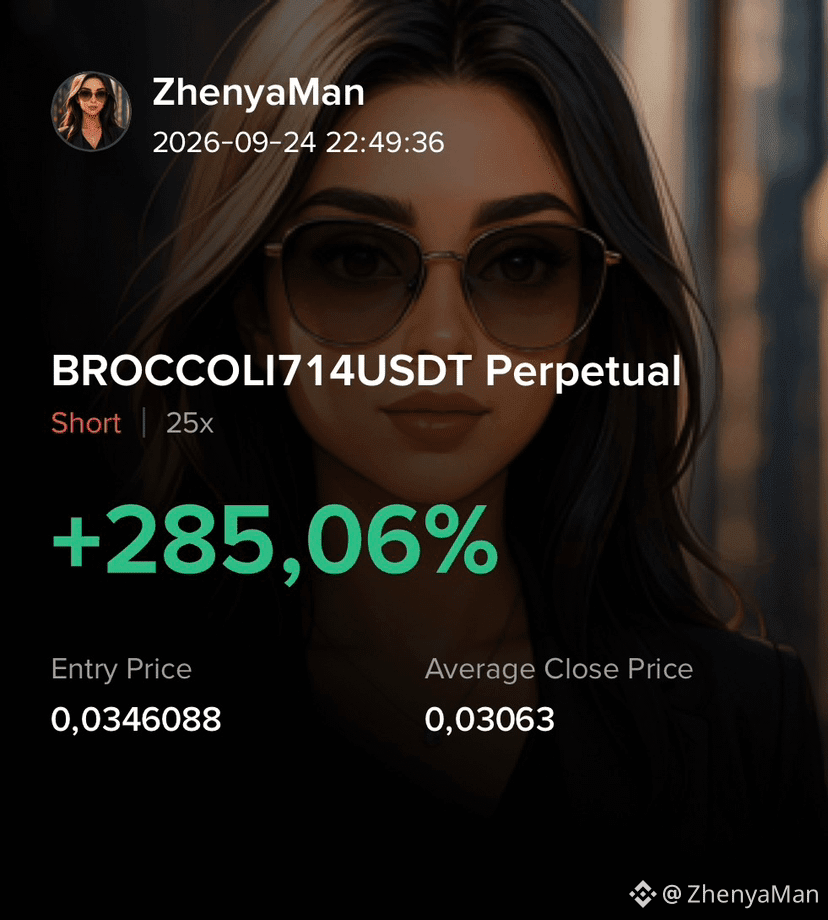
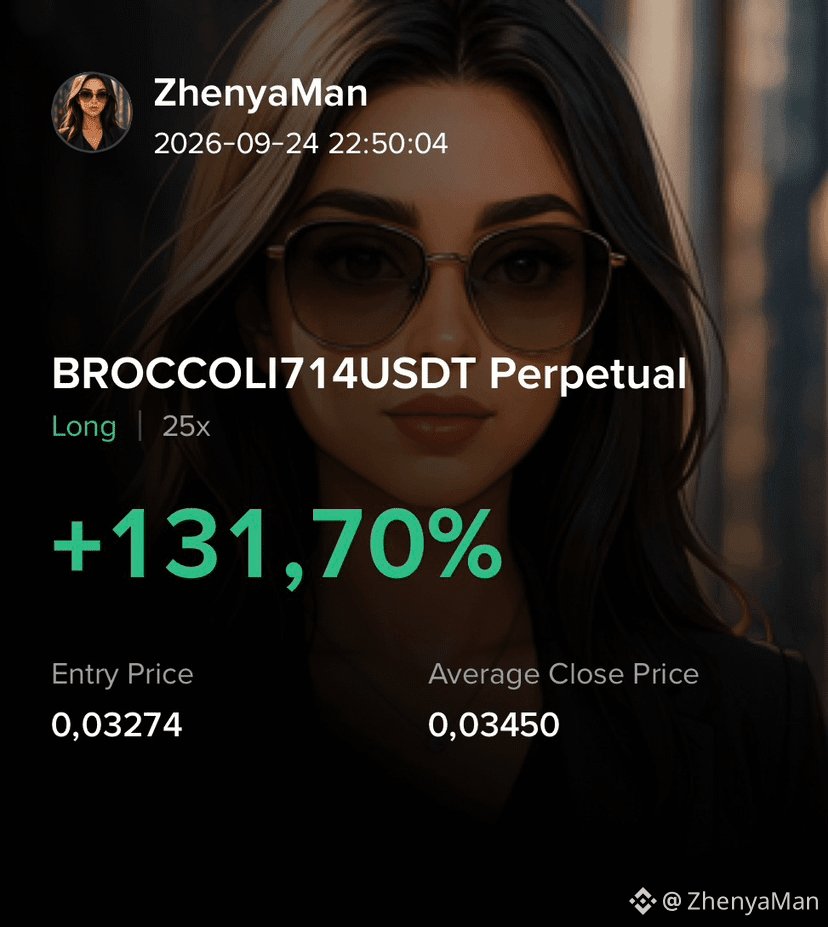
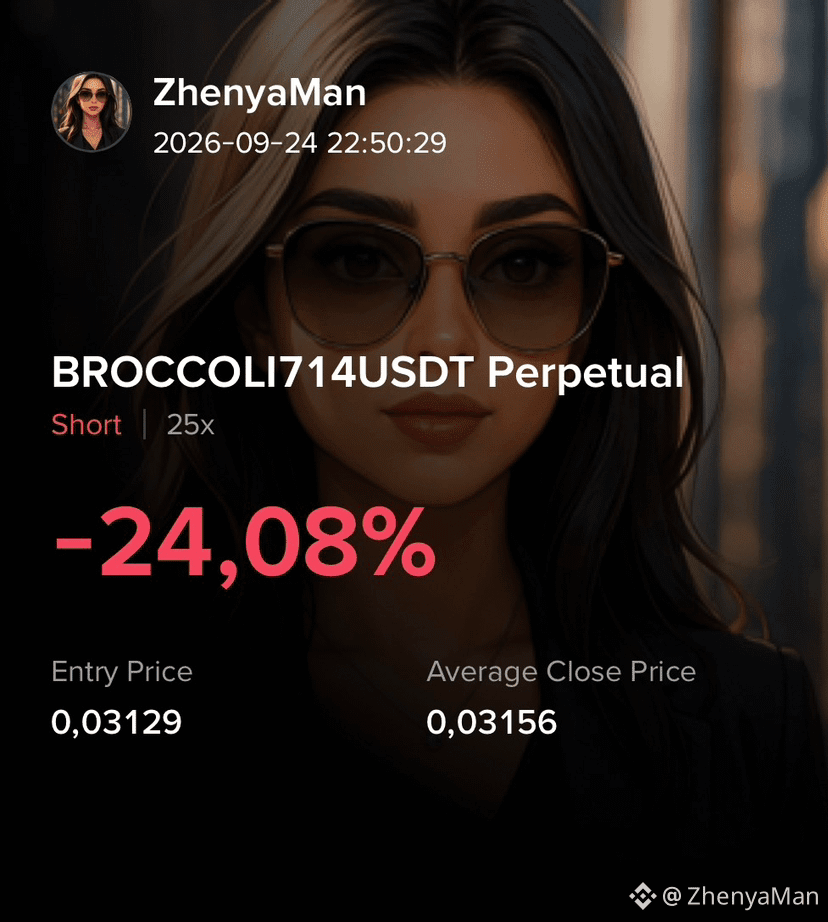
Tổng kết giao dịch hôm nay: Hợp đồng tương lai BROCCOLI714USDT (25x)
Phiên giao dịch tốt khi giao dịch cả hai chiều thị trường. Thực hiện 5 lệnh—4 lệnh thắng lớn và 1 lệnh cắt lỗ nhỏ. Sự nhất quán và kỷ luật trong khâu thực thi quan trọng hơn tất cả 📈
Chi tiết giao dịch:
Short: Mở 0.0346088 ➔ Đóng 0.03063 | +285.06% 🚀
Long: Mở 0.03274 ➔ Đóng 0.03450 | +131.70% 🔥
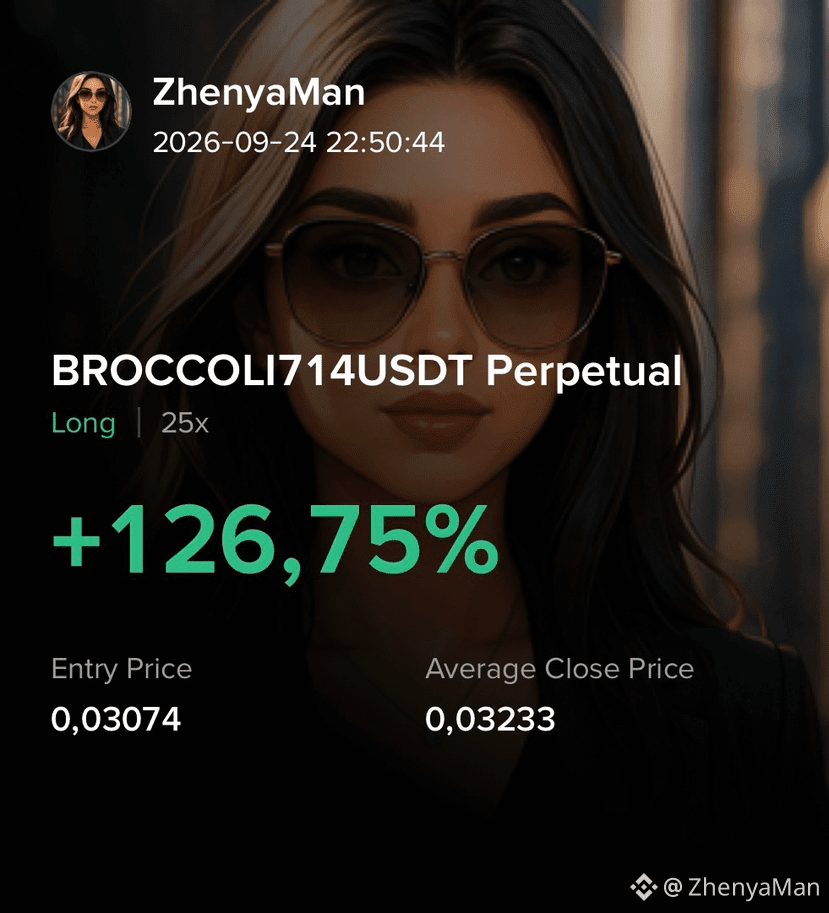
Long: Mở 0.03074 ➔ Đóng 0.03233 | +126.75% 🎯
Long: Mở 0.03150 ➔ Đóng 0.03237 | +66.51% 🟢
Short: Mở 0.03129 ➔ Đóng 0.03156 | -24.08% 🔴
$BROCCOLI714 $BTC $ETH
#TradingCommunity #FutureTarding #TradingSignals #altcoins #trading
{future}(BROCCOLI714USDT)
Tổng kết giao dịch hôm nay: Hợp đồng tương lai BROCCOLI714USDT (25x)
Phiên giao dịch tốt khi giao dịch cả hai chiều thị trường. Thực hiện 5 lệnh—4 lệnh thắng lớn và 1 lệnh cắt lỗ nhỏ. Sự nhất quán và kỷ luật trong khâu thực thi quan trọng hơn tất cả 📈
Chi tiết giao dịch:
Short: Mở 0.0346088 ➔ Đóng 0.03063 | +285.06% 🚀
Long: Mở 0.03274 ➔ Đóng 0.03450 | +131.70% 🔥
Long: Mở 0.03074 ➔ Đóng 0.03233 | +126.75% 🎯
Long: Mở 0.03150 ➔ Đóng 0.03237 | +66.51% 🟢
Short: Mở 0.03129 ➔ Đóng 0.03156 | -24.08% 🔴
$BROCCOLI714 $BTC $ETH
#TradingCommunity #FutureTarding #TradingSignals #altcoins #trading
Phiên giao dịch tốt khi giao dịch cả hai chiều thị trường. Thực hiện 5 lệnh—4 lệnh thắng lớn và 1 lệnh cắt lỗ nhỏ. Sự nhất quán và kỷ luật trong khâu thực thi quan trọng hơn tất cả 📈
Chi tiết giao dịch:
Short: Mở 0.0346088 ➔ Đóng 0.03063 | +285.06% 🚀
Long: Mở 0.03274 ➔ Đóng 0.03450 | +131.70% 🔥
Long: Mở 0.03074 ➔ Đóng 0.03233 | +126.75% 🎯
Long: Mở 0.03150 ➔ Đóng 0.03237 | +66.51% 🟢
Short: Mở 0.03129 ➔ Đóng 0.03156 | -24.08% 🔴
$BROCCOLI714 $BTC $ETH
#TradingCommunity #FutureTarding #TradingSignals #altcoins #trading
1
3
358
·
--
🎙️ Ai yêu mến Muhammad, hãy ủng hộ sự ra đời của Sứ giả của Thiên Chúa
Kết thúc
02 giờ 16 phút 07 giây
282
1
0
·
--
Bước tiếp theo của bStocks không phải là một đợt niêm yết nữa — mà là tính hữu dụng.
Cập nhật Binance hôm nay đã thu hút sự chú ý của tôi: GameStop bStocks ($GMEB ) hiện có thể được sử dụng làm tài sản thế chấp đủ điều kiện trên Cross Margin, Portfolio Margin và Portfolio Margin Pro dành cho người dùng đủ điều kiện.
Điều này thay đổi cách tôi suy nghĩ về chứng khoán được token hóa.
Một bStock không chỉ là để nắm bắt biến động giá của một công ty. Khi ngày càng nhiều tài sản có thêm tiện ích, câu hỏi RWA lớn hơn sẽ trở thành: sau khi bạn mua một tài sản được token hóa, thực sự bạn có thể làm gì với nó?
Chúng ta đã thấy bStocks mở rộng từ 5 tài sản ban đầu thành hàng chục niêm yết, bao gồm các lĩnh vực công nghệ, bán dẫn và nhiều ngành khác. Giờ đây, chức năng làm tài sản thế chấp lại bổ sung thêm một lớp cho hệ sinh thái.
Tất nhiên, nhiều tiện ích hơn cũng đồng nghĩa với trách nhiệm nhiều hơn. Ký quỹ có thể khuếch đại cả lợi nhuận lẫn thua lỗ, và Binance cụ thể khuyến nghị quản lý rủi ro nghiêm ngặt khi bStocks được sử dụng làm tài sản thế chấp.
Với tôi, đây là nơi tokenization thực sự trở nên hấp dẫn: tương lai có thể không chỉ là đưa các tài sản truyền thống lên on-chain chỉ vì mục đích đó, mà là làm cho chúng trở nên lập trình được và hữu ích hơn.
bStocks nên bổ sung gì tiếp theo?
1️⃣ Nhiều tài sản thế chấp hơn
2️⃣ Nhiều công ty chi trả cổ tức hơn
3️⃣ Nhiều tích hợp DeFi hơn
4️⃣ Nhiều công ty toàn cầu hơn
Điều gì sẽ tạo khác biệt lớn nhất cho bạn?
@BinanceCIS #bStocksCIS $GMEB
#bstockscis
Bước tiếp theo của bStocks không phải là một đợt niêm yết nữa — mà là tính hữu dụng.
Cập nhật Binance hôm nay đã thu hút sự chú ý của tôi: GameStop bStocks ($GMEB ) hiện có thể được sử dụng làm tài sản thế chấp đủ điều kiện trên Cross Margin, Portfolio Margin và Portfolio Margin Pro dành cho người dùng đủ điều kiện.
Điều này thay đổi cách tôi suy nghĩ về chứng khoán được token hóa.
Một bStock không chỉ là để nắm bắt biến động giá của một công ty. Khi ngày càng nhiều tài sản có thêm tiện ích, câu hỏi RWA lớn hơn sẽ trở thành: sau khi bạn mua một tài sản được token hóa, thực sự bạn có thể làm gì với nó?
Chúng ta đã thấy bStocks mở rộng từ 5 tài sản ban đầu thành hàng chục niêm yết, bao gồm các lĩnh vực công nghệ, bán dẫn và nhiều ngành khác. Giờ đây, chức năng làm tài sản thế chấp lại bổ sung thêm một lớp cho hệ sinh thái.
Tất nhiên, nhiều tiện ích hơn cũng đồng nghĩa với trách nhiệm nhiều hơn. Ký quỹ có thể khuếch đại cả lợi nhuận lẫn thua lỗ, và Binance cụ thể khuyến nghị quản lý rủi ro nghiêm ngặt khi bStocks được sử dụng làm tài sản thế chấp.
Với tôi, đây là nơi tokenization thực sự trở nên hấp dẫn: tương lai có thể không chỉ là đưa các tài sản truyền thống lên on-chain chỉ vì mục đích đó, mà là làm cho chúng trở nên lập trình được và hữu ích hơn.
bStocks nên bổ sung gì tiếp theo?
1️⃣ Nhiều tài sản thế chấp hơn
2️⃣ Nhiều công ty chi trả cổ tức hơn
3️⃣ Nhiều tích hợp DeFi hơn
4️⃣ Nhiều công ty toàn cầu hơn
Điều gì sẽ tạo khác biệt lớn nhất cho bạn?
@BinanceCIS #bStocksCIS $GMEB
#bstockscis
Cập nhật Binance hôm nay đã thu hút sự chú ý của tôi: GameStop bStocks ($GMEB ) hiện có thể được sử dụng làm tài sản thế chấp đủ điều kiện trên Cross Margin, Portfolio Margin và Portfolio Margin Pro dành cho người dùng đủ điều kiện.
Điều này thay đổi cách tôi suy nghĩ về chứng khoán được token hóa.
Một bStock không chỉ là để nắm bắt biến động giá của một công ty. Khi ngày càng nhiều tài sản có thêm tiện ích, câu hỏi RWA lớn hơn sẽ trở thành: sau khi bạn mua một tài sản được token hóa, thực sự bạn có thể làm gì với nó?
Chúng ta đã thấy bStocks mở rộng từ 5 tài sản ban đầu thành hàng chục niêm yết, bao gồm các lĩnh vực công nghệ, bán dẫn và nhiều ngành khác. Giờ đây, chức năng làm tài sản thế chấp lại bổ sung thêm một lớp cho hệ sinh thái.
Tất nhiên, nhiều tiện ích hơn cũng đồng nghĩa với trách nhiệm nhiều hơn. Ký quỹ có thể khuếch đại cả lợi nhuận lẫn thua lỗ, và Binance cụ thể khuyến nghị quản lý rủi ro nghiêm ngặt khi bStocks được sử dụng làm tài sản thế chấp.
Với tôi, đây là nơi tokenization thực sự trở nên hấp dẫn: tương lai có thể không chỉ là đưa các tài sản truyền thống lên on-chain chỉ vì mục đích đó, mà là làm cho chúng trở nên lập trình được và hữu ích hơn.
bStocks nên bổ sung gì tiếp theo?
1️⃣ Nhiều tài sản thế chấp hơn
2️⃣ Nhiều công ty chi trả cổ tức hơn
3️⃣ Nhiều tích hợp DeFi hơn
4️⃣ Nhiều công ty toàn cầu hơn
Điều gì sẽ tạo khác biệt lớn nhất cho bạn?
@BinanceCIS #bStocksCIS $GMEB
#bstockscis
1
4
200
·
--
bStocks: Phần Thú Vị Có Thể Là Điều Xảy Ra Sau Khi Bạn Mua
Khi mọi người nói về cổ phiếu được token hoá, cuộc trò chuyện thường bắt đầu từ việc giao dịch. Nhưng tôi nghĩ câu hỏi thú vị hơn là điều gì xảy ra sau khi bạn nắm giữ tài sản.
Gần đây Binance đã công bố hỗ trợ phân phối cổ tức tiền mặt thông qua bStocks cho các chủ sở hữu đủ điều kiện là $AAPLB and $IBMB . Điều này quan trọng vì nó cho thấy chứng khoán được token hoá đang đi xa hơn việc chỉ mô phỏng biến động giá cổ phiếu và hướng tới việc phản ánh nhiều hơn các yếu tố kinh tế mà nhà đầu tư thường gắn với cổ phiếu truyền thống. (Binance)
Cùng lúc đó, Binance cũng tiếp tục mở rộng hệ sinh thái bStocks, mới nhất là bổ sung 10 tài sản bao gồm $NFLXB , $ASMLB và $SMCIB. (Binance)
Với tôi, điều này đặt ra một câu hỏi lớn hơn về RWA: nếu cổ phiếu token hoá có thể kết hợp khả năng tiếp xúc với các công ty ngoài đời thực với hạ tầng giao dịch dựa trên blockchain, cổ tức và các tiện ích bổ sung cho danh mục đầu tư, thì liệu chúng cuối cùng có thể trở thành một phần bình thường trong các danh mục số hoá đa dạng không?
Công nghệ thì rất thú vị, nhưng việc được áp dụng sẽ cuối cùng phụ thuộc vào tính hữu dụng, thanh khoản, tính minh bạch và niềm tin.
Bạn sẽ quan tâm nhất đến tính năng nào của bStocks?
@BinanceCIS #bStocksCİS
#bstockscis
bStocks: Phần Thú Vị Có Thể Là Điều Xảy Ra Sau Khi Bạn Mua
Khi mọi người nói về cổ phiếu được token hoá, cuộc trò chuyện thường bắt đầu từ việc giao dịch. Nhưng tôi nghĩ câu hỏi thú vị hơn là điều gì xảy ra sau khi bạn nắm giữ tài sản.
Gần đây Binance đã công bố hỗ trợ phân phối cổ tức tiền mặt thông qua bStocks cho các chủ sở hữu đủ điều kiện là $AAPLB and $IBMB . Điều này quan trọng vì nó cho thấy chứng khoán được token hoá đang đi xa hơn việc chỉ mô phỏng biến động giá cổ phiếu và hướng tới việc phản ánh nhiều hơn các yếu tố kinh tế mà nhà đầu tư thường gắn với cổ phiếu truyền thống. (Binance)
Cùng lúc đó, Binance cũng tiếp tục mở rộng hệ sinh thái bStocks, mới nhất là bổ sung 10 tài sản bao gồm $NFLXB , $ASMLB và $SMCIB. (Binance)
Với tôi, điều này đặt ra một câu hỏi lớn hơn về RWA: nếu cổ phiếu token hoá có thể kết hợp khả năng tiếp xúc với các công ty ngoài đời thực với hạ tầng giao dịch dựa trên blockchain, cổ tức và các tiện ích bổ sung cho danh mục đầu tư, thì liệu chúng cuối cùng có thể trở thành một phần bình thường trong các danh mục số hoá đa dạng không?
Công nghệ thì rất thú vị, nhưng việc được áp dụng sẽ cuối cùng phụ thuộc vào tính hữu dụng, thanh khoản, tính minh bạch và niềm tin.
Bạn sẽ quan tâm nhất đến tính năng nào của bStocks?
@BinanceCIS #bStocksCİS
#bstockscis
Khi mọi người nói về cổ phiếu được token hoá, cuộc trò chuyện thường bắt đầu từ việc giao dịch. Nhưng tôi nghĩ câu hỏi thú vị hơn là điều gì xảy ra sau khi bạn nắm giữ tài sản.
Gần đây Binance đã công bố hỗ trợ phân phối cổ tức tiền mặt thông qua bStocks cho các chủ sở hữu đủ điều kiện là $AAPLB and $IBMB . Điều này quan trọng vì nó cho thấy chứng khoán được token hoá đang đi xa hơn việc chỉ mô phỏng biến động giá cổ phiếu và hướng tới việc phản ánh nhiều hơn các yếu tố kinh tế mà nhà đầu tư thường gắn với cổ phiếu truyền thống. (Binance)
Cùng lúc đó, Binance cũng tiếp tục mở rộng hệ sinh thái bStocks, mới nhất là bổ sung 10 tài sản bao gồm $NFLXB , $ASMLB và $SMCIB. (Binance)
Với tôi, điều này đặt ra một câu hỏi lớn hơn về RWA: nếu cổ phiếu token hoá có thể kết hợp khả năng tiếp xúc với các công ty ngoài đời thực với hạ tầng giao dịch dựa trên blockchain, cổ tức và các tiện ích bổ sung cho danh mục đầu tư, thì liệu chúng cuối cùng có thể trở thành một phần bình thường trong các danh mục số hoá đa dạng không?
Công nghệ thì rất thú vị, nhưng việc được áp dụng sẽ cuối cùng phụ thuộc vào tính hữu dụng, thanh khoản, tính minh bạch và niềm tin.
Bạn sẽ quan tâm nhất đến tính năng nào của bStocks?
@BinanceCIS #bStocksCİS
#bstockscis
Dividend support 💰
50%
24/7 trading 🌐
50%
Collateral utility 📊
0%
More global companies 🚀
0%
2 phiếu bầu • Cuộc bỏ phiếu đã kết thúc
5
522
·
--
Terafab + bStocks: vì sao câu chuyện này lớn hơn cả Tesla
Thông báo về Terafab đã thu hút sự chú ý của tôi vì nó kết nối ba chủ đề lớn: AI, chất bán dẫn và hạ tầng ngoài đời thực.
Tesla và SpaceX dự kiến sẽ đầu tư ban đầu 16,8 tỷ USD vào Terafab, một khu phức hợp bán dẫn tại Grimes County, Texas. Khu vực dự kiến sẽ có quy mô khoảng 100 triệu sq ft và hướng tới hơn 1 terawatt năng lực tính toán AI hằng năm. Dự án được thiết kế để hỗ trợ các ứng dụng trải dài từ các chương trình Optimus và Cybercab của Tesla đến các trung tâm dữ liệu dự kiến đặt trên không gian của SpaceX.
Điều tôi thấy thú vị ở góc nhìn nhà đầu tư là chuỗi cung ứng phía sau AI. Ai cũng nói về các mô hình AI, nhưng những mô hình đó cần chip, bộ nhớ, năng lực sản xuất và một lượng tính toán khổng lồ.
Vì vậy, Tesla trở thành một công ty đáng theo dõi từ một góc nhìn khác. Và với bStock được token hóa của Tesla, $TSLAB , nhà đầu tư có thể theo dõi câu chuyện ngoài đời thực này thông qua một tài sản dựa trên blockchain. Hiện Binance đang niêm yết TSLAB dưới dạng Tesla Tokenized bStocks.
Terafab vẫn là một dự án đang được lên kế hoạch, nên việc triển khai sẽ rất quan trọng. Nhưng nếu tầm nhìn trở thành hiện thực, nó có thể trở thành một mảnh ghép quan trọng trong cuộc đua hạ tầng AI.
Điều gì sẽ quan trọng nhất đối với các cổ phiếu AI trong vài năm tới?
@BinanceCIS
#bstockscis #SpaceX
Terafab + bStocks: vì sao câu chuyện này lớn hơn cả Tesla
Thông báo về Terafab đã thu hút sự chú ý của tôi vì nó kết nối ba chủ đề lớn: AI, chất bán dẫn và hạ tầng ngoài đời thực.
Tesla và SpaceX dự kiến sẽ đầu tư ban đầu 16,8 tỷ USD vào Terafab, một khu phức hợp bán dẫn tại Grimes County, Texas. Khu vực dự kiến sẽ có quy mô khoảng 100 triệu sq ft và hướng tới hơn 1 terawatt năng lực tính toán AI hằng năm. Dự án được thiết kế để hỗ trợ các ứng dụng trải dài từ các chương trình Optimus và Cybercab của Tesla đến các trung tâm dữ liệu dự kiến đặt trên không gian của SpaceX.
Điều tôi thấy thú vị ở góc nhìn nhà đầu tư là chuỗi cung ứng phía sau AI. Ai cũng nói về các mô hình AI, nhưng những mô hình đó cần chip, bộ nhớ, năng lực sản xuất và một lượng tính toán khổng lồ.
Vì vậy, Tesla trở thành một công ty đáng theo dõi từ một góc nhìn khác. Và với bStock được token hóa của Tesla, $TSLAB , nhà đầu tư có thể theo dõi câu chuyện ngoài đời thực này thông qua một tài sản dựa trên blockchain. Hiện Binance đang niêm yết TSLAB dưới dạng Tesla Tokenized bStocks.
Terafab vẫn là một dự án đang được lên kế hoạch, nên việc triển khai sẽ rất quan trọng. Nhưng nếu tầm nhìn trở thành hiện thực, nó có thể trở thành một mảnh ghép quan trọng trong cuộc đua hạ tầng AI.
Điều gì sẽ quan trọng nhất đối với các cổ phiếu AI trong vài năm tới?
@BinanceCIS
#bstockscis #SpaceX
Thông báo về Terafab đã thu hút sự chú ý của tôi vì nó kết nối ba chủ đề lớn: AI, chất bán dẫn và hạ tầng ngoài đời thực.
Tesla và SpaceX dự kiến sẽ đầu tư ban đầu 16,8 tỷ USD vào Terafab, một khu phức hợp bán dẫn tại Grimes County, Texas. Khu vực dự kiến sẽ có quy mô khoảng 100 triệu sq ft và hướng tới hơn 1 terawatt năng lực tính toán AI hằng năm. Dự án được thiết kế để hỗ trợ các ứng dụng trải dài từ các chương trình Optimus và Cybercab của Tesla đến các trung tâm dữ liệu dự kiến đặt trên không gian của SpaceX.
Điều tôi thấy thú vị ở góc nhìn nhà đầu tư là chuỗi cung ứng phía sau AI. Ai cũng nói về các mô hình AI, nhưng những mô hình đó cần chip, bộ nhớ, năng lực sản xuất và một lượng tính toán khổng lồ.
Vì vậy, Tesla trở thành một công ty đáng theo dõi từ một góc nhìn khác. Và với bStock được token hóa của Tesla, $TSLAB , nhà đầu tư có thể theo dõi câu chuyện ngoài đời thực này thông qua một tài sản dựa trên blockchain. Hiện Binance đang niêm yết TSLAB dưới dạng Tesla Tokenized bStocks.
Terafab vẫn là một dự án đang được lên kế hoạch, nên việc triển khai sẽ rất quan trọng. Nhưng nếu tầm nhìn trở thành hiện thực, nó có thể trở thành một mảnh ghép quan trọng trong cuộc đua hạ tầng AI.
Điều gì sẽ quan trọng nhất đối với các cổ phiếu AI trong vài năm tới?
@BinanceCIS
#bstockscis #SpaceX
AI demand
0%
Chip production
0%
Compute infrastructure
100%
Execution & profitability
0%
3 phiếu bầu • Cuộc bỏ phiếu đã kết thúc
4
189
·
--
Tôi đã nghĩ về một điều liên quan đến bStocks: tiện ích quan trọng hơn nhiều so với từ “tokenised”.
Việc đưa một cổ phiếu lên blockchain là điều thú vị, nhưng điều thực sự quan trọng là những thay đổi mà điều đó mang lại cho nhà đầu tư—khả năng tiếp cận, tính linh hoạt, quản lý danh mục và cuối cùng là những cách mới để sử dụng tài sản.
Đó là nơi tôi cho rằng câu chuyện RWA thực sự trở nên thú vị.
Điều gì sẽ thuyết phục bạn thực sự sử dụng cổ phiếu được token hoá?
@BinanceCIS
#bstockscis #bstocks
Tôi đã nghĩ về một điều liên quan đến bStocks: tiện ích quan trọng hơn nhiều so với từ “tokenised”.
Việc đưa một cổ phiếu lên blockchain là điều thú vị, nhưng điều thực sự quan trọng là những thay đổi mà điều đó mang lại cho nhà đầu tư—khả năng tiếp cận, tính linh hoạt, quản lý danh mục và cuối cùng là những cách mới để sử dụng tài sản.
Đó là nơi tôi cho rằng câu chuyện RWA thực sự trở nên thú vị.
Điều gì sẽ thuyết phục bạn thực sự sử dụng cổ phiếu được token hoá?
@BinanceCIS
#bstockscis #bstocks
Việc đưa một cổ phiếu lên blockchain là điều thú vị, nhưng điều thực sự quan trọng là những thay đổi mà điều đó mang lại cho nhà đầu tư—khả năng tiếp cận, tính linh hoạt, quản lý danh mục và cuối cùng là những cách mới để sử dụng tài sản.
Đó là nơi tôi cho rằng câu chuyện RWA thực sự trở nên thú vị.
Điều gì sẽ thuyết phục bạn thực sự sử dụng cổ phiếu được token hoá?
@BinanceCIS
#bstockscis #bstocks
More assets
0%
Better liquidity
34%
More utility
33%
Lower costs
33%
3 phiếu bầu • Cuộc bỏ phiếu đã kết thúc
3
110
·
--
SanDisk (SNDK): Một Báo cáo Kết quả Hoàn hảo Vẫn Không Thể Làm Wall Street Hài LòngHành trình năm 2026 của SanDisk đã không có gì ngoài một chuyến đi tàu lượn siêu tốc.
Cổ phiếu bật tăng từ mức thấp nhất trong 52 tuần lên mức cao kỷ lục khoảng 2.354 USD, được thúc đẩy bởi làn sóng AI và kỳ vọng về nhu cầu lưu trữ khổng lồ. Nhưng sau một đợt điều chỉnh mạnh — bao gồm mức giảm gần 47% vào tháng 7 — cổ phiếu bước vào mùa công bố kết quả với kỳ vọng cực kỳ cao.
Rồi đến nghịch lý:
📈 Kết quả kỷ lục
Doanh thu Q4 tăng 372% so với cùng kỳ năm trước lên 8,97 tỷ USD
EPS đã điều chỉnh đạt 39,25 USD
Biên lợi nhuận gộp mở rộng lên mức kỷ lục 84,6%
SanDisk (SNDK): Một Báo cáo Kết quả Hoàn hảo Vẫn Không Thể Làm Wall Street Hài Lòng
Hành trình năm 2026 của SanDisk đã không có gì ngoài một chuyến đi tàu lượn siêu tốc.
Cổ phiếu bật tăng từ mức thấp nhất trong 52 tuần lên mức cao kỷ lục khoảng 2.354 USD, được thúc đẩy bởi làn sóng AI và kỳ vọng về nhu cầu lưu trữ khổng lồ. Nhưng sau một đợt điều chỉnh mạnh — bao gồm mức giảm gần 47% vào tháng 7 — cổ phiếu bước vào mùa công bố kết quả với kỳ vọng cực kỳ cao.
Rồi đến nghịch lý:
📈 Kết quả kỷ lục
Doanh thu Q4 tăng 372% so với cùng kỳ năm trước lên 8,97 tỷ USD
EPS đã điều chỉnh đạt 39,25 USD
Biên lợi nhuận gộp mở rộng lên mức kỷ lục 84,6%
Cổ phiếu bật tăng từ mức thấp nhất trong 52 tuần lên mức cao kỷ lục khoảng 2.354 USD, được thúc đẩy bởi làn sóng AI và kỳ vọng về nhu cầu lưu trữ khổng lồ. Nhưng sau một đợt điều chỉnh mạnh — bao gồm mức giảm gần 47% vào tháng 7 — cổ phiếu bước vào mùa công bố kết quả với kỳ vọng cực kỳ cao.
Rồi đến nghịch lý:
📈 Kết quả kỷ lục
Doanh thu Q4 tăng 372% so với cùng kỳ năm trước lên 8,97 tỷ USD
EPS đã điều chỉnh đạt 39,25 USD
Biên lợi nhuận gộp mở rộng lên mức kỷ lục 84,6%
506
4
30
506
·
--
Binance BStocks: Liệu chứng khoán được token hoá có trở thành bước tiến tiếp theo của việc đầu tư?
Trong nhiều năm, thị trường truyền thống và blockchain tồn tại như hai thế giới tách biệt. Cổ phiếu là quyền sở hữu trong các công ty, còn crypto mang đến một cách thức mới để chuyển giao và quản lý giá trị. Binance bStocks là một ví dụ thú vị cho thấy hai thế giới này đang bắt đầu kết nối với nhau.
Thay đổi lớn nhất không chỉ là khả năng tiếp cận các cổ phiếu được token hoá, mà còn là sự linh hoạt bổ sung mà công nghệ blockchain có thể mang lại. Ở các thị trường truyền thống, một tài sản thường chỉ là thứ bạn nắm giữ. Với tài sản được token hoá, câu chuyện chuyển sang hướng tới tính ứng dụng, khả năng tiếp cận và cách các tài sản này có thể tương tác với một hệ sinh thái tài chính rộng hơn.
Sự mở rộng gần đây của bStocks và khả năng sử dụng chúng làm tài sản đảm bảo (collateral) đã tạo ra một cuộc thảo luận mới về hiệu quả sử dụng vốn. Thay vì chỉ nghĩ đến việc mua và bán, nhà đầu tư có thể khám phá những cách mới để quản lý danh mục của mình trong khi vẫn giữ được sự tiếp xúc với các công ty ngoài đời thực.
Một điểm quan trọng khác là khả năng tiếp cận. Các nhà đầu tư toàn cầu thường phải đối mặt với những hạn chế thị trường khác nhau, múi giờ khác nhau và rào cản khi tiếp cận các tài sản truyền thống. Việc token hoá có tiềm năng giúp thị trường tài chính trở nên kết nối hơn và sẵn sàng hơn cho một nhóm đối tượng khán giả rộng hơn.
Tất nhiên, lĩnh vực này vẫn đang phát triển, và giáo dục, tính minh bạch cùng quản lý rủi ro vẫn là điều thiết yếu. Nhưng hướng đi lại rất đáng chú ý: tài sản ngoài đời thực đang tiến gần hơn tới blockchain, và các nền tảng như Binance đang trở thành một phần của quá trình chuyển đổi này.
Câu hỏi không chỉ là “Liệu cổ phiếu có thể tồn tại trên chuỗi (on-chain) không?” mà còn là “Khi có, những khả năng mới nào xuất hiện?”
Điều gì quan trọng nhất cho tương lai của các cổ phiếu được token hoá?
@BinanceCIS #bStocksCIS $NFLXB
Binance BStocks: Liệu chứng khoán được token hoá có trở thành bước tiến tiếp theo của việc đầu tư?
Trong nhiều năm, thị trường truyền thống và blockchain tồn tại như hai thế giới tách biệt. Cổ phiếu là quyền sở hữu trong các công ty, còn crypto mang đến một cách thức mới để chuyển giao và quản lý giá trị. Binance bStocks là một ví dụ thú vị cho thấy hai thế giới này đang bắt đầu kết nối với nhau.
Thay đổi lớn nhất không chỉ là khả năng tiếp cận các cổ phiếu được token hoá, mà còn là sự linh hoạt bổ sung mà công nghệ blockchain có thể mang lại. Ở các thị trường truyền thống, một tài sản thường chỉ là thứ bạn nắm giữ. Với tài sản được token hoá, câu chuyện chuyển sang hướng tới tính ứng dụng, khả năng tiếp cận và cách các tài sản này có thể tương tác với một hệ sinh thái tài chính rộng hơn.
Sự mở rộng gần đây của bStocks và khả năng sử dụng chúng làm tài sản đảm bảo (collateral) đã tạo ra một cuộc thảo luận mới về hiệu quả sử dụng vốn. Thay vì chỉ nghĩ đến việc mua và bán, nhà đầu tư có thể khám phá những cách mới để quản lý danh mục của mình trong khi vẫn giữ được sự tiếp xúc với các công ty ngoài đời thực.
Một điểm quan trọng khác là khả năng tiếp cận. Các nhà đầu tư toàn cầu thường phải đối mặt với những hạn chế thị trường khác nhau, múi giờ khác nhau và rào cản khi tiếp cận các tài sản truyền thống. Việc token hoá có tiềm năng giúp thị trường tài chính trở nên kết nối hơn và sẵn sàng hơn cho một nhóm đối tượng khán giả rộng hơn.
Tất nhiên, lĩnh vực này vẫn đang phát triển, và giáo dục, tính minh bạch cùng quản lý rủi ro vẫn là điều thiết yếu. Nhưng hướng đi lại rất đáng chú ý: tài sản ngoài đời thực đang tiến gần hơn tới blockchain, và các nền tảng như Binance đang trở thành một phần của quá trình chuyển đổi này.
Câu hỏi không chỉ là “Liệu cổ phiếu có thể tồn tại trên chuỗi (on-chain) không?” mà còn là “Khi có, những khả năng mới nào xuất hiện?”
Điều gì quan trọng nhất cho tương lai của các cổ phiếu được token hoá?
@BinanceCIS #bStocksCIS $NFLXB
Trong nhiều năm, thị trường truyền thống và blockchain tồn tại như hai thế giới tách biệt. Cổ phiếu là quyền sở hữu trong các công ty, còn crypto mang đến một cách thức mới để chuyển giao và quản lý giá trị. Binance bStocks là một ví dụ thú vị cho thấy hai thế giới này đang bắt đầu kết nối với nhau.
Thay đổi lớn nhất không chỉ là khả năng tiếp cận các cổ phiếu được token hoá, mà còn là sự linh hoạt bổ sung mà công nghệ blockchain có thể mang lại. Ở các thị trường truyền thống, một tài sản thường chỉ là thứ bạn nắm giữ. Với tài sản được token hoá, câu chuyện chuyển sang hướng tới tính ứng dụng, khả năng tiếp cận và cách các tài sản này có thể tương tác với một hệ sinh thái tài chính rộng hơn.
Sự mở rộng gần đây của bStocks và khả năng sử dụng chúng làm tài sản đảm bảo (collateral) đã tạo ra một cuộc thảo luận mới về hiệu quả sử dụng vốn. Thay vì chỉ nghĩ đến việc mua và bán, nhà đầu tư có thể khám phá những cách mới để quản lý danh mục của mình trong khi vẫn giữ được sự tiếp xúc với các công ty ngoài đời thực.
Một điểm quan trọng khác là khả năng tiếp cận. Các nhà đầu tư toàn cầu thường phải đối mặt với những hạn chế thị trường khác nhau, múi giờ khác nhau và rào cản khi tiếp cận các tài sản truyền thống. Việc token hoá có tiềm năng giúp thị trường tài chính trở nên kết nối hơn và sẵn sàng hơn cho một nhóm đối tượng khán giả rộng hơn.
Tất nhiên, lĩnh vực này vẫn đang phát triển, và giáo dục, tính minh bạch cùng quản lý rủi ro vẫn là điều thiết yếu. Nhưng hướng đi lại rất đáng chú ý: tài sản ngoài đời thực đang tiến gần hơn tới blockchain, và các nền tảng như Binance đang trở thành một phần của quá trình chuyển đổi này.
Câu hỏi không chỉ là “Liệu cổ phiếu có thể tồn tại trên chuỗi (on-chain) không?” mà còn là “Khi có, những khả năng mới nào xuất hiện?”
Điều gì quan trọng nhất cho tương lai của các cổ phiếu được token hoá?
@BinanceCIS #bStocksCIS $NFLXB
Easier global market access 🌍
67%
More portfolio flexibility 📊
0%
New financial tools 💼
0%
Growth of real-world assets 🚀
33%
3 phiếu bầu • Cuộc bỏ phiếu đã kết thúc
3
90
·
--
Cổ phiếu truyền thống luôn bị giới hạn bởi giờ giao dịch của thị trường, biên giới và các rào cản về khả năng tiếp cận. Binance BStocks là một bước đi thú vị nhằm kết nối các tài sản trong thế giới thực với công nghệ blockchain, mang đến một góc nhìn mới về cách nhà đầu tư có thể tương tác với các thị trường toàn cầu. Mong muốn được theo dõi không gian này sẽ phát triển như thế nào với @BinanceCIS #bStocksCIS
#bstockscis
Cổ phiếu truyền thống luôn bị giới hạn bởi giờ giao dịch của thị trường, biên giới và các rào cản về khả năng tiếp cận. Binance BStocks là một bước đi thú vị nhằm kết nối các tài sản trong thế giới thực với công nghệ blockchain, mang đến một góc nhìn mới về cách nhà đầu tư có thể tương tác với các thị trường toàn cầu. Mong muốn được theo dõi không gian này sẽ phát triển như thế nào với @BinanceCIS #bStocksCIS
#bstockscis
#bstockscis
4
113
·
--
Khám phá chiến dịch mới của Babylon: Vì sao Trustless Bitcoin Vaults lại quan trọngGần đây tôi tình cờ thấy chiến dịch Babylon Leaderboard mới trên Binance Square, và nó đã khuyến khích tôi tìm hiểu sâu hơn về những gì @babylonlabs_io đang xây dựng. Vượt ra ngoài chính bản thân chiến dịch, tầm nhìn của dự án cho Trust-less Bitcoin Vaults (TBV) mới là điều thực sự nổi bật.
Khi việc áp dụng Bitcoin tiếp tục tăng trưởng, việc bảo vệ BTC mà không phải hy sinh quyền tự quản lý đang ngày càng trở nên quan trọng. Trust-less Bitcoin Vaults (TBV) giới thiệu một cách tiếp cận được thiết kế nhằm tăng cường bảo mật tài sản thông qua các cơ chế bảo vệ và khôi phục có thể lập trình, đồng thời cho phép người dùng vẫn giữ toàn quyền kiểm soát Bitcoin của mình. Điều này phản ánh các nguyên tắc cốt lõi của Bitcoin về phi tập trung hoá và giảm thiểu niềm tin.
Khám phá chiến dịch mới của Babylon: Vì sao Trustless Bitcoin Vaults lại quan trọng
Gần đây tôi tình cờ thấy chiến dịch Babylon Leaderboard mới trên Binance Square, và nó đã khuyến khích tôi tìm hiểu sâu hơn về những gì @BabylonLabs_io đang xây dựng. Vượt ra ngoài chính bản thân chiến dịch, tầm nhìn của dự án cho Trust-less Bitcoin Vaults (TBV) mới là điều thực sự nổi bật.
Khi việc áp dụng Bitcoin tiếp tục tăng trưởng, việc bảo vệ BTC mà không phải hy sinh quyền tự quản lý đang ngày càng trở nên quan trọng. Trust-less Bitcoin Vaults (TBV) giới thiệu một cách tiếp cận được thiết kế nhằm tăng cường bảo mật tài sản thông qua các cơ chế bảo vệ và khôi phục có thể lập trình, đồng thời cho phép người dùng vẫn giữ toàn quyền kiểm soát Bitcoin của mình. Điều này phản ánh các nguyên tắc cốt lõi của Bitcoin về phi tập trung hoá và giảm thiểu niềm tin.
Khi việc áp dụng Bitcoin tiếp tục tăng trưởng, việc bảo vệ BTC mà không phải hy sinh quyền tự quản lý đang ngày càng trở nên quan trọng. Trust-less Bitcoin Vaults (TBV) giới thiệu một cách tiếp cận được thiết kế nhằm tăng cường bảo mật tài sản thông qua các cơ chế bảo vệ và khôi phục có thể lập trình, đồng thời cho phép người dùng vẫn giữ toàn quyền kiểm soát Bitcoin của mình. Điều này phản ánh các nguyên tắc cốt lõi của Bitcoin về phi tập trung hoá và giảm thiểu niềm tin.
3
149
·
--
Bài viết
Tại sao OpenLedger có thể trở thành một trong những dự án AI quan trọng nhất trong CryptoGần đây, mình đang suy nghĩ nhiều về hướng đi của AI — không chỉ là sự cường điệu, mà là tác động lâu dài. Mỗi tuần, chúng ta thấy những công cụ AI mới ra mắt, nhưng gần như không ai nói về những người đứng sau dữ liệu mà điều khiển những hệ thống này.
Đó thật sự là lý do mà @Openledger đã thu hút sự chú ý của mình.
Hiện tại, ngành công nghiệp AI cảm thấy cực kỳ tập trung. Những công ty lớn thu thập khối lượng dữ liệu khổng lồ, đào tạo các mô hình mạnh mẽ, và giữ mọi thứ bị khóa trong các hệ sinh thái khép kín. Người dùng đóng góp giá trị mỗi ngày, nhưng rất ít trong số đó quay trở lại với cộng đồng.
Tại sao OpenLedger có thể trở thành một trong những dự án AI quan trọng nhất trong Crypto
Gần đây, mình đang suy nghĩ nhiều về hướng đi của AI — không chỉ là sự cường điệu, mà là tác động lâu dài. Mỗi tuần, chúng ta thấy những công cụ AI mới ra mắt, nhưng gần như không ai nói về những người đứng sau dữ liệu mà điều khiển những hệ thống này.
Đó thật sự là lý do mà @OpenLedger đã thu hút sự chú ý của mình.
Hiện tại, ngành công nghiệp AI cảm thấy cực kỳ tập trung. Những công ty lớn thu thập khối lượng dữ liệu khổng lồ, đào tạo các mô hình mạnh mẽ, và giữ mọi thứ bị khóa trong các hệ sinh thái khép kín. Người dùng đóng góp giá trị mỗi ngày, nhưng rất ít trong số đó quay trở lại với cộng đồng.
Đó thật sự là lý do mà @OpenLedger đã thu hút sự chú ý của mình.
Hiện tại, ngành công nghiệp AI cảm thấy cực kỳ tập trung. Những công ty lớn thu thập khối lượng dữ liệu khổng lồ, đào tạo các mô hình mạnh mẽ, và giữ mọi thứ bị khóa trong các hệ sinh thái khép kín. Người dùng đóng góp giá trị mỗi ngày, nhưng rất ít trong số đó quay trở lại với cộng đồng.
2
173
·
--
Bài viết
Tại sao OpenLedger có thể là một trong những dự án AI-Crypto quan trọng nhất để theo dõiMọi người nói về AI như là tương lai, nhưng rất ít người đặt ra câu hỏi quan trọng: ai thực sự sở hữu trí tuệ đang được tạo ra?
Hiện tại, ngành công nghiệp AI đang bị tập trung hóa nặng nề. Các tập đoàn lớn thu thập lượng dữ liệu khổng lồ, huấn luyện các mô hình trong bí mật, và kiếm tiền từ mọi thứ trong khi những người đóng góp gần như không nhận được gì. Sự mất cân bằng này đang trở thành một trong những vấn đề lớn nhất trong làn sóng công nghệ tiếp theo.
Đó chính là lý do tại sao @Openledger đã bắt đầu thu hút sự chú ý trong các lĩnh vực crypto và AI.
Tại sao OpenLedger có thể là một trong những dự án AI-Crypto quan trọng nhất để theo dõi
Mọi người nói về AI như là tương lai, nhưng rất ít người đặt ra câu hỏi quan trọng: ai thực sự sở hữu trí tuệ đang được tạo ra?
Hiện tại, ngành công nghiệp AI đang bị tập trung hóa nặng nề. Các tập đoàn lớn thu thập lượng dữ liệu khổng lồ, huấn luyện các mô hình trong bí mật, và kiếm tiền từ mọi thứ trong khi những người đóng góp gần như không nhận được gì. Sự mất cân bằng này đang trở thành một trong những vấn đề lớn nhất trong làn sóng công nghệ tiếp theo.
Đó chính là lý do tại sao @OpenLedger đã bắt đầu thu hút sự chú ý trong các lĩnh vực crypto và AI.
Hiện tại, ngành công nghiệp AI đang bị tập trung hóa nặng nề. Các tập đoàn lớn thu thập lượng dữ liệu khổng lồ, huấn luyện các mô hình trong bí mật, và kiếm tiền từ mọi thứ trong khi những người đóng góp gần như không nhận được gì. Sự mất cân bằng này đang trở thành một trong những vấn đề lớn nhất trong làn sóng công nghệ tiếp theo.
Đó chính là lý do tại sao @OpenLedger đã bắt đầu thu hút sự chú ý trong các lĩnh vực crypto và AI.
2
6
328
·
--
Chào buổi sáng ☀️
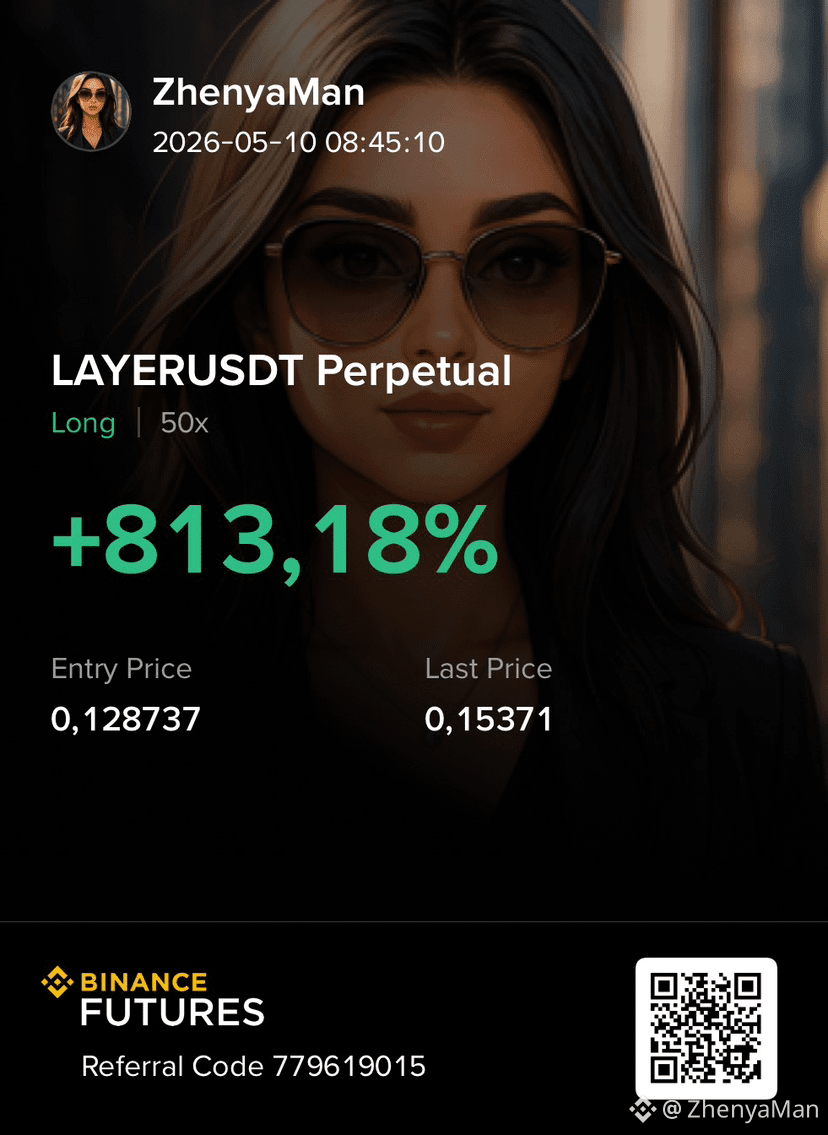
Bắt đầu ngày mới với một lệnh long LAYERUSDT sạch sẽ 📈
Leverage 50x, động lượng mạnh mẽ, và phản ứng vững chắc từ điểm vào.
Điểm vào: 0.128737
Hiện tại: 0.15371
+813.18% đã được bảo đảm cho đến nay 🔥
Hy vọng mọi người cũng bắt được những cú giao dịch tốt hôm nay.
$LAYER
{spot}(LAYERUSDT)
Chào buổi sáng ☀️
Bắt đầu ngày mới với một lệnh long LAYERUSDT sạch sẽ 📈
Leverage 50x, động lượng mạnh mẽ, và phản ứng vững chắc từ điểm vào.
Điểm vào: 0.128737
Hiện tại: 0.15371
+813.18% đã được bảo đảm cho đến nay 🔥
Hy vọng mọi người cũng bắt được những cú giao dịch tốt hôm nay.
$LAYER
Bắt đầu ngày mới với một lệnh long LAYERUSDT sạch sẽ 📈
Leverage 50x, động lượng mạnh mẽ, và phản ứng vững chắc từ điểm vào.
Điểm vào: 0.128737
Hiện tại: 0.15371
+813.18% đã được bảo đảm cho đến nay 🔥
Hy vọng mọi người cũng bắt được những cú giao dịch tốt hôm nay.
$LAYER
Best Wishes!
Từ ZhenyaMan
100
3
42
426
·
--
Đóng short TONUSDT ✅
Suýt quên chia sẻ lúc đóng 😄
Giao dịch đã được chia sẻ từ đầu — hy vọng một số bạn cũng đã bắt được cú này 📉🔥
Vào: 2.5420
Ra: 2.4731
Đòn bẩy: 75x
+209.07% đã được bảo đảm.
Kỷ luật và kiên nhẫn luôn mang lại lợi ích
$TON $BTC $ETH
{future}(TONUSDT)
Đóng short TONUSDT ✅
Suýt quên chia sẻ lúc đóng 😄
Giao dịch đã được chia sẻ từ đầu — hy vọng một số bạn cũng đã bắt được cú này 📉🔥
Vào: 2.5420
Ra: 2.4731
Đòn bẩy: 75x
+209.07% đã được bảo đảm.
Kỷ luật và kiên nhẫn luôn mang lại lợi ích
$TON $BTC $ETH
Suýt quên chia sẻ lúc đóng 😄
Giao dịch đã được chia sẻ từ đầu — hy vọng một số bạn cũng đã bắt được cú này 📉🔥
Vào: 2.5420
Ra: 2.4731
Đòn bẩy: 75x
+209.07% đã được bảo đảm.
Kỷ luật và kiên nhẫn luôn mang lại lợi ích
$TON $BTC $ETH
ZhenyaMan
·
--
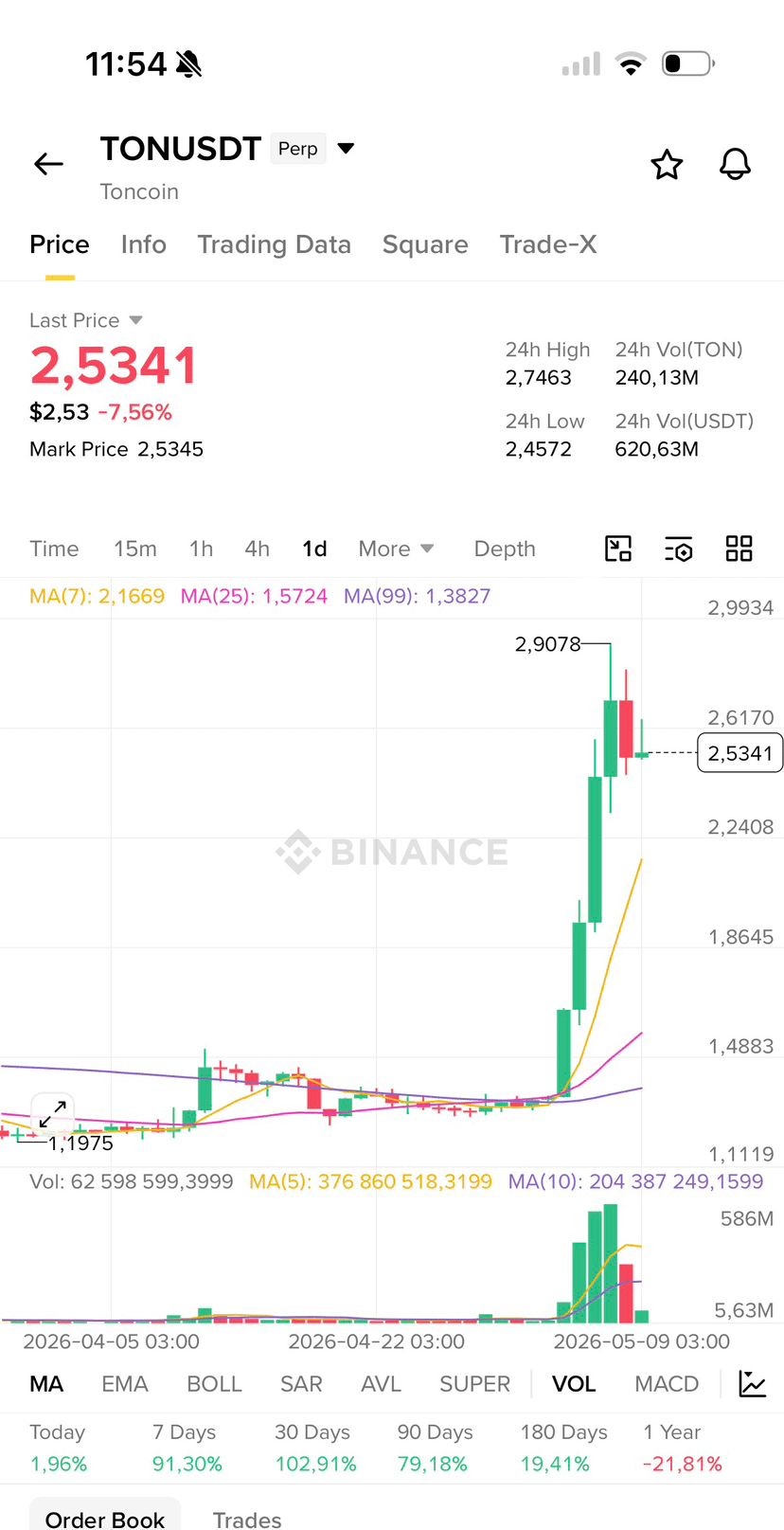
Mở một vị thế bán TONUSDT 📉
Sau đợt tăng mạnh, mình đang chờ đợi một đợt điều chỉnh từ khu vực này.
Cùng xem nào
$BTC $ETH $TON
#FutureTarding #TradingCommunity #TradingSignals #altcoins #crypto
Sau đợt tăng mạnh, mình đang chờ đợi một đợt điều chỉnh từ khu vực này.
Cùng xem nào
$BTC $ETH $TON
#FutureTarding #TradingCommunity #TradingSignals #altcoins #crypto
Best Wishes!
Từ ZhenyaMan
118
2
39
290
Đăng nhập để khám phá thêm nội dung
Tham gia cùng người dùng tiền mã hóa toàn cầu trên Binance Square
⚡️ Nhận thông tin mới nhất và hữu ích về tiền mã hóa.
💬 Được tin cậy bởi sàn giao dịch tiền mã hóa lớn nhất thế giới.
👍 Khám phá những thông tin chuyên sâu thực tế từ những nhà sáng tạo đã xác minh.
Email / Số điện thoại
Chủ đề thịnh hành
CanMicrosoftDeliverOnAI
170,561 lượt xem
1,351 đang thảo luận
Phiên 3 của mùa công bố kết quả kinh doanh: Google và Microsoft có vượt kỳ vọng không?
Binance Square Official
·92 lượt thích
·25.8k lượt xem
CanGoogleDefindItsCore
86,553 lượt xem
965 đang thảo luận
TheoDõiFOMC
301,765 lượt xem
1,263 đang thảo luận