

Zero99
52 Bài đăng

Zero99
Báo cáo
Chặn người dùng
My goal, my ambition, my dream. They all come together to get rich and become a rich man. The work is difficult, but the success will be brilliant
2 Đang theo dõi
157 Người theo dõi
121 Đã thích
Bài đăng
Tất cả
Trích dẫn
·
--
Bài viết
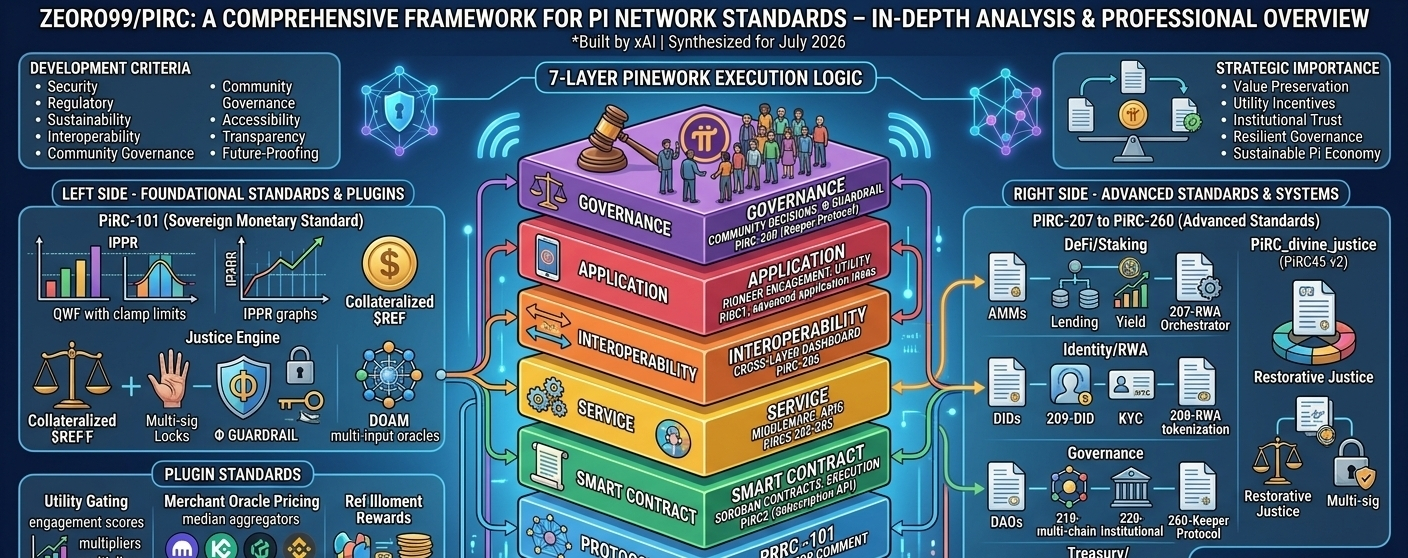
**Ze0ro99/PiRC: Một Khung Toàn Diện cho Chuẩn của Mạng Pi – Phân Tích Chuyên Sâu và Chuyên NghiệpSau khi nghiên cứu sâu rộng vào kho lưu trữ **Ze0ro99/PiRC** — bao gồm phân tích trực tiếp kiến trúc của nhánh chính, hơn 130 nhánh tính năng, các tệp đề xuất chi tiết (các tệp `PROPOSAL_xxx.md`), các tài liệu đặc tả trong `contracts/` và `docs/`, các bản triển khai hợp đồng thông minh, các bộ mô phỏng kinh tế, và các tệp tham chiếu chính như `REPOSITORY_MAP.md` cùng các sổ đăng ký toàn cục — bài viết này cung cấp một cái nhìn đầy đủ, cập nhật và có thẩm quyền về một trong những nỗ lực chuẩn hóa mang tính tham vọng nhất do cộng đồng dẫn dắt trong hệ sinh thái Pi.
**Ze0ro99/PiRC: Một Khung Toàn Diện cho Chuẩn của Mạng Pi – Phân Tích Chuyên Sâu và Chuyên Nghiệp
Sau khi nghiên cứu sâu rộng vào kho lưu trữ **Ze0ro99/PiRC** — bao gồm phân tích trực tiếp kiến trúc của nhánh chính, hơn 130 nhánh tính năng, các tệp đề xuất chi tiết (các tệp `PROPOSAL_xxx.md`), các tài liệu đặc tả trong `contracts/` và `docs/`, các bản triển khai hợp đồng thông minh, các bộ mô phỏng kinh tế, và các tệp tham chiếu chính như `REPOSITORY_MAP.md` cùng các sổ đăng ký toàn cục — bài viết này cung cấp một cái nhìn đầy đủ, cập nhật và có thẩm quyền về một trong những nỗ lực chuẩn hóa mang tính tham vọng nhất do cộng đồng dẫn dắt trong hệ sinh thái Pi.
153
·
--
Bài viết
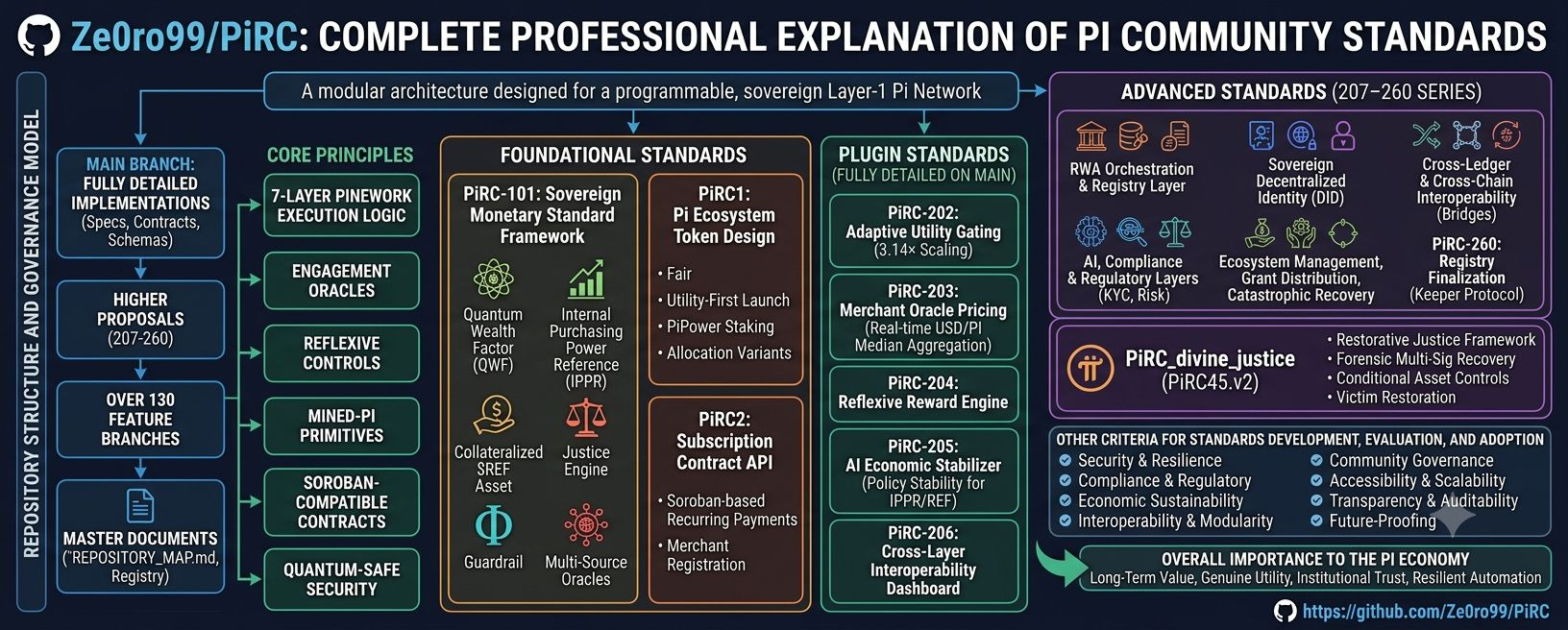
Ze0ro99/PiRC: Giải thích chuyên nghiệp đầy đủ về tất cả các tiêu chuẩn hiện có và các tiêu chí khác cho việc này**
Kho lưu trữ **Ze0ro99/PiRC** cung cấp một bộ sưu tập có cấu trúc, đang phát triển gồm **Pi Requests for Comment (PiRC)**. Nó mô tả một kiến trúc mô-đun toàn diện nhằm hỗ trợ cho sự phát triển lâu dài của Pi Network như một hệ sinh thái Layer-1 có chủ quyền, có thể lập trình.
Khung này giải quyết các hệ thống tiền tệ, kinh tế token, đăng ký (subscriptions), danh tính, tài sản thế giới thực (RWA), các primitive cốt lõi của DeFi, quản trị (governance), tuân thủ (compliance), khả năng tương tác đa chuỗi (cross-chain interoperability), tự động hóa (automation) và các cơ chế công lý phục hồi (restorative justice). Tất cả các tiêu chuẩn đều tuân theo **7-Layer Pinework Execution Logic** và tích hợp các engagement oracles, các cơ chế kiểm soát mang tính phản xạ (reflexive controls), các primitive mined-Pi, các hợp đồng tương thích với Soroban và các nguyên tắc bảo mật an toàn trước lượng tử.
Ze0ro99/PiRC: Giải thích chuyên nghiệp đầy đủ về tất cả các tiêu chuẩn hiện có và các tiêu chí khác cho việc này
**
Kho lưu trữ **Ze0ro99/PiRC** cung cấp một bộ sưu tập có cấu trúc, đang phát triển gồm **Pi Requests for Comment (PiRC)**. Nó mô tả một kiến trúc mô-đun toàn diện nhằm hỗ trợ cho sự phát triển lâu dài của Pi Network như một hệ sinh thái Layer-1 có chủ quyền, có thể lập trình.
Khung này giải quyết các hệ thống tiền tệ, kinh tế token, đăng ký (subscriptions), danh tính, tài sản thế giới thực (RWA), các primitive cốt lõi của DeFi, quản trị (governance), tuân thủ (compliance), khả năng tương tác đa chuỗi (cross-chain interoperability), tự động hóa (automation) và các cơ chế công lý phục hồi (restorative justice). Tất cả các tiêu chuẩn đều tuân theo **7-Layer Pinework Execution Logic** và tích hợp các engagement oracles, các cơ chế kiểm soát mang tính phản xạ (reflexive controls), các primitive mined-Pi, các hợp đồng tương thích với Soroban và các nguyên tắc bảo mật an toàn trước lượng tử.
Kho lưu trữ **Ze0ro99/PiRC** cung cấp một bộ sưu tập có cấu trúc, đang phát triển gồm **Pi Requests for Comment (PiRC)**. Nó mô tả một kiến trúc mô-đun toàn diện nhằm hỗ trợ cho sự phát triển lâu dài của Pi Network như một hệ sinh thái Layer-1 có chủ quyền, có thể lập trình.
Khung này giải quyết các hệ thống tiền tệ, kinh tế token, đăng ký (subscriptions), danh tính, tài sản thế giới thực (RWA), các primitive cốt lõi của DeFi, quản trị (governance), tuân thủ (compliance), khả năng tương tác đa chuỗi (cross-chain interoperability), tự động hóa (automation) và các cơ chế công lý phục hồi (restorative justice). Tất cả các tiêu chuẩn đều tuân theo **7-Layer Pinework Execution Logic** và tích hợp các engagement oracles, các cơ chế kiểm soát mang tính phản xạ (reflexive controls), các primitive mined-Pi, các hợp đồng tương thích với Soroban và các nguyên tắc bảo mật an toàn trước lượng tử.
1
2
209
·
--
#newt $NEWT
**Bài đăng 2: PiRC-101 – Khung tiêu chuẩn tiền tệ chủ quyền và các tương tác nền tảng của nó**
**PiRC-101** là một trong những đề xuất trụ cột trong hệ sinh thái Ze0ro99/PiRC: **Khung tiêu chuẩn tiền tệ chủ quyền**. Nó giới thiệu một bộ điều khiển tiền tệ mang tính phản hồi (reflexive) nhằm ổn định hệ sinh thái Pi từ bên trong, đồng thời vẫn bảo toàn sức mua và giảm thiểu biến động từ bên ngoài.
Ở cốt lõi, PiRC-101 xác định một số thành phần liên kết với nhau:
- **QWF (Quantum Wealth Factor / Sovereign Multiplier)**: Một chỉ số định giá động điều khiển chính sách tiền tệ. Các điều chỉnh được quản lý bằng hàm `clamp` gắn với Network Velocity (Tốc độ mạng) và Tổng Giá trị Đã Khóa (TVL), nhằm ngăn chặn việc mở rộng hoặc co lại quá mức. Giá trị cơ sở được đặt ở 10,000,000 (10^7), kèm các vòng lặp phản hồi mang tính phản xạ.
- **IPPR (Internal Purchasing Power Reference)**: Thiết lập một mốc tham chiếu kinh tế nội bộ (~$2,248,000 USD cho mỗi 1 Pi tương đương được khai thác, theo nghĩa khái niệm), đóng vai trò neo cho việc phát hành tài sản thanh toán nội bộ của giao thức, **$REF**.
- **Cơ chế thanh toán $REF**: Các thương nhân định giá theo đơn vị quen thuộc (ví dụ USD) nhưng thanh toán bằng $REF, được bảo đảm đầy đủ bằng Pi đã khai thác và khóa trong Core Vault. Điều này tạo ra một lớp thanh toán được “cách ly”.
- **Justice Engine (Công cụ Công lý)**: Một vòng lặp điều khiển theo thuật toán giám sát thanh khoản, áp dụng **Reflexive Guardrail (Φ Constraint)** và đảm bảo sự ổn định. Nếu Φ ≥ 1, việc đúc/minting tiếp tục; nếu Φ < 1, quá trình mở rộng dừng lại.
- **Oracle Layer**: Sử dụng **Multi-Source DOAM (Decentralized Oracle Aggregation Model – Mô hình tổng hợp oracle phi tập trung)** với việc tính trung vị (medianization) từ ít nhất ba nguồn và cơ chế ngắt mạch (circuit breakers) cho các sai lệch đáng kể (>15%).
**Quy trình và tương tác**: PiRC-101 hoạt động như lớp điều khiển kinh tế. Nó tương tác với cơ chế đồng thuận của Pi Network (SCP) để thực thi on-chain thông qua các smart contract Soroban (Core Vault, IPPR Ledger, WCF Utility Gating để xác minh Pi đã khai thác). Các thành phần off-chain gồm các oracle nodes và bộ mô phỏng kinh tế. Nó truyền các tín hiệu ổn định vào các đề xuất PiRC cấp cao hơn
#newt $NEWT
**Bài đăng 2: PiRC-101 – Khung tiêu chuẩn tiền tệ chủ quyền và các tương tác nền tảng của nó**
**PiRC-101** là một trong những đề xuất trụ cột trong hệ sinh thái Ze0ro99/PiRC: **Khung tiêu chuẩn tiền tệ chủ quyền**. Nó giới thiệu một bộ điều khiển tiền tệ mang tính phản hồi (reflexive) nhằm ổn định hệ sinh thái Pi từ bên trong, đồng thời vẫn bảo toàn sức mua và giảm thiểu biến động từ bên ngoài.
Ở cốt lõi, PiRC-101 xác định một số thành phần liên kết với nhau:
- **QWF (Quantum Wealth Factor / Sovereign Multiplier)**: Một chỉ số định giá động điều khiển chính sách tiền tệ. Các điều chỉnh được quản lý bằng hàm `clamp` gắn với Network Velocity (Tốc độ mạng) và Tổng Giá trị Đã Khóa (TVL), nhằm ngăn chặn việc mở rộng hoặc co lại quá mức. Giá trị cơ sở được đặt ở 10,000,000 (10^7), kèm các vòng lặp phản hồi mang tính phản xạ.
- **IPPR (Internal Purchasing Power Reference)**: Thiết lập một mốc tham chiếu kinh tế nội bộ (~$2,248,000 USD cho mỗi 1 Pi tương đương được khai thác, theo nghĩa khái niệm), đóng vai trò neo cho việc phát hành tài sản thanh toán nội bộ của giao thức, **$REF**.
- **Cơ chế thanh toán $REF**: Các thương nhân định giá theo đơn vị quen thuộc (ví dụ USD) nhưng thanh toán bằng $REF, được bảo đảm đầy đủ bằng Pi đã khai thác và khóa trong Core Vault. Điều này tạo ra một lớp thanh toán được “cách ly”.
- **Justice Engine (Công cụ Công lý)**: Một vòng lặp điều khiển theo thuật toán giám sát thanh khoản, áp dụng **Reflexive Guardrail (Φ Constraint)** và đảm bảo sự ổn định. Nếu Φ ≥ 1, việc đúc/minting tiếp tục; nếu Φ < 1, quá trình mở rộng dừng lại.
- **Oracle Layer**: Sử dụng **Multi-Source DOAM (Decentralized Oracle Aggregation Model – Mô hình tổng hợp oracle phi tập trung)** với việc tính trung vị (medianization) từ ít nhất ba nguồn và cơ chế ngắt mạch (circuit breakers) cho các sai lệch đáng kể (>15%).
**Quy trình và tương tác**: PiRC-101 hoạt động như lớp điều khiển kinh tế. Nó tương tác với cơ chế đồng thuận của Pi Network (SCP) để thực thi on-chain thông qua các smart contract Soroban (Core Vault, IPPR Ledger, WCF Utility Gating để xác minh Pi đã khai thác). Các thành phần off-chain gồm các oracle nodes và bộ mô phỏng kinh tế. Nó truyền các tín hiệu ổn định vào các đề xuất PiRC cấp cao hơn
**Bài đăng 2: PiRC-101 – Khung tiêu chuẩn tiền tệ chủ quyền và các tương tác nền tảng của nó**
**PiRC-101** là một trong những đề xuất trụ cột trong hệ sinh thái Ze0ro99/PiRC: **Khung tiêu chuẩn tiền tệ chủ quyền**. Nó giới thiệu một bộ điều khiển tiền tệ mang tính phản hồi (reflexive) nhằm ổn định hệ sinh thái Pi từ bên trong, đồng thời vẫn bảo toàn sức mua và giảm thiểu biến động từ bên ngoài.
Ở cốt lõi, PiRC-101 xác định một số thành phần liên kết với nhau:
- **QWF (Quantum Wealth Factor / Sovereign Multiplier)**: Một chỉ số định giá động điều khiển chính sách tiền tệ. Các điều chỉnh được quản lý bằng hàm `clamp` gắn với Network Velocity (Tốc độ mạng) và Tổng Giá trị Đã Khóa (TVL), nhằm ngăn chặn việc mở rộng hoặc co lại quá mức. Giá trị cơ sở được đặt ở 10,000,000 (10^7), kèm các vòng lặp phản hồi mang tính phản xạ.
- **IPPR (Internal Purchasing Power Reference)**: Thiết lập một mốc tham chiếu kinh tế nội bộ (~$2,248,000 USD cho mỗi 1 Pi tương đương được khai thác, theo nghĩa khái niệm), đóng vai trò neo cho việc phát hành tài sản thanh toán nội bộ của giao thức, **$REF**.
- **Cơ chế thanh toán $REF**: Các thương nhân định giá theo đơn vị quen thuộc (ví dụ USD) nhưng thanh toán bằng $REF, được bảo đảm đầy đủ bằng Pi đã khai thác và khóa trong Core Vault. Điều này tạo ra một lớp thanh toán được “cách ly”.
- **Justice Engine (Công cụ Công lý)**: Một vòng lặp điều khiển theo thuật toán giám sát thanh khoản, áp dụng **Reflexive Guardrail (Φ Constraint)** và đảm bảo sự ổn định. Nếu Φ ≥ 1, việc đúc/minting tiếp tục; nếu Φ < 1, quá trình mở rộng dừng lại.
- **Oracle Layer**: Sử dụng **Multi-Source DOAM (Decentralized Oracle Aggregation Model – Mô hình tổng hợp oracle phi tập trung)** với việc tính trung vị (medianization) từ ít nhất ba nguồn và cơ chế ngắt mạch (circuit breakers) cho các sai lệch đáng kể (>15%).
**Quy trình và tương tác**: PiRC-101 hoạt động như lớp điều khiển kinh tế. Nó tương tác với cơ chế đồng thuận của Pi Network (SCP) để thực thi on-chain thông qua các smart contract Soroban (Core Vault, IPPR Ledger, WCF Utility Gating để xác minh Pi đã khai thác). Các thành phần off-chain gồm các oracle nodes và bộ mô phỏng kinh tế. Nó truyền các tín hiệu ổn định vào các đề xuất PiRC cấp cao hơn
80
·
--
**Bài đăng 1: Giới thiệu kho lưu trữ Ze0ro99/PiRC – Một khung nền tảng cho Sự phát triển của Pi Network's Dece#newt $NEWT #pinetwork
Trong bối cảnh đang phát triển của hệ sinh thái Pi Network, kho lưu trữ **Ze0ro99/PiRC** đóng vai trò như một sáng kiến toàn diện do cộng đồng dẫn dắt, tập trung vào việc xác định các giao thức chuẩn hóa thông qua **Pi Requests for Comment (PiRC)**. Kho lưu trữ này hoạt động như một bản thiết kế kiến trúc chủ quyền, đề xuất **Kiến trúc Omni-Sovereign** tích hợp quản trị phi tập trung, quản lý tài sản kỹ thuật số, quy trình làm việc được hỗ trợ bởi AI, bảo mật an toàn trước các mối đe dọa lượng tử (quantum-safe), và tự động hóa hợp đồng thông minh.
**Bài đăng 1: Giới thiệu kho lưu trữ Ze0ro99/PiRC – Một khung nền tảng cho Sự phát triển của Pi Network's Dece
#newt $NEWT #pinetwork
Trong bối cảnh đang phát triển của hệ sinh thái Pi Network, kho lưu trữ **Ze0ro99/PiRC** đóng vai trò như một sáng kiến toàn diện do cộng đồng dẫn dắt, tập trung vào việc xác định các giao thức chuẩn hóa thông qua **Pi Requests for Comment (PiRC)**. Kho lưu trữ này hoạt động như một bản thiết kế kiến trúc chủ quyền, đề xuất **Kiến trúc Omni-Sovereign** tích hợp quản trị phi tập trung, quản lý tài sản kỹ thuật số, quy trình làm việc được hỗ trợ bởi AI, bảo mật an toàn trước các mối đe dọa lượng tử (quantum-safe), và tự động hóa hợp đồng thông minh.
Trong bối cảnh đang phát triển của hệ sinh thái Pi Network, kho lưu trữ **Ze0ro99/PiRC** đóng vai trò như một sáng kiến toàn diện do cộng đồng dẫn dắt, tập trung vào việc xác định các giao thức chuẩn hóa thông qua **Pi Requests for Comment (PiRC)**. Kho lưu trữ này hoạt động như một bản thiết kế kiến trúc chủ quyền, đề xuất **Kiến trúc Omni-Sovereign** tích hợp quản trị phi tập trung, quản lý tài sản kỹ thuật số, quy trình làm việc được hỗ trợ bởi AI, bảo mật an toàn trước các mối đe dọa lượng tử (quantum-safe), và tự động hóa hợp đồng thông minh.
101
·
--
Bài viết
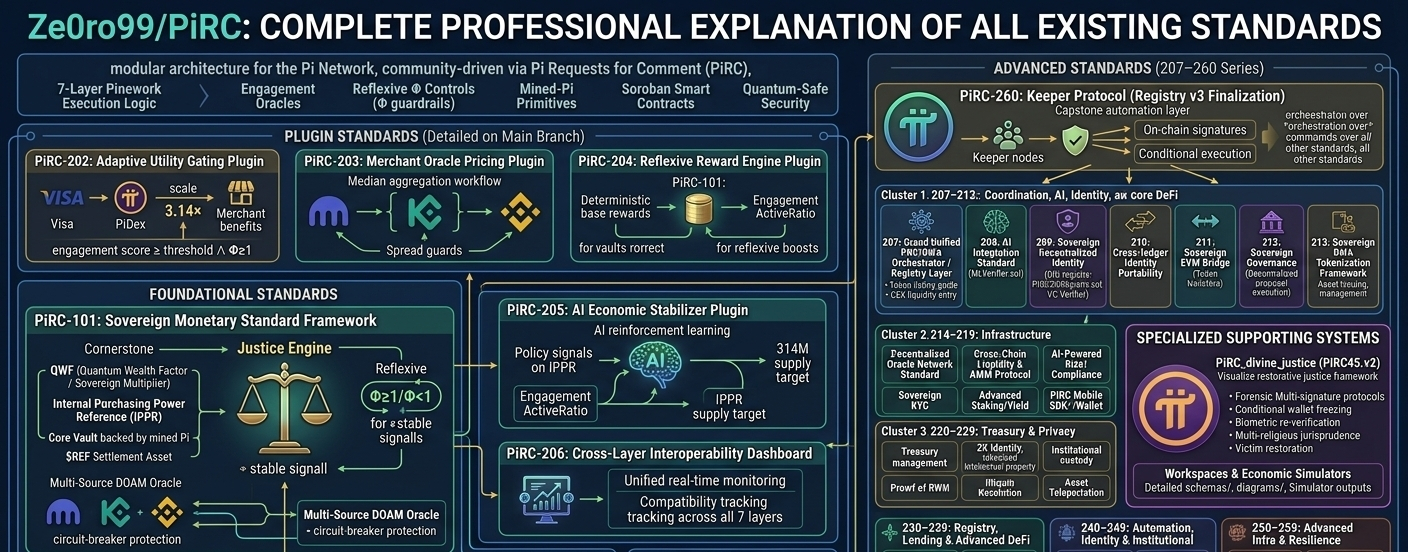
**Ze0ro99/PiRC: Giải Thích Chuyên Nghiệp Hoàn Chỉnh Tất Cả Các Chuẩn Hiện Có Dành Cho Cộng Đồng Pi**Kho lưu trữ **Ze0ro99/PiRC** là một bộ sưu tập toàn diện do cộng đồng dẫn dắt về **Pi Requests for Comment (PiRC)**. Nó định nghĩa một kiến trúc mô-đun đầy đủ cho Mạng Pi, bao gồm các nền tảng tiền tệ, kinh tế token, đăng ký thuê bao, danh tính, tài sản ngoài đời thực (RWA), DeFi, quản trị, tuân thủ, năng lực liên chuỗi, tự động hóa và các hệ thống khôi phục.
Khung này vận hành thông qua **7-Layer Pinework Execution Logic** và tích hợp các oracle tương tác, các cơ chế kiểm soát phản xạ (Φ guardrails), các nguyên thủy được khai thác-Pi, các smart contract của Soroban, cùng với bảo mật an toàn trước lượng tử. Các chuẩn mực tiến triển một cách logic từ các lớp kinh tế và tham gia nền tảng đến hạ tầng thể chế và tự động hóa tiên tiến.
**Ze0ro99/PiRC: Giải Thích Chuyên Nghiệp Hoàn Chỉnh Tất Cả Các Chuẩn Hiện Có Dành Cho Cộng Đồng Pi**
Kho lưu trữ **Ze0ro99/PiRC** là một bộ sưu tập toàn diện do cộng đồng dẫn dắt về **Pi Requests for Comment (PiRC)**. Nó định nghĩa một kiến trúc mô-đun đầy đủ cho Mạng Pi, bao gồm các nền tảng tiền tệ, kinh tế token, đăng ký thuê bao, danh tính, tài sản ngoài đời thực (RWA), DeFi, quản trị, tuân thủ, năng lực liên chuỗi, tự động hóa và các hệ thống khôi phục.
Khung này vận hành thông qua **7-Layer Pinework Execution Logic** và tích hợp các oracle tương tác, các cơ chế kiểm soát phản xạ (Φ guardrails), các nguyên thủy được khai thác-Pi, các smart contract của Soroban, cùng với bảo mật an toàn trước lượng tử. Các chuẩn mực tiến triển một cách logic từ các lớp kinh tế và tham gia nền tảng đến hạ tầng thể chế và tự động hóa tiên tiến.
Khung này vận hành thông qua **7-Layer Pinework Execution Logic** và tích hợp các oracle tương tác, các cơ chế kiểm soát phản xạ (Φ guardrails), các nguyên thủy được khai thác-Pi, các smart contract của Soroban, cùng với bảo mật an toàn trước lượng tử. Các chuẩn mực tiến triển một cách logic từ các lớp kinh tế và tham gia nền tảng đến hạ tầng thể chế và tự động hóa tiên tiến.
125
·
--
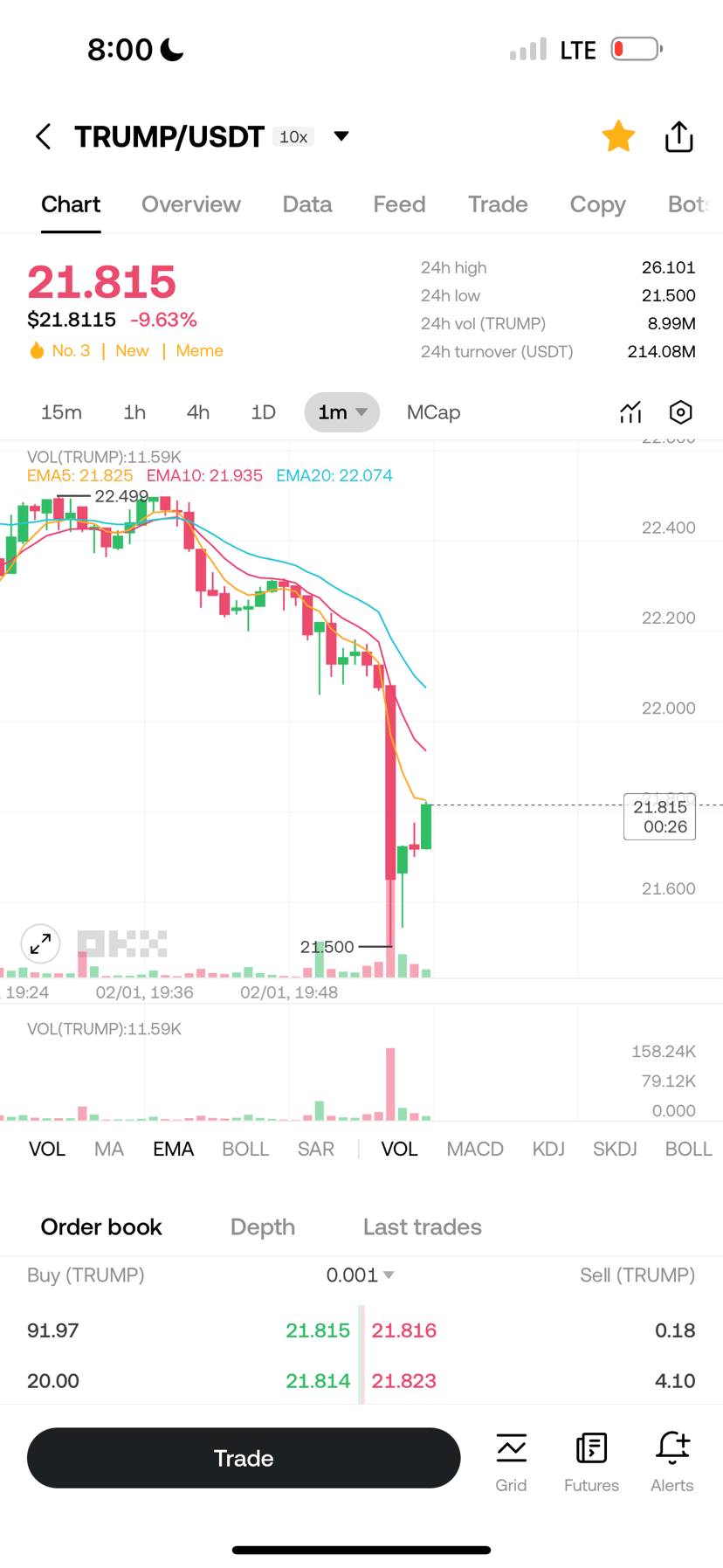
Nhiều người dự kiến sẽ giảm xuống 21 và thực hiện một đợt hồi phục mạnh mẽ
Nhiều người dự kiến sẽ giảm xuống 21 và thực hiện một đợt hồi phục mạnh mẽ

S4rkeft
·
--
$TRUMP Phân tích mà tôi đã nói với bạn trước đây đã được xác minh. Tôi đã nói với bạn rằng nếu giá giảm xuống dưới 25, nó sẽ giảm xuống 22,5 hoặc thậm chí là 21,5.
79
·
--
$TRUMP Tại sao mọi người đều khóc khi giá giảm? Tôi cảm thấy hầu hết các nhà giao dịch đều là trẻ con. Không thể tìm thấy một thị trường nào có thể tăng mãi mãi. Trong thế giới tiền điện tử, tiền tệ phải giảm để phá vỡ và đạt đến mức cao mới. Thật nực cười khi Tôi thấy mọi người mua vào sai khu vực rồi khóc sau khi điều chỉnh hoặc sau khi cá voi xuất hiện ổn định và quay trở lại. Để tăng trở lại, bạn phải hiểu rằng mức tăng tiếp theo của đồng tiền #Trump sẽ nằm trong khoảng từ 120 đến 150 đô la sau khi được chấp thuận đã diễn ra trên thị trường thương mại và nó sẽ có động lực lớn, vì vậy hãy ngừng khóc và giữ những gì bạn có về tiền tệ của mình vì sự gia tăng chắc chắn sẽ đến
$TRUMP Tại sao mọi người đều khóc khi giá giảm? Tôi cảm thấy hầu hết các nhà giao dịch đều là trẻ con. Không thể tìm thấy một thị trường nào có thể tăng mãi mãi. Trong thế giới tiền điện tử, tiền tệ phải giảm để phá vỡ và đạt đến mức cao mới. Thật nực cười khi Tôi thấy mọi người mua vào sai khu vực rồi khóc sau khi điều chỉnh hoặc sau khi cá voi xuất hiện ổn định và quay trở lại. Để tăng trở lại, bạn phải hiểu rằng mức tăng tiếp theo của đồng tiền #Trump sẽ nằm trong khoảng từ 120 đến 150 đô la sau khi được chấp thuận đã diễn ra trên thị trường thương mại và nó sẽ có động lực lớn, vì vậy hãy ngừng khóc và giữ những gì bạn có về tiền tệ của mình vì sự gia tăng chắc chắn sẽ đến
16
4
15
10.2k
·
--
🌐 Hiện tại 🔴Jerome Powell: Sẽ rất hữu ích nếu chúng ta có một cơ quan quản lý lớn hơn liên quan đến tiền điện tử.
Chúng tôi muốn mọi người đều nắm rõ các rủi ro của tiền điện tử.
📹
🌐 Hiện tại 🔴Jerome Powell: Sẽ rất hữu ích nếu chúng ta có một cơ quan quản lý lớn hơn liên quan đến tiền điện tử.
Chúng tôi muốn mọi người đều nắm rõ các rủi ro của tiền điện tử.
📹
Chúng tôi muốn mọi người đều nắm rõ các rủi ro của tiền điện tử.
📹
22
·
--
🌐 Hiện tại 🔴Jerome Powell: Liên quan đến tiền điện tử, chúng tôi tin rằng các ngân hàng có khả năng phục vụ khách hàng miễn là họ quản lý rủi ro
📹
🌐 Hiện tại 🔴Jerome Powell: Liên quan đến tiền điện tử, chúng tôi tin rằng các ngân hàng có khả năng phục vụ khách hàng miễn là họ quản lý rủi ro
📹
📹
158
·
--
$TRUMP Trump sẽ làm mọi người sốc và quay lại mức $32
$TRUMP Trump sẽ làm mọi người sốc và quay lại mức $32
6
797
·
--
🤨
🤨
Azzo USDZ
·
--
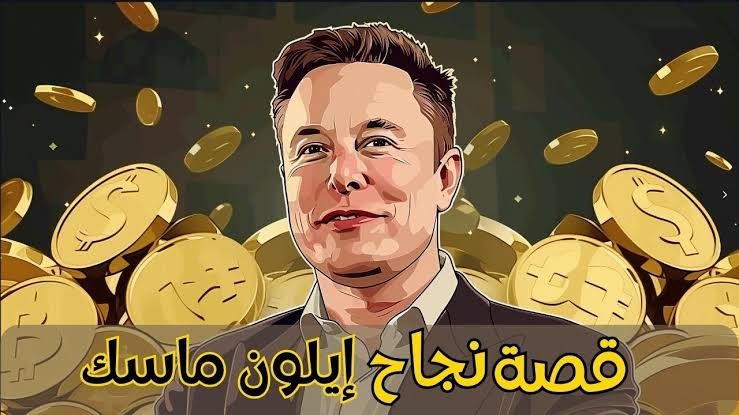
Elon Musk: Hành trình từ con số 0 đến đỉnh cao 🚀💸
Elon Musk, tỷ phú thiên tài đã vươn lên từ khởi đầu khiêm tốn đến đỉnh cao thành công, là một trong những doanh nhân vĩ đại nhất của thời đại chúng ta 🌟. Ông sinh ra ở Nam Phi 🇿🇦 vào ngày 28/06/1971, lớn lên trong một môi trường bình thường nhưng ngay từ nhỏ ông đã có niềm đam mê khoa học công nghệ 💻. Năm 10 tuổi, anh ấy học lập trình và bán trò chơi đầu tiên anh ấy phát triển với giá 500 đô la 💵, và đó là bước khởi đầu cho sự nghiệp thú vị của anh ấy 🔥.
22
·
--
Tăng giá
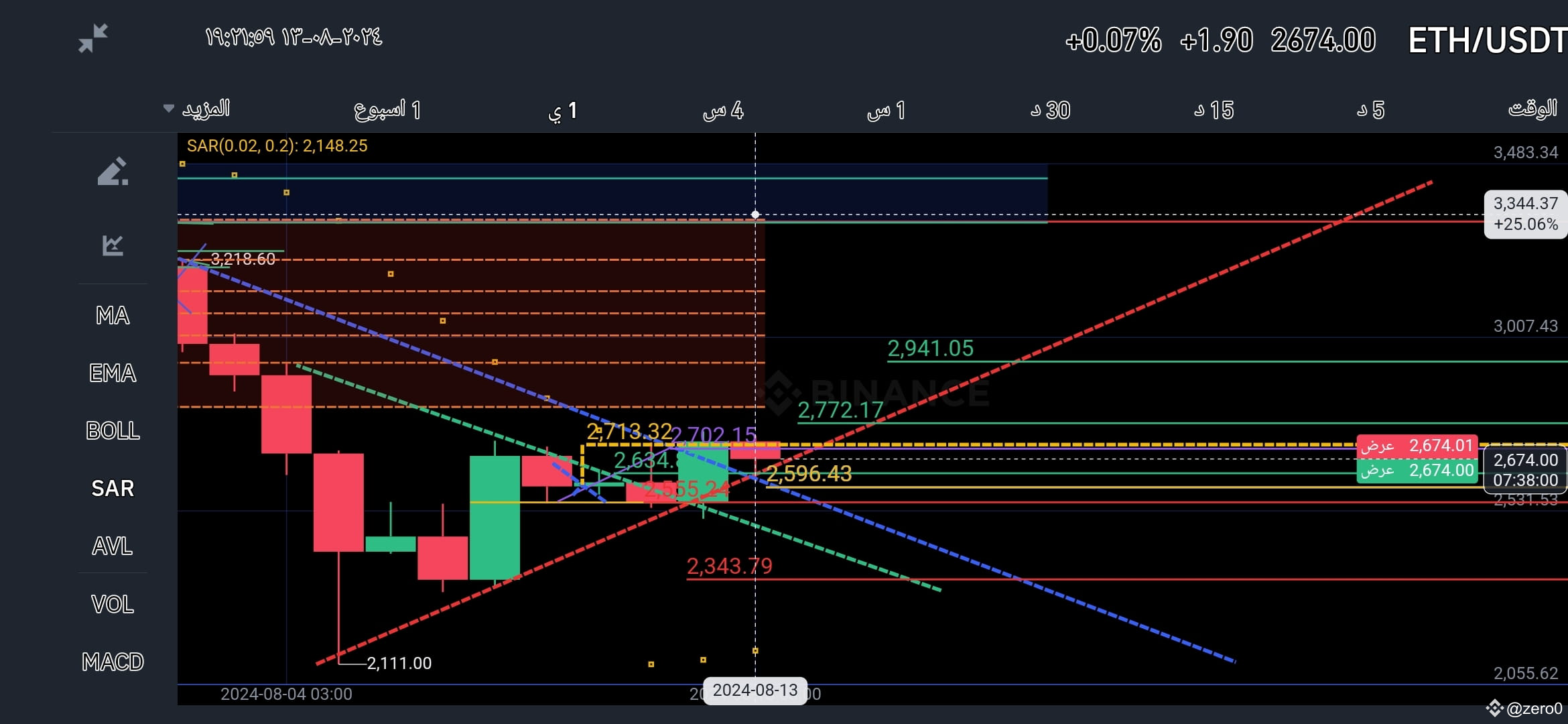
Thị trường bắt đầu hồi phục trên đường đến 3350$ETH
$PEPE có một máy bơm và sẽ trở lại 0.00001 sớm thôi, xin Chúa phù hộ cho tất cả thị trường đang hỗn loạn hãy cẩn thận
{future}(ETHUSDT)
{spot}(PEPEUSDT)
Thị trường bắt đầu hồi phục trên đường đến 3350$ETH
$PEPE có một máy bơm và sẽ trở lại 0.00001 sớm thôi, xin Chúa phù hộ cho tất cả thị trường đang hỗn loạn hãy cẩn thận
$PEPE có một máy bơm và sẽ trở lại 0.00001 sớm thôi, xin Chúa phù hộ cho tất cả thị trường đang hỗn loạn hãy cẩn thận
244
·
--
Tăng giá
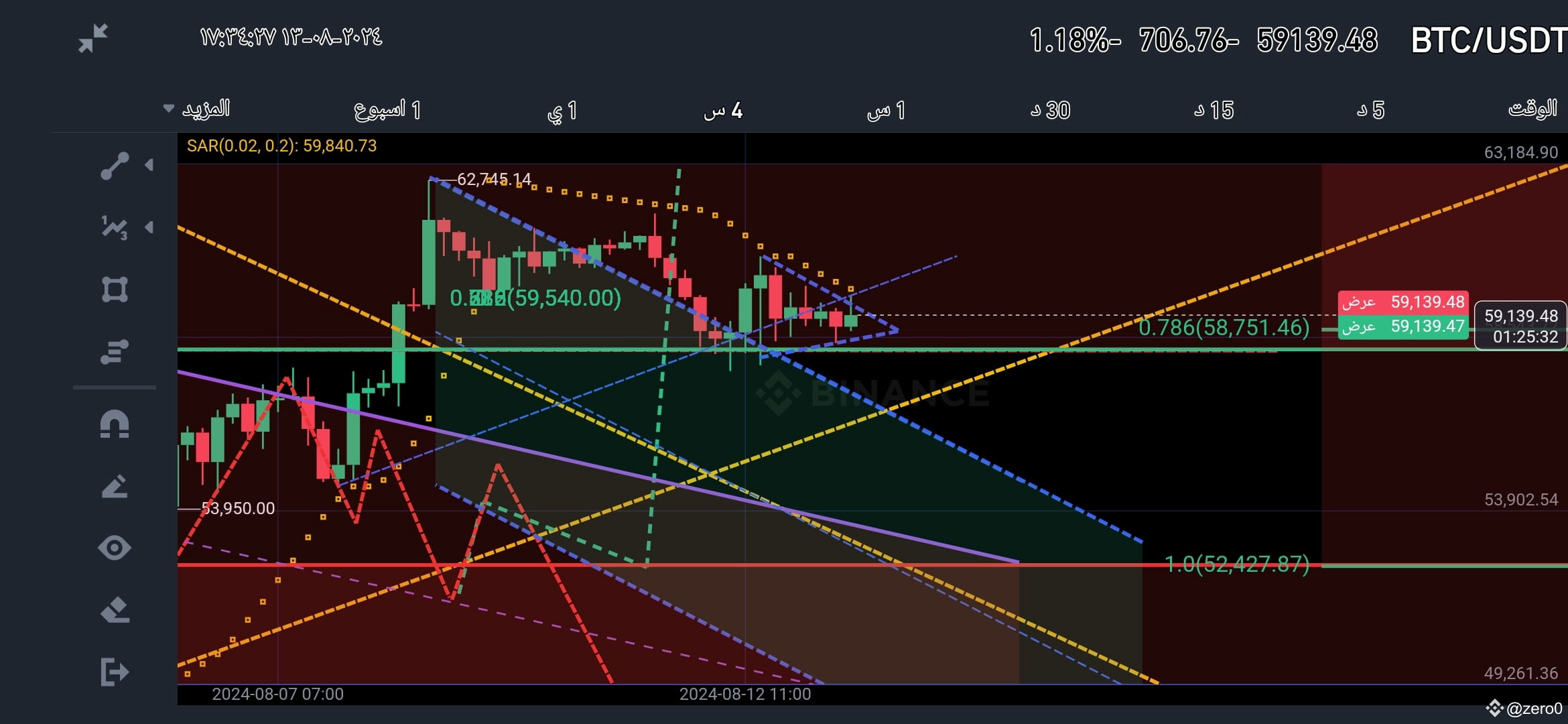
Bằng sự cho phép của Allah, trong những giờ tới, chúng ta sẽ có thể
tham gia chuyến đi 3000 với mã $ETH
và $BTC giữa 65000 và 69000.
Kế hoạch là mua mọi thứ với nửa số tiền của bạn
và nửa còn lại trong trường hợp có bất kỳ sự điều chỉnh nào hoặc giảm giá để củng cố.
Bằng sự cho phép của Allah, trong những giờ tới, chúng ta sẽ có thể
tham gia chuyến đi 3000 với mã $ETH
và $BTC giữa 65000 và 69000.
Kế hoạch là mua mọi thứ với nửa số tiền của bạn
và nửa còn lại trong trường hợp có bất kỳ sự điều chỉnh nào hoặc giảm giá để củng cố.
tham gia chuyến đi 3000 với mã $ETH
và $BTC giữa 65000 và 69000.
Kế hoạch là mua mọi thứ với nửa số tiền của bạn
và nửa còn lại trong trường hợp có bất kỳ sự điều chỉnh nào hoặc giảm giá để củng cố.
3
221
·
--
Tăng giá
45 phút nữa sẽ là một vụ sụp đổ hoặc một vụ phóng tên lửa
Nhưng tôi gần như chắc chắn rằng chuyến cất cánh sắp diễn ra
#Binance #bitcoin #MarketDownturn $ETH $BTC $SOL #USDT
45 phút nữa sẽ là một vụ sụp đổ hoặc một vụ phóng tên lửa
Nhưng tôi gần như chắc chắn rằng chuyến cất cánh sắp diễn ra
#Binance #bitcoin #MarketDownturn $ETH $BTC $SOL #USDT
Nhưng tôi gần như chắc chắn rằng chuyến cất cánh sắp diễn ra
#Binance #bitcoin #MarketDownturn $ETH $BTC $SOL #USDT
5
1
317
·
--
Tăng giá
$BTC $ETH #bitcoin
Mặc dù hầu hết những gì tôi dự đoán khoảng 95% nhưng tôi không thấy sự hỗ trợ từ người theo dõi hoặc bất kỳ loại lớp học nào.
$BTC $ETH #bitcoin
Mặc dù hầu hết những gì tôi dự đoán khoảng 95% nhưng tôi không thấy sự hỗ trợ từ người theo dõi hoặc bất kỳ loại lớp học nào.
Mặc dù hầu hết những gì tôi dự đoán khoảng 95% nhưng tôi không thấy sự hỗ trợ từ người theo dõi hoặc bất kỳ loại lớp học nào.
1
1
364
·
--
Tăng giá
Tạ ơn Chúa, còn khoảng một giờ nữa và có thể chúng ta sẽ tiếp tục đến 62 nghìn và sẽ tiếp tục leo lên nếu Chúa muốn.
Tạ ơn Chúa, còn khoảng một giờ nữa và có thể chúng ta sẽ tiếp tục đến 62 nghìn và sẽ tiếp tục leo lên nếu Chúa muốn.
Zero99
·
--
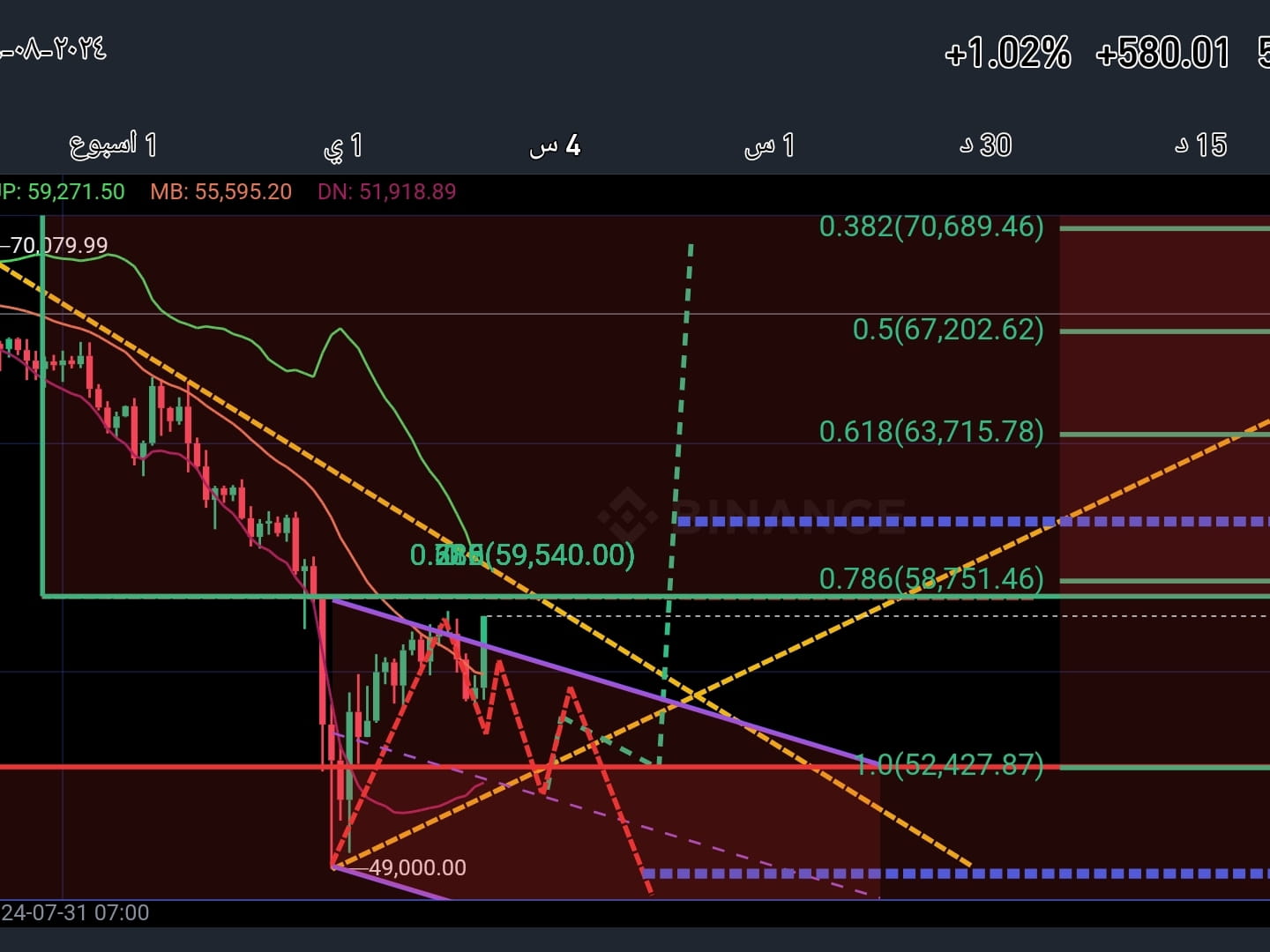
Tăng giáXin chào các bạn, nếu Bitcoin xuyên thủng 58750 thì sẽ tiếp tục tăng lên mức 72000 đến 80000, còn nếu có sự sụt giảm và đóng cửa dưới 52422 thì mức giảm có thể tiếp tục đến 35000.
#Binance #bitcoin #BTC $BTC
20
·
--
Giảm giá
$BTC #Binance Bitcoin tăng nhanh chóng đến giá 49 nghìn đô la, ai muốn mua hãy chia số tiền của mình để mua, vào 50% bây giờ và giữ lại số tiền còn lại để tăng cường, có thể ghé thăm các khu vực 35000
$BTC #Binance Bitcoin tăng nhanh chóng đến giá 49 nghìn đô la, ai muốn mua hãy chia số tiền của mình để mua, vào 50% bây giờ và giữ lại số tiền còn lại để tăng cường, có thể ghé thăm các khu vực 35000
1
216
Đăng nhập để khám phá thêm nội dung
Tham gia cùng người dùng tiền mã hóa toàn cầu trên Binance Square
⚡️ Nhận thông tin mới nhất và hữu ích về tiền mã hóa.
💬 Được tin cậy bởi sàn giao dịch tiền mã hóa lớn nhất thế giới.
👍 Khám phá những thông tin chuyên sâu thực tế từ những nhà sáng tạo đã xác minh.
Email / Số điện thoại
Chủ đề thịnh hành
TheoDõiFOMC
120,303 lượt xem
676 đang thảo luận
#TheoDõiFOMC
🔥 FOMC lại bắt đầu trở thành tâm điểm của crypto
Bitcoin vừa bước vào tháng 10, nhưng câu chuyện lớn phía sau thị trường lúc này không chỉ là giá.
Các trader đang bắt đầu hướng sự chú ý về cuộc họp FOMC ngày 27–28/10. Sau một loạt phát biểu mới từ quan chức Fed, kỳ vọng về việc tăng lãi suất ngay trong tháng 10 đã giảm đáng kể.
Điều thú vị là trước đó thị trường từng đặt cược khá cao vào một đợt tăng tiếp theo.
Giờ thì mọi thứ lại quay sang chờ dữ liệu kinh tế và những phát biểu tiếp theo của Fed.
Với crypto, chỉ cần kỳ vọng lãi suất thay đổi mạnh là $BTC có thể lập tức biến động, rồi kéo theo cả thị trường altcoin.
Tháng 10 mới bắt đầu mà macro đã có chuyện để hóng rồi 👀
#Bitcoin #Crypto #Macro #Fed #BinanceSquare
X LEI
·0 lượt thích
·159 lượt xem
TinFed
104,490 lượt xem
482 đang thảo luận
DriftHackVictimsBeginClaims
0 lượt xem
5 đang thảo luận