

vip09
34 Bài đăng

vip09
Báo cáo
Chặn người dùng
Crypto Trader and Crypto Influencer. vippremium09. Trader with best crypto trading community. Trading from last 8 Years. Crypto is Love Binance is Love.
1 Đang theo dõi
3 Người theo dõi
41 Đã thích
Bài đăng
Tất cả
Trích dẫn
·
--
Bài viết
Xem bản dịch
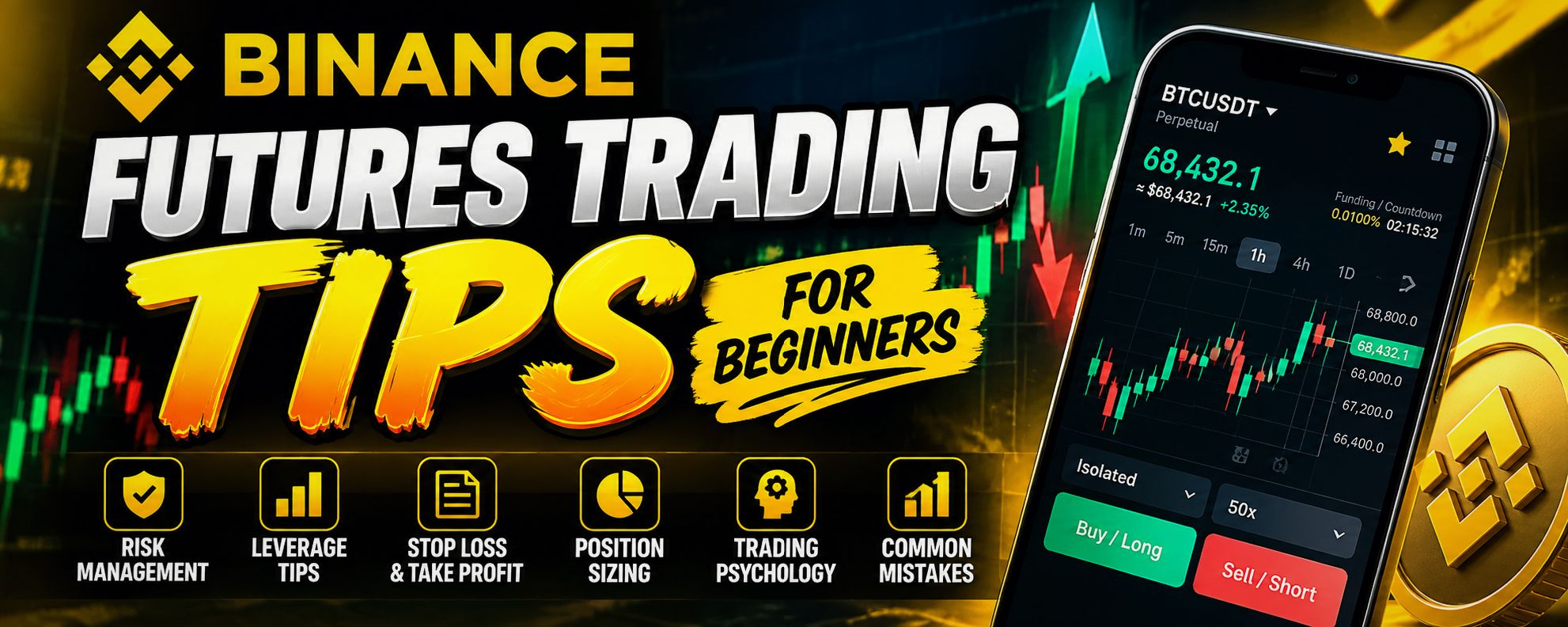
Binance Futures Trading Tips: 10 Tips for BeginnersBinance Futures Trading Tips: A Complete Guide for Beginners
Binance Futures trading can offer flexibility and advanced trading tools, but it also comes with significant risk.
Unlike spot trading, futures allow traders to use leverage, which can magnify both profits and losses. For beginners, understanding risk management, leverage, stop-loss orders, and position sizing is often more important than finding the perfect trade setup.
In this guide, we’ll cover practical Binance Futures trading tips that can help you develop a more disciplined approach to futures trading.
What Is Binance Futures?
Binance Futures is a derivatives trading platform that allows users to trade cryptocurrency contracts without directly owning the underlying asset.
Basically, Traders can take long & short positions and may use leverage to control larger position with less margin.
For example, a trader expecting Bitcoin to rise may open a long position, while someone expecting the price to fall may open a short position.
However, leverage increases the potential impact of price movements, which makes risk management particularly important.
10 Binance Futures Trading Tips for Beginners
1. Start With Proper Risk Management
One of the most important Binance Futures trading tips is to manage your risk before entering a trade.
Instead of deciding how much to risk after opening a position, determine your maximum acceptable loss beforehand.
A simple framework is:
Risk per trade = Account balance × Risk percentage
For example, if your trading account is $1,000 and you decide to risk 1% per trade:
$1,000 × 1% = $10 maximum planned loss
Your actual position size should then be calculated based on your stop-loss distance.
So, Remember that risking a small percentage per trade does not guarantee profits. It simply helps limit the damage from an individual losing trade.
2. Don't Use Excessive Leverage
Leverage is one of the most misunderstood aspects of Binance Futures.
Higher leverage does not automatically mean higher-quality trading opportunities. It mainly allows you to control a larger position relative to your margin, while losses can also accumulate faster.
For beginners, using lower leverage can make it easier to manage positions and avoid unnecessary liquidation risk.
The goal should be controlled risk—not maximum leverage.
3. Always Know Where Your Stop Loss Is
A stop-loss can help define the point at which your trading idea is considered invalid.
Before entering a position, ask:
- Where is my entry?
- Where is my stop loss?
- Where is my take profit?
- How much will I lose if the stop loss is hit?
- Does the potential reward justify the risk?
For example, if your planned risk is $50 and your potential profit is $100, the setup has a planned 1:2 risk-to-reward ratio.
A good risk-to-reward ratio does not guarantee that a trade will win, but it can be useful when combined with a strategy that has a measurable historical edge.
4. Understand Position Size
Many beginners focus on leverage but overlook position sizing.
Position size determines how much exposure your trade actually has.
A basic approach is:
Position Size = Amount You're Willing to Risk ÷ Stop-Loss Distance
Suppose you are willing to risk $20 and your stop-loss distance represents a 2% price movement:
$20 ÷ 2% = $1,000 position exposure
This is a simplified example. In real trading, fees, funding, slippage, contract specifications, and execution conditions should also be considered.
5. Don't Move Your Stop Loss Just to Avoid a Loss
One common trading mistake is moving a stop loss farther away because the market is approaching it.
If your original analysis says the trade is invalid below a certain level, moving the stop without a predefined reason can turn a controlled loss into a much larger one.
Instead, define your invalidation level before entering the trade.
If the setup fails, accept the predefined loss and wait for another opportunity.
6. Don't Overtrade
More trades do not necessarily mean more profits.
Crypto markets operate around the clock, which can make it tempting to constantly search for setups.
However, entering trades simply because you are bored, trying to recover a previous loss, or feeling that you "must" trade can lead to poor decisions.
A better approach is to establish specific conditions for entering a trade.
For example:
Trend + Market Structure + Entry Zone + Confirmation + Risk/Reward
If your conditions are not present, there may be no reason to trade.
7. Avoid Revenge Trading
After taking a losing trade, some traders immediately increase their position size to recover the loss.
This is commonly known as revenge trading.
For example:
Loss → frustration → larger trade → another loss → even larger trade
This can quickly create a damaging cycle.
Instead, treat each trade as an independent event. A losing trade does not mean you need to immediately recover the money.
Sometimes the best trade after a loss is no trade at all.
8. Understand Funding Fees
Perpetual futures contracts can involve funding payments between traders.
Funding rates can change depending on market conditions and positioning. If you hold positions for longer periods, funding costs can become relevant to your overall trading performance.
Therefore, don't evaluate a futures strategy only by entry and exit price.
Also consider:
Trading feesFunding feesSlippageSpreadExecution quality
These costs can have a meaningful impact on frequent trading strategies.
9. Keep a Trading Journal
A trading journal can help you identify patterns in your own behavior.
Record information such as:
Trading pairLong or shortEntry priceStop-lossTake-profitPosition sizeRisk percentageTrading setupResultReason for enteringReason for exitingEmotional stateScreenshot of the setup
After collecting enough trades, review your data.
You may discover that certain setups perform better than others or that many losses come from breaking your own rules.
10. Backtest Before Increasing Your Risk
Before committing significant capital to a trading strategy, consider testing it against historical data.
For example, you could test:
Win rateAverage risk-to-reward ratioMaximum losing streakMaximum drawdownProfit factorAverage tradePerformance across different market conditions
A strategy that looks impressive after five trades may look very different after 100 or 500 trades.
Historical backtesting also has limitations. Past performance does not guarantee future results, and real-world execution can differ from theoretical results.
Binance Futures Risk Management Example
Consider a hypothetical $5,000 trading account.
Suppose the trader chooses a maximum planned risk of 1% per trade.
Account balance: $5,000Risk per trade: 1%Maximum planned loss: $50
Now imagine the trader identifies an entry where the stop-loss distance requires a $50 risk for a particular position size.
The important point is that the trader determines the acceptable loss before deciding how large the position should be.
This is generally more controlled than choosing a large position first and then trying to find a stop-loss afterward.
Should Beginners Use High Leverage?
Beginners should be particularly careful with high leverage.
Leverage can increase exposure without requiring the trader to deposit the entire notional value of the position. However, it also reduces the amount of adverse price movement that can be tolerated relative to the available margin.
For example, a highly leveraged position can experience a substantial percentage loss from a relatively small market movement.
Therefore, leverage should be treated as a risk-management parameter, not a profit target.
Common Binance Futures Mistakes
Here are some mistakes that frequently affect inexperienced futures traders:
Trading Without a Stop Loss
Without a predefined exit, a small losing trade can potentially become much larger.
Using Too Much Leverage
High leverage can make relatively small market movements have a large effect on your margin.
Risking Too Much on One Trade
One trade should not have the power to seriously damage your entire account.
Increasing Position Size After Losses
Trying to recover losses immediately can lead to emotional decision-making.
Trading Every Market Movement
Not every price movement provides a high-quality trading opportunity.
Ignoring Fees and Funding
A strategy can look profitable before costs but perform differently after fees and funding are included.
Changing Your Strategy Constantly
Changing your rules after every losing trade makes it difficult to determine whether your strategy actually works.
A Simple Binance Futures Trading Checklist
Before opening a trade, ask yourself:
Market
What is the current market structure?Is the market trending or ranging?Are there important support or resistance levels?
Setup
Is my trading setup valid?Do I have confirmation?Where is my entry?
Risk
Where is my stop loss?How much am I risking?Is my position size appropriate?
Reward
Where is my take-profit?What is my planned risk-to-reward ratio?
Execution
Have I considered trading fees?Could funding costs matter?Am I entering because of my strategy or because of emotion?
If several answers are unclear, waiting may be better than forcing a trade.
How to Start Binance Futures Trading?
First of all, Download Binance Application from Play store or App Store.
Then, Create a Binance Account or use your existing Binance Account. Use Binance Referral Code EITH2IPA to get Discount in Trading fees.
Complete KYC and open Binance Futures Section. Now, enter [Binance Futures Referral Code](https://www.binance.com/en/square/post/372498049730021) to move forward.
Final Thoughts on Binance Futures Trading
Successful futures trading is not simply about predicting whether Bitcoin will go up or down.
A sustainable trading process involves risk management, position sizing, disciplined execution, strategy testing, and emotional control.
The most important Binance Futures trading tip is to focus on protecting your trading capital first. No strategy wins every trade, so your approach should account for losing trades and losing streaks.
Remember:
You don't need to trade every market movement. You need to trade when your setup meets your rules.
And sometimes, no trade is better than a bad trade.
Frequently Asked Questions
Is Binance Futures suitable for beginners?
Futures trading involves significant risk, particularly when leverage is used. Beginners should first understand how futures, margin, liquidation, fees, funding, and risk management work before trading with meaningful capital.
What is the best leverage for Binance Futures?
There is no universally best leverage. The appropriate level depends on the strategy, position size, stop-loss distance, and amount of risk being taken.
How much should I risk per Binance Futures trade?
There is no single amount that is appropriate for everyone. Many traders use a small percentage of their account as a predefined maximum risk, but your risk level should reflect your financial situation and ability to tolerate losses.
Is a stop loss necessary in Binance Futures?
A stop loss can help traders define their maximum planned loss and exit a position when their trading thesis is invalidated. However, stop orders do not guarantee execution at the exact requested price during rapidly changing market conditions.
Can Binance Futures make you rich?
There is no guaranteed way to make money through futures trading. Leverage can amplify both gains and losses, and traders can lose substantial amounts of capital.
#binancefutures #BinanceFutures
Binance Futures Trading Tips: 10 Tips for Beginners
Binance Futures Trading Tips: A Complete Guide for Beginners
Binance Futures trading can offer flexibility and advanced trading tools, but it also comes with significant risk.
Unlike spot trading, futures allow traders to use leverage, which can magnify both profits and losses. For beginners, understanding risk management, leverage, stop-loss orders, and position sizing is often more important than finding the perfect trade setup.
In this guide, we’ll cover practical Binance Futures trading tips that can help you develop a more disciplined approach to futures trading.
What Is Binance Futures?
Binance Futures is a derivatives trading platform that allows users to trade cryptocurrency contracts without directly owning the underlying asset.
Basically, Traders can take long & short positions and may use leverage to control larger position with less margin.
For example, a trader expecting Bitcoin to rise may open a long position, while someone expecting the price to fall may open a short position.
However, leverage increases the potential impact of price movements, which makes risk management particularly important.
10 Binance Futures Trading Tips for Beginners
1. Start With Proper Risk Management
One of the most important Binance Futures trading tips is to manage your risk before entering a trade.
Instead of deciding how much to risk after opening a position, determine your maximum acceptable loss beforehand.
A simple framework is:
Risk per trade = Account balance × Risk percentage
For example, if your trading account is $1,000 and you decide to risk 1% per trade:
$1,000 × 1% = $10 maximum planned loss
Your actual position size should then be calculated based on your stop-loss distance.
So, Remember that risking a small percentage per trade does not guarantee profits. It simply helps limit the damage from an individual losing trade.
2. Don't Use Excessive Leverage
Leverage is one of the most misunderstood aspects of Binance Futures.
Higher leverage does not automatically mean higher-quality trading opportunities. It mainly allows you to control a larger position relative to your margin, while losses can also accumulate faster.
For beginners, using lower leverage can make it easier to manage positions and avoid unnecessary liquidation risk.
The goal should be controlled risk—not maximum leverage.
3. Always Know Where Your Stop Loss Is
A stop-loss can help define the point at which your trading idea is considered invalid.
Before entering a position, ask:
- Where is my entry?
- Where is my stop loss?
- Where is my take profit?
- How much will I lose if the stop loss is hit?
- Does the potential reward justify the risk?
For example, if your planned risk is $50 and your potential profit is $100, the setup has a planned 1:2 risk-to-reward ratio.
A good risk-to-reward ratio does not guarantee that a trade will win, but it can be useful when combined with a strategy that has a measurable historical edge.
4. Understand Position Size
Many beginners focus on leverage but overlook position sizing.
Position size determines how much exposure your trade actually has.
A basic approach is:
Position Size = Amount You're Willing to Risk ÷ Stop-Loss Distance
Suppose you are willing to risk $20 and your stop-loss distance represents a 2% price movement:
$20 ÷ 2% = $1,000 position exposure
This is a simplified example. In real trading, fees, funding, slippage, contract specifications, and execution conditions should also be considered.
5. Don't Move Your Stop Loss Just to Avoid a Loss
One common trading mistake is moving a stop loss farther away because the market is approaching it.
If your original analysis says the trade is invalid below a certain level, moving the stop without a predefined reason can turn a controlled loss into a much larger one.
Instead, define your invalidation level before entering the trade.
If the setup fails, accept the predefined loss and wait for another opportunity.
6. Don't Overtrade
More trades do not necessarily mean more profits.
Crypto markets operate around the clock, which can make it tempting to constantly search for setups.
However, entering trades simply because you are bored, trying to recover a previous loss, or feeling that you "must" trade can lead to poor decisions.
A better approach is to establish specific conditions for entering a trade.
For example:
Trend + Market Structure + Entry Zone + Confirmation + Risk/Reward
If your conditions are not present, there may be no reason to trade.
7. Avoid Revenge Trading
After taking a losing trade, some traders immediately increase their position size to recover the loss.
This is commonly known as revenge trading.
For example:
Loss → frustration → larger trade → another loss → even larger trade
This can quickly create a damaging cycle.
Instead, treat each trade as an independent event. A losing trade does not mean you need to immediately recover the money.
Sometimes the best trade after a loss is no trade at all.
8. Understand Funding Fees
Perpetual futures contracts can involve funding payments between traders.
Funding rates can change depending on market conditions and positioning. If you hold positions for longer periods, funding costs can become relevant to your overall trading performance.
Therefore, don't evaluate a futures strategy only by entry and exit price.
Also consider:
Trading feesFunding feesSlippageSpreadExecution quality
These costs can have a meaningful impact on frequent trading strategies.
9. Keep a Trading Journal
A trading journal can help you identify patterns in your own behavior.
Record information such as:
Trading pairLong or shortEntry priceStop-lossTake-profitPosition sizeRisk percentageTrading setupResultReason for enteringReason for exitingEmotional stateScreenshot of the setup
After collecting enough trades, review your data.
You may discover that certain setups perform better than others or that many losses come from breaking your own rules.
10. Backtest Before Increasing Your Risk
Before committing significant capital to a trading strategy, consider testing it against historical data.
For example, you could test:
Win rateAverage risk-to-reward ratioMaximum losing streakMaximum drawdownProfit factorAverage tradePerformance across different market conditions
A strategy that looks impressive after five trades may look very different after 100 or 500 trades.
Historical backtesting also has limitations. Past performance does not guarantee future results, and real-world execution can differ from theoretical results.
Binance Futures Risk Management Example
Consider a hypothetical $5,000 trading account.
Suppose the trader chooses a maximum planned risk of 1% per trade.
Account balance: $5,000Risk per trade: 1%Maximum planned loss: $50
Now imagine the trader identifies an entry where the stop-loss distance requires a $50 risk for a particular position size.
The important point is that the trader determines the acceptable loss before deciding how large the position should be.
This is generally more controlled than choosing a large position first and then trying to find a stop-loss afterward.
Should Beginners Use High Leverage?
Beginners should be particularly careful with high leverage.
Leverage can increase exposure without requiring the trader to deposit the entire notional value of the position. However, it also reduces the amount of adverse price movement that can be tolerated relative to the available margin.
For example, a highly leveraged position can experience a substantial percentage loss from a relatively small market movement.
Therefore, leverage should be treated as a risk-management parameter, not a profit target.
Common Binance Futures Mistakes
Here are some mistakes that frequently affect inexperienced futures traders:
Trading Without a Stop Loss
Without a predefined exit, a small losing trade can potentially become much larger.
Using Too Much Leverage
High leverage can make relatively small market movements have a large effect on your margin.
Risking Too Much on One Trade
One trade should not have the power to seriously damage your entire account.
Increasing Position Size After Losses
Trying to recover losses immediately can lead to emotional decision-making.
Trading Every Market Movement
Not every price movement provides a high-quality trading opportunity.
Ignoring Fees and Funding
A strategy can look profitable before costs but perform differently after fees and funding are included.
Changing Your Strategy Constantly
Changing your rules after every losing trade makes it difficult to determine whether your strategy actually works.
A Simple Binance Futures Trading Checklist
Before opening a trade, ask yourself:
Market
What is the current market structure?Is the market trending or ranging?Are there important support or resistance levels?
Setup
Is my trading setup valid?Do I have confirmation?Where is my entry?
Risk
Where is my stop loss?How much am I risking?Is my position size appropriate?
Reward
Where is my take-profit?What is my planned risk-to-reward ratio?
Execution
Have I considered trading fees?Could funding costs matter?Am I entering because of my strategy or because of emotion?
If several answers are unclear, waiting may be better than forcing a trade.
How to Start Binance Futures Trading?
First of all, Download Binance Application from Play store or App Store.
Then, Create a Binance Account or use your existing Binance Account. Use Binance Referral Code EITH2IPA to get Discount in Trading fees.
Complete KYC and open Binance Futures Section. Now, enter Binance Futures Referral Code to move forward.
Final Thoughts on Binance Futures Trading
Successful futures trading is not simply about predicting whether Bitcoin will go up or down.
A sustainable trading process involves risk management, position sizing, disciplined execution, strategy testing, and emotional control.
The most important Binance Futures trading tip is to focus on protecting your trading capital first. No strategy wins every trade, so your approach should account for losing trades and losing streaks.
Remember:
You don't need to trade every market movement. You need to trade when your setup meets your rules.
And sometimes, no trade is better than a bad trade.
Frequently Asked Questions
Is Binance Futures suitable for beginners?
Futures trading involves significant risk, particularly when leverage is used. Beginners should first understand how futures, margin, liquidation, fees, funding, and risk management work before trading with meaningful capital.
What is the best leverage for Binance Futures?
There is no universally best leverage. The appropriate level depends on the strategy, position size, stop-loss distance, and amount of risk being taken.
How much should I risk per Binance Futures trade?
There is no single amount that is appropriate for everyone. Many traders use a small percentage of their account as a predefined maximum risk, but your risk level should reflect your financial situation and ability to tolerate losses.
Is a stop loss necessary in Binance Futures?
A stop loss can help traders define their maximum planned loss and exit a position when their trading thesis is invalidated. However, stop orders do not guarantee execution at the exact requested price during rapidly changing market conditions.
Can Binance Futures make you rich?
There is no guaranteed way to make money through futures trading. Leverage can amplify both gains and losses, and traders can lose substantial amounts of capital.
#binancefutures #BinanceFutures
Binance Futures trading can offer flexibility and advanced trading tools, but it also comes with significant risk.
Unlike spot trading, futures allow traders to use leverage, which can magnify both profits and losses. For beginners, understanding risk management, leverage, stop-loss orders, and position sizing is often more important than finding the perfect trade setup.
In this guide, we’ll cover practical Binance Futures trading tips that can help you develop a more disciplined approach to futures trading.
What Is Binance Futures?
Binance Futures is a derivatives trading platform that allows users to trade cryptocurrency contracts without directly owning the underlying asset.
Basically, Traders can take long & short positions and may use leverage to control larger position with less margin.
For example, a trader expecting Bitcoin to rise may open a long position, while someone expecting the price to fall may open a short position.
However, leverage increases the potential impact of price movements, which makes risk management particularly important.
10 Binance Futures Trading Tips for Beginners
1. Start With Proper Risk Management
One of the most important Binance Futures trading tips is to manage your risk before entering a trade.
Instead of deciding how much to risk after opening a position, determine your maximum acceptable loss beforehand.
A simple framework is:
Risk per trade = Account balance × Risk percentage
For example, if your trading account is $1,000 and you decide to risk 1% per trade:
$1,000 × 1% = $10 maximum planned loss
Your actual position size should then be calculated based on your stop-loss distance.
So, Remember that risking a small percentage per trade does not guarantee profits. It simply helps limit the damage from an individual losing trade.
2. Don't Use Excessive Leverage
Leverage is one of the most misunderstood aspects of Binance Futures.
Higher leverage does not automatically mean higher-quality trading opportunities. It mainly allows you to control a larger position relative to your margin, while losses can also accumulate faster.
For beginners, using lower leverage can make it easier to manage positions and avoid unnecessary liquidation risk.
The goal should be controlled risk—not maximum leverage.
3. Always Know Where Your Stop Loss Is
A stop-loss can help define the point at which your trading idea is considered invalid.
Before entering a position, ask:
- Where is my entry?
- Where is my stop loss?
- Where is my take profit?
- How much will I lose if the stop loss is hit?
- Does the potential reward justify the risk?
For example, if your planned risk is $50 and your potential profit is $100, the setup has a planned 1:2 risk-to-reward ratio.
A good risk-to-reward ratio does not guarantee that a trade will win, but it can be useful when combined with a strategy that has a measurable historical edge.
4. Understand Position Size
Many beginners focus on leverage but overlook position sizing.
Position size determines how much exposure your trade actually has.
A basic approach is:
Position Size = Amount You're Willing to Risk ÷ Stop-Loss Distance
Suppose you are willing to risk $20 and your stop-loss distance represents a 2% price movement:
$20 ÷ 2% = $1,000 position exposure
This is a simplified example. In real trading, fees, funding, slippage, contract specifications, and execution conditions should also be considered.
5. Don't Move Your Stop Loss Just to Avoid a Loss
One common trading mistake is moving a stop loss farther away because the market is approaching it.
If your original analysis says the trade is invalid below a certain level, moving the stop without a predefined reason can turn a controlled loss into a much larger one.
Instead, define your invalidation level before entering the trade.
If the setup fails, accept the predefined loss and wait for another opportunity.
6. Don't Overtrade
More trades do not necessarily mean more profits.
Crypto markets operate around the clock, which can make it tempting to constantly search for setups.
However, entering trades simply because you are bored, trying to recover a previous loss, or feeling that you "must" trade can lead to poor decisions.
A better approach is to establish specific conditions for entering a trade.
For example:
Trend + Market Structure + Entry Zone + Confirmation + Risk/Reward
If your conditions are not present, there may be no reason to trade.
7. Avoid Revenge Trading
After taking a losing trade, some traders immediately increase their position size to recover the loss.
This is commonly known as revenge trading.
For example:
Loss → frustration → larger trade → another loss → even larger trade
This can quickly create a damaging cycle.
Instead, treat each trade as an independent event. A losing trade does not mean you need to immediately recover the money.
Sometimes the best trade after a loss is no trade at all.
8. Understand Funding Fees
Perpetual futures contracts can involve funding payments between traders.
Funding rates can change depending on market conditions and positioning. If you hold positions for longer periods, funding costs can become relevant to your overall trading performance.
Therefore, don't evaluate a futures strategy only by entry and exit price.
Also consider:
Trading feesFunding feesSlippageSpreadExecution quality
These costs can have a meaningful impact on frequent trading strategies.
9. Keep a Trading Journal
A trading journal can help you identify patterns in your own behavior.
Record information such as:
Trading pairLong or shortEntry priceStop-lossTake-profitPosition sizeRisk percentageTrading setupResultReason for enteringReason for exitingEmotional stateScreenshot of the setup
After collecting enough trades, review your data.
You may discover that certain setups perform better than others or that many losses come from breaking your own rules.
10. Backtest Before Increasing Your Risk
Before committing significant capital to a trading strategy, consider testing it against historical data.
For example, you could test:
Win rateAverage risk-to-reward ratioMaximum losing streakMaximum drawdownProfit factorAverage tradePerformance across different market conditions
A strategy that looks impressive after five trades may look very different after 100 or 500 trades.
Historical backtesting also has limitations. Past performance does not guarantee future results, and real-world execution can differ from theoretical results.
Binance Futures Risk Management Example
Consider a hypothetical $5,000 trading account.
Suppose the trader chooses a maximum planned risk of 1% per trade.
Account balance: $5,000Risk per trade: 1%Maximum planned loss: $50
Now imagine the trader identifies an entry where the stop-loss distance requires a $50 risk for a particular position size.
The important point is that the trader determines the acceptable loss before deciding how large the position should be.
This is generally more controlled than choosing a large position first and then trying to find a stop-loss afterward.
Should Beginners Use High Leverage?
Beginners should be particularly careful with high leverage.
Leverage can increase exposure without requiring the trader to deposit the entire notional value of the position. However, it also reduces the amount of adverse price movement that can be tolerated relative to the available margin.
For example, a highly leveraged position can experience a substantial percentage loss from a relatively small market movement.
Therefore, leverage should be treated as a risk-management parameter, not a profit target.
Common Binance Futures Mistakes
Here are some mistakes that frequently affect inexperienced futures traders:
Trading Without a Stop Loss
Without a predefined exit, a small losing trade can potentially become much larger.
Using Too Much Leverage
High leverage can make relatively small market movements have a large effect on your margin.
Risking Too Much on One Trade
One trade should not have the power to seriously damage your entire account.
Increasing Position Size After Losses
Trying to recover losses immediately can lead to emotional decision-making.
Trading Every Market Movement
Not every price movement provides a high-quality trading opportunity.
Ignoring Fees and Funding
A strategy can look profitable before costs but perform differently after fees and funding are included.
Changing Your Strategy Constantly
Changing your rules after every losing trade makes it difficult to determine whether your strategy actually works.
A Simple Binance Futures Trading Checklist
Before opening a trade, ask yourself:
Market
What is the current market structure?Is the market trending or ranging?Are there important support or resistance levels?
Setup
Is my trading setup valid?Do I have confirmation?Where is my entry?
Risk
Where is my stop loss?How much am I risking?Is my position size appropriate?
Reward
Where is my take-profit?What is my planned risk-to-reward ratio?
Execution
Have I considered trading fees?Could funding costs matter?Am I entering because of my strategy or because of emotion?
If several answers are unclear, waiting may be better than forcing a trade.
How to Start Binance Futures Trading?
First of all, Download Binance Application from Play store or App Store.
Then, Create a Binance Account or use your existing Binance Account. Use Binance Referral Code EITH2IPA to get Discount in Trading fees.
Complete KYC and open Binance Futures Section. Now, enter Binance Futures Referral Code to move forward.
Final Thoughts on Binance Futures Trading
Successful futures trading is not simply about predicting whether Bitcoin will go up or down.
A sustainable trading process involves risk management, position sizing, disciplined execution, strategy testing, and emotional control.
The most important Binance Futures trading tip is to focus on protecting your trading capital first. No strategy wins every trade, so your approach should account for losing trades and losing streaks.
Remember:
You don't need to trade every market movement. You need to trade when your setup meets your rules.
And sometimes, no trade is better than a bad trade.
Frequently Asked Questions
Is Binance Futures suitable for beginners?
Futures trading involves significant risk, particularly when leverage is used. Beginners should first understand how futures, margin, liquidation, fees, funding, and risk management work before trading with meaningful capital.
What is the best leverage for Binance Futures?
There is no universally best leverage. The appropriate level depends on the strategy, position size, stop-loss distance, and amount of risk being taken.
How much should I risk per Binance Futures trade?
There is no single amount that is appropriate for everyone. Many traders use a small percentage of their account as a predefined maximum risk, but your risk level should reflect your financial situation and ability to tolerate losses.
Is a stop loss necessary in Binance Futures?
A stop loss can help traders define their maximum planned loss and exit a position when their trading thesis is invalidated. However, stop orders do not guarantee execution at the exact requested price during rapidly changing market conditions.
Can Binance Futures make you rich?
There is no guaranteed way to make money through futures trading. Leverage can amplify both gains and losses, and traders can lose substantial amounts of capital.
#binancefutures #BinanceFutures
102
·
--
Bài viết
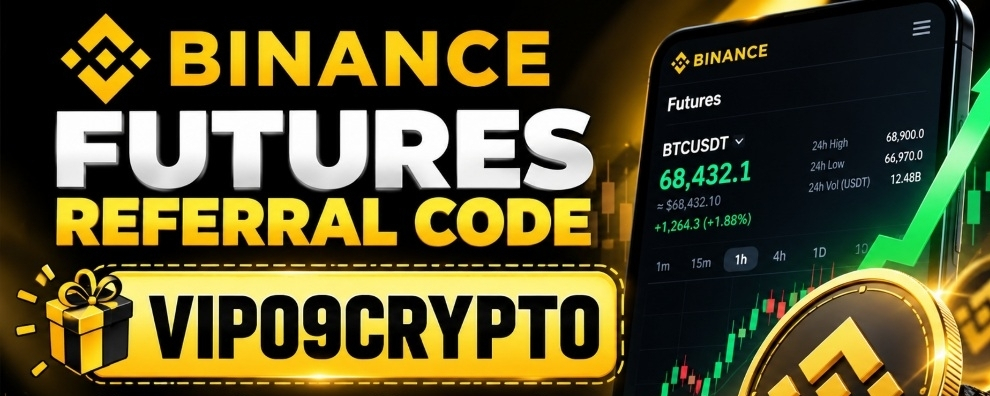
Mã giới thiệu Binance Futures VIP09CRYPTO – Hướng dẫn đầy đủ cho người dùng mớiMã giới thiệu Binance Futures là VIP09CRYPTO. Người dùng Binance mới đủ điều kiện có thể nhập mã giới thiệu này trong quá trình đăng ký để nhận bất kỳ quyền lợi giới thiệu nào hiện đang được Binance cung cấp. Quyền lợi giới thiệu, điều kiện đủ điều kiện và các điều khoản có thể thay đổi, vì vậy hãy luôn kiểm tra ưu đãi được hiển thị bởi Binance trước khi hoàn tất việc đăng ký của bạn.
Mã giới thiệu Binance Futures là gì?
Mã giới thiệu Binance Futures là một mã được liên kết với hệ thống giới thiệu của Binance. Người dùng đủ điều kiện có thể sử dụng mã giới thiệu hoặc liên kết giới thiệu khi tạo tài khoản, tùy thuộc vào chương trình giới thiệu Binance áp dụng.
Mã giới thiệu Binance Futures VIP09CRYPTO – Hướng dẫn đầy đủ cho người dùng mới
Mã giới thiệu Binance Futures là VIP09CRYPTO. Người dùng Binance mới đủ điều kiện có thể nhập mã giới thiệu này trong quá trình đăng ký để nhận bất kỳ quyền lợi giới thiệu nào hiện đang được Binance cung cấp. Quyền lợi giới thiệu, điều kiện đủ điều kiện và các điều khoản có thể thay đổi, vì vậy hãy luôn kiểm tra ưu đãi được hiển thị bởi Binance trước khi hoàn tất việc đăng ký của bạn.
Mã giới thiệu Binance Futures là gì?
Mã giới thiệu Binance Futures là một mã được liên kết với hệ thống giới thiệu của Binance. Người dùng đủ điều kiện có thể sử dụng mã giới thiệu hoặc liên kết giới thiệu khi tạo tài khoản, tùy thuộc vào chương trình giới thiệu Binance áp dụng.
Mã giới thiệu Binance Futures là gì?
Mã giới thiệu Binance Futures là một mã được liên kết với hệ thống giới thiệu của Binance. Người dùng đủ điều kiện có thể sử dụng mã giới thiệu hoặc liên kết giới thiệu khi tạo tài khoản, tùy thuộc vào chương trình giới thiệu Binance áp dụng.
1
130
·
--
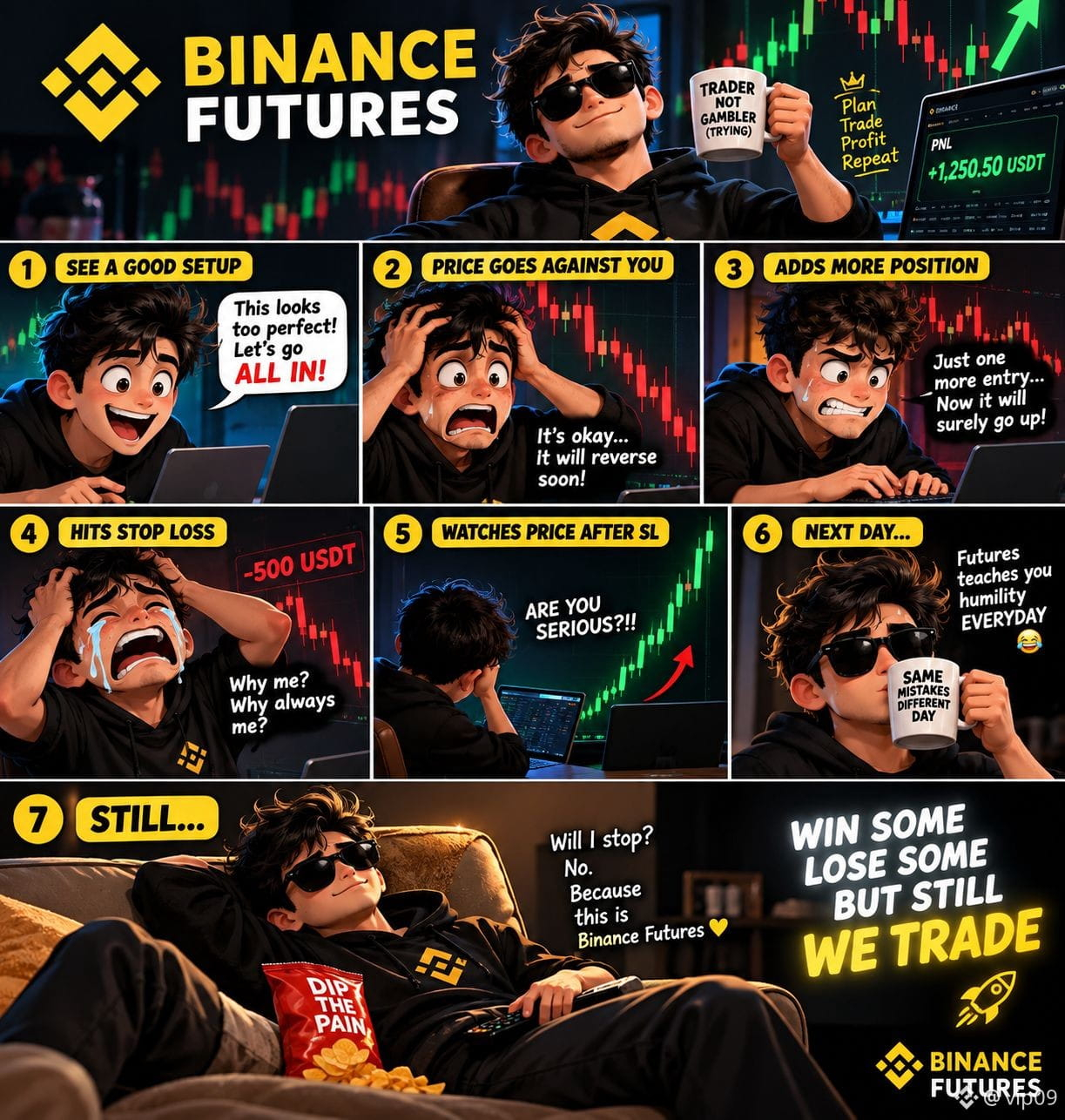
Ai bảo chia tay đau nhất? Cái này dừng lỗ just tạt thẳng vào mặt tôi bằng sự thật 😭 #BinanceFutures
Ai bảo chia tay đau nhất? Cái này dừng lỗ just tạt thẳng vào mặt tôi bằng sự thật 😭 #BinanceFutures
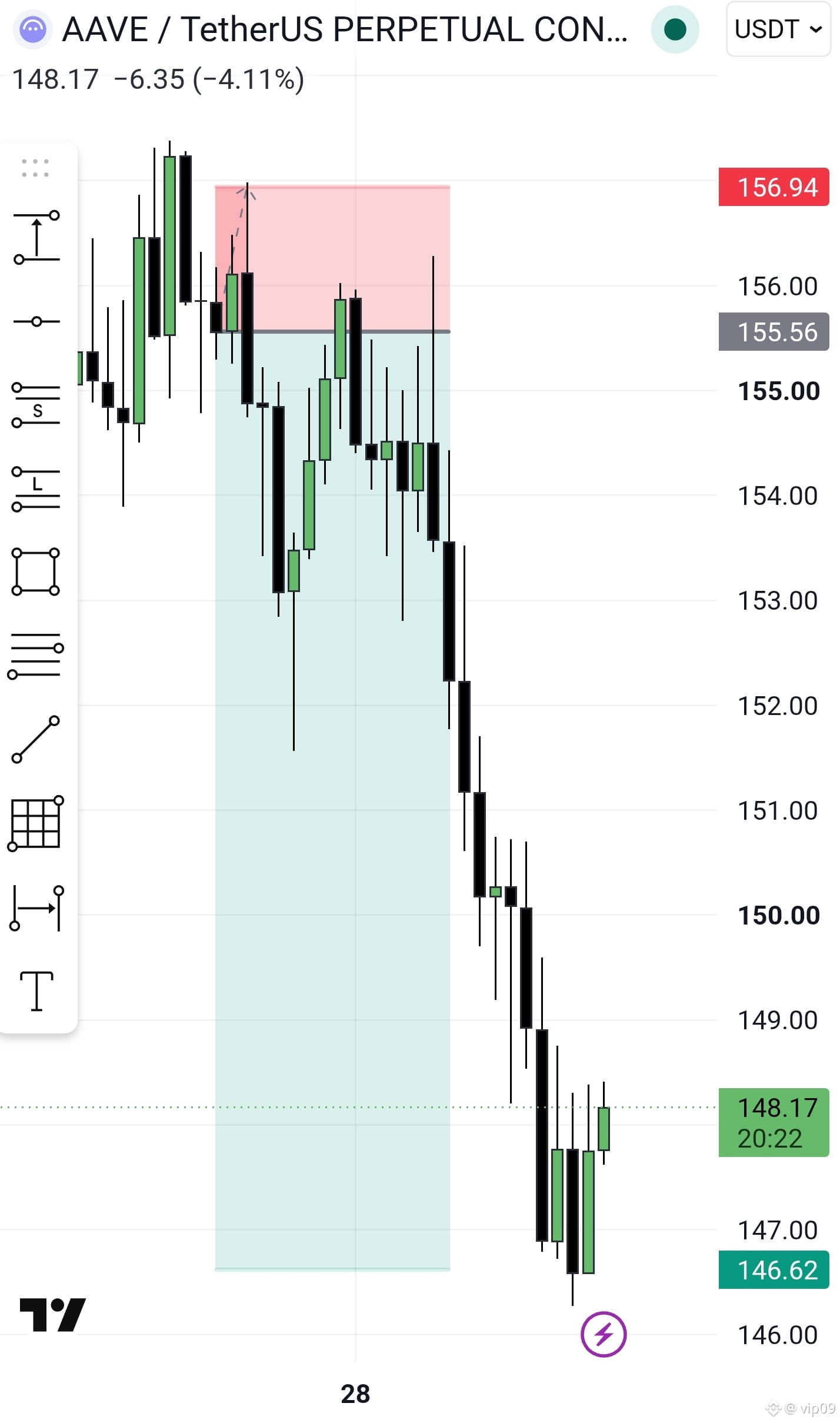
109
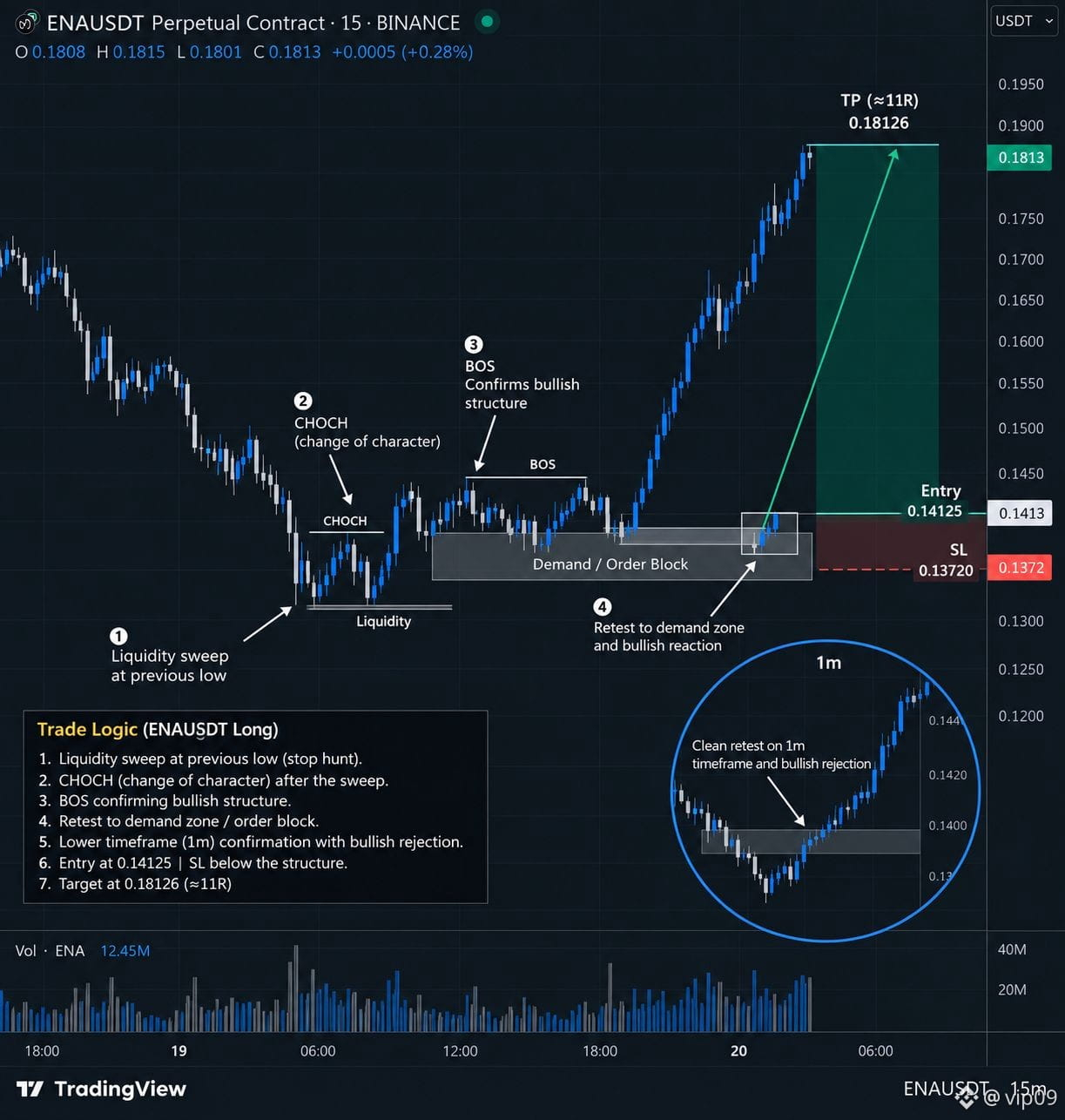
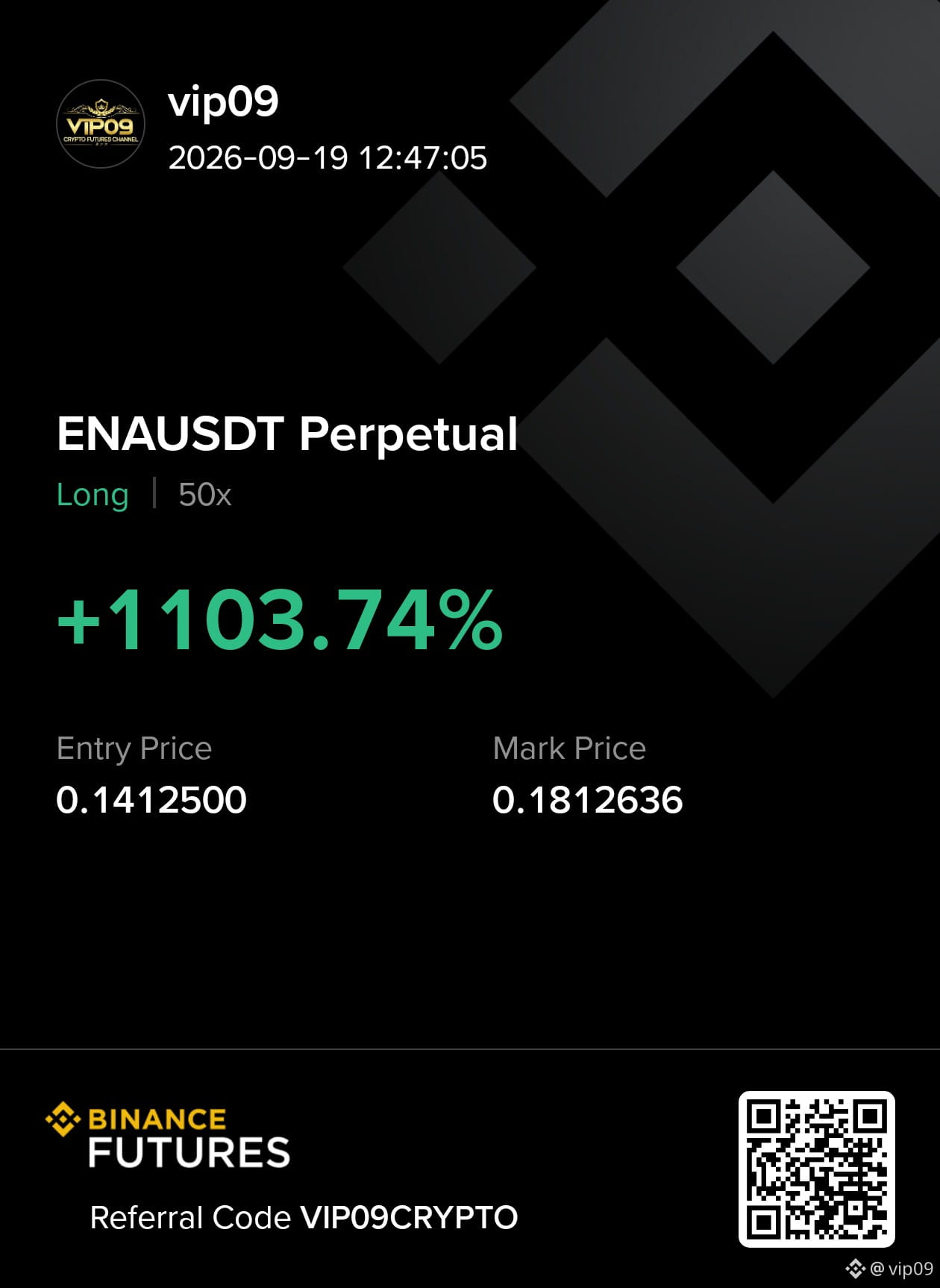
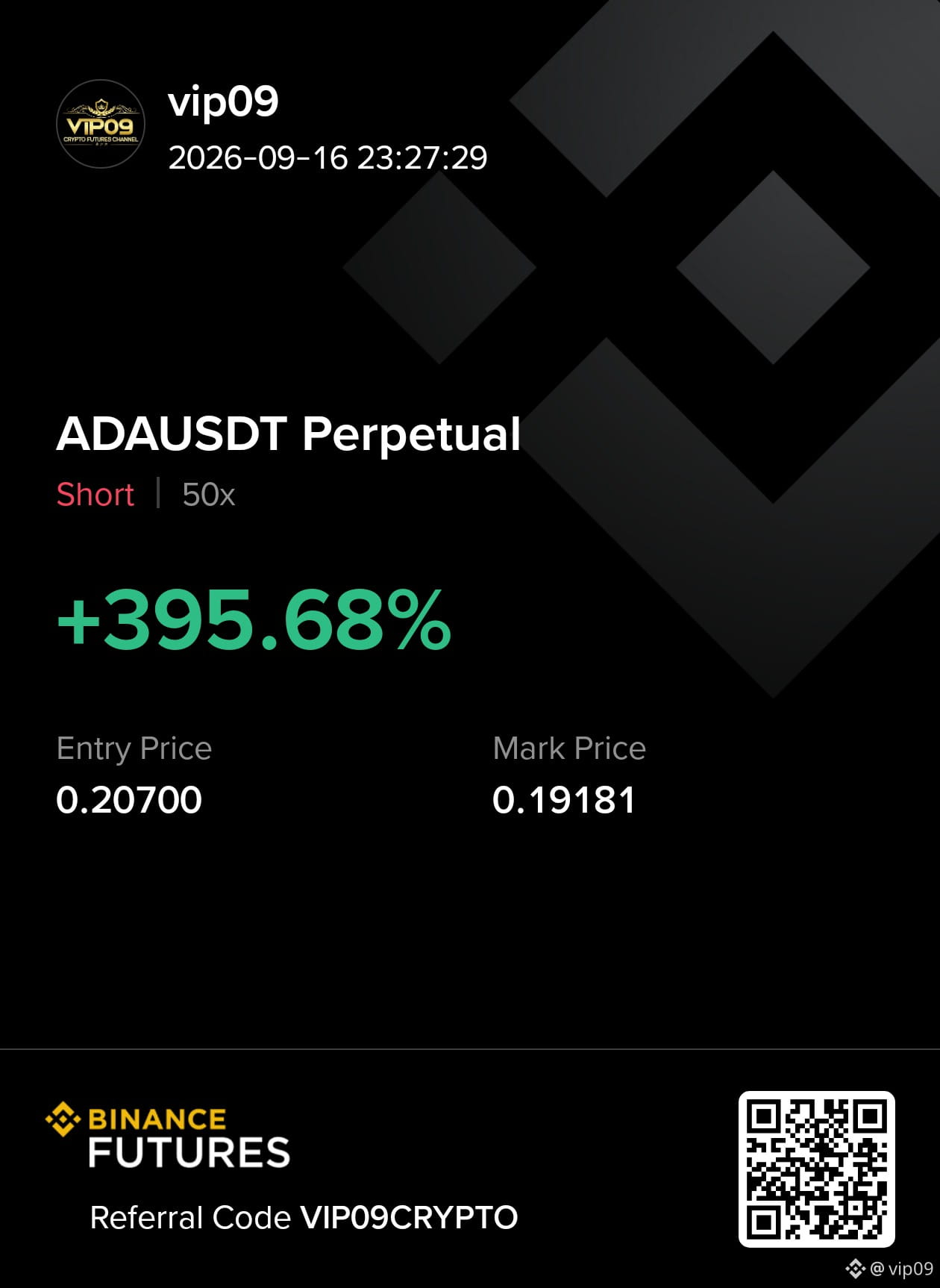
·
--
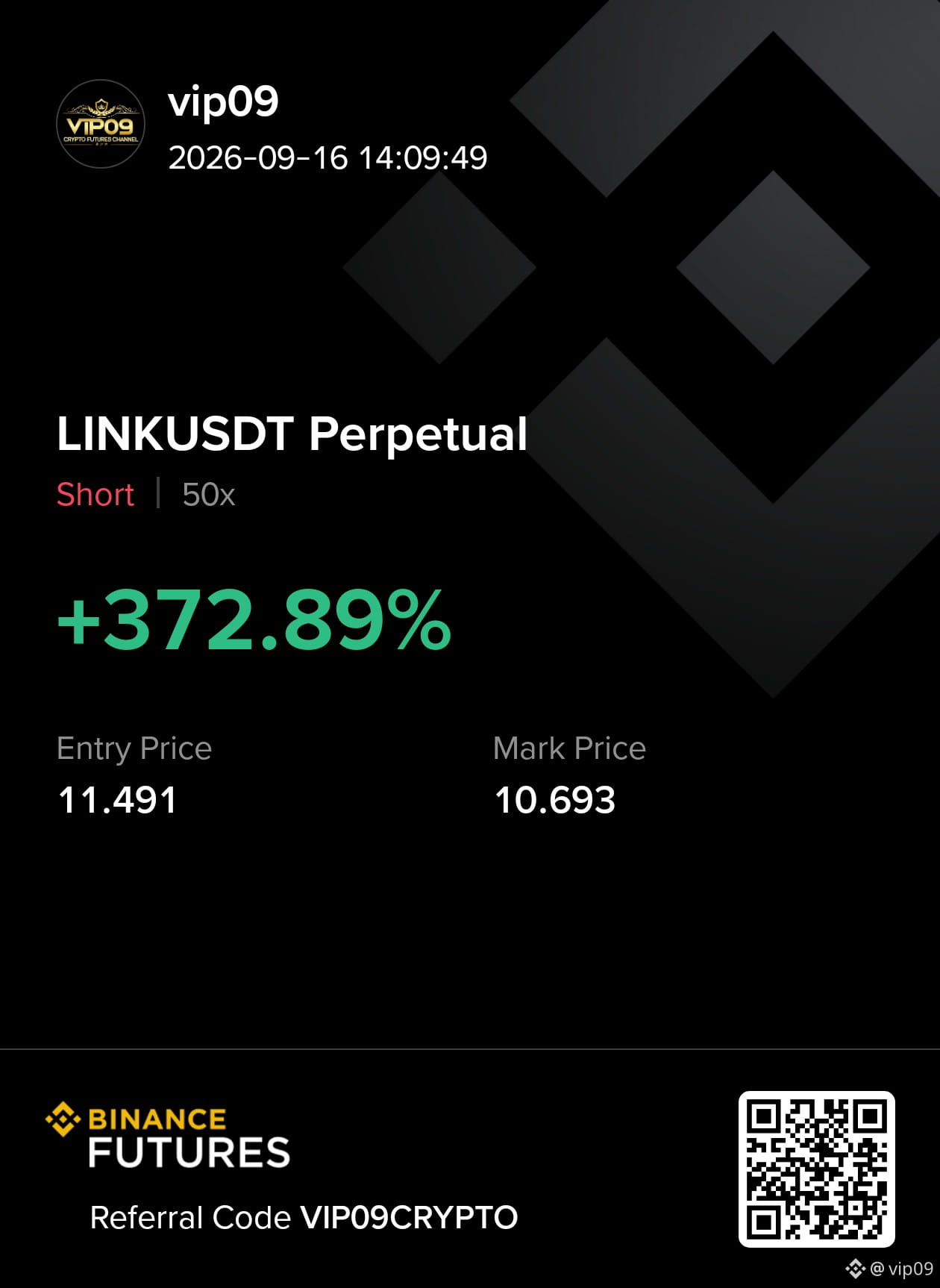
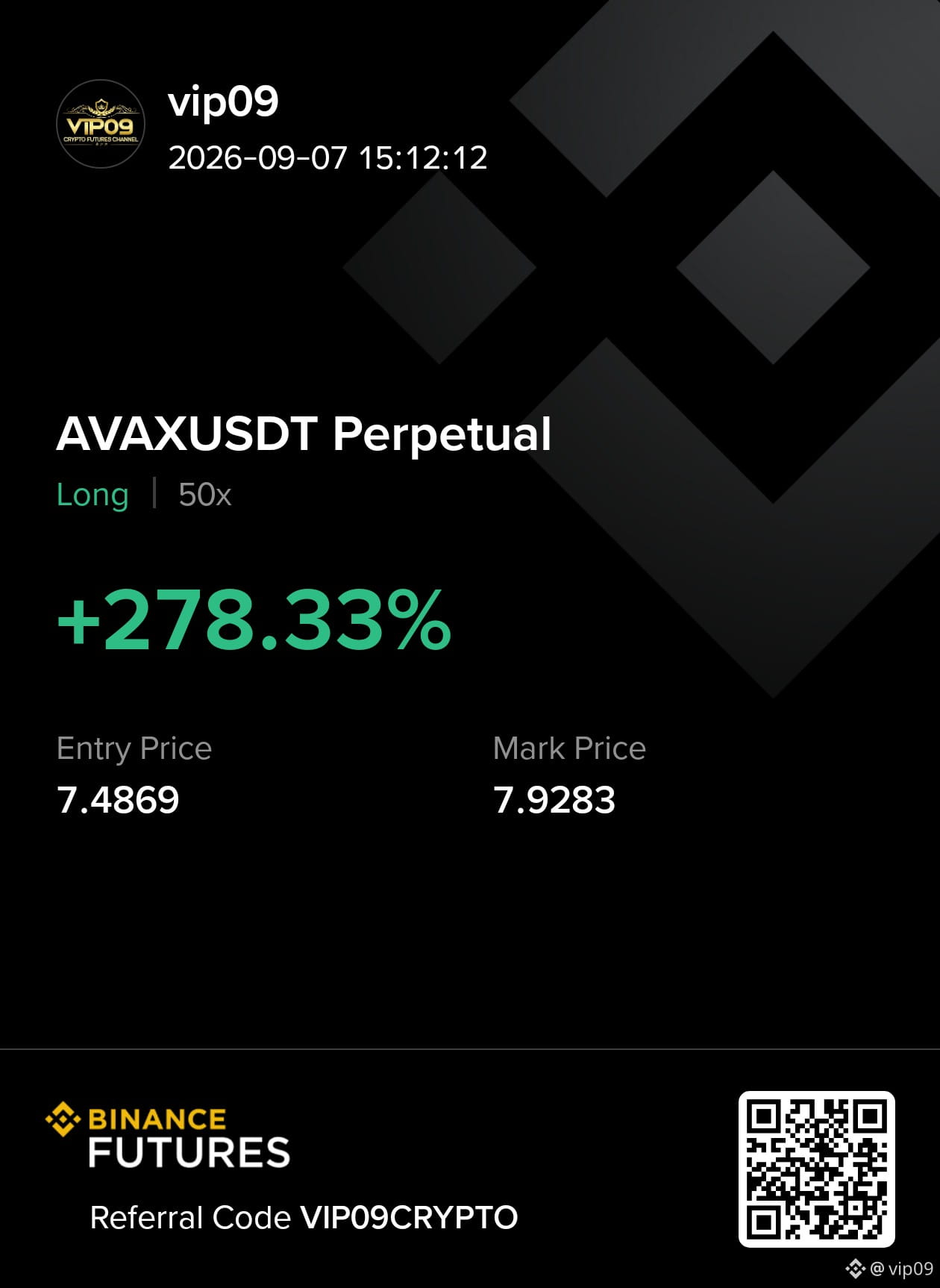
#LINKUSDT Shared Yesterday. Now we just loaded our bags 💥. What a crash.
#LINKUSDT Shared Yesterday. Now we just loaded our bags 💥. What a crash.
133
·
--
Bạn theo chiến lược nào?
Bạn theo chiến lược nào?
Price Action 🔥
0%
SMC 🥶
0%
Only Support and Resistance 💀
0%
I Follow VIP09 😎
0%
0 phiếu bầu • Cuộc bỏ phiếu đã kết thúc
1
1
·
--
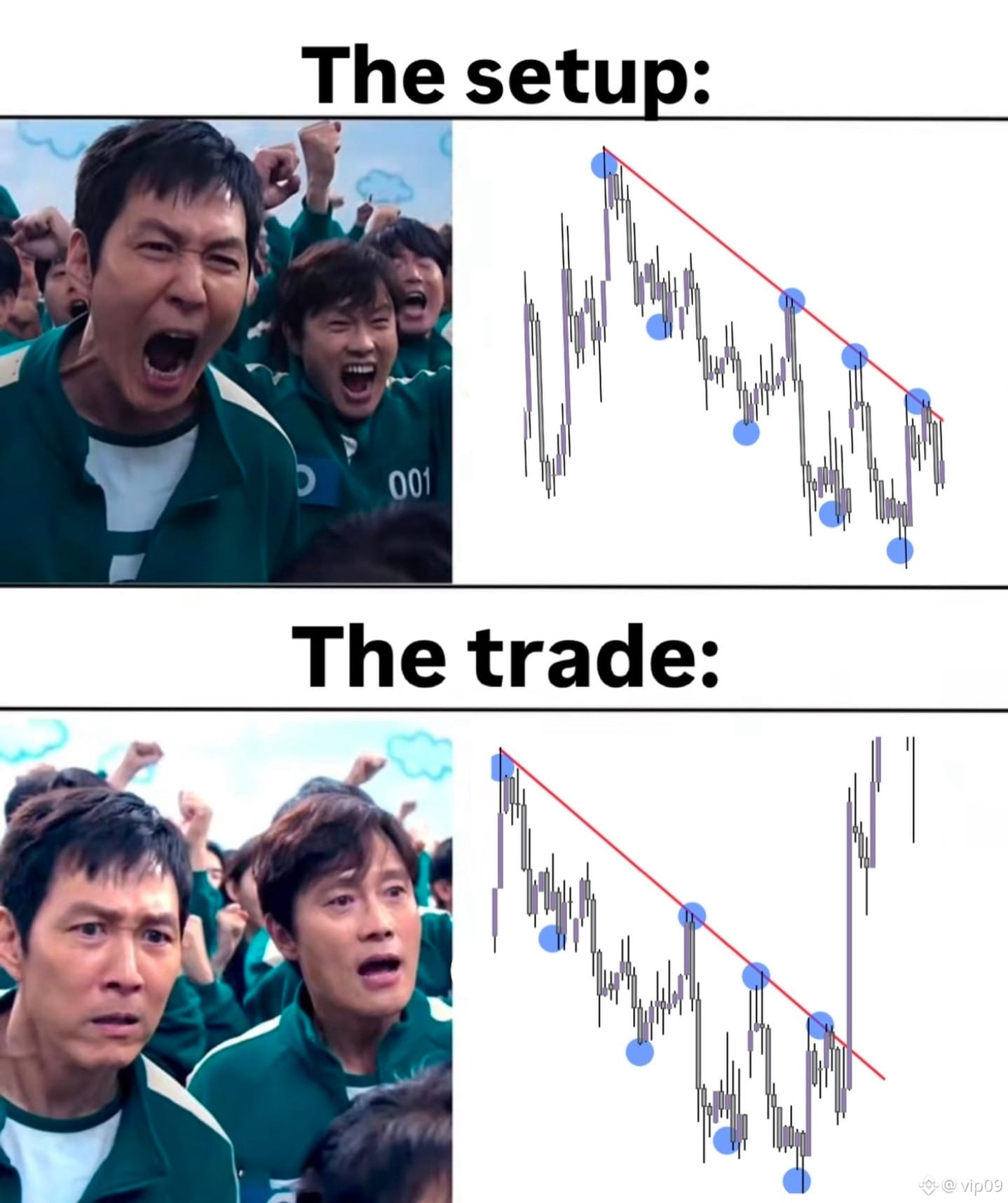
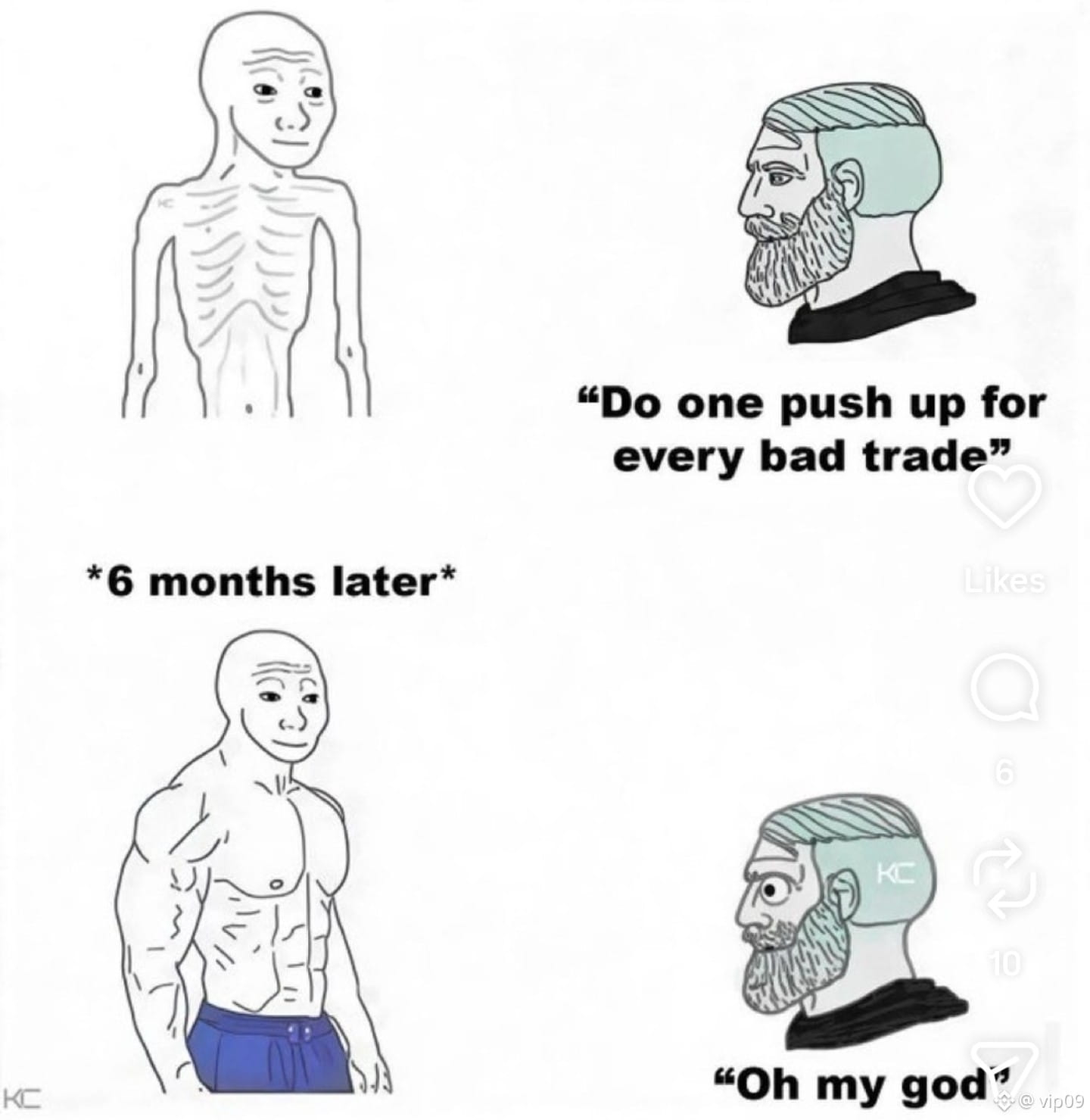
Hãy mong đợi điều bất ngờ và nghĩ dài hạn. Price Action ❌️🤡 SMC ✅️💀
Hãy mong đợi điều bất ngờ và nghĩ dài hạn. Price Action ❌️🤡 SMC ✅️💀
40
·
--
Chúng tôi không dự đoán tương lai.
Chúng tôi đã chuẩn bị cho một khả năng. 🎯
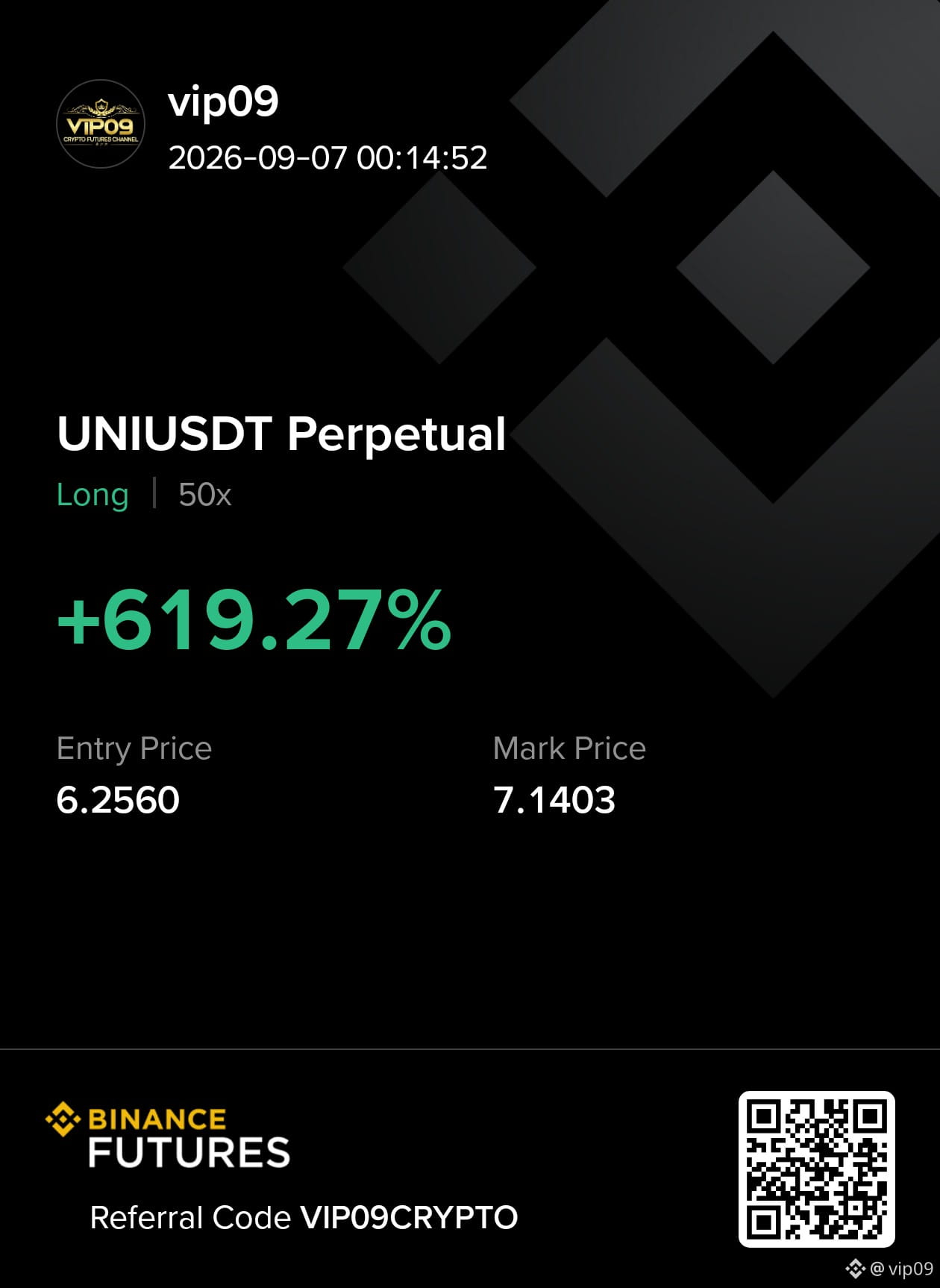
Thiết lập UNI được chia sẻ 6 giờ trước — và thị trường đã mang đến cho chúng tôi cú chuyển động. 📈💰💥
Đó là vẻ đẹp của giao dịch:
Bạn chuẩn bị.
Bạn chờ đợi.
Bạn thực hiện.
Rồi bạn để thị trường quyết định.
#BinanceFutureSignal #BinanceFutureTrading
Chúng tôi không dự đoán tương lai.
Chúng tôi đã chuẩn bị cho một khả năng. 🎯
Thiết lập UNI được chia sẻ 6 giờ trước — và thị trường đã mang đến cho chúng tôi cú chuyển động. 📈💰💥
Đó là vẻ đẹp của giao dịch:
Bạn chuẩn bị.
Bạn chờ đợi.
Bạn thực hiện.
Rồi bạn để thị trường quyết định.
#BinanceFutureSignal #BinanceFutureTrading
Chúng tôi đã chuẩn bị cho một khả năng. 🎯
Thiết lập UNI được chia sẻ 6 giờ trước — và thị trường đã mang đến cho chúng tôi cú chuyển động. 📈💰💥
Đó là vẻ đẹp của giao dịch:
Bạn chuẩn bị.
Bạn chờ đợi.
Bạn thực hiện.
Rồi bạn để thị trường quyết định.
#BinanceFutureSignal #BinanceFutureTrading
1
141
·
--
Vài giờ trước, đây chỉ là một ý tưởng trên biểu đồ…
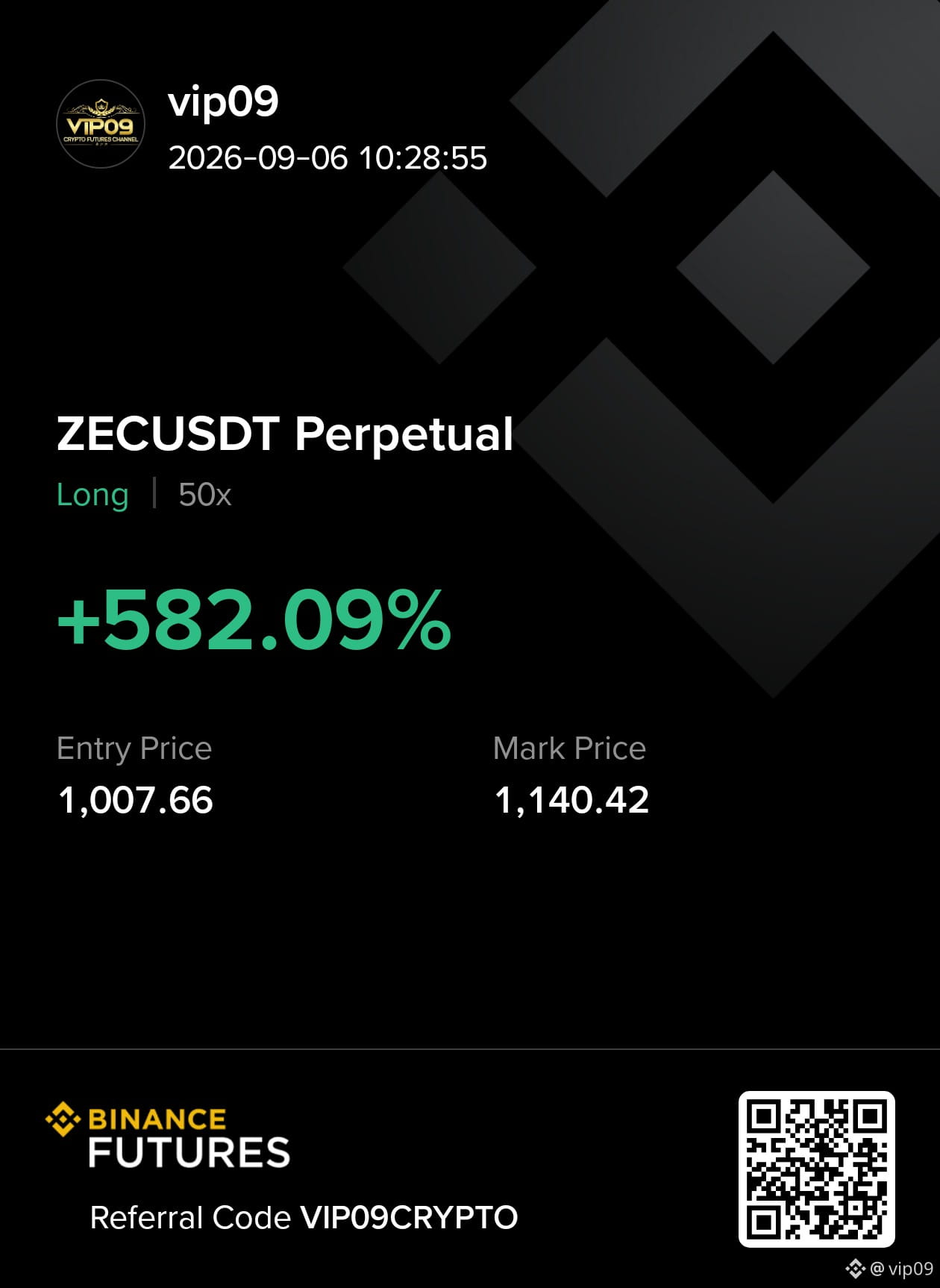
Giờ đây nó đã trở thành một giao dịch mang về lợi nhuận nghiêm túc. 📈💰
Đây là lời nhắc của bạn:
Hãy tiếp tục làm việc với phân tích của mình.
Hãy không ngừng cải thiện cách thực hiện.
Và quan trọng nhất — đừng bỏ cuộc. 🧠🔥
#BinanceFutureSignal #BinanceFutureTrading
Vài giờ trước, đây chỉ là một ý tưởng trên biểu đồ…
Giờ đây nó đã trở thành một giao dịch mang về lợi nhuận nghiêm túc. 📈💰
Đây là lời nhắc của bạn:
Hãy tiếp tục làm việc với phân tích của mình.
Hãy không ngừng cải thiện cách thực hiện.
Và quan trọng nhất — đừng bỏ cuộc. 🧠🔥
#BinanceFutureSignal #BinanceFutureTrading
Giờ đây nó đã trở thành một giao dịch mang về lợi nhuận nghiêm túc. 📈💰
Đây là lời nhắc của bạn:
Hãy tiếp tục làm việc với phân tích của mình.
Hãy không ngừng cải thiện cách thực hiện.
Và quan trọng nhất — đừng bỏ cuộc. 🧠🔥
#BinanceFutureSignal #BinanceFutureTrading
144
·
--
Cảm giác tuyệt nhất là nhìn một thiết lập diễn ra sau khi đã lên kế hoạch từ trước. 📊
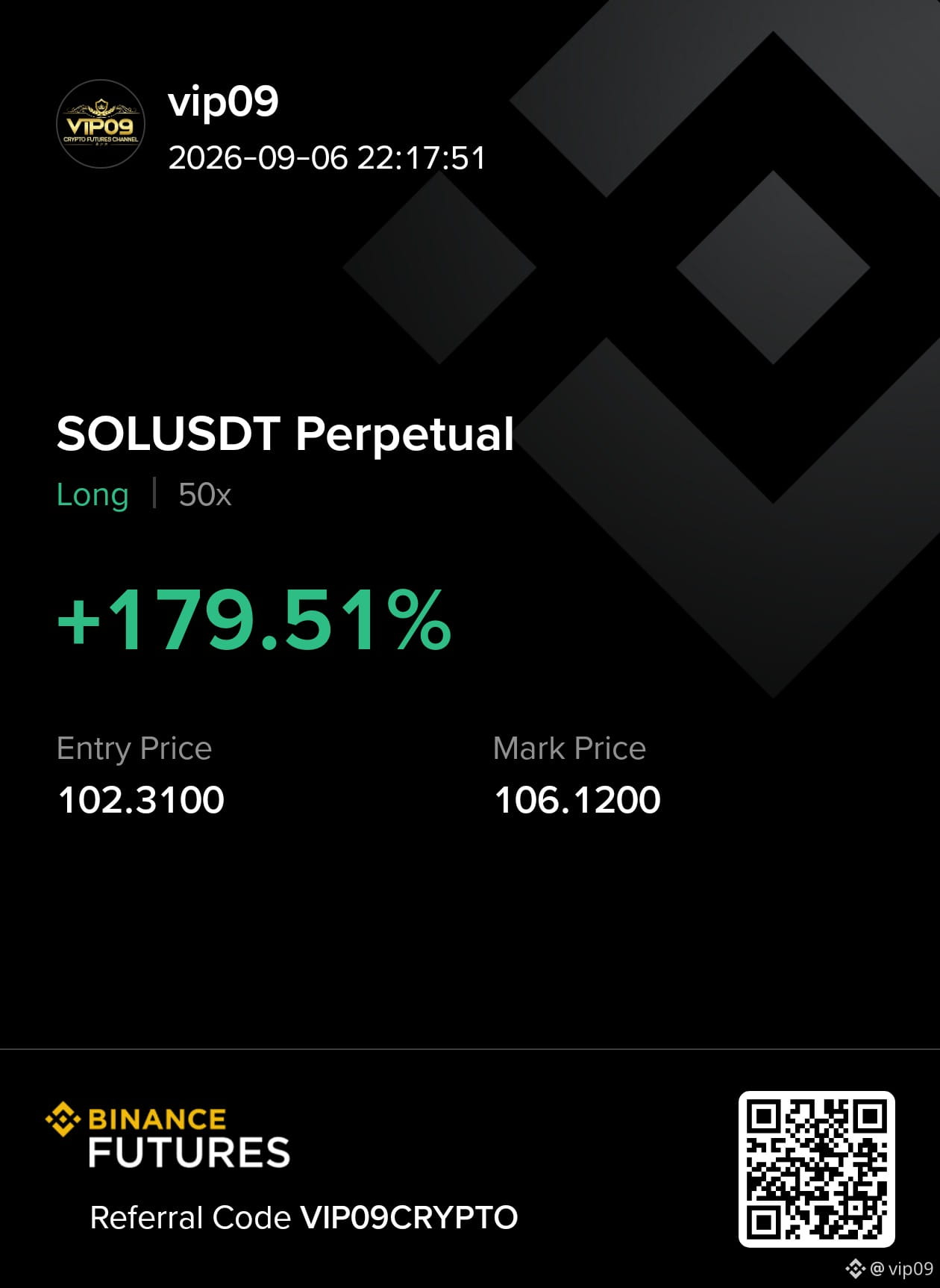
Lệnh giao dịch SOL được chia sẻ 3 giờ trước — và bây giờ vị thế đang có lợi nhuận rất tốt. 📈🔥
Đó là lý do vì sao sự kiên nhẫn rất quan trọng. Đừng đuổi theo biến động. Hãy chờ thiết lập của bạn.
#BinanceFutureSignal #BinanceFutureTrading
Cảm giác tuyệt nhất là nhìn một thiết lập diễn ra sau khi đã lên kế hoạch từ trước. 📊
Lệnh giao dịch SOL được chia sẻ 3 giờ trước — và bây giờ vị thế đang có lợi nhuận rất tốt. 📈🔥
Đó là lý do vì sao sự kiên nhẫn rất quan trọng. Đừng đuổi theo biến động. Hãy chờ thiết lập của bạn.
#BinanceFutureSignal #BinanceFutureTrading
Lệnh giao dịch SOL được chia sẻ 3 giờ trước — và bây giờ vị thế đang có lợi nhuận rất tốt. 📈🔥
Đó là lý do vì sao sự kiên nhẫn rất quan trọng. Đừng đuổi theo biến động. Hãy chờ thiết lập của bạn.
#BinanceFutureSignal #BinanceFutureTrading
1
104
·
--
Còn nhớ thiết lập SUI mà tôi đã chia sẻ 3 giờ trước không? 👀
À thì… nhìn nó bây giờ đi. 📈🔥#
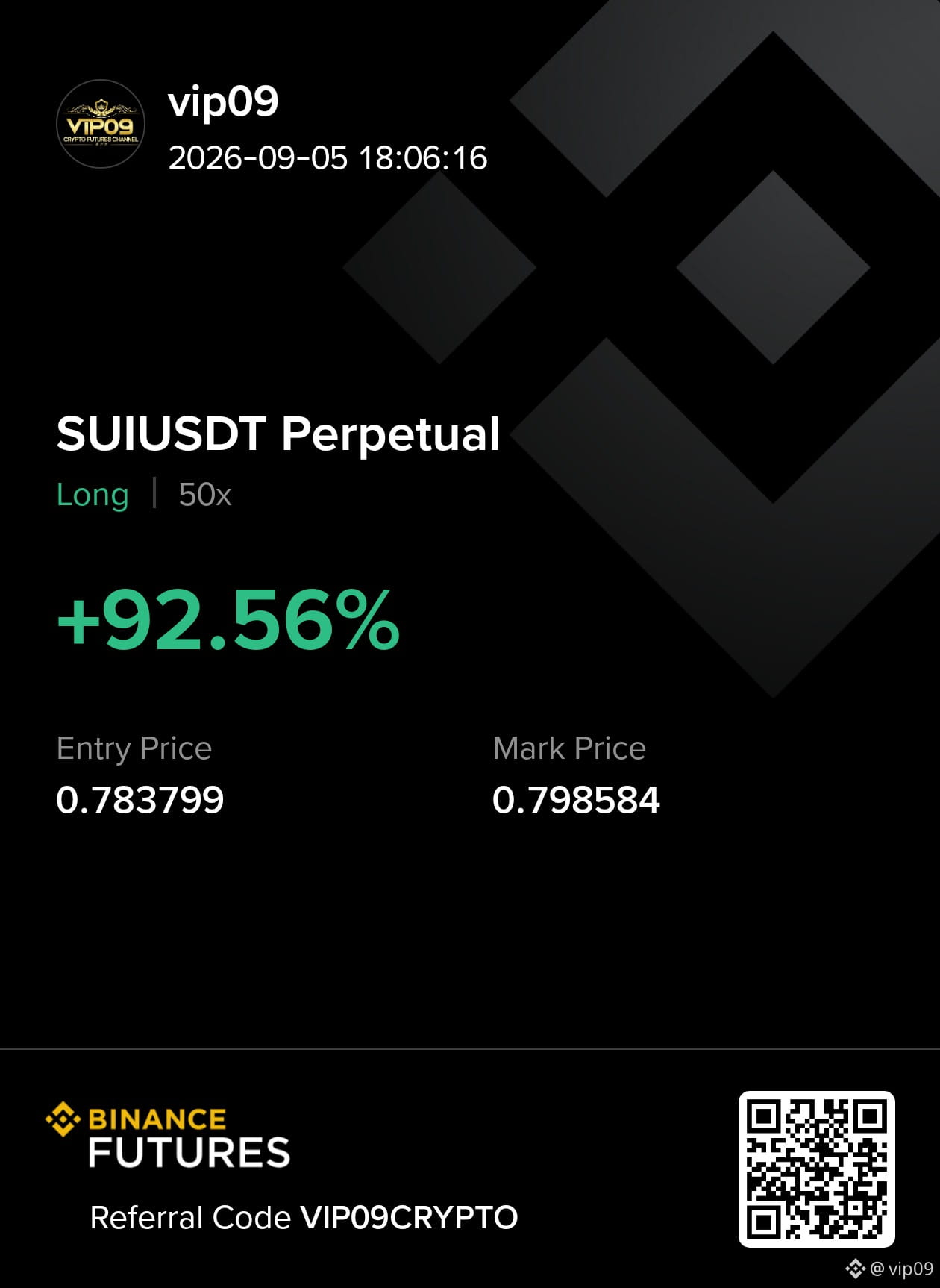
Thiết lập đã diễn ra đúng như dự đoán, và lệnh giao dịch hiện đang ở mức lợi nhuận tốt.
Phân tích trước. Thực thi sau.
#BinanceFutureSignal #BinanceFutureTrading
Còn nhớ thiết lập SUI mà tôi đã chia sẻ 3 giờ trước không? 👀
À thì… nhìn nó bây giờ đi. 📈🔥#
Thiết lập đã diễn ra đúng như dự đoán, và lệnh giao dịch hiện đang ở mức lợi nhuận tốt.
Phân tích trước. Thực thi sau.
#BinanceFutureSignal #BinanceFutureTrading
À thì… nhìn nó bây giờ đi. 📈🔥#
Thiết lập đã diễn ra đúng như dự đoán, và lệnh giao dịch hiện đang ở mức lợi nhuận tốt.
Phân tích trước. Thực thi sau.
#BinanceFutureSignal #BinanceFutureTrading
1
151
·
--
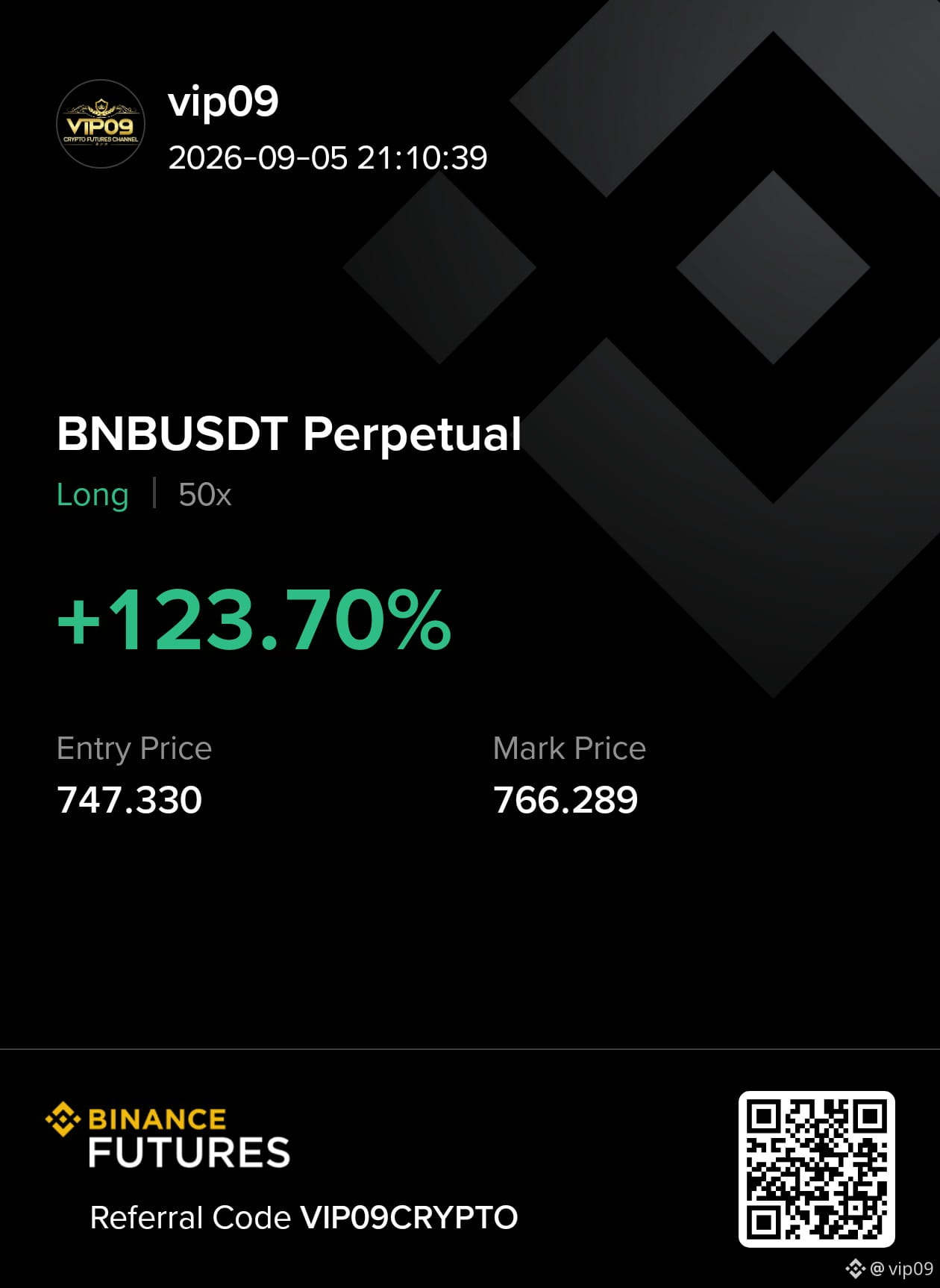
Đã chia sẻ giao dịch BNB này cách đây 3 giờ. và hiện tại giao dịch này đang có lợi nhuận điên cuồng #BinanceFutureSignal #BinanceFutureTrading
Đã chia sẻ giao dịch BNB này cách đây 3 giờ. và hiện tại giao dịch này đang có lợi nhuận điên cuồng #BinanceFutureSignal #BinanceFutureTrading
1
27
·
--
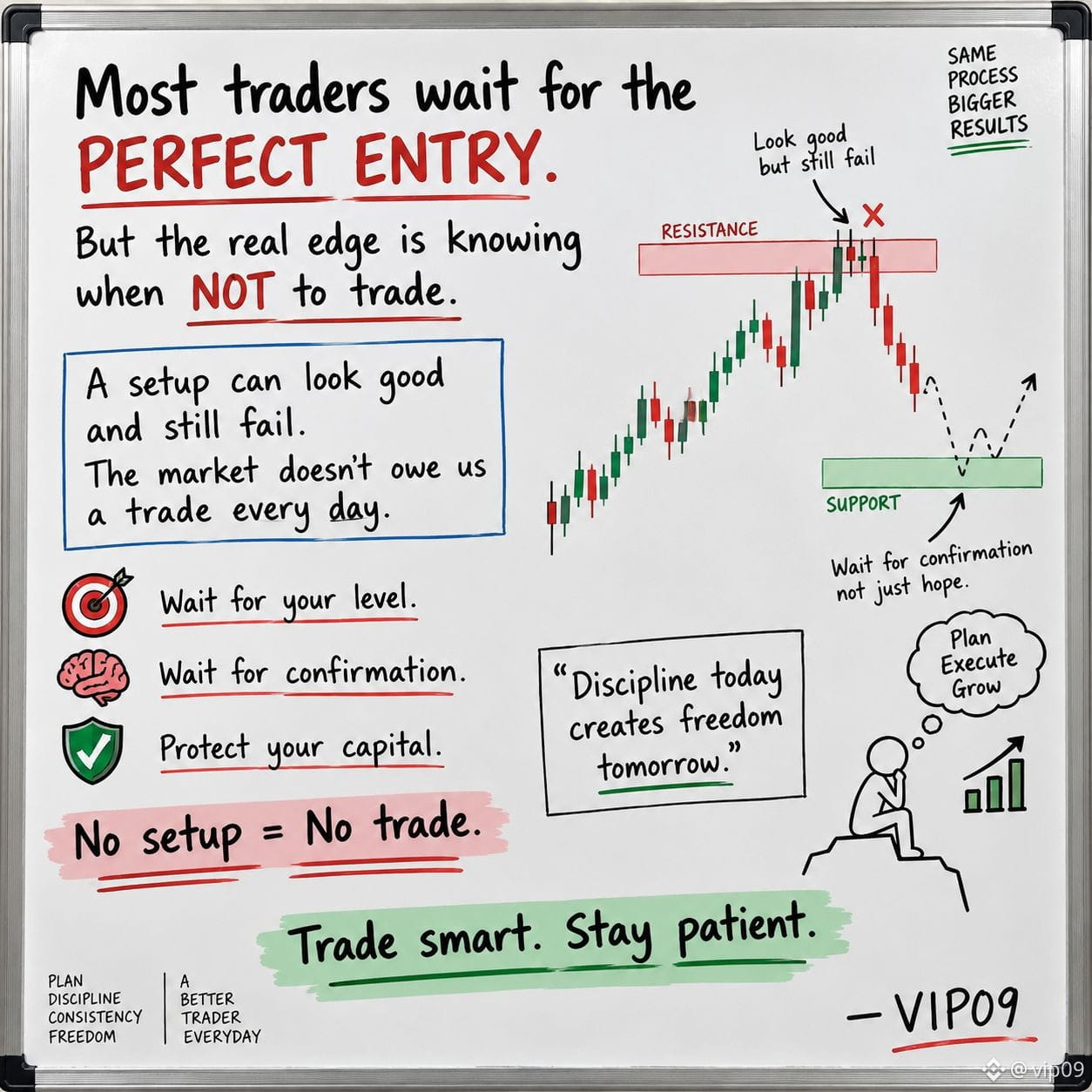
Hầu hết các nhà giao dịch đều chờ điểm vào hoàn hảo.
Nhưng lợi thế thực sự nằm ở việc biết khi nào KHÔNG nên giao dịch.
Một kịch bản có thể trông có vẻ ổn và vẫn thất bại.
Thị trường không nợ chúng ta một giao dịch mỗi ngày.
🎯 Chờ đúng mức giá của bạn
🧠 Chờ xác nhận
🛡️ Bảo vệ vốn của bạn
Không có kịch bản = Không giao dịch.
Giao dịch thông minh. Giữ bình tĩnh.
— VIP09
Hầu hết các nhà giao dịch đều chờ điểm vào hoàn hảo.
Nhưng lợi thế thực sự nằm ở việc biết khi nào KHÔNG nên giao dịch.
Một kịch bản có thể trông có vẻ ổn và vẫn thất bại.
Thị trường không nợ chúng ta một giao dịch mỗi ngày.
🎯 Chờ đúng mức giá của bạn
🧠 Chờ xác nhận
🛡️ Bảo vệ vốn của bạn
Không có kịch bản = Không giao dịch.
Giao dịch thông minh. Giữ bình tĩnh.
— VIP09
Nhưng lợi thế thực sự nằm ở việc biết khi nào KHÔNG nên giao dịch.
Một kịch bản có thể trông có vẻ ổn và vẫn thất bại.
Thị trường không nợ chúng ta một giao dịch mỗi ngày.
🎯 Chờ đúng mức giá của bạn
🧠 Chờ xác nhận
🛡️ Bảo vệ vốn của bạn
Không có kịch bản = Không giao dịch.
Giao dịch thông minh. Giữ bình tĩnh.
— VIP09
100
·
--
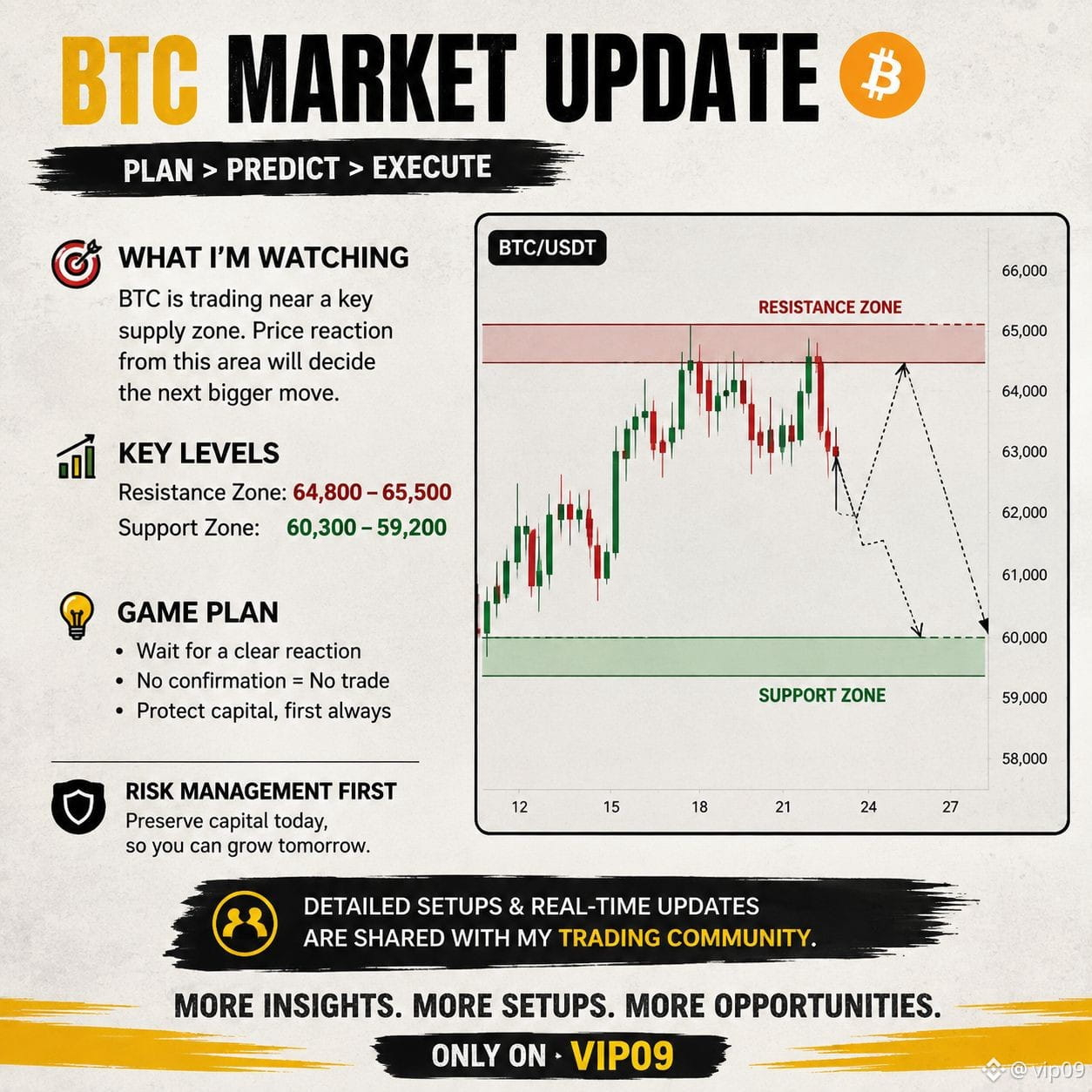
KIỂM TRA THỊ TRƯỜNG BTC
BTC đang tiến gần một vùng quan trọng.
Mình đang theo dõi phản ứng một cách cẩn thận trước khi vào bất kỳ vị thế nào.
🎯 Các mốc quan trọng.
⏳ Sự kiên nhẫn quan trọng hơn.
🛡️ Chưa có xác nhận = Không giao dịch.
Lên kế hoạch trước. Thực hiện sau.
— VIP09
KIỂM TRA THỊ TRƯỜNG BTC
BTC đang tiến gần một vùng quan trọng.
Mình đang theo dõi phản ứng một cách cẩn thận trước khi vào bất kỳ vị thế nào.
🎯 Các mốc quan trọng.
⏳ Sự kiên nhẫn quan trọng hơn.
🛡️ Chưa có xác nhận = Không giao dịch.
Lên kế hoạch trước. Thực hiện sau.
— VIP09
BTC đang tiến gần một vùng quan trọng.
Mình đang theo dõi phản ứng một cách cẩn thận trước khi vào bất kỳ vị thế nào.
🎯 Các mốc quan trọng.
⏳ Sự kiên nhẫn quan trọng hơn.
🛡️ Chưa có xác nhận = Không giao dịch.
Lên kế hoạch trước. Thực hiện sau.
— VIP09
1
1
371
·
--
Hầu hết các trader không thua vì họ không tìm được setup.
Họ thua vì họ giao dịch TẤT CẢ mọi setup.
Một setup có thể trông có vẻ tốt nhưng vẫn thất bại.
Kỹ năng thực sự là biết khi nào nên đứng ngoài, chờ xác nhận, và bảo vệ vốn của bạn.
Giao dịch ít hơn. Giao dịch tốt hơn.
— VIP09
Hầu hết các trader không thua vì họ không tìm được setup.
Họ thua vì họ giao dịch TẤT CẢ mọi setup.
Một setup có thể trông có vẻ tốt nhưng vẫn thất bại.
Kỹ năng thực sự là biết khi nào nên đứng ngoài, chờ xác nhận, và bảo vệ vốn của bạn.
Giao dịch ít hơn. Giao dịch tốt hơn.
— VIP09
Họ thua vì họ giao dịch TẤT CẢ mọi setup.
Một setup có thể trông có vẻ tốt nhưng vẫn thất bại.
Kỹ năng thực sự là biết khi nào nên đứng ngoài, chờ xác nhận, và bảo vệ vốn của bạn.
Giao dịch ít hơn. Giao dịch tốt hơn.
— VIP09
1
47
Đăng nhập để khám phá thêm nội dung
Tham gia cùng người dùng tiền mã hóa toàn cầu trên Binance Square
⚡️ Nhận thông tin mới nhất và hữu ích về tiền mã hóa.
💬 Được tin cậy bởi sàn giao dịch tiền mã hóa lớn nhất thế giới.
👍 Khám phá những thông tin chuyên sâu thực tế từ những nhà sáng tạo đã xác minh.
Email / Số điện thoại