
Mr-Bright
1.5k Bài đăng

Mr-Bright
Determine the signs and wait for success to come 😎💯👑
Giao dịch mở
Trader thường xuyên
{thời gian} năm
162 Đang theo dõi
15.1K+ Người theo dõi
3.0K+ Đã thích
Bài đăng
Danh mục đầu tư
Tất cả
Trích dẫn
Video
Live
#grvt đang định nghĩa lại hiệu quả sử dụng vốn như một sàn giao dịch hybrid hàng đầu, kết hợp liền mạch tốc độ siêu nhanh của các sàn tập trung với khả năng tự lưu ký và bảo mật của tài chính phi tập trung. Được xây dựng như một hyperchain trên kiến trúc zero-knowledge của ZKsync, nền tảng tách biệt động cơ khớp lệnh siêu tốc của mình (có khả năng xử lý 600.000 giao dịch mỗi giây) khỏi khâu thanh toán trên chuỗi (on-chain), đồng thời duy trì quyền riêng tư nghiêm ngặt của nhà giao dịch và quyền kiểm soát tài sản.
Hạ tầng này hỗ trợ một biên giới tài sản đa dạng đang mở rộng nhanh chóng. Ngoài các cặp crypto perpetual, GRVT tích hợp các Tokenized Real-World Assets (RWA) đạt chuẩn tổ chức, cổ phiếu và hàng hóa. Xu hướng thị trường cho thấy sự quan tâm rất lớn đến lĩnh vực này, với các sản phẩm thể chế được token hóa trên chuỗi (on-chain) tại Ethereum tăng vọt vượt 24 tỷ USD.
Hạ tầng này hỗ trợ một biên giới tài sản đa dạng đang mở rộng nhanh chóng. Ngoài các cặp crypto perpetual, GRVT tích hợp các Tokenized Real-World Assets (RWA) đạt chuẩn tổ chức, cổ phiếu và hàng hóa. Xu hướng thị trường cho thấy sự quan tâm rất lớn đến lĩnh vực này, với các sản phẩm thể chế được token hóa trên chuỗi (on-chain) tại Ethereum tăng vọt vượt 24 tỷ USD.
#grvt đang định hình lại hiệu quả sử dụng vốn như một sàn giao dịch hybrid hàng đầu, kết hợp liền mạch tốc độ siêu nhanh của các sàn tập trung với khả năng tự lưu ký và bảo mật của tài chính phi tập trung. Được xây dựng như một hyperchain trên kiến trúc zero-knowledge của ZKsync, nền tảng này tách bộ máy khớp lệnh siêu nhanh của mình (có khả năng xử lý 600.000 giao dịch mỗi giây) khỏi phần thanh toán trên chuỗi, qua đó duy trì quyền riêng tư nghiêm ngặt cho người giao dịch và quyền kiểm soát tài sản.
Hạ tầng này hỗ trợ một biên giới đa tài sản đang phát triển nhanh chóng. Ngoài các cặp crypto perpetual, GRVT tích hợp các Tài sản Thực Tế được mã hóa (RWA) theo chuẩn cấp độ tổ chức, cổ phiếu và hàng hóa. Xu hướng thị trường cho thấy sự quan tâm khổng lồ đến lĩnh vực này, khi các sản phẩm token hóa tổ chức trên chuỗi (on-chain) trên Ethereum tăng vọt, vượt mốc 24 tỷ USD.
Hạ tầng này hỗ trợ một biên giới đa tài sản đang phát triển nhanh chóng. Ngoài các cặp crypto perpetual, GRVT tích hợp các Tài sản Thực Tế được mã hóa (RWA) theo chuẩn cấp độ tổ chức, cổ phiếu và hàng hóa. Xu hướng thị trường cho thấy sự quan tâm khổng lồ đến lĩnh vực này, khi các sản phẩm token hóa tổ chức trên chuỗi (on-chain) trên Ethereum tăng vọt, vượt mốc 24 tỷ USD.

Bản đồ Tốc độ: Bẫy Biến động
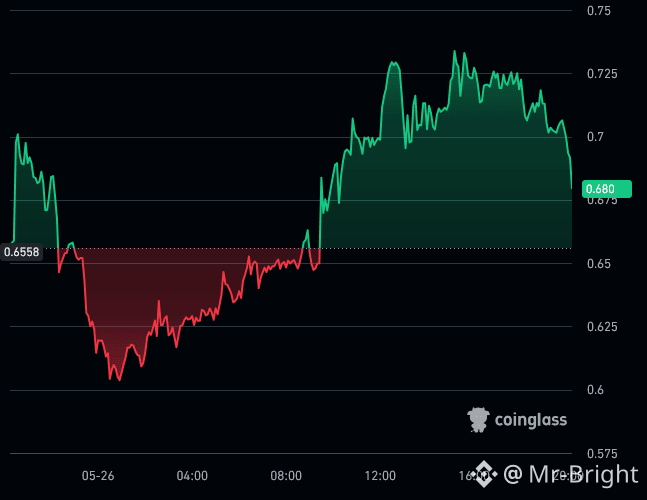
Biểu đồ đường 24 giờ ghi lại một cú quét thanh khoản cổ điển và mạnh mẽ. Đầu phiên, @GeniusOfficial đã giảm mạnh xuống dưới mức cơ sở $0.6558, chạm đáy gần $0.60. Giai đoạn capitulation này nhanh chóng được đáp lại bằng việc mua vào từ các tổ chức, kích thích một đợt hồi phục hình chữ V mạnh mẽ đạt đỉnh tại $0.735.
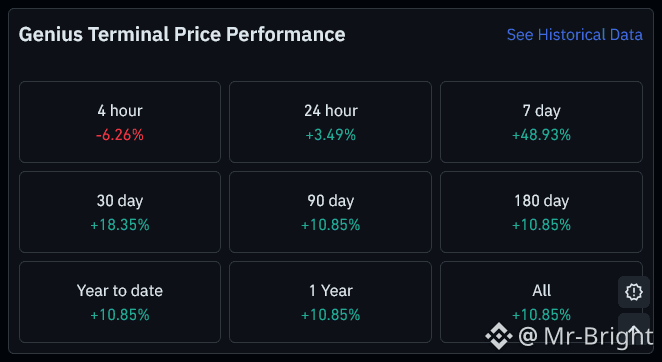
Hiện tại đang pullback về $0.680 (giảm -6.26% trong 4 giờ qua), tài sản đang trải qua một lần kiểm tra lại tiêu chuẩn khỏe mạnh của mức trung bình trước khi thực hiện động thái cấu trúc tiếp theo. #genius $GENIUS
Sức khỏe Cấu trúc Vĩ mô
Bất chấp những biến động intraday, các khung thời gian rộng hơn thể hiện một bức tranh tăng giá mạnh mẽ:
Khả năng Chịu đựng Ngắn hạn: Tăng +3.49% trên thang đo 24 giờ.
Độ Chiếm lĩnh Hàng tuần: Một cú breakout khổng lồ +48.93% trong 7 ngày qua, làm nổi bật sự gia tăng mạnh mẽ của vốn vào hệ sinh thái.
Mốc Cơ sở: Các chỉ số 90 ngày, 180 ngày, Từ Đầu Năm đến Nay, và Tất Cả Thời Gian đều hoàn toàn đồng nhất ở mức +10.85%. Sự đồng nhất phẳng này cho thấy rằng GENIUS đã thiết lập một sàn cấu trúc rõ ràng quanh vùng $0.60–$0.61, đóng vai trò như một bệ phóng cho đợt tăng giá hàng tuần gần đây.
Kiến trúc Thanh khoản: Bản đồ Nhiệm vụ Hợp đồng Tương lai
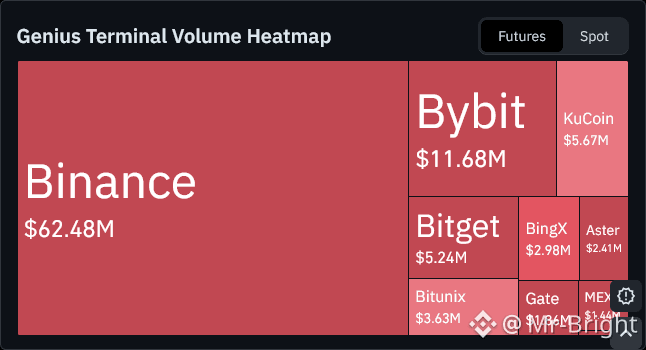
Khối lượng hợp đồng tương lai toàn cầu cho GENIUS tập trung mạnh mẽ, báo hiệu nơi mà "tiền thông minh" từ các tổ chức đang tích cực thực hiện giao dịch.
SànGiao dịchKhối lượng Giao dịch Hợp đồng Tương laiThị phần Động lựcBinance$62.48MMốc neo thị trường áp đảo; quyết định dòng lệnh vĩ mô.Bybit$11.68MMột địa điểm thứ cấp chính cho những người theo đuổi delta tích cực.KuCoin$5.67MMáy kiếm lợi chính cho các giao dịch spot-futures trung bình/người tiêu dùng.Bitget$5.24MThanh khoản scalping địa phương cực kỳ hoạt động.Các khác (Bitunix, BingX, Aster, Gate, MEXC)Khối lượng phân mảnh kết hợpCác trung tâm phân phối bán lẻ bổ sung.
Biểu đồ đường 24 giờ ghi lại một cú quét thanh khoản cổ điển và mạnh mẽ. Đầu phiên, @GeniusOfficial đã giảm mạnh xuống dưới mức cơ sở $0.6558, chạm đáy gần $0.60. Giai đoạn capitulation này nhanh chóng được đáp lại bằng việc mua vào từ các tổ chức, kích thích một đợt hồi phục hình chữ V mạnh mẽ đạt đỉnh tại $0.735.
Hiện tại đang pullback về $0.680 (giảm -6.26% trong 4 giờ qua), tài sản đang trải qua một lần kiểm tra lại tiêu chuẩn khỏe mạnh của mức trung bình trước khi thực hiện động thái cấu trúc tiếp theo. #genius $GENIUS
Sức khỏe Cấu trúc Vĩ mô
Bất chấp những biến động intraday, các khung thời gian rộng hơn thể hiện một bức tranh tăng giá mạnh mẽ:
Khả năng Chịu đựng Ngắn hạn: Tăng +3.49% trên thang đo 24 giờ.
Độ Chiếm lĩnh Hàng tuần: Một cú breakout khổng lồ +48.93% trong 7 ngày qua, làm nổi bật sự gia tăng mạnh mẽ của vốn vào hệ sinh thái.
Mốc Cơ sở: Các chỉ số 90 ngày, 180 ngày, Từ Đầu Năm đến Nay, và Tất Cả Thời Gian đều hoàn toàn đồng nhất ở mức +10.85%. Sự đồng nhất phẳng này cho thấy rằng GENIUS đã thiết lập một sàn cấu trúc rõ ràng quanh vùng $0.60–$0.61, đóng vai trò như một bệ phóng cho đợt tăng giá hàng tuần gần đây.
Kiến trúc Thanh khoản: Bản đồ Nhiệm vụ Hợp đồng Tương lai
Khối lượng hợp đồng tương lai toàn cầu cho GENIUS tập trung mạnh mẽ, báo hiệu nơi mà "tiền thông minh" từ các tổ chức đang tích cực thực hiện giao dịch.
SànGiao dịchKhối lượng Giao dịch Hợp đồng Tương laiThị phần Động lựcBinance$62.48MMốc neo thị trường áp đảo; quyết định dòng lệnh vĩ mô.Bybit$11.68MMột địa điểm thứ cấp chính cho những người theo đuổi delta tích cực.KuCoin$5.67MMáy kiếm lợi chính cho các giao dịch spot-futures trung bình/người tiêu dùng.Bitget$5.24MThanh khoản scalping địa phương cực kỳ hoạt động.Các khác (Bitunix, BingX, Aster, Gate, MEXC)Khối lượng phân mảnh kết hợpCác trung tâm phân phối bán lẻ bổ sung.
Pizza + những Coin tốt trong khoảnh khắc Yellow với cộng đồng, chỉ tận hưởng ngày hôm nay và chia sẻ món ăn. Cảm ơn
@binance
đã kết nối mọi người #BinancePizza
$BTC $ETH $BNB
@binance
đã kết nối mọi người #BinancePizza
$BTC $ETH $BNB


Một trong những câu chuyện mạnh mẽ nhất thúc đẩy đà tăng trưởng của OpenLedger là sự chú trọng vào "AI có thể thanh toán." Nền tảng này giới thiệu Proof of Attribution trên chuỗi, một cơ chế theo dõi cách dữ liệu, mô hình và đầu ra AI được sử dụng để các nhà đóng góp có thể nhận thưởng một cách minh bạch tự động. Điều này giải quyết một trong những thách thức lớn nhất trong ngành AI hiện tại: các nhà sáng tạo và nhà cung cấp dữ liệu thường tạo ra giá trị mà không được bồi thường công bằng. Kiến trúc của OpenLedger được thiết kế để thay đổi điều đó bằng cách làm cho việc ghi nhận có thể xác minh và thanh toán được lập trình trực tiếp trên chuỗi. @OpenLedger #OpenLedger $OPEN
Lộ trình của dự án cho năm 2026 đã thu hút sự chú ý mạnh mẽ từ các lĩnh vực crypto và AI. OpenLedger gần đây đã phác thảo một hệ sinh thái đầy đủ, chín lớp tập trung vào AI có trách nhiệm, kinh tế đại lý, chợ phi tập trung và các giải pháp tuân thủ cấp doanh nghiệp. Lộ trình bao gồm việc ra mắt một Chợ AI nơi các nhà phát triển có thể triển khai và kiếm tiền từ các mô hình AI và đại lý tự động trong một môi trường phi tập trung. Chợ này có thể trở thành chất xúc tác chính cho việc áp dụng khi nhu cầu về tự động hóa dựa trên AI tiếp tục gia tăng trên toàn cầu.
Một yếu tố quan trọng khác góp phần vào tâm lý thị trường tích cực xung quanh OpenLedger là hệ sinh thái đang phát triển và các đối tác chiến lược. Sự hợp tác với Theoriq để đưa các đại lý AI có thể xác minh vào tài chính phi tập trung thể hiện tham vọng thực tế của OpenLedger vượt ra ngoài sự suy đoán. Quan hệ đối tác nhằm mục đích cho phép các đại lý AI hoạt động một cách minh bạch trong các thị trường tài chính trong khi duy trì trách nhiệm trên chuỗi, một bước tiến lớn hướng tới các hệ thống tự động đáng tin cậy trong Web3.
Lộ trình của dự án cho năm 2026 đã thu hút sự chú ý mạnh mẽ từ các lĩnh vực crypto và AI. OpenLedger gần đây đã phác thảo một hệ sinh thái đầy đủ, chín lớp tập trung vào AI có trách nhiệm, kinh tế đại lý, chợ phi tập trung và các giải pháp tuân thủ cấp doanh nghiệp. Lộ trình bao gồm việc ra mắt một Chợ AI nơi các nhà phát triển có thể triển khai và kiếm tiền từ các mô hình AI và đại lý tự động trong một môi trường phi tập trung. Chợ này có thể trở thành chất xúc tác chính cho việc áp dụng khi nhu cầu về tự động hóa dựa trên AI tiếp tục gia tăng trên toàn cầu.
Một yếu tố quan trọng khác góp phần vào tâm lý thị trường tích cực xung quanh OpenLedger là hệ sinh thái đang phát triển và các đối tác chiến lược. Sự hợp tác với Theoriq để đưa các đại lý AI có thể xác minh vào tài chính phi tập trung thể hiện tham vọng thực tế của OpenLedger vượt ra ngoài sự suy đoán. Quan hệ đối tác nhằm mục đích cho phép các đại lý AI hoạt động một cách minh bạch trong các thị trường tài chính trong khi duy trì trách nhiệm trên chuỗi, một bước tiến lớn hướng tới các hệ thống tự động đáng tin cậy trong Web3.

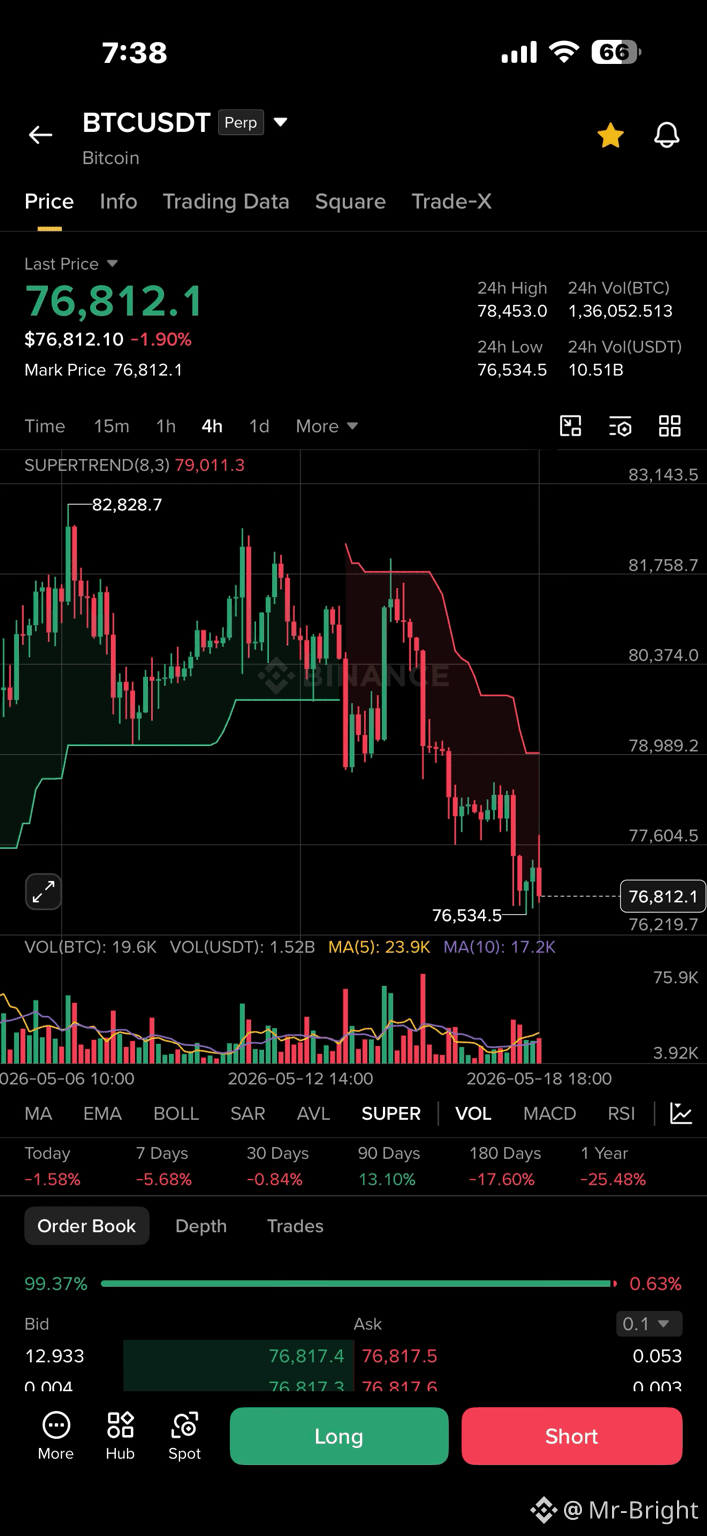
* BTC bị từ chối từ vùng kháng cự $81K–82K
* Nhiều nến đỏ xác nhận áp lực bán mạnh
* Chỉ báo Supertrend vẫn trong xu hướng giảm
* Vùng hỗ trợ hiện tại: $76,500
* Nếu phá vỡ hỗ trợ, BTC có thể giảm về $75K–74K
* Khối lượng tăng trong thời gian bán tháo → bán tháo hoảng loạn rõ ràng
Thiết lập Giao dịch ⚡
Kịch bản SHORT (BÁN) 📉
Vùng vào:
* 76,700 – 77,200
Mục tiêu 🎯
* TP1 → 75,900
* TP2 → 75,200
* TP3 → 74,000
Dừng lỗ ❌
* 78,200
⸻
Kịch bản LONG (MUA) 📈
BTC cần phục hồi mạnh trên $78,900 để xác nhận xu hướng tăng.
Vùng vào:
* Sau khi phá vỡ trên 78,900
Mục tiêu 🎯
* TP1 → 79,800
* TP2 → 80,500
* TP3 → 81,700
Dừng lỗ ❌
* 77,600
Tin tức Bitcoin nóng 📰🔥
Tin tức thị trường gần đây cho thấy Bitcoin đang đối mặt với sự biến động vì:
* Các đợt thanh lý lớn trong crypto
* Cuộc chiến dòng tiền ETF
* Sự không chắc chắn vĩ mô toàn cầu
* Tích lũy từ các tổ chức vẫn tiếp diễn bất chấp các đợt điều chỉnh
$BTC $ETH $BNB
* Nhiều nến đỏ xác nhận áp lực bán mạnh
* Chỉ báo Supertrend vẫn trong xu hướng giảm
* Vùng hỗ trợ hiện tại: $76,500
* Nếu phá vỡ hỗ trợ, BTC có thể giảm về $75K–74K
* Khối lượng tăng trong thời gian bán tháo → bán tháo hoảng loạn rõ ràng
Thiết lập Giao dịch ⚡
Kịch bản SHORT (BÁN) 📉
Vùng vào:
* 76,700 – 77,200
Mục tiêu 🎯
* TP1 → 75,900
* TP2 → 75,200
* TP3 → 74,000
Dừng lỗ ❌
* 78,200
⸻
Kịch bản LONG (MUA) 📈
BTC cần phục hồi mạnh trên $78,900 để xác nhận xu hướng tăng.
Vùng vào:
* Sau khi phá vỡ trên 78,900
Mục tiêu 🎯
* TP1 → 79,800
* TP2 → 80,500
* TP3 → 81,700
Dừng lỗ ❌
* 77,600
Tin tức Bitcoin nóng 📰🔥
Tin tức thị trường gần đây cho thấy Bitcoin đang đối mặt với sự biến động vì:
* Các đợt thanh lý lớn trong crypto
* Cuộc chiến dòng tiền ETF
* Sự không chắc chắn vĩ mô toàn cầu
* Tích lũy từ các tổ chức vẫn tiếp diễn bất chấp các đợt điều chỉnh
$BTC $ETH $BNB
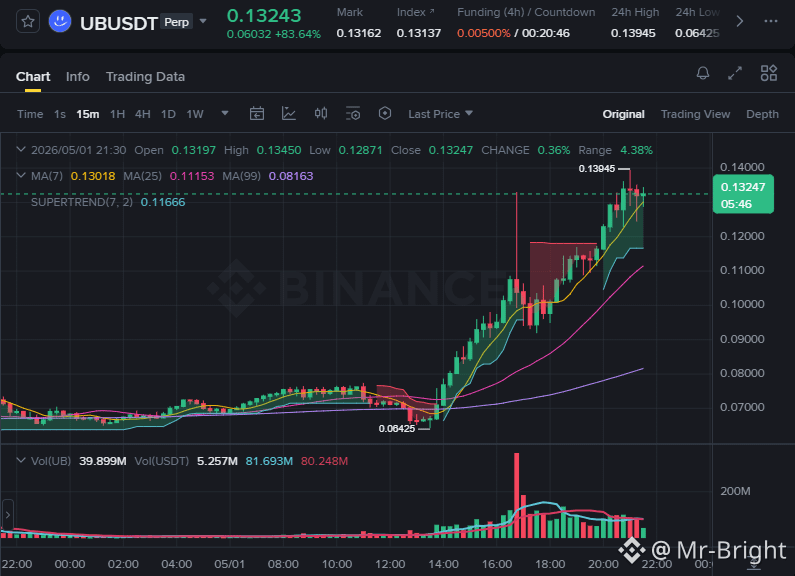
🚀 Thiết lập giao dịch (Nội dung ngắn)
✅ Thiết lập MUA (Ưu tiên) $UB
😎 Điểm vào (ATO): 0.130 – 0.132
🤖 Cắt lỗ: 0.124
👉 TP1: 0.138
👉 TP2: 0.142
👉 TP3: 0.150
👉 Lý do: Tiếp diễn xu hướng + áp lực bứt phá trên kháng cự
📰 Bối cảnh thị trường (Tin tức Crypto mới nhất)
🧧Bitcoin gần đây đã vượt qua $69K, thể hiện tâm lý tăng giá mạnh mẽ trong toàn bộ thị trường
🧧Gã khổng lồ stablecoin Tether đang trải qua một cuộc kiểm toán Big Four lớn, tăng cường tính minh bạch và niềm tin
🧧Các altcoin (bao gồm các token loại UB) đang chứng kiến sự chuyển vốn và đột ngột tăng giá (~20%+)
👉 Xu hướng thị trường tổng thể: Đà tăng giá mạnh mẽ + sức mạnh altcoin
✅ Thiết lập MUA (Ưu tiên) $UB
😎 Điểm vào (ATO): 0.130 – 0.132
🤖 Cắt lỗ: 0.124
👉 TP1: 0.138
👉 TP2: 0.142
👉 TP3: 0.150
👉 Lý do: Tiếp diễn xu hướng + áp lực bứt phá trên kháng cự
📰 Bối cảnh thị trường (Tin tức Crypto mới nhất)
🧧Bitcoin gần đây đã vượt qua $69K, thể hiện tâm lý tăng giá mạnh mẽ trong toàn bộ thị trường
🧧Gã khổng lồ stablecoin Tether đang trải qua một cuộc kiểm toán Big Four lớn, tăng cường tính minh bạch và niềm tin
🧧Các altcoin (bao gồm các token loại UB) đang chứng kiến sự chuyển vốn và đột ngột tăng giá (~20%+)
👉 Xu hướng thị trường tổng thể: Đà tăng giá mạnh mẽ + sức mạnh altcoin
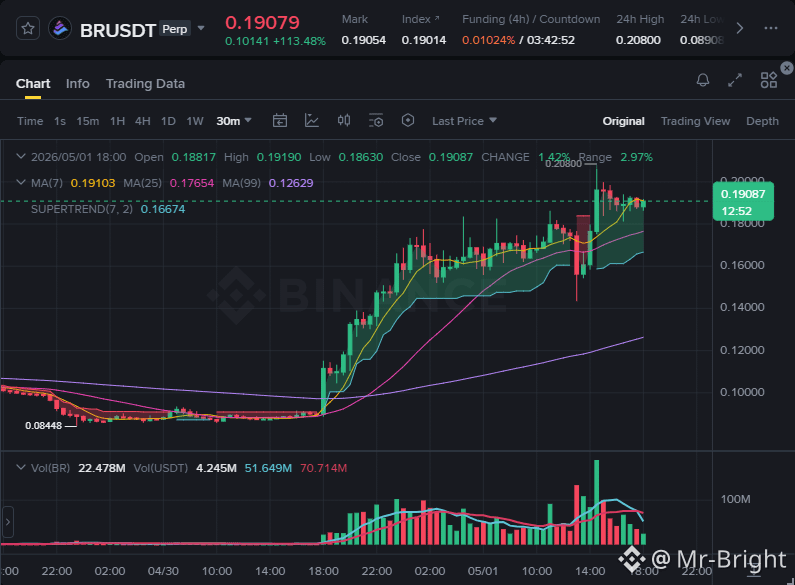
📈 Thiết lập giao dịch (Ý tưởng scalping 15M)$BR
✅ MUA (Ưu tiên – Theo xu hướng)
Khu vực vào lệnh: 0.185 – 0.190
Cắt lỗ: 0.176
👉Mục tiêu:
🎯 TP1: 0.200
🎯 TP2: 0.212
🎯 TP3: 0.225
👉 Lý do:
Xu hướng tăng mạnh + đáy cao hơn
Giá giữ trên khu vực hỗ trợ
Động lực vẫn tăng
✅ MUA (Ưu tiên – Theo xu hướng)
Khu vực vào lệnh: 0.185 – 0.190
Cắt lỗ: 0.176
👉Mục tiêu:
🎯 TP1: 0.200
🎯 TP2: 0.212
🎯 TP3: 0.225
👉 Lý do:
Xu hướng tăng mạnh + đáy cao hơn
Giá giữ trên khu vực hỗ trợ
Động lực vẫn tăng
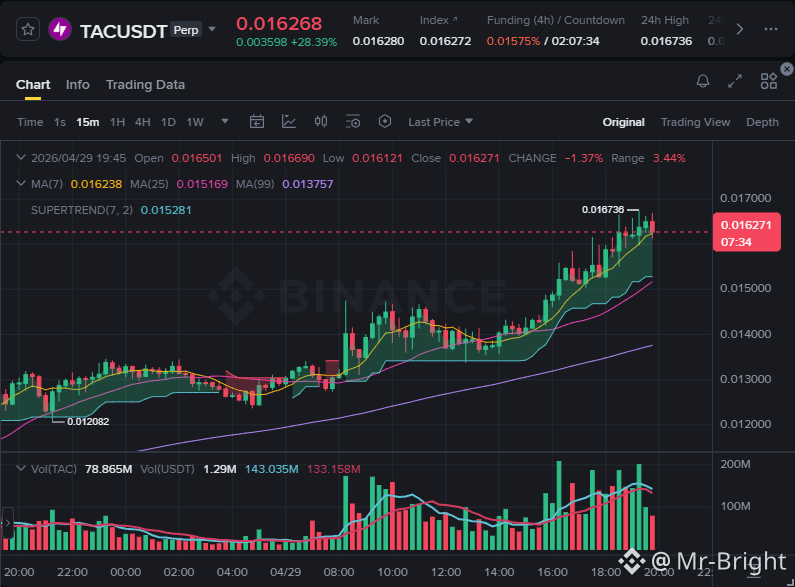
🚀 Kế Hoạch Giao Dịch (Scalp / Intraday)
✅ Thiết Lập Mua (Ưu Tiên) $TAC
Điểm Vào (ATO Mua): 0.0159 – 0.0161 (khu vực điều chỉnh)
Cắt Lỗ: 0.0152
👍TP1: 0.0167
👍TP2: 0.0173
👍TP3: 0.0180
👉 Lý Do: Xu hướng đang tăng + hỗ trợ vẫn giữ vững + cơ bản mạnh
❌ Thiết Lập Bán (Nếu Phá Vỡ)
🤑Điểm Vào (Bán): Dưới 0.0152 (phá vỡ đã xác nhận)
👀Cắt Lỗ: 0.0158
👉TP1: 0.0145
👉TP2: 0.0138
👉TP3: 0.0130
👉 Lý Do: Mất cấu trúc xu hướng → đảo chiều giảm
📰 Tin Tức Thị Trường Mới Nhất
Giao thức TAC đang thu hút sự chú ý nhờ vào sự tích hợp với Telegram & hệ sinh thái DeFi, nhằm mang các dApp Ethereum đến với một lượng người dùng lớn.
Các quan hệ đối tác gần đây và dòng vốn thanh khoản (~$150M mở rộng hệ sinh thái) là những yếu tố cơ bản tích cực và hỗ trợ cho sự tăng giá.
Nhưng biến động ngắn hạn vẫn cao, với tâm lý trái chiều giữa việc chấp nhận tăng giá và các nhà giao dịch thận trọng.
✅ Thiết Lập Mua (Ưu Tiên) $TAC
Điểm Vào (ATO Mua): 0.0159 – 0.0161 (khu vực điều chỉnh)
Cắt Lỗ: 0.0152
👍TP1: 0.0167
👍TP2: 0.0173
👍TP3: 0.0180
👉 Lý Do: Xu hướng đang tăng + hỗ trợ vẫn giữ vững + cơ bản mạnh
❌ Thiết Lập Bán (Nếu Phá Vỡ)
🤑Điểm Vào (Bán): Dưới 0.0152 (phá vỡ đã xác nhận)
👀Cắt Lỗ: 0.0158
👉TP1: 0.0145
👉TP2: 0.0138
👉TP3: 0.0130
👉 Lý Do: Mất cấu trúc xu hướng → đảo chiều giảm
📰 Tin Tức Thị Trường Mới Nhất
Giao thức TAC đang thu hút sự chú ý nhờ vào sự tích hợp với Telegram & hệ sinh thái DeFi, nhằm mang các dApp Ethereum đến với một lượng người dùng lớn.
Các quan hệ đối tác gần đây và dòng vốn thanh khoản (~$150M mở rộng hệ sinh thái) là những yếu tố cơ bản tích cực và hỗ trợ cho sự tăng giá.
Nhưng biến động ngắn hạn vẫn cao, với tâm lý trái chiều giữa việc chấp nhận tăng giá và các nhà giao dịch thận trọng.
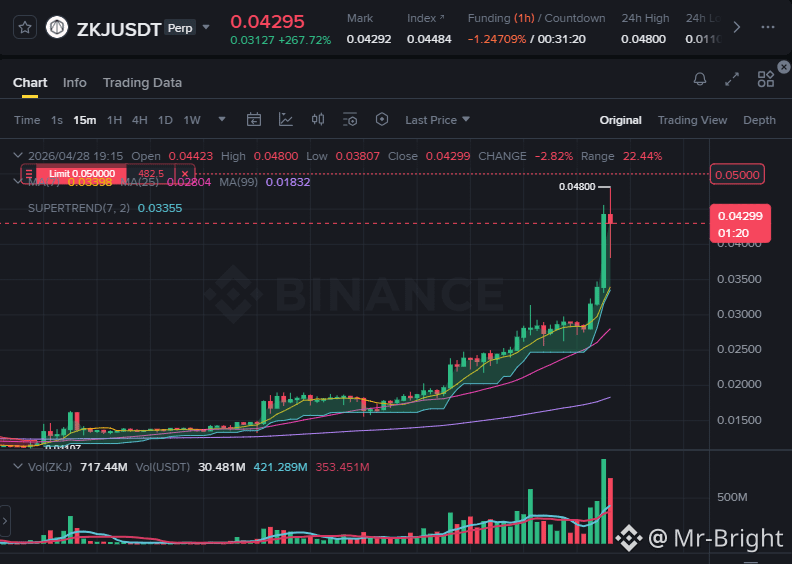
🔴 THIẾT LẬP SHORT (BÁN) — Ưu tiên
Khu vực vào lệnh (Bán): 0.043 – 0.045 $ZKJ
Dừng lỗ: 0.0505
Mục tiêu:
🎯 TP1: 0.038
🎯 TP2: 0.034
🎯 TP3: 0.030
👉 Lý do:
Kháng cự bị từ chối
Tăng trưởng quá mức
Tin tức tiêu cực (loại bỏ niêm yết)
Có khả năng kéo thanh khoản trước khi giảm
Polyhedra Network (ZKJ) đã chứng kiến sự tăng vọt mạnh mẽ hơn 200% trong 24h, được thúc đẩy bởi hoạt động giao dịch mạnh mẽ và sự cường điệu
Tuy nhiên, Binance đã thông báo loại bỏ hợp đồng tương lai vĩnh viễn ZKJUSDT (29 tháng 4, 2026) → đây là áp lực giảm giá phía trước
Dữ liệu thị trường cho thấy độ biến động cực kỳ lớn và những cuộc chiến long/short mạnh mẽ → xu hướng không ổn định
👉 Tóm tắt: Pump mạnh, nhưng tin tức + kháng cự = rủi ro cao về dump/sửa chữa
Khu vực vào lệnh (Bán): 0.043 – 0.045 $ZKJ
Dừng lỗ: 0.0505
Mục tiêu:
🎯 TP1: 0.038
🎯 TP2: 0.034
🎯 TP3: 0.030
👉 Lý do:
Kháng cự bị từ chối
Tăng trưởng quá mức
Tin tức tiêu cực (loại bỏ niêm yết)
Có khả năng kéo thanh khoản trước khi giảm
Polyhedra Network (ZKJ) đã chứng kiến sự tăng vọt mạnh mẽ hơn 200% trong 24h, được thúc đẩy bởi hoạt động giao dịch mạnh mẽ và sự cường điệu
Tuy nhiên, Binance đã thông báo loại bỏ hợp đồng tương lai vĩnh viễn ZKJUSDT (29 tháng 4, 2026) → đây là áp lực giảm giá phía trước
Dữ liệu thị trường cho thấy độ biến động cực kỳ lớn và những cuộc chiến long/short mạnh mẽ → xu hướng không ổn định
👉 Tóm tắt: Pump mạnh, nhưng tin tức + kháng cự = rủi ro cao về dump/sửa chữa
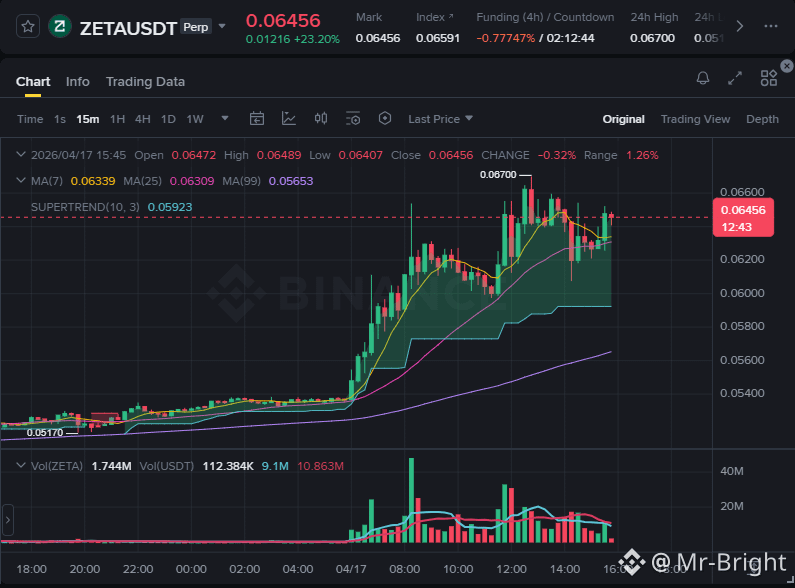
📈 Thiết lập giao dịch (15M Scalping)
🟢 Thiết lập MUA (Ưu tiên) $ZETA
Điểm vào (ATO): 0.0640 – 0.0645
Dừng lỗ: 0.0628
Mục tiêu:
✅ TP1: 0.0660
✅ TP2: 0.0672
✅ TP3: 0.0690
👉 Bứt phá trên 0.067 = tiếp tục mạnh mẽ
📰 Tin tức thị trường mới nhất (ZETA)
ZetaChain (ZETA) đang thu hút sự chú ý mạnh mẽ nhờ vào tích hợp AI + blockchain
Gần đây đã tích hợp mô hình AI Google Gemma, tăng cường sự quan tâm của các nhà phát triển
Ra mắt các sản phẩm AI như Anuma (dịch vụ chat AI + SMS) → tiện ích thực tế đang tăng lên
Tâm lý tổng thể: Tăng nhưng biến động (tài sản rủi ro cao)
👉 Các yếu tố cơ bản hỗ trợ tăng giá, đặc biệt trong thời điểm altcoin
🟢 Thiết lập MUA (Ưu tiên) $ZETA
Điểm vào (ATO): 0.0640 – 0.0645
Dừng lỗ: 0.0628
Mục tiêu:
✅ TP1: 0.0660
✅ TP2: 0.0672
✅ TP3: 0.0690
👉 Bứt phá trên 0.067 = tiếp tục mạnh mẽ
📰 Tin tức thị trường mới nhất (ZETA)
ZetaChain (ZETA) đang thu hút sự chú ý mạnh mẽ nhờ vào tích hợp AI + blockchain
Gần đây đã tích hợp mô hình AI Google Gemma, tăng cường sự quan tâm của các nhà phát triển
Ra mắt các sản phẩm AI như Anuma (dịch vụ chat AI + SMS) → tiện ích thực tế đang tăng lên
Tâm lý tổng thể: Tăng nhưng biến động (tài sản rủi ro cao)
👉 Các yếu tố cơ bản hỗ trợ tăng giá, đặc biệt trong thời điểm altcoin
#pixel $PIXEL
Thực sự thì... tôi tự hỏi tại sao tôi cứ nghĩ về một điều - khi một trò chơi dần dần chuyển từ một nơi để chơi thành một hệ thống kinh tế hoàn chỉnh, liệu chúng ta có thực sự hiểu khi nào nó không còn là một trò chơi nữa? Nếu tôi phải nói thật... @pixel có vẻ giống như vậy. Từ bên ngoài, nó vẫn là một trò chơi farming hoặc crafting nhưng nếu bạn nhìn vào các lớp bên trong, bạn sẽ thấy rằng có một hạ tầng đang từ từ được xây dựng ở đây... không chỉ giới hạn ở phần thưởng hay nền kinh tế token. Ví dụ, việc gia tăng tầm quan trọng của các NFT lands, cài đặt các slot deed riêng cho máy T5 - thực sự tạo ra một bộ quy tắc dựa trên tài sản nhiều hơn là gameplay, và khi bạn nghĩ về điều đó - tôi đang khá hoang mang... Theo như tôi hiểu, điểm chuyển mình thực sự ở đây là quyền sở hữu. Trước đây, quyền sở hữu trong các trò chơi rất mang tính hình thức - bạn chơi, nâng cấp, nhưng hệ thống có thể thay thế bạn rất dễ dàng. Bây giờ đất, slot deed, hệ thống đổi mới - tất cả mọi thứ cùng nhau tạo ra cảm giác rằng bạn không chỉ đang chơi, mà bạn đang vận hành một hoạt động kỹ thuật số nhỏ. Và để duy trì hoạt động đó cần có sự tham gia thường xuyên, quản lý tài nguyên và lập kế hoạch. Nhưng đây cũng chính là nơi tạo ra một áp lực kỳ lạ. Bởi vì trò chơi không còn chỉ là một nơi để thư giãn. Nó trở thành một loại "trách nhiệm liên tục". Gia hạn 30 ngày, truy cập slot dựa trên HQ - tất cả những điều này cùng nhau tạo ra cảm giác như một mini-economy luôn trong chuyển động. Nhưng tôi không thấy điều đó hoàn toàn tiêu cực chút nào. Bởi vì có một cuộc thử nghiệm lớn đang diễn ra bên trong nó, rất rộng rãi. Để xem nơi mà ranh giới giữa chơi game và hành vi kinh tế thực gặp nhau. Có thể trong tương lai, một hệ thống như vậy sẽ trở thành quy tắc, nơi mà các trò chơi không chỉ là giải trí mà còn là một lớp sản xuất kỹ thuật số quy mô nhỏ.
Tóm lại, câu hỏi quay trở lại - liệu đây vẫn còn là một trò chơi hay chúng ta đang từ từ thấy một cấu trúc tạo ra một loại kinh tế mới nhân danh các trò chơi? Hãy xem chuyện gì sẽ xảy ra.....🤔👀
Thực sự thì... tôi tự hỏi tại sao tôi cứ nghĩ về một điều - khi một trò chơi dần dần chuyển từ một nơi để chơi thành một hệ thống kinh tế hoàn chỉnh, liệu chúng ta có thực sự hiểu khi nào nó không còn là một trò chơi nữa? Nếu tôi phải nói thật... @pixel có vẻ giống như vậy. Từ bên ngoài, nó vẫn là một trò chơi farming hoặc crafting nhưng nếu bạn nhìn vào các lớp bên trong, bạn sẽ thấy rằng có một hạ tầng đang từ từ được xây dựng ở đây... không chỉ giới hạn ở phần thưởng hay nền kinh tế token. Ví dụ, việc gia tăng tầm quan trọng của các NFT lands, cài đặt các slot deed riêng cho máy T5 - thực sự tạo ra một bộ quy tắc dựa trên tài sản nhiều hơn là gameplay, và khi bạn nghĩ về điều đó - tôi đang khá hoang mang... Theo như tôi hiểu, điểm chuyển mình thực sự ở đây là quyền sở hữu. Trước đây, quyền sở hữu trong các trò chơi rất mang tính hình thức - bạn chơi, nâng cấp, nhưng hệ thống có thể thay thế bạn rất dễ dàng. Bây giờ đất, slot deed, hệ thống đổi mới - tất cả mọi thứ cùng nhau tạo ra cảm giác rằng bạn không chỉ đang chơi, mà bạn đang vận hành một hoạt động kỹ thuật số nhỏ. Và để duy trì hoạt động đó cần có sự tham gia thường xuyên, quản lý tài nguyên và lập kế hoạch. Nhưng đây cũng chính là nơi tạo ra một áp lực kỳ lạ. Bởi vì trò chơi không còn chỉ là một nơi để thư giãn. Nó trở thành một loại "trách nhiệm liên tục". Gia hạn 30 ngày, truy cập slot dựa trên HQ - tất cả những điều này cùng nhau tạo ra cảm giác như một mini-economy luôn trong chuyển động. Nhưng tôi không thấy điều đó hoàn toàn tiêu cực chút nào. Bởi vì có một cuộc thử nghiệm lớn đang diễn ra bên trong nó, rất rộng rãi. Để xem nơi mà ranh giới giữa chơi game và hành vi kinh tế thực gặp nhau. Có thể trong tương lai, một hệ thống như vậy sẽ trở thành quy tắc, nơi mà các trò chơi không chỉ là giải trí mà còn là một lớp sản xuất kỹ thuật số quy mô nhỏ.
Tóm lại, câu hỏi quay trở lại - liệu đây vẫn còn là một trò chơi hay chúng ta đang từ từ thấy một cấu trúc tạo ra một loại kinh tế mới nhân danh các trò chơi? Hãy xem chuyện gì sẽ xảy ra.....🤔👀

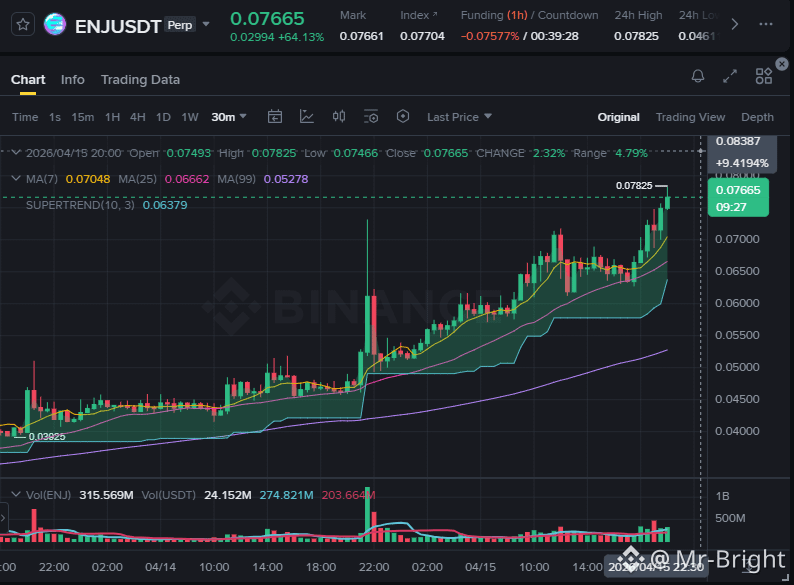
🎯 Thiết lập giao dịch (Hợp đồng tương lai) $ENJ
🟢 MUA (Tham gia Pullback – An toàn hơn)
🤑Khu vực vào lệnh: 0.068 – 0.070
Cắt lỗ: 0.063
Mục tiêu:
👉TP1: 0.075
👉TP2: 0.080
👉TP3: 0.085
👉 Lý do: Hỗ trợ + tiếp tục xu hướng + điều chỉnh lành mạnh
🟢 MUA (Tham gia Pullback – An toàn hơn)
🤑Khu vực vào lệnh: 0.068 – 0.070
Cắt lỗ: 0.063
Mục tiêu:
👉TP1: 0.075
👉TP2: 0.080
👉TP3: 0.085
👉 Lý do: Hỗ trợ + tiếp tục xu hướng + điều chỉnh lành mạnh
#pixel $PIXEL
Pixels (PIXEL) là một game xã hội Web3 đầy màu sắc được xây dựng trên mạng Ronin, kết hợp sáng tạo, cộng đồng và gameplay hấp dẫn 🌾✨. Trong cuộc phiêu lưu thế giới mở này, người chơi canh tác, khám phá những cảnh quan rộng lớn, và tạo ra những trải nghiệm độc đáo trong khi kiếm giá trị thực qua việc tích hợp blockchain 💎🚀. Sự quyến rũ của nghệ thuật pixel và cơ chế thư giãn tạo ra một không gian chào đón cho cả game thủ casual và competitive 🎮🌍. Với quyền sở hữu tài sản thực và một nền kinh tế do người chơi điều khiển phát triển mạnh, Pixels định nghĩa lại trò chơi hiện đại 🌟💰. Hãy đắm chìm trong một thế giới nơi trí tưởng tượng gặp đổi mới, và mọi hành động đều góp phần vào di sản số của bạn 🌱🔥.
Pixels (PIXEL) là một game xã hội Web3 đầy màu sắc được xây dựng trên mạng Ronin, kết hợp sáng tạo, cộng đồng và gameplay hấp dẫn 🌾✨. Trong cuộc phiêu lưu thế giới mở này, người chơi canh tác, khám phá những cảnh quan rộng lớn, và tạo ra những trải nghiệm độc đáo trong khi kiếm giá trị thực qua việc tích hợp blockchain 💎🚀. Sự quyến rũ của nghệ thuật pixel và cơ chế thư giãn tạo ra một không gian chào đón cho cả game thủ casual và competitive 🎮🌍. Với quyền sở hữu tài sản thực và một nền kinh tế do người chơi điều khiển phát triển mạnh, Pixels định nghĩa lại trò chơi hiện đại 🌟💰. Hãy đắm chìm trong một thế giới nơi trí tưởng tượng gặp đổi mới, và mọi hành động đều góp phần vào di sản số của bạn 🌱🔥.

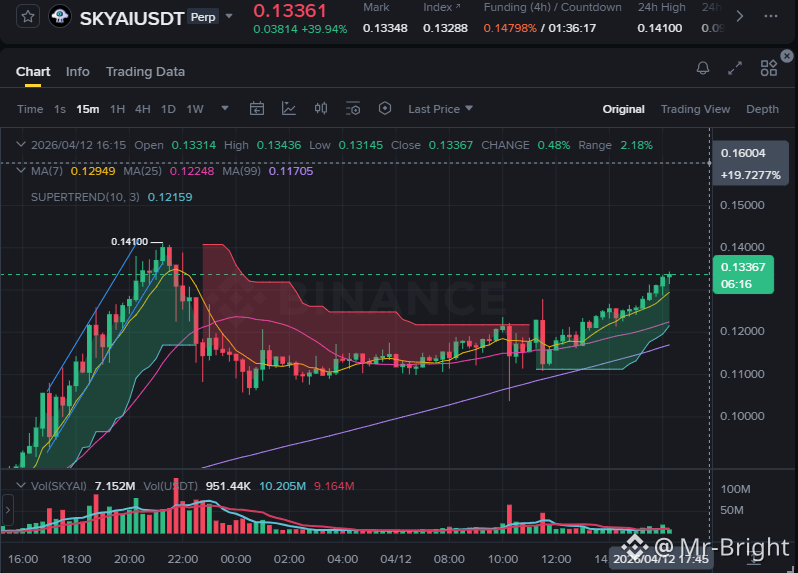
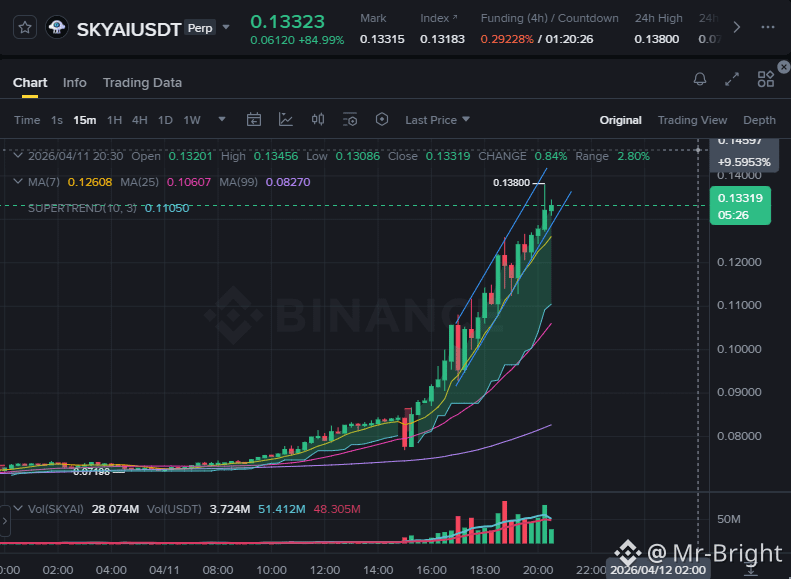
🎯 Thiết lập giao dịch (Scalp / Intraday) $SKYAI
✅ Thiết lập MUA (Ưu tiên – Theo xu hướng)
Nhập: 0.132 – 0.134 (khu vực hiện tại hoặc pullback nhỏ)
SL: 0.128 (dưới cấu trúc + khu vực MA)
Mục tiêu TP:
TP1: 0.138
TP2: 0.142
TP3: 0.148
👉 Lý do:
Động lực mạnh + thanh lý ngắn hạn đẩy giá lên
Tiếp tục đột phá có khả năng nếu 0.138 bị phá vỡ
📰 Tóm tắt Tin tức Thị trường Mới nhất
SkyAI đã tăng +70% trong 24h với khối lượng lớn ($26M–$58M), cho thấy sự phấn khích và thanh khoản mạnh
Giá gần đây đã đạt ATH ~0.1383 và hiện đang hợp nhất nhẹ bên dưới nó
⚠️ Tín hiệu hỗn hợp:
Cá voi bán ra được phát hiện → áp lực ngắn hạn
Nhà tạo lập thị trường có thể đang phân phối → khu vực biến động cao
RSI/tình huống cho thấy quá mua + biến động cao → mong đợi các cú phá vỡ giả/thanh lý
👉 Kết luận: Động lực = Tăng giá, nhưng rủi ro (giai đoạn bơm + săn thanh khoản)
✅ Thiết lập MUA (Ưu tiên – Theo xu hướng)
Nhập: 0.132 – 0.134 (khu vực hiện tại hoặc pullback nhỏ)
SL: 0.128 (dưới cấu trúc + khu vực MA)
Mục tiêu TP:
TP1: 0.138
TP2: 0.142
TP3: 0.148
👉 Lý do:
Động lực mạnh + thanh lý ngắn hạn đẩy giá lên
Tiếp tục đột phá có khả năng nếu 0.138 bị phá vỡ
📰 Tóm tắt Tin tức Thị trường Mới nhất
SkyAI đã tăng +70% trong 24h với khối lượng lớn ($26M–$58M), cho thấy sự phấn khích và thanh khoản mạnh
Giá gần đây đã đạt ATH ~0.1383 và hiện đang hợp nhất nhẹ bên dưới nó
⚠️ Tín hiệu hỗn hợp:
Cá voi bán ra được phát hiện → áp lực ngắn hạn
Nhà tạo lập thị trường có thể đang phân phối → khu vực biến động cao
RSI/tình huống cho thấy quá mua + biến động cao → mong đợi các cú phá vỡ giả/thanh lý
👉 Kết luận: Động lực = Tăng giá, nhưng rủi ro (giai đoạn bơm + săn thanh khoản)
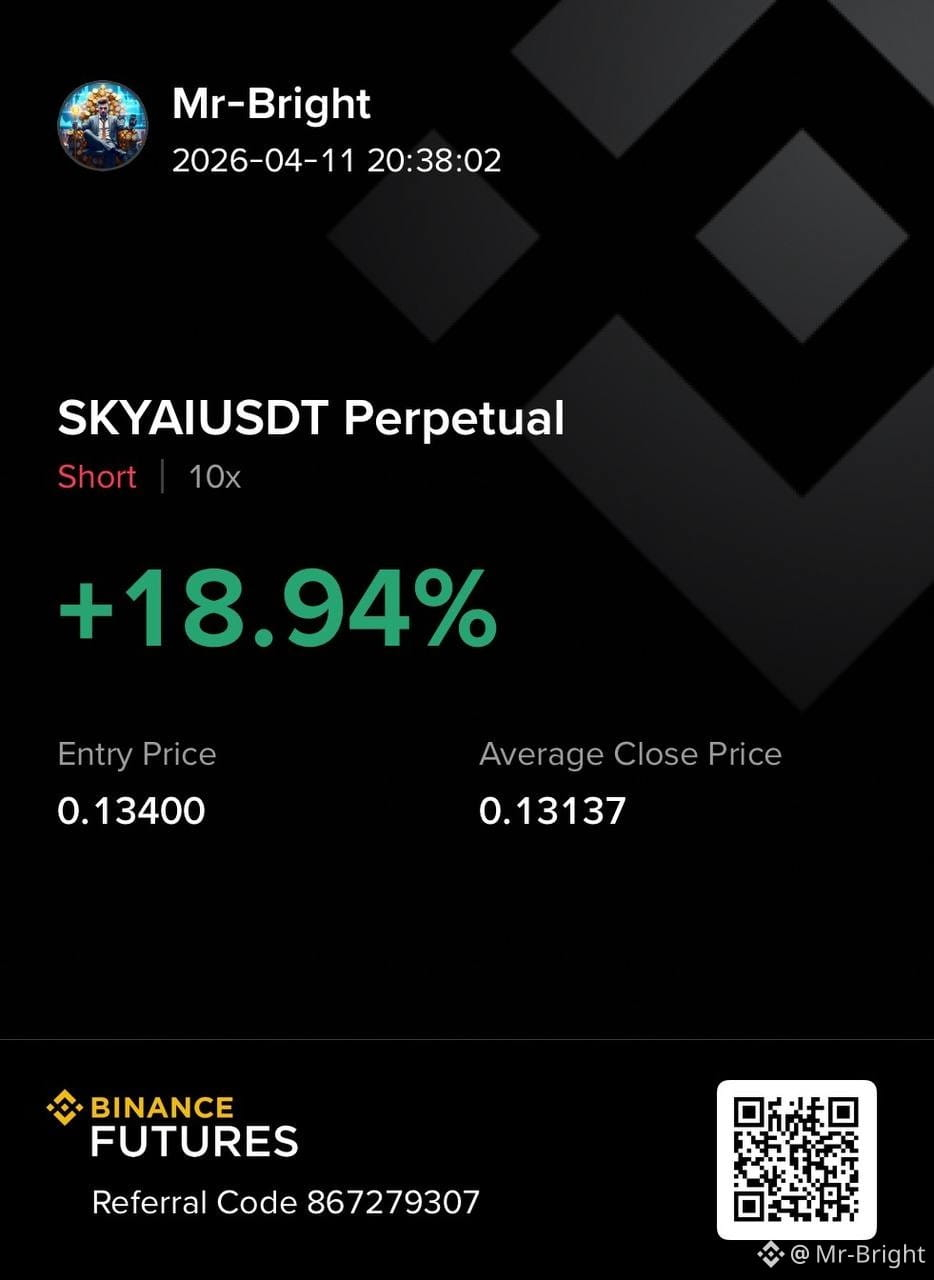
❌ BÁN (Từ chối / Sự sụt giảm) $SKYAI
Nhập (ATO): 0.138 – 0.140 (từ chối kháng cự mạnh)
👉TP1: 0.130
👉TP2: 0.122
👉TP3: 0.115
👀SL: 0.145
👉 Logic: Mua quá nhiều + có khả năng quét thanh khoản
📰 Nhìn nhận thị trường mới nhất (Cơ bản)
SkyAI đang chứng kiến sự tăng vọt khối lượng lớn (+300%) và sự tăng giá mạnh (~70%+)
Không có tin tức quan trọng nào — động thái hiện tại chủ yếu là kỹ thuật + động lực do hào nhoáng
Phát hiện phân phối cá voi & chốt lời → rủi ro điều chỉnh ngắn hạn
Lộ trình dài hạn (AI + mở rộng đa chuỗi) vẫn giữ được câu chuyện lạc quan
Nhập (ATO): 0.138 – 0.140 (từ chối kháng cự mạnh)
👉TP1: 0.130
👉TP2: 0.122
👉TP3: 0.115
👀SL: 0.145
👉 Logic: Mua quá nhiều + có khả năng quét thanh khoản
📰 Nhìn nhận thị trường mới nhất (Cơ bản)
SkyAI đang chứng kiến sự tăng vọt khối lượng lớn (+300%) và sự tăng giá mạnh (~70%+)
Không có tin tức quan trọng nào — động thái hiện tại chủ yếu là kỹ thuật + động lực do hào nhoáng
Phát hiện phân phối cá voi & chốt lời → rủi ro điều chỉnh ngắn hạn
Lộ trình dài hạn (AI + mở rộng đa chuỗi) vẫn giữ được câu chuyện lạc quan
📈 Thiết lập Giao dịch (Futures 30M)
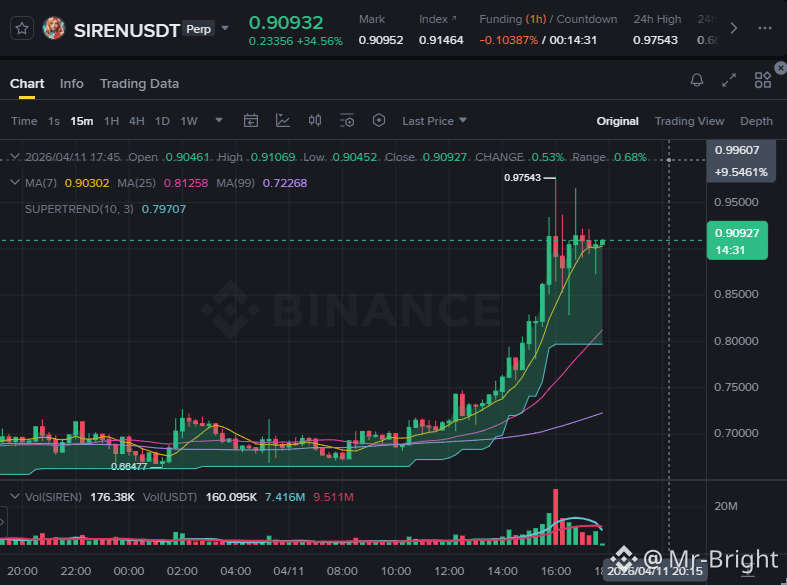
$SIREN
🟢 MUA (Thiết lập dài)
Nhập: 0.89 – 0.91
👉TP1: 0.94
👉TP2: 0.97
👉TP3: 1.02
👀SL: 0.86
📰 Tin tức Thị trường Mới Nhất (SIREN)
👽SIREN là một trong những token AI đang được quan tâm hàng đầu, được thúc đẩy bởi sự quan tâm của các tổ chức trong các dự án tiền điện tử AI
👽Tăng trưởng mạnh mẽ: +150% đến +600% lợi nhuận hàng tháng, cho thấy động lực cực mạnh
👽Token gần đây đã đạt ATH mới và vượt trội hơn thị trường trong khi Bitcoin gặp khó khăn
⚠️ Rủi ro:
Tập trung cá voi nặng (66% nguồn cung) → rủi ro biến động
Có thể điều chỉnh sau động thái parabol
👉 Tóm tắt: Hype tăng giá mạnh + biến động cao (bơm + khu vực rủi ro)
$SIREN
🟢 MUA (Thiết lập dài)
Nhập: 0.89 – 0.91
👉TP1: 0.94
👉TP2: 0.97
👉TP3: 1.02
👀SL: 0.86
📰 Tin tức Thị trường Mới Nhất (SIREN)
👽SIREN là một trong những token AI đang được quan tâm hàng đầu, được thúc đẩy bởi sự quan tâm của các tổ chức trong các dự án tiền điện tử AI
👽Tăng trưởng mạnh mẽ: +150% đến +600% lợi nhuận hàng tháng, cho thấy động lực cực mạnh
👽Token gần đây đã đạt ATH mới và vượt trội hơn thị trường trong khi Bitcoin gặp khó khăn
⚠️ Rủi ro:
Tập trung cá voi nặng (66% nguồn cung) → rủi ro biến động
Có thể điều chỉnh sau động thái parabol
👉 Tóm tắt: Hype tăng giá mạnh + biến động cao (bơm + khu vực rủi ro)
Đăng nhập để khám phá thêm nội dung