
James Bond 6
5.3k Bài đăng

James Bond 6
Báo cáo
Chặn người dùng
Shadow Killa | Elite Crypto Trader | Smart Money Concepts | Sniper Entries | Risk Controlled | Consistent Profit Vision
Giao dịch mở
Trader tần suất cao
11.2 tháng
997 Đang theo dõi
6.2K+ Người theo dõi
5.0K+ Đã thích
Bài đăng
Danh mục đầu tư
Tất cả
Trích dẫn
Video
Live
·
--
Tăng giá
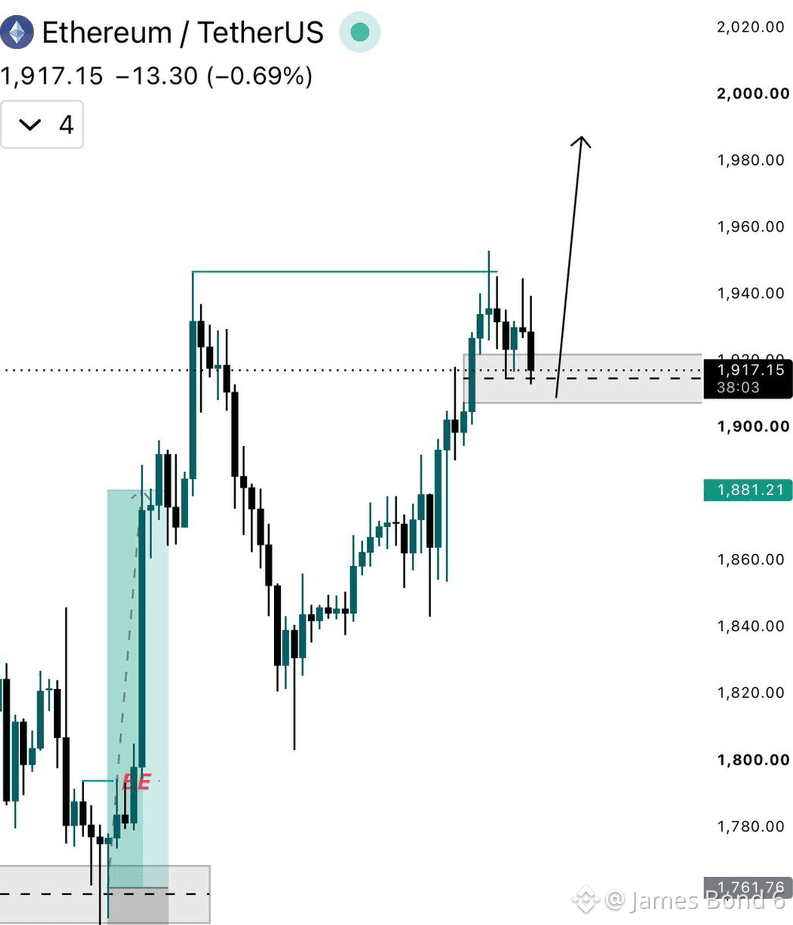
$ETH /USDT | LONG 🚀
Vùng giá vào lệnh: $1,860 – $1,890
TP1: $1,930
TP2: $1,970
TP3: $2,000
Cắt lỗ: $1,825
Tỷ lệ Rủi ro/Lợi nhuận: 1:3.4
Ethereum đang điều chỉnh đúng vào vùng mất cân bằng đã được xác định trước đó, cho thấy sự tôn trọng cấu trúc thị trường sau đợt tăng gần đây. Khu vực này có thể tạo nền tảng vững chắc cho một sự tiếp diễn nếu người mua bước vào với sự quyết tâm. Đà tăng vẫn tích cực trên các khung thời gian cao hơn, nhưng cần kiên nhẫn khi chờ xác nhận ở khung thời gian thấp hơn. Việc bảo vệ thành công vùng này có thể mở ra cánh cửa cho một đợt di chuyển hướng tới mốc tâm lý $2,000.
Về mặt kỹ thuật, ETH đang quay lại vào một “khoang thanh khoản” khớp với vùng hỗ trợ trước đó. Diễn biến giá cho thấy một nhịp điều chỉnh lành mạnh hơn là kịch bản suy yếu, trong khi xu hướng tổng thể vẫn đang nghiêng về phía phe bò. Cần theo dõi khối lượng sát sao để nhận biết dấu hiệu tích lũy gần vùng vào lệnh. Nếu giá phá xuống dưới hỗ trợ thì kịch bản sẽ bị vô hiệu hóa và động lượng sẽ chuyển sang có lợi cho người bán. Cho đến lúc đó, cấu trúc hiện tại hỗ trợ một kịch bản tiếp diễn tiềm năng với các thông số rủi ro được xác định.
Nhắc nhở quản lý rủi ro: Luôn quản lý kích thước vị thế phù hợp và không bao giờ mạo hiểm nhiều hơn số tiền bạn có thể chấp nhận mất. Không có thiết lập nào được đảm bảo.
Kiên nhẫn tạo ra cơ hội—hãy chờ xác nhận, rồi để thị trường tự làm phần việc nặng nhọc.
{spot}(ETHUSDT)
#CrudeOilFuturesRiseOver4%
#SuperMicroRisesNearly20%
#HongKongStorageStocksStrengthen
$ETH /USDT | LONG 🚀
Vùng giá vào lệnh: $1,860 – $1,890
TP1: $1,930
TP2: $1,970
TP3: $2,000
Cắt lỗ: $1,825
Tỷ lệ Rủi ro/Lợi nhuận: 1:3.4
Ethereum đang điều chỉnh đúng vào vùng mất cân bằng đã được xác định trước đó, cho thấy sự tôn trọng cấu trúc thị trường sau đợt tăng gần đây. Khu vực này có thể tạo nền tảng vững chắc cho một sự tiếp diễn nếu người mua bước vào với sự quyết tâm. Đà tăng vẫn tích cực trên các khung thời gian cao hơn, nhưng cần kiên nhẫn khi chờ xác nhận ở khung thời gian thấp hơn. Việc bảo vệ thành công vùng này có thể mở ra cánh cửa cho một đợt di chuyển hướng tới mốc tâm lý $2,000.
Về mặt kỹ thuật, ETH đang quay lại vào một “khoang thanh khoản” khớp với vùng hỗ trợ trước đó. Diễn biến giá cho thấy một nhịp điều chỉnh lành mạnh hơn là kịch bản suy yếu, trong khi xu hướng tổng thể vẫn đang nghiêng về phía phe bò. Cần theo dõi khối lượng sát sao để nhận biết dấu hiệu tích lũy gần vùng vào lệnh. Nếu giá phá xuống dưới hỗ trợ thì kịch bản sẽ bị vô hiệu hóa và động lượng sẽ chuyển sang có lợi cho người bán. Cho đến lúc đó, cấu trúc hiện tại hỗ trợ một kịch bản tiếp diễn tiềm năng với các thông số rủi ro được xác định.
Nhắc nhở quản lý rủi ro: Luôn quản lý kích thước vị thế phù hợp và không bao giờ mạo hiểm nhiều hơn số tiền bạn có thể chấp nhận mất. Không có thiết lập nào được đảm bảo.
Kiên nhẫn tạo ra cơ hội—hãy chờ xác nhận, rồi để thị trường tự làm phần việc nặng nhọc.
#CrudeOilFuturesRiseOver4%
#SuperMicroRisesNearly20%
#HongKongStorageStocksStrengthen
Vùng giá vào lệnh: $1,860 – $1,890
TP1: $1,930
TP2: $1,970
TP3: $2,000
Cắt lỗ: $1,825
Tỷ lệ Rủi ro/Lợi nhuận: 1:3.4
Ethereum đang điều chỉnh đúng vào vùng mất cân bằng đã được xác định trước đó, cho thấy sự tôn trọng cấu trúc thị trường sau đợt tăng gần đây. Khu vực này có thể tạo nền tảng vững chắc cho một sự tiếp diễn nếu người mua bước vào với sự quyết tâm. Đà tăng vẫn tích cực trên các khung thời gian cao hơn, nhưng cần kiên nhẫn khi chờ xác nhận ở khung thời gian thấp hơn. Việc bảo vệ thành công vùng này có thể mở ra cánh cửa cho một đợt di chuyển hướng tới mốc tâm lý $2,000.
Về mặt kỹ thuật, ETH đang quay lại vào một “khoang thanh khoản” khớp với vùng hỗ trợ trước đó. Diễn biến giá cho thấy một nhịp điều chỉnh lành mạnh hơn là kịch bản suy yếu, trong khi xu hướng tổng thể vẫn đang nghiêng về phía phe bò. Cần theo dõi khối lượng sát sao để nhận biết dấu hiệu tích lũy gần vùng vào lệnh. Nếu giá phá xuống dưới hỗ trợ thì kịch bản sẽ bị vô hiệu hóa và động lượng sẽ chuyển sang có lợi cho người bán. Cho đến lúc đó, cấu trúc hiện tại hỗ trợ một kịch bản tiếp diễn tiềm năng với các thông số rủi ro được xác định.
Nhắc nhở quản lý rủi ro: Luôn quản lý kích thước vị thế phù hợp và không bao giờ mạo hiểm nhiều hơn số tiền bạn có thể chấp nhận mất. Không có thiết lập nào được đảm bảo.
Kiên nhẫn tạo ra cơ hội—hãy chờ xác nhận, rồi để thị trường tự làm phần việc nặng nhọc.
#CrudeOilFuturesRiseOver4%
#SuperMicroRisesNearly20%
#HongKongStorageStocksStrengthen
112
·
--
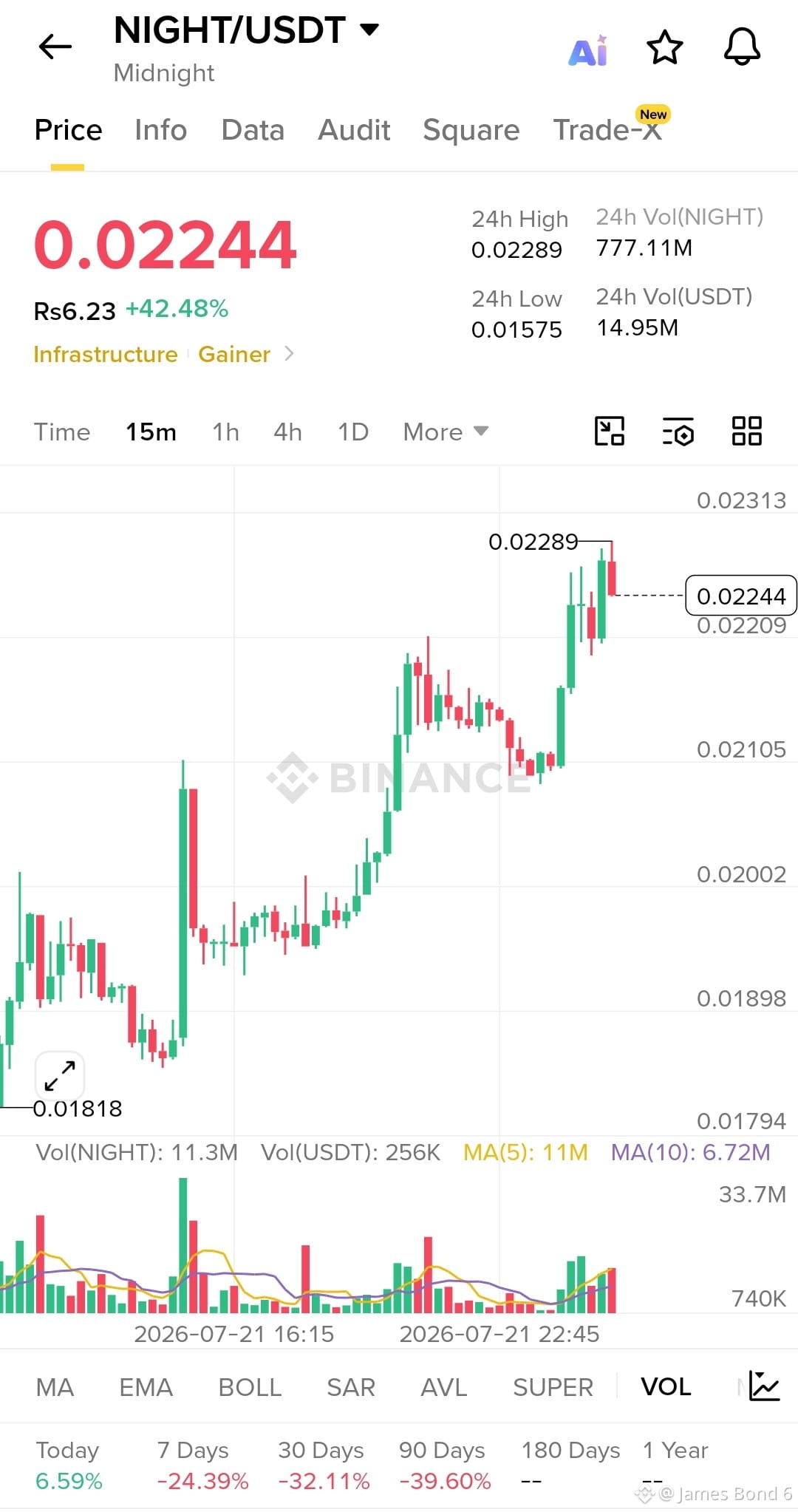
$NIGHT /USDT | LONG 🚀
Điểm vào lệnh: 0.02210 – 0.02235
🎯 TP1: 0.02290
🎯 TP2: 0.02350
🎯 TP3: 0.02420
🛑 Cắt lỗ: 0.02160
⚖️ Rủi ro/Lợi nhuận: ~1:3.2
Triển vọng thị trường
$NIGHT đã tạo ra một đợt bứt phá mạnh trong ngày khi giá tăng hơn 42%, được hỗ trợ bởi khối lượng giao dịch gia tăng và đà tăng bền vững. Các cây nến gần đây đang giữ vững gần đỉnh phiên thay vì xảy ra đợt từ chối mạnh, cho thấy bên mua vẫn đang kiểm soát. Miễn là giá vẫn ở trên vùng bứt phá quanh 0.02210, xu hướng sẽ có lợi cho khả năng tiếp tục hướng tới các mức kháng cự cao hơn. Nếu vượt qua rõ ràng mốc 0.02289, có thể kích hoạt thêm một làn sóng mua vào.
Phân tích kỹ thuật
Biểu đồ khung 15 phút cho thấy chuỗi các đỉnh cao hơn và đáy cao hơn rõ ràng, xác nhận cấu trúc thị trường mang tính tăng giá. Giá đã giành lại vùng kháng cự trước đây, và hiện vùng này đang đóng vai trò hỗ trợ ngắn hạn. Khối lượng tăng lên trong quá trình đi lên cho thấy lực mua có thật chứ không phải một cú đẩy yếu. Động lượng vẫn tích cực, dù thị trường đang tiến gần mức cao trong ngày nơi có thể xuất hiện một số hoạt động chốt lời. Việc kiểm tra lại thành công vùng bứt phá sẽ củng cố kịch bản tiếp diễn tăng giá.
Quản lý rủi ro: Không bao giờ mạo hiểm nhiều hơn số tiền bạn có thể chịu mất. Chờ xác nhận tại vùng vào lệnh và luôn tuân thủ điểm cắt lỗ của bạn nếu động lượng suy yếu.
Kết luận: Giao dịch theo xu hướng, bảo vệ vốn của bạn và để thị trường xác nhận đợt bứt phá tiếp theo—không phải cảm xúc của bạn.
{spot}(NIGHTUSDT)
$NIGHT /USDT | LONG 🚀
Điểm vào lệnh: 0.02210 – 0.02235
🎯 TP1: 0.02290
🎯 TP2: 0.02350
🎯 TP3: 0.02420
🛑 Cắt lỗ: 0.02160
⚖️ Rủi ro/Lợi nhuận: ~1:3.2
Triển vọng thị trường
$NIGHT đã tạo ra một đợt bứt phá mạnh trong ngày khi giá tăng hơn 42%, được hỗ trợ bởi khối lượng giao dịch gia tăng và đà tăng bền vững. Các cây nến gần đây đang giữ vững gần đỉnh phiên thay vì xảy ra đợt từ chối mạnh, cho thấy bên mua vẫn đang kiểm soát. Miễn là giá vẫn ở trên vùng bứt phá quanh 0.02210, xu hướng sẽ có lợi cho khả năng tiếp tục hướng tới các mức kháng cự cao hơn. Nếu vượt qua rõ ràng mốc 0.02289, có thể kích hoạt thêm một làn sóng mua vào.
Phân tích kỹ thuật
Biểu đồ khung 15 phút cho thấy chuỗi các đỉnh cao hơn và đáy cao hơn rõ ràng, xác nhận cấu trúc thị trường mang tính tăng giá. Giá đã giành lại vùng kháng cự trước đây, và hiện vùng này đang đóng vai trò hỗ trợ ngắn hạn. Khối lượng tăng lên trong quá trình đi lên cho thấy lực mua có thật chứ không phải một cú đẩy yếu. Động lượng vẫn tích cực, dù thị trường đang tiến gần mức cao trong ngày nơi có thể xuất hiện một số hoạt động chốt lời. Việc kiểm tra lại thành công vùng bứt phá sẽ củng cố kịch bản tiếp diễn tăng giá.
Quản lý rủi ro: Không bao giờ mạo hiểm nhiều hơn số tiền bạn có thể chịu mất. Chờ xác nhận tại vùng vào lệnh và luôn tuân thủ điểm cắt lỗ của bạn nếu động lượng suy yếu.
Kết luận: Giao dịch theo xu hướng, bảo vệ vốn của bạn và để thị trường xác nhận đợt bứt phá tiếp theo—không phải cảm xúc của bạn.
Điểm vào lệnh: 0.02210 – 0.02235
🎯 TP1: 0.02290
🎯 TP2: 0.02350
🎯 TP3: 0.02420
🛑 Cắt lỗ: 0.02160
⚖️ Rủi ro/Lợi nhuận: ~1:3.2
Triển vọng thị trường
$NIGHT đã tạo ra một đợt bứt phá mạnh trong ngày khi giá tăng hơn 42%, được hỗ trợ bởi khối lượng giao dịch gia tăng và đà tăng bền vững. Các cây nến gần đây đang giữ vững gần đỉnh phiên thay vì xảy ra đợt từ chối mạnh, cho thấy bên mua vẫn đang kiểm soát. Miễn là giá vẫn ở trên vùng bứt phá quanh 0.02210, xu hướng sẽ có lợi cho khả năng tiếp tục hướng tới các mức kháng cự cao hơn. Nếu vượt qua rõ ràng mốc 0.02289, có thể kích hoạt thêm một làn sóng mua vào.
Phân tích kỹ thuật
Biểu đồ khung 15 phút cho thấy chuỗi các đỉnh cao hơn và đáy cao hơn rõ ràng, xác nhận cấu trúc thị trường mang tính tăng giá. Giá đã giành lại vùng kháng cự trước đây, và hiện vùng này đang đóng vai trò hỗ trợ ngắn hạn. Khối lượng tăng lên trong quá trình đi lên cho thấy lực mua có thật chứ không phải một cú đẩy yếu. Động lượng vẫn tích cực, dù thị trường đang tiến gần mức cao trong ngày nơi có thể xuất hiện một số hoạt động chốt lời. Việc kiểm tra lại thành công vùng bứt phá sẽ củng cố kịch bản tiếp diễn tăng giá.
Quản lý rủi ro: Không bao giờ mạo hiểm nhiều hơn số tiền bạn có thể chịu mất. Chờ xác nhận tại vùng vào lệnh và luôn tuân thủ điểm cắt lỗ của bạn nếu động lượng suy yếu.
Kết luận: Giao dịch theo xu hướng, bảo vệ vốn của bạn và để thị trường xác nhận đợt bứt phá tiếp theo—không phải cảm xúc của bạn.
1
127
·
--
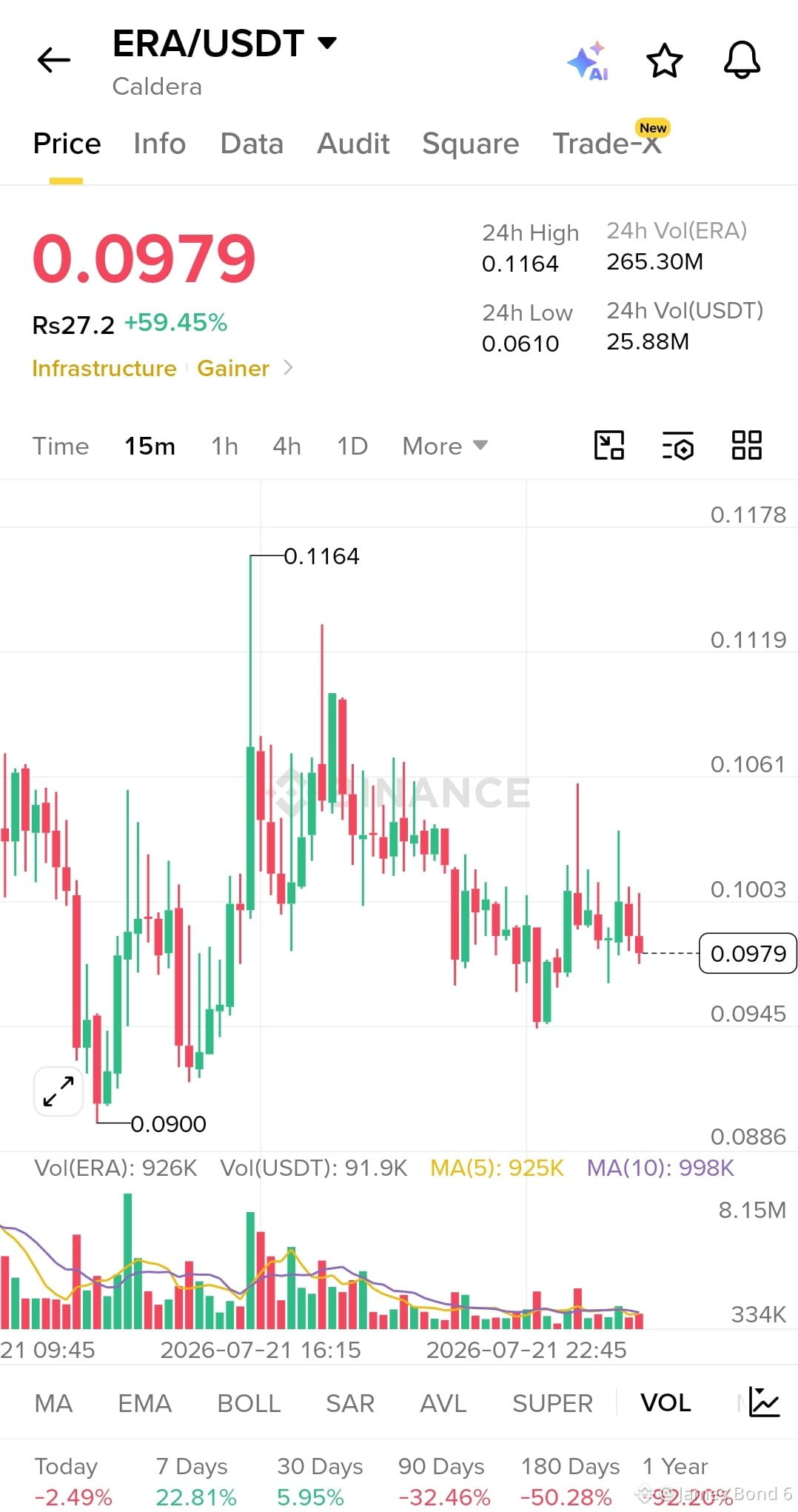
$ERA /USDT | LONG 🚀
📍 Vào lệnh: 0.0965 – 0.0995
🎯 TP1: 0.1035
🎯 TP2: 0.1090
🎯 TP3: 0.1160
🛑 Cắt lỗ: 0.0935
📊 Rủi ro/Lợi nhuận: 1:2.9
📈 Triển vọng thị trường:
$ERA vẫn đang trong xu hướng tăng ngắn hạn mạnh sau một pha bứt phá bùng nổ, dù động lượng đã hạ nhiệt sau khi bị từ chối quanh mức 0.1164. Hiện giá đang tích lũy trên vùng hỗ trợ gần đây, cho thấy người mua vẫn đang bảo vệ các mức cao hơn. Chừng nào hỗ trợ quanh 0.0960 còn giữ vững, vẫn có khả năng thực hiện một nhịp hồi hướng tới đỉnh trước đó. Nếu phá vỡ rõ ràng xuống dưới hỗ trợ, cấu trúc tăng sẽ suy yếu và rủi ro giảm giá sẽ tăng lên.
🔍 Phân tích kỹ thuật:
Biểu đồ khung 15 phút cho thấy một cú bứt phá mạnh rồi chuyển sang giai đoạn tích lũy lành mạnh. Việc bị từ chối tại 0.1164 đã tạo ra một vùng kháng cự gần đó, nơi trước đây bên bán từng xuất hiện. Giá đang giao dịch trong biên độ hẹp, cho thấy thanh khoản đang được tích lũy trước khi bước vào nhịp biến động theo hướng tiếp theo. Khối lượng đã giảm so với giai đoạn bứt phá, điều này thường báo hiệu tích lũy hơn là bán tháo hoảng loạn. Giữ trên 0.0960 giúp cấu trúc đáy cao hơn vẫn được duy trì, trong khi nếu bứt phá lên trên 0.1035 có thể mở đường hướng tới đỉnh swing gần nhất.
⚠️ Quản lý rủi ro:
Không rủi ro quá 1–2% vốn giao dịch cho một thiết lập và chờ xác nhận trước khi vào lệnh.
💬 Gợi ý giao dịch:
Sự kiên nhẫn trong giai đoạn tích lũy thường được đền đáp cho các trader kỷ luật khi biến động quay trở lại.
{spot}(ERAUSDT)
$ERA /USDT | LONG 🚀
📍 Vào lệnh: 0.0965 – 0.0995
🎯 TP1: 0.1035
🎯 TP2: 0.1090
🎯 TP3: 0.1160
🛑 Cắt lỗ: 0.0935
📊 Rủi ro/Lợi nhuận: 1:2.9
📈 Triển vọng thị trường:
$ERA vẫn đang trong xu hướng tăng ngắn hạn mạnh sau một pha bứt phá bùng nổ, dù động lượng đã hạ nhiệt sau khi bị từ chối quanh mức 0.1164. Hiện giá đang tích lũy trên vùng hỗ trợ gần đây, cho thấy người mua vẫn đang bảo vệ các mức cao hơn. Chừng nào hỗ trợ quanh 0.0960 còn giữ vững, vẫn có khả năng thực hiện một nhịp hồi hướng tới đỉnh trước đó. Nếu phá vỡ rõ ràng xuống dưới hỗ trợ, cấu trúc tăng sẽ suy yếu và rủi ro giảm giá sẽ tăng lên.
🔍 Phân tích kỹ thuật:
Biểu đồ khung 15 phút cho thấy một cú bứt phá mạnh rồi chuyển sang giai đoạn tích lũy lành mạnh. Việc bị từ chối tại 0.1164 đã tạo ra một vùng kháng cự gần đó, nơi trước đây bên bán từng xuất hiện. Giá đang giao dịch trong biên độ hẹp, cho thấy thanh khoản đang được tích lũy trước khi bước vào nhịp biến động theo hướng tiếp theo. Khối lượng đã giảm so với giai đoạn bứt phá, điều này thường báo hiệu tích lũy hơn là bán tháo hoảng loạn. Giữ trên 0.0960 giúp cấu trúc đáy cao hơn vẫn được duy trì, trong khi nếu bứt phá lên trên 0.1035 có thể mở đường hướng tới đỉnh swing gần nhất.
⚠️ Quản lý rủi ro:
Không rủi ro quá 1–2% vốn giao dịch cho một thiết lập và chờ xác nhận trước khi vào lệnh.
💬 Gợi ý giao dịch:
Sự kiên nhẫn trong giai đoạn tích lũy thường được đền đáp cho các trader kỷ luật khi biến động quay trở lại.
📍 Vào lệnh: 0.0965 – 0.0995
🎯 TP1: 0.1035
🎯 TP2: 0.1090
🎯 TP3: 0.1160
🛑 Cắt lỗ: 0.0935
📊 Rủi ro/Lợi nhuận: 1:2.9
📈 Triển vọng thị trường:
$ERA vẫn đang trong xu hướng tăng ngắn hạn mạnh sau một pha bứt phá bùng nổ, dù động lượng đã hạ nhiệt sau khi bị từ chối quanh mức 0.1164. Hiện giá đang tích lũy trên vùng hỗ trợ gần đây, cho thấy người mua vẫn đang bảo vệ các mức cao hơn. Chừng nào hỗ trợ quanh 0.0960 còn giữ vững, vẫn có khả năng thực hiện một nhịp hồi hướng tới đỉnh trước đó. Nếu phá vỡ rõ ràng xuống dưới hỗ trợ, cấu trúc tăng sẽ suy yếu và rủi ro giảm giá sẽ tăng lên.
🔍 Phân tích kỹ thuật:
Biểu đồ khung 15 phút cho thấy một cú bứt phá mạnh rồi chuyển sang giai đoạn tích lũy lành mạnh. Việc bị từ chối tại 0.1164 đã tạo ra một vùng kháng cự gần đó, nơi trước đây bên bán từng xuất hiện. Giá đang giao dịch trong biên độ hẹp, cho thấy thanh khoản đang được tích lũy trước khi bước vào nhịp biến động theo hướng tiếp theo. Khối lượng đã giảm so với giai đoạn bứt phá, điều này thường báo hiệu tích lũy hơn là bán tháo hoảng loạn. Giữ trên 0.0960 giúp cấu trúc đáy cao hơn vẫn được duy trì, trong khi nếu bứt phá lên trên 0.1035 có thể mở đường hướng tới đỉnh swing gần nhất.
⚠️ Quản lý rủi ro:
Không rủi ro quá 1–2% vốn giao dịch cho một thiết lập và chờ xác nhận trước khi vào lệnh.
💬 Gợi ý giao dịch:
Sự kiên nhẫn trong giai đoạn tích lũy thường được đền đáp cho các trader kỷ luật khi biến động quay trở lại.
1
130
·
--
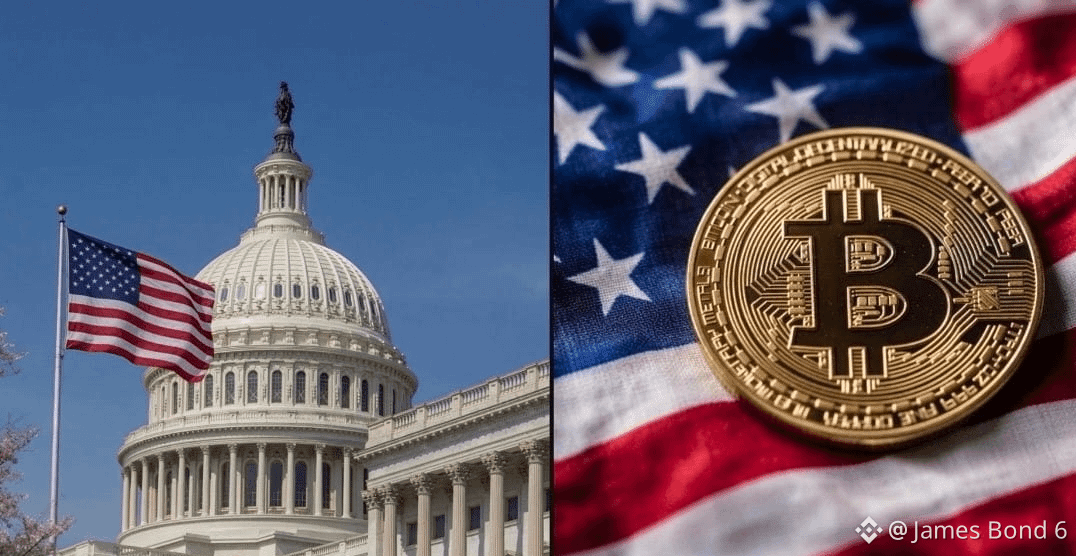
🚨 TIN NÓNG: Dự luật CLARITY Tiến Lên Sau Khi Trump Chấp Nhận Các Điều Khoản Về Đạo Đức! 🇺🇸
Theo thông tin, Tổng thống Trump đã chấp nhận các điều khoản về đạo đức gắn với Đạo luật CLARITY, vượt qua một trở ngại lớn sau nhiều tháng đàm phán. ⚖️ Dự luật nhằm thiết lập các quy tắc liên bang rõ ràng hơn cho tài sản kỹ thuật số, một động thái đang được các nhà đầu tư crypto theo dõi sát sao. 💰
Bản thảo cập nhật dự kiến sẽ sớm được công bố, nhưng vẫn cần sự ủng hộ lưỡng đảng ở Thượng viện trước khi dự luật có thể tiến thêm. 📈
Đây là một thời khắc quan trọng đối với crypto. 🔥
🚨 TIN NÓNG: Dự luật CLARITY Tiến Lên Sau Khi Trump Chấp Nhận Các Điều Khoản Về Đạo Đức! 🇺🇸
Theo thông tin, Tổng thống Trump đã chấp nhận các điều khoản về đạo đức gắn với Đạo luật CLARITY, vượt qua một trở ngại lớn sau nhiều tháng đàm phán. ⚖️ Dự luật nhằm thiết lập các quy tắc liên bang rõ ràng hơn cho tài sản kỹ thuật số, một động thái đang được các nhà đầu tư crypto theo dõi sát sao. 💰
Bản thảo cập nhật dự kiến sẽ sớm được công bố, nhưng vẫn cần sự ủng hộ lưỡng đảng ở Thượng viện trước khi dự luật có thể tiến thêm. 📈
Đây là một thời khắc quan trọng đối với crypto. 🔥
Theo thông tin, Tổng thống Trump đã chấp nhận các điều khoản về đạo đức gắn với Đạo luật CLARITY, vượt qua một trở ngại lớn sau nhiều tháng đàm phán. ⚖️ Dự luật nhằm thiết lập các quy tắc liên bang rõ ràng hơn cho tài sản kỹ thuật số, một động thái đang được các nhà đầu tư crypto theo dõi sát sao. 💰
Bản thảo cập nhật dự kiến sẽ sớm được công bố, nhưng vẫn cần sự ủng hộ lưỡng đảng ở Thượng viện trước khi dự luật có thể tiến thêm. 📈
Đây là một thời khắc quan trọng đối với crypto. 🔥

1
133
·
--
🚨 Đạo luật CLARITY đang ở điểm bùng nổ.
Đồng hồ đang tích tắc. ⏳
Nếu Thượng viện không hành động trước kỳ nghỉ tháng Tám, dự luật có thể đối mặt với những trì hoãn lớn khi trọng tâm chuyển sang các cuộc bầu cử giữa nhiệm kỳ.
Vài ngày tới có thể quyết định liệu việc quản lý tiền mã hóa có được thúc đẩy—hay bị mắc kẹt trong “vùng lưỡng lự” lập pháp.
👀 Tất cả ánh nhìn hướng về Thượng viện.
#CLARITYAct #Crypto #Bitcoin
🚨 Đạo luật CLARITY đang ở điểm bùng nổ.
Đồng hồ đang tích tắc. ⏳
Nếu Thượng viện không hành động trước kỳ nghỉ tháng Tám, dự luật có thể đối mặt với những trì hoãn lớn khi trọng tâm chuyển sang các cuộc bầu cử giữa nhiệm kỳ.
Vài ngày tới có thể quyết định liệu việc quản lý tiền mã hóa có được thúc đẩy—hay bị mắc kẹt trong “vùng lưỡng lự” lập pháp.
👀 Tất cả ánh nhìn hướng về Thượng viện.
#CLARITYAct #Crypto #Bitcoin
Đồng hồ đang tích tắc. ⏳
Nếu Thượng viện không hành động trước kỳ nghỉ tháng Tám, dự luật có thể đối mặt với những trì hoãn lớn khi trọng tâm chuyển sang các cuộc bầu cử giữa nhiệm kỳ.
Vài ngày tới có thể quyết định liệu việc quản lý tiền mã hóa có được thúc đẩy—hay bị mắc kẹt trong “vùng lưỡng lự” lập pháp.
👀 Tất cả ánh nhìn hướng về Thượng viện.
#CLARITYAct #Crypto #Bitcoin
123
·
--
🚀 $GMX 🚀
EP: $6.20 – $6.35
🎯 TP1: $6.60
🎯 TP2: $6.95
🎯 TP3: $7.40
🛑 SL: $5.90
$GMX vẫn là một trong những token DeFi mạnh nhất. Hãy chờ xác nhận trước khi vào lệnh.
🔥 Let's Go $GMX
{spot}(GMXUSDT)
IranianCrudeTops$80#MetaInTalksToLeaseComputeToAnthropic
🚀 $GMX 🚀
EP: $6.20 – $6.35
🎯 TP1: $6.60
🎯 TP2: $6.95
🎯 TP3: $7.40
🛑 SL: $5.90
$GMX vẫn là một trong những token DeFi mạnh nhất. Hãy chờ xác nhận trước khi vào lệnh.
🔥 Let's Go $GMX
IranianCrudeTops$80#MetaInTalksToLeaseComputeToAnthropic
EP: $6.20 – $6.35
🎯 TP1: $6.60
🎯 TP2: $6.95
🎯 TP3: $7.40
🛑 SL: $5.90
$GMX vẫn là một trong những token DeFi mạnh nhất. Hãy chờ xác nhận trước khi vào lệnh.
🔥 Let's Go $GMX
IranianCrudeTops$80#MetaInTalksToLeaseComputeToAnthropic
31
·
--
🚀 $LTC 🚀
EP: $45.80 – $46.30
🎯 TP1: $47.50
🎯 TP2: $49.00
🎯 TP3: $51.00
🛑 SL: $43.90
$LTC tiếp tục giao dịch với đà tăng ổn định. Một cú bứt phá có thể kích hoạt nhịp tăng tiếp theo.
🔥 Let's Go $LTC
{spot}(LTCUSDT)
#CardanoToActivateVanRossemUpgradeJuly19
🚀 $LTC 🚀
EP: $45.80 – $46.30
🎯 TP1: $47.50
🎯 TP2: $49.00
🎯 TP3: $51.00
🛑 SL: $43.90
$LTC tiếp tục giao dịch với đà tăng ổn định. Một cú bứt phá có thể kích hoạt nhịp tăng tiếp theo.
🔥 Let's Go $LTC
#CardanoToActivateVanRossemUpgradeJuly19
EP: $45.80 – $46.30
🎯 TP1: $47.50
🎯 TP2: $49.00
🎯 TP3: $51.00
🛑 SL: $43.90
$LTC tiếp tục giao dịch với đà tăng ổn định. Một cú bứt phá có thể kích hoạt nhịp tăng tiếp theo.
🔥 Let's Go $LTC
#CardanoToActivateVanRossemUpgradeJuly19
30
·
--
🚀 $EGLD 🚀
EP: $3.18 – $3.24
🎯 TP1: $3.35
🎯 TP2: $3.55
🎯 TP3: $3.80
🛑 SL: $3.00
$EGLD đang dần xây dựng đà tăng. Giữ vững hỗ trợ và theo dõi xác nhận bằng khối lượng.
🔥 Hãy cùng đi $EGLD
{spot}(EGLDUSDT)
Giá dầu thô Iran đỉnh $80#MissilesHitJaskPowerAndDesalinationFacilities
🚀 $EGLD 🚀
EP: $3.18 – $3.24
🎯 TP1: $3.35
🎯 TP2: $3.55
🎯 TP3: $3.80
🛑 SL: $3.00
$EGLD đang dần xây dựng đà tăng. Giữ vững hỗ trợ và theo dõi xác nhận bằng khối lượng.
🔥 Hãy cùng đi $EGLD
Giá dầu thô Iran đỉnh $80#MissilesHitJaskPowerAndDesalinationFacilities
EP: $3.18 – $3.24
🎯 TP1: $3.35
🎯 TP2: $3.55
🎯 TP3: $3.80
🛑 SL: $3.00
$EGLD đang dần xây dựng đà tăng. Giữ vững hỗ trợ và theo dõi xác nhận bằng khối lượng.
🔥 Hãy cùng đi $EGLD
Giá dầu thô Iran đỉnh $80#MissilesHitJaskPowerAndDesalinationFacilities
61
·
--
🚀 $BTTC 🚀
GĐ: $0.00000026 – $0.00000027
🎯 TP1: $0.00000029
🎯 TP2: $0.00000031
🎯 TP3: $0.00000034
🛑 SL: $0.00000024
$BTTC đang cho thấy đà tăng dần dần. Một đợt phá vỡ có thể dẫn đến một đợt tăng mạnh hơn.
🔥 Hãy đi cùng $BTTC
{spot}(BTTCUSDT)
#RipplePaymentsEuropeJoinsMiCARegister
🚀 $BTTC 🚀
GĐ: $0.00000026 – $0.00000027
🎯 TP1: $0.00000029
🎯 TP2: $0.00000031
🎯 TP3: $0.00000034
🛑 SL: $0.00000024
$BTTC đang cho thấy đà tăng dần dần. Một đợt phá vỡ có thể dẫn đến một đợt tăng mạnh hơn.
🔥 Hãy đi cùng $BTTC
#RipplePaymentsEuropeJoinsMiCARegister
GĐ: $0.00000026 – $0.00000027
🎯 TP1: $0.00000029
🎯 TP2: $0.00000031
🎯 TP3: $0.00000034
🛑 SL: $0.00000024
$BTTC đang cho thấy đà tăng dần dần. Một đợt phá vỡ có thể dẫn đến một đợt tăng mạnh hơn.
🔥 Hãy đi cùng $BTTC
#RipplePaymentsEuropeJoinsMiCARegister
1
1
216
·
--
🚀 $SKY 🚀
EP: $0.0610 – $0.0620
🎯 TP1: $0.0640
🎯 TP2: $0.0670
🎯 TP3: $0.0710
🛑 SL: $0.0580
$SKY đang tích lũy sức mạnh với tâm lý thị trường cải thiện. Theo dõi các vùng kháng cự cho bước đi tiếp theo.
🔥 Tiến lên $SKY
{spot}(SKYUSDT)
#CardanoToActivateVanRossemUpgradeJuly19 #MissilesHitJaskPowerAndDesalinationFacilities
🚀 $SKY 🚀
EP: $0.0610 – $0.0620
🎯 TP1: $0.0640
🎯 TP2: $0.0670
🎯 TP3: $0.0710
🛑 SL: $0.0580
$SKY đang tích lũy sức mạnh với tâm lý thị trường cải thiện. Theo dõi các vùng kháng cự cho bước đi tiếp theo.
🔥 Tiến lên $SKY
#CardanoToActivateVanRossemUpgradeJuly19 #MissilesHitJaskPowerAndDesalinationFacilities
EP: $0.0610 – $0.0620
🎯 TP1: $0.0640
🎯 TP2: $0.0670
🎯 TP3: $0.0710
🛑 SL: $0.0580
$SKY đang tích lũy sức mạnh với tâm lý thị trường cải thiện. Theo dõi các vùng kháng cự cho bước đi tiếp theo.
🔥 Tiến lên $SKY
#CardanoToActivateVanRossemUpgradeJuly19 #MissilesHitJaskPowerAndDesalinationFacilities
30
·
--
🚀 $SPELL 🚀
EP: $0.000084 – $0.000086
🎯 TP1: $0.000090
🎯 TP2: $0.000095
🎯 TP3: $0.000101
🛑 SL: $0.000080
$SPELL đang phục hồi ổn định và có thể mở rộng đà tăng nếu lực mua tăng lên.
🔥 Hãy cùng đi nào $SPELL #SpaceXShortInterestHits29%OfFloat
🚀 $SPELL 🚀
EP: $0.000084 – $0.000086
🎯 TP1: $0.000090
🎯 TP2: $0.000095
🎯 TP3: $0.000101
🛑 SL: $0.000080
$SPELL đang phục hồi ổn định và có thể mở rộng đà tăng nếu lực mua tăng lên.
🔥 Hãy cùng đi nào $SPELL #SpaceXShortInterestHits29%OfFloat
EP: $0.000084 – $0.000086
🎯 TP1: $0.000090
🎯 TP2: $0.000095
🎯 TP3: $0.000101
🛑 SL: $0.000080
$SPELL đang phục hồi ổn định và có thể mở rộng đà tăng nếu lực mua tăng lên.
🔥 Hãy cùng đi nào $SPELL #SpaceXShortInterestHits29%OfFloat
97
·
--
🚀 $MET 🚀
EP: $0.135 – $0.138
🎯 TP1: $0.142
🎯 TP2: $0.149
🎯 TP3: $0.158
🛑 SL: $0.129
$MET is đang giữ cấu trúc tăng với lực mua vẫn còn hoạt động. Đà có thể tiếp tục tăng cao hơn.
🔥 Let's Go $MET
{spot}(METUSDT)
#SpaceXShortInterestHits29%OfFloat
🚀 $MET 🚀
EP: $0.135 – $0.138
🎯 TP1: $0.142
🎯 TP2: $0.149
🎯 TP3: $0.158
🛑 SL: $0.129
$MET is đang giữ cấu trúc tăng với lực mua vẫn còn hoạt động. Đà có thể tiếp tục tăng cao hơn.
🔥 Let's Go $MET
#SpaceXShortInterestHits29%OfFloat
EP: $0.135 – $0.138
🎯 TP1: $0.142
🎯 TP2: $0.149
🎯 TP3: $0.158
🛑 SL: $0.129
$MET is đang giữ cấu trúc tăng với lực mua vẫn còn hoạt động. Đà có thể tiếp tục tăng cao hơn.
🔥 Let's Go $MET
#SpaceXShortInterestHits29%OfFloat
29
·
--
🚀 $ACX 🚀
EP: $0.0422 – $0.0430
🎯 TP1: $0.0450
🎯 TP2: $0.0475
🎯 TP3: $0.0500
🛑 SL: $0.0400
$ACX đang cho thấy xu hướng tăng lành mạnh. Một đợt phá vỡ có thể thu hút thêm động lượng mua vào mạnh mẽ.
🔥 Hãy cùng tiến lên $ACX
{spot}(ACXUSDT)
#SpaceXShortInterestHits29%OfFloat
🚀 $ACX 🚀
EP: $0.0422 – $0.0430
🎯 TP1: $0.0450
🎯 TP2: $0.0475
🎯 TP3: $0.0500
🛑 SL: $0.0400
$ACX đang cho thấy xu hướng tăng lành mạnh. Một đợt phá vỡ có thể thu hút thêm động lượng mua vào mạnh mẽ.
🔥 Hãy cùng tiến lên $ACX
#SpaceXShortInterestHits29%OfFloat
EP: $0.0422 – $0.0430
🎯 TP1: $0.0450
🎯 TP2: $0.0475
🎯 TP3: $0.0500
🛑 SL: $0.0400
$ACX đang cho thấy xu hướng tăng lành mạnh. Một đợt phá vỡ có thể thu hút thêm động lượng mua vào mạnh mẽ.
🔥 Hãy cùng tiến lên $ACX
#SpaceXShortInterestHits29%OfFloat
67
·
--
🚀 $CHIP 🚀
EP: $0.0310 – $0.0315
🎯 TP1: $0.0325
🎯 TP2: $0.0340
🎯 TP3: $0.0360
🛑 SL: $0.0295
$CHIP đang thể hiện đà tăng vững chắc khi phe mua bảo vệ các mức cao hơn. Nếu giá bứt phá lên trên vùng kháng cự có thể kích hoạt một đợt tăng mạnh nữa. Hãy giao dịch với quản lý rủi ro phù hợp.
🔥 Let's Go $CHIP
{spot}(CHIPUSDT)
🚀 $CHIP 🚀
EP: $0.0310 – $0.0315
🎯 TP1: $0.0325
🎯 TP2: $0.0340
🎯 TP3: $0.0360
🛑 SL: $0.0295
$CHIP đang thể hiện đà tăng vững chắc khi phe mua bảo vệ các mức cao hơn. Nếu giá bứt phá lên trên vùng kháng cự có thể kích hoạt một đợt tăng mạnh nữa. Hãy giao dịch với quản lý rủi ro phù hợp.
🔥 Let's Go $CHIP
EP: $0.0310 – $0.0315
🎯 TP1: $0.0325
🎯 TP2: $0.0340
🎯 TP3: $0.0360
🛑 SL: $0.0295
$CHIP đang thể hiện đà tăng vững chắc khi phe mua bảo vệ các mức cao hơn. Nếu giá bứt phá lên trên vùng kháng cự có thể kích hoạt một đợt tăng mạnh nữa. Hãy giao dịch với quản lý rủi ro phù hợp.
🔥 Let's Go $CHIP
50
·
--
🚀 $DEXE 🚀
EP: $35.70 – $36.10
🎯 TP1: $37.50
🎯 TP2: $39.00
🎯 TP3: $41.00
🛑 SL: $34.30
$DEXE tiếp tục cho thấy sức mạnh khi lực mua tăng lên. Hãy theo dõi khối lượng giao dịch duy trì trước khi vào lệnh và luôn quản lý rủi ro của bạn.
🔥 Hãy đi nào $DEXE
{spot}(DEXEUSDT)
#SpaceXShortInterestHits29%OfFloat
🚀 $DEXE 🚀
EP: $35.70 – $36.10
🎯 TP1: $37.50
🎯 TP2: $39.00
🎯 TP3: $41.00
🛑 SL: $34.30
$DEXE tiếp tục cho thấy sức mạnh khi lực mua tăng lên. Hãy theo dõi khối lượng giao dịch duy trì trước khi vào lệnh và luôn quản lý rủi ro của bạn.
🔥 Hãy đi nào $DEXE
#SpaceXShortInterestHits29%OfFloat
EP: $35.70 – $36.10
🎯 TP1: $37.50
🎯 TP2: $39.00
🎯 TP3: $41.00
🛑 SL: $34.30
$DEXE tiếp tục cho thấy sức mạnh khi lực mua tăng lên. Hãy theo dõi khối lượng giao dịch duy trì trước khi vào lệnh và luôn quản lý rủi ro của bạn.
🔥 Hãy đi nào $DEXE
#SpaceXShortInterestHits29%OfFloat
116
·
--
🚀 $TRUMP 🚀
EP: $1.61 – $1.64
🎯 TP1: $1.70
🎯 TP2: $1.80
🎯 TP3: $1.92
🛑 SL: $1.53
$TRUMP vẫn duy trì xu hướng tăng với sự quan tâm mạnh mẽ từ cộng đồng. Nếu đà tiếp tục, các mục tiêu cao hơn có thể đạt được nhanh chóng.
🔥 Let's Go $TRUMP
{spot}(TRUMPUSDT)
#CardanoToActivateVanRossemUpgradeJuly19
🚀 $TRUMP 🚀
EP: $1.61 – $1.64
🎯 TP1: $1.70
🎯 TP2: $1.80
🎯 TP3: $1.92
🛑 SL: $1.53
$TRUMP vẫn duy trì xu hướng tăng với sự quan tâm mạnh mẽ từ cộng đồng. Nếu đà tiếp tục, các mục tiêu cao hơn có thể đạt được nhanh chóng.
🔥 Let's Go $TRUMP
#CardanoToActivateVanRossemUpgradeJuly19
EP: $1.61 – $1.64
🎯 TP1: $1.70
🎯 TP2: $1.80
🎯 TP3: $1.92
🛑 SL: $1.53
$TRUMP vẫn duy trì xu hướng tăng với sự quan tâm mạnh mẽ từ cộng đồng. Nếu đà tiếp tục, các mục tiêu cao hơn có thể đạt được nhanh chóng.
🔥 Let's Go $TRUMP
#CardanoToActivateVanRossemUpgradeJuly19
73
·
--
🚀 $GAS 🚀
EP: $1.06 – $1.09
🎯 TP1: $1.14
🎯 TP2: $1.20
🎯 TP3: $1.28
🛑 SL: $1.00
$GAS đang lấy đà khi phe mua bắt đầu tham gia. Nếu có một pha bứt phá sạch, đà tăng hiện tại có thể tiếp tục mở rộng.
🔥 Tiến lên $GAS
{spot}(GASUSDT)
#CardanoToActivateVanRossemUpgradeJuly19
🚀 $GAS 🚀
EP: $1.06 – $1.09
🎯 TP1: $1.14
🎯 TP2: $1.20
🎯 TP3: $1.28
🛑 SL: $1.00
$GAS đang lấy đà khi phe mua bắt đầu tham gia. Nếu có một pha bứt phá sạch, đà tăng hiện tại có thể tiếp tục mở rộng.
🔥 Tiến lên $GAS
#CardanoToActivateVanRossemUpgradeJuly19
EP: $1.06 – $1.09
🎯 TP1: $1.14
🎯 TP2: $1.20
🎯 TP3: $1.28
🛑 SL: $1.00
$GAS đang lấy đà khi phe mua bắt đầu tham gia. Nếu có một pha bứt phá sạch, đà tăng hiện tại có thể tiếp tục mở rộng.
🔥 Tiến lên $GAS
#CardanoToActivateVanRossemUpgradeJuly19
32
·
--
🚀 $PENGU 🚀
EP: $0.00610 – $0.00620
🎯 TP1: $0.00650
🎯 TP2: $0.00690
🎯 TP3: $0.00730
🛑 SL: $0.00580
$PENGU đang thu hút lực mua mới. Giữ vững vùng hỗ trợ và theo dõi khối lượng giao dịch tăng lên.
🔥 Chốt kèo $PENGU
{spot}(PENGUUSDT)
#SpaceXShortInterestHits29%OfFloat #RipplePaymentsEuropeJoinsMiCARegister
🚀 $PENGU 🚀
EP: $0.00610 – $0.00620
🎯 TP1: $0.00650
🎯 TP2: $0.00690
🎯 TP3: $0.00730
🛑 SL: $0.00580
$PENGU đang thu hút lực mua mới. Giữ vững vùng hỗ trợ và theo dõi khối lượng giao dịch tăng lên.
🔥 Chốt kèo $PENGU
#SpaceXShortInterestHits29%OfFloat #RipplePaymentsEuropeJoinsMiCARegister
EP: $0.00610 – $0.00620
🎯 TP1: $0.00650
🎯 TP2: $0.00690
🎯 TP3: $0.00730
🛑 SL: $0.00580
$PENGU đang thu hút lực mua mới. Giữ vững vùng hỗ trợ và theo dõi khối lượng giao dịch tăng lên.
🔥 Chốt kèo $PENGU
#SpaceXShortInterestHits29%OfFloat #RipplePaymentsEuropeJoinsMiCARegister
66
·
--
🚀 $JASMY 🚀
$JASMY đang phục hồi với cấu trúc thị trường được cải thiện và tâm lý bullish ngày càng tăng. Việc tiếp tục mua vào có thể đẩy token tiến gần hơn đến các vùng kháng cự cao hơn.
📈 Giá vào lệnh (EP): $0.00468 – $0.00476
🎯 TP1: $0.00495
🎯 TP2: $0.00520
🎯 TP3: $0.00555
🛑 Cắt lỗ (SL): $0.00440
JASMY tập trung vào quyền sở hữu dữ liệu và hạ tầng IoT, khiến đây trở thành một trong những dự án crypto nổi tiếng theo hướng ứng dụng.
🔥 Tiến lên $JASMY 🚀
{spot}(JASMYUSDT)
#CardanoToActivateVanRossemUpgradeJuly19
#SpaceXShortInterestHits29%OfFloat
#MissilesHitJaskPowerAndDesalinationFacilities
🚀 $JASMY 🚀
$JASMY đang phục hồi với cấu trúc thị trường được cải thiện và tâm lý bullish ngày càng tăng. Việc tiếp tục mua vào có thể đẩy token tiến gần hơn đến các vùng kháng cự cao hơn.
📈 Giá vào lệnh (EP): $0.00468 – $0.00476
🎯 TP1: $0.00495
🎯 TP2: $0.00520
🎯 TP3: $0.00555
🛑 Cắt lỗ (SL): $0.00440
JASMY tập trung vào quyền sở hữu dữ liệu và hạ tầng IoT, khiến đây trở thành một trong những dự án crypto nổi tiếng theo hướng ứng dụng.
🔥 Tiến lên $JASMY 🚀
#CardanoToActivateVanRossemUpgradeJuly19
#SpaceXShortInterestHits29%OfFloat
#MissilesHitJaskPowerAndDesalinationFacilities
$JASMY đang phục hồi với cấu trúc thị trường được cải thiện và tâm lý bullish ngày càng tăng. Việc tiếp tục mua vào có thể đẩy token tiến gần hơn đến các vùng kháng cự cao hơn.
📈 Giá vào lệnh (EP): $0.00468 – $0.00476
🎯 TP1: $0.00495
🎯 TP2: $0.00520
🎯 TP3: $0.00555
🛑 Cắt lỗ (SL): $0.00440
JASMY tập trung vào quyền sở hữu dữ liệu và hạ tầng IoT, khiến đây trở thành một trong những dự án crypto nổi tiếng theo hướng ứng dụng.
🔥 Tiến lên $JASMY 🚀
#CardanoToActivateVanRossemUpgradeJuly19
#SpaceXShortInterestHits29%OfFloat
#MissilesHitJaskPowerAndDesalinationFacilities
1
54
·
--
🚀 $XAI 🚀
$XAI đang thể hiện đà tăng mạnh một cách nhất quán khi người mua bảo vệ các mức hỗ trợ quan trọng. Một đột phá có thể kích hoạt thêm một nhịp tăng mạnh nữa.
📈 Giá Vào Lệnh (EP): $0.00705 – $0.00720
🎯 TP1: $0.00750
🎯 TP2: $0.00790
🎯 TP3: $0.00840
🛑 Cắt Lỗ (SL): $0.00670
XAI tiếp tục thu hút sự chú ý khi câu chuyện về AI và blockchain vẫn đang “nóng”. Hãy giữ kỷ luật, quản lý rủi ro của bạn và chờ xác nhận trước khi vào lệnh.
🔥 Hãy Tiến Lên $XAI 🚀
{spot}(XAIUSDT)
#SpaceXShortInterestHits29%OfFloat
#CardanoToActivateVanRossemUpgradeJuly19
IranianCrudeTops$80
🚀 $XAI 🚀
$XAI đang thể hiện đà tăng mạnh một cách nhất quán khi người mua bảo vệ các mức hỗ trợ quan trọng. Một đột phá có thể kích hoạt thêm một nhịp tăng mạnh nữa.
📈 Giá Vào Lệnh (EP): $0.00705 – $0.00720
🎯 TP1: $0.00750
🎯 TP2: $0.00790
🎯 TP3: $0.00840
🛑 Cắt Lỗ (SL): $0.00670
XAI tiếp tục thu hút sự chú ý khi câu chuyện về AI và blockchain vẫn đang “nóng”. Hãy giữ kỷ luật, quản lý rủi ro của bạn và chờ xác nhận trước khi vào lệnh.
🔥 Hãy Tiến Lên $XAI 🚀
#SpaceXShortInterestHits29%OfFloat
#CardanoToActivateVanRossemUpgradeJuly19
IranianCrudeTops$80
$XAI đang thể hiện đà tăng mạnh một cách nhất quán khi người mua bảo vệ các mức hỗ trợ quan trọng. Một đột phá có thể kích hoạt thêm một nhịp tăng mạnh nữa.
📈 Giá Vào Lệnh (EP): $0.00705 – $0.00720
🎯 TP1: $0.00750
🎯 TP2: $0.00790
🎯 TP3: $0.00840
🛑 Cắt Lỗ (SL): $0.00670
XAI tiếp tục thu hút sự chú ý khi câu chuyện về AI và blockchain vẫn đang “nóng”. Hãy giữ kỷ luật, quản lý rủi ro của bạn và chờ xác nhận trước khi vào lệnh.
🔥 Hãy Tiến Lên $XAI 🚀
#SpaceXShortInterestHits29%OfFloat
#CardanoToActivateVanRossemUpgradeJuly19
IranianCrudeTops$80
144
Đăng nhập để khám phá thêm nội dung
Tham gia cùng người dùng tiền mã hóa toàn cầu trên Binance Square
⚡️ Nhận thông tin mới nhất và hữu ích về tiền mã hóa.
💬 Được tin cậy bởi sàn giao dịch tiền mã hóa lớn nhất thế giới.
👍 Khám phá những thông tin chuyên sâu thực tế từ những nhà sáng tạo đã xác minh.
Email / Số điện thoại
Chủ đề thịnh hành
CPIWatch
87.1M lượt xem
503,035 đang thảo luận
Chia sẻ & Nhận thưởng Lưu lượng truy cập trong Chiến dịch Hashtag Xu hướng của chúng tôi
✨Chủ đề: CPI có kích hoạt đợt tăng lãi suất không?
👉Cách tham gia:
Đăng một bài viết ngắn hoặc bài viết với hashtag #CPIWatch
Tạo nội dung dựa trên hai góc độ dưới đây:
- Bảng lương phi nông nghiệp vượt kỳ vọng và CPI sắp được công bố—bạn nghĩ Fed sẽ tăng lãi suất hay giữ nguyên?
- Tăng giá hay giảm giá? Chia sẻ quan điểm của bạn và trưng bày cổ phiếu hoặc giao dịch/nắm giữ vàng của bạn với widget chia sẻ giao dịch của chúng tôi.
🚀Thời gian chiến dịch:
- 2026-09-11 3:00 - 2026-09-12 9:00 UTC
🎁Phần thưởng:
- Các bài đăng đủ điều kiện tuân thủ các hướng dẫn trên và có hơn 100 từ sẽ được xem xét và có thể nhận một lượt tăng lưu lượng truy cập ngẫu nhiên từ 500 đến 3,000 lượt xem. Bạn sẽ nhận được thông báo từ thư ký feed của chúng tôi nếu bài đăng của bạn được chọn.
- Cơ hội để bài viết của bạn được đăng trên Binance Square Official
Cần ý tưởng cho bài đăng của bạn? Truy cập trang chủ đề #CPIWatch hoặc Square Guide on How to Post for Better Reach.
Binance Square Official
·563 lượt thích
·1.5M lượt xem
45NgayTuDoTaiChinh
894,116 lượt xem
3,025 đang thảo luận
TinFed
64,714 lượt xem
288 đang thảo luận