
H A N I A
1.5k Bài đăng

H A N I A
161 Đang theo dõi
7.1K+ Người theo dõi
4.1K+ Đã thích
Bài đăng
Tất cả
Trích dẫn
Live
PINNED
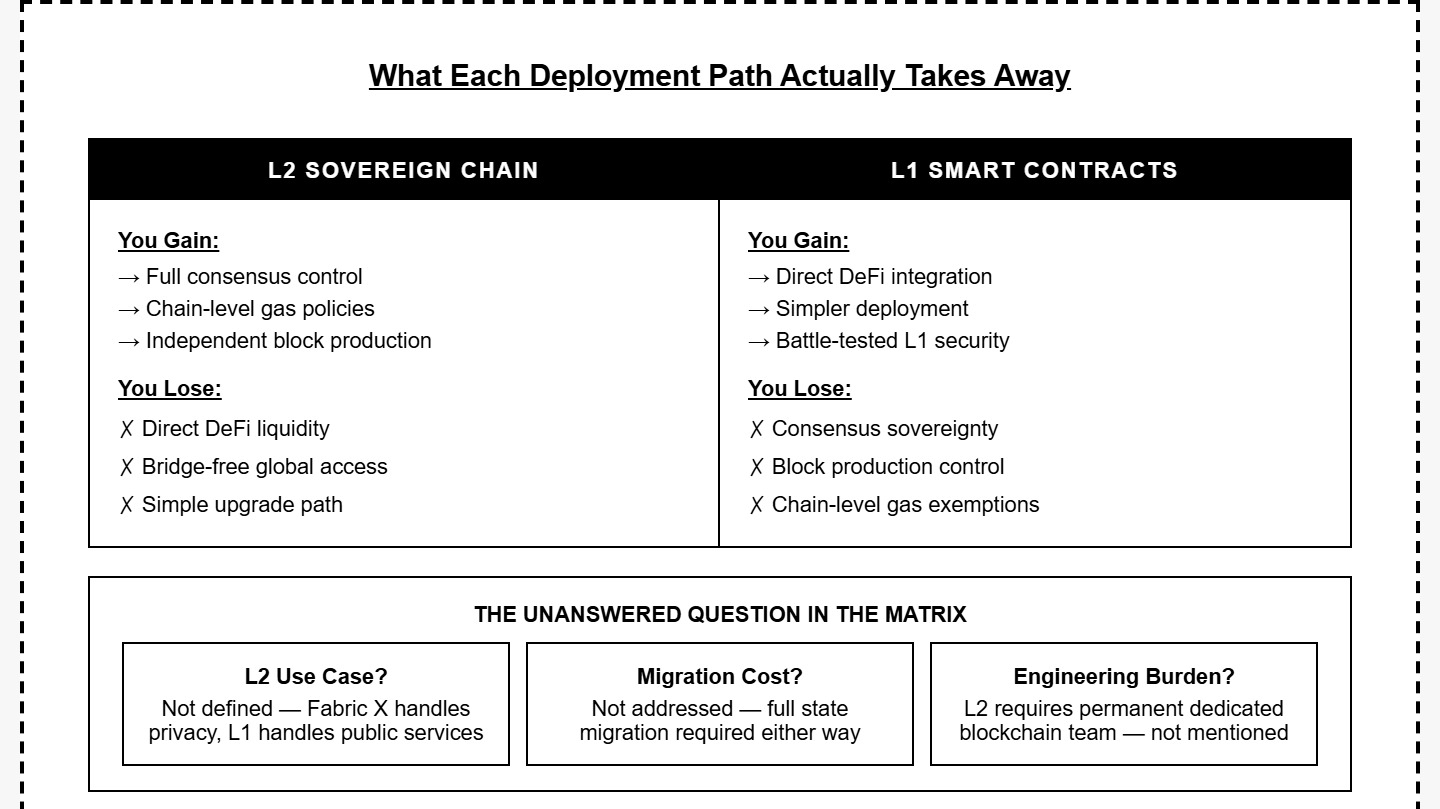
vừa tình cờ gặp một điều gì đó trong tài liệu trắng của SIGN mà tôi không thể ngừng suy nghĩ về nó…
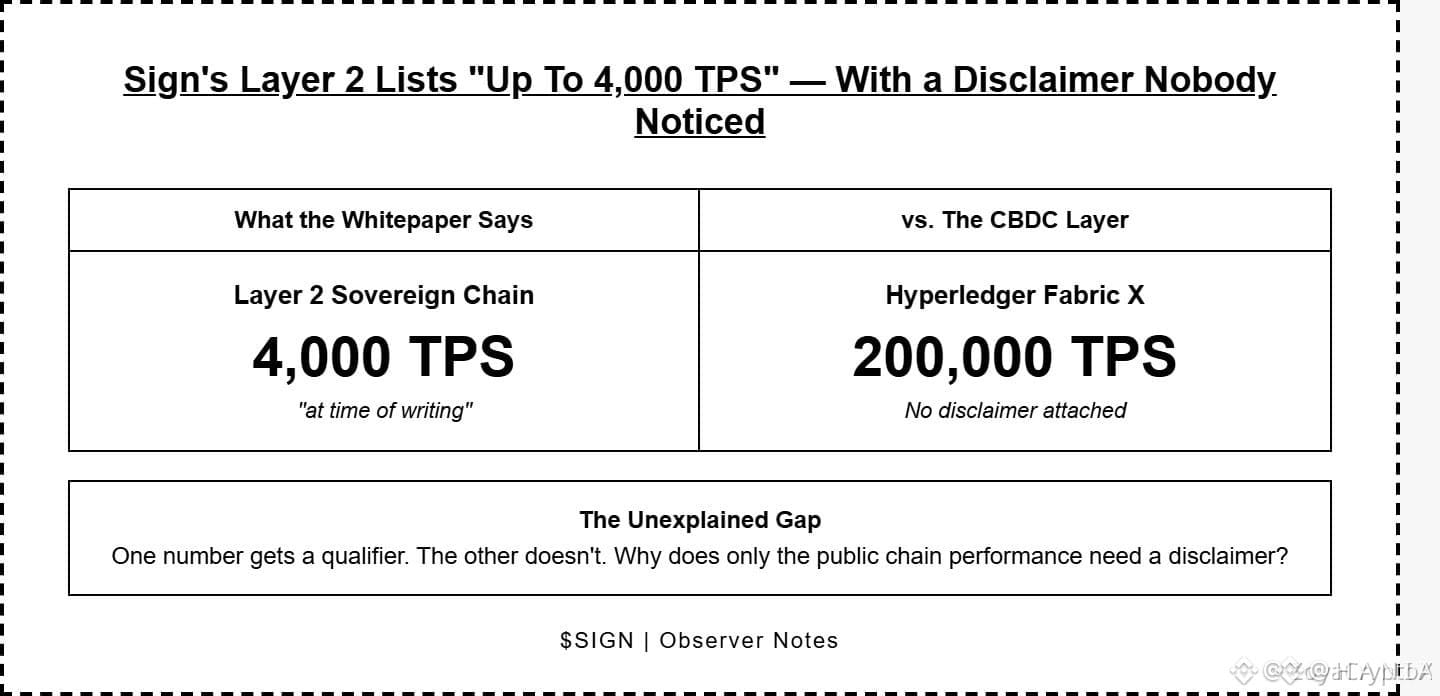
chuỗi chủ quyền Layer 2 liệt kê thông số thông lượng là "lên đến 4000 TPS" — và ngay bên cạnh, trong dấu ngoặc đơn: "tại thời điểm viết"
phần làm tôi ngạc nhiên:
đây là một tài liệu trắng cho cơ sở hạ tầng quốc gia chủ quyền. các chính phủ đang được yêu cầu đánh giá điều này cho CBDCs, hệ thống thanh toán quốc gia, hệ thống danh tính số. và con số hiệu suất cốt lõi có một điều kiện hết hạn được tích hợp.
"tại thời điểm viết" có nghĩa là con số đã lỗi thời khi bất cứ ai đọc nó. nó cũng có nghĩa là đội ngũ biết rằng nó sẽ thay đổi — nhưng không nói theo hướng nào.
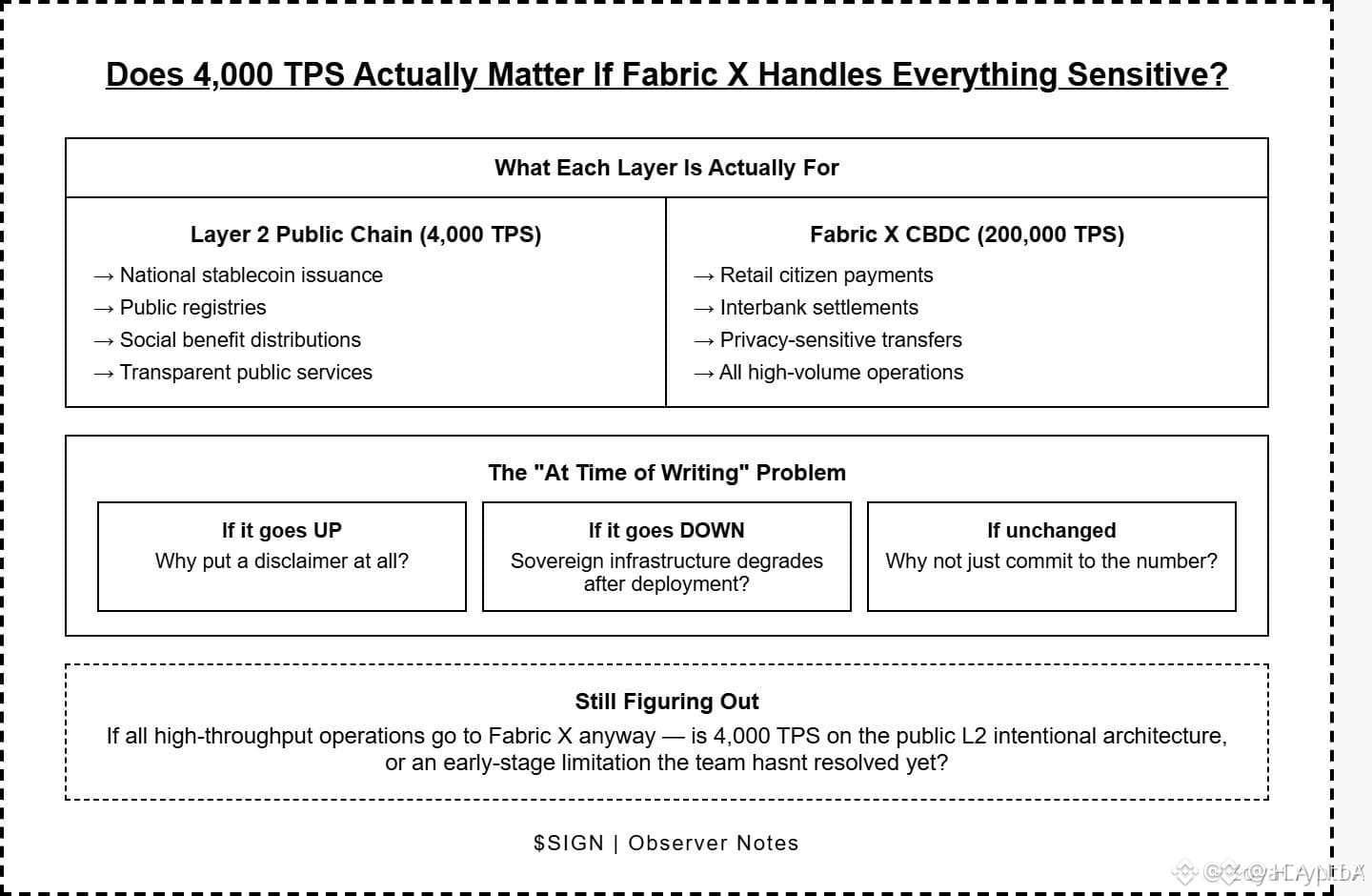
liệu 4000 TPS có đủ cho cơ sở hạ tầng thanh toán của một quốc gia không? tùy thuộc vào quốc gia. một quốc gia nhỏ — có lẽ ổn. một quốc gia với 50 triệu giao dịch hàng ngày — trần đó rất quan trọng.
vẫn đang tìm hiểu xem…
điều kiện này có phải là sự trung thực kỹ thuật tiêu chuẩn, hay nếu nó đang báo hiệu rằng kiến trúc chưa được kiểm tra áp lực ở quy mô quốc gia. lớp Hyperledger Fabric X CBDC tuyên bố 200,000+ TPS — gấp 50 lần so với chuỗi L2 công cộng. nếu tất cả các hoạt động có thông lượng cao đều chuyển sang Fabric X, có thể 4000 TPS trên L2 là cố ý, không phải là một hạn chế.
vẫn không hiểu tại sao con số lại có một tuyên bố miễn trừ nhưng con số Fabric X thì không 🤔
#signdigitalsovereigninfra $SIGN
chuỗi chủ quyền Layer 2 liệt kê thông số thông lượng là "lên đến 4000 TPS" — và ngay bên cạnh, trong dấu ngoặc đơn: "tại thời điểm viết"
phần làm tôi ngạc nhiên:
đây là một tài liệu trắng cho cơ sở hạ tầng quốc gia chủ quyền. các chính phủ đang được yêu cầu đánh giá điều này cho CBDCs, hệ thống thanh toán quốc gia, hệ thống danh tính số. và con số hiệu suất cốt lõi có một điều kiện hết hạn được tích hợp.
"tại thời điểm viết" có nghĩa là con số đã lỗi thời khi bất cứ ai đọc nó. nó cũng có nghĩa là đội ngũ biết rằng nó sẽ thay đổi — nhưng không nói theo hướng nào.
liệu 4000 TPS có đủ cho cơ sở hạ tầng thanh toán của một quốc gia không? tùy thuộc vào quốc gia. một quốc gia nhỏ — có lẽ ổn. một quốc gia với 50 triệu giao dịch hàng ngày — trần đó rất quan trọng.
vẫn đang tìm hiểu xem…
điều kiện này có phải là sự trung thực kỹ thuật tiêu chuẩn, hay nếu nó đang báo hiệu rằng kiến trúc chưa được kiểm tra áp lực ở quy mô quốc gia. lớp Hyperledger Fabric X CBDC tuyên bố 200,000+ TPS — gấp 50 lần so với chuỗi L2 công cộng. nếu tất cả các hoạt động có thông lượng cao đều chuyển sang Fabric X, có thể 4000 TPS trên L2 là cố ý, không phải là một hạn chế.
vẫn không hiểu tại sao con số lại có một tuyên bố miễn trừ nhưng con số Fabric X thì không 🤔
#signdigitalsovereigninfra $SIGN
Pixels đang phát triển nhanh chóng—Nhưng liệu nó có thể giữ được sự đơn giản?
Pixels đã vượt ra ngoài một trò chơi.
Những gì bắt đầu như một MMO nông trại sạch sẽ giờ đây đang phát triển thành một hệ thống kinh tế nhiều tầng—đặt cược, phát thải, khuyến khích liên game. Nó mạnh mẽ, và thật sự, đi trước hầu hết các dự án GameFi.
Nhưng sự phát triển mang lại áp lực.
Càng nhiều hệ thống mà Pixels thêm vào, thì càng khó cho người chơi giữ được sự trực quan. Những gì từng cảm thấy tự nhiên giờ đây yêu cầu quyết định, chiến lược, và hiểu biết về các cơ chế sâu hơn.
Đó là rủi ro.
Người chơi không đến vì sự phức tạp. Họ đến vì trải nghiệm.
Pixels đã xây dựng điều gì đó mạnh mẽ.
Giờ đây thách thức rõ ràng:
Liệu nó có thể mở rộng nền kinh tế của mình mà không làm phức tạp trò chơi?
#Pixel $PIXEL @Pixels
$SIREN $BULLA #MarketRebound #KelpDAOExploitFreeze #RAVEWildMoves #KelpDAOFacesAttack
Pixels đã vượt ra ngoài một trò chơi.
Những gì bắt đầu như một MMO nông trại sạch sẽ giờ đây đang phát triển thành một hệ thống kinh tế nhiều tầng—đặt cược, phát thải, khuyến khích liên game. Nó mạnh mẽ, và thật sự, đi trước hầu hết các dự án GameFi.
Nhưng sự phát triển mang lại áp lực.
Càng nhiều hệ thống mà Pixels thêm vào, thì càng khó cho người chơi giữ được sự trực quan. Những gì từng cảm thấy tự nhiên giờ đây yêu cầu quyết định, chiến lược, và hiểu biết về các cơ chế sâu hơn.
Đó là rủi ro.
Người chơi không đến vì sự phức tạp. Họ đến vì trải nghiệm.
Pixels đã xây dựng điều gì đó mạnh mẽ.
Giờ đây thách thức rõ ràng:
Liệu nó có thể mở rộng nền kinh tế của mình mà không làm phức tạp trò chơi?
#Pixel $PIXEL @Pixels
$SIREN $BULLA #MarketRebound #KelpDAOExploitFreeze #RAVEWildMoves #KelpDAOFacesAttack
Tại sao vòng lặp tăng trưởng của Pixels có thể đang che giấu một vấn đề giữ chân người dùng
Mình sẽ giữ cho đơn giản.
Pixels đã làm điều mà hầu hết các dự án GameFi không bao giờ đạt được: nó đã xây dựng một vòng lặp thực sự thu hút người dùng. Farming, crafting, các lớp xã hội - nó hoạt động. Người ta đăng nhập, họ ở lại, họ tham gia.
Nhưng sự thu hút không giống như sự giữ chân.
Hãy tưởng tượng một người mà mình sẽ gọi là Sana.
Cô ấy tham gia, khám phá, kiếm được một chút, cảm nhận đà tăng trưởng ban đầu. Mọi thứ đều báo hiệu sự tiến bộ. Nhưng sau vài tuần, câu hỏi thay đổi.
"Mình ở lại để làm gì?"
Các phần thưởng vẫn ở đó. Các hệ thống vẫn hoạt động. Nhưng gắn bó cảm xúc bắt đầu mỏng dần.
Bởi vì vòng lặp này nặng về các ưu đãi, không phải là mục đích phát triển.
Sana không bỏ đi đột ngột. Cô ấy chỉ đăng nhập ít hơn.
Đó là rủi ro âm thầm.
Pixels đã xây dựng một lối vào mạnh mẽ.
Bây giờ nó phải trả lời câu hỏi điều gì giữ chân người dùng khi sự mới mẻ phai nhạt.
Bởi vì tăng trưởng thu hút sự chú ý.
Giữ chân xây dựng những thế giới.
#StrategyBTCPurchase #WhatNextForUSIranConflict #Pixel $PIXEL @Pixels
Mình sẽ giữ cho đơn giản.
Pixels đã làm điều mà hầu hết các dự án GameFi không bao giờ đạt được: nó đã xây dựng một vòng lặp thực sự thu hút người dùng. Farming, crafting, các lớp xã hội - nó hoạt động. Người ta đăng nhập, họ ở lại, họ tham gia.
Nhưng sự thu hút không giống như sự giữ chân.
Hãy tưởng tượng một người mà mình sẽ gọi là Sana.
Cô ấy tham gia, khám phá, kiếm được một chút, cảm nhận đà tăng trưởng ban đầu. Mọi thứ đều báo hiệu sự tiến bộ. Nhưng sau vài tuần, câu hỏi thay đổi.
"Mình ở lại để làm gì?"
Các phần thưởng vẫn ở đó. Các hệ thống vẫn hoạt động. Nhưng gắn bó cảm xúc bắt đầu mỏng dần.
Bởi vì vòng lặp này nặng về các ưu đãi, không phải là mục đích phát triển.
Sana không bỏ đi đột ngột. Cô ấy chỉ đăng nhập ít hơn.
Đó là rủi ro âm thầm.
Pixels đã xây dựng một lối vào mạnh mẽ.
Bây giờ nó phải trả lời câu hỏi điều gì giữ chân người dùng khi sự mới mẻ phai nhạt.
Bởi vì tăng trưởng thu hút sự chú ý.
Giữ chân xây dựng những thế giới.
#StrategyBTCPurchase #WhatNextForUSIranConflict #Pixel $PIXEL @Pixels
Chuỗi Đăng Nhập Hàng Ngày Không Chỉ Là Phần Thưởng… Chúng Là Đào Tạo Sự Kiên Trì
Tôi bắt đầu theo đuổi bộ đếm chuỗi nghĩ rằng đó là một trò vui vô hại.
Đăng nhập mỗi ngày.
Tưới cây.
Cho động vật ăn.
Thu thập một phần thưởng nhỏ.
Giữ cho trang trại pixel hoạt động trong khi tận hưởng những vòng lặp thư giãn của việc trồng trọt, thu hoạch và giao dịch nhẹ nhàng.
Nó cảm thấy nhẹ nhàng và khuyến khích ở đầu.
Thế giới vẫn mở — bất kỳ ai cũng có thể khám phá Terra Villa, nâng cao kỹ năng, hoặc tùy chỉnh đất đai theo tốc độ của riêng họ.
Không có áp lực nặng nề. Chỉ có những cú thúc nhẹ nhàng khiến việc quay lại cảm thấy có phần thưởng.
Nhưng hệ thống chuỗi âm thầm làm nhiều hơn chỉ phát phần thưởng.
Nó đào tạo nhịp độ.
Tại sao những chuỗi dài hơn lại mở khóa những con đường tiến bộ mượt mà hơn hoặc các bội số thưởng trong khi những chuỗi bị ngắt lại đưa bạn trở về mức cơ bản?
Tại sao nỗ lực canh tác giống nhau lại chuyển đổi dễ dàng hơn khi lịch sử của bạn cho thấy sự hiện diện ổn định thay vì những cú bùng phát không đều?
Đó là bộ lọc tinh tế.
Trang trại là hoạt động.
Chuỗi là sự hiệu chỉnh hành vi.
Khi đã nhận ra, mỗi phiên chơi đều thay đổi.
Bạn vẫn có thể trồng tự do và chế tác một cách thoải mái, nhưng bạn bắt đầu điều chỉnh cách chơi để bảo vệ chuỗi — ưu tiên các nhiệm vụ hàng ngày nhanh chóng ngay cả khi chúng không phù hợp với vòng lặp ưa thích của bạn.
Pixels không bao giờ ép buộc tham gia.
Nó đơn giản chỉ khiến sự nhất quán cảm thấy thông minh và có phần thưởng trong khi những khoảng trống cảm thấy như mất đi động lực.
Bạn thích nghi mà không đặt tên cho nó.
Bạn coi chuỗi như một bộ đếm vui vẻ và nhiều hơn như một chiếc đồng hồ vô hình định hình khi nào và cách nỗ lực của bạn được tính.
Giờ đăng nhập không còn cảm thấy chỉ đơn thuần là tự nguyện.
Nó bắt đầu cảm thấy như duy trì đủ điều kiện bên trong sở thích yên lặng của hệ thống dành cho những người chơi có thể đoán trước.
Đất vẫn giữ được vẻ quyến rũ.
Nhưng chuỗi âm thầm quyết định công việc hàng ngày của ai vẫn là tiếng ồn nền ấm áp và công việc của ai bắt đầu tích lũy thành tín hiệu kinh tế ổn định hơn.
@Pixels #pixel $PIXEL
$HIGH $BULLA #AltcoinRecoverySignals? #ARKInvestReducedPositionsinCircleandBullish #Kalshi’sDisputewithNevada
Tôi bắt đầu theo đuổi bộ đếm chuỗi nghĩ rằng đó là một trò vui vô hại.
Đăng nhập mỗi ngày.
Tưới cây.
Cho động vật ăn.
Thu thập một phần thưởng nhỏ.
Giữ cho trang trại pixel hoạt động trong khi tận hưởng những vòng lặp thư giãn của việc trồng trọt, thu hoạch và giao dịch nhẹ nhàng.
Nó cảm thấy nhẹ nhàng và khuyến khích ở đầu.
Thế giới vẫn mở — bất kỳ ai cũng có thể khám phá Terra Villa, nâng cao kỹ năng, hoặc tùy chỉnh đất đai theo tốc độ của riêng họ.
Không có áp lực nặng nề. Chỉ có những cú thúc nhẹ nhàng khiến việc quay lại cảm thấy có phần thưởng.
Nhưng hệ thống chuỗi âm thầm làm nhiều hơn chỉ phát phần thưởng.
Nó đào tạo nhịp độ.
Tại sao những chuỗi dài hơn lại mở khóa những con đường tiến bộ mượt mà hơn hoặc các bội số thưởng trong khi những chuỗi bị ngắt lại đưa bạn trở về mức cơ bản?
Tại sao nỗ lực canh tác giống nhau lại chuyển đổi dễ dàng hơn khi lịch sử của bạn cho thấy sự hiện diện ổn định thay vì những cú bùng phát không đều?
Đó là bộ lọc tinh tế.
Trang trại là hoạt động.
Chuỗi là sự hiệu chỉnh hành vi.
Khi đã nhận ra, mỗi phiên chơi đều thay đổi.
Bạn vẫn có thể trồng tự do và chế tác một cách thoải mái, nhưng bạn bắt đầu điều chỉnh cách chơi để bảo vệ chuỗi — ưu tiên các nhiệm vụ hàng ngày nhanh chóng ngay cả khi chúng không phù hợp với vòng lặp ưa thích của bạn.
Pixels không bao giờ ép buộc tham gia.
Nó đơn giản chỉ khiến sự nhất quán cảm thấy thông minh và có phần thưởng trong khi những khoảng trống cảm thấy như mất đi động lực.
Bạn thích nghi mà không đặt tên cho nó.
Bạn coi chuỗi như một bộ đếm vui vẻ và nhiều hơn như một chiếc đồng hồ vô hình định hình khi nào và cách nỗ lực của bạn được tính.
Giờ đăng nhập không còn cảm thấy chỉ đơn thuần là tự nguyện.
Nó bắt đầu cảm thấy như duy trì đủ điều kiện bên trong sở thích yên lặng của hệ thống dành cho những người chơi có thể đoán trước.
Đất vẫn giữ được vẻ quyến rũ.
Nhưng chuỗi âm thầm quyết định công việc hàng ngày của ai vẫn là tiếng ồn nền ấm áp và công việc của ai bắt đầu tích lũy thành tín hiệu kinh tế ổn định hơn.
@Pixels #pixel $PIXEL
$HIGH $BULLA #AltcoinRecoverySignals? #ARKInvestReducedPositionsinCircleandBullish #Kalshi’sDisputewithNevada
Điểm Danh Tiếng Không Chỉ Là Tiến Bộ… Nó Là Cổng Kiểm Soát Lối Ra
Tôi đã đăng nhập với suy nghĩ rằng danh tiếng chỉ là một thanh đơn giản để lấp đầy.
Hoàn thành các nhiệm vụ hàng ngày.
Giao một vài đơn hàng đến trung tâm.
Giữ hoạt động trên toàn bộ vùng đất.
Xem số liệu từ từ tăng lên trong khi tôi xây dựng nông trại và thưởng thức thế giới pixel.
Mọi thứ có vẻ vô hại lúc đầu.
Trò chơi cho phép bất kỳ ai bắt đầu trồng trọt, thu hoạch và chế tạo ngay lập tức.
Không có rào cản nào ngăn cản vòng lặp cốt lõi.
Bạn cày xới đất, nâng cao tài nguyên, định hình mảnh đất của bạn theo cách bạn muốn.
Mọi thứ đều cảm thấy thân thiện và mở rộng.
Nhưng hệ thống danh tiếng âm thầm vạch ra các giới hạn của nó.
Không phải với những hạn chế ồn ào.
Mà là với những ngưỡng nhiều lớp.
Tại sao một tài khoản có thể mở khóa quyền truy cập vào chợ mượt mà sau khi chơi khiêm tốn trong khi tài khoản khác lại gặp phải các bức tường vô hình trong các giao dịch cơ bản?
Tại sao những giao hàng giống nhau lại mang lại cảm giác thỏa mãn cho những người chơi có điểm số cao nhưng để lại cho những người chơi có điểm số thấp hơn cảm giác khó khăn hơn hoặc giới hạn?
Tại sao việc rút tiền chỉ mở ra một cách suôn sẻ khi đồng hồ vượt qua một đường vô hình nhất định?
Đó là sự phân tách sâu hơn.
Nông trại là sự tham gia.
Danh tiếng là sự cho phép.
Khi bạn nhận ra điều đó, mỗi phiên đều mang một trọng lượng khác nhau.
Bạn có thể giữ cho vùng đất sản xuất trong nhiều giờ — phát triển, chế tạo, lấp đầy kho chứa.
Bạn có thể duy trì hoạt động ổn định và giữ cho thế giới xung quanh bạn cảm thấy sống động.
Tuy nhiên, một phần lớn nỗ lực đó vẫn bị kiểm soát trừ khi điểm số của bạn báo hiệu bạn là một người tham gia đáng tin cậy.
Bởi vì không phải giờ chơi nào cũng được dịch chuyển theo cùng một cách ở đây.
Một số hoạt động giữ cho hệ sinh thái bận rộn về mặt trực quan và tham gia xã hội.
Một số hoạt động được định hướng vào khả năng di chuyển kinh tế thực sự và giá trị chuyển động sạch.
Giao diện vẫn nhẹ nhàng một cách cố ý.
Pixel không bao giờ hiện màn hình từ chối.
Nó đơn giản chỉ làm cho các con đường có danh tiếng cao cảm giác dễ dàng — phê duyệt nhanh hơn, giới hạn rộng hơn, chi phí nhẹ nhàng hơn — ngay khi lịch sử của bạn phù hợp với sự nhất quán mong đợi.
Bạn thực sự đang chứng minh rằng mẫu của bạn phù hợp với định nghĩa độ tin cậy của nền tảng
@Pixels #pixel $PIXEL
$MOVR $AUDIO
#Kalshi’sDisputewithNevada #CharlesSchwabtoRollOutSpotCryptoTrading
Tôi đã đăng nhập với suy nghĩ rằng danh tiếng chỉ là một thanh đơn giản để lấp đầy.
Hoàn thành các nhiệm vụ hàng ngày.
Giao một vài đơn hàng đến trung tâm.
Giữ hoạt động trên toàn bộ vùng đất.
Xem số liệu từ từ tăng lên trong khi tôi xây dựng nông trại và thưởng thức thế giới pixel.
Mọi thứ có vẻ vô hại lúc đầu.
Trò chơi cho phép bất kỳ ai bắt đầu trồng trọt, thu hoạch và chế tạo ngay lập tức.
Không có rào cản nào ngăn cản vòng lặp cốt lõi.
Bạn cày xới đất, nâng cao tài nguyên, định hình mảnh đất của bạn theo cách bạn muốn.
Mọi thứ đều cảm thấy thân thiện và mở rộng.
Nhưng hệ thống danh tiếng âm thầm vạch ra các giới hạn của nó.
Không phải với những hạn chế ồn ào.
Mà là với những ngưỡng nhiều lớp.
Tại sao một tài khoản có thể mở khóa quyền truy cập vào chợ mượt mà sau khi chơi khiêm tốn trong khi tài khoản khác lại gặp phải các bức tường vô hình trong các giao dịch cơ bản?
Tại sao những giao hàng giống nhau lại mang lại cảm giác thỏa mãn cho những người chơi có điểm số cao nhưng để lại cho những người chơi có điểm số thấp hơn cảm giác khó khăn hơn hoặc giới hạn?
Tại sao việc rút tiền chỉ mở ra một cách suôn sẻ khi đồng hồ vượt qua một đường vô hình nhất định?
Đó là sự phân tách sâu hơn.
Nông trại là sự tham gia.
Danh tiếng là sự cho phép.
Khi bạn nhận ra điều đó, mỗi phiên đều mang một trọng lượng khác nhau.
Bạn có thể giữ cho vùng đất sản xuất trong nhiều giờ — phát triển, chế tạo, lấp đầy kho chứa.
Bạn có thể duy trì hoạt động ổn định và giữ cho thế giới xung quanh bạn cảm thấy sống động.
Tuy nhiên, một phần lớn nỗ lực đó vẫn bị kiểm soát trừ khi điểm số của bạn báo hiệu bạn là một người tham gia đáng tin cậy.
Bởi vì không phải giờ chơi nào cũng được dịch chuyển theo cùng một cách ở đây.
Một số hoạt động giữ cho hệ sinh thái bận rộn về mặt trực quan và tham gia xã hội.
Một số hoạt động được định hướng vào khả năng di chuyển kinh tế thực sự và giá trị chuyển động sạch.
Giao diện vẫn nhẹ nhàng một cách cố ý.
Pixel không bao giờ hiện màn hình từ chối.
Nó đơn giản chỉ làm cho các con đường có danh tiếng cao cảm giác dễ dàng — phê duyệt nhanh hơn, giới hạn rộng hơn, chi phí nhẹ nhàng hơn — ngay khi lịch sử của bạn phù hợp với sự nhất quán mong đợi.
Bạn thực sự đang chứng minh rằng mẫu của bạn phù hợp với định nghĩa độ tin cậy của nền tảng
@Pixels #pixel $PIXEL
$MOVR $AUDIO
#Kalshi’sDisputewithNevada #CharlesSchwabtoRollOutSpotCryptoTrading
Pixels và Cược của Bản Đồ Trắng về Sự Tiến Hóa Đa Trò Chơi
Tôi đã thấy rất nhiều dự án GameFi theo đuổi những cơ chế thông minh hơn và vẫn chết như nhau.
Họ xây dựng những vòng lặp phức tạp.
Họ xếp chồng tokenomics của mình như một chiếc bánh cưới.
Họ tự vỗ về mình vì đã “khác biệt.”
Rồi các động lực chậm lại, chuỗi ngày hàng ngày chết, và các máy chủ trở nên im lặng.
Pixels cảm thấy như đang đi trên một sợi dây chặt chẽ hơn.
Nó không còn chỉ là một trò chơi nông trại cố gắng sống sót trên lợi suất.
Nó đang âm thầm biến thành một nền tảng đa trò chơi trên Ronin.
Pixels Pals với những thú cưng kiểu Tamagotchi đã được triển khai.
Staking $PIXEL giờ cho phép các chủ sở hữu bỏ phiếu về những trò chơi hoặc tính năng mới nào nhận được tài trợ và sự chú ý từ hệ sinh thái.
Một bánh đà xuất bản phi tập trung nơi cộng đồng thực sự định hình những gì sẽ đến tiếp theo.
Điều đó hiếm có.
Hầu hết các dự án thưởng cho tiếng ồn bên trong một tiêu đề duy nhất.
Cái này dường như ám ảnh việc xây dựng một vũ trụ sống có thể tiếp tục tiến hóa.
Cược là đơn giản: nếu bạn làm cho staking hữu ích cho quản trị thực và khám phá, có thể người chơi sẽ ở lại khi một chương kết thúc.
Có thể nền kinh tế học hỏi từ những lựa chọn tập thể thay vì chỉ trả tiền cho cá nhân.
Có thể bạn cuối cùng sẽ có được điều gì đó cảm giác như một nền tảng thay vì một nông trại tạm thời.
Nhưng đây là phần mà không ai muốn nói ra thành tiếng.
Càng thông minh quản trị đa trò chơi và staking của bạn, nó càng rủi ro cảm thấy như một cỗ máy mang nụ cười.
Người chơi có thể ngửi thấy khi họ đang bị tối ưu hóa vào một vòng lặp bỏ phiếu và tài trợ thay vì chỉ chơi và khám phá.
Và một khi họ làm vậy, không có bánh đà thanh lịch nào hay bản cập nhật Chương 4 nào trên thế giới có thể cứu bạn.
Vì vậy, thử thách thực sự cho Pixels không phải là liệu nó có thể thiết kế được sự tiến hóa thông minh hay không.
Mà là liệu nó có thể giấu tham vọng nền tảng một cách tốt đến nỗi mọi người quên rằng họ đang ở trong một cuộc thí nghiệm kinh tế đang mở rộng.
Nếu nó làm được điều đó, nó thực sự mới mẻ.
Nếu không, nó chỉ là câu chuyện cũ với một bảng tính đa trò chơi đẹp hơn.
@Pixels #pixel $PIXEL
$ORDI $Niero
Tôi đã thấy rất nhiều dự án GameFi theo đuổi những cơ chế thông minh hơn và vẫn chết như nhau.
Họ xây dựng những vòng lặp phức tạp.
Họ xếp chồng tokenomics của mình như một chiếc bánh cưới.
Họ tự vỗ về mình vì đã “khác biệt.”
Rồi các động lực chậm lại, chuỗi ngày hàng ngày chết, và các máy chủ trở nên im lặng.
Pixels cảm thấy như đang đi trên một sợi dây chặt chẽ hơn.
Nó không còn chỉ là một trò chơi nông trại cố gắng sống sót trên lợi suất.
Nó đang âm thầm biến thành một nền tảng đa trò chơi trên Ronin.
Pixels Pals với những thú cưng kiểu Tamagotchi đã được triển khai.
Staking $PIXEL giờ cho phép các chủ sở hữu bỏ phiếu về những trò chơi hoặc tính năng mới nào nhận được tài trợ và sự chú ý từ hệ sinh thái.
Một bánh đà xuất bản phi tập trung nơi cộng đồng thực sự định hình những gì sẽ đến tiếp theo.
Điều đó hiếm có.
Hầu hết các dự án thưởng cho tiếng ồn bên trong một tiêu đề duy nhất.
Cái này dường như ám ảnh việc xây dựng một vũ trụ sống có thể tiếp tục tiến hóa.
Cược là đơn giản: nếu bạn làm cho staking hữu ích cho quản trị thực và khám phá, có thể người chơi sẽ ở lại khi một chương kết thúc.
Có thể nền kinh tế học hỏi từ những lựa chọn tập thể thay vì chỉ trả tiền cho cá nhân.
Có thể bạn cuối cùng sẽ có được điều gì đó cảm giác như một nền tảng thay vì một nông trại tạm thời.
Nhưng đây là phần mà không ai muốn nói ra thành tiếng.
Càng thông minh quản trị đa trò chơi và staking của bạn, nó càng rủi ro cảm thấy như một cỗ máy mang nụ cười.
Người chơi có thể ngửi thấy khi họ đang bị tối ưu hóa vào một vòng lặp bỏ phiếu và tài trợ thay vì chỉ chơi và khám phá.
Và một khi họ làm vậy, không có bánh đà thanh lịch nào hay bản cập nhật Chương 4 nào trên thế giới có thể cứu bạn.
Vì vậy, thử thách thực sự cho Pixels không phải là liệu nó có thể thiết kế được sự tiến hóa thông minh hay không.
Mà là liệu nó có thể giấu tham vọng nền tảng một cách tốt đến nỗi mọi người quên rằng họ đang ở trong một cuộc thí nghiệm kinh tế đang mở rộng.
Nếu nó làm được điều đó, nó thực sự mới mẻ.
Nếu không, nó chỉ là câu chuyện cũ với một bảng tính đa trò chơi đẹp hơn.
@Pixels #pixel $PIXEL
$ORDI $Niero
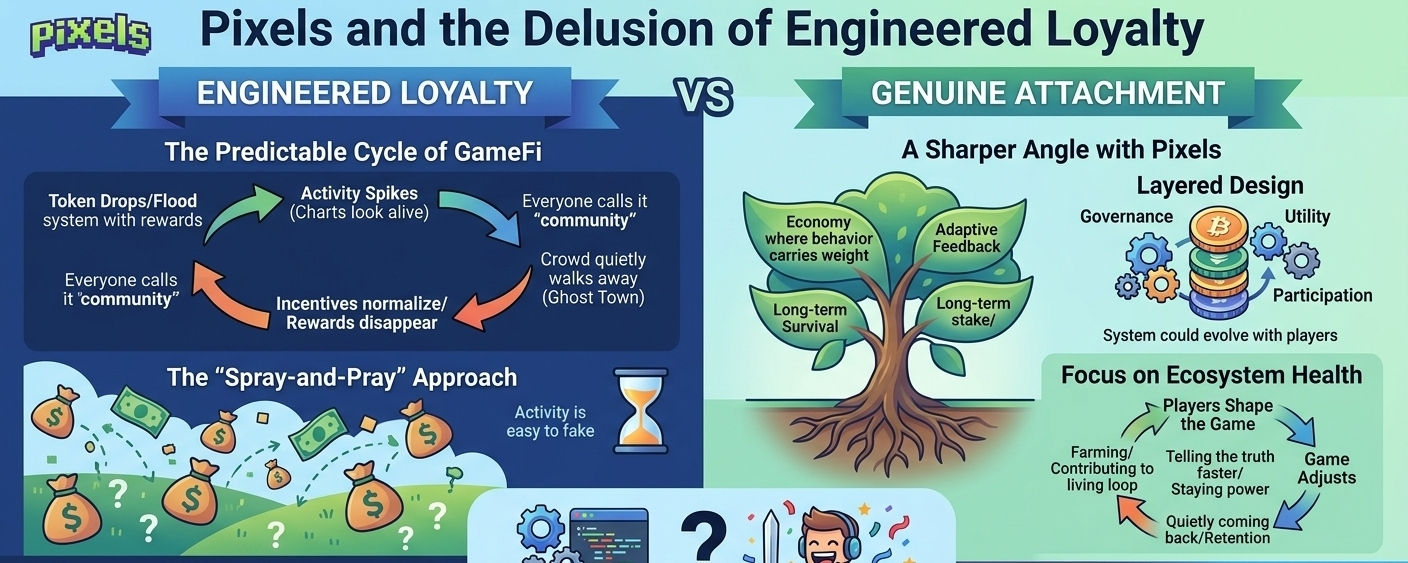
Pixels và ảo tưởng về sự trung thành được thiết kế
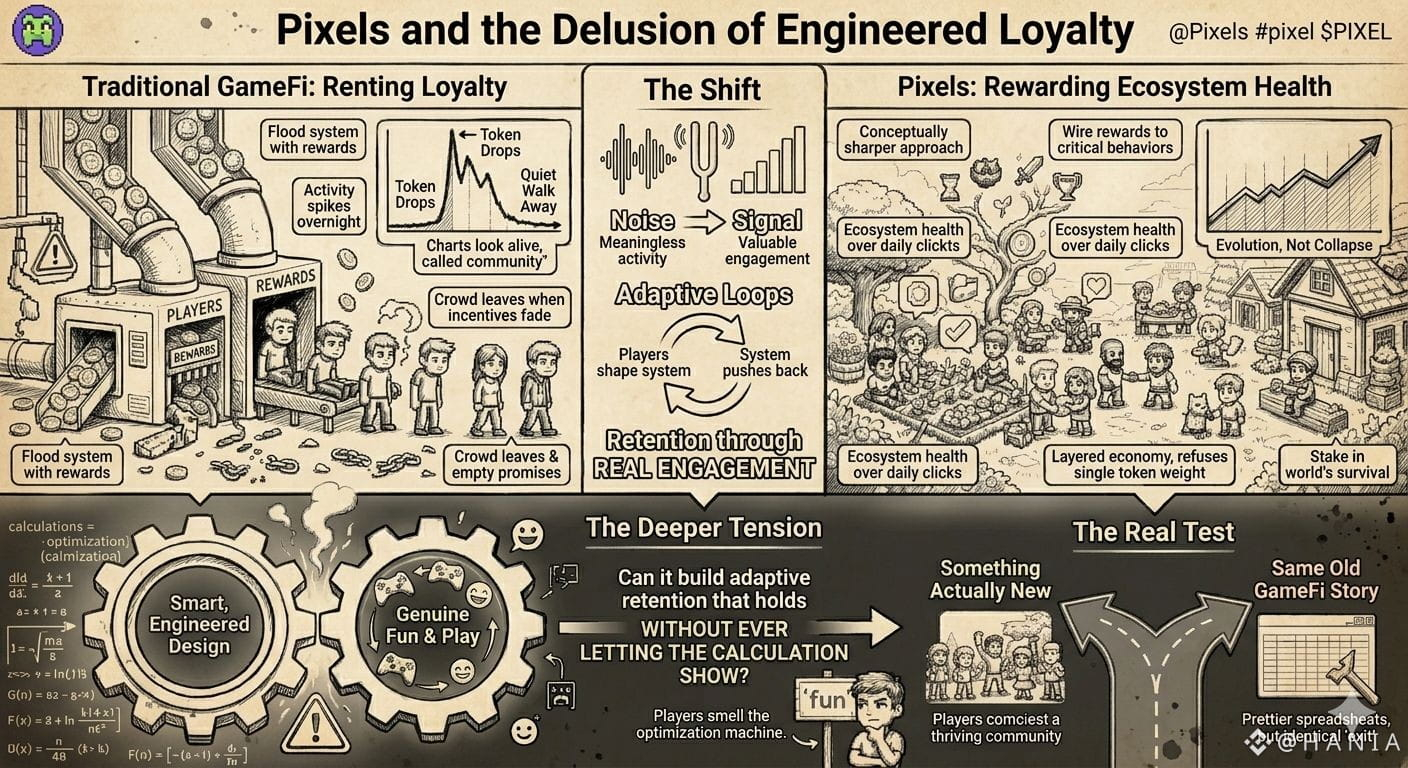
Tôi đã thấy đủ các dự án GameFi nhầm lẫn giữa việc phát token với sự gắn bó chân thật. Giống như $RAVE là mạnh mẽ $PIXEL là ba lần sức mạnh.
Họ tràn ngập hệ thống bằng phần thưởng.
Hoạt động tăng vọt qua đêm.
Biểu đồ trông sống động.
Mọi người gọi đó là cộng đồng.
Sau đó, các động lực lại thở bình thường và đám đông lặng lẽ rời đi.
Pixels đang theo đuổi điều gì đó sắc nét hơn về mặt khái niệm.
Nó không mua sự trung thành bằng khối lượng.
Nó đang cố gắng kết nối phần thưởng với hành vi mà đáng lẽ phải quan trọng ngay cả khi tiền dễ dàng biến mất.
Phần thưởng gắn với sức khỏe hệ sinh thái thay vì số lần nhấp hàng ngày.
Một nền kinh tế nhiều tầng từ chối để một token gánh mọi thứ.
Sự tham gia cảm thấy giống như một phần stake vào sự sống còn của thế giới hơn là một vụ thu hoạch ngắn hạn.
Sự chuyển mình đó thật thú vị.
Hầu hết các dự án thưởng cho tiếng ồn và hy vọng rằng sự giữ chân sẽ xuất hiện một cách kỳ diệu.
Pixels dường như bị ám ảnh bởi tín hiệu — những vòng lặp thích ứng nơi người chơi định hình hệ thống và hệ thống phản hồi lại.
Nếu nó hoạt động, việc giữ chân không còn là những thân xác thuê mà bắt đầu trở thành điều gì đó gần gũi hơn với sự gắn bó thực sự.
Nền kinh tế phát triển thay vì sụp đổ khi lợi suất nguội đi.
Nhưng đây là căng thẳng sâu sắc hơn.
Thiết kế càng thông minh, nó càng có nguy cơ cảm thấy được thiết kế.
Người chơi có thể ngửi thấy khi họ ở trong một cỗ máy tối ưu hóa mặc áo trò chơi.
Quá nhiều phản hồi khéo léo và niềm vui sẽ biến mất.
Không có sự cân bằng tinh tế nào có thể cứu một trò chơi mà không còn cảm thấy như là chơi.
Vì vậy, bài kiểm tra thực sự cho Pixels là khái niệm và lạnh lẽo:
Nó có thể xây dựng sự giữ chân thích ứng mà không bao giờ để phép toán lộ ra không?
Cỗ máy có thể giữ cho vô hình đủ lâu để sự gắn bó chân thật hình thành không?
Nếu có, điều này có thể thực sự là mới.
Nếu không, đó chỉ là câu chuyện GameFi cũ — bảng tính đẹp hơn, thoát khỏi giống nhau.
@Pixels #pixel $PIXEL
Tôi đã thấy đủ các dự án GameFi nhầm lẫn giữa việc phát token với sự gắn bó chân thật. Giống như $RAVE là mạnh mẽ $PIXEL là ba lần sức mạnh.
Họ tràn ngập hệ thống bằng phần thưởng.
Hoạt động tăng vọt qua đêm.
Biểu đồ trông sống động.
Mọi người gọi đó là cộng đồng.
Sau đó, các động lực lại thở bình thường và đám đông lặng lẽ rời đi.
Pixels đang theo đuổi điều gì đó sắc nét hơn về mặt khái niệm.
Nó không mua sự trung thành bằng khối lượng.
Nó đang cố gắng kết nối phần thưởng với hành vi mà đáng lẽ phải quan trọng ngay cả khi tiền dễ dàng biến mất.
Phần thưởng gắn với sức khỏe hệ sinh thái thay vì số lần nhấp hàng ngày.
Một nền kinh tế nhiều tầng từ chối để một token gánh mọi thứ.
Sự tham gia cảm thấy giống như một phần stake vào sự sống còn của thế giới hơn là một vụ thu hoạch ngắn hạn.
Sự chuyển mình đó thật thú vị.
Hầu hết các dự án thưởng cho tiếng ồn và hy vọng rằng sự giữ chân sẽ xuất hiện một cách kỳ diệu.
Pixels dường như bị ám ảnh bởi tín hiệu — những vòng lặp thích ứng nơi người chơi định hình hệ thống và hệ thống phản hồi lại.
Nếu nó hoạt động, việc giữ chân không còn là những thân xác thuê mà bắt đầu trở thành điều gì đó gần gũi hơn với sự gắn bó thực sự.
Nền kinh tế phát triển thay vì sụp đổ khi lợi suất nguội đi.
Nhưng đây là căng thẳng sâu sắc hơn.
Thiết kế càng thông minh, nó càng có nguy cơ cảm thấy được thiết kế.
Người chơi có thể ngửi thấy khi họ ở trong một cỗ máy tối ưu hóa mặc áo trò chơi.
Quá nhiều phản hồi khéo léo và niềm vui sẽ biến mất.
Không có sự cân bằng tinh tế nào có thể cứu một trò chơi mà không còn cảm thấy như là chơi.
Vì vậy, bài kiểm tra thực sự cho Pixels là khái niệm và lạnh lẽo:
Nó có thể xây dựng sự giữ chân thích ứng mà không bao giờ để phép toán lộ ra không?
Cỗ máy có thể giữ cho vô hình đủ lâu để sự gắn bó chân thật hình thành không?
Nếu có, điều này có thể thực sự là mới.
Nếu không, đó chỉ là câu chuyện GameFi cũ — bảng tính đẹp hơn, thoát khỏi giống nhau.
@Pixels #pixel $PIXEL
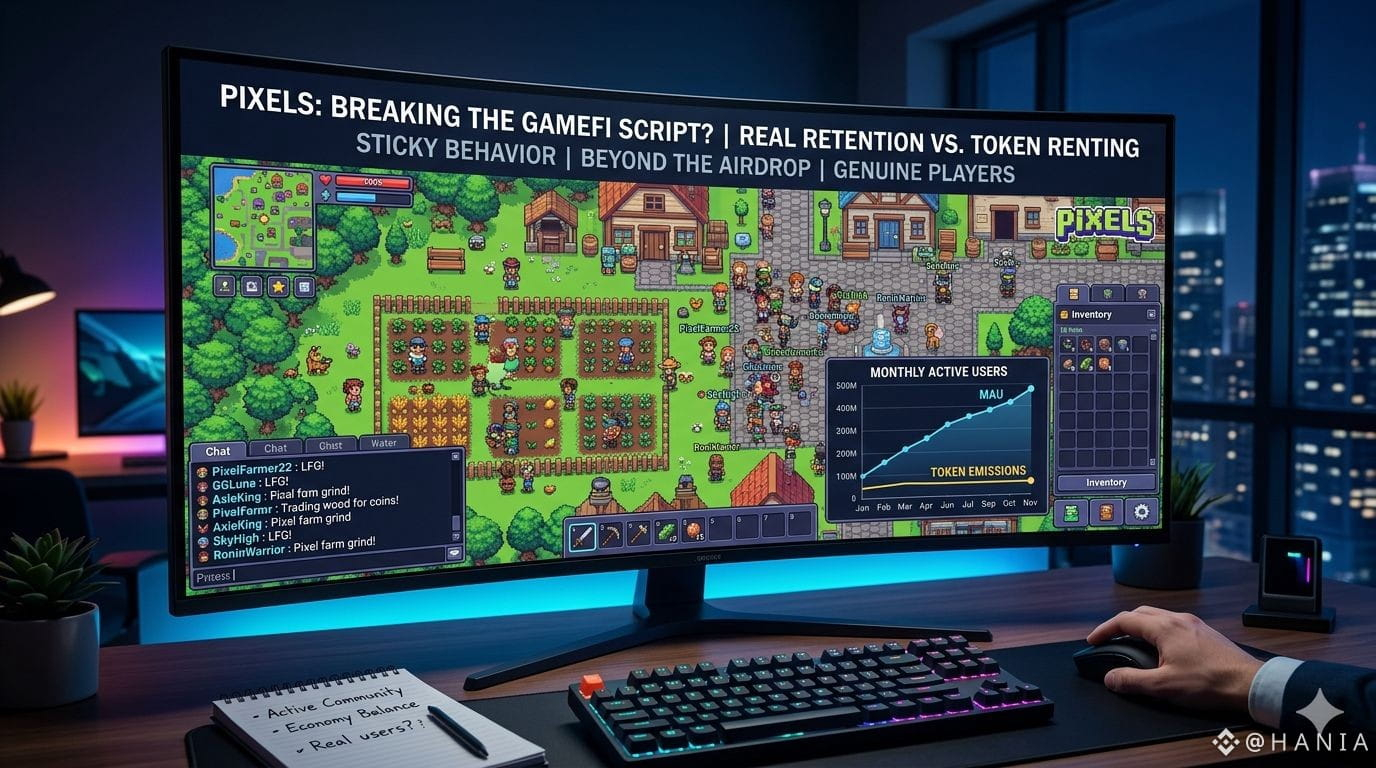
Tôi đã xem bộ phim này quá nhiều lần.
GameFi mới ra mắt.
Token đã được niêm yết.
Các bể thanh khoản đã được lấp đầy.
Telegram bùng nổ với “LFG” và biểu tượng cảm xúc tên lửa.
Sau đó, sáu tuần sau, biểu đồ trông giống như một máy đo nhịp tim đang phẳng.
Rất độc đáo.
Đó là lý do tại sao Pixels luôn thu hút sự chú ý của tôi.
Nó không gào thét “hãy đến cày token của chúng tôi.”
Nó đang im lặng đặt ra một câu hỏi lạnh lùng hơn:
Điều gì xảy ra khi kỳ nghỉ airdrop kết thúc?
Liệu những người nông dân có biến mất, hay những người chơi thực sự vẫn ở lại?
Hầu hết các dự án đo lường khối lượng cường điệu.
Pixels dường như ám ảnh với một điều gì đó khắc nghiệt hơn:
Chúng ta đang xây dựng hành vi bền vững, hay chỉ đang thuê sự chú ý với những hạt token?
Họ đang theo dõi xem mọi người đăng nhập vì trò chơi vui, không phải vì có một bội số đang nhấp nháy.
Họ đang theo dõi xem nền kinh tế có tiếp tục hoạt động khi phần thưởng hàng ngày cảm thấy bình thường thay vì hấp dẫn.
Điều đó là hiếm.
Tất nhiên, nguy cơ vẫn còn đó.
Căn chỉnh sai các ưu đãi và bạn chỉ đang đốt tiền với bảng tính tốt hơn lần này.
Nhưng ít nhất có ai đó cuối cùng đang cố gắng phân tách người dùng thực sự khỏi những thân xác thuê mướn.
Thị trường đang kiệt sức vì phải chứng kiến cùng một chu kỳ:
số lớn → lời hứa lớn → thoát lớn → thị trấn ma.
Pixels cảm thấy như nó đang cố gắng phá vỡ kịch bản.
Không phải bằng tiếp thị ồn ào hơn.
Mà bằng những câu hỏi khắc nghiệt hơn về những gì thực sự tồn tại khi các ưu đãi nguội đi.
Điều đó đáng để theo dõi.
@Pixels #pixel $PIXEL
GameFi mới ra mắt.
Token đã được niêm yết.
Các bể thanh khoản đã được lấp đầy.
Telegram bùng nổ với “LFG” và biểu tượng cảm xúc tên lửa.
Sau đó, sáu tuần sau, biểu đồ trông giống như một máy đo nhịp tim đang phẳng.
Rất độc đáo.
Đó là lý do tại sao Pixels luôn thu hút sự chú ý của tôi.
Nó không gào thét “hãy đến cày token của chúng tôi.”
Nó đang im lặng đặt ra một câu hỏi lạnh lùng hơn:
Điều gì xảy ra khi kỳ nghỉ airdrop kết thúc?
Liệu những người nông dân có biến mất, hay những người chơi thực sự vẫn ở lại?
Hầu hết các dự án đo lường khối lượng cường điệu.
Pixels dường như ám ảnh với một điều gì đó khắc nghiệt hơn:
Chúng ta đang xây dựng hành vi bền vững, hay chỉ đang thuê sự chú ý với những hạt token?
Họ đang theo dõi xem mọi người đăng nhập vì trò chơi vui, không phải vì có một bội số đang nhấp nháy.
Họ đang theo dõi xem nền kinh tế có tiếp tục hoạt động khi phần thưởng hàng ngày cảm thấy bình thường thay vì hấp dẫn.
Điều đó là hiếm.
Tất nhiên, nguy cơ vẫn còn đó.
Căn chỉnh sai các ưu đãi và bạn chỉ đang đốt tiền với bảng tính tốt hơn lần này.
Nhưng ít nhất có ai đó cuối cùng đang cố gắng phân tách người dùng thực sự khỏi những thân xác thuê mướn.
Thị trường đang kiệt sức vì phải chứng kiến cùng một chu kỳ:
số lớn → lời hứa lớn → thoát lớn → thị trấn ma.
Pixels cảm thấy như nó đang cố gắng phá vỡ kịch bản.
Không phải bằng tiếp thị ồn ào hơn.
Mà bằng những câu hỏi khắc nghiệt hơn về những gì thực sự tồn tại khi các ưu đãi nguội đi.
Điều đó đáng để theo dõi.
@Pixels #pixel $PIXEL
mới nhận ra rằng kiến trúc đăng ký và thu hồi sơ đồ trong tài liệu trắng về Cơ sở hạ tầng Chủ quyền của SIGN đặt ra một số câu hỏi quản trị thực tiễn xung quanh quyền kiểm soát lâu dài và khả năng thích ứng mà tài liệu này không hoàn toàn giải quyết 😂
đã xem xét phần Giao thức Sign về các sơ đồ, chứng thực và thu hồi (sử dụng Danh sách Trạng thái Bitstring W3C) và thật lòng mà nói? thiết kế cho các hồ sơ có cấu trúc và có thể xác minh cảm thấy vững chắc cho việc sử dụng quốc gia, nhưng cơ chế quản trị chủ quyền cảm thấy bất ngờ ở mức cao 😂
điều khiến tôi chú ý:
tài liệu trắng nhấn mạnh các sơ đồ như các mẫu trên chuỗi xác định cấu trúc dữ liệu, loại trường, quy tắc xác thực và các khóa thu hồi tùy chọn — đảm bảo rằng các chứng thực có thể đọc được bằng máy, tương tác được và tuân thủ tiêu chuẩn (W3C VC 2.0, DIDs). Việc thu hồi diễn ra hiệu quả thông qua Danh sách Trạng thái Bitstring cho các kiểm tra trạng thái bảo vệ quyền riêng tư, với các nhà phát hành (chính phủ hoặc cơ quan) có thể cập nhật trạng thái theo thời gian thực. Điều này hỗ trợ mọi thứ từ chứng chỉ danh tính kỹ thuật số đến các chứng thực tuân thủ, với việc tiết lộ chọn lọc thông qua ZKPs giữ dữ liệu công dân ở mức tối thiểu. Nó được trình bày như một nền tảng linh hoạt cho danh tính kỹ thuật số chủ quyền và các dịch vụ có thể xác minh trên các chuỗi công cộng và riêng tư.
hai hình thái hoàn toàn khác nhau trong một hệ thống:
dăng ký sơ đồ trên chuỗi cung cấp tính minh bạch và bất biến cho niềm tin, trong khi việc thu hồi do nhà phát hành kiểm soát và các danh sách Bitstring cho phép cập nhật động mà không phơi bày toàn bộ dữ liệu — cân bằng khả năng xác minh với quyền riêng tư và kiểm soát.
điều khiến tôi lo lắng:
Cuộc triển khai Danh tính Kỹ thuật số Quốc gia của Bhutan đã phát hành các chứng chỉ học thuật, xác minh di động và chữ ký kỹ thuật số sử dụng các tiêu chuẩn SSI tương tự, với các cuộc di chuyển chuỗi đang diễn ra và nhu cầu dịch vụ đang phát triển. Một hệ thống sơ đồ theo phong cách SIGN có thể đơn giản hóa điều này một cách tuyệt đẹp.
#SignDigitalSovereignInfra @SignOfficial $SIGN
$SIREN $BULLA
#BitcoinPrices #TrumpSeeksQuickEndToIranWar #TrumpSaysIranWarHasBeenWon #US-IranTalks
đã xem xét phần Giao thức Sign về các sơ đồ, chứng thực và thu hồi (sử dụng Danh sách Trạng thái Bitstring W3C) và thật lòng mà nói? thiết kế cho các hồ sơ có cấu trúc và có thể xác minh cảm thấy vững chắc cho việc sử dụng quốc gia, nhưng cơ chế quản trị chủ quyền cảm thấy bất ngờ ở mức cao 😂
điều khiến tôi chú ý:
tài liệu trắng nhấn mạnh các sơ đồ như các mẫu trên chuỗi xác định cấu trúc dữ liệu, loại trường, quy tắc xác thực và các khóa thu hồi tùy chọn — đảm bảo rằng các chứng thực có thể đọc được bằng máy, tương tác được và tuân thủ tiêu chuẩn (W3C VC 2.0, DIDs). Việc thu hồi diễn ra hiệu quả thông qua Danh sách Trạng thái Bitstring cho các kiểm tra trạng thái bảo vệ quyền riêng tư, với các nhà phát hành (chính phủ hoặc cơ quan) có thể cập nhật trạng thái theo thời gian thực. Điều này hỗ trợ mọi thứ từ chứng chỉ danh tính kỹ thuật số đến các chứng thực tuân thủ, với việc tiết lộ chọn lọc thông qua ZKPs giữ dữ liệu công dân ở mức tối thiểu. Nó được trình bày như một nền tảng linh hoạt cho danh tính kỹ thuật số chủ quyền và các dịch vụ có thể xác minh trên các chuỗi công cộng và riêng tư.
hai hình thái hoàn toàn khác nhau trong một hệ thống:
dăng ký sơ đồ trên chuỗi cung cấp tính minh bạch và bất biến cho niềm tin, trong khi việc thu hồi do nhà phát hành kiểm soát và các danh sách Bitstring cho phép cập nhật động mà không phơi bày toàn bộ dữ liệu — cân bằng khả năng xác minh với quyền riêng tư và kiểm soát.
điều khiến tôi lo lắng:
Cuộc triển khai Danh tính Kỹ thuật số Quốc gia của Bhutan đã phát hành các chứng chỉ học thuật, xác minh di động và chữ ký kỹ thuật số sử dụng các tiêu chuẩn SSI tương tự, với các cuộc di chuyển chuỗi đang diễn ra và nhu cầu dịch vụ đang phát triển. Một hệ thống sơ đồ theo phong cách SIGN có thể đơn giản hóa điều này một cách tuyệt đẹp.
#SignDigitalSovereignInfra @SignOfficial $SIGN
$SIREN $BULLA
#BitcoinPrices #TrumpSeeksQuickEndToIranWar #TrumpSaysIranWarHasBeenWon #US-IranTalks
#signdigitalsovereigninfra $SIGN
Lớp Tin Cậy trong Giao Thức Ký Tên 🤔
Một phần của tài liệu trắng Giao Thức Ký Tên không nhận được đủ sự chú ý là cách tiếp cận của nó đối với tính toàn vẹn dữ liệu và các chứng nhận.
Về bản chất, Ký Tên không chỉ là về các giao dịch — mà còn là về những tuyên bố có thể xác minh. Dù là danh tính, bằng cấp, hay quyền hạn, giao thức cho phép các thực thể phát hành các chứng nhận có thể được xác minh công khai trên chuỗi.
Nghe có vẻ đơn giản.
Nhưng đây là lớp sâu hơn.
Hệ thống tách biệt lưu trữ dữ liệu khỏi xác minh dữ liệu. Thông tin nhạy cảm có thể vẫn ở ngoài chuỗi, trong khi các bằng chứng hoặc chứng nhận được neo trên chuỗi để đảm bảo tính minh bạch. Điều này tạo ra sự cân bằng giữa quyền riêng tư và niềm tin — điều mà hầu hết các hệ thống gặp khó khăn để đạt được.
Bây giờ hãy so sánh điều này với các hệ thống truyền thống.
Việc xác minh thường phụ thuộc vào các cơ sở dữ liệu trung tâm hoặc trung gian. Bạn tin tưởng người phát hành vì họ kiểm soát dữ liệu.
Với Ký Tên, niềm tin chuyển sang bằng chứng mật mã.
Nhưng đây là điều cần lưu ý.
Mặc dù việc xác minh là phi tập trung, độ tin cậy của người phát hành vẫn quan trọng. Nếu một cơ quan trung ương phát hành chứng nhận, hệ thống vẫn phụ thuộc vào niềm tin một phần.
Vậy câu hỏi đặt ra là:
👉 Chúng ta đang phân quyền niềm tin… hay chỉ đang số hóa nó?
Đó là một sự phân biệt tinh tế nhưng mạnh mẽ — và thật lòng mà nói, đó là lý do khiến Giao Thức Ký Tên đáng để theo dõi.
$SIREN $BULLA #TrumpSeeksQuickEndToIranWar #CLARITYActHitAnotherRoadblock
Lớp Tin Cậy trong Giao Thức Ký Tên 🤔
Một phần của tài liệu trắng Giao Thức Ký Tên không nhận được đủ sự chú ý là cách tiếp cận của nó đối với tính toàn vẹn dữ liệu và các chứng nhận.
Về bản chất, Ký Tên không chỉ là về các giao dịch — mà còn là về những tuyên bố có thể xác minh. Dù là danh tính, bằng cấp, hay quyền hạn, giao thức cho phép các thực thể phát hành các chứng nhận có thể được xác minh công khai trên chuỗi.
Nghe có vẻ đơn giản.
Nhưng đây là lớp sâu hơn.
Hệ thống tách biệt lưu trữ dữ liệu khỏi xác minh dữ liệu. Thông tin nhạy cảm có thể vẫn ở ngoài chuỗi, trong khi các bằng chứng hoặc chứng nhận được neo trên chuỗi để đảm bảo tính minh bạch. Điều này tạo ra sự cân bằng giữa quyền riêng tư và niềm tin — điều mà hầu hết các hệ thống gặp khó khăn để đạt được.
Bây giờ hãy so sánh điều này với các hệ thống truyền thống.
Việc xác minh thường phụ thuộc vào các cơ sở dữ liệu trung tâm hoặc trung gian. Bạn tin tưởng người phát hành vì họ kiểm soát dữ liệu.
Với Ký Tên, niềm tin chuyển sang bằng chứng mật mã.
Nhưng đây là điều cần lưu ý.
Mặc dù việc xác minh là phi tập trung, độ tin cậy của người phát hành vẫn quan trọng. Nếu một cơ quan trung ương phát hành chứng nhận, hệ thống vẫn phụ thuộc vào niềm tin một phần.
Vậy câu hỏi đặt ra là:
👉 Chúng ta đang phân quyền niềm tin… hay chỉ đang số hóa nó?
Đó là một sự phân biệt tinh tế nhưng mạnh mẽ — và thật lòng mà nói, đó là lý do khiến Giao Thức Ký Tên đáng để theo dõi.
$SIREN $BULLA #TrumpSeeksQuickEndToIranWar #CLARITYActHitAnotherRoadblock
Bạn biết những khoảnh khắc khi bạn đang điền vào các mẫu đơn hoặc chứng minh bạn là ai và nghĩ, “tại sao điều này vẫn còn lộn xộn như vậy vào năm 2026?”
Đó chính xác là điều đã khiến tôi quan tâm đến Giao thức Chữ ký.
Đó không phải là một đồng tiền ảo hay một thứ DeFi hào nhoáng khác. Đó là một hệ thống đơn giản nhưng thông minh để tạo ra các bằng chứng thực sự, có thể xác minh trên blockchain. Bạn thiết lập một sơ đồ một lần (về cơ bản là một mẫu sạch cho thông tin cần thiết), sau đó bất kỳ ai cũng có thể phát hành các chứng nhận đã ký mà nói “người này đủ tiêu chuẩn” hoặc “chứng chỉ này là hợp lệ” – và bất kỳ ai cũng có thể kiểm tra mà không cần gọi ai đó hoặc tìm kiếm trong email.
Điều thú vị? Nó hoạt động trên các blockchain khác nhau, giữ thông tin nhạy cảm riêng tư khi cần thiết và vẫn cho phép bạn chứng minh chính xác những gì cần thiết. Cảm giác như là một công cụ có thể thực sự làm cho ID kỹ thuật số, chứng chỉ công việc hoặc phê duyệt của chính phủ ít đau đớn hơn.
Sau khi duyệt qua tài liệu của họ, tôi đã nghĩ rằng đây có thể là một trong những dự án im lặng mà cuối cùng lại quan trọng hơn những dự án ồn ào. Không cố gắng bay cao, chỉ cố gắng khắc phục những vấn đề về lòng tin thực sự.
Bạn đã gặp Giao thức Chữ ký chưa? Bằng chứng có thể xác minh trên chuỗi có hữu ích cho bạn không, hay bạn nghĩ rằng chúng ta vẫn còn quá sớm cho những thứ này?
#SignDigitalSovereignInfra $SIGN @SignOfficial
#TrumpSaysIranWarHasBeenWon #OilPricesDrop #US-IranTalks
Đó chính xác là điều đã khiến tôi quan tâm đến Giao thức Chữ ký.
Đó không phải là một đồng tiền ảo hay một thứ DeFi hào nhoáng khác. Đó là một hệ thống đơn giản nhưng thông minh để tạo ra các bằng chứng thực sự, có thể xác minh trên blockchain. Bạn thiết lập một sơ đồ một lần (về cơ bản là một mẫu sạch cho thông tin cần thiết), sau đó bất kỳ ai cũng có thể phát hành các chứng nhận đã ký mà nói “người này đủ tiêu chuẩn” hoặc “chứng chỉ này là hợp lệ” – và bất kỳ ai cũng có thể kiểm tra mà không cần gọi ai đó hoặc tìm kiếm trong email.
Điều thú vị? Nó hoạt động trên các blockchain khác nhau, giữ thông tin nhạy cảm riêng tư khi cần thiết và vẫn cho phép bạn chứng minh chính xác những gì cần thiết. Cảm giác như là một công cụ có thể thực sự làm cho ID kỹ thuật số, chứng chỉ công việc hoặc phê duyệt của chính phủ ít đau đớn hơn.
Sau khi duyệt qua tài liệu của họ, tôi đã nghĩ rằng đây có thể là một trong những dự án im lặng mà cuối cùng lại quan trọng hơn những dự án ồn ào. Không cố gắng bay cao, chỉ cố gắng khắc phục những vấn đề về lòng tin thực sự.
Bạn đã gặp Giao thức Chữ ký chưa? Bằng chứng có thể xác minh trên chuỗi có hữu ích cho bạn không, hay bạn nghĩ rằng chúng ta vẫn còn quá sớm cho những thứ này?
#SignDigitalSovereignInfra $SIGN @SignOfficial
#TrumpSaysIranWarHasBeenWon #OilPricesDrop #US-IranTalks
Đăng nhập để khám phá thêm nội dung