

TheCryptoDegen
1.1k Bài đăng

TheCryptoDegen
Báo cáo
Chặn người dùng
Blockchain & Digital ASSETS Management |#BTC History & stories | Investor | Doing the MOST |On X @BuundiKe
Trader tần suất thấp
{thời gian} năm
23 Đang theo dõi
3.8K+ Người theo dõi
2.0K+ Đã thích
Bài đăng
Tất cả
Trích dẫn
Video
PINNED
Bitcoin có một tính năng vào năm 2009 cực kỳ nguy hiểm mà chính Satoshi đã xóa sau khi một người dùng chỉ ra
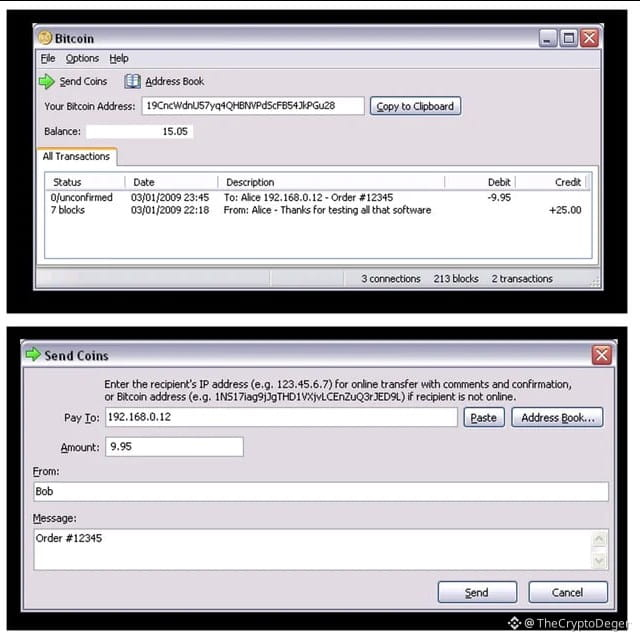
Trong phiên bản gốc của Bitcoin, bạn có thể gửi coin trực tiếp đến địa chỉ IP của ai đó
Không cần địa chỉ ví và tệ hơn nữa, máy tính của bạn sẽ kết nối với máy tính của họ để gửi coin qua đó
Điều đó có nghĩa là bất kỳ ai cũng có thể thấy địa chỉ IP của bạn, định vị máy của bạn và thử tấn công chỉ bằng cách gửi Bitcoin cho bạn
Vào ngày 14 tháng 1 năm 2009, Satoshi đã quyết định tự mình thử nghiệm và đã gửi email cho một thợ mỏ đầu tiên tên là Dustin Trammell yêu cầu địa chỉ IP của anh ta
Trammell đã trả lời và thực sự gửi cho anh ta
Vài phút sau, Satoshi đã kết nối và gửi cho anh ta 25 BTC kèm theo một tin nhắn nói rằng "Xin chào"
Trammell đã trả lời với một cảnh báo rằng tính năng này không an toàn và chỉ trong vài tuần, Satoshi đã xóa nó hoàn toàn khỏi Bitcoin
25 BTC đó bây giờ sẽ trị giá 1.86 triệu đô la.
Bitcoin có một tính năng vào năm 2009 cực kỳ nguy hiểm mà chính Satoshi đã xóa sau khi một người dùng chỉ ra
Trong phiên bản gốc của Bitcoin, bạn có thể gửi coin trực tiếp đến địa chỉ IP của ai đó
Không cần địa chỉ ví và tệ hơn nữa, máy tính của bạn sẽ kết nối với máy tính của họ để gửi coin qua đó
Điều đó có nghĩa là bất kỳ ai cũng có thể thấy địa chỉ IP của bạn, định vị máy của bạn và thử tấn công chỉ bằng cách gửi Bitcoin cho bạn
Vào ngày 14 tháng 1 năm 2009, Satoshi đã quyết định tự mình thử nghiệm và đã gửi email cho một thợ mỏ đầu tiên tên là Dustin Trammell yêu cầu địa chỉ IP của anh ta
Trammell đã trả lời và thực sự gửi cho anh ta
Vài phút sau, Satoshi đã kết nối và gửi cho anh ta 25 BTC kèm theo một tin nhắn nói rằng "Xin chào"
Trammell đã trả lời với một cảnh báo rằng tính năng này không an toàn và chỉ trong vài tuần, Satoshi đã xóa nó hoàn toàn khỏi Bitcoin
25 BTC đó bây giờ sẽ trị giá 1.86 triệu đô la.
Trong phiên bản gốc của Bitcoin, bạn có thể gửi coin trực tiếp đến địa chỉ IP của ai đó
Không cần địa chỉ ví và tệ hơn nữa, máy tính của bạn sẽ kết nối với máy tính của họ để gửi coin qua đó
Điều đó có nghĩa là bất kỳ ai cũng có thể thấy địa chỉ IP của bạn, định vị máy của bạn và thử tấn công chỉ bằng cách gửi Bitcoin cho bạn
Vào ngày 14 tháng 1 năm 2009, Satoshi đã quyết định tự mình thử nghiệm và đã gửi email cho một thợ mỏ đầu tiên tên là Dustin Trammell yêu cầu địa chỉ IP của anh ta
Trammell đã trả lời và thực sự gửi cho anh ta
Vài phút sau, Satoshi đã kết nối và gửi cho anh ta 25 BTC kèm theo một tin nhắn nói rằng "Xin chào"
Trammell đã trả lời với một cảnh báo rằng tính năng này không an toàn và chỉ trong vài tuần, Satoshi đã xóa nó hoàn toàn khỏi Bitcoin
25 BTC đó bây giờ sẽ trị giá 1.86 triệu đô la.
89
10
183
362.4k
KHỔNG LỒ:
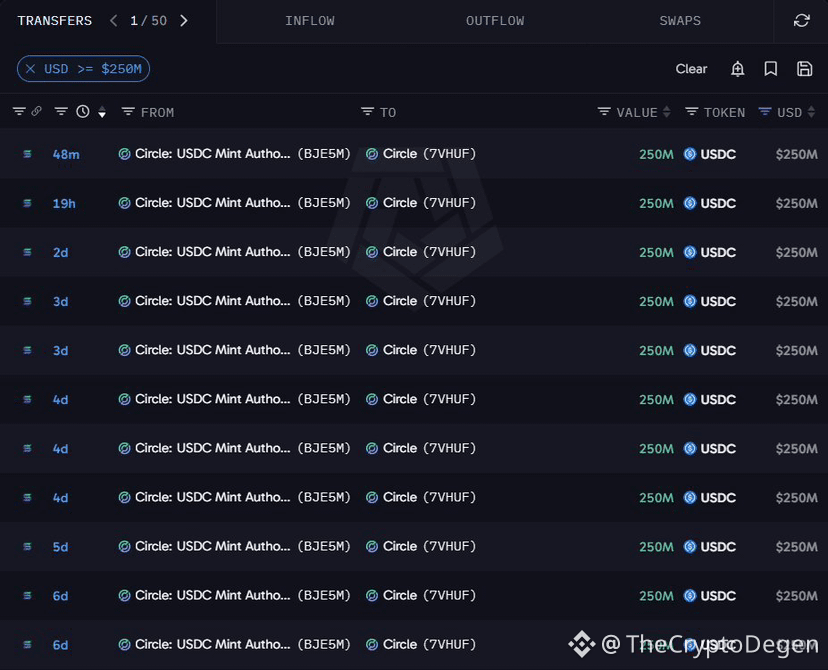
6 tỷ USD USDC đã được phát hành trong tháng này
Chúng ta chỉ cần một câu chuyện hấp dẫn và dòng thanh khoản này sẽ bắt đầu chảy vào BTC và các altcoin
#CPIWatch
KHỔNG LỒ:
6 tỷ USD USDC đã được phát hành trong tháng này
Chúng ta chỉ cần một câu chuyện hấp dẫn và dòng thanh khoản này sẽ bắt đầu chảy vào BTC và các altcoin
#CPIWatch
6 tỷ USD USDC đã được phát hành trong tháng này
Chúng ta chỉ cần một câu chuyện hấp dẫn và dòng thanh khoản này sẽ bắt đầu chảy vào BTC và các altcoin
#CPIWatch
1
1
117
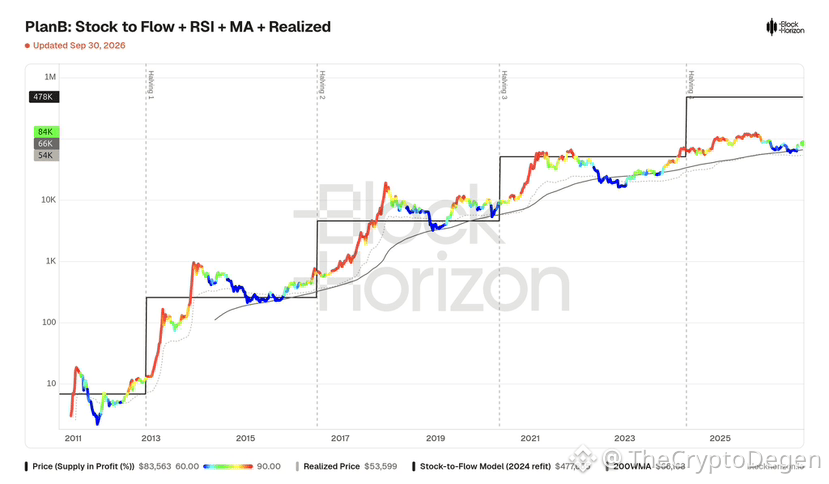
Bitcoin đóng cửa vào tháng 9 ở mức 83.563 USD
- Trên Giá hiện thực (Realized Price) 54k
- Trên đường MA 200 tuần 66k
- Địa chỉ đang có lãi 82%
- UTXO đang có lãi 80%
- Bitcoin đang có lãi 71%
Hướng tới Uptober!
Bitcoin đóng cửa vào tháng 9 ở mức 83.563 USD
- Trên Giá hiện thực (Realized Price) 54k
- Trên đường MA 200 tuần 66k
- Địa chỉ đang có lãi 82%
- UTXO đang có lãi 80%
- Bitcoin đang có lãi 71%
Hướng tới Uptober!
- Trên Giá hiện thực (Realized Price) 54k
- Trên đường MA 200 tuần 66k
- Địa chỉ đang có lãi 82%
- UTXO đang có lãi 80%
- Bitcoin đang có lãi 71%
Hướng tới Uptober!
133
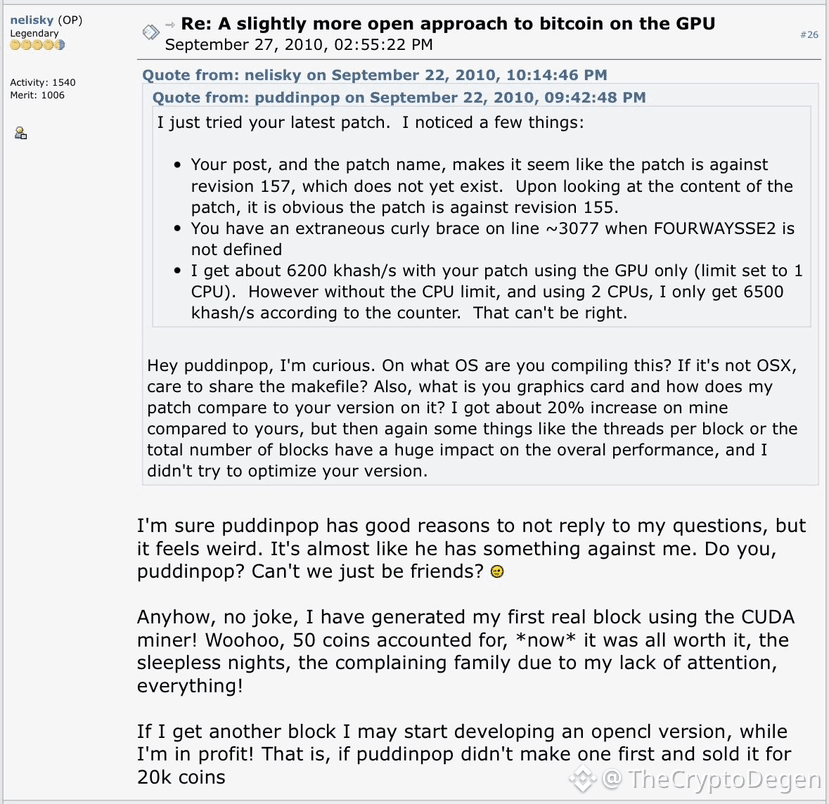
Bài đăng của người dùng Bitcoin: “Uooo, 50 coin đã được ghi nhận, *giờ* thì tất cả đều đáng giá, những đêm mất ngủ, gia đình phàn nàn vì sự thiếu quan tâm của tôi, mọi thứ!”, vào ngày 27 tháng 9 năm 2010
Bài đăng của người dùng Bitcoin: “Uooo, 50 coin đã được ghi nhận, *giờ* thì tất cả đều đáng giá, những đêm mất ngủ, gia đình phàn nàn vì sự thiếu quan tâm của tôi, mọi thứ!”, vào ngày 27 tháng 9 năm 2010
1
153
Bitcoin là tài sản hoạt động tốt nhất trong năm.
Nhưng đôi khi nó cũng là tệ nhất.
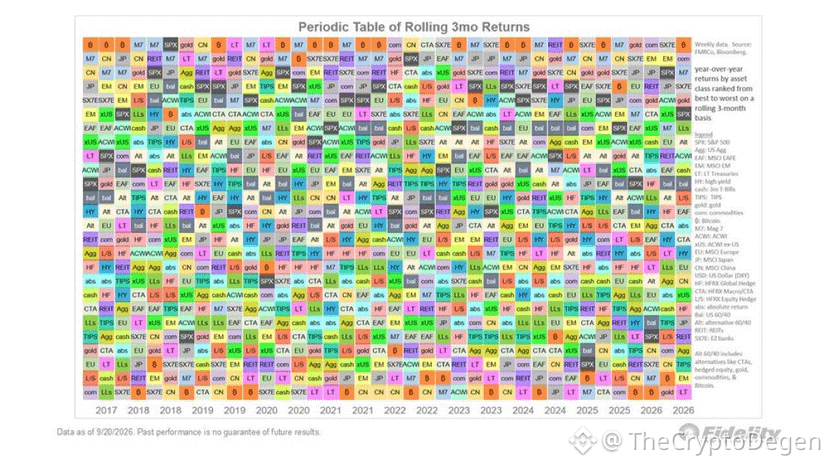
Hãy xem bảng lợi nhuận theo chu kỳ (rolling returns) của Fidelity.
Mọi thứ khác đều nằm ở mức trung bình.
Cổ phiếu. Trái phiếu. Vàng. Tiền mặt.
Nhạt nhòa. Không ai quan tâm.
Bitcoin không bao giờ ở vị trí trung bình. Hoặc là đứng đầu, hoặc là đứng cuối. Điều đó không hề xấu. Nó có nghĩa là mọi người luôn để ý đến bitcoin. Bạn không muốn sở hữu tài sản mà chẳng ai có ý kiến.
Biến động là tín hiệu.
Bitcoin là tài sản hoạt động tốt nhất trong năm.
Nhưng đôi khi nó cũng là tệ nhất.
Hãy xem bảng lợi nhuận theo chu kỳ (rolling returns) của Fidelity.
Mọi thứ khác đều nằm ở mức trung bình.
Cổ phiếu. Trái phiếu. Vàng. Tiền mặt.
Nhạt nhòa. Không ai quan tâm.
Bitcoin không bao giờ ở vị trí trung bình. Hoặc là đứng đầu, hoặc là đứng cuối. Điều đó không hề xấu. Nó có nghĩa là mọi người luôn để ý đến bitcoin. Bạn không muốn sở hữu tài sản mà chẳng ai có ý kiến.
Biến động là tín hiệu.
Nhưng đôi khi nó cũng là tệ nhất.
Hãy xem bảng lợi nhuận theo chu kỳ (rolling returns) của Fidelity.
Mọi thứ khác đều nằm ở mức trung bình.
Cổ phiếu. Trái phiếu. Vàng. Tiền mặt.
Nhạt nhòa. Không ai quan tâm.
Bitcoin không bao giờ ở vị trí trung bình. Hoặc là đứng đầu, hoặc là đứng cuối. Điều đó không hề xấu. Nó có nghĩa là mọi người luôn để ý đến bitcoin. Bạn không muốn sở hữu tài sản mà chẳng ai có ý kiến.
Biến động là tín hiệu.
1
109
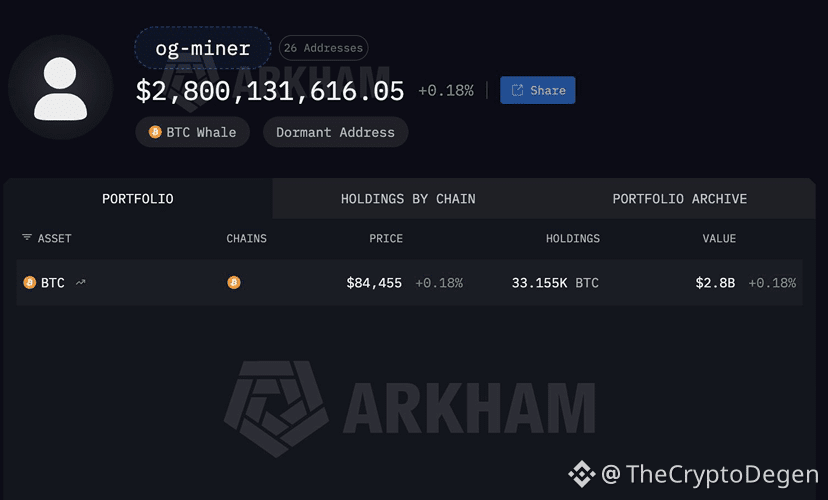
OG này có 33K BTC (2,8B USD)
Anh ấy đã giữ BTC của mình tách ra vào 4,5K địa chỉ BTC trong suốt 8 năm qua và phần lớn các dấu vết bitcoin bắt nguồn từ việc khai thác vào năm 2010.
Đôi Tay Kim Cương.
#BTC
OG này có 33K BTC (2,8B USD)
Anh ấy đã giữ BTC của mình tách ra vào 4,5K địa chỉ BTC trong suốt 8 năm qua và phần lớn các dấu vết bitcoin bắt nguồn từ việc khai thác vào năm 2010.
Đôi Tay Kim Cương.
#BTC
Anh ấy đã giữ BTC của mình tách ra vào 4,5K địa chỉ BTC trong suốt 8 năm qua và phần lớn các dấu vết bitcoin bắt nguồn từ việc khai thác vào năm 2010.
Đôi Tay Kim Cương.
#BTC
143
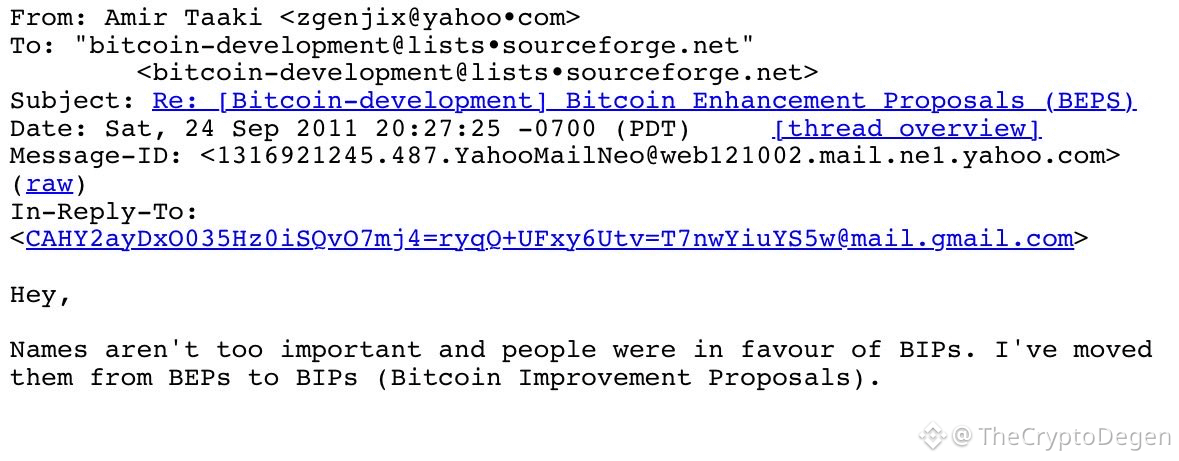
Vào ngày 25 tháng 9 năm 2011, nhà phát triển Amir Taaki đã đề xuất trong danh sách email phát triển Bitcoin rằng các tài liệu thay đổi chính thức của Bitcoin nên được gọi là Bitcoin Improvement Proposals (BIP).
Quy trình BIP là hệ thống đặc tả công khai dùng để đề xuất, thảo luận và ghi lại các thay đổi đối với Bitcoin.
Các BIP riêng lẻ là những bài viết đánh số, bao gồm các quy tắc giao thức, hành vi ngang hàng, tiêu chuẩn ví và các quy ước về quy trình.
Những nâng cấp sau này như Segregated Witness và Taproot đã được mô tả thông qua hệ thống này.
Ý tưởng của Taaki vẫn còn được sử dụng 15 năm sau.
Các tài liệu được lưu trong một kho mã công khai, được tranh luận công khai, và chỉ được áp dụng khi các triển khai và mạng lưới tuân theo chúng.
Ghi chú trong danh sách email đó không tạo ra cơ chế quản trị của Bitcoin. Nó chỉ nêu tên một trong các định dạng mà cơ chế quản trị đó được ghi lại.
Vào ngày 25 tháng 9 năm 2011, nhà phát triển Amir Taaki đã đề xuất trong danh sách email phát triển Bitcoin rằng các tài liệu thay đổi chính thức của Bitcoin nên được gọi là Bitcoin Improvement Proposals (BIP).
Quy trình BIP là hệ thống đặc tả công khai dùng để đề xuất, thảo luận và ghi lại các thay đổi đối với Bitcoin.
Các BIP riêng lẻ là những bài viết đánh số, bao gồm các quy tắc giao thức, hành vi ngang hàng, tiêu chuẩn ví và các quy ước về quy trình.
Những nâng cấp sau này như Segregated Witness và Taproot đã được mô tả thông qua hệ thống này.
Ý tưởng của Taaki vẫn còn được sử dụng 15 năm sau.
Các tài liệu được lưu trong một kho mã công khai, được tranh luận công khai, và chỉ được áp dụng khi các triển khai và mạng lưới tuân theo chúng.
Ghi chú trong danh sách email đó không tạo ra cơ chế quản trị của Bitcoin. Nó chỉ nêu tên một trong các định dạng mà cơ chế quản trị đó được ghi lại.
Quy trình BIP là hệ thống đặc tả công khai dùng để đề xuất, thảo luận và ghi lại các thay đổi đối với Bitcoin.
Các BIP riêng lẻ là những bài viết đánh số, bao gồm các quy tắc giao thức, hành vi ngang hàng, tiêu chuẩn ví và các quy ước về quy trình.
Những nâng cấp sau này như Segregated Witness và Taproot đã được mô tả thông qua hệ thống này.
Ý tưởng của Taaki vẫn còn được sử dụng 15 năm sau.
Các tài liệu được lưu trong một kho mã công khai, được tranh luận công khai, và chỉ được áp dụng khi các triển khai và mạng lưới tuân theo chúng.
Ghi chú trong danh sách email đó không tạo ra cơ chế quản trị của Bitcoin. Nó chỉ nêu tên một trong các định dạng mà cơ chế quản trị đó được ghi lại.
80
🚨 BITGET BỊ HACK GẦN 200 TRIỆU USD
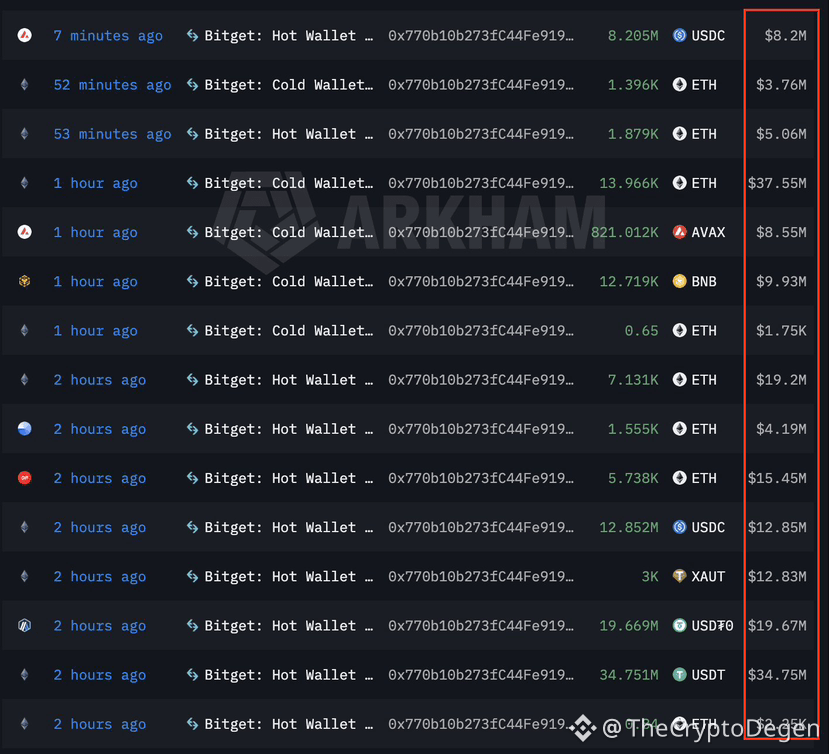
Kẻ tấn công đã xâm nhập ba ví nóng và một ví lạnh, chuyển toàn bộ tài sản sang ETH trong vòng vài phút, một phần được giao dịch với mức giá cao hơn 5% so với giá thị trường. Hiện các ví đó vẫn nắm giữ 530 triệu USD.
Chưa có thông báo chính thức nào từ Bitget.
🚨 BITGET BỊ HACK GẦN 200 TRIỆU USD
Kẻ tấn công đã xâm nhập ba ví nóng và một ví lạnh, chuyển toàn bộ tài sản sang ETH trong vòng vài phút, một phần được giao dịch với mức giá cao hơn 5% so với giá thị trường. Hiện các ví đó vẫn nắm giữ 530 triệu USD.
Chưa có thông báo chính thức nào từ Bitget.
Kẻ tấn công đã xâm nhập ba ví nóng và một ví lạnh, chuyển toàn bộ tài sản sang ETH trong vòng vài phút, một phần được giao dịch với mức giá cao hơn 5% so với giá thị trường. Hiện các ví đó vẫn nắm giữ 530 triệu USD.
Chưa có thông báo chính thức nào từ Bitget.
97
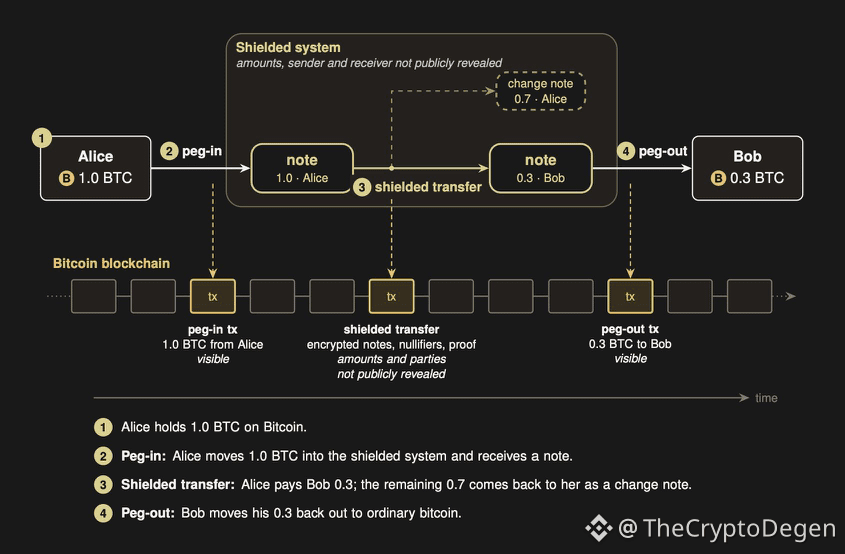
Các nhà phát triển vừa tìm ra cách ẩn danh người gửi bitcoin, người nhận bitcoin và số lượng đã chuyển, mà không cần thay đổi chính Bitcoin.
Ý tưởng mới được đề xuất này không phải là một nhánh (fork) quanh giao thức hay một loại tiền mã hóa mới. Đây là cách Bitcoin được thiết kế: một lớp cơ sở để mọi người có thể sáng tạo và phát triển trên đó mà không cần xin phép.
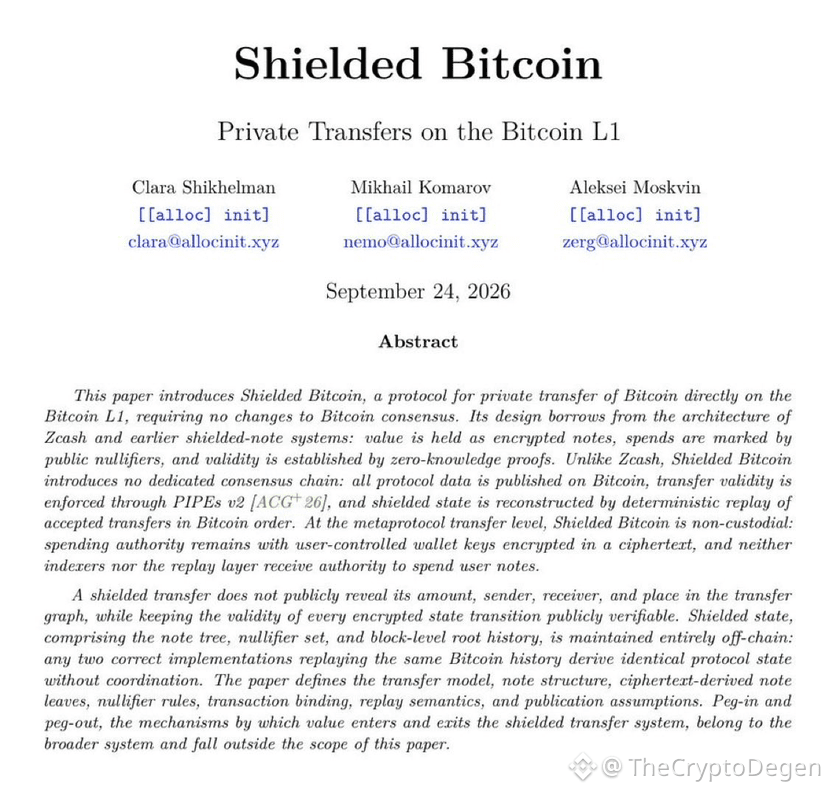
Vào Thứ Năm, nhà nghiên cứu Misha Komarov và các cộng sự đã công bố Shielded Bitcoin, một nhóm (pool) được che chắn theo kiểu Zcash cho lớp cơ sở của Bitcoin.
Các ghi chú được mã hóa và các bằng chứng không cần kiến thức (zero-knowledge proofs) được gắn kèm trong các giao dịch Bitcoin thông thường. Phần mềm riêng biệt sẽ kiểm tra rằng không có đồng nào được tạo ra từ hư không và cũng không có đồng nào bị chi tiêu hai lần.
Không có công ty nào vận hành pool này, không có sidechain (chuỗi phụ), và cũng không có soft fork. Tiền được đưa vào và rút ra thông qua các “kho tiền” mật mã mà Komarov đang xây dựng, gọi là PIPEs, vì vậy không cần có một liên minh (federation) nắm giữ bitcoin.
Các thợ đào không thực thi các quy tắc về quyền riêng tư. Dữ liệu che chắn không hợp lệ vẫn có thể lọt vào một khối; các công cụ lập chỉ mục (indexers) chỉ đơn giản là bỏ qua nó.
Đánh đổi là: Bitcoin giữ sự thận trọng, còn thử nghiệm này được triển khai nằm ngay phía trên. Nếu nó hoạt động, các chuyển tiền riêng tư sẽ đến theo cách mà nhiều ý tưởng tốt nhất của Bitcoin đã từng đến—không phải bằng cách viết lại “hiến pháp”, mà bằng cách xây dựng trên lớp thanh toán mà mọi người đã tin tưởng.
Các nhà phát triển vừa tìm ra cách ẩn danh người gửi bitcoin, người nhận bitcoin và số lượng đã chuyển, mà không cần thay đổi chính Bitcoin.
Ý tưởng mới được đề xuất này không phải là một nhánh (fork) quanh giao thức hay một loại tiền mã hóa mới. Đây là cách Bitcoin được thiết kế: một lớp cơ sở để mọi người có thể sáng tạo và phát triển trên đó mà không cần xin phép.
Vào Thứ Năm, nhà nghiên cứu Misha Komarov và các cộng sự đã công bố Shielded Bitcoin, một nhóm (pool) được che chắn theo kiểu Zcash cho lớp cơ sở của Bitcoin.
Các ghi chú được mã hóa và các bằng chứng không cần kiến thức (zero-knowledge proofs) được gắn kèm trong các giao dịch Bitcoin thông thường. Phần mềm riêng biệt sẽ kiểm tra rằng không có đồng nào được tạo ra từ hư không và cũng không có đồng nào bị chi tiêu hai lần.
Không có công ty nào vận hành pool này, không có sidechain (chuỗi phụ), và cũng không có soft fork. Tiền được đưa vào và rút ra thông qua các “kho tiền” mật mã mà Komarov đang xây dựng, gọi là PIPEs, vì vậy không cần có một liên minh (federation) nắm giữ bitcoin.
Các thợ đào không thực thi các quy tắc về quyền riêng tư. Dữ liệu che chắn không hợp lệ vẫn có thể lọt vào một khối; các công cụ lập chỉ mục (indexers) chỉ đơn giản là bỏ qua nó.
Đánh đổi là: Bitcoin giữ sự thận trọng, còn thử nghiệm này được triển khai nằm ngay phía trên. Nếu nó hoạt động, các chuyển tiền riêng tư sẽ đến theo cách mà nhiều ý tưởng tốt nhất của Bitcoin đã từng đến—không phải bằng cách viết lại “hiến pháp”, mà bằng cách xây dựng trên lớp thanh toán mà mọi người đã tin tưởng.
Ý tưởng mới được đề xuất này không phải là một nhánh (fork) quanh giao thức hay một loại tiền mã hóa mới. Đây là cách Bitcoin được thiết kế: một lớp cơ sở để mọi người có thể sáng tạo và phát triển trên đó mà không cần xin phép.
Vào Thứ Năm, nhà nghiên cứu Misha Komarov và các cộng sự đã công bố Shielded Bitcoin, một nhóm (pool) được che chắn theo kiểu Zcash cho lớp cơ sở của Bitcoin.
Các ghi chú được mã hóa và các bằng chứng không cần kiến thức (zero-knowledge proofs) được gắn kèm trong các giao dịch Bitcoin thông thường. Phần mềm riêng biệt sẽ kiểm tra rằng không có đồng nào được tạo ra từ hư không và cũng không có đồng nào bị chi tiêu hai lần.
Không có công ty nào vận hành pool này, không có sidechain (chuỗi phụ), và cũng không có soft fork. Tiền được đưa vào và rút ra thông qua các “kho tiền” mật mã mà Komarov đang xây dựng, gọi là PIPEs, vì vậy không cần có một liên minh (federation) nắm giữ bitcoin.
Các thợ đào không thực thi các quy tắc về quyền riêng tư. Dữ liệu che chắn không hợp lệ vẫn có thể lọt vào một khối; các công cụ lập chỉ mục (indexers) chỉ đơn giản là bỏ qua nó.
Đánh đổi là: Bitcoin giữ sự thận trọng, còn thử nghiệm này được triển khai nằm ngay phía trên. Nếu nó hoạt động, các chuyển tiền riêng tư sẽ đến theo cách mà nhiều ý tưởng tốt nhất của Bitcoin đã từng đến—không phải bằng cách viết lại “hiến pháp”, mà bằng cách xây dựng trên lớp thanh toán mà mọi người đã tin tưởng.
71
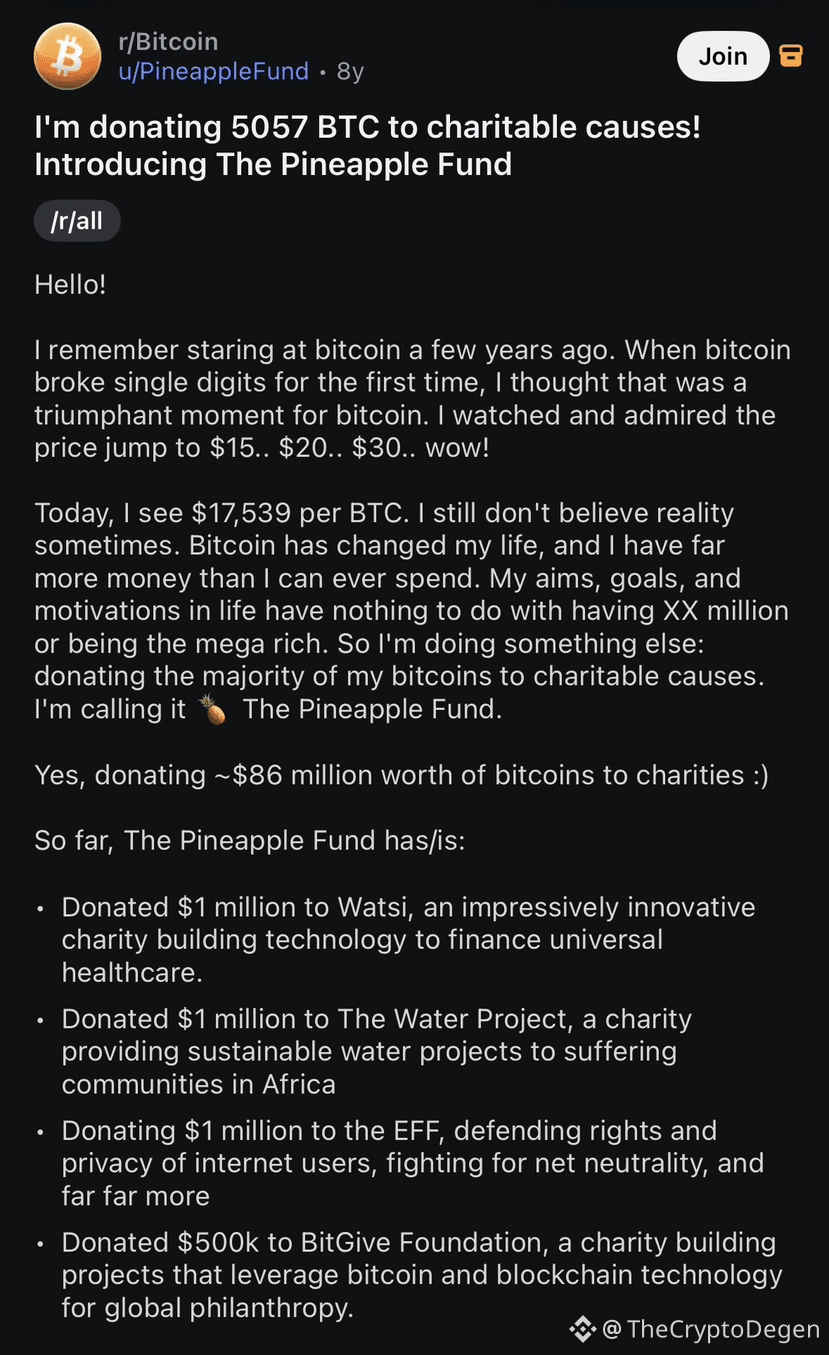
Một người dùng ẩn danh quyết định rằng họ đã có đủ tiền và đã cam kết 5.057 bitcoin cho hoạt động từ thiện.
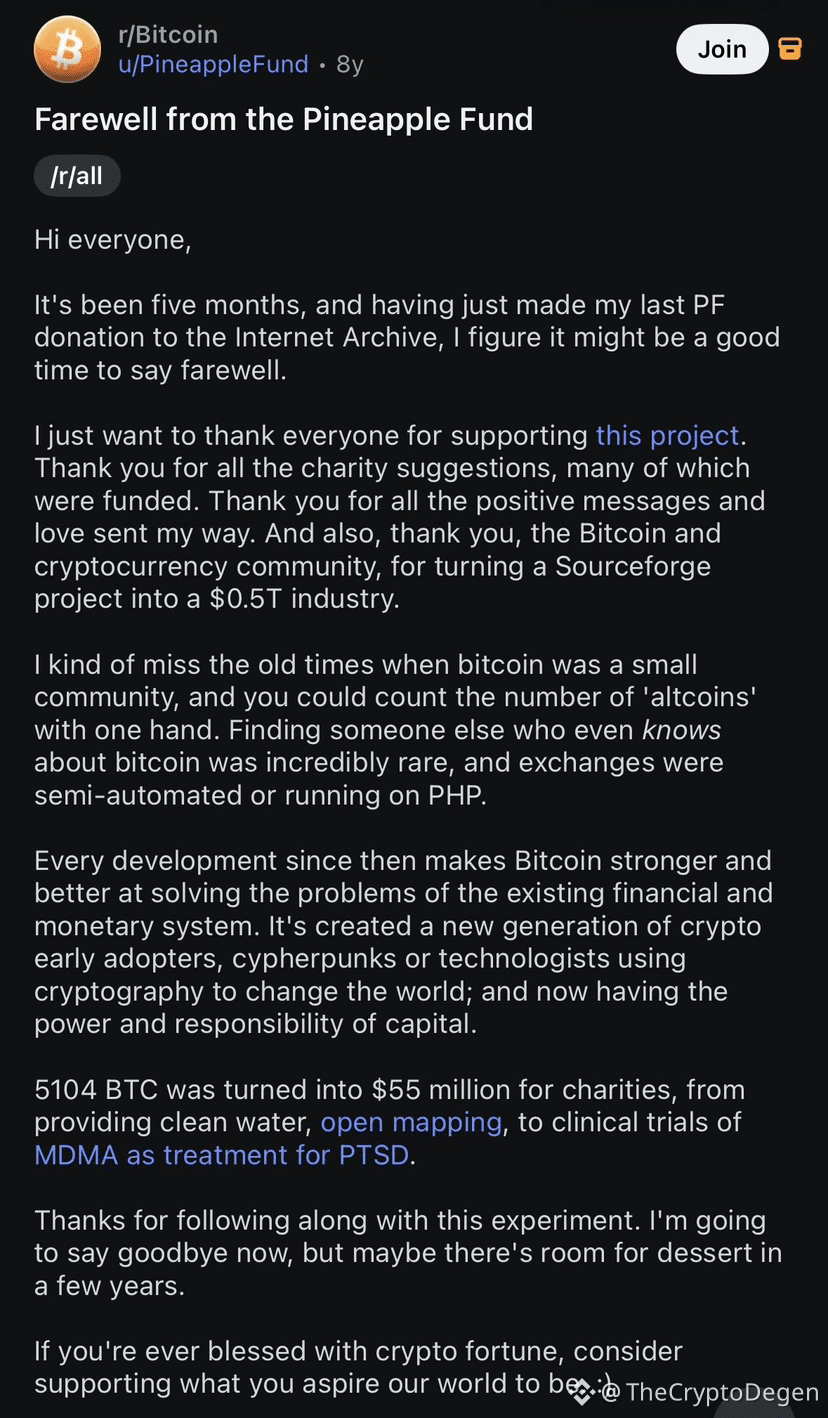
Người dùng Reddit “PineappleFund” nhớ lại việc chứng kiến bitcoin từng đạt 15, 20 và 30 đô la. Đến tháng 12 năm 2017, họ đã đăng:
“ Tôi có nhiều tiền hơn những gì mà tôi có thể tiêu hết.”
Năm tháng sau đó, bài đăng chia tay của họ cho biết 5.104 bitcoin đã trở thành 55.000.000 đô la cho các tổ chức từ thiện.
Khoản quyên góp cuối cùng đã được gửi đến Internet Archive.
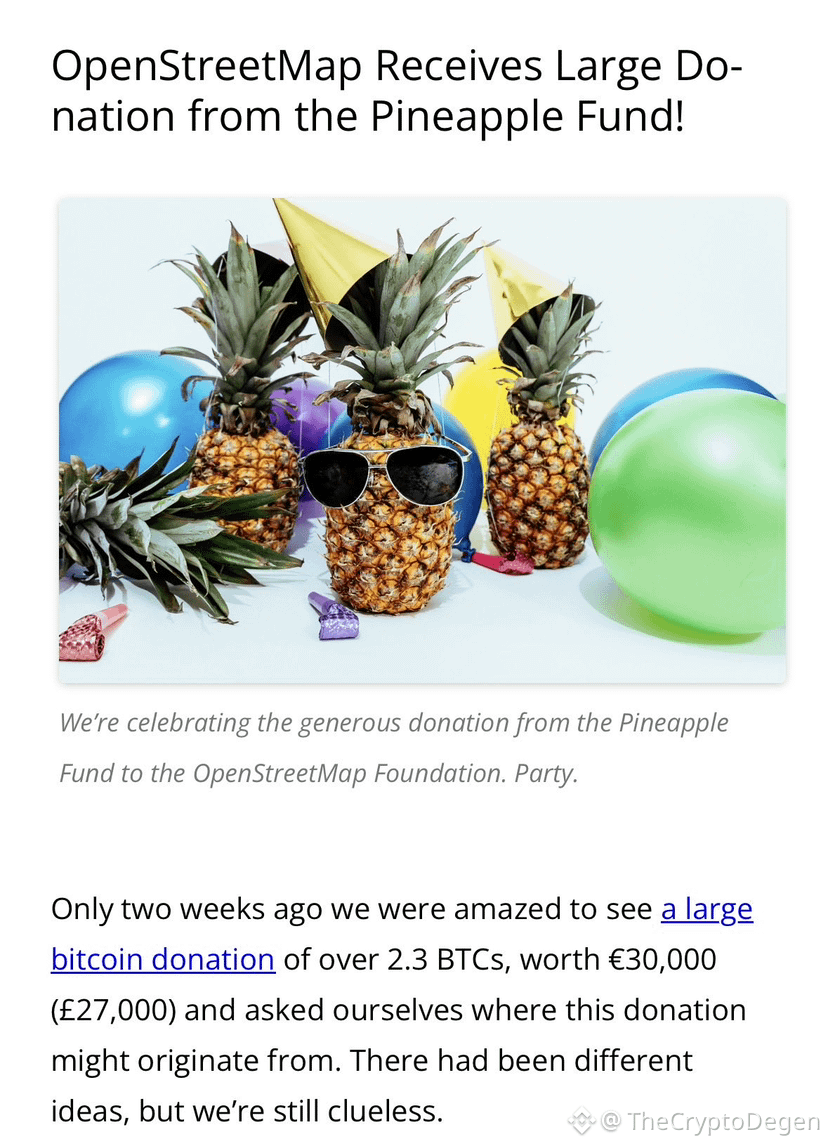
Một người nhận, OpenStreetMap, độc lập ghi nhận đã nhận được 18 bitcoin.
Ngày nay, nếu các tổ chức từ thiện giữ các khoản quyên góp bằng bitcoin thì số tiền sẽ trị giá 426.394.540 đô la.
Người dùng này đã không còn được nghe thấy kể từ đó.
Một người dùng ẩn danh quyết định rằng họ đã có đủ tiền và đã cam kết 5.057 bitcoin cho hoạt động từ thiện.
Người dùng Reddit “PineappleFund” nhớ lại việc chứng kiến bitcoin từng đạt 15, 20 và 30 đô la. Đến tháng 12 năm 2017, họ đã đăng:
“ Tôi có nhiều tiền hơn những gì mà tôi có thể tiêu hết.”
Năm tháng sau đó, bài đăng chia tay của họ cho biết 5.104 bitcoin đã trở thành 55.000.000 đô la cho các tổ chức từ thiện.
Khoản quyên góp cuối cùng đã được gửi đến Internet Archive.
Một người nhận, OpenStreetMap, độc lập ghi nhận đã nhận được 18 bitcoin.
Ngày nay, nếu các tổ chức từ thiện giữ các khoản quyên góp bằng bitcoin thì số tiền sẽ trị giá 426.394.540 đô la.
Người dùng này đã không còn được nghe thấy kể từ đó.
Người dùng Reddit “PineappleFund” nhớ lại việc chứng kiến bitcoin từng đạt 15, 20 và 30 đô la. Đến tháng 12 năm 2017, họ đã đăng:
“ Tôi có nhiều tiền hơn những gì mà tôi có thể tiêu hết.”
Năm tháng sau đó, bài đăng chia tay của họ cho biết 5.104 bitcoin đã trở thành 55.000.000 đô la cho các tổ chức từ thiện.
Khoản quyên góp cuối cùng đã được gửi đến Internet Archive.
Một người nhận, OpenStreetMap, độc lập ghi nhận đã nhận được 18 bitcoin.
Ngày nay, nếu các tổ chức từ thiện giữ các khoản quyên góp bằng bitcoin thì số tiền sẽ trị giá 426.394.540 đô la.
Người dùng này đã không còn được nghe thấy kể từ đó.
1
4
1.9k
Một khái niệm khó nắm bắt là việc một bitcoin có thể được chia thành các đơn vị ngày càng nhỏ khi cần thiết, để nó vẫn có thể sử dụng được bất kể dân số có tăng lớn đến đâu.
Ngay cả với dân số toàn cầu lên tới một nghìn tỷ người trên Trái Đất, bất kỳ ai cũng có thể gửi hoặc nhận các khoản với mọi quy mô vì chính đơn vị đó có thể tiếp tục được chia nhỏ hơn và hơn nữa.
0.0000000001 bitcoins
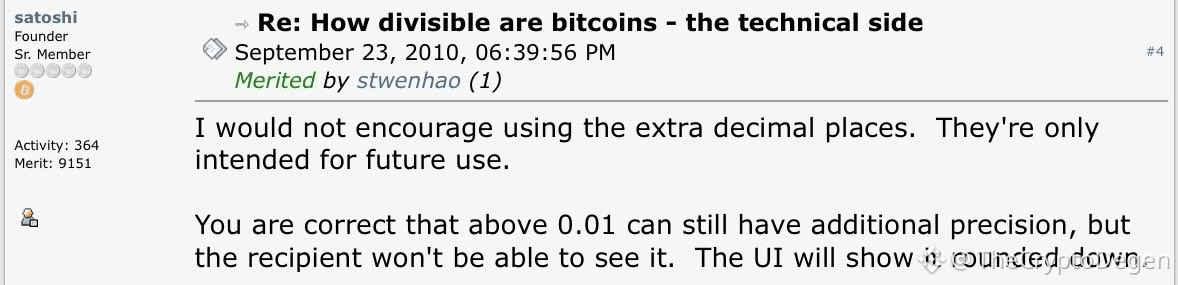
Phần mềm có thể giữ lại độ chính xác mà giao diện của nó không hiển thị. Satoshi Nakamoto đã khuyến khích các nhà phát triển đừng dựa vào những chữ số thập phân bổ sung được hiển thị đó:
“ Tôi không khuyến khích việc sử dụng các chữ số thập phân bổ sung. Chúng chỉ nhằm để dùng trong tương lai.”
Ông giải thích rằng người nhận sẽ thấy số tiền được làm tròn xuống trên giao diện. Điều này liên quan đến độ chính xác vượt quá hai chữ số thập phân được hiển thị của ứng dụng khách, chứ không phải việc mở rộng vượt quá quy tắc kế toán tám chữ số thập phân của Bitcoin.
Kể từ bài đăng của Satoshi vào ngày 23 tháng 9 năm 2010, giá bitcoin đã tăng theo cấp số nhân và nhiều người hiện nay sử dụng thêm các chữ số thập phân.
$BTC
Một khái niệm khó nắm bắt là việc một bitcoin có thể được chia thành các đơn vị ngày càng nhỏ khi cần thiết, để nó vẫn có thể sử dụng được bất kể dân số có tăng lớn đến đâu.
Ngay cả với dân số toàn cầu lên tới một nghìn tỷ người trên Trái Đất, bất kỳ ai cũng có thể gửi hoặc nhận các khoản với mọi quy mô vì chính đơn vị đó có thể tiếp tục được chia nhỏ hơn và hơn nữa.
0.0000000001 bitcoins
Phần mềm có thể giữ lại độ chính xác mà giao diện của nó không hiển thị. Satoshi Nakamoto đã khuyến khích các nhà phát triển đừng dựa vào những chữ số thập phân bổ sung được hiển thị đó:
“ Tôi không khuyến khích việc sử dụng các chữ số thập phân bổ sung. Chúng chỉ nhằm để dùng trong tương lai.”
Ông giải thích rằng người nhận sẽ thấy số tiền được làm tròn xuống trên giao diện. Điều này liên quan đến độ chính xác vượt quá hai chữ số thập phân được hiển thị của ứng dụng khách, chứ không phải việc mở rộng vượt quá quy tắc kế toán tám chữ số thập phân của Bitcoin.
Kể từ bài đăng của Satoshi vào ngày 23 tháng 9 năm 2010, giá bitcoin đã tăng theo cấp số nhân và nhiều người hiện nay sử dụng thêm các chữ số thập phân.
$BTC
Ngay cả với dân số toàn cầu lên tới một nghìn tỷ người trên Trái Đất, bất kỳ ai cũng có thể gửi hoặc nhận các khoản với mọi quy mô vì chính đơn vị đó có thể tiếp tục được chia nhỏ hơn và hơn nữa.
0.0000000001 bitcoins
Phần mềm có thể giữ lại độ chính xác mà giao diện của nó không hiển thị. Satoshi Nakamoto đã khuyến khích các nhà phát triển đừng dựa vào những chữ số thập phân bổ sung được hiển thị đó:
“ Tôi không khuyến khích việc sử dụng các chữ số thập phân bổ sung. Chúng chỉ nhằm để dùng trong tương lai.”
Ông giải thích rằng người nhận sẽ thấy số tiền được làm tròn xuống trên giao diện. Điều này liên quan đến độ chính xác vượt quá hai chữ số thập phân được hiển thị của ứng dụng khách, chứ không phải việc mở rộng vượt quá quy tắc kế toán tám chữ số thập phân của Bitcoin.
Kể từ bài đăng của Satoshi vào ngày 23 tháng 9 năm 2010, giá bitcoin đã tăng theo cấp số nhân và nhiều người hiện nay sử dụng thêm các chữ số thập phân.
$BTC
116
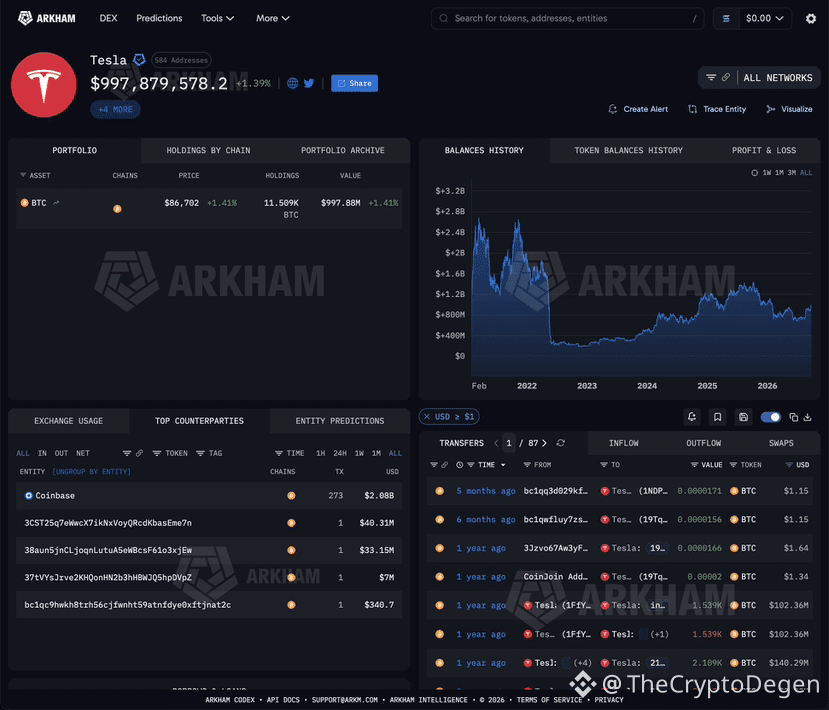
TESLA KIẾM ĐƯỢC 100 TRIỆU USD MÀ KHÔNG LÀM GÌ CẢ
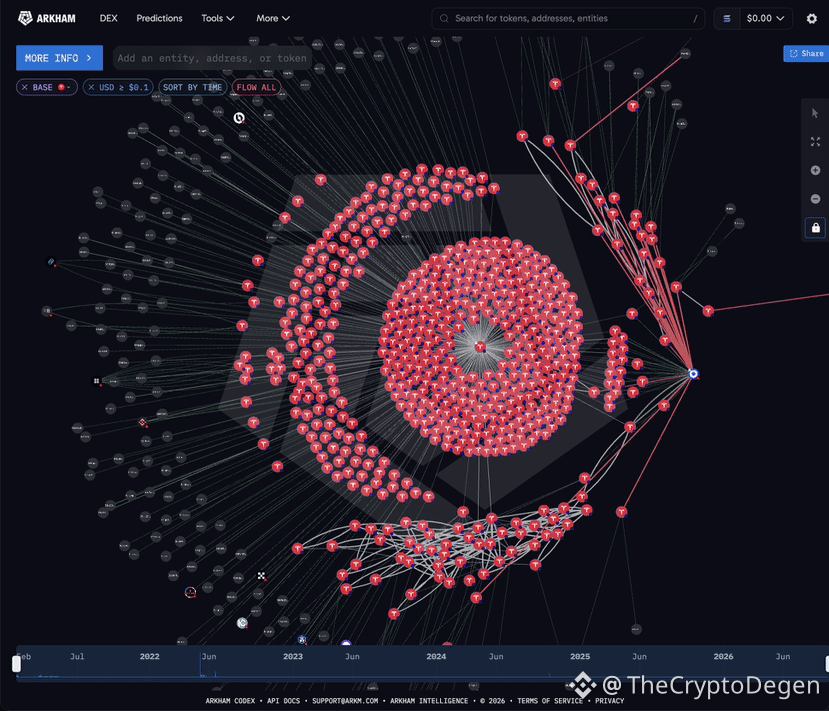
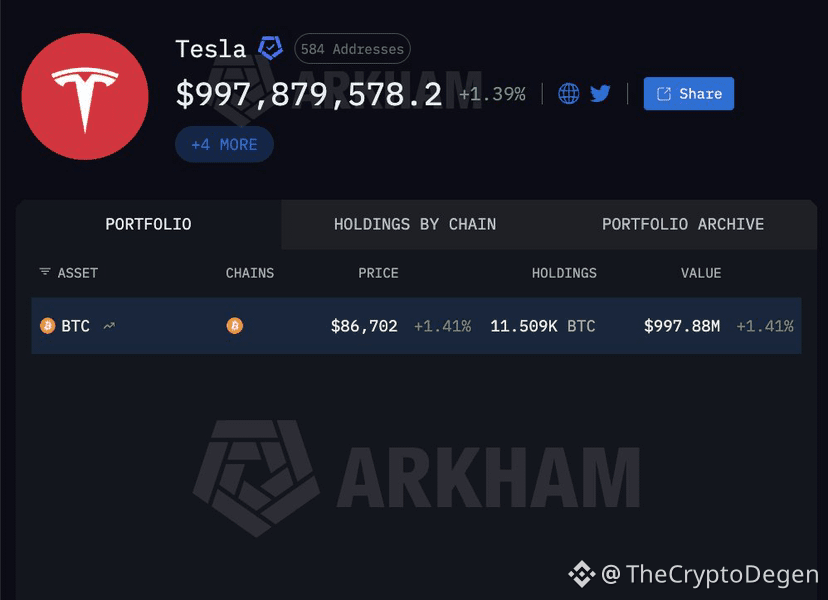
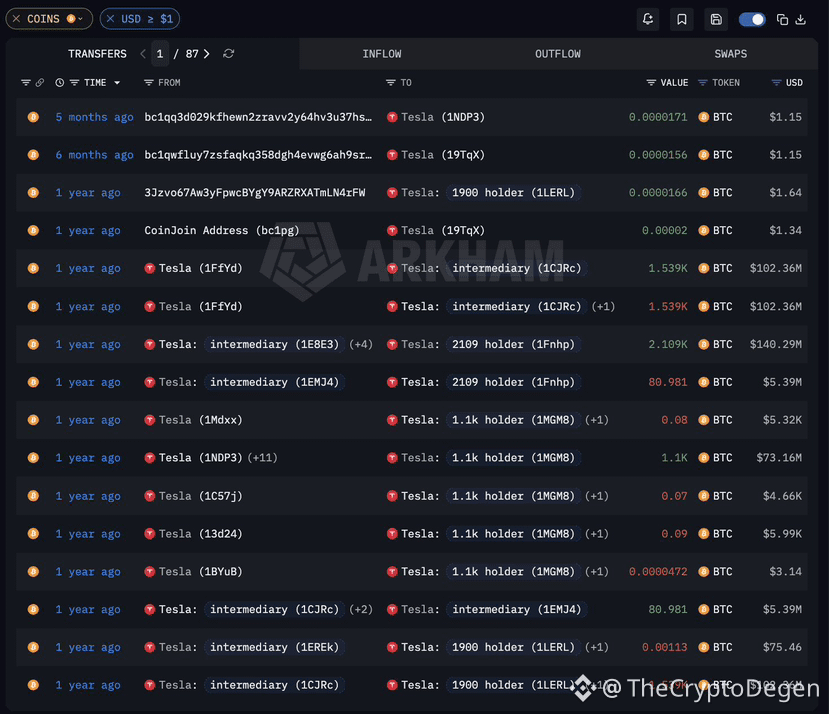
Tesla nắm giữ 994,90 triệu USD Bitcoin (11.509 BTC), tăng 122,62 triệu USD trong tuần này khi BTC tăng 14%.
Họ đã giữ nguyên cùng một lượng tài sản trong 4 năm mà không di chuyển một đồng nào. Hiện chỉ còn cách 1 TỶ USD đúng 5,1 triệu.
#TeslaBitcoinHoldings
TESLA KIẾM ĐƯỢC 100 TRIỆU USD MÀ KHÔNG LÀM GÌ CẢ
Tesla nắm giữ 994,90 triệu USD Bitcoin (11.509 BTC), tăng 122,62 triệu USD trong tuần này khi BTC tăng 14%.
Họ đã giữ nguyên cùng một lượng tài sản trong 4 năm mà không di chuyển một đồng nào. Hiện chỉ còn cách 1 TỶ USD đúng 5,1 triệu.
#TeslaBitcoinHoldings
Tesla nắm giữ 994,90 triệu USD Bitcoin (11.509 BTC), tăng 122,62 triệu USD trong tuần này khi BTC tăng 14%.
Họ đã giữ nguyên cùng một lượng tài sản trong 4 năm mà không di chuyển một đồng nào. Hiện chỉ còn cách 1 TỶ USD đúng 5,1 triệu.
#TeslaBitcoinHoldings
115
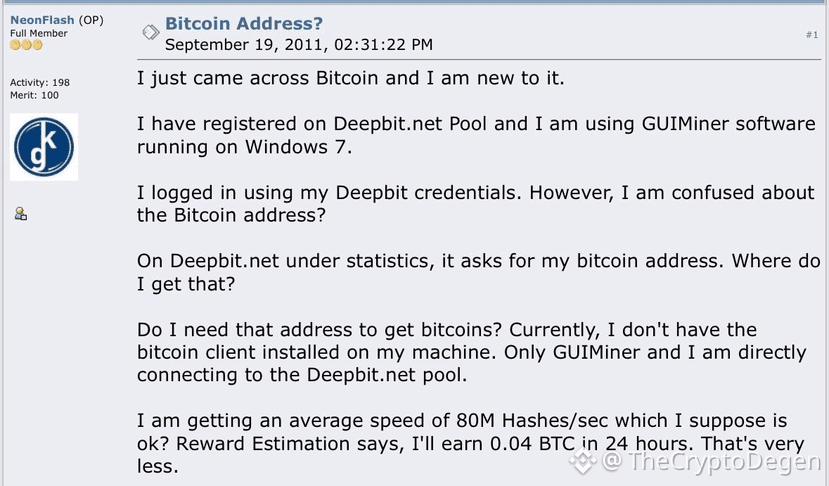
Người dùng diễn đàn NeonFlash vừa phát hiện ra bitcoin vào ngày 19 tháng 9 năm 2011. Họ đang sử dụng card đồ họa Radeon 6770M, đào bitcoin với tốc độ khoảng 80 triệu băm mỗi giây.
Một máy tính ước tính rằng xấp xỉ 0,046 bitcoin mỗi ngày, 1,393 BTC mỗi tháng, hoặc 16,74 bitcoin mỗi năm.
Họ nghĩ rằng card đồ họa mới sẽ làm tốt hơn và hỏi người khác đã kiếm được mười hay mười lăm bitcoin mỗi ngày như thế nào.
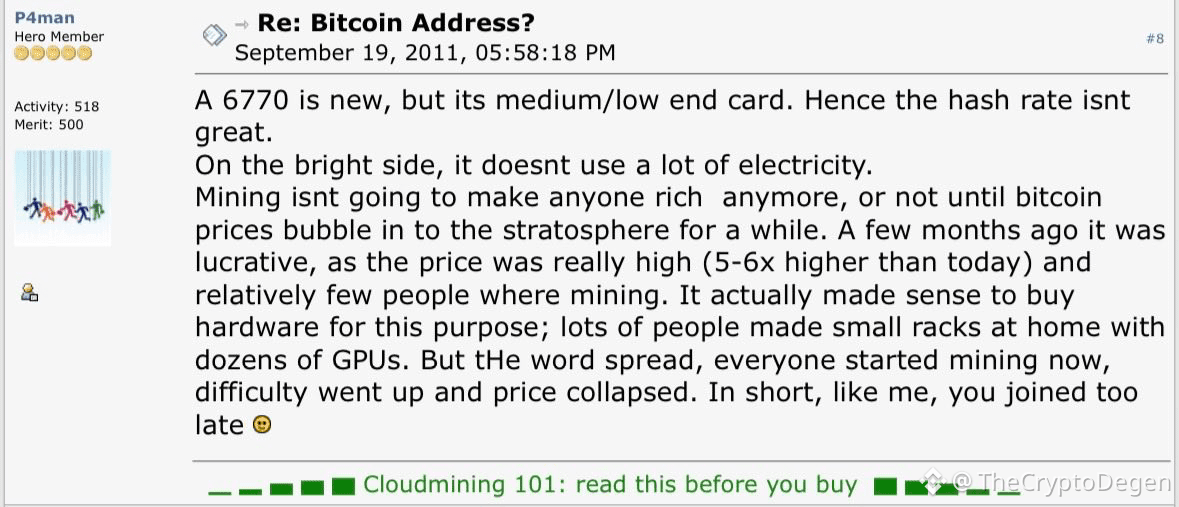
P4man cuối cùng đã trả lời:
“Đại khái, giống như tôi, bạn đã tham gia quá muộn.”
Lẽ ra họ đã kiếm được 1.365.118 USD trong năm đó, dựa trên giá thị trường hiện tại của bitcoin là 16,74.
Người dùng diễn đàn NeonFlash vừa phát hiện ra bitcoin vào ngày 19 tháng 9 năm 2011. Họ đang sử dụng card đồ họa Radeon 6770M, đào bitcoin với tốc độ khoảng 80 triệu băm mỗi giây.
Một máy tính ước tính rằng xấp xỉ 0,046 bitcoin mỗi ngày, 1,393 BTC mỗi tháng, hoặc 16,74 bitcoin mỗi năm.
Họ nghĩ rằng card đồ họa mới sẽ làm tốt hơn và hỏi người khác đã kiếm được mười hay mười lăm bitcoin mỗi ngày như thế nào.
P4man cuối cùng đã trả lời:
“Đại khái, giống như tôi, bạn đã tham gia quá muộn.”
Lẽ ra họ đã kiếm được 1.365.118 USD trong năm đó, dựa trên giá thị trường hiện tại của bitcoin là 16,74.
Một máy tính ước tính rằng xấp xỉ 0,046 bitcoin mỗi ngày, 1,393 BTC mỗi tháng, hoặc 16,74 bitcoin mỗi năm.
Họ nghĩ rằng card đồ họa mới sẽ làm tốt hơn và hỏi người khác đã kiếm được mười hay mười lăm bitcoin mỗi ngày như thế nào.
P4man cuối cùng đã trả lời:
“Đại khái, giống như tôi, bạn đã tham gia quá muộn.”
Lẽ ra họ đã kiếm được 1.365.118 USD trong năm đó, dựa trên giá thị trường hiện tại của bitcoin là 16,74.
560
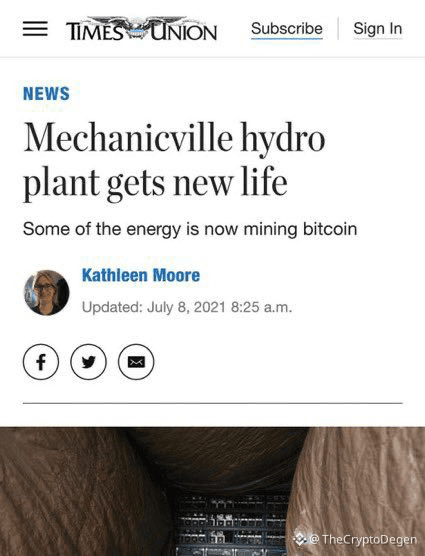
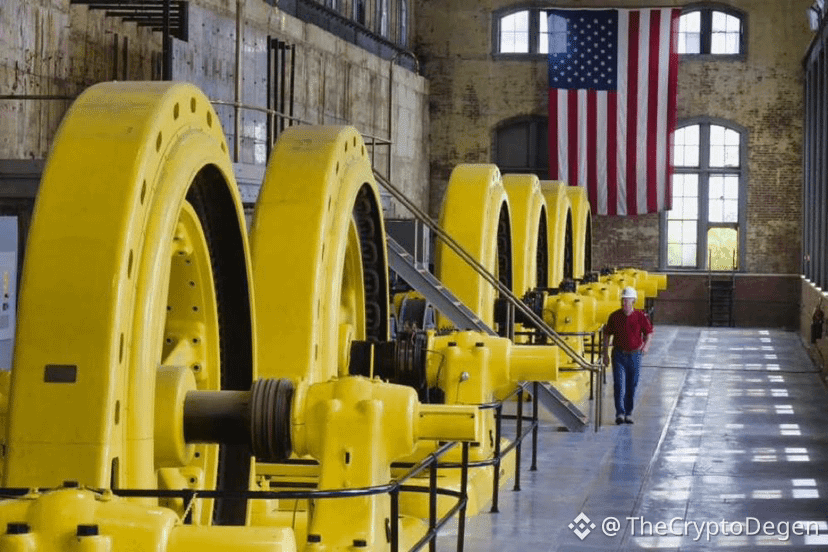
Nhà sản xuất điện sạch và năng lượng tái tạo lâu đời nhất tại Hoa Kỳ, nhà máy thủy điện Mechanicville, đã được cứu nhờ hoạt động khai thác bitcoin.
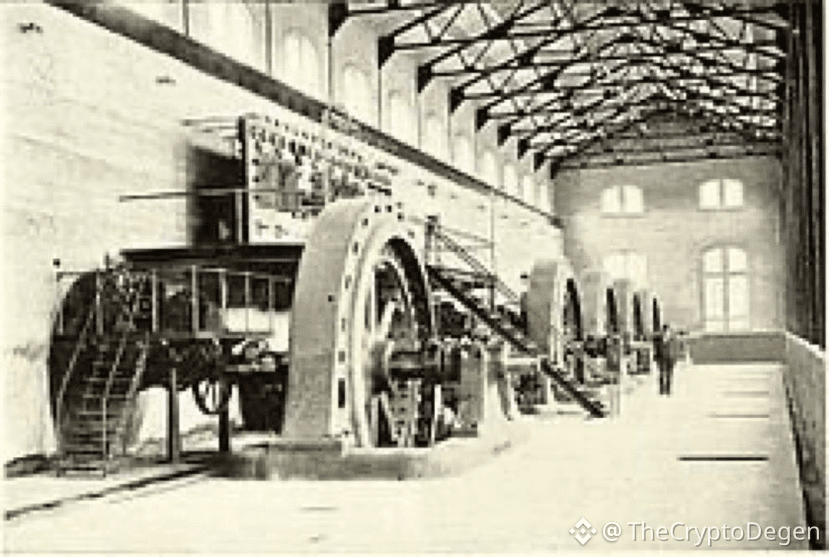
Nhà máy thủy điện Mechanicville ở New York có từ năm 1897. Công trình được xây dựng trên sông Hudson để cung cấp điện cho hoạt động của General Electric tại Schenectady. Kể từ đó, công ty đã bỏ hoang cơ sở này.
Năm 2021, đập thủy điện không thể tạo ra lợi nhuận và dự kiến sẽ bị ngừng vận hành. Khai thác bitcoin đã thay đổi điều đó, khi CEO quyết định sử dụng một phần điện năng để vận hành các máy khai thác Bitcoin.
CEO Jim Besha cho biết việc bán điện lên lưới mang lại ba xu cho mỗi kilowatt-giờ. Khai thác bitcoin mang lại nhiều hơn khoảng gấp ba lần.
Ông mua thiết bị khai thác đã qua sử dụng và chuyển bitcoin thành tiền mặt thay vì giữ nó như một khoản đầu tư. Điều này đã cứu được cơ sở.
Nhà sản xuất điện sạch và năng lượng tái tạo lâu đời nhất tại Hoa Kỳ, nhà máy thủy điện Mechanicville, đã được cứu nhờ hoạt động khai thác bitcoin.
Nhà máy thủy điện Mechanicville ở New York có từ năm 1897. Công trình được xây dựng trên sông Hudson để cung cấp điện cho hoạt động của General Electric tại Schenectady. Kể từ đó, công ty đã bỏ hoang cơ sở này.
Năm 2021, đập thủy điện không thể tạo ra lợi nhuận và dự kiến sẽ bị ngừng vận hành. Khai thác bitcoin đã thay đổi điều đó, khi CEO quyết định sử dụng một phần điện năng để vận hành các máy khai thác Bitcoin.
CEO Jim Besha cho biết việc bán điện lên lưới mang lại ba xu cho mỗi kilowatt-giờ. Khai thác bitcoin mang lại nhiều hơn khoảng gấp ba lần.
Ông mua thiết bị khai thác đã qua sử dụng và chuyển bitcoin thành tiền mặt thay vì giữ nó như một khoản đầu tư. Điều này đã cứu được cơ sở.
Nhà máy thủy điện Mechanicville ở New York có từ năm 1897. Công trình được xây dựng trên sông Hudson để cung cấp điện cho hoạt động của General Electric tại Schenectady. Kể từ đó, công ty đã bỏ hoang cơ sở này.
Năm 2021, đập thủy điện không thể tạo ra lợi nhuận và dự kiến sẽ bị ngừng vận hành. Khai thác bitcoin đã thay đổi điều đó, khi CEO quyết định sử dụng một phần điện năng để vận hành các máy khai thác Bitcoin.
CEO Jim Besha cho biết việc bán điện lên lưới mang lại ba xu cho mỗi kilowatt-giờ. Khai thác bitcoin mang lại nhiều hơn khoảng gấp ba lần.
Ông mua thiết bị khai thác đã qua sử dụng và chuyển bitcoin thành tiền mặt thay vì giữ nó như một khoản đầu tư. Điều này đã cứu được cơ sở.
92
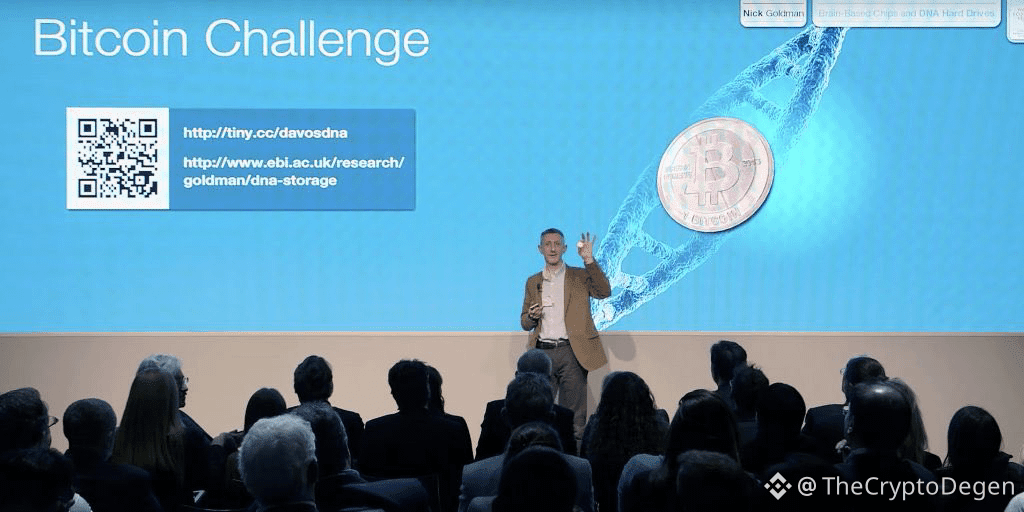
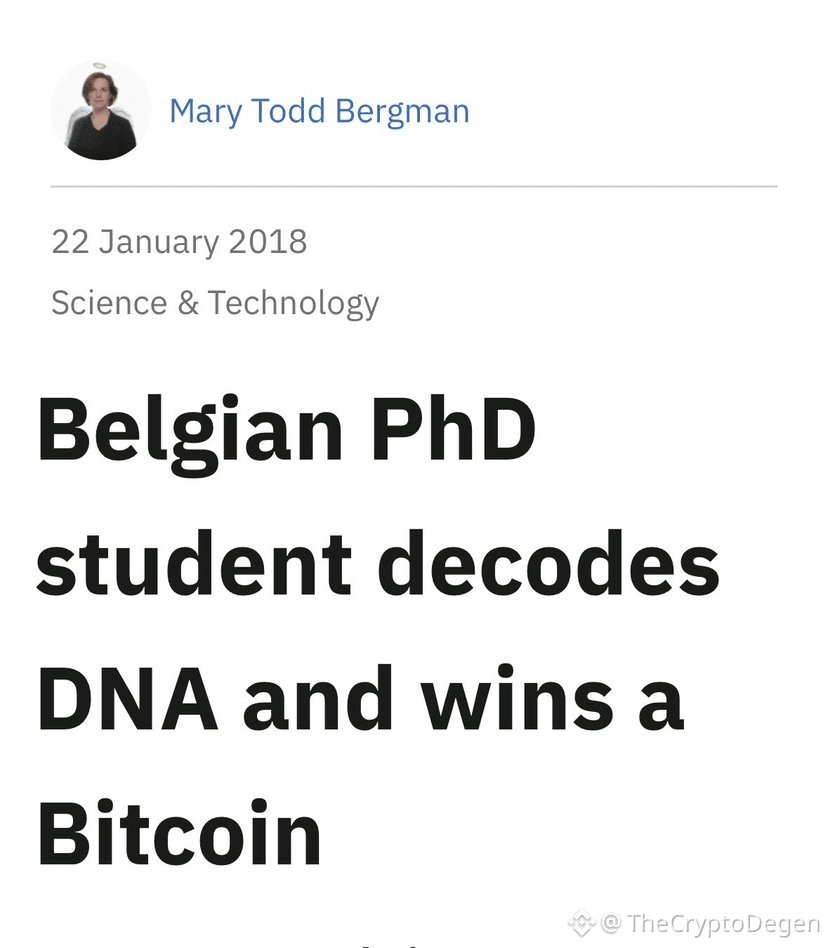
Một giải thưởng Bitcoin đã được mã hóa vào DNA của con người
DNA, các khối cấu thành và cấu trúc nền tảng của chính sự sống, có thể lưu trữ dữ liệu máy tính bằng cách chuyển thông tin thành các chuỗi gồm bốn chữ cái hóa học của nó.
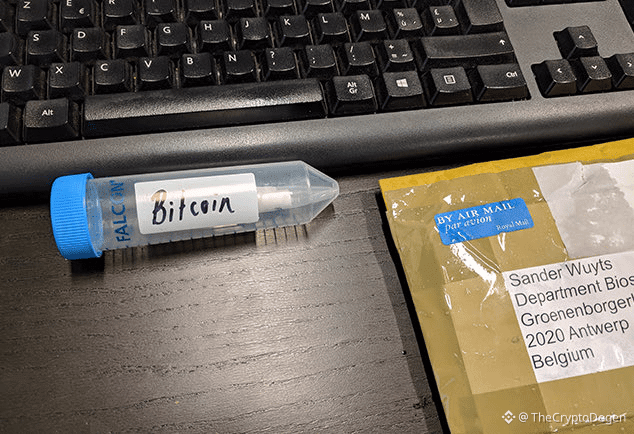
Vào tháng 1 năm 2015, nhà di truyền học Nick Goldman đã phân phát các ống DNA tổng hợp tại Davos. Những tệp được mã hóa bao gồm khóa riêng để sở hữu 1 bitcoin.
Những người tham gia có ba năm để giải mã trình tự DNA và khôi phục nó. Nghiên cứu sinh người Bỉ Sander Wuyts đã giải được thử thách ngay trước thời hạn tháng 1 năm 2018.
Những lần thử đầu tiên của anh thất bại vì một dòng bị sai trong chương trình giải mã, nhưng việc loại bỏ nó đã tạo ra các tệp và khóa có thể sử dụng để chi tiêu.
Một giải thưởng Bitcoin đã được mã hóa vào DNA của con người
DNA, các khối cấu thành và cấu trúc nền tảng của chính sự sống, có thể lưu trữ dữ liệu máy tính bằng cách chuyển thông tin thành các chuỗi gồm bốn chữ cái hóa học của nó.
Vào tháng 1 năm 2015, nhà di truyền học Nick Goldman đã phân phát các ống DNA tổng hợp tại Davos. Những tệp được mã hóa bao gồm khóa riêng để sở hữu 1 bitcoin.
Những người tham gia có ba năm để giải mã trình tự DNA và khôi phục nó. Nghiên cứu sinh người Bỉ Sander Wuyts đã giải được thử thách ngay trước thời hạn tháng 1 năm 2018.
Những lần thử đầu tiên của anh thất bại vì một dòng bị sai trong chương trình giải mã, nhưng việc loại bỏ nó đã tạo ra các tệp và khóa có thể sử dụng để chi tiêu.
DNA, các khối cấu thành và cấu trúc nền tảng của chính sự sống, có thể lưu trữ dữ liệu máy tính bằng cách chuyển thông tin thành các chuỗi gồm bốn chữ cái hóa học của nó.
Vào tháng 1 năm 2015, nhà di truyền học Nick Goldman đã phân phát các ống DNA tổng hợp tại Davos. Những tệp được mã hóa bao gồm khóa riêng để sở hữu 1 bitcoin.
Những người tham gia có ba năm để giải mã trình tự DNA và khôi phục nó. Nghiên cứu sinh người Bỉ Sander Wuyts đã giải được thử thách ngay trước thời hạn tháng 1 năm 2018.
Những lần thử đầu tiên của anh thất bại vì một dòng bị sai trong chương trình giải mã, nhưng việc loại bỏ nó đã tạo ra các tệp và khóa có thể sử dụng để chi tiêu.
20
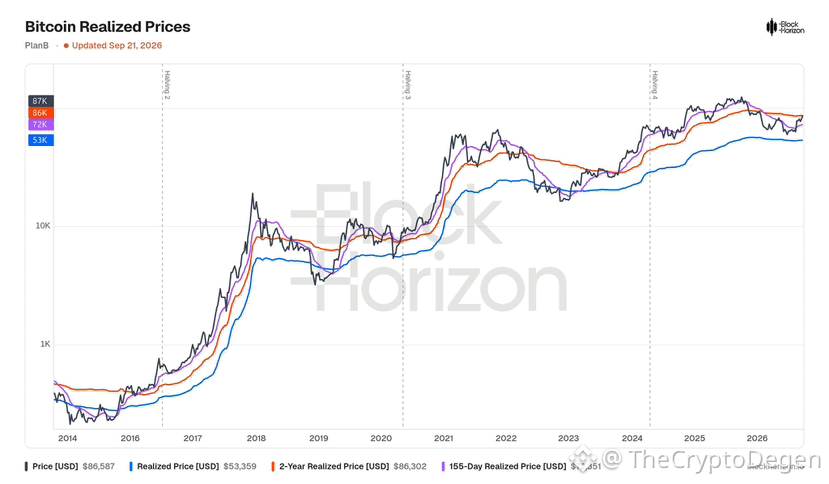
BTC $87K hiện đang nằm trên mọi mức giá hiện thực hóa lớn:
• Giá hiện thực hóa: $53K
• Hiện thực hóa trong 155 ngày: $72K
• Hiện thực hóa trong 2 năm: $86K
Theo quan điểm của tôi, việc giảm xuống dưới $53K trong chu kỳ này là không nằm trong kịch bản. Luận điểm “phải kiểm định lại giá hiện thực hóa như mọi đợt gấu trước đó” vừa mất đi cấu hình gọn gàng cuối cùng.
BTC $87K hiện đang nằm trên mọi mức giá hiện thực hóa lớn:
• Giá hiện thực hóa: $53K
• Hiện thực hóa trong 155 ngày: $72K
• Hiện thực hóa trong 2 năm: $86K
Theo quan điểm của tôi, việc giảm xuống dưới $53K trong chu kỳ này là không nằm trong kịch bản. Luận điểm “phải kiểm định lại giá hiện thực hóa như mọi đợt gấu trước đó” vừa mất đi cấu hình gọn gàng cuối cùng.
• Giá hiện thực hóa: $53K
• Hiện thực hóa trong 155 ngày: $72K
• Hiện thực hóa trong 2 năm: $86K
Theo quan điểm của tôi, việc giảm xuống dưới $53K trong chu kỳ này là không nằm trong kịch bản. Luận điểm “phải kiểm định lại giá hiện thực hóa như mọi đợt gấu trước đó” vừa mất đi cấu hình gọn gàng cuối cùng.
47
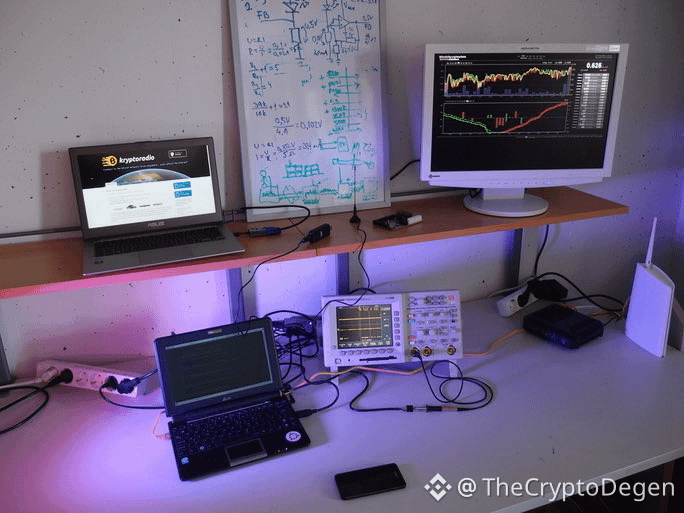
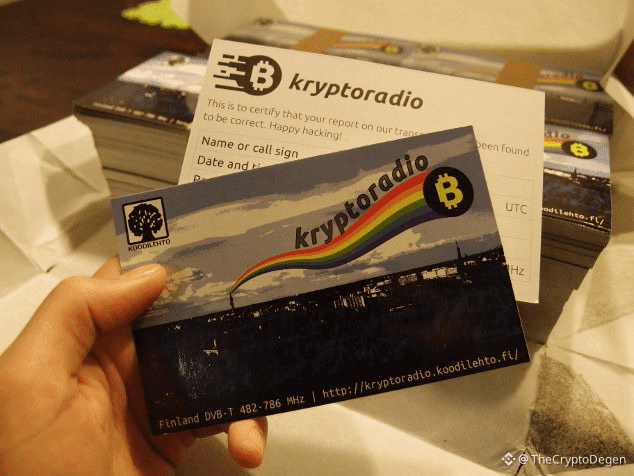
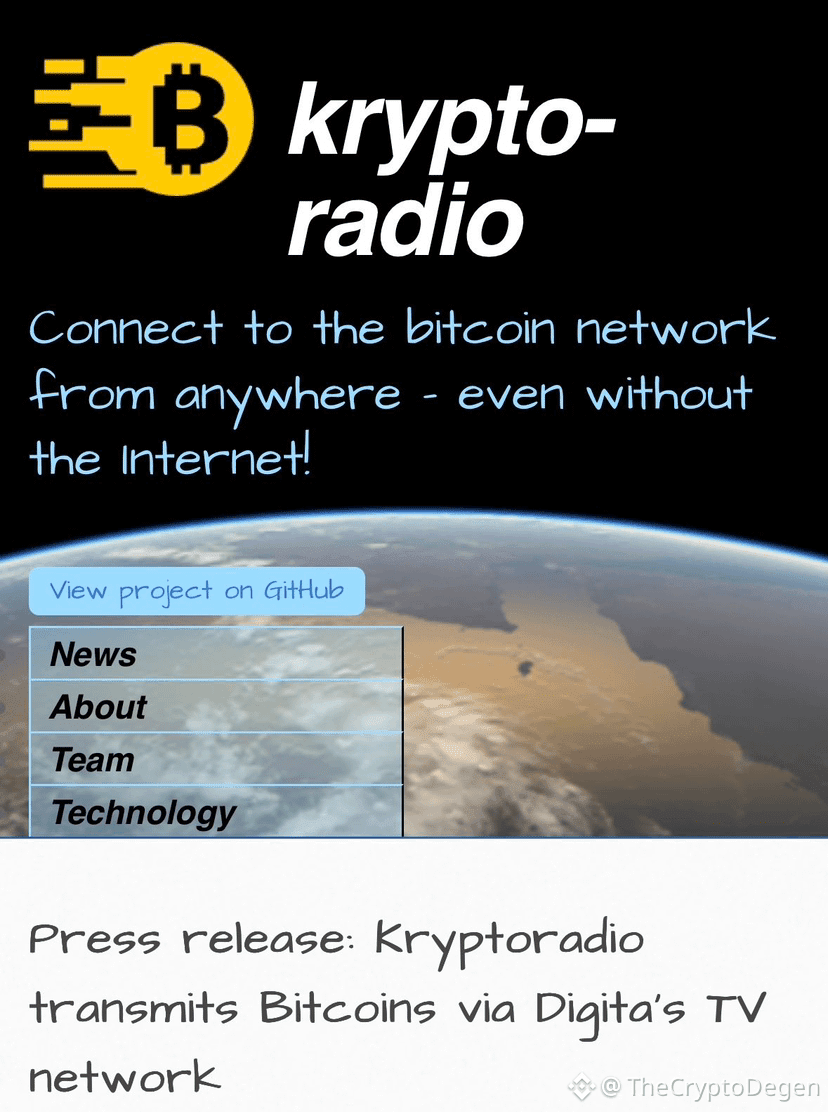
Vào tháng 9 năm 2014, một dự án của Phần Lan có tên Kryptoradio đã bắt đầu phát sóng blockchain Bitcoin thông qua mạng truyền hình địa phương.
Thông báo ban đầu mô tả việc phát tín hiệu từ chín mươi trạm phát sóng. Tín hiệu bao gồm các giao dịch bitcoin, các khối và thông tin tỷ giá hối đoái.
Người nhận có thể theo dõi mạng Bitcoin mà không cần kết nối internet thông thường. Đến tháng 11, mạng phát sóng dùng cho thử nghiệm đã phủ khoảng 95% dân số Phần Lan.
Đây là dịch vụ một chiều: việc nhận dữ liệu Bitcoin qua tín hiệu truyền hình không tự động cung cấp cách để gửi giao dịch ngược trở lại.
Cuộc thử nghiệm kết thúc vào tháng 12 năm 2014, và sau đó dự án cho biết rằng họ không có đủ kinh phí để tiếp tục.
$BTC
{future}(BTCUSDT)
Vào tháng 9 năm 2014, một dự án của Phần Lan có tên Kryptoradio đã bắt đầu phát sóng blockchain Bitcoin thông qua mạng truyền hình địa phương.
Thông báo ban đầu mô tả việc phát tín hiệu từ chín mươi trạm phát sóng. Tín hiệu bao gồm các giao dịch bitcoin, các khối và thông tin tỷ giá hối đoái.
Người nhận có thể theo dõi mạng Bitcoin mà không cần kết nối internet thông thường. Đến tháng 11, mạng phát sóng dùng cho thử nghiệm đã phủ khoảng 95% dân số Phần Lan.
Đây là dịch vụ một chiều: việc nhận dữ liệu Bitcoin qua tín hiệu truyền hình không tự động cung cấp cách để gửi giao dịch ngược trở lại.
Cuộc thử nghiệm kết thúc vào tháng 12 năm 2014, và sau đó dự án cho biết rằng họ không có đủ kinh phí để tiếp tục.
$BTC
Thông báo ban đầu mô tả việc phát tín hiệu từ chín mươi trạm phát sóng. Tín hiệu bao gồm các giao dịch bitcoin, các khối và thông tin tỷ giá hối đoái.
Người nhận có thể theo dõi mạng Bitcoin mà không cần kết nối internet thông thường. Đến tháng 11, mạng phát sóng dùng cho thử nghiệm đã phủ khoảng 95% dân số Phần Lan.
Đây là dịch vụ một chiều: việc nhận dữ liệu Bitcoin qua tín hiệu truyền hình không tự động cung cấp cách để gửi giao dịch ngược trở lại.
Cuộc thử nghiệm kết thúc vào tháng 12 năm 2014, và sau đó dự án cho biết rằng họ không có đủ kinh phí để tiếp tục.
$BTC
12
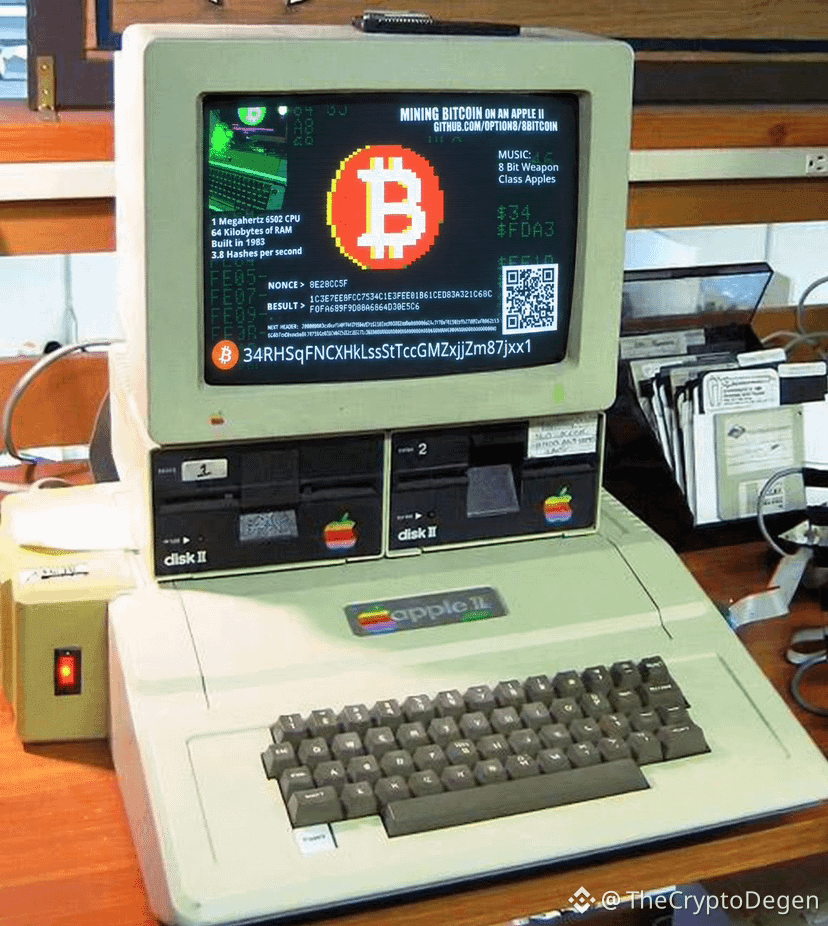
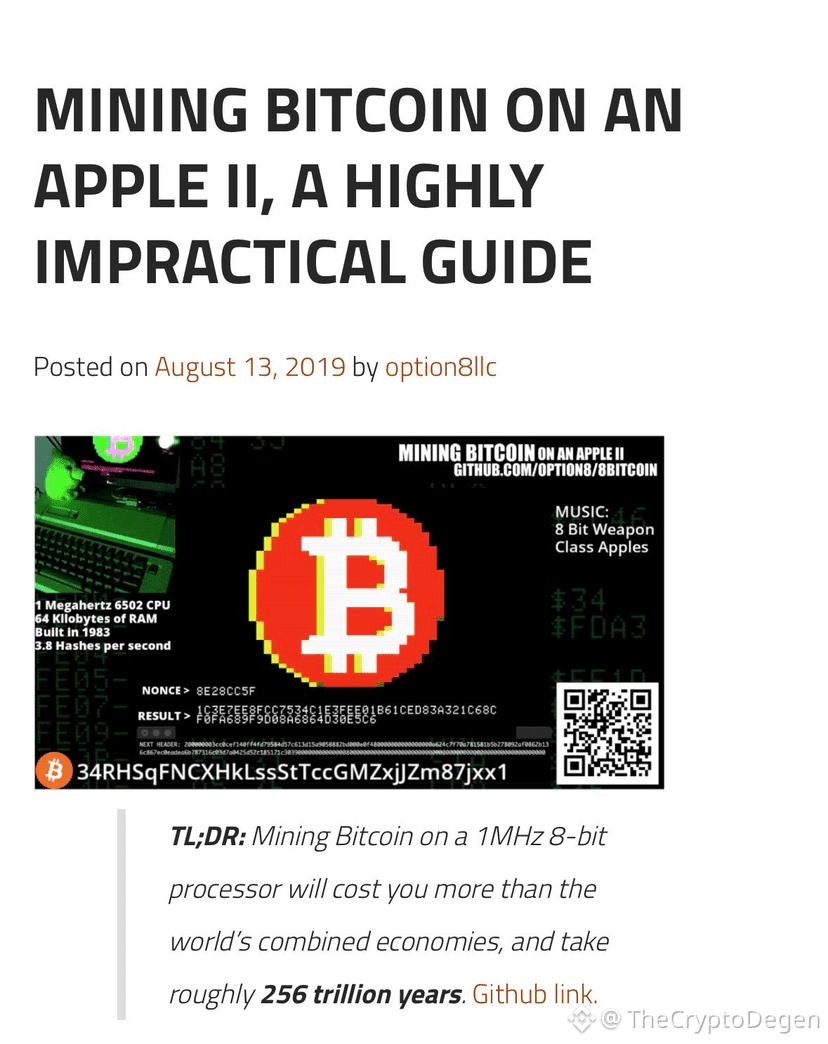
Một nhà phát triển đã đào bitcoin trên một Apple II, máy tính gia đình được chế tạo vào năm 1983 với bộ xử lý 8-bit.
Thuật toán băm của Bitcoin sử dụng các phép toán 32-bit, vì vậy chương trình phải ghép các phép toán đó từ những mảnh nhỏ hơn.
Lập trình viên Peter Ferrie đã giúp tối ưu mã cho đến khi đạt khoảng 3,8 băm mỗi giây.
Một chiếc Mac hiện đại đã lấy công việc đào và chuyển cho Apple II thông qua một đĩa mềm ảo qua kết nối nối tiếp. Một biểu tượng Bitcoin độ phân giải thấp quay vòng khi có công việc mới đến.
Nhà phát triển ước tính mất trung bình 256 nghìn tỷ năm để tìm được một khối với độ khó khi đó.
Một nhà phát triển đã đào bitcoin trên một Apple II, máy tính gia đình được chế tạo vào năm 1983 với bộ xử lý 8-bit.
Thuật toán băm của Bitcoin sử dụng các phép toán 32-bit, vì vậy chương trình phải ghép các phép toán đó từ những mảnh nhỏ hơn.
Lập trình viên Peter Ferrie đã giúp tối ưu mã cho đến khi đạt khoảng 3,8 băm mỗi giây.
Một chiếc Mac hiện đại đã lấy công việc đào và chuyển cho Apple II thông qua một đĩa mềm ảo qua kết nối nối tiếp. Một biểu tượng Bitcoin độ phân giải thấp quay vòng khi có công việc mới đến.
Nhà phát triển ước tính mất trung bình 256 nghìn tỷ năm để tìm được một khối với độ khó khi đó.
Thuật toán băm của Bitcoin sử dụng các phép toán 32-bit, vì vậy chương trình phải ghép các phép toán đó từ những mảnh nhỏ hơn.
Lập trình viên Peter Ferrie đã giúp tối ưu mã cho đến khi đạt khoảng 3,8 băm mỗi giây.
Một chiếc Mac hiện đại đã lấy công việc đào và chuyển cho Apple II thông qua một đĩa mềm ảo qua kết nối nối tiếp. Một biểu tượng Bitcoin độ phân giải thấp quay vòng khi có công việc mới đến.
Nhà phát triển ước tính mất trung bình 256 nghìn tỷ năm để tìm được một khối với độ khó khi đó.
50
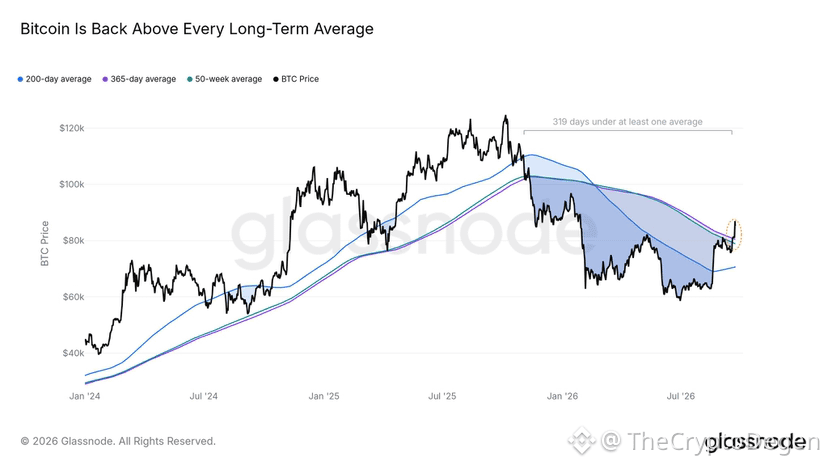
$BTC đã lấy lại được toàn bộ các đường trung bình động dài hạn của nó.
Sau khoảng 300 ngày nằm dưới các đường này, động lực đó hiện đã bị đảo ngược.
Việc giữ giá trên chúng là điều giúp duy trì xu hướng tăng dài hạn.
$BTC đã lấy lại được toàn bộ các đường trung bình động dài hạn của nó.
Sau khoảng 300 ngày nằm dưới các đường này, động lực đó hiện đã bị đảo ngược.
Việc giữ giá trên chúng là điều giúp duy trì xu hướng tăng dài hạn.
Sau khoảng 300 ngày nằm dưới các đường này, động lực đó hiện đã bị đảo ngược.
Việc giữ giá trên chúng là điều giúp duy trì xu hướng tăng dài hạn.
43
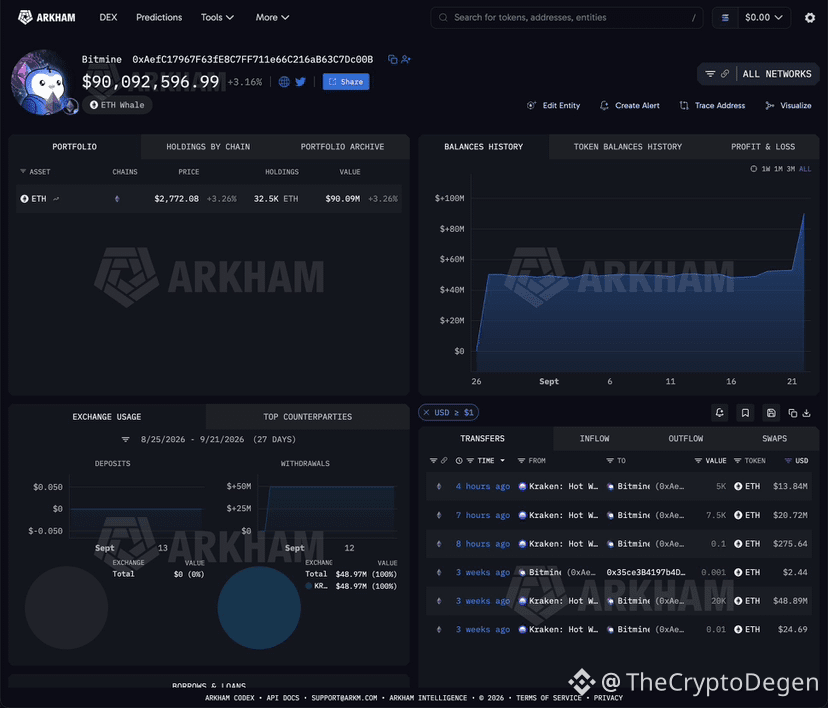
BITMINE ĐANG MUA
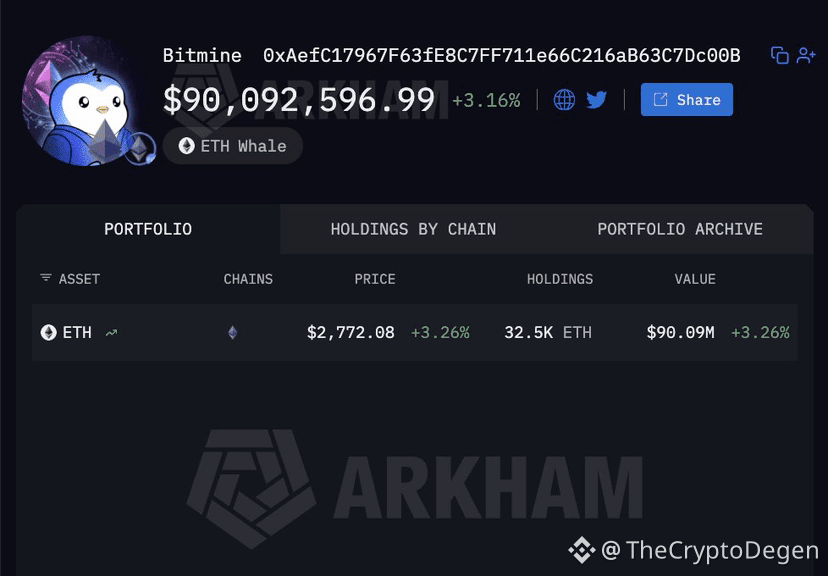
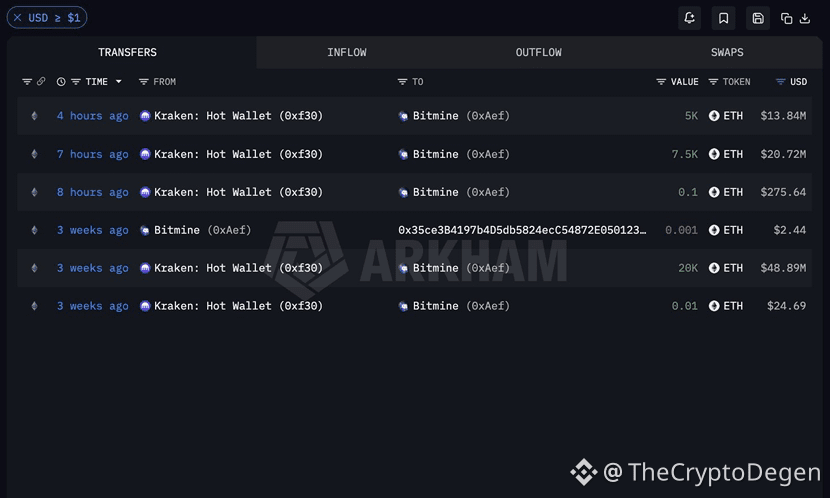
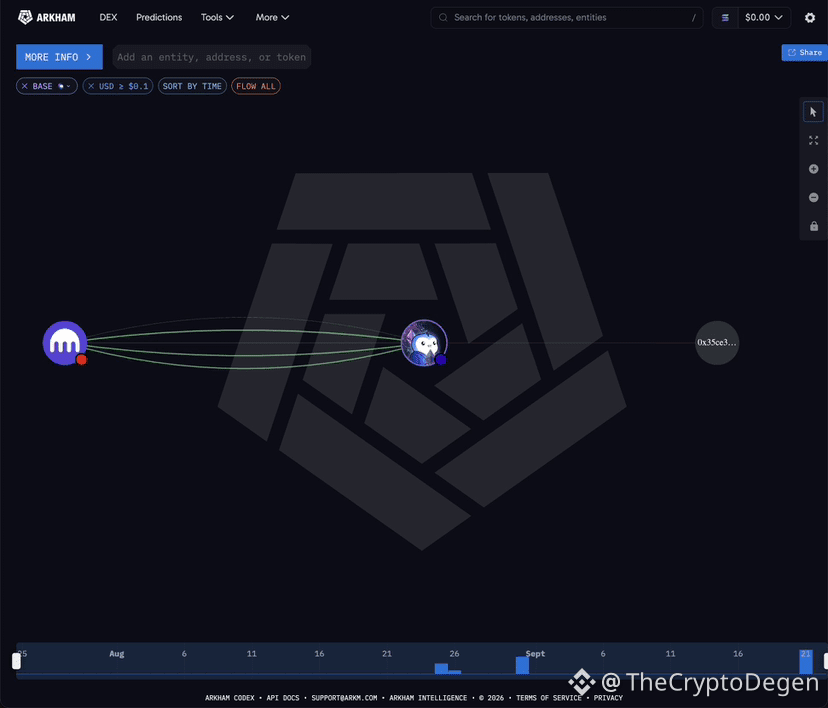
Một ví vừa rút 34,5 triệu USD ETH khỏi Kraken—một mô hình mua lại trùng khớp với các lần mua trước đây của Bitmine.
Bitmine hiện nắm giữ 978,05 triệu USD ETH trong các ví on-chain được gắn nhãn, với khoảng 10 tỷ USD ETH được staking thêm trên đó.
BITMINE ĐANG MUA
Một ví vừa rút 34,5 triệu USD ETH khỏi Kraken—một mô hình mua lại trùng khớp với các lần mua trước đây của Bitmine.
Bitmine hiện nắm giữ 978,05 triệu USD ETH trong các ví on-chain được gắn nhãn, với khoảng 10 tỷ USD ETH được staking thêm trên đó.
Một ví vừa rút 34,5 triệu USD ETH khỏi Kraken—một mô hình mua lại trùng khớp với các lần mua trước đây của Bitmine.
Bitmine hiện nắm giữ 978,05 triệu USD ETH trong các ví on-chain được gắn nhãn, với khoảng 10 tỷ USD ETH được staking thêm trên đó.
1.1k
Đăng nhập để khám phá thêm nội dung
Tham gia cùng người dùng tiền mã hóa toàn cầu trên Binance Square
⚡️ Nhận thông tin mới nhất và hữu ích về tiền mã hóa.
💬 Được tin cậy bởi sàn giao dịch tiền mã hóa lớn nhất thế giới.
👍 Khám phá những thông tin chuyên sâu thực tế từ những nhà sáng tạo đã xác minh.
Email / Số điện thoại
Chủ đề thịnh hành
CanMicrosoftDeliverOnAI
44,121 lượt xem
577 đang thảo luận
Phiên 3 của mùa công bố kết quả kinh doanh: Google và Microsoft có vượt kỳ vọng không?
Binance Square Official
·51 lượt thích
·13.3k lượt xem
CanGoogleDefindItsCore
22,069 lượt xem
437 đang thảo luận
TinFed
357,655 lượt xem
975 đang thảo luận