

Mr Bullrun G
78 Bài đăng
Mr Bullrun G
Báo cáo
Chặn người dùng
Giao dịch mở
Trader tần suất thấp
{thời gian} năm
561 Đang theo dõi
83 Người theo dõi
37 Đã thích
Bài đăng
Danh mục đầu tư
Tất cả
Trích dẫn
Video
·
--

Bài viết
On-Chain IPOs: Cách phát hành vốn chủ và giao dịch đang chuyển sang Blockchain RailsNgành tài chính đang bước vào một kỷ nguyên mới khi công nghệ Blockchain thay đổi cách phát hành tài sản, giao dịch và tiếp cận các tài sản tài chính.
Trong quá khứ, quy trình IPO thường phải thông qua nhiều bên trung gian như ngân hàng, thị trường chứng khoán và hệ thống thanh toán. Tuy nhiên, Blockchain đang đề xuất một hướng đi mới thông qua cơ sở hạ tầng On-chain (On-chain Infrastructure) có thể giúp việc thanh toán nhanh hơn, tăng tính minh bạch và làm cho việc tiếp cận các tài sản tài chính hiệu quả hơn.
On-Chain IPOs: Cách phát hành vốn chủ và giao dịch đang chuyển sang Blockchain Rails
Ngành tài chính đang bước vào một kỷ nguyên mới khi công nghệ Blockchain thay đổi cách phát hành tài sản, giao dịch và tiếp cận các tài sản tài chính.
Trong quá khứ, quy trình IPO thường phải thông qua nhiều bên trung gian như ngân hàng, thị trường chứng khoán và hệ thống thanh toán. Tuy nhiên, Blockchain đang đề xuất một hướng đi mới thông qua cơ sở hạ tầng On-chain (On-chain Infrastructure) có thể giúp việc thanh toán nhanh hơn, tăng tính minh bạch và làm cho việc tiếp cận các tài sản tài chính hiệu quả hơn.
Trong quá khứ, quy trình IPO thường phải thông qua nhiều bên trung gian như ngân hàng, thị trường chứng khoán và hệ thống thanh toán. Tuy nhiên, Blockchain đang đề xuất một hướng đi mới thông qua cơ sở hạ tầng On-chain (On-chain Infrastructure) có thể giúp việc thanh toán nhanh hơn, tăng tính minh bạch và làm cho việc tiếp cận các tài sản tài chính hiệu quả hơn.
40
·
--

Bài viết
IPO On-Chain: Cách việc phát hành và giao dịch cổ phiếu đang chuyển sang Blockchain RailsNgành tài chính đang bước vào một giai đoạn mới khi công nghệ Blockchain tiếp tục chuyển đổi cách các tài sản được phát hành, giao dịch và truy cập.
Theo truyền thống, các đợt IPO liên quan đến nhiều bên trung gian, bao gồm ngân hàng, sàn giao dịch và hệ thống thanh toán. Tuy nhiên, Blockchain đưa ra một cách tiếp cận mới thông qua cơ sở hạ tầng on-chain, có thể cho phép thanh toán nhanh hơn, minh bạch hơn và khả năng tiếp cận hiệu quả hơn với tài sản tài chính.
CZ chia sẻ rằng các đợt IPO trong tương lai có thể dần chuyển sang Blockchain Rails thông qua ba giai đoạn quan trọng:
IPO On-Chain: Cách việc phát hành và giao dịch cổ phiếu đang chuyển sang Blockchain Rails
Ngành tài chính đang bước vào một giai đoạn mới khi công nghệ Blockchain tiếp tục chuyển đổi cách các tài sản được phát hành, giao dịch và truy cập.
Theo truyền thống, các đợt IPO liên quan đến nhiều bên trung gian, bao gồm ngân hàng, sàn giao dịch và hệ thống thanh toán. Tuy nhiên, Blockchain đưa ra một cách tiếp cận mới thông qua cơ sở hạ tầng on-chain, có thể cho phép thanh toán nhanh hơn, minh bạch hơn và khả năng tiếp cận hiệu quả hơn với tài sản tài chính.
CZ chia sẻ rằng các đợt IPO trong tương lai có thể dần chuyển sang Blockchain Rails thông qua ba giai đoạn quan trọng:
Theo truyền thống, các đợt IPO liên quan đến nhiều bên trung gian, bao gồm ngân hàng, sàn giao dịch và hệ thống thanh toán. Tuy nhiên, Blockchain đưa ra một cách tiếp cận mới thông qua cơ sở hạ tầng on-chain, có thể cho phép thanh toán nhanh hơn, minh bạch hơn và khả năng tiếp cận hiệu quả hơn với tài sản tài chính.
CZ chia sẻ rằng các đợt IPO trong tương lai có thể dần chuyển sang Blockchain Rails thông qua ba giai đoạn quan trọng:
43
·
--

Bài viết
Cách kiểm tra xem dữ liệu của bạn có bị rò rỉ hay không — và bước tiếp theo cần làm gìTrong thế giới số ngày nay, rò rỉ dữ liệu (Data Breaches) có thể xảy ra với bất kỳ ai. Thông tin cá nhân như email, mật khẩu, số điện thoại và chi tiết tài khoản có thể bị công khai bởi những người bạn không hề biết, và có thể bị đem đi sử dụng để lừa đảo (Phishing), gian lận hoặc truy cập trái phép vào tài khoản.
Cách kiểm tra xem dữ liệu của bạn có bị rò rỉ hay không — và bước tiếp theo cần làm gì
Trong thế giới số ngày nay, rò rỉ dữ liệu (Data Breaches) có thể xảy ra với bất kỳ ai. Thông tin cá nhân như email, mật khẩu, số điện thoại và chi tiết tài khoản có thể bị công khai bởi những người bạn không hề biết, và có thể bị đem đi sử dụng để lừa đảo (Phishing), gian lận hoặc truy cập trái phép vào tài khoản.
80
·
--

Bài viết
Cách kiểm tra liệu dữ liệu của bạn có bị rò rỉ hay không — và nên làm gì tiếp theoTrong thế giới kỹ thuật số ngày nay, rò rỉ dữ liệu (Data Breaches) có thể xảy ra với bất kỳ ai. Thông tin cá nhân như địa chỉ email, mật khẩu, số điện thoại và chi tiết tài khoản có thể bị lộ mà bạn không hề biết, và có thể được dùng cho lừa đảo (phishing), gian lận, hoặc truy cập trái phép.
Thực hiện một vài bước bảo mật đơn giản có thể giúp giảm rủi ro và bảo vệ tốt hơn tài khoản cũng như tài sản kỹ thuật số của bạn.
Cách kiểm tra liệu dữ liệu của bạn có bị rò rỉ hay không.
🔍 Cách kiểm tra liệu dữ liệu của bạn có bị rò rỉ hay không
✅ Kiểm tra xem email của bạn có xuất hiện trong các vụ rò rỉ dữ liệu đã biết hay không.
Cách kiểm tra liệu dữ liệu của bạn có bị rò rỉ hay không — và nên làm gì tiếp theo
Trong thế giới kỹ thuật số ngày nay, rò rỉ dữ liệu (Data Breaches) có thể xảy ra với bất kỳ ai. Thông tin cá nhân như địa chỉ email, mật khẩu, số điện thoại và chi tiết tài khoản có thể bị lộ mà bạn không hề biết, và có thể được dùng cho lừa đảo (phishing), gian lận, hoặc truy cập trái phép.
Thực hiện một vài bước bảo mật đơn giản có thể giúp giảm rủi ro và bảo vệ tốt hơn tài khoản cũng như tài sản kỹ thuật số của bạn.
Cách kiểm tra liệu dữ liệu của bạn có bị rò rỉ hay không.
🔍 Cách kiểm tra liệu dữ liệu của bạn có bị rò rỉ hay không
✅ Kiểm tra xem email của bạn có xuất hiện trong các vụ rò rỉ dữ liệu đã biết hay không.
Thực hiện một vài bước bảo mật đơn giản có thể giúp giảm rủi ro và bảo vệ tốt hơn tài khoản cũng như tài sản kỹ thuật số của bạn.
Cách kiểm tra liệu dữ liệu của bạn có bị rò rỉ hay không.
🔍 Cách kiểm tra liệu dữ liệu của bạn có bị rò rỉ hay không
✅ Kiểm tra xem email của bạn có xuất hiện trong các vụ rò rỉ dữ liệu đã biết hay không.
73
·
--
Bài viết
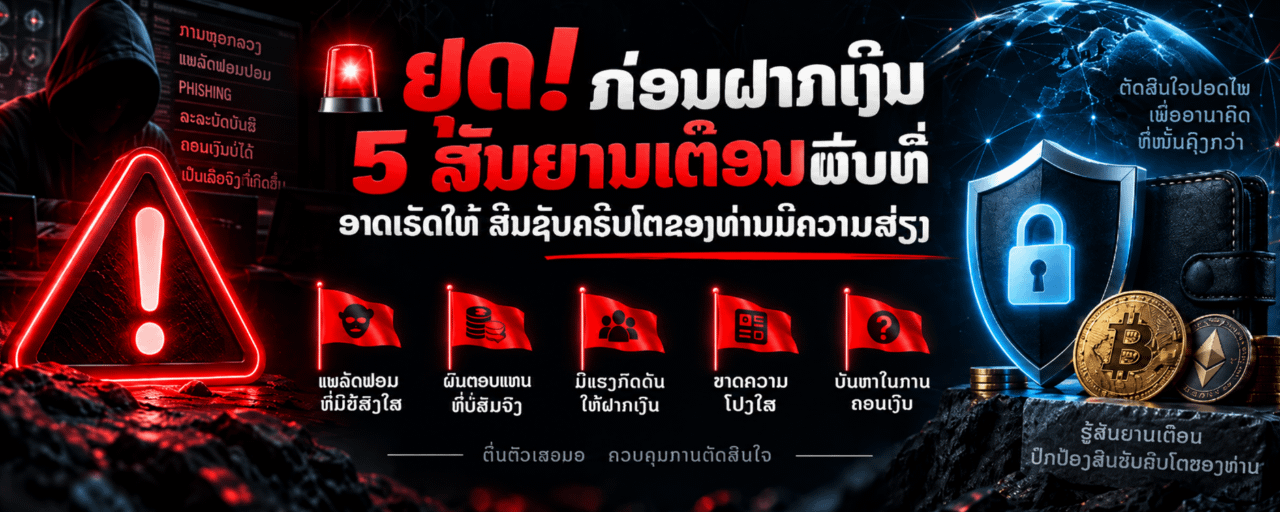
DỪNG LẠI TRƯỚC KHI GỬI TIỀN: 5 DẤU HIỆU ĐỎ CÓ THỂ KHIẾN CRYPTO CỦA BẠN GẶP RỦI RO🚨 Dừng lại trước khi gửi tiền: 5 dấu hiệu cảnh báo có thể khiến Crypto của bạn gặp rủi ro
Không phải mọi nền tảng Crypto hoặc Tài chính đều có chung một tiêu chuẩn.
Trước khi bạn gửi tiền, hãy thử tự hỏi:
“Nếu ngày mai xảy ra sự cố, tài sản của tôi sẽ được bảo vệ ở mức độ bao nhiêu?”
DỪNG LẠI TRƯỚC KHI GỬI TIỀN: 5 DẤU HIỆU ĐỎ CÓ THỂ KHIẾN CRYPTO CỦA BẠN GẶP RỦI RO
🚨 Dừng lại trước khi gửi tiền: 5 dấu hiệu cảnh báo có thể khiến Crypto của bạn gặp rủi ro
Không phải mọi nền tảng Crypto hoặc Tài chính đều có chung một tiêu chuẩn.
Trước khi bạn gửi tiền, hãy thử tự hỏi:
“Nếu ngày mai xảy ra sự cố, tài sản của tôi sẽ được bảo vệ ở mức độ bao nhiêu?”
Không phải mọi nền tảng Crypto hoặc Tài chính đều có chung một tiêu chuẩn.
Trước khi bạn gửi tiền, hãy thử tự hỏi:
“Nếu ngày mai xảy ra sự cố, tài sản của tôi sẽ được bảo vệ ở mức độ bao nhiêu?”
175
·
--
Bài viết
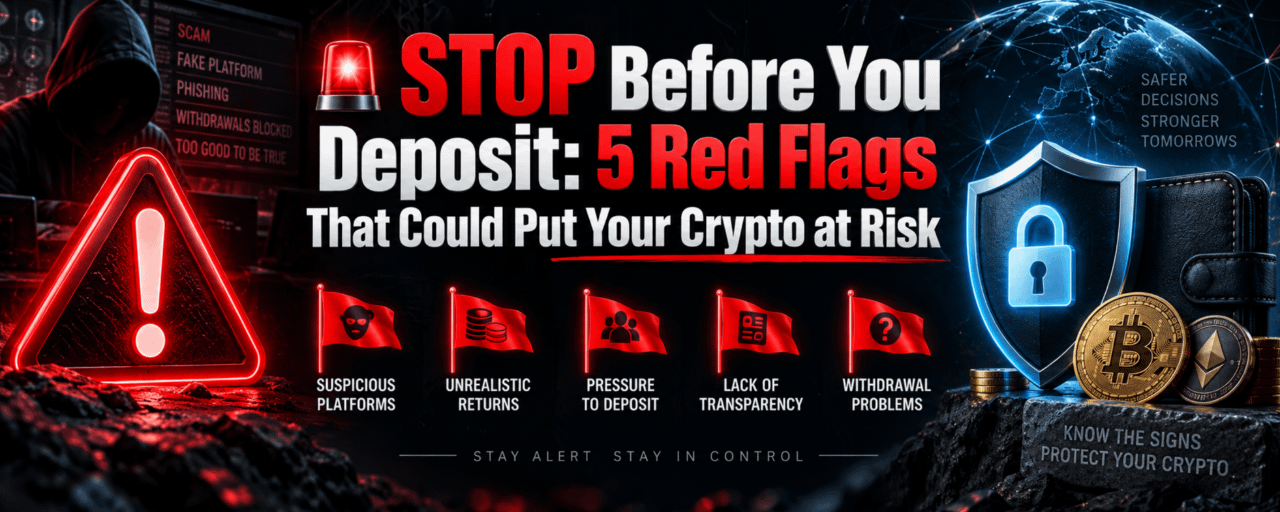
DỪNG TRƯỚC KHI NẠP TIỀN: 5 Dấu Hiệu Cảnh Báo Có Thể Đặt Crypto của Bạn Vào Nguy Cơ🚨 DỪNG TRƯỚC KHI NẠP TIỀN: 5 Dấu Hiệu Cảnh Báo Có Thể Đặt Crypto của Bạn Vào Nguy Cơ
Không phải mọi nền tảng crypto hay tài chính đều được xây dựng giống nhau.
Trước khi bạn nạp tiền, hãy tự hỏi một câu:
“Nếu ngày mai có chuyện xảy ra, tôi được bảo vệ đến mức nào?”
Dưới đây là 5 dấu hiệu cảnh báo lớn mà bạn không nên bao giờ bỏ qua.
Dưới đây là 5 dấu hiệu cảnh báo lớn mà bạn không nên bao giờ bỏ qua. 👇
🚩 1. Không Rõ Cấp Phép Hoặc Tình Trạng Pháp Lý
Nếu bạn không thể hiểu rõ ai vận hành nền tảng, nền tảng hoạt động ở đâu, hoặc khung pháp lý nào áp dụng — hãy tìm hiểu trước khi nạp tiền.
DỪNG TRƯỚC KHI NẠP TIỀN: 5 Dấu Hiệu Cảnh Báo Có Thể Đặt Crypto của Bạn Vào Nguy Cơ
🚨 DỪNG TRƯỚC KHI NẠP TIỀN: 5 Dấu Hiệu Cảnh Báo Có Thể Đặt Crypto của Bạn Vào Nguy Cơ
Không phải mọi nền tảng crypto hay tài chính đều được xây dựng giống nhau.
Trước khi bạn nạp tiền, hãy tự hỏi một câu:
“Nếu ngày mai có chuyện xảy ra, tôi được bảo vệ đến mức nào?”
Dưới đây là 5 dấu hiệu cảnh báo lớn mà bạn không nên bao giờ bỏ qua.
Dưới đây là 5 dấu hiệu cảnh báo lớn mà bạn không nên bao giờ bỏ qua. 👇
🚩 1. Không Rõ Cấp Phép Hoặc Tình Trạng Pháp Lý
Nếu bạn không thể hiểu rõ ai vận hành nền tảng, nền tảng hoạt động ở đâu, hoặc khung pháp lý nào áp dụng — hãy tìm hiểu trước khi nạp tiền.
Không phải mọi nền tảng crypto hay tài chính đều được xây dựng giống nhau.
Trước khi bạn nạp tiền, hãy tự hỏi một câu:
“Nếu ngày mai có chuyện xảy ra, tôi được bảo vệ đến mức nào?”
Dưới đây là 5 dấu hiệu cảnh báo lớn mà bạn không nên bao giờ bỏ qua.
Dưới đây là 5 dấu hiệu cảnh báo lớn mà bạn không nên bao giờ bỏ qua. 👇
🚩 1. Không Rõ Cấp Phép Hoặc Tình Trạng Pháp Lý
Nếu bạn không thể hiểu rõ ai vận hành nền tảng, nền tảng hoạt động ở đâu, hoặc khung pháp lý nào áp dụng — hãy tìm hiểu trước khi nạp tiền.
91
·
--
Bài viết
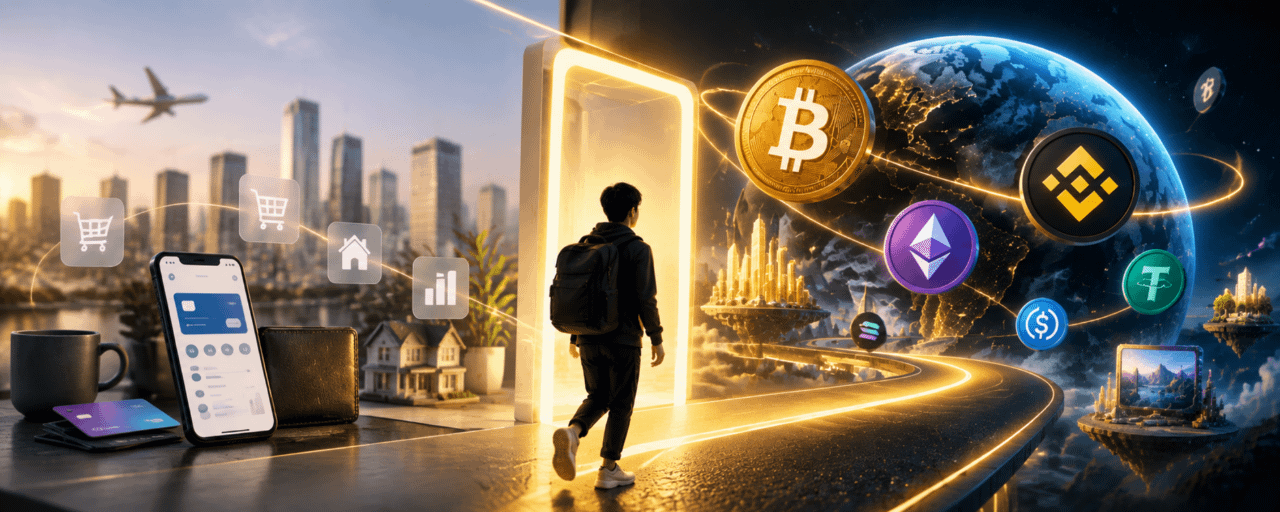
Tôi đã nghĩ Revolut là đủ… cho đến khi tôi phát hiện ra BinanceCách mọi người đang xoay sở với tài chính đang thay đổi. Với nhiều người dùng, việc chỉ có một ứng dụng tài chính thôi có thể sẽ không còn đủ — họ đang tìm kiếm các nền tảng có thể mang lại sự linh hoạt hơn, truy cập dễ dàng hơn và giúp khám phá tương lai của tài chính.
Tôi đã nghĩ Revolut là đủ… cho đến khi tôi phát hiện ra Binance
Cách mọi người đang xoay sở với tài chính đang thay đổi. Với nhiều người dùng, việc chỉ có một ứng dụng tài chính thôi có thể sẽ không còn đủ — họ đang tìm kiếm các nền tảng có thể mang lại sự linh hoạt hơn, truy cập dễ dàng hơn và giúp khám phá tương lai của tài chính.
1
108
·
--
Bài viết
Tôi Tưởng Revolut Đã Đủ… Cho Đến Khi Tôi Khám Phá BinanceCách mọi người quản lý tài chính đang thay đổi. Với nhiều người dùng, việc chỉ có một ứng dụng tài chính số không còn đủ — họ đang tìm kiếm một nền tảng mang lại nhiều sự linh hoạt hơn, khả năng tiếp cận tốt hơn và một cách tốt hơn để khám phá tương lai của tài chính.
Một người dùng trước đây từng sử dụng Revolut cho các dịch vụ tài chính số và cho rằng như vậy là đủ cho các nhu cầu tài chính hằng ngày. Tuy nhiên, khi người dùng ngày càng quan tâm hơn đến tài sản kỹ thuật số và Web3, họ bắt đầu tìm kiếm một nền tảng có thể mang lại trải nghiệm hoàn chỉnh hơn.
Tôi Tưởng Revolut Đã Đủ… Cho Đến Khi Tôi Khám Phá Binance
Cách mọi người quản lý tài chính đang thay đổi. Với nhiều người dùng, việc chỉ có một ứng dụng tài chính số không còn đủ — họ đang tìm kiếm một nền tảng mang lại nhiều sự linh hoạt hơn, khả năng tiếp cận tốt hơn và một cách tốt hơn để khám phá tương lai của tài chính.
Một người dùng trước đây từng sử dụng Revolut cho các dịch vụ tài chính số và cho rằng như vậy là đủ cho các nhu cầu tài chính hằng ngày. Tuy nhiên, khi người dùng ngày càng quan tâm hơn đến tài sản kỹ thuật số và Web3, họ bắt đầu tìm kiếm một nền tảng có thể mang lại trải nghiệm hoàn chỉnh hơn.
Một người dùng trước đây từng sử dụng Revolut cho các dịch vụ tài chính số và cho rằng như vậy là đủ cho các nhu cầu tài chính hằng ngày. Tuy nhiên, khi người dùng ngày càng quan tâm hơn đến tài sản kỹ thuật số và Web3, họ bắt đầu tìm kiếm một nền tảng có thể mang lại trải nghiệm hoàn chỉnh hơn.
85
·
--
Bài viết
DeFi 3.0: Khi tài sản trong thế giới thực trở thành thứ có thể lập trình trên Blockchain🚀 DeFi 3.0: Khi tài sản trong thế giới thực trở thành thứ có thể lập trình được trên Blockchain
Trong nhiều năm qua, DeFi (Tài chính phi tập trung) đã thay đổi cách mọi người tiếp cận các dịch vụ tài chính chính thống.
🔹 DeFi 1.0 bắt đầu với các dịch vụ cơ bản như mua bán và cho vay thông qua Blockchain.
DeFi 3.0: Khi tài sản trong thế giới thực trở thành thứ có thể lập trình trên Blockchain
🚀 DeFi 3.0: Khi tài sản trong thế giới thực trở thành thứ có thể lập trình được trên Blockchain
Trong nhiều năm qua, DeFi (Tài chính phi tập trung) đã thay đổi cách mọi người tiếp cận các dịch vụ tài chính chính thống.
🔹 DeFi 1.0 bắt đầu với các dịch vụ cơ bản như mua bán và cho vay thông qua Blockchain.
Trong nhiều năm qua, DeFi (Tài chính phi tập trung) đã thay đổi cách mọi người tiếp cận các dịch vụ tài chính chính thống.
🔹 DeFi 1.0 bắt đầu với các dịch vụ cơ bản như mua bán và cho vay thông qua Blockchain.
1
90
·
--
Bài viết
DeFi 3.0: Khi tài sản thế giới thực trở nên có thể lập trình trên blockchain🚀 DeFi 3.0: Khi tài sản thế giới thực trở nên có thể lập trình trên blockchain
Trong vài năm qua, DeFi (Tài chính phi tập trung) đã thay đổi cách mọi người tiếp cận các dịch vụ tài chính.
🔹 DeFi 1.0 đã giới thiệu các hoạt động tài chính cốt lõi như giao dịch và cho vay trên blockchain.
🔹 DeFi 2.0 đã mở rộng hệ sinh thái bằng cách kết nối các giao thức khác nhau và cho phép khả năng kết hợp (composability) cao hơn.
Hiện nay, ngành công nghiệp đang tiến tới một giai đoạn mới — DeFi 3.0.
DeFi 3.0 tập trung vào việc đưa Tài sản Thế giới Thực (RWA - Real-World Assets), như cổ phiếu, trái phiếu và các tài sản tài chính khác, lên blockchain. Bằng cách biến các tài sản này thành có thể lập trình, công nghệ blockchain có thể tạo ra những cách thức mới để tài sản tương tác, vận hành và tạo ra giá trị.
DeFi 3.0: Khi tài sản thế giới thực trở nên có thể lập trình trên blockchain
🚀 DeFi 3.0: Khi tài sản thế giới thực trở nên có thể lập trình trên blockchain
Trong vài năm qua, DeFi (Tài chính phi tập trung) đã thay đổi cách mọi người tiếp cận các dịch vụ tài chính.
🔹 DeFi 1.0 đã giới thiệu các hoạt động tài chính cốt lõi như giao dịch và cho vay trên blockchain.
🔹 DeFi 2.0 đã mở rộng hệ sinh thái bằng cách kết nối các giao thức khác nhau và cho phép khả năng kết hợp (composability) cao hơn.
Hiện nay, ngành công nghiệp đang tiến tới một giai đoạn mới — DeFi 3.0.
DeFi 3.0 tập trung vào việc đưa Tài sản Thế giới Thực (RWA - Real-World Assets), như cổ phiếu, trái phiếu và các tài sản tài chính khác, lên blockchain. Bằng cách biến các tài sản này thành có thể lập trình, công nghệ blockchain có thể tạo ra những cách thức mới để tài sản tương tác, vận hành và tạo ra giá trị.
Trong vài năm qua, DeFi (Tài chính phi tập trung) đã thay đổi cách mọi người tiếp cận các dịch vụ tài chính.
🔹 DeFi 1.0 đã giới thiệu các hoạt động tài chính cốt lõi như giao dịch và cho vay trên blockchain.
🔹 DeFi 2.0 đã mở rộng hệ sinh thái bằng cách kết nối các giao thức khác nhau và cho phép khả năng kết hợp (composability) cao hơn.
Hiện nay, ngành công nghiệp đang tiến tới một giai đoạn mới — DeFi 3.0.
DeFi 3.0 tập trung vào việc đưa Tài sản Thế giới Thực (RWA - Real-World Assets), như cổ phiếu, trái phiếu và các tài sản tài chính khác, lên blockchain. Bằng cách biến các tài sản này thành có thể lập trình, công nghệ blockchain có thể tạo ra những cách thức mới để tài sản tương tác, vận hành và tạo ra giá trị.
167
·
--
Bài viết
Cổ phiếu được mã hóa đang phát triển: Binance đang xây dựng tương lai của đầu tư trên chuỗi như thế nàoCách đầu tư vào vốn biến đổi.
Trong nhiều thập kỷ, các cổ phiếu truyền thống đã được mua bán thông qua các hệ thống tài chính tập trung (Centralized Financial Systems). Nhưng với sự phát triển của công nghệ Blockchain, đang xuất hiện những khả năng mới: Tokenized Equities — việc đưa tài sản thực vào Blockchain.
Cổ phiếu được mã hóa đang phát triển: Binance đang xây dựng tương lai của đầu tư trên chuỗi như thế nào
Cách đầu tư vào vốn biến đổi.
Trong nhiều thập kỷ, các cổ phiếu truyền thống đã được mua bán thông qua các hệ thống tài chính tập trung (Centralized Financial Systems). Nhưng với sự phát triển của công nghệ Blockchain, đang xuất hiện những khả năng mới: Tokenized Equities — việc đưa tài sản thực vào Blockchain.
Trong nhiều thập kỷ, các cổ phiếu truyền thống đã được mua bán thông qua các hệ thống tài chính tập trung (Centralized Financial Systems). Nhưng với sự phát triển của công nghệ Blockchain, đang xuất hiện những khả năng mới: Tokenized Equities — việc đưa tài sản thực vào Blockchain.
77
·
--
Bài viết
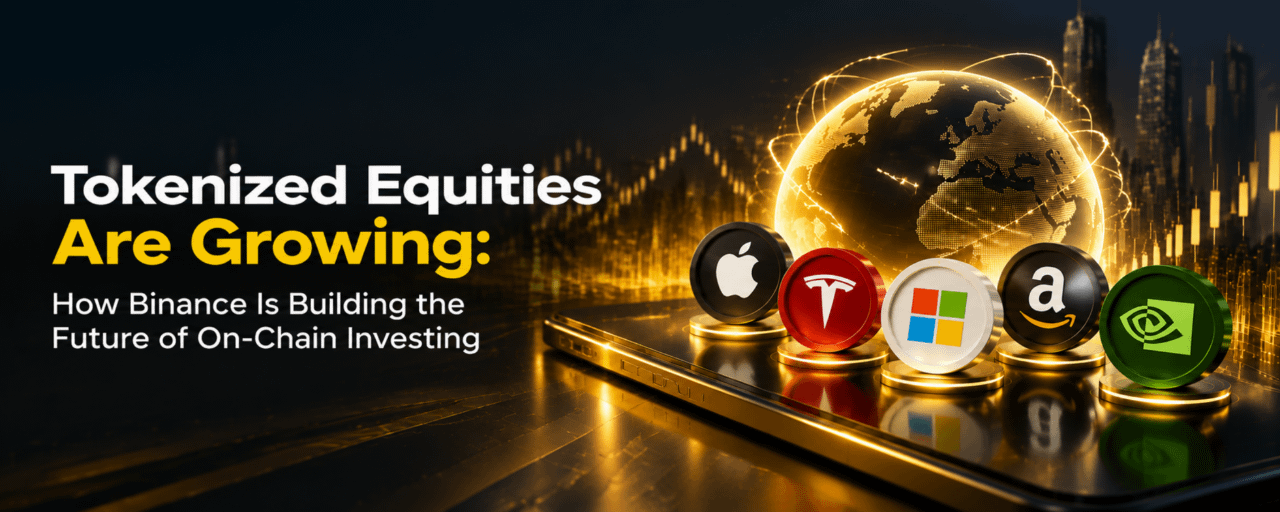
Cổ phiếu được token hóa đang tăng trưởng: Binance đang xây dựng tương lai của đầu tư on-chain như thế nàoCách mọi người đầu tư đang thay đổi.
Trong nhiều thập kỷ, các cổ phiếu truyền thống đã được giao dịch thông qua các hệ thống tài chính tập trung. Nhưng với sự trỗi dậy của công nghệ blockchain, một khả năng mới đang dần xuất hiện: Cổ phiếu được token hóa — đưa tài sản trong thế giới thực lên blockchain.
Cổ phiếu được token hóa không còn chỉ là một thử nghiệm. Chúng đang trở thành một phần quan trọng của bức tranh đầu tư trong tương lai, kết nối các thị trường truyền thống với tốc độ, tính minh bạch và khả năng tiếp cận của công nghệ blockchain.
Cổ phiếu được token hóa là gì?
Cổ phiếu được token hóa đang tăng trưởng: Binance đang xây dựng tương lai của đầu tư on-chain như thế nào
Cách mọi người đầu tư đang thay đổi.
Trong nhiều thập kỷ, các cổ phiếu truyền thống đã được giao dịch thông qua các hệ thống tài chính tập trung. Nhưng với sự trỗi dậy của công nghệ blockchain, một khả năng mới đang dần xuất hiện: Cổ phiếu được token hóa — đưa tài sản trong thế giới thực lên blockchain.
Cổ phiếu được token hóa không còn chỉ là một thử nghiệm. Chúng đang trở thành một phần quan trọng của bức tranh đầu tư trong tương lai, kết nối các thị trường truyền thống với tốc độ, tính minh bạch và khả năng tiếp cận của công nghệ blockchain.
Cổ phiếu được token hóa là gì?
Trong nhiều thập kỷ, các cổ phiếu truyền thống đã được giao dịch thông qua các hệ thống tài chính tập trung. Nhưng với sự trỗi dậy của công nghệ blockchain, một khả năng mới đang dần xuất hiện: Cổ phiếu được token hóa — đưa tài sản trong thế giới thực lên blockchain.
Cổ phiếu được token hóa không còn chỉ là một thử nghiệm. Chúng đang trở thành một phần quan trọng của bức tranh đầu tư trong tương lai, kết nối các thị trường truyền thống với tốc độ, tính minh bạch và khả năng tiếp cận của công nghệ blockchain.
Cổ phiếu được token hóa là gì?
72
·
--

Bài viết
90.000+ Yêu cầu trong 1 ngày: Binance Agent OS đang chứng minh AI đã hiện hữuAI đang tiến từ trào lưu phổ biến sang ứng dụng thực tế.
Trước đây AI chỉ đơn giản trả lời câu hỏi, hiện tại AI Agents đang bắt đầu có thể truy cập thông tin, tương tác với nhiều dịch vụ khác nhau và giúp người dùng thực hiện nhiều tác vụ khác nhau theo thời gian thực.
90.000+ Yêu cầu trong 1 ngày: Binance Agent OS đang chứng minh AI đã hiện hữu
AI đang tiến từ trào lưu phổ biến sang ứng dụng thực tế.
Trước đây AI chỉ đơn giản trả lời câu hỏi, hiện tại AI Agents đang bắt đầu có thể truy cập thông tin, tương tác với nhiều dịch vụ khác nhau và giúp người dùng thực hiện nhiều tác vụ khác nhau theo thời gian thực.
Trước đây AI chỉ đơn giản trả lời câu hỏi, hiện tại AI Agents đang bắt đầu có thể truy cập thông tin, tương tác với nhiều dịch vụ khác nhau và giúp người dùng thực hiện nhiều tác vụ khác nhau theo thời gian thực.
67
·
--

Bài viết
90.000+ Yêu cầu trong Một Ngày: Binance Agent OS Đang Chứng Minh AI Đã Ở ĐâyAI đang vượt xa những lời thổi phồng.
Thay vì chỉ trả lời câu hỏi, các tác nhân AI đang bắt đầu truy cập thông tin, tương tác với dịch vụ và giúp người dùng hoàn thành công việc trong thời gian thực.
Và những con số ban đầu từ Binance Agent OS đã bắt đầu thu hút sự chú ý. 🤖⚡
Trong những tuần đầu tiên ra mắt trực tiếp, Binance Agent OS đã xử lý hơn 90.000 yêu cầu từ các tác nhân chỉ trong một ngày.
Đây là những gì đã xảy ra 👇
90.000+ yêu cầu - Nhưng hoạt động tốt đến mức nào?
📊 90.000+ yêu cầu — Nhưng hoạt động tốt đến mức nào?
Dữ liệu sử dụng ban đầu cho thấy:
90.000+ Yêu cầu trong Một Ngày: Binance Agent OS Đang Chứng Minh AI Đã Ở Đây
AI đang vượt xa những lời thổi phồng.
Thay vì chỉ trả lời câu hỏi, các tác nhân AI đang bắt đầu truy cập thông tin, tương tác với dịch vụ và giúp người dùng hoàn thành công việc trong thời gian thực.
Và những con số ban đầu từ Binance Agent OS đã bắt đầu thu hút sự chú ý. 🤖⚡
Trong những tuần đầu tiên ra mắt trực tiếp, Binance Agent OS đã xử lý hơn 90.000 yêu cầu từ các tác nhân chỉ trong một ngày.
Đây là những gì đã xảy ra 👇
90.000+ yêu cầu - Nhưng hoạt động tốt đến mức nào?
📊 90.000+ yêu cầu — Nhưng hoạt động tốt đến mức nào?
Dữ liệu sử dụng ban đầu cho thấy:
Thay vì chỉ trả lời câu hỏi, các tác nhân AI đang bắt đầu truy cập thông tin, tương tác với dịch vụ và giúp người dùng hoàn thành công việc trong thời gian thực.
Và những con số ban đầu từ Binance Agent OS đã bắt đầu thu hút sự chú ý. 🤖⚡
Trong những tuần đầu tiên ra mắt trực tiếp, Binance Agent OS đã xử lý hơn 90.000 yêu cầu từ các tác nhân chỉ trong một ngày.
Đây là những gì đã xảy ra 👇
90.000+ yêu cầu - Nhưng hoạt động tốt đến mức nào?
📊 90.000+ yêu cầu — Nhưng hoạt động tốt đến mức nào?
Dữ liệu sử dụng ban đầu cho thấy:
113
·
--
Bài viết
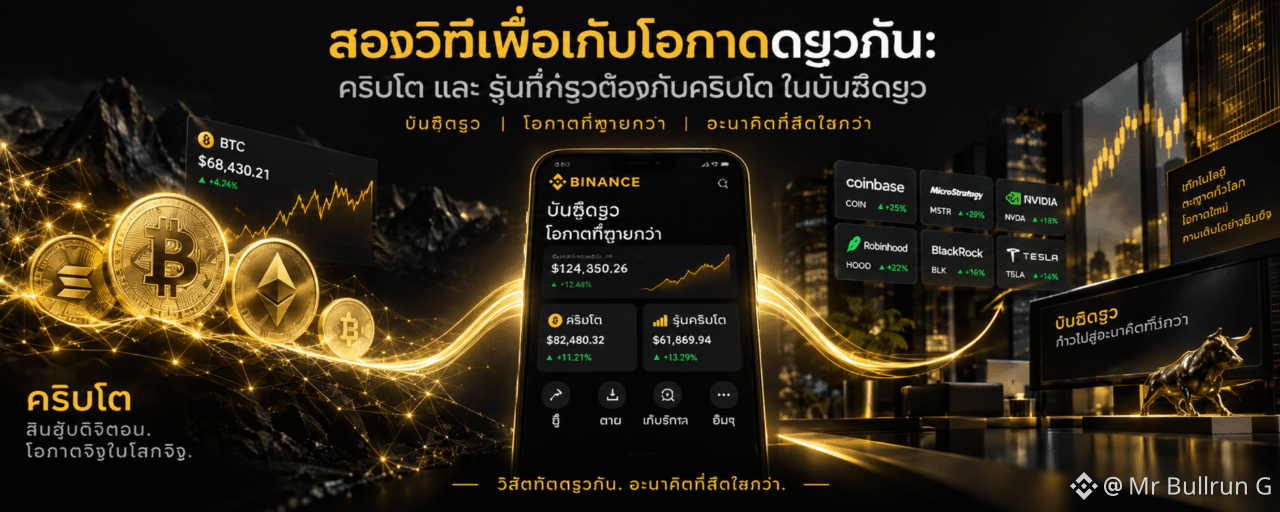
Hai Cách Chơi Một Quan Điểm: Crypto và Cổ Phiếu Crypto trong Một Tài KhoảnThị trường Crypto không chỉ được thúc đẩy bởi một loại tài sản duy nhất. Khi ngành công nghiệp Crypto vẫn tiếp tục phát triển, các nhà đầu tư đang tìm kiếm những cách thức khác ngoài việc nắm giữ trực tiếp Cryptocurrency để tiếp cận các cơ hội từ hệ sinh thái Crypto đang mở rộng.
Hai Cách Chơi Một Quan Điểm: Crypto và Cổ Phiếu Crypto trong Một Tài Khoản
Thị trường Crypto không chỉ được thúc đẩy bởi một loại tài sản duy nhất. Khi ngành công nghiệp Crypto vẫn tiếp tục phát triển, các nhà đầu tư đang tìm kiếm những cách thức khác ngoài việc nắm giữ trực tiếp Cryptocurrency để tiếp cận các cơ hội từ hệ sinh thái Crypto đang mở rộng.
111
·
--
Bài viết
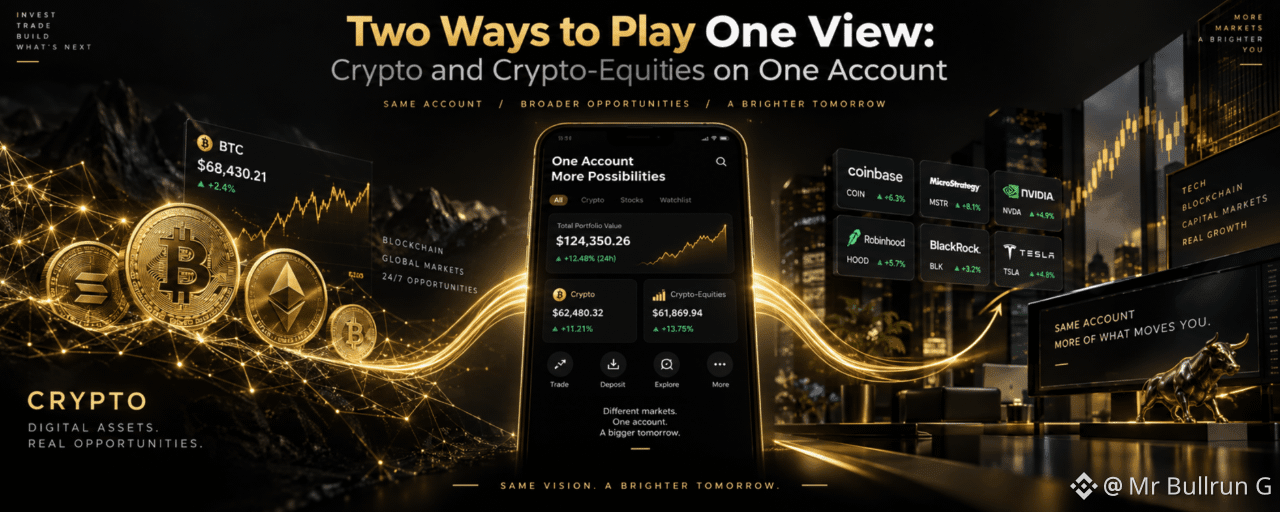
Hai Cách Thể Hiện Cùng Một Quan Điểm: Crypto và Crypto-Equities trên Cùng Một Tài KhoảnThị trường crypto không được thúc đẩy bởi một tài sản duy nhất. Khi ngành tiếp tục phát triển, các nhà đầu tư đang tìm kiếm vượt ra ngoài bản thân các loại tiền mã hóa và khám phá những cách khác nhau để tiếp xúc với toàn bộ hệ sinh thái crypto rộng lớn hơn.
Khi Bitcoin chuyển từ mức dưới $60K lên trên $80K trong vòng 10 ngày, đợt tăng không chỉ giới hạn ở BTC. Các cổ phiếu liên quan đến crypto cũng ghi nhận đà tăng mạnh, bao gồm:
MSTR +29%
MARA +40%
COIN +25%
Điều này cho thấy cách Crypto-Equities có thể mang lại một phương thức khác để tham gia vào sự tăng trưởng của ngành công nghiệp crypto.
Hai Cách Thể Hiện Cùng Một Quan Điểm: Crypto và Crypto-Equities trên Cùng Một Tài Khoản
Thị trường crypto không được thúc đẩy bởi một tài sản duy nhất. Khi ngành tiếp tục phát triển, các nhà đầu tư đang tìm kiếm vượt ra ngoài bản thân các loại tiền mã hóa và khám phá những cách khác nhau để tiếp xúc với toàn bộ hệ sinh thái crypto rộng lớn hơn.
Khi Bitcoin chuyển từ mức dưới $60K lên trên $80K trong vòng 10 ngày, đợt tăng không chỉ giới hạn ở BTC. Các cổ phiếu liên quan đến crypto cũng ghi nhận đà tăng mạnh, bao gồm:
MSTR +29%
MARA +40%
COIN +25%
Điều này cho thấy cách Crypto-Equities có thể mang lại một phương thức khác để tham gia vào sự tăng trưởng của ngành công nghiệp crypto.
Khi Bitcoin chuyển từ mức dưới $60K lên trên $80K trong vòng 10 ngày, đợt tăng không chỉ giới hạn ở BTC. Các cổ phiếu liên quan đến crypto cũng ghi nhận đà tăng mạnh, bao gồm:
MSTR +29%
MARA +40%
COIN +25%
Điều này cho thấy cách Crypto-Equities có thể mang lại một phương thức khác để tham gia vào sự tăng trưởng của ngành công nghiệp crypto.
188
·
--
Bài viết
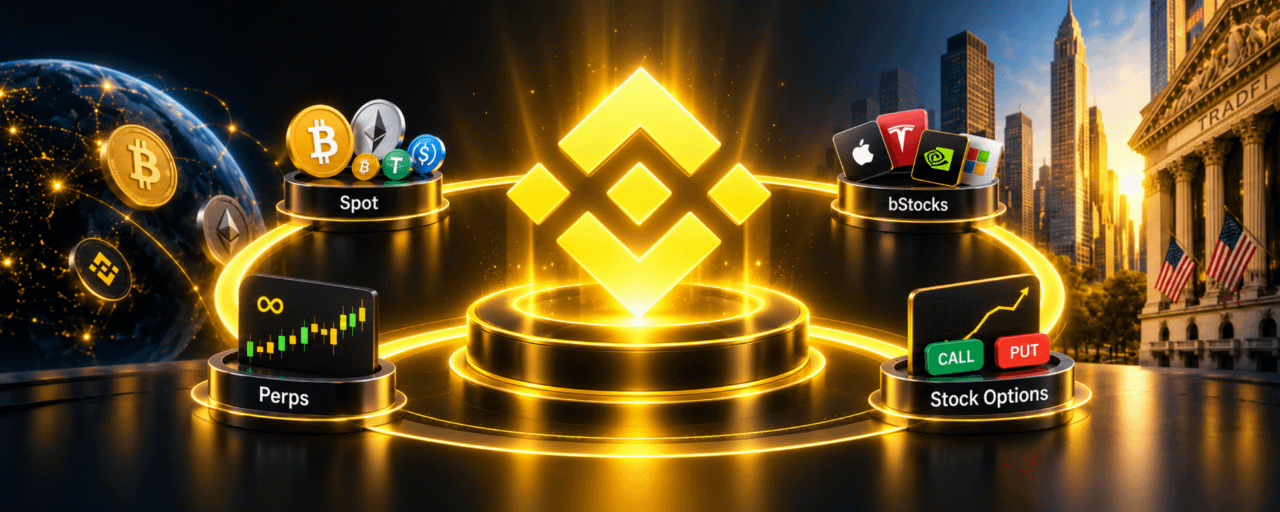
Vòng lặp hoàn chỉnh: Cách quyền chọn cổ phiếu hoàn thiện bộ công cụ Crypto và TradFi của Binance📈 Vòng lặp hoàn chỉnh: Cách quyền chọn cổ phiếu hoàn thiện bộ công cụ Crypto và TradFi của Binance
Các thị trường tài chính đang ngày càng liên kết chặt chẽ hơn. Nhà đầu tư không còn nhìn nhận crypto và tài chính truyền thống như hai thế giới hoàn toàn tách biệt. Thay vào đó, nhiều người đang tìm kiếm các công cụ linh hoạt có thể giúp họ quản lý cơ hội và rủi ro trên nhiều thị trường khác nhau.
Đây là lúc Quyền chọn cổ phiếu có thể đóng một vai trò quan trọng.
Với Spot, bStocks, Hợp đồng tương lai vĩnh cửu và Quyền chọn cổ phiếu, Binance đang xây dựng một hệ sinh thái đa tài sản rộng lớn hơn, nơi các công cụ tài chính khác nhau có thể phối hợp với nhau dưới một nền tảng duy nhất.
Vòng lặp hoàn chỉnh: Cách quyền chọn cổ phiếu hoàn thiện bộ công cụ Crypto và TradFi của Binance
📈 Vòng lặp hoàn chỉnh: Cách quyền chọn cổ phiếu hoàn thiện bộ công cụ Crypto và TradFi của Binance
Các thị trường tài chính đang ngày càng liên kết chặt chẽ hơn. Nhà đầu tư không còn nhìn nhận crypto và tài chính truyền thống như hai thế giới hoàn toàn tách biệt. Thay vào đó, nhiều người đang tìm kiếm các công cụ linh hoạt có thể giúp họ quản lý cơ hội và rủi ro trên nhiều thị trường khác nhau.
Đây là lúc Quyền chọn cổ phiếu có thể đóng một vai trò quan trọng.
Với Spot, bStocks, Hợp đồng tương lai vĩnh cửu và Quyền chọn cổ phiếu, Binance đang xây dựng một hệ sinh thái đa tài sản rộng lớn hơn, nơi các công cụ tài chính khác nhau có thể phối hợp với nhau dưới một nền tảng duy nhất.
Các thị trường tài chính đang ngày càng liên kết chặt chẽ hơn. Nhà đầu tư không còn nhìn nhận crypto và tài chính truyền thống như hai thế giới hoàn toàn tách biệt. Thay vào đó, nhiều người đang tìm kiếm các công cụ linh hoạt có thể giúp họ quản lý cơ hội và rủi ro trên nhiều thị trường khác nhau.
Đây là lúc Quyền chọn cổ phiếu có thể đóng một vai trò quan trọng.
Với Spot, bStocks, Hợp đồng tương lai vĩnh cửu và Quyền chọn cổ phiếu, Binance đang xây dựng một hệ sinh thái đa tài sản rộng lớn hơn, nơi các công cụ tài chính khác nhau có thể phối hợp với nhau dưới một nền tảng duy nhất.
110
·
--
Tăng giá
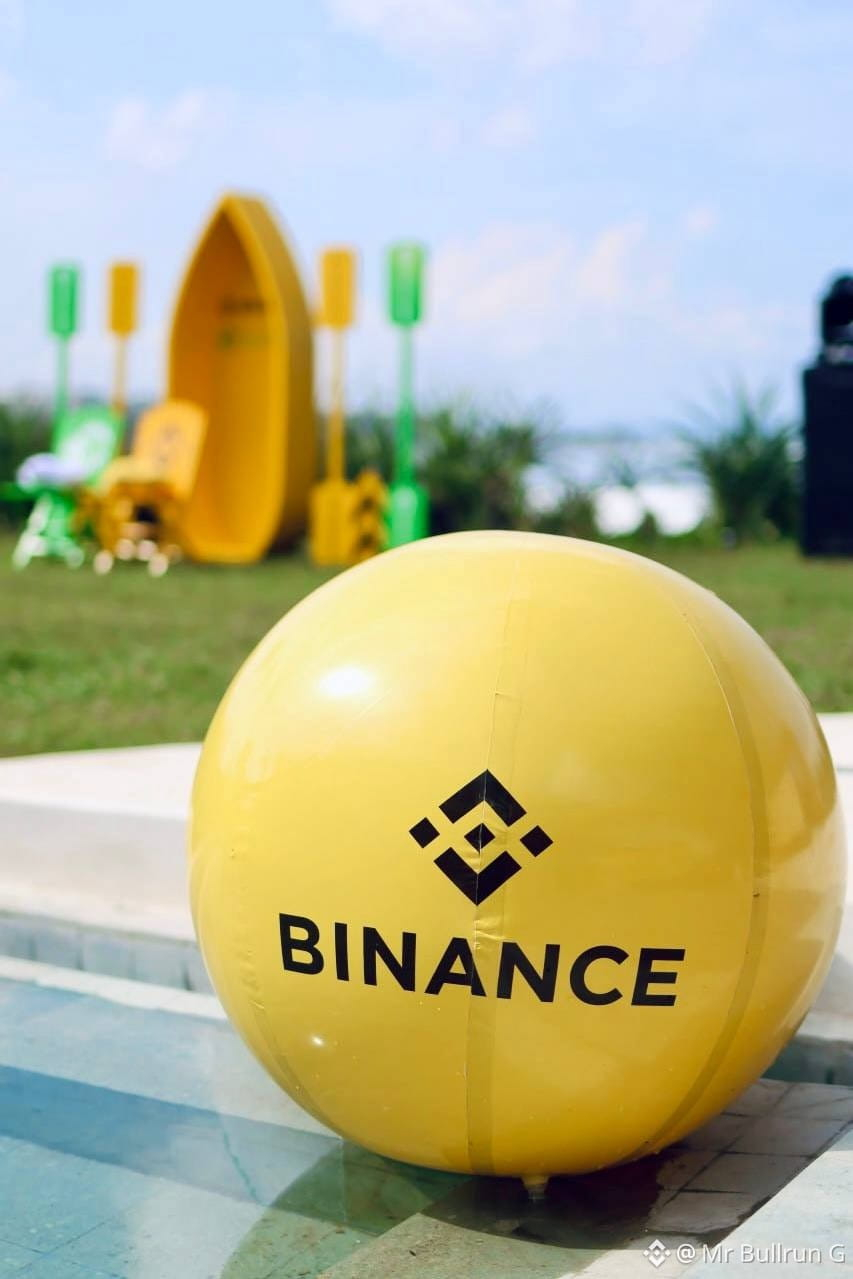
Cảm giác bình yên, an toàn và tự tin
ở bất cứ nơi nào chúng ta đến, bất cứ khi nào chúng ta cần. 🌍✨
Đó là lý do cộng đồng của chúng tôi yêu Binance. 💛
{spot}(BNBUSDT)
Cảm giác bình yên, an toàn và tự tin
ở bất cứ nơi nào chúng ta đến, bất cứ khi nào chúng ta cần. 🌍✨
Đó là lý do cộng đồng của chúng tôi yêu Binance. 💛
ở bất cứ nơi nào chúng ta đến, bất cứ khi nào chúng ta cần. 🌍✨
Đó là lý do cộng đồng của chúng tôi yêu Binance. 💛
63
·
--
Bài viết
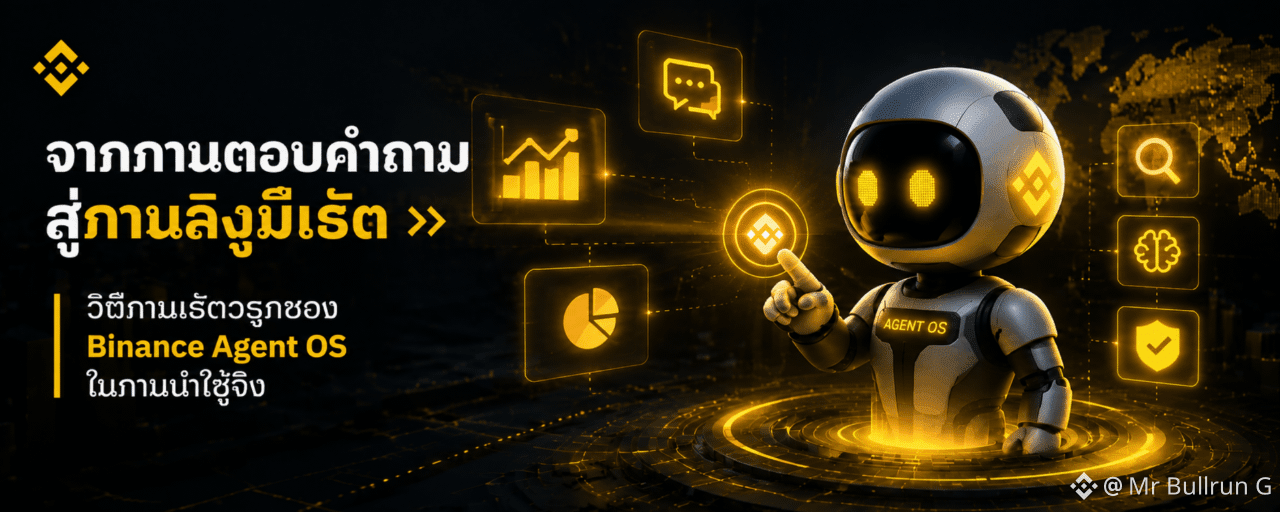
Từ Trả lời đến Hành động: Binance Agent OS Hoạt động Thực tế như thế nàoTrí tuệ nhân tạo (AI) đang được phát triển từ hệ thống chỉ trả lời câu hỏi sang các AI Agents thông minh có khả năng hiểu, phân tích và thực hiện nhiều nhiệm vụ khác nhau.
Binance Agent OS ແມ່ນຂັ້ນຕອນຕໍ່ໄປ của việc phát triển này — chuyển từ AI Assistant truyền thống chỉ để cung cấp thông tin sang các AI Agents có thể kết nối với dữ liệu tài chính, ứng dụng và nhiều công cụ khác trong môi trường được quản lý và có thể kiểm chứng được.
Từ Trả lời đến Hành động: Binance Agent OS Hoạt động Thực tế như thế nào
Trí tuệ nhân tạo (AI) đang được phát triển từ hệ thống chỉ trả lời câu hỏi sang các AI Agents thông minh có khả năng hiểu, phân tích và thực hiện nhiều nhiệm vụ khác nhau.
Binance Agent OS ແມ່ນຂັ້ນຕອນຕໍ່ໄປ của việc phát triển này — chuyển từ AI Assistant truyền thống chỉ để cung cấp thông tin sang các AI Agents có thể kết nối với dữ liệu tài chính, ứng dụng và nhiều công cụ khác trong môi trường được quản lý và có thể kiểm chứng được.
Binance Agent OS ແມ່ນຂັ້ນຕອນຕໍ່ໄປ của việc phát triển này — chuyển từ AI Assistant truyền thống chỉ để cung cấp thông tin sang các AI Agents có thể kết nối với dữ liệu tài chính, ứng dụng và nhiều công cụ khác trong môi trường được quản lý và có thể kiểm chứng được.
105
·
--
Bài viết
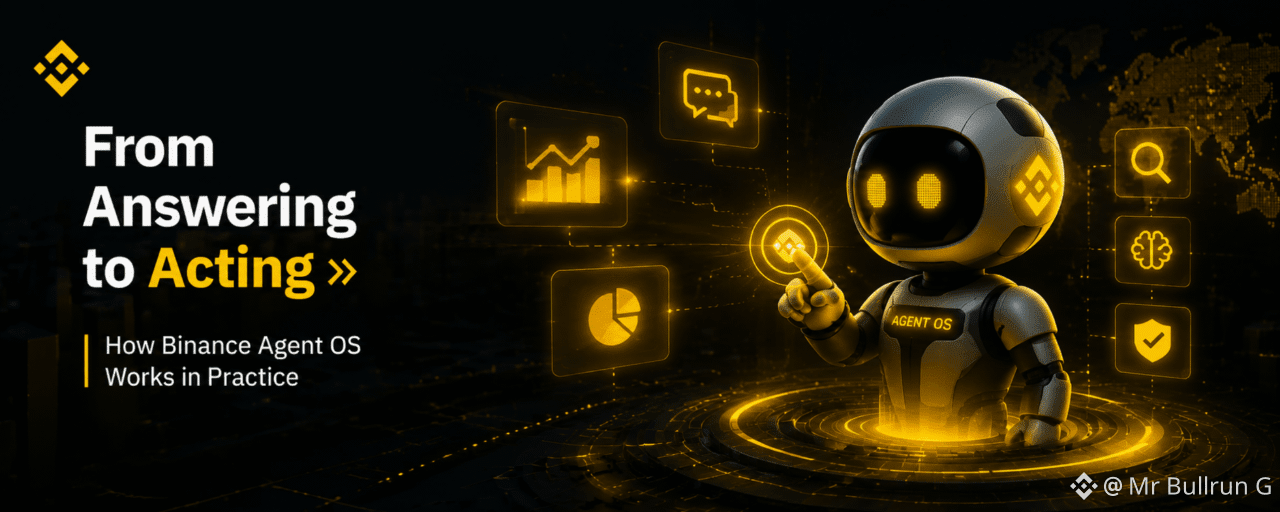
Từ Trả lời đến Hành động: Binance Agent OS hoạt động như thế nào trong thực tiễnTrí tuệ nhân tạo đang phát triển từ các hệ thống hỏi-đáp đơn giản thành các tác nhân thông minh có thể hiểu, phân tích và thực thi các nhiệm vụ.
Binance Agent OS đại diện cho bước tiếp theo trong quá trình phát triển này — vượt ra khỏi các trợ lý AI truyền thống chỉ cung cấp thông tin, hướng tới các tác nhân AI có thể tương tác với dữ liệu tài chính, ứng dụng và công cụ trong một môi trường được kiểm soát và có thể kiểm toán.
Khi AI ngày càng được tích hợp sâu hơn vào các dịch vụ tài chính, tương lai đang chuyển dịch từ AI chỉ đưa ra câu trả lời sang AI có thể giúp người dùng hoàn thành các tác vụ trong thế giới thực.
Từ Trả lời đến Hành động: Binance Agent OS hoạt động như thế nào trong thực tiễn
Trí tuệ nhân tạo đang phát triển từ các hệ thống hỏi-đáp đơn giản thành các tác nhân thông minh có thể hiểu, phân tích và thực thi các nhiệm vụ.
Binance Agent OS đại diện cho bước tiếp theo trong quá trình phát triển này — vượt ra khỏi các trợ lý AI truyền thống chỉ cung cấp thông tin, hướng tới các tác nhân AI có thể tương tác với dữ liệu tài chính, ứng dụng và công cụ trong một môi trường được kiểm soát và có thể kiểm toán.
Khi AI ngày càng được tích hợp sâu hơn vào các dịch vụ tài chính, tương lai đang chuyển dịch từ AI chỉ đưa ra câu trả lời sang AI có thể giúp người dùng hoàn thành các tác vụ trong thế giới thực.
Binance Agent OS đại diện cho bước tiếp theo trong quá trình phát triển này — vượt ra khỏi các trợ lý AI truyền thống chỉ cung cấp thông tin, hướng tới các tác nhân AI có thể tương tác với dữ liệu tài chính, ứng dụng và công cụ trong một môi trường được kiểm soát và có thể kiểm toán.
Khi AI ngày càng được tích hợp sâu hơn vào các dịch vụ tài chính, tương lai đang chuyển dịch từ AI chỉ đưa ra câu trả lời sang AI có thể giúp người dùng hoàn thành các tác vụ trong thế giới thực.
97
Đăng nhập để khám phá thêm nội dung
Tham gia cùng người dùng tiền mã hóa toàn cầu trên Binance Square
⚡️ Nhận thông tin mới nhất và hữu ích về tiền mã hóa.
💬 Được tin cậy bởi sàn giao dịch tiền mã hóa lớn nhất thế giới.
👍 Khám phá những thông tin chuyên sâu thực tế từ những nhà sáng tạo đã xác minh.
Email / Số điện thoại