

Suyay
16k Bài đăng

Suyay
Báo cáo
Chặn người dùng
Deep-diving into the crypto world. Always learning & building. Turning complex data into actionable insights for the digital asset revolution. Join the journey!

Traders League Badge Beginner
1.9K+ Đang theo dõi
2.6K+ Người theo dõi
57.2K+ Đã thích
1 Huy hiệu
Bài đăng
Danh mục đầu tư
Tất cả
Trích dẫn
Video
·
--
Báo cáo việc làm được công bố chỉ đạt bằng một phần ba so với dự báo của các nhà kinh tế. Chỉ trong vài giờ, lượng đòn bẩy đang đặt cược để Bitcoin đi lên đã tăng gấp ba.
Bảng lương tháng 9 chỉ tăng thêm 29.000 việc làm so với kỳ vọng 90.000, tỷ lệ thất nghiệp nhích lên 4,2% và hai tháng trước đó được điều chỉnh giảm tổng cộng 60.000 — một con số yếu, giúp giảm bớt nỗi lo về khả năng Fed tăng lãi suất và khiến các tài sản rủi ro nhìn chung tăng mạnh.
Tỷ lệ tài trợ của Bitcoin tăng gấp ba lên khoảng 10% khi các nhà giao dịch đổ dồn vào các lệnh long dùng đòn bẩy, đẩy giá tạm thời vượt qua 86.000 USD trước khi lùi về.
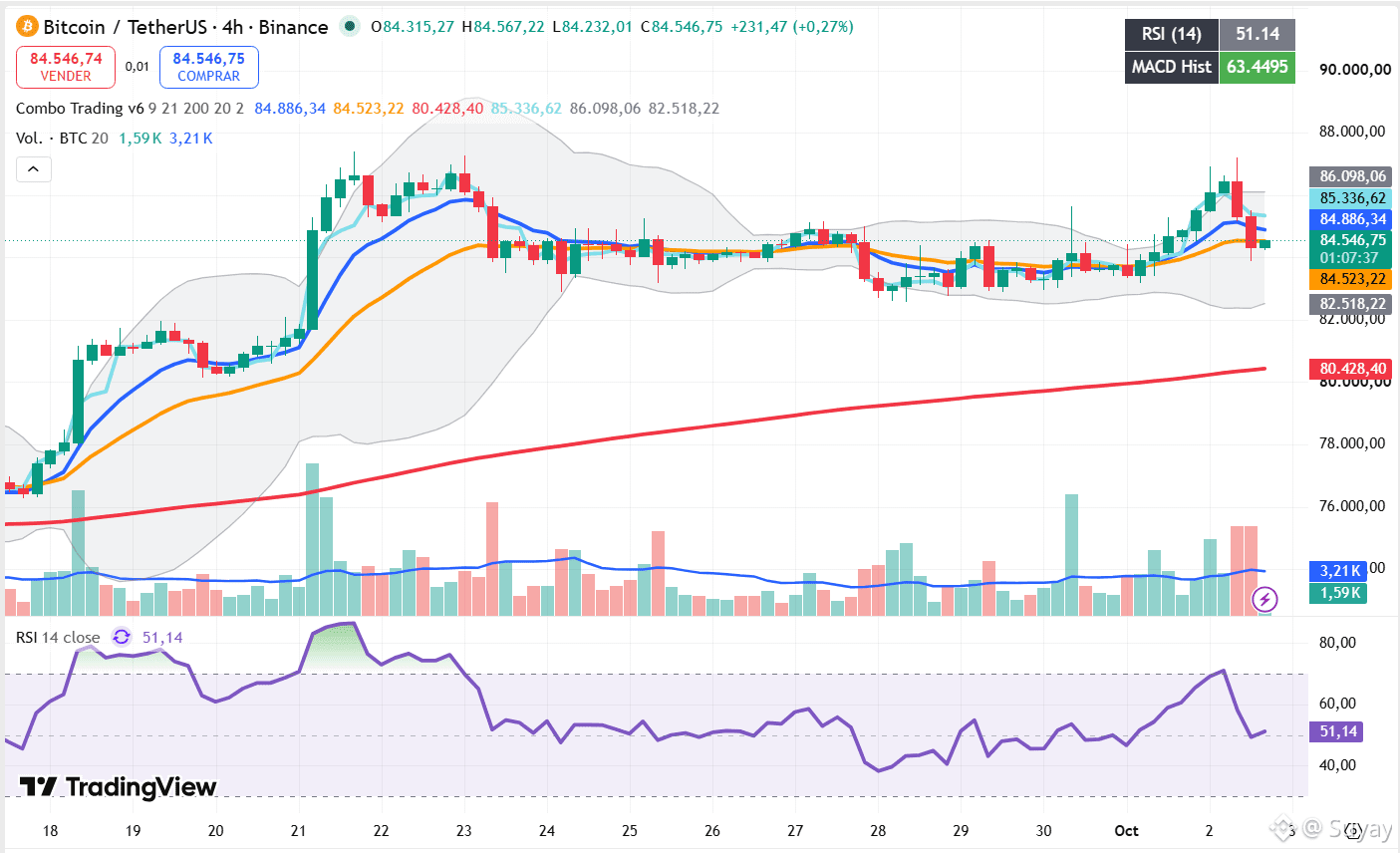
Biểu đồ 4H cho thấy toàn bộ đợt tăng: $BTC rallied từ khoảng 77.000 vào giữa tháng 9 lên đỉnh gần 86.000, sau đó đi ngang trong một tuần giao dịch nhiều biến động, có lúc giảm xuống 82.500 vào ngày 28/9, rồi lại đẩy lên gần các mức cao dựa trên dữ liệu hôm nay trước khi điều chỉnh về hiện tại 84.546,75.
Hiện giá đang nằm ngay giữa EMA9 (84.886) và EMA21 (84.523), với RSI ở trạng thái gần như trung tính hoàn toàn là 51,14 và histogram MACD dương ở 63,45.
Dữ liệu việc làm yếu làm giảm nỗi sợ tăng lãi suất là một lực đẩy mang tính nền tảng, có cấu trúc thật sự — khác với một cú bơm được tạo ra từ hư không. Nhưng việc tỷ lệ tài trợ tăng gấp ba lên 10% chỉ trong vài giờ cũng là dấu hiệu cảnh báo cho một “trade” quá đông: khi có quá nhiều đòn bẩy chất lên một phía của thị trường, thì ngay cả những biến động bình thường cũng có thể quét sạch. RSI trung tính đến vậy nghĩa là bản thân giá chưa hề bị kéo quá đà — thứ đang căng phồng là phần đòn bẩy nằm phía dưới giá, và đó là một dạng rủi ro khác với rủi ro của một biểu đồ quá mua.
Không phải lời khuyên tài chính — chỉ nhằm mục đích cung cấp thông tin.
#BTC #bitcoin #NFP #Binance
{future}(BTCUSDT)
Báo cáo việc làm được công bố chỉ đạt bằng một phần ba so với dự báo của các nhà kinh tế. Chỉ trong vài giờ, lượng đòn bẩy đang đặt cược để Bitcoin đi lên đã tăng gấp ba.
Bảng lương tháng 9 chỉ tăng thêm 29.000 việc làm so với kỳ vọng 90.000, tỷ lệ thất nghiệp nhích lên 4,2% và hai tháng trước đó được điều chỉnh giảm tổng cộng 60.000 — một con số yếu, giúp giảm bớt nỗi lo về khả năng Fed tăng lãi suất và khiến các tài sản rủi ro nhìn chung tăng mạnh.
Tỷ lệ tài trợ của Bitcoin tăng gấp ba lên khoảng 10% khi các nhà giao dịch đổ dồn vào các lệnh long dùng đòn bẩy, đẩy giá tạm thời vượt qua 86.000 USD trước khi lùi về.
Biểu đồ 4H cho thấy toàn bộ đợt tăng: $BTC rallied từ khoảng 77.000 vào giữa tháng 9 lên đỉnh gần 86.000, sau đó đi ngang trong một tuần giao dịch nhiều biến động, có lúc giảm xuống 82.500 vào ngày 28/9, rồi lại đẩy lên gần các mức cao dựa trên dữ liệu hôm nay trước khi điều chỉnh về hiện tại 84.546,75.
Hiện giá đang nằm ngay giữa EMA9 (84.886) và EMA21 (84.523), với RSI ở trạng thái gần như trung tính hoàn toàn là 51,14 và histogram MACD dương ở 63,45.
Dữ liệu việc làm yếu làm giảm nỗi sợ tăng lãi suất là một lực đẩy mang tính nền tảng, có cấu trúc thật sự — khác với một cú bơm được tạo ra từ hư không. Nhưng việc tỷ lệ tài trợ tăng gấp ba lên 10% chỉ trong vài giờ cũng là dấu hiệu cảnh báo cho một “trade” quá đông: khi có quá nhiều đòn bẩy chất lên một phía của thị trường, thì ngay cả những biến động bình thường cũng có thể quét sạch. RSI trung tính đến vậy nghĩa là bản thân giá chưa hề bị kéo quá đà — thứ đang căng phồng là phần đòn bẩy nằm phía dưới giá, và đó là một dạng rủi ro khác với rủi ro của một biểu đồ quá mua.
Không phải lời khuyên tài chính — chỉ nhằm mục đích cung cấp thông tin.
#BTC #bitcoin #NFP #Binance
Bảng lương tháng 9 chỉ tăng thêm 29.000 việc làm so với kỳ vọng 90.000, tỷ lệ thất nghiệp nhích lên 4,2% và hai tháng trước đó được điều chỉnh giảm tổng cộng 60.000 — một con số yếu, giúp giảm bớt nỗi lo về khả năng Fed tăng lãi suất và khiến các tài sản rủi ro nhìn chung tăng mạnh.
Tỷ lệ tài trợ của Bitcoin tăng gấp ba lên khoảng 10% khi các nhà giao dịch đổ dồn vào các lệnh long dùng đòn bẩy, đẩy giá tạm thời vượt qua 86.000 USD trước khi lùi về.
Biểu đồ 4H cho thấy toàn bộ đợt tăng: $BTC rallied từ khoảng 77.000 vào giữa tháng 9 lên đỉnh gần 86.000, sau đó đi ngang trong một tuần giao dịch nhiều biến động, có lúc giảm xuống 82.500 vào ngày 28/9, rồi lại đẩy lên gần các mức cao dựa trên dữ liệu hôm nay trước khi điều chỉnh về hiện tại 84.546,75.
Hiện giá đang nằm ngay giữa EMA9 (84.886) và EMA21 (84.523), với RSI ở trạng thái gần như trung tính hoàn toàn là 51,14 và histogram MACD dương ở 63,45.
Dữ liệu việc làm yếu làm giảm nỗi sợ tăng lãi suất là một lực đẩy mang tính nền tảng, có cấu trúc thật sự — khác với một cú bơm được tạo ra từ hư không. Nhưng việc tỷ lệ tài trợ tăng gấp ba lên 10% chỉ trong vài giờ cũng là dấu hiệu cảnh báo cho một “trade” quá đông: khi có quá nhiều đòn bẩy chất lên một phía của thị trường, thì ngay cả những biến động bình thường cũng có thể quét sạch. RSI trung tính đến vậy nghĩa là bản thân giá chưa hề bị kéo quá đà — thứ đang căng phồng là phần đòn bẩy nằm phía dưới giá, và đó là một dạng rủi ro khác với rủi ro của một biểu đồ quá mua.
Không phải lời khuyên tài chính — chỉ nhằm mục đích cung cấp thông tin.
#BTC #bitcoin #NFP #Binance
87
·
--
Xem bản dịch
A blockchain just became the first in the world to cross a billion dollars in tokenized stocks and ETFs. Its own token barely moved.
BNB Chain's tokenized stocks and ETFs hit $1.1 billion, about 30% of the entire $3.7 billion sector — up from just 13% in January — driven largely by Binance's own bStocks product, with 1.8 million holders, nearly half of everyone in this market globally.
That's a real, measurable infrastructure win, not a narrative.
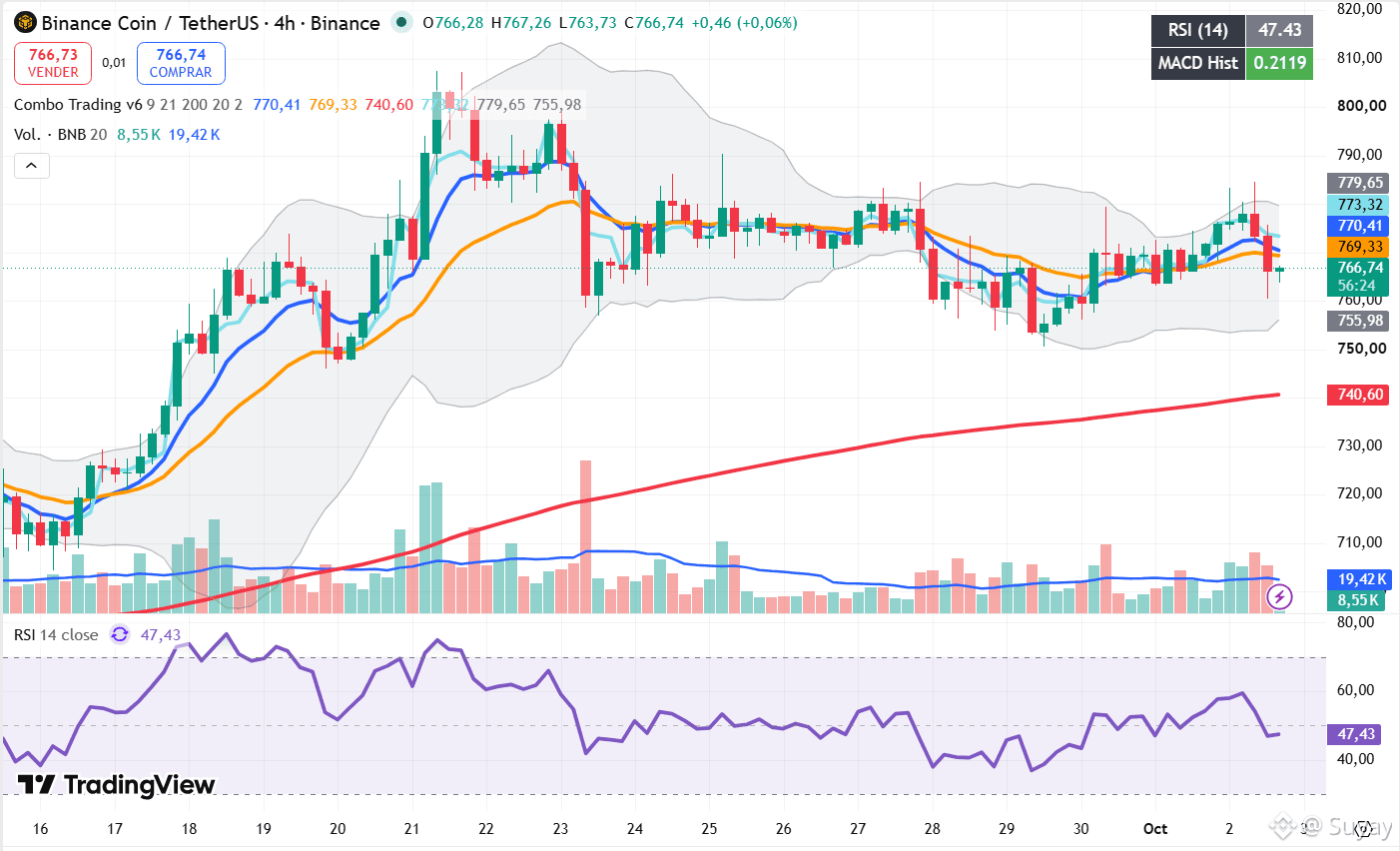
The 4H chart shows $BNB mostly shrugging it off: after rallying from around 700 to a high near 800-810 in late September, price reversed and has spent the last week chopping sideways in a 755-780 range, currently sitting at 766.74 — just below both the EMA9 (770.41) and EMA21 (769.33), though still well above the slowly rising EMA200 (740.60).
RSI sits at a flat 47.43, and the MACD histogram is only modestly positive at 0.2119.
Structural growth stories like dominating a new asset category rarely move price the same day they're announced — the stocks-and-ETFs milestone is a multi-month trend playing out, not a single-day catalyst. A sideways chart with neutral RSI right now doesn't contradict that; it just means the market hasn't decided whether to price it in yet.
The open question is whether BNB breaks back above its late-September highs as this share keeps growing, or whether the market keeps treating this purely as infrastructure news that doesn't move the token.
Not financial advice — for informational purposes only.
#bnb #BNBChain #RWA #Binance
{future}(BNBUSDT)
A blockchain just became the first in the world to cross a billion dollars in tokenized stocks and ETFs. Its own token barely moved.
BNB Chain's tokenized stocks and ETFs hit $1.1 billion, about 30% of the entire $3.7 billion sector — up from just 13% in January — driven largely by Binance's own bStocks product, with 1.8 million holders, nearly half of everyone in this market globally.
That's a real, measurable infrastructure win, not a narrative.
The 4H chart shows $BNB mostly shrugging it off: after rallying from around 700 to a high near 800-810 in late September, price reversed and has spent the last week chopping sideways in a 755-780 range, currently sitting at 766.74 — just below both the EMA9 (770.41) and EMA21 (769.33), though still well above the slowly rising EMA200 (740.60).
RSI sits at a flat 47.43, and the MACD histogram is only modestly positive at 0.2119.
Structural growth stories like dominating a new asset category rarely move price the same day they're announced — the stocks-and-ETFs milestone is a multi-month trend playing out, not a single-day catalyst. A sideways chart with neutral RSI right now doesn't contradict that; it just means the market hasn't decided whether to price it in yet.
The open question is whether BNB breaks back above its late-September highs as this share keeps growing, or whether the market keeps treating this purely as infrastructure news that doesn't move the token.
Not financial advice — for informational purposes only.
#bnb #BNBChain #RWA #Binance
BNB Chain's tokenized stocks and ETFs hit $1.1 billion, about 30% of the entire $3.7 billion sector — up from just 13% in January — driven largely by Binance's own bStocks product, with 1.8 million holders, nearly half of everyone in this market globally.
That's a real, measurable infrastructure win, not a narrative.
The 4H chart shows $BNB mostly shrugging it off: after rallying from around 700 to a high near 800-810 in late September, price reversed and has spent the last week chopping sideways in a 755-780 range, currently sitting at 766.74 — just below both the EMA9 (770.41) and EMA21 (769.33), though still well above the slowly rising EMA200 (740.60).
RSI sits at a flat 47.43, and the MACD histogram is only modestly positive at 0.2119.
Structural growth stories like dominating a new asset category rarely move price the same day they're announced — the stocks-and-ETFs milestone is a multi-month trend playing out, not a single-day catalyst. A sideways chart with neutral RSI right now doesn't contradict that; it just means the market hasn't decided whether to price it in yet.
The open question is whether BNB breaks back above its late-September highs as this share keeps growing, or whether the market keeps treating this purely as infrastructure news that doesn't move the token.
Not financial advice — for informational purposes only.
#bnb #BNBChain #RWA #Binance
114
·
--
Một token vừa làm một việc mà nó chưa từng làm trong suốt lịch sử của mình. Biểu đồ riêng của nó ngay bây giờ đã bắt đầu tranh cãi với thành tựu đó.
$XRP đóng cửa tích cực cho riêng từng tháng trong 7, 8 và 9 — lần đầu tiên từ trước đến nay — không chỉ là một quý xanh tổng thể, điều đã từng xảy ra trước đó, mà là ba tháng xanh liên tiếp, với mức tăng Q3 gộp trên 43%. Nền tảng thực sự ủng hộ điều đó: một hồ sơ SEC mới cho một ETF XRP giao ngay, nêu Coinbase Custody; hơn 300 triệu USD dòng tiền ETF trong Q3; và lượng cung XRP do sàn nắm giữ đang thu hẹp từ 12,9 tỷ xuống khoảng 11 tỷ.
Nhưng lịch sử lại mang theo một lời cảnh báo: bốn lần trước đây XRP nối được ba tháng xanh liên tiếp, thì tháng tiếp theo đều đóng cửa với mức giảm hai chữ số, và điều đó xảy ra mỗi lần.
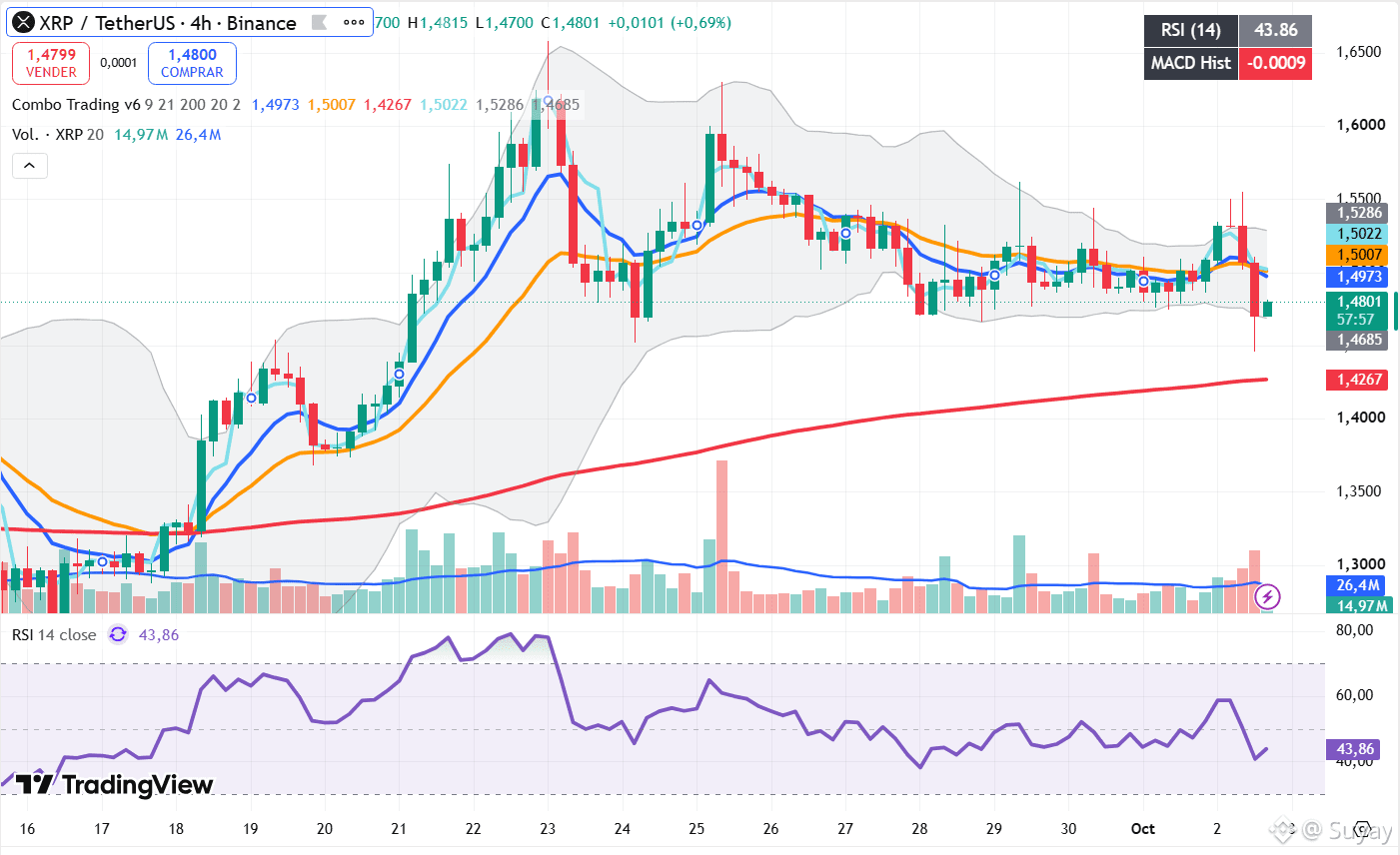
Biểu đồ khung 4H cho thấy chuỗi đang nguội dần: sau khi bứt lên mức cao quanh 1,60 vào khoảng 22–23 tháng 9, XRP đảo chiều mạnh, lùi xuống qua một vùng dao động khó chịu cho đến đầu tháng 10 và kiểm tra một đáy mới quanh 1,4685 ngay hôm nay trước khi bật nhẹ lên 1,4801.
Hiện nó đang giao dịch dưới cả EMA9 (1,4973) và EMA21 (1,5007), RSI ở mức mềm 43,86 và histogram MACD hơi âm.
Một cột mốc lịch sử và một tháng tệ theo lịch sử cho những gì sắp tới đều là các mẫu hình có thật — được ghi nhận bằng dữ liệu — chúng không mâu thuẫn, chỉ là thuộc về hai khung thời gian khác nhau.
Ngay lúc này, biểu đồ đang thể hiện giống như sự khởi đầu của mẫu hình đó, chứ không phải là sự tiếp diễn của đà mạnh tháng 9. Liệu XRP có phá vỡ chuỗi bốn/ bốn tháng xanh liên tiếp hay kéo dài chuỗi đó — đó là câu hỏi mà tháng 10 thực sự phải trả lời.
Không phải lời khuyên tài chính — chỉ nhằm mục đích cung cấp thông tin.
#xrp #Ripple #Binance
{future}(XRPUSDT)
Một token vừa làm một việc mà nó chưa từng làm trong suốt lịch sử của mình. Biểu đồ riêng của nó ngay bây giờ đã bắt đầu tranh cãi với thành tựu đó.
$XRP đóng cửa tích cực cho riêng từng tháng trong 7, 8 và 9 — lần đầu tiên từ trước đến nay — không chỉ là một quý xanh tổng thể, điều đã từng xảy ra trước đó, mà là ba tháng xanh liên tiếp, với mức tăng Q3 gộp trên 43%. Nền tảng thực sự ủng hộ điều đó: một hồ sơ SEC mới cho một ETF XRP giao ngay, nêu Coinbase Custody; hơn 300 triệu USD dòng tiền ETF trong Q3; và lượng cung XRP do sàn nắm giữ đang thu hẹp từ 12,9 tỷ xuống khoảng 11 tỷ.
Nhưng lịch sử lại mang theo một lời cảnh báo: bốn lần trước đây XRP nối được ba tháng xanh liên tiếp, thì tháng tiếp theo đều đóng cửa với mức giảm hai chữ số, và điều đó xảy ra mỗi lần.
Biểu đồ khung 4H cho thấy chuỗi đang nguội dần: sau khi bứt lên mức cao quanh 1,60 vào khoảng 22–23 tháng 9, XRP đảo chiều mạnh, lùi xuống qua một vùng dao động khó chịu cho đến đầu tháng 10 và kiểm tra một đáy mới quanh 1,4685 ngay hôm nay trước khi bật nhẹ lên 1,4801.
Hiện nó đang giao dịch dưới cả EMA9 (1,4973) và EMA21 (1,5007), RSI ở mức mềm 43,86 và histogram MACD hơi âm.
Một cột mốc lịch sử và một tháng tệ theo lịch sử cho những gì sắp tới đều là các mẫu hình có thật — được ghi nhận bằng dữ liệu — chúng không mâu thuẫn, chỉ là thuộc về hai khung thời gian khác nhau.
Ngay lúc này, biểu đồ đang thể hiện giống như sự khởi đầu của mẫu hình đó, chứ không phải là sự tiếp diễn của đà mạnh tháng 9. Liệu XRP có phá vỡ chuỗi bốn/ bốn tháng xanh liên tiếp hay kéo dài chuỗi đó — đó là câu hỏi mà tháng 10 thực sự phải trả lời.
Không phải lời khuyên tài chính — chỉ nhằm mục đích cung cấp thông tin.
#xrp #Ripple #Binance
$XRP đóng cửa tích cực cho riêng từng tháng trong 7, 8 và 9 — lần đầu tiên từ trước đến nay — không chỉ là một quý xanh tổng thể, điều đã từng xảy ra trước đó, mà là ba tháng xanh liên tiếp, với mức tăng Q3 gộp trên 43%. Nền tảng thực sự ủng hộ điều đó: một hồ sơ SEC mới cho một ETF XRP giao ngay, nêu Coinbase Custody; hơn 300 triệu USD dòng tiền ETF trong Q3; và lượng cung XRP do sàn nắm giữ đang thu hẹp từ 12,9 tỷ xuống khoảng 11 tỷ.
Nhưng lịch sử lại mang theo một lời cảnh báo: bốn lần trước đây XRP nối được ba tháng xanh liên tiếp, thì tháng tiếp theo đều đóng cửa với mức giảm hai chữ số, và điều đó xảy ra mỗi lần.
Biểu đồ khung 4H cho thấy chuỗi đang nguội dần: sau khi bứt lên mức cao quanh 1,60 vào khoảng 22–23 tháng 9, XRP đảo chiều mạnh, lùi xuống qua một vùng dao động khó chịu cho đến đầu tháng 10 và kiểm tra một đáy mới quanh 1,4685 ngay hôm nay trước khi bật nhẹ lên 1,4801.
Hiện nó đang giao dịch dưới cả EMA9 (1,4973) và EMA21 (1,5007), RSI ở mức mềm 43,86 và histogram MACD hơi âm.
Một cột mốc lịch sử và một tháng tệ theo lịch sử cho những gì sắp tới đều là các mẫu hình có thật — được ghi nhận bằng dữ liệu — chúng không mâu thuẫn, chỉ là thuộc về hai khung thời gian khác nhau.
Ngay lúc này, biểu đồ đang thể hiện giống như sự khởi đầu của mẫu hình đó, chứ không phải là sự tiếp diễn của đà mạnh tháng 9. Liệu XRP có phá vỡ chuỗi bốn/ bốn tháng xanh liên tiếp hay kéo dài chuỗi đó — đó là câu hỏi mà tháng 10 thực sự phải trả lời.
Không phải lời khuyên tài chính — chỉ nhằm mục đích cung cấp thông tin.
#xrp #Ripple #Binance
110
·
--
Đã xác minh
Một đồng tiền đã tăng 253% trong vài tuần. Hiện nó đang nằm gần như chính xác ngay trên đỉnh của đường trung bình động (moving average) đã bám giữ xuyên suốt toàn bộ đợt tăng giá.
Zcash đã tăng vọt từ khoảng 480 USD lên mức cao nhất mọi thời đại gần 1.698 USD vào cuối tháng 9, sau đó giảm khoảng 24% khi ETF Zcash của Grayscale ghi nhận dòng tiền ròng rút ra 30 triệu USD và các nhà điều tra blockchain truy vết dòng tiền từ một vụ hack Bitget trị giá 387 triệu USD — được cho là liên quan đến các tác nhân Triều Tiên — chuyển vào “pool” shielded (vùng ẩn danh) của Zcash, một vấn đề về uy tín đối với một đồng tiền quyền riêng tư đang cố gắng xây dựng tính chính danh.
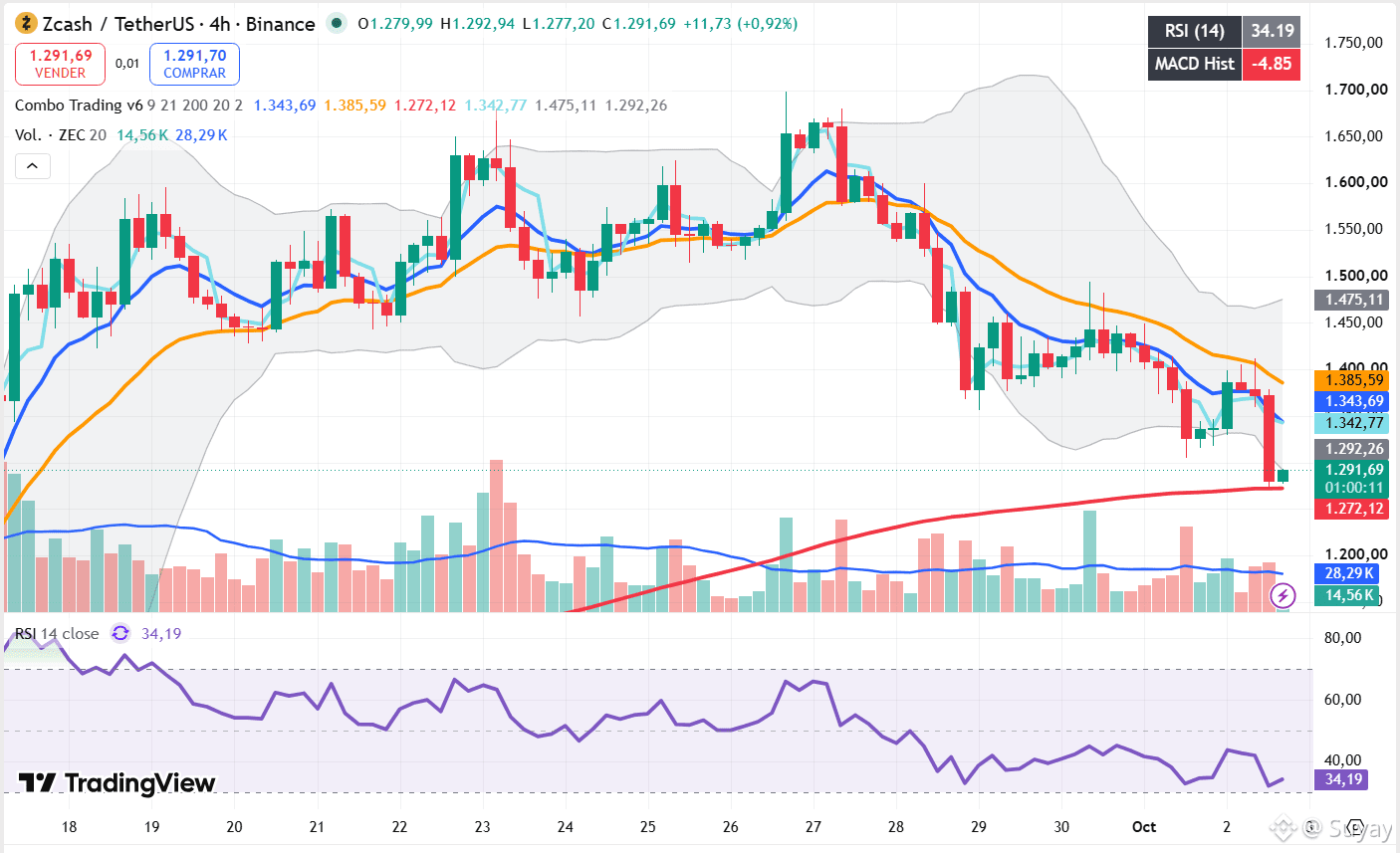
Biểu đồ khung 4H cho thấy đà suy giảm đang tăng tốc như một bài kiểm tra thực sự: sau khi đạt đỉnh quanh 1.700, <...> $ZEC đã rơi theo từng giai đoạn xuống 1.550, rồi 1.450, rồi 1.400, và hiện đang ở mức 1.291,69 — chỉ nhỉnh hơn EMA200 đang đi lên tại 1.272,12; đây là lần đầu tiên đường trung bình này thực sự bị thách thức kể từ khi đợt rally bắt đầu.
RSI đã giảm xuống 34,19, tiến gần vùng quá bán, và biểu đồ MACD đang âm mạnh ở mức -4,85.
Một đợt điều chỉnh 21–24% sau cú rally tăng 253% không phải là điều bất thường tự thân — Zcash từng làm điều tương tự hồi tháng 6, giảm mạnh rồi sau đó lại leo lên cao hơn hẳn so với đỉnh trước đó. Điểm khác lần này là giá hiện đang thử nghiệm trực tiếp EMA200, thay vì điều chỉnh bên trong xu hướng đi lên phía trên nó. Giữ được mức này sẽ giúp về mặt kỹ thuật duy trì xu hướng tăng dài hơn. Mất nó sẽ là bằng chứng thực sự đầu tiên cho thấy đợt điều chỉnh này đang trở nên lớn hơn chỉ là việc chốt lời.
Không phải lời khuyên tài chính — chỉ nhằm mục đích cung cấp thông tin.
#zec #zcash #Binance
{future}(ZECUSDT)
Một đồng tiền đã tăng 253% trong vài tuần. Hiện nó đang nằm gần như chính xác ngay trên đỉnh của đường trung bình động (moving average) đã bám giữ xuyên suốt toàn bộ đợt tăng giá.
Zcash đã tăng vọt từ khoảng 480 USD lên mức cao nhất mọi thời đại gần 1.698 USD vào cuối tháng 9, sau đó giảm khoảng 24% khi ETF Zcash của Grayscale ghi nhận dòng tiền ròng rút ra 30 triệu USD và các nhà điều tra blockchain truy vết dòng tiền từ một vụ hack Bitget trị giá 387 triệu USD — được cho là liên quan đến các tác nhân Triều Tiên — chuyển vào “pool” shielded (vùng ẩn danh) của Zcash, một vấn đề về uy tín đối với một đồng tiền quyền riêng tư đang cố gắng xây dựng tính chính danh.
Biểu đồ khung 4H cho thấy đà suy giảm đang tăng tốc như một bài kiểm tra thực sự: sau khi đạt đỉnh quanh 1.700, <...> $ZEC đã rơi theo từng giai đoạn xuống 1.550, rồi 1.450, rồi 1.400, và hiện đang ở mức 1.291,69 — chỉ nhỉnh hơn EMA200 đang đi lên tại 1.272,12; đây là lần đầu tiên đường trung bình này thực sự bị thách thức kể từ khi đợt rally bắt đầu.
RSI đã giảm xuống 34,19, tiến gần vùng quá bán, và biểu đồ MACD đang âm mạnh ở mức -4,85.
Một đợt điều chỉnh 21–24% sau cú rally tăng 253% không phải là điều bất thường tự thân — Zcash từng làm điều tương tự hồi tháng 6, giảm mạnh rồi sau đó lại leo lên cao hơn hẳn so với đỉnh trước đó. Điểm khác lần này là giá hiện đang thử nghiệm trực tiếp EMA200, thay vì điều chỉnh bên trong xu hướng đi lên phía trên nó. Giữ được mức này sẽ giúp về mặt kỹ thuật duy trì xu hướng tăng dài hơn. Mất nó sẽ là bằng chứng thực sự đầu tiên cho thấy đợt điều chỉnh này đang trở nên lớn hơn chỉ là việc chốt lời.
Không phải lời khuyên tài chính — chỉ nhằm mục đích cung cấp thông tin.
#zec #zcash #Binance
Zcash đã tăng vọt từ khoảng 480 USD lên mức cao nhất mọi thời đại gần 1.698 USD vào cuối tháng 9, sau đó giảm khoảng 24% khi ETF Zcash của Grayscale ghi nhận dòng tiền ròng rút ra 30 triệu USD và các nhà điều tra blockchain truy vết dòng tiền từ một vụ hack Bitget trị giá 387 triệu USD — được cho là liên quan đến các tác nhân Triều Tiên — chuyển vào “pool” shielded (vùng ẩn danh) của Zcash, một vấn đề về uy tín đối với một đồng tiền quyền riêng tư đang cố gắng xây dựng tính chính danh.
Biểu đồ khung 4H cho thấy đà suy giảm đang tăng tốc như một bài kiểm tra thực sự: sau khi đạt đỉnh quanh 1.700, <...> $ZEC đã rơi theo từng giai đoạn xuống 1.550, rồi 1.450, rồi 1.400, và hiện đang ở mức 1.291,69 — chỉ nhỉnh hơn EMA200 đang đi lên tại 1.272,12; đây là lần đầu tiên đường trung bình này thực sự bị thách thức kể từ khi đợt rally bắt đầu.
RSI đã giảm xuống 34,19, tiến gần vùng quá bán, và biểu đồ MACD đang âm mạnh ở mức -4,85.
Một đợt điều chỉnh 21–24% sau cú rally tăng 253% không phải là điều bất thường tự thân — Zcash từng làm điều tương tự hồi tháng 6, giảm mạnh rồi sau đó lại leo lên cao hơn hẳn so với đỉnh trước đó. Điểm khác lần này là giá hiện đang thử nghiệm trực tiếp EMA200, thay vì điều chỉnh bên trong xu hướng đi lên phía trên nó. Giữ được mức này sẽ giúp về mặt kỹ thuật duy trì xu hướng tăng dài hơn. Mất nó sẽ là bằng chứng thực sự đầu tiên cho thấy đợt điều chỉnh này đang trở nên lớn hơn chỉ là việc chốt lời.
Không phải lời khuyên tài chính — chỉ nhằm mục đích cung cấp thông tin.
#zec #zcash #Binance
567
·
--
Một quỹ hạ tầng trị giá 1 tỷ USD được ra mắt, xây dựng trên nền tảng của một giao thức mà phần lớn nhà giao dịch bán lẻ vẫn thường gắn với hoạt động farming lợi suất. Phản ứng của biểu đồ không phải là một cú bùng nổ — mà là một đà tăng đều đặn, đang diễn ra suốt nhiều tuần.
Partners Group, một nhà quản lý tài sản thay thế lớn, đã ra mắt một quỹ hạ tầng 1 tỷ USD tận dụng giao thức của Pendle, củng cố câu chuyện mua lại đang được xây dựng song song với nó — khối lượng onchain đạt 2 tỷ USD trong quá trình này, là con số sử dụng thực sự, không chỉ là một tiêu đề.
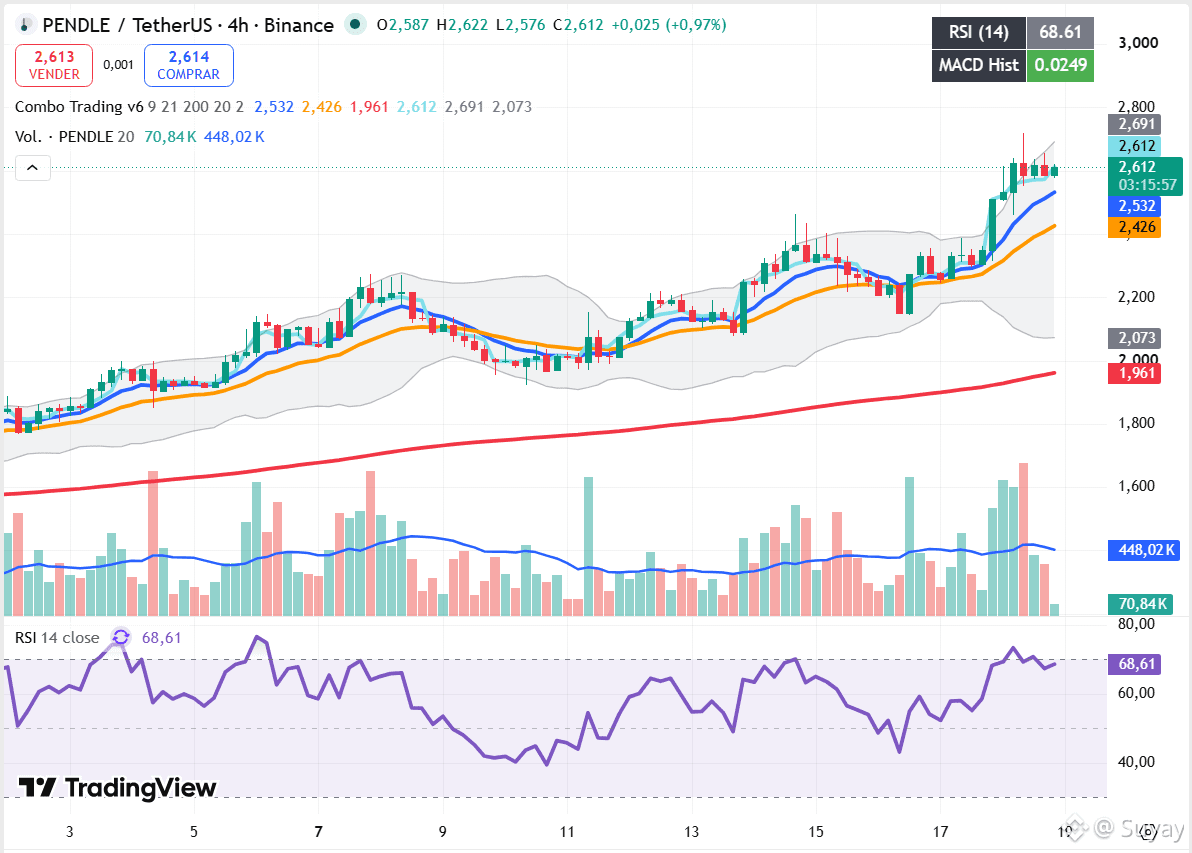
Biểu đồ khung 4H cho thấy một cấu trúc hoàn toàn khác so với cú bứt phá kiểu “tin tức kích hoạt”: $PENDLE đã tăng theo từng bậc đều đặn từ đầu tháng 9, từ khoảng 2.050 lên đến mức hiện tại 2.612, với các nhịp điều chỉnh nông hơn thay vì một lần biến động mạnh. Giá đang giao dịch trên cả ba đường EMA — đường 9 ở mức 2.532, đường 21 ở mức 2.426, và đường 200 đang dốc lên nhất quán tại 1.961 — với RSI ở mức vừa phải 68.61 và histogram MACD dương tại 0.0249.
Một quỹ mang tính tổ chức lựa chọn xây dựng trên “hạ tầng” của một giao thức là dạng xác thực khác so với việc chỉ có một chất xúc tác giao dịch đơn lẻ — điều đó ngụ ý một khung thời gian dài hơn so với đa số các đợt bơm theo tin tức. Bức tranh kỹ thuật củng cố cách đọc này: RSI ở vùng cao 60, không phải vùng 80, và đà tăng theo bậc thang chứ không phải một cú nhảy thẳng đứng, cho thấy sự hỗ trợ mang tính cấu trúc bên dưới nhiều hơn so với đợt bứt phá của BCH ngay lúc này. Câu hỏi mở không phải liệu các nền tảng có thật hay không — chúng là thật — mà là liệu đà tăng đều đặn này có theo kịp được “mệnh lệnh” 1 tỷ USD hay không, một kế hoạch sẽ mất hàng tháng để triển khai, chứ không phải vài ngày.
Không phải lời khuyên tài chính — chỉ để cung cấp thông tin.
#PENDLE #RWA #Binance
Một quỹ hạ tầng trị giá 1 tỷ USD được ra mắt, xây dựng trên nền tảng của một giao thức mà phần lớn nhà giao dịch bán lẻ vẫn thường gắn với hoạt động farming lợi suất. Phản ứng của biểu đồ không phải là một cú bùng nổ — mà là một đà tăng đều đặn, đang diễn ra suốt nhiều tuần.
Partners Group, một nhà quản lý tài sản thay thế lớn, đã ra mắt một quỹ hạ tầng 1 tỷ USD tận dụng giao thức của Pendle, củng cố câu chuyện mua lại đang được xây dựng song song với nó — khối lượng onchain đạt 2 tỷ USD trong quá trình này, là con số sử dụng thực sự, không chỉ là một tiêu đề.
Biểu đồ khung 4H cho thấy một cấu trúc hoàn toàn khác so với cú bứt phá kiểu “tin tức kích hoạt”: $PENDLE đã tăng theo từng bậc đều đặn từ đầu tháng 9, từ khoảng 2.050 lên đến mức hiện tại 2.612, với các nhịp điều chỉnh nông hơn thay vì một lần biến động mạnh. Giá đang giao dịch trên cả ba đường EMA — đường 9 ở mức 2.532, đường 21 ở mức 2.426, và đường 200 đang dốc lên nhất quán tại 1.961 — với RSI ở mức vừa phải 68.61 và histogram MACD dương tại 0.0249.
Một quỹ mang tính tổ chức lựa chọn xây dựng trên “hạ tầng” của một giao thức là dạng xác thực khác so với việc chỉ có một chất xúc tác giao dịch đơn lẻ — điều đó ngụ ý một khung thời gian dài hơn so với đa số các đợt bơm theo tin tức. Bức tranh kỹ thuật củng cố cách đọc này: RSI ở vùng cao 60, không phải vùng 80, và đà tăng theo bậc thang chứ không phải một cú nhảy thẳng đứng, cho thấy sự hỗ trợ mang tính cấu trúc bên dưới nhiều hơn so với đợt bứt phá của BCH ngay lúc này. Câu hỏi mở không phải liệu các nền tảng có thật hay không — chúng là thật — mà là liệu đà tăng đều đặn này có theo kịp được “mệnh lệnh” 1 tỷ USD hay không, một kế hoạch sẽ mất hàng tháng để triển khai, chứ không phải vài ngày.
Không phải lời khuyên tài chính — chỉ để cung cấp thông tin.
#PENDLE #RWA #Binance
Partners Group, một nhà quản lý tài sản thay thế lớn, đã ra mắt một quỹ hạ tầng 1 tỷ USD tận dụng giao thức của Pendle, củng cố câu chuyện mua lại đang được xây dựng song song với nó — khối lượng onchain đạt 2 tỷ USD trong quá trình này, là con số sử dụng thực sự, không chỉ là một tiêu đề.
Biểu đồ khung 4H cho thấy một cấu trúc hoàn toàn khác so với cú bứt phá kiểu “tin tức kích hoạt”: $PENDLE đã tăng theo từng bậc đều đặn từ đầu tháng 9, từ khoảng 2.050 lên đến mức hiện tại 2.612, với các nhịp điều chỉnh nông hơn thay vì một lần biến động mạnh. Giá đang giao dịch trên cả ba đường EMA — đường 9 ở mức 2.532, đường 21 ở mức 2.426, và đường 200 đang dốc lên nhất quán tại 1.961 — với RSI ở mức vừa phải 68.61 và histogram MACD dương tại 0.0249.
Một quỹ mang tính tổ chức lựa chọn xây dựng trên “hạ tầng” của một giao thức là dạng xác thực khác so với việc chỉ có một chất xúc tác giao dịch đơn lẻ — điều đó ngụ ý một khung thời gian dài hơn so với đa số các đợt bơm theo tin tức. Bức tranh kỹ thuật củng cố cách đọc này: RSI ở vùng cao 60, không phải vùng 80, và đà tăng theo bậc thang chứ không phải một cú nhảy thẳng đứng, cho thấy sự hỗ trợ mang tính cấu trúc bên dưới nhiều hơn so với đợt bứt phá của BCH ngay lúc này. Câu hỏi mở không phải liệu các nền tảng có thật hay không — chúng là thật — mà là liệu đà tăng đều đặn này có theo kịp được “mệnh lệnh” 1 tỷ USD hay không, một kế hoạch sẽ mất hàng tháng để triển khai, chứ không phải vài ngày.
Không phải lời khuyên tài chính — chỉ để cung cấp thông tin.
#PENDLE #RWA #Binance
1
192
·
--
Một hồ sơ đã được nộp lên SEC. Chỉ trong vài giờ, một biểu đồ đã đi ngang suốt một tuần bỗng bứt phá theo đường thẳng.
Grayscale đã nộp hồ sơ chuyển đổi Bitcoin Cash Trust của mình thành một ETF spot, mang đến cho $BCH a một câu chuyện về phương tiện được quản lý thực sự — cùng loại chất xúc tác đã thúc đẩy các đợt tăng mạnh ở những tài sản khác khi câu chuyện chuyển đổi ETF trở thành một hồ sơ thực sự.
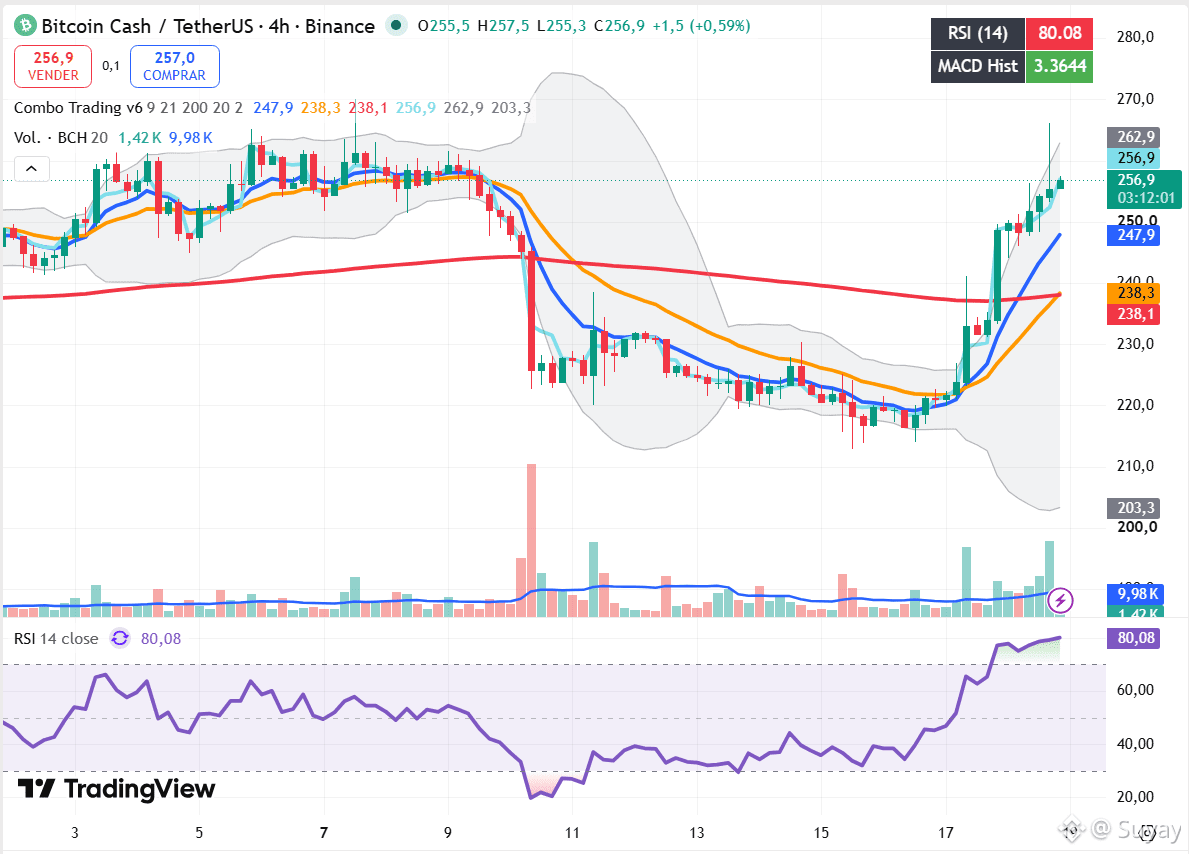
Biểu đồ 4H cho thấy phản ứng mạnh đến mức nào: sau một cú giảm mạnh từ khoảng 250 xuống 222 vào đầu tháng 9, BCH đã dành gần một tuần để tích lũy trong vùng hẹp 220–235, không cho thấy hướng đi rõ ràng. Điều đó kết thúc đột ngột từ ngày 17 tháng 9, với một cú bứt phá theo đường thẳng đưa giá lên mức hiện tại 256.9 — đồng thời vượt qua mọi EMA trong quá trình đó. Hiện nó đang giao dịch cao hơn đáng kể so với EMA9 (247.9), EMA21 (238.3) và EMA200 (238.1), với RSI ở mức cực đoan 80.08 và histogram MACD dương mạnh ở 3.3644.
Một nền giá kéo dài cả tuần bứt phá nhờ tin tức thật, thay vì nhanh chóng hóa thành cú phá vỡ giả, là một tín hiệu thực sự tích cực — kiểu thiết lập mà các nhà giao dịch kỹ thuật tìm kiếm. Nhưng RSI trên 80 đã đi sâu vào vùng hiếm gặp, vượt xa trạng thái quá mua thông thường, và các nhịp đi thẳng đứng như thế này hiếm khi tiếp tục cùng độ dốc; một khoảng nghỉ hoặc nhịp điều chỉnh về vùng đã bị phá vỡ thường là bước tiếp theo phổ biến hơn, ngay cả trong một xu hướng tăng thật sự. Và một hồ sơ nộp lên không đồng nghĩa với việc được chấp thuận — SEC vẫn phải ra quyết định về ETF thực tế, theo tiến trình quản lý của riêng họ. Biểu đồ đã phản ánh trước một kết quả tốt. Quyết định vẫn chưa được đưa ra.
Không phải lời khuyên tài chính — chỉ nhằm mục đích cung cấp thông tin.
#BCH #BitcoinCash #Binance
Một hồ sơ đã được nộp lên SEC. Chỉ trong vài giờ, một biểu đồ đã đi ngang suốt một tuần bỗng bứt phá theo đường thẳng.
Grayscale đã nộp hồ sơ chuyển đổi Bitcoin Cash Trust của mình thành một ETF spot, mang đến cho $BCH a một câu chuyện về phương tiện được quản lý thực sự — cùng loại chất xúc tác đã thúc đẩy các đợt tăng mạnh ở những tài sản khác khi câu chuyện chuyển đổi ETF trở thành một hồ sơ thực sự.
Biểu đồ 4H cho thấy phản ứng mạnh đến mức nào: sau một cú giảm mạnh từ khoảng 250 xuống 222 vào đầu tháng 9, BCH đã dành gần một tuần để tích lũy trong vùng hẹp 220–235, không cho thấy hướng đi rõ ràng. Điều đó kết thúc đột ngột từ ngày 17 tháng 9, với một cú bứt phá theo đường thẳng đưa giá lên mức hiện tại 256.9 — đồng thời vượt qua mọi EMA trong quá trình đó. Hiện nó đang giao dịch cao hơn đáng kể so với EMA9 (247.9), EMA21 (238.3) và EMA200 (238.1), với RSI ở mức cực đoan 80.08 và histogram MACD dương mạnh ở 3.3644.
Một nền giá kéo dài cả tuần bứt phá nhờ tin tức thật, thay vì nhanh chóng hóa thành cú phá vỡ giả, là một tín hiệu thực sự tích cực — kiểu thiết lập mà các nhà giao dịch kỹ thuật tìm kiếm. Nhưng RSI trên 80 đã đi sâu vào vùng hiếm gặp, vượt xa trạng thái quá mua thông thường, và các nhịp đi thẳng đứng như thế này hiếm khi tiếp tục cùng độ dốc; một khoảng nghỉ hoặc nhịp điều chỉnh về vùng đã bị phá vỡ thường là bước tiếp theo phổ biến hơn, ngay cả trong một xu hướng tăng thật sự. Và một hồ sơ nộp lên không đồng nghĩa với việc được chấp thuận — SEC vẫn phải ra quyết định về ETF thực tế, theo tiến trình quản lý của riêng họ. Biểu đồ đã phản ánh trước một kết quả tốt. Quyết định vẫn chưa được đưa ra.
Không phải lời khuyên tài chính — chỉ nhằm mục đích cung cấp thông tin.
#BCH #BitcoinCash #Binance
Grayscale đã nộp hồ sơ chuyển đổi Bitcoin Cash Trust của mình thành một ETF spot, mang đến cho $BCH a một câu chuyện về phương tiện được quản lý thực sự — cùng loại chất xúc tác đã thúc đẩy các đợt tăng mạnh ở những tài sản khác khi câu chuyện chuyển đổi ETF trở thành một hồ sơ thực sự.
Biểu đồ 4H cho thấy phản ứng mạnh đến mức nào: sau một cú giảm mạnh từ khoảng 250 xuống 222 vào đầu tháng 9, BCH đã dành gần một tuần để tích lũy trong vùng hẹp 220–235, không cho thấy hướng đi rõ ràng. Điều đó kết thúc đột ngột từ ngày 17 tháng 9, với một cú bứt phá theo đường thẳng đưa giá lên mức hiện tại 256.9 — đồng thời vượt qua mọi EMA trong quá trình đó. Hiện nó đang giao dịch cao hơn đáng kể so với EMA9 (247.9), EMA21 (238.3) và EMA200 (238.1), với RSI ở mức cực đoan 80.08 và histogram MACD dương mạnh ở 3.3644.
Một nền giá kéo dài cả tuần bứt phá nhờ tin tức thật, thay vì nhanh chóng hóa thành cú phá vỡ giả, là một tín hiệu thực sự tích cực — kiểu thiết lập mà các nhà giao dịch kỹ thuật tìm kiếm. Nhưng RSI trên 80 đã đi sâu vào vùng hiếm gặp, vượt xa trạng thái quá mua thông thường, và các nhịp đi thẳng đứng như thế này hiếm khi tiếp tục cùng độ dốc; một khoảng nghỉ hoặc nhịp điều chỉnh về vùng đã bị phá vỡ thường là bước tiếp theo phổ biến hơn, ngay cả trong một xu hướng tăng thật sự. Và một hồ sơ nộp lên không đồng nghĩa với việc được chấp thuận — SEC vẫn phải ra quyết định về ETF thực tế, theo tiến trình quản lý của riêng họ. Biểu đồ đã phản ánh trước một kết quả tốt. Quyết định vẫn chưa được đưa ra.
Không phải lời khuyên tài chính — chỉ nhằm mục đích cung cấp thông tin.
#BCH #BitcoinCash #Binance
1
184
·
--
Một token đã ở trong tầm với của mức đỉnh lịch sử. Hai ngày sau, một khoản phải trả trị giá gần 800 triệu USD sẽ đến hạn.
HYPE đã chạm mức 86,75 USD vào ngày 4 tháng 9, chỉ thấp hơn 1,5% so với mức đỉnh lịch sử 88,06 USD, được thúc đẩy bởi việc các tổ chức chấp nhận, cá voi tích lũy và nâng cấp giao thức — những tín hiệu nhu cầu thực sự, chứ không chỉ là động lượng từ biểu đồ.
Nhưng vào ngày 6 tháng 9, 9,92 triệu token HYPE sẽ được mở khóa cho các cộng sự cốt lõi, trị giá khoảng 797 triệu USD theo giá hiện tại. Các nhà phân tích lưu ý rằng số lượng thực tế được nhận sau các đợt mở khóa thường thấp hơn con số tiêu đề, nhưng bản thân ngày đã lên lịch thì không có gì phải bàn cãi.
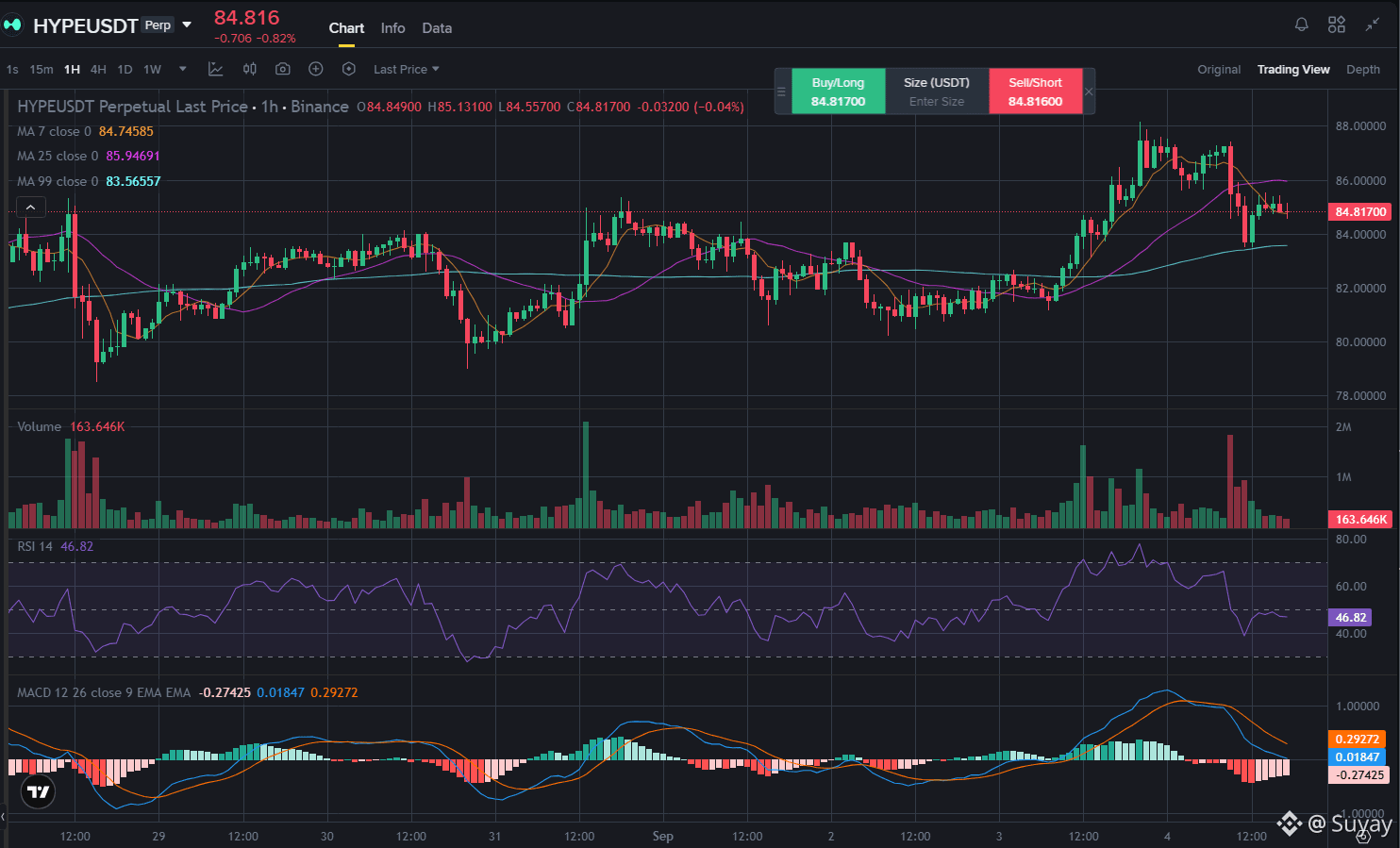
Biểu đồ perpetuals khung 1H cho thấy rõ bối cảnh: sau một tuần biến động với biên độ từ 80 đến 86, có lúc giảm xuống mức thấp cục bộ gần 78 vào khoảng ngày 28–29 tháng 8, HYPE đã bứt phá mạnh từ ngày 1 tháng 9, tăng lên gần 88 vào ngày 3–4 tháng 9 — bài kiểm tra gần đỉnh lịch sử — trước khi đảo chiều mạnh trong ngày qua và quay về mức hiện tại 84,816.
Giá hiện đang nằm ngay tại MA7 (84,746) nhưng thấp hơn MA25 (85,947), trong khi vẫn giữ trên MA99 (83,566).
RSI đã giảm từ vùng quá mua trên 70 trong đợt tăng lên mức trung tính 46,82, và biểu đồ histogram MACD đã chuyển hẳn sang âm ở mức -0,274, với cả đường MACD lẫn đường tín hiệu đều đang quay đầu từ đỉnh.
Nhu cầu từ các tổ chức và việc cá voi tích lũy là những tín hiệu thể hiện niềm tin thực sự, khác với một đợt tăng chỉ mang tính đầu cơ thuần túy. Nhưng đây không phải là một rủi ro pha loãng mơ hồ nằm đâu đó trên lộ trình — mà là một sự kiện cụ thể, có ngày tháng rõ ràng, chỉ còn hai ngày nữa, diễn ra ngay lúc động lực đã bắt đầu hạ nhiệt sau bài kiểm tra gần đỉnh lịch sử.
Khoảng thời gian từ bây giờ đến ngày 6 tháng 9 là lúc thị trường quyết định liệu nhịp điều chỉnh này chỉ là chốt lời bình thường, hay là dấu hiệu đầu tiên cho thấy áp lực cung đang được phản ánh vào giá trước cả khi nó thực sự xảy ra.
Không phải lời khuyên tài chính — chỉ nhằm mục đích cung cấp thông tin.
$HYPE #hype #Hyperliquid #Binance
{future}(HYPEUSDT)
Một token đã ở trong tầm với của mức đỉnh lịch sử. Hai ngày sau, một khoản phải trả trị giá gần 800 triệu USD sẽ đến hạn.
HYPE đã chạm mức 86,75 USD vào ngày 4 tháng 9, chỉ thấp hơn 1,5% so với mức đỉnh lịch sử 88,06 USD, được thúc đẩy bởi việc các tổ chức chấp nhận, cá voi tích lũy và nâng cấp giao thức — những tín hiệu nhu cầu thực sự, chứ không chỉ là động lượng từ biểu đồ.
Nhưng vào ngày 6 tháng 9, 9,92 triệu token HYPE sẽ được mở khóa cho các cộng sự cốt lõi, trị giá khoảng 797 triệu USD theo giá hiện tại. Các nhà phân tích lưu ý rằng số lượng thực tế được nhận sau các đợt mở khóa thường thấp hơn con số tiêu đề, nhưng bản thân ngày đã lên lịch thì không có gì phải bàn cãi.
Biểu đồ perpetuals khung 1H cho thấy rõ bối cảnh: sau một tuần biến động với biên độ từ 80 đến 86, có lúc giảm xuống mức thấp cục bộ gần 78 vào khoảng ngày 28–29 tháng 8, HYPE đã bứt phá mạnh từ ngày 1 tháng 9, tăng lên gần 88 vào ngày 3–4 tháng 9 — bài kiểm tra gần đỉnh lịch sử — trước khi đảo chiều mạnh trong ngày qua và quay về mức hiện tại 84,816.
Giá hiện đang nằm ngay tại MA7 (84,746) nhưng thấp hơn MA25 (85,947), trong khi vẫn giữ trên MA99 (83,566).
RSI đã giảm từ vùng quá mua trên 70 trong đợt tăng lên mức trung tính 46,82, và biểu đồ histogram MACD đã chuyển hẳn sang âm ở mức -0,274, với cả đường MACD lẫn đường tín hiệu đều đang quay đầu từ đỉnh.
Nhu cầu từ các tổ chức và việc cá voi tích lũy là những tín hiệu thể hiện niềm tin thực sự, khác với một đợt tăng chỉ mang tính đầu cơ thuần túy. Nhưng đây không phải là một rủi ro pha loãng mơ hồ nằm đâu đó trên lộ trình — mà là một sự kiện cụ thể, có ngày tháng rõ ràng, chỉ còn hai ngày nữa, diễn ra ngay lúc động lực đã bắt đầu hạ nhiệt sau bài kiểm tra gần đỉnh lịch sử.
Khoảng thời gian từ bây giờ đến ngày 6 tháng 9 là lúc thị trường quyết định liệu nhịp điều chỉnh này chỉ là chốt lời bình thường, hay là dấu hiệu đầu tiên cho thấy áp lực cung đang được phản ánh vào giá trước cả khi nó thực sự xảy ra.
Không phải lời khuyên tài chính — chỉ nhằm mục đích cung cấp thông tin.
$HYPE #hype #Hyperliquid #Binance
HYPE đã chạm mức 86,75 USD vào ngày 4 tháng 9, chỉ thấp hơn 1,5% so với mức đỉnh lịch sử 88,06 USD, được thúc đẩy bởi việc các tổ chức chấp nhận, cá voi tích lũy và nâng cấp giao thức — những tín hiệu nhu cầu thực sự, chứ không chỉ là động lượng từ biểu đồ.
Nhưng vào ngày 6 tháng 9, 9,92 triệu token HYPE sẽ được mở khóa cho các cộng sự cốt lõi, trị giá khoảng 797 triệu USD theo giá hiện tại. Các nhà phân tích lưu ý rằng số lượng thực tế được nhận sau các đợt mở khóa thường thấp hơn con số tiêu đề, nhưng bản thân ngày đã lên lịch thì không có gì phải bàn cãi.
Biểu đồ perpetuals khung 1H cho thấy rõ bối cảnh: sau một tuần biến động với biên độ từ 80 đến 86, có lúc giảm xuống mức thấp cục bộ gần 78 vào khoảng ngày 28–29 tháng 8, HYPE đã bứt phá mạnh từ ngày 1 tháng 9, tăng lên gần 88 vào ngày 3–4 tháng 9 — bài kiểm tra gần đỉnh lịch sử — trước khi đảo chiều mạnh trong ngày qua và quay về mức hiện tại 84,816.
Giá hiện đang nằm ngay tại MA7 (84,746) nhưng thấp hơn MA25 (85,947), trong khi vẫn giữ trên MA99 (83,566).
RSI đã giảm từ vùng quá mua trên 70 trong đợt tăng lên mức trung tính 46,82, và biểu đồ histogram MACD đã chuyển hẳn sang âm ở mức -0,274, với cả đường MACD lẫn đường tín hiệu đều đang quay đầu từ đỉnh.
Nhu cầu từ các tổ chức và việc cá voi tích lũy là những tín hiệu thể hiện niềm tin thực sự, khác với một đợt tăng chỉ mang tính đầu cơ thuần túy. Nhưng đây không phải là một rủi ro pha loãng mơ hồ nằm đâu đó trên lộ trình — mà là một sự kiện cụ thể, có ngày tháng rõ ràng, chỉ còn hai ngày nữa, diễn ra ngay lúc động lực đã bắt đầu hạ nhiệt sau bài kiểm tra gần đỉnh lịch sử.
Khoảng thời gian từ bây giờ đến ngày 6 tháng 9 là lúc thị trường quyết định liệu nhịp điều chỉnh này chỉ là chốt lời bình thường, hay là dấu hiệu đầu tiên cho thấy áp lực cung đang được phản ánh vào giá trước cả khi nó thực sự xảy ra.
Không phải lời khuyên tài chính — chỉ nhằm mục đích cung cấp thông tin.
$HYPE #hype #Hyperliquid #Binance
2
232
·
--
Cơ sở hạ tầng cốt lõi của một mạng lưới đã sụp đổ hoàn toàn vào ngày 13 tháng 8. Hai tuần rưỡi sau, chính mạng lưới đó đã tăng 72% chỉ trong một tuần — và nguyên nhân không chỉ đơn thuần là nhờ bản vá.
Hemi đã khắc phục một lỗi crash ở sequencer vốn gây ra sự cố mainnet và làm suy giảm niềm tin của nhà đầu tư, rồi tiếp tục với một điều còn lớn hơn: BTCS S.A., một công ty niêm yết trên Sở Giao dịch Chứng khoán Warsaw, đã cam kết đưa từ 50 đến 100 BTC vào chương trình thanh khoản của Hemi, khóa mức lợi suất được đảm bảo — 10% trong hai tháng đầu, sau đó là 6%, thanh toán bằng Bitcoin và USDC. Đó là vốn tổ chức thực sự chọn tạo lợi suất trên hạ tầng Bitcoin DeFi của Hemi một cách cụ thể, chứ không chỉ là một token được nhắc đến trong tiêu đề.
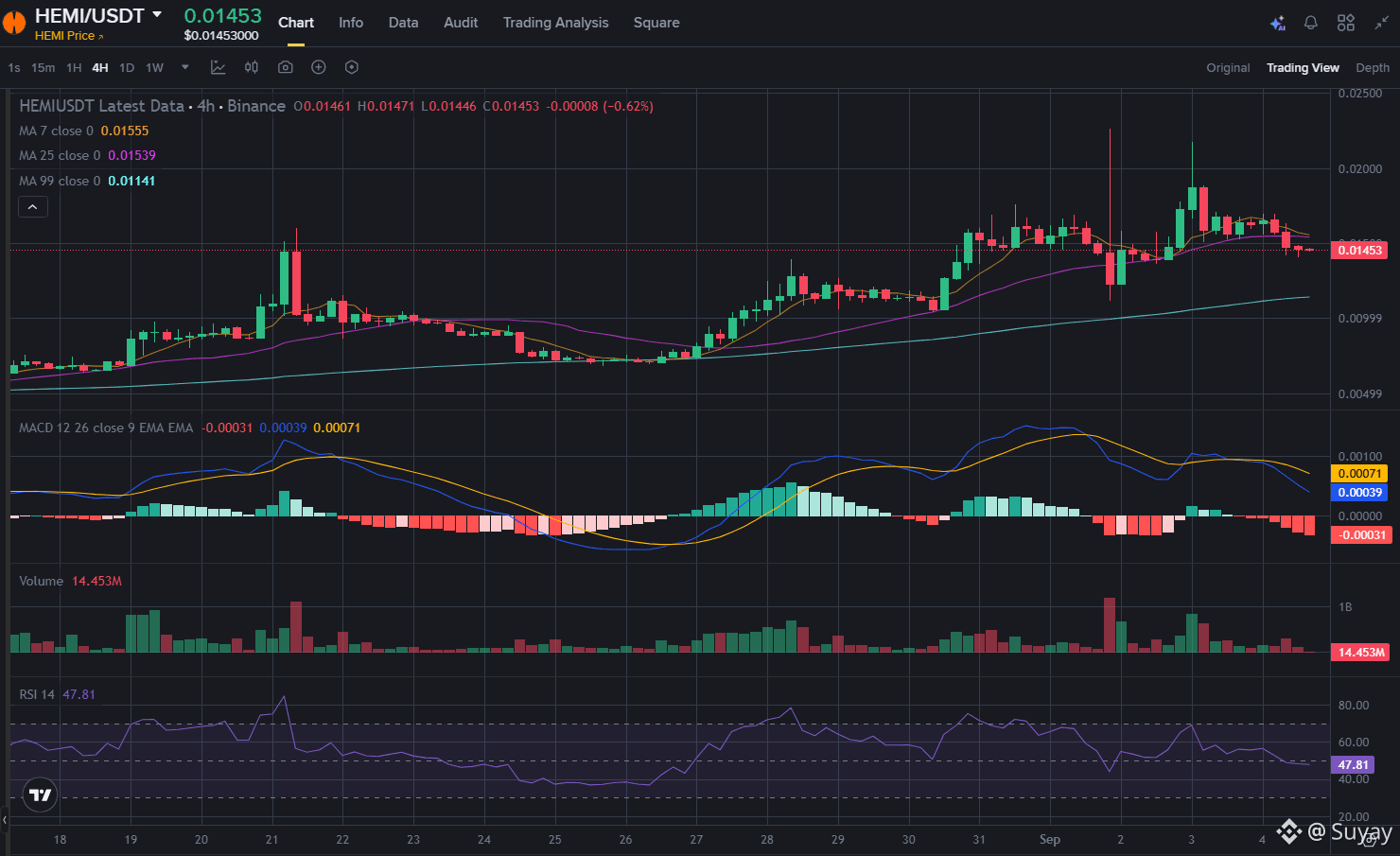
Biểu đồ 4H cho thấy toàn bộ diễn biến sau đó: sau khi tạo nền gần 0.0085 vào cuối tháng 8, HEMI đã tăng mạnh trong đầu tháng 9, tạm thời vượt 0.0208, trước khi lùi về mức hiện tại 0.01453. Hiện token đang giao dịch thấp hơn cả MA7 (0.01555) và MA25 (0.01539), dù vẫn cao hơn đáng kể so với MA99 đang đi lên (0.01141) — xu hướng dài hạn vẫn chưa bị phá vỡ. RSI đã hạ nhiệt về mức trung tính 47.81 từ trạng thái quá mua rõ rệt trong đợt tăng, và histogram MACD đã chuyển sang âm ở mức -0.00031, với đường MACD hiện cắt xuống dưới đường tín hiệu — động lượng đã rõ ràng suy yếu từ đỉnh.
Một bản sửa lỗi hạ tầng thực sự và một cam kết lợi suất từ tổ chức thực sự không biến mất chỉ vì biểu đồ hạ nhiệt — đó là yếu tố mang tính cấu trúc, không phải tâm lý. Nhưng một token đã tăng nhanh và xa như vậy thì dù nền tảng có vững đến đâu vẫn cần hấp thụ nhịp tăng đó, và các đợt mở khóa token vẫn còn trên lịch. Việc nhịp điều chỉnh này tìm được hỗ trợ phía trên MA99 hay phá xuống hướng về nó sẽ là điều phân biệt giữa một nhịp điều chỉnh lành mạnh và một cú bứt phá thất bại.
Không phải lời khuyên tài chính — chỉ nhằm mục đích cung cấp thông tin.
$HEMI #HEMİ #bitcoin #defi #Binance
{spot}(HEMIUSDT)
Cơ sở hạ tầng cốt lõi của một mạng lưới đã sụp đổ hoàn toàn vào ngày 13 tháng 8. Hai tuần rưỡi sau, chính mạng lưới đó đã tăng 72% chỉ trong một tuần — và nguyên nhân không chỉ đơn thuần là nhờ bản vá.
Hemi đã khắc phục một lỗi crash ở sequencer vốn gây ra sự cố mainnet và làm suy giảm niềm tin của nhà đầu tư, rồi tiếp tục với một điều còn lớn hơn: BTCS S.A., một công ty niêm yết trên Sở Giao dịch Chứng khoán Warsaw, đã cam kết đưa từ 50 đến 100 BTC vào chương trình thanh khoản của Hemi, khóa mức lợi suất được đảm bảo — 10% trong hai tháng đầu, sau đó là 6%, thanh toán bằng Bitcoin và USDC. Đó là vốn tổ chức thực sự chọn tạo lợi suất trên hạ tầng Bitcoin DeFi của Hemi một cách cụ thể, chứ không chỉ là một token được nhắc đến trong tiêu đề.
Biểu đồ 4H cho thấy toàn bộ diễn biến sau đó: sau khi tạo nền gần 0.0085 vào cuối tháng 8, HEMI đã tăng mạnh trong đầu tháng 9, tạm thời vượt 0.0208, trước khi lùi về mức hiện tại 0.01453. Hiện token đang giao dịch thấp hơn cả MA7 (0.01555) và MA25 (0.01539), dù vẫn cao hơn đáng kể so với MA99 đang đi lên (0.01141) — xu hướng dài hạn vẫn chưa bị phá vỡ. RSI đã hạ nhiệt về mức trung tính 47.81 từ trạng thái quá mua rõ rệt trong đợt tăng, và histogram MACD đã chuyển sang âm ở mức -0.00031, với đường MACD hiện cắt xuống dưới đường tín hiệu — động lượng đã rõ ràng suy yếu từ đỉnh.
Một bản sửa lỗi hạ tầng thực sự và một cam kết lợi suất từ tổ chức thực sự không biến mất chỉ vì biểu đồ hạ nhiệt — đó là yếu tố mang tính cấu trúc, không phải tâm lý. Nhưng một token đã tăng nhanh và xa như vậy thì dù nền tảng có vững đến đâu vẫn cần hấp thụ nhịp tăng đó, và các đợt mở khóa token vẫn còn trên lịch. Việc nhịp điều chỉnh này tìm được hỗ trợ phía trên MA99 hay phá xuống hướng về nó sẽ là điều phân biệt giữa một nhịp điều chỉnh lành mạnh và một cú bứt phá thất bại.
Không phải lời khuyên tài chính — chỉ nhằm mục đích cung cấp thông tin.
$HEMI #HEMİ #bitcoin #defi #Binance
Hemi đã khắc phục một lỗi crash ở sequencer vốn gây ra sự cố mainnet và làm suy giảm niềm tin của nhà đầu tư, rồi tiếp tục với một điều còn lớn hơn: BTCS S.A., một công ty niêm yết trên Sở Giao dịch Chứng khoán Warsaw, đã cam kết đưa từ 50 đến 100 BTC vào chương trình thanh khoản của Hemi, khóa mức lợi suất được đảm bảo — 10% trong hai tháng đầu, sau đó là 6%, thanh toán bằng Bitcoin và USDC. Đó là vốn tổ chức thực sự chọn tạo lợi suất trên hạ tầng Bitcoin DeFi của Hemi một cách cụ thể, chứ không chỉ là một token được nhắc đến trong tiêu đề.
Biểu đồ 4H cho thấy toàn bộ diễn biến sau đó: sau khi tạo nền gần 0.0085 vào cuối tháng 8, HEMI đã tăng mạnh trong đầu tháng 9, tạm thời vượt 0.0208, trước khi lùi về mức hiện tại 0.01453. Hiện token đang giao dịch thấp hơn cả MA7 (0.01555) và MA25 (0.01539), dù vẫn cao hơn đáng kể so với MA99 đang đi lên (0.01141) — xu hướng dài hạn vẫn chưa bị phá vỡ. RSI đã hạ nhiệt về mức trung tính 47.81 từ trạng thái quá mua rõ rệt trong đợt tăng, và histogram MACD đã chuyển sang âm ở mức -0.00031, với đường MACD hiện cắt xuống dưới đường tín hiệu — động lượng đã rõ ràng suy yếu từ đỉnh.
Một bản sửa lỗi hạ tầng thực sự và một cam kết lợi suất từ tổ chức thực sự không biến mất chỉ vì biểu đồ hạ nhiệt — đó là yếu tố mang tính cấu trúc, không phải tâm lý. Nhưng một token đã tăng nhanh và xa như vậy thì dù nền tảng có vững đến đâu vẫn cần hấp thụ nhịp tăng đó, và các đợt mở khóa token vẫn còn trên lịch. Việc nhịp điều chỉnh này tìm được hỗ trợ phía trên MA99 hay phá xuống hướng về nó sẽ là điều phân biệt giữa một nhịp điều chỉnh lành mạnh và một cú bứt phá thất bại.
Không phải lời khuyên tài chính — chỉ nhằm mục đích cung cấp thông tin.
$HEMI #HEMİ #bitcoin #defi #Binance
1
297
·
--
Đúng một phần
Một bản cập nhật sản phẩm thực sự đã xuất hiện. Một tháng tăng trưởng đã biến mất đúng trong khoảng thời gian lẽ ra nó phải được ăn mừng.
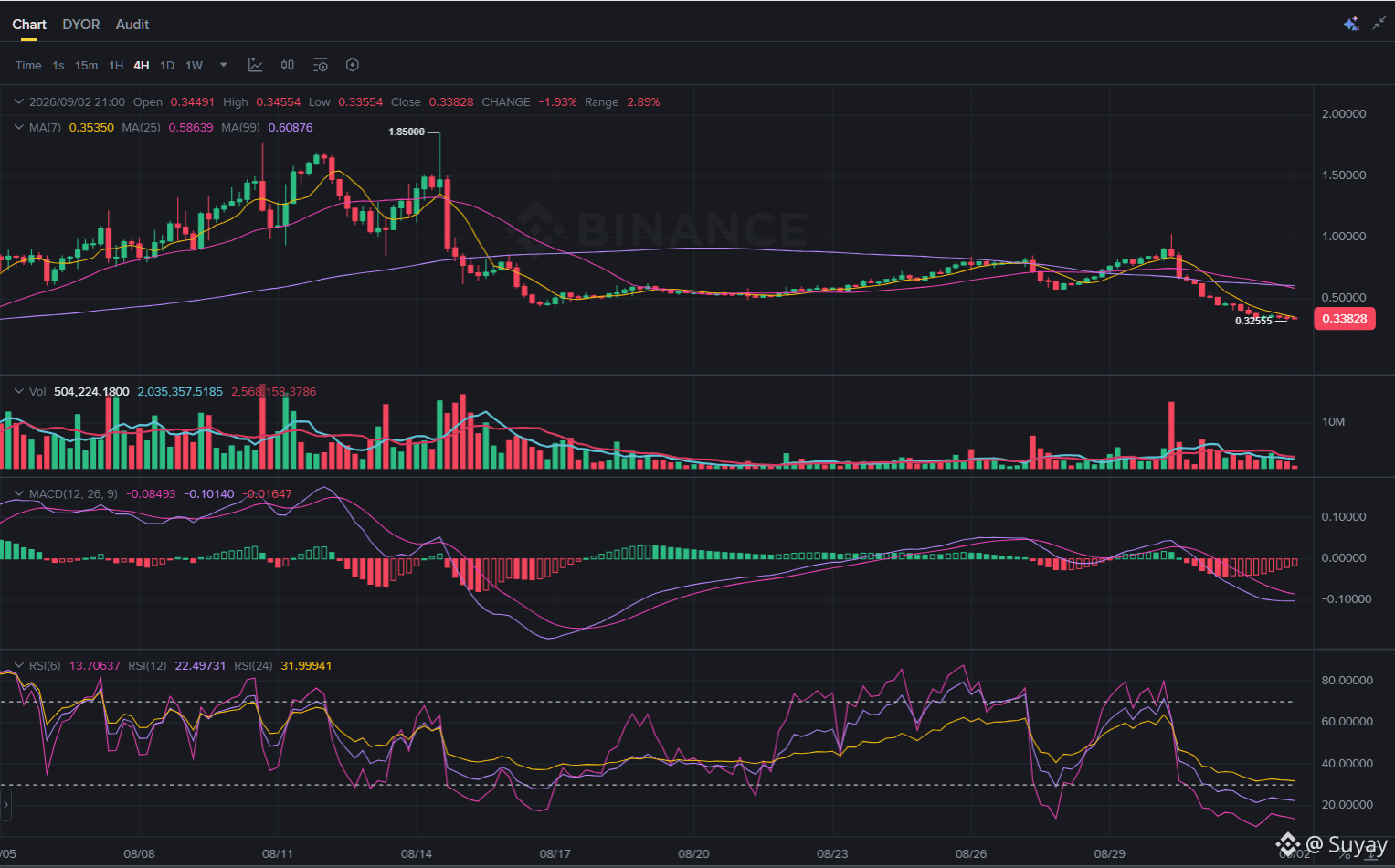
Cysic được hậu thuẫn bởi OKX Ventures, Polychain Capital và Binance Labs, xây dựng hạ tầng tính toán có thể kiểm chứng cho bằng chứng không kiến thức và suy luận AI. Bản cập nhật Venus v0.2.5 của dự án — một cải thiện hiệu năng thực sự 2,7% cho công cụ tạo bằng chứng trên GPU — ra mắt đúng lúc token tăng mạnh, tạm thời vượt mốc $1 vào ngày 29 tháng 8.
Biểu đồ 4H cho thấy điều gì xảy ra tiếp theo: sau khi tăng đều từ khoảng 0.35 vào cuối tháng 8, CYS vọt lên đỉnh 1.028, rồi đảo chiều mạnh — toàn bộ đợt tăng giờ đã quay về điểm xuất phát, với giá trở lại 0.3386, gần như đúng vị trí ba tuần trước. Nó đang giao dịch thấp hơn nhiều so với MA7 (0.354), MA25 (0.586) và MA99 (0.609), còn RSI thì ở trạng thái quá bán sâu trên mọi khung đo được — 13.7, 22.5 và 32.0. Biểu đồ histogram của MACD vẫn âm, dù kích thước của nó đã thu hẹp trong vài nến gần đây, gợi ý rằng áp lực bán có thể đang bắt đầu dịu lại.
RSI bị quá bán sâu như thế này đồng thời trên ba khung thời gian khác nhau là điều hiếm gặp và thường báo hiệu kết thúc kiệt sức của một đợt bán tháo, chứ không phải ở giữa nó. Nhưng câu hỏi khó hơn không chỉ là "có quá bán không" — mà là liệu thị trường đã định giá đúng ngay từ đầu, ở mức $1, hay bây giờ mới đang định giá đúng, khi quay lại gần mức khởi điểm. Một danh sách nhà đầu tư thật và một cập nhật kỹ thuật thật không tự mình trả lời câu hỏi đó; chúng chỉ có nghĩa là câu chuyện là có thật, chứ không phải phản ứng giá nào là đúng.
Không phải lời khuyên tài chính — chỉ nhằm mục đích cung cấp thông tin.
$CYS #Cys #Cysic #Binance
{alpha}(560x0c69199c1562233640e0db5ce2c399a88eb507c7)
Một bản cập nhật sản phẩm thực sự đã xuất hiện. Một tháng tăng trưởng đã biến mất đúng trong khoảng thời gian lẽ ra nó phải được ăn mừng.
Cysic được hậu thuẫn bởi OKX Ventures, Polychain Capital và Binance Labs, xây dựng hạ tầng tính toán có thể kiểm chứng cho bằng chứng không kiến thức và suy luận AI. Bản cập nhật Venus v0.2.5 của dự án — một cải thiện hiệu năng thực sự 2,7% cho công cụ tạo bằng chứng trên GPU — ra mắt đúng lúc token tăng mạnh, tạm thời vượt mốc $1 vào ngày 29 tháng 8.
Biểu đồ 4H cho thấy điều gì xảy ra tiếp theo: sau khi tăng đều từ khoảng 0.35 vào cuối tháng 8, CYS vọt lên đỉnh 1.028, rồi đảo chiều mạnh — toàn bộ đợt tăng giờ đã quay về điểm xuất phát, với giá trở lại 0.3386, gần như đúng vị trí ba tuần trước. Nó đang giao dịch thấp hơn nhiều so với MA7 (0.354), MA25 (0.586) và MA99 (0.609), còn RSI thì ở trạng thái quá bán sâu trên mọi khung đo được — 13.7, 22.5 và 32.0. Biểu đồ histogram của MACD vẫn âm, dù kích thước của nó đã thu hẹp trong vài nến gần đây, gợi ý rằng áp lực bán có thể đang bắt đầu dịu lại.
RSI bị quá bán sâu như thế này đồng thời trên ba khung thời gian khác nhau là điều hiếm gặp và thường báo hiệu kết thúc kiệt sức của một đợt bán tháo, chứ không phải ở giữa nó. Nhưng câu hỏi khó hơn không chỉ là "có quá bán không" — mà là liệu thị trường đã định giá đúng ngay từ đầu, ở mức $1, hay bây giờ mới đang định giá đúng, khi quay lại gần mức khởi điểm. Một danh sách nhà đầu tư thật và một cập nhật kỹ thuật thật không tự mình trả lời câu hỏi đó; chúng chỉ có nghĩa là câu chuyện là có thật, chứ không phải phản ứng giá nào là đúng.
Không phải lời khuyên tài chính — chỉ nhằm mục đích cung cấp thông tin.
$CYS #Cys #Cysic #Binance
Cysic được hậu thuẫn bởi OKX Ventures, Polychain Capital và Binance Labs, xây dựng hạ tầng tính toán có thể kiểm chứng cho bằng chứng không kiến thức và suy luận AI. Bản cập nhật Venus v0.2.5 của dự án — một cải thiện hiệu năng thực sự 2,7% cho công cụ tạo bằng chứng trên GPU — ra mắt đúng lúc token tăng mạnh, tạm thời vượt mốc $1 vào ngày 29 tháng 8.
Biểu đồ 4H cho thấy điều gì xảy ra tiếp theo: sau khi tăng đều từ khoảng 0.35 vào cuối tháng 8, CYS vọt lên đỉnh 1.028, rồi đảo chiều mạnh — toàn bộ đợt tăng giờ đã quay về điểm xuất phát, với giá trở lại 0.3386, gần như đúng vị trí ba tuần trước. Nó đang giao dịch thấp hơn nhiều so với MA7 (0.354), MA25 (0.586) và MA99 (0.609), còn RSI thì ở trạng thái quá bán sâu trên mọi khung đo được — 13.7, 22.5 và 32.0. Biểu đồ histogram của MACD vẫn âm, dù kích thước của nó đã thu hẹp trong vài nến gần đây, gợi ý rằng áp lực bán có thể đang bắt đầu dịu lại.
RSI bị quá bán sâu như thế này đồng thời trên ba khung thời gian khác nhau là điều hiếm gặp và thường báo hiệu kết thúc kiệt sức của một đợt bán tháo, chứ không phải ở giữa nó. Nhưng câu hỏi khó hơn không chỉ là "có quá bán không" — mà là liệu thị trường đã định giá đúng ngay từ đầu, ở mức $1, hay bây giờ mới đang định giá đúng, khi quay lại gần mức khởi điểm. Một danh sách nhà đầu tư thật và một cập nhật kỹ thuật thật không tự mình trả lời câu hỏi đó; chúng chỉ có nghĩa là câu chuyện là có thật, chứ không phải phản ứng giá nào là đúng.
Không phải lời khuyên tài chính — chỉ nhằm mục đích cung cấp thông tin.
$CYS #Cys #Cysic #Binance
1
280
·
--
Một token đã tăng gần 5 lần trong ba tuần. Ba ngày sau đó, nó đã trả lại gần 40% mức tăng đó — và biểu đồ ngay lúc này hoàn toàn phụ thuộc vào việc bạn đang xem khung thời gian nào.
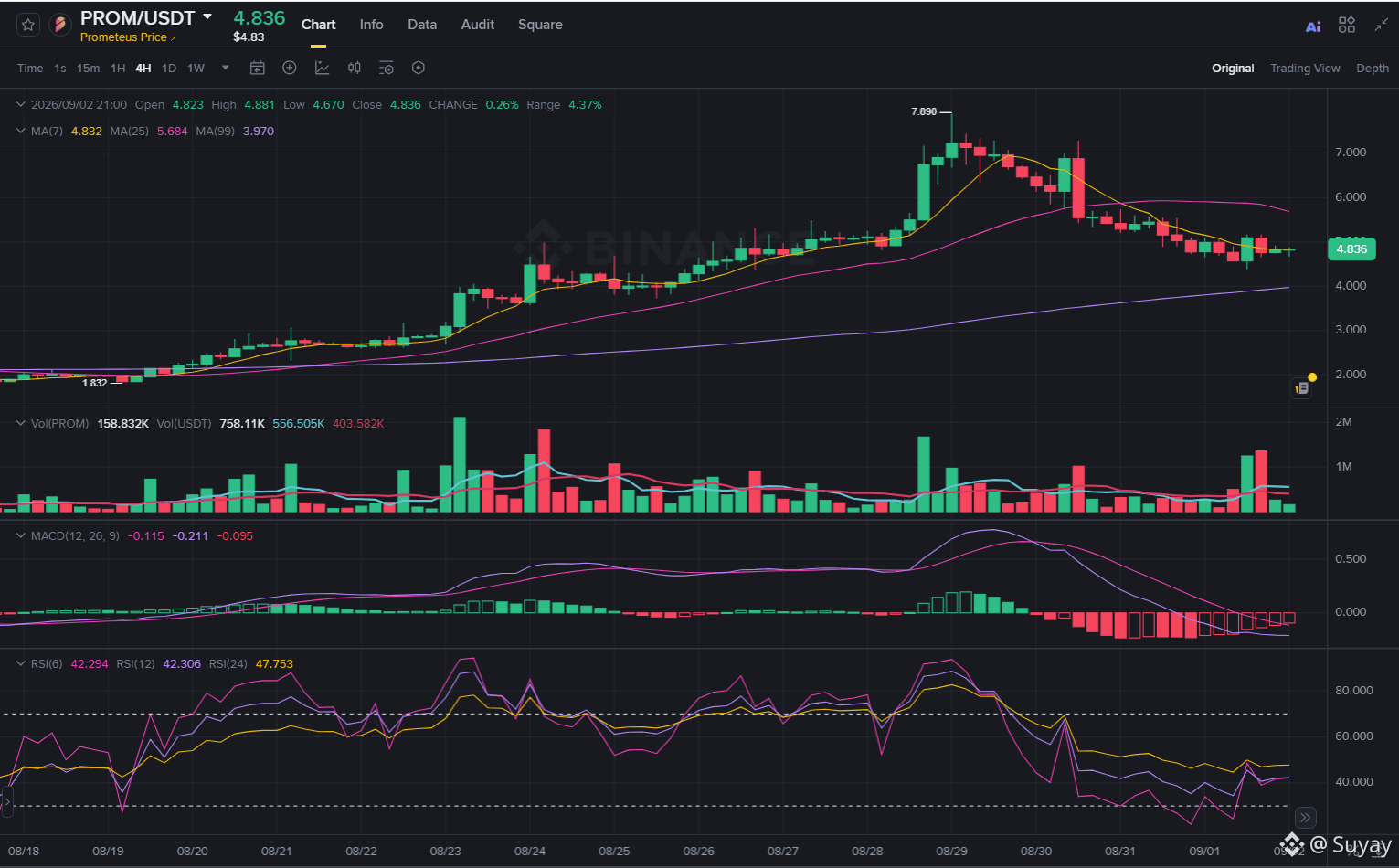
Cuộc bứt phá của PROM có “đúng nhiên liệu” thực sự: một đợt niêm yết trên thị trường KRW của Bithumb vào ngày 24 tháng 8 — một trong những sàn lớn nhất Hàn Quốc — kèm theo việc tích hợp với ARO Network, cả hai cùng diễn ra vào giữa một đợt đi ngang/xây nền kéo dài nhiều tuần. Tuy nhiên, lượng lưu hành ở đây khá mỏng: chỉ 18,25 triệu PROM đang lưu hành so với nguồn cung tối đa 19,25 triệu, nghĩa là các lượng vốn tương đối nhỏ cũng có thể làm giá biến động mạnh theo cả hai hướng. Dữ liệu tài trợ (funding) đã chuyển sang âm trước khi đạt đỉnh, cho thấy vị thế short đang hình thành ngay cả khi bên mua giao ngay (spot) vẫn đang đuổi theo đỉnh.
Biểu đồ khung 4H cho thấy toàn bộ quỹ đạo: đi lên đều từ khoảng 1,64 vào đầu tháng 8, tăng tốc lên đỉnh dạng parabol tại 7,89 vào ngày 29 tháng 8, rồi đảo chiều mạnh kể từ đó, với giá hiện ở mức 4,852 — thấp hơn MA25 (5,685). MA25 đã đổi vai trò từ hỗ trợ thành kháng cự, nhưng vẫn nằm thoải mái trên MA99 đang đi lên (3,970). RSI ở cả ba giai đoạn (43,0, 42,6, 47,9) đã hạ nhiệt từ trạng thái rõ ràng quá mua về vùng trung tính, trong khi biểu đồ MACD vẫn âm dưới đường tín hiệu.
Người mua ở mức 1,64 hiện vẫn lời gần 3 lần dù đợt sụt này; người mua ở mức 7,89 thì đang lỗ gần 40%. Giữ giá trên MA99 vẫn đang tiếp tục đi lên là một dấu hiệu mang tính xây dựng thực sự — rất khác với một đợt bứt phá đã thất bại hoàn toàn. Nhưng một lượng trôi nổi mỏng, trong khi funding đã bị lệch sang âm trước đỉnh, chính xác là bối cảnh mà một đợt điều chỉnh có thể tiếp tục kéo dài ngay cả khi RSI không còn trông giống “quá mua”.
Không phải lời khuyên tài chính — chỉ nhằm mục đích cung cấp thông tin.
$PROM #prom #prometeus #Binance
{future}(PROMUSDT)
Một token đã tăng gần 5 lần trong ba tuần. Ba ngày sau đó, nó đã trả lại gần 40% mức tăng đó — và biểu đồ ngay lúc này hoàn toàn phụ thuộc vào việc bạn đang xem khung thời gian nào.
Cuộc bứt phá của PROM có “đúng nhiên liệu” thực sự: một đợt niêm yết trên thị trường KRW của Bithumb vào ngày 24 tháng 8 — một trong những sàn lớn nhất Hàn Quốc — kèm theo việc tích hợp với ARO Network, cả hai cùng diễn ra vào giữa một đợt đi ngang/xây nền kéo dài nhiều tuần. Tuy nhiên, lượng lưu hành ở đây khá mỏng: chỉ 18,25 triệu PROM đang lưu hành so với nguồn cung tối đa 19,25 triệu, nghĩa là các lượng vốn tương đối nhỏ cũng có thể làm giá biến động mạnh theo cả hai hướng. Dữ liệu tài trợ (funding) đã chuyển sang âm trước khi đạt đỉnh, cho thấy vị thế short đang hình thành ngay cả khi bên mua giao ngay (spot) vẫn đang đuổi theo đỉnh.
Biểu đồ khung 4H cho thấy toàn bộ quỹ đạo: đi lên đều từ khoảng 1,64 vào đầu tháng 8, tăng tốc lên đỉnh dạng parabol tại 7,89 vào ngày 29 tháng 8, rồi đảo chiều mạnh kể từ đó, với giá hiện ở mức 4,852 — thấp hơn MA25 (5,685). MA25 đã đổi vai trò từ hỗ trợ thành kháng cự, nhưng vẫn nằm thoải mái trên MA99 đang đi lên (3,970). RSI ở cả ba giai đoạn (43,0, 42,6, 47,9) đã hạ nhiệt từ trạng thái rõ ràng quá mua về vùng trung tính, trong khi biểu đồ MACD vẫn âm dưới đường tín hiệu.
Người mua ở mức 1,64 hiện vẫn lời gần 3 lần dù đợt sụt này; người mua ở mức 7,89 thì đang lỗ gần 40%. Giữ giá trên MA99 vẫn đang tiếp tục đi lên là một dấu hiệu mang tính xây dựng thực sự — rất khác với một đợt bứt phá đã thất bại hoàn toàn. Nhưng một lượng trôi nổi mỏng, trong khi funding đã bị lệch sang âm trước đỉnh, chính xác là bối cảnh mà một đợt điều chỉnh có thể tiếp tục kéo dài ngay cả khi RSI không còn trông giống “quá mua”.
Không phải lời khuyên tài chính — chỉ nhằm mục đích cung cấp thông tin.
$PROM #prom #prometeus #Binance
Cuộc bứt phá của PROM có “đúng nhiên liệu” thực sự: một đợt niêm yết trên thị trường KRW của Bithumb vào ngày 24 tháng 8 — một trong những sàn lớn nhất Hàn Quốc — kèm theo việc tích hợp với ARO Network, cả hai cùng diễn ra vào giữa một đợt đi ngang/xây nền kéo dài nhiều tuần. Tuy nhiên, lượng lưu hành ở đây khá mỏng: chỉ 18,25 triệu PROM đang lưu hành so với nguồn cung tối đa 19,25 triệu, nghĩa là các lượng vốn tương đối nhỏ cũng có thể làm giá biến động mạnh theo cả hai hướng. Dữ liệu tài trợ (funding) đã chuyển sang âm trước khi đạt đỉnh, cho thấy vị thế short đang hình thành ngay cả khi bên mua giao ngay (spot) vẫn đang đuổi theo đỉnh.
Biểu đồ khung 4H cho thấy toàn bộ quỹ đạo: đi lên đều từ khoảng 1,64 vào đầu tháng 8, tăng tốc lên đỉnh dạng parabol tại 7,89 vào ngày 29 tháng 8, rồi đảo chiều mạnh kể từ đó, với giá hiện ở mức 4,852 — thấp hơn MA25 (5,685). MA25 đã đổi vai trò từ hỗ trợ thành kháng cự, nhưng vẫn nằm thoải mái trên MA99 đang đi lên (3,970). RSI ở cả ba giai đoạn (43,0, 42,6, 47,9) đã hạ nhiệt từ trạng thái rõ ràng quá mua về vùng trung tính, trong khi biểu đồ MACD vẫn âm dưới đường tín hiệu.
Người mua ở mức 1,64 hiện vẫn lời gần 3 lần dù đợt sụt này; người mua ở mức 7,89 thì đang lỗ gần 40%. Giữ giá trên MA99 vẫn đang tiếp tục đi lên là một dấu hiệu mang tính xây dựng thực sự — rất khác với một đợt bứt phá đã thất bại hoàn toàn. Nhưng một lượng trôi nổi mỏng, trong khi funding đã bị lệch sang âm trước đỉnh, chính xác là bối cảnh mà một đợt điều chỉnh có thể tiếp tục kéo dài ngay cả khi RSI không còn trông giống “quá mua”.
Không phải lời khuyên tài chính — chỉ nhằm mục đích cung cấp thông tin.
$PROM #prom #prometeus #Binance
1
485
·
--
Đúng một phần
Một giao thức đã nhìn vào điểm bán hàng lớn nhất của blockchain — sự minh bạch hoàn toàn — và gọi đó là một điểm yếu. Lời chào hàng của chính nó: crypto cần những “khóa” để ngôi nhà bằng kính đó không vỡ.
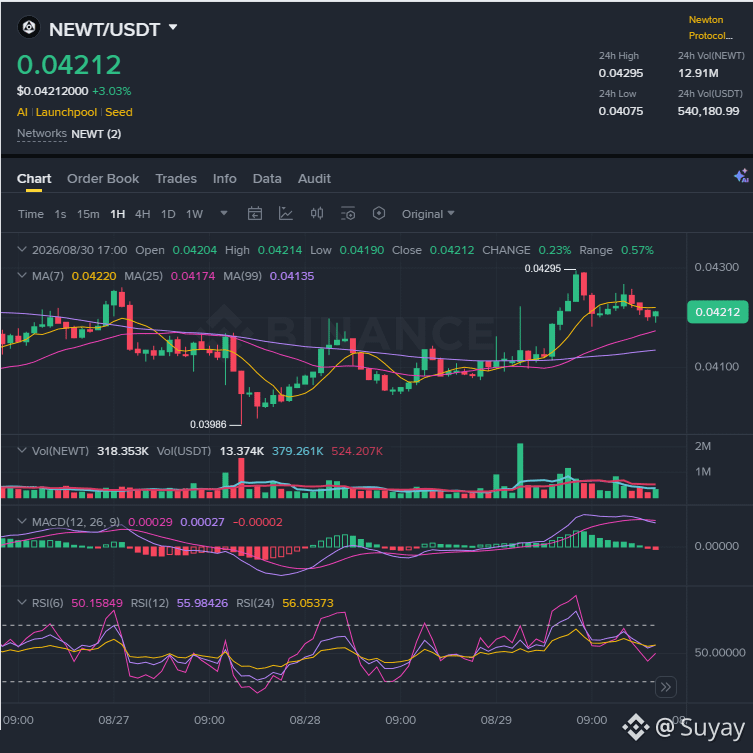
Newton Protocol định vị mình như một lớp ủy quyền trước giao dịch, cho phép các tác nhân AI, các nền tảng RWA và các tổ chức phát hành stablecoin thực thi các quy tắc tuân thủ trên chuỗi trước khi một giao dịch được thực hiện. Gần đây, nền tảng mở rộng với một thị trường Model Registry, nơi các nhà phát triển có thể đăng tải mô hình tác nhân để người khác tìm kiếm và kết hợp. Mã thông báo cũng phải chịu áp lực cung thực — một lần mở khóa 139 triệu NEWT (7,55 triệu USD) vào tháng 6 đã thử thách nhu cầu một cách trực tiếp — trong khi chiến dịch Summer Earn của Binance lại cung cấp lợi suất trên NEWT bị khóa để giúp bù đắp phần nào.
Trên biểu đồ 1H, NEWT đã trượt xuống mức thấp gần 0,03986 vài ngày trước, rồi đảo chiều mạnh mẽ, leo lên mức đỉnh gần đây quanh 0,04295 trước khi ổn định tại 0,04212 hiện tại. Hiện tại, nó đang giữ vững trên cả ba đường trung bình động trong một “xếp chồng” mang tính tăng — MA7 ở 0,04220, MA25 ở 0,04174, MA99 ở 0,04135 — với RSI dao động quanh vùng giữa 50 ở cả ba khung thời gian và histogram MACD chỉ hơi âm, đã cắt trở lại về phía 0.
Việc tái chiếm một xếp chồng đường MA tăng sau một đáy kéo dài nhiều ngày là một tín hiệu tích cực mang tính ngắn hạn. Tuy nhiên, lịch sử của NEWT cho thấy các biến động mạnh gắn trực tiếp với các sự kiện mở khóa và thanh khoản mỏng — biểu đồ hôm nay trông tốt hơn so với ba ngày trước, nhưng liệu điều đó có được duy trì khi vòng cung tiếp theo đổ ra thị trường hay không lại là một câu hỏi khác so với cây nến hiện tại.
Không phải lời khuyên tài chính — chỉ để cung cấp thông tin.
$NEWT #NewtonProtocol #Binance
{spot}(NEWTUSDT)
Một giao thức đã nhìn vào điểm bán hàng lớn nhất của blockchain — sự minh bạch hoàn toàn — và gọi đó là một điểm yếu. Lời chào hàng của chính nó: crypto cần những “khóa” để ngôi nhà bằng kính đó không vỡ.
Newton Protocol định vị mình như một lớp ủy quyền trước giao dịch, cho phép các tác nhân AI, các nền tảng RWA và các tổ chức phát hành stablecoin thực thi các quy tắc tuân thủ trên chuỗi trước khi một giao dịch được thực hiện. Gần đây, nền tảng mở rộng với một thị trường Model Registry, nơi các nhà phát triển có thể đăng tải mô hình tác nhân để người khác tìm kiếm và kết hợp. Mã thông báo cũng phải chịu áp lực cung thực — một lần mở khóa 139 triệu NEWT (7,55 triệu USD) vào tháng 6 đã thử thách nhu cầu một cách trực tiếp — trong khi chiến dịch Summer Earn của Binance lại cung cấp lợi suất trên NEWT bị khóa để giúp bù đắp phần nào.
Trên biểu đồ 1H, NEWT đã trượt xuống mức thấp gần 0,03986 vài ngày trước, rồi đảo chiều mạnh mẽ, leo lên mức đỉnh gần đây quanh 0,04295 trước khi ổn định tại 0,04212 hiện tại. Hiện tại, nó đang giữ vững trên cả ba đường trung bình động trong một “xếp chồng” mang tính tăng — MA7 ở 0,04220, MA25 ở 0,04174, MA99 ở 0,04135 — với RSI dao động quanh vùng giữa 50 ở cả ba khung thời gian và histogram MACD chỉ hơi âm, đã cắt trở lại về phía 0.
Việc tái chiếm một xếp chồng đường MA tăng sau một đáy kéo dài nhiều ngày là một tín hiệu tích cực mang tính ngắn hạn. Tuy nhiên, lịch sử của NEWT cho thấy các biến động mạnh gắn trực tiếp với các sự kiện mở khóa và thanh khoản mỏng — biểu đồ hôm nay trông tốt hơn so với ba ngày trước, nhưng liệu điều đó có được duy trì khi vòng cung tiếp theo đổ ra thị trường hay không lại là một câu hỏi khác so với cây nến hiện tại.
Không phải lời khuyên tài chính — chỉ để cung cấp thông tin.
$NEWT #NewtonProtocol #Binance
Newton Protocol định vị mình như một lớp ủy quyền trước giao dịch, cho phép các tác nhân AI, các nền tảng RWA và các tổ chức phát hành stablecoin thực thi các quy tắc tuân thủ trên chuỗi trước khi một giao dịch được thực hiện. Gần đây, nền tảng mở rộng với một thị trường Model Registry, nơi các nhà phát triển có thể đăng tải mô hình tác nhân để người khác tìm kiếm và kết hợp. Mã thông báo cũng phải chịu áp lực cung thực — một lần mở khóa 139 triệu NEWT (7,55 triệu USD) vào tháng 6 đã thử thách nhu cầu một cách trực tiếp — trong khi chiến dịch Summer Earn của Binance lại cung cấp lợi suất trên NEWT bị khóa để giúp bù đắp phần nào.
Trên biểu đồ 1H, NEWT đã trượt xuống mức thấp gần 0,03986 vài ngày trước, rồi đảo chiều mạnh mẽ, leo lên mức đỉnh gần đây quanh 0,04295 trước khi ổn định tại 0,04212 hiện tại. Hiện tại, nó đang giữ vững trên cả ba đường trung bình động trong một “xếp chồng” mang tính tăng — MA7 ở 0,04220, MA25 ở 0,04174, MA99 ở 0,04135 — với RSI dao động quanh vùng giữa 50 ở cả ba khung thời gian và histogram MACD chỉ hơi âm, đã cắt trở lại về phía 0.
Việc tái chiếm một xếp chồng đường MA tăng sau một đáy kéo dài nhiều ngày là một tín hiệu tích cực mang tính ngắn hạn. Tuy nhiên, lịch sử của NEWT cho thấy các biến động mạnh gắn trực tiếp với các sự kiện mở khóa và thanh khoản mỏng — biểu đồ hôm nay trông tốt hơn so với ba ngày trước, nhưng liệu điều đó có được duy trì khi vòng cung tiếp theo đổ ra thị trường hay không lại là một câu hỏi khác so với cây nến hiện tại.
Không phải lời khuyên tài chính — chỉ để cung cấp thông tin.
$NEWT #NewtonProtocol #Binance
1
173
·
--
Đã xác minh
Một token đã được giao dịch trong chưa đầy một tuần. Dù vậy, một trong những cái tên lớn nhất trong lĩnh vực đầu tư mạo hiểm gắn với sàn giao dịch đã vẫn quyết định hậu thuẫn giao thức đứng sau nó — chỉ hai ngày sau khi ra mắt.
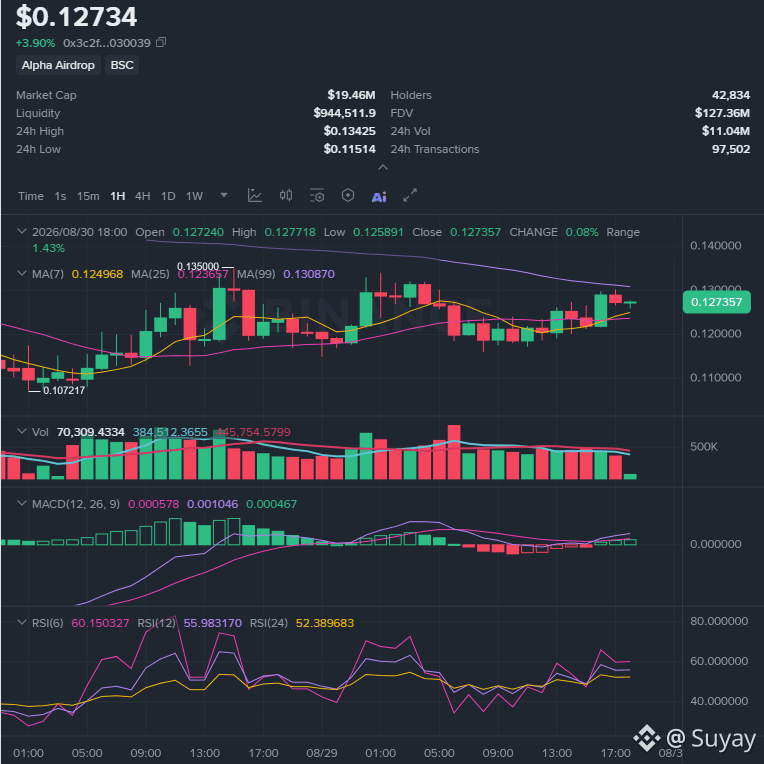
Token TMX của TermMax có Sự kiện tạo token (Token Generation Event) vào ngày 25 tháng 8, và đến ngày 26 tháng 8, YZi Labs — trước đây là Binance Labs — đã công bố một khoản đầu tư chiến lược vào giao thức. TermMax cung cấp cho vay lãi suất cố định trên 10 chuỗi, tích hợp với Aave, Morpho, Venus và Pendle, đồng thời đang mở rộng nhanh chóng: tài sản thế chấp dạng token hóa trên Robinhood Chain (QQQ, SPY, NVDA) và, gần đây hơn, các tùy chọn giao dịch theo hình thức giao nhận vật lý thông qua TermMax Alpha.
Trên khung 1H, kể từ tuần lễ ra mắt đầy biến động, TMX đã dao động từ mức thấp quanh 0.107 lên mức cao gần 0.135, và hiện đang tích lũy quanh 0.128 — cao hơn cả MA7 (0.124) và MA25 (0.124), nhưng vẫn thấp hơn MA99 (0.131). Thực chất, MA99 này chỉ đang phản ánh “dấu vết” của cú tăng mạnh trong tuần đầu tiên. Các chỉ số RSI nghiêng mức độ vừa phải theo hướng lạc quan (RSI6 ở 62.5, RSI12 ở 57.1, RSI24 ở 52.9), và biểu đồ histogram MACD đang dương nhẹ.
Một token có ít hơn một tuần lịch sử giao dịch không có “ký ức giá” khiến các đường MA trở nên đáng tin cậy như trên một biểu đồ đã được hình thành — MA99 đang là trung bình của năm ngày biến động, chứ chưa phải một đường xu hướng đủ “gánh” được. Khoản đầu tư của YZi Labs là sự tin tưởng thực sự vào hoạt động kinh doanh. Liệu điều đó có chuyển hóa thành diễn biến giá của một token mới chỉ được 5 ngày tuổi hay không là một câu hỏi hoàn toàn khác.
Không phải lời khuyên tài chính — chỉ nhằm mục đích cung cấp thông tin.
$TMX #TermMax #defi #Binance
{alpha}(560x3c2f61f2e27c865981d2e7aaf6b2cdf823030039)
Một token đã được giao dịch trong chưa đầy một tuần. Dù vậy, một trong những cái tên lớn nhất trong lĩnh vực đầu tư mạo hiểm gắn với sàn giao dịch đã vẫn quyết định hậu thuẫn giao thức đứng sau nó — chỉ hai ngày sau khi ra mắt.
Token TMX của TermMax có Sự kiện tạo token (Token Generation Event) vào ngày 25 tháng 8, và đến ngày 26 tháng 8, YZi Labs — trước đây là Binance Labs — đã công bố một khoản đầu tư chiến lược vào giao thức. TermMax cung cấp cho vay lãi suất cố định trên 10 chuỗi, tích hợp với Aave, Morpho, Venus và Pendle, đồng thời đang mở rộng nhanh chóng: tài sản thế chấp dạng token hóa trên Robinhood Chain (QQQ, SPY, NVDA) và, gần đây hơn, các tùy chọn giao dịch theo hình thức giao nhận vật lý thông qua TermMax Alpha.
Trên khung 1H, kể từ tuần lễ ra mắt đầy biến động, TMX đã dao động từ mức thấp quanh 0.107 lên mức cao gần 0.135, và hiện đang tích lũy quanh 0.128 — cao hơn cả MA7 (0.124) và MA25 (0.124), nhưng vẫn thấp hơn MA99 (0.131). Thực chất, MA99 này chỉ đang phản ánh “dấu vết” của cú tăng mạnh trong tuần đầu tiên. Các chỉ số RSI nghiêng mức độ vừa phải theo hướng lạc quan (RSI6 ở 62.5, RSI12 ở 57.1, RSI24 ở 52.9), và biểu đồ histogram MACD đang dương nhẹ.
Một token có ít hơn một tuần lịch sử giao dịch không có “ký ức giá” khiến các đường MA trở nên đáng tin cậy như trên một biểu đồ đã được hình thành — MA99 đang là trung bình của năm ngày biến động, chứ chưa phải một đường xu hướng đủ “gánh” được. Khoản đầu tư của YZi Labs là sự tin tưởng thực sự vào hoạt động kinh doanh. Liệu điều đó có chuyển hóa thành diễn biến giá của một token mới chỉ được 5 ngày tuổi hay không là một câu hỏi hoàn toàn khác.
Không phải lời khuyên tài chính — chỉ nhằm mục đích cung cấp thông tin.
$TMX #TermMax #defi #Binance
Token TMX của TermMax có Sự kiện tạo token (Token Generation Event) vào ngày 25 tháng 8, và đến ngày 26 tháng 8, YZi Labs — trước đây là Binance Labs — đã công bố một khoản đầu tư chiến lược vào giao thức. TermMax cung cấp cho vay lãi suất cố định trên 10 chuỗi, tích hợp với Aave, Morpho, Venus và Pendle, đồng thời đang mở rộng nhanh chóng: tài sản thế chấp dạng token hóa trên Robinhood Chain (QQQ, SPY, NVDA) và, gần đây hơn, các tùy chọn giao dịch theo hình thức giao nhận vật lý thông qua TermMax Alpha.
Trên khung 1H, kể từ tuần lễ ra mắt đầy biến động, TMX đã dao động từ mức thấp quanh 0.107 lên mức cao gần 0.135, và hiện đang tích lũy quanh 0.128 — cao hơn cả MA7 (0.124) và MA25 (0.124), nhưng vẫn thấp hơn MA99 (0.131). Thực chất, MA99 này chỉ đang phản ánh “dấu vết” của cú tăng mạnh trong tuần đầu tiên. Các chỉ số RSI nghiêng mức độ vừa phải theo hướng lạc quan (RSI6 ở 62.5, RSI12 ở 57.1, RSI24 ở 52.9), và biểu đồ histogram MACD đang dương nhẹ.
Một token có ít hơn một tuần lịch sử giao dịch không có “ký ức giá” khiến các đường MA trở nên đáng tin cậy như trên một biểu đồ đã được hình thành — MA99 đang là trung bình của năm ngày biến động, chứ chưa phải một đường xu hướng đủ “gánh” được. Khoản đầu tư của YZi Labs là sự tin tưởng thực sự vào hoạt động kinh doanh. Liệu điều đó có chuyển hóa thành diễn biến giá của một token mới chỉ được 5 ngày tuổi hay không là một câu hỏi hoàn toàn khác.
Không phải lời khuyên tài chính — chỉ nhằm mục đích cung cấp thông tin.
$TMX #TermMax #defi #Binance
1
494
·
--
Đã xác minh
Một giao thức đã dành hàng tháng trời để xây dựng “hệ thống ống nước” nhằm giúp Bitcoin nhàn rỗi hoạt động như tài sản thế chấp mà không hề rời khỏi mạng Bitcoin. Liệu hệ thống đó có sớm tạo ra khối lượng giao dịch thực sự hay không có thể sẽ phụ thuộc vào một phiếu bầu duy nhất liên quan đến một trong những thị trường cho vay lớn nhất của DeFi.
Các Kho bạc Bitcoin Không Cần Niềm Tin của Babylon đang chờ một đề xuất quản trị trên Aave V4, cho phép BTC gốc được gửi thông qua Babylon hoạt động như tài sản thế chấp DeFi phi giám hộ — không có token bọc, không có bên giám hộ. Hiện vẫn đang chờ được phê duyệt. Ngoài ra, BABY nhìn chung đã bám theo đà tăng của Bitcoin và vĩ mô rộng hơn, thay vì tự “nổi bật” nhờ tin tức của riêng nó.
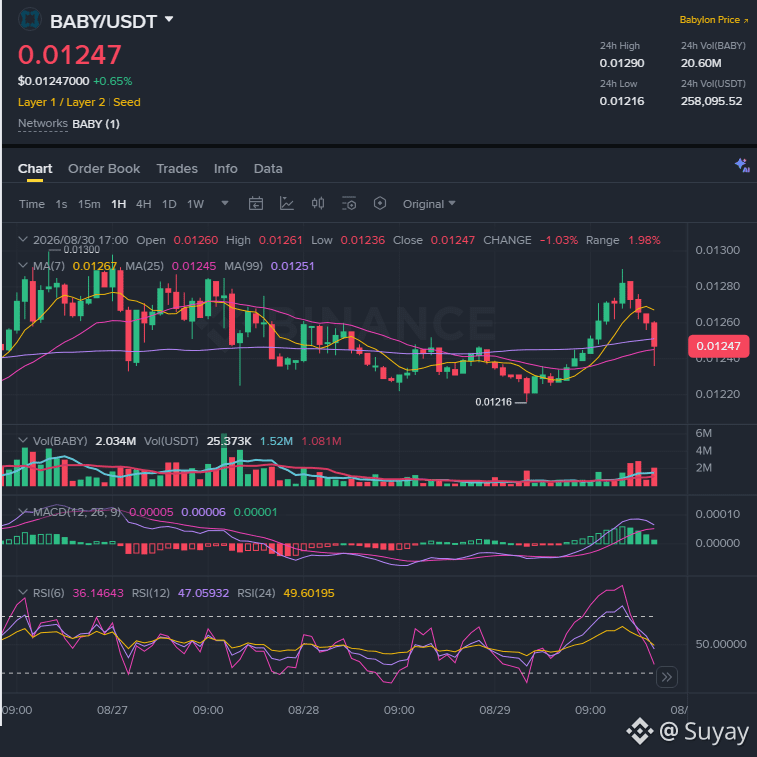
Trên biểu đồ 1H, BABY đã dao động trong nhiều ngày giữa 0.0122 và 0.0130, đi lên gần đỉnh của vùng đó rồi đảo chiều mạnh trong vài giờ gần đây, rơi xuyên qua MA7 (0.01267) xuống mức hiện tại 0.01247 — gần như ngay trên MA25 (0.01245). RSI(6) đã giảm xuống mức quá bán ngắn hạn 36.14, trong khi RSI(24) vẫn trung tính ở 49.60, và biểu đồ MACD chỉ hơi dương sau một giai đoạn dài các tín hiệu âm.
Các phiếu bầu quản trị với các giao thức lớn thường diễn ra trong vài tuần chứ không phải vài giờ, vì vậy việc tích hợp vào Aave không phải là một chất xúc tác “trong tuần này”, ngay cả khi nó được thông qua. Trên khung thời gian 1H, việc RSI rơi vào trạng thái quá bán như thế này thường chỉ báo hiệu phần cuối của một đợt điều chỉnh nhanh — điều thực sự quan trọng ở đây là giá có giữ được MA25 mà nó đang đứng trên, hay sẽ gãy xuống dưới đó để đi vào nửa dưới của biên độ trong tuần.
Không phải lời khuyên tài chính — chỉ nhằm mục đích cung cấp thông tin.
$BABY #Babylon #bitcoin #Binance
{spot}(BABYUSDT)
Một giao thức đã dành hàng tháng trời để xây dựng “hệ thống ống nước” nhằm giúp Bitcoin nhàn rỗi hoạt động như tài sản thế chấp mà không hề rời khỏi mạng Bitcoin. Liệu hệ thống đó có sớm tạo ra khối lượng giao dịch thực sự hay không có thể sẽ phụ thuộc vào một phiếu bầu duy nhất liên quan đến một trong những thị trường cho vay lớn nhất của DeFi.
Các Kho bạc Bitcoin Không Cần Niềm Tin của Babylon đang chờ một đề xuất quản trị trên Aave V4, cho phép BTC gốc được gửi thông qua Babylon hoạt động như tài sản thế chấp DeFi phi giám hộ — không có token bọc, không có bên giám hộ. Hiện vẫn đang chờ được phê duyệt. Ngoài ra, BABY nhìn chung đã bám theo đà tăng của Bitcoin và vĩ mô rộng hơn, thay vì tự “nổi bật” nhờ tin tức của riêng nó.
Trên biểu đồ 1H, BABY đã dao động trong nhiều ngày giữa 0.0122 và 0.0130, đi lên gần đỉnh của vùng đó rồi đảo chiều mạnh trong vài giờ gần đây, rơi xuyên qua MA7 (0.01267) xuống mức hiện tại 0.01247 — gần như ngay trên MA25 (0.01245). RSI(6) đã giảm xuống mức quá bán ngắn hạn 36.14, trong khi RSI(24) vẫn trung tính ở 49.60, và biểu đồ MACD chỉ hơi dương sau một giai đoạn dài các tín hiệu âm.
Các phiếu bầu quản trị với các giao thức lớn thường diễn ra trong vài tuần chứ không phải vài giờ, vì vậy việc tích hợp vào Aave không phải là một chất xúc tác “trong tuần này”, ngay cả khi nó được thông qua. Trên khung thời gian 1H, việc RSI rơi vào trạng thái quá bán như thế này thường chỉ báo hiệu phần cuối của một đợt điều chỉnh nhanh — điều thực sự quan trọng ở đây là giá có giữ được MA25 mà nó đang đứng trên, hay sẽ gãy xuống dưới đó để đi vào nửa dưới của biên độ trong tuần.
Không phải lời khuyên tài chính — chỉ nhằm mục đích cung cấp thông tin.
$BABY #Babylon #bitcoin #Binance
Các Kho bạc Bitcoin Không Cần Niềm Tin của Babylon đang chờ một đề xuất quản trị trên Aave V4, cho phép BTC gốc được gửi thông qua Babylon hoạt động như tài sản thế chấp DeFi phi giám hộ — không có token bọc, không có bên giám hộ. Hiện vẫn đang chờ được phê duyệt. Ngoài ra, BABY nhìn chung đã bám theo đà tăng của Bitcoin và vĩ mô rộng hơn, thay vì tự “nổi bật” nhờ tin tức của riêng nó.
Trên biểu đồ 1H, BABY đã dao động trong nhiều ngày giữa 0.0122 và 0.0130, đi lên gần đỉnh của vùng đó rồi đảo chiều mạnh trong vài giờ gần đây, rơi xuyên qua MA7 (0.01267) xuống mức hiện tại 0.01247 — gần như ngay trên MA25 (0.01245). RSI(6) đã giảm xuống mức quá bán ngắn hạn 36.14, trong khi RSI(24) vẫn trung tính ở 49.60, và biểu đồ MACD chỉ hơi dương sau một giai đoạn dài các tín hiệu âm.
Các phiếu bầu quản trị với các giao thức lớn thường diễn ra trong vài tuần chứ không phải vài giờ, vì vậy việc tích hợp vào Aave không phải là một chất xúc tác “trong tuần này”, ngay cả khi nó được thông qua. Trên khung thời gian 1H, việc RSI rơi vào trạng thái quá bán như thế này thường chỉ báo hiệu phần cuối của một đợt điều chỉnh nhanh — điều thực sự quan trọng ở đây là giá có giữ được MA25 mà nó đang đứng trên, hay sẽ gãy xuống dưới đó để đi vào nửa dưới của biên độ trong tuần.
Không phải lời khuyên tài chính — chỉ nhằm mục đích cung cấp thông tin.
$BABY #Babylon #bitcoin #Binance
2
262
·
--
Đã xác minh
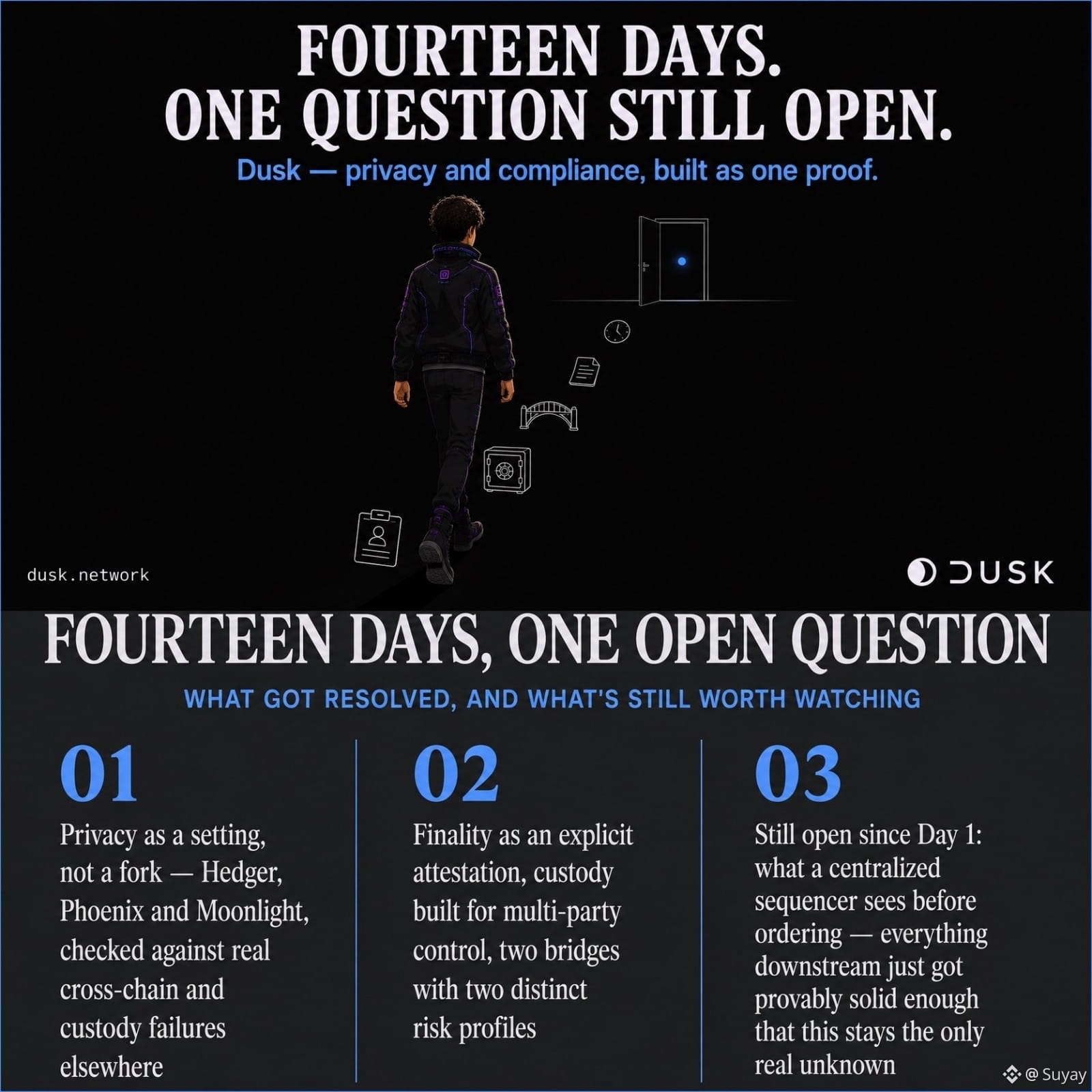
Cách đây mười bốn ngày, mọi thứ bắt đầu với block 22450093 và chỉ hai từ: bài toán sổ cái bằng kính. Tôi muốn làm rõ liệu Dusk thực sự đã đóng khoảng trống đó, hay chỉ đơn giản là dịch nó.
Hedger mã hóa các giao dịch DuskEVM end-to-end, nhưng câu hỏi bỏ ngỏ từ Ngày 1 là: một bộ sequencer tập trung sẽ thấy gì trước khi nó sắp xếp bất cứ thứ gì. Câu đó không bao giờ nhận được một câu trả lời rõ ràng, và lẽ ra nó cũng không nên có. Mọi thứ khác mà chiến dịch này đề cập thực ra đều xoay quanh việc liệu phần còn lại của hệ thống có xứng đáng để được tin cậy hay không: Moonlight và Phoenix biến quyền riêng tư thành một lựa chọn thay vì một nhánh (fork), Succinct Attestation biến tính cuối cùng thành một cam kết (attestation) rõ ràng thay vì một trò chờ đợi, việc quản lý tài sản (custody) được chuyển qua hạ tầng được xây dựng cho kiểm soát nhiều bên thay vì chỉ một khóa, hai cầu nối (bridge) với hai hình dạng khác nhau mang theo hai hồ sơ rủi ro khác nhau tùy vào việc bạn đang sử dụng cái nào.
Không có gì trong số đó xóa được câu hỏi về sequencer. Thứ nó làm là khiến mọi thứ diễn ra sau khâu sắp xếp (ordering), thanh toán (settlement), quản lý tài sản (custody), định danh (identity), và công bố (disclosure) trở nên vững chắc một cách có thể chứng minh, để mảnh chưa được giải quyết chỉ còn lại đúng nhỏ đến vậy, thay vì bị nhét vào trong một đống câu hỏi chưa biết.
Tôi bước vào với suy nghĩ rằng tài chính onchain được quản lý đồng nghĩa với việc chọn minh bạch hay quyền riêng tư. Điều thực sự làm tôi đổi ý trong suốt mười bốn ngày này là Dusk tiếp tục coi đó là câu hỏi sai: quyền riêng tư và tuân thủ (compliance) là một bằng chứng duy nhất, không phải một sự đánh đổi.
Vẫn đang theo dõi sequencer đó. Một số câu hỏi được cho là nên vẫn để ngỏ.
#dusk $DUSK @Dusk_Foundation #DuskEVM
Cách đây mười bốn ngày, mọi thứ bắt đầu với block 22450093 và chỉ hai từ: bài toán sổ cái bằng kính. Tôi muốn làm rõ liệu Dusk thực sự đã đóng khoảng trống đó, hay chỉ đơn giản là dịch nó.
Hedger mã hóa các giao dịch DuskEVM end-to-end, nhưng câu hỏi bỏ ngỏ từ Ngày 1 là: một bộ sequencer tập trung sẽ thấy gì trước khi nó sắp xếp bất cứ thứ gì. Câu đó không bao giờ nhận được một câu trả lời rõ ràng, và lẽ ra nó cũng không nên có. Mọi thứ khác mà chiến dịch này đề cập thực ra đều xoay quanh việc liệu phần còn lại của hệ thống có xứng đáng để được tin cậy hay không: Moonlight và Phoenix biến quyền riêng tư thành một lựa chọn thay vì một nhánh (fork), Succinct Attestation biến tính cuối cùng thành một cam kết (attestation) rõ ràng thay vì một trò chờ đợi, việc quản lý tài sản (custody) được chuyển qua hạ tầng được xây dựng cho kiểm soát nhiều bên thay vì chỉ một khóa, hai cầu nối (bridge) với hai hình dạng khác nhau mang theo hai hồ sơ rủi ro khác nhau tùy vào việc bạn đang sử dụng cái nào.
Không có gì trong số đó xóa được câu hỏi về sequencer. Thứ nó làm là khiến mọi thứ diễn ra sau khâu sắp xếp (ordering), thanh toán (settlement), quản lý tài sản (custody), định danh (identity), và công bố (disclosure) trở nên vững chắc một cách có thể chứng minh, để mảnh chưa được giải quyết chỉ còn lại đúng nhỏ đến vậy, thay vì bị nhét vào trong một đống câu hỏi chưa biết.
Tôi bước vào với suy nghĩ rằng tài chính onchain được quản lý đồng nghĩa với việc chọn minh bạch hay quyền riêng tư. Điều thực sự làm tôi đổi ý trong suốt mười bốn ngày này là Dusk tiếp tục coi đó là câu hỏi sai: quyền riêng tư và tuân thủ (compliance) là một bằng chứng duy nhất, không phải một sự đánh đổi.
Vẫn đang theo dõi sequencer đó. Một số câu hỏi được cho là nên vẫn để ngỏ.
#dusk $DUSK @Dusk #DuskEVM
Hedger mã hóa các giao dịch DuskEVM end-to-end, nhưng câu hỏi bỏ ngỏ từ Ngày 1 là: một bộ sequencer tập trung sẽ thấy gì trước khi nó sắp xếp bất cứ thứ gì. Câu đó không bao giờ nhận được một câu trả lời rõ ràng, và lẽ ra nó cũng không nên có. Mọi thứ khác mà chiến dịch này đề cập thực ra đều xoay quanh việc liệu phần còn lại của hệ thống có xứng đáng để được tin cậy hay không: Moonlight và Phoenix biến quyền riêng tư thành một lựa chọn thay vì một nhánh (fork), Succinct Attestation biến tính cuối cùng thành một cam kết (attestation) rõ ràng thay vì một trò chờ đợi, việc quản lý tài sản (custody) được chuyển qua hạ tầng được xây dựng cho kiểm soát nhiều bên thay vì chỉ một khóa, hai cầu nối (bridge) với hai hình dạng khác nhau mang theo hai hồ sơ rủi ro khác nhau tùy vào việc bạn đang sử dụng cái nào.
Không có gì trong số đó xóa được câu hỏi về sequencer. Thứ nó làm là khiến mọi thứ diễn ra sau khâu sắp xếp (ordering), thanh toán (settlement), quản lý tài sản (custody), định danh (identity), và công bố (disclosure) trở nên vững chắc một cách có thể chứng minh, để mảnh chưa được giải quyết chỉ còn lại đúng nhỏ đến vậy, thay vì bị nhét vào trong một đống câu hỏi chưa biết.
Tôi bước vào với suy nghĩ rằng tài chính onchain được quản lý đồng nghĩa với việc chọn minh bạch hay quyền riêng tư. Điều thực sự làm tôi đổi ý trong suốt mười bốn ngày này là Dusk tiếp tục coi đó là câu hỏi sai: quyền riêng tư và tuân thủ (compliance) là một bằng chứng duy nhất, không phải một sự đánh đổi.
Vẫn đang theo dõi sequencer đó. Một số câu hỏi được cho là nên vẫn để ngỏ.
#dusk $DUSK @Dusk #DuskEVM
13
8
389
·
--
Đã xác minh
“Nửa đời” không phải là một thuật ngữ tôi dự đoán sẽ gặp ngoài các bài tập vật lý, nhưng đó chính xác là đường cong mà quá trình phát thải token của riêng Dusk tuân theo.
Trước khi ra mắt mainnet, đã có 500 triệu DUSK. 500 triệu còn lại được phát cho những người đặt cược (stakers) trong 36 năm, nhưng không phải theo kiểu “rót đều” cố định—mà theo suy giảm theo cấp số nhân, cứ mỗi bốn năm lại giảm một nửa. Vì vậy, phần phát ra lớn hơn đi sớm, và đường cong tiến dần về 0 thay vì nhỏ giọt mãi mãi. Mức đặt cược tối thiểu là 1.000 DUSK; thời gian trưởng thành của khoản stake mới khoảng 12 giờ; và các lỗi sẽ bị làm mềm mức phạt (soft-slashed), đình chỉ hoặc bị trừ điểm thay vì bị đốt cháy hoàn toàn, nên chi phí vận hành một provisioner một cách thiện chí vẫn có thể dự đoán được thay vì trở nên thảm họa vào một ngày xấu.
Hyperstaking—phần “trừu tượng hóa stake” của Dusk—là thứ thực sự thay đổi ai có thể tham gia. Hợp đồng thông minh có thể stake thay mặt cho người dùng, không chỉ dừng ở từng ví cá nhân. Điều này là lý do các pool tự động, liquid staking và logic phân phối phần thưởng tùy chỉnh trở nên khả thi mà không bắt buộc mọi staker phải tự chạy node của riêng mình.
Tất cả những điều đó giờ không còn là khái niệm nữa. Chứng khoán token hóa của NPEX, hiện đã giao dịch trong khoảng 200–300 triệu euro trên cơ sở hạ tầng của Dusk, được giải quyết thông qua chính cơ chế đồng thuận mà đường cong phát thải này đang tài trợ. Lịch cung token không chỉ là một biểu đồ cho nhà đầu tư—nó là ngân sách cho chính bảo mật (security) mà những giao dịch đó phụ thuộc.
Điều tôi chưa thấy có dữ liệu: sortition có trọng số theo stake nghĩa là các pool lớn hơn được chọn thường xuyên hơn. Nếu các pool staking do hợp đồng vận hành cuối cùng tập trung ngày càng nhiều phần trăm stake khi Hyperstaking mở rộng, thì đó là một mâu thuẫn thực sự với sự phi tập trung mà mạng được xây dựng để đảm bảo—và vẫn còn quá sớm để biết hướng diễn tiến sẽ như thế nào.
#dusk $DUSK @Dusk_Foundation
“Nửa đời” không phải là một thuật ngữ tôi dự đoán sẽ gặp ngoài các bài tập vật lý, nhưng đó chính xác là đường cong mà quá trình phát thải token của riêng Dusk tuân theo.
Trước khi ra mắt mainnet, đã có 500 triệu DUSK. 500 triệu còn lại được phát cho những người đặt cược (stakers) trong 36 năm, nhưng không phải theo kiểu “rót đều” cố định—mà theo suy giảm theo cấp số nhân, cứ mỗi bốn năm lại giảm một nửa. Vì vậy, phần phát ra lớn hơn đi sớm, và đường cong tiến dần về 0 thay vì nhỏ giọt mãi mãi. Mức đặt cược tối thiểu là 1.000 DUSK; thời gian trưởng thành của khoản stake mới khoảng 12 giờ; và các lỗi sẽ bị làm mềm mức phạt (soft-slashed), đình chỉ hoặc bị trừ điểm thay vì bị đốt cháy hoàn toàn, nên chi phí vận hành một provisioner một cách thiện chí vẫn có thể dự đoán được thay vì trở nên thảm họa vào một ngày xấu.
Hyperstaking—phần “trừu tượng hóa stake” của Dusk—là thứ thực sự thay đổi ai có thể tham gia. Hợp đồng thông minh có thể stake thay mặt cho người dùng, không chỉ dừng ở từng ví cá nhân. Điều này là lý do các pool tự động, liquid staking và logic phân phối phần thưởng tùy chỉnh trở nên khả thi mà không bắt buộc mọi staker phải tự chạy node của riêng mình.
Tất cả những điều đó giờ không còn là khái niệm nữa. Chứng khoán token hóa của NPEX, hiện đã giao dịch trong khoảng 200–300 triệu euro trên cơ sở hạ tầng của Dusk, được giải quyết thông qua chính cơ chế đồng thuận mà đường cong phát thải này đang tài trợ. Lịch cung token không chỉ là một biểu đồ cho nhà đầu tư—nó là ngân sách cho chính bảo mật (security) mà những giao dịch đó phụ thuộc.
Điều tôi chưa thấy có dữ liệu: sortition có trọng số theo stake nghĩa là các pool lớn hơn được chọn thường xuyên hơn. Nếu các pool staking do hợp đồng vận hành cuối cùng tập trung ngày càng nhiều phần trăm stake khi Hyperstaking mở rộng, thì đó là một mâu thuẫn thực sự với sự phi tập trung mà mạng được xây dựng để đảm bảo—và vẫn còn quá sớm để biết hướng diễn tiến sẽ như thế nào.
#dusk $DUSK @Dusk
Trước khi ra mắt mainnet, đã có 500 triệu DUSK. 500 triệu còn lại được phát cho những người đặt cược (stakers) trong 36 năm, nhưng không phải theo kiểu “rót đều” cố định—mà theo suy giảm theo cấp số nhân, cứ mỗi bốn năm lại giảm một nửa. Vì vậy, phần phát ra lớn hơn đi sớm, và đường cong tiến dần về 0 thay vì nhỏ giọt mãi mãi. Mức đặt cược tối thiểu là 1.000 DUSK; thời gian trưởng thành của khoản stake mới khoảng 12 giờ; và các lỗi sẽ bị làm mềm mức phạt (soft-slashed), đình chỉ hoặc bị trừ điểm thay vì bị đốt cháy hoàn toàn, nên chi phí vận hành một provisioner một cách thiện chí vẫn có thể dự đoán được thay vì trở nên thảm họa vào một ngày xấu.
Hyperstaking—phần “trừu tượng hóa stake” của Dusk—là thứ thực sự thay đổi ai có thể tham gia. Hợp đồng thông minh có thể stake thay mặt cho người dùng, không chỉ dừng ở từng ví cá nhân. Điều này là lý do các pool tự động, liquid staking và logic phân phối phần thưởng tùy chỉnh trở nên khả thi mà không bắt buộc mọi staker phải tự chạy node của riêng mình.
Tất cả những điều đó giờ không còn là khái niệm nữa. Chứng khoán token hóa của NPEX, hiện đã giao dịch trong khoảng 200–300 triệu euro trên cơ sở hạ tầng của Dusk, được giải quyết thông qua chính cơ chế đồng thuận mà đường cong phát thải này đang tài trợ. Lịch cung token không chỉ là một biểu đồ cho nhà đầu tư—nó là ngân sách cho chính bảo mật (security) mà những giao dịch đó phụ thuộc.
Điều tôi chưa thấy có dữ liệu: sortition có trọng số theo stake nghĩa là các pool lớn hơn được chọn thường xuyên hơn. Nếu các pool staking do hợp đồng vận hành cuối cùng tập trung ngày càng nhiều phần trăm stake khi Hyperstaking mở rộng, thì đó là một mâu thuẫn thực sự với sự phi tập trung mà mạng được xây dựng để đảm bảo—và vẫn còn quá sớm để biết hướng diễn tiến sẽ như thế nào.
#dusk $DUSK @Dusk
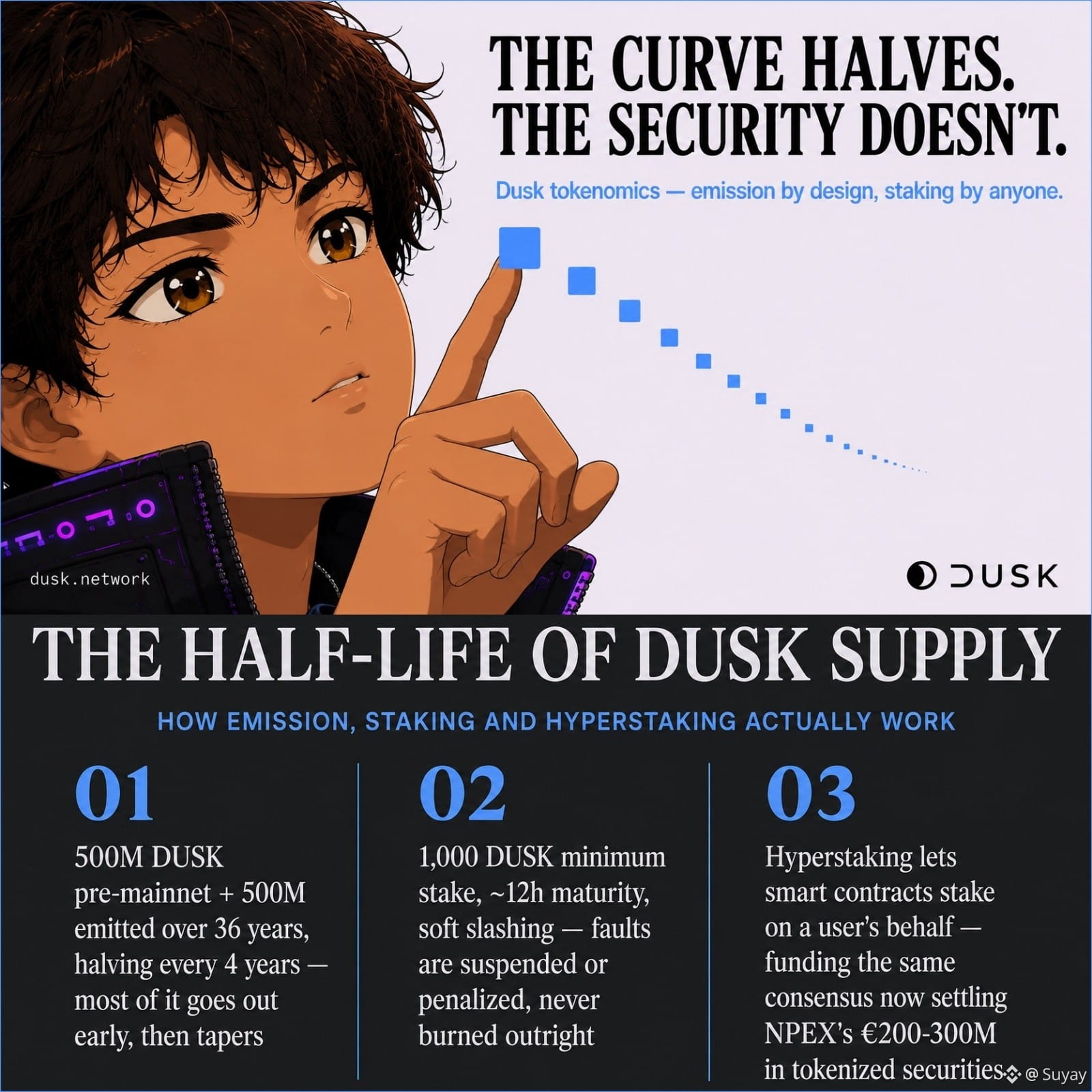
11
6
424
·
--
Đã xác minh
Tôi luôn xem “tính cuối cùng của blockchain” là thứ gần với ngôn ngữ marketing hơn là một cam kết thực sự—nằm đâu đó giữa hy vọng và xác suất. Nhưng việc đọc cách Dusk’s Succinct Attestation (Xác thực gọn nhẹ của Dusk) thực sự đóng một khối đã thay đổi điều đó.
Mỗi vòng chạy qua ba giai đoạn: một người cung cấp (provisioner) được chọn ngẫu nhiên đề xuất một khối ứng viên, một ủy ban bỏ phiếu về tính hợp lệ của nó, một ủy ban thứ hai phê chuẩn kết quả đó—cả hai đều sử dụng chữ ký BLS gộp để đạt ngưỡng siêu đa số (supermajority). Đây không phải là kiểu xác nhận mang tính xác suất được cộng dồn theo thời gian, mà là một xác thực mật mã rõ ràng rằng khối thỏa mãn yêu cầu. Các khối đi qua các trạng thái được xác định: được xác thực (attested), được xác nhận (confirmed), được cuối cùng (final), và DuskDS ổn định trong khoảng mười giây; DuskEVM còn nhanh hơn, khoảng hai giây. Oak Security đã kiểm toán toàn bộ cơ chế đồng thuận và giao thức kinh tế, và đánh giá đó là được thiết kế tốt—kết hợp các mảnh ghép từ những cách tiếp cận đã có với một số phần thực sự tùy biến.
Đó là một câu trả lời thực sự cho rủi ro reorg. Một giao dịch “final” trên Dusk không phải là final cho đến khi không còn ai phản đối trong một khoảng thời gian; nó là final vì một ủy ban đã được định nghĩa sẵn đã xác thực rằng giao dịch đó là như vậy—đó mới là yêu cầu thực tế đối với việc thanh toán chứng khoán được quản lý.
Đây là những gì nó không giải quyết, và nó liên quan đến điều tôi đã nêu vài tuần trước về bộ sắp xếp (sequencer) của DuskEVM. Quy trình xác thực đó được phi tập trung hoàn toàn trong số các provisioner trên DuskDS. Nhưng DuskEVM vẫn sắp xếp các giao dịch thông qua một sequencer duy nhất trước khi bất kỳ thứ gì được đưa đến DuskDS để đạt được cùng sự bảo đảm đó. Tính cuối cùng mà tôi vừa mô tả chỉ bảo vệ phần xảy ra sau khi đã sắp xếp. Nó chưa bao giờ được xây dựng để trả lời câu hỏi ai là người thấy giao dịch đầu tiên.
#dusk $DUSK @Dusk_Foundation #DuskEVM
Tôi luôn xem “tính cuối cùng của blockchain” là thứ gần với ngôn ngữ marketing hơn là một cam kết thực sự—nằm đâu đó giữa hy vọng và xác suất. Nhưng việc đọc cách Dusk’s Succinct Attestation (Xác thực gọn nhẹ của Dusk) thực sự đóng một khối đã thay đổi điều đó.
Mỗi vòng chạy qua ba giai đoạn: một người cung cấp (provisioner) được chọn ngẫu nhiên đề xuất một khối ứng viên, một ủy ban bỏ phiếu về tính hợp lệ của nó, một ủy ban thứ hai phê chuẩn kết quả đó—cả hai đều sử dụng chữ ký BLS gộp để đạt ngưỡng siêu đa số (supermajority). Đây không phải là kiểu xác nhận mang tính xác suất được cộng dồn theo thời gian, mà là một xác thực mật mã rõ ràng rằng khối thỏa mãn yêu cầu. Các khối đi qua các trạng thái được xác định: được xác thực (attested), được xác nhận (confirmed), được cuối cùng (final), và DuskDS ổn định trong khoảng mười giây; DuskEVM còn nhanh hơn, khoảng hai giây. Oak Security đã kiểm toán toàn bộ cơ chế đồng thuận và giao thức kinh tế, và đánh giá đó là được thiết kế tốt—kết hợp các mảnh ghép từ những cách tiếp cận đã có với một số phần thực sự tùy biến.
Đó là một câu trả lời thực sự cho rủi ro reorg. Một giao dịch “final” trên Dusk không phải là final cho đến khi không còn ai phản đối trong một khoảng thời gian; nó là final vì một ủy ban đã được định nghĩa sẵn đã xác thực rằng giao dịch đó là như vậy—đó mới là yêu cầu thực tế đối với việc thanh toán chứng khoán được quản lý.
Đây là những gì nó không giải quyết, và nó liên quan đến điều tôi đã nêu vài tuần trước về bộ sắp xếp (sequencer) của DuskEVM. Quy trình xác thực đó được phi tập trung hoàn toàn trong số các provisioner trên DuskDS. Nhưng DuskEVM vẫn sắp xếp các giao dịch thông qua một sequencer duy nhất trước khi bất kỳ thứ gì được đưa đến DuskDS để đạt được cùng sự bảo đảm đó. Tính cuối cùng mà tôi vừa mô tả chỉ bảo vệ phần xảy ra sau khi đã sắp xếp. Nó chưa bao giờ được xây dựng để trả lời câu hỏi ai là người thấy giao dịch đầu tiên.
#dusk $DUSK @Dusk #DuskEVM
Mỗi vòng chạy qua ba giai đoạn: một người cung cấp (provisioner) được chọn ngẫu nhiên đề xuất một khối ứng viên, một ủy ban bỏ phiếu về tính hợp lệ của nó, một ủy ban thứ hai phê chuẩn kết quả đó—cả hai đều sử dụng chữ ký BLS gộp để đạt ngưỡng siêu đa số (supermajority). Đây không phải là kiểu xác nhận mang tính xác suất được cộng dồn theo thời gian, mà là một xác thực mật mã rõ ràng rằng khối thỏa mãn yêu cầu. Các khối đi qua các trạng thái được xác định: được xác thực (attested), được xác nhận (confirmed), được cuối cùng (final), và DuskDS ổn định trong khoảng mười giây; DuskEVM còn nhanh hơn, khoảng hai giây. Oak Security đã kiểm toán toàn bộ cơ chế đồng thuận và giao thức kinh tế, và đánh giá đó là được thiết kế tốt—kết hợp các mảnh ghép từ những cách tiếp cận đã có với một số phần thực sự tùy biến.
Đó là một câu trả lời thực sự cho rủi ro reorg. Một giao dịch “final” trên Dusk không phải là final cho đến khi không còn ai phản đối trong một khoảng thời gian; nó là final vì một ủy ban đã được định nghĩa sẵn đã xác thực rằng giao dịch đó là như vậy—đó mới là yêu cầu thực tế đối với việc thanh toán chứng khoán được quản lý.
Đây là những gì nó không giải quyết, và nó liên quan đến điều tôi đã nêu vài tuần trước về bộ sắp xếp (sequencer) của DuskEVM. Quy trình xác thực đó được phi tập trung hoàn toàn trong số các provisioner trên DuskDS. Nhưng DuskEVM vẫn sắp xếp các giao dịch thông qua một sequencer duy nhất trước khi bất kỳ thứ gì được đưa đến DuskDS để đạt được cùng sự bảo đảm đó. Tính cuối cùng mà tôi vừa mô tả chỉ bảo vệ phần xảy ra sau khi đã sắp xếp. Nó chưa bao giờ được xây dựng để trả lời câu hỏi ai là người thấy giao dịch đầu tiên.
#dusk $DUSK @Dusk #DuskEVM
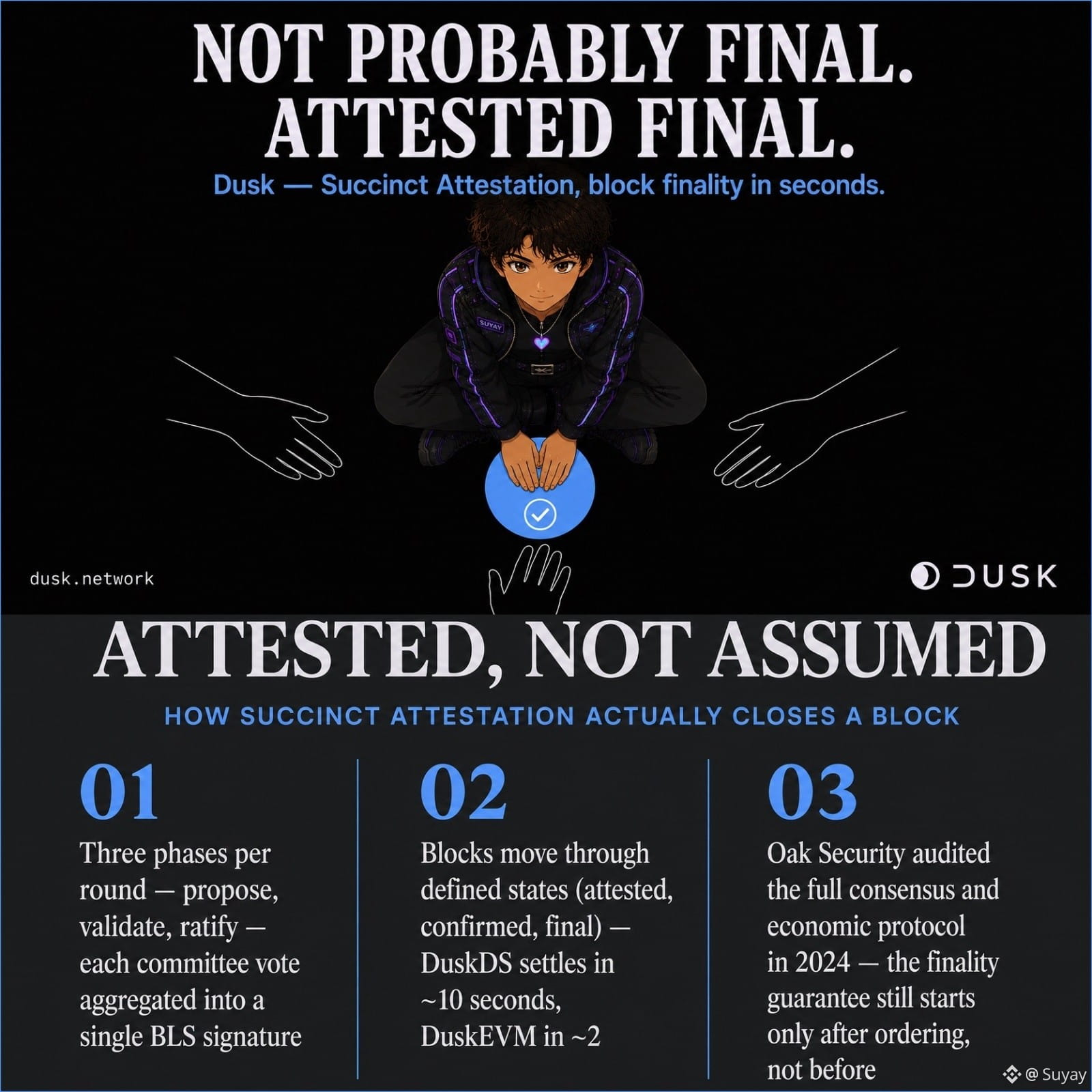
9
4
235
·
--
Trong khi Bitcoin chiếm trọn mọi tiêu điểm trong tuần này, thì đồng crypto lớn thứ hai lại âm thầm làm một điều còn khác thường hơn: nó vượt trội hơn BTC, ngày này qua ngày khác, trong cùng một đợt tăng.
Ethereum đã tăng khoảng 18-22% trong tuần qua, tạm chạm đỉnh cao trong hai tuần gần $2,517; các quỹ ETF giao ngay ETH đã hút vào 189 triệu USD chỉ trong một ngày — mức dòng tiền ròng lớn nhất trong nhiều tháng, ngay sát cạnh đợt “hút ròng” kỷ lục của Bitcoin. Nhà phân tích Michaël van de Poppe đã công khai ghi nhận đợt chuyển động này, nhận xét rằng ETH tăng nhanh hơn BTC và đang tiến về các mốc tỷ lệ quan trọng được định giá bằng BTC — dạng sức mạnh tương đối mà một số người coi là tín hiệu sớm cho “alt-season”.
Biểu đồ khung 4H cho thấy rõ cấu trúc của đợt tăng: sau nhiều tuần tích lũy đi ngang, ETH đã bứt phá bằng một cây nến xanh lớn, leo thẳng lên qua các đường EMA để tạo đỉnh cục bộ, trước khi điều chỉnh nhẹ về mức hiện tại $2,472.72 — nằm gần như đúng bằng mức $2,400 của “golden pocket” Fibonacci, vốn đã đóng vai trò như điểm xoay cho toàn bộ nhịp này. RSI ở 72.02, cũng “quá mua” như chỉ báo của Bitcoin, và biểu đồ MACD đang âm tại -14.09, cùng là dấu hiệu suy giảm động lượng xuất hiện tại đây.
Trong một đợt rally, ETH vượt trội hơn BTC thực sự là một trong những dấu hiệu sớm đáng tin cậy hơn cả cho việc dòng vốn xoay sang altcoin — phần này của câu chuyện đúng theo mặt kỹ thuật, không chỉ là giai thoại. Tuy nhiên, RSI đang quá mua và sự phân kỳ MACD âm đang hiện diện trên cả hai biểu đồ vào lúc này lại cho thấy sự “mệt mỏi” không chỉ riêng Bitcoin; đó là hiện tượng mang tính thị trường. Như CoinDesk đã nhận xét về đúng nhịp tăng này, chỉ một ngày có dòng tiền ETF đổ vào sẽ xác nhận cho một cú bứt phá — nhưng không xác nhận rằng nó sẽ kéo dài. Việc ETH giữ vững hay đánh mất mức “golden pocket” này sẽ quyết định câu chuyện nào thắng.
Không phải lời khuyên tài chính — chỉ nhằm mục đích cung cấp thông tin.
#ETH #Ethereum #Altseason #Binance $ETH
Trong khi Bitcoin chiếm trọn mọi tiêu điểm trong tuần này, thì đồng crypto lớn thứ hai lại âm thầm làm một điều còn khác thường hơn: nó vượt trội hơn BTC, ngày này qua ngày khác, trong cùng một đợt tăng.
Ethereum đã tăng khoảng 18-22% trong tuần qua, tạm chạm đỉnh cao trong hai tuần gần $2,517; các quỹ ETF giao ngay ETH đã hút vào 189 triệu USD chỉ trong một ngày — mức dòng tiền ròng lớn nhất trong nhiều tháng, ngay sát cạnh đợt “hút ròng” kỷ lục của Bitcoin. Nhà phân tích Michaël van de Poppe đã công khai ghi nhận đợt chuyển động này, nhận xét rằng ETH tăng nhanh hơn BTC và đang tiến về các mốc tỷ lệ quan trọng được định giá bằng BTC — dạng sức mạnh tương đối mà một số người coi là tín hiệu sớm cho “alt-season”.
Biểu đồ khung 4H cho thấy rõ cấu trúc của đợt tăng: sau nhiều tuần tích lũy đi ngang, ETH đã bứt phá bằng một cây nến xanh lớn, leo thẳng lên qua các đường EMA để tạo đỉnh cục bộ, trước khi điều chỉnh nhẹ về mức hiện tại $2,472.72 — nằm gần như đúng bằng mức $2,400 của “golden pocket” Fibonacci, vốn đã đóng vai trò như điểm xoay cho toàn bộ nhịp này. RSI ở 72.02, cũng “quá mua” như chỉ báo của Bitcoin, và biểu đồ MACD đang âm tại -14.09, cùng là dấu hiệu suy giảm động lượng xuất hiện tại đây.
Trong một đợt rally, ETH vượt trội hơn BTC thực sự là một trong những dấu hiệu sớm đáng tin cậy hơn cả cho việc dòng vốn xoay sang altcoin — phần này của câu chuyện đúng theo mặt kỹ thuật, không chỉ là giai thoại. Tuy nhiên, RSI đang quá mua và sự phân kỳ MACD âm đang hiện diện trên cả hai biểu đồ vào lúc này lại cho thấy sự “mệt mỏi” không chỉ riêng Bitcoin; đó là hiện tượng mang tính thị trường. Như CoinDesk đã nhận xét về đúng nhịp tăng này, chỉ một ngày có dòng tiền ETF đổ vào sẽ xác nhận cho một cú bứt phá — nhưng không xác nhận rằng nó sẽ kéo dài. Việc ETH giữ vững hay đánh mất mức “golden pocket” này sẽ quyết định câu chuyện nào thắng.
Không phải lời khuyên tài chính — chỉ nhằm mục đích cung cấp thông tin.
#ETH #Ethereum #Altseason #Binance $ETH
Ethereum đã tăng khoảng 18-22% trong tuần qua, tạm chạm đỉnh cao trong hai tuần gần $2,517; các quỹ ETF giao ngay ETH đã hút vào 189 triệu USD chỉ trong một ngày — mức dòng tiền ròng lớn nhất trong nhiều tháng, ngay sát cạnh đợt “hút ròng” kỷ lục của Bitcoin. Nhà phân tích Michaël van de Poppe đã công khai ghi nhận đợt chuyển động này, nhận xét rằng ETH tăng nhanh hơn BTC và đang tiến về các mốc tỷ lệ quan trọng được định giá bằng BTC — dạng sức mạnh tương đối mà một số người coi là tín hiệu sớm cho “alt-season”.
Biểu đồ khung 4H cho thấy rõ cấu trúc của đợt tăng: sau nhiều tuần tích lũy đi ngang, ETH đã bứt phá bằng một cây nến xanh lớn, leo thẳng lên qua các đường EMA để tạo đỉnh cục bộ, trước khi điều chỉnh nhẹ về mức hiện tại $2,472.72 — nằm gần như đúng bằng mức $2,400 của “golden pocket” Fibonacci, vốn đã đóng vai trò như điểm xoay cho toàn bộ nhịp này. RSI ở 72.02, cũng “quá mua” như chỉ báo của Bitcoin, và biểu đồ MACD đang âm tại -14.09, cùng là dấu hiệu suy giảm động lượng xuất hiện tại đây.
Trong một đợt rally, ETH vượt trội hơn BTC thực sự là một trong những dấu hiệu sớm đáng tin cậy hơn cả cho việc dòng vốn xoay sang altcoin — phần này của câu chuyện đúng theo mặt kỹ thuật, không chỉ là giai thoại. Tuy nhiên, RSI đang quá mua và sự phân kỳ MACD âm đang hiện diện trên cả hai biểu đồ vào lúc này lại cho thấy sự “mệt mỏi” không chỉ riêng Bitcoin; đó là hiện tượng mang tính thị trường. Như CoinDesk đã nhận xét về đúng nhịp tăng này, chỉ một ngày có dòng tiền ETF đổ vào sẽ xác nhận cho một cú bứt phá — nhưng không xác nhận rằng nó sẽ kéo dài. Việc ETH giữ vững hay đánh mất mức “golden pocket” này sẽ quyết định câu chuyện nào thắng.
Không phải lời khuyên tài chính — chỉ nhằm mục đích cung cấp thông tin.
#ETH #Ethereum #Altseason #Binance $ETH
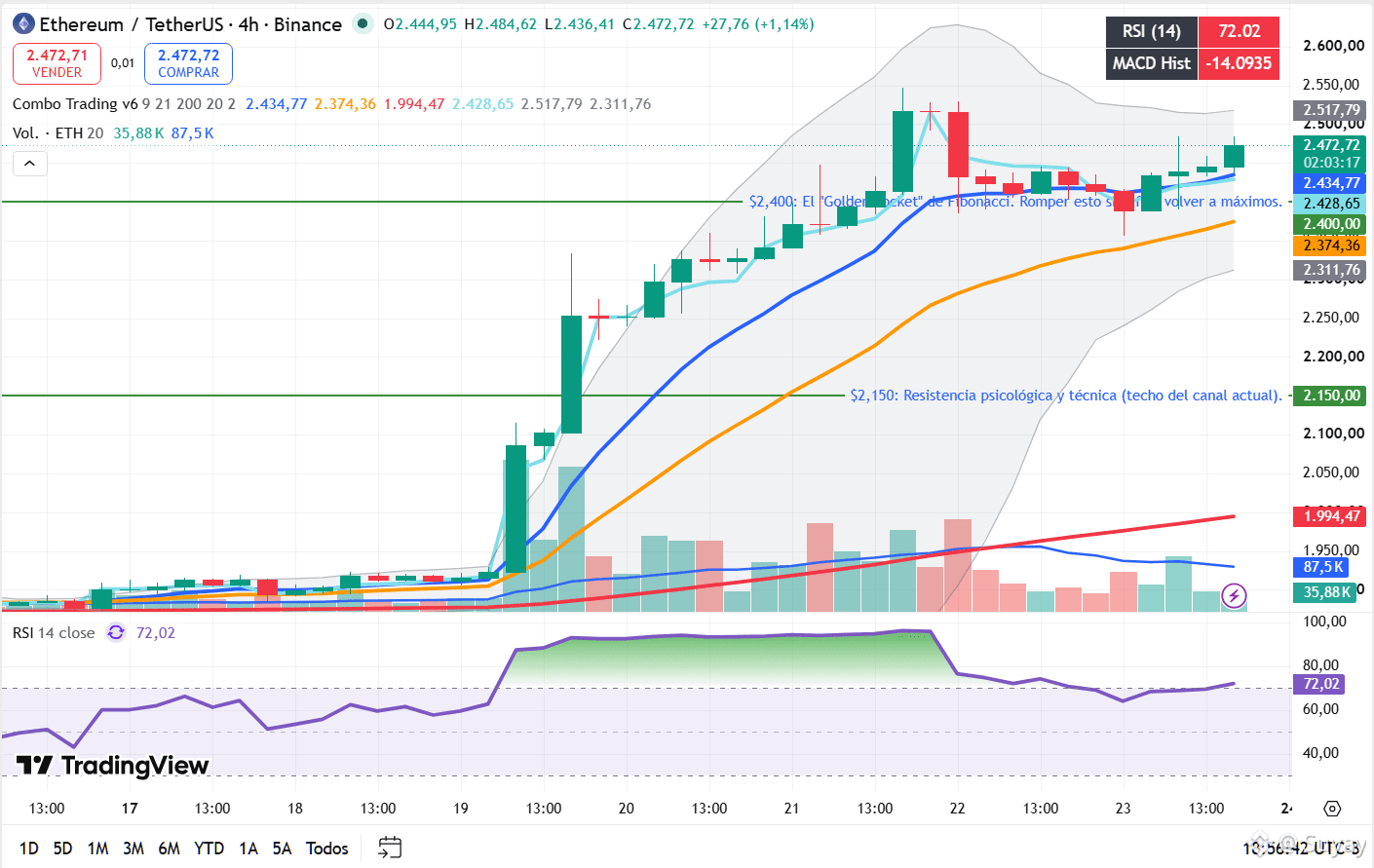
1
130
·
--
Một tổng thống đã ngồi xuống gặp các CEO của Coinbase, Kraken, Robinhood và Ripple tại Nhà Trắng và yêu cầu Quốc hội đưa một dự luật đang bị đình trệ về đích. Hai ngày sau, hơn 1 tỷ đô la trong các lệnh cược giảm giá đã bị xóa sổ khỏi bảng.
Bitcoin vừa đóng cửa với chuỗi 5 ngày tốt nhất kể từ tháng 3/2024, tăng 22% để đạt 77.692 USD — và trong thời điểm ngắn chạm tới 81.449 USD — sau khi Tổng thống Trump tổ chức cuộc gặp với các lãnh đạo crypto vào ngày 19/8 và thúc đẩy thông qua Đạo luật CLARITY, trong khi Bộ Tài chính Mỹ đồng thời tăng gấp đôi quy mô mua lại trái phiếu dài hạn, kéo lợi suất xuống và đẩy dòng vốn sang các tài sản rủi ro hơn. Sự kết hợp này đã kích hoạt một vụ short squeeze dữ dội, thanh lý hơn 2,7 tỷ USD trong các vị thế cược giảm giá khi BTC phá vỡ một biên độ kéo dài suốt sáu tuần nằm giữa 62.000 và 66.000 USD. Các ETF Bitcoin giao ngay đã thu hút 517 triệu USD trong chỉ một ngày, mức dòng tiền ròng mạnh nhất trong nhiều tháng.
Biểu đồ 4H cho thấy sự bứt phá một cách đầy đủ: giá đã bùng nổ khỏi vùng hỗ trợ quanh 65.000 USD, phá vỡ mọi đường EMA để đạt mức hiện tại 77.828 USD, giờ đang củng cố ngay dưới vùng 79.500 — một mức hỗ trợ cũ đã “lật kèo” thành kháng cự trên cao.
RSI ở mức 72,76, nằm sâu trong vùng quá mua, và histogram MACD đang âm -377,32 dù giá vẫn giữ gần các đỉnh — đà đang hạ nhiệt trong khi giá vẫn chưa theo sau.
Một đợt tăng giá được xây dựng trên ba chất xúc tác thực sự, độc lập — áp lực chính trị, thanh khoản từ Kho bạc và một short squeeze thực sự — có cơ sở vững hơn nhiều so với một đợt tăng chỉ dựa vào tin đồn. Nhưng RSI đã kéo giãn đến mức này cùng với histogram MACD âm là một dạng phân kỳ điển hình: giá ở gần đỉnh, trong khi động lượng đã bắt đầu suy yếu ngay bên dưới. Và bản thân Đạo luật CLARITY vẫn chưa được thông qua — nó còn cần 60 phiếu tại Thượng viện và thủ tục hòa giải tại Hạ viện. Biểu đồ đang định giá cho một kết quả chính trị chưa phải là luật.
Không phải lời khuyên tài chính — chỉ để cung cấp thông tin.
#BTC #bitcoin #CLARITYAct #Binance $BTC
{future}(BTCUSDT)
Một tổng thống đã ngồi xuống gặp các CEO của Coinbase, Kraken, Robinhood và Ripple tại Nhà Trắng và yêu cầu Quốc hội đưa một dự luật đang bị đình trệ về đích. Hai ngày sau, hơn 1 tỷ đô la trong các lệnh cược giảm giá đã bị xóa sổ khỏi bảng.
Bitcoin vừa đóng cửa với chuỗi 5 ngày tốt nhất kể từ tháng 3/2024, tăng 22% để đạt 77.692 USD — và trong thời điểm ngắn chạm tới 81.449 USD — sau khi Tổng thống Trump tổ chức cuộc gặp với các lãnh đạo crypto vào ngày 19/8 và thúc đẩy thông qua Đạo luật CLARITY, trong khi Bộ Tài chính Mỹ đồng thời tăng gấp đôi quy mô mua lại trái phiếu dài hạn, kéo lợi suất xuống và đẩy dòng vốn sang các tài sản rủi ro hơn. Sự kết hợp này đã kích hoạt một vụ short squeeze dữ dội, thanh lý hơn 2,7 tỷ USD trong các vị thế cược giảm giá khi BTC phá vỡ một biên độ kéo dài suốt sáu tuần nằm giữa 62.000 và 66.000 USD. Các ETF Bitcoin giao ngay đã thu hút 517 triệu USD trong chỉ một ngày, mức dòng tiền ròng mạnh nhất trong nhiều tháng.
Biểu đồ 4H cho thấy sự bứt phá một cách đầy đủ: giá đã bùng nổ khỏi vùng hỗ trợ quanh 65.000 USD, phá vỡ mọi đường EMA để đạt mức hiện tại 77.828 USD, giờ đang củng cố ngay dưới vùng 79.500 — một mức hỗ trợ cũ đã “lật kèo” thành kháng cự trên cao.
RSI ở mức 72,76, nằm sâu trong vùng quá mua, và histogram MACD đang âm -377,32 dù giá vẫn giữ gần các đỉnh — đà đang hạ nhiệt trong khi giá vẫn chưa theo sau.
Một đợt tăng giá được xây dựng trên ba chất xúc tác thực sự, độc lập — áp lực chính trị, thanh khoản từ Kho bạc và một short squeeze thực sự — có cơ sở vững hơn nhiều so với một đợt tăng chỉ dựa vào tin đồn. Nhưng RSI đã kéo giãn đến mức này cùng với histogram MACD âm là một dạng phân kỳ điển hình: giá ở gần đỉnh, trong khi động lượng đã bắt đầu suy yếu ngay bên dưới. Và bản thân Đạo luật CLARITY vẫn chưa được thông qua — nó còn cần 60 phiếu tại Thượng viện và thủ tục hòa giải tại Hạ viện. Biểu đồ đang định giá cho một kết quả chính trị chưa phải là luật.
Không phải lời khuyên tài chính — chỉ để cung cấp thông tin.
#BTC #bitcoin #CLARITYAct #Binance $BTC
Bitcoin vừa đóng cửa với chuỗi 5 ngày tốt nhất kể từ tháng 3/2024, tăng 22% để đạt 77.692 USD — và trong thời điểm ngắn chạm tới 81.449 USD — sau khi Tổng thống Trump tổ chức cuộc gặp với các lãnh đạo crypto vào ngày 19/8 và thúc đẩy thông qua Đạo luật CLARITY, trong khi Bộ Tài chính Mỹ đồng thời tăng gấp đôi quy mô mua lại trái phiếu dài hạn, kéo lợi suất xuống và đẩy dòng vốn sang các tài sản rủi ro hơn. Sự kết hợp này đã kích hoạt một vụ short squeeze dữ dội, thanh lý hơn 2,7 tỷ USD trong các vị thế cược giảm giá khi BTC phá vỡ một biên độ kéo dài suốt sáu tuần nằm giữa 62.000 và 66.000 USD. Các ETF Bitcoin giao ngay đã thu hút 517 triệu USD trong chỉ một ngày, mức dòng tiền ròng mạnh nhất trong nhiều tháng.
Biểu đồ 4H cho thấy sự bứt phá một cách đầy đủ: giá đã bùng nổ khỏi vùng hỗ trợ quanh 65.000 USD, phá vỡ mọi đường EMA để đạt mức hiện tại 77.828 USD, giờ đang củng cố ngay dưới vùng 79.500 — một mức hỗ trợ cũ đã “lật kèo” thành kháng cự trên cao.
RSI ở mức 72,76, nằm sâu trong vùng quá mua, và histogram MACD đang âm -377,32 dù giá vẫn giữ gần các đỉnh — đà đang hạ nhiệt trong khi giá vẫn chưa theo sau.
Một đợt tăng giá được xây dựng trên ba chất xúc tác thực sự, độc lập — áp lực chính trị, thanh khoản từ Kho bạc và một short squeeze thực sự — có cơ sở vững hơn nhiều so với một đợt tăng chỉ dựa vào tin đồn. Nhưng RSI đã kéo giãn đến mức này cùng với histogram MACD âm là một dạng phân kỳ điển hình: giá ở gần đỉnh, trong khi động lượng đã bắt đầu suy yếu ngay bên dưới. Và bản thân Đạo luật CLARITY vẫn chưa được thông qua — nó còn cần 60 phiếu tại Thượng viện và thủ tục hòa giải tại Hạ viện. Biểu đồ đang định giá cho một kết quả chính trị chưa phải là luật.
Không phải lời khuyên tài chính — chỉ để cung cấp thông tin.
#BTC #bitcoin #CLARITYAct #Binance $BTC
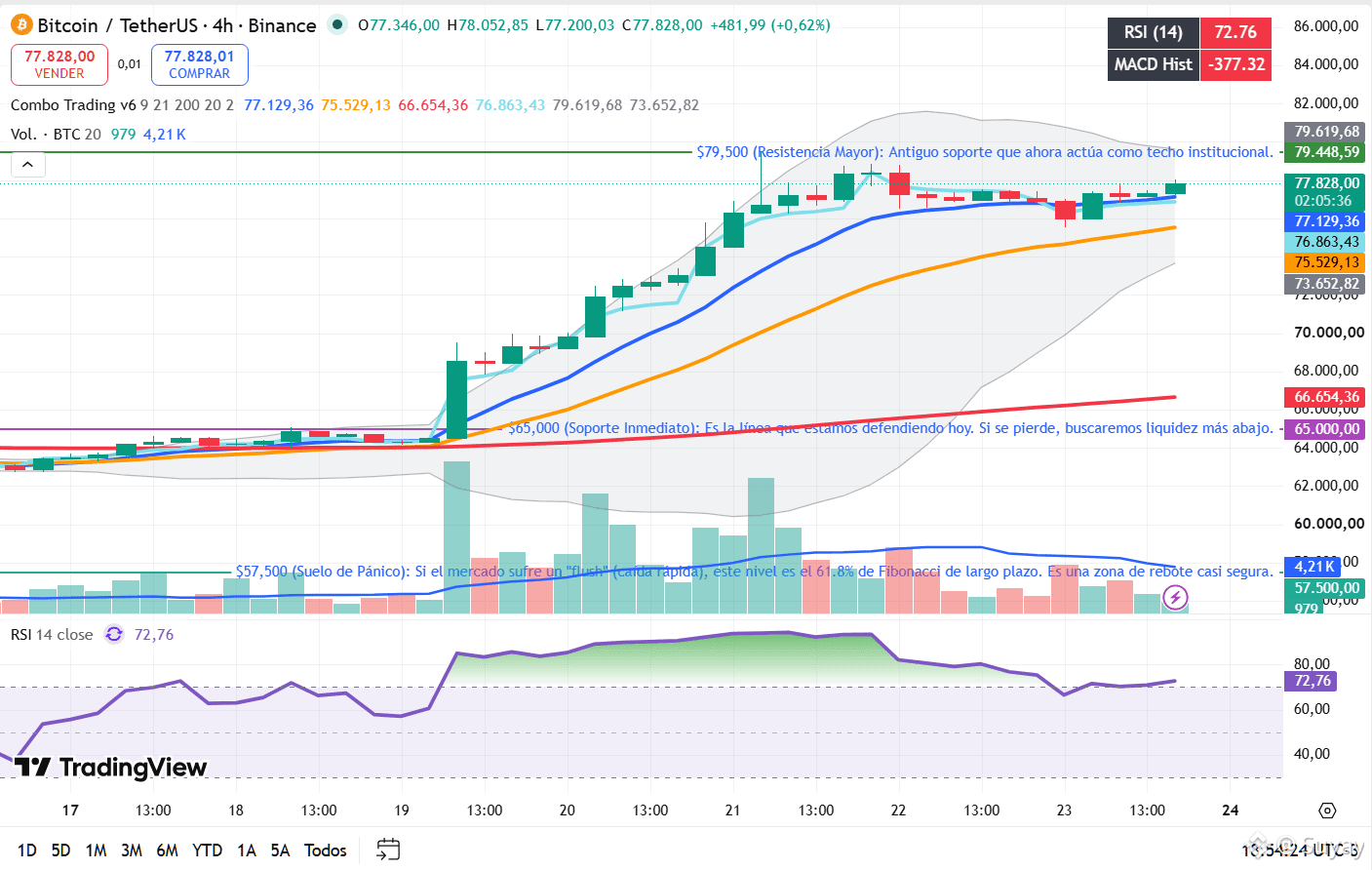
1
136
·
--
Đã xác minh
Tôi đã cho rằng một blockchain quyền riêng tư phải chọn một phía: ẩn hoàn toàn hoặc minh bạch hoàn toàn. Khi đọc cách Moonlight và Phoenix thực sự phối hợp với nhau trên Dusk, giả định đó đã không còn đúng.
Phoenix cũng không ẩn danh theo cách mà tôi kỳ vọng. Trong đặc tả 2.0 của nó, người gửi của một giao dịch có thể được xác định một cách chắc chắn cho người nhận, dù cho số tiền và các chi tiết vẫn được giữ kín đối với mọi người khác. Dusk xây dựng theo cách đó một cách cụ thể để tránh rủi ro bị sàn giao dịch hủy niêm yết; các giao thức ẩn danh hoàn toàn liên tục thất bại trong việc đạt được chuẩn tuân thủ này, còn quyền riêng tư được kiểm soát thì không. Moonlight nằm cạnh nó như một mô hình hoàn toàn công khai, dựa trên tài khoản—có hình dạng giống hệt một bút toán sổ cái thông thường—được thêm vào vì cùng một lý do: một số đối tác, đặc biệt là các sàn giao dịch, cần tính minh bạch theo mặc định, chứ không phải như một ngoại lệ.
Điều thực sự khiến tôi bất ngờ là hai cơ chế đó kết nối với nhau như thế nào. Chúng không phải là hai sản phẩm tách rời được gắn chồng lên, mà là có cơ chế chuyển đổi che (shield) và mở che (unshield) trực tiếp được tích hợp sẵn trong hợp đồng chuyển nhượng, nhờ đó một bút ký Phoenix và số dư Moonlight có thể chuyển vào và ra khỏi nhau một cách nguyên tử. Cùng một tài sản, cùng một chuỗi; mức độ riêng tư là một thiết lập, không phải một nhánh rẽ (fork).
Câu hỏi mở đối với tôi là: Hedger của DuskEVM bổ sung thêm một mô hình thứ ba ở phía trên, dùng mã hóa đồng cấu (homomorphic encryption) cộng với ZK cho lớp EVM, tức là một cấu trúc khác so với cả Phoenix lẫn Moonlight. Ba mô hình quyền riêng tư cùng tồn tại về mặt lý thuyết sẽ linh hoạt hơn. Tôi vẫn chưa kịp xác định liệu sự linh hoạt đó có đánh đổi bằng thanh khoản hay sự phân mảnh công cụ khi tài sản cần chuyển giữa cả ba mô hình, chứ không chỉ giữa hai mô hình.
#dusk $DUSK @Dusk_Foundation #DuskEVM #Ethereum
Tôi đã cho rằng một blockchain quyền riêng tư phải chọn một phía: ẩn hoàn toàn hoặc minh bạch hoàn toàn. Khi đọc cách Moonlight và Phoenix thực sự phối hợp với nhau trên Dusk, giả định đó đã không còn đúng.
Phoenix cũng không ẩn danh theo cách mà tôi kỳ vọng. Trong đặc tả 2.0 của nó, người gửi của một giao dịch có thể được xác định một cách chắc chắn cho người nhận, dù cho số tiền và các chi tiết vẫn được giữ kín đối với mọi người khác. Dusk xây dựng theo cách đó một cách cụ thể để tránh rủi ro bị sàn giao dịch hủy niêm yết; các giao thức ẩn danh hoàn toàn liên tục thất bại trong việc đạt được chuẩn tuân thủ này, còn quyền riêng tư được kiểm soát thì không. Moonlight nằm cạnh nó như một mô hình hoàn toàn công khai, dựa trên tài khoản—có hình dạng giống hệt một bút toán sổ cái thông thường—được thêm vào vì cùng một lý do: một số đối tác, đặc biệt là các sàn giao dịch, cần tính minh bạch theo mặc định, chứ không phải như một ngoại lệ.
Điều thực sự khiến tôi bất ngờ là hai cơ chế đó kết nối với nhau như thế nào. Chúng không phải là hai sản phẩm tách rời được gắn chồng lên, mà là có cơ chế chuyển đổi che (shield) và mở che (unshield) trực tiếp được tích hợp sẵn trong hợp đồng chuyển nhượng, nhờ đó một bút ký Phoenix và số dư Moonlight có thể chuyển vào và ra khỏi nhau một cách nguyên tử. Cùng một tài sản, cùng một chuỗi; mức độ riêng tư là một thiết lập, không phải một nhánh rẽ (fork).
Câu hỏi mở đối với tôi là: Hedger của DuskEVM bổ sung thêm một mô hình thứ ba ở phía trên, dùng mã hóa đồng cấu (homomorphic encryption) cộng với ZK cho lớp EVM, tức là một cấu trúc khác so với cả Phoenix lẫn Moonlight. Ba mô hình quyền riêng tư cùng tồn tại về mặt lý thuyết sẽ linh hoạt hơn. Tôi vẫn chưa kịp xác định liệu sự linh hoạt đó có đánh đổi bằng thanh khoản hay sự phân mảnh công cụ khi tài sản cần chuyển giữa cả ba mô hình, chứ không chỉ giữa hai mô hình.
#dusk $DUSK @Dusk #DuskEVM #Ethereum
Phoenix cũng không ẩn danh theo cách mà tôi kỳ vọng. Trong đặc tả 2.0 của nó, người gửi của một giao dịch có thể được xác định một cách chắc chắn cho người nhận, dù cho số tiền và các chi tiết vẫn được giữ kín đối với mọi người khác. Dusk xây dựng theo cách đó một cách cụ thể để tránh rủi ro bị sàn giao dịch hủy niêm yết; các giao thức ẩn danh hoàn toàn liên tục thất bại trong việc đạt được chuẩn tuân thủ này, còn quyền riêng tư được kiểm soát thì không. Moonlight nằm cạnh nó như một mô hình hoàn toàn công khai, dựa trên tài khoản—có hình dạng giống hệt một bút toán sổ cái thông thường—được thêm vào vì cùng một lý do: một số đối tác, đặc biệt là các sàn giao dịch, cần tính minh bạch theo mặc định, chứ không phải như một ngoại lệ.
Điều thực sự khiến tôi bất ngờ là hai cơ chế đó kết nối với nhau như thế nào. Chúng không phải là hai sản phẩm tách rời được gắn chồng lên, mà là có cơ chế chuyển đổi che (shield) và mở che (unshield) trực tiếp được tích hợp sẵn trong hợp đồng chuyển nhượng, nhờ đó một bút ký Phoenix và số dư Moonlight có thể chuyển vào và ra khỏi nhau một cách nguyên tử. Cùng một tài sản, cùng một chuỗi; mức độ riêng tư là một thiết lập, không phải một nhánh rẽ (fork).
Câu hỏi mở đối với tôi là: Hedger của DuskEVM bổ sung thêm một mô hình thứ ba ở phía trên, dùng mã hóa đồng cấu (homomorphic encryption) cộng với ZK cho lớp EVM, tức là một cấu trúc khác so với cả Phoenix lẫn Moonlight. Ba mô hình quyền riêng tư cùng tồn tại về mặt lý thuyết sẽ linh hoạt hơn. Tôi vẫn chưa kịp xác định liệu sự linh hoạt đó có đánh đổi bằng thanh khoản hay sự phân mảnh công cụ khi tài sản cần chuyển giữa cả ba mô hình, chứ không chỉ giữa hai mô hình.
#dusk $DUSK @Dusk #DuskEVM #Ethereum
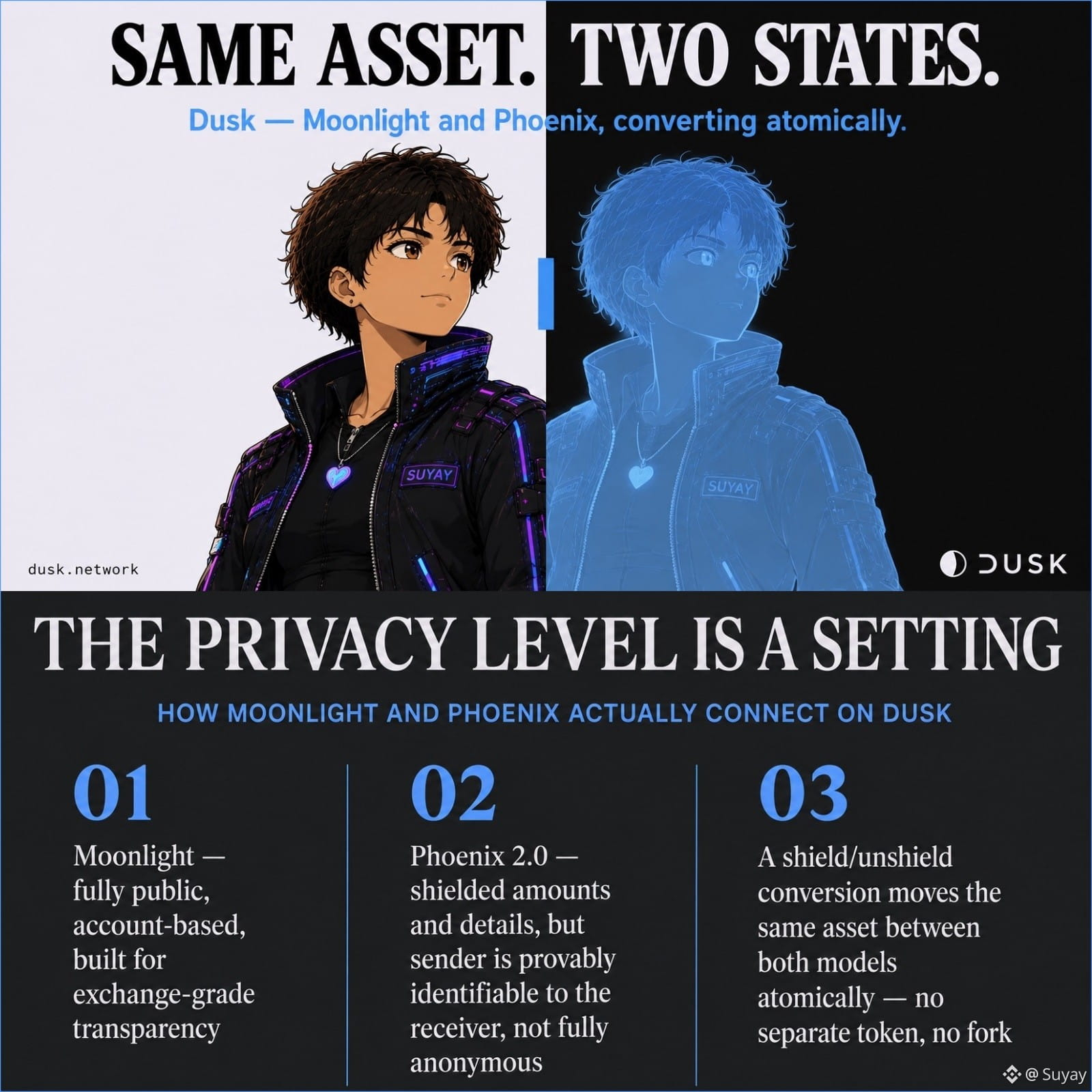
11
7
213
·
--
Tăng giá
Đã xác minh
Trong vật lý, việc bỏ một bước khỏi một hệ thống không chỉ giúp tiết kiệm thời gian—mà còn loại bỏ một nơi nơi sai số có thể tích lũy. Đó gần như là trọng tâm trong giấy phép của 21X, và lý do việc Dusk cắm vào nó lại thay đổi nhiều hơn những gì nghe có vẻ.
Tôi pha cho mình một ly cà phê, bắt đầu nghiên cứu, và phát hiện ra rằng 21X là công ty đầu tiên ở EU được cấp phép theo Chế độ Thí điểm DLT để vận hành giao dịch và thanh toán như một hệ thống kết hợp—một DLT-TSS.
Về mặt lịch sử, đó là hai chức năng được quản lý riêng biệt: một sàn giao dịch và một trung tâm lưu ký chứng khoán, với một khoảng trống giữa chúng—nơi lệnh giao dịch nằm đó trước khi thực sự được hoàn tất. 21X gom chúng lại thành một bước on-chain nguyên tử (atomic) duy nhất. Dusk tham gia với vai trò là một bên tham gia giao dịch (trade participant), và không giống hầu hết các sàn/venue được cấp phép thường chỉ hoạt động trên các chuỗi riêng tư, có cấp quyền (permissioned), 21X chạy trên các mạng công khai, phi tập trung không cần cấp quyền—đầu tiên là Polygon, rồi đến Stellar—và có một tích hợp với DuskEVM được nêu đích danh như bước tiếp theo.
Mục tiêu được nêu cho sự hợp tác cụ thể này là quản lý kho bạc stablecoin: một tổ chức phát hành mua và bán các quỹ thị trường tiền tệ được token hóa thông qua 21X để quản lý dự trữ, được thanh toán nguyên tử ngay lập tức thay vì được chuyển qua một trung tâm lưu ký riêng rồi vài ngày sau mới hoàn tất. Đây không phải là một ca sử dụng trừu tượng cho Dusk—đây chính là đường ống mà EURQ sẽ vận hành.
Điều tôi cứ phải suy nghĩ: DLT-TSS không phải là một “luật” vĩnh viễn; đó là một ngoại lệ trong khuôn khổ chế độ thí điểm với thời hạn thử nghiệm được xác định. Nếu chế độ đó không được gia hạn thành vĩnh viễn thì điều gì sẽ xảy ra với toàn bộ những thứ được xây dựng bên trên nó—cả hai bên cũng không kiểm soát được.
Rồi chết, ly cà phê của tôi nguội mất.
#dusk $DUSK @Dusk_Foundation
Trong vật lý, việc bỏ một bước khỏi một hệ thống không chỉ giúp tiết kiệm thời gian—mà còn loại bỏ một nơi nơi sai số có thể tích lũy. Đó gần như là trọng tâm trong giấy phép của 21X, và lý do việc Dusk cắm vào nó lại thay đổi nhiều hơn những gì nghe có vẻ.
Tôi pha cho mình một ly cà phê, bắt đầu nghiên cứu, và phát hiện ra rằng 21X là công ty đầu tiên ở EU được cấp phép theo Chế độ Thí điểm DLT để vận hành giao dịch và thanh toán như một hệ thống kết hợp—một DLT-TSS.
Về mặt lịch sử, đó là hai chức năng được quản lý riêng biệt: một sàn giao dịch và một trung tâm lưu ký chứng khoán, với một khoảng trống giữa chúng—nơi lệnh giao dịch nằm đó trước khi thực sự được hoàn tất. 21X gom chúng lại thành một bước on-chain nguyên tử (atomic) duy nhất. Dusk tham gia với vai trò là một bên tham gia giao dịch (trade participant), và không giống hầu hết các sàn/venue được cấp phép thường chỉ hoạt động trên các chuỗi riêng tư, có cấp quyền (permissioned), 21X chạy trên các mạng công khai, phi tập trung không cần cấp quyền—đầu tiên là Polygon, rồi đến Stellar—và có một tích hợp với DuskEVM được nêu đích danh như bước tiếp theo.
Mục tiêu được nêu cho sự hợp tác cụ thể này là quản lý kho bạc stablecoin: một tổ chức phát hành mua và bán các quỹ thị trường tiền tệ được token hóa thông qua 21X để quản lý dự trữ, được thanh toán nguyên tử ngay lập tức thay vì được chuyển qua một trung tâm lưu ký riêng rồi vài ngày sau mới hoàn tất. Đây không phải là một ca sử dụng trừu tượng cho Dusk—đây chính là đường ống mà EURQ sẽ vận hành.
Điều tôi cứ phải suy nghĩ: DLT-TSS không phải là một “luật” vĩnh viễn; đó là một ngoại lệ trong khuôn khổ chế độ thí điểm với thời hạn thử nghiệm được xác định. Nếu chế độ đó không được gia hạn thành vĩnh viễn thì điều gì sẽ xảy ra với toàn bộ những thứ được xây dựng bên trên nó—cả hai bên cũng không kiểm soát được.
Rồi chết, ly cà phê của tôi nguội mất.
#dusk $DUSK @Dusk
Tôi pha cho mình một ly cà phê, bắt đầu nghiên cứu, và phát hiện ra rằng 21X là công ty đầu tiên ở EU được cấp phép theo Chế độ Thí điểm DLT để vận hành giao dịch và thanh toán như một hệ thống kết hợp—một DLT-TSS.
Về mặt lịch sử, đó là hai chức năng được quản lý riêng biệt: một sàn giao dịch và một trung tâm lưu ký chứng khoán, với một khoảng trống giữa chúng—nơi lệnh giao dịch nằm đó trước khi thực sự được hoàn tất. 21X gom chúng lại thành một bước on-chain nguyên tử (atomic) duy nhất. Dusk tham gia với vai trò là một bên tham gia giao dịch (trade participant), và không giống hầu hết các sàn/venue được cấp phép thường chỉ hoạt động trên các chuỗi riêng tư, có cấp quyền (permissioned), 21X chạy trên các mạng công khai, phi tập trung không cần cấp quyền—đầu tiên là Polygon, rồi đến Stellar—và có một tích hợp với DuskEVM được nêu đích danh như bước tiếp theo.
Mục tiêu được nêu cho sự hợp tác cụ thể này là quản lý kho bạc stablecoin: một tổ chức phát hành mua và bán các quỹ thị trường tiền tệ được token hóa thông qua 21X để quản lý dự trữ, được thanh toán nguyên tử ngay lập tức thay vì được chuyển qua một trung tâm lưu ký riêng rồi vài ngày sau mới hoàn tất. Đây không phải là một ca sử dụng trừu tượng cho Dusk—đây chính là đường ống mà EURQ sẽ vận hành.
Điều tôi cứ phải suy nghĩ: DLT-TSS không phải là một “luật” vĩnh viễn; đó là một ngoại lệ trong khuôn khổ chế độ thí điểm với thời hạn thử nghiệm được xác định. Nếu chế độ đó không được gia hạn thành vĩnh viễn thì điều gì sẽ xảy ra với toàn bộ những thứ được xây dựng bên trên nó—cả hai bên cũng không kiểm soát được.
Rồi chết, ly cà phê của tôi nguội mất.
#dusk $DUSK @Dusk
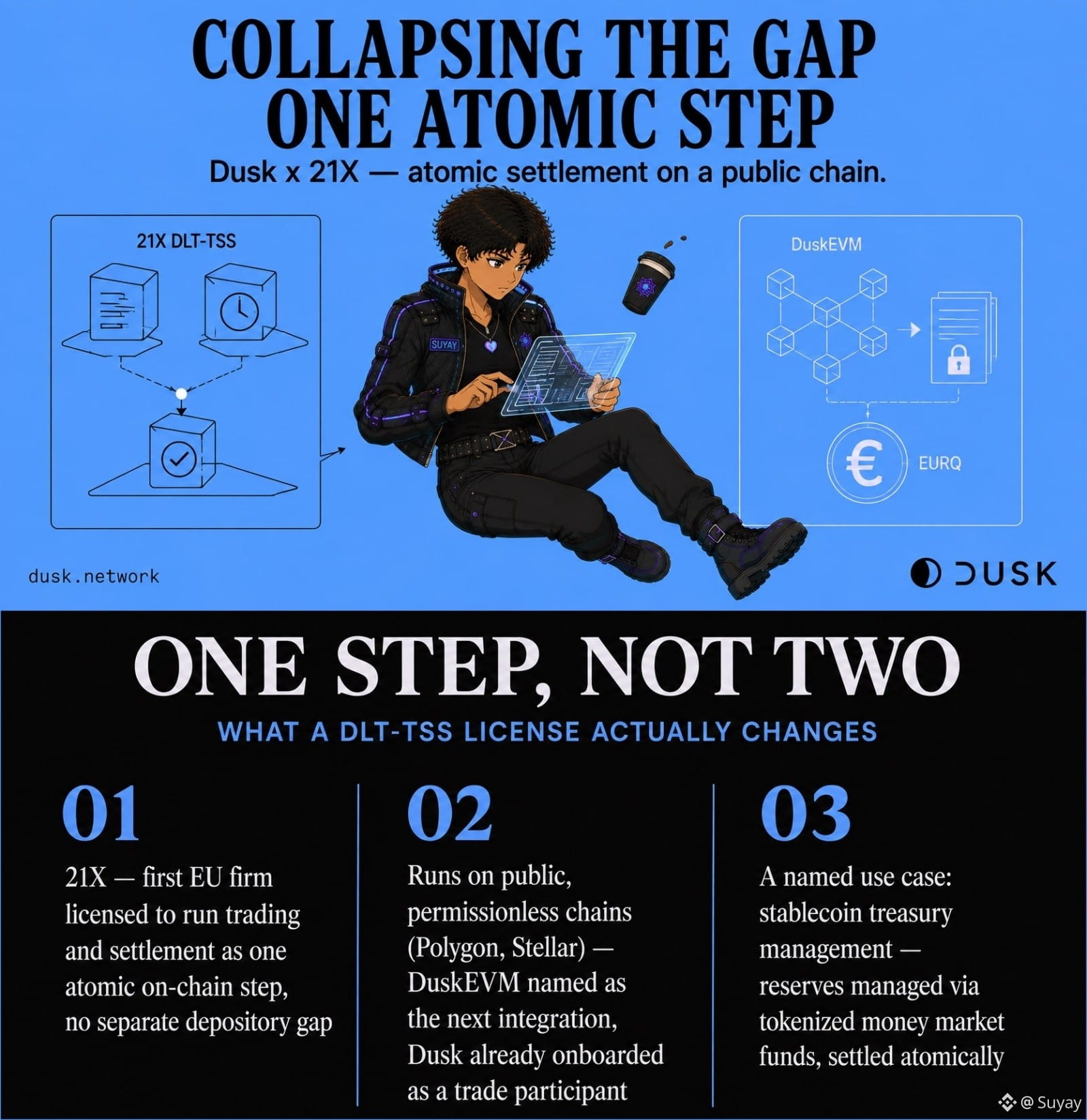
32
12
300
Đăng nhập để khám phá thêm nội dung
Tham gia cùng người dùng tiền mã hóa toàn cầu trên Binance Square
⚡️ Nhận thông tin mới nhất và hữu ích về tiền mã hóa.
💬 Được tin cậy bởi sàn giao dịch tiền mã hóa lớn nhất thế giới.
👍 Khám phá những thông tin chuyên sâu thực tế từ những nhà sáng tạo đã xác minh.
Email / Số điện thoại
Chủ đề thịnh hành
TheoDõiFOMC
122,164 lượt xem
693 đang thảo luận
#TheoDõiFOMC
🔥 FOMC lại bắt đầu trở thành tâm điểm của crypto
Bitcoin vừa bước vào tháng 10, nhưng câu chuyện lớn phía sau thị trường lúc này không chỉ là giá.
Các trader đang bắt đầu hướng sự chú ý về cuộc họp FOMC ngày 27–28/10. Sau một loạt phát biểu mới từ quan chức Fed, kỳ vọng về việc tăng lãi suất ngay trong tháng 10 đã giảm đáng kể.
Điều thú vị là trước đó thị trường từng đặt cược khá cao vào một đợt tăng tiếp theo.
Giờ thì mọi thứ lại quay sang chờ dữ liệu kinh tế và những phát biểu tiếp theo của Fed.
Với crypto, chỉ cần kỳ vọng lãi suất thay đổi mạnh là $BTC có thể lập tức biến động, rồi kéo theo cả thị trường altcoin.
Tháng 10 mới bắt đầu mà macro đã có chuyện để hóng rồi 👀
#Bitcoin #Crypto #Macro #Fed #BinanceSquare
X LEI
·0 lượt thích
·172 lượt xem
TinFed
106,957 lượt xem
497 đang thảo luận
BinanceLaunchesBinanceIntelligence
87,293 lượt xem
1,008 đang thảo luận