

Holochain Re-poster
136 Bài đăng

Holochain Re-poster
Báo cáo
Chặn người dùng
An end-to-end, open source, P2P app framework.
Creating an ecosystem of decentralized apps with distributed, user-controlled storage.
0 Đang theo dõi
5 Người theo dõi
2 Đã thích
Bài đăng
Xem bản dịch
We are always thrilled whenever our own work is outshined by the people who support us. Developed entirely by a community member, https://happradar.com is a fantastic platform that gathers a wide variety of metrics directly from GitHub. It cleverly translates all of that raw data into easily digestible news updates regarding the current status of the Holochain ecosystem. Because it compiles information on such an impressive scale, https://happradar.com actually delivers a much more comprehensive view of the ecosystem's vitality than our official Dev Pulse does. A huge round of applause goes out to @EnchantedRobot for stepping up and building something even better! Be sure to follow @happradar so you can catch all of their weekly digests.
We are always thrilled whenever our own work is outshined by the people who support us. Developed entirely by a community member, https://happradar.com is a fantastic platform that gathers a wide variety of metrics directly from GitHub. It cleverly translates all of that raw data into easily digestible news updates regarding the current status of the Holochain ecosystem. Because it compiles information on such an impressive scale, https://happradar.com actually delivers a much more comprehensive view of the ecosystem's vitality than our official Dev Pulse does. A huge round of applause goes out to @EnchantedRobot for stepping up and building something even better! Be sure to follow @happradar so you can catch all of their weekly digests.
74
Nhận xét gần đây của chúng tôi rằng Holochain không được thiết kế cho người tiêu dùng phổ thông giờ đây không còn hoàn toàn chính xác nữa.
Với tư cách là một cá nhân đang điều hướng trong bối cảnh số, bạn có một lợi thế rõ rệt vì bạn hiểu rõ nhu cầu của chính mình hơn bất kỳ ai khác. Bạn biết chính xác các nền tảng công nghệ lớn còn thiếu sót ở đâu, và bạn trực tiếp trải nghiệm những thách thức của cộng đồng mà các startup thường xuyên bỏ qua.
May mắn thay, trí tuệ nhân tạo giờ đây cho phép bạn xây dựng một ứng dụng tùy chỉnh để giải quyết chính những vấn đề này.
Việc vận hành một máy chủ truyền thống đòi hỏi nguồn lực tài chính, kiến thức kỹ thuật và thời gian rảnh mà thường rất khó tìm. Phát triển dự án của bạn dưới dạng một hApp là một lựa chọn thực tế để vượt qua những rào cản lưu trữ đó. Với cuối tuần sắp tới, bạn có cơ hội lý tưởng để bắt đầu ngay quá trình này.
Xin hãy nhớ rằng phần mềm mới của bạn không cần một danh sách tính năng dài dòng hay một thiết kế hoàn hảo. Yêu cầu duy nhất là nó hoạt động hiệu quả trong hoàn cảnh hiện tại của bạn.
Nhận xét gần đây của chúng tôi rằng Holochain không được thiết kế cho người tiêu dùng phổ thông giờ đây không còn hoàn toàn chính xác nữa.
Với tư cách là một cá nhân đang điều hướng trong bối cảnh số, bạn có một lợi thế rõ rệt vì bạn hiểu rõ nhu cầu của chính mình hơn bất kỳ ai khác. Bạn biết chính xác các nền tảng công nghệ lớn còn thiếu sót ở đâu, và bạn trực tiếp trải nghiệm những thách thức của cộng đồng mà các startup thường xuyên bỏ qua.
May mắn thay, trí tuệ nhân tạo giờ đây cho phép bạn xây dựng một ứng dụng tùy chỉnh để giải quyết chính những vấn đề này.
Việc vận hành một máy chủ truyền thống đòi hỏi nguồn lực tài chính, kiến thức kỹ thuật và thời gian rảnh mà thường rất khó tìm. Phát triển dự án của bạn dưới dạng một hApp là một lựa chọn thực tế để vượt qua những rào cản lưu trữ đó. Với cuối tuần sắp tới, bạn có cơ hội lý tưởng để bắt đầu ngay quá trình này.
Xin hãy nhớ rằng phần mềm mới của bạn không cần một danh sách tính năng dài dòng hay một thiết kế hoàn hảo. Yêu cầu duy nhất là nó hoạt động hiệu quả trong hoàn cảnh hiện tại của bạn.
Với tư cách là một cá nhân đang điều hướng trong bối cảnh số, bạn có một lợi thế rõ rệt vì bạn hiểu rõ nhu cầu của chính mình hơn bất kỳ ai khác. Bạn biết chính xác các nền tảng công nghệ lớn còn thiếu sót ở đâu, và bạn trực tiếp trải nghiệm những thách thức của cộng đồng mà các startup thường xuyên bỏ qua.
May mắn thay, trí tuệ nhân tạo giờ đây cho phép bạn xây dựng một ứng dụng tùy chỉnh để giải quyết chính những vấn đề này.
Việc vận hành một máy chủ truyền thống đòi hỏi nguồn lực tài chính, kiến thức kỹ thuật và thời gian rảnh mà thường rất khó tìm. Phát triển dự án của bạn dưới dạng một hApp là một lựa chọn thực tế để vượt qua những rào cản lưu trữ đó. Với cuối tuần sắp tới, bạn có cơ hội lý tưởng để bắt đầu ngay quá trình này.
Xin hãy nhớ rằng phần mềm mới của bạn không cần một danh sách tính năng dài dòng hay một thiết kế hoàn hảo. Yêu cầu duy nhất là nó hoạt động hiệu quả trong hoàn cảnh hiện tại của bạn.
81
Việc thúc đẩy một hạ tầng mã nguồn mở có tầm nhìn xa đặt ra một bộ thách thức rất riêng. Chúng tôi thường nhận được các câu hỏi về việc dường như chúng tôi không quảng cáo công khai. Thực tế là các hoạt động tiếp cận của chúng tôi thực ra khá tích cực, dù phần lớn không dễ nhìn thấy trừ khi bạn hoạt động trong những lĩnh vực đặc thù đang thực sự cần công nghệ P2P. Chúng tôi tập trung sâu vào những ngành mà việc mất kết nối với đám mây tập trung có thể khiến sự ổn định tài chính, an toàn cơ bản, hay thậm chí sinh mạng con người bị đặt vào nguy cơ nghiêm trọng.
Điều thú vị là, mặc dù các nhà phát triển ứng dụng là thị trường chính của chúng tôi, những người ngay lập tức nhận ra giá trị thực sự của Holochain thường lại là những người dùng cuối mà các nhà xây dựng đó hướng tới phục vụ. Kinh nghiệm cho thấy những cá nhân then chốt này hiếm khi dành thời gian của họ trên X. Họ chắc chắn có dấu vết số, nổi bật nhất là trên LinkedIn, nhưng họ dễ tiếp cận hơn nhiều qua các kênh truyền thống.
Chúng tôi thích tương tác với họ tại các hội nghị ngành, trong các văn phòng doanh nghiệp, và thông qua các lời giới thiệu cá nhân, vốn hoạt động như những mạng xã hội nguyên thủy. Những kết nối có ý nghĩa được xây dựng bên tách cà phê hơn là bằng một dòng tweet ngắn. Mặc dù các trường hợp sử dụng cụ thể của họ có thể không hấp dẫn đại chúng rộng rãi, chúng lại giải quyết những vấn đề thực sự mà rất có thể cũng là của bạn. Đáp ứng những nhu cầu thiết thực đó từ lâu đã luôn là mục tiêu cuối cùng của chúng tôi.
Việc thúc đẩy một hạ tầng mã nguồn mở có tầm nhìn xa đặt ra một bộ thách thức rất riêng. Chúng tôi thường nhận được các câu hỏi về việc dường như chúng tôi không quảng cáo công khai. Thực tế là các hoạt động tiếp cận của chúng tôi thực ra khá tích cực, dù phần lớn không dễ nhìn thấy trừ khi bạn hoạt động trong những lĩnh vực đặc thù đang thực sự cần công nghệ P2P. Chúng tôi tập trung sâu vào những ngành mà việc mất kết nối với đám mây tập trung có thể khiến sự ổn định tài chính, an toàn cơ bản, hay thậm chí sinh mạng con người bị đặt vào nguy cơ nghiêm trọng.
Điều thú vị là, mặc dù các nhà phát triển ứng dụng là thị trường chính của chúng tôi, những người ngay lập tức nhận ra giá trị thực sự của Holochain thường lại là những người dùng cuối mà các nhà xây dựng đó hướng tới phục vụ. Kinh nghiệm cho thấy những cá nhân then chốt này hiếm khi dành thời gian của họ trên X. Họ chắc chắn có dấu vết số, nổi bật nhất là trên LinkedIn, nhưng họ dễ tiếp cận hơn nhiều qua các kênh truyền thống.
Chúng tôi thích tương tác với họ tại các hội nghị ngành, trong các văn phòng doanh nghiệp, và thông qua các lời giới thiệu cá nhân, vốn hoạt động như những mạng xã hội nguyên thủy. Những kết nối có ý nghĩa được xây dựng bên tách cà phê hơn là bằng một dòng tweet ngắn. Mặc dù các trường hợp sử dụng cụ thể của họ có thể không hấp dẫn đại chúng rộng rãi, chúng lại giải quyết những vấn đề thực sự mà rất có thể cũng là của bạn. Đáp ứng những nhu cầu thiết thực đó từ lâu đã luôn là mục tiêu cuối cùng của chúng tôi.
Điều thú vị là, mặc dù các nhà phát triển ứng dụng là thị trường chính của chúng tôi, những người ngay lập tức nhận ra giá trị thực sự của Holochain thường lại là những người dùng cuối mà các nhà xây dựng đó hướng tới phục vụ. Kinh nghiệm cho thấy những cá nhân then chốt này hiếm khi dành thời gian của họ trên X. Họ chắc chắn có dấu vết số, nổi bật nhất là trên LinkedIn, nhưng họ dễ tiếp cận hơn nhiều qua các kênh truyền thống.
Chúng tôi thích tương tác với họ tại các hội nghị ngành, trong các văn phòng doanh nghiệp, và thông qua các lời giới thiệu cá nhân, vốn hoạt động như những mạng xã hội nguyên thủy. Những kết nối có ý nghĩa được xây dựng bên tách cà phê hơn là bằng một dòng tweet ngắn. Mặc dù các trường hợp sử dụng cụ thể của họ có thể không hấp dẫn đại chúng rộng rãi, chúng lại giải quyết những vấn đề thực sự mà rất có thể cũng là của bạn. Đáp ứng những nhu cầu thiết thực đó từ lâu đã luôn là mục tiêu cuối cùng của chúng tôi.
135
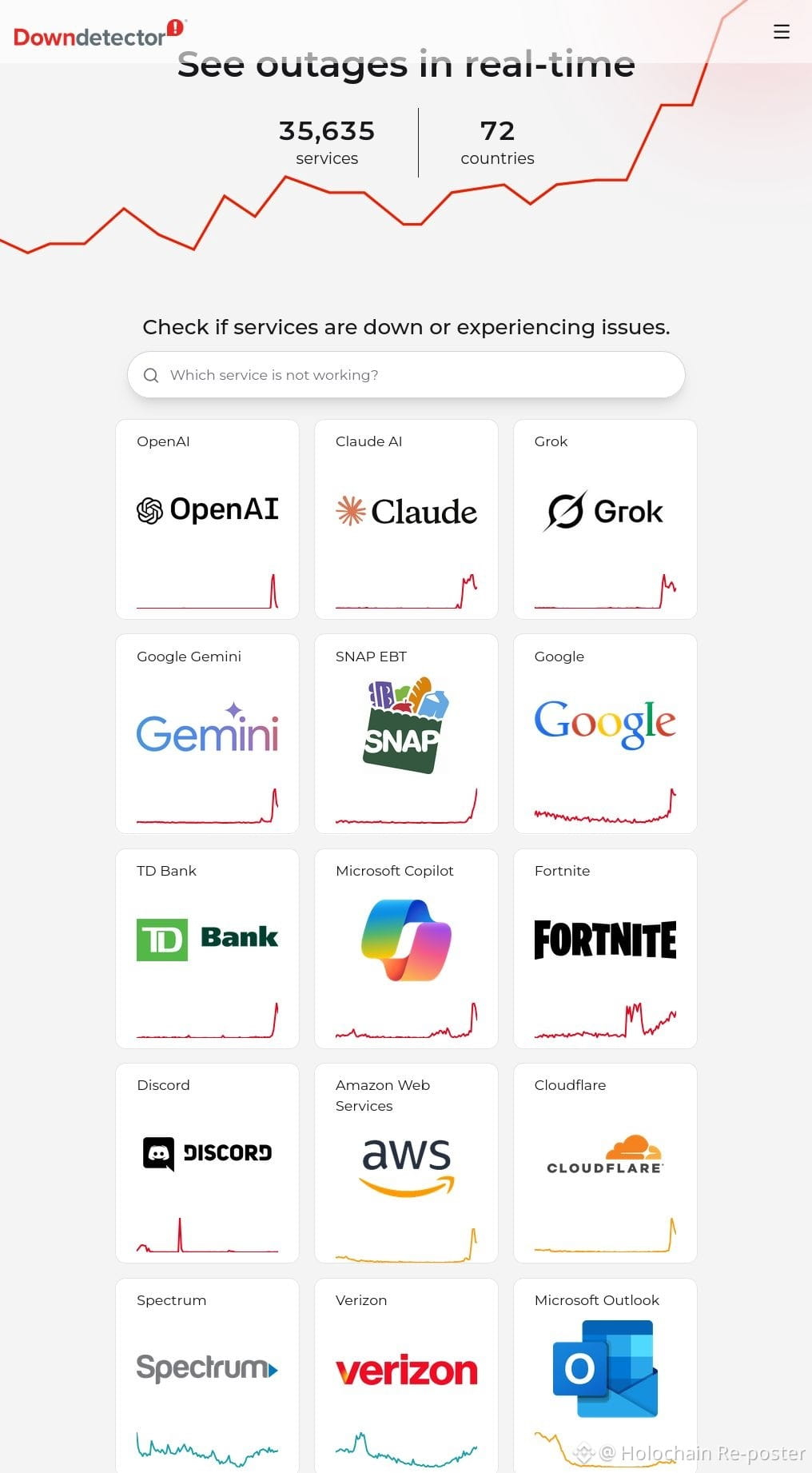
Cả lịch trình buổi sáng của bạn sẽ phải dừng lại khi web lại tiếp tục gặp phải một sự gián đoạn diện rộng khác. Chỉ trong vài phút, các công cụ phổ biến như Copilot, Grok, Gemini, Claude và ChatGPT đã đồng loạt ngừng hoạt động hoàn toàn, cùng với các nhà cung cấp hạ tầng thiết yếu như Cloudflare và AWS. Ngày nay, các công ty chỉ đơn giản chấp nhận những sự cố sập máy chủ này như một chi phí vận hành bình thường, thay vì xem đó là một sự kiện đáng chú ý trên tin tức. Chúng tôi không hề vui khi phải chỉ ra điều này, nhưng nguyên nhân cốt lõi của vấn đề thực chất mang tính hệ thống. Việc dựa vào các hệ thống tập trung cho các hoạt động quan trọng sẽ tạo ra một điểm hỏng hóc cực lớn đối với cả tổ chức của bạn và khách hàng của bạn. Hãy tưởng tượng một thực tại hoàn toàn khác, nơi nền tảng của bạn tránh được thời gian ngừng hoạt động hoàn toàn chỉ vì một lý do đơn giản: nó vận hành mà không cần bất kỳ máy chủ truyền thống nào.
Cả lịch trình buổi sáng của bạn sẽ phải dừng lại khi web lại tiếp tục gặp phải một sự gián đoạn diện rộng khác. Chỉ trong vài phút, các công cụ phổ biến như Copilot, Grok, Gemini, Claude và ChatGPT đã đồng loạt ngừng hoạt động hoàn toàn, cùng với các nhà cung cấp hạ tầng thiết yếu như Cloudflare và AWS. Ngày nay, các công ty chỉ đơn giản chấp nhận những sự cố sập máy chủ này như một chi phí vận hành bình thường, thay vì xem đó là một sự kiện đáng chú ý trên tin tức. Chúng tôi không hề vui khi phải chỉ ra điều này, nhưng nguyên nhân cốt lõi của vấn đề thực chất mang tính hệ thống. Việc dựa vào các hệ thống tập trung cho các hoạt động quan trọng sẽ tạo ra một điểm hỏng hóc cực lớn đối với cả tổ chức của bạn và khách hàng của bạn. Hãy tưởng tượng một thực tại hoàn toàn khác, nơi nền tảng của bạn tránh được thời gian ngừng hoạt động hoàn toàn chỉ vì một lý do đơn giản: nó vận hành mà không cần bất kỳ máy chủ truyền thống nào.
777
Chúng tôi rất vui mừng thông báo rằng bản phát hành Holochain 0.7.0 hiện đã chính thức được phát hành. So với phiên bản 0.6, bản cập nhật này mang đến tốc độ nhanh hơn cũng như giảm mức tiêu thụ bộ nhớ. Các nhà phát triển cũng sẽ nhận thấy những cải tiến hữu ích về độ “dễ dùng” của mã nguồn, cùng với một kỹ năng AI mới hỗ trợ bạn cập nhật mã của mình. Ngoài ra, chúng tôi còn cài thêm một bất ngờ vui nhộn, mang hương vị trái cây, chắc chắn sẽ làm hài lòng cả các nhà phát triển lẫn người dùng hằng ngày.
Để khám phá tất cả chi tiết và đọc đầy đủ ghi chú phát hành, vui lòng truy cập Dev Pulse mới nhất tại đây: https://blog.holochain.org/dev-pulse-156-holochain-0-7-0-faster-simpler-apple-scented/
Chúng tôi rất vui mừng thông báo rằng bản phát hành Holochain 0.7.0 hiện đã chính thức được phát hành. So với phiên bản 0.6, bản cập nhật này mang đến tốc độ nhanh hơn cũng như giảm mức tiêu thụ bộ nhớ. Các nhà phát triển cũng sẽ nhận thấy những cải tiến hữu ích về độ “dễ dùng” của mã nguồn, cùng với một kỹ năng AI mới hỗ trợ bạn cập nhật mã của mình. Ngoài ra, chúng tôi còn cài thêm một bất ngờ vui nhộn, mang hương vị trái cây, chắc chắn sẽ làm hài lòng cả các nhà phát triển lẫn người dùng hằng ngày.
Để khám phá tất cả chi tiết và đọc đầy đủ ghi chú phát hành, vui lòng truy cập Dev Pulse mới nhất tại đây: https://blog.holochain.org/dev-pulse-156-holochain-0-7-0-faster-simpler-apple-scented/
Để khám phá tất cả chi tiết và đọc đầy đủ ghi chú phát hành, vui lòng truy cập Dev Pulse mới nhất tại đây: https://blog.holochain.org/dev-pulse-156-holochain-0-7-0-faster-simpler-apple-scented/
111
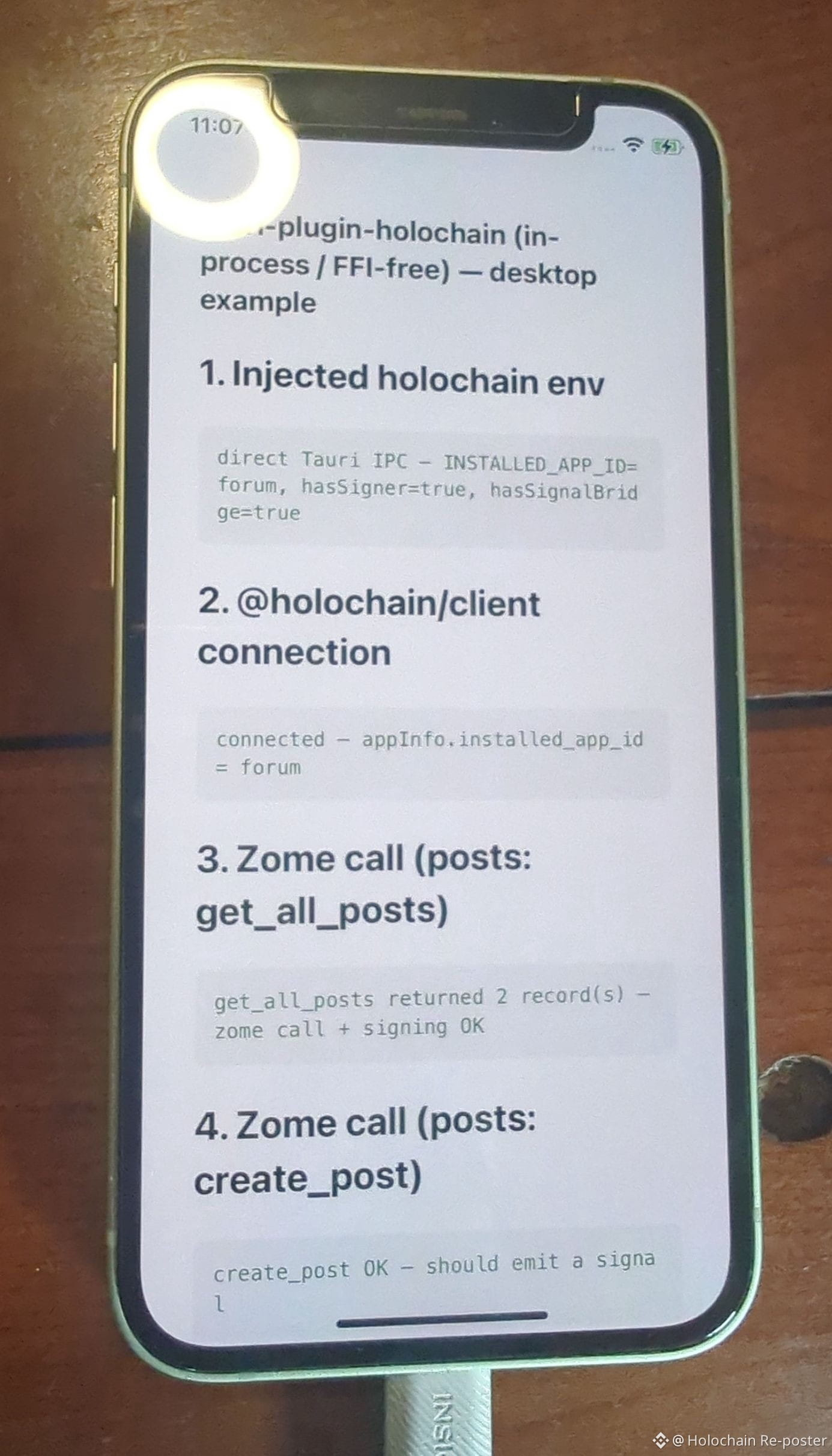
Cuộc chờ đợi cuối cùng cũng đã chính thức kết thúc. Khoảnh khắc được mong đợi bấy lâu nay cuối cùng cũng đã đến.
#holochain #ios #finally
Cuộc chờ đợi cuối cùng cũng đã chính thức kết thúc. Khoảnh khắc được mong đợi bấy lâu nay cuối cùng cũng đã đến.
#holochain #ios #finally
#holochain #ios #finally
119
Việc đạt tới phiên bản 0.7 đồng nghĩa với việc Holochain hiện đã được trang bị đầy đủ để hỗ trợ quá trình di chuyển HOT→HF. Để đến được mốc quan trọng này, chúng ta đã phải mất một khoảng thời gian đáng kể, cùng với nỗ lực không ngừng của vô số đóng góp viên đã bền bỉ vượt qua vô vàn trở ngại và các sự chậm trễ.
Trong hành trình này, chúng ta đã đi qua đại dịch, nhiều đợt suy thoái kinh tế, nhiều cuộc xung đột khác nhau, các sự kiện khí hậu quan trọng và những thay đổi văn hóa sâu sắc. Vượt qua những khó khăn to lớn ấy khiến thành tựu này trở nên đáng trân trọng hơn bao giờ hết.
Chúng tôi muốn bày tỏ lòng biết ơn chân thành tới mọi thành viên hiện tại và trước đây trong đội ngũ của chúng tôi cũng như cộng đồng rộng lớn. Cảm ơn các bạn vì sự tận tâm đã đồng hành và dẫn dắt chúng tôi tới thời khắc này. Thành công này cũng là của các bạn nhiều như nó là của chúng tôi.
Việc đạt tới phiên bản 0.7 đồng nghĩa với việc Holochain hiện đã được trang bị đầy đủ để hỗ trợ quá trình di chuyển HOT→HF. Để đến được mốc quan trọng này, chúng ta đã phải mất một khoảng thời gian đáng kể, cùng với nỗ lực không ngừng của vô số đóng góp viên đã bền bỉ vượt qua vô vàn trở ngại và các sự chậm trễ.
Trong hành trình này, chúng ta đã đi qua đại dịch, nhiều đợt suy thoái kinh tế, nhiều cuộc xung đột khác nhau, các sự kiện khí hậu quan trọng và những thay đổi văn hóa sâu sắc. Vượt qua những khó khăn to lớn ấy khiến thành tựu này trở nên đáng trân trọng hơn bao giờ hết.
Chúng tôi muốn bày tỏ lòng biết ơn chân thành tới mọi thành viên hiện tại và trước đây trong đội ngũ của chúng tôi cũng như cộng đồng rộng lớn. Cảm ơn các bạn vì sự tận tâm đã đồng hành và dẫn dắt chúng tôi tới thời khắc này. Thành công này cũng là của các bạn nhiều như nó là của chúng tôi.
Trong hành trình này, chúng ta đã đi qua đại dịch, nhiều đợt suy thoái kinh tế, nhiều cuộc xung đột khác nhau, các sự kiện khí hậu quan trọng và những thay đổi văn hóa sâu sắc. Vượt qua những khó khăn to lớn ấy khiến thành tựu này trở nên đáng trân trọng hơn bao giờ hết.
Chúng tôi muốn bày tỏ lòng biết ơn chân thành tới mọi thành viên hiện tại và trước đây trong đội ngũ của chúng tôi cũng như cộng đồng rộng lớn. Cảm ơn các bạn vì sự tận tâm đã đồng hành và dẫn dắt chúng tôi tới thời khắc này. Thành công này cũng là của các bạn nhiều như nó là của chúng tôi.
87
Bề ngoài, sự chuyển dịch từ HOT sang HoloFuel thể hiện một quy trình kỹ thuật đơn giản: một yêu cầu ban đầu được chuyển đổi thành chính tài sản mà nó đại diện. Tuy nhiên, ý nghĩa sâu hơn đằng sau sự chuyển đổi này lại làm nổi bật bước tiến đáng kinh ngạc mà Holochain đã đạt được. Việc thiết lập một mốc thời gian cho sự kiện này cho thấy rõ rằng Holochain đã sẵn sàng để thúc đẩy phần mềm sản xuất trong thế giới thực một cách vững chắc. Ứng dụng cụ thể điều khiển quá trình này là một động cơ tiền tệ tinh vi do @unytco tạo ra. Để xây dựng một công cụ tài chính có quy mô như vậy cần một nền tảng cực kỳ an toàn và đáng tin cậy, chứng minh rằng mạng lưới đã phát triển tốt vượt xa khuôn khổ thử nghiệm cơ bản.
Bề ngoài, sự chuyển dịch từ HOT sang HoloFuel thể hiện một quy trình kỹ thuật đơn giản: một yêu cầu ban đầu được chuyển đổi thành chính tài sản mà nó đại diện. Tuy nhiên, ý nghĩa sâu hơn đằng sau sự chuyển đổi này lại làm nổi bật bước tiến đáng kinh ngạc mà Holochain đã đạt được. Việc thiết lập một mốc thời gian cho sự kiện này cho thấy rõ rằng Holochain đã sẵn sàng để thúc đẩy phần mềm sản xuất trong thế giới thực một cách vững chắc. Ứng dụng cụ thể điều khiển quá trình này là một động cơ tiền tệ tinh vi do @unytco tạo ra. Để xây dựng một công cụ tài chính có quy mô như vậy cần một nền tảng cực kỳ an toàn và đáng tin cậy, chứng minh rằng mạng lưới đã phát triển tốt vượt xa khuôn khổ thử nghiệm cơ bản.
84
Bản phát hành mới nhất của bản tin Cộng đồng hAppenings vừa mới ra mắt. Bạn có thể đọc toàn bộ ấn phẩm tại đây: https://happeningscommunity.substack.com/p/your-own-ai-no-one-in-control-but
Số này đi sâu vào một ứng dụng sắp ra mắt có tên là @YourOwnAI, hiện đang được đội ngũ tại @WeAreFlowsta xây dựng. Sau khi đánh giá kỹ lưỡng phần mềm để xem liệu nó có thực sự thực hiện đúng cam kết về quyền riêng tư của người dùng hay không, các nhà đánh giá đã vô cùng ấn tượng với những gì họ phát hiện.
Vui lòng lưu ý thông báo miễn trừ trách nhiệm tiêu chuẩn của chúng tôi rằng chúng tôi không chính thức ủng hộ hoặc gợi ý việc sử dụng bất kỳ phần mềm bên thứ ba cụ thể nào. Nếu bạn quyết định tải xuống và trải nghiệm các ứng dụng này, bạn hoàn toàn tự chịu rủi ro.
Bản phát hành mới nhất của bản tin Cộng đồng hAppenings vừa mới ra mắt. Bạn có thể đọc toàn bộ ấn phẩm tại đây: https://happeningscommunity.substack.com/p/your-own-ai-no-one-in-control-but
Số này đi sâu vào một ứng dụng sắp ra mắt có tên là @YourOwnAI, hiện đang được đội ngũ tại @WeAreFlowsta xây dựng. Sau khi đánh giá kỹ lưỡng phần mềm để xem liệu nó có thực sự thực hiện đúng cam kết về quyền riêng tư của người dùng hay không, các nhà đánh giá đã vô cùng ấn tượng với những gì họ phát hiện.
Vui lòng lưu ý thông báo miễn trừ trách nhiệm tiêu chuẩn của chúng tôi rằng chúng tôi không chính thức ủng hộ hoặc gợi ý việc sử dụng bất kỳ phần mềm bên thứ ba cụ thể nào. Nếu bạn quyết định tải xuống và trải nghiệm các ứng dụng này, bạn hoàn toàn tự chịu rủi ro.
Số này đi sâu vào một ứng dụng sắp ra mắt có tên là @YourOwnAI, hiện đang được đội ngũ tại @WeAreFlowsta xây dựng. Sau khi đánh giá kỹ lưỡng phần mềm để xem liệu nó có thực sự thực hiện đúng cam kết về quyền riêng tư của người dùng hay không, các nhà đánh giá đã vô cùng ấn tượng với những gì họ phát hiện.
Vui lòng lưu ý thông báo miễn trừ trách nhiệm tiêu chuẩn của chúng tôi rằng chúng tôi không chính thức ủng hộ hoặc gợi ý việc sử dụng bất kỳ phần mềm bên thứ ba cụ thể nào. Nếu bạn quyết định tải xuống và trải nghiệm các ứng dụng này, bạn hoàn toàn tự chịu rủi ro.
70
Sau khi quay trở lại văn phòng sau kỳ nghỉ lễ, chúng tôi rất vui mừng khi phát hiện một cặp bản tin từ Cộng đồng hAppenings đang chờ chúng tôi. Chúng tôi luôn biết ơn vì những nhận xét cẩn thận và sâu sắc của họ về các hoạt động đang diễn ra của cả nhóm chúng tôi và cộng đồng rộng lớn hơn.
Ấn phẩm đầu tiên trong số này cung cấp bản tóm tắt toàn diện về buổi phát trực tiếp được tổ chức vào ngày 30 tháng 7. Đối với bất kỳ ai muốn đọc bản tóm tắt bằng văn bản thay vì xem bản ghi video, ấn bản này là lựa chọn lý tưởng như một phần tổng quan bằng chữ. Bạn có thể truy cập toàn bộ bài viết tại liên kết sau: https://happeningscommunity.substack.com/p/from-bootstrap-to-business
Sau khi quay trở lại văn phòng sau kỳ nghỉ lễ, chúng tôi rất vui mừng khi phát hiện một cặp bản tin từ Cộng đồng hAppenings đang chờ chúng tôi. Chúng tôi luôn biết ơn vì những nhận xét cẩn thận và sâu sắc của họ về các hoạt động đang diễn ra của cả nhóm chúng tôi và cộng đồng rộng lớn hơn.
Ấn phẩm đầu tiên trong số này cung cấp bản tóm tắt toàn diện về buổi phát trực tiếp được tổ chức vào ngày 30 tháng 7. Đối với bất kỳ ai muốn đọc bản tóm tắt bằng văn bản thay vì xem bản ghi video, ấn bản này là lựa chọn lý tưởng như một phần tổng quan bằng chữ. Bạn có thể truy cập toàn bộ bài viết tại liên kết sau: https://happeningscommunity.substack.com/p/from-bootstrap-to-business
Ấn phẩm đầu tiên trong số này cung cấp bản tóm tắt toàn diện về buổi phát trực tiếp được tổ chức vào ngày 30 tháng 7. Đối với bất kỳ ai muốn đọc bản tóm tắt bằng văn bản thay vì xem bản ghi video, ấn bản này là lựa chọn lý tưởng như một phần tổng quan bằng chữ. Bạn có thể truy cập toàn bộ bài viết tại liên kết sau: https://happeningscommunity.substack.com/p/from-bootstrap-to-business
82
Những thông tin dưới đây được chia sẻ từ một bài nghiên cứu sắp tới.
Để huy động được nguồn vốn cần thiết cho sự phát triển vào năm 2018, chúng tôi buộc phải dựa vào các công cụ tài chính sẵn có thời điểm đó, đơn giản vì không có lựa chọn nào khác. Việc huy động vốn có nghĩa là phát hành một token, và những tài sản đó vốn dĩ sẽ thu hút các nhà đầu cơ bất kể chúng ban đầu được thiết kế để đạt được mục tiêu gì.
Tuy nhiên, mục tiêu của chúng tôi không bao giờ là tạo ra một blockchain vượt trội hơn hay canh bạc dựa trên chính các mô hình cấu trúc tương tự.
Thay vào đó, chúng tôi đặt ra để xây dựng “web 3.0” đích thực. Đây chính là tầm nhìn mà kiến trúc ngành công nghiệp crypto hiện hành luôn hứa hẹn sẽ mang lại, nhưng không thể nào thực sự trở thành hiện thực do chính thiết kế cốt lõi của nó.
Những thông tin dưới đây được chia sẻ từ một bài nghiên cứu sắp tới.
Để huy động được nguồn vốn cần thiết cho sự phát triển vào năm 2018, chúng tôi buộc phải dựa vào các công cụ tài chính sẵn có thời điểm đó, đơn giản vì không có lựa chọn nào khác. Việc huy động vốn có nghĩa là phát hành một token, và những tài sản đó vốn dĩ sẽ thu hút các nhà đầu cơ bất kể chúng ban đầu được thiết kế để đạt được mục tiêu gì.
Tuy nhiên, mục tiêu của chúng tôi không bao giờ là tạo ra một blockchain vượt trội hơn hay canh bạc dựa trên chính các mô hình cấu trúc tương tự.
Thay vào đó, chúng tôi đặt ra để xây dựng “web 3.0” đích thực. Đây chính là tầm nhìn mà kiến trúc ngành công nghiệp crypto hiện hành luôn hứa hẹn sẽ mang lại, nhưng không thể nào thực sự trở thành hiện thực do chính thiết kế cốt lõi của nó.
Để huy động được nguồn vốn cần thiết cho sự phát triển vào năm 2018, chúng tôi buộc phải dựa vào các công cụ tài chính sẵn có thời điểm đó, đơn giản vì không có lựa chọn nào khác. Việc huy động vốn có nghĩa là phát hành một token, và những tài sản đó vốn dĩ sẽ thu hút các nhà đầu cơ bất kể chúng ban đầu được thiết kế để đạt được mục tiêu gì.
Tuy nhiên, mục tiêu của chúng tôi không bao giờ là tạo ra một blockchain vượt trội hơn hay canh bạc dựa trên chính các mô hình cấu trúc tương tự.
Thay vào đó, chúng tôi đặt ra để xây dựng “web 3.0” đích thực. Đây chính là tầm nhìn mà kiến trúc ngành công nghiệp crypto hiện hành luôn hứa hẹn sẽ mang lại, nhưng không thể nào thực sự trở thành hiện thực do chính thiết kế cốt lõi của nó.
78
Một ấn phẩm sắp ra mắt chia sẻ những hiểu biết về cách tiếp cận phát triển của chúng tôi, nhấn mạnh rằng phi tập trung thực sự phải có thể được sử dụng ngay ở đúng cấp độ mà người dùng tương tác mỗi ngày. Rốt cuộc, nếu một lựa chọn phi tập trung không thể được sử dụng một cách thực tế bởi đông đảo người dân, thì nó chẳng khác gì một sự thay thế đáng kể.
Dựa trên sự thấu hiểu này, những nỗ lực liên tục của chúng tôi tập trung vào việc đưa các ứng dụng Holochain trực tiếp vào môi trường nơi mọi người đã dành thời gian của họ. Vì sự tiến bộ của chúng tôi luôn không ngừng phát triển, chúng tôi đã quyết định không “khóa” công việc của mình vào một lộ trình cứng nhắc. Do đó, chúng tôi xem các mục tiêu này như những định hướng chung thay vì những cam kết chắc chắn.
Cụ thể, chúng tôi đang nỗ lực để các ứng dụng Holochain hoạt động một cách hoàn hảo trên máy tính để bàn và thiết bị di động, giống như bất kỳ ứng dụng thông thường nào. Ngoài ra, chúng tôi đảm bảo rằng các ứng dụng này có thể chạy trực tiếp ngay trong trình duyệt web mà không cần bất kỳ thiết lập hay cài đặt nào.
Một ấn phẩm sắp ra mắt chia sẻ những hiểu biết về cách tiếp cận phát triển của chúng tôi, nhấn mạnh rằng phi tập trung thực sự phải có thể được sử dụng ngay ở đúng cấp độ mà người dùng tương tác mỗi ngày. Rốt cuộc, nếu một lựa chọn phi tập trung không thể được sử dụng một cách thực tế bởi đông đảo người dân, thì nó chẳng khác gì một sự thay thế đáng kể.
Dựa trên sự thấu hiểu này, những nỗ lực liên tục của chúng tôi tập trung vào việc đưa các ứng dụng Holochain trực tiếp vào môi trường nơi mọi người đã dành thời gian của họ. Vì sự tiến bộ của chúng tôi luôn không ngừng phát triển, chúng tôi đã quyết định không “khóa” công việc của mình vào một lộ trình cứng nhắc. Do đó, chúng tôi xem các mục tiêu này như những định hướng chung thay vì những cam kết chắc chắn.
Cụ thể, chúng tôi đang nỗ lực để các ứng dụng Holochain hoạt động một cách hoàn hảo trên máy tính để bàn và thiết bị di động, giống như bất kỳ ứng dụng thông thường nào. Ngoài ra, chúng tôi đảm bảo rằng các ứng dụng này có thể chạy trực tiếp ngay trong trình duyệt web mà không cần bất kỳ thiết lập hay cài đặt nào.
Dựa trên sự thấu hiểu này, những nỗ lực liên tục của chúng tôi tập trung vào việc đưa các ứng dụng Holochain trực tiếp vào môi trường nơi mọi người đã dành thời gian của họ. Vì sự tiến bộ của chúng tôi luôn không ngừng phát triển, chúng tôi đã quyết định không “khóa” công việc của mình vào một lộ trình cứng nhắc. Do đó, chúng tôi xem các mục tiêu này như những định hướng chung thay vì những cam kết chắc chắn.
Cụ thể, chúng tôi đang nỗ lực để các ứng dụng Holochain hoạt động một cách hoàn hảo trên máy tính để bàn và thiết bị di động, giống như bất kỳ ứng dụng thông thường nào. Ngoài ra, chúng tôi đảm bảo rằng các ứng dụng này có thể chạy trực tiếp ngay trong trình duyệt web mà không cần bất kỳ thiết lập hay cài đặt nào.
70
Nhận định sau đây được rút ra từ bài báo của chúng tôi, hiện sắp được xuất bản.
Nhóm của chúng tôi đang tích cực phát triển nền tảng vận hành để các tác nhân có thể hoạt động đúng trên mạng. Thiết kế kiến trúc hoàn toàn tương tự giúp người dùng giữ quyền sở hữu dữ liệu cá nhân của mình cũng cho phép một tác nhân AI chạy liền mạch trên hạ tầng do chính chủ sở hữu đó điều hướng. Đến lúc quyết toán, các hệ thống này dựa vào cơ chế tín dụng lẫn nhau thay vì các đường thanh toán truyền thống. Hiện nay, các tập đoàn lớn hàng đầu đang gấp rút chiếm lấy lãnh thổ trên những “đường ray” cũ đó, thậm chí còn trước khi “nền kinh tế tác nhân” kịp hình thành hoàn toàn.
Chúng tôi chủ ý đứng ngoài cuộc cạnh tranh đó. Chúng tôi không có nhu cầu thống trị bối cảnh đang trỗi dậy này. Mục tiêu thực sự của chúng tôi chỉ là bảo đảm rằng nền kinh tế này được hình thành và bảo đảm rằng, khi cuối cùng nó đã tồn tại, nó sẽ hoàn toàn có khả năng chống bị chiếm đoạt.
Nhận định sau đây được rút ra từ bài báo của chúng tôi, hiện sắp được xuất bản.
Nhóm của chúng tôi đang tích cực phát triển nền tảng vận hành để các tác nhân có thể hoạt động đúng trên mạng. Thiết kế kiến trúc hoàn toàn tương tự giúp người dùng giữ quyền sở hữu dữ liệu cá nhân của mình cũng cho phép một tác nhân AI chạy liền mạch trên hạ tầng do chính chủ sở hữu đó điều hướng. Đến lúc quyết toán, các hệ thống này dựa vào cơ chế tín dụng lẫn nhau thay vì các đường thanh toán truyền thống. Hiện nay, các tập đoàn lớn hàng đầu đang gấp rút chiếm lấy lãnh thổ trên những “đường ray” cũ đó, thậm chí còn trước khi “nền kinh tế tác nhân” kịp hình thành hoàn toàn.
Chúng tôi chủ ý đứng ngoài cuộc cạnh tranh đó. Chúng tôi không có nhu cầu thống trị bối cảnh đang trỗi dậy này. Mục tiêu thực sự của chúng tôi chỉ là bảo đảm rằng nền kinh tế này được hình thành và bảo đảm rằng, khi cuối cùng nó đã tồn tại, nó sẽ hoàn toàn có khả năng chống bị chiếm đoạt.
Nhóm của chúng tôi đang tích cực phát triển nền tảng vận hành để các tác nhân có thể hoạt động đúng trên mạng. Thiết kế kiến trúc hoàn toàn tương tự giúp người dùng giữ quyền sở hữu dữ liệu cá nhân của mình cũng cho phép một tác nhân AI chạy liền mạch trên hạ tầng do chính chủ sở hữu đó điều hướng. Đến lúc quyết toán, các hệ thống này dựa vào cơ chế tín dụng lẫn nhau thay vì các đường thanh toán truyền thống. Hiện nay, các tập đoàn lớn hàng đầu đang gấp rút chiếm lấy lãnh thổ trên những “đường ray” cũ đó, thậm chí còn trước khi “nền kinh tế tác nhân” kịp hình thành hoàn toàn.
Chúng tôi chủ ý đứng ngoài cuộc cạnh tranh đó. Chúng tôi không có nhu cầu thống trị bối cảnh đang trỗi dậy này. Mục tiêu thực sự của chúng tôi chỉ là bảo đảm rằng nền kinh tế này được hình thành và bảo đảm rằng, khi cuối cùng nó đã tồn tại, nó sẽ hoàn toàn có khả năng chống bị chiếm đoạt.
65
Tôi muốn chia sẻ một đoạn trích bổ sung từ một bài báo sắp tới.
Dù đã trải qua tám năm, sự hiện diện của chúng tôi vẫn vững chắc trong khi thiết kế kiến trúc của chúng tôi tiếp tục phát triển. Điều quan trọng nhất là nền tảng hạ tầng bên dưới hiện nay đã thực sự là một thực tế. Thay vì chỉ tồn tại như một ý định đơn thuần, một bản whitepaper mang tính khái niệm, hay một lộ trình dự kiến, nó hiện tại đã tồn tại dưới dạng mã nguồn đang hoạt động đầy đủ.
Tôi muốn chia sẻ một đoạn trích bổ sung từ một bài báo sắp tới.
Dù đã trải qua tám năm, sự hiện diện của chúng tôi vẫn vững chắc trong khi thiết kế kiến trúc của chúng tôi tiếp tục phát triển. Điều quan trọng nhất là nền tảng hạ tầng bên dưới hiện nay đã thực sự là một thực tế. Thay vì chỉ tồn tại như một ý định đơn thuần, một bản whitepaper mang tính khái niệm, hay một lộ trình dự kiến, nó hiện tại đã tồn tại dưới dạng mã nguồn đang hoạt động đầy đủ.
Dù đã trải qua tám năm, sự hiện diện của chúng tôi vẫn vững chắc trong khi thiết kế kiến trúc của chúng tôi tiếp tục phát triển. Điều quan trọng nhất là nền tảng hạ tầng bên dưới hiện nay đã thực sự là một thực tế. Thay vì chỉ tồn tại như một ý định đơn thuần, một bản whitepaper mang tính khái niệm, hay một lộ trình dự kiến, nó hiện tại đã tồn tại dưới dạng mã nguồn đang hoạt động đầy đủ.
72
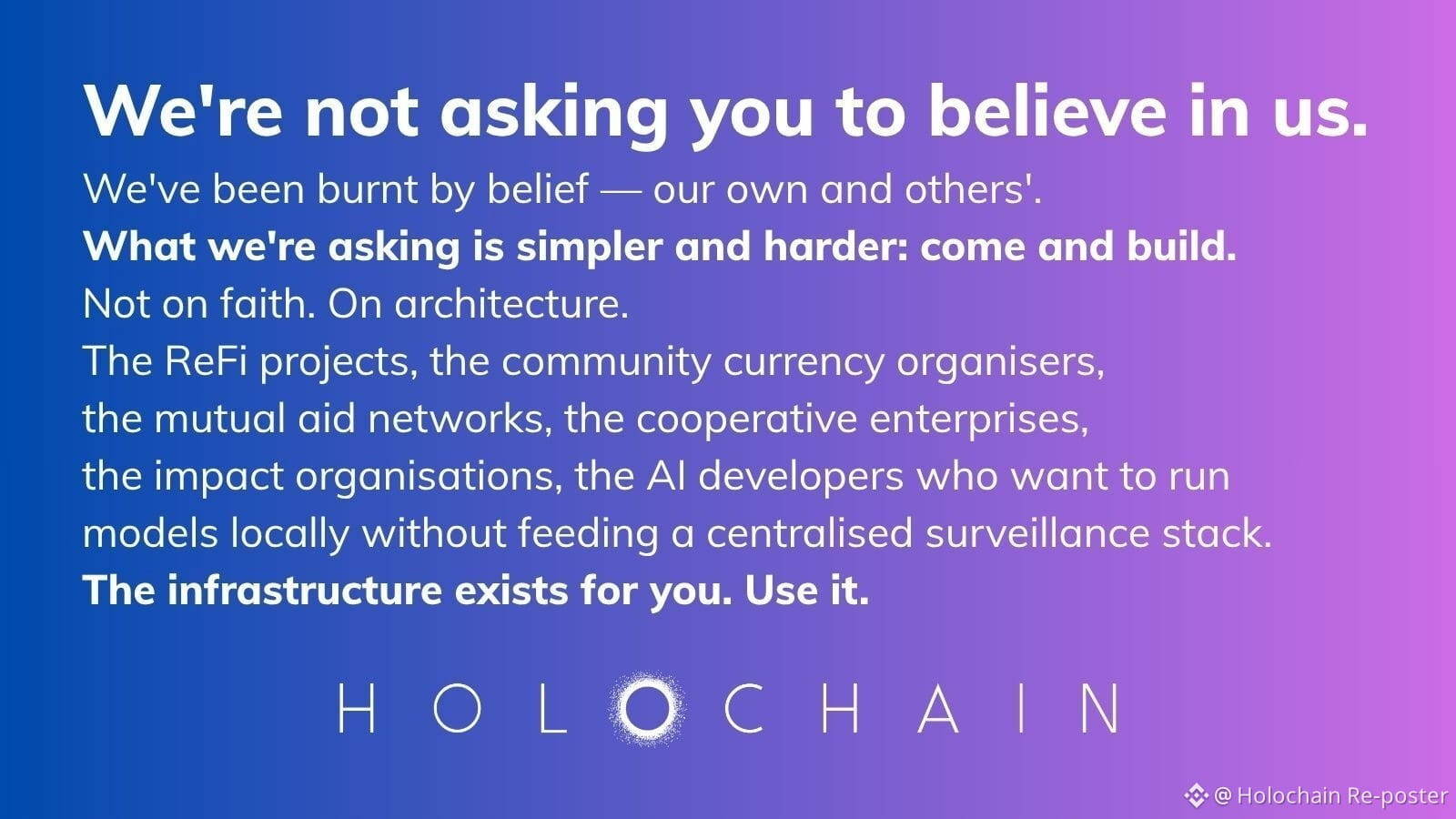
Một đoạn trích từ bài viết sắp tới của chúng tôi phác thảo cách tiếp cận. Chúng tôi không tìm cách yêu cầu bạn mù quáng tin tưởng nhóm của mình. Do đã từng bị ảnh hưởng tiêu cực bởi việc dựa vào niềm tin trong quá khứ—dù là niềm tin của chính chúng tôi hay của người khác—chúng tôi đã rút ra một số bài học khó khăn. Vì vậy, lời mời mà chúng tôi đưa ra vừa dễ hiểu hơn, nhưng đồng thời cũng đòi hỏi nhiều hơn. Chúng tôi trân trọng mời bạn tham gia cùng và bắt đầu xây dựng. Chúng tôi chỉ xin bạn hãy đặt công việc của mình trên một nền tảng kiến trúc vững chắc, thay vì đặt cược vào hi vọng đơn thuần.
Một đoạn trích từ bài viết sắp tới của chúng tôi phác thảo cách tiếp cận. Chúng tôi không tìm cách yêu cầu bạn mù quáng tin tưởng nhóm của mình. Do đã từng bị ảnh hưởng tiêu cực bởi việc dựa vào niềm tin trong quá khứ—dù là niềm tin của chính chúng tôi hay của người khác—chúng tôi đã rút ra một số bài học khó khăn. Vì vậy, lời mời mà chúng tôi đưa ra vừa dễ hiểu hơn, nhưng đồng thời cũng đòi hỏi nhiều hơn. Chúng tôi trân trọng mời bạn tham gia cùng và bắt đầu xây dựng. Chúng tôi chỉ xin bạn hãy đặt công việc của mình trên một nền tảng kiến trúc vững chắc, thay vì đặt cược vào hi vọng đơn thuần.
84
Buổi phát sóng YouTube của chúng tôi đã chính thức lên sóng, và chúng tôi rất mong bạn sẽ tham gia theo dõi. Bạn có thể tham gia trực tiếp vào luồng phát ngay bây giờ. Bạn có thể xem video trực tiếp bằng liên kết sau:
https://www.youtube.com/live/XO05JTKnIV8
Buổi phát sóng YouTube của chúng tôi đã chính thức lên sóng, và chúng tôi rất mong bạn sẽ tham gia theo dõi. Bạn có thể tham gia trực tiếp vào luồng phát ngay bây giờ. Bạn có thể xem video trực tiếp bằng liên kết sau:
https://www.youtube.com/live/XO05JTKnIV8
https://www.youtube.com/live/XO05JTKnIV8
70
Các thành viên trong nhóm Holochain một lần nữa tham gia DWebCamp năm nay, đổi những cây gỗ đỏ ở California lấy châu Âu. Lần này, điểm đến của chúng tôi là Berlin, Đức.
Chúng tôi rất mong được kết nối với các nhà sáng tạo khác đang cùng xây dựng web phi tập trung. Hãy lên kế hoạch gặp gỡ với chúng tôi từ ngày 8-12 tháng 7 và truy cập https://t.co/HXv46rVFs2 để tìm hiểu thêm.
#DWebCamp #Holochain #PhiTậpTrung #Web3 #Berlin
Các thành viên trong nhóm Holochain một lần nữa tham gia DWebCamp năm nay, đổi những cây gỗ đỏ ở California lấy châu Âu. Lần này, điểm đến của chúng tôi là Berlin, Đức.
Chúng tôi rất mong được kết nối với các nhà sáng tạo khác đang cùng xây dựng web phi tập trung. Hãy lên kế hoạch gặp gỡ với chúng tôi từ ngày 8-12 tháng 7 và truy cập https://t.co/HXv46rVFs2 để tìm hiểu thêm.
#DWebCamp #Holochain #PhiTậpTrung #Web3 #Berlin
Chúng tôi rất mong được kết nối với các nhà sáng tạo khác đang cùng xây dựng web phi tập trung. Hãy lên kế hoạch gặp gỡ với chúng tôi từ ngày 8-12 tháng 7 và truy cập https://t.co/HXv46rVFs2 để tìm hiểu thêm.
#DWebCamp #Holochain #PhiTậpTrung #Web3 #Berlin
63
Trong bản phát hành mới nhất, bản tin hAppenings đi sâu vào "Công nghệ trao quyền cho cộng đồng." Ấn phẩm này xem xét sự phối hợp của con người qua lăng kính của một cấu trúc fractal, minh họa cách mà các mẫu hợp tác hoạt động nhất quán ở tất cả các cấp, từ những hiệp hội địa phương thân thiết đến các hệ thống toàn cầu rộng lớn.
Dành cho những ai đang suy nghĩ về cách tạo ra các công cụ số củng cố nỗ lực tập thể thay vì khai thác chúng, phiên bản này cung cấp những hiểu biết quý giá. Đây là một nguồn tài nguyên thiết yếu cho bất kỳ ai quan tâm đến việc mở rộng phạm vi cộng đồng trong khi bảo vệ chủ quyền thực sự.
Bạn có thể khám phá cuộc thảo luận hoàn chỉnh tại liên kết sau: https://t.co/exYKGryo6i
#Holochain #TheCommons #Web3 #P2P #Phân quyền
Trong bản phát hành mới nhất, bản tin hAppenings đi sâu vào "Công nghệ trao quyền cho cộng đồng." Ấn phẩm này xem xét sự phối hợp của con người qua lăng kính của một cấu trúc fractal, minh họa cách mà các mẫu hợp tác hoạt động nhất quán ở tất cả các cấp, từ những hiệp hội địa phương thân thiết đến các hệ thống toàn cầu rộng lớn.
Dành cho những ai đang suy nghĩ về cách tạo ra các công cụ số củng cố nỗ lực tập thể thay vì khai thác chúng, phiên bản này cung cấp những hiểu biết quý giá. Đây là một nguồn tài nguyên thiết yếu cho bất kỳ ai quan tâm đến việc mở rộng phạm vi cộng đồng trong khi bảo vệ chủ quyền thực sự.
Bạn có thể khám phá cuộc thảo luận hoàn chỉnh tại liên kết sau: https://t.co/exYKGryo6i
#Holochain #TheCommons #Web3 #P2P #Phân quyền
Dành cho những ai đang suy nghĩ về cách tạo ra các công cụ số củng cố nỗ lực tập thể thay vì khai thác chúng, phiên bản này cung cấp những hiểu biết quý giá. Đây là một nguồn tài nguyên thiết yếu cho bất kỳ ai quan tâm đến việc mở rộng phạm vi cộng đồng trong khi bảo vệ chủ quyền thực sự.
Bạn có thể khám phá cuộc thảo luận hoàn chỉnh tại liên kết sau: https://t.co/exYKGryo6i
#Holochain #TheCommons #Web3 #P2P #Phân quyền
72
Làm sao bạn biết rằng một mạng phân tán đã sẵn sàng cho thế giới thực? Bạn phải thử thách nó bằng một cơn bão. 🌪️
Giới thiệu Wind Tunnel: Môi trường kiểm tra căng thẳng phân tán của Holochain. Chúng tôi không chỉ giả lập lưu lượng; chúng tôi đang giả lập hỗn loạn.
Xem bên trong cơn bão: https://t.co/Ee7ptF3kmi
#Holochain #HệThốngPhânTán #KiểmTraPhầnMềm
Làm sao bạn biết rằng một mạng phân tán đã sẵn sàng cho thế giới thực? Bạn phải thử thách nó bằng một cơn bão. 🌪️
Giới thiệu Wind Tunnel: Môi trường kiểm tra căng thẳng phân tán của Holochain. Chúng tôi không chỉ giả lập lưu lượng; chúng tôi đang giả lập hỗn loạn.
Xem bên trong cơn bão: https://t.co/Ee7ptF3kmi
#Holochain #HệThốngPhânTán #KiểmTraPhầnMềm
Giới thiệu Wind Tunnel: Môi trường kiểm tra căng thẳng phân tán của Holochain. Chúng tôi không chỉ giả lập lưu lượng; chúng tôi đang giả lập hỗn loạn.
Xem bên trong cơn bão: https://t.co/Ee7ptF3kmi
#Holochain #HệThốngPhânTán #KiểmTraPhầnMềm
84
Được thiết kế độc quyền cho các nhà hoạt động, nhà thiết kế, nhà nghiên cứu và người xây dựng, AOS Convergence là một phiên làm việc tương tác cao hơn là một hội nghị truyền thống. Trong suốt ba ngày tập hợp này, mục tiêu chính là khám phá những khả năng rộng lớn của web peer-to-peer trong khi xây dựng các hệ thống mở, phi tập trung nhằm thúc đẩy và mở rộng quyền tự chủ của con người.
Người tham dự có thể mong đợi một chương trình đa dạng và hấp dẫn. Thay vì các bài giảng tiêu chuẩn, sự kiện này nhấn mạnh vào sự hợp tác không gian mở và các phiên unconference. Người tham gia cũng sẽ được đắm chìm trong việc tạo mẫu thực hành và xây dựng theo phong cách hackathon. Hơn nữa, lịch trình còn để lại nhiều không gian cho các cuộc trò chuyện sâu sắc về quản trị, niềm tin và sự phối hợp trong các hệ sinh thái phi tập trung.
Sự kiện này được lên lịch một cách thuận tiện ngay trước Diễn đàn Tự do Oslo. Như một lợi ích đặc biệt được cung cấp bởi Quỹ Nhân quyền, những cá nhân được chấp nhận vào chương trình sẽ nhận được một vé miễn phí để tham dự diễn đàn, tùy thuộc vào sự phê duyệt.
Đăng ký hoặc khám phá thêm chi tiết:
Được thiết kế độc quyền cho các nhà hoạt động, nhà thiết kế, nhà nghiên cứu và người xây dựng, AOS Convergence là một phiên làm việc tương tác cao hơn là một hội nghị truyền thống. Trong suốt ba ngày tập hợp này, mục tiêu chính là khám phá những khả năng rộng lớn của web peer-to-peer trong khi xây dựng các hệ thống mở, phi tập trung nhằm thúc đẩy và mở rộng quyền tự chủ của con người.
Người tham dự có thể mong đợi một chương trình đa dạng và hấp dẫn. Thay vì các bài giảng tiêu chuẩn, sự kiện này nhấn mạnh vào sự hợp tác không gian mở và các phiên unconference. Người tham gia cũng sẽ được đắm chìm trong việc tạo mẫu thực hành và xây dựng theo phong cách hackathon. Hơn nữa, lịch trình còn để lại nhiều không gian cho các cuộc trò chuyện sâu sắc về quản trị, niềm tin và sự phối hợp trong các hệ sinh thái phi tập trung.
Sự kiện này được lên lịch một cách thuận tiện ngay trước Diễn đàn Tự do Oslo. Như một lợi ích đặc biệt được cung cấp bởi Quỹ Nhân quyền, những cá nhân được chấp nhận vào chương trình sẽ nhận được một vé miễn phí để tham dự diễn đàn, tùy thuộc vào sự phê duyệt.
Đăng ký hoặc khám phá thêm chi tiết:
Người tham dự có thể mong đợi một chương trình đa dạng và hấp dẫn. Thay vì các bài giảng tiêu chuẩn, sự kiện này nhấn mạnh vào sự hợp tác không gian mở và các phiên unconference. Người tham gia cũng sẽ được đắm chìm trong việc tạo mẫu thực hành và xây dựng theo phong cách hackathon. Hơn nữa, lịch trình còn để lại nhiều không gian cho các cuộc trò chuyện sâu sắc về quản trị, niềm tin và sự phối hợp trong các hệ sinh thái phi tập trung.
Sự kiện này được lên lịch một cách thuận tiện ngay trước Diễn đàn Tự do Oslo. Như một lợi ích đặc biệt được cung cấp bởi Quỹ Nhân quyền, những cá nhân được chấp nhận vào chương trình sẽ nhận được một vé miễn phí để tham dự diễn đàn, tùy thuộc vào sự phê duyệt.
Đăng ký hoặc khám phá thêm chi tiết:
70
Đăng nhập để khám phá thêm nội dung
Tham gia cùng người dùng tiền mã hóa toàn cầu trên Binance Square
⚡️ Nhận thông tin mới nhất và hữu ích về tiền mã hóa.
💬 Được tin cậy bởi sàn giao dịch tiền mã hóa lớn nhất thế giới.
👍 Khám phá những thông tin chuyên sâu thực tế từ những nhà sáng tạo đã xác minh.
Email / Số điện thoại
Chủ đề thịnh hành
CanMicrosoftDeliverOnAI
18,524 lượt xem
376 đang thảo luận
Phiên 3 của mùa công bố kết quả kinh doanh: Google và Microsoft có vượt kỳ vọng không?
Binance Square Official
·37 lượt thích
·9.2k lượt xem
CanGoogleDefindItsCore
10,516 lượt xem
291 đang thảo luận
TinFed
356,987 lượt xem
973 đang thảo luận