

Marvin Alvis
12.7k Bài đăng

Marvin Alvis
 Đã xác minh trên Square
Báo cáo
Chặn người dùng
Giao dịch mở
Trader thường xuyên
{thời gian} năm
803 Đang theo dõi
30.7K+ Người theo dõi
18.6K+ Đã thích
Bài đăng
Danh mục đầu tư
Tất cả
Trích dẫn
Live
·
--
Tăng giá
Moonriver (MOVR): Mạng Chim Sẻ Vẫn Còn Hót
Tôi đã theo dõi Moonriver từ những ngày đầu, khi nó được xem như một mạng song song của Kusama, bên cạnh Moonbeam. Ý tưởng ban đầu rất đơn giản: thử nghiệm mã mới trên một mạng nhanh hơn và rủi ro hơn trước khi đưa lên Polkadot. Đây là một “sân chơi” giả lập, nhưng vẫn là môi trường hoạt động thực tế với giá trị thật đang bị đặt cược. Đó là cách thông minh để giảm thiểu rủi ro cho quá trình phát triển, và cũng là lý do vì sao MOVR vẫn giữ được sự chú ý dù mức độ “hype” quanh Polkadot đã hạ nhiệt. Động thái gần đây cho thấy mọi người vẫn đang quan tâm đến những gì diễn ra ở phía mạng canary, chứ không chỉ dừng lại ở mainnet. Nó nhắc nhở rằng đôi khi, nơi thử nghiệm chính là nơi đổi mới thực sự xuất hiện trước tiên.
$MOVR
{spot}(MOVRUSDT)
#MulticoinInvestsInGrass #SECChairWantsStockMarketsOnChain #ChainlinkLaunchesBankSWIFTLedgerFramework #ChainlinkLaunchesBankSWIFTLedgerFramework #BitgetHotWalletBreachTiedToThirdPartySecurityFlaw
Moonriver (MOVR): Mạng Chim Sẻ Vẫn Còn Hót
Tôi đã theo dõi Moonriver từ những ngày đầu, khi nó được xem như một mạng song song của Kusama, bên cạnh Moonbeam. Ý tưởng ban đầu rất đơn giản: thử nghiệm mã mới trên một mạng nhanh hơn và rủi ro hơn trước khi đưa lên Polkadot. Đây là một “sân chơi” giả lập, nhưng vẫn là môi trường hoạt động thực tế với giá trị thật đang bị đặt cược. Đó là cách thông minh để giảm thiểu rủi ro cho quá trình phát triển, và cũng là lý do vì sao MOVR vẫn giữ được sự chú ý dù mức độ “hype” quanh Polkadot đã hạ nhiệt. Động thái gần đây cho thấy mọi người vẫn đang quan tâm đến những gì diễn ra ở phía mạng canary, chứ không chỉ dừng lại ở mainnet. Nó nhắc nhở rằng đôi khi, nơi thử nghiệm chính là nơi đổi mới thực sự xuất hiện trước tiên.
$MOVR
#MulticoinInvestsInGrass #SECChairWantsStockMarketsOnChain #ChainlinkLaunchesBankSWIFTLedgerFramework #ChainlinkLaunchesBankSWIFTLedgerFramework #BitgetHotWalletBreachTiedToThirdPartySecurityFlaw
Tôi đã theo dõi Moonriver từ những ngày đầu, khi nó được xem như một mạng song song của Kusama, bên cạnh Moonbeam. Ý tưởng ban đầu rất đơn giản: thử nghiệm mã mới trên một mạng nhanh hơn và rủi ro hơn trước khi đưa lên Polkadot. Đây là một “sân chơi” giả lập, nhưng vẫn là môi trường hoạt động thực tế với giá trị thật đang bị đặt cược. Đó là cách thông minh để giảm thiểu rủi ro cho quá trình phát triển, và cũng là lý do vì sao MOVR vẫn giữ được sự chú ý dù mức độ “hype” quanh Polkadot đã hạ nhiệt. Động thái gần đây cho thấy mọi người vẫn đang quan tâm đến những gì diễn ra ở phía mạng canary, chứ không chỉ dừng lại ở mainnet. Nó nhắc nhở rằng đôi khi, nơi thử nghiệm chính là nơi đổi mới thực sự xuất hiện trước tiên.
$MOVR
#MulticoinInvestsInGrass #SECChairWantsStockMarketsOnChain #ChainlinkLaunchesBankSWIFTLedgerFramework #ChainlinkLaunchesBankSWIFTLedgerFramework #BitgetHotWalletBreachTiedToThirdPartySecurityFlaw
165
·
--
Tăng giá
LayerZero (ZRO): Kết nối các hòn đảo
Tôi đã suy nghĩ về việc các blockchain đang bị phân mảnh như thế nào. Mỗi chuỗi là một đất nước riêng với các quy tắc riêng, và việc chuyển tài sản giữa chúng vẫn còn khá cồng kềnh. LayerZero đang cố gắng khắc phục điều đó bằng một giao thức nhắn tin cho phép các chuỗi khác nhau “nói chuyện” với nhau mà không cần một trung gian trung tâm. Nó không phải là một cầu nối theo nghĩa truyền thống; đó là một lớp giao tiếp. Sự khác biệt này quan trọng vì các cầu nối đã là điểm yếu trong crypto suốt nhiều năm qua. Cách tiếp cận của LayerZero mang tính bền bỉ hơn, nhưng cũng phức tạp hơn. Những hoạt động gần đây cho tôi thấy mọi người đang bắt đầu nhận ra giá trị của những hạ tầng hoạt động âm thầm ở phía sau thay vì chỉ thu hút sự chú ý bằng các tiêu đề lớn.
$ZRO
{spot}(ZROUSDT)
#SECChairWantsStockMarketsOnChain #MulticoinInvestsInGrass #EarningsSeason #ChainlinkLaunchesBankSWIFTLedgerFramework #OpenAIUnveilsAlwaysOnAgentDots
LayerZero (ZRO): Kết nối các hòn đảo
Tôi đã suy nghĩ về việc các blockchain đang bị phân mảnh như thế nào. Mỗi chuỗi là một đất nước riêng với các quy tắc riêng, và việc chuyển tài sản giữa chúng vẫn còn khá cồng kềnh. LayerZero đang cố gắng khắc phục điều đó bằng một giao thức nhắn tin cho phép các chuỗi khác nhau “nói chuyện” với nhau mà không cần một trung gian trung tâm. Nó không phải là một cầu nối theo nghĩa truyền thống; đó là một lớp giao tiếp. Sự khác biệt này quan trọng vì các cầu nối đã là điểm yếu trong crypto suốt nhiều năm qua. Cách tiếp cận của LayerZero mang tính bền bỉ hơn, nhưng cũng phức tạp hơn. Những hoạt động gần đây cho tôi thấy mọi người đang bắt đầu nhận ra giá trị của những hạ tầng hoạt động âm thầm ở phía sau thay vì chỉ thu hút sự chú ý bằng các tiêu đề lớn.
$ZRO
#SECChairWantsStockMarketsOnChain #MulticoinInvestsInGrass #EarningsSeason #ChainlinkLaunchesBankSWIFTLedgerFramework #OpenAIUnveilsAlwaysOnAgentDots
Tôi đã suy nghĩ về việc các blockchain đang bị phân mảnh như thế nào. Mỗi chuỗi là một đất nước riêng với các quy tắc riêng, và việc chuyển tài sản giữa chúng vẫn còn khá cồng kềnh. LayerZero đang cố gắng khắc phục điều đó bằng một giao thức nhắn tin cho phép các chuỗi khác nhau “nói chuyện” với nhau mà không cần một trung gian trung tâm. Nó không phải là một cầu nối theo nghĩa truyền thống; đó là một lớp giao tiếp. Sự khác biệt này quan trọng vì các cầu nối đã là điểm yếu trong crypto suốt nhiều năm qua. Cách tiếp cận của LayerZero mang tính bền bỉ hơn, nhưng cũng phức tạp hơn. Những hoạt động gần đây cho tôi thấy mọi người đang bắt đầu nhận ra giá trị của những hạ tầng hoạt động âm thầm ở phía sau thay vì chỉ thu hút sự chú ý bằng các tiêu đề lớn.
$ZRO
#SECChairWantsStockMarketsOnChain #MulticoinInvestsInGrass #EarningsSeason #ChainlinkLaunchesBankSWIFTLedgerFramework #OpenAIUnveilsAlwaysOnAgentDots
101
·
--
Tăng giá
Berachain (BERA): Thanh khoản là công dân hạng nhất
Tôi cứ nhận thấy có quá nhiều Layer 1 ra mắt với cùng một “chiêu” như: nhanh hơn, rẻ hơn, tốt hơn. Berachain thì khác. Sáng kiến cốt lõi của nó là proof-of-liquidity (bằng chứng thanh khoản), nghĩa là bảo mật của mạng gắn với các nhà cung cấp thanh khoản thay vì chỉ những người stake. Đây là một thay đổi đáng kể. Nó căn chỉnh động lực theo một cách mà đối với người dùng gốc DeFi có cảm giác tự nhiên hơn. Dự án có văn hoá cộng đồng mạnh mẽ, điều này hiếm và rất có giá trị. Rủi ro là các cơ chế đồng thuận mới có thể cần thời gian để chứng minh khả năng của mình trong điều kiện chịu áp lực thực tế. Mọi thứ vẫn còn sớm, nhưng thiết kế này đáng để theo dõi, đặc biệt nếu thanh khoản thực sự vẫn được duy trì.
$BERA
{spot}(BERAUSDT)
#MulticoinInvestsInGrass #SECChairWantsStockMarketsOnChain #EarningsSeason #ChainlinkLaunchesBankSWIFTLedgerFramework #BitgetHotWalletBreachTiedToThirdPartySecurityFlaw
Berachain (BERA): Thanh khoản là công dân hạng nhất
Tôi cứ nhận thấy có quá nhiều Layer 1 ra mắt với cùng một “chiêu” như: nhanh hơn, rẻ hơn, tốt hơn. Berachain thì khác. Sáng kiến cốt lõi của nó là proof-of-liquidity (bằng chứng thanh khoản), nghĩa là bảo mật của mạng gắn với các nhà cung cấp thanh khoản thay vì chỉ những người stake. Đây là một thay đổi đáng kể. Nó căn chỉnh động lực theo một cách mà đối với người dùng gốc DeFi có cảm giác tự nhiên hơn. Dự án có văn hoá cộng đồng mạnh mẽ, điều này hiếm và rất có giá trị. Rủi ro là các cơ chế đồng thuận mới có thể cần thời gian để chứng minh khả năng của mình trong điều kiện chịu áp lực thực tế. Mọi thứ vẫn còn sớm, nhưng thiết kế này đáng để theo dõi, đặc biệt nếu thanh khoản thực sự vẫn được duy trì.
$BERA
#MulticoinInvestsInGrass #SECChairWantsStockMarketsOnChain #EarningsSeason #ChainlinkLaunchesBankSWIFTLedgerFramework #BitgetHotWalletBreachTiedToThirdPartySecurityFlaw
Tôi cứ nhận thấy có quá nhiều Layer 1 ra mắt với cùng một “chiêu” như: nhanh hơn, rẻ hơn, tốt hơn. Berachain thì khác. Sáng kiến cốt lõi của nó là proof-of-liquidity (bằng chứng thanh khoản), nghĩa là bảo mật của mạng gắn với các nhà cung cấp thanh khoản thay vì chỉ những người stake. Đây là một thay đổi đáng kể. Nó căn chỉnh động lực theo một cách mà đối với người dùng gốc DeFi có cảm giác tự nhiên hơn. Dự án có văn hoá cộng đồng mạnh mẽ, điều này hiếm và rất có giá trị. Rủi ro là các cơ chế đồng thuận mới có thể cần thời gian để chứng minh khả năng của mình trong điều kiện chịu áp lực thực tế. Mọi thứ vẫn còn sớm, nhưng thiết kế này đáng để theo dõi, đặc biệt nếu thanh khoản thực sự vẫn được duy trì.
$BERA
#MulticoinInvestsInGrass #SECChairWantsStockMarketsOnChain #EarningsSeason #ChainlinkLaunchesBankSWIFTLedgerFramework #BitgetHotWalletBreachTiedToThirdPartySecurityFlaw
166
·
--
Tăng giá
mèo trong thế giới của chó (MEW): Meme có nhịp
Tôi đã theo dõi thị trường meme coin được một thời gian, và phần lớn chỉ là nhiễu. Nhưng thỉnh thoảng, lại có một token xây dựng được một cộng đồng mà cảm giác không giống kiểu bơm rồi xả, mà giống như một tiểu văn hóa thật sự. MEW là một trong số đó. Đó là một meme về mèo trong thị trường bị thống trị bởi chó—một góc nhìn khá khéo. Nhưng điều quan trọng là liệu cộng đồng có tồn tại lâu sau khi sự hứng khởi ban đầu lắng xuống hay không. Meme coin vốn dĩ rất biến động và mang tính đầu cơ, nên tôi khá thận trọng. Tuy vậy, vẫn có điều thú vị về cách những token này trở thành các trung tâm gắn kết xã hội. Chúng không chỉ là tài sản; chúng là những dấu ấn bản sắc. Đây là hiện tượng có thật, dù khó có thể định giá.
$MEW
{future}(MEWUSDT)
#SECChairWantsStockMarketsOnChain #MulticoinInvestsInGrass #EarningsSeason #ChainlinkLaunchesBankSWIFTLedgerFramework #OpenAIUnveilsAlwaysOnAgentDots
mèo trong thế giới của chó (MEW): Meme có nhịp
Tôi đã theo dõi thị trường meme coin được một thời gian, và phần lớn chỉ là nhiễu. Nhưng thỉnh thoảng, lại có một token xây dựng được một cộng đồng mà cảm giác không giống kiểu bơm rồi xả, mà giống như một tiểu văn hóa thật sự. MEW là một trong số đó. Đó là một meme về mèo trong thị trường bị thống trị bởi chó—một góc nhìn khá khéo. Nhưng điều quan trọng là liệu cộng đồng có tồn tại lâu sau khi sự hứng khởi ban đầu lắng xuống hay không. Meme coin vốn dĩ rất biến động và mang tính đầu cơ, nên tôi khá thận trọng. Tuy vậy, vẫn có điều thú vị về cách những token này trở thành các trung tâm gắn kết xã hội. Chúng không chỉ là tài sản; chúng là những dấu ấn bản sắc. Đây là hiện tượng có thật, dù khó có thể định giá.
$MEW
#SECChairWantsStockMarketsOnChain #MulticoinInvestsInGrass #EarningsSeason #ChainlinkLaunchesBankSWIFTLedgerFramework #OpenAIUnveilsAlwaysOnAgentDots
Tôi đã theo dõi thị trường meme coin được một thời gian, và phần lớn chỉ là nhiễu. Nhưng thỉnh thoảng, lại có một token xây dựng được một cộng đồng mà cảm giác không giống kiểu bơm rồi xả, mà giống như một tiểu văn hóa thật sự. MEW là một trong số đó. Đó là một meme về mèo trong thị trường bị thống trị bởi chó—một góc nhìn khá khéo. Nhưng điều quan trọng là liệu cộng đồng có tồn tại lâu sau khi sự hứng khởi ban đầu lắng xuống hay không. Meme coin vốn dĩ rất biến động và mang tính đầu cơ, nên tôi khá thận trọng. Tuy vậy, vẫn có điều thú vị về cách những token này trở thành các trung tâm gắn kết xã hội. Chúng không chỉ là tài sản; chúng là những dấu ấn bản sắc. Đây là hiện tượng có thật, dù khó có thể định giá.
$MEW
#SECChairWantsStockMarketsOnChain #MulticoinInvestsInGrass #EarningsSeason #ChainlinkLaunchesBankSWIFTLedgerFramework #OpenAIUnveilsAlwaysOnAgentDots
249
·
--
Tăng giá
Quant (QNT): Cuộc chơi tương tác lặng lẽ
Tôi đã nghĩ về việc Quant đã có mặt từ năm 2018, âm thầm xây dựng ở hậu trường trong khi các dự án mới hơn giành được sự chú ý. Mục tiêu của nó là khả năng tương tác, cụ thể là kết nối các hệ thống tài chính truyền thống với blockchain thông qua nền tảng Overledger. Đây là một vấn đề lớn, ít “giật gân”, và đòi hỏi sự kiên nhẫn. Quant không cố gắng giành chiến thắng trong một cuộc thi mức độ nổi tiếng; nó muốn các ngân hàng và doanh nghiệp sử dụng các “làn đường” của mình. Biến động giá gần đây có thể là dấu hiệu cho thấy mọi người đang khám phá lại nó, nhưng tôi quan tâm hơn đến việc doanh nghiệp sẽ áp dụng trong dài hạn. Đó là một quá trình âm ỉ, không có gì đảm bảo, nhưng đó là một trường hợp sử dụng thực sự.
$QNT
{spot}(QNTUSDT)
#SECChairWantsStockMarketsOnChain #MulticoinInvestsInGrass #EarningsSeason #ChainlinkLaunchesBankSWIFTLedgerFramework #TrumpRejectsAIRulesForVoluntaryAudits
Quant (QNT): Cuộc chơi tương tác lặng lẽ
Tôi đã nghĩ về việc Quant đã có mặt từ năm 2018, âm thầm xây dựng ở hậu trường trong khi các dự án mới hơn giành được sự chú ý. Mục tiêu của nó là khả năng tương tác, cụ thể là kết nối các hệ thống tài chính truyền thống với blockchain thông qua nền tảng Overledger. Đây là một vấn đề lớn, ít “giật gân”, và đòi hỏi sự kiên nhẫn. Quant không cố gắng giành chiến thắng trong một cuộc thi mức độ nổi tiếng; nó muốn các ngân hàng và doanh nghiệp sử dụng các “làn đường” của mình. Biến động giá gần đây có thể là dấu hiệu cho thấy mọi người đang khám phá lại nó, nhưng tôi quan tâm hơn đến việc doanh nghiệp sẽ áp dụng trong dài hạn. Đó là một quá trình âm ỉ, không có gì đảm bảo, nhưng đó là một trường hợp sử dụng thực sự.
$QNT
#SECChairWantsStockMarketsOnChain #MulticoinInvestsInGrass #EarningsSeason #ChainlinkLaunchesBankSWIFTLedgerFramework #TrumpRejectsAIRulesForVoluntaryAudits
Tôi đã nghĩ về việc Quant đã có mặt từ năm 2018, âm thầm xây dựng ở hậu trường trong khi các dự án mới hơn giành được sự chú ý. Mục tiêu của nó là khả năng tương tác, cụ thể là kết nối các hệ thống tài chính truyền thống với blockchain thông qua nền tảng Overledger. Đây là một vấn đề lớn, ít “giật gân”, và đòi hỏi sự kiên nhẫn. Quant không cố gắng giành chiến thắng trong một cuộc thi mức độ nổi tiếng; nó muốn các ngân hàng và doanh nghiệp sử dụng các “làn đường” của mình. Biến động giá gần đây có thể là dấu hiệu cho thấy mọi người đang khám phá lại nó, nhưng tôi quan tâm hơn đến việc doanh nghiệp sẽ áp dụng trong dài hạn. Đó là một quá trình âm ỉ, không có gì đảm bảo, nhưng đó là một trường hợp sử dụng thực sự.
$QNT
#SECChairWantsStockMarketsOnChain #MulticoinInvestsInGrass #EarningsSeason #ChainlinkLaunchesBankSWIFTLedgerFramework #TrumpRejectsAIRulesForVoluntaryAudits
383
·
--
Tăng giá
Strategy's official
50%
long-term story
0%
Bitcoin strategy
50%
2 phiếu bầu • Cuộc bỏ phiếu đã kết thúc
1
269
·
--
Tăng giá
Đã xác minh
$ZEC is a silent killer single and very fast runner
Tôi đã theo dõi Zcash được một thời gian, và điều nổi bật bây giờ không chỉ là sự chú ý xung quanh ZEC — mà là việc giao thức đã phải chứng minh năng lực của mình nhiều đến mức nào dưới áp lực thực tế.
Zcash được xây dựng dựa trên quyền riêng tư bằng kiến thức-không (zero-knowledge), cho phép các giao dịch được xác minh mà không công khai phơi bày toàn bộ chi tiết thanh toán. Nhóm pool được bảo vệ (shielded pool) mới hơn của Ironwood đã đi vào hoạt động vào tháng 7 năm 2026 sau khi một lỗ hổng về tính đúng đắn (soundness) của Orchard buộc hệ sinh thái phải xem xét lại một phần mô hình bảo mật của mình.
Sự việc đó rất quan trọng. Zcash không chỉ vá lỗi; Ironwood đã giới thiệu một pool mới với cơ chế xác minh chính thức, được kiểm tra bằng máy móc, bao gồm hơn 2.700 định lý hỗ trợ các bằng chứng về tính toàn vẹn số dư (balance-integrity proofs).
Ngoài ra còn có khía cạnh thực tiễn. ECC đã dành nhiều sự chú ý hơn cho Zashi và việc sử dụng shielded trong đời sống hằng ngày, trong khi hệ sinh thái rộng hơn vẫn tiếp tục phát triển ví, phần mềm nút (node) và các bản nâng cấp giao thức.
Tuy vậy, công nghệ quyền riêng tư có một tiêu chuẩn khó khăn: nó phải vẫn được giữ kín và vẫn có thể hiểu được, có thể sử dụng được và an toàn ngay cả khi có sự cố xảy ra.
Đó là điều tôi đang theo dõi với Zcash bây giờ. Không chỉ là mức độ được chú ý, mà còn là liệu nhiều năm nghiên cứu mật mã có thể chuyển hóa thành thứ mà người bình thường có thể âm thầm tin tưởng hay không.
$BTC $ETH
#BitgetBreachForgedRequestsNotStolenKeys #BitcoinSpotETFsTurnNetPositiveYTD #CFTCUpdatesGuidanceOnTokenizedAssets #BinanceWillListHyperliquid(HYPE) #QNTRises39%
$ZEC is a silent killer single and very fast runner
Tôi đã theo dõi Zcash được một thời gian, và điều nổi bật bây giờ không chỉ là sự chú ý xung quanh ZEC — mà là việc giao thức đã phải chứng minh năng lực của mình nhiều đến mức nào dưới áp lực thực tế.
Zcash được xây dựng dựa trên quyền riêng tư bằng kiến thức-không (zero-knowledge), cho phép các giao dịch được xác minh mà không công khai phơi bày toàn bộ chi tiết thanh toán. Nhóm pool được bảo vệ (shielded pool) mới hơn của Ironwood đã đi vào hoạt động vào tháng 7 năm 2026 sau khi một lỗ hổng về tính đúng đắn (soundness) của Orchard buộc hệ sinh thái phải xem xét lại một phần mô hình bảo mật của mình.
Sự việc đó rất quan trọng. Zcash không chỉ vá lỗi; Ironwood đã giới thiệu một pool mới với cơ chế xác minh chính thức, được kiểm tra bằng máy móc, bao gồm hơn 2.700 định lý hỗ trợ các bằng chứng về tính toàn vẹn số dư (balance-integrity proofs).
Ngoài ra còn có khía cạnh thực tiễn. ECC đã dành nhiều sự chú ý hơn cho Zashi và việc sử dụng shielded trong đời sống hằng ngày, trong khi hệ sinh thái rộng hơn vẫn tiếp tục phát triển ví, phần mềm nút (node) và các bản nâng cấp giao thức.
Tuy vậy, công nghệ quyền riêng tư có một tiêu chuẩn khó khăn: nó phải vẫn được giữ kín và vẫn có thể hiểu được, có thể sử dụng được và an toàn ngay cả khi có sự cố xảy ra.
Đó là điều tôi đang theo dõi với Zcash bây giờ. Không chỉ là mức độ được chú ý, mà còn là liệu nhiều năm nghiên cứu mật mã có thể chuyển hóa thành thứ mà người bình thường có thể âm thầm tin tưởng hay không.
$BTC $ETH
#BitgetBreachForgedRequestsNotStolenKeys #BitcoinSpotETFsTurnNetPositiveYTD #CFTCUpdatesGuidanceOnTokenizedAssets #BinanceWillListHyperliquid(HYPE) #QNTRises39%
Tôi đã theo dõi Zcash được một thời gian, và điều nổi bật bây giờ không chỉ là sự chú ý xung quanh ZEC — mà là việc giao thức đã phải chứng minh năng lực của mình nhiều đến mức nào dưới áp lực thực tế.
Zcash được xây dựng dựa trên quyền riêng tư bằng kiến thức-không (zero-knowledge), cho phép các giao dịch được xác minh mà không công khai phơi bày toàn bộ chi tiết thanh toán. Nhóm pool được bảo vệ (shielded pool) mới hơn của Ironwood đã đi vào hoạt động vào tháng 7 năm 2026 sau khi một lỗ hổng về tính đúng đắn (soundness) của Orchard buộc hệ sinh thái phải xem xét lại một phần mô hình bảo mật của mình.
Sự việc đó rất quan trọng. Zcash không chỉ vá lỗi; Ironwood đã giới thiệu một pool mới với cơ chế xác minh chính thức, được kiểm tra bằng máy móc, bao gồm hơn 2.700 định lý hỗ trợ các bằng chứng về tính toàn vẹn số dư (balance-integrity proofs).
Ngoài ra còn có khía cạnh thực tiễn. ECC đã dành nhiều sự chú ý hơn cho Zashi và việc sử dụng shielded trong đời sống hằng ngày, trong khi hệ sinh thái rộng hơn vẫn tiếp tục phát triển ví, phần mềm nút (node) và các bản nâng cấp giao thức.
Tuy vậy, công nghệ quyền riêng tư có một tiêu chuẩn khó khăn: nó phải vẫn được giữ kín và vẫn có thể hiểu được, có thể sử dụng được và an toàn ngay cả khi có sự cố xảy ra.
Đó là điều tôi đang theo dõi với Zcash bây giờ. Không chỉ là mức độ được chú ý, mà còn là liệu nhiều năm nghiên cứu mật mã có thể chuyển hóa thành thứ mà người bình thường có thể âm thầm tin tưởng hay không.
$BTC $ETH
#BitgetBreachForgedRequestsNotStolenKeys #BitcoinSpotETFsTurnNetPositiveYTD #CFTCUpdatesGuidanceOnTokenizedAssets #BinanceWillListHyperliquid(HYPE) #QNTRises39%
Ironwood shielded pool
43%
Ironwood shielded
0%
attention on Zashi
29%
silent killer
28%
7 phiếu bầu • Cuộc bỏ phiếu đã kết thúc
2k
·
--
Tăng giá
Đã xác minh
Eo biển Hormuz Đang Trở Thành Thử Thách Về Tốc Độ Rủi Ro Có Thể Thay Đổi
Tôi đã theo dõi sát Eo biển Hormuz, và những con số mới nhất thật khó để làm ngơ.
Chỉ có 2 tàu chở hàng được quan sát rõ ràng đi qua Hormuz vào ngày 21 tháng 9, so với khoảng 125 tàu thương mại lớn mỗi ngày trước xung đột. Hai tàu thương mại cũng bị tấn công trong cùng khoảng thời gian.
Nhưng cũng có một mặt khác của câu chuyện.
Theo Reuters, Iran cho biết họ có thể mở lại eo biển trong vòng bảy ngày nếu giảm bớt áp lực quân sự của Mỹ và dỡ bỏ lệnh phong tỏa đối với các cảng của Iran. Trong khi đó, các kênh ngoại giao đang được đẩy mạnh xung quanh Đại hội đồng Liên Hợp Quốc tại New York.
Điều khiến tôi quan tâm nhất là khoảng cách giữa sự gián đoạn về mặt vật chất và khả năng về mặt ngoại giao. Vận tải có thể gần như dừng lại chỉ trong chốc lát, nhưng việc khôi phục niềm tin có thể sẽ mất rất lâu.
Đối với thị trường—năng lượng, logistics và cuối cùng là crypto—phân biệt này thực sự quan trọng.
Đôi khi tín hiệu lớn nhất không phải là điều đã xảy ra.
Mà là liệu con người có bắt đầu tin rằng hoạt động bình thường có thể quay trở lại hay không.
$NIL
{spot}(NILUSDT)
$NOM
{spot}(NOMUSDT)
$LSK
{spot}(LSKUSDT)
#21SharesLaunchesEuropesFirstZcashETP #DollarIndexReclaims101 #WallStreetEarningsRevisionsTurnBearish #BCHJumps28%OnCMEFuturesListing #USWeighsPromotingDollarStablecoinsAbroad
Eo biển Hormuz Đang Trở Thành Thử Thách Về Tốc Độ Rủi Ro Có Thể Thay Đổi
Tôi đã theo dõi sát Eo biển Hormuz, và những con số mới nhất thật khó để làm ngơ.
Chỉ có 2 tàu chở hàng được quan sát rõ ràng đi qua Hormuz vào ngày 21 tháng 9, so với khoảng 125 tàu thương mại lớn mỗi ngày trước xung đột. Hai tàu thương mại cũng bị tấn công trong cùng khoảng thời gian.
Nhưng cũng có một mặt khác của câu chuyện.
Theo Reuters, Iran cho biết họ có thể mở lại eo biển trong vòng bảy ngày nếu giảm bớt áp lực quân sự của Mỹ và dỡ bỏ lệnh phong tỏa đối với các cảng của Iran. Trong khi đó, các kênh ngoại giao đang được đẩy mạnh xung quanh Đại hội đồng Liên Hợp Quốc tại New York.
Điều khiến tôi quan tâm nhất là khoảng cách giữa sự gián đoạn về mặt vật chất và khả năng về mặt ngoại giao. Vận tải có thể gần như dừng lại chỉ trong chốc lát, nhưng việc khôi phục niềm tin có thể sẽ mất rất lâu.
Đối với thị trường—năng lượng, logistics và cuối cùng là crypto—phân biệt này thực sự quan trọng.
Đôi khi tín hiệu lớn nhất không phải là điều đã xảy ra.
Mà là liệu con người có bắt đầu tin rằng hoạt động bình thường có thể quay trở lại hay không.
$NIL
$NOM
$LSK
#21SharesLaunchesEuropesFirstZcashETP #DollarIndexReclaims101 #WallStreetEarningsRevisionsTurnBearish #BCHJumps28%OnCMEFuturesListing #USWeighsPromotingDollarStablecoinsAbroad
Tôi đã theo dõi sát Eo biển Hormuz, và những con số mới nhất thật khó để làm ngơ.
Chỉ có 2 tàu chở hàng được quan sát rõ ràng đi qua Hormuz vào ngày 21 tháng 9, so với khoảng 125 tàu thương mại lớn mỗi ngày trước xung đột. Hai tàu thương mại cũng bị tấn công trong cùng khoảng thời gian.
Nhưng cũng có một mặt khác của câu chuyện.
Theo Reuters, Iran cho biết họ có thể mở lại eo biển trong vòng bảy ngày nếu giảm bớt áp lực quân sự của Mỹ và dỡ bỏ lệnh phong tỏa đối với các cảng của Iran. Trong khi đó, các kênh ngoại giao đang được đẩy mạnh xung quanh Đại hội đồng Liên Hợp Quốc tại New York.
Điều khiến tôi quan tâm nhất là khoảng cách giữa sự gián đoạn về mặt vật chất và khả năng về mặt ngoại giao. Vận tải có thể gần như dừng lại chỉ trong chốc lát, nhưng việc khôi phục niềm tin có thể sẽ mất rất lâu.
Đối với thị trường—năng lượng, logistics và cuối cùng là crypto—phân biệt này thực sự quan trọng.
Đôi khi tín hiệu lớn nhất không phải là điều đã xảy ra.
Mà là liệu con người có bắt đầu tin rằng hoạt động bình thường có thể quay trở lại hay không.
$NIL
$NOM
$LSK
#21SharesLaunchesEuropesFirstZcashETP #DollarIndexReclaims101 #WallStreetEarningsRevisionsTurnBearish #BCHJumps28%OnCMEFuturesListing #USWeighsPromotingDollarStablecoinsAbroad
Strait of Hormuz
29%
Two commercial ships
14%
U.S. military pressure
29%
diplomatic possibility
28%
7 phiếu bầu • Cuộc bỏ phiếu đã kết thúc
1.3k
·
--
Tăng giá
$ENA đang bùng cháy một đợt siết ngắn dữ dội khi các lệnh thanh lý tăng mạnh một cách quyết liệt.
Những kẻ phe gấu đang bị mắc kẹt, buộc một làn sóng mua vào quy mô lớn.
EP
0.2130 - 0.2160
TP
0.2250
0.2350
0.2480
SL
0.2020
Chuỗi thanh lý vị thế short đang cung cấp nhiên liệu cho một cú bứt phá dữ dội. Động lượng đang chuyển dịch nhanh chóng, và các bên bán mắc kẹt đang vội vàng mua để đóng vị thế, đẩy giá đi lên.
Hãy cùng đi $ENA
{spot}(ENAUSDT)
#BNBMarketCapPassesBNYMellon #DogecoinRises15% #CardanoJoinsX402PaymentStandard #21SharesLaunchesEuropesFirstZcashETP #AIStocksWhatNext
$ENA đang bùng cháy một đợt siết ngắn dữ dội khi các lệnh thanh lý tăng mạnh một cách quyết liệt.
Những kẻ phe gấu đang bị mắc kẹt, buộc một làn sóng mua vào quy mô lớn.
EP
0.2130 - 0.2160
TP
0.2250
0.2350
0.2480
SL
0.2020
Chuỗi thanh lý vị thế short đang cung cấp nhiên liệu cho một cú bứt phá dữ dội. Động lượng đang chuyển dịch nhanh chóng, và các bên bán mắc kẹt đang vội vàng mua để đóng vị thế, đẩy giá đi lên.
Hãy cùng đi $ENA
#BNBMarketCapPassesBNYMellon #DogecoinRises15% #CardanoJoinsX402PaymentStandard #21SharesLaunchesEuropesFirstZcashETP #AIStocksWhatNext
Những kẻ phe gấu đang bị mắc kẹt, buộc một làn sóng mua vào quy mô lớn.
EP
0.2130 - 0.2160
TP
0.2250
0.2350
0.2480
SL
0.2020
Chuỗi thanh lý vị thế short đang cung cấp nhiên liệu cho một cú bứt phá dữ dội. Động lượng đang chuyển dịch nhanh chóng, và các bên bán mắc kẹt đang vội vàng mua để đóng vị thế, đẩy giá đi lên.
Hãy cùng đi $ENA
#BNBMarketCapPassesBNYMellon #DogecoinRises15% #CardanoJoinsX402PaymentStandard #21SharesLaunchesEuropesFirstZcashETP #AIStocksWhatNext
143
·
--
Tăng giá
$TAO đang trừng phạt phe short bằng một đợt thanh lý khổng lồ.
Giá đang tăng mạnh khi những con gấu buộc phải đầu hàng với một khoản lỗ lớn.
EP
308.00 - 311.00
TP
325.00
342.00
365.00
SL
292.00
Cú siết short đang diễn ra đầy đủ. Khi có các lệnh thanh lý đáng kể được kích hoạt, con đường ít trở lực nhất là lao mạnh lên trên khi những người bán mắc kẹt đang vội vàng thoát khỏi vị trí của họ.
Hãy cùng đi $TAO
{spot}(TAOUSDT)
#BNBMarketCapPassesBNYMellon #DogecoinRises15% #CardanoJoinsX402PaymentStandard #21SharesLaunchesEuropesFirstZcashETP #AIStocksWhatNext
$TAO đang trừng phạt phe short bằng một đợt thanh lý khổng lồ.
Giá đang tăng mạnh khi những con gấu buộc phải đầu hàng với một khoản lỗ lớn.
EP
308.00 - 311.00
TP
325.00
342.00
365.00
SL
292.00
Cú siết short đang diễn ra đầy đủ. Khi có các lệnh thanh lý đáng kể được kích hoạt, con đường ít trở lực nhất là lao mạnh lên trên khi những người bán mắc kẹt đang vội vàng thoát khỏi vị trí của họ.
Hãy cùng đi $TAO
#BNBMarketCapPassesBNYMellon #DogecoinRises15% #CardanoJoinsX402PaymentStandard #21SharesLaunchesEuropesFirstZcashETP #AIStocksWhatNext
Giá đang tăng mạnh khi những con gấu buộc phải đầu hàng với một khoản lỗ lớn.
EP
308.00 - 311.00
TP
325.00
342.00
365.00
SL
292.00
Cú siết short đang diễn ra đầy đủ. Khi có các lệnh thanh lý đáng kể được kích hoạt, con đường ít trở lực nhất là lao mạnh lên trên khi những người bán mắc kẹt đang vội vàng thoát khỏi vị trí của họ.
Hãy cùng đi $TAO
#BNBMarketCapPassesBNYMellon #DogecoinRises15% #CardanoJoinsX402PaymentStandard #21SharesLaunchesEuropesFirstZcashETP #AIStocksWhatNext
120
·
--
Tăng giá
$NEAR đang chứng kiến một đợt thanh lý lệnh short mạnh và nhanh, khiến phe gấu bất ngờ.
Dòng mua áp lực đột ngột này báo hiệu rõ ràng sự thay đổi trong quyền kiểm soát thị trường.
EP
4.78 - 4.81
TP
4.95
5.12
5.35
SL
4.55
Việc thanh lý mạnh tay các lệnh short xác nhận ý định tăng giá áp đảo. Khi thị trường định giá lại, con đường ít cản trở nhất chắc chắn là đi lên, bỏ lại những con gấu mắc kẹt phía sau.
Chúng ta đi nào $NEAR
{spot}(NEARUSDT)
#DogecoinRises15% #CardanoJoinsX402PaymentStandard #21SharesLaunchesEuropesFirstZcashETP #AIStocksWhatNext #BNBMarketCapPassesBNYMellon
$NEAR đang chứng kiến một đợt thanh lý lệnh short mạnh và nhanh, khiến phe gấu bất ngờ.
Dòng mua áp lực đột ngột này báo hiệu rõ ràng sự thay đổi trong quyền kiểm soát thị trường.
EP
4.78 - 4.81
TP
4.95
5.12
5.35
SL
4.55
Việc thanh lý mạnh tay các lệnh short xác nhận ý định tăng giá áp đảo. Khi thị trường định giá lại, con đường ít cản trở nhất chắc chắn là đi lên, bỏ lại những con gấu mắc kẹt phía sau.
Chúng ta đi nào $NEAR
#DogecoinRises15% #CardanoJoinsX402PaymentStandard #21SharesLaunchesEuropesFirstZcashETP #AIStocksWhatNext #BNBMarketCapPassesBNYMellon
Dòng mua áp lực đột ngột này báo hiệu rõ ràng sự thay đổi trong quyền kiểm soát thị trường.
EP
4.78 - 4.81
TP
4.95
5.12
5.35
SL
4.55
Việc thanh lý mạnh tay các lệnh short xác nhận ý định tăng giá áp đảo. Khi thị trường định giá lại, con đường ít cản trở nhất chắc chắn là đi lên, bỏ lại những con gấu mắc kẹt phía sau.
Chúng ta đi nào $NEAR
#DogecoinRises15% #CardanoJoinsX402PaymentStandard #21SharesLaunchesEuropesFirstZcashETP #AIStocksWhatNext #BNBMarketCapPassesBNYMellon
75
·
--
Tăng giá
$GIGGLE đang kích hoạt một sự kiện thanh lý ngắn hạn (liquidation) nhanh chóng, thúc đẩy một đợt tăng đột ngột.
Những người mua (bulls) đang lao vào rất mạnh mẽ, trừng phạt các bên bán đang bị đòn bẩy quá mức.
EP
40.50 - 40.90
TP
42.50
44.80
47.50
SL
38.50
Cú quét thanh lý này đã dọn đường cho một đợt tăng mạnh. Cú siết short đang diễn ra đầy đủ, và đà tăng đang tăng tốc khi phe bán buộc phải đầu hàng (capitulate).
Hãy cùng đi $GIGGLE
{spot}(GIGGLEUSDT)
#BNBMarketCapPassesBNYMellon #DogecoinRises15% #CardanoJoinsX402PaymentStandard #21SharesLaunchesEuropesFirstZcashETP #AIStocksWhatNext
$GIGGLE đang kích hoạt một sự kiện thanh lý ngắn hạn (liquidation) nhanh chóng, thúc đẩy một đợt tăng đột ngột.
Những người mua (bulls) đang lao vào rất mạnh mẽ, trừng phạt các bên bán đang bị đòn bẩy quá mức.
EP
40.50 - 40.90
TP
42.50
44.80
47.50
SL
38.50
Cú quét thanh lý này đã dọn đường cho một đợt tăng mạnh. Cú siết short đang diễn ra đầy đủ, và đà tăng đang tăng tốc khi phe bán buộc phải đầu hàng (capitulate).
Hãy cùng đi $GIGGLE
#BNBMarketCapPassesBNYMellon #DogecoinRises15% #CardanoJoinsX402PaymentStandard #21SharesLaunchesEuropesFirstZcashETP #AIStocksWhatNext
Những người mua (bulls) đang lao vào rất mạnh mẽ, trừng phạt các bên bán đang bị đòn bẩy quá mức.
EP
40.50 - 40.90
TP
42.50
44.80
47.50
SL
38.50
Cú quét thanh lý này đã dọn đường cho một đợt tăng mạnh. Cú siết short đang diễn ra đầy đủ, và đà tăng đang tăng tốc khi phe bán buộc phải đầu hàng (capitulate).
Hãy cùng đi $GIGGLE
#BNBMarketCapPassesBNYMellon #DogecoinRises15% #CardanoJoinsX402PaymentStandard #21SharesLaunchesEuropesFirstZcashETP #AIStocksWhatNext
1
310
·
--
Tăng giá
$AGPU đang trải qua một đợt thanh lý short quy mô lớn, báo hiệu một đột phá mạnh mẽ.
Những kẻ đầu cơ giá xuống đang bị xóa sổ khi giá vượt qua các ngưỡng kháng cự quan trọng.
EP
13.30 - 13.45
TP
14.10
15.00
16.20
SL
12.60
Sự kiện thanh lý khổng lồ này xác nhận áp lực mua mạnh mẽ áp đảo. Shorts bị mắc kẹt, và lực mua phát sinh đang tạo ra một vòng xoáy đi lên đầy quyền lực.
Hãy cùng đi $AGPU
{future}(AGPUUSDT)
#BNBMarketCapPassesBNYMellon #DogecoinRises15% #CardanoJoinsX402PaymentStandard #21SharesLaunchesEuropesFirstZcashETP #AIStocksWhatNext
$AGPU đang trải qua một đợt thanh lý short quy mô lớn, báo hiệu một đột phá mạnh mẽ.
Những kẻ đầu cơ giá xuống đang bị xóa sổ khi giá vượt qua các ngưỡng kháng cự quan trọng.
EP
13.30 - 13.45
TP
14.10
15.00
16.20
SL
12.60
Sự kiện thanh lý khổng lồ này xác nhận áp lực mua mạnh mẽ áp đảo. Shorts bị mắc kẹt, và lực mua phát sinh đang tạo ra một vòng xoáy đi lên đầy quyền lực.
Hãy cùng đi $AGPU
#BNBMarketCapPassesBNYMellon #DogecoinRises15% #CardanoJoinsX402PaymentStandard #21SharesLaunchesEuropesFirstZcashETP #AIStocksWhatNext
Những kẻ đầu cơ giá xuống đang bị xóa sổ khi giá vượt qua các ngưỡng kháng cự quan trọng.
EP
13.30 - 13.45
TP
14.10
15.00
16.20
SL
12.60
Sự kiện thanh lý khổng lồ này xác nhận áp lực mua mạnh mẽ áp đảo. Shorts bị mắc kẹt, và lực mua phát sinh đang tạo ra một vòng xoáy đi lên đầy quyền lực.
Hãy cùng đi $AGPU
#BNBMarketCapPassesBNYMellon #DogecoinRises15% #CardanoJoinsX402PaymentStandard #21SharesLaunchesEuropesFirstZcashETP #AIStocksWhatNext
365
·
--
Tăng giá
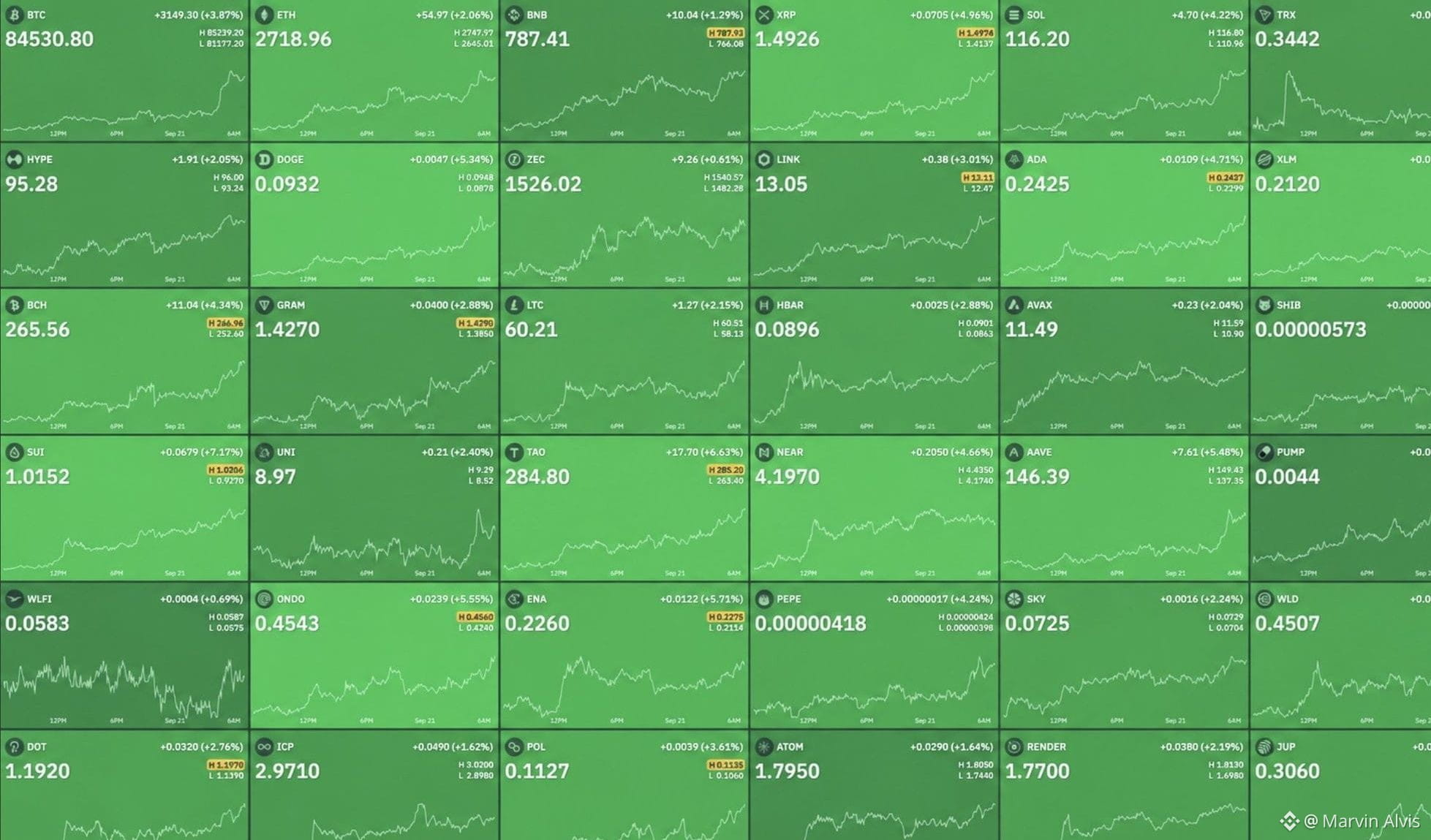
Tôi cứ tiếp tục quan sát sự dịch chuyển thanh khoản, và vài ngày vừa qua đã khó mà làm ngơ.
Theo báo cáo, khoảng $300B đã quay trở lại thị trường crypto, với Bitcoin và Ethereum đẩy giá đi lên và tổng vốn hóa thị trường tiến sát $2,9T.
Câu hỏi lớn hơn hiện nay là liệu động lượng này có thể được duy trì hay không.
Crypto đang thức dậy trở lại. 👀
$BTC
{spot}(BTCUSDT)
#BNBMarketCapPassesBNYMellon #DogecoinRises15% #AIStocksWhatNext #21SharesLaunchesEuropesFirstZcashETP #CardanoJoinsX402PaymentStandard
Tôi cứ tiếp tục quan sát sự dịch chuyển thanh khoản, và vài ngày vừa qua đã khó mà làm ngơ.
Theo báo cáo, khoảng $300B đã quay trở lại thị trường crypto, với Bitcoin và Ethereum đẩy giá đi lên và tổng vốn hóa thị trường tiến sát $2,9T.
Câu hỏi lớn hơn hiện nay là liệu động lượng này có thể được duy trì hay không.
Crypto đang thức dậy trở lại. 👀
$BTC
#BNBMarketCapPassesBNYMellon #DogecoinRises15% #AIStocksWhatNext #21SharesLaunchesEuropesFirstZcashETP #CardanoJoinsX402PaymentStandard
Theo báo cáo, khoảng $300B đã quay trở lại thị trường crypto, với Bitcoin và Ethereum đẩy giá đi lên và tổng vốn hóa thị trường tiến sát $2,9T.
Câu hỏi lớn hơn hiện nay là liệu động lượng này có thể được duy trì hay không.
Crypto đang thức dậy trở lại. 👀
$BTC
#BNBMarketCapPassesBNYMellon #DogecoinRises15% #AIStocksWhatNext #21SharesLaunchesEuropesFirstZcashETP #CardanoJoinsX402PaymentStandard
1
122
·
--
Tăng giá
Đã xác minh
Mình đã theo dõi OVERTAKE, và phần thú vị không chỉ là sự chú ý đột ngột quanh $TAKE.
Dự án đang xây dựng một hệ sinh thái tập trung cho game xoay quanh giao dịch tài sản số, với thị trường của mình sử dụng Sui và escrow (ký quỹ) bằng smart contract để các giao dịch minh bạch hơn.
Điều quan trọng bây giờ là việc triển khai: Liệu game thủ và nhà phát triển có thực sự sử dụng nó ở quy mô lớn không?
Hạ tầng đang dần hình thành, nhưng việc mở rộng và chấp nhận trong dài hạn sẽ cho thấy câu chuyện thật sự. Mình đang theo dõi mức độ sử dụng, các tích hợp và hoạt động của hệ sinh thái nhiều hơn là những tiêu đề.
$TAKE
{future}(TAKEUSDT)
$ETC
{spot}(ETCUSDT)
Mình đã theo dõi OVERTAKE, và phần thú vị không chỉ là sự chú ý đột ngột quanh $TAKE .
Dự án đang xây dựng một hệ sinh thái tập trung cho game xoay quanh giao dịch tài sản số, với thị trường của mình sử dụng Sui và escrow (ký quỹ) bằng smart contract để các giao dịch minh bạch hơn.
Điều quan trọng bây giờ là việc triển khai: Liệu game thủ và nhà phát triển có thực sự sử dụng nó ở quy mô lớn không?
Hạ tầng đang dần hình thành, nhưng việc mở rộng và chấp nhận trong dài hạn sẽ cho thấy câu chuyện thật sự. Mình đang theo dõi mức độ sử dụng, các tích hợp và hoạt động của hệ sinh thái nhiều hơn là những tiêu đề.
$TAKE
$ETC
Dự án đang xây dựng một hệ sinh thái tập trung cho game xoay quanh giao dịch tài sản số, với thị trường của mình sử dụng Sui và escrow (ký quỹ) bằng smart contract để các giao dịch minh bạch hơn.
Điều quan trọng bây giờ là việc triển khai: Liệu game thủ và nhà phát triển có thực sự sử dụng nó ở quy mô lớn không?
Hạ tầng đang dần hình thành, nhưng việc mở rộng và chấp nhận trong dài hạn sẽ cho thấy câu chuyện thật sự. Mình đang theo dõi mức độ sử dụng, các tích hợp và hoạt động của hệ sinh thái nhiều hơn là những tiêu đề.
$TAKE
$ETC
OVERTAKE
78%
smart-contract
22%
integrations
0%
9 phiếu bầu • Cuộc bỏ phiếu đã kết thúc
1.2k
·
--
Tăng giá
Tôi đã theo dõi các cổ phiếu AI liên tục hút dòng vốn về cùng một góc của thị trường, và điều đó khiến tôi tự hỏi rằng những gì khác đang bị bỏ sót.
Những cơ hội tiếp theo có thể nằm ở đâu
AI không phải là câu chuyện duy nhất. Hệ thống vật lý đứng sau nó đang ngày càng trở nên quan trọng không kém.
Nhu cầu đối với trung tâm dữ liệu dự kiến sẽ tăng mạnh đến năm 2030, trong khi khả năng cung cấp điện, năng lực của lưới điện, làm mát, mạng lưới truyền thông và thiết bị công nghiệp đang trở thành những ràng buộc thực sự. McKinsey ước tính nhu cầu trung tâm dữ liệu toàn cầu có thể tiến gần 220 GW vào năm 2030, tăng từ khoảng 82 GW vào năm 2025.
Điều này đặt năng lượng, các công ty tiện ích, hạ tầng lưới điện và thiết bị công nghiệp vào một vị trí đáng chú ý.
Còn có cả an ninh mạng. Nhiều AI hơn đồng nghĩa với nhiều hệ thống được tự động hóa hơn, nhiều dữ liệu bị phơi lộ hơn và bề mặt tấn công lớn hơn. Chi tiêu cho an ninh đang ngày càng trở thành một phần của “hóa đơn” hạ tầng thay vì chỉ là một khoản chi CNTT tùy chọn.
Ngoài ra còn có những lĩnh vực xa hơn so với các giao dịch AI hiển nhiên: y tế, vật liệu quan trọng, robot và hạ tầng rộng hơn. Nghiên cứu năm 2026 của BlackRock chỉ ra các lĩnh vực này là một phần của nền kinh tế AI đang mở rộng, trong khi iShares nhấn mạnh năng lượng, vật liệu và y tế là những khu vực nhà đầu tư có thể đang chú ý ít hơn so với công nghệ vốn hóa lớn (mega-cap).
Tuy nhiên, tôi sẽ không coi “các lựa chọn thay thế cho AI” đương nhiên an toàn hơn.
Quỹ Tiền tệ Quốc tế (IMF) đã cảnh báo rằng mức độ tập trung cao và định giá bị kéo giãn trong các cổ phiếu liên quan đến AI có thể khuếch đại rủi ro của thị trường.
Với tôi, câu hỏi thú vị hơn đang dần trở nên đơn giản hơn:
Ai là nhà cung cấp điện, thiết bị, an ninh, vật liệu và hạ tầng mà AI không thể hoạt động nếu thiếu?
Đôi khi, phần ít “hào nhoáng” hơn của một đợt bùng nổ công nghệ lại cho bạn biết nhiều hơn về sức bền của nó so với những cái tên đứng đầu trên tiêu đề.
$NVDAB
{spot}(NVDABUSDT)
$BTC
{spot}(BTCUSDT)
$MUBARAK
{spot}(MUBARAKUSDT)
#AIStocksWhatNext
Tôi đã theo dõi các cổ phiếu AI liên tục hút dòng vốn về cùng một góc của thị trường, và điều đó khiến tôi tự hỏi rằng những gì khác đang bị bỏ sót.
Những cơ hội tiếp theo có thể nằm ở đâu
AI không phải là câu chuyện duy nhất. Hệ thống vật lý đứng sau nó đang ngày càng trở nên quan trọng không kém.
Nhu cầu đối với trung tâm dữ liệu dự kiến sẽ tăng mạnh đến năm 2030, trong khi khả năng cung cấp điện, năng lực của lưới điện, làm mát, mạng lưới truyền thông và thiết bị công nghiệp đang trở thành những ràng buộc thực sự. McKinsey ước tính nhu cầu trung tâm dữ liệu toàn cầu có thể tiến gần 220 GW vào năm 2030, tăng từ khoảng 82 GW vào năm 2025.
Điều này đặt năng lượng, các công ty tiện ích, hạ tầng lưới điện và thiết bị công nghiệp vào một vị trí đáng chú ý.
Còn có cả an ninh mạng. Nhiều AI hơn đồng nghĩa với nhiều hệ thống được tự động hóa hơn, nhiều dữ liệu bị phơi lộ hơn và bề mặt tấn công lớn hơn. Chi tiêu cho an ninh đang ngày càng trở thành một phần của “hóa đơn” hạ tầng thay vì chỉ là một khoản chi CNTT tùy chọn.
Ngoài ra còn có những lĩnh vực xa hơn so với các giao dịch AI hiển nhiên: y tế, vật liệu quan trọng, robot và hạ tầng rộng hơn. Nghiên cứu năm 2026 của BlackRock chỉ ra các lĩnh vực này là một phần của nền kinh tế AI đang mở rộng, trong khi iShares nhấn mạnh năng lượng, vật liệu và y tế là những khu vực nhà đầu tư có thể đang chú ý ít hơn so với công nghệ vốn hóa lớn (mega-cap).
Tuy nhiên, tôi sẽ không coi “các lựa chọn thay thế cho AI” đương nhiên an toàn hơn.
Quỹ Tiền tệ Quốc tế (IMF) đã cảnh báo rằng mức độ tập trung cao và định giá bị kéo giãn trong các cổ phiếu liên quan đến AI có thể khuếch đại rủi ro của thị trường.
Với tôi, câu hỏi thú vị hơn đang dần trở nên đơn giản hơn:
Ai là nhà cung cấp điện, thiết bị, an ninh, vật liệu và hạ tầng mà AI không thể hoạt động nếu thiếu?
Đôi khi, phần ít “hào nhoáng” hơn của một đợt bùng nổ công nghệ lại cho bạn biết nhiều hơn về sức bền của nó so với những cái tên đứng đầu trên tiêu đề.
$NVDAB
$BTC
$MUBARAK
#AIStocksWhatNext
Những cơ hội tiếp theo có thể nằm ở đâu
AI không phải là câu chuyện duy nhất. Hệ thống vật lý đứng sau nó đang ngày càng trở nên quan trọng không kém.
Nhu cầu đối với trung tâm dữ liệu dự kiến sẽ tăng mạnh đến năm 2030, trong khi khả năng cung cấp điện, năng lực của lưới điện, làm mát, mạng lưới truyền thông và thiết bị công nghiệp đang trở thành những ràng buộc thực sự. McKinsey ước tính nhu cầu trung tâm dữ liệu toàn cầu có thể tiến gần 220 GW vào năm 2030, tăng từ khoảng 82 GW vào năm 2025.
Điều này đặt năng lượng, các công ty tiện ích, hạ tầng lưới điện và thiết bị công nghiệp vào một vị trí đáng chú ý.
Còn có cả an ninh mạng. Nhiều AI hơn đồng nghĩa với nhiều hệ thống được tự động hóa hơn, nhiều dữ liệu bị phơi lộ hơn và bề mặt tấn công lớn hơn. Chi tiêu cho an ninh đang ngày càng trở thành một phần của “hóa đơn” hạ tầng thay vì chỉ là một khoản chi CNTT tùy chọn.
Ngoài ra còn có những lĩnh vực xa hơn so với các giao dịch AI hiển nhiên: y tế, vật liệu quan trọng, robot và hạ tầng rộng hơn. Nghiên cứu năm 2026 của BlackRock chỉ ra các lĩnh vực này là một phần của nền kinh tế AI đang mở rộng, trong khi iShares nhấn mạnh năng lượng, vật liệu và y tế là những khu vực nhà đầu tư có thể đang chú ý ít hơn so với công nghệ vốn hóa lớn (mega-cap).
Tuy nhiên, tôi sẽ không coi “các lựa chọn thay thế cho AI” đương nhiên an toàn hơn.
Quỹ Tiền tệ Quốc tế (IMF) đã cảnh báo rằng mức độ tập trung cao và định giá bị kéo giãn trong các cổ phiếu liên quan đến AI có thể khuếch đại rủi ro của thị trường.
Với tôi, câu hỏi thú vị hơn đang dần trở nên đơn giản hơn:
Ai là nhà cung cấp điện, thiết bị, an ninh, vật liệu và hạ tầng mà AI không thể hoạt động nếu thiếu?
Đôi khi, phần ít “hào nhoáng” hơn của một đợt bùng nổ công nghệ lại cho bạn biết nhiều hơn về sức bền của nó so với những cái tên đứng đầu trên tiêu đề.
$NVDAB
$BTC
$MUBARAK
#AIStocksWhatNext
overlooked
25%
cybersecurity
25%
BlackRock's
25%
AI alternatives
25%
4 phiếu bầu • Cuộc bỏ phiếu đã kết thúc
6
2
711
·
--
Tăng giá
Câu chuyện lớn hơn của Bitcoin đang dịch chuyển sang chuỗi khối (onchain)
Tôi đã theo dõi câu chuyện quản lý của Mỹ, và một chi tiết nổi bật: việc Đạo luật CLARITY thất bại về mặt thủ tục không có nghĩa là hoạt động quản lý đã dừng lại.
Vào ngày 17 tháng 9, Ủy ban Chứng khoán và Giao dịch Mỹ (SEC) đã cấp một miễn trừ đổi mới tạm thời có thời hạn 5 năm cho các Nền tảng Chứng khoán Được Token Hóa (Tokenized Securities Venues) đủ điều kiện nhằm giao dịch một số cổ phiếu Mỹ được token hóa thông qua các AMM được cấp phép (permissioned AMMs) và các nhóm thanh khoản. Các quy định yêu cầu cổ phiếu được token hóa phải giữ nguyên các quyền như đối với chứng khoán cơ sở, bao gồm cổ tức và quyền biểu quyết, đồng thời áp đặt các điều kiện về khối lượng, khả năng tiếp cận, công bố thông tin và hợp đồng thông minh.
Điều này quan trọng đối với Bitcoin vì cho thấy các cơ quan quản lý đang tích cực khám phá cơ sở hạ tầng tài chính onchain ngay cả khi chưa có một CLARITY Act được hoàn tất. Nhưng đây không phải là SEC tuyên bố rằng CLARITY đã thực sự “qua” về mặt hiệu lực; bản miễn trừ này là tạm thời và cơ quan này nói rằng vẫn cần xây dựng quy định bền vững (durable rulemaking).
JPMorgan cũng đã chỉ ra hoạt động phòng hộ (hedging) nặng quanh các ETF Bitcoin, nói rằng việc giảm phòng hộ có thể mang lại hỗ trợ bổ sung so với vàng. Đây là phân tích về định vị, không phải một dự đoán.
Với tôi, câu hỏi lớn hơn không phải là bước đi tiếp theo của Bitcoin. Mà là liệu các thử nghiệm của hôm nay có trở thành cơ sở hạ tầng tài chính thông thường của ngày mai hay không.
$BTC
{spot}(BTCUSDT)
$ETH
{spot}(ETHUSDT)
$BNB
{spot}(BNBUSDT)
Câu chuyện lớn hơn của Bitcoin đang dịch chuyển sang chuỗi khối (onchain)
Tôi đã theo dõi câu chuyện quản lý của Mỹ, và một chi tiết nổi bật: việc Đạo luật CLARITY thất bại về mặt thủ tục không có nghĩa là hoạt động quản lý đã dừng lại.
Vào ngày 17 tháng 9, Ủy ban Chứng khoán và Giao dịch Mỹ (SEC) đã cấp một miễn trừ đổi mới tạm thời có thời hạn 5 năm cho các Nền tảng Chứng khoán Được Token Hóa (Tokenized Securities Venues) đủ điều kiện nhằm giao dịch một số cổ phiếu Mỹ được token hóa thông qua các AMM được cấp phép (permissioned AMMs) và các nhóm thanh khoản. Các quy định yêu cầu cổ phiếu được token hóa phải giữ nguyên các quyền như đối với chứng khoán cơ sở, bao gồm cổ tức và quyền biểu quyết, đồng thời áp đặt các điều kiện về khối lượng, khả năng tiếp cận, công bố thông tin và hợp đồng thông minh.
Điều này quan trọng đối với Bitcoin vì cho thấy các cơ quan quản lý đang tích cực khám phá cơ sở hạ tầng tài chính onchain ngay cả khi chưa có một CLARITY Act được hoàn tất. Nhưng đây không phải là SEC tuyên bố rằng CLARITY đã thực sự “qua” về mặt hiệu lực; bản miễn trừ này là tạm thời và cơ quan này nói rằng vẫn cần xây dựng quy định bền vững (durable rulemaking).
JPMorgan cũng đã chỉ ra hoạt động phòng hộ (hedging) nặng quanh các ETF Bitcoin, nói rằng việc giảm phòng hộ có thể mang lại hỗ trợ bổ sung so với vàng. Đây là phân tích về định vị, không phải một dự đoán.
Với tôi, câu hỏi lớn hơn không phải là bước đi tiếp theo của Bitcoin. Mà là liệu các thử nghiệm của hôm nay có trở thành cơ sở hạ tầng tài chính thông thường của ngày mai hay không.
$BTC
$ETH
$BNB
Tôi đã theo dõi câu chuyện quản lý của Mỹ, và một chi tiết nổi bật: việc Đạo luật CLARITY thất bại về mặt thủ tục không có nghĩa là hoạt động quản lý đã dừng lại.
Vào ngày 17 tháng 9, Ủy ban Chứng khoán và Giao dịch Mỹ (SEC) đã cấp một miễn trừ đổi mới tạm thời có thời hạn 5 năm cho các Nền tảng Chứng khoán Được Token Hóa (Tokenized Securities Venues) đủ điều kiện nhằm giao dịch một số cổ phiếu Mỹ được token hóa thông qua các AMM được cấp phép (permissioned AMMs) và các nhóm thanh khoản. Các quy định yêu cầu cổ phiếu được token hóa phải giữ nguyên các quyền như đối với chứng khoán cơ sở, bao gồm cổ tức và quyền biểu quyết, đồng thời áp đặt các điều kiện về khối lượng, khả năng tiếp cận, công bố thông tin và hợp đồng thông minh.
Điều này quan trọng đối với Bitcoin vì cho thấy các cơ quan quản lý đang tích cực khám phá cơ sở hạ tầng tài chính onchain ngay cả khi chưa có một CLARITY Act được hoàn tất. Nhưng đây không phải là SEC tuyên bố rằng CLARITY đã thực sự “qua” về mặt hiệu lực; bản miễn trừ này là tạm thời và cơ quan này nói rằng vẫn cần xây dựng quy định bền vững (durable rulemaking).
JPMorgan cũng đã chỉ ra hoạt động phòng hộ (hedging) nặng quanh các ETF Bitcoin, nói rằng việc giảm phòng hộ có thể mang lại hỗ trợ bổ sung so với vàng. Đây là phân tích về định vị, không phải một dự đoán.
Với tôi, câu hỏi lớn hơn không phải là bước đi tiếp theo của Bitcoin. Mà là liệu các thử nghiệm của hôm nay có trở thành cơ sở hạ tầng tài chính thông thường của ngày mai hay không.
$BTC
$ETH
$BNB
Which coin is top trending
11%
BTC
56%
ETH
11%
BNB
22%
9 phiếu bầu • Cuộc bỏ phiếu đã kết thúc
416
·
--
Tăng giá
Đã làm việc trong 10 giây
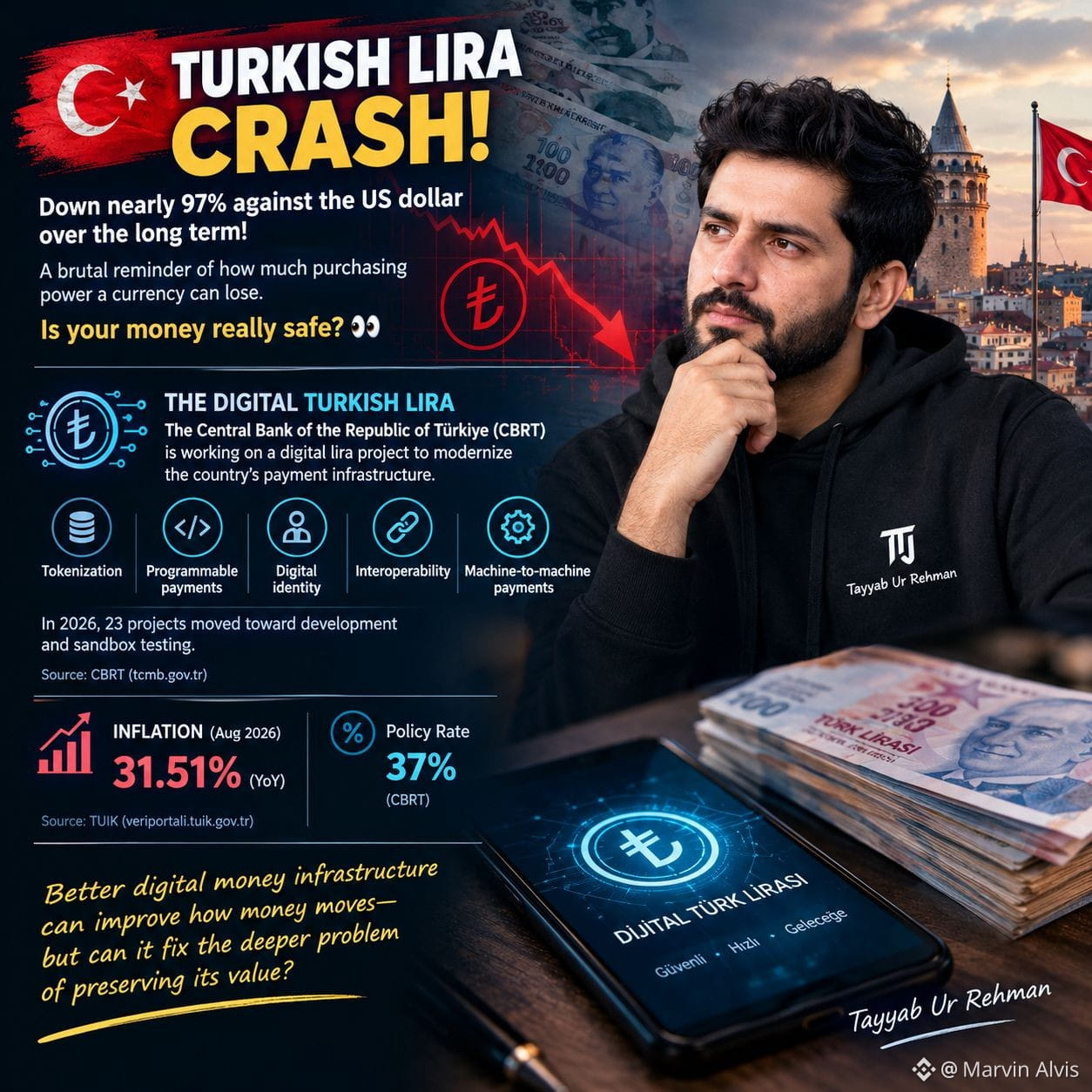
🇹🇷 Câu chuyện về đồng Lira lớn hơn tỷ giá hối đoái
Tôi đã nghĩ về đồng lira Thổ Nhĩ Kỳ ngoài những con số tiêu đề. So với đồng đô la, sự suy giảm dài hạn của nó là rất nghiêm trọng, nhưng con số “99%” chính xác còn tùy thuộc vào ngày bắt đầu; nếu dùng tỷ giá chính thức của năm 2008 và mức độ vào tháng 9/2026 thì sẽ gần với 97% hơn.
Điều đó khiến Dự án Lira Thổ Nhĩ Kỳ Kỹ thuật số của Türkiye trở nên thú vị vì một lý do khác. Ngân hàng Trung ương CBRT không trình bày nó như một “phép màu” để giải quyết lạm phát. Dự án tập trung vào việc xây dựng hạ tầng thanh toán mới, bao gồm công việc xung quanh tokenization, thanh toán lập trình, danh tính kỹ thuật số, khả năng tương tác và thanh toán giữa máy với máy. Trong năm 2026, có 23 dự án đã tiến lên giai đoạn phát triển và thử nghiệm sandbox.
Trong khi đó, lạm phát vẫn ở mức 31,51% so với cùng kỳ năm trước vào tháng 8/2026, trong khi CBRT giữ nguyên lãi suất chính sách ở 37%.
Vậy nên tôi chỉ có một câu hỏi đơn giản: liệu hạ tầng tiền kỹ thuật số tốt hơn có thể cải thiện cách dòng tiền vận động mà không cần giải quyết bài toán khó hơn nhiều là bảo toàn giá trị của nó không?
$CELR
{spot}(CELRUSDT)
$B2
{future}(B2USDT)
$ZAMA
{spot}(ZAMAUSDT)
Đã làm việc trong 10 giây
🇹🇷 Câu chuyện về đồng Lira lớn hơn tỷ giá hối đoái
Tôi đã nghĩ về đồng lira Thổ Nhĩ Kỳ ngoài những con số tiêu đề. So với đồng đô la, sự suy giảm dài hạn của nó là rất nghiêm trọng, nhưng con số “99%” chính xác còn tùy thuộc vào ngày bắt đầu; nếu dùng tỷ giá chính thức của năm 2008 và mức độ vào tháng 9/2026 thì sẽ gần với 97% hơn.
Điều đó khiến Dự án Lira Thổ Nhĩ Kỳ Kỹ thuật số của Türkiye trở nên thú vị vì một lý do khác. Ngân hàng Trung ương CBRT không trình bày nó như một “phép màu” để giải quyết lạm phát. Dự án tập trung vào việc xây dựng hạ tầng thanh toán mới, bao gồm công việc xung quanh tokenization, thanh toán lập trình, danh tính kỹ thuật số, khả năng tương tác và thanh toán giữa máy với máy. Trong năm 2026, có 23 dự án đã tiến lên giai đoạn phát triển và thử nghiệm sandbox.
Trong khi đó, lạm phát vẫn ở mức 31,51% so với cùng kỳ năm trước vào tháng 8/2026, trong khi CBRT giữ nguyên lãi suất chính sách ở 37%.
Vậy nên tôi chỉ có một câu hỏi đơn giản: liệu hạ tầng tiền kỹ thuật số tốt hơn có thể cải thiện cách dòng tiền vận động mà không cần giải quyết bài toán khó hơn nhiều là bảo toàn giá trị của nó không?
$CELR
$B2
$ZAMA
🇹🇷 Câu chuyện về đồng Lira lớn hơn tỷ giá hối đoái
Tôi đã nghĩ về đồng lira Thổ Nhĩ Kỳ ngoài những con số tiêu đề. So với đồng đô la, sự suy giảm dài hạn của nó là rất nghiêm trọng, nhưng con số “99%” chính xác còn tùy thuộc vào ngày bắt đầu; nếu dùng tỷ giá chính thức của năm 2008 và mức độ vào tháng 9/2026 thì sẽ gần với 97% hơn.
Điều đó khiến Dự án Lira Thổ Nhĩ Kỳ Kỹ thuật số của Türkiye trở nên thú vị vì một lý do khác. Ngân hàng Trung ương CBRT không trình bày nó như một “phép màu” để giải quyết lạm phát. Dự án tập trung vào việc xây dựng hạ tầng thanh toán mới, bao gồm công việc xung quanh tokenization, thanh toán lập trình, danh tính kỹ thuật số, khả năng tương tác và thanh toán giữa máy với máy. Trong năm 2026, có 23 dự án đã tiến lên giai đoạn phát triển và thử nghiệm sandbox.
Trong khi đó, lạm phát vẫn ở mức 31,51% so với cùng kỳ năm trước vào tháng 8/2026, trong khi CBRT giữ nguyên lãi suất chính sách ở 37%.
Vậy nên tôi chỉ có một câu hỏi đơn giản: liệu hạ tầng tiền kỹ thuật số tốt hơn có thể cải thiện cách dòng tiền vận động mà không cần giải quyết bài toán khó hơn nhiều là bảo toàn giá trị của nó không?
$CELR
$B2
$ZAMA
351
·
--
Tăng giá
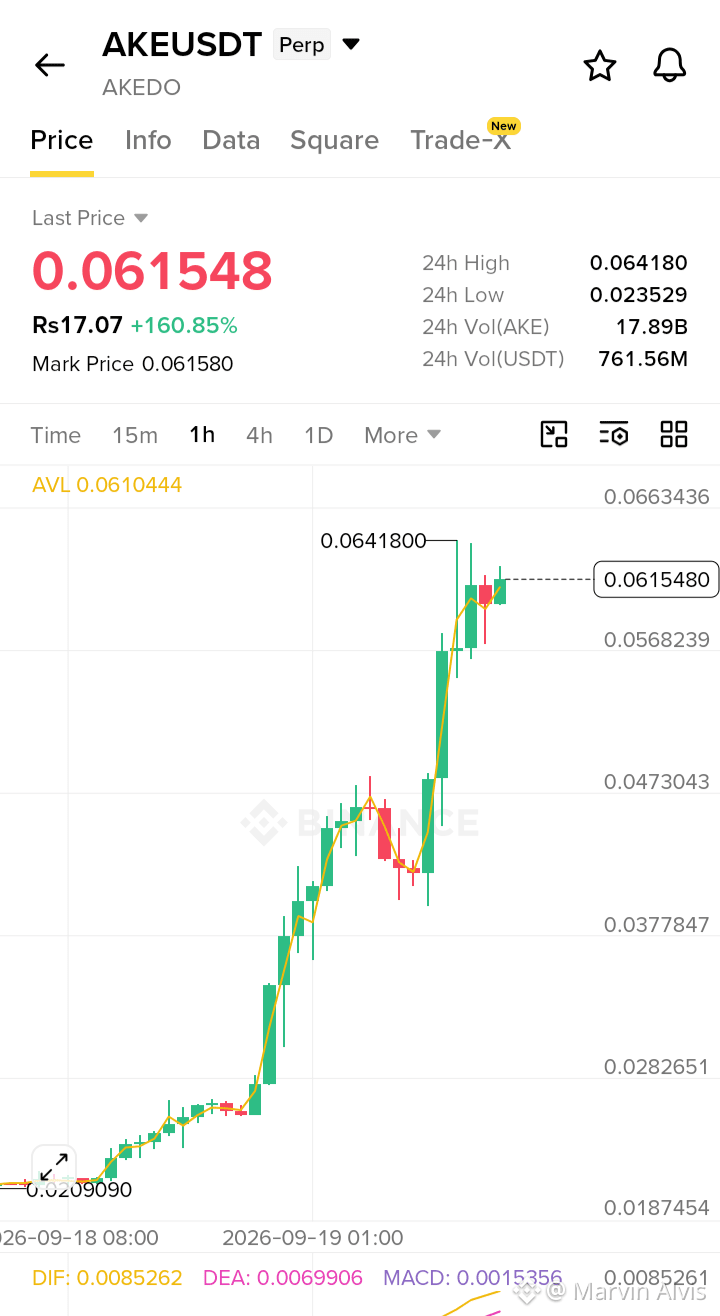
Mình đã theo dõi AKEDO, và biểu đồ chỉ là một phần của câu chuyện.
AKEDO đang xây dựng một nền tảng AI đa tác nhân, nơi người dùng có thể tạo ra các trò chơi có thể chơi được từ các gợi ý bằng ngôn ngữ tự nhiên. Các tác nhân khác nhau đảm nhiệm việc xây dựng thế giới, thiết lập luật chơi, cân bằng và kể chuyện, trong khi AKE được thiết kế cho việc tạo lập, xuất bản và các chức năng khác trong hệ sinh thái.
Điều khiến mình hứng thú là chính ý tưởng đó: đưa việc tạo game từ một tác vụ mang tính kỹ thuật trở nên gần hơn với việc trò chuyện.
Nhưng sự chú ý gần đây của thị trường cũng đặt ra câu hỏi khó hơn — liệu AKEDO có thể chuyển sự hào hứng ban đầu đó thành những người sáng tạo thực thụ, nội dung có thể chơi và mức sử dụng bền vững hay không?
Đó là phần mình sẽ tiếp tục theo dõi sau những ngọn nến.
$AKE $B2 $MYX
#PolygonToDeployContractBurning100MPOL #SanDiskToJoinSP100OnSep21 #SECReceivesAmendedInjectiveETFFiling #LineraShutsDownAfterFundraisingFallsShort #BTCBreaks80K
Mình đã theo dõi AKEDO, và biểu đồ chỉ là một phần của câu chuyện.
AKEDO đang xây dựng một nền tảng AI đa tác nhân, nơi người dùng có thể tạo ra các trò chơi có thể chơi được từ các gợi ý bằng ngôn ngữ tự nhiên. Các tác nhân khác nhau đảm nhiệm việc xây dựng thế giới, thiết lập luật chơi, cân bằng và kể chuyện, trong khi AKE được thiết kế cho việc tạo lập, xuất bản và các chức năng khác trong hệ sinh thái.
Điều khiến mình hứng thú là chính ý tưởng đó: đưa việc tạo game từ một tác vụ mang tính kỹ thuật trở nên gần hơn với việc trò chuyện.
Nhưng sự chú ý gần đây của thị trường cũng đặt ra câu hỏi khó hơn — liệu AKEDO có thể chuyển sự hào hứng ban đầu đó thành những người sáng tạo thực thụ, nội dung có thể chơi và mức sử dụng bền vững hay không?
Đó là phần mình sẽ tiếp tục theo dõi sau những ngọn nến.
$AKE $B2 $MYX
#PolygonToDeployContractBurning100MPOL #SanDiskToJoinSP100OnSep21 #SECReceivesAmendedInjectiveETFFiling #LineraShutsDownAfterFundraisingFallsShort #BTCBreaks80K
AKEDO đang xây dựng một nền tảng AI đa tác nhân, nơi người dùng có thể tạo ra các trò chơi có thể chơi được từ các gợi ý bằng ngôn ngữ tự nhiên. Các tác nhân khác nhau đảm nhiệm việc xây dựng thế giới, thiết lập luật chơi, cân bằng và kể chuyện, trong khi AKE được thiết kế cho việc tạo lập, xuất bản và các chức năng khác trong hệ sinh thái.
Điều khiến mình hứng thú là chính ý tưởng đó: đưa việc tạo game từ một tác vụ mang tính kỹ thuật trở nên gần hơn với việc trò chuyện.
Nhưng sự chú ý gần đây của thị trường cũng đặt ra câu hỏi khó hơn — liệu AKEDO có thể chuyển sự hào hứng ban đầu đó thành những người sáng tạo thực thụ, nội dung có thể chơi và mức sử dụng bền vững hay không?
Đó là phần mình sẽ tiếp tục theo dõi sau những ngọn nến.
$AKE $B2 $MYX
#PolygonToDeployContractBurning100MPOL #SanDiskToJoinSP100OnSep21 #SECReceivesAmendedInjectiveETFFiling #LineraShutsDownAfterFundraisingFallsShort #BTCBreaks80K
202
·
--
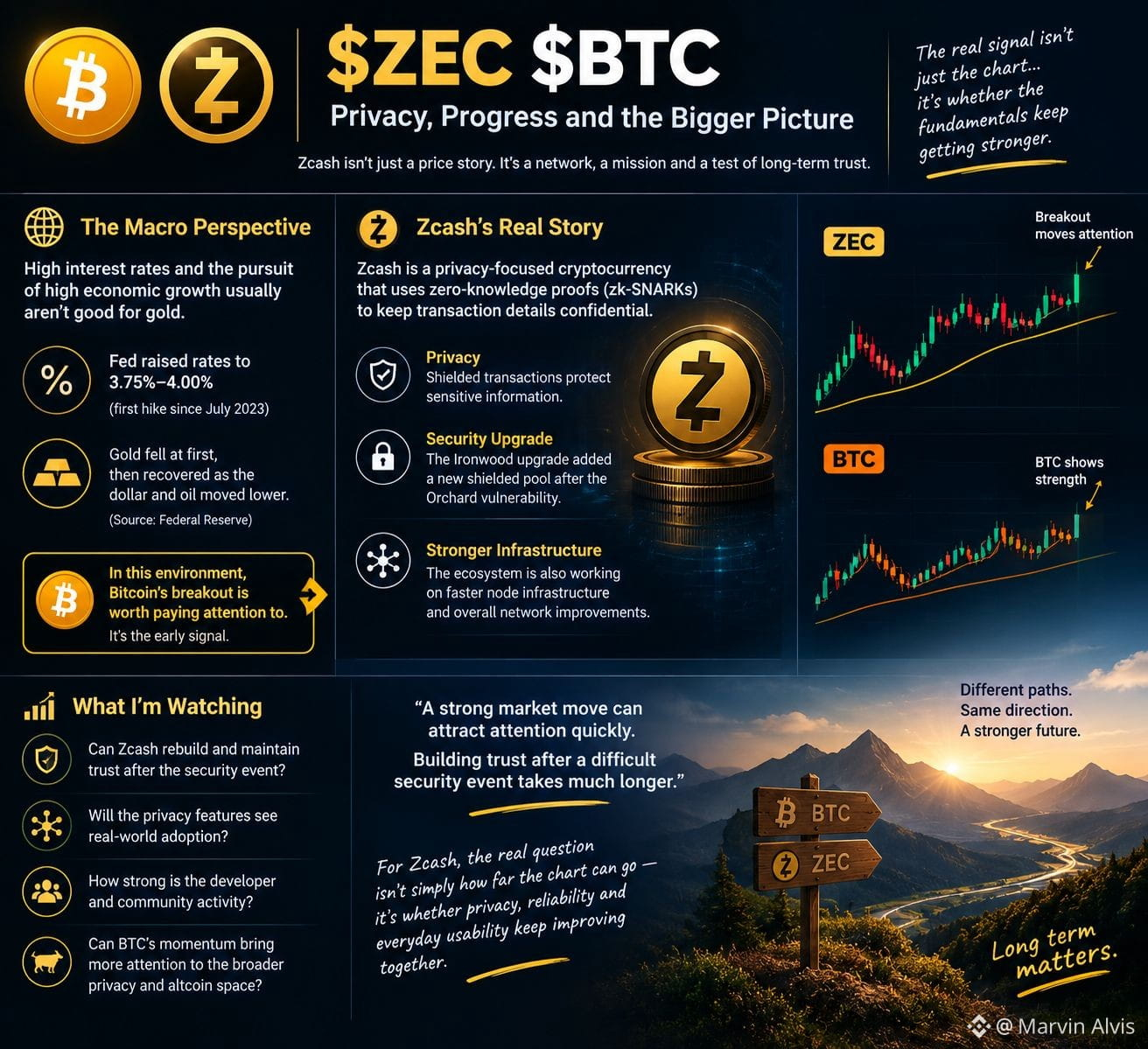
Tôi đã theo dõi sát sao $ZEC và tôi nghĩ rằng câu chuyện thú vị hơn đang diễn ra bên dưới biểu đồ.
Zcash không chỉ đơn thuần bám theo câu chuyện “vàng số”. Trọng tâm cốt lõi của nó vẫn là tiền mặt kỹ thuật số riêng tư, sử dụng các bằng chứng không kiến thức (zero-knowledge proofs) để che giấu chi tiết giao dịch.
Năm nay cũng đã thử thách mạng lưới: lỗ hổng Orchard buộc phải thực hiện những thay đổi lớn đối với giao thức, sau đó là bản nâng cấp Ironwood và các biện pháp gia cố bảo mật mới.
Đó là điều tôi đang theo dõi ngay lúc này.
Một đợt biến động mạnh của thị trường có thể thu hút sự chú ý rất nhanh. Việc xây dựng niềm tin sau một sự kiện bảo mật khó khăn sẽ mất nhiều thời gian hơn.
Với Zcash, câu hỏi thực sự không chỉ là biểu đồ có thể đi xa đến đâu — mà là liệu quyền riêng tư, độ tin cậy và khả năng sử dụng hàng ngày có tiếp tục được cải thiện song song với nhau hay không.
$BTC
{spot}(BTCUSDT)
#zec #BTC☀
Tôi đã theo dõi sát sao $ZEC và tôi nghĩ rằng câu chuyện thú vị hơn đang diễn ra bên dưới biểu đồ.
Zcash không chỉ đơn thuần bám theo câu chuyện “vàng số”. Trọng tâm cốt lõi của nó vẫn là tiền mặt kỹ thuật số riêng tư, sử dụng các bằng chứng không kiến thức (zero-knowledge proofs) để che giấu chi tiết giao dịch.
Năm nay cũng đã thử thách mạng lưới: lỗ hổng Orchard buộc phải thực hiện những thay đổi lớn đối với giao thức, sau đó là bản nâng cấp Ironwood và các biện pháp gia cố bảo mật mới.
Đó là điều tôi đang theo dõi ngay lúc này.
Một đợt biến động mạnh của thị trường có thể thu hút sự chú ý rất nhanh. Việc xây dựng niềm tin sau một sự kiện bảo mật khó khăn sẽ mất nhiều thời gian hơn.
Với Zcash, câu hỏi thực sự không chỉ là biểu đồ có thể đi xa đến đâu — mà là liệu quyền riêng tư, độ tin cậy và khả năng sử dụng hàng ngày có tiếp tục được cải thiện song song với nhau hay không.
$BTC
#zec #BTC☀
Zcash không chỉ đơn thuần bám theo câu chuyện “vàng số”. Trọng tâm cốt lõi của nó vẫn là tiền mặt kỹ thuật số riêng tư, sử dụng các bằng chứng không kiến thức (zero-knowledge proofs) để che giấu chi tiết giao dịch.
Năm nay cũng đã thử thách mạng lưới: lỗ hổng Orchard buộc phải thực hiện những thay đổi lớn đối với giao thức, sau đó là bản nâng cấp Ironwood và các biện pháp gia cố bảo mật mới.
Đó là điều tôi đang theo dõi ngay lúc này.
Một đợt biến động mạnh của thị trường có thể thu hút sự chú ý rất nhanh. Việc xây dựng niềm tin sau một sự kiện bảo mật khó khăn sẽ mất nhiều thời gian hơn.
Với Zcash, câu hỏi thực sự không chỉ là biểu đồ có thể đi xa đến đâu — mà là liệu quyền riêng tư, độ tin cậy và khả năng sử dụng hàng ngày có tiếp tục được cải thiện song song với nhau hay không.
$BTC
#zec #BTC☀
164
Đăng nhập để khám phá thêm nội dung
Tham gia cùng người dùng tiền mã hóa toàn cầu trên Binance Square
⚡️ Nhận thông tin mới nhất và hữu ích về tiền mã hóa.
💬 Được tin cậy bởi sàn giao dịch tiền mã hóa lớn nhất thế giới.
👍 Khám phá những thông tin chuyên sâu thực tế từ những nhà sáng tạo đã xác minh.
Email / Số điện thoại
Chủ đề thịnh hành
TheoDõiFOMC
113,271 lượt xem
652 đang thảo luận
#TheoDõiFOMC $BTC $ETH
FOMC không chỉ là một cuộc họp về lãi suất.
Đây là nơi mà hướng đi của “tiền lớn” có thể bắt đầu thay đổi.
Một câu nói từ Fed có thể trở thành tín hiệu cho thị trường.
Lãi suất có thể không đổi, nhưng kỳ vọng của nhà đầu tư có thể thay đổi trước.
Với Bitcoin, câu hỏi thực sự không phải lúc nào cũng là:
“Fed sẽ tăng hay cắt giảm lãi suất?”
Mà là:
“Fed muốn thị trường tin điều gì?”
Trong crypto, giá thường biến động trước cả tin tức.
Vì vậy, trước mỗi kỳ FOMC, đừng chỉ nhìn vào biểu đồ.
Hãy theo dõi kỳ vọng, thanh khoản và tâm lý thị trường.
🌊 Thị trường không chỉ phản ứng với những gì Fed làm.
Mà nó phản ứng với những gì thị trường tin rằng Fed sẽ làm.
#FOMC #Bitcoin #Crypto #Fed #BinanceSquare
Cristore-trading
·1 lượt thích
·133 lượt xem
TinFed
95,739 lượt xem
457 đang thảo luận
NEARFallsToAround$4.70Down14%
14,466 lượt xem
26 đang thảo luận