

Money welcome
23.4k Bài đăng

Money welcome
5.4K+ Đang theo dõi
463 Người theo dõi
56 Đã thích
Bài đăng
Tất cả
Trích dẫn
Xem bản dịch

Bigboss lay
·
--
Từ Crypto đến Cổ Phiếu: Mở Rộng Hành Trình Đầu Tư Của Bạn Với Binance
Khi lần đầu bước chân vào thế giới đầu tư, crypto là điểm khởi đầu của tôi. Giống như nhiều người mới bắt đầu, tôi bị thu hút bởi thị trường vận động nhanh, sự kịch tính của các biến động giá và những câu chuyện về việc mọi người đạt được mức tăng ấn tượng. Thông qua crypto, tôi đã học được những khái niệm quan trọng như chu kỳ thị trường, quản lý rủi ro, đa dạng hóa danh mục đầu tư và tầm quan trọng của việc học hỏi liên tục.
Tuy nhiên, khi sự hiểu biết của tôi về đầu tư ngày càng phát triển, tôi nhận ra rằng việc chỉ dựa vào một nhóm tài sản có thể giới hạn cơ hội của mình. Thị trường thay đổi, xu hướng chuyển dịch, và các công cụ tài chính khác nhau có thể phục vụ những mục đích khác nhau. Nhận thức đó đã dẫn tôi đến việc khám phá một mảng đầu tư lớn khác: cổ phiếu.
Tuy nhiên, khi sự hiểu biết của tôi về đầu tư ngày càng phát triển, tôi nhận ra rằng việc chỉ dựa vào một nhóm tài sản có thể giới hạn cơ hội của mình. Thị trường thay đổi, xu hướng chuyển dịch, và các công cụ tài chính khác nhau có thể phục vụ những mục đích khác nhau. Nhận thức đó đã dẫn tôi đến việc khám phá một mảng đầu tư lớn khác: cổ phiếu.
Xem bản dịch

美静琪
·
--
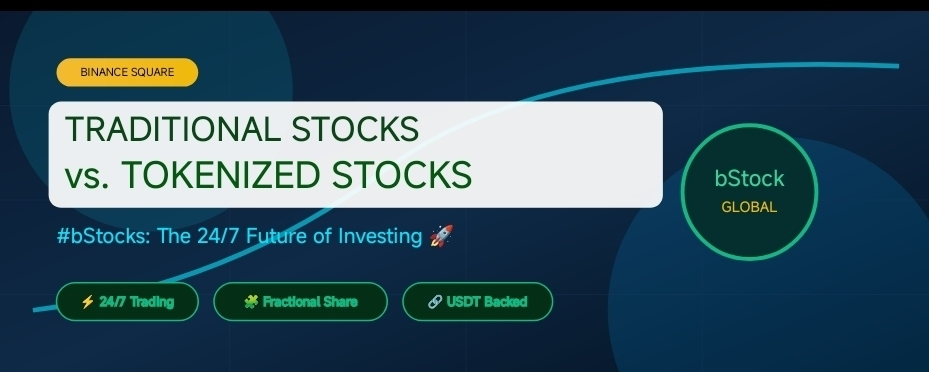
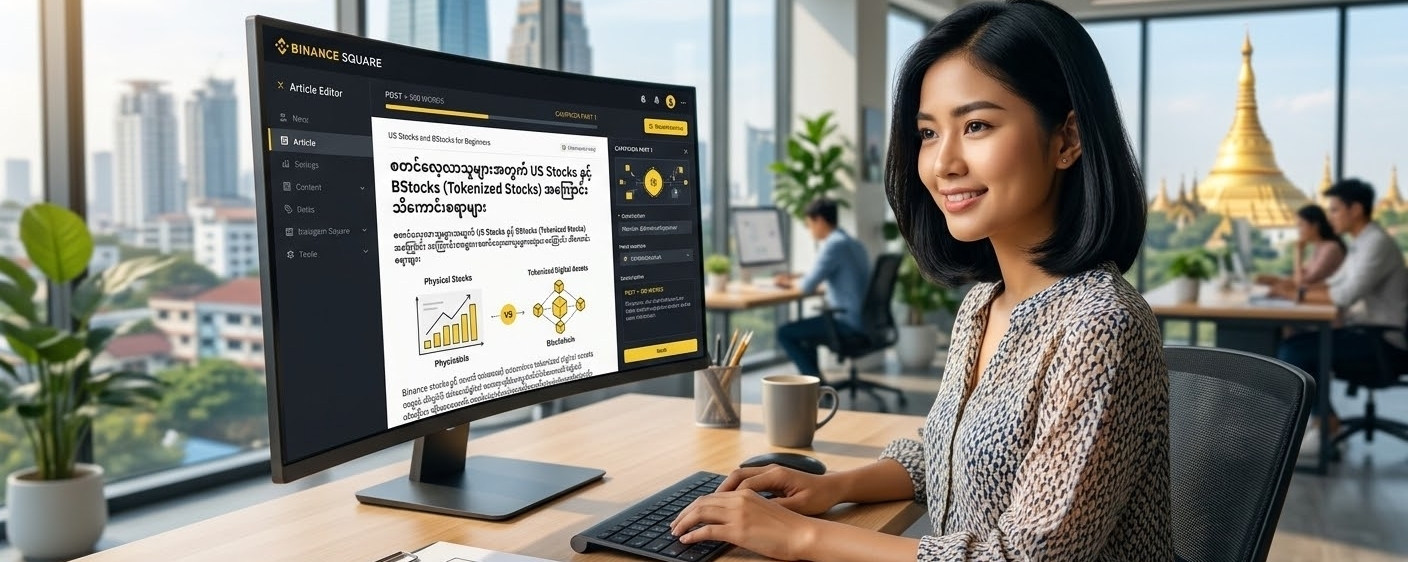
Understanding US Stocks and BStocks (Tokenized Stocks): A Beginner's Guide
As technology advances in today's financial and investment world, numerous new opportunities are emerging for investors. In particular, US Stocks—representing the world's largest financial market—and BStocks (Tokenized Stocks), which bridge the traditional market with the advanced Web3 ecosystem, are gaining immense popularity among modern investors. In this article, we will explain what stocks are and why BStocks play an important role in the crypto ecosystem in a simple, easy-to-understand way for beginners.
1. What are US Stocks?
US Stocks refer to shares of ownership in leading global companies (such as Apple, Microsoft, Tesla, Google, and Nvidia) that are headquartered in the United States and listed on major stock exchanges like the NYSE or Nasdaq.
Key advantages of investing in the US stock market include:
(1).Stability and Structure: As the main driver of the global economy, the market is highly transparent, regulated, and backed by strong legal frameworks.
(2).Long-Term Growth Potential: Investors get the opportunity to participate in and own parts of the world's largest tech and corporate giants.
(3).Capital Gains and Dividends: Investors can profit from stock price appreciation and also receive periodic dividend payouts distributed by companies.
2. What are BStocks (Tokenized Stocks)?
Traditional stock market investing often comes with geographic restrictions, banking integration hurdles, and complex paperwork. BStocks (Tokenized Stocks) were introduced to solve these pain points.
BStocks represent traditional stocks whose value is tokenized on the blockchain. Essentially, the value of a Real-World Asset (RWA)—such as an actual share of stock—is mirrored as a digital token on a blockchain network.
Unique advantages of BStocks:
Fractional Ownership: Even if a full share of a traditional stock is expensive, BStocks allow you to purchase fractional shares with any budget you can afford (e.g., starting with as little as $10).
24/7 Trading: While traditional stock markets operate only during standard business hours, BStocks can be traded around the clock without interruption, thanks to blockchain technology.
Simplicity and Speed: Without the need for tedious paperwork, anyone with a Crypto Wallet can easily gain exposure to the price movements of the world's top stocks.
3. The Connection Between Stocks and the Crypto Market
Today, Traditional Finance (TradFi) and Decentralized Finance (DeFi) are becoming increasingly interconnected:
Macroeconomic Impact: Policies set by the US Federal Reserve (FED) and global macroeconomic trends directly affect both traditional stock markets and the crypto market.
Portfolio Diversification: For effective risk management, investors can balance their portfolios by holding a mix of crypto assets and BStocks.
Conclusion and Final Advice
Whether you are interested in the traditional stock market or BStocks, you should always Do Your Own Research (DYOR) before making any investment decisions. Continuous learning in this evolving financial landscape is the key to keeping your investments safe and successful.
What are your thoughts on US Stocks and BStocks? Share your perspectives in the comments below!
@Binance Burmese
#SEABstok
#SEAstock
1. What are US Stocks?
US Stocks refer to shares of ownership in leading global companies (such as Apple, Microsoft, Tesla, Google, and Nvidia) that are headquartered in the United States and listed on major stock exchanges like the NYSE or Nasdaq.
Key advantages of investing in the US stock market include:
(1).Stability and Structure: As the main driver of the global economy, the market is highly transparent, regulated, and backed by strong legal frameworks.
(2).Long-Term Growth Potential: Investors get the opportunity to participate in and own parts of the world's largest tech and corporate giants.
(3).Capital Gains and Dividends: Investors can profit from stock price appreciation and also receive periodic dividend payouts distributed by companies.
2. What are BStocks (Tokenized Stocks)?
Traditional stock market investing often comes with geographic restrictions, banking integration hurdles, and complex paperwork. BStocks (Tokenized Stocks) were introduced to solve these pain points.
BStocks represent traditional stocks whose value is tokenized on the blockchain. Essentially, the value of a Real-World Asset (RWA)—such as an actual share of stock—is mirrored as a digital token on a blockchain network.
Unique advantages of BStocks:
Fractional Ownership: Even if a full share of a traditional stock is expensive, BStocks allow you to purchase fractional shares with any budget you can afford (e.g., starting with as little as $10).
24/7 Trading: While traditional stock markets operate only during standard business hours, BStocks can be traded around the clock without interruption, thanks to blockchain technology.
Simplicity and Speed: Without the need for tedious paperwork, anyone with a Crypto Wallet can easily gain exposure to the price movements of the world's top stocks.
3. The Connection Between Stocks and the Crypto Market
Today, Traditional Finance (TradFi) and Decentralized Finance (DeFi) are becoming increasingly interconnected:
Macroeconomic Impact: Policies set by the US Federal Reserve (FED) and global macroeconomic trends directly affect both traditional stock markets and the crypto market.
Portfolio Diversification: For effective risk management, investors can balance their portfolios by holding a mix of crypto assets and BStocks.
Conclusion and Final Advice
Whether you are interested in the traditional stock market or BStocks, you should always Do Your Own Research (DYOR) before making any investment decisions. Continuous learning in this evolving financial landscape is the key to keeping your investments safe and successful.
What are your thoughts on US Stocks and BStocks? Share your perspectives in the comments below!
@Binance Burmese
#SEABstok
#SEAstock
Xem bản dịch
Bryon777
·
--
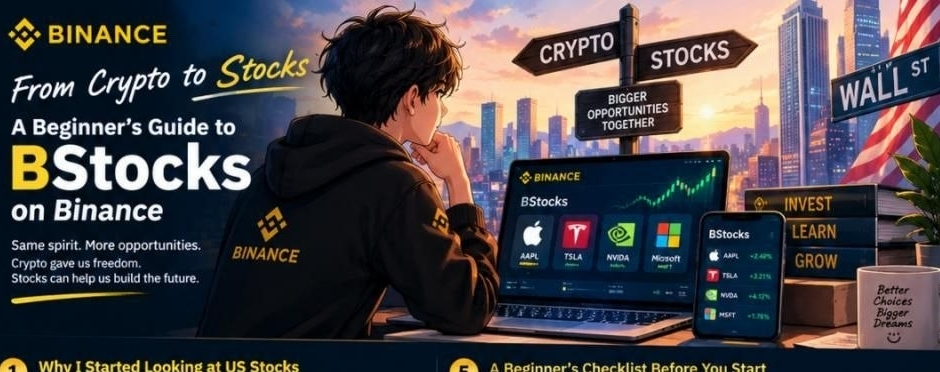
Từ Crypto sang Cổ phiếu: Mở rộng Hành trình Đầu tư của Bạn với Binance
Đối với nhiều người, việc bước vào thế giới đầu tư thường bắt đầu từ crypto. Tôi cũng khá quen thuộc với Bitcoin, altcoin, biểu đồ, nến và tính chất hoạt động 24/7 của thị trường crypto. Nhưng sau khi dành nhiều thời gian hơn để tìm hiểu về đầu tư, tôi bắt đầu tự hỏi một câu hỏi đơn giản:
Tại sao tôi lại chỉ giới hạn hành trình đầu tư của mình ở một loại tài sản duy nhất?
Chính điều này đã khiến tôi hứng thú khi tìm hiểu về cổ phiếu Mỹ và các sản phẩm liên quan đến cổ phiếu của Binance, đặc biệt là bStocks.
Đối với người dùng crypto, việc chuyển từ crypto sang cổ phiếu có thể giống như bước vào một thế giới hoàn toàn khác. Tuy nhiên, việc tìm hiểu cả hai thị trường có thể giúp chúng ta hiểu các tài sản tài chính khác nhau vận hành như thế nào, những rủi ro mà chúng mang theo là gì, và chúng có thể phù hợp ra sao với một chiến lược đầu tư rộng hơn.
Tại sao tôi lại chỉ giới hạn hành trình đầu tư của mình ở một loại tài sản duy nhất?
Chính điều này đã khiến tôi hứng thú khi tìm hiểu về cổ phiếu Mỹ và các sản phẩm liên quan đến cổ phiếu của Binance, đặc biệt là bStocks.
Đối với người dùng crypto, việc chuyển từ crypto sang cổ phiếu có thể giống như bước vào một thế giới hoàn toàn khác. Tuy nhiên, việc tìm hiểu cả hai thị trường có thể giúp chúng ta hiểu các tài sản tài chính khác nhau vận hành như thế nào, những rủi ro mà chúng mang theo là gì, và chúng có thể phù hợp ra sao với một chiến lược đầu tư rộng hơn.
Xem bản dịch
美静琪
·
--
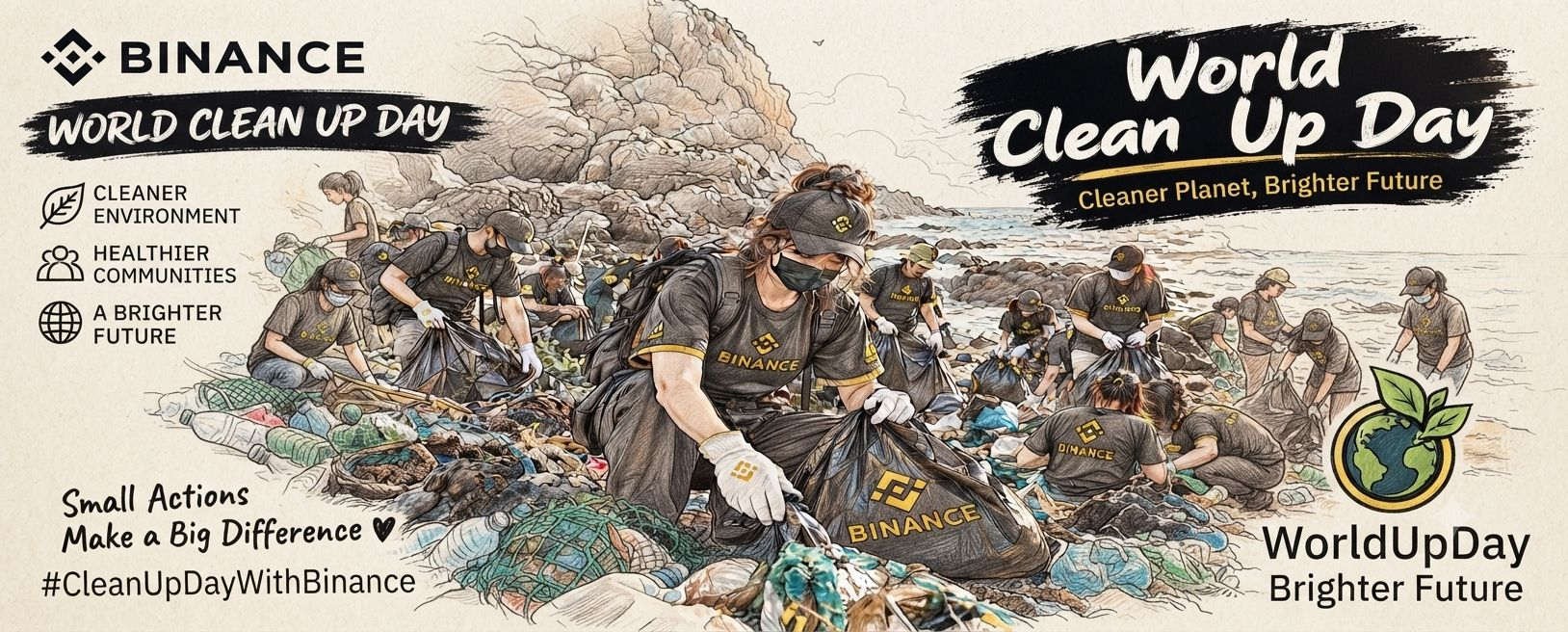
🌎 Hãy Nhặt Rác Để Làm Sạch Thế Giới: Hướng Tới Tương Lai Xanh Hơn 🌳
Hành tinh của chúng ta cung cấp cho chúng ta mọi thứ cần thiết để sinh tồn. Tuy nhiên, chúng ta thường quên trân trọng và bảo vệ những nguồn tài nguyên quý giá này một cách vô thức. Đặc biệt, rác thải được xử lý không đúng cách dần dần làm ô nhiễm Trái Đất và làm suy thoái môi trường tự nhiên của chúng ta. Việc chăm sóc nó là trách nhiệm mà tất cả chúng ta cùng chia sẻ, và chúng ta có thể bắt đầu tạo ra thay đổi thông qua một hành động đơn giản như nhặt rác. Trong bài viết này, chúng tôi trình bày ba lý do chính vì sao việc nhặt rác mang lại vô số lợi ích và vì sao tất cả chúng ta nên cùng tham gia phong trào này.
Xem bản dịch
Bigboss lay
·
--
Tại sao Ngày Làm Sạch Thế Giới lại quan trọng với tôi 🌍
Nói thật là trước đây tôi không nghĩ nhiều về các chiến dịch vì môi trường. Mỗi khi tôi thấy các bài đăng về việc dọn dẹp khu dân cư hay bảo vệ môi trường, tôi sẽ đọc lướt qua rồi tiếp tục. Tôi tin rằng những hoạt động đó là quan trọng, nhưng tôi chưa bao giờ thực sự cảm thấy gắn kết với chúng.
Điều đó thay đổi gần đây khi tôi đi bộ quanh khu phố của mình. Sau vài ngày mưa, tôi nhận thấy những chai nhựa, bao bì thực phẩm và túi nhựa bị vứt rải rác dọc lề đường và gần các cống thoát nước. Cảnh đó không hẳn gây sốc vì chúng ta vẫn thường thấy những thứ như vậy, nhưng vì một lý do nào đó, nó khiến tôi dừng lại và suy nghĩ.
Điều đó thay đổi gần đây khi tôi đi bộ quanh khu phố của mình. Sau vài ngày mưa, tôi nhận thấy những chai nhựa, bao bì thực phẩm và túi nhựa bị vứt rải rác dọc lề đường và gần các cống thoát nước. Cảnh đó không hẳn gây sốc vì chúng ta vẫn thường thấy những thứ như vậy, nhưng vì một lý do nào đó, nó khiến tôi dừng lại và suy nghĩ.
Xem bản dịch
Nội dung được trích dẫn đã bị xóa
Xem bản dịch
Crypto-Home
·
--
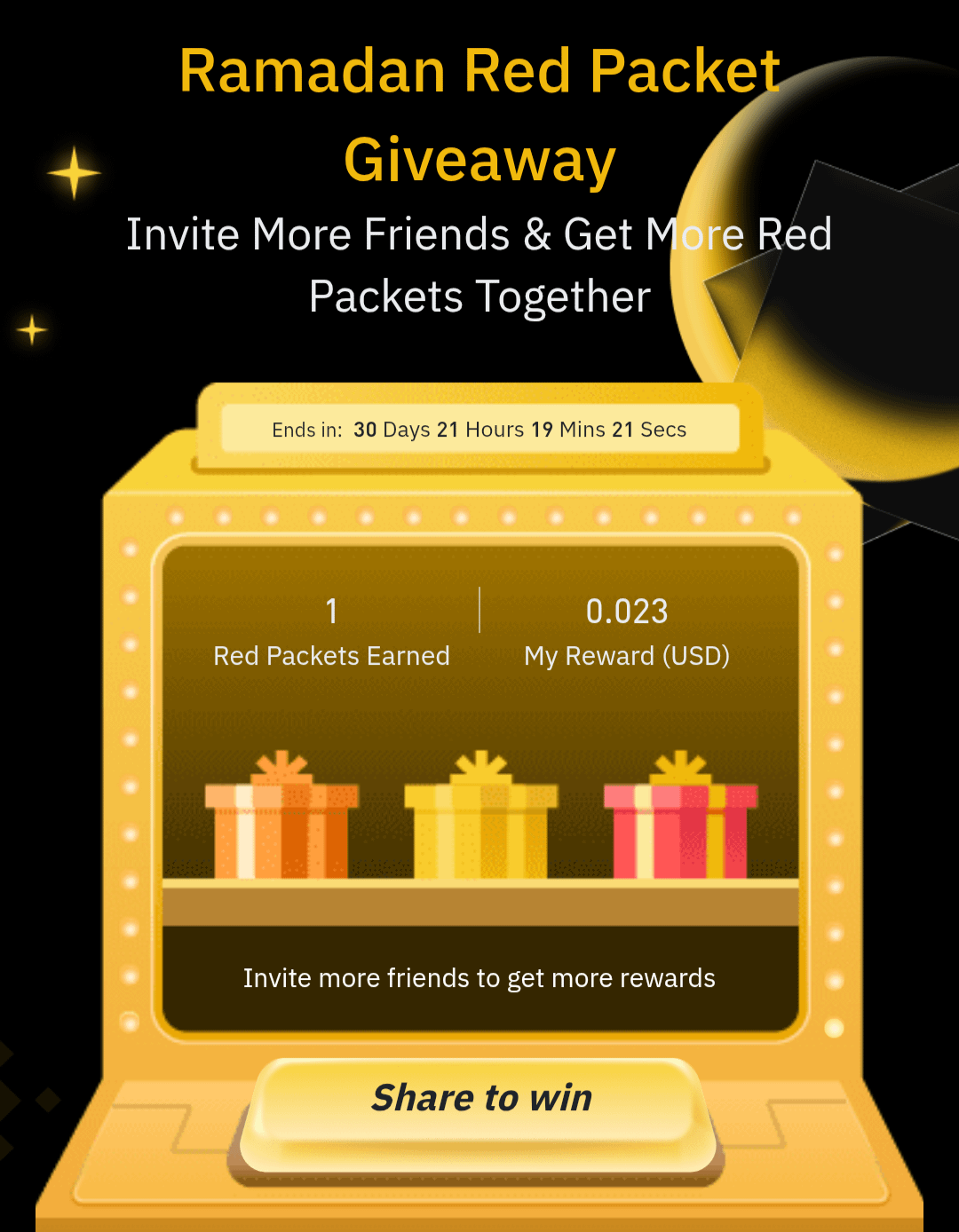
🌙 Chào mừng Ramadan cùng Binance! 🌙
👉 Rewards 🎁
Tôi vừa kiếm được một trên Binance, và bạn cũng có thể! 🎁✨ Tham gia Giveaway Ramadan, mời bạn bè của bạn, và cùng nhau mở khóa nhiều phần thưởng hơn.
🧧 Cách tham gia:
Mở ứng dụng Binance của bạn.
Đi đến Giveaway.
Nhận phần thưởng của bạn và chia sẻ với bạn bè!
Càng chia sẻ nhiều, chúng ta càng kiếm được nhiều. Đừng bỏ lỡ! 🚀
👉 Rewards 🎁
Tôi vừa kiếm được một trên Binance, và bạn cũng có thể! 🎁✨ Tham gia Giveaway Ramadan, mời bạn bè của bạn, và cùng nhau mở khóa nhiều phần thưởng hơn.
🧧 Cách tham gia:
Mở ứng dụng Binance của bạn.
Đi đến Giveaway.
Nhận phần thưởng của bạn và chia sẻ với bạn bè!
Càng chia sẻ nhiều, chúng ta càng kiếm được nhiều. Đừng bỏ lỡ! 🚀
Xem bản dịch
Crypto-Home
·
--
🌙 Chào mừng Ramadan cùng Binance! 🌙
👉 Rewards 🎁
Tôi vừa kiếm được một trên Binance, và bạn cũng có thể! 🎁✨ Tham gia Giveaway Ramadan, mời bạn bè của bạn, và cùng nhau mở khóa nhiều phần thưởng hơn.
🧧 Cách tham gia:
Mở ứng dụng Binance của bạn.
Đi đến Giveaway.
Nhận phần thưởng của bạn và chia sẻ với bạn bè!
Càng chia sẻ nhiều, chúng ta càng kiếm được nhiều. Đừng bỏ lỡ! 🚀
👉 Rewards 🎁
Tôi vừa kiếm được một trên Binance, và bạn cũng có thể! 🎁✨ Tham gia Giveaway Ramadan, mời bạn bè của bạn, và cùng nhau mở khóa nhiều phần thưởng hơn.
🧧 Cách tham gia:
Mở ứng dụng Binance của bạn.
Đi đến Giveaway.
Nhận phần thưởng của bạn và chia sẻ với bạn bè!
Càng chia sẻ nhiều, chúng ta càng kiếm được nhiều. Đừng bỏ lỡ! 🚀

Xem bản dịch

FaiazKing法亚兹
·
--
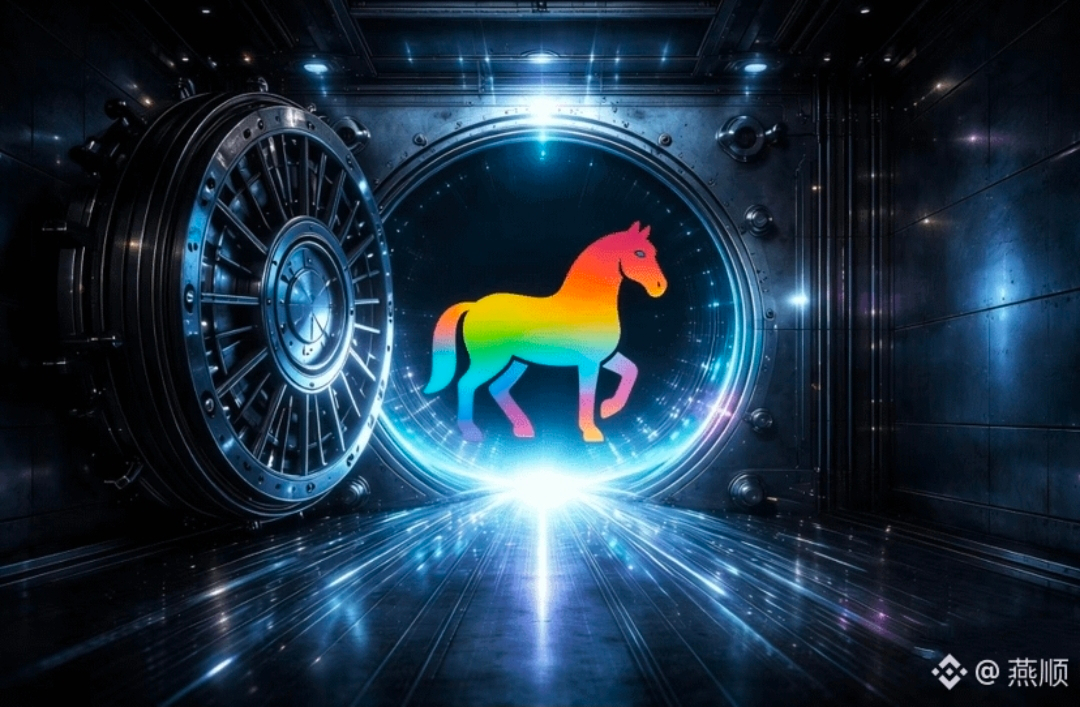
Tăng giá#红包大派送 #红包 🧧🐎🐎🐎
Cộng đồng Ngựa Đen - Báo cáo Yanshun, tìm kiếm sự chú ý!
Phát USDT bao lì xì, chúc bạn may mắn trong Năm Ngựa🧧$ngựa
Xem bản dịch


CipherX 零号
·
--
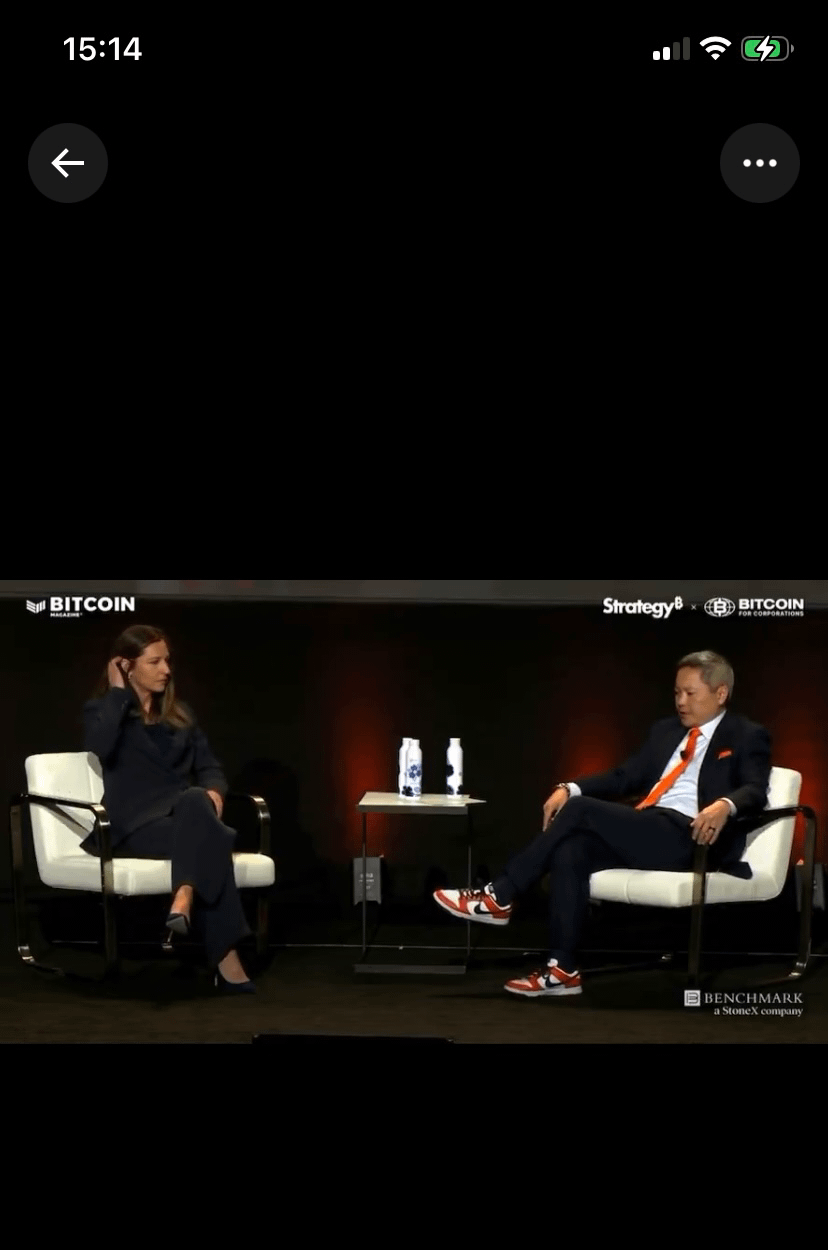
MỚI NHẤT: Amy Oldenburg của Morgan Stanley xác nhận rằng ngân hàng có kế hoạch cung cấp giao dịch Bitcoin, cho vay, lợi suất và lưu ký trong tương lai 👀🦓
Xem bản dịch

M S Q
·
--
Tăng giá$MIRA không chỉ là một dự án AI ngẫu nhiên khác mà bạn thấy được quảng bá trên nguồn tin của mình mỗi ngày. Đây là một Mạng Lưới Suy Diễn Được Xác Minh Phi Tập Trung, mà mọi ứng dụng AI được xây dựng trong tương lai sẽ cần phải tích hợp với.
Dưới đây là những gì làm cho $MIRA a trở thành một cơ sở hạ tầng thế hệ:
✅ 🧾 Suy Diễn Được Xác Minh
Mira hoạt động như một người kiểm tra sự thật không thể thay đổi cho tất cả các quyết định AI. Nó phân tích mỗi đầu ra AI (suy diễn) thành các hồ sơ công khai có thể xác minh được. Không còn quyết định ẩn, không còn ảo giác AI, không còn dữ liệu bị giả mạo. Bạn luôn có thể chứng minh chính xác lý do tại sao một tác nhân AI đã thực hiện một hành động nhất định.
✅ 🔒 Tích Hợp TEE
Mạng lưới sử dụng Môi Trường Thực Thi Đáng Tin Cậy để đảm bảo tất cả các tác nhân AI hoạt động trong một môi trường hoàn toàn chống giả mạo, được cách ly. Không có cửa sau, không có sửa đổi ẩn trong mã. Tác nhân sẽ luôn hoạt động đúng như dự kiến.
✅ 💰 An Ninh Kinh Tế
Sự tin tưởng vào mạng lưới Mira không dựa trên những lời hứa trống rỗng từ một công ty, mà được củng cố bởi các động lực tiền điện tử. Tất cả các nút xác minh đầu ra AI phải đặt cọc
@Mira - Trust Layer of AI $MIRA #Mira
Dưới đây là những gì làm cho $MIRA a trở thành một cơ sở hạ tầng thế hệ:
✅ 🧾 Suy Diễn Được Xác Minh
Mira hoạt động như một người kiểm tra sự thật không thể thay đổi cho tất cả các quyết định AI. Nó phân tích mỗi đầu ra AI (suy diễn) thành các hồ sơ công khai có thể xác minh được. Không còn quyết định ẩn, không còn ảo giác AI, không còn dữ liệu bị giả mạo. Bạn luôn có thể chứng minh chính xác lý do tại sao một tác nhân AI đã thực hiện một hành động nhất định.
✅ 🔒 Tích Hợp TEE
Mạng lưới sử dụng Môi Trường Thực Thi Đáng Tin Cậy để đảm bảo tất cả các tác nhân AI hoạt động trong một môi trường hoàn toàn chống giả mạo, được cách ly. Không có cửa sau, không có sửa đổi ẩn trong mã. Tác nhân sẽ luôn hoạt động đúng như dự kiến.
✅ 💰 An Ninh Kinh Tế
Sự tin tưởng vào mạng lưới Mira không dựa trên những lời hứa trống rỗng từ một công ty, mà được củng cố bởi các động lực tiền điện tử. Tất cả các nút xác minh đầu ra AI phải đặt cọc
@Mira - Trust Layer of AI $MIRA #Mira
Xem bản dịch
Nội dung được trích dẫn đã bị xóa
Xem bản dịch
Nội dung được trích dẫn đã bị xóa
Xem bản dịch
Nội dung được trích dẫn đã bị xóa
Xem bản dịch
Nội dung được trích dẫn đã bị xóa

捞金小王子819726
·
--
🧧🧧🧧🍀🍀🍀 🎁🎁🎁
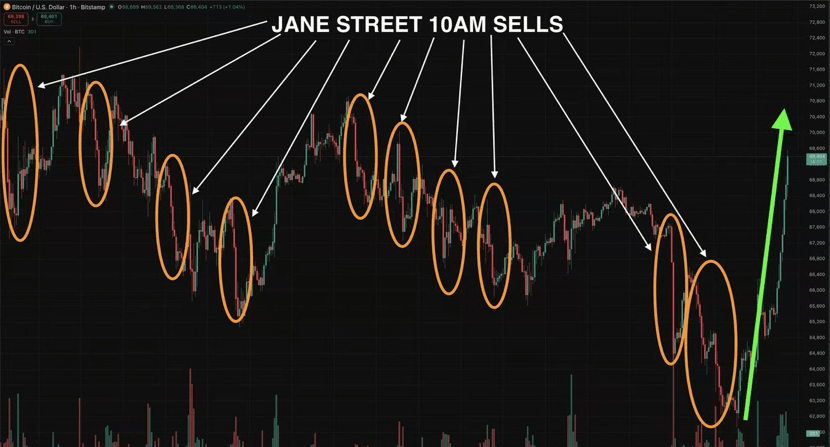
💥 $BTC 一天爆拉10%,这剧本我好像在哪看过?
🔥 来,复盘一下!
1. 这不是孤例。每个月基本都来这么一出——先反弹超前高,然后崩盘。历史不会重复,但总是押韵。
2. 接下来怎么走?根据多次挨打经验:先二次探底,第二个底比第一个高,然后反弹摸一下7.4万这个大阻力。假突破,跌回,血崩,破6万。一气呵成。
3. 这玩意有个学名,叫"下跌中继"或"下降旗形"。翻译成人话:跌一段,反弹盘整,接着跌。常见得像路边煎饼摊。
4. 所以前两天我就说了,别在6.3万做空。万一是中继,反弹能把你弹到怀疑人生。现在反弹真来了,我的计划是:7.1和7.4万分批布局低倍长线空单。3月不降息,再跌一轮的胜算,不低。
5. 短线咋看?昨晚盯盘到半夜,就赌今早英伟达财报利好出尽跌一下。BTC从7万砸到6.7,跌4%,小空一手,还行。但我觉得没跌完,今晚美股开盘可能还有一哆嗦。
6. 所以现在高位追多?算了,这钱让别人赚。我的策略很简单:7.1和7.4万等着,它敢来,我就敢空。优势在我。
熊市里,空仓都能跑赢90%的人。小仓位玩玩,有机会再重拳出击!
💥 $BTC 一天爆拉10%,这剧本我好像在哪看过?
🔥 来,复盘一下!
1. 这不是孤例。每个月基本都来这么一出——先反弹超前高,然后崩盘。历史不会重复,但总是押韵。
2. 接下来怎么走?根据多次挨打经验:先二次探底,第二个底比第一个高,然后反弹摸一下7.4万这个大阻力。假突破,跌回,血崩,破6万。一气呵成。
3. 这玩意有个学名,叫"下跌中继"或"下降旗形"。翻译成人话:跌一段,反弹盘整,接着跌。常见得像路边煎饼摊。
4. 所以前两天我就说了,别在6.3万做空。万一是中继,反弹能把你弹到怀疑人生。现在反弹真来了,我的计划是:7.1和7.4万分批布局低倍长线空单。3月不降息,再跌一轮的胜算,不低。
5. 短线咋看?昨晚盯盘到半夜,就赌今早英伟达财报利好出尽跌一下。BTC从7万砸到6.7,跌4%,小空一手,还行。但我觉得没跌完,今晚美股开盘可能还有一哆嗦。
6. 所以现在高位追多?算了,这钱让别人赚。我的策略很简单:7.1和7.4万等着,它敢来,我就敢空。优势在我。
熊市里,空仓都能跑赢90%的人。小仓位玩玩,有机会再重拳出击!
Xem bản dịch
捞金小王子819726
·
--
🧧🧧🧧🍀🍀🍀 🎁🎁🎁
💥 $BTC 一天爆拉10%,这剧本我好像在哪看过?
🔥 来,复盘一下!
1. 这不是孤例。每个月基本都来这么一出——先反弹超前高,然后崩盘。历史不会重复,但总是押韵。
2. 接下来怎么走?根据多次挨打经验:先二次探底,第二个底比第一个高,然后反弹摸一下7.4万这个大阻力。假突破,跌回,血崩,破6万。一气呵成。
3. 这玩意有个学名,叫"下跌中继"或"下降旗形"。翻译成人话:跌一段,反弹盘整,接着跌。常见得像路边煎饼摊。
4. 所以前两天我就说了,别在6.3万做空。万一是中继,反弹能把你弹到怀疑人生。现在反弹真来了,我的计划是:7.1和7.4万分批布局低倍长线空单。3月不降息,再跌一轮的胜算,不低。
5. 短线咋看?昨晚盯盘到半夜,就赌今早英伟达财报利好出尽跌一下。BTC从7万砸到6.7,跌4%,小空一手,还行。但我觉得没跌完,今晚美股开盘可能还有一哆嗦。
6. 所以现在高位追多?算了,这钱让别人赚。我的策略很简单:7.1和7.4万等着,它敢来,我就敢空。优势在我。
熊市里,空仓都能跑赢90%的人。小仓位玩玩,有机会再重拳出击!
💥 $BTC 一天爆拉10%,这剧本我好像在哪看过?
🔥 来,复盘一下!
1. 这不是孤例。每个月基本都来这么一出——先反弹超前高,然后崩盘。历史不会重复,但总是押韵。
2. 接下来怎么走?根据多次挨打经验:先二次探底,第二个底比第一个高,然后反弹摸一下7.4万这个大阻力。假突破,跌回,血崩,破6万。一气呵成。
3. 这玩意有个学名,叫"下跌中继"或"下降旗形"。翻译成人话:跌一段,反弹盘整,接着跌。常见得像路边煎饼摊。
4. 所以前两天我就说了,别在6.3万做空。万一是中继,反弹能把你弹到怀疑人生。现在反弹真来了,我的计划是:7.1和7.4万分批布局低倍长线空单。3月不降息,再跌一轮的胜算,不低。
5. 短线咋看?昨晚盯盘到半夜,就赌今早英伟达财报利好出尽跌一下。BTC从7万砸到6.7,跌4%,小空一手,还行。但我觉得没跌完,今晚美股开盘可能还有一哆嗦。
6. 所以现在高位追多?算了,这钱让别人赚。我的策略很简单:7.1和7.4万等着,它敢来,我就敢空。优势在我。
熊市里,空仓都能跑赢90%的人。小仓位玩玩,有机会再重拳出击!

TW_X先生
·
--
Tăng giá💝Chúc Ngủ Ngon Các Bạn💝
👉Xin Hãy Giúp Tôi Chia Sẻ Bài Đăng Này 🙋♂️🙋♀️
🔥Tiếp tục chạy nước rút 30K người theo dõi, cảm ơn tất cả mọi người đã ủng hộ🙇♂️
Nhập 6666 để nhận 6666 $BTTC phần thưởng!🧧
🔥Tiếp tục hành trình đến 30K người theo dõi,
Cảm ơn tất cả các bạn đã ủng hộ! 🙇♂️
Nhập 6666 để nhận 6666 $BTTC phần thưởng!🧧
👉Xin Hãy Giúp Tôi Chia Sẻ Bài Đăng Này 🙋♂️🙋♀️
🔥Tiếp tục chạy nước rút 30K người theo dõi, cảm ơn tất cả mọi người đã ủng hộ🙇♂️
Nhập 6666 để nhận 6666 $BTTC phần thưởng!🧧
🔥Tiếp tục hành trình đến 30K người theo dõi,
Cảm ơn tất cả các bạn đã ủng hộ! 🙇♂️
Nhập 6666 để nhận 6666 $BTTC phần thưởng!🧧
Đăng nhập để khám phá thêm nội dung