
Cherelle Mcgonnell IS77
4 Bài đăng

Cherelle Mcgonnell IS77
Báo cáo
Chặn người dùng
2 Đang theo dõi
13 Người theo dõi
10 Đã thích
Bài đăng
Tất cả
Trích dẫn
Xem bản dịch
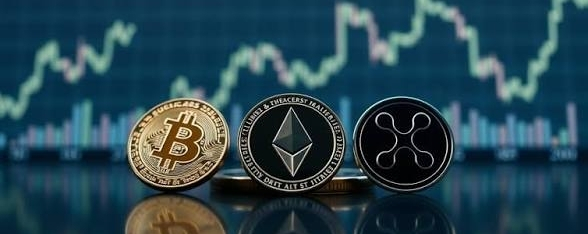
Bitcoin, Ethereum and XRP: What a Red Crypto Market Really MeansThe cryptocurrency market is once again reminding investors that volatility is part of the journey. With major digital assets such as #BTC, #ETH and #XRP experiencing downward pressure, many traders may feel nervous. However, a red market does not automatically mean that the long-term outlook has changed.
#Bitcoin remains the largest cryptocurrency by market capitalization and continues to influence the direction of the broader market. When Bitcoin falls sharply, other major assets often experience similar movements because of the strong connection between market sentiment and Bitcoin's price action. Traders therefore pay close attention to important Bitcoin support and resistance levels.
#Ethereum also remains one of the most important projects in the cryptocurrency ecosystem. Beyond its role as an investment asset, Ethereum supports decentralized applications, smart contracts and thousands of blockchain-based projects. Short-term price declines do not necessarily change the long-term technology being developed around the network.
Meanwhile, #XRP continues to attract attention because of its focus on fast and efficient payments. Its price can experience significant movements when market sentiment changes, making risk management particularly important for traders.
Another major factor affecting the market is activity on exchanges such as #Binance. Trading volume, liquidity and investor sentiment can influence short-term price movements. When fear enters the market, traders may rush to sell, creating additional downward pressure.
This is why #Crypto investors should avoid making emotional decisions based solely on a few red candles. Markets move in cycles, and corrections can happen even during larger bullish trends.
The most important lesson is #Discipline. Traders should understand their risk, use reasonable position sizes and avoid putting money into trades they cannot afford to lose.
A red market can be uncomfortable, but it can also provide valuable lessons. Instead of focusing only on today's price, investors can study market structure, news, volume and broader trends.
The crypto journey is rarely a straight line upward. 📉➡️📈 Patience, education and proper risk management remain some of the strongest tools available to anyone navigating the digital-asset market.
#Binance #BTC #ETH #XRP #Crypto #PuzzleOfTheDay
Bitcoin, Ethereum and XRP: What a Red Crypto Market Really Means
The cryptocurrency market is once again reminding investors that volatility is part of the journey. With major digital assets such as #BTC, #ETH and #XRP experiencing downward pressure, many traders may feel nervous. However, a red market does not automatically mean that the long-term outlook has changed.
#Bitcoin remains the largest cryptocurrency by market capitalization and continues to influence the direction of the broader market. When Bitcoin falls sharply, other major assets often experience similar movements because of the strong connection between market sentiment and Bitcoin's price action. Traders therefore pay close attention to important Bitcoin support and resistance levels.
#Ethereum also remains one of the most important projects in the cryptocurrency ecosystem. Beyond its role as an investment asset, Ethereum supports decentralized applications, smart contracts and thousands of blockchain-based projects. Short-term price declines do not necessarily change the long-term technology being developed around the network.
Meanwhile, #XRP continues to attract attention because of its focus on fast and efficient payments. Its price can experience significant movements when market sentiment changes, making risk management particularly important for traders.
Another major factor affecting the market is activity on exchanges such as #Binance. Trading volume, liquidity and investor sentiment can influence short-term price movements. When fear enters the market, traders may rush to sell, creating additional downward pressure.
This is why #Crypto investors should avoid making emotional decisions based solely on a few red candles. Markets move in cycles, and corrections can happen even during larger bullish trends.
The most important lesson is #Discipline. Traders should understand their risk, use reasonable position sizes and avoid putting money into trades they cannot afford to lose.
A red market can be uncomfortable, but it can also provide valuable lessons. Instead of focusing only on today's price, investors can study market structure, news, volume and broader trends.
The crypto journey is rarely a straight line upward. 📉➡️📈 Patience, education and proper risk management remain some of the strongest tools available to anyone navigating the digital-asset market.
#Binance #BTC #ETH #XRP #Crypto #PuzzleOfTheDay
#Bitcoin remains the largest cryptocurrency by market capitalization and continues to influence the direction of the broader market. When Bitcoin falls sharply, other major assets often experience similar movements because of the strong connection between market sentiment and Bitcoin's price action. Traders therefore pay close attention to important Bitcoin support and resistance levels.
#Ethereum also remains one of the most important projects in the cryptocurrency ecosystem. Beyond its role as an investment asset, Ethereum supports decentralized applications, smart contracts and thousands of blockchain-based projects. Short-term price declines do not necessarily change the long-term technology being developed around the network.
Meanwhile, #XRP continues to attract attention because of its focus on fast and efficient payments. Its price can experience significant movements when market sentiment changes, making risk management particularly important for traders.
Another major factor affecting the market is activity on exchanges such as #Binance. Trading volume, liquidity and investor sentiment can influence short-term price movements. When fear enters the market, traders may rush to sell, creating additional downward pressure.
This is why #Crypto investors should avoid making emotional decisions based solely on a few red candles. Markets move in cycles, and corrections can happen even during larger bullish trends.
The most important lesson is #Discipline. Traders should understand their risk, use reasonable position sizes and avoid putting money into trades they cannot afford to lose.
A red market can be uncomfortable, but it can also provide valuable lessons. Instead of focusing only on today's price, investors can study market structure, news, volume and broader trends.
The crypto journey is rarely a straight line upward. 📉➡️📈 Patience, education and proper risk management remain some of the strongest tools available to anyone navigating the digital-asset market.
#Binance #BTC #ETH #XRP #Crypto #PuzzleOfTheDay
65
$BTC
$XRP
$ETH
#binance #words #PuzzleOfTheDay
{future}(BTCUSDT)
{future}(ETHUSDT)
{future}(XRPUSDT)
Thị trường có thể đỏ hôm nay, nhưng mọi đợt điều chỉnh đều kể một câu chuyện. 📉 BTC, ETH & XRP đang tạm nghỉ — kiên nhẫn, kỷ luật và tư duy dài hạn quan trọng hơn nhiễu loạn ngắn hạn. Hành trình vẫn tiếp diễn. 🚀💎
BTC ETH XRP Crypto binance #CryptoMarket words PuzzleOfTheDay
$BTC
$XRP
$ETH
#binance #words #PuzzleOfTheDay
Thị trường có thể đỏ hôm nay, nhưng mọi đợt điều chỉnh đều kể một câu chuyện. 📉 BTC, ETH & XRP đang tạm nghỉ — kiên nhẫn, kỷ luật và tư duy dài hạn quan trọng hơn nhiễu loạn ngắn hạn. Hành trình vẫn tiếp diễn. 🚀💎
BTC ETH XRP Crypto binance #CryptoMarket words PuzzleOfTheDay
$XRP
$ETH
#binance #words #PuzzleOfTheDay
Thị trường có thể đỏ hôm nay, nhưng mọi đợt điều chỉnh đều kể một câu chuyện. 📉 BTC, ETH & XRP đang tạm nghỉ — kiên nhẫn, kỷ luật và tư duy dài hạn quan trọng hơn nhiễu loạn ngắn hạn. Hành trình vẫn tiếp diễn. 🚀💎
BTC ETH XRP Crypto binance #CryptoMarket words PuzzleOfTheDay
72
Bài viết
Xem bản dịch
$Crypto in 2026: Why Digital Assets Still Matter in the Global EconomyCryptocurrency has continued to transform the way people think about money, investment, and financial technology. What began with Bitcoin has developed into a large digital-asset industry involving thousands of cryptocurrencies, blockchain networks, decentralized applications, stablecoins, and digital financial services.
Bitcoin remains the best-known cryptocurrency and is increasingly viewed by some investors as a digital store of value. Its limited supply has contributed to its appeal, particularly among people who believe scarce digital assets could become increasingly valuable as adoption grows. Other cryptocurrencies, such as Ethereum, focus on providing infrastructure for applications, smart contracts, decentralized finance, and digital assets.
One of the most important developments in crypto is the growth of stablecoins. Unlike highly volatile cryptocurrencies, stablecoins are designed to maintain a relatively stable value, often by being linked to traditional currencies such as the U.S. dollar. They can make international transfers faster and potentially cheaper, especially for people and businesses operating across borders.
Blockchain technology is another reason cryptocurrency remains important. A blockchain is a digital ledger that records transactions across a distributed network. Because transactions can be verified without relying entirely on a central authority, blockchain technology is being explored for payments, supply chains, financial services, identity systems, and other applications.
However, cryptocurrency also carries significant risks. Prices can rise or fall dramatically, fraudulent projects and scams remain common, and investors can lose money through poor investment decisions, hacking, or unsecured wallets. Regulations also differ significantly between countries and continue to evolve.
For people interested in crypto, education and risk management are therefore essential. Understanding how a cryptocurrency works, researching the team and technology behind a project, using reputable exchanges and wallets, and avoiding promises of guaranteed profits can help reduce unnecessary risks.
The future of cryptocurrency may not simply be about replacing traditional money. Instead, digital assets and blockchain technology could become another important part of the global financial system. As governments, financial institutions, businesses, and individuals continue exploring the technology, crypto is likely to remain an important subject in the future of finance.
$Crypto in 2026: Why Digital Assets Still Matter in the Global Economy
Cryptocurrency has continued to transform the way people think about money, investment, and financial technology. What began with Bitcoin has developed into a large digital-asset industry involving thousands of cryptocurrencies, blockchain networks, decentralized applications, stablecoins, and digital financial services.
Bitcoin remains the best-known cryptocurrency and is increasingly viewed by some investors as a digital store of value. Its limited supply has contributed to its appeal, particularly among people who believe scarce digital assets could become increasingly valuable as adoption grows. Other cryptocurrencies, such as Ethereum, focus on providing infrastructure for applications, smart contracts, decentralized finance, and digital assets.
One of the most important developments in crypto is the growth of stablecoins. Unlike highly volatile cryptocurrencies, stablecoins are designed to maintain a relatively stable value, often by being linked to traditional currencies such as the U.S. dollar. They can make international transfers faster and potentially cheaper, especially for people and businesses operating across borders.
Blockchain technology is another reason cryptocurrency remains important. A blockchain is a digital ledger that records transactions across a distributed network. Because transactions can be verified without relying entirely on a central authority, blockchain technology is being explored for payments, supply chains, financial services, identity systems, and other applications.
However, cryptocurrency also carries significant risks. Prices can rise or fall dramatically, fraudulent projects and scams remain common, and investors can lose money through poor investment decisions, hacking, or unsecured wallets. Regulations also differ significantly between countries and continue to evolve.
For people interested in crypto, education and risk management are therefore essential. Understanding how a cryptocurrency works, researching the team and technology behind a project, using reputable exchanges and wallets, and avoiding promises of guaranteed profits can help reduce unnecessary risks.
The future of cryptocurrency may not simply be about replacing traditional money. Instead, digital assets and blockchain technology could become another important part of the global financial system. As governments, financial institutions, businesses, and individuals continue exploring the technology, crypto is likely to remain an important subject in the future of finance.
Bitcoin remains the best-known cryptocurrency and is increasingly viewed by some investors as a digital store of value. Its limited supply has contributed to its appeal, particularly among people who believe scarce digital assets could become increasingly valuable as adoption grows. Other cryptocurrencies, such as Ethereum, focus on providing infrastructure for applications, smart contracts, decentralized finance, and digital assets.
One of the most important developments in crypto is the growth of stablecoins. Unlike highly volatile cryptocurrencies, stablecoins are designed to maintain a relatively stable value, often by being linked to traditional currencies such as the U.S. dollar. They can make international transfers faster and potentially cheaper, especially for people and businesses operating across borders.
Blockchain technology is another reason cryptocurrency remains important. A blockchain is a digital ledger that records transactions across a distributed network. Because transactions can be verified without relying entirely on a central authority, blockchain technology is being explored for payments, supply chains, financial services, identity systems, and other applications.
However, cryptocurrency also carries significant risks. Prices can rise or fall dramatically, fraudulent projects and scams remain common, and investors can lose money through poor investment decisions, hacking, or unsecured wallets. Regulations also differ significantly between countries and continue to evolve.
For people interested in crypto, education and risk management are therefore essential. Understanding how a cryptocurrency works, researching the team and technology behind a project, using reputable exchanges and wallets, and avoiding promises of guaranteed profits can help reduce unnecessary risks.
The future of cryptocurrency may not simply be about replacing traditional money. Instead, digital assets and blockchain technology could become another important part of the global financial system. As governments, financial institutions, businesses, and individuals continue exploring the technology, crypto is likely to remain an important subject in the future of finance.
89
·
--
Tăng giá
Xem bản dịch
Base on the current bull market on BTC, we are hoping the bull as started and believe me anybody that holds crypto currency this will all benefit.
Base on the current bull market on BTC, we are hoping the bull as started and believe me anybody that holds crypto currency this will all benefit.

LedgerXpert
·
--
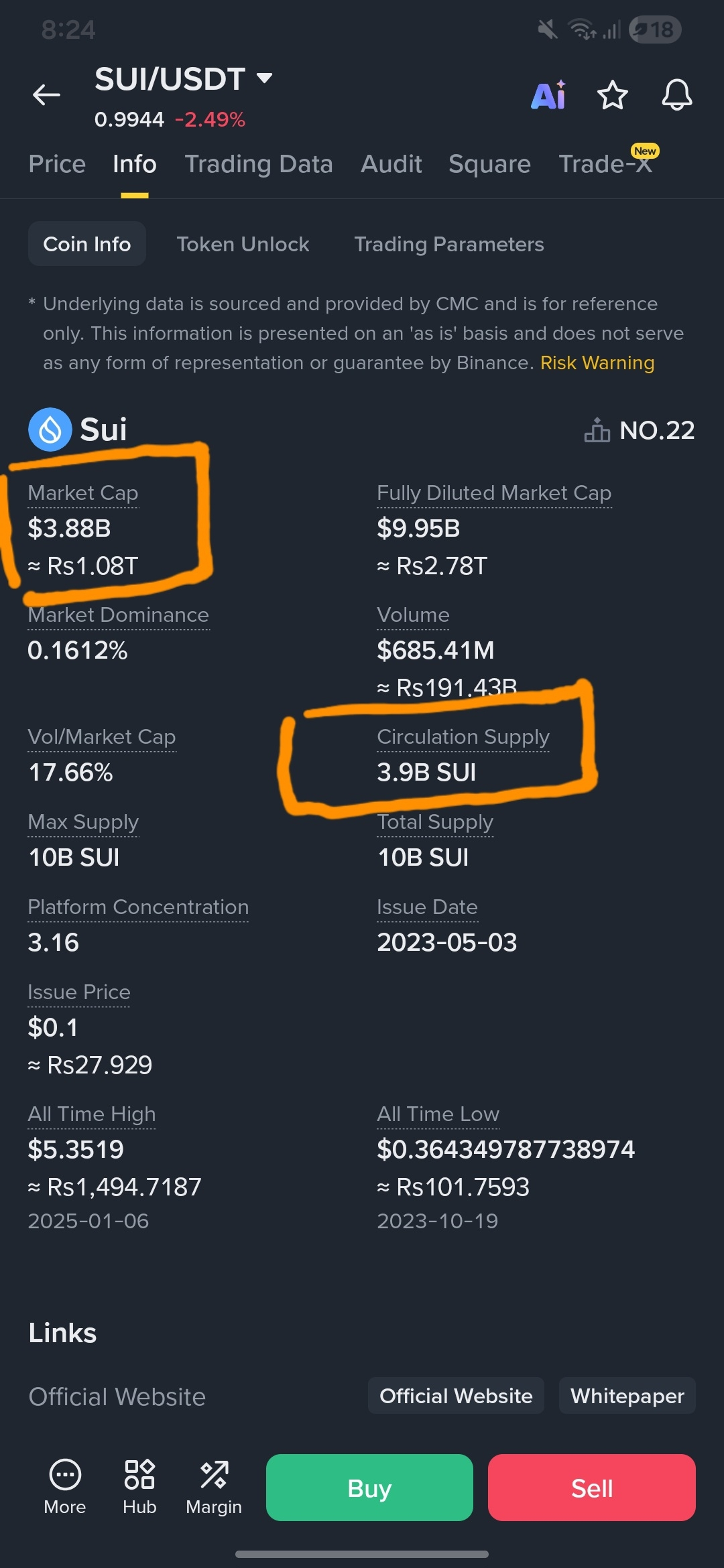
Tăng giá$SUI Holders hãy sẵn sàng 💀🔥
Sui đã sẵn sàng để đạt $2 sớm 📈💀
Đừng quên mua 💀
Sui đã sẵn sàng để đạt $2 sớm 📈💀
Đừng quên mua 💀
10
15
Đăng nhập để khám phá thêm nội dung
Tham gia cùng người dùng tiền mã hóa toàn cầu trên Binance Square
⚡️ Nhận thông tin mới nhất và hữu ích về tiền mã hóa.
💬 Được tin cậy bởi sàn giao dịch tiền mã hóa lớn nhất thế giới.
👍 Khám phá những thông tin chuyên sâu thực tế từ những nhà sáng tạo đã xác minh.
Email / Số điện thoại
Chủ đề thịnh hành
45NgayTuDoTaiChinh
895,080 lượt xem
3,034 đang thảo luận
Ngày 4/45: Đừng để FOMO cuốn mình đi!
Ngày thứ tư trong hành trình 45 ngày tự do tài chính, mình vẫn đều đặn bỏ 50u để mua thêm Bitcoin ($BTC). Hôm nay thị trường có vẻ hơi chững lại một chút, Bitcoin giảm nhẹ 0.72% nhưng cảm giác vẫn còn chút hơi ấm từ những ngày tăng trưởng trước.
Cái cảm giác FOMO (sợ bỏ lỡ) nó cứ len lỏi đâu đó mỗi khi thấy giá xanh rực, nhưng mình biết, đó là lúc phải bình tĩnh nhất. Mục tiêu của mình không phải là kiếm tiền nhanh chóng, mà là xây dựng một thói quen bền vững và rèn luyện sự kiên nhẫn. Mình tin vào sức mạnh của việc tích lũy đều đặn, dù thị trường lên hay xuống.
Thông tin tham khảo, không phải lời khuyên đầu tư. DYOR.
#45ngaytudotaichinh #BitcoinOpenInterestShareRisesTo42.1%
HotLike Team
·0 lượt thích
·43 lượt xem
TinFed
65,561 lượt xem
292 đang thảo luận
TheoDõiFOMC
74,119 lượt xem
491 đang thảo luận