

Gourav-S
31.8k Bài đăng

Gourav-S
 Đã xác minh nâng cao trên Square
Báo cáo
Chặn người dùng
Exploring the crypto world with smart trading, learning,and growing. Focused on building a diversified portfolio.Join me on this exciting digital asset journey!
Trader thường xuyên
{thời gian} năm
1.3K+ Đang theo dõi
34.6K+ Người theo dõi
76.6K+ Đã thích
Bài đăng
Tất cả
Trích dẫn
Video
Live
·
--
🚨 "PEPE lên $1" hay Chỉ Là Một Câu Chuyện Tưởng Tượng Điên Rồ? Hãy Cùng Mổ Xẻ Phần Toán! 📉Cuộn qua Binance Square trong năm phút và bạn chắc chắn sẽ thấy những bài đăng như thế này:
"Sắp thành triệu phú rồi... khi PEPE chạm mốc 1 đô la, $BTTC đạt 1, hoặc TRUMP chạm mốc 500 đô la!"
Nghe thật không thể tin được, đúng không?
Nó khiến tôi nhớ đến một giấc mơ ban ngày mà thỉnh thoảng tôi vẫn có: thức dậy vào sáng mai và phát hiện toàn bộ của cải trên khắp thế giới bỗng nhiên được chuyển khoản kỳ diệu vào tài khoản ngân hàng cá nhân của mình. Mơ mộng thì hoàn toàn miễn phí. Nhưng ngay khi lý trí lên tiếng, bạn nhận ra rằng điều đó sẽ không bao giờ xảy ra ngoài đời thực.
Theo đuổi các mục tiêu giá như PEPE hay BTTC lên 1 đô la thì cũng đang sống trong đúng cái ảo tưởng y hệt đó.
🚨 "PEPE lên $1" hay Chỉ Là Một Câu Chuyện Tưởng Tượng Điên Rồ? Hãy Cùng Mổ Xẻ Phần Toán! 📉
Cuộn qua Binance Square trong năm phút và bạn chắc chắn sẽ thấy những bài đăng như thế này:
"Sắp thành triệu phú rồi... khi PEPE chạm mốc 1 đô la, $BTTC đạt 1, hoặc TRUMP chạm mốc 500 đô la!"
Nghe thật không thể tin được, đúng không?
Nó khiến tôi nhớ đến một giấc mơ ban ngày mà thỉnh thoảng tôi vẫn có: thức dậy vào sáng mai và phát hiện toàn bộ của cải trên khắp thế giới bỗng nhiên được chuyển khoản kỳ diệu vào tài khoản ngân hàng cá nhân của mình. Mơ mộng thì hoàn toàn miễn phí. Nhưng ngay khi lý trí lên tiếng, bạn nhận ra rằng điều đó sẽ không bao giờ xảy ra ngoài đời thực.
Theo đuổi các mục tiêu giá như PEPE hay BTTC lên 1 đô la thì cũng đang sống trong đúng cái ảo tưởng y hệt đó.
"Sắp thành triệu phú rồi... khi PEPE chạm mốc 1 đô la, $BTTC đạt 1, hoặc TRUMP chạm mốc 500 đô la!"
Nghe thật không thể tin được, đúng không?
Nó khiến tôi nhớ đến một giấc mơ ban ngày mà thỉnh thoảng tôi vẫn có: thức dậy vào sáng mai và phát hiện toàn bộ của cải trên khắp thế giới bỗng nhiên được chuyển khoản kỳ diệu vào tài khoản ngân hàng cá nhân của mình. Mơ mộng thì hoàn toàn miễn phí. Nhưng ngay khi lý trí lên tiếng, bạn nhận ra rằng điều đó sẽ không bao giờ xảy ra ngoài đời thực.
Theo đuổi các mục tiêu giá như PEPE hay BTTC lên 1 đô la thì cũng đang sống trong đúng cái ảo tưởng y hệt đó.
1
3
1.5k
·
--
Đã xác minh
#ParadigmDisclosesZECHolding
Paradigm Tiết Lộ Việc Nắm Giữ ZEC - Zcash Nhận Thêm Tín Hiệu Mang Tính Tổ Chức
Đồng sáng lập của Paradigm, Matt Huang, đã tiết lộ rằng Paradigm không chỉ là nhà đầu tư vào Zcash Open Development Lab (ZODL) mà còn nắm giữ $ZEC.
Thông tin này được công bố vào ngày 16 tháng 9 và nhanh chóng thu hút sự chú ý của thị trường. ZEC đã tăng khoảng 20% trong 24 giờ, với các báo cáo cho thấy nó giao dịch quanh mức 1.338–1.369 USD trong giai đoạn này.
Điều khiến thông tin này đáng chú ý là bức tranh lớn hơn. Trước đó trong năm, Paradigm đã hậu thuẫn vòng seed của ZODL trị giá hơn 25 triệu USD, nhưng lần này là một sự xác nhận rõ ràng hơn về việc tiếp xúc trực tiếp với token.
Huang cũng mô tả Zcash như một công cụ bổ sung về quyền riêng tư cho Bitcoin và nhấn mạnh tầm quan trọng của việc tài trợ dài hạn cho các nhà phát triển.
Một chi tiết quan trọng: Paradigm chưa công bố họ đang nắm giữ bao nhiêu ZEC.
#zcash #ZEC #BinanceSquare
#ParadigmDisclosesZECHolding
Paradigm Tiết Lộ Việc Nắm Giữ ZEC - Zcash Nhận Thêm Tín Hiệu Mang Tính Tổ Chức
Đồng sáng lập của Paradigm, Matt Huang, đã tiết lộ rằng Paradigm không chỉ là nhà đầu tư vào Zcash Open Development Lab (ZODL) mà còn nắm giữ $ZEC.
Thông tin này được công bố vào ngày 16 tháng 9 và nhanh chóng thu hút sự chú ý của thị trường. ZEC đã tăng khoảng 20% trong 24 giờ, với các báo cáo cho thấy nó giao dịch quanh mức 1.338–1.369 USD trong giai đoạn này.
Điều khiến thông tin này đáng chú ý là bức tranh lớn hơn. Trước đó trong năm, Paradigm đã hậu thuẫn vòng seed của ZODL trị giá hơn 25 triệu USD, nhưng lần này là một sự xác nhận rõ ràng hơn về việc tiếp xúc trực tiếp với token.
Huang cũng mô tả Zcash như một công cụ bổ sung về quyền riêng tư cho Bitcoin và nhấn mạnh tầm quan trọng của việc tài trợ dài hạn cho các nhà phát triển.
Một chi tiết quan trọng: Paradigm chưa công bố họ đang nắm giữ bao nhiêu ZEC.
#zcash #ZEC #BinanceSquare
Paradigm Tiết Lộ Việc Nắm Giữ ZEC - Zcash Nhận Thêm Tín Hiệu Mang Tính Tổ Chức
Đồng sáng lập của Paradigm, Matt Huang, đã tiết lộ rằng Paradigm không chỉ là nhà đầu tư vào Zcash Open Development Lab (ZODL) mà còn nắm giữ $ZEC.
Thông tin này được công bố vào ngày 16 tháng 9 và nhanh chóng thu hút sự chú ý của thị trường. ZEC đã tăng khoảng 20% trong 24 giờ, với các báo cáo cho thấy nó giao dịch quanh mức 1.338–1.369 USD trong giai đoạn này.
Điều khiến thông tin này đáng chú ý là bức tranh lớn hơn. Trước đó trong năm, Paradigm đã hậu thuẫn vòng seed của ZODL trị giá hơn 25 triệu USD, nhưng lần này là một sự xác nhận rõ ràng hơn về việc tiếp xúc trực tiếp với token.
Huang cũng mô tả Zcash như một công cụ bổ sung về quyền riêng tư cho Bitcoin và nhấn mạnh tầm quan trọng của việc tài trợ dài hạn cho các nhà phát triển.
Một chi tiết quan trọng: Paradigm chưa công bố họ đang nắm giữ bao nhiêu ZEC.
#zcash #ZEC #BinanceSquare
1
1
655
·
--
Đã xác minh
Cập nhật Vàng: Điều chỉnh hay Phá Vỡ? Dưới đây là những gì Biểu đồ Khung ngày đang nói
Sau một đợt tăng mạnh từ mốc $4,000 thẳng lên vùng kháng cự $4,700, XAUUSDT đang “nghỉ hơi”, hiện đang in một nến đỏ nhỏ quanh $4,623 (-0.73%).
Đây là dấu hiệu bắt đầu đảo chiều xu hướng, hay chỉ là một lần kiểm tra lại thường lệ của cấu trúc tăng? Dưới đây là phân tích chi tiết.
Các yếu tố vĩ mô đang tác động
- Tâm lý/Nhu cầu từ Ngân hàng trung ương: Hoạt động mua ròng liên tục từ các tổ chức vẫn tiếp tục tạo hỗ trợ vĩ mô dưới các nhịp điều chỉnh.
- Dòng dữ liệu vĩ mô: Lượng dữ liệu kinh tế Mỹ dày đặc (GDP Q2, Core PCE, Durable Goods) và Hội nghị Jackson Hole đang tạo ra biến động ngắn hạn.
- Diễn biến của Đồng USD: Đà suy yếu trên diện rộng của Chỉ số Dollar (US Dollar Index) vẫn là động lực chính đằng sau nhịp tăng dài của kim loại quý.
Các vùng kỹ thuật then chốt cần theo dõi
- Diễn biến hiện tại: Giá đã bị từ chối gần đỉnh nội bộ $4,700 (24h High: ~$4,694) và đang tích lũy quanh $4,623.
- Kháng cự trước mắt: Đóng cửa theo nến ngày trên $4,700 sẽ xác nhận đà tiếp diễn hướng tới mục tiêu kỹ thuật $4,780 – $4,800.
- Hỗ trợ chính: Đường xu hướng tăng đang hoạt động sẽ là “tuyến phòng thủ” đầu tiên. Nếu gãy dứt khoát dưới đường xu hướng, kịch bản điều chỉnh có thể mở ra về vùng hỗ trợ ngang quan trọng gần $4,320 – $4,330.
Chiến lược thực thi
- Với Spot & Nhà tích lũy dài hạn: Tránh đuổi theo các nến xanh khi đang ở vùng kháng cự mạnh ngay phía trên. Chia nhỏ điểm mua theo phương pháp Bình quân giá theo thời gian (SIP / Buy-on-Dips) thay vì vào một lần duy nhất.
- Với nhà giao dịch chủ động: Bảo vệ vốn của bạn trước các tin tức vĩ mô có tác động mạnh. Theo dõi nến đóng cửa theo ngày: chờ tín hiệu bật lên rõ ràng từ đường xu hướng hoặc sự xác nhận phá vỡ qua $4,700 trước khi gia tăng đòn bẩy theo hướng.
Bạn sẽ làm gì tại đây—mua vào nhịp điều chỉnh quanh $4,620, chờ về $4,330, hay tận dụng kịch bản phá vỡ trên $4,700? Hãy thả quan điểm của bạn bên dưới! 👇
#XAU
$XAU
Cập nhật Vàng: Điều chỉnh hay Phá Vỡ? Dưới đây là những gì Biểu đồ Khung ngày đang nói
Sau một đợt tăng mạnh từ mốc $4,000 thẳng lên vùng kháng cự $4,700, XAUUSDT đang “nghỉ hơi”, hiện đang in một nến đỏ nhỏ quanh $4,623 (-0.73%).
Đây là dấu hiệu bắt đầu đảo chiều xu hướng, hay chỉ là một lần kiểm tra lại thường lệ của cấu trúc tăng? Dưới đây là phân tích chi tiết.
Các yếu tố vĩ mô đang tác động
- Tâm lý/Nhu cầu từ Ngân hàng trung ương: Hoạt động mua ròng liên tục từ các tổ chức vẫn tiếp tục tạo hỗ trợ vĩ mô dưới các nhịp điều chỉnh.
- Dòng dữ liệu vĩ mô: Lượng dữ liệu kinh tế Mỹ dày đặc (GDP Q2, Core PCE, Durable Goods) và Hội nghị Jackson Hole đang tạo ra biến động ngắn hạn.
- Diễn biến của Đồng USD: Đà suy yếu trên diện rộng của Chỉ số Dollar (US Dollar Index) vẫn là động lực chính đằng sau nhịp tăng dài của kim loại quý.
Các vùng kỹ thuật then chốt cần theo dõi
- Diễn biến hiện tại: Giá đã bị từ chối gần đỉnh nội bộ $4,700 (24h High: ~$4,694) và đang tích lũy quanh $4,623.
- Kháng cự trước mắt: Đóng cửa theo nến ngày trên $4,700 sẽ xác nhận đà tiếp diễn hướng tới mục tiêu kỹ thuật $4,780 – $4,800.
- Hỗ trợ chính: Đường xu hướng tăng đang hoạt động sẽ là “tuyến phòng thủ” đầu tiên. Nếu gãy dứt khoát dưới đường xu hướng, kịch bản điều chỉnh có thể mở ra về vùng hỗ trợ ngang quan trọng gần $4,320 – $4,330.
Chiến lược thực thi
- Với Spot & Nhà tích lũy dài hạn: Tránh đuổi theo các nến xanh khi đang ở vùng kháng cự mạnh ngay phía trên. Chia nhỏ điểm mua theo phương pháp Bình quân giá theo thời gian (SIP / Buy-on-Dips) thay vì vào một lần duy nhất.
- Với nhà giao dịch chủ động: Bảo vệ vốn của bạn trước các tin tức vĩ mô có tác động mạnh. Theo dõi nến đóng cửa theo ngày: chờ tín hiệu bật lên rõ ràng từ đường xu hướng hoặc sự xác nhận phá vỡ qua $4,700 trước khi gia tăng đòn bẩy theo hướng.
Bạn sẽ làm gì tại đây—mua vào nhịp điều chỉnh quanh $4,620, chờ về $4,330, hay tận dụng kịch bản phá vỡ trên $4,700? Hãy thả quan điểm của bạn bên dưới! 👇
#XAU
$XAU
Sau một đợt tăng mạnh từ mốc $4,000 thẳng lên vùng kháng cự $4,700, XAUUSDT đang “nghỉ hơi”, hiện đang in một nến đỏ nhỏ quanh $4,623 (-0.73%).
Đây là dấu hiệu bắt đầu đảo chiều xu hướng, hay chỉ là một lần kiểm tra lại thường lệ của cấu trúc tăng? Dưới đây là phân tích chi tiết.
Các yếu tố vĩ mô đang tác động
- Tâm lý/Nhu cầu từ Ngân hàng trung ương: Hoạt động mua ròng liên tục từ các tổ chức vẫn tiếp tục tạo hỗ trợ vĩ mô dưới các nhịp điều chỉnh.
- Dòng dữ liệu vĩ mô: Lượng dữ liệu kinh tế Mỹ dày đặc (GDP Q2, Core PCE, Durable Goods) và Hội nghị Jackson Hole đang tạo ra biến động ngắn hạn.
- Diễn biến của Đồng USD: Đà suy yếu trên diện rộng của Chỉ số Dollar (US Dollar Index) vẫn là động lực chính đằng sau nhịp tăng dài của kim loại quý.
Các vùng kỹ thuật then chốt cần theo dõi
- Diễn biến hiện tại: Giá đã bị từ chối gần đỉnh nội bộ $4,700 (24h High: ~$4,694) và đang tích lũy quanh $4,623.
- Kháng cự trước mắt: Đóng cửa theo nến ngày trên $4,700 sẽ xác nhận đà tiếp diễn hướng tới mục tiêu kỹ thuật $4,780 – $4,800.
- Hỗ trợ chính: Đường xu hướng tăng đang hoạt động sẽ là “tuyến phòng thủ” đầu tiên. Nếu gãy dứt khoát dưới đường xu hướng, kịch bản điều chỉnh có thể mở ra về vùng hỗ trợ ngang quan trọng gần $4,320 – $4,330.
Chiến lược thực thi
- Với Spot & Nhà tích lũy dài hạn: Tránh đuổi theo các nến xanh khi đang ở vùng kháng cự mạnh ngay phía trên. Chia nhỏ điểm mua theo phương pháp Bình quân giá theo thời gian (SIP / Buy-on-Dips) thay vì vào một lần duy nhất.
- Với nhà giao dịch chủ động: Bảo vệ vốn của bạn trước các tin tức vĩ mô có tác động mạnh. Theo dõi nến đóng cửa theo ngày: chờ tín hiệu bật lên rõ ràng từ đường xu hướng hoặc sự xác nhận phá vỡ qua $4,700 trước khi gia tăng đòn bẩy theo hướng.
Bạn sẽ làm gì tại đây—mua vào nhịp điều chỉnh quanh $4,620, chờ về $4,330, hay tận dụng kịch bản phá vỡ trên $4,700? Hãy thả quan điểm của bạn bên dưới! 👇
#XAU
$XAU
3
650
·
--
26 tháng 8 Có Thể Là Một Ngày Quan Trọng Đối Với BTC, Vàng & Bạc
Thị trường đang tiến vào một sự kiện vĩ mô quan trọng vào ngày 26 tháng 8. Mỹ sẽ công bố ước tính GDP quý 2 lần thứ hai và Thu nhập Cá nhân & Chi tiêu (Personal Income & Outlays) tháng 7, bao gồm dữ liệu lạm phát PCE—một trong những chỉ số lạm phát được Fed ưa dùng. Cả hai đều dự kiến vào lúc 8:30 AM ET.
Ước tính GDP quý 2 lần đầu cho thấy tăng trưởng theo năm đạt 1,5%, giảm so với 2,1% ở quý 1. Vì vậy, bản điều chỉnh có thể cung cấp thêm manh mối về sức mạnh thực sự của nền kinh tế Mỹ.
Nhưng yếu tố có thể tác động mạnh hơn đến thị trường có thể là Core PCE.
Dưới đây là cách tôi đang nhìn nhận:
🟢 GDP yếu + PCE giảm
Điều này có thể làm tăng kỳ vọng về việc Fed sẽ nới lỏng chính sách dễ dàng hơn. Đồng USD và lợi suất Trái phiếu Kho bạc có thể chịu áp lực, từ đó tạo ra một kịch bản mang tính tích cực cho BTC, vàng và bạc.
🟡 GDP mạnh + PCE giảm
Khả năng đây là sự kết hợp đáng chú ý nhất. Tăng trưởng vẫn lành mạnh trong khi lạm phát hạ nhiệt. Điều đó có thể hỗ trợ tài sản rủi ro đồng thời vẫn giữ cho kim loại quý hấp dẫn.
🔴 GDP mạnh + PCE nóng
Điều này có thể đẩy kỳ vọng cắt giảm lãi suất xuống thấp hơn. Đồng USD mạnh hơn và lợi suất cao hơn có thể tạo áp lực ngắn hạn lên BTC, vàng và bạc.
⚠️ GDP yếu + PCE nóng
Đây là kịch bản khó xử lý. Tăng trưởng chậm lại nhưng lạm phát vẫn “cứng đầu”. Thị trường có thể biến động rất mạnh vì Fed sẽ có ít “không gian” hơn để nới lỏng chính sách.
Và còn một sự kiện lớn khác ngay sau đó: hội thảo Jackson Hole diễn ra từ ngày 27–29 tháng 8, khiến các bình luận của Fed trở nên đặc biệt quan trọng cho bước đi tiếp theo.
Quan điểm của tôi: đừng giao dịch chỉ dựa vào tiêu đề. Hãy theo dõi đồng thời GDP + Core PCE + DXY + lợi suất Trái phiếu Kho bạc.
Phản ứng có thể rất mạnh, đặc biệt sau những biến động gần đây trong kim loại quý và crypto.
#BTC #Gold #Silver #FederalReserve #BinanceSquare
$BTC
{spot}(BTCUSDT)
$XAUT
{spot}(XAUTUSDT)
$XAG
{future}(XAGUSDT)
26 tháng 8 Có Thể Là Một Ngày Quan Trọng Đối Với BTC, Vàng & Bạc
Thị trường đang tiến vào một sự kiện vĩ mô quan trọng vào ngày 26 tháng 8. Mỹ sẽ công bố ước tính GDP quý 2 lần thứ hai và Thu nhập Cá nhân & Chi tiêu (Personal Income & Outlays) tháng 7, bao gồm dữ liệu lạm phát PCE—một trong những chỉ số lạm phát được Fed ưa dùng. Cả hai đều dự kiến vào lúc 8:30 AM ET.
Ước tính GDP quý 2 lần đầu cho thấy tăng trưởng theo năm đạt 1,5%, giảm so với 2,1% ở quý 1. Vì vậy, bản điều chỉnh có thể cung cấp thêm manh mối về sức mạnh thực sự của nền kinh tế Mỹ.
Nhưng yếu tố có thể tác động mạnh hơn đến thị trường có thể là Core PCE.
Dưới đây là cách tôi đang nhìn nhận:
🟢 GDP yếu + PCE giảm
Điều này có thể làm tăng kỳ vọng về việc Fed sẽ nới lỏng chính sách dễ dàng hơn. Đồng USD và lợi suất Trái phiếu Kho bạc có thể chịu áp lực, từ đó tạo ra một kịch bản mang tính tích cực cho BTC, vàng và bạc.
🟡 GDP mạnh + PCE giảm
Khả năng đây là sự kết hợp đáng chú ý nhất. Tăng trưởng vẫn lành mạnh trong khi lạm phát hạ nhiệt. Điều đó có thể hỗ trợ tài sản rủi ro đồng thời vẫn giữ cho kim loại quý hấp dẫn.
🔴 GDP mạnh + PCE nóng
Điều này có thể đẩy kỳ vọng cắt giảm lãi suất xuống thấp hơn. Đồng USD mạnh hơn và lợi suất cao hơn có thể tạo áp lực ngắn hạn lên BTC, vàng và bạc.
⚠️ GDP yếu + PCE nóng
Đây là kịch bản khó xử lý. Tăng trưởng chậm lại nhưng lạm phát vẫn “cứng đầu”. Thị trường có thể biến động rất mạnh vì Fed sẽ có ít “không gian” hơn để nới lỏng chính sách.
Và còn một sự kiện lớn khác ngay sau đó: hội thảo Jackson Hole diễn ra từ ngày 27–29 tháng 8, khiến các bình luận của Fed trở nên đặc biệt quan trọng cho bước đi tiếp theo.
Quan điểm của tôi: đừng giao dịch chỉ dựa vào tiêu đề. Hãy theo dõi đồng thời GDP + Core PCE + DXY + lợi suất Trái phiếu Kho bạc.
Phản ứng có thể rất mạnh, đặc biệt sau những biến động gần đây trong kim loại quý và crypto.
#BTC #Gold #Silver #FederalReserve #BinanceSquare
$BTC
$XAUT
$XAG
Thị trường đang tiến vào một sự kiện vĩ mô quan trọng vào ngày 26 tháng 8. Mỹ sẽ công bố ước tính GDP quý 2 lần thứ hai và Thu nhập Cá nhân & Chi tiêu (Personal Income & Outlays) tháng 7, bao gồm dữ liệu lạm phát PCE—một trong những chỉ số lạm phát được Fed ưa dùng. Cả hai đều dự kiến vào lúc 8:30 AM ET.
Ước tính GDP quý 2 lần đầu cho thấy tăng trưởng theo năm đạt 1,5%, giảm so với 2,1% ở quý 1. Vì vậy, bản điều chỉnh có thể cung cấp thêm manh mối về sức mạnh thực sự của nền kinh tế Mỹ.
Nhưng yếu tố có thể tác động mạnh hơn đến thị trường có thể là Core PCE.
Dưới đây là cách tôi đang nhìn nhận:
🟢 GDP yếu + PCE giảm
Điều này có thể làm tăng kỳ vọng về việc Fed sẽ nới lỏng chính sách dễ dàng hơn. Đồng USD và lợi suất Trái phiếu Kho bạc có thể chịu áp lực, từ đó tạo ra một kịch bản mang tính tích cực cho BTC, vàng và bạc.
🟡 GDP mạnh + PCE giảm
Khả năng đây là sự kết hợp đáng chú ý nhất. Tăng trưởng vẫn lành mạnh trong khi lạm phát hạ nhiệt. Điều đó có thể hỗ trợ tài sản rủi ro đồng thời vẫn giữ cho kim loại quý hấp dẫn.
🔴 GDP mạnh + PCE nóng
Điều này có thể đẩy kỳ vọng cắt giảm lãi suất xuống thấp hơn. Đồng USD mạnh hơn và lợi suất cao hơn có thể tạo áp lực ngắn hạn lên BTC, vàng và bạc.
⚠️ GDP yếu + PCE nóng
Đây là kịch bản khó xử lý. Tăng trưởng chậm lại nhưng lạm phát vẫn “cứng đầu”. Thị trường có thể biến động rất mạnh vì Fed sẽ có ít “không gian” hơn để nới lỏng chính sách.
Và còn một sự kiện lớn khác ngay sau đó: hội thảo Jackson Hole diễn ra từ ngày 27–29 tháng 8, khiến các bình luận của Fed trở nên đặc biệt quan trọng cho bước đi tiếp theo.
Quan điểm của tôi: đừng giao dịch chỉ dựa vào tiêu đề. Hãy theo dõi đồng thời GDP + Core PCE + DXY + lợi suất Trái phiếu Kho bạc.
Phản ứng có thể rất mạnh, đặc biệt sau những biến động gần đây trong kim loại quý và crypto.
#BTC #Gold #Silver #FederalReserve #BinanceSquare
$BTC
$XAUT
$XAG
2
312
·
--
Cú bùng nổ lớn tiếp theo của Bitcoin: Thực tế hay chỉ là “hype”?
Có rất nhiều lời bàn tán về việc Bitcoin đang sẵn sàng cho một đợt tăng nóng nhờ các dự luật crypto của Mỹ, quỹ dự trữ quốc gia và các chính phủ đang nắm giữ BTC.
Nhưng hãy tách bạch sự thật khỏi những lời thổi phồng.
🇺🇸 Quỹ dự trữ Bitcoin của Mỹ:
Ý tưởng Mỹ xây dựng một quỹ dự trữ Bitcoin chiến lược là có thật, nhưng các tuyên bố rằng chính phủ đã phê duyệt việc mua 1 triệu BTC là gây hiểu nhầm. Mục tiêu 1 triệu BTC xuất phát từ một dự luật được đề xuất, không phải là một lệnh đã được triển khai đầy đủ.
📜 Quy định về crypto tại Mỹ:
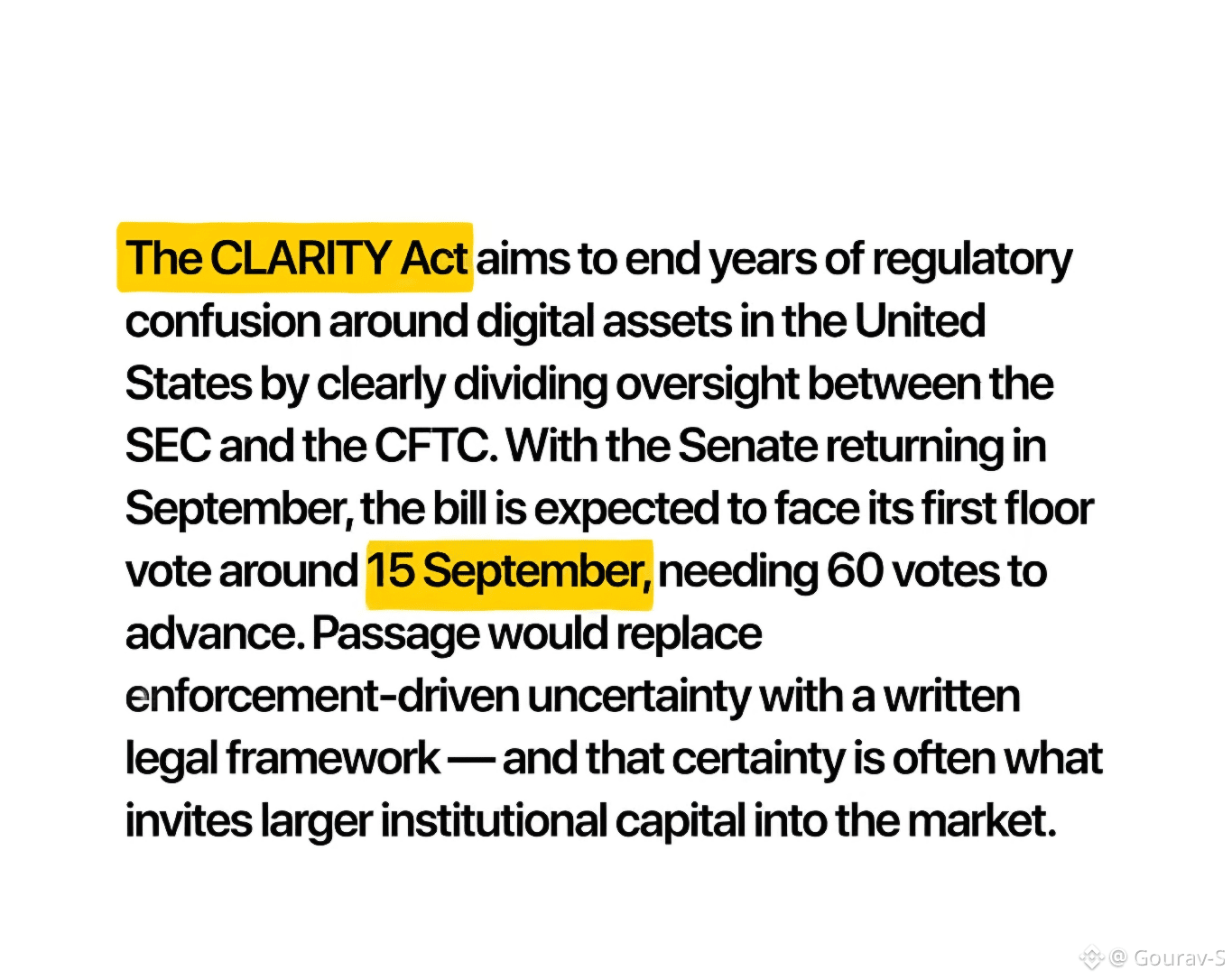
Các dự luật như CLARITY và những đề xuất về cấu trúc thị trường khác có thể đưa ra các quy tắc rõ ràng hơn cho crypto. Điều này sẽ tích cực cho việc các tổ chức tham gia, nhưng một dự luật được đề xuất không phải là “tác nhân” làm giá Bitcoin bật tăng ngay lập tức.
🌍 Các chính phủ đang nắm giữ BTC:
Mỹ, Trung Quốc và các chính phủ khác đang nắm giữ lượng lớn Bitcoin, nhưng phần lớn đến từ các vụ tịch thu tài sản do tội phạm, chứ không phải là mua chủ ý. Bhutan thì khác—nước này đang khai thác Bitcoin bằng nguồn tài nguyên thủy điện.
🇮🇳 Còn Ấn Độ thì sao?
Việc áp dụng crypto ở Ấn Độ rất lớn, nhưng chính sách thuế của nước này vẫn là một yếu tố quan trọng, bao gồm thuế 30% trên các khoản lãi crypto áp dụng được và 1% TDS.
Vậy câu chuyện dài hạn của Bitcoin có đang vững hơn không? Chắc chắn là có.
Nhưng đừng nhầm lẫn một dự luật được đề xuất, một tiêu đề hay dự đoán trên mạng xã hội với việc chính phủ thực sự mua vào.
Câu chuyện về Bitcoin rất “có lực”. Cái “hype” thậm chí còn lớn hơn. Luôn kiểm tra sự thật trước khi đưa ra một quyết định giao dịch.
Bạn nghĩ sao, liệu các quỹ dự trữ Bitcoin thuộc chủ quyền sẽ trở nên bình thường trong vài năm tới? 👇
#bitcoin #BTC #BinanceSquare
$BTC
{spot}(BTCUSDT)
Cú bùng nổ lớn tiếp theo của Bitcoin: Thực tế hay chỉ là “hype”?
Có rất nhiều lời bàn tán về việc Bitcoin đang sẵn sàng cho một đợt tăng nóng nhờ các dự luật crypto của Mỹ, quỹ dự trữ quốc gia và các chính phủ đang nắm giữ BTC.
Nhưng hãy tách bạch sự thật khỏi những lời thổi phồng.
🇺🇸 Quỹ dự trữ Bitcoin của Mỹ:
Ý tưởng Mỹ xây dựng một quỹ dự trữ Bitcoin chiến lược là có thật, nhưng các tuyên bố rằng chính phủ đã phê duyệt việc mua 1 triệu BTC là gây hiểu nhầm. Mục tiêu 1 triệu BTC xuất phát từ một dự luật được đề xuất, không phải là một lệnh đã được triển khai đầy đủ.
📜 Quy định về crypto tại Mỹ:
Các dự luật như CLARITY và những đề xuất về cấu trúc thị trường khác có thể đưa ra các quy tắc rõ ràng hơn cho crypto. Điều này sẽ tích cực cho việc các tổ chức tham gia, nhưng một dự luật được đề xuất không phải là “tác nhân” làm giá Bitcoin bật tăng ngay lập tức.
🌍 Các chính phủ đang nắm giữ BTC:
Mỹ, Trung Quốc và các chính phủ khác đang nắm giữ lượng lớn Bitcoin, nhưng phần lớn đến từ các vụ tịch thu tài sản do tội phạm, chứ không phải là mua chủ ý. Bhutan thì khác—nước này đang khai thác Bitcoin bằng nguồn tài nguyên thủy điện.
🇮🇳 Còn Ấn Độ thì sao?
Việc áp dụng crypto ở Ấn Độ rất lớn, nhưng chính sách thuế của nước này vẫn là một yếu tố quan trọng, bao gồm thuế 30% trên các khoản lãi crypto áp dụng được và 1% TDS.
Vậy câu chuyện dài hạn của Bitcoin có đang vững hơn không? Chắc chắn là có.
Nhưng đừng nhầm lẫn một dự luật được đề xuất, một tiêu đề hay dự đoán trên mạng xã hội với việc chính phủ thực sự mua vào.
Câu chuyện về Bitcoin rất “có lực”. Cái “hype” thậm chí còn lớn hơn. Luôn kiểm tra sự thật trước khi đưa ra một quyết định giao dịch.
Bạn nghĩ sao, liệu các quỹ dự trữ Bitcoin thuộc chủ quyền sẽ trở nên bình thường trong vài năm tới? 👇
#bitcoin #BTC #BinanceSquare
$BTC
Có rất nhiều lời bàn tán về việc Bitcoin đang sẵn sàng cho một đợt tăng nóng nhờ các dự luật crypto của Mỹ, quỹ dự trữ quốc gia và các chính phủ đang nắm giữ BTC.
Nhưng hãy tách bạch sự thật khỏi những lời thổi phồng.
🇺🇸 Quỹ dự trữ Bitcoin của Mỹ:
Ý tưởng Mỹ xây dựng một quỹ dự trữ Bitcoin chiến lược là có thật, nhưng các tuyên bố rằng chính phủ đã phê duyệt việc mua 1 triệu BTC là gây hiểu nhầm. Mục tiêu 1 triệu BTC xuất phát từ một dự luật được đề xuất, không phải là một lệnh đã được triển khai đầy đủ.
📜 Quy định về crypto tại Mỹ:
Các dự luật như CLARITY và những đề xuất về cấu trúc thị trường khác có thể đưa ra các quy tắc rõ ràng hơn cho crypto. Điều này sẽ tích cực cho việc các tổ chức tham gia, nhưng một dự luật được đề xuất không phải là “tác nhân” làm giá Bitcoin bật tăng ngay lập tức.
🌍 Các chính phủ đang nắm giữ BTC:
Mỹ, Trung Quốc và các chính phủ khác đang nắm giữ lượng lớn Bitcoin, nhưng phần lớn đến từ các vụ tịch thu tài sản do tội phạm, chứ không phải là mua chủ ý. Bhutan thì khác—nước này đang khai thác Bitcoin bằng nguồn tài nguyên thủy điện.
🇮🇳 Còn Ấn Độ thì sao?
Việc áp dụng crypto ở Ấn Độ rất lớn, nhưng chính sách thuế của nước này vẫn là một yếu tố quan trọng, bao gồm thuế 30% trên các khoản lãi crypto áp dụng được và 1% TDS.
Vậy câu chuyện dài hạn của Bitcoin có đang vững hơn không? Chắc chắn là có.
Nhưng đừng nhầm lẫn một dự luật được đề xuất, một tiêu đề hay dự đoán trên mạng xã hội với việc chính phủ thực sự mua vào.
Câu chuyện về Bitcoin rất “có lực”. Cái “hype” thậm chí còn lớn hơn. Luôn kiểm tra sự thật trước khi đưa ra một quyết định giao dịch.
Bạn nghĩ sao, liệu các quỹ dự trữ Bitcoin thuộc chủ quyền sẽ trở nên bình thường trong vài năm tới? 👇
#bitcoin #BTC #BinanceSquare
$BTC
2
1.1k
·
--
Cá voi đặt cược SOL trị giá 47 triệu USD đang được chú ý
Một “whale” đang thực hiện một canh cược cực kỳ quyết liệt vào Solana.
Theo nhà phân tích on-chain Ai Yi, ví này đang nắm giữ khoảng 517.000 SOL trong một lệnh Long đòn bẩy 20x, với giá trị vị thế gần 47 triệu USD và lợi nhuận chưa thực hiện vào khoảng 6,3 triệu USD.
Điều khiến câu chuyện này thú vị là cách cá voi quản lý vị thế. Sau khi mở lệnh vào ngày 10 tháng 8, họ được cho là đã đóng một phần vị thế để thu về khoảng 475K USD lợi nhuận, rồi sau đó lại gia tăng mức phơi nhiễm thêm vào khoảng 82.
Điều đó cho thấy một điều: đây không phải là một thương vụ đầu cơ nhỏ. Có người sẵn sàng chấp nhận rủi ro đòn bẩy đáng kể trên SOL.
Nhưng còn một mặt khác của câu chuyện. Đòn bẩy 20x hoạt động hai chiều. Chỉ cần giá biến động tương đối nhỏ bất lợi cho vị thế, lợi nhuận chưa thực hiện lớn có thể nhanh chóng biến thành thua lỗ.
Hoạt động của cá voi có thể hữu ích để theo dõi, nhưng không nên coi đó là tín hiệu để mù quáng làm theo.
Vị thế lớn. Niềm tin lớn. Và rủi ro còn lớn hơn.
#Solana #SOL #altcoins #BinanceSquare
$SOL
{spot}(SOLUSDT)
Cá voi đặt cược SOL trị giá 47 triệu USD đang được chú ý
Một “whale” đang thực hiện một canh cược cực kỳ quyết liệt vào Solana.
Theo nhà phân tích on-chain Ai Yi, ví này đang nắm giữ khoảng 517.000 SOL trong một lệnh Long đòn bẩy 20x, với giá trị vị thế gần 47 triệu USD và lợi nhuận chưa thực hiện vào khoảng 6,3 triệu USD.
Điều khiến câu chuyện này thú vị là cách cá voi quản lý vị thế. Sau khi mở lệnh vào ngày 10 tháng 8, họ được cho là đã đóng một phần vị thế để thu về khoảng 475K USD lợi nhuận, rồi sau đó lại gia tăng mức phơi nhiễm thêm vào khoảng 82.
Điều đó cho thấy một điều: đây không phải là một thương vụ đầu cơ nhỏ. Có người sẵn sàng chấp nhận rủi ro đòn bẩy đáng kể trên SOL.
Nhưng còn một mặt khác của câu chuyện. Đòn bẩy 20x hoạt động hai chiều. Chỉ cần giá biến động tương đối nhỏ bất lợi cho vị thế, lợi nhuận chưa thực hiện lớn có thể nhanh chóng biến thành thua lỗ.
Hoạt động của cá voi có thể hữu ích để theo dõi, nhưng không nên coi đó là tín hiệu để mù quáng làm theo.
Vị thế lớn. Niềm tin lớn. Và rủi ro còn lớn hơn.
#Solana #SOL #altcoins #BinanceSquare
$SOL
Một “whale” đang thực hiện một canh cược cực kỳ quyết liệt vào Solana.
Theo nhà phân tích on-chain Ai Yi, ví này đang nắm giữ khoảng 517.000 SOL trong một lệnh Long đòn bẩy 20x, với giá trị vị thế gần 47 triệu USD và lợi nhuận chưa thực hiện vào khoảng 6,3 triệu USD.
Điều khiến câu chuyện này thú vị là cách cá voi quản lý vị thế. Sau khi mở lệnh vào ngày 10 tháng 8, họ được cho là đã đóng một phần vị thế để thu về khoảng 475K USD lợi nhuận, rồi sau đó lại gia tăng mức phơi nhiễm thêm vào khoảng 82.
Điều đó cho thấy một điều: đây không phải là một thương vụ đầu cơ nhỏ. Có người sẵn sàng chấp nhận rủi ro đòn bẩy đáng kể trên SOL.
Nhưng còn một mặt khác của câu chuyện. Đòn bẩy 20x hoạt động hai chiều. Chỉ cần giá biến động tương đối nhỏ bất lợi cho vị thế, lợi nhuận chưa thực hiện lớn có thể nhanh chóng biến thành thua lỗ.
Hoạt động của cá voi có thể hữu ích để theo dõi, nhưng không nên coi đó là tín hiệu để mù quáng làm theo.
Vị thế lớn. Niềm tin lớn. Và rủi ro còn lớn hơn.
#Solana #SOL #altcoins #BinanceSquare
$SOL


Binance News
·
--
Cá voi nắm giữ vị thế long 517.000 SOL với lợi nhuận chưa thực hiện 6,3 triệu USD
Theo nhà phân tích on-chain Ai Yi, một cá voi đang nắm giữ vị thế long đòn bẩy 20x trên 517.000 SOL với lợi nhuận chưa thực hiện là 6,3 triệu USD. Theo Odaily, vị thế này được định giá 47,09 triệu USD, với giá vào lệnh trung bình là 79,3222 USD.
Vào ngày 10 tháng 8, cá voi mở vị thế và trở thành nhà nắm giữ lớn nhất. Vào ngày 19 tháng 8, nó đóng một nửa vị thế và thu về lợi nhuận 475.000 USD, sau đó bổ sung lại vào phần đó của vị thế vào lúc chiều tối cùng ngày với giá 82,16.
Vào ngày 10 tháng 8, cá voi mở vị thế và trở thành nhà nắm giữ lớn nhất. Vào ngày 19 tháng 8, nó đóng một nửa vị thế và thu về lợi nhuận 475.000 USD, sau đó bổ sung lại vào phần đó của vị thế vào lúc chiều tối cùng ngày với giá 82,16.
1
406
·
--
Đã xác minh
HSBC Vừa Nâng Mục Tiêu Nvidia, Nhưng Điều Quan Trọng Thật Sự Là Đây
HSBC đã nâng mục tiêu giá cho Nvidia ($NVDA ) từ 325 USD lên 360 USD, giữ nguyên khuyến nghị Mua.
Thoạt nhìn, đây chỉ là một lần nâng mục tiêu của một nhà phân tích khác. Nhưng phía sau đó là một câu chuyện lớn hơn.
Nvidia đã trở thành một trong những đơn vị hưởng lợi lớn nhất từ làn sóng AI toàn cầu. Các công ty đang chi mạnh tay cho hạ tầng AI, và GPU của Nvidia vẫn nằm ở trung tâm của quá trình xây dựng đó. Mục tiêu cao hơn từ HSBC cho thấy ngân hàng vẫn nhìn thấy dư địa để Nvidia tiếp tục tăng trưởng, bất chấp việc cổ phiếu đã có một đợt tăng mạnh trước đó.
Tuy nhiên, mục tiêu giá không phải là sự đảm bảo. Định giá của Nvidia đã ở mức đòi hỏi, vì vậy công ty sẽ cần tiếp tục mang về doanh thu, lợi nhuận vững mạnh và nhu cầu liên quan đến AI để biện minh cho mức giá cao hơn.
Với tôi, phần thú vị không nằm ở con số 360 USD.
Mà là liệu Nvidia có thể tiếp tục chuyển hóa chu kỳ chi tiêu AI khổng lồ thành tăng trưởng lợi nhuận bền vững hay không.
Nhu cầu AI đang rất mạnh. Giờ thị trường muốn thấy năng lực triển khai.
#Nvidia #NVDA #AI #BinanceSquare $NVDA.US
{stock_us}(NVDA.US)
HSBC Vừa Nâng Mục Tiêu Nvidia, Nhưng Điều Quan Trọng Thật Sự Là Đây
HSBC đã nâng mục tiêu giá cho Nvidia ($NVDA ) từ 325 USD lên 360 USD, giữ nguyên khuyến nghị Mua.
Thoạt nhìn, đây chỉ là một lần nâng mục tiêu của một nhà phân tích khác. Nhưng phía sau đó là một câu chuyện lớn hơn.
Nvidia đã trở thành một trong những đơn vị hưởng lợi lớn nhất từ làn sóng AI toàn cầu. Các công ty đang chi mạnh tay cho hạ tầng AI, và GPU của Nvidia vẫn nằm ở trung tâm của quá trình xây dựng đó. Mục tiêu cao hơn từ HSBC cho thấy ngân hàng vẫn nhìn thấy dư địa để Nvidia tiếp tục tăng trưởng, bất chấp việc cổ phiếu đã có một đợt tăng mạnh trước đó.
Tuy nhiên, mục tiêu giá không phải là sự đảm bảo. Định giá của Nvidia đã ở mức đòi hỏi, vì vậy công ty sẽ cần tiếp tục mang về doanh thu, lợi nhuận vững mạnh và nhu cầu liên quan đến AI để biện minh cho mức giá cao hơn.
Với tôi, phần thú vị không nằm ở con số 360 USD.
Mà là liệu Nvidia có thể tiếp tục chuyển hóa chu kỳ chi tiêu AI khổng lồ thành tăng trưởng lợi nhuận bền vững hay không.
Nhu cầu AI đang rất mạnh. Giờ thị trường muốn thấy năng lực triển khai.
#Nvidia #NVDA #AI #BinanceSquare $NVDA.US
HSBC đã nâng mục tiêu giá cho Nvidia ($NVDA ) từ 325 USD lên 360 USD, giữ nguyên khuyến nghị Mua.
Thoạt nhìn, đây chỉ là một lần nâng mục tiêu của một nhà phân tích khác. Nhưng phía sau đó là một câu chuyện lớn hơn.
Nvidia đã trở thành một trong những đơn vị hưởng lợi lớn nhất từ làn sóng AI toàn cầu. Các công ty đang chi mạnh tay cho hạ tầng AI, và GPU của Nvidia vẫn nằm ở trung tâm của quá trình xây dựng đó. Mục tiêu cao hơn từ HSBC cho thấy ngân hàng vẫn nhìn thấy dư địa để Nvidia tiếp tục tăng trưởng, bất chấp việc cổ phiếu đã có một đợt tăng mạnh trước đó.
Tuy nhiên, mục tiêu giá không phải là sự đảm bảo. Định giá của Nvidia đã ở mức đòi hỏi, vì vậy công ty sẽ cần tiếp tục mang về doanh thu, lợi nhuận vững mạnh và nhu cầu liên quan đến AI để biện minh cho mức giá cao hơn.
Với tôi, phần thú vị không nằm ở con số 360 USD.
Mà là liệu Nvidia có thể tiếp tục chuyển hóa chu kỳ chi tiêu AI khổng lồ thành tăng trưởng lợi nhuận bền vững hay không.
Nhu cầu AI đang rất mạnh. Giờ thị trường muốn thấy năng lực triển khai.
#Nvidia #NVDA #AI #BinanceSquare $NVDA.US
Binance News
·
--
HSBC Nâng Mục Tiêu Giá Nvidia Lên 360 USD Từ 325 USD
HSBC đã nâng mục tiêu giá cho Nvidia lên 360 USD từ 325 USD. Theo ChainCatcher, ngân hàng đã đưa ra điều chỉnh này trong một ghi chú ngắn gọn mà không cung cấp thêm chi tiết nào.
NVDAUS+0,02%
2
666
·
--
Đã xác minh
bStock đầu tiên của bạn: Cổ phiếu, nhưng trên chuỗi
Bạn đã bao giờ tự hỏi điều đó sẽ trông như thế nào nếu giao dịch cổ phiếu truyền thống và crypto được kết hợp với nhau?
bStocks mới của Binance được thiết kế để giúp trải nghiệm này trở nên đơn giản hơn nhiều.
bStock là một token được đảm bảo theo tỷ lệ 1:1 bằng một cổ phiếu thực sự được nắm giữ bởi một công ty môi giới được quản lý. Vì vậy, thay vì mở một tài khoản môi giới riêng, người dùng đủ điều kiện có thể mua bStocks trực tiếp bằng USDT trên Binance Spot.
Và phần thú vị là? 👇
- Giao dịch 24/7 — không cần chờ thị trường Mỹ mở cửa
- Chỉ từ 5 USD — tiếp cận theo phần thay vì phải có giá của cả một cổ phiếu
- Quyết toán T+1
- BNB Smart Chain — bStocks có thể được chuyển sang tự lưu ký và dùng trên DeFi
- Cổ tức tự động được tái đầu tư sau khi khấu trừ thuế áp dụng
Ví dụ, bStock của NVIDIA là NVDAB, còn của Apple là AAPLB.
Quy trình rất đơn giản: tìm bStock → chọn Market hoặc Limit → nhập số tiền của bạn → xác nhận.
Điều tôi thấy thú vị nhất không chỉ là khả năng mua một cổ phiếu được token hóa.
Mà là ý tưởng đưa quyền sở hữu cổ phần truyền thống vào một môi trường trên chuỗi, nơi việc giao dịch có thể diễn ra 24/7 và tài sản có thể tương tác với DeFi.
Nếu bạn mới bắt đầu với bStocks, mục “Your First bStock: A Quick Guide” (Hướng dẫn nhanh về bStock đầu tiên của bạn) trong ứng dụng Binance là một nơi tốt để bắt đầu.
Các thị trường truyền thống đang dần trở nên có thể lập trình hơn.
bStocks có thể là một bước tiếp theo theo hướng đó.
#Binance #TokenizedStocks #BNBChain #crypto #stocks
bStock đầu tiên của bạn: Cổ phiếu, nhưng trên chuỗi
Bạn đã bao giờ tự hỏi điều đó sẽ trông như thế nào nếu giao dịch cổ phiếu truyền thống và crypto được kết hợp với nhau?
bStocks mới của Binance được thiết kế để giúp trải nghiệm này trở nên đơn giản hơn nhiều.
bStock là một token được đảm bảo theo tỷ lệ 1:1 bằng một cổ phiếu thực sự được nắm giữ bởi một công ty môi giới được quản lý. Vì vậy, thay vì mở một tài khoản môi giới riêng, người dùng đủ điều kiện có thể mua bStocks trực tiếp bằng USDT trên Binance Spot.
Và phần thú vị là? 👇
- Giao dịch 24/7 — không cần chờ thị trường Mỹ mở cửa
- Chỉ từ 5 USD — tiếp cận theo phần thay vì phải có giá của cả một cổ phiếu
- Quyết toán T+1
- BNB Smart Chain — bStocks có thể được chuyển sang tự lưu ký và dùng trên DeFi
- Cổ tức tự động được tái đầu tư sau khi khấu trừ thuế áp dụng
Ví dụ, bStock của NVIDIA là NVDAB, còn của Apple là AAPLB.
Quy trình rất đơn giản: tìm bStock → chọn Market hoặc Limit → nhập số tiền của bạn → xác nhận.
Điều tôi thấy thú vị nhất không chỉ là khả năng mua một cổ phiếu được token hóa.
Mà là ý tưởng đưa quyền sở hữu cổ phần truyền thống vào một môi trường trên chuỗi, nơi việc giao dịch có thể diễn ra 24/7 và tài sản có thể tương tác với DeFi.
Nếu bạn mới bắt đầu với bStocks, mục “Your First bStock: A Quick Guide” (Hướng dẫn nhanh về bStock đầu tiên của bạn) trong ứng dụng Binance là một nơi tốt để bắt đầu.
Các thị trường truyền thống đang dần trở nên có thể lập trình hơn.
bStocks có thể là một bước tiếp theo theo hướng đó.
#Binance #TokenizedStocks #BNBChain #crypto #stocks
Bạn đã bao giờ tự hỏi điều đó sẽ trông như thế nào nếu giao dịch cổ phiếu truyền thống và crypto được kết hợp với nhau?
bStocks mới của Binance được thiết kế để giúp trải nghiệm này trở nên đơn giản hơn nhiều.
bStock là một token được đảm bảo theo tỷ lệ 1:1 bằng một cổ phiếu thực sự được nắm giữ bởi một công ty môi giới được quản lý. Vì vậy, thay vì mở một tài khoản môi giới riêng, người dùng đủ điều kiện có thể mua bStocks trực tiếp bằng USDT trên Binance Spot.
Và phần thú vị là? 👇
- Giao dịch 24/7 — không cần chờ thị trường Mỹ mở cửa
- Chỉ từ 5 USD — tiếp cận theo phần thay vì phải có giá của cả một cổ phiếu
- Quyết toán T+1
- BNB Smart Chain — bStocks có thể được chuyển sang tự lưu ký và dùng trên DeFi
- Cổ tức tự động được tái đầu tư sau khi khấu trừ thuế áp dụng
Ví dụ, bStock của NVIDIA là NVDAB, còn của Apple là AAPLB.
Quy trình rất đơn giản: tìm bStock → chọn Market hoặc Limit → nhập số tiền của bạn → xác nhận.
Điều tôi thấy thú vị nhất không chỉ là khả năng mua một cổ phiếu được token hóa.
Mà là ý tưởng đưa quyền sở hữu cổ phần truyền thống vào một môi trường trên chuỗi, nơi việc giao dịch có thể diễn ra 24/7 và tài sản có thể tương tác với DeFi.
Nếu bạn mới bắt đầu với bStocks, mục “Your First bStock: A Quick Guide” (Hướng dẫn nhanh về bStock đầu tiên của bạn) trong ứng dụng Binance là một nơi tốt để bắt đầu.
Các thị trường truyền thống đang dần trở nên có thể lập trình hơn.
bStocks có thể là một bước tiếp theo theo hướng đó.
#Binance #TokenizedStocks #BNBChain #crypto #stocks
1
293
·
--
🍎 Quý mạnh mẽ của Apple đi kèm một “cái bẫy”
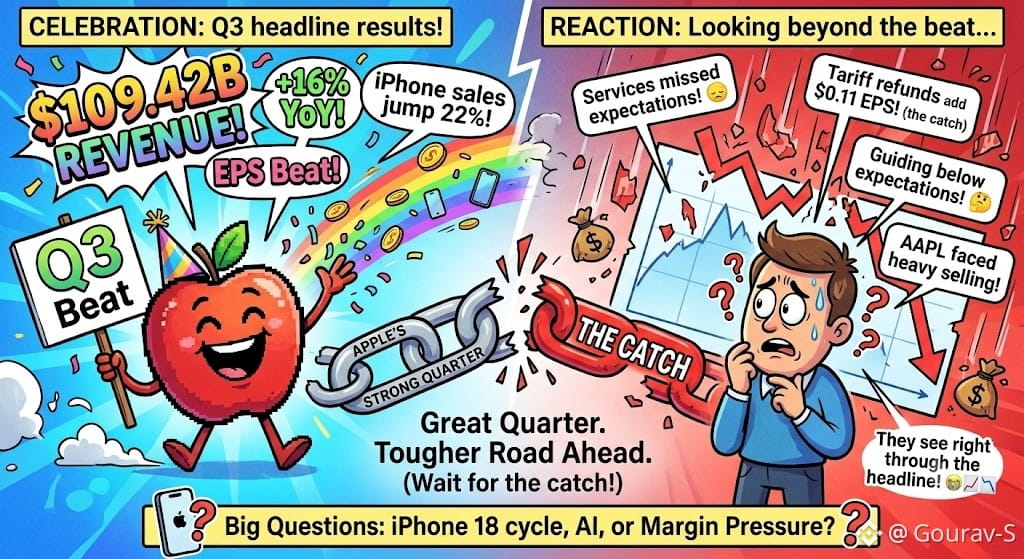
Apple đã công bố một quý tài chính Q3 đầy ấn tượng, với doanh thu 109,42B USD (+16% YoY) và EPS đạt 2,02 USD. Doanh số iPhone tăng 22% lên 54,25B USD, trong khi Dịch vụ (Services) đạt 30,74B USD. Nhìn bề ngoài, các con số trông rất ấn tượng.
Nhưng các nhà đầu tư lại nhìn xa hơn phần kết quả vượt kỳ vọng ban đầu. Hoàn tiền thuế quan (tariff refunds) đã cộng thêm khoảng 0,11 USD vào EPS và khoảng 2 điểm phần trăm vào biên lợi nhuận gộp, trong khi mảng Dịch vụ lại không đạt kỳ vọng. Apple cũng đưa ra dự báo tăng trưởng doanh thu quý 4 chỉ 9–11%, thấp hơn kỳ vọng của Phố Wall.
Đó là lý do vì sao $AAPL faced heavy selling dù kết quả vẫn mạnh.
Câu hỏi lớn bây giờ là liệu chu kỳ iPhone 18, tiến bộ về AI và tăng trưởng Dịch vụ có thể mang lại một đợt leo dốc tiếp theo, hay áp lực biên lợi nhuận tiếp tục khiến cổ phiếu bị “đè”.
Quý tuyệt vời. Con đường phía trước còn khó hơn.
#Apple #AAPL #iPhone18 #AI #BinanceSquare
🍎 Quý mạnh mẽ của Apple đi kèm một “cái bẫy”
Apple đã công bố một quý tài chính Q3 đầy ấn tượng, với doanh thu 109,42B USD (+16% YoY) và EPS đạt 2,02 USD. Doanh số iPhone tăng 22% lên 54,25B USD, trong khi Dịch vụ (Services) đạt 30,74B USD. Nhìn bề ngoài, các con số trông rất ấn tượng.
Nhưng các nhà đầu tư lại nhìn xa hơn phần kết quả vượt kỳ vọng ban đầu. Hoàn tiền thuế quan (tariff refunds) đã cộng thêm khoảng 0,11 USD vào EPS và khoảng 2 điểm phần trăm vào biên lợi nhuận gộp, trong khi mảng Dịch vụ lại không đạt kỳ vọng. Apple cũng đưa ra dự báo tăng trưởng doanh thu quý 4 chỉ 9–11%, thấp hơn kỳ vọng của Phố Wall.
Đó là lý do vì sao $AAPL faced heavy selling dù kết quả vẫn mạnh.
Câu hỏi lớn bây giờ là liệu chu kỳ iPhone 18, tiến bộ về AI và tăng trưởng Dịch vụ có thể mang lại một đợt leo dốc tiếp theo, hay áp lực biên lợi nhuận tiếp tục khiến cổ phiếu bị “đè”.
Quý tuyệt vời. Con đường phía trước còn khó hơn.
#Apple #AAPL #iPhone18 #AI #BinanceSquare
Apple đã công bố một quý tài chính Q3 đầy ấn tượng, với doanh thu 109,42B USD (+16% YoY) và EPS đạt 2,02 USD. Doanh số iPhone tăng 22% lên 54,25B USD, trong khi Dịch vụ (Services) đạt 30,74B USD. Nhìn bề ngoài, các con số trông rất ấn tượng.
Nhưng các nhà đầu tư lại nhìn xa hơn phần kết quả vượt kỳ vọng ban đầu. Hoàn tiền thuế quan (tariff refunds) đã cộng thêm khoảng 0,11 USD vào EPS và khoảng 2 điểm phần trăm vào biên lợi nhuận gộp, trong khi mảng Dịch vụ lại không đạt kỳ vọng. Apple cũng đưa ra dự báo tăng trưởng doanh thu quý 4 chỉ 9–11%, thấp hơn kỳ vọng của Phố Wall.
Đó là lý do vì sao $AAPL faced heavy selling dù kết quả vẫn mạnh.
Câu hỏi lớn bây giờ là liệu chu kỳ iPhone 18, tiến bộ về AI và tăng trưởng Dịch vụ có thể mang lại một đợt leo dốc tiếp theo, hay áp lực biên lợi nhuận tiếp tục khiến cổ phiếu bị “đè”.
Quý tuyệt vời. Con đường phía trước còn khó hơn.
#Apple #AAPL #iPhone18 #AI #BinanceSquare
1
458
·
--
#BrentTăng3,8%Lên82,49
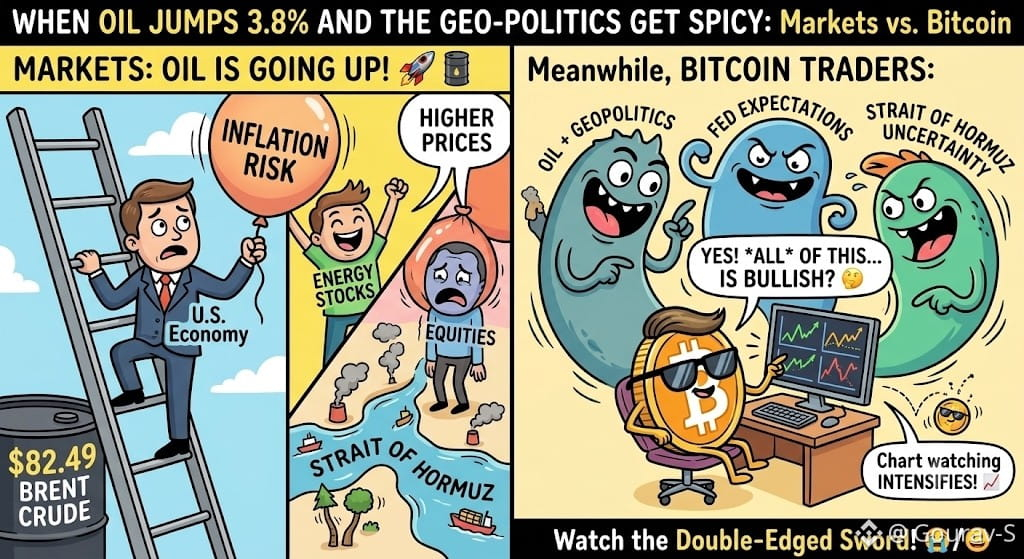
Dầu Brent tăng 3,8% lên 82,49 USD/thùng, khi thị trường phản ứng trước sự bất định mới xung quanh khả năng đạt được thỏa thuận để mở lại eo biển Hormuz. Diễn biến này diễn ra ngay cả khi các nỗ lực ngoại giao vẫn tiếp diễn, với việc Iran và Oman nhất trí về một tuyến đường vận chuyển dự kiến. Tuy nhiên, vẫn chưa đạt được thỏa thuận cuối cùng giữa Mỹ và Iran, khiến các rủi ro về nguồn cung và vận chuyển tiếp tục ở mức cao.
Đối với thị trường, giá dầu cao hơn là con dao hai lưỡi. Chúng có thể hỗ trợ cổ phiếu năng lượng nhưng đồng thời cũng làm gia tăng lo ngại lạm phát và có thể gây sức ép lên cổ phiếu và crypto nếu đà tăng tiếp diễn.
Với các nhà giao dịch Bitcoin, dầu + địa chính trị + kỳ vọng về Fed là những yếu tố cần theo dõi sát sao.
#BrentCrude #Oil #Hormuz #Markets #BinanceSquare
#BrentTăng3,8%Lên82,49
Dầu Brent tăng 3,8% lên 82,49 USD/thùng, khi thị trường phản ứng trước sự bất định mới xung quanh khả năng đạt được thỏa thuận để mở lại eo biển Hormuz. Diễn biến này diễn ra ngay cả khi các nỗ lực ngoại giao vẫn tiếp diễn, với việc Iran và Oman nhất trí về một tuyến đường vận chuyển dự kiến. Tuy nhiên, vẫn chưa đạt được thỏa thuận cuối cùng giữa Mỹ và Iran, khiến các rủi ro về nguồn cung và vận chuyển tiếp tục ở mức cao.
Đối với thị trường, giá dầu cao hơn là con dao hai lưỡi. Chúng có thể hỗ trợ cổ phiếu năng lượng nhưng đồng thời cũng làm gia tăng lo ngại lạm phát và có thể gây sức ép lên cổ phiếu và crypto nếu đà tăng tiếp diễn.
Với các nhà giao dịch Bitcoin, dầu + địa chính trị + kỳ vọng về Fed là những yếu tố cần theo dõi sát sao.
#BrentCrude #Oil #Hormuz #Markets #BinanceSquare
Dầu Brent tăng 3,8% lên 82,49 USD/thùng, khi thị trường phản ứng trước sự bất định mới xung quanh khả năng đạt được thỏa thuận để mở lại eo biển Hormuz. Diễn biến này diễn ra ngay cả khi các nỗ lực ngoại giao vẫn tiếp diễn, với việc Iran và Oman nhất trí về một tuyến đường vận chuyển dự kiến. Tuy nhiên, vẫn chưa đạt được thỏa thuận cuối cùng giữa Mỹ và Iran, khiến các rủi ro về nguồn cung và vận chuyển tiếp tục ở mức cao.
Đối với thị trường, giá dầu cao hơn là con dao hai lưỡi. Chúng có thể hỗ trợ cổ phiếu năng lượng nhưng đồng thời cũng làm gia tăng lo ngại lạm phát và có thể gây sức ép lên cổ phiếu và crypto nếu đà tăng tiếp diễn.
Với các nhà giao dịch Bitcoin, dầu + địa chính trị + kỳ vọng về Fed là những yếu tố cần theo dõi sát sao.
#BrentCrude #Oil #Hormuz #Markets #BinanceSquare
1
281
·
--
Đã xác minh
#TSEPlansReReviewForMajorBusinessChanges
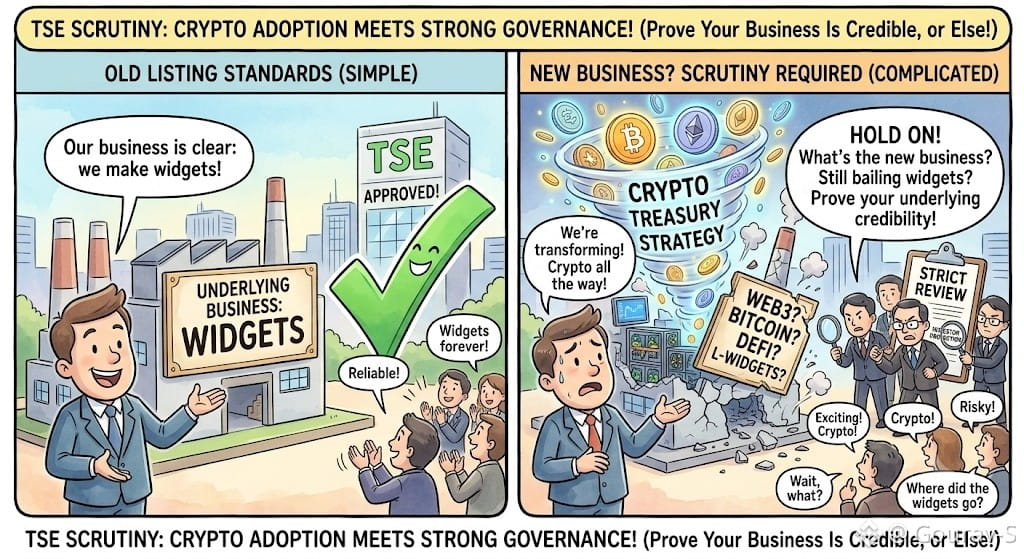
Sở Giao dịch Chứng khoán Tokyo (TSE) của Nhật Bản đang xem xét việc siết chặt hơn việc giám sát khi các công ty niêm yết thực hiện những thay đổi lớn đối với hoạt động kinh doanh cốt lõi của mình. Cuộc thảo luận này đặc biệt phù hợp với các công ty đang chuyển hướng sang chiến lược kho bạc (treasury) gắn với tiền mã hóa, nơi hoạt động kinh doanh mới có thể trông rất khác so với những gì đã được xem xét ban đầu trong quá trình niêm yết.
Ý tưởng là bảo vệ nhà đầu tư và ngăn các công ty thực hiện những lẩn tránh hiệu quả các tiêu chuẩn niêm yết ban đầu của sàn thông qua một quá trình chuyển đổi kinh doanh mang tính đột biến.
Đối với thị trường crypto, đây là một diễn biến quan trọng. Nhật Bản dường như đang hướng tới việc chấp nhận crypto rộng rãi hơn, đồng thời lại đòi hỏi quản trị doanh nghiệp chặt chẽ hơn và tăng cường bảo vệ nhà đầu tư.
Thông điệp rất rõ ràng: việc tiếp xúc với crypto có thể được hoan nghênh, nhưng các công ty niêm yết vẫn cần một nền tảng kinh doanh đáng tin cậy.
#Japan #crypto #stockmarket #BinanceSquare
#TSEPlansReReviewForMajorBusinessChanges
Sở Giao dịch Chứng khoán Tokyo (TSE) của Nhật Bản đang xem xét việc siết chặt hơn việc giám sát khi các công ty niêm yết thực hiện những thay đổi lớn đối với hoạt động kinh doanh cốt lõi của mình. Cuộc thảo luận này đặc biệt phù hợp với các công ty đang chuyển hướng sang chiến lược kho bạc (treasury) gắn với tiền mã hóa, nơi hoạt động kinh doanh mới có thể trông rất khác so với những gì đã được xem xét ban đầu trong quá trình niêm yết.
Ý tưởng là bảo vệ nhà đầu tư và ngăn các công ty thực hiện những lẩn tránh hiệu quả các tiêu chuẩn niêm yết ban đầu của sàn thông qua một quá trình chuyển đổi kinh doanh mang tính đột biến.
Đối với thị trường crypto, đây là một diễn biến quan trọng. Nhật Bản dường như đang hướng tới việc chấp nhận crypto rộng rãi hơn, đồng thời lại đòi hỏi quản trị doanh nghiệp chặt chẽ hơn và tăng cường bảo vệ nhà đầu tư.
Thông điệp rất rõ ràng: việc tiếp xúc với crypto có thể được hoan nghênh, nhưng các công ty niêm yết vẫn cần một nền tảng kinh doanh đáng tin cậy.
#Japan #crypto #stockmarket #BinanceSquare
Sở Giao dịch Chứng khoán Tokyo (TSE) của Nhật Bản đang xem xét việc siết chặt hơn việc giám sát khi các công ty niêm yết thực hiện những thay đổi lớn đối với hoạt động kinh doanh cốt lõi của mình. Cuộc thảo luận này đặc biệt phù hợp với các công ty đang chuyển hướng sang chiến lược kho bạc (treasury) gắn với tiền mã hóa, nơi hoạt động kinh doanh mới có thể trông rất khác so với những gì đã được xem xét ban đầu trong quá trình niêm yết.
Ý tưởng là bảo vệ nhà đầu tư và ngăn các công ty thực hiện những lẩn tránh hiệu quả các tiêu chuẩn niêm yết ban đầu của sàn thông qua một quá trình chuyển đổi kinh doanh mang tính đột biến.
Đối với thị trường crypto, đây là một diễn biến quan trọng. Nhật Bản dường như đang hướng tới việc chấp nhận crypto rộng rãi hơn, đồng thời lại đòi hỏi quản trị doanh nghiệp chặt chẽ hơn và tăng cường bảo vệ nhà đầu tư.
Thông điệp rất rõ ràng: việc tiếp xúc với crypto có thể được hoan nghênh, nhưng các công ty niêm yết vẫn cần một nền tảng kinh doanh đáng tin cậy.
#Japan #crypto #stockmarket #BinanceSquare
1
4
220
·
--
Tăng giá
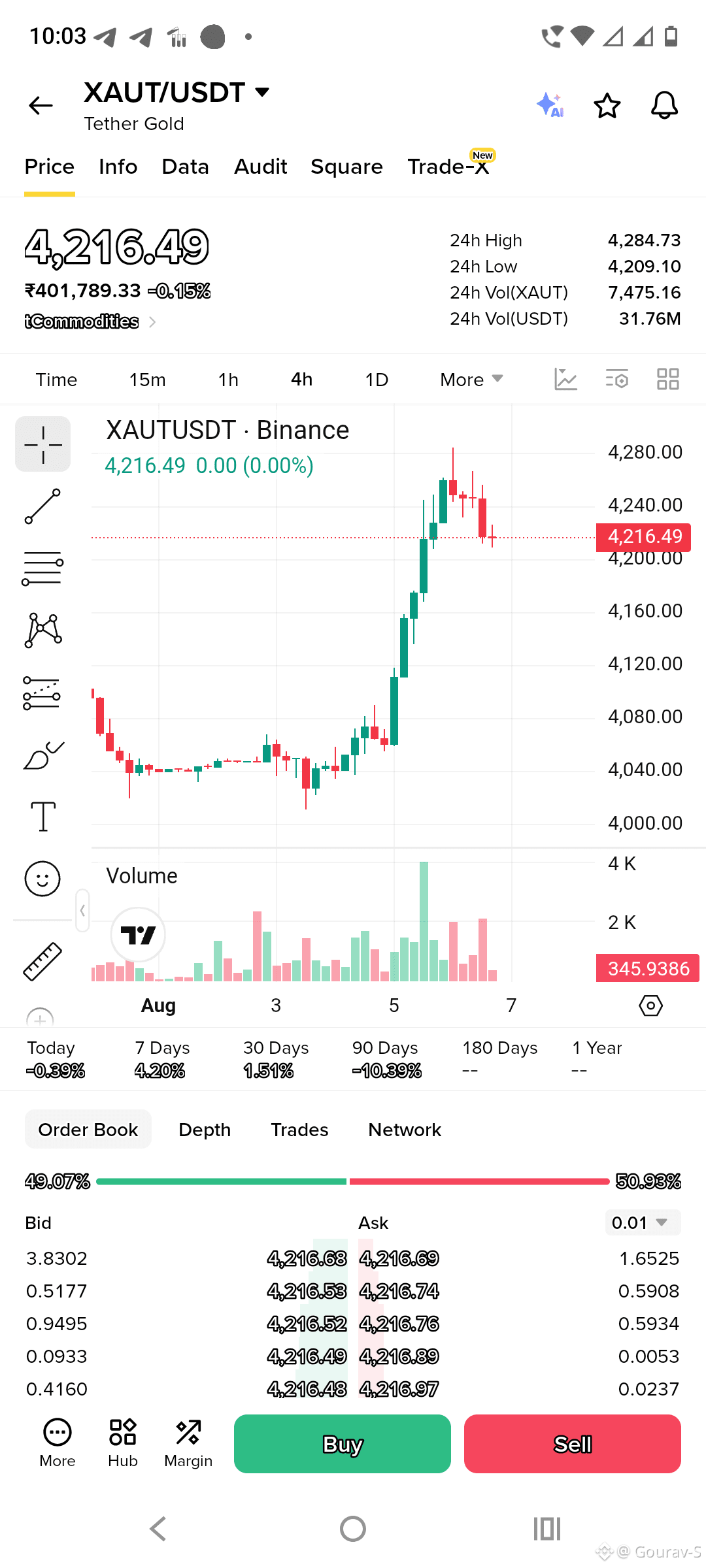
Góc nhìn giao dịch: Tăng giá, nhưng hãy chờ xác nhận
Biểu đồ cho thấy:
Một cú bứt phá mạnh theo dạng xung lực từ khoảng 4,060 lên 4,260+, xác nhận đà mua vào mạnh.
Giá hiện đang điều chỉnh về quanh 4,216, trông giống một nhịp điều chỉnh lành mạnh hơn là dấu hiệu đảo chiều xu hướng.
Các nến đỏ gần đây cho thấy việc chốt lời sau đợt tăng, nhưng vẫn chưa thấy rõ một nhịp gãy/bẻ giảm giá (bearish breakdown) nào.
Kế hoạch giao dịch (Xác suất cao hơn)
Xu hướng: Tăng giá
Vào lệnh: 4,210–4,220 (chỉ khi phe mua bảo vệ vững vùng này)
Mục tiêu 1: 4,245
Mục tiêu 2: 4,275–4,285
Cắt lỗ: Dưới 4,195
Vô hiệu hóa:
Nếu nến khung 4H đóng cửa dưới 4,195, đợt điều chỉnh có thể sâu hơn về vùng hỗ trợ 4,170–4,180 trước khi phe mua quay trở lại.
Hãy chú ý các sự kiện vĩ mô sắp tới của Mỹ (kỳ vọng từ Fed, dữ liệu việc làm và lợi suất TPCP), vì chúng thường có tác động mạnh đến giá vàng. USD mạnh hơn hoặc lợi suất tăng có thể gây áp lực lên vàng, trong khi dữ liệu kinh tế yếu hơn có thể hỗ trợ vàng.
#XAU #GOLD #BinanceSquare #singaurav9
$XAUT
{spot}(XAUTUSDT)
{future}(XAUUSDT)
Góc nhìn giao dịch: Tăng giá, nhưng hãy chờ xác nhận
Biểu đồ cho thấy:
Một cú bứt phá mạnh theo dạng xung lực từ khoảng 4,060 lên 4,260+, xác nhận đà mua vào mạnh.
Giá hiện đang điều chỉnh về quanh 4,216, trông giống một nhịp điều chỉnh lành mạnh hơn là dấu hiệu đảo chiều xu hướng.
Các nến đỏ gần đây cho thấy việc chốt lời sau đợt tăng, nhưng vẫn chưa thấy rõ một nhịp gãy/bẻ giảm giá (bearish breakdown) nào.
Kế hoạch giao dịch (Xác suất cao hơn)
Xu hướng: Tăng giá
Vào lệnh: 4,210–4,220 (chỉ khi phe mua bảo vệ vững vùng này)
Mục tiêu 1: 4,245
Mục tiêu 2: 4,275–4,285
Cắt lỗ: Dưới 4,195
Vô hiệu hóa:
Nếu nến khung 4H đóng cửa dưới 4,195, đợt điều chỉnh có thể sâu hơn về vùng hỗ trợ 4,170–4,180 trước khi phe mua quay trở lại.
Hãy chú ý các sự kiện vĩ mô sắp tới của Mỹ (kỳ vọng từ Fed, dữ liệu việc làm và lợi suất TPCP), vì chúng thường có tác động mạnh đến giá vàng. USD mạnh hơn hoặc lợi suất tăng có thể gây áp lực lên vàng, trong khi dữ liệu kinh tế yếu hơn có thể hỗ trợ vàng.
#XAU #GOLD #BinanceSquare #singaurav9
$XAUT
Biểu đồ cho thấy:
Một cú bứt phá mạnh theo dạng xung lực từ khoảng 4,060 lên 4,260+, xác nhận đà mua vào mạnh.
Giá hiện đang điều chỉnh về quanh 4,216, trông giống một nhịp điều chỉnh lành mạnh hơn là dấu hiệu đảo chiều xu hướng.
Các nến đỏ gần đây cho thấy việc chốt lời sau đợt tăng, nhưng vẫn chưa thấy rõ một nhịp gãy/bẻ giảm giá (bearish breakdown) nào.
Kế hoạch giao dịch (Xác suất cao hơn)
Xu hướng: Tăng giá
Vào lệnh: 4,210–4,220 (chỉ khi phe mua bảo vệ vững vùng này)
Mục tiêu 1: 4,245
Mục tiêu 2: 4,275–4,285
Cắt lỗ: Dưới 4,195
Vô hiệu hóa:
Nếu nến khung 4H đóng cửa dưới 4,195, đợt điều chỉnh có thể sâu hơn về vùng hỗ trợ 4,170–4,180 trước khi phe mua quay trở lại.
Hãy chú ý các sự kiện vĩ mô sắp tới của Mỹ (kỳ vọng từ Fed, dữ liệu việc làm và lợi suất TPCP), vì chúng thường có tác động mạnh đến giá vàng. USD mạnh hơn hoặc lợi suất tăng có thể gây áp lực lên vàng, trong khi dữ liệu kinh tế yếu hơn có thể hỗ trợ vàng.
#XAU #GOLD #BinanceSquare #singaurav9
$XAUT
1
350
·
--
#KospiFalls4.58%
Chỉ số KOSPI của Hàn Quốc giảm 4,58%, xóa đi phần lớn mức tăng gần đây khi làn bán mạnh nhắm vào các cổ phiếu bán dẫn chủ chốt, bao gồm Samsung Electronics và SK Hynix. Đà giảm này diễn ra sau khi các lo ngại liên quan đến định giá gắn với AI được kích hoạt trở lại, cùng với sự suy yếu của nhóm cổ phiếu chip trên toàn cầu, khiến nhà đầu tư chốt lời sau một đợt tăng mạnh.
Đợt sụt giảm mạnh này là lời nhắc rằng ngay cả những thị trường mạnh nhất cũng có thể chứng kiến các đợt điều chỉnh đột ngột. Với nhà đầu tư crypto, sự yếu kém của thị trường cổ phiếu, đặc biệt là trong lĩnh vực công nghệ, có thể tạm thời gây áp lực lên tâm lý rủi ro, dù điều đó không nhất thiết làm thay đổi triển vọng dài hạn.
Điều quan trọng lúc này là theo dõi liệu người mua có quay lại hay liệu tâm lý “ngại rủi ro” trên diện rộng có lan sang các thị trường toàn cầu hay không.
#KOSPI #SouthKorea #BinanceSquare
#KospiFalls4.58%
Chỉ số KOSPI của Hàn Quốc giảm 4,58%, xóa đi phần lớn mức tăng gần đây khi làn bán mạnh nhắm vào các cổ phiếu bán dẫn chủ chốt, bao gồm Samsung Electronics và SK Hynix. Đà giảm này diễn ra sau khi các lo ngại liên quan đến định giá gắn với AI được kích hoạt trở lại, cùng với sự suy yếu của nhóm cổ phiếu chip trên toàn cầu, khiến nhà đầu tư chốt lời sau một đợt tăng mạnh.
Đợt sụt giảm mạnh này là lời nhắc rằng ngay cả những thị trường mạnh nhất cũng có thể chứng kiến các đợt điều chỉnh đột ngột. Với nhà đầu tư crypto, sự yếu kém của thị trường cổ phiếu, đặc biệt là trong lĩnh vực công nghệ, có thể tạm thời gây áp lực lên tâm lý rủi ro, dù điều đó không nhất thiết làm thay đổi triển vọng dài hạn.
Điều quan trọng lúc này là theo dõi liệu người mua có quay lại hay liệu tâm lý “ngại rủi ro” trên diện rộng có lan sang các thị trường toàn cầu hay không.
#KOSPI #SouthKorea #BinanceSquare
Chỉ số KOSPI của Hàn Quốc giảm 4,58%, xóa đi phần lớn mức tăng gần đây khi làn bán mạnh nhắm vào các cổ phiếu bán dẫn chủ chốt, bao gồm Samsung Electronics và SK Hynix. Đà giảm này diễn ra sau khi các lo ngại liên quan đến định giá gắn với AI được kích hoạt trở lại, cùng với sự suy yếu của nhóm cổ phiếu chip trên toàn cầu, khiến nhà đầu tư chốt lời sau một đợt tăng mạnh.
Đợt sụt giảm mạnh này là lời nhắc rằng ngay cả những thị trường mạnh nhất cũng có thể chứng kiến các đợt điều chỉnh đột ngột. Với nhà đầu tư crypto, sự yếu kém của thị trường cổ phiếu, đặc biệt là trong lĩnh vực công nghệ, có thể tạm thời gây áp lực lên tâm lý rủi ro, dù điều đó không nhất thiết làm thay đổi triển vọng dài hạn.
Điều quan trọng lúc này là theo dõi liệu người mua có quay lại hay liệu tâm lý “ngại rủi ro” trên diện rộng có lan sang các thị trường toàn cầu hay không.
#KOSPI #SouthKorea #BinanceSquare
1
157
·
--
#HYPEGains79%InQ2
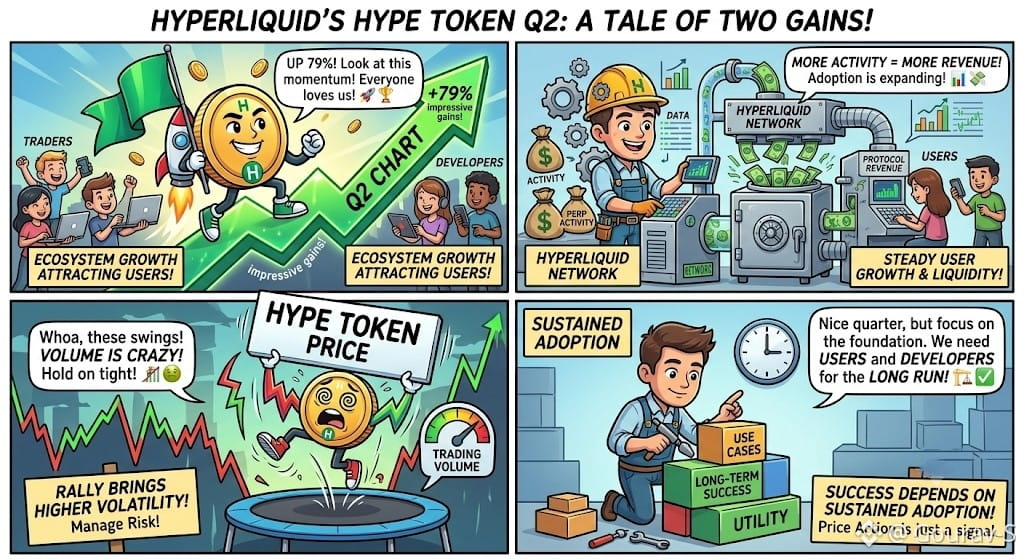
Token HYPE của Hyperliquid đã có một quý thứ hai ấn tượng, tăng 79% khi sự tăng trưởng mạnh của hệ sinh thái tiếp tục thu hút các nhà giao dịch và nhà phát triển. Đợt tăng được hậu thuẫn bởi hoạt động giao dịch hợp đồng tương lai (perpetual futures) cao hơn, doanh thu giao thức tăng và mức độ chấp nhận ngày càng mở rộng trên toàn mạng lưới Hyperliquid. Các báo cáo thị trường gần đây cũng nhấn mạnh sự tăng trưởng người dùng ổn định và thanh khoản on-chain ngày càng mở rộng, củng cố niềm tin vào hệ sinh thái.
Mặc dù HYPE rõ ràng đã vượt trội hơn nhiều tài sản crypto lớn trong quý vừa qua, nhà đầu tư cần nhớ rằng các đợt tăng mạnh thường đi kèm biến động cao hơn. Theo dõi khối lượng giao dịch, hoạt động hệ sinh thái và tâm lý thị trường chung sẽ là yếu tố then chốt để đánh giá liệu đà tăng có thể tiếp tục hay không.
Một quý mạnh là tín hiệu khích lệ, nhưng thành công dài hạn sẽ phụ thuộc vào việc được áp dụng bền vững, chứ không chỉ vào diễn biến giá.
#HYPE #DeFi #Crypto #BinanceSquare
{future}(HYPEUSDT)
#HYPEGains79%InQ2
Token HYPE của Hyperliquid đã có một quý thứ hai ấn tượng, tăng 79% khi sự tăng trưởng mạnh của hệ sinh thái tiếp tục thu hút các nhà giao dịch và nhà phát triển. Đợt tăng được hậu thuẫn bởi hoạt động giao dịch hợp đồng tương lai (perpetual futures) cao hơn, doanh thu giao thức tăng và mức độ chấp nhận ngày càng mở rộng trên toàn mạng lưới Hyperliquid. Các báo cáo thị trường gần đây cũng nhấn mạnh sự tăng trưởng người dùng ổn định và thanh khoản on-chain ngày càng mở rộng, củng cố niềm tin vào hệ sinh thái.
Mặc dù HYPE rõ ràng đã vượt trội hơn nhiều tài sản crypto lớn trong quý vừa qua, nhà đầu tư cần nhớ rằng các đợt tăng mạnh thường đi kèm biến động cao hơn. Theo dõi khối lượng giao dịch, hoạt động hệ sinh thái và tâm lý thị trường chung sẽ là yếu tố then chốt để đánh giá liệu đà tăng có thể tiếp tục hay không.
Một quý mạnh là tín hiệu khích lệ, nhưng thành công dài hạn sẽ phụ thuộc vào việc được áp dụng bền vững, chứ không chỉ vào diễn biến giá.
#HYPE #DeFi #Crypto #BinanceSquare
Token HYPE của Hyperliquid đã có một quý thứ hai ấn tượng, tăng 79% khi sự tăng trưởng mạnh của hệ sinh thái tiếp tục thu hút các nhà giao dịch và nhà phát triển. Đợt tăng được hậu thuẫn bởi hoạt động giao dịch hợp đồng tương lai (perpetual futures) cao hơn, doanh thu giao thức tăng và mức độ chấp nhận ngày càng mở rộng trên toàn mạng lưới Hyperliquid. Các báo cáo thị trường gần đây cũng nhấn mạnh sự tăng trưởng người dùng ổn định và thanh khoản on-chain ngày càng mở rộng, củng cố niềm tin vào hệ sinh thái.
Mặc dù HYPE rõ ràng đã vượt trội hơn nhiều tài sản crypto lớn trong quý vừa qua, nhà đầu tư cần nhớ rằng các đợt tăng mạnh thường đi kèm biến động cao hơn. Theo dõi khối lượng giao dịch, hoạt động hệ sinh thái và tâm lý thị trường chung sẽ là yếu tố then chốt để đánh giá liệu đà tăng có thể tiếp tục hay không.
Một quý mạnh là tín hiệu khích lệ, nhưng thành công dài hạn sẽ phụ thuộc vào việc được áp dụng bền vững, chứ không chỉ vào diễn biến giá.
#HYPE #DeFi #Crypto #BinanceSquare
1
371
·
--
#ChinaLaunchesBroadestTradeRetaliationOnUSFirms
Căng thẳng thương mại giữa Mỹ và Trung Quốc lại tiếp tục nóng lên. Trung Quốc đã công bố một trong những vòng biện pháp trả đũa rộng nhất của mình, nhắm vào một số công ty của Mỹ, siết chặt các quy định xuất khẩu đối với máy bay không người lái và các công nghệ liên quan, đồng thời hạn chế vai trò của các cơ quan Mỹ trong một số phần của quy trình cấp chứng nhận. Động thái này diễn ra sau khi Washington mở rộng các hạn chế đối với các công ty công nghệ Trung Quốc và bổ sung thêm nhiều thực thể Trung Quốc vào danh sách đen thương mại của mình.
Đối với thị trường toàn cầu, đây là một lời nhắc rằng rủi ro địa chính trị vẫn là yếu tố then chốt gây biến động. Bất kỳ sự leo thang nào cũng có thể ảnh hưởng đến chuỗi cung ứng, cổ phiếu công nghệ và tâm lý chung của nhà đầu tư. Crypto cũng có thể chứng kiến những dao động ngắn hạn khi các nhà giao dịch phản ứng trước sự bất định vĩ mô rộng hơn.
Cuộc tranh chấp thương mại vẫn còn rất xa mới kết thúc, vì vậy việc cập nhật thông tin quan trọng không kém gì việc theo dõi các biểu đồ.
#china #TradeWar #Crypto #BinanceSquare
#ChinaLaunchesBroadestTradeRetaliationOnUSFirms
Căng thẳng thương mại giữa Mỹ và Trung Quốc lại tiếp tục nóng lên. Trung Quốc đã công bố một trong những vòng biện pháp trả đũa rộng nhất của mình, nhắm vào một số công ty của Mỹ, siết chặt các quy định xuất khẩu đối với máy bay không người lái và các công nghệ liên quan, đồng thời hạn chế vai trò của các cơ quan Mỹ trong một số phần của quy trình cấp chứng nhận. Động thái này diễn ra sau khi Washington mở rộng các hạn chế đối với các công ty công nghệ Trung Quốc và bổ sung thêm nhiều thực thể Trung Quốc vào danh sách đen thương mại của mình.
Đối với thị trường toàn cầu, đây là một lời nhắc rằng rủi ro địa chính trị vẫn là yếu tố then chốt gây biến động. Bất kỳ sự leo thang nào cũng có thể ảnh hưởng đến chuỗi cung ứng, cổ phiếu công nghệ và tâm lý chung của nhà đầu tư. Crypto cũng có thể chứng kiến những dao động ngắn hạn khi các nhà giao dịch phản ứng trước sự bất định vĩ mô rộng hơn.
Cuộc tranh chấp thương mại vẫn còn rất xa mới kết thúc, vì vậy việc cập nhật thông tin quan trọng không kém gì việc theo dõi các biểu đồ.
#china #TradeWar #Crypto #BinanceSquare
Căng thẳng thương mại giữa Mỹ và Trung Quốc lại tiếp tục nóng lên. Trung Quốc đã công bố một trong những vòng biện pháp trả đũa rộng nhất của mình, nhắm vào một số công ty của Mỹ, siết chặt các quy định xuất khẩu đối với máy bay không người lái và các công nghệ liên quan, đồng thời hạn chế vai trò của các cơ quan Mỹ trong một số phần của quy trình cấp chứng nhận. Động thái này diễn ra sau khi Washington mở rộng các hạn chế đối với các công ty công nghệ Trung Quốc và bổ sung thêm nhiều thực thể Trung Quốc vào danh sách đen thương mại của mình.
Đối với thị trường toàn cầu, đây là một lời nhắc rằng rủi ro địa chính trị vẫn là yếu tố then chốt gây biến động. Bất kỳ sự leo thang nào cũng có thể ảnh hưởng đến chuỗi cung ứng, cổ phiếu công nghệ và tâm lý chung của nhà đầu tư. Crypto cũng có thể chứng kiến những dao động ngắn hạn khi các nhà giao dịch phản ứng trước sự bất định vĩ mô rộng hơn.
Cuộc tranh chấp thương mại vẫn còn rất xa mới kết thúc, vì vậy việc cập nhật thông tin quan trọng không kém gì việc theo dõi các biểu đồ.
#china #TradeWar #Crypto #BinanceSquare
1
2
252
·
--
Nếu bạn buộc phải chỉ chọn đúng 3 tài sản crypto để nắm giữ nguyên vẹn trong 2 năm tới... thì cái nào sẽ nằm trong danh sách của bạn? 👇
Nếu hỏi tôi, đây là top 3 lựa chọn của tôi:
1. Bitcoin ($BTC ) – Sự An Toàn Tối Thượng & Vàng Kỹ Thuật Số. Dù thị trường có hỗn loạn thế nào, BTC vẫn là “neo” của danh mục...
2. Ethereum ($ETH ) – Cỗ Máy Sức Mạnh Hệ Sinh Thái. Xương sống của DeFi, L2s và các smart contract. Động cơ của thị trường đơn giản là không thể chạy nếu thiếu nó..
3. Solana ($SOL ) – “Quái Thú” Tốc Độ Cao & Sự Bắt Nhịp Cực Mạnh. Tốc độ giao dịch vượt trội, mức độ chấp nhận từ người dùng phổ thông rất lớn, và một hệ sinh thái đang bùng nổ, liên tục thúc đẩy khối lượng giao dịch dài hạn mạnh mẽ..
Giàu lên từ crypto không đến trong một sớm một chiều; nó được xây dựng bằng sự kiên nhẫn và phân bổ tài sản thông minh....
Giờ đến lượt bạn: Hãy thả xuống bên dưới TOP 3 lựa chọn của bạn! Xem cộng đồng hiện đang tin tưởng token nào nhiều nhất nhé.👇
#BinanceSquare #bitcoin #ETH #solana #singaurav9
{spot}(BTCUSDT)
{spot}(ETHUSDT)
{spot}(SOLUSDT)
Nếu bạn buộc phải chỉ chọn đúng 3 tài sản crypto để nắm giữ nguyên vẹn trong 2 năm tới... thì cái nào sẽ nằm trong danh sách của bạn? 👇
Nếu hỏi tôi, đây là top 3 lựa chọn của tôi:
1. Bitcoin ($BTC ) – Sự An Toàn Tối Thượng & Vàng Kỹ Thuật Số. Dù thị trường có hỗn loạn thế nào, BTC vẫn là “neo” của danh mục...
2. Ethereum ($ETH ) – Cỗ Máy Sức Mạnh Hệ Sinh Thái. Xương sống của DeFi, L2s và các smart contract. Động cơ của thị trường đơn giản là không thể chạy nếu thiếu nó..
3. Solana ($SOL ) – “Quái Thú” Tốc Độ Cao & Sự Bắt Nhịp Cực Mạnh. Tốc độ giao dịch vượt trội, mức độ chấp nhận từ người dùng phổ thông rất lớn, và một hệ sinh thái đang bùng nổ, liên tục thúc đẩy khối lượng giao dịch dài hạn mạnh mẽ..
Giàu lên từ crypto không đến trong một sớm một chiều; nó được xây dựng bằng sự kiên nhẫn và phân bổ tài sản thông minh....
Giờ đến lượt bạn: Hãy thả xuống bên dưới TOP 3 lựa chọn của bạn! Xem cộng đồng hiện đang tin tưởng token nào nhiều nhất nhé.👇
#BinanceSquare #bitcoin #ETH #solana #singaurav9
Nếu hỏi tôi, đây là top 3 lựa chọn của tôi:
1. Bitcoin ($BTC ) – Sự An Toàn Tối Thượng & Vàng Kỹ Thuật Số. Dù thị trường có hỗn loạn thế nào, BTC vẫn là “neo” của danh mục...
2. Ethereum ($ETH ) – Cỗ Máy Sức Mạnh Hệ Sinh Thái. Xương sống của DeFi, L2s và các smart contract. Động cơ của thị trường đơn giản là không thể chạy nếu thiếu nó..
3. Solana ($SOL ) – “Quái Thú” Tốc Độ Cao & Sự Bắt Nhịp Cực Mạnh. Tốc độ giao dịch vượt trội, mức độ chấp nhận từ người dùng phổ thông rất lớn, và một hệ sinh thái đang bùng nổ, liên tục thúc đẩy khối lượng giao dịch dài hạn mạnh mẽ..
Giàu lên từ crypto không đến trong một sớm một chiều; nó được xây dựng bằng sự kiên nhẫn và phân bổ tài sản thông minh....
Giờ đến lượt bạn: Hãy thả xuống bên dưới TOP 3 lựa chọn của bạn! Xem cộng đồng hiện đang tin tưởng token nào nhiều nhất nhé.👇
#BinanceSquare #bitcoin #ETH #solana #singaurav9

2
2
732
·
--
Đã xác minh
#USISMServicesIndexRisesTo54.1
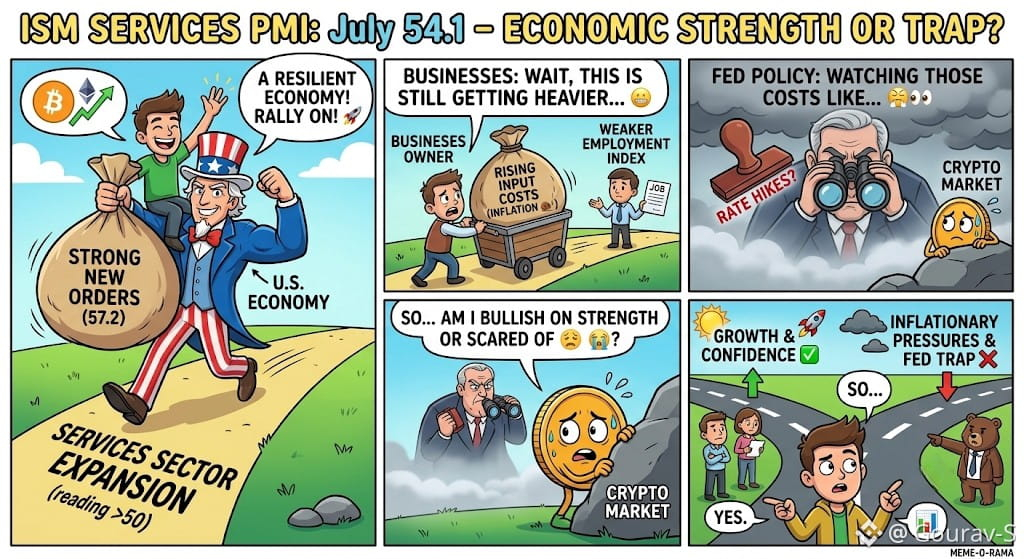
Chỉ số PMI Dịch vụ ISM của Mỹ đã tăng lên 54,1 trong tháng 7, từ mức 54,0 của tháng 6, cho thấy lĩnh vực dịch vụ tiếp tục mở rộng. Đơn đặt hàng mới mạnh hơn (57,2) nêu bật nhu cầu vẫn vững, nhưng chi phí đầu vào tăng và chỉ số việc làm suy yếu cho thấy doanh nghiệp vẫn thận trọng khi tuyển dụng. Vì mức đọc trên 50 cho biết đang mở rộng, báo cáo cho rằng nền kinh tế Mỹ vẫn tiếp tục tăng trưởng bất chấp các áp lực lạm phát.
Đối với thị trường crypto, một nền kinh tế vững chắc hỗ trợ niềm tin của nhà đầu tư, nhưng lạm phát dai dẳng có thể tác động đến chính sách trong tương lai của Cục Dự trữ Liên bang. Các nhà giao dịch nên theo dõi dữ liệu lạm phát và lao động sắp tới để tìm manh mối cho bước đi tiếp theo của thị trường.
Tăng trưởng mạnh, chi phí tăng, các xu hướng vĩ mô vẫn có ý nghĩa đối với crypto.
#USEconomy #bitcoin #Crypto #BinanceSquare
#USISMServicesIndexRisesTo54.1
Chỉ số PMI Dịch vụ ISM của Mỹ đã tăng lên 54,1 trong tháng 7, từ mức 54,0 của tháng 6, cho thấy lĩnh vực dịch vụ tiếp tục mở rộng. Đơn đặt hàng mới mạnh hơn (57,2) nêu bật nhu cầu vẫn vững, nhưng chi phí đầu vào tăng và chỉ số việc làm suy yếu cho thấy doanh nghiệp vẫn thận trọng khi tuyển dụng. Vì mức đọc trên 50 cho biết đang mở rộng, báo cáo cho rằng nền kinh tế Mỹ vẫn tiếp tục tăng trưởng bất chấp các áp lực lạm phát.
Đối với thị trường crypto, một nền kinh tế vững chắc hỗ trợ niềm tin của nhà đầu tư, nhưng lạm phát dai dẳng có thể tác động đến chính sách trong tương lai của Cục Dự trữ Liên bang. Các nhà giao dịch nên theo dõi dữ liệu lạm phát và lao động sắp tới để tìm manh mối cho bước đi tiếp theo của thị trường.
Tăng trưởng mạnh, chi phí tăng, các xu hướng vĩ mô vẫn có ý nghĩa đối với crypto.
#USEconomy #bitcoin #Crypto #BinanceSquare
Chỉ số PMI Dịch vụ ISM của Mỹ đã tăng lên 54,1 trong tháng 7, từ mức 54,0 của tháng 6, cho thấy lĩnh vực dịch vụ tiếp tục mở rộng. Đơn đặt hàng mới mạnh hơn (57,2) nêu bật nhu cầu vẫn vững, nhưng chi phí đầu vào tăng và chỉ số việc làm suy yếu cho thấy doanh nghiệp vẫn thận trọng khi tuyển dụng. Vì mức đọc trên 50 cho biết đang mở rộng, báo cáo cho rằng nền kinh tế Mỹ vẫn tiếp tục tăng trưởng bất chấp các áp lực lạm phát.
Đối với thị trường crypto, một nền kinh tế vững chắc hỗ trợ niềm tin của nhà đầu tư, nhưng lạm phát dai dẳng có thể tác động đến chính sách trong tương lai của Cục Dự trữ Liên bang. Các nhà giao dịch nên theo dõi dữ liệu lạm phát và lao động sắp tới để tìm manh mối cho bước đi tiếp theo của thị trường.
Tăng trưởng mạnh, chi phí tăng, các xu hướng vĩ mô vẫn có ý nghĩa đối với crypto.
#USEconomy #bitcoin #Crypto #BinanceSquare
2
232
·
--
#ADPJulyPrivatePayrollsMissedExpectations
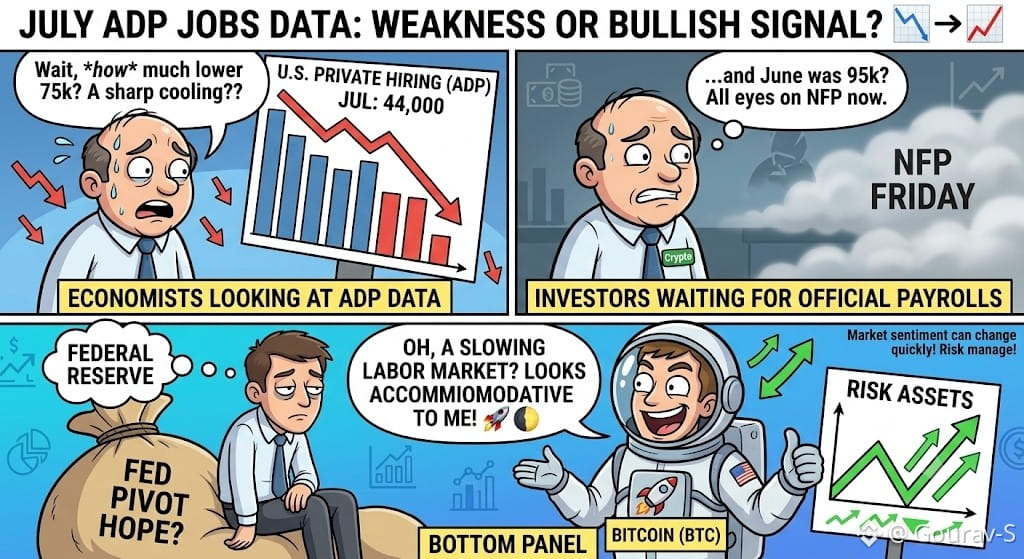
Việc tuyển dụng trong khu vực tư nhân của Mỹ hạ nhiệt mạnh vào tháng Bảy. Báo cáo Việc làm ADP cho thấy có 44.000 việc làm mới, thấp hơn nhiều so với kỳ vọng thị trường khoảng 75.000 và giảm so với mức 95.000 sau điều chỉnh của tháng Sáu. Dữ liệu yếu hơn dự kiến cho thấy thị trường lao động đang chậm lại, trong khi các nhà đầu tư hiện chờ đợi báo cáo chính thức Bảng lương phi nông nghiệp (NFP) để có bức tranh rõ ràng hơn.
Đối với thị trường crypto, dữ liệu việc làm kém hơn có thể củng cố kỳ vọng rằng Cục Dự trữ Liên bang Mỹ (Fed) có thể áp dụng chính sách nới lỏng hơn nếu tình trạng suy yếu của kinh tế kéo dài. Điều này có thể hỗ trợ các tài sản rủi ro như Bitcoin, nhưng biến động (volatility) có khả năng sẽ tăng lên trước thời điểm công bố NFP.
Theo dõi chặt chẽ dữ liệu vĩ mô; tâm lý thị trường có thể thay đổi nhanh chóng.
#USJobs #FederalReserve #BinanceSquare #singaurav9
#ADPJulyPrivatePayrollsMissedExpectations
Việc tuyển dụng trong khu vực tư nhân của Mỹ hạ nhiệt mạnh vào tháng Bảy. Báo cáo Việc làm ADP cho thấy có 44.000 việc làm mới, thấp hơn nhiều so với kỳ vọng thị trường khoảng 75.000 và giảm so với mức 95.000 sau điều chỉnh của tháng Sáu. Dữ liệu yếu hơn dự kiến cho thấy thị trường lao động đang chậm lại, trong khi các nhà đầu tư hiện chờ đợi báo cáo chính thức Bảng lương phi nông nghiệp (NFP) để có bức tranh rõ ràng hơn.
Đối với thị trường crypto, dữ liệu việc làm kém hơn có thể củng cố kỳ vọng rằng Cục Dự trữ Liên bang Mỹ (Fed) có thể áp dụng chính sách nới lỏng hơn nếu tình trạng suy yếu của kinh tế kéo dài. Điều này có thể hỗ trợ các tài sản rủi ro như Bitcoin, nhưng biến động (volatility) có khả năng sẽ tăng lên trước thời điểm công bố NFP.
Theo dõi chặt chẽ dữ liệu vĩ mô; tâm lý thị trường có thể thay đổi nhanh chóng.
#USJobs #FederalReserve #BinanceSquare #singaurav9
Việc tuyển dụng trong khu vực tư nhân của Mỹ hạ nhiệt mạnh vào tháng Bảy. Báo cáo Việc làm ADP cho thấy có 44.000 việc làm mới, thấp hơn nhiều so với kỳ vọng thị trường khoảng 75.000 và giảm so với mức 95.000 sau điều chỉnh của tháng Sáu. Dữ liệu yếu hơn dự kiến cho thấy thị trường lao động đang chậm lại, trong khi các nhà đầu tư hiện chờ đợi báo cáo chính thức Bảng lương phi nông nghiệp (NFP) để có bức tranh rõ ràng hơn.
Đối với thị trường crypto, dữ liệu việc làm kém hơn có thể củng cố kỳ vọng rằng Cục Dự trữ Liên bang Mỹ (Fed) có thể áp dụng chính sách nới lỏng hơn nếu tình trạng suy yếu của kinh tế kéo dài. Điều này có thể hỗ trợ các tài sản rủi ro như Bitcoin, nhưng biến động (volatility) có khả năng sẽ tăng lên trước thời điểm công bố NFP.
Theo dõi chặt chẽ dữ liệu vĩ mô; tâm lý thị trường có thể thay đổi nhanh chóng.
#USJobs #FederalReserve #BinanceSquare #singaurav9
2
182
·
--
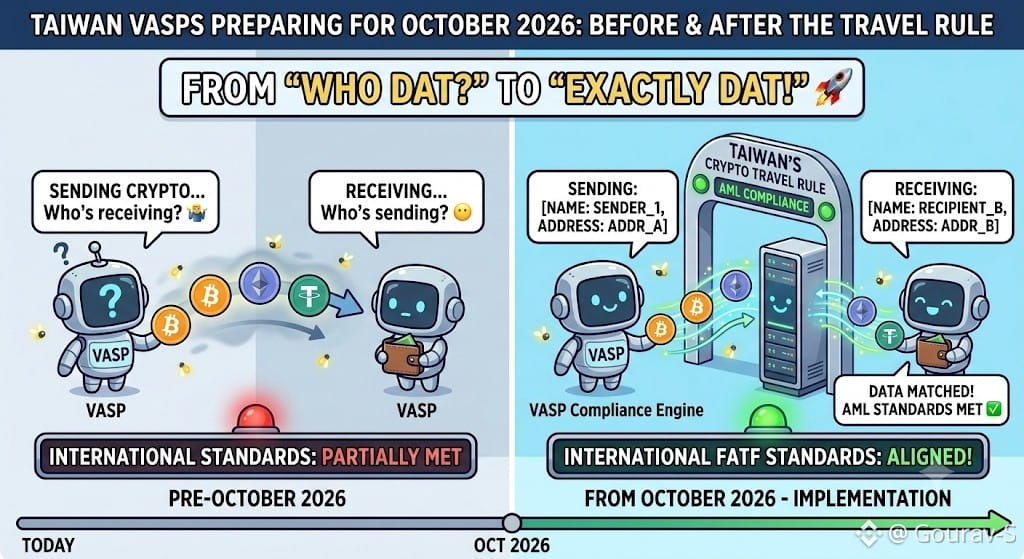
Đài Loan đang chuẩn bị triển khai Quy tắc Du lịch Crypto từ tháng 10 năm 2026, đánh dấu một bước tiến lớn khác trong việc tăng cường tuân thủ phòng, chống rửa tiền (AML). Quy tắc này sẽ yêu cầu các Nhà cung cấp dịch vụ tài sản ảo (VASPs) trao đổi thông tin của người gửi và người nhận đối với các giao dịch chuyển tiền bằng crypto đủ điều kiện, giúp Đài Loan tiệm cận hơn với các tiêu chuẩn quốc tế của FATF. Điều này diễn ra sau khung quản lý crypto vừa được quốc gia này phê duyệt gần đây, trong đó đưa ra yêu cầu cấp phép cho các sàn giao dịch và tổ chức phát hành stablecoin.
Đối với ngành công nghiệp crypto, tuân thủ chặt chẽ hơn có thể thúc đẩy niềm tin của các tổ chức trong khi tăng tính minh bạch cho các giao dịch xuyên biên giới. Mặc dù các yêu cầu tuân thủ sẽ trở nên nghiêm ngặt hơn, sự rõ ràng về mặt quy định nhìn chung được xem là dấu hiệu tích cực cho tăng trưởng thị trường dài hạn.
Quy định đang dần thay đổi, các nhà đầu tư thành công thích nghi sớm.
#Bitcoin #TaiwanPlansCryptoTravelRuleFromOctober #BinanceSquare #singaurav9
Đài Loan đang chuẩn bị triển khai Quy tắc Du lịch Crypto từ tháng 10 năm 2026, đánh dấu một bước tiến lớn khác trong việc tăng cường tuân thủ phòng, chống rửa tiền (AML). Quy tắc này sẽ yêu cầu các Nhà cung cấp dịch vụ tài sản ảo (VASPs) trao đổi thông tin của người gửi và người nhận đối với các giao dịch chuyển tiền bằng crypto đủ điều kiện, giúp Đài Loan tiệm cận hơn với các tiêu chuẩn quốc tế của FATF. Điều này diễn ra sau khung quản lý crypto vừa được quốc gia này phê duyệt gần đây, trong đó đưa ra yêu cầu cấp phép cho các sàn giao dịch và tổ chức phát hành stablecoin.
Đối với ngành công nghiệp crypto, tuân thủ chặt chẽ hơn có thể thúc đẩy niềm tin của các tổ chức trong khi tăng tính minh bạch cho các giao dịch xuyên biên giới. Mặc dù các yêu cầu tuân thủ sẽ trở nên nghiêm ngặt hơn, sự rõ ràng về mặt quy định nhìn chung được xem là dấu hiệu tích cực cho tăng trưởng thị trường dài hạn.
Quy định đang dần thay đổi, các nhà đầu tư thành công thích nghi sớm.
#Bitcoin #TaiwanPlansCryptoTravelRuleFromOctober #BinanceSquare #singaurav9
Đối với ngành công nghiệp crypto, tuân thủ chặt chẽ hơn có thể thúc đẩy niềm tin của các tổ chức trong khi tăng tính minh bạch cho các giao dịch xuyên biên giới. Mặc dù các yêu cầu tuân thủ sẽ trở nên nghiêm ngặt hơn, sự rõ ràng về mặt quy định nhìn chung được xem là dấu hiệu tích cực cho tăng trưởng thị trường dài hạn.
Quy định đang dần thay đổi, các nhà đầu tư thành công thích nghi sớm.
#Bitcoin #TaiwanPlansCryptoTravelRuleFromOctober #BinanceSquare #singaurav9
1
4
235
·
--
Cuộc thi giao dịch Squid (QUID) của Binance Wallet đã ra mắt!
Binance Wallet đã giới thiệu một Cuộc thi Giao dịch Squid (QUID) mới trên Binance Alpha, mang đến cho người dùng đủ điều kiện cơ hội nhận phần thưởng token QUID. Chương trình diễn ra trong hai giai đoạn từ ngày 5–12/8 và 12–19/8/2026 (UTC).
2.500 nhà giao dịch hàng đầu ở mỗi giai đoạn, được xếp hạng theo tổng khối lượng mua QUID, sẽ cùng chia sẻ 925.000 QUID, với mức thưởng 370 QUID cho mỗi người chiến thắng đủ điều kiện. Việc tham gia sớm là quan trọng nhất nhờ cơ chế Early Bird Boost (Tăng cường tham gia sớm), bắt đầu từ 3,5× vào Ngày 1 và giảm dần xuống 1,0× vào ngày cuối cùng. Người tham gia mới cũng có thể nhận thêm 1,2× Rising Trader Boost (Tăng cường cho nhà giao dịch mới), giúp tăng khối lượng giao dịch hiệu quả của họ.
Nếu bạn dự định tham gia, việc giao dịch sớm hơn trong thời gian diễn ra chương trình có thể cải thiện đáng kể thứ hạng của bạn.
#BinanceAlpha #QUID #CryptoRewards #Airdrop #BinanceSquare
$QUID
{alpha}(84530x1a44233fae8d50f1aeb3a5d58dd426ff4814cb53)
Cuộc thi giao dịch Squid (QUID) của Binance Wallet đã ra mắt!
Binance Wallet đã giới thiệu một Cuộc thi Giao dịch Squid (QUID) mới trên Binance Alpha, mang đến cho người dùng đủ điều kiện cơ hội nhận phần thưởng token QUID. Chương trình diễn ra trong hai giai đoạn từ ngày 5–12/8 và 12–19/8/2026 (UTC).
2.500 nhà giao dịch hàng đầu ở mỗi giai đoạn, được xếp hạng theo tổng khối lượng mua QUID, sẽ cùng chia sẻ 925.000 QUID, với mức thưởng 370 QUID cho mỗi người chiến thắng đủ điều kiện. Việc tham gia sớm là quan trọng nhất nhờ cơ chế Early Bird Boost (Tăng cường tham gia sớm), bắt đầu từ 3,5× vào Ngày 1 và giảm dần xuống 1,0× vào ngày cuối cùng. Người tham gia mới cũng có thể nhận thêm 1,2× Rising Trader Boost (Tăng cường cho nhà giao dịch mới), giúp tăng khối lượng giao dịch hiệu quả của họ.
Nếu bạn dự định tham gia, việc giao dịch sớm hơn trong thời gian diễn ra chương trình có thể cải thiện đáng kể thứ hạng của bạn.
#BinanceAlpha #QUID #CryptoRewards #Airdrop #BinanceSquare
$QUID
Binance Wallet đã giới thiệu một Cuộc thi Giao dịch Squid (QUID) mới trên Binance Alpha, mang đến cho người dùng đủ điều kiện cơ hội nhận phần thưởng token QUID. Chương trình diễn ra trong hai giai đoạn từ ngày 5–12/8 và 12–19/8/2026 (UTC).
2.500 nhà giao dịch hàng đầu ở mỗi giai đoạn, được xếp hạng theo tổng khối lượng mua QUID, sẽ cùng chia sẻ 925.000 QUID, với mức thưởng 370 QUID cho mỗi người chiến thắng đủ điều kiện. Việc tham gia sớm là quan trọng nhất nhờ cơ chế Early Bird Boost (Tăng cường tham gia sớm), bắt đầu từ 3,5× vào Ngày 1 và giảm dần xuống 1,0× vào ngày cuối cùng. Người tham gia mới cũng có thể nhận thêm 1,2× Rising Trader Boost (Tăng cường cho nhà giao dịch mới), giúp tăng khối lượng giao dịch hiệu quả của họ.
Nếu bạn dự định tham gia, việc giao dịch sớm hơn trong thời gian diễn ra chương trình có thể cải thiện đáng kể thứ hạng của bạn.
#BinanceAlpha #QUID #CryptoRewards #Airdrop #BinanceSquare
$QUID
Binance News
·
--
Binance Wallet sẽ ra mắt cuộc thi giao dịch Squid để nhận phần thưởng QUID
Theo thông báo từ Binance, Binance Wallet sẽ ra mắt Cuộc thi Giao dịch Squid trên Binance Alpha, trong đó người dùng đủ điều kiện có thể giao dịch Squid (QUID) trên Binance Wallet (Không khóa) hoặc thông qua Binance Alpha để tham gia tranh giải thưởng token. Cuộc thi sẽ diễn ra trong hai giai đoạn khuyến mãi: từ 2026-08-05 13:00 (UTC) đến 2026-08-12 13:00 (UTC) và từ 2026-08-12 13:00 (UTC) đến 2026-08-19 13:00 (UTC). Người dùng đủ điều kiện giao dịch token trên Binance Alpha có thể tham gia. Xếp hạng sẽ dựa trên tổng khối lượng mua QUID trong từng giai đoạn khuyến mãi, và 2.500 người dùng hàng đầu sẽ chia đều 925.000 token QUID, tương đương 370 QUID mỗi người. Thông báo cho biết cơ cấu phần thưởng được thiết kế nhằm tăng cường sự chú trọng vào giao dịch sớm và tham gia đều đặn trong thời gian khuyến mãi.
1
203
Đăng nhập để khám phá thêm nội dung
Tham gia cùng người dùng tiền mã hóa toàn cầu trên Binance Square
⚡️ Nhận thông tin mới nhất và hữu ích về tiền mã hóa.
💬 Được tin cậy bởi sàn giao dịch tiền mã hóa lớn nhất thế giới.
👍 Khám phá những thông tin chuyên sâu thực tế từ những nhà sáng tạo đã xác minh.
Email / Số điện thoại
Chủ đề thịnh hành
TheoDõiFOMC
156,223 lượt xem
723 đang thảo luận
#TheoDõiFOMC
🔥 FOMC lại bắt đầu trở thành tâm điểm của crypto
Bitcoin vừa bước vào tháng 10, nhưng câu chuyện lớn phía sau thị trường lúc này không chỉ là giá.
Các trader đang bắt đầu hướng sự chú ý về cuộc họp FOMC ngày 27–28/10. Sau một loạt phát biểu mới từ quan chức Fed, kỳ vọng về việc tăng lãi suất ngay trong tháng 10 đã giảm đáng kể.
Điều thú vị là trước đó thị trường từng đặt cược khá cao vào một đợt tăng tiếp theo.
Giờ thì mọi thứ lại quay sang chờ dữ liệu kinh tế và những phát biểu tiếp theo của Fed.
Với crypto, chỉ cần kỳ vọng lãi suất thay đổi mạnh là $BTC có thể lập tức biến động, rồi kéo theo cả thị trường altcoin.
Tháng 10 mới bắt đầu mà macro đã có chuyện để hóng rồi 👀
#Bitcoin #Crypto #Macro #Fed #BinanceSquare
X LEI
·0 lượt thích
·187 lượt xem
TinFed
144,060 lượt xem
522 đang thảo luận
FedMinutesFocusOnOctoberPause
140,465 lượt xem
1,222 đang thảo luận