
sanicityboy
6 Bài đăng

sanicityboy
Báo cáo
Chặn người dùng
Blockchain and web3 education , crypto market research and analysis
9 Đang theo dõi
0 Người theo dõi
2 Đã thích
Bài đăng
·
--
Xem bản dịch
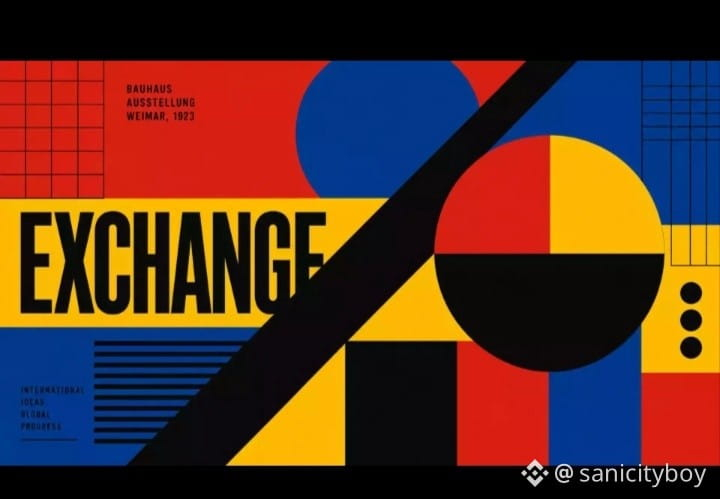
CEX, DEX, DeFi & How Crypto Infrastructure Works
Understanding the Technology Powering Decentralized Finance.
The crypto ecosystem is built on interconnected technologies that make digital transactions, trading, and financial services possible without relying entirely on traditional institutions.
CEX (Centralized Exchange): Platforms operated by companies that allow users to buy, sell, and trade cryptocurrencies through centralized systems.
DEX (Decentralized Exchange): Blockchain-powered platforms that enable peer-to-peer crypto trading through smart contracts, giving users greater control over their assets.
DeFi (Decentralized Finance): An open financial ecosystem that uses blockchain technology and smart contracts to provide services such as lending, borrowing, staking, and trading without traditional intermediaries.
How Does Crypto Infrastructure Work?
Behind every crypto transaction is an infrastructure working together:
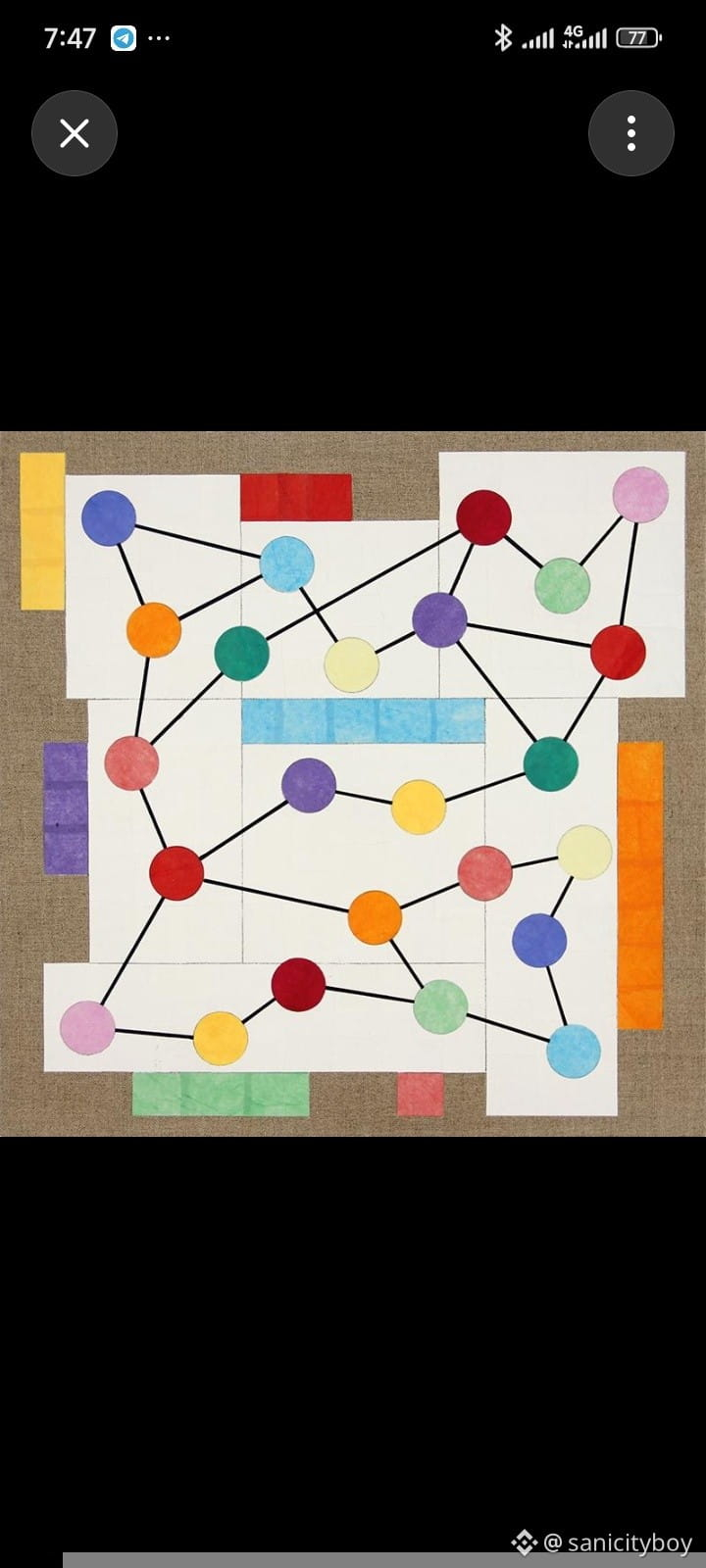
Blockchain: Records and verifies transactions.
Smart Contracts: Automate financial operations.
Wallets: Enable users to manage digital assets.
Oracles: Connect blockchain networks to real-world data.
Bridges: Connect different blockchain ecosystems.
The Bigger Picture
CEX provides accessibility, DEX enables decentralized trading, and DeFi creates new financial possibilities.
Together, they form the foundation of a new digital economy built around transparency, accessibility, and financial freedom.
Crypto is more than digital money; it is an entirely new financial infrastructure.
71
·
--
Xem bản dịch
Wallets, Private Keys, Public Keys & Seed Phrases: Understanding the Foundation of Crypto Ownership
The world of cryptocurrency is built on ownership, security, and control. At the heart of this ecosystem are four essential concepts: wallets, public keys, private keys, and seed phrases. Understanding how they work is fundamental to navigating Web3 safely and confidently.
1. Crypto Wallets: Your Gateway to Web3
A crypto wallet is a tool that allows you to manage your digital assets, interact with blockchain networks, and access decentralized applications (dApps). It doesn't physically store your cryptocurrency; instead, it manages the keys that prove ownership and authorize transactions.
2. Public Keys: Your Digital Identity
A public key is cryptographically linked to your private key. It helps generate your wallet address, which others can use to send you cryptocurrency. Think of it as your digital account number: you can share it without exposing your funds.
3. Private Keys: The Power of Ownership
Your private key is the secret that authorizes transactions and proves control over your assets. Anyone who gains access to it may gain control of your funds. It must remain confidential at all times.
4. Seed Phrases: Your Ultimate Recovery Key
A seed phrase is a sequence of 12 or 24 words used to recover a wallet and regenerate its keys. It serves as a critical backup if your device is lost, damaged, or inaccessible. Never share it or store it carelessly.
The Bigger Picture
In Web3, financial freedom comes with personal responsibility. There is no traditional password-reset button when you lose access to your wallet.
Remember: Your wallet connects you to Web3, your public key enables receiving, your private key grants control, and your seed phrase protects recovery.
True digital ownership begins with understanding how to protect it.
#blochain#digital#web3
_Sanicityboy
78
·
--
Xem bản dịch
WEB1, WEB2 AND WEB3: THE EVOLUTION OF THE INTERNET
From Reading to Creating, and Finally Owning.
The internet has undergone a remarkable transformation, changing how people access information, communicate, create content, and exchange value. This evolution is defined by three generations: Web1, Web2, and Web3.
1. Web1: The Read-Only Internet
Emerging in the early 1990s, Web1 introduced a world where users could access information through static websites. Interaction was limited, and most content was published and controlled by website owners.
Its defining purpose was information accessibility.
2. Web2: The Read-Write Internet
Web2 transformed the internet into an interactive ecosystem. Users could create content, share ideas, communicate, and build communities through platforms like Facebook, YouTube, Instagram, and X.
However, centralized companies largely controlled the platforms, user data, and digital infrastructure.
Its defining purpose was participation and connectivity.
3. Web3: The Read-Write-Own Internet
Web3 introduces a new vision of the internet powered by blockchain technology, decentralization, and digital ownership.
Through cryptocurrencies, NFTs, smart contracts, and decentralized applications (dApps), users can gain greater control over their digital assets and participate in decentralized ecosystems without relying entirely on centralized intermediaries.
Its defining purpose is ownership and user empowerment.
Why Does This Evolution Matter?
Web3 extends beyond cryptocurrency. It creates opportunities in decentralized finance (DeFi), digital identity, real-world asset (RWA) tokenization, and digital ownership.
Although challenges involving security, scalability, regulation, and adoption remain, its potential continues to attract innovation.
Final Thoughts
The evolution of the internet represents a fundamental shift in digital participation.
Web1 connected us to information. Web2 connected us to people. Web3 seeks to connect us to ownership.
#Web3 #Web2 #Web1 #Blockchain #InternetEvolution #DigitalOwnership
_Sanicityboy
75
·
--
Blockchain là gì? Tìm hiểu về sổ cái phân tán
Blockchain là một trong những công nghệ quan trọng nhất thúc đẩy hệ sinh thái Web3. Từ Bitcoin và Ethereum đến DeFi và NFT, công nghệ này đang thay đổi cách mọi người lưu trữ, xác minh và chuyển giao giá trị kỹ thuật số.
Nhưng chính xác thì blockchain là gì?
Blockchain là một sổ cái kỹ thuật số phân tán, ghi lại các giao dịch trên mạng lưới máy tính thay vì hoàn toàn phụ thuộc vào một cơ quan trung tâm.
Blockchain gồm các khối được kết nối với nhau, chứa dữ liệu giao dịch. Mỗi khối được liên kết bằng mật mã với khối trước đó, tạo nên một bản ghi theo trình tự thời gian mà khó có thể sửa đổi mà không bị phát hiện.
Tìm hiểu về sổ cái phân tán
Công nghệ sổ cái phân tán (DLT) là một cơ sở dữ liệu dùng chung, được duy trì bởi nhiều thành viên tham gia mạng lưới.
Khác với cơ sở dữ liệu truyền thống do một quản trị viên trung tâm kiểm soát, sổ cái phân tán cho phép các thành viên tham gia xác minh và duy trì hồ sơ dùng chung.
Blockchain là một dạng DLT, nhưng không phải sổ cái phân tán nào cũng sử dụng kiến trúc blockchain.
Blockchain hoạt động như thế nào?
Quy trình này khá đơn giản:
Người dùng khởi tạo một giao dịch.
Mạng lưới tiếp nhận và xác thực giao dịch đó.
Các giao dịch hợp lệ được nhóm thành khối.
Cơ chế đồng thuận xác lập bản ghi được chấp nhận.
Blockchain được cập nhật.
Vì sao điều này quan trọng?
Blockchain hỗ trợ những đổi mới quan trọng của Web3, bao gồm:
DeFi: Các dịch vụ tài chính phi tập trung.
NFT: Quyền sở hữu kỹ thuật số có thể xác minh.
Hợp đồng thông minh: Các thỏa thuận kỹ thuật số tự động.
Token hóa: Biểu thị tài sản dưới dạng kỹ thuật số.
Tuy nhiên, blockchain không hoàn toàn không có rủi ro. Các vụ khai thác lỗ hổng hợp đồng thông minh, khóa riêng tư bị đánh cắp và cầu nối không an toàn vẫn là những thách thức quan trọng về bảo mật.
Lời kết
Blockchain không chỉ là tiền mã hóa. Công nghệ này đại diện cho một cách tiếp cận mới về quyền sở hữu kỹ thuật số, tính minh bạch và niềm tin.
Hiểu về blockchain cũng là hiểu nền tảng mà phần lớn Web3 đang được xây dựng dựa trên đó.
Tìm hiểu công nghệ. Nhìn xa hơn những lời đồn đoán.
— Sanicityboy
#Blockchain #Web3 #GiaoDucCrypto
134
·
--
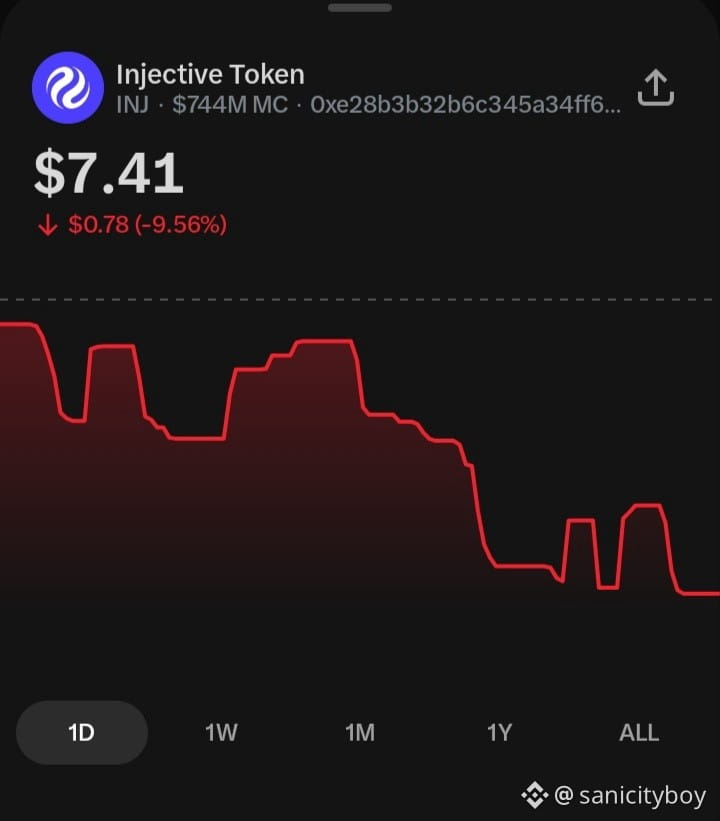
Những người nắm giữ $INJ, chúng ta thật may mắn 🤸
Kiên nhẫn sẽ được đền đáp, người Hausa
Những người nắm giữ $INJ, chúng ta thật may mắn 🤸
Kiên nhẫn sẽ được đền đáp, người Hausa
Kiên nhẫn sẽ được đền đáp, người Hausa
440
Đăng nhập để khám phá thêm nội dung
Tham gia cùng người dùng tiền mã hóa toàn cầu trên Binance Square
⚡️ Nhận thông tin mới nhất và hữu ích về tiền mã hóa.
💬 Được tin cậy bởi sàn giao dịch tiền mã hóa lớn nhất thế giới.
👍 Khám phá những thông tin chuyên sâu thực tế từ những nhà sáng tạo đã xác minh.
Email / Số điện thoại
Chủ đề thịnh hành
TinFed
420,387 lượt xem
1,278 đang thảo luận
Tin quan trọng đêm nay:
- 1. Đêm nay lúc 0h 17/11 chủ tịch fed kervin warsh sẽ có 1 cuộc phát biểu, khả năng sẽ nói về dữ liệu lạm phát. Chúng ta cũng sẽ hành động theo plan: + Nếu cụ Warsh nói dự liệu xấu hoặc diều hâu có thể đẩy chỉ số $ tăng phản ánh việc thắt chặt tiền tệ của fed sẽ làm thị trường có 1 cú dump và ngược lại.
- 2. Về BTC và Crypto, mình đã phân tích đúng gần như 100% khi BTC từ 87000$ về tới 62500$ ở các buổi live và bài viết trước đó. Tuy nhiên đà giảm này mình không nghĩ nó đã dừng lại mà là đang nghỉ ngơi kéo thêm thanh khoản cho team long để quét xuống 1 vùng sâu hơn. Ngắn hạn thì retailers có thể có 1 nhịp điên cuồng vô gom để kéo BTC lên tới vùng 7x rồi dump sâu hơn.
CHÚC MỌI NGƯỜI 1 TUẦN MATCHA
#TinFed
Chuyện Investment
·1 lượt thích
·1.4k lượt xem
TheoDõiFOMC
358,021 lượt xem
1,527 đang thảo luận
A Packed Week of Earnings and Data Tests Markets
37,773 lượt xem
272 đang thảo luận