

RS_SHANTO
5.7k Bài đăng

RS_SHANTO
Báo cáo
Chặn người dùng
RS MARKET WATCH (All Articles) Insights Analysis Trade Setups X_@rsshantoBP-19FF87639D8B
Giao dịch mở

Người nắm giữ BNB
Trader tần suất cao
{thời gian} năm
122 Đang theo dõi
16.5K+ Người theo dõi
7.3K+ Đã thích
Bài đăng
Danh mục đầu tư
Tất cả
Trích dẫn
Video
Live
·
--
Không có nến 100% tối nay.
Chỉ là một danh sách màu xanh chậm.
BTW đã quay lại vị trí số 1.
1,33. Cộng thêm 32.
Cái này đã được in ra từ tuần trước rồi. Giờ lại đang kéo dài lần nữa.
Tiếp theo là một nhóm pha trộn.
ESPORTS cộng 28.
0G cộng 27.
SOON cộng 25.
RAVE cộng 21.
Không có gì ở đây trông giống một ngành.
Chỉ là vài mã mỏng đang được gom mua.
Tôi không mua BTW sau khi nó đã tăng từ 0,72.
Nếu bất kỳ cái nào trong số này xả xuống, đẩy một nửa màu xanh về trong một cây nến râu, đó mới là bài test thật.
Chờ giờ đỏ đầu tiên.
NFA. Size nhỏ.
$BTW $SOON $RAVE
{future}(RAVEUSDT)
{future}(SOONUSDT)
{future}(BTWUSDT)
Kèo trên bảng này là gì?
Không có nến 100% tối nay.
Chỉ là một danh sách màu xanh chậm.
BTW đã quay lại vị trí số 1.
1,33. Cộng thêm 32.
Cái này đã được in ra từ tuần trước rồi. Giờ lại đang kéo dài lần nữa.
Tiếp theo là một nhóm pha trộn.
ESPORTS cộng 28.
0G cộng 27.
SOON cộng 25.
RAVE cộng 21.
Không có gì ở đây trông giống một ngành.
Chỉ là vài mã mỏng đang được gom mua.
Tôi không mua BTW sau khi nó đã tăng từ 0,72.
Nếu bất kỳ cái nào trong số này xả xuống, đẩy một nửa màu xanh về trong một cây nến râu, đó mới là bài test thật.
Chờ giờ đỏ đầu tiên.
NFA. Size nhỏ.
$BTW $SOON $RAVE
Kèo trên bảng này là gì?
Chỉ là một danh sách màu xanh chậm.
BTW đã quay lại vị trí số 1.
1,33. Cộng thêm 32.
Cái này đã được in ra từ tuần trước rồi. Giờ lại đang kéo dài lần nữa.
Tiếp theo là một nhóm pha trộn.
ESPORTS cộng 28.
0G cộng 27.
SOON cộng 25.
RAVE cộng 21.
Không có gì ở đây trông giống một ngành.
Chỉ là vài mã mỏng đang được gom mua.
Tôi không mua BTW sau khi nó đã tăng từ 0,72.
Nếu bất kỳ cái nào trong số này xả xuống, đẩy một nửa màu xanh về trong một cây nến râu, đó mới là bài test thật.
Chờ giờ đỏ đầu tiên.
NFA. Size nhỏ.
$BTW $SOON $RAVE
Kèo trên bảng này là gì?
Wait for a pullback
36%
Ride $BTW from here
21%
Fade $BTW / $0G
9%
Watch $SOON on a dip
34%
47 phiếu bầu • Cuộc bỏ phiếu đã kết thúc
5
10.1k
·
--
bPay là một dự án BNB Smart Chain bắt đầu từ Binance Square.
Pitch rất đơn giản: xác minh một tài khoản Square, đăng công khai về bPay, và họ sẽ xem xét phần thưởng BNB task được tài trợ từ các khoản thuế giao dịch token. Khẩu hiệu họ dùng là “Pay everyone.”
Những gì tôi đang xem:
Mạng: BNB Smart Chain
Trang web mọi người đang sử dụng: https://bpays.fun
Thuế được niêm yết trên trang của họ: 3% mua / 3% bán
Địa chỉ hợp đồng đầy đủ (CA):
0xb13003bf44de426dd2a3aae3df9c3400de0a7777
Mã của tôi:
BP-19FF87639D8B
Đây không phải là lời khuyên tài chính. Một bài đăng không phải là khoản chi trả được đảm bảo. Hãy tự mình kiểm tra hợp đồng, trang web và bất kỳ ví nào trước khi bạn tương tác.
#bPay #BNBChain #BinanceSquare
bPay là một dự án BNB Smart Chain bắt đầu từ Binance Square.
Pitch rất đơn giản: xác minh một tài khoản Square, đăng công khai về bPay, và họ sẽ xem xét phần thưởng BNB task được tài trợ từ các khoản thuế giao dịch token. Khẩu hiệu họ dùng là “Pay everyone.”
Những gì tôi đang xem:
Mạng: BNB Smart Chain
Trang web mọi người đang sử dụng: https://bpays.fun
Thuế được niêm yết trên trang của họ: 3% mua / 3% bán
Địa chỉ hợp đồng đầy đủ (CA):
0xb13003bf44de426dd2a3aae3df9c3400de0a7777
Mã của tôi:
BP-19FF87639D8B
Đây không phải là lời khuyên tài chính. Một bài đăng không phải là khoản chi trả được đảm bảo. Hãy tự mình kiểm tra hợp đồng, trang web và bất kỳ ví nào trước khi bạn tương tác.
#bPay #BNBChain #BinanceSquare
Pitch rất đơn giản: xác minh một tài khoản Square, đăng công khai về bPay, và họ sẽ xem xét phần thưởng BNB task được tài trợ từ các khoản thuế giao dịch token. Khẩu hiệu họ dùng là “Pay everyone.”
Những gì tôi đang xem:
Mạng: BNB Smart Chain
Trang web mọi người đang sử dụng: https://bpays.fun
Thuế được niêm yết trên trang của họ: 3% mua / 3% bán
Địa chỉ hợp đồng đầy đủ (CA):
0xb13003bf44de426dd2a3aae3df9c3400de0a7777
Mã của tôi:
BP-19FF87639D8B
Đây không phải là lời khuyên tài chính. Một bài đăng không phải là khoản chi trả được đảm bảo. Hãy tự mình kiểm tra hợp đồng, trang web và bất kỳ ví nào trước khi bạn tương tác.
#bPay #BNBChain #BinanceSquare
86
·
--
mở NMR dài 50x lúc 12:04:05
bị thanh lý lúc 12:04:54
dài: 0m
ROI: -278%
chưa kịp chuyển tab.
trong khi đó lệnh short BTW 5 ngày của mình cũng chọn đúng phút đó để chết.
hai vị thế. hai lần thanh lý. cùng 50 giây.
mình không phải là trader. mình là một tổ chức từ thiện. Binance là NGO. 🤭
$BTW $NMR
mở NMR dài 50x lúc 12:04:05
bị thanh lý lúc 12:04:54
dài: 0m
ROI: -278%
chưa kịp chuyển tab.
trong khi đó lệnh short BTW 5 ngày của mình cũng chọn đúng phút đó để chết.
hai vị thế. hai lần thanh lý. cùng 50 giây.
mình không phải là trader. mình là một tổ chức từ thiện. Binance là NGO. 🤭
$BTW $NMR
bị thanh lý lúc 12:04:54
dài: 0m
ROI: -278%
chưa kịp chuyển tab.
trong khi đó lệnh short BTW 5 ngày của mình cũng chọn đúng phút đó để chết.
hai vị thế. hai lần thanh lý. cùng 50 giây.
mình không phải là trader. mình là một tổ chức từ thiện. Binance là NGO. 🤭
$BTW $NMR
620
·
--
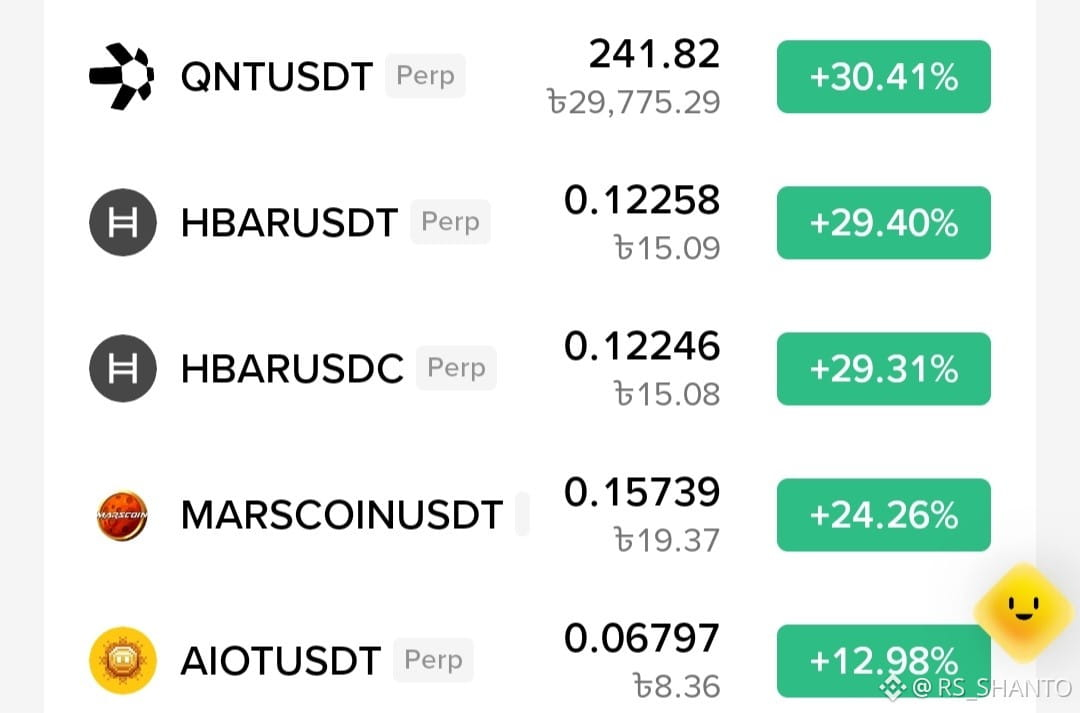
Mở Binance trong 2 giây và màn hình của tôi bắt đầu phát sáng 🟢
QNT: +30%
HBAR: +29%
Ngay cả MARSCOIN cũng nói “hôm nay tụi mình đi Sao Hỏa” +24%
Trong khi đó AIOT cứ điềm tĩnh bước vào với +13% như “tôi không muốn bị bỏ lại phía sau.”
Đây không phải một đợt bơm giá.
Đây là một bài tập nhóm và lạ là mọi người đều nộp bài thật. 😭📈
Ai khác danh mục của họ cũng tự nhiên thức dậy hôm nay như cuối cùng nó nhớ ra bài tập vậy?
$QNT $HBAR $MARSCOIN
{future}(MARSCOINUSDT)
{future}(HBARUSDT)
{future}(QNTUSDT)
#Crypto #Binance #Altseason
Mở Binance trong 2 giây và màn hình của tôi bắt đầu phát sáng 🟢
QNT: +30%
HBAR: +29%
Ngay cả MARSCOIN cũng nói “hôm nay tụi mình đi Sao Hỏa” +24%
Trong khi đó AIOT cứ điềm tĩnh bước vào với +13% như “tôi không muốn bị bỏ lại phía sau.”
Đây không phải một đợt bơm giá.
Đây là một bài tập nhóm và lạ là mọi người đều nộp bài thật. 😭📈
Ai khác danh mục của họ cũng tự nhiên thức dậy hôm nay như cuối cùng nó nhớ ra bài tập vậy?
$QNT $HBAR $MARSCOIN
#Crypto #Binance #Altseason
QNT: +30%
HBAR: +29%
Ngay cả MARSCOIN cũng nói “hôm nay tụi mình đi Sao Hỏa” +24%
Trong khi đó AIOT cứ điềm tĩnh bước vào với +13% như “tôi không muốn bị bỏ lại phía sau.”
Đây không phải một đợt bơm giá.
Đây là một bài tập nhóm và lạ là mọi người đều nộp bài thật. 😭📈
Ai khác danh mục của họ cũng tự nhiên thức dậy hôm nay như cuối cùng nó nhớ ra bài tập vậy?
$QNT $HBAR $MARSCOIN
#Crypto #Binance #Altseason
403
·
--
Đúng một phần
Sáng nay mở Binance như một người bình thường và lập tức hối hận.
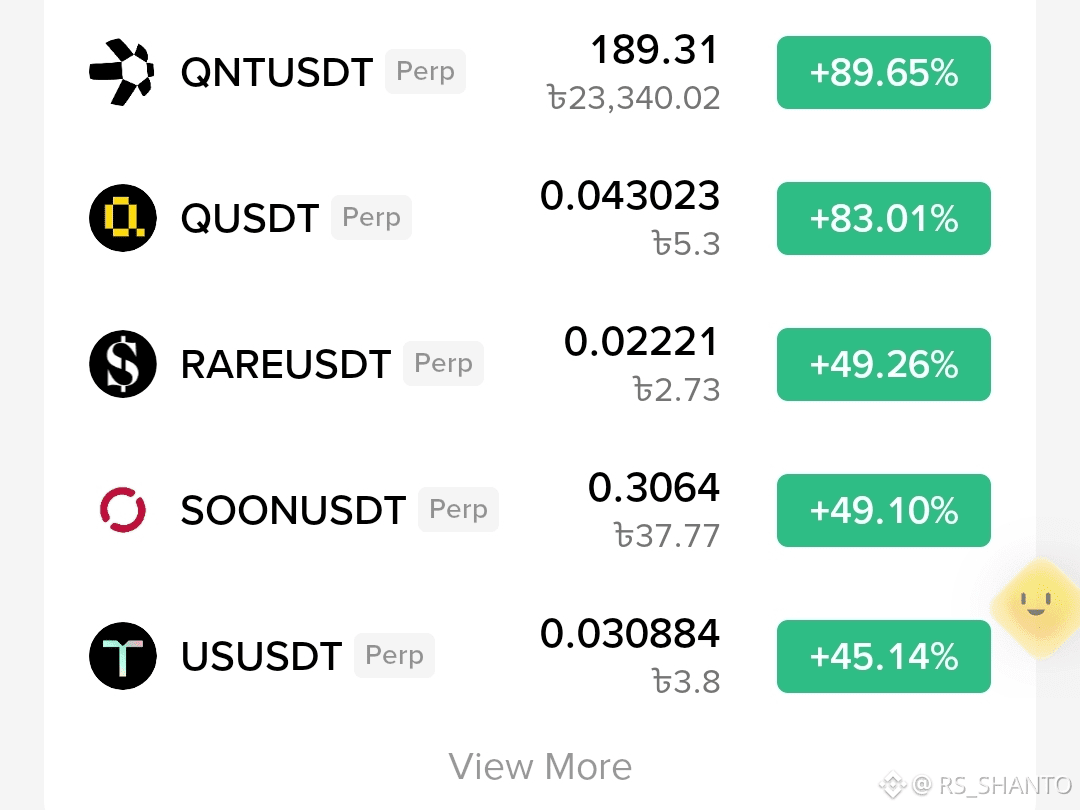
BNB đang ngồi đó ở $772, giảm nhẹ 0.22% cho đúng kiểu buồn ngủ, như thể không có chuyện gì xảy ra. Trong khi đó, tab Futures Gainers (Những kẻ tăng giá) thì bốc cháy.
QNTUSDT +89%.
QUSDT +83%.
Rồi đến RARE, SOON, US đều lơ lửng quanh +45–50%.
Phần buồn cười là QNT thực sự có lý do. Ngân hàng, tiền gửi tokenized, The Clearing House, cả câu chuyện “tiền thật chuyển trên blockchain”. Thế mà thị trường vẫn đối xử với nó như cách họ đối xử với một perp 3 chữ cái ngẫu nhiên vừa in ra qua đêm.
Đó là crypto chỉ trong một ảnh chụp màn hình. Một đồng có tin tức thật. Bốn đồng khác chỉ việc “làm màu” cạnh nó vì thanh khoản tìm thấy một cái chart và quyết định chạy nước rút.
Ngoài ra mình cũng thích dòng quy đổi Taka nhỏ xíu nằm dưới giá. Khiến một cú in $189 trông như ৳23,340 và tự nhiên nó càng mất kiểm soát hơn.
Không nói là đu theo bất kỳ cái nào trong số này đâu. Những ô xanh này nhìn đẹp mắt cho đến khi chúng không còn đẹp nữa. Giờ cứ ngồi đây xem danh sách Gainers làm đúng như cái cách danh sách Gainers vẫn thường làm.
Có ai khác mở app ra rồi chỉ nhìn chằm chằm một lúc không?
$QNT $Q $RARE
{future}(RAREUSDT)
{future}(QUSDT)
{future}(QNTUSDT)
Sáng nay mở Binance như một người bình thường và lập tức hối hận.
BNB đang ngồi đó ở $772, giảm nhẹ 0.22% cho đúng kiểu buồn ngủ, như thể không có chuyện gì xảy ra. Trong khi đó, tab Futures Gainers (Những kẻ tăng giá) thì bốc cháy.
QNTUSDT +89%.
QUSDT +83%.
Rồi đến RARE, SOON, US đều lơ lửng quanh +45–50%.
Phần buồn cười là QNT thực sự có lý do. Ngân hàng, tiền gửi tokenized, The Clearing House, cả câu chuyện “tiền thật chuyển trên blockchain”. Thế mà thị trường vẫn đối xử với nó như cách họ đối xử với một perp 3 chữ cái ngẫu nhiên vừa in ra qua đêm.
Đó là crypto chỉ trong một ảnh chụp màn hình. Một đồng có tin tức thật. Bốn đồng khác chỉ việc “làm màu” cạnh nó vì thanh khoản tìm thấy một cái chart và quyết định chạy nước rút.
Ngoài ra mình cũng thích dòng quy đổi Taka nhỏ xíu nằm dưới giá. Khiến một cú in $189 trông như ৳23,340 và tự nhiên nó càng mất kiểm soát hơn.
Không nói là đu theo bất kỳ cái nào trong số này đâu. Những ô xanh này nhìn đẹp mắt cho đến khi chúng không còn đẹp nữa. Giờ cứ ngồi đây xem danh sách Gainers làm đúng như cái cách danh sách Gainers vẫn thường làm.
Có ai khác mở app ra rồi chỉ nhìn chằm chằm một lúc không?
$QNT $Q $RARE
BNB đang ngồi đó ở $772, giảm nhẹ 0.22% cho đúng kiểu buồn ngủ, như thể không có chuyện gì xảy ra. Trong khi đó, tab Futures Gainers (Những kẻ tăng giá) thì bốc cháy.
QNTUSDT +89%.
QUSDT +83%.
Rồi đến RARE, SOON, US đều lơ lửng quanh +45–50%.
Phần buồn cười là QNT thực sự có lý do. Ngân hàng, tiền gửi tokenized, The Clearing House, cả câu chuyện “tiền thật chuyển trên blockchain”. Thế mà thị trường vẫn đối xử với nó như cách họ đối xử với một perp 3 chữ cái ngẫu nhiên vừa in ra qua đêm.
Đó là crypto chỉ trong một ảnh chụp màn hình. Một đồng có tin tức thật. Bốn đồng khác chỉ việc “làm màu” cạnh nó vì thanh khoản tìm thấy một cái chart và quyết định chạy nước rút.
Ngoài ra mình cũng thích dòng quy đổi Taka nhỏ xíu nằm dưới giá. Khiến một cú in $189 trông như ৳23,340 và tự nhiên nó càng mất kiểm soát hơn.
Không nói là đu theo bất kỳ cái nào trong số này đâu. Những ô xanh này nhìn đẹp mắt cho đến khi chúng không còn đẹp nữa. Giờ cứ ngồi đây xem danh sách Gainers làm đúng như cái cách danh sách Gainers vẫn thường làm.
Có ai khác mở app ra rồi chỉ nhìn chằm chằm một lúc không?
$QNT $Q $RARE
2
656
·
--
Phiên giao dịch khó khăn.
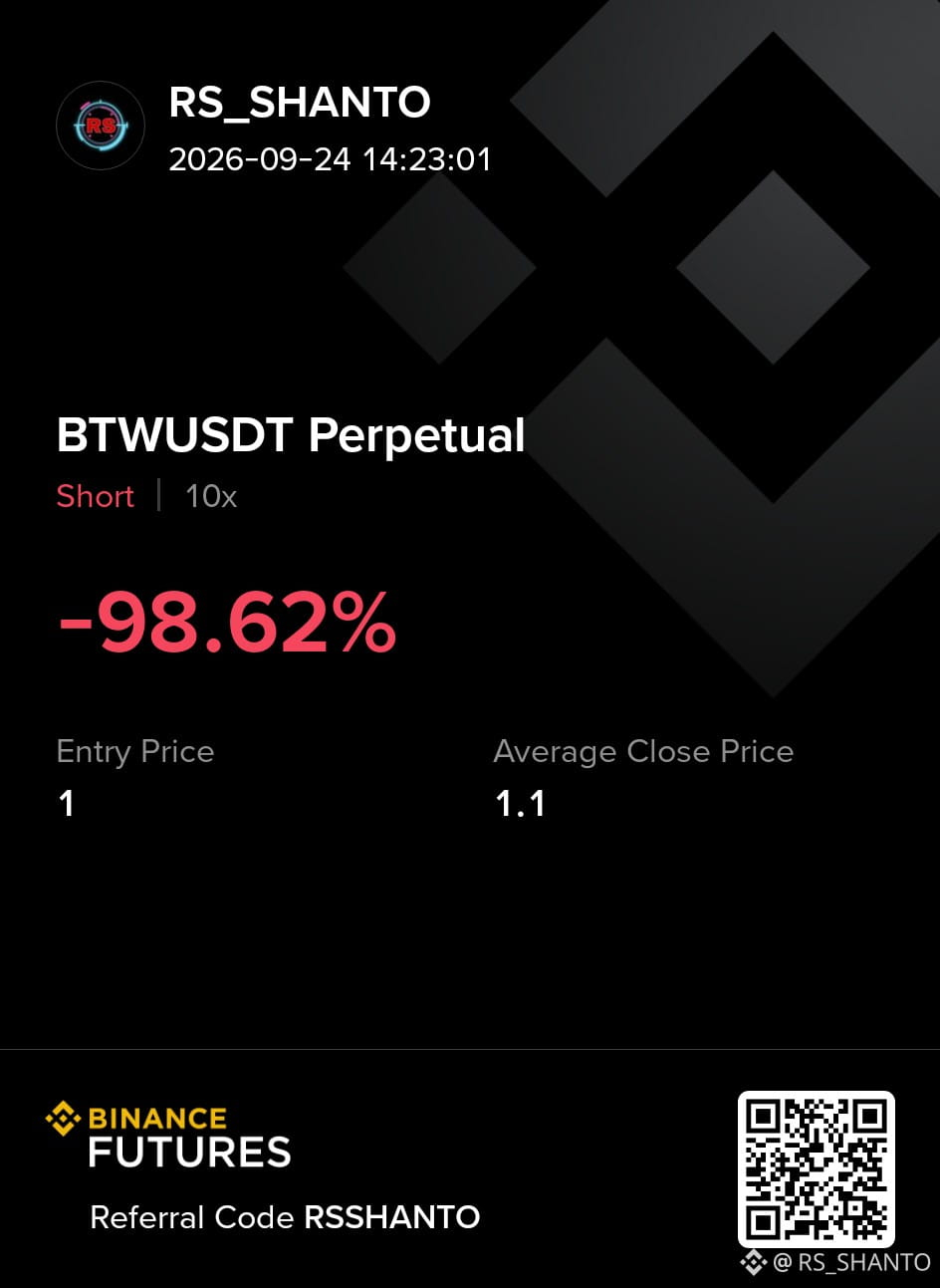
Nhân tiện: short 10x -98,62%
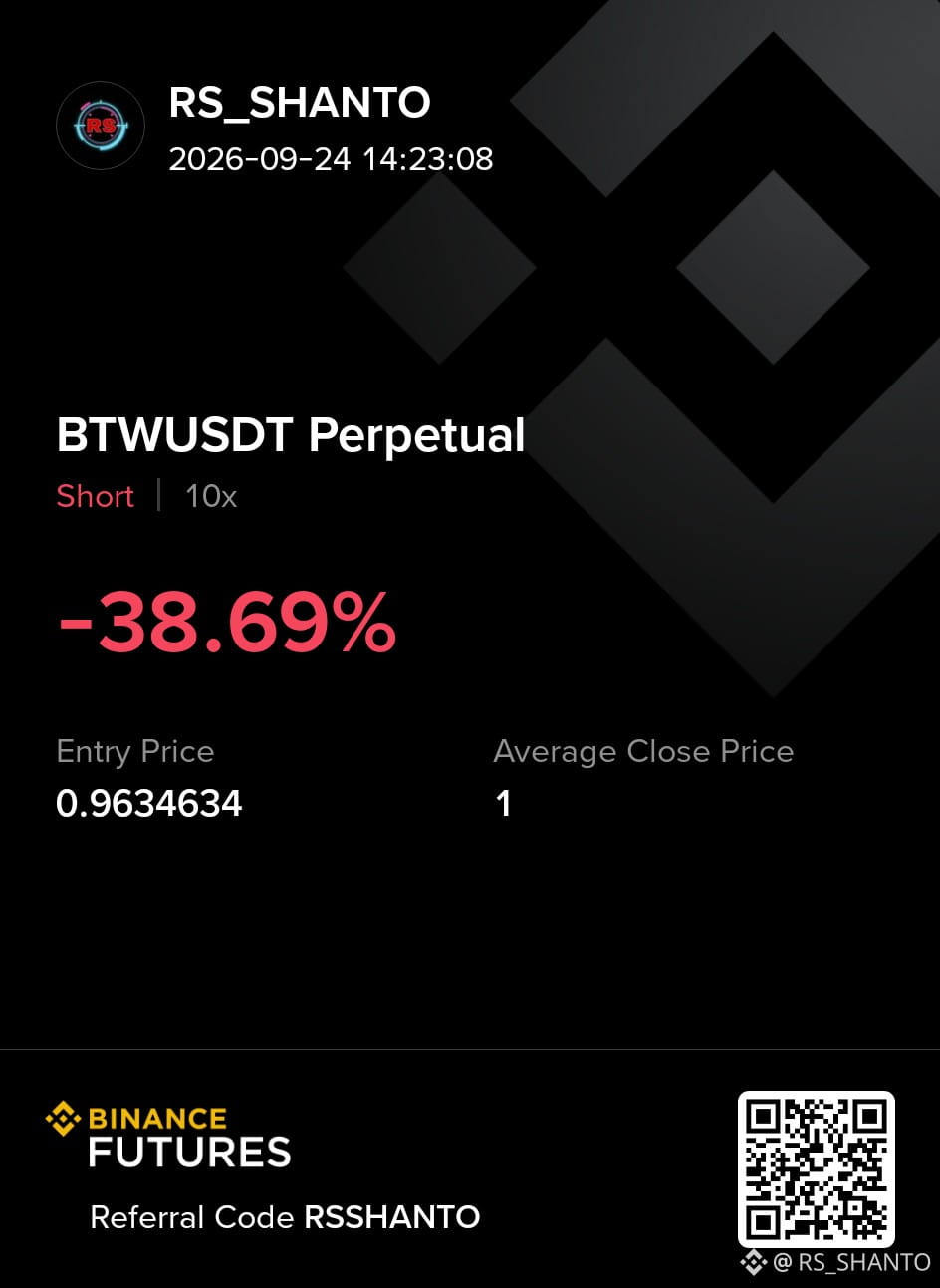
Nhân tiện: short 10x -38,69%
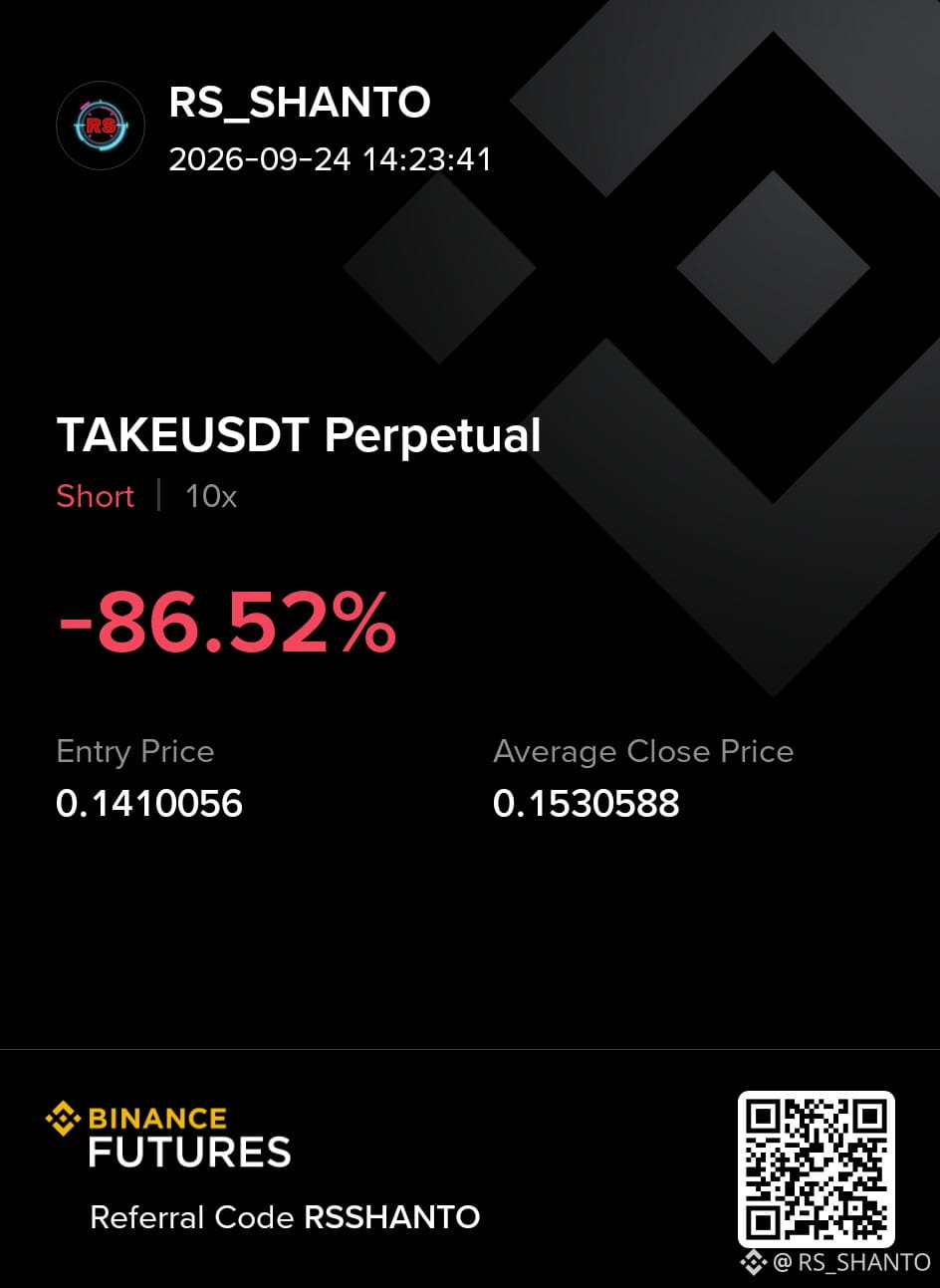
THỰC HIỆN short 10x -86,52%
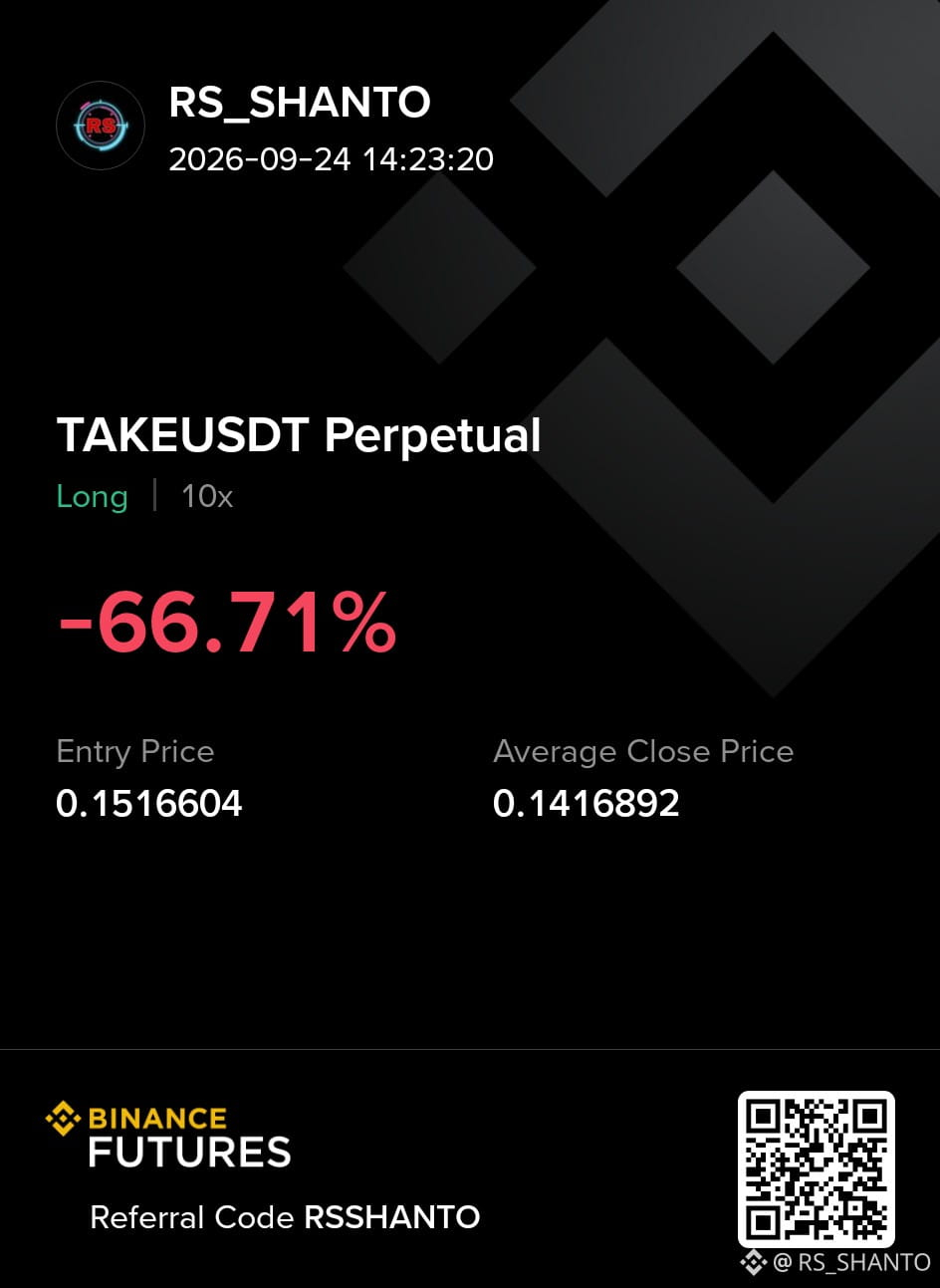
THỰC HIỆN long 10x -66,71%
Short BTW. Nó tăng. Mình lại short nó lần nữa. Nó lại tăng.
Sau đó mình short TAKE. Nó đi lên. Thế là mình lật kèo long. Nó đi xuống.
Nhận cả hai mặt của cùng một đồng xu mà vẫn thua. Đó là một tài năng.
Biểu đồ đang sai. Mình sẽ ra ngoài hít thở không khí trước khi mình nghĩ ra thêm một hướng đi thứ ba.
$BTW $TAKE $BR
{future}(BRUSDT)
{future}(TAKEUSDT)
{future}(BTWUSDT)
Phiên giao dịch khó khăn.
Nhân tiện: short 10x -98,62%
Nhân tiện: short 10x -38,69%
THỰC HIỆN short 10x -86,52%
THỰC HIỆN long 10x -66,71%
Short BTW. Nó tăng. Mình lại short nó lần nữa. Nó lại tăng.
Sau đó mình short TAKE. Nó đi lên. Thế là mình lật kèo long. Nó đi xuống.
Nhận cả hai mặt của cùng một đồng xu mà vẫn thua. Đó là một tài năng.
Biểu đồ đang sai. Mình sẽ ra ngoài hít thở không khí trước khi mình nghĩ ra thêm một hướng đi thứ ba.
$BTW $TAKE $BR
Nhân tiện: short 10x -98,62%
Nhân tiện: short 10x -38,69%
THỰC HIỆN short 10x -86,52%
THỰC HIỆN long 10x -66,71%
Short BTW. Nó tăng. Mình lại short nó lần nữa. Nó lại tăng.
Sau đó mình short TAKE. Nó đi lên. Thế là mình lật kèo long. Nó đi xuống.
Nhận cả hai mặt của cùng một đồng xu mà vẫn thua. Đó là một tài năng.
Biểu đồ đang sai. Mình sẽ ra ngoài hít thở không khí trước khi mình nghĩ ra thêm một hướng đi thứ ba.
$BTW $TAKE $BR
1
826
·
--
Thị trường đang đỏ. Bảng này thì không.
Memes đang giảm.
Pump stuff đang giảm.
Và vẫn còn vài perps đang in ra màu xanh.
TAKE là cái ồn nhất.
0.095. Cộng 61.
SAGA quay lại lần nữa. 0.051. Cộng 36.
Mã này sẽ không rời khỏi danh sách.
Sau đó mọi thứ trở nên yên ắng hơn.
NIL cộng 23.
FIGHT cộng 19.
RAYSOL cộng 18.
Khi phần còn lại của thị trường đang rò rỉ mà mấy cái này vẫn chạy, thường là thanh khoản mỏng chứ không phải một mùa mới.
Tôi không đuổi theo TAKE ở mức cộng 60.
SAGA khi có nhịp rơi là thứ duy nhất tôi thậm chí còn buồn quan tâm.
Nếu các nhóm màu đỏ tiếp tục rỉ máu, các màu xanh này có thể biến mất nhanh.
NFA. Vị thế nhỏ.
$TAKE $NIL $RAYSOL
{future}(RAYSOLUSDT)
{future}(NILUSDT)
{future}(TAKEUSDT)
Kèo trên bảng này là gì?
Thị trường đang đỏ. Bảng này thì không.
Memes đang giảm.
Pump stuff đang giảm.
Và vẫn còn vài perps đang in ra màu xanh.
TAKE là cái ồn nhất.
0.095. Cộng 61.
SAGA quay lại lần nữa. 0.051. Cộng 36.
Mã này sẽ không rời khỏi danh sách.
Sau đó mọi thứ trở nên yên ắng hơn.
NIL cộng 23.
FIGHT cộng 19.
RAYSOL cộng 18.
Khi phần còn lại của thị trường đang rò rỉ mà mấy cái này vẫn chạy, thường là thanh khoản mỏng chứ không phải một mùa mới.
Tôi không đuổi theo TAKE ở mức cộng 60.
SAGA khi có nhịp rơi là thứ duy nhất tôi thậm chí còn buồn quan tâm.
Nếu các nhóm màu đỏ tiếp tục rỉ máu, các màu xanh này có thể biến mất nhanh.
NFA. Vị thế nhỏ.
$TAKE $NIL $RAYSOL
Kèo trên bảng này là gì?
Memes đang giảm.
Pump stuff đang giảm.
Và vẫn còn vài perps đang in ra màu xanh.
TAKE là cái ồn nhất.
0.095. Cộng 61.
SAGA quay lại lần nữa. 0.051. Cộng 36.
Mã này sẽ không rời khỏi danh sách.
Sau đó mọi thứ trở nên yên ắng hơn.
NIL cộng 23.
FIGHT cộng 19.
RAYSOL cộng 18.
Khi phần còn lại của thị trường đang rò rỉ mà mấy cái này vẫn chạy, thường là thanh khoản mỏng chứ không phải một mùa mới.
Tôi không đuổi theo TAKE ở mức cộng 60.
SAGA khi có nhịp rơi là thứ duy nhất tôi thậm chí còn buồn quan tâm.
Nếu các nhóm màu đỏ tiếp tục rỉ máu, các màu xanh này có thể biến mất nhanh.
NFA. Vị thế nhỏ.
$TAKE $NIL $RAYSOL
Kèo trên bảng này là gì?
Wait for a pullback
35%
Ride $TAKE from here
40%
Fade $TAKE / $SAGA
10%
Watch $SAGA on a dip
15%
20 phiếu bầu • Cuộc bỏ phiếu đã kết thúc
943
·
--
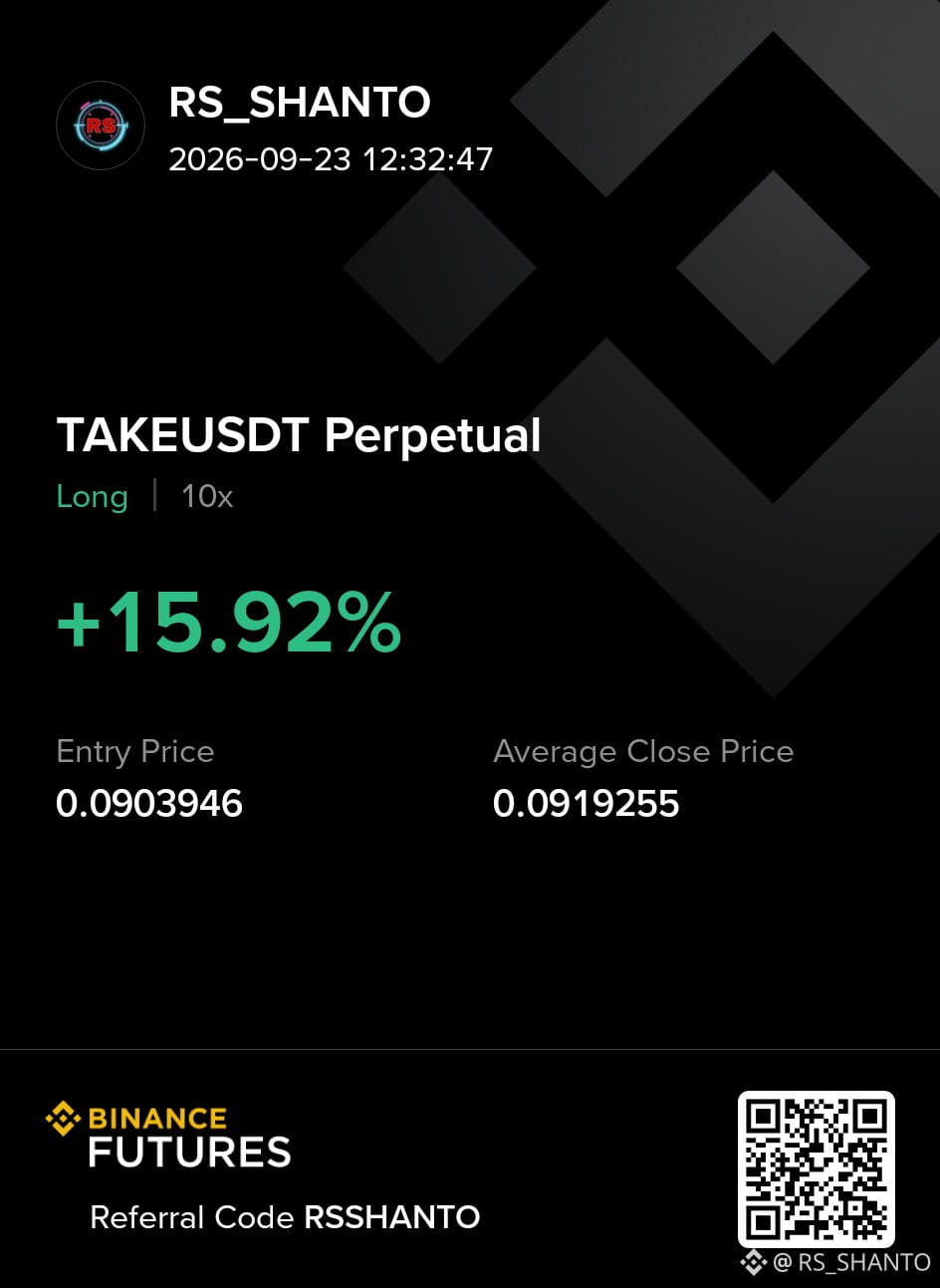
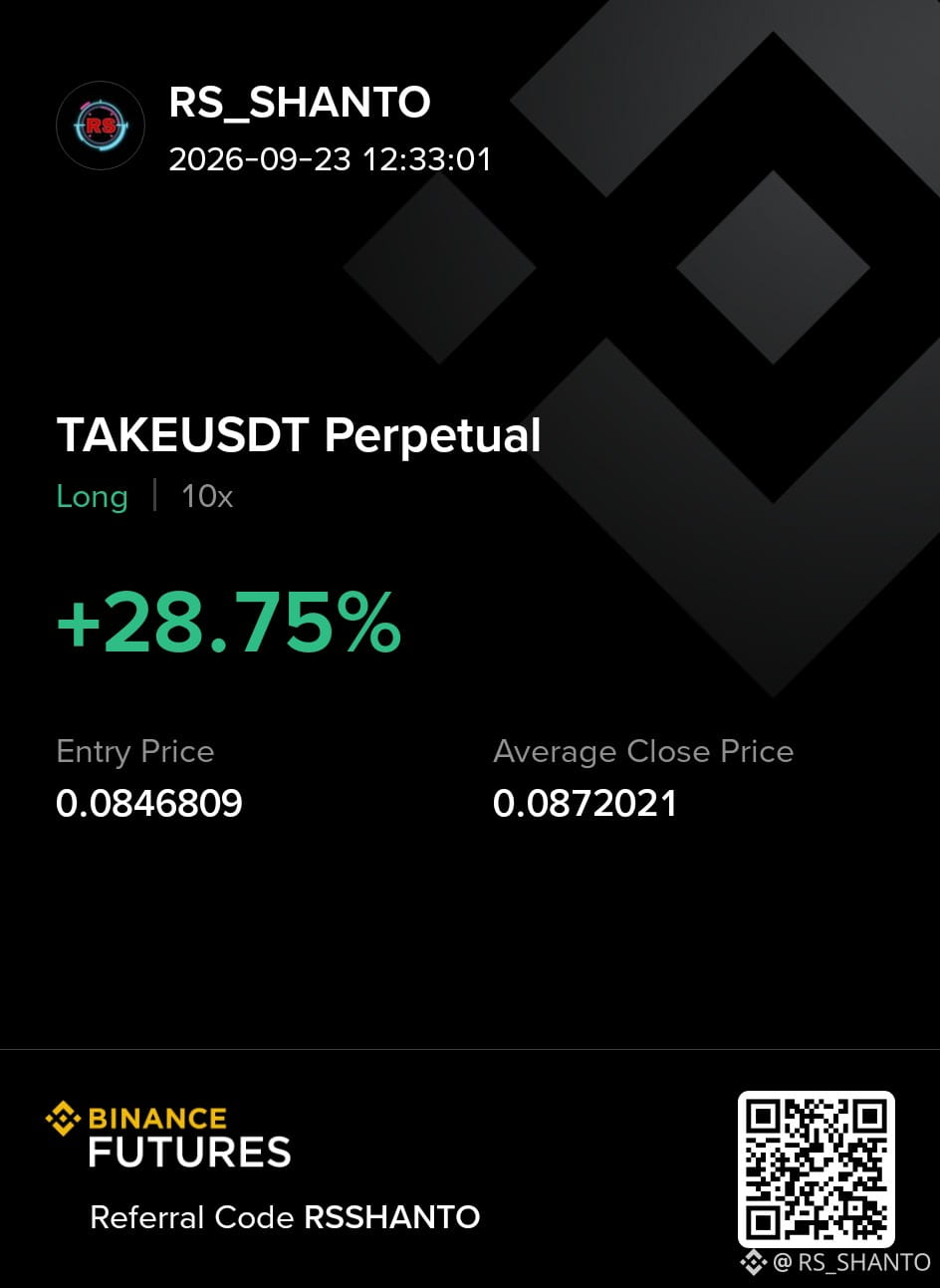
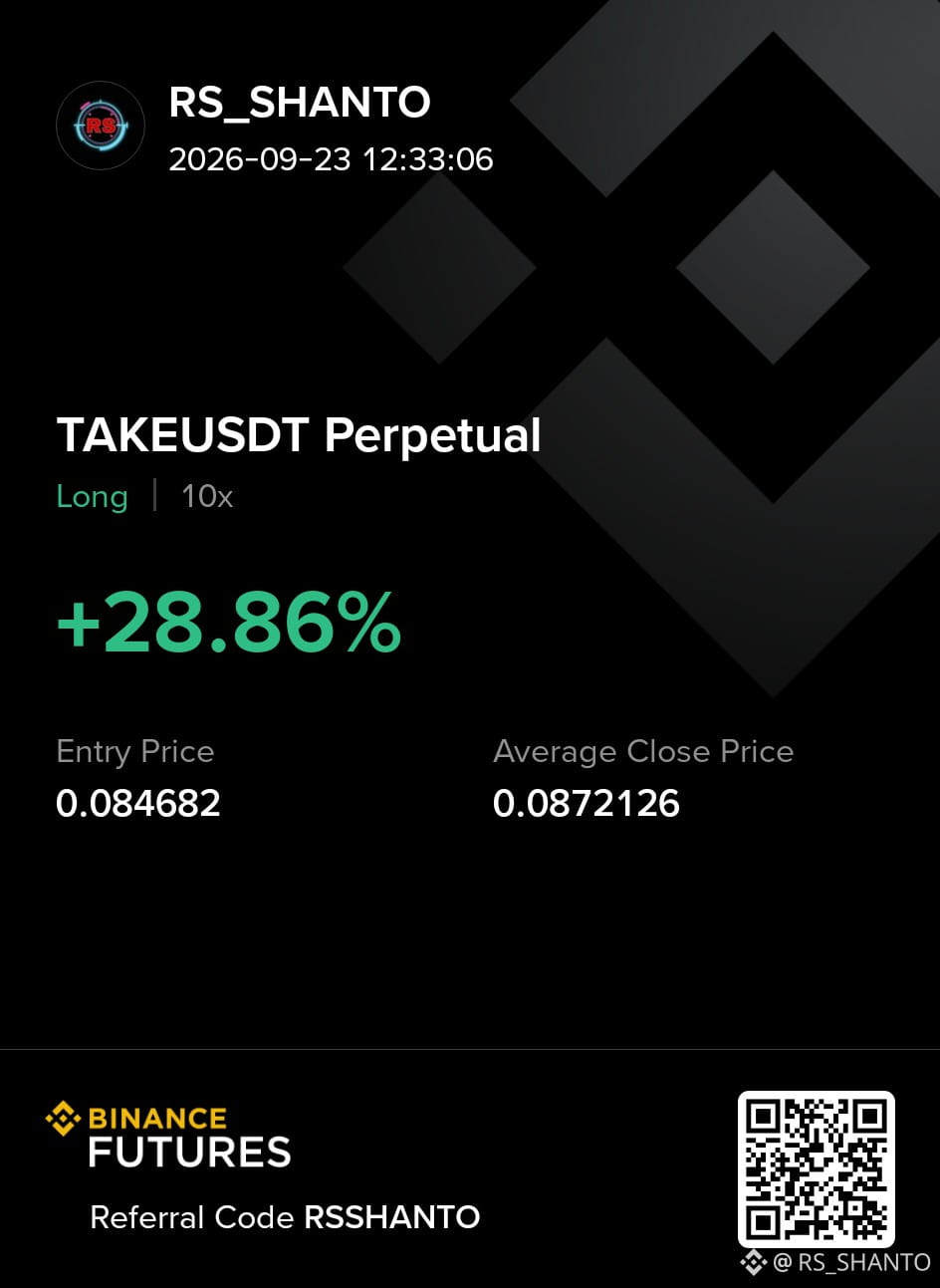
Tôi cứ nghĩ là sẽ không có giao dịch gì vào buổi sáng nay, nhưng rồi tôi kiểm tra thì thấy rằng mục tiêu giao dịch hằng ngày tối thiểu đã được hoàn thành rồi.
$TAKE
Tôi cứ nghĩ là sẽ không có giao dịch gì vào buổi sáng nay, nhưng rồi tôi kiểm tra thì thấy rằng mục tiêu giao dịch hằng ngày tối thiểu đã được hoàn thành rồi.
$TAKE
$TAKE
1
232
·
--
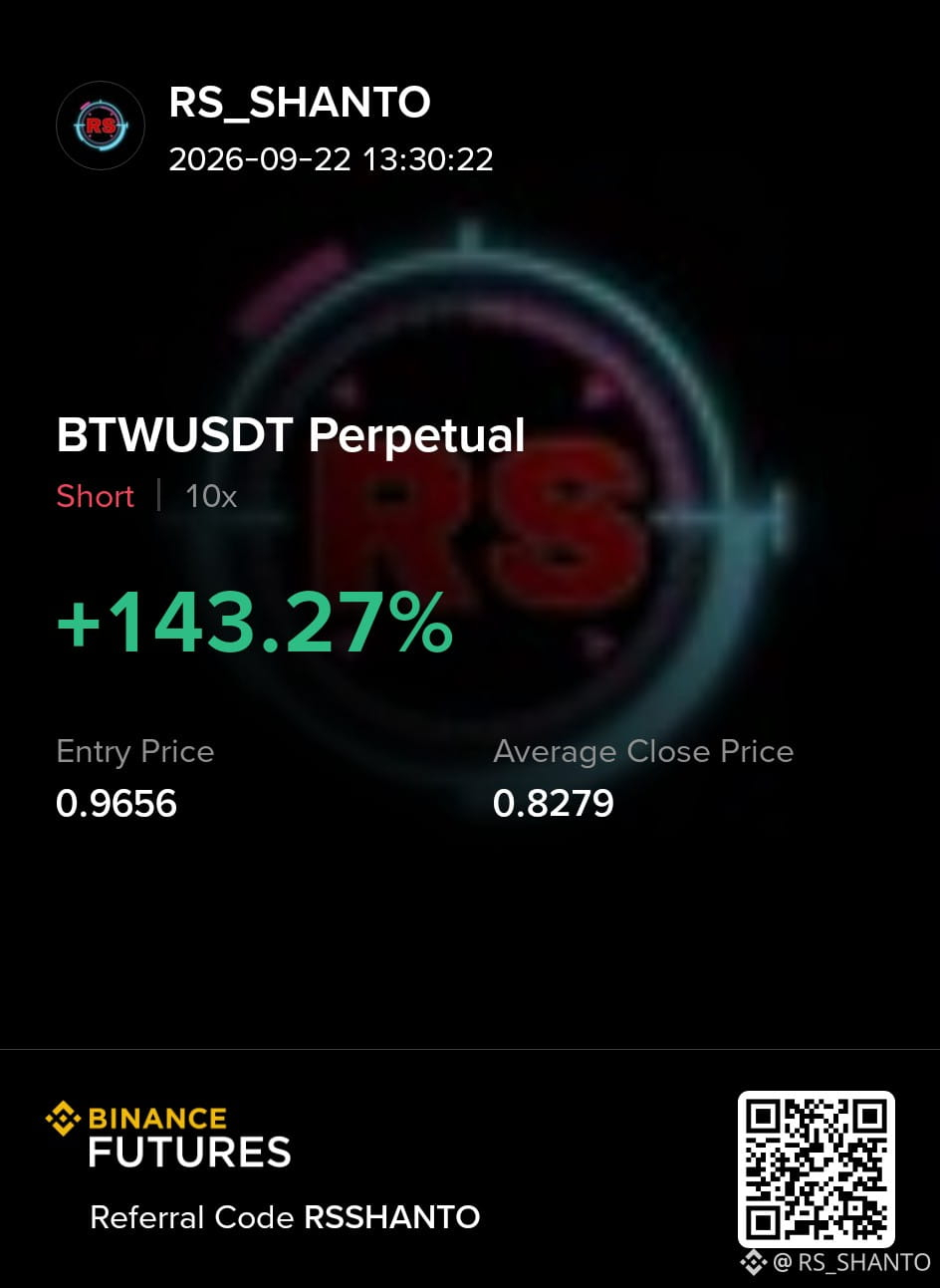
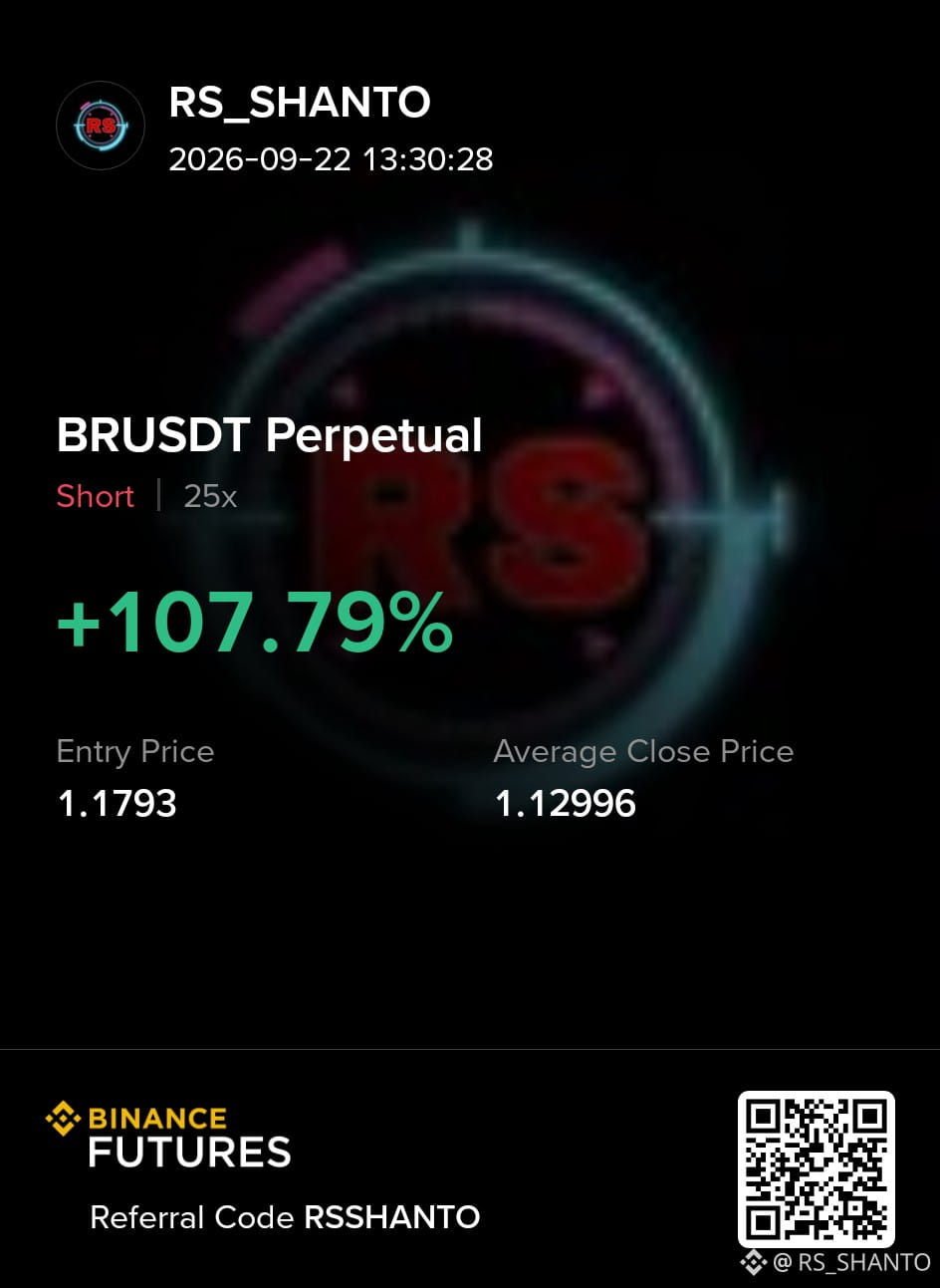
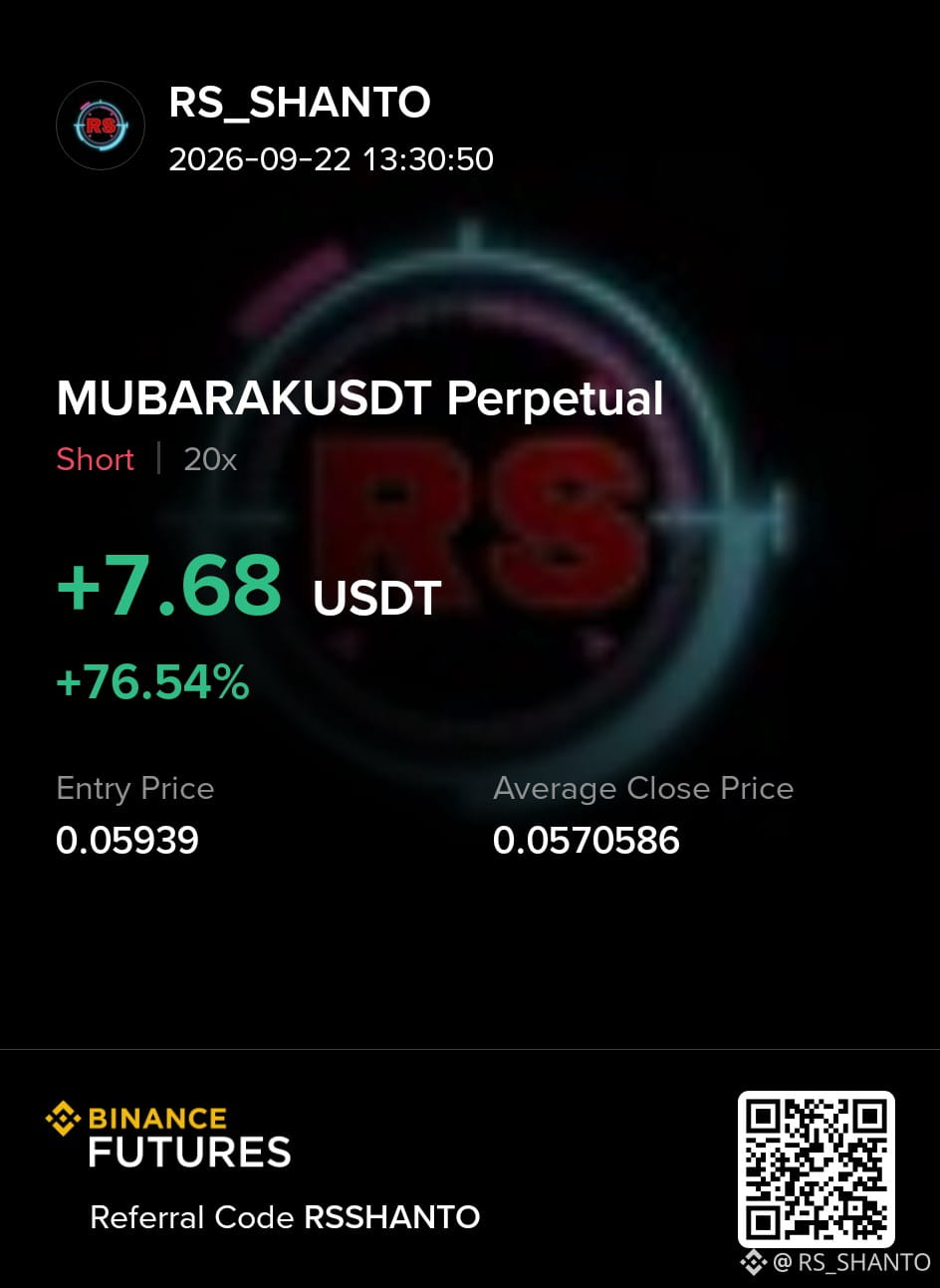
Đã đóng ba lệnh short.
MUBARAK 20x +76,54%
BR 25x +107,79%
BTW 10x +143,27%
Cả ba đều rơi trở lại từ vùng đỉnh và tôi chỉ bám theo như vậy. Không cố làm anh hùng khi giá bật lên.
Xanh tất cả. Tạm thời tôi không nhấn nữa.
$MUBARAK $BR $BTW
{future}(BTWUSDT)
{future}(BRUSDT)
{future}(MUBARAKUSDT)
Đã đóng ba lệnh short.
MUBARAK 20x +76,54%
BR 25x +107,79%
BTW 10x +143,27%
Cả ba đều rơi trở lại từ vùng đỉnh và tôi chỉ bám theo như vậy. Không cố làm anh hùng khi giá bật lên.
Xanh tất cả. Tạm thời tôi không nhấn nữa.
$MUBARAK $BR $BTW
MUBARAK 20x +76,54%
BR 25x +107,79%
BTW 10x +143,27%
Cả ba đều rơi trở lại từ vùng đỉnh và tôi chỉ bám theo như vậy. Không cố làm anh hùng khi giá bật lên.
Xanh tất cả. Tạm thời tôi không nhấn nữa.
$MUBARAK $BR $BTW
1
768
·
--
Trộn mới tối nay.
ZETA đang dẫn đầu.
0.061. Cộng 59.
Tên sạch nhất trong danh sách này.
PHA tiếp theo. 0.052. Cộng 43.
Rồi mọi thứ bắt đầu ồn hơn.
FORM cộng 37.
PTB vẫn còn ở đây. Cộng 33.
MUBARAK cộng 33. Cái đó chỉ là mã ticker.
PTB in lại bảng trong hai phiên liên tiếp.
Điều đó có thể có nghĩa là đà tiếp diễn.
Hoặc cũng có thể là do các lệnh long vào muộn đang bước vào.
Tôi không mua ở mức cộng 59.
Nếu ZETA hoặc PHA có một nhịp giảm rồi giữ vững, thì đó mới là câu chuyện đáng bàn.
Hai cái ở dưới cùng có thể biến mất chỉ trong một cây nến.
NFA. Size nhỏ.
$ZETA $PHA $PTB
{future}(PTBUSDT)
{spot}(PHAUSDT)
{future}(ZETAUSDT)
Kèo trên bảng này là gì?
Trộn mới tối nay.
ZETA đang dẫn đầu.
0.061. Cộng 59.
Tên sạch nhất trong danh sách này.
PHA tiếp theo. 0.052. Cộng 43.
Rồi mọi thứ bắt đầu ồn hơn.
FORM cộng 37.
PTB vẫn còn ở đây. Cộng 33.
MUBARAK cộng 33. Cái đó chỉ là mã ticker.
PTB in lại bảng trong hai phiên liên tiếp.
Điều đó có thể có nghĩa là đà tiếp diễn.
Hoặc cũng có thể là do các lệnh long vào muộn đang bước vào.
Tôi không mua ở mức cộng 59.
Nếu ZETA hoặc PHA có một nhịp giảm rồi giữ vững, thì đó mới là câu chuyện đáng bàn.
Hai cái ở dưới cùng có thể biến mất chỉ trong một cây nến.
NFA. Size nhỏ.
$ZETA $PHA $PTB
Kèo trên bảng này là gì?
ZETA đang dẫn đầu.
0.061. Cộng 59.
Tên sạch nhất trong danh sách này.
PHA tiếp theo. 0.052. Cộng 43.
Rồi mọi thứ bắt đầu ồn hơn.
FORM cộng 37.
PTB vẫn còn ở đây. Cộng 33.
MUBARAK cộng 33. Cái đó chỉ là mã ticker.
PTB in lại bảng trong hai phiên liên tiếp.
Điều đó có thể có nghĩa là đà tiếp diễn.
Hoặc cũng có thể là do các lệnh long vào muộn đang bước vào.
Tôi không mua ở mức cộng 59.
Nếu ZETA hoặc PHA có một nhịp giảm rồi giữ vững, thì đó mới là câu chuyện đáng bàn.
Hai cái ở dưới cùng có thể biến mất chỉ trong một cây nến.
NFA. Size nhỏ.
$ZETA $PHA $PTB
Kèo trên bảng này là gì?
Wait for a pullback
35%
Ride $ZETA from here
30%
Fade $ZETA / $PHA
9%
Watch $PHA on a dip
26%
23 phiếu bầu • Cuộc bỏ phiếu đã kết thúc
6.6k
·
--
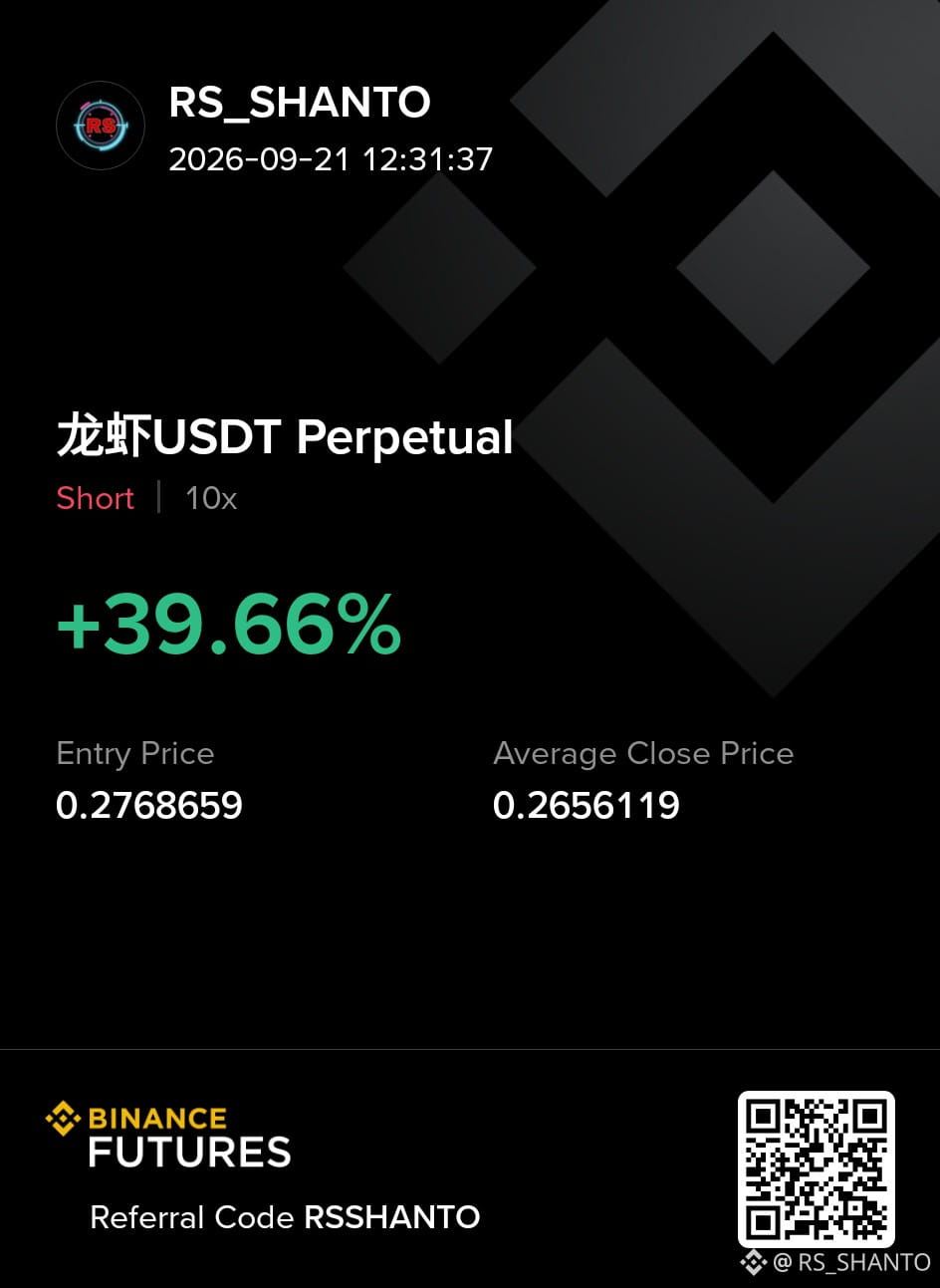
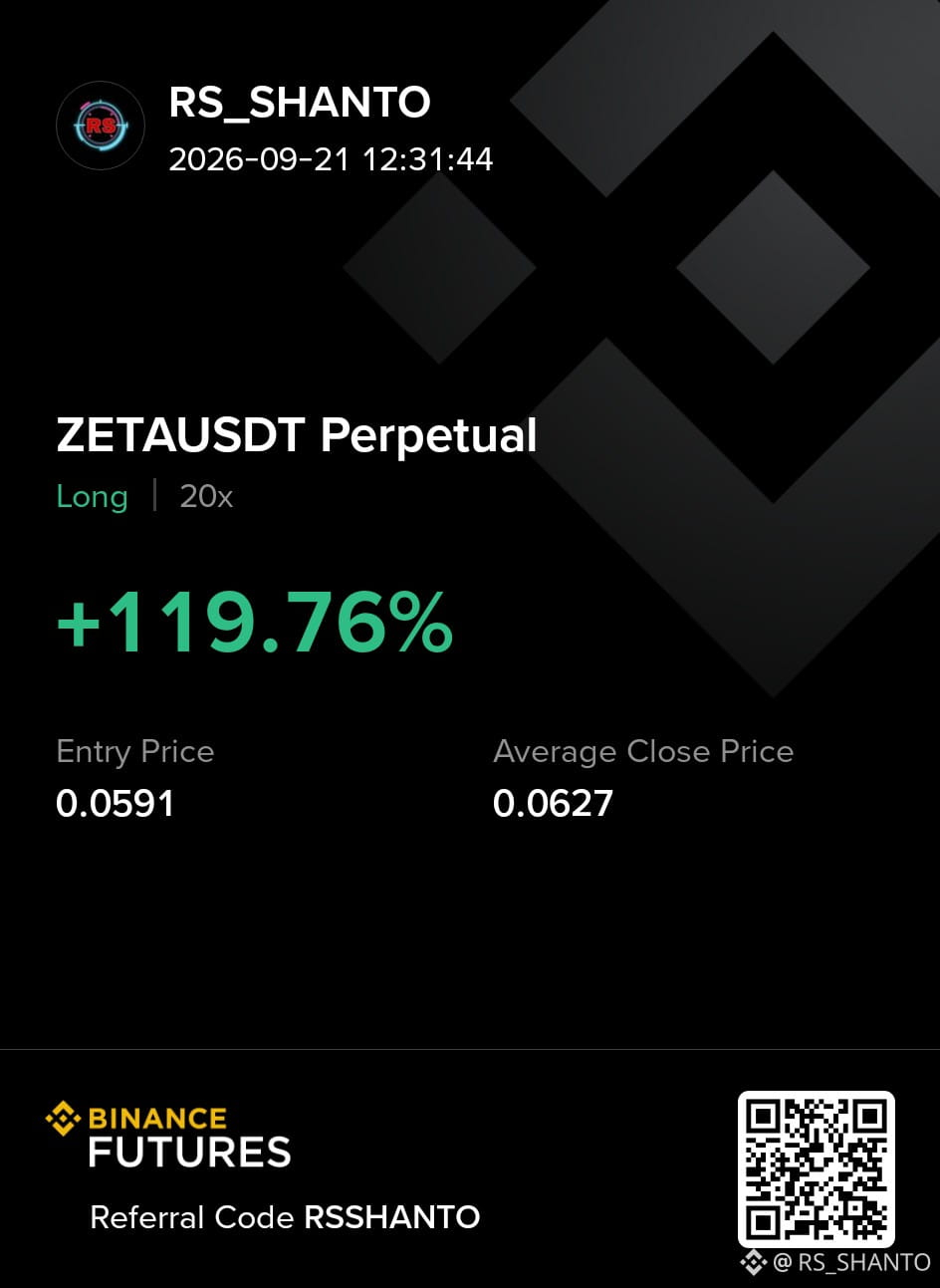
Đã đóng thêm hai.
ZETA long 20x +119,76%
Tôm hùm short 10x +39,66%
Cả hai đều đã in. Không có gì cầu kỳ, chỉ lấy những gì thị trường cho và thoát ra.
Đó là tất cả cho hôm nay của tôi. Mục tiêu đã đạt. Không có lý do gì phải tiếp tục bấm sau đó.
$ZETA $龙虾
{future}(龙虾USDT)
{future}(ZETAUSDT)
Đã đóng thêm hai.
ZETA long 20x +119,76%
Tôm hùm short 10x +39,66%
Cả hai đều đã in. Không có gì cầu kỳ, chỉ lấy những gì thị trường cho và thoát ra.
Đó là tất cả cho hôm nay của tôi. Mục tiêu đã đạt. Không có lý do gì phải tiếp tục bấm sau đó.
$ZETA $龙虾
ZETA long 20x +119,76%
Tôm hùm short 10x +39,66%
Cả hai đều đã in. Không có gì cầu kỳ, chỉ lấy những gì thị trường cho và thoát ra.
Đó là tất cả cho hôm nay của tôi. Mục tiêu đã đạt. Không có lý do gì phải tiếp tục bấm sau đó.
$ZETA $龙虾
457
·
--
Bo cạnh yên hơn. Vẫn chưa sạch.
CELR đã tỉnh dậy.
0.0037. Cộng 51.
Tên cũ. Nến nhanh.
SAGA cũng quay lại. 0.036. Cộng 43.
Loại này đã được in trước đó trong tuần này. Giờ lại làm tiếp.
Rồi nó hạ nhiệt.
Nhân tiện cộng 26.
PTB cộng 25.
EPIC vẫn còn lơ lửng quanh đây. Cộng 17.
Đây không phải kiểu BO mà ở dạng “ONE”.
Nó là đồ tầm trung đang xoay vòng.
Mình không đuổi theo CELR ở mức cộng 50.
Nếu SAGA giữ được mức giảm (dip), thì đó là cái duy nhất mình thậm chí còn để ý.
Hãy để giờ đỏ đầu tiên cho thấy cái nào là thật.
NFA. Size nhỏ.
$CELR $SAGA $BTW
{future}(BTWUSDT)
{future}(SAGAUSDT)
{future}(CELRUSDT)
Trên bảng này thì chiêu gì?
Bo cạnh yên hơn. Vẫn chưa sạch.
CELR đã tỉnh dậy.
0.0037. Cộng 51.
Tên cũ. Nến nhanh.
SAGA cũng quay lại. 0.036. Cộng 43.
Loại này đã được in trước đó trong tuần này. Giờ lại làm tiếp.
Rồi nó hạ nhiệt.
Nhân tiện cộng 26.
PTB cộng 25.
EPIC vẫn còn lơ lửng quanh đây. Cộng 17.
Đây không phải kiểu BO mà ở dạng “ONE”.
Nó là đồ tầm trung đang xoay vòng.
Mình không đuổi theo CELR ở mức cộng 50.
Nếu SAGA giữ được mức giảm (dip), thì đó là cái duy nhất mình thậm chí còn để ý.
Hãy để giờ đỏ đầu tiên cho thấy cái nào là thật.
NFA. Size nhỏ.
$CELR $SAGA $BTW
Trên bảng này thì chiêu gì?
CELR đã tỉnh dậy.
0.0037. Cộng 51.
Tên cũ. Nến nhanh.
SAGA cũng quay lại. 0.036. Cộng 43.
Loại này đã được in trước đó trong tuần này. Giờ lại làm tiếp.
Rồi nó hạ nhiệt.
Nhân tiện cộng 26.
PTB cộng 25.
EPIC vẫn còn lơ lửng quanh đây. Cộng 17.
Đây không phải kiểu BO mà ở dạng “ONE”.
Nó là đồ tầm trung đang xoay vòng.
Mình không đuổi theo CELR ở mức cộng 50.
Nếu SAGA giữ được mức giảm (dip), thì đó là cái duy nhất mình thậm chí còn để ý.
Hãy để giờ đỏ đầu tiên cho thấy cái nào là thật.
NFA. Size nhỏ.
$CELR $SAGA $BTW
Trên bảng này thì chiêu gì?
Wait for a pullback
37%
Ride $CELR from here
16%
Fade $CELR / $SAGA
20%
Watch $SAGA on a dip
27%
30 phiếu bầu • Cuộc bỏ phiếu đã kết thúc
1
3.3k
·
--
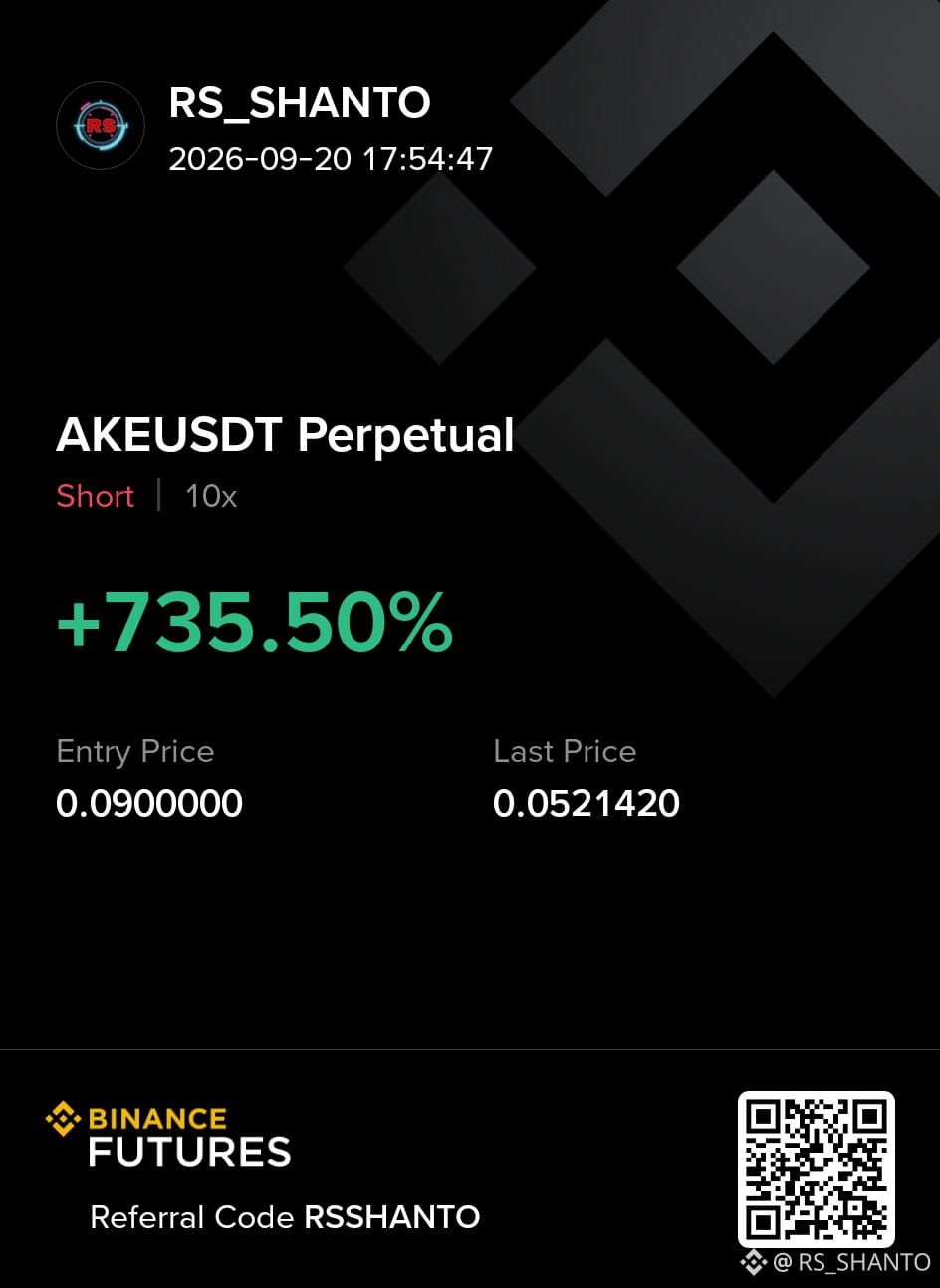
AKE short 10x.
+735.50%
Vào lệnh ở 0.09. Giá hiện tại đang nằm quanh 0.052.
Thứ này cứ rơi mãi. Mình suýt cover quá sớm và may là mình không làm vậy.
10x trên một cú dump alt vẫn làm tay mình ra mồ hôi, nhưng lệnh vào/ra sạch sẽ. Lấy.
$AKE
{future}(AKEUSDT)
AKE short 10x.
+735.50%
Vào lệnh ở 0.09. Giá hiện tại đang nằm quanh 0.052.
Thứ này cứ rơi mãi. Mình suýt cover quá sớm và may là mình không làm vậy.
10x trên một cú dump alt vẫn làm tay mình ra mồ hôi, nhưng lệnh vào/ra sạch sẽ. Lấy.
$AKE
+735.50%
Vào lệnh ở 0.09. Giá hiện tại đang nằm quanh 0.052.
Thứ này cứ rơi mãi. Mình suýt cover quá sớm và may là mình không làm vậy.
10x trên một cú dump alt vẫn làm tay mình ra mồ hôi, nhưng lệnh vào/ra sạch sẽ. Lấy.
$AKE
321
·
--
ONE lại đang ngu ngốc lần nữa.
0.0041. Cộng 137.
Lần trước nó tỉnh lúc 0.0016. Giờ thì nó cứ tiếp tục chạy.
AKE vẫn còn đây. 0.065. Cộng 73.
Thằng này nằm trên bảng cả tuần rồi.
Rồi đến hỗn hợp.
ZAMA cộng 47.
SYN cộng 36. Vẫn còn sống.
EPIC cộng 33.
Có hai lệnh giao dịch khác nhau trong danh sách này.
ONE và AKE đã được kéo dài rồi.
SYN là thằng nhìn ít say hơn.
Tôi không mua cộng 137.
Nếu ONE đổ một nửa số này trong một cây nến, không ai nên ngạc nhiên.
Cho nó thể hiện một nhịp giảm trước đã.
NFA. Khối lượng nhỏ.
$ONE $AKE $SYN
{future}(SYNUSDT)
{future}(AKEUSDT)
{future}(ONEUSDT)
Kèo nào trên bảng này vậy?
ONE lại đang ngu ngốc lần nữa.
0.0041. Cộng 137.
Lần trước nó tỉnh lúc 0.0016. Giờ thì nó cứ tiếp tục chạy.
AKE vẫn còn đây. 0.065. Cộng 73.
Thằng này nằm trên bảng cả tuần rồi.
Rồi đến hỗn hợp.
ZAMA cộng 47.
SYN cộng 36. Vẫn còn sống.
EPIC cộng 33.
Có hai lệnh giao dịch khác nhau trong danh sách này.
ONE và AKE đã được kéo dài rồi.
SYN là thằng nhìn ít say hơn.
Tôi không mua cộng 137.
Nếu ONE đổ một nửa số này trong một cây nến, không ai nên ngạc nhiên.
Cho nó thể hiện một nhịp giảm trước đã.
NFA. Khối lượng nhỏ.
$ONE $AKE $SYN
Kèo nào trên bảng này vậy?
0.0041. Cộng 137.
Lần trước nó tỉnh lúc 0.0016. Giờ thì nó cứ tiếp tục chạy.
AKE vẫn còn đây. 0.065. Cộng 73.
Thằng này nằm trên bảng cả tuần rồi.
Rồi đến hỗn hợp.
ZAMA cộng 47.
SYN cộng 36. Vẫn còn sống.
EPIC cộng 33.
Có hai lệnh giao dịch khác nhau trong danh sách này.
ONE và AKE đã được kéo dài rồi.
SYN là thằng nhìn ít say hơn.
Tôi không mua cộng 137.
Nếu ONE đổ một nửa số này trong một cây nến, không ai nên ngạc nhiên.
Cho nó thể hiện một nhịp giảm trước đã.
NFA. Khối lượng nhỏ.
$ONE $AKE $SYN
Kèo nào trên bảng này vậy?
Wait for a pullback
33%
Ride $ONE from here
44%
Fade $ONE and $AKE
19%
Watch $SYN / $ZAMA
4%
48 phiếu bầu • Cuộc bỏ phiếu đã kết thúc
2
4k
·
--
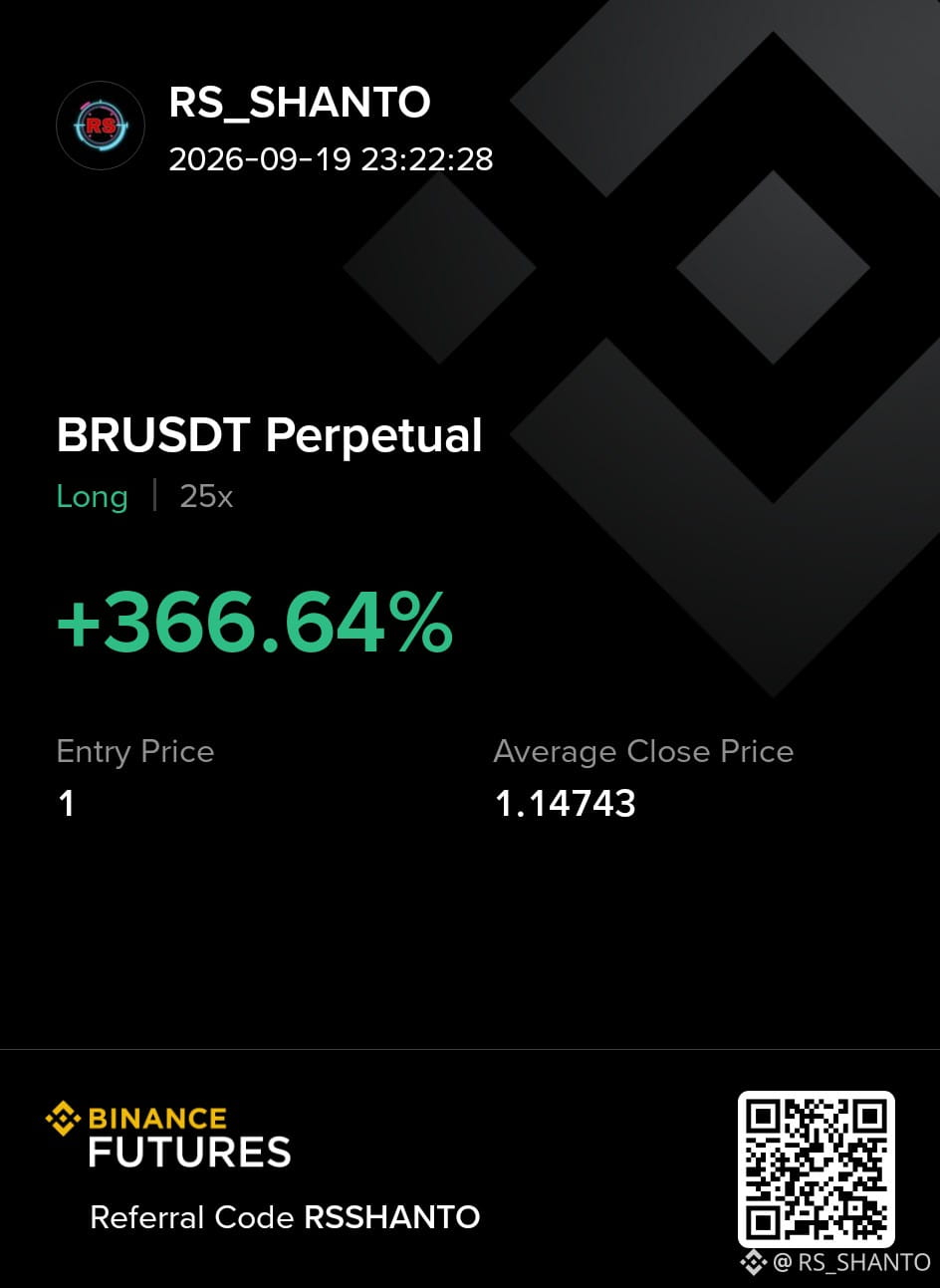
Vừa đóng xong một lệnh LONG BRUSDT.
25x +366.64%
Vào lệnh ở 1.00, giá đóng trung bình 1.147
Không ngờ nó lại chạy mạnh đến vậy. 25x lúc nào cũng thấy hơi khó chịu nhưng nhịp di chuyển rất sạch và mình không kéo dài quá lâu.
Những đêm như thế này không thường xuyên xảy ra. Nhận lợi nhuận và tắt chart một lúc.
$BR
{future}(BRUSDT)
Vừa đóng xong một lệnh LONG BRUSDT.
25x +366.64%
Vào lệnh ở 1.00, giá đóng trung bình 1.147
Không ngờ nó lại chạy mạnh đến vậy. 25x lúc nào cũng thấy hơi khó chịu nhưng nhịp di chuyển rất sạch và mình không kéo dài quá lâu.
Những đêm như thế này không thường xuyên xảy ra. Nhận lợi nhuận và tắt chart một lúc.
$BR
25x +366.64%
Vào lệnh ở 1.00, giá đóng trung bình 1.147
Không ngờ nó lại chạy mạnh đến vậy. 25x lúc nào cũng thấy hơi khó chịu nhưng nhịp di chuyển rất sạch và mình không kéo dài quá lâu.
Những đêm như thế này không thường xuyên xảy ra. Nhận lợi nhuận và tắt chart một lúc.
$BR
1
574
·
--
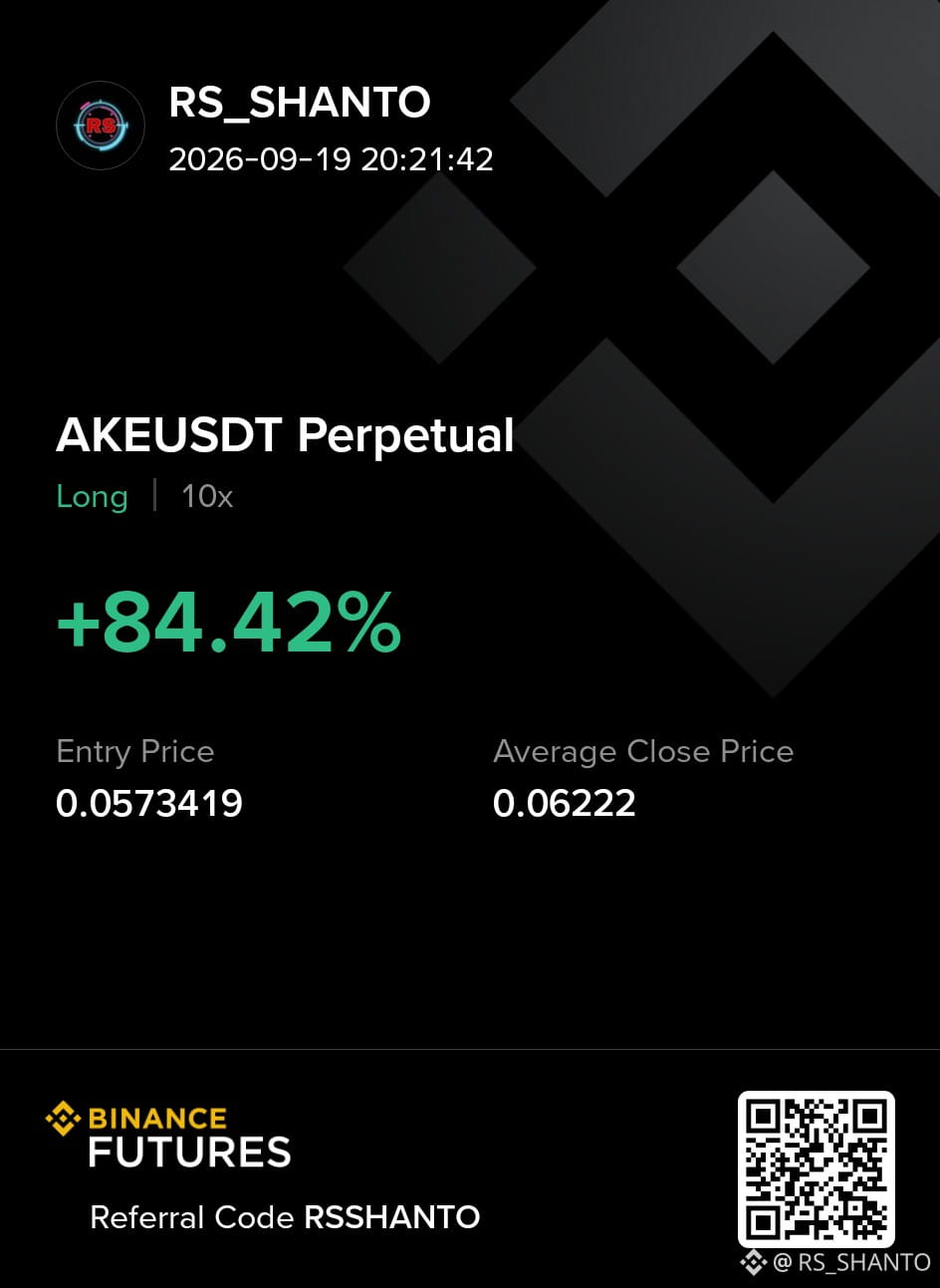
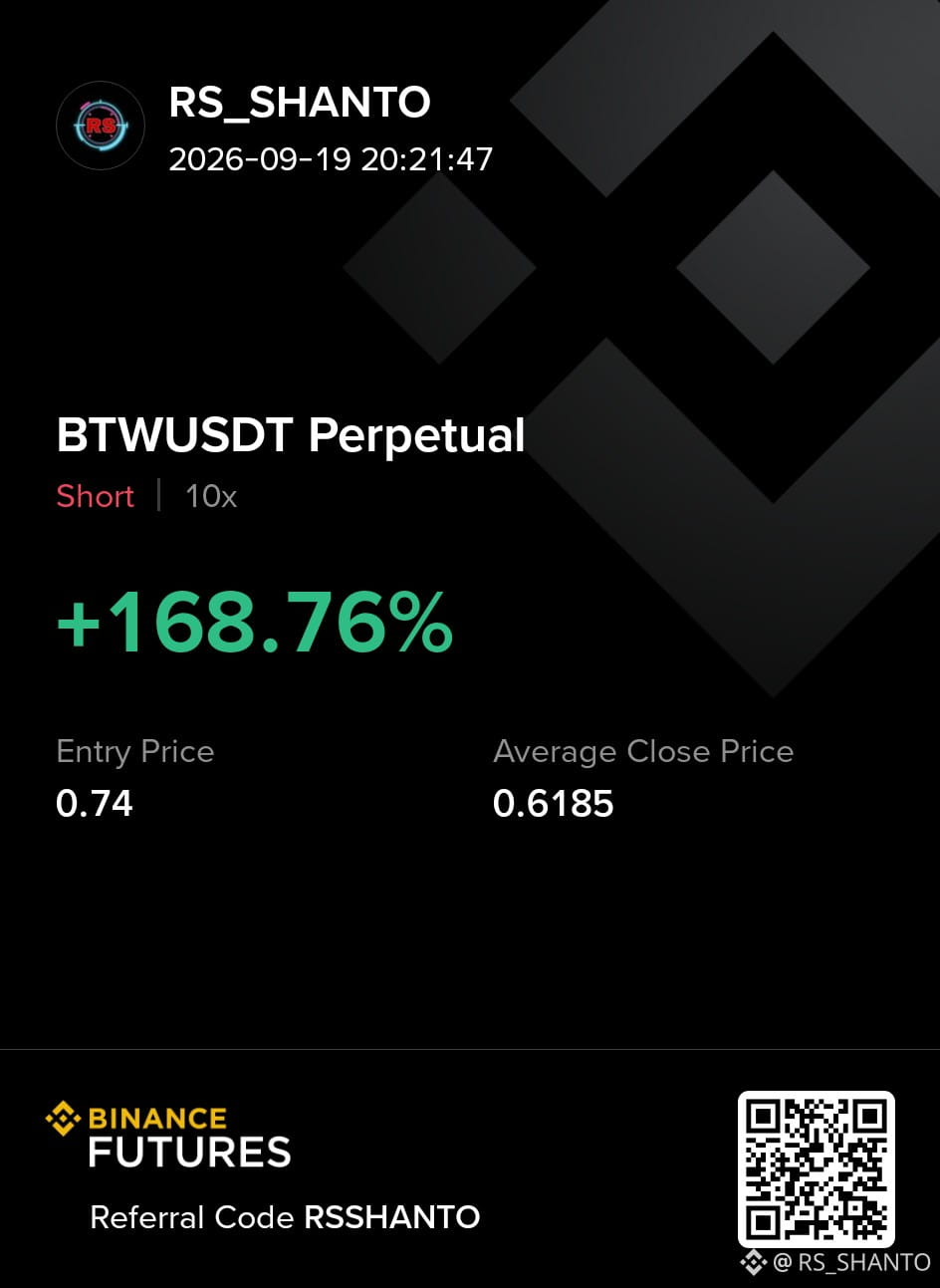
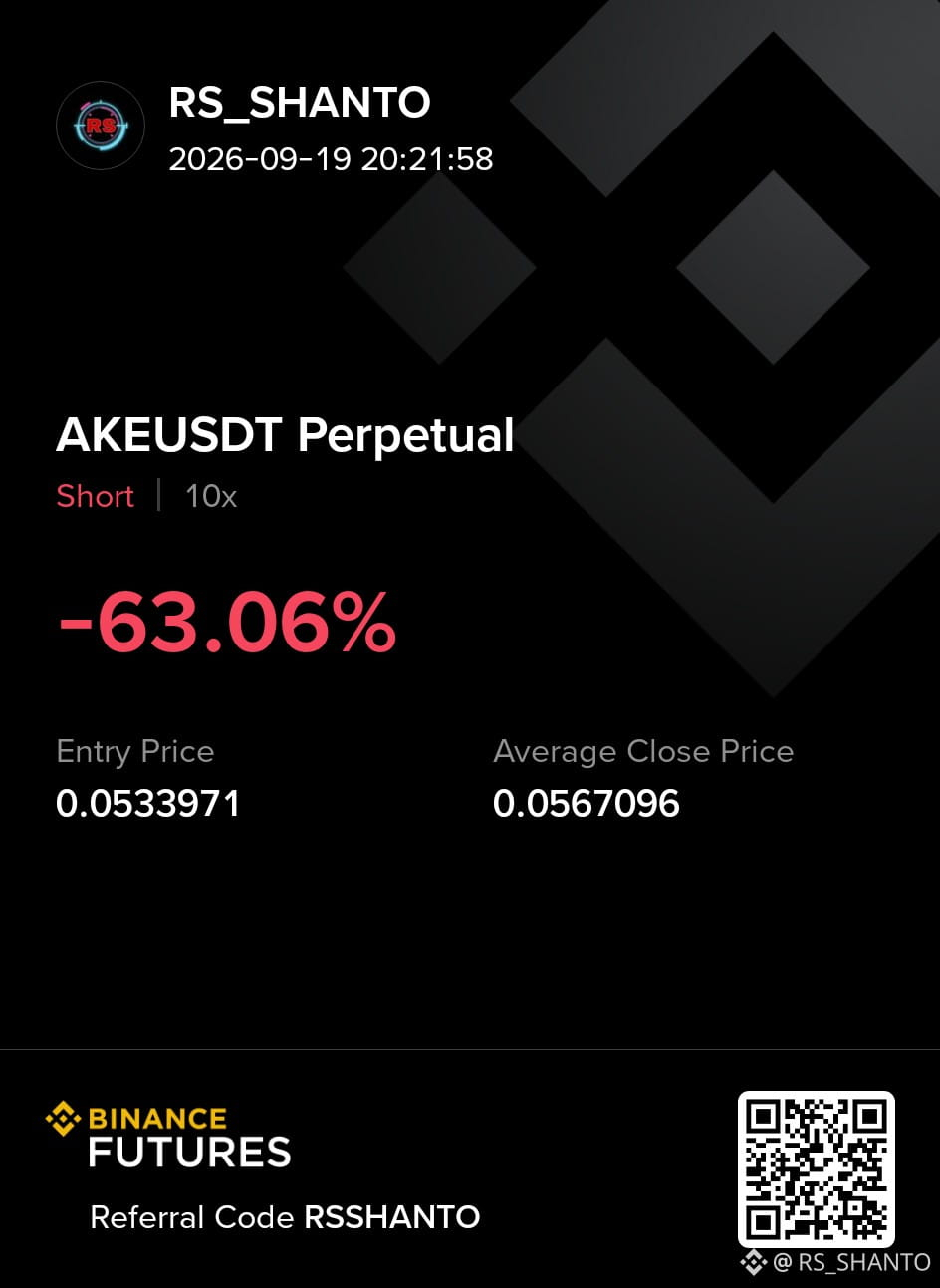
Vừa đóng vài lệnh. Đêm thì lẫn lộn nhưng tôi vẫn nhận được.
AKE long 10x +84.42%
BTW short 10x +168.76%
AKE short 10x -63.06%
Cái lệnh short cuối cùng trên AKE đã làm tôi đau. Giá cứ tiếp tục đẩy lên và tôi bị kẹt bên sai. Dù vậy, hai lệnh còn lại đã bù lại nhiều hơn.
Đòn bẩy đi cả hai chiều. Một cú vào lệnh tệ có thể xóa sạch một phần lợi nhuận nếu bạn không cẩn thận với size. Dù sao tổng thể vẫn xanh nên tôi không phàn nàn.
Sang lệnh tiếp theo.
$AKE $BTW $BR
{future}(BRUSDT)
{future}(BTWUSDT)
{future}(AKEUSDT)
Vừa đóng vài lệnh. Đêm thì lẫn lộn nhưng tôi vẫn nhận được.
AKE long 10x +84.42%
BTW short 10x +168.76%
AKE short 10x -63.06%
Cái lệnh short cuối cùng trên AKE đã làm tôi đau. Giá cứ tiếp tục đẩy lên và tôi bị kẹt bên sai. Dù vậy, hai lệnh còn lại đã bù lại nhiều hơn.
Đòn bẩy đi cả hai chiều. Một cú vào lệnh tệ có thể xóa sạch một phần lợi nhuận nếu bạn không cẩn thận với size. Dù sao tổng thể vẫn xanh nên tôi không phàn nàn.
Sang lệnh tiếp theo.
$AKE $BTW $BR
AKE long 10x +84.42%
BTW short 10x +168.76%
AKE short 10x -63.06%
Cái lệnh short cuối cùng trên AKE đã làm tôi đau. Giá cứ tiếp tục đẩy lên và tôi bị kẹt bên sai. Dù vậy, hai lệnh còn lại đã bù lại nhiều hơn.
Đòn bẩy đi cả hai chiều. Một cú vào lệnh tệ có thể xóa sạch một phần lợi nhuận nếu bạn không cẩn thận với size. Dù sao tổng thể vẫn xanh nên tôi không phàn nàn.
Sang lệnh tiếp theo.
$AKE $BTW $BR
2
865
·
--
Cùng một bộ phim. Tia nến mới.
AKE quay lại dẫn đầu.
0.038. Cộng 85.
Cái này cứ nhất quyết không chịu chết.
G đi ngay phía sau nó. Cộng 76.
Rồi đến những cái tên mà chúng ta đã biết.
BR vẫn tiếp tục. 0.96. Cộng 43.
F cộng 42.
STRK cộng 40.
Khi AKE và BR cứ tiếp tục in lại bảng, thì không còn là một ý tưởng mới nữa.
Nó là sự bám sát đà. Hoặc nó là tiền đến muộn.
Tôi không mua cộng 85.
Tôi muốn xem ai nắm được giờ đỏ đầu tiên.
STRK trông ít “hề” hơn so với hai cái đầu.
Vẫn không phải kiểu đuổi theo.
NFA. Quy mô nhỏ.
(quan điểm cá nhân, tôi nghĩ có thể bắn được ba token.$G $F $STRK
{future}(STRKUSDT)
{future}(FUSDT)
{future}(GUSDT)
Lượt đi trên bảng này là gì?)
Cùng một bộ phim. Tia nến mới.
AKE quay lại dẫn đầu.
0.038. Cộng 85.
Cái này cứ nhất quyết không chịu chết.
G đi ngay phía sau nó. Cộng 76.
Rồi đến những cái tên mà chúng ta đã biết.
BR vẫn tiếp tục. 0.96. Cộng 43.
F cộng 42.
STRK cộng 40.
Khi AKE và BR cứ tiếp tục in lại bảng, thì không còn là một ý tưởng mới nữa.
Nó là sự bám sát đà. Hoặc nó là tiền đến muộn.
Tôi không mua cộng 85.
Tôi muốn xem ai nắm được giờ đỏ đầu tiên.
STRK trông ít “hề” hơn so với hai cái đầu.
Vẫn không phải kiểu đuổi theo.
NFA. Quy mô nhỏ.
(quan điểm cá nhân, tôi nghĩ có thể bắn được ba token.$G $F $STRK
Lượt đi trên bảng này là gì?)
AKE quay lại dẫn đầu.
0.038. Cộng 85.
Cái này cứ nhất quyết không chịu chết.
G đi ngay phía sau nó. Cộng 76.
Rồi đến những cái tên mà chúng ta đã biết.
BR vẫn tiếp tục. 0.96. Cộng 43.
F cộng 42.
STRK cộng 40.
Khi AKE và BR cứ tiếp tục in lại bảng, thì không còn là một ý tưởng mới nữa.
Nó là sự bám sát đà. Hoặc nó là tiền đến muộn.
Tôi không mua cộng 85.
Tôi muốn xem ai nắm được giờ đỏ đầu tiên.
STRK trông ít “hề” hơn so với hai cái đầu.
Vẫn không phải kiểu đuổi theo.
NFA. Quy mô nhỏ.
(quan điểm cá nhân, tôi nghĩ có thể bắn được ba token.$G $F $STRK
Lượt đi trên bảng này là gì?)
Wait for a pullback
33%
Ride $AKE from here
17%
Fade $AKE and $BR
13%
Watch $STRK / $F
37%
30 phiếu bầu • Cuộc bỏ phiếu đã kết thúc
2
4.8k
·
--
Phiên hôm nay của mình đúng là điên rồ.
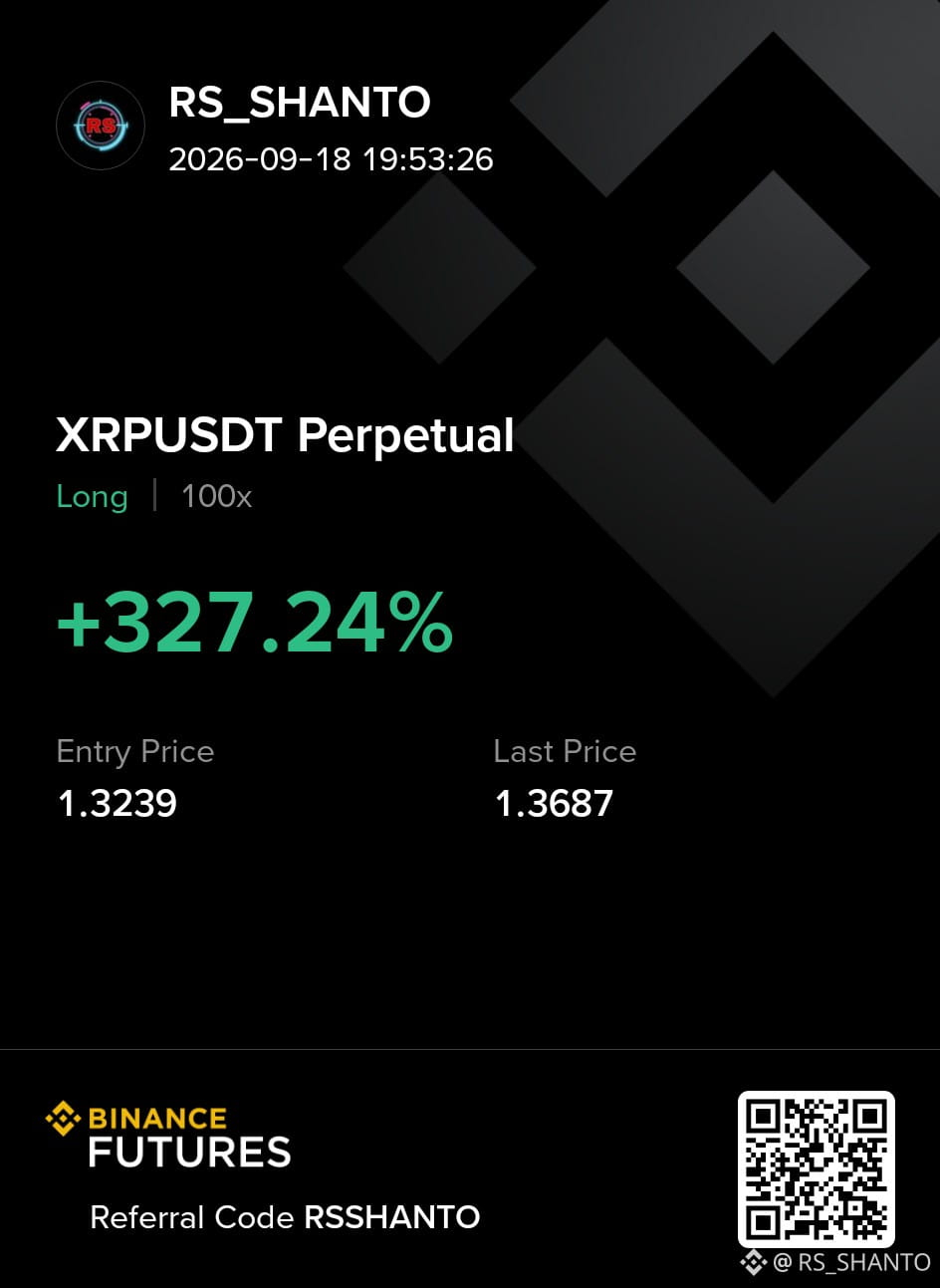
Khoảng 7:50 tối mình vào lệnh LONG XRPUSDT với 100x. Giá vào 1.3239, rồi nó chạy lên 1.3687 và in ra +327%. Trong một phút mình nghĩ ừ thì, tối nay là của mình.
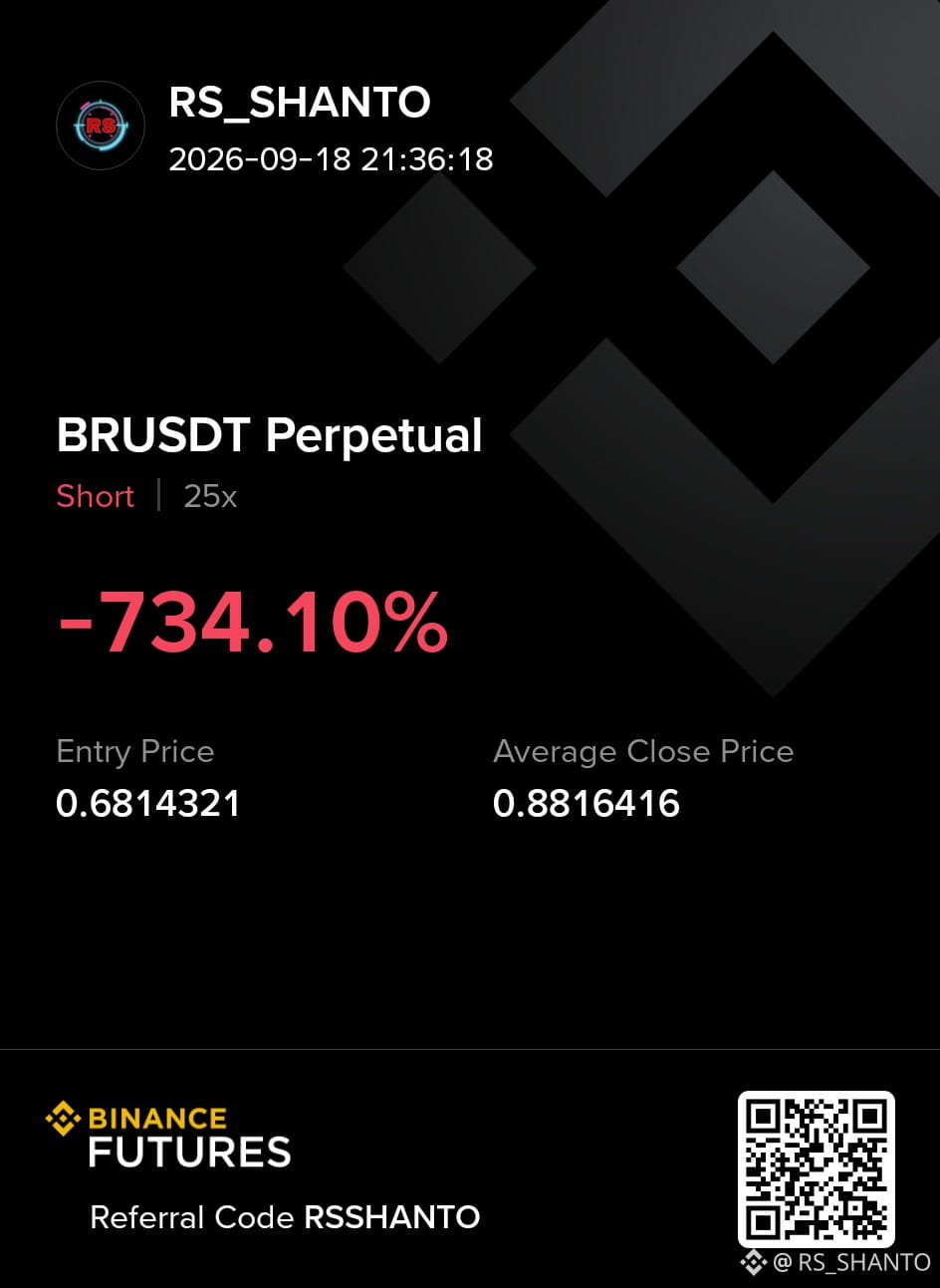
Chưa đầy hai tiếng sau mình lại SHORT BRUSDT với 25x. Giá vào 0.6814, mình nghĩ là nó sẽ dump. Nhưng không. Nó bật mạnh lên 0.8816 và đóng lệnh của mình ở mức -734%.
Lợi nhuận trước đó mất sạch. Và còn hơn thế.
Cùng một đêm. Hai ảnh chụp màn hình. Một ảnh xanh, một ảnh đỏ. Đó là crypto. Một lệnh bạn là người chiến thắng, lệnh tiếp theo lại ngồi đó, nhìn chằm chằm vào màn hình.
Đòn bẩy cao khác hẳn khi nó đi ngược lại bạn. Tối nay mình đã học điều đó theo cách khó.
$BR $XRP
{future}(XRPUSDT)
{future}(BRUSDT)
Phiên hôm nay của mình đúng là điên rồ.
Khoảng 7:50 tối mình vào lệnh LONG XRPUSDT với 100x. Giá vào 1.3239, rồi nó chạy lên 1.3687 và in ra +327%. Trong một phút mình nghĩ ừ thì, tối nay là của mình.
Chưa đầy hai tiếng sau mình lại SHORT BRUSDT với 25x. Giá vào 0.6814, mình nghĩ là nó sẽ dump. Nhưng không. Nó bật mạnh lên 0.8816 và đóng lệnh của mình ở mức -734%.
Lợi nhuận trước đó mất sạch. Và còn hơn thế.
Cùng một đêm. Hai ảnh chụp màn hình. Một ảnh xanh, một ảnh đỏ. Đó là crypto. Một lệnh bạn là người chiến thắng, lệnh tiếp theo lại ngồi đó, nhìn chằm chằm vào màn hình.
Đòn bẩy cao khác hẳn khi nó đi ngược lại bạn. Tối nay mình đã học điều đó theo cách khó.
$BR $XRP
Khoảng 7:50 tối mình vào lệnh LONG XRPUSDT với 100x. Giá vào 1.3239, rồi nó chạy lên 1.3687 và in ra +327%. Trong một phút mình nghĩ ừ thì, tối nay là của mình.
Chưa đầy hai tiếng sau mình lại SHORT BRUSDT với 25x. Giá vào 0.6814, mình nghĩ là nó sẽ dump. Nhưng không. Nó bật mạnh lên 0.8816 và đóng lệnh của mình ở mức -734%.
Lợi nhuận trước đó mất sạch. Và còn hơn thế.
Cùng một đêm. Hai ảnh chụp màn hình. Một ảnh xanh, một ảnh đỏ. Đó là crypto. Một lệnh bạn là người chiến thắng, lệnh tiếp theo lại ngồi đó, nhìn chằm chằm vào màn hình.
Đòn bẩy cao khác hẳn khi nó đi ngược lại bạn. Tối nay mình đã học điều đó theo cách khó.
$BR $XRP
400
·
--
UNI và ARB hôm nay cùng xuất hiện trên cùng một màn hình.
Nhưng không phải cùng một kèo giao dịch.
UNI đã làm xong phần khó nhất rồi.
Thoát khỏi vùng 6, chạm 9.40, giờ đang giữ ở vùng cao.
Khối lượng thực sự có vào. Trông không giống một cú wick alt ngẫu nhiên.
ARB là cái tên ồn ào hơn.
Đẩy lên 0.23 rồi bị bán mạnh.
Mốc đó rất quan trọng. Mọi người đã chờ ở đó.
Tôi thích cả sector này.
Nhưng tôi không thích mua cây nến xanh cuối cùng của cả hai.
Nếu UIN giữ được cú breakout, nó vẫn còn khả năng chạy tiếp.
Nếu ARB không thể lấy lại 0.23 một cách sạch sẽ, cú bật đó chỉ là một cú bật mà thôi.
Hai cái tên. Một danh sách theo dõi. Không đu đỉnh.
NFA.
Thiết lập giao dịch
UNI
Xu hướng: cấu trúc mạnh hơn. Mua khi điều chỉnh, không mua ở 9.
Hiện tại: ~8.70 – 8.90 sau một cú wick lên 9.44
Vào lệnh: 7.80 – 8.20
Vô hiệu: đóng cửa dưới 7.10
TP1: 9.40
TP2: 10.20
Chỉ thêm vị thế khi breakout nếu nó giành lại và giữ được 9.45.
Không long từ 9.00 chỉ vì trông có vẻ mạnh.
ARB
Xu hướng: câu chuyện thì ổn, nhưng biểu đồ đã kéo dài vào kháng cự.
Hiện tại: ~0.21 sau khi bị từ chối ở 0.229
Long khi giảm: 0.188 – 0.198
Vô hiệu: đóng cửa dưới 0.175
TP1: 0.228
TP2: 0.250
Breakout: chỉ khi 0.230 được giữ làm hỗ trợ. Sau đó là 0.255 / 0.280.
Vùng fade: 0.224 – 0.229 nếu volume cạn. Vô hiệu khi vượt 0.242.
Quy tắc đơn giản
UNI = mua khi dip nếu 7.80 được giữ
ARB = chờ dip về 0.19 hoặc một cú giữ 0.23 thật sự
Không long cả hai cùng lúc ở vùng đỉnh
Rủi ro 1% hoặc thấp hơn cho mỗi ý tưởng. Nếu BTC xả mạnh, cả hai sẽ trả lại phần tăng rất nhanh.
$UNI $ARB
{future}(ARBUSDT)
{future}(UNIUSDT)
UNI và ARB hôm nay cùng xuất hiện trên cùng một màn hình.
Nhưng không phải cùng một kèo giao dịch.
UNI đã làm xong phần khó nhất rồi.
Thoát khỏi vùng 6, chạm 9.40, giờ đang giữ ở vùng cao.
Khối lượng thực sự có vào. Trông không giống một cú wick alt ngẫu nhiên.
ARB là cái tên ồn ào hơn.
Đẩy lên 0.23 rồi bị bán mạnh.
Mốc đó rất quan trọng. Mọi người đã chờ ở đó.
Tôi thích cả sector này.
Nhưng tôi không thích mua cây nến xanh cuối cùng của cả hai.
Nếu UIN giữ được cú breakout, nó vẫn còn khả năng chạy tiếp.
Nếu ARB không thể lấy lại 0.23 một cách sạch sẽ, cú bật đó chỉ là một cú bật mà thôi.
Hai cái tên. Một danh sách theo dõi. Không đu đỉnh.
NFA.
Thiết lập giao dịch
UNI
Xu hướng: cấu trúc mạnh hơn. Mua khi điều chỉnh, không mua ở 9.
Hiện tại: ~8.70 – 8.90 sau một cú wick lên 9.44
Vào lệnh: 7.80 – 8.20
Vô hiệu: đóng cửa dưới 7.10
TP1: 9.40
TP2: 10.20
Chỉ thêm vị thế khi breakout nếu nó giành lại và giữ được 9.45.
Không long từ 9.00 chỉ vì trông có vẻ mạnh.
ARB
Xu hướng: câu chuyện thì ổn, nhưng biểu đồ đã kéo dài vào kháng cự.
Hiện tại: ~0.21 sau khi bị từ chối ở 0.229
Long khi giảm: 0.188 – 0.198
Vô hiệu: đóng cửa dưới 0.175
TP1: 0.228
TP2: 0.250
Breakout: chỉ khi 0.230 được giữ làm hỗ trợ. Sau đó là 0.255 / 0.280.
Vùng fade: 0.224 – 0.229 nếu volume cạn. Vô hiệu khi vượt 0.242.
Quy tắc đơn giản
UNI = mua khi dip nếu 7.80 được giữ
ARB = chờ dip về 0.19 hoặc một cú giữ 0.23 thật sự
Không long cả hai cùng lúc ở vùng đỉnh
Rủi ro 1% hoặc thấp hơn cho mỗi ý tưởng. Nếu BTC xả mạnh, cả hai sẽ trả lại phần tăng rất nhanh.
$UNI $ARB
Nhưng không phải cùng một kèo giao dịch.
UNI đã làm xong phần khó nhất rồi.
Thoát khỏi vùng 6, chạm 9.40, giờ đang giữ ở vùng cao.
Khối lượng thực sự có vào. Trông không giống một cú wick alt ngẫu nhiên.
ARB là cái tên ồn ào hơn.
Đẩy lên 0.23 rồi bị bán mạnh.
Mốc đó rất quan trọng. Mọi người đã chờ ở đó.
Tôi thích cả sector này.
Nhưng tôi không thích mua cây nến xanh cuối cùng của cả hai.
Nếu UIN giữ được cú breakout, nó vẫn còn khả năng chạy tiếp.
Nếu ARB không thể lấy lại 0.23 một cách sạch sẽ, cú bật đó chỉ là một cú bật mà thôi.
Hai cái tên. Một danh sách theo dõi. Không đu đỉnh.
NFA.
Thiết lập giao dịch
UNI
Xu hướng: cấu trúc mạnh hơn. Mua khi điều chỉnh, không mua ở 9.
Hiện tại: ~8.70 – 8.90 sau một cú wick lên 9.44
Vào lệnh: 7.80 – 8.20
Vô hiệu: đóng cửa dưới 7.10
TP1: 9.40
TP2: 10.20
Chỉ thêm vị thế khi breakout nếu nó giành lại và giữ được 9.45.
Không long từ 9.00 chỉ vì trông có vẻ mạnh.
ARB
Xu hướng: câu chuyện thì ổn, nhưng biểu đồ đã kéo dài vào kháng cự.
Hiện tại: ~0.21 sau khi bị từ chối ở 0.229
Long khi giảm: 0.188 – 0.198
Vô hiệu: đóng cửa dưới 0.175
TP1: 0.228
TP2: 0.250
Breakout: chỉ khi 0.230 được giữ làm hỗ trợ. Sau đó là 0.255 / 0.280.
Vùng fade: 0.224 – 0.229 nếu volume cạn. Vô hiệu khi vượt 0.242.
Quy tắc đơn giản
UNI = mua khi dip nếu 7.80 được giữ
ARB = chờ dip về 0.19 hoặc một cú giữ 0.23 thật sự
Không long cả hai cùng lúc ở vùng đỉnh
Rủi ro 1% hoặc thấp hơn cho mỗi ý tưởng. Nếu BTC xả mạnh, cả hai sẽ trả lại phần tăng rất nhanh.
$UNI $ARB
1
320
·
--
Vừa đóng cả ba lệnh này trên i futures.
AVA short 20x +140.64%
KAT long 25x +140.53%
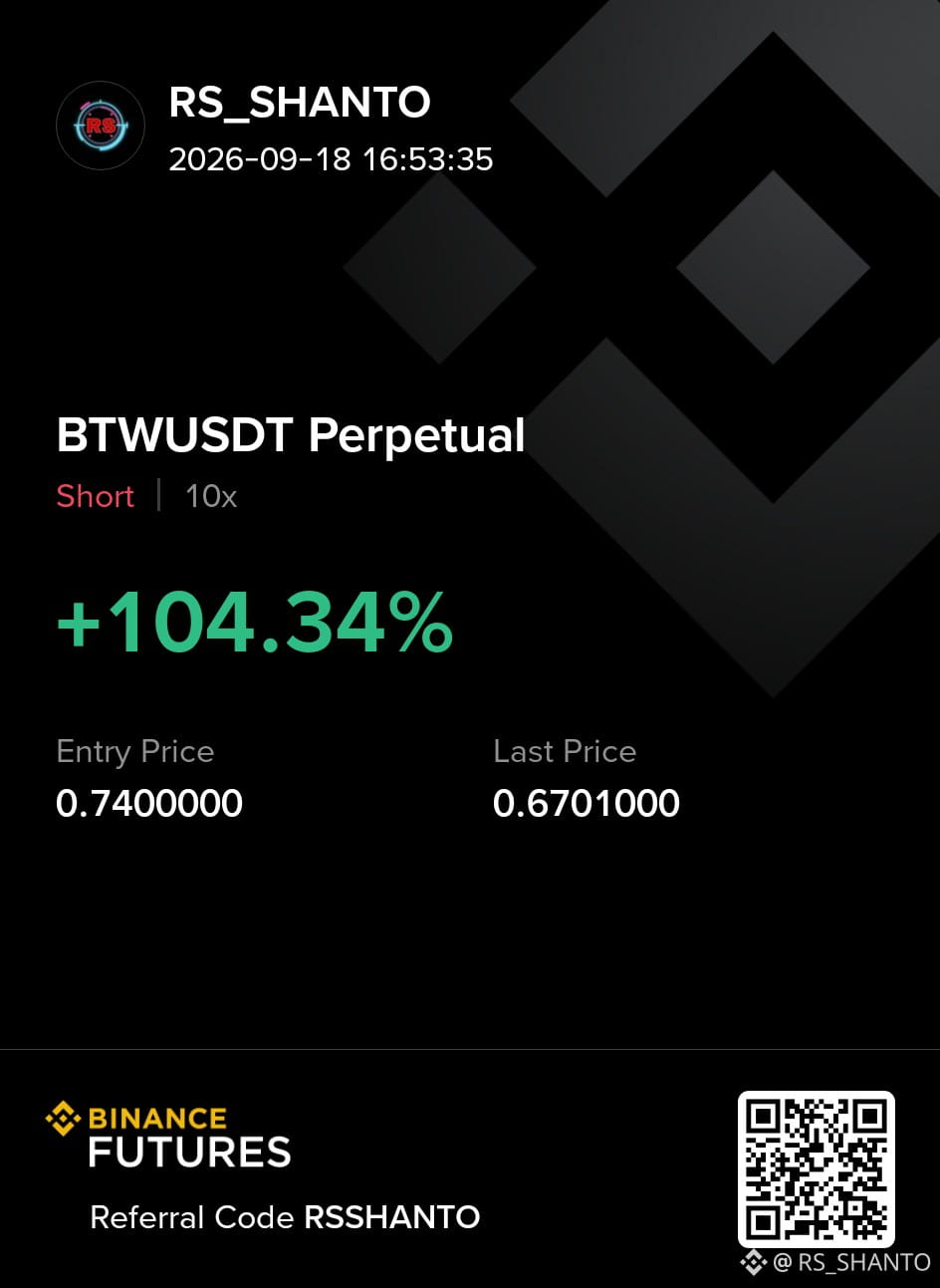
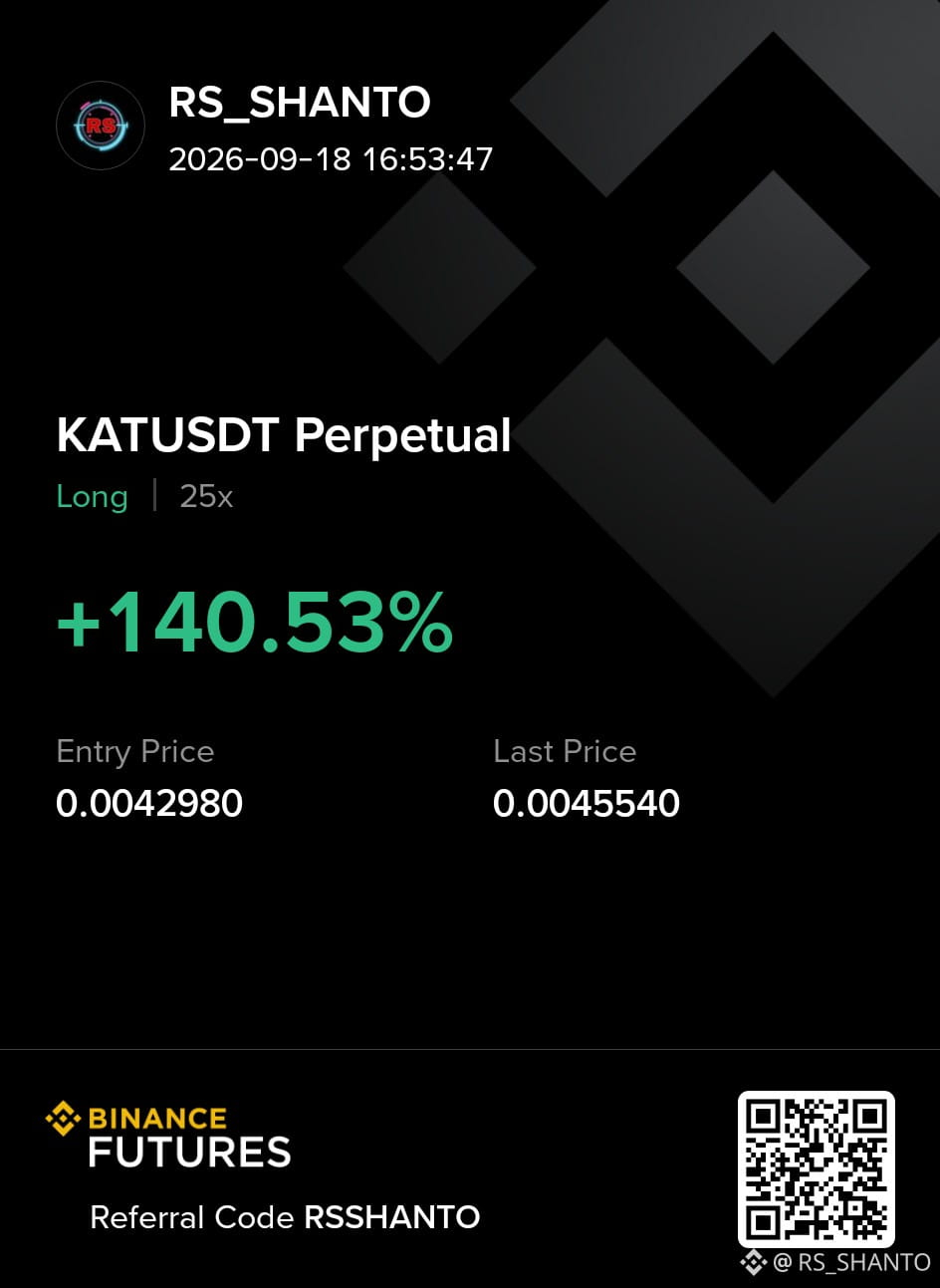
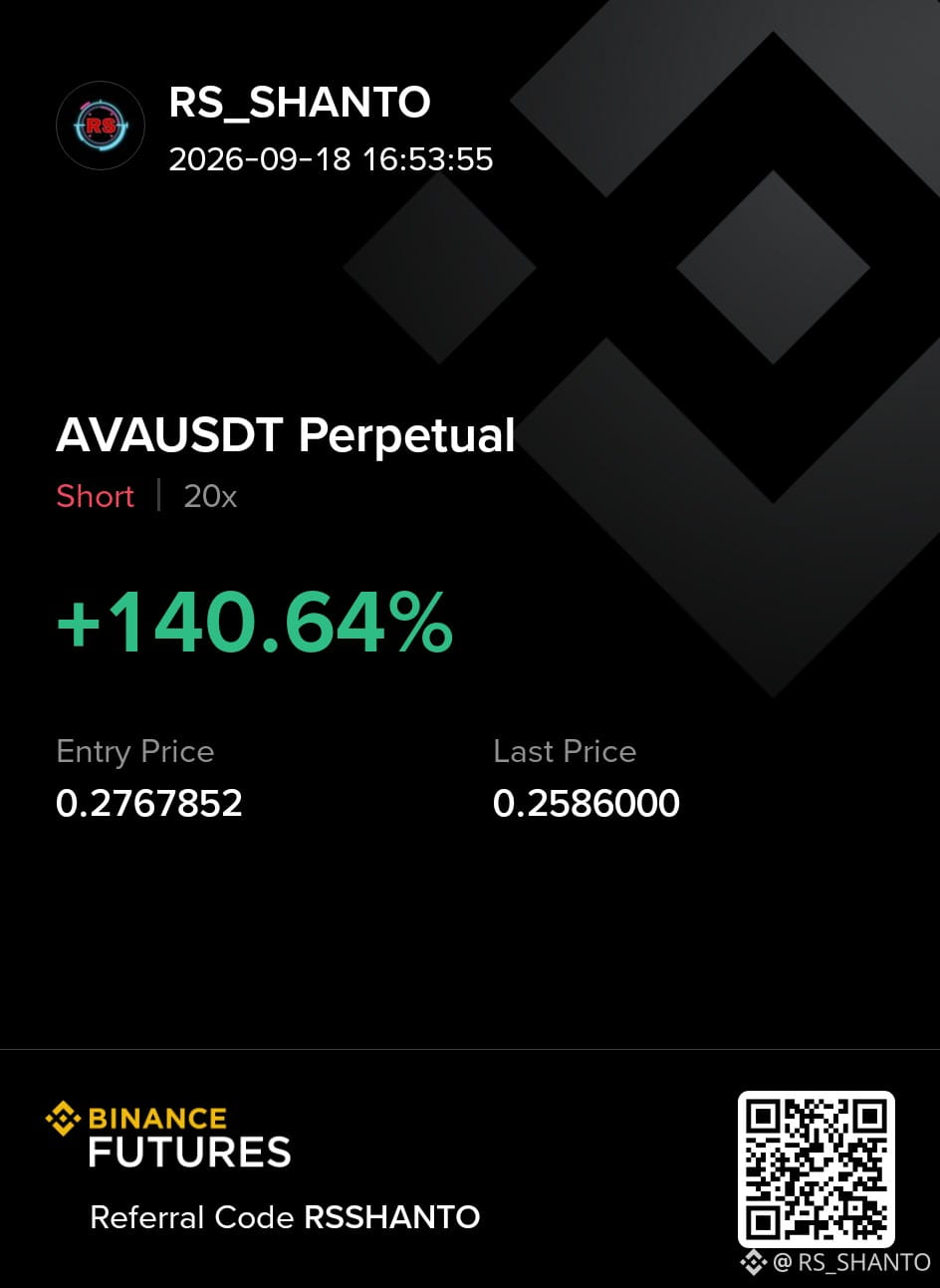
BTW short 10x +104.34%
Cả AVA và KAT đều chạm gần như cùng một con số liên tiếp nhau cảm giác hơi phi thực. BTW là lệnh chậm hơn, nhưng vẫn là một lệnh short “sạch”. Không phải phiên nào cũng khớp kiểu như thế này.
$AVA $KAT $BTW
{future}(BTWUSDT)
{future}(KATUSDT)
{future}(AVAUSDT)
Vừa đóng cả ba lệnh này trên i futures.
AVA short 20x +140.64%
KAT long 25x +140.53%
BTW short 10x +104.34%
Cả AVA và KAT đều chạm gần như cùng một con số liên tiếp nhau cảm giác hơi phi thực. BTW là lệnh chậm hơn, nhưng vẫn là một lệnh short “sạch”. Không phải phiên nào cũng khớp kiểu như thế này.
$AVA $KAT $BTW
AVA short 20x +140.64%
KAT long 25x +140.53%
BTW short 10x +104.34%
Cả AVA và KAT đều chạm gần như cùng một con số liên tiếp nhau cảm giác hơi phi thực. BTW là lệnh chậm hơn, nhưng vẫn là một lệnh short “sạch”. Không phải phiên nào cũng khớp kiểu như thế này.
$AVA $KAT $BTW
2
853
Đăng nhập để khám phá thêm nội dung
Tham gia cùng người dùng tiền mã hóa toàn cầu trên Binance Square
⚡️ Nhận thông tin mới nhất và hữu ích về tiền mã hóa.
💬 Được tin cậy bởi sàn giao dịch tiền mã hóa lớn nhất thế giới.
👍 Khám phá những thông tin chuyên sâu thực tế từ những nhà sáng tạo đã xác minh.
Email / Số điện thoại
Chủ đề thịnh hành
TheoDõiFOMC
163,901 lượt xem
731 đang thảo luận
FED CHƯA MUỐN BƯỚC VÀO CHU KỲ TĂNG LÃI SUẤT DÀI
Biên bản họp tháng 9 vừa được công bố và có một điểm khá đáng chú ý.
Fed không cho thấy họ muốn bắt đầu một chu kỳ tăng lãi suất kéo dài.
Lần tăng 0,25% vừa rồi chủ yếu được xem như một bước đi để kiểm soát lạm phát. Phần lớn quan chức cho rằng có thể tăng thêm một lần nữa trước cuối năm, nhưng chưa có quyết định chắc chắn.
Trong khi đó, thị trường lại đang cược mạnh hơn, với khả năng có thêm 3 lần tăng 0,25% trước tháng 6 năm sau.
Điểm đáng chú ý là kỳ vọng Fed tăng ngay trong tháng 10 đã giảm khá nhiều. Dữ liệu việc làm yếu và phát biểu của các quan chức Fed đang khiến thị trường nghiêng về kịch bản giữ nguyên lãi suất trong tháng này.
Tuần tới, dữ liệu lạm phát Mỹ sẽ rất quan trọng.
Nếu CPI hạ nhiệt, áp lực tăng lãi suất có thể giảm thêm. Đây sẽ là tín hiệu khá tích cực cho các tài sản rủi ro như BTC và crypto.
Mây vẫn sẽ theo dõi 2 thứ chính: lạm phát và lợi suất trái phiếu Mỹ.
Vì chỉ cần kỳ vọng lãi suất thay đổi, dòng tiền crypto cũng có thể phản ứng rất nhanh.
Follow Mây để cùng cập nhật thị trường nhé. #fedminutesfocusonoctoberpause #EvernorthDelaysNasdaqDebutToOct12 #TheoDõiFOMC #TinFed $BTC
Mây Làm Crypto
·8 lượt thích
·7.3k lượt xem
TinFed
149,715 lượt xem
528 đang thảo luận
FedMinutesFocusOnOctoberPause
361,247 lượt xem
2,242 đang thảo luận