

AnonWhisker
5.5k Bài đăng

AnonWhisker
Báo cáo
Chặn người dùng
Discipline builds destiny, daily self improvement as a trader, and the steady power of patience and consistency.
Giao dịch mở
Trader tần suất cao
{thời gian} năm
187 Đang theo dõi
9.1K+ Người theo dõi
2.4K+ Đã thích
Bài đăng
Danh mục đầu tư
Tất cả
Trích dẫn
Live
·
--
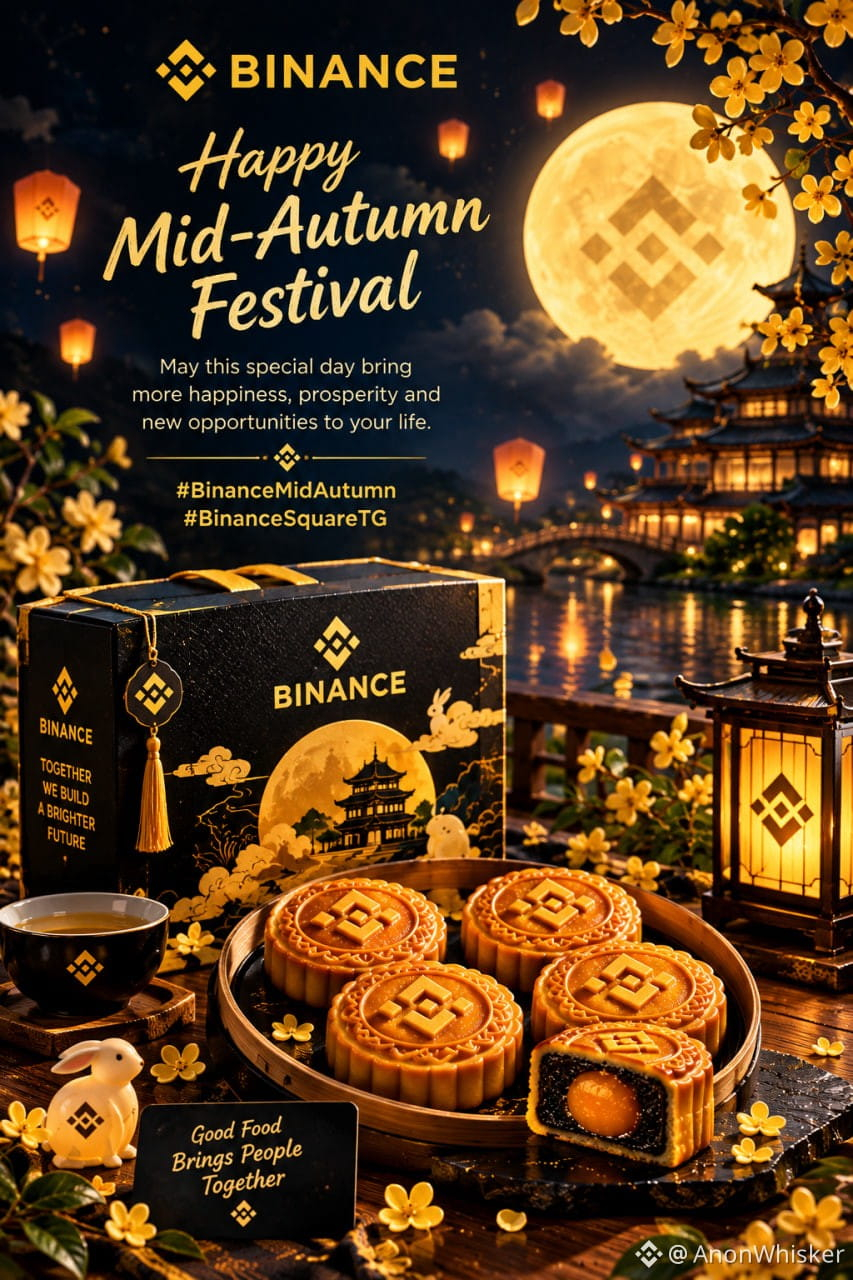
Một vầng trăng vàng trên cao, một chiếc bánh trung thu thơm ngon bên cạnh chúng ta, và tinh thần Binance tỏa sáng rực rỡ hơn bao giờ hết. 💛🌕🥮 Chúc Lễ hội Trung Thu mang đến những khoảnh khắc yên bình, trái tim hạnh phúc, những kỷ niệm ngọt ngào và thật nhiều lý do để mỉm cười. Hãy cùng tận hưởng ánh sáng rực rỡ, chia sẻ niềm vui và kỷ niệm bên nhau. ✨ #BinanceMidAutumn #BinanceSquareTG
Một vầng trăng vàng trên cao, một chiếc bánh trung thu thơm ngon bên cạnh chúng ta, và tinh thần Binance tỏa sáng rực rỡ hơn bao giờ hết. 💛🌕🥮 Chúc Lễ hội Trung Thu mang đến những khoảnh khắc yên bình, trái tim hạnh phúc, những kỷ niệm ngọt ngào và thật nhiều lý do để mỉm cười. Hãy cùng tận hưởng ánh sáng rực rỡ, chia sẻ niềm vui và kỷ niệm bên nhau. ✨ #BinanceMidAutumn #BinanceSquareTG
1
66
·
--
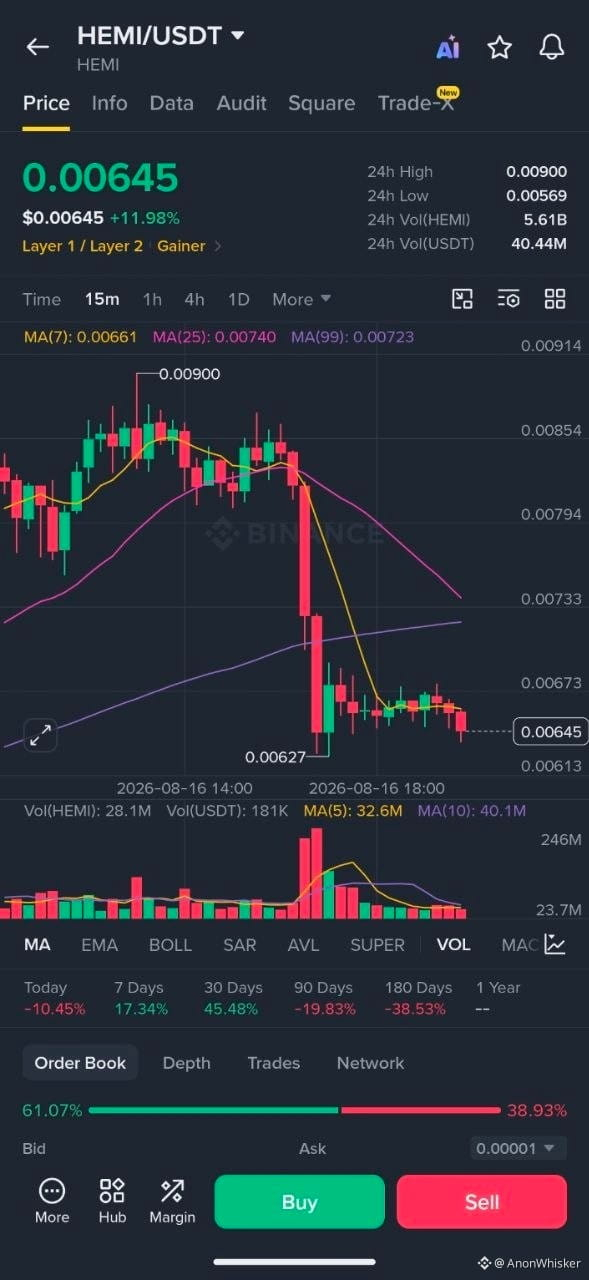
🇮🇳 Chúc mừng kỷ niệm 80 năm Ngày Độc lập của Ấn Độ 🇮🇳
Hôm nay, chúng ta cùng nhau kỷ niệm lòng dũng cảm, những hy sinh và ước mơ đã tạo nên đất nước vĩ đại của chúng ta. Chúng ta tri ân những anh hùng dũng cảm đã chiến đấu giành tự do và tưởng nhớ vô số hy sinh để mang đến cho chúng ta một ngày mai tốt đẹp hơn.
Hãy cùng nhau tiếp tục xây dựng một Ấn Độ tràn đầy tinh thần đoàn kết, bình yên, tiến bộ, thịnh vượng và hy vọng. Mong rằng sự đa dạng của chúng ta sẽ luôn là sức mạnh, tinh thần của chúng ta sẽ luôn can đảm, và những ước mơ sẽ tiếp tục vươn tới những tầm cao mới.
Mong lá cờ Tam tài rực rỡ của chúng ta luôn bay cao trong niềm tự hào, nhắc nhở chúng ta về lòng dũng cảm, hòa bình, thịnh vượng và tinh thần kiên cường, bất khuất của Ấn Độ. ❤️🤍💚
Một quốc gia. Một dân tộc. Một niềm tự hào. ✊
Jai Hind! Chúc mừng Ngày Độc lập 🇮🇳✨
#IndependenceDay #India #15August #80thIndependenceDay #ProudToBeIndian
🇮🇳 Chúc mừng kỷ niệm 80 năm Ngày Độc lập của Ấn Độ 🇮🇳
Hôm nay, chúng ta cùng nhau kỷ niệm lòng dũng cảm, những hy sinh và ước mơ đã tạo nên đất nước vĩ đại của chúng ta. Chúng ta tri ân những anh hùng dũng cảm đã chiến đấu giành tự do và tưởng nhớ vô số hy sinh để mang đến cho chúng ta một ngày mai tốt đẹp hơn.
Hãy cùng nhau tiếp tục xây dựng một Ấn Độ tràn đầy tinh thần đoàn kết, bình yên, tiến bộ, thịnh vượng và hy vọng. Mong rằng sự đa dạng của chúng ta sẽ luôn là sức mạnh, tinh thần của chúng ta sẽ luôn can đảm, và những ước mơ sẽ tiếp tục vươn tới những tầm cao mới.
Mong lá cờ Tam tài rực rỡ của chúng ta luôn bay cao trong niềm tự hào, nhắc nhở chúng ta về lòng dũng cảm, hòa bình, thịnh vượng và tinh thần kiên cường, bất khuất của Ấn Độ. ❤️🤍💚
Một quốc gia. Một dân tộc. Một niềm tự hào. ✊
Jai Hind! Chúc mừng Ngày Độc lập 🇮🇳✨
#IndependenceDay #India #15August #80thIndependenceDay #ProudToBeIndian
Hôm nay, chúng ta cùng nhau kỷ niệm lòng dũng cảm, những hy sinh và ước mơ đã tạo nên đất nước vĩ đại của chúng ta. Chúng ta tri ân những anh hùng dũng cảm đã chiến đấu giành tự do và tưởng nhớ vô số hy sinh để mang đến cho chúng ta một ngày mai tốt đẹp hơn.
Hãy cùng nhau tiếp tục xây dựng một Ấn Độ tràn đầy tinh thần đoàn kết, bình yên, tiến bộ, thịnh vượng và hy vọng. Mong rằng sự đa dạng của chúng ta sẽ luôn là sức mạnh, tinh thần của chúng ta sẽ luôn can đảm, và những ước mơ sẽ tiếp tục vươn tới những tầm cao mới.
Mong lá cờ Tam tài rực rỡ của chúng ta luôn bay cao trong niềm tự hào, nhắc nhở chúng ta về lòng dũng cảm, hòa bình, thịnh vượng và tinh thần kiên cường, bất khuất của Ấn Độ. ❤️🤍💚
Một quốc gia. Một dân tộc. Một niềm tự hào. ✊
Jai Hind! Chúc mừng Ngày Độc lập 🇮🇳✨
#IndependenceDay #India #15August #80thIndependenceDay #ProudToBeIndian

1.3k
75
1.3k

·
--
Bài viết
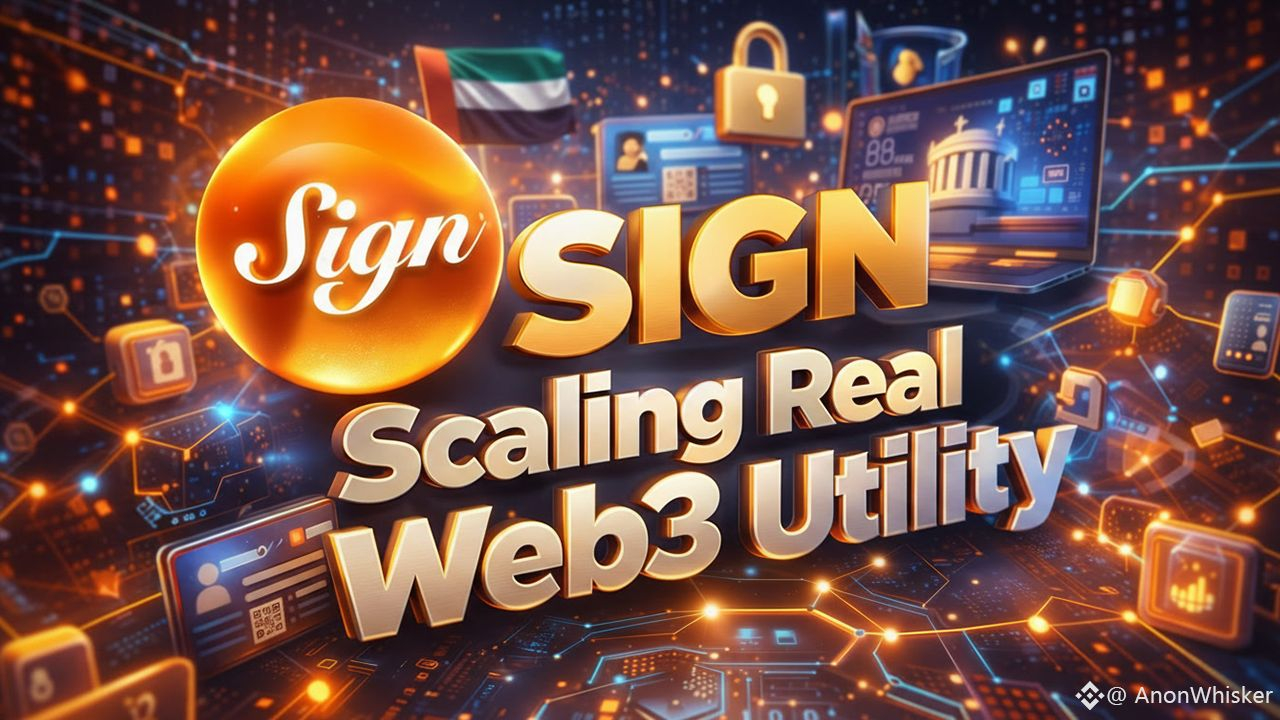
SIGN Dẫn Dắt Sự Chuyển Mình Đến Việc Áp Dụng Blockchain Thực TếCuộc trò chuyện toàn cầu xung quanh blockchain không còn chỉ là về đầu cơ nữa. Bây giờ nó là về cơ sở hạ tầng, quản trị và triển khai trong thế giới thực. Đây là nơi SignOfficial đang tạo ra một sự thay đổi có ý nghĩa. Bằng cách tập trung vào tiện ích thay vì sự thổi phồng, hệ sinh thái xung quanh token SIGN đang định vị bản thân như một lớp cốt lõi cho sự chuyển đổi số, đặc biệt là ở các nền kinh tế mới nổi tại Trung Đông.
SignOfficial không chỉ là một dự án blockchain khác. Nó đang xây dựng SignDigitalSovereignInfra, một khung thiết kế nhằm trao quyền cho các chính phủ, doanh nghiệp và tổ chức với các hệ thống số an toàn, có thể mở rộng và độc lập. Cách tiếp cận này hoàn toàn phù hợp với nhu cầu ngày càng tăng về sự độc lập số cấp quốc gia, nơi các quốc gia tìm kiếm quyền kiểm soát dữ liệu, hệ thống danh tính và cơ sở hạ tầng kinh tế của họ.
SIGN Dẫn Dắt Sự Chuyển Mình Đến Việc Áp Dụng Blockchain Thực Tế
Cuộc trò chuyện toàn cầu xung quanh blockchain không còn chỉ là về đầu cơ nữa. Bây giờ nó là về cơ sở hạ tầng, quản trị và triển khai trong thế giới thực. Đây là nơi SignOfficial đang tạo ra một sự thay đổi có ý nghĩa. Bằng cách tập trung vào tiện ích thay vì sự thổi phồng, hệ sinh thái xung quanh token SIGN đang định vị bản thân như một lớp cốt lõi cho sự chuyển đổi số, đặc biệt là ở các nền kinh tế mới nổi tại Trung Đông.
SignOfficial không chỉ là một dự án blockchain khác. Nó đang xây dựng SignDigitalSovereignInfra, một khung thiết kế nhằm trao quyền cho các chính phủ, doanh nghiệp và tổ chức với các hệ thống số an toàn, có thể mở rộng và độc lập. Cách tiếp cận này hoàn toàn phù hợp với nhu cầu ngày càng tăng về sự độc lập số cấp quốc gia, nơi các quốc gia tìm kiếm quyền kiểm soát dữ liệu, hệ thống danh tính và cơ sở hạ tầng kinh tế của họ.
SignOfficial không chỉ là một dự án blockchain khác. Nó đang xây dựng SignDigitalSovereignInfra, một khung thiết kế nhằm trao quyền cho các chính phủ, doanh nghiệp và tổ chức với các hệ thống số an toàn, có thể mở rộng và độc lập. Cách tiếp cận này hoàn toàn phù hợp với nhu cầu ngày càng tăng về sự độc lập số cấp quốc gia, nơi các quốc gia tìm kiếm quyền kiểm soát dữ liệu, hệ thống danh tính và cơ sở hạ tầng kinh tế của họ.
83
·
--
Trung Đông đang nhanh chóng chuyển mình sang các nền kinh tế số có chủ quyền, và Sign đang nổi lên như một lớp hạ tầng cốt lõi thúc đẩy sự chuyển đổi đó. Với các triển khai tập trung vào chính phủ thực tế, các đối tác như hệ sinh thái blockchain của Abu Dhabi, và hỗ trợ cho CBDC và hệ thống danh tính số, Sign đang thu hẹp khoảng cách giữa đổi mới tiền điện tử và sự áp dụng quy mô quốc gia.
SIGN không chỉ là một token, nó đại diện cho quyền truy cập vào hạ tầng có thể mở rộng, tuân thủ và đa chuỗi được thiết kế cho các chính phủ. Từ việc cho phép chứng chỉ số an toàn đến hỗ trợ các hệ thống tài chính xuyên biên giới, Sign đang giúp các quốc gia xây dựng nền kinh tế sẵn sàng cho tương lai.
Khi các nền kinh tế Trung Đông tăng tốc các sáng kiến như Tầm nhìn 2030 và các hành lang thương mại số, hạ tầng như Sign đang trở nên thiết yếu cho sự tăng trưởng an toàn và có chủ quyền.
@SignOfficial #SignDigitalSovereignInfra $SIGN
Trung Đông đang nhanh chóng chuyển mình sang các nền kinh tế số có chủ quyền, và Sign đang nổi lên như một lớp hạ tầng cốt lõi thúc đẩy sự chuyển đổi đó. Với các triển khai tập trung vào chính phủ thực tế, các đối tác như hệ sinh thái blockchain của Abu Dhabi, và hỗ trợ cho CBDC và hệ thống danh tính số, Sign đang thu hẹp khoảng cách giữa đổi mới tiền điện tử và sự áp dụng quy mô quốc gia.
SIGN không chỉ là một token, nó đại diện cho quyền truy cập vào hạ tầng có thể mở rộng, tuân thủ và đa chuỗi được thiết kế cho các chính phủ. Từ việc cho phép chứng chỉ số an toàn đến hỗ trợ các hệ thống tài chính xuyên biên giới, Sign đang giúp các quốc gia xây dựng nền kinh tế sẵn sàng cho tương lai.
Khi các nền kinh tế Trung Đông tăng tốc các sáng kiến như Tầm nhìn 2030 và các hành lang thương mại số, hạ tầng như Sign đang trở nên thiết yếu cho sự tăng trưởng an toàn và có chủ quyền.
@SignOfficial #SignDigitalSovereignInfra $SIGN
SIGN không chỉ là một token, nó đại diện cho quyền truy cập vào hạ tầng có thể mở rộng, tuân thủ và đa chuỗi được thiết kế cho các chính phủ. Từ việc cho phép chứng chỉ số an toàn đến hỗ trợ các hệ thống tài chính xuyên biên giới, Sign đang giúp các quốc gia xây dựng nền kinh tế sẵn sàng cho tương lai.
Khi các nền kinh tế Trung Đông tăng tốc các sáng kiến như Tầm nhìn 2030 và các hành lang thương mại số, hạ tầng như Sign đang trở nên thiết yếu cho sự tăng trưởng an toàn và có chủ quyền.
@SignOfficial #SignDigitalSovereignInfra $SIGN
36
·
--
Bài viết
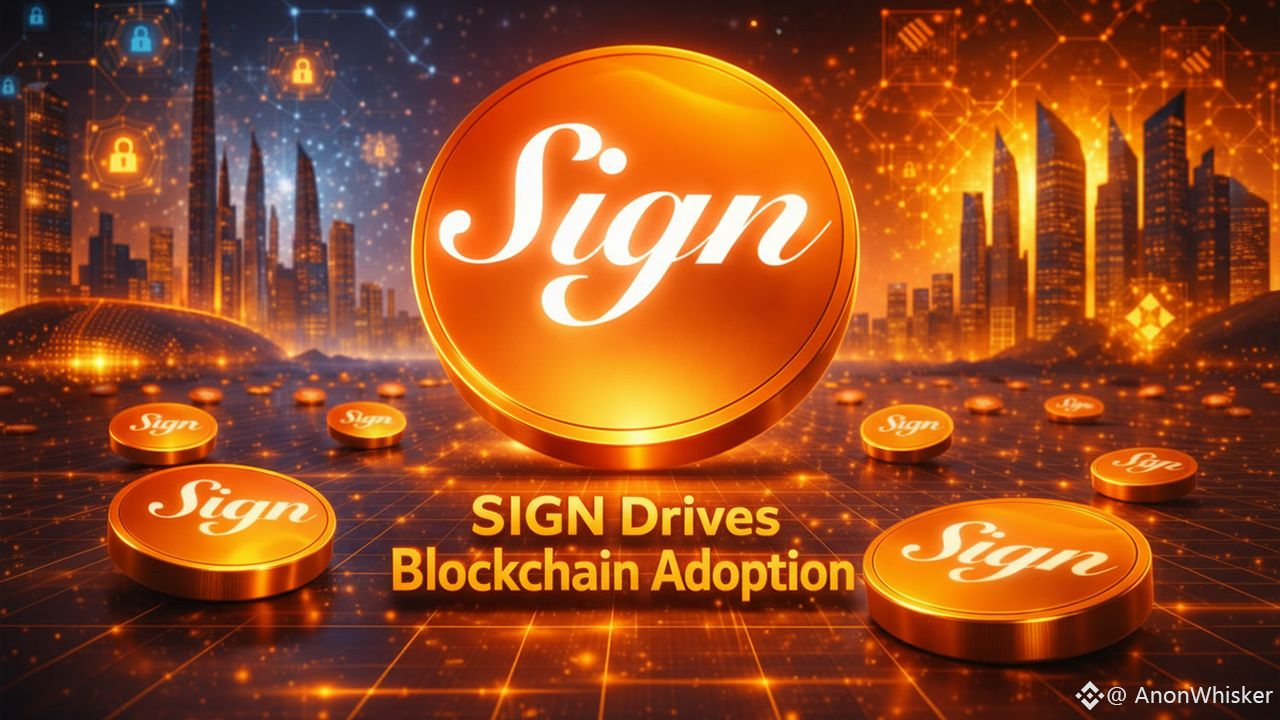
SIGN Dẫn Đầu Sự Chuyển Mình Toward Practical Blockchain AdoptionKhông gian blockchain đang bước vào một giai đoạn mới, nơi suy đoán đang phai nhạt và tiện ích thực tế đang trở thành trung tâm. Trong bối cảnh đang phát triển này, SignOfficial và token SIGN đang nổi lên như những nhân tố chính thúc đẩy sự chấp nhận có ý nghĩa. Thay vì tập trung vào các xu hướng ngắn hạn, Sign đang xây dựng cơ sở hạ tầng lâu dài được thiết kế cho các chính phủ, doanh nghiệp và các hệ thống kinh tế quy mô lớn, đặc biệt là ở khu vực Trung Đông đang chuyển mình nhanh chóng.
Trung Đông đã trở thành một điểm nóng toàn cầu cho đổi mới kỹ thuật số, với các quốc gia tích cực đầu tư vào quản trị thông minh, danh tính kỹ thuật số và cơ sở hạ tầng hỗ trợ blockchain. Đây là nơi SignDigitalSovereignInfra nổi bật. Nó cung cấp một nền tảng cho các quốc gia tạo ra các hệ sinh thái kỹ thuật số an toàn, tuân thủ và có thể mở rộng mà không phụ thuộc vào các hệ thống phân mảnh hoặc bên ngoài. Sign không chỉ là một giao thức khác, mà đang định vị mình như một lớp chủ quyền cho các nền kinh tế kỹ thuật số.
SIGN Dẫn Đầu Sự Chuyển Mình Toward Practical Blockchain Adoption
Không gian blockchain đang bước vào một giai đoạn mới, nơi suy đoán đang phai nhạt và tiện ích thực tế đang trở thành trung tâm. Trong bối cảnh đang phát triển này, SignOfficial và token SIGN đang nổi lên như những nhân tố chính thúc đẩy sự chấp nhận có ý nghĩa. Thay vì tập trung vào các xu hướng ngắn hạn, Sign đang xây dựng cơ sở hạ tầng lâu dài được thiết kế cho các chính phủ, doanh nghiệp và các hệ thống kinh tế quy mô lớn, đặc biệt là ở khu vực Trung Đông đang chuyển mình nhanh chóng.
Trung Đông đã trở thành một điểm nóng toàn cầu cho đổi mới kỹ thuật số, với các quốc gia tích cực đầu tư vào quản trị thông minh, danh tính kỹ thuật số và cơ sở hạ tầng hỗ trợ blockchain. Đây là nơi SignDigitalSovereignInfra nổi bật. Nó cung cấp một nền tảng cho các quốc gia tạo ra các hệ sinh thái kỹ thuật số an toàn, tuân thủ và có thể mở rộng mà không phụ thuộc vào các hệ thống phân mảnh hoặc bên ngoài. Sign không chỉ là một giao thức khác, mà đang định vị mình như một lớp chủ quyền cho các nền kinh tế kỹ thuật số.
Trung Đông đã trở thành một điểm nóng toàn cầu cho đổi mới kỹ thuật số, với các quốc gia tích cực đầu tư vào quản trị thông minh, danh tính kỹ thuật số và cơ sở hạ tầng hỗ trợ blockchain. Đây là nơi SignDigitalSovereignInfra nổi bật. Nó cung cấp một nền tảng cho các quốc gia tạo ra các hệ sinh thái kỹ thuật số an toàn, tuân thủ và có thể mở rộng mà không phụ thuộc vào các hệ thống phân mảnh hoặc bên ngoài. Sign không chỉ là một giao thức khác, mà đang định vị mình như một lớp chủ quyền cho các nền kinh tế kỹ thuật số.
2
1
62
·
--
Vào năm 2026, Sign đang nổi lên như xương sống của hạ tầng kỹ thuật số chủ quyền trên khắp Trung Đông. Với các đối tác thực sự liên quan đến các bộ công nghệ khu vực và các trung tâm blockchain, SIGN đang cung cấp danh tính kỹ thuật số an toàn, tin cậy dữ liệu xuyên biên giới và các hệ thống kinh tế thế hệ tiếp theo.
Khi vốn đầu tư chuyển dịch trong bối cảnh địa chính trị không chắc chắn, các hệ thống phi tập trung như Sign đang thu hút sự chú ý, với tiện ích SIGN tăng vọt hơn 130% trong những tuần gần đây cho thấy nhu cầu thực sự vượt xa sự suy đoán.
Từ danh tính kỹ thuật số đến hạ tầng sẵn sàng cho CBDC, Sign không chỉ là một giao thức, mà đang trở thành nền tảng của một nền kinh tế kỹ thuật số chủ quyền, bền vững ở Trung Đông.
@SignOfficial $SIGN #SignDigitalSovereignInfra
Vào năm 2026, Sign đang nổi lên như xương sống của hạ tầng kỹ thuật số chủ quyền trên khắp Trung Đông. Với các đối tác thực sự liên quan đến các bộ công nghệ khu vực và các trung tâm blockchain, SIGN đang cung cấp danh tính kỹ thuật số an toàn, tin cậy dữ liệu xuyên biên giới và các hệ thống kinh tế thế hệ tiếp theo.
Khi vốn đầu tư chuyển dịch trong bối cảnh địa chính trị không chắc chắn, các hệ thống phi tập trung như Sign đang thu hút sự chú ý, với tiện ích SIGN tăng vọt hơn 130% trong những tuần gần đây cho thấy nhu cầu thực sự vượt xa sự suy đoán.
Từ danh tính kỹ thuật số đến hạ tầng sẵn sàng cho CBDC, Sign không chỉ là một giao thức, mà đang trở thành nền tảng của một nền kinh tế kỹ thuật số chủ quyền, bền vững ở Trung Đông.
@SignOfficial $SIGN #SignDigitalSovereignInfra
Khi vốn đầu tư chuyển dịch trong bối cảnh địa chính trị không chắc chắn, các hệ thống phi tập trung như Sign đang thu hút sự chú ý, với tiện ích SIGN tăng vọt hơn 130% trong những tuần gần đây cho thấy nhu cầu thực sự vượt xa sự suy đoán.
Từ danh tính kỹ thuật số đến hạ tầng sẵn sàng cho CBDC, Sign không chỉ là một giao thức, mà đang trở thành nền tảng của một nền kinh tế kỹ thuật số chủ quyền, bền vững ở Trung Đông.
@SignOfficial $SIGN #SignDigitalSovereignInfra
2
69
·
--
Bài viết
SIGN đang thúc đẩy hạ tầng Web3 sẵn sàng cho chính phủNếu bạn nhìn vào nơi mà Web3 thực sự đang được áp dụng, Trung Đông đang di chuyển nhanh và không chỉ trong sự phấn khích mà còn trong việc thực hiện. Các chính phủ ở đây đang thúc đẩy chuyển đổi số, và đó chính xác là nơi SIGN đang bước vào như một lớp hạ tầng nghiêm túc. Thay vì chỉ tập trung vào các xu hướng DeFi hoặc các câu chuyện ngắn hạn, SIGN đang xây dựng một cái gì đó sâu sắc hơn nhiều, đó là hạ tầng số cấp quốc gia mà các chính phủ và tổ chức thực sự có thể dựa vào.
SIGN không chỉ là một dự án token khác. Nó được thiết kế để hỗ trợ các hệ thống thực tế như xác minh danh tính, xác thực chứng chỉ và xử lý dữ liệu an toàn trên chuỗi. Đây là những khối xây dựng cốt lõi cần thiết cho bất kỳ quốc gia nào muốn tiến tới một nền kinh tế số. Với sự quan tâm ngày càng tăng từ các vùng Trung Đông đối với quản trị dựa trên blockchain, SIGN đang định vị mình như một chiếc cầu nối giữa các hệ thống chính phủ Web2 và đổi mới Web3.
SIGN đang thúc đẩy hạ tầng Web3 sẵn sàng cho chính phủ
Nếu bạn nhìn vào nơi mà Web3 thực sự đang được áp dụng, Trung Đông đang di chuyển nhanh và không chỉ trong sự phấn khích mà còn trong việc thực hiện. Các chính phủ ở đây đang thúc đẩy chuyển đổi số, và đó chính xác là nơi SIGN đang bước vào như một lớp hạ tầng nghiêm túc. Thay vì chỉ tập trung vào các xu hướng DeFi hoặc các câu chuyện ngắn hạn, SIGN đang xây dựng một cái gì đó sâu sắc hơn nhiều, đó là hạ tầng số cấp quốc gia mà các chính phủ và tổ chức thực sự có thể dựa vào.
SIGN không chỉ là một dự án token khác. Nó được thiết kế để hỗ trợ các hệ thống thực tế như xác minh danh tính, xác thực chứng chỉ và xử lý dữ liệu an toàn trên chuỗi. Đây là những khối xây dựng cốt lõi cần thiết cho bất kỳ quốc gia nào muốn tiến tới một nền kinh tế số. Với sự quan tâm ngày càng tăng từ các vùng Trung Đông đối với quản trị dựa trên blockchain, SIGN đang định vị mình như một chiếc cầu nối giữa các hệ thống chính phủ Web2 và đổi mới Web3.
SIGN không chỉ là một dự án token khác. Nó được thiết kế để hỗ trợ các hệ thống thực tế như xác minh danh tính, xác thực chứng chỉ và xử lý dữ liệu an toàn trên chuỗi. Đây là những khối xây dựng cốt lõi cần thiết cho bất kỳ quốc gia nào muốn tiến tới một nền kinh tế số. Với sự quan tâm ngày càng tăng từ các vùng Trung Đông đối với quản trị dựa trên blockchain, SIGN đang định vị mình như một chiếc cầu nối giữa các hệ thống chính phủ Web2 và đổi mới Web3.
1
2
69
·
--
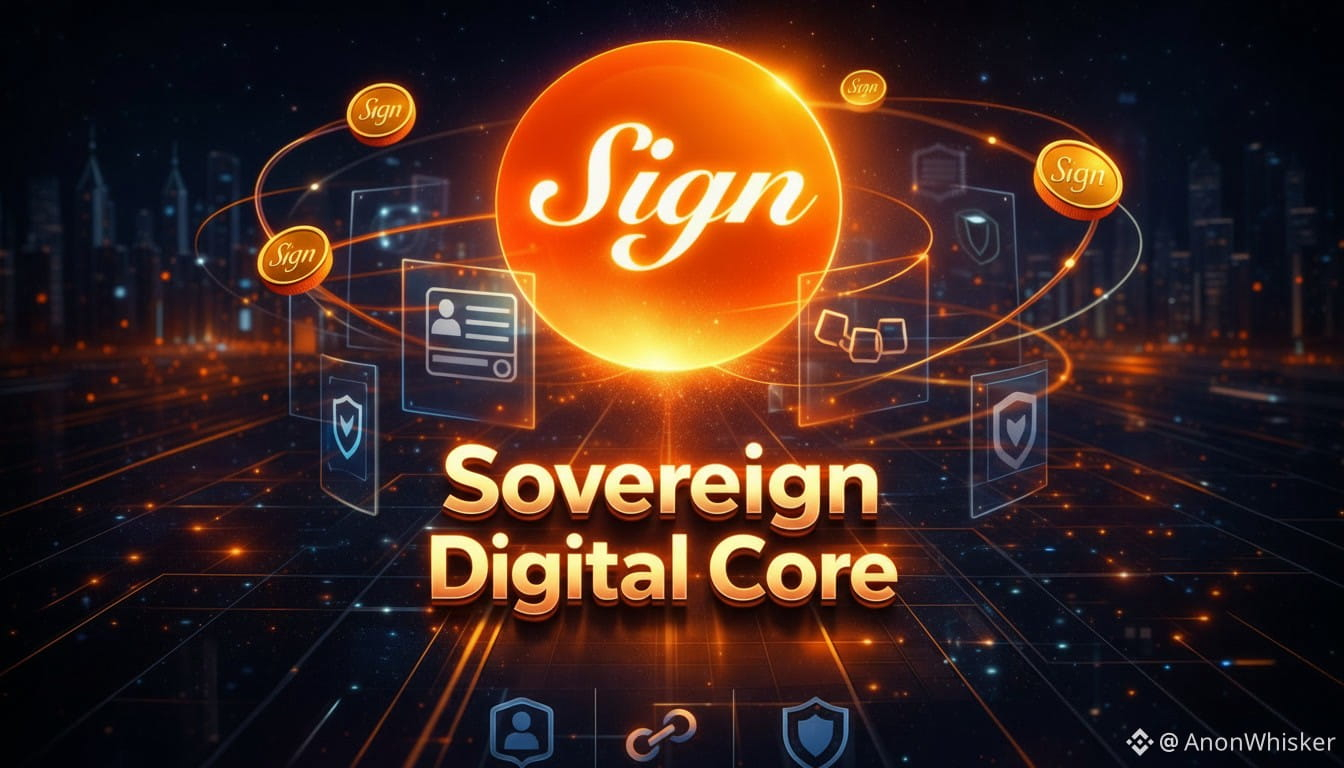
Khi Trung Đông tăng tốc hướng tới một tương lai có chủ quyền kỹ thuật số, cơ sở hạ tầng đang trở thành chiến trường thực sự. Sign đang định vị mình như một lớp nền tảng nơi các chính phủ, tổ chức và doanh nghiệp có thể quản lý an toàn danh tính, dữ liệu và các tương tác xuyên biên giới mà không cần phụ thuộc vào các hệ thống tập trung. Với sự chú trọng vào các chứng chỉ có thể xác minh và các xác nhận phi tập trung, Sign đang giúp xây dựng các hệ sinh thái kỹ thuật số ưu tiên tin tưởng phù hợp với nỗ lực hướng tới độc lập và đổi mới của khu vực.
Các phát triển gần đây cho thấy động lực ngày càng tăng. SIGN đã thu hút sự chú ý mạnh mẽ vào năm 2026 khi nhu cầu về cơ sở hạ tầng kỹ thuật số đạt tiêu chuẩn chủ quyền tăng lên, đặc biệt là giữa những thay đổi địa chính trị. Công nghệ của nó hỗ trợ các chứng chỉ chống giả mạo, danh tính kỹ thuật số và thậm chí là khả năng tích hợp với các hệ thống tài chính quốc gia, khiến nó trở nên rất phù hợp với các nền kinh tế Trung Đông đang đầu tư mạnh vào các thành phố thông minh và áp dụng blockchain.
Đây không chỉ là một xu hướng. Đây là một sự chuyển mình hướng tới cơ sở hạ tầng bền vững, trung lập có thể hoạt động ngay cả khi các hệ thống truyền thống gặp phải sự gián đoạn. Khi vốn và đổi mới chảy vào khu vực, Sign nổi bật như một yếu tố then chốt cho sự phát triển kỹ thuật số an toàn, có thể mở rộng và độc lập được hỗ trợ bởi SIGN.
@SignOfficial $SIGN #SignDigitalSovereignInfra
Khi Trung Đông tăng tốc hướng tới một tương lai có chủ quyền kỹ thuật số, cơ sở hạ tầng đang trở thành chiến trường thực sự. Sign đang định vị mình như một lớp nền tảng nơi các chính phủ, tổ chức và doanh nghiệp có thể quản lý an toàn danh tính, dữ liệu và các tương tác xuyên biên giới mà không cần phụ thuộc vào các hệ thống tập trung. Với sự chú trọng vào các chứng chỉ có thể xác minh và các xác nhận phi tập trung, Sign đang giúp xây dựng các hệ sinh thái kỹ thuật số ưu tiên tin tưởng phù hợp với nỗ lực hướng tới độc lập và đổi mới của khu vực.
Các phát triển gần đây cho thấy động lực ngày càng tăng. SIGN đã thu hút sự chú ý mạnh mẽ vào năm 2026 khi nhu cầu về cơ sở hạ tầng kỹ thuật số đạt tiêu chuẩn chủ quyền tăng lên, đặc biệt là giữa những thay đổi địa chính trị. Công nghệ của nó hỗ trợ các chứng chỉ chống giả mạo, danh tính kỹ thuật số và thậm chí là khả năng tích hợp với các hệ thống tài chính quốc gia, khiến nó trở nên rất phù hợp với các nền kinh tế Trung Đông đang đầu tư mạnh vào các thành phố thông minh và áp dụng blockchain.
Đây không chỉ là một xu hướng. Đây là một sự chuyển mình hướng tới cơ sở hạ tầng bền vững, trung lập có thể hoạt động ngay cả khi các hệ thống truyền thống gặp phải sự gián đoạn. Khi vốn và đổi mới chảy vào khu vực, Sign nổi bật như một yếu tố then chốt cho sự phát triển kỹ thuật số an toàn, có thể mở rộng và độc lập được hỗ trợ bởi SIGN.
@SignOfficial $SIGN #SignDigitalSovereignInfra
Các phát triển gần đây cho thấy động lực ngày càng tăng. SIGN đã thu hút sự chú ý mạnh mẽ vào năm 2026 khi nhu cầu về cơ sở hạ tầng kỹ thuật số đạt tiêu chuẩn chủ quyền tăng lên, đặc biệt là giữa những thay đổi địa chính trị. Công nghệ của nó hỗ trợ các chứng chỉ chống giả mạo, danh tính kỹ thuật số và thậm chí là khả năng tích hợp với các hệ thống tài chính quốc gia, khiến nó trở nên rất phù hợp với các nền kinh tế Trung Đông đang đầu tư mạnh vào các thành phố thông minh và áp dụng blockchain.
Đây không chỉ là một xu hướng. Đây là một sự chuyển mình hướng tới cơ sở hạ tầng bền vững, trung lập có thể hoạt động ngay cả khi các hệ thống truyền thống gặp phải sự gián đoạn. Khi vốn và đổi mới chảy vào khu vực, Sign nổi bật như một yếu tố then chốt cho sự phát triển kỹ thuật số an toàn, có thể mở rộng và độc lập được hỗ trợ bởi SIGN.
@SignOfficial $SIGN #SignDigitalSovereignInfra
1
114
·
--
Bài viết
Làm thế nào SIGN kết nối đổi mới Web3 với các nền kinh tế thựcSự tiến hóa của Web3 không còn bị giới hạn trong suy đoán hay các hệ sinh thái tách biệt. Nó hiện đang bước vào một giai đoạn mà các nền kinh tế thực, chính phủ và các tổ chức đang tích cực khám phá cơ sở hạ tầng blockchain để mở khóa hiệu quả, tính minh bạch và chủ quyền. Đây là nơi mà SignOfficial và token SIGN đang định vị mình như một lớp nền tảng. SignDigitalSovereignInfra không chỉ là một khái niệm, mà nó đại diện cho một sự chuyển mình cấu trúc hướng tới các nền kinh tế được trao quyền kỹ thuật số, đặc biệt là ở những khu vực đang phát triển nhanh chóng như Trung Đông.
Làm thế nào SIGN kết nối đổi mới Web3 với các nền kinh tế thực
Sự tiến hóa của Web3 không còn bị giới hạn trong suy đoán hay các hệ sinh thái tách biệt. Nó hiện đang bước vào một giai đoạn mà các nền kinh tế thực, chính phủ và các tổ chức đang tích cực khám phá cơ sở hạ tầng blockchain để mở khóa hiệu quả, tính minh bạch và chủ quyền. Đây là nơi mà SignOfficial và token SIGN đang định vị mình như một lớp nền tảng. SignDigitalSovereignInfra không chỉ là một khái niệm, mà nó đại diện cho một sự chuyển mình cấu trúc hướng tới các nền kinh tế được trao quyền kỹ thuật số, đặc biệt là ở những khu vực đang phát triển nhanh chóng như Trung Đông.
1
82
·
--
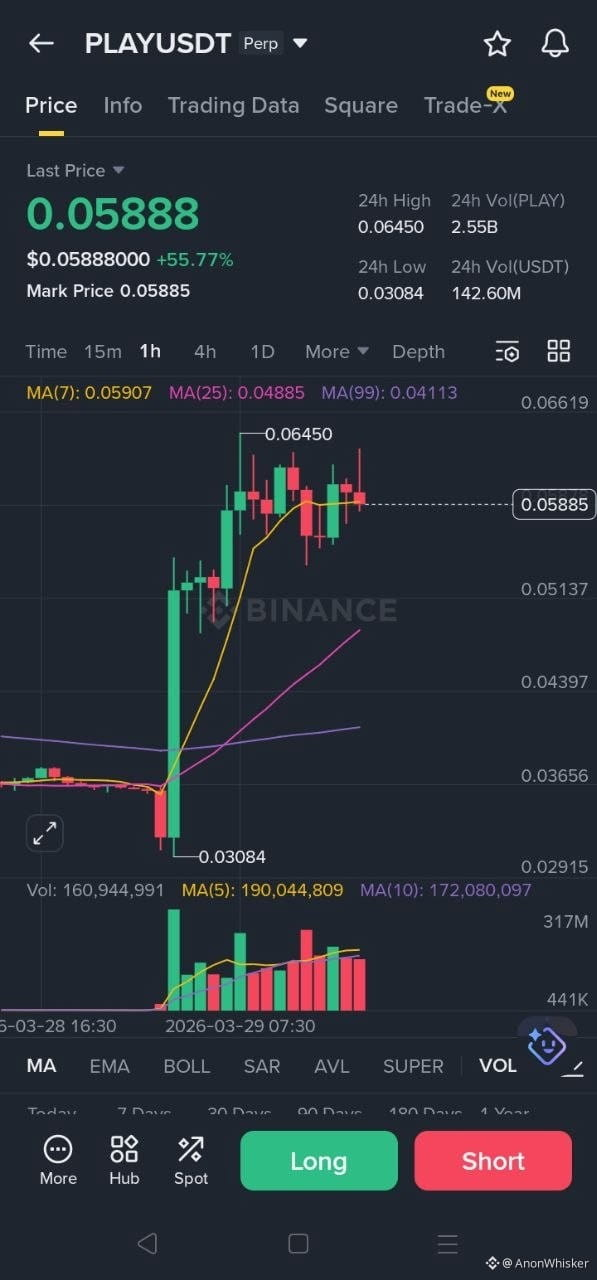
$PLAY hiện đang giao dịch quanh mức $0.035 – $0.060 USD, cho thấy sự phục hồi mạnh mẽ trong ngắn hạn với mức tăng hàng ngày gần đây là +5% đến +10% và khối lượng giao dịch tăng. Dự án đã thu hút sự chú ý sau sự phát triển gần đây của hệ sinh thái trong lĩnh vực trò chơi nhúng, đẩy vốn hóa thị trường lên trên 30 triệu USD và cải thiện thanh khoản trên các sàn giao dịch lớn.
Từ góc độ đầu tư, PLAY đang cho thấy động lực tăng giá sớm, nhưng vẫn biến động sau khi giảm từ mức ATH trước đó. Một chiến lược thông minh là theo dõi sự củng cố trên mức $0.035 trước khi vào lệnh. Nếu động lực tiếp tục với sự hỗ trợ của khối lượng, khả năng tăng lên là có thể, nhưng luôn quản lý rủi ro và tránh sự tiếp xúc quá mức. #play
$PLAY hiện đang giao dịch quanh mức $0.035 – $0.060 USD, cho thấy sự phục hồi mạnh mẽ trong ngắn hạn với mức tăng hàng ngày gần đây là +5% đến +10% và khối lượng giao dịch tăng. Dự án đã thu hút sự chú ý sau sự phát triển gần đây của hệ sinh thái trong lĩnh vực trò chơi nhúng, đẩy vốn hóa thị trường lên trên 30 triệu USD và cải thiện thanh khoản trên các sàn giao dịch lớn.
Từ góc độ đầu tư, PLAY đang cho thấy động lực tăng giá sớm, nhưng vẫn biến động sau khi giảm từ mức ATH trước đó. Một chiến lược thông minh là theo dõi sự củng cố trên mức $0.035 trước khi vào lệnh. Nếu động lực tiếp tục với sự hỗ trợ của khối lượng, khả năng tăng lên là có thể, nhưng luôn quản lý rủi ro và tránh sự tiếp xúc quá mức. #play
Từ góc độ đầu tư, PLAY đang cho thấy động lực tăng giá sớm, nhưng vẫn biến động sau khi giảm từ mức ATH trước đó. Một chiến lược thông minh là theo dõi sự củng cố trên mức $0.035 trước khi vào lệnh. Nếu động lực tiếp tục với sự hỗ trợ của khối lượng, khả năng tăng lên là có thể, nhưng luôn quản lý rủi ro và tránh sự tiếp xúc quá mức. #play
1
109
·
--
@SignOfficial Tương lai của nền kinh tế Trung Đông đang được hình thành bởi cơ sở hạ tầng kỹ thuật số, và $SIGN là trung tâm của nó. Thông qua #SignDigitalSovereignInfra , SignOfficial đang cho phép các giao dịch an toàn, hệ thống có thể mở rộng và việc áp dụng blockchain trong thực tế hỗ trợ cả doanh nghiệp và chính phủ. Từ hiệu quả xuyên biên giới đến các giải pháp danh tính kỹ thuật số, SIGN đang biến Web3 thành một động cơ thực tiễn cho sự phát triển và đổi mới trên toàn khu vực.
@SignOfficial Tương lai của nền kinh tế Trung Đông đang được hình thành bởi cơ sở hạ tầng kỹ thuật số, và $SIGN là trung tâm của nó. Thông qua #SignDigitalSovereignInfra , SignOfficial đang cho phép các giao dịch an toàn, hệ thống có thể mở rộng và việc áp dụng blockchain trong thực tế hỗ trợ cả doanh nghiệp và chính phủ. Từ hiệu quả xuyên biên giới đến các giải pháp danh tính kỹ thuật số, SIGN đang biến Web3 thành một động cơ thực tiễn cho sự phát triển và đổi mới trên toàn khu vực.
2
42
·
--
Bài viết
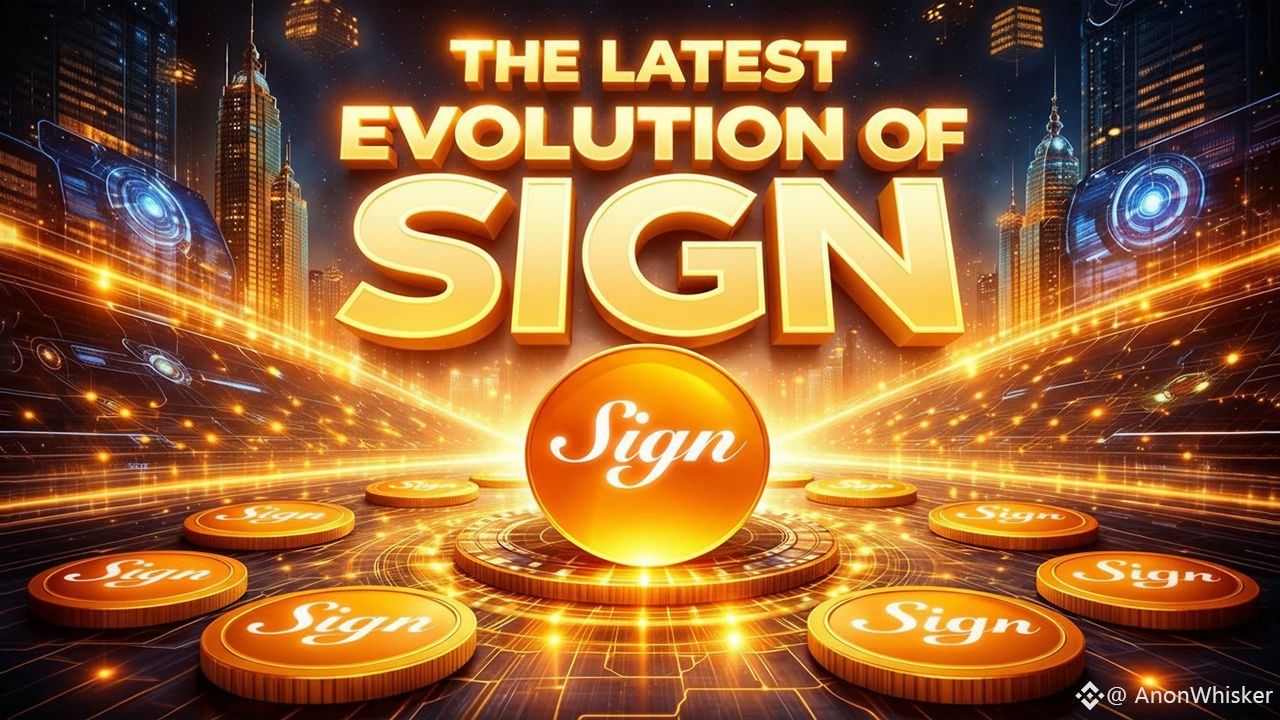
Sự Tiến Hóa Mới Nhất của SIGN Trong Việc Xây Dựng Các Hệ Thống Blockchain Thực TếNgành công nghiệp blockchain đang bước vào giai đoạn mà tác động thực tế quan trọng hơn sự đầu cơ. Trong quá trình chuyển đổi này, SignOfficial nổi lên như một lực lượng mạnh mẽ, định hình lại cách các hệ thống phi tập trung tích hợp với nền kinh tế quốc gia và các khuôn khổ thể chế. Dự án không tập trung vào cơn sốt ngắn hạn mà vào việc xây dựng cơ sở hạ tầng bền vững, lâu dài được hỗ trợ bởi SIGN.
Khi các quốc gia ngày càng ưu tiên chủ quyền kỹ thuật số, nhu cầu về các hệ thống an toàn, có khả năng mở rộng và có thể xác minh trở nên rất quan trọng. SignOfficial đáp ứng nhu cầu này bằng cách cung cấp một khuôn khổ cho phép các quốc gia duy trì quyền kiểm soát dữ liệu của họ trong khi tận dụng các lợi ích của sự phi tập trung.
Sự Tiến Hóa Mới Nhất của SIGN Trong Việc Xây Dựng Các Hệ Thống Blockchain Thực Tế
Ngành công nghiệp blockchain đang bước vào giai đoạn mà tác động thực tế quan trọng hơn sự đầu cơ. Trong quá trình chuyển đổi này, SignOfficial nổi lên như một lực lượng mạnh mẽ, định hình lại cách các hệ thống phi tập trung tích hợp với nền kinh tế quốc gia và các khuôn khổ thể chế. Dự án không tập trung vào cơn sốt ngắn hạn mà vào việc xây dựng cơ sở hạ tầng bền vững, lâu dài được hỗ trợ bởi SIGN.
Khi các quốc gia ngày càng ưu tiên chủ quyền kỹ thuật số, nhu cầu về các hệ thống an toàn, có khả năng mở rộng và có thể xác minh trở nên rất quan trọng. SignOfficial đáp ứng nhu cầu này bằng cách cung cấp một khuôn khổ cho phép các quốc gia duy trì quyền kiểm soát dữ liệu của họ trong khi tận dụng các lợi ích của sự phi tập trung.
Khi các quốc gia ngày càng ưu tiên chủ quyền kỹ thuật số, nhu cầu về các hệ thống an toàn, có khả năng mở rộng và có thể xác minh trở nên rất quan trọng. SignOfficial đáp ứng nhu cầu này bằng cách cung cấp một khuôn khổ cho phép các quốc gia duy trì quyền kiểm soát dữ liệu của họ trong khi tận dụng các lợi ích của sự phi tập trung.
1
1
92
·
--
Bài viết
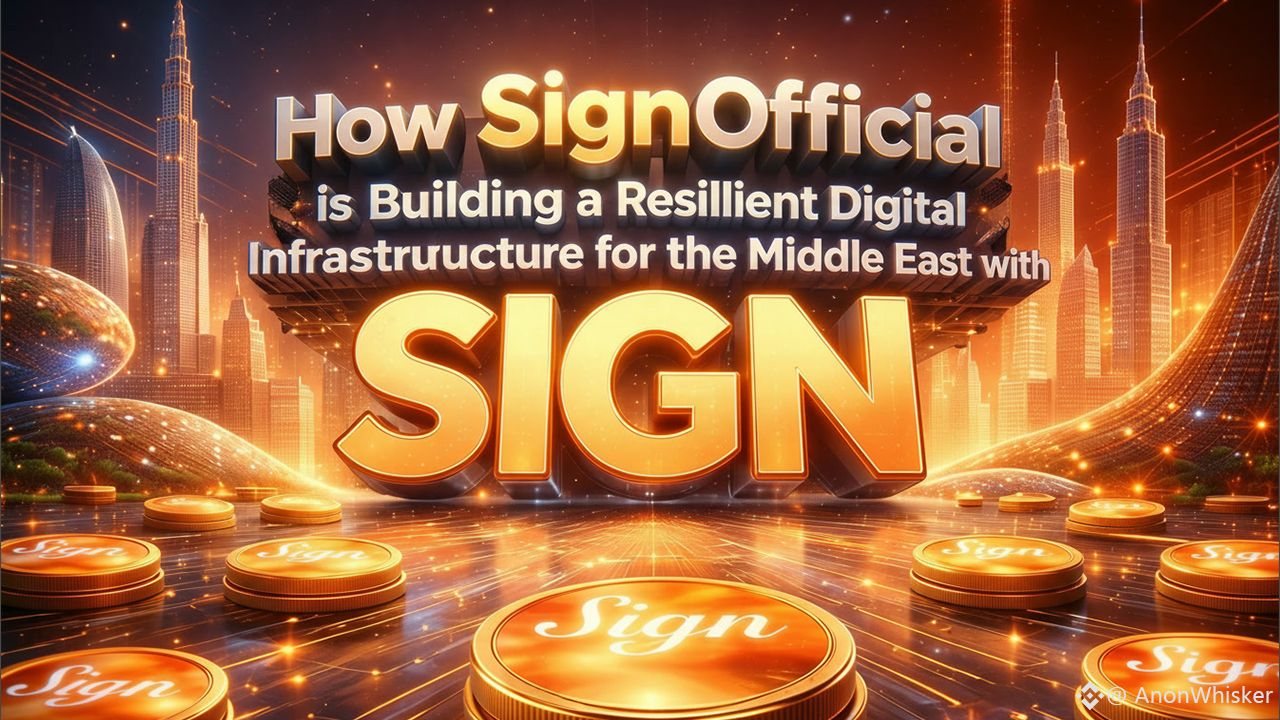
Cách SignOfficial Xây Dựng Một Cơ Sở Hạ Tầng Số Kiên Cường Cho Trung Đông Với SIGNTrung Đông đang trải qua một sự chuyển mình đáng chú ý, chấp nhận các công nghệ số để củng cố cơ sở hạ tầng kinh tế và khẳng định chủ quyền tài chính trong một bối cảnh toàn cầu đang phát triển nhanh chóng. Đứng đầu trong phong trào này là SignOfficial, một sáng kiến đột phá được thiết kế để cung cấp cơ sở hạ tầng chủ quyền số phù hợp với những nhu cầu độc đáo của khu vực. Được hỗ trợ bởi token tiện ích SIGN, SignOfficial đang định hình lại cách các chính phủ, doanh nghiệp và tổ chức có thể hoạt động một cách an toàn, minh bạch và độc lập trong một thế giới ưu tiên số.
Cách SignOfficial Xây Dựng Một Cơ Sở Hạ Tầng Số Kiên Cường Cho Trung Đông Với SIGN
Trung Đông đang trải qua một sự chuyển mình đáng chú ý, chấp nhận các công nghệ số để củng cố cơ sở hạ tầng kinh tế và khẳng định chủ quyền tài chính trong một bối cảnh toàn cầu đang phát triển nhanh chóng. Đứng đầu trong phong trào này là SignOfficial, một sáng kiến đột phá được thiết kế để cung cấp cơ sở hạ tầng chủ quyền số phù hợp với những nhu cầu độc đáo của khu vực. Được hỗ trợ bởi token tiện ích SIGN, SignOfficial đang định hình lại cách các chính phủ, doanh nghiệp và tổ chức có thể hoạt động một cách an toàn, minh bạch và độc lập trong một thế giới ưu tiên số.
1
85
·
--
Sản phẩm yêu thích của tôi #Binance là Giao dịch Spot Binance vì nó đơn giản, minh bạch và hoàn hảo cho người mới bắt đầu hiểu cách hoạt động của thị trường. Tôi sẽ giới thiệu nó cho một Binancian mới vì nó giúp xây dựng trải nghiệm giao dịch thực mà không cần các chiến lược phức tạp.
Một sản phẩm tuyệt vời khác là Binance Launchpad, nơi bạn có thể nhận quyền truy cập sớm vào các dự án mới. Nó thật thú vị cho người mới bắt đầu và mang lại cơ hội để trở thành một phần của những đổi mới tiền điện tử từ đầu.
Binance Convert cũng rất thân thiện với người mới. Nó cho phép hoán đổi tiền điện tử ngay lập tức mà không cần biểu đồ phức tạp, điều này làm cho nó trở nên lý tưởng cho bất kỳ ai mới bắt đầu. #BinanceSquareTG
Sản phẩm yêu thích của tôi #Binance là Giao dịch Spot Binance vì nó đơn giản, minh bạch và hoàn hảo cho người mới bắt đầu hiểu cách hoạt động của thị trường. Tôi sẽ giới thiệu nó cho một Binancian mới vì nó giúp xây dựng trải nghiệm giao dịch thực mà không cần các chiến lược phức tạp.
Một sản phẩm tuyệt vời khác là Binance Launchpad, nơi bạn có thể nhận quyền truy cập sớm vào các dự án mới. Nó thật thú vị cho người mới bắt đầu và mang lại cơ hội để trở thành một phần của những đổi mới tiền điện tử từ đầu.
Binance Convert cũng rất thân thiện với người mới. Nó cho phép hoán đổi tiền điện tử ngay lập tức mà không cần biểu đồ phức tạp, điều này làm cho nó trở nên lý tưởng cho bất kỳ ai mới bắt đầu. #BinanceSquareTG
Một sản phẩm tuyệt vời khác là Binance Launchpad, nơi bạn có thể nhận quyền truy cập sớm vào các dự án mới. Nó thật thú vị cho người mới bắt đầu và mang lại cơ hội để trở thành một phần của những đổi mới tiền điện tử từ đầu.
Binance Convert cũng rất thân thiện với người mới. Nó cho phép hoán đổi tiền điện tử ngay lập tức mà không cần biểu đồ phức tạp, điều này làm cho nó trở nên lý tưởng cho bất kỳ ai mới bắt đầu. #BinanceSquareTG

Binance Angels
·
--
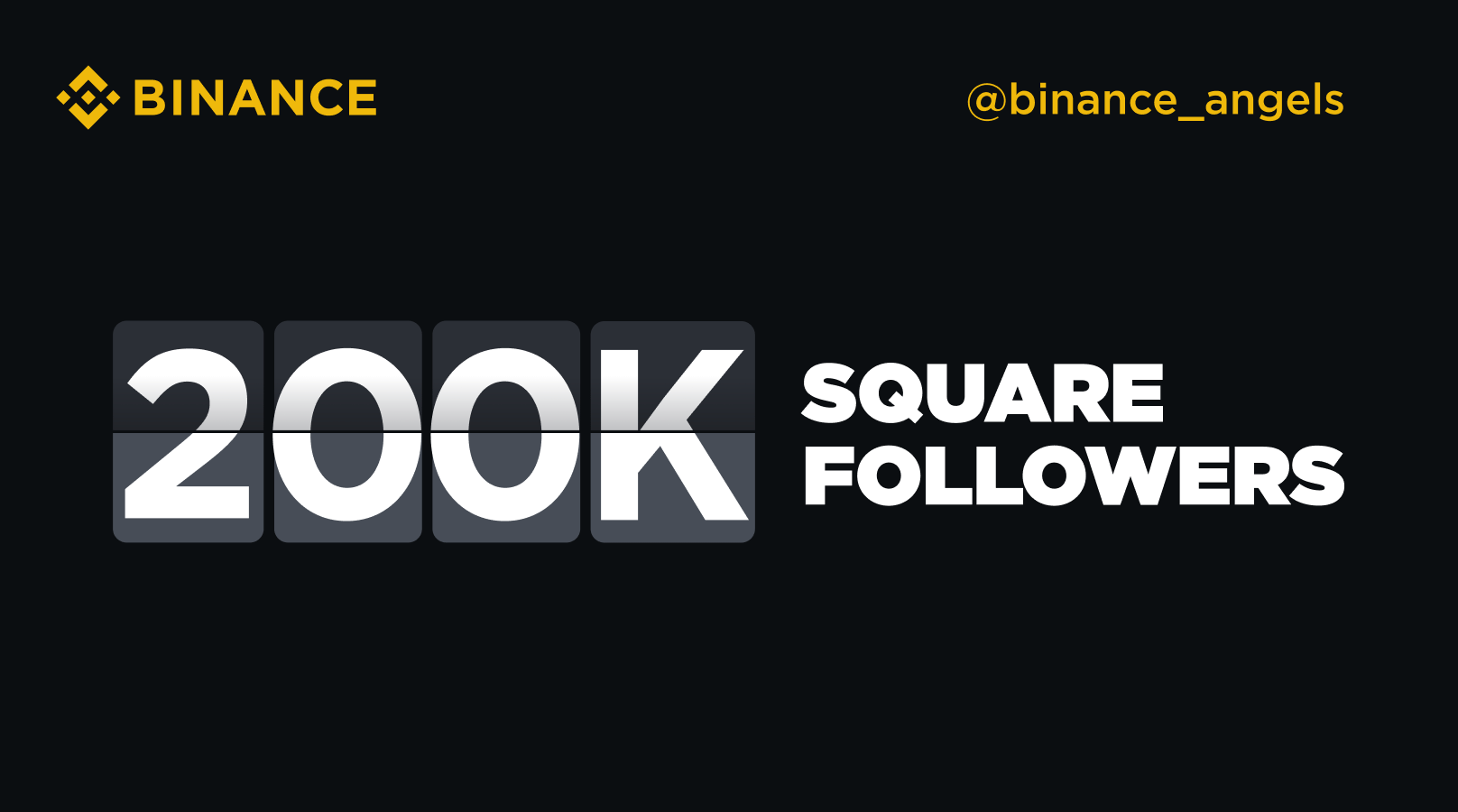
Chúng tôi có 200K người mạnh mẽ. Bây giờ chúng tôi muốn nghe từ bạn.🎉
Hãy cho chúng tôi biết ✨Sản phẩm Binance yêu thích của bạn là gì và tại sao bạn lại muốn giới thiệu nó cho một Binancian mới? 💛 và giành phần của bạn từ $2000 bằng USDC. Sử dụng #BinanceSquareTG
🔸 Theo dõi tài khoản vuông @BinanceAngel
🔸 Thích bài đăng này và chia sẻ lại
🔸 Bình luận/đăng: ✨Sản phẩm yêu thích của bạn #Binance là gì và tại sao bạn lại muốn giới thiệu nó cho một Binancian mới?
🔸 Điền vào khảo sát: here
200 phản hồi hàng đầu sẽ thắng. Sự sáng tạo rất quan trọng. Hãy để tiếng nói của bạn dẫn dắt buổi lễ. 😇
$BNB
Hãy cho chúng tôi biết ✨Sản phẩm Binance yêu thích của bạn là gì và tại sao bạn lại muốn giới thiệu nó cho một Binancian mới? 💛 và giành phần của bạn từ $2000 bằng USDC. Sử dụng #BinanceSquareTG
🔸 Theo dõi tài khoản vuông @BinanceAngel
🔸 Thích bài đăng này và chia sẻ lại
🔸 Bình luận/đăng: ✨Sản phẩm yêu thích của bạn #Binance là gì và tại sao bạn lại muốn giới thiệu nó cho một Binancian mới?
🔸 Điền vào khảo sát: here
200 phản hồi hàng đầu sẽ thắng. Sự sáng tạo rất quan trọng. Hãy để tiếng nói của bạn dẫn dắt buổi lễ. 😇
$BNB
123
·
--
Động lực lớn cho #SignDigitalSovereignInfra khi @SignOfficial thúc đẩy sự tham gia của cộng đồng với chiến dịch thưởng mới và $SIGN tiện ích mở rộng, thu hút sự chú ý và tham gia trong tuần này trên Square và hơn thế nữa, hãy theo dõi để biết thêm về sự phát triển và đổi mới từ tầm nhìn hạ tầng chủ quyền của Sign
Động lực lớn cho #SignDigitalSovereignInfra khi @SignOfficial thúc đẩy sự tham gia của cộng đồng với chiến dịch thưởng mới và $SIGN tiện ích mở rộng, thu hút sự chú ý và tham gia trong tuần này trên Square và hơn thế nữa, hãy theo dõi để biết thêm về sự phát triển và đổi mới từ tầm nhìn hạ tầng chủ quyền của Sign
1
2
45
·
--
Bài viết
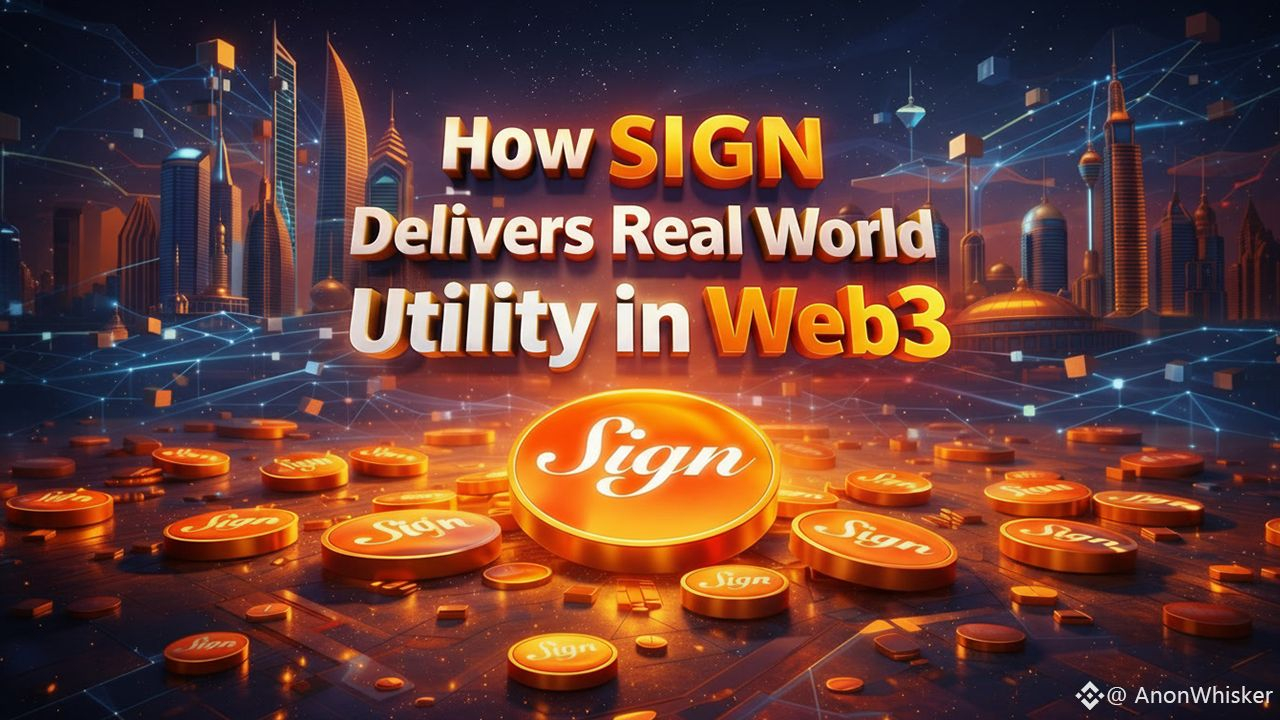
Cách SIGN Cung Cấp Tiện Ích Thực Tế Trong Web3Trong thế giới Web3 đang phát triển nhanh chóng, câu hỏi về tiện ích thực tế luôn là trung tâm. Nhiều dự án blockchain hứa hẹn đổi mới nhưng thường không đạt được tác động cụ thể. SignOfficial đang thay đổi câu chuyện đó với token gốc của mình, SIGN, và cơ sở hạ tầng SignDigitalSovereignInfra tiên phong, định vị mình như một cơ sở hạ tầng chủ quyền số thúc đẩy tăng trưởng kinh tế, đặc biệt là ở Trung Đông.
Trung Đông đã đứng ở vị trí tiên phong trong việc áp dụng blockchain cho hiện đại hóa kinh tế, và SignOfficial được định vị một cách độc đáo để phục vụ như một nền tảng cho sự chuyển đổi này. Khác với các dự án khác chỉ tập trung vào các ứng dụng đầu cơ, SIGN được thiết kế để tích hợp trực tiếp với các ngành công nghiệp, chính phủ và doanh nghiệp thực tế, đảm bảo rằng tài sản kỹ thuật số và công nghệ blockchain có thể tạo ra giá trị đo lường được.
Cách SIGN Cung Cấp Tiện Ích Thực Tế Trong Web3
Trong thế giới Web3 đang phát triển nhanh chóng, câu hỏi về tiện ích thực tế luôn là trung tâm. Nhiều dự án blockchain hứa hẹn đổi mới nhưng thường không đạt được tác động cụ thể. SignOfficial đang thay đổi câu chuyện đó với token gốc của mình, SIGN, và cơ sở hạ tầng SignDigitalSovereignInfra tiên phong, định vị mình như một cơ sở hạ tầng chủ quyền số thúc đẩy tăng trưởng kinh tế, đặc biệt là ở Trung Đông.
Trung Đông đã đứng ở vị trí tiên phong trong việc áp dụng blockchain cho hiện đại hóa kinh tế, và SignOfficial được định vị một cách độc đáo để phục vụ như một nền tảng cho sự chuyển đổi này. Khác với các dự án khác chỉ tập trung vào các ứng dụng đầu cơ, SIGN được thiết kế để tích hợp trực tiếp với các ngành công nghiệp, chính phủ và doanh nghiệp thực tế, đảm bảo rằng tài sản kỹ thuật số và công nghệ blockchain có thể tạo ra giá trị đo lường được.
Trung Đông đã đứng ở vị trí tiên phong trong việc áp dụng blockchain cho hiện đại hóa kinh tế, và SignOfficial được định vị một cách độc đáo để phục vụ như một nền tảng cho sự chuyển đổi này. Khác với các dự án khác chỉ tập trung vào các ứng dụng đầu cơ, SIGN được thiết kế để tích hợp trực tiếp với các ngành công nghiệp, chính phủ và doanh nghiệp thực tế, đảm bảo rằng tài sản kỹ thuật số và công nghệ blockchain có thể tạo ra giá trị đo lường được.
1
3
76
·
--
Chữ ký chính thức tiếp tục mở rộng ranh giới khi SIGN phát triển thành một thế lực đa chuỗi thực sự, củng cố danh tính phi tập trung và cơ sở hạ tầng. Với các tích hợp mới và sự chấp nhận ngày càng tăng, SIGN đang định hình tương lai của chủ quyền kỹ thuật số. #SignDigitalSovereignInfra $SIGN @SignOfficial
Chữ ký chính thức tiếp tục mở rộng ranh giới khi SIGN phát triển thành một thế lực đa chuỗi thực sự, củng cố danh tính phi tập trung và cơ sở hạ tầng. Với các tích hợp mới và sự chấp nhận ngày càng tăng, SIGN đang định hình tương lai của chủ quyền kỹ thuật số. #SignDigitalSovereignInfra $SIGN @SignOfficial
2
93
·
--
Bài viết
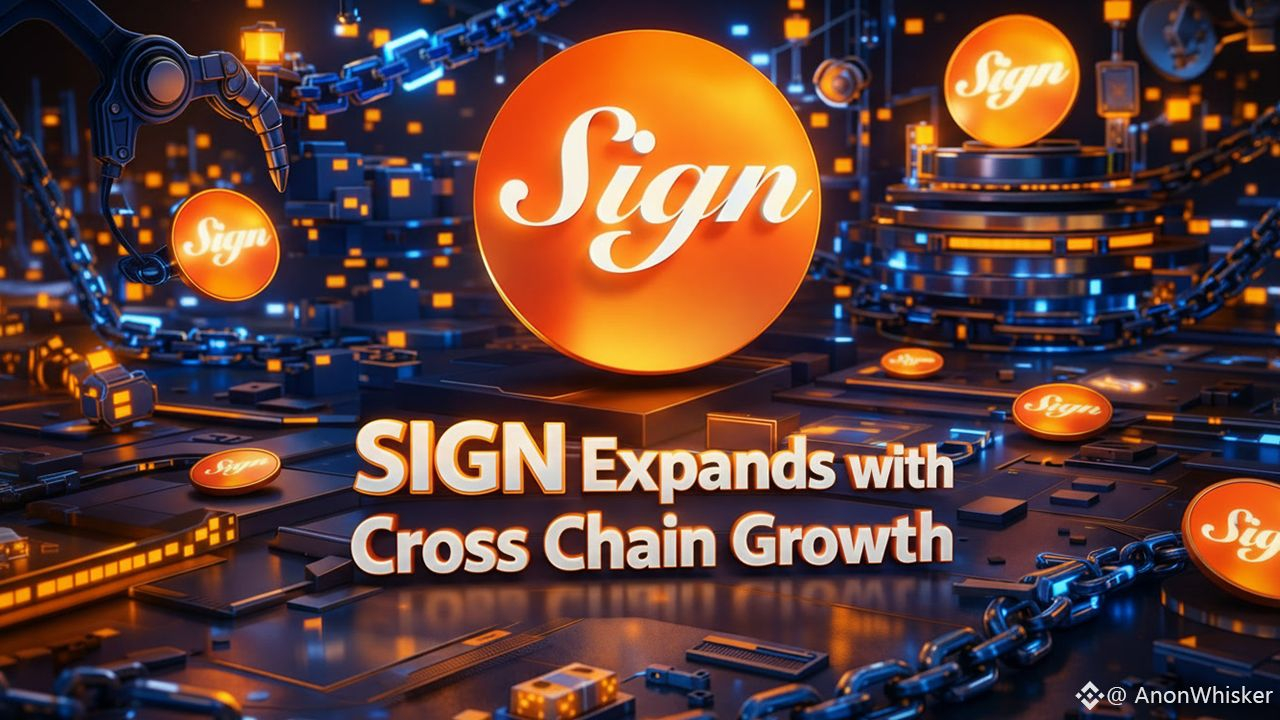
SIGN Mở Rộng Hệ Sinh Thái Với Các Phát Triển Liên Chuỗi MớiSự phát triển của blockchain không còn được xác định bởi các mạng cô lập. Tương lai thuộc về khả năng tương tác, khả năng mở rộng và chủ quyền kỹ thuật số thực sự. Đây chính là nơi mà SignOfficial đang định vị mình như một lực lượng nhìn về phía trước. Với sự chấp nhận ngày càng tăng của token gốc SIGN, dự án đang steadily xây dựng một cơ sở hạ tầng mạnh mẽ phù hợp với tầm nhìn của SignDigitalSovereignInfra.
Tại cốt lõi, SignOfficial không chỉ là một dự án blockchain khác. Nó là một hệ sinh thái tập trung vào việc cho phép giao tiếp liên chuỗi liền mạch trong khi vẫn duy trì an ninh, hiệu quả và kiểm soát phi tập trung. Các phát triển mới nhất làm nổi bật một động lực mạnh mẽ hướng tới việc phá vỡ các rào cản giữa các mạng, khiến SIGN trở thành nhiều hơn chỉ là một token. Nó đang trở thành một lớp tiện ích trên nhiều chuỗi khác nhau.
SIGN Mở Rộng Hệ Sinh Thái Với Các Phát Triển Liên Chuỗi Mới
Sự phát triển của blockchain không còn được xác định bởi các mạng cô lập. Tương lai thuộc về khả năng tương tác, khả năng mở rộng và chủ quyền kỹ thuật số thực sự. Đây chính là nơi mà SignOfficial đang định vị mình như một lực lượng nhìn về phía trước. Với sự chấp nhận ngày càng tăng của token gốc SIGN, dự án đang steadily xây dựng một cơ sở hạ tầng mạnh mẽ phù hợp với tầm nhìn của SignDigitalSovereignInfra.
Tại cốt lõi, SignOfficial không chỉ là một dự án blockchain khác. Nó là một hệ sinh thái tập trung vào việc cho phép giao tiếp liên chuỗi liền mạch trong khi vẫn duy trì an ninh, hiệu quả và kiểm soát phi tập trung. Các phát triển mới nhất làm nổi bật một động lực mạnh mẽ hướng tới việc phá vỡ các rào cản giữa các mạng, khiến SIGN trở thành nhiều hơn chỉ là một token. Nó đang trở thành một lớp tiện ích trên nhiều chuỗi khác nhau.
Tại cốt lõi, SignOfficial không chỉ là một dự án blockchain khác. Nó là một hệ sinh thái tập trung vào việc cho phép giao tiếp liên chuỗi liền mạch trong khi vẫn duy trì an ninh, hiệu quả và kiểm soát phi tập trung. Các phát triển mới nhất làm nổi bật một động lực mạnh mẽ hướng tới việc phá vỡ các rào cản giữa các mạng, khiến SIGN trở thành nhiều hơn chỉ là một token. Nó đang trở thành một lớp tiện ích trên nhiều chuỗi khác nhau.
1
1
51
Đăng nhập để khám phá thêm nội dung
Tham gia cùng người dùng tiền mã hóa toàn cầu trên Binance Square
⚡️ Nhận thông tin mới nhất và hữu ích về tiền mã hóa.
💬 Được tin cậy bởi sàn giao dịch tiền mã hóa lớn nhất thế giới.
👍 Khám phá những thông tin chuyên sâu thực tế từ những nhà sáng tạo đã xác minh.
Email / Số điện thoại
Chủ đề thịnh hành
TheoDõiFOMC
109,122 lượt xem
640 đang thảo luận
#TheoDõiFOMC $BTC $ETH
FOMC không chỉ là một cuộc họp về lãi suất.
Đây là nơi mà hướng đi của “tiền lớn” có thể bắt đầu thay đổi.
Một câu nói từ Fed có thể trở thành tín hiệu cho thị trường.
Lãi suất có thể không đổi, nhưng kỳ vọng của nhà đầu tư có thể thay đổi trước.
Với Bitcoin, câu hỏi thực sự không phải lúc nào cũng là:
“Fed sẽ tăng hay cắt giảm lãi suất?”
Mà là:
“Fed muốn thị trường tin điều gì?”
Trong crypto, giá thường biến động trước cả tin tức.
Vì vậy, trước mỗi kỳ FOMC, đừng chỉ nhìn vào biểu đồ.
Hãy theo dõi kỳ vọng, thanh khoản và tâm lý thị trường.
🌊 Thị trường không chỉ phản ứng với những gì Fed làm.
Mà nó phản ứng với những gì thị trường tin rằng Fed sẽ làm.
#FOMC #Bitcoin #Crypto #Fed #BinanceSquare
Cristore-trading
·1 lượt thích
·112 lượt xem
TinFed
90,894 lượt xem
439 đang thảo luận
QNTRises287%
7,634 lượt xem
223 đang thảo luận