
rameet_14
8.1k Bài đăng

rameet_14
Báo cáo
Chặn người dùng
jesus
150 Đang theo dõi
21.6K+ Người theo dõi
18.0K+ Đã thích
Bài đăng
Danh mục đầu tư
Tất cả
Trích dẫn
Live
·
--
Giảm giá
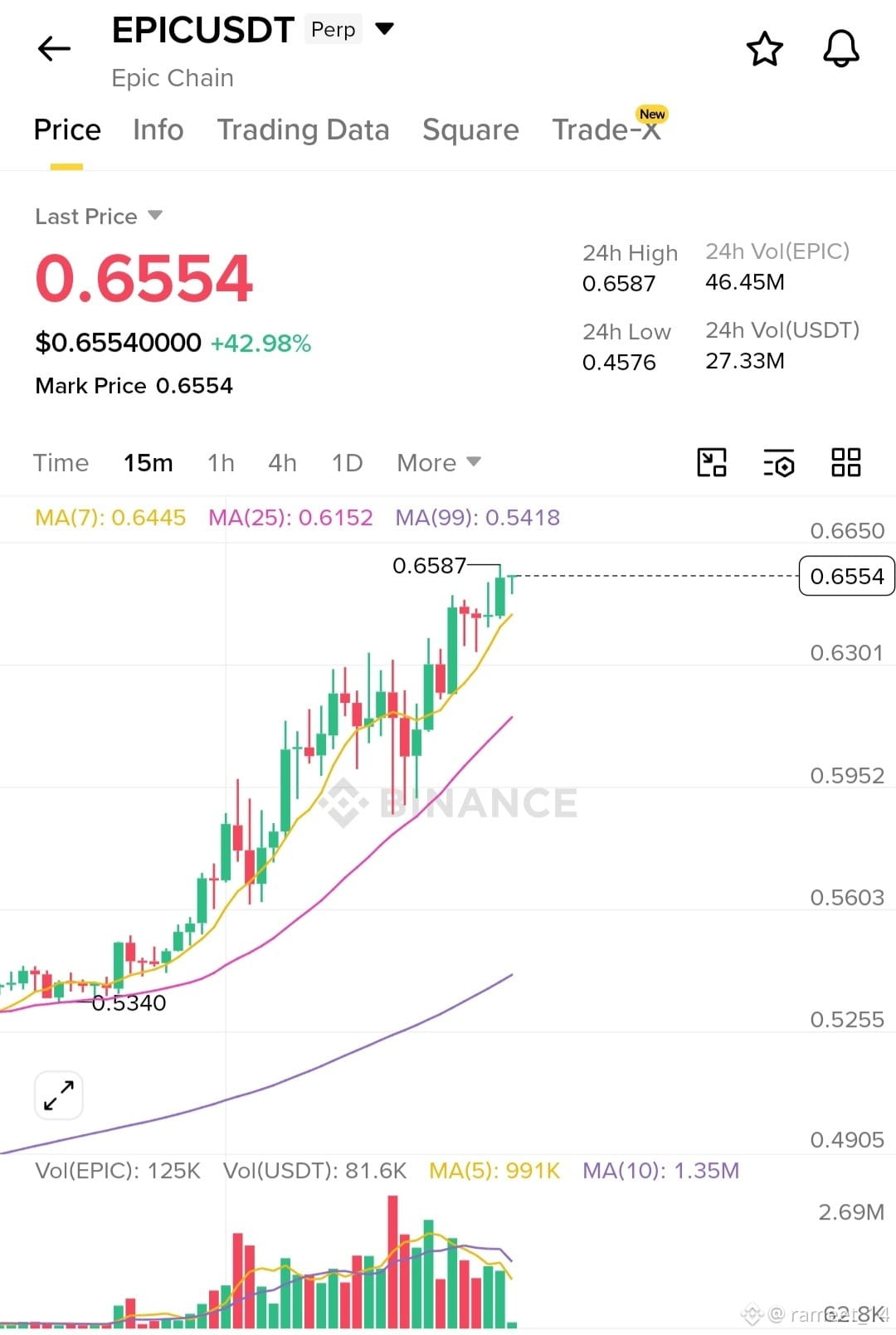
$EPIC hôm nay thực sự bay cao, tăng mạnh +42,98%! Bên mua đang hoàn toàn kiểm soát, nhưng vì giá đang nằm ngay sát mức cao nhất 24 giờ ($0,6587) nên có phần bị kéo giãn quá đà. Hãy kỳ vọng một nhịp nghỉ ngắn sớm.
MA(7) / Vàng ($0,6445): Đường hype. Miễn là chúng ta vẫn giữ trên đường này, con tàu tên lửa sẽ tiếp tục lao thẳng lên.
MA(25) / Hồng ($0,6152): Sàn đỡ. Đây là vùng mua “hồi về” an toàn nhất nếu giá quyết định nghỉ ngơi nhanh.
MA(99) / Tím ($0,5418): Phanh khẩn cấp. Nếu rơi xuống dưới mức này thì bữa tiệc chính thức kết thúc trong thời điểm hiện tại.
Hãy chốt lệnh short ngay bây giờ và ghi lợi nhuận của bạn.
Giá vào lệnh: 0,6560 - 0,6495
Cắt lỗ: 0,6812
Các mục tiêu
TP1: 0,6132
TP2: 0,5961
TP3: 0,5603
TP4: 0,5426
$EPIC hôm nay thực sự bay cao, tăng mạnh +42,98%! Bên mua đang hoàn toàn kiểm soát, nhưng vì giá đang nằm ngay sát mức cao nhất 24 giờ ($0,6587) nên có phần bị kéo giãn quá đà. Hãy kỳ vọng một nhịp nghỉ ngắn sớm.
MA(7) / Vàng ($0,6445): Đường hype. Miễn là chúng ta vẫn giữ trên đường này, con tàu tên lửa sẽ tiếp tục lao thẳng lên.
MA(25) / Hồng ($0,6152): Sàn đỡ. Đây là vùng mua “hồi về” an toàn nhất nếu giá quyết định nghỉ ngơi nhanh.
MA(99) / Tím ($0,5418): Phanh khẩn cấp. Nếu rơi xuống dưới mức này thì bữa tiệc chính thức kết thúc trong thời điểm hiện tại.
Hãy chốt lệnh short ngay bây giờ và ghi lợi nhuận của bạn.
Giá vào lệnh: 0,6560 - 0,6495
Cắt lỗ: 0,6812
Các mục tiêu
TP1: 0,6132
TP2: 0,5961
TP3: 0,5603
TP4: 0,5426
MA(7) / Vàng ($0,6445): Đường hype. Miễn là chúng ta vẫn giữ trên đường này, con tàu tên lửa sẽ tiếp tục lao thẳng lên.
MA(25) / Hồng ($0,6152): Sàn đỡ. Đây là vùng mua “hồi về” an toàn nhất nếu giá quyết định nghỉ ngơi nhanh.
MA(99) / Tím ($0,5418): Phanh khẩn cấp. Nếu rơi xuống dưới mức này thì bữa tiệc chính thức kết thúc trong thời điểm hiện tại.
Hãy chốt lệnh short ngay bây giờ và ghi lợi nhuận của bạn.
Giá vào lệnh: 0,6560 - 0,6495
Cắt lỗ: 0,6812
Các mục tiêu
TP1: 0,6132
TP2: 0,5961
TP3: 0,5603
TP4: 0,5426
154
·
--
Giảm giá
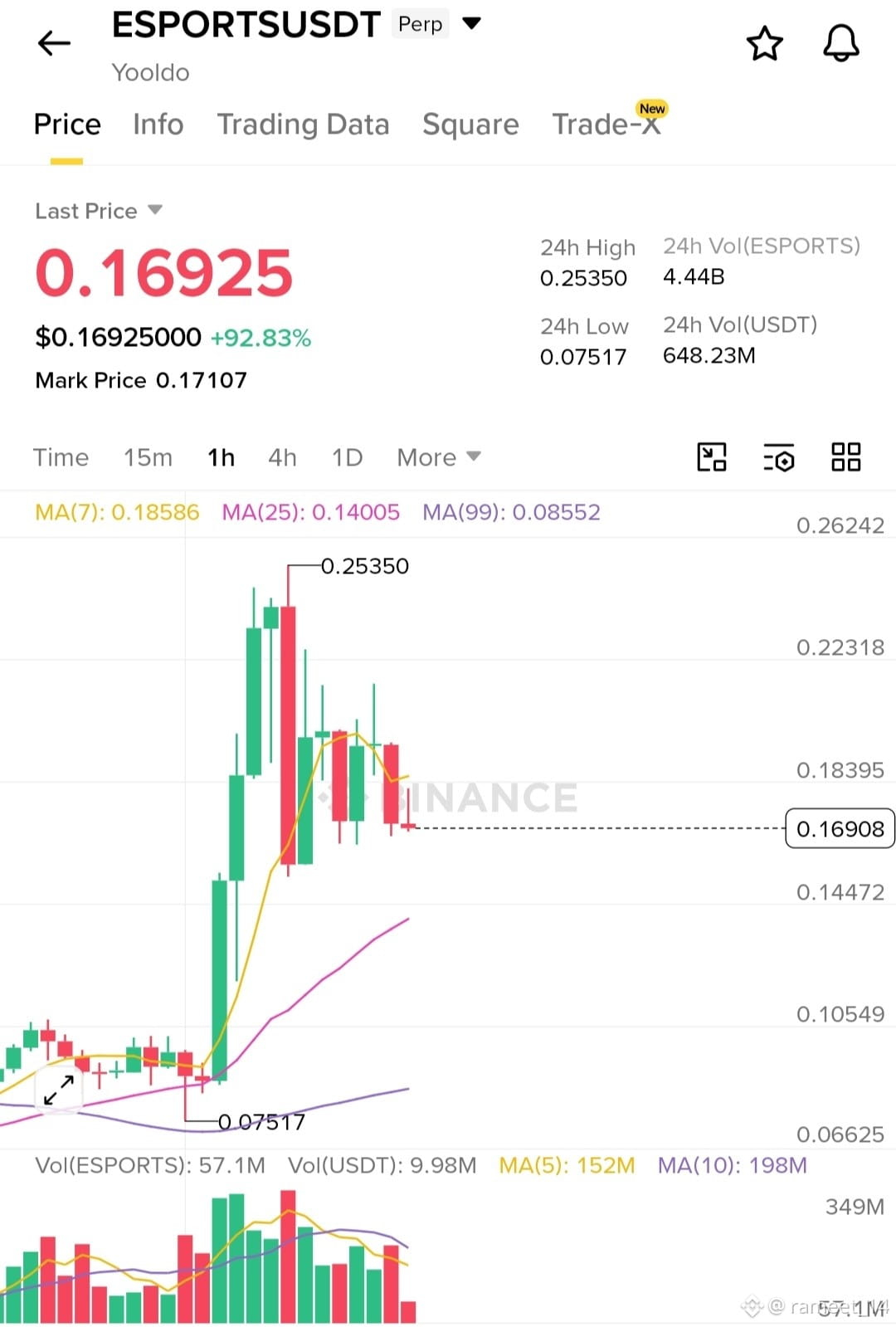
Tôi chỉ nhìn vào $ESPORTS và thấy đây là thời điểm hoàn hảo để vào vị thế bán
Vào trong khoảng $0.16925-$0.1650
Dừng lỗ nên rộng $0.2041
Mục tiêu: $0.09810
{future}(ESPORTSUSDT)
Tôi chỉ nhìn vào $ESPORTS và thấy đây là thời điểm hoàn hảo để vào vị thế bán
Vào trong khoảng $0.16925-$0.1650
Dừng lỗ nên rộng $0.2041
Mục tiêu: $0.09810
Vào trong khoảng $0.16925-$0.1650
Dừng lỗ nên rộng $0.2041
Mục tiêu: $0.09810
284
·
--
⚽ Bóng đá có cách đặc biệt để gắn kết mọi người lại với nhau. Dù bạn đang thi đấu trên sân, cổ vũ từ khán đài, hay xem cùng bạn bè và gia đình, mỗi trận đấu đều tạo ra những kỷ niệm kéo dài cả đời.
Trong suốt những năm qua, tôi đã học được rằng bóng đá không chỉ đơn thuần là thắng hay thua. Nó còn liên quan đến tinh thần đồng đội, sự cống hiến, tôn trọng, và không bao giờ bỏ cuộc khi mọi thứ trở nên khó khăn. Mỗi đường chuyền, mỗi bàn thắng, và mỗi thử thách đều dạy chúng ta điều gì đó quý giá.
Đó là lý do tại sao bóng đá vẫn là môn thể thao yêu thích nhất thế giới—nó truyền cảm hứng, xây dựng tình bạn, và nhắc nhở chúng ta rằng mọi thứ đều có thể xảy ra khi chúng ta làm việc cùng nhau.
#BinancePickAndWin
⚽ Bóng đá có cách đặc biệt để gắn kết mọi người lại với nhau. Dù bạn đang thi đấu trên sân, cổ vũ từ khán đài, hay xem cùng bạn bè và gia đình, mỗi trận đấu đều tạo ra những kỷ niệm kéo dài cả đời.
Trong suốt những năm qua, tôi đã học được rằng bóng đá không chỉ đơn thuần là thắng hay thua. Nó còn liên quan đến tinh thần đồng đội, sự cống hiến, tôn trọng, và không bao giờ bỏ cuộc khi mọi thứ trở nên khó khăn. Mỗi đường chuyền, mỗi bàn thắng, và mỗi thử thách đều dạy chúng ta điều gì đó quý giá.
Đó là lý do tại sao bóng đá vẫn là môn thể thao yêu thích nhất thế giới—nó truyền cảm hứng, xây dựng tình bạn, và nhắc nhở chúng ta rằng mọi thứ đều có thể xảy ra khi chúng ta làm việc cùng nhau.
#BinancePickAndWin
Trong suốt những năm qua, tôi đã học được rằng bóng đá không chỉ đơn thuần là thắng hay thua. Nó còn liên quan đến tinh thần đồng đội, sự cống hiến, tôn trọng, và không bao giờ bỏ cuộc khi mọi thứ trở nên khó khăn. Mỗi đường chuyền, mỗi bàn thắng, và mỗi thử thách đều dạy chúng ta điều gì đó quý giá.
Đó là lý do tại sao bóng đá vẫn là môn thể thao yêu thích nhất thế giới—nó truyền cảm hứng, xây dựng tình bạn, và nhắc nhở chúng ta rằng mọi thứ đều có thể xảy ra khi chúng ta làm việc cùng nhau.
#BinancePickAndWin

1
1
73
·
--
$NIGHT Cập nhật — Hạ tầng Bảo mật đang Tiến bộ một cách Âm thầm
Câu chuyện về bảo mật trong crypto đang bắt đầu lấy lại động lực, và NIGHT — mã thông báo gốc của Mạng Lưới Midnight — đang thu hút sự chú ý trở lại.
Midnight được thiết kế như một hệ sinh thái blockchain tập trung vào bảo mật, kết nối với cơ sở hạ tầng Cardano rộng lớn hơn. Mục tiêu của nó là đầy tham vọng: cho phép các ứng dụng phi tập trung có thể bảo vệ dữ liệu nhạy cảm của người dùng trong khi vẫn được hưởng lợi từ tính minh bạch và an ninh của blockchain.
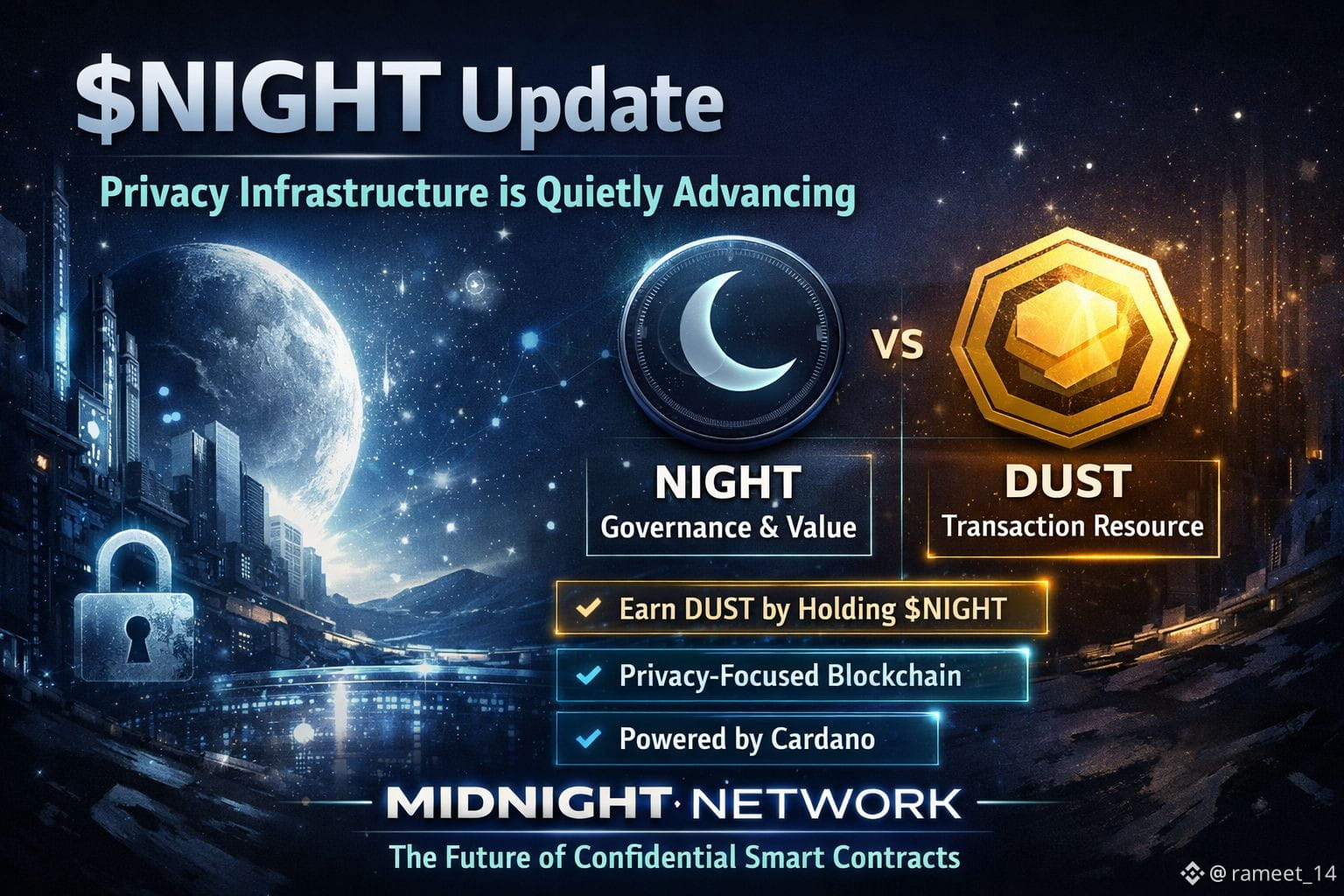
Một trong những yếu tố thú vị nhất của thiết kế Midnight là kiến trúc hai mã thông báo của nó.
Mã thông báo NIGHT hoạt động như tài sản quản trị và giá trị chính của mạng. Trong khi đó, một mã thông báo tài nguyên thứ cấp gọi là DUST được sử dụng để thanh toán cho các giao dịch và thực thi hợp đồng thông minh.
Đây là nơi mô hình trở nên thú vị.
Việc nắm giữ NIGHT cho phép các thành viên tạo ra DUST, mà các nhà phát triển và người dùng có thể chi tiêu để thúc đẩy hoạt động của mạng. Trong thực tế, điều này tạo ra một hệ thống mà những người nắm giữ lâu dài giúp duy trì khả năng hoạt động của chuỗi trong khi vẫn tham gia vào quản trị.
Sự tiếp xúc và các chương trình phân phối gần đây cũng đã mở rộng nhận thức về mã thông báo, giới thiệu Midnight đến một đối tượng rộng lớn hơn nhiều của các nhà giao dịch và nhà xây dựng trong hệ sinh thái crypto. Tính thanh khoản và khả năng tiếp cận tăng lên thường đóng vai trò như những chất xúc tác sớm cho sự phát triển của hệ sinh thái.
Nhìn về phía trước, những yếu tố chính cần theo dõi cho Midnight sẽ là sự chấp nhận của các nhà phát triển, các ứng dụng tập trung vào bảo mật, và sự tích hợp liên tục của hệ sinh thái.
Nếu nhu cầu về các hợp đồng thông minh bảo mật tiếp tục tăng, Midnight có thể định vị mình như một lớp hạ tầng quan trọng trong thế hệ công nghệ bảo mật Web3 tiếp theo.
#night $NIGHT @MidnightNetwork
$NIGHT Cập nhật — Hạ tầng Bảo mật đang Tiến bộ một cách Âm thầm
Câu chuyện về bảo mật trong crypto đang bắt đầu lấy lại động lực, và NIGHT — mã thông báo gốc của Mạng Lưới Midnight — đang thu hút sự chú ý trở lại.
Midnight được thiết kế như một hệ sinh thái blockchain tập trung vào bảo mật, kết nối với cơ sở hạ tầng Cardano rộng lớn hơn. Mục tiêu của nó là đầy tham vọng: cho phép các ứng dụng phi tập trung có thể bảo vệ dữ liệu nhạy cảm của người dùng trong khi vẫn được hưởng lợi từ tính minh bạch và an ninh của blockchain.
Một trong những yếu tố thú vị nhất của thiết kế Midnight là kiến trúc hai mã thông báo của nó.
Mã thông báo NIGHT hoạt động như tài sản quản trị và giá trị chính của mạng. Trong khi đó, một mã thông báo tài nguyên thứ cấp gọi là DUST được sử dụng để thanh toán cho các giao dịch và thực thi hợp đồng thông minh.
Đây là nơi mô hình trở nên thú vị.
Việc nắm giữ NIGHT cho phép các thành viên tạo ra DUST, mà các nhà phát triển và người dùng có thể chi tiêu để thúc đẩy hoạt động của mạng. Trong thực tế, điều này tạo ra một hệ thống mà những người nắm giữ lâu dài giúp duy trì khả năng hoạt động của chuỗi trong khi vẫn tham gia vào quản trị.
Sự tiếp xúc và các chương trình phân phối gần đây cũng đã mở rộng nhận thức về mã thông báo, giới thiệu Midnight đến một đối tượng rộng lớn hơn nhiều của các nhà giao dịch và nhà xây dựng trong hệ sinh thái crypto. Tính thanh khoản và khả năng tiếp cận tăng lên thường đóng vai trò như những chất xúc tác sớm cho sự phát triển của hệ sinh thái.
Nhìn về phía trước, những yếu tố chính cần theo dõi cho Midnight sẽ là sự chấp nhận của các nhà phát triển, các ứng dụng tập trung vào bảo mật, và sự tích hợp liên tục của hệ sinh thái.
Nếu nhu cầu về các hợp đồng thông minh bảo mật tiếp tục tăng, Midnight có thể định vị mình như một lớp hạ tầng quan trọng trong thế hệ công nghệ bảo mật Web3 tiếp theo.
#night $NIGHT @MidnightNetwork
Câu chuyện về bảo mật trong crypto đang bắt đầu lấy lại động lực, và NIGHT — mã thông báo gốc của Mạng Lưới Midnight — đang thu hút sự chú ý trở lại.
Midnight được thiết kế như một hệ sinh thái blockchain tập trung vào bảo mật, kết nối với cơ sở hạ tầng Cardano rộng lớn hơn. Mục tiêu của nó là đầy tham vọng: cho phép các ứng dụng phi tập trung có thể bảo vệ dữ liệu nhạy cảm của người dùng trong khi vẫn được hưởng lợi từ tính minh bạch và an ninh của blockchain.
Một trong những yếu tố thú vị nhất của thiết kế Midnight là kiến trúc hai mã thông báo của nó.
Mã thông báo NIGHT hoạt động như tài sản quản trị và giá trị chính của mạng. Trong khi đó, một mã thông báo tài nguyên thứ cấp gọi là DUST được sử dụng để thanh toán cho các giao dịch và thực thi hợp đồng thông minh.
Đây là nơi mô hình trở nên thú vị.
Việc nắm giữ NIGHT cho phép các thành viên tạo ra DUST, mà các nhà phát triển và người dùng có thể chi tiêu để thúc đẩy hoạt động của mạng. Trong thực tế, điều này tạo ra một hệ thống mà những người nắm giữ lâu dài giúp duy trì khả năng hoạt động của chuỗi trong khi vẫn tham gia vào quản trị.
Sự tiếp xúc và các chương trình phân phối gần đây cũng đã mở rộng nhận thức về mã thông báo, giới thiệu Midnight đến một đối tượng rộng lớn hơn nhiều của các nhà giao dịch và nhà xây dựng trong hệ sinh thái crypto. Tính thanh khoản và khả năng tiếp cận tăng lên thường đóng vai trò như những chất xúc tác sớm cho sự phát triển của hệ sinh thái.
Nhìn về phía trước, những yếu tố chính cần theo dõi cho Midnight sẽ là sự chấp nhận của các nhà phát triển, các ứng dụng tập trung vào bảo mật, và sự tích hợp liên tục của hệ sinh thái.
Nếu nhu cầu về các hợp đồng thông minh bảo mật tiếp tục tăng, Midnight có thể định vị mình như một lớp hạ tầng quan trọng trong thế hệ công nghệ bảo mật Web3 tiếp theo.
#night $NIGHT @MidnightNetwork
2
2
108
·
--
Tăng giá
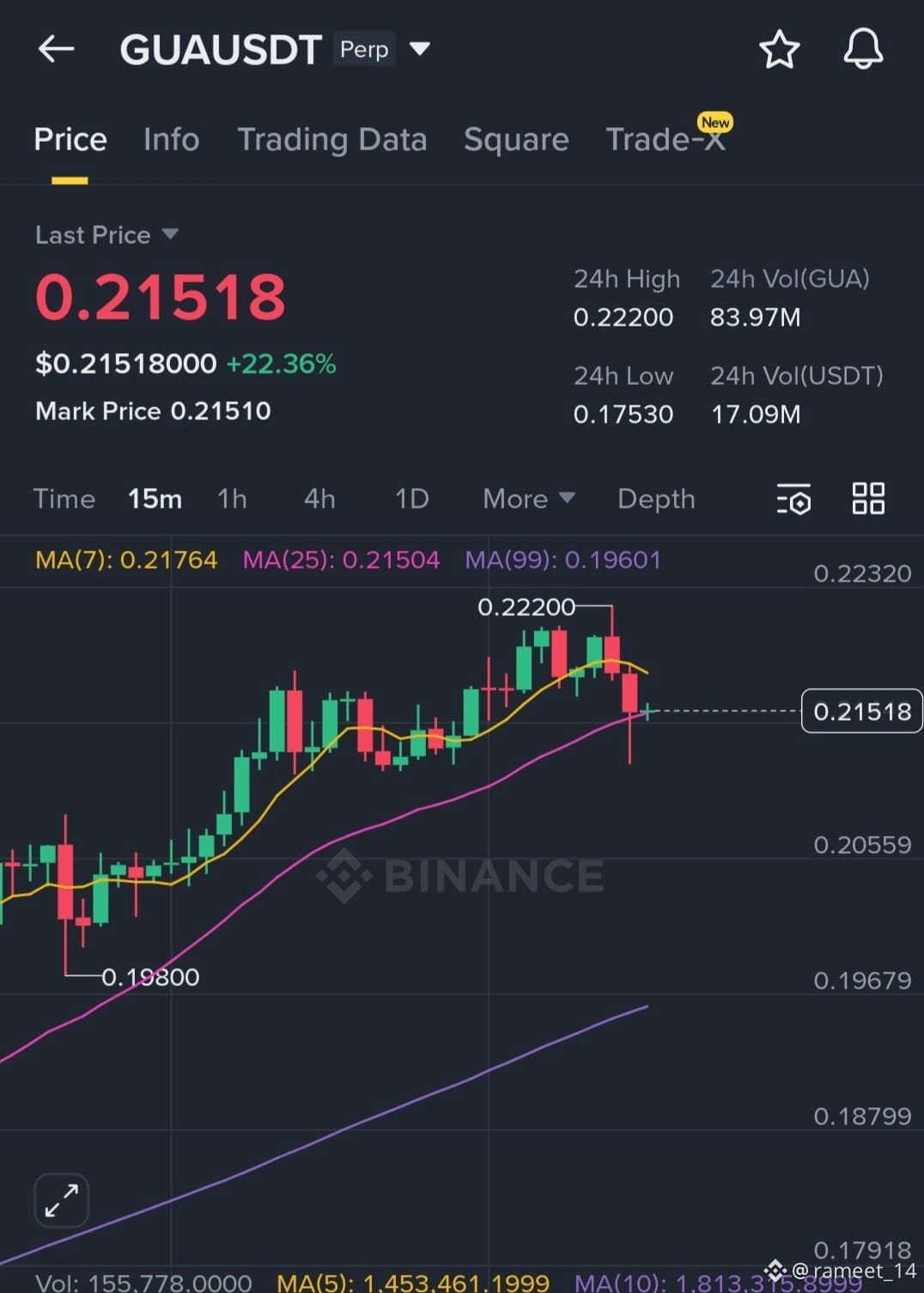
$GUA
Nhập Long: $0.21510-$0.21557
Mục tiêu
Tp1: 0.25500
Tp2: 0.25810
Tp3: 0.26012
SL: 0.20720
$GUA
Nhập Long: $0.21510-$0.21557
Mục tiêu
Tp1: 0.25500
Tp2: 0.25810
Tp3: 0.26012
SL: 0.20720
Nhập Long: $0.21510-$0.21557
Mục tiêu
Tp1: 0.25500
Tp2: 0.25810
Tp3: 0.26012
SL: 0.20720
1
265
·
--
Tham gia ở đây
Tham gia ở đây


K大宝
·
--
[Phát lại] 🎙️ Trò chuyện về chủ đề Web3 tiền điện tử💖 Phổ biến kiến thức 💖 Giảng dạy miễn phí 💖 Cùng xây dựng quảng trường Binance
03 giờ 35 phút 45 giây · 4.5k người nghe
76
·
--
Tăng giá
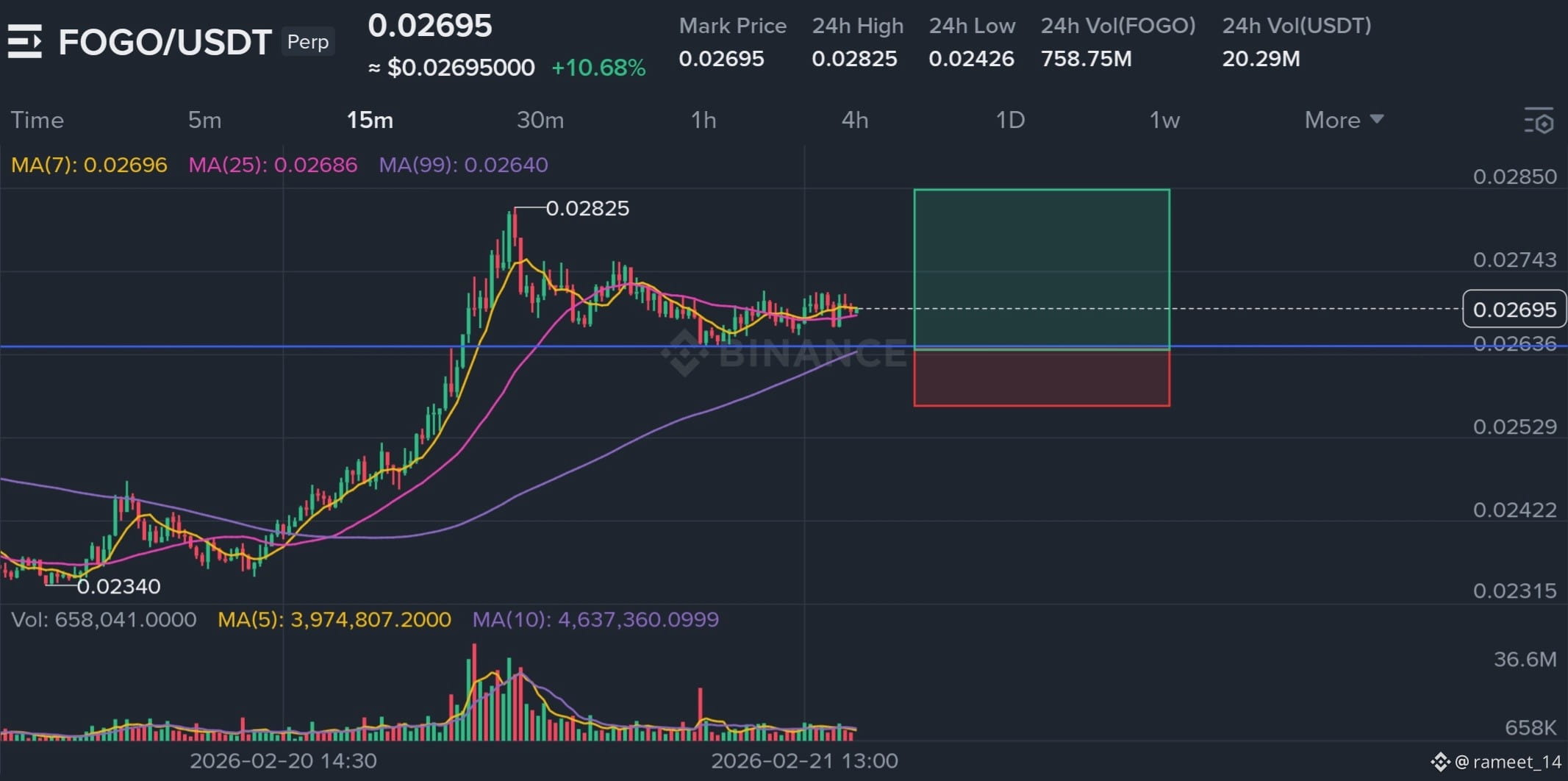
Hôm nay, vào ngày 21 tháng 2 $FOGO giao dịch quanh mức $0.02697-$0.02702 với xu hướng giảm nhẹ từ mức cao của nó với hỗ trợ mạnh, chờ đợi khu vực nhập
Giá vào: $0.02630 - $0.02640
Mục tiêu
Tp1: $0.02743
Tp2: $0.02801
Tp3: $0.02847
DỪNG LỖ: $0.02560
@fogo #fogo
{spot}(FOGOUSDT)
Hôm nay, vào ngày 21 tháng 2 $FOGO giao dịch quanh mức $0.02697-$0.02702 với xu hướng giảm nhẹ từ mức cao của nó với hỗ trợ mạnh, chờ đợi khu vực nhập
Giá vào: $0.02630 - $0.02640
Mục tiêu
Tp1: $0.02743
Tp2: $0.02801
Tp3: $0.02847
DỪNG LỖ: $0.02560
@Fogo Official #fogo
Giá vào: $0.02630 - $0.02640
Mục tiêu
Tp1: $0.02743
Tp2: $0.02801
Tp3: $0.02847
DỪNG LỖ: $0.02560
@Fogo Official #fogo
1
65
·
--
Tăng giá
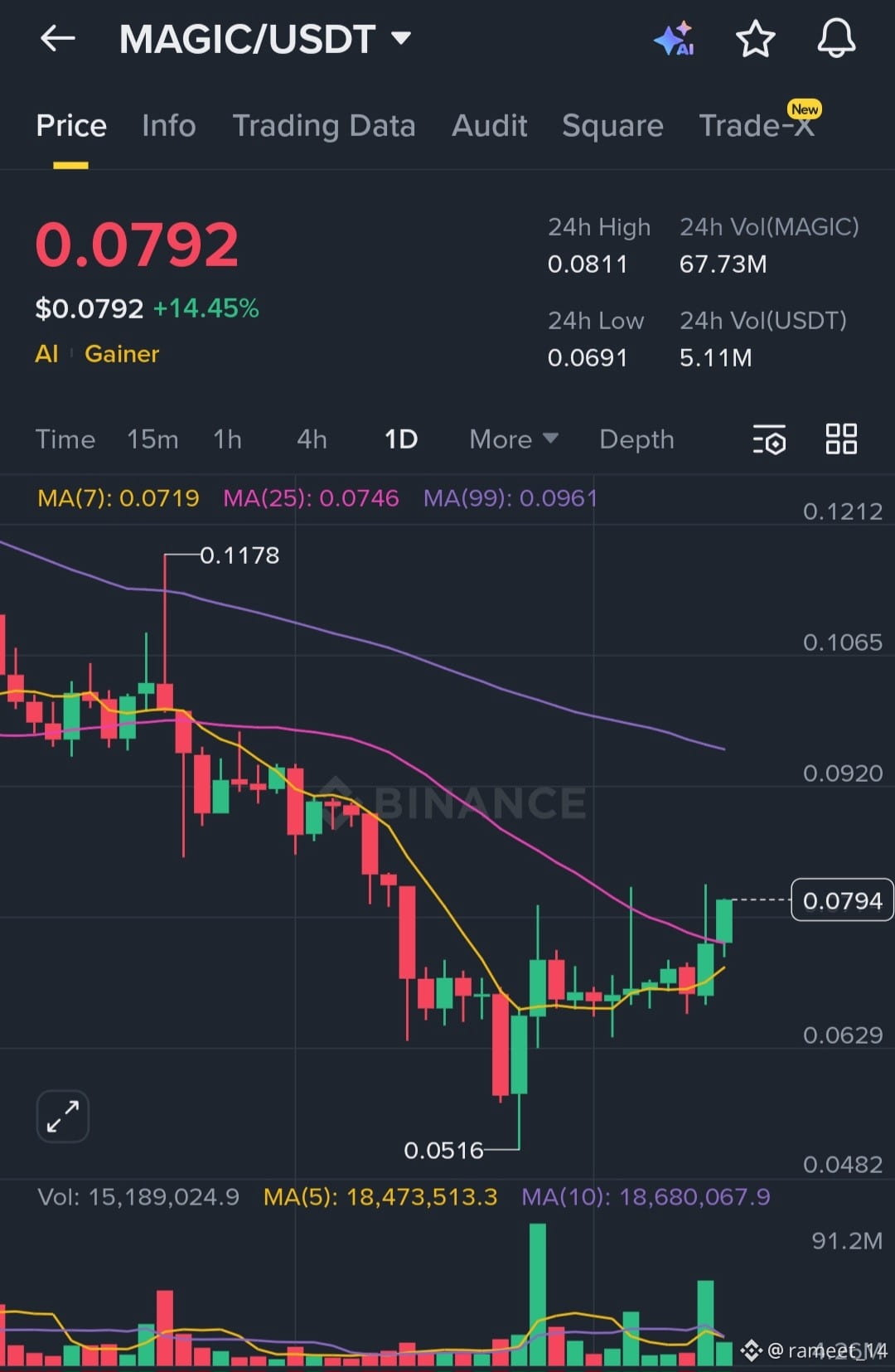
$MAGIC giá đang phục hồi từ vùng hỗ trợ trong khoảng $0.0516,
Vào lệnh dài: $0.0770 - $0.0780
Mục tiêu
Tp1: $0.0845
Tp2: $0.0962
Tp3: $0.117
SL: $0.0725
Khung thời gian (1D) Giữ trong vài tuần, không thoát khỏi giao dịch cho đến khi tất cả các mục tiêu đạt được.
{spot}(MAGICUSDT)
$MAGIC giá đang phục hồi từ vùng hỗ trợ trong khoảng $0.0516,
Vào lệnh dài: $0.0770 - $0.0780
Mục tiêu
Tp1: $0.0845
Tp2: $0.0962
Tp3: $0.117
SL: $0.0725
Khung thời gian (1D) Giữ trong vài tuần, không thoát khỏi giao dịch cho đến khi tất cả các mục tiêu đạt được.
Vào lệnh dài: $0.0770 - $0.0780
Mục tiêu
Tp1: $0.0845
Tp2: $0.0962
Tp3: $0.117
SL: $0.0725
Khung thời gian (1D) Giữ trong vài tuần, không thoát khỏi giao dịch cho đến khi tất cả các mục tiêu đạt được.
1
1
63
·
--
Tăng giá
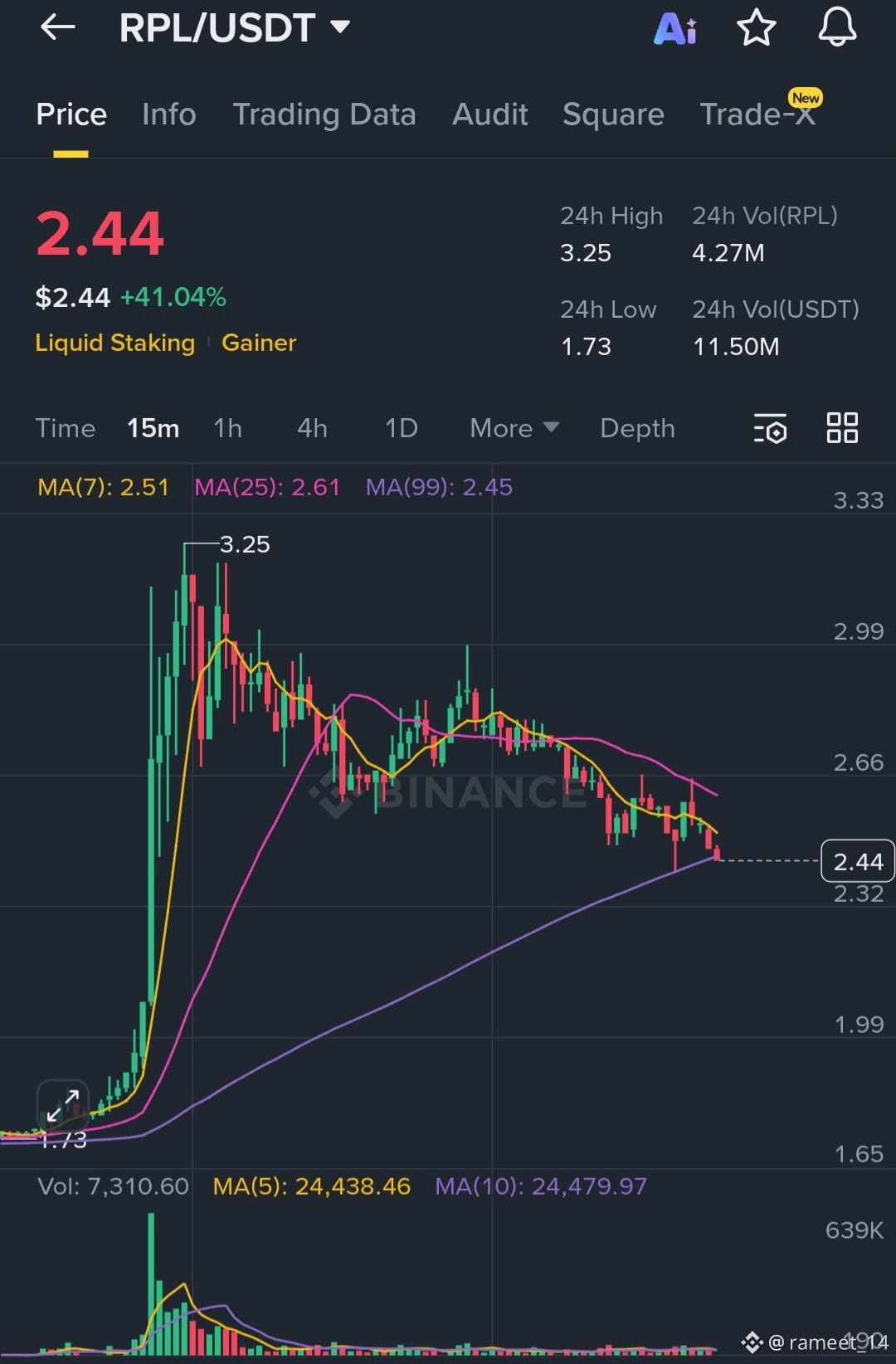
$RPL hiện đang giao dịch quanh $2.31 - $2.45
với đường hỗ trợ mạnh ở $2.45
Vào lệnh mua: $2.40 - $2.45
Mục tiêu
Tp1: $2.85
Tp2: $3.22
Tp3: $3.85
SL: $2.30 (cho chặt) $2.20 (cho lỏng)
{spot}(RPLUSDT)
$RPL hiện đang giao dịch quanh $2.31 - $2.45
với đường hỗ trợ mạnh ở $2.45
Vào lệnh mua: $2.40 - $2.45
Mục tiêu
Tp1: $2.85
Tp2: $3.22
Tp3: $3.85
SL: $2.30 (cho chặt) $2.20 (cho lỏng)
với đường hỗ trợ mạnh ở $2.45
Vào lệnh mua: $2.40 - $2.45
Mục tiêu
Tp1: $2.85
Tp2: $3.22
Tp3: $3.85
SL: $2.30 (cho chặt) $2.20 (cho lỏng)
1
61
·
--
Tăng giá
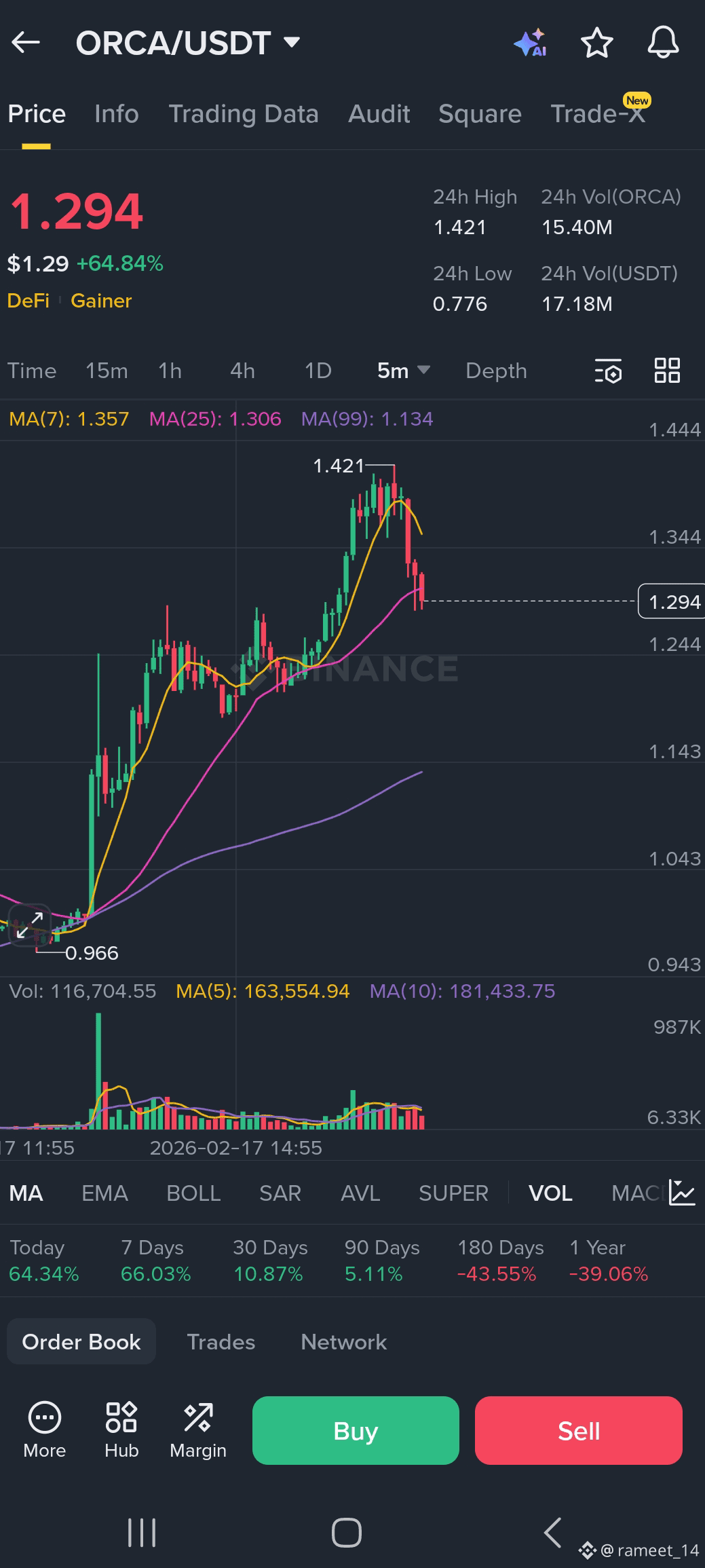
$ORCA hiện đang giao dịch quanh mức $1.280 - $1.300 sau mẫu hình giảm giá và người mua giữ giá ở mức cao nhất gần đây,
Khu vực Nhập: $1.295 - $1.300
Mục tiêu
Tp1: $1.344
Tp2: $1.421
Tp3: $1.503
SL: $1.275 (Cho chặt) $1.163
{spot}(ORCAUSDT)
$ORCA hiện đang giao dịch quanh mức $1.280 - $1.300 sau mẫu hình giảm giá và người mua giữ giá ở mức cao nhất gần đây,
Khu vực Nhập: $1.295 - $1.300
Mục tiêu
Tp1: $1.344
Tp2: $1.421
Tp3: $1.503
SL: $1.275 (Cho chặt) $1.163
Khu vực Nhập: $1.295 - $1.300
Mục tiêu
Tp1: $1.344
Tp2: $1.421
Tp3: $1.503
SL: $1.275 (Cho chặt) $1.163
108
·
--
Bài viết
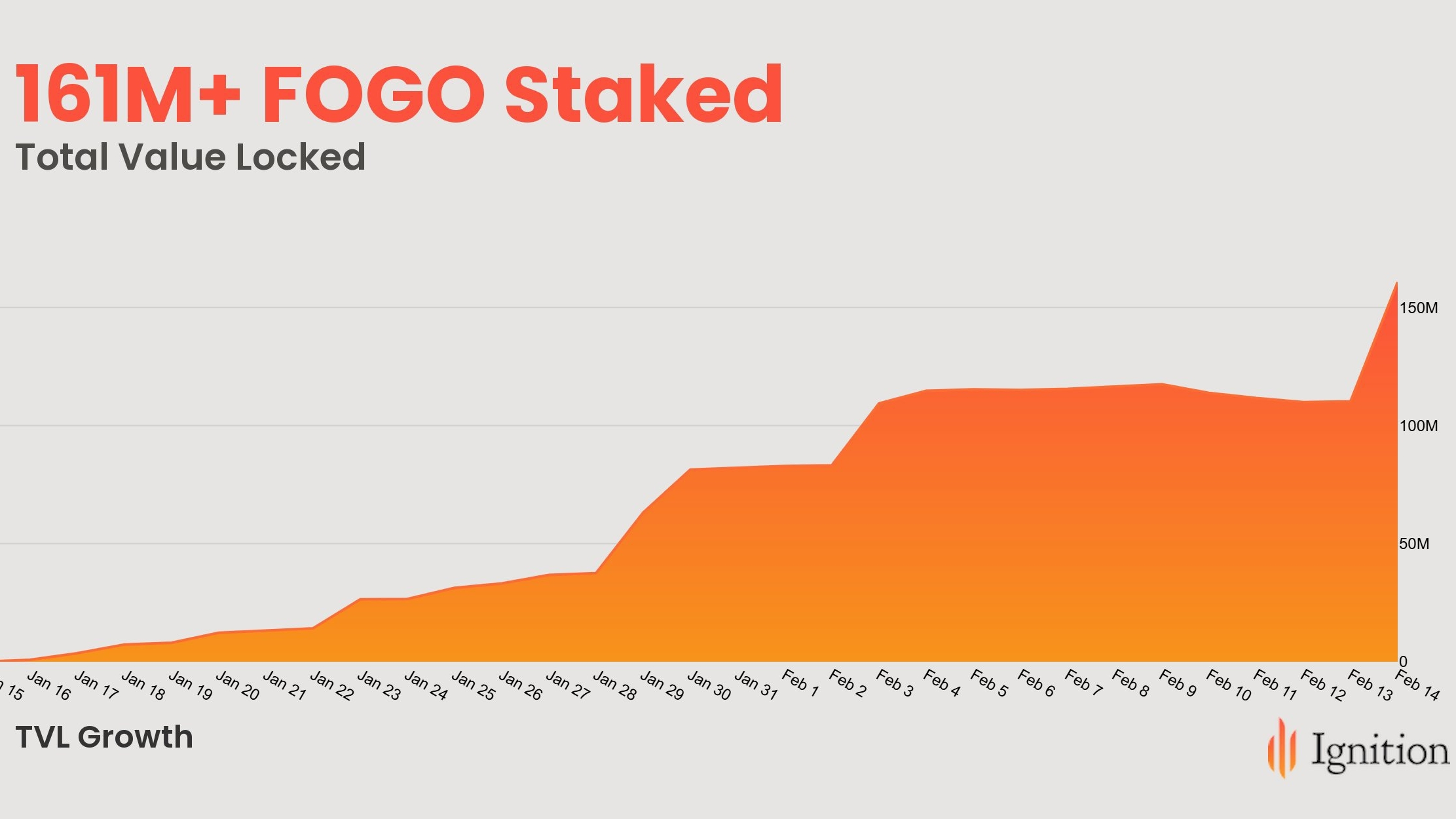
$FOGO Động Lực Tăng Tốc: Khóa Nguồn Cung, Tăng Trưởng Staking & Hiệu Ứng Mạng SớmDữ liệu mới nhất liên quan đến $FOGO cho thấy nhiều hơn sự thu hút ngắn hạn — nó phản ánh cam kết vốn có phối hợp, tăng cường sự tham gia và củng cố niềm tin trên chuỗi.
Theo cập nhật chiến dịch gần đây, 1.6% của toàn bộ nguồn cung genesis $FOGO đã được khóa như một phần của chiến dịch iFOGO hợp tác với Ignition. Đồng thời, hệ sinh thái đã vượt qua 160M+ FOGO được staking, đi kèm với mức tăng trưởng TVL hàng tuần 39.2% và hơn 1,360 staker mới tham gia trong một tuần.
$FOGO Động Lực Tăng Tốc: Khóa Nguồn Cung, Tăng Trưởng Staking & Hiệu Ứng Mạng Sớm
Dữ liệu mới nhất liên quan đến $FOGO cho thấy nhiều hơn sự thu hút ngắn hạn — nó phản ánh cam kết vốn có phối hợp, tăng cường sự tham gia và củng cố niềm tin trên chuỗi.
Theo cập nhật chiến dịch gần đây, 1.6% của toàn bộ nguồn cung genesis $FOGO đã được khóa như một phần của chiến dịch iFOGO hợp tác với Ignition. Đồng thời, hệ sinh thái đã vượt qua 160M+ FOGO được staking, đi kèm với mức tăng trưởng TVL hàng tuần 39.2% và hơn 1,360 staker mới tham gia trong một tuần.
Theo cập nhật chiến dịch gần đây, 1.6% của toàn bộ nguồn cung genesis $FOGO đã được khóa như một phần của chiến dịch iFOGO hợp tác với Ignition. Đồng thời, hệ sinh thái đã vượt qua 160M+ FOGO được staking, đi kèm với mức tăng trưởng TVL hàng tuần 39.2% và hơn 1,360 staker mới tham gia trong một tuần.
2
109
·
--
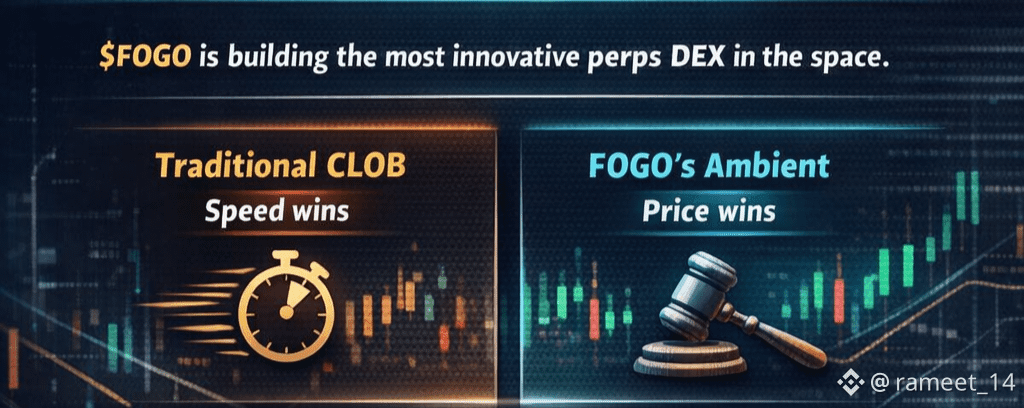
Tốc độ trong crypto là được đánh giá quá cao.
Giá cả là tất cả.
Đó là lý do tại sao $FOGO đang âm thầm trở thành nhà của một trong những thiết kế DEX perps đổi mới nhất trong lĩnh vực này.
Thay vì sao chép cuộc đua CLOB (sổ lệnh giới hạn trung tâm) truyền thống — nơi mà các nhà tạo lập thị trường thắng bằng cách nhanh hơn — hệ sinh thái của Fogo giới thiệu các phiên đấu giá theo tần số kép thông qua Ambient.
Đây là ý nghĩa thực sự của điều đó bằng những thuật ngữ đơn giản:
Trong hầu hết các sàn giao dịch, các nhà giao dịch tần suất cao thắng vì họ nhanh hơn chỉ vài mili giây. Tốc độ trở thành vũ khí. Khách lẻ nhận được giá cả kém hơn một chút. Thuế vô hình của độ trễ.
Ambient đảo ngược logic đó.
Các đơn hàng được nhóm lại và thực hiện theo lô, buộc các nhà tạo lập thị trường phải cạnh tranh về ai cung cấp giá tốt nhất, không phải ai có máy chủ nhanh nhất.
Không có trò chơi độ trễ.
Không có việc chạy trước mili giây.
Chỉ có cạnh tranh giá cả.
Kết quả?
• Chênh lệch giá chặt chẽ hơn
• Giá cả công bằng hơn
• Thực hiện tốt hơn cho mọi người
Đây là sự tiến hóa của cấu trúc thị trường.
Và nó đang diễn ra trên $FOGO.
Khi cơ sở hạ tầng chuyển từ “người nhanh nhất thắng” sang “người có giá tốt nhất thắng,” đó không chỉ là một nâng cấp — đó là sự đồng bộ.
Tiếp tục theo dõi Fogo. Các lựa chọn thiết kế là quan trọng.
@fogo #fogo $FOGO
Tốc độ trong crypto là được đánh giá quá cao.
Giá cả là tất cả.
Đó là lý do tại sao $FOGO đang âm thầm trở thành nhà của một trong những thiết kế DEX perps đổi mới nhất trong lĩnh vực này.
Thay vì sao chép cuộc đua CLOB (sổ lệnh giới hạn trung tâm) truyền thống — nơi mà các nhà tạo lập thị trường thắng bằng cách nhanh hơn — hệ sinh thái của Fogo giới thiệu các phiên đấu giá theo tần số kép thông qua Ambient.
Đây là ý nghĩa thực sự của điều đó bằng những thuật ngữ đơn giản:
Trong hầu hết các sàn giao dịch, các nhà giao dịch tần suất cao thắng vì họ nhanh hơn chỉ vài mili giây. Tốc độ trở thành vũ khí. Khách lẻ nhận được giá cả kém hơn một chút. Thuế vô hình của độ trễ.
Ambient đảo ngược logic đó.
Các đơn hàng được nhóm lại và thực hiện theo lô, buộc các nhà tạo lập thị trường phải cạnh tranh về ai cung cấp giá tốt nhất, không phải ai có máy chủ nhanh nhất.
Không có trò chơi độ trễ.
Không có việc chạy trước mili giây.
Chỉ có cạnh tranh giá cả.
Kết quả?
• Chênh lệch giá chặt chẽ hơn
• Giá cả công bằng hơn
• Thực hiện tốt hơn cho mọi người
Đây là sự tiến hóa của cấu trúc thị trường.
Và nó đang diễn ra trên $FOGO .
Khi cơ sở hạ tầng chuyển từ “người nhanh nhất thắng” sang “người có giá tốt nhất thắng,” đó không chỉ là một nâng cấp — đó là sự đồng bộ.
Tiếp tục theo dõi Fogo. Các lựa chọn thiết kế là quan trọng.
@Fogo Official #fogo $FOGO
Giá cả là tất cả.
Đó là lý do tại sao $FOGO đang âm thầm trở thành nhà của một trong những thiết kế DEX perps đổi mới nhất trong lĩnh vực này.
Thay vì sao chép cuộc đua CLOB (sổ lệnh giới hạn trung tâm) truyền thống — nơi mà các nhà tạo lập thị trường thắng bằng cách nhanh hơn — hệ sinh thái của Fogo giới thiệu các phiên đấu giá theo tần số kép thông qua Ambient.
Đây là ý nghĩa thực sự của điều đó bằng những thuật ngữ đơn giản:
Trong hầu hết các sàn giao dịch, các nhà giao dịch tần suất cao thắng vì họ nhanh hơn chỉ vài mili giây. Tốc độ trở thành vũ khí. Khách lẻ nhận được giá cả kém hơn một chút. Thuế vô hình của độ trễ.
Ambient đảo ngược logic đó.
Các đơn hàng được nhóm lại và thực hiện theo lô, buộc các nhà tạo lập thị trường phải cạnh tranh về ai cung cấp giá tốt nhất, không phải ai có máy chủ nhanh nhất.
Không có trò chơi độ trễ.
Không có việc chạy trước mili giây.
Chỉ có cạnh tranh giá cả.
Kết quả?
• Chênh lệch giá chặt chẽ hơn
• Giá cả công bằng hơn
• Thực hiện tốt hơn cho mọi người
Đây là sự tiến hóa của cấu trúc thị trường.
Và nó đang diễn ra trên $FOGO .
Khi cơ sở hạ tầng chuyển từ “người nhanh nhất thắng” sang “người có giá tốt nhất thắng,” đó không chỉ là một nâng cấp — đó là sự đồng bộ.
Tiếp tục theo dõi Fogo. Các lựa chọn thiết kế là quan trọng.
@Fogo Official #fogo $FOGO
1
41
·
--
Mọi người nói về tốc độ trong crypto.
Ít người nói về thời gian.
Hãy tưởng tượng việc phát hiện đáy pico của chu kỳ memecoin tiếp theo… và bỏ lỡ nó vì bạn đang bị mắc kẹt trong việc phê duyệt, ký, chờ đợi, xác nhận.
Đó là sự ma sát mà Fogo đang tấn công.
$FOGO không chỉ là về số TPS thô — mà là về việc loại bỏ sự gián đoạn ngay tại thời điểm cơ hội xuất hiện.
Với thời gian khối ~40ms và độ chắc chắn ~1.3s, Fogo Sessions được thiết kế để xóa bỏ khoảng dừng “phê duyệt giao dịch” mà giết chết động lực trong các thị trường nhanh. Khi sự biến động tăng cao, từng mili giây đều quan trọng. Độ trễ trở thành PnL.
Trong các môi trường onchain tần suất cao — memecoins, perps, arbitrage, sniping — tốc độ thực hiện là lợi thế. Và lợi thế sẽ cộng dồn.
$FOGO đang định vị mình như một cơ sở hạ tầng cho các nhà giao dịch không muốn ví của họ trở thành nút thắt cổ chai.
Trong crypto, sự do dự là tốn kém.
Fogo đang xây dựng cho hành động không bị gián đoạn.
Tốc độ không phải là tiếp thị ở đây. Đó là chiến lược.
Và trong cấu trúc thị trường này, sự phân biệt đó rất quan trọng.
@fogo #fogo $FOGO
Mọi người nói về tốc độ trong crypto.
Ít người nói về thời gian.
Hãy tưởng tượng việc phát hiện đáy pico của chu kỳ memecoin tiếp theo… và bỏ lỡ nó vì bạn đang bị mắc kẹt trong việc phê duyệt, ký, chờ đợi, xác nhận.
Đó là sự ma sát mà Fogo đang tấn công.
$FOGO không chỉ là về số TPS thô — mà là về việc loại bỏ sự gián đoạn ngay tại thời điểm cơ hội xuất hiện.
Với thời gian khối ~40ms và độ chắc chắn ~1.3s, Fogo Sessions được thiết kế để xóa bỏ khoảng dừng “phê duyệt giao dịch” mà giết chết động lực trong các thị trường nhanh. Khi sự biến động tăng cao, từng mili giây đều quan trọng. Độ trễ trở thành PnL.
Trong các môi trường onchain tần suất cao — memecoins, perps, arbitrage, sniping — tốc độ thực hiện là lợi thế. Và lợi thế sẽ cộng dồn.
$FOGO đang định vị mình như một cơ sở hạ tầng cho các nhà giao dịch không muốn ví của họ trở thành nút thắt cổ chai.
Trong crypto, sự do dự là tốn kém.
Fogo đang xây dựng cho hành động không bị gián đoạn.
Tốc độ không phải là tiếp thị ở đây. Đó là chiến lược.
Và trong cấu trúc thị trường này, sự phân biệt đó rất quan trọng.
@Fogo Official #fogo $FOGO
Ít người nói về thời gian.
Hãy tưởng tượng việc phát hiện đáy pico của chu kỳ memecoin tiếp theo… và bỏ lỡ nó vì bạn đang bị mắc kẹt trong việc phê duyệt, ký, chờ đợi, xác nhận.
Đó là sự ma sát mà Fogo đang tấn công.
$FOGO không chỉ là về số TPS thô — mà là về việc loại bỏ sự gián đoạn ngay tại thời điểm cơ hội xuất hiện.
Với thời gian khối ~40ms và độ chắc chắn ~1.3s, Fogo Sessions được thiết kế để xóa bỏ khoảng dừng “phê duyệt giao dịch” mà giết chết động lực trong các thị trường nhanh. Khi sự biến động tăng cao, từng mili giây đều quan trọng. Độ trễ trở thành PnL.
Trong các môi trường onchain tần suất cao — memecoins, perps, arbitrage, sniping — tốc độ thực hiện là lợi thế. Và lợi thế sẽ cộng dồn.
$FOGO đang định vị mình như một cơ sở hạ tầng cho các nhà giao dịch không muốn ví của họ trở thành nút thắt cổ chai.
Trong crypto, sự do dự là tốn kém.
Fogo đang xây dựng cho hành động không bị gián đoạn.
Tốc độ không phải là tiếp thị ở đây. Đó là chiến lược.
Và trong cấu trúc thị trường này, sự phân biệt đó rất quan trọng.
@Fogo Official #fogo $FOGO
3
43
·
--

Bài viết
$FOGO Không Chỉ Nhanh — Nó Là Cơ Sở Hạ Tầng Tài Chính ở Quy Mô Mili Giây$FOGO: Một cái nhìn sâu sắc về Tốc độ, Tính cuối cùng & Độ trễ trên Layer-1 SVM nhanh nhất
FOGO không chỉ là một token blockchain khác — nó là tài sản gốc của một mạng Layer-1 được thiết kế đặc biệt cho việc thực thi thực tiễn siêu nhanh, đặc biệt trong tài chính tần suất cao. Điểm bán hàng cốt lõi của nó rất rõ ràng: hiệu suất trên chuỗi theo thời gian thực so với các hệ thống tập trung — nhưng trên một sổ cái phi tập trung.
40 Milliseconds That Feel Immediate
Tại trung tâm của tuyên bố hiệu suất của FOGO là mục tiêu thời gian khối mạnh mẽ khoảng 40 mili giây. Điều đó nhanh hơn rất nhiều so với hầu hết các Layer-1 ngày nay — để so sánh, Ethereum thường xác nhận các khối mỗi ~12 giây, và ngay cả Solana cũng được đo bằng hàng trăm mili giây.
$FOGO Không Chỉ Nhanh — Nó Là Cơ Sở Hạ Tầng Tài Chính ở Quy Mô Mili Giây
$FOGO : Một cái nhìn sâu sắc về Tốc độ, Tính cuối cùng & Độ trễ trên Layer-1 SVM nhanh nhất
FOGO không chỉ là một token blockchain khác — nó là tài sản gốc của một mạng Layer-1 được thiết kế đặc biệt cho việc thực thi thực tiễn siêu nhanh, đặc biệt trong tài chính tần suất cao. Điểm bán hàng cốt lõi của nó rất rõ ràng: hiệu suất trên chuỗi theo thời gian thực so với các hệ thống tập trung — nhưng trên một sổ cái phi tập trung.
40 Milliseconds That Feel Immediate
Tại trung tâm của tuyên bố hiệu suất của FOGO là mục tiêu thời gian khối mạnh mẽ khoảng 40 mili giây. Điều đó nhanh hơn rất nhiều so với hầu hết các Layer-1 ngày nay — để so sánh, Ethereum thường xác nhận các khối mỗi ~12 giây, và ngay cả Solana cũng được đo bằng hàng trăm mili giây.
FOGO không chỉ là một token blockchain khác — nó là tài sản gốc của một mạng Layer-1 được thiết kế đặc biệt cho việc thực thi thực tiễn siêu nhanh, đặc biệt trong tài chính tần suất cao. Điểm bán hàng cốt lõi của nó rất rõ ràng: hiệu suất trên chuỗi theo thời gian thực so với các hệ thống tập trung — nhưng trên một sổ cái phi tập trung.
40 Milliseconds That Feel Immediate
Tại trung tâm của tuyên bố hiệu suất của FOGO là mục tiêu thời gian khối mạnh mẽ khoảng 40 mili giây. Điều đó nhanh hơn rất nhiều so với hầu hết các Layer-1 ngày nay — để so sánh, Ethereum thường xác nhận các khối mỗi ~12 giây, và ngay cả Solana cũng được đo bằng hàng trăm mili giây.
5
88
·
--
Lập Trường Thẳng Thắn của Tôi về $FOGO Phân Bổ Token
Sau khi nhìn vào bức tranh snapshot ngày 11 tháng 2, một điều nổi bật:
57.1% cho Quỹ.
Điều đó thật lớn — và có chủ đích.
Đối với tôi, điều này báo hiệu tư duy ưu tiên hệ sinh thái. Nếu được quản lý tốt, quỹ đó có thể tài trợ cho những người xây dựng, thanh khoản, quan hệ đối tác và mở rộng lâu dài. Nếu quản lý kém, nó trở thành một rủi ro tập trung.
Thực thi sẽ quyết định câu chuyện.
Đội ngũ + những người đóng góp ở mức 16.5% và người sáng lập ở mức 12.9% cảm thấy hợp lý. Không quá quyết liệt. Nó cho thấy sự tham gia mà không hoàn toàn chiếm ưu thế trong cung.
Điều tôi thực sự thích?
Phân bổ VC + nhà đầu tư chỉ là 13.5% tổng cộng. Điều đó giảm áp lực bán tháo nặng nề ngay lập tức — giả sử việc rút vốn được tổ chức đúng cách.
Quan điểm của tôi:
$FOGO không giống như một lần ra mắt nhanh chóng. Nó được cấu trúc cho sự phát triển hệ sinh thái có kiểm soát.
Nhưng tôi không giao dịch cảm xúc ở đây.
Tôi đang theo dõi
• Lịch mở khóa
• Sự minh bạch của Quỹ
• Hoạt động trên chuỗi
• Hành vi thanh khoản
Phân bổ token là bản thiết kế.
Thực thi là câu chuyện thực sự.
Hãy xem FOGO sẽ xử lý nó như thế nào.
@fogo $FOGO #fogo
Lập Trường Thẳng Thắn của Tôi về $FOGO Phân Bổ Token
Sau khi nhìn vào bức tranh snapshot ngày 11 tháng 2, một điều nổi bật:
57.1% cho Quỹ.
Điều đó thật lớn — và có chủ đích.
Đối với tôi, điều này báo hiệu tư duy ưu tiên hệ sinh thái. Nếu được quản lý tốt, quỹ đó có thể tài trợ cho những người xây dựng, thanh khoản, quan hệ đối tác và mở rộng lâu dài. Nếu quản lý kém, nó trở thành một rủi ro tập trung.
Thực thi sẽ quyết định câu chuyện.
Đội ngũ + những người đóng góp ở mức 16.5% và người sáng lập ở mức 12.9% cảm thấy hợp lý. Không quá quyết liệt. Nó cho thấy sự tham gia mà không hoàn toàn chiếm ưu thế trong cung.
Điều tôi thực sự thích?
Phân bổ VC + nhà đầu tư chỉ là 13.5% tổng cộng. Điều đó giảm áp lực bán tháo nặng nề ngay lập tức — giả sử việc rút vốn được tổ chức đúng cách.
Quan điểm của tôi:
$FOGO không giống như một lần ra mắt nhanh chóng. Nó được cấu trúc cho sự phát triển hệ sinh thái có kiểm soát.
Nhưng tôi không giao dịch cảm xúc ở đây.
Tôi đang theo dõi
• Lịch mở khóa
• Sự minh bạch của Quỹ
• Hoạt động trên chuỗi
• Hành vi thanh khoản
Phân bổ token là bản thiết kế.
Thực thi là câu chuyện thực sự.
Hãy xem FOGO sẽ xử lý nó như thế nào.
@Fogo Official $FOGO #fogo
Sau khi nhìn vào bức tranh snapshot ngày 11 tháng 2, một điều nổi bật:
57.1% cho Quỹ.
Điều đó thật lớn — và có chủ đích.
Đối với tôi, điều này báo hiệu tư duy ưu tiên hệ sinh thái. Nếu được quản lý tốt, quỹ đó có thể tài trợ cho những người xây dựng, thanh khoản, quan hệ đối tác và mở rộng lâu dài. Nếu quản lý kém, nó trở thành một rủi ro tập trung.
Thực thi sẽ quyết định câu chuyện.
Đội ngũ + những người đóng góp ở mức 16.5% và người sáng lập ở mức 12.9% cảm thấy hợp lý. Không quá quyết liệt. Nó cho thấy sự tham gia mà không hoàn toàn chiếm ưu thế trong cung.
Điều tôi thực sự thích?
Phân bổ VC + nhà đầu tư chỉ là 13.5% tổng cộng. Điều đó giảm áp lực bán tháo nặng nề ngay lập tức — giả sử việc rút vốn được tổ chức đúng cách.
Quan điểm của tôi:
$FOGO không giống như một lần ra mắt nhanh chóng. Nó được cấu trúc cho sự phát triển hệ sinh thái có kiểm soát.
Nhưng tôi không giao dịch cảm xúc ở đây.
Tôi đang theo dõi
• Lịch mở khóa
• Sự minh bạch của Quỹ
• Hoạt động trên chuỗi
• Hành vi thanh khoản
Phân bổ token là bản thiết kế.
Thực thi là câu chuyện thực sự.
Hãy xem FOGO sẽ xử lý nó như thế nào.
@Fogo Official $FOGO #fogo
4
61
·
--
Bài viết
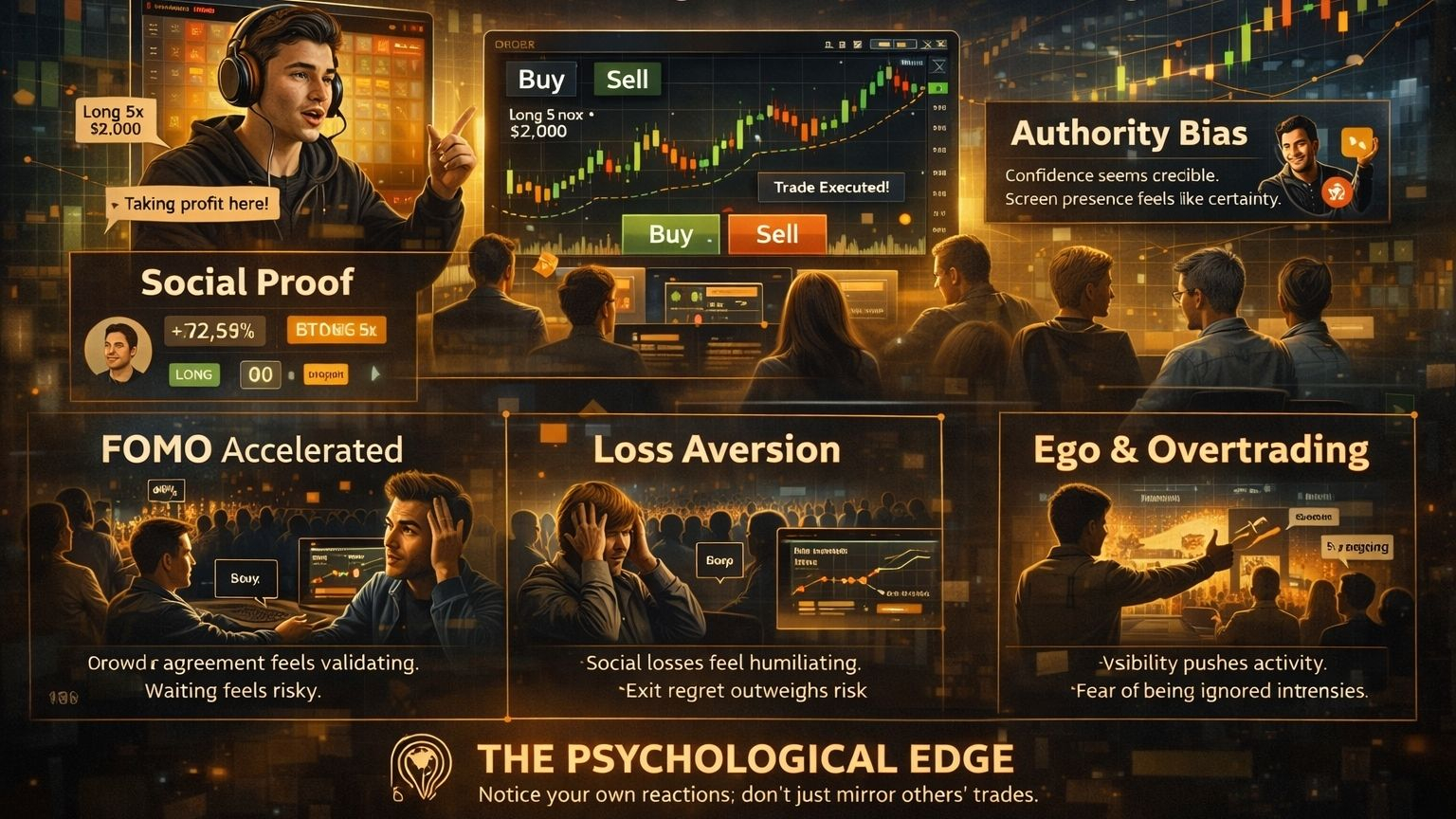
Lợi thế thực sự trên Binance Square không phải là chiến lược — mà là tâm lýThị trường luôn là những cỗ máy tâm lý. Giá cả di chuyển không phải vì các con số thay đổi, mà vì con người thay đổi suy nghĩ dưới áp lực. Nỗi sợ, sự tự tin, sự bắt chước, sự hối tiếc—những lực lượng này điều khiển thị trường cũng nhiều như tính thanh khoản.
Binance Square không phát minh ra tâm lý của nhà giao dịch. Nó phơi bày điều đó.
Bằng cách biến giao dịch thành một hoạt động xã hội, trực tiếp và có thể quan sát được, Binance Square nén lại các chu kỳ cảm xúc mà trước đây diễn ra một cách riêng tư. Kết quả là một môi trường giao dịch nơi tâm lý di chuyển nhanh hơn, lan rộng hơn và để lại dấu vết rõ ràng hơn.
Lợi thế thực sự trên Binance Square không phải là chiến lược — mà là tâm lý
Thị trường luôn là những cỗ máy tâm lý. Giá cả di chuyển không phải vì các con số thay đổi, mà vì con người thay đổi suy nghĩ dưới áp lực. Nỗi sợ, sự tự tin, sự bắt chước, sự hối tiếc—những lực lượng này điều khiển thị trường cũng nhiều như tính thanh khoản.
Binance Square không phát minh ra tâm lý của nhà giao dịch. Nó phơi bày điều đó.
Bằng cách biến giao dịch thành một hoạt động xã hội, trực tiếp và có thể quan sát được, Binance Square nén lại các chu kỳ cảm xúc mà trước đây diễn ra một cách riêng tư. Kết quả là một môi trường giao dịch nơi tâm lý di chuyển nhanh hơn, lan rộng hơn và để lại dấu vết rõ ràng hơn.
Binance Square không phát minh ra tâm lý của nhà giao dịch. Nó phơi bày điều đó.
Bằng cách biến giao dịch thành một hoạt động xã hội, trực tiếp và có thể quan sát được, Binance Square nén lại các chu kỳ cảm xúc mà trước đây diễn ra một cách riêng tư. Kết quả là một môi trường giao dịch nơi tâm lý di chuyển nhanh hơn, lan rộng hơn và để lại dấu vết rõ ràng hơn.
1
60
·
--
Tăng giá
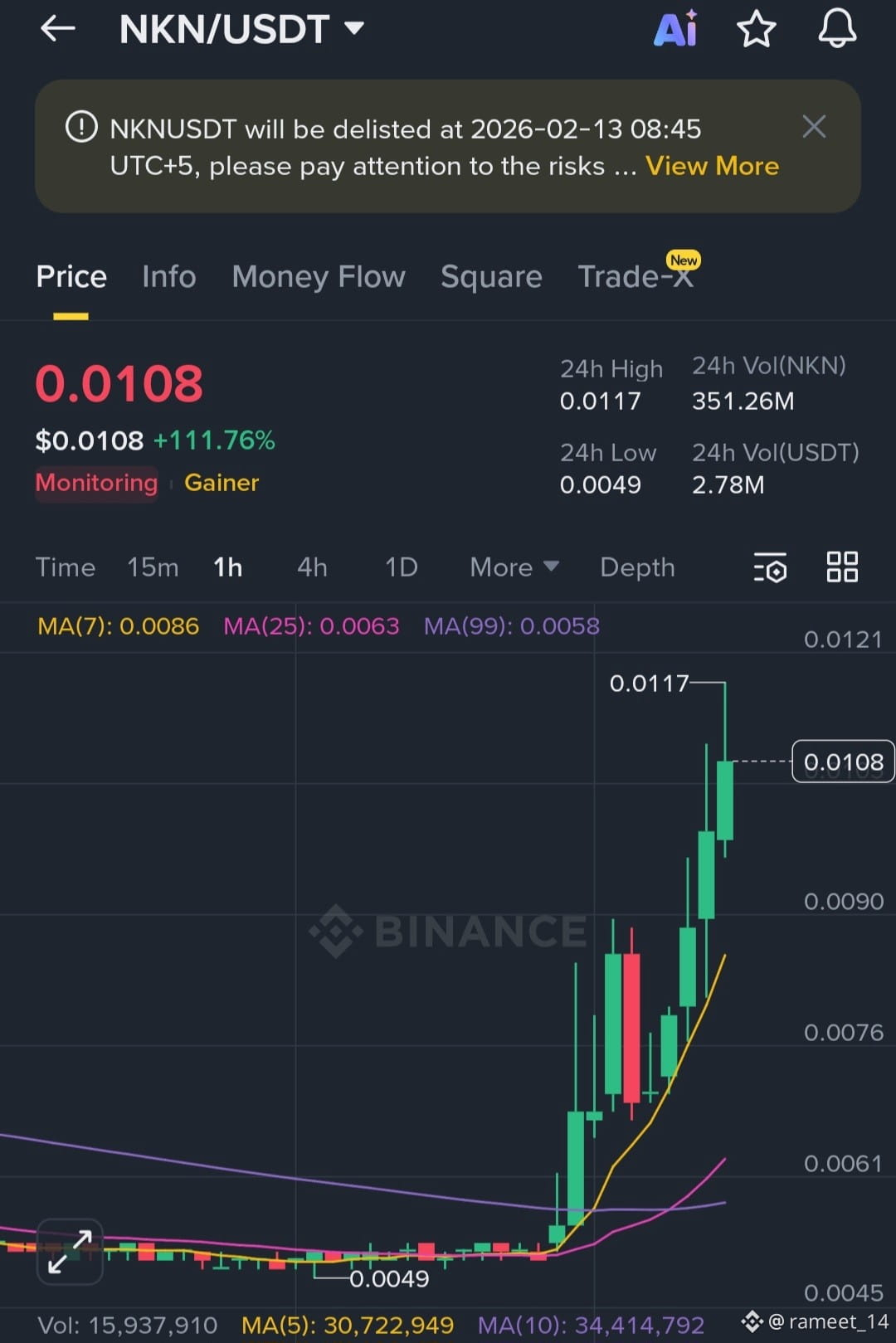
$NKN di chuyển tăng mạnh là một sự sụt giảm lớn
Etry long: 0.0105 - 0.0115
Mục tiêu
Tp1: 0.0151
Tp2: 0.0221
Tp3: 0.0293
SL: 0.0090
{spot}(NKNUSDT)
$NKN di chuyển tăng mạnh là một sự sụt giảm lớn
Etry long: 0.0105 - 0.0115
Mục tiêu
Tp1: 0.0151
Tp2: 0.0221
Tp3: 0.0293
SL: 0.0090
Etry long: 0.0105 - 0.0115
Mục tiêu
Tp1: 0.0151
Tp2: 0.0221
Tp3: 0.0293
SL: 0.0090
161
·
--
Khi tôi thấy SyrupUSD₮ vượt qua $1.1B TVL trên Plasma, tôi không đọc nó như một cơn sốt — tôi đọc nó như một hành vi.
Vốn không di chuyển như những câu chuyện trên Twitter. Nó di chuyển khi cơ sở hạ tầng tạo ra niềm tin. SyrupUSD₮ phát triển nhanh như vậy kể từ khi ra mắt trên Plasma cho tôi biết rằng những người dùng nghiêm túc không còn thử nghiệm nữa — họ đang định cư.
Điều thực sự nổi bật với tôi là lớp Maple Finance. Quản lý tài sản trên chuỗi cấp độ tổ chức từng là điều bạn đọc về, không phải là điều bạn có thể thực sự chạm vào. Trên Plasma, nó cảm thấy dễ tiếp cận, sạch sẽ và có mục đích. Điều đó thay đổi những ai xuất hiện.
Đối với tôi, đây không chỉ là một cột mốc stablecoin. Nó là Plasma âm thầm chứng minh những gì nó được xây dựng cho: stablecoins, lợi suất, và dòng tiền thực — không phải là những động lực ngắn hạn. $1.1B TVL là những gì xảy ra khi sản phẩm phù hợp với vốn, không phải ngược lại.
Tôi đang theo dõi điều này một cách chặt chẽ, bởi vì đây thường là cách mà lớp tài chính tiếp theo hình thành — âm thầm trước, ồn ào sau.
@Plasma
#Plasma
$XPL
{spot}(XPLUSDT)
Khi tôi thấy SyrupUSD₮ vượt qua $1.1B TVL trên Plasma, tôi không đọc nó như một cơn sốt — tôi đọc nó như một hành vi.
Vốn không di chuyển như những câu chuyện trên Twitter. Nó di chuyển khi cơ sở hạ tầng tạo ra niềm tin. SyrupUSD₮ phát triển nhanh như vậy kể từ khi ra mắt trên Plasma cho tôi biết rằng những người dùng nghiêm túc không còn thử nghiệm nữa — họ đang định cư.
Điều thực sự nổi bật với tôi là lớp Maple Finance. Quản lý tài sản trên chuỗi cấp độ tổ chức từng là điều bạn đọc về, không phải là điều bạn có thể thực sự chạm vào. Trên Plasma, nó cảm thấy dễ tiếp cận, sạch sẽ và có mục đích. Điều đó thay đổi những ai xuất hiện.
Đối với tôi, đây không chỉ là một cột mốc stablecoin. Nó là Plasma âm thầm chứng minh những gì nó được xây dựng cho: stablecoins, lợi suất, và dòng tiền thực — không phải là những động lực ngắn hạn. $1.1B TVL là những gì xảy ra khi sản phẩm phù hợp với vốn, không phải ngược lại.
Tôi đang theo dõi điều này một cách chặt chẽ, bởi vì đây thường là cách mà lớp tài chính tiếp theo hình thành — âm thầm trước, ồn ào sau.
@Plasma
#Plasma
$XPL
Vốn không di chuyển như những câu chuyện trên Twitter. Nó di chuyển khi cơ sở hạ tầng tạo ra niềm tin. SyrupUSD₮ phát triển nhanh như vậy kể từ khi ra mắt trên Plasma cho tôi biết rằng những người dùng nghiêm túc không còn thử nghiệm nữa — họ đang định cư.
Điều thực sự nổi bật với tôi là lớp Maple Finance. Quản lý tài sản trên chuỗi cấp độ tổ chức từng là điều bạn đọc về, không phải là điều bạn có thể thực sự chạm vào. Trên Plasma, nó cảm thấy dễ tiếp cận, sạch sẽ và có mục đích. Điều đó thay đổi những ai xuất hiện.
Đối với tôi, đây không chỉ là một cột mốc stablecoin. Nó là Plasma âm thầm chứng minh những gì nó được xây dựng cho: stablecoins, lợi suất, và dòng tiền thực — không phải là những động lực ngắn hạn. $1.1B TVL là những gì xảy ra khi sản phẩm phù hợp với vốn, không phải ngược lại.
Tôi đang theo dõi điều này một cách chặt chẽ, bởi vì đây thường là cách mà lớp tài chính tiếp theo hình thành — âm thầm trước, ồn ào sau.
@Plasma
#Plasma
$XPL
3
51
·
--
Những gì tôi nhận thấy về Vanar Chain tại AIBC Eurasia
Một điều nổi bật rõ ràng tại AIBC Eurasia — Vanar Chain không cố gắng gây ấn tượng bằng những từ ngữ bóng bẩy. Nó tập trung vào việc xây dựng cơ sở hạ tầng Web3 thực sự hoạt động trong thế giới thực.
Đi dạo qua sự kiện, hầu hết các cuộc trò chuyện xung quanh Vanar đều về tính khả dụng và quy mô. Thay vì chỉ nói về TPS hoặc lý thuyết, nhóm đã làm nổi bật cách Vanar cho phép thanh toán ngay lập tức, quyền sở hữu kỹ thuật số liền mạch, và các ứng dụng cấp độ tiêu dùng nơi người dùng không cần phải nghĩ về phí gas, ví phức tạp, hoặc thời gian xác nhận dài.
Điều khiến tôi ấn tượng nhất là cách tiếp cận người tiêu dùng của Vanar. Dù là trò chơi, thương mại điện tử kỹ thuật số, hay các nền tảng sử dụng AI, Vanar rõ ràng được thiết kế để hỗ trợ hàng triệu người dùng mà không hy sinh hiệu suất hay trải nghiệm người dùng. Đó là một khoảng cách lớn trong Web3 ngày nay — và Vanar dường như quyết tâm thu hẹp nó.
AIBC Eurasia cũng cảm thấy như một bước ngoặt cho các quan hệ đối tác. Vanar đã tích cực tham gia với các doanh nghiệp, nhà xây dựng, và các lãnh đạo Web3 khu vực, báo hiệu rằng việc áp dụng đang tiến xa hơn các thí nghiệm hướng tới các giải pháp sẵn sàng cho sản xuất.
Tổng thể, sự hiện diện của Vanar tại AIBC Eurasia đã củng cố một ý tưởng đơn giản:
Giai đoạn tiếp theo của Web3 sẽ không ồn ào — nó sẽ vô hình, nhanh chóng, và có thể mở rộng.
Và Vanar Chain có vẻ như đang xây dựng chính xác điều đó.
@Vanar #vanar $VANRY
{spot}(VANRYUSDT)
Những gì tôi nhận thấy về Vanar Chain tại AIBC Eurasia
Một điều nổi bật rõ ràng tại AIBC Eurasia — Vanar Chain không cố gắng gây ấn tượng bằng những từ ngữ bóng bẩy. Nó tập trung vào việc xây dựng cơ sở hạ tầng Web3 thực sự hoạt động trong thế giới thực.
Đi dạo qua sự kiện, hầu hết các cuộc trò chuyện xung quanh Vanar đều về tính khả dụng và quy mô. Thay vì chỉ nói về TPS hoặc lý thuyết, nhóm đã làm nổi bật cách Vanar cho phép thanh toán ngay lập tức, quyền sở hữu kỹ thuật số liền mạch, và các ứng dụng cấp độ tiêu dùng nơi người dùng không cần phải nghĩ về phí gas, ví phức tạp, hoặc thời gian xác nhận dài.
Điều khiến tôi ấn tượng nhất là cách tiếp cận người tiêu dùng của Vanar. Dù là trò chơi, thương mại điện tử kỹ thuật số, hay các nền tảng sử dụng AI, Vanar rõ ràng được thiết kế để hỗ trợ hàng triệu người dùng mà không hy sinh hiệu suất hay trải nghiệm người dùng. Đó là một khoảng cách lớn trong Web3 ngày nay — và Vanar dường như quyết tâm thu hẹp nó.
AIBC Eurasia cũng cảm thấy như một bước ngoặt cho các quan hệ đối tác. Vanar đã tích cực tham gia với các doanh nghiệp, nhà xây dựng, và các lãnh đạo Web3 khu vực, báo hiệu rằng việc áp dụng đang tiến xa hơn các thí nghiệm hướng tới các giải pháp sẵn sàng cho sản xuất.
Tổng thể, sự hiện diện của Vanar tại AIBC Eurasia đã củng cố một ý tưởng đơn giản:
Giai đoạn tiếp theo của Web3 sẽ không ồn ào — nó sẽ vô hình, nhanh chóng, và có thể mở rộng.
Và Vanar Chain có vẻ như đang xây dựng chính xác điều đó.
@Vanarchain #vanar $VANRY
Một điều nổi bật rõ ràng tại AIBC Eurasia — Vanar Chain không cố gắng gây ấn tượng bằng những từ ngữ bóng bẩy. Nó tập trung vào việc xây dựng cơ sở hạ tầng Web3 thực sự hoạt động trong thế giới thực.
Đi dạo qua sự kiện, hầu hết các cuộc trò chuyện xung quanh Vanar đều về tính khả dụng và quy mô. Thay vì chỉ nói về TPS hoặc lý thuyết, nhóm đã làm nổi bật cách Vanar cho phép thanh toán ngay lập tức, quyền sở hữu kỹ thuật số liền mạch, và các ứng dụng cấp độ tiêu dùng nơi người dùng không cần phải nghĩ về phí gas, ví phức tạp, hoặc thời gian xác nhận dài.
Điều khiến tôi ấn tượng nhất là cách tiếp cận người tiêu dùng của Vanar. Dù là trò chơi, thương mại điện tử kỹ thuật số, hay các nền tảng sử dụng AI, Vanar rõ ràng được thiết kế để hỗ trợ hàng triệu người dùng mà không hy sinh hiệu suất hay trải nghiệm người dùng. Đó là một khoảng cách lớn trong Web3 ngày nay — và Vanar dường như quyết tâm thu hẹp nó.
AIBC Eurasia cũng cảm thấy như một bước ngoặt cho các quan hệ đối tác. Vanar đã tích cực tham gia với các doanh nghiệp, nhà xây dựng, và các lãnh đạo Web3 khu vực, báo hiệu rằng việc áp dụng đang tiến xa hơn các thí nghiệm hướng tới các giải pháp sẵn sàng cho sản xuất.
Tổng thể, sự hiện diện của Vanar tại AIBC Eurasia đã củng cố một ý tưởng đơn giản:
Giai đoạn tiếp theo của Web3 sẽ không ồn ào — nó sẽ vô hình, nhanh chóng, và có thể mở rộng.
Và Vanar Chain có vẻ như đang xây dựng chính xác điều đó.
@Vanarchain #vanar $VANRY
2
52
Đăng nhập để khám phá thêm nội dung
Tham gia cùng người dùng tiền mã hóa toàn cầu trên Binance Square
⚡️ Nhận thông tin mới nhất và hữu ích về tiền mã hóa.
💬 Được tin cậy bởi sàn giao dịch tiền mã hóa lớn nhất thế giới.
👍 Khám phá những thông tin chuyên sâu thực tế từ những nhà sáng tạo đã xác minh.
Email / Số điện thoại
Chủ đề thịnh hành
TinFed
78,394 lượt xem
370 đang thảo luận
BofA: Fed có thể tăng lãi suất trên 5%, nhà đầu tư nên chuẩn bị tinh thần.
Các chiến lược gia ngân hàng Bank of America cho rằng nhà đầu tư nên chuẩn bị cho khả năng Fed nâng lãi suất lên trên 5%, trong bối cảnh thị trường hiện mới dự đoán thêm 3 đợt tăng 0,25 điểm phần trăm. Thị trường hiện dự đoán Fed sẽ tăng thêm 3 lần, mỗi lần 0,25 điểm phần trăm. Nếu kịch bản này xảy ra, lãi suất quỹ liên bang có thể tiến tới khoảng 4,5% - 4,75%.
Tuy nhiên, các chiến lược gia BofA cho rằng lãi suất chuẩn có khả năng trở lại mức cao từng ghi nhận trong chu kỳ tăng lãi suất 2022-2023. Khi đó, Fed từng nâng biên độ lãi suất lên 5,25% - 5,5% vào tháng 7/2023. Theo thước đo mà BofA sử dụng, quy tắc này cho thấy lãi suất quỹ liên bang nên ở khoảng 5,3%.
$BTC $AKE $RAYSOL
#TinFed
Auto Tp
·0 lượt thích
·97 lượt xem
TheoDõiFOMC
85,567 lượt xem
562 đang thảo luận
45NgayTuDoTaiChinh
919,253 lượt xem
3,149 đang thảo luận