
Ali Abbas514
3.9k Bài đăng

Ali Abbas514
Báo cáo
Chặn người dùng
crypto been my rabbit hole since 20XX.Still falling let's go
166 Đang theo dõi
20.8K+ Người theo dõi
10.1K+ Đã thích
Bài đăng
Tất cả
Trích dẫn
Live
·
--
Tăng giá
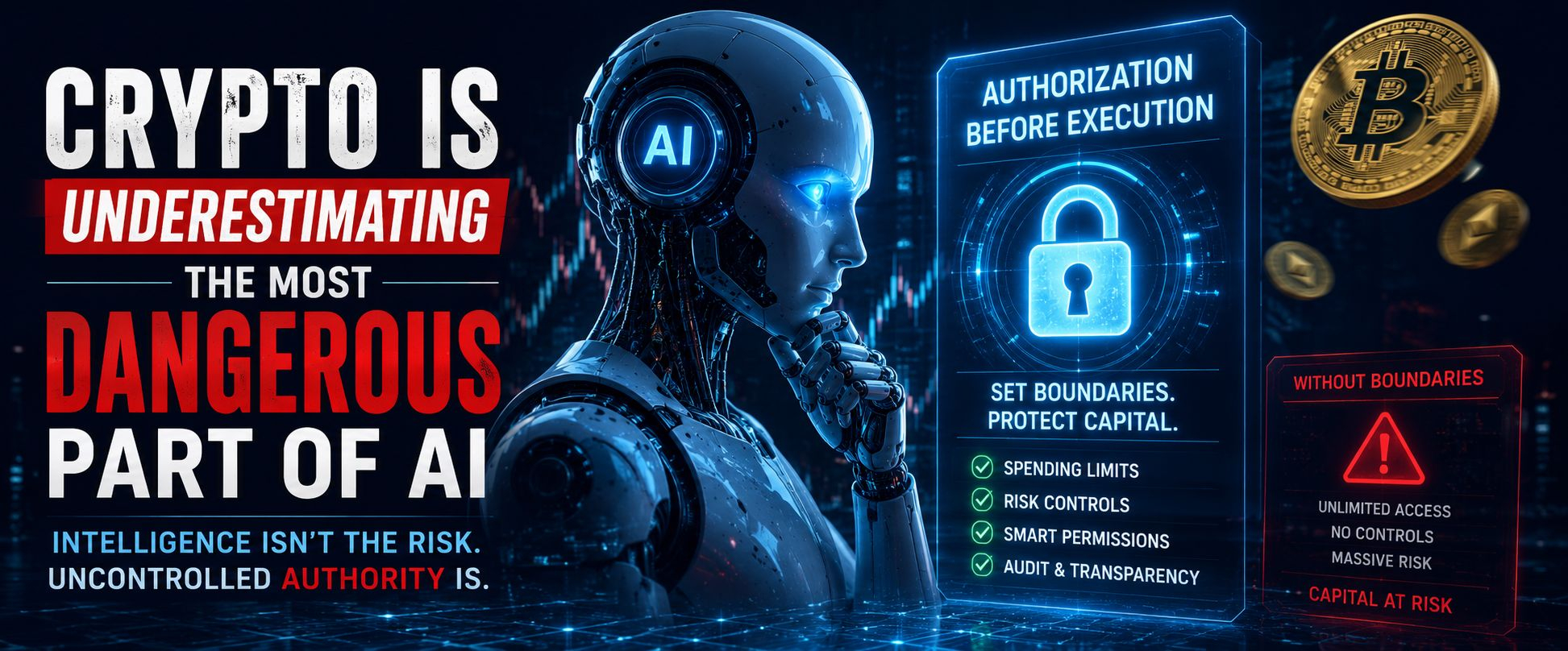
Tôi nghĩ Crypto đang đánh giá thấp phần nguy hiểm nhất của AI
Càng theo dõi AI phát triển bên trong crypto, tôi càng cảm thấy ngành này đang tập trung vào sai vấn đề. Ai cũng bị ám ảnh bởi việc xây dựng các mô hình thông minh hơn, các tác nhân nhanh hơn và những hệ thống giao dịch tự động hoàn toàn. Nhưng thật lòng, tôi nghĩ trí thông minh không còn là rủi ro lớn nhất nữa. Rủi ro lớn nhất là quyền lực.
Vài năm trước, AI chủ yếu giúp con người phân tích thị trường hoặc tóm tắt thông tin. Giờ đây, nó đang dần trở thành một bên tham gia tài chính trực tiếp. AI đã có thể tối ưu hóa danh mục đầu tư, theo dõi thanh khoản, thực hiện giao dịch và phản ứng với điều kiện thị trường nhanh hơn con người bao giờ hết. Và sớm thôi, tôi nghĩ AI sẽ chuyển đi hàng tỷ trên chuỗi mà không cần chờ sự phê duyệt liên tục từ con người.
Đó là lúc mọi thứ trở nên nguy hiểm.
Bởi vì blockchain không hiểu khái niệm “đánh giá”. Nó chỉ thực thi các lệnh đúng như cách chúng được ký. Nếu một hệ thống AI có quyền, giao dịch sẽ được thực hiện. Không đặt câu hỏi.
Đó là lý do Newton Protocol thu hút sự chú ý của tôi. Thay vì mù quáng tin vào AI, ý tưởng “Ủy quyền trước khi thực thi” có vẻ thông minh hơn nhiều với tôi. Việc đưa cho AI các ranh giới có thể lập trình trước khi vốn được chuyển đi có thể trở thành một trong những lớp bảo mật quan trọng nhất trong tài chính tự động.
Thật lòng mà nói, tôi tin rằng tương lai sẽ không thuộc về AI thông minh nhất.
Mà sẽ thuộc về AI hiểu được giới hạn của mình.
@NewtonProtocol #Newt $NEWT
{spot}(NEWTUSDT)
Tôi nghĩ Crypto đang đánh giá thấp phần nguy hiểm nhất của AI
Càng theo dõi AI phát triển bên trong crypto, tôi càng cảm thấy ngành này đang tập trung vào sai vấn đề. Ai cũng bị ám ảnh bởi việc xây dựng các mô hình thông minh hơn, các tác nhân nhanh hơn và những hệ thống giao dịch tự động hoàn toàn. Nhưng thật lòng, tôi nghĩ trí thông minh không còn là rủi ro lớn nhất nữa. Rủi ro lớn nhất là quyền lực.
Vài năm trước, AI chủ yếu giúp con người phân tích thị trường hoặc tóm tắt thông tin. Giờ đây, nó đang dần trở thành một bên tham gia tài chính trực tiếp. AI đã có thể tối ưu hóa danh mục đầu tư, theo dõi thanh khoản, thực hiện giao dịch và phản ứng với điều kiện thị trường nhanh hơn con người bao giờ hết. Và sớm thôi, tôi nghĩ AI sẽ chuyển đi hàng tỷ trên chuỗi mà không cần chờ sự phê duyệt liên tục từ con người.
Đó là lúc mọi thứ trở nên nguy hiểm.
Bởi vì blockchain không hiểu khái niệm “đánh giá”. Nó chỉ thực thi các lệnh đúng như cách chúng được ký. Nếu một hệ thống AI có quyền, giao dịch sẽ được thực hiện. Không đặt câu hỏi.
Đó là lý do Newton Protocol thu hút sự chú ý của tôi. Thay vì mù quáng tin vào AI, ý tưởng “Ủy quyền trước khi thực thi” có vẻ thông minh hơn nhiều với tôi. Việc đưa cho AI các ranh giới có thể lập trình trước khi vốn được chuyển đi có thể trở thành một trong những lớp bảo mật quan trọng nhất trong tài chính tự động.
Thật lòng mà nói, tôi tin rằng tương lai sẽ không thuộc về AI thông minh nhất.
Mà sẽ thuộc về AI hiểu được giới hạn của mình.
@NewtonProtocol #Newt $NEWT
Càng theo dõi AI phát triển bên trong crypto, tôi càng cảm thấy ngành này đang tập trung vào sai vấn đề. Ai cũng bị ám ảnh bởi việc xây dựng các mô hình thông minh hơn, các tác nhân nhanh hơn và những hệ thống giao dịch tự động hoàn toàn. Nhưng thật lòng, tôi nghĩ trí thông minh không còn là rủi ro lớn nhất nữa. Rủi ro lớn nhất là quyền lực.
Vài năm trước, AI chủ yếu giúp con người phân tích thị trường hoặc tóm tắt thông tin. Giờ đây, nó đang dần trở thành một bên tham gia tài chính trực tiếp. AI đã có thể tối ưu hóa danh mục đầu tư, theo dõi thanh khoản, thực hiện giao dịch và phản ứng với điều kiện thị trường nhanh hơn con người bao giờ hết. Và sớm thôi, tôi nghĩ AI sẽ chuyển đi hàng tỷ trên chuỗi mà không cần chờ sự phê duyệt liên tục từ con người.
Đó là lúc mọi thứ trở nên nguy hiểm.
Bởi vì blockchain không hiểu khái niệm “đánh giá”. Nó chỉ thực thi các lệnh đúng như cách chúng được ký. Nếu một hệ thống AI có quyền, giao dịch sẽ được thực hiện. Không đặt câu hỏi.
Đó là lý do Newton Protocol thu hút sự chú ý của tôi. Thay vì mù quáng tin vào AI, ý tưởng “Ủy quyền trước khi thực thi” có vẻ thông minh hơn nhiều với tôi. Việc đưa cho AI các ranh giới có thể lập trình trước khi vốn được chuyển đi có thể trở thành một trong những lớp bảo mật quan trọng nhất trong tài chính tự động.
Thật lòng mà nói, tôi tin rằng tương lai sẽ không thuộc về AI thông minh nhất.
Mà sẽ thuộc về AI hiểu được giới hạn của mình.
@NewtonProtocol #Newt $NEWT
5
2
77
·
--
Bài viết
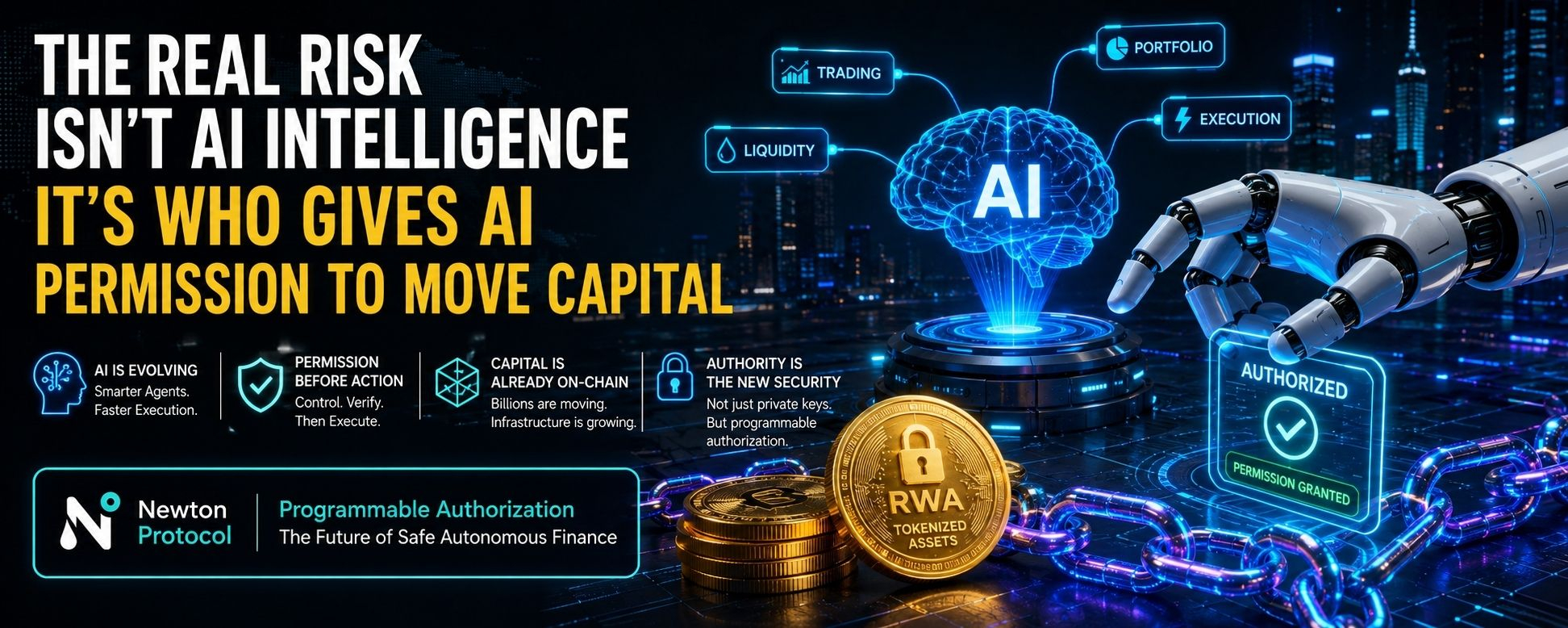
Rủi Ro Thực Sự Không Phải Là Trí Thông Minh Của AI — Mà Là Ai Cho AI Quyền Di Chuyển VốnAi trong giới crypto đang được nhắc đến ngày càng nhiều như một công cụ mạnh mẽ. Mỗi tuần lại có một cuộc thảo luận mới về các mô hình giao dịch thông minh hơn, các tác nhân tự chủ, danh mục đầu tư được dẫn dắt bởi AI và các hệ thống tài chính tự động có thể được cho là sẽ vượt qua con người. Nhưng càng theo dõi không gian này phát triển, tôi càng cảm thấy ngành đang đặt ra câu hỏi sai hoàn toàn. Vấn đề thực sự không còn là liệu AI có thể quản lý tiền hay không. Điều đáng sợ là liệu AI có nên được trao niềm tin với quyền hạn không giới hạn hay không, khi mà đã có hàng tỷ đô la đang được chuyển trên chuỗi (on-chain).
Rủi Ro Thực Sự Không Phải Là Trí Thông Minh Của AI — Mà Là Ai Cho AI Quyền Di Chuyển Vốn
Ai trong giới crypto đang được nhắc đến ngày càng nhiều như một công cụ mạnh mẽ. Mỗi tuần lại có một cuộc thảo luận mới về các mô hình giao dịch thông minh hơn, các tác nhân tự chủ, danh mục đầu tư được dẫn dắt bởi AI và các hệ thống tài chính tự động có thể được cho là sẽ vượt qua con người. Nhưng càng theo dõi không gian này phát triển, tôi càng cảm thấy ngành đang đặt ra câu hỏi sai hoàn toàn. Vấn đề thực sự không còn là liệu AI có thể quản lý tiền hay không. Điều đáng sợ là liệu AI có nên được trao niềm tin với quyền hạn không giới hạn hay không, khi mà đã có hàng tỷ đô la đang được chuyển trên chuỗi (on-chain).
2
2
62
·
--
Tăng giá
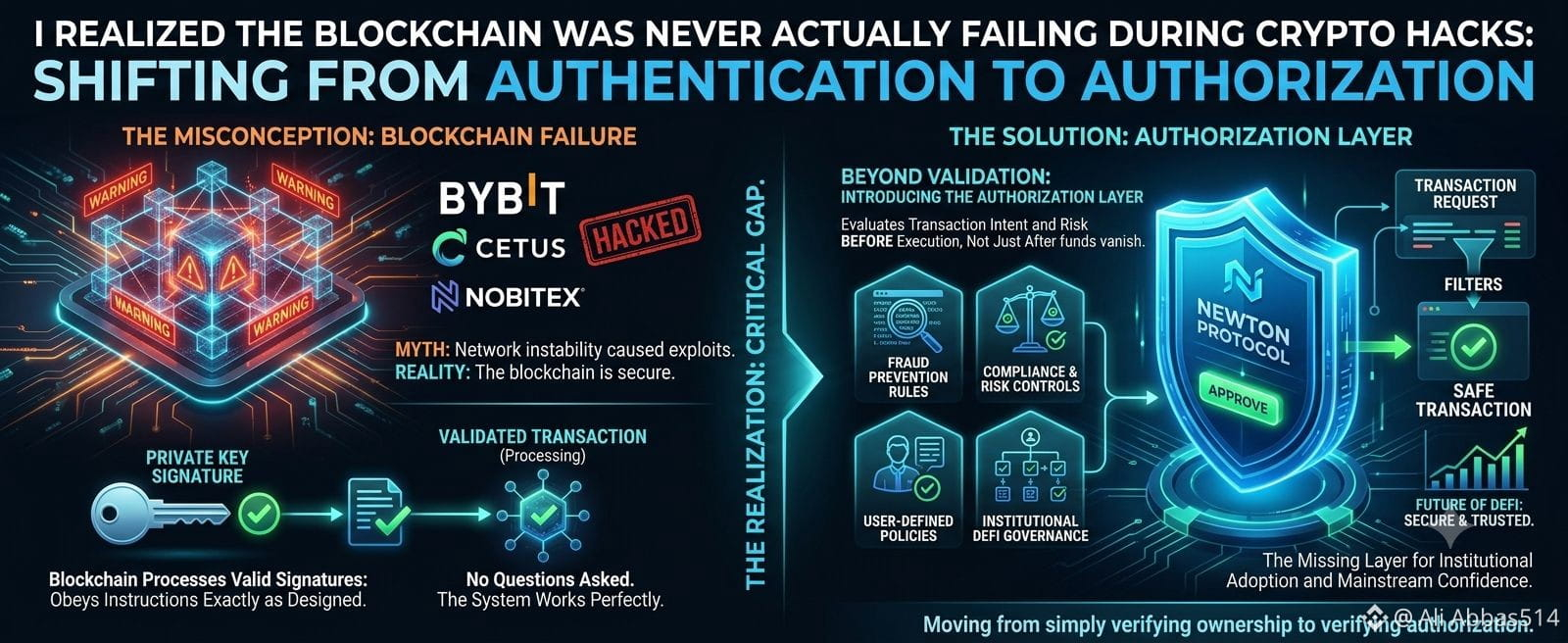
Tôi Nhận Ra Rằng Blockchain Thực Tế Chưa Bao Giờ “Hỏng” Trong Các Vụ Hack Crypto
Trong một thời gian dài, tôi từng nghĩ rằng các vụ hack crypto lớn xảy ra vì blockchain không an toàn. Mỗi lần các nền tảng như Bybit, Cetus hay Nobitex bị khai thác, tôi lại cho rằng chính mạng lưới nào đó đã trục trặc. Nhưng càng tìm hiểu sâu về những sự cố này, tôi càng nhận ra một điều khó chịu — blockchain thường hoạt động đúng như thiết kế trong suốt cuộc tấn công.
Nếu một private key hợp lệ ký vào giao dịch, thì mạng lưới sẽ xử lý giao dịch đó. Không cảm xúc. Không do dự. Không có ai đặt câu hỏi. Hệ thống chỉ đơn giản là làm theo chỉ dẫn. Điều này khiến tôi nhận ra rằng vấn đề thực sự có thể không còn nằm ở xác thực nữa. Crypto đã cực kỳ giỏi trong việc xác minh chữ ký và quyền sở hữu. Vấn đề lớn hơn chính là ủy quyền.
Tôi bắt đầu đối chiếu điều này với tài chính truyền thống. Khi tôi dùng thẻ Visa, các khoản thanh toán liên tục được kiểm tra đối chiếu với hệ thống chống gian lận, mô hình chi tiêu, quy định tuân thủ và các cơ chế kiểm soát rủi ro trước khi được phê duyệt. Ở crypto, phần lớn giao dịch vẫn diễn ra chỉ vì chữ ký là hợp lệ.
Vì vậy, tôi thấy Newton Protocol rất thú vị. Thay vì chỉ theo dõi các cuộc tấn công sau khi tiền đã biến mất, nó giới thiệu một Authorization Layer (lớp ủy quyền) nhằm đánh giá xem một giao dịch có nên được thực hiện trước khi chính nó diễn ra hay không.
Thành thật mà nói, tôi nghĩ điều này có thể trở thành một trong những lớp còn thiếu quan trọng nhất cho DeFi theo hướng tổ chức trong tương lai.
@NewtonProtocol $NEWT #NEWT
{future}(NEWTUSDT)
$NVDAB
{spot}(NVDABUSDT)
$MSFTB
{spot}(MSFTBUSDT)
Tôi Nhận Ra Rằng Blockchain Thực Tế Chưa Bao Giờ “Hỏng” Trong Các Vụ Hack Crypto
Trong một thời gian dài, tôi từng nghĩ rằng các vụ hack crypto lớn xảy ra vì blockchain không an toàn. Mỗi lần các nền tảng như Bybit, Cetus hay Nobitex bị khai thác, tôi lại cho rằng chính mạng lưới nào đó đã trục trặc. Nhưng càng tìm hiểu sâu về những sự cố này, tôi càng nhận ra một điều khó chịu — blockchain thường hoạt động đúng như thiết kế trong suốt cuộc tấn công.
Nếu một private key hợp lệ ký vào giao dịch, thì mạng lưới sẽ xử lý giao dịch đó. Không cảm xúc. Không do dự. Không có ai đặt câu hỏi. Hệ thống chỉ đơn giản là làm theo chỉ dẫn. Điều này khiến tôi nhận ra rằng vấn đề thực sự có thể không còn nằm ở xác thực nữa. Crypto đã cực kỳ giỏi trong việc xác minh chữ ký và quyền sở hữu. Vấn đề lớn hơn chính là ủy quyền.
Tôi bắt đầu đối chiếu điều này với tài chính truyền thống. Khi tôi dùng thẻ Visa, các khoản thanh toán liên tục được kiểm tra đối chiếu với hệ thống chống gian lận, mô hình chi tiêu, quy định tuân thủ và các cơ chế kiểm soát rủi ro trước khi được phê duyệt. Ở crypto, phần lớn giao dịch vẫn diễn ra chỉ vì chữ ký là hợp lệ.
Vì vậy, tôi thấy Newton Protocol rất thú vị. Thay vì chỉ theo dõi các cuộc tấn công sau khi tiền đã biến mất, nó giới thiệu một Authorization Layer (lớp ủy quyền) nhằm đánh giá xem một giao dịch có nên được thực hiện trước khi chính nó diễn ra hay không.
Thành thật mà nói, tôi nghĩ điều này có thể trở thành một trong những lớp còn thiếu quan trọng nhất cho DeFi theo hướng tổ chức trong tương lai.
@NewtonProtocol $NEWT #NEWT
$NVDAB
$MSFTB
Trong một thời gian dài, tôi từng nghĩ rằng các vụ hack crypto lớn xảy ra vì blockchain không an toàn. Mỗi lần các nền tảng như Bybit, Cetus hay Nobitex bị khai thác, tôi lại cho rằng chính mạng lưới nào đó đã trục trặc. Nhưng càng tìm hiểu sâu về những sự cố này, tôi càng nhận ra một điều khó chịu — blockchain thường hoạt động đúng như thiết kế trong suốt cuộc tấn công.
Nếu một private key hợp lệ ký vào giao dịch, thì mạng lưới sẽ xử lý giao dịch đó. Không cảm xúc. Không do dự. Không có ai đặt câu hỏi. Hệ thống chỉ đơn giản là làm theo chỉ dẫn. Điều này khiến tôi nhận ra rằng vấn đề thực sự có thể không còn nằm ở xác thực nữa. Crypto đã cực kỳ giỏi trong việc xác minh chữ ký và quyền sở hữu. Vấn đề lớn hơn chính là ủy quyền.
Tôi bắt đầu đối chiếu điều này với tài chính truyền thống. Khi tôi dùng thẻ Visa, các khoản thanh toán liên tục được kiểm tra đối chiếu với hệ thống chống gian lận, mô hình chi tiêu, quy định tuân thủ và các cơ chế kiểm soát rủi ro trước khi được phê duyệt. Ở crypto, phần lớn giao dịch vẫn diễn ra chỉ vì chữ ký là hợp lệ.
Vì vậy, tôi thấy Newton Protocol rất thú vị. Thay vì chỉ theo dõi các cuộc tấn công sau khi tiền đã biến mất, nó giới thiệu một Authorization Layer (lớp ủy quyền) nhằm đánh giá xem một giao dịch có nên được thực hiện trước khi chính nó diễn ra hay không.
Thành thật mà nói, tôi nghĩ điều này có thể trở thành một trong những lớp còn thiếu quan trọng nhất cho DeFi theo hướng tổ chức trong tương lai.
@NewtonProtocol $NEWT #NEWT
$NVDAB
$MSFTB
2
3
137
·
--
Bài viết
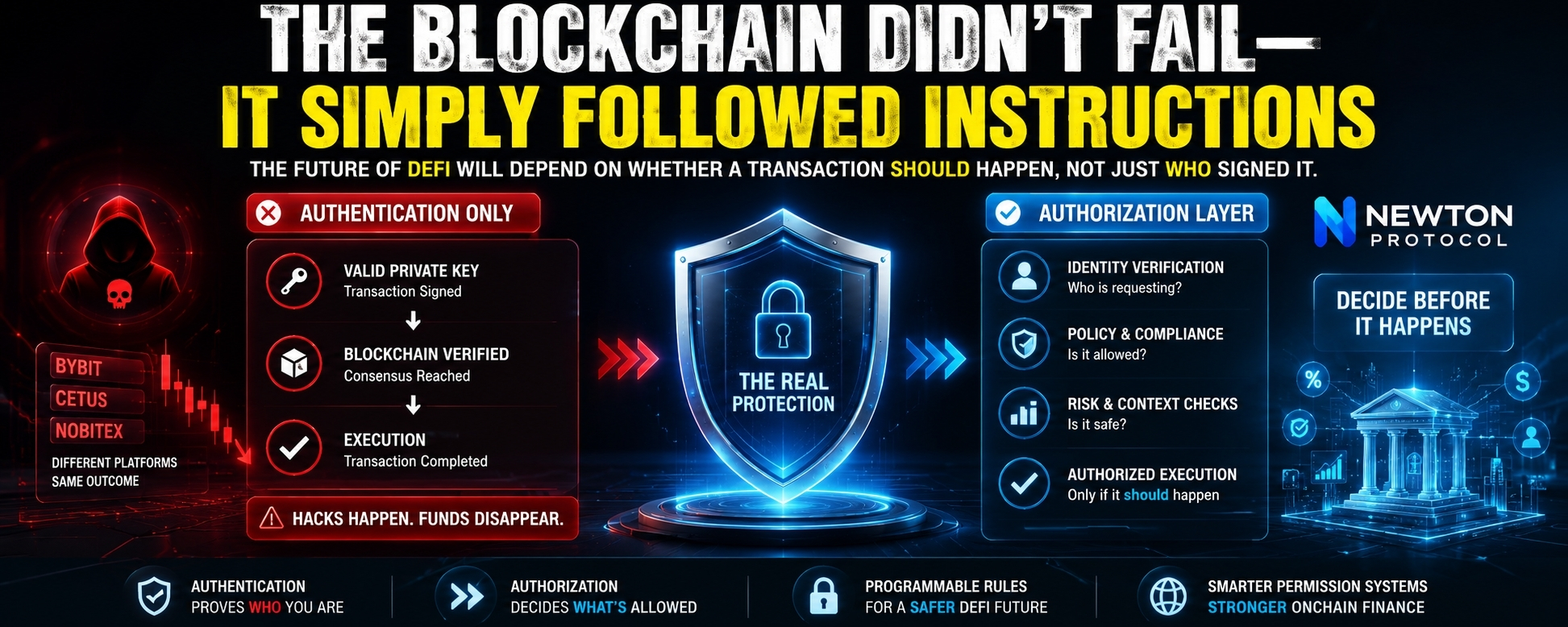
Blockchain Không Bị “Hỏng” — Nó Chỉ Làm Theo Chỉ Dẫn<c-7/>Mỗi khi xảy ra một vụ hack crypto lớn, cuộc trò chuyện thường diễn ra theo một khuôn mẫu tương tự. Mọi người vội vàng điều tra các ví, lần theo các giao dịch và tìm hiểu xem ai đã ký xác nhận cho lệnh chuyển tiền. Chúng tôi đã thấy điều này xảy ra sau các sự cố liên quan đến Bybit, Cetus và Nobitex. Các nền tảng khác nhau, các lỗ hổng khác nhau, nhưng phản ứng của ngành vẫn giống nhau. Ai cũng tập trung vào danh tính đứng sau giao dịch, như thể việc tìm ra người ký tự động giải thích được vấn đề thực sự. Nhưng dạo gần đây tôi bắt đầu nghĩ rằng crypto có thể đang đặt câu hỏi sai hoàn toàn.
Blockchain Không Bị “Hỏng” — Nó Chỉ Làm Theo Chỉ Dẫn
<c-7/>Mỗi khi xảy ra một vụ hack crypto lớn, cuộc trò chuyện thường diễn ra theo một khuôn mẫu tương tự. Mọi người vội vàng điều tra các ví, lần theo các giao dịch và tìm hiểu xem ai đã ký xác nhận cho lệnh chuyển tiền. Chúng tôi đã thấy điều này xảy ra sau các sự cố liên quan đến Bybit, Cetus và Nobitex. Các nền tảng khác nhau, các lỗ hổng khác nhau, nhưng phản ứng của ngành vẫn giống nhau. Ai cũng tập trung vào danh tính đứng sau giao dịch, như thể việc tìm ra người ký tự động giải thích được vấn đề thực sự. Nhưng dạo gần đây tôi bắt đầu nghĩ rằng crypto có thể đang đặt câu hỏi sai hoàn toàn.
3
3
281
·
--
Tăng giá
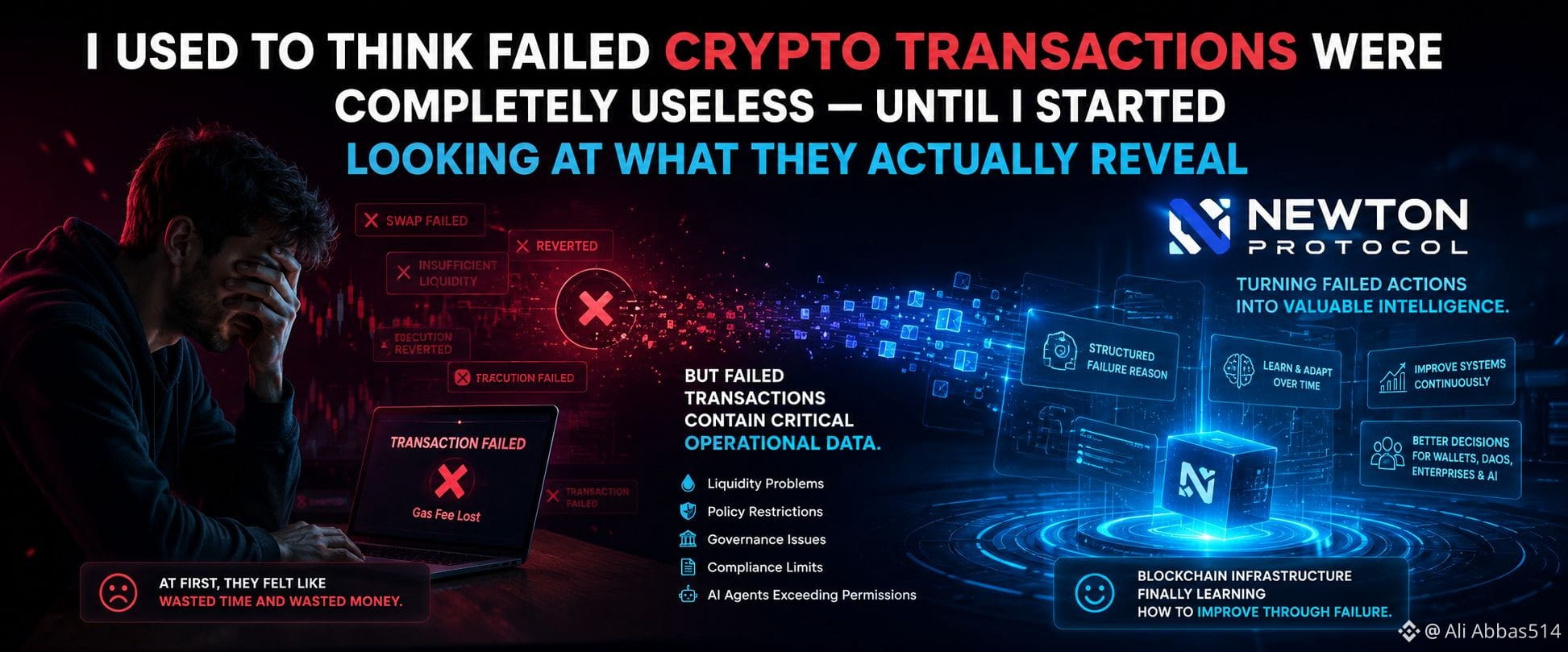
Tôi Từng Nghĩ Giao Dịch Crypto Thất Bại Là Hoàn Toàn Vô Dụng — Cho Đến Khi Tôi Bắt Đầu Nhìn Xem Chúng Thực Sự Tiết Lộ Gì
@NewtonProtocol Trong thời gian dài nhất, tôi xem các giao dịch crypto thất bại theo cùng cách mà đa số người dùng vẫn làm. Giao dịch hoán đổi (swap) thất bại, phí gas biến mất, sự bực bội ập đến, rồi ai cũng chuyển sang chuyện khác. Không ai ăn mừng các giao dịch bị từ chối vì chúng thường khiến ta thấy đó chỉ là thời gian và tiền bạc bị lãng phí.
Nhưng gần đây tôi bắt đầu nhận ra một điều quan trọng: giao dịch thất bại có thể thực sự chứa một số dữ liệu vận hành có giá trị nhất trong crypto.
Ngoài blockchain, các ngành công nghiệp lớn liên tục học hỏi từ thất bại. Ngân hàng phân tích các khoản thanh toán bị từ chối. Hãng hàng không điều tra các tình huống suýt xảy ra tai nạn. Doanh nghiệp nghiên cứu các hành động thất bại của khách hàng vì ma sát thường cho biết nhiều hơn là thành công.
Crypto vẫn đang bỏ qua phần lớn trí tuệ đó.
Khi một hành động onchain thất bại ngày nay, hệ thống thường chỉ ném ra một thông báo lỗi chung chung và bỏ quên bối cảnh sâu hơn phía sau nó. Nhưng thất bại đó có thể tiết lộ các vấn đề về thanh khoản, các hạn chế về chính sách, bất cập về quản trị (governance), giới hạn tuân thủ (compliance), hoặc thậm chí các tác nhân AI đang cố gắng thực hiện hành động vượt ngoài quyền hạn của chúng.
Đó là lý do Newton Protocol thu hút sự chú ý của tôi.
Điều làm tôi thấy nó thú vị nằm ở ý tưởng rằng việc thực thi thất bại không nên trở thành dữ liệu chết. Nếu các hệ thống blockchain có thể lưu giữ các lý do có cấu trúc đằng sau những hành động bị từ chối, thì ví, DAO, doanh nghiệp và thậm chí cả các tác nhân AI có thể dần học hỏi từ những sai lầm lặp lại, thay vì tiếp tục lặp lại mãi.
Thật lòng mà nói, điều đó còn “lớn hơn” cả tốc độ giao dịch.
Nó giống như hạ tầng blockchain cuối cùng đang học cách cải thiện thông qua thất bại, thay vì giả vờ rằng thất bại không có giá trị.
$BASED
{future}(BASEDUSDT)
$LAB
{future}(LABUSDT)
$TAIKO
{future}(TAIKOUSDT)
#OilPriceFalls
#SolanaGains7%InSevenDays
#ShutterstockFallsAfterGettyEndsMerger
#Aİ #ShutterstockFallsAfterGettyEndsMerger
Tôi Từng Nghĩ Giao Dịch Crypto Thất Bại Là Hoàn Toàn Vô Dụng — Cho Đến Khi Tôi Bắt Đầu Nhìn Xem Chúng Thực Sự Tiết Lộ Gì
@NewtonProtocol Trong thời gian dài nhất, tôi xem các giao dịch crypto thất bại theo cùng cách mà đa số người dùng vẫn làm. Giao dịch hoán đổi (swap) thất bại, phí gas biến mất, sự bực bội ập đến, rồi ai cũng chuyển sang chuyện khác. Không ai ăn mừng các giao dịch bị từ chối vì chúng thường khiến ta thấy đó chỉ là thời gian và tiền bạc bị lãng phí.
Nhưng gần đây tôi bắt đầu nhận ra một điều quan trọng: giao dịch thất bại có thể thực sự chứa một số dữ liệu vận hành có giá trị nhất trong crypto.
Ngoài blockchain, các ngành công nghiệp lớn liên tục học hỏi từ thất bại. Ngân hàng phân tích các khoản thanh toán bị từ chối. Hãng hàng không điều tra các tình huống suýt xảy ra tai nạn. Doanh nghiệp nghiên cứu các hành động thất bại của khách hàng vì ma sát thường cho biết nhiều hơn là thành công.
Crypto vẫn đang bỏ qua phần lớn trí tuệ đó.
Khi một hành động onchain thất bại ngày nay, hệ thống thường chỉ ném ra một thông báo lỗi chung chung và bỏ quên bối cảnh sâu hơn phía sau nó. Nhưng thất bại đó có thể tiết lộ các vấn đề về thanh khoản, các hạn chế về chính sách, bất cập về quản trị (governance), giới hạn tuân thủ (compliance), hoặc thậm chí các tác nhân AI đang cố gắng thực hiện hành động vượt ngoài quyền hạn của chúng.
Đó là lý do Newton Protocol thu hút sự chú ý của tôi.
Điều làm tôi thấy nó thú vị nằm ở ý tưởng rằng việc thực thi thất bại không nên trở thành dữ liệu chết. Nếu các hệ thống blockchain có thể lưu giữ các lý do có cấu trúc đằng sau những hành động bị từ chối, thì ví, DAO, doanh nghiệp và thậm chí cả các tác nhân AI có thể dần học hỏi từ những sai lầm lặp lại, thay vì tiếp tục lặp lại mãi.
Thật lòng mà nói, điều đó còn “lớn hơn” cả tốc độ giao dịch.
Nó giống như hạ tầng blockchain cuối cùng đang học cách cải thiện thông qua thất bại, thay vì giả vờ rằng thất bại không có giá trị.
$BASED
$LAB
$TAIKO
#OilPriceFalls
#SolanaGains7%InSevenDays
#ShutterstockFallsAfterGettyEndsMerger
#Aİ #ShutterstockFallsAfterGettyEndsMerger
@NewtonProtocol Trong thời gian dài nhất, tôi xem các giao dịch crypto thất bại theo cùng cách mà đa số người dùng vẫn làm. Giao dịch hoán đổi (swap) thất bại, phí gas biến mất, sự bực bội ập đến, rồi ai cũng chuyển sang chuyện khác. Không ai ăn mừng các giao dịch bị từ chối vì chúng thường khiến ta thấy đó chỉ là thời gian và tiền bạc bị lãng phí.
Nhưng gần đây tôi bắt đầu nhận ra một điều quan trọng: giao dịch thất bại có thể thực sự chứa một số dữ liệu vận hành có giá trị nhất trong crypto.
Ngoài blockchain, các ngành công nghiệp lớn liên tục học hỏi từ thất bại. Ngân hàng phân tích các khoản thanh toán bị từ chối. Hãng hàng không điều tra các tình huống suýt xảy ra tai nạn. Doanh nghiệp nghiên cứu các hành động thất bại của khách hàng vì ma sát thường cho biết nhiều hơn là thành công.
Crypto vẫn đang bỏ qua phần lớn trí tuệ đó.
Khi một hành động onchain thất bại ngày nay, hệ thống thường chỉ ném ra một thông báo lỗi chung chung và bỏ quên bối cảnh sâu hơn phía sau nó. Nhưng thất bại đó có thể tiết lộ các vấn đề về thanh khoản, các hạn chế về chính sách, bất cập về quản trị (governance), giới hạn tuân thủ (compliance), hoặc thậm chí các tác nhân AI đang cố gắng thực hiện hành động vượt ngoài quyền hạn của chúng.
Đó là lý do Newton Protocol thu hút sự chú ý của tôi.
Điều làm tôi thấy nó thú vị nằm ở ý tưởng rằng việc thực thi thất bại không nên trở thành dữ liệu chết. Nếu các hệ thống blockchain có thể lưu giữ các lý do có cấu trúc đằng sau những hành động bị từ chối, thì ví, DAO, doanh nghiệp và thậm chí cả các tác nhân AI có thể dần học hỏi từ những sai lầm lặp lại, thay vì tiếp tục lặp lại mãi.
Thật lòng mà nói, điều đó còn “lớn hơn” cả tốc độ giao dịch.
Nó giống như hạ tầng blockchain cuối cùng đang học cách cải thiện thông qua thất bại, thay vì giả vờ rằng thất bại không có giá trị.
$BASED
$LAB
$TAIKO
#OilPriceFalls
#SolanaGains7%InSevenDays
#ShutterstockFallsAfterGettyEndsMerger
#Aİ #ShutterstockFallsAfterGettyEndsMerger
1
2
347
·
--
Bài viết
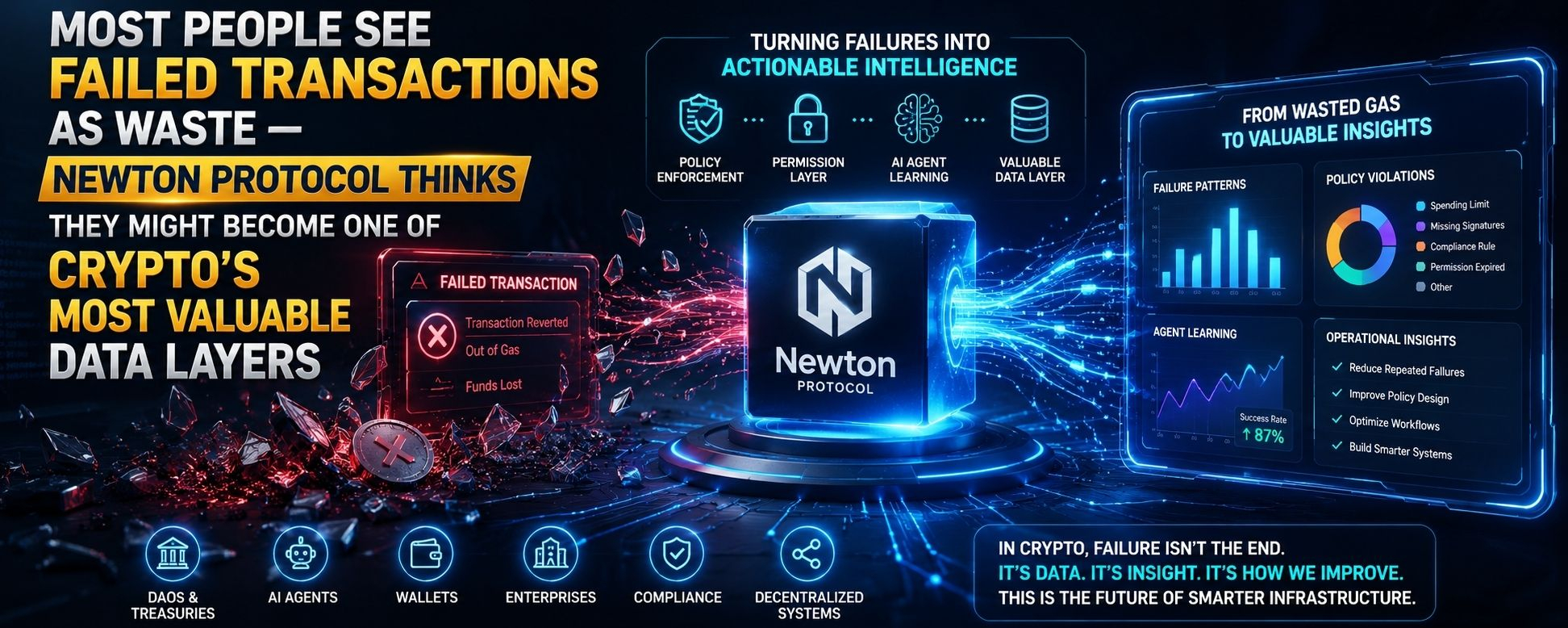
Hầu hết Mọi Người Xem Giao Dịch Thất Bại Là Phí Phạm — Newton Protocol Nghĩ Rằng Chúng Có Thể Trở Thành Một Phần Của Tương Lai@NewtonProtocol Trong thời gian dài, tôi nhìn các giao dịch crypto thất bại theo cùng cách gần như mọi người khác vẫn làm. Giao dịch thất bại, phí gas bị đốt cháy, sự bực bội xuất hiện, rồi mọi người tiếp tục. Không ai ăn mừng một lệnh trao đổi bị từ chối hay một khoản thanh toán bị chặn. Trong hầu hết các trường hợp, người dùng coi những khoảnh khắc đó như những sai lầm vô dụng chỉ tồn tại để tốn tiền và thời gian. Nhưng gần đây tôi bắt đầu nghĩ rằng crypto có thể thực ra đang bỏ qua điều gì đó quan trọng được giấu bên trong chính những thất bại đó.
Ngoài blockchain, thế giới đã hiểu rằng những hành động thất bại có thể mang theo thông tin giá trị. Các hãng hàng không điều tra những pha suýt tai nạn. Các ngân hàng chi hàng tỷ USD để nghiên cứu các khoản thanh toán bị từ chối và các hoạt động đáng ngờ. Các cửa hàng trực tuyến phân tích giỏ hàng bị bỏ dở vì chúng đôi khi tiết lộ hành vi khách hàng tốt hơn so với những giao dịch mua thành công. Những hệ thống trưởng thành cải thiện được vì chúng học từ ma sát, chứ không phải vì mọi thứ lúc nào cũng hoạt động hoàn hảo.
Hầu hết Mọi Người Xem Giao Dịch Thất Bại Là Phí Phạm — Newton Protocol Nghĩ Rằng Chúng Có Thể Trở Thành Một Phần Của Tương Lai
@NewtonProtocol Trong thời gian dài, tôi nhìn các giao dịch crypto thất bại theo cùng cách gần như mọi người khác vẫn làm. Giao dịch thất bại, phí gas bị đốt cháy, sự bực bội xuất hiện, rồi mọi người tiếp tục. Không ai ăn mừng một lệnh trao đổi bị từ chối hay một khoản thanh toán bị chặn. Trong hầu hết các trường hợp, người dùng coi những khoảnh khắc đó như những sai lầm vô dụng chỉ tồn tại để tốn tiền và thời gian. Nhưng gần đây tôi bắt đầu nghĩ rằng crypto có thể thực ra đang bỏ qua điều gì đó quan trọng được giấu bên trong chính những thất bại đó.
Ngoài blockchain, thế giới đã hiểu rằng những hành động thất bại có thể mang theo thông tin giá trị. Các hãng hàng không điều tra những pha suýt tai nạn. Các ngân hàng chi hàng tỷ USD để nghiên cứu các khoản thanh toán bị từ chối và các hoạt động đáng ngờ. Các cửa hàng trực tuyến phân tích giỏ hàng bị bỏ dở vì chúng đôi khi tiết lộ hành vi khách hàng tốt hơn so với những giao dịch mua thành công. Những hệ thống trưởng thành cải thiện được vì chúng học từ ma sát, chứ không phải vì mọi thứ lúc nào cũng hoạt động hoàn hảo.
Ngoài blockchain, thế giới đã hiểu rằng những hành động thất bại có thể mang theo thông tin giá trị. Các hãng hàng không điều tra những pha suýt tai nạn. Các ngân hàng chi hàng tỷ USD để nghiên cứu các khoản thanh toán bị từ chối và các hoạt động đáng ngờ. Các cửa hàng trực tuyến phân tích giỏ hàng bị bỏ dở vì chúng đôi khi tiết lộ hành vi khách hàng tốt hơn so với những giao dịch mua thành công. Những hệ thống trưởng thành cải thiện được vì chúng học từ ma sát, chứ không phải vì mọi thứ lúc nào cũng hoạt động hoàn hảo.
3
2
310
·
--
Tăng giá
Tại sao Newton Protocol có thể trở thành “lớp an toàn” vô hình của DeFi
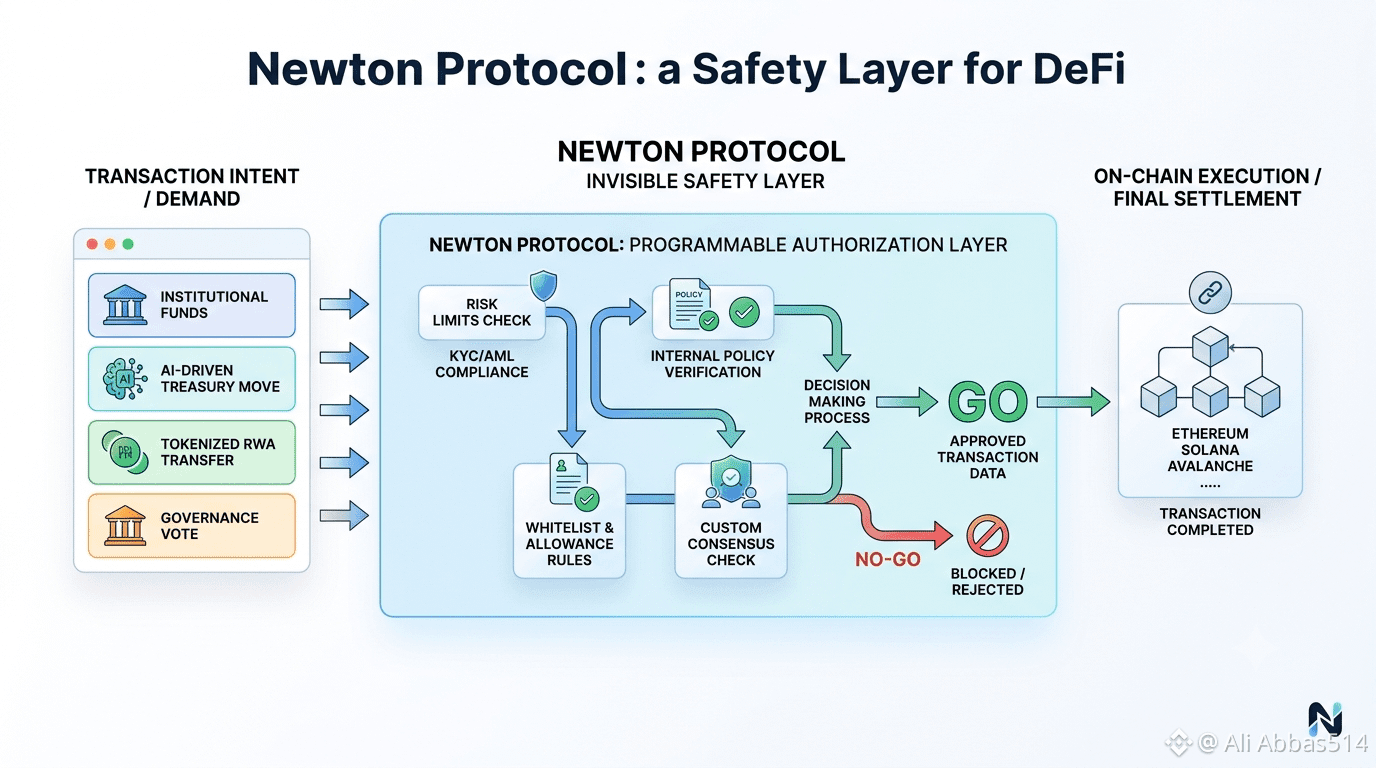
Crypto đã làm chủ việc thực thi. Nếu một ví ký một giao dịch, blockchain sẽ xử lý nó ngay lập tức. Nhưng khi DeFi phát triển thành một hệ thống quản lý tiền của tổ chức, kho bạc do AI điều hành và các tài sản thực được token hóa, một vấn đề lớn đang dần trở nên không thể phớt lờ: blockchain có thể xác minh chữ ký, nhưng vẫn không thể đánh giá liệu giao dịch đó có thực sự nên xảy ra hay không.
Đó là nơi Newton Protocol xuất hiện với một tầm nhìn khác.
Thay vì cạnh tranh như một blockchain tốc độ cao khác, Newton tập trung vào ủy quyền có thể lập trình — một cơ chế kiểm tra các chính sách, hạn mức rủi ro, quyền truy cập và quy tắc tuân thủ trước khi một giao dịch đi đến trạng thái thanh toán cuối cùng. Nói đơn giản, nó đóng vai trò như một lớp ra quyết định thông minh nằm giữa ý định giao dịch và việc thực thi.
Tài chính truyền thống đã dựa vào các hệ thống kiểm soát “ẩn” như vậy trong hàng thập kỷ. Ngân hàng không bao giờ di chuyển vốn chỉ dựa trên việc có quyền truy cập tài khoản. Mọi giao dịch lớn đều phải đi qua các biện pháp bảo vệ nội bộ trước tiên. Tuy nhiên, DeFi vẫn chủ yếu vận hành theo kiểu thực thi tự động.
Khi crypto tiến hóa hướng tới cơ sở hạ tầng quy mô tổ chức, mô hình đó có thể sẽ không còn đủ.
Newton Protocol có thể âm thầm trở thành lớp phối hợp còn thiếu mà DeFi chưa bao giờ nhận ra mình cần — không phải bằng cách thay thế blockchain, mà bằng cách giúp chúng quyết định giao dịch nào xứng đáng được phê duyệt trước khi chúng đi qua.
@NewtonProtocol $NEWT #Newt
Tại sao Newton Protocol có thể trở thành “lớp an toàn” vô hình của DeFi
Crypto đã làm chủ việc thực thi. Nếu một ví ký một giao dịch, blockchain sẽ xử lý nó ngay lập tức. Nhưng khi DeFi phát triển thành một hệ thống quản lý tiền của tổ chức, kho bạc do AI điều hành và các tài sản thực được token hóa, một vấn đề lớn đang dần trở nên không thể phớt lờ: blockchain có thể xác minh chữ ký, nhưng vẫn không thể đánh giá liệu giao dịch đó có thực sự nên xảy ra hay không.
Đó là nơi Newton Protocol xuất hiện với một tầm nhìn khác.
Thay vì cạnh tranh như một blockchain tốc độ cao khác, Newton tập trung vào ủy quyền có thể lập trình — một cơ chế kiểm tra các chính sách, hạn mức rủi ro, quyền truy cập và quy tắc tuân thủ trước khi một giao dịch đi đến trạng thái thanh toán cuối cùng. Nói đơn giản, nó đóng vai trò như một lớp ra quyết định thông minh nằm giữa ý định giao dịch và việc thực thi.
Tài chính truyền thống đã dựa vào các hệ thống kiểm soát “ẩn” như vậy trong hàng thập kỷ. Ngân hàng không bao giờ di chuyển vốn chỉ dựa trên việc có quyền truy cập tài khoản. Mọi giao dịch lớn đều phải đi qua các biện pháp bảo vệ nội bộ trước tiên. Tuy nhiên, DeFi vẫn chủ yếu vận hành theo kiểu thực thi tự động.
Khi crypto tiến hóa hướng tới cơ sở hạ tầng quy mô tổ chức, mô hình đó có thể sẽ không còn đủ.
Newton Protocol có thể âm thầm trở thành lớp phối hợp còn thiếu mà DeFi chưa bao giờ nhận ra mình cần — không phải bằng cách thay thế blockchain, mà bằng cách giúp chúng quyết định giao dịch nào xứng đáng được phê duyệt trước khi chúng đi qua.
@NewtonProtocol $NEWT #Newt
Crypto đã làm chủ việc thực thi. Nếu một ví ký một giao dịch, blockchain sẽ xử lý nó ngay lập tức. Nhưng khi DeFi phát triển thành một hệ thống quản lý tiền của tổ chức, kho bạc do AI điều hành và các tài sản thực được token hóa, một vấn đề lớn đang dần trở nên không thể phớt lờ: blockchain có thể xác minh chữ ký, nhưng vẫn không thể đánh giá liệu giao dịch đó có thực sự nên xảy ra hay không.
Đó là nơi Newton Protocol xuất hiện với một tầm nhìn khác.
Thay vì cạnh tranh như một blockchain tốc độ cao khác, Newton tập trung vào ủy quyền có thể lập trình — một cơ chế kiểm tra các chính sách, hạn mức rủi ro, quyền truy cập và quy tắc tuân thủ trước khi một giao dịch đi đến trạng thái thanh toán cuối cùng. Nói đơn giản, nó đóng vai trò như một lớp ra quyết định thông minh nằm giữa ý định giao dịch và việc thực thi.
Tài chính truyền thống đã dựa vào các hệ thống kiểm soát “ẩn” như vậy trong hàng thập kỷ. Ngân hàng không bao giờ di chuyển vốn chỉ dựa trên việc có quyền truy cập tài khoản. Mọi giao dịch lớn đều phải đi qua các biện pháp bảo vệ nội bộ trước tiên. Tuy nhiên, DeFi vẫn chủ yếu vận hành theo kiểu thực thi tự động.
Khi crypto tiến hóa hướng tới cơ sở hạ tầng quy mô tổ chức, mô hình đó có thể sẽ không còn đủ.
Newton Protocol có thể âm thầm trở thành lớp phối hợp còn thiếu mà DeFi chưa bao giờ nhận ra mình cần — không phải bằng cách thay thế blockchain, mà bằng cách giúp chúng quyết định giao dịch nào xứng đáng được phê duyệt trước khi chúng đi qua.
@NewtonProtocol $NEWT #Newt
1
1
93
·
--
Bài viết
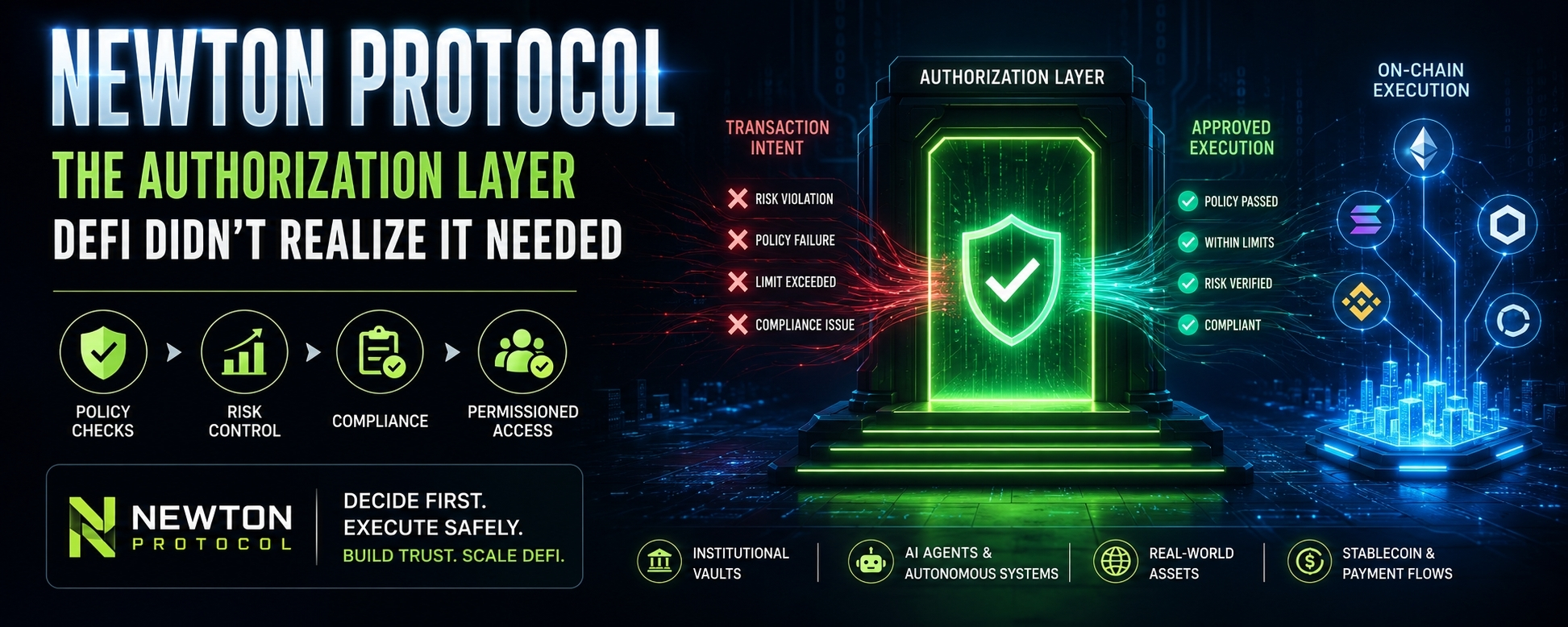
Tại sao Newton Protocol có thể trở thành lớp hạ tầng âm thầm mà DeFi chưa nhận ra mình cần@NewtonProtocol Phần lớn các blockchain hoạt động cực kỳ tốt ở một việc: thực thi. Nếu một ví ký một giao dịch một cách chính xác, mạng lưới sẽ xử lý giao dịch đó mà không do dự. Thiết kế này đã giúp ngành crypto xây dựng một hệ thống tài chính không cần cấp phép, nơi giá trị có thể di chuyển toàn cầu mà không phụ thuộc vào ngân hàng, bên trung gian hay các cơ chế phê duyệt tập trung. Nhưng khi ngành phát triển trưởng thành hơn, một vấn đề sâu xa hơn đang bắt đầu lộ diện ở bên dưới bề mặt — các blockchain có thể xác minh ai đã ký một giao dịch, nhưng chúng vẫn gặp khó khăn trong việc xác định liệu giao dịch đó có nên xảy ra hay không ngay từ đầu.
Tại sao Newton Protocol có thể trở thành lớp hạ tầng âm thầm mà DeFi chưa nhận ra mình cần
@NewtonProtocol Phần lớn các blockchain hoạt động cực kỳ tốt ở một việc: thực thi. Nếu một ví ký một giao dịch một cách chính xác, mạng lưới sẽ xử lý giao dịch đó mà không do dự. Thiết kế này đã giúp ngành crypto xây dựng một hệ thống tài chính không cần cấp phép, nơi giá trị có thể di chuyển toàn cầu mà không phụ thuộc vào ngân hàng, bên trung gian hay các cơ chế phê duyệt tập trung. Nhưng khi ngành phát triển trưởng thành hơn, một vấn đề sâu xa hơn đang bắt đầu lộ diện ở bên dưới bề mặt — các blockchain có thể xác minh ai đã ký một giao dịch, nhưng chúng vẫn gặp khó khăn trong việc xác định liệu giao dịch đó có nên xảy ra hay không ngay từ đầu.
1
1
96
·
--
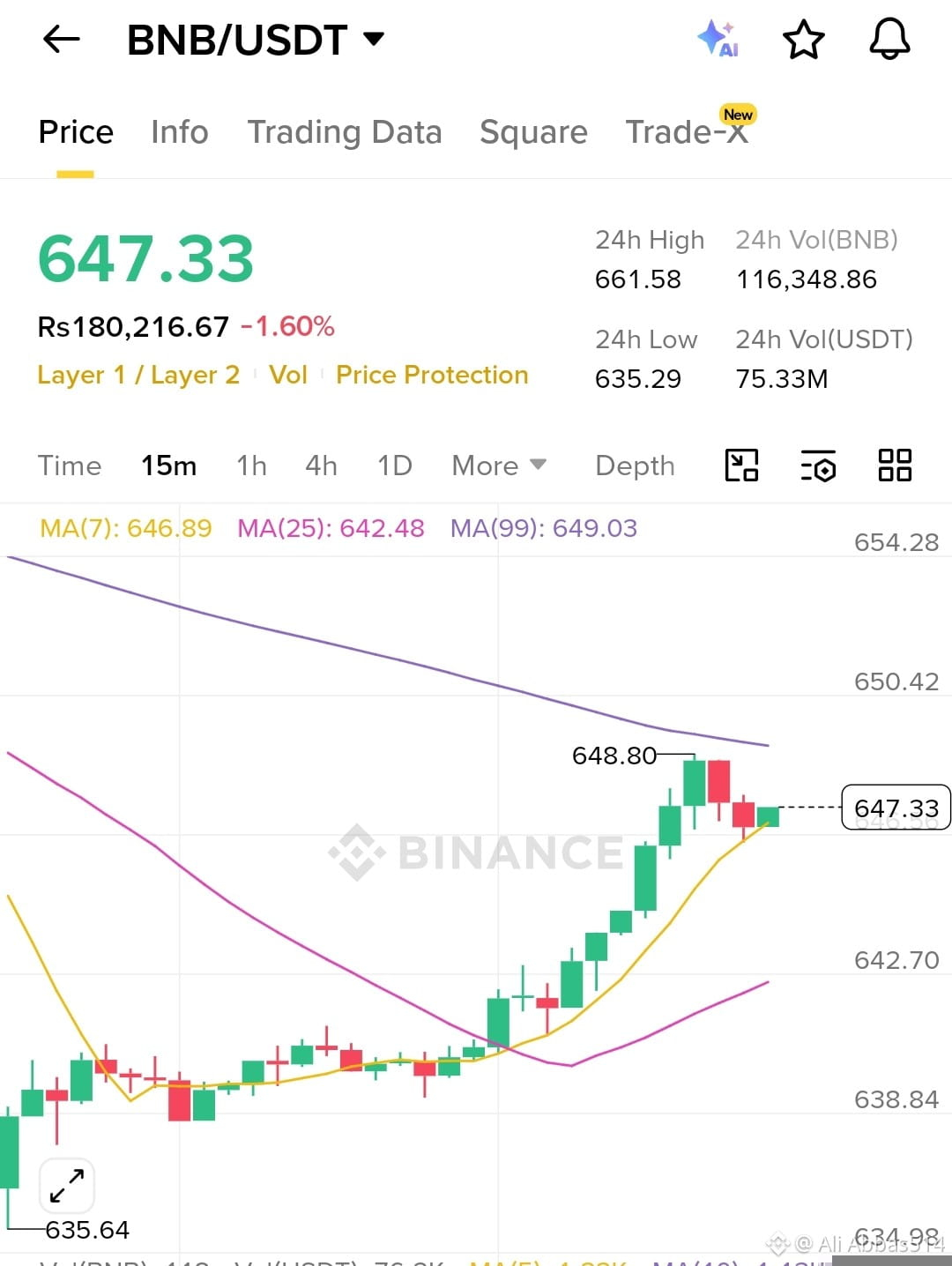
$BNB Đã Flush Những Tay Yếu — Giờ Các Trader Đang Theo Dõi Khu Vực Này Kỹ Lưỡng
BNB đã bị giảm mạnh sau khi từ chối gần khu vực $664, nhanh chóng lao xuống vùng hỗ trợ $634 trước khi người mua quay lại. Sự phục hồi diễn ra nhanh chóng, nhưng thị trường vẫn trông có vẻ thận trọng ở đây.
Hiện tại, giá đang dao động quanh $643 và đang cố gắng xây dựng lại động lực. Khu vực quan trọng mà bò cần phục hồi nằm quanh $650–$652. Nếu BNB quản lý để đẩy lên trên khoảng đó với sức mạnh, biểu đồ có thể chuyển sang xu hướng tăng lần nữa và mở ra không gian cho một đợt tăng nữa về phía $660+.
Điều làm cho thiết lập này trở nên thú vị là phản ứng quanh $634. Mức đó đã hoạt động như một vùng phòng thủ mạnh mẽ trong quá trình điều chỉnh. Miễn là người mua tiếp tục bảo vệ nó, đợt giảm này có thể chỉ là một cú quét thanh khoản trước khi tiếp tục tăng cao hơn trên cấu trúc 4H 📈
Nhưng nếu $634 bị phá vỡ một cách sạch sẽ, tâm lý có thể đảo chiều nhanh chóng và mời gọi một làn sóng áp lực bán khác.
Hiện tại, BNB đang bước vào một trong những vùng biến động cao mà đợt bứt phá tiếp theo có thể quyết định xu hướng ngắn hạn.
$BNB Đã Flush Những Tay Yếu — Giờ Các Trader Đang Theo Dõi Khu Vực Này Kỹ Lưỡng
BNB đã bị giảm mạnh sau khi từ chối gần khu vực $664, nhanh chóng lao xuống vùng hỗ trợ $634 trước khi người mua quay lại. Sự phục hồi diễn ra nhanh chóng, nhưng thị trường vẫn trông có vẻ thận trọng ở đây.
Hiện tại, giá đang dao động quanh $643 và đang cố gắng xây dựng lại động lực. Khu vực quan trọng mà bò cần phục hồi nằm quanh $650–$652. Nếu BNB quản lý để đẩy lên trên khoảng đó với sức mạnh, biểu đồ có thể chuyển sang xu hướng tăng lần nữa và mở ra không gian cho một đợt tăng nữa về phía $660+.
Điều làm cho thiết lập này trở nên thú vị là phản ứng quanh $634. Mức đó đã hoạt động như một vùng phòng thủ mạnh mẽ trong quá trình điều chỉnh. Miễn là người mua tiếp tục bảo vệ nó, đợt giảm này có thể chỉ là một cú quét thanh khoản trước khi tiếp tục tăng cao hơn trên cấu trúc 4H 📈
Nhưng nếu $634 bị phá vỡ một cách sạch sẽ, tâm lý có thể đảo chiều nhanh chóng và mời gọi một làn sóng áp lực bán khác.
Hiện tại, BNB đang bước vào một trong những vùng biến động cao mà đợt bứt phá tiếp theo có thể quyết định xu hướng ngắn hạn.
BNB đã bị giảm mạnh sau khi từ chối gần khu vực $664, nhanh chóng lao xuống vùng hỗ trợ $634 trước khi người mua quay lại. Sự phục hồi diễn ra nhanh chóng, nhưng thị trường vẫn trông có vẻ thận trọng ở đây.
Hiện tại, giá đang dao động quanh $643 và đang cố gắng xây dựng lại động lực. Khu vực quan trọng mà bò cần phục hồi nằm quanh $650–$652. Nếu BNB quản lý để đẩy lên trên khoảng đó với sức mạnh, biểu đồ có thể chuyển sang xu hướng tăng lần nữa và mở ra không gian cho một đợt tăng nữa về phía $660+.
Điều làm cho thiết lập này trở nên thú vị là phản ứng quanh $634. Mức đó đã hoạt động như một vùng phòng thủ mạnh mẽ trong quá trình điều chỉnh. Miễn là người mua tiếp tục bảo vệ nó, đợt giảm này có thể chỉ là một cú quét thanh khoản trước khi tiếp tục tăng cao hơn trên cấu trúc 4H 📈
Nhưng nếu $634 bị phá vỡ một cách sạch sẽ, tâm lý có thể đảo chiều nhanh chóng và mời gọi một làn sóng áp lực bán khác.
Hiện tại, BNB đang bước vào một trong những vùng biến động cao mà đợt bứt phá tiếp theo có thể quyết định xu hướng ngắn hạn.
3
95
·
--
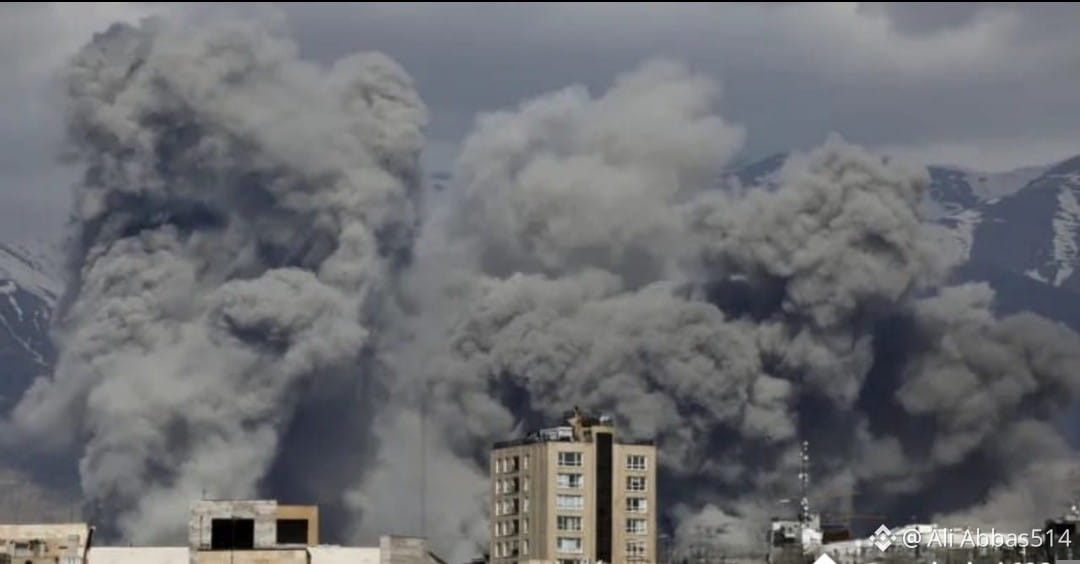
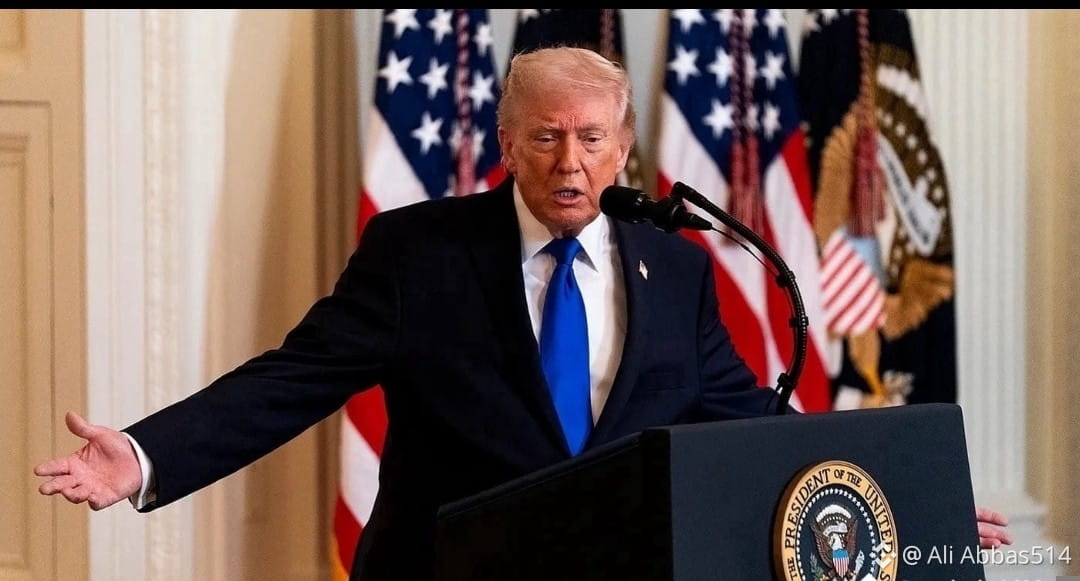
Sự căng thẳng giữa Mỹ và Iran có thể đang tiến đến một giai đoạn nguy hiểm mới.
Các báo cáo cho thấy Washington đang trở nên thiếu kiên nhẫn sau những cánh cửa đóng kín. Các cuộc đàm phán đã kéo dài hàng tháng, dự thảo này đến dự thảo khác, cuộc họp này đến cuộc họp khác, nhưng không có bước đột phá thực sự nào gần kề. Theo các quan chức am hiểu về tình hình, sự thất vọng đang gia tăng ở những cấp cao nhất.
Hiện có nhiều suy đoán rằng Mỹ có thể xem xét một động thái quân sự lớn cuối cùng trước khi cố gắng chuyển hướng câu chuyện về “sự ổn định” và kết thúc.
Nhưng các xung đột toàn cầu hiếm khi kết thúc bằng một bài phát biểu.
Một chính phủ có thể công bố thành công công khai, nhưng thực tế trên mặt đất thì phức tạp hơn nhiều khi bên đối lập vẫn giữ ảnh hưởng quân sự, các liên minh khu vực và sức mạnh chiến lược. Đó là lúc các thị trường bắt đầu chú ý.
Câu hỏi lớn hơn bây giờ không chỉ là liệu có đạt được thỏa thuận hay không — mà là liệu cả hai bên vẫn còn đủ không gian để tránh một cuộc đối đầu sâu hơn.
Nếu căng thẳng gia tăng hơn nữa, tác động có thể lan rộng nhanh chóng trên các thị trường toàn cầu. Giá dầu có thể tăng mạnh, sự biến động của crypto có thể bùng nổ trong đêm, và các tài sản rủi ro có thể phản ứng mạnh mẽ với mọi tiêu đề mới xuất hiện từ Washington hoặc Tehran.
Hiện tại, các nhà đầu tư không chỉ đang theo dõi các biểu đồ (candlestick) nữa. Họ đang theo dõi địa chính trị theo thời gian thực.
Bởi vì trong chính trị toàn cầu, công bố chiến thắng là điều dễ dàng. Tạo ra sự ổn định lâu dài mới là phần không ai có thể đảm bảo.
Sự căng thẳng giữa Mỹ và Iran có thể đang tiến đến một giai đoạn nguy hiểm mới.
Các báo cáo cho thấy Washington đang trở nên thiếu kiên nhẫn sau những cánh cửa đóng kín. Các cuộc đàm phán đã kéo dài hàng tháng, dự thảo này đến dự thảo khác, cuộc họp này đến cuộc họp khác, nhưng không có bước đột phá thực sự nào gần kề. Theo các quan chức am hiểu về tình hình, sự thất vọng đang gia tăng ở những cấp cao nhất.
Hiện có nhiều suy đoán rằng Mỹ có thể xem xét một động thái quân sự lớn cuối cùng trước khi cố gắng chuyển hướng câu chuyện về “sự ổn định” và kết thúc.
Nhưng các xung đột toàn cầu hiếm khi kết thúc bằng một bài phát biểu.
Một chính phủ có thể công bố thành công công khai, nhưng thực tế trên mặt đất thì phức tạp hơn nhiều khi bên đối lập vẫn giữ ảnh hưởng quân sự, các liên minh khu vực và sức mạnh chiến lược. Đó là lúc các thị trường bắt đầu chú ý.
Câu hỏi lớn hơn bây giờ không chỉ là liệu có đạt được thỏa thuận hay không — mà là liệu cả hai bên vẫn còn đủ không gian để tránh một cuộc đối đầu sâu hơn.
Nếu căng thẳng gia tăng hơn nữa, tác động có thể lan rộng nhanh chóng trên các thị trường toàn cầu. Giá dầu có thể tăng mạnh, sự biến động của crypto có thể bùng nổ trong đêm, và các tài sản rủi ro có thể phản ứng mạnh mẽ với mọi tiêu đề mới xuất hiện từ Washington hoặc Tehran.
Hiện tại, các nhà đầu tư không chỉ đang theo dõi các biểu đồ (candlestick) nữa. Họ đang theo dõi địa chính trị theo thời gian thực.
Bởi vì trong chính trị toàn cầu, công bố chiến thắng là điều dễ dàng. Tạo ra sự ổn định lâu dài mới là phần không ai có thể đảm bảo.
Các báo cáo cho thấy Washington đang trở nên thiếu kiên nhẫn sau những cánh cửa đóng kín. Các cuộc đàm phán đã kéo dài hàng tháng, dự thảo này đến dự thảo khác, cuộc họp này đến cuộc họp khác, nhưng không có bước đột phá thực sự nào gần kề. Theo các quan chức am hiểu về tình hình, sự thất vọng đang gia tăng ở những cấp cao nhất.
Hiện có nhiều suy đoán rằng Mỹ có thể xem xét một động thái quân sự lớn cuối cùng trước khi cố gắng chuyển hướng câu chuyện về “sự ổn định” và kết thúc.
Nhưng các xung đột toàn cầu hiếm khi kết thúc bằng một bài phát biểu.
Một chính phủ có thể công bố thành công công khai, nhưng thực tế trên mặt đất thì phức tạp hơn nhiều khi bên đối lập vẫn giữ ảnh hưởng quân sự, các liên minh khu vực và sức mạnh chiến lược. Đó là lúc các thị trường bắt đầu chú ý.
Câu hỏi lớn hơn bây giờ không chỉ là liệu có đạt được thỏa thuận hay không — mà là liệu cả hai bên vẫn còn đủ không gian để tránh một cuộc đối đầu sâu hơn.
Nếu căng thẳng gia tăng hơn nữa, tác động có thể lan rộng nhanh chóng trên các thị trường toàn cầu. Giá dầu có thể tăng mạnh, sự biến động của crypto có thể bùng nổ trong đêm, và các tài sản rủi ro có thể phản ứng mạnh mẽ với mọi tiêu đề mới xuất hiện từ Washington hoặc Tehran.
Hiện tại, các nhà đầu tư không chỉ đang theo dõi các biểu đồ (candlestick) nữa. Họ đang theo dõi địa chính trị theo thời gian thực.
Bởi vì trong chính trị toàn cầu, công bố chiến thắng là điều dễ dàng. Tạo ra sự ổn định lâu dài mới là phần không ai có thể đảm bảo.
2
142
·
--
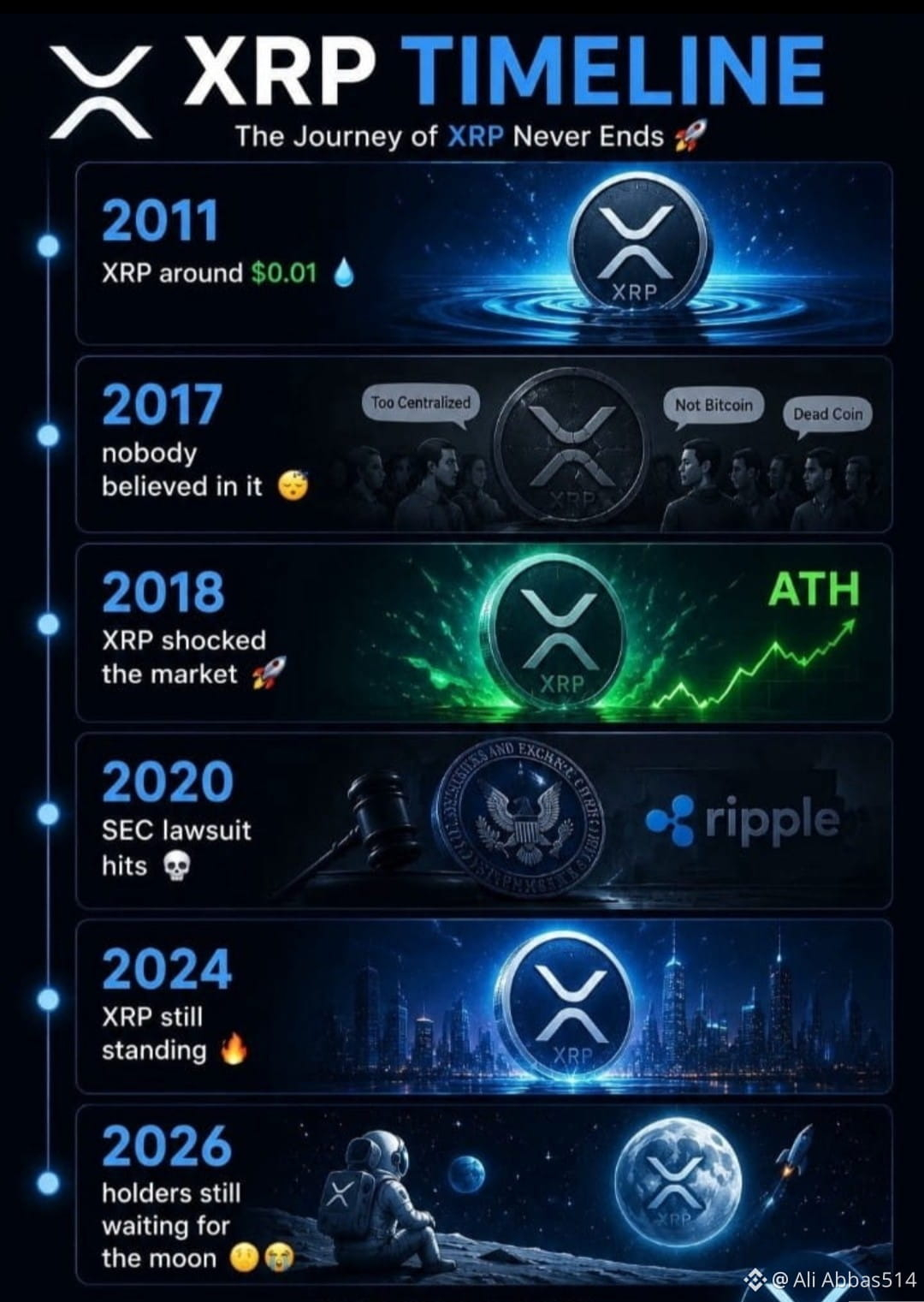
$XRP đã chiến đấu nhiều năm qua các vụ kiện, nỗi sợ hãi, sụp đổ thị trường và sự nghi ngờ vô tận — nhưng cấu trúc vẫn chưa bao giờ hoàn toàn phá vỡ. Bây giờ biểu đồ (candlestick/velas) bắt đầu trông khác đi.
Giá vẫn giữ trên hỗ trợ chính trong khi người mua từ từ lấy lại đà. Điều làm cho động thái này thú vị là XRP không còn chỉ tăng giá vì sự cường điệu nữa. Sự tự tin đang dần trở lại, và những người nắm giữ dài hạn vẫn chưa rời khỏi thị trường.
Nếu bò (bulls) giữ quyền kiểm soát trên vùng phá vỡ hiện tại, XRP có thể đang chuẩn bị cho một động thái mở rộng lớn hơn trong các phiên sắp tới. Thị trường đã từ chối XRP nhiều lần qua các năm, nhưng mỗi chu kỳ, nó bằng cách nào đó tìm đường trở lại tâm điểm.
📈 Thiết lập giao dịch tăng giá
🔹 Vùng vào lệnh: $2.15 – $2.25
🎯 Mục tiêu 1: $2.50
🎯 Mục tiêu 2: $2.85
🎯 Mục tiêu 3: $3.20
🛑 Vùng vô hiệu hóa: $1.95
Hiện tại, đà vẫn ủng hộ chiều tăng, đặc biệt nếu thị trường crypto rộng lớn hơn giữ tâm lý chấp nhận rủi ro. Biến động sẽ vẫn mạnh mẽ, nhưng XRP đang bắt đầu thể hiện loại sức mạnh mà các trader thường theo dõi kỹ trước khi một giai đoạn phá vỡ lớn hơn bắt đầu.
Áp lực đã kéo dài nhiều năm.
Bây giờ thị trường đang chờ xem liệu XRP cuối cùng có biến áp lực đó thành nhiên liệu hay không.
$XRP đã chiến đấu nhiều năm qua các vụ kiện, nỗi sợ hãi, sụp đổ thị trường và sự nghi ngờ vô tận — nhưng cấu trúc vẫn chưa bao giờ hoàn toàn phá vỡ. Bây giờ biểu đồ (candlestick/velas) bắt đầu trông khác đi.
Giá vẫn giữ trên hỗ trợ chính trong khi người mua từ từ lấy lại đà. Điều làm cho động thái này thú vị là XRP không còn chỉ tăng giá vì sự cường điệu nữa. Sự tự tin đang dần trở lại, và những người nắm giữ dài hạn vẫn chưa rời khỏi thị trường.
Nếu bò (bulls) giữ quyền kiểm soát trên vùng phá vỡ hiện tại, XRP có thể đang chuẩn bị cho một động thái mở rộng lớn hơn trong các phiên sắp tới. Thị trường đã từ chối XRP nhiều lần qua các năm, nhưng mỗi chu kỳ, nó bằng cách nào đó tìm đường trở lại tâm điểm.
📈 Thiết lập giao dịch tăng giá
🔹 Vùng vào lệnh: $2.15 – $2.25
🎯 Mục tiêu 1: $2.50
🎯 Mục tiêu 2: $2.85
🎯 Mục tiêu 3: $3.20
🛑 Vùng vô hiệu hóa: $1.95
Hiện tại, đà vẫn ủng hộ chiều tăng, đặc biệt nếu thị trường crypto rộng lớn hơn giữ tâm lý chấp nhận rủi ro. Biến động sẽ vẫn mạnh mẽ, nhưng XRP đang bắt đầu thể hiện loại sức mạnh mà các trader thường theo dõi kỹ trước khi một giai đoạn phá vỡ lớn hơn bắt đầu.
Áp lực đã kéo dài nhiều năm.
Bây giờ thị trường đang chờ xem liệu XRP cuối cùng có biến áp lực đó thành nhiên liệu hay không.
Giá vẫn giữ trên hỗ trợ chính trong khi người mua từ từ lấy lại đà. Điều làm cho động thái này thú vị là XRP không còn chỉ tăng giá vì sự cường điệu nữa. Sự tự tin đang dần trở lại, và những người nắm giữ dài hạn vẫn chưa rời khỏi thị trường.
Nếu bò (bulls) giữ quyền kiểm soát trên vùng phá vỡ hiện tại, XRP có thể đang chuẩn bị cho một động thái mở rộng lớn hơn trong các phiên sắp tới. Thị trường đã từ chối XRP nhiều lần qua các năm, nhưng mỗi chu kỳ, nó bằng cách nào đó tìm đường trở lại tâm điểm.
📈 Thiết lập giao dịch tăng giá
🔹 Vùng vào lệnh: $2.15 – $2.25
🎯 Mục tiêu 1: $2.50
🎯 Mục tiêu 2: $2.85
🎯 Mục tiêu 3: $3.20
🛑 Vùng vô hiệu hóa: $1.95
Hiện tại, đà vẫn ủng hộ chiều tăng, đặc biệt nếu thị trường crypto rộng lớn hơn giữ tâm lý chấp nhận rủi ro. Biến động sẽ vẫn mạnh mẽ, nhưng XRP đang bắt đầu thể hiện loại sức mạnh mà các trader thường theo dõi kỹ trước khi một giai đoạn phá vỡ lớn hơn bắt đầu.
Áp lực đã kéo dài nhiều năm.
Bây giờ thị trường đang chờ xem liệu XRP cuối cùng có biến áp lực đó thành nhiên liệu hay không.
3
165
·
--
Tăng giá
Tuần này cảm giác khác biệt.
Trong khi hầu hết các trader bận rộn theo dõi các cây nến, gần 1 tỷ đô la đã lặng lẽ chảy ra khỏi quỹ ETF Bitcoin của BlackRock — đây là lần rút tiền lớn nhất trong nhiều tháng. Chuyển động như vậy không giống như việc bán tháo cảm xúc của nhà đầu tư bán lẻ. Nó giống như việc các quỹ lớn điều chỉnh mức độ tham gia trước khi có sự thay đổi lớn tiếp theo.
Điều thu hút sự chú ý của tôi là Bitcoin vẫn chưa hoàn toàn phá vỡ cấu trúc mặc dù chịu áp lực. Điều đó thường cho bạn biết một trong hai điều: hoặc thanh khoản đang yếu dần dưới bề mặt... hoặc tiền thông minh đang thử nghiệm xem thị trường có thể hấp thụ bao nhiêu trước khi động lực đảo ngược lần nữa.
Dữ liệu dòng ETF đang trở nên quan trọng hơn cả tâm lý xã hội bây giờ. Giá có thể ồn ào, nhưng chuyển động của các tổ chức thường để lại tín hiệu sạch hơn.
Nếu dòng tiền ra này tiếp tục, độ biến động trên thị trường crypto có thể mở rộng rất nhanh. Nhưng nếu BTC ổn định và tăng cao hơn từ đây, toàn bộ chuyển động này có thể kết thúc bằng việc mắc kẹt những con gấu muộn màng.
Hiện tại, thị trường cảm giác ít cảm xúc hơn và nhiều chiến lược hơn. Đó là lý do tại sao khoảnh khắc này quan trọng.
Tuần này cảm giác khác biệt.
Trong khi hầu hết các trader bận rộn theo dõi các cây nến, gần 1 tỷ đô la đã lặng lẽ chảy ra khỏi quỹ ETF Bitcoin của BlackRock — đây là lần rút tiền lớn nhất trong nhiều tháng. Chuyển động như vậy không giống như việc bán tháo cảm xúc của nhà đầu tư bán lẻ. Nó giống như việc các quỹ lớn điều chỉnh mức độ tham gia trước khi có sự thay đổi lớn tiếp theo.
Điều thu hút sự chú ý của tôi là Bitcoin vẫn chưa hoàn toàn phá vỡ cấu trúc mặc dù chịu áp lực. Điều đó thường cho bạn biết một trong hai điều: hoặc thanh khoản đang yếu dần dưới bề mặt... hoặc tiền thông minh đang thử nghiệm xem thị trường có thể hấp thụ bao nhiêu trước khi động lực đảo ngược lần nữa.
Dữ liệu dòng ETF đang trở nên quan trọng hơn cả tâm lý xã hội bây giờ. Giá có thể ồn ào, nhưng chuyển động của các tổ chức thường để lại tín hiệu sạch hơn.
Nếu dòng tiền ra này tiếp tục, độ biến động trên thị trường crypto có thể mở rộng rất nhanh. Nhưng nếu BTC ổn định và tăng cao hơn từ đây, toàn bộ chuyển động này có thể kết thúc bằng việc mắc kẹt những con gấu muộn màng.
Hiện tại, thị trường cảm giác ít cảm xúc hơn và nhiều chiến lược hơn. Đó là lý do tại sao khoảnh khắc này quan trọng.
Trong khi hầu hết các trader bận rộn theo dõi các cây nến, gần 1 tỷ đô la đã lặng lẽ chảy ra khỏi quỹ ETF Bitcoin của BlackRock — đây là lần rút tiền lớn nhất trong nhiều tháng. Chuyển động như vậy không giống như việc bán tháo cảm xúc của nhà đầu tư bán lẻ. Nó giống như việc các quỹ lớn điều chỉnh mức độ tham gia trước khi có sự thay đổi lớn tiếp theo.
Điều thu hút sự chú ý của tôi là Bitcoin vẫn chưa hoàn toàn phá vỡ cấu trúc mặc dù chịu áp lực. Điều đó thường cho bạn biết một trong hai điều: hoặc thanh khoản đang yếu dần dưới bề mặt... hoặc tiền thông minh đang thử nghiệm xem thị trường có thể hấp thụ bao nhiêu trước khi động lực đảo ngược lần nữa.
Dữ liệu dòng ETF đang trở nên quan trọng hơn cả tâm lý xã hội bây giờ. Giá có thể ồn ào, nhưng chuyển động của các tổ chức thường để lại tín hiệu sạch hơn.
Nếu dòng tiền ra này tiếp tục, độ biến động trên thị trường crypto có thể mở rộng rất nhanh. Nhưng nếu BTC ổn định và tăng cao hơn từ đây, toàn bộ chuyển động này có thể kết thúc bằng việc mắc kẹt những con gấu muộn màng.
Hiện tại, thị trường cảm giác ít cảm xúc hơn và nhiều chiến lược hơn. Đó là lý do tại sao khoảnh khắc này quan trọng.
2
86
·
--
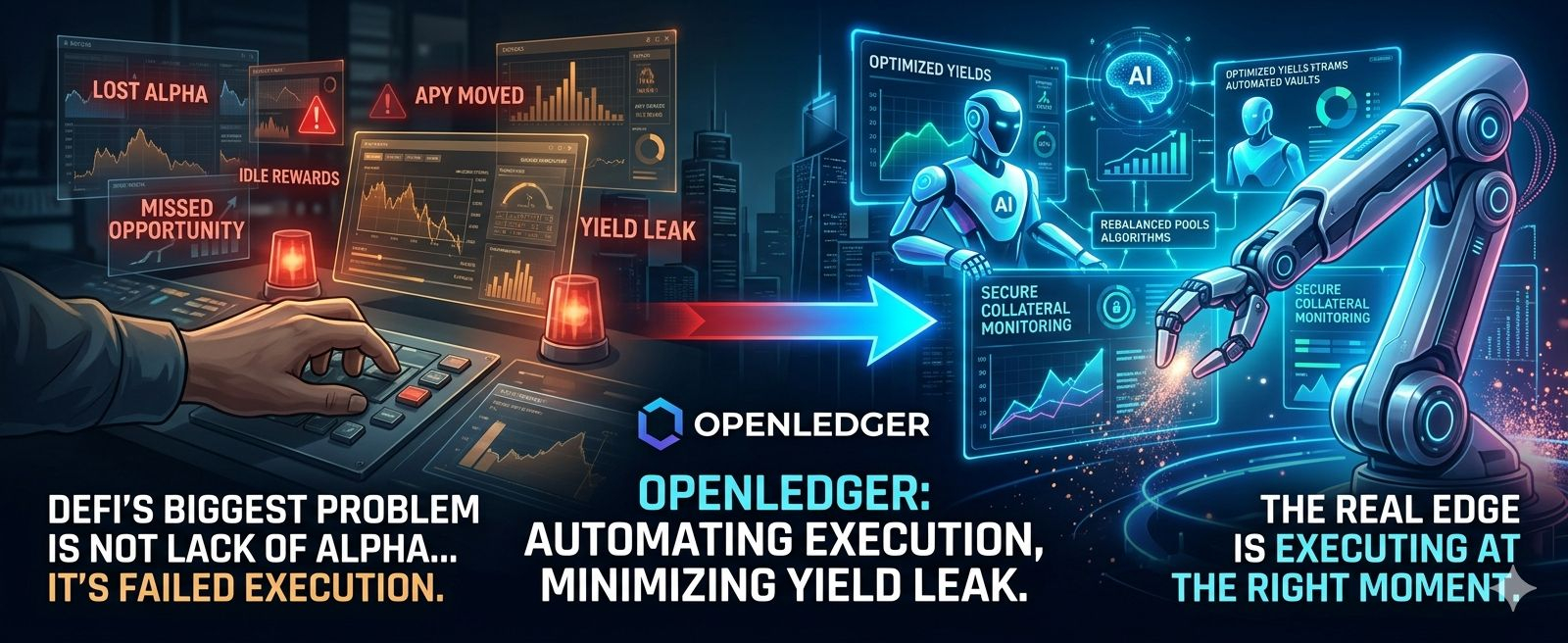
Càng xem OpenLedger, tôi càng cảm thấy vấn đề lớn nhất của DeFi không phải là thiếu alpha... mà là thực thi không thành công.
Mọi người đã biết nơi nào có lợi suất. Vấn đề thực sự là phản ứng đủ nhanh trước khi điều kiện thay đổi. APY dao động, thanh khoản quay vòng, phần thưởng nằm im, và rủi ro tài sản thế chấp gia tăng khi con người không trực tuyến.
OpenLedger dường như đang đặt cược vào một ý tưởng: thực thi tự động có thể quan trọng hơn chiến lược thủ công.
Các tích hợp gần đây xoay quanh các tác nhân AI và cơ sở hạ tầng kho tự động làm cho hướng đi đó trở nên thú vị hơn. Nhưng bài kiểm tra thực sự rất đơn giản — liệu tự động hóa có thể thực sự giảm "rò rỉ lợi suất" mà không làm tăng độ phức tạp hoặc rủi ro mới không?
Đó là phần tôi đang theo dõi chặt chẽ.
Bởi vì trong DeFi, biết điều gì cần làm không còn là lợi thế. Thực hiện đúng lúc có thể là lợi thế.
@Openledger $OPEN #OpenLedger
Càng xem OpenLedger, tôi càng cảm thấy vấn đề lớn nhất của DeFi không phải là thiếu alpha... mà là thực thi không thành công.
Mọi người đã biết nơi nào có lợi suất. Vấn đề thực sự là phản ứng đủ nhanh trước khi điều kiện thay đổi. APY dao động, thanh khoản quay vòng, phần thưởng nằm im, và rủi ro tài sản thế chấp gia tăng khi con người không trực tuyến.
OpenLedger dường như đang đặt cược vào một ý tưởng: thực thi tự động có thể quan trọng hơn chiến lược thủ công.
Các tích hợp gần đây xoay quanh các tác nhân AI và cơ sở hạ tầng kho tự động làm cho hướng đi đó trở nên thú vị hơn. Nhưng bài kiểm tra thực sự rất đơn giản — liệu tự động hóa có thể thực sự giảm "rò rỉ lợi suất" mà không làm tăng độ phức tạp hoặc rủi ro mới không?
Đó là phần tôi đang theo dõi chặt chẽ.
Bởi vì trong DeFi, biết điều gì cần làm không còn là lợi thế. Thực hiện đúng lúc có thể là lợi thế.
@OpenLedger $OPEN #OpenLedger
Mọi người đã biết nơi nào có lợi suất. Vấn đề thực sự là phản ứng đủ nhanh trước khi điều kiện thay đổi. APY dao động, thanh khoản quay vòng, phần thưởng nằm im, và rủi ro tài sản thế chấp gia tăng khi con người không trực tuyến.
OpenLedger dường như đang đặt cược vào một ý tưởng: thực thi tự động có thể quan trọng hơn chiến lược thủ công.
Các tích hợp gần đây xoay quanh các tác nhân AI và cơ sở hạ tầng kho tự động làm cho hướng đi đó trở nên thú vị hơn. Nhưng bài kiểm tra thực sự rất đơn giản — liệu tự động hóa có thể thực sự giảm "rò rỉ lợi suất" mà không làm tăng độ phức tạp hoặc rủi ro mới không?
Đó là phần tôi đang theo dõi chặt chẽ.
Bởi vì trong DeFi, biết điều gì cần làm không còn là lợi thế. Thực hiện đúng lúc có thể là lợi thế.
@OpenLedger $OPEN #OpenLedger
2
2
174
·
--
Bài viết
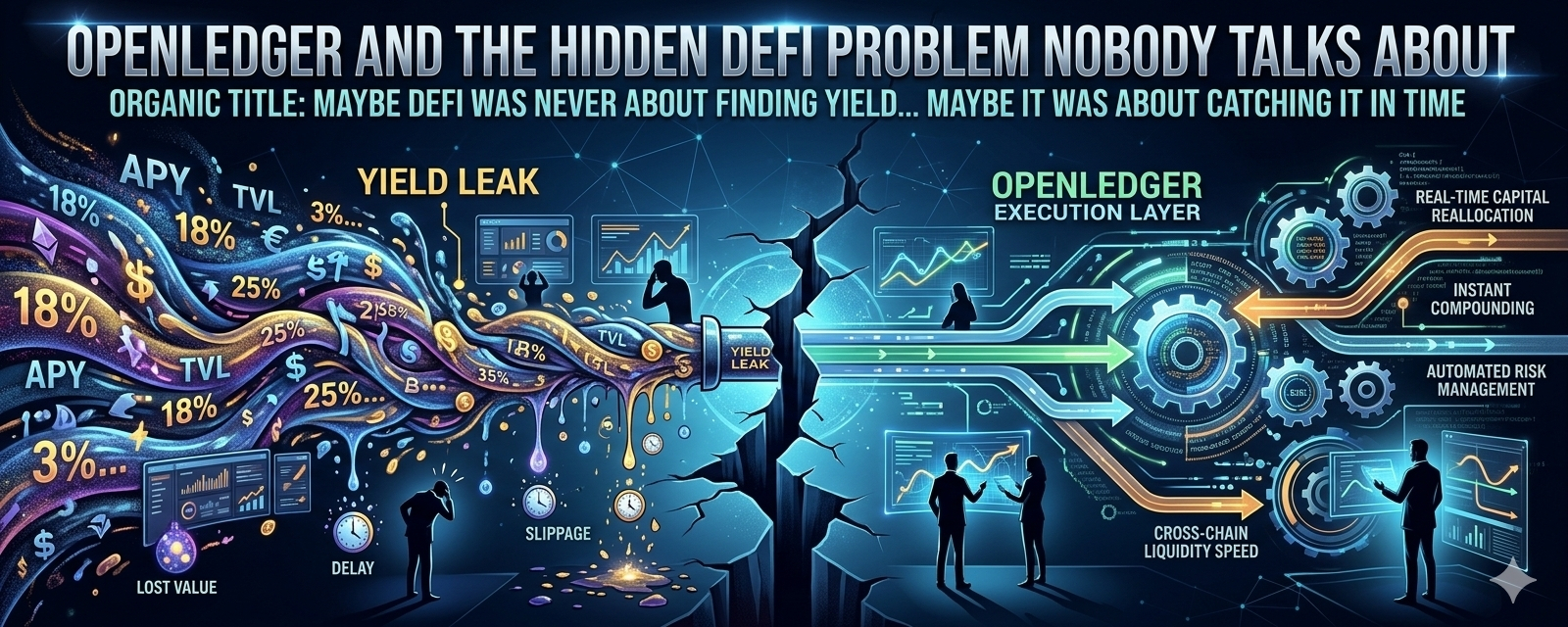
OpenLedger và Vấn Đề DeFi Ẩn Giấu Mà Không Ai Nói TớiMỗi khi mình dành nhiều thời gian hơn để nghiên cứu OpenLedger, mình lại nghĩ về một thực tế không thoải mái trong DeFi mà hầu hết mọi người đều lặng lẽ bỏ qua. Ngành công nghiệp này cứ nói về “APY cao”, “pool tốt hơn”, “chiến lược thông minh hơn”, và “cơ hội alpha”, nhưng vấn đề sâu sắc hơn lại hoàn toàn khác. Hầu hết người dùng đã biết ở đâu có cơ hội. Thông tin giờ đây có mặt ở khắp nơi. Dashboards theo dõi lợi suất, những influencer đăng chiến lược mỗi giờ, các nền tảng phân tích phơi bày dòng thanh khoản theo thời gian thực. Kiến thức giờ đây không còn là hiếm hoi. Thế nhưng không hiểu sao, mọi người vẫn cứ dưới mức kỳ vọng. Sự mâu thuẫn đó chính là nơi mà toàn bộ ý tưởng này trở nên thú vị với mình.
OpenLedger và Vấn Đề DeFi Ẩn Giấu Mà Không Ai Nói Tới
Mỗi khi mình dành nhiều thời gian hơn để nghiên cứu OpenLedger, mình lại nghĩ về một thực tế không thoải mái trong DeFi mà hầu hết mọi người đều lặng lẽ bỏ qua. Ngành công nghiệp này cứ nói về “APY cao”, “pool tốt hơn”, “chiến lược thông minh hơn”, và “cơ hội alpha”, nhưng vấn đề sâu sắc hơn lại hoàn toàn khác. Hầu hết người dùng đã biết ở đâu có cơ hội. Thông tin giờ đây có mặt ở khắp nơi. Dashboards theo dõi lợi suất, những influencer đăng chiến lược mỗi giờ, các nền tảng phân tích phơi bày dòng thanh khoản theo thời gian thực. Kiến thức giờ đây không còn là hiếm hoi. Thế nhưng không hiểu sao, mọi người vẫn cứ dưới mức kỳ vọng. Sự mâu thuẫn đó chính là nơi mà toàn bộ ý tưởng này trở nên thú vị với mình.
1
2
165
·
--
Tăng giá
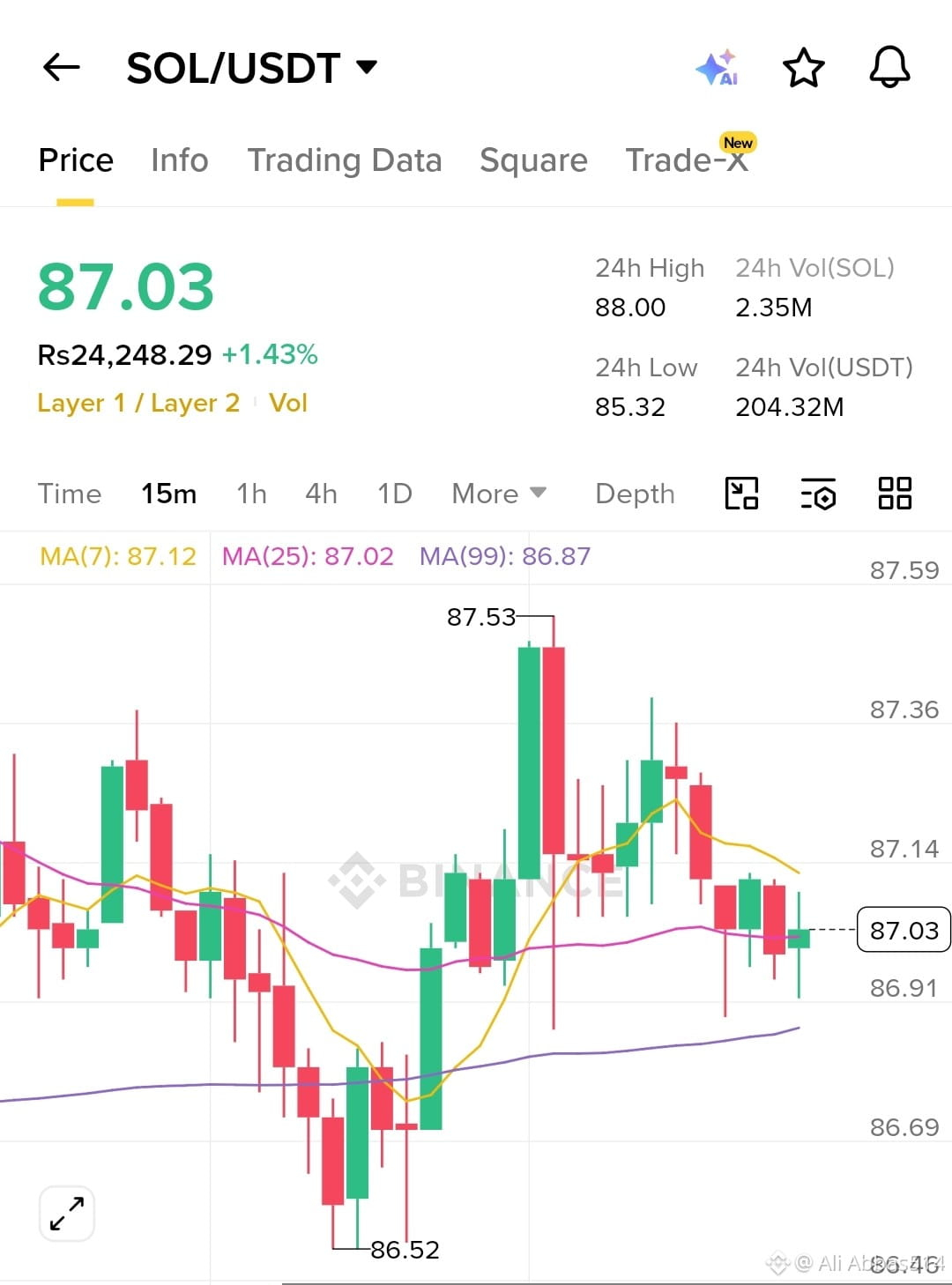
$SOL đang bắt đầu cho thấy hành động giá mà thường xuất hiện ngay trước khi tâm lý hoàn toàn đảo chiều 👀
Lần đầu tiên sau một thời gian, cấu trúc đang cố gắng thay đổi thay vì phá vỡ xuống thấp hơn.
Và nếu đáy này giữ vững, cú lội ngược dòng tiếp theo có thể làm nhiều người bất ngờ.
Hầu hết các trader vẫn đang kỳ vọng vào sự yếu kém…
nhưng biểu đồ đang âm thầm tích lũy áp lực bên dưới.
Khu vực $90 là mục tiêu lớn đầu tiên trên radar của tôi.
Không phải vì sự cường điệu nói vậy — mà vì động lực đang từ từ trở lại từng nến một.
Điều làm cho thiết lập này nguy hiểm là sự định vị.
Quá nhiều người đang nghiêng về xu hướng giảm trong khi SOL vẫn tiếp tục từ chối hoàn toàn sụp đổ.
Nếu người mua bảo vệ được mức này và khối lượng tiếp tục tăng, sự phục hồi có thể diễn ra nhanh hơn nhiều so với thị trường mong đợi 🚨
{spot}(SOLUSDT)
$SOL đang bắt đầu cho thấy hành động giá mà thường xuất hiện ngay trước khi tâm lý hoàn toàn đảo chiều 👀
Lần đầu tiên sau một thời gian, cấu trúc đang cố gắng thay đổi thay vì phá vỡ xuống thấp hơn.
Và nếu đáy này giữ vững, cú lội ngược dòng tiếp theo có thể làm nhiều người bất ngờ.
Hầu hết các trader vẫn đang kỳ vọng vào sự yếu kém…
nhưng biểu đồ đang âm thầm tích lũy áp lực bên dưới.
Khu vực $90 là mục tiêu lớn đầu tiên trên radar của tôi.
Không phải vì sự cường điệu nói vậy — mà vì động lực đang từ từ trở lại từng nến một.
Điều làm cho thiết lập này nguy hiểm là sự định vị.
Quá nhiều người đang nghiêng về xu hướng giảm trong khi SOL vẫn tiếp tục từ chối hoàn toàn sụp đổ.
Nếu người mua bảo vệ được mức này và khối lượng tiếp tục tăng, sự phục hồi có thể diễn ra nhanh hơn nhiều so với thị trường mong đợi 🚨
Lần đầu tiên sau một thời gian, cấu trúc đang cố gắng thay đổi thay vì phá vỡ xuống thấp hơn.
Và nếu đáy này giữ vững, cú lội ngược dòng tiếp theo có thể làm nhiều người bất ngờ.
Hầu hết các trader vẫn đang kỳ vọng vào sự yếu kém…
nhưng biểu đồ đang âm thầm tích lũy áp lực bên dưới.
Khu vực $90 là mục tiêu lớn đầu tiên trên radar của tôi.
Không phải vì sự cường điệu nói vậy — mà vì động lực đang từ từ trở lại từng nến một.
Điều làm cho thiết lập này nguy hiểm là sự định vị.
Quá nhiều người đang nghiêng về xu hướng giảm trong khi SOL vẫn tiếp tục từ chối hoàn toàn sụp đổ.
Nếu người mua bảo vệ được mức này và khối lượng tiếp tục tăng, sự phục hồi có thể diễn ra nhanh hơn nhiều so với thị trường mong đợi 🚨
143
·
--
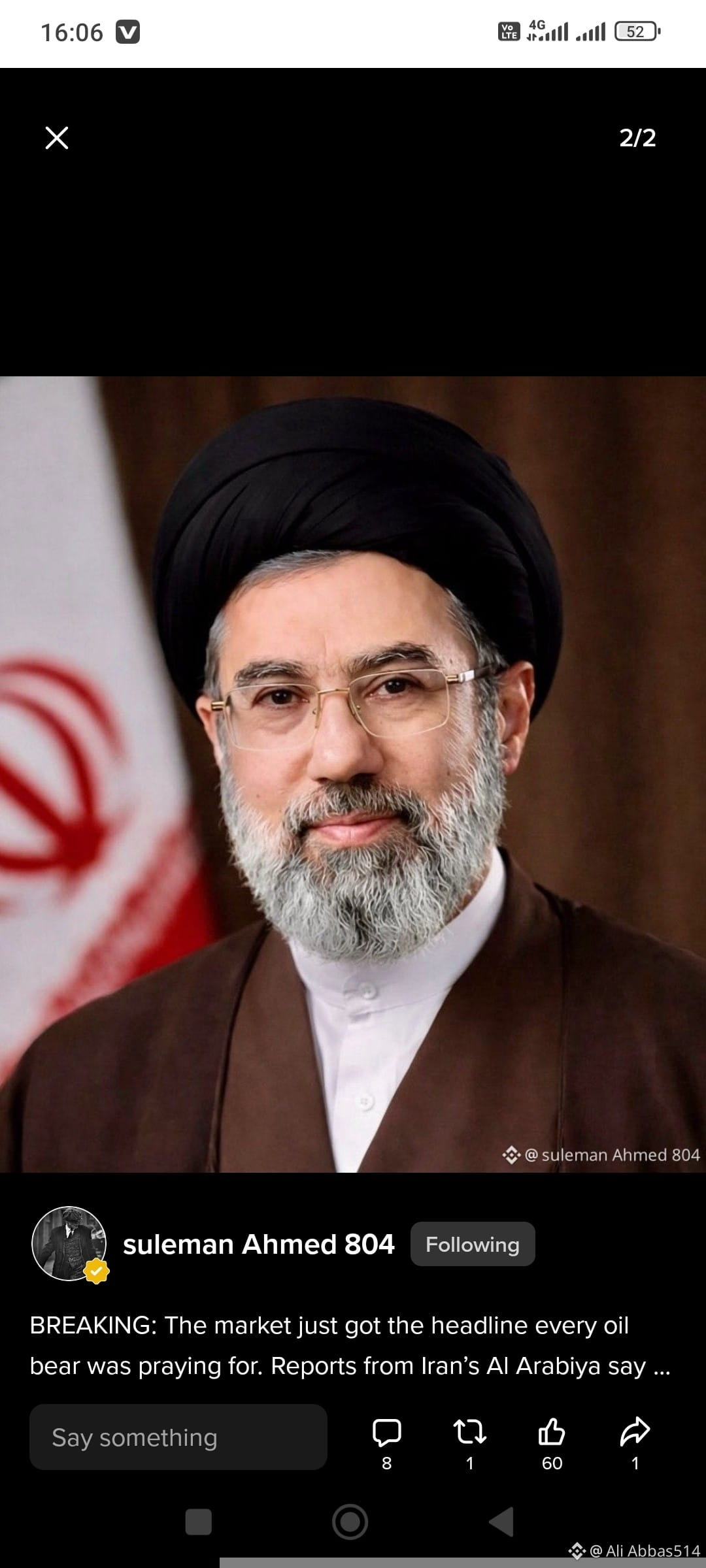
CẬP NHẬT — Các nhà giao dịch dầu vừa bị đập vào thông tin mà không ai ngờ tới nhanh như vậy 🚨
Báo cáo cho biết một dự thảo thỏa thuận cuối cùng giữa Mỹ và Iran đã được hoàn tất, bao gồm ngừng bắn, lối đi an toàn qua Eo biển Hormuz, và giảm dần các lệnh trừng phạt.
Nếu thỏa thuận này tồn tại... toàn bộ câu chuyện về dầu sẽ thay đổi chỉ sau một đêm.
Trong nhiều tuần, thị trường đã định giá trong nỗi sợ hãi: ❌ gián đoạn nguồn cung
❌ leo thang quân sự
❌ hỗn loạn trong các tuyến vận tải toàn cầu
Giờ đây, bất ngờ thị trường đang bị buộc phải định giá cho sự giảm căng thẳng thay vào đó.
Và điều đó rất nguy hiểm.
Bởi vì khi một tiêu đề có thể xóa tan nhiều tuần hoảng loạn chỉ trong vài phút, sự biến động trở nên tàn khốc. Một bên bị mắc kẹt ngay lập tức.
Những người bán dầu đang ăn mừng ngay bây giờ.
Những người mua dầu thì đang nhìn vào màn hình với vẻ không thể tin nổi.
Nhưng phần điên rồ nhất?
Thị trường vẫn chưa hoàn toàn tin tưởng vào tình hình.
Một điều khoản thất bại…
Một tên lửa…
Một sự từ chối chính trị…
Và giá dầu có thể đảo ngược mạnh mẽ trước khi các nhà giao dịch kịp phản ứng.
Đây không còn chỉ là câu chuyện về dầu nữa.
Đây là trò roulette địa chính trị với hàng tỷ đồng di chuyển mỗi giây 🌍🔥
CẬP NHẬT — Các nhà giao dịch dầu vừa bị đập vào thông tin mà không ai ngờ tới nhanh như vậy 🚨
Báo cáo cho biết một dự thảo thỏa thuận cuối cùng giữa Mỹ và Iran đã được hoàn tất, bao gồm ngừng bắn, lối đi an toàn qua Eo biển Hormuz, và giảm dần các lệnh trừng phạt.
Nếu thỏa thuận này tồn tại... toàn bộ câu chuyện về dầu sẽ thay đổi chỉ sau một đêm.
Trong nhiều tuần, thị trường đã định giá trong nỗi sợ hãi: ❌ gián đoạn nguồn cung
❌ leo thang quân sự
❌ hỗn loạn trong các tuyến vận tải toàn cầu
Giờ đây, bất ngờ thị trường đang bị buộc phải định giá cho sự giảm căng thẳng thay vào đó.
Và điều đó rất nguy hiểm.
Bởi vì khi một tiêu đề có thể xóa tan nhiều tuần hoảng loạn chỉ trong vài phút, sự biến động trở nên tàn khốc. Một bên bị mắc kẹt ngay lập tức.
Những người bán dầu đang ăn mừng ngay bây giờ.
Những người mua dầu thì đang nhìn vào màn hình với vẻ không thể tin nổi.
Nhưng phần điên rồ nhất?
Thị trường vẫn chưa hoàn toàn tin tưởng vào tình hình.
Một điều khoản thất bại…
Một tên lửa…
Một sự từ chối chính trị…
Và giá dầu có thể đảo ngược mạnh mẽ trước khi các nhà giao dịch kịp phản ứng.
Đây không còn chỉ là câu chuyện về dầu nữa.
Đây là trò roulette địa chính trị với hàng tỷ đồng di chuyển mỗi giây 🌍🔥
Báo cáo cho biết một dự thảo thỏa thuận cuối cùng giữa Mỹ và Iran đã được hoàn tất, bao gồm ngừng bắn, lối đi an toàn qua Eo biển Hormuz, và giảm dần các lệnh trừng phạt.
Nếu thỏa thuận này tồn tại... toàn bộ câu chuyện về dầu sẽ thay đổi chỉ sau một đêm.
Trong nhiều tuần, thị trường đã định giá trong nỗi sợ hãi: ❌ gián đoạn nguồn cung
❌ leo thang quân sự
❌ hỗn loạn trong các tuyến vận tải toàn cầu
Giờ đây, bất ngờ thị trường đang bị buộc phải định giá cho sự giảm căng thẳng thay vào đó.
Và điều đó rất nguy hiểm.
Bởi vì khi một tiêu đề có thể xóa tan nhiều tuần hoảng loạn chỉ trong vài phút, sự biến động trở nên tàn khốc. Một bên bị mắc kẹt ngay lập tức.
Những người bán dầu đang ăn mừng ngay bây giờ.
Những người mua dầu thì đang nhìn vào màn hình với vẻ không thể tin nổi.
Nhưng phần điên rồ nhất?
Thị trường vẫn chưa hoàn toàn tin tưởng vào tình hình.
Một điều khoản thất bại…
Một tên lửa…
Một sự từ chối chính trị…
Và giá dầu có thể đảo ngược mạnh mẽ trước khi các nhà giao dịch kịp phản ứng.
Đây không còn chỉ là câu chuyện về dầu nữa.
Đây là trò roulette địa chính trị với hàng tỷ đồng di chuyển mỗi giây 🌍🔥
51
·
--
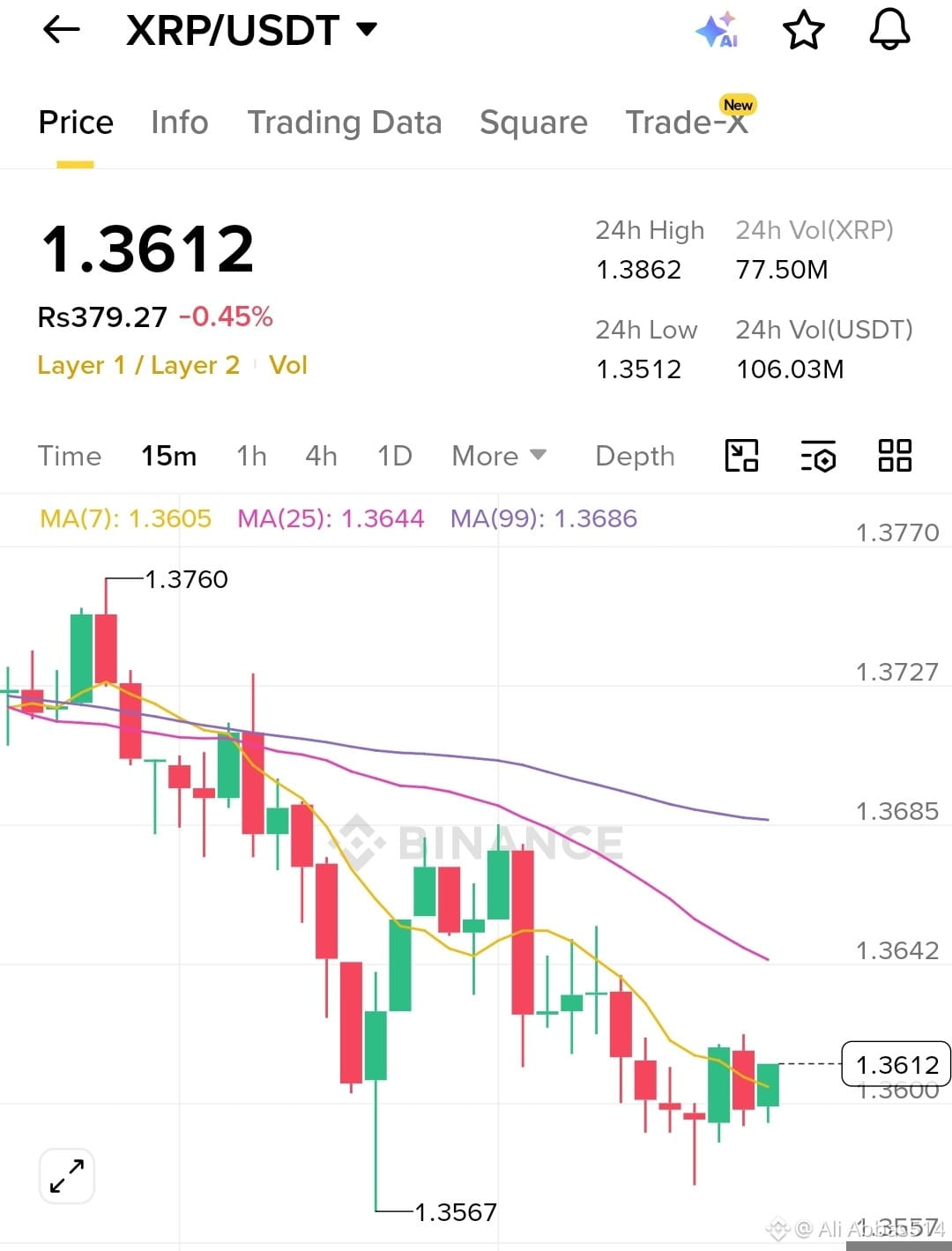
$XRP vừa lật ngược toàn bộ tâm trạng của biểu đồ chỉ trong vài giờ 🚨
Khi giá bảo vệ vùng 1.3477, người mua đã tấn công mạnh mẽ và không quay lại nữa.
Bây giờ XRP đang áp lực vào mức cao hàng ngày trong khi động lực tiếp tục gia tăng từ nến này sang nến khác.
Điều này không còn giống như chuyển động ngẫu nhiên nữa.
Điều này giống như bò đang nắm quyền kiểm soát.
Các vùng trọng tâm của tôi: 📍 Vùng Mua: 1.3500 – 1.3700
🎯 Mục tiêu 1: 1.4500
🎯 Mục tiêu 2: 1.5000
🛑 Mức Rủi Ro: 1.3000
Tín hiệu mạnh nhất ngay bây giờ không phải là đợt tăng 2%…
Mà là tốc độ phục hồi sau khi hỗ trợ giữ vững một cách hoàn hảo.
Khi XRP bắt đầu lấy lại các mức này một cách hung hãn, thị trường thường phản ứng nhanh.
Giờ câu hỏi rất đơn giản:
Người mua có đang chuẩn bị cho sự tiếp diễn… hay đây là khởi đầu của một đợt bứt phá lớn hơn? 👀
$XRP vừa lật ngược toàn bộ tâm trạng của biểu đồ chỉ trong vài giờ 🚨
Khi giá bảo vệ vùng 1.3477, người mua đã tấn công mạnh mẽ và không quay lại nữa.
Bây giờ XRP đang áp lực vào mức cao hàng ngày trong khi động lực tiếp tục gia tăng từ nến này sang nến khác.
Điều này không còn giống như chuyển động ngẫu nhiên nữa.
Điều này giống như bò đang nắm quyền kiểm soát.
Các vùng trọng tâm của tôi: 📍 Vùng Mua: 1.3500 – 1.3700
🎯 Mục tiêu 1: 1.4500
🎯 Mục tiêu 2: 1.5000
🛑 Mức Rủi Ro: 1.3000
Tín hiệu mạnh nhất ngay bây giờ không phải là đợt tăng 2%…
Mà là tốc độ phục hồi sau khi hỗ trợ giữ vững một cách hoàn hảo.
Khi XRP bắt đầu lấy lại các mức này một cách hung hãn, thị trường thường phản ứng nhanh.
Giờ câu hỏi rất đơn giản:
Người mua có đang chuẩn bị cho sự tiếp diễn… hay đây là khởi đầu của một đợt bứt phá lớn hơn? 👀
Khi giá bảo vệ vùng 1.3477, người mua đã tấn công mạnh mẽ và không quay lại nữa.
Bây giờ XRP đang áp lực vào mức cao hàng ngày trong khi động lực tiếp tục gia tăng từ nến này sang nến khác.
Điều này không còn giống như chuyển động ngẫu nhiên nữa.
Điều này giống như bò đang nắm quyền kiểm soát.
Các vùng trọng tâm của tôi: 📍 Vùng Mua: 1.3500 – 1.3700
🎯 Mục tiêu 1: 1.4500
🎯 Mục tiêu 2: 1.5000
🛑 Mức Rủi Ro: 1.3000
Tín hiệu mạnh nhất ngay bây giờ không phải là đợt tăng 2%…
Mà là tốc độ phục hồi sau khi hỗ trợ giữ vững một cách hoàn hảo.
Khi XRP bắt đầu lấy lại các mức này một cách hung hãn, thị trường thường phản ứng nhanh.
Giờ câu hỏi rất đơn giản:
Người mua có đang chuẩn bị cho sự tiếp diễn… hay đây là khởi đầu của một đợt bứt phá lớn hơn? 👀
151
·
--
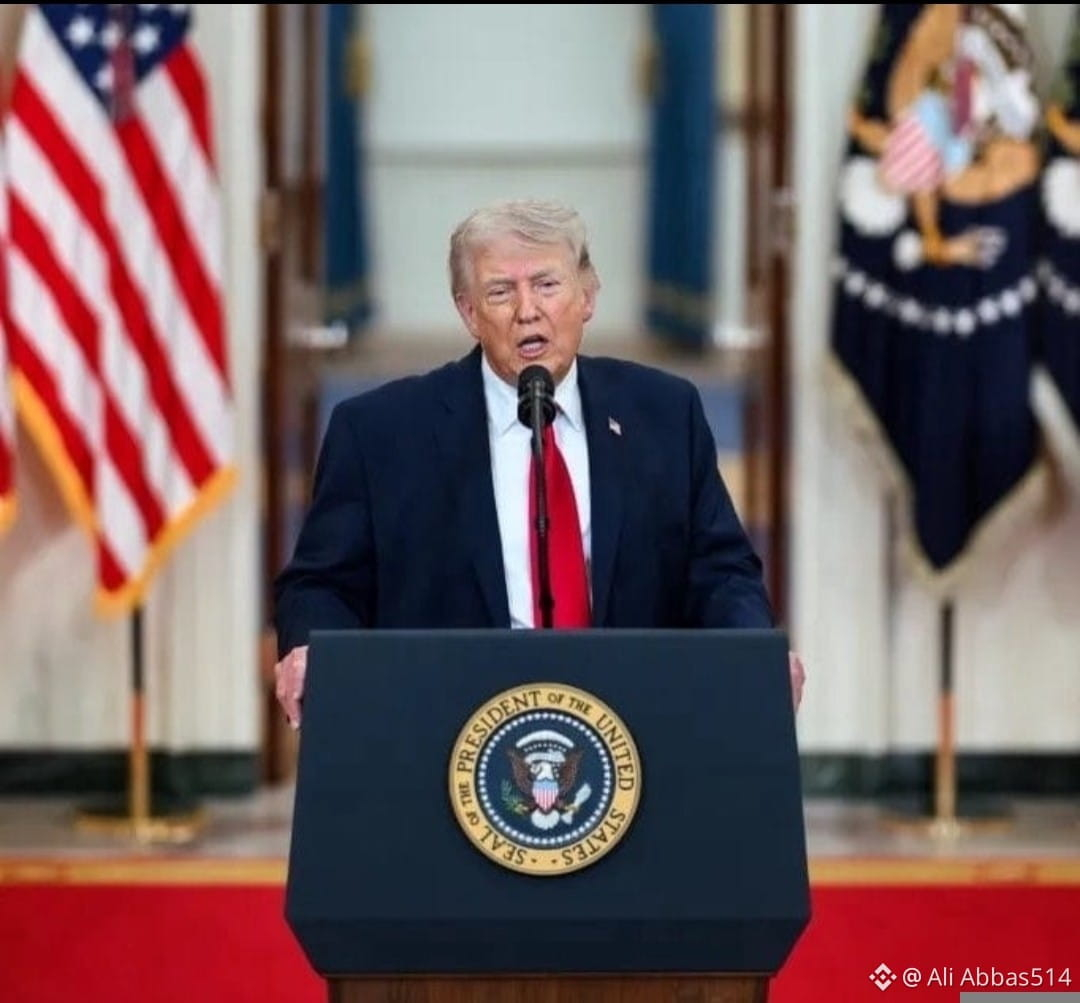
CẬP NHẬT — Hệ thống tài chính vừa vượt qua một ranh giới mà có thể sẽ không bao giờ quay trở lại.
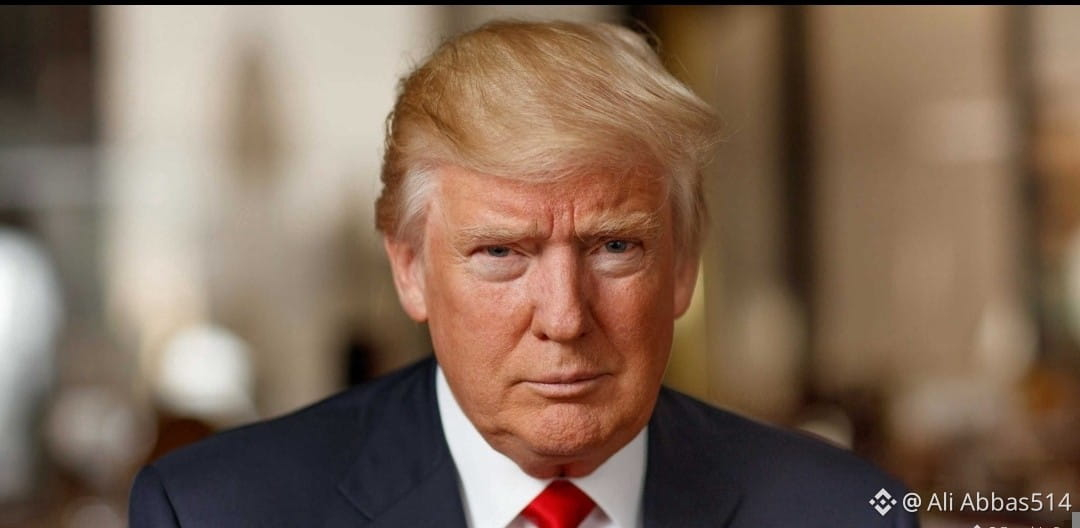
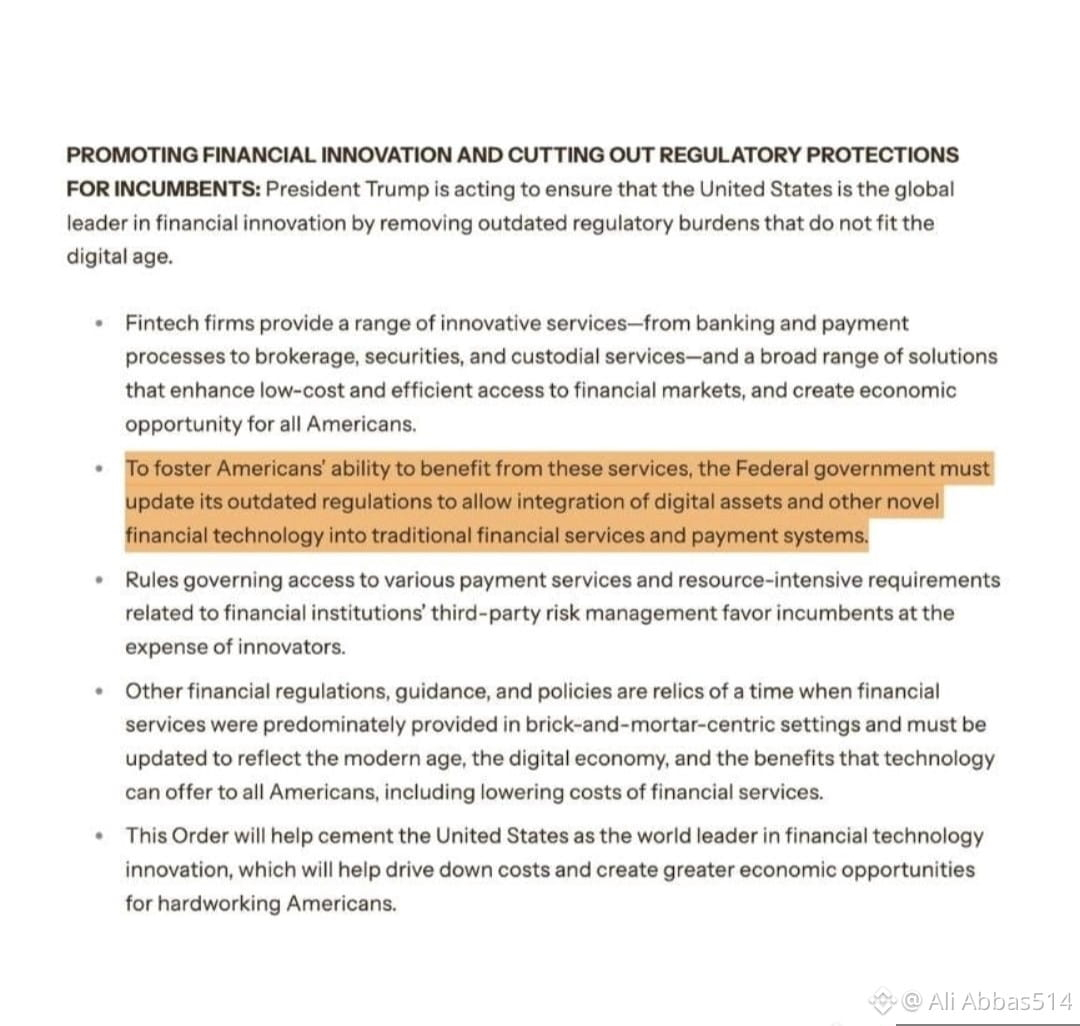
Tổng thống Trump đã ký một lệnh hành pháp quan trọng, đẩy chính phủ Mỹ hướng tới việc tích hợp sâu hơn crypto, blockchain, tài sản kỹ thuật số, và fintech vào cốt lõi của tài chính Mỹ.
Đây không phải là một tiêu đề “thân thiện với crypto” khác.
Cảm giác như điều này lớn hơn nhiều.
Washington giờ đây đang công khai nói về hiện đại hóa, cơ sở hạ tầng thanh toán, tài chính mã hóa, stablecoin, và các kênh thanh toán dựa trên blockchain bên trong chính hệ thống tài chính.
Điều đó hoàn toàn thay đổi cuộc trò chuyện.
Trong nhiều năm, crypto đã sống bên ngoài tài chính truyền thống, đấu tranh để có được sự công nhận.
Giờ đây, những bức tường giữa Phố Wall và blockchain đang bắt đầu biến mất trong thời gian thực.
Các ngân hàng đang theo dõi.
Các tổ chức đang theo dõi.
Chính phủ đang theo dõi.
Thập kỷ tới có thể không phải là về việc crypto có tồn tại hay không.
Nó có thể là về việc blockchain trở nên sâu sắc như thế nào trong hệ thống tài chính toàn cầu trước khi hầu hết mọi người thậm chí nhận ra rằng quá trình chuyển đổi đã bắt đầu. 🚨
CẬP NHẬT — Hệ thống tài chính vừa vượt qua một ranh giới mà có thể sẽ không bao giờ quay trở lại.
Tổng thống Trump đã ký một lệnh hành pháp quan trọng, đẩy chính phủ Mỹ hướng tới việc tích hợp sâu hơn crypto, blockchain, tài sản kỹ thuật số, và fintech vào cốt lõi của tài chính Mỹ.
Đây không phải là một tiêu đề “thân thiện với crypto” khác.
Cảm giác như điều này lớn hơn nhiều.
Washington giờ đây đang công khai nói về hiện đại hóa, cơ sở hạ tầng thanh toán, tài chính mã hóa, stablecoin, và các kênh thanh toán dựa trên blockchain bên trong chính hệ thống tài chính.
Điều đó hoàn toàn thay đổi cuộc trò chuyện.
Trong nhiều năm, crypto đã sống bên ngoài tài chính truyền thống, đấu tranh để có được sự công nhận.
Giờ đây, những bức tường giữa Phố Wall và blockchain đang bắt đầu biến mất trong thời gian thực.
Các ngân hàng đang theo dõi.
Các tổ chức đang theo dõi.
Chính phủ đang theo dõi.
Thập kỷ tới có thể không phải là về việc crypto có tồn tại hay không.
Nó có thể là về việc blockchain trở nên sâu sắc như thế nào trong hệ thống tài chính toàn cầu trước khi hầu hết mọi người thậm chí nhận ra rằng quá trình chuyển đổi đã bắt đầu. 🚨
Tổng thống Trump đã ký một lệnh hành pháp quan trọng, đẩy chính phủ Mỹ hướng tới việc tích hợp sâu hơn crypto, blockchain, tài sản kỹ thuật số, và fintech vào cốt lõi của tài chính Mỹ.
Đây không phải là một tiêu đề “thân thiện với crypto” khác.
Cảm giác như điều này lớn hơn nhiều.
Washington giờ đây đang công khai nói về hiện đại hóa, cơ sở hạ tầng thanh toán, tài chính mã hóa, stablecoin, và các kênh thanh toán dựa trên blockchain bên trong chính hệ thống tài chính.
Điều đó hoàn toàn thay đổi cuộc trò chuyện.
Trong nhiều năm, crypto đã sống bên ngoài tài chính truyền thống, đấu tranh để có được sự công nhận.
Giờ đây, những bức tường giữa Phố Wall và blockchain đang bắt đầu biến mất trong thời gian thực.
Các ngân hàng đang theo dõi.
Các tổ chức đang theo dõi.
Chính phủ đang theo dõi.
Thập kỷ tới có thể không phải là về việc crypto có tồn tại hay không.
Nó có thể là về việc blockchain trở nên sâu sắc như thế nào trong hệ thống tài chính toàn cầu trước khi hầu hết mọi người thậm chí nhận ra rằng quá trình chuyển đổi đã bắt đầu. 🚨
384
·
--
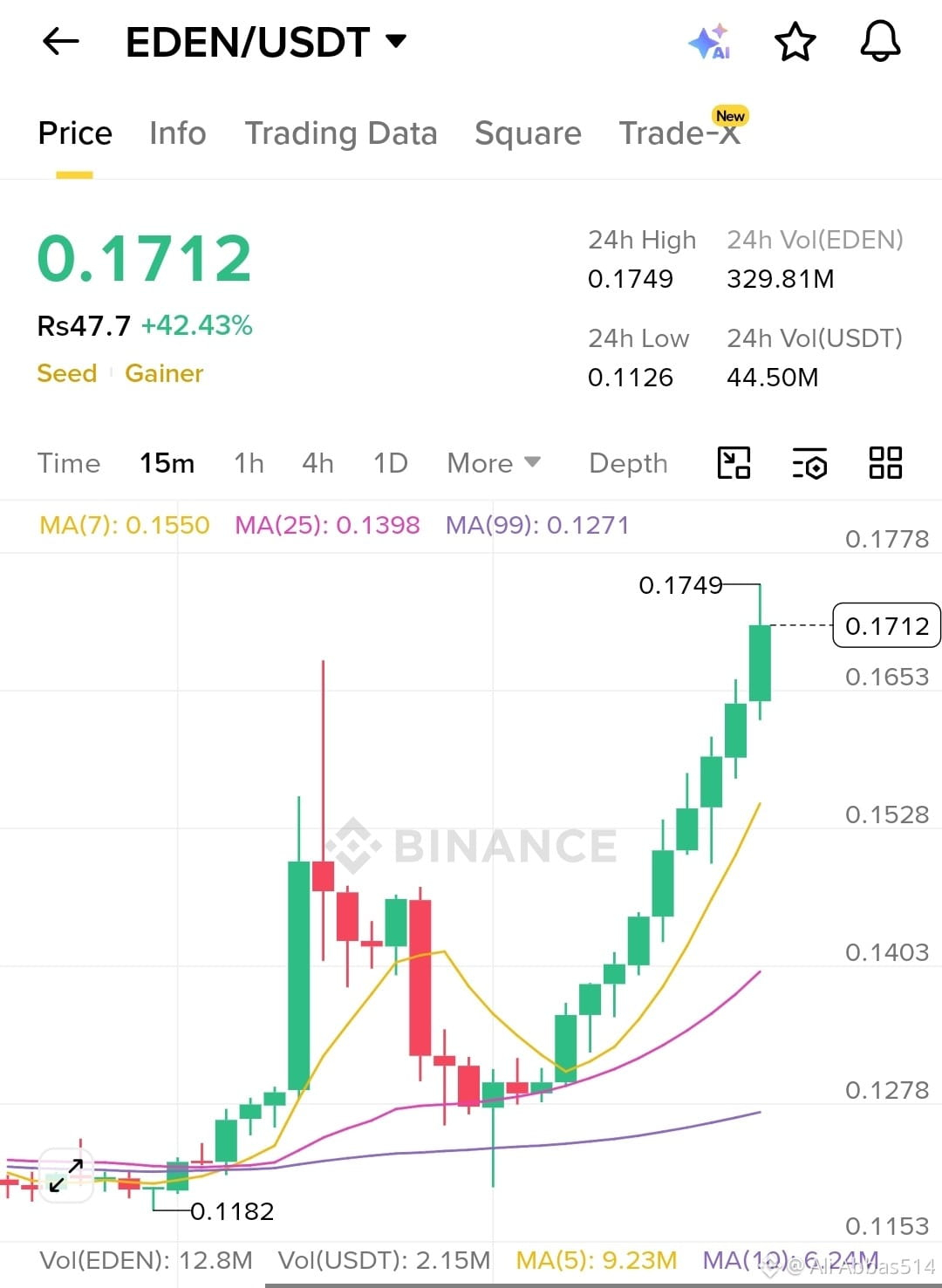
$EDEN đang bơm trước khi mở khóa 54 triệu token, đúng kiểu setup khiến nhà đầu tư nhỏ lẻ bị mắc kẹt mỗi chu kỳ 😮💨
Ngày 26 tháng 5 = 5.4% tổng nguồn cung sẽ vào thị trường.
Sau đó sẽ có thêm nhiều đợt mở khóa mỗi tháng sau đó.
Mọi người thấy nến xanh… Tôi thấy áp lực bán sắp tới.
Đây là lý do tại sao tôi không bao giờ bỏ qua tokenomics.
Biểu đồ có thể trông tăng giá trong khi lịch mở khóa lặng lẽ chuẩn bị cho đợt giảm giá 😡
{spot}(EDENUSDT)
$EDEN đang bơm trước khi mở khóa 54 triệu token, đúng kiểu setup khiến nhà đầu tư nhỏ lẻ bị mắc kẹt mỗi chu kỳ 😮💨
Ngày 26 tháng 5 = 5.4% tổng nguồn cung sẽ vào thị trường.
Sau đó sẽ có thêm nhiều đợt mở khóa mỗi tháng sau đó.
Mọi người thấy nến xanh… Tôi thấy áp lực bán sắp tới.
Đây là lý do tại sao tôi không bao giờ bỏ qua tokenomics.
Biểu đồ có thể trông tăng giá trong khi lịch mở khóa lặng lẽ chuẩn bị cho đợt giảm giá 😡
Ngày 26 tháng 5 = 5.4% tổng nguồn cung sẽ vào thị trường.
Sau đó sẽ có thêm nhiều đợt mở khóa mỗi tháng sau đó.
Mọi người thấy nến xanh… Tôi thấy áp lực bán sắp tới.
Đây là lý do tại sao tôi không bao giờ bỏ qua tokenomics.
Biểu đồ có thể trông tăng giá trong khi lịch mở khóa lặng lẽ chuẩn bị cho đợt giảm giá 😡
1
302
·
--
Mọi người cứ nói về AI ngày càng thông minh hơn, nhưng rất ít dự án hỏi ai thực sự sở hữu giá trị phía sau sự thông minh đó. Đó là lý do tại sao @OpenLedger đã thu hút sự chú ý của tôi gần đây.
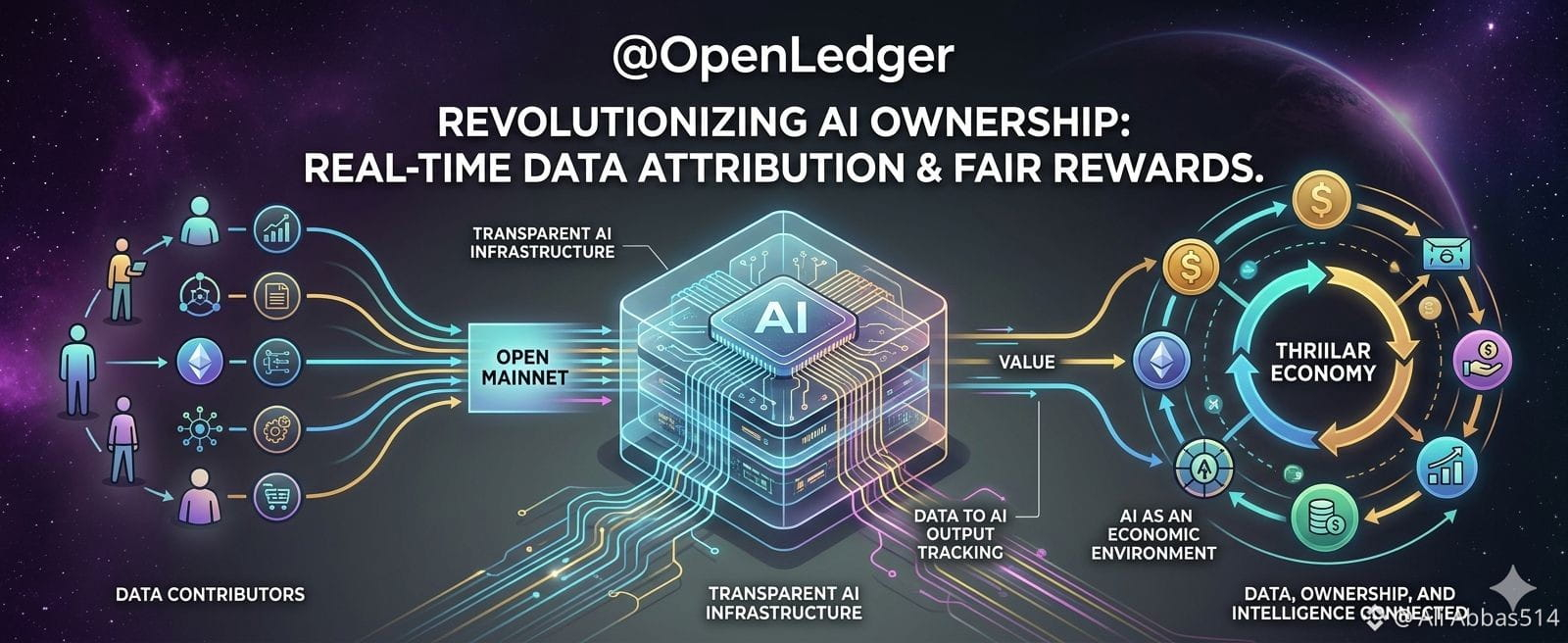
Thay vì coi AI như một cái hộp đen khép kín, mạng lưới này đang xây dựng xung quanh việc ghi nhận thời gian thực — theo dõi cách dữ liệu đóng góp vào đầu ra của AI và thưởng cho những người đóng góp thông qua chính hệ sinh thái. Với những tiến bộ gần đây quanh mạng chính OPEN và sự chú ý ngày càng tăng vào cơ sở hạ tầng AI minh bạch, cuộc trò chuyện có vẻ lớn hơn chỉ là một câu chuyện blockchain khác.
Điều khiến tôi quan tâm nhất là hướng đi phía sau nó. AI đang từ từ chuyển mình từ một công cụ đơn giản thành một môi trường kinh tế nơi dữ liệu, quyền sở hữu và trí tuệ được kết nối với nhau. Chúng ta có thể vẫn đang ở giai đoạn đầu, nhưng cách mọi người nghĩ về AI có thể thay đổi nhanh hơn mong đợi.
#OpenLedger @Openledger $OPEN
Mọi người cứ nói về AI ngày càng thông minh hơn, nhưng rất ít dự án hỏi ai thực sự sở hữu giá trị phía sau sự thông minh đó. Đó là lý do tại sao @OpenLedger đã thu hút sự chú ý của tôi gần đây.
Thay vì coi AI như một cái hộp đen khép kín, mạng lưới này đang xây dựng xung quanh việc ghi nhận thời gian thực — theo dõi cách dữ liệu đóng góp vào đầu ra của AI và thưởng cho những người đóng góp thông qua chính hệ sinh thái. Với những tiến bộ gần đây quanh mạng chính OPEN và sự chú ý ngày càng tăng vào cơ sở hạ tầng AI minh bạch, cuộc trò chuyện có vẻ lớn hơn chỉ là một câu chuyện blockchain khác.
Điều khiến tôi quan tâm nhất là hướng đi phía sau nó. AI đang từ từ chuyển mình từ một công cụ đơn giản thành một môi trường kinh tế nơi dữ liệu, quyền sở hữu và trí tuệ được kết nối với nhau. Chúng ta có thể vẫn đang ở giai đoạn đầu, nhưng cách mọi người nghĩ về AI có thể thay đổi nhanh hơn mong đợi.
#OpenLedger @OpenLedger $OPEN
Thay vì coi AI như một cái hộp đen khép kín, mạng lưới này đang xây dựng xung quanh việc ghi nhận thời gian thực — theo dõi cách dữ liệu đóng góp vào đầu ra của AI và thưởng cho những người đóng góp thông qua chính hệ sinh thái. Với những tiến bộ gần đây quanh mạng chính OPEN và sự chú ý ngày càng tăng vào cơ sở hạ tầng AI minh bạch, cuộc trò chuyện có vẻ lớn hơn chỉ là một câu chuyện blockchain khác.
Điều khiến tôi quan tâm nhất là hướng đi phía sau nó. AI đang từ từ chuyển mình từ một công cụ đơn giản thành một môi trường kinh tế nơi dữ liệu, quyền sở hữu và trí tuệ được kết nối với nhau. Chúng ta có thể vẫn đang ở giai đoạn đầu, nhưng cách mọi người nghĩ về AI có thể thay đổi nhanh hơn mong đợi.
#OpenLedger @OpenLedger $OPEN
114
Đăng nhập để khám phá thêm nội dung
Tham gia cùng người dùng tiền mã hóa toàn cầu trên Binance Square
⚡️ Nhận thông tin mới nhất và hữu ích về tiền mã hóa.
💬 Được tin cậy bởi sàn giao dịch tiền mã hóa lớn nhất thế giới.
👍 Khám phá những thông tin chuyên sâu thực tế từ những nhà sáng tạo đã xác minh.
Email / Số điện thoại
Chủ đề thịnh hành
FedRateWatch
584,439 lượt xem
2,759 đang thảo luận
Chia sẻ & Nhận thưởng Lưu lượng truy cập trong Chiến dịch Hashtag Xu hướng của chúng tôi
✨Chủ đề: FOMC tháng 9 — Kế tiếp Cục Dự trữ Liên bang sẽ làm gì?
👉Cách tham gia:
Đăng một bài viết ngắn hoặc bài viết với hashtag #FedRateWatch
Tạo nội dung dựa trên các góc nhìn dưới đây:
- CPI lõi tháng 8 tăng 0,3% theo tháng và hiện xác suất Fed tăng lãi suất 25bp trong tuần này đã gần 90%. Bạn có dự đoán Fed sẽ tăng lãi suất trong tuần này không? Đó chỉ là một lần duy nhất hay là khởi đầu cho một chu kỳ tăng lãi suất dài hơn?
- Nếu đợt tăng lãi suất diễn ra, nó sẽ ảnh hưởng thế nào đến BTC, cổ phiếu công nghệ và vàng? Tăng giá hay giảm giá?
- Bạn dự định giao dịch như thế nào tiếp theo? Chia sẻ giao dịch/nắm giữ BTC, cổ phiếu hoặc vàng của bạn với tiện ích chia sẻ giao dịch của chúng tôi.
⏰Thời gian chiến dịch:
- 2026-09-15 11:00 - 2026-09-17 3:00 UTC
🎁Phần thưởng:
- Các bài đăng đủ điều kiện tuân thủ hướng dẫn trên và có hơn 100 từ sẽ được xem xét và có thể nhận được mức tăng lưu lượng truy cập ngẫu nhiên từ 500 đến 3.000 lượt xem. Bạn sẽ nhận được thông báo từ thư ký cấp nội dung trên nguồn cấp nếu bài đăng của bạn được chọn.
- Có cơ hội để bài viết của bạn được giới thiệu trên Binance Square Official
Cần ý tưởng cho bài đăng của bạn? Hãy truy cập trang chủ đề #FedRateWatch hoặc Square Guide on How to Post for Better Reach.
Binance Square Official
·388 lượt thích
·861.3k lượt xem
45NgayTuDoTaiChinh
900,989 lượt xem
3,075 đang thảo luận
TheoDõiFOMC
79,185 lượt xem
519 đang thảo luận