

N O A A
8.4k Bài đăng

N O A A
 Đã xác minh nâng cao trên Square
Báo cáo
Chặn người dùng
Living between charts and chains
161 Đang theo dõi
35.9K+ Người theo dõi
32.4K+ Đã thích
Bài đăng
Tất cả
Trích dẫn
Video
Live
·
--
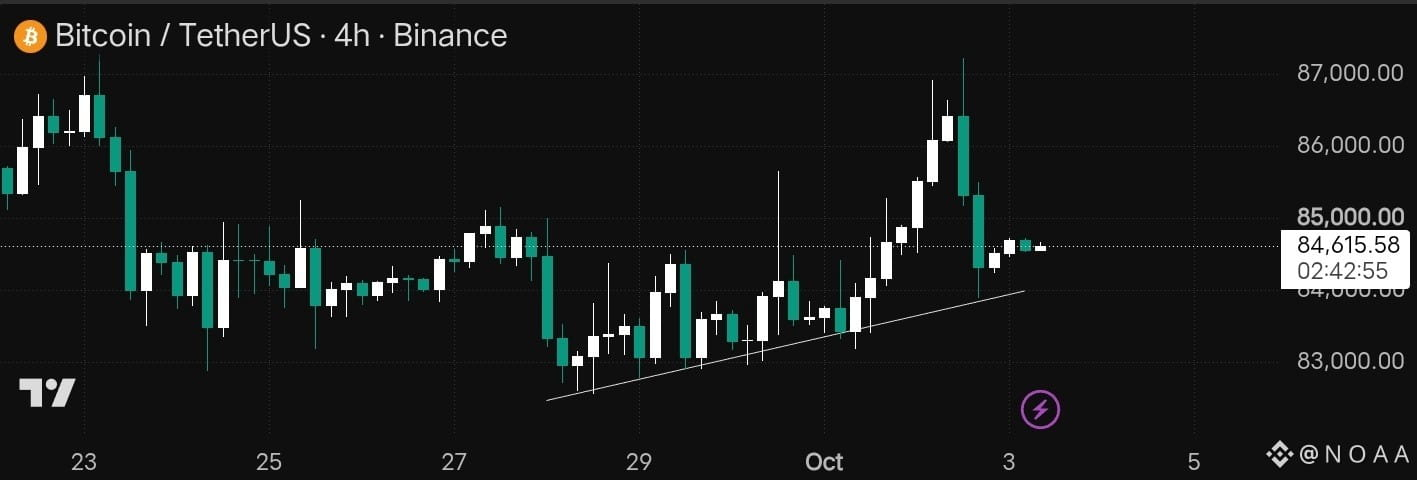
$BTC đang hạ nhiệt sau khi bị từ chối gần $87K.
Giá đang giữ quanh $84.6K, với đường xu hướng tăng vẫn đang đóng vai trò hỗ trợ. 👀
Vùng quan trọng hiện tại là $84K–$84.5K.
Giữ vững → có thể có thêm một lần thử hướng tới $86K–$87K.
Mất nó → khả năng sẽ có một đợt điều chỉnh sâu hơn.
Đang theo dõi phản ứng tại đây.
$BTC đang hạ nhiệt sau khi bị từ chối gần $87K.
Giá đang giữ quanh $84.6K, với đường xu hướng tăng vẫn đang đóng vai trò hỗ trợ. 👀
Vùng quan trọng hiện tại là $84K–$84.5K.
Giữ vững → có thể có thêm một lần thử hướng tới $86K–$87K.
Mất nó → khả năng sẽ có một đợt điều chỉnh sâu hơn.
Đang theo dõi phản ứng tại đây.
Giá đang giữ quanh $84.6K, với đường xu hướng tăng vẫn đang đóng vai trò hỗ trợ. 👀
Vùng quan trọng hiện tại là $84K–$84.5K.
Giữ vững → có thể có thêm một lần thử hướng tới $86K–$87K.
Mất nó → khả năng sẽ có một đợt điều chỉnh sâu hơn.
Đang theo dõi phản ứng tại đây.
124
·
--
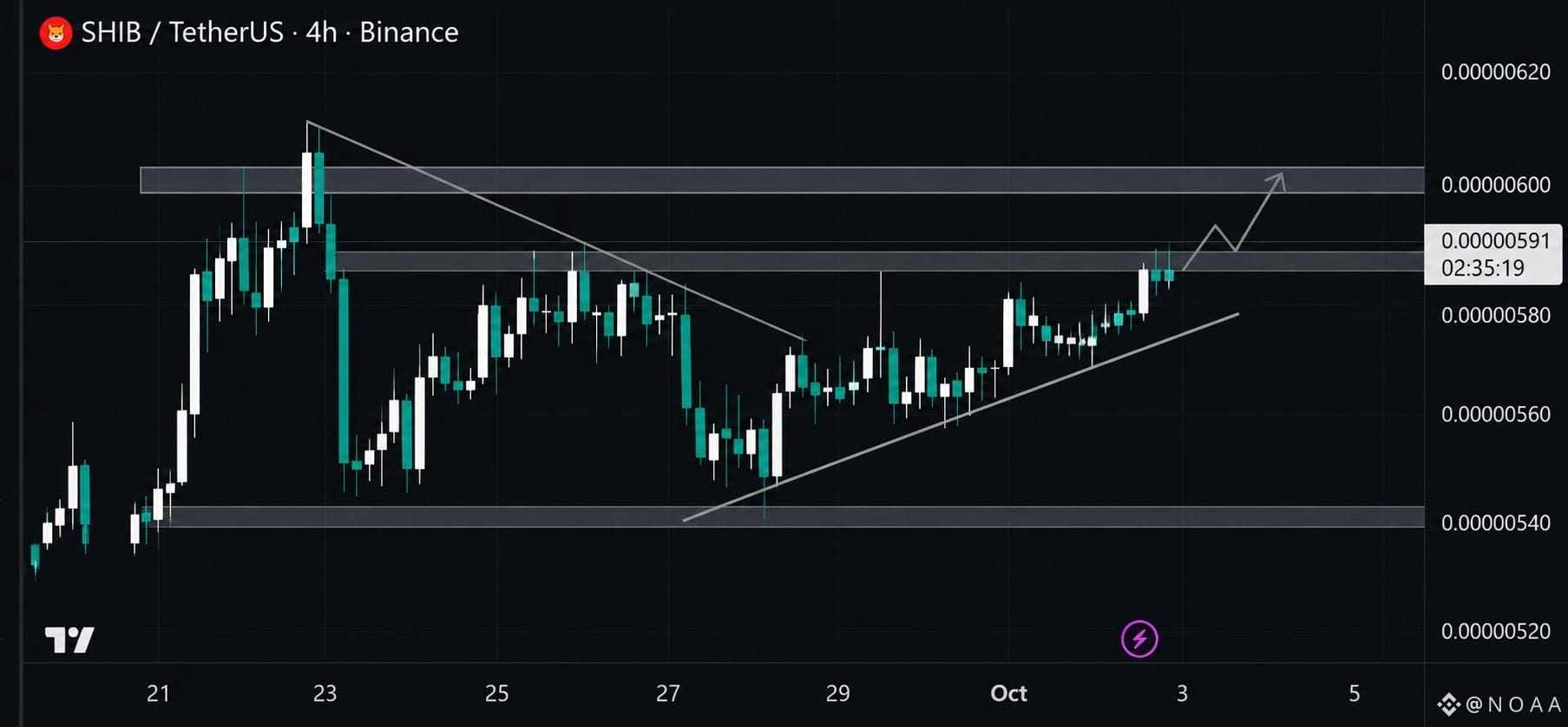
$SHIB đang tiến gần một vùng phá vỡ quan trọng.
Giá tiếp tục tôn trọng đường xu hướng tăng trong khi đang chạm vào vùng kháng cự gần đây.
Việc phá vỡ được xác nhận trên 6.0 có thể mở đường hướng tới 6.2.
Miễn là cấu trúc tăng vẫn được duy trì, kịch bản vẫn mang tính tích cực.
{spot}(SHIBUSDT)
$SHIB đang tiến gần một vùng phá vỡ quan trọng.
Giá tiếp tục tôn trọng đường xu hướng tăng trong khi đang chạm vào vùng kháng cự gần đây.
Việc phá vỡ được xác nhận trên 6.0 có thể mở đường hướng tới 6.2.
Miễn là cấu trúc tăng vẫn được duy trì, kịch bản vẫn mang tính tích cực.
Giá tiếp tục tôn trọng đường xu hướng tăng trong khi đang chạm vào vùng kháng cự gần đây.
Việc phá vỡ được xác nhận trên 6.0 có thể mở đường hướng tới 6.2.
Miễn là cấu trúc tăng vẫn được duy trì, kịch bản vẫn mang tính tích cực.
148
·
--
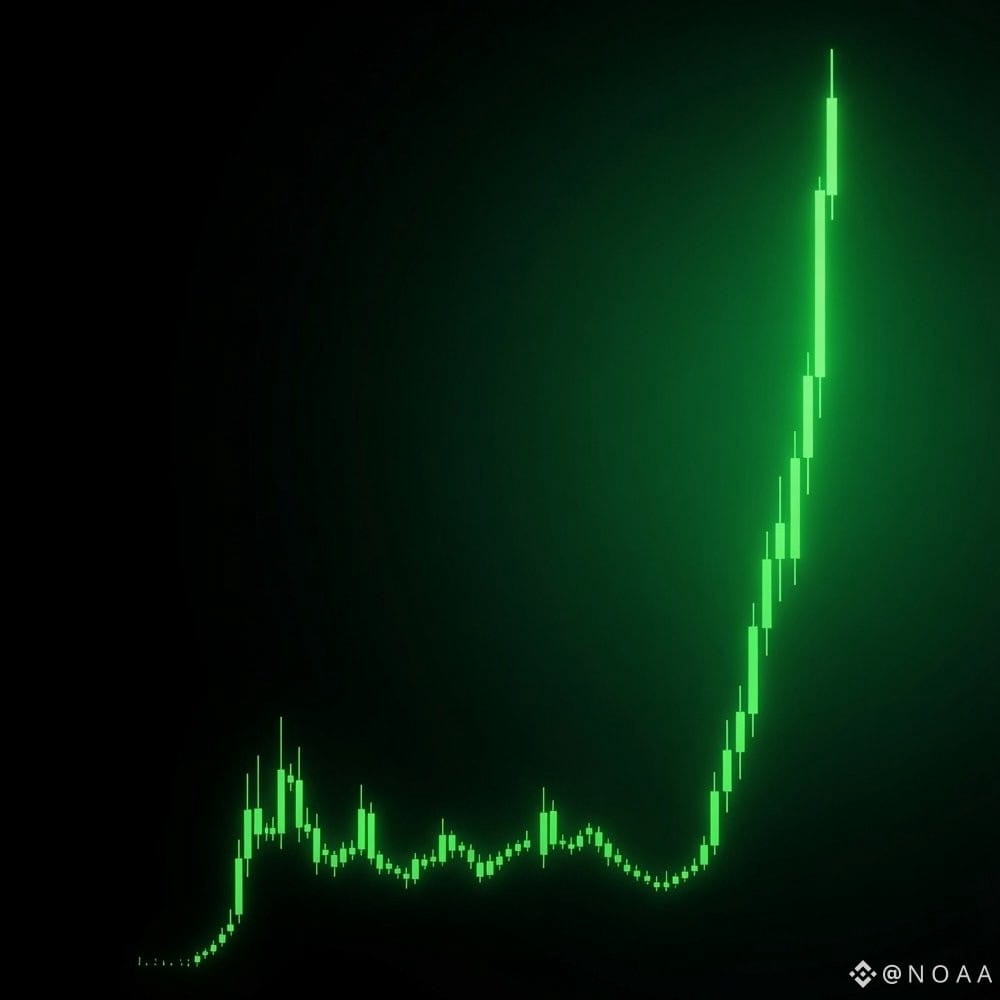
Bitcoin đang bơm trở lại, và có một vài yếu tố đứng sau động thái này.
Chất xúc tác lớn nhất là sự thay đổi trong bối cảnh kinh tế vĩ mô của Mỹ.
Dữ liệu lạm phát mới nhất được công bố thấp hơn kỳ vọng, qua đó làm giảm kỳ vọng về một lần tăng lãi suất nữa của Fed vào tháng 10 và giúp các tài sản rủi ro có thêm “khoảng thở”.
Lợi suất trái phiếu Kho bạc cũng đã hạ nhiệt so với các đỉnh gần đây, góp phần cải thiện môi trường thanh khoản tổng thể.
Sau đó là vấn đề định vị (positioning).
Bitcoin quay trở lại vượt mốc 85K USD đã kích hoạt một làn sóng thanh lý lệnh short, với khoảng 102 triệu USD vị thế short crypto đã bị xóa sổ trong 24 giờ qua.
Lệnh mua bắt buộc đó đang tiếp tục tạo thêm đà cho đợt tăng.
$BTC #BTC #EthereumFoundationLaunchesZkAPIOnMainnet #EvernorthPlansNasdaqListingOct8
{future}(BTCUSDT)
Bitcoin đang bơm trở lại, và có một vài yếu tố đứng sau động thái này.
Chất xúc tác lớn nhất là sự thay đổi trong bối cảnh kinh tế vĩ mô của Mỹ.
Dữ liệu lạm phát mới nhất được công bố thấp hơn kỳ vọng, qua đó làm giảm kỳ vọng về một lần tăng lãi suất nữa của Fed vào tháng 10 và giúp các tài sản rủi ro có thêm “khoảng thở”.
Lợi suất trái phiếu Kho bạc cũng đã hạ nhiệt so với các đỉnh gần đây, góp phần cải thiện môi trường thanh khoản tổng thể.
Sau đó là vấn đề định vị (positioning).
Bitcoin quay trở lại vượt mốc 85K USD đã kích hoạt một làn sóng thanh lý lệnh short, với khoảng 102 triệu USD vị thế short crypto đã bị xóa sổ trong 24 giờ qua.
Lệnh mua bắt buộc đó đang tiếp tục tạo thêm đà cho đợt tăng.
$BTC #BTC #EthereumFoundationLaunchesZkAPIOnMainnet #EvernorthPlansNasdaqListingOct8
Chất xúc tác lớn nhất là sự thay đổi trong bối cảnh kinh tế vĩ mô của Mỹ.
Dữ liệu lạm phát mới nhất được công bố thấp hơn kỳ vọng, qua đó làm giảm kỳ vọng về một lần tăng lãi suất nữa của Fed vào tháng 10 và giúp các tài sản rủi ro có thêm “khoảng thở”.
Lợi suất trái phiếu Kho bạc cũng đã hạ nhiệt so với các đỉnh gần đây, góp phần cải thiện môi trường thanh khoản tổng thể.
Sau đó là vấn đề định vị (positioning).
Bitcoin quay trở lại vượt mốc 85K USD đã kích hoạt một làn sóng thanh lý lệnh short, với khoảng 102 triệu USD vị thế short crypto đã bị xóa sổ trong 24 giờ qua.
Lệnh mua bắt buộc đó đang tiếp tục tạo thêm đà cho đợt tăng.
$BTC #BTC #EthereumFoundationLaunchesZkAPIOnMainnet #EvernorthPlansNasdaqListingOct8
1
3
191
·
--
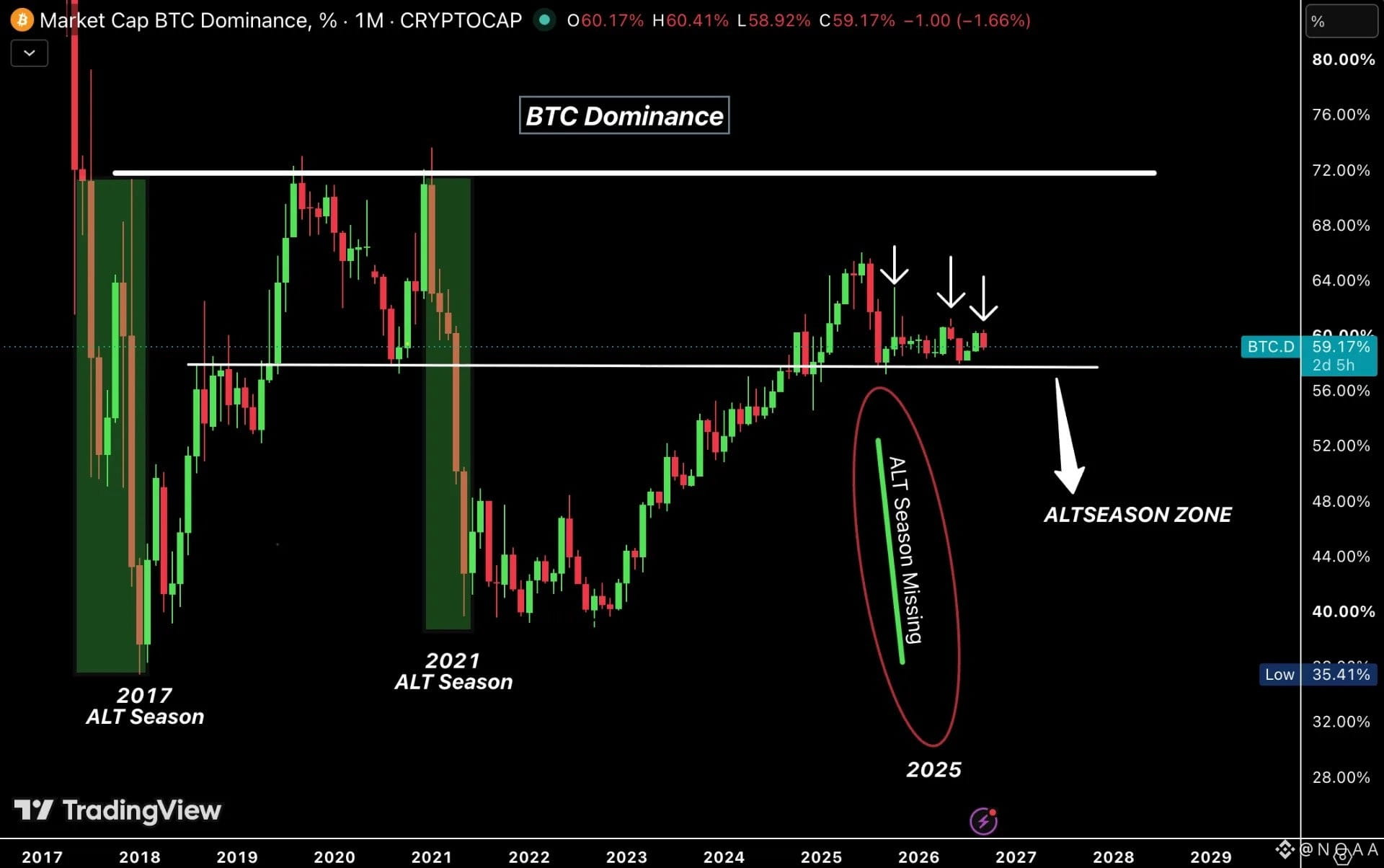
Đây có thể là mức quyết định thời điểm altseason lớn tiếp theo bắt đầu.
Chỉ số thống trị BTC (BTC dominance) đã tích lũy trong suốt gần một năm. Không giống như năm 2017 và 2021, chúng ta đã không chứng kiến sự phá vỡ thống trị lớn vào năm 2025.
Giờ đây, BTC.D đang tạo các đỉnh thấp hơn, với 57,8% là mức hỗ trợ then chốt.
Vỡ xuống dưới 57,8% → altseason cuối cùng có thể bắt đầu.
Giữ vững và giành lại 61% → BTC có thể tiếp tục dẫn dắt trong khi altcoin đi sau.
Bạn nghĩ BTC.D sẽ phá theo hướng nào?
Đây có thể là mức quyết định thời điểm altseason lớn tiếp theo bắt đầu.
Chỉ số thống trị BTC (BTC dominance) đã tích lũy trong suốt gần một năm. Không giống như năm 2017 và 2021, chúng ta đã không chứng kiến sự phá vỡ thống trị lớn vào năm 2025.
Giờ đây, BTC.D đang tạo các đỉnh thấp hơn, với 57,8% là mức hỗ trợ then chốt.
Vỡ xuống dưới 57,8% → altseason cuối cùng có thể bắt đầu.
Giữ vững và giành lại 61% → BTC có thể tiếp tục dẫn dắt trong khi altcoin đi sau.
Bạn nghĩ BTC.D sẽ phá theo hướng nào?
Chỉ số thống trị BTC (BTC dominance) đã tích lũy trong suốt gần một năm. Không giống như năm 2017 và 2021, chúng ta đã không chứng kiến sự phá vỡ thống trị lớn vào năm 2025.
Giờ đây, BTC.D đang tạo các đỉnh thấp hơn, với 57,8% là mức hỗ trợ then chốt.
Vỡ xuống dưới 57,8% → altseason cuối cùng có thể bắt đầu.
Giữ vững và giành lại 61% → BTC có thể tiếp tục dẫn dắt trong khi altcoin đi sau.
Bạn nghĩ BTC.D sẽ phá theo hướng nào?
1
93
·
--
4 GIỜ. 30 PHÚT.
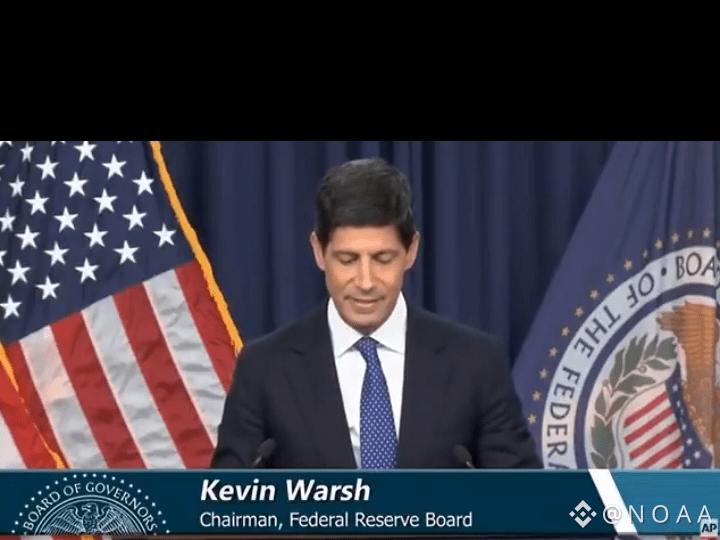
Chỉ báo lạm phát được Fed ưa thích sắp giảm.
PCE lõi dự kiến ở mức 3,4% YoY, tăng từ 3,3%.
Khi quyết định của Fed vào tháng 10 đã là một tình huống rất sát nút, bản tin này có thể làm rung chuyển thị trường.
Con số “nóng” = biến động sắp tới. 👀
Bạn đã sẵn sàng chưa?
4 GIỜ. 30 PHÚT.
Chỉ báo lạm phát được Fed ưa thích sắp giảm.
PCE lõi dự kiến ở mức 3,4% YoY, tăng từ 3,3%.
Khi quyết định của Fed vào tháng 10 đã là một tình huống rất sát nút, bản tin này có thể làm rung chuyển thị trường.
Con số “nóng” = biến động sắp tới. 👀
Bạn đã sẵn sàng chưa?
Chỉ báo lạm phát được Fed ưa thích sắp giảm.
PCE lõi dự kiến ở mức 3,4% YoY, tăng từ 3,3%.
Khi quyết định của Fed vào tháng 10 đã là một tình huống rất sát nút, bản tin này có thể làm rung chuyển thị trường.
Con số “nóng” = biến động sắp tới. 👀
Bạn đã sẵn sàng chưa?
1
102
·
--
Có những ngày bạn sẽ cảm thấy mình bị kẹt lại.
Có những ngày bạn sẽ tự hỏi mọi thứ.
Cứ tiếp tục thôi.
Bạn không cần phải hiểu hết mọi thứ ngay hôm nay. Bạn chỉ cần bước tiếp theo.
Hãy kiên trì. Hãy bình tĩnh chờ đợi. Thời gian của bạn rồi sẽ đến.
$NVDA.US $AAPL.US $GOOGL.US
Có những ngày bạn sẽ cảm thấy mình bị kẹt lại.
Có những ngày bạn sẽ tự hỏi mọi thứ.
Cứ tiếp tục thôi.
Bạn không cần phải hiểu hết mọi thứ ngay hôm nay. Bạn chỉ cần bước tiếp theo.
Hãy kiên trì. Hãy bình tĩnh chờ đợi. Thời gian của bạn rồi sẽ đến.
$NVDA.US $AAPL.US $GOOGL.US
Có những ngày bạn sẽ tự hỏi mọi thứ.
Cứ tiếp tục thôi.
Bạn không cần phải hiểu hết mọi thứ ngay hôm nay. Bạn chỉ cần bước tiếp theo.
Hãy kiên trì. Hãy bình tĩnh chờ đợi. Thời gian của bạn rồi sẽ đến.
$NVDA.US $AAPL.US $GOOGL.US

AAPLUS+0,95%
NVDAUS+1,45%
GOOGLUS+1,33%
1
150
·
--
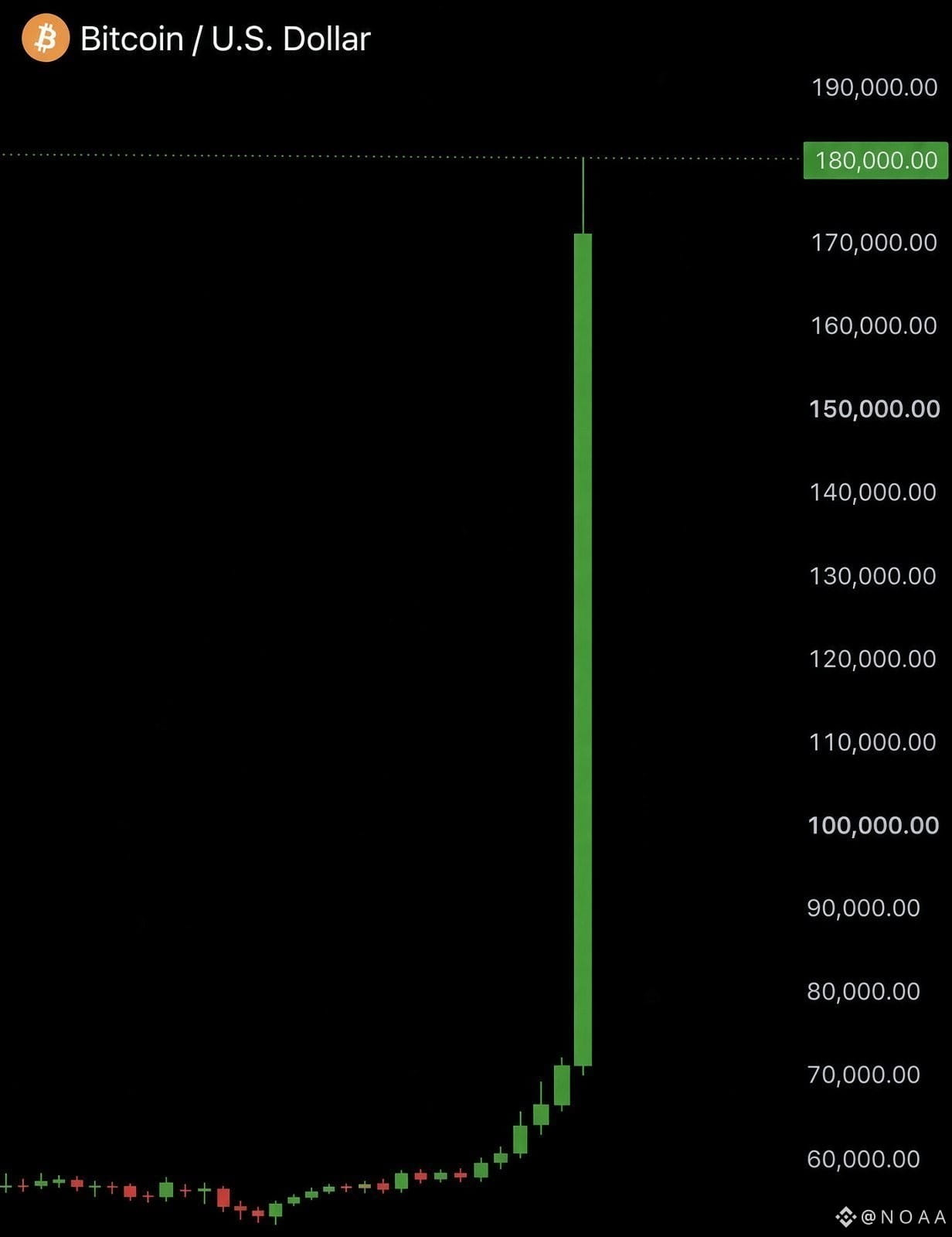
Tom Lee cho biết thị trường tăng giá crypto đã chính thức bắt đầu — và chu kỳ này có thể còn lớn hơn những chu kỳ trước đó. 👀
Nếu ông ấy đúng, thì có lẽ chúng ta mới chỉ đang thấy giai đoạn đầu.
Bạn đã sẵn sàng cho điều gì sẽ đến tiếp theo chưa?
Tom Lee cho biết thị trường tăng giá crypto đã chính thức bắt đầu — và chu kỳ này có thể còn lớn hơn những chu kỳ trước đó. 👀
Nếu ông ấy đúng, thì có lẽ chúng ta mới chỉ đang thấy giai đoạn đầu.
Bạn đã sẵn sàng cho điều gì sẽ đến tiếp theo chưa?
Nếu ông ấy đúng, thì có lẽ chúng ta mới chỉ đang thấy giai đoạn đầu.
Bạn đã sẵn sàng cho điều gì sẽ đến tiếp theo chưa?

136
·
--
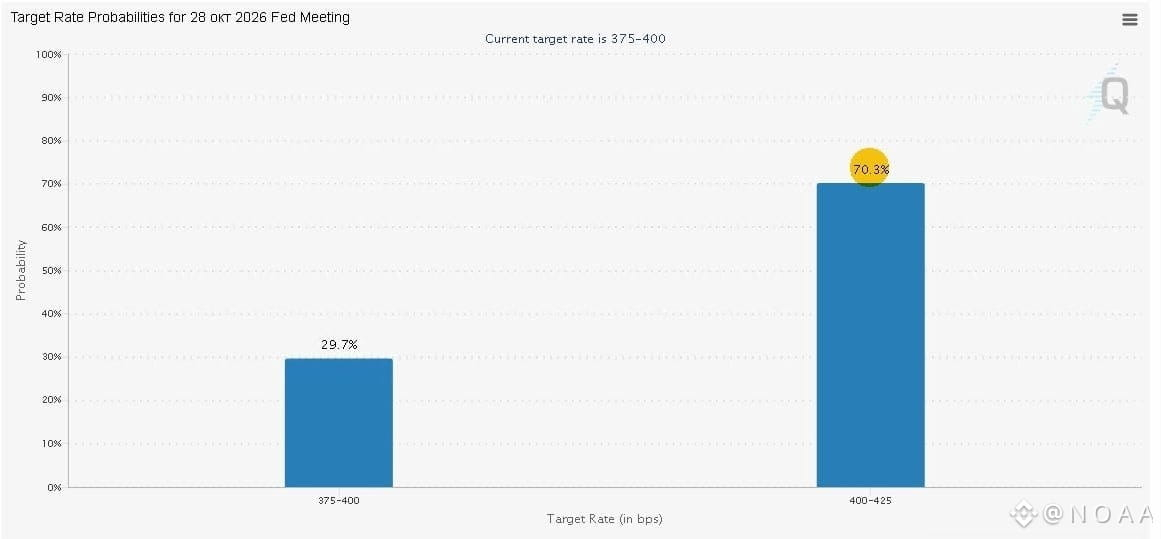
Thị trường hiện đang đặt cược với xác suất từ 70% trở lên về khả năng Fed sẽ tăng lãi suất tại cuộc họp ngày 28 tháng 10, theo CME FedWatch.
Điều thú vị ở đây: trong lịch sử, Fed thường tránh các đợt tăng lãi suất vào tháng 10 trước các cuộc bầu cử của Mỹ.
Lần này, các nhà giao dịch đang định giá vào một kịch bản hoàn toàn khác.
Thị trường hiện đang đặt cược với xác suất từ 70% trở lên về khả năng Fed sẽ tăng lãi suất tại cuộc họp ngày 28 tháng 10, theo CME FedWatch.
Điều thú vị ở đây: trong lịch sử, Fed thường tránh các đợt tăng lãi suất vào tháng 10 trước các cuộc bầu cử của Mỹ.
Lần này, các nhà giao dịch đang định giá vào một kịch bản hoàn toàn khác.
Điều thú vị ở đây: trong lịch sử, Fed thường tránh các đợt tăng lãi suất vào tháng 10 trước các cuộc bầu cử của Mỹ.
Lần này, các nhà giao dịch đang định giá vào một kịch bản hoàn toàn khác.
1
124
·
--
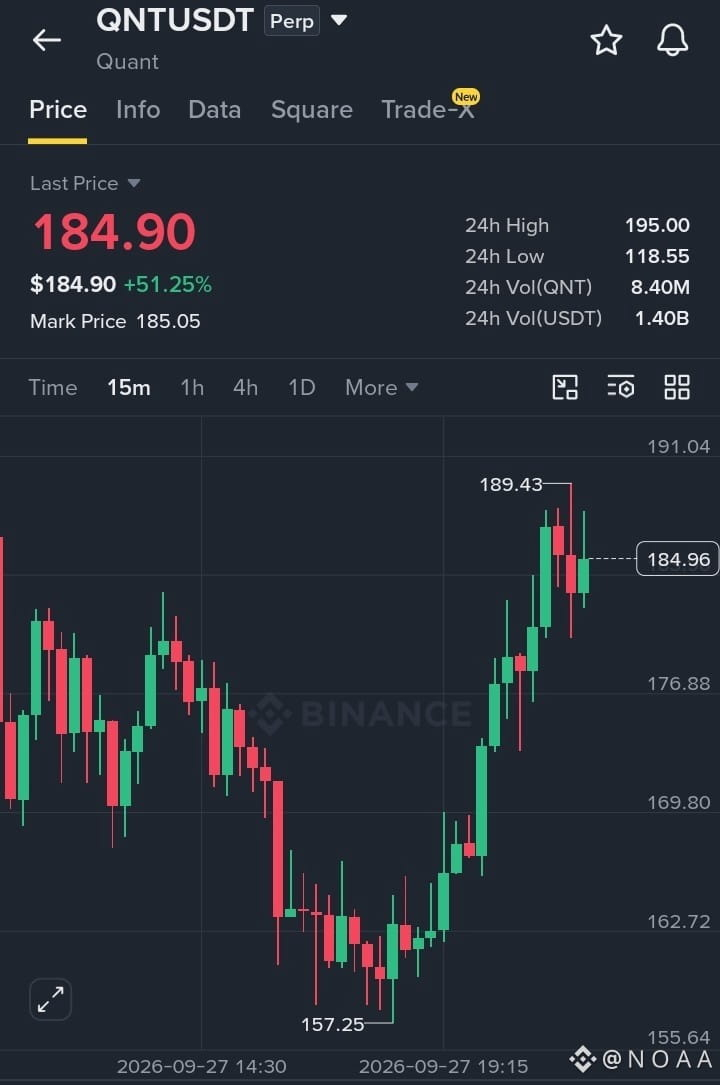
$QNT cho thấy động lượng mạnh mẽ sau khi bật lên từ $157.25.
Hiện tại, giá đang đi ngang ngay dưới ngưỡng kháng cự $189.4.
Một pha bứt phá sạch sẽ lên trên $189.4 có thể đẩy giá hướng tới $195, trong khi $176.8 vẫn là mức hỗ trợ quan trọng cần theo dõi.
Hãy cùng xem thiết lập này diễn biến như thế nào
$QNT cho thấy động lượng mạnh mẽ sau khi bật lên từ $157.25.
Hiện tại, giá đang đi ngang ngay dưới ngưỡng kháng cự $189.4.
Một pha bứt phá sạch sẽ lên trên $189.4 có thể đẩy giá hướng tới $195, trong khi $176.8 vẫn là mức hỗ trợ quan trọng cần theo dõi.
Hãy cùng xem thiết lập này diễn biến như thế nào
Hiện tại, giá đang đi ngang ngay dưới ngưỡng kháng cự $189.4.
Một pha bứt phá sạch sẽ lên trên $189.4 có thể đẩy giá hướng tới $195, trong khi $176.8 vẫn là mức hỗ trợ quan trọng cần theo dõi.
Hãy cùng xem thiết lập này diễn biến như thế nào
2
109
·
--
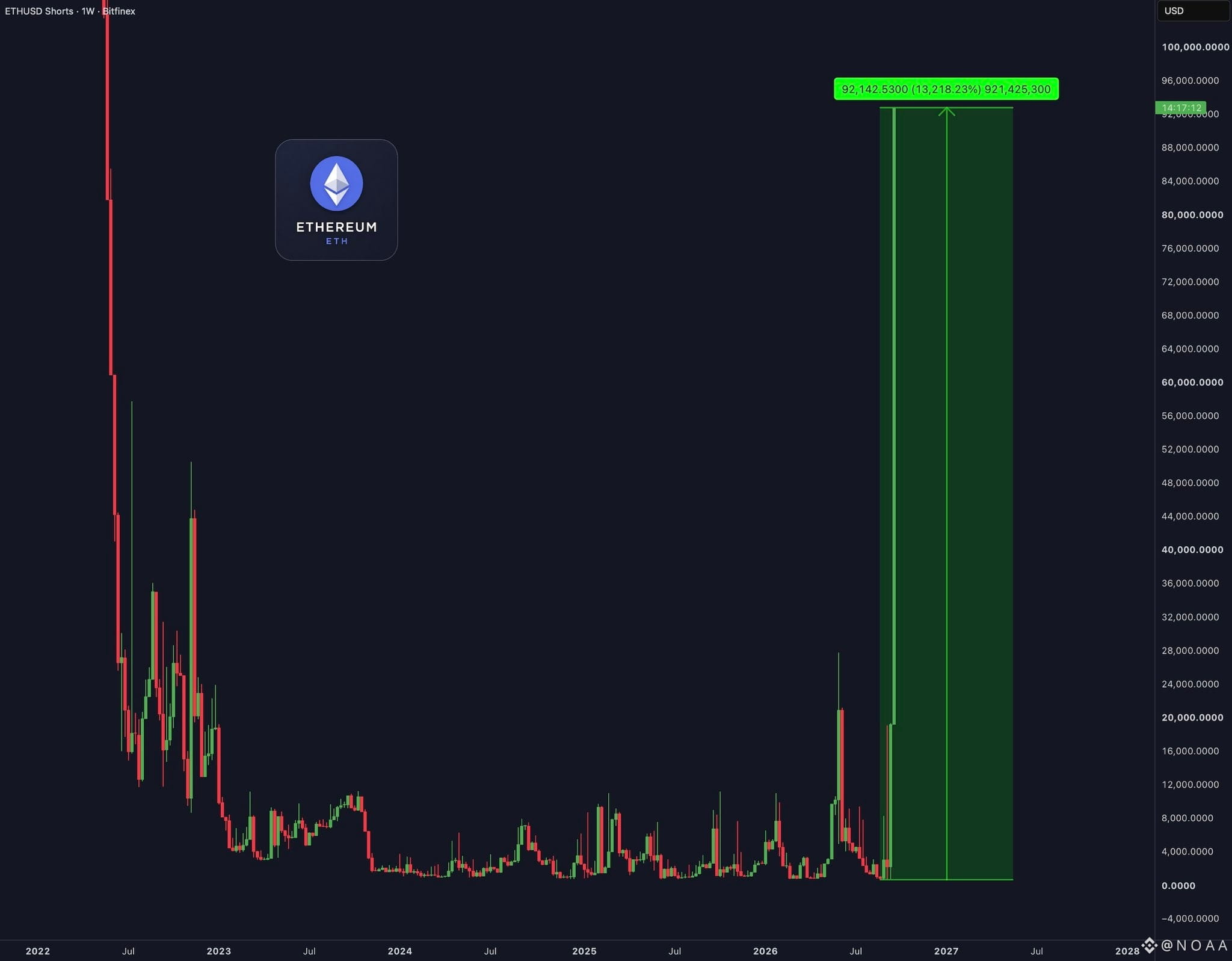
$ETH shorts đang tăng hơn 13.000% trên Bitfinex.
Đây là một trong những vị thế short lớn nhất mà ETH từng ghi nhận trong thời gian gần đây.
Nếu giá bắt đầu đi ngược lại các lệnh short này, đợt siết (squeeze) có thể trở nên nghiêm trọng.
$ETH shorts đang tăng hơn 13.000% trên Bitfinex.
Đây là một trong những vị thế short lớn nhất mà ETH từng ghi nhận trong thời gian gần đây.
Nếu giá bắt đầu đi ngược lại các lệnh short này, đợt siết (squeeze) có thể trở nên nghiêm trọng.
Đây là một trong những vị thế short lớn nhất mà ETH từng ghi nhận trong thời gian gần đây.
Nếu giá bắt đầu đi ngược lại các lệnh short này, đợt siết (squeeze) có thể trở nên nghiêm trọng.
3
148
·
--
Đang nắm giữ $BTC 0.1 USDT
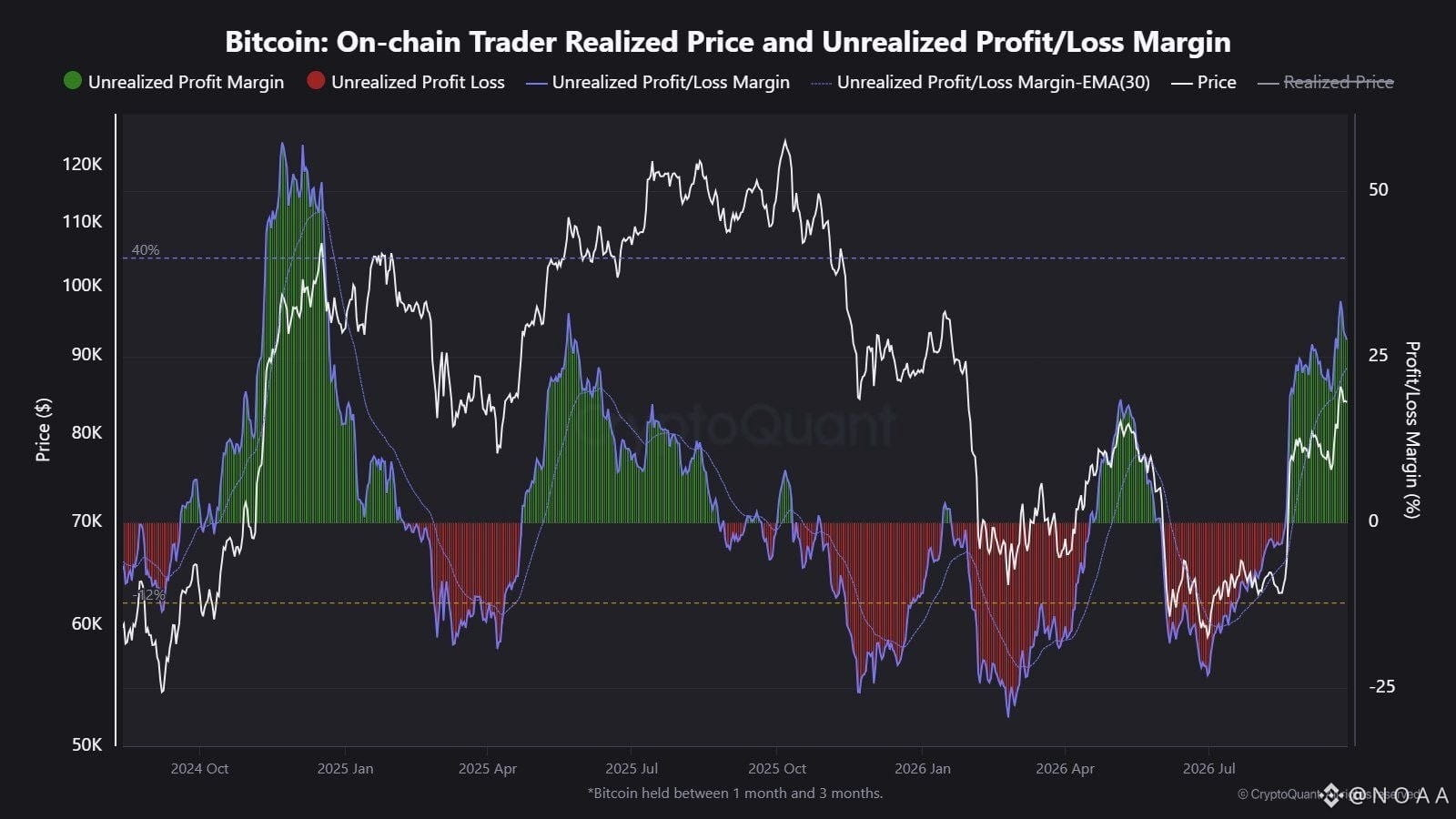
Sự chuyển biến thú vị trong thị trường $BTC 👀
Các nhà đầu tư nắm giữ ngắn hạn bắt đầu thấy lợi nhuận trở lại, trong khi giá vẫn tiếp tục duy trì trên mức giá đã thực hiện.
Động lượng đang lặng lẽ được tích lũy.
Câu hỏi lớn lúc này: đợt tăng này có thể phát triển đến đâu trước khi tâm lý trở nên quá nóng?
{future}(BTCUSDT)
Sự chuyển biến thú vị trong thị trường $BTC 👀
Các nhà đầu tư nắm giữ ngắn hạn bắt đầu thấy lợi nhuận trở lại, trong khi giá vẫn tiếp tục duy trì trên mức giá đã thực hiện.
Động lượng đang lặng lẽ được tích lũy.
Câu hỏi lớn lúc này: đợt tăng này có thể phát triển đến đâu trước khi tâm lý trở nên quá nóng?
Các nhà đầu tư nắm giữ ngắn hạn bắt đầu thấy lợi nhuận trở lại, trong khi giá vẫn tiếp tục duy trì trên mức giá đã thực hiện.
Động lượng đang lặng lẽ được tích lũy.
Câu hỏi lớn lúc này: đợt tăng này có thể phát triển đến đâu trước khi tâm lý trở nên quá nóng?
2
102
·
--
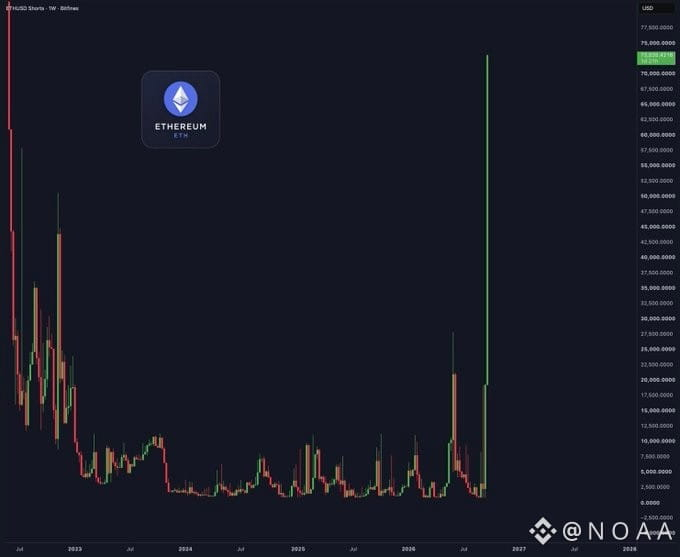
Những lệnh short $ETH lớn nhất trong lịch sử gần đây đang chất chồng
Nếu ETH bắt đầu tăng cao hơn, các lệnh short này có thể bị buộc phải đóng, làm gia tăng thêm lực mua.
Chúng ta có đang thiết lập cho một cú short squeeze khổng lồ không?
#Ethereum
{future}(ETHUSDT)
Những lệnh short $ETH lớn nhất trong lịch sử gần đây đang chất chồng
Nếu ETH bắt đầu tăng cao hơn, các lệnh short này có thể bị buộc phải đóng, làm gia tăng thêm lực mua.
Chúng ta có đang thiết lập cho một cú short squeeze khổng lồ không?
#Ethereum
Nếu ETH bắt đầu tăng cao hơn, các lệnh short này có thể bị buộc phải đóng, làm gia tăng thêm lực mua.
Chúng ta có đang thiết lập cho một cú short squeeze khổng lồ không?
#Ethereum
1
1
106
·
--
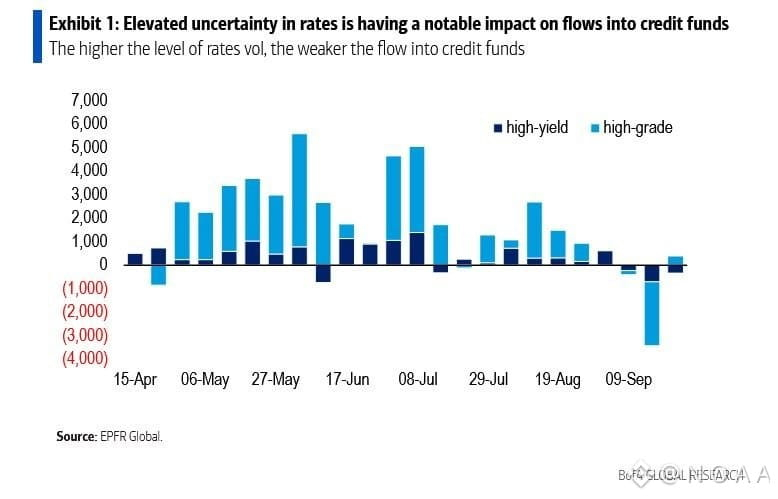
$3,4 TỶ vừa rời khỏi các quỹ trái phiếu doanh nghiệp châu Âu chỉ trong MỘT tuần.
Các nhà đầu tư đang trở nên lo lắng khi sự bất định về lãi suất gia tăng.
Tiền lớn đang dịch chuyển.
Và khi dòng vốn bắt đầu chạy nhanh như vậy, thường là có điều gì đó đang thay đổi ở phía sau bề mặt.
$3,4 TỶ vừa rời khỏi các quỹ trái phiếu doanh nghiệp châu Âu chỉ trong MỘT tuần.
Các nhà đầu tư đang trở nên lo lắng khi sự bất định về lãi suất gia tăng.
Tiền lớn đang dịch chuyển.
Và khi dòng vốn bắt đầu chạy nhanh như vậy, thường là có điều gì đó đang thay đổi ở phía sau bề mặt.
Các nhà đầu tư đang trở nên lo lắng khi sự bất định về lãi suất gia tăng.
Tiền lớn đang dịch chuyển.
Và khi dòng vốn bắt đầu chạy nhanh như vậy, thường là có điều gì đó đang thay đổi ở phía sau bề mặt.
2
118
·
--
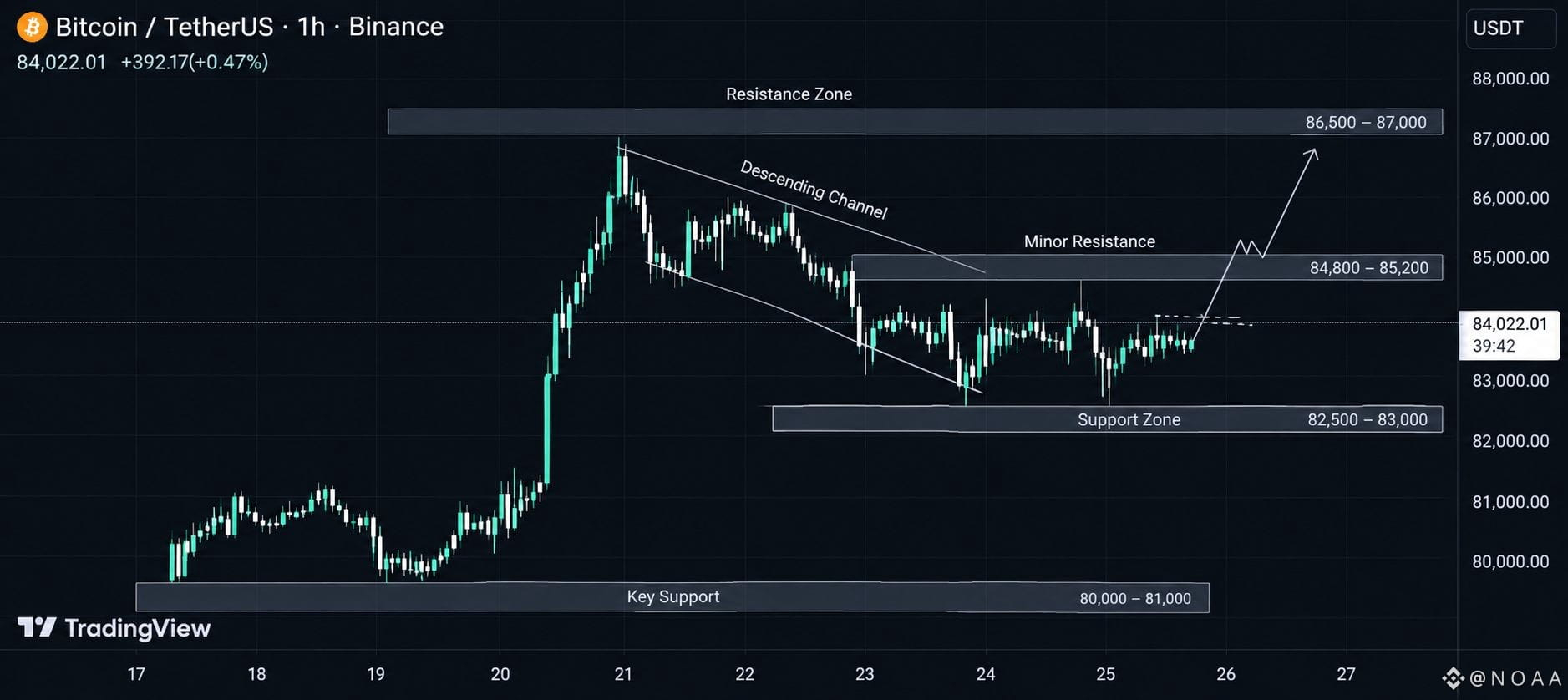
$BTC đang di chuyển ngang sau đợt tăng mạnh, với giá hiện đang tích lũy quanh mức 84K đô.
Cấu trúc đang hình thành một kênh giảm dần, trong khi phe mua tiếp tục bảo vệ vùng 82,5K–83K đô.
Nếu phá vỡ lên trên 84,8K–85,2K đô, có thể đưa mức 86,5K–87K đô vào tầm ngắm.
Liệu BTC có bứt phá khỏi phạm vi này không?
$BTC đang di chuyển ngang sau đợt tăng mạnh, với giá hiện đang tích lũy quanh mức 84K đô.
Cấu trúc đang hình thành một kênh giảm dần, trong khi phe mua tiếp tục bảo vệ vùng 82,5K–83K đô.
Nếu phá vỡ lên trên 84,8K–85,2K đô, có thể đưa mức 86,5K–87K đô vào tầm ngắm.
Liệu BTC có bứt phá khỏi phạm vi này không?
Cấu trúc đang hình thành một kênh giảm dần, trong khi phe mua tiếp tục bảo vệ vùng 82,5K–83K đô.
Nếu phá vỡ lên trên 84,8K–85,2K đô, có thể đưa mức 86,5K–87K đô vào tầm ngắm.
Liệu BTC có bứt phá khỏi phạm vi này không?
1
1
135
·
--
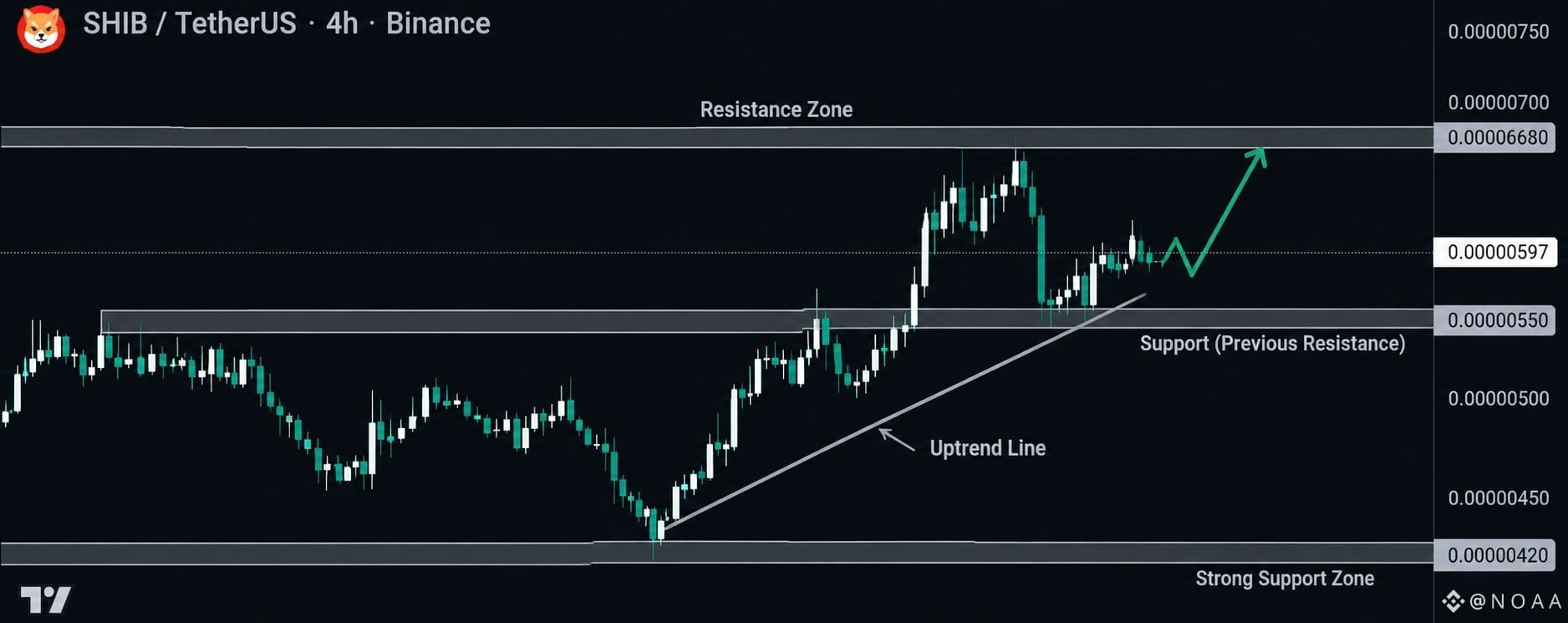
$SHIB đang giữ vững phía trên vùng hỗ trợ quan trọng sau một đợt bứt phá mạnh và cấu trúc vẫn trông có xu hướng tăng.
Giá đang đi ngang gần khu vực bứt phá, và nếu người mua tiếp tục bảo vệ vùng này, một nhịp tăng tiếp theo có thể sẽ xuất hiện.
Kháng cự lớn tiếp theo nằm quanh mức 668.
Liệu $SHIB có phá lên cao hơn từ đây không? 👀
{spot}(SHIBUSDT)
$SHIB đang giữ vững phía trên vùng hỗ trợ quan trọng sau một đợt bứt phá mạnh và cấu trúc vẫn trông có xu hướng tăng.
Giá đang đi ngang gần khu vực bứt phá, và nếu người mua tiếp tục bảo vệ vùng này, một nhịp tăng tiếp theo có thể sẽ xuất hiện.
Kháng cự lớn tiếp theo nằm quanh mức 668.
Liệu $SHIB có phá lên cao hơn từ đây không? 👀
Giá đang đi ngang gần khu vực bứt phá, và nếu người mua tiếp tục bảo vệ vùng này, một nhịp tăng tiếp theo có thể sẽ xuất hiện.
Kháng cự lớn tiếp theo nằm quanh mức 668.
Liệu $SHIB có phá lên cao hơn từ đây không? 👀
1
115
·
--
$HYPE hiện đã chính thức được niêm yết trên Binance Spot 👀
HYPE/USDT, HYPE/USDC và HYPE/TRY hiện đang được giao dịch.
Giá đã được đẩy lên tiến gần $94.90 sau đợt niêm yết, nhưng bên bán đã nhanh chóng xuất hiện.
Với tôi, đây là các mốc đáng theo dõi:
$90.91 → hỗ trợ
$93 → lấy lại
$94.90 → kháng cự
$96.15 → phá vỡ
$100 → mốc tâm lý
Việc Binance niêm yết sẽ mang lại thanh khoản spot nhiều hơn, nhưng điều đó không tự động có nghĩa là giá phải tăng.
Tôi muốn thấy HYPE lấy lại các mốc và thực sự giữ vững chúng hơn là đuổi theo nhịp pump đầu tiên.
Ngoài ra, Binance đã thêm Seed Tag, vì vậy hãy kỳ vọng biến động.
NFA. DYOR.
#HYPE #Hyperliquid_Whale #Crypto
$HYPE hiện đã chính thức được niêm yết trên Binance Spot 👀
HYPE/USDT, HYPE/USDC và HYPE/TRY hiện đang được giao dịch.
Giá đã được đẩy lên tiến gần $94.90 sau đợt niêm yết, nhưng bên bán đã nhanh chóng xuất hiện.
Với tôi, đây là các mốc đáng theo dõi:
$90.91 → hỗ trợ
$93 → lấy lại
$94.90 → kháng cự
$96.15 → phá vỡ
$100 → mốc tâm lý
Việc Binance niêm yết sẽ mang lại thanh khoản spot nhiều hơn, nhưng điều đó không tự động có nghĩa là giá phải tăng.
Tôi muốn thấy HYPE lấy lại các mốc và thực sự giữ vững chúng hơn là đuổi theo nhịp pump đầu tiên.
Ngoài ra, Binance đã thêm Seed Tag, vì vậy hãy kỳ vọng biến động.
NFA. DYOR.
#HYPE #Hyperliquid_Whale #Crypto
HYPE/USDT, HYPE/USDC và HYPE/TRY hiện đang được giao dịch.
Giá đã được đẩy lên tiến gần $94.90 sau đợt niêm yết, nhưng bên bán đã nhanh chóng xuất hiện.
Với tôi, đây là các mốc đáng theo dõi:
$90.91 → hỗ trợ
$93 → lấy lại
$94.90 → kháng cự
$96.15 → phá vỡ
$100 → mốc tâm lý
Việc Binance niêm yết sẽ mang lại thanh khoản spot nhiều hơn, nhưng điều đó không tự động có nghĩa là giá phải tăng.
Tôi muốn thấy HYPE lấy lại các mốc và thực sự giữ vững chúng hơn là đuổi theo nhịp pump đầu tiên.
Ngoài ra, Binance đã thêm Seed Tag, vì vậy hãy kỳ vọng biến động.
NFA. DYOR.
#HYPE #Hyperliquid_Whale #Crypto

3
5
158
·
--
Đã xác minh
Bài viết
Những Nâng Cấp Lớn Tiếp Theo của XRP LedgerSổ cái XRP Ledger đang có hai lộ trình nâng cấp lớn được triển khai, trong đó một lộ trình đã sắp đến giai đoạn kích hoạt.
PermissionDelegationV1_1 đã bắt đầu đếm ngược kích hoạt kéo dài 14 ngày vào ngày 21 tháng 9, khiến ngày 5 tháng 10 trở thành ngày có khả năng Go-live. Khoảng 29 trong số 35 trình xác thực đáng tin cậy đang hỗ trợ nó.
Nâng cấp này cho phép quyền quản trị tài khoản được chia theo các quyền cụ thể. Ví dụ, một tài khoản vận hành có thể thực hiện thanh toán mà không thể thay đổi khóa hoặc cấp thêm quyền truy cập.
Phiên bản này cũng giải quyết một vấn đề được phát hiện trong lần thử trước, khi một số giao dịch thất bại vẫn có thể bị tính phí. Bản sửa trong xrpld 3.3.0 xác minh chữ ký trước khi tính phí.
Những Nâng Cấp Lớn Tiếp Theo của XRP Ledger
Sổ cái XRP Ledger đang có hai lộ trình nâng cấp lớn được triển khai, trong đó một lộ trình đã sắp đến giai đoạn kích hoạt.
PermissionDelegationV1_1 đã bắt đầu đếm ngược kích hoạt kéo dài 14 ngày vào ngày 21 tháng 9, khiến ngày 5 tháng 10 trở thành ngày có khả năng Go-live. Khoảng 29 trong số 35 trình xác thực đáng tin cậy đang hỗ trợ nó.
Nâng cấp này cho phép quyền quản trị tài khoản được chia theo các quyền cụ thể. Ví dụ, một tài khoản vận hành có thể thực hiện thanh toán mà không thể thay đổi khóa hoặc cấp thêm quyền truy cập.
Phiên bản này cũng giải quyết một vấn đề được phát hiện trong lần thử trước, khi một số giao dịch thất bại vẫn có thể bị tính phí. Bản sửa trong xrpld 3.3.0 xác minh chữ ký trước khi tính phí.
PermissionDelegationV1_1 đã bắt đầu đếm ngược kích hoạt kéo dài 14 ngày vào ngày 21 tháng 9, khiến ngày 5 tháng 10 trở thành ngày có khả năng Go-live. Khoảng 29 trong số 35 trình xác thực đáng tin cậy đang hỗ trợ nó.
Nâng cấp này cho phép quyền quản trị tài khoản được chia theo các quyền cụ thể. Ví dụ, một tài khoản vận hành có thể thực hiện thanh toán mà không thể thay đổi khóa hoặc cấp thêm quyền truy cập.
Phiên bản này cũng giải quyết một vấn đề được phát hiện trong lần thử trước, khi một số giao dịch thất bại vẫn có thể bị tính phí. Bản sửa trong xrpld 3.3.0 xác minh chữ ký trước khi tính phí.
1
970
·
--
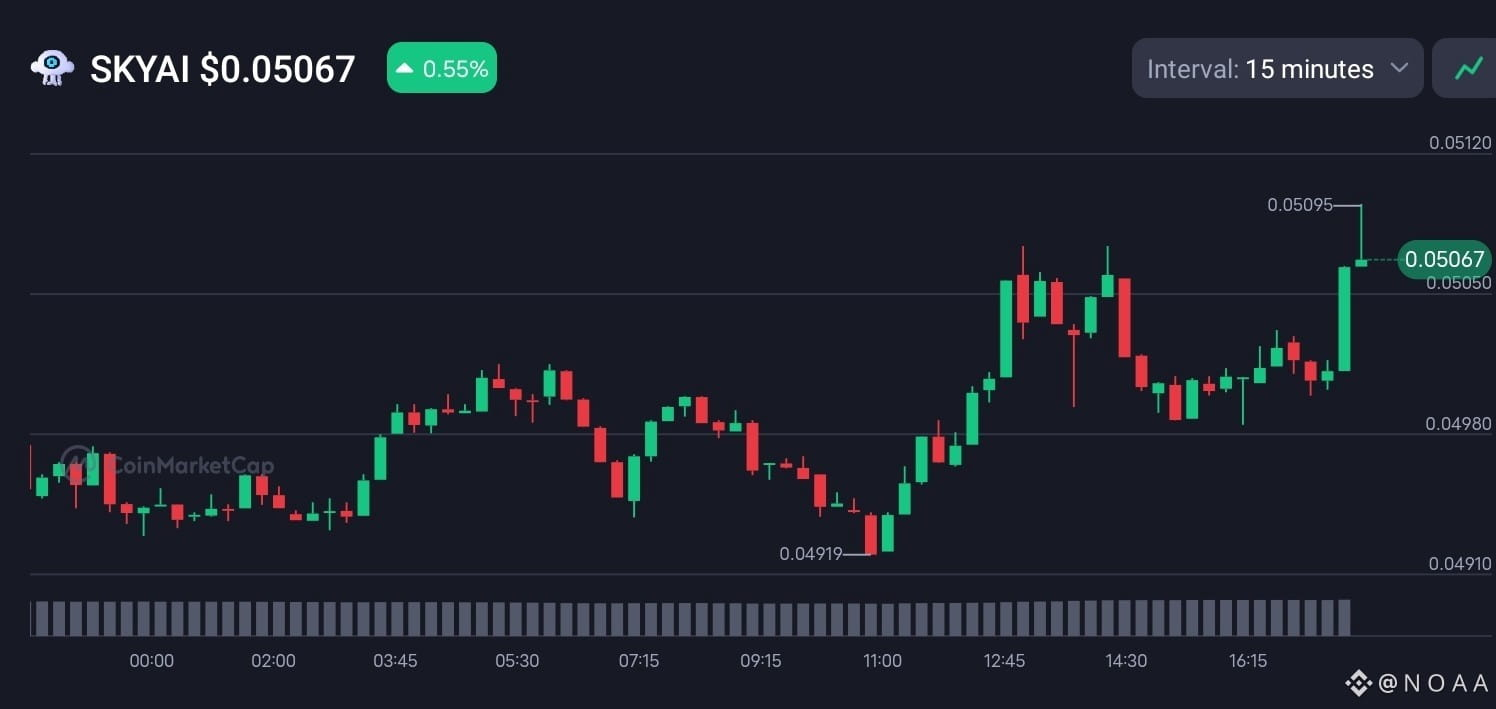
$SKYAI đang trở nên thú vị hơn 👀
Giá vừa vượt lên trên vùng $0.0505 và hiện đang dao động quanh mức $0.05067.
Mức đỉnh $0.05095 đó là ngưỡng mà tôi đang theo dõi tiếp theo.
Liệu $SKYAI có phá vỡ nó một cách gọn gàng không hay lại gặp thêm một đợt từ chối? 🤔
Đang theo dõi những cây nến tiếp theo.
$SKYAI đang trở nên thú vị hơn 👀
Giá vừa vượt lên trên vùng $0.0505 và hiện đang dao động quanh mức $0.05067.
Mức đỉnh $0.05095 đó là ngưỡng mà tôi đang theo dõi tiếp theo.
Liệu $SKYAI có phá vỡ nó một cách gọn gàng không hay lại gặp thêm một đợt từ chối? 🤔
Đang theo dõi những cây nến tiếp theo.
Giá vừa vượt lên trên vùng $0.0505 và hiện đang dao động quanh mức $0.05067.
Mức đỉnh $0.05095 đó là ngưỡng mà tôi đang theo dõi tiếp theo.
Liệu $SKYAI có phá vỡ nó một cách gọn gàng không hay lại gặp thêm một đợt từ chối? 🤔
Đang theo dõi những cây nến tiếp theo.
296
·
--
Bài viết
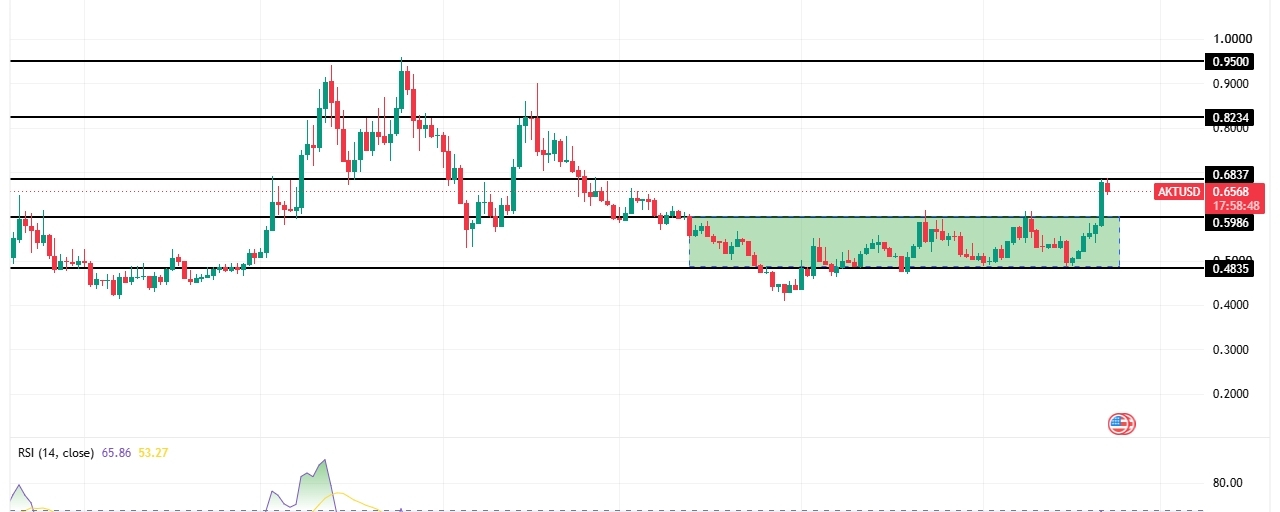
AKT Bứt Phá Khi Làn Sóng Xoay Vòng Vào AI Tăng NhiệtMạng lưới Akash’s $AKT vừa mới ghi nhận một lệnh mua mạnh.
Đồng token đã nhảy 14,12%, vượt lên trên một phạm vi nhiều tuần khi dòng tiền tiếp tục xoay vòng vào các token liên quan đến AI, điện toán phi tập trung và cơ sở hạ tầng.
Điều khiến bước đi này trở nên thú vị là hoạt động giao dịch không hề lặng im.
Khối lượng giao dịch 24 giờ của AKT đã tăng 189,6% lên 21,9 triệu USD, cho thấy đợt tăng này đi kèm với mức độ tham gia thị trường đáng chú ý.
Điều đó làm cho đà tăng có thêm nền tảng hơn so với một cú bứt phá với khối lượng thấp đơn thuần.
Cá voi đang xuất hiện
AKT Bứt Phá Khi Làn Sóng Xoay Vòng Vào AI Tăng Nhiệt
Mạng lưới Akash’s $AKT vừa mới ghi nhận một lệnh mua mạnh.
Đồng token đã nhảy 14,12%, vượt lên trên một phạm vi nhiều tuần khi dòng tiền tiếp tục xoay vòng vào các token liên quan đến AI, điện toán phi tập trung và cơ sở hạ tầng.
Điều khiến bước đi này trở nên thú vị là hoạt động giao dịch không hề lặng im.
Khối lượng giao dịch 24 giờ của AKT đã tăng 189,6% lên 21,9 triệu USD, cho thấy đợt tăng này đi kèm với mức độ tham gia thị trường đáng chú ý.
Điều đó làm cho đà tăng có thêm nền tảng hơn so với một cú bứt phá với khối lượng thấp đơn thuần.
Cá voi đang xuất hiện
Đồng token đã nhảy 14,12%, vượt lên trên một phạm vi nhiều tuần khi dòng tiền tiếp tục xoay vòng vào các token liên quan đến AI, điện toán phi tập trung và cơ sở hạ tầng.
Điều khiến bước đi này trở nên thú vị là hoạt động giao dịch không hề lặng im.
Khối lượng giao dịch 24 giờ của AKT đã tăng 189,6% lên 21,9 triệu USD, cho thấy đợt tăng này đi kèm với mức độ tham gia thị trường đáng chú ý.
Điều đó làm cho đà tăng có thêm nền tảng hơn so với một cú bứt phá với khối lượng thấp đơn thuần.
Cá voi đang xuất hiện
2
2
154
·
--
Tăng giá
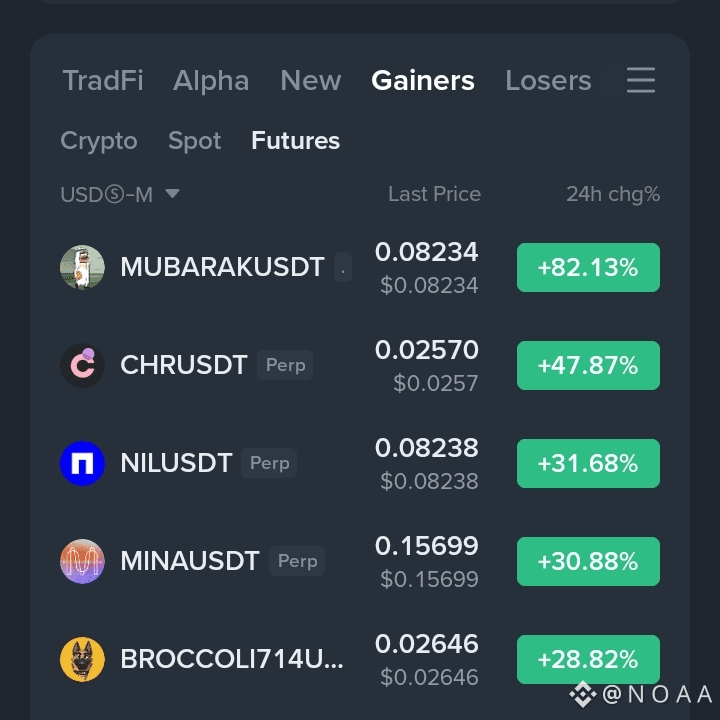
Những mã tăng mạnh của Binance hôm nay trông khá điên rồ 👀
$MUBARAK tăng 82% chắc chắn khó có thể làm ngơ.
$CHR , $NIL, $MINA và $BROCCOLI cũng đang chuyển động.
Bạn thực sự đang theo dõi mã nào?
Những mã tăng mạnh của Binance hôm nay trông khá điên rồ 👀
$MUBARAK tăng 82% chắc chắn khó có thể làm ngơ.
$CHR , $NIL, $MINA và $BROCCOLI cũng đang chuyển động.
Bạn thực sự đang theo dõi mã nào?
$MUBARAK tăng 82% chắc chắn khó có thể làm ngơ.
$CHR , $NIL, $MINA và $BROCCOLI cũng đang chuyển động.
Bạn thực sự đang theo dõi mã nào?
2
301
Đăng nhập để khám phá thêm nội dung
Tham gia cùng người dùng tiền mã hóa toàn cầu trên Binance Square
⚡️ Nhận thông tin mới nhất và hữu ích về tiền mã hóa.
💬 Được tin cậy bởi sàn giao dịch tiền mã hóa lớn nhất thế giới.
👍 Khám phá những thông tin chuyên sâu thực tế từ những nhà sáng tạo đã xác minh.
Email / Số điện thoại