

MragB
265 Bài đăng

MragB
Báo cáo
Chặn người dùng
15 Đang theo dõi
39 Người theo dõi
65 Đã thích
Bài đăng
Tất cả
Trích dẫn
·
--
MiCAChúng ta đang gặp rắc rối à??
T tối hậu thư MiCA: Điều gì sẽ xảy ra ở châu Âu trước cuối tháng 6 năm 2026 🚨
Kỷ nguyên "Miền Tây hoang dã" trong thị trường crypto châu Âu chính thức đi tới hồi kết bằng một cú dừng mạnh mẽ. Hiện tại, chúng ta đang đếm ngược những ngày cuối cùng hướng tới một mốc quản lý quan trọng mang tính bước ngoặt: việc chấm dứt chính thức giai đoạn chuyển tiếp MiCA (giai đoạn "miễn trừ"/Grandfathering) vào ngày 1 tháng 7 năm 2026.
Đối với các nhà cung cấp dịch vụ tài sản tiền mã hóa (Crypto Asset Service Providers - CASPs) và người dùng tại châu Âu, đây là "thời khắc quyết định". Dưới đây là phần phân tích chi tiết về các áp lực quy định then chốt đang định hình thị trường châu Âu ngay lúc này và chính xác những gì bạn có thể kỳ vọng trước khi hết tháng này.
MiCA
Chúng ta đang gặp rắc rối à??
T tối hậu thư MiCA: Điều gì sẽ xảy ra ở châu Âu trước cuối tháng 6 năm 2026 🚨
Kỷ nguyên "Miền Tây hoang dã" trong thị trường crypto châu Âu chính thức đi tới hồi kết bằng một cú dừng mạnh mẽ. Hiện tại, chúng ta đang đếm ngược những ngày cuối cùng hướng tới một mốc quản lý quan trọng mang tính bước ngoặt: việc chấm dứt chính thức giai đoạn chuyển tiếp MiCA (giai đoạn "miễn trừ"/Grandfathering) vào ngày 1 tháng 7 năm 2026.
Đối với các nhà cung cấp dịch vụ tài sản tiền mã hóa (Crypto Asset Service Providers - CASPs) và người dùng tại châu Âu, đây là "thời khắc quyết định". Dưới đây là phần phân tích chi tiết về các áp lực quy định then chốt đang định hình thị trường châu Âu ngay lúc này và chính xác những gì bạn có thể kỳ vọng trước khi hết tháng này.
T tối hậu thư MiCA: Điều gì sẽ xảy ra ở châu Âu trước cuối tháng 6 năm 2026 🚨
Kỷ nguyên "Miền Tây hoang dã" trong thị trường crypto châu Âu chính thức đi tới hồi kết bằng một cú dừng mạnh mẽ. Hiện tại, chúng ta đang đếm ngược những ngày cuối cùng hướng tới một mốc quản lý quan trọng mang tính bước ngoặt: việc chấm dứt chính thức giai đoạn chuyển tiếp MiCA (giai đoạn "miễn trừ"/Grandfathering) vào ngày 1 tháng 7 năm 2026.
Đối với các nhà cung cấp dịch vụ tài sản tiền mã hóa (Crypto Asset Service Providers - CASPs) và người dùng tại châu Âu, đây là "thời khắc quyết định". Dưới đây là phần phân tích chi tiết về các áp lực quy định then chốt đang định hình thị trường châu Âu ngay lúc này và chính xác những gì bạn có thể kỳ vọng trước khi hết tháng này.
2
104
·
--
#genius $GENIUS Tầm nhìn phía sau @GeniusOfficial thật sự ấn tượng, tập trung vào việc thu hẹp khoảng cách giữa tiện ích blockchain phức tạp và trải nghiệm người dùng liền mạch. Theo dõi sự phát triển của $GENIUS thật sự là một hành trình thú vị, và cam kết của họ đối với tăng trưởng bền vững thực sự làm họ nổi bật. Nếu bạn đang tìm kiếm một dự án ưu tiên phát triển hệ sinh thái lâu dài, đây chắc chắn là một cái tên đáng để theo dõi. Tiện ích không ngừng phát triển, và sự tham gia của cộng đồng thì mạnh mẽ hơn bao giờ hết. Hào hứng để xem điều gì đang chờ đợi phía trước cho
#genius
#genius $GENIUS Tầm nhìn phía sau @GeniusOfficial thật sự ấn tượng, tập trung vào việc thu hẹp khoảng cách giữa tiện ích blockchain phức tạp và trải nghiệm người dùng liền mạch. Theo dõi sự phát triển của $GENIUS thật sự là một hành trình thú vị, và cam kết của họ đối với tăng trưởng bền vững thực sự làm họ nổi bật. Nếu bạn đang tìm kiếm một dự án ưu tiên phát triển hệ sinh thái lâu dài, đây chắc chắn là một cái tên đáng để theo dõi. Tiện ích không ngừng phát triển, và sự tham gia của cộng đồng thì mạnh mẽ hơn bao giờ hết. Hào hứng để xem điều gì đang chờ đợi phía trước cho
#genius
#genius
68
·
--
#bedrock $BR Chuyển đổi sang Bedrock 2.0 là một cột mốc quan trọng đối với hệ sinh thái. Bằng cách nâng cao khả năng mở rộng và hiệu suất, @Bedrock đang thiết lập một tiêu chuẩn mới cho hạ tầng phi tập trung. Tôi đang theo dõi sát sao hiệu suất của $BR token khi các bản nâng cấp này được triển khai. Chắc chắn đây là một dự án đáng để theo dõi! #Bedrock
#bedrock $BR Chuyển đổi sang Bedrock 2.0 là một cột mốc quan trọng đối với hệ sinh thái. Bằng cách nâng cao khả năng mở rộng và hiệu suất, @Bedrock đang thiết lập một tiêu chuẩn mới cho hạ tầng phi tập trung. Tôi đang theo dõi sát sao hiệu suất của $BR token khi các bản nâng cấp này được triển khai. Chắc chắn đây là một dự án đáng để theo dõi! #Bedrock
80
·
--
224
·
--
#CryptoNewsCommunity
Ledger Được Báo Cáo Tạm Dừng Kế Hoạch IPO, Hoãn Làn Sóng Niêm Yết Crypto Năm 2026
Nhà sản xuất ví phần cứng lớn Ledger được báo cáo đã tạm dừng kế hoạch Đợt Phát Hành Cổ Phiếu Đầu Tiên (IPO), làm chậm lại làn sóng niêm yết công khai các công ty crypto dự kiến vào năm 2026.
Điểm Chính:
Thận Trọng Thị Trường: Mặc dù thị trường đang phát triển, Ledger có vẻ đang thực hiện một bước đi chiến lược để chờ đợi điều kiện thị trường tối ưu.
Tác Động Rộng Hơn: Quyết định này thay đổi thời gian cho các công ty lớn khác trong Web3 và crypto mong muốn chuyển sang sàn giao dịch chứng khoán truyền thống trong năm nay.
Chiến Lược Dài Hạn: Tạm dừng không có nghĩa là hủy bỏ—các công ty đang ưu tiên tuân thủ quy định chặt chẽ và định giá bền vững hơn là vội vàng ra thị trường công khai.
#LedgerSquare #IPOs #CryptoNews🚀🔥 #Web3 #MacroEconomics
#CryptoNewsCommunity
Ledger Được Báo Cáo Tạm Dừng Kế Hoạch IPO, Hoãn Làn Sóng Niêm Yết Crypto Năm 2026
Nhà sản xuất ví phần cứng lớn Ledger được báo cáo đã tạm dừng kế hoạch Đợt Phát Hành Cổ Phiếu Đầu Tiên (IPO), làm chậm lại làn sóng niêm yết công khai các công ty crypto dự kiến vào năm 2026.
Điểm Chính:
Thận Trọng Thị Trường: Mặc dù thị trường đang phát triển, Ledger có vẻ đang thực hiện một bước đi chiến lược để chờ đợi điều kiện thị trường tối ưu.
Tác Động Rộng Hơn: Quyết định này thay đổi thời gian cho các công ty lớn khác trong Web3 và crypto mong muốn chuyển sang sàn giao dịch chứng khoán truyền thống trong năm nay.
Chiến Lược Dài Hạn: Tạm dừng không có nghĩa là hủy bỏ—các công ty đang ưu tiên tuân thủ quy định chặt chẽ và định giá bền vững hơn là vội vàng ra thị trường công khai.
#LedgerSquare #IPOs #CryptoNews🚀🔥 #Web3 #MacroEconomics
Ledger Được Báo Cáo Tạm Dừng Kế Hoạch IPO, Hoãn Làn Sóng Niêm Yết Crypto Năm 2026
Nhà sản xuất ví phần cứng lớn Ledger được báo cáo đã tạm dừng kế hoạch Đợt Phát Hành Cổ Phiếu Đầu Tiên (IPO), làm chậm lại làn sóng niêm yết công khai các công ty crypto dự kiến vào năm 2026.
Điểm Chính:
Thận Trọng Thị Trường: Mặc dù thị trường đang phát triển, Ledger có vẻ đang thực hiện một bước đi chiến lược để chờ đợi điều kiện thị trường tối ưu.
Tác Động Rộng Hơn: Quyết định này thay đổi thời gian cho các công ty lớn khác trong Web3 và crypto mong muốn chuyển sang sàn giao dịch chứng khoán truyền thống trong năm nay.
Chiến Lược Dài Hạn: Tạm dừng không có nghĩa là hủy bỏ—các công ty đang ưu tiên tuân thủ quy định chặt chẽ và định giá bền vững hơn là vội vàng ra thị trường công khai.
#LedgerSquare #IPOs #CryptoNews🚀🔥 #Web3 #MacroEconomics
162
·
--
#BNBChain
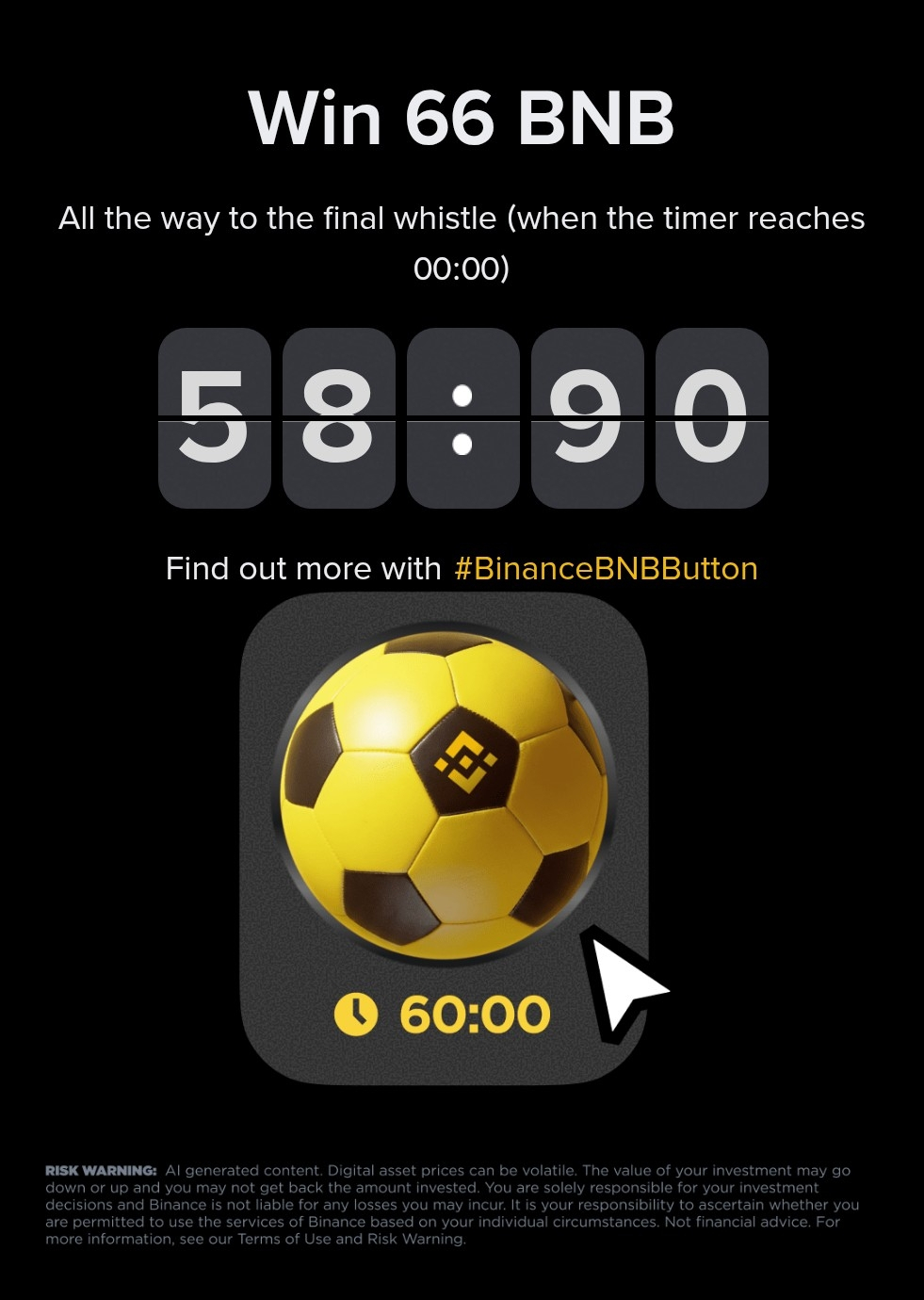
🕒 Thời gian đang trôi! Ai sẽ giành được giải Jackpot 66 BNB? 🏆
Bạn đã thấy trò chơi bấm nút Win 66 BNB chưa? Đây là một thí nghiệm xã hội Web3 cổ điển, và mọi thứ đang trở nên căng thẳng trên BNB Chain!
🕹️ Cách hoạt động:
Các quy tắc rất đơn giản nhưng đầy căng thẳng:
Có một bộ đếm thời gian ngược.
Mỗi khi ai đó nhấn "Nút," bộ đếm thời gian sẽ được đặt lại.
Mục tiêu: Trở thành người CUỐI CÙNG nhấn nút trước khi bộ đếm thời gian chạm đến zero để nhận giải Jackpot khổng lồ.
💰 Tại sao nó đang hot:
Giải thưởng khổng lồ: Giải thưởng có thể lên tới 66 BNB.
Chiến lược thuần túy: Đây là một trò chơi của sự hồi hộp. Bạn sẽ nhấn ngay, hay chờ đến giây cuối cùng?
Hoàn toàn trên chuỗi: Mọi thứ được xử lý bởi hợp đồng thông minh để đảm bảo tính minh bạch 100%.
Căng thẳng tăng lên mỗi khi đồng hồ xuống thấp. Bạn có phải là người vượt qua đám đông và mang về BNB không?
Kiểm tra bộ đếm thời gian hiện tại và tham gia thử thách ở đây:
👇👇👇
🔗 [Win 66 BNB](https://www.binance.com/game/button/bnb-button-apr2026?ref=1077598750®isterChannel=GRO-BTN-bnb-button-apr2026&utm_source=share)
#BNBChain #win66bnb #TheButtonGame #CryptoJackpot
#BNBChain
🕒 Thời gian đang trôi! Ai sẽ giành được giải Jackpot 66 BNB? 🏆
Bạn đã thấy trò chơi bấm nút Win 66 BNB chưa? Đây là một thí nghiệm xã hội Web3 cổ điển, và mọi thứ đang trở nên căng thẳng trên BNB Chain!
🕹️ Cách hoạt động:
Các quy tắc rất đơn giản nhưng đầy căng thẳng:
Có một bộ đếm thời gian ngược.
Mỗi khi ai đó nhấn "Nút," bộ đếm thời gian sẽ được đặt lại.
Mục tiêu: Trở thành người CUỐI CÙNG nhấn nút trước khi bộ đếm thời gian chạm đến zero để nhận giải Jackpot khổng lồ.
💰 Tại sao nó đang hot:
Giải thưởng khổng lồ: Giải thưởng có thể lên tới 66 BNB.
Chiến lược thuần túy: Đây là một trò chơi của sự hồi hộp. Bạn sẽ nhấn ngay, hay chờ đến giây cuối cùng?
Hoàn toàn trên chuỗi: Mọi thứ được xử lý bởi hợp đồng thông minh để đảm bảo tính minh bạch 100%.
Căng thẳng tăng lên mỗi khi đồng hồ xuống thấp. Bạn có phải là người vượt qua đám đông và mang về BNB không?
Kiểm tra bộ đếm thời gian hiện tại và tham gia thử thách ở đây:
👇👇👇
🔗 Win 66 BNB
#BNBChain #win66bnb #TheButtonGame #CryptoJackpot
🕒 Thời gian đang trôi! Ai sẽ giành được giải Jackpot 66 BNB? 🏆
Bạn đã thấy trò chơi bấm nút Win 66 BNB chưa? Đây là một thí nghiệm xã hội Web3 cổ điển, và mọi thứ đang trở nên căng thẳng trên BNB Chain!
🕹️ Cách hoạt động:
Các quy tắc rất đơn giản nhưng đầy căng thẳng:
Có một bộ đếm thời gian ngược.
Mỗi khi ai đó nhấn "Nút," bộ đếm thời gian sẽ được đặt lại.
Mục tiêu: Trở thành người CUỐI CÙNG nhấn nút trước khi bộ đếm thời gian chạm đến zero để nhận giải Jackpot khổng lồ.
💰 Tại sao nó đang hot:
Giải thưởng khổng lồ: Giải thưởng có thể lên tới 66 BNB.
Chiến lược thuần túy: Đây là một trò chơi của sự hồi hộp. Bạn sẽ nhấn ngay, hay chờ đến giây cuối cùng?
Hoàn toàn trên chuỗi: Mọi thứ được xử lý bởi hợp đồng thông minh để đảm bảo tính minh bạch 100%.
Căng thẳng tăng lên mỗi khi đồng hồ xuống thấp. Bạn có phải là người vượt qua đám đông và mang về BNB không?
Kiểm tra bộ đếm thời gian hiện tại và tham gia thử thách ở đây:
👇👇👇
🔗 Win 66 BNB
#BNBChain #win66bnb #TheButtonGame #CryptoJackpot
14
·
--
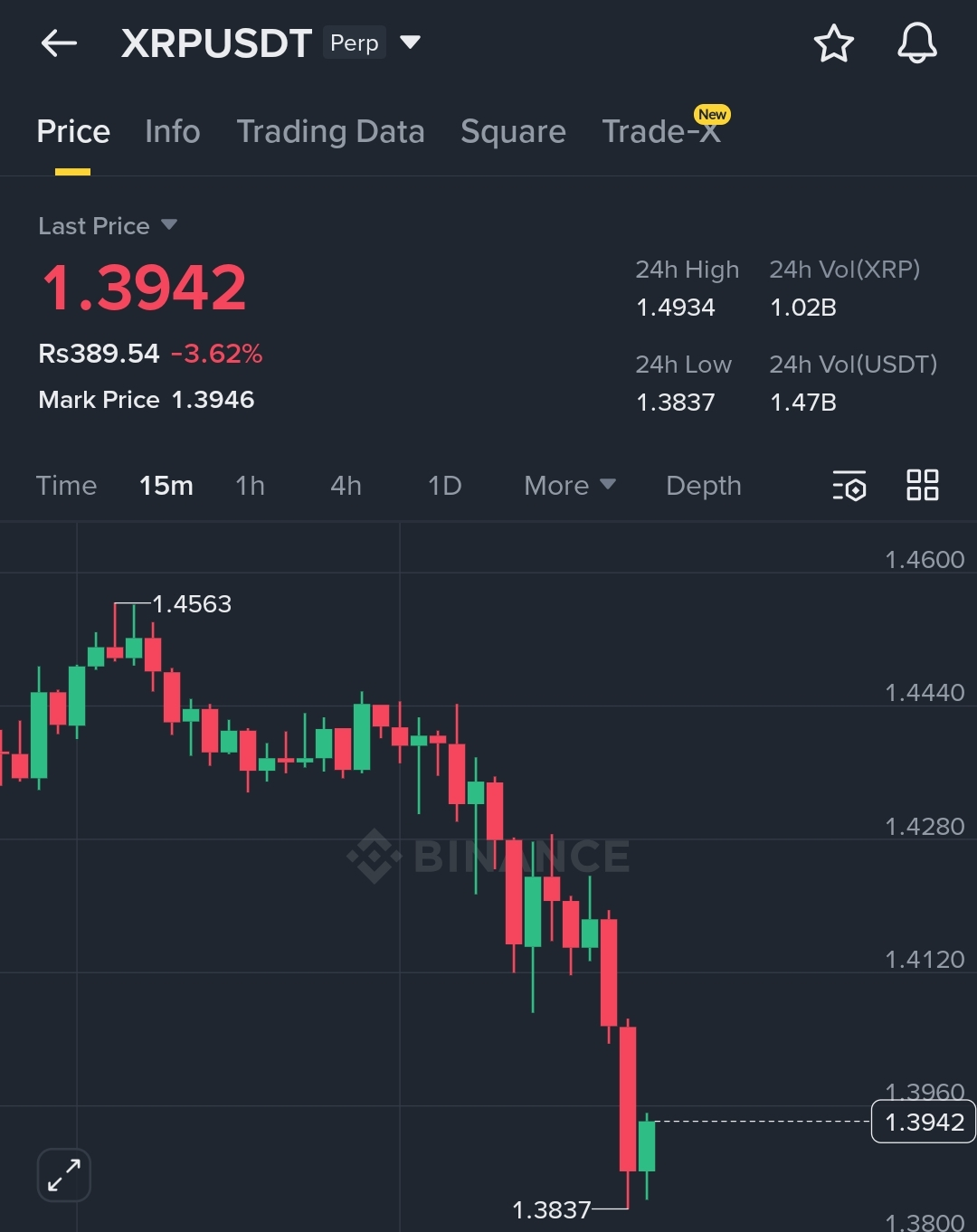
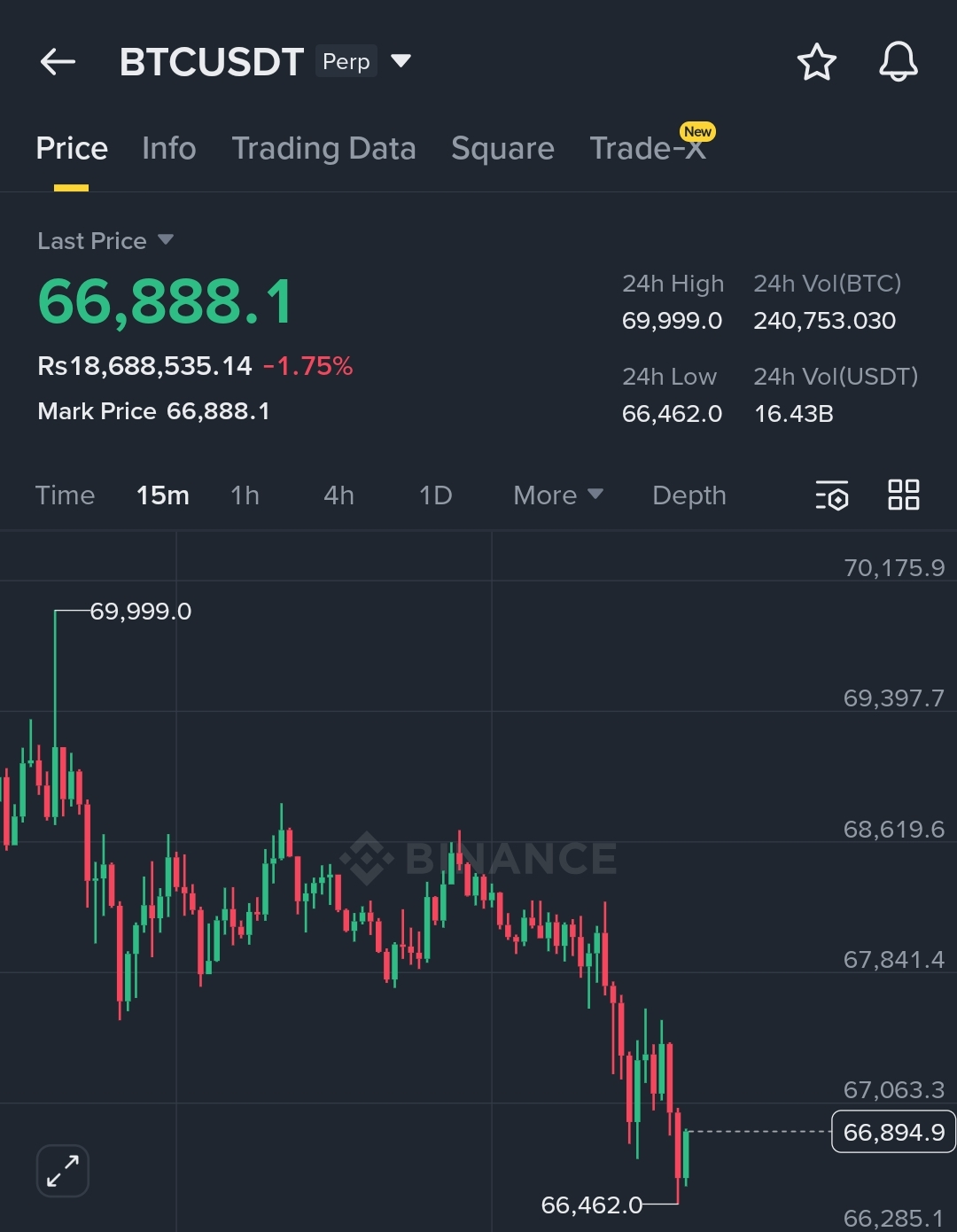
Thị trường vẫn đang trong xu hướng giảm, một đợt giảm mạnh sẽ đến sớm
Thị trường vẫn đang trong xu hướng giảm, một đợt giảm mạnh sẽ đến sớm


Panda Traders
·
--
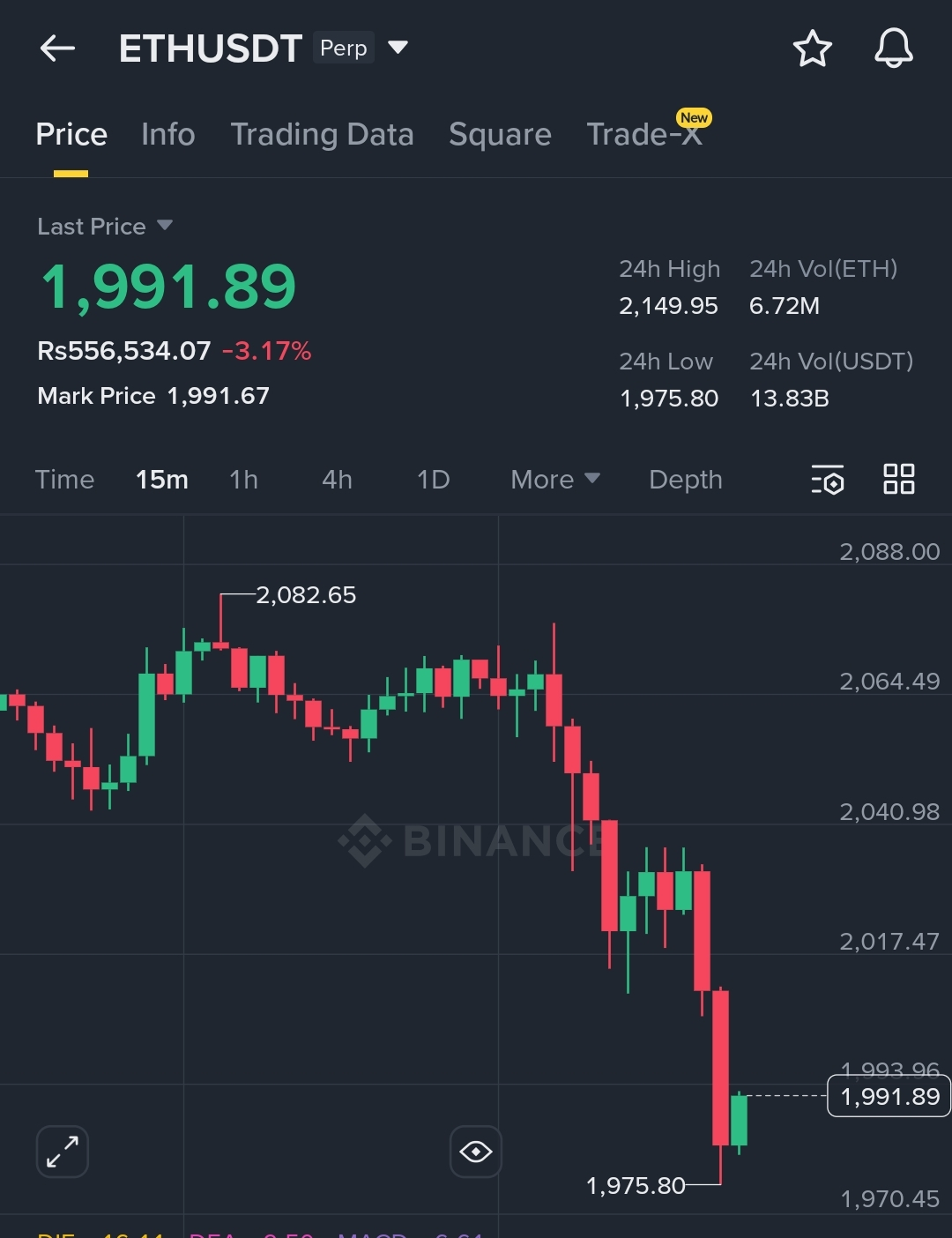
Cơn hoảng loạn cực độ bên ngoài… nhưng tiền thông minh đang âm thầm chuyển sang lạc quan.
Chỉ số Sợ Hãi & Tham Lam đã giảm sâu hơn vào vùng “Sợ Hãi Cực Độ”.
Tuy nhiên, trên các thị trường dự đoán, các nhà giao dịch đang chuyển đổi cược của họ về BTC và ETH theo hướng tăng lên.
Đó là một sự phân kỳ rõ ràng:
các chỉ báo tâm lý vẫn đang gào thét nỗi sợ hãi (chúng thường chậm trễ)
vị trí đã sẵn sàng quay trở lại lạc quan.
Về mặt lịch sử, loại sự không khớp này thường xuất hiện gần các điểm đảo chiều xu hướng lớn.
BTC & ETH: hãy theo dõi chặt chẽ, thị trường có thể đang giăng bẫy cho những người bán muộn.
$BTC $ETH $XRP
#JaneStreet10AMDump #MarketRebound #AxiomMisconductInvestigation #STBinancePreTGE #BitcoinGoogleSearchesSurge
Chỉ số Sợ Hãi & Tham Lam đã giảm sâu hơn vào vùng “Sợ Hãi Cực Độ”.
Tuy nhiên, trên các thị trường dự đoán, các nhà giao dịch đang chuyển đổi cược của họ về BTC và ETH theo hướng tăng lên.
Đó là một sự phân kỳ rõ ràng:
các chỉ báo tâm lý vẫn đang gào thét nỗi sợ hãi (chúng thường chậm trễ)
vị trí đã sẵn sàng quay trở lại lạc quan.
Về mặt lịch sử, loại sự không khớp này thường xuất hiện gần các điểm đảo chiều xu hướng lớn.
BTC & ETH: hãy theo dõi chặt chẽ, thị trường có thể đang giăng bẫy cho những người bán muộn.
$BTC $ETH $XRP
#JaneStreet10AMDump #MarketRebound #AxiomMisconductInvestigation #STBinancePreTGE #BitcoinGoogleSearchesSurge
5
·
--
Initia$INIT (Initia) – Giải phẫu của một sự bùng nổ
Thị trường tài sản kỹ thuật số hiện đang chứng kiến một sự tách biệt đáng kể khi $INIT (Initia) tăng vọt lên $0.12, đánh dấu mức tăng gần 90% trong khoảng thời gian bảy ngày. Trong khi tâm lý thị trường rộng lớn hơn vẫn thận trọng, hiệu suất của Initia không chỉ là một cú bơm đầu cơ—nó được thúc đẩy bởi sự hội tụ của các cột mốc kỹ thuật và các bánh đà kinh tế độc đáo.
Dưới đây là phân tích toàn diện về các yếu tố thúc đẩy động lực Init:
1. Đổi mới Kiến trúc: Lớp "Đan xen" 1
Initia
$INIT (Initia) – Giải phẫu của một sự bùng nổ
Thị trường tài sản kỹ thuật số hiện đang chứng kiến một sự tách biệt đáng kể khi $INIT (Initia) tăng vọt lên $0.12, đánh dấu mức tăng gần 90% trong khoảng thời gian bảy ngày. Trong khi tâm lý thị trường rộng lớn hơn vẫn thận trọng, hiệu suất của Initia không chỉ là một cú bơm đầu cơ—nó được thúc đẩy bởi sự hội tụ của các cột mốc kỹ thuật và các bánh đà kinh tế độc đáo.
Dưới đây là phân tích toàn diện về các yếu tố thúc đẩy động lực Init:
1. Đổi mới Kiến trúc: Lớp "Đan xen" 1
Thị trường tài sản kỹ thuật số hiện đang chứng kiến một sự tách biệt đáng kể khi $INIT (Initia) tăng vọt lên $0.12, đánh dấu mức tăng gần 90% trong khoảng thời gian bảy ngày. Trong khi tâm lý thị trường rộng lớn hơn vẫn thận trọng, hiệu suất của Initia không chỉ là một cú bơm đầu cơ—nó được thúc đẩy bởi sự hội tụ của các cột mốc kỹ thuật và các bánh đà kinh tế độc đáo.
Dưới đây là phân tích toàn diện về các yếu tố thúc đẩy động lực Init:
1. Đổi mới Kiến trúc: Lớp "Đan xen" 1
1
70
·
--
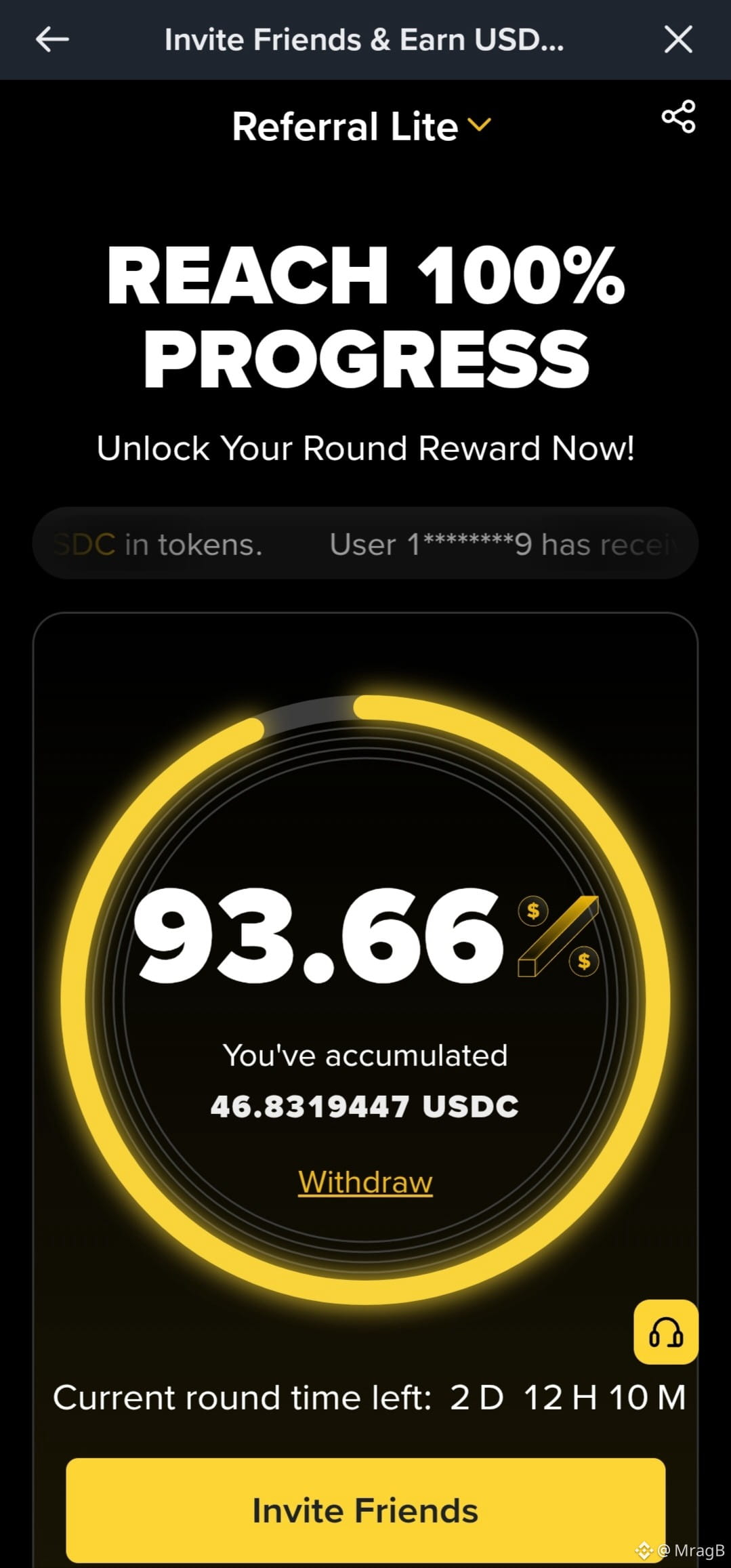
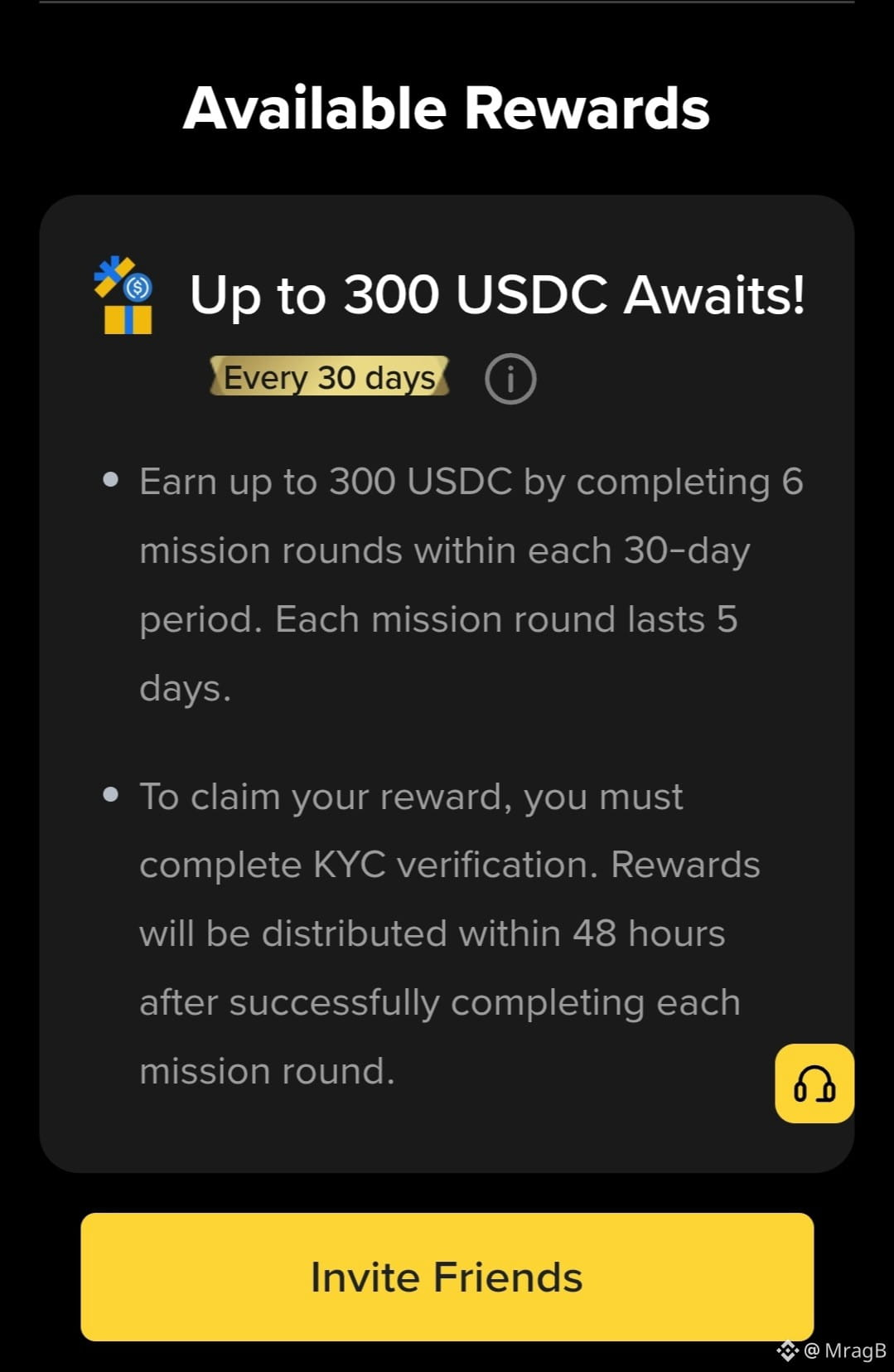
#Binance Đừng Bỏ Lỡ: Nhanh Tay Nhận Thưởng USDC của Bạn Trên Binance!
Bạn có đang tìm kiếm để bắt đầu hành trình crypto của mình hoặc biết ai đó không? Binance vừa mới ra mắt một vòng giới thiệu & kiếm thưởng mới mà chúng ta có thể cùng nhau mở khóa phần thưởng! 💰
Bằng cách sử dụng liên kết dưới đây để đăng ký và hoàn tất xác minh tài khoản của bạn (KYC), bạn sẽ đủ điều kiện nhận các khoản thưởng chào mừng đặc biệt và hoàn phí giao dịch. Đây là một thắng lợi cho cả hai chúng ta!
Cách tham gia:
1️⃣ Đăng ký qua liên kết chính thức của tôi bên dưới.
2️⃣ Hoàn tất xác minh danh tính.
3️⃣ Bắt đầu giao dịch và mở khóa phần thưởng của bạn!
Hãy cùng nhau đạt được mục tiêu này!
🔗 Tham gia tại đây: 👇
[JOIN & EARN](https://www.binance.com/referral/earn-together/refer2earn-usdc/claim?hl=en&ref=GRO_28502_P1IZV)
#Binance #USDC #ReferralProgram #CryptoRewards
#Binance Đừng Bỏ Lỡ: Nhanh Tay Nhận Thưởng USDC của Bạn Trên Binance!
Bạn có đang tìm kiếm để bắt đầu hành trình crypto của mình hoặc biết ai đó không? Binance vừa mới ra mắt một vòng giới thiệu & kiếm thưởng mới mà chúng ta có thể cùng nhau mở khóa phần thưởng! 💰
Bằng cách sử dụng liên kết dưới đây để đăng ký và hoàn tất xác minh tài khoản của bạn (KYC), bạn sẽ đủ điều kiện nhận các khoản thưởng chào mừng đặc biệt và hoàn phí giao dịch. Đây là một thắng lợi cho cả hai chúng ta!
Cách tham gia:
1️⃣ Đăng ký qua liên kết chính thức của tôi bên dưới.
2️⃣ Hoàn tất xác minh danh tính.
3️⃣ Bắt đầu giao dịch và mở khóa phần thưởng của bạn!
Hãy cùng nhau đạt được mục tiêu này!
🔗 Tham gia tại đây: 👇
JOIN & EARN
#Binance #USDC #ReferralProgram #CryptoRewards
Bạn có đang tìm kiếm để bắt đầu hành trình crypto của mình hoặc biết ai đó không? Binance vừa mới ra mắt một vòng giới thiệu & kiếm thưởng mới mà chúng ta có thể cùng nhau mở khóa phần thưởng! 💰
Bằng cách sử dụng liên kết dưới đây để đăng ký và hoàn tất xác minh tài khoản của bạn (KYC), bạn sẽ đủ điều kiện nhận các khoản thưởng chào mừng đặc biệt và hoàn phí giao dịch. Đây là một thắng lợi cho cả hai chúng ta!
Cách tham gia:
1️⃣ Đăng ký qua liên kết chính thức của tôi bên dưới.
2️⃣ Hoàn tất xác minh danh tính.
3️⃣ Bắt đầu giao dịch và mở khóa phần thưởng của bạn!
Hãy cùng nhau đạt được mục tiêu này!
🔗 Tham gia tại đây: 👇
JOIN & EARN
#Binance #USDC #ReferralProgram #CryptoRewards

17
·
--
Trong những thời kỳ giảm giá này, thật khó để giữ bình tĩnh, nhưng chỉ những người kiên định và quyết tâm mới có thể sống sót. Đã có những cuộc khủng hoảng trước đây và sẽ còn nhiều hơn trong tương lai, nhưng chúng luôn qua đi.
Phải giữ bình tĩnh và chờ đợi; Tôi chưa đóng các vị thế dài của mình hoặc đảo ngược chúng - thay vào đó, tôi đã thêm ký quỹ.
Tôi đã không đủ khôn ngoan để chốt lời vào thời điểm thích hợp, vì vậy bây giờ tôi phải chờ đợi những thời điểm tốt hơn. Chúng ta sống và học hỏi!
Đến tất cả mọi người trong cùng một hoàn cảnh như tôi, tôi chúc bạn trở lại với xu hướng tăng giá một cách nhanh chóng. Hãy giữ bình tĩnh!
$BTC $ETH $SOL
Trong những thời kỳ giảm giá này, thật khó để giữ bình tĩnh, nhưng chỉ những người kiên định và quyết tâm mới có thể sống sót. Đã có những cuộc khủng hoảng trước đây và sẽ còn nhiều hơn trong tương lai, nhưng chúng luôn qua đi.
Phải giữ bình tĩnh và chờ đợi; Tôi chưa đóng các vị thế dài của mình hoặc đảo ngược chúng - thay vào đó, tôi đã thêm ký quỹ.
Tôi đã không đủ khôn ngoan để chốt lời vào thời điểm thích hợp, vì vậy bây giờ tôi phải chờ đợi những thời điểm tốt hơn. Chúng ta sống và học hỏi!
Đến tất cả mọi người trong cùng một hoàn cảnh như tôi, tôi chúc bạn trở lại với xu hướng tăng giá một cách nhanh chóng. Hãy giữ bình tĩnh!
$BTC $ETH $SOL
Phải giữ bình tĩnh và chờ đợi; Tôi chưa đóng các vị thế dài của mình hoặc đảo ngược chúng - thay vào đó, tôi đã thêm ký quỹ.
Tôi đã không đủ khôn ngoan để chốt lời vào thời điểm thích hợp, vì vậy bây giờ tôi phải chờ đợi những thời điểm tốt hơn. Chúng ta sống và học hỏi!
Đến tất cả mọi người trong cùng một hoàn cảnh như tôi, tôi chúc bạn trở lại với xu hướng tăng giá một cách nhanh chóng. Hãy giữ bình tĩnh!
$BTC $ETH $SOL
55
·
--
$XAG (Bạc)
Nhiều bạn đang hỏi tại sao XAG (Bạc/các token được gán cho Bạc) lại chứng kiến sự giảm mạnh như vậy sau những đỉnh cao gần đây. Dưới đây là phân tích về tình hình hiện tại và triển vọng cho năm 2026.
Tại sao XAG lại giảm?
Chốt lời lớn: Sau khi XAG tăng lên mức $115, các nhà đầu tư tổ chức và bán lẻ bắt đầu "khóa lại" lợi nhuận. Điều này đã kích hoạt một chuỗi phản ứng của các lệnh bán.
Sức mạnh của đồng đô la & Chính sách của Fed: Những thay đổi gần đây trong kỳ vọng chính sách tiền tệ của Mỹ đã làm tăng cường USD. Vì Bạc được định giá bằng đô la, một đồng bạc xanh mạnh hơn tạo ra áp lực giảm ngay lập tức.
Chuỗi thanh lý: Khi giá giảm, nhiều vị thế "mua" có đòn bẩy đã bị thanh lý, làm tăng tốc độ giảm. Đây là một "cuộc rung lắc" điển hình trước khi thị trường tìm thấy một đáy mới.
Tăng margin: Sự gia tăng biên độ giao dịch trên các sàn giao dịch lớn đã buộc một số nhà giao dịch phải giảm bớt rủi ro, góp phần vào khối lượng bán ra.
Những gì mong đợi sắp tới?
Mức hỗ trợ chính: Theo dõi chặt chẽ mức tâm lý $100. Nếu mức này giữ vững, chúng ta có thể thấy một sự tích lũy bên hông. Nếu nó bị phá vỡ, mức hỗ trợ chính tiếp theo nằm quanh vùng $93 và $85.
Nhu cầu công nghiệp: Mặc dù giá giảm, nhu cầu cơ bản cho Bạc trong năng lượng mặt trời và công nghệ xe điện vẫn ở mức cao kỷ lục. Điều này cung cấp một "tấm lưới an toàn" dài hạn cho giá.
Biến động là vua: Mong đợi những biến động lớn trong vài tuần tới. Bạc nổi tiếng với những đợt điều chỉnh "bạo lực", nhưng lịch sử cho thấy, những lần giảm này đã được các cá voi sử dụng để tích lũy.
Mẹo chiến lược
Trong một thị trường biến động như vậy, tránh "bắt dao rơi" với đòn bẩy cao. Tìm kiếm dấu hiệu ổn định giá (biến động thấp trên các biểu đồ 4H/Hàng ngày) trước khi xem xét các vị thế mới.
Bạn nghĩ sao? Đây có phải là một đợt điều chỉnh lành mạnh hay là khởi đầu của một xu hướng giảm cho XAG?
$XAG (Bạc)
Nhiều bạn đang hỏi tại sao XAG (Bạc/các token được gán cho Bạc) lại chứng kiến sự giảm mạnh như vậy sau những đỉnh cao gần đây. Dưới đây là phân tích về tình hình hiện tại và triển vọng cho năm 2026.
Tại sao XAG lại giảm?
Chốt lời lớn: Sau khi XAG tăng lên mức $115, các nhà đầu tư tổ chức và bán lẻ bắt đầu "khóa lại" lợi nhuận. Điều này đã kích hoạt một chuỗi phản ứng của các lệnh bán.
Sức mạnh của đồng đô la & Chính sách của Fed: Những thay đổi gần đây trong kỳ vọng chính sách tiền tệ của Mỹ đã làm tăng cường USD. Vì Bạc được định giá bằng đô la, một đồng bạc xanh mạnh hơn tạo ra áp lực giảm ngay lập tức.
Chuỗi thanh lý: Khi giá giảm, nhiều vị thế "mua" có đòn bẩy đã bị thanh lý, làm tăng tốc độ giảm. Đây là một "cuộc rung lắc" điển hình trước khi thị trường tìm thấy một đáy mới.
Tăng margin: Sự gia tăng biên độ giao dịch trên các sàn giao dịch lớn đã buộc một số nhà giao dịch phải giảm bớt rủi ro, góp phần vào khối lượng bán ra.
Những gì mong đợi sắp tới?
Mức hỗ trợ chính: Theo dõi chặt chẽ mức tâm lý $100. Nếu mức này giữ vững, chúng ta có thể thấy một sự tích lũy bên hông. Nếu nó bị phá vỡ, mức hỗ trợ chính tiếp theo nằm quanh vùng $93 và $85.
Nhu cầu công nghiệp: Mặc dù giá giảm, nhu cầu cơ bản cho Bạc trong năng lượng mặt trời và công nghệ xe điện vẫn ở mức cao kỷ lục. Điều này cung cấp một "tấm lưới an toàn" dài hạn cho giá.
Biến động là vua: Mong đợi những biến động lớn trong vài tuần tới. Bạc nổi tiếng với những đợt điều chỉnh "bạo lực", nhưng lịch sử cho thấy, những lần giảm này đã được các cá voi sử dụng để tích lũy.
Mẹo chiến lược
Trong một thị trường biến động như vậy, tránh "bắt dao rơi" với đòn bẩy cao. Tìm kiếm dấu hiệu ổn định giá (biến động thấp trên các biểu đồ 4H/Hàng ngày) trước khi xem xét các vị thế mới.
Bạn nghĩ sao? Đây có phải là một đợt điều chỉnh lành mạnh hay là khởi đầu của một xu hướng giảm cho XAG?
Nhiều bạn đang hỏi tại sao XAG (Bạc/các token được gán cho Bạc) lại chứng kiến sự giảm mạnh như vậy sau những đỉnh cao gần đây. Dưới đây là phân tích về tình hình hiện tại và triển vọng cho năm 2026.
Tại sao XAG lại giảm?
Chốt lời lớn: Sau khi XAG tăng lên mức $115, các nhà đầu tư tổ chức và bán lẻ bắt đầu "khóa lại" lợi nhuận. Điều này đã kích hoạt một chuỗi phản ứng của các lệnh bán.
Sức mạnh của đồng đô la & Chính sách của Fed: Những thay đổi gần đây trong kỳ vọng chính sách tiền tệ của Mỹ đã làm tăng cường USD. Vì Bạc được định giá bằng đô la, một đồng bạc xanh mạnh hơn tạo ra áp lực giảm ngay lập tức.
Chuỗi thanh lý: Khi giá giảm, nhiều vị thế "mua" có đòn bẩy đã bị thanh lý, làm tăng tốc độ giảm. Đây là một "cuộc rung lắc" điển hình trước khi thị trường tìm thấy một đáy mới.
Tăng margin: Sự gia tăng biên độ giao dịch trên các sàn giao dịch lớn đã buộc một số nhà giao dịch phải giảm bớt rủi ro, góp phần vào khối lượng bán ra.
Những gì mong đợi sắp tới?
Mức hỗ trợ chính: Theo dõi chặt chẽ mức tâm lý $100. Nếu mức này giữ vững, chúng ta có thể thấy một sự tích lũy bên hông. Nếu nó bị phá vỡ, mức hỗ trợ chính tiếp theo nằm quanh vùng $93 và $85.
Nhu cầu công nghiệp: Mặc dù giá giảm, nhu cầu cơ bản cho Bạc trong năng lượng mặt trời và công nghệ xe điện vẫn ở mức cao kỷ lục. Điều này cung cấp một "tấm lưới an toàn" dài hạn cho giá.
Biến động là vua: Mong đợi những biến động lớn trong vài tuần tới. Bạc nổi tiếng với những đợt điều chỉnh "bạo lực", nhưng lịch sử cho thấy, những lần giảm này đã được các cá voi sử dụng để tích lũy.
Mẹo chiến lược
Trong một thị trường biến động như vậy, tránh "bắt dao rơi" với đòn bẩy cao. Tìm kiếm dấu hiệu ổn định giá (biến động thấp trên các biểu đồ 4H/Hàng ngày) trước khi xem xét các vị thế mới.
Bạn nghĩ sao? Đây có phải là một đợt điều chỉnh lành mạnh hay là khởi đầu của một xu hướng giảm cho XAG?
2
344
·
--
Vàng Kỹ Thuật Số PAXG so với XAUt
1. PAX Gold ($PAXG)
Đây thường được coi là tiêu chuẩn vàng "của các tổ chức" trên Binance. Nó được phát hành bởi Công ty Paxos Trust, công ty này được quản lý nghiêm ngặt bởi Sở Dịch vụ Tài chính New York (NYDFS).
Giá hiện tại: khoảng $5,257 mỗi token.
Được hỗ trợ bởi: 1 token = 1 ounce vàng London Good Delivery tinh khiết.
Thông tin chính: Mỗi token được liên kết với một thanh vàng cụ thể, có thể xác định. Nếu bạn giữ đủ số token, bạn có thể sắp xếp để đổi chúng lấy thanh vàng vật chất thực tế. Các cuộc kiểm toán được thực hiện hàng tháng.
2. Tether Gold ($XAUt)
Token này được phát hành bởi Tether, công ty đứng sau stablecoin lớn nhất thế giới, USDT.
Giá hiện tại: khoảng $5,412.
Được hỗ trợ bởi: Cũng 1 ounce vàng vật chất, được giữ trong các kho an toàn tại Thụy Sĩ.
Thông tin chính: XAUt thường tự hào có tính thanh khoản lớn và khối lượng giao dịch cao, giúp dễ dàng vào và ra khỏi các vị trí một cách nhanh chóng. Nó rất phổ biến với các nhà giao dịch đã tích hợp vào hệ sinh thái Tether rộng lớn hơn.
Sự Khác Biệt Chính & Thông Tin Bạn Cần Biết:
Quy định:
XAUt phổ biến hơn với người dùng "crypto-native" đã quen thuộc với thương hiệu Tether và những rủi ro liên quan.
Phí: Binance không tính phí giữ cụ thể, nhưng Paxos có một khoản phí giao dịch nhỏ trên chuỗi (0.02%) nếu bạn gửi token ra khỏi sàn giao dịch đến ví riêng
Thị Phần & Biến Động: $XAUt có vốn hóa thị trường lớn hơn một chút và khối lượng giao dịch cao hơn gần đây. Cả hai token đã cho thấy sự gia tăng khối lượng lớn gần đây khi các nhà giao dịch sử dụng chúng như một "tài sản tạm dừng" trong bối cảnh bất ổn của thị trường rộng lớn hơn. Vàng tự nó đã chứng kiến sự giảm mạnh hôm nay sau khi đạt mức cao kỷ lục ngày hôm qua.
Vàng Kỹ Thuật Số PAXG so với XAUt
1. PAX Gold ($PAXG)
Đây thường được coi là tiêu chuẩn vàng "của các tổ chức" trên Binance. Nó được phát hành bởi Công ty Paxos Trust, công ty này được quản lý nghiêm ngặt bởi Sở Dịch vụ Tài chính New York (NYDFS).
Giá hiện tại: khoảng $5,257 mỗi token.
Được hỗ trợ bởi: 1 token = 1 ounce vàng London Good Delivery tinh khiết.
Thông tin chính: Mỗi token được liên kết với một thanh vàng cụ thể, có thể xác định. Nếu bạn giữ đủ số token, bạn có thể sắp xếp để đổi chúng lấy thanh vàng vật chất thực tế. Các cuộc kiểm toán được thực hiện hàng tháng.
2. Tether Gold ($XAUt)
Token này được phát hành bởi Tether, công ty đứng sau stablecoin lớn nhất thế giới, USDT.
Giá hiện tại: khoảng $5,412.
Được hỗ trợ bởi: Cũng 1 ounce vàng vật chất, được giữ trong các kho an toàn tại Thụy Sĩ.
Thông tin chính: XAUt thường tự hào có tính thanh khoản lớn và khối lượng giao dịch cao, giúp dễ dàng vào và ra khỏi các vị trí một cách nhanh chóng. Nó rất phổ biến với các nhà giao dịch đã tích hợp vào hệ sinh thái Tether rộng lớn hơn.
Sự Khác Biệt Chính & Thông Tin Bạn Cần Biết:
Quy định:
XAUt phổ biến hơn với người dùng "crypto-native" đã quen thuộc với thương hiệu Tether và những rủi ro liên quan.
Phí: Binance không tính phí giữ cụ thể, nhưng Paxos có một khoản phí giao dịch nhỏ trên chuỗi (0.02%) nếu bạn gửi token ra khỏi sàn giao dịch đến ví riêng
Thị Phần & Biến Động: $XAUt có vốn hóa thị trường lớn hơn một chút và khối lượng giao dịch cao hơn gần đây. Cả hai token đã cho thấy sự gia tăng khối lượng lớn gần đây khi các nhà giao dịch sử dụng chúng như một "tài sản tạm dừng" trong bối cảnh bất ổn của thị trường rộng lớn hơn. Vàng tự nó đã chứng kiến sự giảm mạnh hôm nay sau khi đạt mức cao kỷ lục ngày hôm qua.
1. PAX Gold ($PAXG)
Đây thường được coi là tiêu chuẩn vàng "của các tổ chức" trên Binance. Nó được phát hành bởi Công ty Paxos Trust, công ty này được quản lý nghiêm ngặt bởi Sở Dịch vụ Tài chính New York (NYDFS).
Giá hiện tại: khoảng $5,257 mỗi token.
Được hỗ trợ bởi: 1 token = 1 ounce vàng London Good Delivery tinh khiết.
Thông tin chính: Mỗi token được liên kết với một thanh vàng cụ thể, có thể xác định. Nếu bạn giữ đủ số token, bạn có thể sắp xếp để đổi chúng lấy thanh vàng vật chất thực tế. Các cuộc kiểm toán được thực hiện hàng tháng.
2. Tether Gold ($XAUt)
Token này được phát hành bởi Tether, công ty đứng sau stablecoin lớn nhất thế giới, USDT.
Giá hiện tại: khoảng $5,412.
Được hỗ trợ bởi: Cũng 1 ounce vàng vật chất, được giữ trong các kho an toàn tại Thụy Sĩ.
Thông tin chính: XAUt thường tự hào có tính thanh khoản lớn và khối lượng giao dịch cao, giúp dễ dàng vào và ra khỏi các vị trí một cách nhanh chóng. Nó rất phổ biến với các nhà giao dịch đã tích hợp vào hệ sinh thái Tether rộng lớn hơn.
Sự Khác Biệt Chính & Thông Tin Bạn Cần Biết:
Quy định:
XAUt phổ biến hơn với người dùng "crypto-native" đã quen thuộc với thương hiệu Tether và những rủi ro liên quan.
Phí: Binance không tính phí giữ cụ thể, nhưng Paxos có một khoản phí giao dịch nhỏ trên chuỗi (0.02%) nếu bạn gửi token ra khỏi sàn giao dịch đến ví riêng
Thị Phần & Biến Động: $XAUt có vốn hóa thị trường lớn hơn một chút và khối lượng giao dịch cao hơn gần đây. Cả hai token đã cho thấy sự gia tăng khối lượng lớn gần đây khi các nhà giao dịch sử dụng chúng như một "tài sản tạm dừng" trong bối cảnh bất ổn của thị trường rộng lớn hơn. Vàng tự nó đã chứng kiến sự giảm mạnh hôm nay sau khi đạt mức cao kỷ lục ngày hôm qua.
113
·
--
Hơn 1,04 tỷ USD đã bị xóa khỏi bản đồ.
Sự Squeeze Dài: Một con số đáng kinh ngạc là 923 triệu USD trong số này là các vị trí Long. Thị trường thực sự đã "trừng phạt" những người mua sử dụng đòn bẩy quá mức khi Bitcoin giảm xuống dưới mức quan trọng 85.000 USD.
Tổn thất: Hơn 400.000 trader đã thấy tài khoản của họ bị thanh lý.
Những tay đấm lớn nhất:
Bitcoin ($BTC): ~192 triệu USD đã bị thanh lý khi nó chạm mức thấp địa phương 83.240 USD.
Ethereum ($ETH): ~189 triệu USD đã bị thanh lý, đang vật lộn để giữ mức hỗ trợ 2.800 USD.
Altcoins: Solana ($SOL) và XRP đã chứng kiến sự giảm mạnh hơn 7%, dẫn đến hiệu ứng domino trên các tài sản vốn hóa trung bình.
Theo dõi mức 85.500 USD cho BTC. Nếu chúng ta lấy lại và giữ mức này trong vòng 48 giờ, thì việc thanh lý có thể chỉ là một sự "dọn dẹp" hợp lý của đòn bẩy dư thừa. Nếu chúng ta vẫn ở dưới mức này, hãy chuẩn bị cho một đợt kiểm tra lại mức sàn tâm lý 80.000 USD.
Dự kiến hành động giá đi ngang khi những người mua giao ngay tích lũy và những "cánh tay yếu" rời khỏi thị trường.
Tránh sử dụng đòn bẩy cao trong vài ngày tới. Hãy để thị trường tìm kiếm mức sàn mới trước.
Hơn 1,04 tỷ USD đã bị xóa khỏi bản đồ.
Sự Squeeze Dài: Một con số đáng kinh ngạc là 923 triệu USD trong số này là các vị trí Long. Thị trường thực sự đã "trừng phạt" những người mua sử dụng đòn bẩy quá mức khi Bitcoin giảm xuống dưới mức quan trọng 85.000 USD.
Tổn thất: Hơn 400.000 trader đã thấy tài khoản của họ bị thanh lý.
Những tay đấm lớn nhất:
Bitcoin ($BTC): ~192 triệu USD đã bị thanh lý khi nó chạm mức thấp địa phương 83.240 USD.
Ethereum ($ETH): ~189 triệu USD đã bị thanh lý, đang vật lộn để giữ mức hỗ trợ 2.800 USD.
Altcoins: Solana ($SOL) và XRP đã chứng kiến sự giảm mạnh hơn 7%, dẫn đến hiệu ứng domino trên các tài sản vốn hóa trung bình.
Theo dõi mức 85.500 USD cho BTC. Nếu chúng ta lấy lại và giữ mức này trong vòng 48 giờ, thì việc thanh lý có thể chỉ là một sự "dọn dẹp" hợp lý của đòn bẩy dư thừa. Nếu chúng ta vẫn ở dưới mức này, hãy chuẩn bị cho một đợt kiểm tra lại mức sàn tâm lý 80.000 USD.
Dự kiến hành động giá đi ngang khi những người mua giao ngay tích lũy và những "cánh tay yếu" rời khỏi thị trường.
Tránh sử dụng đòn bẩy cao trong vài ngày tới. Hãy để thị trường tìm kiếm mức sàn mới trước.
Sự Squeeze Dài: Một con số đáng kinh ngạc là 923 triệu USD trong số này là các vị trí Long. Thị trường thực sự đã "trừng phạt" những người mua sử dụng đòn bẩy quá mức khi Bitcoin giảm xuống dưới mức quan trọng 85.000 USD.
Tổn thất: Hơn 400.000 trader đã thấy tài khoản của họ bị thanh lý.
Những tay đấm lớn nhất:
Bitcoin ($BTC): ~192 triệu USD đã bị thanh lý khi nó chạm mức thấp địa phương 83.240 USD.
Ethereum ($ETH): ~189 triệu USD đã bị thanh lý, đang vật lộn để giữ mức hỗ trợ 2.800 USD.
Altcoins: Solana ($SOL) và XRP đã chứng kiến sự giảm mạnh hơn 7%, dẫn đến hiệu ứng domino trên các tài sản vốn hóa trung bình.
Theo dõi mức 85.500 USD cho BTC. Nếu chúng ta lấy lại và giữ mức này trong vòng 48 giờ, thì việc thanh lý có thể chỉ là một sự "dọn dẹp" hợp lý của đòn bẩy dư thừa. Nếu chúng ta vẫn ở dưới mức này, hãy chuẩn bị cho một đợt kiểm tra lại mức sàn tâm lý 80.000 USD.
Dự kiến hành động giá đi ngang khi những người mua giao ngay tích lũy và những "cánh tay yếu" rời khỏi thị trường.
Tránh sử dụng đòn bẩy cao trong vài ngày tới. Hãy để thị trường tìm kiếm mức sàn mới trước.
52
·
--
Bitcoin hiện đang thử nghiệm một ranh giới tâm lý trùng với trung bình động 200 ngày. Nếu điều này bị phá vỡ, chúng ta có thể thấy một làn sóng thanh lý khác dao động từ 10-15%.
Hầu hết các loại tiền tệ đều nằm trong vùng "bán quá mức", điều này lịch sử gợi ý rằng một sự phục hồi ngắn hạn đang gần kề.
Bitcoin hiện đang thử nghiệm một ranh giới tâm lý trùng với trung bình động 200 ngày. Nếu điều này bị phá vỡ, chúng ta có thể thấy một làn sóng thanh lý khác dao động từ 10-15%.
Hầu hết các loại tiền tệ đều nằm trong vùng "bán quá mức", điều này lịch sử gợi ý rằng một sự phục hồi ngắn hạn đang gần kề.
Hầu hết các loại tiền tệ đều nằm trong vùng "bán quá mức", điều này lịch sử gợi ý rằng một sự phục hồi ngắn hạn đang gần kề.
91
·
--
Cách tiếp cận xu hướng Gấu này
Hầu hết các trader chuyên nghiệp tránh "đầu tư tất cả" ngay lập tức trong một đợt giảm giá mạnh. Thay vào đó, họ sử dụng DCA (Giá trung bình theo đô la);
Giai đoạn 1: Đầu tư 25-30% số tiền mặt sẵn có của bạn ngay bây giờ để đảm bảo một vị trí.
Giai đoạn 2: Giữ phần còn lại trong dự trữ. Nếu Bitcoin giảm xuống khoảng $80k–$82k, hãy mua thêm.
Giai đoạn 3: Nếu thị trường bắt đầu phục hồi và vượt qua $95,000, hãy sử dụng số vốn còn lại để tận dụng động lực.
Tóm tắt
Có, đây là một cơ hội, nhưng chỉ khi thời gian của bạn ít nhất là 6–12 tháng. Nếu bạn đang tìm kiếm một "cú lật nhanh" trong vòng 48 giờ tới, rủi ro bị kẹt trong một đợt giảm giá tiếp theo là rất thực tế.
Cách tiếp cận xu hướng Gấu này
Hầu hết các trader chuyên nghiệp tránh "đầu tư tất cả" ngay lập tức trong một đợt giảm giá mạnh. Thay vào đó, họ sử dụng DCA (Giá trung bình theo đô la);
Giai đoạn 1: Đầu tư 25-30% số tiền mặt sẵn có của bạn ngay bây giờ để đảm bảo một vị trí.
Giai đoạn 2: Giữ phần còn lại trong dự trữ. Nếu Bitcoin giảm xuống khoảng $80k–$82k, hãy mua thêm.
Giai đoạn 3: Nếu thị trường bắt đầu phục hồi và vượt qua $95,000, hãy sử dụng số vốn còn lại để tận dụng động lực.
Tóm tắt
Có, đây là một cơ hội, nhưng chỉ khi thời gian của bạn ít nhất là 6–12 tháng. Nếu bạn đang tìm kiếm một "cú lật nhanh" trong vòng 48 giờ tới, rủi ro bị kẹt trong một đợt giảm giá tiếp theo là rất thực tế.
Hầu hết các trader chuyên nghiệp tránh "đầu tư tất cả" ngay lập tức trong một đợt giảm giá mạnh. Thay vào đó, họ sử dụng DCA (Giá trung bình theo đô la);
Giai đoạn 1: Đầu tư 25-30% số tiền mặt sẵn có của bạn ngay bây giờ để đảm bảo một vị trí.
Giai đoạn 2: Giữ phần còn lại trong dự trữ. Nếu Bitcoin giảm xuống khoảng $80k–$82k, hãy mua thêm.
Giai đoạn 3: Nếu thị trường bắt đầu phục hồi và vượt qua $95,000, hãy sử dụng số vốn còn lại để tận dụng động lực.
Tóm tắt
Có, đây là một cơ hội, nhưng chỉ khi thời gian của bạn ít nhất là 6–12 tháng. Nếu bạn đang tìm kiếm một "cú lật nhanh" trong vòng 48 giờ tới, rủi ro bị kẹt trong một đợt giảm giá tiếp theo là rất thực tế.
55
·
--
Tăng giá
Tại sao $NEAR không chỉ là 'Một L1 khác' (Và tại sao tôi đang theo dõi nó cho năm 2026)
Chào mọi người, các bạn có nhận thấy cách mà NEAR Protocol đang âm thầm phát triển trong khi mọi người khác đang đuổi theo memecoins không? Nếu bạn đang tìm kiếm một dự án kết hợp AI và blockchain theo cách thực sự hiệu quả, $NEAR hiện đang dẫn đầu câu chuyện đó.
Dưới đây là một vài lý do tại sao tôi nghĩ rằng đây là một trong những 'đặt cược' mạnh mẽ hơn cho năm nay:
AI Không Chỉ Là Một Từ Đánh Vần: Khác với nhiều người chỉ gắn "AI" vào tiêu đề của họ, NEAR đã trở thành ngôi nhà cho một cái gì đó gọi là User-Owned AI. Sự tập trung của họ vào trí tuệ riêng tư và các tác nhân có thể tự động thực hiện giao dịch thay mặt bạn là một khái niệm 10/10. NEARCON 2026 vừa xác nhận họ sẽ đầu tư hoàn toàn vào các tác nhân tự động.
Trừu Tượng Chuỗi: Đây là "thay đổi cuộc chơi" thực sự. Mục tiêu của họ là người dùng thậm chí không nhận ra họ đang sử dụng một blockchain. Không còn phải loay hoay với cầu nối và phí gas trên 5 mạng khác nhau – NEAR xử lý điều đó ở phía sau thông qua Intents của họ.
Bức Tranh Kỹ Thuật: Chúng tôi hiện đang khoảng $1.50, và các nhà phân tích tại Binance Price Prediction nhìn thấy tiềm năng phục hồi về mức $2.10 - $2.35 trong thời gian ngắn nếu chúng tôi phá vỡ các mức kháng cự chính. Dài hạn? Với việc họ đã giảm lạm phát của token thông qua Halving Upgrade, nguồn cung đang trở nên khan hiếm hơn khi mạng lưới phát triển.
#NEAR
Tại sao $NEAR không chỉ là 'Một L1 khác' (Và tại sao tôi đang theo dõi nó cho năm 2026)
Chào mọi người, các bạn có nhận thấy cách mà NEAR Protocol đang âm thầm phát triển trong khi mọi người khác đang đuổi theo memecoins không? Nếu bạn đang tìm kiếm một dự án kết hợp AI và blockchain theo cách thực sự hiệu quả, $NEAR hiện đang dẫn đầu câu chuyện đó.
Dưới đây là một vài lý do tại sao tôi nghĩ rằng đây là một trong những 'đặt cược' mạnh mẽ hơn cho năm nay:
AI Không Chỉ Là Một Từ Đánh Vần: Khác với nhiều người chỉ gắn "AI" vào tiêu đề của họ, NEAR đã trở thành ngôi nhà cho một cái gì đó gọi là User-Owned AI. Sự tập trung của họ vào trí tuệ riêng tư và các tác nhân có thể tự động thực hiện giao dịch thay mặt bạn là một khái niệm 10/10. NEARCON 2026 vừa xác nhận họ sẽ đầu tư hoàn toàn vào các tác nhân tự động.
Trừu Tượng Chuỗi: Đây là "thay đổi cuộc chơi" thực sự. Mục tiêu của họ là người dùng thậm chí không nhận ra họ đang sử dụng một blockchain. Không còn phải loay hoay với cầu nối và phí gas trên 5 mạng khác nhau – NEAR xử lý điều đó ở phía sau thông qua Intents của họ.
Bức Tranh Kỹ Thuật: Chúng tôi hiện đang khoảng $1.50, và các nhà phân tích tại Binance Price Prediction nhìn thấy tiềm năng phục hồi về mức $2.10 - $2.35 trong thời gian ngắn nếu chúng tôi phá vỡ các mức kháng cự chính. Dài hạn? Với việc họ đã giảm lạm phát của token thông qua Halving Upgrade, nguồn cung đang trở nên khan hiếm hơn khi mạng lưới phát triển.
#NEAR
Chào mọi người, các bạn có nhận thấy cách mà NEAR Protocol đang âm thầm phát triển trong khi mọi người khác đang đuổi theo memecoins không? Nếu bạn đang tìm kiếm một dự án kết hợp AI và blockchain theo cách thực sự hiệu quả, $NEAR hiện đang dẫn đầu câu chuyện đó.
Dưới đây là một vài lý do tại sao tôi nghĩ rằng đây là một trong những 'đặt cược' mạnh mẽ hơn cho năm nay:
AI Không Chỉ Là Một Từ Đánh Vần: Khác với nhiều người chỉ gắn "AI" vào tiêu đề của họ, NEAR đã trở thành ngôi nhà cho một cái gì đó gọi là User-Owned AI. Sự tập trung của họ vào trí tuệ riêng tư và các tác nhân có thể tự động thực hiện giao dịch thay mặt bạn là một khái niệm 10/10. NEARCON 2026 vừa xác nhận họ sẽ đầu tư hoàn toàn vào các tác nhân tự động.
Trừu Tượng Chuỗi: Đây là "thay đổi cuộc chơi" thực sự. Mục tiêu của họ là người dùng thậm chí không nhận ra họ đang sử dụng một blockchain. Không còn phải loay hoay với cầu nối và phí gas trên 5 mạng khác nhau – NEAR xử lý điều đó ở phía sau thông qua Intents của họ.
Bức Tranh Kỹ Thuật: Chúng tôi hiện đang khoảng $1.50, và các nhà phân tích tại Binance Price Prediction nhìn thấy tiềm năng phục hồi về mức $2.10 - $2.35 trong thời gian ngắn nếu chúng tôi phá vỡ các mức kháng cự chính. Dài hạn? Với việc họ đã giảm lạm phát của token thông qua Halving Upgrade, nguồn cung đang trở nên khan hiếm hơn khi mạng lưới phát triển.
#NEAR
105
·
--
Liệu đồng đô la yếu đi có phải là động lực cuối cùng cho Bitcoin?
Chúng ta đang chứng kiến những biến động nghiêm trọng trong DXY (Chỉ số Đô la) gần đây. Với việc đồng đô la giảm xuống mức thấp nhất trong nhiều năm do những lo ngại về tài chính và sự thay đổi chính sách của Fed, mọi người đều hỏi: Điều này có nghĩa gì cho các stablecoin và thị trường rộng lớn hơn?
Dưới đây là phân tích:
- Sức mua: Kể từ khi các stablecoin như $USDC và $USDT được gắn 1:1 với USD, sức mua toàn cầu của chúng giảm ngay cùng với đồng đô la.
- Mối tương quan ngược: Lịch sử cho thấy, khi đồng đô la yếu đi, các "tài sản cứng" như $BTC có xu hướng tăng vọt. Các nhà đầu tư tìm kiếm một phương pháp bảo vệ chống lại sự giảm giá của fiat, và Bitcoin là "chiếc áo sạch nhất trong giặt ủi."
- Các Stablecoin thay thế: Do đồng đô la yếu đi, có sự quan tâm ngày càng tăng đối với các stablecoin được gắn với các đồng tiền khác (như Euro) hoặc hàng hóa (Vàng, ví dụ: $PAXG hoặc $XAUT) để bảo toàn giá trị tài sản.
Bạn có giữ lợi nhuận của mình trong các stablecoin, hay bạn đang quay trở lại vào $BTC và $ETH để tận dụng sự giảm giá của đồng đô la?
#Stablecoins #Bitcoin #CryptoMarket #PAXG #XAUT
Liệu đồng đô la yếu đi có phải là động lực cuối cùng cho Bitcoin?
Chúng ta đang chứng kiến những biến động nghiêm trọng trong DXY (Chỉ số Đô la) gần đây. Với việc đồng đô la giảm xuống mức thấp nhất trong nhiều năm do những lo ngại về tài chính và sự thay đổi chính sách của Fed, mọi người đều hỏi: Điều này có nghĩa gì cho các stablecoin và thị trường rộng lớn hơn?
Dưới đây là phân tích:
- Sức mua: Kể từ khi các stablecoin như $USDC và $USDT được gắn 1:1 với USD, sức mua toàn cầu của chúng giảm ngay cùng với đồng đô la.
- Mối tương quan ngược: Lịch sử cho thấy, khi đồng đô la yếu đi, các "tài sản cứng" như $BTC có xu hướng tăng vọt. Các nhà đầu tư tìm kiếm một phương pháp bảo vệ chống lại sự giảm giá của fiat, và Bitcoin là "chiếc áo sạch nhất trong giặt ủi."
- Các Stablecoin thay thế: Do đồng đô la yếu đi, có sự quan tâm ngày càng tăng đối với các stablecoin được gắn với các đồng tiền khác (như Euro) hoặc hàng hóa (Vàng, ví dụ: $PAXG hoặc $XAUT) để bảo toàn giá trị tài sản.
Bạn có giữ lợi nhuận của mình trong các stablecoin, hay bạn đang quay trở lại vào $BTC và $ETH để tận dụng sự giảm giá của đồng đô la?
#Stablecoins #Bitcoin #CryptoMarket #PAXG #XAUT
Chúng ta đang chứng kiến những biến động nghiêm trọng trong DXY (Chỉ số Đô la) gần đây. Với việc đồng đô la giảm xuống mức thấp nhất trong nhiều năm do những lo ngại về tài chính và sự thay đổi chính sách của Fed, mọi người đều hỏi: Điều này có nghĩa gì cho các stablecoin và thị trường rộng lớn hơn?
Dưới đây là phân tích:
- Sức mua: Kể từ khi các stablecoin như $USDC và $USDT được gắn 1:1 với USD, sức mua toàn cầu của chúng giảm ngay cùng với đồng đô la.
- Mối tương quan ngược: Lịch sử cho thấy, khi đồng đô la yếu đi, các "tài sản cứng" như $BTC có xu hướng tăng vọt. Các nhà đầu tư tìm kiếm một phương pháp bảo vệ chống lại sự giảm giá của fiat, và Bitcoin là "chiếc áo sạch nhất trong giặt ủi."
- Các Stablecoin thay thế: Do đồng đô la yếu đi, có sự quan tâm ngày càng tăng đối với các stablecoin được gắn với các đồng tiền khác (như Euro) hoặc hàng hóa (Vàng, ví dụ: $PAXG hoặc $XAUT) để bảo toàn giá trị tài sản.
Bạn có giữ lợi nhuận của mình trong các stablecoin, hay bạn đang quay trở lại vào $BTC và $ETH để tận dụng sự giảm giá của đồng đô la?
#Stablecoins #Bitcoin #CryptoMarket #PAXG #XAUT
44
·
--
$FET hôm nay: Liệu câu chuyện AI có đang hạ nhiệt?
Ngành AI đã chứng kiến một số sự thay đổi gần đây, với $FET giảm khoảng 8% vào tuần trước, và nó đang giao dịch ở mức khoảng $0.227 USD ngay bây giờ. Có vẻ như một số người đang chốt lời xung quanh khu vực kháng cự $0.23.
Nhưng đây là điều: Fetch.ai vừa ra mắt FetchCoder V2, một trợ lý lập trình AI mới vào ngày 28 tháng 1, đây là một cập nhật cơ bản vững chắc. Dự án này tự định vị là một nhà lãnh đạo AI lâu dài, vì vậy các đợt giảm ngắn hạn có thể là điều tích cực.
Chúng ta có đang củng cố trước khi bước lên đà tiếp theo, hay một sự điều chỉnh sâu hơn đang đến? Hành động của bạn hôm nay là gì?
#FET #FetchAI #Aİ #CryptoNews #BinanceSquare
$FET hôm nay: Liệu câu chuyện AI có đang hạ nhiệt?
Ngành AI đã chứng kiến một số sự thay đổi gần đây, với $FET giảm khoảng 8% vào tuần trước, và nó đang giao dịch ở mức khoảng $0.227 USD ngay bây giờ. Có vẻ như một số người đang chốt lời xung quanh khu vực kháng cự $0.23.
Nhưng đây là điều: Fetch.ai vừa ra mắt FetchCoder V2, một trợ lý lập trình AI mới vào ngày 28 tháng 1, đây là một cập nhật cơ bản vững chắc. Dự án này tự định vị là một nhà lãnh đạo AI lâu dài, vì vậy các đợt giảm ngắn hạn có thể là điều tích cực.
Chúng ta có đang củng cố trước khi bước lên đà tiếp theo, hay một sự điều chỉnh sâu hơn đang đến? Hành động của bạn hôm nay là gì?
#FET #FetchAI #Aİ #CryptoNews #BinanceSquare
Ngành AI đã chứng kiến một số sự thay đổi gần đây, với $FET giảm khoảng 8% vào tuần trước, và nó đang giao dịch ở mức khoảng $0.227 USD ngay bây giờ. Có vẻ như một số người đang chốt lời xung quanh khu vực kháng cự $0.23.
Nhưng đây là điều: Fetch.ai vừa ra mắt FetchCoder V2, một trợ lý lập trình AI mới vào ngày 28 tháng 1, đây là một cập nhật cơ bản vững chắc. Dự án này tự định vị là một nhà lãnh đạo AI lâu dài, vì vậy các đợt giảm ngắn hạn có thể là điều tích cực.
Chúng ta có đang củng cố trước khi bước lên đà tiếp theo, hay một sự điều chỉnh sâu hơn đang đến? Hành động của bạn hôm nay là gì?
#FET #FetchAI #Aİ #CryptoNews #BinanceSquare
148
Đăng nhập để khám phá thêm nội dung
Tham gia cùng người dùng tiền mã hóa toàn cầu trên Binance Square
⚡️ Nhận thông tin mới nhất và hữu ích về tiền mã hóa.
💬 Được tin cậy bởi sàn giao dịch tiền mã hóa lớn nhất thế giới.
👍 Khám phá những thông tin chuyên sâu thực tế từ những nhà sáng tạo đã xác minh.
Email / Số điện thoại
Chủ đề thịnh hành
CanMicrosoftDeliverOnAI
138,886 lượt xem
1,085 đang thảo luận
Phiên 3 của mùa công bố kết quả kinh doanh: Google và Microsoft có vượt kỳ vọng không?
Binance Square Official
·81 lượt thích
·22.3k lượt xem
CanGoogleDefindItsCore
68,223 lượt xem
759 đang thảo luận
TheoDõiFOMC
301,506 lượt xem
1,262 đang thảo luận