
Mire_Sol
4.6k Bài đăng

Mire_Sol
Báo cáo
Chặn người dùng
Growing through every season...
Giao dịch mở
Trader thường xuyên
10.5 tháng
1.0K+ Đang theo dõi
17.0K+ Người theo dõi
3.3K+ Đã thích
Bài đăng
Danh mục đầu tư
Tất cả
Trích dẫn
Live
·
--
CPI đang đến, và lần này thị trường có thể không nhận được câu trả lời mà họ muốn.
Bảng lương phi nông nghiệp (Nonfarm payrolls) mạnh hơn dự kiến, tạo thêm áp lực mới lên Fed. Giờ câu hỏi lớn hơn là liệu dữ liệu lạm phát có mang đến cho các nhà hoạch định chính sách thêm một lý do để tiếp tục quyết liệt—hay cuối cùng cho họ không gian để chậm lại.
Quan điểm của tôi? Tôi đang theo dõi CPI sát hơn so với con số payroll. CPI nóng hơn dự kiến có thể kích hoạt thêm một làn sóng bán trên các tài sản rủi ro, đẩy lợi suất Trái phiếu Kho bạc (Treasury yields) lên cao, và tạo áp lực lên cổ phiếu lẫn vàng. Nhưng CPI mềm hơn có thể nhanh chóng đảo chiều tâm lý, kéo người mua quay lại và làm tăng kỳ vọng về một Fed “dovish” hơn.
Vì vậy, tôi không đuổi theo động thái đầu tiên. Tôi đang theo dõi phản ứng sau khi công bố CPI.
Bứt phá theo hướng tăng hay một cú sốc “risk-off” nữa?
Với tôi, điều then chốt thật đơn giản: lạm phát sẽ quyết định bước đi tiếp theo, và thị trường đã sẵn sàng định vị cho điều đó.
Bạn đang kỳ vọng điều gì—Fed giữ nguyên hay tăng lãi?
#CPIWatch
$TFUEL
{spot}(TFUELUSDT)
$RAY
{spot}(RAYUSDT)
$MET
{future}(METUSDT)
CPI đang đến, và lần này thị trường có thể không nhận được câu trả lời mà họ muốn.
Bảng lương phi nông nghiệp (Nonfarm payrolls) mạnh hơn dự kiến, tạo thêm áp lực mới lên Fed. Giờ câu hỏi lớn hơn là liệu dữ liệu lạm phát có mang đến cho các nhà hoạch định chính sách thêm một lý do để tiếp tục quyết liệt—hay cuối cùng cho họ không gian để chậm lại.
Quan điểm của tôi? Tôi đang theo dõi CPI sát hơn so với con số payroll. CPI nóng hơn dự kiến có thể kích hoạt thêm một làn sóng bán trên các tài sản rủi ro, đẩy lợi suất Trái phiếu Kho bạc (Treasury yields) lên cao, và tạo áp lực lên cổ phiếu lẫn vàng. Nhưng CPI mềm hơn có thể nhanh chóng đảo chiều tâm lý, kéo người mua quay lại và làm tăng kỳ vọng về một Fed “dovish” hơn.
Vì vậy, tôi không đuổi theo động thái đầu tiên. Tôi đang theo dõi phản ứng sau khi công bố CPI.
Bứt phá theo hướng tăng hay một cú sốc “risk-off” nữa?
Với tôi, điều then chốt thật đơn giản: lạm phát sẽ quyết định bước đi tiếp theo, và thị trường đã sẵn sàng định vị cho điều đó.
Bạn đang kỳ vọng điều gì—Fed giữ nguyên hay tăng lãi?
#CPIWatch
$TFUEL
$RAY
$MET
Bảng lương phi nông nghiệp (Nonfarm payrolls) mạnh hơn dự kiến, tạo thêm áp lực mới lên Fed. Giờ câu hỏi lớn hơn là liệu dữ liệu lạm phát có mang đến cho các nhà hoạch định chính sách thêm một lý do để tiếp tục quyết liệt—hay cuối cùng cho họ không gian để chậm lại.
Quan điểm của tôi? Tôi đang theo dõi CPI sát hơn so với con số payroll. CPI nóng hơn dự kiến có thể kích hoạt thêm một làn sóng bán trên các tài sản rủi ro, đẩy lợi suất Trái phiếu Kho bạc (Treasury yields) lên cao, và tạo áp lực lên cổ phiếu lẫn vàng. Nhưng CPI mềm hơn có thể nhanh chóng đảo chiều tâm lý, kéo người mua quay lại và làm tăng kỳ vọng về một Fed “dovish” hơn.
Vì vậy, tôi không đuổi theo động thái đầu tiên. Tôi đang theo dõi phản ứng sau khi công bố CPI.
Bứt phá theo hướng tăng hay một cú sốc “risk-off” nữa?
Với tôi, điều then chốt thật đơn giản: lạm phát sẽ quyết định bước đi tiếp theo, và thị trường đã sẵn sàng định vị cho điều đó.
Bạn đang kỳ vọng điều gì—Fed giữ nguyên hay tăng lãi?
#CPIWatch
$TFUEL
$RAY
$MET

1
70
·
--
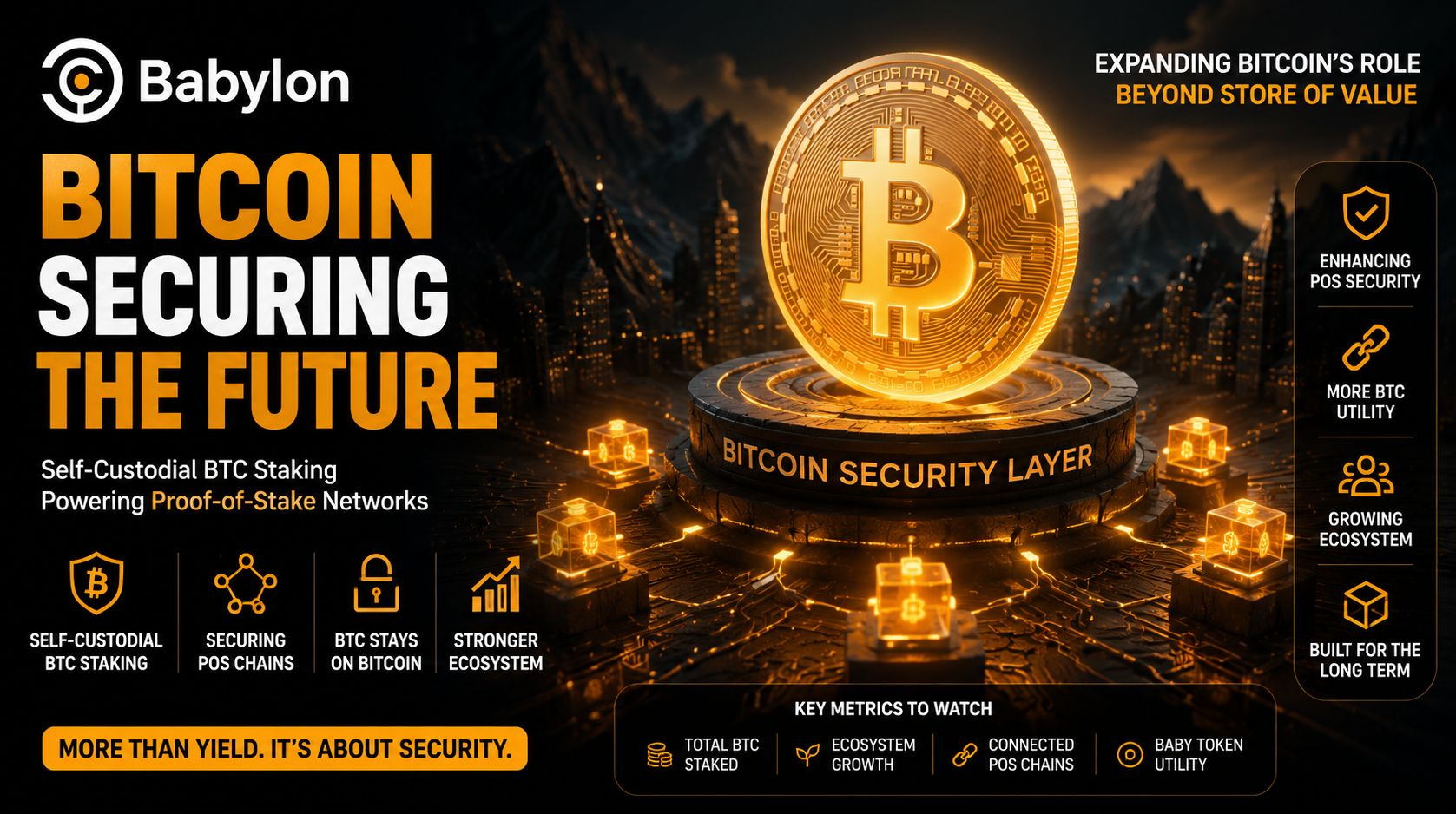
Khi tôi lần đầu nhìn vào Babylon, tôi cho rằng đó chỉ là một cách khác để kiếm phần thưởng từ Bitcoin. Sau khi dành thêm thời gian để nghiên cứu, tôi nhận ra mình đã tiếp cận vấn đề theo một góc nhìn sai. Điều khiến tôi hứng thú nhất không phải là lợi suất — mà là ý tưởng dùng giá trị kinh tế to lớn của Bitcoin để củng cố các mạng Proof-of-Stake mà không phải từ bỏ quyền tự quản lý (self-custody). Nghe có vẻ đó là một tầm nhìn lớn hơn nhiều so với việc chỉ tạo thêm một sản phẩm staking.
Tôi cũng bắt đầu suy nghĩ về tác động dài hạn. Bitcoin từ trước đến nay luôn được xem như một nơi lưu trữ giá trị, nhưng Babylon đang cố gắng chứng minh rằng nó cũng có thể góp phần vào bảo mật blockchain trong khi vẫn hoạt động trên mạng gốc của chính mình. Nếu mô hình này được áp dụng rộng rãi hơn, nó có thể khuyến khích nhiều người nắm giữ BTC tham gia bảo vệ các hệ sinh thái phi tập trung thay vì để đồng của họ hoàn toàn không hoạt động.
Tuy vậy, tôi không nghĩ rằng thành công là điều chắc chắn. Khái niệm này về mặt kỹ thuật phức tạp hơn so với staking truyền thống, và nhiều người dùng vẫn thích các giải pháp đơn giản. Việc áp dụng rộng rãi có lẽ sẽ phụ thuộc vào việc các nhà phát triển có tiếp tục xây dựng những ứng dụng mang lại lợi ích từ cơ chế bảo mật được hậu thuẫn bởi Bitcoin hay không, và liệu người dùng có hiểu được giá trị của mô hình này hay không.
Tôi sẽ theo dõi sát các chỉ số như tổng lượng BTC được stake, mức tăng trưởng của hệ sinh thái, số lượng các chuỗi PoS được kết nối, và cách BABY được sử dụng trong mạng. Những chỉ báo đó sẽ kể một câu chuyện rõ ràng hơn nhiều so với biến động giá ngắn hạn. Từ những gì tôi đã thấy, Babylon không cố gắng thay đổi bản chất của Bitcoin — mà là cố gắng mở rộng những gì Bitcoin có thể hỗ trợ một cách an toàn trên toàn hệ sinh thái blockchain rộng lớn hơn.
$BABY
{spot}(BABYUSDT)
$LAB
{future}(LABUSDT)
$BTC
{spot}(BTCUSDT)
Khi tôi lần đầu nhìn vào Babylon, tôi cho rằng đó chỉ là một cách khác để kiếm phần thưởng từ Bitcoin. Sau khi dành thêm thời gian để nghiên cứu, tôi nhận ra mình đã tiếp cận vấn đề theo một góc nhìn sai. Điều khiến tôi hứng thú nhất không phải là lợi suất — mà là ý tưởng dùng giá trị kinh tế to lớn của Bitcoin để củng cố các mạng Proof-of-Stake mà không phải từ bỏ quyền tự quản lý (self-custody). Nghe có vẻ đó là một tầm nhìn lớn hơn nhiều so với việc chỉ tạo thêm một sản phẩm staking.
Tôi cũng bắt đầu suy nghĩ về tác động dài hạn. Bitcoin từ trước đến nay luôn được xem như một nơi lưu trữ giá trị, nhưng Babylon đang cố gắng chứng minh rằng nó cũng có thể góp phần vào bảo mật blockchain trong khi vẫn hoạt động trên mạng gốc của chính mình. Nếu mô hình này được áp dụng rộng rãi hơn, nó có thể khuyến khích nhiều người nắm giữ BTC tham gia bảo vệ các hệ sinh thái phi tập trung thay vì để đồng của họ hoàn toàn không hoạt động.
Tuy vậy, tôi không nghĩ rằng thành công là điều chắc chắn. Khái niệm này về mặt kỹ thuật phức tạp hơn so với staking truyền thống, và nhiều người dùng vẫn thích các giải pháp đơn giản. Việc áp dụng rộng rãi có lẽ sẽ phụ thuộc vào việc các nhà phát triển có tiếp tục xây dựng những ứng dụng mang lại lợi ích từ cơ chế bảo mật được hậu thuẫn bởi Bitcoin hay không, và liệu người dùng có hiểu được giá trị của mô hình này hay không.
Tôi sẽ theo dõi sát các chỉ số như tổng lượng BTC được stake, mức tăng trưởng của hệ sinh thái, số lượng các chuỗi PoS được kết nối, và cách BABY được sử dụng trong mạng. Những chỉ báo đó sẽ kể một câu chuyện rõ ràng hơn nhiều so với biến động giá ngắn hạn. Từ những gì tôi đã thấy, Babylon không cố gắng thay đổi bản chất của Bitcoin — mà là cố gắng mở rộng những gì Bitcoin có thể hỗ trợ một cách an toàn trên toàn hệ sinh thái blockchain rộng lớn hơn.
$BABY
$LAB
$BTC
Tôi cũng bắt đầu suy nghĩ về tác động dài hạn. Bitcoin từ trước đến nay luôn được xem như một nơi lưu trữ giá trị, nhưng Babylon đang cố gắng chứng minh rằng nó cũng có thể góp phần vào bảo mật blockchain trong khi vẫn hoạt động trên mạng gốc của chính mình. Nếu mô hình này được áp dụng rộng rãi hơn, nó có thể khuyến khích nhiều người nắm giữ BTC tham gia bảo vệ các hệ sinh thái phi tập trung thay vì để đồng của họ hoàn toàn không hoạt động.
Tuy vậy, tôi không nghĩ rằng thành công là điều chắc chắn. Khái niệm này về mặt kỹ thuật phức tạp hơn so với staking truyền thống, và nhiều người dùng vẫn thích các giải pháp đơn giản. Việc áp dụng rộng rãi có lẽ sẽ phụ thuộc vào việc các nhà phát triển có tiếp tục xây dựng những ứng dụng mang lại lợi ích từ cơ chế bảo mật được hậu thuẫn bởi Bitcoin hay không, và liệu người dùng có hiểu được giá trị của mô hình này hay không.
Tôi sẽ theo dõi sát các chỉ số như tổng lượng BTC được stake, mức tăng trưởng của hệ sinh thái, số lượng các chuỗi PoS được kết nối, và cách BABY được sử dụng trong mạng. Những chỉ báo đó sẽ kể một câu chuyện rõ ràng hơn nhiều so với biến động giá ngắn hạn. Từ những gì tôi đã thấy, Babylon không cố gắng thay đổi bản chất của Bitcoin — mà là cố gắng mở rộng những gì Bitcoin có thể hỗ trợ một cách an toàn trên toàn hệ sinh thái blockchain rộng lớn hơn.
$BABY
$LAB
$BTC
4
10
1.1k
·
--
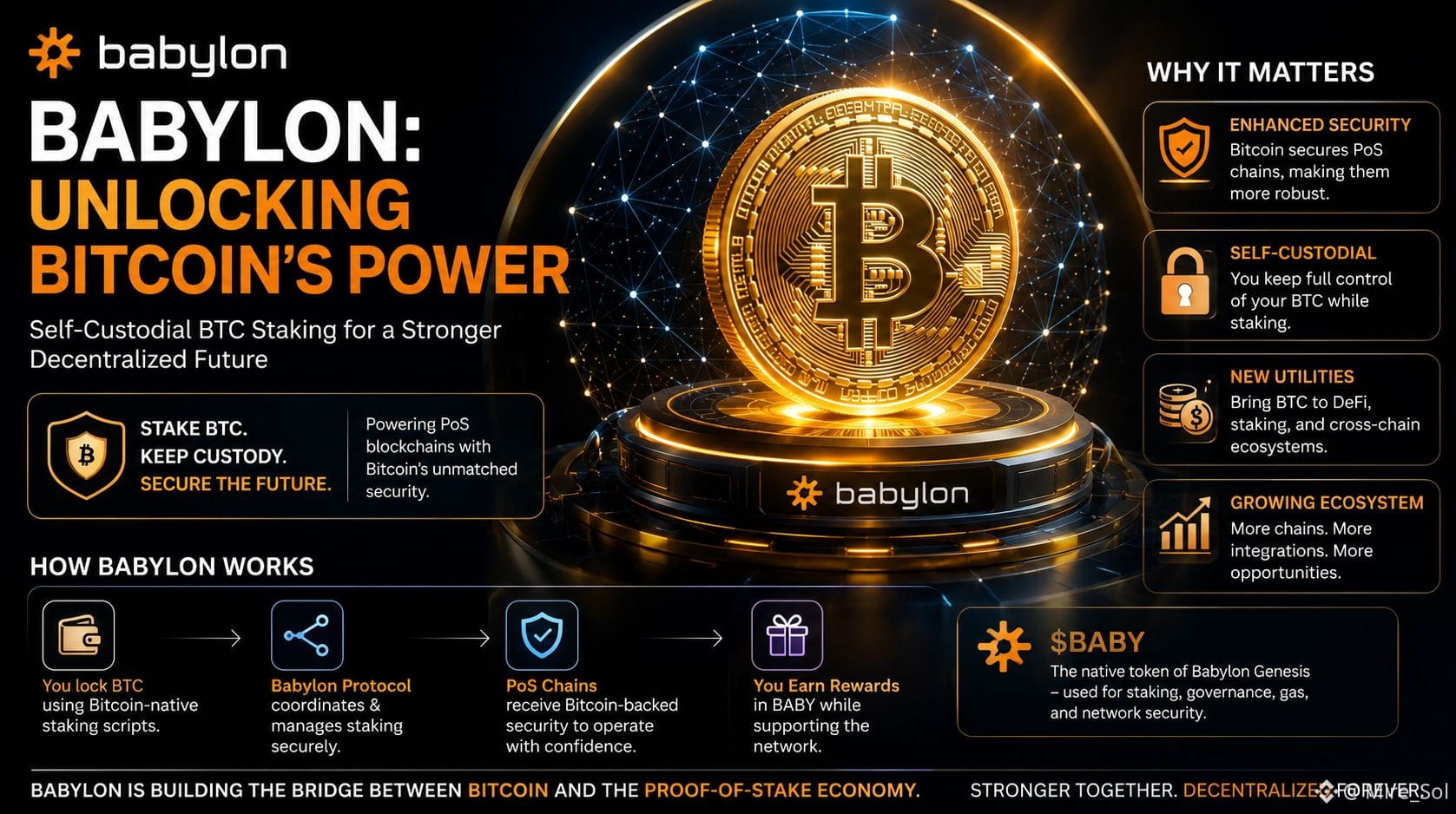
Ban đầu tôi không để ý nhiều đến Babylon vì cho rằng đó chỉ là một dự án khác cố gắng vắt thêm lợi nhuận từ Bitcoin. Sau khi dành thời gian tìm hiểu cách nó hoạt động, tôi nhận ra ý tưởng lớn hơn không phải về phần thưởng—mà là biến Bitcoin trở thành một nguồn bảo mật hữu ích mà không bắt người nắm giữ phải từ bỏ quyền quản lý (custody) đối với đồng coin của họ.
Điều đó đã thay đổi cách tôi nhìn nhận về dự án. Bitcoin từ trước đến nay luôn là tài sản crypto có giá trị vốn hóa lớn nhất, nhưng phần lớn vẫn đang nằm yên. Babylon đang cố gắng “kích hoạt” nguồn vốn đang ngủ yên đó trong khi vẫn giữ Bitcoin trên chính mạng lưới gốc của nó. Nếu mô hình này tiếp tục chứng minh được độ tin cậy, nó có thể làm thay đổi cách các chuỗi proof-of-stake mới hơn suy nghĩ về an ninh kinh tế.
Tôi cũng thấy mình tự hỏi liệu người nắm giữ Bitcoin có thực sự muốn điều này không. Nhiều người thích BTC vì sự đơn giản và thiết kế thận trọng của nó. Thuyết phục họ tham gia staking, kể cả khi vẫn là tự quản lý (self-custody), có thể sẽ cần thời gian. Niềm tin có lẽ sẽ phụ thuộc nhiều hơn vào hồ sơ bảo mật và hiệu năng minh bạch hơn là vào mức lãi suất hấp dẫn.
Một chi tiết khác tôi vẫn tiếp tục theo dõi là hệ sinh thái đang hình thành xung quanh Babylon—không chỉ mỗi tính năng staking. Một mạng lưới mạnh thường thu hút các nhà phát triển, nhà cung cấp hạ tầng và các tích hợp tạo ra nhu cầu bền vững. Nếu thiếu sự tăng trưởng đó, ngay cả một ý tưởng đổi mới cũng có thể mất dần đà.
Với hiện tại, tôi xem Babylon như một thí nghiệm hạ tầng thú vị hơn là một thành công được đảm bảo. Nếu mức độ áp dụng tiếp tục mở rộng và các nhà phát triển tiếp tục xây dựng xung quanh nó, dự án có thể trở thành một trong những cách có ý nghĩa hơn để Bitcoin đóng góp ngoài việc chỉ là nơi lưu trữ giá trị.
@babylonlabs_io #baby $BABY
{future}(BABYUSDT)
$LAB
{alpha}(560x7ec43cf65f1663f820427c62a5780b8f2e25593a)
$ADA
{future}(ADAUSDT)
Ban đầu tôi không để ý nhiều đến Babylon vì cho rằng đó chỉ là một dự án khác cố gắng vắt thêm lợi nhuận từ Bitcoin. Sau khi dành thời gian tìm hiểu cách nó hoạt động, tôi nhận ra ý tưởng lớn hơn không phải về phần thưởng—mà là biến Bitcoin trở thành một nguồn bảo mật hữu ích mà không bắt người nắm giữ phải từ bỏ quyền quản lý (custody) đối với đồng coin của họ.
Điều đó đã thay đổi cách tôi nhìn nhận về dự án. Bitcoin từ trước đến nay luôn là tài sản crypto có giá trị vốn hóa lớn nhất, nhưng phần lớn vẫn đang nằm yên. Babylon đang cố gắng “kích hoạt” nguồn vốn đang ngủ yên đó trong khi vẫn giữ Bitcoin trên chính mạng lưới gốc của nó. Nếu mô hình này tiếp tục chứng minh được độ tin cậy, nó có thể làm thay đổi cách các chuỗi proof-of-stake mới hơn suy nghĩ về an ninh kinh tế.
Tôi cũng thấy mình tự hỏi liệu người nắm giữ Bitcoin có thực sự muốn điều này không. Nhiều người thích BTC vì sự đơn giản và thiết kế thận trọng của nó. Thuyết phục họ tham gia staking, kể cả khi vẫn là tự quản lý (self-custody), có thể sẽ cần thời gian. Niềm tin có lẽ sẽ phụ thuộc nhiều hơn vào hồ sơ bảo mật và hiệu năng minh bạch hơn là vào mức lãi suất hấp dẫn.
Một chi tiết khác tôi vẫn tiếp tục theo dõi là hệ sinh thái đang hình thành xung quanh Babylon—không chỉ mỗi tính năng staking. Một mạng lưới mạnh thường thu hút các nhà phát triển, nhà cung cấp hạ tầng và các tích hợp tạo ra nhu cầu bền vững. Nếu thiếu sự tăng trưởng đó, ngay cả một ý tưởng đổi mới cũng có thể mất dần đà.
Với hiện tại, tôi xem Babylon như một thí nghiệm hạ tầng thú vị hơn là một thành công được đảm bảo. Nếu mức độ áp dụng tiếp tục mở rộng và các nhà phát triển tiếp tục xây dựng xung quanh nó, dự án có thể trở thành một trong những cách có ý nghĩa hơn để Bitcoin đóng góp ngoài việc chỉ là nơi lưu trữ giá trị.
@BabylonLabs_io #baby $BABY
$LAB
$ADA
Điều đó đã thay đổi cách tôi nhìn nhận về dự án. Bitcoin từ trước đến nay luôn là tài sản crypto có giá trị vốn hóa lớn nhất, nhưng phần lớn vẫn đang nằm yên. Babylon đang cố gắng “kích hoạt” nguồn vốn đang ngủ yên đó trong khi vẫn giữ Bitcoin trên chính mạng lưới gốc của nó. Nếu mô hình này tiếp tục chứng minh được độ tin cậy, nó có thể làm thay đổi cách các chuỗi proof-of-stake mới hơn suy nghĩ về an ninh kinh tế.
Tôi cũng thấy mình tự hỏi liệu người nắm giữ Bitcoin có thực sự muốn điều này không. Nhiều người thích BTC vì sự đơn giản và thiết kế thận trọng của nó. Thuyết phục họ tham gia staking, kể cả khi vẫn là tự quản lý (self-custody), có thể sẽ cần thời gian. Niềm tin có lẽ sẽ phụ thuộc nhiều hơn vào hồ sơ bảo mật và hiệu năng minh bạch hơn là vào mức lãi suất hấp dẫn.
Một chi tiết khác tôi vẫn tiếp tục theo dõi là hệ sinh thái đang hình thành xung quanh Babylon—không chỉ mỗi tính năng staking. Một mạng lưới mạnh thường thu hút các nhà phát triển, nhà cung cấp hạ tầng và các tích hợp tạo ra nhu cầu bền vững. Nếu thiếu sự tăng trưởng đó, ngay cả một ý tưởng đổi mới cũng có thể mất dần đà.
Với hiện tại, tôi xem Babylon như một thí nghiệm hạ tầng thú vị hơn là một thành công được đảm bảo. Nếu mức độ áp dụng tiếp tục mở rộng và các nhà phát triển tiếp tục xây dựng xung quanh nó, dự án có thể trở thành một trong những cách có ý nghĩa hơn để Bitcoin đóng góp ngoài việc chỉ là nơi lưu trữ giá trị.
@BabylonLabs_io #baby $BABY
$LAB
$ADA
3
2
223
·
--
🎙️ Hiện tại bậc 2 khó hơn, bậc 1 có nhiều cơ hội hơn không?
Kết thúc
03 giờ 10 phút 56 giây
13.6k
21
24
·
--
🎙️ Trao đổi tình hình thị trường trong giới coin; giải đáp thắc mắc cho người mới ✅ Kiên trì xây dựng cộng đồng 🦅 lan tỏa tư tưởng tự do! Duy trì cân bằng hệ sinh thái!
Kết thúc
03 giờ 10 phút 52 giây
13k
21
54
·
--
Đã xác minh
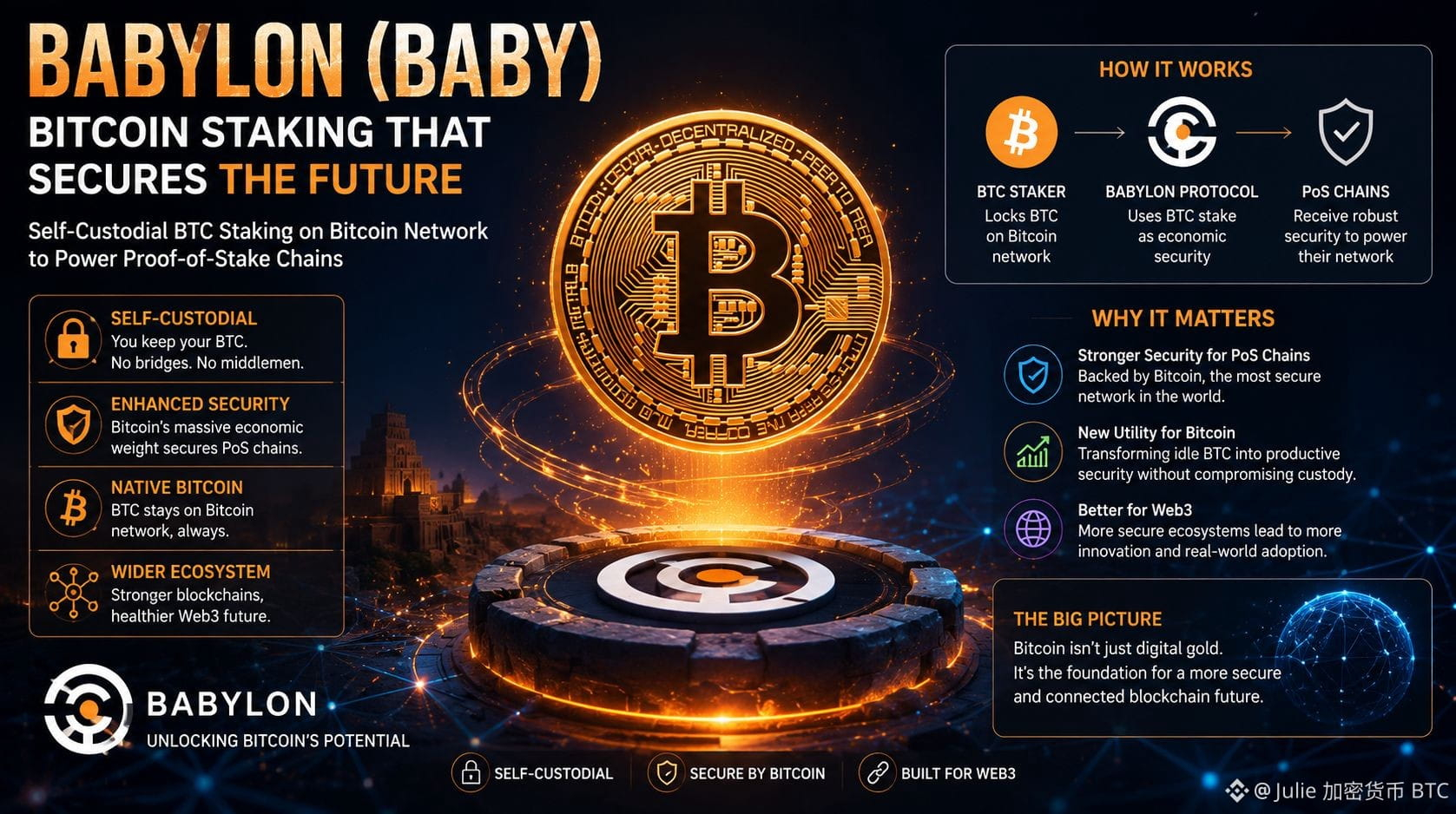
Tôi không bắt đầu nghiên cứu Babylon vì đang tìm một cách khác để tạo lợi suất từ Bitcoin. Điều khiến tôi chú ý là một câu hỏi khác: liệu Bitcoin có thể củng cố các mạng blockchain khác mà không phải từ bỏ những phẩm chất đã khiến nó có giá trị ngay từ đầu hay không?
Càng tìm hiểu, tôi càng nhận ra Babylon đang cố gắng giải quyết một vấn đề về niềm tin, hơn là một bài toán về staking. Hầu hết các lựa chọn tạo thu nhập dựa trên BTC đều yêu cầu người dùng chuyển tài sản (bridge), khóa chúng với các bên lưu ký (custodian), hoặc dựa vào các phiên bản Bitcoin bọc (wrapped). Babylon đi theo một hướng khác: cho phép staking BTC theo kiểu tự lưu ký (self-custodial), giữ Bitcoin trên chính mạng gốc của nó, đồng thời sử dụng “trọng lượng kinh tế” của Bitcoin để giúp củng cố các chuỗi Proof-of-Stake.
Tôi cũng dành thời gian để so sánh nó với các mô hình bảo mật PoS truyền thống. Nhiều mạng phụ thuộc gần như hoàn toàn vào token gốc của chính họ để đảm bảo an ninh, điều này có thể trở thành điểm yếu khi thị trường đi xuống. Nếu Bitcoin có thể cung cấp thêm lớp bảo mật mà vẫn không rời khỏi chuỗi của mình, thì sẽ tạo ra một lớp bảo vệ thú vị mà nhiều hệ sinh thái hiện đang thiếu.
Điều đó không có nghĩa là thành công được đảm bảo. Babylon vẫn cần sự chấp nhận rộng rãi từ các nhà phát triển, validator và người nắm giữ Bitcoin. Trải nghiệm người dùng phải vẫn đơn giản, và các ưu đãi (incentives) cần tiếp tục hấp dẫn ngay cả khi điều kiện thị trường thay đổi.
Với tôi, điều rút ra quan trọng nhất không phải là phần thưởng staking. Mà là khả năng biến Bitcoin thành một tài sản bảo mật mang lại năng suất trong khi vẫn giữ tự lưu ký. Nếu Babylon chứng minh được mô hình này có thể mở rộng, thì nó có thể âm thầm định hình lại cách Bitcoin đóng góp cho hệ sinh thái blockchain rộng hơn.
#baby $BABY @babylonlabs_io
{spot}(BABYUSDT)
Tôi không bắt đầu nghiên cứu Babylon vì đang tìm một cách khác để tạo lợi suất từ Bitcoin. Điều khiến tôi chú ý là một câu hỏi khác: liệu Bitcoin có thể củng cố các mạng blockchain khác mà không phải từ bỏ những phẩm chất đã khiến nó có giá trị ngay từ đầu hay không?
Càng tìm hiểu, tôi càng nhận ra Babylon đang cố gắng giải quyết một vấn đề về niềm tin, hơn là một bài toán về staking. Hầu hết các lựa chọn tạo thu nhập dựa trên BTC đều yêu cầu người dùng chuyển tài sản (bridge), khóa chúng với các bên lưu ký (custodian), hoặc dựa vào các phiên bản Bitcoin bọc (wrapped). Babylon đi theo một hướng khác: cho phép staking BTC theo kiểu tự lưu ký (self-custodial), giữ Bitcoin trên chính mạng gốc của nó, đồng thời sử dụng “trọng lượng kinh tế” của Bitcoin để giúp củng cố các chuỗi Proof-of-Stake.
Tôi cũng dành thời gian để so sánh nó với các mô hình bảo mật PoS truyền thống. Nhiều mạng phụ thuộc gần như hoàn toàn vào token gốc của chính họ để đảm bảo an ninh, điều này có thể trở thành điểm yếu khi thị trường đi xuống. Nếu Bitcoin có thể cung cấp thêm lớp bảo mật mà vẫn không rời khỏi chuỗi của mình, thì sẽ tạo ra một lớp bảo vệ thú vị mà nhiều hệ sinh thái hiện đang thiếu.
Điều đó không có nghĩa là thành công được đảm bảo. Babylon vẫn cần sự chấp nhận rộng rãi từ các nhà phát triển, validator và người nắm giữ Bitcoin. Trải nghiệm người dùng phải vẫn đơn giản, và các ưu đãi (incentives) cần tiếp tục hấp dẫn ngay cả khi điều kiện thị trường thay đổi.
Với tôi, điều rút ra quan trọng nhất không phải là phần thưởng staking. Mà là khả năng biến Bitcoin thành một tài sản bảo mật mang lại năng suất trong khi vẫn giữ tự lưu ký. Nếu Babylon chứng minh được mô hình này có thể mở rộng, thì nó có thể âm thầm định hình lại cách Bitcoin đóng góp cho hệ sinh thái blockchain rộng hơn.
#baby $BABY @BabylonLabs_io
Càng tìm hiểu, tôi càng nhận ra Babylon đang cố gắng giải quyết một vấn đề về niềm tin, hơn là một bài toán về staking. Hầu hết các lựa chọn tạo thu nhập dựa trên BTC đều yêu cầu người dùng chuyển tài sản (bridge), khóa chúng với các bên lưu ký (custodian), hoặc dựa vào các phiên bản Bitcoin bọc (wrapped). Babylon đi theo một hướng khác: cho phép staking BTC theo kiểu tự lưu ký (self-custodial), giữ Bitcoin trên chính mạng gốc của nó, đồng thời sử dụng “trọng lượng kinh tế” của Bitcoin để giúp củng cố các chuỗi Proof-of-Stake.
Tôi cũng dành thời gian để so sánh nó với các mô hình bảo mật PoS truyền thống. Nhiều mạng phụ thuộc gần như hoàn toàn vào token gốc của chính họ để đảm bảo an ninh, điều này có thể trở thành điểm yếu khi thị trường đi xuống. Nếu Bitcoin có thể cung cấp thêm lớp bảo mật mà vẫn không rời khỏi chuỗi của mình, thì sẽ tạo ra một lớp bảo vệ thú vị mà nhiều hệ sinh thái hiện đang thiếu.
Điều đó không có nghĩa là thành công được đảm bảo. Babylon vẫn cần sự chấp nhận rộng rãi từ các nhà phát triển, validator và người nắm giữ Bitcoin. Trải nghiệm người dùng phải vẫn đơn giản, và các ưu đãi (incentives) cần tiếp tục hấp dẫn ngay cả khi điều kiện thị trường thay đổi.
Với tôi, điều rút ra quan trọng nhất không phải là phần thưởng staking. Mà là khả năng biến Bitcoin thành một tài sản bảo mật mang lại năng suất trong khi vẫn giữ tự lưu ký. Nếu Babylon chứng minh được mô hình này có thể mở rộng, thì nó có thể âm thầm định hình lại cách Bitcoin đóng góp cho hệ sinh thái blockchain rộng hơn.
#baby $BABY @BabylonLabs_io
2
1
286
·
--
Tăng giá
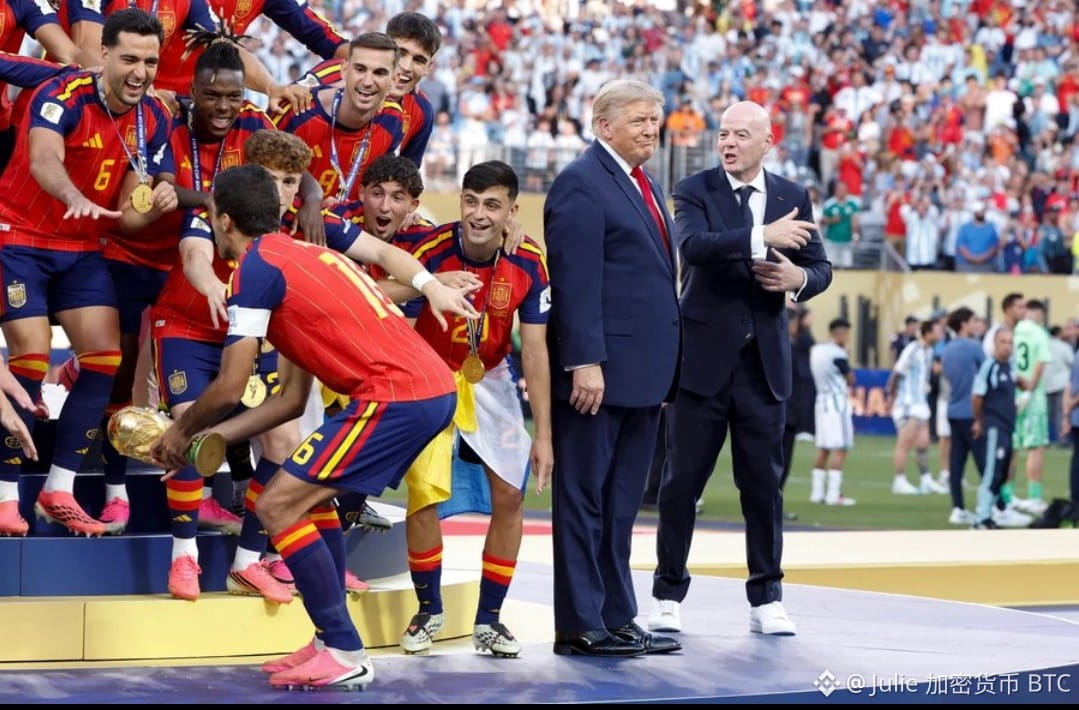
The Guardian Praised for Writing a Brilliant Caption About Trump Hogging the Spotlight at The World Cup
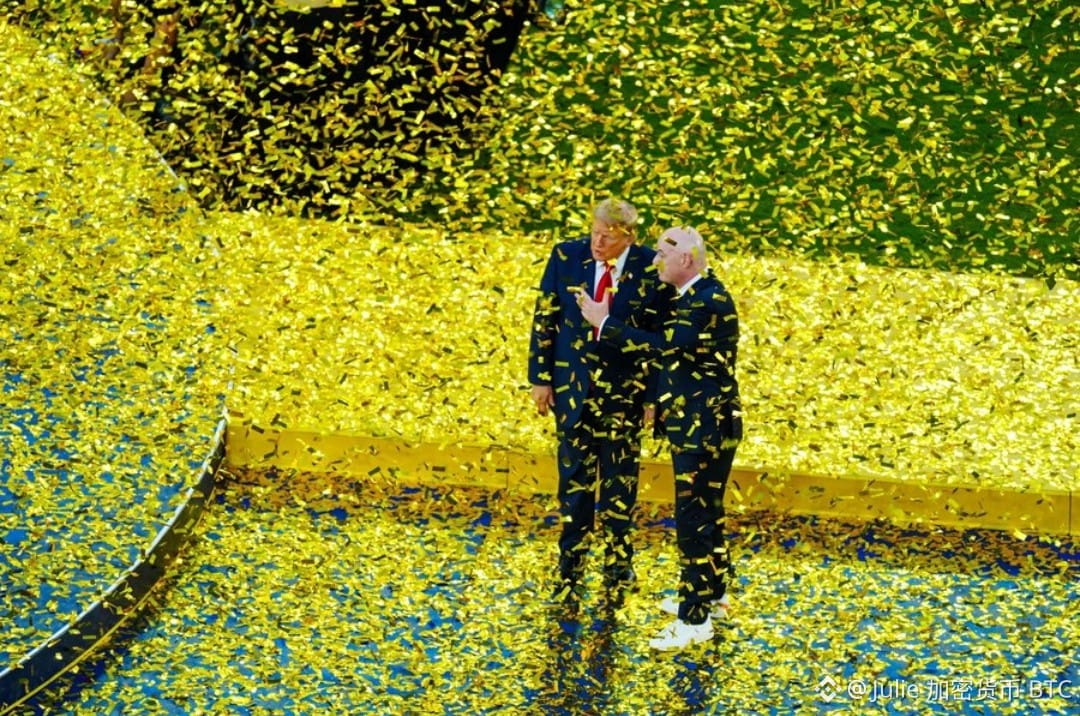
Chú thích cho bức ảnh BÊN TRÁI:
"Chủ tịch FIFA Gianni Infantino giải thích cẩn thận cho Donald Trump rằng ông ấy KHÔNG thuộc đội tuyển quốc gia Tây Ban Nha."
Bức ảnh BÊN PHẢI được chụp ngay trước đó, khi Trump từ chối rời sân khấu trong Lễ nâng cúp, như thể ông ấy somehow là người chịu trách nhiệm cho chiến thắng của Tây Ban Nha. Bạn không thể viết kiểu như thế này.
Nguồn: tinyurl.com/u52ncmsm
$NVDAB
{spot}(NVDABUSDT)
$MSFTB
{spot}(MSFTBUSDT)
$TSMB
{spot}(TSMBUSDT)
#MediatorsPropose10DayIranUSCeasefire #BurnhamToBecomeUKPrimeMinister #KOSPINasdaqCorrelationNearsTwoYearHigh #FootballSeason2026
The Guardian Praised for Writing a Brilliant Caption About Trump Hogging the Spotlight at The World Cup
Chú thích cho bức ảnh BÊN TRÁI:
"Chủ tịch FIFA Gianni Infantino giải thích cẩn thận cho Donald Trump rằng ông ấy KHÔNG thuộc đội tuyển quốc gia Tây Ban Nha."
Bức ảnh BÊN PHẢI được chụp ngay trước đó, khi Trump từ chối rời sân khấu trong Lễ nâng cúp, như thể ông ấy somehow là người chịu trách nhiệm cho chiến thắng của Tây Ban Nha. Bạn không thể viết kiểu như thế này.
Nguồn: tinyurl.com/u52ncmsm
$NVDAB
$MSFTB
$TSMB
#MediatorsPropose10DayIranUSCeasefire #BurnhamToBecomeUKPrimeMinister #KOSPINasdaqCorrelationNearsTwoYearHigh #FootballSeason2026
Chú thích cho bức ảnh BÊN TRÁI:
"Chủ tịch FIFA Gianni Infantino giải thích cẩn thận cho Donald Trump rằng ông ấy KHÔNG thuộc đội tuyển quốc gia Tây Ban Nha."
Bức ảnh BÊN PHẢI được chụp ngay trước đó, khi Trump từ chối rời sân khấu trong Lễ nâng cúp, như thể ông ấy somehow là người chịu trách nhiệm cho chiến thắng của Tây Ban Nha. Bạn không thể viết kiểu như thế này.
Nguồn: tinyurl.com/u52ncmsm
$NVDAB
$MSFTB
$TSMB
#MediatorsPropose10DayIranUSCeasefire #BurnhamToBecomeUKPrimeMinister #KOSPINasdaqCorrelationNearsTwoYearHigh #FootballSeason2026
1
1.3k
·
--
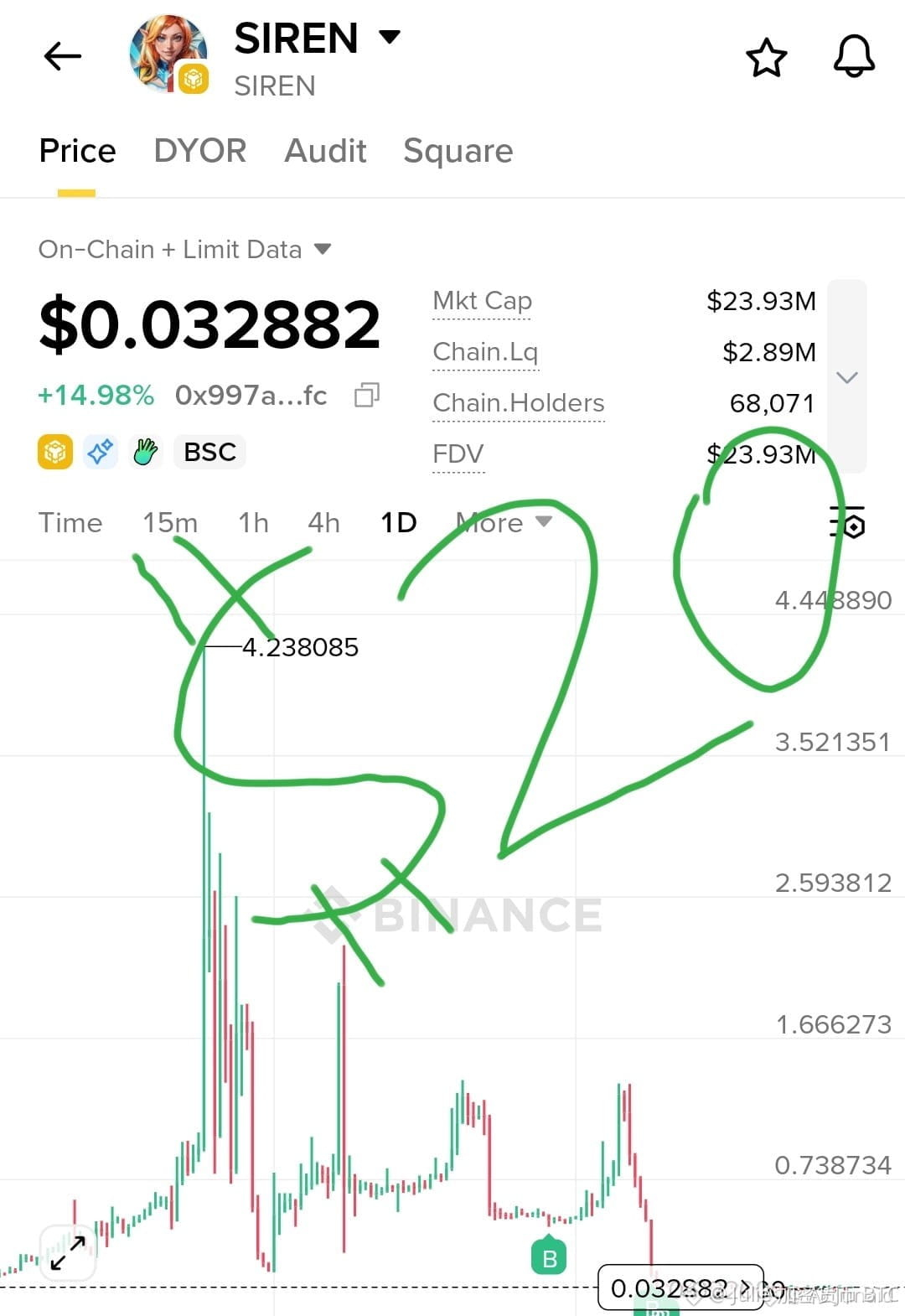
$SIREN ⏳ Thời điểm để mua? Hãy tưởng tượng nếu thứ này quay trở lại mức $4 từ chỉ $0.030… 🚀
Đầu tư $50 và hướng tới khả năng lợi nhuận $500+ . 💎
Vốn nhỏ, tầm nhìn lớn. Luôn DYOR và đầu tư khôn ngoan. 🔥 $BSP $BANK
$SIREN ⏳ Thời điểm để mua? Hãy tưởng tượng nếu thứ này quay trở lại mức $4 từ chỉ $0.030… 🚀
Đầu tư $50 và hướng tới khả năng lợi nhuận $500+ . 💎
Vốn nhỏ, tầm nhìn lớn. Luôn DYOR và đầu tư khôn ngoan. 🔥 $BSP $BANK
Đầu tư $50 và hướng tới khả năng lợi nhuận $500+ . 💎
Vốn nhỏ, tầm nhìn lớn. Luôn DYOR và đầu tư khôn ngoan. 🔥 $BSP $BANK
95
·
--
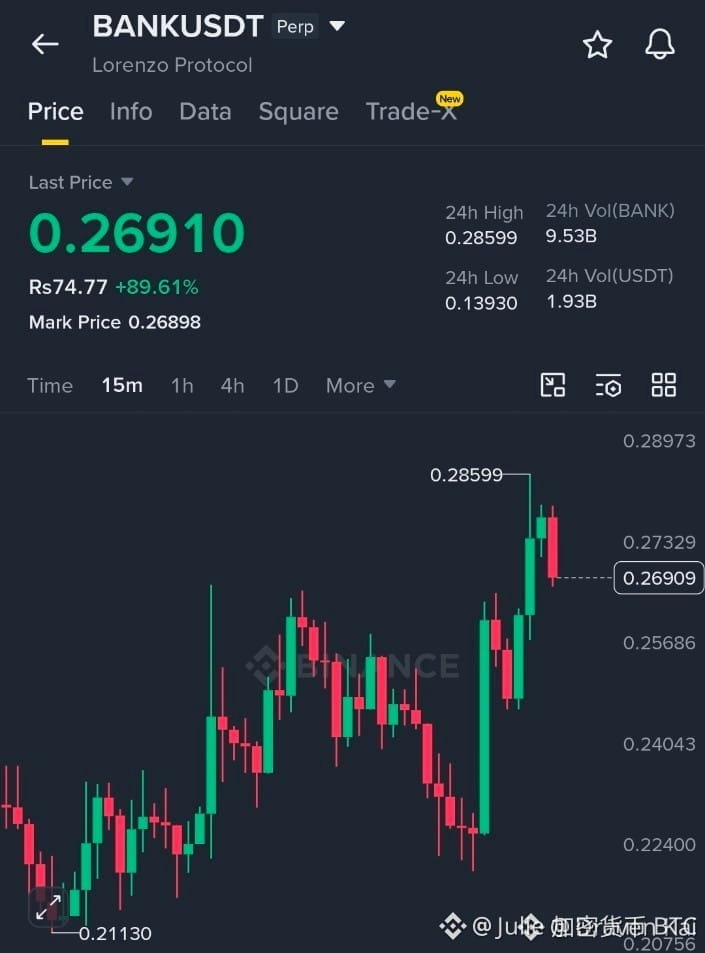
$BANK Cập nhật USDT
$BANK đang gầm trở lại sau một cú bứt phá mạnh mẽ. Bên mua đã giành lại đà, nhưng bước tiếp theo phụ thuộc vào việc giữ vững
giá trị hỗ trợ quan trọng. Theo dõi đợt đẩy tiếp theo — biến động đang tăng cao và cuộc chiến vẫn chưa kết thúc.
Hỗ trợ: 0.2560
Kháng cự: 0.2860
Mục tiêu: 0.3000
TP: 0.2950–0.3000
Cắt lỗ: 0.2520
$BANK
$BANK Cập nhật USDT
$BANK đang gầm trở lại sau một cú bứt phá mạnh mẽ. Bên mua đã giành lại đà, nhưng bước tiếp theo phụ thuộc vào việc giữ vững
giá trị hỗ trợ quan trọng. Theo dõi đợt đẩy tiếp theo — biến động đang tăng cao và cuộc chiến vẫn chưa kết thúc.
Hỗ trợ: 0.2560
Kháng cự: 0.2860
Mục tiêu: 0.3000
TP: 0.2950–0.3000
Cắt lỗ: 0.2520
$BANK
$BANK đang gầm trở lại sau một cú bứt phá mạnh mẽ. Bên mua đã giành lại đà, nhưng bước tiếp theo phụ thuộc vào việc giữ vững
giá trị hỗ trợ quan trọng. Theo dõi đợt đẩy tiếp theo — biến động đang tăng cao và cuộc chiến vẫn chưa kết thúc.
Hỗ trợ: 0.2560
Kháng cự: 0.2860
Mục tiêu: 0.3000
TP: 0.2950–0.3000
Cắt lỗ: 0.2520
$BANK
115
·
--
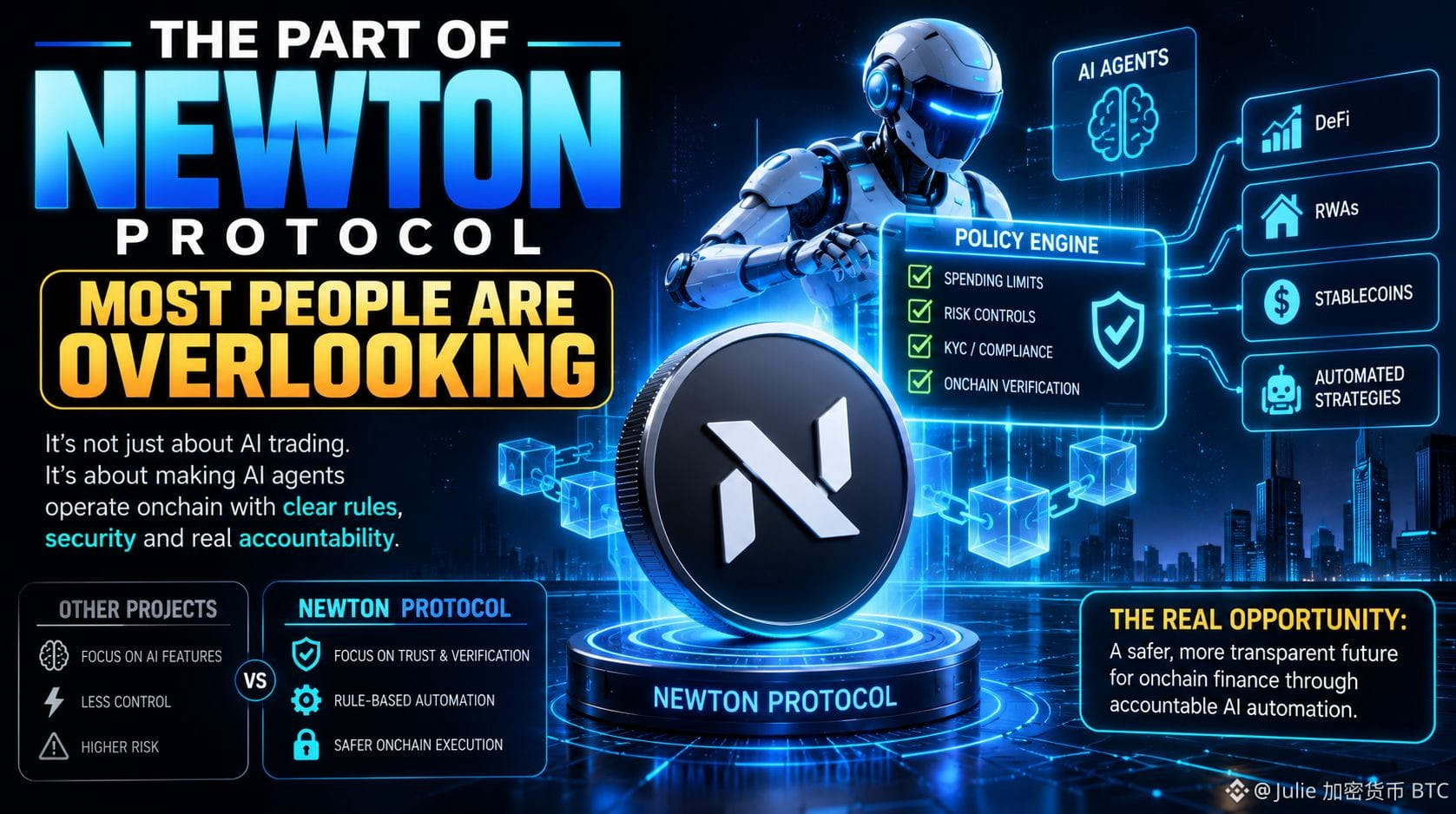
Tôi thường không để ý nhiều khi một dự án crypto kết hợp AI với blockchain, vì câu chuyện đó đã được lặp lại quá nhiều lần. Điều khiến tôi dành nhiều thời gian hơn để nghiên cứu Newton Protocol là trọng tâm của dự án vào việc kiểm soát cách các tác nhân AI tương tác với tài sản onchain, thay vì chỉ đơn thuần làm cho chúng nhanh hơn. Nghe có vẻ đây là một vấn đề thực tế hơn để giải quyết.
Khi tìm hiểu sâu hơn, tôi nhận ra Newton Protocol đang cố gắng xây dựng một môi trường nơi các chiến lược tự động có thể hoạt động trong các quy tắc rõ ràng thay vì được cấp quyền không giới hạn. Tôi nghĩ điều này ngày càng quan trọng hơn khi các tác nhân AI bắt đầu xử lý các khoản vốn lớn hơn. Tự động hóa là hữu ích, nhưng nếu không có giới hạn thì nó cũng có thể tạo ra những rủi ro không cần thiết.
Tôi liên tục so sánh Newton với các dự án blockchain khác tập trung vào AI, và một điểm khác biệt nổi bật lên. Nhiều dự án nhấn mạnh trí thông minh, trong khi Newton dường như quan tâm nhiều hơn đến niềm tin và khả năng xác minh. Theo tôi, sự thay đổi đó là quan trọng vì các tổ chức và nhà đầu tư nghiêm túc quan tâm nhiều đến việc thực thi có thể dự đoán được hơn là các tính năng AI “hào nhoáng”.
Điều đó không có nghĩa là thành công được đảm bảo. Giao thức vẫn cần các nhà phát triển xây dựng các ứng dụng hữu ích và người dùng tin tưởng các hệ thống tự động khi xử lý tài sản thật. Đây là những thách thức khó khăn, và việc được áp dụng rộng rãi có lẽ sẽ phụ thuộc vào việc Newton có thể chứng minh mô hình bảo mật của mình hoạt động hiệu quả trong các điều kiện thực tế hay không.
Sau khi dành thời gian để nghiên cứu dự án, tôi nghĩ cơ hội lớn nhất không phải là AI bản thân. Mà là việc tạo ra cơ sở hạ tầng để tự động hóa có thể vận hành an toàn mà không đánh đổi tính minh bạch hoặc quyền kiểm soát của người dùng. Nếu Newton tiếp tục phát triển theo hướng đó, nó có thể trở thành một lớp quan trọng cho tương lai của tài chính onchain, thay vì chỉ là một dự án khác chạy theo “câu chuyện AI” mới nhất.
@NewtonProtocol #newt $NEWT
{future}(NEWTUSDT)
$LAB
$AB
Tôi thường không để ý nhiều khi một dự án crypto kết hợp AI với blockchain, vì câu chuyện đó đã được lặp lại quá nhiều lần. Điều khiến tôi dành nhiều thời gian hơn để nghiên cứu Newton Protocol là trọng tâm của dự án vào việc kiểm soát cách các tác nhân AI tương tác với tài sản onchain, thay vì chỉ đơn thuần làm cho chúng nhanh hơn. Nghe có vẻ đây là một vấn đề thực tế hơn để giải quyết.
Khi tìm hiểu sâu hơn, tôi nhận ra Newton Protocol đang cố gắng xây dựng một môi trường nơi các chiến lược tự động có thể hoạt động trong các quy tắc rõ ràng thay vì được cấp quyền không giới hạn. Tôi nghĩ điều này ngày càng quan trọng hơn khi các tác nhân AI bắt đầu xử lý các khoản vốn lớn hơn. Tự động hóa là hữu ích, nhưng nếu không có giới hạn thì nó cũng có thể tạo ra những rủi ro không cần thiết.
Tôi liên tục so sánh Newton với các dự án blockchain khác tập trung vào AI, và một điểm khác biệt nổi bật lên. Nhiều dự án nhấn mạnh trí thông minh, trong khi Newton dường như quan tâm nhiều hơn đến niềm tin và khả năng xác minh. Theo tôi, sự thay đổi đó là quan trọng vì các tổ chức và nhà đầu tư nghiêm túc quan tâm nhiều đến việc thực thi có thể dự đoán được hơn là các tính năng AI “hào nhoáng”.
Điều đó không có nghĩa là thành công được đảm bảo. Giao thức vẫn cần các nhà phát triển xây dựng các ứng dụng hữu ích và người dùng tin tưởng các hệ thống tự động khi xử lý tài sản thật. Đây là những thách thức khó khăn, và việc được áp dụng rộng rãi có lẽ sẽ phụ thuộc vào việc Newton có thể chứng minh mô hình bảo mật của mình hoạt động hiệu quả trong các điều kiện thực tế hay không.
Sau khi dành thời gian để nghiên cứu dự án, tôi nghĩ cơ hội lớn nhất không phải là AI bản thân. Mà là việc tạo ra cơ sở hạ tầng để tự động hóa có thể vận hành an toàn mà không đánh đổi tính minh bạch hoặc quyền kiểm soát của người dùng. Nếu Newton tiếp tục phát triển theo hướng đó, nó có thể trở thành một lớp quan trọng cho tương lai của tài chính onchain, thay vì chỉ là một dự án khác chạy theo “câu chuyện AI” mới nhất.
@NewtonProtocol #newt $NEWT
$LAB
$AB
Khi tìm hiểu sâu hơn, tôi nhận ra Newton Protocol đang cố gắng xây dựng một môi trường nơi các chiến lược tự động có thể hoạt động trong các quy tắc rõ ràng thay vì được cấp quyền không giới hạn. Tôi nghĩ điều này ngày càng quan trọng hơn khi các tác nhân AI bắt đầu xử lý các khoản vốn lớn hơn. Tự động hóa là hữu ích, nhưng nếu không có giới hạn thì nó cũng có thể tạo ra những rủi ro không cần thiết.
Tôi liên tục so sánh Newton với các dự án blockchain khác tập trung vào AI, và một điểm khác biệt nổi bật lên. Nhiều dự án nhấn mạnh trí thông minh, trong khi Newton dường như quan tâm nhiều hơn đến niềm tin và khả năng xác minh. Theo tôi, sự thay đổi đó là quan trọng vì các tổ chức và nhà đầu tư nghiêm túc quan tâm nhiều đến việc thực thi có thể dự đoán được hơn là các tính năng AI “hào nhoáng”.
Điều đó không có nghĩa là thành công được đảm bảo. Giao thức vẫn cần các nhà phát triển xây dựng các ứng dụng hữu ích và người dùng tin tưởng các hệ thống tự động khi xử lý tài sản thật. Đây là những thách thức khó khăn, và việc được áp dụng rộng rãi có lẽ sẽ phụ thuộc vào việc Newton có thể chứng minh mô hình bảo mật của mình hoạt động hiệu quả trong các điều kiện thực tế hay không.
Sau khi dành thời gian để nghiên cứu dự án, tôi nghĩ cơ hội lớn nhất không phải là AI bản thân. Mà là việc tạo ra cơ sở hạ tầng để tự động hóa có thể vận hành an toàn mà không đánh đổi tính minh bạch hoặc quyền kiểm soát của người dùng. Nếu Newton tiếp tục phát triển theo hướng đó, nó có thể trở thành một lớp quan trọng cho tương lai của tài chính onchain, thay vì chỉ là một dự án khác chạy theo “câu chuyện AI” mới nhất.
@NewtonProtocol #newt $NEWT
$LAB
$AB
2
353
·
--
Bài viết
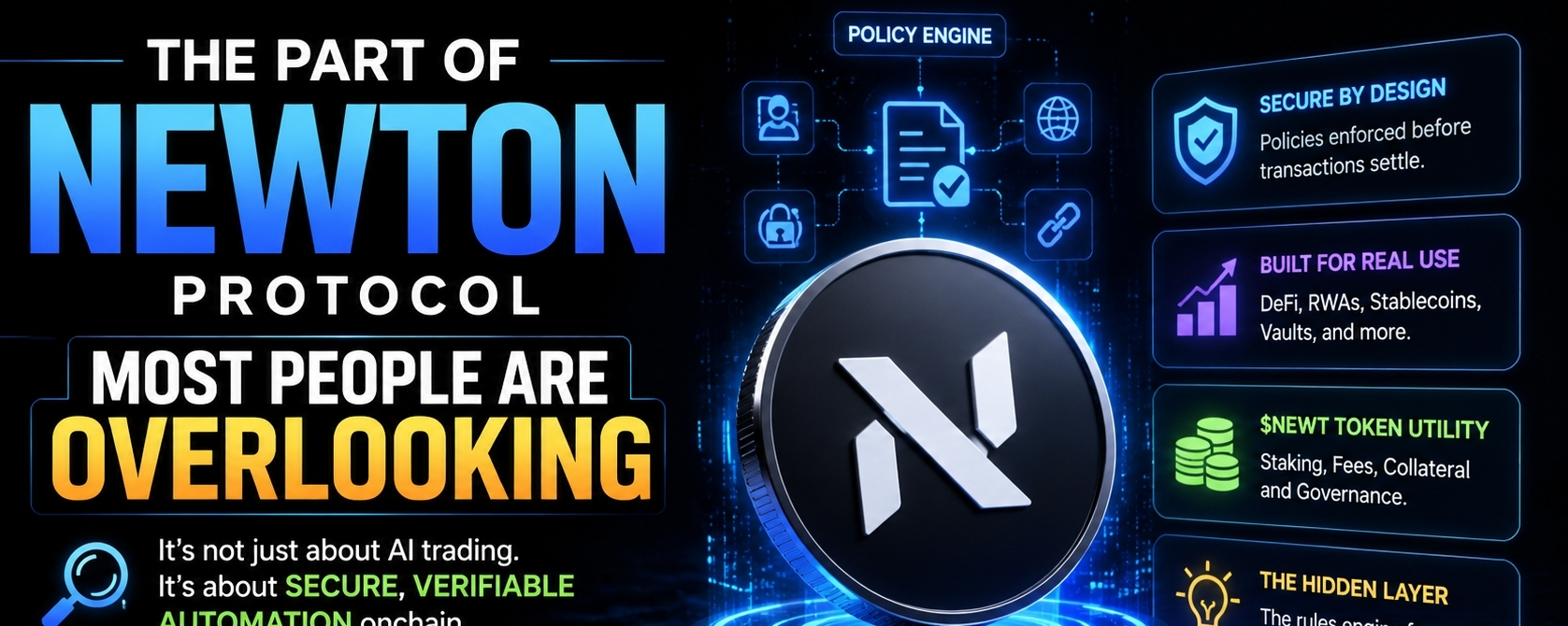
Phần của Newton Protocol mà đa số mọi người đang bỏ quaĐiều đầu tiên thu hút sự chú ý của tôi về Newton Protocol là tôi không có cảm giác mình đang xem một câu chuyện token AI ồn ào nào khác. Tôi bắt đầu đọc nó theo cách mà tôi thường làm với các dự án crypto mới: bỏ qua những lời quảng bá và cố gắng hiểu rốt cuộc họ đang muốn giải quyết vấn đề gì. Điểm nổi bật là Newton giới thiệu bản thân như một lớp ủy quyền trên chuỗi (onchain authorization layer), nơi các chính sách được thực thi trước khi một giao dịch được chốt, thay vì sau khi tiền đã kịp di chuyển. Chỉ riêng điều đó đã khiến tôi chậm lại và tìm hiểu sâu hơn.
Phần của Newton Protocol mà đa số mọi người đang bỏ qua
Điều đầu tiên thu hút sự chú ý của tôi về Newton Protocol là tôi không có cảm giác mình đang xem một câu chuyện token AI ồn ào nào khác. Tôi bắt đầu đọc nó theo cách mà tôi thường làm với các dự án crypto mới: bỏ qua những lời quảng bá và cố gắng hiểu rốt cuộc họ đang muốn giải quyết vấn đề gì. Điểm nổi bật là Newton giới thiệu bản thân như một lớp ủy quyền trên chuỗi (onchain authorization layer), nơi các chính sách được thực thi trước khi một giao dịch được chốt, thay vì sau khi tiền đã kịp di chuyển. Chỉ riêng điều đó đã khiến tôi chậm lại và tìm hiểu sâu hơn.
6
5
261
·
--
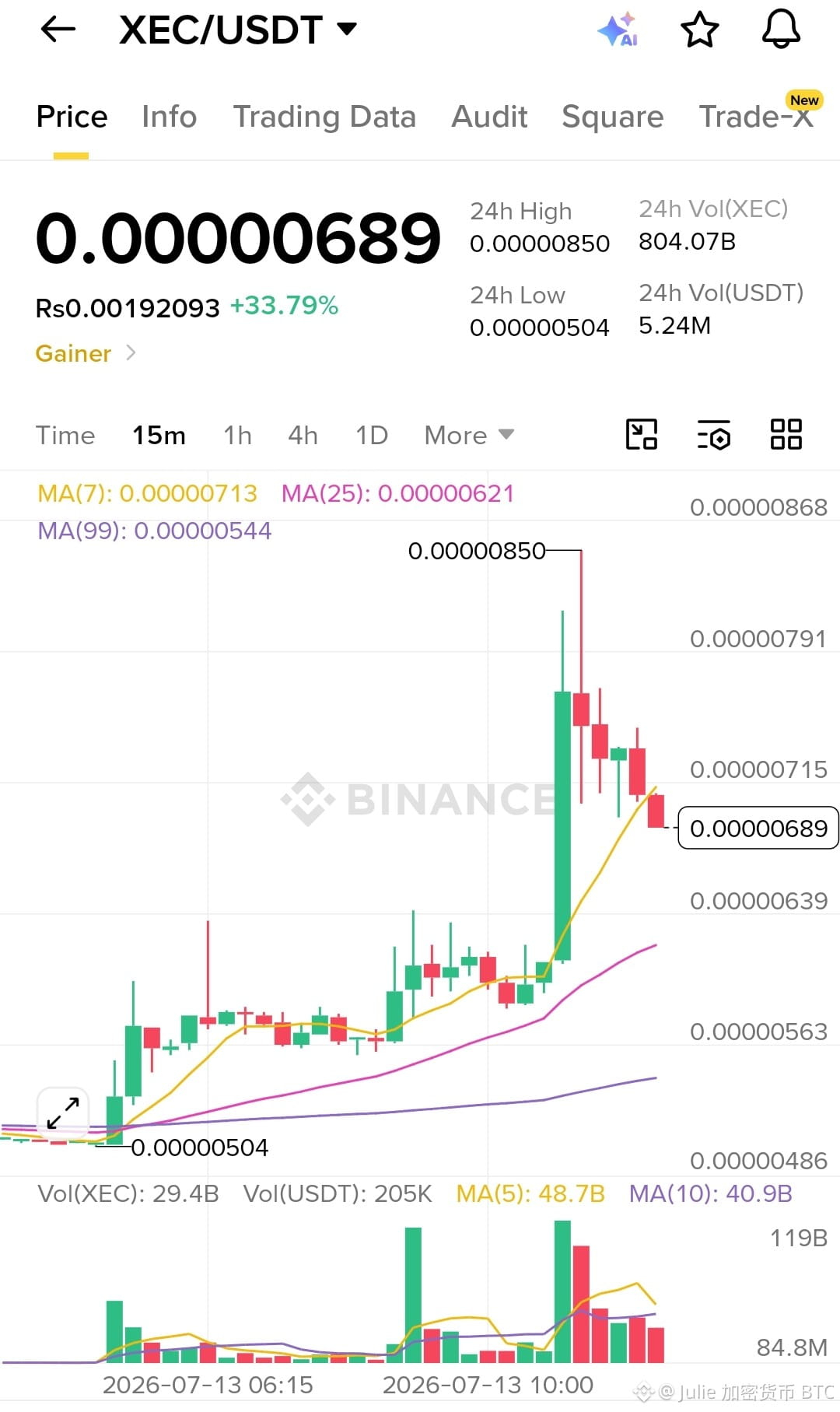
$XEC đã in ra một đợt bứt phá tăng mạnh với mức tăng +33,79% trong ngày, đạt đỉnh ở 0.00000850. Đợt điều chỉnh hiện tại về 0.00000689 có vẻ giống việc chốt lời hơn là một sự đảo chiều xu hướng, trong khi giá vẫn tiếp tục giao dịch trên các đường trung bình động chính.
Nếu phe bò bảo vệ được ngưỡng hỗ trợ 0.00000670, một đợt đẩy giá nữa hướng tới đỉnh gần đây là hoàn toàn có thể xảy ra. Việc phá vỡ lên trên 0.00000850 có thể kích hoạt nhịp tăng tiếp theo.
Thiết lập tín hiệu
Vào lệnh: 0.00000675 – 0.00000695
TP1: 0.00000760
TP2: 0.00000850
TP3: 0.00000950
Cắt lỗ: 0.00000625
$XEC đã in ra một đợt bứt phá tăng mạnh với mức tăng +33,79% trong ngày, đạt đỉnh ở 0.00000850. Đợt điều chỉnh hiện tại về 0.00000689 có vẻ giống việc chốt lời hơn là một sự đảo chiều xu hướng, trong khi giá vẫn tiếp tục giao dịch trên các đường trung bình động chính.
Nếu phe bò bảo vệ được ngưỡng hỗ trợ 0.00000670, một đợt đẩy giá nữa hướng tới đỉnh gần đây là hoàn toàn có thể xảy ra. Việc phá vỡ lên trên 0.00000850 có thể kích hoạt nhịp tăng tiếp theo.
Thiết lập tín hiệu
Vào lệnh: 0.00000675 – 0.00000695
TP1: 0.00000760
TP2: 0.00000850
TP3: 0.00000950
Cắt lỗ: 0.00000625
Nếu phe bò bảo vệ được ngưỡng hỗ trợ 0.00000670, một đợt đẩy giá nữa hướng tới đỉnh gần đây là hoàn toàn có thể xảy ra. Việc phá vỡ lên trên 0.00000850 có thể kích hoạt nhịp tăng tiếp theo.
Thiết lập tín hiệu
Vào lệnh: 0.00000675 – 0.00000695
TP1: 0.00000760
TP2: 0.00000850
TP3: 0.00000950
Cắt lỗ: 0.00000625
183
·
--
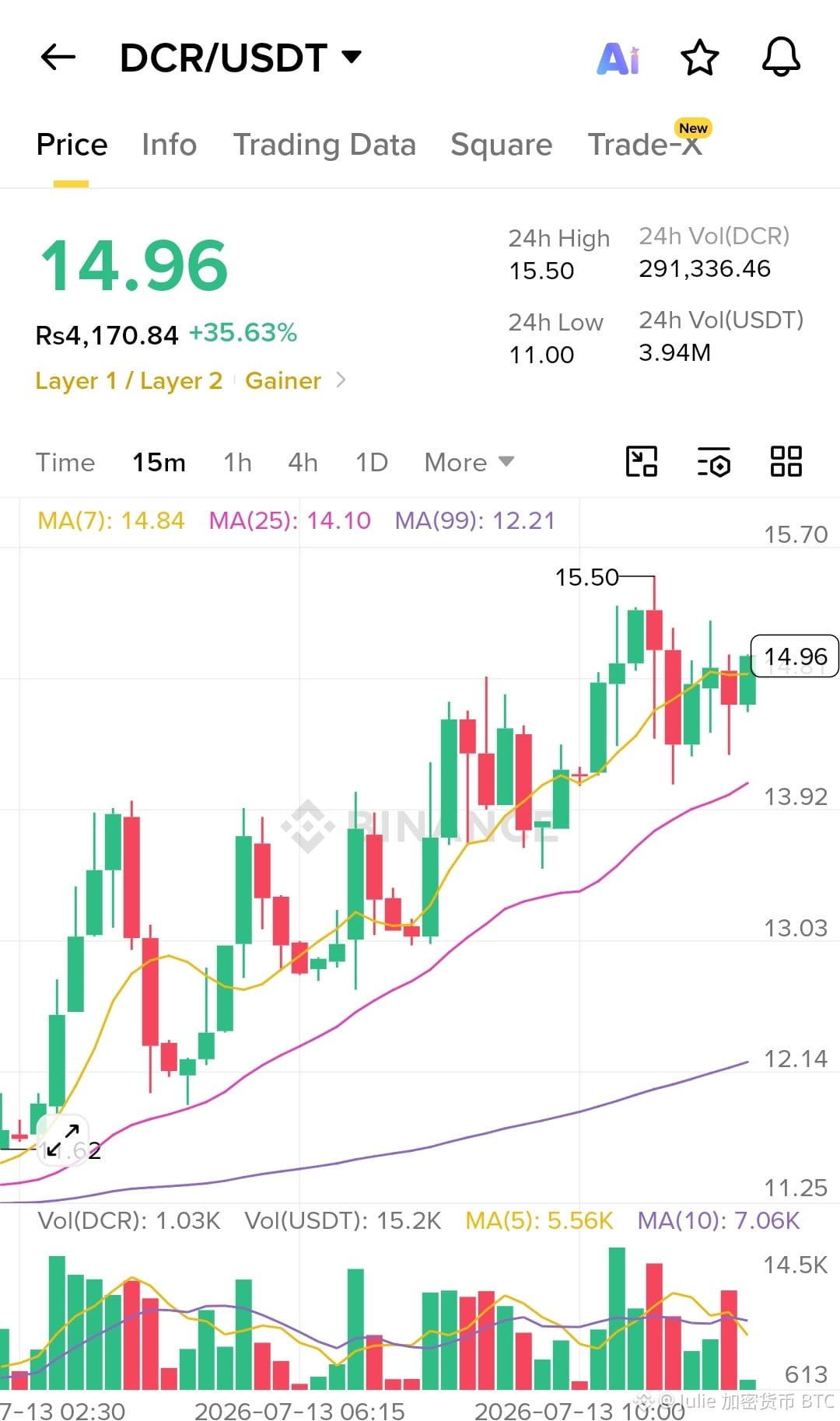
$DCR /USDT đang thể hiện sức mạnh bullish (tăng) nghiêm trọng.
Sau khi phá vỡ mức kháng cự $14.50, DCR đã chạm đỉnh ở $15.50 và hiện đang giữ quanh $14.96, đây là dấu hiệu lành mạnh sau một đợt tăng mạnh. Các đường trung bình động vẫn đang hướng lên, cho thấy phe mua vẫn đang kiểm soát.
Miễn là giá vẫn nằm trên vùng hỗ trợ $14.50–14.60, xu hướng vẫn là bullish. Nếu bứt phá thành công lên trên $15.50 có thể mở ra cánh cửa cho nhịp tiếp theo hướng tới $16.20 và thậm chí là $17.00.
Hãy theo dõi khối lượng giao dịch. Khối lượng mua mạnh trong lần bứt phá tiếp theo sẽ làm tăng khả năng duy trì đà tăng. Luôn áp dụng quản lý rủi ro phù hợp và tránh đuổi theo các cây nến xanh khi chưa có xác nhận rõ ràng.
Vùng Mua DCR/USDT: $14.60–14.90
Mục tiêu 1: $15.50
Mục tiêu 2: $16.20
Mục tiêu 3: $17.00
Cắt lỗ: Dưới $14.20
$DCR /USDT đang thể hiện sức mạnh bullish (tăng) nghiêm trọng.
Sau khi phá vỡ mức kháng cự $14.50, DCR đã chạm đỉnh ở $15.50 và hiện đang giữ quanh $14.96, đây là dấu hiệu lành mạnh sau một đợt tăng mạnh. Các đường trung bình động vẫn đang hướng lên, cho thấy phe mua vẫn đang kiểm soát.
Miễn là giá vẫn nằm trên vùng hỗ trợ $14.50–14.60, xu hướng vẫn là bullish. Nếu bứt phá thành công lên trên $15.50 có thể mở ra cánh cửa cho nhịp tiếp theo hướng tới $16.20 và thậm chí là $17.00.
Hãy theo dõi khối lượng giao dịch. Khối lượng mua mạnh trong lần bứt phá tiếp theo sẽ làm tăng khả năng duy trì đà tăng. Luôn áp dụng quản lý rủi ro phù hợp và tránh đuổi theo các cây nến xanh khi chưa có xác nhận rõ ràng.
Vùng Mua DCR/USDT: $14.60–14.90
Mục tiêu 1: $15.50
Mục tiêu 2: $16.20
Mục tiêu 3: $17.00
Cắt lỗ: Dưới $14.20
Sau khi phá vỡ mức kháng cự $14.50, DCR đã chạm đỉnh ở $15.50 và hiện đang giữ quanh $14.96, đây là dấu hiệu lành mạnh sau một đợt tăng mạnh. Các đường trung bình động vẫn đang hướng lên, cho thấy phe mua vẫn đang kiểm soát.
Miễn là giá vẫn nằm trên vùng hỗ trợ $14.50–14.60, xu hướng vẫn là bullish. Nếu bứt phá thành công lên trên $15.50 có thể mở ra cánh cửa cho nhịp tiếp theo hướng tới $16.20 và thậm chí là $17.00.
Hãy theo dõi khối lượng giao dịch. Khối lượng mua mạnh trong lần bứt phá tiếp theo sẽ làm tăng khả năng duy trì đà tăng. Luôn áp dụng quản lý rủi ro phù hợp và tránh đuổi theo các cây nến xanh khi chưa có xác nhận rõ ràng.
Vùng Mua DCR/USDT: $14.60–14.90
Mục tiêu 1: $15.50
Mục tiêu 2: $16.20
Mục tiêu 3: $17.00
Cắt lỗ: Dưới $14.20
156
·
--
Bài viết
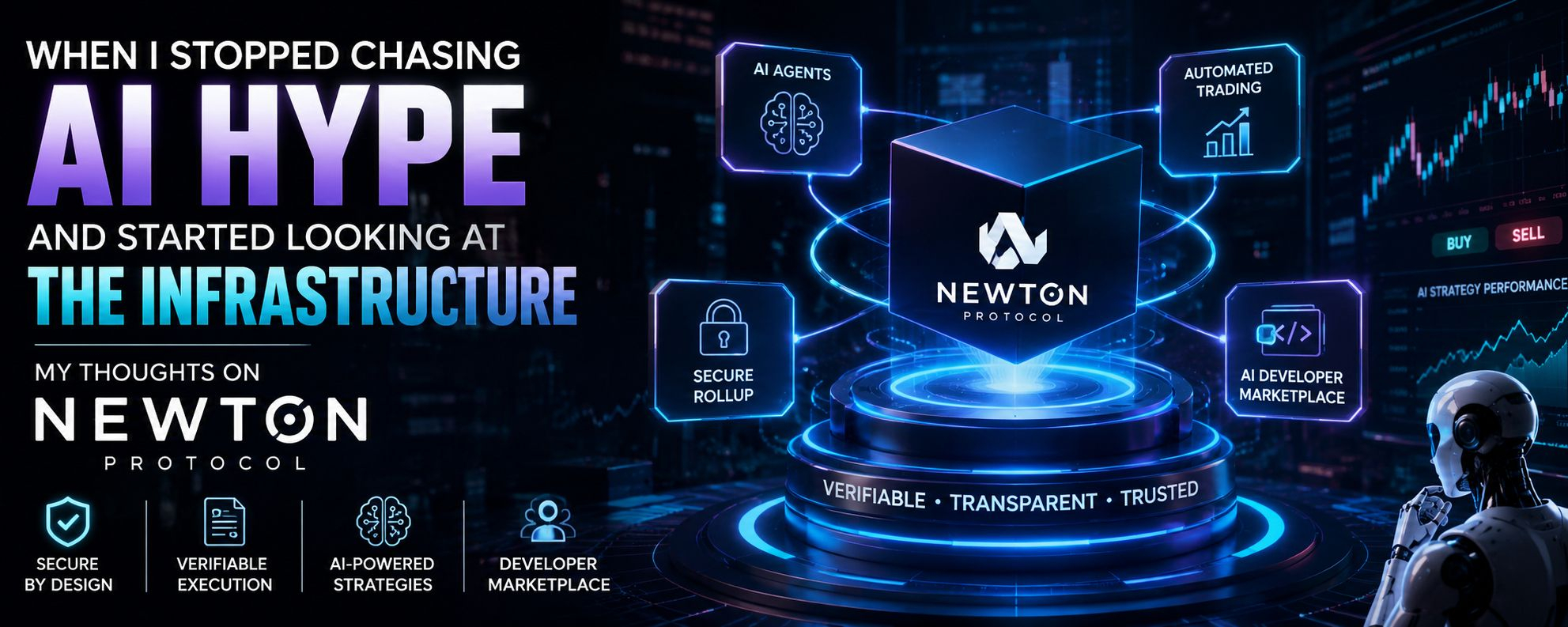
Khi Tôi Ngừng Nhìn Theo Cơn Sốt AI và Bắt Đầu Nhìn Vào Hạ Tầng: Suy Nghĩ của Tôi về Newton PHầu hết các dự án AI không thể giữ sự chú ý của tôi lâu. Tôi đã theo dõi đủ nhiều chu kỳ crypto để biết rằng những lời hứa lớn thường xuất hiện lâu trước khi có sản phẩm thực sự. Chính vì vậy, lúc đầu tôi đã cố gắng phớt lờ Newton Protocol. Nhưng rồi tôi liên tục thấy mọi người nhắc đến các tác nhân AI quản lý giao dịch và chiến lược, nên tôi quyết định dành thời gian tìm hiểu xem rốt cuộc họ đang xây dựng cái gì, thay vì chỉ đọc những dòng tiêu đề giật gân.
Thứ đầu tiên tôi nhận thấy là Newton Protocol không hề cố gắng trở thành một mô hình AI khác. Nó tập trung vào lớp nền bên dưới. Tôi cứ tự hỏi điều gì sẽ xảy ra khi AI bắt đầu di chuyển các tài sản thật trên chuỗi. Chỉ tốc độ thôi là chưa đủ. Mọi hành động đều phải được xác minh, mọi kết quả cần có một hồ sơ rõ ràng, và người dùng cần niềm tin rằng một hệ thống tự động sẽ không hành động vượt quá giới hạn. Vấn đề đó dường như còn quan trọng hơn rất nhiều so với việc tạo ra một chatbot khác.
Khi Tôi Ngừng Nhìn Theo Cơn Sốt AI và Bắt Đầu Nhìn Vào Hạ Tầng: Suy Nghĩ của Tôi về Newton P
Hầu hết các dự án AI không thể giữ sự chú ý của tôi lâu. Tôi đã theo dõi đủ nhiều chu kỳ crypto để biết rằng những lời hứa lớn thường xuất hiện lâu trước khi có sản phẩm thực sự. Chính vì vậy, lúc đầu tôi đã cố gắng phớt lờ Newton Protocol. Nhưng rồi tôi liên tục thấy mọi người nhắc đến các tác nhân AI quản lý giao dịch và chiến lược, nên tôi quyết định dành thời gian tìm hiểu xem rốt cuộc họ đang xây dựng cái gì, thay vì chỉ đọc những dòng tiêu đề giật gân.
Thứ đầu tiên tôi nhận thấy là Newton Protocol không hề cố gắng trở thành một mô hình AI khác. Nó tập trung vào lớp nền bên dưới. Tôi cứ tự hỏi điều gì sẽ xảy ra khi AI bắt đầu di chuyển các tài sản thật trên chuỗi. Chỉ tốc độ thôi là chưa đủ. Mọi hành động đều phải được xác minh, mọi kết quả cần có một hồ sơ rõ ràng, và người dùng cần niềm tin rằng một hệ thống tự động sẽ không hành động vượt quá giới hạn. Vấn đề đó dường như còn quan trọng hơn rất nhiều so với việc tạo ra một chatbot khác.
Thứ đầu tiên tôi nhận thấy là Newton Protocol không hề cố gắng trở thành một mô hình AI khác. Nó tập trung vào lớp nền bên dưới. Tôi cứ tự hỏi điều gì sẽ xảy ra khi AI bắt đầu di chuyển các tài sản thật trên chuỗi. Chỉ tốc độ thôi là chưa đủ. Mọi hành động đều phải được xác minh, mọi kết quả cần có một hồ sơ rõ ràng, và người dùng cần niềm tin rằng một hệ thống tự động sẽ không hành động vượt quá giới hạn. Vấn đề đó dường như còn quan trọng hơn rất nhiều so với việc tạo ra một chatbot khác.
12
10
471
·
--
Bài viết
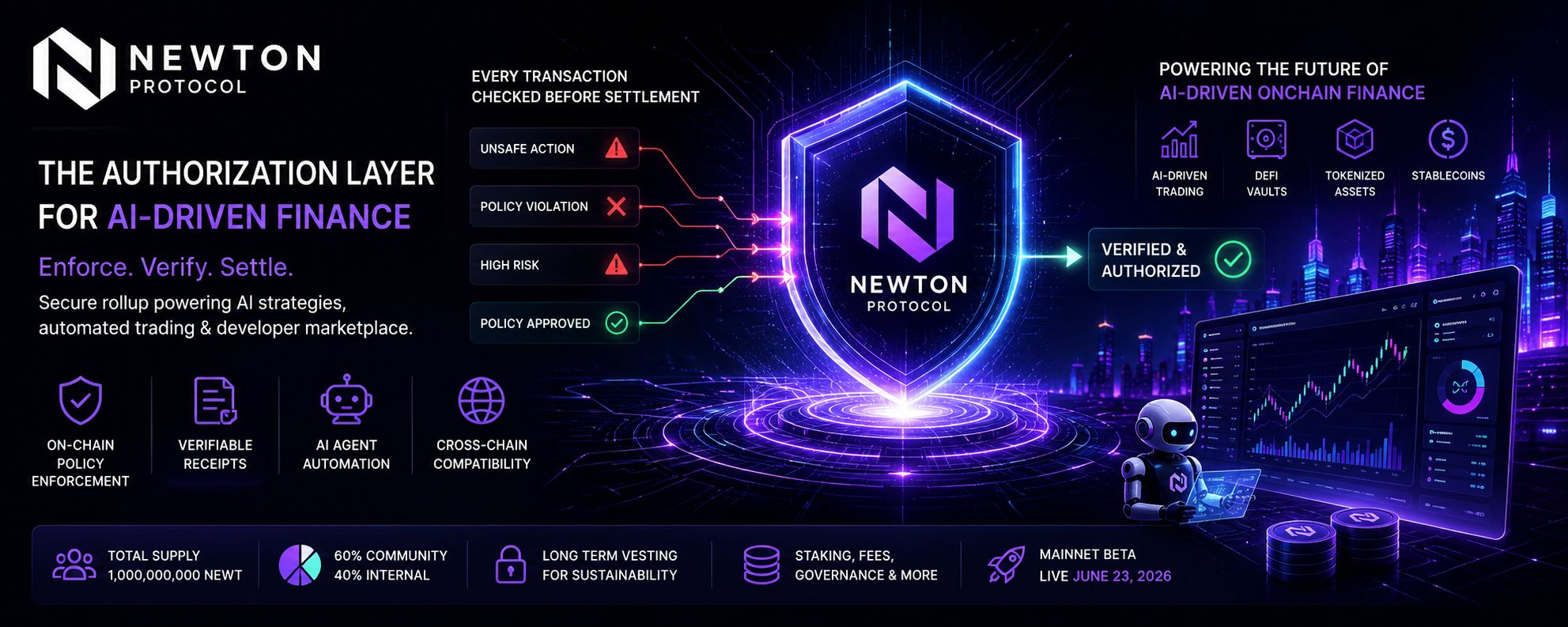
Newton Protocol (NEWT): Vì sao tôi tin rằng niềm tin, không phải AI, sẽ quyết định tương lai của tài chính on-chain tự độngTôi đã dành một khoảng thời gian để tìm hiểu sâu về Newton Protocol vì nó không giống với câu chuyện crypto AI thông thường. Tôi nhận thấy dự án liên tục đẩy mạnh một ý tưởng chính: họ muốn trở thành một lớp ủy quyền (authorization) trên chuỗi, thực thi chính sách có thể lập trình trước khi một giao dịch được hoàn tất, và các trường hợp sử dụng chính thức trải rộng từ DeFi vault, stablecoins, RWAs cho đến tài chính mang tính tác nhân (agentic finance). Điều đó khiến tôi nhìn nó ít giống như “một token AI khác” và nhiều hơn như một hệ thống kiểm soát cho các hành động trên chuỗi.
Điều thu hút sự chú ý của tôi là thời điểm. Nhóm cho biết Newton mainnet beta đã đi vào hoạt động từ ngày 23 tháng 6 năm 2026, và sẽ bắt đầu với các DeFi vault. Tôi không hề bỏ qua chi tiết kiểu đó, vì rất nhiều dự án nói về tự động hóa một cách chung chung, nhưng Newton đang cố gắng đặt ra các quy tắc trên lộ trình của những giao dịch thực tế trước khi tiền được chuyển đi. Đó là một bài toán khó hơn nhiều, và theo tôi cũng là một bài toán thú vị hơn.
Newton Protocol (NEWT): Vì sao tôi tin rằng niềm tin, không phải AI, sẽ quyết định tương lai của tài chính on-chain tự động
Tôi đã dành một khoảng thời gian để tìm hiểu sâu về Newton Protocol vì nó không giống với câu chuyện crypto AI thông thường. Tôi nhận thấy dự án liên tục đẩy mạnh một ý tưởng chính: họ muốn trở thành một lớp ủy quyền (authorization) trên chuỗi, thực thi chính sách có thể lập trình trước khi một giao dịch được hoàn tất, và các trường hợp sử dụng chính thức trải rộng từ DeFi vault, stablecoins, RWAs cho đến tài chính mang tính tác nhân (agentic finance). Điều đó khiến tôi nhìn nó ít giống như “một token AI khác” và nhiều hơn như một hệ thống kiểm soát cho các hành động trên chuỗi.
Điều thu hút sự chú ý của tôi là thời điểm. Nhóm cho biết Newton mainnet beta đã đi vào hoạt động từ ngày 23 tháng 6 năm 2026, và sẽ bắt đầu với các DeFi vault. Tôi không hề bỏ qua chi tiết kiểu đó, vì rất nhiều dự án nói về tự động hóa một cách chung chung, nhưng Newton đang cố gắng đặt ra các quy tắc trên lộ trình của những giao dịch thực tế trước khi tiền được chuyển đi. Đó là một bài toán khó hơn nhiều, và theo tôi cũng là một bài toán thú vị hơn.
Điều thu hút sự chú ý của tôi là thời điểm. Nhóm cho biết Newton mainnet beta đã đi vào hoạt động từ ngày 23 tháng 6 năm 2026, và sẽ bắt đầu với các DeFi vault. Tôi không hề bỏ qua chi tiết kiểu đó, vì rất nhiều dự án nói về tự động hóa một cách chung chung, nhưng Newton đang cố gắng đặt ra các quy tắc trên lộ trình của những giao dịch thực tế trước khi tiền được chuyển đi. Đó là một bài toán khó hơn nhiều, và theo tôi cũng là một bài toán thú vị hơn.
2
4
200
·
--
$NEWT
Trước đây, tôi đánh giá các dự án crypto AI dựa trên mức độ “tiên tiến” mà các mô hình của họ nghe có vẻ. Sau khi dành thời gian nghiên cứu Newton Protocol, tôi nhận ra mình lại chú ý đến một điều ít được nhắc đến hơn: trách nhiệm giải trình.
Một tác nhân AI có thể phân tích thị trường, quản lý tài sản hoặc thực hiện giao dịch chỉ trong vài giây, nhưng tốc độ không phải là thách thức thực sự. Câu hỏi lớn hơn là liệu mọi hành động có thể được kiểm chứng và đặt niềm tin hay không. Nếu người dùng không thể hiểu hoặc xác minh điều gì đã xảy ra, thì tự động hóa chỉ đơn giản thay thế một lớp niềm tin này bằng một lớp niềm tin khác.
Chính điều đó khiến Newton Protocol nổi bật đối với tôi. Thay vì chạy theo trào lưu hype AI, có vẻ dự án tập trung xây dựng hạ tầng nơi các hành động do AI điều khiển có thể được thực thi trong một môi trường minh bạch và an toàn. Tôi nghĩ cách tiếp cận này mang giá trị dài hạn hơn so với việc ra mắt thêm một ứng dụng AI khác mà chưa giải quyết bài toán niềm tin trước.
Tôi cũng tin rằng thành công sẽ không chỉ phụ thuộc vào công nghệ. Mạng lưới cần các nhà phát triển tạo ra những công cụ hữu ích, cần những người dùng sẵn sàng dựa vào các công cụ đó, và cần một cơ chế kinh tế token tạo ra nhu cầu thật khi hoạt động gia tăng. Đây là những mục tiêu khó khăn, nhưng cũng chính là các tiêu chí quan trọng nhất.
Tôi không coi Newton Protocol là một “người thắng chắc” vì không gian này ngày càng cạnh tranh. Điều tôi thấy thú vị là dự án đang giải quyết một thách thức thực tiễn mà nhiều người bỏ qua. Khi AI ngày càng tham gia sâu hơn vào tài chính phi tập trung, việc thực thi đáng tin cậy có thể sẽ quan trọng không kém so với khả năng ra quyết định thông minh. Đó là lý do tôi sẽ tiếp tục theo dõi tiến trình của dự án này, thay vì chỉ tập trung vào sự hứng khởi của thị trường trong ngắn hạn.
@NewtonProtocol #NEWT $NEWT
{spot}(NEWTUSDT)
$NEWT
Trước đây, tôi đánh giá các dự án crypto AI dựa trên mức độ “tiên tiến” mà các mô hình của họ nghe có vẻ. Sau khi dành thời gian nghiên cứu Newton Protocol, tôi nhận ra mình lại chú ý đến một điều ít được nhắc đến hơn: trách nhiệm giải trình.
Một tác nhân AI có thể phân tích thị trường, quản lý tài sản hoặc thực hiện giao dịch chỉ trong vài giây, nhưng tốc độ không phải là thách thức thực sự. Câu hỏi lớn hơn là liệu mọi hành động có thể được kiểm chứng và đặt niềm tin hay không. Nếu người dùng không thể hiểu hoặc xác minh điều gì đã xảy ra, thì tự động hóa chỉ đơn giản thay thế một lớp niềm tin này bằng một lớp niềm tin khác.
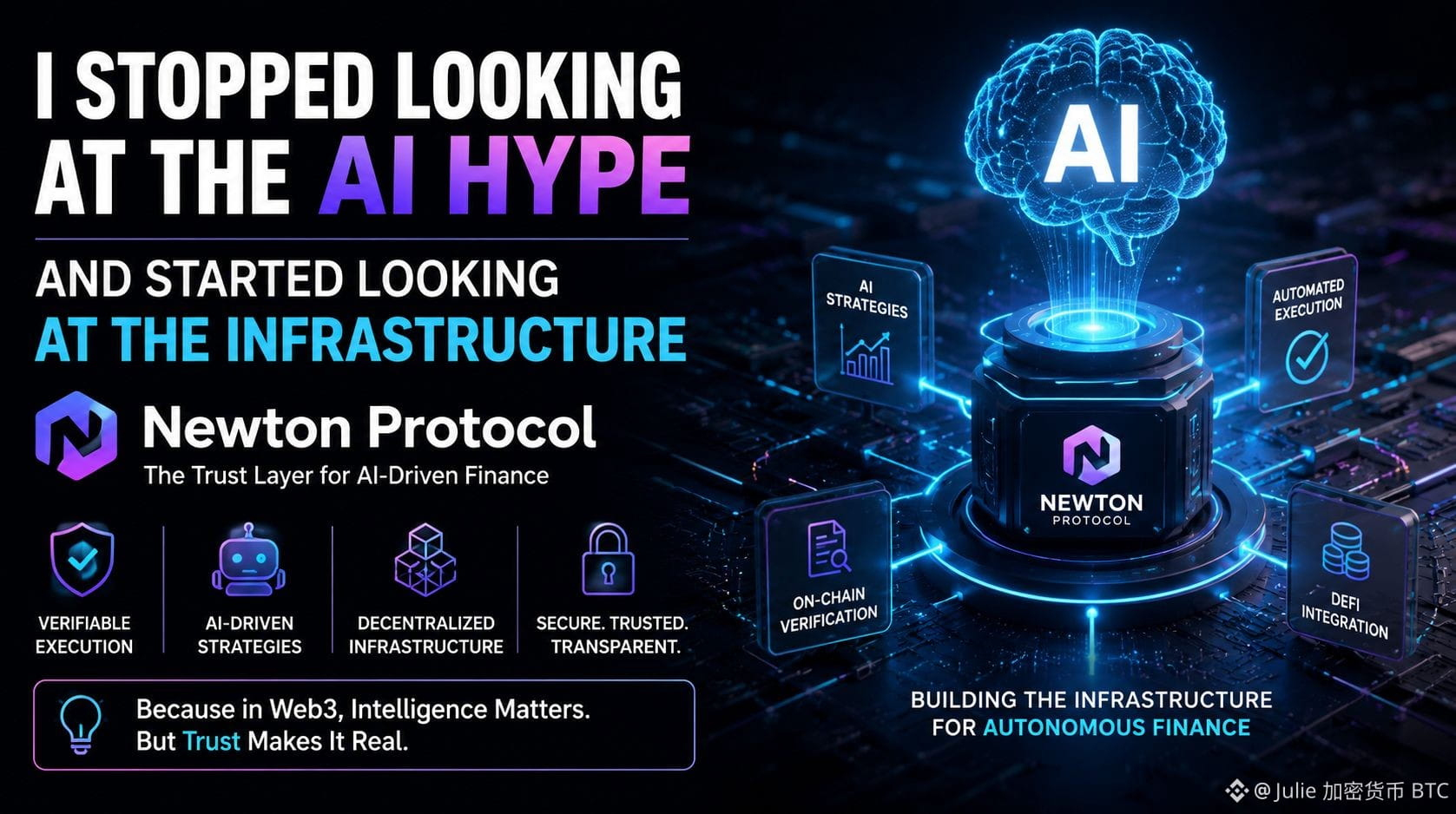
Chính điều đó khiến Newton Protocol nổi bật đối với tôi. Thay vì chạy theo trào lưu hype AI, có vẻ dự án tập trung xây dựng hạ tầng nơi các hành động do AI điều khiển có thể được thực thi trong một môi trường minh bạch và an toàn. Tôi nghĩ cách tiếp cận này mang giá trị dài hạn hơn so với việc ra mắt thêm một ứng dụng AI khác mà chưa giải quyết bài toán niềm tin trước.
Tôi cũng tin rằng thành công sẽ không chỉ phụ thuộc vào công nghệ. Mạng lưới cần các nhà phát triển tạo ra những công cụ hữu ích, cần những người dùng sẵn sàng dựa vào các công cụ đó, và cần một cơ chế kinh tế token tạo ra nhu cầu thật khi hoạt động gia tăng. Đây là những mục tiêu khó khăn, nhưng cũng chính là các tiêu chí quan trọng nhất.
Tôi không coi Newton Protocol là một “người thắng chắc” vì không gian này ngày càng cạnh tranh. Điều tôi thấy thú vị là dự án đang giải quyết một thách thức thực tiễn mà nhiều người bỏ qua. Khi AI ngày càng tham gia sâu hơn vào tài chính phi tập trung, việc thực thi đáng tin cậy có thể sẽ quan trọng không kém so với khả năng ra quyết định thông minh. Đó là lý do tôi sẽ tiếp tục theo dõi tiến trình của dự án này, thay vì chỉ tập trung vào sự hứng khởi của thị trường trong ngắn hạn.
@NewtonProtocol #NEWT $NEWT
Trước đây, tôi đánh giá các dự án crypto AI dựa trên mức độ “tiên tiến” mà các mô hình của họ nghe có vẻ. Sau khi dành thời gian nghiên cứu Newton Protocol, tôi nhận ra mình lại chú ý đến một điều ít được nhắc đến hơn: trách nhiệm giải trình.
Một tác nhân AI có thể phân tích thị trường, quản lý tài sản hoặc thực hiện giao dịch chỉ trong vài giây, nhưng tốc độ không phải là thách thức thực sự. Câu hỏi lớn hơn là liệu mọi hành động có thể được kiểm chứng và đặt niềm tin hay không. Nếu người dùng không thể hiểu hoặc xác minh điều gì đã xảy ra, thì tự động hóa chỉ đơn giản thay thế một lớp niềm tin này bằng một lớp niềm tin khác.
Chính điều đó khiến Newton Protocol nổi bật đối với tôi. Thay vì chạy theo trào lưu hype AI, có vẻ dự án tập trung xây dựng hạ tầng nơi các hành động do AI điều khiển có thể được thực thi trong một môi trường minh bạch và an toàn. Tôi nghĩ cách tiếp cận này mang giá trị dài hạn hơn so với việc ra mắt thêm một ứng dụng AI khác mà chưa giải quyết bài toán niềm tin trước.
Tôi cũng tin rằng thành công sẽ không chỉ phụ thuộc vào công nghệ. Mạng lưới cần các nhà phát triển tạo ra những công cụ hữu ích, cần những người dùng sẵn sàng dựa vào các công cụ đó, và cần một cơ chế kinh tế token tạo ra nhu cầu thật khi hoạt động gia tăng. Đây là những mục tiêu khó khăn, nhưng cũng chính là các tiêu chí quan trọng nhất.
Tôi không coi Newton Protocol là một “người thắng chắc” vì không gian này ngày càng cạnh tranh. Điều tôi thấy thú vị là dự án đang giải quyết một thách thức thực tiễn mà nhiều người bỏ qua. Khi AI ngày càng tham gia sâu hơn vào tài chính phi tập trung, việc thực thi đáng tin cậy có thể sẽ quan trọng không kém so với khả năng ra quyết định thông minh. Đó là lý do tôi sẽ tiếp tục theo dõi tiến trình của dự án này, thay vì chỉ tập trung vào sự hứng khởi của thị trường trong ngắn hạn.
@NewtonProtocol #NEWT $NEWT
4
7
198
·
--
Bài viết
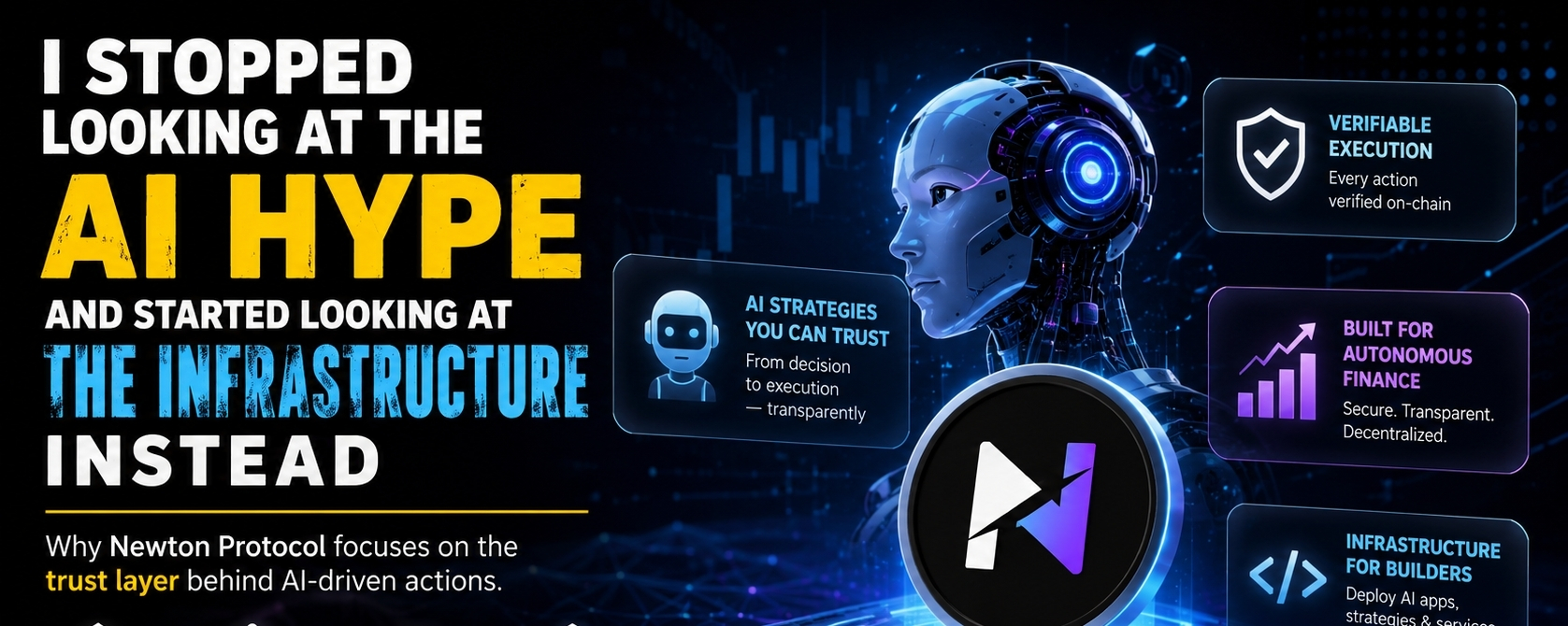
Tôi Ngừng Nhìn Theo Cơn Sốt AI và Bắt Đầu Tập Trung Vào Hạ Tầng Thay Vì@NewtonProtocol Tôi đã không bắt đầu nghiên cứu Newton Protocol vì tôi đang tìm kiếm một mã thông báo AI khác. Nếu có điều gì thì tôi còn trở nên cẩn thận hơn mỗi khi một dự án kết hợp AI và crypto. Tôi đã thấy quá nhiều đội nhóm dùng hai từ đó đi cùng nhau mà không giải thích rõ chúng thực sự khớp với nhau như thế nào.
Điều khiến tôi dành nhiều thời gian hơn cho Newton Protocol là một câu hỏi đơn giản mà tôi không thể phớt lờ. Nếu các tác nhân AI được kỳ vọng đưa ra quyết định tài chính, thực hiện giao dịch, quản lý tài sản và tự mình tương tác với các ứng dụng phi tập trung, thì ai sẽ là người đảm bảo rằng những hành động đó có thể được tin cậy? Càng nghĩ, tôi càng nhận ra rằng vấn đề này không biến mất chỉ vì AI trở nên thông minh hơn.
Tôi Ngừng Nhìn Theo Cơn Sốt AI và Bắt Đầu Tập Trung Vào Hạ Tầng Thay Vì
@NewtonProtocol Tôi đã không bắt đầu nghiên cứu Newton Protocol vì tôi đang tìm kiếm một mã thông báo AI khác. Nếu có điều gì thì tôi còn trở nên cẩn thận hơn mỗi khi một dự án kết hợp AI và crypto. Tôi đã thấy quá nhiều đội nhóm dùng hai từ đó đi cùng nhau mà không giải thích rõ chúng thực sự khớp với nhau như thế nào.
Điều khiến tôi dành nhiều thời gian hơn cho Newton Protocol là một câu hỏi đơn giản mà tôi không thể phớt lờ. Nếu các tác nhân AI được kỳ vọng đưa ra quyết định tài chính, thực hiện giao dịch, quản lý tài sản và tự mình tương tác với các ứng dụng phi tập trung, thì ai sẽ là người đảm bảo rằng những hành động đó có thể được tin cậy? Càng nghĩ, tôi càng nhận ra rằng vấn đề này không biến mất chỉ vì AI trở nên thông minh hơn.
Điều khiến tôi dành nhiều thời gian hơn cho Newton Protocol là một câu hỏi đơn giản mà tôi không thể phớt lờ. Nếu các tác nhân AI được kỳ vọng đưa ra quyết định tài chính, thực hiện giao dịch, quản lý tài sản và tự mình tương tác với các ứng dụng phi tập trung, thì ai sẽ là người đảm bảo rằng những hành động đó có thể được tin cậy? Càng nghĩ, tôi càng nhận ra rằng vấn đề này không biến mất chỉ vì AI trở nên thông minh hơn.
3
2
265
·
--
tham gia
tham gia

David hd
·
--
Tôi đã xem vô số câu chuyện trỗi dậy, thống trị dòng thời gian, rồi âm thầm biến mất. Lúc nào đó, tôi ngừng đuổi theo cảm giác phấn khích và bắt đầu chú ý đến những câu hỏi không có câu trả lời dễ dàng.
Chính điều đó đã dẫn tôi đến Newton Protocol.
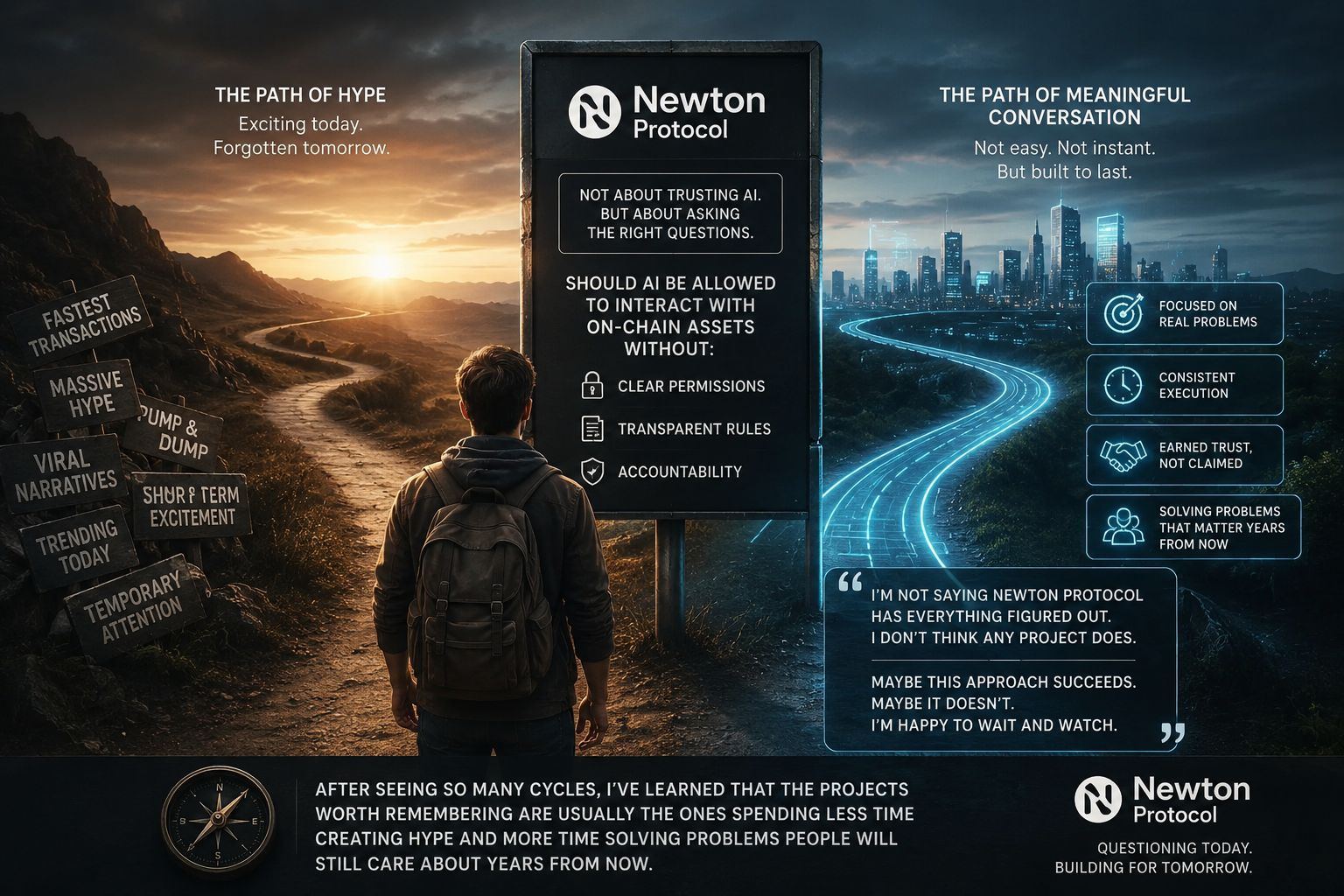
Nó không yêu cầu mọi người mù quáng tin vào AI. Nó đặt ra câu hỏi liệu AI có nên được phép tương tác với các tài sản trên chuỗi mà không có sự cho phép rõ ràng, các quy tắc minh bạch và cơ chế chịu trách nhiệm hay không. Với tôi, đây là một cuộc trò chuyện có ý nghĩa hơn nhiều so với việc lại tranh luận xem ai có thể xử lý giao dịch nhanh hơn.
Tôi không nói rằng Newton Protocol đã giải quyết được mọi thứ. Tôi cũng không nghĩ bất kỳ dự án nào làm được điều đó. Trong crypto, niềm tin không được tạo ra từ những dòng tiêu đề, quan hệ đối tác hay những bài thuyết trình ấn tượng. Niềm tin được xây bằng việc thực thi nhất quán theo thời gian.
Có lẽ cách tiếp cận này sẽ thành công. Có lẽ không. Tôi sẵn lòng chờ đợi và quan sát.
Sau khi chứng kiến quá nhiều chu kỳ, tôi đã học được rằng những dự án đáng được nhớ đến thường là những dự án dành ít thời gian hơn cho việc tạo “hype” và dành nhiều thời gian hơn để giải quyết các vấn đề mà nhiều năm sau vẫn còn người quan tâm.
@NewtonProtocol #Newt $NEWT
Chính điều đó đã dẫn tôi đến Newton Protocol.
Nó không yêu cầu mọi người mù quáng tin vào AI. Nó đặt ra câu hỏi liệu AI có nên được phép tương tác với các tài sản trên chuỗi mà không có sự cho phép rõ ràng, các quy tắc minh bạch và cơ chế chịu trách nhiệm hay không. Với tôi, đây là một cuộc trò chuyện có ý nghĩa hơn nhiều so với việc lại tranh luận xem ai có thể xử lý giao dịch nhanh hơn.
Tôi không nói rằng Newton Protocol đã giải quyết được mọi thứ. Tôi cũng không nghĩ bất kỳ dự án nào làm được điều đó. Trong crypto, niềm tin không được tạo ra từ những dòng tiêu đề, quan hệ đối tác hay những bài thuyết trình ấn tượng. Niềm tin được xây bằng việc thực thi nhất quán theo thời gian.
Có lẽ cách tiếp cận này sẽ thành công. Có lẽ không. Tôi sẵn lòng chờ đợi và quan sát.
Sau khi chứng kiến quá nhiều chu kỳ, tôi đã học được rằng những dự án đáng được nhớ đến thường là những dự án dành ít thời gian hơn cho việc tạo “hype” và dành nhiều thời gian hơn để giải quyết các vấn đề mà nhiều năm sau vẫn còn người quan tâm.
@NewtonProtocol #Newt $NEWT
1
56
·
--
Bài viết
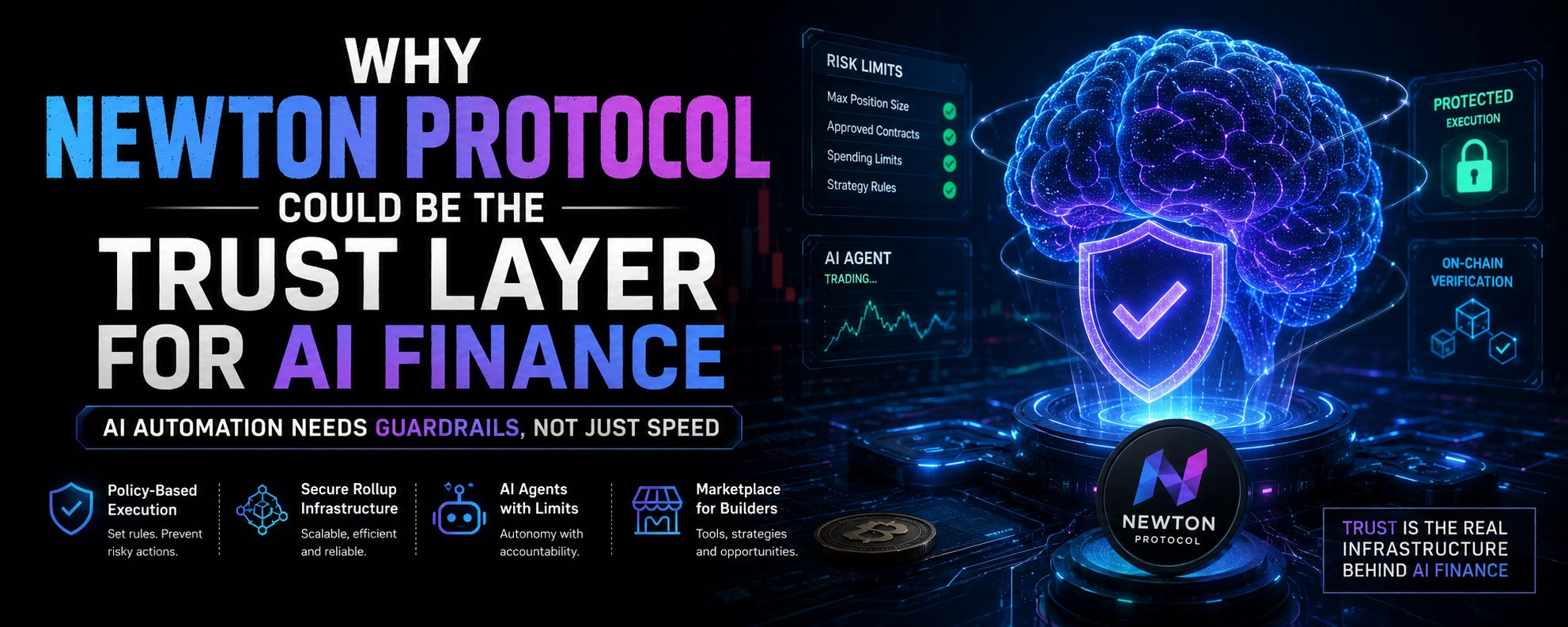
Tôi đã ngừng chạy theo trào lưu AI và bắt đầu tìm kiếm sự tin cậy—Đó là lý do vì sao Newton Protocol vẫn ở lại trong danh mục của tôi@NewtonProtocol Tôi không bắt đầu tìm hiểu về Newton Protocol vì muốn có thêm một dự án crypto liên quan đến AI trong danh mục của mình. Tôi đã thấy quá nhiều dự án gắn chữ “AI” vào thương hiệu mà không giải quyết một vấn đề thực sự. Tôi quan tâm hơn đến một câu hỏi: nếu các tác nhân AI cuối cùng được tin tưởng để chuyển tiền trên chuỗi, thì ai sẽ đảm bảo rằng chúng không mắc những sai lầm đắt giá?
Câu hỏi đó cứ kéo tôi quay lại với Newton Protocol.
Càng tìm hiểu, tôi càng nhận ra thách thức lớn nhất không phải là làm cho AI thông minh hơn. Chúng ta đã có các mô hình AI mạnh mẽ. Vấn đề khó hơn là tạo ra các quy tắc mà những mô hình đó không thể dễ dàng bỏ qua khi chúng xử lý các tài sản thực.
Tôi đã ngừng chạy theo trào lưu AI và bắt đầu tìm kiếm sự tin cậy—Đó là lý do vì sao Newton Protocol vẫn ở lại trong danh mục của tôi
@NewtonProtocol Tôi không bắt đầu tìm hiểu về Newton Protocol vì muốn có thêm một dự án crypto liên quan đến AI trong danh mục của mình. Tôi đã thấy quá nhiều dự án gắn chữ “AI” vào thương hiệu mà không giải quyết một vấn đề thực sự. Tôi quan tâm hơn đến một câu hỏi: nếu các tác nhân AI cuối cùng được tin tưởng để chuyển tiền trên chuỗi, thì ai sẽ đảm bảo rằng chúng không mắc những sai lầm đắt giá?
Câu hỏi đó cứ kéo tôi quay lại với Newton Protocol.
Càng tìm hiểu, tôi càng nhận ra thách thức lớn nhất không phải là làm cho AI thông minh hơn. Chúng ta đã có các mô hình AI mạnh mẽ. Vấn đề khó hơn là tạo ra các quy tắc mà những mô hình đó không thể dễ dàng bỏ qua khi chúng xử lý các tài sản thực.
Câu hỏi đó cứ kéo tôi quay lại với Newton Protocol.
Càng tìm hiểu, tôi càng nhận ra thách thức lớn nhất không phải là làm cho AI thông minh hơn. Chúng ta đã có các mô hình AI mạnh mẽ. Vấn đề khó hơn là tạo ra các quy tắc mà những mô hình đó không thể dễ dàng bỏ qua khi chúng xử lý các tài sản thực.
12
1
14
518
·
--
Giảm giá
Càng dành nhiều thời gian cho crypto, tôi càng ít bị thuyết phục bởi những lời hứa lớn. Tôi đã chứng kiến quá nhiều dự án thống trị cuộc trò chuyện trong vài tháng rồi từ từ biến mất khi sự hào hứng lắng xuống.
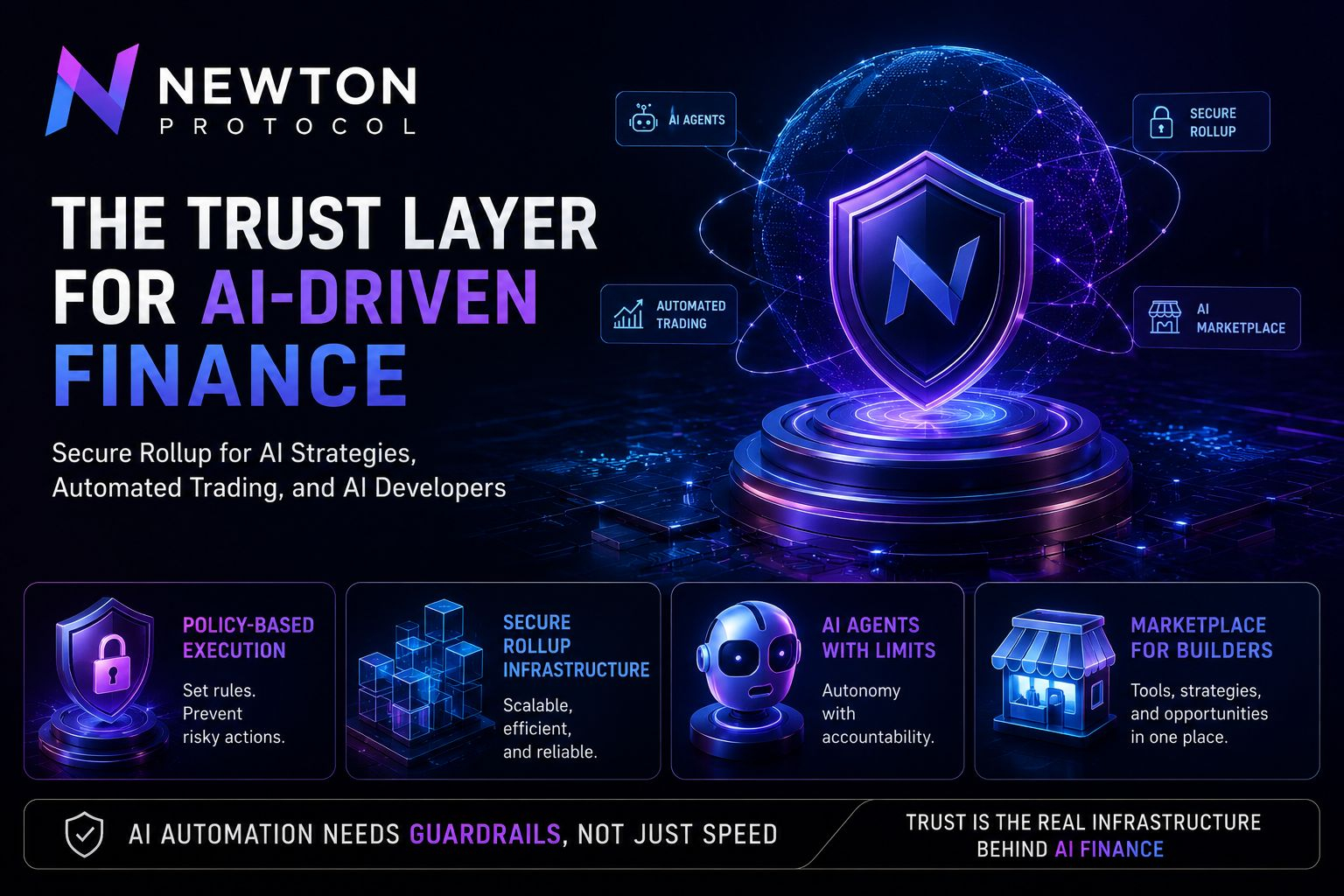
Có lẽ vì vậy Newton Protocol vẫn nằm trong tầm ngắm của tôi. Nó không cố gắng thuyết phục tôi rằng AI là tương lai chỉ vì ai cũng đang nói về AI. Câu hỏi thú vị hơn—ít nhất là đối với tôi—là liệu AI có nên được tin cậy để di chuyển tài sản mà không có giới hạn rõ ràng và các quy tắc có thể kiểm chứng hay không.
Tôi không biết Newton Protocol có trở thành một phần lớn của hệ sinh thái hay không. Hiện vẫn quá sớm để đưa ra phán quyết đó. Nhưng tôi cho rằng cuộc trò chuyện mà dự án đang tạo ra còn quan trọng hơn một cuộc đua khác nhằm tốc độ cao hơn hoặc những tiêu đề giật gân hơn.
Trong thị trường này, niềm tin khó xây dựng hơn nhiều so với công nghệ. Các dự án hiểu được điều đó thường vẫn thu hút được sự chú ý của tôi, ngay cả khi họ vẫn còn một chặng đường dài phía trước.
$NEWT #Newt @NewtonProtocol
Càng dành nhiều thời gian cho crypto, tôi càng ít bị thuyết phục bởi những lời hứa lớn. Tôi đã chứng kiến quá nhiều dự án thống trị cuộc trò chuyện trong vài tháng rồi từ từ biến mất khi sự hào hứng lắng xuống.
Có lẽ vì vậy Newton Protocol vẫn nằm trong tầm ngắm của tôi. Nó không cố gắng thuyết phục tôi rằng AI là tương lai chỉ vì ai cũng đang nói về AI. Câu hỏi thú vị hơn—ít nhất là đối với tôi—là liệu AI có nên được tin cậy để di chuyển tài sản mà không có giới hạn rõ ràng và các quy tắc có thể kiểm chứng hay không.
Tôi không biết Newton Protocol có trở thành một phần lớn của hệ sinh thái hay không. Hiện vẫn quá sớm để đưa ra phán quyết đó. Nhưng tôi cho rằng cuộc trò chuyện mà dự án đang tạo ra còn quan trọng hơn một cuộc đua khác nhằm tốc độ cao hơn hoặc những tiêu đề giật gân hơn.
Trong thị trường này, niềm tin khó xây dựng hơn nhiều so với công nghệ. Các dự án hiểu được điều đó thường vẫn thu hút được sự chú ý của tôi, ngay cả khi họ vẫn còn một chặng đường dài phía trước.
$NEWT #Newt @NewtonProtocol
Có lẽ vì vậy Newton Protocol vẫn nằm trong tầm ngắm của tôi. Nó không cố gắng thuyết phục tôi rằng AI là tương lai chỉ vì ai cũng đang nói về AI. Câu hỏi thú vị hơn—ít nhất là đối với tôi—là liệu AI có nên được tin cậy để di chuyển tài sản mà không có giới hạn rõ ràng và các quy tắc có thể kiểm chứng hay không.
Tôi không biết Newton Protocol có trở thành một phần lớn của hệ sinh thái hay không. Hiện vẫn quá sớm để đưa ra phán quyết đó. Nhưng tôi cho rằng cuộc trò chuyện mà dự án đang tạo ra còn quan trọng hơn một cuộc đua khác nhằm tốc độ cao hơn hoặc những tiêu đề giật gân hơn.
Trong thị trường này, niềm tin khó xây dựng hơn nhiều so với công nghệ. Các dự án hiểu được điều đó thường vẫn thu hút được sự chú ý của tôi, ngay cả khi họ vẫn còn một chặng đường dài phía trước.
$NEWT #Newt @NewtonProtocol
90
2
36
9.8k
Đăng nhập để khám phá thêm nội dung
Tham gia cùng người dùng tiền mã hóa toàn cầu trên Binance Square
⚡️ Nhận thông tin mới nhất và hữu ích về tiền mã hóa.
💬 Được tin cậy bởi sàn giao dịch tiền mã hóa lớn nhất thế giới.
👍 Khám phá những thông tin chuyên sâu thực tế từ những nhà sáng tạo đã xác minh.
Email / Số điện thoại