
H A S S A A N
11.1k Bài đăng
H A S S A A N
Báo cáo
Chặn người dùng
Hold dreams, take risks.
Giao dịch mở
Trader thường xuyên
{thời gian} năm
104 Đang theo dõi
19.3K+ Người theo dõi
82.7K+ Đã thích
Bài đăng
Danh mục đầu tư
Tất cả
Trích dẫn
Video
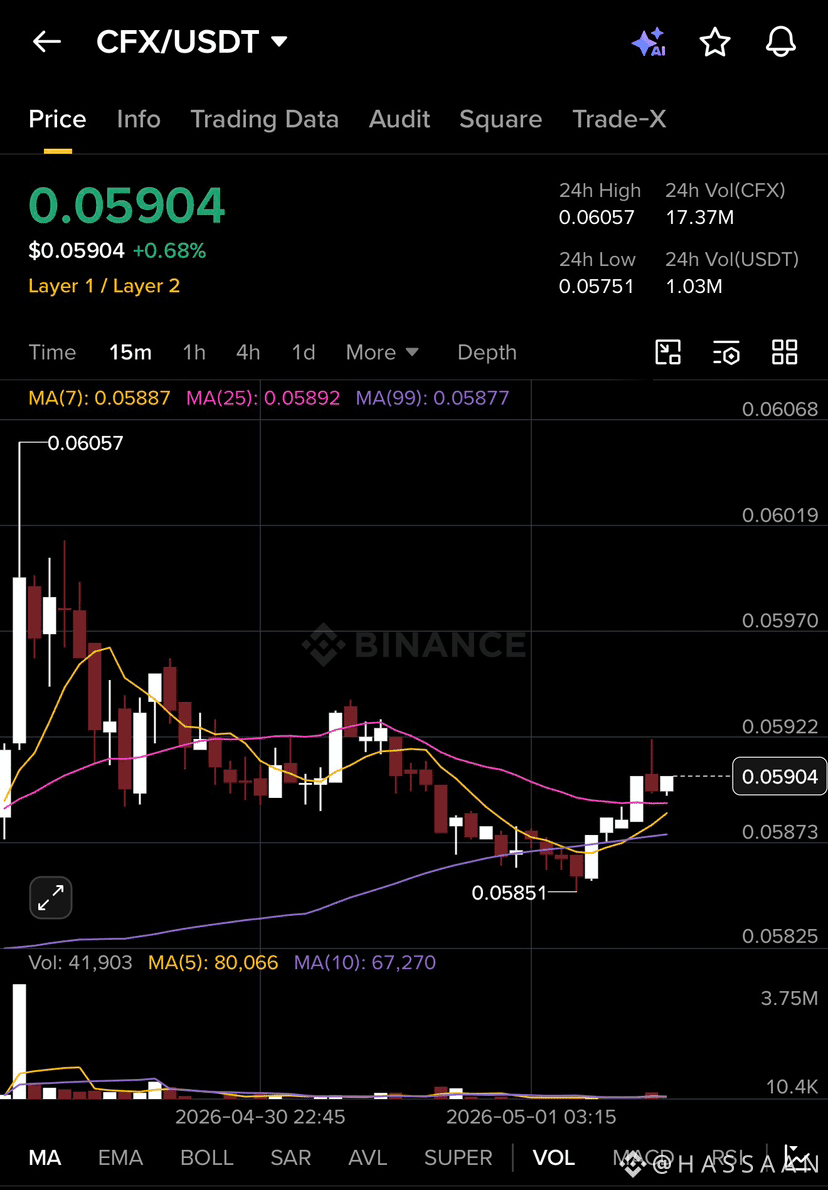
$CFX đang bắt đầu tăng lên.
Giá đang tăng từng bước, giữ vững trên các đợt giảm.
Nhiều người mua đang vào cuộc khi khối lượng tăng lên.
Cảm giác như có điều gì lớn hơn đang hình thành ở đây.
$CFX đang bắt đầu tăng lên.
Giá đang tăng từng bước, giữ vững trên các đợt giảm.
Nhiều người mua đang vào cuộc khi khối lượng tăng lên.
Cảm giác như có điều gì lớn hơn đang hình thành ở đây.
Giá đang tăng từng bước, giữ vững trên các đợt giảm.
Nhiều người mua đang vào cuộc khi khối lượng tăng lên.
Cảm giác như có điều gì lớn hơn đang hình thành ở đây.
1
774
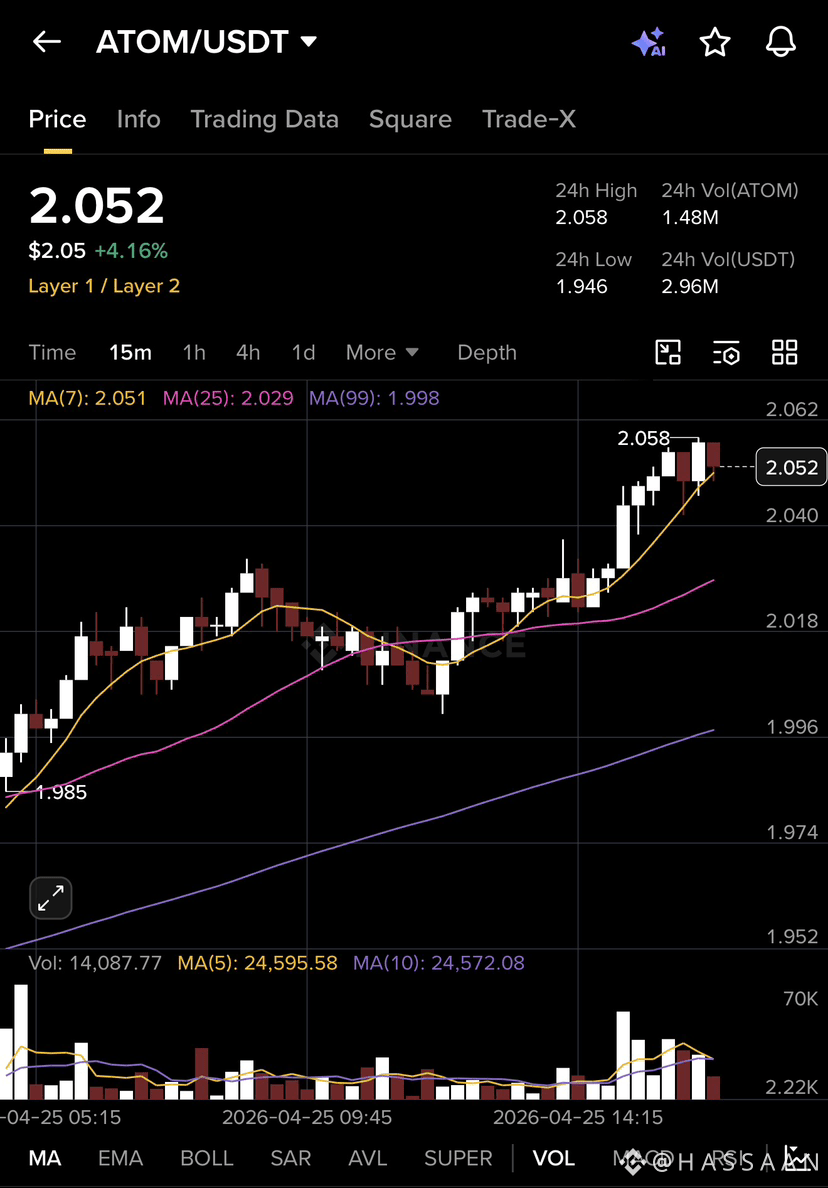
$ATOM đang tăng trưởng tốt.
Giá vẫn tiếp tục leo thang với sức mạnh ổn định.
Khối lượng giao dịch đang tăng lên khi có nhiều người mua tham gia.
Có vẻ như nó có thể tiếp tục đẩy lên cao hơn.
$ATOM đang tăng trưởng tốt.
Giá vẫn tiếp tục leo thang với sức mạnh ổn định.
Khối lượng giao dịch đang tăng lên khi có nhiều người mua tham gia.
Có vẻ như nó có thể tiếp tục đẩy lên cao hơn.
Giá vẫn tiếp tục leo thang với sức mạnh ổn định.
Khối lượng giao dịch đang tăng lên khi có nhiều người mua tham gia.
Có vẻ như nó có thể tiếp tục đẩy lên cao hơn.
656
·
--
Tăng giá
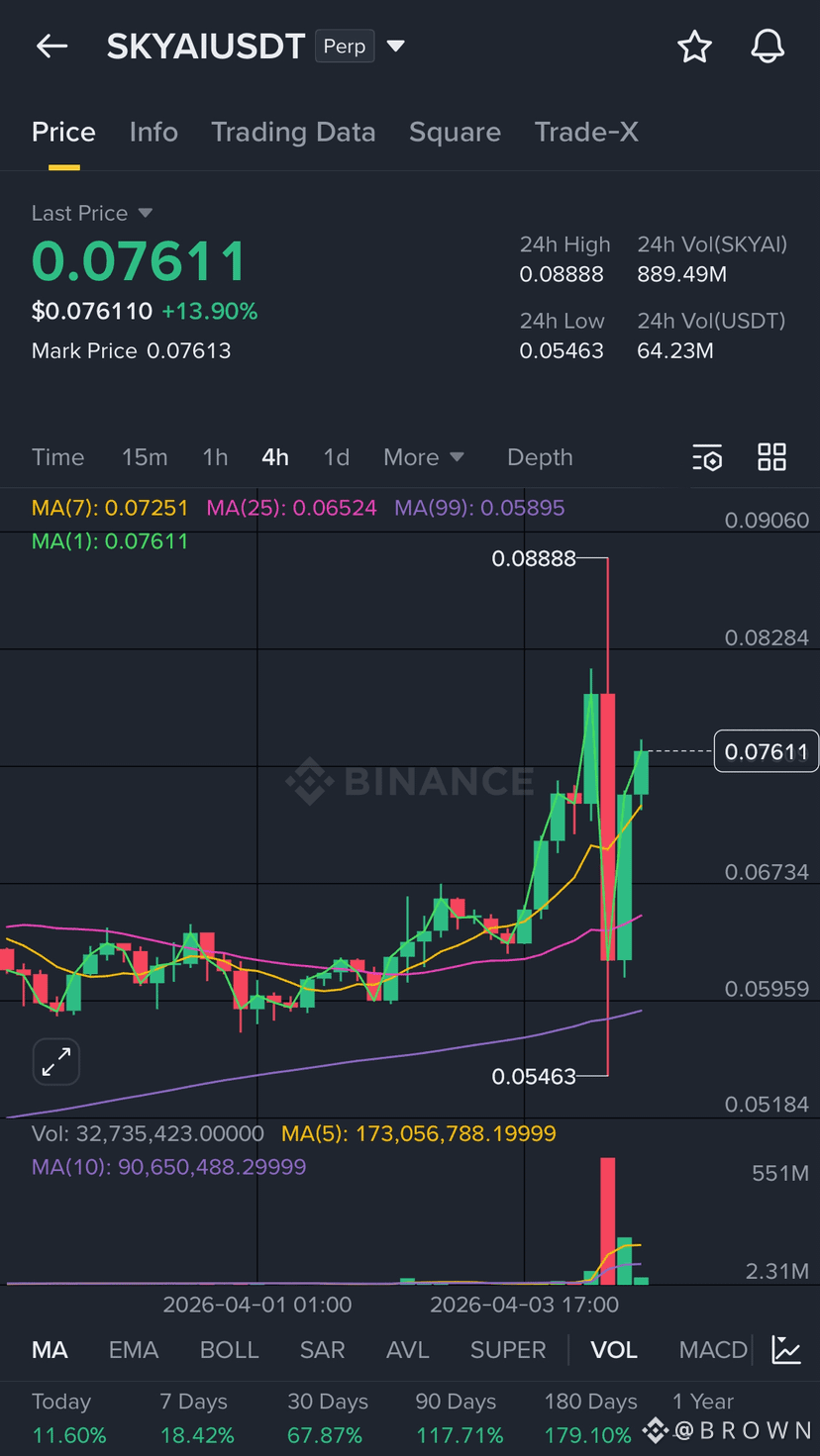
$SKYAI – Động lực giảm tại mức kháng cự, thiết lập ngắn hạn đang hình thành
Sự từ chối rõ ràng sau cú tăng, bấc trên dài + khối lượng bán mạnh cho thấy nguồn cung đang vào cuộc. Giá đang gặp khó khăn trong việc lấy lại các mức cao.
Kế hoạch giao dịch Ngắn $SKYAI (tối đa 10x)
Nhập: 0.0735 – 0.0780
SL: 0.082
TP: 0.0680
TP: 0.0625
TP: 0.0570
Di chuyển nhanh lên, tiếp tục yếu, kiệt sức cổ điển. Nếu nó không thể giữ trên mức trung bình, khả năng thanh khoản xuống dưới có thể sẽ bị khai thác tiếp theo.
Giao dịch $SKYAI ở đây 👇
$SKYAI – Động lực giảm tại mức kháng cự, thiết lập ngắn hạn đang hình thành
Sự từ chối rõ ràng sau cú tăng, bấc trên dài + khối lượng bán mạnh cho thấy nguồn cung đang vào cuộc. Giá đang gặp khó khăn trong việc lấy lại các mức cao.
Kế hoạch giao dịch Ngắn $SKYAI (tối đa 10x)
Nhập: 0.0735 – 0.0780
SL: 0.082
TP: 0.0680
TP: 0.0625
TP: 0.0570
Di chuyển nhanh lên, tiếp tục yếu, kiệt sức cổ điển. Nếu nó không thể giữ trên mức trung bình, khả năng thanh khoản xuống dưới có thể sẽ bị khai thác tiếp theo.
Giao dịch $SKYAI ở đây 👇
Sự từ chối rõ ràng sau cú tăng, bấc trên dài + khối lượng bán mạnh cho thấy nguồn cung đang vào cuộc. Giá đang gặp khó khăn trong việc lấy lại các mức cao.
Kế hoạch giao dịch Ngắn $SKYAI (tối đa 10x)
Nhập: 0.0735 – 0.0780
SL: 0.082
TP: 0.0680
TP: 0.0625
TP: 0.0570
Di chuyển nhanh lên, tiếp tục yếu, kiệt sức cổ điển. Nếu nó không thể giữ trên mức trung bình, khả năng thanh khoản xuống dưới có thể sẽ bị khai thác tiếp theo.
Giao dịch $SKYAI ở đây 👇
1
230
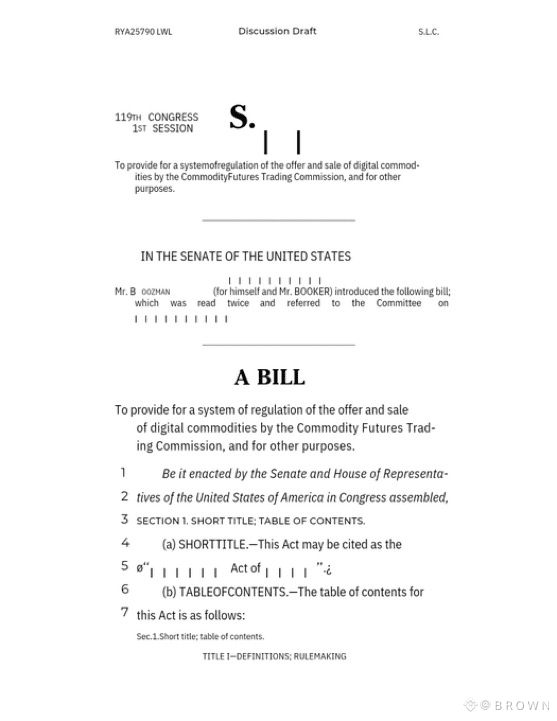
🚨 Cảm giác như một bước ngoặt.
Đạo luật CLARITY được cho là sẽ kết thúc trong vòng vài giờ tới.
Nhiều năm không chắc chắn… có thể được thay thế bằng các quy tắc rõ ràng trong một đêm.
Nếu điều này xảy ra, đó không chỉ là tin tức — mà là cơ sở hạ tầng cho giai đoạn tiếp theo.
Thị trường không chờ đợi sự rõ ràng.
Chúng sẽ định giá lại ngay khi nó đến.
Hãy sẵn sàng.
🚨 Cảm giác như một bước ngoặt.
Đạo luật CLARITY được cho là sẽ kết thúc trong vòng vài giờ tới.
Nhiều năm không chắc chắn… có thể được thay thế bằng các quy tắc rõ ràng trong một đêm.
Nếu điều này xảy ra, đó không chỉ là tin tức — mà là cơ sở hạ tầng cho giai đoạn tiếp theo.
Thị trường không chờ đợi sự rõ ràng.
Chúng sẽ định giá lại ngay khi nó đến.
Hãy sẵn sàng.
Đạo luật CLARITY được cho là sẽ kết thúc trong vòng vài giờ tới.
Nhiều năm không chắc chắn… có thể được thay thế bằng các quy tắc rõ ràng trong một đêm.
Nếu điều này xảy ra, đó không chỉ là tin tức — mà là cơ sở hạ tầng cho giai đoạn tiếp theo.
Thị trường không chờ đợi sự rõ ràng.
Chúng sẽ định giá lại ngay khi nó đến.
Hãy sẵn sàng.
1
2
359
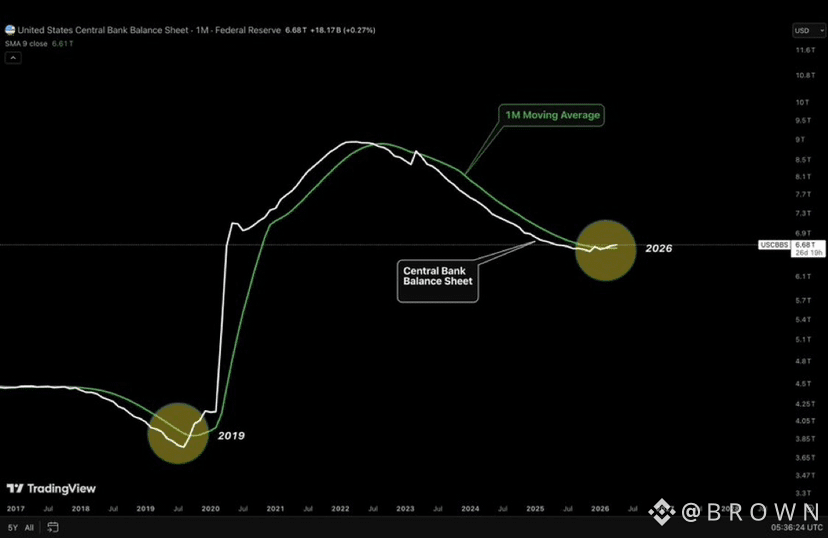
TÍNH THANH KHOẢN SẮP TRỞ LẠI!!
Vào năm 2019, Fed đã bắt đầu mở rộng bảng cân đối kế toán và bơm tiền vào hệ thống. Thị trường rất thích điều đó.
Kể từ khi QT kết thúc vào tháng 12 năm 2025, Fed đã bơm vào $160 billion.
Nhiều tiền hơn trong hệ thống có nghĩa là nhiều dự trữ hơn trong các ngân hàng. Nhiều dự trữ có nghĩa là nhiều tiền hơn chảy vào thị trường. Và lịch sử cho thấy, điều đó rất có lợi cho cổ phiếu và crypto.
TÍNH THANH KHOẢN SẮP TRỞ LẠI!!
Vào năm 2019, Fed đã bắt đầu mở rộng bảng cân đối kế toán và bơm tiền vào hệ thống. Thị trường rất thích điều đó.
Kể từ khi QT kết thúc vào tháng 12 năm 2025, Fed đã bơm vào $160 billion.
Nhiều tiền hơn trong hệ thống có nghĩa là nhiều dự trữ hơn trong các ngân hàng. Nhiều dự trữ có nghĩa là nhiều tiền hơn chảy vào thị trường. Và lịch sử cho thấy, điều đó rất có lợi cho cổ phiếu và crypto.
Vào năm 2019, Fed đã bắt đầu mở rộng bảng cân đối kế toán và bơm tiền vào hệ thống. Thị trường rất thích điều đó.
Kể từ khi QT kết thúc vào tháng 12 năm 2025, Fed đã bơm vào $160 billion.
Nhiều tiền hơn trong hệ thống có nghĩa là nhiều dự trữ hơn trong các ngân hàng. Nhiều dự trữ có nghĩa là nhiều tiền hơn chảy vào thị trường. Và lịch sử cho thấy, điều đó rất có lợi cho cổ phiếu và crypto.
3
402
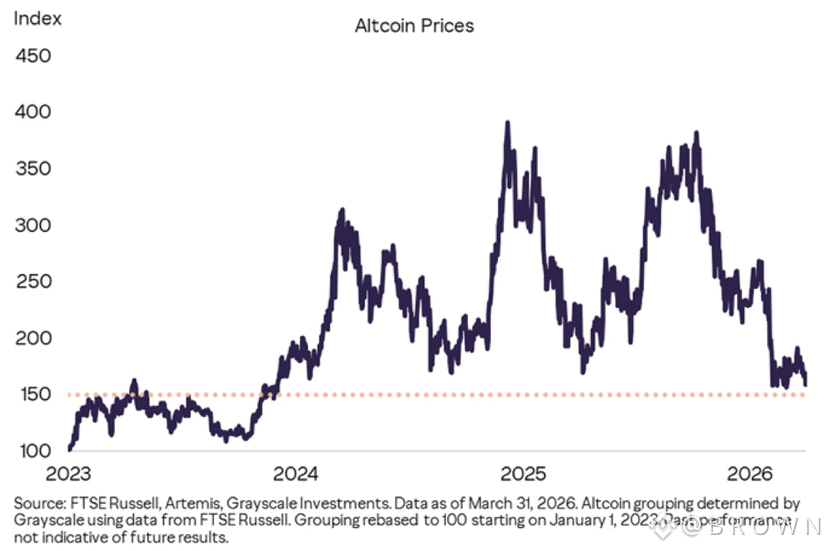
🔥 CẬP NHẬT:
Các altcoin hàng đầu bao gồm $ETH, $SOL, $LINK, $SUI, và $AVAX có thể cung cấp một điểm vào hấp dẫn khi chúng giao dịch gần mức thấp nhiều năm, theo Grayscale.
🔥 CẬP NHẬT:
Các altcoin hàng đầu bao gồm $ETH, $SOL, $LINK, $SUI, và $AVAX có thể cung cấp một điểm vào hấp dẫn khi chúng giao dịch gần mức thấp nhiều năm, theo Grayscale.
Các altcoin hàng đầu bao gồm $ETH, $SOL, $LINK, $SUI, và $AVAX có thể cung cấp một điểm vào hấp dẫn khi chúng giao dịch gần mức thấp nhiều năm, theo Grayscale.
3
419
·
--
Tăng giá
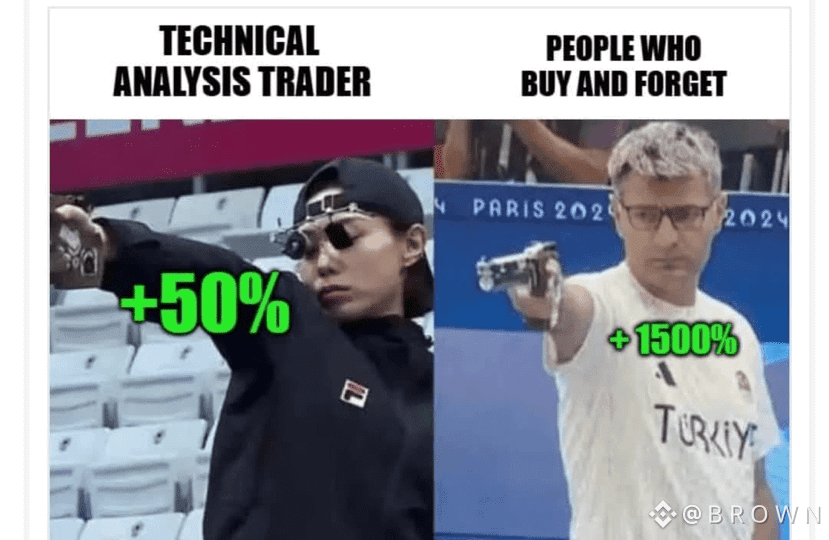
Ngừng nhảy vào và ra khỏi mọi bước đi.
Chọn một luận điểm bạn tin tưởng, cam kết với nó, và để nó diễn ra.
#TradingTales #TradeToWin
Ngừng nhảy vào và ra khỏi mọi bước đi.
Chọn một luận điểm bạn tin tưởng, cam kết với nó, và để nó diễn ra.
#TradingTales #TradeToWin
Chọn một luận điểm bạn tin tưởng, cam kết với nó, và để nó diễn ra.
#TradingTales #TradeToWin
8
207
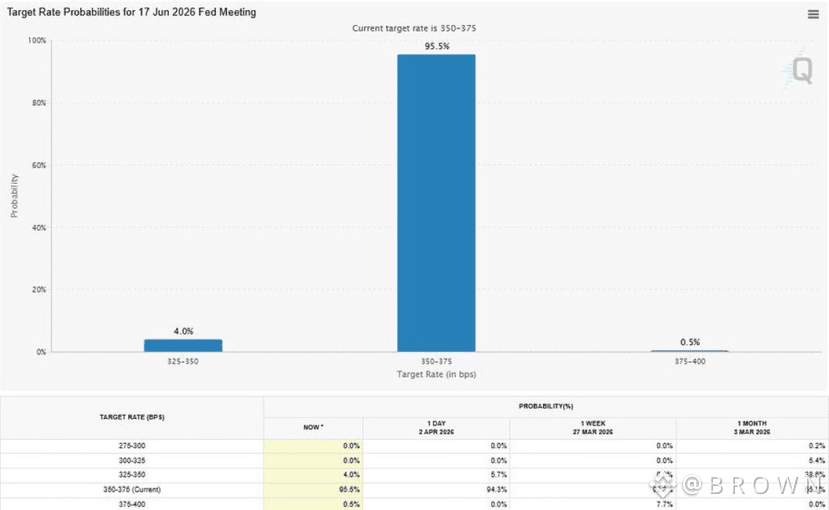
Dữ liệu Non-Farm Payrolls mạnh mẽ vừa đẩy kỳ vọng giữ lãi suất của Fed lên cao hơn.
Thị trường hiện đang định giá khả năng 95.5% rằng Cục Dự trữ Liên bang sẽ giữ lãi suất không thay đổi.
Cắt giảm lãi suất tiếp tục bị đẩy ra xa hơn.
Dữ liệu Non-Farm Payrolls mạnh mẽ vừa đẩy kỳ vọng giữ lãi suất của Fed lên cao hơn.
Thị trường hiện đang định giá khả năng 95.5% rằng Cục Dự trữ Liên bang sẽ giữ lãi suất không thay đổi.
Cắt giảm lãi suất tiếp tục bị đẩy ra xa hơn.
Thị trường hiện đang định giá khả năng 95.5% rằng Cục Dự trữ Liên bang sẽ giữ lãi suất không thay đổi.
Cắt giảm lãi suất tiếp tục bị đẩy ra xa hơn.
10
282
RWAs vẫn là một trong số ít các lĩnh vực đang cho thấy sự phát triển thực sự ngay bây giờ.
Tài sản token hóa khoảng 26,7 tỷ USD, với trái phiếu kho bạc Hoa Kỳ dẫn đầu dòng chảy. Trong khi hầu hết thị trường chậm lại, vốn vẫn đang xoay chuyển vào các tài sản thực tế trên chuỗi.
Cái nhìn cập nhật:
→ Giá trị tài sản phân phối: ~26,71 tỷ USD (+2,31% trong 30 ngày)
→ Giá trị tài sản đại diện: ~345,07 tỷ USD
Điều này không phải là do câu chuyện — đó là vốn tìm kiếm sự ổn định và lợi suất.
$ONDO $CFG
RWAs vẫn là một trong số ít các lĩnh vực đang cho thấy sự phát triển thực sự ngay bây giờ.
Tài sản token hóa khoảng 26,7 tỷ USD, với trái phiếu kho bạc Hoa Kỳ dẫn đầu dòng chảy. Trong khi hầu hết thị trường chậm lại, vốn vẫn đang xoay chuyển vào các tài sản thực tế trên chuỗi.
Cái nhìn cập nhật:
→ Giá trị tài sản phân phối: ~26,71 tỷ USD (+2,31% trong 30 ngày)
→ Giá trị tài sản đại diện: ~345,07 tỷ USD
Điều này không phải là do câu chuyện — đó là vốn tìm kiếm sự ổn định và lợi suất.
$ONDO $CFG
Tài sản token hóa khoảng 26,7 tỷ USD, với trái phiếu kho bạc Hoa Kỳ dẫn đầu dòng chảy. Trong khi hầu hết thị trường chậm lại, vốn vẫn đang xoay chuyển vào các tài sản thực tế trên chuỗi.
Cái nhìn cập nhật:
→ Giá trị tài sản phân phối: ~26,71 tỷ USD (+2,31% trong 30 ngày)
→ Giá trị tài sản đại diện: ~345,07 tỷ USD
Điều này không phải là do câu chuyện — đó là vốn tìm kiếm sự ổn định và lợi suất.
$ONDO $CFG
Has the season started?
33%
Or is it too early?
67%
3 phiếu bầu • Cuộc bỏ phiếu đã kết thúc
10
718

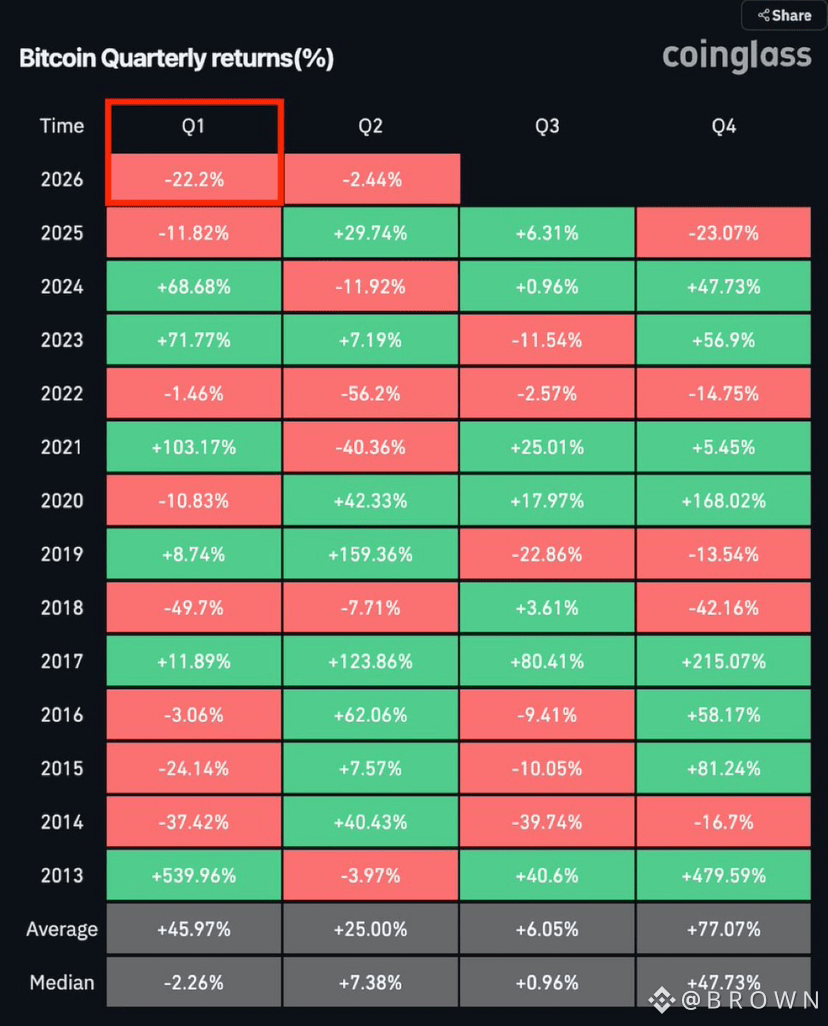
Bitcoin vừa kết thúc quý 1 tồi tệ nhất trong 8 năm qua.
8 NĂM.
Bitcoin vừa kết thúc quý 1 tồi tệ nhất trong 8 năm qua.
8 NĂM.
8 NĂM.
7
203
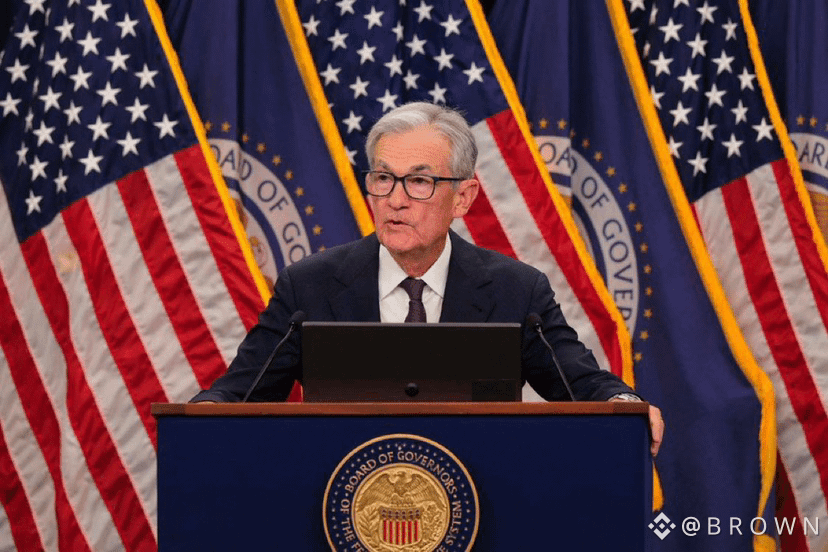
🚨ĐANG CẬP NHẬT🚨
🇺🇸 Tỷ lệ thất nghiệp của Mỹ là 4.3%
Dự đoán: 4.4%
🚨ĐANG CẬP NHẬT🚨
🇺🇸 Tỷ lệ thất nghiệp của Mỹ là 4.3%
Dự đoán: 4.4%
🇺🇸 Tỷ lệ thất nghiệp của Mỹ là 4.3%
Dự đoán: 4.4%
10
273
·
--
Tăng giá
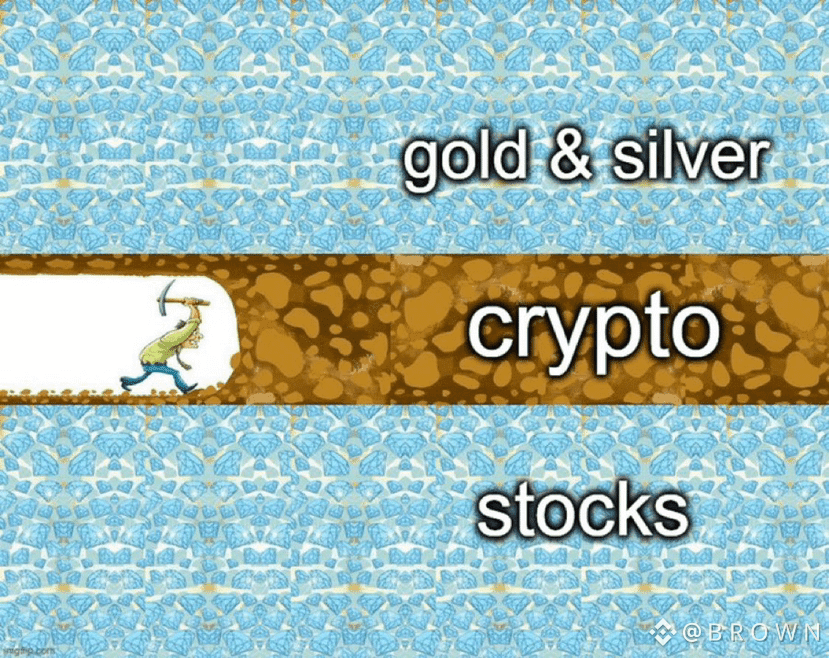
Tiền điện tử sau tổng thống pro crypto đầu tiên.
Tiền điện tử sau tổng thống pro crypto đầu tiên.
7
77
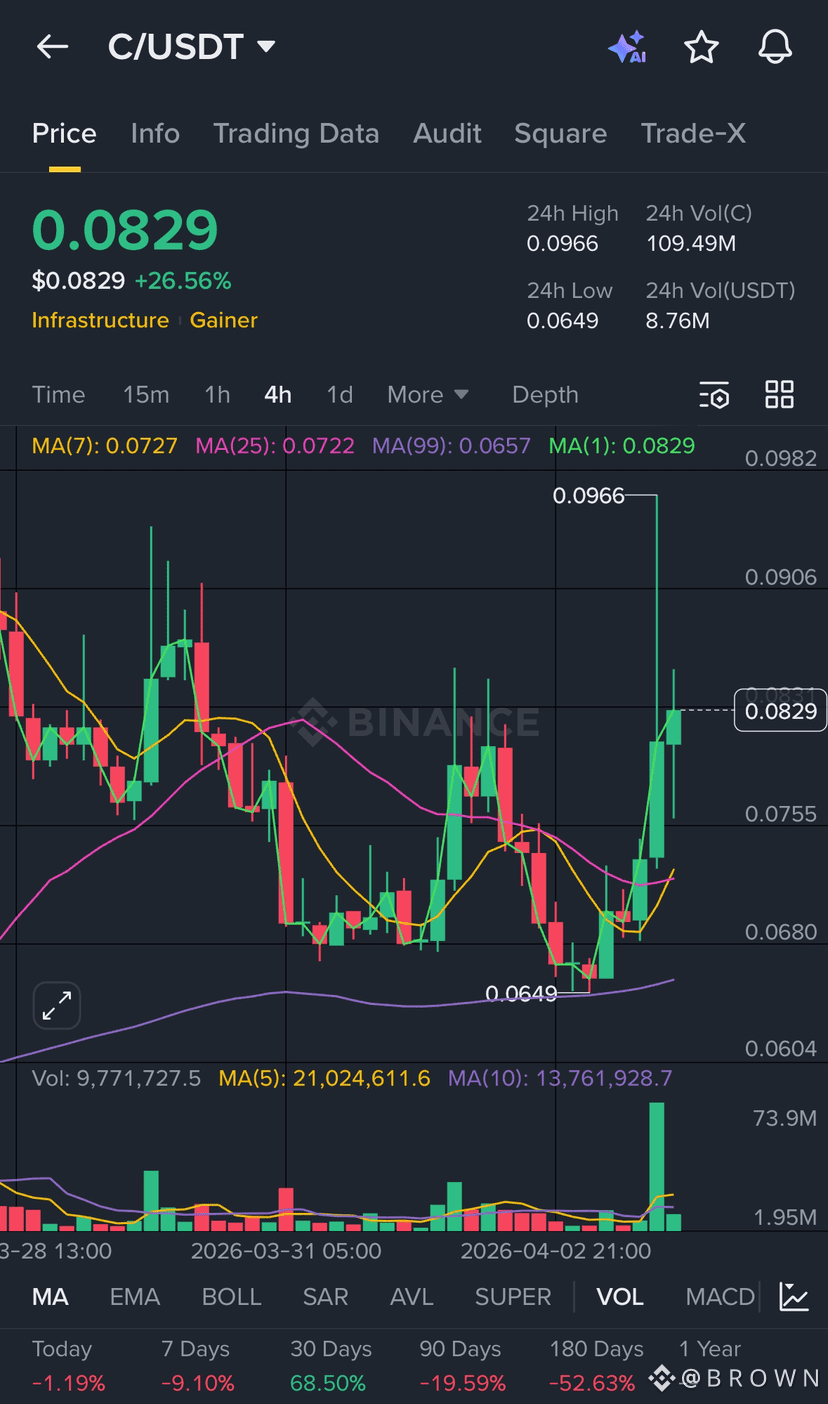
$C phản ứng mạnh mẽ từ mức thấp và động lực tăng nhanh.
Sự phục hồi sạch từ vùng 0.065 và giờ đang đẩy trở lại vào mức 0.08+ với khối lượng tăng lên. Di chuyển đó cho thấy người mua đang hoạt động trở lại.
Tôi không đuổi theo đợt tăng này, nhưng nếu nó giữ trên mức hỗ trợ, điều này có thể xây dựng thành một sự tiếp diễn vững chắc.
Có vẻ như sức mạnh ban đầu đang trở lại!!
🤟🏻❤️🔥
{spot}(CUSDT)
$C phản ứng mạnh mẽ từ mức thấp và động lực tăng nhanh.
Sự phục hồi sạch từ vùng 0.065 và giờ đang đẩy trở lại vào mức 0.08+ với khối lượng tăng lên. Di chuyển đó cho thấy người mua đang hoạt động trở lại.
Tôi không đuổi theo đợt tăng này, nhưng nếu nó giữ trên mức hỗ trợ, điều này có thể xây dựng thành một sự tiếp diễn vững chắc.
Có vẻ như sức mạnh ban đầu đang trở lại!!
🤟🏻❤️🔥
Sự phục hồi sạch từ vùng 0.065 và giờ đang đẩy trở lại vào mức 0.08+ với khối lượng tăng lên. Di chuyển đó cho thấy người mua đang hoạt động trở lại.
Tôi không đuổi theo đợt tăng này, nhưng nếu nó giữ trên mức hỗ trợ, điều này có thể xây dựng thành một sự tiếp diễn vững chắc.
Có vẻ như sức mạnh ban đầu đang trở lại!!
🤟🏻❤️🔥
7
158
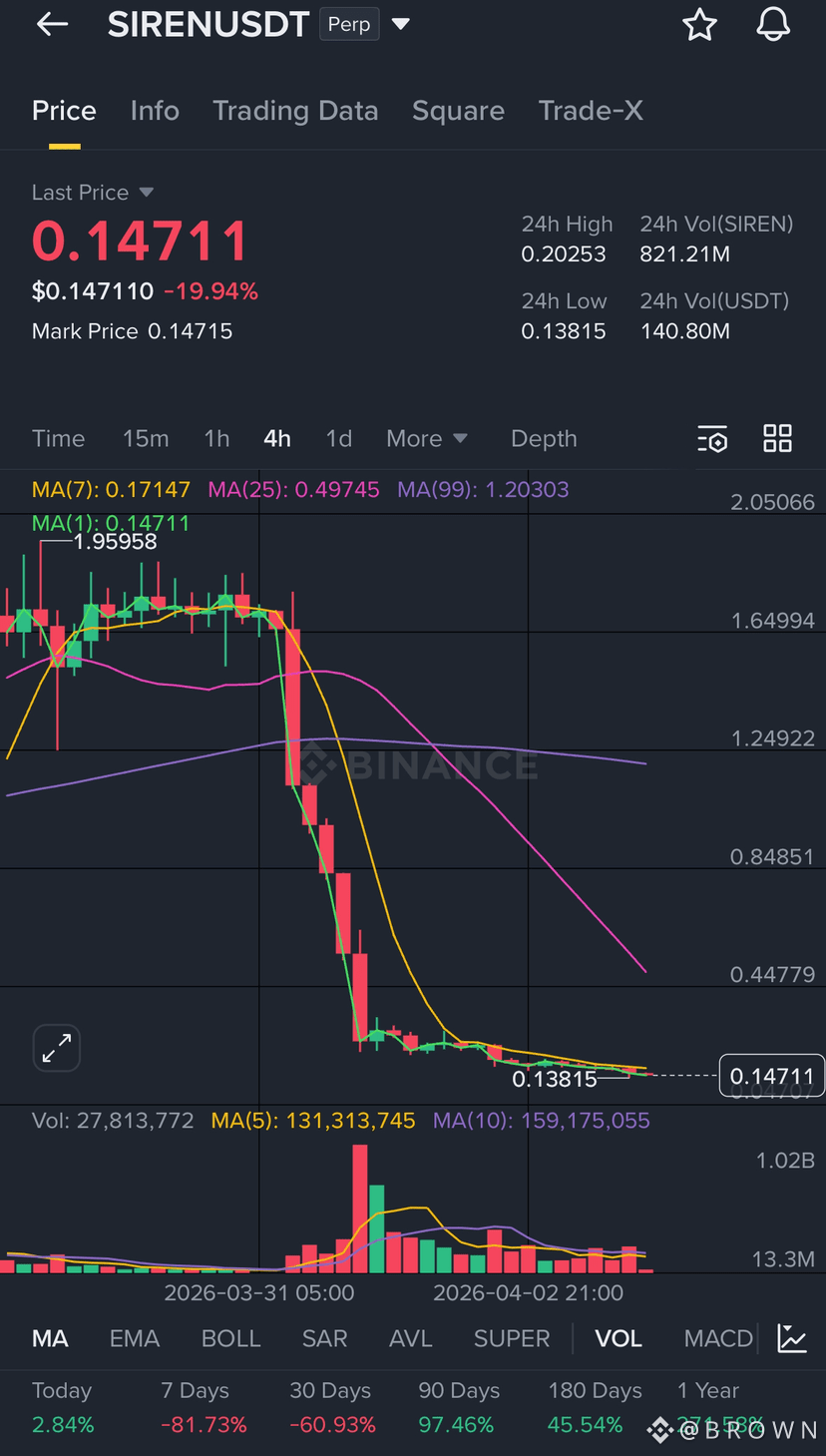
$SIREN bắt đầu chậm lại sau cú giảm mạnh.
Giá đang ổn định gần mức thấp, và bạn có thể thấy áp lực bán giảm bớt một chút. Chưa mạnh mẽ lắm, nhưng đây thường là cách mà các nền tảng sớm bắt đầu.
Tôi không nhảy vào, nhưng tôi đang theo dõi sát sao để xem sự thay đổi trong động lực.
Nếu điều này giữ vững và phát triển, chúng ta có thể thấy một sự phục hồi hợp lý 👀
🚨🤌🏻
{future}(SIRENUSDT)
$SIREN bắt đầu chậm lại sau cú giảm mạnh.
Giá đang ổn định gần mức thấp, và bạn có thể thấy áp lực bán giảm bớt một chút. Chưa mạnh mẽ lắm, nhưng đây thường là cách mà các nền tảng sớm bắt đầu.
Tôi không nhảy vào, nhưng tôi đang theo dõi sát sao để xem sự thay đổi trong động lực.
Nếu điều này giữ vững và phát triển, chúng ta có thể thấy một sự phục hồi hợp lý 👀
🚨🤌🏻
Giá đang ổn định gần mức thấp, và bạn có thể thấy áp lực bán giảm bớt một chút. Chưa mạnh mẽ lắm, nhưng đây thường là cách mà các nền tảng sớm bắt đầu.
Tôi không nhảy vào, nhưng tôi đang theo dõi sát sao để xem sự thay đổi trong động lực.
Nếu điều này giữ vững và phát triển, chúng ta có thể thấy một sự phục hồi hợp lý 👀
🚨🤌🏻
2
6
506
·
--
Tăng giá
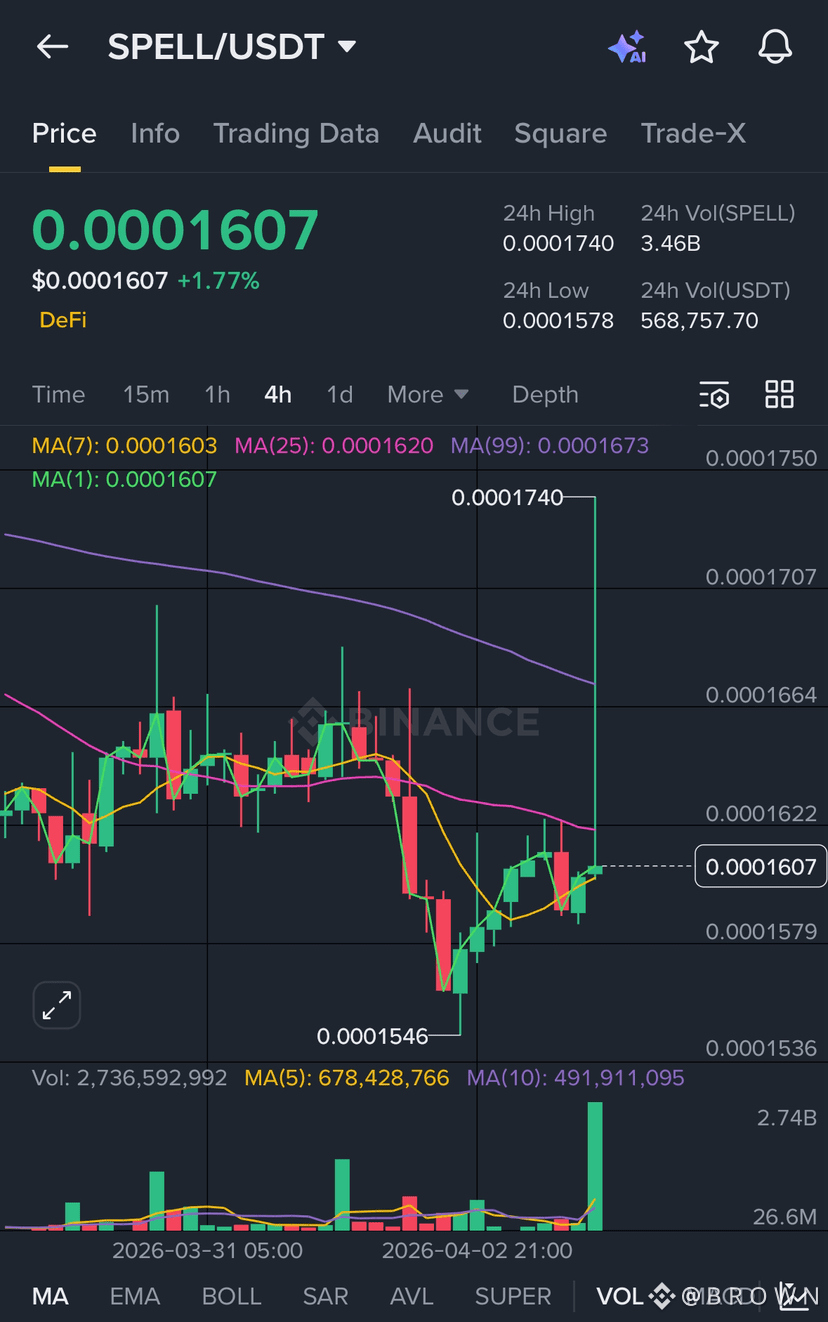
$SPELL đang cho thấy dấu hiệu sống sau cú giảm đó, nhưng vẫn cần xác nhận.
Nhảy đẹp từ khu vực 0.000154, và bắt đầu lấy lại cấu trúc ngắn hạn. Đợt tăng khối lượng là điều thú vị, nhưng giá vẫn ngồi dưới kháng cự.
Đối với tôi, đây là một khoảng thời gian chờ đợi một sự bứt phá rõ ràng trước khi tự tin.
Dấu hiệu sớm đã có, chỉ là chưa hoàn toàn có mặt ở đó
✨🧞♂️
{spot}(SPELLUSDT)
$SPELL đang cho thấy dấu hiệu sống sau cú giảm đó, nhưng vẫn cần xác nhận.
Nhảy đẹp từ khu vực 0.000154, và bắt đầu lấy lại cấu trúc ngắn hạn. Đợt tăng khối lượng là điều thú vị, nhưng giá vẫn ngồi dưới kháng cự.
Đối với tôi, đây là một khoảng thời gian chờ đợi một sự bứt phá rõ ràng trước khi tự tin.
Dấu hiệu sớm đã có, chỉ là chưa hoàn toàn có mặt ở đó
✨🧞♂️
Nhảy đẹp từ khu vực 0.000154, và bắt đầu lấy lại cấu trúc ngắn hạn. Đợt tăng khối lượng là điều thú vị, nhưng giá vẫn ngồi dưới kháng cự.
Đối với tôi, đây là một khoảng thời gian chờ đợi một sự bứt phá rõ ràng trước khi tự tin.
Dấu hiệu sớm đã có, chỉ là chưa hoàn toàn có mặt ở đó
✨🧞♂️
6
249
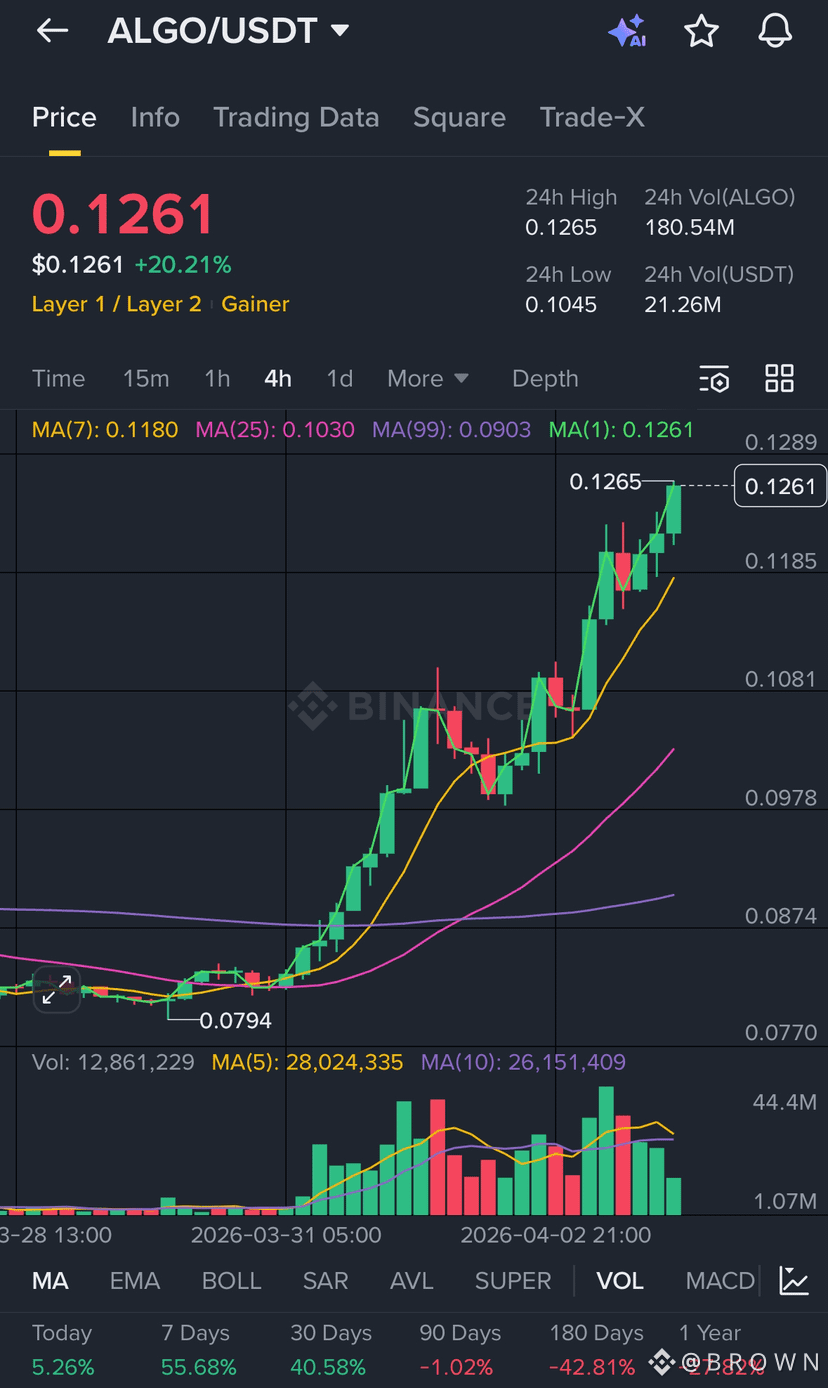
$ALGO xu hướng sạch, động lực mạnh mẽ và chưa có dấu hiệu chậm lại.
Bứt phá đẹp từ vùng 0.08 và giờ đang đẩy vào các mức cao mới xung quanh 0.126. Cấu trúc rất vững chắc, các mức cao hơn, các mức thấp hơn, người mua hoàn toàn kiểm soát.
Tôi không theo đuổi sự mở rộng này, những lần giảm vào hỗ trợ là nơi tôi quan tâm.
Miễn là nó giữ vững, điều này có thể tiếp tục xu hướng cao hơn 👀
{spot}(ALGOUSDT)
$ALGO xu hướng sạch, động lực mạnh mẽ và chưa có dấu hiệu chậm lại.
Bứt phá đẹp từ vùng 0.08 và giờ đang đẩy vào các mức cao mới xung quanh 0.126. Cấu trúc rất vững chắc, các mức cao hơn, các mức thấp hơn, người mua hoàn toàn kiểm soát.
Tôi không theo đuổi sự mở rộng này, những lần giảm vào hỗ trợ là nơi tôi quan tâm.
Miễn là nó giữ vững, điều này có thể tiếp tục xu hướng cao hơn 👀
Bứt phá đẹp từ vùng 0.08 và giờ đang đẩy vào các mức cao mới xung quanh 0.126. Cấu trúc rất vững chắc, các mức cao hơn, các mức thấp hơn, người mua hoàn toàn kiểm soát.
Tôi không theo đuổi sự mở rộng này, những lần giảm vào hỗ trợ là nơi tôi quan tâm.
Miễn là nó giữ vững, điều này có thể tiếp tục xu hướng cao hơn 👀
6
214
·
--
Tăng giá
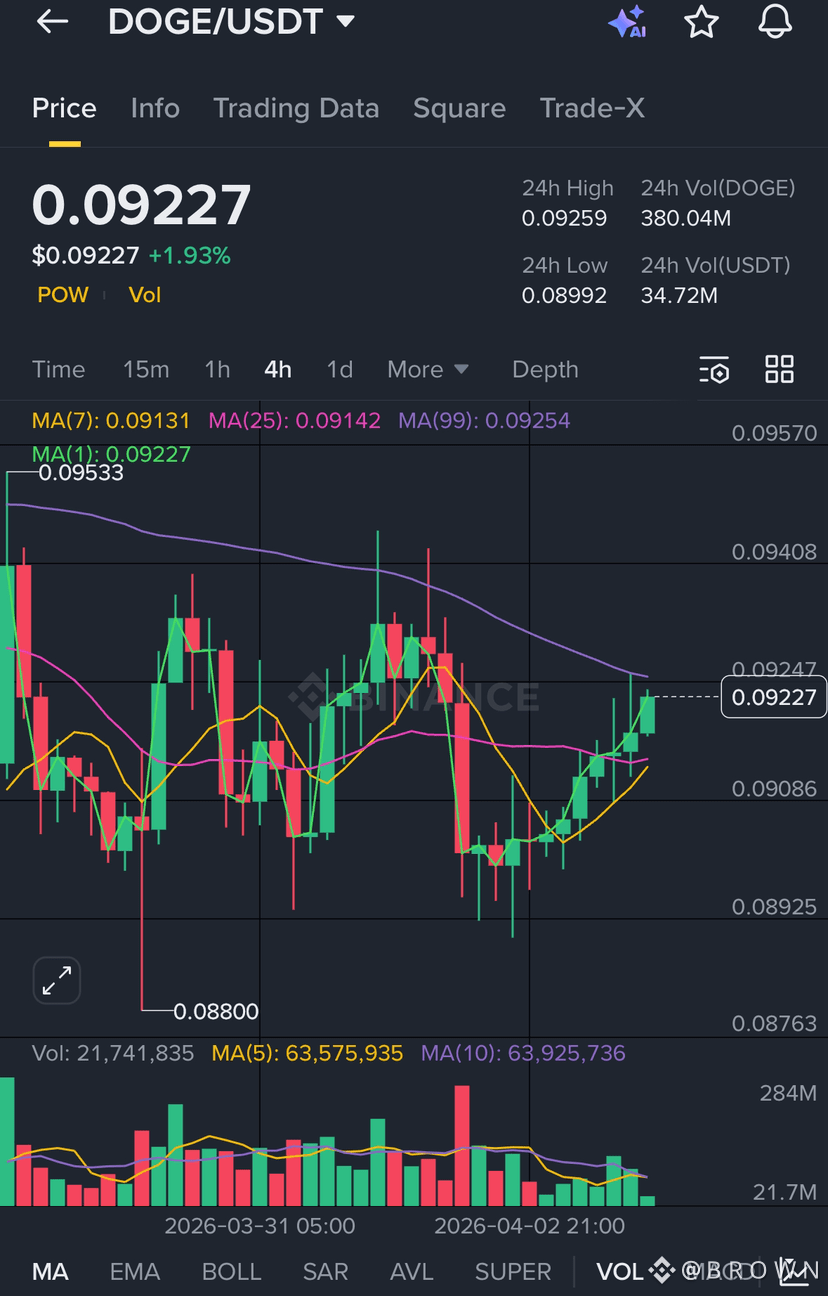
$DOGE bắt đầu cuộn lại ở đây sau khi giữ vùng 0.088 một cách đẹp.
Từ từ quay lại trên 0.092, và bạn có thể thấy động lực đang tăng lên với những đáy cao hơn hình thành. Chưa có gì bùng nổ, nhưng cấu trúc đang cải thiện.
Tôi vẫn sẽ coi điều này như một khoảng cho đến khi chúng ta có một sự bứt phá rõ ràng trên mức kháng cự.
Kiên nhẫn ở đây, nhưng nó đang bắt đầu trông tốt hơn 👀
🐕🐕
{spot}(DOGEUSDT)
$DOGE bắt đầu cuộn lại ở đây sau khi giữ vùng 0.088 một cách đẹp.
Từ từ quay lại trên 0.092, và bạn có thể thấy động lực đang tăng lên với những đáy cao hơn hình thành. Chưa có gì bùng nổ, nhưng cấu trúc đang cải thiện.
Tôi vẫn sẽ coi điều này như một khoảng cho đến khi chúng ta có một sự bứt phá rõ ràng trên mức kháng cự.
Kiên nhẫn ở đây, nhưng nó đang bắt đầu trông tốt hơn 👀
🐕🐕
Từ từ quay lại trên 0.092, và bạn có thể thấy động lực đang tăng lên với những đáy cao hơn hình thành. Chưa có gì bùng nổ, nhưng cấu trúc đang cải thiện.
Tôi vẫn sẽ coi điều này như một khoảng cho đến khi chúng ta có một sự bứt phá rõ ràng trên mức kháng cự.
Kiên nhẫn ở đây, nhưng nó đang bắt đầu trông tốt hơn 👀
🐕🐕
5
169
·
--
Giảm giá
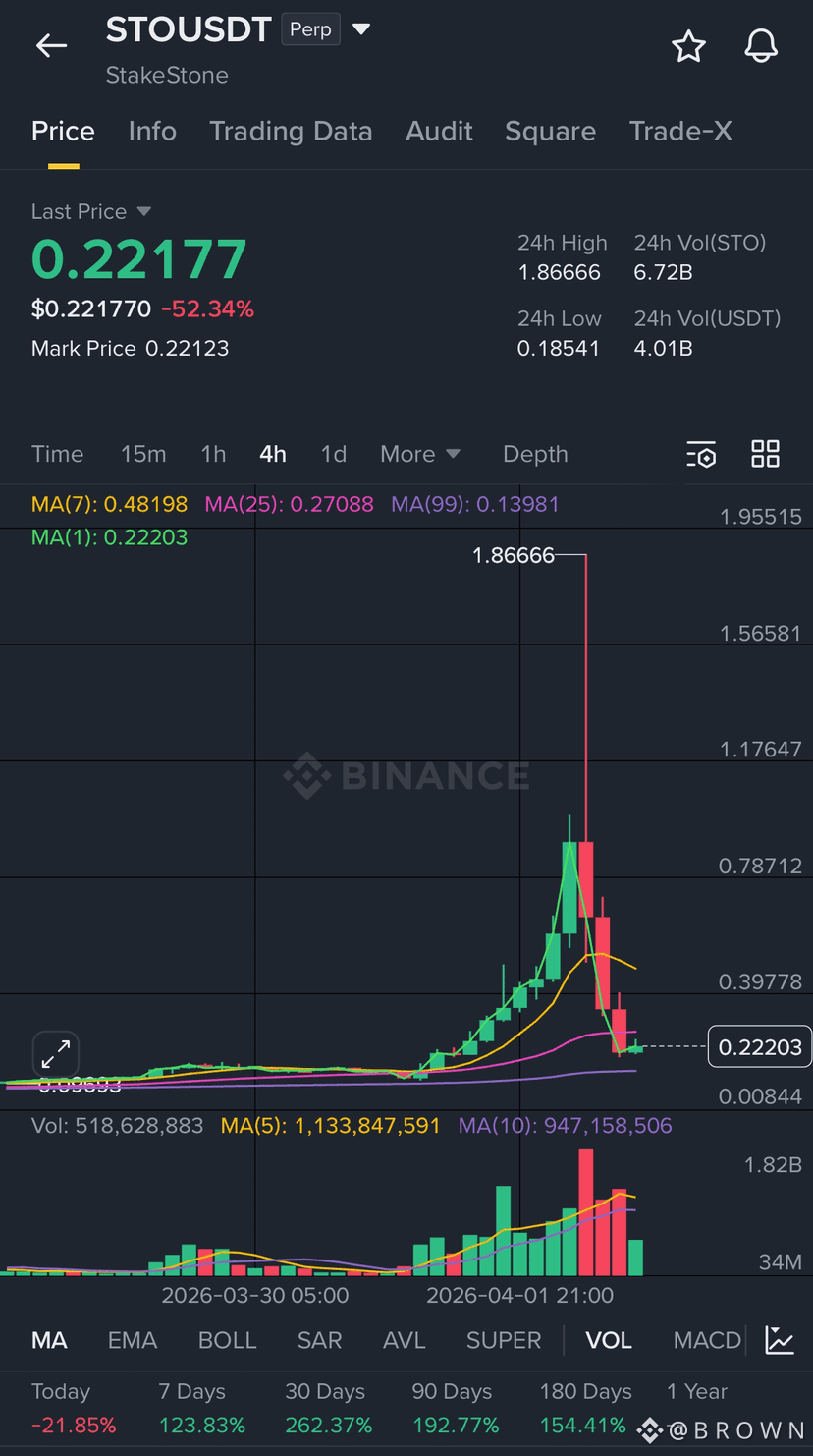
Tỉnh dậy, mở biểu đồ… và vâng, điều đó thật khác biệt.
$STO ngồi quanh $0.22 sau cú giảm đó…
-50% di chuyển, thẳng xuống.
Không có thời gian để suy nghĩ quá nhiều, tôi đang thua lỗ.
Nhưng đây là mặt thật của giao dịch.
Cú bơm nhanh, sửa chữa còn nhanh hơn.
Một điều trong tâm trí tôi:
👉 Giữ vững.
Không hoảng sợ, không đuổi theo.
Cái thua lỗ đó?
Không đóng nó như thế này.
👉 Chúng tôi điều chỉnh
👉 Chúng tôi thực hiện
👉 Chúng tôi lấy lại một cách đúng đắn
Hôm nay không phải về cảm xúc.
Nó về kỷ luật và các thiết lập sạch sẽ.
Chúng tôi đã bị mắc kẹt trong cú di chuyển,
bây giờ chúng tôi di chuyển thông minh hơn. 💰
$STO
{spot}(STOUSDT)
Tỉnh dậy, mở biểu đồ… và vâng, điều đó thật khác biệt.
$STO ngồi quanh $0.22 sau cú giảm đó…
-50% di chuyển, thẳng xuống.
Không có thời gian để suy nghĩ quá nhiều, tôi đang thua lỗ.
Nhưng đây là mặt thật của giao dịch.
Cú bơm nhanh, sửa chữa còn nhanh hơn.
Một điều trong tâm trí tôi:
👉 Giữ vững.
Không hoảng sợ, không đuổi theo.
Cái thua lỗ đó?
Không đóng nó như thế này.
👉 Chúng tôi điều chỉnh
👉 Chúng tôi thực hiện
👉 Chúng tôi lấy lại một cách đúng đắn
Hôm nay không phải về cảm xúc.
Nó về kỷ luật và các thiết lập sạch sẽ.
Chúng tôi đã bị mắc kẹt trong cú di chuyển,
bây giờ chúng tôi di chuyển thông minh hơn. 💰
$STO
$STO ngồi quanh $0.22 sau cú giảm đó…
-50% di chuyển, thẳng xuống.
Không có thời gian để suy nghĩ quá nhiều, tôi đang thua lỗ.
Nhưng đây là mặt thật của giao dịch.
Cú bơm nhanh, sửa chữa còn nhanh hơn.
Một điều trong tâm trí tôi:
👉 Giữ vững.
Không hoảng sợ, không đuổi theo.
Cái thua lỗ đó?
Không đóng nó như thế này.
👉 Chúng tôi điều chỉnh
👉 Chúng tôi thực hiện
👉 Chúng tôi lấy lại một cách đúng đắn
Hôm nay không phải về cảm xúc.
Nó về kỷ luật và các thiết lập sạch sẽ.
Chúng tôi đã bị mắc kẹt trong cú di chuyển,
bây giờ chúng tôi di chuyển thông minh hơn. 💰
$STO
2
1
14
643
·
--
Giảm giá
🚨 MỘT NGÀY ĐỎ KHÁC TRONG THỊ TRƯỜNG
Hàng triệu tỷ đã bị xóa sổ hôm nay trong cổ phiếu & crypto.
Giá dầu đang tăng mạnh.
Tất cả những điều này xảy ra sau thông báo của Trump rằng Chiến dịch Epic Fury sẽ tiếp tục trong 2-3 tuần nữa.
Đáy có khả năng KHÔNG phải ở đây.
Chúng ta nên thấy một đợt giảm giá khác cho crypto.
$40,000-$50,000 sẽ là một cơ hội mua sắm tuyệt vời nếu chúng ta kết thúc ở đó.
🚨 MỘT NGÀY ĐỎ KHÁC TRONG THỊ TRƯỜNG
Hàng triệu tỷ đã bị xóa sổ hôm nay trong cổ phiếu & crypto.
Giá dầu đang tăng mạnh.
Tất cả những điều này xảy ra sau thông báo của Trump rằng Chiến dịch Epic Fury sẽ tiếp tục trong 2-3 tuần nữa.
Đáy có khả năng KHÔNG phải ở đây.
Chúng ta nên thấy một đợt giảm giá khác cho crypto.
$40,000-$50,000 sẽ là một cơ hội mua sắm tuyệt vời nếu chúng ta kết thúc ở đó.
Hàng triệu tỷ đã bị xóa sổ hôm nay trong cổ phiếu & crypto.
Giá dầu đang tăng mạnh.
Tất cả những điều này xảy ra sau thông báo của Trump rằng Chiến dịch Epic Fury sẽ tiếp tục trong 2-3 tuần nữa.
Đáy có khả năng KHÔNG phải ở đây.
Chúng ta nên thấy một đợt giảm giá khác cho crypto.
$40,000-$50,000 sẽ là một cơ hội mua sắm tuyệt vời nếu chúng ta kết thúc ở đó.

1
13
1.8k
Đăng nhập để khám phá thêm nội dung
Tham gia cùng người dùng tiền mã hóa toàn cầu trên Binance Square
⚡️ Nhận thông tin mới nhất và hữu ích về tiền mã hóa.
💬 Được tin cậy bởi sàn giao dịch tiền mã hóa lớn nhất thế giới.
👍 Khám phá những thông tin chuyên sâu thực tế từ những nhà sáng tạo đã xác minh.
Email / Số điện thoại
Chủ đề thịnh hành
45NgayTuDoTaiChinh
895,214 lượt xem
3,036 đang thảo luận
Ngày 4/45: Đừng để FOMO cuốn mình đi!
Ngày thứ tư trong hành trình 45 ngày tự do tài chính, mình vẫn đều đặn bỏ 50u để mua thêm Bitcoin ($BTC). Hôm nay thị trường có vẻ hơi chững lại một chút, Bitcoin giảm nhẹ 0.72% nhưng cảm giác vẫn còn chút hơi ấm từ những ngày tăng trưởng trước.
Cái cảm giác FOMO (sợ bỏ lỡ) nó cứ len lỏi đâu đó mỗi khi thấy giá xanh rực, nhưng mình biết, đó là lúc phải bình tĩnh nhất. Mục tiêu của mình không phải là kiếm tiền nhanh chóng, mà là xây dựng một thói quen bền vững và rèn luyện sự kiên nhẫn. Mình tin vào sức mạnh của việc tích lũy đều đặn, dù thị trường lên hay xuống.
Thông tin tham khảo, không phải lời khuyên đầu tư. DYOR.
#45ngaytudotaichinh #BitcoinOpenInterestShareRisesTo42.1%
HotLike Team
·0 lượt thích
·43 lượt xem
TheoDõiFOMC
74,197 lượt xem
491 đang thảo luận
TinFed
65,707 lượt xem
293 đang thảo luận