

MAY_SAM
5.4k Bài đăng

MAY_SAM
 Đã xác minh nâng cao trên Square
Báo cáo
Chặn người dùng
📊 Crypto Strategist | 🚀 Binance Creator | 💡 Market Insights & Alpha |🧠X@Shahidbnb
32 Đang theo dõi
30.8K+ Người theo dõi
10.0K+ Đã thích
Bài đăng
Tất cả
Live
·
--
Tăng giá
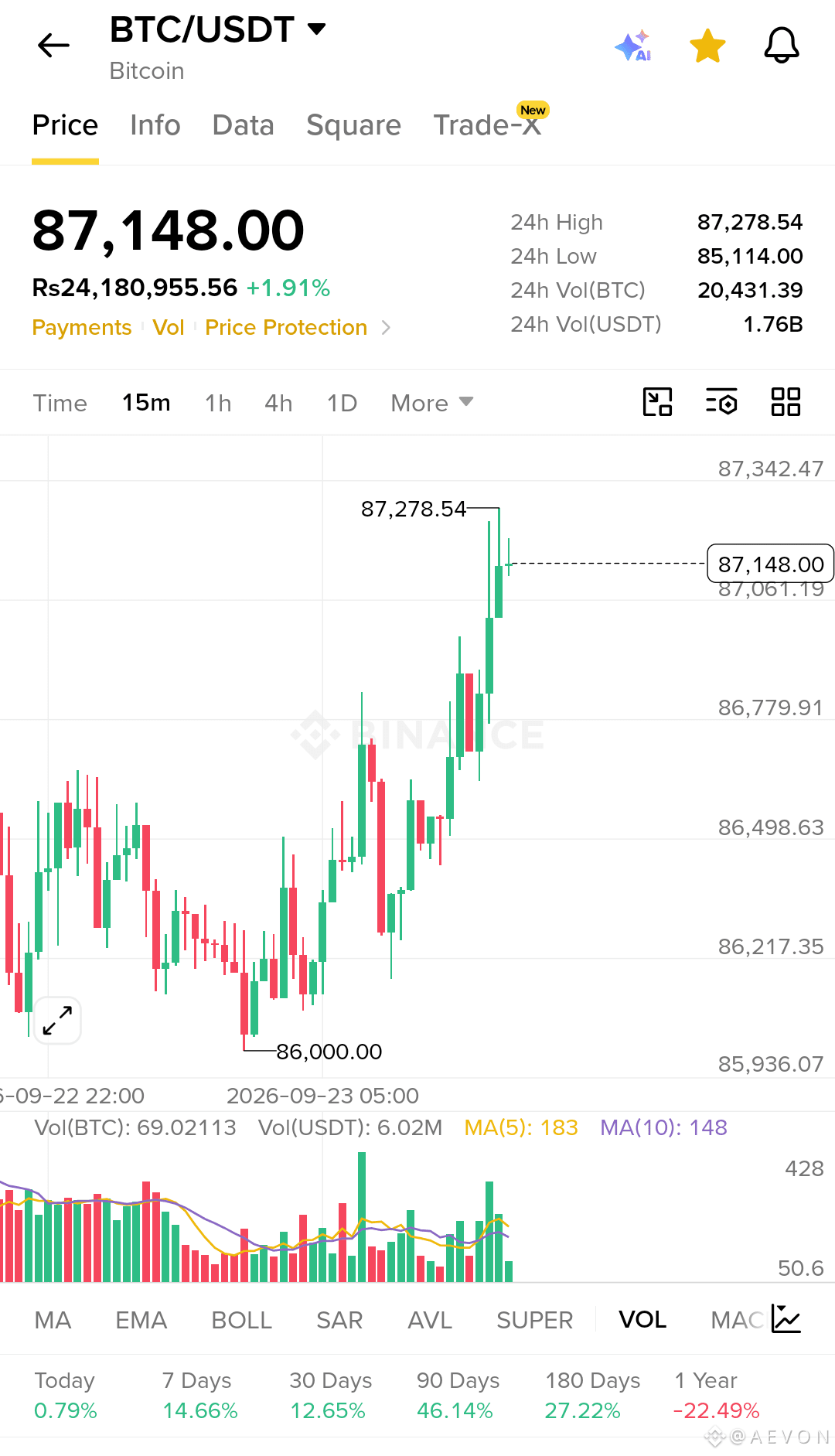
🚨 $BTC ĐANG DI CHUYỂN!
Bitcoin vừa chạm mốc $87.28K, tăng 1.91% trong 24H. 📈
Vùng $87K đang nóng lên — liệu $BTC
{spot}(BTCUSDT)
sẽ vượt lên cao hơn hay lại đối mặt với một lần bị từ chối nữa? 👀
Theo dõi cây nến tiếp theo thật sát.
#Bitcoin #BTC #crypto #BinanceSquare
🚨 $BTC ĐANG DI CHUYỂN!
Bitcoin vừa chạm mốc $87.28K, tăng 1.91% trong 24H. 📈
Vùng $87K đang nóng lên — liệu $BTC
sẽ vượt lên cao hơn hay lại đối mặt với một lần bị từ chối nữa? 👀
Theo dõi cây nến tiếp theo thật sát.
#Bitcoin #BTC #crypto #BinanceSquare
Bitcoin vừa chạm mốc $87.28K, tăng 1.91% trong 24H. 📈
Vùng $87K đang nóng lên — liệu $BTC
sẽ vượt lên cao hơn hay lại đối mặt với một lần bị từ chối nữa? 👀
Theo dõi cây nến tiếp theo thật sát.
#Bitcoin #BTC #crypto #BinanceSquare
1
113
·
--
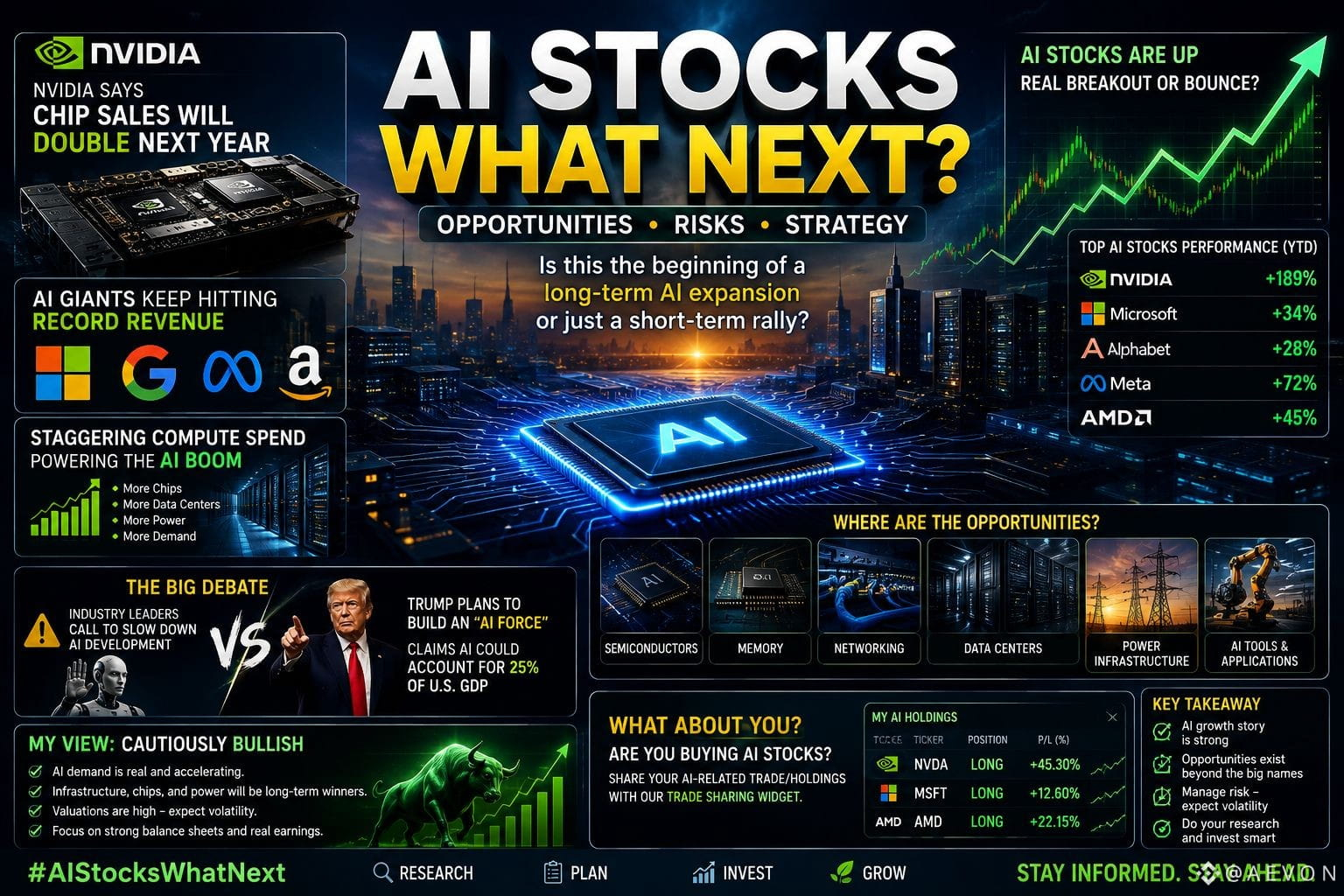
🚨 CỔ PHIẾU AI ĐANG TĂNG GIÁ NHƯNG CƠ HỘI THẬT SỰ CÒN NẰM TRONG AI?
Cổ phiếu AI lại một lần nữa được đưa lên hàng đầu, và câu hỏi lớn hơn không chỉ là “AI sẽ tăng trưởng chứ?” mà là: mức tăng trưởng đã được phản ánh vào giá nhiều đến đâu?
Nvidia và các công ty AI hàng đầu khác tiếp tục được hưởng lợi từ nhu cầu khổng lồ về chip, trung tâm dữ liệu và năng lực điện toán. Đồng thời, việc phát triển AI đang trở thành một cuộc đua chi vốn lớn, khi các công ty chi mạnh để xây dựng hạ tầng cần thiết cho làn sóng áp dụng tiếp theo.
Tôi tỏ ra lạc quan một cách thận trọng về AI, nhưng tôi không nghĩ mọi cổ phiếu AI sẽ đi theo cùng một hướng.
Những cơ hội thú vị có thể nằm ngoài các cái tên nổi bật — linh kiện bán dẫn, bộ nhớ, mạng, hạ tầng điện, trung tâm dữ liệu, và các công ty cung cấp “picks and shovels” (thiết bị và công cụ thiết yếu) cho AI đều có thể đóng vai trò.
Nhưng cũng có một rủi ro lớn: kỳ vọng đang cực kỳ cao. Nếu chi tiêu cho AI chậm lại, định giá có thể chịu áp lực nghiêm trọng.
Vậy câu hỏi thật sự là:
🔥 Đây là khởi đầu cho một chu kỳ mở rộng AI dài hơn — hay chỉ là một đợt tăng ngắn hạn khác?
Tôi đang theo dõi sát hạ tầng AI + nhu cầu đối với bán dẫn.
Bạn đang mua hay đang theo dõi gì?
#AIStocksWhatNext
🚨 CỔ PHIẾU AI ĐANG TĂNG GIÁ NHƯNG CƠ HỘI THẬT SỰ CÒN NẰM TRONG AI?
Cổ phiếu AI lại một lần nữa được đưa lên hàng đầu, và câu hỏi lớn hơn không chỉ là “AI sẽ tăng trưởng chứ?” mà là: mức tăng trưởng đã được phản ánh vào giá nhiều đến đâu?
Nvidia và các công ty AI hàng đầu khác tiếp tục được hưởng lợi từ nhu cầu khổng lồ về chip, trung tâm dữ liệu và năng lực điện toán. Đồng thời, việc phát triển AI đang trở thành một cuộc đua chi vốn lớn, khi các công ty chi mạnh để xây dựng hạ tầng cần thiết cho làn sóng áp dụng tiếp theo.
Tôi tỏ ra lạc quan một cách thận trọng về AI, nhưng tôi không nghĩ mọi cổ phiếu AI sẽ đi theo cùng một hướng.
Những cơ hội thú vị có thể nằm ngoài các cái tên nổi bật — linh kiện bán dẫn, bộ nhớ, mạng, hạ tầng điện, trung tâm dữ liệu, và các công ty cung cấp “picks and shovels” (thiết bị và công cụ thiết yếu) cho AI đều có thể đóng vai trò.
Nhưng cũng có một rủi ro lớn: kỳ vọng đang cực kỳ cao. Nếu chi tiêu cho AI chậm lại, định giá có thể chịu áp lực nghiêm trọng.
Vậy câu hỏi thật sự là:
🔥 Đây là khởi đầu cho một chu kỳ mở rộng AI dài hơn — hay chỉ là một đợt tăng ngắn hạn khác?
Tôi đang theo dõi sát hạ tầng AI + nhu cầu đối với bán dẫn.
Bạn đang mua hay đang theo dõi gì?
#AIStocksWhatNext
Cổ phiếu AI lại một lần nữa được đưa lên hàng đầu, và câu hỏi lớn hơn không chỉ là “AI sẽ tăng trưởng chứ?” mà là: mức tăng trưởng đã được phản ánh vào giá nhiều đến đâu?
Nvidia và các công ty AI hàng đầu khác tiếp tục được hưởng lợi từ nhu cầu khổng lồ về chip, trung tâm dữ liệu và năng lực điện toán. Đồng thời, việc phát triển AI đang trở thành một cuộc đua chi vốn lớn, khi các công ty chi mạnh để xây dựng hạ tầng cần thiết cho làn sóng áp dụng tiếp theo.
Tôi tỏ ra lạc quan một cách thận trọng về AI, nhưng tôi không nghĩ mọi cổ phiếu AI sẽ đi theo cùng một hướng.
Những cơ hội thú vị có thể nằm ngoài các cái tên nổi bật — linh kiện bán dẫn, bộ nhớ, mạng, hạ tầng điện, trung tâm dữ liệu, và các công ty cung cấp “picks and shovels” (thiết bị và công cụ thiết yếu) cho AI đều có thể đóng vai trò.
Nhưng cũng có một rủi ro lớn: kỳ vọng đang cực kỳ cao. Nếu chi tiêu cho AI chậm lại, định giá có thể chịu áp lực nghiêm trọng.
Vậy câu hỏi thật sự là:
🔥 Đây là khởi đầu cho một chu kỳ mở rộng AI dài hơn — hay chỉ là một đợt tăng ngắn hạn khác?
Tôi đang theo dõi sát hạ tầng AI + nhu cầu đối với bán dẫn.
Bạn đang mua hay đang theo dõi gì?
#AIStocksWhatNext
1
102
·
--
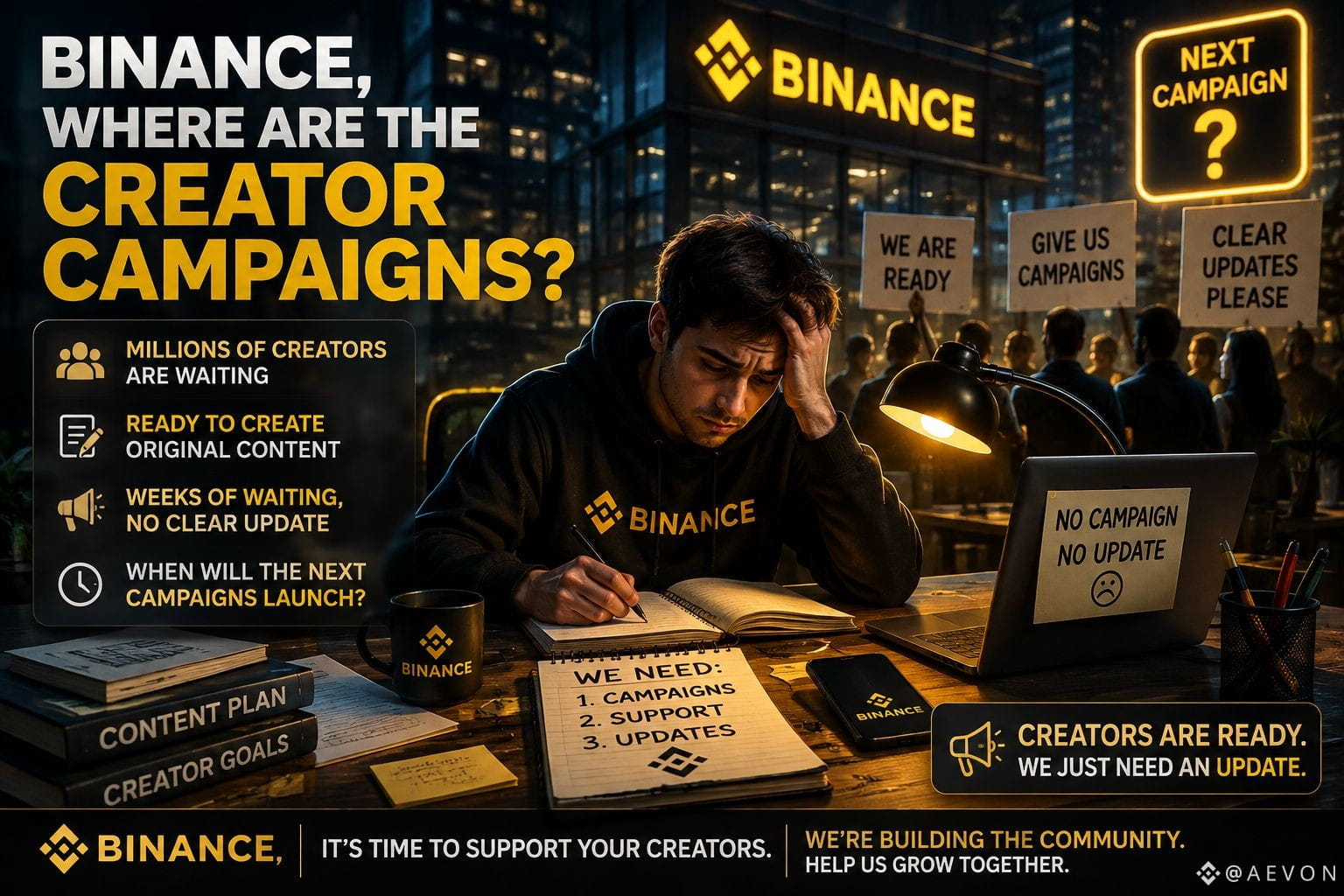
Binance, Chiến dịch dành cho Nhà sáng tạo ở đâu? 👀
Nhiều nhà sáng tạo đang chờ các chiến dịch mới để tham gia, tạo nội dung gốc và đóng góp giá trị cho cộng đồng Binance Square.
Đã nhiều tuần trôi qua mà vẫn chưa có cập nhật rõ ràng. Xin Binance vui lòng cho biết khi nào các Chiến dịch dành cho Nhà sáng tạo tiếp theo dự kiến sẽ ra mắt?
Nhà sáng tạo đã sẵn sàng. Chúng tôi chỉ cần một cập nhật.
#BinanceSquare #Binance #CryptoCreators #CreatorCampaign #CZ @BiBi
@heyi @CZ @Binance_Earn_Official @NextGemHunter
Binance, Chiến dịch dành cho Nhà sáng tạo ở đâu? 👀
Nhiều nhà sáng tạo đang chờ các chiến dịch mới để tham gia, tạo nội dung gốc và đóng góp giá trị cho cộng đồng Binance Square.
Đã nhiều tuần trôi qua mà vẫn chưa có cập nhật rõ ràng. Xin Binance vui lòng cho biết khi nào các Chiến dịch dành cho Nhà sáng tạo tiếp theo dự kiến sẽ ra mắt?
Nhà sáng tạo đã sẵn sàng. Chúng tôi chỉ cần một cập nhật.
#BinanceSquare #Binance #CryptoCreators #CreatorCampaign #CZ @Binance BiBi
@Yi He @CZ @Binance Earn Official @ParvezMayar
Nhiều nhà sáng tạo đang chờ các chiến dịch mới để tham gia, tạo nội dung gốc và đóng góp giá trị cho cộng đồng Binance Square.
Đã nhiều tuần trôi qua mà vẫn chưa có cập nhật rõ ràng. Xin Binance vui lòng cho biết khi nào các Chiến dịch dành cho Nhà sáng tạo tiếp theo dự kiến sẽ ra mắt?
Nhà sáng tạo đã sẵn sàng. Chúng tôi chỉ cần một cập nhật.
#BinanceSquare #Binance #CryptoCreators #CreatorCampaign #CZ @Binance BiBi
@Yi He @CZ @Binance Earn Official @ParvezMayar
6
5
307
·
--
Tăng giá
Giao dịch 30D $BNB 2.8K USDT
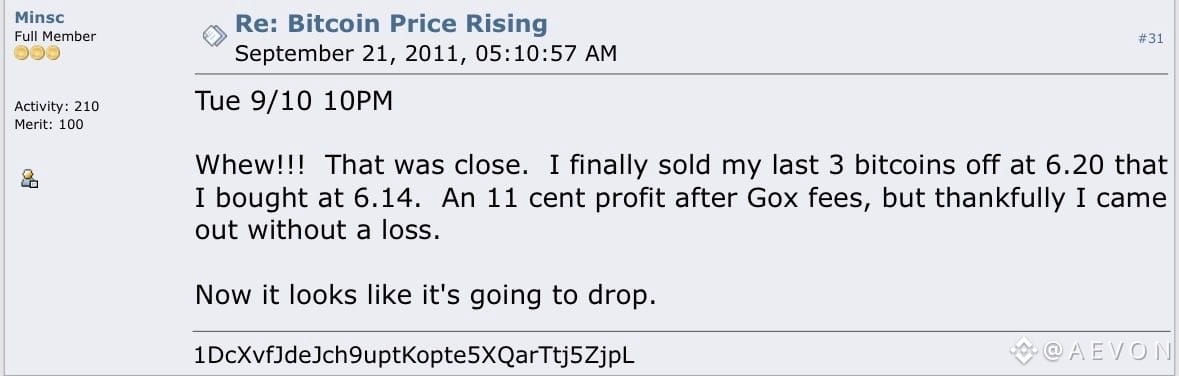
b> Năm là 2011
> Người dùng mua 3 bitcoin với giá 6,14 USD mỗi cái
> Sau đó bán chúng với giá 6,20 USD
> Sau các khoản phí, tổng lợi nhuận là “11 xu”
> Người dùng cảm thấy nhẹ nhõm và đăng: “suýt nữa thì hoảng…but may mắn là tôi không bị lỗ.”
#MultiversXPlansHardForkRecovery #SaylorHintsStrategyBitcoinBuy #CanaryFilesSecondAmendmentForStakedSEIETF #SouthAfricaProposesCryptoExchangeControls #ECBStartsBlockchainEuroSettlement $BTC
{spot}(BTCUSDT)
b> Năm là 2011
> Người dùng mua 3 bitcoin với giá 6,14 USD mỗi cái
> Sau đó bán chúng với giá 6,20 USD
> Sau các khoản phí, tổng lợi nhuận là “11 xu”
> Người dùng cảm thấy nhẹ nhõm và đăng: “suýt nữa thì hoảng…but may mắn là tôi không bị lỗ.”
#MultiversXPlansHardForkRecovery #SaylorHintsStrategyBitcoinBuy #CanaryFilesSecondAmendmentForStakedSEIETF #SouthAfricaProposesCryptoExchangeControls #ECBStartsBlockchainEuroSettlement $BTC
> Người dùng mua 3 bitcoin với giá 6,14 USD mỗi cái
> Sau đó bán chúng với giá 6,20 USD
> Sau các khoản phí, tổng lợi nhuận là “11 xu”
> Người dùng cảm thấy nhẹ nhõm và đăng: “suýt nữa thì hoảng…but may mắn là tôi không bị lỗ.”
#MultiversXPlansHardForkRecovery #SaylorHintsStrategyBitcoinBuy #CanaryFilesSecondAmendmentForStakedSEIETF #SouthAfricaProposesCryptoExchangeControls #ECBStartsBlockchainEuroSettlement $BTC
1
144
·
--
Tăng giá
#FedRateWatch 🔥
FOMC tháng 9 có thể là một bước ngoặt lớn đối với thị trường.
CPI Mỹ tháng 8 cho thấy lạm phát vẫn “dính”: CPI tiêu đề tăng 0,4% MoM, trong khi CPI lõi tăng 0,3% MoM. Khi lạm phát vẫn cao hơn mục tiêu 2% của Fed, thị trường đang định giá khoảng hơn 90% khả năng Fed sẽ tăng 25bp trong tuần này.
Nhưng câu hỏi lớn hơn là: đây chỉ là một lần tăng lãi suất hay là sự khởi đầu cho một chu kỳ tăng lãi suất dài hơn?
Quan điểm của tôi: đợt tăng có thể đã được định giá phần lớn. Động lực quan trọng thật sự của thị trường sẽ nằm ở định hướng của Powell về lãi suất trong tương lai.
📌 BTC: Việc tăng 25bp có thể tạo áp lực ngắn hạn thông qua lợi suất cao hơn và đồng USD mạnh hơn. Nhưng nếu đợt tăng đã được định giá đầy đủ và Fed có tín hiệu ít quyết liệt hơn, BTC có thể bật tăng mạnh.
📌 Cổ phiếu công nghệ: Lãi suất cao hơn có thể gây áp lực lên định giá nhóm cổ phiếu tăng trưởng, nhưng lợi nhuận vững và nhu cầu từ AI có thể giúp giảm bớt đà giảm.
📌 Vàng: Lợi suất thực tăng có thể gây sức ép lên vàng ban đầu, trong khi lạm phát và bất định có thể hỗ trợ nhu cầu dài hạn.
🎯 Kế hoạch giao dịch của tôi: Tôi sẽ không đuổi theo “nến” FOMC đầu tiên. Tôi đang theo dõi vùng hỗ trợ/kháng cự quan trọng của BTC và chờ xác nhận sau khi biến động lắng xuống. Với cổ phiếu và vàng, tôi sẽ tập trung vào định hướng trước của Fed và phản ứng của lợi suất thực.
Bạn nghĩ sao: tăng 25bp, và chỉ là một lần hay là sự bắt đầu của một chu kỳ tăng lãi suất mới?
Chia sẻ chiến lược mua/bán/nắm giữ BTC, cổ phiếu hoặc vàng của bạn với widget chia sẻ giao dịch.
#FedRateWatch #FOMC #Bitcoin #BTC $LAB
{future}(LABUSDT)
$POWER
{future}(POWERUSDT)
$AKE
{future}(AKEUSDT)
#FedRateWatch 🔥
FOMC tháng 9 có thể là một bước ngoặt lớn đối với thị trường.
CPI Mỹ tháng 8 cho thấy lạm phát vẫn “dính”: CPI tiêu đề tăng 0,4% MoM, trong khi CPI lõi tăng 0,3% MoM. Khi lạm phát vẫn cao hơn mục tiêu 2% của Fed, thị trường đang định giá khoảng hơn 90% khả năng Fed sẽ tăng 25bp trong tuần này.
Nhưng câu hỏi lớn hơn là: đây chỉ là một lần tăng lãi suất hay là sự khởi đầu cho một chu kỳ tăng lãi suất dài hơn?
Quan điểm của tôi: đợt tăng có thể đã được định giá phần lớn. Động lực quan trọng thật sự của thị trường sẽ nằm ở định hướng của Powell về lãi suất trong tương lai.
📌 BTC: Việc tăng 25bp có thể tạo áp lực ngắn hạn thông qua lợi suất cao hơn và đồng USD mạnh hơn. Nhưng nếu đợt tăng đã được định giá đầy đủ và Fed có tín hiệu ít quyết liệt hơn, BTC có thể bật tăng mạnh.
📌 Cổ phiếu công nghệ: Lãi suất cao hơn có thể gây áp lực lên định giá nhóm cổ phiếu tăng trưởng, nhưng lợi nhuận vững và nhu cầu từ AI có thể giúp giảm bớt đà giảm.
📌 Vàng: Lợi suất thực tăng có thể gây sức ép lên vàng ban đầu, trong khi lạm phát và bất định có thể hỗ trợ nhu cầu dài hạn.
🎯 Kế hoạch giao dịch của tôi: Tôi sẽ không đuổi theo “nến” FOMC đầu tiên. Tôi đang theo dõi vùng hỗ trợ/kháng cự quan trọng của BTC và chờ xác nhận sau khi biến động lắng xuống. Với cổ phiếu và vàng, tôi sẽ tập trung vào định hướng trước của Fed và phản ứng của lợi suất thực.
Bạn nghĩ sao: tăng 25bp, và chỉ là một lần hay là sự bắt đầu của một chu kỳ tăng lãi suất mới?
Chia sẻ chiến lược mua/bán/nắm giữ BTC, cổ phiếu hoặc vàng của bạn với widget chia sẻ giao dịch.
#FedRateWatch #FOMC #Bitcoin #BTC $LAB
$POWER
$AKE
FOMC tháng 9 có thể là một bước ngoặt lớn đối với thị trường.
CPI Mỹ tháng 8 cho thấy lạm phát vẫn “dính”: CPI tiêu đề tăng 0,4% MoM, trong khi CPI lõi tăng 0,3% MoM. Khi lạm phát vẫn cao hơn mục tiêu 2% của Fed, thị trường đang định giá khoảng hơn 90% khả năng Fed sẽ tăng 25bp trong tuần này.
Nhưng câu hỏi lớn hơn là: đây chỉ là một lần tăng lãi suất hay là sự khởi đầu cho một chu kỳ tăng lãi suất dài hơn?
Quan điểm của tôi: đợt tăng có thể đã được định giá phần lớn. Động lực quan trọng thật sự của thị trường sẽ nằm ở định hướng của Powell về lãi suất trong tương lai.
📌 BTC: Việc tăng 25bp có thể tạo áp lực ngắn hạn thông qua lợi suất cao hơn và đồng USD mạnh hơn. Nhưng nếu đợt tăng đã được định giá đầy đủ và Fed có tín hiệu ít quyết liệt hơn, BTC có thể bật tăng mạnh.
📌 Cổ phiếu công nghệ: Lãi suất cao hơn có thể gây áp lực lên định giá nhóm cổ phiếu tăng trưởng, nhưng lợi nhuận vững và nhu cầu từ AI có thể giúp giảm bớt đà giảm.
📌 Vàng: Lợi suất thực tăng có thể gây sức ép lên vàng ban đầu, trong khi lạm phát và bất định có thể hỗ trợ nhu cầu dài hạn.
🎯 Kế hoạch giao dịch của tôi: Tôi sẽ không đuổi theo “nến” FOMC đầu tiên. Tôi đang theo dõi vùng hỗ trợ/kháng cự quan trọng của BTC và chờ xác nhận sau khi biến động lắng xuống. Với cổ phiếu và vàng, tôi sẽ tập trung vào định hướng trước của Fed và phản ứng của lợi suất thực.
Bạn nghĩ sao: tăng 25bp, và chỉ là một lần hay là sự bắt đầu của một chu kỳ tăng lãi suất mới?
Chia sẻ chiến lược mua/bán/nắm giữ BTC, cổ phiếu hoặc vàng của bạn với widget chia sẻ giao dịch.
#FedRateWatch #FOMC #Bitcoin #BTC $LAB
$POWER
$AKE
1
3
275
·
--
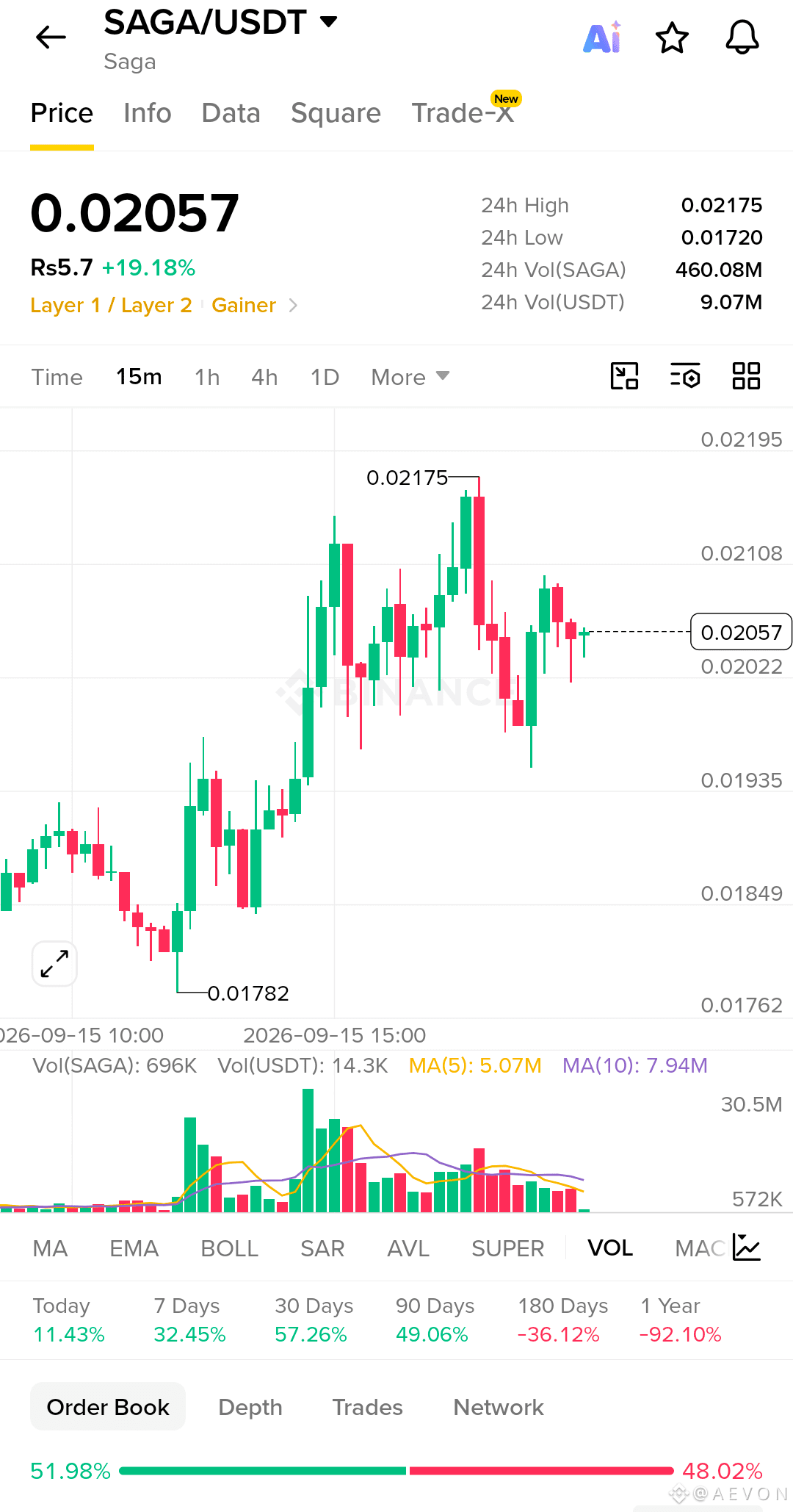
$SAGA hôm nay tăng +19%… nhưng bơm đã sẵn sàng tiếp tục chưa? 👀
SAGA đang giao dịch quanh $0.02057 sau khi có một nhịp tăng mạnh từ vùng $0.01782.
Phần đáng chú ý không phải là +19%.
Mà là giá sẽ làm gì sau cú bơm.
1️⃣ Người mua rõ ràng đã bước vào
SAGA tăng từ khoảng $0.01782 → $0.02175.
Đó là một sự mở rộng mạnh trong ngày.
Nhưng sau khi chạm $0.02175, người bán lập tức đẩy giá xuống.
Điều này cho thấy vùng $0.0217–$0.0218 hiện đang được bảo vệ.
2️⃣ Giờ SAGA đang tích lũy
Sau nhịp bị từ chối, giá đang di chuyển quanh:
$0.0202–$0.0208
Điều này quan trọng.
Thay vì ngay lập tức sụp về lại vùng phá vỡ, SAGA đang giữ tương đối cao.
Điều đó có thể cho thấy người mua đang hấp thụ một phần áp lực bán.
Nhưng vẫn cần có xác nhận.
3️⃣ Kháng cự quan trọng 🚨
$0.02175
Đây là mức lớn trên chart.
Nếu SAGA vượt lên trên nó với khối lượng mạnh và giữ được mức sau lần test lại, nhịp tăng có thể tiếp tục.
Chỉ có một cây nến râu nhô lên trên kháng cự là chưa đủ.
Vượt + đóng cửa + test lại = xác nhận mạnh hơn.
4️⃣ Hỗ trợ quan trọng 🛡️
Vùng đầu tiên cần theo dõi là quanh:
$0.0202
Nếu người mua tiếp tục bảo vệ vùng này, sự tích lũy hiện tại có thể vẫn mang tính tích cực.
Bên dưới đó, vùng chart quan trọng tiếp theo nằm quanh $0.01935, sau đó là vùng swing trước gần $0.01782.
5️⃣ Khối lượng là tín hiệu xác nhận
Cú bơm đi kèm với khối lượng lớn rõ rệt.
Nhưng các nến mới nhất lại cho thấy khối lượng thấp hơn so với phần mạnh nhất của nhịp tăng.
Điều đó có nghĩa là trader nên theo dõi xem điều gì xảy ra nếu khối lượng đột ngột mở rộng trở lại.
📈 Giá tăng + khối lượng tăng = tín hiệu phá vỡ mạnh hơn
📉 Giá tăng + khối lượng giảm = động lượng có thể đang suy yếu
Các mốc SAGA quan trọng 👇
🟢 Hỗ trợ: $0.0202
🟡 Hỗ trợ tiếp theo: $0.01935
🔴 Kháng cự chính: $0.02175
🚀 Xác nhận tăng: Vượt & giữ trên $0.02175
⚠️ Cảnh báo giảm: Mất $0.0202 với khối lượng bán mạnh
Sai lầm lớn nhất sau khi tăng +19%?$SAGA
{spot}(SAGAUSDT)
$SAGA hôm nay tăng +19%… nhưng bơm đã sẵn sàng tiếp tục chưa? 👀
SAGA đang giao dịch quanh $0.02057 sau khi có một nhịp tăng mạnh từ vùng $0.01782.
Phần đáng chú ý không phải là +19%.
Mà là giá sẽ làm gì sau cú bơm.
1️⃣ Người mua rõ ràng đã bước vào
SAGA tăng từ khoảng $0.01782 → $0.02175.
Đó là một sự mở rộng mạnh trong ngày.
Nhưng sau khi chạm $0.02175, người bán lập tức đẩy giá xuống.
Điều này cho thấy vùng $0.0217–$0.0218 hiện đang được bảo vệ.
2️⃣ Giờ SAGA đang tích lũy
Sau nhịp bị từ chối, giá đang di chuyển quanh:
$0.0202–$0.0208
Điều này quan trọng.
Thay vì ngay lập tức sụp về lại vùng phá vỡ, SAGA đang giữ tương đối cao.
Điều đó có thể cho thấy người mua đang hấp thụ một phần áp lực bán.
Nhưng vẫn cần có xác nhận.
3️⃣ Kháng cự quan trọng 🚨
$0.02175
Đây là mức lớn trên chart.
Nếu SAGA vượt lên trên nó với khối lượng mạnh và giữ được mức sau lần test lại, nhịp tăng có thể tiếp tục.
Chỉ có một cây nến râu nhô lên trên kháng cự là chưa đủ.
Vượt + đóng cửa + test lại = xác nhận mạnh hơn.
4️⃣ Hỗ trợ quan trọng 🛡️
Vùng đầu tiên cần theo dõi là quanh:
$0.0202
Nếu người mua tiếp tục bảo vệ vùng này, sự tích lũy hiện tại có thể vẫn mang tính tích cực.
Bên dưới đó, vùng chart quan trọng tiếp theo nằm quanh $0.01935, sau đó là vùng swing trước gần $0.01782.
5️⃣ Khối lượng là tín hiệu xác nhận
Cú bơm đi kèm với khối lượng lớn rõ rệt.
Nhưng các nến mới nhất lại cho thấy khối lượng thấp hơn so với phần mạnh nhất của nhịp tăng.
Điều đó có nghĩa là trader nên theo dõi xem điều gì xảy ra nếu khối lượng đột ngột mở rộng trở lại.
📈 Giá tăng + khối lượng tăng = tín hiệu phá vỡ mạnh hơn
📉 Giá tăng + khối lượng giảm = động lượng có thể đang suy yếu
Các mốc SAGA quan trọng 👇
🟢 Hỗ trợ: $0.0202
🟡 Hỗ trợ tiếp theo: $0.01935
🔴 Kháng cự chính: $0.02175
🚀 Xác nhận tăng: Vượt & giữ trên $0.02175
⚠️ Cảnh báo giảm: Mất $0.0202 với khối lượng bán mạnh
Sai lầm lớn nhất sau khi tăng +19%?$SAGA
SAGA đang giao dịch quanh $0.02057 sau khi có một nhịp tăng mạnh từ vùng $0.01782.
Phần đáng chú ý không phải là +19%.
Mà là giá sẽ làm gì sau cú bơm.
1️⃣ Người mua rõ ràng đã bước vào
SAGA tăng từ khoảng $0.01782 → $0.02175.
Đó là một sự mở rộng mạnh trong ngày.
Nhưng sau khi chạm $0.02175, người bán lập tức đẩy giá xuống.
Điều này cho thấy vùng $0.0217–$0.0218 hiện đang được bảo vệ.
2️⃣ Giờ SAGA đang tích lũy
Sau nhịp bị từ chối, giá đang di chuyển quanh:
$0.0202–$0.0208
Điều này quan trọng.
Thay vì ngay lập tức sụp về lại vùng phá vỡ, SAGA đang giữ tương đối cao.
Điều đó có thể cho thấy người mua đang hấp thụ một phần áp lực bán.
Nhưng vẫn cần có xác nhận.
3️⃣ Kháng cự quan trọng 🚨
$0.02175
Đây là mức lớn trên chart.
Nếu SAGA vượt lên trên nó với khối lượng mạnh và giữ được mức sau lần test lại, nhịp tăng có thể tiếp tục.
Chỉ có một cây nến râu nhô lên trên kháng cự là chưa đủ.
Vượt + đóng cửa + test lại = xác nhận mạnh hơn.
4️⃣ Hỗ trợ quan trọng 🛡️
Vùng đầu tiên cần theo dõi là quanh:
$0.0202
Nếu người mua tiếp tục bảo vệ vùng này, sự tích lũy hiện tại có thể vẫn mang tính tích cực.
Bên dưới đó, vùng chart quan trọng tiếp theo nằm quanh $0.01935, sau đó là vùng swing trước gần $0.01782.
5️⃣ Khối lượng là tín hiệu xác nhận
Cú bơm đi kèm với khối lượng lớn rõ rệt.
Nhưng các nến mới nhất lại cho thấy khối lượng thấp hơn so với phần mạnh nhất của nhịp tăng.
Điều đó có nghĩa là trader nên theo dõi xem điều gì xảy ra nếu khối lượng đột ngột mở rộng trở lại.
📈 Giá tăng + khối lượng tăng = tín hiệu phá vỡ mạnh hơn
📉 Giá tăng + khối lượng giảm = động lượng có thể đang suy yếu
Các mốc SAGA quan trọng 👇
🟢 Hỗ trợ: $0.0202
🟡 Hỗ trợ tiếp theo: $0.01935
🔴 Kháng cự chính: $0.02175
🚀 Xác nhận tăng: Vượt & giữ trên $0.02175
⚠️ Cảnh báo giảm: Mất $0.0202 với khối lượng bán mạnh
Sai lầm lớn nhất sau khi tăng +19%?$SAGA
1
177
·
--
Tăng giá
CPI sắp đến… và lần này, tôi đang theo dõi phản ứng của Fed nhiều hơn chính bản tin. 👀
Các số liệu Nonfarm Payrolls mạnh hơn dự kiến đã cho thị trường một điều để suy nghĩ. Giờ thì CPI là bước tiếp theo, và đây có thể là con số làm thay đổi hoàn toàn “giai điệu”.
Nếu lạm phát cao hơn kỳ vọng, tôi sẽ không ngạc nhiên khi thấy các nhà giao dịch bắt đầu định giá theo hướng “diều hâu” hơn của Fed. Điều đó có thể đồng nghĩa với áp lực lớn hơn lên cổ phiếu và đồng USD mạnh hơn.
Nhưng nếu CPI hạ nhiệt, câu chuyện có thể thay đổi rất nhanh. Kịch bản Fed giữ nguyên sẽ có vẻ “thoải mái” hơn, và các tài sản rủi ro có thể nhận thêm không gian thở. Vàng cũng có thể trở nên đáng chú ý khi nhà giao dịch điều chỉnh lại triển vọng lãi suất.
Quan điểm cá nhân của tôi hiện tại? Nhích về tích cực, nhưng tôi vẫn thận trọng. 📊
Tôi không muốn đoán hướng thị trường khi chưa thấy dữ liệu. Tôi thà quan sát phản ứng đầu tiên, xem đà đi lên/đà đi xuống sẽ hướng về đâu, rồi mới quyết.
Tạm thời, vàng và các cổ phiếu lớn nằm trong danh sách theo dõi của tôi. 🟡📈
Ý kiến của bạn là gì?
🟢 Giữ — Tích cực
🔴 Giữ — Tiêu cực
🟡 Tăng — Tích cực
⚫ Tăng — Tiêu cực
Nếu bạn đang giao dịch hoặc nắm giữ cổ phiếu hay vàng, hãy chia sẻ vị thế của bạn với Trade Sharing Widget.
Hãy xem ai trong chúng ta đoán đúng “CPI”. 👇
#CPIWatch
#CLARITYActRevisionToRuleNonDeFiControllers #OracleJumpsOver6%OnEarningsBeat #USCoreCPIRises0.3%InAugustBeatingForecasts #BitcoinOpenInterestShareRisesTo42.1%
$BTC
{spot}(BTCUSDT)
$TRUMP
{spot}(TRUMPUSDT)
$NEAR
{spot}(NEARUSDT)
CPI sắp đến… và lần này, tôi đang theo dõi phản ứng của Fed nhiều hơn chính bản tin. 👀
Các số liệu Nonfarm Payrolls mạnh hơn dự kiến đã cho thị trường một điều để suy nghĩ. Giờ thì CPI là bước tiếp theo, và đây có thể là con số làm thay đổi hoàn toàn “giai điệu”.
Nếu lạm phát cao hơn kỳ vọng, tôi sẽ không ngạc nhiên khi thấy các nhà giao dịch bắt đầu định giá theo hướng “diều hâu” hơn của Fed. Điều đó có thể đồng nghĩa với áp lực lớn hơn lên cổ phiếu và đồng USD mạnh hơn.
Nhưng nếu CPI hạ nhiệt, câu chuyện có thể thay đổi rất nhanh. Kịch bản Fed giữ nguyên sẽ có vẻ “thoải mái” hơn, và các tài sản rủi ro có thể nhận thêm không gian thở. Vàng cũng có thể trở nên đáng chú ý khi nhà giao dịch điều chỉnh lại triển vọng lãi suất.
Quan điểm cá nhân của tôi hiện tại? Nhích về tích cực, nhưng tôi vẫn thận trọng. 📊
Tôi không muốn đoán hướng thị trường khi chưa thấy dữ liệu. Tôi thà quan sát phản ứng đầu tiên, xem đà đi lên/đà đi xuống sẽ hướng về đâu, rồi mới quyết.
Tạm thời, vàng và các cổ phiếu lớn nằm trong danh sách theo dõi của tôi. 🟡📈
Ý kiến của bạn là gì?
🟢 Giữ — Tích cực
🔴 Giữ — Tiêu cực
🟡 Tăng — Tích cực
⚫ Tăng — Tiêu cực
Nếu bạn đang giao dịch hoặc nắm giữ cổ phiếu hay vàng, hãy chia sẻ vị thế của bạn với Trade Sharing Widget.
Hãy xem ai trong chúng ta đoán đúng “CPI”. 👇
#CPIWatch
#CLARITYActRevisionToRuleNonDeFiControllers #OracleJumpsOver6%OnEarningsBeat #USCoreCPIRises0.3%InAugustBeatingForecasts #BitcoinOpenInterestShareRisesTo42.1%
$BTC
$TRUMP
$NEAR
Các số liệu Nonfarm Payrolls mạnh hơn dự kiến đã cho thị trường một điều để suy nghĩ. Giờ thì CPI là bước tiếp theo, và đây có thể là con số làm thay đổi hoàn toàn “giai điệu”.
Nếu lạm phát cao hơn kỳ vọng, tôi sẽ không ngạc nhiên khi thấy các nhà giao dịch bắt đầu định giá theo hướng “diều hâu” hơn của Fed. Điều đó có thể đồng nghĩa với áp lực lớn hơn lên cổ phiếu và đồng USD mạnh hơn.
Nhưng nếu CPI hạ nhiệt, câu chuyện có thể thay đổi rất nhanh. Kịch bản Fed giữ nguyên sẽ có vẻ “thoải mái” hơn, và các tài sản rủi ro có thể nhận thêm không gian thở. Vàng cũng có thể trở nên đáng chú ý khi nhà giao dịch điều chỉnh lại triển vọng lãi suất.
Quan điểm cá nhân của tôi hiện tại? Nhích về tích cực, nhưng tôi vẫn thận trọng. 📊
Tôi không muốn đoán hướng thị trường khi chưa thấy dữ liệu. Tôi thà quan sát phản ứng đầu tiên, xem đà đi lên/đà đi xuống sẽ hướng về đâu, rồi mới quyết.
Tạm thời, vàng và các cổ phiếu lớn nằm trong danh sách theo dõi của tôi. 🟡📈
Ý kiến của bạn là gì?
🟢 Giữ — Tích cực
🔴 Giữ — Tiêu cực
🟡 Tăng — Tích cực
⚫ Tăng — Tiêu cực
Nếu bạn đang giao dịch hoặc nắm giữ cổ phiếu hay vàng, hãy chia sẻ vị thế của bạn với Trade Sharing Widget.
Hãy xem ai trong chúng ta đoán đúng “CPI”. 👇
#CPIWatch
#CLARITYActRevisionToRuleNonDeFiControllers #OracleJumpsOver6%OnEarningsBeat #USCoreCPIRises0.3%InAugustBeatingForecasts #BitcoinOpenInterestShareRisesTo42.1%
$BTC
$TRUMP
$NEAR
🟢Hold — Bullish
0%
🔴 Hold — Bearish
100%
🟡 Hike — Bullish
0%
⚫ Hike — Bearish
0%
1 phiếu bầu • Cuộc bỏ phiếu đã kết thúc
2
6
154
·
--
Tăng giá
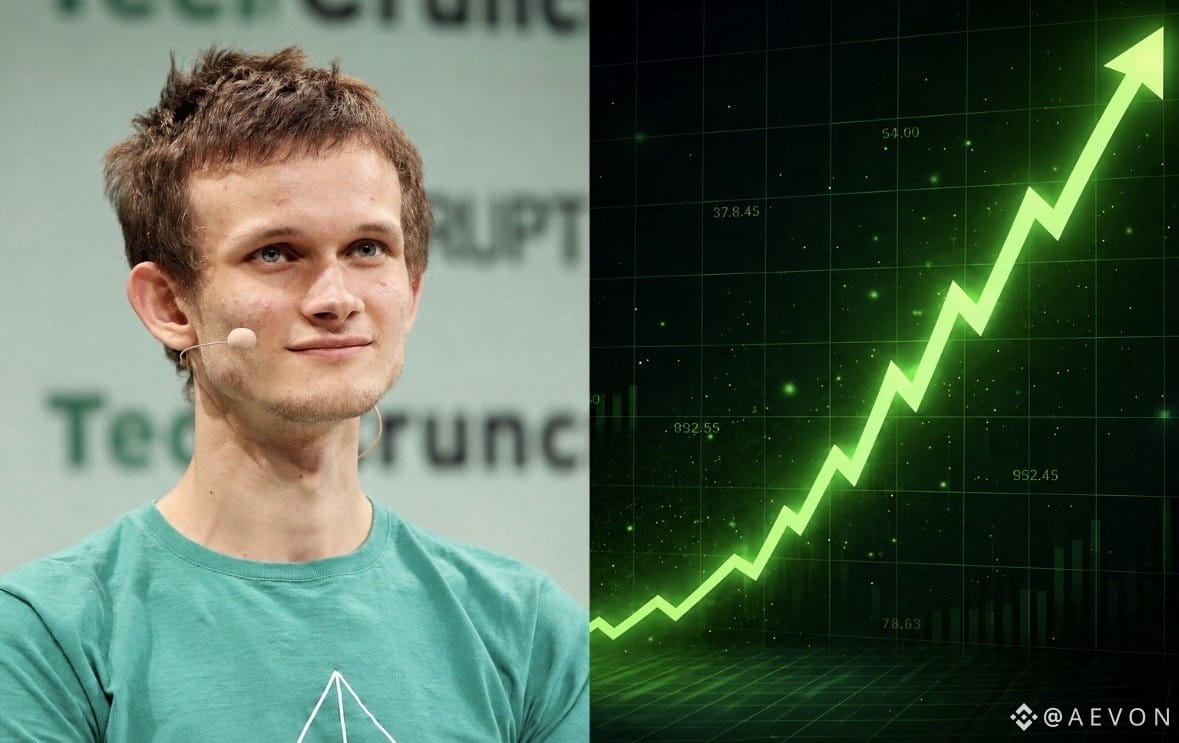
PHÁ VỠ: Quỹ Ethereum đang làm cho $ETH có khả năng chống lượng tử vào năm 2029.
Cực kỳ lạc quan dài hạn.
{spot}(ETHUSDT)
PHÁ VỠ: Quỹ Ethereum đang làm cho $ETH có khả năng chống lượng tử vào năm 2029.
Cực kỳ lạc quan dài hạn.
Cực kỳ lạc quan dài hạn.
1
118
·
--
Tăng giá
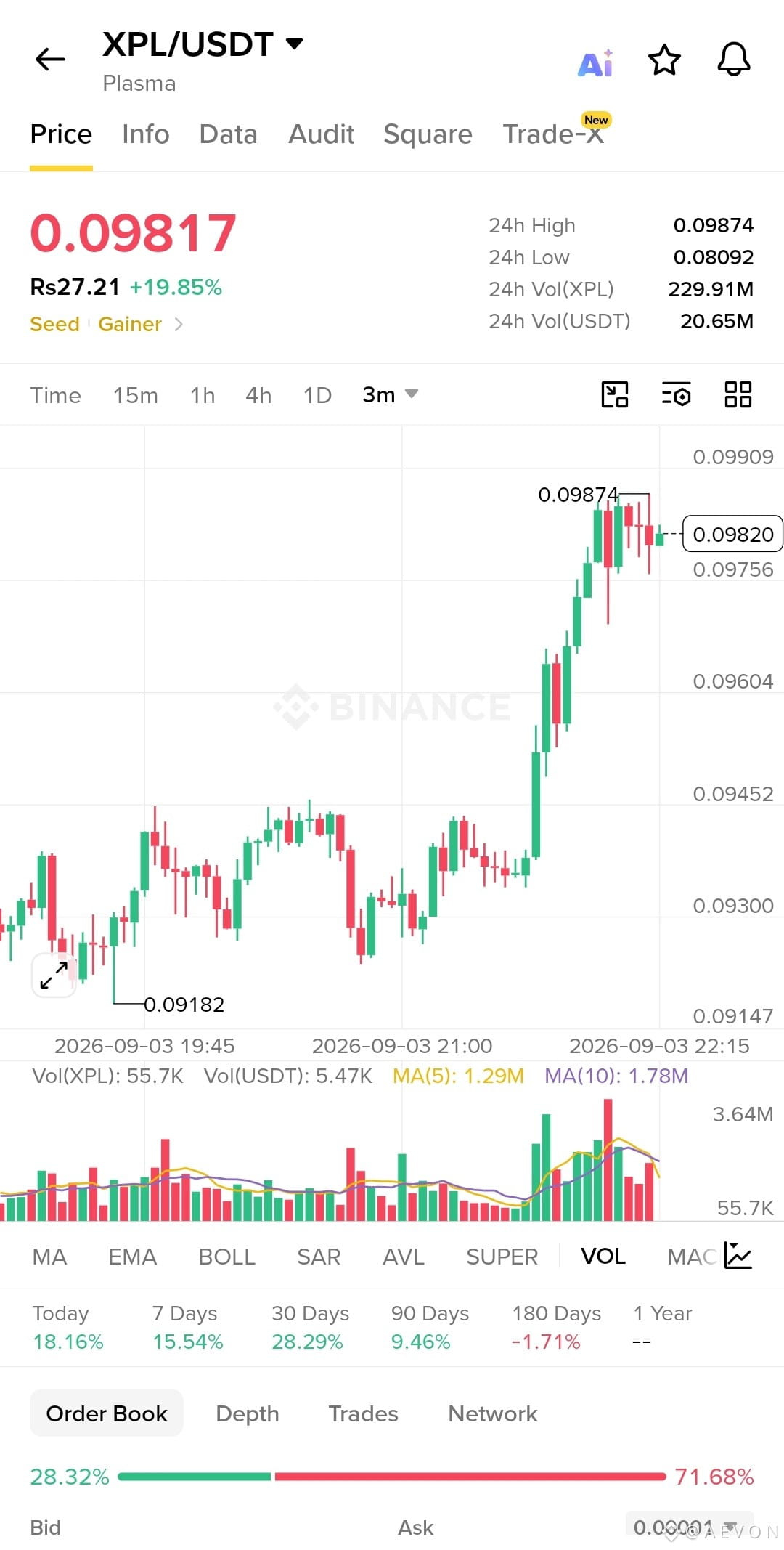
🚨 $XPL /USDT ĐANG NỔ BÙNG! 🔥
💰 Giá: $0.09817
📈 24H: +19.85%
⚡ Đỉnh: $0.09874
📊 Khối lượng: 229.91M XPL
🎯 Các mốc quan trọng:
🔴 Kháng cự: $0.09874 → $0.09909
🟢 Hỗ trợ: $0.09756 → $0.09604
⚠️ Sổ lệnh: 71.68% Bán vs 28.32% Mua — áp lực bán mạnh gần vùng đỉnh.
🔥 Nhận định thị trường: XPL đã bứt phá mạnh với khối lượng lớn. Nếu phá vỡ sạch trên $0.09874 có thể mở ra cơ hội hướng tới $0.09909+. Nhưng bị từ chối tại đây có thể kích hoạt một nhịp điều chỉnh nhanh.
👀 Bứt phá hay bị từ chối — $XPL đang ở vùng cực kỳ quan trọng! 🚀
{spot}(XPLUSDT)
🚨 $XPL /USDT ĐANG NỔ BÙNG! 🔥
💰 Giá: $0.09817
📈 24H: +19.85%
⚡ Đỉnh: $0.09874
📊 Khối lượng: 229.91M XPL
🎯 Các mốc quan trọng:
🔴 Kháng cự: $0.09874 → $0.09909
🟢 Hỗ trợ: $0.09756 → $0.09604
⚠️ Sổ lệnh: 71.68% Bán vs 28.32% Mua — áp lực bán mạnh gần vùng đỉnh.
🔥 Nhận định thị trường: XPL đã bứt phá mạnh với khối lượng lớn. Nếu phá vỡ sạch trên $0.09874 có thể mở ra cơ hội hướng tới $0.09909+. Nhưng bị từ chối tại đây có thể kích hoạt một nhịp điều chỉnh nhanh.
👀 Bứt phá hay bị từ chối — $XPL đang ở vùng cực kỳ quan trọng! 🚀
💰 Giá: $0.09817
📈 24H: +19.85%
⚡ Đỉnh: $0.09874
📊 Khối lượng: 229.91M XPL
🎯 Các mốc quan trọng:
🔴 Kháng cự: $0.09874 → $0.09909
🟢 Hỗ trợ: $0.09756 → $0.09604
⚠️ Sổ lệnh: 71.68% Bán vs 28.32% Mua — áp lực bán mạnh gần vùng đỉnh.
🔥 Nhận định thị trường: XPL đã bứt phá mạnh với khối lượng lớn. Nếu phá vỡ sạch trên $0.09874 có thể mở ra cơ hội hướng tới $0.09909+. Nhưng bị từ chối tại đây có thể kích hoạt một nhịp điều chỉnh nhanh.
👀 Bứt phá hay bị từ chối — $XPL đang ở vùng cực kỳ quan trọng! 🚀
1
158
·
--
Tăng giá
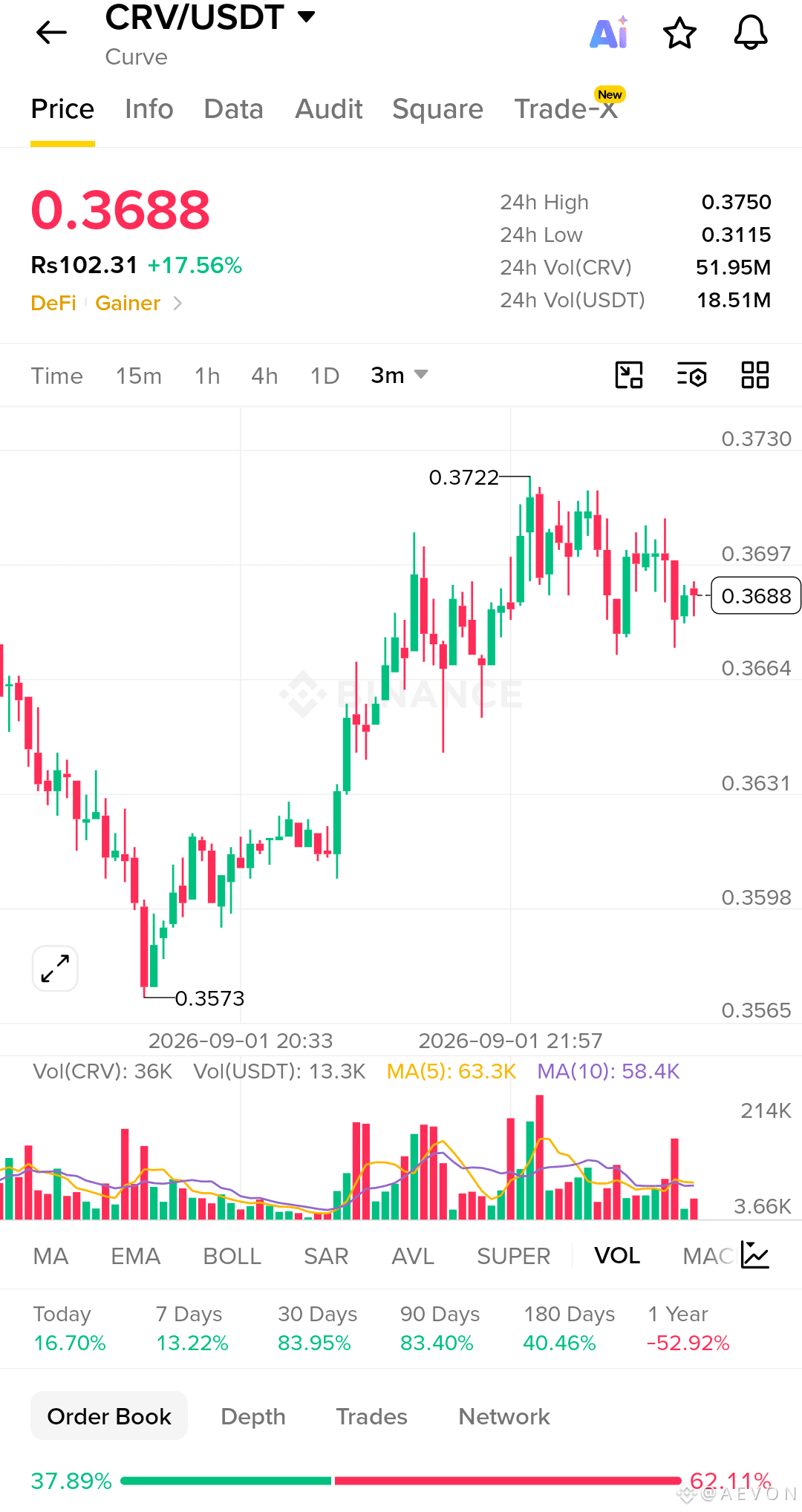
🚨 CẢNH BÁO ĐỘNG LƯỢNG $CRV /USDT! 🔥
$CRV đang giao dịch quanh mức $0.3688, tăng +17.56% trong 24H 📈
⚡ Đỉnh 24H: $0.3750
🟢 Hỗ trợ quan trọng: $0.3664 → $0.3598
🔴 Kháng cự: $0.3697 → $0.3722 → $0.3750
📊 Khối lượng 24H: 51.95M CRV
⚠️ Sổ lệnh: 62.11% Bán so với 37.89% Mua
Nhận định thị trường: CRV đang tích lũy sau một đợt tăng mạnh. Vượt sạch $0.3722–$0.3750 có thể kích hoạt một nhịp tăng tiếp theo, trong khi mất $0.3664 có thể dẫn đến việc chốt lời trong ngắn hạn. 👀🔥
Theo dõi đợt phá vỡ — $CRV đang sẵn sàng cho bước đi tiếp theo! 🚀
{spot}(CRVUSDT)
🚨 CẢNH BÁO ĐỘNG LƯỢNG $CRV /USDT! 🔥
$CRV đang giao dịch quanh mức $0.3688, tăng +17.56% trong 24H 📈
⚡ Đỉnh 24H: $0.3750
🟢 Hỗ trợ quan trọng: $0.3664 → $0.3598
🔴 Kháng cự: $0.3697 → $0.3722 → $0.3750
📊 Khối lượng 24H: 51.95M CRV
⚠️ Sổ lệnh: 62.11% Bán so với 37.89% Mua
Nhận định thị trường: CRV đang tích lũy sau một đợt tăng mạnh. Vượt sạch $0.3722–$0.3750 có thể kích hoạt một nhịp tăng tiếp theo, trong khi mất $0.3664 có thể dẫn đến việc chốt lời trong ngắn hạn. 👀🔥
Theo dõi đợt phá vỡ — $CRV đang sẵn sàng cho bước đi tiếp theo! 🚀
$CRV đang giao dịch quanh mức $0.3688, tăng +17.56% trong 24H 📈
⚡ Đỉnh 24H: $0.3750
🟢 Hỗ trợ quan trọng: $0.3664 → $0.3598
🔴 Kháng cự: $0.3697 → $0.3722 → $0.3750
📊 Khối lượng 24H: 51.95M CRV
⚠️ Sổ lệnh: 62.11% Bán so với 37.89% Mua
Nhận định thị trường: CRV đang tích lũy sau một đợt tăng mạnh. Vượt sạch $0.3722–$0.3750 có thể kích hoạt một nhịp tăng tiếp theo, trong khi mất $0.3664 có thể dẫn đến việc chốt lời trong ngắn hạn. 👀🔥
Theo dõi đợt phá vỡ — $CRV đang sẵn sàng cho bước đi tiếp theo! 🚀
1
172
·
--
Đã xác minh
#dusk $DUSK @Dusk_Foundation Tôi đang để ý Dusk Network vào thời điểm mà tôi khá mệt mỏi khi nghe “quyền riêng tư” được gắn kèm vào mọi chuỗi mới. Tôi đã thấy điều này trước đây: một vấn đề nghiêm trọng được bọc trong một câu chuyện gọn gàng, ai cũng hào hứng, và sáu tháng sau thì những phần khó vẫn nằm đó.
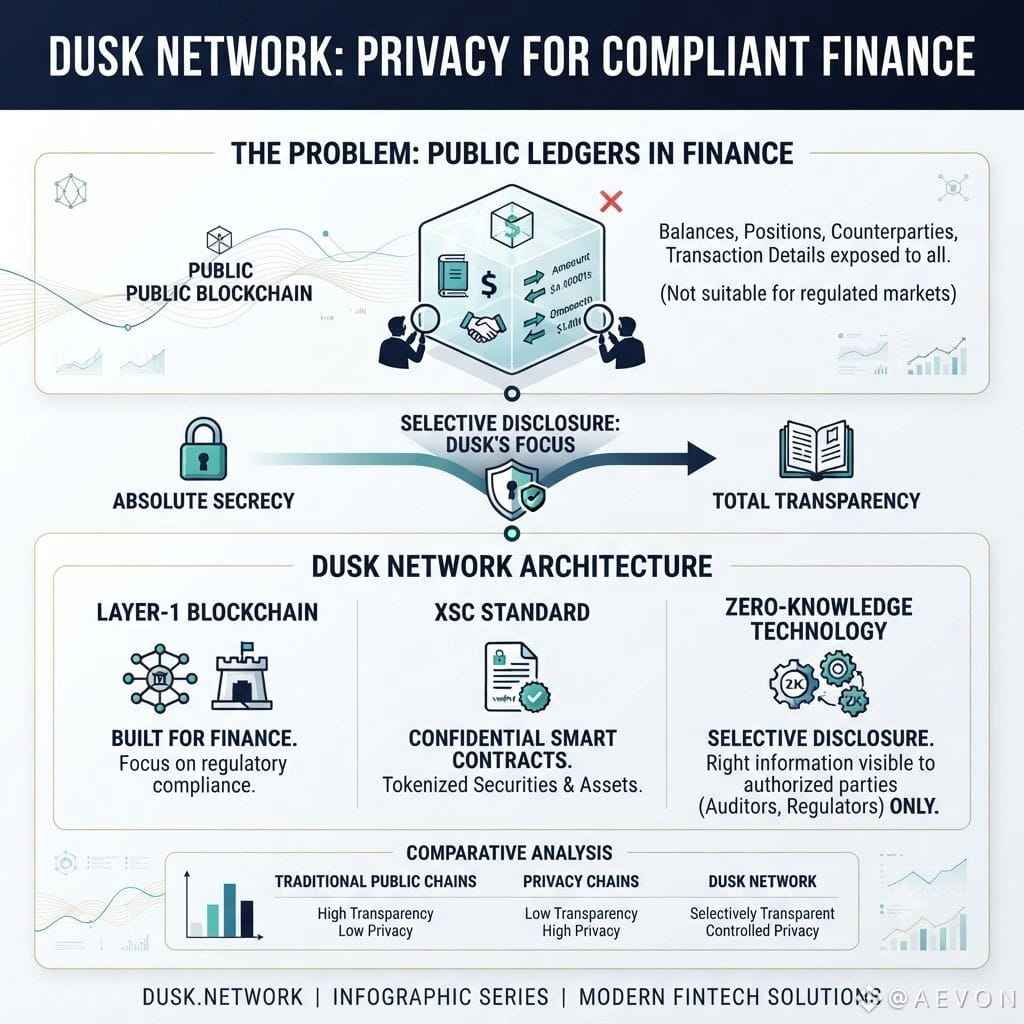
Điều khiến tôi quay lại chú ý đến Dusk là sự tập trung hẹp hơn. Đây là một Layer-1 được xây dựng xung quanh các ứng dụng tài chính, nơi việc đưa mọi số dư, vị thế, đối tác giao dịch và chi tiết giao dịch lên một sổ cái công khai thực sự có thể là một vấn đề. Chuẩn XSC của nó được thiết kế cho các smart contract bảo mật và chứng khoán được token hóa, trong khi mạng sử dụng công nghệ zero-knowledge và tiết lộ có chọn lọc thay vì coi quyền riêng tư như một sự “vô hình” đơn thuần. (Dusk)
Sự khác biệt đó quan trọng với tôi. Các hệ thống tài chính thực tế hiếm khi muốn bí mật tuyệt đối; họ muốn thông tin phù hợp được che giấu khỏi công chúng và thông tin phù hợp được cung cấp cho những ai được quyền hợp pháp để xem. Rõ ràng Dusk đang cố gắng xây dựng trên “khoảng giữa” khá khó chịu đó. (Dusk)
Tôi chưa chắc điều này có thể đi xa đến mức nào. Công nghệ quyền riêng tư rất khó, tài chính được quản lý vận hành chậm, và crypto có lịch sử lâu dài của việc đánh đồng kiến trúc tốt với mức độ áp dụng thực sự. Tôi không hoàn toàn tin câu chuyện chỉ vì công nghệ nghe có vẻ tinh vi.
Dẫu vậy, sau khi theo dõi một vài chu kỳ, có điều gì đó về điều này cảm thấy khác: vấn đề mà Dusk đang theo đuổi đủ “nhàm” để là thật. Và thành thật mà nói, điều đó thu hút sự chú ý của tôi hơn một chuỗi khác lại hứa sẽ thay đổi mọi thứ.
#dusk $DUSK @Dusk Tôi đang để ý Dusk Network vào thời điểm mà tôi khá mệt mỏi khi nghe “quyền riêng tư” được gắn kèm vào mọi chuỗi mới. Tôi đã thấy điều này trước đây: một vấn đề nghiêm trọng được bọc trong một câu chuyện gọn gàng, ai cũng hào hứng, và sáu tháng sau thì những phần khó vẫn nằm đó.
Điều khiến tôi quay lại chú ý đến Dusk là sự tập trung hẹp hơn. Đây là một Layer-1 được xây dựng xung quanh các ứng dụng tài chính, nơi việc đưa mọi số dư, vị thế, đối tác giao dịch và chi tiết giao dịch lên một sổ cái công khai thực sự có thể là một vấn đề. Chuẩn XSC của nó được thiết kế cho các smart contract bảo mật và chứng khoán được token hóa, trong khi mạng sử dụng công nghệ zero-knowledge và tiết lộ có chọn lọc thay vì coi quyền riêng tư như một sự “vô hình” đơn thuần. (Dusk)
Sự khác biệt đó quan trọng với tôi. Các hệ thống tài chính thực tế hiếm khi muốn bí mật tuyệt đối; họ muốn thông tin phù hợp được che giấu khỏi công chúng và thông tin phù hợp được cung cấp cho những ai được quyền hợp pháp để xem. Rõ ràng Dusk đang cố gắng xây dựng trên “khoảng giữa” khá khó chịu đó. (Dusk)
Tôi chưa chắc điều này có thể đi xa đến mức nào. Công nghệ quyền riêng tư rất khó, tài chính được quản lý vận hành chậm, và crypto có lịch sử lâu dài của việc đánh đồng kiến trúc tốt với mức độ áp dụng thực sự. Tôi không hoàn toàn tin câu chuyện chỉ vì công nghệ nghe có vẻ tinh vi.
Dẫu vậy, sau khi theo dõi một vài chu kỳ, có điều gì đó về điều này cảm thấy khác: vấn đề mà Dusk đang theo đuổi đủ “nhàm” để là thật. Và thành thật mà nói, điều đó thu hút sự chú ý của tôi hơn một chuỗi khác lại hứa sẽ thay đổi mọi thứ.
Điều khiến tôi quay lại chú ý đến Dusk là sự tập trung hẹp hơn. Đây là một Layer-1 được xây dựng xung quanh các ứng dụng tài chính, nơi việc đưa mọi số dư, vị thế, đối tác giao dịch và chi tiết giao dịch lên một sổ cái công khai thực sự có thể là một vấn đề. Chuẩn XSC của nó được thiết kế cho các smart contract bảo mật và chứng khoán được token hóa, trong khi mạng sử dụng công nghệ zero-knowledge và tiết lộ có chọn lọc thay vì coi quyền riêng tư như một sự “vô hình” đơn thuần. (Dusk)
Sự khác biệt đó quan trọng với tôi. Các hệ thống tài chính thực tế hiếm khi muốn bí mật tuyệt đối; họ muốn thông tin phù hợp được che giấu khỏi công chúng và thông tin phù hợp được cung cấp cho những ai được quyền hợp pháp để xem. Rõ ràng Dusk đang cố gắng xây dựng trên “khoảng giữa” khá khó chịu đó. (Dusk)
Tôi chưa chắc điều này có thể đi xa đến mức nào. Công nghệ quyền riêng tư rất khó, tài chính được quản lý vận hành chậm, và crypto có lịch sử lâu dài của việc đánh đồng kiến trúc tốt với mức độ áp dụng thực sự. Tôi không hoàn toàn tin câu chuyện chỉ vì công nghệ nghe có vẻ tinh vi.
Dẫu vậy, sau khi theo dõi một vài chu kỳ, có điều gì đó về điều này cảm thấy khác: vấn đề mà Dusk đang theo đuổi đủ “nhàm” để là thật. Và thành thật mà nói, điều đó thu hút sự chú ý của tôi hơn một chuỗi khác lại hứa sẽ thay đổi mọi thứ.
4
137
·
--
Đã xác minh
#dusk $DUSK @Dusk_Foundation Tôi đã xem bộ phim này đủ nhiều lần để biết rằng “quyền riêng tư” trong crypto có thể mang ý nghĩa gần như bất cứ điều gì. Thông thường, nó có nghĩa là che giấu một vài con số và hy vọng thị trường sẽ tự điền phần còn lại.
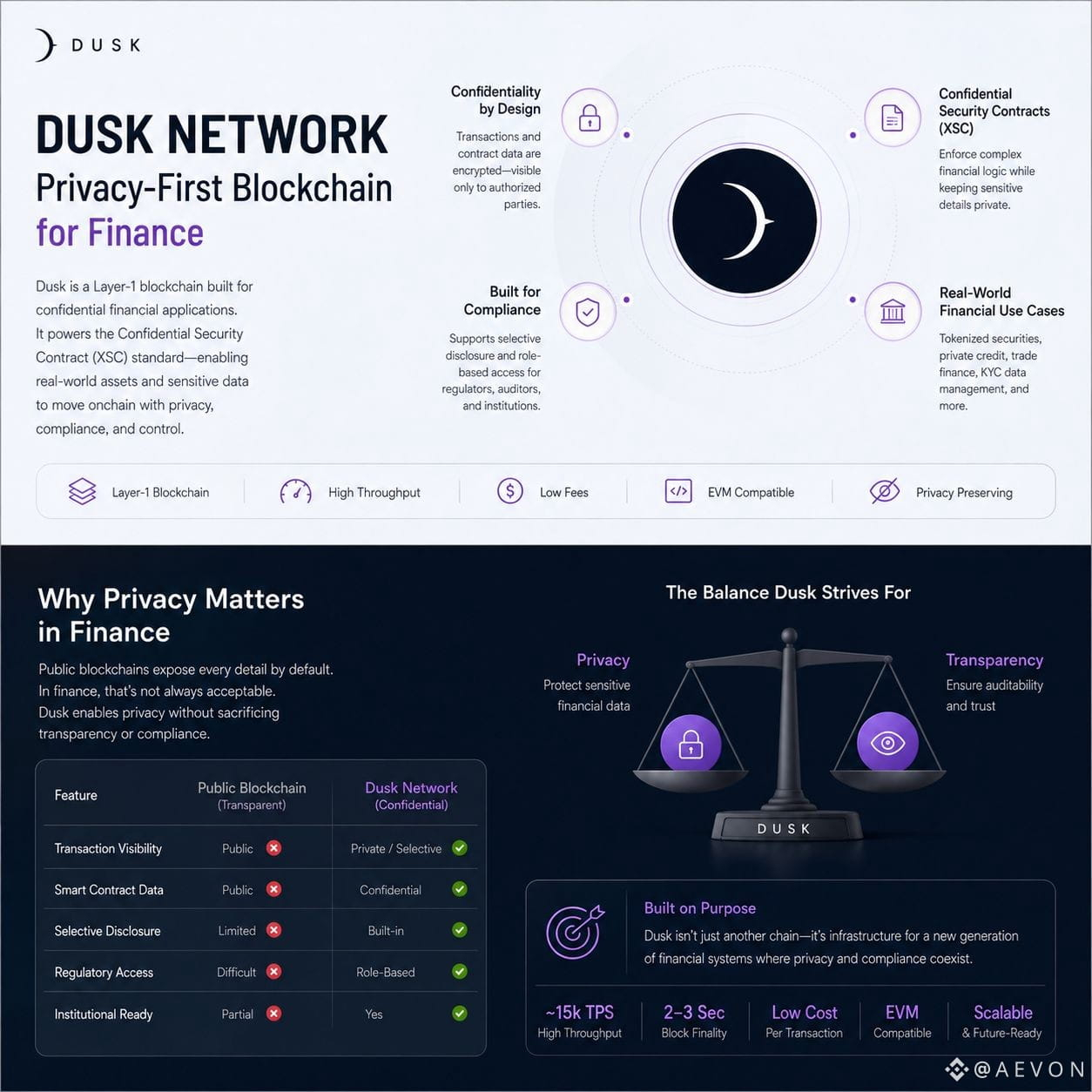
Bóng đêm (Dusk) lại thu hút sự chú ý của tôi vì một lý do khác. Phần khó chịu của thị trường tài chính không chỉ nằm ở việc chuyển tài sản trên onchain. Đó là việc quyết định điều gì cần được nhìn thấy, bởi ai, và vào lúc nào. Dusk đang xây dựng một Layer-1 cho chính sự “lộn xộn” đó, với các smart contract bảo mật và framework XSC nhằm vào các tài sản được quản lý—nơi số dư, đối tác và chi tiết giao dịch có thể cần được giữ kín mà không làm suy giảm khả năng kiểm toán (auditability).
Tôi đã chứng kiến nhiều dự án tìm cách theo đuổi việc các tổ chức chấp nhận bằng cách làm mọi thứ nghe có vẻ thật dễ dàng. Nhưng không hề như vậy. Các ngân hàng không tự nhiên trở nên “crypto-native” chỉ vì một blockchain có mật mã thông minh. Có các quy định tuân thủ (compliance), cơ chế cấp quyền (permissions), vấn đề về thanh khoản (liquidity), các rủi ro lưu ký (custody), và một thực tế đơn giản là các tổ chức thường muốn quyền riêng tư kèm một “lối thoát” cho cơ quan quản lý. Cách tiếp cận tiết lộ chọn lọc (selective-disclosure) của Dusk ít nhất thừa nhận sự mâu thuẫn đó, thay vì giả vờ rằng nó không tồn tại.
Tôi vẫn chưa thực sự bị thuyết phục. Kiến trúc là một chuyện; việc khiến con người thật sự sử dụng nó lại là chuyện khác.
Nhưng sau nhiều năm chứng kiến những câu chuyện lặp đi lặp lại xoay vòng, tôi thấy mình lại quan tâm hơn đến các dự án giải quyết những vấn đề “nhàm chán” sẽ không biến mất khi thị trường trở nên yên ắng. Dusk có vẻ gần với nhóm đó hơn phần lớn dự án khác. Liệu điều đó có đủ để giành chiến thắng hay không—vẫn là phần tôi đang theo dõi.
#dusk $DUSK @Dusk Tôi đã xem bộ phim này đủ nhiều lần để biết rằng “quyền riêng tư” trong crypto có thể mang ý nghĩa gần như bất cứ điều gì. Thông thường, nó có nghĩa là che giấu một vài con số và hy vọng thị trường sẽ tự điền phần còn lại.
Bóng đêm (Dusk) lại thu hút sự chú ý của tôi vì một lý do khác. Phần khó chịu của thị trường tài chính không chỉ nằm ở việc chuyển tài sản trên onchain. Đó là việc quyết định điều gì cần được nhìn thấy, bởi ai, và vào lúc nào. Dusk đang xây dựng một Layer-1 cho chính sự “lộn xộn” đó, với các smart contract bảo mật và framework XSC nhằm vào các tài sản được quản lý—nơi số dư, đối tác và chi tiết giao dịch có thể cần được giữ kín mà không làm suy giảm khả năng kiểm toán (auditability).
Tôi đã chứng kiến nhiều dự án tìm cách theo đuổi việc các tổ chức chấp nhận bằng cách làm mọi thứ nghe có vẻ thật dễ dàng. Nhưng không hề như vậy. Các ngân hàng không tự nhiên trở nên “crypto-native” chỉ vì một blockchain có mật mã thông minh. Có các quy định tuân thủ (compliance), cơ chế cấp quyền (permissions), vấn đề về thanh khoản (liquidity), các rủi ro lưu ký (custody), và một thực tế đơn giản là các tổ chức thường muốn quyền riêng tư kèm một “lối thoát” cho cơ quan quản lý. Cách tiếp cận tiết lộ chọn lọc (selective-disclosure) của Dusk ít nhất thừa nhận sự mâu thuẫn đó, thay vì giả vờ rằng nó không tồn tại.
Tôi vẫn chưa thực sự bị thuyết phục. Kiến trúc là một chuyện; việc khiến con người thật sự sử dụng nó lại là chuyện khác.
Nhưng sau nhiều năm chứng kiến những câu chuyện lặp đi lặp lại xoay vòng, tôi thấy mình lại quan tâm hơn đến các dự án giải quyết những vấn đề “nhàm chán” sẽ không biến mất khi thị trường trở nên yên ắng. Dusk có vẻ gần với nhóm đó hơn phần lớn dự án khác. Liệu điều đó có đủ để giành chiến thắng hay không—vẫn là phần tôi đang theo dõi.
Bóng đêm (Dusk) lại thu hút sự chú ý của tôi vì một lý do khác. Phần khó chịu của thị trường tài chính không chỉ nằm ở việc chuyển tài sản trên onchain. Đó là việc quyết định điều gì cần được nhìn thấy, bởi ai, và vào lúc nào. Dusk đang xây dựng một Layer-1 cho chính sự “lộn xộn” đó, với các smart contract bảo mật và framework XSC nhằm vào các tài sản được quản lý—nơi số dư, đối tác và chi tiết giao dịch có thể cần được giữ kín mà không làm suy giảm khả năng kiểm toán (auditability).
Tôi đã chứng kiến nhiều dự án tìm cách theo đuổi việc các tổ chức chấp nhận bằng cách làm mọi thứ nghe có vẻ thật dễ dàng. Nhưng không hề như vậy. Các ngân hàng không tự nhiên trở nên “crypto-native” chỉ vì một blockchain có mật mã thông minh. Có các quy định tuân thủ (compliance), cơ chế cấp quyền (permissions), vấn đề về thanh khoản (liquidity), các rủi ro lưu ký (custody), và một thực tế đơn giản là các tổ chức thường muốn quyền riêng tư kèm một “lối thoát” cho cơ quan quản lý. Cách tiếp cận tiết lộ chọn lọc (selective-disclosure) của Dusk ít nhất thừa nhận sự mâu thuẫn đó, thay vì giả vờ rằng nó không tồn tại.
Tôi vẫn chưa thực sự bị thuyết phục. Kiến trúc là một chuyện; việc khiến con người thật sự sử dụng nó lại là chuyện khác.
Nhưng sau nhiều năm chứng kiến những câu chuyện lặp đi lặp lại xoay vòng, tôi thấy mình lại quan tâm hơn đến các dự án giải quyết những vấn đề “nhàm chán” sẽ không biến mất khi thị trường trở nên yên ắng. Dusk có vẻ gần với nhóm đó hơn phần lớn dự án khác. Liệu điều đó có đủ để giành chiến thắng hay không—vẫn là phần tôi đang theo dõi.
21
1
15
308
·
--
Giảm giá
Vị thế đang màu đỏ—nhưng câu chuyện vẫn chưa kết thúc.
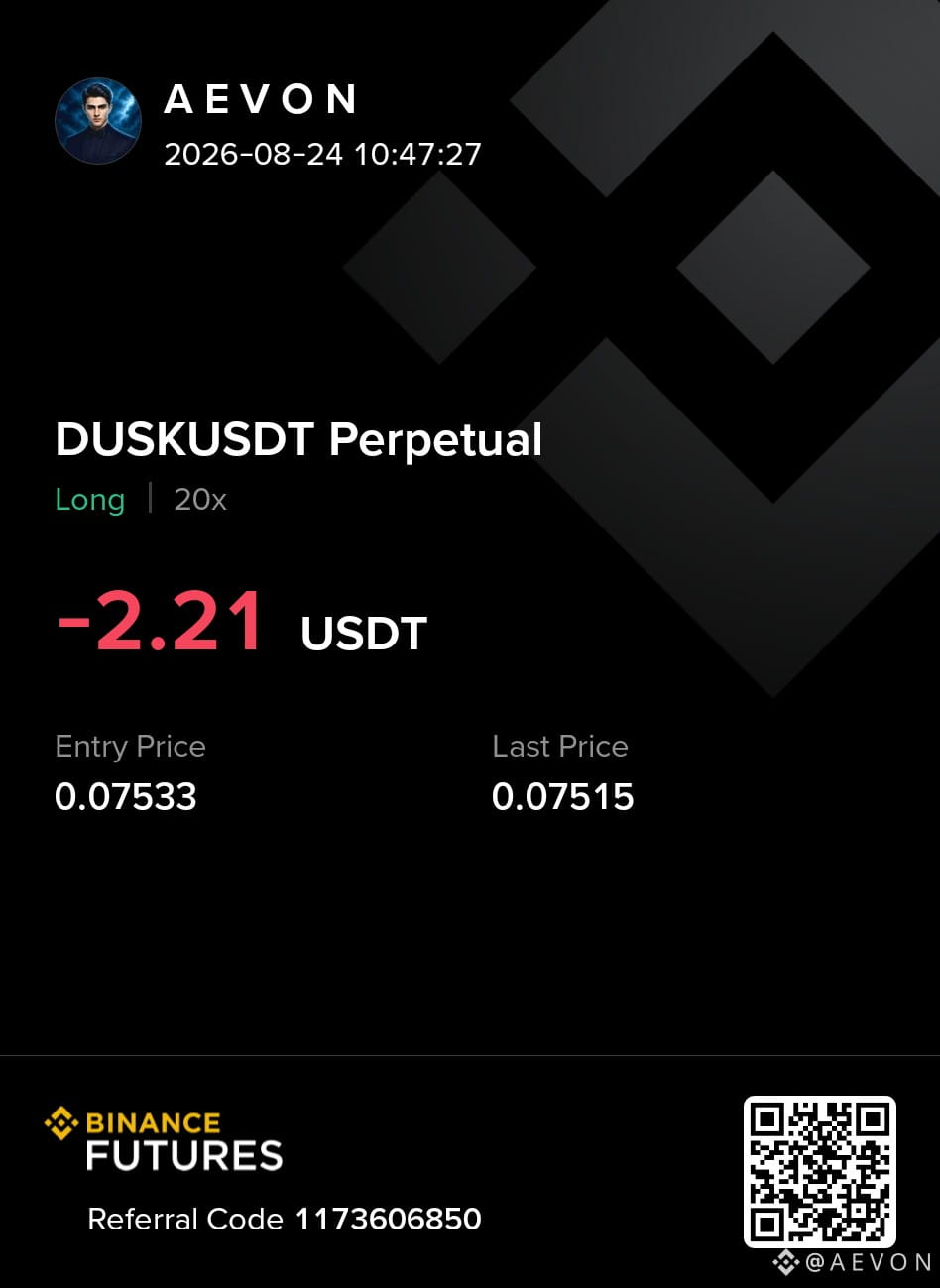
Tôi đã mở một vị thế Long hợp đồng tương lai $DUSK USDT tại mức $0.07533, sử dụng đòn bẩy 20x. Tại thời điểm cập nhật này, DUSK đang giao dịch gần $0.07515, khiến vị thế lỗ –2.21 USDT.
Đây là mặt của giao dịch futures mà người ta hiếm khi đăng: áp lực lặng lẽ ngay sau khi vào lệnh, khi mỗi cây nến nhỏ đều có vẻ lớn hơn nhiều vì đòn bẩy khuếch đại cả cơ hội lẫn rủi ro.
Tôi không tuyên bố chiến thắng, và cũng không giấu khoản lỗ. Tôi đang theo dõi cách DUSK phản ứng quanh mốc này trong khi vẫn giữ rủi ro trong tầm kiểm soát. Một trader giỏi không cần mọi lệnh vào cũng phải xanh ngay lập tức—nhưng phải biết khi nào sự kiên nhẫn trở thành cố chấp.
Giờ bài kiểm tra thực sự bắt đầu: liệu DUSK có giành lại vùng vào lệnh, hay thị trường sẽ trừng phạt sự do dự?
Hãy giao dịch theo thiết lập, bảo vệ vốn, và đừng để cái tôi điều khiển một vị thế dùng đòn bẩy.
Chia sẻ như một cập nhật giao dịch cá nhân, không phải lời khuyên tài chính.
#BrentDrops1.87% #SolanaGovernanceVoteToDoubleDeflationRate #SamsungFalls6.4%OnReturnPlanMiss #CanadaUSTradeTalksCollapse #BitcoinStrongestWeekSinceMarch2023
Vị thế đang màu đỏ—nhưng câu chuyện vẫn chưa kết thúc.
Tôi đã mở một vị thế Long hợp đồng tương lai $DUSK USDT tại mức $0.07533, sử dụng đòn bẩy 20x. Tại thời điểm cập nhật này, DUSK đang giao dịch gần $0.07515, khiến vị thế lỗ –2.21 USDT.
Đây là mặt của giao dịch futures mà người ta hiếm khi đăng: áp lực lặng lẽ ngay sau khi vào lệnh, khi mỗi cây nến nhỏ đều có vẻ lớn hơn nhiều vì đòn bẩy khuếch đại cả cơ hội lẫn rủi ro.
Tôi không tuyên bố chiến thắng, và cũng không giấu khoản lỗ. Tôi đang theo dõi cách DUSK phản ứng quanh mốc này trong khi vẫn giữ rủi ro trong tầm kiểm soát. Một trader giỏi không cần mọi lệnh vào cũng phải xanh ngay lập tức—nhưng phải biết khi nào sự kiên nhẫn trở thành cố chấp.
Giờ bài kiểm tra thực sự bắt đầu: liệu DUSK có giành lại vùng vào lệnh, hay thị trường sẽ trừng phạt sự do dự?
Hãy giao dịch theo thiết lập, bảo vệ vốn, và đừng để cái tôi điều khiển một vị thế dùng đòn bẩy.
Chia sẻ như một cập nhật giao dịch cá nhân, không phải lời khuyên tài chính.
#BrentDrops1.87% #SolanaGovernanceVoteToDoubleDeflationRate #SamsungFalls6.4%OnReturnPlanMiss #CanadaUSTradeTalksCollapse #BitcoinStrongestWeekSinceMarch2023
Tôi đã mở một vị thế Long hợp đồng tương lai $DUSK USDT tại mức $0.07533, sử dụng đòn bẩy 20x. Tại thời điểm cập nhật này, DUSK đang giao dịch gần $0.07515, khiến vị thế lỗ –2.21 USDT.
Đây là mặt của giao dịch futures mà người ta hiếm khi đăng: áp lực lặng lẽ ngay sau khi vào lệnh, khi mỗi cây nến nhỏ đều có vẻ lớn hơn nhiều vì đòn bẩy khuếch đại cả cơ hội lẫn rủi ro.
Tôi không tuyên bố chiến thắng, và cũng không giấu khoản lỗ. Tôi đang theo dõi cách DUSK phản ứng quanh mốc này trong khi vẫn giữ rủi ro trong tầm kiểm soát. Một trader giỏi không cần mọi lệnh vào cũng phải xanh ngay lập tức—nhưng phải biết khi nào sự kiên nhẫn trở thành cố chấp.
Giờ bài kiểm tra thực sự bắt đầu: liệu DUSK có giành lại vùng vào lệnh, hay thị trường sẽ trừng phạt sự do dự?
Hãy giao dịch theo thiết lập, bảo vệ vốn, và đừng để cái tôi điều khiển một vị thế dùng đòn bẩy.
Chia sẻ như một cập nhật giao dịch cá nhân, không phải lời khuyên tài chính.
#BrentDrops1.87% #SolanaGovernanceVoteToDoubleDeflationRate #SamsungFalls6.4%OnReturnPlanMiss #CanadaUSTradeTalksCollapse #BitcoinStrongestWeekSinceMarch2023
2
2
130
·
--
#dusk $DUSK @Dusk_Foundation Dạo gần đây tôi đã để ý đến Dusk, không phải vì nó là thứ ồn ào nhất trên thị trường — nó không phải — mà vì nó cứ chạm vào một vấn đề mà crypto đã né tránh suốt nhiều năm. Chúng ta nói về việc đưa tài chính lên các chuỗi công khai như thể các ngân hàng, quỹ và cả những người bình thường đều vui vẻ rời mọi số dư và giao dịch của mình để nằm lộ thiên. Họ không. Tôi không nghĩ họ sẽ bao giờ.
Dusk đang cố gắng biến quyền riêng tư trở thành một phần ngay trong chính chuỗi. Các hợp đồng thông minh bảo mật, tiết lộ có chọn lọc và chuẩn XSC cho chứng khoán được token hóa nghe có vẻ hoàn toàn hợp lý nếu nói chậm rãi. Một giao dịch có thể vẫn được giữ kín, trong khi một bên kiểm toán hoặc cơ quan quản lý vẫn có thể xem những gì họ được phép xem. Điều đó gần hơn với cách tài chính vận hành ngoài đời — lộn xộn như nó vốn vậy.
Nhưng tôi đã thấy điều này trước đây. Công nghệ tốt thường vấp phải quy trình onboarding tệ, thanh khoản mỏng, sự e dè về mặt pháp lý và các tổ chức khiến mọi thứ phải mất mãi mới chuyển động. Thêm các hệ thống zero-knowledge và các cơ chế kiểm soát của tổ chức phát hành, thì ranh giới giữa quyền riêng tư hữu ích và một “cửa” tài chính khép kín khác có thể trở nên mờ đi rất nhanh.
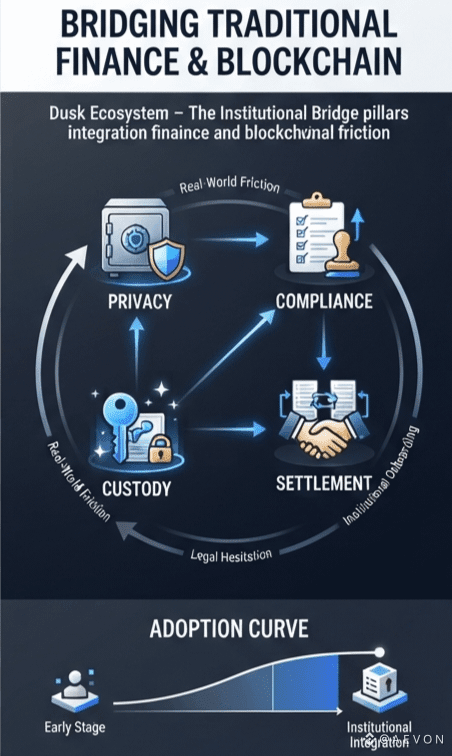
Tôi vẫn chưa hoàn toàn tin tưởng. Crypto đã dạy tôi rằng đừng vội tin vào những giải pháp sạch sẽ cho những vấn đề bẩn thỉu. Tuy vậy, có gì đó về điều này lại cảm thấy khác. Có lẽ vì Dusk không hề giả vờ rằng mọi rào cản sẽ biến mất. Có vẻ như họ chấp nhận rằng quyền riêng tư, tuân thủ, lưu ký và thanh toán đều phải ngồi chung một bàn.
Tôi không chắc điều đó đã đủ để nó vận hành được. Nhưng vào ban đêm, sau tất cả những câu chuyện được tái chế, đây vẫn là một trong số ít ý tưởng khiến tôi phải dừng lại trước khi tiếp tục cuộn.
#dusk $DUSK @Dusk Dạo gần đây tôi đã để ý đến Dusk, không phải vì nó là thứ ồn ào nhất trên thị trường — nó không phải — mà vì nó cứ chạm vào một vấn đề mà crypto đã né tránh suốt nhiều năm. Chúng ta nói về việc đưa tài chính lên các chuỗi công khai như thể các ngân hàng, quỹ và cả những người bình thường đều vui vẻ rời mọi số dư và giao dịch của mình để nằm lộ thiên. Họ không. Tôi không nghĩ họ sẽ bao giờ.
Dusk đang cố gắng biến quyền riêng tư trở thành một phần ngay trong chính chuỗi. Các hợp đồng thông minh bảo mật, tiết lộ có chọn lọc và chuẩn XSC cho chứng khoán được token hóa nghe có vẻ hoàn toàn hợp lý nếu nói chậm rãi. Một giao dịch có thể vẫn được giữ kín, trong khi một bên kiểm toán hoặc cơ quan quản lý vẫn có thể xem những gì họ được phép xem. Điều đó gần hơn với cách tài chính vận hành ngoài đời — lộn xộn như nó vốn vậy.
Nhưng tôi đã thấy điều này trước đây. Công nghệ tốt thường vấp phải quy trình onboarding tệ, thanh khoản mỏng, sự e dè về mặt pháp lý và các tổ chức khiến mọi thứ phải mất mãi mới chuyển động. Thêm các hệ thống zero-knowledge và các cơ chế kiểm soát của tổ chức phát hành, thì ranh giới giữa quyền riêng tư hữu ích và một “cửa” tài chính khép kín khác có thể trở nên mờ đi rất nhanh.
Tôi vẫn chưa hoàn toàn tin tưởng. Crypto đã dạy tôi rằng đừng vội tin vào những giải pháp sạch sẽ cho những vấn đề bẩn thỉu. Tuy vậy, có gì đó về điều này lại cảm thấy khác. Có lẽ vì Dusk không hề giả vờ rằng mọi rào cản sẽ biến mất. Có vẻ như họ chấp nhận rằng quyền riêng tư, tuân thủ, lưu ký và thanh toán đều phải ngồi chung một bàn.
Tôi không chắc điều đó đã đủ để nó vận hành được. Nhưng vào ban đêm, sau tất cả những câu chuyện được tái chế, đây vẫn là một trong số ít ý tưởng khiến tôi phải dừng lại trước khi tiếp tục cuộn.
Dusk đang cố gắng biến quyền riêng tư trở thành một phần ngay trong chính chuỗi. Các hợp đồng thông minh bảo mật, tiết lộ có chọn lọc và chuẩn XSC cho chứng khoán được token hóa nghe có vẻ hoàn toàn hợp lý nếu nói chậm rãi. Một giao dịch có thể vẫn được giữ kín, trong khi một bên kiểm toán hoặc cơ quan quản lý vẫn có thể xem những gì họ được phép xem. Điều đó gần hơn với cách tài chính vận hành ngoài đời — lộn xộn như nó vốn vậy.
Nhưng tôi đã thấy điều này trước đây. Công nghệ tốt thường vấp phải quy trình onboarding tệ, thanh khoản mỏng, sự e dè về mặt pháp lý và các tổ chức khiến mọi thứ phải mất mãi mới chuyển động. Thêm các hệ thống zero-knowledge và các cơ chế kiểm soát của tổ chức phát hành, thì ranh giới giữa quyền riêng tư hữu ích và một “cửa” tài chính khép kín khác có thể trở nên mờ đi rất nhanh.
Tôi vẫn chưa hoàn toàn tin tưởng. Crypto đã dạy tôi rằng đừng vội tin vào những giải pháp sạch sẽ cho những vấn đề bẩn thỉu. Tuy vậy, có gì đó về điều này lại cảm thấy khác. Có lẽ vì Dusk không hề giả vờ rằng mọi rào cản sẽ biến mất. Có vẻ như họ chấp nhận rằng quyền riêng tư, tuân thủ, lưu ký và thanh toán đều phải ngồi chung một bàn.
Tôi không chắc điều đó đã đủ để nó vận hành được. Nhưng vào ban đêm, sau tất cả những câu chuyện được tái chế, đây vẫn là một trong số ít ý tưởng khiến tôi phải dừng lại trước khi tiếp tục cuộn.
1
209
·
--
Đã xác minh
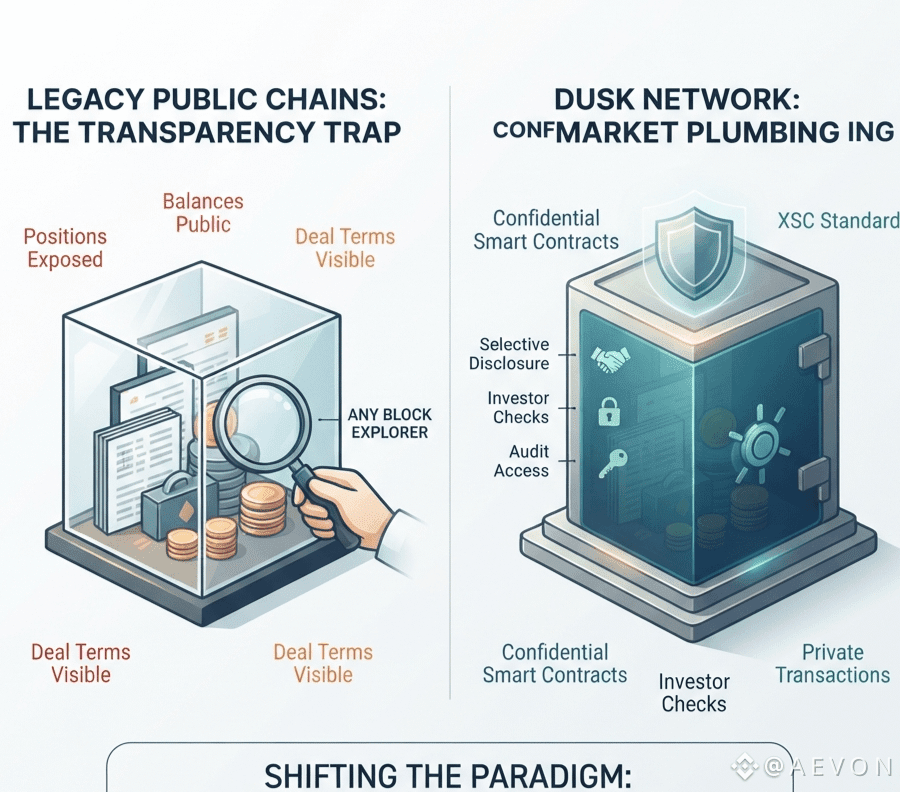
#dusk $DUSK @Dusk_Foundation Tôi nhận thấy Mạng Dusk vì một lý do mà tôi không hề ngờ tới: nó không hề giả vờ rằng tài chính có thể vận hành bên trong một “chiếc hộp kính”. Sau nhiều năm chứng kiến các chuỗi bán sự minh bạch như một phương thuốc cho mọi thứ, tôi cứ quay lại với một vấn đề hiển nhiên—các doanh nghiệp thật sự không muốn vị thế, số dư, đối tác và điều khoản giao dịch bị lộ cho bất kỳ ai có trình duyệt khối (block explorer).
Dusk là một Layer 1 được xây dựng cho các smart contract bảo mật, trong khi chuẩn XSC của nó nhắm tới các chứng khoán mã hóa có hỗ trợ quyền riêng tư. Nghe có vẻ gọn gàng trên giấy tờ. Nhưng tôi đã từng thấy điều này rồi. Quyền riêng tư không bao giờ chỉ là mật mã. Khi các chứng khoán đã bước vào “căn phòng”, tổ chức phát hành vẫn cần các hạn chế chuyển nhượng, kiểm tra nhà đầu tư, quyền truy cập phục vụ kiểm toán, các lộ trình khôi phục và một cá nhân/tổ chức chịu trách nhiệm pháp lý khi mã chạm vào thực tế. Tiết lộ chọn lọc có thể là “điểm cân bằng” hợp lý, nhưng nó cũng mang theo khóa, phân quyền, tích hợp và phán đoán của con người—chính thứ “ma sát” mà crypto luôn thích giả vờ có thể xóa bỏ.
Tôi vẫn chưa hoàn toàn tin tưởng. Một giao dịch riêng tư không tự động tạo ra một thị trường hữu ích, và một chuẩn thông minh không tự sinh ra thanh khoản, nhà phát hành đáng tin cậy hay sự chắc chắn về mặt quản lý. Dù vậy, có điều gì đó trong chuyện này khiến tôi cảm thấy khác. Dusk coi sự bảo mật như “đường ống” hạ tầng của thị trường, chứ không phải đạo cụ để đầu cơ. Tôi chưa biết liệu các tổ chức có chấp nhận stack này hay không, hoặc liệu các nhà phát triển có thể làm cho nó dễ dùng mà không làm suy yếu quyền riêng tư. Nhưng sau quá nhiều chu kỳ xây dựng trên những lời hứa ồn ào hơn, một chuỗi phải vật lộn với một ràng buộc kém hào nhoáng nhưng có thật là đủ để giữ tôi tiếp tục theo dõi.
#dusk $DUSK @Dusk Tôi nhận thấy Mạng Dusk vì một lý do mà tôi không hề ngờ tới: nó không hề giả vờ rằng tài chính có thể vận hành bên trong một “chiếc hộp kính”. Sau nhiều năm chứng kiến các chuỗi bán sự minh bạch như một phương thuốc cho mọi thứ, tôi cứ quay lại với một vấn đề hiển nhiên—các doanh nghiệp thật sự không muốn vị thế, số dư, đối tác và điều khoản giao dịch bị lộ cho bất kỳ ai có trình duyệt khối (block explorer).
Dusk là một Layer 1 được xây dựng cho các smart contract bảo mật, trong khi chuẩn XSC của nó nhắm tới các chứng khoán mã hóa có hỗ trợ quyền riêng tư. Nghe có vẻ gọn gàng trên giấy tờ. Nhưng tôi đã từng thấy điều này rồi. Quyền riêng tư không bao giờ chỉ là mật mã. Khi các chứng khoán đã bước vào “căn phòng”, tổ chức phát hành vẫn cần các hạn chế chuyển nhượng, kiểm tra nhà đầu tư, quyền truy cập phục vụ kiểm toán, các lộ trình khôi phục và một cá nhân/tổ chức chịu trách nhiệm pháp lý khi mã chạm vào thực tế. Tiết lộ chọn lọc có thể là “điểm cân bằng” hợp lý, nhưng nó cũng mang theo khóa, phân quyền, tích hợp và phán đoán của con người—chính thứ “ma sát” mà crypto luôn thích giả vờ có thể xóa bỏ.
Tôi vẫn chưa hoàn toàn tin tưởng. Một giao dịch riêng tư không tự động tạo ra một thị trường hữu ích, và một chuẩn thông minh không tự sinh ra thanh khoản, nhà phát hành đáng tin cậy hay sự chắc chắn về mặt quản lý. Dù vậy, có điều gì đó trong chuyện này khiến tôi cảm thấy khác. Dusk coi sự bảo mật như “đường ống” hạ tầng của thị trường, chứ không phải đạo cụ để đầu cơ. Tôi chưa biết liệu các tổ chức có chấp nhận stack này hay không, hoặc liệu các nhà phát triển có thể làm cho nó dễ dùng mà không làm suy yếu quyền riêng tư. Nhưng sau quá nhiều chu kỳ xây dựng trên những lời hứa ồn ào hơn, một chuỗi phải vật lộn với một ràng buộc kém hào nhoáng nhưng có thật là đủ để giữ tôi tiếp tục theo dõi.
Dusk là một Layer 1 được xây dựng cho các smart contract bảo mật, trong khi chuẩn XSC của nó nhắm tới các chứng khoán mã hóa có hỗ trợ quyền riêng tư. Nghe có vẻ gọn gàng trên giấy tờ. Nhưng tôi đã từng thấy điều này rồi. Quyền riêng tư không bao giờ chỉ là mật mã. Khi các chứng khoán đã bước vào “căn phòng”, tổ chức phát hành vẫn cần các hạn chế chuyển nhượng, kiểm tra nhà đầu tư, quyền truy cập phục vụ kiểm toán, các lộ trình khôi phục và một cá nhân/tổ chức chịu trách nhiệm pháp lý khi mã chạm vào thực tế. Tiết lộ chọn lọc có thể là “điểm cân bằng” hợp lý, nhưng nó cũng mang theo khóa, phân quyền, tích hợp và phán đoán của con người—chính thứ “ma sát” mà crypto luôn thích giả vờ có thể xóa bỏ.
Tôi vẫn chưa hoàn toàn tin tưởng. Một giao dịch riêng tư không tự động tạo ra một thị trường hữu ích, và một chuẩn thông minh không tự sinh ra thanh khoản, nhà phát hành đáng tin cậy hay sự chắc chắn về mặt quản lý. Dù vậy, có điều gì đó trong chuyện này khiến tôi cảm thấy khác. Dusk coi sự bảo mật như “đường ống” hạ tầng của thị trường, chứ không phải đạo cụ để đầu cơ. Tôi chưa biết liệu các tổ chức có chấp nhận stack này hay không, hoặc liệu các nhà phát triển có thể làm cho nó dễ dùng mà không làm suy yếu quyền riêng tư. Nhưng sau quá nhiều chu kỳ xây dựng trên những lời hứa ồn ào hơn, một chuỗi phải vật lộn với một ràng buộc kém hào nhoáng nhưng có thật là đủ để giữ tôi tiếp tục theo dõi.
3
3
163
·
--
Đã xác minh
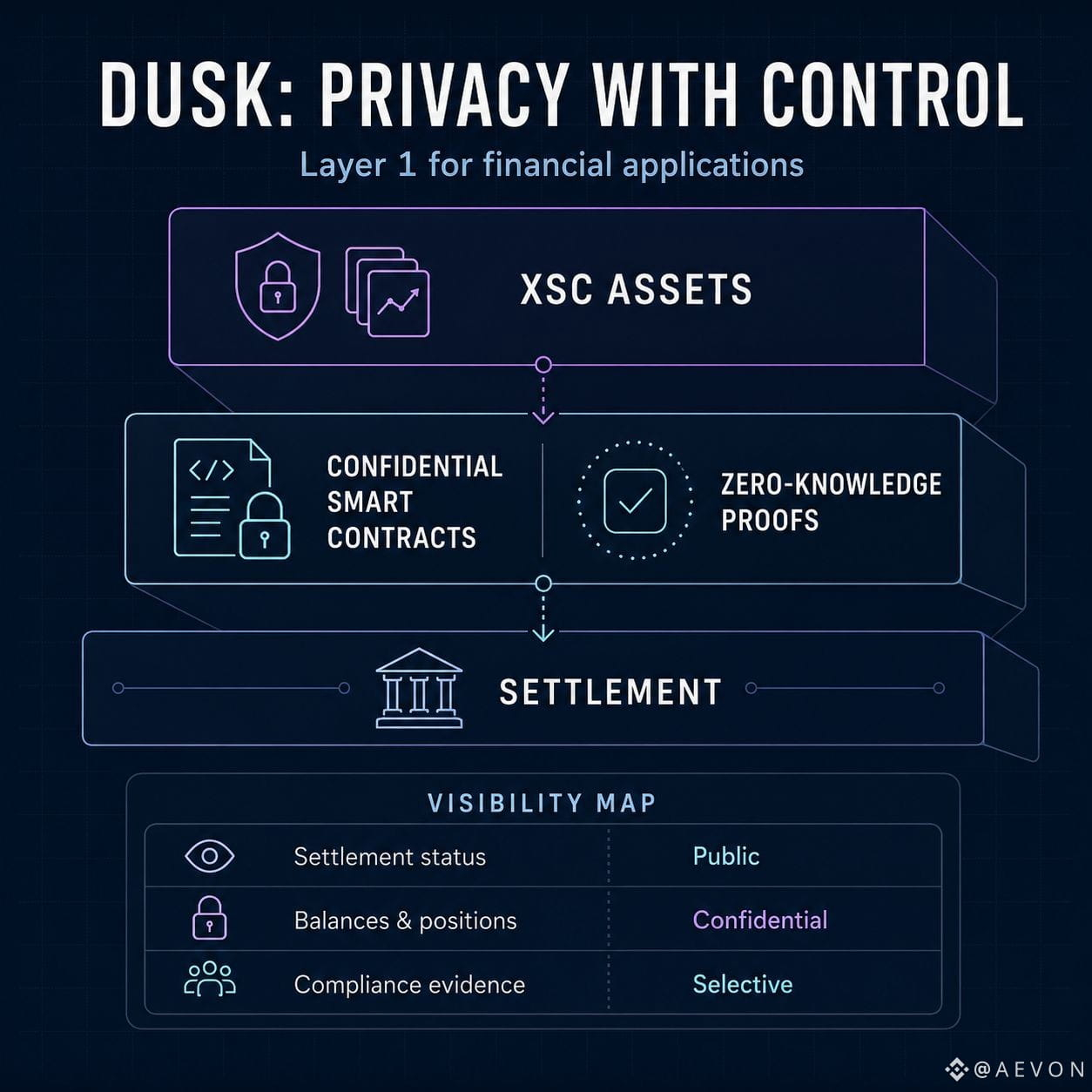
#dusk $DUSK @Dusk_Foundation 'Tôi đang để ý Dusk Network vì nó không hề giả vờ rằng tài chính có thể được “thả” lên một sổ cái công khai và gọi đó là tiến bộ. Tôi đã chứng kiến quá nhiều chuỗi “tán tỉnh” các tổ chức, đồng thời phơi bày số dư, đối tác và chiến lược cho bất kỳ ai có thể dùng trình khám phá khối (block explorer). Câu trả lời của Dusk—một Layer 1 cho giao dịch và hợp đồng thông minh bí mật, với chuẩn XSC cho các chứng khoán có quyền riêng tư—ít nhất cũng bắt đầu từ phần khó xử đó.
Điều thu hút sự chú ý của tôi là sự giằng co. XSC có thể mã hoá ai được phép nắm giữ hoặc chuyển nhượng một tài sản, trong khi các bằng chứng không kiến thức (zero-knowledge proofs) và tiết lộ có chọn lọc được thiết kế để giữ các chi tiết nhạy cảm tránh khỏi công chúng. Hợp lý, nhưng quyền riêng tư ở đây không phải là tuyệt đối. Tổ chức phát hành, kiểm toán viên và cơ quan quản lý vẫn có thể cần quyền truy cập được kiểm soát, và mọi quy tắc đều phải vượt qua tòa án, ví, nhà lưu ký, xác minh danh tính và cả những sai lầm rất “con người” thường ngày.
Tôi đã từng thấy điều này trước đây: mật mã tinh xảo gặp thanh khoản mỏng, việc lên sàn chậm và các tổ chức thích chạy thử nghiệm (pilot) hơn là đưa vào vận hành thực tế. Một hợp đồng bí mật không thể tạo ra nhu cầu, không thể sửa chữa quản trị kém, cũng không thể giải quyết mọi tranh cãi về quyền sở hữu hợp pháp. Nó có thể tạo thêm công việc tích hợp và thêm nhiều điểm rủi ro hỏng hóc mà đa số người dùng sẽ không bao giờ hiểu.
Tuy vậy, vẫn có điều gì đó khiến tôi cảm thấy nó khác đi. Dusk dường như thừa nhận rằng tài chính “công khai mặc định” là một khiếm khuyết, trong khi sự vô hình hoàn toàn thì lại không thể dùng cho các thị trường được quản lý. Tôi chưa thực sự tin hoàn toàn. Nhưng sau nhiều năm chứng kiến các câu chuyện bị “tái chế”, tôi vẫn tiếp tục chú ý đến những dự án bắt đầu từ sự mâu thuẫn thay vì cố giấu nó. Dusk là một trong số đó.'
#dusk $DUSK @Dusk 'Tôi đang để ý Dusk Network vì nó không hề giả vờ rằng tài chính có thể được “thả” lên một sổ cái công khai và gọi đó là tiến bộ. Tôi đã chứng kiến quá nhiều chuỗi “tán tỉnh” các tổ chức, đồng thời phơi bày số dư, đối tác và chiến lược cho bất kỳ ai có thể dùng trình khám phá khối (block explorer). Câu trả lời của Dusk—một Layer 1 cho giao dịch và hợp đồng thông minh bí mật, với chuẩn XSC cho các chứng khoán có quyền riêng tư—ít nhất cũng bắt đầu từ phần khó xử đó.
Điều thu hút sự chú ý của tôi là sự giằng co. XSC có thể mã hoá ai được phép nắm giữ hoặc chuyển nhượng một tài sản, trong khi các bằng chứng không kiến thức (zero-knowledge proofs) và tiết lộ có chọn lọc được thiết kế để giữ các chi tiết nhạy cảm tránh khỏi công chúng. Hợp lý, nhưng quyền riêng tư ở đây không phải là tuyệt đối. Tổ chức phát hành, kiểm toán viên và cơ quan quản lý vẫn có thể cần quyền truy cập được kiểm soát, và mọi quy tắc đều phải vượt qua tòa án, ví, nhà lưu ký, xác minh danh tính và cả những sai lầm rất “con người” thường ngày.
Tôi đã từng thấy điều này trước đây: mật mã tinh xảo gặp thanh khoản mỏng, việc lên sàn chậm và các tổ chức thích chạy thử nghiệm (pilot) hơn là đưa vào vận hành thực tế. Một hợp đồng bí mật không thể tạo ra nhu cầu, không thể sửa chữa quản trị kém, cũng không thể giải quyết mọi tranh cãi về quyền sở hữu hợp pháp. Nó có thể tạo thêm công việc tích hợp và thêm nhiều điểm rủi ro hỏng hóc mà đa số người dùng sẽ không bao giờ hiểu.
Tuy vậy, vẫn có điều gì đó khiến tôi cảm thấy nó khác đi. Dusk dường như thừa nhận rằng tài chính “công khai mặc định” là một khiếm khuyết, trong khi sự vô hình hoàn toàn thì lại không thể dùng cho các thị trường được quản lý. Tôi chưa thực sự tin hoàn toàn. Nhưng sau nhiều năm chứng kiến các câu chuyện bị “tái chế”, tôi vẫn tiếp tục chú ý đến những dự án bắt đầu từ sự mâu thuẫn thay vì cố giấu nó. Dusk là một trong số đó.'
Điều thu hút sự chú ý của tôi là sự giằng co. XSC có thể mã hoá ai được phép nắm giữ hoặc chuyển nhượng một tài sản, trong khi các bằng chứng không kiến thức (zero-knowledge proofs) và tiết lộ có chọn lọc được thiết kế để giữ các chi tiết nhạy cảm tránh khỏi công chúng. Hợp lý, nhưng quyền riêng tư ở đây không phải là tuyệt đối. Tổ chức phát hành, kiểm toán viên và cơ quan quản lý vẫn có thể cần quyền truy cập được kiểm soát, và mọi quy tắc đều phải vượt qua tòa án, ví, nhà lưu ký, xác minh danh tính và cả những sai lầm rất “con người” thường ngày.
Tôi đã từng thấy điều này trước đây: mật mã tinh xảo gặp thanh khoản mỏng, việc lên sàn chậm và các tổ chức thích chạy thử nghiệm (pilot) hơn là đưa vào vận hành thực tế. Một hợp đồng bí mật không thể tạo ra nhu cầu, không thể sửa chữa quản trị kém, cũng không thể giải quyết mọi tranh cãi về quyền sở hữu hợp pháp. Nó có thể tạo thêm công việc tích hợp và thêm nhiều điểm rủi ro hỏng hóc mà đa số người dùng sẽ không bao giờ hiểu.
Tuy vậy, vẫn có điều gì đó khiến tôi cảm thấy nó khác đi. Dusk dường như thừa nhận rằng tài chính “công khai mặc định” là một khiếm khuyết, trong khi sự vô hình hoàn toàn thì lại không thể dùng cho các thị trường được quản lý. Tôi chưa thực sự tin hoàn toàn. Nhưng sau nhiều năm chứng kiến các câu chuyện bị “tái chế”, tôi vẫn tiếp tục chú ý đến những dự án bắt đầu từ sự mâu thuẫn thay vì cố giấu nó. Dusk là một trong số đó.'
28
16
311
·
--
Đã xác minh
#dusk $DUSK @Dusk_Foundation Tôi nhận thấy Dusk vào một thời điểm mà hầu hết các cuộc trò chuyện về quyền riêng tư trong crypto có cảm giác bị lặp lại. Tôi đã theo dõi các dự án hứa hẹn sự bí mật và tuân thủ, rồi sau đó phát hiện rằng dòng tiền vẫn không chuyển động vì một whitepaper nói rằng nó có thể. Thế nhưng, vẫn có điều gì đó ở đây khác—chưa được chứng minh, chỉ là đang nhắm vào một vấn đề cứ ngoan cố không chịu biến mất.
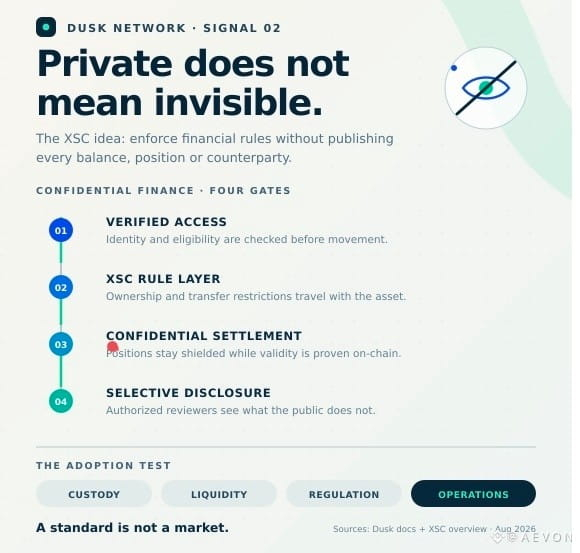
Các public chain phơi bày số dư và giao dịch, nghe có vẻ trung thực cho đến khi một broker, quỹ hoặc công ty cần phải tiết lộ các vị thế và đối tác. Câu trả lời của Dusk là một layer-1 với các smart contract bảo mật và chuẩn XSC cho các chứng khoán hỗ trợ quyền riêng tư. Phần thú vị không nằm ở việc giấu tất cả; mà là cho phép các bên được ủy quyền thấy những gì họ cần, trong khi phần còn lại vẫn được giữ kín.
Tôi cứ thấy mình đang cân đo đánh đổi. Càng mã hóa nhiều quy tắc—kiểm tra danh tính, hạn chế chuyển nhượng, tiết lộ có chọn lọc—thì nó càng ít giống giấc mơ crypto “permissionless” cũ kỹ. Quyền riêng tư cũng tạo thêm ma sát: khó debug hơn, mật mã nặng hơn, quy mô nhà phát triển nhỏ hơn, và tăng thêm niềm tin vào mã mà người dùng không thể nào kiểm tra một cách có ý nghĩa.
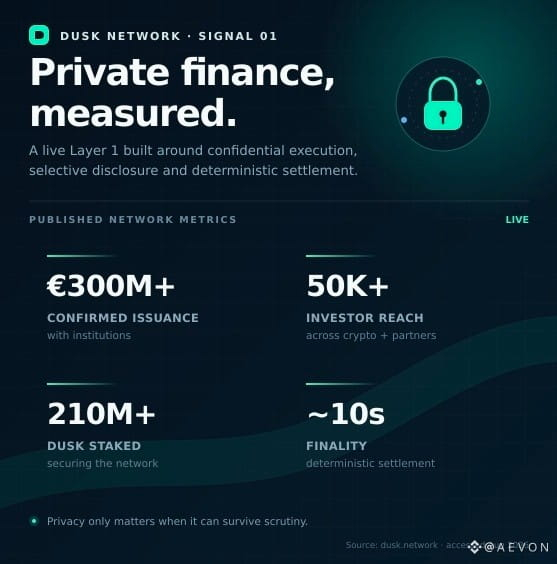
Tôi đã từng thấy điều này trước đây: một hạ tầng thanh lịch chờ nhiều năm để các bên phát hành, thanh khoản, lưu ký và quy định khớp với nhau. Mainnet không phải là sự chấp nhận. Một chuẩn mực không phải là thị trường. Tôi chưa thực sự tin hoàn toàn, và tôi cũng không chắc các tổ chức sẽ chấp nhận rủi ro vận hành. Nhưng khi tiếng ồn quen thuộc lắng xuống, Dusk vẫn giữ sự chú ý của tôi, vì nó đang vật lộn với phần khó chịu đó: tài chính thực sự cần quyền riêng tư, nhưng quyền riêng tư cũng phải sống sót qua quá trình giám sát.
#dusk $DUSK @Dusk Tôi nhận thấy Dusk vào một thời điểm mà hầu hết các cuộc trò chuyện về quyền riêng tư trong crypto có cảm giác bị lặp lại. Tôi đã theo dõi các dự án hứa hẹn sự bí mật và tuân thủ, rồi sau đó phát hiện rằng dòng tiền vẫn không chuyển động vì một whitepaper nói rằng nó có thể. Thế nhưng, vẫn có điều gì đó ở đây khác—chưa được chứng minh, chỉ là đang nhắm vào một vấn đề cứ ngoan cố không chịu biến mất.
Các public chain phơi bày số dư và giao dịch, nghe có vẻ trung thực cho đến khi một broker, quỹ hoặc công ty cần phải tiết lộ các vị thế và đối tác. Câu trả lời của Dusk là một layer-1 với các smart contract bảo mật và chuẩn XSC cho các chứng khoán hỗ trợ quyền riêng tư. Phần thú vị không nằm ở việc giấu tất cả; mà là cho phép các bên được ủy quyền thấy những gì họ cần, trong khi phần còn lại vẫn được giữ kín.
Tôi cứ thấy mình đang cân đo đánh đổi. Càng mã hóa nhiều quy tắc—kiểm tra danh tính, hạn chế chuyển nhượng, tiết lộ có chọn lọc—thì nó càng ít giống giấc mơ crypto “permissionless” cũ kỹ. Quyền riêng tư cũng tạo thêm ma sát: khó debug hơn, mật mã nặng hơn, quy mô nhà phát triển nhỏ hơn, và tăng thêm niềm tin vào mã mà người dùng không thể nào kiểm tra một cách có ý nghĩa.
Tôi đã từng thấy điều này trước đây: một hạ tầng thanh lịch chờ nhiều năm để các bên phát hành, thanh khoản, lưu ký và quy định khớp với nhau. Mainnet không phải là sự chấp nhận. Một chuẩn mực không phải là thị trường. Tôi chưa thực sự tin hoàn toàn, và tôi cũng không chắc các tổ chức sẽ chấp nhận rủi ro vận hành. Nhưng khi tiếng ồn quen thuộc lắng xuống, Dusk vẫn giữ sự chú ý của tôi, vì nó đang vật lộn với phần khó chịu đó: tài chính thực sự cần quyền riêng tư, nhưng quyền riêng tư cũng phải sống sót qua quá trình giám sát.
Các public chain phơi bày số dư và giao dịch, nghe có vẻ trung thực cho đến khi một broker, quỹ hoặc công ty cần phải tiết lộ các vị thế và đối tác. Câu trả lời của Dusk là một layer-1 với các smart contract bảo mật và chuẩn XSC cho các chứng khoán hỗ trợ quyền riêng tư. Phần thú vị không nằm ở việc giấu tất cả; mà là cho phép các bên được ủy quyền thấy những gì họ cần, trong khi phần còn lại vẫn được giữ kín.
Tôi cứ thấy mình đang cân đo đánh đổi. Càng mã hóa nhiều quy tắc—kiểm tra danh tính, hạn chế chuyển nhượng, tiết lộ có chọn lọc—thì nó càng ít giống giấc mơ crypto “permissionless” cũ kỹ. Quyền riêng tư cũng tạo thêm ma sát: khó debug hơn, mật mã nặng hơn, quy mô nhà phát triển nhỏ hơn, và tăng thêm niềm tin vào mã mà người dùng không thể nào kiểm tra một cách có ý nghĩa.
Tôi đã từng thấy điều này trước đây: một hạ tầng thanh lịch chờ nhiều năm để các bên phát hành, thanh khoản, lưu ký và quy định khớp với nhau. Mainnet không phải là sự chấp nhận. Một chuẩn mực không phải là thị trường. Tôi chưa thực sự tin hoàn toàn, và tôi cũng không chắc các tổ chức sẽ chấp nhận rủi ro vận hành. Nhưng khi tiếng ồn quen thuộc lắng xuống, Dusk vẫn giữ sự chú ý của tôi, vì nó đang vật lộn với phần khó chịu đó: tài chính thực sự cần quyền riêng tư, nhưng quyền riêng tư cũng phải sống sót qua quá trình giám sát.
30
19
306
·
--
#termmax @termmax Tôi nhận thấy TermMax vì một lý do mà tôi không ngờ: nó làm cho việc đi vay bớt giống như việc xem một đồng hồ tốc độ bị trục trặc. Trong DeFi, một “biến” lãi suất vay an toàn có thể nhảy ngay khi thanh khoản biến mất, và tôi đã thấy cả những chiến lược bị sụp đổ vì chi phí tiền thay đổi nhanh hơn cả lợi suất mà họ đang theo đuổi. Việc khóa lãi suất đến khi đáo hạn là hữu ích, nhưng nó không phải phép màu.
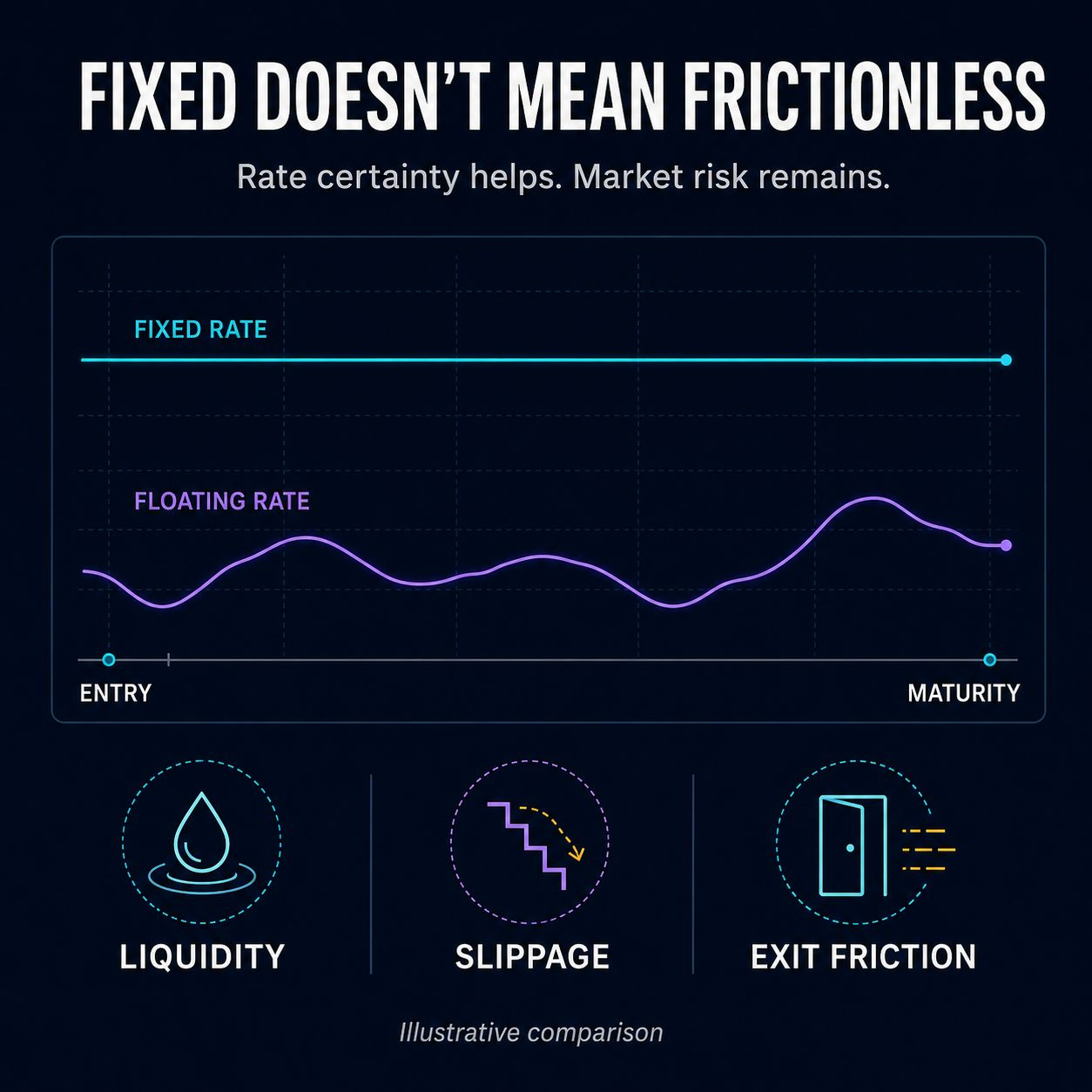
Bên dưới, báo giá vẫn đến từ các nhà tạo lập thị trường, đường cong thanh khoản và quy mô giao dịch. Thị trường mỏng có nghĩa là trượt giá; thoát lệnh kém nghĩa là có ma sát; còn thời gian quan trọng vì đến hạn. Thêm biến động tài sản thế chấp, oracle, nguy cơ bị thanh lý và rủi ro hợp đồng thông minh, và con số cố định hiện trên màn hình có thể tạo ra sự tự tin hơn mức vị thế đó đáng có. Đòn bẩy một lần chạm cũng khiến tôi khó chịu vì cùng một lý do. Ít thao tác không có nghĩa là ít cách để sai.
Rồi đến phần “options”. Tôi cứ thấy nó khớp một cách tự nhiên—nợ theo kỳ hạn cố định và options đều buộc người giao dịch phải định giá thời gian—nhưng khi kết hợp lại thì cũng đồng thời chồng thêm độ phức tạp. Trong thị trường yên ả, nó có thể trông thật tinh tế. Nhưng trong một biến động mạnh, những phần tôi sẽ theo dõi là thanh khoản và việc thanh toán vật chất, chứ không phải giao diện.
Tôi vẫn chưa hoàn toàn tin tưởng. Kiểm toán và chương trình săn lỗi (bug bounty) trực tiếp có giúp, nhưng crypto đã dạy tôi rằng mã đã được rà soát thì không đồng nghĩa với hành vi đã được kiểm chứng trong tình trạng hoảng loạn. Dù vậy, cảm giác về nó vẫn có gì đó khác biệt. TermMax không hứa sẽ loại bỏ rủi ro; phần đáng chú ý là nó cố gắng khiến chi phí của rủi ro trở nên có thể dự đoán trước. Tôi chưa chắc điều đó có đủ hay không, nhưng sau nhiều năm chứng kiến những bất ngờ từ lãi suất thả nổi, tôi hiểu vì sao mọi người lại chú ý.
#termmax @TermMax Tôi nhận thấy TermMax vì một lý do mà tôi không ngờ: nó làm cho việc đi vay bớt giống như việc xem một đồng hồ tốc độ bị trục trặc. Trong DeFi, một “biến” lãi suất vay an toàn có thể nhảy ngay khi thanh khoản biến mất, và tôi đã thấy cả những chiến lược bị sụp đổ vì chi phí tiền thay đổi nhanh hơn cả lợi suất mà họ đang theo đuổi. Việc khóa lãi suất đến khi đáo hạn là hữu ích, nhưng nó không phải phép màu.
Bên dưới, báo giá vẫn đến từ các nhà tạo lập thị trường, đường cong thanh khoản và quy mô giao dịch. Thị trường mỏng có nghĩa là trượt giá; thoát lệnh kém nghĩa là có ma sát; còn thời gian quan trọng vì đến hạn. Thêm biến động tài sản thế chấp, oracle, nguy cơ bị thanh lý và rủi ro hợp đồng thông minh, và con số cố định hiện trên màn hình có thể tạo ra sự tự tin hơn mức vị thế đó đáng có. Đòn bẩy một lần chạm cũng khiến tôi khó chịu vì cùng một lý do. Ít thao tác không có nghĩa là ít cách để sai.
Rồi đến phần “options”. Tôi cứ thấy nó khớp một cách tự nhiên—nợ theo kỳ hạn cố định và options đều buộc người giao dịch phải định giá thời gian—nhưng khi kết hợp lại thì cũng đồng thời chồng thêm độ phức tạp. Trong thị trường yên ả, nó có thể trông thật tinh tế. Nhưng trong một biến động mạnh, những phần tôi sẽ theo dõi là thanh khoản và việc thanh toán vật chất, chứ không phải giao diện.
Tôi vẫn chưa hoàn toàn tin tưởng. Kiểm toán và chương trình săn lỗi (bug bounty) trực tiếp có giúp, nhưng crypto đã dạy tôi rằng mã đã được rà soát thì không đồng nghĩa với hành vi đã được kiểm chứng trong tình trạng hoảng loạn. Dù vậy, cảm giác về nó vẫn có gì đó khác biệt. TermMax không hứa sẽ loại bỏ rủi ro; phần đáng chú ý là nó cố gắng khiến chi phí của rủi ro trở nên có thể dự đoán trước. Tôi chưa chắc điều đó có đủ hay không, nhưng sau nhiều năm chứng kiến những bất ngờ từ lãi suất thả nổi, tôi hiểu vì sao mọi người lại chú ý.
Bên dưới, báo giá vẫn đến từ các nhà tạo lập thị trường, đường cong thanh khoản và quy mô giao dịch. Thị trường mỏng có nghĩa là trượt giá; thoát lệnh kém nghĩa là có ma sát; còn thời gian quan trọng vì đến hạn. Thêm biến động tài sản thế chấp, oracle, nguy cơ bị thanh lý và rủi ro hợp đồng thông minh, và con số cố định hiện trên màn hình có thể tạo ra sự tự tin hơn mức vị thế đó đáng có. Đòn bẩy một lần chạm cũng khiến tôi khó chịu vì cùng một lý do. Ít thao tác không có nghĩa là ít cách để sai.
Rồi đến phần “options”. Tôi cứ thấy nó khớp một cách tự nhiên—nợ theo kỳ hạn cố định và options đều buộc người giao dịch phải định giá thời gian—nhưng khi kết hợp lại thì cũng đồng thời chồng thêm độ phức tạp. Trong thị trường yên ả, nó có thể trông thật tinh tế. Nhưng trong một biến động mạnh, những phần tôi sẽ theo dõi là thanh khoản và việc thanh toán vật chất, chứ không phải giao diện.
Tôi vẫn chưa hoàn toàn tin tưởng. Kiểm toán và chương trình săn lỗi (bug bounty) trực tiếp có giúp, nhưng crypto đã dạy tôi rằng mã đã được rà soát thì không đồng nghĩa với hành vi đã được kiểm chứng trong tình trạng hoảng loạn. Dù vậy, cảm giác về nó vẫn có gì đó khác biệt. TermMax không hứa sẽ loại bỏ rủi ro; phần đáng chú ý là nó cố gắng khiến chi phí của rủi ro trở nên có thể dự đoán trước. Tôi chưa chắc điều đó có đủ hay không, nhưng sau nhiều năm chứng kiến những bất ngờ từ lãi suất thả nổi, tôi hiểu vì sao mọi người lại chú ý.
6
6
137
·
--
#termmax @termmax Tôi đang để ý TermMax vì nó nhắm tới một trong những vấn đề kém “hào nhoáng” nhất của DeFi: không ai có thể lập kế hoạch cho một mức lãi suất vay thay đổi trong lúc họ ngủ. Các khoản vay lãi suất cố định với thời hạn đã biết nghe gần như… tẻ nhạt. Và sau nhiều năm trong crypto, sự tẻ nhạt đôi khi lại trở nên thú vị.
Nhưng tôi đã từng thấy điều này trước đây. Một lời hứa gọn gàng thường che giấu những cỗ máy lằng nhằng. Ở đây, lãi suất phụ thuộc vào makers, thanh khoản và các quyền đòi token hóa; phía options biến cùng một hệ thống đường ống thành đòn bẩy phơi bày rủi ro. Điều đó có thể thanh lịch, nhưng nó không loại bỏ sổ lệnh mỏng, trượt giá, sự phụ thuộc oracle, rủi ro thanh lý, hay khả năng rằng “một lối thoát” xuất hiện trên màn hình nhưng không tồn tại ngoài đời. Nếu người vay thất bại, “cố định” chưa bao giờ có nghĩa là “không rủi ro”; vẫn có người phải giữ tài sản thế chấp, và thị trường sẽ quyết định giá trị thực sự của nó.
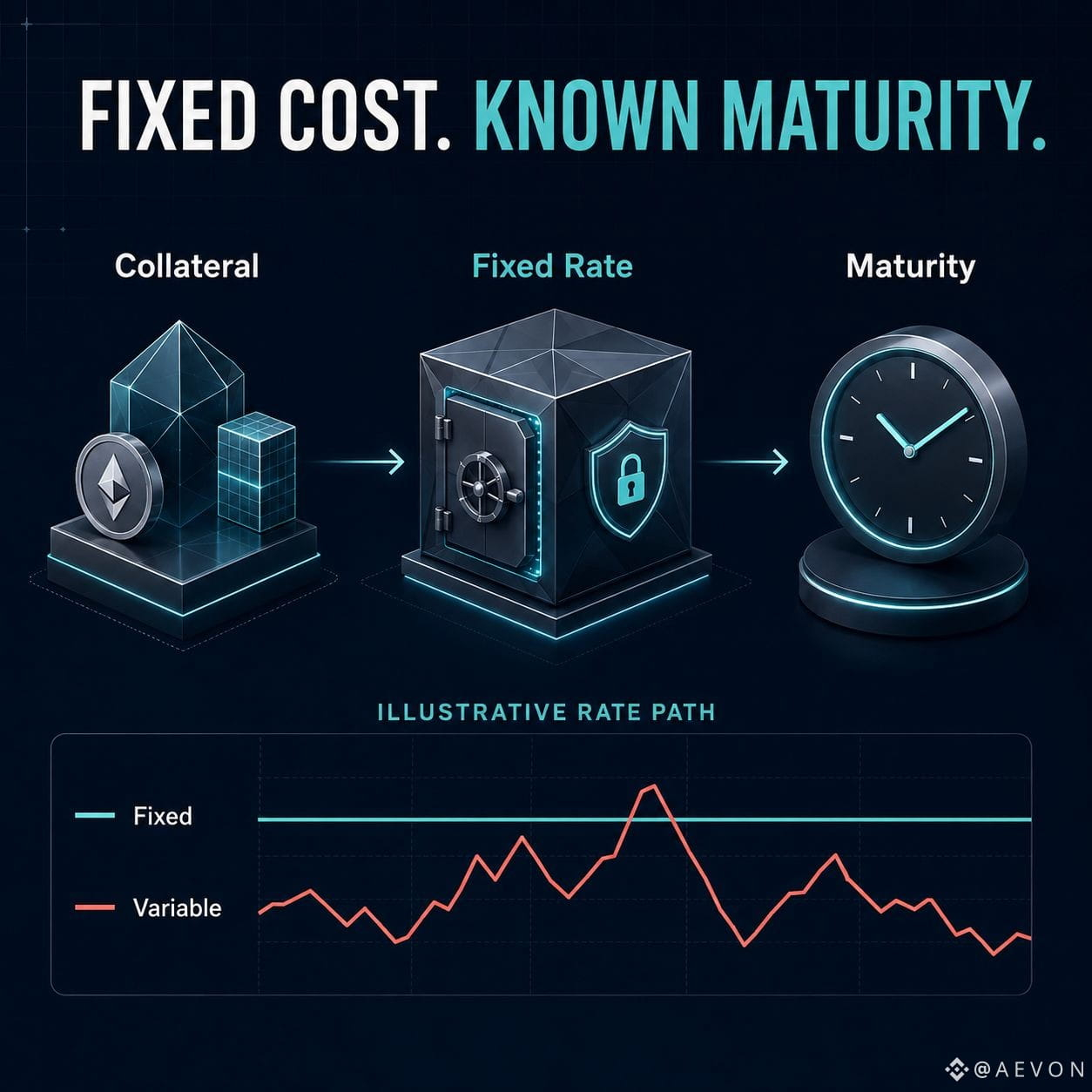
Tôi cứ để ý rằng TermMax không hề giả vờ rằng biến động biến mất. Nó cố “đóng khung” biến động đó thành một mức giá, một kỳ hạn và một vị thế. Có điều gì đó ở cách tiếp cận này khiến tôi cảm thấy khác—chủ yếu vì chi phí cố định giải quyết một vấn đề thật, thay vì bịa ra thêm một lý do để cày điểm.
Tuy vậy, tôi vẫn chưa thật sự tin. Các bản audit và thiết kế token thông minh không thể tự tạo ra thanh khoản bền vững. Tôi chưa chắc liệu trader có ở lại khi các ưu đãi dần biến mất không. Nhưng vào lúc muộn đêm khuya, khi phần lớn DeFi nghe như cùng một “bài pitch” được tái chế, TermMax lại để lại cho tôi một cảm giác hiếm hơn: không phải là sự chắc chắn tuyệt đối, mà là thôi thúc phải tiếp tục theo dõi.
#termmax @TermMax Tôi đang để ý TermMax vì nó nhắm tới một trong những vấn đề kém “hào nhoáng” nhất của DeFi: không ai có thể lập kế hoạch cho một mức lãi suất vay thay đổi trong lúc họ ngủ. Các khoản vay lãi suất cố định với thời hạn đã biết nghe gần như… tẻ nhạt. Và sau nhiều năm trong crypto, sự tẻ nhạt đôi khi lại trở nên thú vị.
Nhưng tôi đã từng thấy điều này trước đây. Một lời hứa gọn gàng thường che giấu những cỗ máy lằng nhằng. Ở đây, lãi suất phụ thuộc vào makers, thanh khoản và các quyền đòi token hóa; phía options biến cùng một hệ thống đường ống thành đòn bẩy phơi bày rủi ro. Điều đó có thể thanh lịch, nhưng nó không loại bỏ sổ lệnh mỏng, trượt giá, sự phụ thuộc oracle, rủi ro thanh lý, hay khả năng rằng “một lối thoát” xuất hiện trên màn hình nhưng không tồn tại ngoài đời. Nếu người vay thất bại, “cố định” chưa bao giờ có nghĩa là “không rủi ro”; vẫn có người phải giữ tài sản thế chấp, và thị trường sẽ quyết định giá trị thực sự của nó.
Tôi cứ để ý rằng TermMax không hề giả vờ rằng biến động biến mất. Nó cố “đóng khung” biến động đó thành một mức giá, một kỳ hạn và một vị thế. Có điều gì đó ở cách tiếp cận này khiến tôi cảm thấy khác—chủ yếu vì chi phí cố định giải quyết một vấn đề thật, thay vì bịa ra thêm một lý do để cày điểm.
Tuy vậy, tôi vẫn chưa thật sự tin. Các bản audit và thiết kế token thông minh không thể tự tạo ra thanh khoản bền vững. Tôi chưa chắc liệu trader có ở lại khi các ưu đãi dần biến mất không. Nhưng vào lúc muộn đêm khuya, khi phần lớn DeFi nghe như cùng một “bài pitch” được tái chế, TermMax lại để lại cho tôi một cảm giác hiếm hơn: không phải là sự chắc chắn tuyệt đối, mà là thôi thúc phải tiếp tục theo dõi.
Nhưng tôi đã từng thấy điều này trước đây. Một lời hứa gọn gàng thường che giấu những cỗ máy lằng nhằng. Ở đây, lãi suất phụ thuộc vào makers, thanh khoản và các quyền đòi token hóa; phía options biến cùng một hệ thống đường ống thành đòn bẩy phơi bày rủi ro. Điều đó có thể thanh lịch, nhưng nó không loại bỏ sổ lệnh mỏng, trượt giá, sự phụ thuộc oracle, rủi ro thanh lý, hay khả năng rằng “một lối thoát” xuất hiện trên màn hình nhưng không tồn tại ngoài đời. Nếu người vay thất bại, “cố định” chưa bao giờ có nghĩa là “không rủi ro”; vẫn có người phải giữ tài sản thế chấp, và thị trường sẽ quyết định giá trị thực sự của nó.
Tôi cứ để ý rằng TermMax không hề giả vờ rằng biến động biến mất. Nó cố “đóng khung” biến động đó thành một mức giá, một kỳ hạn và một vị thế. Có điều gì đó ở cách tiếp cận này khiến tôi cảm thấy khác—chủ yếu vì chi phí cố định giải quyết một vấn đề thật, thay vì bịa ra thêm một lý do để cày điểm.
Tuy vậy, tôi vẫn chưa thật sự tin. Các bản audit và thiết kế token thông minh không thể tự tạo ra thanh khoản bền vững. Tôi chưa chắc liệu trader có ở lại khi các ưu đãi dần biến mất không. Nhưng vào lúc muộn đêm khuya, khi phần lớn DeFi nghe như cùng một “bài pitch” được tái chế, TermMax lại để lại cho tôi một cảm giác hiếm hơn: không phải là sự chắc chắn tuyệt đối, mà là thôi thúc phải tiếp tục theo dõi.
2
2
122
·
--
#dusk $DUSK @Dusk_Foundation Tôi đang nhận thấy Dusk trong khi thị trường crypto cứ quay lại với những lời hứa cũ. Tôi đã thấy “quyền riêng tư” được dùng để che phủ những sản phẩm mơ hồ, và “việc áp dụng của các tổ chức” bị kéo giãn đến mức một bản thử nghiệm nghe như một thị trường đã hoàn thiện. Vì vậy, tôi vẫn chưa thật sự tin câu chuyện này.
Dù vậy, có điều gì đó về lần này cảm giác khác. Dusk không coi quyền riêng tư như một nơi để biến mất; nó đang cố gắng giữ cho các hoạt động tài chính được bảo mật nhưng vẫn cho phép công bố có kiểm soát, kiểm toán và tuân thủ các quy định pháp lý. Lớp 1 của nó hỗ trợ các smart contract bảo mật, còn XSC được thiết kế cho chứng khoán được token hóa—nơi mà tổ chức phát hành có thể vẫn cần các cơ chế kiểm soát chuyển nhượng, các sự kiện doanh nghiệp hoặc phương án khắc phục khi bị mất khóa. Sự giằng co đó thật sự khó chịu, nhưng là có thật. Tài chính không thể vận hành trên một chuỗi phơi bày mọi vị thế, và cũng không thể hoạt động ở nơi không ai chịu trách nhiệm.
Tôi cứ để ý cách crypto hay ăn mừng token trước khi phần “đường ống” hoạt động. Dusk có một mạng lưới gốc (native) đang chạy, nhưng Dusk Trade vẫn đang được xây dựng, trong khi DuskEVM và Hedger vẫn ở testnet. Điều này với tôi còn quan trọng hơn cả bảng xếp hạng hay một làn sóng chú ý. Các bằng chứng về quyền riêng tư có thể rất đẹp; nhưng các phần tích hợp, thanh khoản, dịch vụ lưu ký, quy định và người dùng thực sự mới là nơi mà các hệ thống thường xuyên “vỡ trận”.
Tôi chưa chắc nữa. Công việc NPEX mang lại cho Dusk điều cụ thể hơn một bản whitepaper, nhưng việc phát hành theo kế hoạch không giống với nhu cầu bền vững trên chuỗi. Tạm thời, tôi đang theo dõi những chi tiết “nhàm chán”. Trong crypto, đó thường là nơi sự thật ẩn nấp.
#dusk $DUSK @Dusk Tôi đang nhận thấy Dusk trong khi thị trường crypto cứ quay lại với những lời hứa cũ. Tôi đã thấy “quyền riêng tư” được dùng để che phủ những sản phẩm mơ hồ, và “việc áp dụng của các tổ chức” bị kéo giãn đến mức một bản thử nghiệm nghe như một thị trường đã hoàn thiện. Vì vậy, tôi vẫn chưa thật sự tin câu chuyện này.
Dù vậy, có điều gì đó về lần này cảm giác khác. Dusk không coi quyền riêng tư như một nơi để biến mất; nó đang cố gắng giữ cho các hoạt động tài chính được bảo mật nhưng vẫn cho phép công bố có kiểm soát, kiểm toán và tuân thủ các quy định pháp lý. Lớp 1 của nó hỗ trợ các smart contract bảo mật, còn XSC được thiết kế cho chứng khoán được token hóa—nơi mà tổ chức phát hành có thể vẫn cần các cơ chế kiểm soát chuyển nhượng, các sự kiện doanh nghiệp hoặc phương án khắc phục khi bị mất khóa. Sự giằng co đó thật sự khó chịu, nhưng là có thật. Tài chính không thể vận hành trên một chuỗi phơi bày mọi vị thế, và cũng không thể hoạt động ở nơi không ai chịu trách nhiệm.
Tôi cứ để ý cách crypto hay ăn mừng token trước khi phần “đường ống” hoạt động. Dusk có một mạng lưới gốc (native) đang chạy, nhưng Dusk Trade vẫn đang được xây dựng, trong khi DuskEVM và Hedger vẫn ở testnet. Điều này với tôi còn quan trọng hơn cả bảng xếp hạng hay một làn sóng chú ý. Các bằng chứng về quyền riêng tư có thể rất đẹp; nhưng các phần tích hợp, thanh khoản, dịch vụ lưu ký, quy định và người dùng thực sự mới là nơi mà các hệ thống thường xuyên “vỡ trận”.
Tôi chưa chắc nữa. Công việc NPEX mang lại cho Dusk điều cụ thể hơn một bản whitepaper, nhưng việc phát hành theo kế hoạch không giống với nhu cầu bền vững trên chuỗi. Tạm thời, tôi đang theo dõi những chi tiết “nhàm chán”. Trong crypto, đó thường là nơi sự thật ẩn nấp.
Dù vậy, có điều gì đó về lần này cảm giác khác. Dusk không coi quyền riêng tư như một nơi để biến mất; nó đang cố gắng giữ cho các hoạt động tài chính được bảo mật nhưng vẫn cho phép công bố có kiểm soát, kiểm toán và tuân thủ các quy định pháp lý. Lớp 1 của nó hỗ trợ các smart contract bảo mật, còn XSC được thiết kế cho chứng khoán được token hóa—nơi mà tổ chức phát hành có thể vẫn cần các cơ chế kiểm soát chuyển nhượng, các sự kiện doanh nghiệp hoặc phương án khắc phục khi bị mất khóa. Sự giằng co đó thật sự khó chịu, nhưng là có thật. Tài chính không thể vận hành trên một chuỗi phơi bày mọi vị thế, và cũng không thể hoạt động ở nơi không ai chịu trách nhiệm.
Tôi cứ để ý cách crypto hay ăn mừng token trước khi phần “đường ống” hoạt động. Dusk có một mạng lưới gốc (native) đang chạy, nhưng Dusk Trade vẫn đang được xây dựng, trong khi DuskEVM và Hedger vẫn ở testnet. Điều này với tôi còn quan trọng hơn cả bảng xếp hạng hay một làn sóng chú ý. Các bằng chứng về quyền riêng tư có thể rất đẹp; nhưng các phần tích hợp, thanh khoản, dịch vụ lưu ký, quy định và người dùng thực sự mới là nơi mà các hệ thống thường xuyên “vỡ trận”.
Tôi chưa chắc nữa. Công việc NPEX mang lại cho Dusk điều cụ thể hơn một bản whitepaper, nhưng việc phát hành theo kế hoạch không giống với nhu cầu bền vững trên chuỗi. Tạm thời, tôi đang theo dõi những chi tiết “nhàm chán”. Trong crypto, đó thường là nơi sự thật ẩn nấp.
7
6
141
Đăng nhập để khám phá thêm nội dung
Tham gia cùng người dùng tiền mã hóa toàn cầu trên Binance Square
⚡️ Nhận thông tin mới nhất và hữu ích về tiền mã hóa.
💬 Được tin cậy bởi sàn giao dịch tiền mã hóa lớn nhất thế giới.
👍 Khám phá những thông tin chuyên sâu thực tế từ những nhà sáng tạo đã xác minh.
Email / Số điện thoại
Chủ đề thịnh hành
TheoDõiFOMC
139,132 lượt xem
701 đang thảo luận
#TheoDõiFOMC
🔥 FOMC lại bắt đầu trở thành tâm điểm của crypto
Bitcoin vừa bước vào tháng 10, nhưng câu chuyện lớn phía sau thị trường lúc này không chỉ là giá.
Các trader đang bắt đầu hướng sự chú ý về cuộc họp FOMC ngày 27–28/10. Sau một loạt phát biểu mới từ quan chức Fed, kỳ vọng về việc tăng lãi suất ngay trong tháng 10 đã giảm đáng kể.
Điều thú vị là trước đó thị trường từng đặt cược khá cao vào một đợt tăng tiếp theo.
Giờ thì mọi thứ lại quay sang chờ dữ liệu kinh tế và những phát biểu tiếp theo của Fed.
Với crypto, chỉ cần kỳ vọng lãi suất thay đổi mạnh là $BTC có thể lập tức biến động, rồi kéo theo cả thị trường altcoin.
Tháng 10 mới bắt đầu mà macro đã có chuyện để hóng rồi 👀
#Bitcoin #Crypto #Macro #Fed #BinanceSquare
X LEI
·0 lượt thích
·178 lượt xem
TinFed
125,875 lượt xem
504 đang thảo luận
BinanceLaunchesBinanceIntelligence
334,753 lượt xem
2,777 đang thảo luận