

LearnBits
2.7k Bài đăng

LearnBits
Báo cáo
Chặn người dùng
BP-630E14DD5474
Giao dịch mở
Trader tần suất cao
{thời gian} năm
119 Đang theo dõi
4.5K+ Người theo dõi
6.7K+ Đã thích
Bài đăng
Danh mục đầu tư
Tất cả
Trích dẫn
Video
Live
·
--
Xem bản dịch
Nvidia Just Unleashed a $150B Vote of Confidence 🚀
Nvidia has boosted its share buyback authorization by a record $150 billion, taking its remaining repurchase capacity to $235 billion through fiscal 2028. The move came as investors continue questioning how long the massive AI spending boom can keep accelerating.
The scale is what makes this announcement stand out. Nvidia’s new authorization is larger than Apple’s $110 billion increase in 2024, making it the biggest-ever expansion of a corporate stock repurchase program.
Nvidia is generating enormous cash from demand for its AI processors, giving management room to keep investing in technology while returning capital to shareholders. The company ended its July quarter with $22.44 billion in cash and equivalents.
But there’s another side to the story. Nvidia’s shares have gained just over 20% this year, trailing AMD and Intel, while its forward earnings multiple has fallen to around 16.5—the lowest level since January 2015. That suggests investors are becoming more cautious about future growth even as AI demand remains strong.
For the AI trade, this is a fascinating signal. Nvidia is effectively putting more money behind its own stock while continuing to bet heavily on the AI buildout. Now the market has to decide whether that confidence is justified. 👀
What does Nvidia’s buyback signal?
{spot}(NVDABUSDT)
Nvidia Just Unleashed a $150B Vote of Confidence 🚀
Nvidia has boosted its share buyback authorization by a record $150 billion, taking its remaining repurchase capacity to $235 billion through fiscal 2028. The move came as investors continue questioning how long the massive AI spending boom can keep accelerating.
The scale is what makes this announcement stand out. Nvidia’s new authorization is larger than Apple’s $110 billion increase in 2024, making it the biggest-ever expansion of a corporate stock repurchase program.
Nvidia is generating enormous cash from demand for its AI processors, giving management room to keep investing in technology while returning capital to shareholders. The company ended its July quarter with $22.44 billion in cash and equivalents.
But there’s another side to the story. Nvidia’s shares have gained just over 20% this year, trailing AMD and Intel, while its forward earnings multiple has fallen to around 16.5—the lowest level since January 2015. That suggests investors are becoming more cautious about future growth even as AI demand remains strong.
For the AI trade, this is a fascinating signal. Nvidia is effectively putting more money behind its own stock while continuing to bet heavily on the AI buildout. Now the market has to decide whether that confidence is justified. 👀
What does Nvidia’s buyback signal?
Nvidia has boosted its share buyback authorization by a record $150 billion, taking its remaining repurchase capacity to $235 billion through fiscal 2028. The move came as investors continue questioning how long the massive AI spending boom can keep accelerating.
The scale is what makes this announcement stand out. Nvidia’s new authorization is larger than Apple’s $110 billion increase in 2024, making it the biggest-ever expansion of a corporate stock repurchase program.
Nvidia is generating enormous cash from demand for its AI processors, giving management room to keep investing in technology while returning capital to shareholders. The company ended its July quarter with $22.44 billion in cash and equivalents.
But there’s another side to the story. Nvidia’s shares have gained just over 20% this year, trailing AMD and Intel, while its forward earnings multiple has fallen to around 16.5—the lowest level since January 2015. That suggests investors are becoming more cautious about future growth even as AI demand remains strong.
For the AI trade, this is a fascinating signal. Nvidia is effectively putting more money behind its own stock while continuing to bet heavily on the AI buildout. Now the market has to decide whether that confidence is justified. 👀
What does Nvidia’s buyback signal?
🔥 AI still booming
📈 Growth is slowing
🤔 Market is cautious
💰 Cash is king
22 giờ còn lại

Best Wishes!
Từ LearnBits
1
2
125
·
--
Xem bản dịch
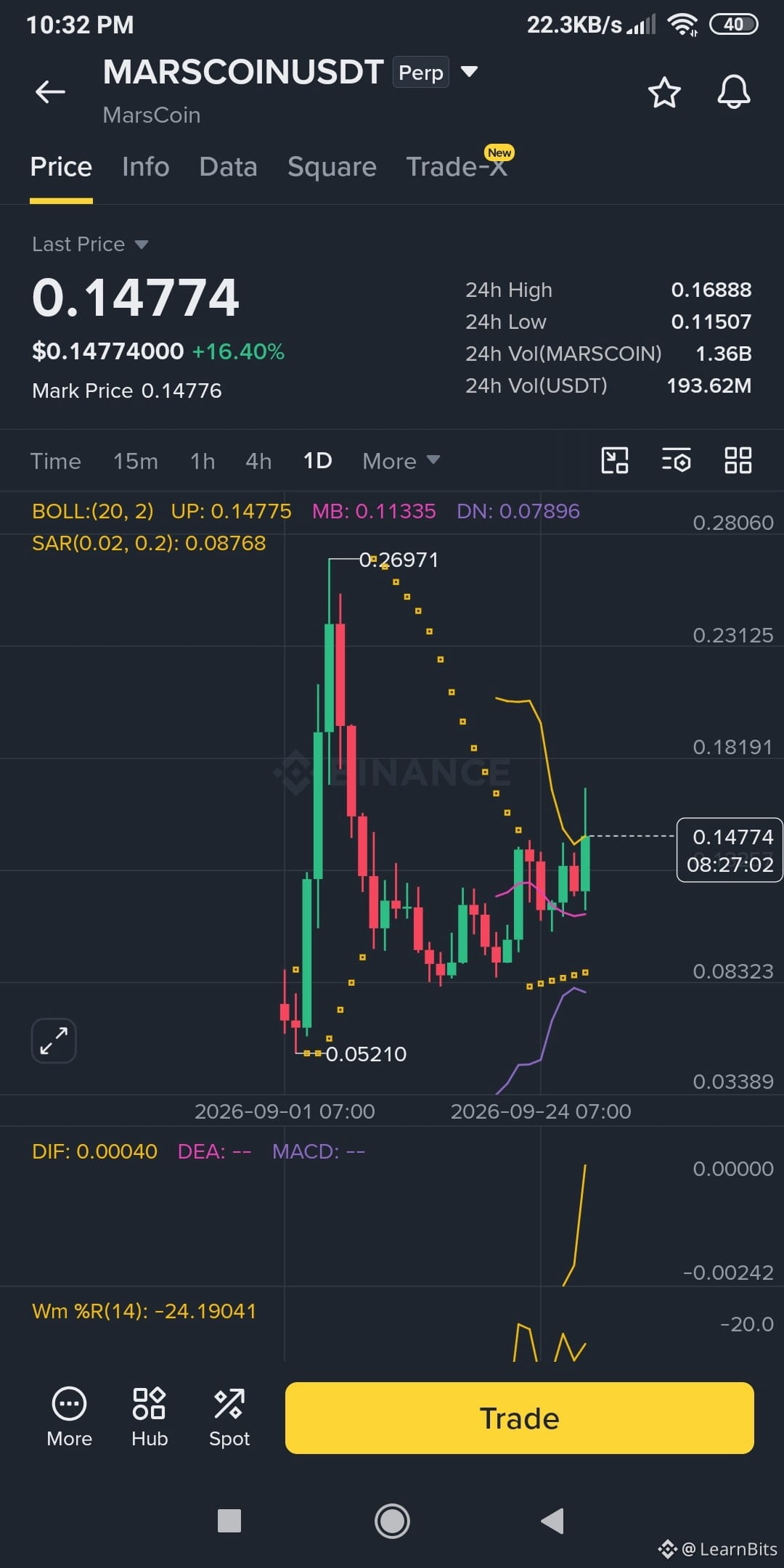
$MARSCOIN cleared the 0.13 gate. Now tapping the upper band. If 0.147 flips into support, Rejection = back to chop.
{future}(MARSCOINUSDT)
$MARSCOIN cleared the 0.13 gate. Now tapping the upper band. If 0.147 flips into support, Rejection = back to chop.
1
1
187
·
--
Chainlink đưa CCIP lên cấp độ doanh nghiệp 🚀
Chainlink đã ra mắt CCIP 2.0, bổ sung một lớp xác minh mới cho phép các tổ chức tự vận hành Cross-Chain Verifiers hoặc sử dụng các nhà thẩm định bên thứ ba độc lập. Nâng cấp này được thiết kế để mang lại cho doanh nghiệp nhiều quyền kiểm soát hơn đối với bảo mật khi chuyển các tài sản token hóa trên nhiều blockchain.
CCIP 2.0 cũng bổ sung sẵn các công cụ tuân thủ cho KYC, AML và sàng lọc trừng phạt, kèm theo tốc độ tính cuối cùng của giao dịch có thể cấu hình. Lễ ra mắt có sự tham gia của các đối tác như AWS, ANZ, Fidelity International, Google Cloud và Crypto Finance của Deutsche Börse. 🔐
Chainlink cho biết CCIP đã xử lý hơn 84 tỷ USD giá trị token xuyên chuỗi. Phiên bản mới rõ ràng hướng đến việc giúp cơ sở hạ tầng blockchain dễ được các tổ chức tài chính truyền thống sử dụng hơn.
{future}(LINKUSDT)
#ChainlinkLaunchesCCIP2WithEnterpriseVerification
Chainlink đưa CCIP lên cấp độ doanh nghiệp 🚀
Chainlink đã ra mắt CCIP 2.0, bổ sung một lớp xác minh mới cho phép các tổ chức tự vận hành Cross-Chain Verifiers hoặc sử dụng các nhà thẩm định bên thứ ba độc lập. Nâng cấp này được thiết kế để mang lại cho doanh nghiệp nhiều quyền kiểm soát hơn đối với bảo mật khi chuyển các tài sản token hóa trên nhiều blockchain.
CCIP 2.0 cũng bổ sung sẵn các công cụ tuân thủ cho KYC, AML và sàng lọc trừng phạt, kèm theo tốc độ tính cuối cùng của giao dịch có thể cấu hình. Lễ ra mắt có sự tham gia của các đối tác như AWS, ANZ, Fidelity International, Google Cloud và Crypto Finance của Deutsche Börse. 🔐
Chainlink cho biết CCIP đã xử lý hơn 84 tỷ USD giá trị token xuyên chuỗi. Phiên bản mới rõ ràng hướng đến việc giúp cơ sở hạ tầng blockchain dễ được các tổ chức tài chính truyền thống sử dụng hơn.
#ChainlinkLaunchesCCIP2WithEnterpriseVerification
Chainlink đã ra mắt CCIP 2.0, bổ sung một lớp xác minh mới cho phép các tổ chức tự vận hành Cross-Chain Verifiers hoặc sử dụng các nhà thẩm định bên thứ ba độc lập. Nâng cấp này được thiết kế để mang lại cho doanh nghiệp nhiều quyền kiểm soát hơn đối với bảo mật khi chuyển các tài sản token hóa trên nhiều blockchain.
CCIP 2.0 cũng bổ sung sẵn các công cụ tuân thủ cho KYC, AML và sàng lọc trừng phạt, kèm theo tốc độ tính cuối cùng của giao dịch có thể cấu hình. Lễ ra mắt có sự tham gia của các đối tác như AWS, ANZ, Fidelity International, Google Cloud và Crypto Finance của Deutsche Börse. 🔐
Chainlink cho biết CCIP đã xử lý hơn 84 tỷ USD giá trị token xuyên chuỗi. Phiên bản mới rõ ràng hướng đến việc giúp cơ sở hạ tầng blockchain dễ được các tổ chức tài chính truyền thống sử dụng hơn.
#ChainlinkLaunchesCCIP2WithEnterpriseVerification
1
262
·
--
Xem bản dịch
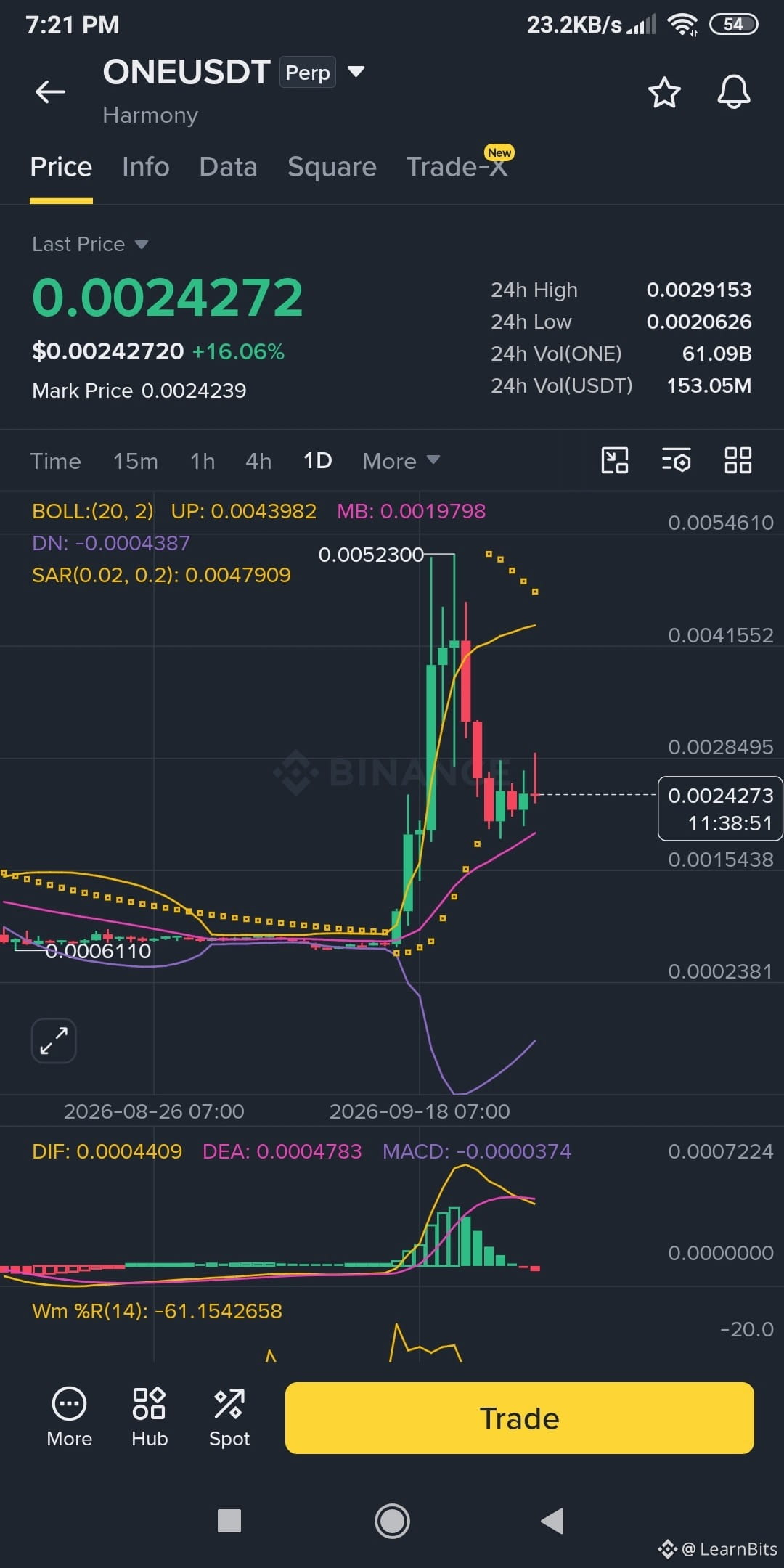
$ONE went full send then full rekt. Now chilling at 0.0024. If this base holds maybe, but I'm not touching until SAR flips.
{future}(ONEUSDT)
$ONE went full send then full rekt. Now chilling at 0.0024. If this base holds maybe, but I'm not touching until SAR flips.
289
·
--
Xem bản dịch
$HBAR tapped 0.118 and pulled back. Above the band, J stretched. If 0.108 holds maybe more, lose it and we cool off.
{future}(HBARUSDT)
$HBAR tapped 0.118 and pulled back. Above the band, J stretched. If 0.108 holds maybe more, lose it and we cool off.
350
·
--
$USELESS đã trả lại 15% sau cú chạy điên rồ đó. Hiện đang ngồi trên SAR. Giữ mức 0.225 và có thể chúng ta sẽ bật lên; mất nó thì coi như hết.
{future}(USELESSUSDT)
$USELESS đã trả lại 15% sau cú chạy điên rồ đó. Hiện đang ngồi trên SAR. Giữ mức 0.225 và có thể chúng ta sẽ bật lên; mất nó thì coi như hết.
363
·
--
Trung Quốc có thể mở “cửa” cho chip của Nvidia 🇨🇳
Trung Quốc đang phát tín hiệu rằng họ có thể cho phép các công ty bao gồm Alibaba và ByteDance mua các chip RTX Pro 5500 mới của Nvidia, theo The Information. Bộ Công nghiệp Bắc Kinh được cho là đã yêu cầu các công ty nộp kế hoạch mua hàng và nói với một số bên rằng việc phê duyệt được nhắm tới sẽ được thực hiện. Reuters cho biết hãng không thể tự xác minh độc lập thông tin này.
Động thái tiềm năng này đáng chú ý vì Bắc Kinh cũng đã hạn chế nhập khẩu Nvidia trong khi thúc đẩy các nhà sản xuất chip trong nước. ByteDance được cho là đang cân nhắc đặt khoảng 1 triệu chip, dù số lượng cuối cùng sẽ phụ thuộc vào việc được chính phủ phê duyệt. 👀
Với Nvidia, ngay cả khi chỉ được tiếp cận ở mức hạn chế cũng có thể giúp hãng duy trì vị thế trong hệ sinh thái AI của Trung Quốc. Với Bắc Kinh, động thái này có thể bổ sung năng lực tính toán khi các công ty AI trong nước đang gặp khó khăn trong việc đảm bảo đủ chip.#ChinaMayLetAlibabaByteDanceBuyNvidiaChips
{future}(BABAUSDT)
{future}(NVDAUSDT)
Trung Quốc có thể mở “cửa” cho chip của Nvidia 🇨🇳
Trung Quốc đang phát tín hiệu rằng họ có thể cho phép các công ty bao gồm Alibaba và ByteDance mua các chip RTX Pro 5500 mới của Nvidia, theo The Information. Bộ Công nghiệp Bắc Kinh được cho là đã yêu cầu các công ty nộp kế hoạch mua hàng và nói với một số bên rằng việc phê duyệt được nhắm tới sẽ được thực hiện. Reuters cho biết hãng không thể tự xác minh độc lập thông tin này.
Động thái tiềm năng này đáng chú ý vì Bắc Kinh cũng đã hạn chế nhập khẩu Nvidia trong khi thúc đẩy các nhà sản xuất chip trong nước. ByteDance được cho là đang cân nhắc đặt khoảng 1 triệu chip, dù số lượng cuối cùng sẽ phụ thuộc vào việc được chính phủ phê duyệt. 👀
Với Nvidia, ngay cả khi chỉ được tiếp cận ở mức hạn chế cũng có thể giúp hãng duy trì vị thế trong hệ sinh thái AI của Trung Quốc. Với Bắc Kinh, động thái này có thể bổ sung năng lực tính toán khi các công ty AI trong nước đang gặp khó khăn trong việc đảm bảo đủ chip.#ChinaMayLetAlibabaByteDanceBuyNvidiaChips
Trung Quốc đang phát tín hiệu rằng họ có thể cho phép các công ty bao gồm Alibaba và ByteDance mua các chip RTX Pro 5500 mới của Nvidia, theo The Information. Bộ Công nghiệp Bắc Kinh được cho là đã yêu cầu các công ty nộp kế hoạch mua hàng và nói với một số bên rằng việc phê duyệt được nhắm tới sẽ được thực hiện. Reuters cho biết hãng không thể tự xác minh độc lập thông tin này.
Động thái tiềm năng này đáng chú ý vì Bắc Kinh cũng đã hạn chế nhập khẩu Nvidia trong khi thúc đẩy các nhà sản xuất chip trong nước. ByteDance được cho là đang cân nhắc đặt khoảng 1 triệu chip, dù số lượng cuối cùng sẽ phụ thuộc vào việc được chính phủ phê duyệt. 👀
Với Nvidia, ngay cả khi chỉ được tiếp cận ở mức hạn chế cũng có thể giúp hãng duy trì vị thế trong hệ sinh thái AI của Trung Quốc. Với Bắc Kinh, động thái này có thể bổ sung năng lực tính toán khi các công ty AI trong nước đang gặp khó khăn trong việc đảm bảo đủ chip.#ChinaMayLetAlibabaByteDanceBuyNvidiaChips
333
·
--
Token nào sẽ HOẠT ĐỘNG TỐT NHẤT vào ngày mai? 👇
RUNE -8.3% (KDJ vẫn cao), PONS -14.3% (J ở mức 2.3), 龙虾 -25.9% (J ở mức -12.6, quá bán cực mạnh).
Một đồng đang giữ vững, hai đồng đang chìm trong sắc đỏ. Nhưng quá bán thì có thể bật mạnh.
Token nào sẽ HOẠT ĐỘNG TỐT NHẤT vào ngày mai? 👇
RUNE -8.3% (KDJ vẫn cao), PONS -14.3% (J ở mức 2.3), 龙虾 -25.9% (J ở mức -12.6, quá bán cực mạnh).
Một đồng đang giữ vững, hai đồng đang chìm trong sắc đỏ. Nhưng quá bán thì có thể bật mạnh.
RUNE -8.3% (KDJ vẫn cao), PONS -14.3% (J ở mức 2.3), 龙虾 -25.9% (J ở mức -12.6, quá bán cực mạnh).
Một đồng đang giữ vững, hai đồng đang chìm trong sắc đỏ. Nhưng quá bán thì có thể bật mạnh.
RUNE 🚀
PONS🚀
龙虾🚀
7 giờ còn lại
Best Wishes!
Từ LearnBits
1
2
703
·
--
$PUMP back at the scene of the crime. J over 100, upper band. Nếu 0.00526 lật, tôi đang quan sát; loại bỏ và đó là cảm giác quen thuộc.
{future}(PUMPUSDT)
$PUMP back at the scene of the crime. J over 100, upper band. Nếu 0.00526 lật, tôi đang quan sát; loại bỏ và đó là cảm giác quen thuộc.
1
394
·
--
Đúng một phần
Nền tảng thanh toán Web3 và phân phối crypto có trụ sở tại Istanbul. Nền tảng này thưởng cho người dùng bằng BNB cho các hoạt động như xác minh xã hội và tạo nội dung, đồng thời cung cấp các công cụ cho doanh nghiệp như thanh toán hàng loạt và xuất hóa đơn.
CA: 0xb13003bf44de426dd2a3aae3df9c3400de0a7777
Code: BP-630E14DD5474
Mặc dù thúc đẩy thanh toán tức thì, một số người dùng đã báo cáo tình trạng chậm rút tiền và hỗ trợ khách hàng kém.
Nền tảng thanh toán Web3 và phân phối crypto có trụ sở tại Istanbul. Nền tảng này thưởng cho người dùng bằng BNB cho các hoạt động như xác minh xã hội và tạo nội dung, đồng thời cung cấp các công cụ cho doanh nghiệp như thanh toán hàng loạt và xuất hóa đơn.
CA: 0xb13003bf44de426dd2a3aae3df9c3400de0a7777
Code: BP-630E14DD5474
Mặc dù thúc đẩy thanh toán tức thì, một số người dùng đã báo cáo tình trạng chậm rút tiền và hỗ trợ khách hàng kém.
CA: 0xb13003bf44de426dd2a3aae3df9c3400de0a7777
Code: BP-630E14DD5474
Mặc dù thúc đẩy thanh toán tức thì, một số người dùng đã báo cáo tình trạng chậm rút tiền và hỗ trợ khách hàng kém.
1
519
·
--
$XVG chỉ tiếp tục miệt mài tăng/giữ đà, gần như không thấy màu đỏ. Ở phía trên dải nên một nhịp điều chỉnh sẽ không làm tôi bất ngờ.
{future}(XVGUSDT)
$XVG chỉ tiếp tục miệt mài tăng/giữ đà, gần như không thấy màu đỏ. Ở phía trên dải nên một nhịp điều chỉnh sẽ không làm tôi bất ngờ.
2
476
·
--
2
369
·
--
$SOON pumped 40% trong một cây nến và mọi người bỗng nhiên đều là thiên tài.
{future}(SOONUSDT)
$SOON pumped 40% trong một cây nến và mọi người bỗng nhiên đều là thiên tài.
Best Wishes!
Từ LearnBits
1
5
1.2k
·
--
Bitwise đẩy mạnh NEAR ETF tiến gần NYSE Arca 🚀
Bitwise đã nộp hồ sơ để đăng ký cổ phiếu NEAR ETF của mình nhằm giao dịch trên NYSE Arca với mã NRR. Hồ sơ lên Ủy ban Chứng khoán và Giao dịch Mỹ (SEC) đã được nộp vào ngày 24 tháng 9, trong khi việc đăng ký của quỹ có hiệu lực ngay trong cùng ngày.
ETF được đề xuất sẽ nắm giữ NEAR trực tiếp và bao gồm hoạt động staking, giúp các nhà đầu tư thông qua công ty môi giới truyền thống có được sự tiếp xúc với tài sản mà không cần tự quản lý token. Quỹ có mức phí quản lý hằng năm 0,75%. 👀
Đơn xin niêm yết đã được NYSE Arca chấp thuận, dù hồ sơ không cung cấp ngày giao dịch đầu tiên được xác nhận. Bước quan trọng tiếp theo là theo dõi thời điểm NRR thực sự bắt đầu giao dịch.
#BitwiseFilesToListNEARETFOnNYSEArca
{future}(NEARUSDT)
Bitwise đẩy mạnh NEAR ETF tiến gần NYSE Arca 🚀
Bitwise đã nộp hồ sơ để đăng ký cổ phiếu NEAR ETF của mình nhằm giao dịch trên NYSE Arca với mã NRR. Hồ sơ lên Ủy ban Chứng khoán và Giao dịch Mỹ (SEC) đã được nộp vào ngày 24 tháng 9, trong khi việc đăng ký của quỹ có hiệu lực ngay trong cùng ngày.
ETF được đề xuất sẽ nắm giữ NEAR trực tiếp và bao gồm hoạt động staking, giúp các nhà đầu tư thông qua công ty môi giới truyền thống có được sự tiếp xúc với tài sản mà không cần tự quản lý token. Quỹ có mức phí quản lý hằng năm 0,75%. 👀
Đơn xin niêm yết đã được NYSE Arca chấp thuận, dù hồ sơ không cung cấp ngày giao dịch đầu tiên được xác nhận. Bước quan trọng tiếp theo là theo dõi thời điểm NRR thực sự bắt đầu giao dịch.
#BitwiseFilesToListNEARETFOnNYSEArca
Bitwise đã nộp hồ sơ để đăng ký cổ phiếu NEAR ETF của mình nhằm giao dịch trên NYSE Arca với mã NRR. Hồ sơ lên Ủy ban Chứng khoán và Giao dịch Mỹ (SEC) đã được nộp vào ngày 24 tháng 9, trong khi việc đăng ký của quỹ có hiệu lực ngay trong cùng ngày.
ETF được đề xuất sẽ nắm giữ NEAR trực tiếp và bao gồm hoạt động staking, giúp các nhà đầu tư thông qua công ty môi giới truyền thống có được sự tiếp xúc với tài sản mà không cần tự quản lý token. Quỹ có mức phí quản lý hằng năm 0,75%. 👀
Đơn xin niêm yết đã được NYSE Arca chấp thuận, dù hồ sơ không cung cấp ngày giao dịch đầu tiên được xác nhận. Bước quan trọng tiếp theo là theo dõi thời điểm NRR thực sự bắt đầu giao dịch.
#BitwiseFilesToListNEARETFOnNYSEArca
1
318
·
--
Xem bản dịch
LG Just Entered NVIDIA’s AI Data Center Push 🚀
LG Electronics has joined NVIDIA’s official partner network as a Power and Cooling partner, expanding its push into the rapidly growing AI data center infrastructure market. The move gives LG another route to pitch its cooling technology to operators building next-generation AI facilities.
The timing matters because AI servers are generating far more heat as computing power climbs. LG’s 2.5-megawatt coolant distribution unit has already received NVIDIA’s DSX Ready approval for AI factory infrastructure. 🔥
LG is now targeting hyperscalers and data center operators with megawatt-scale cooling systems. AI infrastructure isn’t just about chips anymore—the hardware keeping those chips cool is becoming a major business too.
#LGElectronicsJoinsNvidiaAIDataCenter
LG Just Entered NVIDIA’s AI Data Center Push 🚀
LG Electronics has joined NVIDIA’s official partner network as a Power and Cooling partner, expanding its push into the rapidly growing AI data center infrastructure market. The move gives LG another route to pitch its cooling technology to operators building next-generation AI facilities.
The timing matters because AI servers are generating far more heat as computing power climbs. LG’s 2.5-megawatt coolant distribution unit has already received NVIDIA’s DSX Ready approval for AI factory infrastructure. 🔥
LG is now targeting hyperscalers and data center operators with megawatt-scale cooling systems. AI infrastructure isn’t just about chips anymore—the hardware keeping those chips cool is becoming a major business too.
#LGElectronicsJoinsNvidiaAIDataCenter
LG Electronics has joined NVIDIA’s official partner network as a Power and Cooling partner, expanding its push into the rapidly growing AI data center infrastructure market. The move gives LG another route to pitch its cooling technology to operators building next-generation AI facilities.
The timing matters because AI servers are generating far more heat as computing power climbs. LG’s 2.5-megawatt coolant distribution unit has already received NVIDIA’s DSX Ready approval for AI factory infrastructure. 🔥
LG is now targeting hyperscalers and data center operators with megawatt-scale cooling systems. AI infrastructure isn’t just about chips anymore—the hardware keeping those chips cool is becoming a major business too.
#LGElectronicsJoinsNvidiaAIDataCenter
1
496
·
--
Circle & Tether đóng băng ví kẻ gian Bitget Hacker 🚨
Circle và Tether đã đưa vào danh sách đen một ví liên quan đến vụ hack Bitget, đóng băng khoảng 318.000 USD USDC và USDT. Circle ra tay trước, sau đó Tether vài giờ sau, theo dữ liệu on-chain.
Nhưng đó chỉ là một phần rất nhỏ trong tổng số tiền bị đánh cắp ước tính 387,5 triệu USD. Hơn 63.000 ETH vẫn còn nằm trong các ví khác của kẻ khai thác, và bản thân Ethereum cũng không thể bị đóng băng bởi các nhà phát hành stablecoin. 👀
Sự cố này nêu bật một khác biệt lớn giữa stablecoin và các tài sản crypto gốc: nhà phát hành có thể chặn token của chính họ, trong khi các tài sản như ETH vẫn nằm ngoài tầm kiểm soát đó.#CircleTetherFreezeBitgetHackerWallet
Circle & Tether đóng băng ví kẻ gian Bitget Hacker 🚨
Circle và Tether đã đưa vào danh sách đen một ví liên quan đến vụ hack Bitget, đóng băng khoảng 318.000 USD USDC và USDT. Circle ra tay trước, sau đó Tether vài giờ sau, theo dữ liệu on-chain.
Nhưng đó chỉ là một phần rất nhỏ trong tổng số tiền bị đánh cắp ước tính 387,5 triệu USD. Hơn 63.000 ETH vẫn còn nằm trong các ví khác của kẻ khai thác, và bản thân Ethereum cũng không thể bị đóng băng bởi các nhà phát hành stablecoin. 👀
Sự cố này nêu bật một khác biệt lớn giữa stablecoin và các tài sản crypto gốc: nhà phát hành có thể chặn token của chính họ, trong khi các tài sản như ETH vẫn nằm ngoài tầm kiểm soát đó.#CircleTetherFreezeBitgetHackerWallet
Circle và Tether đã đưa vào danh sách đen một ví liên quan đến vụ hack Bitget, đóng băng khoảng 318.000 USD USDC và USDT. Circle ra tay trước, sau đó Tether vài giờ sau, theo dữ liệu on-chain.
Nhưng đó chỉ là một phần rất nhỏ trong tổng số tiền bị đánh cắp ước tính 387,5 triệu USD. Hơn 63.000 ETH vẫn còn nằm trong các ví khác của kẻ khai thác, và bản thân Ethereum cũng không thể bị đóng băng bởi các nhà phát hành stablecoin. 👀
Sự cố này nêu bật một khác biệt lớn giữa stablecoin và các tài sản crypto gốc: nhà phát hành có thể chặn token của chính họ, trong khi các tài sản như ETH vẫn nằm ngoài tầm kiểm soát đó.#CircleTetherFreezeBitgetHackerWallet
3
373
·
--
$QNT Bạn đang chơi/mở bơm trục đứng này như thế nào? 👇
{future}(QNTUSDT)
$QNT Bạn đang chơi/mở bơm trục đứng này như thế nào? 👇
Chasing the momentum high 🚀
36%
Waiting for upper band retest
16%
Shorting the overbought🔻
35%
Staying cash till it cools 🛑
13%
31 phiếu bầu • Cuộc bỏ phiếu đã kết thúc
Best Wishes!
Từ LearnBits
3
1.1k
·
--
Kèo của bạn là gì trên làn sóng này? 👇
DASH, FIL và BR đang gửi “động lượng” thuần khiết qua các bảng xếp hạng! 🚀
• DASH ($72.41) bật tăng +15.99% vượt kháng cự dải trên ($69.24) với các thanh MACD màu xanh mới.
• FIL ($1.1660) bùng nổ +14.05% sau khi chạm $1.2310.
• BR ($0.9643) bật lên +7.71% khi lực mua quay trở lại.
{future}(DASHUSDT)
{future}(FILUSDT)
{future}(BRUSDT)
Kèo của bạn là gì trên làn sóng này? 👇
DASH, FIL và BR đang gửi “động lượng” thuần khiết qua các bảng xếp hạng! 🚀
• DASH ($72.41) bật tăng +15.99% vượt kháng cự dải trên ($69.24) với các thanh MACD màu xanh mới.
• FIL ($1.1660) bùng nổ +14.05% sau khi chạm $1.2310.
• BR ($0.9643) bật lên +7.71% khi lực mua quay trở lại.
DASH, FIL và BR đang gửi “động lượng” thuần khiết qua các bảng xếp hạng! 🚀
• DASH ($72.41) bật tăng +15.99% vượt kháng cự dải trên ($69.24) với các thanh MACD màu xanh mới.
• FIL ($1.1660) bùng nổ +14.05% sau khi chạm $1.2310.
• BR ($0.9643) bật lên +7.71% khi lực mua quay trở lại.
Longing DASH breakout 🚀
56%
Catching FIL on the dip 📉
22%
Buying BR bounce 📈
11%
Waiting for market cool-off 🛑
11%
9 phiếu bầu • Cuộc bỏ phiếu đã kết thúc
Best Wishes!
Từ LearnBits
5
700
·
--
$US Absolutely phóng thẳng từ đáy của mô hình tích lũy và bứt phá vượt xa dải trên của BB với sự mở rộng MACD mạnh. Stoch KDJ gần 86/105 cho thấy động lực được “tăng tốc” mạnh mẽ, nhưng rủi ro chốt lời cao gần $0.030.
$US Absolutely phóng thẳng từ đáy của mô hình tích lũy và bứt phá vượt xa dải trên của BB với sự mở rộng MACD mạnh. Stoch KDJ gần 86/105 cho thấy động lực được “tăng tốc” mạnh mẽ, nhưng rủi ro chốt lời cao gần $0.030.
1
435
·
--
Bước đột phá lượng tử của Quantinuum sử dụng 54 qubit ⚛️
Các nhà nghiên cứu đã chứng minh một hướng đi mới tiến tới điện toán lượng tử phổ dụng bằng bộ xử lý H2 của Quantinuum. Nhóm nghiên cứu do Đại học Chicago dẫn đầu đã sử dụng 54 qubit để thao tác các anyon phi Abel, những đối tượng lượng tử kỳ lạ mà việc đan (braiding) và dung hợp (fusion) của chúng có thể thực hiện các phép toán cần thiết cho điện toán lượng tử phổ dụng.
Thí nghiệm kết hợp việc đan với dung hợp, mở rộng những gì có thể đạt được chỉ bằng việc đan đơn thuần. Các nhà nghiên cứu cho biết cách tiếp cận này có thể mang lại sự linh hoạt hơn cho các thuật toán lượng tử, dù nghiên cứu vẫn đang ở giai đoạn thử nghiệm. 🔬
Với Quantinuum, kết quả này là một minh chứng khác cho khả năng của phần cứng ion bẫy của hãng. Hệ thống H2 đóng vai trò nền tảng thí nghiệm cho nghiên cứu, cung cấp cho các nhà nghiên cứu một môi trường vật lý để thử nghiệm các phép toán lượng tử phức tạp này. ⚙️
Bước đột phá lượng tử của Quantinuum sử dụng 54 qubit ⚛️
Các nhà nghiên cứu đã chứng minh một hướng đi mới tiến tới điện toán lượng tử phổ dụng bằng bộ xử lý H2 của Quantinuum. Nhóm nghiên cứu do Đại học Chicago dẫn đầu đã sử dụng 54 qubit để thao tác các anyon phi Abel, những đối tượng lượng tử kỳ lạ mà việc đan (braiding) và dung hợp (fusion) của chúng có thể thực hiện các phép toán cần thiết cho điện toán lượng tử phổ dụng.
Thí nghiệm kết hợp việc đan với dung hợp, mở rộng những gì có thể đạt được chỉ bằng việc đan đơn thuần. Các nhà nghiên cứu cho biết cách tiếp cận này có thể mang lại sự linh hoạt hơn cho các thuật toán lượng tử, dù nghiên cứu vẫn đang ở giai đoạn thử nghiệm. 🔬
Với Quantinuum, kết quả này là một minh chứng khác cho khả năng của phần cứng ion bẫy của hãng. Hệ thống H2 đóng vai trò nền tảng thí nghiệm cho nghiên cứu, cung cấp cho các nhà nghiên cứu một môi trường vật lý để thử nghiệm các phép toán lượng tử phức tạp này. ⚙️
Các nhà nghiên cứu đã chứng minh một hướng đi mới tiến tới điện toán lượng tử phổ dụng bằng bộ xử lý H2 của Quantinuum. Nhóm nghiên cứu do Đại học Chicago dẫn đầu đã sử dụng 54 qubit để thao tác các anyon phi Abel, những đối tượng lượng tử kỳ lạ mà việc đan (braiding) và dung hợp (fusion) của chúng có thể thực hiện các phép toán cần thiết cho điện toán lượng tử phổ dụng.
Thí nghiệm kết hợp việc đan với dung hợp, mở rộng những gì có thể đạt được chỉ bằng việc đan đơn thuần. Các nhà nghiên cứu cho biết cách tiếp cận này có thể mang lại sự linh hoạt hơn cho các thuật toán lượng tử, dù nghiên cứu vẫn đang ở giai đoạn thử nghiệm. 🔬
Với Quantinuum, kết quả này là một minh chứng khác cho khả năng của phần cứng ion bẫy của hãng. Hệ thống H2 đóng vai trò nền tảng thí nghiệm cho nghiên cứu, cung cấp cho các nhà nghiên cứu một môi trường vật lý để thử nghiệm các phép toán lượng tử phức tạp này. ⚙️
1
496
Đăng nhập để khám phá thêm nội dung
Tham gia cùng người dùng tiền mã hóa toàn cầu trên Binance Square
⚡️ Nhận thông tin mới nhất và hữu ích về tiền mã hóa.
💬 Được tin cậy bởi sàn giao dịch tiền mã hóa lớn nhất thế giới.
👍 Khám phá những thông tin chuyên sâu thực tế từ những nhà sáng tạo đã xác minh.
Email / Số điện thoại
Chủ đề thịnh hành
TheoDõiFOMC
106,083 lượt xem
628 đang thảo luận
#TheoDõiFOMC $BTC $ETH
FOMC không chỉ là một cuộc họp về lãi suất.
Đây là nơi mà hướng đi của “tiền lớn” có thể bắt đầu thay đổi.
Một câu nói từ Fed có thể trở thành tín hiệu cho thị trường.
Lãi suất có thể không đổi, nhưng kỳ vọng của nhà đầu tư có thể thay đổi trước.
Với Bitcoin, câu hỏi thực sự không phải lúc nào cũng là:
“Fed sẽ tăng hay cắt giảm lãi suất?”
Mà là:
“Fed muốn thị trường tin điều gì?”
Trong crypto, giá thường biến động trước cả tin tức.
Vì vậy, trước mỗi kỳ FOMC, đừng chỉ nhìn vào biểu đồ.
Hãy theo dõi kỳ vọng, thanh khoản và tâm lý thị trường.
🌊 Thị trường không chỉ phản ứng với những gì Fed làm.
Mà nó phản ứng với những gì thị trường tin rằng Fed sẽ làm.
#FOMC #Bitcoin #Crypto #Fed #BinanceSquare
Cristore93
·1 lượt thích
·100 lượt xem
TinFed
88,150 lượt xem
429 đang thảo luận
UKFCAWinsCourtOrderToRecover851400Pounds
18,246 lượt xem
643 đang thảo luận