

Satoshi Know How
587 Bài đăng

Satoshi Know How
 Đã xác minh nâng cao trên Square
Báo cáo
Chặn người dùng
Making crypto easy, one post at a time. News, tips, and blockchain bits from your crypto buddy — Satoshi Know How.
Giao dịch mở
Trader thường xuyên
{thời gian} năm
155 Đang theo dõi
4.4K+ Người theo dõi
3.4K+ Đã thích
Bài đăng
Danh mục đầu tư
Tất cả
Trích dẫn
Đã xác minh
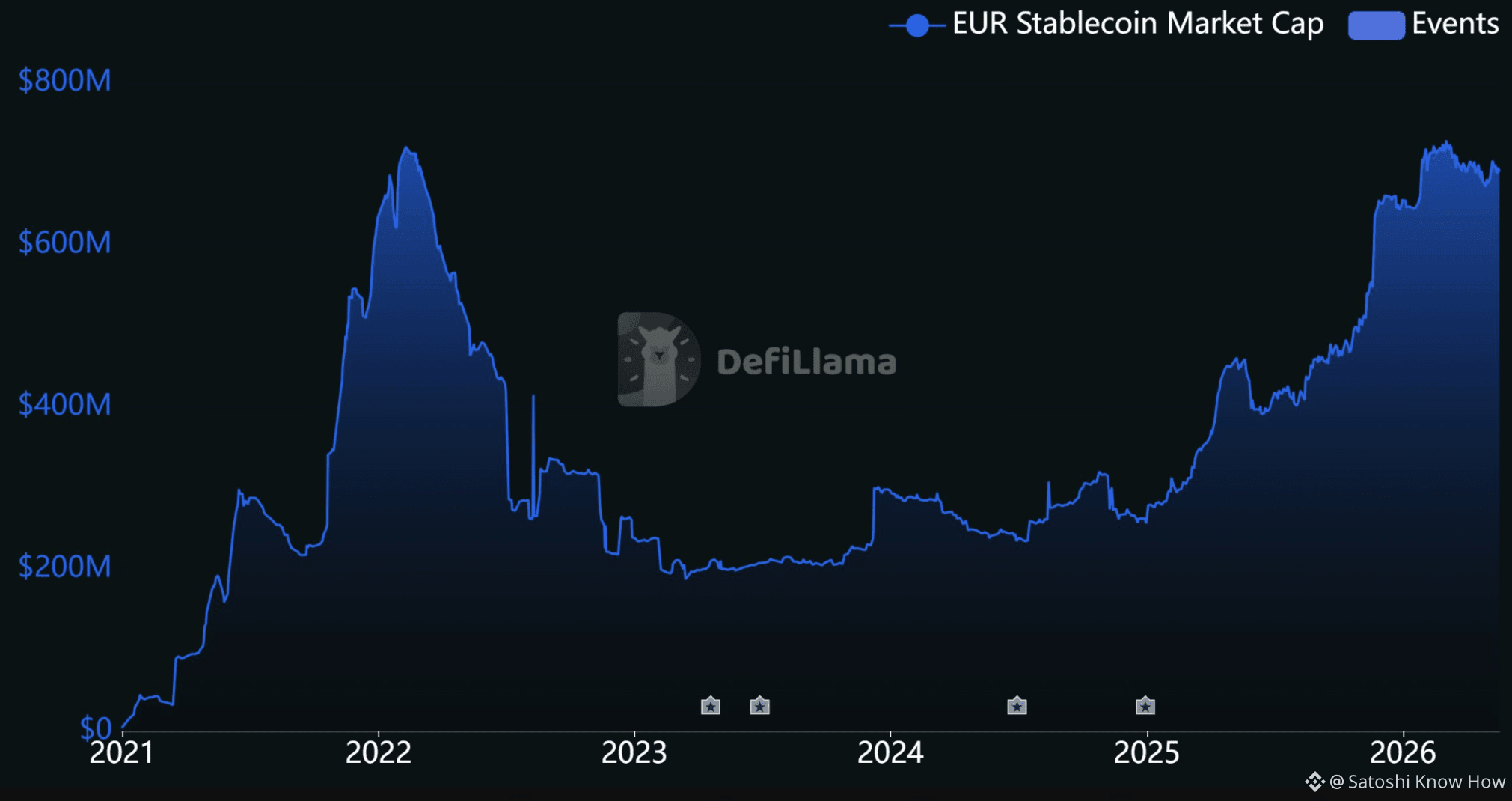
Thị trường stablecoin ở châu Âu đang tăng tốc. Một năm sau khi các quy định MiCA có hiệu lực, các stablecoin được hỗ trợ bởi euro đã đạt mức vốn hóa thị trường kỷ lục. Sự rõ ràng trong quy định đang thu hút các nhà phát hành và giúp các dự án hợp pháp mở rộng khắp Liên minh Châu Âu. Trong khi các stablecoin được hỗ trợ bởi đô la vẫn chiếm ưu thế trên thị trường toàn cầu, các lựa chọn được định giá bằng euro đang phát triển nhanh hơn nhiều so với dự đoán của nhiều nhà phân tích. Các quan sát viên trong ngành tin rằng MiCA đã đóng vai trò quan trọng bằng cách tạo ra một khung pháp lý rõ ràng cho các nhà điều hành stablecoin. Nếu các xu hướng hiện tại tiếp tục, stablecoin euro có thể trở thành một phần lớn hơn trong hệ sinh thái tài sản kỹ thuật số trong những năm tới.
Thị trường stablecoin ở châu Âu đang tăng tốc. Một năm sau khi các quy định MiCA có hiệu lực, các stablecoin được hỗ trợ bởi euro đã đạt mức vốn hóa thị trường kỷ lục. Sự rõ ràng trong quy định đang thu hút các nhà phát hành và giúp các dự án hợp pháp mở rộng khắp Liên minh Châu Âu. Trong khi các stablecoin được hỗ trợ bởi đô la vẫn chiếm ưu thế trên thị trường toàn cầu, các lựa chọn được định giá bằng euro đang phát triển nhanh hơn nhiều so với dự đoán của nhiều nhà phân tích. Các quan sát viên trong ngành tin rằng MiCA đã đóng vai trò quan trọng bằng cách tạo ra một khung pháp lý rõ ràng cho các nhà điều hành stablecoin. Nếu các xu hướng hiện tại tiếp tục, stablecoin euro có thể trở thành một phần lớn hơn trong hệ sinh thái tài sản kỹ thuật số trong những năm tới.
235
·
--
Giảm giá
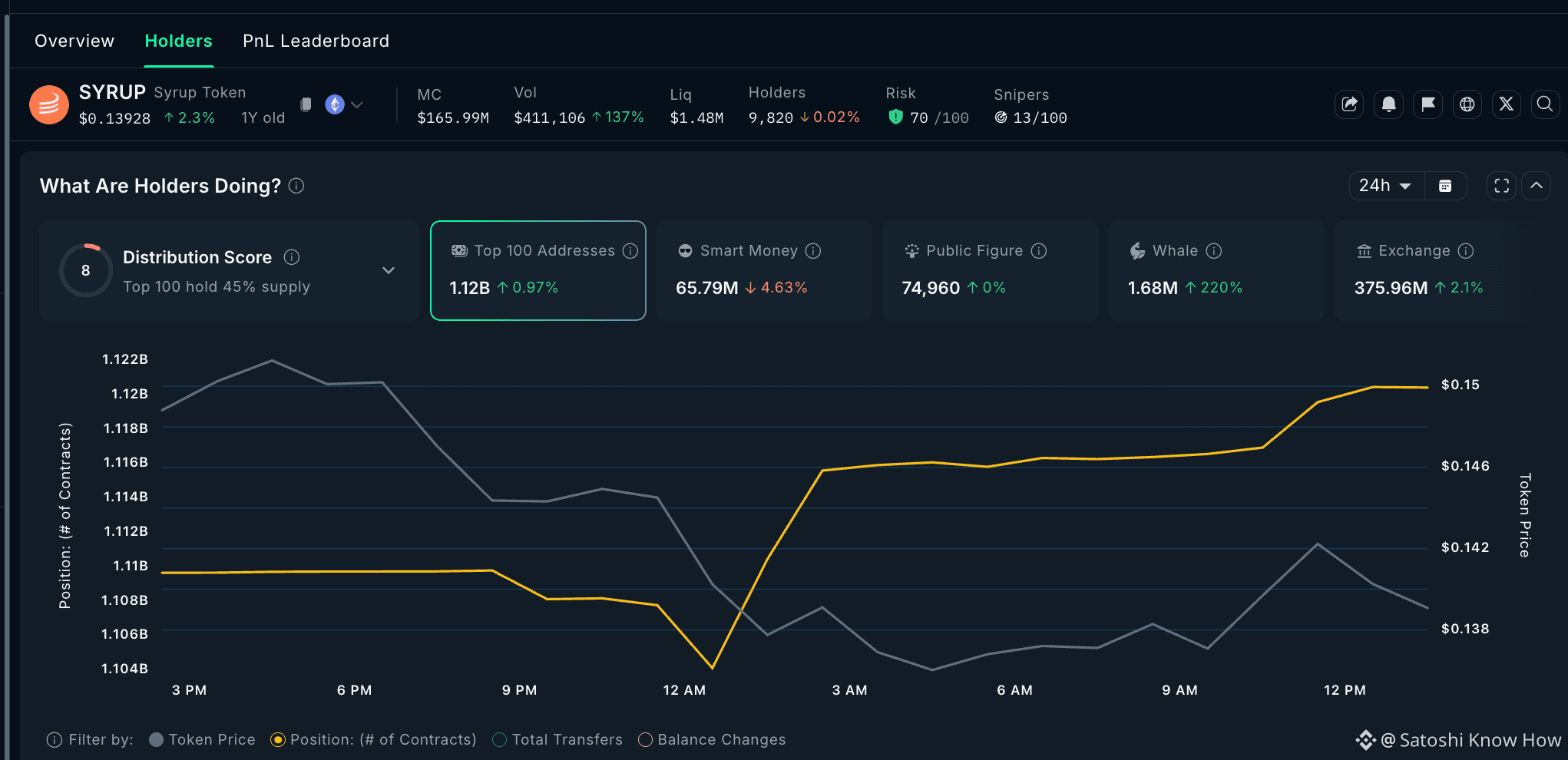
Sự giảm giá gần đây của Bitcoin xuống dưới $66,000 đã gây ra hơn $1.8 tỷ USD trong việc thanh lý, nhưng các cá voi crypto không phản ứng giống nhau. Dữ liệu on-chain cho thấy một số nhà đầu tư lớn đang tích lũy các tài sản được chọn trong khi những người khác lại giảm thiểu rủi ro và khóa lợi nhuận. Hành vi phân tách này làm nổi bật sự không chắc chắn xung quanh thị trường hiện tại. Lịch sử cho thấy, hoạt động của cá voi thường cung cấp manh mối về xu hướng tương lai, khiến những chuyển động này trở nên đáng chú ý. Trong khi các trader bán lẻ tập trung vào những biến động giá ngắn hạn, các nhà nắm giữ lớn dường như đang định vị khác nhau tùy thuộc vào triển vọng của họ cho giai đoạn tiếp theo của chu kỳ thị trường.
Sự giảm giá gần đây của Bitcoin xuống dưới $66,000 đã gây ra hơn $1.8 tỷ USD trong việc thanh lý, nhưng các cá voi crypto không phản ứng giống nhau. Dữ liệu on-chain cho thấy một số nhà đầu tư lớn đang tích lũy các tài sản được chọn trong khi những người khác lại giảm thiểu rủi ro và khóa lợi nhuận. Hành vi phân tách này làm nổi bật sự không chắc chắn xung quanh thị trường hiện tại. Lịch sử cho thấy, hoạt động của cá voi thường cung cấp manh mối về xu hướng tương lai, khiến những chuyển động này trở nên đáng chú ý. Trong khi các trader bán lẻ tập trung vào những biến động giá ngắn hạn, các nhà nắm giữ lớn dường như đang định vị khác nhau tùy thuộc vào triển vọng của họ cho giai đoạn tiếp theo của chu kỳ thị trường.
469
·
--
Giảm giá
Chiến lược, trước đây là MicroStrategy, đã làm thị trường bất ngờ khi bán Bitcoin lần đầu tiên sau hơn ba năm. Công ty đã bán 32 BTC trị giá khoảng 2,5 triệu đô la, khiến giá Bitcoin và các chứng khoán liên quan đến Chiến lược giảm. Mặc dù số lượng này là nhỏ so với kho dự trữ khổng lồ hơn 840.000 BTC của họ, nhà đầu tư xem động thái này như một biểu tượng. Michael Saylor đã xây dựng danh tiếng của mình xoay quanh cách tiếp cận "không bao giờ bán", vì vậy ngay cả một giao dịch nhỏ cũng dấy lên câu hỏi về chiến lược trong tương lai. Một số người xem đó là quản lý tài chính khôn ngoan, trong khi những người khác lo ngại rằng điều này có thể làm suy yếu niềm tin vào Bitcoin.
Chiến lược, trước đây là MicroStrategy, đã làm thị trường bất ngờ khi bán Bitcoin lần đầu tiên sau hơn ba năm. Công ty đã bán 32 BTC trị giá khoảng 2,5 triệu đô la, khiến giá Bitcoin và các chứng khoán liên quan đến Chiến lược giảm. Mặc dù số lượng này là nhỏ so với kho dự trữ khổng lồ hơn 840.000 BTC của họ, nhà đầu tư xem động thái này như một biểu tượng. Michael Saylor đã xây dựng danh tiếng của mình xoay quanh cách tiếp cận "không bao giờ bán", vì vậy ngay cả một giao dịch nhỏ cũng dấy lên câu hỏi về chiến lược trong tương lai. Một số người xem đó là quản lý tài chính khôn ngoan, trong khi những người khác lo ngại rằng điều này có thể làm suy yếu niềm tin vào Bitcoin.
1
220
·
--
Giảm giá
Có phải đây là mùa đông crypto lạnh nhất từ trước đến nay? Nhà phân tích của Bloomberg, Joe Weisenthal, nghĩ là như vậy, chỉ ra rằng Bitcoin đã giảm 47% từ đỉnh $126,000 và tâm lý thị trường đang yếu đi. Không phải ai cũng đồng ý. Nhiều nhà đầu tư crypto lập luận rằng những câu chuyện "crypto đã chết" tương tự xuất hiện trong mỗi lần điều chỉnh lớn và thường đi kèm với một chu kỳ phục hồi. Với BTC đang giao dịch quanh mức $67,000, cuộc tranh luận lại nóng lên một lần nữa. Chúng ta có đang chứng kiến sự kết thúc của chu kỳ hiện tại, hay chỉ đơn giản là một chương khác trong lịch sử biến động dài của Bitcoin? Câu trả lời có thể định hình phần còn lại của năm 2026.
Có phải đây là mùa đông crypto lạnh nhất từ trước đến nay? Nhà phân tích của Bloomberg, Joe Weisenthal, nghĩ là như vậy, chỉ ra rằng Bitcoin đã giảm 47% từ đỉnh $126,000 và tâm lý thị trường đang yếu đi. Không phải ai cũng đồng ý. Nhiều nhà đầu tư crypto lập luận rằng những câu chuyện "crypto đã chết" tương tự xuất hiện trong mỗi lần điều chỉnh lớn và thường đi kèm với một chu kỳ phục hồi. Với BTC đang giao dịch quanh mức $67,000, cuộc tranh luận lại nóng lên một lần nữa. Chúng ta có đang chứng kiến sự kết thúc của chu kỳ hiện tại, hay chỉ đơn giản là một chương khác trong lịch sử biến động dài của Bitcoin? Câu trả lời có thể định hình phần còn lại của năm 2026.
174

Bài viết
Mã giới thiệu BinanceBạn đang tìm Mã giới thiệu Binance? Hãy đăng ký ngay hôm nay bằng mã giới thiệu Binance SATOSHIBRO và nhận ưu đãi chào mừng mạnh mẽ nhất hiện có trên thị trường.
Đăng ký tại đây: [https://www.binance.com/join?ref=SATOSHIBRO](https://www.binance.com/join?ref=SATOSHIBRO)
Xem thêm chi tiết: [Binance official page](https://www.binance.com/en/events/BESTBONUS)
Người dùng mới đăng ký thông qua liên kết khuyến mãi có thể nhận ưu đãi giảm giá trọn đời 20% cho phí giao dịch Binance Spot và Futures, cùng với quyền truy cập vào chương trình Thưởng Chào Mừng Được Nâng Cường bởi Affiliate mới trị giá lên đến 19.800 USD.
Mã giới thiệu Binance
Bạn đang tìm Mã giới thiệu Binance? Hãy đăng ký ngay hôm nay bằng mã giới thiệu Binance SATOSHIBRO và nhận ưu đãi chào mừng mạnh mẽ nhất hiện có trên thị trường.
Đăng ký tại đây: https://www.binance.com/join?ref=SATOSHIBRO
Xem thêm chi tiết: Binance official page
Người dùng mới đăng ký thông qua liên kết khuyến mãi có thể nhận ưu đãi giảm giá trọn đời 20% cho phí giao dịch Binance Spot và Futures, cùng với quyền truy cập vào chương trình Thưởng Chào Mừng Được Nâng Cường bởi Affiliate mới trị giá lên đến 19.800 USD.
Đăng ký tại đây: https://www.binance.com/join?ref=SATOSHIBRO
Xem thêm chi tiết: Binance official page
Người dùng mới đăng ký thông qua liên kết khuyến mãi có thể nhận ưu đãi giảm giá trọn đời 20% cho phí giao dịch Binance Spot và Futures, cùng với quyền truy cập vào chương trình Thưởng Chào Mừng Được Nâng Cường bởi Affiliate mới trị giá lên đến 19.800 USD.
229
Đúng một phần

Bài viết
Binance Futures Có Sẵn Ở Đâu Trong Năm 2026?Binance vẫn là một trong những sàn giao dịch crypto lớn nhất thế giới vào năm 2026, nhưng các sản phẩm Futures của sàn này hiện không còn khả dụng ở mọi nơi. Việc truy cập hiện phụ thuộc rất nhiều vào nơi bạn sinh sống, cách cơ quan quản lý địa phương đối xử với các công cụ phái sinh crypto, và các chính sách rủi ro cũng như tuân thủ của chính Binance.
Lưu ý: Hướng dẫn này dựa trên thông tin công khai có sẵn đến cuối năm 2025 và đầu năm 2026. Quy tắc và chính sách của nền tảng có thể thay đổi nhanh chóng, vì vậy hãy luôn kiểm tra trực tiếp trên Binance trước khi giao dịch Hợp đồng tương lai (Futures).
Thực sự Binance Futures là gì
Binance Futures Có Sẵn Ở Đâu Trong Năm 2026?
Binance vẫn là một trong những sàn giao dịch crypto lớn nhất thế giới vào năm 2026, nhưng các sản phẩm Futures của sàn này hiện không còn khả dụng ở mọi nơi. Việc truy cập hiện phụ thuộc rất nhiều vào nơi bạn sinh sống, cách cơ quan quản lý địa phương đối xử với các công cụ phái sinh crypto, và các chính sách rủi ro cũng như tuân thủ của chính Binance.
Lưu ý: Hướng dẫn này dựa trên thông tin công khai có sẵn đến cuối năm 2025 và đầu năm 2026. Quy tắc và chính sách của nền tảng có thể thay đổi nhanh chóng, vì vậy hãy luôn kiểm tra trực tiếp trên Binance trước khi giao dịch Hợp đồng tương lai (Futures).
Thực sự Binance Futures là gì
Lưu ý: Hướng dẫn này dựa trên thông tin công khai có sẵn đến cuối năm 2025 và đầu năm 2026. Quy tắc và chính sách của nền tảng có thể thay đổi nhanh chóng, vì vậy hãy luôn kiểm tra trực tiếp trên Binance trước khi giao dịch Hợp đồng tương lai (Futures).
Thực sự Binance Futures là gì
2.5k

Bài viết
Dự đoán giá Ripple (XRP): 2026, 2027, 2030XRP của Ripple vẫn là một trong những đồng tiền mã hóa vốn hóa lớn được theo dõi sát sao nhất nhờ tập trung vào các thanh toán trong thế giới thực, cuộc chiến pháp lý kéo dài với SEC, và nhiều chu kỳ biến động cao lặp lại. Khi các đám mây pháp lý dần tan bớt và việc ứng dụng các giải pháp thanh toán dựa trên XRP Ledger ngày càng tăng, nhiều nhà giao dịch đang tự hỏi các mức mục tiêu giá thực tế cho năm 2026, 2027 và 2030 có thể trông như thế nào.
Hướng dẫn này phân tích các nguyên tắc cơ bản của XRP, lịch sử giá và những chất xúc tác chính có thể thúc đẩy định giá trong tương lai, sau đó chuyển thành các kịch bản giảm giá, cơ sở và lạc quan thay vì các mục tiêu “được đảm bảo” cố định. Trong suốt quá trình, hãy nhớ rằng tài sản tiền mã hóa rất mang tính đầu cơ và ngay cả các mô hình tốt nhất cũng có thể sai lệch ở mức độ rất lớn.
Dự đoán giá Ripple (XRP): 2026, 2027, 2030
XRP của Ripple vẫn là một trong những đồng tiền mã hóa vốn hóa lớn được theo dõi sát sao nhất nhờ tập trung vào các thanh toán trong thế giới thực, cuộc chiến pháp lý kéo dài với SEC, và nhiều chu kỳ biến động cao lặp lại. Khi các đám mây pháp lý dần tan bớt và việc ứng dụng các giải pháp thanh toán dựa trên XRP Ledger ngày càng tăng, nhiều nhà giao dịch đang tự hỏi các mức mục tiêu giá thực tế cho năm 2026, 2027 và 2030 có thể trông như thế nào.
Hướng dẫn này phân tích các nguyên tắc cơ bản của XRP, lịch sử giá và những chất xúc tác chính có thể thúc đẩy định giá trong tương lai, sau đó chuyển thành các kịch bản giảm giá, cơ sở và lạc quan thay vì các mục tiêu “được đảm bảo” cố định. Trong suốt quá trình, hãy nhớ rằng tài sản tiền mã hóa rất mang tính đầu cơ và ngay cả các mô hình tốt nhất cũng có thể sai lệch ở mức độ rất lớn.
Hướng dẫn này phân tích các nguyên tắc cơ bản của XRP, lịch sử giá và những chất xúc tác chính có thể thúc đẩy định giá trong tương lai, sau đó chuyển thành các kịch bản giảm giá, cơ sở và lạc quan thay vì các mục tiêu “được đảm bảo” cố định. Trong suốt quá trình, hãy nhớ rằng tài sản tiền mã hóa rất mang tính đầu cơ và ngay cả các mô hình tốt nhất cũng có thể sai lệch ở mức độ rất lớn.
464
Bài viết
Dự đoán giá Bitcoin: 2026, 2027, 2030Bitcoin đã trải qua nhiều chu kỳ bùng nổ rồi sụp đổ đầy kịch tính, mang lại những khoản lợi nhuận có thể làm thay đổi cuộc đời cho một số nhà đầu tư và gây ra những đợt sụt giảm đau đớn cho những người khác. Mỗi chu kỳ thường lại đưa ra một câu hỏi quen thuộc lên bề mặt: Bitcoin có thể giao dịch ở mức giá thực tế nào trong những năm tới, và các dự đoán giá hợp lý cho năm 2026, 2027 và 2030 là gì?
Trong hướng dẫn này, chúng ta sẽ không giả vờ biết chính xác giá Bitcoin trong tương lai. Thay vào đó, chúng ta sẽ xem xét các chu kỳ trước đây đã diễn ra như thế nào, điều gì khác biệt ở lần này, và các mô hình cũng như nhà phân tích hiện tại đang dự báo cho thập kỷ tới. Sau đó, chúng ta sẽ xây dựng các kịch bản lạc quan, cơ sở và bi quan thực tế cho năm 2026, 2027 và 2030, để bạn có thể thấy toàn bộ phạm vi các kết quả có thể xảy ra thay vì chỉ một con số “kỳ diệu”.
Dự đoán giá Bitcoin: 2026, 2027, 2030
Bitcoin đã trải qua nhiều chu kỳ bùng nổ rồi sụp đổ đầy kịch tính, mang lại những khoản lợi nhuận có thể làm thay đổi cuộc đời cho một số nhà đầu tư và gây ra những đợt sụt giảm đau đớn cho những người khác. Mỗi chu kỳ thường lại đưa ra một câu hỏi quen thuộc lên bề mặt: Bitcoin có thể giao dịch ở mức giá thực tế nào trong những năm tới, và các dự đoán giá hợp lý cho năm 2026, 2027 và 2030 là gì?
Trong hướng dẫn này, chúng ta sẽ không giả vờ biết chính xác giá Bitcoin trong tương lai. Thay vào đó, chúng ta sẽ xem xét các chu kỳ trước đây đã diễn ra như thế nào, điều gì khác biệt ở lần này, và các mô hình cũng như nhà phân tích hiện tại đang dự báo cho thập kỷ tới. Sau đó, chúng ta sẽ xây dựng các kịch bản lạc quan, cơ sở và bi quan thực tế cho năm 2026, 2027 và 2030, để bạn có thể thấy toàn bộ phạm vi các kết quả có thể xảy ra thay vì chỉ một con số “kỳ diệu”.
Trong hướng dẫn này, chúng ta sẽ không giả vờ biết chính xác giá Bitcoin trong tương lai. Thay vào đó, chúng ta sẽ xem xét các chu kỳ trước đây đã diễn ra như thế nào, điều gì khác biệt ở lần này, và các mô hình cũng như nhà phân tích hiện tại đang dự báo cho thập kỷ tới. Sau đó, chúng ta sẽ xây dựng các kịch bản lạc quan, cơ sở và bi quan thực tế cho năm 2026, 2027 và 2030, để bạn có thể thấy toàn bộ phạm vi các kết quả có thể xảy ra thay vì chỉ một con số “kỳ diệu”.
1.3k

Bài viết
Binance Futures vào năm 2026: Hướng dẫn đầy đủ và Đánh giáBinance Futures là một trong những nơi phổ biến nhất trên thế giới để giao dịch phái sinh crypto với đòn bẩy, cho phép bạn long hoặc short hàng chục đồng mà không cần tự sở hữu tài sản cơ sở trực tiếp. Đồng thời, đòn bẩy và phái sinh cũng mang rủi ro, có thể khiến vốn của bạn bị xóa sạch rất nhanh nếu bạn không hiểu đầy đủ nền tảng hoạt động như thế nào.
Hướng dẫn này sẽ đưa bạn đi qua Binance Futures năm 2026 từng bước: đây là gì, các loại hợp đồng khác nhau, đòn bẩy và thanh lý, phí và funding, các chế độ ký quỹ và vị thế, bot và copy trading, quản lý rủi ro, chiến lược và những sai lầm lớn cần tránh. Mục tiêu là đầy đủ và thực tế hơn hầu hết các tutorial chung chung để bạn có thể giao dịch với hiểu biết thực tế về cả cơ hội lẫn rủi ro.
Binance Futures vào năm 2026: Hướng dẫn đầy đủ và Đánh giá
Binance Futures là một trong những nơi phổ biến nhất trên thế giới để giao dịch phái sinh crypto với đòn bẩy, cho phép bạn long hoặc short hàng chục đồng mà không cần tự sở hữu tài sản cơ sở trực tiếp. Đồng thời, đòn bẩy và phái sinh cũng mang rủi ro, có thể khiến vốn của bạn bị xóa sạch rất nhanh nếu bạn không hiểu đầy đủ nền tảng hoạt động như thế nào.
Hướng dẫn này sẽ đưa bạn đi qua Binance Futures năm 2026 từng bước: đây là gì, các loại hợp đồng khác nhau, đòn bẩy và thanh lý, phí và funding, các chế độ ký quỹ và vị thế, bot và copy trading, quản lý rủi ro, chiến lược và những sai lầm lớn cần tránh. Mục tiêu là đầy đủ và thực tế hơn hầu hết các tutorial chung chung để bạn có thể giao dịch với hiểu biết thực tế về cả cơ hội lẫn rủi ro.
Hướng dẫn này sẽ đưa bạn đi qua Binance Futures năm 2026 từng bước: đây là gì, các loại hợp đồng khác nhau, đòn bẩy và thanh lý, phí và funding, các chế độ ký quỹ và vị thế, bot và copy trading, quản lý rủi ro, chiến lược và những sai lầm lớn cần tránh. Mục tiêu là đầy đủ và thực tế hơn hầu hết các tutorial chung chung để bạn có thể giao dịch với hiểu biết thực tế về cả cơ hội lẫn rủi ro.
1
789

Bài viết
Binance có SAFE và LEGIT vào năm 2026 không?Nếu bạn ở trong giới crypto đủ lâu, bạn cuối cùng cũng sẽ hỏi cùng một câu mà ai cũng hỏi: “Binance có thực sự an toàn không, hay tôi chỉ đang tin vào một chiếc hộp đen khổng lồ với tiền của mình?”
Vào năm 2026, Binance vẫn là sàn giao dịch crypto lớn nhất theo khối lượng giao dịch và theo thông tin công bố phục vụ hơn 250–290 triệu người dùng trên toàn thế giới, khiến tư thế bảo mật của nó có ý nghĩa mang tính hệ thống với toàn thị trường.
Bên dưới, bạn sẽ thấy một cái nhìn thẳng thắn, cập nhật về bảo mật của Binance: họ bảo vệ tài khoản của bạn như thế nào, điều gì đã từng xảy ra sai trong quá khứ, SAFU hoạt động ra sao, thỏa thuận với DOJ đã thay đổi gì và liệu năm 2026 có nên để đồng coin của bạn ở đó không.
Binance có SAFE và LEGIT vào năm 2026 không?
Nếu bạn ở trong giới crypto đủ lâu, bạn cuối cùng cũng sẽ hỏi cùng một câu mà ai cũng hỏi: “Binance có thực sự an toàn không, hay tôi chỉ đang tin vào một chiếc hộp đen khổng lồ với tiền của mình?”
Vào năm 2026, Binance vẫn là sàn giao dịch crypto lớn nhất theo khối lượng giao dịch và theo thông tin công bố phục vụ hơn 250–290 triệu người dùng trên toàn thế giới, khiến tư thế bảo mật của nó có ý nghĩa mang tính hệ thống với toàn thị trường.
Bên dưới, bạn sẽ thấy một cái nhìn thẳng thắn, cập nhật về bảo mật của Binance: họ bảo vệ tài khoản của bạn như thế nào, điều gì đã từng xảy ra sai trong quá khứ, SAFU hoạt động ra sao, thỏa thuận với DOJ đã thay đổi gì và liệu năm 2026 có nên để đồng coin của bạn ở đó không.
Vào năm 2026, Binance vẫn là sàn giao dịch crypto lớn nhất theo khối lượng giao dịch và theo thông tin công bố phục vụ hơn 250–290 triệu người dùng trên toàn thế giới, khiến tư thế bảo mật của nó có ý nghĩa mang tính hệ thống với toàn thị trường.
Bên dưới, bạn sẽ thấy một cái nhìn thẳng thắn, cập nhật về bảo mật của Binance: họ bảo vệ tài khoản của bạn như thế nào, điều gì đã từng xảy ra sai trong quá khứ, SAFU hoạt động ra sao, thỏa thuận với DOJ đã thay đổi gì và liệu năm 2026 có nên để đồng coin của bạn ở đó không.
1
1
421
Sự tiếp nhận crypto ở châu Âu đang âm thầm đạt đến một điểm bùng phát.
Một nghiên cứu mới cho thấy 1 trong 4 nhà đầu tư ở các thị trường lớn đã sở hữu crypto. Tây Ban Nha đang dẫn đầu cuộc đua (~28%), tiếp theo là Đức, Ý và Pháp — tất cả đều dao động quanh mức giữa 20%.
Điều nổi bật không chỉ là sự tiếp nhận, mà còn là ý định.
Hơn một phần ba nhà đầu tư crypto cho biết họ có khả năng sẽ tái đầu tư trong năm năm tới, ngay cả khi sự biến động vẫn còn diễn ra. Theo Matthias Voelkel, điều này báo hiệu một điều gì đó sâu sắc hơn cả sự cường điệu — nó đang trở thành một khoản phân bổ dài hạn.
Nhưng vẫn còn một khoảng cách.
Hầu hết các nhà đầu tư thừa nhận rằng crypto cảm thấy phức tạp. Ở một số quốc gia, hơn 70% nói rằng họ không hoàn toàn hiểu nó. Đồng thời, gần một nửa cho biết họ sẽ đầu tư nhiều hơn nếu họ hiểu rõ hơn.
Đó là một cơ hội lớn đang chờ đợi để xảy ra.
Và sau đó là áp lực từ các ngân hàng.
Khoảng 1 trong 5 nhà đầu tư mong đợi ngân hàng của họ sẽ cung cấp crypto trong vòng 3 năm… và 35% sẽ xem xét việc chuyển đổi nếu họ không làm như vậy.
Đó không còn là nhu cầu ngách nữa.
Đó là một mối đe dọa cạnh tranh.
Crypto không chỉ đang phát triển ở châu Âu — nó đang bắt đầu định hình lại hệ thống tài chính từ bên ngoài vào.
Sự tiếp nhận crypto ở châu Âu đang âm thầm đạt đến một điểm bùng phát.
Một nghiên cứu mới cho thấy 1 trong 4 nhà đầu tư ở các thị trường lớn đã sở hữu crypto. Tây Ban Nha đang dẫn đầu cuộc đua (~28%), tiếp theo là Đức, Ý và Pháp — tất cả đều dao động quanh mức giữa 20%.
Điều nổi bật không chỉ là sự tiếp nhận, mà còn là ý định.
Hơn một phần ba nhà đầu tư crypto cho biết họ có khả năng sẽ tái đầu tư trong năm năm tới, ngay cả khi sự biến động vẫn còn diễn ra. Theo Matthias Voelkel, điều này báo hiệu một điều gì đó sâu sắc hơn cả sự cường điệu — nó đang trở thành một khoản phân bổ dài hạn.
Nhưng vẫn còn một khoảng cách.
Hầu hết các nhà đầu tư thừa nhận rằng crypto cảm thấy phức tạp. Ở một số quốc gia, hơn 70% nói rằng họ không hoàn toàn hiểu nó. Đồng thời, gần một nửa cho biết họ sẽ đầu tư nhiều hơn nếu họ hiểu rõ hơn.
Đó là một cơ hội lớn đang chờ đợi để xảy ra.
Và sau đó là áp lực từ các ngân hàng.
Khoảng 1 trong 5 nhà đầu tư mong đợi ngân hàng của họ sẽ cung cấp crypto trong vòng 3 năm… và 35% sẽ xem xét việc chuyển đổi nếu họ không làm như vậy.
Đó không còn là nhu cầu ngách nữa.
Đó là một mối đe dọa cạnh tranh.
Crypto không chỉ đang phát triển ở châu Âu — nó đang bắt đầu định hình lại hệ thống tài chính từ bên ngoài vào.
Một nghiên cứu mới cho thấy 1 trong 4 nhà đầu tư ở các thị trường lớn đã sở hữu crypto. Tây Ban Nha đang dẫn đầu cuộc đua (~28%), tiếp theo là Đức, Ý và Pháp — tất cả đều dao động quanh mức giữa 20%.
Điều nổi bật không chỉ là sự tiếp nhận, mà còn là ý định.
Hơn một phần ba nhà đầu tư crypto cho biết họ có khả năng sẽ tái đầu tư trong năm năm tới, ngay cả khi sự biến động vẫn còn diễn ra. Theo Matthias Voelkel, điều này báo hiệu một điều gì đó sâu sắc hơn cả sự cường điệu — nó đang trở thành một khoản phân bổ dài hạn.
Nhưng vẫn còn một khoảng cách.
Hầu hết các nhà đầu tư thừa nhận rằng crypto cảm thấy phức tạp. Ở một số quốc gia, hơn 70% nói rằng họ không hoàn toàn hiểu nó. Đồng thời, gần một nửa cho biết họ sẽ đầu tư nhiều hơn nếu họ hiểu rõ hơn.
Đó là một cơ hội lớn đang chờ đợi để xảy ra.
Và sau đó là áp lực từ các ngân hàng.
Khoảng 1 trong 5 nhà đầu tư mong đợi ngân hàng của họ sẽ cung cấp crypto trong vòng 3 năm… và 35% sẽ xem xét việc chuyển đổi nếu họ không làm như vậy.
Đó không còn là nhu cầu ngách nữa.
Đó là một mối đe dọa cạnh tranh.
Crypto không chỉ đang phát triển ở châu Âu — nó đang bắt đầu định hình lại hệ thống tài chính từ bên ngoài vào.
1
88
Firefox 150 vừa ra mắt — và tiêu đề thật điên rồ. Mozilla đã vá 271 lỗ hổng bảo mật cùng một lúc, hầu hết trong số đó được phát hiện bởi hệ thống AI của Anthropic trong một đánh giá có kiểm soát.
Đó không phải là lỗi chính tả. 271.
Theo Bobby Holley, khối lượng như vậy sẽ không thể tưởng tượng được ngay cả một năm trước đây. Vào năm 2025, việc tìm thấy một lỗi duy nhất trong một trình duyệt đã được bảo vệ là một chuyện lớn. Bây giờ, AI đang xuất hiện hàng trăm lỗi cùng một lúc.
Đây là một phần của "Dự án Glasswing" của Anthropic, nơi các đối tác được chọn có quyền truy cập hạn chế vào các mô hình mạnh mẽ được thiết kế để kiểm tra căng thẳng các hệ thống thế giới thực.
Và đây là sự chuyển mình: bảo mật trước đây giả định rằng bạn không thể loại bỏ tất cả các lỗ hổng — chỉ làm cho chúng khó sử dụng hơn. Nhưng AI đang thay đổi sự cân bằng đó một cách nhanh chóng.
Điều gì còn thú vị hơn? Mozilla nói rằng mọi lỗi được tìm thấy vẫn có thể được các nhà nghiên cứu hàng đầu phát hiện. AI chỉ làm điều đó nhanh hơn… và ở quy mô lớn.
Tại sao crypto lại quan tâm?
Bởi vì bề mặt tấn công tương tự áp dụng cho ví, tiện ích mở rộng và dApps. Bạn không cần phải phá vỡ khóa riêng — chỉ cần đánh lừa người dùng ký vào một cái gì đó độc hại.
Những ông lớn như Coinbase đã bắt đầu khám phá những công cụ này.
Vậy nên… AI không chỉ cải thiện bảo mật.
Nó đang tăng tốc cả hai mặt của trò chơi.
Firefox 150 vừa ra mắt — và tiêu đề thật điên rồ. Mozilla đã vá 271 lỗ hổng bảo mật cùng một lúc, hầu hết trong số đó được phát hiện bởi hệ thống AI của Anthropic trong một đánh giá có kiểm soát.
Đó không phải là lỗi chính tả. 271.
Theo Bobby Holley, khối lượng như vậy sẽ không thể tưởng tượng được ngay cả một năm trước đây. Vào năm 2025, việc tìm thấy một lỗi duy nhất trong một trình duyệt đã được bảo vệ là một chuyện lớn. Bây giờ, AI đang xuất hiện hàng trăm lỗi cùng một lúc.
Đây là một phần của "Dự án Glasswing" của Anthropic, nơi các đối tác được chọn có quyền truy cập hạn chế vào các mô hình mạnh mẽ được thiết kế để kiểm tra căng thẳng các hệ thống thế giới thực.
Và đây là sự chuyển mình: bảo mật trước đây giả định rằng bạn không thể loại bỏ tất cả các lỗ hổng — chỉ làm cho chúng khó sử dụng hơn. Nhưng AI đang thay đổi sự cân bằng đó một cách nhanh chóng.
Điều gì còn thú vị hơn? Mozilla nói rằng mọi lỗi được tìm thấy vẫn có thể được các nhà nghiên cứu hàng đầu phát hiện. AI chỉ làm điều đó nhanh hơn… và ở quy mô lớn.
Tại sao crypto lại quan tâm?
Bởi vì bề mặt tấn công tương tự áp dụng cho ví, tiện ích mở rộng và dApps. Bạn không cần phải phá vỡ khóa riêng — chỉ cần đánh lừa người dùng ký vào một cái gì đó độc hại.
Những ông lớn như Coinbase đã bắt đầu khám phá những công cụ này.
Vậy nên… AI không chỉ cải thiện bảo mật.
Nó đang tăng tốc cả hai mặt của trò chơi.
Đó không phải là lỗi chính tả. 271.
Theo Bobby Holley, khối lượng như vậy sẽ không thể tưởng tượng được ngay cả một năm trước đây. Vào năm 2025, việc tìm thấy một lỗi duy nhất trong một trình duyệt đã được bảo vệ là một chuyện lớn. Bây giờ, AI đang xuất hiện hàng trăm lỗi cùng một lúc.
Đây là một phần của "Dự án Glasswing" của Anthropic, nơi các đối tác được chọn có quyền truy cập hạn chế vào các mô hình mạnh mẽ được thiết kế để kiểm tra căng thẳng các hệ thống thế giới thực.
Và đây là sự chuyển mình: bảo mật trước đây giả định rằng bạn không thể loại bỏ tất cả các lỗ hổng — chỉ làm cho chúng khó sử dụng hơn. Nhưng AI đang thay đổi sự cân bằng đó một cách nhanh chóng.
Điều gì còn thú vị hơn? Mozilla nói rằng mọi lỗi được tìm thấy vẫn có thể được các nhà nghiên cứu hàng đầu phát hiện. AI chỉ làm điều đó nhanh hơn… và ở quy mô lớn.
Tại sao crypto lại quan tâm?
Bởi vì bề mặt tấn công tương tự áp dụng cho ví, tiện ích mở rộng và dApps. Bạn không cần phải phá vỡ khóa riêng — chỉ cần đánh lừa người dùng ký vào một cái gì đó độc hại.
Những ông lớn như Coinbase đã bắt đầu khám phá những công cụ này.
Vậy nên… AI không chỉ cải thiện bảo mật.
Nó đang tăng tốc cả hai mặt của trò chơi.
65
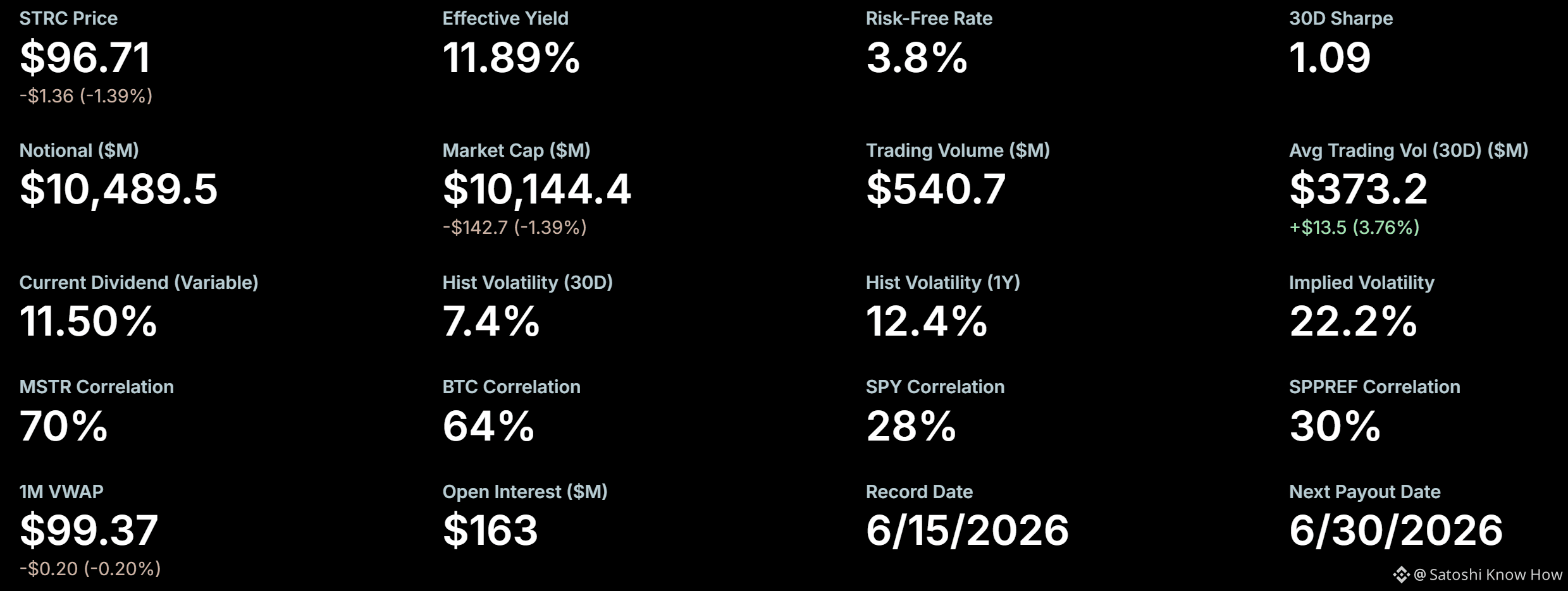
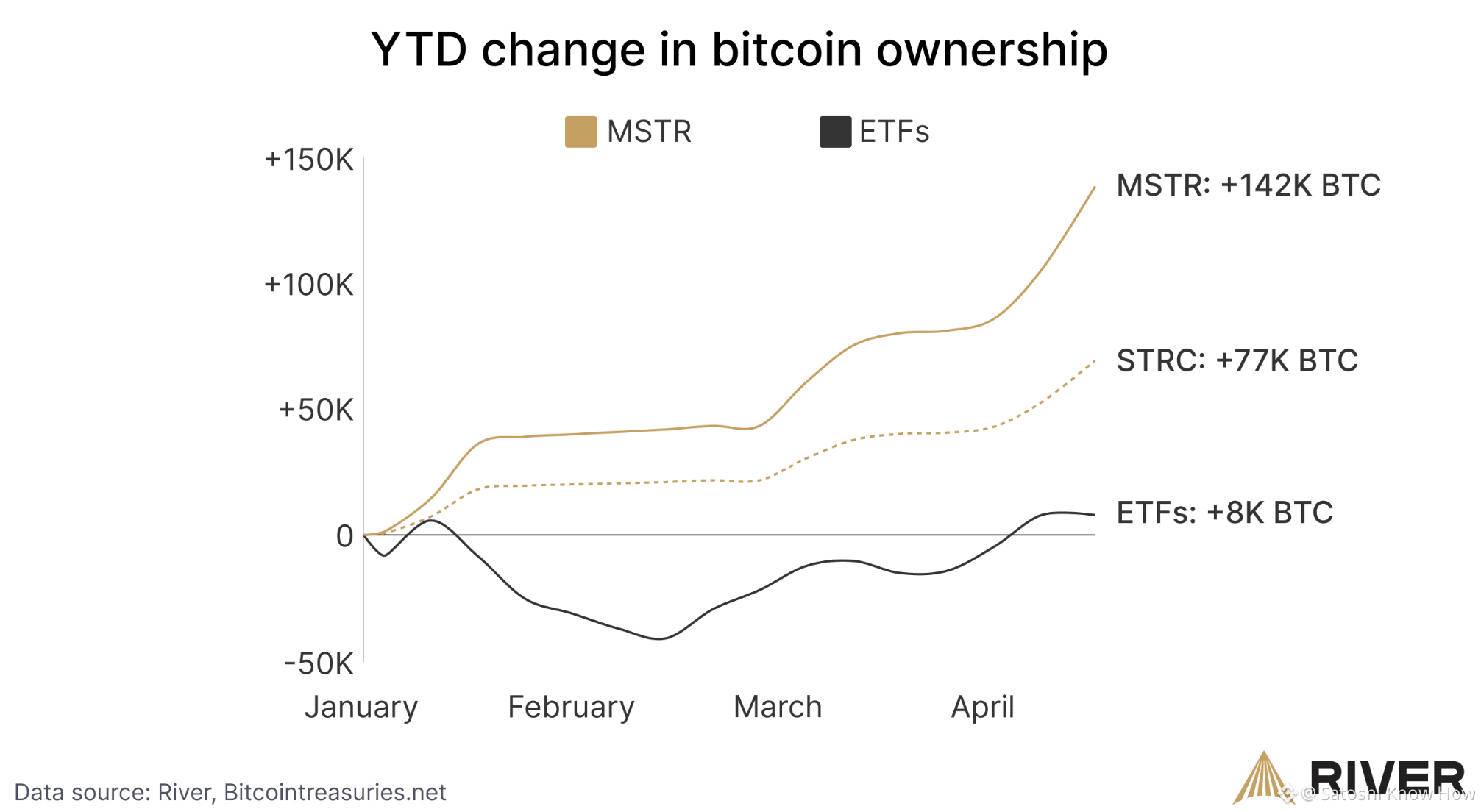
MicroStrategy đang âm thầm thống trị việc tích lũy Bitcoin vào năm 2026 — và điều đó không hề gần.
Thông qua cổ phiếu ưu đãi STRC, công ty đã mua được ~77,000 BTC trong năm nay. Trong khi đó, tất cả các quỹ ETF giao ngay của Mỹ cộng lại? Chỉ khoảng ~8,000 BTC. Đó là sự chênh lệch gấp 10 lần.
Dưới sự dẫn dắt của Michael Saylor, chiến lược rất đơn giản nhưng mạnh mẽ: phát hành cổ phiếu ưu đãi với lợi suất cao (hiện tại ~11.5%), huy động vốn và chuyển đổi trực tiếp thành Bitcoin — mà không làm loãng quyền lợi của các cổ đông phổ thông.
Kết quả? Hơn 815,000 BTC trên bảng cân đối kế toán, giờ đây đã vượt qua cả BlackRock’s iShares Bitcoin Trust.
Điều thú vị là sự thay đổi trong động lực cầu. Các quỹ ETF vẫn đang thấy dòng vốn vào, nhưng tương đối nhỏ so với kênh mới này. STRC đang biến nhu cầu từ thị trường tín dụng thành việc tích lũy BTC mạnh mẽ.
Điều này đặt ra một câu hỏi lớn hơn:
Liệu chúng ta có đang bước vào giai đoạn mà các tập đoàn — không phải các quỹ ETF — trở thành lực lượng chi phối đằng sau nhu cầu Bitcoin không?
Với tốc độ này, MicroStrategy có thể vượt qua 1 triệu BTC vào cuối năm 2026.
Đó không chỉ là việc tích lũy. Đó là lãnh thổ của cú sốc nguồn cung.
MicroStrategy đang âm thầm thống trị việc tích lũy Bitcoin vào năm 2026 — và điều đó không hề gần.
Thông qua cổ phiếu ưu đãi STRC, công ty đã mua được ~77,000 BTC trong năm nay. Trong khi đó, tất cả các quỹ ETF giao ngay của Mỹ cộng lại? Chỉ khoảng ~8,000 BTC. Đó là sự chênh lệch gấp 10 lần.
Dưới sự dẫn dắt của Michael Saylor, chiến lược rất đơn giản nhưng mạnh mẽ: phát hành cổ phiếu ưu đãi với lợi suất cao (hiện tại ~11.5%), huy động vốn và chuyển đổi trực tiếp thành Bitcoin — mà không làm loãng quyền lợi của các cổ đông phổ thông.
Kết quả? Hơn 815,000 BTC trên bảng cân đối kế toán, giờ đây đã vượt qua cả BlackRock’s iShares Bitcoin Trust.
Điều thú vị là sự thay đổi trong động lực cầu. Các quỹ ETF vẫn đang thấy dòng vốn vào, nhưng tương đối nhỏ so với kênh mới này. STRC đang biến nhu cầu từ thị trường tín dụng thành việc tích lũy BTC mạnh mẽ.
Điều này đặt ra một câu hỏi lớn hơn:
Liệu chúng ta có đang bước vào giai đoạn mà các tập đoàn — không phải các quỹ ETF — trở thành lực lượng chi phối đằng sau nhu cầu Bitcoin không?
Với tốc độ này, MicroStrategy có thể vượt qua 1 triệu BTC vào cuối năm 2026.
Đó không chỉ là việc tích lũy. Đó là lãnh thổ của cú sốc nguồn cung.
Thông qua cổ phiếu ưu đãi STRC, công ty đã mua được ~77,000 BTC trong năm nay. Trong khi đó, tất cả các quỹ ETF giao ngay của Mỹ cộng lại? Chỉ khoảng ~8,000 BTC. Đó là sự chênh lệch gấp 10 lần.
Dưới sự dẫn dắt của Michael Saylor, chiến lược rất đơn giản nhưng mạnh mẽ: phát hành cổ phiếu ưu đãi với lợi suất cao (hiện tại ~11.5%), huy động vốn và chuyển đổi trực tiếp thành Bitcoin — mà không làm loãng quyền lợi của các cổ đông phổ thông.
Kết quả? Hơn 815,000 BTC trên bảng cân đối kế toán, giờ đây đã vượt qua cả BlackRock’s iShares Bitcoin Trust.
Điều thú vị là sự thay đổi trong động lực cầu. Các quỹ ETF vẫn đang thấy dòng vốn vào, nhưng tương đối nhỏ so với kênh mới này. STRC đang biến nhu cầu từ thị trường tín dụng thành việc tích lũy BTC mạnh mẽ.
Điều này đặt ra một câu hỏi lớn hơn:
Liệu chúng ta có đang bước vào giai đoạn mà các tập đoàn — không phải các quỹ ETF — trở thành lực lượng chi phối đằng sau nhu cầu Bitcoin không?
Với tốc độ này, MicroStrategy có thể vượt qua 1 triệu BTC vào cuối năm 2026.
Đó không chỉ là việc tích lũy. Đó là lãnh thổ của cú sốc nguồn cung.
253
Bài viết
Khuyến mãi Binance Futures (-20% Mã giới thiệu + 600$)Binance vừa mở khóa một trong những nâng cấp quan trọng nhất cho các nhà giao dịch futures trong nhiều năm qua. Lần đầu tiên, các đối tác (affiliate) có thể chia sẻ hoa hồng từ phí giao dịch futures của họ, giúp người dùng mới nhận được mức giảm giá trọn đời lên đến 20%—một lợi ích trước đây chỉ giới hạn ở giao dịch spot. Kết hợp với gói phần thưởng trị giá lên đến 600 USD, điều này tạo ra một điểm bắt đầu mạnh mẽ cho bất kỳ ai muốn giao dịch phái sinh crypto hiệu quả hơn.
Tóm tắt – Nhận ưu đãi Futures giảm 20% + Thưởng 600 USD
Nếu bạn muốn cách nhanh nhất để bắt đầu:
Khuyến mãi Binance Futures (-20% Mã giới thiệu + 600$)
Binance vừa mở khóa một trong những nâng cấp quan trọng nhất cho các nhà giao dịch futures trong nhiều năm qua. Lần đầu tiên, các đối tác (affiliate) có thể chia sẻ hoa hồng từ phí giao dịch futures của họ, giúp người dùng mới nhận được mức giảm giá trọn đời lên đến 20%—một lợi ích trước đây chỉ giới hạn ở giao dịch spot. Kết hợp với gói phần thưởng trị giá lên đến 600 USD, điều này tạo ra một điểm bắt đầu mạnh mẽ cho bất kỳ ai muốn giao dịch phái sinh crypto hiệu quả hơn.
Tóm tắt – Nhận ưu đãi Futures giảm 20% + Thưởng 600 USD
Nếu bạn muốn cách nhanh nhất để bắt đầu:
Tóm tắt – Nhận ưu đãi Futures giảm 20% + Thưởng 600 USD
Nếu bạn muốn cách nhanh nhất để bắt đầu:
1
318
Bitmine vừa thực hiện động thái ETH lớn nhất của mình trong năm 2026 — thêm 101,627 Ethereum trong một tuần. Điều này đưa tổng số nắm giữ gần 5 triệu ETH và một vị thế kết hợp khổng lồ 12.9 tỷ đô la. Không phải là số tiền nhỏ. Không phải thời điểm ngẫu nhiên.
Cùng lúc đó, Chủ tịch Tom Lee đang kêu gọi một điều gì đó táo bạo: mùa đông tiền điện tử có thể đã gần kết thúc.
Lập luận của ông rất đơn giản. Các thị trường gấu trước đây cần những cú sụt giảm sâu của thị trường chứng khoán (trên 20%). Lần này? Cổ phiếu chỉ giảm nhẹ ~8%. Kinh tế vĩ mô khác, chu kỳ khác.
Và dữ liệu bắt đầu hỗ trợ điều đó.
Dự trữ trao đổi vừa giảm xuống còn ~14.6M ETH — thấp nhất kể từ năm 2016. Điều này có nghĩa là áp lực bán ít hơn. Các quỹ ETF giao ngay cũng đang thức dậy trở lại, thu hút hơn 275 triệu đô la trong tuần trước. Trong khi đó, các địa chỉ tích lũy hiện đang vượt qua ví cá voi, cho thấy việc mua thực sự, không chỉ là chờ đợi.
Tuy nhiên, ETH vẫn ngồi ở ~50% dưới đỉnh điểm năm 2025. Vì vậy câu hỏi là rõ ràng:
Liệu đây có phải là sự tích lũy yên tĩnh trước một động thái lớn… hay chỉ là một khởi đầu giả mạo khác?
Tiền thông minh dường như đã chọn một bên.
Bitmine vừa thực hiện động thái ETH lớn nhất của mình trong năm 2026 — thêm 101,627 Ethereum trong một tuần. Điều này đưa tổng số nắm giữ gần 5 triệu ETH và một vị thế kết hợp khổng lồ 12.9 tỷ đô la. Không phải là số tiền nhỏ. Không phải thời điểm ngẫu nhiên.
Cùng lúc đó, Chủ tịch Tom Lee đang kêu gọi một điều gì đó táo bạo: mùa đông tiền điện tử có thể đã gần kết thúc.
Lập luận của ông rất đơn giản. Các thị trường gấu trước đây cần những cú sụt giảm sâu của thị trường chứng khoán (trên 20%). Lần này? Cổ phiếu chỉ giảm nhẹ ~8%. Kinh tế vĩ mô khác, chu kỳ khác.
Và dữ liệu bắt đầu hỗ trợ điều đó.
Dự trữ trao đổi vừa giảm xuống còn ~14.6M ETH — thấp nhất kể từ năm 2016. Điều này có nghĩa là áp lực bán ít hơn. Các quỹ ETF giao ngay cũng đang thức dậy trở lại, thu hút hơn 275 triệu đô la trong tuần trước. Trong khi đó, các địa chỉ tích lũy hiện đang vượt qua ví cá voi, cho thấy việc mua thực sự, không chỉ là chờ đợi.
Tuy nhiên, ETH vẫn ngồi ở ~50% dưới đỉnh điểm năm 2025. Vì vậy câu hỏi là rõ ràng:
Liệu đây có phải là sự tích lũy yên tĩnh trước một động thái lớn… hay chỉ là một khởi đầu giả mạo khác?
Tiền thông minh dường như đã chọn một bên.
Cùng lúc đó, Chủ tịch Tom Lee đang kêu gọi một điều gì đó táo bạo: mùa đông tiền điện tử có thể đã gần kết thúc.
Lập luận của ông rất đơn giản. Các thị trường gấu trước đây cần những cú sụt giảm sâu của thị trường chứng khoán (trên 20%). Lần này? Cổ phiếu chỉ giảm nhẹ ~8%. Kinh tế vĩ mô khác, chu kỳ khác.
Và dữ liệu bắt đầu hỗ trợ điều đó.
Dự trữ trao đổi vừa giảm xuống còn ~14.6M ETH — thấp nhất kể từ năm 2016. Điều này có nghĩa là áp lực bán ít hơn. Các quỹ ETF giao ngay cũng đang thức dậy trở lại, thu hút hơn 275 triệu đô la trong tuần trước. Trong khi đó, các địa chỉ tích lũy hiện đang vượt qua ví cá voi, cho thấy việc mua thực sự, không chỉ là chờ đợi.
Tuy nhiên, ETH vẫn ngồi ở ~50% dưới đỉnh điểm năm 2025. Vì vậy câu hỏi là rõ ràng:
Liệu đây có phải là sự tích lũy yên tĩnh trước một động thái lớn… hay chỉ là một khởi đầu giả mạo khác?
Tiền thông minh dường như đã chọn một bên.
155
·
--
Tăng giá
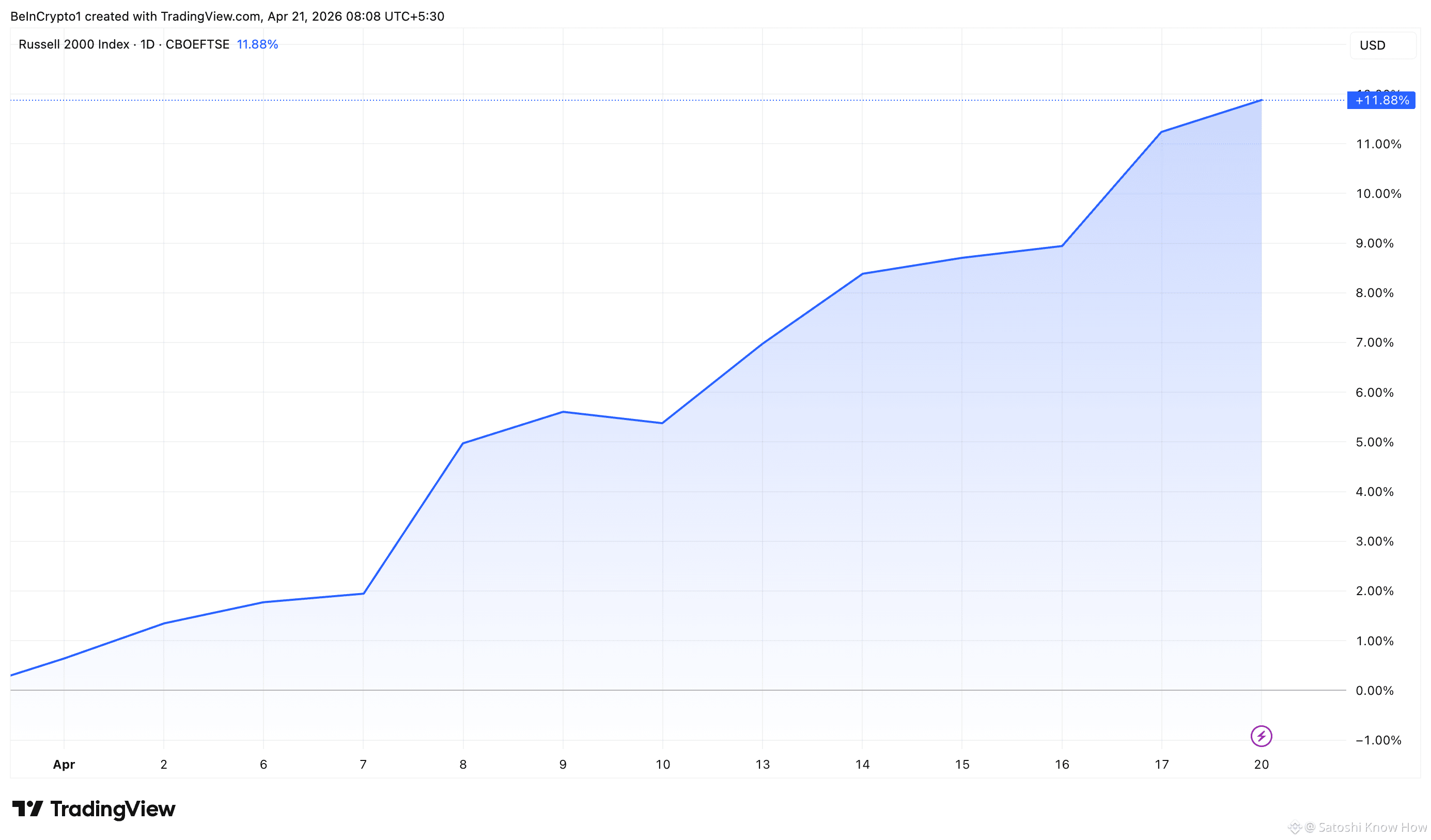
Russell 2000 vừa in ra mức cao nhất mọi thời đại — và thường thì, điều đó sẽ là tín hiệu xanh cho mùa altcoin. Các cổ phiếu nhỏ đang tăng vọt + thanh khoản đang chảy = rủi ro cao, đúng không? Không nhanh như vậy.
Lần đầu tiên kể từ tháng 7 năm 2016, mối tương quan giữa Russell 2000 và altcoin đã đảo ngược thành tiêu cực… và nó đang trở nên mạnh mẽ hơn về phía giảm. Điều đó phá vỡ một trong những tín hiệu đáng tin cậy nhất mà các nhà giao dịch đã sử dụng trong nhiều năm.
Cùng lúc đó, vĩ mô trông thật sự tích cực. Bảng cân đối kế toán của Fed đang mở rộng trở lại, với các đợt bơm thanh khoản khổng lồ đang ảnh hưởng đến hệ thống trong tuần này. Lịch sử cho thấy, loại môi trường đó đã thúc đẩy các đợt tăng giá altcoin bùng nổ.
Vậy điều gì đang xảy ra?
Hiện tại, thị trường cảm thấy bị chia rẽ. TradFi đang chuyển sang rủi ro, nhưng biểu đồ altcoin vẫn trông yếu — giống như một thử nghiệm giảm giá hơn là một sự bứt phá.
Điều này có thể có hai nghĩa: hoặc là mùa altcoin chỉ đơn giản là bị hoãn lại… hoặc cấu trúc của dòng vốn vào crypto đang thay đổi.
Russell 2000 vừa in ra mức cao nhất mọi thời đại — và thường thì, điều đó sẽ là tín hiệu xanh cho mùa altcoin. Các cổ phiếu nhỏ đang tăng vọt + thanh khoản đang chảy = rủi ro cao, đúng không? Không nhanh như vậy.
Lần đầu tiên kể từ tháng 7 năm 2016, mối tương quan giữa Russell 2000 và altcoin đã đảo ngược thành tiêu cực… và nó đang trở nên mạnh mẽ hơn về phía giảm. Điều đó phá vỡ một trong những tín hiệu đáng tin cậy nhất mà các nhà giao dịch đã sử dụng trong nhiều năm.
Cùng lúc đó, vĩ mô trông thật sự tích cực. Bảng cân đối kế toán của Fed đang mở rộng trở lại, với các đợt bơm thanh khoản khổng lồ đang ảnh hưởng đến hệ thống trong tuần này. Lịch sử cho thấy, loại môi trường đó đã thúc đẩy các đợt tăng giá altcoin bùng nổ.
Vậy điều gì đang xảy ra?
Hiện tại, thị trường cảm thấy bị chia rẽ. TradFi đang chuyển sang rủi ro, nhưng biểu đồ altcoin vẫn trông yếu — giống như một thử nghiệm giảm giá hơn là một sự bứt phá.
Điều này có thể có hai nghĩa: hoặc là mùa altcoin chỉ đơn giản là bị hoãn lại… hoặc cấu trúc của dòng vốn vào crypto đang thay đổi.
Lần đầu tiên kể từ tháng 7 năm 2016, mối tương quan giữa Russell 2000 và altcoin đã đảo ngược thành tiêu cực… và nó đang trở nên mạnh mẽ hơn về phía giảm. Điều đó phá vỡ một trong những tín hiệu đáng tin cậy nhất mà các nhà giao dịch đã sử dụng trong nhiều năm.
Cùng lúc đó, vĩ mô trông thật sự tích cực. Bảng cân đối kế toán của Fed đang mở rộng trở lại, với các đợt bơm thanh khoản khổng lồ đang ảnh hưởng đến hệ thống trong tuần này. Lịch sử cho thấy, loại môi trường đó đã thúc đẩy các đợt tăng giá altcoin bùng nổ.
Vậy điều gì đang xảy ra?
Hiện tại, thị trường cảm thấy bị chia rẽ. TradFi đang chuyển sang rủi ro, nhưng biểu đồ altcoin vẫn trông yếu — giống như một thử nghiệm giảm giá hơn là một sự bứt phá.
Điều này có thể có hai nghĩa: hoặc là mùa altcoin chỉ đơn giản là bị hoãn lại… hoặc cấu trúc của dòng vốn vào crypto đang thay đổi.
62

Bài viết
Bonus Binance 2026 - Mã khuyến mãi: SATOSHIBRONhiều người gõ vào Google “Binance bonus” và mong chờ câu trả lời đơn giản: liệu có thật sự nhận được gì khi đăng ký không? Có—nhưng cần biết nó hoạt động như thế nào. Bonus trên Binance không tự động và không phải người dùng nào cũng nhận được. Mấu chốt là dùng đúng mã giới thiệu và thực hiện vài bước đơn giản. Trong bài viết này, tôi sẽ cho bạn biết chính xác bạn có thể nhận được gì và cách làm từng bước.
TL;DR: Để nhận bonus 600$ và giảm 20% phí giao dịch, hãy tạo tài khoản bằng [promocyjnego linka](https://www.binance.com/join?ref=SATOSHIBRO) hoặc trong lúc đăng ký hãy tự nhập mã khuyến mãi Binance: SATOSHIBRO
Bonus Binance 2026 - Mã khuyến mãi: SATOSHIBRO
Nhiều người gõ vào Google “Binance bonus” và mong chờ câu trả lời đơn giản: liệu có thật sự nhận được gì khi đăng ký không? Có—nhưng cần biết nó hoạt động như thế nào. Bonus trên Binance không tự động và không phải người dùng nào cũng nhận được. Mấu chốt là dùng đúng mã giới thiệu và thực hiện vài bước đơn giản. Trong bài viết này, tôi sẽ cho bạn biết chính xác bạn có thể nhận được gì và cách làm từng bước.
TL;DR: Để nhận bonus 600$ và giảm 20% phí giao dịch, hãy tạo tài khoản bằng promocyjnego linka hoặc trong lúc đăng ký hãy tự nhập mã khuyến mãi Binance: SATOSHIBRO
TL;DR: Để nhận bonus 600$ và giảm 20% phí giao dịch, hãy tạo tài khoản bằng promocyjnego linka hoặc trong lúc đăng ký hãy tự nhập mã khuyến mãi Binance: SATOSHIBRO
9
1
5
2k
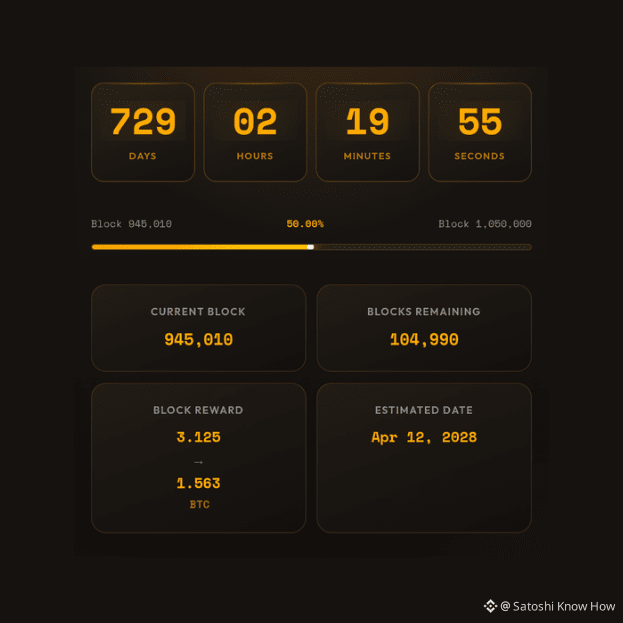
⏳ Chu kỳ giảm một nửa Bitcoin đã đạt đến giữa chừng.
Khoảng 105,000 khối còn lại cho đến khi giảm một nửa tiếp theo, dự kiến vào tháng 4 năm 2028. Tại thời điểm đó, phần thưởng giảm từ 3.125 BTC xuống 1.5625 BTC, cắt giảm phát hành hàng ngày từ ~450 BTC xuống ~225 BTC.
Lịch trình cung cấp cố định này là chìa khóa cho sự khan hiếm của Bitcoin. Hơn 19.7M BTC đã được khai thác, với hơn 98% dự kiến sẽ được khai thác vào năm 2030.
Về mặt lịch sử, các đợt giảm một nửa đã kích hoạt các đợt tăng giá lớn từ 12 đến 18 tháng sau—nhưng mỗi chu kỳ đều cho thấy mức tăng nhỏ hơn.
Điều gì khác biệt bây giờ? Nhu cầu từ các tổ chức. Các quỹ ETF giao ngay đã nắm giữ hơn 1.3M BTC, trong khi Chiến lược tiếp tục tích lũy nhanh hơn so với lượng khai thác.
Cung giảm + nhu cầu mạnh = áp lực gia tăng. Hai năm tới có thể định hình chu kỳ này. 🚀
⏳ Chu kỳ giảm một nửa Bitcoin đã đạt đến giữa chừng.
Khoảng 105,000 khối còn lại cho đến khi giảm một nửa tiếp theo, dự kiến vào tháng 4 năm 2028. Tại thời điểm đó, phần thưởng giảm từ 3.125 BTC xuống 1.5625 BTC, cắt giảm phát hành hàng ngày từ ~450 BTC xuống ~225 BTC.
Lịch trình cung cấp cố định này là chìa khóa cho sự khan hiếm của Bitcoin. Hơn 19.7M BTC đã được khai thác, với hơn 98% dự kiến sẽ được khai thác vào năm 2030.
Về mặt lịch sử, các đợt giảm một nửa đã kích hoạt các đợt tăng giá lớn từ 12 đến 18 tháng sau—nhưng mỗi chu kỳ đều cho thấy mức tăng nhỏ hơn.
Điều gì khác biệt bây giờ? Nhu cầu từ các tổ chức. Các quỹ ETF giao ngay đã nắm giữ hơn 1.3M BTC, trong khi Chiến lược tiếp tục tích lũy nhanh hơn so với lượng khai thác.
Cung giảm + nhu cầu mạnh = áp lực gia tăng. Hai năm tới có thể định hình chu kỳ này. 🚀
Khoảng 105,000 khối còn lại cho đến khi giảm một nửa tiếp theo, dự kiến vào tháng 4 năm 2028. Tại thời điểm đó, phần thưởng giảm từ 3.125 BTC xuống 1.5625 BTC, cắt giảm phát hành hàng ngày từ ~450 BTC xuống ~225 BTC.
Lịch trình cung cấp cố định này là chìa khóa cho sự khan hiếm của Bitcoin. Hơn 19.7M BTC đã được khai thác, với hơn 98% dự kiến sẽ được khai thác vào năm 2030.
Về mặt lịch sử, các đợt giảm một nửa đã kích hoạt các đợt tăng giá lớn từ 12 đến 18 tháng sau—nhưng mỗi chu kỳ đều cho thấy mức tăng nhỏ hơn.
Điều gì khác biệt bây giờ? Nhu cầu từ các tổ chức. Các quỹ ETF giao ngay đã nắm giữ hơn 1.3M BTC, trong khi Chiến lược tiếp tục tích lũy nhanh hơn so với lượng khai thác.
Cung giảm + nhu cầu mạnh = áp lực gia tăng. Hai năm tới có thể định hình chu kỳ này. 🚀
175
🔥 Ethereum đang âm thầm dẫn đầu thị trường, tăng 12% trong một tháng—vượt trội hơn tất cả 10 tài sản hàng đầu.
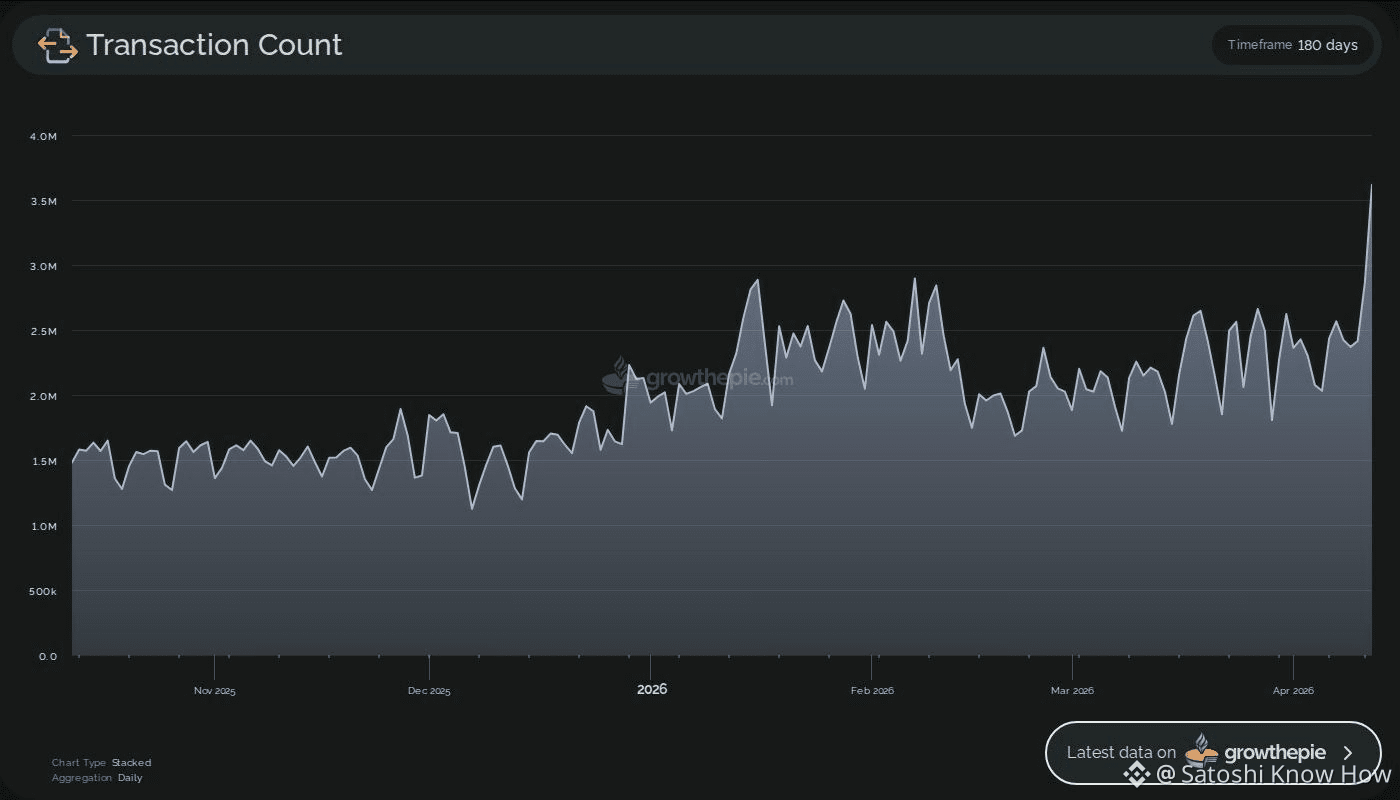
Dữ liệu trên chuỗi có vẻ mạnh mẽ. Mạng lưới vừa đạt kỷ lục 3.62 triệu giao dịch hàng ngày, với sự tăng trưởng ổn định kể từ cuối năm 2025. Thêm vào đó là số lượng người dùng tăng và nguồn cung stablecoin kỷ lục, và các yếu tố cơ bản đang rõ ràng cải thiện.
Tuy nhiên, ETH vẫn giao dịch thấp hơn 50% so với ATH của nó. Khoảng cách giữa việc sử dụng và giá cả đang thu hút sự chú ý. Lịch sử cho thấy, những sự khác biệt như vậy thường có xu hướng thu hẹp.
Các chỉ số kỹ thuật cũng hỗ trợ trường hợp tăng giá. Các nhà phân tích chỉ ra một điểm giao nhau MACD hàng tuần hiếm có—các tín hiệu trước đó đã dẫn đến các đợt tăng giá +183% và +75%. Một số mô hình hiện tại gợi ý các mục tiêu tiềm năng nằm trong khoảng ~$4.1K và $6.6K.
Các yếu tố cơ bản mạnh mẽ + các chỉ số tăng giá = động lực đang gia tăng. Bây giờ tất cả phụ thuộc vào việc các điều kiện vĩ mô có hỗ trợ cho động thái tiếp theo hay không. 🚀
🔥 Ethereum đang âm thầm dẫn đầu thị trường, tăng 12% trong một tháng—vượt trội hơn tất cả 10 tài sản hàng đầu.
Dữ liệu trên chuỗi có vẻ mạnh mẽ. Mạng lưới vừa đạt kỷ lục 3.62 triệu giao dịch hàng ngày, với sự tăng trưởng ổn định kể từ cuối năm 2025. Thêm vào đó là số lượng người dùng tăng và nguồn cung stablecoin kỷ lục, và các yếu tố cơ bản đang rõ ràng cải thiện.
Tuy nhiên, ETH vẫn giao dịch thấp hơn 50% so với ATH của nó. Khoảng cách giữa việc sử dụng và giá cả đang thu hút sự chú ý. Lịch sử cho thấy, những sự khác biệt như vậy thường có xu hướng thu hẹp.
Các chỉ số kỹ thuật cũng hỗ trợ trường hợp tăng giá. Các nhà phân tích chỉ ra một điểm giao nhau MACD hàng tuần hiếm có—các tín hiệu trước đó đã dẫn đến các đợt tăng giá +183% và +75%. Một số mô hình hiện tại gợi ý các mục tiêu tiềm năng nằm trong khoảng ~$4.1K và $6.6K.
Các yếu tố cơ bản mạnh mẽ + các chỉ số tăng giá = động lực đang gia tăng. Bây giờ tất cả phụ thuộc vào việc các điều kiện vĩ mô có hỗ trợ cho động thái tiếp theo hay không. 🚀
Dữ liệu trên chuỗi có vẻ mạnh mẽ. Mạng lưới vừa đạt kỷ lục 3.62 triệu giao dịch hàng ngày, với sự tăng trưởng ổn định kể từ cuối năm 2025. Thêm vào đó là số lượng người dùng tăng và nguồn cung stablecoin kỷ lục, và các yếu tố cơ bản đang rõ ràng cải thiện.
Tuy nhiên, ETH vẫn giao dịch thấp hơn 50% so với ATH của nó. Khoảng cách giữa việc sử dụng và giá cả đang thu hút sự chú ý. Lịch sử cho thấy, những sự khác biệt như vậy thường có xu hướng thu hẹp.
Các chỉ số kỹ thuật cũng hỗ trợ trường hợp tăng giá. Các nhà phân tích chỉ ra một điểm giao nhau MACD hàng tuần hiếm có—các tín hiệu trước đó đã dẫn đến các đợt tăng giá +183% và +75%. Một số mô hình hiện tại gợi ý các mục tiêu tiềm năng nằm trong khoảng ~$4.1K và $6.6K.
Các yếu tố cơ bản mạnh mẽ + các chỉ số tăng giá = động lực đang gia tăng. Bây giờ tất cả phụ thuộc vào việc các điều kiện vĩ mô có hỗ trợ cho động thái tiếp theo hay không. 🚀
142
🇺🇸 Ủy ban Chứng khoán và Giao dịch Hoa Kỳ báo hiệu một lập trường mềm mỏng hơn đối với ví tiền điện tử.
SEC đã làm rõ rằng các giải pháp ví tự quản có thể tránh việc đăng ký nhà môi giới - nếu chúng không dẫn dắt người dùng vào các giao dịch cụ thể hoặc hành động như những trung gian. Mặc dù không phải là một quy tắc chính thức, nhưng hướng dẫn này mang lại sự rõ ràng rất cần thiết cho lĩnh vực này.
Hester Peirce đã ủng hộ động thái này nhưng kêu gọi cần có một cuộc cải cách quy định rộng hơn để phản ánh tốt hơn các thị trường hiện đại.
Cộng đồng tiền điện tử đang gọi đây là một trong những cập nhật quan trọng nhất cho đến nay. Nó theo sau hướng dẫn trước đó đã loại trừ nhiều đồng meme và stablecoin khỏi phân loại chứng khoán.
Tóm lại: việc tự quản lý vừa nhận được một cú hích quy định - và điều đó là rất lớn cho việc áp dụng tiền điện tử. 🚀
🇺🇸 Ủy ban Chứng khoán và Giao dịch Hoa Kỳ báo hiệu một lập trường mềm mỏng hơn đối với ví tiền điện tử.
SEC đã làm rõ rằng các giải pháp ví tự quản có thể tránh việc đăng ký nhà môi giới - nếu chúng không dẫn dắt người dùng vào các giao dịch cụ thể hoặc hành động như những trung gian. Mặc dù không phải là một quy tắc chính thức, nhưng hướng dẫn này mang lại sự rõ ràng rất cần thiết cho lĩnh vực này.
Hester Peirce đã ủng hộ động thái này nhưng kêu gọi cần có một cuộc cải cách quy định rộng hơn để phản ánh tốt hơn các thị trường hiện đại.
Cộng đồng tiền điện tử đang gọi đây là một trong những cập nhật quan trọng nhất cho đến nay. Nó theo sau hướng dẫn trước đó đã loại trừ nhiều đồng meme và stablecoin khỏi phân loại chứng khoán.
Tóm lại: việc tự quản lý vừa nhận được một cú hích quy định - và điều đó là rất lớn cho việc áp dụng tiền điện tử. 🚀
SEC đã làm rõ rằng các giải pháp ví tự quản có thể tránh việc đăng ký nhà môi giới - nếu chúng không dẫn dắt người dùng vào các giao dịch cụ thể hoặc hành động như những trung gian. Mặc dù không phải là một quy tắc chính thức, nhưng hướng dẫn này mang lại sự rõ ràng rất cần thiết cho lĩnh vực này.
Hester Peirce đã ủng hộ động thái này nhưng kêu gọi cần có một cuộc cải cách quy định rộng hơn để phản ánh tốt hơn các thị trường hiện đại.
Cộng đồng tiền điện tử đang gọi đây là một trong những cập nhật quan trọng nhất cho đến nay. Nó theo sau hướng dẫn trước đó đã loại trừ nhiều đồng meme và stablecoin khỏi phân loại chứng khoán.
Tóm lại: việc tự quản lý vừa nhận được một cú hích quy định - và điều đó là rất lớn cho việc áp dụng tiền điện tử. 🚀
32
Đăng nhập để khám phá thêm nội dung
Tham gia cùng người dùng tiền mã hóa toàn cầu trên Binance Square
⚡️ Nhận thông tin mới nhất và hữu ích về tiền mã hóa.
💬 Được tin cậy bởi sàn giao dịch tiền mã hóa lớn nhất thế giới.
👍 Khám phá những thông tin chuyên sâu thực tế từ những nhà sáng tạo đã xác minh.
Email / Số điện thoại
Chủ đề thịnh hành
TheoDõiFOMC
153,989 lượt xem
721 đang thảo luận
#TheoDõiFOMC
🔥 FOMC lại bắt đầu trở thành tâm điểm của crypto
Bitcoin vừa bước vào tháng 10, nhưng câu chuyện lớn phía sau thị trường lúc này không chỉ là giá.
Các trader đang bắt đầu hướng sự chú ý về cuộc họp FOMC ngày 27–28/10. Sau một loạt phát biểu mới từ quan chức Fed, kỳ vọng về việc tăng lãi suất ngay trong tháng 10 đã giảm đáng kể.
Điều thú vị là trước đó thị trường từng đặt cược khá cao vào một đợt tăng tiếp theo.
Giờ thì mọi thứ lại quay sang chờ dữ liệu kinh tế và những phát biểu tiếp theo của Fed.
Với crypto, chỉ cần kỳ vọng lãi suất thay đổi mạnh là $BTC có thể lập tức biến động, rồi kéo theo cả thị trường altcoin.
Tháng 10 mới bắt đầu mà macro đã có chuyện để hóng rồi 👀
#Bitcoin #Crypto #Macro #Fed #BinanceSquare
X LEI
·0 lượt thích
·187 lượt xem
TinFed
142,306 lượt xem
522 đang thảo luận
FedMinutesFocusOnOctoberPause
49,381 lượt xem
731 đang thảo luận