

Ruoxi 若曦
1.2k Bài đăng

Ruoxi 若曦
Báo cáo
Chặn người dùng
365 Đang theo dõi
22.1K+ Người theo dõi
1.4K+ Đã thích
Bài đăng
Tất cả
Trích dẫn
Live
·
--
Đã xác minh
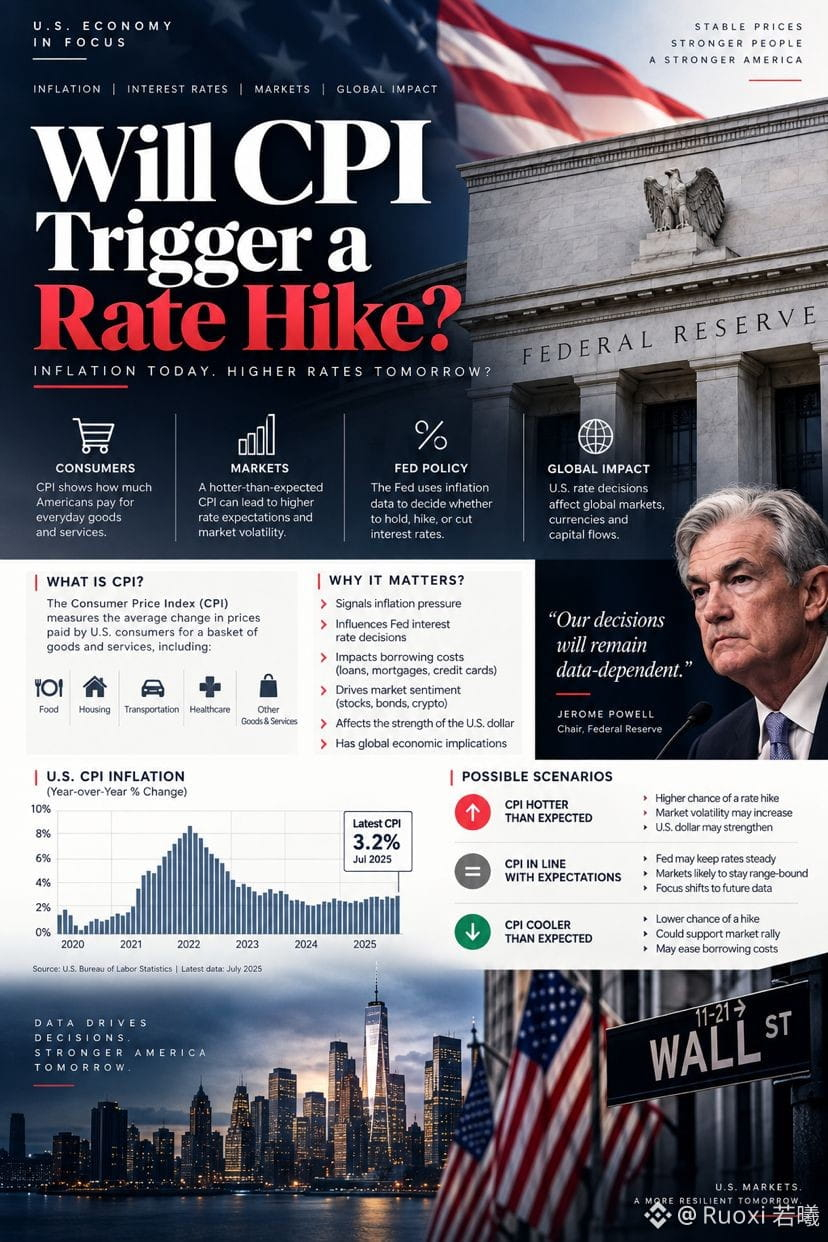
CPI có kích hoạt một đợt tăng lãi suất không?
Tôi đã theo dõi kỹ thiết lập này vì lần này có điều gì đó như hơi khác.
Dữ liệu việc làm vừa được công bố mạnh hơn kỳ vọng, và giờ mọi người đang chờ CPI để đưa ra cho Fed cái cớ tiếp theo, hoặc có lẽ là lý do tiếp theo để tiếp tục thận trọng.
Cá nhân tôi chưa tin rằng Fed sẽ vội vàng làm bất cứ điều gì. Một điểm dữ liệu mạnh không thể thay đổi toàn bộ bức tranh, nhưng lạm phát “dai dẳng” chắc chắn có thể khiến thị trường lại lo lắng.
Điều khiến tôi lo nhất là phản ứng sau CPI. Chúng ta có thể thấy cổ phiếu bị “đánh” mạnh, lợi suất tăng vọt và vàng biến động dữ dội chỉ trong vài phút. Và thật lòng mà nói, bước đi đầu tiên không phải lúc nào cũng là bước đi tôi tin.
Vì vậy, hiện tại tôi vẫn thận trọng với cổ phiếu và theo dõi sát vàng. Tôi thà bỏ lỡ cây nến đầu tiên còn hơn là đuổi theo một đợt biến động rồi 5 phút sau nó đảo chiều.
Đó là cách tôi nhìn nhận.
Bạn đang kỳ vọng Fed sẽ tăng hay giữ nguyên? Tích cực hay tiêu cực?
#CPIWatch
CPI có kích hoạt một đợt tăng lãi suất không?
Tôi đã theo dõi kỹ thiết lập này vì lần này có điều gì đó như hơi khác.
Dữ liệu việc làm vừa được công bố mạnh hơn kỳ vọng, và giờ mọi người đang chờ CPI để đưa ra cho Fed cái cớ tiếp theo, hoặc có lẽ là lý do tiếp theo để tiếp tục thận trọng.
Cá nhân tôi chưa tin rằng Fed sẽ vội vàng làm bất cứ điều gì. Một điểm dữ liệu mạnh không thể thay đổi toàn bộ bức tranh, nhưng lạm phát “dai dẳng” chắc chắn có thể khiến thị trường lại lo lắng.
Điều khiến tôi lo nhất là phản ứng sau CPI. Chúng ta có thể thấy cổ phiếu bị “đánh” mạnh, lợi suất tăng vọt và vàng biến động dữ dội chỉ trong vài phút. Và thật lòng mà nói, bước đi đầu tiên không phải lúc nào cũng là bước đi tôi tin.
Vì vậy, hiện tại tôi vẫn thận trọng với cổ phiếu và theo dõi sát vàng. Tôi thà bỏ lỡ cây nến đầu tiên còn hơn là đuổi theo một đợt biến động rồi 5 phút sau nó đảo chiều.
Đó là cách tôi nhìn nhận.
Bạn đang kỳ vọng Fed sẽ tăng hay giữ nguyên? Tích cực hay tiêu cực?
#CPIWatch
Tôi đã theo dõi kỹ thiết lập này vì lần này có điều gì đó như hơi khác.
Dữ liệu việc làm vừa được công bố mạnh hơn kỳ vọng, và giờ mọi người đang chờ CPI để đưa ra cho Fed cái cớ tiếp theo, hoặc có lẽ là lý do tiếp theo để tiếp tục thận trọng.
Cá nhân tôi chưa tin rằng Fed sẽ vội vàng làm bất cứ điều gì. Một điểm dữ liệu mạnh không thể thay đổi toàn bộ bức tranh, nhưng lạm phát “dai dẳng” chắc chắn có thể khiến thị trường lại lo lắng.
Điều khiến tôi lo nhất là phản ứng sau CPI. Chúng ta có thể thấy cổ phiếu bị “đánh” mạnh, lợi suất tăng vọt và vàng biến động dữ dội chỉ trong vài phút. Và thật lòng mà nói, bước đi đầu tiên không phải lúc nào cũng là bước đi tôi tin.
Vì vậy, hiện tại tôi vẫn thận trọng với cổ phiếu và theo dõi sát vàng. Tôi thà bỏ lỡ cây nến đầu tiên còn hơn là đuổi theo một đợt biến động rồi 5 phút sau nó đảo chiều.
Đó là cách tôi nhìn nhận.
Bạn đang kỳ vọng Fed sẽ tăng hay giữ nguyên? Tích cực hay tiêu cực?
#CPIWatch
131
·
--
🎙️ Tôi làm quá nhiều bánh hấp dẫn rồi, cùng lên xe nào
Kết thúc
03 giờ 04 phút 32 giây
5.2k
5
3
·
--
@termmax Tôi cứ nhìn vào phần kém hào nhoáng hơn của DeFi, vì đó thường là nơi tôi học được nhiều nhất. TermMax có một chương trình bounty phát hiện lỗ hổng, đặt giá trị thực sự vào việc tìm ra các vấn đề nghiêm trọng với smart contract trước khi kẻ tấn công làm điều đó.
Với một lỗi nghiêm trọng (critical bug), phần thưởng là 10% số tiền bị ảnh hưởng trực tiếp, tối đa 50.000 USD, và tối thiểu 10.000 USD. Tôi nghĩ đây là một động lực có ý nghĩa để những người mũ trắng lên tiếng sớm.
Điều thu hút tôi là quy tắc tấn công lặp lại (repeat-attack rule). Nếu một hợp đồng có thể bị tạm dừng hoặc được nâng cấp, thì chỉ cuộc tấn công ban đầu mới được tính. Nếu không thể ngừng, thì có thể xem xét thiệt hại tích lũy từ việc bị khai thác lặp lại. Điều này có vẻ gần hơn nhiều với cách một cuộc khai thác thực sự có thể diễn ra.
TermMax kết hợp vay/mượn và cho vay theo lãi suất cố định với các đường cong định giá AMM có thể tùy chỉnh, nên bảo mật không phải thứ tôi nên xem nhẹ. Bounty cũng yêu cầu một proof of concept, và việc kiểm thử được giới hạn trên các local fork thay vì code mainnet hoặc public testnet trực tiếp.
Tuy vậy, một bounty 50K không tự nhiên khiến một giao thức an toàn hơn. Vẫn có thể có những lỗi chưa được phát hiện, và DeFi cũng có rất nhiều rủi ro ngoài smart contract.
Cá nhân tôi, tôi xem bounty như một tín hiệu bảo mật, chứ không phải lời đảm bảo.
Một chương trình bug bounty mạnh có ảnh hưởng đến quyết định của bạn khi sử dụng TermMax không?
#TermMax
$GALA
{spot}(GALAUSDT)
$BCH
{spot}(BCHUSDT)
@TermMax Tôi cứ nhìn vào phần kém hào nhoáng hơn của DeFi, vì đó thường là nơi tôi học được nhiều nhất. TermMax có một chương trình bounty phát hiện lỗ hổng, đặt giá trị thực sự vào việc tìm ra các vấn đề nghiêm trọng với smart contract trước khi kẻ tấn công làm điều đó.
Với một lỗi nghiêm trọng (critical bug), phần thưởng là 10% số tiền bị ảnh hưởng trực tiếp, tối đa 50.000 USD, và tối thiểu 10.000 USD. Tôi nghĩ đây là một động lực có ý nghĩa để những người mũ trắng lên tiếng sớm.
Điều thu hút tôi là quy tắc tấn công lặp lại (repeat-attack rule). Nếu một hợp đồng có thể bị tạm dừng hoặc được nâng cấp, thì chỉ cuộc tấn công ban đầu mới được tính. Nếu không thể ngừng, thì có thể xem xét thiệt hại tích lũy từ việc bị khai thác lặp lại. Điều này có vẻ gần hơn nhiều với cách một cuộc khai thác thực sự có thể diễn ra.
TermMax kết hợp vay/mượn và cho vay theo lãi suất cố định với các đường cong định giá AMM có thể tùy chỉnh, nên bảo mật không phải thứ tôi nên xem nhẹ. Bounty cũng yêu cầu một proof of concept, và việc kiểm thử được giới hạn trên các local fork thay vì code mainnet hoặc public testnet trực tiếp.
Tuy vậy, một bounty 50K không tự nhiên khiến một giao thức an toàn hơn. Vẫn có thể có những lỗi chưa được phát hiện, và DeFi cũng có rất nhiều rủi ro ngoài smart contract.
Cá nhân tôi, tôi xem bounty như một tín hiệu bảo mật, chứ không phải lời đảm bảo.
Một chương trình bug bounty mạnh có ảnh hưởng đến quyết định của bạn khi sử dụng TermMax không?
#TermMax
$GALA
$BCH
Với một lỗi nghiêm trọng (critical bug), phần thưởng là 10% số tiền bị ảnh hưởng trực tiếp, tối đa 50.000 USD, và tối thiểu 10.000 USD. Tôi nghĩ đây là một động lực có ý nghĩa để những người mũ trắng lên tiếng sớm.
Điều thu hút tôi là quy tắc tấn công lặp lại (repeat-attack rule). Nếu một hợp đồng có thể bị tạm dừng hoặc được nâng cấp, thì chỉ cuộc tấn công ban đầu mới được tính. Nếu không thể ngừng, thì có thể xem xét thiệt hại tích lũy từ việc bị khai thác lặp lại. Điều này có vẻ gần hơn nhiều với cách một cuộc khai thác thực sự có thể diễn ra.
TermMax kết hợp vay/mượn và cho vay theo lãi suất cố định với các đường cong định giá AMM có thể tùy chỉnh, nên bảo mật không phải thứ tôi nên xem nhẹ. Bounty cũng yêu cầu một proof of concept, và việc kiểm thử được giới hạn trên các local fork thay vì code mainnet hoặc public testnet trực tiếp.
Tuy vậy, một bounty 50K không tự nhiên khiến một giao thức an toàn hơn. Vẫn có thể có những lỗi chưa được phát hiện, và DeFi cũng có rất nhiều rủi ro ngoài smart contract.
Cá nhân tôi, tôi xem bounty như một tín hiệu bảo mật, chứ không phải lời đảm bảo.
Một chương trình bug bounty mạnh có ảnh hưởng đến quyết định của bạn khi sử dụng TermMax không?
#TermMax
$GALA
$BCH
Bounty Hunt 🟠
100%
Treasure Hunt 🟣
0%
4 phiếu bầu • Cuộc bỏ phiếu đã kết thúc
1
1
460
·
--
Đúng một phần
@termmax Một điều ngay lập tức gây chú ý với tôi khi tôi đọc phần phân tích XP của TermMax: hệ số nhân không giống nhau cho mọi vị trí.
Tiền gửi vào Vault nhận 30x XP, số dư FT nhận 15x và số dư GT nhận 2x dựa trên giá trị tài sản nợ. Ngoài ra còn có một phần thưởng giới thiệu trị giá 10% XP của người được giới thiệu, loại trừ chính khoản thưởng giới thiệu đó.
Thành thật mà nói, tôi thích logic này hơn một chiến dịch đơn giản kiểu “thực hiện 100 giao dịch”.
Nó tạo mối liên kết cho hệ thống khuyến khích với các vai trò khác nhau trong TermMax.
Và các vai trò đó thực sự quan trọng vì TermMax sử dụng các thứ như Fixed-Rate Tokens và Gearing Tokens để cấu trúc việc vay và cho vay theo các kỳ hạn cố định.
Tuy vậy, 30x có thể trông rất hấp dẫn trên giấy, nhưng sẽ kém ấn tượng hơn nếu quá nhiều người cùng đổ vào một chiến lược.
Đó là phần tôi sẽ theo dõi.
Bạn nghĩ rằng XP dựa trên hệ số nhân tạo ra người dùng tốt hơn, hay chỉ tạo thêm cạnh tranh để giành cùng một đợt airdrop?
#TermMax
$ACE
{spot}(ACEUSDT)
$ONG
{spot}(ONGUSDT)
@TermMax Một điều ngay lập tức gây chú ý với tôi khi tôi đọc phần phân tích XP của TermMax: hệ số nhân không giống nhau cho mọi vị trí.
Tiền gửi vào Vault nhận 30x XP, số dư FT nhận 15x và số dư GT nhận 2x dựa trên giá trị tài sản nợ. Ngoài ra còn có một phần thưởng giới thiệu trị giá 10% XP của người được giới thiệu, loại trừ chính khoản thưởng giới thiệu đó.
Thành thật mà nói, tôi thích logic này hơn một chiến dịch đơn giản kiểu “thực hiện 100 giao dịch”.
Nó tạo mối liên kết cho hệ thống khuyến khích với các vai trò khác nhau trong TermMax.
Và các vai trò đó thực sự quan trọng vì TermMax sử dụng các thứ như Fixed-Rate Tokens và Gearing Tokens để cấu trúc việc vay và cho vay theo các kỳ hạn cố định.
Tuy vậy, 30x có thể trông rất hấp dẫn trên giấy, nhưng sẽ kém ấn tượng hơn nếu quá nhiều người cùng đổ vào một chiến lược.
Đó là phần tôi sẽ theo dõi.
Bạn nghĩ rằng XP dựa trên hệ số nhân tạo ra người dùng tốt hơn, hay chỉ tạo thêm cạnh tranh để giành cùng một đợt airdrop?
#TermMax
$ACE
$ONG
Tiền gửi vào Vault nhận 30x XP, số dư FT nhận 15x và số dư GT nhận 2x dựa trên giá trị tài sản nợ. Ngoài ra còn có một phần thưởng giới thiệu trị giá 10% XP của người được giới thiệu, loại trừ chính khoản thưởng giới thiệu đó.
Thành thật mà nói, tôi thích logic này hơn một chiến dịch đơn giản kiểu “thực hiện 100 giao dịch”.
Nó tạo mối liên kết cho hệ thống khuyến khích với các vai trò khác nhau trong TermMax.
Và các vai trò đó thực sự quan trọng vì TermMax sử dụng các thứ như Fixed-Rate Tokens và Gearing Tokens để cấu trúc việc vay và cho vay theo các kỳ hạn cố định.
Tuy vậy, 30x có thể trông rất hấp dẫn trên giấy, nhưng sẽ kém ấn tượng hơn nếu quá nhiều người cùng đổ vào một chiến lược.
Đó là phần tôi sẽ theo dõi.
Bạn nghĩ rằng XP dựa trên hệ số nhân tạo ra người dùng tốt hơn, hay chỉ tạo thêm cạnh tranh để giành cùng một đợt airdrop?
#TermMax
$ACE
$ONG
Bullish Token Volatility 🟢
73%
Bearish Token Volatility 🔴
27%
11 phiếu bầu • Cuộc bỏ phiếu đã kết thúc
3
868
·
--
@termmax Bây giờ tôi xem các giao thức DeFi hơi theo một cách khác.
Điểm PQR DeFiSafety 93% trên TermMax đã thu hút sự chú ý của tôi, nhưng tôi không coi 93% là “an toàn, xong rồi, chuyển sang việc khác”. Tôi xem đó là lý do để tìm hiểu sâu hơn, thành thật mà nói. Điểm số bao phủ mã nguồn, tài liệu, kiểm thử, bảo mật, các quyền quản trị và các oracle.
TermMax đạt 100% ở Mã nguồn & Nhóm,
94% ở Bảo mật, 97% ở Điều khiển quản trị và 100% ở Oracle. Kiểm thử đạt 89%, trong khi tài liệu là 70%. Con số cuối cùng thực sự là phần tôi muốn hiểu rõ hơn.
Tôi nghĩ các điểm số bảo mật nên được sử dụng như thế này.
Không phải như một tín hiệu đèn xanh, mà là điểm bắt đầu cho việc nghiên cứu. TermMax cũng mô tả các bài kiểm thử đơn vị, fuzzing (kiểm thử ngẫu nhiên), mutation testing (kiểm thử đột biến) và kiểm thử tích hợp.
Dù vậy, rủi ro của smart contract không bao giờ hoàn toàn biến mất trong DeFi.
Vì thế, tôi theo dõi mức 93% với sự quan tâm, không phải là tin mù quáng.
Đối với một giao thức xử lý cho vay, đi vay và các sản phẩm có cấu trúc, bảo mật không phải là một tính năng phụ — nó là toàn bộ trò chơi.
Điểm PQR 93% có làm thay đổi góc nhìn của bạn về một giao thức DeFi không?
#TermMax
$CLO
{future}(CLOUSDT)
$ACE
{spot}(ACEUSDT)
@TermMax Bây giờ tôi xem các giao thức DeFi hơi theo một cách khác.
Điểm PQR DeFiSafety 93% trên TermMax đã thu hút sự chú ý của tôi, nhưng tôi không coi 93% là “an toàn, xong rồi, chuyển sang việc khác”. Tôi xem đó là lý do để tìm hiểu sâu hơn, thành thật mà nói. Điểm số bao phủ mã nguồn, tài liệu, kiểm thử, bảo mật, các quyền quản trị và các oracle.
TermMax đạt 100% ở Mã nguồn & Nhóm,
94% ở Bảo mật, 97% ở Điều khiển quản trị và 100% ở Oracle. Kiểm thử đạt 89%, trong khi tài liệu là 70%. Con số cuối cùng thực sự là phần tôi muốn hiểu rõ hơn.
Tôi nghĩ các điểm số bảo mật nên được sử dụng như thế này.
Không phải như một tín hiệu đèn xanh, mà là điểm bắt đầu cho việc nghiên cứu. TermMax cũng mô tả các bài kiểm thử đơn vị, fuzzing (kiểm thử ngẫu nhiên), mutation testing (kiểm thử đột biến) và kiểm thử tích hợp.
Dù vậy, rủi ro của smart contract không bao giờ hoàn toàn biến mất trong DeFi.
Vì thế, tôi theo dõi mức 93% với sự quan tâm, không phải là tin mù quáng.
Đối với một giao thức xử lý cho vay, đi vay và các sản phẩm có cấu trúc, bảo mật không phải là một tính năng phụ — nó là toàn bộ trò chơi.
Điểm PQR 93% có làm thay đổi góc nhìn của bạn về một giao thức DeFi không?
#TermMax
$CLO
$ACE
Điểm PQR DeFiSafety 93% trên TermMax đã thu hút sự chú ý của tôi, nhưng tôi không coi 93% là “an toàn, xong rồi, chuyển sang việc khác”. Tôi xem đó là lý do để tìm hiểu sâu hơn, thành thật mà nói. Điểm số bao phủ mã nguồn, tài liệu, kiểm thử, bảo mật, các quyền quản trị và các oracle.
TermMax đạt 100% ở Mã nguồn & Nhóm,
94% ở Bảo mật, 97% ở Điều khiển quản trị và 100% ở Oracle. Kiểm thử đạt 89%, trong khi tài liệu là 70%. Con số cuối cùng thực sự là phần tôi muốn hiểu rõ hơn.
Tôi nghĩ các điểm số bảo mật nên được sử dụng như thế này.
Không phải như một tín hiệu đèn xanh, mà là điểm bắt đầu cho việc nghiên cứu. TermMax cũng mô tả các bài kiểm thử đơn vị, fuzzing (kiểm thử ngẫu nhiên), mutation testing (kiểm thử đột biến) và kiểm thử tích hợp.
Dù vậy, rủi ro của smart contract không bao giờ hoàn toàn biến mất trong DeFi.
Vì thế, tôi theo dõi mức 93% với sự quan tâm, không phải là tin mù quáng.
Đối với một giao thức xử lý cho vay, đi vay và các sản phẩm có cấu trúc, bảo mật không phải là một tính năng phụ — nó là toàn bộ trò chơi.
Điểm PQR 93% có làm thay đổi góc nhìn của bạn về một giao thức DeFi không?
#TermMax
$CLO
$ACE
Bullish Volatile 🟢
67%
Bearish Volatile 🔴
33%
3 phiếu bầu • Cuộc bỏ phiếu đã kết thúc
340
·
--
Đã xác minh
@termmax I tôi cứ nhìn vào mảng thanh lý của DeFi, vì đó là nơi nhiều ý tưởng cho vay được thử nghiệm thực sự.
Một giao thức có thể đưa ra mức lãi suất hấp dẫn, nhưng điều gì sẽ xảy ra khi thị trường đột ngột biến động 30%?
TermMax có một câu trả lời thú vị: giao hàng vật chất. Trong một số tình huống thanh lý nhất định, tài sản thế chấp có thể được giao cho bên cho vay thay vì chỉ dựa vào việc bán tài sản trên một thị trường mỏng. Thiết kế này cũng nhằm làm cho các tài sản thế chấp như các tài sản có thanh khoản thấp và một số RWA trở nên khả thi hơn.
Tôi nghĩ đây là một trong những phần ít “hào nhoáng” của TermMax, nhưng có lẽ lại là một trong những phần quan trọng hơn.
Nếu thanh khoản biến mất trong một đợt biến động mạnh, chỉ nói “hãy thanh lý nó” không đảm bảo rằng bên cho vay sẽ nhận được khoản thu hồi công bằng.
Nhưng giao hàng vật chất cũng không phải là một “lá chắn” thần kỳ. Bản thân tài sản thế chấp vẫn có thể mất giá.
Bạn có tin giao hàng vật chất hơn so với thanh lý trên thị trường truyền thống trong giai đoạn biến động cực đoan không?
#TermMax
$GPS
{spot}(GPSUSDT)
$TUT
{spot}(TUTUSDT)
@TermMax I tôi cứ nhìn vào mảng thanh lý của DeFi, vì đó là nơi nhiều ý tưởng cho vay được thử nghiệm thực sự.
Một giao thức có thể đưa ra mức lãi suất hấp dẫn, nhưng điều gì sẽ xảy ra khi thị trường đột ngột biến động 30%?
TermMax có một câu trả lời thú vị: giao hàng vật chất. Trong một số tình huống thanh lý nhất định, tài sản thế chấp có thể được giao cho bên cho vay thay vì chỉ dựa vào việc bán tài sản trên một thị trường mỏng. Thiết kế này cũng nhằm làm cho các tài sản thế chấp như các tài sản có thanh khoản thấp và một số RWA trở nên khả thi hơn.
Tôi nghĩ đây là một trong những phần ít “hào nhoáng” của TermMax, nhưng có lẽ lại là một trong những phần quan trọng hơn.
Nếu thanh khoản biến mất trong một đợt biến động mạnh, chỉ nói “hãy thanh lý nó” không đảm bảo rằng bên cho vay sẽ nhận được khoản thu hồi công bằng.
Nhưng giao hàng vật chất cũng không phải là một “lá chắn” thần kỳ. Bản thân tài sản thế chấp vẫn có thể mất giá.
Bạn có tin giao hàng vật chất hơn so với thanh lý trên thị trường truyền thống trong giai đoạn biến động cực đoan không?
#TermMax
$GPS
$TUT
Một giao thức có thể đưa ra mức lãi suất hấp dẫn, nhưng điều gì sẽ xảy ra khi thị trường đột ngột biến động 30%?
TermMax có một câu trả lời thú vị: giao hàng vật chất. Trong một số tình huống thanh lý nhất định, tài sản thế chấp có thể được giao cho bên cho vay thay vì chỉ dựa vào việc bán tài sản trên một thị trường mỏng. Thiết kế này cũng nhằm làm cho các tài sản thế chấp như các tài sản có thanh khoản thấp và một số RWA trở nên khả thi hơn.
Tôi nghĩ đây là một trong những phần ít “hào nhoáng” của TermMax, nhưng có lẽ lại là một trong những phần quan trọng hơn.
Nếu thanh khoản biến mất trong một đợt biến động mạnh, chỉ nói “hãy thanh lý nó” không đảm bảo rằng bên cho vay sẽ nhận được khoản thu hồi công bằng.
Nhưng giao hàng vật chất cũng không phải là một “lá chắn” thần kỳ. Bản thân tài sản thế chấp vẫn có thể mất giá.
Bạn có tin giao hàng vật chất hơn so với thanh lý trên thị trường truyền thống trong giai đoạn biến động cực đoan không?
#TermMax
$GPS
$TUT
Bullish volatility 🟢
33%
Bearish volatility 🔴
67%
12 phiếu bầu • Cuộc bỏ phiếu đã kết thúc
1.3k
·
--
@Dusk_Foundation I keep looking at the AI + crypto conversation và something feels missing. Everyone talks about agents generating code, executing tasks and moving faster. Very few people ask what happens when the agent follows an outdated specification that nobody remembered was outdated.
Pituitary là nỗ lực của Dusk nhằm giải quyết vấn đề âm thầm hơn đó. Nó theo dõi mối quan hệ giữa các đặc tả, tài liệu, quyết định và mã nguồn thay vì coi mỗi tệp là một thứ tách biệt. Nó có thể tìm kiếm các đặc tả, so sánh chúng, phát hiện tài liệu lỗi thời và rà soát tác động.
Thành thật mà nói, đây là kiểu công cụ AI mà tôi thấy thú vị hơn. Không phải một chatbot khác nói với các nhà phát triển nên viết mã gì, mà là một hệ thống giúp họ tránh việc đánh mất ý định ban đầu của dự án. Đặc biệt là với hạ tầng tài chính, nơi quyền riêng tư và tuân thủ có thể là một phần của logic ứng dụng thực sự.
Tuy vậy, vẫn có rủi ro. Quá nhiều cảnh báo tự động có thể trở thành tiếng ồn, và các đội nhóm cuối cùng có thể bắt đầu phớt lờ chúng. Công cụ phải chứng minh rằng các tín hiệu của nó là hữu ích.
Nhưng nếu AI sẽ viết nhiều mã hơn nữa của chúng ta, liệu không nên xây dựng những hệ thống tốt hơn để ghi nhớ các quy tắc mà mã được cho là phải tuân theo hay sao?
#dusk $DUSK
$PORTAL
{spot}(PORTALUSDT)
$DOLO
{spot}(DOLOUSDT)
@Dusk I keep looking at the AI + crypto conversation và something feels missing. Everyone talks about agents generating code, executing tasks and moving faster. Very few people ask what happens when the agent follows an outdated specification that nobody remembered was outdated.
Pituitary là nỗ lực của Dusk nhằm giải quyết vấn đề âm thầm hơn đó. Nó theo dõi mối quan hệ giữa các đặc tả, tài liệu, quyết định và mã nguồn thay vì coi mỗi tệp là một thứ tách biệt. Nó có thể tìm kiếm các đặc tả, so sánh chúng, phát hiện tài liệu lỗi thời và rà soát tác động.
Thành thật mà nói, đây là kiểu công cụ AI mà tôi thấy thú vị hơn. Không phải một chatbot khác nói với các nhà phát triển nên viết mã gì, mà là một hệ thống giúp họ tránh việc đánh mất ý định ban đầu của dự án. Đặc biệt là với hạ tầng tài chính, nơi quyền riêng tư và tuân thủ có thể là một phần của logic ứng dụng thực sự.
Tuy vậy, vẫn có rủi ro. Quá nhiều cảnh báo tự động có thể trở thành tiếng ồn, và các đội nhóm cuối cùng có thể bắt đầu phớt lờ chúng. Công cụ phải chứng minh rằng các tín hiệu của nó là hữu ích.
Nhưng nếu AI sẽ viết nhiều mã hơn nữa của chúng ta, liệu không nên xây dựng những hệ thống tốt hơn để ghi nhớ các quy tắc mà mã được cho là phải tuân theo hay sao?
#dusk $DUSK
$PORTAL
$DOLO
Pituitary là nỗ lực của Dusk nhằm giải quyết vấn đề âm thầm hơn đó. Nó theo dõi mối quan hệ giữa các đặc tả, tài liệu, quyết định và mã nguồn thay vì coi mỗi tệp là một thứ tách biệt. Nó có thể tìm kiếm các đặc tả, so sánh chúng, phát hiện tài liệu lỗi thời và rà soát tác động.
Thành thật mà nói, đây là kiểu công cụ AI mà tôi thấy thú vị hơn. Không phải một chatbot khác nói với các nhà phát triển nên viết mã gì, mà là một hệ thống giúp họ tránh việc đánh mất ý định ban đầu của dự án. Đặc biệt là với hạ tầng tài chính, nơi quyền riêng tư và tuân thủ có thể là một phần của logic ứng dụng thực sự.
Tuy vậy, vẫn có rủi ro. Quá nhiều cảnh báo tự động có thể trở thành tiếng ồn, và các đội nhóm cuối cùng có thể bắt đầu phớt lờ chúng. Công cụ phải chứng minh rằng các tín hiệu của nó là hữu ích.
Nhưng nếu AI sẽ viết nhiều mã hơn nữa của chúng ta, liệu không nên xây dựng những hệ thống tốt hơn để ghi nhớ các quy tắc mà mã được cho là phải tuân theo hay sao?
#dusk $DUSK
$PORTAL
$DOLO
Bullish Time 🟢
100%
Bearish Time 🔴
0%
3 phiếu bầu • Cuộc bỏ phiếu đã kết thúc
297
·
--
Đã xác minh
@Dusk_Foundation Một điều tôi nhận thấy khi đọc tài liệu về hợp đồng thông minh của Dusk là: chúng đang trở thành một phần của kinh tế mạng lưới, không chỉ đơn thuần là các ứng dụng.
Giao thức Kinh tế của Dusk cho phép hợp đồng thông minh tính phí, trả gas và hoạt động tự động. Nghe có vẻ như một cải tiến kỹ thuật nhỏ cho đến khi bạn nghĩ về cách các ứng dụng tài chính thực sự vận hành. Một hợp đồng có thể có hành vi kinh tế riêng thay vì phụ thuộc vào từng người dùng để quản lý từng bước một cách thủ công.
Rồi Trừu tượng Hóa Staking lại bổ sung thêm một lớp.
Hợp đồng có thể tham gia staking, xử lý unstaking và nhận phần thưởng staking. Vì vậy, hợp đồng không chỉ đơn giản là thực thi logic tài chính — nó còn có thể quản lý một phần kinh tế của mạng lưới xoay quanh logic đó. Đó là lúc tôi thấy mọi thứ trở nên khá thú vị.
Điều này có thể khiến hạ tầng staking trở nên dễ dàng kết hợp hơn. Nhưng tính kết hợp luôn đặt ra một câu hỏi khác — ai sẽ kiểm soát hợp đồng, và điều gì xảy ra nếu mã có lỗi?
Dusk có thể cung cấp hạ tầng, nhưng rủi ro ở cấp độ ứng dụng vẫn thuộc về các nhà phát triển và người dùng.
Bạn có dùng một hợp đồng thông minh tự động stake và quản lý DUSK của mình không?
#dusk $DUSK
$COW
{spot}(COWUSDT)
$HEMI
{spot}(HEMIUSDT)
@Dusk Một điều tôi nhận thấy khi đọc tài liệu về hợp đồng thông minh của Dusk là: chúng đang trở thành một phần của kinh tế mạng lưới, không chỉ đơn thuần là các ứng dụng.
Giao thức Kinh tế của Dusk cho phép hợp đồng thông minh tính phí, trả gas và hoạt động tự động. Nghe có vẻ như một cải tiến kỹ thuật nhỏ cho đến khi bạn nghĩ về cách các ứng dụng tài chính thực sự vận hành. Một hợp đồng có thể có hành vi kinh tế riêng thay vì phụ thuộc vào từng người dùng để quản lý từng bước một cách thủ công.
Rồi Trừu tượng Hóa Staking lại bổ sung thêm một lớp.
Hợp đồng có thể tham gia staking, xử lý unstaking và nhận phần thưởng staking. Vì vậy, hợp đồng không chỉ đơn giản là thực thi logic tài chính — nó còn có thể quản lý một phần kinh tế của mạng lưới xoay quanh logic đó. Đó là lúc tôi thấy mọi thứ trở nên khá thú vị.
Điều này có thể khiến hạ tầng staking trở nên dễ dàng kết hợp hơn. Nhưng tính kết hợp luôn đặt ra một câu hỏi khác — ai sẽ kiểm soát hợp đồng, và điều gì xảy ra nếu mã có lỗi?
Dusk có thể cung cấp hạ tầng, nhưng rủi ro ở cấp độ ứng dụng vẫn thuộc về các nhà phát triển và người dùng.
Bạn có dùng một hợp đồng thông minh tự động stake và quản lý DUSK của mình không?
#dusk $DUSK
$COW
$HEMI
Giao thức Kinh tế của Dusk cho phép hợp đồng thông minh tính phí, trả gas và hoạt động tự động. Nghe có vẻ như một cải tiến kỹ thuật nhỏ cho đến khi bạn nghĩ về cách các ứng dụng tài chính thực sự vận hành. Một hợp đồng có thể có hành vi kinh tế riêng thay vì phụ thuộc vào từng người dùng để quản lý từng bước một cách thủ công.
Rồi Trừu tượng Hóa Staking lại bổ sung thêm một lớp.
Hợp đồng có thể tham gia staking, xử lý unstaking và nhận phần thưởng staking. Vì vậy, hợp đồng không chỉ đơn giản là thực thi logic tài chính — nó còn có thể quản lý một phần kinh tế của mạng lưới xoay quanh logic đó. Đó là lúc tôi thấy mọi thứ trở nên khá thú vị.
Điều này có thể khiến hạ tầng staking trở nên dễ dàng kết hợp hơn. Nhưng tính kết hợp luôn đặt ra một câu hỏi khác — ai sẽ kiểm soát hợp đồng, và điều gì xảy ra nếu mã có lỗi?
Dusk có thể cung cấp hạ tầng, nhưng rủi ro ở cấp độ ứng dụng vẫn thuộc về các nhà phát triển và người dùng.
Bạn có dùng một hợp đồng thông minh tự động stake và quản lý DUSK của mình không?
#dusk $DUSK
$COW
$HEMI
Buying Bullish 🟢
80%
Selling Bearish 🔴
20%
5 phiếu bầu • Cuộc bỏ phiếu đã kết thúc
4
1
642
·
--
@Dusk_Foundation Một điều mà tôi cứ tiếp tục nhìn ngắm vào lúc chạng vạng (Dusk), và câu chuyện về hệ sinh thái giờ đây có cảm giác khác đi.
Điều thu hút sự chú ý của tôi không chỉ là góc độ riêng tư. Đó là cách Dusk đang xây dựng nhiều mảnh ghép xoay quanh tài chính được quản lý—từ DuskVM và DuskEVM đến danh tính, thanh toán bù trừ và quy trình làm việc với tài sản. Điều đó khiến mạng lưới có cảm giác như cơ sở hạ tầng hơn là một sản phẩm đơn lẻ.
Tài liệu của Dusk bây giờ còn cho thấy các tích hợp với những cái tên như Chainlink, NPEX, Quantoz và Cordial Systems—mỗi bên chạm đến một phần khác nhau của lĩnh vực tài chính. Chainlink mang nhắn tin liên chuỗi và dữ liệu thông qua CCIP, trong khi NPEX kết nối trực tiếp với hoạt động tài sản thực được quản lý và chứng khoán.
Tôi nghĩ đây là lúc Dusk trở nên đáng chú ý. Các tổ chức tài chính thường không cần thêm một blockchain chỉ vì nó nhanh hoặc rẻ. Họ cần quyền riêng tư, tuân thủ, thanh toán và khả năng tương tác hoạt động cùng nhau mà không buộc mọi thứ phải nhốt trong một hệ thống hoàn toàn khép kín.
Tuy nhiên, vẫn còn một câu hỏi lớn: các tích hợp trên giấy không giống với việc được áp dụng bền vững. Dusk cần người dùng thực, khối lượng tài sản thực và các
ứng dụng thực sự để chứng minh rằng hệ sinh thái này có thể phát triển vượt ra khỏi các quan hệ đối tác.
Dù vậy, dựa trên những gì tôi đã thấy, hướng đi đang dần rõ ràng hơn. Dusk dường như đang xây dựng các “đường ray” trước, rồi để các ứng dụng đi theo sau.
Bạn có nghĩ cách tiếp cận ưu tiên cơ sở hạ tầng này có thể thực sự đưa nhiều tài sản được quản lý lên on-chain hơn không?
#dusk $DUSK
$ACE
{spot}(ACEUSDT)
$HEI
{spot}(HEIUSDT)
@Dusk Một điều mà tôi cứ tiếp tục nhìn ngắm vào lúc chạng vạng (Dusk), và câu chuyện về hệ sinh thái giờ đây có cảm giác khác đi.
Điều thu hút sự chú ý của tôi không chỉ là góc độ riêng tư. Đó là cách Dusk đang xây dựng nhiều mảnh ghép xoay quanh tài chính được quản lý—từ DuskVM và DuskEVM đến danh tính, thanh toán bù trừ và quy trình làm việc với tài sản. Điều đó khiến mạng lưới có cảm giác như cơ sở hạ tầng hơn là một sản phẩm đơn lẻ.
Tài liệu của Dusk bây giờ còn cho thấy các tích hợp với những cái tên như Chainlink, NPEX, Quantoz và Cordial Systems—mỗi bên chạm đến một phần khác nhau của lĩnh vực tài chính. Chainlink mang nhắn tin liên chuỗi và dữ liệu thông qua CCIP, trong khi NPEX kết nối trực tiếp với hoạt động tài sản thực được quản lý và chứng khoán.
Tôi nghĩ đây là lúc Dusk trở nên đáng chú ý. Các tổ chức tài chính thường không cần thêm một blockchain chỉ vì nó nhanh hoặc rẻ. Họ cần quyền riêng tư, tuân thủ, thanh toán và khả năng tương tác hoạt động cùng nhau mà không buộc mọi thứ phải nhốt trong một hệ thống hoàn toàn khép kín.
Tuy nhiên, vẫn còn một câu hỏi lớn: các tích hợp trên giấy không giống với việc được áp dụng bền vững. Dusk cần người dùng thực, khối lượng tài sản thực và các
ứng dụng thực sự để chứng minh rằng hệ sinh thái này có thể phát triển vượt ra khỏi các quan hệ đối tác.
Dù vậy, dựa trên những gì tôi đã thấy, hướng đi đang dần rõ ràng hơn. Dusk dường như đang xây dựng các “đường ray” trước, rồi để các ứng dụng đi theo sau.
Bạn có nghĩ cách tiếp cận ưu tiên cơ sở hạ tầng này có thể thực sự đưa nhiều tài sản được quản lý lên on-chain hơn không?
#dusk $DUSK
$ACE
$HEI
Điều thu hút sự chú ý của tôi không chỉ là góc độ riêng tư. Đó là cách Dusk đang xây dựng nhiều mảnh ghép xoay quanh tài chính được quản lý—từ DuskVM và DuskEVM đến danh tính, thanh toán bù trừ và quy trình làm việc với tài sản. Điều đó khiến mạng lưới có cảm giác như cơ sở hạ tầng hơn là một sản phẩm đơn lẻ.
Tài liệu của Dusk bây giờ còn cho thấy các tích hợp với những cái tên như Chainlink, NPEX, Quantoz và Cordial Systems—mỗi bên chạm đến một phần khác nhau của lĩnh vực tài chính. Chainlink mang nhắn tin liên chuỗi và dữ liệu thông qua CCIP, trong khi NPEX kết nối trực tiếp với hoạt động tài sản thực được quản lý và chứng khoán.
Tôi nghĩ đây là lúc Dusk trở nên đáng chú ý. Các tổ chức tài chính thường không cần thêm một blockchain chỉ vì nó nhanh hoặc rẻ. Họ cần quyền riêng tư, tuân thủ, thanh toán và khả năng tương tác hoạt động cùng nhau mà không buộc mọi thứ phải nhốt trong một hệ thống hoàn toàn khép kín.
Tuy nhiên, vẫn còn một câu hỏi lớn: các tích hợp trên giấy không giống với việc được áp dụng bền vững. Dusk cần người dùng thực, khối lượng tài sản thực và các
ứng dụng thực sự để chứng minh rằng hệ sinh thái này có thể phát triển vượt ra khỏi các quan hệ đối tác.
Dù vậy, dựa trên những gì tôi đã thấy, hướng đi đang dần rõ ràng hơn. Dusk dường như đang xây dựng các “đường ray” trước, rồi để các ứng dụng đi theo sau.
Bạn có nghĩ cách tiếp cận ưu tiên cơ sở hạ tầng này có thể thực sự đưa nhiều tài sản được quản lý lên on-chain hơn không?
#dusk $DUSK
$ACE
$HEI
Buying Time Long 🟢
0%
Selling Time Short 🔴
0%
Hold and Wait 🟠
0%
0 phiếu bầu • Cuộc bỏ phiếu đã kết thúc
1
254
·
--
@Dusk_Foundation Một điều mà tôi luôn để ý đến DUSK và tự hỏi một điều: liệu một L1 nhỏ hơn có thể bắt đầu thu hút sự chú ý trong khi Bitcoin vẫn là chuẩn mực chính của thị trường?
Điều làm tôi chú ý là định hướng của Dusk. Nó không cố gắng thay thế Bitcoin. Nó đang xây dựng dựa trên tài chính được quản lý, quyền riêng tư, tiết lộ có chọn lọc và thanh toán trên chuỗi (on-chain). Đó là một “cược” hoàn toàn khác.
Điểm thú vị nằm ở sự kết hợp giữa Moonlight và Phoenix. Một bên giữ cho các giao dịch ở chế độ công khai, trong khi bên còn lại hỗ trợ các lần chuyển tiền được che chắn (shielded). Với tôi, điều này có vẻ thực tế hơn cho các ứng dụng tài chính, nơi mà sự minh bạch hoàn toàn không phải lúc nào cũng hữu ích.
Và DuskEVM mang đến cho nhà phát triển một lộ trình quen thuộc kiểu Solidity/EVM. Tôi nghĩ điều đó quan trọng, vì hạ tầng tốt vẫn cần người xây dựng, không chỉ cần một câu chuyện mạnh mẽ.
Tuy nhiên, tôi chưa gọi đây là sự chuyển hướng xu hướng đã được xác nhận. CMC cho thấy DUSK ở khoảng 0,06 USD với vốn hóa thị trường vào cỡ 30 triệu USD, nên tính thanh khoản và mức độ được áp dụng vẫn là những rủi ro thực sự.
Dù vậy, tôi vẫn giữ quan điểm đơn giản: nếu DUSK có thể giữ vững đà khi Bitcoin chậm lại, thì lúc đó tôi sẽ bắt đầu chú ý sát sao hơn nhiều.
Bạn nghĩ DUSK có đang cho thấy dấu hiệu ban đầu về việc chuyển động theo hướng khác so với Bitcoin không?
#dusk $DUSK
$AKE
{future}(AKEUSDT)
$ACU
{future}(ACUUSDT)
@Dusk Một điều mà tôi luôn để ý đến DUSK và tự hỏi một điều: liệu một L1 nhỏ hơn có thể bắt đầu thu hút sự chú ý trong khi Bitcoin vẫn là chuẩn mực chính của thị trường?
Điều làm tôi chú ý là định hướng của Dusk. Nó không cố gắng thay thế Bitcoin. Nó đang xây dựng dựa trên tài chính được quản lý, quyền riêng tư, tiết lộ có chọn lọc và thanh toán trên chuỗi (on-chain). Đó là một “cược” hoàn toàn khác.
Điểm thú vị nằm ở sự kết hợp giữa Moonlight và Phoenix. Một bên giữ cho các giao dịch ở chế độ công khai, trong khi bên còn lại hỗ trợ các lần chuyển tiền được che chắn (shielded). Với tôi, điều này có vẻ thực tế hơn cho các ứng dụng tài chính, nơi mà sự minh bạch hoàn toàn không phải lúc nào cũng hữu ích.
Và DuskEVM mang đến cho nhà phát triển một lộ trình quen thuộc kiểu Solidity/EVM. Tôi nghĩ điều đó quan trọng, vì hạ tầng tốt vẫn cần người xây dựng, không chỉ cần một câu chuyện mạnh mẽ.
Tuy nhiên, tôi chưa gọi đây là sự chuyển hướng xu hướng đã được xác nhận. CMC cho thấy DUSK ở khoảng 0,06 USD với vốn hóa thị trường vào cỡ 30 triệu USD, nên tính thanh khoản và mức độ được áp dụng vẫn là những rủi ro thực sự.
Dù vậy, tôi vẫn giữ quan điểm đơn giản: nếu DUSK có thể giữ vững đà khi Bitcoin chậm lại, thì lúc đó tôi sẽ bắt đầu chú ý sát sao hơn nhiều.
Bạn nghĩ DUSK có đang cho thấy dấu hiệu ban đầu về việc chuyển động theo hướng khác so với Bitcoin không?
#dusk $DUSK
$AKE
$ACU
Điều làm tôi chú ý là định hướng của Dusk. Nó không cố gắng thay thế Bitcoin. Nó đang xây dựng dựa trên tài chính được quản lý, quyền riêng tư, tiết lộ có chọn lọc và thanh toán trên chuỗi (on-chain). Đó là một “cược” hoàn toàn khác.
Điểm thú vị nằm ở sự kết hợp giữa Moonlight và Phoenix. Một bên giữ cho các giao dịch ở chế độ công khai, trong khi bên còn lại hỗ trợ các lần chuyển tiền được che chắn (shielded). Với tôi, điều này có vẻ thực tế hơn cho các ứng dụng tài chính, nơi mà sự minh bạch hoàn toàn không phải lúc nào cũng hữu ích.
Và DuskEVM mang đến cho nhà phát triển một lộ trình quen thuộc kiểu Solidity/EVM. Tôi nghĩ điều đó quan trọng, vì hạ tầng tốt vẫn cần người xây dựng, không chỉ cần một câu chuyện mạnh mẽ.
Tuy nhiên, tôi chưa gọi đây là sự chuyển hướng xu hướng đã được xác nhận. CMC cho thấy DUSK ở khoảng 0,06 USD với vốn hóa thị trường vào cỡ 30 triệu USD, nên tính thanh khoản và mức độ được áp dụng vẫn là những rủi ro thực sự.
Dù vậy, tôi vẫn giữ quan điểm đơn giản: nếu DUSK có thể giữ vững đà khi Bitcoin chậm lại, thì lúc đó tôi sẽ bắt đầu chú ý sát sao hơn nhiều.
Bạn nghĩ DUSK có đang cho thấy dấu hiệu ban đầu về việc chuyển động theo hướng khác so với Bitcoin không?
#dusk $DUSK
$AKE
$ACU
Buying Long 🟢
64%
Selling Short 🔴
36%
11 phiếu bầu • Cuộc bỏ phiếu đã kết thúc
1
1
270
·
--
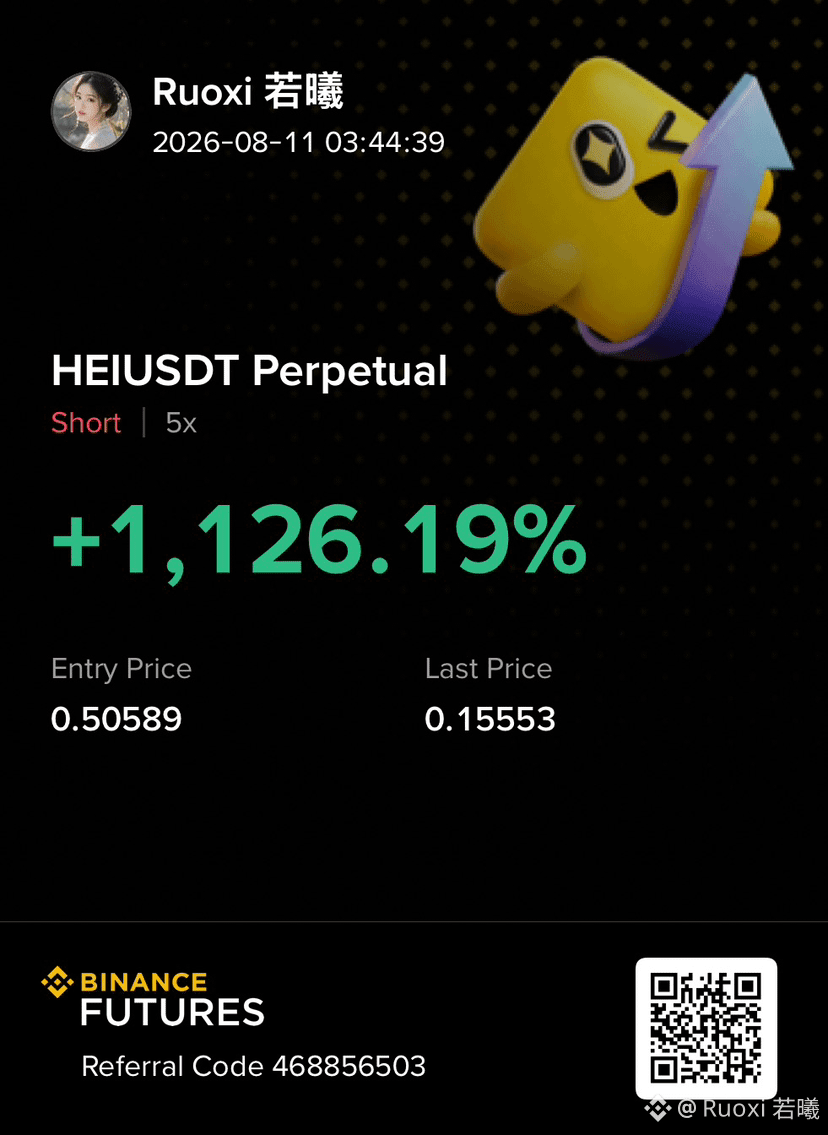
$HEI đang diễn ra rất tốt 🔥
Giao dịch đang diễn biến ổn, nhưng mình vẫn giữ mọi thứ đơn giản—không đuổi theo, không tự tin quá mức.
Điều mình thích nhất lúc này là đà tăng. Nếu $HEI có thể duy trì được sức mạnh này và tiếp tục xây dựng các mức cao hơn với khối lượng giao dịch lành mạnh, thì kịch bản có thể vẫn còn thú vị.
Với mình, điểm mấu chốt là sự kiên nhẫn. Hãy để biểu đồ xác nhận đợt di chuyển thay vì ép vào lệnh.
Giao dịch tốt cho đến giờ. Hãy xem $HEI sẽ xử lý nhịp tiếp theo như thế nào. 👀📈
$HEI đang diễn ra rất tốt 🔥
Giao dịch đang diễn biến ổn, nhưng mình vẫn giữ mọi thứ đơn giản—không đuổi theo, không tự tin quá mức.
Điều mình thích nhất lúc này là đà tăng. Nếu $HEI có thể duy trì được sức mạnh này và tiếp tục xây dựng các mức cao hơn với khối lượng giao dịch lành mạnh, thì kịch bản có thể vẫn còn thú vị.
Với mình, điểm mấu chốt là sự kiên nhẫn. Hãy để biểu đồ xác nhận đợt di chuyển thay vì ép vào lệnh.
Giao dịch tốt cho đến giờ. Hãy xem $HEI sẽ xử lý nhịp tiếp theo như thế nào. 👀📈
Giao dịch đang diễn biến ổn, nhưng mình vẫn giữ mọi thứ đơn giản—không đuổi theo, không tự tin quá mức.
Điều mình thích nhất lúc này là đà tăng. Nếu $HEI có thể duy trì được sức mạnh này và tiếp tục xây dựng các mức cao hơn với khối lượng giao dịch lành mạnh, thì kịch bản có thể vẫn còn thú vị.
Với mình, điểm mấu chốt là sự kiên nhẫn. Hãy để biểu đồ xác nhận đợt di chuyển thay vì ép vào lệnh.
Giao dịch tốt cho đến giờ. Hãy xem $HEI sẽ xử lý nhịp tiếp theo như thế nào. 👀📈
301
·
--
@babylonlabs_io Một điều tôi nhận thấy sau khi xem qua Cuộc Gọi Dành Cho Người Sáng Lập Q4 2025 của Babylon là mức độ cuộc trò chuyện đã thay đổi nhiều như thế nào.
Cách đây một năm, hầu hết mọi người nói về staking Bitcoin. Giờ đây, đội ngũ tập trung vào việc giúp Bitcoin thực sự có thể sử dụng trong DeFi mà không cần dùng tài sản được gói (wrapped) hoặc từ bỏ việc tự quản lý tài sản. Tôi nghĩ đây là một sự chuyển dịch lớn hơn nhiều người nhận ra.
Điều khiến tôi chú ý là Trustless Bitcoin Vaults (Kho Lưu Trữ Bitcoin Không Cần Tin).
Ý tưởng nghe có vẻ surprisingly đơn giản. BTC của bạn vẫn nằm dưới sự kiểm soát của bạn, đồng thời trở thành tài sản thế chấp cho hoạt động cho vay và các trường hợp sử dụng DeFi khác. Nếu Babylon làm tốt việc này, nó có thể loại bỏ một trong những lý do lớn nhất khiến người nắm giữ Bitcoin đã tránh tài chính on-chain.
Tôi cũng thích rằng các nhà sáng lập không hề giả vờ rằng mọi thứ đều hoàn hảo.
Họ đã thẳng thắn thảo luận về áp lực bán token BABY, cách cải thiện tính hữu dụng của token, và lý do các sản phẩm thực sự phải tạo ra giá trị trước khi tokenomics cố gắng “thu” giá trị đó. Thành thật mà nói, đó là con đường khó hơn, và thành công sẽ phụ thuộc vào mức độ được chấp nhận, hơn là các thông báo.
Từ những gì tôi thấy, Babylon đang cố gắng giữ Bitcoin đúng với triết lý ban đầu của nó, đồng thời mang lại cho nó nhiều công dụng thực tế hơn.
Đây là một mục tiêu tham vọng, nhưng điều quan trọng nhất là khâu thực thi. Nếu trải nghiệm người dùng không đủ đơn giản, ngay cả công nghệ tốt nhất cũng có thể gặp khó khăn để tạo được lực kéo.
Bạn có nghĩ Trustless Bitcoin Vaults có thể trở thành tính năng cuối cùng đưa thêm Bitcoin vào DeFi hay không?
#baby $BABY
$HOME
{spot}(HOMEUSDT)
$BLESS
{future}(BLESSUSDT)
@BabylonLabs_io Một điều tôi nhận thấy sau khi xem qua Cuộc Gọi Dành Cho Người Sáng Lập Q4 2025 của Babylon là mức độ cuộc trò chuyện đã thay đổi nhiều như thế nào.
Cách đây một năm, hầu hết mọi người nói về staking Bitcoin. Giờ đây, đội ngũ tập trung vào việc giúp Bitcoin thực sự có thể sử dụng trong DeFi mà không cần dùng tài sản được gói (wrapped) hoặc từ bỏ việc tự quản lý tài sản. Tôi nghĩ đây là một sự chuyển dịch lớn hơn nhiều người nhận ra.
Điều khiến tôi chú ý là Trustless Bitcoin Vaults (Kho Lưu Trữ Bitcoin Không Cần Tin).
Ý tưởng nghe có vẻ surprisingly đơn giản. BTC của bạn vẫn nằm dưới sự kiểm soát của bạn, đồng thời trở thành tài sản thế chấp cho hoạt động cho vay và các trường hợp sử dụng DeFi khác. Nếu Babylon làm tốt việc này, nó có thể loại bỏ một trong những lý do lớn nhất khiến người nắm giữ Bitcoin đã tránh tài chính on-chain.
Tôi cũng thích rằng các nhà sáng lập không hề giả vờ rằng mọi thứ đều hoàn hảo.
Họ đã thẳng thắn thảo luận về áp lực bán token BABY, cách cải thiện tính hữu dụng của token, và lý do các sản phẩm thực sự phải tạo ra giá trị trước khi tokenomics cố gắng “thu” giá trị đó. Thành thật mà nói, đó là con đường khó hơn, và thành công sẽ phụ thuộc vào mức độ được chấp nhận, hơn là các thông báo.
Từ những gì tôi thấy, Babylon đang cố gắng giữ Bitcoin đúng với triết lý ban đầu của nó, đồng thời mang lại cho nó nhiều công dụng thực tế hơn.
Đây là một mục tiêu tham vọng, nhưng điều quan trọng nhất là khâu thực thi. Nếu trải nghiệm người dùng không đủ đơn giản, ngay cả công nghệ tốt nhất cũng có thể gặp khó khăn để tạo được lực kéo.
Bạn có nghĩ Trustless Bitcoin Vaults có thể trở thành tính năng cuối cùng đưa thêm Bitcoin vào DeFi hay không?
#baby $BABY
$HOME
$BLESS
Cách đây một năm, hầu hết mọi người nói về staking Bitcoin. Giờ đây, đội ngũ tập trung vào việc giúp Bitcoin thực sự có thể sử dụng trong DeFi mà không cần dùng tài sản được gói (wrapped) hoặc từ bỏ việc tự quản lý tài sản. Tôi nghĩ đây là một sự chuyển dịch lớn hơn nhiều người nhận ra.
Điều khiến tôi chú ý là Trustless Bitcoin Vaults (Kho Lưu Trữ Bitcoin Không Cần Tin).
Ý tưởng nghe có vẻ surprisingly đơn giản. BTC của bạn vẫn nằm dưới sự kiểm soát của bạn, đồng thời trở thành tài sản thế chấp cho hoạt động cho vay và các trường hợp sử dụng DeFi khác. Nếu Babylon làm tốt việc này, nó có thể loại bỏ một trong những lý do lớn nhất khiến người nắm giữ Bitcoin đã tránh tài chính on-chain.
Tôi cũng thích rằng các nhà sáng lập không hề giả vờ rằng mọi thứ đều hoàn hảo.
Họ đã thẳng thắn thảo luận về áp lực bán token BABY, cách cải thiện tính hữu dụng của token, và lý do các sản phẩm thực sự phải tạo ra giá trị trước khi tokenomics cố gắng “thu” giá trị đó. Thành thật mà nói, đó là con đường khó hơn, và thành công sẽ phụ thuộc vào mức độ được chấp nhận, hơn là các thông báo.
Từ những gì tôi thấy, Babylon đang cố gắng giữ Bitcoin đúng với triết lý ban đầu của nó, đồng thời mang lại cho nó nhiều công dụng thực tế hơn.
Đây là một mục tiêu tham vọng, nhưng điều quan trọng nhất là khâu thực thi. Nếu trải nghiệm người dùng không đủ đơn giản, ngay cả công nghệ tốt nhất cũng có thể gặp khó khăn để tạo được lực kéo.
Bạn có nghĩ Trustless Bitcoin Vaults có thể trở thành tính năng cuối cùng đưa thêm Bitcoin vào DeFi hay không?
#baby $BABY
$HOME
$BLESS
Bullish Buying 🟢
100%
Bearish Selling 🔴
0%
1 phiếu bầu • Cuộc bỏ phiếu đã kết thúc
1
147
·
--
@babylonlabs_io Một điều mà tôi liên tục nhìn vào Bitcoin và thắc mắc là tại sao việc sử dụng nó trong DeFi lại luôn đồng nghĩa với việc phải đánh đổi thứ gì đó.
Đọc tài liệu của Babylon đã giúp tôi thay đổi phần nào góc nhìn đó. Với Public Testnet, BTC gốc có thể được khóa trong một Trustless Bitcoin Vault và dùng làm tài sản thế chấp thông qua Aave v4. Bitcoin của bạn không bị bọc (wrapped) hay chuyển giao cho một bên giám hộ (custodian), và thành thật mà nói, điều này cảm giác gần với tinh thần ban đầu của Bitcoin hơn nhiều.
Tôi nghĩ đây là một bước tiến quan trọng cho BTCFi. Tuy vậy, mới chỉ là testnet, và quy trình peg-in (nạp/khớp), thời gian xác nhận, cũng như hành vi thanh lý cần phải chứng minh mình trong điều kiện chịu áp lực từ thị trường thực tế trước khi tôi có thể hoàn toàn tin tưởng.
Nếu Bitcoin có thể vẫn là dạng gốc trong khi vẫn mở khóa được thanh khoản, thì đây có thể là một thay đổi lớn hơn nhiều so với điều mà phần đông người ta kỳ vọng.
Bạn sẽ vay dựa trên BTC gốc, hay bạn muốn cứ tiếp tục nắm giữ?
#baby $BABY
$1000SATS
{spot}(1000SATSUSDT)
$IDOL
{future}(IDOLUSDT)
@BabylonLabs_io Một điều mà tôi liên tục nhìn vào Bitcoin và thắc mắc là tại sao việc sử dụng nó trong DeFi lại luôn đồng nghĩa với việc phải đánh đổi thứ gì đó.
Đọc tài liệu của Babylon đã giúp tôi thay đổi phần nào góc nhìn đó. Với Public Testnet, BTC gốc có thể được khóa trong một Trustless Bitcoin Vault và dùng làm tài sản thế chấp thông qua Aave v4. Bitcoin của bạn không bị bọc (wrapped) hay chuyển giao cho một bên giám hộ (custodian), và thành thật mà nói, điều này cảm giác gần với tinh thần ban đầu của Bitcoin hơn nhiều.
Tôi nghĩ đây là một bước tiến quan trọng cho BTCFi. Tuy vậy, mới chỉ là testnet, và quy trình peg-in (nạp/khớp), thời gian xác nhận, cũng như hành vi thanh lý cần phải chứng minh mình trong điều kiện chịu áp lực từ thị trường thực tế trước khi tôi có thể hoàn toàn tin tưởng.
Nếu Bitcoin có thể vẫn là dạng gốc trong khi vẫn mở khóa được thanh khoản, thì đây có thể là một thay đổi lớn hơn nhiều so với điều mà phần đông người ta kỳ vọng.
Bạn sẽ vay dựa trên BTC gốc, hay bạn muốn cứ tiếp tục nắm giữ?
#baby $BABY
$1000SATS
$IDOL
Đọc tài liệu của Babylon đã giúp tôi thay đổi phần nào góc nhìn đó. Với Public Testnet, BTC gốc có thể được khóa trong một Trustless Bitcoin Vault và dùng làm tài sản thế chấp thông qua Aave v4. Bitcoin của bạn không bị bọc (wrapped) hay chuyển giao cho một bên giám hộ (custodian), và thành thật mà nói, điều này cảm giác gần với tinh thần ban đầu của Bitcoin hơn nhiều.
Tôi nghĩ đây là một bước tiến quan trọng cho BTCFi. Tuy vậy, mới chỉ là testnet, và quy trình peg-in (nạp/khớp), thời gian xác nhận, cũng như hành vi thanh lý cần phải chứng minh mình trong điều kiện chịu áp lực từ thị trường thực tế trước khi tôi có thể hoàn toàn tin tưởng.
Nếu Bitcoin có thể vẫn là dạng gốc trong khi vẫn mở khóa được thanh khoản, thì đây có thể là một thay đổi lớn hơn nhiều so với điều mà phần đông người ta kỳ vọng.
Bạn sẽ vay dựa trên BTC gốc, hay bạn muốn cứ tiếp tục nắm giữ?
#baby $BABY
$1000SATS
$IDOL
Bullish Buying 🟢
83%
Bearish Selling 🔴
17%
6 phiếu bầu • Cuộc bỏ phiếu đã kết thúc
1
244
·
--
@babylonlabs_io Một suy nghĩ cứ lặp đi lặp lại khi so sánh TBV với wrapped BTC và các cầu: có lẽ chúng ta đang giải quyết sai vấn đề.
Thay vì di chuyển Bitcoin khắp nơi, nếu giải pháp tốt hơn là để nó ở nơi mà nó đã có mức độ bảo mật mạnh nhất thì sao?
Đó là lý do vì sao TBV của Babylon gây ấn tượng với tôi. Nó không phụ thuộc vào một bên lưu ký tập trung nắm giữ các đồng coin, hay một liên minh liên kết (bridge federation) điều khiển việc hoàn trả. Bitcoin vẫn nằm trên chuỗi của chính nó, trong khi các bằng chứng mật mã liên kết nó với các hoạt động dựa trên Ethereum.
Tôi vẫn thấy có những hạn chế. Thời gian chờ thêm không phải là điều lý tưởng, và công nghệ này mới hơn so với các phương pháp bọc truyền thống, nên việc áp dụng sẽ cần thời gian.
Suy nghĩ: Tôi thà chờ lâu hơn một chút còn hơn là đưa thêm một lớp lưu ký nữa nằm giữa tôi và BTC của mình.
Nếu phải chọn ngày hôm nay, bạn sẽ tin một bên lưu ký, một cây cầu (bridge) hay một kho lưu trữ được giảm thiểu niềm tin (trust-minimized vault)?
#baby $BABY
$AXTIB
{spot}(AXTIBUSDT)
$SNXXB
{spot}(SNXXBUSDT)
@BabylonLabs_io Một suy nghĩ cứ lặp đi lặp lại khi so sánh TBV với wrapped BTC và các cầu: có lẽ chúng ta đang giải quyết sai vấn đề.
Thay vì di chuyển Bitcoin khắp nơi, nếu giải pháp tốt hơn là để nó ở nơi mà nó đã có mức độ bảo mật mạnh nhất thì sao?
Đó là lý do vì sao TBV của Babylon gây ấn tượng với tôi. Nó không phụ thuộc vào một bên lưu ký tập trung nắm giữ các đồng coin, hay một liên minh liên kết (bridge federation) điều khiển việc hoàn trả. Bitcoin vẫn nằm trên chuỗi của chính nó, trong khi các bằng chứng mật mã liên kết nó với các hoạt động dựa trên Ethereum.
Tôi vẫn thấy có những hạn chế. Thời gian chờ thêm không phải là điều lý tưởng, và công nghệ này mới hơn so với các phương pháp bọc truyền thống, nên việc áp dụng sẽ cần thời gian.
Suy nghĩ: Tôi thà chờ lâu hơn một chút còn hơn là đưa thêm một lớp lưu ký nữa nằm giữa tôi và BTC của mình.
Nếu phải chọn ngày hôm nay, bạn sẽ tin một bên lưu ký, một cây cầu (bridge) hay một kho lưu trữ được giảm thiểu niềm tin (trust-minimized vault)?
#baby $BABY
$AXTIB
$SNXXB
Thay vì di chuyển Bitcoin khắp nơi, nếu giải pháp tốt hơn là để nó ở nơi mà nó đã có mức độ bảo mật mạnh nhất thì sao?
Đó là lý do vì sao TBV của Babylon gây ấn tượng với tôi. Nó không phụ thuộc vào một bên lưu ký tập trung nắm giữ các đồng coin, hay một liên minh liên kết (bridge federation) điều khiển việc hoàn trả. Bitcoin vẫn nằm trên chuỗi của chính nó, trong khi các bằng chứng mật mã liên kết nó với các hoạt động dựa trên Ethereum.
Tôi vẫn thấy có những hạn chế. Thời gian chờ thêm không phải là điều lý tưởng, và công nghệ này mới hơn so với các phương pháp bọc truyền thống, nên việc áp dụng sẽ cần thời gian.
Suy nghĩ: Tôi thà chờ lâu hơn một chút còn hơn là đưa thêm một lớp lưu ký nữa nằm giữa tôi và BTC của mình.
Nếu phải chọn ngày hôm nay, bạn sẽ tin một bên lưu ký, một cây cầu (bridge) hay một kho lưu trữ được giảm thiểu niềm tin (trust-minimized vault)?
#baby $BABY
$AXTIB
$SNXXB
Bullish Zone 🟢
100%
Bearish Zone 🔴
0%
2 phiếu bầu • Cuộc bỏ phiếu đã kết thúc
5
1
113
·
--
Đã xác minh
@babylonlabs_io Tôi cứ tiếp tục nhìn vào Bitcoin DeFi, và có một điều gì đó cứ làm tôi bận tâm.
Bitcoin là tài sản lớn nhất trong crypto, vậy mà chỉ khoảng 1% BTC được dùng trong DeFi. Điều đó không phải vì người ta không muốn lợi suất. Phần lớn người nắm giữ đơn giản là không muốn giao đồng coin của mình cho một bridge (cầu nối), một bên lưu ký (custodian) hay token được bọc (wrapped). Theo những gì tôi đã thấy, bảo mật luôn được đặt lên hàng đầu.
Các Babylon’s Trustless Bitcoin Vaults (TBV) trông có vẻ là một hướng tiếp cận khác. Thay vì chuyển BTC ra khỏi Bitcoin, TBV cho phép bạn khóa BTC gốc của mình trong một vault Taproot được tự bạn kiểm soát, trong khi các ứng dụng trên Ethereum vẫn nhận nó như tài sản thế chấp. Không cần wrapped BTC. Không có một bên bridge nào nắm giữ tiền của bạn. Niềm tin chuyển dịch sang mật mã và hai mạng Bitcoin/Ethereum, thay vì đặt vào một công ty.
Tôi nghĩ đó chính là đổi mới thực sự ở đây. Bitcoin không ngừng là Bitcoin chỉ vì bạn muốn vay mượn dựa trên nó hoặc sử dụng nó trong DeFi. Nó vẫn nằm trên chính chuỗi của mình, trong khi giao thức chứng minh điều gì đã xảy ra qua các chuỗi thông qua xác minh bằng mật mã. Đây là một thay đổi tư duy rất lớn so với các mô hình chúng ta đã dùng suốt nhiều năm.
Dù vậy, vẫn còn sớm. TBV hiện đang chạy trên Bitcoin Signet và Ethereum testnet, và thiết kế phức tạp hơn nhiều so với việc chỉ đơn giản bọc BTC. Giống như bất kỳ giao thức mới nào, việc được áp dụng trong thế giới thực, các đánh giá về bảo mật và sự tích hợp của nhà phát triển sẽ quan trọng không kém gì bản thân công nghệ.
Babylon đã cho thấy việc staking Bitcoin tự lưu ký hoàn toàn có thể hoạt động. Nếu TBV mang lại đúng tinh thần đó cho DeFi dựa trên Bitcoin, tôi nghĩ nó có thể mở ra một tương lai hoàn toàn khác cho BTC.
Bạn có tin mật mã hơn là một bên lưu ký khi đưa Bitcoin của mình vào hoạt động trong DeFi không?
#baby $BABY
$GRVT
{alpha}(560x46f2564e0fa8248d15125e7e54173cfbdef91be7)
$SNXXB
{spot}(SNXXBUSDT)
@BabylonLabs_io Tôi cứ tiếp tục nhìn vào Bitcoin DeFi, và có một điều gì đó cứ làm tôi bận tâm.
Bitcoin là tài sản lớn nhất trong crypto, vậy mà chỉ khoảng 1% BTC được dùng trong DeFi. Điều đó không phải vì người ta không muốn lợi suất. Phần lớn người nắm giữ đơn giản là không muốn giao đồng coin của mình cho một bridge (cầu nối), một bên lưu ký (custodian) hay token được bọc (wrapped). Theo những gì tôi đã thấy, bảo mật luôn được đặt lên hàng đầu.
Các Babylon’s Trustless Bitcoin Vaults (TBV) trông có vẻ là một hướng tiếp cận khác. Thay vì chuyển BTC ra khỏi Bitcoin, TBV cho phép bạn khóa BTC gốc của mình trong một vault Taproot được tự bạn kiểm soát, trong khi các ứng dụng trên Ethereum vẫn nhận nó như tài sản thế chấp. Không cần wrapped BTC. Không có một bên bridge nào nắm giữ tiền của bạn. Niềm tin chuyển dịch sang mật mã và hai mạng Bitcoin/Ethereum, thay vì đặt vào một công ty.
Tôi nghĩ đó chính là đổi mới thực sự ở đây. Bitcoin không ngừng là Bitcoin chỉ vì bạn muốn vay mượn dựa trên nó hoặc sử dụng nó trong DeFi. Nó vẫn nằm trên chính chuỗi của mình, trong khi giao thức chứng minh điều gì đã xảy ra qua các chuỗi thông qua xác minh bằng mật mã. Đây là một thay đổi tư duy rất lớn so với các mô hình chúng ta đã dùng suốt nhiều năm.
Dù vậy, vẫn còn sớm. TBV hiện đang chạy trên Bitcoin Signet và Ethereum testnet, và thiết kế phức tạp hơn nhiều so với việc chỉ đơn giản bọc BTC. Giống như bất kỳ giao thức mới nào, việc được áp dụng trong thế giới thực, các đánh giá về bảo mật và sự tích hợp của nhà phát triển sẽ quan trọng không kém gì bản thân công nghệ.
Babylon đã cho thấy việc staking Bitcoin tự lưu ký hoàn toàn có thể hoạt động. Nếu TBV mang lại đúng tinh thần đó cho DeFi dựa trên Bitcoin, tôi nghĩ nó có thể mở ra một tương lai hoàn toàn khác cho BTC.
Bạn có tin mật mã hơn là một bên lưu ký khi đưa Bitcoin của mình vào hoạt động trong DeFi không?
#baby $BABY
$GRVT
$SNXXB
Bitcoin là tài sản lớn nhất trong crypto, vậy mà chỉ khoảng 1% BTC được dùng trong DeFi. Điều đó không phải vì người ta không muốn lợi suất. Phần lớn người nắm giữ đơn giản là không muốn giao đồng coin của mình cho một bridge (cầu nối), một bên lưu ký (custodian) hay token được bọc (wrapped). Theo những gì tôi đã thấy, bảo mật luôn được đặt lên hàng đầu.
Các Babylon’s Trustless Bitcoin Vaults (TBV) trông có vẻ là một hướng tiếp cận khác. Thay vì chuyển BTC ra khỏi Bitcoin, TBV cho phép bạn khóa BTC gốc của mình trong một vault Taproot được tự bạn kiểm soát, trong khi các ứng dụng trên Ethereum vẫn nhận nó như tài sản thế chấp. Không cần wrapped BTC. Không có một bên bridge nào nắm giữ tiền của bạn. Niềm tin chuyển dịch sang mật mã và hai mạng Bitcoin/Ethereum, thay vì đặt vào một công ty.
Tôi nghĩ đó chính là đổi mới thực sự ở đây. Bitcoin không ngừng là Bitcoin chỉ vì bạn muốn vay mượn dựa trên nó hoặc sử dụng nó trong DeFi. Nó vẫn nằm trên chính chuỗi của mình, trong khi giao thức chứng minh điều gì đã xảy ra qua các chuỗi thông qua xác minh bằng mật mã. Đây là một thay đổi tư duy rất lớn so với các mô hình chúng ta đã dùng suốt nhiều năm.
Dù vậy, vẫn còn sớm. TBV hiện đang chạy trên Bitcoin Signet và Ethereum testnet, và thiết kế phức tạp hơn nhiều so với việc chỉ đơn giản bọc BTC. Giống như bất kỳ giao thức mới nào, việc được áp dụng trong thế giới thực, các đánh giá về bảo mật và sự tích hợp của nhà phát triển sẽ quan trọng không kém gì bản thân công nghệ.
Babylon đã cho thấy việc staking Bitcoin tự lưu ký hoàn toàn có thể hoạt động. Nếu TBV mang lại đúng tinh thần đó cho DeFi dựa trên Bitcoin, tôi nghĩ nó có thể mở ra một tương lai hoàn toàn khác cho BTC.
Bạn có tin mật mã hơn là một bên lưu ký khi đưa Bitcoin của mình vào hoạt động trong DeFi không?
#baby $BABY
$GRVT
$SNXXB
Bullish Time Zone 🟢
50%
Bearish Time Zone 🔴
0%
Unpredictable Zone 🟠
50%
2 phiếu bầu • Cuộc bỏ phiếu đã kết thúc
2
186
·
--
Đã xác minh
@babylonlabs_io Một điều tôi cứ mãi để ý khi xem các dự án cố gắng đưa Bitcoin vào DeFi là: thành thật mà nói, hầu hết đều kết thúc bằng việc phụ thuộc vào tài sản được bọc (wrapped) hoặc một ai đó giữ chìa khóa. Điều đó chưa bao giờ giống với câu trả lời thực sự đối với tôi.
Tích hợp Aave v4 của Babylon cảm thấy khác biệt.
BTC của bạn vẫn được khóa trên Bitcoin trong một Trustless Bitcoin Vault (kho tiền Bitcoin không cần tin cậy), trong khi Aave v4 nhận ra BTC đã được khóa đó làm tài sản thế chấp thông qua một adapter (bộ chuyển đổi) chuyên dụng. Bạn có thể vay tài sản mà không cần bridge (chuyển chuỗi) hay bọc Bitcoin, và theo tôi đó là một thay đổi khá quan trọng. Thiết kế gọn gàng hơn nhiều so với những gì tôi kỳ vọng.
Một điều tôi cứ nghĩ mãi quay lại là: đây không phải là chuyện làm cho Bitcoin “di chuyển”. Mà là làm cho Bitcoin trở nên hữu ích trong khi nó vẫn ở đúng vị trí của nó. Theo những gì tôi thấy trong tài liệu, vault được tạo ra riêng cho ứng dụng Aave, và một token kế toán nội bộ (vaultBTC) chỉ đại diện cho tài sản thế chấp trong phạm vi của giao thức—nó không phải là một token wrapped BTC có thể giao dịch.
Dĩ nhiên, tôi vẫn sẽ thận trọng. Tích hợp này đang được triển khai thông qua public testnet (testnet công khai), việc vay vẫn đi kèm rủi ro bị thanh lý, và mọi mô hình cho vay mới đều cần thời gian để chứng minh bản thân trong các điều kiện thị trường thực tế. Kể cả những thiết kế mạnh mẽ cũng không tránh khỏi các tình huống biên bất ngờ.
Tôi nghĩ Babylon đang cố gắng giải quyết một vấn đề mà nhiều người nắm giữ BTC đã nói tới trong suốt nhiều năm: sử dụng Bitcoin trong DeFi mà không phải từ bỏ quyền tự quản lý tài sản (self-custody).
Bạn có sẽ vay dựa trên BTC gốc không, nếu BTC đó không bao giờ phải rời khỏi mạng Bitcoin?
#baby $BABY
$COTI
{spot}(COTIUSDT)
$UAI
{future}(UAIUSDT)
@BabylonLabs_io Một điều tôi cứ mãi để ý khi xem các dự án cố gắng đưa Bitcoin vào DeFi là: thành thật mà nói, hầu hết đều kết thúc bằng việc phụ thuộc vào tài sản được bọc (wrapped) hoặc một ai đó giữ chìa khóa. Điều đó chưa bao giờ giống với câu trả lời thực sự đối với tôi.
Tích hợp Aave v4 của Babylon cảm thấy khác biệt.
BTC của bạn vẫn được khóa trên Bitcoin trong một Trustless Bitcoin Vault (kho tiền Bitcoin không cần tin cậy), trong khi Aave v4 nhận ra BTC đã được khóa đó làm tài sản thế chấp thông qua một adapter (bộ chuyển đổi) chuyên dụng. Bạn có thể vay tài sản mà không cần bridge (chuyển chuỗi) hay bọc Bitcoin, và theo tôi đó là một thay đổi khá quan trọng. Thiết kế gọn gàng hơn nhiều so với những gì tôi kỳ vọng.
Một điều tôi cứ nghĩ mãi quay lại là: đây không phải là chuyện làm cho Bitcoin “di chuyển”. Mà là làm cho Bitcoin trở nên hữu ích trong khi nó vẫn ở đúng vị trí của nó. Theo những gì tôi thấy trong tài liệu, vault được tạo ra riêng cho ứng dụng Aave, và một token kế toán nội bộ (vaultBTC) chỉ đại diện cho tài sản thế chấp trong phạm vi của giao thức—nó không phải là một token wrapped BTC có thể giao dịch.
Dĩ nhiên, tôi vẫn sẽ thận trọng. Tích hợp này đang được triển khai thông qua public testnet (testnet công khai), việc vay vẫn đi kèm rủi ro bị thanh lý, và mọi mô hình cho vay mới đều cần thời gian để chứng minh bản thân trong các điều kiện thị trường thực tế. Kể cả những thiết kế mạnh mẽ cũng không tránh khỏi các tình huống biên bất ngờ.
Tôi nghĩ Babylon đang cố gắng giải quyết một vấn đề mà nhiều người nắm giữ BTC đã nói tới trong suốt nhiều năm: sử dụng Bitcoin trong DeFi mà không phải từ bỏ quyền tự quản lý tài sản (self-custody).
Bạn có sẽ vay dựa trên BTC gốc không, nếu BTC đó không bao giờ phải rời khỏi mạng Bitcoin?
#baby $BABY
$COTI
$UAI
Tích hợp Aave v4 của Babylon cảm thấy khác biệt.
BTC của bạn vẫn được khóa trên Bitcoin trong một Trustless Bitcoin Vault (kho tiền Bitcoin không cần tin cậy), trong khi Aave v4 nhận ra BTC đã được khóa đó làm tài sản thế chấp thông qua một adapter (bộ chuyển đổi) chuyên dụng. Bạn có thể vay tài sản mà không cần bridge (chuyển chuỗi) hay bọc Bitcoin, và theo tôi đó là một thay đổi khá quan trọng. Thiết kế gọn gàng hơn nhiều so với những gì tôi kỳ vọng.
Một điều tôi cứ nghĩ mãi quay lại là: đây không phải là chuyện làm cho Bitcoin “di chuyển”. Mà là làm cho Bitcoin trở nên hữu ích trong khi nó vẫn ở đúng vị trí của nó. Theo những gì tôi thấy trong tài liệu, vault được tạo ra riêng cho ứng dụng Aave, và một token kế toán nội bộ (vaultBTC) chỉ đại diện cho tài sản thế chấp trong phạm vi của giao thức—nó không phải là một token wrapped BTC có thể giao dịch.
Dĩ nhiên, tôi vẫn sẽ thận trọng. Tích hợp này đang được triển khai thông qua public testnet (testnet công khai), việc vay vẫn đi kèm rủi ro bị thanh lý, và mọi mô hình cho vay mới đều cần thời gian để chứng minh bản thân trong các điều kiện thị trường thực tế. Kể cả những thiết kế mạnh mẽ cũng không tránh khỏi các tình huống biên bất ngờ.
Tôi nghĩ Babylon đang cố gắng giải quyết một vấn đề mà nhiều người nắm giữ BTC đã nói tới trong suốt nhiều năm: sử dụng Bitcoin trong DeFi mà không phải từ bỏ quyền tự quản lý tài sản (self-custody).
Bạn có sẽ vay dựa trên BTC gốc không, nếu BTC đó không bao giờ phải rời khỏi mạng Bitcoin?
#baby $BABY
$COTI
$UAI
Bullish Buying 🟢
33%
Bearish Selling 🔴
67%
6 phiếu bầu • Cuộc bỏ phiếu đã kết thúc
2
612
·
--
@babylonlabs_io Một điều mà dạo này tôi cứ nhìn các đợt airdrop theo một cách khác.
Trong một thời gian dài, tôi nghĩ rằng việc nhận một đợt airdrop chỉ là kết nối một ví và chờ token. Sau đó, tôi dành thời gian đọc tài liệu của Babylon, và một chi tiết nhỏ đã thu hút sự chú ý của tôi.
Để nhận đợt airdrop BABY, người dùng đủ điều kiện cần chấp nhận Điều khoản Airdrop và Chính sách Quyền riêng tư, đồng thời chứng minh việc chấp nhận đó bằng cách ký một thông điệp mật mã bằng ví BABY của họ. Đây không phải là giao dịch trên blockchain hay khoản thanh toán gas. Đơn giản chỉ là chữ ký từ ví xác nhận rằng bạn đã hiểu các quy tắc trước khi nhận.
Tôi thực sự thích cách tiếp cận này, vì nó tạo ra một hồ sơ rõ ràng rằng mọi người tham gia đều đồng ý với cùng một điều kiện. Babylon đang cố gắng xây dựng bảo mật dựa trên Bitcoin cho các chuỗi PoS thông qua việc staking BTC tự quản, nên việc có một quy trình nhận minh bạch có vẻ phù hợp với triết lý đó.
Tuy vậy, vẫn có một suy nghĩ cứ ở lại trong đầu tôi. Phần lớn mọi người chỉ bấm “Accept” mà không đọc lấy một dòng nào. Nếu sau này các điều kiện đủ tư cách, hạn chế theo khu vực, hoặc việc xử lý dữ liệu trở nên quan trọng, thói quen đó rất dễ trở thành một vấn đề. Tôi nghĩ việc dành hai phút để đọc các điều khoản thì đáng giá hơn nhiều so với việc vội vàng bấm để nhận.
Bạn có đọc Điều khoản & Chính sách Quyền riêng tư của một đợt airdrop trước khi ký không, hay bạn thường tin vào quy trình và bấm Accept?
#baby $BABY
$ESP $BABYSHARK
{spot}(ESPUSDT)
{alpha}(560x777bf78ad4546b61607a17bf4a1977dbbea98c28)
@BabylonLabs_io Một điều mà dạo này tôi cứ nhìn các đợt airdrop theo một cách khác.
Trong một thời gian dài, tôi nghĩ rằng việc nhận một đợt airdrop chỉ là kết nối một ví và chờ token. Sau đó, tôi dành thời gian đọc tài liệu của Babylon, và một chi tiết nhỏ đã thu hút sự chú ý của tôi.
Để nhận đợt airdrop BABY, người dùng đủ điều kiện cần chấp nhận Điều khoản Airdrop và Chính sách Quyền riêng tư, đồng thời chứng minh việc chấp nhận đó bằng cách ký một thông điệp mật mã bằng ví BABY của họ. Đây không phải là giao dịch trên blockchain hay khoản thanh toán gas. Đơn giản chỉ là chữ ký từ ví xác nhận rằng bạn đã hiểu các quy tắc trước khi nhận.
Tôi thực sự thích cách tiếp cận này, vì nó tạo ra một hồ sơ rõ ràng rằng mọi người tham gia đều đồng ý với cùng một điều kiện. Babylon đang cố gắng xây dựng bảo mật dựa trên Bitcoin cho các chuỗi PoS thông qua việc staking BTC tự quản, nên việc có một quy trình nhận minh bạch có vẻ phù hợp với triết lý đó.
Tuy vậy, vẫn có một suy nghĩ cứ ở lại trong đầu tôi. Phần lớn mọi người chỉ bấm “Accept” mà không đọc lấy một dòng nào. Nếu sau này các điều kiện đủ tư cách, hạn chế theo khu vực, hoặc việc xử lý dữ liệu trở nên quan trọng, thói quen đó rất dễ trở thành một vấn đề. Tôi nghĩ việc dành hai phút để đọc các điều khoản thì đáng giá hơn nhiều so với việc vội vàng bấm để nhận.
Bạn có đọc Điều khoản & Chính sách Quyền riêng tư của một đợt airdrop trước khi ký không, hay bạn thường tin vào quy trình và bấm Accept?
#baby $BABY
$ESP $BABYSHARK
Trong một thời gian dài, tôi nghĩ rằng việc nhận một đợt airdrop chỉ là kết nối một ví và chờ token. Sau đó, tôi dành thời gian đọc tài liệu của Babylon, và một chi tiết nhỏ đã thu hút sự chú ý của tôi.
Để nhận đợt airdrop BABY, người dùng đủ điều kiện cần chấp nhận Điều khoản Airdrop và Chính sách Quyền riêng tư, đồng thời chứng minh việc chấp nhận đó bằng cách ký một thông điệp mật mã bằng ví BABY của họ. Đây không phải là giao dịch trên blockchain hay khoản thanh toán gas. Đơn giản chỉ là chữ ký từ ví xác nhận rằng bạn đã hiểu các quy tắc trước khi nhận.
Tôi thực sự thích cách tiếp cận này, vì nó tạo ra một hồ sơ rõ ràng rằng mọi người tham gia đều đồng ý với cùng một điều kiện. Babylon đang cố gắng xây dựng bảo mật dựa trên Bitcoin cho các chuỗi PoS thông qua việc staking BTC tự quản, nên việc có một quy trình nhận minh bạch có vẻ phù hợp với triết lý đó.
Tuy vậy, vẫn có một suy nghĩ cứ ở lại trong đầu tôi. Phần lớn mọi người chỉ bấm “Accept” mà không đọc lấy một dòng nào. Nếu sau này các điều kiện đủ tư cách, hạn chế theo khu vực, hoặc việc xử lý dữ liệu trở nên quan trọng, thói quen đó rất dễ trở thành một vấn đề. Tôi nghĩ việc dành hai phút để đọc các điều khoản thì đáng giá hơn nhiều so với việc vội vàng bấm để nhận.
Bạn có đọc Điều khoản & Chính sách Quyền riêng tư của một đợt airdrop trước khi ký không, hay bạn thường tin vào quy trình và bấm Accept?
#baby $BABY
$ESP $BABYSHARK
Buying long 🟢 💯
50%
Selling Short 🔴 💯
50%
4 phiếu bầu • Cuộc bỏ phiếu đã kết thúc
1
1
223
·
--
🎙️ Bitcoin sắp đón hướng đi, Tony anh quay trở lại.
Kết thúc
03 giờ 05 phút 18 giây
8.4k
19
34
·
--
@babylonlabs_io Một điều tôi đã để ý trong thời gian gần đây là stablecoin đang dần có được các ứng dụng thực sự trên Babylon Genesis như thế nào, và Noble USDC có vẻ hữu ích hơn những gì tôi mong đợi.
Trước đây, tôi cứ nghĩ đó chỉ là một cách khác để đỗ vốn. Nhưng sau khi đọc tài liệu Babylon, tôi nhận ra rằng nó thực sự giúp bạn di chuyển trong hệ sinh thái với ít ma sát hơn. Bạn có thể giao dịch (swap) Noble USDC trên Tower DEX, chuyển qua cầu (bridge) qua Eureka sang các chuỗi được hỗ trợ như Arbitrum, và khi cần thì còn có thể dùng các cầu khác như Union và Axelar.
Một ý nghĩ tôi cứ quay lại là… thanh khoản ổn định thường quan trọng hơn nhiều so với những tính năng hào nhoáng. Khi bạn đã có Noble USDC trên Babylon Genesis, việc tiếp cận staking BABY sẽ dễ hơn, hoặc bạn có thể khám phá các lựa chọn liquid staking như cBABY, eBABY và milkBABY trong ngay hệ sinh thái đó, thay vì liên tục phải chuyển đổi mạng.
Tuy vậy, tôi cũng không gọi nó là hoàn hảo. Hệ sinh thái của Babylon vẫn còn trẻ, nên các ứng dụng sẵn có và thanh khoản đang tăng trưởng, nhưng vẫn chưa đạt đến mức của những chuỗi đã phát triển lâu đời hơn. Đó là điều tôi luôn cân nhắc trước khi chuyển các khoản lớn.
Tôi nghĩ đây là kiểu cơ sở hạ tầng âm thầm cải thiện trải nghiệm người dùng. Nó không phải tính năng được rao lớn, nhưng lại khiến mọi thứ xung quanh DeFi được bảo mật bằng Bitcoin trở nên kết nối hơn một chút.
Nếu hôm nay bạn có Noble USDC trên Babylon Genesis, bạn sẽ swap, bridge hay stake trước?
#baby $BABY
$EUL
{spot}(EULUSDT)
$DIA
{spot}(DIAUSDT)
@BabylonLabs_io Một điều tôi đã để ý trong thời gian gần đây là stablecoin đang dần có được các ứng dụng thực sự trên Babylon Genesis như thế nào, và Noble USDC có vẻ hữu ích hơn những gì tôi mong đợi.
Trước đây, tôi cứ nghĩ đó chỉ là một cách khác để đỗ vốn. Nhưng sau khi đọc tài liệu Babylon, tôi nhận ra rằng nó thực sự giúp bạn di chuyển trong hệ sinh thái với ít ma sát hơn. Bạn có thể giao dịch (swap) Noble USDC trên Tower DEX, chuyển qua cầu (bridge) qua Eureka sang các chuỗi được hỗ trợ như Arbitrum, và khi cần thì còn có thể dùng các cầu khác như Union và Axelar.
Một ý nghĩ tôi cứ quay lại là… thanh khoản ổn định thường quan trọng hơn nhiều so với những tính năng hào nhoáng. Khi bạn đã có Noble USDC trên Babylon Genesis, việc tiếp cận staking BABY sẽ dễ hơn, hoặc bạn có thể khám phá các lựa chọn liquid staking như cBABY, eBABY và milkBABY trong ngay hệ sinh thái đó, thay vì liên tục phải chuyển đổi mạng.
Tuy vậy, tôi cũng không gọi nó là hoàn hảo. Hệ sinh thái của Babylon vẫn còn trẻ, nên các ứng dụng sẵn có và thanh khoản đang tăng trưởng, nhưng vẫn chưa đạt đến mức của những chuỗi đã phát triển lâu đời hơn. Đó là điều tôi luôn cân nhắc trước khi chuyển các khoản lớn.
Tôi nghĩ đây là kiểu cơ sở hạ tầng âm thầm cải thiện trải nghiệm người dùng. Nó không phải tính năng được rao lớn, nhưng lại khiến mọi thứ xung quanh DeFi được bảo mật bằng Bitcoin trở nên kết nối hơn một chút.
Nếu hôm nay bạn có Noble USDC trên Babylon Genesis, bạn sẽ swap, bridge hay stake trước?
#baby $BABY
$EUL
$DIA
Trước đây, tôi cứ nghĩ đó chỉ là một cách khác để đỗ vốn. Nhưng sau khi đọc tài liệu Babylon, tôi nhận ra rằng nó thực sự giúp bạn di chuyển trong hệ sinh thái với ít ma sát hơn. Bạn có thể giao dịch (swap) Noble USDC trên Tower DEX, chuyển qua cầu (bridge) qua Eureka sang các chuỗi được hỗ trợ như Arbitrum, và khi cần thì còn có thể dùng các cầu khác như Union và Axelar.
Một ý nghĩ tôi cứ quay lại là… thanh khoản ổn định thường quan trọng hơn nhiều so với những tính năng hào nhoáng. Khi bạn đã có Noble USDC trên Babylon Genesis, việc tiếp cận staking BABY sẽ dễ hơn, hoặc bạn có thể khám phá các lựa chọn liquid staking như cBABY, eBABY và milkBABY trong ngay hệ sinh thái đó, thay vì liên tục phải chuyển đổi mạng.
Tuy vậy, tôi cũng không gọi nó là hoàn hảo. Hệ sinh thái của Babylon vẫn còn trẻ, nên các ứng dụng sẵn có và thanh khoản đang tăng trưởng, nhưng vẫn chưa đạt đến mức của những chuỗi đã phát triển lâu đời hơn. Đó là điều tôi luôn cân nhắc trước khi chuyển các khoản lớn.
Tôi nghĩ đây là kiểu cơ sở hạ tầng âm thầm cải thiện trải nghiệm người dùng. Nó không phải tính năng được rao lớn, nhưng lại khiến mọi thứ xung quanh DeFi được bảo mật bằng Bitcoin trở nên kết nối hơn một chút.
Nếu hôm nay bạn có Noble USDC trên Babylon Genesis, bạn sẽ swap, bridge hay stake trước?
#baby $BABY
$EUL
$DIA
Bullish Time 🟢
67%
Bearish Time 🔴
33%
6 phiếu bầu • Cuộc bỏ phiếu đã kết thúc
1
726
Đăng nhập để khám phá thêm nội dung
Tham gia cùng người dùng tiền mã hóa toàn cầu trên Binance Square
⚡️ Nhận thông tin mới nhất và hữu ích về tiền mã hóa.
💬 Được tin cậy bởi sàn giao dịch tiền mã hóa lớn nhất thế giới.
👍 Khám phá những thông tin chuyên sâu thực tế từ những nhà sáng tạo đã xác minh.
Email / Số điện thoại
Chủ đề thịnh hành
TheoDõiFOMC
119,294 lượt xem
672 đang thảo luận
#TheoDõiFOMC
🔥 FOMC lại bắt đầu trở thành tâm điểm của crypto
Bitcoin vừa bước vào tháng 10, nhưng câu chuyện lớn phía sau thị trường lúc này không chỉ là giá.
Các trader đang bắt đầu hướng sự chú ý về cuộc họp FOMC ngày 27–28/10. Sau một loạt phát biểu mới từ quan chức Fed, kỳ vọng về việc tăng lãi suất ngay trong tháng 10 đã giảm đáng kể.
Điều thú vị là trước đó thị trường từng đặt cược khá cao vào một đợt tăng tiếp theo.
Giờ thì mọi thứ lại quay sang chờ dữ liệu kinh tế và những phát biểu tiếp theo của Fed.
Với crypto, chỉ cần kỳ vọng lãi suất thay đổi mạnh là $BTC có thể lập tức biến động, rồi kéo theo cả thị trường altcoin.
Tháng 10 mới bắt đầu mà macro đã có chuyện để hóng rồi 👀
#Bitcoin #Crypto #Macro #Fed #BinanceSquare
X LEI
·0 lượt thích
·157 lượt xem
TinFed
103,365 lượt xem
476 đang thảo luận
SECHaltsCryptoETFReviewsAmidFundingLapse
90,683 lượt xem
860 đang thảo luận