

W A R D A N
4k Bài đăng

W A R D A N
Báo cáo
Chặn người dùng
331 Đang theo dõi
20.1K+ Người theo dõi
11.0K+ Đã thích
Bài đăng
Tất cả
Trích dẫn
Video
Live
·
--
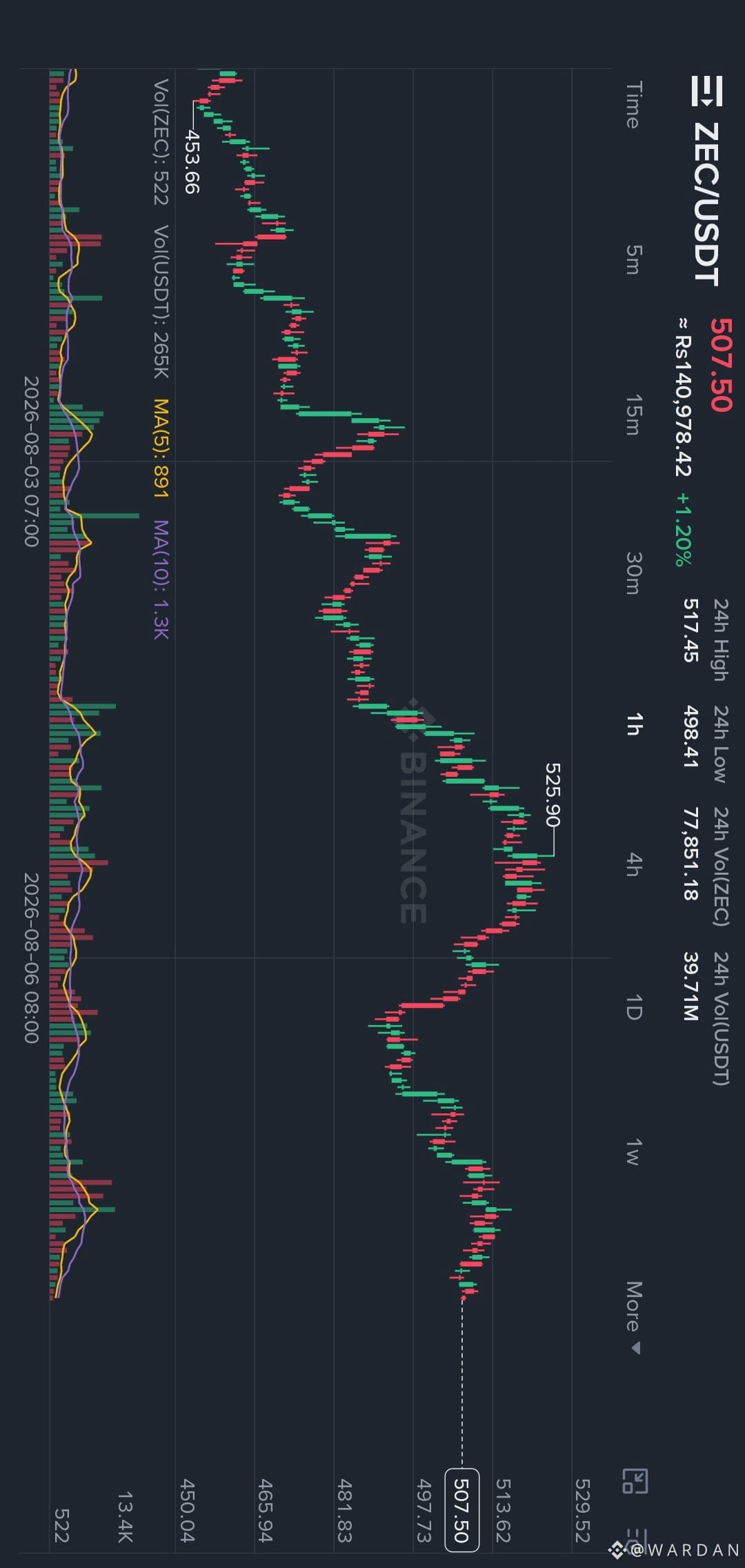
Điều đầu tiên thu hút sự chú ý của tôi ở $ZEC không phải là sức mạnh gần đây. Mà là nơi mà sức mạnh đó đang diễn ra.
ZEC đang vượt trội hơn BTC trên khung thời gian 7 ngày rộng hơn, trong khi Open Interest (OI) cũng đang tăng. Trên giấy tờ, điều đó trông như là có sự tham gia mới. Nhưng giá vẫn đang nằm dưới vùng kháng cự quan trọng quanh mức $525.70, và khối lượng hiện tại không tăng đủ để tôi coi động thái này là một đột phá đã được xác nhận.
Điều đó thay đổi hoàn toàn cách giao dịch.
Chỉ mua vì ZEC trông mạnh hơn BTC sẽ đồng nghĩa với việc vào lệnh trước khi thị trường chứng minh rằng nó có thể thực sự chấp nhận giá cao hơn. OI đang tăng bên dưới vùng kháng cự có thể hỗ trợ cho một đột phá, nhưng cũng có thể tạo ra trạng thái mắc kẹt vị thế nếu người mua không thể đẩy giá vượt qua.
Thiết lập “sạch” hơn đối với tôi là sự kiên nhẫn.
Nếu ZEC có được sự chấp nhận thực sự trên $525.70, rồi quay lại khu vực đó và giữ vững nó như một hỗ trợ, thì kịch bản đột phá sẽ trở nên đáng quan tâm hơn nhiều. Một phản ứng mạnh trên khung 15M/1H từ lần kiểm tra lại (retest) sẽ là xác nhận tốt hơn so với việc đuổi theo cây nến xanh đầu tiên.
Ở chiều ngược lại, việc mất khu vực khoảng ~$498 sẽ làm suy yếu cấu trúc tăng và cho tôi biết rằng thị trường vẫn chưa sẵn sàng.
Vì vậy, quan điểm hiện tại của tôi chỉ thiên về tăng theo điều kiện. Lợi thế không phải là “ZEC sẽ bơm.” Lợi thế là biết chính xác mức giá phải chứng minh điều gì trước khi chấp nhận rủi ro.
Bạn sẽ tin vào đợt đột phá đầu tiên vượt $525.70, hay chờ mức đó trụ được qua lần retest trước khi coi đó là sự chấp nhận thực sự?
$ZEC $BTC #cryptotrading #zec
{spot}(ZECUSDT)
Điều đầu tiên thu hút sự chú ý của tôi ở $ZEC không phải là sức mạnh gần đây. Mà là nơi mà sức mạnh đó đang diễn ra.
ZEC đang vượt trội hơn BTC trên khung thời gian 7 ngày rộng hơn, trong khi Open Interest (OI) cũng đang tăng. Trên giấy tờ, điều đó trông như là có sự tham gia mới. Nhưng giá vẫn đang nằm dưới vùng kháng cự quan trọng quanh mức $525.70, và khối lượng hiện tại không tăng đủ để tôi coi động thái này là một đột phá đã được xác nhận.
Điều đó thay đổi hoàn toàn cách giao dịch.
Chỉ mua vì ZEC trông mạnh hơn BTC sẽ đồng nghĩa với việc vào lệnh trước khi thị trường chứng minh rằng nó có thể thực sự chấp nhận giá cao hơn. OI đang tăng bên dưới vùng kháng cự có thể hỗ trợ cho một đột phá, nhưng cũng có thể tạo ra trạng thái mắc kẹt vị thế nếu người mua không thể đẩy giá vượt qua.
Thiết lập “sạch” hơn đối với tôi là sự kiên nhẫn.
Nếu ZEC có được sự chấp nhận thực sự trên $525.70, rồi quay lại khu vực đó và giữ vững nó như một hỗ trợ, thì kịch bản đột phá sẽ trở nên đáng quan tâm hơn nhiều. Một phản ứng mạnh trên khung 15M/1H từ lần kiểm tra lại (retest) sẽ là xác nhận tốt hơn so với việc đuổi theo cây nến xanh đầu tiên.
Ở chiều ngược lại, việc mất khu vực khoảng ~$498 sẽ làm suy yếu cấu trúc tăng và cho tôi biết rằng thị trường vẫn chưa sẵn sàng.
Vì vậy, quan điểm hiện tại của tôi chỉ thiên về tăng theo điều kiện. Lợi thế không phải là “ZEC sẽ bơm.” Lợi thế là biết chính xác mức giá phải chứng minh điều gì trước khi chấp nhận rủi ro.
Bạn sẽ tin vào đợt đột phá đầu tiên vượt $525.70, hay chờ mức đó trụ được qua lần retest trước khi coi đó là sự chấp nhận thực sự?
$ZEC $BTC #cryptotrading #zec
ZEC đang vượt trội hơn BTC trên khung thời gian 7 ngày rộng hơn, trong khi Open Interest (OI) cũng đang tăng. Trên giấy tờ, điều đó trông như là có sự tham gia mới. Nhưng giá vẫn đang nằm dưới vùng kháng cự quan trọng quanh mức $525.70, và khối lượng hiện tại không tăng đủ để tôi coi động thái này là một đột phá đã được xác nhận.
Điều đó thay đổi hoàn toàn cách giao dịch.
Chỉ mua vì ZEC trông mạnh hơn BTC sẽ đồng nghĩa với việc vào lệnh trước khi thị trường chứng minh rằng nó có thể thực sự chấp nhận giá cao hơn. OI đang tăng bên dưới vùng kháng cự có thể hỗ trợ cho một đột phá, nhưng cũng có thể tạo ra trạng thái mắc kẹt vị thế nếu người mua không thể đẩy giá vượt qua.
Thiết lập “sạch” hơn đối với tôi là sự kiên nhẫn.
Nếu ZEC có được sự chấp nhận thực sự trên $525.70, rồi quay lại khu vực đó và giữ vững nó như một hỗ trợ, thì kịch bản đột phá sẽ trở nên đáng quan tâm hơn nhiều. Một phản ứng mạnh trên khung 15M/1H từ lần kiểm tra lại (retest) sẽ là xác nhận tốt hơn so với việc đuổi theo cây nến xanh đầu tiên.
Ở chiều ngược lại, việc mất khu vực khoảng ~$498 sẽ làm suy yếu cấu trúc tăng và cho tôi biết rằng thị trường vẫn chưa sẵn sàng.
Vì vậy, quan điểm hiện tại của tôi chỉ thiên về tăng theo điều kiện. Lợi thế không phải là “ZEC sẽ bơm.” Lợi thế là biết chính xác mức giá phải chứng minh điều gì trước khi chấp nhận rủi ro.
Bạn sẽ tin vào đợt đột phá đầu tiên vượt $525.70, hay chờ mức đó trụ được qua lần retest trước khi coi đó là sự chấp nhận thực sự?
$ZEC $BTC #cryptotrading #zec
163
·
--
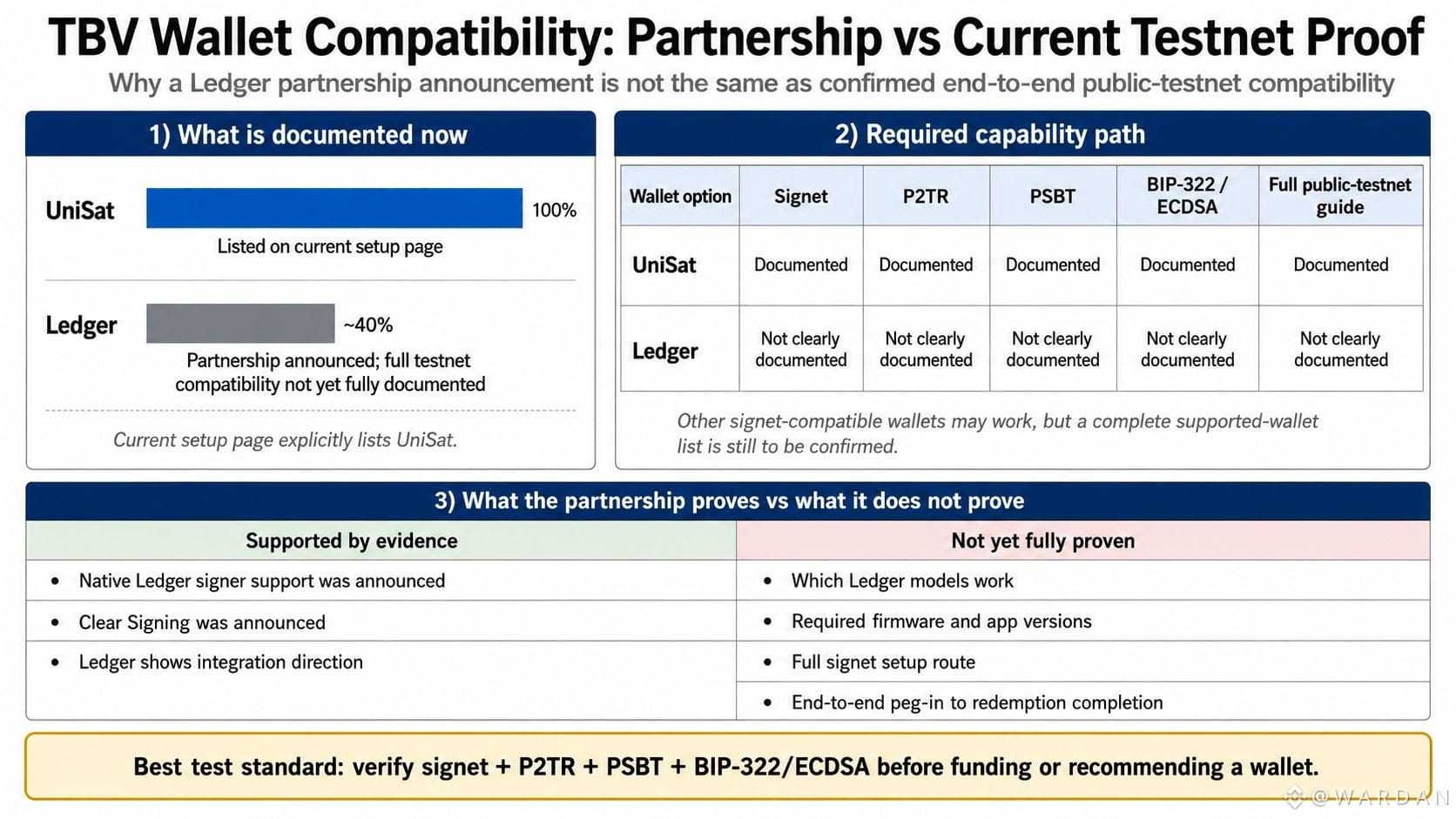
Sự hợp tác của The Ledger khiến các Vault Bitcoin không cần tin cậy (TBV) của Babylon trông đã sẵn sàng cho tệp người dùng rộng hơn đang dùng ví phần cứng. Nhưng hướng dẫn cho bản testnet trực tiếp lại kể một câu chuyện chính xác hơn.
Hiện tại, trang thiết lập liệt kê UniSat và yêu cầu một ví để thực hiện bốn việc cụ thể: kết nối với Bitcoin signet, tạo địa chỉ Taproot P2TR, ký PSBT, và xác thực thông qua BIP-322 hoặc ký tin nhắn theo chuẩn ECDSA.
Đó là chi tiết mà tôi sẽ không bỏ qua.
Một ví có thể lưu Bitcoin an toàn nhưng vẫn thất bại trong luồng TBV ở giai đoạn sau. Nó có thể nhận BTC signet, nhưng rồi dừng lại ở xác thực cổng (portal), phê duyệt PSBT, peg-in (gửi vào), hoặc kích hoạt. Vì vậy, một quan hệ hợp tác được công bố chỉ cho thấy hướng đi, chứ không nhất thiết chứng minh rằng hiện tại đã tương thích đầy đủ.
Tôi cũng không kết luận rằng Ledger không thể hoạt động với @babylonlabs_io . Tài liệu có thể chỉ đang nằm phía sau sản phẩm, và các ví khác tương thích signet có thể đã hoạt động. Nhưng các bằng chứng hiện có vẫn chưa đủ để chứng minh mô hình Ledger nào, phiên bản firmware nào, phương thức ký nào, hay đường kết nối nào có thể hoàn tất toàn bộ vòng đời của public-testnet.
Điều này quan trọng vì khả năng tương thích có thể thất bại sau bước “dễ”. Việc nhận test BTC chỉ chứng minh rằng địa chỉ hoạt động. Nó không chứng minh rằng ví có thể xác thực, ký đúng bộ giao dịch yêu cầu, hoặc hoàn tất vòng đời. Với người test, khoảng trống này sau đó có thể biến một mối hợp tác đầy hứa hẹn thành một vấn đề hỗ trợ gây bối rối.
Với testnet $BABY , tiêu chuẩn hữu ích không phải là biểu tượng của sự hợp tác. Mà là việc hoàn tất thành công lộ trình năng lực (capability path) cần thiết.
Trước khi cấp vốn hoặc khuyến nghị bất kỳ ví nào, hãy xác minh rằng cấu hình chính xác hỗ trợ signet, P2TR, ký PSBT và ký tin nhắn theo BIP-322 hoặc ECDSA. Sau đó, kiểm tra liệu nó có thể thực sự hoàn tất peg-in, kích hoạt, vay, trả và chuộc (redemption) hay không.
Đó là điểm khác biệt giữa việc công bố “có thể truy cập” và chứng minh rằng “việc truy cập hoạt động” từ đầu đến cuối. #baby
Sự hợp tác của The Ledger khiến các Vault Bitcoin không cần tin cậy (TBV) của Babylon trông đã sẵn sàng cho tệp người dùng rộng hơn đang dùng ví phần cứng. Nhưng hướng dẫn cho bản testnet trực tiếp lại kể một câu chuyện chính xác hơn.
Hiện tại, trang thiết lập liệt kê UniSat và yêu cầu một ví để thực hiện bốn việc cụ thể: kết nối với Bitcoin signet, tạo địa chỉ Taproot P2TR, ký PSBT, và xác thực thông qua BIP-322 hoặc ký tin nhắn theo chuẩn ECDSA.
Đó là chi tiết mà tôi sẽ không bỏ qua.
Một ví có thể lưu Bitcoin an toàn nhưng vẫn thất bại trong luồng TBV ở giai đoạn sau. Nó có thể nhận BTC signet, nhưng rồi dừng lại ở xác thực cổng (portal), phê duyệt PSBT, peg-in (gửi vào), hoặc kích hoạt. Vì vậy, một quan hệ hợp tác được công bố chỉ cho thấy hướng đi, chứ không nhất thiết chứng minh rằng hiện tại đã tương thích đầy đủ.
Tôi cũng không kết luận rằng Ledger không thể hoạt động với @BabylonLabs_io . Tài liệu có thể chỉ đang nằm phía sau sản phẩm, và các ví khác tương thích signet có thể đã hoạt động. Nhưng các bằng chứng hiện có vẫn chưa đủ để chứng minh mô hình Ledger nào, phiên bản firmware nào, phương thức ký nào, hay đường kết nối nào có thể hoàn tất toàn bộ vòng đời của public-testnet.
Điều này quan trọng vì khả năng tương thích có thể thất bại sau bước “dễ”. Việc nhận test BTC chỉ chứng minh rằng địa chỉ hoạt động. Nó không chứng minh rằng ví có thể xác thực, ký đúng bộ giao dịch yêu cầu, hoặc hoàn tất vòng đời. Với người test, khoảng trống này sau đó có thể biến một mối hợp tác đầy hứa hẹn thành một vấn đề hỗ trợ gây bối rối.
Với testnet $BABY , tiêu chuẩn hữu ích không phải là biểu tượng của sự hợp tác. Mà là việc hoàn tất thành công lộ trình năng lực (capability path) cần thiết.
Trước khi cấp vốn hoặc khuyến nghị bất kỳ ví nào, hãy xác minh rằng cấu hình chính xác hỗ trợ signet, P2TR, ký PSBT và ký tin nhắn theo BIP-322 hoặc ECDSA. Sau đó, kiểm tra liệu nó có thể thực sự hoàn tất peg-in, kích hoạt, vay, trả và chuộc (redemption) hay không.
Đó là điểm khác biệt giữa việc công bố “có thể truy cập” và chứng minh rằng “việc truy cập hoạt động” từ đầu đến cuối. #baby
Hiện tại, trang thiết lập liệt kê UniSat và yêu cầu một ví để thực hiện bốn việc cụ thể: kết nối với Bitcoin signet, tạo địa chỉ Taproot P2TR, ký PSBT, và xác thực thông qua BIP-322 hoặc ký tin nhắn theo chuẩn ECDSA.
Đó là chi tiết mà tôi sẽ không bỏ qua.
Một ví có thể lưu Bitcoin an toàn nhưng vẫn thất bại trong luồng TBV ở giai đoạn sau. Nó có thể nhận BTC signet, nhưng rồi dừng lại ở xác thực cổng (portal), phê duyệt PSBT, peg-in (gửi vào), hoặc kích hoạt. Vì vậy, một quan hệ hợp tác được công bố chỉ cho thấy hướng đi, chứ không nhất thiết chứng minh rằng hiện tại đã tương thích đầy đủ.
Tôi cũng không kết luận rằng Ledger không thể hoạt động với @BabylonLabs_io . Tài liệu có thể chỉ đang nằm phía sau sản phẩm, và các ví khác tương thích signet có thể đã hoạt động. Nhưng các bằng chứng hiện có vẫn chưa đủ để chứng minh mô hình Ledger nào, phiên bản firmware nào, phương thức ký nào, hay đường kết nối nào có thể hoàn tất toàn bộ vòng đời của public-testnet.
Điều này quan trọng vì khả năng tương thích có thể thất bại sau bước “dễ”. Việc nhận test BTC chỉ chứng minh rằng địa chỉ hoạt động. Nó không chứng minh rằng ví có thể xác thực, ký đúng bộ giao dịch yêu cầu, hoặc hoàn tất vòng đời. Với người test, khoảng trống này sau đó có thể biến một mối hợp tác đầy hứa hẹn thành một vấn đề hỗ trợ gây bối rối.
Với testnet $BABY , tiêu chuẩn hữu ích không phải là biểu tượng của sự hợp tác. Mà là việc hoàn tất thành công lộ trình năng lực (capability path) cần thiết.
Trước khi cấp vốn hoặc khuyến nghị bất kỳ ví nào, hãy xác minh rằng cấu hình chính xác hỗ trợ signet, P2TR, ký PSBT và ký tin nhắn theo BIP-322 hoặc ECDSA. Sau đó, kiểm tra liệu nó có thể thực sự hoàn tất peg-in, kích hoạt, vay, trả và chuộc (redemption) hay không.
Đó là điểm khác biệt giữa việc công bố “có thể truy cập” và chứng minh rằng “việc truy cập hoạt động” từ đầu đến cuối. #baby
1
138
·
--
Điều tôi nhận thấy là trạng thái “Pending” trong các Vault Bitcoin Trustless (TBV) của Babylon không tự động chỉ ra lỗi từ nhà cung cấp Vault.
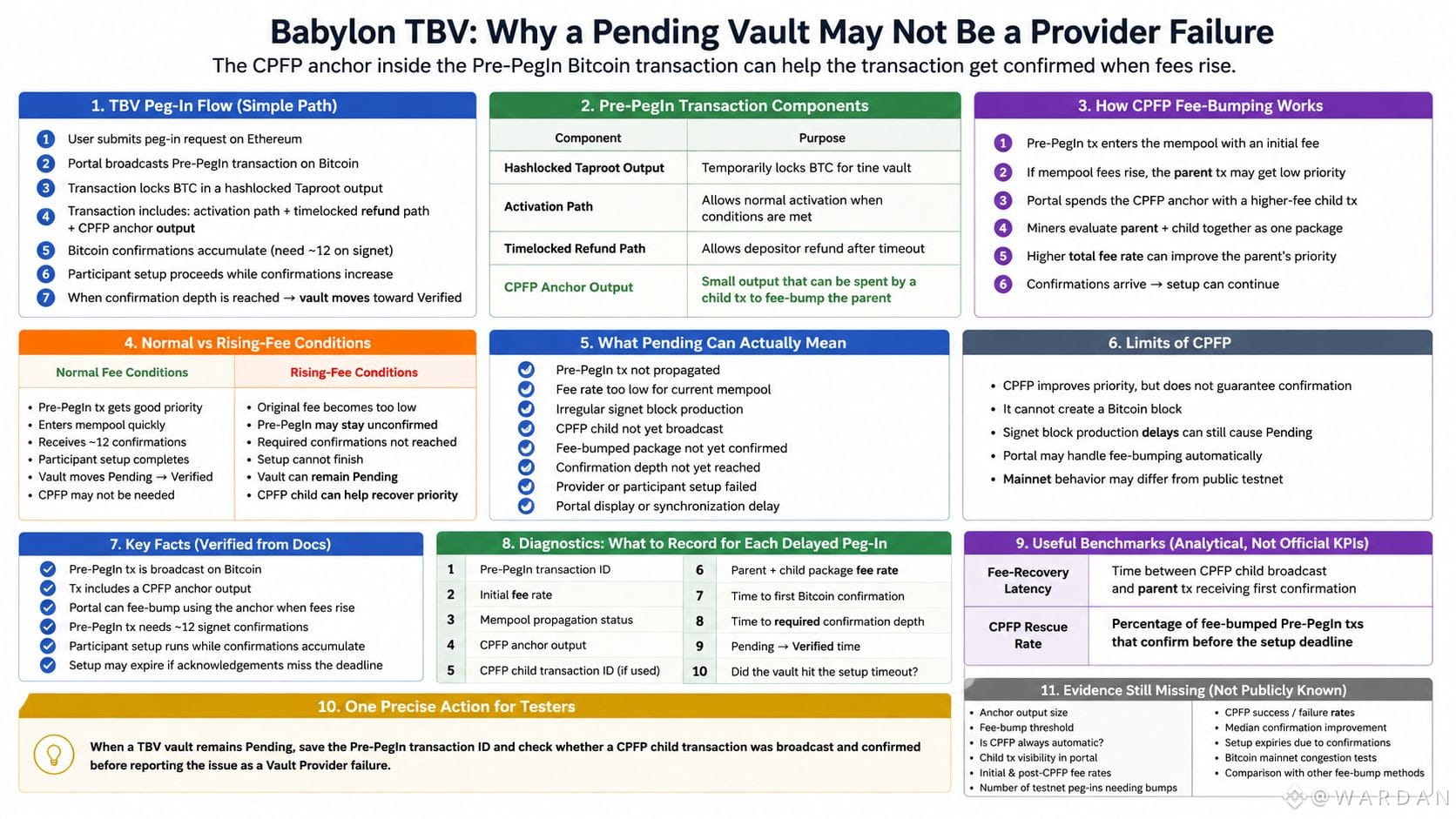
Việc peg-in bắt đầu bằng một giao dịch Bitcoin Pre-PegIn cần đạt khoảng 12 xác nhận signet trước khi quá trình thiết lập có thể tiếp tục. Bên trong giao dịch đó có một anchor dạng Child Pays for Parent, hay CPFP. Nếu phí của giao dịch cha trở nên quá thấp khi phí trong mempool tăng lên, một giao dịch con có phí cao hơn có thể chi tiêu vào anchor, giúp các thợ đào đánh giá cả hai giao dịch như một gói và có thể cải thiện mức ưu tiên xác nhận của giao dịch cha.
Chi tiết này làm thay đổi chẩn đoán. Yêu cầu từ Ethereum có thể là hợp lệ và các bên tham gia giao thức có thể đã sẵn sàng, trong khi giao dịch cấp vốn Bitcoin vẫn đang chờ đủ mức ưu tiên. Vì vậy, trạng thái Pending có thể che giấu vấn đề về phí giao dịch, độ trễ bất thường của block signet, hoặc một lỗi thiết lập thực sự. Chỉ dựa vào trạng thái hiển thị thì không thể biết sự việc nào đã xảy ra.
CPFP không phải là một sự đảm bảo. Nó không thể tạo ra một block mới, và chính sách tăng phí (fee-bump) chính xác của cổng (portal) cũng không được công khai rõ ràng. Tuy vậy, nó cung cấp cho người thử nghiệm một kiểm tra cụ thể ở phía Bitcoin trước khi đổ lỗi cho nhà cung cấp.
Với testnet @babylonlabs_io $BABY , hãy lưu ID giao dịch Pre-PegIn bất cứ khi nào một vault vẫn ở trạng thái Pending. Kiểm tra xem một giao dịch con CPFP có được phát (broadcast) hay không và liệu gói giao dịch cha đã được xác nhận trước khi báo “nhà cung cấp của tôi bị lỗi”. Chi tiết đơn lẻ đó có thể biến phản hồi mơ hồ thành một chẩn đoán hữu ích về nơi peg-in thực sự đã dừng lại và lớp hệ thống nào cần được chú ý đầu tiên. #baby
Điều tôi nhận thấy là trạng thái “Pending” trong các Vault Bitcoin Trustless (TBV) của Babylon không tự động chỉ ra lỗi từ nhà cung cấp Vault.
Việc peg-in bắt đầu bằng một giao dịch Bitcoin Pre-PegIn cần đạt khoảng 12 xác nhận signet trước khi quá trình thiết lập có thể tiếp tục. Bên trong giao dịch đó có một anchor dạng Child Pays for Parent, hay CPFP. Nếu phí của giao dịch cha trở nên quá thấp khi phí trong mempool tăng lên, một giao dịch con có phí cao hơn có thể chi tiêu vào anchor, giúp các thợ đào đánh giá cả hai giao dịch như một gói và có thể cải thiện mức ưu tiên xác nhận của giao dịch cha.
Chi tiết này làm thay đổi chẩn đoán. Yêu cầu từ Ethereum có thể là hợp lệ và các bên tham gia giao thức có thể đã sẵn sàng, trong khi giao dịch cấp vốn Bitcoin vẫn đang chờ đủ mức ưu tiên. Vì vậy, trạng thái Pending có thể che giấu vấn đề về phí giao dịch, độ trễ bất thường của block signet, hoặc một lỗi thiết lập thực sự. Chỉ dựa vào trạng thái hiển thị thì không thể biết sự việc nào đã xảy ra.
CPFP không phải là một sự đảm bảo. Nó không thể tạo ra một block mới, và chính sách tăng phí (fee-bump) chính xác của cổng (portal) cũng không được công khai rõ ràng. Tuy vậy, nó cung cấp cho người thử nghiệm một kiểm tra cụ thể ở phía Bitcoin trước khi đổ lỗi cho nhà cung cấp.
Với testnet @BabylonLabs_io $BABY , hãy lưu ID giao dịch Pre-PegIn bất cứ khi nào một vault vẫn ở trạng thái Pending. Kiểm tra xem một giao dịch con CPFP có được phát (broadcast) hay không và liệu gói giao dịch cha đã được xác nhận trước khi báo “nhà cung cấp của tôi bị lỗi”. Chi tiết đơn lẻ đó có thể biến phản hồi mơ hồ thành một chẩn đoán hữu ích về nơi peg-in thực sự đã dừng lại và lớp hệ thống nào cần được chú ý đầu tiên. #baby
Việc peg-in bắt đầu bằng một giao dịch Bitcoin Pre-PegIn cần đạt khoảng 12 xác nhận signet trước khi quá trình thiết lập có thể tiếp tục. Bên trong giao dịch đó có một anchor dạng Child Pays for Parent, hay CPFP. Nếu phí của giao dịch cha trở nên quá thấp khi phí trong mempool tăng lên, một giao dịch con có phí cao hơn có thể chi tiêu vào anchor, giúp các thợ đào đánh giá cả hai giao dịch như một gói và có thể cải thiện mức ưu tiên xác nhận của giao dịch cha.
Chi tiết này làm thay đổi chẩn đoán. Yêu cầu từ Ethereum có thể là hợp lệ và các bên tham gia giao thức có thể đã sẵn sàng, trong khi giao dịch cấp vốn Bitcoin vẫn đang chờ đủ mức ưu tiên. Vì vậy, trạng thái Pending có thể che giấu vấn đề về phí giao dịch, độ trễ bất thường của block signet, hoặc một lỗi thiết lập thực sự. Chỉ dựa vào trạng thái hiển thị thì không thể biết sự việc nào đã xảy ra.
CPFP không phải là một sự đảm bảo. Nó không thể tạo ra một block mới, và chính sách tăng phí (fee-bump) chính xác của cổng (portal) cũng không được công khai rõ ràng. Tuy vậy, nó cung cấp cho người thử nghiệm một kiểm tra cụ thể ở phía Bitcoin trước khi đổ lỗi cho nhà cung cấp.
Với testnet @BabylonLabs_io $BABY , hãy lưu ID giao dịch Pre-PegIn bất cứ khi nào một vault vẫn ở trạng thái Pending. Kiểm tra xem một giao dịch con CPFP có được phát (broadcast) hay không và liệu gói giao dịch cha đã được xác nhận trước khi báo “nhà cung cấp của tôi bị lỗi”. Chi tiết đơn lẻ đó có thể biến phản hồi mơ hồ thành một chẩn đoán hữu ích về nơi peg-in thực sự đã dừng lại và lớp hệ thống nào cần được chú ý đầu tiên. #baby
2
154
·
--
Chi tiết đã thay đổi cách tôi đọc các Kho Báu Bitcoin Không Cần Niềm Tin (TBV) của Babylon là “native BTC collateral” nghe như là một giá Bitcoin có thể giải thích toàn bộ khoản vay. Trên thực tế, đó không hẳn là cách hoạt động của việc thanh lý.
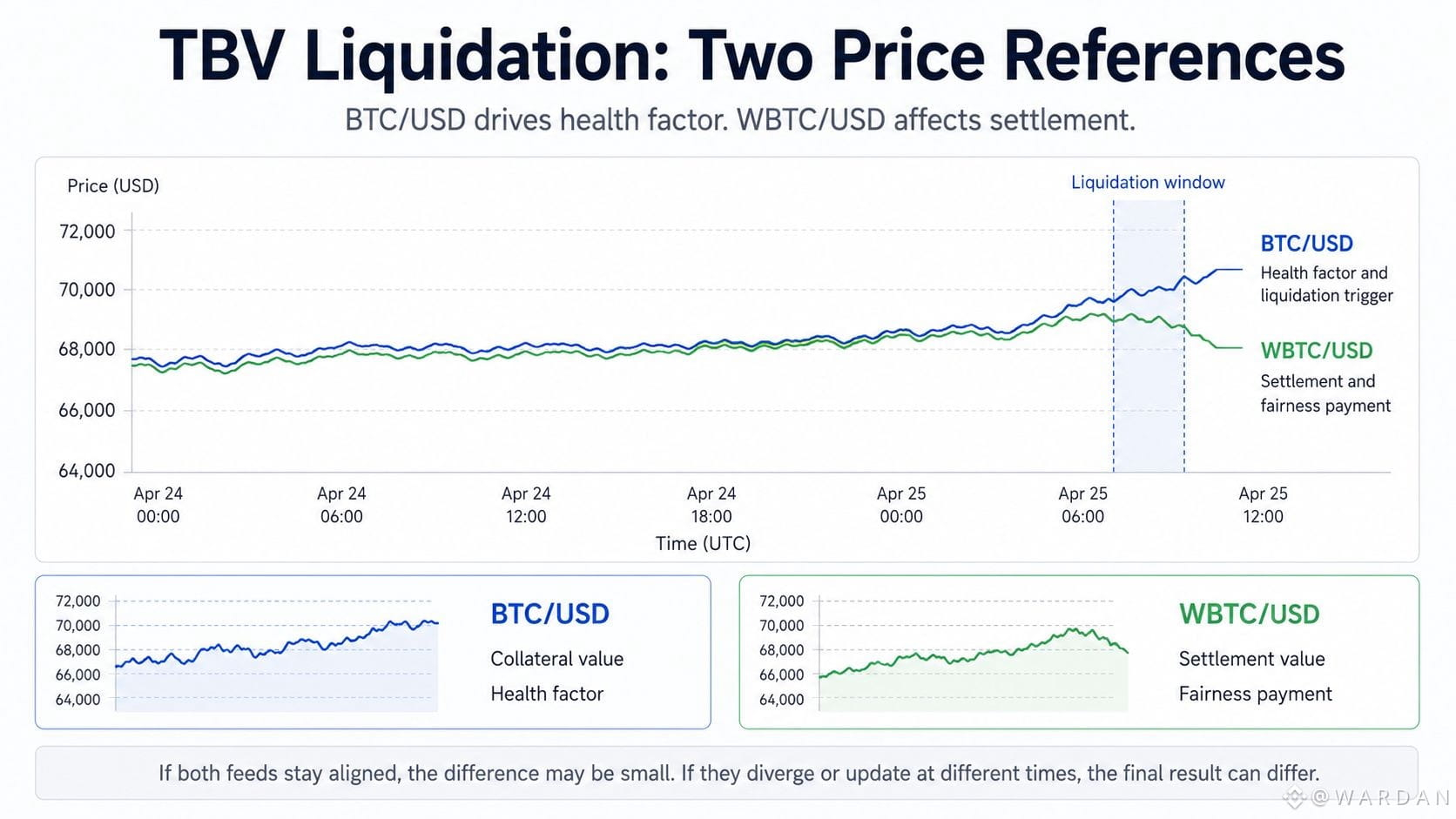
BTC/USD được dùng để định giá tài sản thế chấp BTC gốc, tính hệ số sức khỏe và quyết định khi nào một vị thế có thể bị thanh lý. Nhưng việc thanh toán ở phía Ethereum lại sử dụng WBTC, nên WBTC/USD cũng sẽ tham gia vào quá trình thanh toán và phép tính “fairness-payment”.
Điều đó tạo ra một sự tách biệt quan trọng: một nguồn dữ liệu giúp kích hoạt việc thanh lý, trong khi nguồn dữ liệu khác giúp định giá những gì xảy ra sau khi đã kích hoạt.
Khi BTC/USD và WBTC/USD luôn tươi mới và bám sát nhau, chênh lệch có thể quá nhỏ để đáng kể. Nhưng nếu các nguồn dữ liệu được cập nhật vào các thời điểm khác nhau hoặc WBTC/USD lệch khỏi BTC/USD, thì vị thế có thể bị đánh giá là không lành mạnh dựa trên một tham chiếu, trong khi việc thanh toán lại được tính bằng một tham chiếu khác.
Điều này không có nghĩa là @babylonlabs_io dùng BTC bọc (wrapped BTC) làm tài sản thế chấp của người gửi. BTC vẫn được giữ ở dạng native bên trong kho. Ý nghĩa là việc “custody” native và định giá khi thanh toán là hai lớp tách biệt, và chỉ riêng giá BTC có thể không giải thích được đầy đủ kết quả thanh lý. Sự phân biệt này quan trọng nhất trong giai đoạn căng thẳng, khi các khoảng trễ về thời điểm có thể trở nên rõ ràng về mặt kinh tế đối với người vay.
Với testnet $BABY , cách kiểm tra hữu ích nhất là đơn giản: khi xem xét một lần thanh lý, hãy ghi lại cả các giá trị BTC/USD và WBTC/USD, cùng với thời điểm cập nhật của chúng. Một chuẩn mực phân tích hữu ích là “oracle basis” giữa BTC và WBTC—không phải như một KPI chính thức của Babylon, mà như một cách để xem liệu hai nguồn dữ liệu đang kể cùng một câu chuyện kinh tế hay không. #baby
Chi tiết đã thay đổi cách tôi đọc các Kho Báu Bitcoin Không Cần Niềm Tin (TBV) của Babylon là “native BTC collateral” nghe như là một giá Bitcoin có thể giải thích toàn bộ khoản vay. Trên thực tế, đó không hẳn là cách hoạt động của việc thanh lý.
BTC/USD được dùng để định giá tài sản thế chấp BTC gốc, tính hệ số sức khỏe và quyết định khi nào một vị thế có thể bị thanh lý. Nhưng việc thanh toán ở phía Ethereum lại sử dụng WBTC, nên WBTC/USD cũng sẽ tham gia vào quá trình thanh toán và phép tính “fairness-payment”.
Điều đó tạo ra một sự tách biệt quan trọng: một nguồn dữ liệu giúp kích hoạt việc thanh lý, trong khi nguồn dữ liệu khác giúp định giá những gì xảy ra sau khi đã kích hoạt.
Khi BTC/USD và WBTC/USD luôn tươi mới và bám sát nhau, chênh lệch có thể quá nhỏ để đáng kể. Nhưng nếu các nguồn dữ liệu được cập nhật vào các thời điểm khác nhau hoặc WBTC/USD lệch khỏi BTC/USD, thì vị thế có thể bị đánh giá là không lành mạnh dựa trên một tham chiếu, trong khi việc thanh toán lại được tính bằng một tham chiếu khác.
Điều này không có nghĩa là @BabylonLabs_io dùng BTC bọc (wrapped BTC) làm tài sản thế chấp của người gửi. BTC vẫn được giữ ở dạng native bên trong kho. Ý nghĩa là việc “custody” native và định giá khi thanh toán là hai lớp tách biệt, và chỉ riêng giá BTC có thể không giải thích được đầy đủ kết quả thanh lý. Sự phân biệt này quan trọng nhất trong giai đoạn căng thẳng, khi các khoảng trễ về thời điểm có thể trở nên rõ ràng về mặt kinh tế đối với người vay.
Với testnet $BABY , cách kiểm tra hữu ích nhất là đơn giản: khi xem xét một lần thanh lý, hãy ghi lại cả các giá trị BTC/USD và WBTC/USD, cùng với thời điểm cập nhật của chúng. Một chuẩn mực phân tích hữu ích là “oracle basis” giữa BTC và WBTC—không phải như một KPI chính thức của Babylon, mà như một cách để xem liệu hai nguồn dữ liệu đang kể cùng một câu chuyện kinh tế hay không. #baby
BTC/USD được dùng để định giá tài sản thế chấp BTC gốc, tính hệ số sức khỏe và quyết định khi nào một vị thế có thể bị thanh lý. Nhưng việc thanh toán ở phía Ethereum lại sử dụng WBTC, nên WBTC/USD cũng sẽ tham gia vào quá trình thanh toán và phép tính “fairness-payment”.
Điều đó tạo ra một sự tách biệt quan trọng: một nguồn dữ liệu giúp kích hoạt việc thanh lý, trong khi nguồn dữ liệu khác giúp định giá những gì xảy ra sau khi đã kích hoạt.
Khi BTC/USD và WBTC/USD luôn tươi mới và bám sát nhau, chênh lệch có thể quá nhỏ để đáng kể. Nhưng nếu các nguồn dữ liệu được cập nhật vào các thời điểm khác nhau hoặc WBTC/USD lệch khỏi BTC/USD, thì vị thế có thể bị đánh giá là không lành mạnh dựa trên một tham chiếu, trong khi việc thanh toán lại được tính bằng một tham chiếu khác.
Điều này không có nghĩa là @BabylonLabs_io dùng BTC bọc (wrapped BTC) làm tài sản thế chấp của người gửi. BTC vẫn được giữ ở dạng native bên trong kho. Ý nghĩa là việc “custody” native và định giá khi thanh toán là hai lớp tách biệt, và chỉ riêng giá BTC có thể không giải thích được đầy đủ kết quả thanh lý. Sự phân biệt này quan trọng nhất trong giai đoạn căng thẳng, khi các khoảng trễ về thời điểm có thể trở nên rõ ràng về mặt kinh tế đối với người vay.
Với testnet $BABY , cách kiểm tra hữu ích nhất là đơn giản: khi xem xét một lần thanh lý, hãy ghi lại cả các giá trị BTC/USD và WBTC/USD, cùng với thời điểm cập nhật của chúng. Một chuẩn mực phân tích hữu ích là “oracle basis” giữa BTC và WBTC—không phải như một KPI chính thức của Babylon, mà như một cách để xem liệu hai nguồn dữ liệu đang kể cùng một câu chuyện kinh tế hay không. #baby
3
1
152
·
--
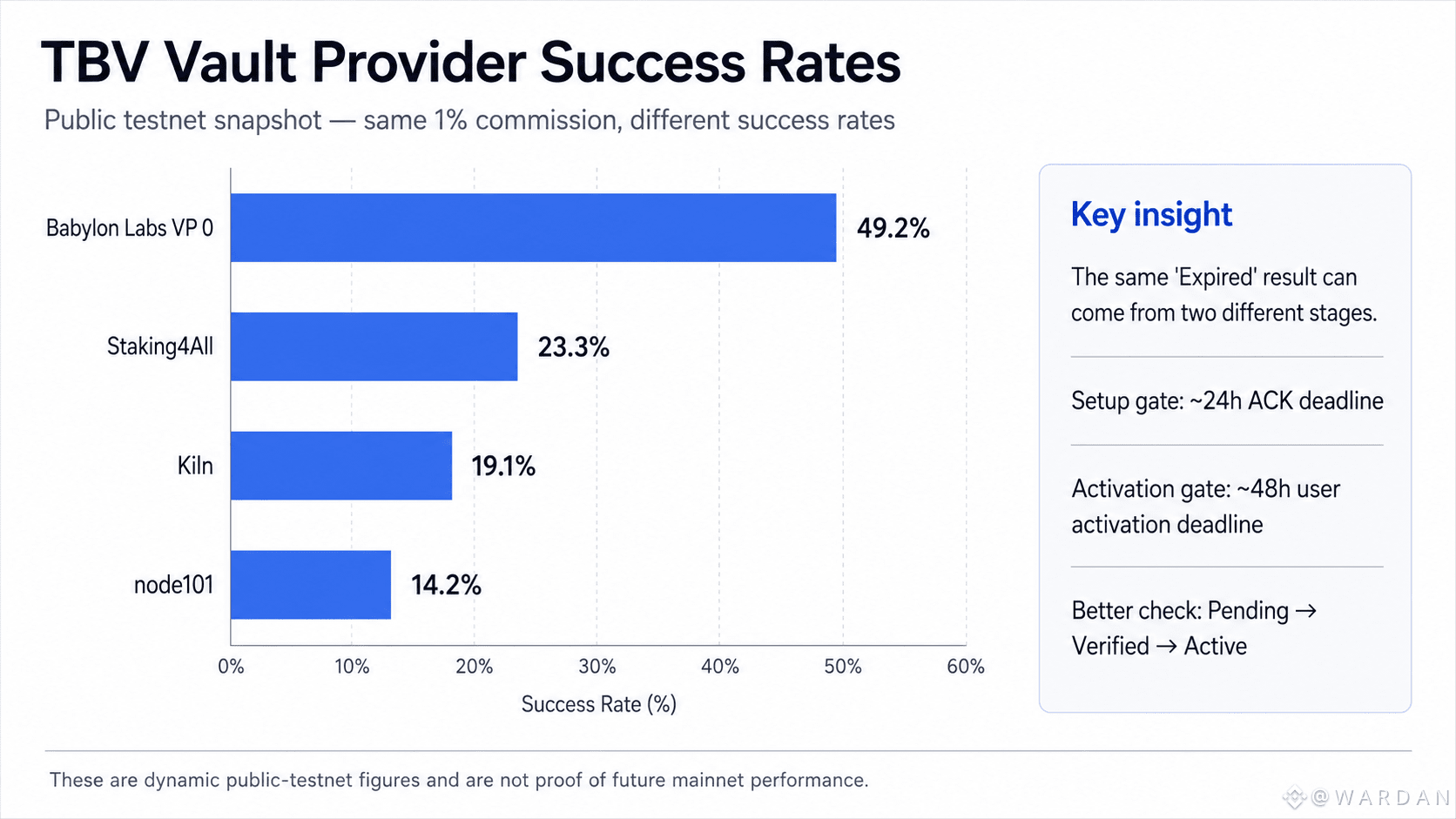
Điều thu hút sự chú ý của tôi về các Vault Bitcoin phi tín nhiệm của Babylon (TBV) trên testnet là việc có bốn trang của các Nhà cung cấp Vault hiển thị cùng mức hoa hồng 1%, nhưng tỷ lệ thành công lại dao động từ 14,2% đến 49,2%. Ban đầu, điều đó trông giống như một bảng xếp hạng. Nhưng cơ chế hoạt động khiến tôi đọc nó theo cách khác. Vì đây là các số liệu trên testnet đang thay đổi, tôi sẽ dùng chúng để định hướng câu hỏi, chứ không kết luận về độ tin cậy của mainnet.
Một vault phải chuyển từ Pending sang Verified. Ở giai đoạn này, Nhà cung cấp Vault và các nhà điều hành phải hoàn tất việc thiết lập và các xác nhận trong vòng 24 giờ. Sau đó, người gửi tiền cần tiết lộ bí mật kích hoạt (activation secret) trên Ethereum trong khoảng 48 giờ để vault có thể trở thành Active.
Nếu bỏ lỡ một trong hai “cửa” đó, nhãn cuối cùng có thể vẫn như nhau: Expired.
Đó là chi tiết tôi sẽ không bỏ qua. Một tỷ lệ thành công trên tiêu đề có thể trộn lẫn hai sự kiện. Một sự kiện có thể phản ánh vấn đề thiết lập hoặc phối hợp trước khi đạt trạng thái Verified. Sự kiện còn lại có thể phản ánh trường hợp một người dùng nhận được một vault đã sẵn sàng nhưng không bao giờ hoàn tất kích hoạt. Vì vậy, phần trăm có thể chứa tín hiệu từ nhà cung cấp, nhưng nó không cho biết ai là người gây ra từng lần hết hạn.
Với testnet @babylonlabs_io $BABY , tôi thấy một cách kiểm tra tốt hơn theo mô hình phễu theo giai đoạn: bao nhiêu yêu cầu đi đến Verified, và bao nhiêu vault đã Verified đạt đến Active. Đây sẽ là các chỉ số được đề xuất, không phải KPI chính thức của Babylon.
Khi thử nghiệm TBV, hãy ghi lại nhà cung cấp, trạng thái cao nhất đạt được, việc có thử kích hoạt hay không, và kết quả cuối cùng. “Vault của tôi vẫn ở Pending” hoặc “Nó đạt Verified nhưng tôi không kích hoạt” sẽ cho phản hồi tốt hơn so với “nhà cung cấp của tôi bị lỗi.” #baby
Điều thu hút sự chú ý của tôi về các Vault Bitcoin phi tín nhiệm của Babylon (TBV) trên testnet là việc có bốn trang của các Nhà cung cấp Vault hiển thị cùng mức hoa hồng 1%, nhưng tỷ lệ thành công lại dao động từ 14,2% đến 49,2%. Ban đầu, điều đó trông giống như một bảng xếp hạng. Nhưng cơ chế hoạt động khiến tôi đọc nó theo cách khác. Vì đây là các số liệu trên testnet đang thay đổi, tôi sẽ dùng chúng để định hướng câu hỏi, chứ không kết luận về độ tin cậy của mainnet.
Một vault phải chuyển từ Pending sang Verified. Ở giai đoạn này, Nhà cung cấp Vault và các nhà điều hành phải hoàn tất việc thiết lập và các xác nhận trong vòng 24 giờ. Sau đó, người gửi tiền cần tiết lộ bí mật kích hoạt (activation secret) trên Ethereum trong khoảng 48 giờ để vault có thể trở thành Active.
Nếu bỏ lỡ một trong hai “cửa” đó, nhãn cuối cùng có thể vẫn như nhau: Expired.
Đó là chi tiết tôi sẽ không bỏ qua. Một tỷ lệ thành công trên tiêu đề có thể trộn lẫn hai sự kiện. Một sự kiện có thể phản ánh vấn đề thiết lập hoặc phối hợp trước khi đạt trạng thái Verified. Sự kiện còn lại có thể phản ánh trường hợp một người dùng nhận được một vault đã sẵn sàng nhưng không bao giờ hoàn tất kích hoạt. Vì vậy, phần trăm có thể chứa tín hiệu từ nhà cung cấp, nhưng nó không cho biết ai là người gây ra từng lần hết hạn.
Với testnet @BabylonLabs_io $BABY , tôi thấy một cách kiểm tra tốt hơn theo mô hình phễu theo giai đoạn: bao nhiêu yêu cầu đi đến Verified, và bao nhiêu vault đã Verified đạt đến Active. Đây sẽ là các chỉ số được đề xuất, không phải KPI chính thức của Babylon.
Khi thử nghiệm TBV, hãy ghi lại nhà cung cấp, trạng thái cao nhất đạt được, việc có thử kích hoạt hay không, và kết quả cuối cùng. “Vault của tôi vẫn ở Pending” hoặc “Nó đạt Verified nhưng tôi không kích hoạt” sẽ cho phản hồi tốt hơn so với “nhà cung cấp của tôi bị lỗi.” #baby
Một vault phải chuyển từ Pending sang Verified. Ở giai đoạn này, Nhà cung cấp Vault và các nhà điều hành phải hoàn tất việc thiết lập và các xác nhận trong vòng 24 giờ. Sau đó, người gửi tiền cần tiết lộ bí mật kích hoạt (activation secret) trên Ethereum trong khoảng 48 giờ để vault có thể trở thành Active.
Nếu bỏ lỡ một trong hai “cửa” đó, nhãn cuối cùng có thể vẫn như nhau: Expired.
Đó là chi tiết tôi sẽ không bỏ qua. Một tỷ lệ thành công trên tiêu đề có thể trộn lẫn hai sự kiện. Một sự kiện có thể phản ánh vấn đề thiết lập hoặc phối hợp trước khi đạt trạng thái Verified. Sự kiện còn lại có thể phản ánh trường hợp một người dùng nhận được một vault đã sẵn sàng nhưng không bao giờ hoàn tất kích hoạt. Vì vậy, phần trăm có thể chứa tín hiệu từ nhà cung cấp, nhưng nó không cho biết ai là người gây ra từng lần hết hạn.
Với testnet @BabylonLabs_io $BABY , tôi thấy một cách kiểm tra tốt hơn theo mô hình phễu theo giai đoạn: bao nhiêu yêu cầu đi đến Verified, và bao nhiêu vault đã Verified đạt đến Active. Đây sẽ là các chỉ số được đề xuất, không phải KPI chính thức của Babylon.
Khi thử nghiệm TBV, hãy ghi lại nhà cung cấp, trạng thái cao nhất đạt được, việc có thử kích hoạt hay không, và kết quả cuối cùng. “Vault của tôi vẫn ở Pending” hoặc “Nó đạt Verified nhưng tôi không kích hoạt” sẽ cho phản hồi tốt hơn so với “nhà cung cấp của tôi bị lỗi.” #baby
1
116
·
--
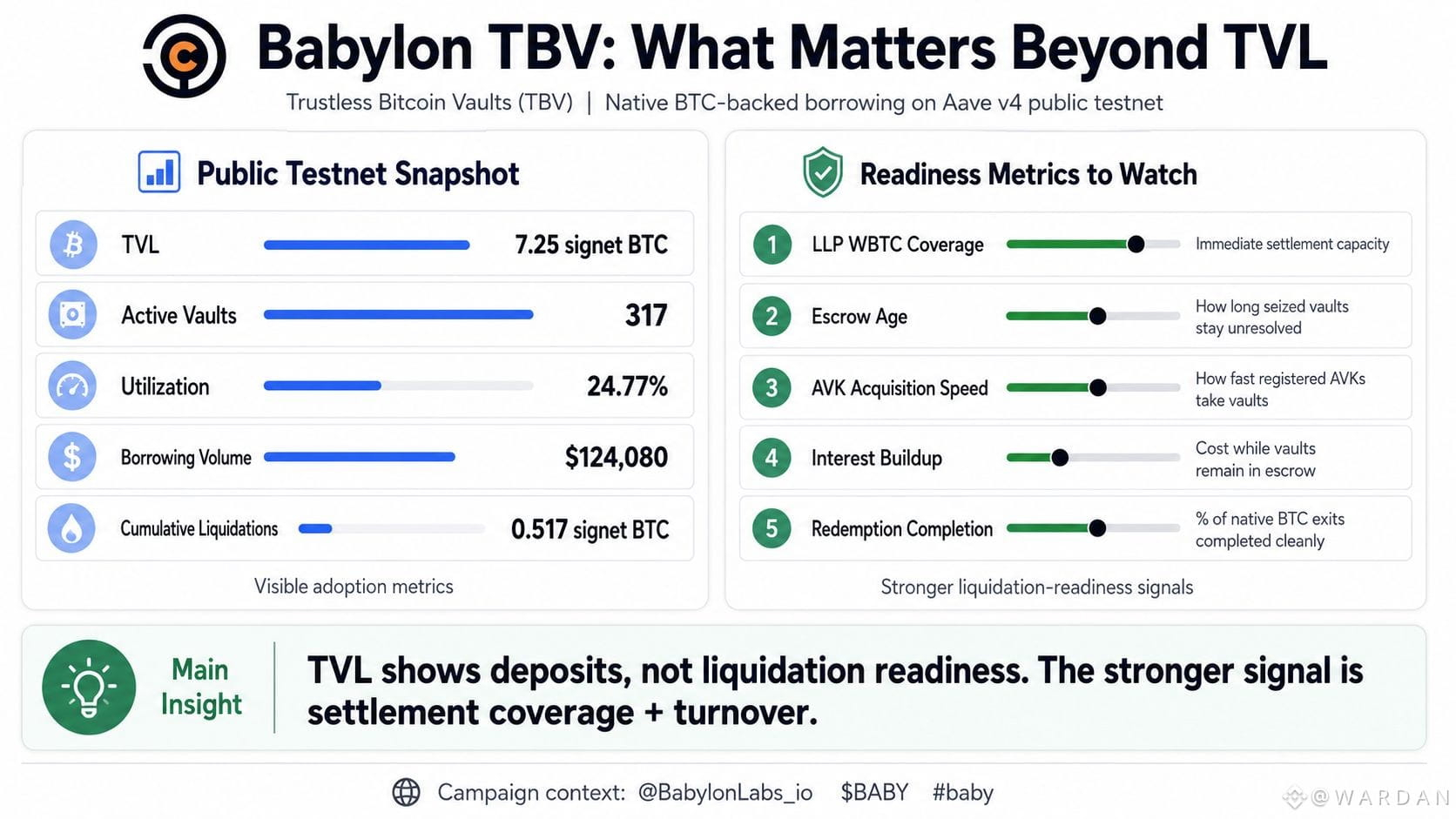
Chi tiết làm thay đổi cách tôi đọc bài kiểm tra của Babylon trên testnet là từ “permissionless” (không cần cấp phép).
Với Trustless Bitcoin Vaults (TBV), bất kỳ ai cũng có thể kích hoạt lộ trình thanh lý LLP khi một vị thế Aave v4 được bảo chứng bằng BTC gốc trở nên mất lành mạnh. Nhưng kích hoạt mở đó chỉ là bước đầu tiên. Người thanh lý sẽ nhận WBTC ngay lập tức, trong khi vault Bitcoin bị tịch thu được chuyển vào escrow (ký quỹ). Một AVK đã đăng ký sau đó phải mua lại vault đó và hoàn tất lộ trình chuộc lại chậm hơn ở phía Bitcoin.
Sự khác biệt này quan trọng vì “thanh lý không cần cấp phép” không có nghĩa là mọi giai đoạn đều mở cho cùng một nhóm tác nhân. Lệnh gọi trên Ethereum thì mở, nhưng việc thanh toán cuối cùng bằng BTC gốc vẫn phụ thuộc vào các vai trò đã đăng ký, dữ liệu vault sẵn có, và các lộ trình proof (chứng minh) và challenge (phản biện) hoạt động.
Tôi không xem đây là một lỗi tự thân. Việc tách như vậy có thể đúng là cách TBV cho phép Aave thanh toán nhanh mà không buộc người dùng phải wrap hoặc chuyển BTC của họ ra khỏi Bitcoin. Tuy nhiên, nó làm thay đổi điều cần phải kiểm thử.
Một câu hỏi testnet hữu ích không chỉ là liệu có thể gọi thanh lý hay không. Mà là liệu có đủ nhiều AVK độc lập có thể tiếp quản các vault đang được ký quỹ, xử lý chúng nhanh chóng và hoàn tất việc chuộc lại mà không để các trễ ngập dồn lên.
Với @babylonlabs_io , bằng chứng mạnh mẽ hơn cho một hệ thống lành mạnh sẽ là một bản đồ quyền đầy đủ và dữ liệu thanh toán end-to-end (từ đầu đến cuối) gọn sạch: ai có thể kích hoạt, ai là người cấp vốn WBTC, ai tiếp quản vault, và BTC gốc mất bao lâu để được thanh toán.
Đó là mức độ mà những người đọc $BABY và #baby có thể đánh giá liệu thiết kế có thực sự vẫn “mở” trong thực tế hay không, chứ không chỉ ở giao dịch đầu tiên.
Chi tiết làm thay đổi cách tôi đọc bài kiểm tra của Babylon trên testnet là từ “permissionless” (không cần cấp phép).
Với Trustless Bitcoin Vaults (TBV), bất kỳ ai cũng có thể kích hoạt lộ trình thanh lý LLP khi một vị thế Aave v4 được bảo chứng bằng BTC gốc trở nên mất lành mạnh. Nhưng kích hoạt mở đó chỉ là bước đầu tiên. Người thanh lý sẽ nhận WBTC ngay lập tức, trong khi vault Bitcoin bị tịch thu được chuyển vào escrow (ký quỹ). Một AVK đã đăng ký sau đó phải mua lại vault đó và hoàn tất lộ trình chuộc lại chậm hơn ở phía Bitcoin.
Sự khác biệt này quan trọng vì “thanh lý không cần cấp phép” không có nghĩa là mọi giai đoạn đều mở cho cùng một nhóm tác nhân. Lệnh gọi trên Ethereum thì mở, nhưng việc thanh toán cuối cùng bằng BTC gốc vẫn phụ thuộc vào các vai trò đã đăng ký, dữ liệu vault sẵn có, và các lộ trình proof (chứng minh) và challenge (phản biện) hoạt động.
Tôi không xem đây là một lỗi tự thân. Việc tách như vậy có thể đúng là cách TBV cho phép Aave thanh toán nhanh mà không buộc người dùng phải wrap hoặc chuyển BTC của họ ra khỏi Bitcoin. Tuy nhiên, nó làm thay đổi điều cần phải kiểm thử.
Một câu hỏi testnet hữu ích không chỉ là liệu có thể gọi thanh lý hay không. Mà là liệu có đủ nhiều AVK độc lập có thể tiếp quản các vault đang được ký quỹ, xử lý chúng nhanh chóng và hoàn tất việc chuộc lại mà không để các trễ ngập dồn lên.
Với @BabylonLabs_io , bằng chứng mạnh mẽ hơn cho một hệ thống lành mạnh sẽ là một bản đồ quyền đầy đủ và dữ liệu thanh toán end-to-end (từ đầu đến cuối) gọn sạch: ai có thể kích hoạt, ai là người cấp vốn WBTC, ai tiếp quản vault, và BTC gốc mất bao lâu để được thanh toán.
Đó là mức độ mà những người đọc $BABY và #baby có thể đánh giá liệu thiết kế có thực sự vẫn “mở” trong thực tế hay không, chứ không chỉ ở giao dịch đầu tiên.
Với Trustless Bitcoin Vaults (TBV), bất kỳ ai cũng có thể kích hoạt lộ trình thanh lý LLP khi một vị thế Aave v4 được bảo chứng bằng BTC gốc trở nên mất lành mạnh. Nhưng kích hoạt mở đó chỉ là bước đầu tiên. Người thanh lý sẽ nhận WBTC ngay lập tức, trong khi vault Bitcoin bị tịch thu được chuyển vào escrow (ký quỹ). Một AVK đã đăng ký sau đó phải mua lại vault đó và hoàn tất lộ trình chuộc lại chậm hơn ở phía Bitcoin.
Sự khác biệt này quan trọng vì “thanh lý không cần cấp phép” không có nghĩa là mọi giai đoạn đều mở cho cùng một nhóm tác nhân. Lệnh gọi trên Ethereum thì mở, nhưng việc thanh toán cuối cùng bằng BTC gốc vẫn phụ thuộc vào các vai trò đã đăng ký, dữ liệu vault sẵn có, và các lộ trình proof (chứng minh) và challenge (phản biện) hoạt động.
Tôi không xem đây là một lỗi tự thân. Việc tách như vậy có thể đúng là cách TBV cho phép Aave thanh toán nhanh mà không buộc người dùng phải wrap hoặc chuyển BTC của họ ra khỏi Bitcoin. Tuy nhiên, nó làm thay đổi điều cần phải kiểm thử.
Một câu hỏi testnet hữu ích không chỉ là liệu có thể gọi thanh lý hay không. Mà là liệu có đủ nhiều AVK độc lập có thể tiếp quản các vault đang được ký quỹ, xử lý chúng nhanh chóng và hoàn tất việc chuộc lại mà không để các trễ ngập dồn lên.
Với @BabylonLabs_io , bằng chứng mạnh mẽ hơn cho một hệ thống lành mạnh sẽ là một bản đồ quyền đầy đủ và dữ liệu thanh toán end-to-end (từ đầu đến cuối) gọn sạch: ai có thể kích hoạt, ai là người cấp vốn WBTC, ai tiếp quản vault, và BTC gốc mất bao lâu để được thanh toán.
Đó là mức độ mà những người đọc $BABY và #baby có thể đánh giá liệu thiết kế có thực sự vẫn “mở” trong thực tế hay không, chứ không chỉ ở giao dịch đầu tiên.
1
136
·
--
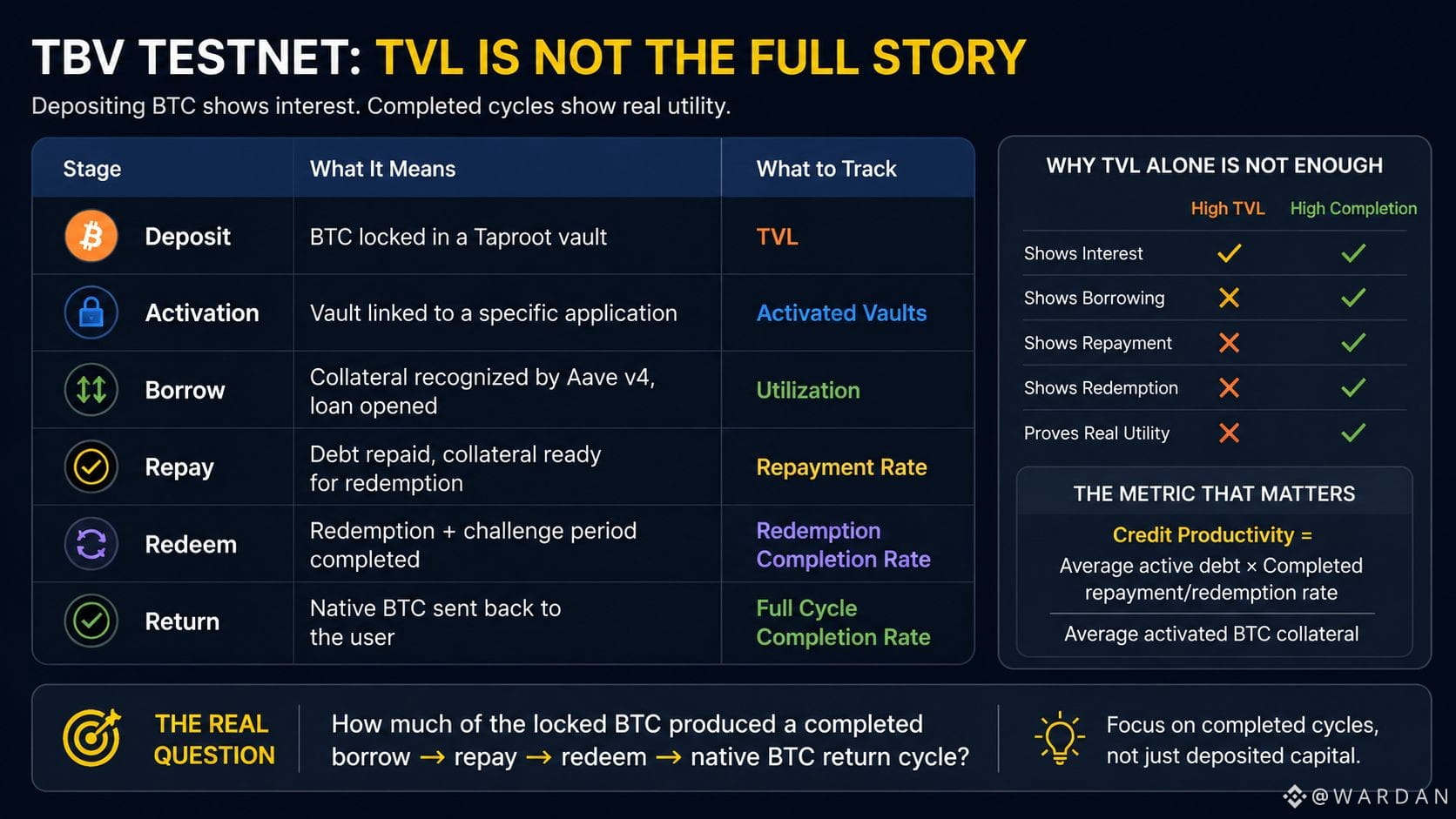
Con số trên bảng điều khiển đầu tiên thu hút sự chú ý của tôi là TVL, nhưng dòng chảy TBV lại khiến tôi tự hỏi con số đó thực sự có thể chứng minh điều gì.
Với các Trustless Bitcoin Vaults (TBV) của Babylon, việc gửi tiền chỉ cho thấy rằng BTC đã đạt đến trạng thái tài sản thế chấp. Nó không chứng minh rằng toàn bộ hệ thống vay mượn đã hoạt động trọn vẹn từ đầu đến cuối. Một vault vẫn cần được kích hoạt, sử dụng để vay thông qua Aave v4, được hoàn trả, đi qua giai đoạn redemption, và cuối cùng trả về BTC gốc sau quá trình thử thách.
Vì vậy, tôi xem việc sử dụng (utilization) và số chu kỳ vay đã hoàn tất là bài kiểm tra mạnh hơn. TVL có thể tăng ngay cả khi nhiều vault không bao giờ mở một khoản vay, dừng lại trước khi hoàn trả, hoặc bị mắc kẹt trước redemption cuối cùng. Trình khám phá công khai đã tách TVL khỏi utilization, đây là một manh mối quan trọng: tài sản thế chấp bị khóa và tín dụng có ích không phải là cùng một kết quả. Nó cũng giúp người kiểm thử có cách rõ ràng hơn để phân biệt “lãi suất ban đầu” với hiệu suất thực sự chạy end-to-end trong điều kiện mạng testnet công khai hiện tại.
Câu hỏi testnet tốt hơn không chỉ là, “Bao nhiêu BTC đã đi vào?” mà là, “Bao nhiêu trong số BTC đó tạo ra một chu kỳ vay – hoàn trả – redemption đã hoàn tất?”
Với người dùng, điều này thay đổi cách phản hồi hữu ích nên được thể hiện như thế nào. Một báo cáo test tốt cần ghi rõ liệu vault có được kích hoạt hay không, việc vay mượn có hoạt động hay không, hành vi hoàn trả diễn ra ra sao, mất bao lâu cho redemption, và liệu BTC gốc có được trả về mà không có bước không rõ ràng hoặc trạng thái thất bại hay không.
TVL vẫn quan trọng vì nó cho thấy mức độ tham gia. Nhưng nó không thể chứng minh rằng toàn bộ “đường đi của tín dụng” là đáng tin cậy. Với @babylonlabs_io , tín hiệu mạnh hơn sẽ là bao nhiêu vault hoàn thành toàn bộ hành trình, chứ không phải chỉ là bao nhiêu vault đơn giản đã đi vào.
Đó là chỉ số tôi sẽ theo dõi khi đánh giá liệu việc vay mượn được bảo đảm bằng Bitcoin gốc có đang trở nên thực sự hữu ích trong thực tế hay không. $BABY #baby
Con số trên bảng điều khiển đầu tiên thu hút sự chú ý của tôi là TVL, nhưng dòng chảy TBV lại khiến tôi tự hỏi con số đó thực sự có thể chứng minh điều gì.
Với các Trustless Bitcoin Vaults (TBV) của Babylon, việc gửi tiền chỉ cho thấy rằng BTC đã đạt đến trạng thái tài sản thế chấp. Nó không chứng minh rằng toàn bộ hệ thống vay mượn đã hoạt động trọn vẹn từ đầu đến cuối. Một vault vẫn cần được kích hoạt, sử dụng để vay thông qua Aave v4, được hoàn trả, đi qua giai đoạn redemption, và cuối cùng trả về BTC gốc sau quá trình thử thách.
Vì vậy, tôi xem việc sử dụng (utilization) và số chu kỳ vay đã hoàn tất là bài kiểm tra mạnh hơn. TVL có thể tăng ngay cả khi nhiều vault không bao giờ mở một khoản vay, dừng lại trước khi hoàn trả, hoặc bị mắc kẹt trước redemption cuối cùng. Trình khám phá công khai đã tách TVL khỏi utilization, đây là một manh mối quan trọng: tài sản thế chấp bị khóa và tín dụng có ích không phải là cùng một kết quả. Nó cũng giúp người kiểm thử có cách rõ ràng hơn để phân biệt “lãi suất ban đầu” với hiệu suất thực sự chạy end-to-end trong điều kiện mạng testnet công khai hiện tại.
Câu hỏi testnet tốt hơn không chỉ là, “Bao nhiêu BTC đã đi vào?” mà là, “Bao nhiêu trong số BTC đó tạo ra một chu kỳ vay – hoàn trả – redemption đã hoàn tất?”
Với người dùng, điều này thay đổi cách phản hồi hữu ích nên được thể hiện như thế nào. Một báo cáo test tốt cần ghi rõ liệu vault có được kích hoạt hay không, việc vay mượn có hoạt động hay không, hành vi hoàn trả diễn ra ra sao, mất bao lâu cho redemption, và liệu BTC gốc có được trả về mà không có bước không rõ ràng hoặc trạng thái thất bại hay không.
TVL vẫn quan trọng vì nó cho thấy mức độ tham gia. Nhưng nó không thể chứng minh rằng toàn bộ “đường đi của tín dụng” là đáng tin cậy. Với @BabylonLabs_io , tín hiệu mạnh hơn sẽ là bao nhiêu vault hoàn thành toàn bộ hành trình, chứ không phải chỉ là bao nhiêu vault đơn giản đã đi vào.
Đó là chỉ số tôi sẽ theo dõi khi đánh giá liệu việc vay mượn được bảo đảm bằng Bitcoin gốc có đang trở nên thực sự hữu ích trong thực tế hay không. $BABY #baby
Với các Trustless Bitcoin Vaults (TBV) của Babylon, việc gửi tiền chỉ cho thấy rằng BTC đã đạt đến trạng thái tài sản thế chấp. Nó không chứng minh rằng toàn bộ hệ thống vay mượn đã hoạt động trọn vẹn từ đầu đến cuối. Một vault vẫn cần được kích hoạt, sử dụng để vay thông qua Aave v4, được hoàn trả, đi qua giai đoạn redemption, và cuối cùng trả về BTC gốc sau quá trình thử thách.
Vì vậy, tôi xem việc sử dụng (utilization) và số chu kỳ vay đã hoàn tất là bài kiểm tra mạnh hơn. TVL có thể tăng ngay cả khi nhiều vault không bao giờ mở một khoản vay, dừng lại trước khi hoàn trả, hoặc bị mắc kẹt trước redemption cuối cùng. Trình khám phá công khai đã tách TVL khỏi utilization, đây là một manh mối quan trọng: tài sản thế chấp bị khóa và tín dụng có ích không phải là cùng một kết quả. Nó cũng giúp người kiểm thử có cách rõ ràng hơn để phân biệt “lãi suất ban đầu” với hiệu suất thực sự chạy end-to-end trong điều kiện mạng testnet công khai hiện tại.
Câu hỏi testnet tốt hơn không chỉ là, “Bao nhiêu BTC đã đi vào?” mà là, “Bao nhiêu trong số BTC đó tạo ra một chu kỳ vay – hoàn trả – redemption đã hoàn tất?”
Với người dùng, điều này thay đổi cách phản hồi hữu ích nên được thể hiện như thế nào. Một báo cáo test tốt cần ghi rõ liệu vault có được kích hoạt hay không, việc vay mượn có hoạt động hay không, hành vi hoàn trả diễn ra ra sao, mất bao lâu cho redemption, và liệu BTC gốc có được trả về mà không có bước không rõ ràng hoặc trạng thái thất bại hay không.
TVL vẫn quan trọng vì nó cho thấy mức độ tham gia. Nhưng nó không thể chứng minh rằng toàn bộ “đường đi của tín dụng” là đáng tin cậy. Với @BabylonLabs_io , tín hiệu mạnh hơn sẽ là bao nhiêu vault hoàn thành toàn bộ hành trình, chứ không phải chỉ là bao nhiêu vault đơn giản đã đi vào.
Đó là chỉ số tôi sẽ theo dõi khi đánh giá liệu việc vay mượn được bảo đảm bằng Bitcoin gốc có đang trở nên thực sự hữu ích trong thực tế hay không. $BABY #baby
1
1
124
·
--
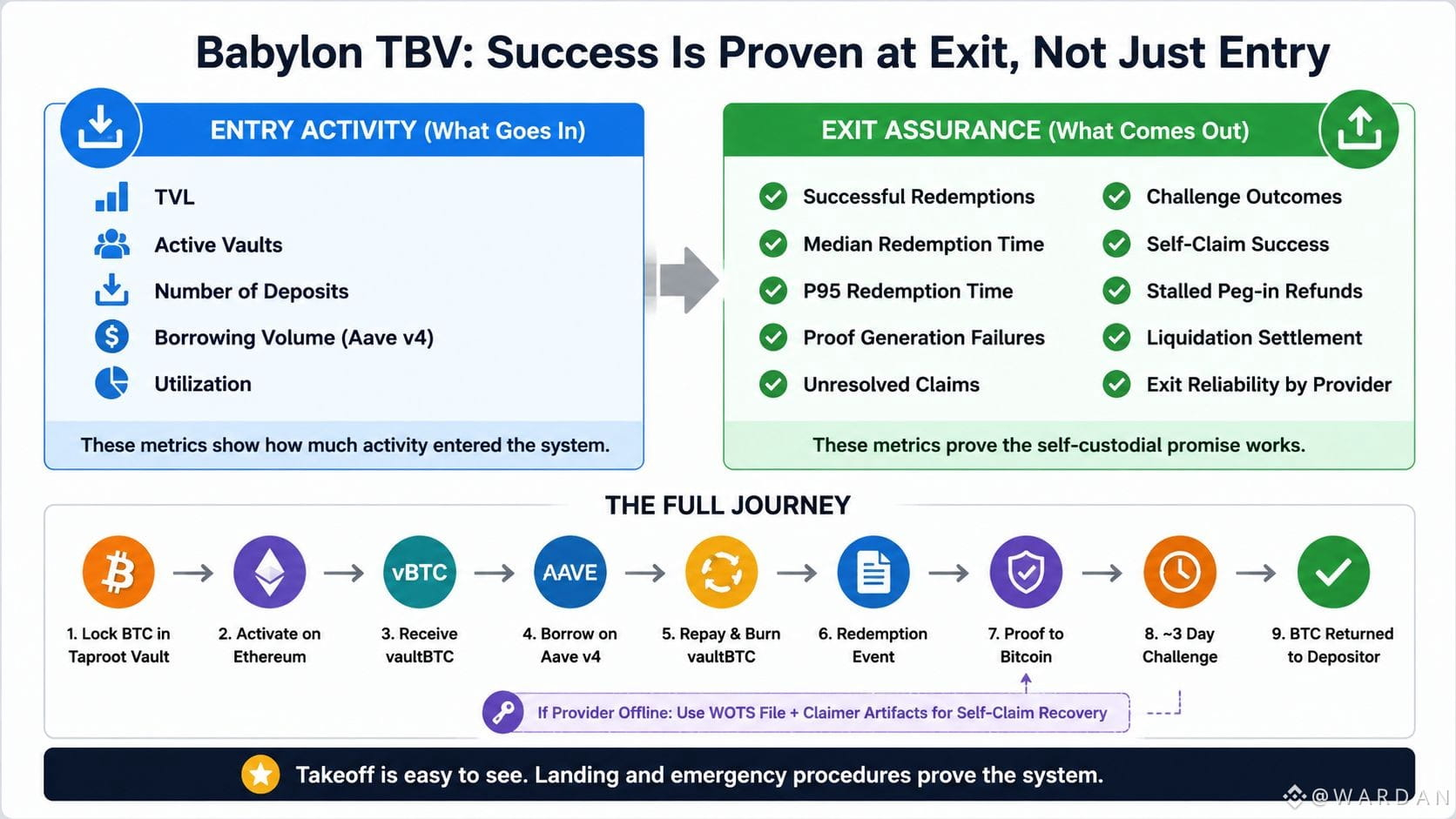
Điều khiến tôi thay đổi cách nhìn về Kho tiền Bitcoin Không Cần Tin Cậy (TBV) của Babylon là việc tự lưu trữ không dừng lại ở việc nắm giữ khóa Bitcoin.
Trong thiết kế hiện tại, phương án dự phòng mạnh nhất cũng phụ thuộc vào các tệp khôi phục được tạo ra khi thiết lập kho. Nếu Nhà cung cấp Kho (Vault Provider) không bắt đầu việc rút tiền, người gửi có thể cần tệp WOTS và các hiện vật của claimer cục bộ để sử dụng đường dẫn yêu cầu thanh toán (claim) Bitcoin đã được phê duyệt sẵn.
Chi tiết này quan trọng vì kho không thể đơn giản tạo ra một lộ trình chi trả mới sau đó. Các đường chi tiêu Bitcoin hợp lệ đã được cam kết trước. Vì vậy, quyền kiểm soát của người dùng không chỉ là sở hữu khóa. Nó còn là việc giữ các tệp khiến đường dự phòng có thể được sử dụng.
Khóa Bitcoin bảo vệ thẩm quyền ký, trong khi các hiện vật này giữ lại dữ liệu cần thiết để tiếp tục quy trình khôi phục được xây dựng sẵn. Chúng giải quyết các phần khác nhau của cùng một vấn đề.
Tôi không hiểu điều này như là bằng chứng rằng TBV không phải là tự lưu trữ (self-custodial). Tôi hiểu nó như là một phiên bản đầy đủ hơn của tự lưu trữ: kiểm soát khóa cộng với khả năng sẵn sàng khôi phục.
Đối với người dùng testnet, phép kiểm tra hữu ích là đơn giản. Đừng chỉ xác nhận rằng kho đã được tạo và việc mượn đã hoạt động. Hãy đảm bảo rằng tệp WOTS và các hiện vật của claimer đã được tải xuống, sao lưu an toàn, và có thể được khôi phục khi cần.
Đó là chi tiết mà tôi sẽ không bỏ qua trong @babylonlabs_io hiện tại $BABY của testnet. Câu hỏi thực sự về khôi phục không chỉ là “Ai giữ khóa?” mà còn là “Chủ sở hữu có thể sử dụng đường dự phòng khi nhà cung cấp thông thường ngoại tuyến không?” #baby
Điều khiến tôi thay đổi cách nhìn về Kho tiền Bitcoin Không Cần Tin Cậy (TBV) của Babylon là việc tự lưu trữ không dừng lại ở việc nắm giữ khóa Bitcoin.
Trong thiết kế hiện tại, phương án dự phòng mạnh nhất cũng phụ thuộc vào các tệp khôi phục được tạo ra khi thiết lập kho. Nếu Nhà cung cấp Kho (Vault Provider) không bắt đầu việc rút tiền, người gửi có thể cần tệp WOTS và các hiện vật của claimer cục bộ để sử dụng đường dẫn yêu cầu thanh toán (claim) Bitcoin đã được phê duyệt sẵn.
Chi tiết này quan trọng vì kho không thể đơn giản tạo ra một lộ trình chi trả mới sau đó. Các đường chi tiêu Bitcoin hợp lệ đã được cam kết trước. Vì vậy, quyền kiểm soát của người dùng không chỉ là sở hữu khóa. Nó còn là việc giữ các tệp khiến đường dự phòng có thể được sử dụng.
Khóa Bitcoin bảo vệ thẩm quyền ký, trong khi các hiện vật này giữ lại dữ liệu cần thiết để tiếp tục quy trình khôi phục được xây dựng sẵn. Chúng giải quyết các phần khác nhau của cùng một vấn đề.
Tôi không hiểu điều này như là bằng chứng rằng TBV không phải là tự lưu trữ (self-custodial). Tôi hiểu nó như là một phiên bản đầy đủ hơn của tự lưu trữ: kiểm soát khóa cộng với khả năng sẵn sàng khôi phục.
Đối với người dùng testnet, phép kiểm tra hữu ích là đơn giản. Đừng chỉ xác nhận rằng kho đã được tạo và việc mượn đã hoạt động. Hãy đảm bảo rằng tệp WOTS và các hiện vật của claimer đã được tải xuống, sao lưu an toàn, và có thể được khôi phục khi cần.
Đó là chi tiết mà tôi sẽ không bỏ qua trong @BabylonLabs_io hiện tại $BABY của testnet. Câu hỏi thực sự về khôi phục không chỉ là “Ai giữ khóa?” mà còn là “Chủ sở hữu có thể sử dụng đường dự phòng khi nhà cung cấp thông thường ngoại tuyến không?” #baby
Trong thiết kế hiện tại, phương án dự phòng mạnh nhất cũng phụ thuộc vào các tệp khôi phục được tạo ra khi thiết lập kho. Nếu Nhà cung cấp Kho (Vault Provider) không bắt đầu việc rút tiền, người gửi có thể cần tệp WOTS và các hiện vật của claimer cục bộ để sử dụng đường dẫn yêu cầu thanh toán (claim) Bitcoin đã được phê duyệt sẵn.
Chi tiết này quan trọng vì kho không thể đơn giản tạo ra một lộ trình chi trả mới sau đó. Các đường chi tiêu Bitcoin hợp lệ đã được cam kết trước. Vì vậy, quyền kiểm soát của người dùng không chỉ là sở hữu khóa. Nó còn là việc giữ các tệp khiến đường dự phòng có thể được sử dụng.
Khóa Bitcoin bảo vệ thẩm quyền ký, trong khi các hiện vật này giữ lại dữ liệu cần thiết để tiếp tục quy trình khôi phục được xây dựng sẵn. Chúng giải quyết các phần khác nhau của cùng một vấn đề.
Tôi không hiểu điều này như là bằng chứng rằng TBV không phải là tự lưu trữ (self-custodial). Tôi hiểu nó như là một phiên bản đầy đủ hơn của tự lưu trữ: kiểm soát khóa cộng với khả năng sẵn sàng khôi phục.
Đối với người dùng testnet, phép kiểm tra hữu ích là đơn giản. Đừng chỉ xác nhận rằng kho đã được tạo và việc mượn đã hoạt động. Hãy đảm bảo rằng tệp WOTS và các hiện vật của claimer đã được tải xuống, sao lưu an toàn, và có thể được khôi phục khi cần.
Đó là chi tiết mà tôi sẽ không bỏ qua trong @BabylonLabs_io hiện tại $BABY của testnet. Câu hỏi thực sự về khôi phục không chỉ là “Ai giữ khóa?” mà còn là “Chủ sở hữu có thể sử dụng đường dự phòng khi nhà cung cấp thông thường ngoại tuyến không?” #baby
1
134
·
--
Khi tôi lần theo dòng chảy cắt xé của Babylon từ khâu chứng minh đến việc thanh toán trên Bitcoin, có một điều cứ nổi bật: bằng chứng mật mã không giống với cơ chế cưỡng chế kinh tế.
Rủi ro thực sự không nằm ở việc liệu có thể chứng minh được sự tương đương (equivocation) hay không. Mà nằm ở chỗ liệu bằng chứng đó có trở thành một giao dịch Bitcoin đã được xác nhận đủ nhanh để duy trì tính răn đe hay không.
Trong thiết kế của Babylon, Chữ ký Một Lần Có Thể Trích Xuất (EOTS) có thể phơi bày một nhà cung cấp tính chung cục (finality provider) đã ký các khối xung đột. Nhưng Trình Giám Sát Đặt Cược BTC (BTC Staking Monitor) vẫn phải phát hiện hành vi vi phạm, trích xuất phần vật liệu khóa có thể sử dụng, kích hoạt nhánh slashing (cắt phạt), và chờ Bitcoin được đưa vào khối.
Tôi nghĩ đây là chỗ nhiều người hiểu quá mức “trustless” (không cần tin cậy) nghĩa là gì. Đặt cược BTC tự giám sát (self-custodial) loại bỏ nhu cầu cầu nối hoặc bọc (wrap) Bitcoin, nhưng nó không loại bỏ tính sống còn theo vận hành (operational liveness). Các watchdog vẫn cần luôn trực tuyến, lập chỉ mục đúng các sự kiện, hành động chính xác, và cạnh tranh giành chỗ vào khối khi mạng bị tắc nghẽn.
Vì vậy, tôi không đánh giá bảo mật của Babylon chỉ dựa vào việc liệu có tồn tại bằng chứng về equivocation hay không. Tôi sẽ quan sát độ trễ từ lúc có bằng chứng đến lúc thực thi cưỡng chế trong điều kiện chịu áp lực.
Hai phép đo quan trọng nhất: số lượng khối Bitcoin trung vị từ lúc phát hiện equivocation đến khi slash được xác nhận, và số trường hợp có thể chứng minh vẫn chưa bị slash sau 12 khối. Nếu việc xác nhận nằm trong phạm vi hai khối và không còn trường hợp hợp lệ nào bị để ngỏ, thì nhánh cưỡng chế đang làm đúng nhiệm vụ. Nếu độ trễ kéo dài, thì lời tuyên bố về tính răn đe sẽ suy yếu, ngay cả khi mật mã hoạt động đúng.
Hàm ý của tôi dành cho @babylonlabs_io và $BABY là đơn giản: bảo mật kiểu “trustless-vault” cần được đo bằng việc bằng chứng biến thành hình phạt nhanh đến mức nào. #BABY
Khi tôi lần theo dòng chảy cắt xé của Babylon từ khâu chứng minh đến việc thanh toán trên Bitcoin, có một điều cứ nổi bật: bằng chứng mật mã không giống với cơ chế cưỡng chế kinh tế.
Rủi ro thực sự không nằm ở việc liệu có thể chứng minh được sự tương đương (equivocation) hay không. Mà nằm ở chỗ liệu bằng chứng đó có trở thành một giao dịch Bitcoin đã được xác nhận đủ nhanh để duy trì tính răn đe hay không.
Trong thiết kế của Babylon, Chữ ký Một Lần Có Thể Trích Xuất (EOTS) có thể phơi bày một nhà cung cấp tính chung cục (finality provider) đã ký các khối xung đột. Nhưng Trình Giám Sát Đặt Cược BTC (BTC Staking Monitor) vẫn phải phát hiện hành vi vi phạm, trích xuất phần vật liệu khóa có thể sử dụng, kích hoạt nhánh slashing (cắt phạt), và chờ Bitcoin được đưa vào khối.
Tôi nghĩ đây là chỗ nhiều người hiểu quá mức “trustless” (không cần tin cậy) nghĩa là gì. Đặt cược BTC tự giám sát (self-custodial) loại bỏ nhu cầu cầu nối hoặc bọc (wrap) Bitcoin, nhưng nó không loại bỏ tính sống còn theo vận hành (operational liveness). Các watchdog vẫn cần luôn trực tuyến, lập chỉ mục đúng các sự kiện, hành động chính xác, và cạnh tranh giành chỗ vào khối khi mạng bị tắc nghẽn.
Vì vậy, tôi không đánh giá bảo mật của Babylon chỉ dựa vào việc liệu có tồn tại bằng chứng về equivocation hay không. Tôi sẽ quan sát độ trễ từ lúc có bằng chứng đến lúc thực thi cưỡng chế trong điều kiện chịu áp lực.
Hai phép đo quan trọng nhất: số lượng khối Bitcoin trung vị từ lúc phát hiện equivocation đến khi slash được xác nhận, và số trường hợp có thể chứng minh vẫn chưa bị slash sau 12 khối. Nếu việc xác nhận nằm trong phạm vi hai khối và không còn trường hợp hợp lệ nào bị để ngỏ, thì nhánh cưỡng chế đang làm đúng nhiệm vụ. Nếu độ trễ kéo dài, thì lời tuyên bố về tính răn đe sẽ suy yếu, ngay cả khi mật mã hoạt động đúng.
Hàm ý của tôi dành cho @BabylonLabs_io và $BABY là đơn giản: bảo mật kiểu “trustless-vault” cần được đo bằng việc bằng chứng biến thành hình phạt nhanh đến mức nào. #BABY
Rủi ro thực sự không nằm ở việc liệu có thể chứng minh được sự tương đương (equivocation) hay không. Mà nằm ở chỗ liệu bằng chứng đó có trở thành một giao dịch Bitcoin đã được xác nhận đủ nhanh để duy trì tính răn đe hay không.
Trong thiết kế của Babylon, Chữ ký Một Lần Có Thể Trích Xuất (EOTS) có thể phơi bày một nhà cung cấp tính chung cục (finality provider) đã ký các khối xung đột. Nhưng Trình Giám Sát Đặt Cược BTC (BTC Staking Monitor) vẫn phải phát hiện hành vi vi phạm, trích xuất phần vật liệu khóa có thể sử dụng, kích hoạt nhánh slashing (cắt phạt), và chờ Bitcoin được đưa vào khối.
Tôi nghĩ đây là chỗ nhiều người hiểu quá mức “trustless” (không cần tin cậy) nghĩa là gì. Đặt cược BTC tự giám sát (self-custodial) loại bỏ nhu cầu cầu nối hoặc bọc (wrap) Bitcoin, nhưng nó không loại bỏ tính sống còn theo vận hành (operational liveness). Các watchdog vẫn cần luôn trực tuyến, lập chỉ mục đúng các sự kiện, hành động chính xác, và cạnh tranh giành chỗ vào khối khi mạng bị tắc nghẽn.
Vì vậy, tôi không đánh giá bảo mật của Babylon chỉ dựa vào việc liệu có tồn tại bằng chứng về equivocation hay không. Tôi sẽ quan sát độ trễ từ lúc có bằng chứng đến lúc thực thi cưỡng chế trong điều kiện chịu áp lực.
Hai phép đo quan trọng nhất: số lượng khối Bitcoin trung vị từ lúc phát hiện equivocation đến khi slash được xác nhận, và số trường hợp có thể chứng minh vẫn chưa bị slash sau 12 khối. Nếu việc xác nhận nằm trong phạm vi hai khối và không còn trường hợp hợp lệ nào bị để ngỏ, thì nhánh cưỡng chế đang làm đúng nhiệm vụ. Nếu độ trễ kéo dài, thì lời tuyên bố về tính răn đe sẽ suy yếu, ngay cả khi mật mã hoạt động đúng.
Hàm ý của tôi dành cho @BabylonLabs_io và $BABY là đơn giản: bảo mật kiểu “trustless-vault” cần được đo bằng việc bằng chứng biến thành hình phạt nhanh đến mức nào. #BABY
Median slash latency
67%
Number of detected offenses
0%
Total BTC staked
33%
Finality provider count
0%
3 phiếu bầu • Cuộc bỏ phiếu đã kết thúc
2
1
162
·
--
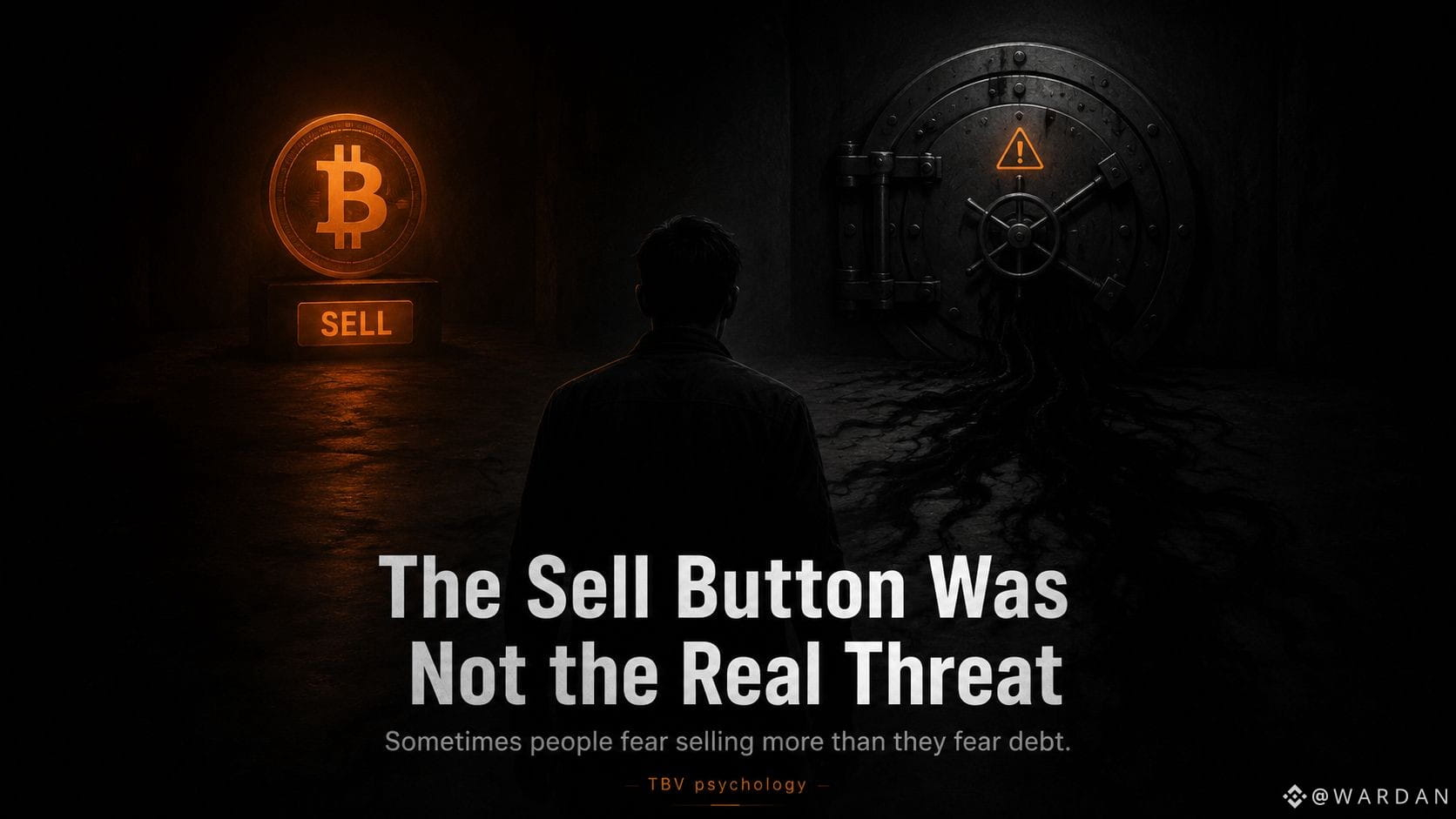
Nút Bán Không Phải Là Mối Đe Dọa Thật Sự
Tôi nhớ đã từng xem một người nắm giữ Bitcoin nhìn chằm chằm vào nút bán như thể đó là một cái bẫy có cửa rơi. Tay anh ta đưa về phía màn hình, rồi dừng lại. Căn phòng yên lặng, nhưng trong đầu anh thì ồn ào. Anh không cần phải bán hết Bitcoin. Anh chỉ cần một ít tiền mặt. Dù vậy, việc bán vẫn giống như cắt bỏ một phần tương lai của anh. Vì thế, anh chọn phương án trông ít đau hơn: giữ BTC, đưa nó vào một “kho” an toàn (vault), rồi vay dựa trên tài sản đó.
Ban đầu, nước đi này trông có vẻ thông minh. Bitcoin của anh vẫn ở đó. Giá có thể tăng. Anh đã có tiền mặt trong tay. Mọi thứ dường như không mất đi gì cả. Đó chính là lúc tâm lý trở nên u tối hơn.
Con người thường sợ một khoản lỗ nhìn thấy được hơn là một rủi ro bị che giấu. Bán tạo ra một vết thương tức thời. Số dư giảm, đồng tiền rời đi, và quyết định trở thành hiện thực. Nợ có cảm giác “mềm” hơn vì nó đến trong bộ cánh của sự tiếp cận, lựa chọn và thời gian. Nhưng mối nguy vẫn chưa biến mất. Nó chỉ đổi hình.
Một hệ thống như TBV có thể cho phép BTC bản địa hỗ trợ một vị thế vay mà không cần trước tiên trở thành token được bọc (wrapped). Điều đó có thể giảm bớt một số giới hạn cũ. Tuy nhiên, nó không loại bỏ rủi ro thị trường. Lãi có thể tăng. Bitcoin có thể giảm. Một vị thế yếu có thể tiến sát hơn tới việc bị thanh lý trong khi người nắm giữ vẫn tự trấn an, “Tôi vẫn sở hữu Bitcoin của mình.”
Đây là nút thắt: đôi khi người ta không vay vì nợ an toàn hơn. Họ vay vì việc bán gây đau đớn hơn.
Bài học thực sự dành cho người học không phải là “đừng bao giờ vay”. Mà là hãy đặt một câu hỏi khó hơn trước khi mở bất kỳ vị thế nào: tôi đang dùng nợ như một công cụ, hay tôi dùng nó để trốn tránh một quyết định mà tôi quá sợ để đưa ra?
Cái kho có thể bảo vệ Bitcoin khỏi việc bị bán ngày hôm nay. Nhưng nó có thể không bảo vệ người nắm giữ khỏi việc mất nó vào ngày mai.
🤯
@babylonlabs_io $BABY #baby
{spot}(BABYUSDT)
Nút Bán Không Phải Là Mối Đe Dọa Thật Sự
Tôi nhớ đã từng xem một người nắm giữ Bitcoin nhìn chằm chằm vào nút bán như thể đó là một cái bẫy có cửa rơi. Tay anh ta đưa về phía màn hình, rồi dừng lại. Căn phòng yên lặng, nhưng trong đầu anh thì ồn ào. Anh không cần phải bán hết Bitcoin. Anh chỉ cần một ít tiền mặt. Dù vậy, việc bán vẫn giống như cắt bỏ một phần tương lai của anh. Vì thế, anh chọn phương án trông ít đau hơn: giữ BTC, đưa nó vào một “kho” an toàn (vault), rồi vay dựa trên tài sản đó.
Ban đầu, nước đi này trông có vẻ thông minh. Bitcoin của anh vẫn ở đó. Giá có thể tăng. Anh đã có tiền mặt trong tay. Mọi thứ dường như không mất đi gì cả. Đó chính là lúc tâm lý trở nên u tối hơn.
Con người thường sợ một khoản lỗ nhìn thấy được hơn là một rủi ro bị che giấu. Bán tạo ra một vết thương tức thời. Số dư giảm, đồng tiền rời đi, và quyết định trở thành hiện thực. Nợ có cảm giác “mềm” hơn vì nó đến trong bộ cánh của sự tiếp cận, lựa chọn và thời gian. Nhưng mối nguy vẫn chưa biến mất. Nó chỉ đổi hình.
Một hệ thống như TBV có thể cho phép BTC bản địa hỗ trợ một vị thế vay mà không cần trước tiên trở thành token được bọc (wrapped). Điều đó có thể giảm bớt một số giới hạn cũ. Tuy nhiên, nó không loại bỏ rủi ro thị trường. Lãi có thể tăng. Bitcoin có thể giảm. Một vị thế yếu có thể tiến sát hơn tới việc bị thanh lý trong khi người nắm giữ vẫn tự trấn an, “Tôi vẫn sở hữu Bitcoin của mình.”
Đây là nút thắt: đôi khi người ta không vay vì nợ an toàn hơn. Họ vay vì việc bán gây đau đớn hơn.
Bài học thực sự dành cho người học không phải là “đừng bao giờ vay”. Mà là hãy đặt một câu hỏi khó hơn trước khi mở bất kỳ vị thế nào: tôi đang dùng nợ như một công cụ, hay tôi dùng nó để trốn tránh một quyết định mà tôi quá sợ để đưa ra?
Cái kho có thể bảo vệ Bitcoin khỏi việc bị bán ngày hôm nay. Nhưng nó có thể không bảo vệ người nắm giữ khỏi việc mất nó vào ngày mai.
🤯
@BabylonLabs_io $BABY #baby
Tôi nhớ đã từng xem một người nắm giữ Bitcoin nhìn chằm chằm vào nút bán như thể đó là một cái bẫy có cửa rơi. Tay anh ta đưa về phía màn hình, rồi dừng lại. Căn phòng yên lặng, nhưng trong đầu anh thì ồn ào. Anh không cần phải bán hết Bitcoin. Anh chỉ cần một ít tiền mặt. Dù vậy, việc bán vẫn giống như cắt bỏ một phần tương lai của anh. Vì thế, anh chọn phương án trông ít đau hơn: giữ BTC, đưa nó vào một “kho” an toàn (vault), rồi vay dựa trên tài sản đó.
Ban đầu, nước đi này trông có vẻ thông minh. Bitcoin của anh vẫn ở đó. Giá có thể tăng. Anh đã có tiền mặt trong tay. Mọi thứ dường như không mất đi gì cả. Đó chính là lúc tâm lý trở nên u tối hơn.
Con người thường sợ một khoản lỗ nhìn thấy được hơn là một rủi ro bị che giấu. Bán tạo ra một vết thương tức thời. Số dư giảm, đồng tiền rời đi, và quyết định trở thành hiện thực. Nợ có cảm giác “mềm” hơn vì nó đến trong bộ cánh của sự tiếp cận, lựa chọn và thời gian. Nhưng mối nguy vẫn chưa biến mất. Nó chỉ đổi hình.
Một hệ thống như TBV có thể cho phép BTC bản địa hỗ trợ một vị thế vay mà không cần trước tiên trở thành token được bọc (wrapped). Điều đó có thể giảm bớt một số giới hạn cũ. Tuy nhiên, nó không loại bỏ rủi ro thị trường. Lãi có thể tăng. Bitcoin có thể giảm. Một vị thế yếu có thể tiến sát hơn tới việc bị thanh lý trong khi người nắm giữ vẫn tự trấn an, “Tôi vẫn sở hữu Bitcoin của mình.”
Đây là nút thắt: đôi khi người ta không vay vì nợ an toàn hơn. Họ vay vì việc bán gây đau đớn hơn.
Bài học thực sự dành cho người học không phải là “đừng bao giờ vay”. Mà là hãy đặt một câu hỏi khó hơn trước khi mở bất kỳ vị thế nào: tôi đang dùng nợ như một công cụ, hay tôi dùng nó để trốn tránh một quyết định mà tôi quá sợ để đưa ra?
Cái kho có thể bảo vệ Bitcoin khỏi việc bị bán ngày hôm nay. Nhưng nó có thể không bảo vệ người nắm giữ khỏi việc mất nó vào ngày mai.
🤯
@BabylonLabs_io $BABY #baby
114
·
--
Bài viết
Thị Trường Chưa Bao Giờ Lấy Đi Tiền Của TôiLợi nhuận vẫn phát sáng màu xanh trên màn hình của tôi thì tôi cảm thấy có điều gì đó lạ trong căn phòng. Không có thứ gì bị sập, không có cảnh báo nào xuất hiện, và biểu đồ vẫn đang chuyển động theo hướng của tôi, nhưng sự im lặng xung quanh lại nặng nề một cách khó tả. Mục tiêu của tôi đã được đạt từ trước. Theo kế hoạch được ghi trong cuốn sổ tay của tôi, lệnh giao dịch đã hoàn tất, nhưng tay tôi đã dừng lại trước khi bấm nút đóng. Con số trên màn hình giờ không còn chỉ là lợi nhuận nữa. Nó bắt đầu giống như phần mở đầu của một điều gì đó còn lớn lao hơn rất nhiều.
Thị Trường Chưa Bao Giờ Lấy Đi Tiền Của Tôi
Lợi nhuận vẫn phát sáng màu xanh trên màn hình của tôi thì tôi cảm thấy có điều gì đó lạ trong căn phòng. Không có thứ gì bị sập, không có cảnh báo nào xuất hiện, và biểu đồ vẫn đang chuyển động theo hướng của tôi, nhưng sự im lặng xung quanh lại nặng nề một cách khó tả. Mục tiêu của tôi đã được đạt từ trước. Theo kế hoạch được ghi trong cuốn sổ tay của tôi, lệnh giao dịch đã hoàn tất, nhưng tay tôi đã dừng lại trước khi bấm nút đóng. Con số trên màn hình giờ không còn chỉ là lợi nhuận nữa. Nó bắt đầu giống như phần mở đầu của một điều gì đó còn lớn lao hơn rất nhiều.
118
·
--
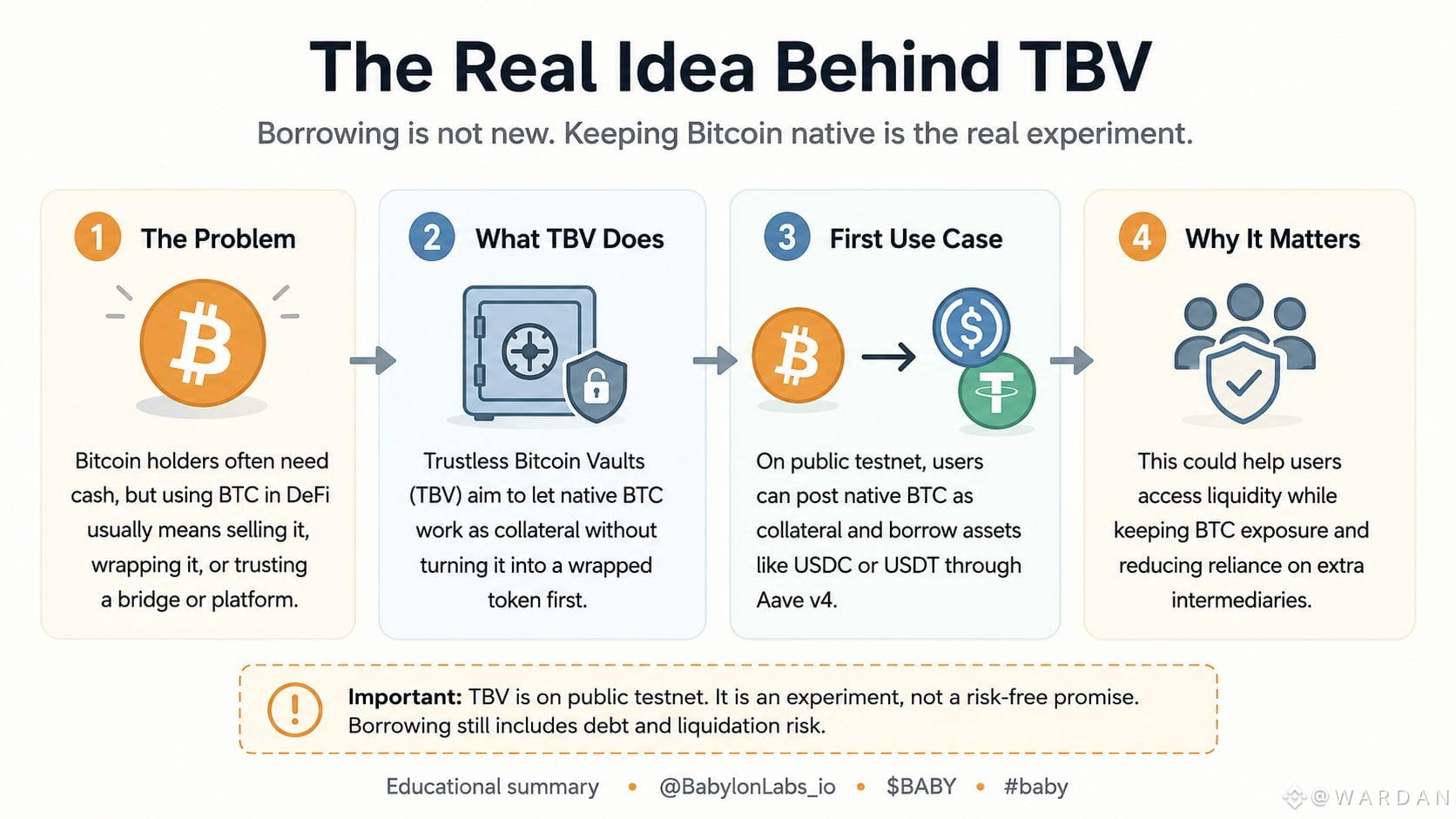
Tôi đang lướt qua trang testnet công khai của Babylon trên điện thoại thì một câu hỏi nhỏ đã làm tôi dừng lại: nếu việc vay mượn dựa trên Bitcoin đã tồn tại rồi, thì ở đây rốt cuộc có gì mới? Tôi quay lại toàn bộ quy trình, mở các liên kết testnet, xem các bước và câu trả lời dần trở nên rõ ràng. Ý tưởng cốt lõi không phải là khoản vay. Ý tưởng cốt lõi là giữ Bitcoin ở dạng native trong khi vẫn dùng nó làm tài sản thế chấp.
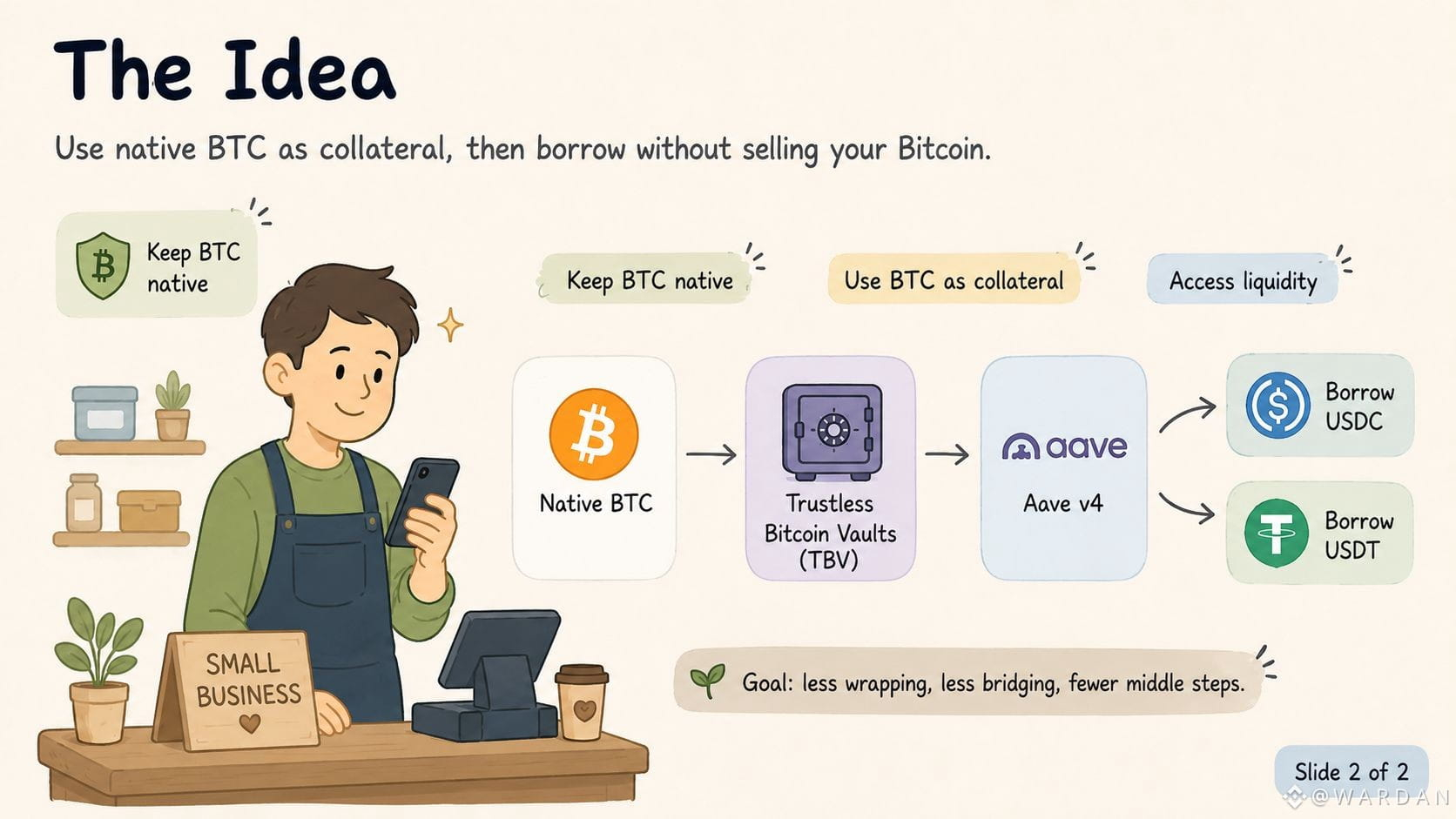
Một chủ doanh nghiệp nhỏ đang đóng cửa tiệm thì một nhà cung cấp nhắn tin yêu cầu thanh toán vào sáng hôm sau. Hầu hết số tiền tiết kiệm của anh ta nằm ở Bitcoin. Anh không muốn bán vì dự định nắm giữ trong nhiều năm, nhưng anh vẫn cần tiền trong ngắn hạn. Anh mở ví, kiểm tra số dư BTC và bắt đầu tìm kiếm giải pháp. Rất nhanh, anh tìm thấy wrapped Bitcoin, các cầu nối (bridges), các bên lưu ký (custodians) và nhiều mạng khác nhau. Thứ trông như một khoản vay đơn giản giờ đây lại có thêm nhiều bước và nhiều thứ mới để phải tin tưởng.
Đó là vấn đề mà Trustless Bitcoin Vaults (TBV) đang cố gắng giải quyết. TBV được thiết kế để cho phép BTC native hoạt động như tài sản thế chấp mà không cần trước đó chuyển thành token được bọc (wrapped) hoặc giao quyền kiểm soát cho một bên cho vay tập trung.
Trường hợp sử dụng đầu tiên kết nối việc vay mượn dựa trên Bitcoin native với Aave v4. Người dùng có thể đặt BTC native làm tài sản thế chấp và vay các tài sản được hỗ trợ như USDC hoặc USDT trên Ethereum. Điểm quan trọng không chỉ là nhận stablecoin. Điều đó đã xảy ra trong nhiều thị trường cho vay. Phần thú vị nằm ở chỗ cố gắng tiếp cận thanh khoản đó trong khi tài sản thế chấp vẫn là Bitcoin native.
Testnet công khai là nơi ý tưởng này trở thành nhiều hơn một câu chữ gọn gàng. Người dùng cần mở ứng dụng, nhận test tokens, làm theo các bước vay, kiểm tra giao dịch trên trình khám phá (explorer), và nhận ra tại đâu quy trình trở nên rõ ràng hoặc chỗ nào gây khó hiểu.
TBV vẫn đang ở giai đoạn testnet, nên không nên xem như đã hoàn thiện hoặc không có rủi ro. Việc vay mượn vẫn kéo theo nợ, lãi suất và rủi ro bị thanh lý. Nhưng câu hỏi đứng sau nó rất đáng quan tâm: liệu một người nắm giữ Bitcoin có thể tiếp cận thanh khoản mà không cần bán BTC, bọc nó, hoặc chuyển quyền kiểm soát cho một công ty trung tâm?
Đó là phần mà tôi thấy đáng để theo dõi nhất.
@babylonlabs_io $BABY #baby
Tôi đang lướt qua trang testnet công khai của Babylon trên điện thoại thì một câu hỏi nhỏ đã làm tôi dừng lại: nếu việc vay mượn dựa trên Bitcoin đã tồn tại rồi, thì ở đây rốt cuộc có gì mới? Tôi quay lại toàn bộ quy trình, mở các liên kết testnet, xem các bước và câu trả lời dần trở nên rõ ràng. Ý tưởng cốt lõi không phải là khoản vay. Ý tưởng cốt lõi là giữ Bitcoin ở dạng native trong khi vẫn dùng nó làm tài sản thế chấp.
Một chủ doanh nghiệp nhỏ đang đóng cửa tiệm thì một nhà cung cấp nhắn tin yêu cầu thanh toán vào sáng hôm sau. Hầu hết số tiền tiết kiệm của anh ta nằm ở Bitcoin. Anh không muốn bán vì dự định nắm giữ trong nhiều năm, nhưng anh vẫn cần tiền trong ngắn hạn. Anh mở ví, kiểm tra số dư BTC và bắt đầu tìm kiếm giải pháp. Rất nhanh, anh tìm thấy wrapped Bitcoin, các cầu nối (bridges), các bên lưu ký (custodians) và nhiều mạng khác nhau. Thứ trông như một khoản vay đơn giản giờ đây lại có thêm nhiều bước và nhiều thứ mới để phải tin tưởng.
Đó là vấn đề mà Trustless Bitcoin Vaults (TBV) đang cố gắng giải quyết. TBV được thiết kế để cho phép BTC native hoạt động như tài sản thế chấp mà không cần trước đó chuyển thành token được bọc (wrapped) hoặc giao quyền kiểm soát cho một bên cho vay tập trung.
Trường hợp sử dụng đầu tiên kết nối việc vay mượn dựa trên Bitcoin native với Aave v4. Người dùng có thể đặt BTC native làm tài sản thế chấp và vay các tài sản được hỗ trợ như USDC hoặc USDT trên Ethereum. Điểm quan trọng không chỉ là nhận stablecoin. Điều đó đã xảy ra trong nhiều thị trường cho vay. Phần thú vị nằm ở chỗ cố gắng tiếp cận thanh khoản đó trong khi tài sản thế chấp vẫn là Bitcoin native.
Testnet công khai là nơi ý tưởng này trở thành nhiều hơn một câu chữ gọn gàng. Người dùng cần mở ứng dụng, nhận test tokens, làm theo các bước vay, kiểm tra giao dịch trên trình khám phá (explorer), và nhận ra tại đâu quy trình trở nên rõ ràng hoặc chỗ nào gây khó hiểu.
TBV vẫn đang ở giai đoạn testnet, nên không nên xem như đã hoàn thiện hoặc không có rủi ro. Việc vay mượn vẫn kéo theo nợ, lãi suất và rủi ro bị thanh lý. Nhưng câu hỏi đứng sau nó rất đáng quan tâm: liệu một người nắm giữ Bitcoin có thể tiếp cận thanh khoản mà không cần bán BTC, bọc nó, hoặc chuyển quyền kiểm soát cho một công ty trung tâm?
Đó là phần mà tôi thấy đáng để theo dõi nhất.
@BabylonLabs_io $BABY #baby
Một chủ doanh nghiệp nhỏ đang đóng cửa tiệm thì một nhà cung cấp nhắn tin yêu cầu thanh toán vào sáng hôm sau. Hầu hết số tiền tiết kiệm của anh ta nằm ở Bitcoin. Anh không muốn bán vì dự định nắm giữ trong nhiều năm, nhưng anh vẫn cần tiền trong ngắn hạn. Anh mở ví, kiểm tra số dư BTC và bắt đầu tìm kiếm giải pháp. Rất nhanh, anh tìm thấy wrapped Bitcoin, các cầu nối (bridges), các bên lưu ký (custodians) và nhiều mạng khác nhau. Thứ trông như một khoản vay đơn giản giờ đây lại có thêm nhiều bước và nhiều thứ mới để phải tin tưởng.
Đó là vấn đề mà Trustless Bitcoin Vaults (TBV) đang cố gắng giải quyết. TBV được thiết kế để cho phép BTC native hoạt động như tài sản thế chấp mà không cần trước đó chuyển thành token được bọc (wrapped) hoặc giao quyền kiểm soát cho một bên cho vay tập trung.
Trường hợp sử dụng đầu tiên kết nối việc vay mượn dựa trên Bitcoin native với Aave v4. Người dùng có thể đặt BTC native làm tài sản thế chấp và vay các tài sản được hỗ trợ như USDC hoặc USDT trên Ethereum. Điểm quan trọng không chỉ là nhận stablecoin. Điều đó đã xảy ra trong nhiều thị trường cho vay. Phần thú vị nằm ở chỗ cố gắng tiếp cận thanh khoản đó trong khi tài sản thế chấp vẫn là Bitcoin native.
Testnet công khai là nơi ý tưởng này trở thành nhiều hơn một câu chữ gọn gàng. Người dùng cần mở ứng dụng, nhận test tokens, làm theo các bước vay, kiểm tra giao dịch trên trình khám phá (explorer), và nhận ra tại đâu quy trình trở nên rõ ràng hoặc chỗ nào gây khó hiểu.
TBV vẫn đang ở giai đoạn testnet, nên không nên xem như đã hoàn thiện hoặc không có rủi ro. Việc vay mượn vẫn kéo theo nợ, lãi suất và rủi ro bị thanh lý. Nhưng câu hỏi đứng sau nó rất đáng quan tâm: liệu một người nắm giữ Bitcoin có thể tiếp cận thanh khoản mà không cần bán BTC, bọc nó, hoặc chuyển quyền kiểm soát cho một công ty trung tâm?
Đó là phần mà tôi thấy đáng để theo dõi nhất.
@BabylonLabs_io $BABY #baby
1
149
·
--
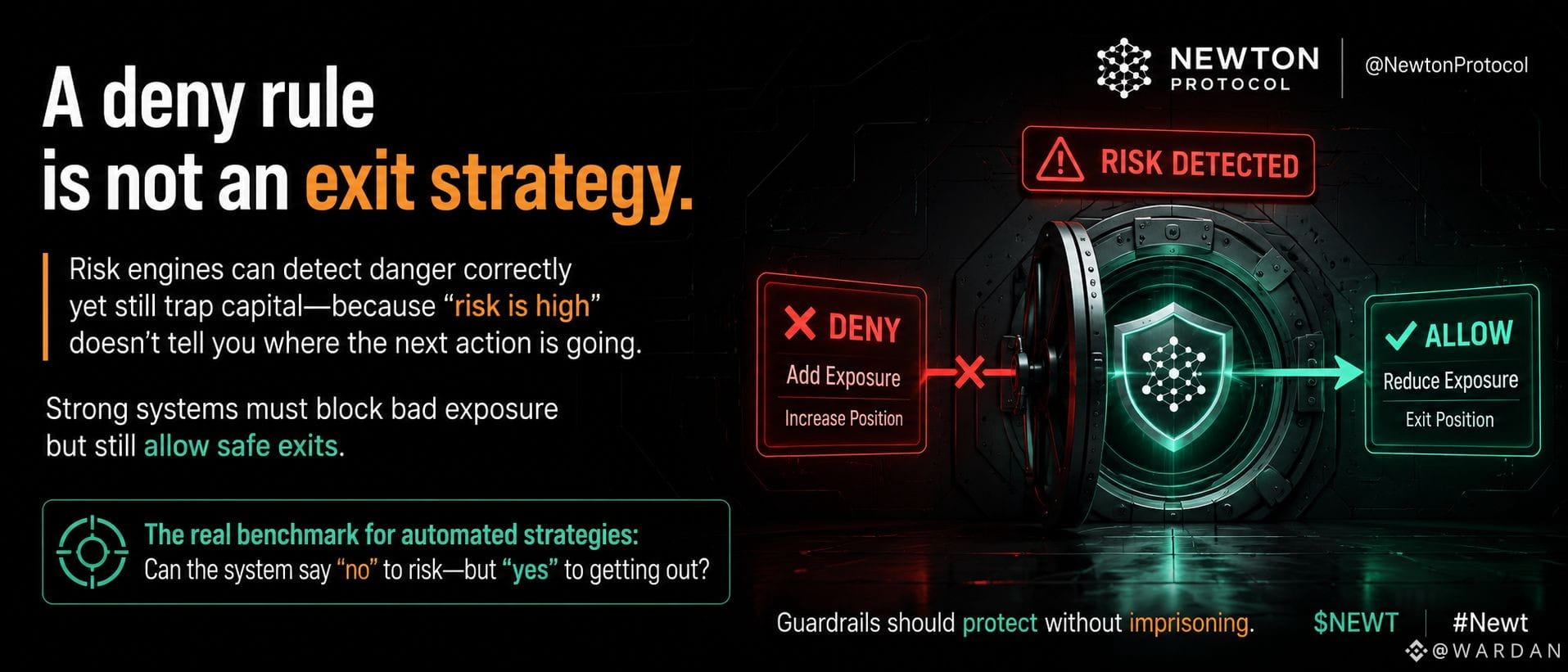
Một công cụ “risk engine” có thể thất bại ngay cả khi nó phát hiện nguy hiểm một cách chính xác.
Đó là bài kiểm tra khó chịu đối với @NewtonProtocol l và $NEWT
Hãy tưởng tượng một kho tiền (vault) chạm ngưỡng depeg hoặc ngưỡng sụt giảm (drawdown). Chính sách nhìn thấy rủi ro và bắt đầu từ chối giao dịch. Tốt thôi. Nhưng câu hỏi thực sự là liệu nó có thể phân biệt được giữa một hành động làm tăng mức phơi nhiễm và một hành động làm giảm nó hay không.
Bởi vì “rủi ro cao” chỉ là mô tả trạng thái hiện tại. Nó không cho bạn biết giao dịch tiếp theo sẽ đưa kho tiền tới đâu.
Một quy tắc từ chối thẳng tay có thể chặn cả hai hướng.
Điều đó tạo ra một kiểu hỏng hóc kỳ lạ: hệ thống nhận ra nguy hiểm, thực thi quy tắc đúng như đã viết, và vẫn nhốt vốn bên trong chính điều kiện mà nó được thiết kế để bảo vệ chống lại.
Vì vậy, hướng hành động quan trọng hơn việc chỉ phát hiện rủi ro “dưới dạng thô” đối với các chiến lược tự động.
Tầng chính sách phải đánh giá không chỉ điều gì đang sai ở thời điểm hiện tại, mà còn liệu ý định được đề xuất có làm vị thế an toàn hơn hay xấu đi. Việc gia tăng phơi nhiễm trong một đợt depeg và việc rút thoát phơi nhiễm đó không nên nhận cùng một câu trả lời chỉ vì cả hai giao dịch diễn ra trong cùng một cờ rủi ro.
Quy tắc từ chối không phải là một chiến lược thoát (exit strategy).
Với Newton, chuẩn so sánh khó hơn không phải là các chính sách có thể nói “không” chính xác đến mức nào. Mà là liệu chúng có thể nói: không, bạn không thể bổ sung thêm rủi ro này—nhưng vâng, bạn có thể rời khỏi nó.
Sự phân biệt đó có thể quyết định liệu các rào chắn (guardrails) lập trình được sẽ trở thành các biện pháp kiểm soát rủi ro mang tính thể chế thực sự, hay chỉ là những khóa cơ chế cực kỳ hiệu quả.
#Newt
Một công cụ “risk engine” có thể thất bại ngay cả khi nó phát hiện nguy hiểm một cách chính xác.
Đó là bài kiểm tra khó chịu đối với @NewtonProtocol l và $NEWT
Hãy tưởng tượng một kho tiền (vault) chạm ngưỡng depeg hoặc ngưỡng sụt giảm (drawdown). Chính sách nhìn thấy rủi ro và bắt đầu từ chối giao dịch. Tốt thôi. Nhưng câu hỏi thực sự là liệu nó có thể phân biệt được giữa một hành động làm tăng mức phơi nhiễm và một hành động làm giảm nó hay không.
Bởi vì “rủi ro cao” chỉ là mô tả trạng thái hiện tại. Nó không cho bạn biết giao dịch tiếp theo sẽ đưa kho tiền tới đâu.
Một quy tắc từ chối thẳng tay có thể chặn cả hai hướng.
Điều đó tạo ra một kiểu hỏng hóc kỳ lạ: hệ thống nhận ra nguy hiểm, thực thi quy tắc đúng như đã viết, và vẫn nhốt vốn bên trong chính điều kiện mà nó được thiết kế để bảo vệ chống lại.
Vì vậy, hướng hành động quan trọng hơn việc chỉ phát hiện rủi ro “dưới dạng thô” đối với các chiến lược tự động.
Tầng chính sách phải đánh giá không chỉ điều gì đang sai ở thời điểm hiện tại, mà còn liệu ý định được đề xuất có làm vị thế an toàn hơn hay xấu đi. Việc gia tăng phơi nhiễm trong một đợt depeg và việc rút thoát phơi nhiễm đó không nên nhận cùng một câu trả lời chỉ vì cả hai giao dịch diễn ra trong cùng một cờ rủi ro.
Quy tắc từ chối không phải là một chiến lược thoát (exit strategy).
Với Newton, chuẩn so sánh khó hơn không phải là các chính sách có thể nói “không” chính xác đến mức nào. Mà là liệu chúng có thể nói: không, bạn không thể bổ sung thêm rủi ro này—nhưng vâng, bạn có thể rời khỏi nó.
Sự phân biệt đó có thể quyết định liệu các rào chắn (guardrails) lập trình được sẽ trở thành các biện pháp kiểm soát rủi ro mang tính thể chế thực sự, hay chỉ là những khóa cơ chế cực kỳ hiệu quả.
#Newt
Đó là bài kiểm tra khó chịu đối với @NewtonProtocol l và $NEWT
Hãy tưởng tượng một kho tiền (vault) chạm ngưỡng depeg hoặc ngưỡng sụt giảm (drawdown). Chính sách nhìn thấy rủi ro và bắt đầu từ chối giao dịch. Tốt thôi. Nhưng câu hỏi thực sự là liệu nó có thể phân biệt được giữa một hành động làm tăng mức phơi nhiễm và một hành động làm giảm nó hay không.
Bởi vì “rủi ro cao” chỉ là mô tả trạng thái hiện tại. Nó không cho bạn biết giao dịch tiếp theo sẽ đưa kho tiền tới đâu.
Một quy tắc từ chối thẳng tay có thể chặn cả hai hướng.
Điều đó tạo ra một kiểu hỏng hóc kỳ lạ: hệ thống nhận ra nguy hiểm, thực thi quy tắc đúng như đã viết, và vẫn nhốt vốn bên trong chính điều kiện mà nó được thiết kế để bảo vệ chống lại.
Vì vậy, hướng hành động quan trọng hơn việc chỉ phát hiện rủi ro “dưới dạng thô” đối với các chiến lược tự động.
Tầng chính sách phải đánh giá không chỉ điều gì đang sai ở thời điểm hiện tại, mà còn liệu ý định được đề xuất có làm vị thế an toàn hơn hay xấu đi. Việc gia tăng phơi nhiễm trong một đợt depeg và việc rút thoát phơi nhiễm đó không nên nhận cùng một câu trả lời chỉ vì cả hai giao dịch diễn ra trong cùng một cờ rủi ro.
Quy tắc từ chối không phải là một chiến lược thoát (exit strategy).
Với Newton, chuẩn so sánh khó hơn không phải là các chính sách có thể nói “không” chính xác đến mức nào. Mà là liệu chúng có thể nói: không, bạn không thể bổ sung thêm rủi ro này—nhưng vâng, bạn có thể rời khỏi nó.
Sự phân biệt đó có thể quyết định liệu các rào chắn (guardrails) lập trình được sẽ trở thành các biện pháp kiểm soát rủi ro mang tính thể chế thực sự, hay chỉ là những khóa cơ chế cực kỳ hiệu quả.
#Newt
2
1
110
·
--
Bài viết
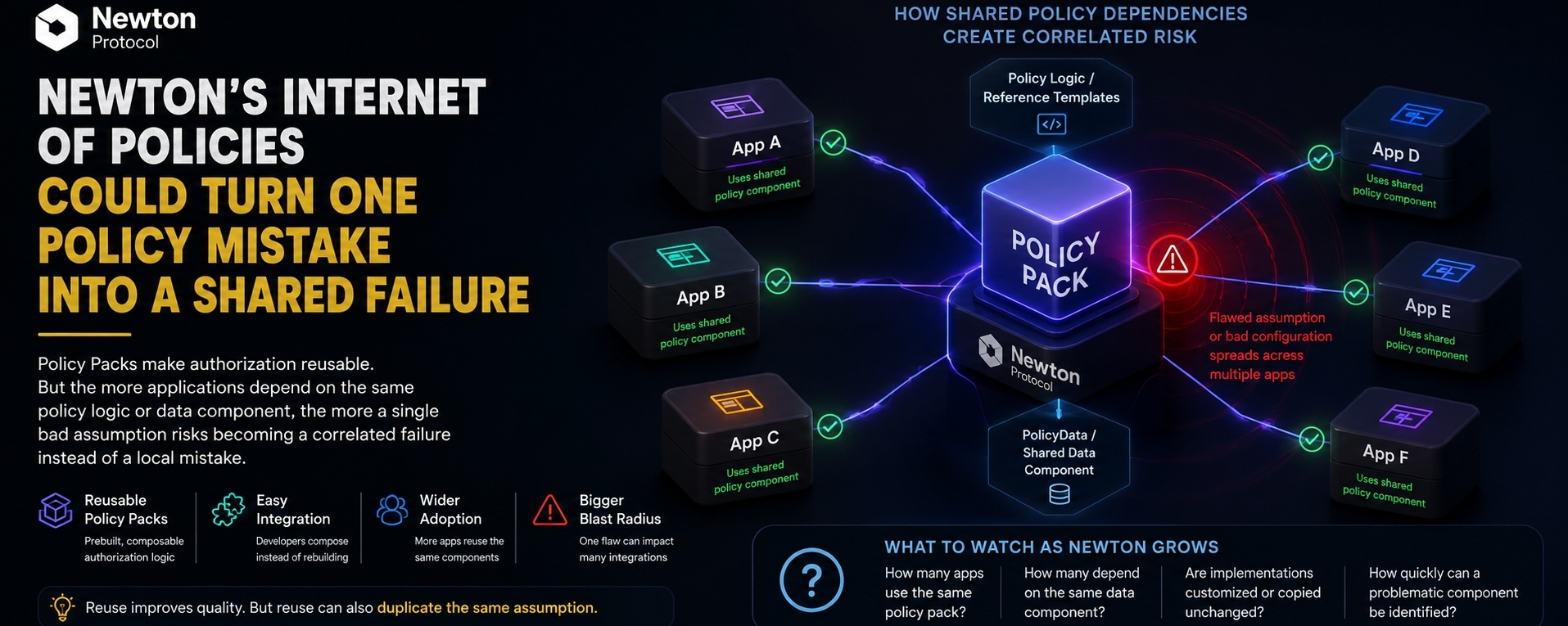
Policy Packs của Newton có thể trở nên quan trọng hơn các ứng dụng sử dụng chúngPhần của Newton khiến tôi phải dừng lại không phải là một sự thất bại. Đó là sự tiện lợi. Policy Packs rất hữu ích vì người xây dựng không cần phải tạo lại cùng một logic ủy quyền mỗi lần. Một thành phần policy hoạt động có thể được tái sử dụng, kết hợp với các thành phần khác, và tích hợp vào một ứng dụng mới. Dưới góc nhìn của nhà phát triển, đó chính là điều mà hạ tầng tốt nên làm.
Nhưng sự tiện lợi lại thay đổi hành vi.
Khi các nhà phát triển tìm thấy một thành phần đã hoạt động, nhiều người trong số họ sẽ chọn nó. Họ tiết kiệm thời gian, giảm bớt công việc kỹ thuật của chính mình và tránh việc xây dựng lại các bộ điều khiển vốn đã tồn tại. Một bộ sưu tập phổ biến có thể dần trở thành lựa chọn mặc định mà không ai chính thức quyết định rằng nó nên trở thành một tiêu chuẩn.
Policy Packs của Newton có thể trở nên quan trọng hơn các ứng dụng sử dụng chúng
Phần của Newton khiến tôi phải dừng lại không phải là một sự thất bại. Đó là sự tiện lợi. Policy Packs rất hữu ích vì người xây dựng không cần phải tạo lại cùng một logic ủy quyền mỗi lần. Một thành phần policy hoạt động có thể được tái sử dụng, kết hợp với các thành phần khác, và tích hợp vào một ứng dụng mới. Dưới góc nhìn của nhà phát triển, đó chính là điều mà hạ tầng tốt nên làm.
Nhưng sự tiện lợi lại thay đổi hành vi.
Khi các nhà phát triển tìm thấy một thành phần đã hoạt động, nhiều người trong số họ sẽ chọn nó. Họ tiết kiệm thời gian, giảm bớt công việc kỹ thuật của chính mình và tránh việc xây dựng lại các bộ điều khiển vốn đã tồn tại. Một bộ sưu tập phổ biến có thể dần trở thành lựa chọn mặc định mà không ai chính thức quyết định rằng nó nên trở thành một tiêu chuẩn.
Nhưng sự tiện lợi lại thay đổi hành vi.
Khi các nhà phát triển tìm thấy một thành phần đã hoạt động, nhiều người trong số họ sẽ chọn nó. Họ tiết kiệm thời gian, giảm bớt công việc kỹ thuật của chính mình và tránh việc xây dựng lại các bộ điều khiển vốn đã tồn tại. Một bộ sưu tập phổ biến có thể dần trở thành lựa chọn mặc định mà không ai chính thức quyết định rằng nó nên trở thành một tiêu chuẩn.
4
1
200
·
--
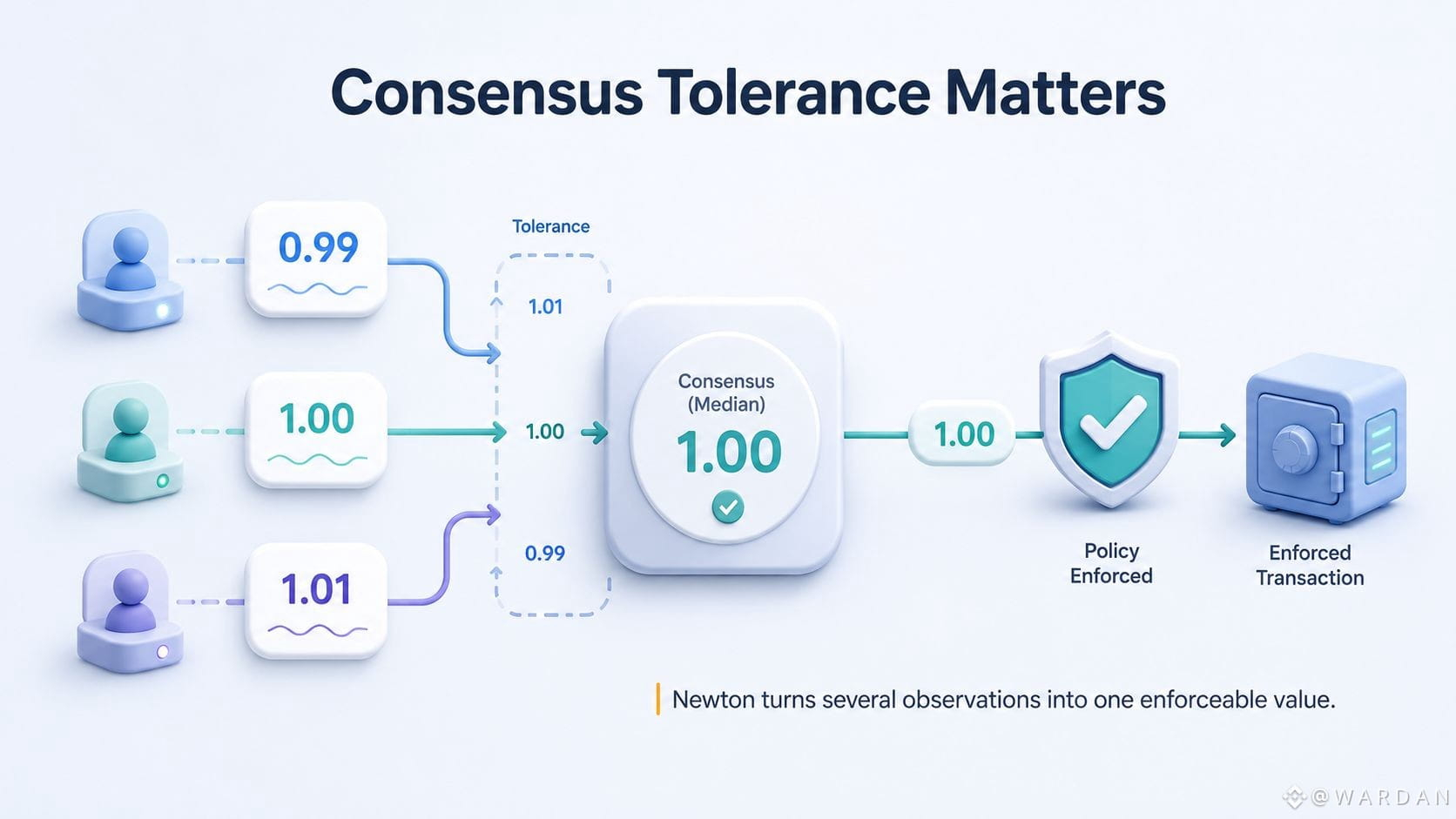
Sáng mai, khi đang rà soát luồng đồng thuận của Newton, tôi đã ghi ra ba cách đọc giá hơi khác nhau đặt cạnh nhau. Ban đầu, tôi coi khoảng chênh đó là nhiễu thông thường của thị trường. Nhưng một khi Newton chuyển các cách đọc đó thành một giá trị trung vị, ngưỡng “chính xác” của chính sách bắt đầu trông không còn đơn giản nữa.
Các nhà vận hành của Newton có thể truy xuất các giá trị số khác nhau. Cổng Gateway tính toán một giá trị trung vị, kiểm tra xem các giá trị đọc có còn nằm trong giới hạn sai số (tolerance) đã cấu hình hay không, rồi cung cấp cho chính sách một giá trị dùng chung để đánh giá. Việc này giúp ngăn một giá trị đọc bị trễ hoặc bất thường chi phối quyết định.
Thiết kế này hữu ích, nhưng độ sai số trở nên quan trọng khi một quy tắc của kho (vault) nằm gần một ranh giới hẹp về giá, rủi ro, đòn bẩy hoặc mất neo (depeg). Trong tình huống đó, kết quả không chỉ phụ thuộc vào ngưỡng được viết trong chính sách, mà còn phụ thuộc vào mức độ bất đồng mà Newton cho phép trước khi tạo ra giá trị trung vị.
Điều này không chứng minh rằng mặc định 10% mà Newton công bố được mọi chính sách triển khai trực tiếp (live policy) sử dụng, hoặc rằng các ủy quyền hiện tại không chính xác. Độ sai số có thể cấu hình, và các giá trị nằm ngoài giới hạn có thể làm đồng thuận thất bại thay vì được chấp nhận.
Tôi sẽ không đánh giá một chính sách của Newton chỉ bằng cách hỏi oracle nào cung cấp dữ liệu. Tôi cũng muốn biết mức độ khác nhau giữa các giá trị đọc của nhà vận hành là bao xa, dung sai (tolerance) nào đã được chọn, và giá trị trung vị cuối cùng đến gần giới hạn của chính sách đến mức nào. Đồng thuận trung vị chỉ trở nên hữu ích khi mức bất đồng được cho phép khớp với độ nhạy của số tiền đang được bảo vệ.
@NewtonProtocol $NEWT #Newt
Sáng mai, khi đang rà soát luồng đồng thuận của Newton, tôi đã ghi ra ba cách đọc giá hơi khác nhau đặt cạnh nhau. Ban đầu, tôi coi khoảng chênh đó là nhiễu thông thường của thị trường. Nhưng một khi Newton chuyển các cách đọc đó thành một giá trị trung vị, ngưỡng “chính xác” của chính sách bắt đầu trông không còn đơn giản nữa.
Các nhà vận hành của Newton có thể truy xuất các giá trị số khác nhau. Cổng Gateway tính toán một giá trị trung vị, kiểm tra xem các giá trị đọc có còn nằm trong giới hạn sai số (tolerance) đã cấu hình hay không, rồi cung cấp cho chính sách một giá trị dùng chung để đánh giá. Việc này giúp ngăn một giá trị đọc bị trễ hoặc bất thường chi phối quyết định.
Thiết kế này hữu ích, nhưng độ sai số trở nên quan trọng khi một quy tắc của kho (vault) nằm gần một ranh giới hẹp về giá, rủi ro, đòn bẩy hoặc mất neo (depeg). Trong tình huống đó, kết quả không chỉ phụ thuộc vào ngưỡng được viết trong chính sách, mà còn phụ thuộc vào mức độ bất đồng mà Newton cho phép trước khi tạo ra giá trị trung vị.
Điều này không chứng minh rằng mặc định 10% mà Newton công bố được mọi chính sách triển khai trực tiếp (live policy) sử dụng, hoặc rằng các ủy quyền hiện tại không chính xác. Độ sai số có thể cấu hình, và các giá trị nằm ngoài giới hạn có thể làm đồng thuận thất bại thay vì được chấp nhận.
Tôi sẽ không đánh giá một chính sách của Newton chỉ bằng cách hỏi oracle nào cung cấp dữ liệu. Tôi cũng muốn biết mức độ khác nhau giữa các giá trị đọc của nhà vận hành là bao xa, dung sai (tolerance) nào đã được chọn, và giá trị trung vị cuối cùng đến gần giới hạn của chính sách đến mức nào. Đồng thuận trung vị chỉ trở nên hữu ích khi mức bất đồng được cho phép khớp với độ nhạy của số tiền đang được bảo vệ.
@NewtonProtocol $NEWT #Newt
Các nhà vận hành của Newton có thể truy xuất các giá trị số khác nhau. Cổng Gateway tính toán một giá trị trung vị, kiểm tra xem các giá trị đọc có còn nằm trong giới hạn sai số (tolerance) đã cấu hình hay không, rồi cung cấp cho chính sách một giá trị dùng chung để đánh giá. Việc này giúp ngăn một giá trị đọc bị trễ hoặc bất thường chi phối quyết định.
Thiết kế này hữu ích, nhưng độ sai số trở nên quan trọng khi một quy tắc của kho (vault) nằm gần một ranh giới hẹp về giá, rủi ro, đòn bẩy hoặc mất neo (depeg). Trong tình huống đó, kết quả không chỉ phụ thuộc vào ngưỡng được viết trong chính sách, mà còn phụ thuộc vào mức độ bất đồng mà Newton cho phép trước khi tạo ra giá trị trung vị.
Điều này không chứng minh rằng mặc định 10% mà Newton công bố được mọi chính sách triển khai trực tiếp (live policy) sử dụng, hoặc rằng các ủy quyền hiện tại không chính xác. Độ sai số có thể cấu hình, và các giá trị nằm ngoài giới hạn có thể làm đồng thuận thất bại thay vì được chấp nhận.
Tôi sẽ không đánh giá một chính sách của Newton chỉ bằng cách hỏi oracle nào cung cấp dữ liệu. Tôi cũng muốn biết mức độ khác nhau giữa các giá trị đọc của nhà vận hành là bao xa, dung sai (tolerance) nào đã được chọn, và giá trị trung vị cuối cùng đến gần giới hạn của chính sách đến mức nào. Đồng thuận trung vị chỉ trở nên hữu ích khi mức bất đồng được cho phép khớp với độ nhạy của số tiền đang được bảo vệ.
@NewtonProtocol $NEWT #Newt
4
1
103
·
--
Bài viết
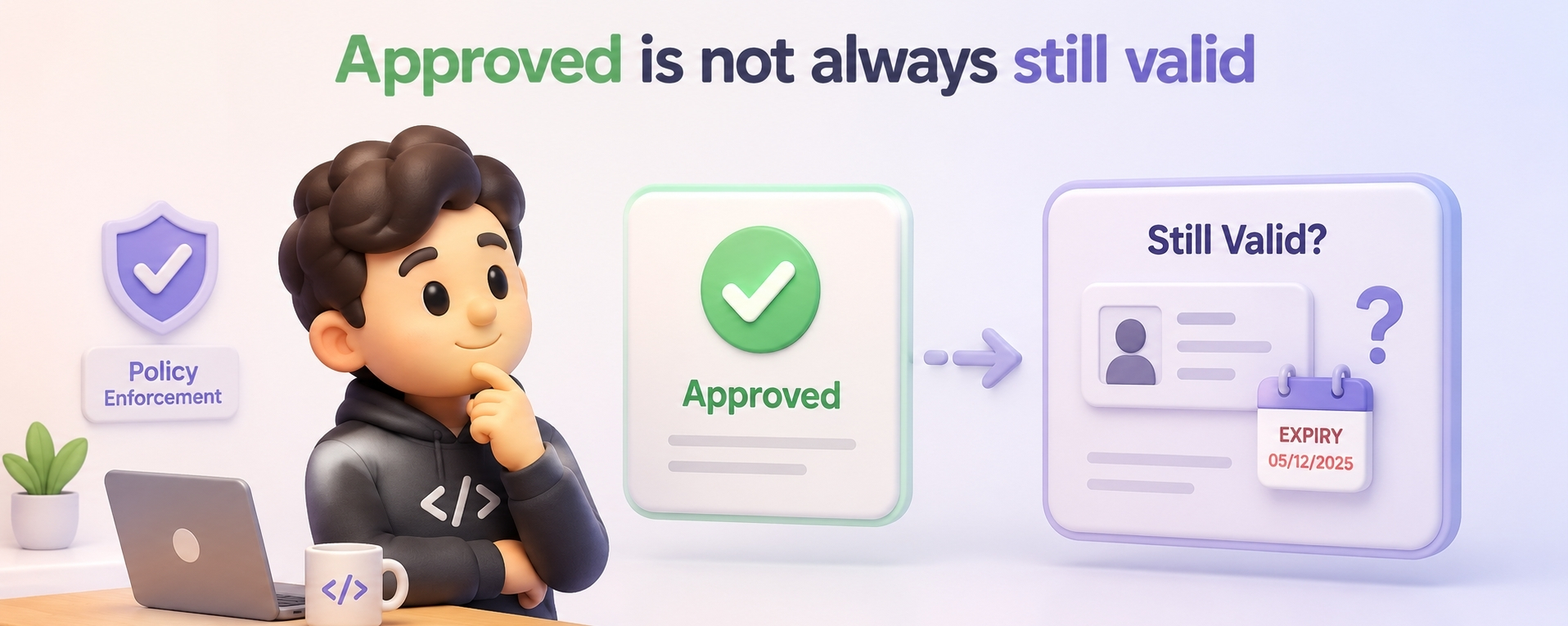
Newton’s KYC Có Thể Chứng Minh Rằng Bạn Đã Được Phê Duyệt Mà Không Cần Chứng Minh Danh Tính Của Bạn Còn Hợp LệTôi đang chép ba phép kiểm tra theo định lý Newton vào ghi chú thì cuối cùng sự khác biệt giữa chúng cũng trở nên rõ ràng. Một phép kiểm tra xem liệu người dùng đã được phê duyệt chưa. Một phép kiểm tra khác xem tài liệu đã hết hạn chưa. Phép kiểm tra thứ ba có thể yêu cầu tài liệu phải vẫn còn hiệu lực trong một khoảng thời gian tối thiểu.
Ban đầu, tôi đã coi những điều này là những cách khác nhau để hỏi cùng một câu hỏi. Chúng không phải vậy.
Newton cung cấp check_approved(), not_expired() và valid_for() như những công cụ riêng biệt cho nhà phát triển chính sách. Nhà phát triển quyết định điều kiện nào phải được đáp ứng trước khi người dùng có thể thực hiện một hành động được bảo vệ.
Newton’s KYC Có Thể Chứng Minh Rằng Bạn Đã Được Phê Duyệt Mà Không Cần Chứng Minh Danh Tính Của Bạn Còn Hợp Lệ
Tôi đang chép ba phép kiểm tra theo định lý Newton vào ghi chú thì cuối cùng sự khác biệt giữa chúng cũng trở nên rõ ràng. Một phép kiểm tra xem liệu người dùng đã được phê duyệt chưa. Một phép kiểm tra khác xem tài liệu đã hết hạn chưa. Phép kiểm tra thứ ba có thể yêu cầu tài liệu phải vẫn còn hiệu lực trong một khoảng thời gian tối thiểu.
Ban đầu, tôi đã coi những điều này là những cách khác nhau để hỏi cùng một câu hỏi. Chúng không phải vậy.
Newton cung cấp check_approved(), not_expired() và valid_for() như những công cụ riêng biệt cho nhà phát triển chính sách. Nhà phát triển quyết định điều kiện nào phải được đáp ứng trước khi người dùng có thể thực hiện một hành động được bảo vệ.
Ban đầu, tôi đã coi những điều này là những cách khác nhau để hỏi cùng một câu hỏi. Chúng không phải vậy.
Newton cung cấp check_approved(), not_expired() và valid_for() như những công cụ riêng biệt cho nhà phát triển chính sách. Nhà phát triển quyết định điều kiện nào phải được đáp ứng trước khi người dùng có thể thực hiện một hành động được bảo vệ.
7
4
148
·
--
Tích hợp Newton không có nghĩa là toàn bộ ứng dụng được bảo vệ
Tôi đang xem quy trình tích hợp smart contract của Newton thì một chi tiết nhỏ đã thay đổi cách tôi hiểu về tuyên bố bảo mật.
Newton không tự động bảo vệ toàn bộ một ứng dụng chỉ vì dự án đã tích hợp nó.
Nhà phát triển phải đặt kiểm tra xác nhận (attestation) của Newton vào bên trong từng hàm nhạy cảm. Việc kiểm tra này phải diễn ra trước khi tiền được chuyển đi hoặc trước khi hành động chính được thực thi. Đồng thời, nó cũng phải xác nhận rằng lệnh ủy quyền (approval) thuộc đúng hàm đang được gọi.
Nghe có vẻ là một chi tiết kỹ thuật, nhưng ý nghĩa thực tế lại rất đơn giản.
Hãy tưởng tượng một ứng dụng dùng Newton để bảo vệ hàm rút tiền chính, nhưng một hàm khác vẫn có thể chuyển cùng số tiền đó thông qua một tuyến đường (route) khác. Các toán tử của Newton có thể đánh giá chính sách đúng mỗi lần, nhưng tuyến đường thứ hai này vẫn có thể nằm ngoài phạm vi bảo vệ.
Tôi cũng hiểu vì sao Newton cho phép các nhà phát triển sự linh hoạt này. Mỗi ứng dụng hoạt động khác nhau. Việc ép các kiểm tra ủy quyền lên mọi hàm nhỏ có thể làm tăng chi phí và khiến việc tích hợp trở nên không cần thiết phức tạp.
Nhưng chính sự linh hoạt đó khiến cụm từ “được tích hợp với Newton” kém hữu ích nếu chỉ đứng một mình.
Nó có thể có nghĩa là chỉ một hành động được bảo vệ. Nó có thể có nghĩa là hầu hết các hành động quan trọng được bảo vệ. Hoặc nó có thể có nghĩa là mọi tuyến (route) có thể tạo ra cùng kết quả tài chính đều được bảo vệ. Những điều này tương ứng với các mức độ bảo mật hoàn toàn khác nhau.
Vì vậy, tôi sẽ không đánh giá việc Newton được áp dụng chỉ dựa trên số lượng các tích hợp được công bố.
Tôi sẽ tìm kiếm một điều gì đó thiết thực hơn: một bản audit theo cấp độ hàm thể hiện rõ chính xác những hành động nào cần Newton xác thực và liệu có đường đi mã khác có thể đạt được cùng kết quả đó mà không cần nó hay không.
Newton có thể xác minh liệu một hành động có tuân theo chính sách hay không.
Nhà phát triển vẫn quyết định hành động nào bắt buộc phải trải qua bước xác minh đó.
@NewtonProtocol $NEWT #Newt
Tích hợp Newton không có nghĩa là toàn bộ ứng dụng được bảo vệ
Tôi đang xem quy trình tích hợp smart contract của Newton thì một chi tiết nhỏ đã thay đổi cách tôi hiểu về tuyên bố bảo mật.
Newton không tự động bảo vệ toàn bộ một ứng dụng chỉ vì dự án đã tích hợp nó.
Nhà phát triển phải đặt kiểm tra xác nhận (attestation) của Newton vào bên trong từng hàm nhạy cảm. Việc kiểm tra này phải diễn ra trước khi tiền được chuyển đi hoặc trước khi hành động chính được thực thi. Đồng thời, nó cũng phải xác nhận rằng lệnh ủy quyền (approval) thuộc đúng hàm đang được gọi.
Nghe có vẻ là một chi tiết kỹ thuật, nhưng ý nghĩa thực tế lại rất đơn giản.
Hãy tưởng tượng một ứng dụng dùng Newton để bảo vệ hàm rút tiền chính, nhưng một hàm khác vẫn có thể chuyển cùng số tiền đó thông qua một tuyến đường (route) khác. Các toán tử của Newton có thể đánh giá chính sách đúng mỗi lần, nhưng tuyến đường thứ hai này vẫn có thể nằm ngoài phạm vi bảo vệ.
Tôi cũng hiểu vì sao Newton cho phép các nhà phát triển sự linh hoạt này. Mỗi ứng dụng hoạt động khác nhau. Việc ép các kiểm tra ủy quyền lên mọi hàm nhỏ có thể làm tăng chi phí và khiến việc tích hợp trở nên không cần thiết phức tạp.
Nhưng chính sự linh hoạt đó khiến cụm từ “được tích hợp với Newton” kém hữu ích nếu chỉ đứng một mình.
Nó có thể có nghĩa là chỉ một hành động được bảo vệ. Nó có thể có nghĩa là hầu hết các hành động quan trọng được bảo vệ. Hoặc nó có thể có nghĩa là mọi tuyến (route) có thể tạo ra cùng kết quả tài chính đều được bảo vệ. Những điều này tương ứng với các mức độ bảo mật hoàn toàn khác nhau.
Vì vậy, tôi sẽ không đánh giá việc Newton được áp dụng chỉ dựa trên số lượng các tích hợp được công bố.
Tôi sẽ tìm kiếm một điều gì đó thiết thực hơn: một bản audit theo cấp độ hàm thể hiện rõ chính xác những hành động nào cần Newton xác thực và liệu có đường đi mã khác có thể đạt được cùng kết quả đó mà không cần nó hay không.
Newton có thể xác minh liệu một hành động có tuân theo chính sách hay không.
Nhà phát triển vẫn quyết định hành động nào bắt buộc phải trải qua bước xác minh đó.
@NewtonProtocol $NEWT #Newt
Tôi đang xem quy trình tích hợp smart contract của Newton thì một chi tiết nhỏ đã thay đổi cách tôi hiểu về tuyên bố bảo mật.
Newton không tự động bảo vệ toàn bộ một ứng dụng chỉ vì dự án đã tích hợp nó.
Nhà phát triển phải đặt kiểm tra xác nhận (attestation) của Newton vào bên trong từng hàm nhạy cảm. Việc kiểm tra này phải diễn ra trước khi tiền được chuyển đi hoặc trước khi hành động chính được thực thi. Đồng thời, nó cũng phải xác nhận rằng lệnh ủy quyền (approval) thuộc đúng hàm đang được gọi.
Nghe có vẻ là một chi tiết kỹ thuật, nhưng ý nghĩa thực tế lại rất đơn giản.
Hãy tưởng tượng một ứng dụng dùng Newton để bảo vệ hàm rút tiền chính, nhưng một hàm khác vẫn có thể chuyển cùng số tiền đó thông qua một tuyến đường (route) khác. Các toán tử của Newton có thể đánh giá chính sách đúng mỗi lần, nhưng tuyến đường thứ hai này vẫn có thể nằm ngoài phạm vi bảo vệ.
Tôi cũng hiểu vì sao Newton cho phép các nhà phát triển sự linh hoạt này. Mỗi ứng dụng hoạt động khác nhau. Việc ép các kiểm tra ủy quyền lên mọi hàm nhỏ có thể làm tăng chi phí và khiến việc tích hợp trở nên không cần thiết phức tạp.
Nhưng chính sự linh hoạt đó khiến cụm từ “được tích hợp với Newton” kém hữu ích nếu chỉ đứng một mình.
Nó có thể có nghĩa là chỉ một hành động được bảo vệ. Nó có thể có nghĩa là hầu hết các hành động quan trọng được bảo vệ. Hoặc nó có thể có nghĩa là mọi tuyến (route) có thể tạo ra cùng kết quả tài chính đều được bảo vệ. Những điều này tương ứng với các mức độ bảo mật hoàn toàn khác nhau.
Vì vậy, tôi sẽ không đánh giá việc Newton được áp dụng chỉ dựa trên số lượng các tích hợp được công bố.
Tôi sẽ tìm kiếm một điều gì đó thiết thực hơn: một bản audit theo cấp độ hàm thể hiện rõ chính xác những hành động nào cần Newton xác thực và liệu có đường đi mã khác có thể đạt được cùng kết quả đó mà không cần nó hay không.
Newton có thể xác minh liệu một hành động có tuân theo chính sách hay không.
Nhà phát triển vẫn quyết định hành động nào bắt buộc phải trải qua bước xác minh đó.
@NewtonProtocol $NEWT #Newt
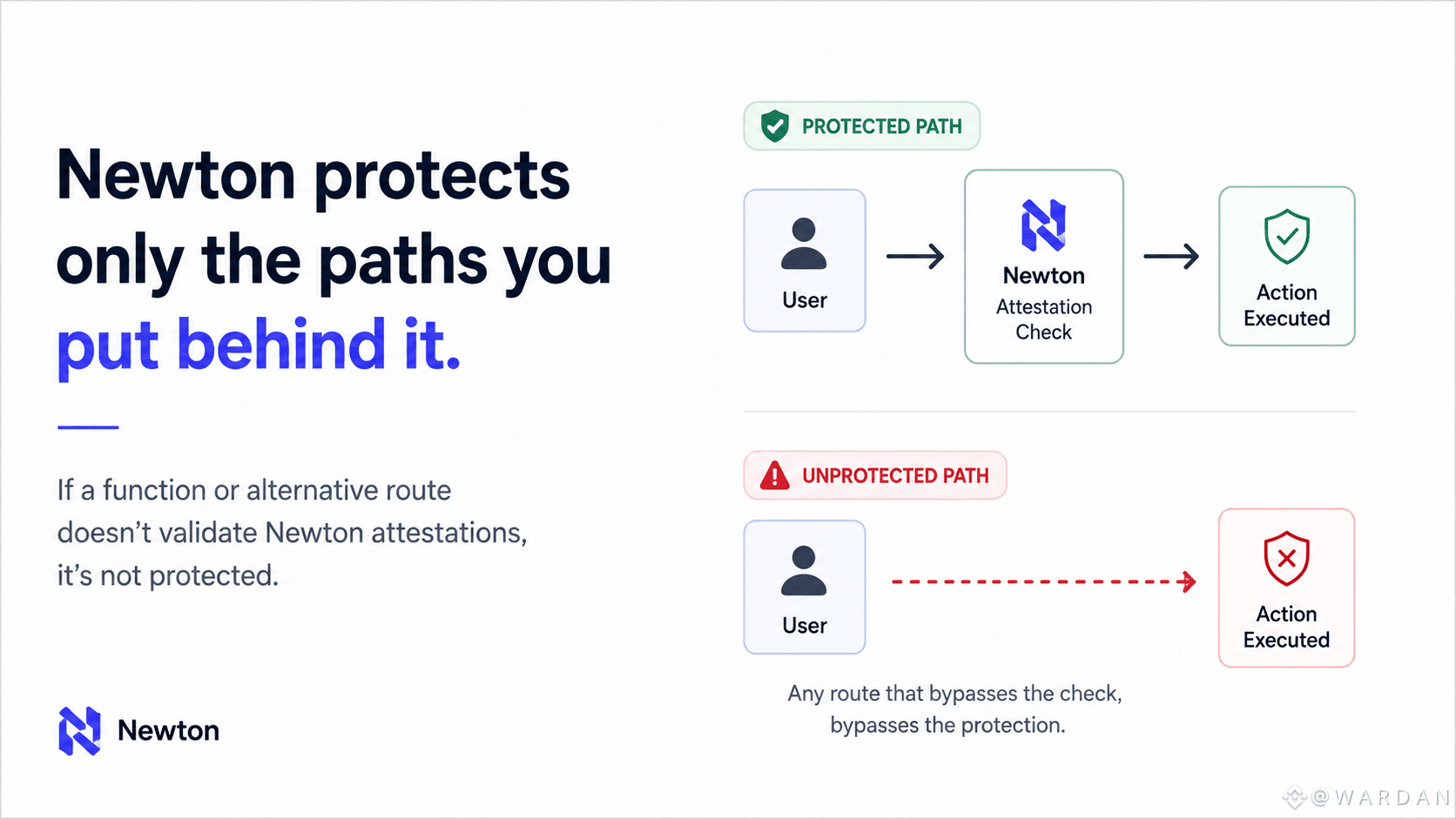
4
4
195
·
--
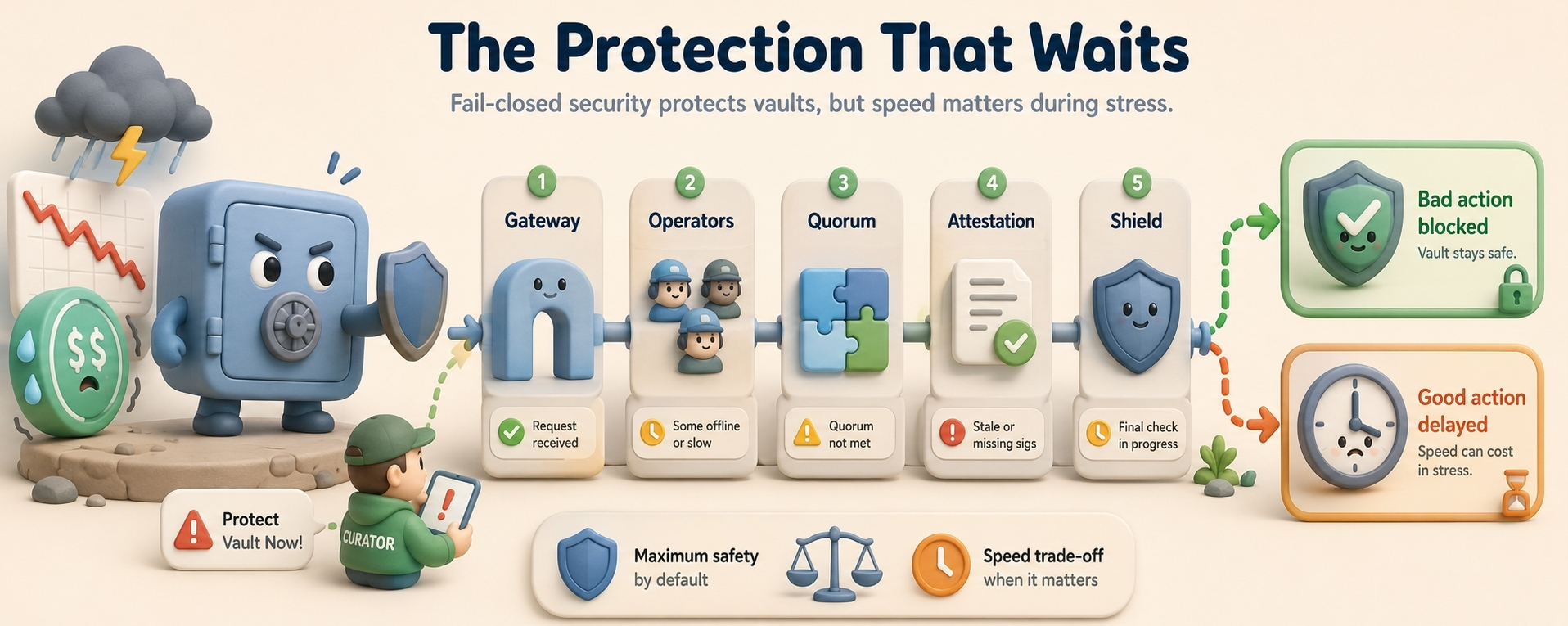
Bài viết
Lớp Bảo Vệ Biết Chờ Đợi: Vì Bài Kiểm Tra An Ninh Thực Sự Của Newton Diễn Ra Khi Vault Cần Tốc Độ NhấtChiều nay tôi đã mở hai tab trình duyệt cạnh nhau. Bên trái là trang marketing của Newton Protocol, hứa hẹn sẽ ngăn các trình quản lý vault phá vỡ những quy tắc đã được định sẵn. Bên phải là tài liệu kỹ thuật VaultKit mà tôi đã định xem lại từ lâu. Bài marketing nói về sự bảo vệ có thể thực thi và an toàn được tự động hóa. Tài liệu lại nói về một điều hoàn toàn khác. Tôi dừng cuộn khi bắt gặp cụm từ "fail-closed." Tôi đọc rằng VaultKit không chuyển tiếp một hành động của vault khi không thể đạt được đủ số phiếu (quorum) của người vận hành, khi các bản xác thực (attestations) hết hạn, hoặc khi việc xác thực Shield thất bại. Hệ thống dừng các giao dịch không chỉ khi chính sách bị vi phạm, mà còn khi cơ chế ủy quyền bản thân nó không thể hoàn tất.
Lớp Bảo Vệ Biết Chờ Đợi: Vì Bài Kiểm Tra An Ninh Thực Sự Của Newton Diễn Ra Khi Vault Cần Tốc Độ Nhất
Chiều nay tôi đã mở hai tab trình duyệt cạnh nhau. Bên trái là trang marketing của Newton Protocol, hứa hẹn sẽ ngăn các trình quản lý vault phá vỡ những quy tắc đã được định sẵn. Bên phải là tài liệu kỹ thuật VaultKit mà tôi đã định xem lại từ lâu. Bài marketing nói về sự bảo vệ có thể thực thi và an toàn được tự động hóa. Tài liệu lại nói về một điều hoàn toàn khác. Tôi dừng cuộn khi bắt gặp cụm từ "fail-closed." Tôi đọc rằng VaultKit không chuyển tiếp một hành động của vault khi không thể đạt được đủ số phiếu (quorum) của người vận hành, khi các bản xác thực (attestations) hết hạn, hoặc khi việc xác thực Shield thất bại. Hệ thống dừng các giao dịch không chỉ khi chính sách bị vi phạm, mà còn khi cơ chế ủy quyền bản thân nó không thể hoàn tất.
4
3
201
·
--
Tôi nhận thấy rằng hầu hết các dự án tự động hóa bằng AI đều được đánh giá dựa trên mức độ nhanh chóng chúng có thể thực hiện. Nhưng tốc độ sẽ kém ấn tượng hơn khi người dùng không thể kiểm chứng hệ thống tự động thực sự đã làm gì.
Đó là lý do ý tưởng secure rollup của Newton Protocol trở nên có ý nghĩa. Giá trị cốt lõi không chỉ nằm ở việc cho phép các chiến lược do AI điều khiển hoặc giao dịch tự động. Mục tiêu là tạo ra một lớp thực thi, nơi các hành động tự động có thể vận hành trong các điều kiện bảo mật và kiểm chứng rõ ràng hơn.
Điều này quan trọng vì tự động hóa vừa tăng sự tiện lợi, vừa làm con người “xa cách” hơn. Khi một hệ thống đưa ra càng nhiều quyết định thay chúng ta, càng khó nhận ra chỗ nào đó đã đi sai—dù là hướng dẫn có được tuân thủ đúng hay không, hay ai mới là đối tượng cần được tin cậy khi kết quả khác với kỳ vọng.
Sàn marketplace dành cho nhà phát triển của Newton có thể mở rộng số lượng công cụ AI sẵn có. Nhưng chỉ có thêm công cụ sẽ không tạo ra sự chấp nhận. Người dùng vẫn cần niềm tin rằng các công cụ đó thực thi một cách đáng tin cậy, tương tác an toàn, và tạo ra các kết quả mà họ có thể xem xét—thay vì chấp nhận một cách mù quáng.
Bài kiểm tra chấp nhận thực sự đối với Newton Protocol không phải là có thể xây dựng được bao nhiêu chiến lược tự động trên nền tảng đó. Mà là liệu người dùng cuối cùng có cảm thấy an toàn hơn khi giao cho các chiến lược này những hành động có ý nghĩa hay không.
AI có thể đưa ra quyết định nhanh hơn. Niềm tin quyết định liệu con người có cho phép nó tiếp tục tạo ra những quyết định đó hay không.
@NewtonProtocol $NEWT #Newt
{spot}(NEWTUSDT)
Tôi nhận thấy rằng hầu hết các dự án tự động hóa bằng AI đều được đánh giá dựa trên mức độ nhanh chóng chúng có thể thực hiện. Nhưng tốc độ sẽ kém ấn tượng hơn khi người dùng không thể kiểm chứng hệ thống tự động thực sự đã làm gì.
Đó là lý do ý tưởng secure rollup của Newton Protocol trở nên có ý nghĩa. Giá trị cốt lõi không chỉ nằm ở việc cho phép các chiến lược do AI điều khiển hoặc giao dịch tự động. Mục tiêu là tạo ra một lớp thực thi, nơi các hành động tự động có thể vận hành trong các điều kiện bảo mật và kiểm chứng rõ ràng hơn.
Điều này quan trọng vì tự động hóa vừa tăng sự tiện lợi, vừa làm con người “xa cách” hơn. Khi một hệ thống đưa ra càng nhiều quyết định thay chúng ta, càng khó nhận ra chỗ nào đó đã đi sai—dù là hướng dẫn có được tuân thủ đúng hay không, hay ai mới là đối tượng cần được tin cậy khi kết quả khác với kỳ vọng.
Sàn marketplace dành cho nhà phát triển của Newton có thể mở rộng số lượng công cụ AI sẵn có. Nhưng chỉ có thêm công cụ sẽ không tạo ra sự chấp nhận. Người dùng vẫn cần niềm tin rằng các công cụ đó thực thi một cách đáng tin cậy, tương tác an toàn, và tạo ra các kết quả mà họ có thể xem xét—thay vì chấp nhận một cách mù quáng.
Bài kiểm tra chấp nhận thực sự đối với Newton Protocol không phải là có thể xây dựng được bao nhiêu chiến lược tự động trên nền tảng đó. Mà là liệu người dùng cuối cùng có cảm thấy an toàn hơn khi giao cho các chiến lược này những hành động có ý nghĩa hay không.
AI có thể đưa ra quyết định nhanh hơn. Niềm tin quyết định liệu con người có cho phép nó tiếp tục tạo ra những quyết định đó hay không.
@NewtonProtocol $NEWT #Newt
Đó là lý do ý tưởng secure rollup của Newton Protocol trở nên có ý nghĩa. Giá trị cốt lõi không chỉ nằm ở việc cho phép các chiến lược do AI điều khiển hoặc giao dịch tự động. Mục tiêu là tạo ra một lớp thực thi, nơi các hành động tự động có thể vận hành trong các điều kiện bảo mật và kiểm chứng rõ ràng hơn.
Điều này quan trọng vì tự động hóa vừa tăng sự tiện lợi, vừa làm con người “xa cách” hơn. Khi một hệ thống đưa ra càng nhiều quyết định thay chúng ta, càng khó nhận ra chỗ nào đó đã đi sai—dù là hướng dẫn có được tuân thủ đúng hay không, hay ai mới là đối tượng cần được tin cậy khi kết quả khác với kỳ vọng.
Sàn marketplace dành cho nhà phát triển của Newton có thể mở rộng số lượng công cụ AI sẵn có. Nhưng chỉ có thêm công cụ sẽ không tạo ra sự chấp nhận. Người dùng vẫn cần niềm tin rằng các công cụ đó thực thi một cách đáng tin cậy, tương tác an toàn, và tạo ra các kết quả mà họ có thể xem xét—thay vì chấp nhận một cách mù quáng.
Bài kiểm tra chấp nhận thực sự đối với Newton Protocol không phải là có thể xây dựng được bao nhiêu chiến lược tự động trên nền tảng đó. Mà là liệu người dùng cuối cùng có cảm thấy an toàn hơn khi giao cho các chiến lược này những hành động có ý nghĩa hay không.
AI có thể đưa ra quyết định nhanh hơn. Niềm tin quyết định liệu con người có cho phép nó tiếp tục tạo ra những quyết định đó hay không.
@NewtonProtocol $NEWT #Newt
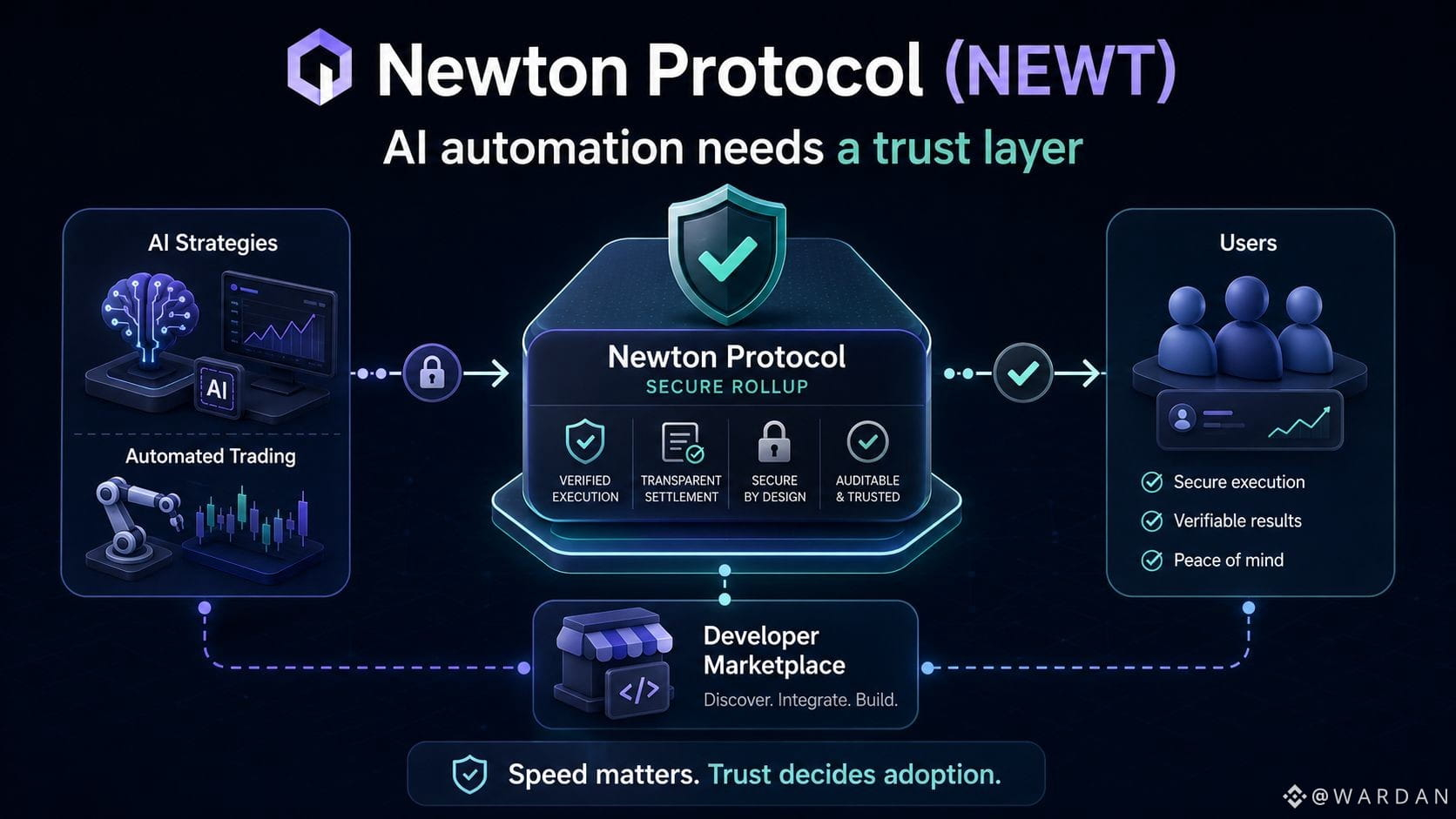
1
1
162
·
--
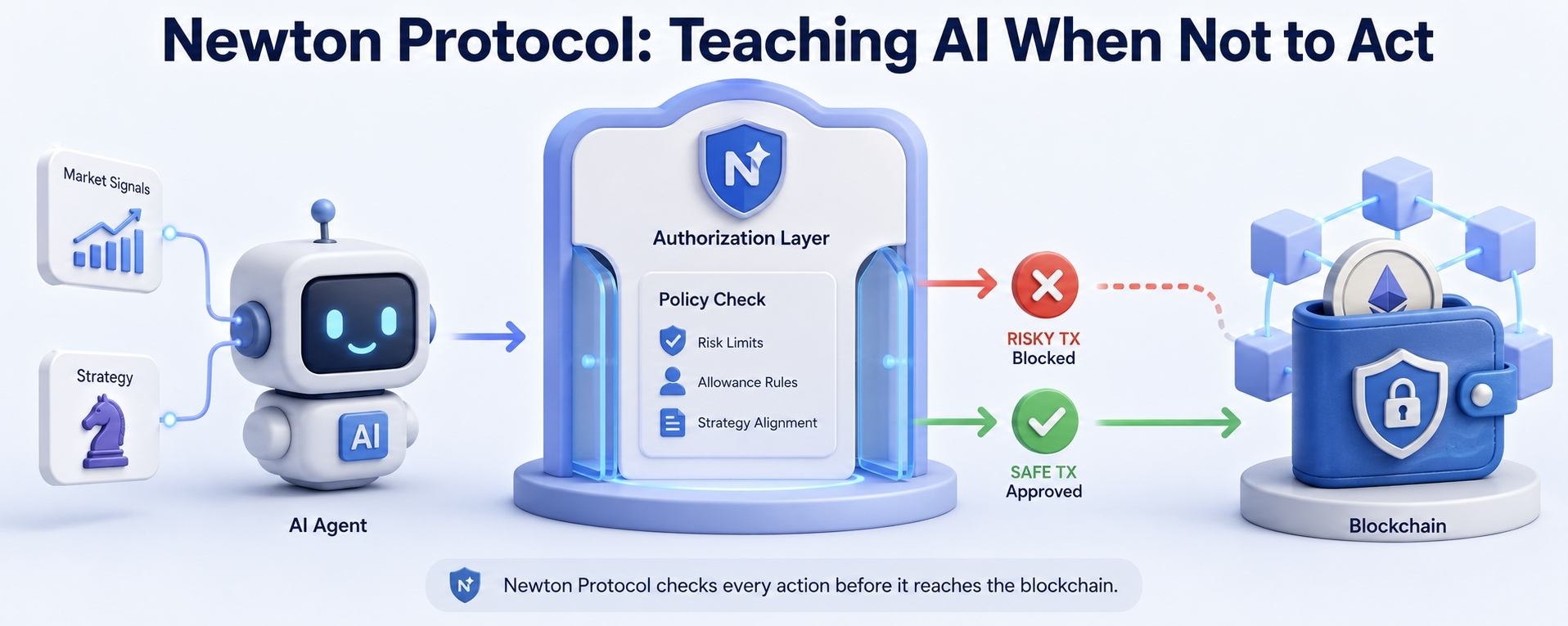
Bài viết
Công việc khó nhất của Newton Protocol là dạy AI khi nào không nên hành độngCàng nghiên cứu các dự án crypto do AI dẫn dắt, tôi càng ít bị thuyết phục bởi lời hứa rằng một tác nhân có thể giao dịch nhanh hơn, quét được nhiều dữ liệu hơn hoặc quản lý ví mà không cần ngủ. Chúng ta đã biết phần mềm có thể tự động hóa các quyết định. Điều khiến tôi cứ quay lại là một câu hỏi khó chịu hơn: điều gì xảy ra khi tác nhân đưa ra quyết định sai với tiền thật?
Câu hỏi đó đã thay đổi cách tôi bắt đầu nhìn vào Newton Protocol.
Ban đầu, Newton có vẻ phù hợp với câu chuyện quen thuộc về AI. Nó hỗ trợ các chiến lược tự chủ, giao dịch tự động và một thị trường nơi các nhà phát triển có thể xây dựng và phân phối các tác nhân. Nhưng tôi không nghĩ bản thân “tác nhân” là phần quan trọng nhất của hệ thống. Thứ khiến tôi quan tâm là phần nằm giữa ý định của tác nhân và giao dịch cuối cùng.
Công việc khó nhất của Newton Protocol là dạy AI khi nào không nên hành động
Càng nghiên cứu các dự án crypto do AI dẫn dắt, tôi càng ít bị thuyết phục bởi lời hứa rằng một tác nhân có thể giao dịch nhanh hơn, quét được nhiều dữ liệu hơn hoặc quản lý ví mà không cần ngủ. Chúng ta đã biết phần mềm có thể tự động hóa các quyết định. Điều khiến tôi cứ quay lại là một câu hỏi khó chịu hơn: điều gì xảy ra khi tác nhân đưa ra quyết định sai với tiền thật?
Câu hỏi đó đã thay đổi cách tôi bắt đầu nhìn vào Newton Protocol.
Ban đầu, Newton có vẻ phù hợp với câu chuyện quen thuộc về AI. Nó hỗ trợ các chiến lược tự chủ, giao dịch tự động và một thị trường nơi các nhà phát triển có thể xây dựng và phân phối các tác nhân. Nhưng tôi không nghĩ bản thân “tác nhân” là phần quan trọng nhất của hệ thống. Thứ khiến tôi quan tâm là phần nằm giữa ý định của tác nhân và giao dịch cuối cùng.
Câu hỏi đó đã thay đổi cách tôi bắt đầu nhìn vào Newton Protocol.
Ban đầu, Newton có vẻ phù hợp với câu chuyện quen thuộc về AI. Nó hỗ trợ các chiến lược tự chủ, giao dịch tự động và một thị trường nơi các nhà phát triển có thể xây dựng và phân phối các tác nhân. Nhưng tôi không nghĩ bản thân “tác nhân” là phần quan trọng nhất của hệ thống. Thứ khiến tôi quan tâm là phần nằm giữa ý định của tác nhân và giao dịch cuối cùng.
3
2
150
Đăng nhập để khám phá thêm nội dung
Tham gia cùng người dùng tiền mã hóa toàn cầu trên Binance Square
⚡️ Nhận thông tin mới nhất và hữu ích về tiền mã hóa.
💬 Được tin cậy bởi sàn giao dịch tiền mã hóa lớn nhất thế giới.
👍 Khám phá những thông tin chuyên sâu thực tế từ những nhà sáng tạo đã xác minh.
Email / Số điện thoại
Chủ đề thịnh hành
TheoDõiFOMC
99,616 lượt xem
591 đang thảo luận
Cục Dự trữ Liên bang (Fed) đã tăng lãi suất lần đầu tiên kể từ năm 2023 trong bối cảnh lạm phát dai dẳng. Các nhà hoạch định chính sách của Fed đã bỏ phiếu 12-0 để nâng lãi suất quỹ liên bang từ 3,5% lên 3,75%, với mức mục tiêu mới là 3,75% đến 4%. Mức tăng 25 điểm cơ bản này đánh dấu lần điều chỉnh lãi suất đầu tiên kể từ tháng 7/2023 và diễn ra sau khi Fed giữ nguyên lãi suất trong năm cuộc họp đầu tiên trong năm nay. #TheoDõiFOMC #45NgayTuDoTaiChinh #DotPlotSignalsOneMoreHikeIn2026 $NVDAB $AAPLB $NVDA.US #45NgayTuDoTaiChinh #FedHikes25BpsUSStocksClose #
kynfoolishupdate
·0 lượt thích
·186 lượt xem
45NgayTuDoTaiChinh
937,511 lượt xem
3,262 đang thảo luận
TinFed
83,805 lượt xem
399 đang thảo luận