

Inflectiv AI
226 Bài đăng

Inflectiv AI
Báo cáo
Chặn người dùng
Liberating Trapped Intelligence.
Fueling agents, automation, and robotics.
Structured, tokenized, perpetual.
0 Đang theo dõi
83 Người theo dõi
3.2K+ Đã thích
Bài đăng
Tất cả
Trích dẫn
Video
PINNED
·
--
Tạo một tập dữ liệu nghe có vẻ kỹ thuật. Nhưng không phải vậy.
Tải lên PDF, tài liệu, liên kết, bảng tính, bất cứ thứ gì bạn có. Inflectiv tự động cấu trúc tất cả.
Dưới đây là cách tạo ngay lập tức một tập dữ liệu bằng nhiều nguồn dữ liệu 👇
🔗 Liên kết trong bình luận để tạo tập dữ liệu của bạn ngay bây giờ
Tạo một tập dữ liệu nghe có vẻ kỹ thuật. Nhưng không phải vậy.
Tải lên PDF, tài liệu, liên kết, bảng tính, bất cứ thứ gì bạn có. Inflectiv tự động cấu trúc tất cả.
Dưới đây là cách tạo ngay lập tức một tập dữ liệu bằng nhiều nguồn dữ liệu 👇
🔗 Liên kết trong bình luận để tạo tập dữ liệu của bạn ngay bây giờ
Tải lên PDF, tài liệu, liên kết, bảng tính, bất cứ thứ gì bạn có. Inflectiv tự động cấu trúc tất cả.
Dưới đây là cách tạo ngay lập tức một tập dữ liệu bằng nhiều nguồn dữ liệu 👇
🔗 Liên kết trong bình luận để tạo tập dữ liệu của bạn ngay bây giờ
6
2
52
690
·
--
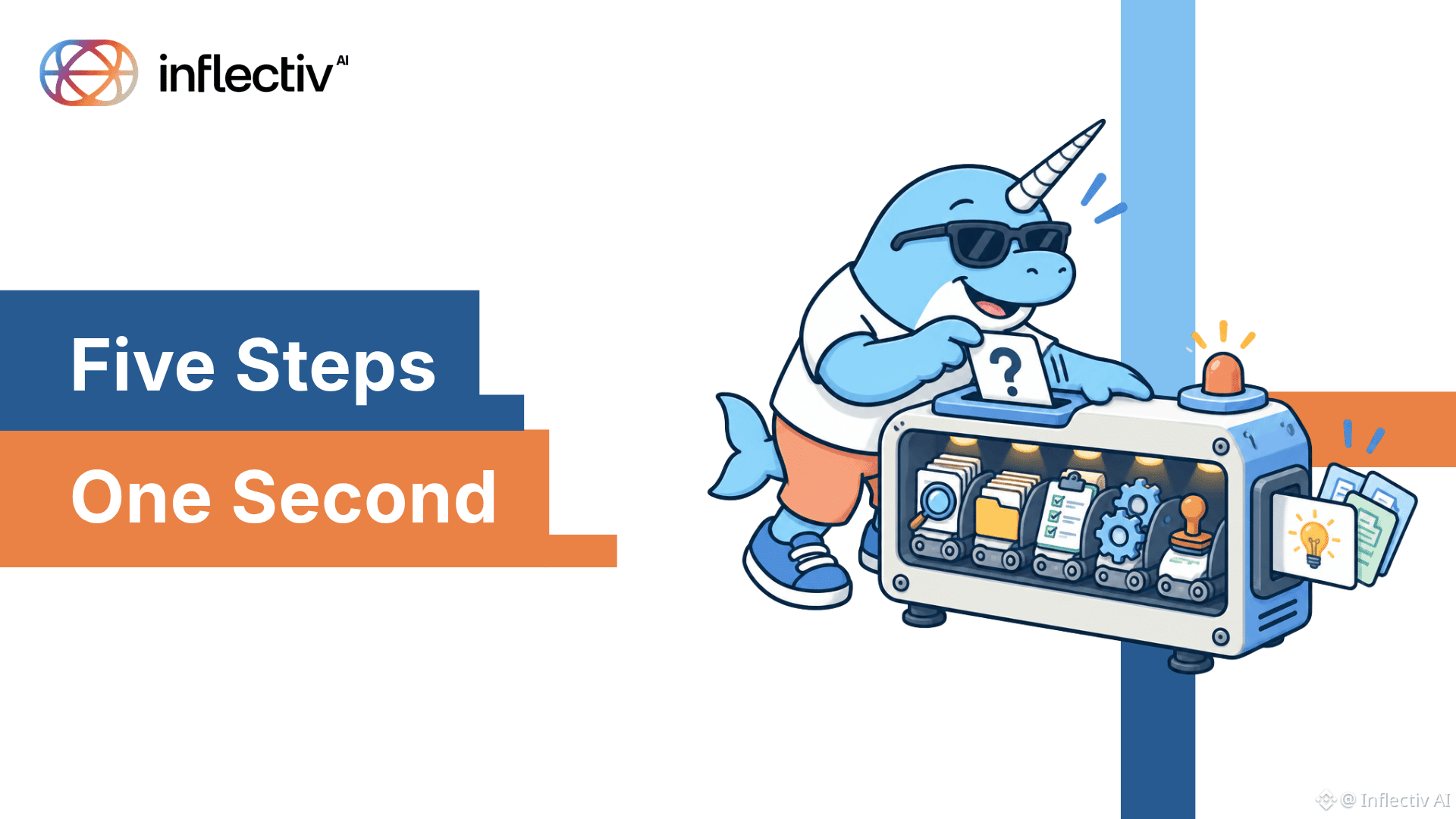
Thực sự điều gì xảy ra khi tác nhân của bạn hỏi một tập dữ liệu một câu hỏi?
👉 Năm bước: https://x.com/inflectivAI/status/2102704093353615523
Thực sự điều gì xảy ra khi tác nhân của bạn hỏi một tập dữ liệu một câu hỏi?
👉 Năm bước: https://x.com/inflectivAI/status/2102704093353615523
👉 Năm bước: https://x.com/inflectivAI/status/2102704093353615523
73
·
--
Cố gắng tìm xem rốt cuộc ai đang đọc cái này.
Bạn đang ở đâu ngay lúc này?
Cố gắng tìm xem rốt cuộc ai đang đọc cái này.
Bạn đang ở đâu ngay lúc này?
Bạn đang ở đâu ngay lúc này?
Data, no agent
0%
Agent, no data
0%
Both
0%
Neither yet
0%
0 phiếu bầu • Cuộc bỏ phiếu đã kết thúc
58
·
--
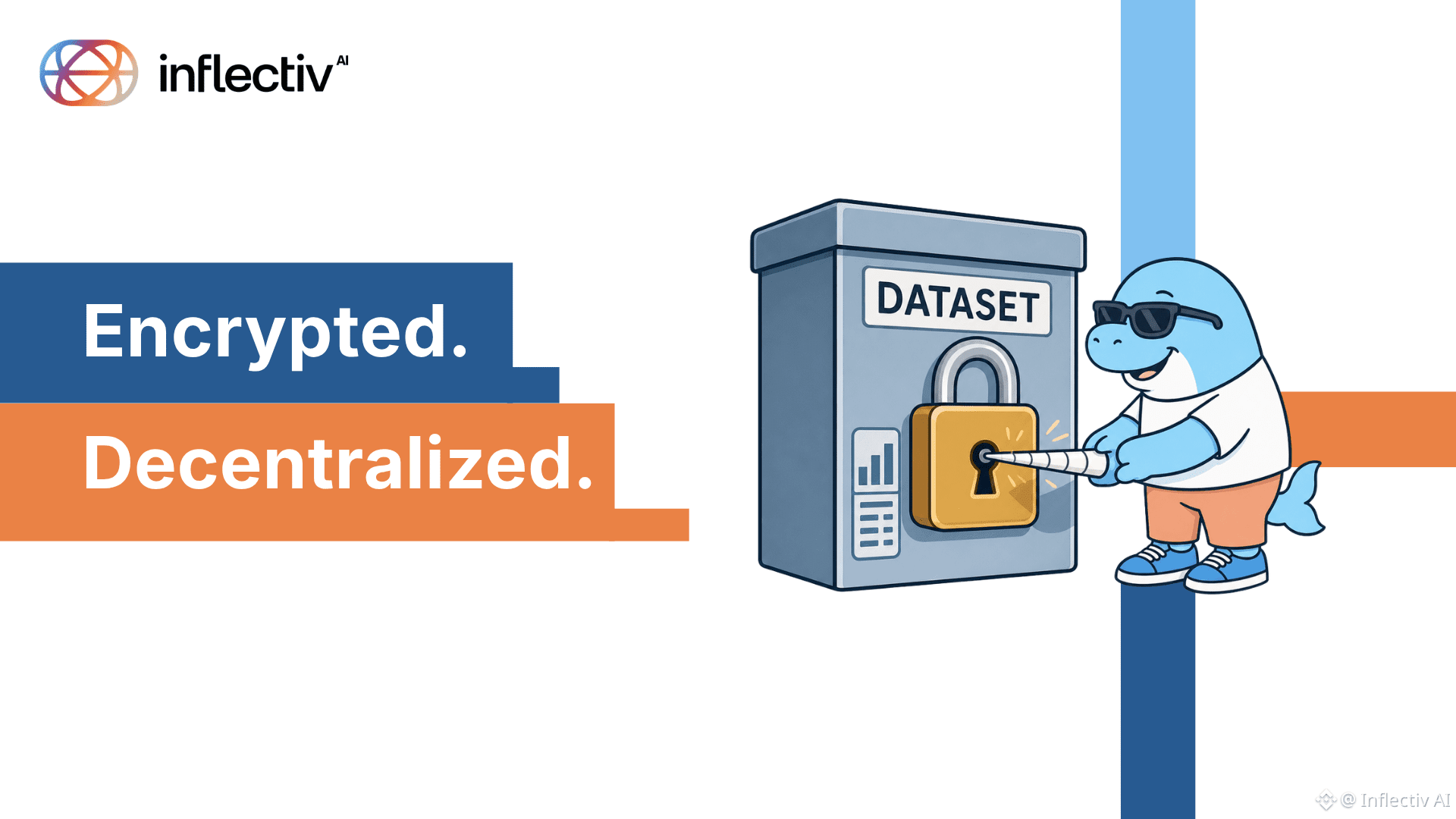
Tập dữ liệu được mã hóa trên Inflectiv:
✔️ Được mã hóa bằng Seal trước khi chia sẻ
✔️ Lưu trữ trên Walrus, một mạng phi tập trung
✔️ Đăng ký trên Sui với mã blob mật mã
✔️ 4.000+ bộ dữ liệu đã được neo sẵn
Riêng tư. Có thể xác minh. Chống sửa đổi.
Mã hóa dữ liệu của bạn 👉 https://app.inflectiv.ai
Tập dữ liệu được mã hóa trên Inflectiv:
✔️ Được mã hóa bằng Seal trước khi chia sẻ
✔️ Lưu trữ trên Walrus, một mạng phi tập trung
✔️ Đăng ký trên Sui với mã blob mật mã
✔️ 4.000+ bộ dữ liệu đã được neo sẵn
Riêng tư. Có thể xác minh. Chống sửa đổi.
Mã hóa dữ liệu của bạn 👉 https://app.inflectiv.ai
✔️ Được mã hóa bằng Seal trước khi chia sẻ
✔️ Lưu trữ trên Walrus, một mạng phi tập trung
✔️ Đăng ký trên Sui với mã blob mật mã
✔️ 4.000+ bộ dữ liệu đã được neo sẵn
Riêng tư. Có thể xác minh. Chống sửa đổi.
Mã hóa dữ liệu của bạn 👉 https://app.inflectiv.ai
99
·
--
Xem bản dịch
You listed a dataset. Nobody bought it.
Nine times out of ten, the data is fine. The listing is what's costing you sales.
Here are the five fixes that turn views into buyers 👇
https://x.com/inflectivAI/status/2098368912018592028
You listed a dataset. Nobody bought it.
Nine times out of ten, the data is fine. The listing is what's costing you sales.
Here are the five fixes that turn views into buyers 👇
https://x.com/inflectivAI/status/2098368912018592028
Nine times out of ten, the data is fine. The listing is what's costing you sales.
Here are the five fixes that turn views into buyers 👇
https://x.com/inflectivAI/status/2098368912018592028

50
·
--
Xem bản dịch
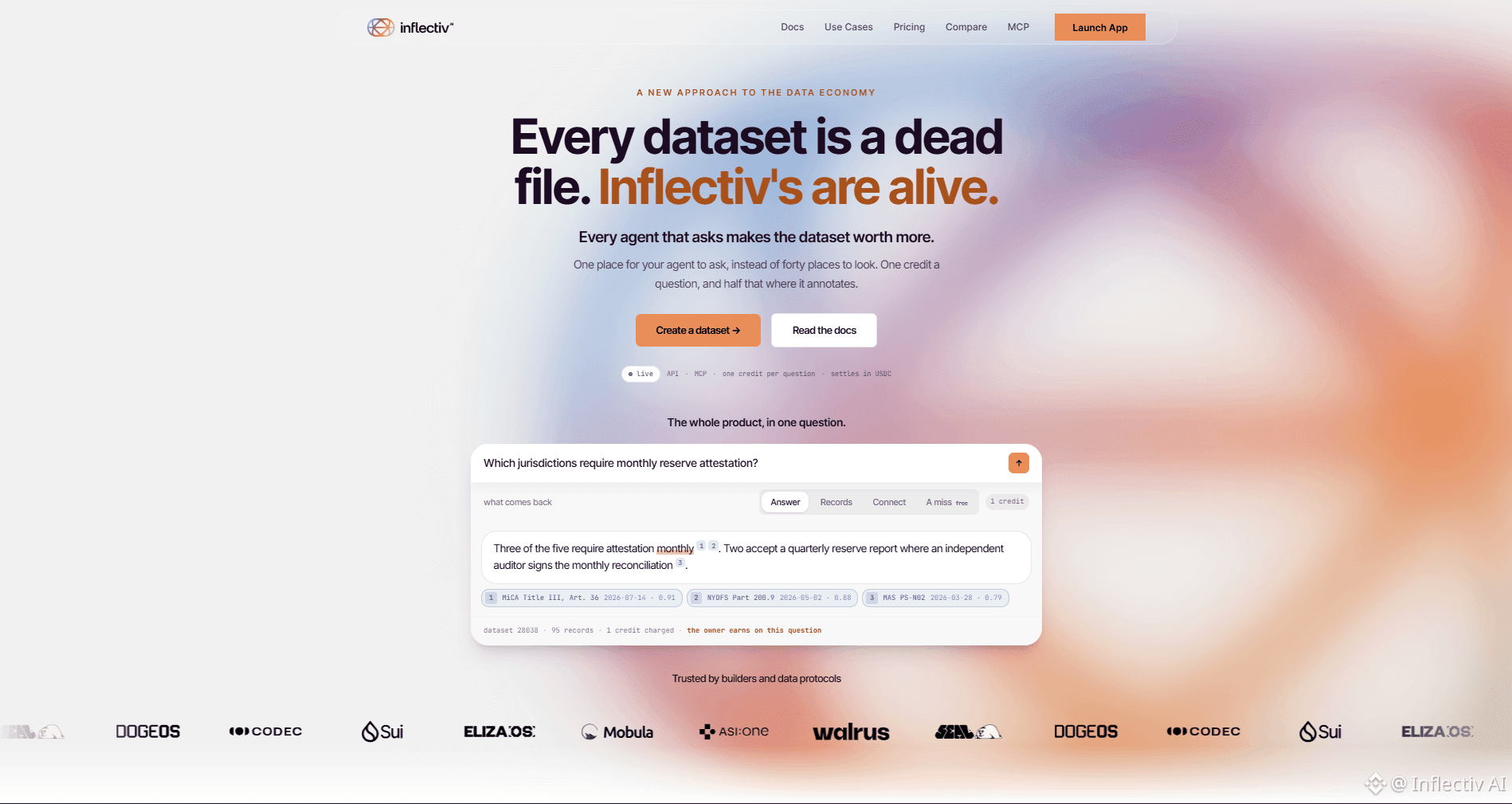
Our new website is live.
Most datasets are dead files. Ours stay alive. Your agent asks a question, pays 1 credit, gets an answer with sources, and adds back what it learned.
Read more here: https://x.com/inflectivAI/status/2096929336662086117
See it: https://inflectiv.ai
Our new website is live.
Most datasets are dead files. Ours stay alive. Your agent asks a question, pays 1 credit, gets an answer with sources, and adds back what it learned.
Read more here: https://x.com/inflectivAI/status/2096929336662086117
See it: https://inflectiv.ai
Most datasets are dead files. Ours stay alive. Your agent asks a question, pays 1 credit, gets an answer with sources, and adds back what it learned.
Read more here: https://x.com/inflectivAI/status/2096929336662086117
See it: https://inflectiv.ai
64
·
--
Xem bản dịch
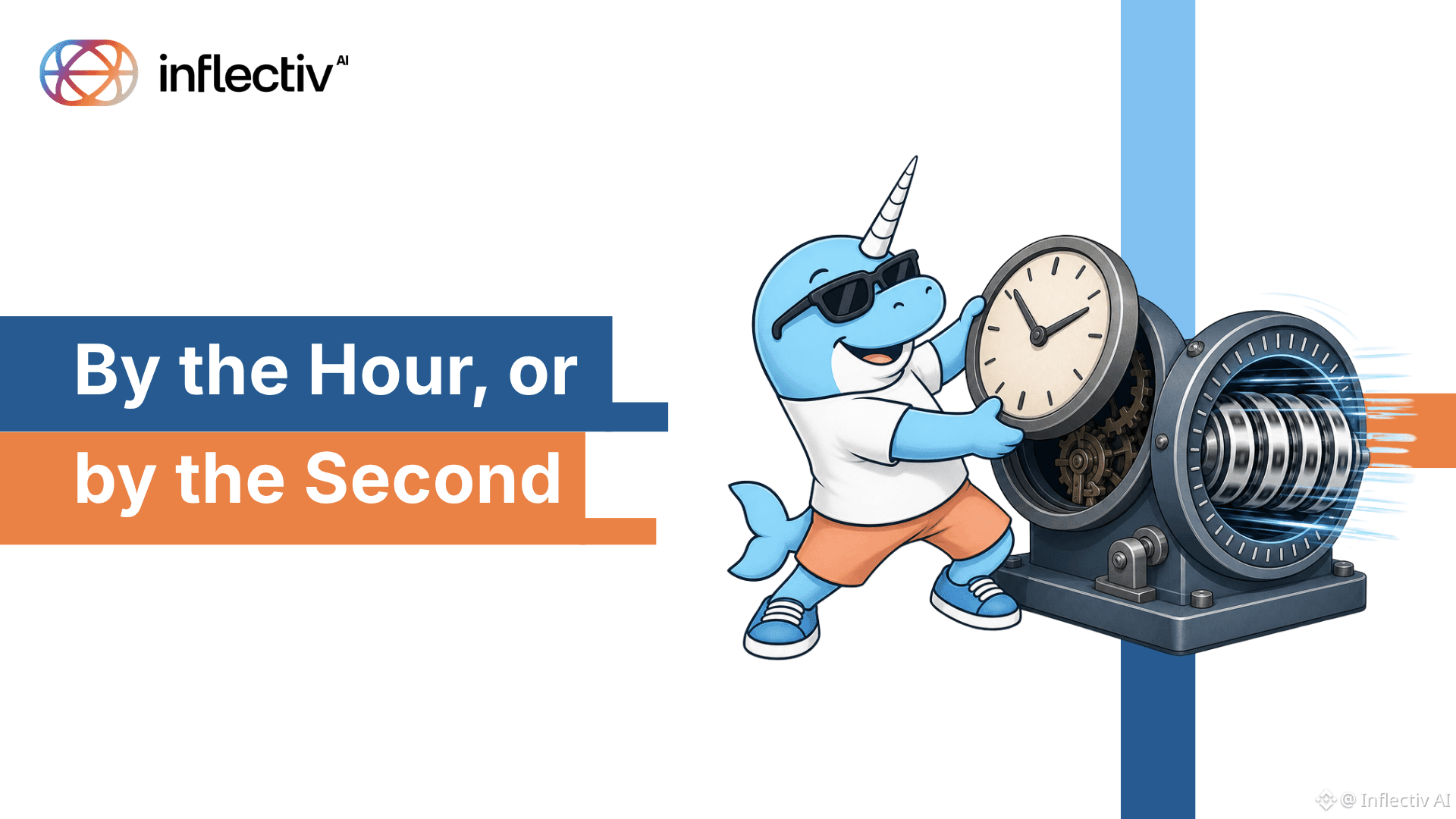
Domain expertise has always been rentable by the hour. It has never been queryable by the second.
Make yours queryable: https://app.inflectiv.ai
Domain expertise has always been rentable by the hour. It has never been queryable by the second.
Make yours queryable: https://app.inflectiv.ai
Make yours queryable: https://app.inflectiv.ai
71
·
--
Inflectiv không chạy một mình.
Nó kết nối dữ liệu, trí tuệ và các tình huống sử dụng trong thế giới thực thành một lớp mạnh mẽ.
Một lớp chỉ đáng giá khi nó được kết nối với những gì.
Khám phá Inflectiv: https://inflectiv.ai
Inflectiv không chạy một mình.
Nó kết nối dữ liệu, trí tuệ và các tình huống sử dụng trong thế giới thực thành một lớp mạnh mẽ.
Một lớp chỉ đáng giá khi nó được kết nối với những gì.
Khám phá Inflectiv: https://inflectiv.ai
Nó kết nối dữ liệu, trí tuệ và các tình huống sử dụng trong thế giới thực thành một lớp mạnh mẽ.
Một lớp chỉ đáng giá khi nó được kết nối với những gì.
Khám phá Inflectiv: https://inflectiv.ai

101
·
--
Xem bản dịch
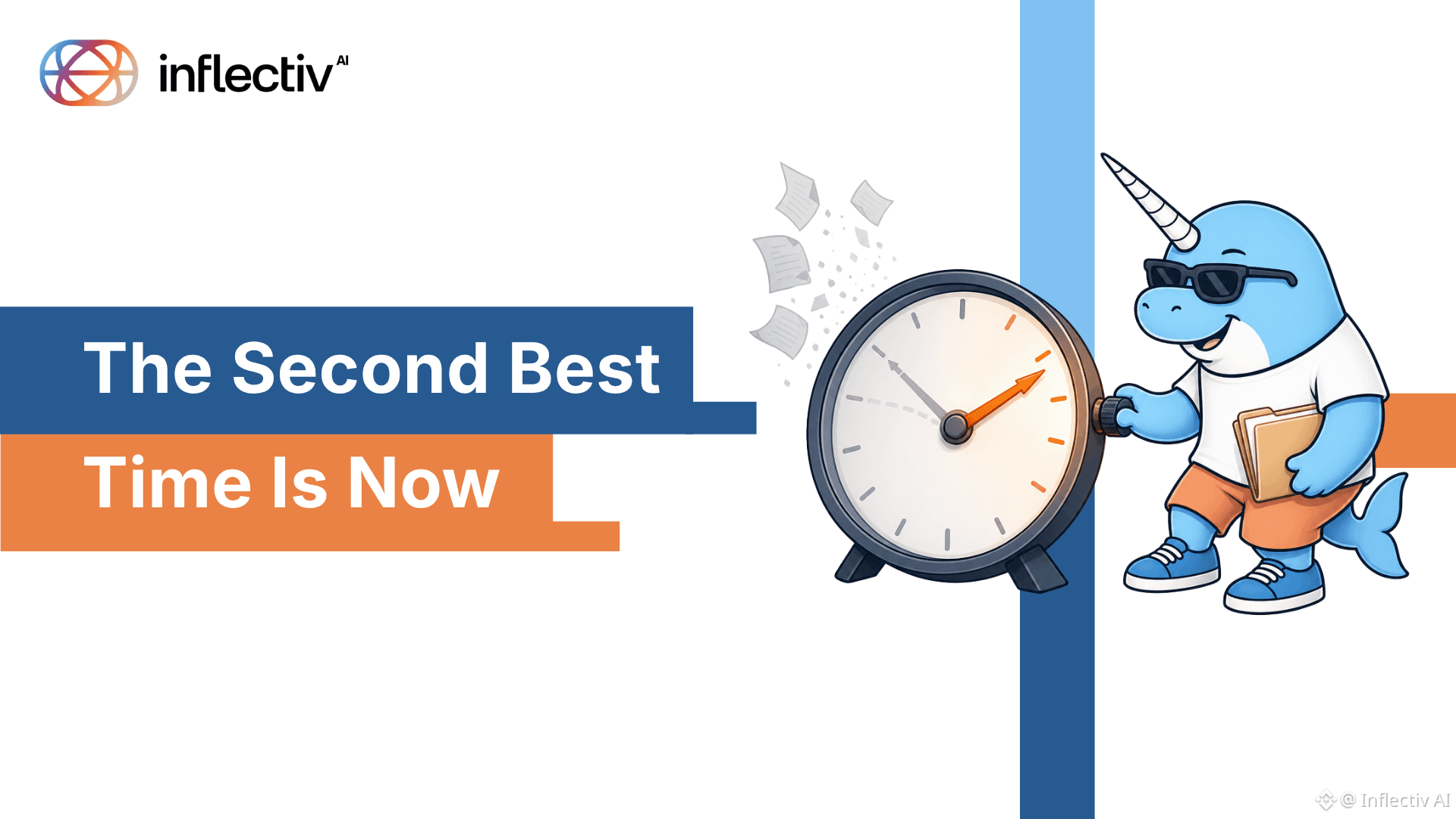
The best time to structure your knowledge was when you first created it.
The second best time is right now.
Upload one file today. See what happens.
Start: app.inflectiv.ai
The best time to structure your knowledge was when you first created it.
The second best time is right now.
Upload one file today. See what happens.
Start: app.inflectiv.ai
The second best time is right now.
Upload one file today. See what happens.
Start: app.inflectiv.ai
81
·
--
Bài viết
Xem bản dịch
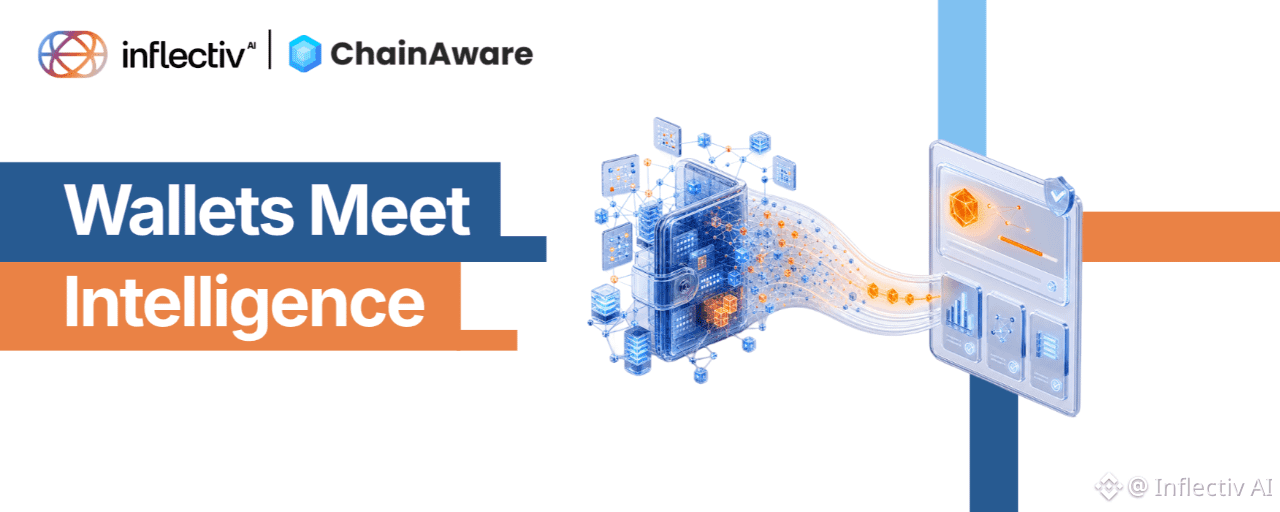
Your Agent Can Now Tell You If a Wallet Is SafeEvery agent that touches crypto eventually faces the same question: is this wallet safe to deal with? Until today, most agent platforms answered with a shrug.
Inflectiv agents now carry ChainAware's wallet intelligence, a live read on fraud probability, rug-pull risk, wallet behavior, segmentation, crypto credit scoring, and token community rankings.
Think of it as a credit bureau for crypto wallets, built directly into your agent's answers.
What your agent can do now
Ask a direct question, "Is this wallet safe to pay?", and your Inflectiv agent queries ChainAware live, mid-conversation, and answers in plain language with the result attached.
No separate ChainAware account. No dashboard. No code.
Builders get the same intelligence through a shared gateway: one key, one credit system, one place to manage access. Every agent on the platform can carry wallet intelligence without integrating ChainAware directly.
Why it matters
Speed was never the hard part for agents. An agent that executes, pays an invoice, approves a transaction, or recommends a counterparty needs judgment behind that speed, not just raw throughput.
Wallet intelligence turns "execute" into "execute with confidence."
The first wave of use cases: compliance screening, DeFi risk checks, and wallet onboarding, due diligence that used to mean a separate tool, a login, and a human reading the output. Now it happens in the same conversation.
How it works
Every ChainAware call runs through Inflectiv's credit system, so usage stays tied to real activity.
Identical lookups- the same wallet queried the same day- are served from a short cache, since wallet scores hold steady within a day, fast where it can be, fresh where it counts.
ChainAware reads the wallet. Inflectiv turns that read into an agent, a distribution channel, and a bill you already understand.
Coverage today
ChainAware runs on Ethereum and major EVM chains, with credit scoring live on Ethereum.
Dogecoin and Sui agents inside Inflectiv don't carry ChainAware features yet. That expansion is next.
What's next
This first release covers wallet fraud probability, rug-pull risk, behavior analysis, segmentation, crypto credit scoring, and token community rankings, rolling out to selected agents and workspaces first.
Build a wallet-aware agent today: https://inflectiv.ai/
Your Agent Can Now Tell You If a Wallet Is Safe
Every agent that touches crypto eventually faces the same question: is this wallet safe to deal with? Until today, most agent platforms answered with a shrug.
Inflectiv agents now carry ChainAware's wallet intelligence, a live read on fraud probability, rug-pull risk, wallet behavior, segmentation, crypto credit scoring, and token community rankings.
Think of it as a credit bureau for crypto wallets, built directly into your agent's answers.
What your agent can do now
Ask a direct question, "Is this wallet safe to pay?", and your Inflectiv agent queries ChainAware live, mid-conversation, and answers in plain language with the result attached.
No separate ChainAware account. No dashboard. No code.
Builders get the same intelligence through a shared gateway: one key, one credit system, one place to manage access. Every agent on the platform can carry wallet intelligence without integrating ChainAware directly.
Why it matters
Speed was never the hard part for agents. An agent that executes, pays an invoice, approves a transaction, or recommends a counterparty needs judgment behind that speed, not just raw throughput.
Wallet intelligence turns "execute" into "execute with confidence."
The first wave of use cases: compliance screening, DeFi risk checks, and wallet onboarding, due diligence that used to mean a separate tool, a login, and a human reading the output. Now it happens in the same conversation.
How it works
Every ChainAware call runs through Inflectiv's credit system, so usage stays tied to real activity.
Identical lookups- the same wallet queried the same day- are served from a short cache, since wallet scores hold steady within a day, fast where it can be, fresh where it counts.
ChainAware reads the wallet. Inflectiv turns that read into an agent, a distribution channel, and a bill you already understand.
Coverage today
ChainAware runs on Ethereum and major EVM chains, with credit scoring live on Ethereum.
Dogecoin and Sui agents inside Inflectiv don't carry ChainAware features yet. That expansion is next.
What's next
This first release covers wallet fraud probability, rug-pull risk, behavior analysis, segmentation, crypto credit scoring, and token community rankings, rolling out to selected agents and workspaces first.
Build a wallet-aware agent today: https://inflectiv.ai/
Inflectiv agents now carry ChainAware's wallet intelligence, a live read on fraud probability, rug-pull risk, wallet behavior, segmentation, crypto credit scoring, and token community rankings.
Think of it as a credit bureau for crypto wallets, built directly into your agent's answers.
What your agent can do now
Ask a direct question, "Is this wallet safe to pay?", and your Inflectiv agent queries ChainAware live, mid-conversation, and answers in plain language with the result attached.
No separate ChainAware account. No dashboard. No code.
Builders get the same intelligence through a shared gateway: one key, one credit system, one place to manage access. Every agent on the platform can carry wallet intelligence without integrating ChainAware directly.
Why it matters
Speed was never the hard part for agents. An agent that executes, pays an invoice, approves a transaction, or recommends a counterparty needs judgment behind that speed, not just raw throughput.
Wallet intelligence turns "execute" into "execute with confidence."
The first wave of use cases: compliance screening, DeFi risk checks, and wallet onboarding, due diligence that used to mean a separate tool, a login, and a human reading the output. Now it happens in the same conversation.
How it works
Every ChainAware call runs through Inflectiv's credit system, so usage stays tied to real activity.
Identical lookups- the same wallet queried the same day- are served from a short cache, since wallet scores hold steady within a day, fast where it can be, fresh where it counts.
ChainAware reads the wallet. Inflectiv turns that read into an agent, a distribution channel, and a bill you already understand.
Coverage today
ChainAware runs on Ethereum and major EVM chains, with credit scoring live on Ethereum.
Dogecoin and Sui agents inside Inflectiv don't carry ChainAware features yet. That expansion is next.
What's next
This first release covers wallet fraud probability, rug-pull risk, behavior analysis, segmentation, crypto credit scoring, and token community rankings, rolling out to selected agents and workspaces first.
Build a wallet-aware agent today: https://inflectiv.ai/
71
·
--
Xem bản dịch
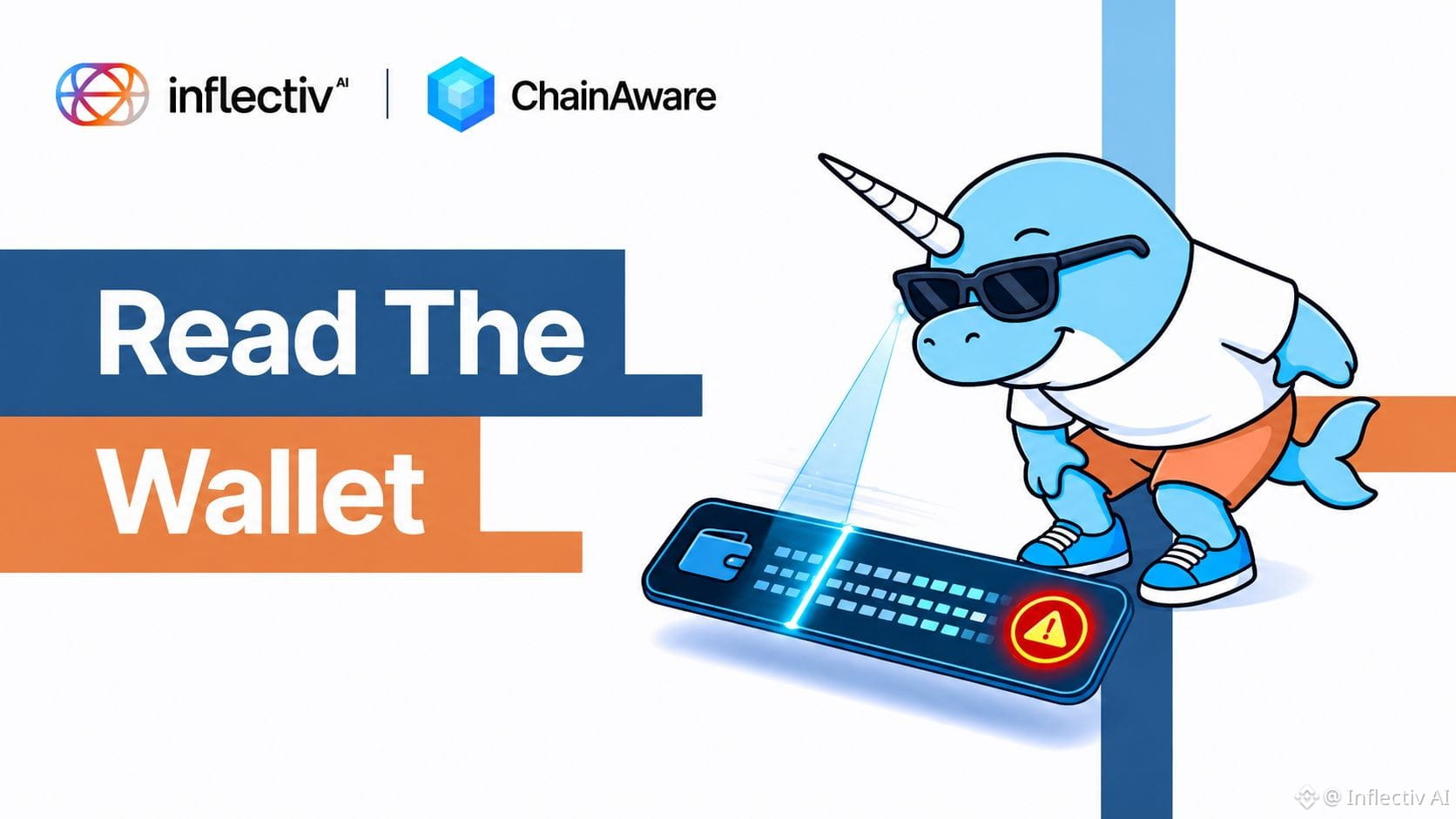
Your agent can execute a trade, sign a transaction, and move funds in seconds.
Speed was never the hard part. Trust was. Today that changes.
ChainAware is NOW live inside Inflectiv.
Read more here: https://x.com/inflectivAI/status/2091888510114349098
Your agent can execute a trade, sign a transaction, and move funds in seconds.
Speed was never the hard part. Trust was. Today that changes.
ChainAware is NOW live inside Inflectiv.
Read more here: https://x.com/inflectivAI/status/2091888510114349098
Speed was never the hard part. Trust was. Today that changes.
ChainAware is NOW live inside Inflectiv.
Read more here: https://x.com/inflectivAI/status/2091888510114349098
78
·
--
Xem bản dịch
Datasets process faster than ever on Inflectiv 2.5.
What's the first thing you'll build with that speed?
Datasets process faster than ever on Inflectiv 2.5.
What's the first thing you'll build with that speed?
What's the first thing you'll build with that speed?
AI agent
0%
Tokenize a dataset
0%
Sell on marketplace
0%
Build with MCP
0%
0 phiếu bầu • Cuộc bỏ phiếu đã kết thúc
94
·
--

Bài viết
Xem bản dịch
Inflectiv 2.5 Now Live: Every Second CountsInflectiv 2.5 is now live.
We rebuilt how Inflectiv reads your files and your websites.
Here's everything that's new.
Faster file processing
Large documents now process in pieces, all at the same time.
• If one piece fails, only that piece retries, not the whole file
• There's no more file size limit
• Upload up to 20 files at once
Crawling, rebuilt
Crawling got faster too, especially on bigger sites.
• A 20-page crawl now takes 4 seconds instead of 33
• The bigger the site, the bigger the improvement
• Text comes back cleaner: no navigation menus, footers, or extra clutter
Fairer queues, automatic refunds
Processing is fairer now.
• Each account runs up to 5 files and 1 crawl at a time
• Extra jobs line up and start on their own, nothing to retry by hand
• Failed jobs refund your credits automatically
• Credit costs are checked before you upload, so there are no surprises
Smoother chat
Chat replies now stream faster, with quicker first responses.
Also fixed
• Settings has a new layout: sidebar on the side, more room for content
• Text inside screenshots and images is now captured more accurately
Inflectiv 2.5 is live now on app.inflectiv.ai.
Try it on your next file or crawl.
Inflectiv 2.5 Now Live: Every Second Counts
Inflectiv 2.5 is now live.
We rebuilt how Inflectiv reads your files and your websites.
Here's everything that's new.
Faster file processing
Large documents now process in pieces, all at the same time.
• If one piece fails, only that piece retries, not the whole file
• There's no more file size limit
• Upload up to 20 files at once
Crawling, rebuilt
Crawling got faster too, especially on bigger sites.
• A 20-page crawl now takes 4 seconds instead of 33
• The bigger the site, the bigger the improvement
• Text comes back cleaner: no navigation menus, footers, or extra clutter
Fairer queues, automatic refunds
Processing is fairer now.
• Each account runs up to 5 files and 1 crawl at a time
• Extra jobs line up and start on their own, nothing to retry by hand
• Failed jobs refund your credits automatically
• Credit costs are checked before you upload, so there are no surprises
Smoother chat
Chat replies now stream faster, with quicker first responses.
Also fixed
• Settings has a new layout: sidebar on the side, more room for content
• Text inside screenshots and images is now captured more accurately
Inflectiv 2.5 is live now on app.inflectiv.ai.
Try it on your next file or crawl.
We rebuilt how Inflectiv reads your files and your websites.
Here's everything that's new.
Faster file processing
Large documents now process in pieces, all at the same time.
• If one piece fails, only that piece retries, not the whole file
• There's no more file size limit
• Upload up to 20 files at once
Crawling, rebuilt
Crawling got faster too, especially on bigger sites.
• A 20-page crawl now takes 4 seconds instead of 33
• The bigger the site, the bigger the improvement
• Text comes back cleaner: no navigation menus, footers, or extra clutter
Fairer queues, automatic refunds
Processing is fairer now.
• Each account runs up to 5 files and 1 crawl at a time
• Extra jobs line up and start on their own, nothing to retry by hand
• Failed jobs refund your credits automatically
• Credit costs are checked before you upload, so there are no surprises
Smoother chat
Chat replies now stream faster, with quicker first responses.
Also fixed
• Settings has a new layout: sidebar on the side, more room for content
• Text inside screenshots and images is now captured more accurately
Inflectiv 2.5 is live now on app.inflectiv.ai.
Try it on your next file or crawl.
77
·
--
Xem bản dịch
Inflectiv 2.5 is live. And it's fast.
33 seconds down to 4. Same 20-page crawl, over 8x faster.
Parallel file processing. Fairer queues. Refunds that land automatically.
Here's what changed 👇
Read full thread here: https://x.com/inflectivAI/status/2088212709204513145
Inflectiv 2.5 is live. And it's fast.
33 seconds down to 4. Same 20-page crawl, over 8x faster.
Parallel file processing. Fairer queues. Refunds that land automatically.
Here's what changed 👇
Read full thread here: https://x.com/inflectivAI/status/2088212709204513145
33 seconds down to 4. Same 20-page crawl, over 8x faster.
Parallel file processing. Fairer queues. Refunds that land automatically.
Here's what changed 👇
Read full thread here: https://x.com/inflectivAI/status/2088212709204513145

81
·
--
Xem bản dịch
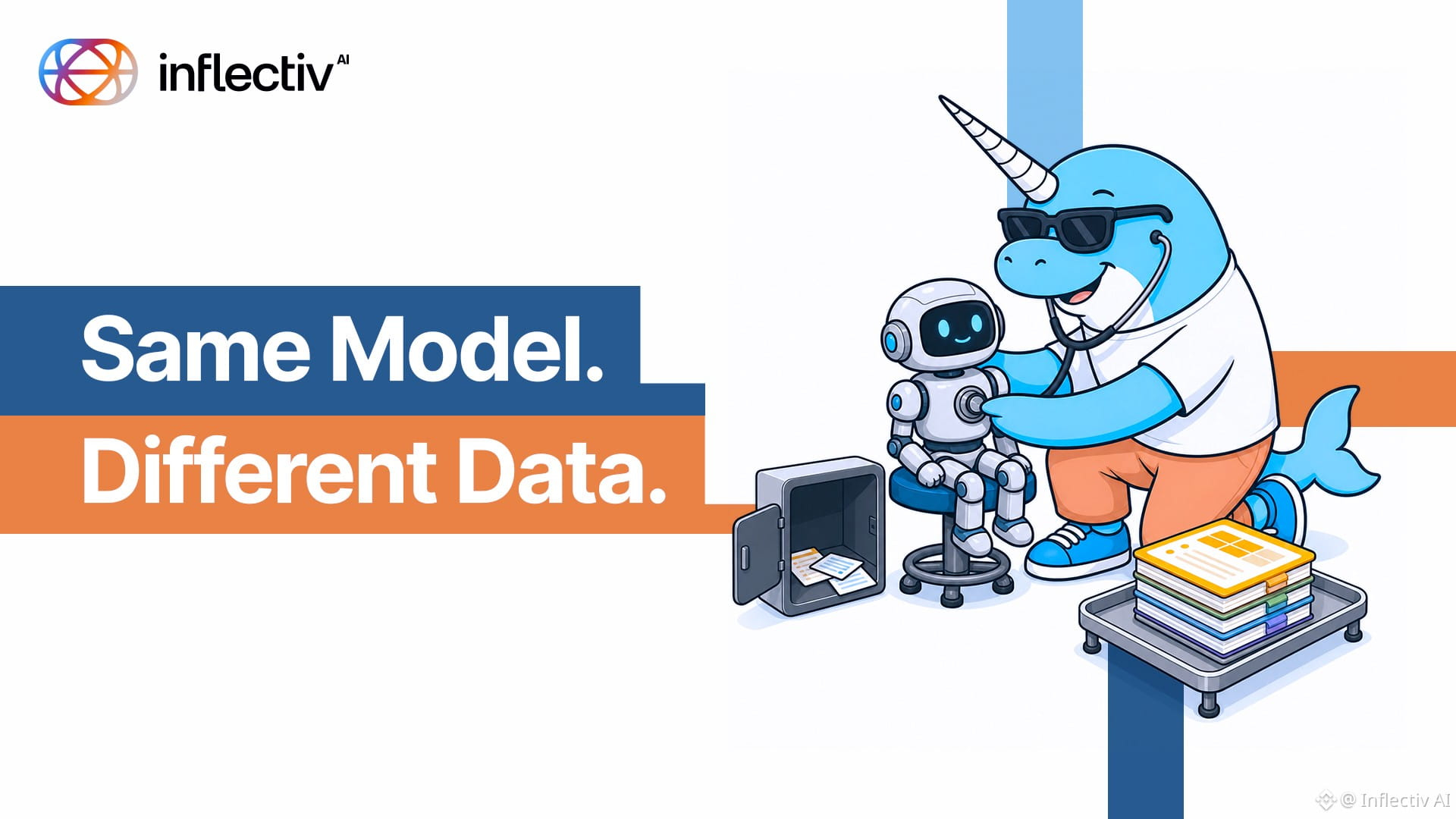
AI hallucination is a data problem. Not a model problem.
And it is solvable today.
Full thread 👉 https://x.com/inflectivAI/status/2087464576975548755
AI hallucination is a data problem. Not a model problem.
And it is solvable today.
Full thread 👉 https://x.com/inflectivAI/status/2087464576975548755
And it is solvable today.
Full thread 👉 https://x.com/inflectivAI/status/2087464576975548755
65
·
--
Inflectiv MCP đồng nghĩa với việc bạn không bao giờ rời khỏi trình chỉnh sửa của mình.
Tạo tác nhân. Tải lên tài liệu. Tìm kiếm kiến thức. Duyệt chợ ứng dụng. Thanh toán bằng USDC.
26 công cụ. Một lệnh.
Kết nối IDE của bạn: app.inflectiv.ai
Inflectiv MCP đồng nghĩa với việc bạn không bao giờ rời khỏi trình chỉnh sửa của mình.
Tạo tác nhân. Tải lên tài liệu. Tìm kiếm kiến thức. Duyệt chợ ứng dụng. Thanh toán bằng USDC.
26 công cụ. Một lệnh.
Kết nối IDE của bạn: app.inflectiv.ai
Tạo tác nhân. Tải lên tài liệu. Tìm kiếm kiến thức. Duyệt chợ ứng dụng. Thanh toán bằng USDC.
26 công cụ. Một lệnh.
Kết nối IDE của bạn: app.inflectiv.ai

72
·
--

Bài viết
Khi Các Tác Nhân Bắt Đầu Viết, Mọi Thứ Đều Thay Đổi.Ba điều đã xảy ra trong tuần này, và tất cả đều chỉ về cùng một sự thay đổi.
Trong hai năm, các tác nhân đã đóng vai trò là người đọc. Hãy lấy ngữ cảnh, trả lời câu hỏi, rồi quên đi trong lần chạy tiếp theo. Một câu trả lời tệ vẫn còn hiển thị trên màn hình. Tuần này, chúng tôi cùng ngồi lại để xem điều gì sẽ thay đổi khi họ ngừng đọc và bắt đầu hành động.
Thứ nhất, con số trung thực. Không ai nói cho bạn điều này khi bạn bắt đầu xây dựng các tác nhân AI: mô hình chỉ chiếm 10% công việc. Dữ liệu chiếm 90%. Hầu hết các đội dành thời gian cho phần 10% và tự hỏi vì sao tác nhân của họ cứ lệch mục tiêu. Bài đăng hôm thứ Hai đó ngắn gọn, thẳng vào vấn đề, và là phần mở đầu cho tất cả những gì diễn ra sau đó.
Khi Các Tác Nhân Bắt Đầu Viết, Mọi Thứ Đều Thay Đổi.
Ba điều đã xảy ra trong tuần này, và tất cả đều chỉ về cùng một sự thay đổi.
Trong hai năm, các tác nhân đã đóng vai trò là người đọc. Hãy lấy ngữ cảnh, trả lời câu hỏi, rồi quên đi trong lần chạy tiếp theo. Một câu trả lời tệ vẫn còn hiển thị trên màn hình. Tuần này, chúng tôi cùng ngồi lại để xem điều gì sẽ thay đổi khi họ ngừng đọc và bắt đầu hành động.
Thứ nhất, con số trung thực. Không ai nói cho bạn điều này khi bạn bắt đầu xây dựng các tác nhân AI: mô hình chỉ chiếm 10% công việc. Dữ liệu chiếm 90%. Hầu hết các đội dành thời gian cho phần 10% và tự hỏi vì sao tác nhân của họ cứ lệch mục tiêu. Bài đăng hôm thứ Hai đó ngắn gọn, thẳng vào vấn đề, và là phần mở đầu cho tất cả những gì diễn ra sau đó.
Trong hai năm, các tác nhân đã đóng vai trò là người đọc. Hãy lấy ngữ cảnh, trả lời câu hỏi, rồi quên đi trong lần chạy tiếp theo. Một câu trả lời tệ vẫn còn hiển thị trên màn hình. Tuần này, chúng tôi cùng ngồi lại để xem điều gì sẽ thay đổi khi họ ngừng đọc và bắt đầu hành động.
Thứ nhất, con số trung thực. Không ai nói cho bạn điều này khi bạn bắt đầu xây dựng các tác nhân AI: mô hình chỉ chiếm 10% công việc. Dữ liệu chiếm 90%. Hầu hết các đội dành thời gian cho phần 10% và tự hỏi vì sao tác nhân của họ cứ lệch mục tiêu. Bài đăng hôm thứ Hai đó ngắn gọn, thẳng vào vấn đề, và là phần mở đầu cho tất cả những gì diễn ra sau đó.
68
·
--
Bài viết
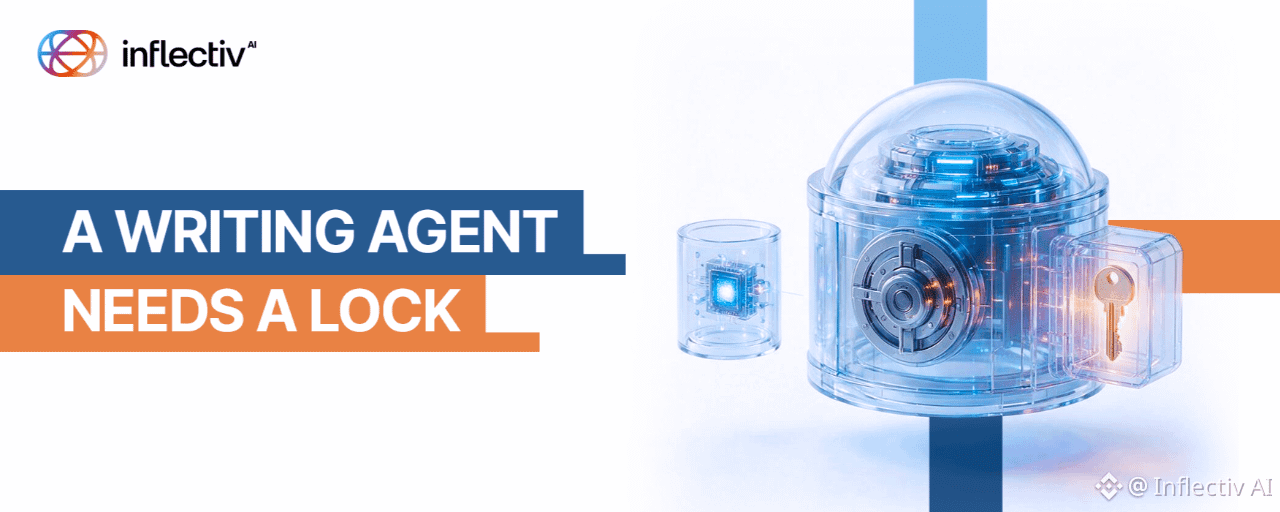
Tác nhân chỉ đọc là an toàn. Tác nhân có thể ghi thì không.Một tác nhân chỉ biết đọc có thể khiến bạn ngượng. Một tác nhân có thể ghi có thể khiến bạn phải trả giá.
Chỉ một dòng đó thôi là lý do duy nhất khiến Agent Vault tồn tại.
Trong hầu hết hai năm qua, các tác nhân chỉ đóng vai người đọc. Họ trích xuất ngữ cảnh, trả lời một câu hỏi, rồi quên hết mọi thứ cho lần chạy tiếp theo. Một câu trả lời sai thì là sai. Bạn đã sửa nó và tiếp tục. Phạm vi ảnh hưởng kết thúc ngay trên màn hình.
Rồi các tác nhân bắt đầu hoạt động. Gửi email. Chuyển tiền. Cập nhật hồ sơ. Ghi lại vào hệ thống để những người khác có thể phụ thuộc vào đó.
Tác nhân chỉ đọc là an toàn. Tác nhân có thể ghi thì không.
Một tác nhân chỉ biết đọc có thể khiến bạn ngượng. Một tác nhân có thể ghi có thể khiến bạn phải trả giá.
Chỉ một dòng đó thôi là lý do duy nhất khiến Agent Vault tồn tại.
Trong hầu hết hai năm qua, các tác nhân chỉ đóng vai người đọc. Họ trích xuất ngữ cảnh, trả lời một câu hỏi, rồi quên hết mọi thứ cho lần chạy tiếp theo. Một câu trả lời sai thì là sai. Bạn đã sửa nó và tiếp tục. Phạm vi ảnh hưởng kết thúc ngay trên màn hình.
Rồi các tác nhân bắt đầu hoạt động. Gửi email. Chuyển tiền. Cập nhật hồ sơ. Ghi lại vào hệ thống để những người khác có thể phụ thuộc vào đó.
Chỉ một dòng đó thôi là lý do duy nhất khiến Agent Vault tồn tại.
Trong hầu hết hai năm qua, các tác nhân chỉ đóng vai người đọc. Họ trích xuất ngữ cảnh, trả lời một câu hỏi, rồi quên hết mọi thứ cho lần chạy tiếp theo. Một câu trả lời sai thì là sai. Bạn đã sửa nó và tiếp tục. Phạm vi ảnh hưởng kết thúc ngay trên màn hình.
Rồi các tác nhân bắt đầu hoạt động. Gửi email. Chuyển tiền. Cập nhật hồ sơ. Ghi lại vào hệ thống để những người khác có thể phụ thuộc vào đó.
69
·
--
Những điều không ai nói với bạn về việc xây dựng AI agent:
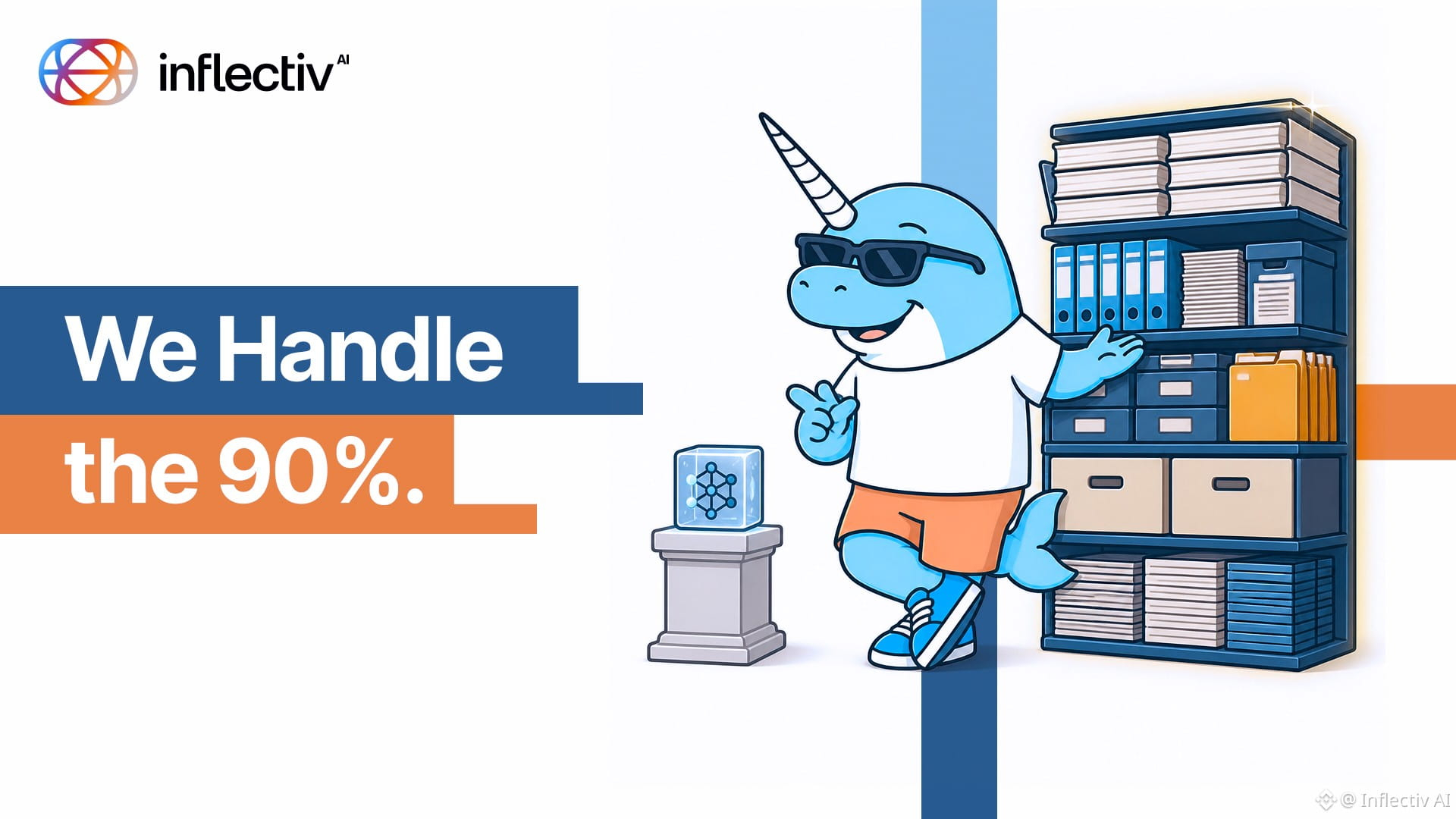
Mô hình chỉ chiếm 10% công việc.
Dữ liệu chiếm 90% công việc.
Inflectiv xử lý 90% phần khó.
Hãy tập trung vào điều quan trọng: https://app.inflectiv.ai
Những điều không ai nói với bạn về việc xây dựng AI agent:
Mô hình chỉ chiếm 10% công việc.
Dữ liệu chiếm 90% công việc.
Inflectiv xử lý 90% phần khó.
Hãy tập trung vào điều quan trọng: https://app.inflectiv.ai
Mô hình chỉ chiếm 10% công việc.
Dữ liệu chiếm 90% công việc.
Inflectiv xử lý 90% phần khó.
Hãy tập trung vào điều quan trọng: https://app.inflectiv.ai
71
·
--
Điều đầu tiên bạn sẽ xây dựng trên Inflectiv là gì?
Điều đầu tiên bạn sẽ xây dựng trên Inflectiv là gì?
Support agent
0%
Research tool
0%
Knowledge base
0%
Dataset to sell
0%
0 phiếu bầu • Cuộc bỏ phiếu đã kết thúc
78
Đăng nhập để khám phá thêm nội dung
Tham gia cùng người dùng tiền mã hóa toàn cầu trên Binance Square
⚡️ Nhận thông tin mới nhất và hữu ích về tiền mã hóa.
💬 Được tin cậy bởi sàn giao dịch tiền mã hóa lớn nhất thế giới.
👍 Khám phá những thông tin chuyên sâu thực tế từ những nhà sáng tạo đã xác minh.
Email / Số điện thoại