
bobobledi
32 Bài đăng

bobobledi
Giao dịch mở
Trader tần suất thấp
{thời gian} năm
96 Đang theo dõi
143 Người theo dõi
63 Đã thích
Bài đăng
Danh mục đầu tư
Tất cả
Trích dẫn
Live
nếu bạn không cần thì hãy đưa cho tôi 😁 tôi chỉ có 2.66$ từ những hộp đỏ ✌️🥳🥳🥳
Nội dung được trích dẫn đã bị xóa
khóa truy cập


Madu_6
·
--
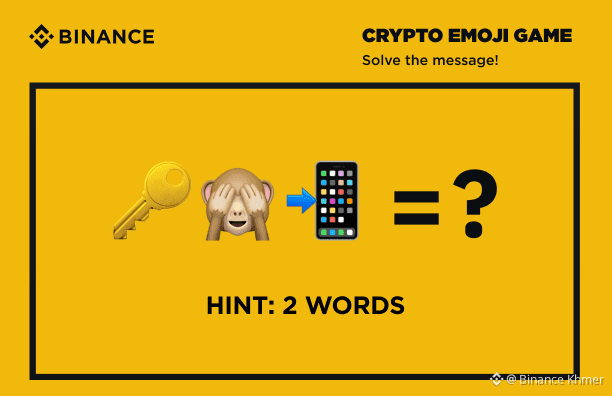
💥Đoán từ Emoji và giành phần thưởng từ tổng giải thưởng 100 USDC! 🎉💰
🔍 Câu hỏi Ngày 1
Vui lòng nhìn vào hình ảnh Banner phía trên. Những Emoji này đại diện cho điều gì trong thế giới Crypto?
💡 Gợi ý: "Tôi là thứ mà bạn không nên chia sẻ hoàn toàn với người khác".
📝 Để gửi câu trả lời của bạn, hãy xem chính thức @Binance Khmer
🗓 Ngày: 17-23 Tháng 12 năm 2025
⏰ Thời gian: 1:00 PM – 8:00 PM (UTC+7)
🔍 Câu hỏi Ngày 1
Vui lòng nhìn vào hình ảnh Banner phía trên. Những Emoji này đại diện cho điều gì trong thế giới Crypto?
💡 Gợi ý: "Tôi là thứ mà bạn không nên chia sẻ hoàn toàn với người khác".
📝 Để gửi câu trả lời của bạn, hãy xem chính thức @Binance Khmer
🗓 Ngày: 17-23 Tháng 12 năm 2025
⏰ Thời gian: 1:00 PM – 8:00 PM (UTC+7)
đừng lo lắng, trong vài ngày nữa nó sẽ đạt 150-180 $

BlockchainBillar
·
--
Ngày tồi tệ mất mát lớn😖😖😭
$GIGGLE
$GIGGLE
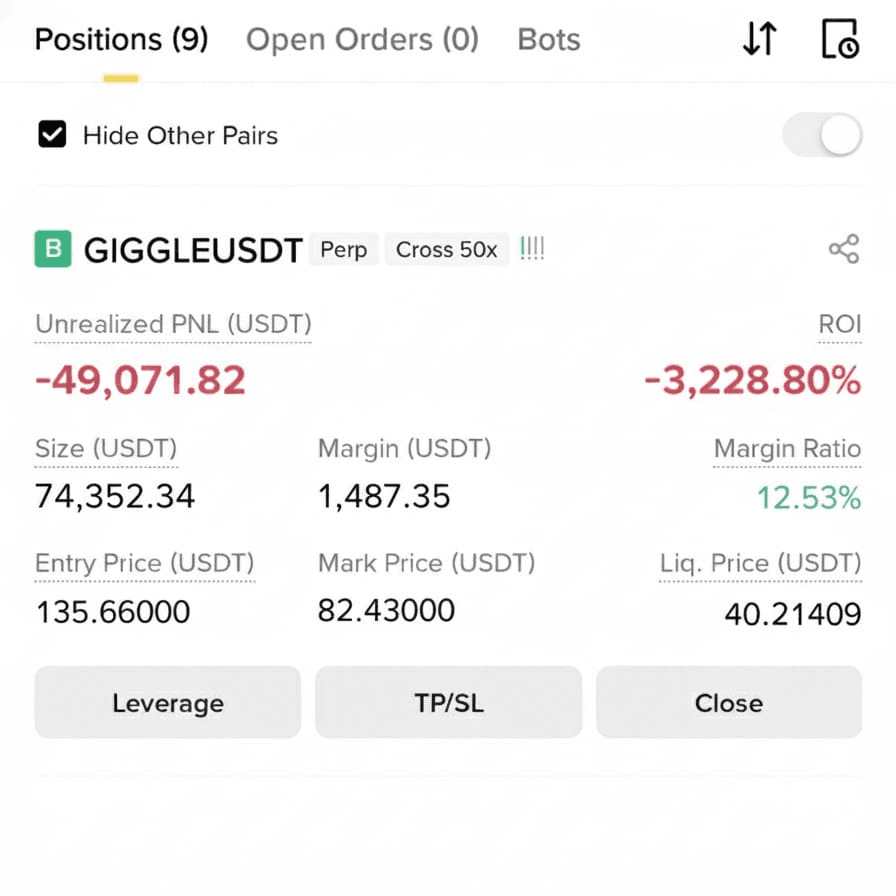
chào bạn của tôi, hãy suy nghĩ một chút cho những người nghèo 🥳🥁🥁💝♥️💟😁

Wander Maruf786
·
--
tốt
“Những khoảnh khắc để suy nghĩ về nơi chúng ta nên đầu tư… đừng quên các loại tiền điện tử cũ hơn như BCH, LTC, NANO, DASH, vì vào lúc này tôi tin rằng chúng đang bị định giá thấp nhưng có tiềm năng tăng giá trong tương lai, giống như những gì đã xảy ra với sự tăng giá mạnh mẽ của ZEC, mà cách đây vài tháng có giá khoảng $20–30.”
#BCH #LTC #DASH #NANO $BTC
#BCH #LTC #DASH #NANO $BTC
xin chào tất cả mọi người... theo các yếu tố và khoảnh khắc, tôi tin rằng tình hình sẽ tiếp tục giảm cho các loại tiền điện tử nói chung. Tôi nghĩ rằng bitcoin cũng sẽ tiếp tục giảm trong tuần này với ít nhất 5-7%. Dự đoán rằng ít nhất trong tuần này sẽ dao động trong khoảng giá từ 90k đến mức thấp nhất là 83k... Chúc bạn thành công và cẩn thận trong giao dịch.
BPRJM9OMMU

BnbTraderX
·
--
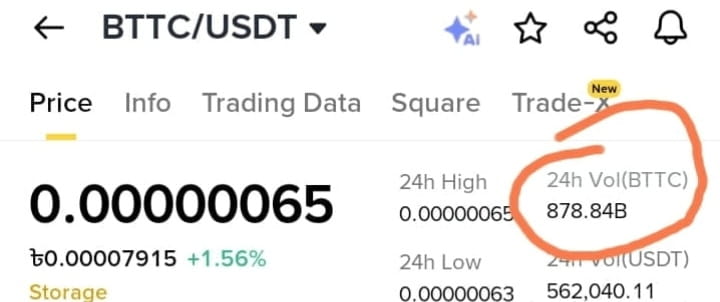
Tăng giá$BTTC 😱😱😱😱😱😱😱😱😱😱😱😱😱😱
Mọi người nói: $BTTC đã CHẾT ‼️‼️‼️
878.84B khối lượng là tín hiệu 🔥 rằng $BTTC gần như đã chết 😅
Chúc mừng #haters 🎉
Mọi người nói: $BTTC đã CHẾT ‼️‼️‼️
878.84B khối lượng là tín hiệu 🔥 rằng $BTTC gần như đã chết 😅
Chúc mừng #haters 🎉
BPRJM9OMMU gói đỏ
"Nếu ai đó muốn gửi cho tôi một mẹo, tôi sẽ rất biết ơn." 773979289

Suleman_
·
--
$BTC $ETH $BNB
🚨 CẬP NHẬT: $PWC – Đồng Xu Web3 Chó Con ĐANG SỐNG! 🐶🔥
Dự án dễ thương nhất trên blockchain vừa ra mắt —
và những người tin tưởng sớm đã bắt đầu hú lên! 🐾
💰 100% Được Điều Hành Bởi Cộng Đồng
⚡ Nhanh • An Toàn • Minh Bạch
🎨 NFTs + Phần Thưởng Fetch-to-Earn Sẽ Đến Sớm
🌕 Hợp Đồng: ...6eb2
Đây không phải là một meme… đây là phong trào Web3 tiếp theo. 🚀
Tham gia bầy trước khi quá muộn! 💎
#PowellRemarks #crypto #puppies #Binance #StarLineTeam
🚨 CẬP NHẬT: $PWC – Đồng Xu Web3 Chó Con ĐANG SỐNG! 🐶🔥
Dự án dễ thương nhất trên blockchain vừa ra mắt —
và những người tin tưởng sớm đã bắt đầu hú lên! 🐾
💰 100% Được Điều Hành Bởi Cộng Đồng
⚡ Nhanh • An Toàn • Minh Bạch
🎨 NFTs + Phần Thưởng Fetch-to-Earn Sẽ Đến Sớm
🌕 Hợp Đồng: ...6eb2
Đây không phải là một meme… đây là phong trào Web3 tiếp theo. 🚀
Tham gia bầy trước khi quá muộn! 💎
#PowellRemarks #crypto #puppies #Binance #StarLineTeam

nếu đây là thật thì 1000$ cho tôi 🤪😁✌️

ANAYA KHAN 001
·
--
Tăng giá$SOMI
Lợi nhuận lớn, tôi nghĩ đây là một khoản lợi nhuận tốt từ tôi 😀😀😀😀😀😀😀😀😀😀😀😀😀😀😀😀😀😀😀😀😀😀
Lợi nhuận lớn, tôi nghĩ đây là một khoản lợi nhuận tốt từ tôi 😀😀😀😀😀😀😀😀😀😀😀😀😀😀😀😀😀😀😀😀😀😀
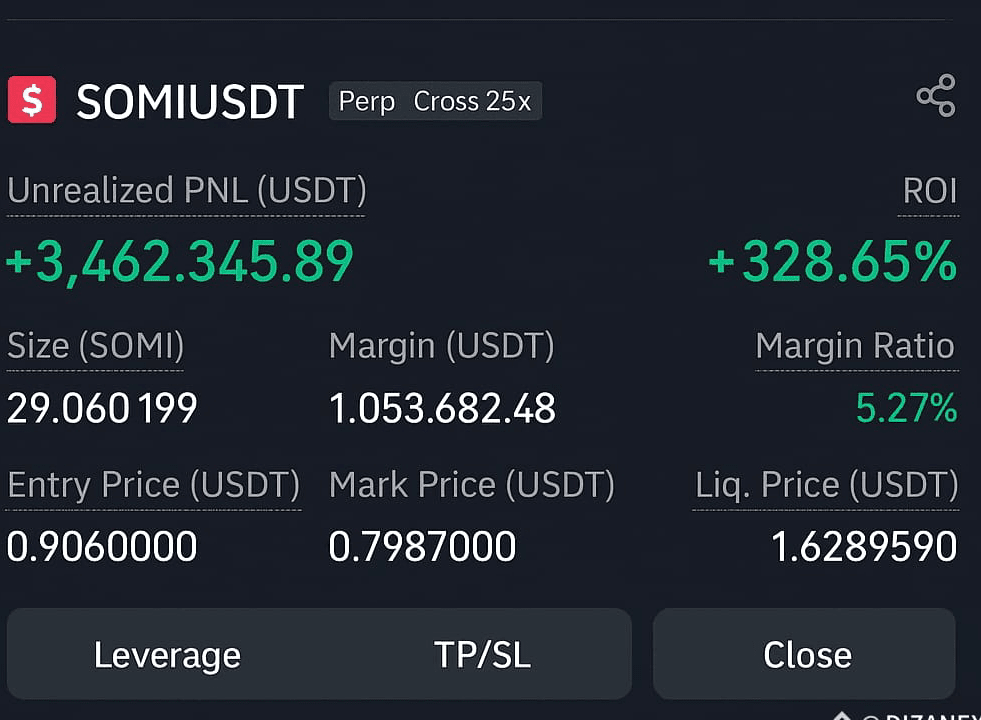
mọi thứ đang đi xuống..hãy cẩn thận
Bitcoin phải đối mặt với những rủi ro đáng kể về mật mã và hoạt động từ các máy tính lượng tử quy mô lớn. Mặc dù các cuộc tấn công lượng tử quy mô đầy đủ vẫn còn mang tính suy đoán về thời gian, nhưng khả năng của chúng trong việc phá vỡ chữ ký ECDSA/Schnorr và tăng tốc các tác vụ băm buộc hệ sinh thái Bitcoin phải lên kế hoạch di chuyển sang các nguyên thủy kháng lượng tử và áp dụng các thực hành ví/hoạt động nhằm giảm thiểu rủi ro.
Công thức mở rộng (đoạn văn đã được làm bóng)
Mô hình bảo mật của Bitcoin phụ thuộc rất nhiều vào mật mã khóa công khai cổ điển (ECDSA / Schnorr) và độ khó tính toán của SHA-256 cho bằng chứng công việc. Một máy tính lượng tử đủ mạnh chạy thuật toán Shor có thể suy ra khóa riêng của người dùng từ bất kỳ khóa công khai nào đã được công bố, cho phép đánh cắp tiền từ những địa chỉ đã công bố chữ ký trước đó. Các tăng tốc lượng tử kiểu Grover cũng giảm chi phí hiệu quả của việc bạo lực băm trước hình ảnh, điều này có thể ảnh hưởng đến động lực khai thác và một số bằng chứng mật mã — mặc dù Grover chỉ cung cấp lợi thế bậc hai, không phải bậc số mũ. Rủi ro thực tế ngay lập tức nhất là các địa chỉ đã chi tiêu: bất kỳ địa chỉ nào có khóa công khai đã xuất hiện trên chuỗi trở nên dễ bị tổn thương nếu một kẻ thù lượng tử có thể hành động trước khi tiền được chuyển đi. Các biện pháp giảm thiểu bao gồm di chuyển sang các sơ đồ chữ ký sau lượng tử (dựa trên lưới hoặc băm), giảm thiểu việc tái sử dụng địa chỉ, trì hoãn việc công bố khóa công khai khi có thể, sử dụng các thiết lập chữ ký đa (mix các khóa cổ điển và sau lượng tử), và phối hợp nâng cấp giao thức (hard fork hoặc soft fork) để giới thiệu các nguyên thủy kháng lượng tử. Kế hoạch và công cụ là cần thiết ngay bây giờ vì việc triển khai rộng rãi và di chuyển người dùng sẽ mất nhiều năm, ngay cả khi thời gian xuất hiện của các máy tính lượng tử lớn vẫn còn không chắc chắn.
BP4NVUR9XS chào bạn, hãy giúp tôi mở hộp đỏ của tôi, cảm ơn bạn rất nhiều và chúc bạn thành công trong giao dịch
$PEPE
Nội dung được trích dẫn đã bị xóa
Xin chào tất cả các chủ sở hữu tiền điện tử và đừng lo lắng, thị trường sẽ có lúc tăng và có lúc giảm, chỉ cần chú ý đừng để bị hoảng loạn
Đăng nhập để khám phá thêm nội dung