
h jeet
31 Bài đăng
h jeet
Báo cáo
Chặn người dùng
Writer

#BinanceTurns7
Giao dịch mở
Trader thường xuyên
{thời gian} năm
11 Đang theo dõi
200 Người theo dõi
313 Đã thích
1 Huy hiệu
Bài đăng
Danh mục đầu tư
PINNED
·
--
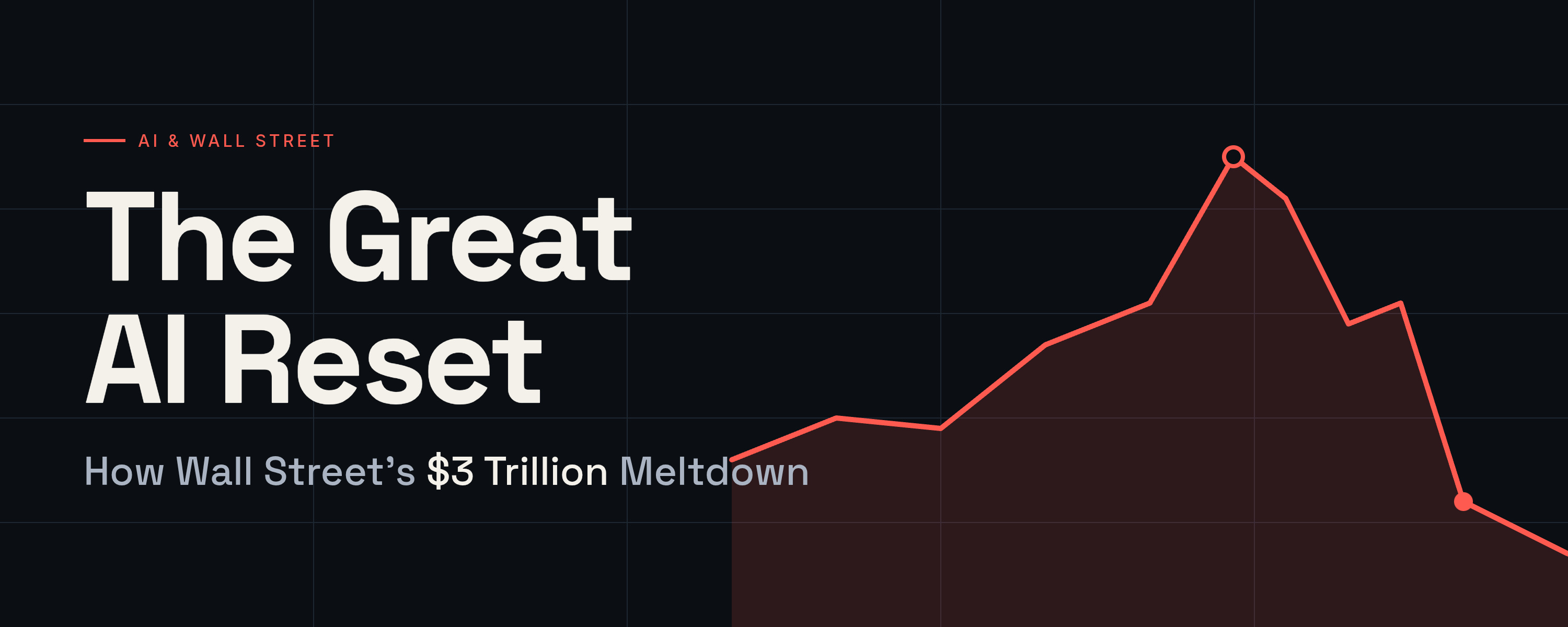
Cuộc tái thiết lập AI vĩ đại: Cú sụp đổ 3 nghìn tỷ USD của Phố Wall
Ngày 5 tháng 11 năm 2026, thị trường tài chính toàn cầu chứng kiến một cú chuyển dịch chấn động khi hơn 3 nghìn tỷ USD vốn hóa thị trường bốc hơi trong “Ngày Thứ Năm Đen” mới của Phố Wall. Bong bóng AI vỡ tung, khiến các gã khổng lồ công nghệ chịu đòn nặng nề, trong khi các thị trường mới nổi như Ấn Độ lại ghi nhận dòng vốn đổ vào ở mức kỷ lục, tạo nên sự phân hóa đáng chú ý trên thị trường.
Đợt bán tháo giáng đòn mạnh vào các chỉ số lớn của Mỹ:
👉 Nasdaq Composite: Giảm 5,5% (mức giảm trong một ngày tồi tệ nhất kể từ giữa năm 2025)
👉 S&P 500: Lao dốc 4,4%
👉 Dow Jones: Giảm hơn 1.800 điểm (-3,4%)
Các nhà sản xuất chip AI và nhà cung cấp hạ tầng đám mây chịu ảnh hưởng nặng nề nhất của đợt lao dốc:
👉 Nvidia (-9,3%): Mất khoảng 450 tỷ USD giá trị vốn hóa trong 24 giờ
👉 Micron (-17,5%): Các nhà cung cấp bộ nhớ bị bán tháo nghiêm trọng
👉 AMD (-17,3%): Mức giảm sâu nhất trong ngành sản xuất chip
👉CoreWeave (-9,8%): Chịu đòn nặng nề trong lĩnh vực
Hạ tầng đám mây chuyên dụng cho AI
Kết quả bầu cử và các quy định về nguồn điện cho trung tâm dữ liệu đã châm ngòi cho cú sụp đổ, nhưng những khiếm khuyết mang tính cấu trúc khiến điều đó khó tránh khỏi. Các phép tính đơn giản là không khớp:
👉Mở rộng hạ tầng AGI toàn cầu lên 100 gigawatt đòi hỏi khoảng 8 nghìn tỷ USD.
👉Để trả khoản nợ đó cần khoảng 800 tỷ USD lợi nhuận ròng mỗi năm, trong khi tổng doanh thu của ngành AI chỉ vào khoảng 100 tỷ USD và gần như không có lợi nhuận ròng.
Hơn nữa, “dòng vốn tuần hoàn” tạo ra ảo tưởng tăng trưởng—các nhà đầu tư rót hàng tỷ USD vào những công ty khởi nghiệp, rồi các công ty này lập tức dùng số tiền đó để mua dịch vụ đám mây của chính nhà đầu tư. Có tới 47% lượng đơn hàng tồn đọng dịch vụ đám mây của Oracle và 41% của Microsoft phụ thuộc vào những vòng luẩn quẩn này.
Cũng giống như cú sụp đổ Dot-Com năm 2000, đợt tái thiết lập này sẽ không khai tử AI, nhưng kỷ nguyên đầu tư mạo hiểm mang tính đầu cơ và dòng vốn tuần hoàn đã kết thúc. Giờ đây, vốn đang quay trở lại với hiệu quả kinh tế thực tế trên mỗi đơn vị và dòng tiền thực.
330
·
--
Tăng giá
Xem bản dịch
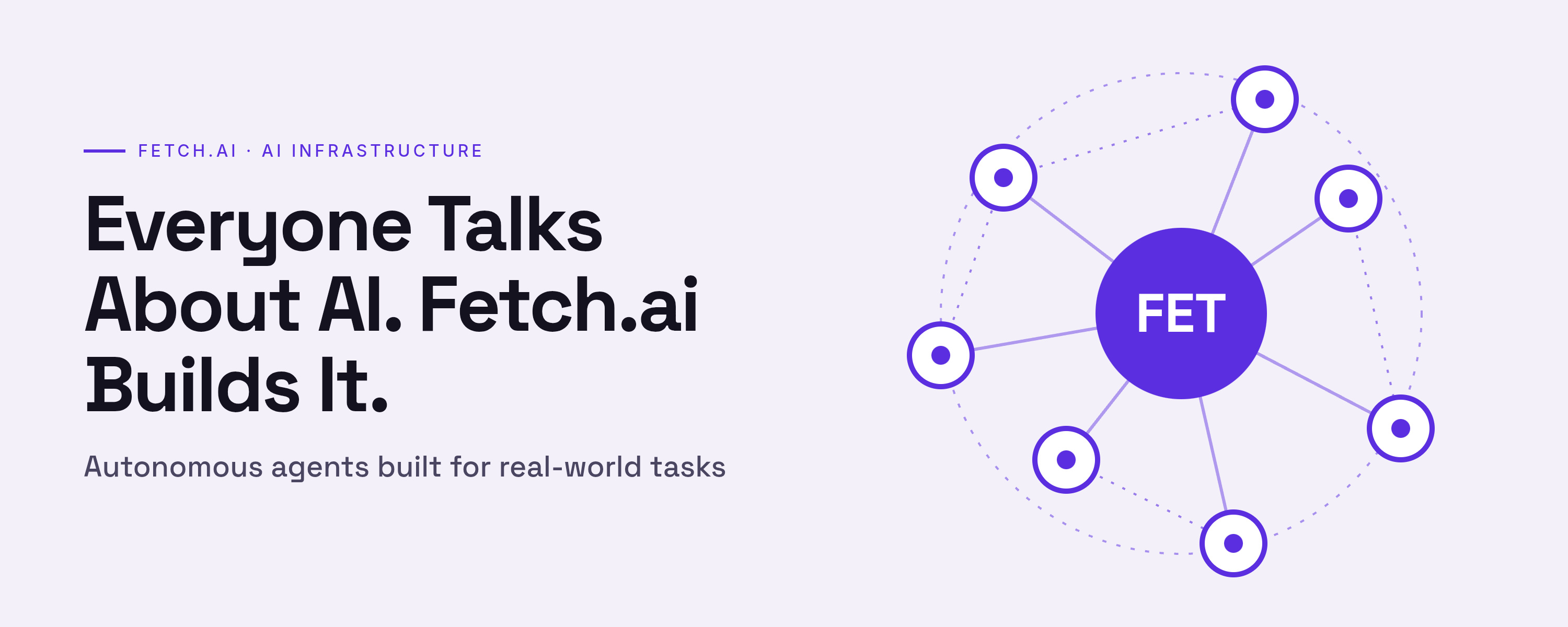
Everyone Talks About AI. Fetch.ai Builds It
Fetch.ai isn’t another buzzword token. It’s building the AI coordination layer that lets machines think, negotiate, and act autonomously. Most investors will notice it after the big move.
Already on Binance, still massively underestimated
Binance listing removes the biggest barrier — access. What’s missing isn’t availability, it’s attention.
This isn’t hype AI — it’s usable AI
Fetch.ai’s autonomous agents are designed to book services, optimize logistics, manage data, and automate decisions. While meme coins trend on social media, FET is quietly targeting real economic activity.
AI is exploding across industries, but decentralized AI infrastructure is still early. FET sits directly in that gap. When narratives shift from “AI talk” to “AI execution,” price discovery can be brutal for late buyers.
Most people ignore projects like Fetch.ai because they don’t pump every week. That’s usually how asymmetric opportunities look at the beginning.
High risk, yes . Fetch.ai is volatile, uncomfortable, and misunderstood — exactly the conditions that create outsized returns if the thesis plays out.
Bottom line:
People will buy Fetch.ai later — when it’s obvious, more expensive, and crowded. The only real question is whether you prefer early conviction or late confirmation.
7
2k
·
--
Xem bản dịch
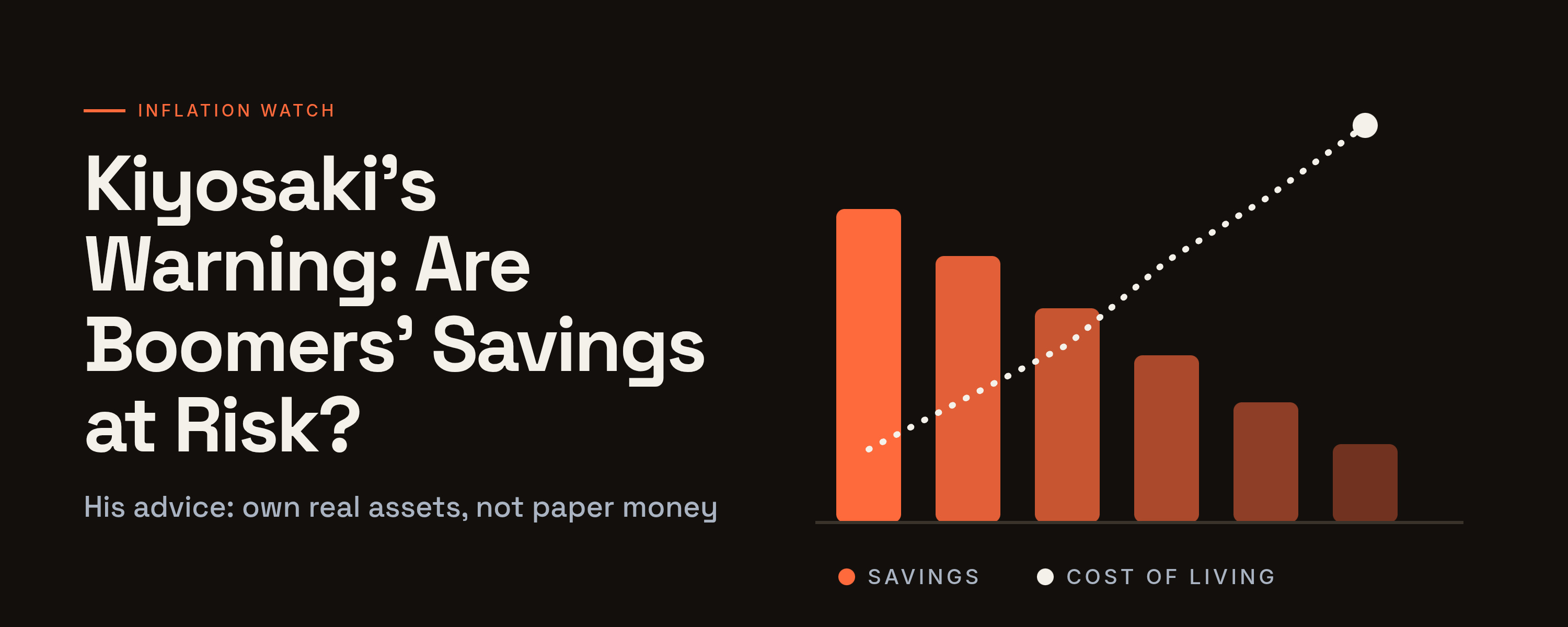
Kiyosaki’s Warning: Are Boomers’ Savings at Risk?”
Robert Kiyosaki, author of Rich Dad, Poor Dad, has issued a chilling warning: millions of American baby boomers could soon lose their savings, homes, and financial security.
“The boomers don’t have enough money to survive inflation,” Kiyosaki said. “We’re going to see homelessness like never before. Inflation will wipe out Social Security — your parents could end up on the streets.”
The Fed’s Mistake
Kiyosaki blames the Federal Reserve’s endless money printing for creating “fake wealth.” According to him, the Fed’s policies have inflated the rich while crushing the middle class.
“When you print fake money, you make life harder for ordinary people,” he explained. “The rich own assets that rise in price. Everyone else just watches costs skyrocket — food, rent, healthcare, everything.”
The Boomer Crisis
Once the most fortunate generation, baby boomers are now retiring into an economy stacked against them. Rising medical bills, shrinking savings, and Social Security checks that can’t match inflation are eroding decades of financial progress.
Experts agree that cost-of-living adjustments fail to reflect real inflation in housing, energy, and healthcare.
Kiyosaki’s Advice
“The system is breaking,” he warned. “If your wealth depends on paper money, you’re in danger. Own real assets — gold, silver, Bitcoin, real estate, or businesses that create cash flow.”
The Bottom Line
Whether you agree with him or not, Kiyosaki’s warning is clear: inflation is eating away at the middle class, and time is running out to prepare. Real assets, not paper promises, may be the only path to survival.
18
8
143
133.3k
·
--
Bài viết
Xem bản dịch
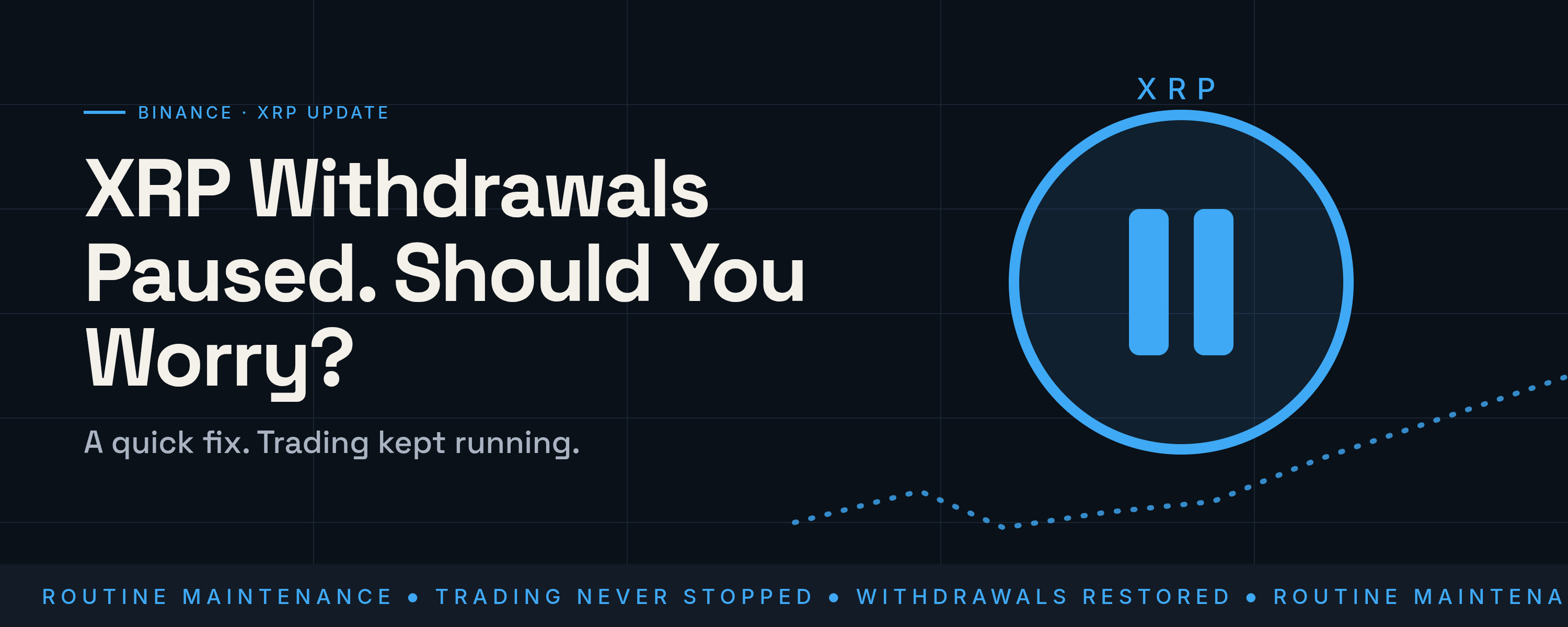
XRP Withdrawals Paused. Should You Worry?The recent suspension of XRP withdrawals on Binance has stirred considerable discussion in the cryptocurrency community. Here’s a closer look at the situation, its implications, and the reactions from various stakeholders.
Key Details
Withdrawal Suspension:
Binance paused XRP withdrawals for routine maintenance on wallets linked to the Ripple Ledger (XRPL).
Duration:
The maintenance was completed swiftly, and withdrawals were restored shortly after the announcement.
Trading Status:
While withdrawals were halted, XRP trading on Binance continued without interruption. Users could still withdraw XRP through alternative networks, such as ERC20 and BEP20.
Community Reactions
Investor Concerns:
The announcement raised alarm among XRP holders, leading to discussions about the risks associated with centralized exchanges. Many voiced concerns over potential impacts on liquidity and access to their assets.
Expert Advice:
Figures like Edward Farina suggested that users consider moving their assets off centralized platforms to mitigate risks of withdrawal issues during such maintenance events.
Regulatory Implications
Ripple vs. XRP Distinction:
The incident reignited conversations about the ongoing regulatory discourse surrounding Ripple, the payment company, and XRP, its native asset. This distinction is crucial as it influences legal interpretations of XRP's classification and its status under U.S. securities laws.
Investor Sentiment:
Uncertainties about regulatory clarity may lead to hesitance among potential investors, affecting XRP's market performance.
Intellectual Insights
Centralization vs. Decentralization:
This incident highlights a critical debate in the cryptocurrency world about the safety and reliability of centralized exchanges versus decentralized platforms. While centralized exchanges offer convenience and liquidity, they also pose risks during maintenance or operational issues.
Regulatory Landscape:
As regulators increasingly scrutinize digital assets, the need for clear guidelines becomes paramount. The confusion between Ripple and XRP underscores the complexities in classifying cryptocurrencies and the necessity for comprehensive legal frameworks.
Investor Behavior:
The quick reactions from the community reflect a growing awareness among investors about the importance of self-custody. As the market matures, more investors are prioritizing security and control over their assets.
The temporary halt of XRP withdrawals on Binance serves as a reminder of the inherent risks in cryptocurrency trading, particularly with centralized exchanges. As the community navigates these challenges, ongoing discussions about regulation and asset custody will likely shape the future landscape of digital currencies. Investors are encouraged to stay informed and consider the implications of their trading choices in an evolving market.
XRP Withdrawals Paused. Should You Worry?
The recent suspension of XRP withdrawals on Binance has stirred considerable discussion in the cryptocurrency community. Here’s a closer look at the situation, its implications, and the reactions from various stakeholders.
Key Details
Withdrawal Suspension:
Binance paused XRP withdrawals for routine maintenance on wallets linked to the Ripple Ledger (XRPL).
Duration:
The maintenance was completed swiftly, and withdrawals were restored shortly after the announcement.
Trading Status:
While withdrawals were halted, XRP trading on Binance continued without interruption. Users could still withdraw XRP through alternative networks, such as ERC20 and BEP20.
Community Reactions
Investor Concerns:
The announcement raised alarm among XRP holders, leading to discussions about the risks associated with centralized exchanges. Many voiced concerns over potential impacts on liquidity and access to their assets.
Expert Advice:
Figures like Edward Farina suggested that users consider moving their assets off centralized platforms to mitigate risks of withdrawal issues during such maintenance events.
Regulatory Implications
Ripple vs. XRP Distinction:
The incident reignited conversations about the ongoing regulatory discourse surrounding Ripple, the payment company, and XRP, its native asset. This distinction is crucial as it influences legal interpretations of XRP's classification and its status under U.S. securities laws.
Investor Sentiment:
Uncertainties about regulatory clarity may lead to hesitance among potential investors, affecting XRP's market performance.
Intellectual Insights
Centralization vs. Decentralization:
This incident highlights a critical debate in the cryptocurrency world about the safety and reliability of centralized exchanges versus decentralized platforms. While centralized exchanges offer convenience and liquidity, they also pose risks during maintenance or operational issues.
Regulatory Landscape:
As regulators increasingly scrutinize digital assets, the need for clear guidelines becomes paramount. The confusion between Ripple and XRP underscores the complexities in classifying cryptocurrencies and the necessity for comprehensive legal frameworks.
Investor Behavior:
The quick reactions from the community reflect a growing awareness among investors about the importance of self-custody. As the market matures, more investors are prioritizing security and control over their assets.
The temporary halt of XRP withdrawals on Binance serves as a reminder of the inherent risks in cryptocurrency trading, particularly with centralized exchanges. As the community navigates these challenges, ongoing discussions about regulation and asset custody will likely shape the future landscape of digital currencies. Investors are encouraged to stay informed and consider the implications of their trading choices in an evolving market.
1
5
8.9k
·
--
Bài viết
Vì sao ai cũng đột nhiên bàn tán về meme coin Sức hút, cộng đồng và FOMO.Tính đến tháng 10 năm 2024, meme coin đã thu hút sự chú ý của cả nhà đầu tư lẫn những người đam mê tiền mã hóa. Dưới đây là phân tích chi tiết về lý do meme coin trở thành xu hướng trong tháng này:
Động lực thị trường
1. Giá tăng mạnh gần đây:
Gần đây, nhiều meme coin đã ghi nhận mức tăng giá đáng kể, khơi dậy sự quan tâm trở lại từ cả nhà đầu tư cá nhân lẫn tổ chức.
2. Khối lượng giao dịch tăng:
Khối lượng giao dịch tăng đột biến cho thấy sự quan tâm và hoạt động sôi nổi hơn đối với meme coin, khiến chúng trở nên hấp dẫn hơn với các nhà giao dịch đang tìm kiếm lợi nhuận ngắn hạn.
Vì sao ai cũng đột nhiên bàn tán về meme coin Sức hút, cộng đồng và FOMO.
Tính đến tháng 10 năm 2024, meme coin đã thu hút sự chú ý của cả nhà đầu tư lẫn những người đam mê tiền mã hóa. Dưới đây là phân tích chi tiết về lý do meme coin trở thành xu hướng trong tháng này:
Động lực thị trường
1. Giá tăng mạnh gần đây:
Gần đây, nhiều meme coin đã ghi nhận mức tăng giá đáng kể, khơi dậy sự quan tâm trở lại từ cả nhà đầu tư cá nhân lẫn tổ chức.
2. Khối lượng giao dịch tăng:
Khối lượng giao dịch tăng đột biến cho thấy sự quan tâm và hoạt động sôi nổi hơn đối với meme coin, khiến chúng trở nên hấp dẫn hơn với các nhà giao dịch đang tìm kiếm lợi nhuận ngắn hạn.
3
1.1k
·
--
Bài viết
Xem bản dịch
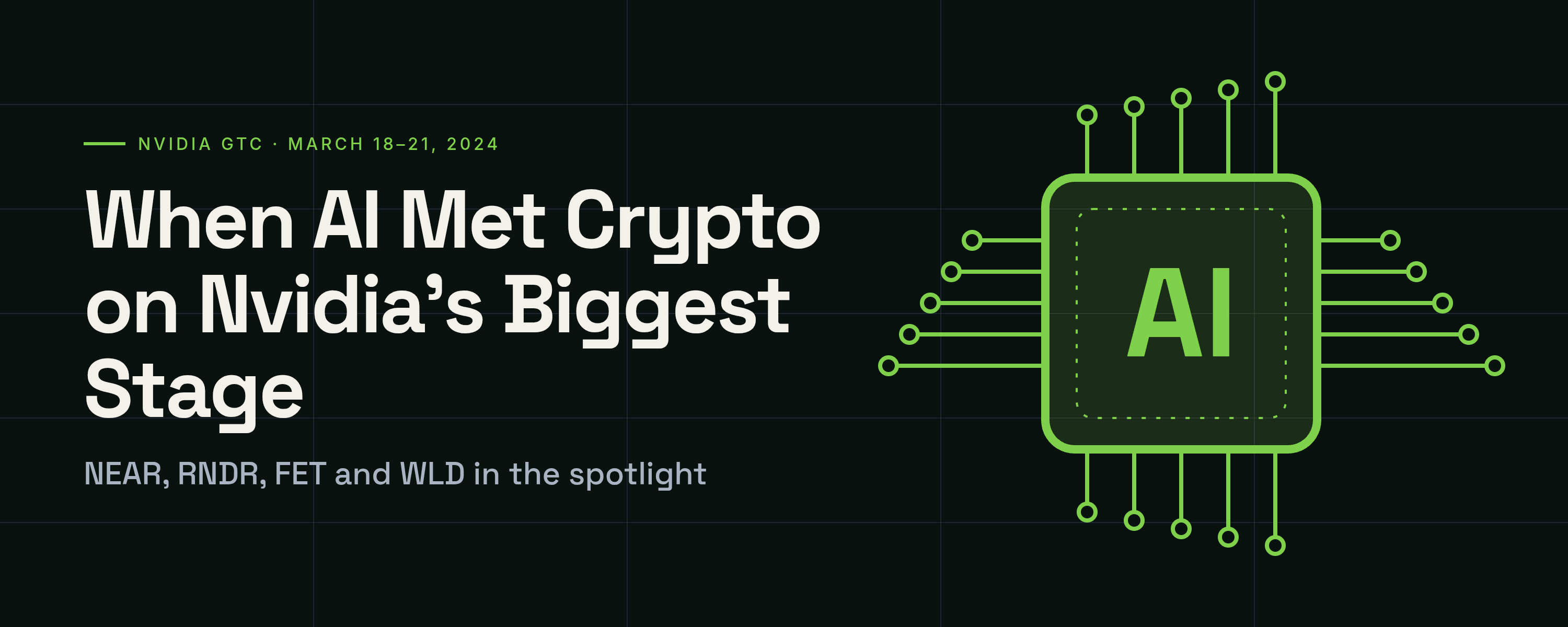
When AI Met Crypto on Nvidia’s Biggest StageMark your calendars for March 18-21, 2024, as the tech world braces itself for the much-anticipated Nvidia GPU Technology Conference . This annual gathering serves as a nexus for innovation, drawing a diverse array of professionals from IT, development, engineering, research, and investment sectors. At the heart of the conference lies a compelling agenda: to explore the frontier of artificial intelligence (A.I), machine learning, computer graphics, data science, and autonomous systems.
Nvidia Corporation renowned for its cutting-edge graphics processing units (GPUs), spearheads this transformative event. The visionary behind Nvidia, Jensen Huang, will grace the conference with his presence, underscoring the company's commitment to pioneering advancements in technology.
While GTC traditionally caters to a broad spectrum of tech enthusiasts, this year's edition has stirred particular excitement within the crypto community. What's causing the buzz? The announcement of eminent crypto founders' participation has set the stage for a convergence of two worlds: traditional tech giants and the rapidly evolving crypto sphere.
Among the notable figures slated to attend is Illia Polosukhin, co-founder of NEAR Protocol. His presence underscores the pivotal role of AI in shaping the future of blockchain protocols. Polosukhin's keynote speech and panel discussion on 'Transforming AI' promise to provide invaluable insights into the symbiotic relationship between AI and crypto.
But NEAR Protocol isn't the only crypto project making waves. Tokens such as Render , Fetch.ai , and Worldcoin have also found themselves in the spotlight. As news of their involvement in GTC spreads, investors and traders are bracing themselves for potential market movements.
Why the fervent interest in AI-centric tokens?
The answer lies in the intrinsic link between AI technology and the burgeoning crypto landscape. As blockchain protocols strive for faster and more efficient processing and storage solutions, AI emerges as the indispensable tool of the future. The marriage of AI and crypto heralds a new era of innovation, promising to reshape industries and redefine the boundaries of possibility.
Indeed, 2024 may well be remembered as the "Gradual year of AI" in the crypto realm. As the crypto market eagerly awaits the insights and revelations to emerge from Nvidia GTC, one thing is clear: the future of crypto is inexorably intertwined with the transformative power of artificial intelligence.
When AI Met Crypto on Nvidia’s Biggest Stage
Mark your calendars for March 18-21, 2024, as the tech world braces itself for the much-anticipated Nvidia GPU Technology Conference . This annual gathering serves as a nexus for innovation, drawing a diverse array of professionals from IT, development, engineering, research, and investment sectors. At the heart of the conference lies a compelling agenda: to explore the frontier of artificial intelligence (A.I), machine learning, computer graphics, data science, and autonomous systems.
Nvidia Corporation renowned for its cutting-edge graphics processing units (GPUs), spearheads this transformative event. The visionary behind Nvidia, Jensen Huang, will grace the conference with his presence, underscoring the company's commitment to pioneering advancements in technology.
While GTC traditionally caters to a broad spectrum of tech enthusiasts, this year's edition has stirred particular excitement within the crypto community. What's causing the buzz? The announcement of eminent crypto founders' participation has set the stage for a convergence of two worlds: traditional tech giants and the rapidly evolving crypto sphere.
Among the notable figures slated to attend is Illia Polosukhin, co-founder of NEAR Protocol. His presence underscores the pivotal role of AI in shaping the future of blockchain protocols. Polosukhin's keynote speech and panel discussion on 'Transforming AI' promise to provide invaluable insights into the symbiotic relationship between AI and crypto.
But NEAR Protocol isn't the only crypto project making waves. Tokens such as Render , Fetch.ai , and Worldcoin have also found themselves in the spotlight. As news of their involvement in GTC spreads, investors and traders are bracing themselves for potential market movements.
Why the fervent interest in AI-centric tokens?
The answer lies in the intrinsic link between AI technology and the burgeoning crypto landscape. As blockchain protocols strive for faster and more efficient processing and storage solutions, AI emerges as the indispensable tool of the future. The marriage of AI and crypto heralds a new era of innovation, promising to reshape industries and redefine the boundaries of possibility.
Indeed, 2024 may well be remembered as the "Gradual year of AI" in the crypto realm. As the crypto market eagerly awaits the insights and revelations to emerge from Nvidia GTC, one thing is clear: the future of crypto is inexorably intertwined with the transformative power of artificial intelligence.
3
11
3.2k
Đăng nhập để khám phá thêm nội dung
Tham gia cùng người dùng tiền mã hóa toàn cầu trên Binance Square
⚡️ Nhận thông tin mới nhất và hữu ích về tiền mã hóa.
💬 Được tin cậy bởi sàn giao dịch tiền mã hóa lớn nhất thế giới.
👍 Khám phá những thông tin chuyên sâu thực tế từ những nhà sáng tạo đã xác minh.
Email / Số điện thoại
Chủ đề thịnh hành
TheoDõiFOMC
340,037 lượt xem
1,449 đang thảo luận
Bão #TinFed và #TheoDõiFOMC sắp đổ bộ: Anh em nhỏ lẻ nên làm gì để không bị "quét" sạch túi tiền?
Tunglx
·1 lượt thích
·536 lượt xem
TinFed
408,775 lượt xem
1,188 đang thảo luận
CPITestsDecemberRateOutlook
733,970 lượt xem
3,540 đang thảo luận