

Liz Ann Sonders Re-poster
1.5k Bài đăng

Liz Ann Sonders Re-poster
Báo cáo
Chặn người dùng
Chief Investment Strategist, Schwab Center for Financial Research.
0 Đang theo dõi
384 Người theo dõi
915 Đã thích
Bài đăng
Xem bản dịch
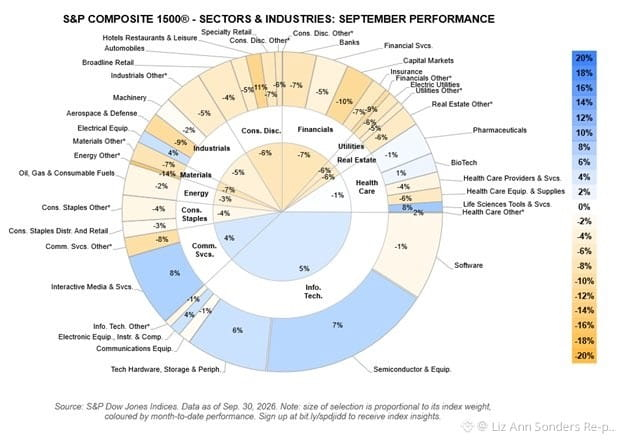
If you look at the U.S. market over the past month, you might notice an interesting paradox. The overall market remained practically flat, despite the fact that a majority of individual stocks, sectors, and industries actually dropped into negative territory. The explanation for this unusual situation lies in the strong outperformance of large-cap companies. A recent visual shared by @SPDJIndices perfectly illustrates this by breaking down the September performance of industries across the S&P Composite 1500. According to the data, only 12 industries managed to post gains. However, because these specific industries are so massive, they collectively accounted for greater than 40% of the total market capitalization for the index.
If you look at the U.S. market over the past month, you might notice an interesting paradox. The overall market remained practically flat, despite the fact that a majority of individual stocks, sectors, and industries actually dropped into negative territory. The explanation for this unusual situation lies in the strong outperformance of large-cap companies. A recent visual shared by @SPDJIndices perfectly illustrates this by breaking down the September performance of industries across the S&P Composite 1500. According to the data, only 12 industries managed to post gains. However, because these specific industries are so massive, they collectively accounted for greater than 40% of the total market capitalization for the index.
19
Xem bản dịch
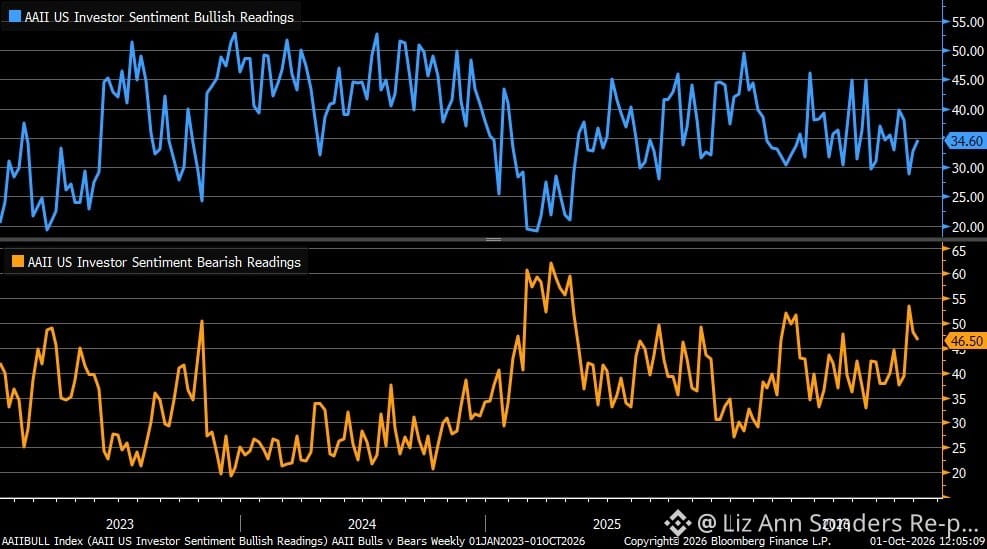
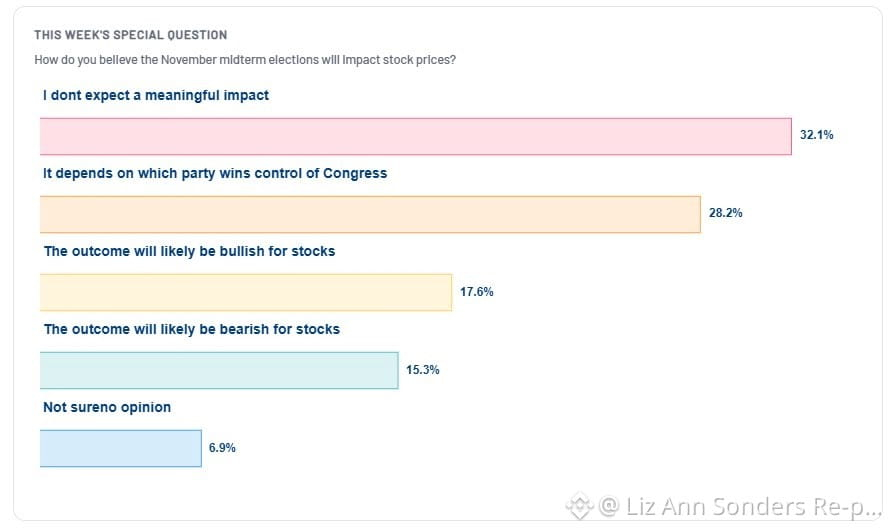
The latest @AAIISentiment data for the week ending 9/30/26 reveals a continued recovery in optimism, although it currently stays under the historical average of 37.5%. On the other hand, pessimism saw a slight decline, dropping to 46.5%. As an added point of interest, the special question this week gathers opinions from AAII members regarding the upcoming November midterm elections.
The latest @AAIISentiment data for the week ending 9/30/26 reveals a continued recovery in optimism, although it currently stays under the historical average of 37.5%. On the other hand, pessimism saw a slight decline, dropping to 46.5%. As an added point of interest, the special question this week gathers opinions from AAII members regarding the upcoming November midterm elections.
2
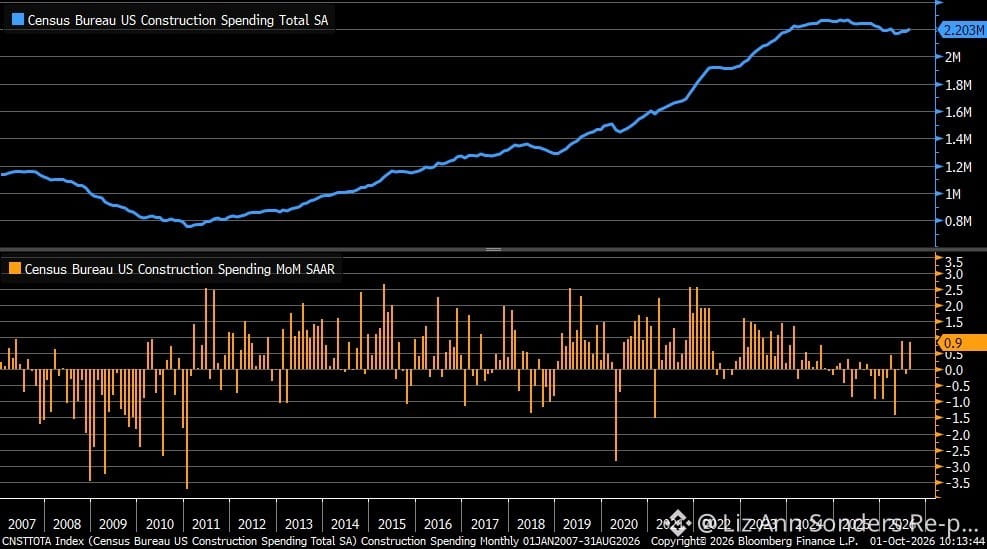
Trong tháng Tám, chi tiêu xây dựng nhìn chung đã tăng +0,9% so với tháng trước. Mức tăng này vượt một cách đáng hài lòng so với ước tính 0,0%. Ngoài ra, số liệu của kỳ trước đã được điều chỉnh lên -0,1%, phản ánh sự điều chỉnh tăng so với mức -0,5% ban đầu. Khi phân tách theo khu vực tư nhân, hoạt động xây dựng nhà ở tăng +1,1%, trong khi các dự án tư nhân phi nhà ở cũng ghi nhận mức tăng +1,0%.
Trong tháng Tám, chi tiêu xây dựng nhìn chung đã tăng +0,9% so với tháng trước. Mức tăng này vượt một cách đáng hài lòng so với ước tính 0,0%. Ngoài ra, số liệu của kỳ trước đã được điều chỉnh lên -0,1%, phản ánh sự điều chỉnh tăng so với mức -0,5% ban đầu. Khi phân tách theo khu vực tư nhân, hoạt động xây dựng nhà ở tăng +1,1%, trong khi các dự án tư nhân phi nhà ở cũng ghi nhận mức tăng +1,0%.
17
Xem bản dịch
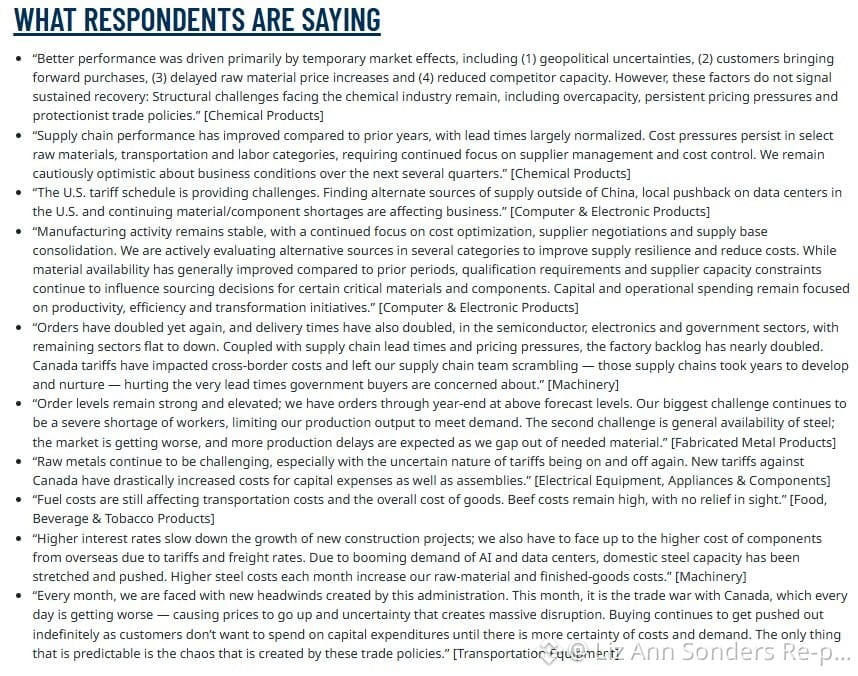
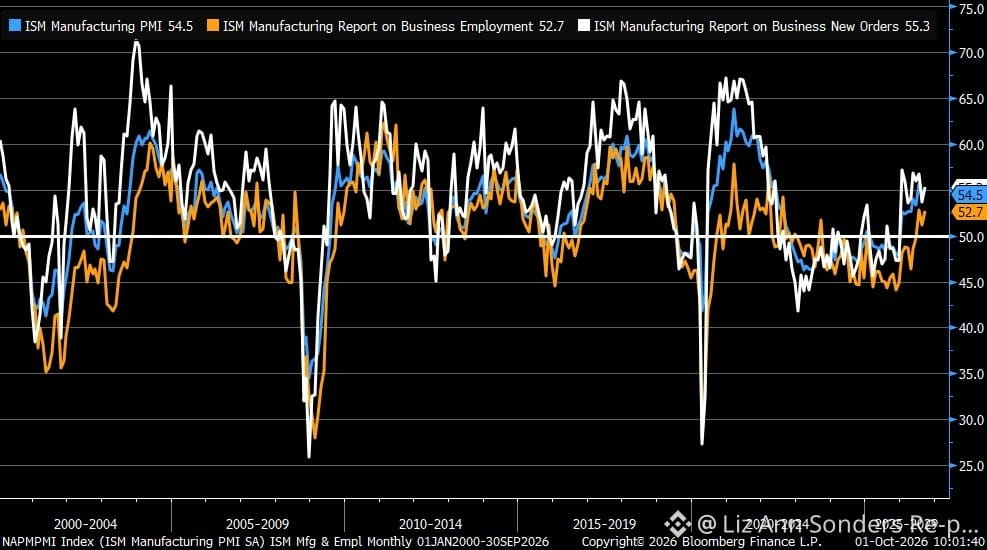
Here is a quick overview of the September ISM Manufacturing PMI results. The main index dipped to 54.5, which came in under the estimated 55.0 and slightly below the previous reading of 54.6. Despite this overall drop, several underlying components actually showed improvement compared to their past figures. The new orders metric rose to 55.3 from a previous 53.7. Meanwhile, the prices paid index climbed to 77.9, up from the prior 71.1. Rounding out the report, the employment category also saw an increase, reaching 52.7 compared to the earlier 51.2.
Here is a quick overview of the September ISM Manufacturing PMI results. The main index dipped to 54.5, which came in under the estimated 55.0 and slightly below the previous reading of 54.6. Despite this overall drop, several underlying components actually showed improvement compared to their past figures. The new orders metric rose to 55.3 from a previous 53.7. Meanwhile, the prices paid index climbed to 77.9, up from the prior 71.1. Rounding out the report, the employment category also saw an increase, reaching 52.7 compared to the earlier 51.2.
10
Xem bản dịch
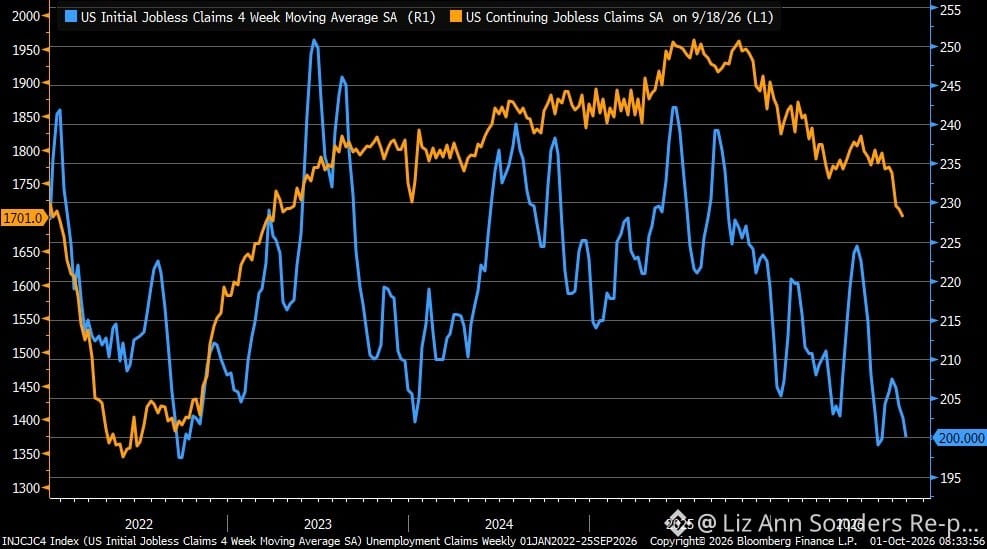
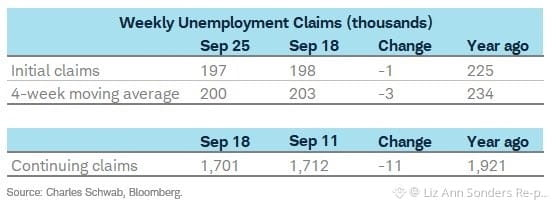
Here is a look at the most recent employment figures. The number of initial jobless claims has dropped to 197k, which is a positive sign when compared to the estimated 200k and the prior reading of 198k. Continuing claims followed a similar downward trend, settling at 1.701M instead of the projected 1.725M and improving upon the previous mark of 1.712. When examining the regional breakdowns, the greatest increases in claims were observed in MI with +0.7k, OR with +0.3k, and AK with +0.1k. On the flip side, the greatest decreases were recorded in HI at -1.1k, GA at -0.7k, and TX at -0.6k.
Here is a look at the most recent employment figures. The number of initial jobless claims has dropped to 197k, which is a positive sign when compared to the estimated 200k and the prior reading of 198k. Continuing claims followed a similar downward trend, settling at 1.701M instead of the projected 1.725M and improving upon the previous mark of 1.712. When examining the regional breakdowns, the greatest increases in claims were observed in MI with +0.7k, OR with +0.3k, and AK with +0.1k. On the flip side, the greatest decreases were recorded in HI at -1.1k, GA at -0.7k, and TX at -0.6k.
6
Xem bản dịch
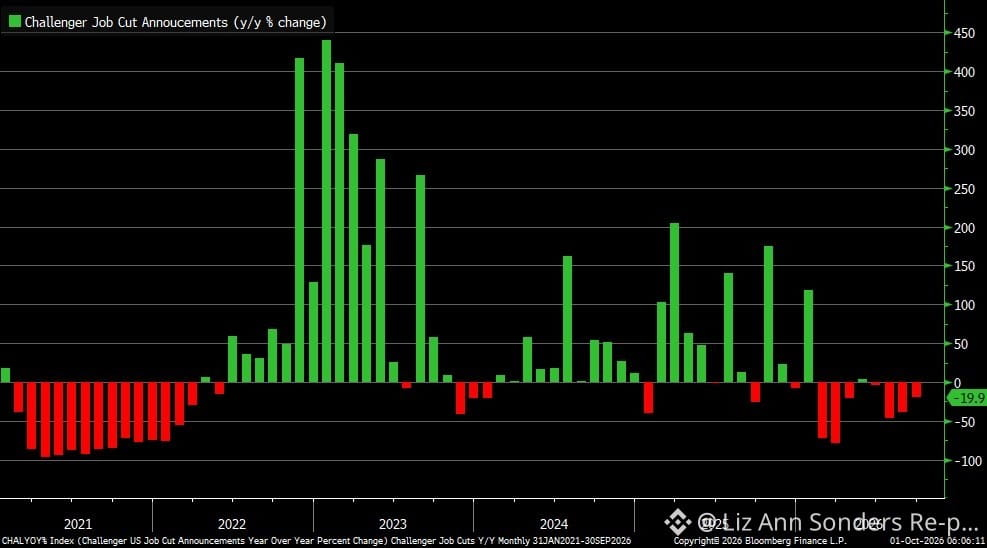
Recent data from @ChallengerGray brings some positive updates regarding the employment landscape. On a year over year basis, declarations of workforce reductions during the month of September experienced a 19.9 percent decrease. When evaluating the entire period through September, overall job cuts reached a total of 573,195. This cumulative figure reflects a 39 percent drop compared to the 946,426 layoffs that were reported across the first nine months of 2025.
Recent data from @ChallengerGray brings some positive updates regarding the employment landscape. On a year over year basis, declarations of workforce reductions during the month of September experienced a 19.9 percent decrease. When evaluating the entire period through September, overall job cuts reached a total of 573,195. This cumulative figure reflects a 39 percent drop compared to the 946,426 layoffs that were reported across the first nine months of 2025.
1
Xem bản dịch
I am very excited to spend this morning in the studio for two great appearances. My schedule begins at 8:25am ET on @BloombergRadio, where I will be speaking alongside @tomkeene and @ptsweeney. Following that conversation, I will transition to @BloombergTV for the @bsurveillance program at approximately 8:45am ET. For that discussion, I will be sitting down with @FerroTV, @lisaabramowicz1, and @annmarie. I am eagerly anticipating both of these segments today.
I am very excited to spend this morning in the studio for two great appearances. My schedule begins at 8:25am ET on @BloombergRadio, where I will be speaking alongside @tomkeene and @ptsweeney. Following that conversation, I will transition to @BloombergTV for the @bsurveillance program at approximately 8:45am ET. For that discussion, I will be sitting down with @FerroTV, @lisaabramowicz1, and @annmarie. I am eagerly anticipating both of these segments today.
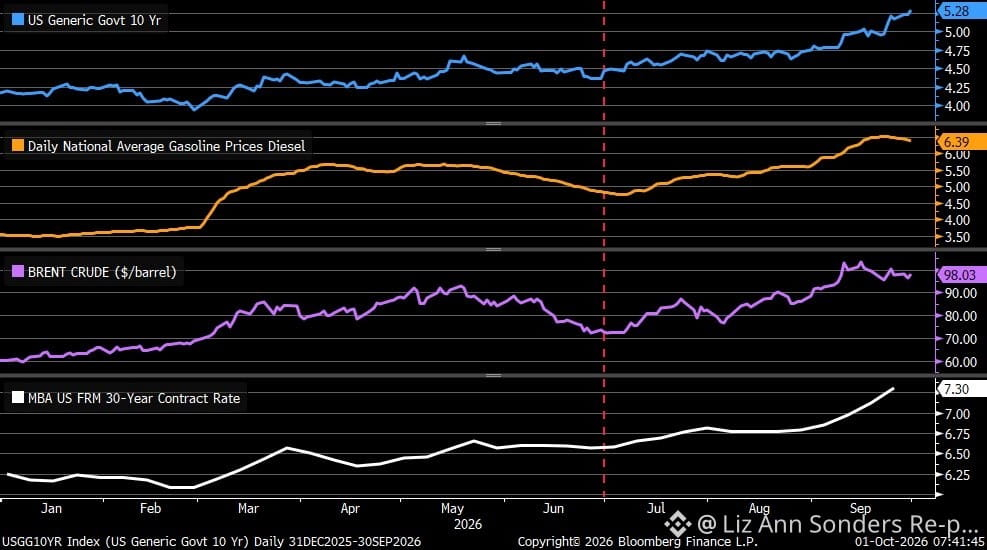
Để nắm bắt các điểm nổi bật của Q3/2026 chỉ trong một biểu đồ, chúng ta có thể nhận thấy một vài thay đổi đáng chú ý trên thị trường. Chi phí năng lượng đã tăng đáng kể trong giai đoạn này, với mức tăng 35% đối với dầu và 32% đối với diesel. Lãi suất cũng nhích lên, trong đó lợi suất 10 năm tăng 0,81bps và lãi suất thế chấp 30 năm tăng thêm 0,72 bps.
Xin lưu ý rằng kết quả trong quá khứ không đảm bảo cho kết quả trong tương lai.
Để nắm bắt các điểm nổi bật của Q3/2026 chỉ trong một biểu đồ, chúng ta có thể nhận thấy một vài thay đổi đáng chú ý trên thị trường. Chi phí năng lượng đã tăng đáng kể trong giai đoạn này, với mức tăng 35% đối với dầu và 32% đối với diesel. Lãi suất cũng nhích lên, trong đó lợi suất 10 năm tăng 0,81bps và lãi suất thế chấp 30 năm tăng thêm 0,72 bps.
Xin lưu ý rằng kết quả trong quá khứ không đảm bảo cho kết quả trong tương lai.
Xin lưu ý rằng kết quả trong quá khứ không đảm bảo cho kết quả trong tương lai.
402
Xem bản dịch
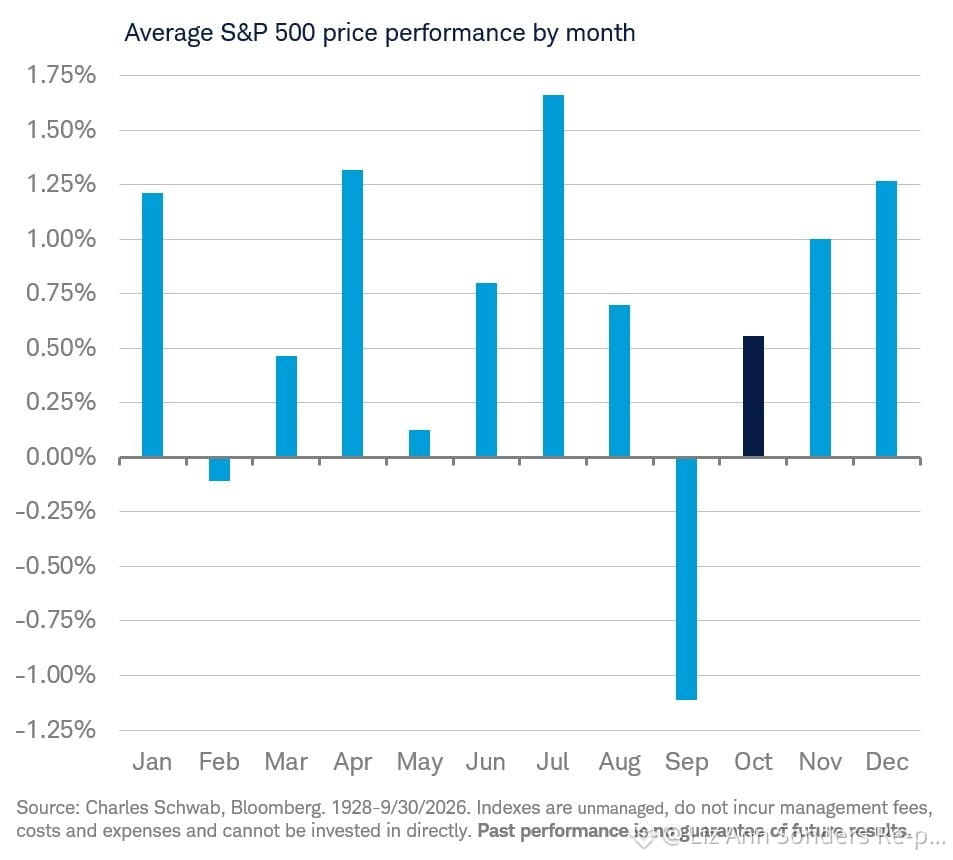
When looking at historical market data stretching back to 1928, the month of October has been generally favorable for the S&P 500. On average, the index has achieved a return of +0.6% during this time of year, with positive results occurring 58% of the time. Performance extremes for the month show a wide range, featuring a record high gain of +16.3% and a historic low of -21.8%.
When looking at historical market data stretching back to 1928, the month of October has been generally favorable for the S&P 500. On average, the index has achieved a return of +0.6% during this time of year, with positive results occurring 58% of the time. Performance extremes for the month show a wide range, featuring a record high gain of +16.3% and a historic low of -21.8%.
6
Xem bản dịch
Looking at the financial highlights from 3Q26, the S&P 500 managed to climb by 2%, representing its most modest upward movement since 3Q21. At the same time, the Russell 2000 went in the opposite direction with a 7.5% drop. This recent setback is notable because it is the first quarterly loss that the index has suffered since 1Q25.
Looking at the financial highlights from 3Q26, the S&P 500 managed to climb by 2%, representing its most modest upward movement since 3Q21. At the same time, the Russell 2000 went in the opposite direction with a 7.5% drop. This recent setback is notable because it is the first quarterly loss that the index has suffered since 1Q25.
45
Xem bản dịch
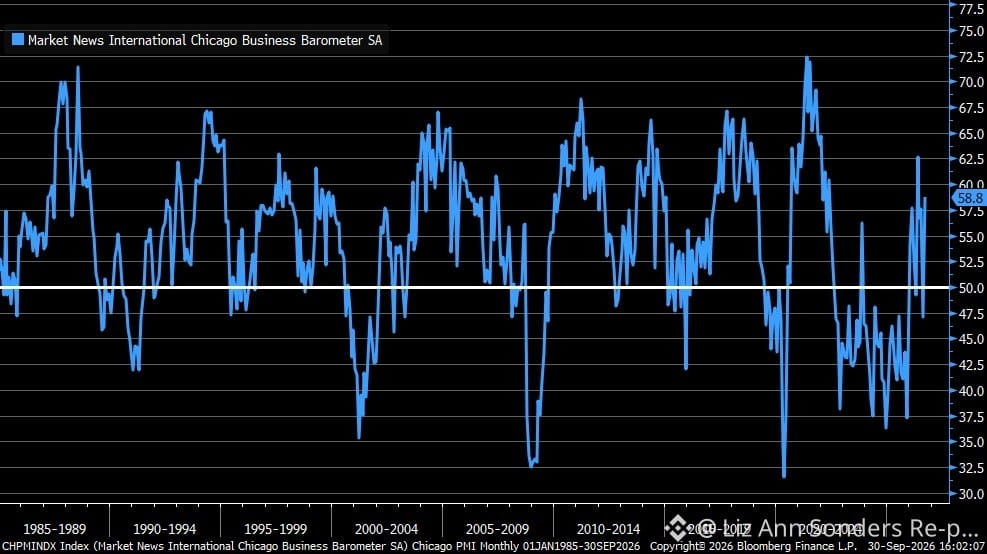
The Chicago PMI made a welcome return to expansion territory during September. Climbing to a solid 58.8 from the previous reading of 47.1, this impressive upward movement represents the most rapid increase the index has recorded over the last four months.
The Chicago PMI made a welcome return to expansion territory during September. Climbing to a solid 58.8 from the previous reading of 47.1, this impressive upward movement represents the most rapid increase the index has recorded over the last four months.
21
Xem bản dịch
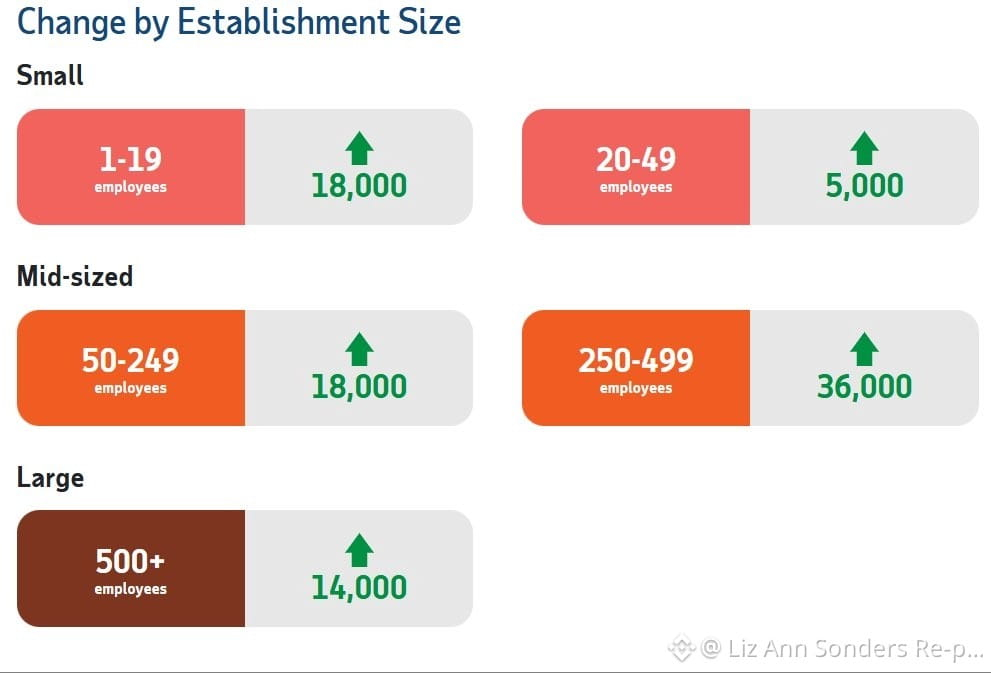
Based on information from @adpresearch, private sector employment saw positive growth throughout companies of every scale during September. Medium enterprises, specifically those with a workforce of 250 to 499 people, experienced the most significant increases in hiring.
Based on information from @adpresearch, private sector employment saw positive growth throughout companies of every scale during September. Medium enterprises, specifically those with a workforce of 250 to 499 people, experienced the most significant increases in hiring.
2
Xem bản dịch
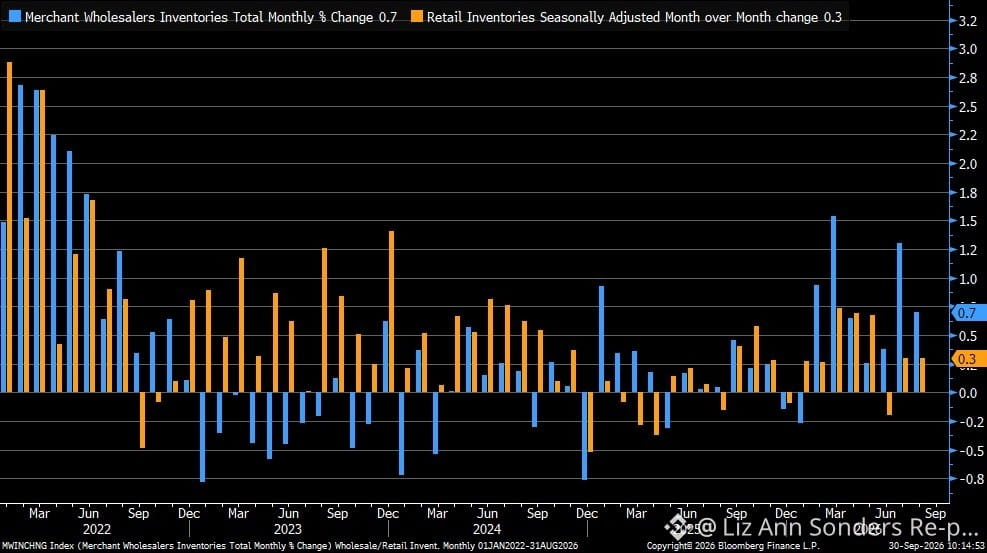
For August, wholesale inventories, indicated in blue, grew by +0.7% m/m, showing a slower pace compared to the previous +1.3% increase. Meanwhile, retail inventories saw a +0.3% m/m rise, which also represents a moderation from the prior +0.8% gain.
For August, wholesale inventories, indicated in blue, grew by +0.7% m/m, showing a slower pace compared to the previous +1.3% increase. Meanwhile, retail inventories saw a +0.3% m/m rise, which also represents a moderation from the prior +0.8% gain.
4
Xem bản dịch
In August, personal spending saw a positive shift, rising by +0.9% on a m/m basis. This overall growth amounts to a total increase of $190.8B. When we look closely at where that money went, the data shows an additional $114.1B was spent on goods, while the services sector experienced a $76.7B boost.
@BEA_News
In August, personal spending saw a positive shift, rising by +0.9% on a m/m basis. This overall growth amounts to a total increase of $190.8B. When we look closely at where that money went, the data shows an additional $114.1B was spent on goods, while the services sector experienced a $76.7B boost.
@BEA_News
@BEA_News
4
Xem bản dịch
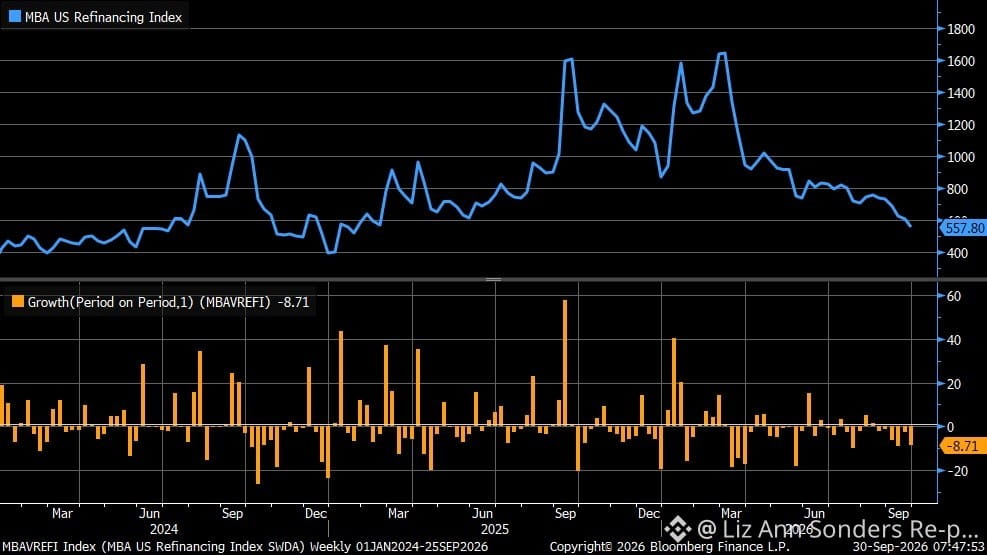
Data from last week indicates that the volume of MBA refinance applications dropped by 8.7%. This recent decline has brought the activity down to its most sluggish rate recorded in more than a year @MBAmortgage
Data from last week indicates that the volume of MBA refinance applications dropped by 8.7%. This recent decline has brought the activity down to its most sluggish rate recorded in more than a year @MBAmortgage
4
Xem bản dịch
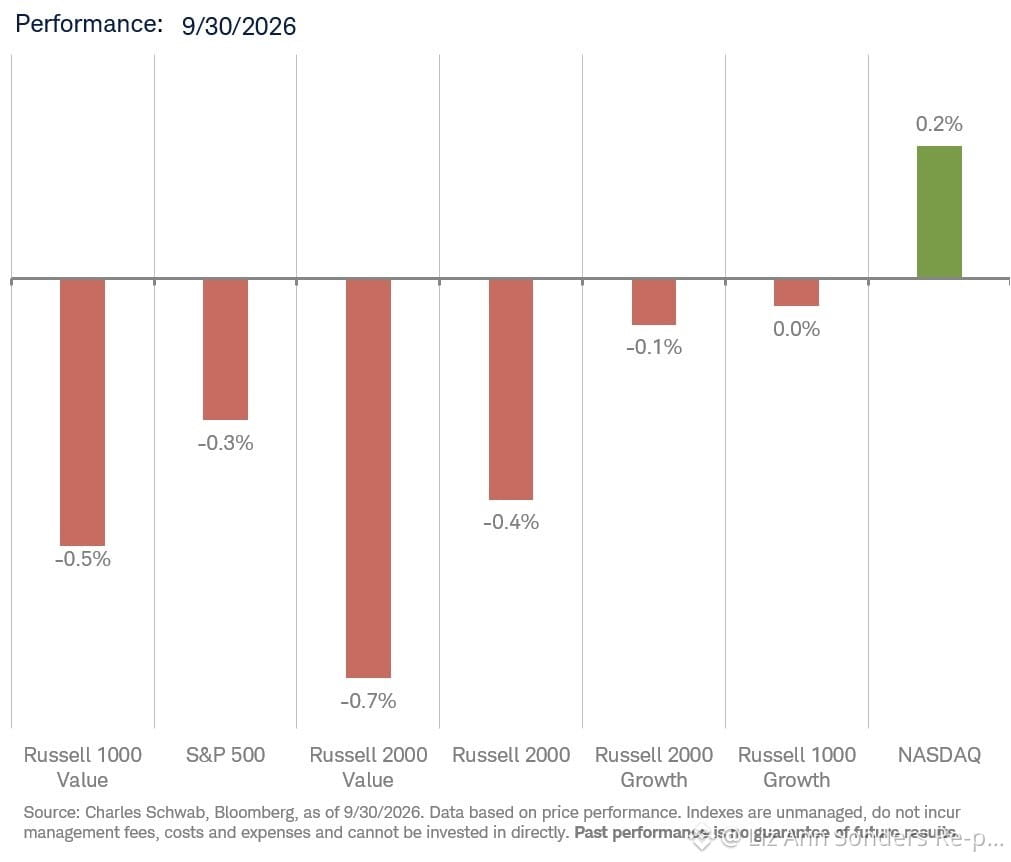
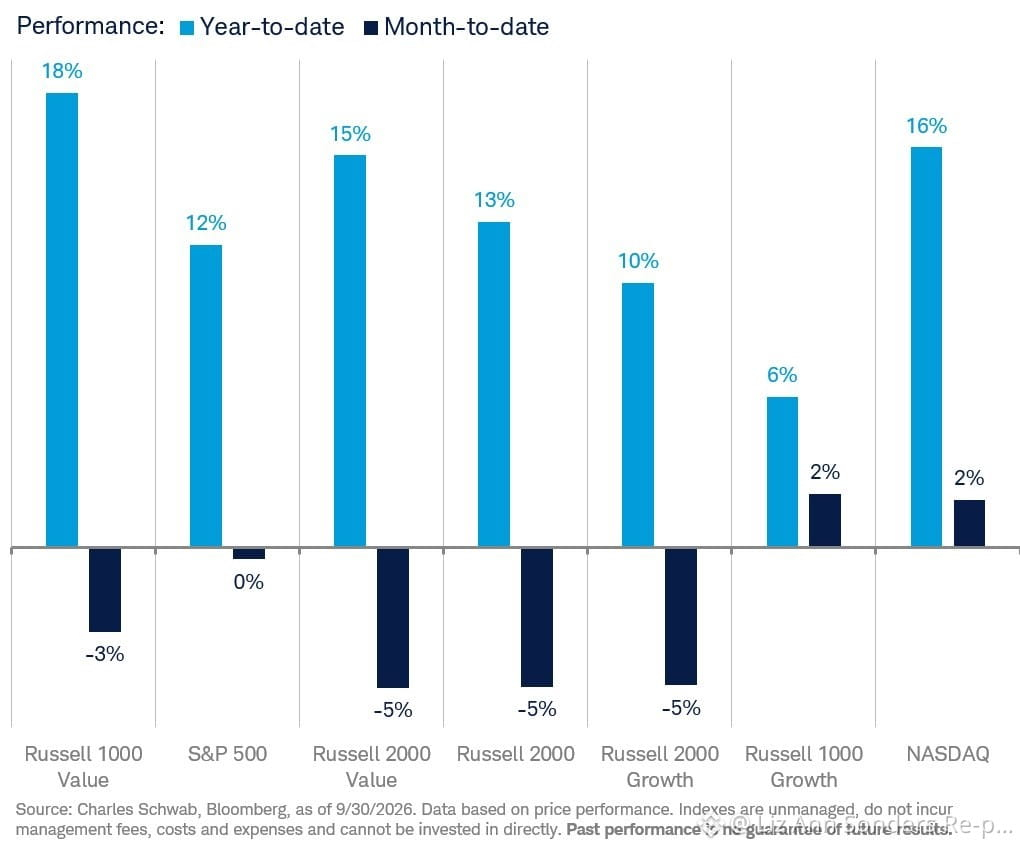
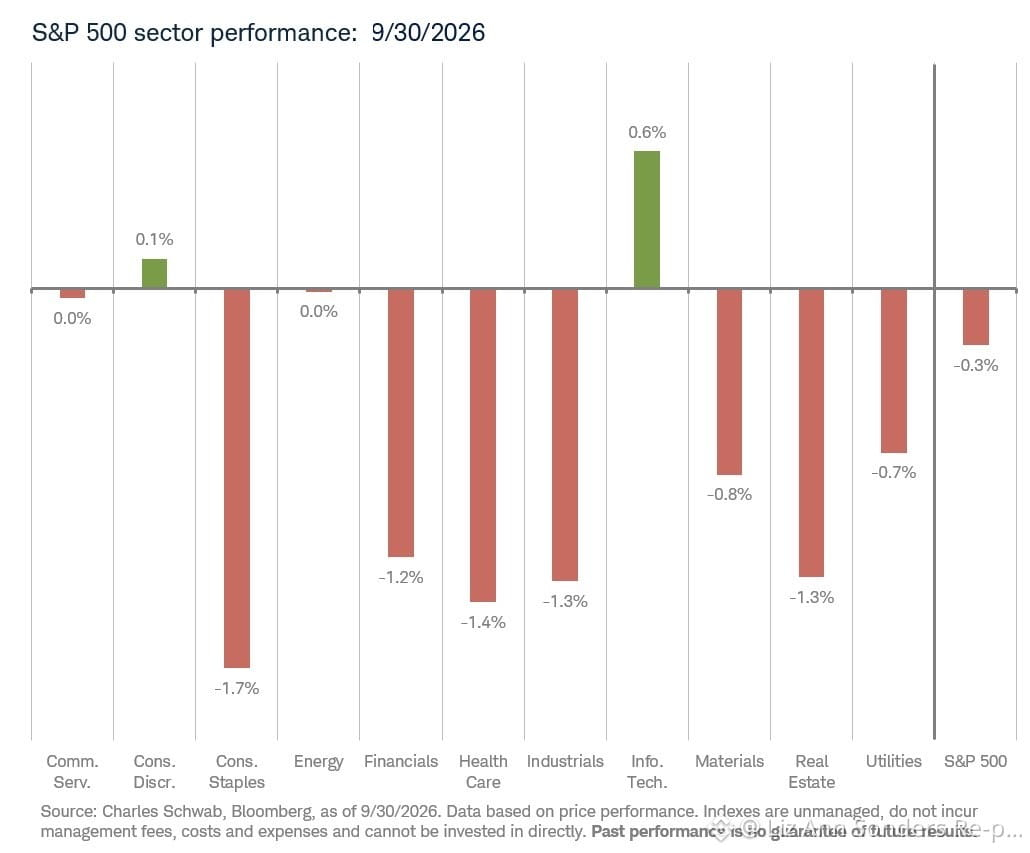
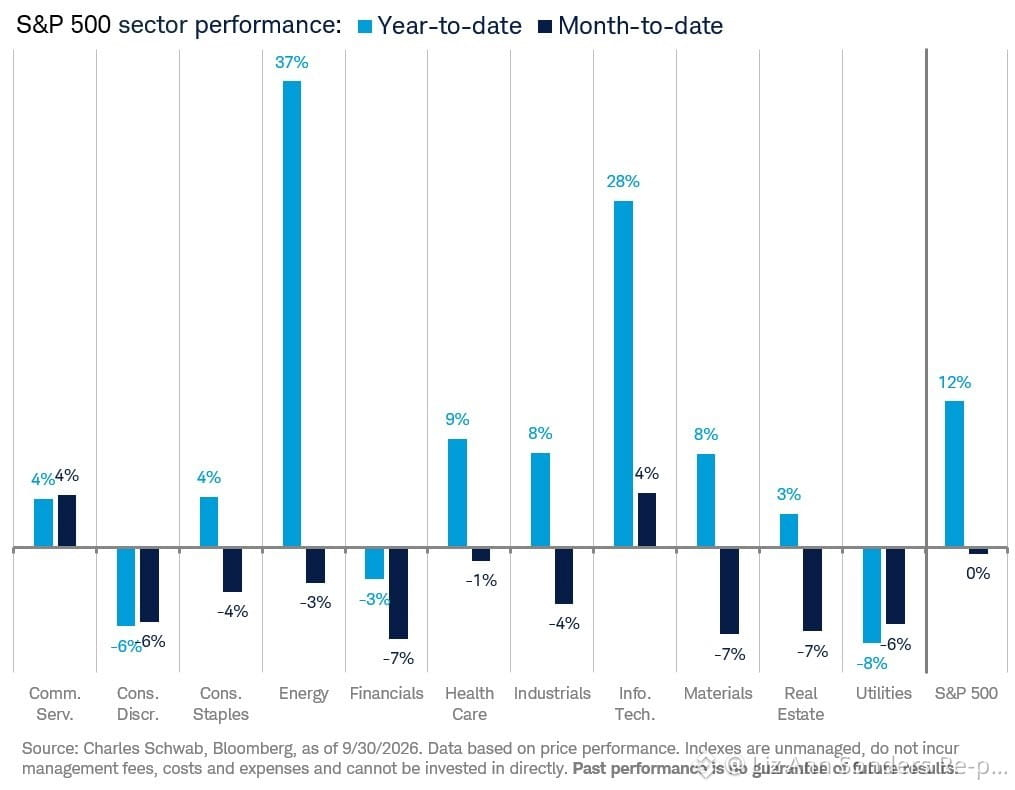
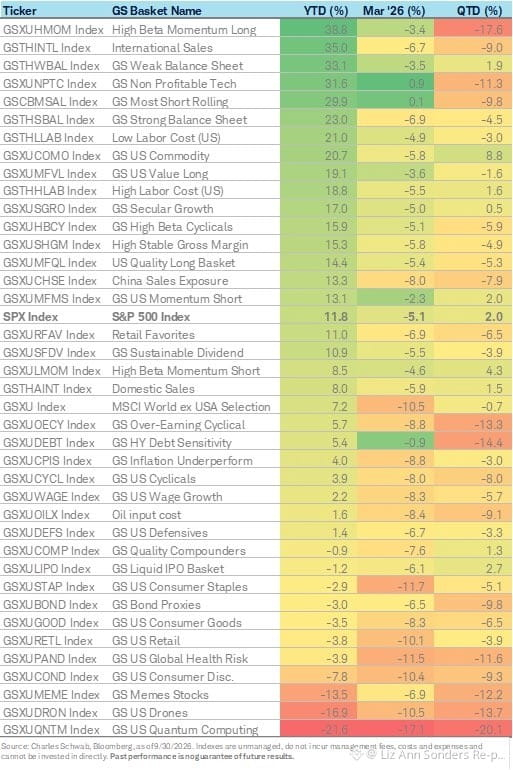
Performance overview of market sectors and indexes from yesterday, including MTD and YTD data.
Performance overview of market sectors and indexes from yesterday, including MTD and YTD data.
5
31
Xem bản dịch
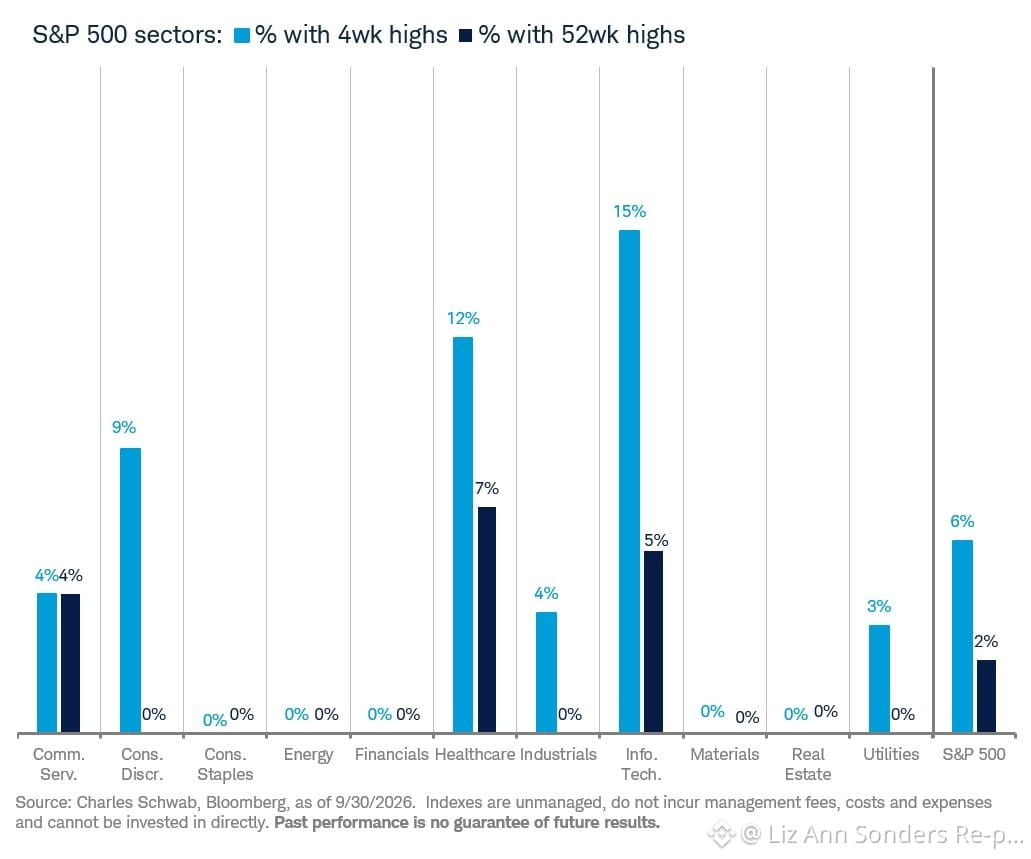
The percentage of equities reaching their 4w and 52w peaks, broken down by market sector.
The percentage of equities reaching their 4w and 52w peaks, broken down by market sector.
35
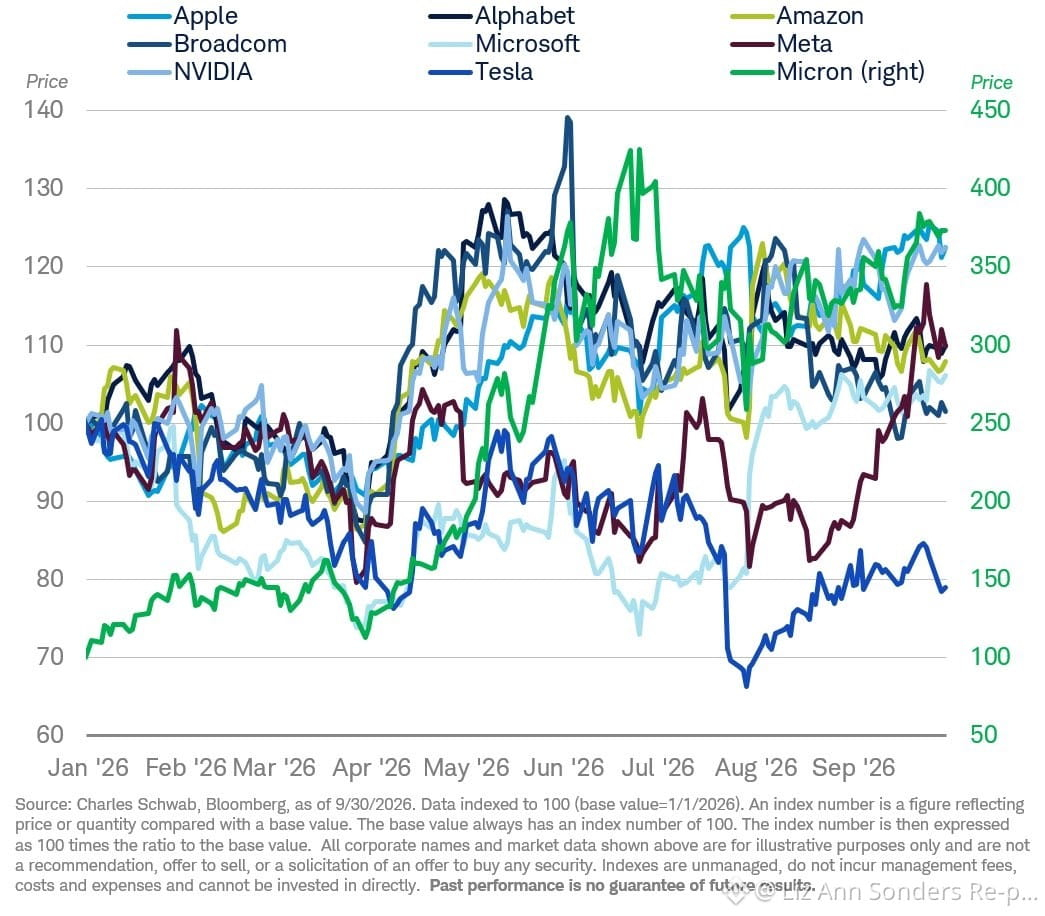
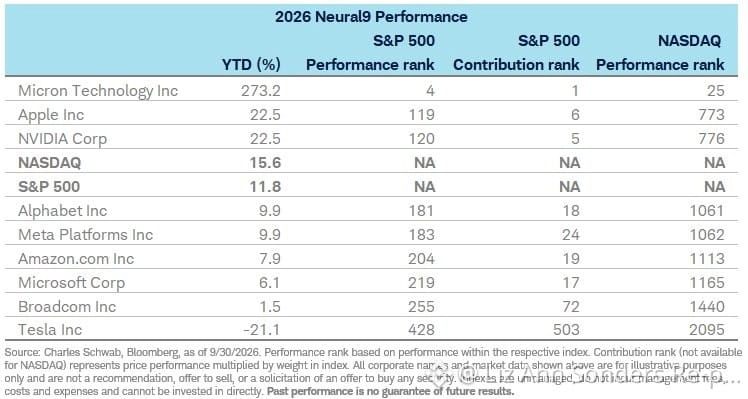
Bảng dữ liệu và biểu đồ trực quan cho Neural9.
Bảng dữ liệu và biểu đồ trực quan cho Neural9.
66
Xem bản dịch
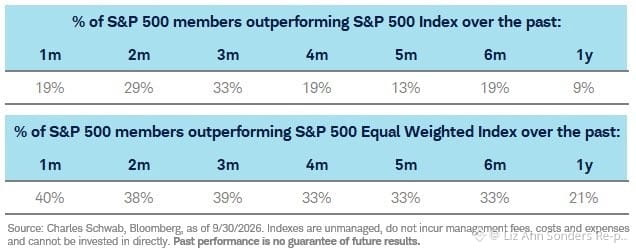
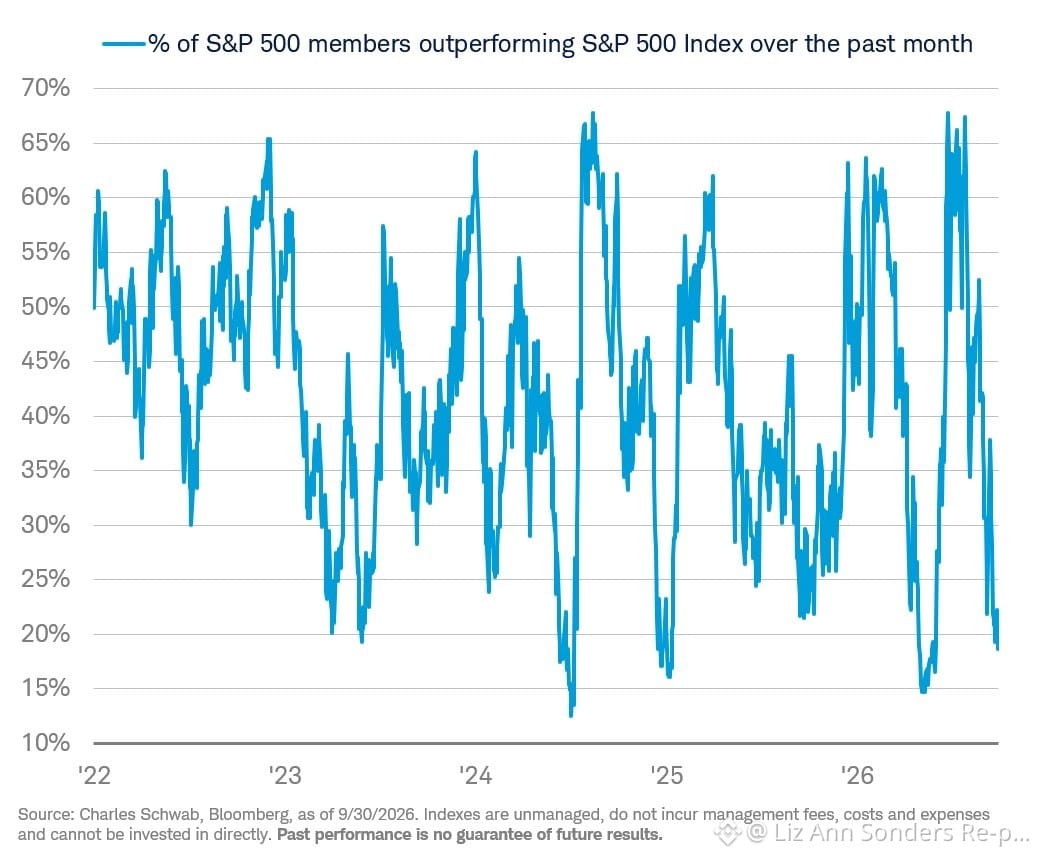
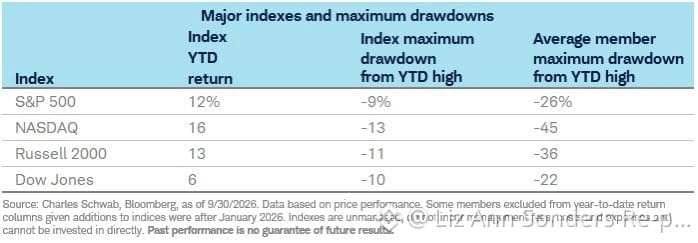
Market index declines alongside the percentage of outperformance
Market index declines alongside the percentage of outperformance
72
Đăng nhập để khám phá thêm nội dung
Tham gia cùng người dùng tiền mã hóa toàn cầu trên Binance Square
⚡️ Nhận thông tin mới nhất và hữu ích về tiền mã hóa.
💬 Được tin cậy bởi sàn giao dịch tiền mã hóa lớn nhất thế giới.
👍 Khám phá những thông tin chuyên sâu thực tế từ những nhà sáng tạo đã xác minh.
Email / Số điện thoại