

Crypto Saagaa - Official
455 Bài đăng
Crypto Saagaa - Official
Báo cáo
Chặn người dùng
I am Crypto Saaga: A Youtube Channel! We are dedicated to bring the most recent most insightful updates that are authentic about crypto on this BINANCE platform
Giao dịch mở
Trader thường xuyên
{thời gian} năm
46 Đang theo dõi
779 Người theo dõi
618 Đã thích
Bài đăng
Danh mục đầu tư
Tất cả
Trích dẫn
Video
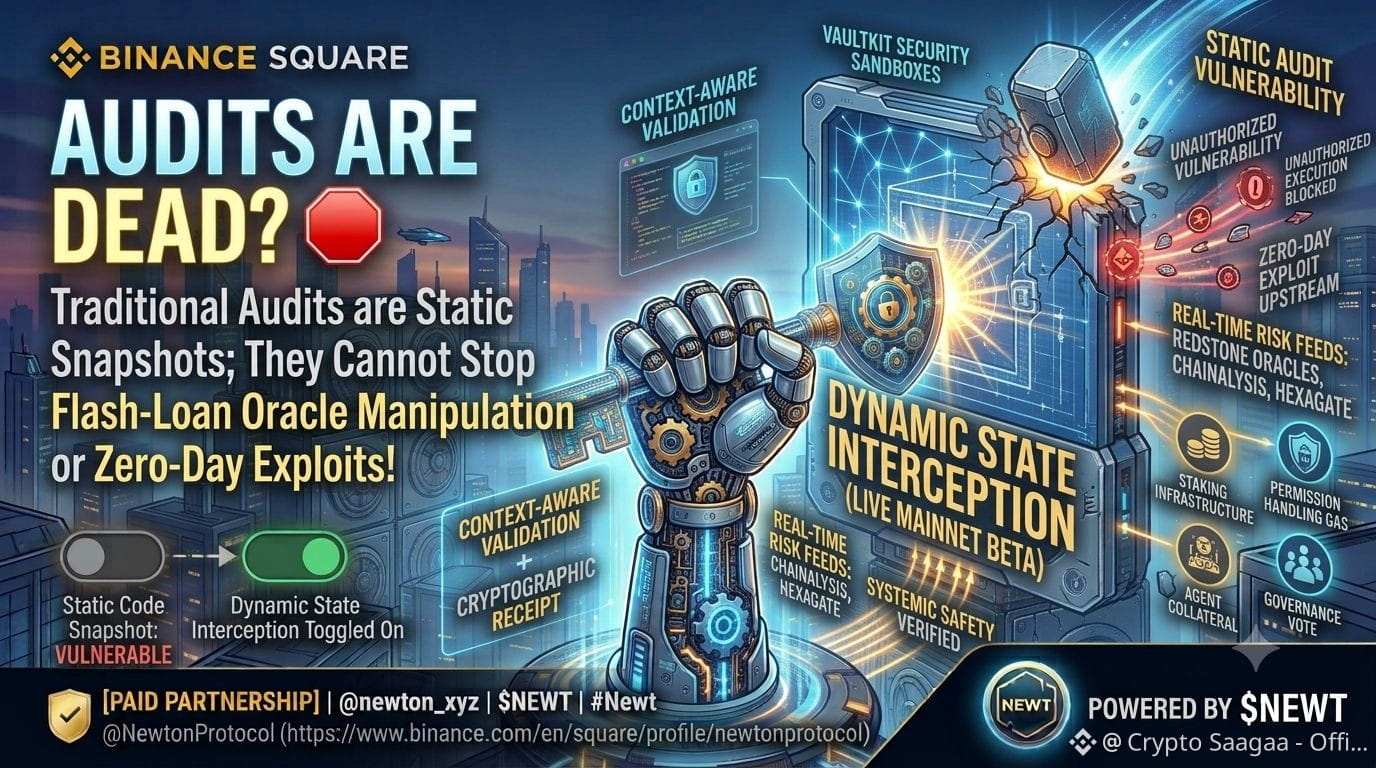
Lỗi căn bản của các cuộc kiểm toán Web3 truyền thống là chúng hoàn toàn tĩnh. Một cuộc kiểm toán hợp đồng thông minh đắt tiền thực chất chỉ là một “ảnh chụp” mã nguồn được chụp trong chân không. Nó hoàn toàn không tính đến các bất thường kinh tế mang tính động, các thao tác sai lệch oracle do flash-loan gây ra, hoặc các lỗ hổng zero-day.
Newton Mainnet Beta hiện tại thay đổi điều này bằng cách chuyển từ các quy tắc mã tĩnh sang Cản Trở Trạng Thái Động (Dynamic State Interception). Bằng cách bọc tài sản bên trong các sandbox VaultKit an toàn, giao thức đánh giá ngữ cảnh giao dịch theo thời gian thực trước khi thực thi.
Khi trích xuất các nguồn rủi ro tức thời từ những nền tảng hạ tầng như RedStone, Chainalysis và Hexagate, khung này xác minh tính an toàn hệ thống trong các TEE ngoài chuỗi trước khi một giao dịch có thể thay đổi sổ cái. Khi lớp bảo mật chủ động này mở rộng để bảo vệ các vault tự động và các luồng công việc phức tạp của tác nhân AI, tính hữu dụng cấu trúc của $NEWT as đóng vai trò đồng thuận staking và token gas xử lý quyền của mạng sẽ mở rộng tương ứng. @NewtonProtocol o#Newt
#newt $NEWT
Lỗi căn bản của các cuộc kiểm toán Web3 truyền thống là chúng hoàn toàn tĩnh. Một cuộc kiểm toán hợp đồng thông minh đắt tiền thực chất chỉ là một “ảnh chụp” mã nguồn được chụp trong chân không. Nó hoàn toàn không tính đến các bất thường kinh tế mang tính động, các thao tác sai lệch oracle do flash-loan gây ra, hoặc các lỗ hổng zero-day.
Newton Mainnet Beta hiện tại thay đổi điều này bằng cách chuyển từ các quy tắc mã tĩnh sang Cản Trở Trạng Thái Động (Dynamic State Interception). Bằng cách bọc tài sản bên trong các sandbox VaultKit an toàn, giao thức đánh giá ngữ cảnh giao dịch theo thời gian thực trước khi thực thi.
Khi trích xuất các nguồn rủi ro tức thời từ những nền tảng hạ tầng như RedStone, Chainalysis và Hexagate, khung này xác minh tính an toàn hệ thống trong các TEE ngoài chuỗi trước khi một giao dịch có thể thay đổi sổ cái. Khi lớp bảo mật chủ động này mở rộng để bảo vệ các vault tự động và các luồng công việc phức tạp của tác nhân AI, tính hữu dụng cấu trúc của $NEWT as đóng vai trò đồng thuận staking và token gas xử lý quyền của mạng sẽ mở rộng tương ứng. @NewtonProtocol o#Newt
#newt $NEWT
Newton Mainnet Beta hiện tại thay đổi điều này bằng cách chuyển từ các quy tắc mã tĩnh sang Cản Trở Trạng Thái Động (Dynamic State Interception). Bằng cách bọc tài sản bên trong các sandbox VaultKit an toàn, giao thức đánh giá ngữ cảnh giao dịch theo thời gian thực trước khi thực thi.
Khi trích xuất các nguồn rủi ro tức thời từ những nền tảng hạ tầng như RedStone, Chainalysis và Hexagate, khung này xác minh tính an toàn hệ thống trong các TEE ngoài chuỗi trước khi một giao dịch có thể thay đổi sổ cái. Khi lớp bảo mật chủ động này mở rộng để bảo vệ các vault tự động và các luồng công việc phức tạp của tác nhân AI, tính hữu dụng cấu trúc của $NEWT as đóng vai trò đồng thuận staking và token gas xử lý quyền của mạng sẽ mở rộng tương ứng. @NewtonProtocol o#Newt
#newt $NEWT
1
73
Bài viết
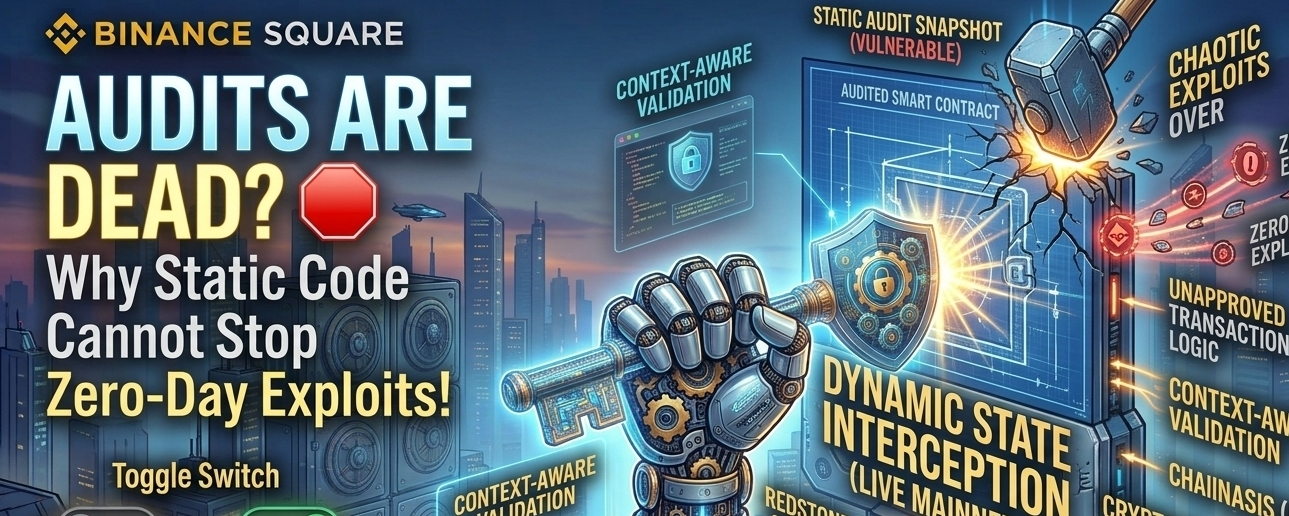
Chặn Bắt Trạng Thái Động: Vì Sao Kiểm Toán Hợp Đồng Thông Minh Không Còn Đủ Trong Web3Trong bối cảnh Web3 hiện nay, dấu ấn bảo mật tối thượng từ trước đến nay luôn là cuộc kiểm toán hợp đồng thông minh của bên thứ ba. Các giao thức phải chi hàng trăm nghìn đô la để đảm bảo bytecode của họ không có lỗi logic. Thế nhưng, chúng ta vẫn thường xuyên chứng kiến những kho tiền trị giá hàng triệu đô la đã được kiểm toán bị rút cạn trong vòng vài khối.
Lỗ hổng mang tính cấu trúc không nhất thiết nằm ở chất lượng của các cuộc kiểm toán; mà nằm ở tính tĩnh của chúng. Một cuộc kiểm toán là một bản chụp mã code trong chân không. Nó không thể dự đoán các dị thường kinh tế mang tính động, những thao túng oracle do flash-loan gây ra, hoặc các hành vi thất thường của mempool khi có dòng vốn tốc độ cao.
Chặn Bắt Trạng Thái Động: Vì Sao Kiểm Toán Hợp Đồng Thông Minh Không Còn Đủ Trong Web3
Trong bối cảnh Web3 hiện nay, dấu ấn bảo mật tối thượng từ trước đến nay luôn là cuộc kiểm toán hợp đồng thông minh của bên thứ ba. Các giao thức phải chi hàng trăm nghìn đô la để đảm bảo bytecode của họ không có lỗi logic. Thế nhưng, chúng ta vẫn thường xuyên chứng kiến những kho tiền trị giá hàng triệu đô la đã được kiểm toán bị rút cạn trong vòng vài khối.
Lỗ hổng mang tính cấu trúc không nhất thiết nằm ở chất lượng của các cuộc kiểm toán; mà nằm ở tính tĩnh của chúng. Một cuộc kiểm toán là một bản chụp mã code trong chân không. Nó không thể dự đoán các dị thường kinh tế mang tính động, những thao túng oracle do flash-loan gây ra, hoặc các hành vi thất thường của mempool khi có dòng vốn tốc độ cao.
Lỗ hổng mang tính cấu trúc không nhất thiết nằm ở chất lượng của các cuộc kiểm toán; mà nằm ở tính tĩnh của chúng. Một cuộc kiểm toán là một bản chụp mã code trong chân không. Nó không thể dự đoán các dị thường kinh tế mang tính động, những thao túng oracle do flash-loan gây ra, hoặc các hành vi thất thường của mempool khi có dòng vốn tốc độ cao.
1
88
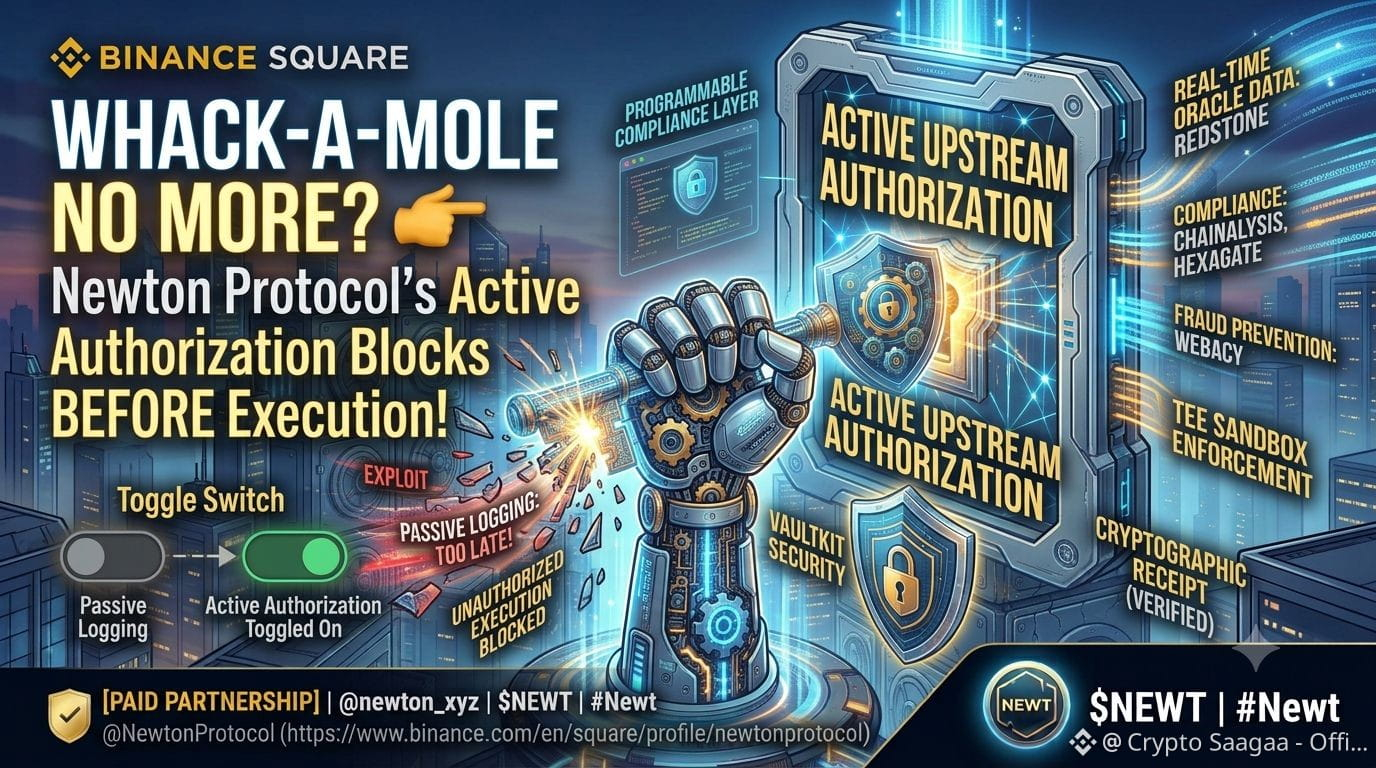
Lý do thực sự khiến bảo mật DeFi giống như một trò chơi whack-a-mole không hồi kết không phải là do mã smart contract kém thông minh—mà là do thực tế của việc ghi log thụ động. Hiện tại, hạ tầng chỉ cho bạn biết bạn đã bị khai thác như thế nào sau khi vốn đã mất.
Bản Beta Live Newton Mainnet hoàn toàn lật ngược chuỗi đó. Bằng cách thiết lập một lớp ràng buộc từ thượng nguồn sử dụng các TEE, @NewtonProtocol l chuyển đổi mô hình từ kiểm toán thụ động sang ủy quyền chủ động, diễn ra ngay tại thời điểm giao dịch.
Với VaultKit đang chủ động kiểm soát rủi ro bằng cách lấy các nguồn cấp dữ liệu điều kiện trực tiếp từ các đối tác như RedStone, các giao thức cuối cùng có thể chặn việc thực thi trái phép trước khi nó kịp đi vào sổ cái. Khi các sandbox bảo mật này mở rộng để xử lý các vault mang tính tổ chức và các quy trình tác vụ cho agent AI tự động, tính hữu dụng mang tính cấu trúc của $NEWT as với vai trò token điều phối và cấp quyền sẽ mở rộng tương ứng ngay cùng với nó. #Newt
#newt $NEWT
Lý do thực sự khiến bảo mật DeFi giống như một trò chơi whack-a-mole không hồi kết không phải là do mã smart contract kém thông minh—mà là do thực tế của việc ghi log thụ động. Hiện tại, hạ tầng chỉ cho bạn biết bạn đã bị khai thác như thế nào sau khi vốn đã mất.
Bản Beta Live Newton Mainnet hoàn toàn lật ngược chuỗi đó. Bằng cách thiết lập một lớp ràng buộc từ thượng nguồn sử dụng các TEE, @NewtonProtocol l chuyển đổi mô hình từ kiểm toán thụ động sang ủy quyền chủ động, diễn ra ngay tại thời điểm giao dịch.
Với VaultKit đang chủ động kiểm soát rủi ro bằng cách lấy các nguồn cấp dữ liệu điều kiện trực tiếp từ các đối tác như RedStone, các giao thức cuối cùng có thể chặn việc thực thi trái phép trước khi nó kịp đi vào sổ cái. Khi các sandbox bảo mật này mở rộng để xử lý các vault mang tính tổ chức và các quy trình tác vụ cho agent AI tự động, tính hữu dụng mang tính cấu trúc của $NEWT as với vai trò token điều phối và cấp quyền sẽ mở rộng tương ứng ngay cùng với nó. #Newt
#newt $NEWT
Bản Beta Live Newton Mainnet hoàn toàn lật ngược chuỗi đó. Bằng cách thiết lập một lớp ràng buộc từ thượng nguồn sử dụng các TEE, @NewtonProtocol l chuyển đổi mô hình từ kiểm toán thụ động sang ủy quyền chủ động, diễn ra ngay tại thời điểm giao dịch.
Với VaultKit đang chủ động kiểm soát rủi ro bằng cách lấy các nguồn cấp dữ liệu điều kiện trực tiếp từ các đối tác như RedStone, các giao thức cuối cùng có thể chặn việc thực thi trái phép trước khi nó kịp đi vào sổ cái. Khi các sandbox bảo mật này mở rộng để xử lý các vault mang tính tổ chức và các quy trình tác vụ cho agent AI tự động, tính hữu dụng mang tính cấu trúc của $NEWT as với vai trò token điều phối và cấp quyền sẽ mở rộng tương ứng ngay cùng với nó. #Newt
#newt $NEWT
55
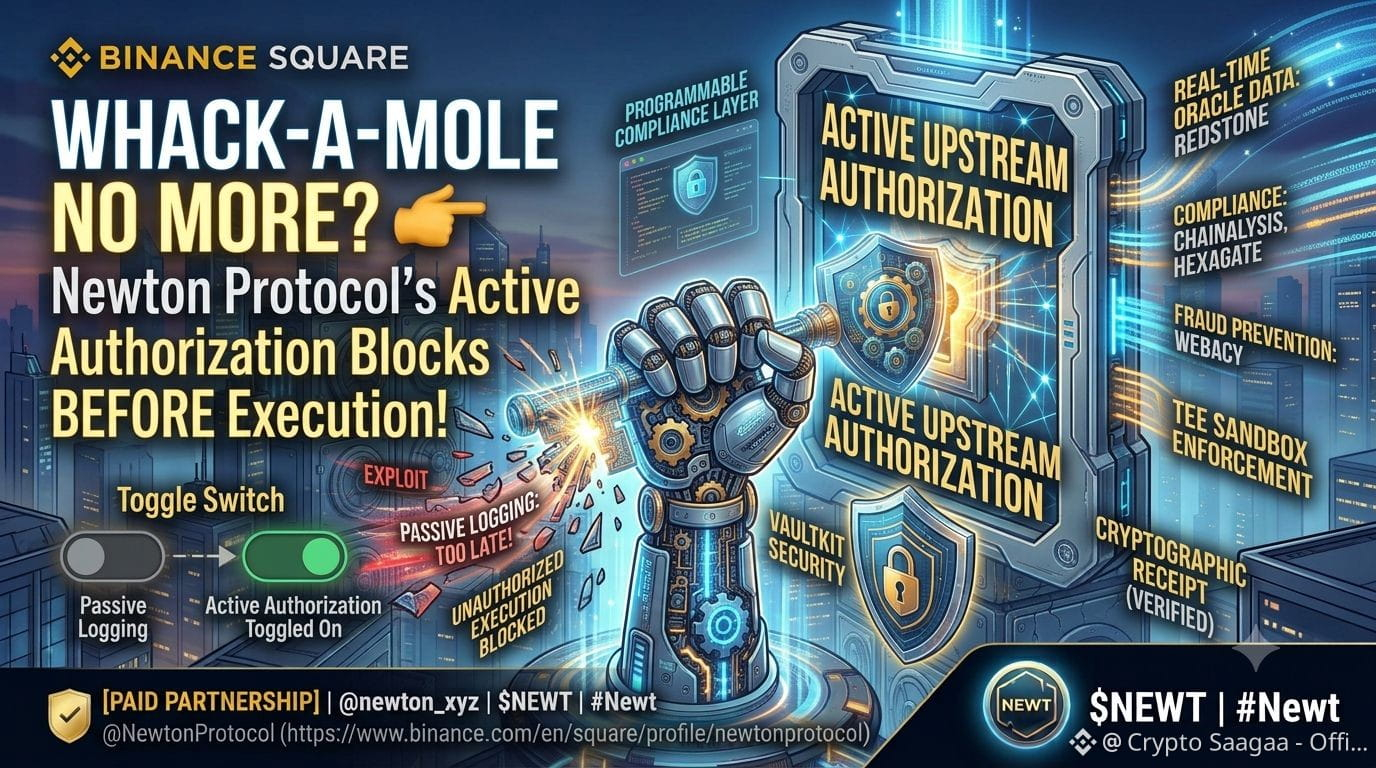
Lý do thực sự khiến bảo mật DeFi giống như một trò chơi whack-a-mole vô tận không phải là do mã smart contract thiếu thông minh—mà là vì thực tế của việc ghi log thụ động. Hiện tại, hạ tầng chỉ cho bạn biết bạn đã bị khai thác như thế nào sau khi vốn đã biến mất.
Bản beta Newton Mainnet trực tiếp hoàn toàn lật ngược trình tự này. Bằng cách thiết lập một lớp ràng buộc tầng trên dùng TEEs, @NewtonProtocol thay đổi mô hình từ kiểm toán thụ động sang ủy quyền chủ động, diễn ra ngay tại thời điểm giao dịch.
Với VaultKit đang chủ động kiểm soát rủi ro bằng cách kéo các nguồn dữ liệu điều kiện trực tiếp từ các đối tác như RedStone, các giao thức cuối cùng có thể chặn việc thực thi trái phép trước khi nó kịp đi vào sổ cái.
Khi các sandbox an toàn này mở rộng để xử lý các kho tiền quy mô tổ chức và các quy trình tác nhân AI tự động, giá trị cấu trúc của $NEWT như một token phối hợp và cấp quyền cốt lõi cũng sẽ mở rộng tương ứng ngay cùng với nó. #Newt
Lý do thực sự khiến bảo mật DeFi giống như một trò chơi whack-a-mole vô tận không phải là do mã smart contract thiếu thông minh—mà là vì thực tế của việc ghi log thụ động. Hiện tại, hạ tầng chỉ cho bạn biết bạn đã bị khai thác như thế nào sau khi vốn đã biến mất.
Bản beta Newton Mainnet trực tiếp hoàn toàn lật ngược trình tự này. Bằng cách thiết lập một lớp ràng buộc tầng trên dùng TEEs, @NewtonProtocol thay đổi mô hình từ kiểm toán thụ động sang ủy quyền chủ động, diễn ra ngay tại thời điểm giao dịch.
Với VaultKit đang chủ động kiểm soát rủi ro bằng cách kéo các nguồn dữ liệu điều kiện trực tiếp từ các đối tác như RedStone, các giao thức cuối cùng có thể chặn việc thực thi trái phép trước khi nó kịp đi vào sổ cái.
Khi các sandbox an toàn này mở rộng để xử lý các kho tiền quy mô tổ chức và các quy trình tác nhân AI tự động, giá trị cấu trúc của $NEWT như một token phối hợp và cấp quyền cốt lõi cũng sẽ mở rộng tương ứng ngay cùng với nó. #Newt
Bản beta Newton Mainnet trực tiếp hoàn toàn lật ngược trình tự này. Bằng cách thiết lập một lớp ràng buộc tầng trên dùng TEEs, @NewtonProtocol thay đổi mô hình từ kiểm toán thụ động sang ủy quyền chủ động, diễn ra ngay tại thời điểm giao dịch.
Với VaultKit đang chủ động kiểm soát rủi ro bằng cách kéo các nguồn dữ liệu điều kiện trực tiếp từ các đối tác như RedStone, các giao thức cuối cùng có thể chặn việc thực thi trái phép trước khi nó kịp đi vào sổ cái.
Khi các sandbox an toàn này mở rộng để xử lý các kho tiền quy mô tổ chức và các quy trình tác nhân AI tự động, giá trị cấu trúc của $NEWT như một token phối hợp và cấp quyền cốt lõi cũng sẽ mở rộng tương ứng ngay cùng với nó. #Newt
2
81
Bài viết
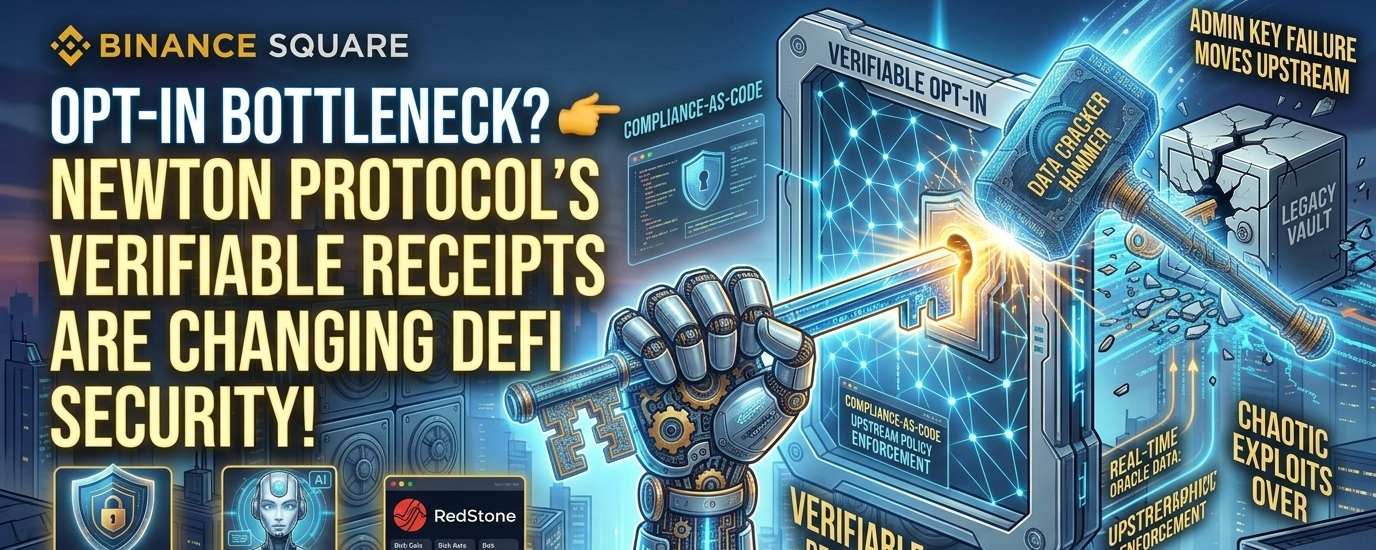
Vượt Ra Ngoài Sổ Tay Bảo Mật: Kiến Trúc Ràng Buộc trong Newton Mainnet BetaKhi các nền tảng hạ tầng nói về bảo mật, gần như lúc nào họ cũng mặc định nói về mã hóa, mã nguồn có thể kiểm chứng hoặc các thiết lập đa chữ ký. Mặc dù các nguyên tắc này là thiết yếu, chúng đều vận hành dựa trên một giả định chung nhưng sai lầm: rằng vai trò của một smart contract chỉ đơn thuần là thực thi một giao dịch sau khi đã được cấp quyền. Họ xem bảo mật như một ổ khóa cho cánh cửa, nhưng không cung cấp gì để quản trị hành vi sau khi người dùng hoặc một hệ thống tự động đã bước vào căn phòng.
Sự ra mắt của Newton Mainnet Beta trên Base và Ethereum đánh dấu một sự rời bỏ rõ ràng khỏi lối suy nghĩ này. Bằng việc xây dựng những gì có thể được mô tả như một "Constraint Layer" mô-đun, @NewtonProtocol không phải là việc tạo ra một blockchain mới để cạnh tranh về tốc độ thực thi. Thay vào đó, họ đang triển khai một khung chính sách ở tầng thượng nguồn, định nghĩa lại mối quan hệ giữa việc thực thi mã và các ranh giới vận hành.
Vượt Ra Ngoài Sổ Tay Bảo Mật: Kiến Trúc Ràng Buộc trong Newton Mainnet Beta
Khi các nền tảng hạ tầng nói về bảo mật, gần như lúc nào họ cũng mặc định nói về mã hóa, mã nguồn có thể kiểm chứng hoặc các thiết lập đa chữ ký. Mặc dù các nguyên tắc này là thiết yếu, chúng đều vận hành dựa trên một giả định chung nhưng sai lầm: rằng vai trò của một smart contract chỉ đơn thuần là thực thi một giao dịch sau khi đã được cấp quyền. Họ xem bảo mật như một ổ khóa cho cánh cửa, nhưng không cung cấp gì để quản trị hành vi sau khi người dùng hoặc một hệ thống tự động đã bước vào căn phòng.
Sự ra mắt của Newton Mainnet Beta trên Base và Ethereum đánh dấu một sự rời bỏ rõ ràng khỏi lối suy nghĩ này. Bằng việc xây dựng những gì có thể được mô tả như một "Constraint Layer" mô-đun, @NewtonProtocol không phải là việc tạo ra một blockchain mới để cạnh tranh về tốc độ thực thi. Thay vào đó, họ đang triển khai một khung chính sách ở tầng thượng nguồn, định nghĩa lại mối quan hệ giữa việc thực thi mã và các ranh giới vận hành.
Sự ra mắt của Newton Mainnet Beta trên Base và Ethereum đánh dấu một sự rời bỏ rõ ràng khỏi lối suy nghĩ này. Bằng việc xây dựng những gì có thể được mô tả như một "Constraint Layer" mô-đun, @NewtonProtocol không phải là việc tạo ra một blockchain mới để cạnh tranh về tốc độ thực thi. Thay vào đó, họ đang triển khai một khung chính sách ở tầng thượng nguồn, định nghĩa lại mối quan hệ giữa việc thực thi mã và các ranh giới vận hành.
1
86
Bài viết
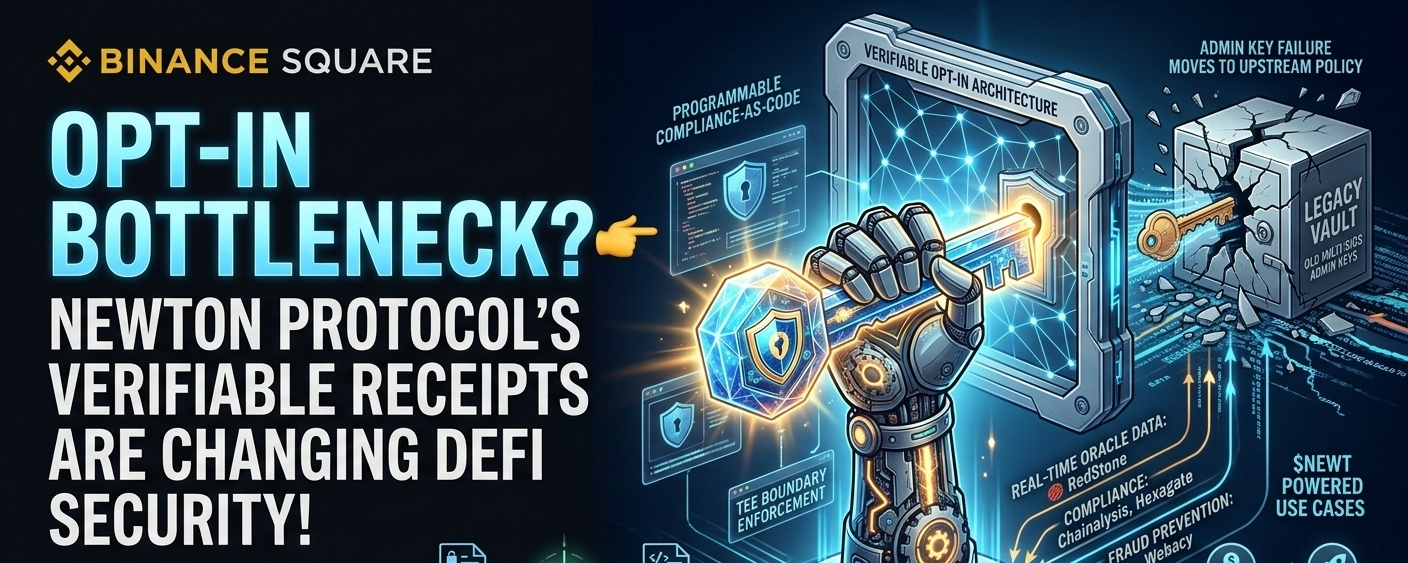
Thực tế mang tính cấu trúc đằng sau Newton Mainnet Beta và VaultKitKhi một dự án hạ tầng lớn ra mắt mainnet, cộng đồng crypto thường kỳ vọng một “công tắc ma thuật”: quá trình di chuyển ngay lập tức trên toàn hệ sinh thái sang một mô hình an toàn hơn. Tuy nhiên, giá trị thực sự của lớp hạ tầng phi tập trung không nằm ở việc cưỡng chế tự động trên diện rộng, mà ở mức độ chi tiết (độ tinh chỉnh).
Với việc ra mắt gần đây Newton Mainnet Beta trên Ethereum và Base, các đợt triển khai công cụ phát triển đặc trưng của nó—Newton VaultKit—bộc lộ một kiến trúc giải quyết một điểm mù DeFi mang tính cấu trúc: sự chuyển đổi từ “bảo mật dựa trên hy vọng” sang tuân thủ chủ động, có thể lập trình dưới dạng compliance-as-code.
Thực tế mang tính cấu trúc đằng sau Newton Mainnet Beta và VaultKit
Khi một dự án hạ tầng lớn ra mắt mainnet, cộng đồng crypto thường kỳ vọng một “công tắc ma thuật”: quá trình di chuyển ngay lập tức trên toàn hệ sinh thái sang một mô hình an toàn hơn. Tuy nhiên, giá trị thực sự của lớp hạ tầng phi tập trung không nằm ở việc cưỡng chế tự động trên diện rộng, mà ở mức độ chi tiết (độ tinh chỉnh).
Với việc ra mắt gần đây Newton Mainnet Beta trên Ethereum và Base, các đợt triển khai công cụ phát triển đặc trưng của nó—Newton VaultKit—bộc lộ một kiến trúc giải quyết một điểm mù DeFi mang tính cấu trúc: sự chuyển đổi từ “bảo mật dựa trên hy vọng” sang tuân thủ chủ động, có thể lập trình dưới dạng compliance-as-code.
Với việc ra mắt gần đây Newton Mainnet Beta trên Ethereum và Base, các đợt triển khai công cụ phát triển đặc trưng của nó—Newton VaultKit—bộc lộ một kiến trúc giải quyết một điểm mù DeFi mang tính cấu trúc: sự chuyển đổi từ “bảo mật dựa trên hy vọng” sang tuân thủ chủ động, có thể lập trình dưới dạng compliance-as-code.
132
Bài viết
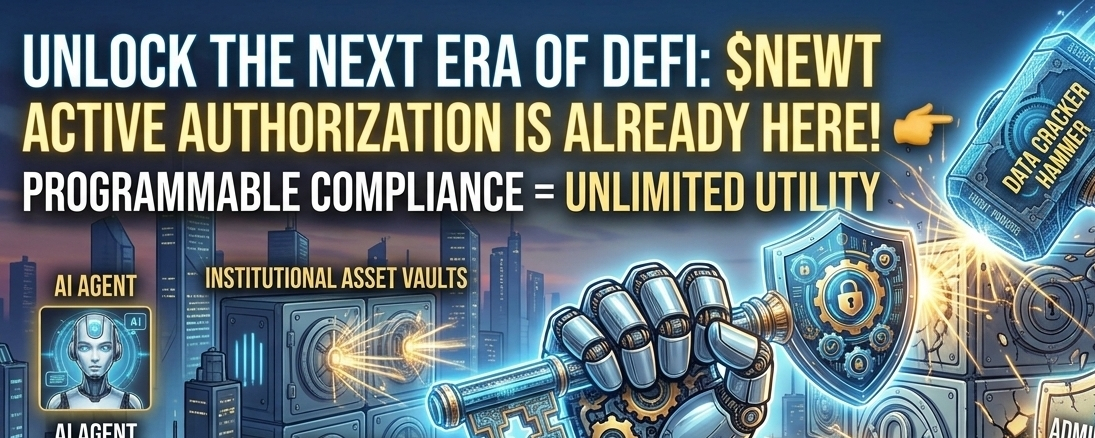
Tại sao Newton Mainnet Beta khám phá một "lớp ràng buộc" (Constraint Layer) trên chuỗiHầu hết các cuộc thảo luận xoay quanh việc nâng cấp hạ tầng đều tập trung hoàn toàn vào tốc độ thực thi, tối ưu hóa gas hoặc cầu nối thanh khoản liên chuỗi. Dù quan trọng, các tham số này lại bỏ qua một vấn đề kiến trúc cốt lõi đã ám ảnh tài chính phi tập trung từ ngay những ngày đầu: sự thiếu vắng hoàn toàn một lớp ủy quyền on-chain (trên chuỗi) đang hoạt động.
Hiện tại, khi vốn tương tác với một hợp đồng thông minh, hệ thống giả định rằng có đầy đủ quyền truy cập trừ khi bị dừng rõ ràng bởi một quy tắc được mã hóa cứng hoặc một khóa quản trị thủ công. Nếu khóa quản lý bị xâm phạm hoặc một tác nhân tự động thể hiện logic bất thường, giao dịch vẫn được hoàn tất. Đây là khoảng trống về mặt cấu trúc mà <c-27/> hướng đến để giải quyết thông qua Newton Mainnet Beta vừa được triển khai gần đây.
Tại sao Newton Mainnet Beta khám phá một "lớp ràng buộc" (Constraint Layer) trên chuỗi
Hầu hết các cuộc thảo luận xoay quanh việc nâng cấp hạ tầng đều tập trung hoàn toàn vào tốc độ thực thi, tối ưu hóa gas hoặc cầu nối thanh khoản liên chuỗi. Dù quan trọng, các tham số này lại bỏ qua một vấn đề kiến trúc cốt lõi đã ám ảnh tài chính phi tập trung từ ngay những ngày đầu: sự thiếu vắng hoàn toàn một lớp ủy quyền on-chain (trên chuỗi) đang hoạt động.
Hiện tại, khi vốn tương tác với một hợp đồng thông minh, hệ thống giả định rằng có đầy đủ quyền truy cập trừ khi bị dừng rõ ràng bởi một quy tắc được mã hóa cứng hoặc một khóa quản trị thủ công. Nếu khóa quản lý bị xâm phạm hoặc một tác nhân tự động thể hiện logic bất thường, giao dịch vẫn được hoàn tất. Đây là khoảng trống về mặt cấu trúc mà <c-27/> hướng đến để giải quyết thông qua Newton Mainnet Beta vừa được triển khai gần đây.
Hiện tại, khi vốn tương tác với một hợp đồng thông minh, hệ thống giả định rằng có đầy đủ quyền truy cập trừ khi bị dừng rõ ràng bởi một quy tắc được mã hóa cứng hoặc một khóa quản trị thủ công. Nếu khóa quản lý bị xâm phạm hoặc một tác nhân tự động thể hiện logic bất thường, giao dịch vẫn được hoàn tất. Đây là khoảng trống về mặt cấu trúc mà <c-27/> hướng đến để giải quyết thông qua Newton Mainnet Beta vừa được triển khai gần đây.
50
"Người trung gian vô hình" !!
Cơ sở hạ tầng crypto thích tranh luận về tốc độ thực thi và thông lượng, nhưng điều gì xảy ra giữa ý định của người dùng và khâu thanh toán? Hiện tại, đó chủ yếu là một cuộc chơi niềm tin.
Bản Beta Mainnet Newton trực tiếp đang giới thiệu một công cụ chính sách phi tập trung, về cơ bản nằm ở lớp phía trên của quá trình thực thi. Bằng cách bọc logic giao dịch trong một "hộp ràng buộc" có thể được xác minh bằng Trusted Execution Environments (TEEs), @NewtonProtocol đảm bảo việc tuân thủ chạy dưới dạng mã, thay vì chỉ là một ý nghĩ sau.
Với các đợt ra mắt ban đầu của VaultKit SDK, việc bảo vệ các vị thế tự động phức tạp thông qua dữ liệu thời gian thực từ RedStone, chúng tôi đang hướng tới một sự thay đổi về kiến trúc. Tiện ích mạng $NEWT cung cấp cho gas của việc staking, thế chấp và xử lý quyền hạn, khiến đây trở thành một khung cơ sở hạ tầng có tác động lớn cần theo dõi sát sao.
#newt $NEWT
"Người trung gian vô hình" !!
Cơ sở hạ tầng crypto thích tranh luận về tốc độ thực thi và thông lượng, nhưng điều gì xảy ra giữa ý định của người dùng và khâu thanh toán? Hiện tại, đó chủ yếu là một cuộc chơi niềm tin.
Bản Beta Mainnet Newton trực tiếp đang giới thiệu một công cụ chính sách phi tập trung, về cơ bản nằm ở lớp phía trên của quá trình thực thi. Bằng cách bọc logic giao dịch trong một "hộp ràng buộc" có thể được xác minh bằng Trusted Execution Environments (TEEs), @NewtonProtocol đảm bảo việc tuân thủ chạy dưới dạng mã, thay vì chỉ là một ý nghĩ sau.
Với các đợt ra mắt ban đầu của VaultKit SDK, việc bảo vệ các vị thế tự động phức tạp thông qua dữ liệu thời gian thực từ RedStone, chúng tôi đang hướng tới một sự thay đổi về kiến trúc. Tiện ích mạng $NEWT cung cấp cho gas của việc staking, thế chấp và xử lý quyền hạn, khiến đây trở thành một khung cơ sở hạ tầng có tác động lớn cần theo dõi sát sao.
#newt $NEWT
Cơ sở hạ tầng crypto thích tranh luận về tốc độ thực thi và thông lượng, nhưng điều gì xảy ra giữa ý định của người dùng và khâu thanh toán? Hiện tại, đó chủ yếu là một cuộc chơi niềm tin.
Bản Beta Mainnet Newton trực tiếp đang giới thiệu một công cụ chính sách phi tập trung, về cơ bản nằm ở lớp phía trên của quá trình thực thi. Bằng cách bọc logic giao dịch trong một "hộp ràng buộc" có thể được xác minh bằng Trusted Execution Environments (TEEs), @NewtonProtocol đảm bảo việc tuân thủ chạy dưới dạng mã, thay vì chỉ là một ý nghĩ sau.
Với các đợt ra mắt ban đầu của VaultKit SDK, việc bảo vệ các vị thế tự động phức tạp thông qua dữ liệu thời gian thực từ RedStone, chúng tôi đang hướng tới một sự thay đổi về kiến trúc. Tiện ích mạng $NEWT cung cấp cho gas của việc staking, thế chấp và xử lý quyền hạn, khiến đây trở thành một khung cơ sở hạ tầng có tác động lớn cần theo dõi sát sao.
#newt $NEWT
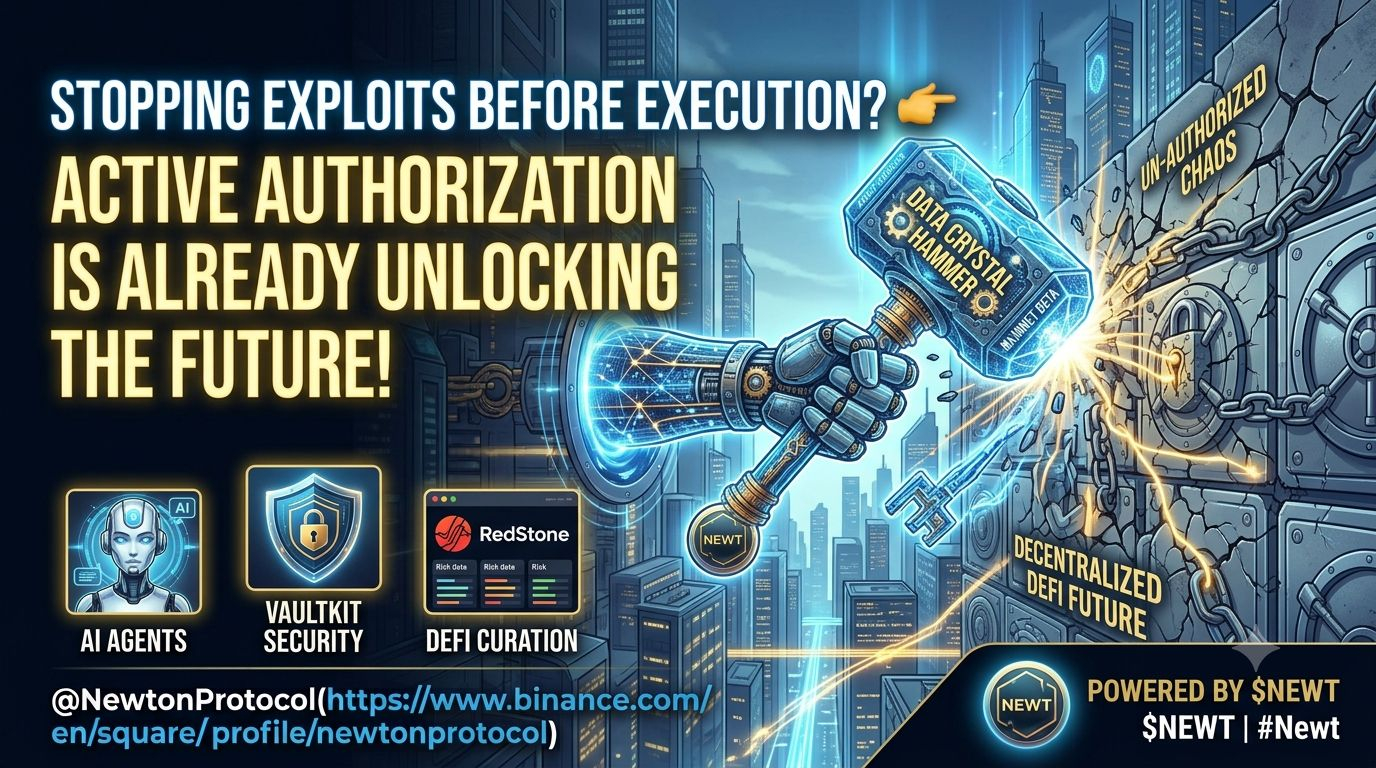
1
79
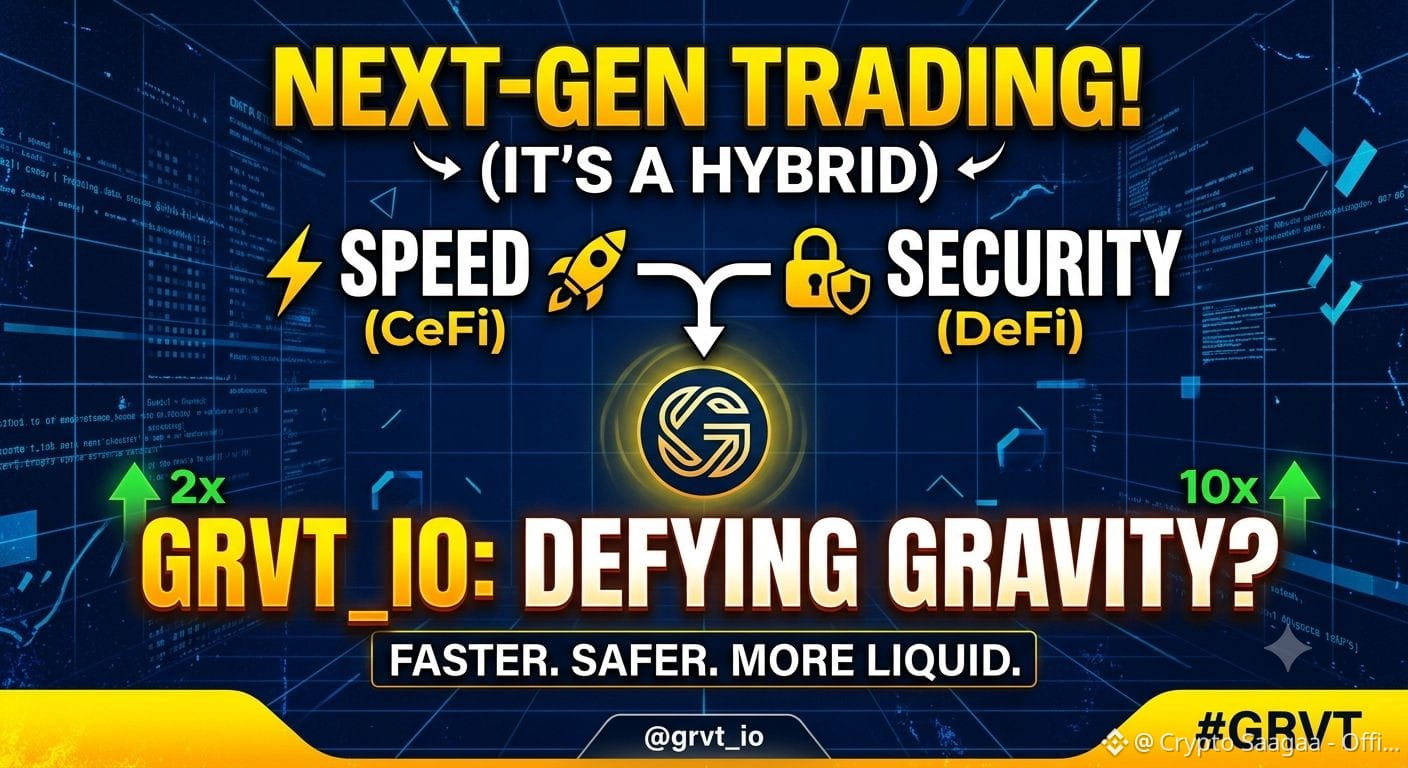
Giao dịch phái sinh tiền mã hóa sắp đạt đến một tầm mức hiệu quả hoàn toàn mới.
Hãy chú ý theo sát @grvt_io khi họ đang định nghĩa lại lĩnh vực này bằng mô hình sàn giao dịch lai, kết hợp tốc độ tốt nhất của CeFi và mức độ an toàn của DeFi.
Mong chờ được thấy cách họ mở rộng tính thanh khoản và trải nghiệm người dùng trong những tháng tới!
#grvt
Giao dịch phái sinh tiền mã hóa sắp đạt đến một tầm mức hiệu quả hoàn toàn mới.
Hãy chú ý theo sát @grvt_io khi họ đang định nghĩa lại lĩnh vực này bằng mô hình sàn giao dịch lai, kết hợp tốc độ tốt nhất của CeFi và mức độ an toàn của DeFi.
Mong chờ được thấy cách họ mở rộng tính thanh khoản và trải nghiệm người dùng trong những tháng tới!
#grvt
Hãy chú ý theo sát @grvt_io khi họ đang định nghĩa lại lĩnh vực này bằng mô hình sàn giao dịch lai, kết hợp tốc độ tốt nhất của CeFi và mức độ an toàn của DeFi.
Mong chờ được thấy cách họ mở rộng tính thanh khoản và trải nghiệm người dùng trong những tháng tới!
#grvt
65
Bài viết
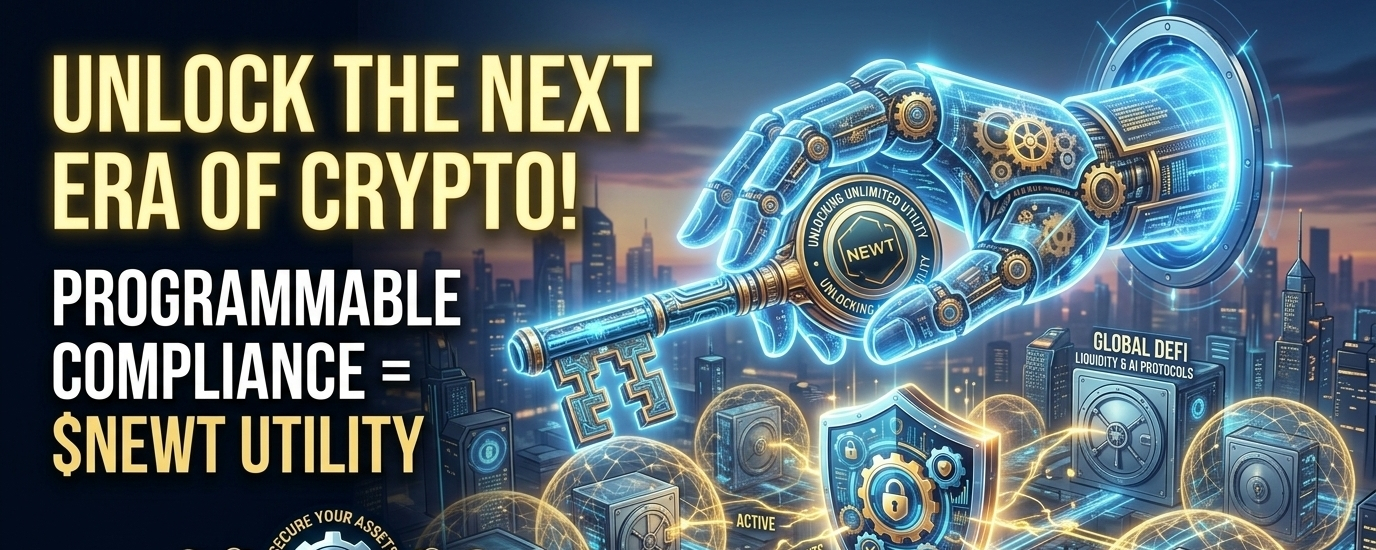
Thay Đổi Thứ Tự: Vì Sao Newton Mainnet Beta Khám Phá một "Lớp Ràng Buộc" Trên ChuỗiPhần lớn các cuộc thảo luận xung quanh việc nâng cấp hạ tầng chỉ tập trung hoàn toàn vào tốc độ thực thi, tối ưu gas hoặc cầu nối thanh khoản liên chuỗi. Dù những tham số này là cần thiết, chúng lại bỏ qua một vấn đề kiến trúc cốt lõi đã gây ra nhiều rắc rối cho tài chính phi tập trung từ ngay những ngày đầu: sự thiếu vắng hoàn toàn một lớp ủy quyền on-chain đang hoạt động.
Hiện tại, khi vốn tương tác với một hợp đồng thông minh, hệ thống mặc định rằng mọi quyền đều được cho phép trừ khi bị dừng rõ ràng bởi một quy tắc mã cứng hoặc một khóa quản trị thủ công. Nếu khóa quản lý bị xâm phạm, hoặc một tác nhân tự động thể hiện logic bất thường, thì giao dịch vẫn được hoàn tất. Đây chính là khoảng trống mang tính cấu trúc mà
Thay Đổi Thứ Tự: Vì Sao Newton Mainnet Beta Khám Phá một "Lớp Ràng Buộc" Trên Chuỗi
Phần lớn các cuộc thảo luận xung quanh việc nâng cấp hạ tầng chỉ tập trung hoàn toàn vào tốc độ thực thi, tối ưu gas hoặc cầu nối thanh khoản liên chuỗi. Dù những tham số này là cần thiết, chúng lại bỏ qua một vấn đề kiến trúc cốt lõi đã gây ra nhiều rắc rối cho tài chính phi tập trung từ ngay những ngày đầu: sự thiếu vắng hoàn toàn một lớp ủy quyền on-chain đang hoạt động.
Hiện tại, khi vốn tương tác với một hợp đồng thông minh, hệ thống mặc định rằng mọi quyền đều được cho phép trừ khi bị dừng rõ ràng bởi một quy tắc mã cứng hoặc một khóa quản trị thủ công. Nếu khóa quản lý bị xâm phạm, hoặc một tác nhân tự động thể hiện logic bất thường, thì giao dịch vẫn được hoàn tất. Đây chính là khoảng trống mang tính cấu trúc mà
Hiện tại, khi vốn tương tác với một hợp đồng thông minh, hệ thống mặc định rằng mọi quyền đều được cho phép trừ khi bị dừng rõ ràng bởi một quy tắc mã cứng hoặc một khóa quản trị thủ công. Nếu khóa quản lý bị xâm phạm, hoặc một tác nhân tự động thể hiện logic bất thường, thì giao dịch vẫn được hoàn tất. Đây chính là khoảng trống mang tính cấu trúc mà
11
84
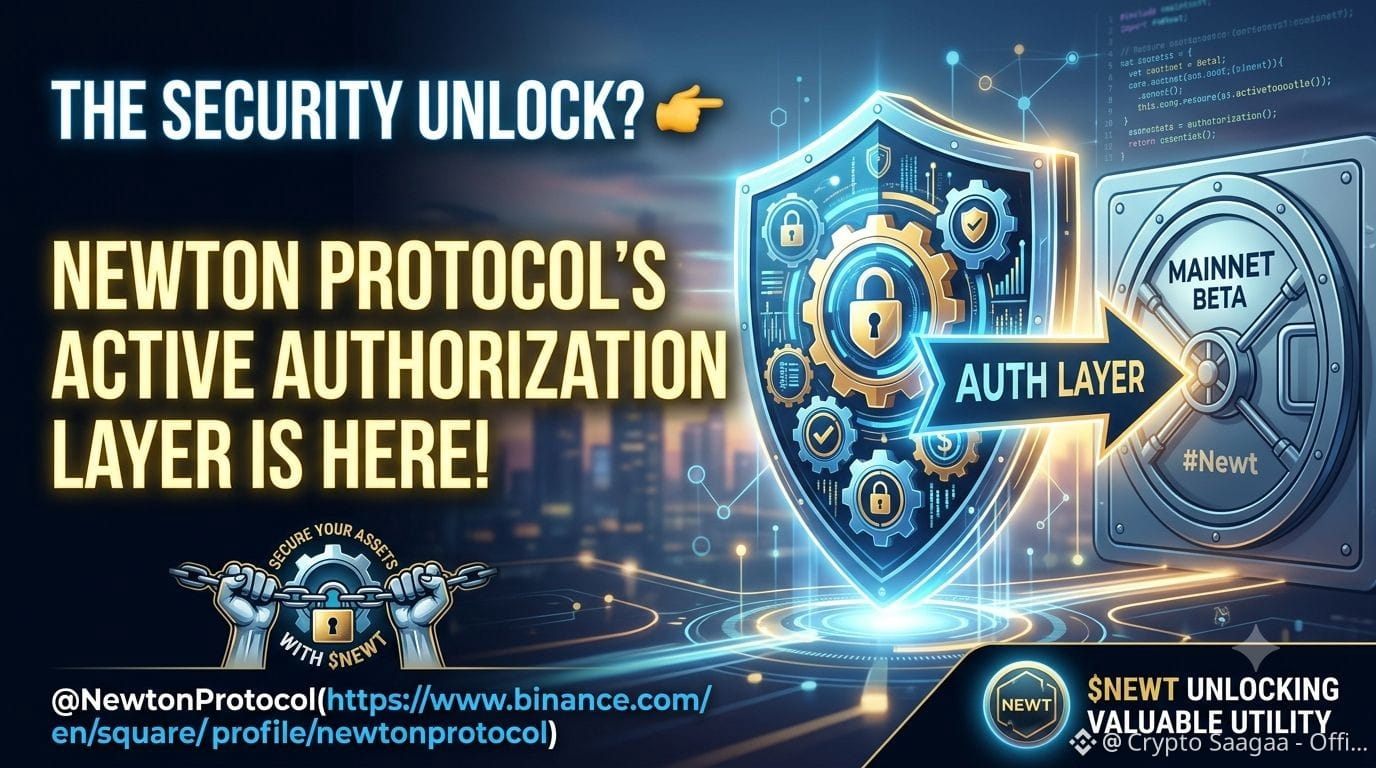
DeFi truyền thống giả định rằng một giao dịch hoàn toàn không cần được cấp phép cho đến khi nó chạm vào một hợp đồng thông minh, nhưng @NewtonProtocol(https://www.binance.com/en/square/profile/newtonprotocol) đang thay đổi nền tảng trình tự đó.
Khi Newton Mainnet Beta hiện đã ra mắt trên Base và Ethereum, họ đang giới thiệu một lớp ủy quyền chủ động đánh giá ý định từ trước khi một giao dịch thậm chí được hoàn tất.
Bằng cách sử dụng Môi trường Thực thi Tin cậy (TEEs) và các công cụ như VaultKit, các nhà phát triển cuối cùng có thể triển khai khả năng tuân thủ theo dạng “compliance-as-code” có thể lập trình và xác minh được mà không làm ảnh hưởng đến tính phi tập trung.
Điều này mang lại cho nhà phát triển quyền kiểm soát đầy đủ ai được phép hành động, khi nào và trong những điều kiện chính xác nào. Tiện ích của $NEWT token đang ngày càng tăng khi nó bảo mật năng lực tính toán của mạng này. Mong chờ việc các tích hợp sẽ mở rộng ra sao trên các trung tâm DeFi lớn. #Newt
#newt $NEWT
DeFi truyền thống giả định rằng một giao dịch hoàn toàn không cần được cấp phép cho đến khi nó chạm vào một hợp đồng thông minh, nhưng @NewtonProtocol(https://www.binance.com/en/square/profile/newtonprotocol) đang thay đổi nền tảng trình tự đó.
Khi Newton Mainnet Beta hiện đã ra mắt trên Base và Ethereum, họ đang giới thiệu một lớp ủy quyền chủ động đánh giá ý định từ trước khi một giao dịch thậm chí được hoàn tất.
Bằng cách sử dụng Môi trường Thực thi Tin cậy (TEEs) và các công cụ như VaultKit, các nhà phát triển cuối cùng có thể triển khai khả năng tuân thủ theo dạng “compliance-as-code” có thể lập trình và xác minh được mà không làm ảnh hưởng đến tính phi tập trung.
Điều này mang lại cho nhà phát triển quyền kiểm soát đầy đủ ai được phép hành động, khi nào và trong những điều kiện chính xác nào. Tiện ích của $NEWT token đang ngày càng tăng khi nó bảo mật năng lực tính toán của mạng này. Mong chờ việc các tích hợp sẽ mở rộng ra sao trên các trung tâm DeFi lớn. #Newt
#newt $NEWT
Khi Newton Mainnet Beta hiện đã ra mắt trên Base và Ethereum, họ đang giới thiệu một lớp ủy quyền chủ động đánh giá ý định từ trước khi một giao dịch thậm chí được hoàn tất.
Bằng cách sử dụng Môi trường Thực thi Tin cậy (TEEs) và các công cụ như VaultKit, các nhà phát triển cuối cùng có thể triển khai khả năng tuân thủ theo dạng “compliance-as-code” có thể lập trình và xác minh được mà không làm ảnh hưởng đến tính phi tập trung.
Điều này mang lại cho nhà phát triển quyền kiểm soát đầy đủ ai được phép hành động, khi nào và trong những điều kiện chính xác nào. Tiện ích của $NEWT token đang ngày càng tăng khi nó bảo mật năng lực tính toán của mạng này. Mong chờ việc các tích hợp sẽ mở rộng ra sao trên các trung tâm DeFi lớn. #Newt
#newt $NEWT
16
5
104
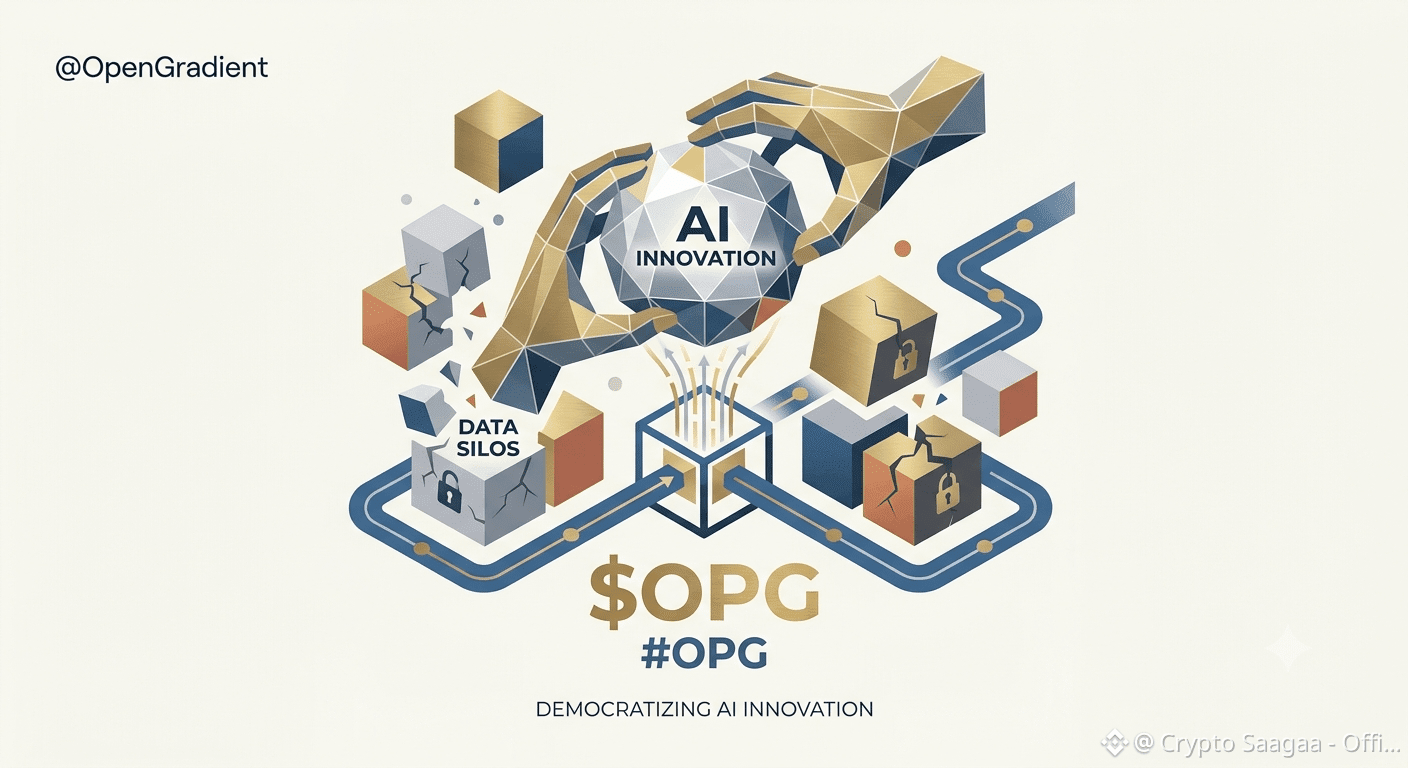
Phát triển AI đang chạm trần và bức tường đó chính là các “đảo dữ liệu” (data silos). 🛑 Mặc dù các nhà phát triển có những thuật toán tuyệt vời, việc truy cập các bộ dữ liệu chất lượng, đa dạng thường bị chặn bởi các hệ thống độc quyền khép kín hoặc các rủi ro quyền riêng tư rất lớn. Điều này tập trung quyền lực vào tay của một vài “ông lớn” công nghệ.
$OPG được xây dựng để phá bỏ những bức tường này và dân chủ hóa sự đổi mới trong AI.
Mạng lưới cung cấp một hạ tầng có thể kiểm chứng, bảo vệ quyền riêng tư, nơi dữ liệu có thể chảy an toàn, giúp các mô hình học tập mà không làm ảnh hưởng đến quyền riêng tư của người dùng.
Bằng cách mở khóa các hệ sinh thái dữ liệu trước đây bị đóng kín, @OpenGradient đang tạo điều kiện cho một thế hệ mô hình AI chuyên biệt, hiệu năng cao mới—từ y học chính xác đến tài chính phi tập trung.
Chúng tôi đang chứng kiến bình minh của AI mã nguồn mở thực sự. 🌍
#OPG $OPG
Phát triển AI đang chạm trần và bức tường đó chính là các “đảo dữ liệu” (data silos). 🛑 Mặc dù các nhà phát triển có những thuật toán tuyệt vời, việc truy cập các bộ dữ liệu chất lượng, đa dạng thường bị chặn bởi các hệ thống độc quyền khép kín hoặc các rủi ro quyền riêng tư rất lớn. Điều này tập trung quyền lực vào tay của một vài “ông lớn” công nghệ.
$OPG được xây dựng để phá bỏ những bức tường này và dân chủ hóa sự đổi mới trong AI.
Mạng lưới cung cấp một hạ tầng có thể kiểm chứng, bảo vệ quyền riêng tư, nơi dữ liệu có thể chảy an toàn, giúp các mô hình học tập mà không làm ảnh hưởng đến quyền riêng tư của người dùng.
Bằng cách mở khóa các hệ sinh thái dữ liệu trước đây bị đóng kín, @OpenGradient đang tạo điều kiện cho một thế hệ mô hình AI chuyên biệt, hiệu năng cao mới—từ y học chính xác đến tài chính phi tập trung.
Chúng tôi đang chứng kiến bình minh của AI mã nguồn mở thực sự. 🌍
#OPG $OPG
$OPG được xây dựng để phá bỏ những bức tường này và dân chủ hóa sự đổi mới trong AI.
Mạng lưới cung cấp một hạ tầng có thể kiểm chứng, bảo vệ quyền riêng tư, nơi dữ liệu có thể chảy an toàn, giúp các mô hình học tập mà không làm ảnh hưởng đến quyền riêng tư của người dùng.
Bằng cách mở khóa các hệ sinh thái dữ liệu trước đây bị đóng kín, @OpenGradient đang tạo điều kiện cho một thế hệ mô hình AI chuyên biệt, hiệu năng cao mới—từ y học chính xác đến tài chính phi tập trung.
Chúng tôi đang chứng kiến bình minh của AI mã nguồn mở thực sự. 🌍
#OPG $OPG
6
93
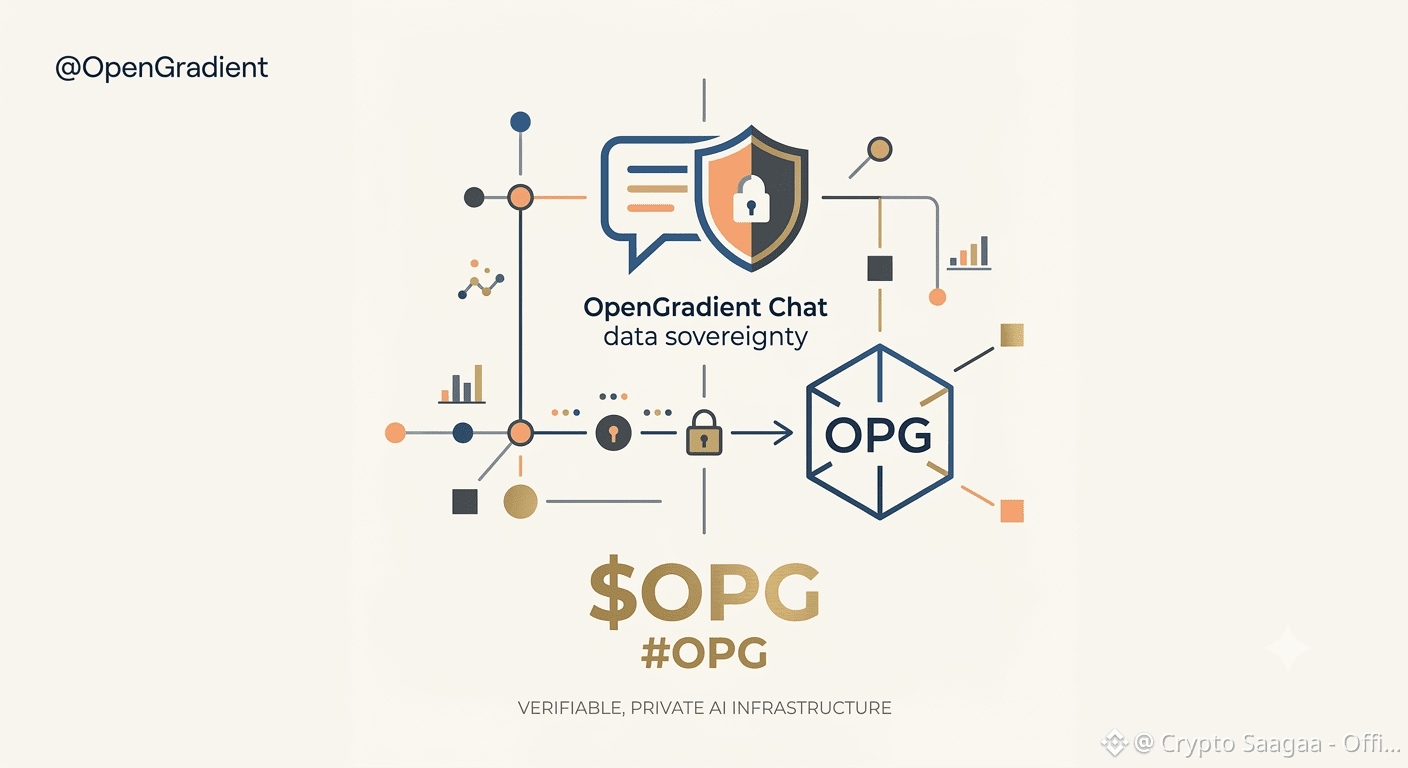
AI đã nhanh chóng đan mình vào các thói quen hằng ngày của chúng ta, nhưng các công cụ tiêu chuẩn lại đi kèm một nhược điểm lớn: chúng ta thường xuyên đánh đổi dữ liệu cá nhân và lịch sử tìm kiếm để lấy sự tiện lợi.
Chính vì lý do đó mà kiến trúc đằng sau @OpenGradient t lại là một bước đột phá. Với OpenGradient Chat, bạn không cần phải lựa chọn giữa các khả năng AI tiên tiến và quyền riêng tư tuyệt đối. Bằng cách tích hợp một cấu trúc phi tập trung được hỗ trợ bởi Môi trường thực thi đáng tin cậy (TEEs) và mã hóa cục bộ, nó đảm bảo rằng các prompt và dữ liệu của bạn luôn được bảo vệ hoàn toàn và không hề bị liên kết với danh tính của bạn. Đây là một bước tiến rất lớn hướng tới quyền tự chủ dữ liệu thực sự trong Web3. Theo sát $OPG as khi họ dẫn đầu nỗ lực xây dựng hạ tầng AI riêng tư, có thể kiểm chứng.
#OPG
#opg $OPG
AI đã nhanh chóng đan mình vào các thói quen hằng ngày của chúng ta, nhưng các công cụ tiêu chuẩn lại đi kèm một nhược điểm lớn: chúng ta thường xuyên đánh đổi dữ liệu cá nhân và lịch sử tìm kiếm để lấy sự tiện lợi.
Chính vì lý do đó mà kiến trúc đằng sau @OpenGradient t lại là một bước đột phá. Với OpenGradient Chat, bạn không cần phải lựa chọn giữa các khả năng AI tiên tiến và quyền riêng tư tuyệt đối. Bằng cách tích hợp một cấu trúc phi tập trung được hỗ trợ bởi Môi trường thực thi đáng tin cậy (TEEs) và mã hóa cục bộ, nó đảm bảo rằng các prompt và dữ liệu của bạn luôn được bảo vệ hoàn toàn và không hề bị liên kết với danh tính của bạn. Đây là một bước tiến rất lớn hướng tới quyền tự chủ dữ liệu thực sự trong Web3. Theo sát $OPG as khi họ dẫn đầu nỗ lực xây dựng hạ tầng AI riêng tư, có thể kiểm chứng.
#OPG
#opg $OPG
Chính vì lý do đó mà kiến trúc đằng sau @OpenGradient t lại là một bước đột phá. Với OpenGradient Chat, bạn không cần phải lựa chọn giữa các khả năng AI tiên tiến và quyền riêng tư tuyệt đối. Bằng cách tích hợp một cấu trúc phi tập trung được hỗ trợ bởi Môi trường thực thi đáng tin cậy (TEEs) và mã hóa cục bộ, nó đảm bảo rằng các prompt và dữ liệu của bạn luôn được bảo vệ hoàn toàn và không hề bị liên kết với danh tính của bạn. Đây là một bước tiến rất lớn hướng tới quyền tự chủ dữ liệu thực sự trong Web3. Theo sát $OPG as khi họ dẫn đầu nỗ lực xây dựng hạ tầng AI riêng tư, có thể kiểm chứng.
#OPG
#opg $OPG
7
1
101
Ý kiến KHÔNG PHỔ BIẾN!! 👇
Lợi nhuận đầu tư lớn nhất đến từ một doanh nghiệp thật mà bạn tự xây dựng.
Không phải bất kỳ kênh đầu tư nào khác, cổ phiếu, ponzi hay crypto!!
#bitcoin #CrudeFuturesSink #STRCBelowParSlowsStrategyBTCBuys
Ý kiến KHÔNG PHỔ BIẾN!! 👇
Lợi nhuận đầu tư lớn nhất đến từ một doanh nghiệp thật mà bạn tự xây dựng.
Không phải bất kỳ kênh đầu tư nào khác, cổ phiếu, ponzi hay crypto!!
#bitcoin #CrudeFuturesSink #STRCBelowParSlowsStrategyBTCBuys
Lợi nhuận đầu tư lớn nhất đến từ một doanh nghiệp thật mà bạn tự xây dựng.
Không phải bất kỳ kênh đầu tư nào khác, cổ phiếu, ponzi hay crypto!!
#bitcoin #CrudeFuturesSink #STRCBelowParSlowsStrategyBTCBuys
27
Lời khuyên hoặc bài học nào trong crypto mà bạn đã gặp phải, giúp bạn kiếm nhiều tiền hơn bất kỳ thứ gì khác?
Lời khuyên hoặc bài học nào trong crypto mà bạn đã gặp phải, giúp bạn kiếm nhiều tiền hơn bất kỳ thứ gì khác?
79
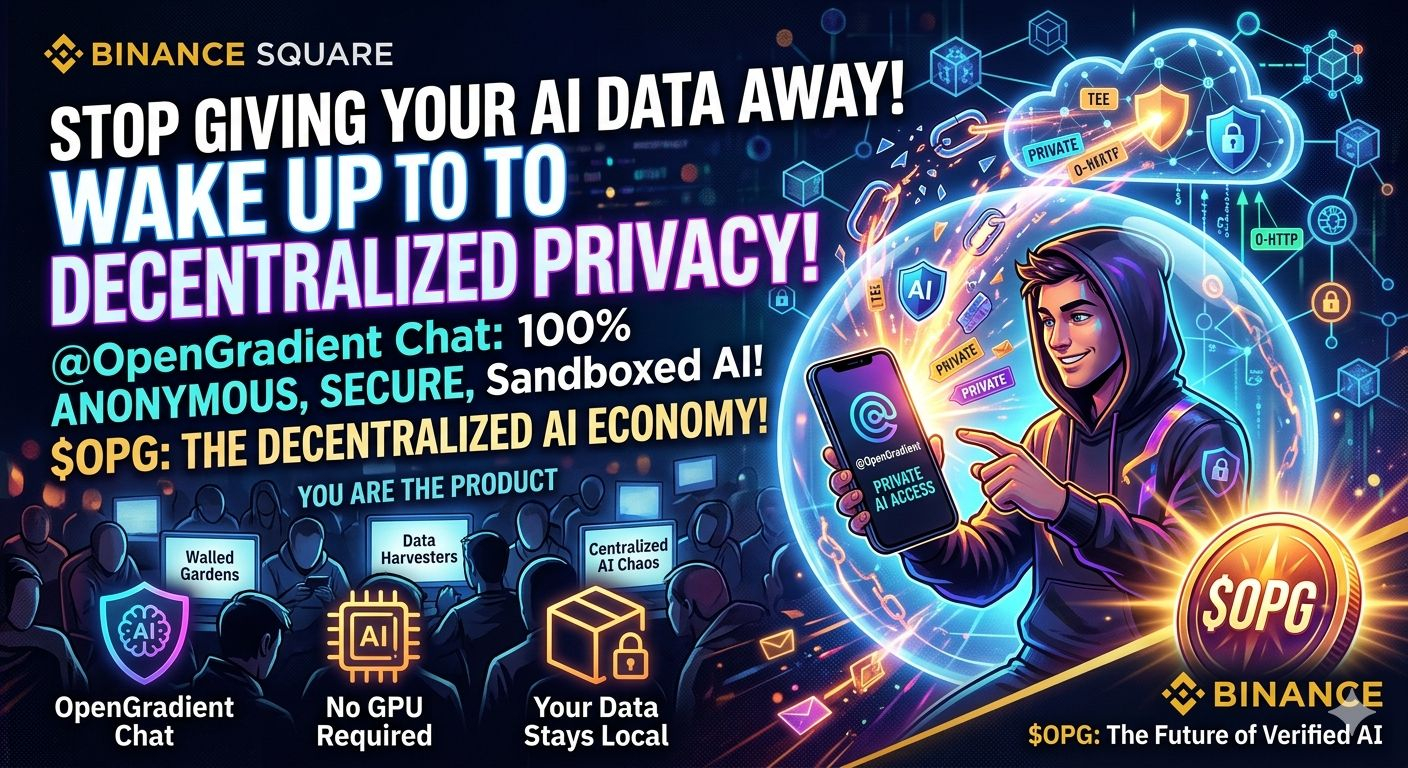
Bạn đã bao giờ nghĩ về việc mình cung cấp bao nhiêu dữ liệu nhạy cảm cho AI mỗi ngày chưa? Dự đoán tài chính, câu hỏi sức khỏe, logic lập trình—tất cả đều nằm trên các máy chủ tập trung, chờ đợi một vụ vi phạm.
Đó chính là lý do tại sao phong trào AI phi tập trung đang chuyển mình, và @OpenGradient đang dẫn đầu.
Với OpenGradient Chat, bạn nhận được một lá chắn bảo mật hoàn chỉnh cho các tương tác với AI. Thay vì gắn những câu hỏi muộn màng hay dữ liệu độc quyền của bạn với danh tính thật trong thế giới thực, OpenGradient sử dụng Oblivious HTTP (RFC 9458) và Trusted Execution Environments (TEEs). Điều này đảm bảo rằng các prompt của bạn hoàn toàn tách biệt khỏi danh tính trước khi chúng chạm vào các mô hình tiên tiến như ChatGPT, Claude, hoặc Gemini. Hơn nữa, bạn có thể chạy một agent AI sandbox ngay trên thiết bị của mình—không cần GPU, và các tệp của bạn không bao giờ rời khỏi máy của bạn.
Tại trung tâm của cơ sở hạ tầng này là $OPG, cung cấp tính toán AI phi tập trung, có thể xác minh bằng mật mã mà không làm giảm tính riêng tư. Bằng cách xử lý thực thi ngoài chuỗi trên các nút GPU và xác thực các bằng chứng mật mã ở mức đồng thuận, mạng lưới giải quyết vấn đề "Hộp đen AI" trong khi vẫn duy trì tốc độ Web2 nhanh như chớp.
Ngừng việc cho đi dấu chân dữ liệu của bạn miễn phí. Hãy thử một cách tiếp cận riêng tư, ẩn danh để truy cập AI hàng đầu.
#opg $OPG
Bạn đã bao giờ nghĩ về việc mình cung cấp bao nhiêu dữ liệu nhạy cảm cho AI mỗi ngày chưa? Dự đoán tài chính, câu hỏi sức khỏe, logic lập trình—tất cả đều nằm trên các máy chủ tập trung, chờ đợi một vụ vi phạm.
Đó chính là lý do tại sao phong trào AI phi tập trung đang chuyển mình, và @OpenGradient đang dẫn đầu.
Với OpenGradient Chat, bạn nhận được một lá chắn bảo mật hoàn chỉnh cho các tương tác với AI. Thay vì gắn những câu hỏi muộn màng hay dữ liệu độc quyền của bạn với danh tính thật trong thế giới thực, OpenGradient sử dụng Oblivious HTTP (RFC 9458) và Trusted Execution Environments (TEEs). Điều này đảm bảo rằng các prompt của bạn hoàn toàn tách biệt khỏi danh tính trước khi chúng chạm vào các mô hình tiên tiến như ChatGPT, Claude, hoặc Gemini. Hơn nữa, bạn có thể chạy một agent AI sandbox ngay trên thiết bị của mình—không cần GPU, và các tệp của bạn không bao giờ rời khỏi máy của bạn.
Tại trung tâm của cơ sở hạ tầng này là $OPG , cung cấp tính toán AI phi tập trung, có thể xác minh bằng mật mã mà không làm giảm tính riêng tư. Bằng cách xử lý thực thi ngoài chuỗi trên các nút GPU và xác thực các bằng chứng mật mã ở mức đồng thuận, mạng lưới giải quyết vấn đề "Hộp đen AI" trong khi vẫn duy trì tốc độ Web2 nhanh như chớp.
Ngừng việc cho đi dấu chân dữ liệu của bạn miễn phí. Hãy thử một cách tiếp cận riêng tư, ẩn danh để truy cập AI hàng đầu.
#opg $OPG
Đó chính là lý do tại sao phong trào AI phi tập trung đang chuyển mình, và @OpenGradient đang dẫn đầu.
Với OpenGradient Chat, bạn nhận được một lá chắn bảo mật hoàn chỉnh cho các tương tác với AI. Thay vì gắn những câu hỏi muộn màng hay dữ liệu độc quyền của bạn với danh tính thật trong thế giới thực, OpenGradient sử dụng Oblivious HTTP (RFC 9458) và Trusted Execution Environments (TEEs). Điều này đảm bảo rằng các prompt của bạn hoàn toàn tách biệt khỏi danh tính trước khi chúng chạm vào các mô hình tiên tiến như ChatGPT, Claude, hoặc Gemini. Hơn nữa, bạn có thể chạy một agent AI sandbox ngay trên thiết bị của mình—không cần GPU, và các tệp của bạn không bao giờ rời khỏi máy của bạn.
Tại trung tâm của cơ sở hạ tầng này là $OPG , cung cấp tính toán AI phi tập trung, có thể xác minh bằng mật mã mà không làm giảm tính riêng tư. Bằng cách xử lý thực thi ngoài chuỗi trên các nút GPU và xác thực các bằng chứng mật mã ở mức đồng thuận, mạng lưới giải quyết vấn đề "Hộp đen AI" trong khi vẫn duy trì tốc độ Web2 nhanh như chớp.
Ngừng việc cho đi dấu chân dữ liệu của bạn miễn phí. Hãy thử một cách tiếp cận riêng tư, ẩn danh để truy cập AI hàng đầu.
#opg $OPG
5
111
Hầu hết thời gian bạn sẽ không thấy lợi nhuận 🥲
Bạn có biết vì sao không?
vì bạn đã đầu tư vào thứ mà bạn không chắc chắn, nhưng có người khác lại chắc chắn—người đó đã tin tưởng bạn.
ĐỪNG TIN AI HẾT!
đó là Crypto!
95% người kiếm tiền từ khoản lỗ của người khác.
tránh xa những trò thao túng.
HỌC crypto theo cách khó và Kiếm Tiền Thật 🤑
CÁCH CHẬM
CÁCH CHẮC CHẮN!!
#IranMandatesHormuzShipInsurance #THORChainRecoveryEntersFinalPhase #BitcoinETFWeeklyOutflowsDrop87%
Hầu hết thời gian bạn sẽ không thấy lợi nhuận 🥲
Bạn có biết vì sao không?
vì bạn đã đầu tư vào thứ mà bạn không chắc chắn, nhưng có người khác lại chắc chắn—người đó đã tin tưởng bạn.
ĐỪNG TIN AI HẾT!
đó là Crypto!
95% người kiếm tiền từ khoản lỗ của người khác.
tránh xa những trò thao túng.
HỌC crypto theo cách khó và Kiếm Tiền Thật 🤑
CÁCH CHẬM
CÁCH CHẮC CHẮN!!
#IranMandatesHormuzShipInsurance #THORChainRecoveryEntersFinalPhase #BitcoinETFWeeklyOutflowsDrop87%
Bạn có biết vì sao không?
vì bạn đã đầu tư vào thứ mà bạn không chắc chắn, nhưng có người khác lại chắc chắn—người đó đã tin tưởng bạn.
ĐỪNG TIN AI HẾT!
đó là Crypto!
95% người kiếm tiền từ khoản lỗ của người khác.
tránh xa những trò thao túng.
HỌC crypto theo cách khó và Kiếm Tiền Thật 🤑
CÁCH CHẬM
CÁCH CHẮC CHẮN!!
#IranMandatesHormuzShipInsurance #THORChainRecoveryEntersFinalPhase #BitcoinETFWeeklyOutflowsDrop87%
72
·
--
Tăng giá
$NVDAB có thể là bước đột phá tiếp theo!!! 👀
$NVDAB có thể là bước đột phá tiếp theo!!! 👀
1
6
Nếu bạn không mua @bitcoin @Solana_Official hoặc @PolkadotNetwork
Hãy tin tôi!
Bạn đang chuẩn bị để làm hại chính mình...
Nếu bạn không mua @Bitcoin @Solana Official hoặc @Polkadot Network
Hãy tin tôi!
Bạn đang chuẩn bị để làm hại chính mình...
Hãy tin tôi!
Bạn đang chuẩn bị để làm hại chính mình...
1
86
Sự trớ trêu của cuộc đời là!!!
$BTC là đồng xu duy nhất trong crypto có tiềm năng mang lại cho bạn vận may mà KHÔNG cần HỌC- đầu tư- nghiên cứu bất cứ điều gì về crypto!!
đơn giản là vậy và đến nay vẫn không ai mua!!!
Sự trớ trêu của cuộc đời là!!!
$BTC là đồng xu duy nhất trong crypto có tiềm năng mang lại cho bạn vận may mà KHÔNG cần HỌC- đầu tư- nghiên cứu bất cứ điều gì về crypto!!
đơn giản là vậy và đến nay vẫn không ai mua!!!
$BTC là đồng xu duy nhất trong crypto có tiềm năng mang lại cho bạn vận may mà KHÔNG cần HỌC- đầu tư- nghiên cứu bất cứ điều gì về crypto!!
đơn giản là vậy và đến nay vẫn không ai mua!!!
29
Đăng nhập để khám phá thêm nội dung
Tham gia cùng người dùng tiền mã hóa toàn cầu trên Binance Square
⚡️ Nhận thông tin mới nhất và hữu ích về tiền mã hóa.
💬 Được tin cậy bởi sàn giao dịch tiền mã hóa lớn nhất thế giới.
👍 Khám phá những thông tin chuyên sâu thực tế từ những nhà sáng tạo đã xác minh.
Email / Số điện thoại
Chủ đề thịnh hành
CanMicrosoftDeliverOnAI
44,121 lượt xem
565 đang thảo luận
Phiên 3 của mùa công bố kết quả kinh doanh: Google và Microsoft có vượt kỳ vọng không?
Binance Square Official
·50 lượt thích
·13.1k lượt xem
CanGoogleDefindItsCore
22,069 lượt xem
430 đang thảo luận
TinFed
357,655 lượt xem
975 đang thảo luận