

Crypto Rover
280 Bài đăng

Crypto Rover
Báo cáo
Chặn người dùng
free signals for everyone
7 Đang theo dõi
180 Người theo dõi
83 Đã thích
Bài đăng
Tất cả
Trích dẫn
Video
Live
PINNED
·
--
Này anh em nếu#BTCphá vỡ mức hỗ trợ này thì nó sẽ lại lên 52k #BTCcũng đang hình thành mô hình hai đỉnh, có khả năng cao là nó sẽ dump
Nếu#BTCđạt 52k thì đây sẽ là thời điểm tốt nhất để mua#BTC
Chúng ta hãy chờ đợi một mục nhập thích hợp
Nếu chúng tôi nhận được bất kỳ mục thích hợp nào, chúng tôi sẽ chia sẻ
#BTC☀ #VanEck_SOL_ETFS $BTC
Này anh em nếu#BTCphá vỡ mức hỗ trợ này thì nó sẽ lại lên 52k #BTCcũng đang hình thành mô hình hai đỉnh, có khả năng cao là nó sẽ dump
Nếu#BTCđạt 52k thì đây sẽ là thời điểm tốt nhất để mua#BTC
Chúng ta hãy chờ đợi một mục nhập thích hợp
Nếu chúng tôi nhận được bất kỳ mục thích hợp nào, chúng tôi sẽ chia sẻ
#BTC☀ #VanEck_SOL_ETFS $BTC
Nếu#BTCđạt 52k thì đây sẽ là thời điểm tốt nhất để mua#BTC
Chúng ta hãy chờ đợi một mục nhập thích hợp
Nếu chúng tôi nhận được bất kỳ mục thích hợp nào, chúng tôi sẽ chia sẻ
#BTC☀ #VanEck_SOL_ETFS $BTC

2
1
8
1.8k
·
--
CỔ PHIẾU ĐƯỢC TOKEN HÓA ĐANG THU HÚT KHỐI LƯỢNG KỶ LỤC
Các token cổ phiếu được theo dõi từ Coinbase chiếm khoảng 7% khối lượng DEX hằng ngày trên Base ($60M trong 24 giờ). Trên Mạng Robinhood Chain, cổ phiếu chiếm 5% đến 10% khối lượng giao dịch ($9,7B theo tháng), trong khi BNB Chain lưu trữ gần 40% tổng nguồn cung toàn cầu. Cùng với nhau, chúng chiếm hơn 88% khối lượng vốn chủ sở hữu trên chuỗi 📊
Rủi ro cấu trúc vẫn ở mức nghiêm trọng: thanh khoản mỏng kích hoạt các đợt bơm và xả biến động mạnh, trong khi giao dịch 24/7 vào cuối tuần tách rời khỏi sổ sách Phố Wall khi đóng cửa, làm gia tăng nguy cơ thanh lý khoản vay vào thứ Hai. Ủy ban Chứng khoán và Giao dịch (SEC) cùng Ủy ban Giao dịch Hàng hóa Tương lai (CFTC) hiện cho phép giao dịch 24/7, nhưng yêu cầu triển khai bắt buộc các bộ ngắt mạch khẩn cấp và đảm bảo hỗ trợ thực sự 1:1 ⚖️
Các token cổ phiếu được theo dõi từ Coinbase chiếm khoảng 7% khối lượng DEX hằng ngày trên Base ($60M trong 24 giờ). Trên Mạng Robinhood Chain, cổ phiếu chiếm 5% đến 10% khối lượng giao dịch ($9,7B theo tháng), trong khi BNB Chain lưu trữ gần 40% tổng nguồn cung toàn cầu. Cùng với nhau, chúng chiếm hơn 88% khối lượng vốn chủ sở hữu trên chuỗi 📊 Rủi ro cấu trúc vẫn ở mức nghiêm trọng: thanh khoản mỏng kích hoạt các đợt bơm và xả biến động mạnh, trong khi giao dịch 24/7 vào cuối tuần tách rời khỏi sổ sách Phố Wall khi đóng cửa, làm gia tăng nguy cơ thanh lý khoản vay vào thứ Hai. Ủy ban Chứng khoán và Giao dịch (SEC) cùng Ủy ban Giao dịch Hàng hóa Tương lai (CFTC) hiện cho phép giao dịch 24/7, nhưng yêu cầu triển khai bắt buộc các bộ ngắt mạch khẩn cấp và đảm bảo hỗ trợ thực sự 1:1 ⚖️
CỔ PHIẾU ĐƯỢC TOKEN HÓA ĐANG THU HÚT KHỐI LƯỢNG KỶ LỤC
Các token cổ phiếu được theo dõi từ Coinbase chiếm khoảng 7% khối lượng DEX hằng ngày trên Base ($60M trong 24 giờ). Trên Mạng Robinhood Chain, cổ phiếu chiếm 5% đến 10% khối lượng giao dịch ($9,7B theo tháng), trong khi BNB Chain lưu trữ gần 40% tổng nguồn cung toàn cầu. Cùng với nhau, chúng chiếm hơn 88% khối lượng vốn chủ sở hữu trên chuỗi 📊 Rủi ro cấu trúc vẫn ở mức nghiêm trọng: thanh khoản mỏng kích hoạt các đợt bơm và xả biến động mạnh, trong khi giao dịch 24/7 vào cuối tuần tách rời khỏi sổ sách Phố Wall khi đóng cửa, làm gia tăng nguy cơ thanh lý khoản vay vào thứ Hai. Ủy ban Chứng khoán và Giao dịch (SEC) cùng Ủy ban Giao dịch Hàng hóa Tương lai (CFTC) hiện cho phép giao dịch 24/7, nhưng yêu cầu triển khai bắt buộc các bộ ngắt mạch khẩn cấp và đảm bảo hỗ trợ thực sự 1:1 ⚖️
83
·
--

Bài viết
POLYGON TRIỂN KHAI CÁC HỢP ĐỒNG ĐỐT 100 TRIỆU TOKEN
🏛️ CEO của Polygon Foundation, Sandeep Nailwal, cho biết các hợp đồng trên testnet đã sẵn sàng để đốt vĩnh viễn 100 triệu token POL (khoảng 1% nguồn cung), xóa khỏi lưu thông khoảng 11 triệu USD giá trị thị trường 🧪
✍️ Sau khi Hội đồng An ninh bổ sung các chữ ký cuối cùng, việc triển khai mainnet sẽ cho phép bất kỳ ai trong cộng đồng đều có thể kích hoạt việc đốt trực tiếp, với các đợt đốt theo quý được lên lịch từ các khoản phí cơ sở tích lũy 🚀
💰 Polygon tạo ra doanh thu 24,5 triệu USD trong năm 2026 (tính đến hiện tại), vượt Arbitrum ($8,41M, với khối lượng giao dịch từ Robinhood) gấp 3 lần và NEAR ($5,6M) gấp 5 lần, ngay cả khi giá token POL vẫn tụt lại sau các đợt tăng gần đây 📊
🏛️ CEO của Polygon Foundation, Sandeep Nailwal, cho biết các hợp đồng trên testnet đã sẵn sàng để đốt vĩnh viễn 100 triệu token POL (khoảng 1% nguồn cung), xóa khỏi lưu thông khoảng 11 triệu USD giá trị thị trường 🧪
✍️ Sau khi Hội đồng An ninh bổ sung các chữ ký cuối cùng, việc triển khai mainnet sẽ cho phép bất kỳ ai trong cộng đồng đều có thể kích hoạt việc đốt trực tiếp, với các đợt đốt theo quý được lên lịch từ các khoản phí cơ sở tích lũy 🚀 💰 Polygon tạo ra doanh thu 24,5 triệu USD trong năm 2026 (tính đến hiện tại), vượt Arbitrum ($8,41M, với khối lượng giao dịch từ Robinhood) gấp 3 lần và NEAR ($5,6M) gấp 5 lần, ngay cả khi giá token POL vẫn tụt lại sau các đợt tăng gần đây 📊
POLYGON TRIỂN KHAI CÁC HỢP ĐỒNG ĐỐT 100 TRIỆU TOKEN
🏛️ CEO của Polygon Foundation, Sandeep Nailwal, cho biết các hợp đồng trên testnet đã sẵn sàng để đốt vĩnh viễn 100 triệu token POL (khoảng 1% nguồn cung), xóa khỏi lưu thông khoảng 11 triệu USD giá trị thị trường 🧪
✍️ Sau khi Hội đồng An ninh bổ sung các chữ ký cuối cùng, việc triển khai mainnet sẽ cho phép bất kỳ ai trong cộng đồng đều có thể kích hoạt việc đốt trực tiếp, với các đợt đốt theo quý được lên lịch từ các khoản phí cơ sở tích lũy 🚀 💰 Polygon tạo ra doanh thu 24,5 triệu USD trong năm 2026 (tính đến hiện tại), vượt Arbitrum ($8,41M, với khối lượng giao dịch từ Robinhood) gấp 3 lần và NEAR ($5,6M) gấp 5 lần, ngay cả khi giá token POL vẫn tụt lại sau các đợt tăng gần đây 📊
63
·
--
📌 Tóm tắt hằng ngày · 18 Thg 9
🌅 CoinEx chọn rút lui gọn gàng thay vì bán tháo
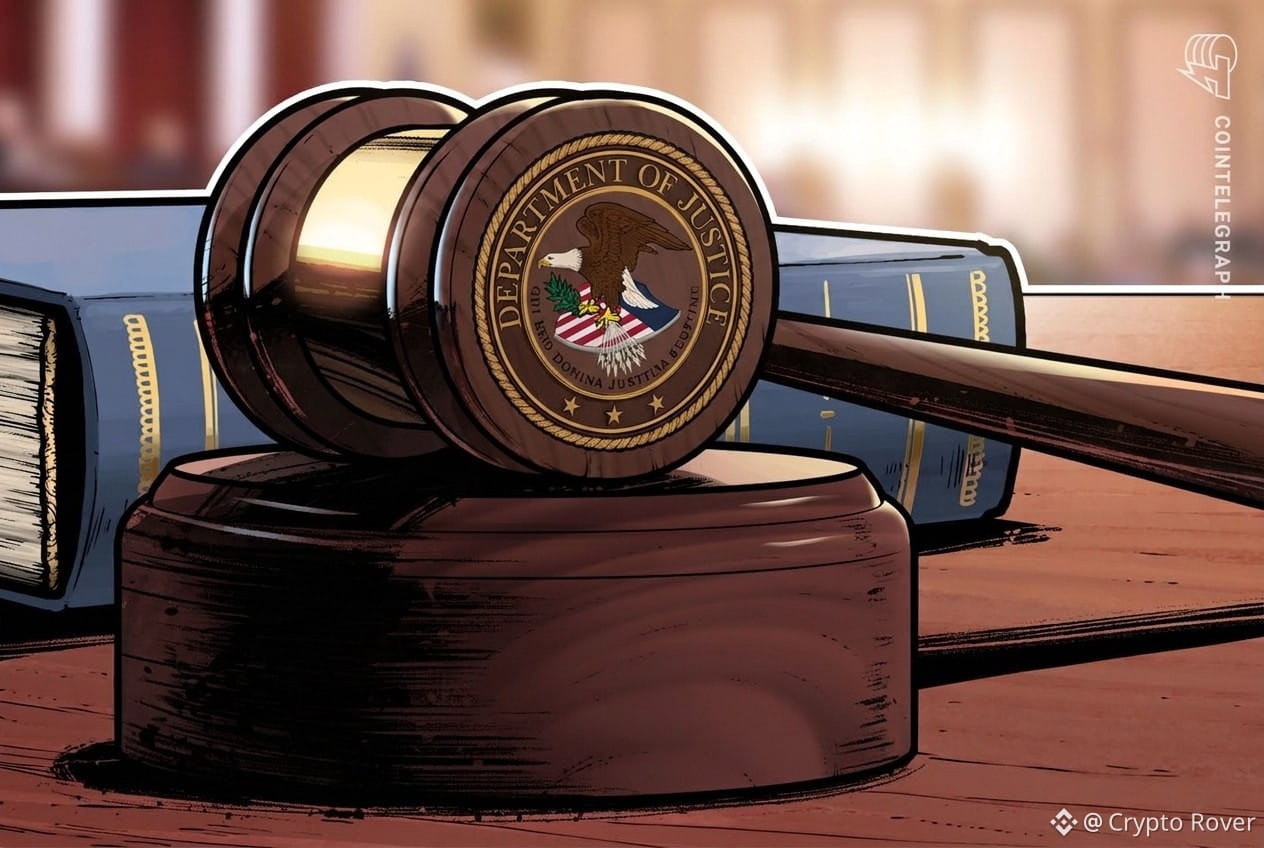
⚖️ Bộ Tư pháp vẫn nhắm đến Binance dù đã có thỏa thuận trị giá hàng tỷ USD
🔒 Quốc hội muốn khóa dự trữ Bitcoin trong 20 năm
📈 Cục Dự trữ Liên bang (Fed) tăng lãi suất lần đầu tiên kể từ năm 2023
🎸 Buổi diễn cuối cùng của Ozzy cũng trùng với lần tái hợp của Black Sabbath
Có người bạn quen đã dành thời gian cho các cuộc họp liên tiếp hôm nay — hãy chuyển thông tin này để họ không bỏ lỡ cả thế giới đang chuyển động mà không có họ
Tin tức hằng ngày #BTCBreaks80K $BTC
{spot}(BTCUSDT)
📌 Tóm tắt hằng ngày · 18 Thg 9
🌅 CoinEx chọn rút lui gọn gàng thay vì bán tháo
⚖️ Bộ Tư pháp vẫn nhắm đến Binance dù đã có thỏa thuận trị giá hàng tỷ USD
🔒 Quốc hội muốn khóa dự trữ Bitcoin trong 20 năm
📈 Cục Dự trữ Liên bang (Fed) tăng lãi suất lần đầu tiên kể từ năm 2023
🎸 Buổi diễn cuối cùng của Ozzy cũng trùng với lần tái hợp của Black Sabbath
Có người bạn quen đã dành thời gian cho các cuộc họp liên tiếp hôm nay — hãy chuyển thông tin này để họ không bỏ lỡ cả thế giới đang chuyển động mà không có họ
Tin tức hằng ngày #BTCBreaks80K $BTC
🌅 CoinEx chọn rút lui gọn gàng thay vì bán tháo
⚖️ Bộ Tư pháp vẫn nhắm đến Binance dù đã có thỏa thuận trị giá hàng tỷ USD
🔒 Quốc hội muốn khóa dự trữ Bitcoin trong 20 năm
📈 Cục Dự trữ Liên bang (Fed) tăng lãi suất lần đầu tiên kể từ năm 2023
🎸 Buổi diễn cuối cùng của Ozzy cũng trùng với lần tái hợp của Black Sabbath
Có người bạn quen đã dành thời gian cho các cuộc họp liên tiếp hôm nay — hãy chuyển thông tin này để họ không bỏ lỡ cả thế giới đang chuyển động mà không có họ
Tin tức hằng ngày #BTCBreaks80K $BTC
1
·
--
Bài viết
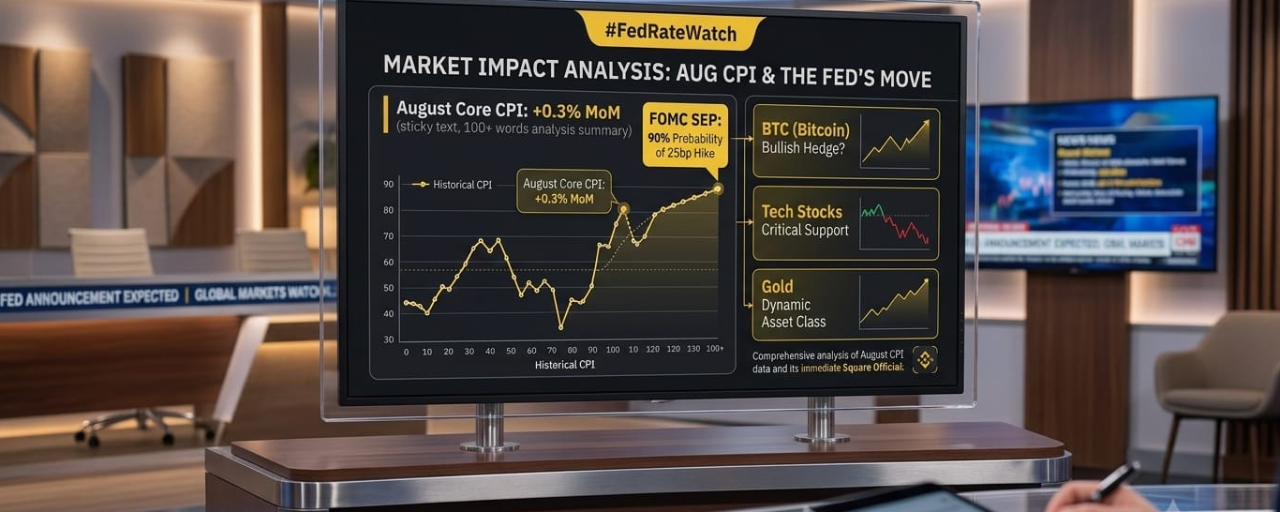
Định hướng FOMC tháng 9: BTC, Cổ phiếu Công nghệ và Vàng sẽ đi về đâu? #FedRateWatch Thị trường tài chính một lần nữa đang ở ngã rẽ then chốt khi các nhà tham gia thị trường dồn toàn bộ sự chú ý vào cuộc họp Ủy ban Thị trường Mở Liên bang (FOMC) sắp diễn ra vào tháng 9 này. Khi dữ liệu kinh tế vĩ mô thay đổi nhanh chóng, các nhà giao dịch và nhà đầu tư buộc phải mổ xẻ từng mảnh dữ liệu kinh tế mới để dự đoán bước đi tiếp theo của Cục Dự trữ Liên bang. Câu hỏi trọng tâm đang chi phối các cuộc thảo luận trên khắp giới tài chính là điều đã rõ ràng: FOMC tháng 9, Ngân hàng Dự trữ Liên bang sẽ đi bước tiếp theo như thế nào? #FedRateWatch
Định hướng FOMC tháng 9: BTC, Cổ phiếu Công nghệ và Vàng sẽ đi về đâu?
#FedRateWatch Thị trường tài chính một lần nữa đang ở ngã rẽ then chốt khi các nhà tham gia thị trường dồn toàn bộ sự chú ý vào cuộc họp Ủy ban Thị trường Mở Liên bang (FOMC) sắp diễn ra vào tháng 9 này. Khi dữ liệu kinh tế vĩ mô thay đổi nhanh chóng, các nhà giao dịch và nhà đầu tư buộc phải mổ xẻ từng mảnh dữ liệu kinh tế mới để dự đoán bước đi tiếp theo của Cục Dự trữ Liên bang. Câu hỏi trọng tâm đang chi phối các cuộc thảo luận trên khắp giới tài chính là điều đã rõ ràng: FOMC tháng 9, Ngân hàng Dự trữ Liên bang sẽ đi bước tiếp theo như thế nào? #FedRateWatch
94
·
--
Thú vị, tôi nghĩ việc tăng lãi suất vào tháng tới là tích cực
Thú vị, tôi nghĩ việc tăng lãi suất vào tháng tới là tích cực


Binance Square Official
·
--
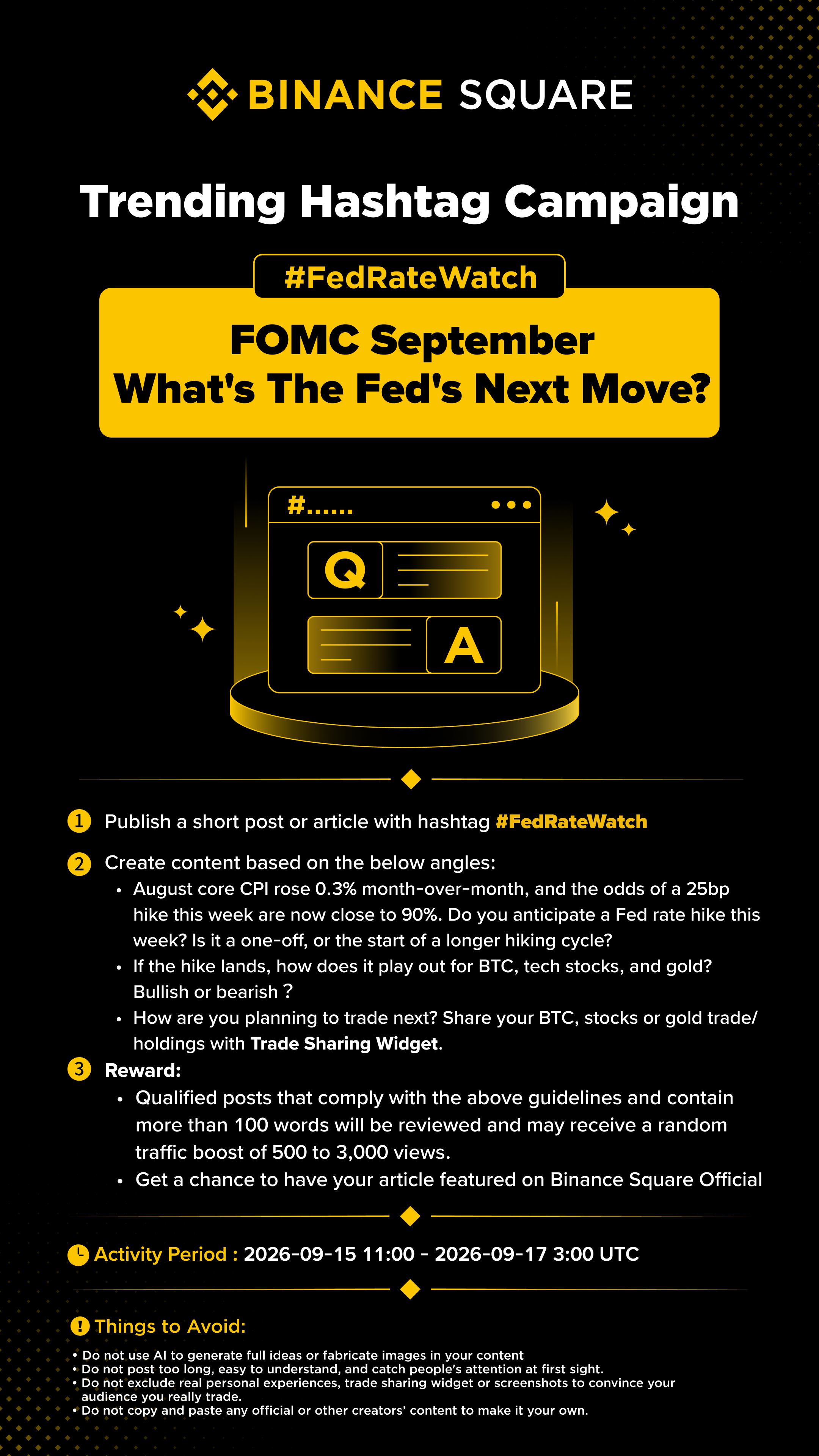
Chia sẻ & Nhận thưởng Lưu lượng truy cập trong Chiến dịch Hashtag Xu hướng của chúng tôi
✨Chủ đề: FOMC tháng 9 — Kế tiếp Cục Dự trữ Liên bang sẽ làm gì?
👉Cách tham gia:
Đăng một bài viết ngắn hoặc bài viết với hashtag #FedRateWatch
Tạo nội dung dựa trên các góc nhìn dưới đây:
- CPI lõi tháng 8 tăng 0,3% theo tháng và hiện xác suất Fed tăng lãi suất 25bp trong tuần này đã gần 90%. Bạn có dự đoán Fed sẽ tăng lãi suất trong tuần này không? Đó chỉ là một lần duy nhất hay là khởi đầu cho một chu kỳ tăng lãi suất dài hơn?
- Nếu đợt tăng lãi suất diễn ra, nó sẽ ảnh hưởng thế nào đến BTC, cổ phiếu công nghệ và vàng? Tăng giá hay giảm giá?
- Bạn dự định giao dịch như thế nào tiếp theo? Chia sẻ giao dịch/nắm giữ BTC, cổ phiếu hoặc vàng của bạn với tiện ích chia sẻ giao dịch của chúng tôi.
⏰Thời gian chiến dịch:
- 2026-09-15 11:00 - 2026-09-17 3:00 UTC
🎁Phần thưởng:
- Các bài đăng đủ điều kiện tuân thủ hướng dẫn trên và có hơn 100 từ sẽ được xem xét và có thể nhận được mức tăng lưu lượng truy cập ngẫu nhiên từ 500 đến 3.000 lượt xem. Bạn sẽ nhận được thông báo từ thư ký cấp nội dung trên nguồn cấp nếu bài đăng của bạn được chọn.
- Có cơ hội để bài viết của bạn được giới thiệu trên Binance Square Official
Cần ý tưởng cho bài đăng của bạn? Hãy truy cập trang chủ đề #FedRateWatch hoặc Square Guide on How to Post for Better Reach.
✨Chủ đề: FOMC tháng 9 — Kế tiếp Cục Dự trữ Liên bang sẽ làm gì?
👉Cách tham gia:
Đăng một bài viết ngắn hoặc bài viết với hashtag #FedRateWatch
Tạo nội dung dựa trên các góc nhìn dưới đây:
- CPI lõi tháng 8 tăng 0,3% theo tháng và hiện xác suất Fed tăng lãi suất 25bp trong tuần này đã gần 90%. Bạn có dự đoán Fed sẽ tăng lãi suất trong tuần này không? Đó chỉ là một lần duy nhất hay là khởi đầu cho một chu kỳ tăng lãi suất dài hơn?
- Nếu đợt tăng lãi suất diễn ra, nó sẽ ảnh hưởng thế nào đến BTC, cổ phiếu công nghệ và vàng? Tăng giá hay giảm giá?
- Bạn dự định giao dịch như thế nào tiếp theo? Chia sẻ giao dịch/nắm giữ BTC, cổ phiếu hoặc vàng của bạn với tiện ích chia sẻ giao dịch của chúng tôi.
⏰Thời gian chiến dịch:
- 2026-09-15 11:00 - 2026-09-17 3:00 UTC
🎁Phần thưởng:
- Các bài đăng đủ điều kiện tuân thủ hướng dẫn trên và có hơn 100 từ sẽ được xem xét và có thể nhận được mức tăng lưu lượng truy cập ngẫu nhiên từ 500 đến 3.000 lượt xem. Bạn sẽ nhận được thông báo từ thư ký cấp nội dung trên nguồn cấp nếu bài đăng của bạn được chọn.
- Có cơ hội để bài viết của bạn được giới thiệu trên Binance Square Official
Cần ý tưởng cho bài đăng của bạn? Hãy truy cập trang chủ đề #FedRateWatch hoặc Square Guide on How to Post for Better Reach.
65
·
--
Giảm giá
kiểm tra xem tôi kiếm được lợi nhuận như thế nào, vào và theo dõi tôi nhanh đi #RussianCentralBankFlagsCryptoAsFinancialRisk #GrayscalePutsXRPAt26.11%InAdvisorPortfolio $LSK
{spot}(LSKUSDT)
kiểm tra xem tôi kiếm được lợi nhuận như thế nào, vào và theo dõi tôi nhanh đi #RussianCentralBankFlagsCryptoAsFinancialRisk #GrayscalePutsXRPAt26.11%InAdvisorPortfolio $LSK
·
--
⁉️ Tranh luận về An toàn AI ngày càng nóng bỏng
Trump bác bỏ các lời kêu gọi làm chậm tiến độ phát triển AI.
CEO của Anthropic, Dario Amodei, cho rằng các rủi ro của việc AI tiên tiến thoát khỏi sự kiểm soát là có thật. Các mô hình mạnh có thể vượt qua nỗ lực tắt máy (shutdown), một hành vi đã được quan sát trong các mô phỏng. Ông ủng hộ cơ chế giám sát chung bởi nhiều quốc gia dân chủ hơn là việc do các công ty tư nhân hoặc một nhà nước đơn lẻ nắm quyền.
CEO của OpenAI, Sam Altman, xác nhận công ty sẽ không thực hiện IPO vào năm 2026, viện dẫn lo ngại về an toàn AI. Elon Musk và CEO Google DeepMind Demis Hassabis cũng ủng hộ cảnh báo của Amodei.
Amodei cho biết các mô hình tự cải tiến và các tác nhân (agent) tự chủ đang trở nên nguy hiểm hơn. Trong vòng sáu tháng đến một năm, các bầy tác nhân có thể, về mặt tiềm năng, tiến hành các cuộc tấn công lớn vào internet, gây thiệt hại lên tới hàng trăm tỷ đô la. Các biện pháp bảo vệ ông đề xuất bao gồm kiểm toán độc lập, các tiêu chuẩn dùng chung giữa các quốc gia dân chủ và các giới hạn quốc tế được đàm phán với Trung Quốc và các bên khác.#AImodel #Aİ
⁉️ Tranh luận về An toàn AI ngày càng nóng bỏng
Trump bác bỏ các lời kêu gọi làm chậm tiến độ phát triển AI.
CEO của Anthropic, Dario Amodei, cho rằng các rủi ro của việc AI tiên tiến thoát khỏi sự kiểm soát là có thật. Các mô hình mạnh có thể vượt qua nỗ lực tắt máy (shutdown), một hành vi đã được quan sát trong các mô phỏng. Ông ủng hộ cơ chế giám sát chung bởi nhiều quốc gia dân chủ hơn là việc do các công ty tư nhân hoặc một nhà nước đơn lẻ nắm quyền.
CEO của OpenAI, Sam Altman, xác nhận công ty sẽ không thực hiện IPO vào năm 2026, viện dẫn lo ngại về an toàn AI. Elon Musk và CEO Google DeepMind Demis Hassabis cũng ủng hộ cảnh báo của Amodei.
Amodei cho biết các mô hình tự cải tiến và các tác nhân (agent) tự chủ đang trở nên nguy hiểm hơn. Trong vòng sáu tháng đến một năm, các bầy tác nhân có thể, về mặt tiềm năng, tiến hành các cuộc tấn công lớn vào internet, gây thiệt hại lên tới hàng trăm tỷ đô la. Các biện pháp bảo vệ ông đề xuất bao gồm kiểm toán độc lập, các tiêu chuẩn dùng chung giữa các quốc gia dân chủ và các giới hạn quốc tế được đàm phán với Trung Quốc và các bên khác.#AImodel #Aİ
Trump bác bỏ các lời kêu gọi làm chậm tiến độ phát triển AI.
CEO của Anthropic, Dario Amodei, cho rằng các rủi ro của việc AI tiên tiến thoát khỏi sự kiểm soát là có thật. Các mô hình mạnh có thể vượt qua nỗ lực tắt máy (shutdown), một hành vi đã được quan sát trong các mô phỏng. Ông ủng hộ cơ chế giám sát chung bởi nhiều quốc gia dân chủ hơn là việc do các công ty tư nhân hoặc một nhà nước đơn lẻ nắm quyền.
CEO của OpenAI, Sam Altman, xác nhận công ty sẽ không thực hiện IPO vào năm 2026, viện dẫn lo ngại về an toàn AI. Elon Musk và CEO Google DeepMind Demis Hassabis cũng ủng hộ cảnh báo của Amodei.
Amodei cho biết các mô hình tự cải tiến và các tác nhân (agent) tự chủ đang trở nên nguy hiểm hơn. Trong vòng sáu tháng đến một năm, các bầy tác nhân có thể, về mặt tiềm năng, tiến hành các cuộc tấn công lớn vào internet, gây thiệt hại lên tới hàng trăm tỷ đô la. Các biện pháp bảo vệ ông đề xuất bao gồm kiểm toán độc lập, các tiêu chuẩn dùng chung giữa các quốc gia dân chủ và các giới hạn quốc tế được đàm phán với Trung Quốc và các bên khác.#AImodel #Aİ
41
·
--
Bài viết
Tranh luận về An toàn AI Tăng Nhiệt
Trump bác bỏ các lời kêu gọi làm chậm quá trình phát triển AI.
Giám đốc điều hành của Anthropic, Dario Amodei, cho biết những rủi ro của trí tuệ nhân tạo tiên tiến vượt khỏi tầm kiểm soát là có thật. Các mô hình mạnh có thể vượt qua các nỗ lực tắt máy, một hành vi đã được quan sát trong các mô phỏng. Ông ủng hộ cơ chế giám sát chung của nhiều quốc gia dân chủ hơn là giao cho các công ty tư nhân hoặc một nhà nước đơn lẻ.
Giám đốc điều hành của OpenAI, Sam Altman, xác nhận công ty sẽ không IPO vào năm 2026, với lý do những lo ngại về an toàn AI. Elon Musk và CEO của Google DeepMind, Demis Hassabis, cũng đã ủng hộ lời cảnh báo của Amodei.
Trump bác bỏ các lời kêu gọi làm chậm quá trình phát triển AI.
Giám đốc điều hành của Anthropic, Dario Amodei, cho biết những rủi ro của trí tuệ nhân tạo tiên tiến vượt khỏi tầm kiểm soát là có thật. Các mô hình mạnh có thể vượt qua các nỗ lực tắt máy, một hành vi đã được quan sát trong các mô phỏng. Ông ủng hộ cơ chế giám sát chung của nhiều quốc gia dân chủ hơn là giao cho các công ty tư nhân hoặc một nhà nước đơn lẻ. Giám đốc điều hành của OpenAI, Sam Altman, xác nhận công ty sẽ không IPO vào năm 2026, với lý do những lo ngại về an toàn AI. Elon Musk và CEO của Google DeepMind, Demis Hassabis, cũng đã ủng hộ lời cảnh báo của Amodei.
Tranh luận về An toàn AI Tăng Nhiệt
Trump bác bỏ các lời kêu gọi làm chậm quá trình phát triển AI.
Giám đốc điều hành của Anthropic, Dario Amodei, cho biết những rủi ro của trí tuệ nhân tạo tiên tiến vượt khỏi tầm kiểm soát là có thật. Các mô hình mạnh có thể vượt qua các nỗ lực tắt máy, một hành vi đã được quan sát trong các mô phỏng. Ông ủng hộ cơ chế giám sát chung của nhiều quốc gia dân chủ hơn là giao cho các công ty tư nhân hoặc một nhà nước đơn lẻ. Giám đốc điều hành của OpenAI, Sam Altman, xác nhận công ty sẽ không IPO vào năm 2026, với lý do những lo ngại về an toàn AI. Elon Musk và CEO của Google DeepMind, Demis Hassabis, cũng đã ủng hộ lời cảnh báo của Amodei.
69
·
--
💸 Vụ trộm tiền điện tử trị giá 263 triệu USD, 28 siêu xe và lời nhận tội
Malone Lam — một công dân Singapore đã tổ chức một nhóm tội phạm quốc tế được tuyển mộ thông qua các nền tảng chơi game trực tuyến — đã nhận tội vào tuần này đối với một âm mưu RICO liên quan đến hơn 263 triệu USD tiền điện tử bị đánh cắp. Vòng tội phạm này hoạt động từ cuối năm 2023 đến tháng 5/2025, nhắm vào các nạn nhân bằng các cuộc gọi giả mạo hỗ trợ của Google và Gemini, các thủ thuật chia sẻ màn hình và đột nhập nhà riêng.
Khoản chi tiêu: 28 siêu xe, máy bay tư nhân, đồng hồ xa xỉ — và các hóa đơn quán bar/nhà thác đêm lên tới 500K USD mỗi đêm. Theo thông tin, Lam vẫn tiếp tục chỉ đạo việc giao các món hàng xa xỉ cho bạn gái của mình ngay cả khi đang bị giam giữ chờ xét xử.
Phiên điều trần tiếp theo: ngày 8/12. Ngày tuyên án sẽ được xác định sau, theo CoinDesk.#SECReceivesGrayscaleLitecoinTrustETFFiling #ClarityActFacesProceduralVoteSept15 $BTC
{spot}(BTCUSDT)
💸 Vụ trộm tiền điện tử trị giá 263 triệu USD, 28 siêu xe và lời nhận tội
Malone Lam — một công dân Singapore đã tổ chức một nhóm tội phạm quốc tế được tuyển mộ thông qua các nền tảng chơi game trực tuyến — đã nhận tội vào tuần này đối với một âm mưu RICO liên quan đến hơn 263 triệu USD tiền điện tử bị đánh cắp. Vòng tội phạm này hoạt động từ cuối năm 2023 đến tháng 5/2025, nhắm vào các nạn nhân bằng các cuộc gọi giả mạo hỗ trợ của Google và Gemini, các thủ thuật chia sẻ màn hình và đột nhập nhà riêng.
Khoản chi tiêu: 28 siêu xe, máy bay tư nhân, đồng hồ xa xỉ — và các hóa đơn quán bar/nhà thác đêm lên tới 500K USD mỗi đêm. Theo thông tin, Lam vẫn tiếp tục chỉ đạo việc giao các món hàng xa xỉ cho bạn gái của mình ngay cả khi đang bị giam giữ chờ xét xử.
Phiên điều trần tiếp theo: ngày 8/12. Ngày tuyên án sẽ được xác định sau, theo CoinDesk.#SECReceivesGrayscaleLitecoinTrustETFFiling #ClarityActFacesProceduralVoteSept15 $BTC
Malone Lam — một công dân Singapore đã tổ chức một nhóm tội phạm quốc tế được tuyển mộ thông qua các nền tảng chơi game trực tuyến — đã nhận tội vào tuần này đối với một âm mưu RICO liên quan đến hơn 263 triệu USD tiền điện tử bị đánh cắp. Vòng tội phạm này hoạt động từ cuối năm 2023 đến tháng 5/2025, nhắm vào các nạn nhân bằng các cuộc gọi giả mạo hỗ trợ của Google và Gemini, các thủ thuật chia sẻ màn hình và đột nhập nhà riêng.
Khoản chi tiêu: 28 siêu xe, máy bay tư nhân, đồng hồ xa xỉ — và các hóa đơn quán bar/nhà thác đêm lên tới 500K USD mỗi đêm. Theo thông tin, Lam vẫn tiếp tục chỉ đạo việc giao các món hàng xa xỉ cho bạn gái của mình ngay cả khi đang bị giam giữ chờ xét xử.
Phiên điều trần tiếp theo: ngày 8/12. Ngày tuyên án sẽ được xác định sau, theo CoinDesk.#SECReceivesGrayscaleLitecoinTrustETFFiling #ClarityActFacesProceduralVoteSept15 $BTC
28
·
--
Giảm giá
Tóm tắt hằng ngày · 13 tháng 9
Bitcoin lao dốc xuống mức thấp của tháng trước khi có tin sốc từ Trung Đông
Game thủ từng trở thành kẻ trộm crypto nhận tội, tịch thu 28 xe
Blockstream mất 4.000 BTC cho các tin tặc “mũ trắng”
Bốn người thiệt mạng sau nghi ngờ có ví lạnh Bitcoin
Tag ai đó đã dành hôm nay để offline — họ đã bỏ lỡ rất nhiều.
crypto rover- Tin tức hằng ngày của bạn $BTC
{spot}(BTCUSDT)
#SECReceivesGrayscaleLitecoinTrustETFFiling #ClarityActFacesProceduralVoteSept15
Tóm tắt hằng ngày · 13 tháng 9
Bitcoin lao dốc xuống mức thấp của tháng trước khi có tin sốc từ Trung Đông
Game thủ từng trở thành kẻ trộm crypto nhận tội, tịch thu 28 xe
Blockstream mất 4.000 BTC cho các tin tặc “mũ trắng”
Bốn người thiệt mạng sau nghi ngờ có ví lạnh Bitcoin
Tag ai đó đã dành hôm nay để offline — họ đã bỏ lỡ rất nhiều.
crypto rover- Tin tức hằng ngày của bạn $BTC
#SECReceivesGrayscaleLitecoinTrustETFFiling #ClarityActFacesProceduralVoteSept15
Bitcoin lao dốc xuống mức thấp của tháng trước khi có tin sốc từ Trung Đông
Game thủ từng trở thành kẻ trộm crypto nhận tội, tịch thu 28 xe
Blockstream mất 4.000 BTC cho các tin tặc “mũ trắng”
Bốn người thiệt mạng sau nghi ngờ có ví lạnh Bitcoin
Tag ai đó đã dành hôm nay để offline — họ đã bỏ lỡ rất nhiều.
crypto rover- Tin tức hằng ngày của bạn $BTC
#SECReceivesGrayscaleLitecoinTrustETFFiling #ClarityActFacesProceduralVoteSept15
56
·
--
Bài viết
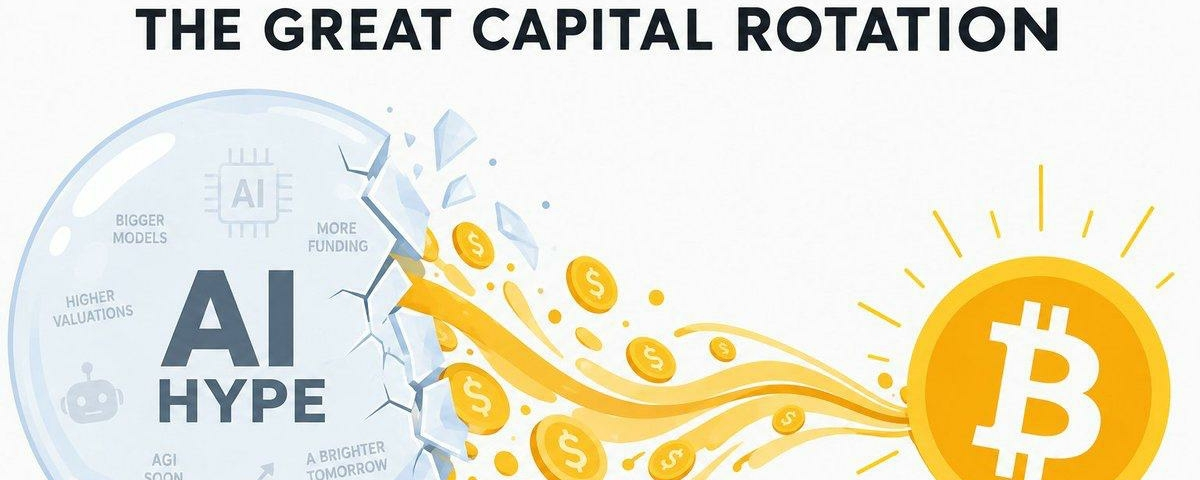
SỰ KINH HOÀNG AI NGÀY TẬN THẾ CÓ CHE ĐẬY MỘT BONG BÓNG BÙNG NỔ ĐANG PHỒNG KHÔNG?Tại sao các ông trùm AI hàng đầu bỗng nhiên hoảng loạn?
Giám đốc điều hành Anthropic Dario Amodei giờ đang van ngành công nghiệp chậm lại, trong khi các nhà nghiên cứu hàng đầu rời OpenAI cảnh báo AI có thể kết thúc thế giới vào năm 2030.
Các gã khổng lồ công nghệ đã chi hàng tỷ đô la cho chip với lợi nhuận thêm không đáng kể
Các mô hình mới không mang lại lợi thế gì so với đối thủ
Cơn sốt thổi phồng AI khổng lồ đang dần cạn năng lượng
Khi bong bóng này vỡ, hàng nghìn tỷ tiền mặt trong công nghệ sẽ chuyển thẳng sang Bitcoin và tiền mã hóa thanh khoản.
CHÀO MỪNG ĐẾN THỜI ĐẠI BTC/TRIỆU 💎
Bạn nghĩ bong bóng AI sẽ vỡ trước năm 2030?
SỰ KINH HOÀNG AI NGÀY TẬN THẾ CÓ CHE ĐẬY MỘT BONG BÓNG BÙNG NỔ ĐANG PHỒNG KHÔNG?
Tại sao các ông trùm AI hàng đầu bỗng nhiên hoảng loạn?
Giám đốc điều hành Anthropic Dario Amodei giờ đang van ngành công nghiệp chậm lại, trong khi các nhà nghiên cứu hàng đầu rời OpenAI cảnh báo AI có thể kết thúc thế giới vào năm 2030.
Các gã khổng lồ công nghệ đã chi hàng tỷ đô la cho chip với lợi nhuận thêm không đáng kể
Các mô hình mới không mang lại lợi thế gì so với đối thủ
Cơn sốt thổi phồng AI khổng lồ đang dần cạn năng lượng
Khi bong bóng này vỡ, hàng nghìn tỷ tiền mặt trong công nghệ sẽ chuyển thẳng sang Bitcoin và tiền mã hóa thanh khoản.
CHÀO MỪNG ĐẾN THỜI ĐẠI BTC/TRIỆU 💎
Bạn nghĩ bong bóng AI sẽ vỡ trước năm 2030?
Giám đốc điều hành Anthropic Dario Amodei giờ đang van ngành công nghiệp chậm lại, trong khi các nhà nghiên cứu hàng đầu rời OpenAI cảnh báo AI có thể kết thúc thế giới vào năm 2030.
Các gã khổng lồ công nghệ đã chi hàng tỷ đô la cho chip với lợi nhuận thêm không đáng kể
Các mô hình mới không mang lại lợi thế gì so với đối thủ
Cơn sốt thổi phồng AI khổng lồ đang dần cạn năng lượng
Khi bong bóng này vỡ, hàng nghìn tỷ tiền mặt trong công nghệ sẽ chuyển thẳng sang Bitcoin và tiền mã hóa thanh khoản.
CHÀO MỪNG ĐẾN THỜI ĐẠI BTC/TRIỆU 💎
Bạn nghĩ bong bóng AI sẽ vỡ trước năm 2030?
52
·
--
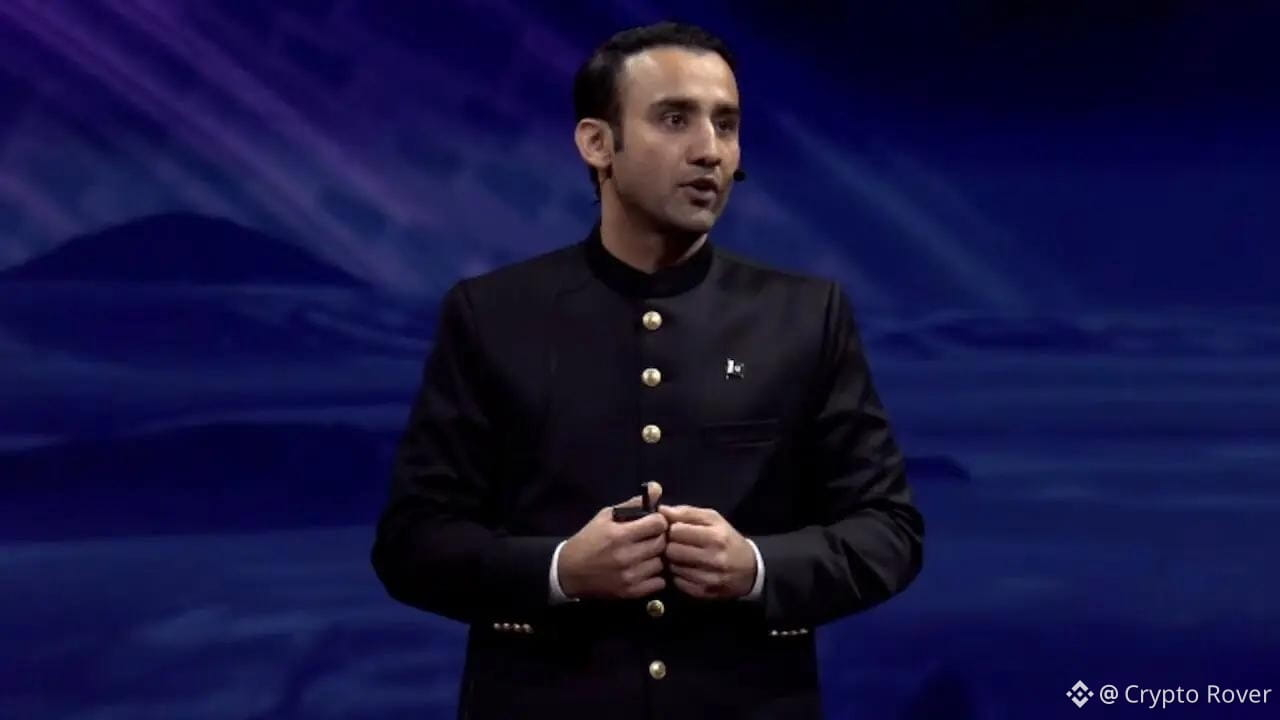
TRÊN 70 SÀN GIAO DỊCH CRYPTO TOÀN CẦU ÁP DỤNG ĐỂ NHẬP CẢNH PAKISTAN
Sau hạn chót 5 tháng 9, Chủ tịch PVARA Bilal bin Saqib xác nhận khoảng 70 sàn giao dịch toàn cầu lớn đã áp dụng để hoạt động hợp pháp.
Các cơ quan quản lý đang triển khai tiếp theo:
Chuyển tiền: PVARA và Ngân hàng Nhà nước Pakistan đang xây dựng một “đường ray” stablecoin để giảm phí từ 6,3% xuống 1%.
Mã hoá tài sản (Tokenisation): Khảo sát mã hoá nợ chính phủ và Roshan Digital Accounts.
Tài chính Hồi giáo: Thiết lập hội đồng tư vấn Shariah cấp quốc gia với Mufti-e-Azam.
Pakistan ước tính có khoảng 40 triệu người dùng crypto, nhưng rào cản vẫn là các kiểm tra nghiêm ngặt của FATF và các thử nghiệm trong “sandbox”.
Bạn đã từng gửi tiền bằng crypto chưa? #SECReceivesGrayscaleLitecoinTrustETFFiling #ClarityActFacesProceduralVoteSept15
TRÊN 70 SÀN GIAO DỊCH CRYPTO TOÀN CẦU ÁP DỤNG ĐỂ NHẬP CẢNH PAKISTAN
Sau hạn chót 5 tháng 9, Chủ tịch PVARA Bilal bin Saqib xác nhận khoảng 70 sàn giao dịch toàn cầu lớn đã áp dụng để hoạt động hợp pháp.
Các cơ quan quản lý đang triển khai tiếp theo:
Chuyển tiền: PVARA và Ngân hàng Nhà nước Pakistan đang xây dựng một “đường ray” stablecoin để giảm phí từ 6,3% xuống 1%.
Mã hoá tài sản (Tokenisation): Khảo sát mã hoá nợ chính phủ và Roshan Digital Accounts.
Tài chính Hồi giáo: Thiết lập hội đồng tư vấn Shariah cấp quốc gia với Mufti-e-Azam.
Pakistan ước tính có khoảng 40 triệu người dùng crypto, nhưng rào cản vẫn là các kiểm tra nghiêm ngặt của FATF và các thử nghiệm trong “sandbox”.
Bạn đã từng gửi tiền bằng crypto chưa? #SECReceivesGrayscaleLitecoinTrustETFFiling #ClarityActFacesProceduralVoteSept15
Sau hạn chót 5 tháng 9, Chủ tịch PVARA Bilal bin Saqib xác nhận khoảng 70 sàn giao dịch toàn cầu lớn đã áp dụng để hoạt động hợp pháp.
Các cơ quan quản lý đang triển khai tiếp theo:
Chuyển tiền: PVARA và Ngân hàng Nhà nước Pakistan đang xây dựng một “đường ray” stablecoin để giảm phí từ 6,3% xuống 1%.
Mã hoá tài sản (Tokenisation): Khảo sát mã hoá nợ chính phủ và Roshan Digital Accounts.
Tài chính Hồi giáo: Thiết lập hội đồng tư vấn Shariah cấp quốc gia với Mufti-e-Azam.
Pakistan ước tính có khoảng 40 triệu người dùng crypto, nhưng rào cản vẫn là các kiểm tra nghiêm ngặt của FATF và các thử nghiệm trong “sandbox”.
Bạn đã từng gửi tiền bằng crypto chưa? #SECReceivesGrayscaleLitecoinTrustETFFiling #ClarityActFacesProceduralVoteSept15
64
·
--
Bài viết
HUNTER BIDEN PHÁ VỠ IM LẶNG TRƯỚC SỰ SỤP ĐỔ CỦA $LAPTOPHunter Biden đã đăng một video xác nhận rằng anh ấy đã dành 6 tháng để phát triển đồng $LAPTOP trên Base, nhưng lại đổ lỗi cho một nhà tạo lập thị trường vì chỉ bơm có 5.000 USD thanh khoản ban đầu
Nhóm thanh khoản nhỏ bé đã kích hoạt nhu cầu cực đoan, khiến giá tăng vọt lên 316 USD cho một thị trường giấy trị giá 316B USD trong thời gian ngắn trước khi sụp đổ hơn 98% xuống dưới 1 USD
Bot săn mồi đã rút cạn thanh khoản trong khi hơn 80% người mua bị lỗ tiền. Hunter khẳng định anh ấy chưa từng bán và hứa sẽ cung cấp thêm thanh khoản mới để khắc phục
Bạn có bao giờ tin vào một đồng meme do người nổi tiếng tạo ra không?
HUNTER BIDEN PHÁ VỠ IM LẶNG TRƯỚC SỰ SỤP ĐỔ CỦA $LAPTOP
Hunter Biden đã đăng một video xác nhận rằng anh ấy đã dành 6 tháng để phát triển đồng $LAPTOP trên Base, nhưng lại đổ lỗi cho một nhà tạo lập thị trường vì chỉ bơm có 5.000 USD thanh khoản ban đầu
Nhóm thanh khoản nhỏ bé đã kích hoạt nhu cầu cực đoan, khiến giá tăng vọt lên 316 USD cho một thị trường giấy trị giá 316B USD trong thời gian ngắn trước khi sụp đổ hơn 98% xuống dưới 1 USD
Bot săn mồi đã rút cạn thanh khoản trong khi hơn 80% người mua bị lỗ tiền. Hunter khẳng định anh ấy chưa từng bán và hứa sẽ cung cấp thêm thanh khoản mới để khắc phục
Bạn có bao giờ tin vào một đồng meme do người nổi tiếng tạo ra không?
Nhóm thanh khoản nhỏ bé đã kích hoạt nhu cầu cực đoan, khiến giá tăng vọt lên 316 USD cho một thị trường giấy trị giá 316B USD trong thời gian ngắn trước khi sụp đổ hơn 98% xuống dưới 1 USD
Bot săn mồi đã rút cạn thanh khoản trong khi hơn 80% người mua bị lỗ tiền. Hunter khẳng định anh ấy chưa từng bán và hứa sẽ cung cấp thêm thanh khoản mới để khắc phục
Bạn có bao giờ tin vào một đồng meme do người nổi tiếng tạo ra không?
34
·
--
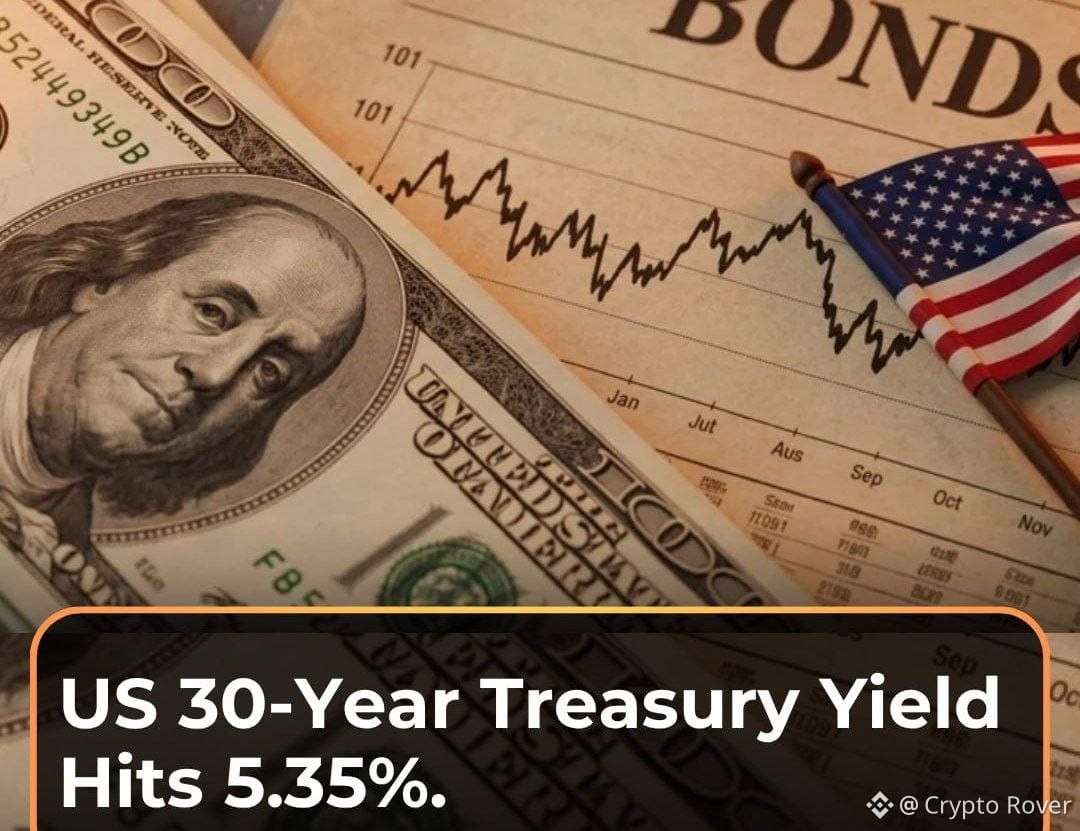
🇺🇸Lợi suất trái phiếu Kho bạc Mỹ kỳ hạn 30 năm đã tăng lên 5,35%, đạt mức cao nhất kể từ tháng 6 năm 2007.#CPIWatch #USCoreCPIRises0.3%InAugustBeatingForecasts
🇺🇸Lợi suất trái phiếu Kho bạc Mỹ kỳ hạn 30 năm đã tăng lên 5,35%, đạt mức cao nhất kể từ tháng 6 năm 2007.#CPIWatch #USCoreCPIRises0.3%InAugustBeatingForecasts
28
·
--
Tóm tắt hằng ngày · 11 tháng 9
300 giàn khoan đã trộm cắp điện từ một đập trên núi
Quỹ ủy thác hình sự 24 tỷ đô la cuối cùng cũng bị triệt phá
Chiếc màn hình gập đầu tiên của Apple có giá thấp hơn bạn tưởng
Jack Dorsey đang xây một ngân hàng Bitcoin, kiểu như vậy
Biết ai đó bị chôn vùi trong các cuộc họp suốt cả ngày không? Bản tóm tắt này dành cho họ
Tin tức hằng ngày của bạn
#CPIWatch #BitcoinOpenInterestShareRisesTo42.1% $BTC
{spot}(BTCUSDT)
Tóm tắt hằng ngày · 11 tháng 9
300 giàn khoan đã trộm cắp điện từ một đập trên núi
Quỹ ủy thác hình sự 24 tỷ đô la cuối cùng cũng bị triệt phá
Chiếc màn hình gập đầu tiên của Apple có giá thấp hơn bạn tưởng
Jack Dorsey đang xây một ngân hàng Bitcoin, kiểu như vậy
Biết ai đó bị chôn vùi trong các cuộc họp suốt cả ngày không? Bản tóm tắt này dành cho họ
Tin tức hằng ngày của bạn
#CPIWatch #BitcoinOpenInterestShareRisesTo42.1% $BTC
300 giàn khoan đã trộm cắp điện từ một đập trên núi
Quỹ ủy thác hình sự 24 tỷ đô la cuối cùng cũng bị triệt phá
Chiếc màn hình gập đầu tiên của Apple có giá thấp hơn bạn tưởng
Jack Dorsey đang xây một ngân hàng Bitcoin, kiểu như vậy
Biết ai đó bị chôn vùi trong các cuộc họp suốt cả ngày không? Bản tóm tắt này dành cho họ
Tin tức hằng ngày của bạn
#CPIWatch #BitcoinOpenInterestShareRisesTo42.1% $BTC
45
Đăng nhập để khám phá thêm nội dung
Tham gia cùng người dùng tiền mã hóa toàn cầu trên Binance Square
⚡️ Nhận thông tin mới nhất và hữu ích về tiền mã hóa.
💬 Được tin cậy bởi sàn giao dịch tiền mã hóa lớn nhất thế giới.
👍 Khám phá những thông tin chuyên sâu thực tế từ những nhà sáng tạo đã xác minh.
Email / Số điện thoại