

CryptonewsCom
11.9k Bài đăng

CryptonewsCom
 Đã xác minh nâng cao trên Square
Báo cáo
Chặn người dùng
Latest cryptocurrency news from cryptonews.com
0 Đang theo dõi
3.8K+ Người theo dõi
7.5K+ Đã thích
Bài đăng
Bài viết
Xem bản dịch
XRP Price and Open Interest Leave Room for Positioning as Range HoldsXRP is trading in a compressed $1.45–$1.55 price range, with an hourly close above $1.54–$1.55 potentially drawing momentum buyers toward $1.63 and then the $1.70 area. The opposing risk is just as defined: a loss of $1.45 would weaken the recovery and put the 50-day EMA near $1.38 in view.
Our analyst frames the narrowing range as a volatility trigger, while noting that Binance open interest remains below levels seen a year earlier. That positioning may leave room for leverage to build after a break, but it does not establish that a sharp move is imminent.
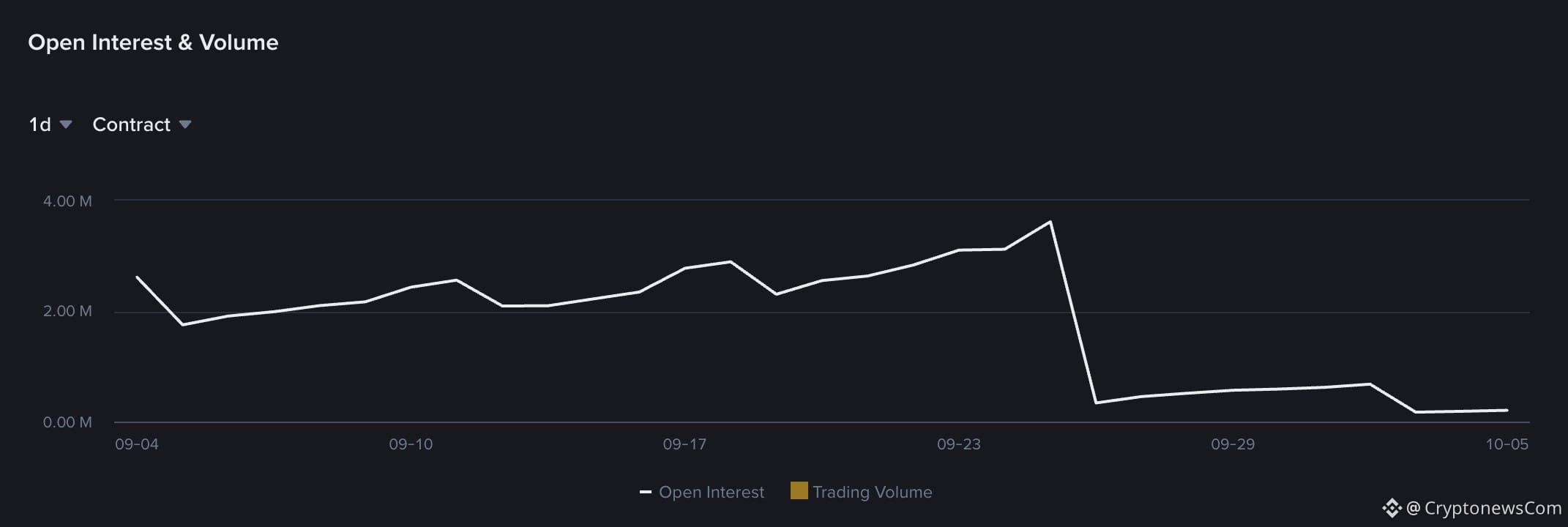
Binance’s XRP Open Interest, Binance
Binance XRP open interest stood at 516.6 million, above the estimated 2026 lows of 350–400 million but far below the more than 1.3 billion recorded around the start of October 2025. The comparison points to a less crowded derivatives market than a year earlier.
If XRP clears $1.55, new momentum positions could enter, and short sellers may cover, adding to the move. If $1.45 gives way, leveraged longs could exit quickly, adding to selling pressure. In either case, the potential feedback between price and positioning is relevant; the current open-interest reading does not prove that either response will happen.
This matters for the XRP price setup. Relatively low leverage can leave capacity for positions to accumulate after price moves, but it can also mean less forced activity at the outset. Invezz’s analysis cautions that restrained positioning does not guarantee an explosive move or show that the market has already priced in a breakout.
Earn $50 and Enter $300K Prize Draw on EdgeXXRP Price Technical Analysis: The Range Holds the Key Levels
The chart structure combines a symmetrical triangle with a descending trendline capping price around $1.52–$1.53. Buyers have repeatedly defended $1.45, while sellers have appeared above the current price. XRP remains above its 20-day, 50-day, and 100-day exponential moving averages, preserving the broader recovery structure as long as the support floor holds.
An hourly close above $1.54–$1.55 is the stated bullish confirmation threshold. A move through that zone would put $1.63 in focus as the next technical hurdle, with heavier potential supply around $1.65–$1.70. The $1.45 floor marks the inverse test: below it, the 50-day EMA near $1.38 becomes the next downside reference.
The boundaries matter more than any single indicator while price remains boxed in. Prior discussion of the XRP support and resistance range has likewise centered on the area around $1.45–$1.56, while a separate XRP support level near $1.37 provides context for the lower technical zone beyond the current floor.
Trade XRP on Bybit and Get a Chance to Win Our $1,000 USDT AirdropFinding the Next XRP Breakout
On the upside, an hourly close above $1.54–$1.55 would confirm that buyers have cleared the immediate cap. Momentum trading and short covering could then help carry XRP toward $1.63, but the $1.65–$1.70 zone remains a meaningful obstacle.
On the downside, losing $1.45 would make the consolidation look more like a failed recovery and expose the 50-day EMA near $1.38. A swift reclaim of the $1.45–$1.55 range after a break would instead raise the possibility of a false move.
The range-break and short-covering dynamic also features in XRP positioning and potential squeeze scenarios, although the current open-interest data alone cannot confirm a squeeze.
For now, neither side has secured the chart. A close beyond resistance would strengthen the bullish case; a clean loss of support would shift attention to $1.38. Until one of those conditions is met, the compressed range describes the market more accurately than a breakout call.
Discover: The Best Token Presales
The post XRP Price and Open Interest Leave Room for Positioning as Range Holds appeared first on Cryptonews.
XRP Price and Open Interest Leave Room for Positioning as Range Holds
XRP is trading in a compressed $1.45–$1.55 price range, with an hourly close above $1.54–$1.55 potentially drawing momentum buyers toward $1.63 and then the $1.70 area. The opposing risk is just as defined: a loss of $1.45 would weaken the recovery and put the 50-day EMA near $1.38 in view.
Our analyst frames the narrowing range as a volatility trigger, while noting that Binance open interest remains below levels seen a year earlier. That positioning may leave room for leverage to build after a break, but it does not establish that a sharp move is imminent.
Binance’s XRP Open Interest, Binance
Binance XRP open interest stood at 516.6 million, above the estimated 2026 lows of 350–400 million but far below the more than 1.3 billion recorded around the start of October 2025. The comparison points to a less crowded derivatives market than a year earlier.
If XRP clears $1.55, new momentum positions could enter, and short sellers may cover, adding to the move. If $1.45 gives way, leveraged longs could exit quickly, adding to selling pressure. In either case, the potential feedback between price and positioning is relevant; the current open-interest reading does not prove that either response will happen.
This matters for the XRP price setup. Relatively low leverage can leave capacity for positions to accumulate after price moves, but it can also mean less forced activity at the outset. Invezz’s analysis cautions that restrained positioning does not guarantee an explosive move or show that the market has already priced in a breakout.
Earn $50 and Enter $300K Prize Draw on EdgeXXRP Price Technical Analysis: The Range Holds the Key Levels
The chart structure combines a symmetrical triangle with a descending trendline capping price around $1.52–$1.53. Buyers have repeatedly defended $1.45, while sellers have appeared above the current price. XRP remains above its 20-day, 50-day, and 100-day exponential moving averages, preserving the broader recovery structure as long as the support floor holds.
An hourly close above $1.54–$1.55 is the stated bullish confirmation threshold. A move through that zone would put $1.63 in focus as the next technical hurdle, with heavier potential supply around $1.65–$1.70. The $1.45 floor marks the inverse test: below it, the 50-day EMA near $1.38 becomes the next downside reference.
The boundaries matter more than any single indicator while price remains boxed in. Prior discussion of the XRP support and resistance range has likewise centered on the area around $1.45–$1.56, while a separate XRP support level near $1.37 provides context for the lower technical zone beyond the current floor.
Trade XRP on Bybit and Get a Chance to Win Our $1,000 USDT AirdropFinding the Next XRP Breakout
On the upside, an hourly close above $1.54–$1.55 would confirm that buyers have cleared the immediate cap. Momentum trading and short covering could then help carry XRP toward $1.63, but the $1.65–$1.70 zone remains a meaningful obstacle.
On the downside, losing $1.45 would make the consolidation look more like a failed recovery and expose the 50-day EMA near $1.38. A swift reclaim of the $1.45–$1.55 range after a break would instead raise the possibility of a false move.
The range-break and short-covering dynamic also features in XRP positioning and potential squeeze scenarios, although the current open-interest data alone cannot confirm a squeeze.
For now, neither side has secured the chart. A close beyond resistance would strengthen the bullish case; a clean loss of support would shift attention to $1.38. Until one of those conditions is met, the compressed range describes the market more accurately than a breakout call.
Discover: The Best Token Presales
The post XRP Price and Open Interest Leave Room for Positioning as Range Holds appeared first on Cryptonews.
Our analyst frames the narrowing range as a volatility trigger, while noting that Binance open interest remains below levels seen a year earlier. That positioning may leave room for leverage to build after a break, but it does not establish that a sharp move is imminent.
Binance’s XRP Open Interest, Binance
Binance XRP open interest stood at 516.6 million, above the estimated 2026 lows of 350–400 million but far below the more than 1.3 billion recorded around the start of October 2025. The comparison points to a less crowded derivatives market than a year earlier.
If XRP clears $1.55, new momentum positions could enter, and short sellers may cover, adding to the move. If $1.45 gives way, leveraged longs could exit quickly, adding to selling pressure. In either case, the potential feedback between price and positioning is relevant; the current open-interest reading does not prove that either response will happen.
This matters for the XRP price setup. Relatively low leverage can leave capacity for positions to accumulate after price moves, but it can also mean less forced activity at the outset. Invezz’s analysis cautions that restrained positioning does not guarantee an explosive move or show that the market has already priced in a breakout.
Earn $50 and Enter $300K Prize Draw on EdgeXXRP Price Technical Analysis: The Range Holds the Key Levels
The chart structure combines a symmetrical triangle with a descending trendline capping price around $1.52–$1.53. Buyers have repeatedly defended $1.45, while sellers have appeared above the current price. XRP remains above its 20-day, 50-day, and 100-day exponential moving averages, preserving the broader recovery structure as long as the support floor holds.
An hourly close above $1.54–$1.55 is the stated bullish confirmation threshold. A move through that zone would put $1.63 in focus as the next technical hurdle, with heavier potential supply around $1.65–$1.70. The $1.45 floor marks the inverse test: below it, the 50-day EMA near $1.38 becomes the next downside reference.
The boundaries matter more than any single indicator while price remains boxed in. Prior discussion of the XRP support and resistance range has likewise centered on the area around $1.45–$1.56, while a separate XRP support level near $1.37 provides context for the lower technical zone beyond the current floor.
Trade XRP on Bybit and Get a Chance to Win Our $1,000 USDT AirdropFinding the Next XRP Breakout
On the upside, an hourly close above $1.54–$1.55 would confirm that buyers have cleared the immediate cap. Momentum trading and short covering could then help carry XRP toward $1.63, but the $1.65–$1.70 zone remains a meaningful obstacle.
On the downside, losing $1.45 would make the consolidation look more like a failed recovery and expose the 50-day EMA near $1.38. A swift reclaim of the $1.45–$1.55 range after a break would instead raise the possibility of a false move.
The range-break and short-covering dynamic also features in XRP positioning and potential squeeze scenarios, although the current open-interest data alone cannot confirm a squeeze.
For now, neither side has secured the chart. A close beyond resistance would strengthen the bullish case; a clean loss of support would shift attention to $1.38. Until one of those conditions is met, the compressed range describes the market more accurately than a breakout call.
Discover: The Best Token Presales
The post XRP Price and Open Interest Leave Room for Positioning as Range Holds appeared first on Cryptonews.
2
Bài viết
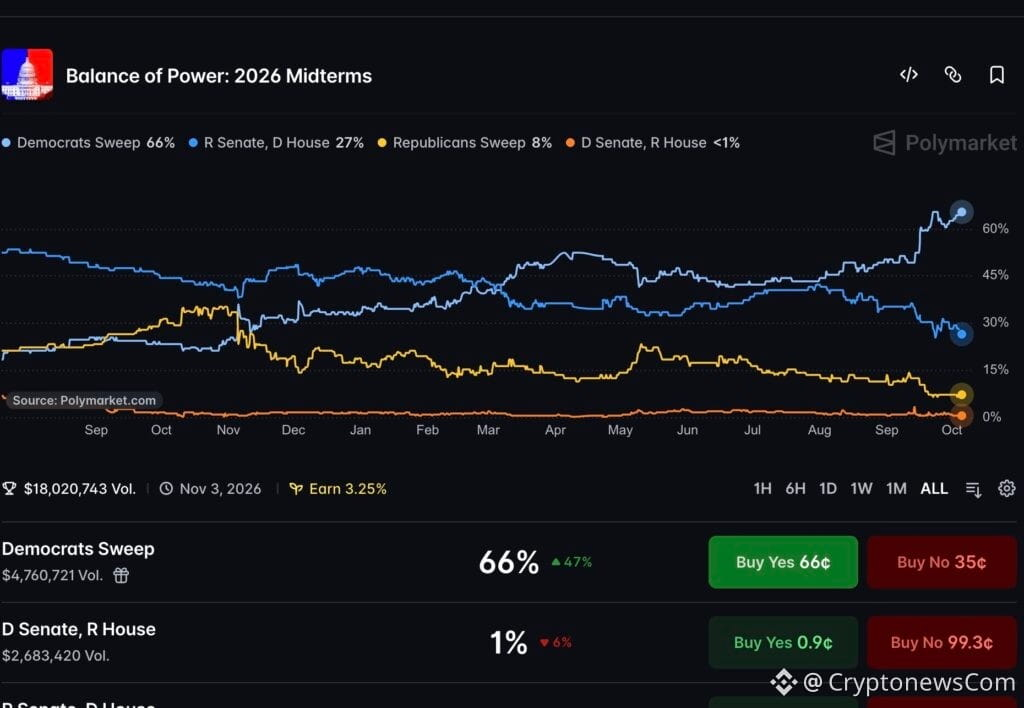
Tỷ lệ cược Polymarket về bầu cử giữa nhiệm kỳ ở Mỹ: Mức định giá 66,5% cho khả năng Đảng Dân chủ giành quyền kiểm soát Quốc hội có ý nghĩa gì với chính sách tiền mã hóaTính đến ngày 5 tháng 10, tỷ lệ cược trên Polymarket về cuộc bầu cử giữa nhiệm kỳ ở Mỹ hiện định giá khả năng Đảng Dân chủ giành quyền kiểm soát cả Quốc hội ở mức 66,5%, với khối lượng giao dịch sự kiện là 17,81 triệu USD và thanh khoản 7,55 triệu USD. Đây là xác suất hàm ý từ thị trường, không phải kết quả thăm dò hay kết quả bầu cử, và không có nghĩa là bất kỳ dự luật tiền mã hóa nào có 66,5% khả năng trở thành luật.
Thị trường vẫn đang mở và dự kiến đóng cửa vào ngày 4 tháng 11 năm 2026. Vì vậy, mức độ liên quan đối với các nhà giao dịch tiền mã hóa còn tùy thuộc vào diễn biến: khả năng quyền kiểm soát Quốc hội thay đổi có thể làm thay đổi kỳ vọng về quy định đối với tiền mã hóa, nhưng các số liệu không cho thấy thị trường tiền mã hóa đã phản ứng.
Tỷ lệ cược Polymarket về bầu cử giữa nhiệm kỳ ở Mỹ: Mức định giá 66,5% cho khả năng Đảng Dân chủ giành quyền kiểm soát Quốc hội có ý nghĩa gì với chính sách tiền mã hóa
Tính đến ngày 5 tháng 10, tỷ lệ cược trên Polymarket về cuộc bầu cử giữa nhiệm kỳ ở Mỹ hiện định giá khả năng Đảng Dân chủ giành quyền kiểm soát cả Quốc hội ở mức 66,5%, với khối lượng giao dịch sự kiện là 17,81 triệu USD và thanh khoản 7,55 triệu USD. Đây là xác suất hàm ý từ thị trường, không phải kết quả thăm dò hay kết quả bầu cử, và không có nghĩa là bất kỳ dự luật tiền mã hóa nào có 66,5% khả năng trở thành luật.
Thị trường vẫn đang mở và dự kiến đóng cửa vào ngày 4 tháng 11 năm 2026. Vì vậy, mức độ liên quan đối với các nhà giao dịch tiền mã hóa còn tùy thuộc vào diễn biến: khả năng quyền kiểm soát Quốc hội thay đổi có thể làm thay đổi kỳ vọng về quy định đối với tiền mã hóa, nhưng các số liệu không cho thấy thị trường tiền mã hóa đã phản ứng.
Thị trường vẫn đang mở và dự kiến đóng cửa vào ngày 4 tháng 11 năm 2026. Vì vậy, mức độ liên quan đối với các nhà giao dịch tiền mã hóa còn tùy thuộc vào diễn biến: khả năng quyền kiểm soát Quốc hội thay đổi có thể làm thay đổi kỳ vọng về quy định đối với tiền mã hóa, nhưng các số liệu không cho thấy thị trường tiền mã hóa đã phản ứng.
1
207
Đã xác minh
Bài viết
Xem bản dịch
XRP News: Seoul Event Shows Ripple ReachFour Korean financial institutions appeared alongside Ripple at XRP Seoul 2026, igniting news and speculation on Ripple’s reach. As of today, Jeonbuk Bank has planned Ripple Payments deployment, and Kbank’s custody and remittance initiatives are documented.
Ripple introduced XRP Asia at the Seoul event as a regional initiative to promote the XRP Ledger. In an August 18, 2026 announcement, Ripple said Jeonbuk Bank would deploy Ripple Payments for cross-border business remittances. The company described it as the first regional bank in Korea to deploy the service, which is intended to provide near-real-time settlement.
Korean Banks – Kbank, Kyobo Securities, Woori Bank and JB Bank entered the stage at XRP Seoul.
From Cross border payments to Tokenized Deposits. pic.twitter.com/iY76LmTW57
— Vet (@Vet_X0) October 3, 2026
Kbank has two distinct Ripple-related initiatives in the source account: a remittance pilot targeting the UAE and Thailand, and institutional wallet-as-a-service infrastructure through Ripple Custody. Ripple’s announcement on Kbank’s custody infrastructure describes a service for managing digital assets.
The other relationships also require careful attribution. The event account connects Kyobo Life, associated with Kyobo Securities, to work on tokenized government-bond settlement, while Woori Bank is described as working with Korean custodian BDACS, which manages XRP for institutional clients.
Earn $50 and Enter $300K Prize Draw on EdgeXPayment Software, Custody News, and XRP Settlement
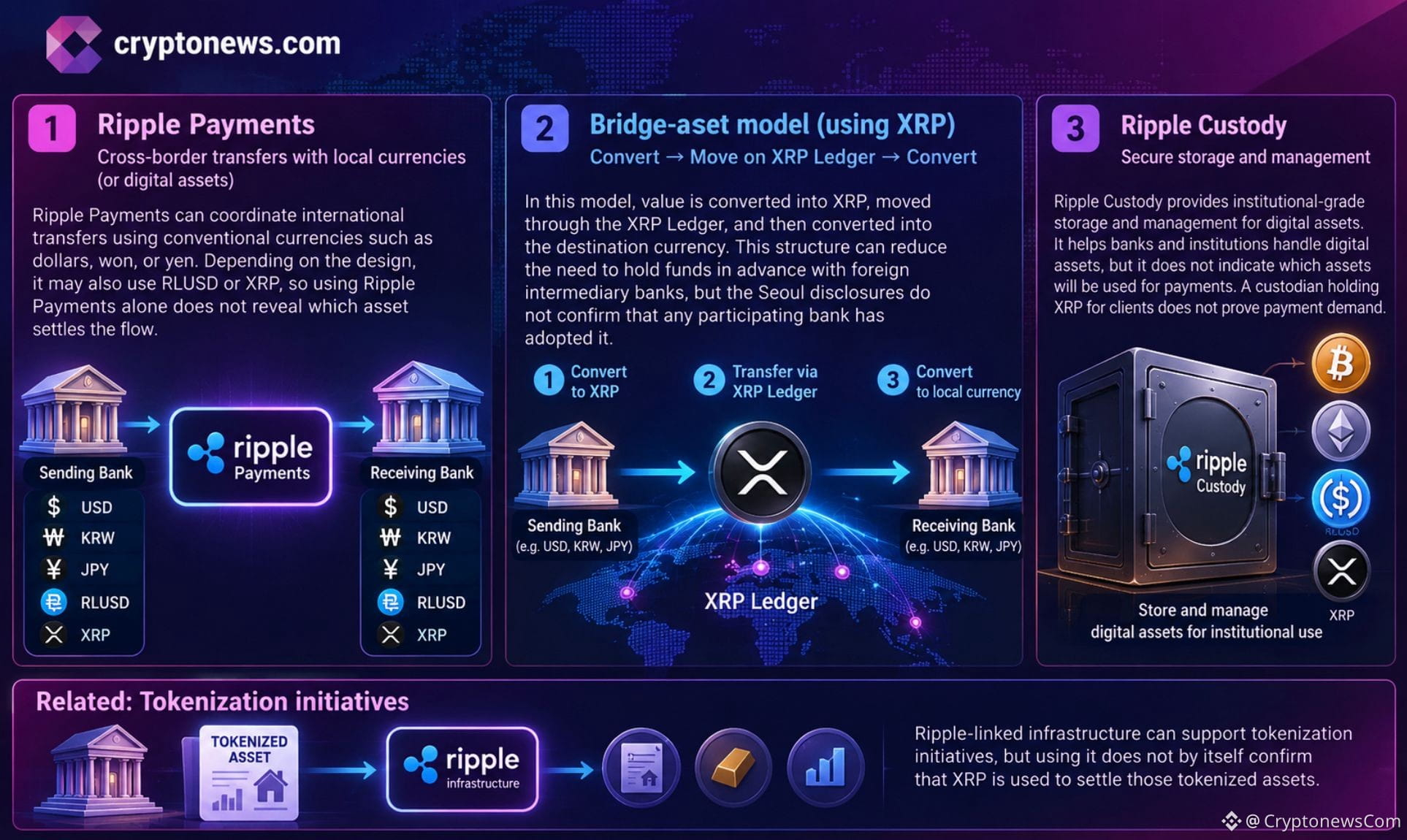
Ripple Payments can coordinate cross-border transfers using conventional currencies such as dollars, won, or yen. Depending on transaction design, the service may also use RLUSD or XRP, so deploying Ripple Payments alone does not reveal which asset settles a particular flow.
A separate bridge-asset model converts value into XRP, moves it through the XRP Ledger, and converts it into the destination currency. That structure can seek to reduce the need to hold funds in advance with foreign intermediary banks, but the Seoul disclosures do not confirm that any participating bank has adopted it.
Trade XRP on Bybit and Get a Chance to Win Our $1,000 USDT Airdrop
Ripple Custody addresses a different function: storing and managing digital assets for institutional use. Institutional custody infrastructure can expand a bank’s ability to handle digital assets without indicating which assets will be used for payments; likewise, a custodian holding XRP for clients does not prove payment demand.
The same distinction applies to tokenization initiatives, where use of Ripple-linked infrastructure does not by itself confirm XRP settlement.
For XRP, the event is evidence of Ripple’s expanding institutional relationships in South Korea, not a disclosed demand catalyst. A stronger adoption signal would require an explicit settlement-asset designation and measurable transaction flows or a volume commitment; neither appears in the available announcements.
Discover: The Best Token Presales
The post XRP News: Seoul Event Shows Ripple Reach appeared first on Cryptonews.
XRP News: Seoul Event Shows Ripple Reach
Four Korean financial institutions appeared alongside Ripple at XRP Seoul 2026, igniting news and speculation on Ripple’s reach. As of today, Jeonbuk Bank has planned Ripple Payments deployment, and Kbank’s custody and remittance initiatives are documented.
Ripple introduced XRP Asia at the Seoul event as a regional initiative to promote the XRP Ledger. In an August 18, 2026 announcement, Ripple said Jeonbuk Bank would deploy Ripple Payments for cross-border business remittances. The company described it as the first regional bank in Korea to deploy the service, which is intended to provide near-real-time settlement.
Korean Banks – Kbank, Kyobo Securities, Woori Bank and JB Bank entered the stage at XRP Seoul.
From Cross border payments to Tokenized Deposits. pic.twitter.com/iY76LmTW57
— Vet (@Vet_X0) October 3, 2026
Kbank has two distinct Ripple-related initiatives in the source account: a remittance pilot targeting the UAE and Thailand, and institutional wallet-as-a-service infrastructure through Ripple Custody. Ripple’s announcement on Kbank’s custody infrastructure describes a service for managing digital assets.
The other relationships also require careful attribution. The event account connects Kyobo Life, associated with Kyobo Securities, to work on tokenized government-bond settlement, while Woori Bank is described as working with Korean custodian BDACS, which manages XRP for institutional clients.
Earn $50 and Enter $300K Prize Draw on EdgeXPayment Software, Custody News, and XRP Settlement
Ripple Payments can coordinate cross-border transfers using conventional currencies such as dollars, won, or yen. Depending on transaction design, the service may also use RLUSD or XRP, so deploying Ripple Payments alone does not reveal which asset settles a particular flow.
A separate bridge-asset model converts value into XRP, moves it through the XRP Ledger, and converts it into the destination currency. That structure can seek to reduce the need to hold funds in advance with foreign intermediary banks, but the Seoul disclosures do not confirm that any participating bank has adopted it.
Trade XRP on Bybit and Get a Chance to Win Our $1,000 USDT Airdrop
Ripple Custody addresses a different function: storing and managing digital assets for institutional use. Institutional custody infrastructure can expand a bank’s ability to handle digital assets without indicating which assets will be used for payments; likewise, a custodian holding XRP for clients does not prove payment demand.
The same distinction applies to tokenization initiatives, where use of Ripple-linked infrastructure does not by itself confirm XRP settlement.
For XRP, the event is evidence of Ripple’s expanding institutional relationships in South Korea, not a disclosed demand catalyst. A stronger adoption signal would require an explicit settlement-asset designation and measurable transaction flows or a volume commitment; neither appears in the available announcements.
Discover: The Best Token Presales
The post XRP News: Seoul Event Shows Ripple Reach appeared first on Cryptonews.
Ripple introduced XRP Asia at the Seoul event as a regional initiative to promote the XRP Ledger. In an August 18, 2026 announcement, Ripple said Jeonbuk Bank would deploy Ripple Payments for cross-border business remittances. The company described it as the first regional bank in Korea to deploy the service, which is intended to provide near-real-time settlement.
Korean Banks – Kbank, Kyobo Securities, Woori Bank and JB Bank entered the stage at XRP Seoul.
From Cross border payments to Tokenized Deposits. pic.twitter.com/iY76LmTW57
— Vet (@Vet_X0) October 3, 2026
Kbank has two distinct Ripple-related initiatives in the source account: a remittance pilot targeting the UAE and Thailand, and institutional wallet-as-a-service infrastructure through Ripple Custody. Ripple’s announcement on Kbank’s custody infrastructure describes a service for managing digital assets.
The other relationships also require careful attribution. The event account connects Kyobo Life, associated with Kyobo Securities, to work on tokenized government-bond settlement, while Woori Bank is described as working with Korean custodian BDACS, which manages XRP for institutional clients.
Earn $50 and Enter $300K Prize Draw on EdgeXPayment Software, Custody News, and XRP Settlement
Ripple Payments can coordinate cross-border transfers using conventional currencies such as dollars, won, or yen. Depending on transaction design, the service may also use RLUSD or XRP, so deploying Ripple Payments alone does not reveal which asset settles a particular flow.
A separate bridge-asset model converts value into XRP, moves it through the XRP Ledger, and converts it into the destination currency. That structure can seek to reduce the need to hold funds in advance with foreign intermediary banks, but the Seoul disclosures do not confirm that any participating bank has adopted it.
Trade XRP on Bybit and Get a Chance to Win Our $1,000 USDT Airdrop
Ripple Custody addresses a different function: storing and managing digital assets for institutional use. Institutional custody infrastructure can expand a bank’s ability to handle digital assets without indicating which assets will be used for payments; likewise, a custodian holding XRP for clients does not prove payment demand.
The same distinction applies to tokenization initiatives, where use of Ripple-linked infrastructure does not by itself confirm XRP settlement.
For XRP, the event is evidence of Ripple’s expanding institutional relationships in South Korea, not a disclosed demand catalyst. A stronger adoption signal would require an explicit settlement-asset designation and measurable transaction flows or a volume commitment; neither appears in the available announcements.
Discover: The Best Token Presales
The post XRP News: Seoul Event Shows Ripple Reach appeared first on Cryptonews.
20
Bài viết
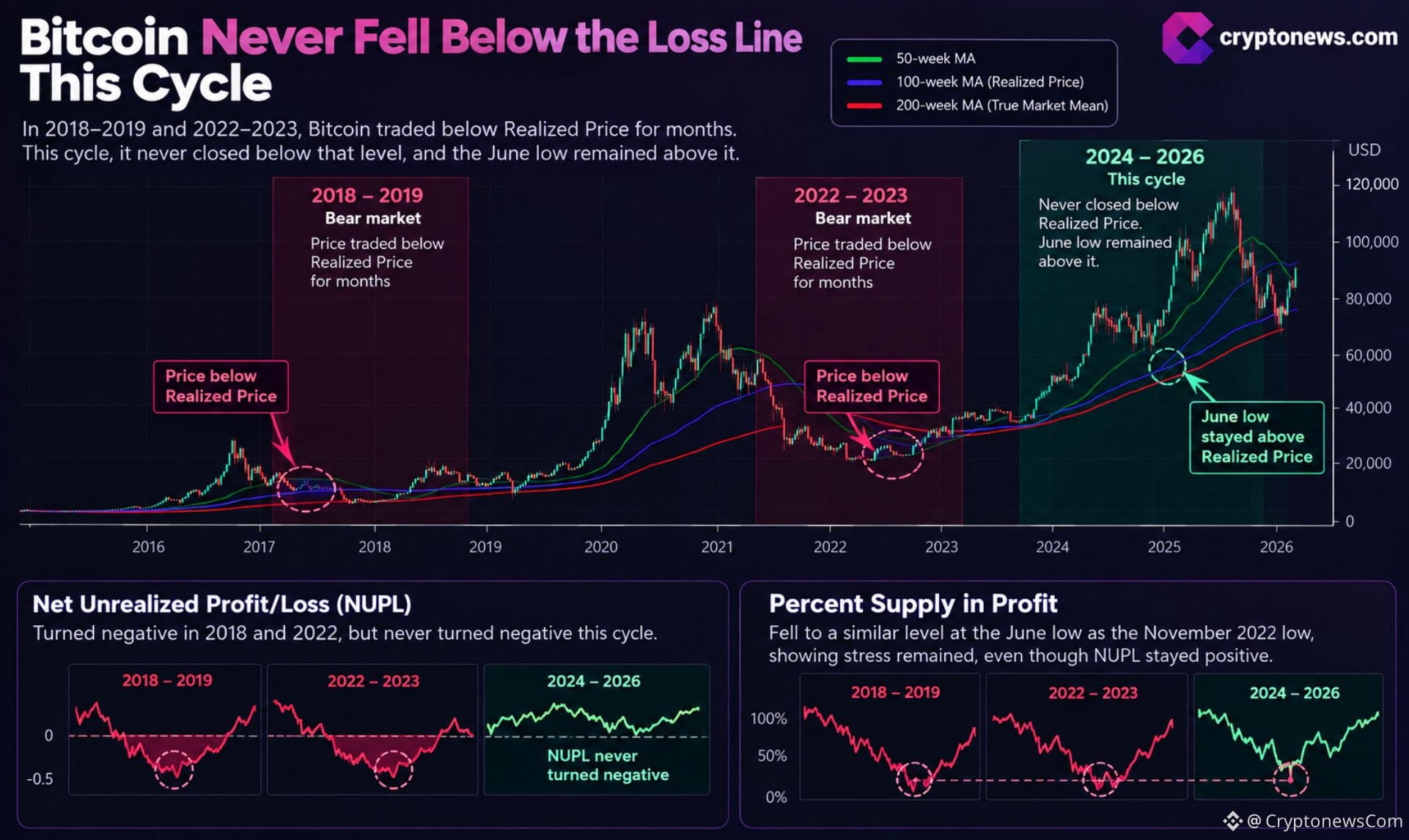
Giá Bitcoin Không Rơi Vào Vùng Đỏ Khi Thị Trường Giá Xuống Này Phá Vỡ Mô Hình Lịch SửMức giảm giá của Bitcoin trong chu kỳ này chưa bao giờ khiến giá đóng cửa ngày thấp hơn giá thực hiện, trong khi NUPL tổng hợp duy trì ở mức dương suốt chu kỳ. Đây là bằng chứng cho thấy căng thẳng trên toàn thị trường nhẹ hơn so với các thị trường giá xuống trước đây.
Trong các thị trường giá xuống năm 2018–2019 và 2022–2023, Bitcoin đã giao dịch ở mức giá thực hiện thấp hơn mức này trong nhiều tháng. Ở chu kỳ này, giá chưa từng đóng cửa ngày thấp hơn mức đó, và đáy tháng 6 vẫn cao hơn. Glassnode cho biết nếu giá giữ trên Mức trung bình thị trường thực (True Market Mean), đáy tháng 6 sẽ là đáy nông nhất trong ba đáy thị trường giá xuống được thể hiện trong phép so sánh của họ.
Giá Bitcoin Không Rơi Vào Vùng Đỏ Khi Thị Trường Giá Xuống Này Phá Vỡ Mô Hình Lịch Sử
Mức giảm giá của Bitcoin trong chu kỳ này chưa bao giờ khiến giá đóng cửa ngày thấp hơn giá thực hiện, trong khi NUPL tổng hợp duy trì ở mức dương suốt chu kỳ. Đây là bằng chứng cho thấy căng thẳng trên toàn thị trường nhẹ hơn so với các thị trường giá xuống trước đây.
Trong các thị trường giá xuống năm 2018–2019 và 2022–2023, Bitcoin đã giao dịch ở mức giá thực hiện thấp hơn mức này trong nhiều tháng. Ở chu kỳ này, giá chưa từng đóng cửa ngày thấp hơn mức đó, và đáy tháng 6 vẫn cao hơn. Glassnode cho biết nếu giá giữ trên Mức trung bình thị trường thực (True Market Mean), đáy tháng 6 sẽ là đáy nông nhất trong ba đáy thị trường giá xuống được thể hiện trong phép so sánh của họ.
Trong các thị trường giá xuống năm 2018–2019 và 2022–2023, Bitcoin đã giao dịch ở mức giá thực hiện thấp hơn mức này trong nhiều tháng. Ở chu kỳ này, giá chưa từng đóng cửa ngày thấp hơn mức đó, và đáy tháng 6 vẫn cao hơn. Glassnode cho biết nếu giá giữ trên Mức trung bình thị trường thực (True Market Mean), đáy tháng 6 sẽ là đáy nông nhất trong ba đáy thị trường giá xuống được thể hiện trong phép so sánh của họ.
2
Đã xác minh
Bài viết
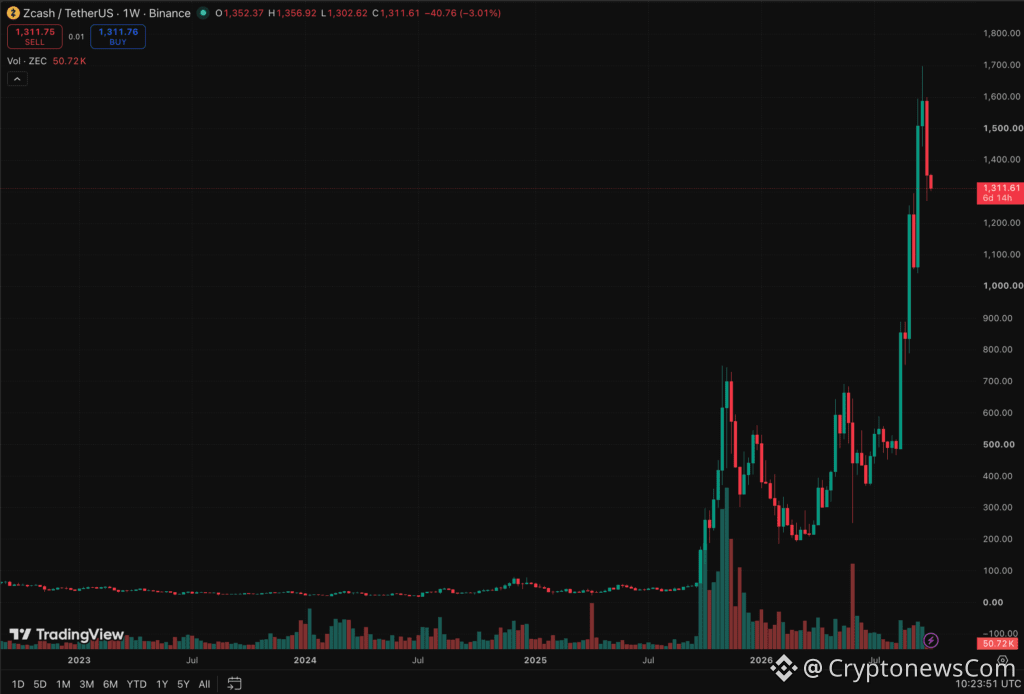
Nâng cấp Zcash NU7: ZEC hướng tới khối 25 giây trên testnetTin tức Zcash hôm nay: mạng lưới bảo mật đã kích hoạt bản nâng cấp NU7 trên mạng thử nghiệm công khai tại khối 4,465,026, rút ngắn khoảng thời gian mục tiêu từ 75 giây xuống còn 25 giây. Nếu các dịch vụ vẫn áp dụng chính sách yêu cầu ba xác nhận, thời gian chờ mục tiêu sẽ giảm từ 225 giây xuống còn khoảng 75 giây. Tuy nhiên, đây vẫn chỉ là thử nghiệm trên testnet, không phải thay đổi trên mainnet.
Bản thử nghiệm sử dụng các đồng coin không có giá trị để nhà phát triển và đơn vị vận hành hạ tầng diễn tập nâng cấp. NU7 cũng chuyển 60% phí giao dịch vào quỹ dự trữ phần thưởng trong tương lai, giảm phần thưởng mỗi khối để duy trì lịch phát hành ZEC và vô hiệu hóa các giao dịch Sprout.
Nâng cấp Zcash NU7: ZEC hướng tới khối 25 giây trên testnet
Tin tức Zcash hôm nay: mạng lưới bảo mật đã kích hoạt bản nâng cấp NU7 trên mạng thử nghiệm công khai tại khối 4,465,026, rút ngắn khoảng thời gian mục tiêu từ 75 giây xuống còn 25 giây. Nếu các dịch vụ vẫn áp dụng chính sách yêu cầu ba xác nhận, thời gian chờ mục tiêu sẽ giảm từ 225 giây xuống còn khoảng 75 giây. Tuy nhiên, đây vẫn chỉ là thử nghiệm trên testnet, không phải thay đổi trên mainnet.
Bản thử nghiệm sử dụng các đồng coin không có giá trị để nhà phát triển và đơn vị vận hành hạ tầng diễn tập nâng cấp. NU7 cũng chuyển 60% phí giao dịch vào quỹ dự trữ phần thưởng trong tương lai, giảm phần thưởng mỗi khối để duy trì lịch phát hành ZEC và vô hiệu hóa các giao dịch Sprout.
Bản thử nghiệm sử dụng các đồng coin không có giá trị để nhà phát triển và đơn vị vận hành hạ tầng diễn tập nâng cấp. NU7 cũng chuyển 60% phí giao dịch vào quỹ dự trữ phần thưởng trong tương lai, giảm phần thưởng mỗi khối để duy trì lịch phát hành ZEC và vô hiệu hóa các giao dịch Sprout.
51

Bài viết
Xem bản dịch
Ethereum Price Prediction: ETH Liquidity Drops 45% Below BTCEthereum price prediction is dropping as its order-book depth has fallen to 35–45% of Bitcoin’s. Ethereum trades at $2,725, up 1% over 24 hours, while BTC is at $86,300, up 1.4%. The issue is not simply weaker Ethereum liquidity: Bitcoin’s books have deepened as Ethereum’s have remained flat.
CoinGecko analysis across eight major centralized exchanges puts ETH median depth at $13–14 million. Bitcoin’s median depth is $29 million on bids and $37 million on asks, with that depth measured around 0.15% from mid-price. Binance leads for both assets; MEXC is a pronounced outlier at about $450,000.
Meanwhile, the wider market is firmer: total capitalization rose about 1% to $3.01 trillion, and Bitcoin briefly tested $87,000. For ETH, the liquidity gap matters most when volatility forces larger orders through thinner books; price levels now determine whether its recovery can attract follow-through.
Earn $50 and Enter $300K Prize Draw on EdgeXEthereum Price Prediction: Can ETH Hit $3,000 This Week?
ETH is near $2,725, but remains below the $2,775 resistance. Support sits near $2,645, and the tape is constructive but not decisive.
Bitcoin’s $87,000–$87,400 resistance zone is the near-term test; a sustained break could support the market’s $90,000 BTC target. ETH has lagged, and its own upside case depends on holding $2,645 and reclaiming $2,775 before $3,000 becomes a credible objective.
Ethereum (ETH)
24h7d30d1yAll time
The market has focused on Bitcoin’s resistance test, while ETH leverage and spot demand offer another lens on whether price gains have durable backing.
Bull case: ETH holds $2,645, clears $2,775, and improves relative strength; $3,000 comes into view. Base case: price consolidates around $2,700 while Bitcoin’s breakout attempt sets the tone. Invalidation: a decisive loss of $2,645 weakens the recovery and raises downside risk.
Thin depth can amplify moves in either direction. Keep the levels in focus.
Trade Ethereum on Bybit and Get a Chance to Win Our $1,000 USDT AirdropLiquidChain Targets Cross-Chain Liquidity as Ethereum Tests Key Levels
ETH’s recovery gives holders a reason to stay engaged, but thinner books limit how comfortably large orders can be executed, particularly during volatility. If the move stalls below resistance, the search for exposure may extend beyond established assets. That is a trade-off, not a guarantee of better returns.
LiquidChain ($LIQUID) is a Layer 3 infrastructure project positioning itself as “The Cross-Chain Liquidity Layer.” It aims to combine the liquidity of Bitcoin, Ethereum, and Solana into a single execution environment, allowing developers to deploy once to access all three ecosystems.
Forged for what comes after L2. pic.twitter.com/OZzHT3Zoss
— LiquidChain (@getliquidchain) September 28, 2026
Its features include a Unified Liquidity Layer, Single-Step Execution, Verifiable Settlement, and Deploy-Once Architecture. The presale price is $0.014962, with $980K raised. Staking is listed at a nobrainer 1100% APY rewards only for presale buyers.
Research LiquidChain and review the project details before the early buying window closes.
Discover: The Best Token Presales
The post Ethereum Price Prediction: ETH Liquidity Drops 45% Below BTC appeared first on Cryptonews.
Ethereum Price Prediction: ETH Liquidity Drops 45% Below BTC
Ethereum price prediction is dropping as its order-book depth has fallen to 35–45% of Bitcoin’s. Ethereum trades at $2,725, up 1% over 24 hours, while BTC is at $86,300, up 1.4%. The issue is not simply weaker Ethereum liquidity: Bitcoin’s books have deepened as Ethereum’s have remained flat.
CoinGecko analysis across eight major centralized exchanges puts ETH median depth at $13–14 million. Bitcoin’s median depth is $29 million on bids and $37 million on asks, with that depth measured around 0.15% from mid-price. Binance leads for both assets; MEXC is a pronounced outlier at about $450,000.
Meanwhile, the wider market is firmer: total capitalization rose about 1% to $3.01 trillion, and Bitcoin briefly tested $87,000. For ETH, the liquidity gap matters most when volatility forces larger orders through thinner books; price levels now determine whether its recovery can attract follow-through.
Earn $50 and Enter $300K Prize Draw on EdgeXEthereum Price Prediction: Can ETH Hit $3,000 This Week?
ETH is near $2,725, but remains below the $2,775 resistance. Support sits near $2,645, and the tape is constructive but not decisive.
Bitcoin’s $87,000–$87,400 resistance zone is the near-term test; a sustained break could support the market’s $90,000 BTC target. ETH has lagged, and its own upside case depends on holding $2,645 and reclaiming $2,775 before $3,000 becomes a credible objective.
Ethereum (ETH)
24h7d30d1yAll time
The market has focused on Bitcoin’s resistance test, while ETH leverage and spot demand offer another lens on whether price gains have durable backing.
Bull case: ETH holds $2,645, clears $2,775, and improves relative strength; $3,000 comes into view. Base case: price consolidates around $2,700 while Bitcoin’s breakout attempt sets the tone. Invalidation: a decisive loss of $2,645 weakens the recovery and raises downside risk.
Thin depth can amplify moves in either direction. Keep the levels in focus.
Trade Ethereum on Bybit and Get a Chance to Win Our $1,000 USDT AirdropLiquidChain Targets Cross-Chain Liquidity as Ethereum Tests Key Levels
ETH’s recovery gives holders a reason to stay engaged, but thinner books limit how comfortably large orders can be executed, particularly during volatility. If the move stalls below resistance, the search for exposure may extend beyond established assets. That is a trade-off, not a guarantee of better returns.
LiquidChain ($LIQUID) is a Layer 3 infrastructure project positioning itself as “The Cross-Chain Liquidity Layer.” It aims to combine the liquidity of Bitcoin, Ethereum, and Solana into a single execution environment, allowing developers to deploy once to access all three ecosystems.
Forged for what comes after L2. pic.twitter.com/OZzHT3Zoss
— LiquidChain (@getliquidchain) September 28, 2026
Its features include a Unified Liquidity Layer, Single-Step Execution, Verifiable Settlement, and Deploy-Once Architecture. The presale price is $0.014962, with $980K raised. Staking is listed at a nobrainer 1100% APY rewards only for presale buyers.
Research LiquidChain and review the project details before the early buying window closes.
Discover: The Best Token Presales
The post Ethereum Price Prediction: ETH Liquidity Drops 45% Below BTC appeared first on Cryptonews.
CoinGecko analysis across eight major centralized exchanges puts ETH median depth at $13–14 million. Bitcoin’s median depth is $29 million on bids and $37 million on asks, with that depth measured around 0.15% from mid-price. Binance leads for both assets; MEXC is a pronounced outlier at about $450,000.
Meanwhile, the wider market is firmer: total capitalization rose about 1% to $3.01 trillion, and Bitcoin briefly tested $87,000. For ETH, the liquidity gap matters most when volatility forces larger orders through thinner books; price levels now determine whether its recovery can attract follow-through.
Earn $50 and Enter $300K Prize Draw on EdgeXEthereum Price Prediction: Can ETH Hit $3,000 This Week?
ETH is near $2,725, but remains below the $2,775 resistance. Support sits near $2,645, and the tape is constructive but not decisive.
Bitcoin’s $87,000–$87,400 resistance zone is the near-term test; a sustained break could support the market’s $90,000 BTC target. ETH has lagged, and its own upside case depends on holding $2,645 and reclaiming $2,775 before $3,000 becomes a credible objective.
Ethereum (ETH)
24h7d30d1yAll time
The market has focused on Bitcoin’s resistance test, while ETH leverage and spot demand offer another lens on whether price gains have durable backing.
Bull case: ETH holds $2,645, clears $2,775, and improves relative strength; $3,000 comes into view. Base case: price consolidates around $2,700 while Bitcoin’s breakout attempt sets the tone. Invalidation: a decisive loss of $2,645 weakens the recovery and raises downside risk.
Thin depth can amplify moves in either direction. Keep the levels in focus.
Trade Ethereum on Bybit and Get a Chance to Win Our $1,000 USDT AirdropLiquidChain Targets Cross-Chain Liquidity as Ethereum Tests Key Levels
ETH’s recovery gives holders a reason to stay engaged, but thinner books limit how comfortably large orders can be executed, particularly during volatility. If the move stalls below resistance, the search for exposure may extend beyond established assets. That is a trade-off, not a guarantee of better returns.
LiquidChain ($LIQUID) is a Layer 3 infrastructure project positioning itself as “The Cross-Chain Liquidity Layer.” It aims to combine the liquidity of Bitcoin, Ethereum, and Solana into a single execution environment, allowing developers to deploy once to access all three ecosystems.
Forged for what comes after L2. pic.twitter.com/OZzHT3Zoss
— LiquidChain (@getliquidchain) September 28, 2026
Its features include a Unified Liquidity Layer, Single-Step Execution, Verifiable Settlement, and Deploy-Once Architecture. The presale price is $0.014962, with $980K raised. Staking is listed at a nobrainer 1100% APY rewards only for presale buyers.
Research LiquidChain and review the project details before the early buying window closes.
Discover: The Best Token Presales
The post Ethereum Price Prediction: ETH Liquidity Drops 45% Below BTC appeared first on Cryptonews.
2
Bài viết
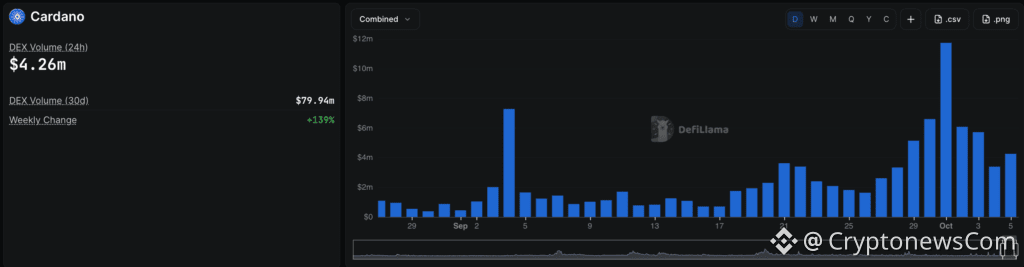
Giá ADA tăng vọt 11%: Vì sao Cardano tăng giá khi hoạt động DEX suy giảm?Tin tức Cardano hôm nay: ADA tăng +11% lên 0,27 USD trong 24 giờ qua, mức tăng phần trăm trong một ngày mạnh nhất kể từ ngày 18 tháng 9, đưa vốn hóa thị trường của Cardano lên 10,2 tỷ USD.
Đà tăng giá này trái ngược với dữ liệu của DefiLlama, cho thấy khối lượng giao dịch trên các sàn DEX của Cardano giảm từ 11,74 triệu USD vào ngày 1 tháng 10 xuống còn 5,72 triệu USD vào ngày 3 tháng 10. Sự phân kỳ này đặt ra nghi vấn về các yếu tố nền tảng hỗ trợ đợt tăng giá.
NGUỒN: DefiLlama
Tin tức Cardano: Vì sao động lực giá ADA đang tăng trong khi hoạt động on-chain suy yếu?
ADA tăng khoảng +10% trong bảy ngày, trong khi khối lượng giao dịch 24 giờ đạt 950 triệu USD, tương đương khoảng 1,5% tổng khối lượng giao dịch tiền mã hóa. Những con số này phản ánh hoạt động giao dịch ADA trên các thị trường; chúng không đo lường riêng các giao dịch hoán đổi diễn ra trên những sàn DEX dựa trên Cardano.
Giá ADA tăng vọt 11%: Vì sao Cardano tăng giá khi hoạt động DEX suy giảm?
Tin tức Cardano hôm nay: ADA tăng +11% lên 0,27 USD trong 24 giờ qua, mức tăng phần trăm trong một ngày mạnh nhất kể từ ngày 18 tháng 9, đưa vốn hóa thị trường của Cardano lên 10,2 tỷ USD.
Đà tăng giá này trái ngược với dữ liệu của DefiLlama, cho thấy khối lượng giao dịch trên các sàn DEX của Cardano giảm từ 11,74 triệu USD vào ngày 1 tháng 10 xuống còn 5,72 triệu USD vào ngày 3 tháng 10. Sự phân kỳ này đặt ra nghi vấn về các yếu tố nền tảng hỗ trợ đợt tăng giá.
NGUỒN: DefiLlama
Tin tức Cardano: Vì sao động lực giá ADA đang tăng trong khi hoạt động on-chain suy yếu?
ADA tăng khoảng +10% trong bảy ngày, trong khi khối lượng giao dịch 24 giờ đạt 950 triệu USD, tương đương khoảng 1,5% tổng khối lượng giao dịch tiền mã hóa. Những con số này phản ánh hoạt động giao dịch ADA trên các thị trường; chúng không đo lường riêng các giao dịch hoán đổi diễn ra trên những sàn DEX dựa trên Cardano.
Đà tăng giá này trái ngược với dữ liệu của DefiLlama, cho thấy khối lượng giao dịch trên các sàn DEX của Cardano giảm từ 11,74 triệu USD vào ngày 1 tháng 10 xuống còn 5,72 triệu USD vào ngày 3 tháng 10. Sự phân kỳ này đặt ra nghi vấn về các yếu tố nền tảng hỗ trợ đợt tăng giá.
NGUỒN: DefiLlama
Tin tức Cardano: Vì sao động lực giá ADA đang tăng trong khi hoạt động on-chain suy yếu?
ADA tăng khoảng +10% trong bảy ngày, trong khi khối lượng giao dịch 24 giờ đạt 950 triệu USD, tương đương khoảng 1,5% tổng khối lượng giao dịch tiền mã hóa. Những con số này phản ánh hoạt động giao dịch ADA trên các thị trường; chúng không đo lường riêng các giao dịch hoán đổi diễn ra trên những sàn DEX dựa trên Cardano.
1
2
218

Bài viết
Dữ liệu Hyperliquid hiện đã có trên Bloomberg Terminal khi Trump nỗ lực đưa nền tảng này vào MỹCác hợp đồng vĩnh cửu của Hyperliquid hiện đã có trên Bloomberg Terminal, đưa dữ liệu từ sàn giao dịch phi tập trung này vào quy trình sử dụng dữ liệu thị trường chuyên nghiệp phổ biến. Chỉ vài giờ trước, các hợp đồng này đã được đưa lên Terminal.
Việc dữ liệu thị trường được cung cấp có thể giúp người dùng chuyên nghiệp dễ dàng tìm hiểu, theo dõi và so sánh Hyperliquid với các nền tảng khác, qua đó có thể thu hút thêm sự chú ý của giới phân tích và thúc đẩy nghiên cứu về tiền mã hóa của các tổ chức.
TIN LỚN: Các hợp đồng vĩnh cửu của Hyperliquid hiện đã có trên Bloomberg Terminal.
Dữ liệu Hyperliquid hiện đã có trên Bloomberg Terminal khi Trump nỗ lực đưa nền tảng này vào Mỹ
Các hợp đồng vĩnh cửu của Hyperliquid hiện đã có trên Bloomberg Terminal, đưa dữ liệu từ sàn giao dịch phi tập trung này vào quy trình sử dụng dữ liệu thị trường chuyên nghiệp phổ biến. Chỉ vài giờ trước, các hợp đồng này đã được đưa lên Terminal.
Việc dữ liệu thị trường được cung cấp có thể giúp người dùng chuyên nghiệp dễ dàng tìm hiểu, theo dõi và so sánh Hyperliquid với các nền tảng khác, qua đó có thể thu hút thêm sự chú ý của giới phân tích và thúc đẩy nghiên cứu về tiền mã hóa của các tổ chức.
TIN LỚN: Các hợp đồng vĩnh cửu của Hyperliquid hiện đã có trên Bloomberg Terminal.
Việc dữ liệu thị trường được cung cấp có thể giúp người dùng chuyên nghiệp dễ dàng tìm hiểu, theo dõi và so sánh Hyperliquid với các nền tảng khác, qua đó có thể thu hút thêm sự chú ý của giới phân tích và thúc đẩy nghiên cứu về tiền mã hóa của các tổ chức.
TIN LỚN: Các hợp đồng vĩnh cửu của Hyperliquid hiện đã có trên Bloomberg Terminal.
1
488

Bài viết
Dự đoán giá XRP: Nhà phân tích cho rằng Ripple sẽ đạt $750 vào năm tớiXRP giao dịch ở mức $1.51, tăng 1%, trong khi dự đoán giá vẫn ở gần giữa biên độ gần đây. Jake Claver vẫn dự đoán giá sẽ đạt $750 vào cuối năm 2026 hoặc đầu năm 2027, một mục tiêu đòi hỏi mức tăng hơn 400 lần so với hiện tại. Biểu đồ trước mắt đưa ra phép thử thực tế hơn: trước tiên, XRP có thể lấy lại vùng kháng cự quanh $1.52–$1.56 không?
LẠC QUAN
Jake Claver vừa đưa ra mục tiêu giá $750 cho $XRP – viện dẫn bình luận của chủ tịch $Ripple, Monica Long, người cho biết chúng ta sẽ chứng kiến việc các tổ chức áp dụng trên quy mô lớn vào năm 2026!#XRP #xrpnews #xrppriceprediction#xrparmy #crypto pic.twitter.com/5c20WUd6xw
Dự đoán giá XRP: Nhà phân tích cho rằng Ripple sẽ đạt $750 vào năm tới
XRP giao dịch ở mức $1.51, tăng 1%, trong khi dự đoán giá vẫn ở gần giữa biên độ gần đây. Jake Claver vẫn dự đoán giá sẽ đạt $750 vào cuối năm 2026 hoặc đầu năm 2027, một mục tiêu đòi hỏi mức tăng hơn 400 lần so với hiện tại. Biểu đồ trước mắt đưa ra phép thử thực tế hơn: trước tiên, XRP có thể lấy lại vùng kháng cự quanh $1.52–$1.56 không?
LẠC QUAN
Jake Claver vừa đưa ra mục tiêu giá $750 cho $XRP – viện dẫn bình luận của chủ tịch $Ripple, Monica Long, người cho biết chúng ta sẽ chứng kiến việc các tổ chức áp dụng trên quy mô lớn vào năm 2026!#XRP #xrpnews #xrppriceprediction#xrparmy #crypto pic.twitter.com/5c20WUd6xw
LẠC QUAN
Jake Claver vừa đưa ra mục tiêu giá $750 cho $XRP – viện dẫn bình luận của chủ tịch $Ripple, Monica Long, người cho biết chúng ta sẽ chứng kiến việc các tổ chức áp dụng trên quy mô lớn vào năm 2026!#XRP #xrpnews #xrppriceprediction#xrparmy #crypto pic.twitter.com/5c20WUd6xw
12

Bài viết
S&P Global nhắm đến thị trường cho vay blockchain trị giá 10 tỷ USD với công cụ đánh giá rủi ro mớiS&P Global Ratings ra mắt công cụ Đánh giá Rủi ro Vault (VRA), đưa ra đánh giá hướng tới tương lai về sáu rủi ro có thể làm suy giảm vị thế của nhà đầu tư trong các vault cho vay dựa trên blockchain. Động thái này diễn ra khi lượng tiền gửi trên thị trường đạt khoảng 10 tỷ USD vào tháng 9 năm 2026, tăng từ 1,5 tỷ USD hai năm trước đó.
Khuôn khổ này đưa một hình thức phân tích rủi ro tổ chức quen thuộc vào phân khúc cho vay DeFi đang phát triển nhanh chóng. Phạm vi của công cụ khá cụ thể: đánh giá rủi ro suy giảm giá trị tương đối, chứ không đánh giá mức độ hấp dẫn của lợi suất trong vault hay mức độ tín nhiệm của tổ chức phát hành theo cách hiểu thông thường của các tổ chức xếp hạng.
S&P Global nhắm đến thị trường cho vay blockchain trị giá 10 tỷ USD với công cụ đánh giá rủi ro mới
S&P Global Ratings ra mắt công cụ Đánh giá Rủi ro Vault (VRA), đưa ra đánh giá hướng tới tương lai về sáu rủi ro có thể làm suy giảm vị thế của nhà đầu tư trong các vault cho vay dựa trên blockchain. Động thái này diễn ra khi lượng tiền gửi trên thị trường đạt khoảng 10 tỷ USD vào tháng 9 năm 2026, tăng từ 1,5 tỷ USD hai năm trước đó.
Khuôn khổ này đưa một hình thức phân tích rủi ro tổ chức quen thuộc vào phân khúc cho vay DeFi đang phát triển nhanh chóng. Phạm vi của công cụ khá cụ thể: đánh giá rủi ro suy giảm giá trị tương đối, chứ không đánh giá mức độ hấp dẫn của lợi suất trong vault hay mức độ tín nhiệm của tổ chức phát hành theo cách hiểu thông thường của các tổ chức xếp hạng.
Khuôn khổ này đưa một hình thức phân tích rủi ro tổ chức quen thuộc vào phân khúc cho vay DeFi đang phát triển nhanh chóng. Phạm vi của công cụ khá cụ thể: đánh giá rủi ro suy giảm giá trị tương đối, chứ không đánh giá mức độ hấp dẫn của lợi suất trong vault hay mức độ tín nhiệm của tổ chức phát hành theo cách hiểu thông thường của các tổ chức xếp hạng.
144

Bài viết
Dự đoán giá Bitcoin: Lên mặt trăng rồi quay về, đà tăng lên 87.000 USD bị hủyĐà tăng của BTC hướng tới 87.000 USD lại vấp phải áp lực bán. Bitcoin đang giao dịch ở mức 85.500 USD sau khi chạm đỉnh 87.000 USD, diễn biến này khiến dự đoán giá của đồng tiền này chuyển sang xu hướng tăng. Câu hỏi then chốt lúc này là liệu đây chỉ là một nhịp từ chối thông thường hay là dấu hiệu cho thấy đà tăng cần điều chỉnh trước khi thử sức lần nữa.
Bitcoin có lúc tăng lên chỉ còn cách mức đỉnh hồi cuối tháng 9, gần 87.400 USD, khoảng 500 USD, rồi đảo chiều xuống dưới 86.000 USD. Đây là lần thứ hai trong một tuần đà tăng chững lại quanh vùng giá đó; cú tăng lên 85.500 USD vào thứ Tư tuần trước cũng hạ nhiệt chỉ sau vài giờ.
Dự đoán giá Bitcoin: Lên mặt trăng rồi quay về, đà tăng lên 87.000 USD bị hủy
Đà tăng của BTC hướng tới 87.000 USD lại vấp phải áp lực bán. Bitcoin đang giao dịch ở mức 85.500 USD sau khi chạm đỉnh 87.000 USD, diễn biến này khiến dự đoán giá của đồng tiền này chuyển sang xu hướng tăng. Câu hỏi then chốt lúc này là liệu đây chỉ là một nhịp từ chối thông thường hay là dấu hiệu cho thấy đà tăng cần điều chỉnh trước khi thử sức lần nữa.
Bitcoin có lúc tăng lên chỉ còn cách mức đỉnh hồi cuối tháng 9, gần 87.400 USD, khoảng 500 USD, rồi đảo chiều xuống dưới 86.000 USD. Đây là lần thứ hai trong một tuần đà tăng chững lại quanh vùng giá đó; cú tăng lên 85.500 USD vào thứ Tư tuần trước cũng hạ nhiệt chỉ sau vài giờ.
Bitcoin có lúc tăng lên chỉ còn cách mức đỉnh hồi cuối tháng 9, gần 87.400 USD, khoảng 500 USD, rồi đảo chiều xuống dưới 86.000 USD. Đây là lần thứ hai trong một tuần đà tăng chững lại quanh vùng giá đó; cú tăng lên 85.500 USD vào thứ Tư tuần trước cũng hạ nhiệt chỉ sau vài giờ.
6

Bài viết
Claude AI Dự Đoán Kết Cục Ấn Tượng Đến Năm Cho XRPClaude AI dự đoán rằng đến ngày 1 tháng 1 năm 2027, XRP USD có thể chạm mốc 25 USD, với mục tiêu đỉnh bùng nổ (blow-off top) là 35 USD, nếu một chất xúc tác rất cụ thể xuất hiện cho lực lượng của Ripple. Hiện XRP đang được giao dịch ở mức 1,49 USD, tăng +0,5% trong 24 giờ qua, nghĩa là nó sẽ cần tăng khoảng 16,8 lần so với giá hiện tại, tương ứng với vốn hóa thị trường vào khoảng 1,6 nghìn tỷ USD, giả sử khoảng 65 tỷ XRP đang lưu hành.
Điều đó thật khổng lồ, nhưng trong một kịch bản cuồng mãnh crypto thực sự, thì nó sẽ không phải là điều không thể về mặt toán học. Yếu tố xúc tác giả định lố bịch mà Claude AI nhắc đến đã là sự tiếp nhận ở cấp độ tổ chức một cách rõ ràng.
Claude AI Dự Đoán Kết Cục Ấn Tượng Đến Năm Cho XRP
Claude AI dự đoán rằng đến ngày 1 tháng 1 năm 2027, XRP USD có thể chạm mốc 25 USD, với mục tiêu đỉnh bùng nổ (blow-off top) là 35 USD, nếu một chất xúc tác rất cụ thể xuất hiện cho lực lượng của Ripple. Hiện XRP đang được giao dịch ở mức 1,49 USD, tăng +0,5% trong 24 giờ qua, nghĩa là nó sẽ cần tăng khoảng 16,8 lần so với giá hiện tại, tương ứng với vốn hóa thị trường vào khoảng 1,6 nghìn tỷ USD, giả sử khoảng 65 tỷ XRP đang lưu hành.
Điều đó thật khổng lồ, nhưng trong một kịch bản cuồng mãnh crypto thực sự, thì nó sẽ không phải là điều không thể về mặt toán học. Yếu tố xúc tác giả định lố bịch mà Claude AI nhắc đến đã là sự tiếp nhận ở cấp độ tổ chức một cách rõ ràng.
Điều đó thật khổng lồ, nhưng trong một kịch bản cuồng mãnh crypto thực sự, thì nó sẽ không phải là điều không thể về mặt toán học. Yếu tố xúc tác giả định lố bịch mà Claude AI nhắc đến đã là sự tiếp nhận ở cấp độ tổ chức một cách rõ ràng.
268
Bài viết
Dự đoán giá XRP: Ripple dao động quanh $1.50, sớm bứt phá?Dự đoán giá XRP cho thấy Ripple bước vào tháng 10 vẫn đang giao dịch trong một biên độ rộng. Hiện XRP ở khoảng $1.50, với vùng kháng cự quan trọng nằm trong khoảng $1.45 đến $1.60. Nếu giá vượt lên trên $1.60, điều đó có thể mở đường cho đà tăng lên $1.65-$1.70, tạo cơ hội để phe mua đẩy giá token vượt qua đỉnh tháng 9.
Một vài mức quan trọng cần theo dõi trong thời gian tới. Nếu XRP giảm xuống dưới $1.45, các mức hỗ trợ tiếp theo cần chú ý là $1.40-$1.42, sau đó là $1.32-$1.35. Mức giảm đáng kể hơn xuống dưới $1.27-$1.30 sẽ làm suy yếu thêm cấu trúc giá hiện tại.
Dự đoán giá XRP: Ripple dao động quanh $1.50, sớm bứt phá?
Dự đoán giá XRP cho thấy Ripple bước vào tháng 10 vẫn đang giao dịch trong một biên độ rộng. Hiện XRP ở khoảng $1.50, với vùng kháng cự quan trọng nằm trong khoảng $1.45 đến $1.60. Nếu giá vượt lên trên $1.60, điều đó có thể mở đường cho đà tăng lên $1.65-$1.70, tạo cơ hội để phe mua đẩy giá token vượt qua đỉnh tháng 9.
Một vài mức quan trọng cần theo dõi trong thời gian tới. Nếu XRP giảm xuống dưới $1.45, các mức hỗ trợ tiếp theo cần chú ý là $1.40-$1.42, sau đó là $1.32-$1.35. Mức giảm đáng kể hơn xuống dưới $1.27-$1.30 sẽ làm suy yếu thêm cấu trúc giá hiện tại.
Một vài mức quan trọng cần theo dõi trong thời gian tới. Nếu XRP giảm xuống dưới $1.45, các mức hỗ trợ tiếp theo cần chú ý là $1.40-$1.42, sau đó là $1.32-$1.35. Mức giảm đáng kể hơn xuống dưới $1.27-$1.30 sẽ làm suy yếu thêm cấu trúc giá hiện tại.
2
377
Bài viết
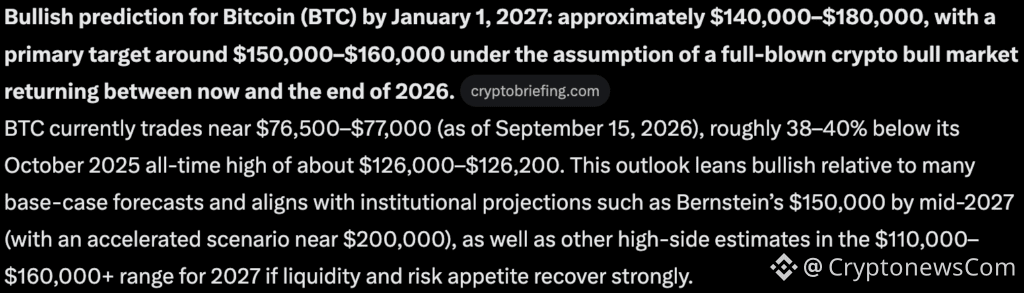
Elon Musk Grok AI Dự đoán một Kết Cục Điên Rồ cho Năm 2026 của BitcoinGrok AI của Elon Musk dự đoán ba tháng tới sẽ đặc biệt mang tính quyết định, ước tính Bitcoin có thể đạt mức tăng gấp đôi (2x) vào ngày 1 tháng 1 năm 2027.
Hôm nay (ngày 3 tháng 10), BTC USD đang giao dịch quanh mức 84.500 USD, và Grok AI tuyên bố rằng trong trường hợp một thị trường bò bùng nổ hoàn toàn, nó có thể tăng lên 180.000 USD trong kịch bản tốt nhất, với kịch bản cơ sở khoảng 150.000-160.000 USD.
NGUỒN: Grok AI Dự đoán Bitcoin
Dòng tiền của ETF hỗ trợ các tuyên bố này, với hai ngày trong tháng 10 mang lại hơn +130 triệu USD vào dòng tiền dương, đưa tổng giá trị lên 58 tỷ USD kể từ khi ra mắt vào tháng 11 năm 2024.
Elon Musk Grok AI Dự đoán một Kết Cục Điên Rồ cho Năm 2026 của Bitcoin
Grok AI của Elon Musk dự đoán ba tháng tới sẽ đặc biệt mang tính quyết định, ước tính Bitcoin có thể đạt mức tăng gấp đôi (2x) vào ngày 1 tháng 1 năm 2027.
Hôm nay (ngày 3 tháng 10), BTC USD đang giao dịch quanh mức 84.500 USD, và Grok AI tuyên bố rằng trong trường hợp một thị trường bò bùng nổ hoàn toàn, nó có thể tăng lên 180.000 USD trong kịch bản tốt nhất, với kịch bản cơ sở khoảng 150.000-160.000 USD.
NGUỒN: Grok AI Dự đoán Bitcoin
Dòng tiền của ETF hỗ trợ các tuyên bố này, với hai ngày trong tháng 10 mang lại hơn +130 triệu USD vào dòng tiền dương, đưa tổng giá trị lên 58 tỷ USD kể từ khi ra mắt vào tháng 11 năm 2024.
Hôm nay (ngày 3 tháng 10), BTC USD đang giao dịch quanh mức 84.500 USD, và Grok AI tuyên bố rằng trong trường hợp một thị trường bò bùng nổ hoàn toàn, nó có thể tăng lên 180.000 USD trong kịch bản tốt nhất, với kịch bản cơ sở khoảng 150.000-160.000 USD.
NGUỒN: Grok AI Dự đoán Bitcoin
Dòng tiền của ETF hỗ trợ các tuyên bố này, với hai ngày trong tháng 10 mang lại hơn +130 triệu USD vào dòng tiền dương, đưa tổng giá trị lên 58 tỷ USD kể từ khi ra mắt vào tháng 11 năm 2024.
2
314
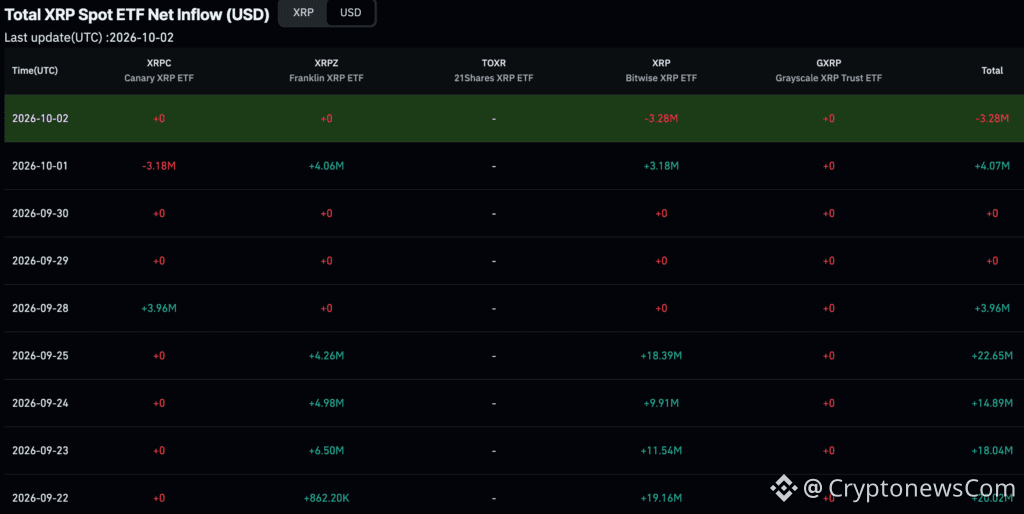
Giá XRP, Nhu cầu ETF 300 Triệu USD và Nguồn Cung “Quá Tải” 45% trong Q3Giá XRP đã tăng hơn 45% trong Q3 khi các ETF XRP giao ngay của Mỹ thu hút khoảng 307,9 triệu USD, tuy nhiên token này đã bước vào tháng 10 gần mức 1,50 USD sau nhiều lần thất bại quanh mốc 1,70 USD. Dòng tiền ròng từ ETF tích lũy tiến sát 1,8 tỷ USD, nhưng lượng mua đó vẫn chưa thiết lập được mức giá khớp cao hơn.
Phản ứng về giá cho thấy nhu cầu từ quỹ vẫn chưa đủ mạnh để hấp thụ lượng cung hiện có khi XRP tăng giá. Người mua có thể hỗ trợ thị trường trong khi người bán vẫn tiếp tục đáp ứng các lệnh mua, khiến giá dao động quanh mức 1,50 USD thay vì buộc phải vượt qua ngưỡng kháng cự.
Giá XRP, Nhu cầu ETF 300 Triệu USD và Nguồn Cung “Quá Tải” 45% trong Q3
Giá XRP đã tăng hơn 45% trong Q3 khi các ETF XRP giao ngay của Mỹ thu hút khoảng 307,9 triệu USD, tuy nhiên token này đã bước vào tháng 10 gần mức 1,50 USD sau nhiều lần thất bại quanh mốc 1,70 USD. Dòng tiền ròng từ ETF tích lũy tiến sát 1,8 tỷ USD, nhưng lượng mua đó vẫn chưa thiết lập được mức giá khớp cao hơn.
Phản ứng về giá cho thấy nhu cầu từ quỹ vẫn chưa đủ mạnh để hấp thụ lượng cung hiện có khi XRP tăng giá. Người mua có thể hỗ trợ thị trường trong khi người bán vẫn tiếp tục đáp ứng các lệnh mua, khiến giá dao động quanh mức 1,50 USD thay vì buộc phải vượt qua ngưỡng kháng cự.
Phản ứng về giá cho thấy nhu cầu từ quỹ vẫn chưa đủ mạnh để hấp thụ lượng cung hiện có khi XRP tăng giá. Người mua có thể hỗ trợ thị trường trong khi người bán vẫn tiếp tục đáp ứng các lệnh mua, khiến giá dao động quanh mức 1,50 USD thay vì buộc phải vượt qua ngưỡng kháng cự.
34
Bài viết
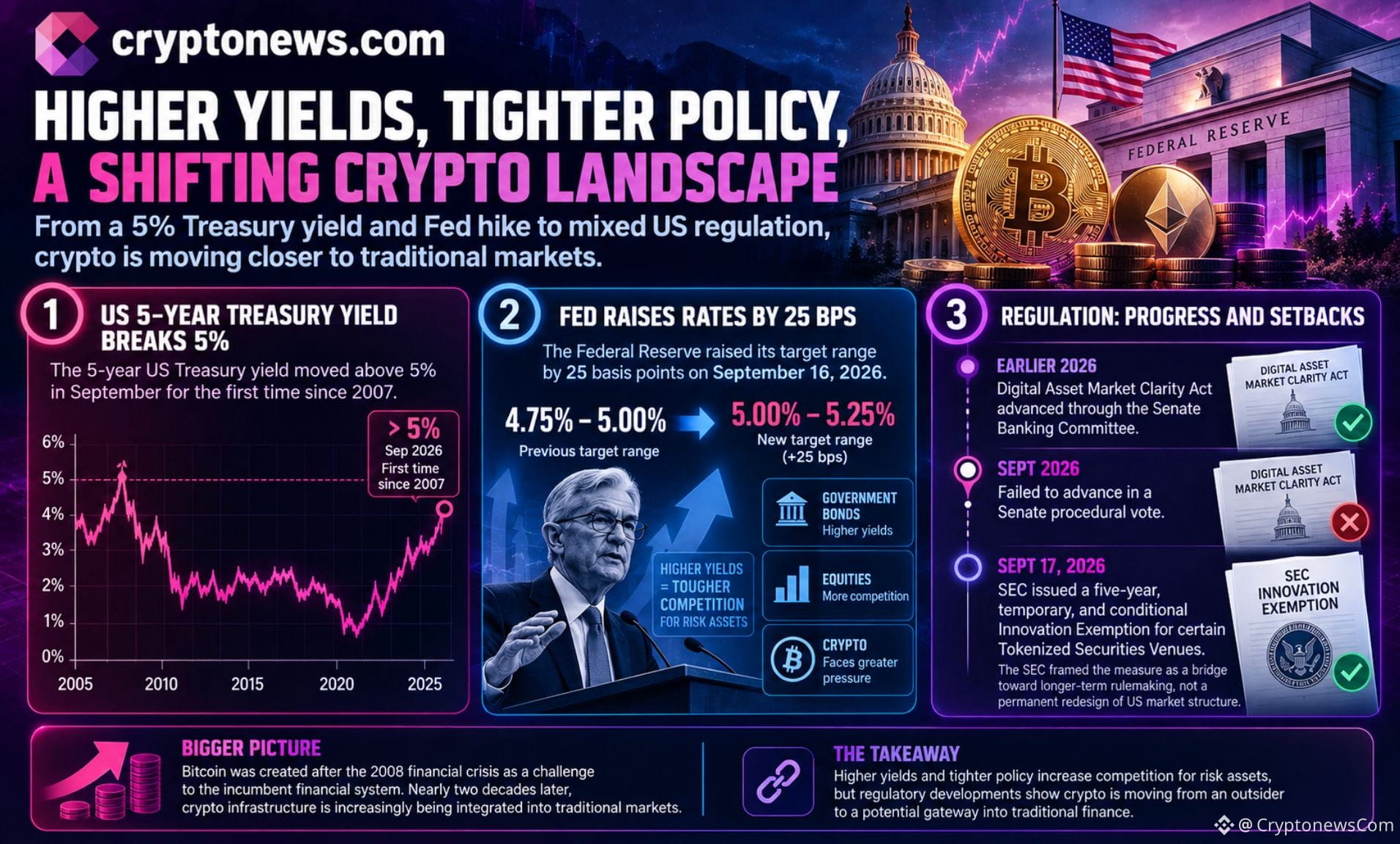
Cổ phiếu tokenized, quyền của nhà đầu tư và vai trò của chúng trong cryptoCổ phiếu tokenized có thể mang đến cho nhà đầu tư “crypto-native” khả năng tiếp cận mức độ phơi nhiễm với cổ phần thông qua các nền tảng crypto, nhưng một token bám theo giá cổ phiếu không tự động tương đương với một cổ phần. Luận điểm đa dạng hóa phụ thuộc vào việc người nắm giữ có nhận được các quyền pháp lý thực sự hay không, tài sản có được lưu ký trong các thỏa thuận lưu ký được quản lý hay không, và thị trường có duy trì tính thanh khoản đáng tin cậy hay không.
Bối cảnh thị trường đã thay đổi. Lợi suất Trái phiếu Kho bạc Mỹ kỳ hạn 5 năm đã vượt 5% vào tháng 9 lần đầu tiên kể từ năm 2007, và Cục Dự trữ Liên bang đã nâng biên độ mục tiêu thêm 25 điểm cơ bản vào ngày 16 tháng 9. Lợi suất cao hơn mang lại cho nhà đầu tư một lựa chọn cạnh tranh hơn so với tài sản rủi ro, làm rõ hơn sự so sánh giữa cổ phiếu, crypto và nợ chính phủ.
Cổ phiếu tokenized, quyền của nhà đầu tư và vai trò của chúng trong crypto
Cổ phiếu tokenized có thể mang đến cho nhà đầu tư “crypto-native” khả năng tiếp cận mức độ phơi nhiễm với cổ phần thông qua các nền tảng crypto, nhưng một token bám theo giá cổ phiếu không tự động tương đương với một cổ phần. Luận điểm đa dạng hóa phụ thuộc vào việc người nắm giữ có nhận được các quyền pháp lý thực sự hay không, tài sản có được lưu ký trong các thỏa thuận lưu ký được quản lý hay không, và thị trường có duy trì tính thanh khoản đáng tin cậy hay không.
Bối cảnh thị trường đã thay đổi. Lợi suất Trái phiếu Kho bạc Mỹ kỳ hạn 5 năm đã vượt 5% vào tháng 9 lần đầu tiên kể từ năm 2007, và Cục Dự trữ Liên bang đã nâng biên độ mục tiêu thêm 25 điểm cơ bản vào ngày 16 tháng 9. Lợi suất cao hơn mang lại cho nhà đầu tư một lựa chọn cạnh tranh hơn so với tài sản rủi ro, làm rõ hơn sự so sánh giữa cổ phiếu, crypto và nợ chính phủ.
Bối cảnh thị trường đã thay đổi. Lợi suất Trái phiếu Kho bạc Mỹ kỳ hạn 5 năm đã vượt 5% vào tháng 9 lần đầu tiên kể từ năm 2007, và Cục Dự trữ Liên bang đã nâng biên độ mục tiêu thêm 25 điểm cơ bản vào ngày 16 tháng 9. Lợi suất cao hơn mang lại cho nhà đầu tư một lựa chọn cạnh tranh hơn so với tài sản rủi ro, làm rõ hơn sự so sánh giữa cổ phiếu, crypto và nợ chính phủ.
15
Bài viết
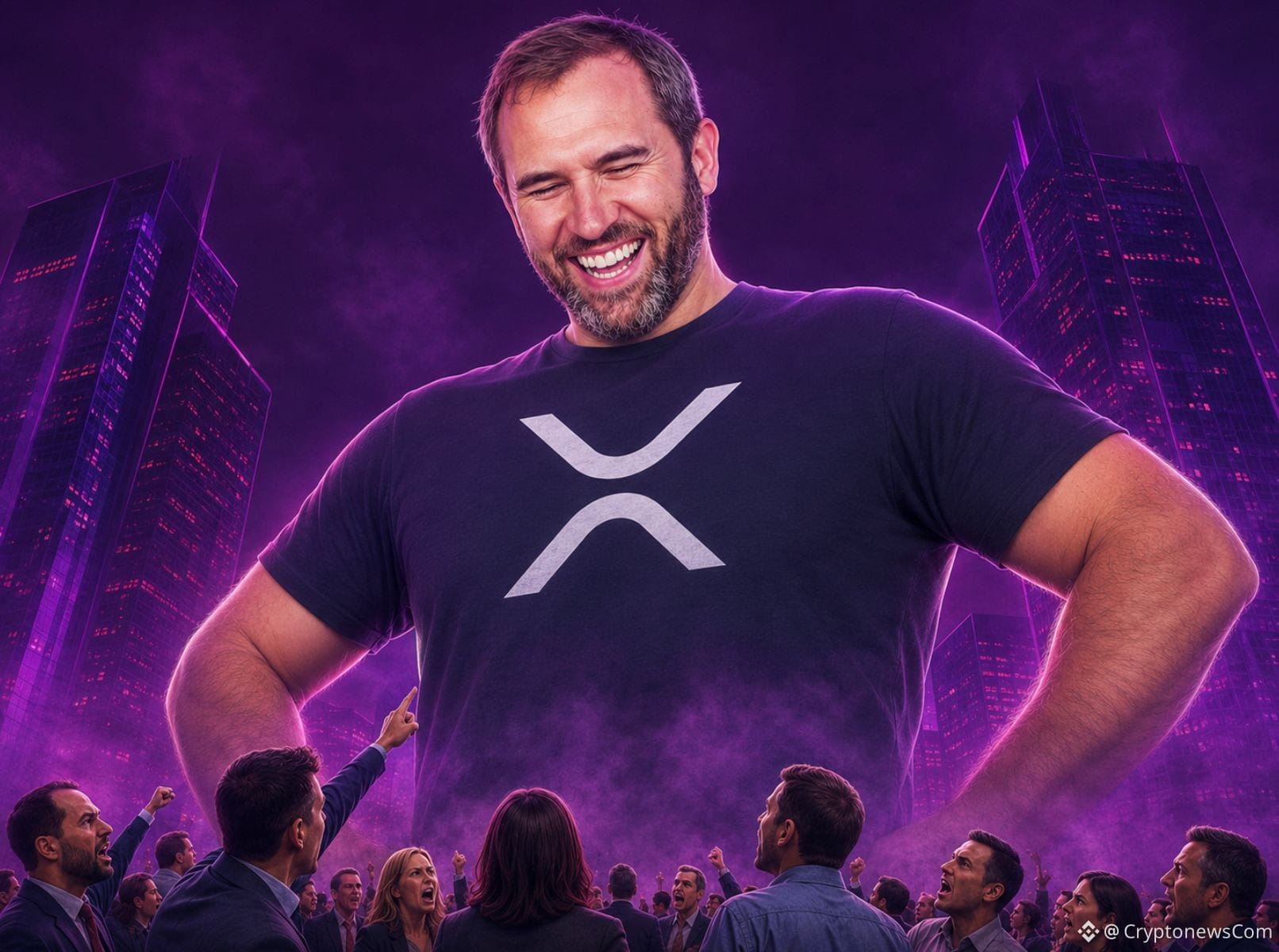
Dự đoán giá XRP: Ripple hé lộ thông báo đặc biệt tại Tuần lễ Blockchain Hàn QuốcGiá XRP đang dao động quanh mức 1,52 USD vào ngày 2 tháng 10, tăng 1% trong 24 giờ qua, khi chúng ta hướng tới sự xuất hiện của Ripple vào ngày 3 tháng 10 tại Seoul, điều này có thể lật ngược dự đoán của thị trường. Sự kiện đã trở thành một chất xúc tác trong ngắn hạn, nhưng bản thân thông báo vẫn chưa được tiết lộ.
Chương trình XRP Seoul liệt kê một phiên họp kéo dài 20 phút với tiêu đề “Thông báo Đặc biệt: Điều gì sẽ đến tiếp theo cho hệ sinh thái XRP tại Châu Á”, dự kiến từ 2:15 chiều đến 2:35 chiều. Quản lý tăng trưởng hệ sinh thái Ripple Tatsuya Kohrogi và chủ tịch XRP châu Á Sabrina Tachdjian dự kiến sẽ phát biểu.
Dự đoán giá XRP: Ripple hé lộ thông báo đặc biệt tại Tuần lễ Blockchain Hàn Quốc
Giá XRP đang dao động quanh mức 1,52 USD vào ngày 2 tháng 10, tăng 1% trong 24 giờ qua, khi chúng ta hướng tới sự xuất hiện của Ripple vào ngày 3 tháng 10 tại Seoul, điều này có thể lật ngược dự đoán của thị trường. Sự kiện đã trở thành một chất xúc tác trong ngắn hạn, nhưng bản thân thông báo vẫn chưa được tiết lộ.
Chương trình XRP Seoul liệt kê một phiên họp kéo dài 20 phút với tiêu đề “Thông báo Đặc biệt: Điều gì sẽ đến tiếp theo cho hệ sinh thái XRP tại Châu Á”, dự kiến từ 2:15 chiều đến 2:35 chiều. Quản lý tăng trưởng hệ sinh thái Ripple Tatsuya Kohrogi và chủ tịch XRP châu Á Sabrina Tachdjian dự kiến sẽ phát biểu.
Chương trình XRP Seoul liệt kê một phiên họp kéo dài 20 phút với tiêu đề “Thông báo Đặc biệt: Điều gì sẽ đến tiếp theo cho hệ sinh thái XRP tại Châu Á”, dự kiến từ 2:15 chiều đến 2:35 chiều. Quản lý tăng trưởng hệ sinh thái Ripple Tatsuya Kohrogi và chủ tịch XRP châu Á Sabrina Tachdjian dự kiến sẽ phát biểu.
31
Bài viết
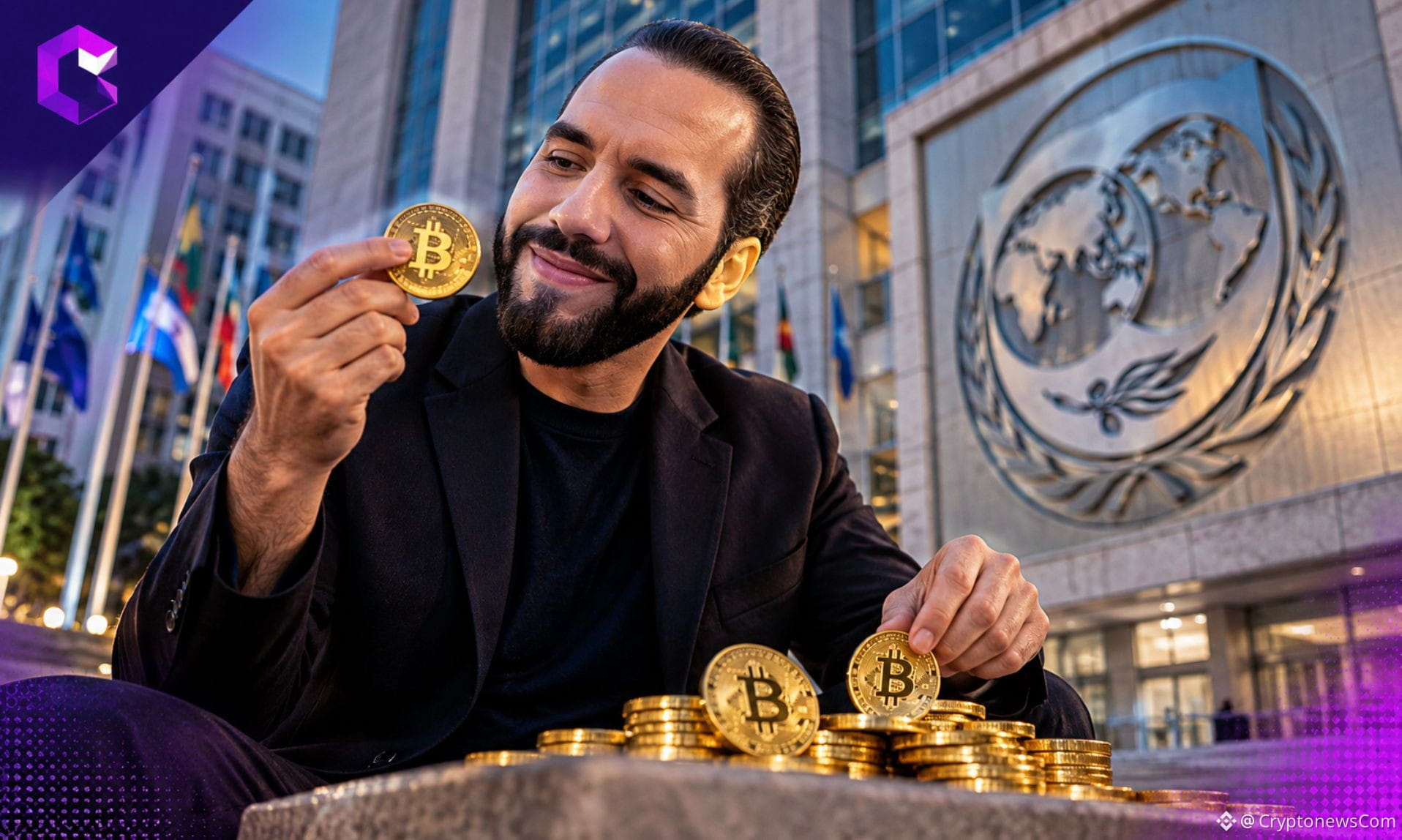
El Salvador Đồng Ý Ngừng Tích Lũy Bitcoin Thêm Theo Thỏa Thuận Với IMFQuỹ Tiền tệ Quốc tế (IMF) đã hoàn tất hai kỳ đánh giá thứ hai và thứ ba của El Salvador vào tối qua, cho phép giải ngân ngay lập tức 101,96 triệu SDR, tương đương khoảng 138 triệu USD. Việc giải ngân diễn ra sau một thỏa thuận miễn trừ đối với tiêu chí kết quả tích lũy Bitcoin bị bỏ lỡ, trong khi chương trình của El Salvador nêu rõ rằng sẽ không có kế hoạch tích lũy thêm ngoài các khoản quyên góp đã được ghi nhận.
Quyết định này duy trì nguồn vốn từ IMF đồng thời củng cố sự chuyển hướng ra khỏi việc nhà nước trực tiếp tham gia vào các hoạt động liên quan đến Bitcoin. Ban quản trị đã cấp miễn trừ cho các tiêu chí không được đáp ứng, viện dẫn các biện pháp khắc phục và những cam kết được gia hạn.
El Salvador Đồng Ý Ngừng Tích Lũy Bitcoin Thêm Theo Thỏa Thuận Với IMF
Quỹ Tiền tệ Quốc tế (IMF) đã hoàn tất hai kỳ đánh giá thứ hai và thứ ba của El Salvador vào tối qua, cho phép giải ngân ngay lập tức 101,96 triệu SDR, tương đương khoảng 138 triệu USD. Việc giải ngân diễn ra sau một thỏa thuận miễn trừ đối với tiêu chí kết quả tích lũy Bitcoin bị bỏ lỡ, trong khi chương trình của El Salvador nêu rõ rằng sẽ không có kế hoạch tích lũy thêm ngoài các khoản quyên góp đã được ghi nhận.
Quyết định này duy trì nguồn vốn từ IMF đồng thời củng cố sự chuyển hướng ra khỏi việc nhà nước trực tiếp tham gia vào các hoạt động liên quan đến Bitcoin. Ban quản trị đã cấp miễn trừ cho các tiêu chí không được đáp ứng, viện dẫn các biện pháp khắc phục và những cam kết được gia hạn.
Quyết định này duy trì nguồn vốn từ IMF đồng thời củng cố sự chuyển hướng ra khỏi việc nhà nước trực tiếp tham gia vào các hoạt động liên quan đến Bitcoin. Ban quản trị đã cấp miễn trừ cho các tiêu chí không được đáp ứng, viện dẫn các biện pháp khắc phục và những cam kết được gia hạn.
21
Hai ví Safe mất 305.000 USD trong cuộc tấn công FlashLoopAdapterMột FlashLoopAdapter tùy chỉnh được dùng để quản lý các vị thế Aave V3 đòn bẩy đã bị khai thác trong một vụ hack trên Ethereum, khiến hai ví Safe bị lỗ ước tính 114,09 ETH, tương đương khoảng 305.000 USD.
Kẻ tấn công giả mạo một bước kiểm tra xác thực của Safe, sau đó sử dụng khoản vay nhanh Morpho WETH để trả nợ và mở khóa tài sản thế chấp. Khoảng 1.306 weETH rút ra từ một ví là một dòng giao dịch tổng thể, chứ không phải số tiền thu ròng của kẻ tấn công.
SlowMist: Mô-đun Safe của Aave v3 Loop bị khai thác, chiếm đoạt khoảng 114,09 ETH
Hai ví Safe mất 305.000 USD trong cuộc tấn công FlashLoopAdapter
Một FlashLoopAdapter tùy chỉnh được dùng để quản lý các vị thế Aave V3 đòn bẩy đã bị khai thác trong một vụ hack trên Ethereum, khiến hai ví Safe bị lỗ ước tính 114,09 ETH, tương đương khoảng 305.000 USD.
Kẻ tấn công giả mạo một bước kiểm tra xác thực của Safe, sau đó sử dụng khoản vay nhanh Morpho WETH để trả nợ và mở khóa tài sản thế chấp. Khoảng 1.306 weETH rút ra từ một ví là một dòng giao dịch tổng thể, chứ không phải số tiền thu ròng của kẻ tấn công.
SlowMist: Mô-đun Safe của Aave v3 Loop bị khai thác, chiếm đoạt khoảng 114,09 ETH
Kẻ tấn công giả mạo một bước kiểm tra xác thực của Safe, sau đó sử dụng khoản vay nhanh Morpho WETH để trả nợ và mở khóa tài sản thế chấp. Khoảng 1.306 weETH rút ra từ một ví là một dòng giao dịch tổng thể, chứ không phải số tiền thu ròng của kẻ tấn công.
SlowMist: Mô-đun Safe của Aave v3 Loop bị khai thác, chiếm đoạt khoảng 114,09 ETH
16
Kho bạc XRP của Evernorth Vượt Phiếu Bỏ, Chờ Ngày Đóng Tháng MườiCổ đông của Armada Acquisition Corp. II đã thông qua việc sáp nhập doanh nghiệp được đề xuất với Evernorth tại một cuộc họp bất thường vào ngày 30 tháng 9 năm 2026, vượt qua một trở ngại lớn cho kế hoạch niêm yết công khai. Tin tức hiện đang chờ một thỏa thuận dự kiến đóng vào ngày 7 tháng 10, trong đó giao dịch trên Nasdaq dưới mã XRPN dự kiến bắt đầu vào ngày 8 tháng 10; Evernorth kỳ vọng sẽ nắm giữ khoảng 473 triệu XRP tại thời điểm đóng.
Cuộc bỏ phiếu của cổ đông loại bỏ một điều kiện giao dịch trung tâm. Thông báo ngày 1 tháng 10 từ Evernorth và Armada II nêu rằng việc sáp nhập doanh nghiệp vẫn phải tuân theo việc thỏa mãn hoặc được miễn trừ các điều kiện đóng còn lại.
Kho bạc XRP của Evernorth Vượt Phiếu Bỏ, Chờ Ngày Đóng Tháng Mười
Cổ đông của Armada Acquisition Corp. II đã thông qua việc sáp nhập doanh nghiệp được đề xuất với Evernorth tại một cuộc họp bất thường vào ngày 30 tháng 9 năm 2026, vượt qua một trở ngại lớn cho kế hoạch niêm yết công khai. Tin tức hiện đang chờ một thỏa thuận dự kiến đóng vào ngày 7 tháng 10, trong đó giao dịch trên Nasdaq dưới mã XRPN dự kiến bắt đầu vào ngày 8 tháng 10; Evernorth kỳ vọng sẽ nắm giữ khoảng 473 triệu XRP tại thời điểm đóng.
Cuộc bỏ phiếu của cổ đông loại bỏ một điều kiện giao dịch trung tâm. Thông báo ngày 1 tháng 10 từ Evernorth và Armada II nêu rằng việc sáp nhập doanh nghiệp vẫn phải tuân theo việc thỏa mãn hoặc được miễn trừ các điều kiện đóng còn lại.
Cuộc bỏ phiếu của cổ đông loại bỏ một điều kiện giao dịch trung tâm. Thông báo ngày 1 tháng 10 từ Evernorth và Armada II nêu rằng việc sáp nhập doanh nghiệp vẫn phải tuân theo việc thỏa mãn hoặc được miễn trừ các điều kiện đóng còn lại.
18
Đăng nhập để khám phá thêm nội dung
Tham gia cùng người dùng tiền mã hóa toàn cầu trên Binance Square
⚡️ Nhận thông tin mới nhất và hữu ích về tiền mã hóa.
💬 Được tin cậy bởi sàn giao dịch tiền mã hóa lớn nhất thế giới.
👍 Khám phá những thông tin chuyên sâu thực tế từ những nhà sáng tạo đã xác minh.
Email / Số điện thoại