
CRYPTO SYREN
83 Bài đăng

CRYPTO SYREN
Báo cáo
Chặn người dùng
Crypto Syren gives you unparalleled, unbiased coverage of all-things crypto & finance in real-time | Posts Are Not Financial Advice | DYOR | Follow,Like & share
Trader thường xuyên
{thời gian} năm
59 Đang theo dõi
36 Người theo dõi
111 Đã thích
Bài đăng
Tất cả
Trích dẫn
·
--
Xem bản dịch
This cycle Memecoins will out perform every single asset on earth.
Watch.
This cycle Memecoins will out perform every single asset on earth.
Watch.
Watch.
1
41
·
--
Quản lý rủi ro: Lợi thế thực sự trong giao dịch Crypto
Phần lớn trader chạy theo các lợi nhuận lớn với $BTC, $ETH và $BNB. Nhà giao dịch thông minh sẽ bảo vệ vốn trước.
Không bao giờ rủi ro quá 1–2% số tiền trong tài khoản cho một lệnh. Luôn đặt lệnh cắt lỗ. Nhắm tới tỷ lệ rủi ro/lợi nhuận ít nhất là 1:2. Tôn trọng đòn bẩy và tránh các quyết định theo cảm xúc.
Thị trường luôn mang đến cơ hội. Những người sống sót đủ lâu để nắm bắt chúng là những người quản lý rủi ro đúng cách.
Bạn theo quy tắc quản lý rủi ro nào? Hãy bình luận bên dưới.
Chỉ mang tính giáo dục. Không phải lời khuyên tài chính. Hãy giao dịch có trách nhiệm.$AAPL.US #viralpost
Quản lý rủi ro: Lợi thế thực sự trong giao dịch Crypto
Phần lớn trader chạy theo các lợi nhuận lớn với $BTC, $ETH và $BNB. Nhà giao dịch thông minh sẽ bảo vệ vốn trước.
Không bao giờ rủi ro quá 1–2% số tiền trong tài khoản cho một lệnh. Luôn đặt lệnh cắt lỗ. Nhắm tới tỷ lệ rủi ro/lợi nhuận ít nhất là 1:2. Tôn trọng đòn bẩy và tránh các quyết định theo cảm xúc.
Thị trường luôn mang đến cơ hội. Những người sống sót đủ lâu để nắm bắt chúng là những người quản lý rủi ro đúng cách.
Bạn theo quy tắc quản lý rủi ro nào? Hãy bình luận bên dưới.
Chỉ mang tính giáo dục. Không phải lời khuyên tài chính. Hãy giao dịch có trách nhiệm.$AAPL.US #viralpost
Phần lớn trader chạy theo các lợi nhuận lớn với $BTC, $ETH và $BNB. Nhà giao dịch thông minh sẽ bảo vệ vốn trước.
Không bao giờ rủi ro quá 1–2% số tiền trong tài khoản cho một lệnh. Luôn đặt lệnh cắt lỗ. Nhắm tới tỷ lệ rủi ro/lợi nhuận ít nhất là 1:2. Tôn trọng đòn bẩy và tránh các quyết định theo cảm xúc.
Thị trường luôn mang đến cơ hội. Những người sống sót đủ lâu để nắm bắt chúng là những người quản lý rủi ro đúng cách.
Bạn theo quy tắc quản lý rủi ro nào? Hãy bình luận bên dưới.
Chỉ mang tính giáo dục. Không phải lời khuyên tài chính. Hãy giao dịch có trách nhiệm.$AAPL.US #viralpost
1
105
·
--
Bài viết
Xem bản dịch
How to Survive Crypto Volatility: Essential Risk Management Rules Every Trader NeedsMastering Risk Management in Crypto Trading: How to Protect Your Capital in Volatile Markets
Crypto markets move fast. In late August 2026, Bitcoin recently climbed above $80,000 before consolidating near the high $70,000s amid shifting macroeconomic signals and ETF flow changes. Altcoins like $ETH, $SOL, and $XRP also saw sharp swings. These moves create opportunities — and equally large risks for unprepared traders.
Many newcomers focus only on potential upside. Experienced traders know the real edge comes from protecting downside. Risk management is not optional; it is the foundation that separates long-term survivors from those who blow up their accounts.
This guide explains practical, actionable risk management principles you can apply directly on Binance, whether you trade Spot, Margin, or Futures.
Why Risk Management Matters More Than Perfect Entries
No strategy wins 100% of the time. Even the best technical setups fail. Without defined risk rules, a few losing trades can erase months of gains.
Key reasons risk management is essential:
• Crypto assets are highly volatile. Daily moves of 5–15% are common.
• Leverage amplifies both gains and losses. A 10x position can liquidate on a relatively small adverse move.
• Emotional decisions (FOMO buying or panic selling) destroy accounts faster than bad analysis.
• Markets can gap or move violently on news, liquidations, or macro data.
The goal is simple: survive long enough for your edge to play out.
Core Principles of Crypto Risk Management
1. Never Risk More Than You Can Afford to Lose
Decide in advance the maximum percentage of your total portfolio you will risk on any single trade. A common conservative rule is 1–2% of your account equity per trade.
Example: With a $10,000 account, risking 1% means your maximum loss on one trade is $100. This keeps you in the game even after a string of losses.
2. Position Sizing Is Everything
Position size should be calculated from your risk amount and stop-loss distance, not from how much you “feel” like buying.
Basic formula:
Position size = (Account risk amount) ÷ (Entry price – Stop-loss price)
This ensures every trade risks roughly the same dollar amount, regardless of the asset’s price or volatility.
3. Always Use a Stop-Loss
A stop-loss is your predefined exit if the trade goes against you. On Binance you can use:
• Stop-Limit orders
• Stop-Market orders
• Trailing stops (useful in trending markets)
Place stops based on technical levels (support/resistance, recent swing lows/highs, or ATR-based volatility) rather than arbitrary percentages. Avoid placing stops exactly on obvious round numbers where stop hunts are common.
4. Maintain a Favorable Risk-Reward Ratio
Aim for at least 1:2 or better (risk $1 to potentially make $2 or more). This means you can be right less than half the time and still be profitable.
Before entering any trade, ask: “Where will I take profit, and does the potential reward justify the risk?”
5. Diversify Thoughtfully
Avoid putting everything into one asset or correlated group. Spreading exposure across $BTC, $ETH, major Layer-1s, and stable assets reduces the impact of a single narrative collapsing. Over-diversification, however, can dilute returns and increase monitoring difficulty.
6. Respect Leverage
Higher leverage is not higher skill. Many successful traders use low or moderate leverage (or none on Spot). On Binance Futures, understand liquidation prices, maintenance margin, and cross vs. isolated margin modes before increasing size.
Practical Tools and Habits on Binance
• Use the calculator tools available on the trading interface to estimate liquidation prices and required margin.
• Set OCO (One-Cancels-the-Other) orders to combine take-profit and stop-loss in one action.
• Review your trade history regularly. Track win rate, average risk-reward, and maximum drawdown.
• Keep a simple trading journal: entry reason, risk amount, outcome, and emotional state. Patterns become clear quickly.
• Start with Spot trading or low leverage until your process is consistent.
Common Mistakes That Destroy Accounts
• Moving or removing stop-losses because “it will come back.”
• Adding to losing positions (averaging down without a clear plan).
• Overtrading after a win or revenge-trading after a loss.
• Ignoring overall portfolio heat (total open risk across all positions).
• Trading with money needed for living expenses or emergency funds.
Building a Simple Personal Risk Framework
1. Define your maximum account risk per trade (e.g., 1%).
2. Decide maximum total open risk (e.g., 5–6% across all positions).
3. Choose your preferred risk-reward minimum (e.g., 1:2).
4. Pre-plan exit rules before entering.
5. Review weekly: Are you following the rules? What needs adjustment?
Consistency with these rules usually matters more than finding the perfect indicator or signal.
Final Thoughts
Markets will always offer opportunities in $BTC, $ETH, $BNB, and beyond. The traders who last are those who treat capital preservation as their first job. Risk management does not guarantee profits, but it dramatically improves the probability that you will still be trading when good opportunities appear.
Start small. Follow your rules. Review and refine. Over time, disciplined risk control becomes a competitive advantage.
What is one risk management rule you currently follow — or plan to implement? Share in the comments so the community can learn from each other.
This article is for educational purposes only and does not constitute financial advice. Cryptocurrency trading involves substantial risk of loss. Always do your own research and never invest more than you can afford to lose.
How to Survive Crypto Volatility: Essential Risk Management Rules Every Trader Needs
Mastering Risk Management in Crypto Trading: How to Protect Your Capital in Volatile Markets
Crypto markets move fast. In late August 2026, Bitcoin recently climbed above $80,000 before consolidating near the high $70,000s amid shifting macroeconomic signals and ETF flow changes. Altcoins like $ETH, $SOL, and $XRP also saw sharp swings. These moves create opportunities — and equally large risks for unprepared traders.
Many newcomers focus only on potential upside. Experienced traders know the real edge comes from protecting downside. Risk management is not optional; it is the foundation that separates long-term survivors from those who blow up their accounts.
This guide explains practical, actionable risk management principles you can apply directly on Binance, whether you trade Spot, Margin, or Futures.
Why Risk Management Matters More Than Perfect Entries
No strategy wins 100% of the time. Even the best technical setups fail. Without defined risk rules, a few losing trades can erase months of gains.
Key reasons risk management is essential:
• Crypto assets are highly volatile. Daily moves of 5–15% are common.
• Leverage amplifies both gains and losses. A 10x position can liquidate on a relatively small adverse move.
• Emotional decisions (FOMO buying or panic selling) destroy accounts faster than bad analysis.
• Markets can gap or move violently on news, liquidations, or macro data.
The goal is simple: survive long enough for your edge to play out.
Core Principles of Crypto Risk Management
1. Never Risk More Than You Can Afford to Lose
Decide in advance the maximum percentage of your total portfolio you will risk on any single trade. A common conservative rule is 1–2% of your account equity per trade.
Example: With a $10,000 account, risking 1% means your maximum loss on one trade is $100. This keeps you in the game even after a string of losses.
2. Position Sizing Is Everything
Position size should be calculated from your risk amount and stop-loss distance, not from how much you “feel” like buying.
Basic formula:
Position size = (Account risk amount) ÷ (Entry price – Stop-loss price)
This ensures every trade risks roughly the same dollar amount, regardless of the asset’s price or volatility.
3. Always Use a Stop-Loss
A stop-loss is your predefined exit if the trade goes against you. On Binance you can use:
• Stop-Limit orders
• Stop-Market orders
• Trailing stops (useful in trending markets)
Place stops based on technical levels (support/resistance, recent swing lows/highs, or ATR-based volatility) rather than arbitrary percentages. Avoid placing stops exactly on obvious round numbers where stop hunts are common.
4. Maintain a Favorable Risk-Reward Ratio
Aim for at least 1:2 or better (risk $1 to potentially make $2 or more). This means you can be right less than half the time and still be profitable.
Before entering any trade, ask: “Where will I take profit, and does the potential reward justify the risk?”
5. Diversify Thoughtfully
Avoid putting everything into one asset or correlated group. Spreading exposure across $BTC, $ETH, major Layer-1s, and stable assets reduces the impact of a single narrative collapsing. Over-diversification, however, can dilute returns and increase monitoring difficulty.
6. Respect Leverage
Higher leverage is not higher skill. Many successful traders use low or moderate leverage (or none on Spot). On Binance Futures, understand liquidation prices, maintenance margin, and cross vs. isolated margin modes before increasing size.
Practical Tools and Habits on Binance
• Use the calculator tools available on the trading interface to estimate liquidation prices and required margin.
• Set OCO (One-Cancels-the-Other) orders to combine take-profit and stop-loss in one action.
• Review your trade history regularly. Track win rate, average risk-reward, and maximum drawdown.
• Keep a simple trading journal: entry reason, risk amount, outcome, and emotional state. Patterns become clear quickly.
• Start with Spot trading or low leverage until your process is consistent.
Common Mistakes That Destroy Accounts
• Moving or removing stop-losses because “it will come back.”
• Adding to losing positions (averaging down without a clear plan).
• Overtrading after a win or revenge-trading after a loss.
• Ignoring overall portfolio heat (total open risk across all positions).
• Trading with money needed for living expenses or emergency funds.
Building a Simple Personal Risk Framework
1. Define your maximum account risk per trade (e.g., 1%).
2. Decide maximum total open risk (e.g., 5–6% across all positions).
3. Choose your preferred risk-reward minimum (e.g., 1:2).
4. Pre-plan exit rules before entering.
5. Review weekly: Are you following the rules? What needs adjustment?
Consistency with these rules usually matters more than finding the perfect indicator or signal.
Final Thoughts
Markets will always offer opportunities in $BTC, $ETH, $BNB, and beyond. The traders who last are those who treat capital preservation as their first job. Risk management does not guarantee profits, but it dramatically improves the probability that you will still be trading when good opportunities appear.
Start small. Follow your rules. Review and refine. Over time, disciplined risk control becomes a competitive advantage.
What is one risk management rule you currently follow — or plan to implement? Share in the comments so the community can learn from each other.
This article is for educational purposes only and does not constitute financial advice. Cryptocurrency trading involves substantial risk of loss. Always do your own research and never invest more than you can afford to lose.
Crypto markets move fast. In late August 2026, Bitcoin recently climbed above $80,000 before consolidating near the high $70,000s amid shifting macroeconomic signals and ETF flow changes. Altcoins like $ETH, $SOL, and $XRP also saw sharp swings. These moves create opportunities — and equally large risks for unprepared traders.
Many newcomers focus only on potential upside. Experienced traders know the real edge comes from protecting downside. Risk management is not optional; it is the foundation that separates long-term survivors from those who blow up their accounts.
This guide explains practical, actionable risk management principles you can apply directly on Binance, whether you trade Spot, Margin, or Futures.
Why Risk Management Matters More Than Perfect Entries
No strategy wins 100% of the time. Even the best technical setups fail. Without defined risk rules, a few losing trades can erase months of gains.
Key reasons risk management is essential:
• Crypto assets are highly volatile. Daily moves of 5–15% are common.
• Leverage amplifies both gains and losses. A 10x position can liquidate on a relatively small adverse move.
• Emotional decisions (FOMO buying or panic selling) destroy accounts faster than bad analysis.
• Markets can gap or move violently on news, liquidations, or macro data.
The goal is simple: survive long enough for your edge to play out.
Core Principles of Crypto Risk Management
1. Never Risk More Than You Can Afford to Lose
Decide in advance the maximum percentage of your total portfolio you will risk on any single trade. A common conservative rule is 1–2% of your account equity per trade.
Example: With a $10,000 account, risking 1% means your maximum loss on one trade is $100. This keeps you in the game even after a string of losses.
2. Position Sizing Is Everything
Position size should be calculated from your risk amount and stop-loss distance, not from how much you “feel” like buying.
Basic formula:
Position size = (Account risk amount) ÷ (Entry price – Stop-loss price)
This ensures every trade risks roughly the same dollar amount, regardless of the asset’s price or volatility.
3. Always Use a Stop-Loss
A stop-loss is your predefined exit if the trade goes against you. On Binance you can use:
• Stop-Limit orders
• Stop-Market orders
• Trailing stops (useful in trending markets)
Place stops based on technical levels (support/resistance, recent swing lows/highs, or ATR-based volatility) rather than arbitrary percentages. Avoid placing stops exactly on obvious round numbers where stop hunts are common.
4. Maintain a Favorable Risk-Reward Ratio
Aim for at least 1:2 or better (risk $1 to potentially make $2 or more). This means you can be right less than half the time and still be profitable.
Before entering any trade, ask: “Where will I take profit, and does the potential reward justify the risk?”
5. Diversify Thoughtfully
Avoid putting everything into one asset or correlated group. Spreading exposure across $BTC, $ETH, major Layer-1s, and stable assets reduces the impact of a single narrative collapsing. Over-diversification, however, can dilute returns and increase monitoring difficulty.
6. Respect Leverage
Higher leverage is not higher skill. Many successful traders use low or moderate leverage (or none on Spot). On Binance Futures, understand liquidation prices, maintenance margin, and cross vs. isolated margin modes before increasing size.
Practical Tools and Habits on Binance
• Use the calculator tools available on the trading interface to estimate liquidation prices and required margin.
• Set OCO (One-Cancels-the-Other) orders to combine take-profit and stop-loss in one action.
• Review your trade history regularly. Track win rate, average risk-reward, and maximum drawdown.
• Keep a simple trading journal: entry reason, risk amount, outcome, and emotional state. Patterns become clear quickly.
• Start with Spot trading or low leverage until your process is consistent.
Common Mistakes That Destroy Accounts
• Moving or removing stop-losses because “it will come back.”
• Adding to losing positions (averaging down without a clear plan).
• Overtrading after a win or revenge-trading after a loss.
• Ignoring overall portfolio heat (total open risk across all positions).
• Trading with money needed for living expenses or emergency funds.
Building a Simple Personal Risk Framework
1. Define your maximum account risk per trade (e.g., 1%).
2. Decide maximum total open risk (e.g., 5–6% across all positions).
3. Choose your preferred risk-reward minimum (e.g., 1:2).
4. Pre-plan exit rules before entering.
5. Review weekly: Are you following the rules? What needs adjustment?
Consistency with these rules usually matters more than finding the perfect indicator or signal.
Final Thoughts
Markets will always offer opportunities in $BTC, $ETH, $BNB, and beyond. The traders who last are those who treat capital preservation as their first job. Risk management does not guarantee profits, but it dramatically improves the probability that you will still be trading when good opportunities appear.
Start small. Follow your rules. Review and refine. Over time, disciplined risk control becomes a competitive advantage.
What is one risk management rule you currently follow — or plan to implement? Share in the comments so the community can learn from each other.
This article is for educational purposes only and does not constitute financial advice. Cryptocurrency trading involves substantial risk of loss. Always do your own research and never invest more than you can afford to lose.
1
166
·
--
Tăng giá
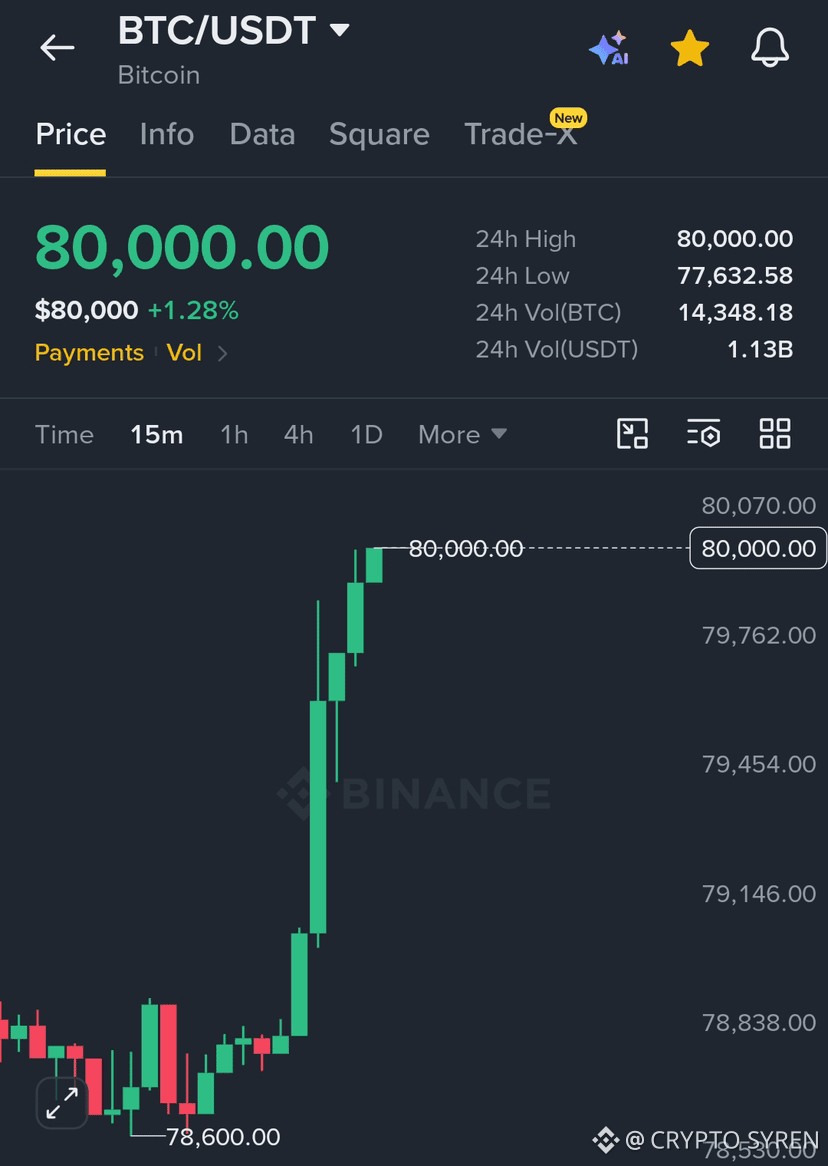
Bitcoin vừa chạm mốc 80.000 USD 🚀
80 triệu USD lệnh short đã bị thanh lý trong 60 phút.$BTC #BullRunAhead
Bitcoin vừa chạm mốc 80.000 USD 🚀
80 triệu USD lệnh short đã bị thanh lý trong 60 phút.$BTC #BullRunAhead
80 triệu USD lệnh short đã bị thanh lý trong 60 phút.$BTC #BullRunAhead
1
50
·
--
Điều gì đó về lời khuyên tài chính đáng biết:
Lời khuyên tốt nhất hầu như lúc nào cũng là lời khuyên nhàm chán nhất.
Chi tiêu ít hơn. Tiết kiệm nhiều hơn. Đầu tư đều đặn. Đừng hoảng sợ.
Lời khuyên thú vị thường mang lại lợi ích cho người đưa ra nhiều hơn là cho người nhận nó.$BTC #BinanceTurns9
Điều gì đó về lời khuyên tài chính đáng biết:
Lời khuyên tốt nhất hầu như lúc nào cũng là lời khuyên nhàm chán nhất.
Chi tiêu ít hơn. Tiết kiệm nhiều hơn. Đầu tư đều đặn. Đừng hoảng sợ.
Lời khuyên thú vị thường mang lại lợi ích cho người đưa ra nhiều hơn là cho người nhận nó.$BTC #BinanceTurns9
Lời khuyên tốt nhất hầu như lúc nào cũng là lời khuyên nhàm chán nhất.
Chi tiêu ít hơn. Tiết kiệm nhiều hơn. Đầu tư đều đặn. Đừng hoảng sợ.
Lời khuyên thú vị thường mang lại lợi ích cho người đưa ra nhiều hơn là cho người nhận nó.$BTC #BinanceTurns9
1
99
·
--
Bài viết
Từ Dương Tính Giả đến CVE: AI đã Giúp Củng Cố Lớp Mạng Ngang Hàng của Ethereum như thế nàoNhóm Bảo mật Giao thức của Ethereum Foundation đã triển khai các bầy (swarms) AI tác nhân phối hợp chống lại phần mềm cốt lõi của Ethereum (bao gồm các client đồng thuận, thư viện mật mã và các lớp mạng ngang hàng như libp2p). Các tác nhân AI đã phát hiện ra một lỗ hổng thực sự có thể được kích hoạt từ xa (CVE-2026-34219) trong thành phần gossipsub của libp2p. Chỉ với một thông điệp điều khiển được tạo sẵn từ bất kỳ peer chưa được xác thực nào cũng có thể làm sập một node dễ bị tấn công.
Điều này rất quan trọng vì nó có thể đã ảnh hưởng đến tính sẵn sàng hoạt động (liveness) của mạng đối với các node đang chạy phần mềm bị ảnh hưởng. Tuy nhiên, câu chuyện cũng nêu bật một hạn chế then chốt: dù AI rất giỏi trong việc nhanh chóng phát hiện các vấn đề tiềm ẩn, thì phần lớn “các phát hiện” lại hóa ra là các dương tính giả thuyết phục. Các chuyên gia con người vẫn phải xác minh, tái hiện các bằng chứng khái niệm và xử lý ưu tiên mọi thứ. Lỗi thực sự đã được vá và công bố.
Từ Dương Tính Giả đến CVE: AI đã Giúp Củng Cố Lớp Mạng Ngang Hàng của Ethereum như thế nào
Nhóm Bảo mật Giao thức của Ethereum Foundation đã triển khai các bầy (swarms) AI tác nhân phối hợp chống lại phần mềm cốt lõi của Ethereum (bao gồm các client đồng thuận, thư viện mật mã và các lớp mạng ngang hàng như libp2p). Các tác nhân AI đã phát hiện ra một lỗ hổng thực sự có thể được kích hoạt từ xa (CVE-2026-34219) trong thành phần gossipsub của libp2p. Chỉ với một thông điệp điều khiển được tạo sẵn từ bất kỳ peer chưa được xác thực nào cũng có thể làm sập một node dễ bị tấn công.
Điều này rất quan trọng vì nó có thể đã ảnh hưởng đến tính sẵn sàng hoạt động (liveness) của mạng đối với các node đang chạy phần mềm bị ảnh hưởng. Tuy nhiên, câu chuyện cũng nêu bật một hạn chế then chốt: dù AI rất giỏi trong việc nhanh chóng phát hiện các vấn đề tiềm ẩn, thì phần lớn “các phát hiện” lại hóa ra là các dương tính giả thuyết phục. Các chuyên gia con người vẫn phải xác minh, tái hiện các bằng chứng khái niệm và xử lý ưu tiên mọi thứ. Lỗi thực sự đã được vá và công bố.
Điều này rất quan trọng vì nó có thể đã ảnh hưởng đến tính sẵn sàng hoạt động (liveness) của mạng đối với các node đang chạy phần mềm bị ảnh hưởng. Tuy nhiên, câu chuyện cũng nêu bật một hạn chế then chốt: dù AI rất giỏi trong việc nhanh chóng phát hiện các vấn đề tiềm ẩn, thì phần lớn “các phát hiện” lại hóa ra là các dương tính giả thuyết phục. Các chuyên gia con người vẫn phải xác minh, tái hiện các bằng chứng khái niệm và xử lý ưu tiên mọi thứ. Lỗi thực sự đã được vá và công bố.
1
82
·
--
$600.000.000.000 được bổ sung vào thị trường chứng khoán Mỹ trong 2 giờ qua, như Tổng thống Trump nói rằng các cuộc đàm phán Mỹ-Iran sẽ tiếp tục.
$600.000.000.000 được bổ sung vào thị trường chứng khoán Mỹ trong 2 giờ qua, như Tổng thống Trump nói rằng các cuộc đàm phán Mỹ-Iran sẽ tiếp tục.
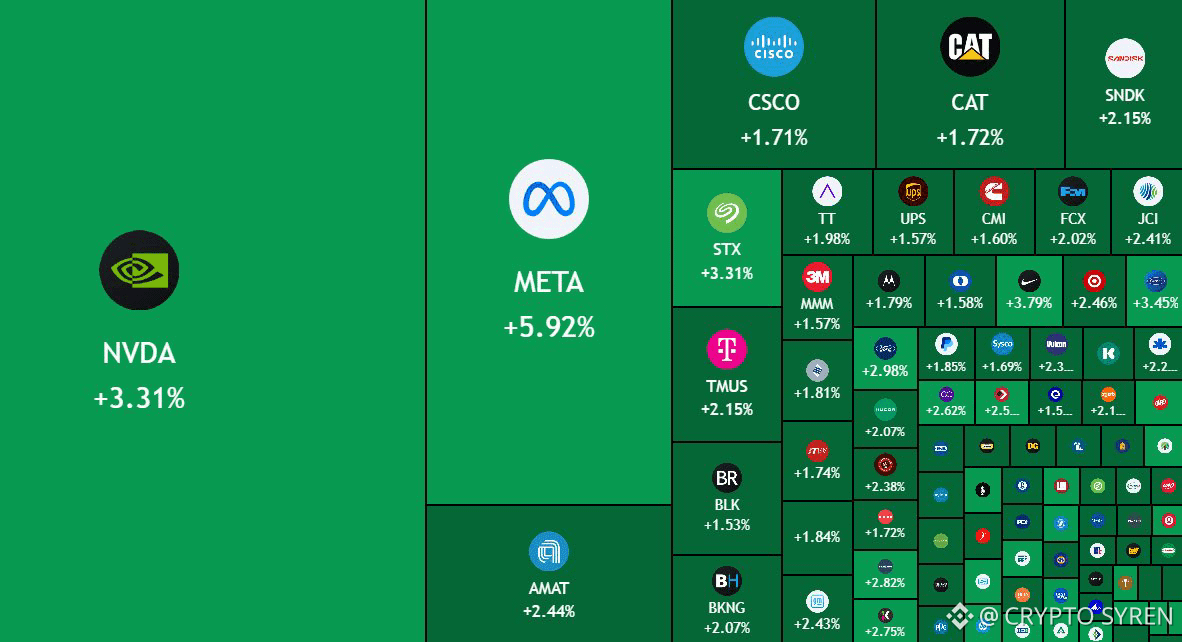
1
64
·
--
Tăng giá
Nhưng hàng hóa có thể là một trong những nơi thực tế nhất để biến điều này thành hiện thực.
𝗪𝗵𝘆?
Bởi vì hàng hóa đã có nhu cầu toàn cầu, hạ tầng định giá và tính liên quan về đầu tư. Thứ mà chúng thường thiếu là khả năng tiếp cận, tính lập trình được và các “đường ray” sở hữu hiệu quả.
Đó là lý do các nền tảng như 𝗦𝘁𝗿𝗲𝗮𝗺𝗲𝘅 đang tập trung.
Sản phẩm đầu tiên, 𝗚𝗟𝗗𝗬, đại diện cho vàng được token hóa với:
• Hỗ trợ vật chất 1:1
• Yếu tố lợi suất (3.5% APY)
• Xác minh dự trữ bằng chứng trên chuỗi (on-chain proof-of-reserves)
Điều này mang ý nghĩa chiến lược quan trọng vì nó kết hợp tài sản lưu trữ giá trị truyền thống với hiệu quả “native” của tài sản kỹ thuật số.
𝗧𝗵𝗲 𝗿𝗼𝗮𝗱𝗺𝗮𝗽 𝗮𝗽𝗽𝗲𝗮𝗿𝘀 𝗯𝗿𝗼𝗮𝗱𝗲𝗿:
• Bạc đang được phát triển
• Mở rộng trong tương lai sang dầu, đồng và các hàng hóa khác
Nếu được thực hiện tốt, điều này sẽ đưa token hóa vượt ra khỏi những tiêu đề về bất động sản và tiến vào các tài sản có nhu cầu toàn cầu hằng ngày.
Buổi gọi lợi nhuận sắp tới cũng đáng chú ý, vì thị trường ngày càng đánh giá cao việc áp dụng có thể đo lường được thay vì các câu chuyện mang tính khái niệm.
Cơ hội dài hạn có thể không phải là token hóa mọi thứ cùng một lúc.
Có thể là token hóa một nhóm hữu ích tại một thời điểm….DYOR….Không phải lời khuyên tài chính..
#Streamex #GLDY #GOLD
Nhưng hàng hóa có thể là một trong những nơi thực tế nhất để biến điều này thành hiện thực.
𝗪𝗵𝘆?
Bởi vì hàng hóa đã có nhu cầu toàn cầu, hạ tầng định giá và tính liên quan về đầu tư. Thứ mà chúng thường thiếu là khả năng tiếp cận, tính lập trình được và các “đường ray” sở hữu hiệu quả.
Đó là lý do các nền tảng như 𝗦𝘁𝗿𝗲𝗮𝗺𝗲𝘅 đang tập trung.
Sản phẩm đầu tiên, 𝗚𝗟𝗗𝗬, đại diện cho vàng được token hóa với:
• Hỗ trợ vật chất 1:1
• Yếu tố lợi suất (3.5% APY)
• Xác minh dự trữ bằng chứng trên chuỗi (on-chain proof-of-reserves)
Điều này mang ý nghĩa chiến lược quan trọng vì nó kết hợp tài sản lưu trữ giá trị truyền thống với hiệu quả “native” của tài sản kỹ thuật số.
𝗧𝗵𝗲 𝗿𝗼𝗮𝗱𝗺𝗮𝗽 𝗮𝗽𝗽𝗲𝗮𝗿𝘀 𝗯𝗿𝗼𝗮𝗱𝗲𝗿:
• Bạc đang được phát triển
• Mở rộng trong tương lai sang dầu, đồng và các hàng hóa khác
Nếu được thực hiện tốt, điều này sẽ đưa token hóa vượt ra khỏi những tiêu đề về bất động sản và tiến vào các tài sản có nhu cầu toàn cầu hằng ngày.
Buổi gọi lợi nhuận sắp tới cũng đáng chú ý, vì thị trường ngày càng đánh giá cao việc áp dụng có thể đo lường được thay vì các câu chuyện mang tính khái niệm.
Cơ hội dài hạn có thể không phải là token hóa mọi thứ cùng một lúc.
Có thể là token hóa một nhóm hữu ích tại một thời điểm….DYOR….Không phải lời khuyên tài chính..
#Streamex #GLDY #GOLD
𝗪𝗵𝘆?
Bởi vì hàng hóa đã có nhu cầu toàn cầu, hạ tầng định giá và tính liên quan về đầu tư. Thứ mà chúng thường thiếu là khả năng tiếp cận, tính lập trình được và các “đường ray” sở hữu hiệu quả.
Đó là lý do các nền tảng như 𝗦𝘁𝗿𝗲𝗮𝗺𝗲𝘅 đang tập trung.
Sản phẩm đầu tiên, 𝗚𝗟𝗗𝗬, đại diện cho vàng được token hóa với:
• Hỗ trợ vật chất 1:1
• Yếu tố lợi suất (3.5% APY)
• Xác minh dự trữ bằng chứng trên chuỗi (on-chain proof-of-reserves)
Điều này mang ý nghĩa chiến lược quan trọng vì nó kết hợp tài sản lưu trữ giá trị truyền thống với hiệu quả “native” của tài sản kỹ thuật số.
𝗧𝗵𝗲 𝗿𝗼𝗮𝗱𝗺𝗮𝗽 𝗮𝗽𝗽𝗲𝗮𝗿𝘀 𝗯𝗿𝗼𝗮𝗱𝗲𝗿:
• Bạc đang được phát triển
• Mở rộng trong tương lai sang dầu, đồng và các hàng hóa khác
Nếu được thực hiện tốt, điều này sẽ đưa token hóa vượt ra khỏi những tiêu đề về bất động sản và tiến vào các tài sản có nhu cầu toàn cầu hằng ngày.
Buổi gọi lợi nhuận sắp tới cũng đáng chú ý, vì thị trường ngày càng đánh giá cao việc áp dụng có thể đo lường được thay vì các câu chuyện mang tính khái niệm.
Cơ hội dài hạn có thể không phải là token hóa mọi thứ cùng một lúc.
Có thể là token hóa một nhóm hữu ích tại một thời điểm….DYOR….Không phải lời khuyên tài chính..
#Streamex #GLDY #GOLD

39
·
--
Giao dịch token Ondo RWA?
Từ bây giờ, bạn sẽ được hưởng 0% phí khi hoán đổi bất kỳ @OndoFinance RWAs nào trên Trust Wallet, kết thúc vào ngày 7 tháng 8 năm 2026
Nhân tiện, một cuộc thi giao dịch mới sắp ra mắt 😏
Áp dụng Điều khoản và Điều kiện cũng như các hạn chế.
Giao dịch token Ondo RWA?
Từ bây giờ, bạn sẽ được hưởng 0% phí khi hoán đổi bất kỳ @OndoFinance RWAs nào trên Trust Wallet, kết thúc vào ngày 7 tháng 8 năm 2026
Nhân tiện, một cuộc thi giao dịch mới sắp ra mắt 😏
Áp dụng Điều khoản và Điều kiện cũng như các hạn chế.
Từ bây giờ, bạn sẽ được hưởng 0% phí khi hoán đổi bất kỳ @OndoFinance RWAs nào trên Trust Wallet, kết thúc vào ngày 7 tháng 8 năm 2026
Nhân tiện, một cuộc thi giao dịch mới sắp ra mắt 😏
Áp dụng Điều khoản và Điều kiện cũng như các hạn chế.
1
151
·
--
🇻🇳 NHẬT BẢO LÃNH ÁP LỰC TRÁI PHIẾU ĐE DỌA GIÁ BITCOIN
Lợi suất trái phiếu chính phủ Nhật kỳ hạn 10 năm đạt 2,825%, mức cao nhất kể từ năm 1996.
BOJ đang giảm dần mua trái phiếu, trong khi chính phủ dự kiến chi tiêu mới hơn ¥370 nghìn tỷ.
Với nợ đã vượt 200% GDP và vị thế bán yen (short yen) ở mức cao nhất nhiều năm, rủi ro việc đảo chiều giao dịch chênh lệch lãi suất (carry trade unwind) đang gia tăng — động lực tương tự đã khiến Bitcoin bất ngờ giảm xuống dưới 50.000 USD trong tháng 8/2024.
🇻🇳 NHẬT BẢO LÃNH ÁP LỰC TRÁI PHIẾU ĐE DỌA GIÁ BITCOIN
Lợi suất trái phiếu chính phủ Nhật kỳ hạn 10 năm đạt 2,825%, mức cao nhất kể từ năm 1996.
BOJ đang giảm dần mua trái phiếu, trong khi chính phủ dự kiến chi tiêu mới hơn ¥370 nghìn tỷ.
Với nợ đã vượt 200% GDP và vị thế bán yen (short yen) ở mức cao nhất nhiều năm, rủi ro việc đảo chiều giao dịch chênh lệch lãi suất (carry trade unwind) đang gia tăng — động lực tương tự đã khiến Bitcoin bất ngờ giảm xuống dưới 50.000 USD trong tháng 8/2024.
Lợi suất trái phiếu chính phủ Nhật kỳ hạn 10 năm đạt 2,825%, mức cao nhất kể từ năm 1996.
BOJ đang giảm dần mua trái phiếu, trong khi chính phủ dự kiến chi tiêu mới hơn ¥370 nghìn tỷ.
Với nợ đã vượt 200% GDP và vị thế bán yen (short yen) ở mức cao nhất nhiều năm, rủi ro việc đảo chiều giao dịch chênh lệch lãi suất (carry trade unwind) đang gia tăng — động lực tương tự đã khiến Bitcoin bất ngờ giảm xuống dưới 50.000 USD trong tháng 8/2024.
1
126
·
--
Đúng một phần
TIN NÓNG: 🇺🇸 Tổng thống Trump báo cáo thu về 635.000.000 USD tiền bản quyền từ thỏa thuận cấp phép cho đồng meme coin và NFT.
TIN NÓNG: 🇺🇸 Tổng thống Trump báo cáo thu về 635.000.000 USD tiền bản quyền từ thỏa thuận cấp phép cho đồng meme coin và NFT.
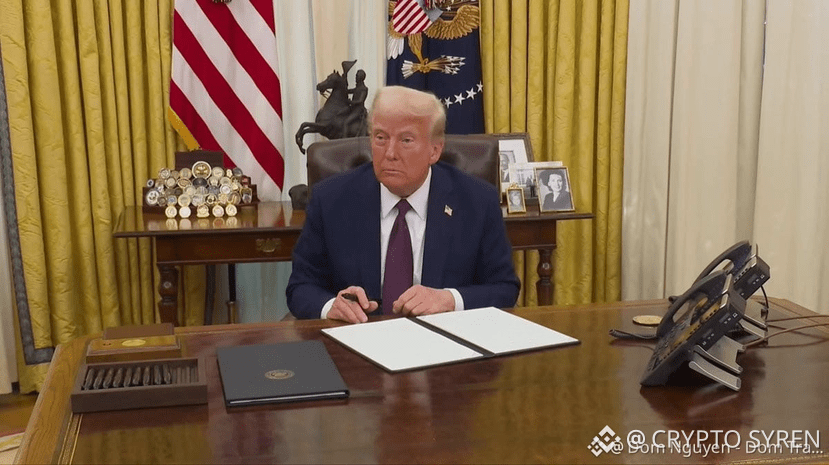
2
1.5k
·
--
MỚI NHẤT: 🚨 JPMorgan cho rằng Quốc hội nên kết hợp Đạo luật CLARITY với các biện pháp bảo vệ mạnh mẽ cho người tiêu dùng, thị trường và AML để hỗ trợ đổi mới tài sản kỹ thuật số một cách có trách nhiệm$BTC
{spot}(BTCUSDT)
#DigitalAssets
MỚI NHẤT: 🚨 JPMorgan cho rằng Quốc hội nên kết hợp Đạo luật CLARITY với các biện pháp bảo vệ mạnh mẽ cho người tiêu dùng, thị trường và AML để hỗ trợ đổi mới tài sản kỹ thuật số một cách có trách nhiệm$BTC
#DigitalAssets
#DigitalAssets
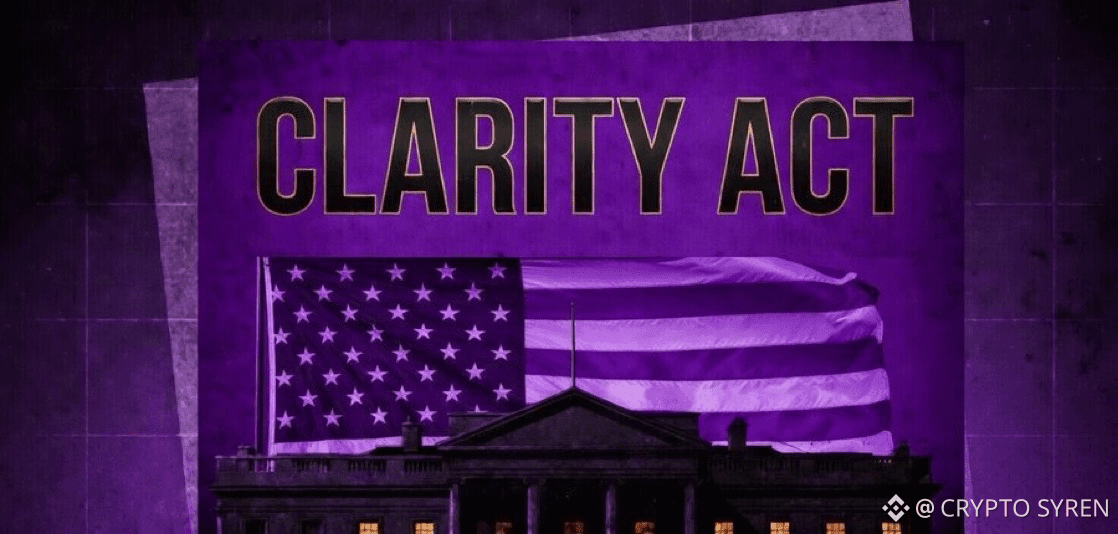
1
76
·
--
Tăng giá
MỚI: ⚡️ Ripple cho biết các nhà phát triển hiện đang thử nghiệm Giao thức Cho vay của Sổ cái XRP (XRP Ledger Lending Protocol), một đề xuất nâng cấp sẽ cho phép cho vay on-chain theo tổ chức, thị trường tín dụng và tài trợ tài sản được mã hóa nếu được các trình xác thực chấp thuận #bullish $XRP
MỚI: ⚡️ Ripple cho biết các nhà phát triển hiện đang thử nghiệm Giao thức Cho vay của Sổ cái XRP (XRP Ledger Lending Protocol), một đề xuất nâng cấp sẽ cho phép cho vay on-chain theo tổ chức, thị trường tín dụng và tài trợ tài sản được mã hóa nếu được các trình xác thực chấp thuận #bullish $XRP
1
129
·
--
#opg $OPG OpenGradient Chat vừa tích hợp mô hình Claude mới nhất và cung cấp các tùy chọn không bị kiểm duyệt như Nous Hermes trong Private Chat. Thậm chí bất kỳ chủ đề nào, được thảo luận một cách an toàn. Người dùng nặng mua tín dụng để sử dụng ổn định cũng đang được xếp hàng nhận S2 $OPG airdrop. Quyền riêng tư + sức mạnh + phần thưởng – rất thích nền tảng này! chat.opengradient.ai @OpenGradient $OPG #OPG
#opg $OPG OpenGradient Chat vừa tích hợp mô hình Claude mới nhất và cung cấp các tùy chọn không bị kiểm duyệt như Nous Hermes trong Private Chat. Thậm chí bất kỳ chủ đề nào, được thảo luận một cách an toàn. Người dùng nặng mua tín dụng để sử dụng ổn định cũng đang được xếp hàng nhận S2 $OPG airdrop. Quyền riêng tư + sức mạnh + phần thưởng – rất thích nền tảng này! chat.opengradient.ai @OpenGradient $OPG #OPG
1
70
·
--
Tăng giá
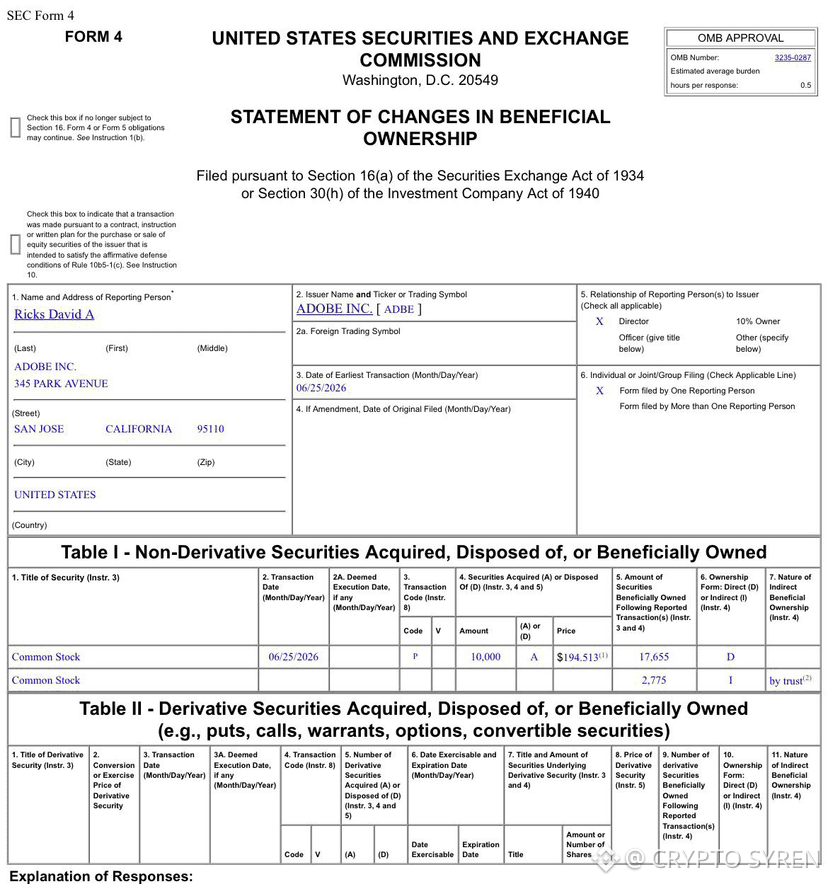
Adobe director David Ricks vừa bỏ ra 1,94M USD để mua 10.000 cổ phiếu của $ADBE với giá 194,51 USD
Adobe director David Ricks vừa bỏ ra 1,94M USD để mua 10.000 cổ phiếu của $ADBE với giá 194,51 USD
ADBEonAlpha
ADBEUS+4,87%
1
129
·
--
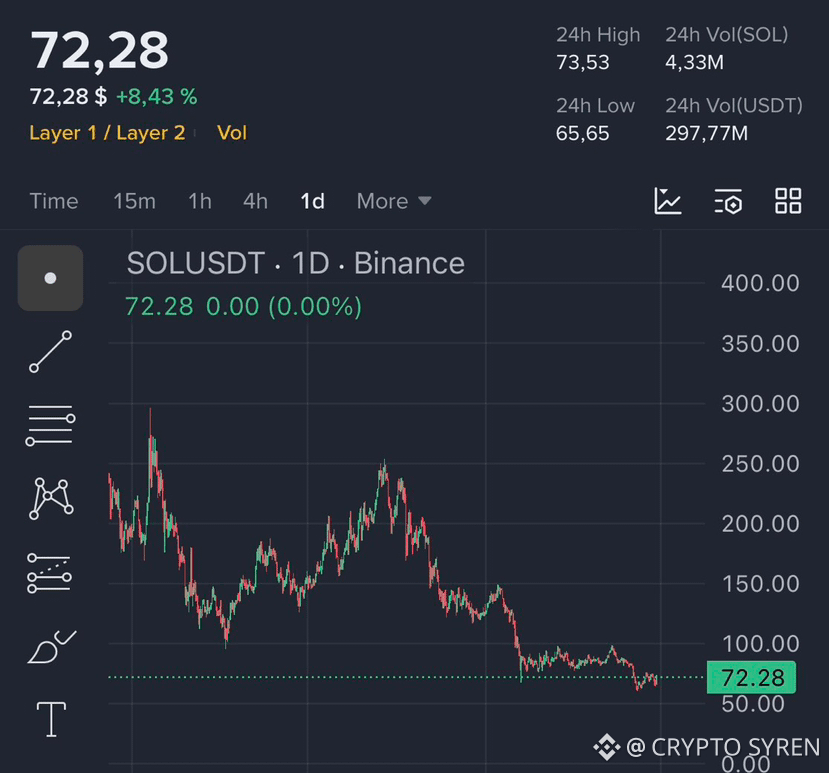
MUA $SOL DƯỚI $80 GIỐNG NHƯ MUA BITCOIN TRONG NĂM 2009
BẠN CÓ HIỂU KHÔNG?!$SOL
MUA $SOL DƯỚI $80 GIỐNG NHƯ MUA BITCOIN TRONG NĂM 2009
BẠN CÓ HIỂU KHÔNG?!$SOL
BẠN CÓ HIỂU KHÔNG?!$SOL
1
155
·
--
Tăng giá
Chúng ta sắp đi tới mức 10-20x từ những mức giá này.
Tôi đặt cược cả cuộc đời mình, 10 năm nghiên cứu & toàn bộ giá trị tài sản ròng của mình vào khoảnh khắc này.
Tôi cảnh báo bạn rằng sự giàu có có thể thay đổi cuộc đời sắp đến.
Thị trường chưa chết, mọi người chỉ là thiếu kiên nhẫn.
Sự giàu có chảy từ người thiếu kiên nhẫn sang người kiên nhẫn.
Hiểu được điều đó, bạn sẽ vượt qua 95% nhà đầu tư.
Tất cả các bạn đều xứng đáng với điều sắp xảy ra.
Tôi đã làm việc này trong 10 năm. Tôi không xem biểu đồ, tôi quan sát con người.
Tôi đợi khoảnh khắc mà mọi người bắt đầu buông cuộc.
Đó là khi tôi sẽ đổ mạnh.
Và khi tôi làm vậy, tôi sẽ đăng tại đây vì tôi muốn chúng ta cùng chiến thắng.
Cơ hội của cả đời đang đến.
Nhiều người sẽ hối tiếc vì đã không theo tôi sớm hơn.$BTC $SPCXB $ETH
Chúng ta sắp đi tới mức 10-20x từ những mức giá này.
Tôi đặt cược cả cuộc đời mình, 10 năm nghiên cứu & toàn bộ giá trị tài sản ròng của mình vào khoảnh khắc này.
Tôi cảnh báo bạn rằng sự giàu có có thể thay đổi cuộc đời sắp đến.
Thị trường chưa chết, mọi người chỉ là thiếu kiên nhẫn.
Sự giàu có chảy từ người thiếu kiên nhẫn sang người kiên nhẫn.
Hiểu được điều đó, bạn sẽ vượt qua 95% nhà đầu tư.
Tất cả các bạn đều xứng đáng với điều sắp xảy ra.
Tôi đã làm việc này trong 10 năm. Tôi không xem biểu đồ, tôi quan sát con người.
Tôi đợi khoảnh khắc mà mọi người bắt đầu buông cuộc.
Đó là khi tôi sẽ đổ mạnh.
Và khi tôi làm vậy, tôi sẽ đăng tại đây vì tôi muốn chúng ta cùng chiến thắng.
Cơ hội của cả đời đang đến.
Nhiều người sẽ hối tiếc vì đã không theo tôi sớm hơn.$BTC $SPCXB $ETH
Tôi đặt cược cả cuộc đời mình, 10 năm nghiên cứu & toàn bộ giá trị tài sản ròng của mình vào khoảnh khắc này.
Tôi cảnh báo bạn rằng sự giàu có có thể thay đổi cuộc đời sắp đến.
Thị trường chưa chết, mọi người chỉ là thiếu kiên nhẫn.
Sự giàu có chảy từ người thiếu kiên nhẫn sang người kiên nhẫn.
Hiểu được điều đó, bạn sẽ vượt qua 95% nhà đầu tư.
Tất cả các bạn đều xứng đáng với điều sắp xảy ra.
Tôi đã làm việc này trong 10 năm. Tôi không xem biểu đồ, tôi quan sát con người.
Tôi đợi khoảnh khắc mà mọi người bắt đầu buông cuộc.
Đó là khi tôi sẽ đổ mạnh.
Và khi tôi làm vậy, tôi sẽ đăng tại đây vì tôi muốn chúng ta cùng chiến thắng.
Cơ hội của cả đời đang đến.
Nhiều người sẽ hối tiếc vì đã không theo tôi sớm hơn.$BTC $SPCXB $ETH
1
91
·
--
🇲🇽 Mexico vs South Korea 🇰🇷
Bảng A đang ngã ngũ về điểm số, và tối nay sẽ quyết định ai giành ngôi đầu.
Chỉ cần một chiến thắng là thay đổi cả bảng. Chỉ một tình huống quyết định có thể làm nên đêm nay.
Chọn phe của bạn trước giờ khai cuộc 👀⚽
🇲🇽 Mexico vs South Korea 🇰🇷
Bảng A đang ngã ngũ về điểm số, và tối nay sẽ quyết định ai giành ngôi đầu.
Chỉ cần một chiến thắng là thay đổi cả bảng. Chỉ một tình huống quyết định có thể làm nên đêm nay.
Chọn phe của bạn trước giờ khai cuộc 👀⚽
Bảng A đang ngã ngũ về điểm số, và tối nay sẽ quyết định ai giành ngôi đầu.
Chỉ cần một chiến thắng là thay đổi cả bảng. Chỉ một tình huống quyết định có thể làm nên đêm nay.
Chọn phe của bạn trước giờ khai cuộc 👀⚽

41
·
--
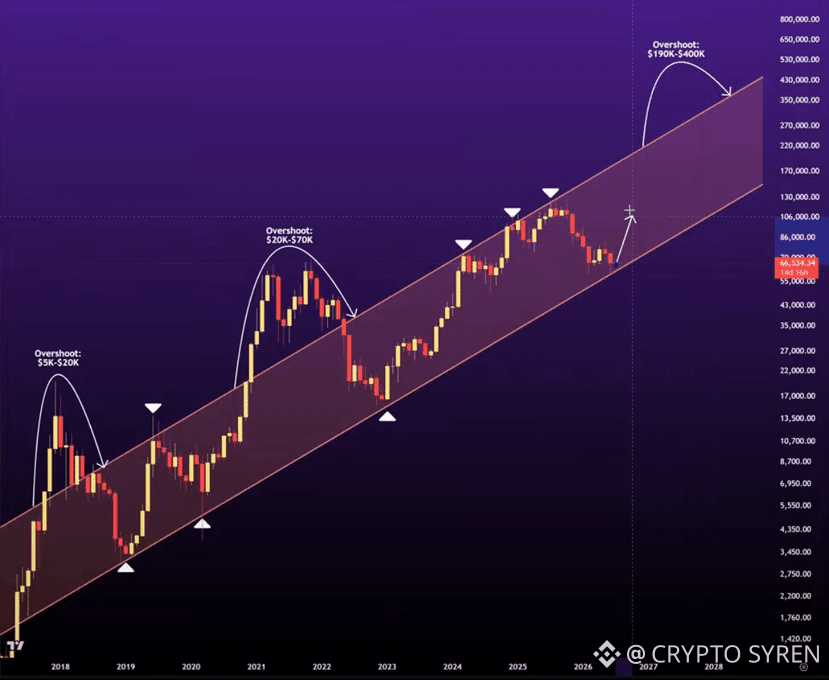
Hãy sẵn sàng cho thị trường tăng giá lớn nhất trong cuộc đời bạn.
Nó sắp trở nên bùng nổ theo dạng parabol.
Bạn đang nghe chứ?#cryptouniverseofficial $BTC $SPCXB $ETH
Hãy sẵn sàng cho thị trường tăng giá lớn nhất trong cuộc đời bạn.
Nó sắp trở nên bùng nổ theo dạng parabol.
Bạn đang nghe chứ?#cryptouniverseofficial $BTC $SPCXB $ETH
Nó sắp trở nên bùng nổ theo dạng parabol.
Bạn đang nghe chứ?#cryptouniverseofficial $BTC $SPCXB $ETH
213
Đăng nhập để khám phá thêm nội dung
Tham gia cùng người dùng tiền mã hóa toàn cầu trên Binance Square
⚡️ Nhận thông tin mới nhất và hữu ích về tiền mã hóa.
💬 Được tin cậy bởi sàn giao dịch tiền mã hóa lớn nhất thế giới.
👍 Khám phá những thông tin chuyên sâu thực tế từ những nhà sáng tạo đã xác minh.
Email / Số điện thoại
Chủ đề thịnh hành
TinFed
68,130 lượt xem
311 đang thảo luận
🔥 #TinFed Xác suất Fed tăng lãi suất đã lên 89% — Sao BTC vẫn chưa sập?
Thị trường gần như đã định giá khả năng FOMC tháng 9 tăng 25bp, vậy tại sao BTC vẫn chưa bị bán tháo?
Vì thị trường không chỉ trade chuyện “có tăng lãi suất hay không”, mà còn trade Fed sẽ nói gì sau đó.
📊 Mình đang nhìn 3 thứ:
① 77K
Đây là vùng phòng thủ quan trọng.
77K còn giữ → mình chưa vội bearish chỉ vì kỳ vọng tăng lãi suất cao.
② 80K
Đây là vị trí phe Bull cần lấy lại.
Break 80K kèm volume → tâm lý có thể cải thiện rõ rệt, mục tiêu tiếp theo 82K–83K.
③ Thông điệp sau FOMC
Đây mới là phần mình quan tâm nhất.
Nếu Fed tăng 25bp nhưng phát biểu không hawkish như thị trường lo ngại, “tin xấu đã được định giá” có thể ngược lại trở thành chất xúc tác cho BTC.
Ngược lại, tăng lãi suất + giọng điệu hawkish → cần cẩn thận với áp lực định giá.
🍑 Plan của mình rất đơn giản:
• 77K giữ → tiếp tục quan sát phe Bull
• 80K breakout → nhìn 82K–83K
• 82K–83K đứng vững → mở lại dư địa tăng
• Mất 77K → ngắn hạn chuyển sang phòng thủ
Mình không hoảng vì con số 89%, cũng không FOMO vì BTC đang hồi.
Chờ dữ liệu. Chờ FOMC. Chờ giá xác nhận.
Không đoán đáy, không đuổi đỉnh.
Quan điểm cá nhân, không phải lời khuyên đầu tư. Quản lý vốn luôn đứng đầu.
Mira CryptoVN
·0 lượt thích
·130 lượt xem
45NgayTuDoTaiChinh
898,562 lượt xem
3,061 đang thảo luận
TheoDõiFOMC
77,465 lượt xem
509 đang thảo luận