

ItsKhanOnChain
1.2k Bài đăng

ItsKhanOnChain
Báo cáo
Chặn người dùng
Passionate about crypto trading and smart investments.
Giao dịch mở
Trader tần suất cao
{thời gian} năm
8.6K+ Đang theo dõi
3.0K+ Người theo dõi
4.0K+ Đã thích
Bài đăng
Danh mục đầu tư
Tất cả
Trích dẫn
PINNED
Tôi là nhiên liệu của hệ sinh thái lớn nhất thế giới. Tôi được sinh ra trên Ethereum nhưng bây giờ tôi có chuỗi khổng lồ riêng của mình. Mỗi quý, tôi đốt để trở nên có giá trị hơn.
Gõ câu trả lời bên dưới để mở Gói Đỏ! 🎁👇
Tôi là nhiên liệu của hệ sinh thái lớn nhất thế giới. Tôi được sinh ra trên Ethereum nhưng bây giờ tôi có chuỗi khổng lồ riêng của mình. Mỗi quý, tôi đốt để trở nên có giá trị hơn.
Gõ câu trả lời bên dưới để mở Gói Đỏ! 🎁👇
Gõ câu trả lời bên dưới để mở Gói Đỏ! 🎁👇
22
1
22
261
PINNED
Bài viết
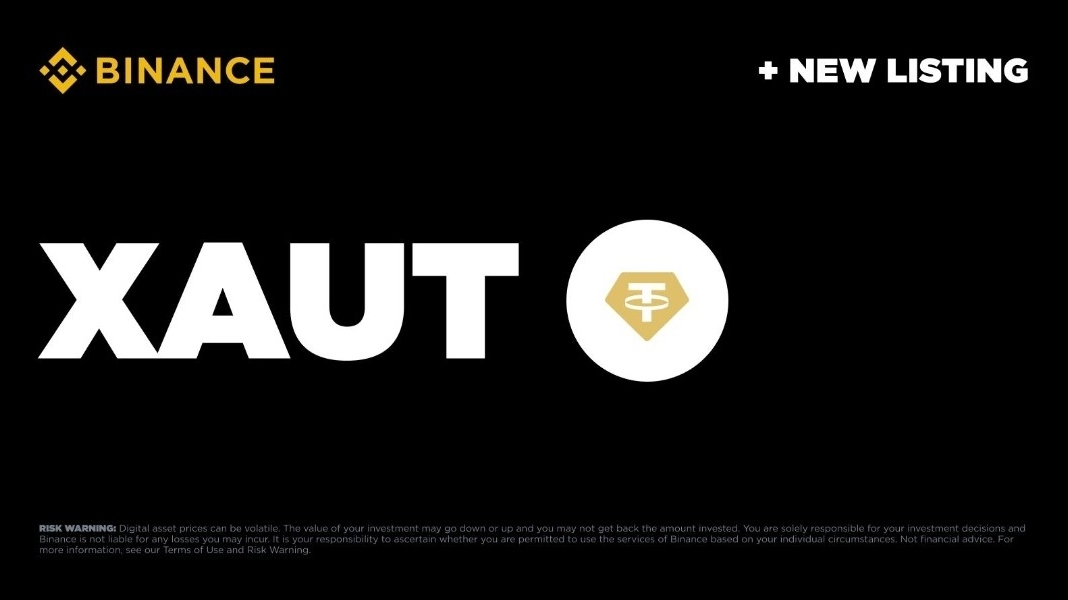
Vàng trên chuỗi vừa có khoảnh khắc của nó.Binance đã chính thức niêm yết Tether Gold, mà cũng được biết đến với tên gọi Tether Gold $XAUT và mọi người có thể bắt đầu giao dịch Tether Gold
Với Tether Gold có 57% thị phần trong lĩnh vực vàng token hóa, Tether Gold đang dẫn đầu khi nói đến Tài sản Thế giới Thực.
Mỗi token Tether Gold giống như sở hữu một ounce vàng thật tinh khiết trên một thanh vàng London Good Delivery đặc biệt.
Dưới đây là một số điều quan trọng cần biết về Tether Gold:
🔹 Cặp: XAUT với USDT, XAUT với BTC, XAUT, với USDC
🔹 Mạng: Ethereum và BNB Smart Chain
Vàng trên chuỗi vừa có khoảnh khắc của nó.
Binance đã chính thức niêm yết Tether Gold, mà cũng được biết đến với tên gọi Tether Gold $XAUT và mọi người có thể bắt đầu giao dịch Tether Gold
Với Tether Gold có 57% thị phần trong lĩnh vực vàng token hóa, Tether Gold đang dẫn đầu khi nói đến Tài sản Thế giới Thực.
Mỗi token Tether Gold giống như sở hữu một ounce vàng thật tinh khiết trên một thanh vàng London Good Delivery đặc biệt.
Dưới đây là một số điều quan trọng cần biết về Tether Gold:
🔹 Cặp: XAUT với USDT, XAUT với BTC, XAUT, với USDC
🔹 Mạng: Ethereum và BNB Smart Chain
Với Tether Gold có 57% thị phần trong lĩnh vực vàng token hóa, Tether Gold đang dẫn đầu khi nói đến Tài sản Thế giới Thực.
Mỗi token Tether Gold giống như sở hữu một ounce vàng thật tinh khiết trên một thanh vàng London Good Delivery đặc biệt.
Dưới đây là một số điều quan trọng cần biết về Tether Gold:
🔹 Cặp: XAUT với USDT, XAUT với BTC, XAUT, với USDC
🔹 Mạng: Ethereum và BNB Smart Chain
1
39
430
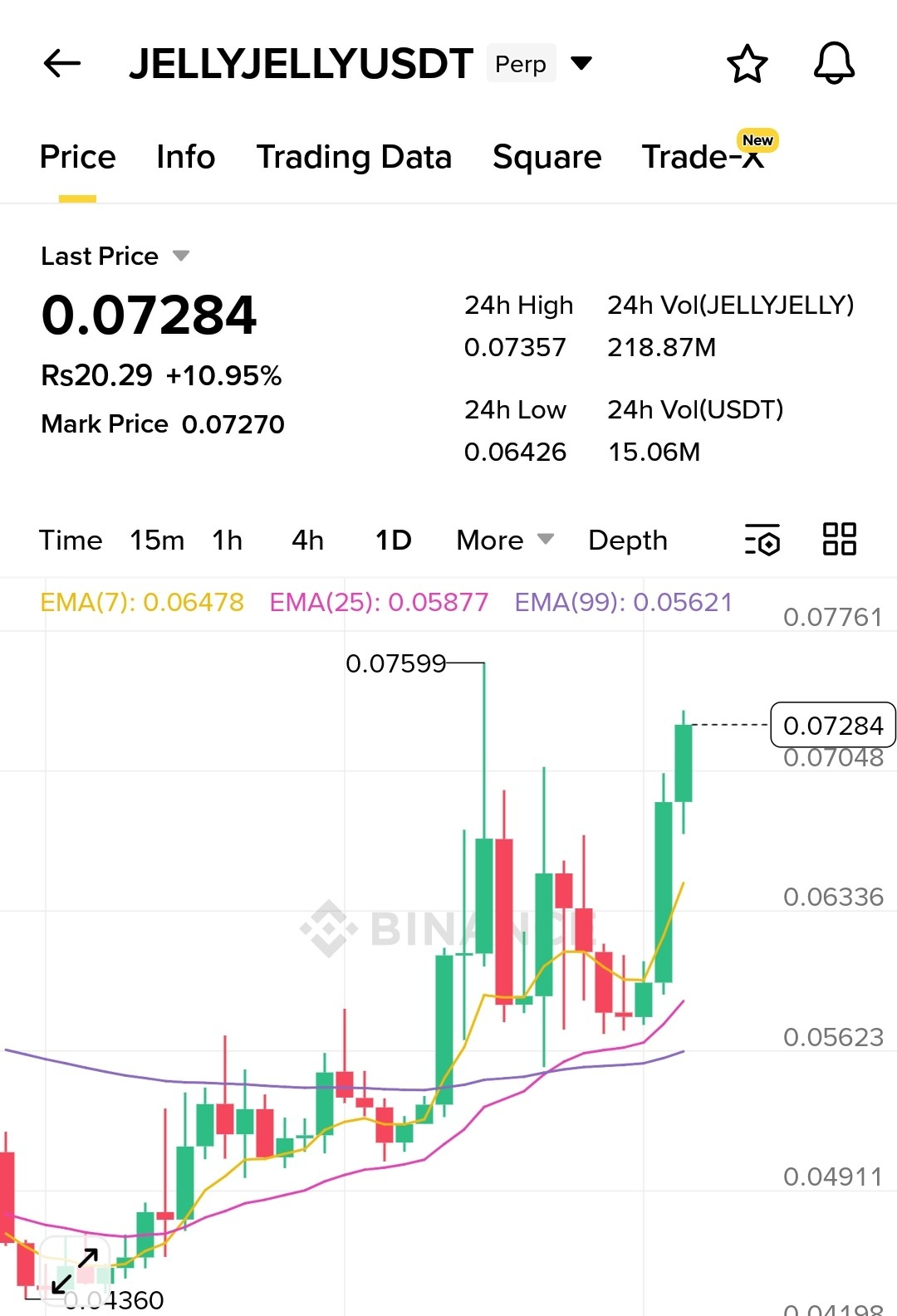
$JELLYJELLY Thiết lập Short
Điểm vào Short: 0.073
TP1: 0.070
TP2: 0.065
TP3: 0.063
Dừng lỗ: 0.076
{future}(JELLYJELLYUSDT)
$JELLYJELLY Thiết lập Short
Điểm vào Short: 0.073
TP1: 0.070
TP2: 0.065
TP3: 0.063
Dừng lỗ: 0.076
Điểm vào Short: 0.073
TP1: 0.070
TP2: 0.065
TP3: 0.063
Dừng lỗ: 0.076
285
·
--
Tăng giá
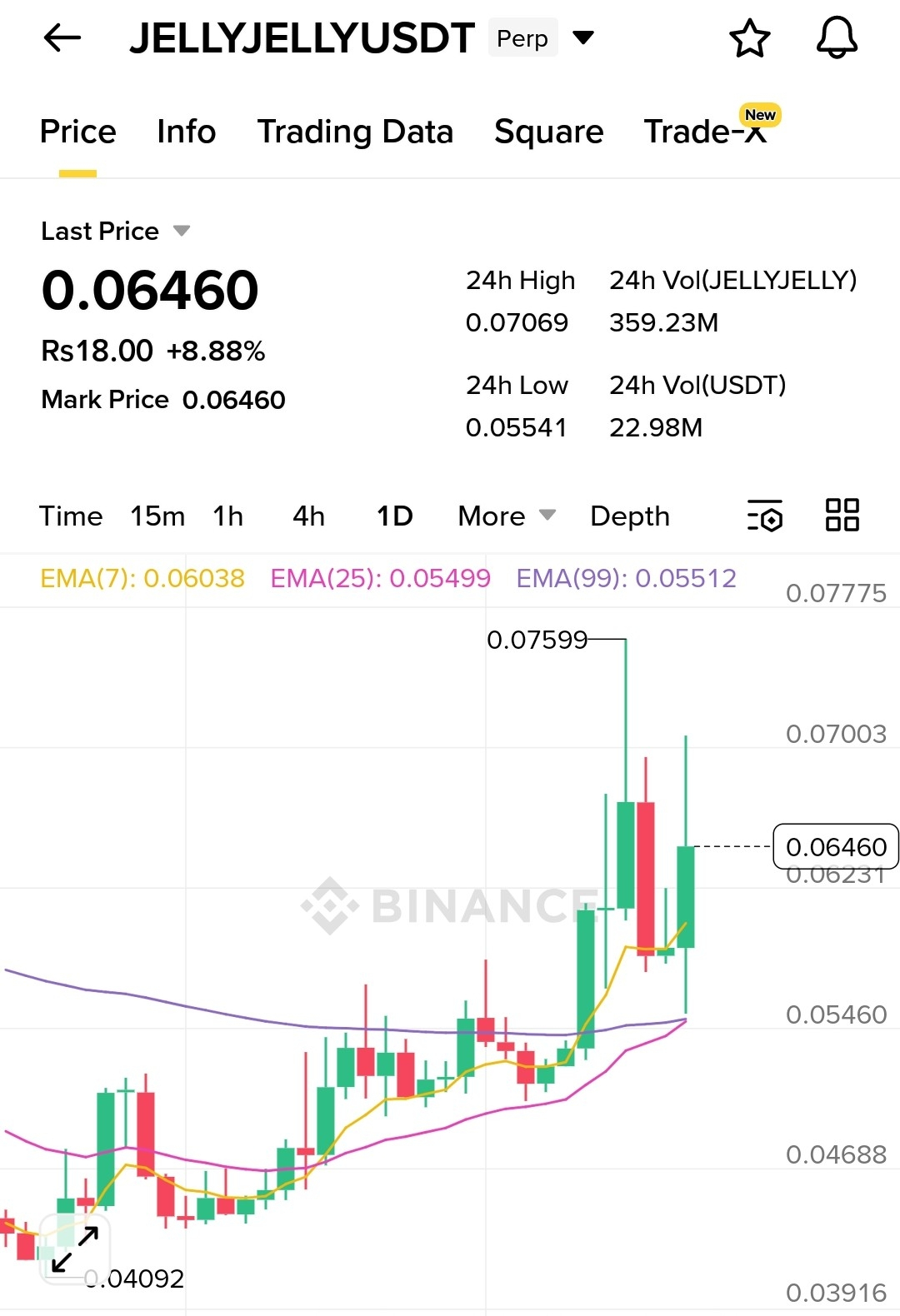
Thiết lập Long $JELLYJELLY USDT
Khu vực vào lệnh: 0.064-0.065
TP1: 0.074
TP2: 0.082
Cắt lỗ: 0.061
Thiết lập Long $JELLYJELLY USDT
Khu vực vào lệnh: 0.064-0.065
TP1: 0.074
TP2: 0.082
Cắt lỗ: 0.061
Khu vực vào lệnh: 0.064-0.065
TP1: 0.074
TP2: 0.082
Cắt lỗ: 0.061
1
1
1.4k
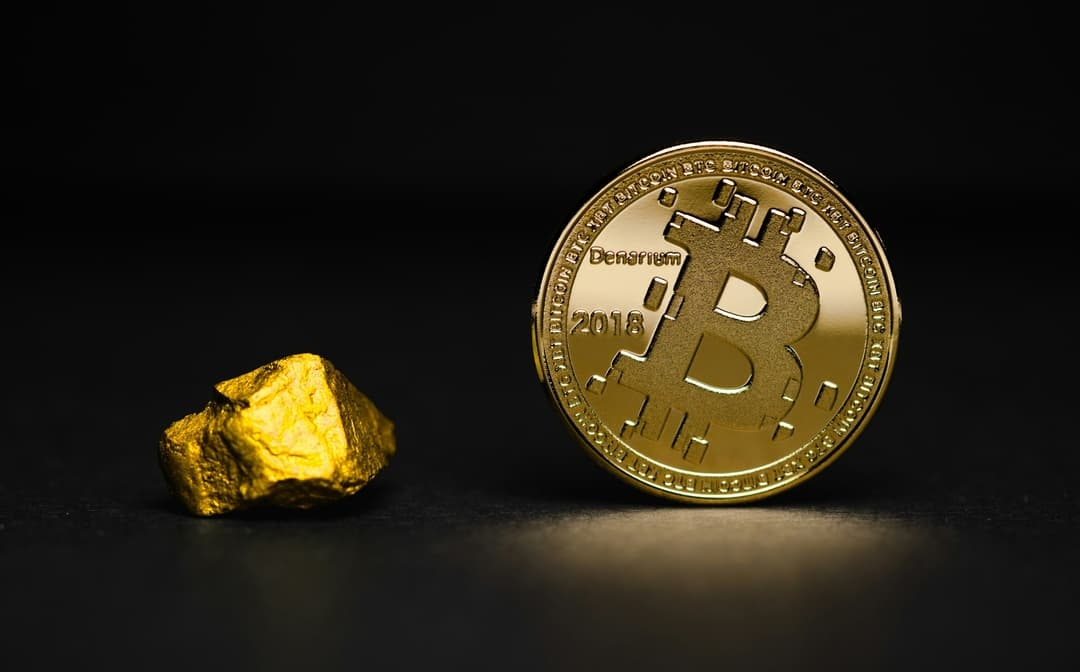
Báo cáo mới nhất từ JPMorgan đang tạo dấu ấn trên thị trường! 🌊 Bitcoin $BTC đang hoạt động rất tốt trong khi vàng và bạc không hoạt động tốt.
Các công ty lớn đang rút tiền của họ khỏi vàng và bạc để trang trải chi phí, nhưng Bitcoin vẫn giữ vững. Đây là một sự thay đổi lớn! Điều này có nghĩa là mọi người bắt đầu coi Bitcoin là một nơi an toàn để gửi tiền, không chỉ là một khoản đầu tư mạo hiểm. 🏛️✨
Thật thú vị khi thấy rằng khi vàng và bạc gặp khó khăn, Bitcoin vẫn hoạt động tốt. 📈 Điều này cho thấy thị trường Bitcoin đang phát triển nhanh chóng. Thực tế là Bitcoin vững vàng ngay cả khi không có nhiều tiền xung quanh cho thấy rằng nó đang trở thành một nhân tố chính trong thế giới tài chính. 🌍💰
Bitcoin thực sự cho thấy rằng nó có thể là một sự thay thế tuyệt vời cho các cách đầu tư truyền thống! 💎
#Bitcoin #CryptoMarket #JPMorgan #GoldVsBitcoin #DigitalGold
{spot}(BTCUSDT)
Báo cáo mới nhất từ JPMorgan đang tạo dấu ấn trên thị trường! 🌊 Bitcoin $BTC đang hoạt động rất tốt trong khi vàng và bạc không hoạt động tốt.
Các công ty lớn đang rút tiền của họ khỏi vàng và bạc để trang trải chi phí, nhưng Bitcoin vẫn giữ vững. Đây là một sự thay đổi lớn! Điều này có nghĩa là mọi người bắt đầu coi Bitcoin là một nơi an toàn để gửi tiền, không chỉ là một khoản đầu tư mạo hiểm. 🏛️✨
Thật thú vị khi thấy rằng khi vàng và bạc gặp khó khăn, Bitcoin vẫn hoạt động tốt. 📈 Điều này cho thấy thị trường Bitcoin đang phát triển nhanh chóng. Thực tế là Bitcoin vững vàng ngay cả khi không có nhiều tiền xung quanh cho thấy rằng nó đang trở thành một nhân tố chính trong thế giới tài chính. 🌍💰
Bitcoin thực sự cho thấy rằng nó có thể là một sự thay thế tuyệt vời cho các cách đầu tư truyền thống! 💎
#Bitcoin #CryptoMarket #JPMorgan #GoldVsBitcoin #DigitalGold
Các công ty lớn đang rút tiền của họ khỏi vàng và bạc để trang trải chi phí, nhưng Bitcoin vẫn giữ vững. Đây là một sự thay đổi lớn! Điều này có nghĩa là mọi người bắt đầu coi Bitcoin là một nơi an toàn để gửi tiền, không chỉ là một khoản đầu tư mạo hiểm. 🏛️✨
Thật thú vị khi thấy rằng khi vàng và bạc gặp khó khăn, Bitcoin vẫn hoạt động tốt. 📈 Điều này cho thấy thị trường Bitcoin đang phát triển nhanh chóng. Thực tế là Bitcoin vững vàng ngay cả khi không có nhiều tiền xung quanh cho thấy rằng nó đang trở thành một nhân tố chính trong thế giới tài chính. 🌍💰
Bitcoin thực sự cho thấy rằng nó có thể là một sự thay thế tuyệt vời cho các cách đầu tư truyền thống! 💎
#Bitcoin #CryptoMarket #JPMorgan #GoldVsBitcoin #DigitalGold
31
278
Bitcoin giảm xuống dưới $69K: Liệu căng thẳng toàn cầu có làm nguội bớt những con bò Bitcoin? 📉🤔Thị trường tiền điện tử gắn liền với những gì đang xảy ra trên thế giới. Bitcoin $BTC đã giảm xuống dưới $69,000.. Còn nhiều điều hơn thế trong câu chuyện này. 🌍
Thị trường đang có gì xáo trộn? 🌪️
Không phải là mọi người bán Bitcoin hôm nay; mà là về chính trị toàn cầu. 🏛️ Khi hy vọng hòa bình ở Trung Đông đang phai nhạt, giá dầu đang tăng lên. 🛢️
Tại sao điều này lại quan trọng cho danh mục đầu tư của bạn?
Sự chuyển mình "Rủi ro thấp": Khi căng thẳng toàn cầu tăng và chi phí năng lượng leo thang, những nhà đầu tư lớn thường rút khỏi các tài sản như Bitcoin để chơi an toàn. 🏦
Bitcoin giảm xuống dưới $69K: Liệu căng thẳng toàn cầu có làm nguội bớt những con bò Bitcoin? 📉🤔
Thị trường tiền điện tử gắn liền với những gì đang xảy ra trên thế giới. Bitcoin $BTC đã giảm xuống dưới $69,000.. Còn nhiều điều hơn thế trong câu chuyện này. 🌍
Thị trường đang có gì xáo trộn? 🌪️
Không phải là mọi người bán Bitcoin hôm nay; mà là về chính trị toàn cầu. 🏛️ Khi hy vọng hòa bình ở Trung Đông đang phai nhạt, giá dầu đang tăng lên. 🛢️
Tại sao điều này lại quan trọng cho danh mục đầu tư của bạn?
Sự chuyển mình "Rủi ro thấp": Khi căng thẳng toàn cầu tăng và chi phí năng lượng leo thang, những nhà đầu tư lớn thường rút khỏi các tài sản như Bitcoin để chơi an toàn. 🏦
Thị trường đang có gì xáo trộn? 🌪️
Không phải là mọi người bán Bitcoin hôm nay; mà là về chính trị toàn cầu. 🏛️ Khi hy vọng hòa bình ở Trung Đông đang phai nhạt, giá dầu đang tăng lên. 🛢️
Tại sao điều này lại quan trọng cho danh mục đầu tư của bạn?
Sự chuyển mình "Rủi ro thấp": Khi căng thẳng toàn cầu tăng và chi phí năng lượng leo thang, những nhà đầu tư lớn thường rút khỏi các tài sản như Bitcoin để chơi an toàn. 🏦
1
34
269
Tiếng Vang Bị Lãng Quên Của Midnight: Giai Đoạn Lost-and-Found Khôi Phục Các Token NIGHT Chưa Được NhậnHãy tưởng tượng bạn là một phần của sự kiện phát token trong một dự án blockchain mới. Bạn đã làm mọi thứ mà bạn cần phải làm. Bạn đã bỏ lỡ cơ hội để nhận token của mình vì cuộc sống quá bận rộn. Bây giờ token của bạn chỉ đang nằm đó. Có vẻ như chúng đã biến mất mãi mãi.. Rồi Midnight Network xuất hiện và cho bạn một cơ hội khác với giai đoạn Lost-and-Found. Đây không phải là một cách khác để phát token mà là một cách để giúp những người đã tham gia dự án từ đầu.
Phần cuối cùng của việc phát hành token NIGHT này dành cho những người đã tham gia Glacier Drop nhưng chưa bao giờ nhận được token của họ. Nó cho họ một cơ hội để lấy lại một phần token của mình. Cửa sổ để làm điều này sẽ mở ra sau khi mạng chính Midnight đi vào hoạt động và sẽ mở trong tối đa bốn năm hoặc cho đến khi tất cả token đã được yêu cầu. Sau đó, bất kỳ token nào còn lại sẽ được chuyển vào kho bạc của dự án.
Tiếng Vang Bị Lãng Quên Của Midnight: Giai Đoạn Lost-and-Found Khôi Phục Các Token NIGHT Chưa Được Nhận
Hãy tưởng tượng bạn là một phần của sự kiện phát token trong một dự án blockchain mới. Bạn đã làm mọi thứ mà bạn cần phải làm. Bạn đã bỏ lỡ cơ hội để nhận token của mình vì cuộc sống quá bận rộn. Bây giờ token của bạn chỉ đang nằm đó. Có vẻ như chúng đã biến mất mãi mãi.. Rồi Midnight Network xuất hiện và cho bạn một cơ hội khác với giai đoạn Lost-and-Found. Đây không phải là một cách khác để phát token mà là một cách để giúp những người đã tham gia dự án từ đầu.
Phần cuối cùng của việc phát hành token NIGHT này dành cho những người đã tham gia Glacier Drop nhưng chưa bao giờ nhận được token của họ. Nó cho họ một cơ hội để lấy lại một phần token của mình. Cửa sổ để làm điều này sẽ mở ra sau khi mạng chính Midnight đi vào hoạt động và sẽ mở trong tối đa bốn năm hoặc cho đến khi tất cả token đã được yêu cầu. Sau đó, bất kỳ token nào còn lại sẽ được chuyển vào kho bạc của dự án.
Phần cuối cùng của việc phát hành token NIGHT này dành cho những người đã tham gia Glacier Drop nhưng chưa bao giờ nhận được token của họ. Nó cho họ một cơ hội để lấy lại một phần token của mình. Cửa sổ để làm điều này sẽ mở ra sau khi mạng chính Midnight đi vào hoạt động và sẽ mở trong tối đa bốn năm hoặc cho đến khi tất cả token đã được yêu cầu. Sau đó, bất kỳ token nào còn lại sẽ được chuyển vào kho bạc của dự án.
1
55
125
Cardano SPOs, Gặp Gỡ Khoảnh Khắc Nửa Đêm
Hãy tưởng tượng bạn là một Nhà Vận Hành Cơ Sở Đặt Cọc Cardano đã dành nhiều năm để xây dựng lòng tin và bảo mật chuỗi. Bạn cũng đã kiếm được phần thưởng cho cộng đồng của mình. Bây giờ có điều gì đó mới xảy ra: khi mạng chính của Midnights sẵn sàng, các hồ bơi mà bạn đã vận hành có thể bắt đầu sản xuất khối trên mạng này. Bạn không phải ngừng làm việc trên Cardano một chút nào.
Để tham gia Midnight, bạn chỉ cần đăng ký thông qua một hợp đồng thông minh trên Cardano. Hợp đồng này đảm bảo mọi thứ đều minh bạch và công bằng. ADA mà mọi người đã ủy quyền cho bạn vẫn ở đúng vị trí của nó. Cộng đồng của bạn vẫn kiểm soát nó. Tham gia Midnight không ảnh hưởng đến cơ hội của bạn trong việc xác thực các khối trên Cardano hoặc kiếm được phần thưởng ADA. Hồ bơi của bạn trên Cardano vẫn hoạt động như trước đây. Trên Midnight, những người sản xuất khối được chọn dựa trên cách ADA được ủy quyền cho họ. Vì vậy, nếu bạn đã kiếm được nhiều lòng tin, bạn sẽ có một vai trò trên Midnight.
Khi Midnight sẵn sàng, bạn sẽ bắt đầu nhận phần thưởng NIGHT. Những phần thưởng này sẽ được gửi đến các địa chỉ bạn chọn trên Midnight. Bạn sẽ có thể rút chúng bất cứ khi nào bạn muốn. Đây là một cơ hội: bạn có thể sử dụng một cổ phần để làm việc trên hai mạng lưới mạnh mẽ và bạn sẽ nhận được phần thưởng cho công việc bạn đã làm. Tương lai không phải là chọn giữa Cardano và Midnight. Nó là về việc làm cho những gì bạn đã xây dựng trở nên lớn hơn và tốt hơn. Cardano SPOs sẽ có thể làm nhiều hơn và kiếm được phần thưởng. Đây là một điều, cho Cardano SPOs và cộng đồng của họ.
#night $NIGHT @MidnightNetwork
Cardano SPOs, Gặp Gỡ Khoảnh Khắc Nửa Đêm
Hãy tưởng tượng bạn là một Nhà Vận Hành Cơ Sở Đặt Cọc Cardano đã dành nhiều năm để xây dựng lòng tin và bảo mật chuỗi. Bạn cũng đã kiếm được phần thưởng cho cộng đồng của mình. Bây giờ có điều gì đó mới xảy ra: khi mạng chính của Midnights sẵn sàng, các hồ bơi mà bạn đã vận hành có thể bắt đầu sản xuất khối trên mạng này. Bạn không phải ngừng làm việc trên Cardano một chút nào.
Để tham gia Midnight, bạn chỉ cần đăng ký thông qua một hợp đồng thông minh trên Cardano. Hợp đồng này đảm bảo mọi thứ đều minh bạch và công bằng. ADA mà mọi người đã ủy quyền cho bạn vẫn ở đúng vị trí của nó. Cộng đồng của bạn vẫn kiểm soát nó. Tham gia Midnight không ảnh hưởng đến cơ hội của bạn trong việc xác thực các khối trên Cardano hoặc kiếm được phần thưởng ADA. Hồ bơi của bạn trên Cardano vẫn hoạt động như trước đây. Trên Midnight, những người sản xuất khối được chọn dựa trên cách ADA được ủy quyền cho họ. Vì vậy, nếu bạn đã kiếm được nhiều lòng tin, bạn sẽ có một vai trò trên Midnight.
Khi Midnight sẵn sàng, bạn sẽ bắt đầu nhận phần thưởng NIGHT. Những phần thưởng này sẽ được gửi đến các địa chỉ bạn chọn trên Midnight. Bạn sẽ có thể rút chúng bất cứ khi nào bạn muốn. Đây là một cơ hội: bạn có thể sử dụng một cổ phần để làm việc trên hai mạng lưới mạnh mẽ và bạn sẽ nhận được phần thưởng cho công việc bạn đã làm. Tương lai không phải là chọn giữa Cardano và Midnight. Nó là về việc làm cho những gì bạn đã xây dựng trở nên lớn hơn và tốt hơn. Cardano SPOs sẽ có thể làm nhiều hơn và kiếm được phần thưởng. Đây là một điều, cho Cardano SPOs và cộng đồng của họ.
#night $NIGHT @MidnightNetwork
Hãy tưởng tượng bạn là một Nhà Vận Hành Cơ Sở Đặt Cọc Cardano đã dành nhiều năm để xây dựng lòng tin và bảo mật chuỗi. Bạn cũng đã kiếm được phần thưởng cho cộng đồng của mình. Bây giờ có điều gì đó mới xảy ra: khi mạng chính của Midnights sẵn sàng, các hồ bơi mà bạn đã vận hành có thể bắt đầu sản xuất khối trên mạng này. Bạn không phải ngừng làm việc trên Cardano một chút nào.
Để tham gia Midnight, bạn chỉ cần đăng ký thông qua một hợp đồng thông minh trên Cardano. Hợp đồng này đảm bảo mọi thứ đều minh bạch và công bằng. ADA mà mọi người đã ủy quyền cho bạn vẫn ở đúng vị trí của nó. Cộng đồng của bạn vẫn kiểm soát nó. Tham gia Midnight không ảnh hưởng đến cơ hội của bạn trong việc xác thực các khối trên Cardano hoặc kiếm được phần thưởng ADA. Hồ bơi của bạn trên Cardano vẫn hoạt động như trước đây. Trên Midnight, những người sản xuất khối được chọn dựa trên cách ADA được ủy quyền cho họ. Vì vậy, nếu bạn đã kiếm được nhiều lòng tin, bạn sẽ có một vai trò trên Midnight.
Khi Midnight sẵn sàng, bạn sẽ bắt đầu nhận phần thưởng NIGHT. Những phần thưởng này sẽ được gửi đến các địa chỉ bạn chọn trên Midnight. Bạn sẽ có thể rút chúng bất cứ khi nào bạn muốn. Đây là một cơ hội: bạn có thể sử dụng một cổ phần để làm việc trên hai mạng lưới mạnh mẽ và bạn sẽ nhận được phần thưởng cho công việc bạn đã làm. Tương lai không phải là chọn giữa Cardano và Midnight. Nó là về việc làm cho những gì bạn đã xây dựng trở nên lớn hơn và tốt hơn. Cardano SPOs sẽ có thể làm nhiều hơn và kiếm được phần thưởng. Đây là một điều, cho Cardano SPOs và cộng đồng của họ.
#night $NIGHT @MidnightNetwork
46
168
Compact: Một Ngôn Ngữ Hợp Đồng Thông Minh Cảm Giác Như Lập Trình Bình Thường Trên Mạng MidnightXây dựng trên các blockchain luôn là một thách thức. Bạn phải học cách suy nghĩ với những quirks của Solidity để xử lý giới hạn gas và các lỗi kỳ lạ hoặc tốn nhiều thời gian để tìm hiểu các bằng chứng không biết. Mạng Midnight muốn làm cho việc xây dựng các ứng dụng hiệu quả trở nên dễ dàng hơn cho các nhà phát triển. Đó là lý do tại sao họ tạo ra Compact, một ngôn ngữ trông và cảm thấy giống như TypeScript.
Compact là ngôn ngữ hợp đồng thông minh cho blockchain Midnight. Tên của nó xuất phát từ ý nghĩa của "compact" như một thỏa thuận ràng buộc. Một hợp đồng thông minh được cho là các quy tắc có thể thi hành mà mọi người có thể tin tưởng. Compact gặp bạn ở nơi bạn đã có với cú pháp cảm thấy thoải mái nếu bạn đã viết TypeScript hoặc JavaScript hiện đại.
Compact: Một Ngôn Ngữ Hợp Đồng Thông Minh Cảm Giác Như Lập Trình Bình Thường Trên Mạng Midnight
Xây dựng trên các blockchain luôn là một thách thức. Bạn phải học cách suy nghĩ với những quirks của Solidity để xử lý giới hạn gas và các lỗi kỳ lạ hoặc tốn nhiều thời gian để tìm hiểu các bằng chứng không biết. Mạng Midnight muốn làm cho việc xây dựng các ứng dụng hiệu quả trở nên dễ dàng hơn cho các nhà phát triển. Đó là lý do tại sao họ tạo ra Compact, một ngôn ngữ trông và cảm thấy giống như TypeScript.
Compact là ngôn ngữ hợp đồng thông minh cho blockchain Midnight. Tên của nó xuất phát từ ý nghĩa của "compact" như một thỏa thuận ràng buộc. Một hợp đồng thông minh được cho là các quy tắc có thể thi hành mà mọi người có thể tin tưởng. Compact gặp bạn ở nơi bạn đã có với cú pháp cảm thấy thoải mái nếu bạn đã viết TypeScript hoặc JavaScript hiện đại.
Compact là ngôn ngữ hợp đồng thông minh cho blockchain Midnight. Tên của nó xuất phát từ ý nghĩa của "compact" như một thỏa thuận ràng buộc. Một hợp đồng thông minh được cho là các quy tắc có thể thi hành mà mọi người có thể tin tưởng. Compact gặp bạn ở nơi bạn đã có với cú pháp cảm thấy thoải mái nếu bạn đã viết TypeScript hoặc JavaScript hiện đại.
2
61
139
Mạng Lưới Nửa Đêm: Mỏ Tìm Kiếm – Cơ Hội Công Bằng Cho Mọi Người Tham Gia
Sau khi sự kiện Thả Băng kết thúc, Mạng Lưới Nửa Đêm mở rộng cửa một chút hơn với Mỏ Tìm Kiếm. Đây là khoảng thời gian 30 ngày mà bất kỳ ai cũng có thể tham gia. Bạn làm điều này bằng cách giải các câu đố khiến bạn phải suy nghĩ, chia sẻ những câu trả lời mà bạn tìm được và nhận token NIGHT mỗi ngày. Số lượng token NIGHT bạn nhận được phụ thuộc vào công sức bạn bỏ ra. Những người trong Mạng Lưới Nửa Đêm đảm bảo rằng các câu đố là công bằng và dễ thực hiện. Điều này có nghĩa là những người có máy tính không có lợi thế. Mỏ Tìm Kiếm thực sự mở ra cho những người muốn giúp xây dựng Mạng Lưới Nửa Đêm.
Các token NIGHT chưa được phát trong giai đoạn này hiện đang được sử dụng trong Mỏ Tìm Kiếm. Một số trong những token này dành cho những người như bạn đang tham gia. Phần còn lại của các token được sử dụng cho các mục đích khác. Một số dành cho Quỹ Nửa Đêm để giúp nó phát triển. Một số dành cho Dự Trữ để giữ các khối an toàn. Một số dành cho TGE để hợp tác. Một số dành cho Kho Bạc trên chuỗi để giúp đưa ra quyết định trong tương lai. Một số được dành cho những người đã mất token của họ. Cách phát token này giúp mọi thứ diễn ra suôn sẻ. Nó dẫn đến sự khởi đầu của Mạng Lưới Nửa Đêm.
Các token NIGHT bạn kiếm được sẽ được trao cho bạn từng chút một. Bạn nhận được chúng trong 360 ngày qua bốn phần. Điều này giúp giữ mọi thứ từ đầu. Mỏ Tìm Kiếm là một cơ hội để bạn đóng góp cho Mạng Lưới Nửa Đêm và là một phần trong hành trình của nó. Bạn thực sự có thể giúp xây dựng Mạng Lưới Nửa Đêm và nhận token NIGHT tại thời điểm đó.
#night $NIGHT @MidnightNetwork
Mạng Lưới Nửa Đêm: Mỏ Tìm Kiếm – Cơ Hội Công Bằng Cho Mọi Người Tham Gia
Sau khi sự kiện Thả Băng kết thúc, Mạng Lưới Nửa Đêm mở rộng cửa một chút hơn với Mỏ Tìm Kiếm. Đây là khoảng thời gian 30 ngày mà bất kỳ ai cũng có thể tham gia. Bạn làm điều này bằng cách giải các câu đố khiến bạn phải suy nghĩ, chia sẻ những câu trả lời mà bạn tìm được và nhận token NIGHT mỗi ngày. Số lượng token NIGHT bạn nhận được phụ thuộc vào công sức bạn bỏ ra. Những người trong Mạng Lưới Nửa Đêm đảm bảo rằng các câu đố là công bằng và dễ thực hiện. Điều này có nghĩa là những người có máy tính không có lợi thế. Mỏ Tìm Kiếm thực sự mở ra cho những người muốn giúp xây dựng Mạng Lưới Nửa Đêm.
Các token NIGHT chưa được phát trong giai đoạn này hiện đang được sử dụng trong Mỏ Tìm Kiếm. Một số trong những token này dành cho những người như bạn đang tham gia. Phần còn lại của các token được sử dụng cho các mục đích khác. Một số dành cho Quỹ Nửa Đêm để giúp nó phát triển. Một số dành cho Dự Trữ để giữ các khối an toàn. Một số dành cho TGE để hợp tác. Một số dành cho Kho Bạc trên chuỗi để giúp đưa ra quyết định trong tương lai. Một số được dành cho những người đã mất token của họ. Cách phát token này giúp mọi thứ diễn ra suôn sẻ. Nó dẫn đến sự khởi đầu của Mạng Lưới Nửa Đêm.
Các token NIGHT bạn kiếm được sẽ được trao cho bạn từng chút một. Bạn nhận được chúng trong 360 ngày qua bốn phần. Điều này giúp giữ mọi thứ từ đầu. Mỏ Tìm Kiếm là một cơ hội để bạn đóng góp cho Mạng Lưới Nửa Đêm và là một phần trong hành trình của nó. Bạn thực sự có thể giúp xây dựng Mạng Lưới Nửa Đêm và nhận token NIGHT tại thời điểm đó.
#night $NIGHT @MidnightNetwork
Sau khi sự kiện Thả Băng kết thúc, Mạng Lưới Nửa Đêm mở rộng cửa một chút hơn với Mỏ Tìm Kiếm. Đây là khoảng thời gian 30 ngày mà bất kỳ ai cũng có thể tham gia. Bạn làm điều này bằng cách giải các câu đố khiến bạn phải suy nghĩ, chia sẻ những câu trả lời mà bạn tìm được và nhận token NIGHT mỗi ngày. Số lượng token NIGHT bạn nhận được phụ thuộc vào công sức bạn bỏ ra. Những người trong Mạng Lưới Nửa Đêm đảm bảo rằng các câu đố là công bằng và dễ thực hiện. Điều này có nghĩa là những người có máy tính không có lợi thế. Mỏ Tìm Kiếm thực sự mở ra cho những người muốn giúp xây dựng Mạng Lưới Nửa Đêm.
Các token NIGHT chưa được phát trong giai đoạn này hiện đang được sử dụng trong Mỏ Tìm Kiếm. Một số trong những token này dành cho những người như bạn đang tham gia. Phần còn lại của các token được sử dụng cho các mục đích khác. Một số dành cho Quỹ Nửa Đêm để giúp nó phát triển. Một số dành cho Dự Trữ để giữ các khối an toàn. Một số dành cho TGE để hợp tác. Một số dành cho Kho Bạc trên chuỗi để giúp đưa ra quyết định trong tương lai. Một số được dành cho những người đã mất token của họ. Cách phát token này giúp mọi thứ diễn ra suôn sẻ. Nó dẫn đến sự khởi đầu của Mạng Lưới Nửa Đêm.
Các token NIGHT bạn kiếm được sẽ được trao cho bạn từng chút một. Bạn nhận được chúng trong 360 ngày qua bốn phần. Điều này giúp giữ mọi thứ từ đầu. Mỏ Tìm Kiếm là một cơ hội để bạn đóng góp cho Mạng Lưới Nửa Đêm và là một phần trong hành trình của nó. Bạn thực sự có thể giúp xây dựng Mạng Lưới Nửa Đêm và nhận token NIGHT tại thời điểm đó.
#night $NIGHT @MidnightNetwork
46
116
Thị Trường Im Lặng Của Midnight – Cách Năng Lực DUST Trở Thành Kho Báu ChungHãy tưởng tượng bạn là một người nắm giữ NIGHT trên Midnight. Các token NIGHT của bạn tạo ra DUST mọi lúc. DUST giống như một loại nhiên liệu giúp bạn thực hiện các giao dịch riêng tư trên Midnight.. Thế nếu bạn không cần tất cả DUST của mình ngay bây giờ?. Thế nếu bạn của bạn cần thêm một ít DUST nhưng không muốn mua token NIGHT?
Midnight có cách biến DUST thành thứ mà mọi người có thể trao đổi với nhau. Họ sử dụng một cái gì đó gọi là mô hình thị trường. Một số mô hình này hoạt động bên ngoài blockchain, điều này làm cho chúng nhanh chóng và đơn giản. Những cái khác sẽ hoạt động trên blockchain, điều này sẽ làm cho chúng hoàn toàn đáng tin cậy.
Thị Trường Im Lặng Của Midnight – Cách Năng Lực DUST Trở Thành Kho Báu Chung
Hãy tưởng tượng bạn là một người nắm giữ NIGHT trên Midnight. Các token NIGHT của bạn tạo ra DUST mọi lúc. DUST giống như một loại nhiên liệu giúp bạn thực hiện các giao dịch riêng tư trên Midnight.. Thế nếu bạn không cần tất cả DUST của mình ngay bây giờ?. Thế nếu bạn của bạn cần thêm một ít DUST nhưng không muốn mua token NIGHT?
Midnight có cách biến DUST thành thứ mà mọi người có thể trao đổi với nhau. Họ sử dụng một cái gì đó gọi là mô hình thị trường. Một số mô hình này hoạt động bên ngoài blockchain, điều này làm cho chúng nhanh chóng và đơn giản. Những cái khác sẽ hoạt động trên blockchain, điều này sẽ làm cho chúng hoàn toàn đáng tin cậy.
Midnight có cách biến DUST thành thứ mà mọi người có thể trao đổi với nhau. Họ sử dụng một cái gì đó gọi là mô hình thị trường. Một số mô hình này hoạt động bên ngoài blockchain, điều này làm cho chúng nhanh chóng và đơn giản. Những cái khác sẽ hoạt động trên blockchain, điều này sẽ làm cho chúng hoàn toàn đáng tin cậy.
2
81
273
DUST của Midnights Fading – Sự phân hủy nhẹ nhàng giữ cho việc chi tiêu gấp đôi không xảy ra
Bạn đã bao giờ nghĩ về cách mà Midnight giữ cho thế giới của nó công bằng và không bị spam chưa? Câu trả lời là DUST. DUST là một thứ mà bạn sử dụng để thanh toán cho các giao dịch. Bạn nhận DUST từ các token NIGHT của mình. Bạn chỉ cần nói với Midnight nơi gửi DUST. Nó bắt đầu đến.. Khi bạn ngừng hoặc di chuyển token của mình, DUST bắt đầu biến mất.
DUST biến mất với tốc độ mà nó đến. Nó không bao giờ trở nên quá lớn. Nó luôn gắn liền với số lượng token NIGHT mà bạn có. Bạn không thể gửi DUST đến một nơi khác. Điều này có nghĩa là mọi người không thể giữ nhiều DUST hoặc cố gắng gian lận hệ thống. Tổng số lượng DUST luôn là trung thực.
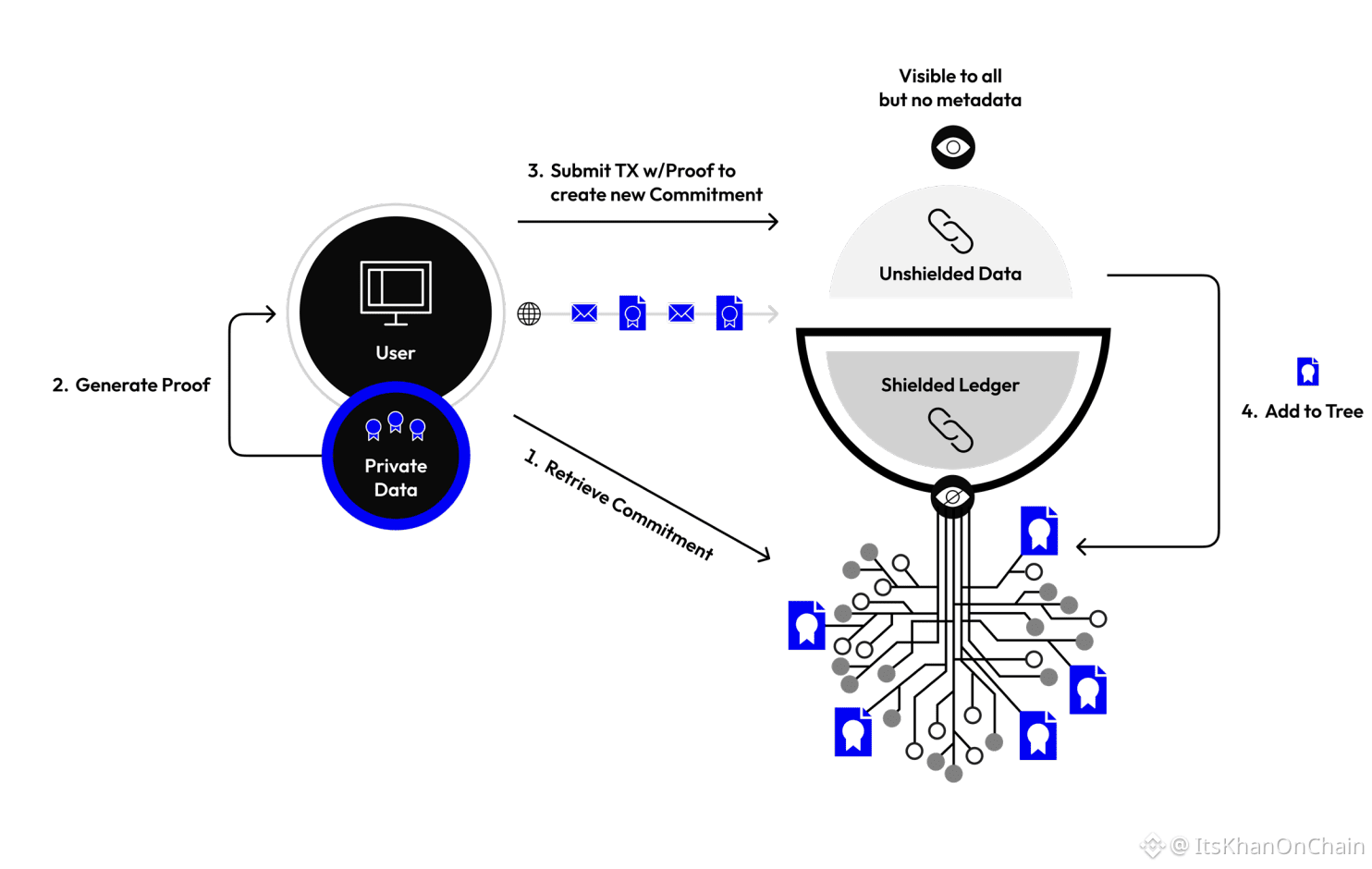
Midnight có hai cách để ngăn mọi người chi tiêu tiền hai lần. Đầu tiên, nó có một tập hợp các con số cho biết khi nào một đồng tiền đã được chi tiêu. Điều này không cho biết ai đã chi tiêu đồng tiền đó. Thứ hai, nó có một cách để chứng minh rằng bạn sở hữu một đồng tiền mà không cần phải cho thấy đồng tiền đó. Điều này khiến cho việc giả mạo sở hữu một đồng tiền trở nên rất khó khăn. Kết quả là một mạng lưới cảm thấy an toàn và đáng tin cậy. Đây là điều mà crypto nên như vậy. DUST của Midnights và hai biện pháp bảo vệ này đảm bảo rằng mọi thứ diễn ra suôn sẻ và công bằng.
#night $NIGHT @MidnightNetwork
DUST của Midnights Fading – Sự phân hủy nhẹ nhàng giữ cho việc chi tiêu gấp đôi không xảy ra
Bạn đã bao giờ nghĩ về cách mà Midnight giữ cho thế giới của nó công bằng và không bị spam chưa? Câu trả lời là DUST. DUST là một thứ mà bạn sử dụng để thanh toán cho các giao dịch. Bạn nhận DUST từ các token NIGHT của mình. Bạn chỉ cần nói với Midnight nơi gửi DUST. Nó bắt đầu đến.. Khi bạn ngừng hoặc di chuyển token của mình, DUST bắt đầu biến mất.
DUST biến mất với tốc độ mà nó đến. Nó không bao giờ trở nên quá lớn. Nó luôn gắn liền với số lượng token NIGHT mà bạn có. Bạn không thể gửi DUST đến một nơi khác. Điều này có nghĩa là mọi người không thể giữ nhiều DUST hoặc cố gắng gian lận hệ thống. Tổng số lượng DUST luôn là trung thực.
Midnight có hai cách để ngăn mọi người chi tiêu tiền hai lần. Đầu tiên, nó có một tập hợp các con số cho biết khi nào một đồng tiền đã được chi tiêu. Điều này không cho biết ai đã chi tiêu đồng tiền đó. Thứ hai, nó có một cách để chứng minh rằng bạn sở hữu một đồng tiền mà không cần phải cho thấy đồng tiền đó. Điều này khiến cho việc giả mạo sở hữu một đồng tiền trở nên rất khó khăn. Kết quả là một mạng lưới cảm thấy an toàn và đáng tin cậy. Đây là điều mà crypto nên như vậy. DUST của Midnights và hai biện pháp bảo vệ này đảm bảo rằng mọi thứ diễn ra suôn sẻ và công bằng.
#night $NIGHT @MidnightNetwork
Bạn đã bao giờ nghĩ về cách mà Midnight giữ cho thế giới của nó công bằng và không bị spam chưa? Câu trả lời là DUST. DUST là một thứ mà bạn sử dụng để thanh toán cho các giao dịch. Bạn nhận DUST từ các token NIGHT của mình. Bạn chỉ cần nói với Midnight nơi gửi DUST. Nó bắt đầu đến.. Khi bạn ngừng hoặc di chuyển token của mình, DUST bắt đầu biến mất.
DUST biến mất với tốc độ mà nó đến. Nó không bao giờ trở nên quá lớn. Nó luôn gắn liền với số lượng token NIGHT mà bạn có. Bạn không thể gửi DUST đến một nơi khác. Điều này có nghĩa là mọi người không thể giữ nhiều DUST hoặc cố gắng gian lận hệ thống. Tổng số lượng DUST luôn là trung thực.
Midnight có hai cách để ngăn mọi người chi tiêu tiền hai lần. Đầu tiên, nó có một tập hợp các con số cho biết khi nào một đồng tiền đã được chi tiêu. Điều này không cho biết ai đã chi tiêu đồng tiền đó. Thứ hai, nó có một cách để chứng minh rằng bạn sở hữu một đồng tiền mà không cần phải cho thấy đồng tiền đó. Điều này khiến cho việc giả mạo sở hữu một đồng tiền trở nên rất khó khăn. Kết quả là một mạng lưới cảm thấy an toàn và đáng tin cậy. Đây là điều mà crypto nên như vậy. DUST của Midnights và hai biện pháp bảo vệ này đảm bảo rằng mọi thứ diễn ra suôn sẻ và công bằng.
#night $NIGHT @MidnightNetwork
1
59
264
Mạng lưới Midnight: Làm thế nào một blockchain đang lặng lẽ viết lại các quy tắc về quyền riêng tư trong thế giới thựcHãy để tôi nói như thế này: Hãy tưởng tượng bạn đang tham gia một buổi phỏng vấn, và bạn cần chứng minh khả năng của mình, nhưng bạn không cần phải tiết lộ ngày sinh chính xác, địa chỉ nhà, hoặc hồ sơ lương trước đây. Hoặc, hãy hình dung điều này: bạn đang kể cho bác sĩ mới của bạn về hồ sơ y tế của mình, và bạn không muốn tất cả điều đó được ghi lại mãi mãi. Hoặc, có thể bạn muốn bỏ phiếu cho câu lạc bộ cộng đồng của mình, và không ai biết bạn đã bỏ phiếu như thế nào. Tất cả những điều này đều không thể cho đến khi… Mạng lưới Midnight.
Midnight không khác gì so với các chuỗi khác ở chỗ nó đang cố gắng tận dụng sự cuồng nhiệt xung quanh công nghệ blockchain. Nhưng điều làm cho Midnight trở nên độc đáo là thực tế rằng nó được thiết kế đặc biệt với những thời điểm khi bạn cần tích hợp bảo mật dữ liệu vào blockchain. Câu hỏi, tất nhiên, là Midnight thực hiện điều này như thế nào, và chúng ta có thể xem xét một số cách mà nó đã bắt đầu thay đổi cuộc chơi.
Mạng lưới Midnight: Làm thế nào một blockchain đang lặng lẽ viết lại các quy tắc về quyền riêng tư trong thế giới thực
Hãy để tôi nói như thế này: Hãy tưởng tượng bạn đang tham gia một buổi phỏng vấn, và bạn cần chứng minh khả năng của mình, nhưng bạn không cần phải tiết lộ ngày sinh chính xác, địa chỉ nhà, hoặc hồ sơ lương trước đây. Hoặc, hãy hình dung điều này: bạn đang kể cho bác sĩ mới của bạn về hồ sơ y tế của mình, và bạn không muốn tất cả điều đó được ghi lại mãi mãi. Hoặc, có thể bạn muốn bỏ phiếu cho câu lạc bộ cộng đồng của mình, và không ai biết bạn đã bỏ phiếu như thế nào. Tất cả những điều này đều không thể cho đến khi… Mạng lưới Midnight.
Midnight không khác gì so với các chuỗi khác ở chỗ nó đang cố gắng tận dụng sự cuồng nhiệt xung quanh công nghệ blockchain. Nhưng điều làm cho Midnight trở nên độc đáo là thực tế rằng nó được thiết kế đặc biệt với những thời điểm khi bạn cần tích hợp bảo mật dữ liệu vào blockchain. Câu hỏi, tất nhiên, là Midnight thực hiện điều này như thế nào, và chúng ta có thể xem xét một số cách mà nó đã bắt đầu thay đổi cuộc chơi.
Midnight không khác gì so với các chuỗi khác ở chỗ nó đang cố gắng tận dụng sự cuồng nhiệt xung quanh công nghệ blockchain. Nhưng điều làm cho Midnight trở nên độc đáo là thực tế rằng nó được thiết kế đặc biệt với những thời điểm khi bạn cần tích hợp bảo mật dữ liệu vào blockchain. Câu hỏi, tất nhiên, là Midnight thực hiện điều này như thế nào, và chúng ta có thể xem xét một số cách mà nó đã bắt đầu thay đổi cuộc chơi.
2
70
361
Viên ngọc ẩn giấu của Mạng Lưới Midnight: Bộ ổn định phí tự điều chỉnh
Hãy tưởng tượng điều này: bạn đang di chuyển trên con đường của mạng blockchain, nhưng thay vì những tắc nghẽn giao thông bất ngờ hoặc những khoản phí cao ngất ngưởng khiến mọi người phải tránh xa con đường hoàn toàn, hệ thống tự điều chỉnh để duy trì lưu lượng giao thông hoàn hảo. Đây chính xác là những gì hệ thống định giá động sáng tạo của Mạng Lưới Midnight đạt được—một hệ thống tự điều chỉnh thực sự cân bằng chi phí giao dịch theo thời gian thực dựa trên nhu cầu của mạng.
Tại trung tâm của nó là một mục tiêu đầy 50% khối, điều này không phải là một con số tùy ý; đó là điểm tối ưu kinh tế giữ cho chuỗi an toàn, phi tập trung và hoạt động tối ưu. Nếu các khối bắt đầu được lấp đầy vượt quá 50%, phí bắt đầu tăng nhẹ bằng DUST, mã thông báo phí ổn định. Điều này khuyến khích một số người chờ đợi và giúp giảm tải. Ngược lại, nếu các khối ít hơn 50% đầy, phí giảm và chúng tôi mời gọi nhiều người tham gia hơn. Đây là vẻ đẹp của một độ đàn hồi tự nhiên được cung cấp bởi một hệ số nhân tắc nghẽn nhìn vào các khối hiện tại và trước đó, cũng như kích thước giao dịch.
Điều tuyệt nhất? Chỉ cần nắm giữ mã thông báo NIGHT, người dùng có thể tạo ra DUST của riêng họ để thanh toán phí! Không còn phải đoán mò với sự biến động của thị trường. Đó là sự bảo vệ của người bình thường cũng như các doanh nghiệp, và chi phí tấn công hệ thống này là cao do cần có bằng chứng không kiến thức. Không còn hỗn loạn, chỉ còn blockchain mượt mà đang hoạt động!
#night $NIGHT @MidnightNetwork
Viên ngọc ẩn giấu của Mạng Lưới Midnight: Bộ ổn định phí tự điều chỉnh
Hãy tưởng tượng điều này: bạn đang di chuyển trên con đường của mạng blockchain, nhưng thay vì những tắc nghẽn giao thông bất ngờ hoặc những khoản phí cao ngất ngưởng khiến mọi người phải tránh xa con đường hoàn toàn, hệ thống tự điều chỉnh để duy trì lưu lượng giao thông hoàn hảo. Đây chính xác là những gì hệ thống định giá động sáng tạo của Mạng Lưới Midnight đạt được—một hệ thống tự điều chỉnh thực sự cân bằng chi phí giao dịch theo thời gian thực dựa trên nhu cầu của mạng.
Tại trung tâm của nó là một mục tiêu đầy 50% khối, điều này không phải là một con số tùy ý; đó là điểm tối ưu kinh tế giữ cho chuỗi an toàn, phi tập trung và hoạt động tối ưu. Nếu các khối bắt đầu được lấp đầy vượt quá 50%, phí bắt đầu tăng nhẹ bằng DUST, mã thông báo phí ổn định. Điều này khuyến khích một số người chờ đợi và giúp giảm tải. Ngược lại, nếu các khối ít hơn 50% đầy, phí giảm và chúng tôi mời gọi nhiều người tham gia hơn. Đây là vẻ đẹp của một độ đàn hồi tự nhiên được cung cấp bởi một hệ số nhân tắc nghẽn nhìn vào các khối hiện tại và trước đó, cũng như kích thước giao dịch.
Điều tuyệt nhất? Chỉ cần nắm giữ mã thông báo NIGHT, người dùng có thể tạo ra DUST của riêng họ để thanh toán phí! Không còn phải đoán mò với sự biến động của thị trường. Đó là sự bảo vệ của người bình thường cũng như các doanh nghiệp, và chi phí tấn công hệ thống này là cao do cần có bằng chứng không kiến thức. Không còn hỗn loạn, chỉ còn blockchain mượt mà đang hoạt động!
#night $NIGHT @MidnightNetwork
Hãy tưởng tượng điều này: bạn đang di chuyển trên con đường của mạng blockchain, nhưng thay vì những tắc nghẽn giao thông bất ngờ hoặc những khoản phí cao ngất ngưởng khiến mọi người phải tránh xa con đường hoàn toàn, hệ thống tự điều chỉnh để duy trì lưu lượng giao thông hoàn hảo. Đây chính xác là những gì hệ thống định giá động sáng tạo của Mạng Lưới Midnight đạt được—một hệ thống tự điều chỉnh thực sự cân bằng chi phí giao dịch theo thời gian thực dựa trên nhu cầu của mạng.
Tại trung tâm của nó là một mục tiêu đầy 50% khối, điều này không phải là một con số tùy ý; đó là điểm tối ưu kinh tế giữ cho chuỗi an toàn, phi tập trung và hoạt động tối ưu. Nếu các khối bắt đầu được lấp đầy vượt quá 50%, phí bắt đầu tăng nhẹ bằng DUST, mã thông báo phí ổn định. Điều này khuyến khích một số người chờ đợi và giúp giảm tải. Ngược lại, nếu các khối ít hơn 50% đầy, phí giảm và chúng tôi mời gọi nhiều người tham gia hơn. Đây là vẻ đẹp của một độ đàn hồi tự nhiên được cung cấp bởi một hệ số nhân tắc nghẽn nhìn vào các khối hiện tại và trước đó, cũng như kích thước giao dịch.
Điều tuyệt nhất? Chỉ cần nắm giữ mã thông báo NIGHT, người dùng có thể tạo ra DUST của riêng họ để thanh toán phí! Không còn phải đoán mò với sự biến động của thị trường. Đó là sự bảo vệ của người bình thường cũng như các doanh nghiệp, và chi phí tấn công hệ thống này là cao do cần có bằng chứng không kiến thức. Không còn hỗn loạn, chỉ còn blockchain mượt mà đang hoạt động!
#night $NIGHT @MidnightNetwork
5
57
217
Vải Che Nép: NIGHT – Token Bản Địa Chuỗi Đôi của Midnight NetworkĐiều gì sẽ xảy ra nếu bạn bước vào một khu rừng kỹ thuật số tối tăm khi mặt trời lặn? Có hai cây cổ thụ bên cạnh nhau – một cây tỏa sáng với trí tuệ xanh thẫm của Cardano và cây kia mang đến bí ẩn tĩnh lặng của Midnight. Ở giữa chúng là một token tỏa sáng rực rỡ với cái tên đọc là NIGHT. Nó không thuộc về một ngôi nhà nào cả; nó thuộc về cả hai cùng một lúc. Không có sự ngụy trang, không cần cầu nối – chỉ có sự tồn tại thuần khiết và đơn giản. Đó là sự cân bằng phi thường mà tôi đã học được trong hành trình của mình vào thế giới của Midnight Network, và một khi bạn hiểu NIGHT có nghĩa là gì, bạn sẽ không bao giờ nhìn một token theo cách bình thường nữa!
Vải Che Nép: NIGHT – Token Bản Địa Chuỗi Đôi của Midnight Network
Điều gì sẽ xảy ra nếu bạn bước vào một khu rừng kỹ thuật số tối tăm khi mặt trời lặn? Có hai cây cổ thụ bên cạnh nhau – một cây tỏa sáng với trí tuệ xanh thẫm của Cardano và cây kia mang đến bí ẩn tĩnh lặng của Midnight. Ở giữa chúng là một token tỏa sáng rực rỡ với cái tên đọc là NIGHT. Nó không thuộc về một ngôi nhà nào cả; nó thuộc về cả hai cùng một lúc. Không có sự ngụy trang, không cần cầu nối – chỉ có sự tồn tại thuần khiết và đơn giản. Đó là sự cân bằng phi thường mà tôi đã học được trong hành trình của mình vào thế giới của Midnight Network, và một khi bạn hiểu NIGHT có nghĩa là gì, bạn sẽ không bao giờ nhìn một token theo cách bình thường nữa!
4
69
265
Săn Băng: Cuộc Gặp Gỡ Đầu Tiên Của Tôi Với Sự Rơi CỦA NIGHT
Vài tuần trước, khi tôi đang lướt qua các tin tức tiền điện tử, tôi đã tình cờ gặp một bản cập nhật từ Midnight Network về Glacier Drop của họ. Đây không phải là kiểu “nhận token miễn phí” FOMO thông thường. Nó giống như một cuộc săn kho báu với một chút công nghệ bảo mật nghiêm túc. Thay vì việc phát ngay lập tức các token NIGHT đã yêu cầu vào ví, chúng được giữ lại trên blockchain Cardano và sau đó sẽ được giải phóng dần dần thành bốn khoản bằng nhau mỗi 90 ngày trong suốt một năm. Sự giải phóng dần dần chính là điều đã cho toàn bộ dự án cái tên “băng”, và thực sự khiến bạn phải suy nghĩ về cảm giác dài hạn của dự án.
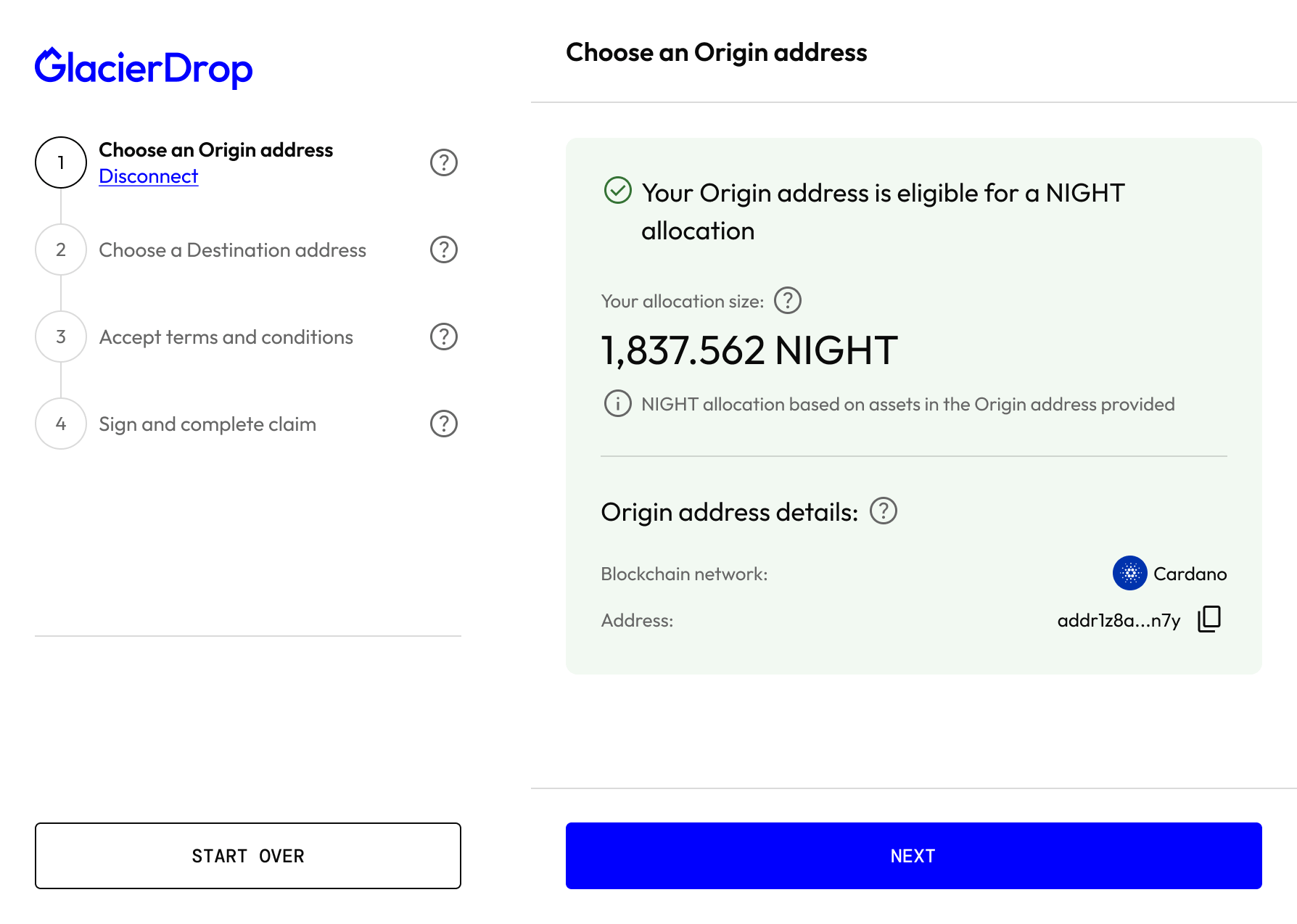
Việc phân phối sẽ thưởng cho tất cả những người giữ token của chuỗi với phần lớn nhất thuộc về Cardano (50%), tiếp theo là Bitcoin (20%), và phần còn lại sẽ được phân bổ theo tỷ lệ giữa Ethereum, Solana, XRPL, BNB Chain, Avalanche, và thậm chí Brave dựa trên số lượng USD được chụp lại. Bạn phải có ít nhất $100 tương đương trong các token gốc tại thời điểm chụp lại, không cho phép địa chỉ bị cấm, và chỉ cần ký tin nhắn như bằng chứng sở hữu – không yêu cầu KYC và không lộ thông tin cá nhân. Sau khi thời gian yêu cầu 60 ngày kết thúc, phần còn lại sẽ chuyển vào các giai đoạn tiếp theo – không có gì bị mất đi; nó chỉ chuyển vào tay những người chơi tích cực.
Thật là một cảnh tượng đáng hoan nghênh khi thấy một sự phân phối kháng cự lại các cuộc tấn công Sybil, thưởng cho những người thực sự tham gia vào trò chơi qua các hệ sinh thái, và bao gồm khả năng chống kiểm duyệt thông qua các hợp đồng thông minh của Cardano. Nó cảm thấy ít giống như một chu kỳ thổi phồng và nhiều hơn như một khởi đầu cho một câu chuyện dài. Nếu bạn có những vị trí đủ điều kiện chỉ đang tích tụ bụi trong một trong những hệ sinh thái đó, có thể đáng để xem xét trong khi cửa sổ này vẫn còn mở.
#night $NIGHT @MidnightNetwork
Săn Băng: Cuộc Gặp Gỡ Đầu Tiên Của Tôi Với Sự Rơi CỦA NIGHT
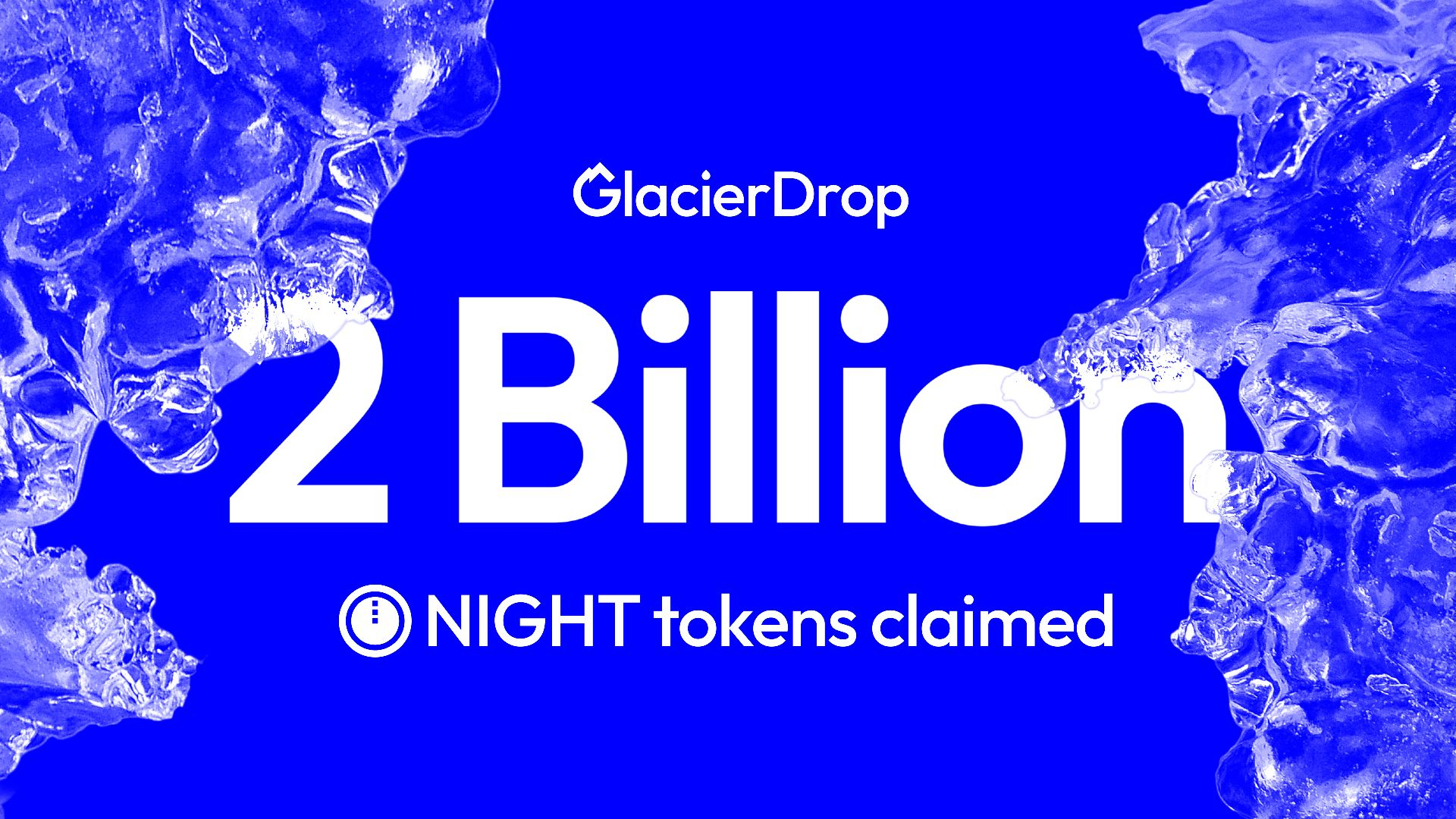
Vài tuần trước, khi tôi đang lướt qua các tin tức tiền điện tử, tôi đã tình cờ gặp một bản cập nhật từ Midnight Network về Glacier Drop của họ. Đây không phải là kiểu “nhận token miễn phí” FOMO thông thường. Nó giống như một cuộc săn kho báu với một chút công nghệ bảo mật nghiêm túc. Thay vì việc phát ngay lập tức các token NIGHT đã yêu cầu vào ví, chúng được giữ lại trên blockchain Cardano và sau đó sẽ được giải phóng dần dần thành bốn khoản bằng nhau mỗi 90 ngày trong suốt một năm. Sự giải phóng dần dần chính là điều đã cho toàn bộ dự án cái tên “băng”, và thực sự khiến bạn phải suy nghĩ về cảm giác dài hạn của dự án.
Việc phân phối sẽ thưởng cho tất cả những người giữ token của chuỗi với phần lớn nhất thuộc về Cardano (50%), tiếp theo là Bitcoin (20%), và phần còn lại sẽ được phân bổ theo tỷ lệ giữa Ethereum, Solana, XRPL, BNB Chain, Avalanche, và thậm chí Brave dựa trên số lượng USD được chụp lại. Bạn phải có ít nhất $100 tương đương trong các token gốc tại thời điểm chụp lại, không cho phép địa chỉ bị cấm, và chỉ cần ký tin nhắn như bằng chứng sở hữu – không yêu cầu KYC và không lộ thông tin cá nhân. Sau khi thời gian yêu cầu 60 ngày kết thúc, phần còn lại sẽ chuyển vào các giai đoạn tiếp theo – không có gì bị mất đi; nó chỉ chuyển vào tay những người chơi tích cực.
Thật là một cảnh tượng đáng hoan nghênh khi thấy một sự phân phối kháng cự lại các cuộc tấn công Sybil, thưởng cho những người thực sự tham gia vào trò chơi qua các hệ sinh thái, và bao gồm khả năng chống kiểm duyệt thông qua các hợp đồng thông minh của Cardano. Nó cảm thấy ít giống như một chu kỳ thổi phồng và nhiều hơn như một khởi đầu cho một câu chuyện dài. Nếu bạn có những vị trí đủ điều kiện chỉ đang tích tụ bụi trong một trong những hệ sinh thái đó, có thể đáng để xem xét trong khi cửa sổ này vẫn còn mở.
#night $NIGHT @MidnightNetwork
Vài tuần trước, khi tôi đang lướt qua các tin tức tiền điện tử, tôi đã tình cờ gặp một bản cập nhật từ Midnight Network về Glacier Drop của họ. Đây không phải là kiểu “nhận token miễn phí” FOMO thông thường. Nó giống như một cuộc săn kho báu với một chút công nghệ bảo mật nghiêm túc. Thay vì việc phát ngay lập tức các token NIGHT đã yêu cầu vào ví, chúng được giữ lại trên blockchain Cardano và sau đó sẽ được giải phóng dần dần thành bốn khoản bằng nhau mỗi 90 ngày trong suốt một năm. Sự giải phóng dần dần chính là điều đã cho toàn bộ dự án cái tên “băng”, và thực sự khiến bạn phải suy nghĩ về cảm giác dài hạn của dự án.
Việc phân phối sẽ thưởng cho tất cả những người giữ token của chuỗi với phần lớn nhất thuộc về Cardano (50%), tiếp theo là Bitcoin (20%), và phần còn lại sẽ được phân bổ theo tỷ lệ giữa Ethereum, Solana, XRPL, BNB Chain, Avalanche, và thậm chí Brave dựa trên số lượng USD được chụp lại. Bạn phải có ít nhất $100 tương đương trong các token gốc tại thời điểm chụp lại, không cho phép địa chỉ bị cấm, và chỉ cần ký tin nhắn như bằng chứng sở hữu – không yêu cầu KYC và không lộ thông tin cá nhân. Sau khi thời gian yêu cầu 60 ngày kết thúc, phần còn lại sẽ chuyển vào các giai đoạn tiếp theo – không có gì bị mất đi; nó chỉ chuyển vào tay những người chơi tích cực.
Thật là một cảnh tượng đáng hoan nghênh khi thấy một sự phân phối kháng cự lại các cuộc tấn công Sybil, thưởng cho những người thực sự tham gia vào trò chơi qua các hệ sinh thái, và bao gồm khả năng chống kiểm duyệt thông qua các hợp đồng thông minh của Cardano. Nó cảm thấy ít giống như một chu kỳ thổi phồng và nhiều hơn như một khởi đầu cho một câu chuyện dài. Nếu bạn có những vị trí đủ điều kiện chỉ đang tích tụ bụi trong một trong những hệ sinh thái đó, có thể đáng để xem xét trong khi cửa sổ này vẫn còn mở.
#night $NIGHT @MidnightNetwork
3
57
301
Midnight Node: Hệ Thần Kinh Cung Cấp Năng Lượng Cho Một Blockchain Tập Trung Vào Quyền Riêng TưNếu bạn từng tự hỏi điều gì giữ cho một mạng blockchain tập trung vào quyền riêng tư trung thực, phản hồi và tồn tại, câu trả lời nằm ở một thứ gọi là Midnight Node, thứ đóng vai trò là phần cơ sở hạ tầng quan trọng cung cấp năng lượng cho toàn bộ mạng Midnight.
Nó không chỉ là một máy chủ nào đó chạy mã. Nó là một thành viên hoàn toàn tích cực trong một hệ thống phi tập trung, chịu trách nhiệm thực thi các quy tắc của giao thức, tính toàn vẹn của trạng thái nội bộ, và đảm bảo rằng tất cả các tương tác trên mạng đều tuân theo các quy tắc đã được thống nhất. Nó giống như hệ thống thần kinh của mạng, và nếu không có nó, không có gì xảy ra, không có gì được xác minh, và không có gì giữ được sự trung thực.
Midnight Node: Hệ Thần Kinh Cung Cấp Năng Lượng Cho Một Blockchain Tập Trung Vào Quyền Riêng Tư
Nếu bạn từng tự hỏi điều gì giữ cho một mạng blockchain tập trung vào quyền riêng tư trung thực, phản hồi và tồn tại, câu trả lời nằm ở một thứ gọi là Midnight Node, thứ đóng vai trò là phần cơ sở hạ tầng quan trọng cung cấp năng lượng cho toàn bộ mạng Midnight.
Nó không chỉ là một máy chủ nào đó chạy mã. Nó là một thành viên hoàn toàn tích cực trong một hệ thống phi tập trung, chịu trách nhiệm thực thi các quy tắc của giao thức, tính toàn vẹn của trạng thái nội bộ, và đảm bảo rằng tất cả các tương tác trên mạng đều tuân theo các quy tắc đã được thống nhất. Nó giống như hệ thống thần kinh của mạng, và nếu không có nó, không có gì xảy ra, không có gì được xác minh, và không có gì giữ được sự trung thực.
Nó không chỉ là một máy chủ nào đó chạy mã. Nó là một thành viên hoàn toàn tích cực trong một hệ thống phi tập trung, chịu trách nhiệm thực thi các quy tắc của giao thức, tính toàn vẹn của trạng thái nội bộ, và đảm bảo rằng tất cả các tương tác trên mạng đều tuân theo các quy tắc đã được thống nhất. Nó giống như hệ thống thần kinh của mạng, và nếu không có nó, không có gì xảy ra, không có gì được xác minh, và không có gì giữ được sự trung thực.
56
255
Người Giữ Bí Mật của Đêm: Cách Kachina Viết Lại Các Quy Tắc Của Niềm Tin
Có một cuộc cách mạng yên ả đang diễn ra trong các blockchain, và đó là nơi bạn không phải chọn giữa tính minh bạch và quyền riêng tư nữa. Chúng tôi đã được nói trong nhiều năm rằng đó là một trong hai điều: dữ liệu của bạn hoặc là trên chuỗi và có thể xác minh, hoặc là riêng tư và không được chứng minh. Kachina là giải pháp của Midnight cho sự phân chia sai lầm này, một hệ thống hợp đồng thông minh bảo vệ dữ liệu kết nối những gì được biết đến riêng tư trên máy tính của bạn với những gì được biết đến công khai và xác minh trên blockchain. Đó không phải là phép thuật; đó là toán học, và nó thay đổi mọi thứ mà chúng ta nghĩ về niềm tin trong các hệ thống phi tập trung.
Bạn có nhớ lần cuối cùng bạn phải chia sẻ nhiều thông tin hơn bạn muốn chỉ để chứng minh một quan điểm không? Kachina được xây dựng cho tình huống này. Chúng tôi duy trì trạng thái riêng tư, đó là thông tin mà chúng tôi không bao giờ chia sẻ với thế giới bên ngoài. Chúng tôi duy trì trạng thái công khai, đó là thông tin mà bất kỳ ai cũng có thể xác minh trên blockchain. Và chúng tôi sử dụng các bằng chứng không biết, hay ZK-SNARKs, để xác minh rằng thông tin riêng tư của chúng tôi đủ để chứng minh hành động công khai của chúng tôi. Vì vậy, nếu tôi muốn bỏ phiếu hoặc rút tiền, tôi sử dụng một bằng chứng không biết để xác minh rằng tôi có đủ thông tin để chứng minh hành động đó. Blockchain biết rằng tôi có thông tin này. Nó chỉ không bao giờ biết thông tin đó là gì.
Và đó là nơi hầu hết mọi người đang bỏ lỡ điểm mấu chốt: Kachina không chỉ đảm bảo quyền riêng tư, mà nó còn thực hiện được việc. Nó cho phép nhiều người dùng làm việc với các hợp đồng thông minh cùng một lúc mà không chặn nhau, sử dụng một mô hình dựa trên biên bản để đảm bảo rò rỉ thông tin tối thiểu trong khi tối đa hóa luồng thông tin. Kachina sử dụng khung bảo mật Universally Composable (UC) để đảm bảo rằng nó không chỉ là một giải pháp cho vấn đề mà còn là một cách suy nghĩ mới về cách các hợp đồng thông minh có thể trông như thế nào khi quyền riêng tư không phải là một suy nghĩ sau mà là toàn bộ trọng tâm.
#night $NIGHT @MidnightNetwork
Người Giữ Bí Mật của Đêm: Cách Kachina Viết Lại Các Quy Tắc Của Niềm Tin
Có một cuộc cách mạng yên ả đang diễn ra trong các blockchain, và đó là nơi bạn không phải chọn giữa tính minh bạch và quyền riêng tư nữa. Chúng tôi đã được nói trong nhiều năm rằng đó là một trong hai điều: dữ liệu của bạn hoặc là trên chuỗi và có thể xác minh, hoặc là riêng tư và không được chứng minh. Kachina là giải pháp của Midnight cho sự phân chia sai lầm này, một hệ thống hợp đồng thông minh bảo vệ dữ liệu kết nối những gì được biết đến riêng tư trên máy tính của bạn với những gì được biết đến công khai và xác minh trên blockchain. Đó không phải là phép thuật; đó là toán học, và nó thay đổi mọi thứ mà chúng ta nghĩ về niềm tin trong các hệ thống phi tập trung.
Bạn có nhớ lần cuối cùng bạn phải chia sẻ nhiều thông tin hơn bạn muốn chỉ để chứng minh một quan điểm không? Kachina được xây dựng cho tình huống này. Chúng tôi duy trì trạng thái riêng tư, đó là thông tin mà chúng tôi không bao giờ chia sẻ với thế giới bên ngoài. Chúng tôi duy trì trạng thái công khai, đó là thông tin mà bất kỳ ai cũng có thể xác minh trên blockchain. Và chúng tôi sử dụng các bằng chứng không biết, hay ZK-SNARKs, để xác minh rằng thông tin riêng tư của chúng tôi đủ để chứng minh hành động công khai của chúng tôi. Vì vậy, nếu tôi muốn bỏ phiếu hoặc rút tiền, tôi sử dụng một bằng chứng không biết để xác minh rằng tôi có đủ thông tin để chứng minh hành động đó. Blockchain biết rằng tôi có thông tin này. Nó chỉ không bao giờ biết thông tin đó là gì.
Và đó là nơi hầu hết mọi người đang bỏ lỡ điểm mấu chốt: Kachina không chỉ đảm bảo quyền riêng tư, mà nó còn thực hiện được việc. Nó cho phép nhiều người dùng làm việc với các hợp đồng thông minh cùng một lúc mà không chặn nhau, sử dụng một mô hình dựa trên biên bản để đảm bảo rò rỉ thông tin tối thiểu trong khi tối đa hóa luồng thông tin. Kachina sử dụng khung bảo mật Universally Composable (UC) để đảm bảo rằng nó không chỉ là một giải pháp cho vấn đề mà còn là một cách suy nghĩ mới về cách các hợp đồng thông minh có thể trông như thế nào khi quyền riêng tư không phải là một suy nghĩ sau mà là toàn bộ trọng tâm.
#night $NIGHT @MidnightNetwork
Có một cuộc cách mạng yên ả đang diễn ra trong các blockchain, và đó là nơi bạn không phải chọn giữa tính minh bạch và quyền riêng tư nữa. Chúng tôi đã được nói trong nhiều năm rằng đó là một trong hai điều: dữ liệu của bạn hoặc là trên chuỗi và có thể xác minh, hoặc là riêng tư và không được chứng minh. Kachina là giải pháp của Midnight cho sự phân chia sai lầm này, một hệ thống hợp đồng thông minh bảo vệ dữ liệu kết nối những gì được biết đến riêng tư trên máy tính của bạn với những gì được biết đến công khai và xác minh trên blockchain. Đó không phải là phép thuật; đó là toán học, và nó thay đổi mọi thứ mà chúng ta nghĩ về niềm tin trong các hệ thống phi tập trung.
Bạn có nhớ lần cuối cùng bạn phải chia sẻ nhiều thông tin hơn bạn muốn chỉ để chứng minh một quan điểm không? Kachina được xây dựng cho tình huống này. Chúng tôi duy trì trạng thái riêng tư, đó là thông tin mà chúng tôi không bao giờ chia sẻ với thế giới bên ngoài. Chúng tôi duy trì trạng thái công khai, đó là thông tin mà bất kỳ ai cũng có thể xác minh trên blockchain. Và chúng tôi sử dụng các bằng chứng không biết, hay ZK-SNARKs, để xác minh rằng thông tin riêng tư của chúng tôi đủ để chứng minh hành động công khai của chúng tôi. Vì vậy, nếu tôi muốn bỏ phiếu hoặc rút tiền, tôi sử dụng một bằng chứng không biết để xác minh rằng tôi có đủ thông tin để chứng minh hành động đó. Blockchain biết rằng tôi có thông tin này. Nó chỉ không bao giờ biết thông tin đó là gì.
Và đó là nơi hầu hết mọi người đang bỏ lỡ điểm mấu chốt: Kachina không chỉ đảm bảo quyền riêng tư, mà nó còn thực hiện được việc. Nó cho phép nhiều người dùng làm việc với các hợp đồng thông minh cùng một lúc mà không chặn nhau, sử dụng một mô hình dựa trên biên bản để đảm bảo rò rỉ thông tin tối thiểu trong khi tối đa hóa luồng thông tin. Kachina sử dụng khung bảo mật Universally Composable (UC) để đảm bảo rằng nó không chỉ là một giải pháp cho vấn đề mà còn là một cách suy nghĩ mới về cách các hợp đồng thông minh có thể trông như thế nào khi quyền riêng tư không phải là một suy nghĩ sau mà là toàn bộ trọng tâm.
#night $NIGHT @MidnightNetwork
49
226
Mở Khóa Bóng Tối: Cách Mà Compact của Midnight Giúp Dễ Dàng Bảo Mật Cho Mỗi Nhà Phát TriểnGiả sử bạn là một lập trình viên cảm thấy mệt mỏi với việc phải đưa ra quyết định giữa việc tạo ra những ứng dụng tuyệt vời và việc dữ liệu của mọi người có thể bị rò rỉ lên blockchain để cả thế giới thấy. Đó là lúc Mạng Lưới Midnight xuất hiện: về cơ bản, bạn đang cung cấp cho blockchain tương đương với "chế độ riêng tư" trong khi vẫn hoàn toàn có thể xác minh và phi tập trung.
Trong thế giới crypto cũ, mọi thứ đều công khai. Hợp đồng thông minh của bạn có thể đang xử lý thông tin nhạy cảm như dữ liệu y tế, giao dịch tài chính, hoặc thông tin kinh doanh, và một khi bạn đưa nó lên blockchain, nó sẽ ở đó mãi mãi. Midnight đảo ngược tất cả điều này với sự riêng tư hợp lý: bạn tiết lộ vừa đủ để mọi người thấy, chứng minh phần còn lại thông qua "ma thuật toán" (bằng chứng không kiến thức), và giữ phần còn lại bí mật.
Mở Khóa Bóng Tối: Cách Mà Compact của Midnight Giúp Dễ Dàng Bảo Mật Cho Mỗi Nhà Phát Triển
Giả sử bạn là một lập trình viên cảm thấy mệt mỏi với việc phải đưa ra quyết định giữa việc tạo ra những ứng dụng tuyệt vời và việc dữ liệu của mọi người có thể bị rò rỉ lên blockchain để cả thế giới thấy. Đó là lúc Mạng Lưới Midnight xuất hiện: về cơ bản, bạn đang cung cấp cho blockchain tương đương với "chế độ riêng tư" trong khi vẫn hoàn toàn có thể xác minh và phi tập trung.
Trong thế giới crypto cũ, mọi thứ đều công khai. Hợp đồng thông minh của bạn có thể đang xử lý thông tin nhạy cảm như dữ liệu y tế, giao dịch tài chính, hoặc thông tin kinh doanh, và một khi bạn đưa nó lên blockchain, nó sẽ ở đó mãi mãi. Midnight đảo ngược tất cả điều này với sự riêng tư hợp lý: bạn tiết lộ vừa đủ để mọi người thấy, chứng minh phần còn lại thông qua "ma thuật toán" (bằng chứng không kiến thức), và giữ phần còn lại bí mật.
Trong thế giới crypto cũ, mọi thứ đều công khai. Hợp đồng thông minh của bạn có thể đang xử lý thông tin nhạy cảm như dữ liệu y tế, giao dịch tài chính, hoặc thông tin kinh doanh, và một khi bạn đưa nó lên blockchain, nó sẽ ở đó mãi mãi. Midnight đảo ngược tất cả điều này với sự riêng tư hợp lý: bạn tiết lộ vừa đủ để mọi người thấy, chứng minh phần còn lại thông qua "ma thuật toán" (bằng chứng không kiến thức), và giữ phần còn lại bí mật.
52
200
Thỏa thuận mà không ai có thể thấy: Cách ZSwap của Midnight đang viết lại tài chính riêng tư
Ví dụ, nếu Alice và Bob muốn thực hiện một giao dịch sử dụng blockchain, và không bên nào muốn tiết lộ giao dịch của họ, giá trị của nó, hoặc danh tính của họ, thì đó chính xác là lúc ZSwap của Midnight được sử dụng. Nói cách khác, đây là một hệ thống giao dịch được lấy cảm hứng từ giao thức Zerocash và được sử dụng để thực hiện một giao dịch hoán đổi nguyên tử an toàn và riêng tư, có nghĩa là giao dịch được hoàn thành toàn bộ hoặc không hoàn thành chút nào.
Điều đặc biệt đáng chú ý về ZSwap là cách nó quản lý để bảo vệ quyền riêng tư mà không làm giảm chức năng. Các bên liên quan có thể bảo vệ danh tính và chi tiết tài sản của họ bằng các hệ thống chứng minh không biết trước khi giao dịch được thực hiện trên mạng. Sau đó, các giao dịch được kết hợp thành một hoán đổi nguyên tử duy nhất, hoàn toàn che giấu các tài sản đã hoán đổi trong khi vẫn xác minh cho mạng rằng mọi thứ là hợp pháp. Không ai có thể biết cái gì đã được hoán đổi hoặc ai đã hoán đổi nó.
Ngoài những hoán đổi đơn giản, ZSwap cũng cung cấp sức mạnh cho hệ sinh thái token rộng lớn hơn của Midnight — hỗ trợ nhiều loại tài sản, cho phép gộp giao dịch, và thậm chí hỗ trợ các tính năng như "Babel Station," cho phép người dùng gửi giao dịch mà không cần giữ DUST bằng cách sử dụng một ý định ZSwap làm thanh toán. Đây là một lớp nền tảng một cách yên lặng làm cho DeFi ưu tiên quyền riêng tư không chỉ khả thi mà còn thực tiễn.
#night $NIGHT @MidnightNetwork
Thỏa thuận mà không ai có thể thấy: Cách ZSwap của Midnight đang viết lại tài chính riêng tư
Ví dụ, nếu Alice và Bob muốn thực hiện một giao dịch sử dụng blockchain, và không bên nào muốn tiết lộ giao dịch của họ, giá trị của nó, hoặc danh tính của họ, thì đó chính xác là lúc ZSwap của Midnight được sử dụng. Nói cách khác, đây là một hệ thống giao dịch được lấy cảm hứng từ giao thức Zerocash và được sử dụng để thực hiện một giao dịch hoán đổi nguyên tử an toàn và riêng tư, có nghĩa là giao dịch được hoàn thành toàn bộ hoặc không hoàn thành chút nào.
Điều đặc biệt đáng chú ý về ZSwap là cách nó quản lý để bảo vệ quyền riêng tư mà không làm giảm chức năng. Các bên liên quan có thể bảo vệ danh tính và chi tiết tài sản của họ bằng các hệ thống chứng minh không biết trước khi giao dịch được thực hiện trên mạng. Sau đó, các giao dịch được kết hợp thành một hoán đổi nguyên tử duy nhất, hoàn toàn che giấu các tài sản đã hoán đổi trong khi vẫn xác minh cho mạng rằng mọi thứ là hợp pháp. Không ai có thể biết cái gì đã được hoán đổi hoặc ai đã hoán đổi nó.
Ngoài những hoán đổi đơn giản, ZSwap cũng cung cấp sức mạnh cho hệ sinh thái token rộng lớn hơn của Midnight — hỗ trợ nhiều loại tài sản, cho phép gộp giao dịch, và thậm chí hỗ trợ các tính năng như "Babel Station," cho phép người dùng gửi giao dịch mà không cần giữ DUST bằng cách sử dụng một ý định ZSwap làm thanh toán. Đây là một lớp nền tảng một cách yên lặng làm cho DeFi ưu tiên quyền riêng tư không chỉ khả thi mà còn thực tiễn.
#night $NIGHT @MidnightNetwork
Ví dụ, nếu Alice và Bob muốn thực hiện một giao dịch sử dụng blockchain, và không bên nào muốn tiết lộ giao dịch của họ, giá trị của nó, hoặc danh tính của họ, thì đó chính xác là lúc ZSwap của Midnight được sử dụng. Nói cách khác, đây là một hệ thống giao dịch được lấy cảm hứng từ giao thức Zerocash và được sử dụng để thực hiện một giao dịch hoán đổi nguyên tử an toàn và riêng tư, có nghĩa là giao dịch được hoàn thành toàn bộ hoặc không hoàn thành chút nào.
Điều đặc biệt đáng chú ý về ZSwap là cách nó quản lý để bảo vệ quyền riêng tư mà không làm giảm chức năng. Các bên liên quan có thể bảo vệ danh tính và chi tiết tài sản của họ bằng các hệ thống chứng minh không biết trước khi giao dịch được thực hiện trên mạng. Sau đó, các giao dịch được kết hợp thành một hoán đổi nguyên tử duy nhất, hoàn toàn che giấu các tài sản đã hoán đổi trong khi vẫn xác minh cho mạng rằng mọi thứ là hợp pháp. Không ai có thể biết cái gì đã được hoán đổi hoặc ai đã hoán đổi nó.
Ngoài những hoán đổi đơn giản, ZSwap cũng cung cấp sức mạnh cho hệ sinh thái token rộng lớn hơn của Midnight — hỗ trợ nhiều loại tài sản, cho phép gộp giao dịch, và thậm chí hỗ trợ các tính năng như "Babel Station," cho phép người dùng gửi giao dịch mà không cần giữ DUST bằng cách sử dụng một ý định ZSwap làm thanh toán. Đây là một lớp nền tảng một cách yên lặng làm cho DeFi ưu tiên quyền riêng tư không chỉ khả thi mà còn thực tiễn.
#night $NIGHT @MidnightNetwork
2
47
154
Đăng nhập để khám phá thêm nội dung
Tham gia cùng người dùng tiền mã hóa toàn cầu trên Binance Square
⚡️ Nhận thông tin mới nhất và hữu ích về tiền mã hóa.
💬 Được tin cậy bởi sàn giao dịch tiền mã hóa lớn nhất thế giới.
👍 Khám phá những thông tin chuyên sâu thực tế từ những nhà sáng tạo đã xác minh.
Email / Số điện thoại
Chủ đề thịnh hành
BinancePick
2.5M lượt xem
137,410 đang thảo luận
Tham gia #MùaBáoCáoKếtQuảKinhDoanh: Dự đoán kết quả kinh doanh trên Binance Pick, chia sẻ quan điểm trên Binance Square!
Binance Square Official
·399 lượt thích
·336.9k lượt xem
EarningsSeason
4.9M lượt xem
23,850 đang thảo luận
TheoDõiFOMC
291,387 lượt xem
1,218 đang thảo luận